Slideshow · Science
22 Places Where Scientists Found Water Hiding in the Solar System
Explore 22 solar system locations where water ice and buried oceans exist, all backed by real mission detections. From lunar craters to deep subsurface seas on Enceladus, scientists are mapping the water that shapes our planetary neighborhood. Discover how these cold reservoirs reveal the evolution of planets and the hidden potential for life across the solar system in this planetary countdown.

All 22 Entries in this Story
#22 Europa
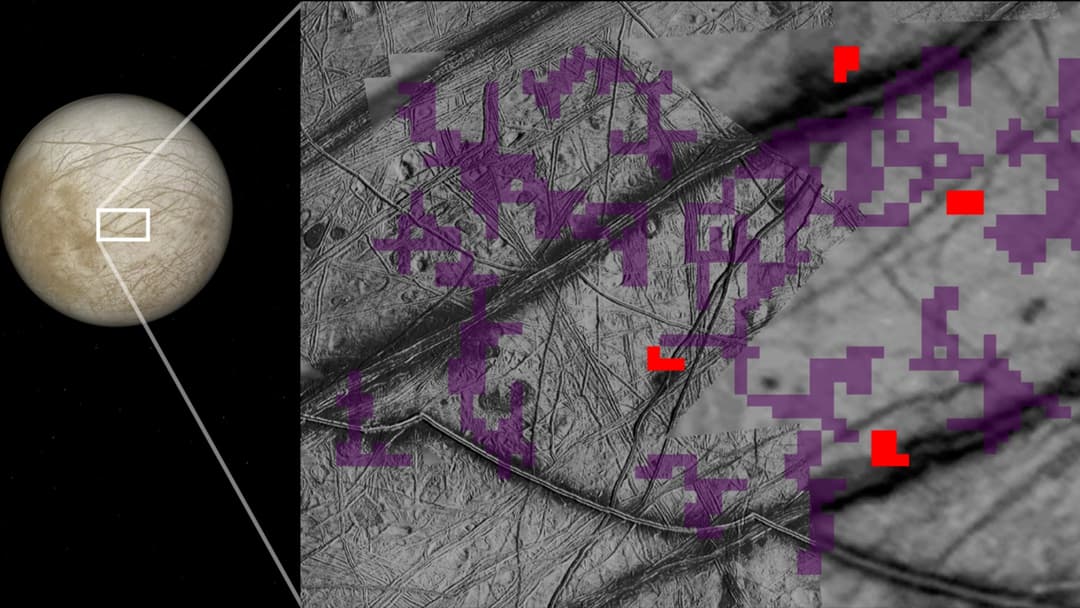
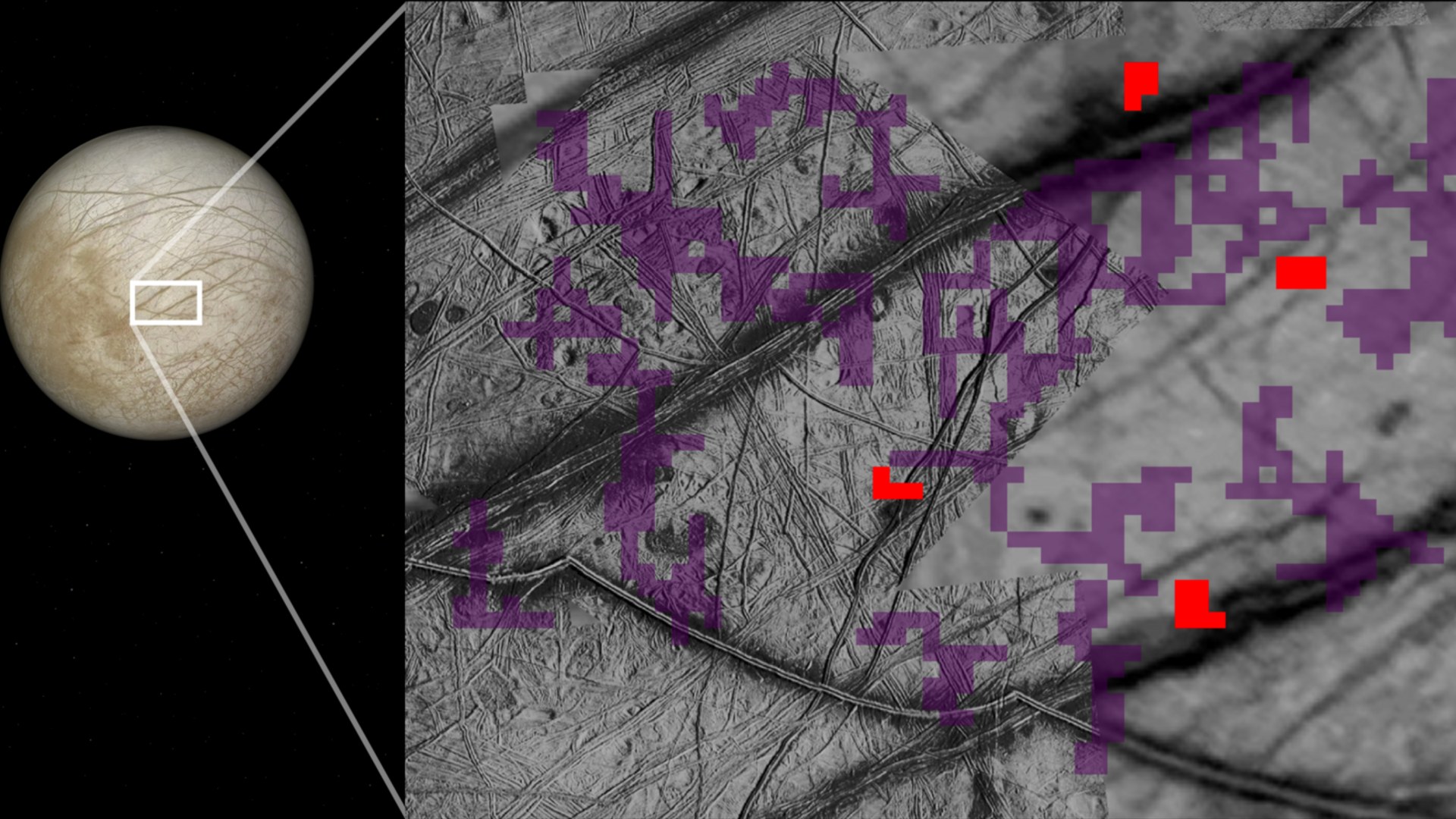
Europa holds twice the water of Earth's oceans under its icy shell. The Galileo mission confirmed the presence of a buried ocean in 1998. Scientists study this moon to understand the potential for life in subsurface environments. It remains a top target for exploration.
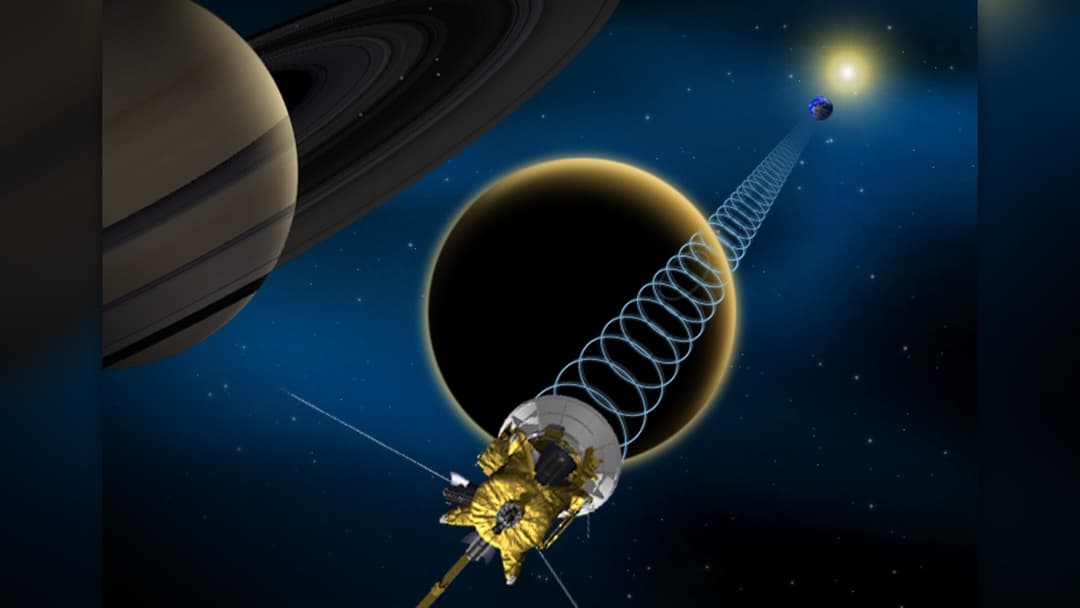
#21 Enceladus
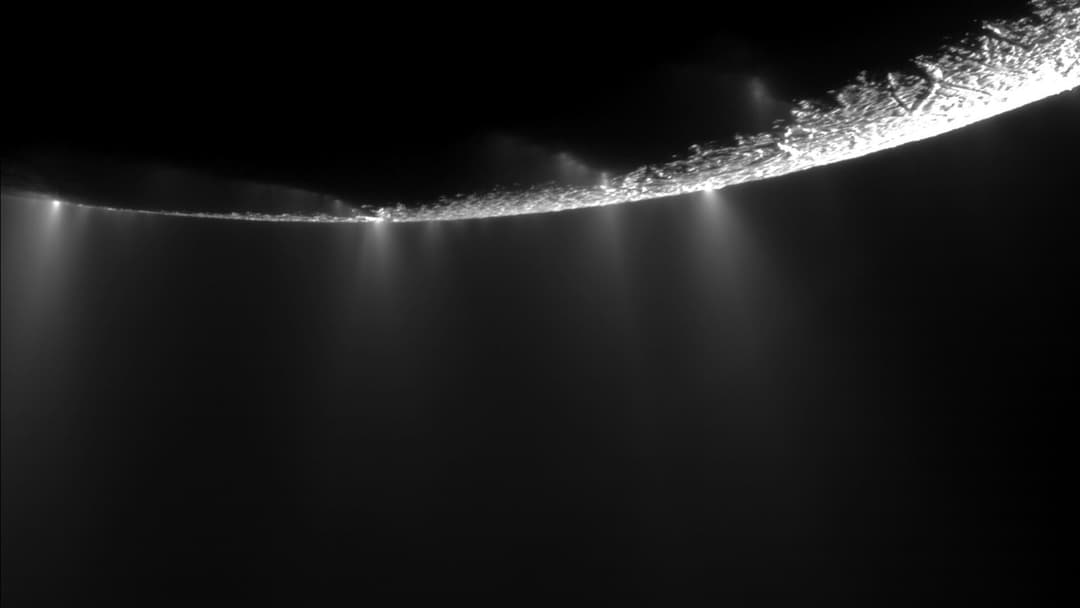
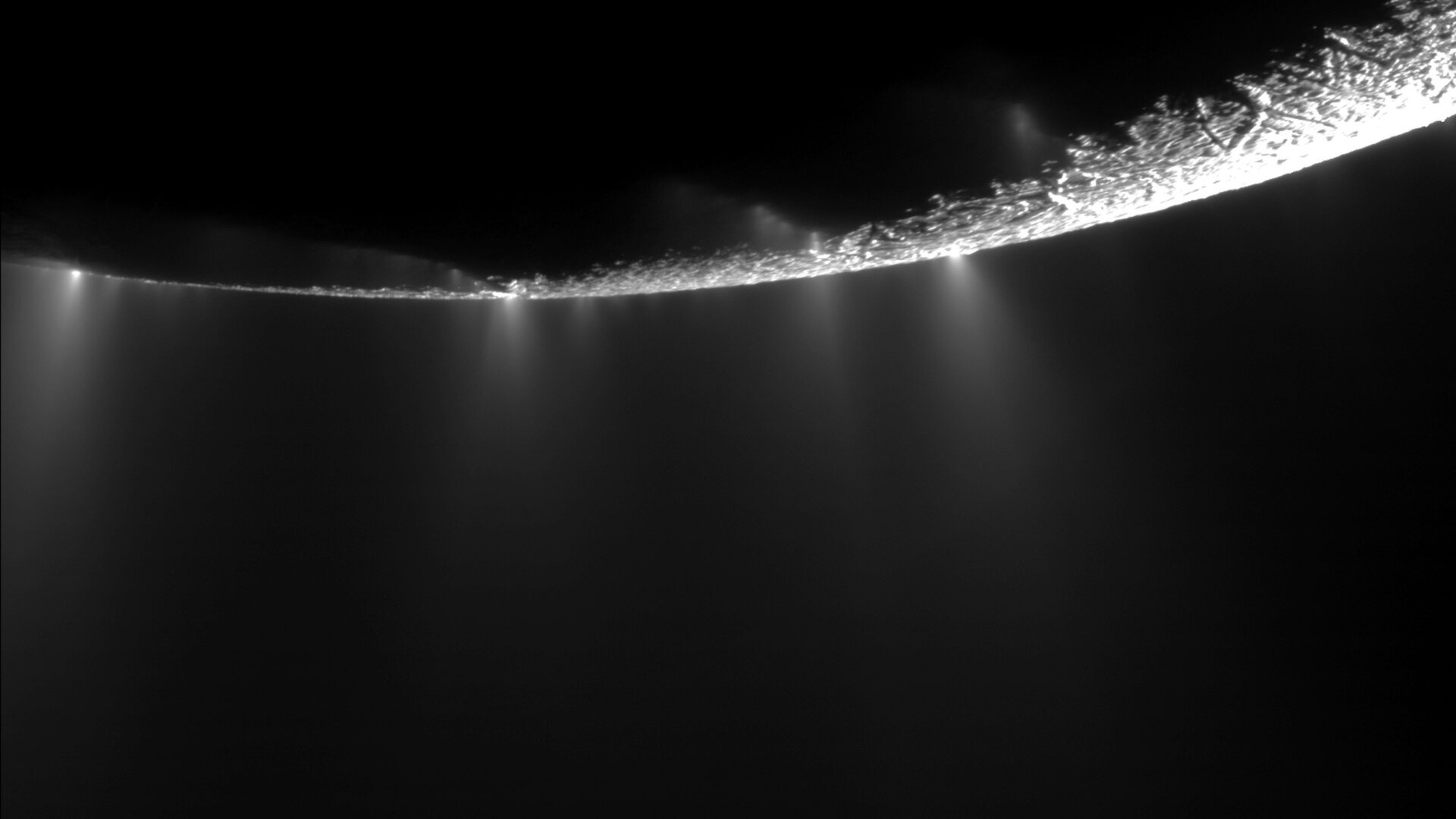
The south pole of Enceladus vents water plumes from a subsurface sea into space, as observed by Cassini in 2005. This discovery changed our understanding of the moon's potential for habitability. The plumes are rich in organic compounds and salt, hinting at a warm, active interior.
#20 The Moon
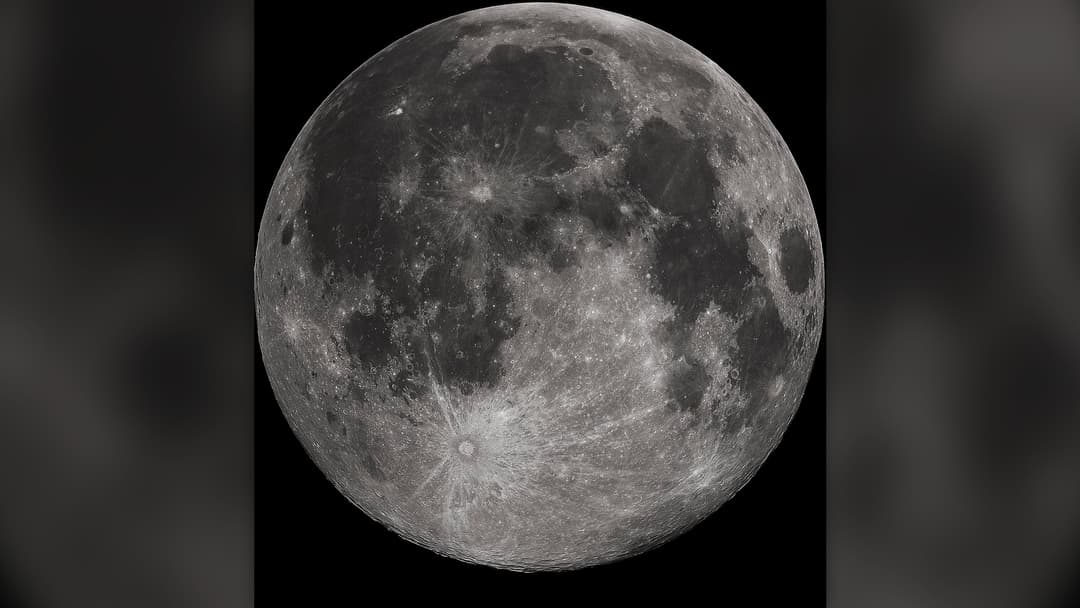
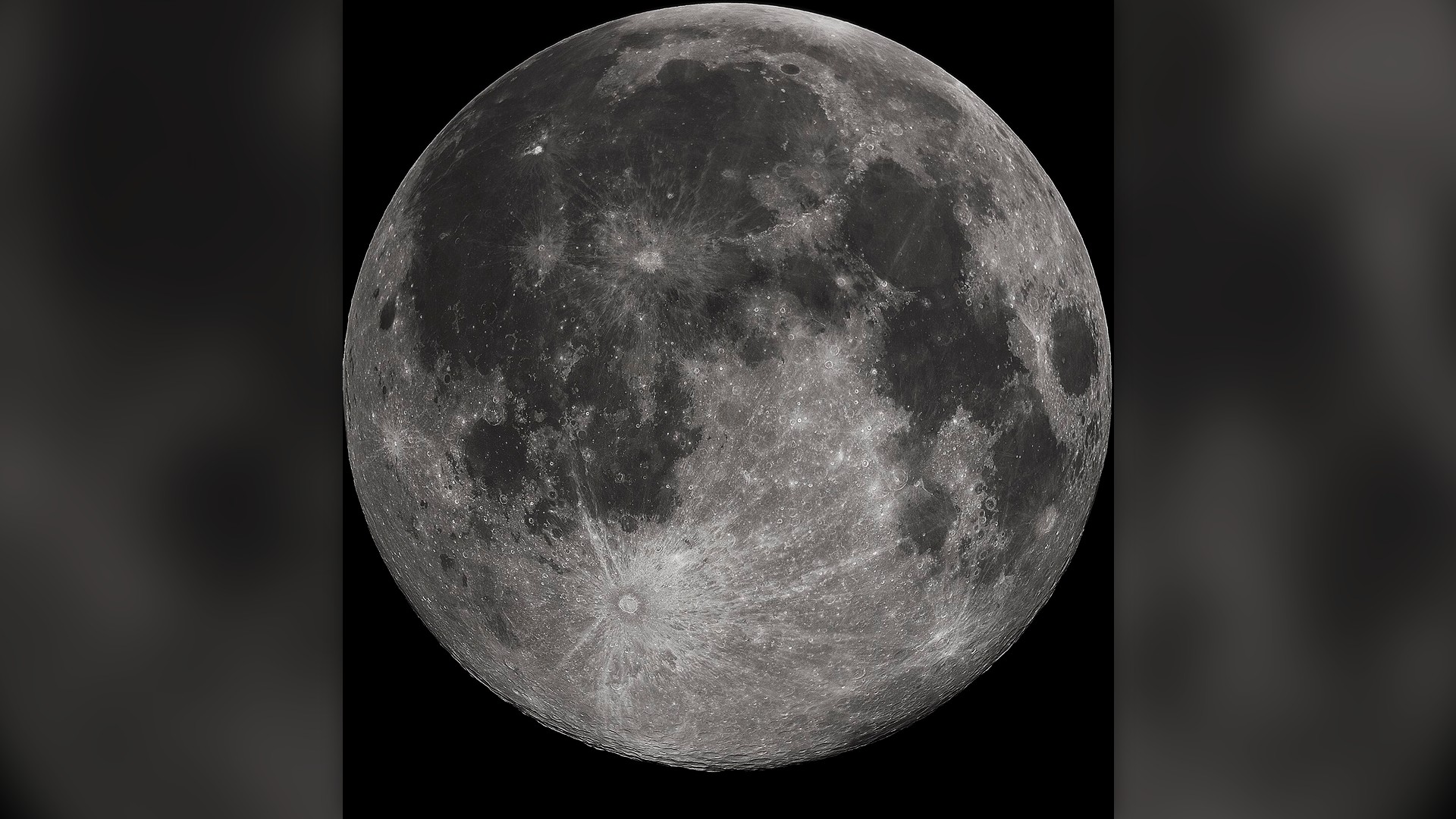
Permanently shadowed regions at the Moon's south pole hold frozen reservoirs of water ice. Chandrayaan-1 mapped this ice in 2008, providing evidence that water could be harvested for future lunar missions. These craters have been cold traps for billions of years.
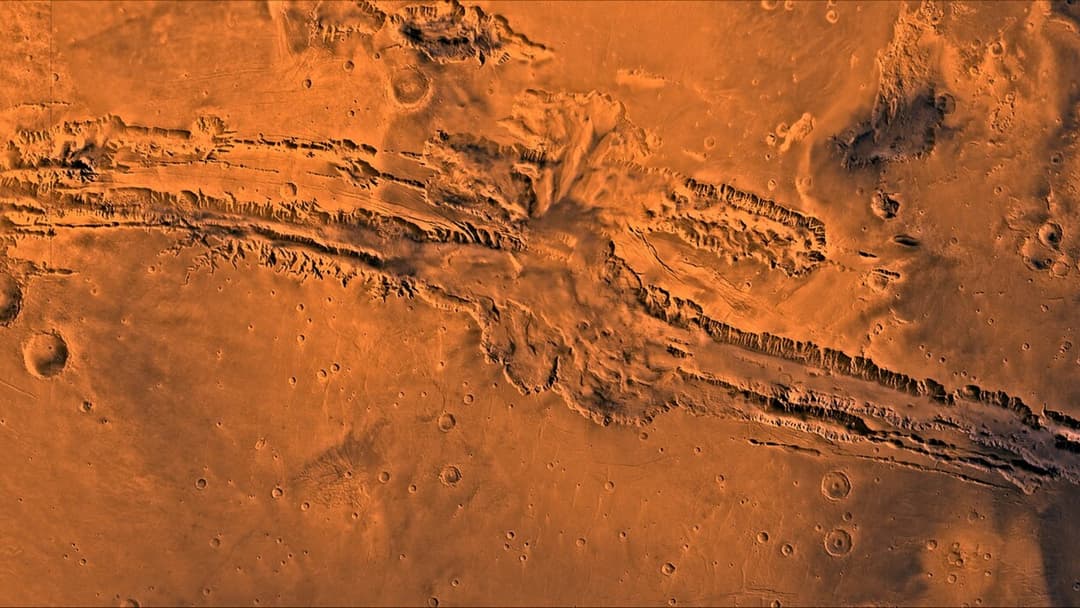
#19 Mars
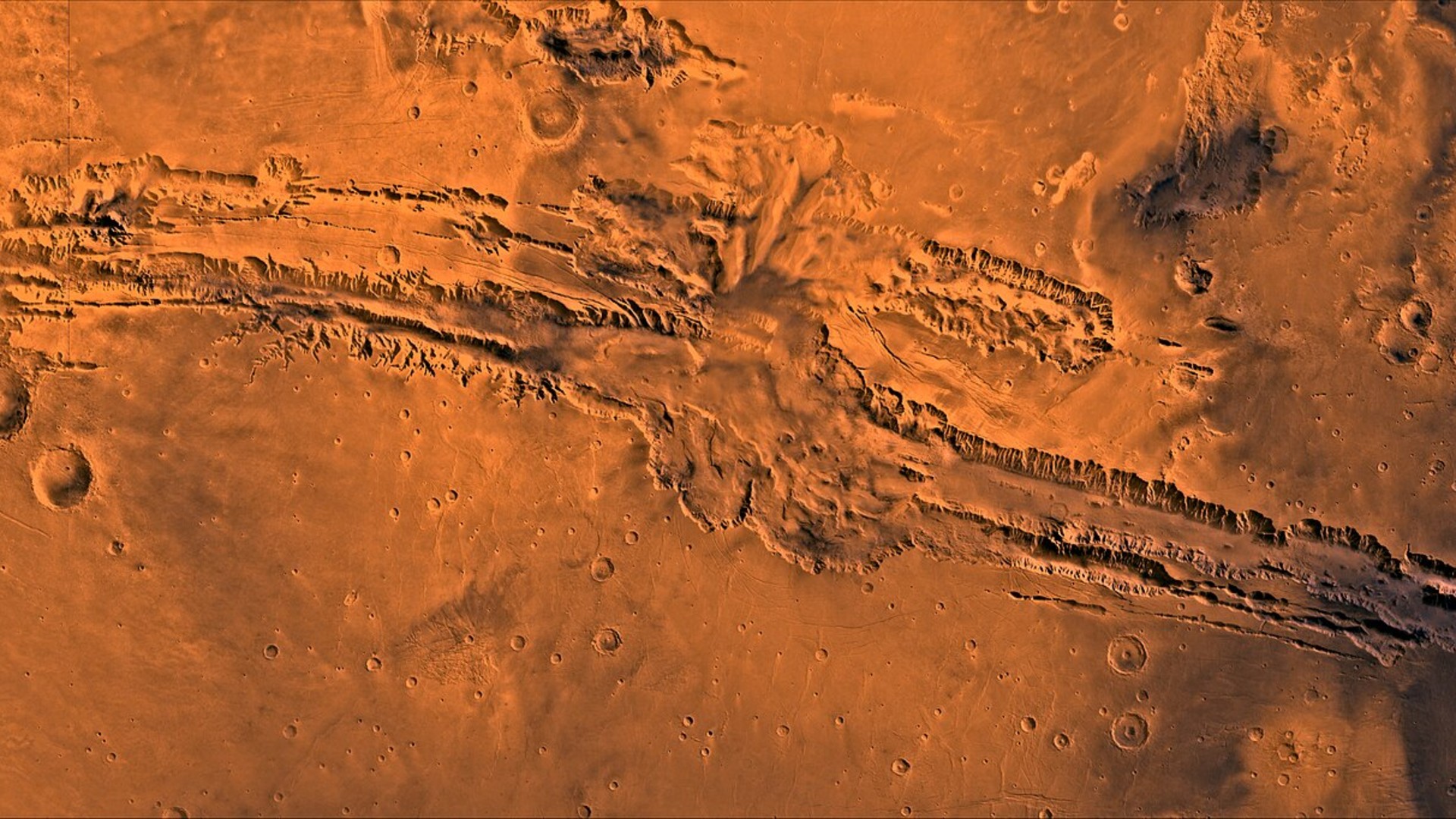
Mars retains water ice at its poles throughout the seasons, as monitored by the Mars Reconnaissance Orbiter in 2006. This ice interacts with the thin atmosphere, creating a complex cycle of seasonal change. The polar caps are key records of Martian climate history.
#18 Titan
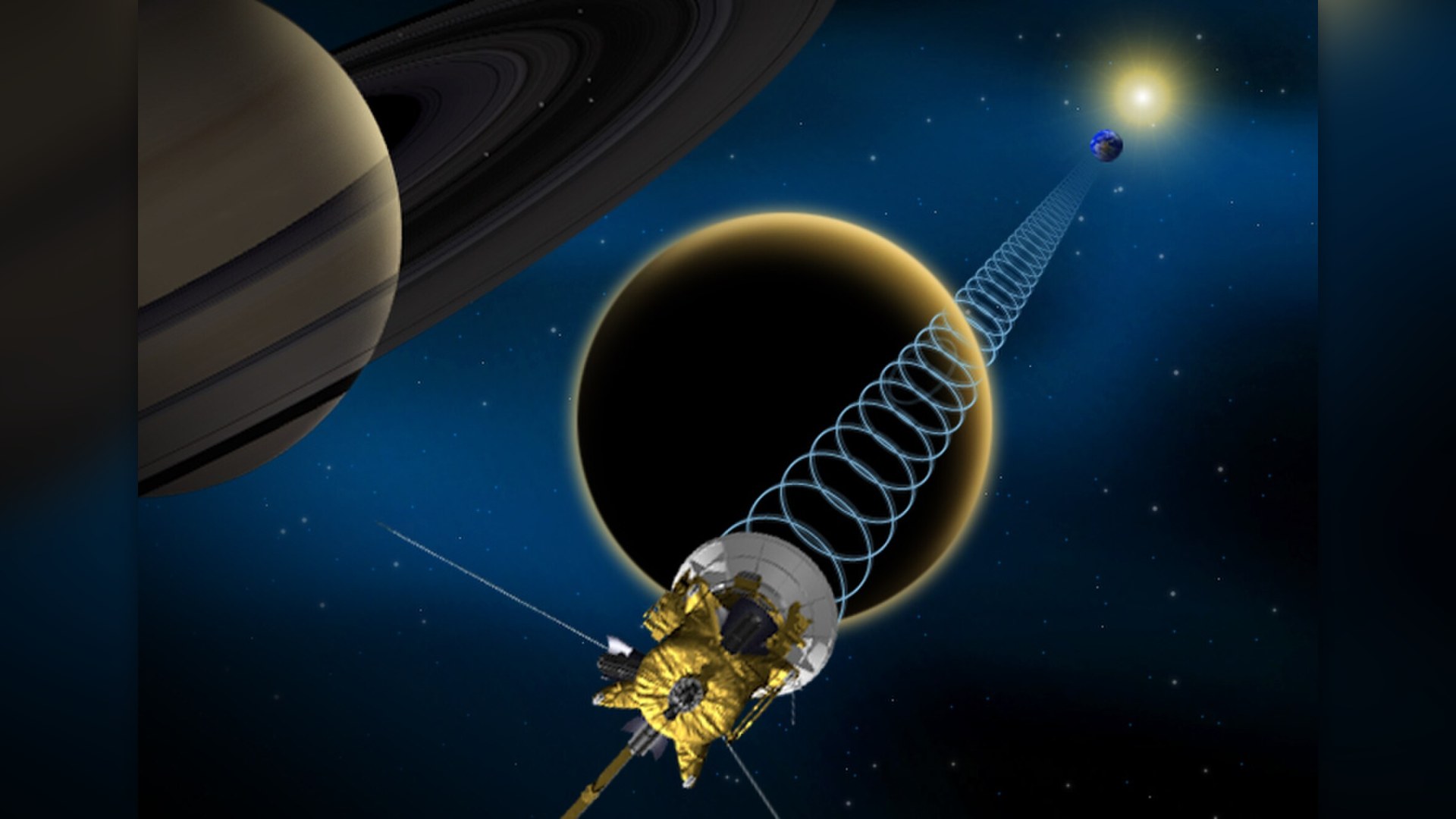
Titan's interior may hold a vast liquid ocean, inferred by Cassini data in 2012. Beneath its thick atmosphere and hydrocarbon lakes, Titan is likely an oceanic world. The interaction between this ocean and the surface chemistry remains a major area of scientific interest.
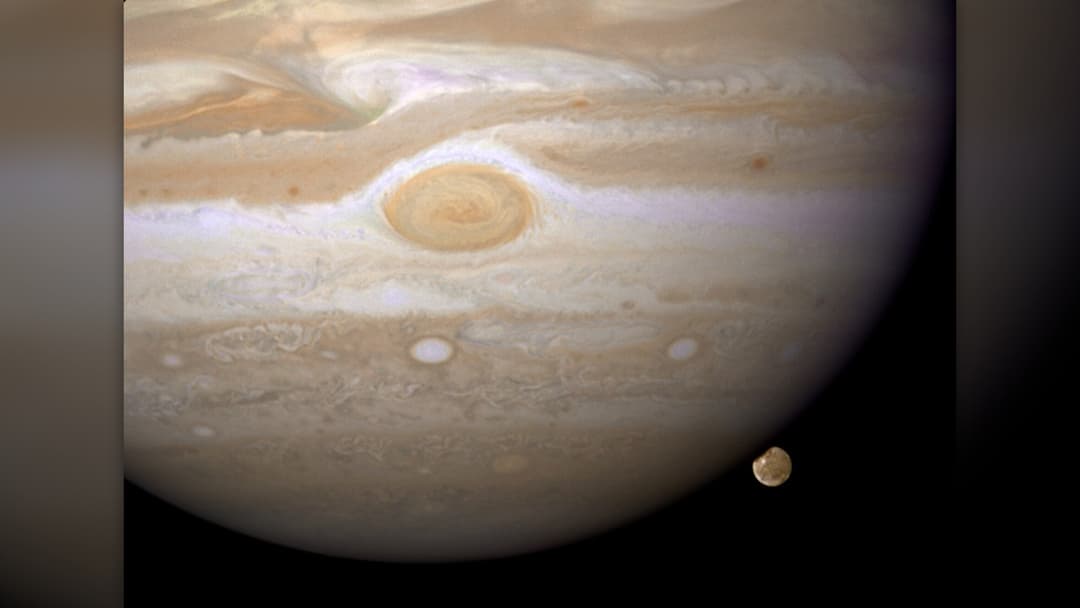
#17 Ganymede
Ganymede has an ocean deeper than any on Earth, detected by Hubble observations in 2015. It is the only moon known to have its own magnetic field, adding to the mystery of its internal structure. This immense ocean is trapped between thick layers of ice.
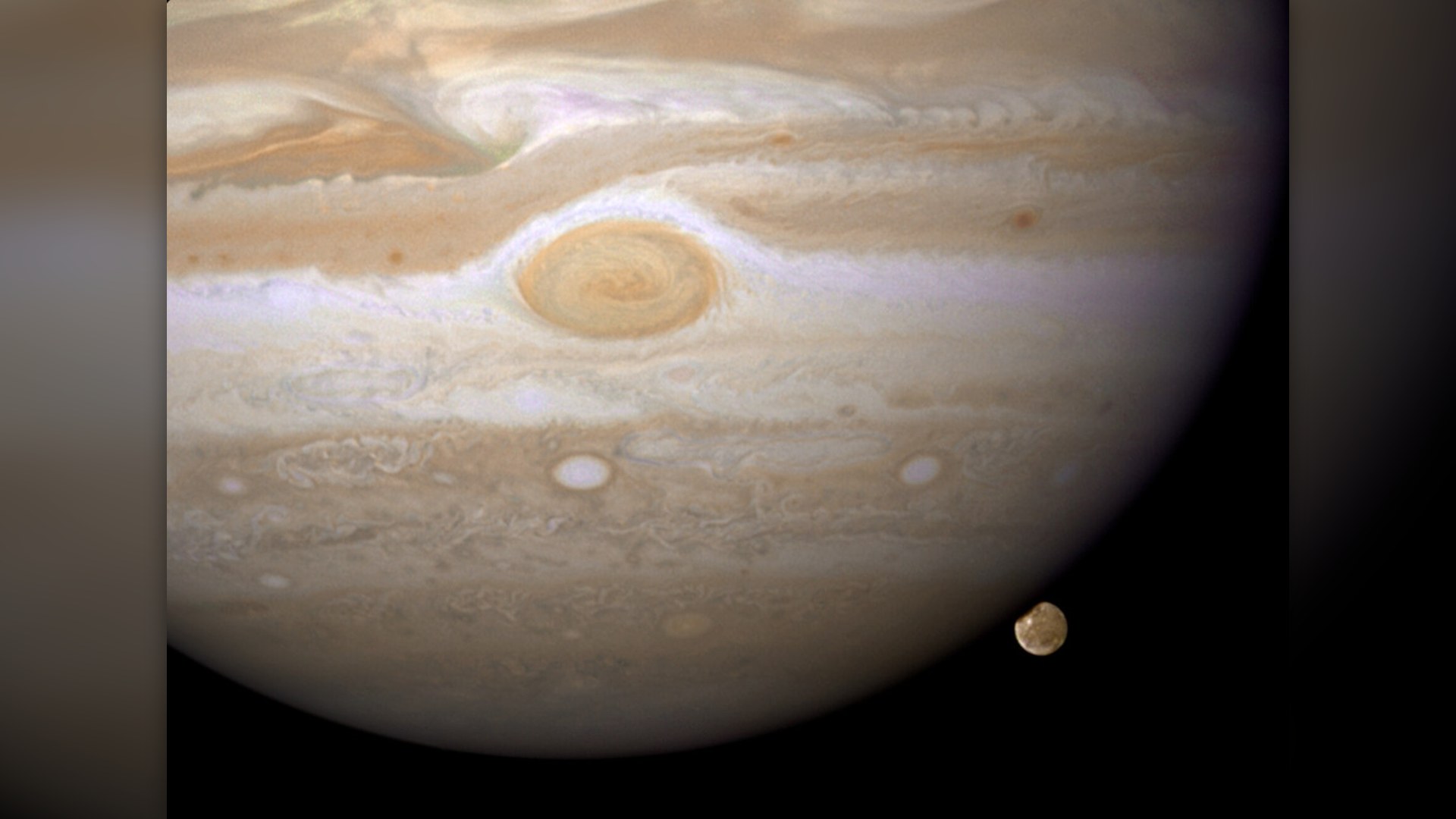
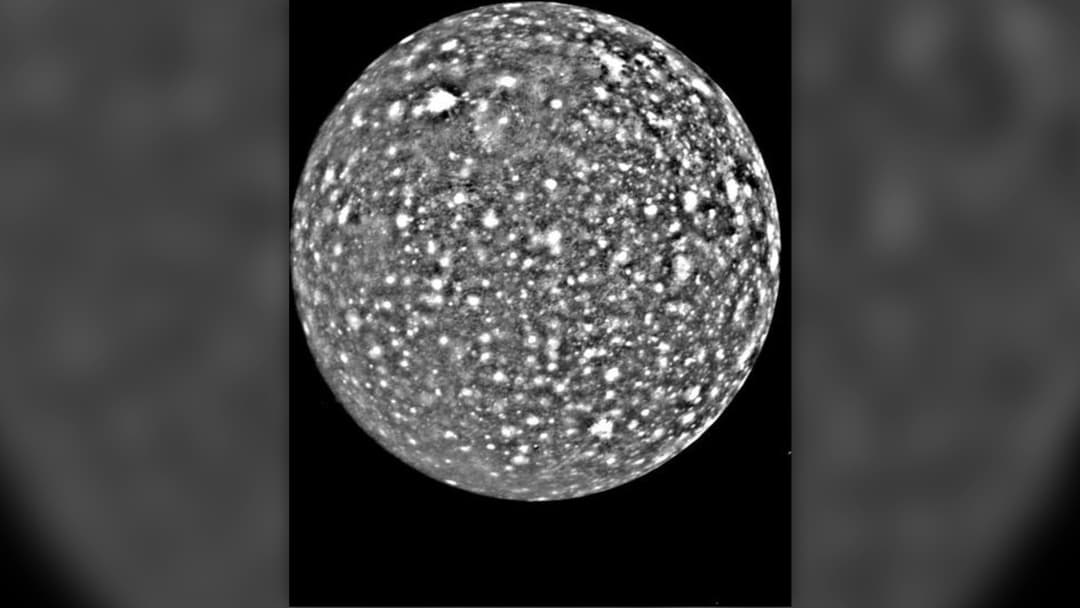
#16 Callisto
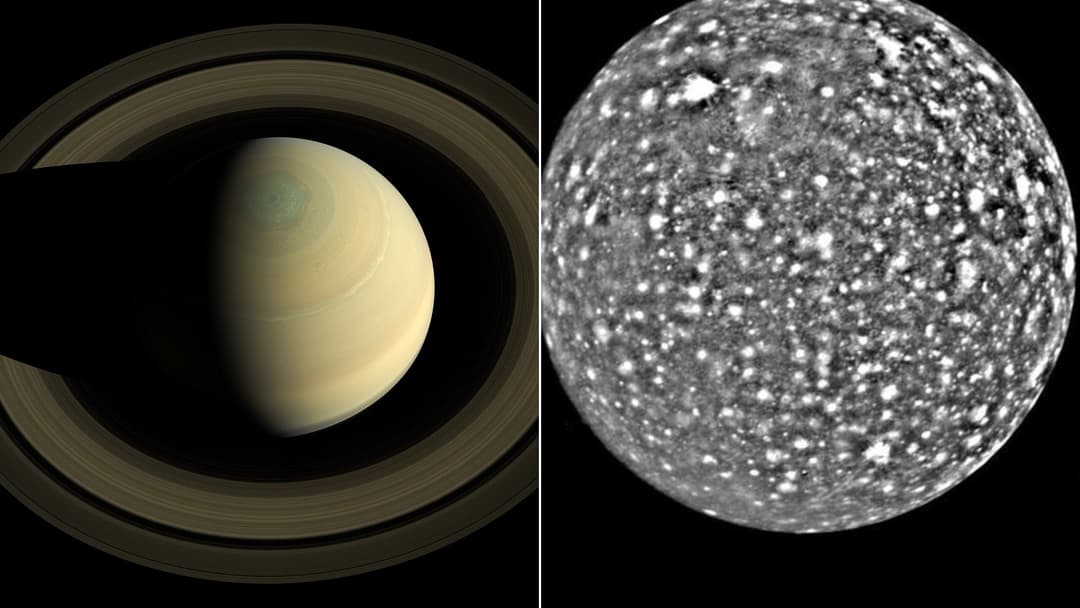
Callisto's interior remains a complex enigma, with an induced magnetic field suggesting a subsurface ocean, as observed by Galileo in 1998. It is one of the most heavily cratered surfaces in the solar system, providing a deep look into its geological past and hidden liquid layers.
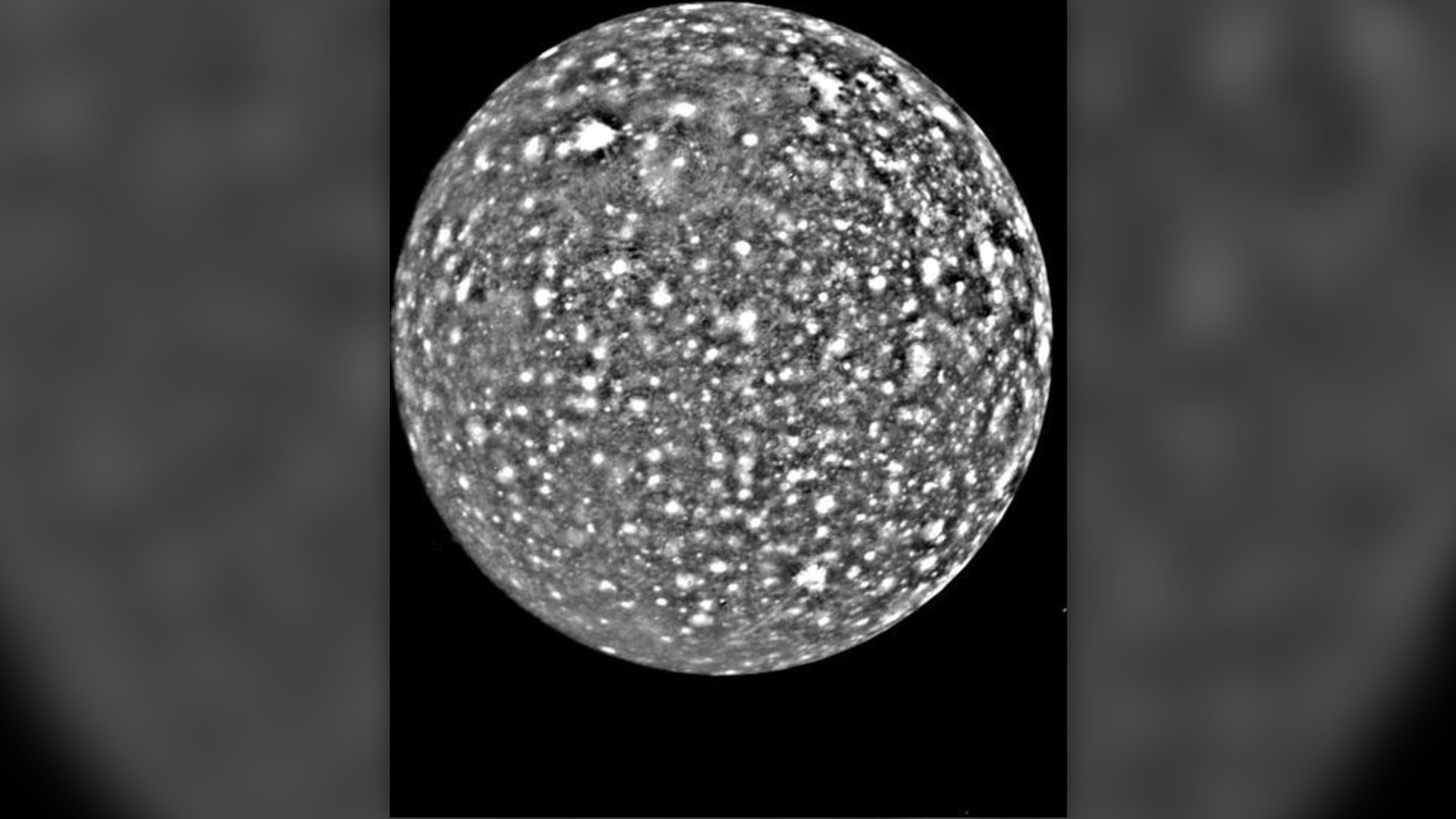
#15 Triton
Triton erupts nitrogen and water ice from its interior, a phenomenon known as cryovolcanism, detected by Voyager 2 in 1989. These eruptions create dark streaks across the surface, marking active geological processes on this cold moon of Neptune. It's a remarkably active world.
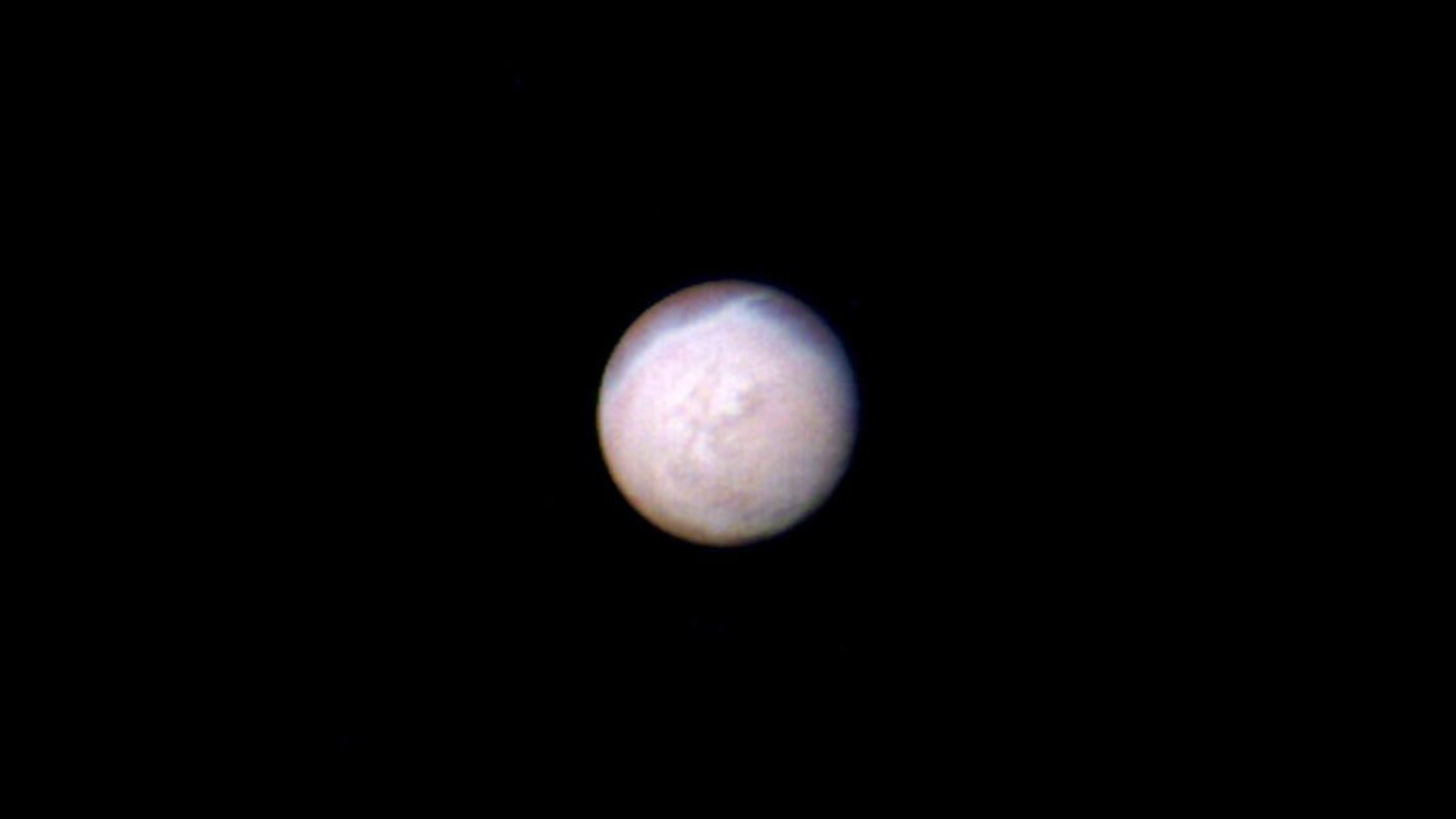
#14 Pluto
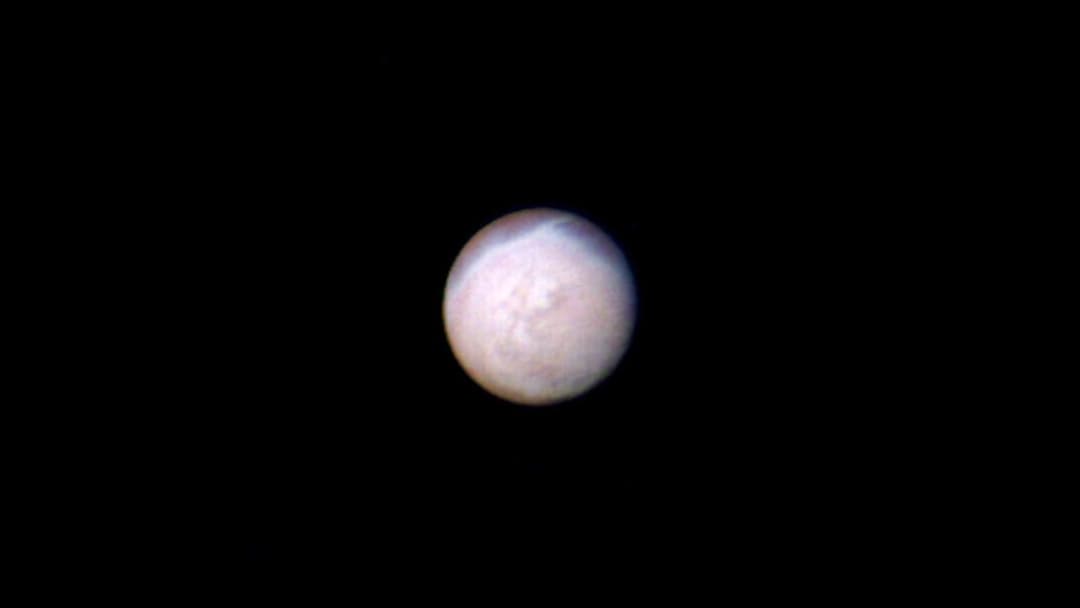
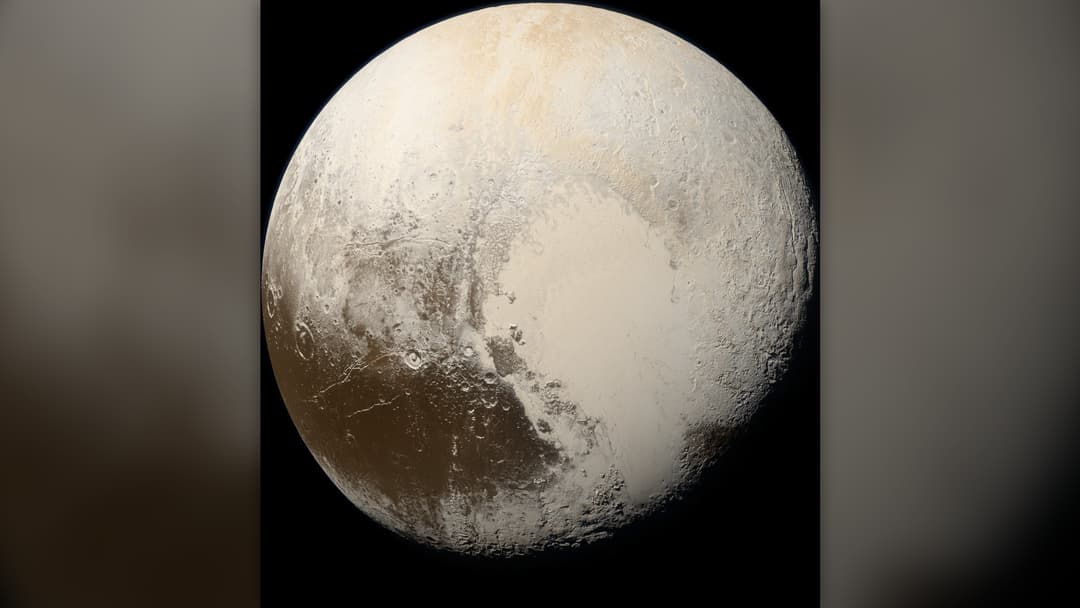
The heart-shaped Sputnik Planitia may sit over a liquid layer, a possibility suggested by New Horizons data in 2015. This suggests that Pluto, despite its distance, could still have an active interior. It remains a fascinating object for planetary scientists studying the outer regions.
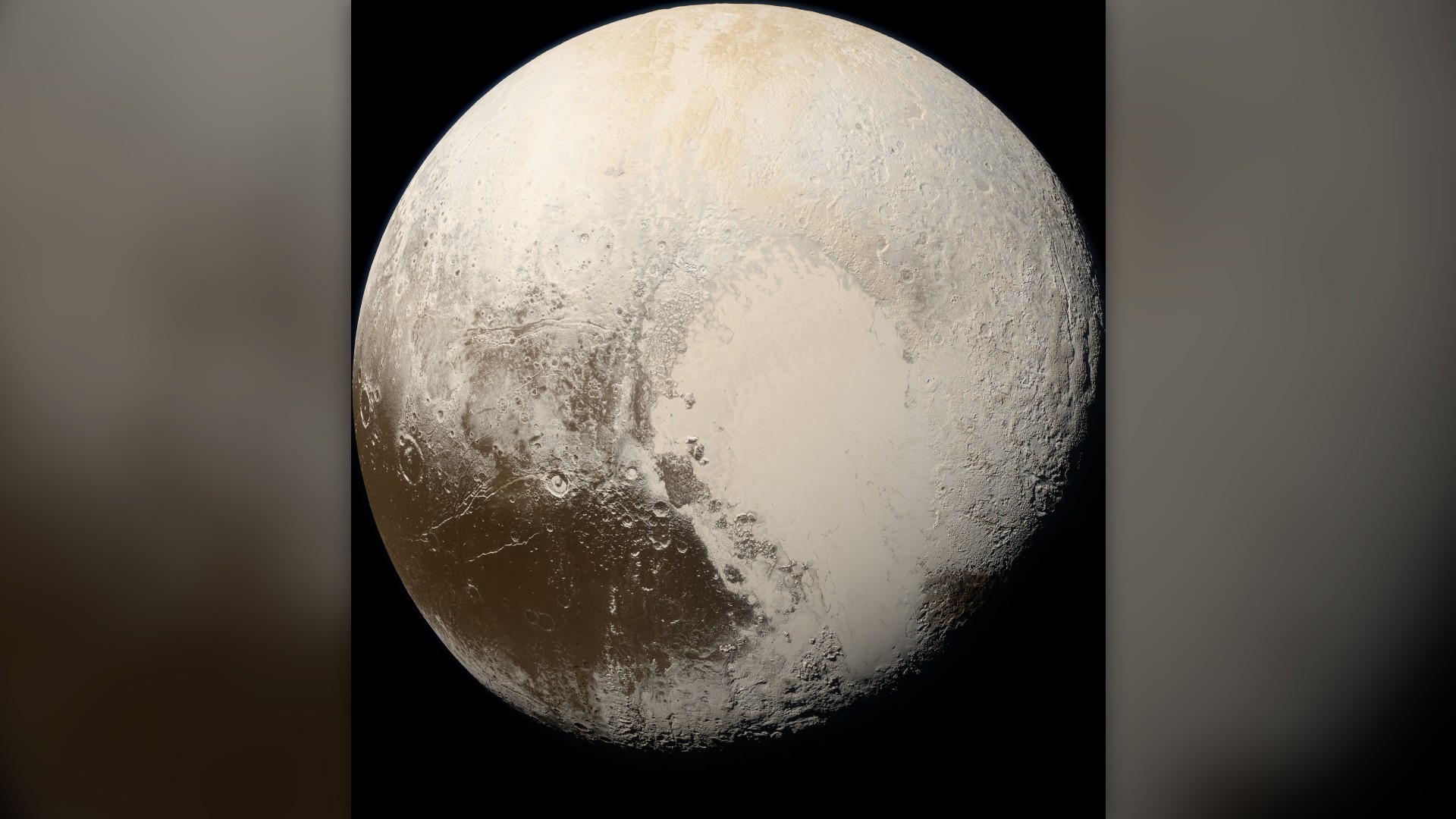
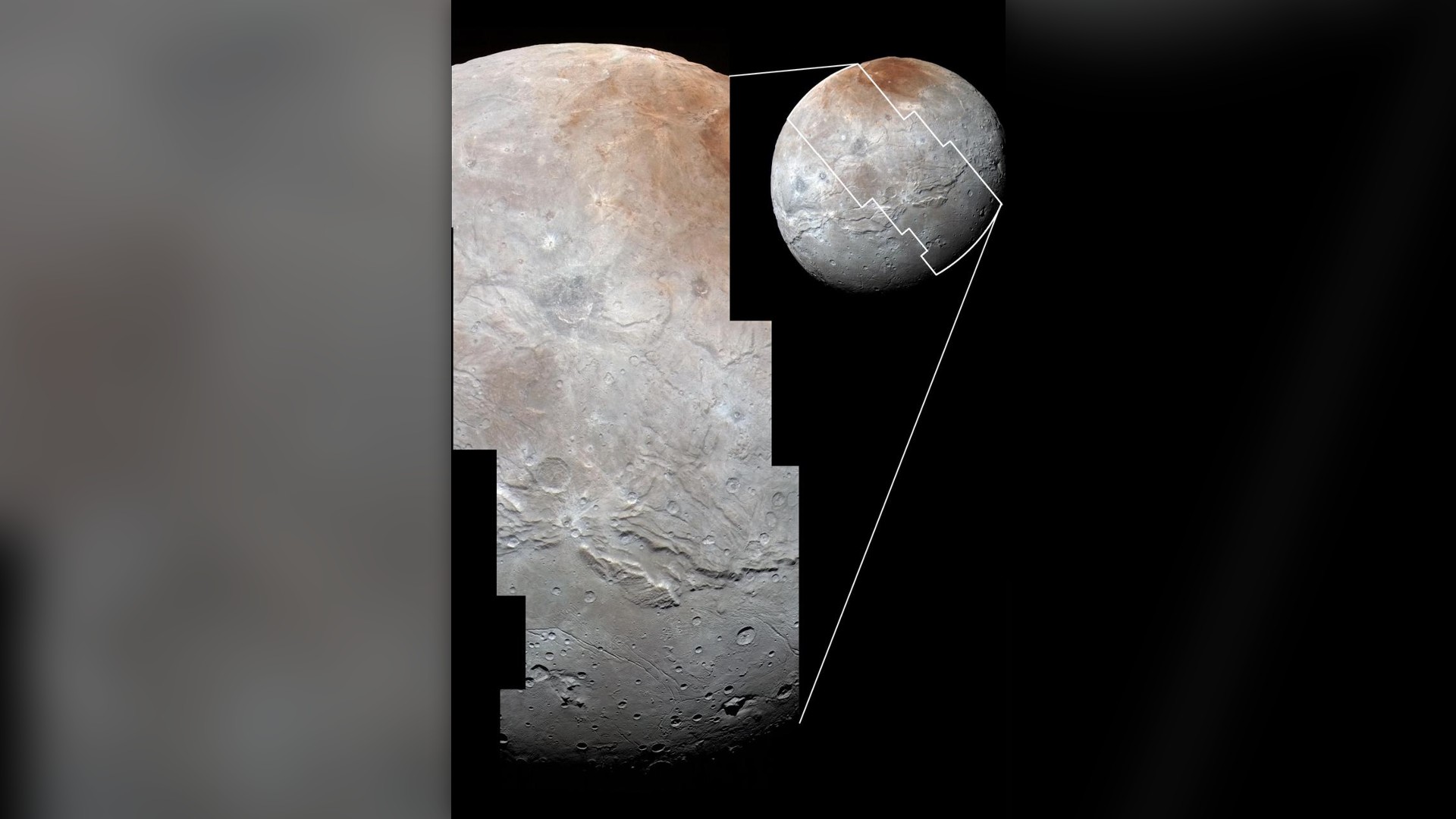
#13 Charon
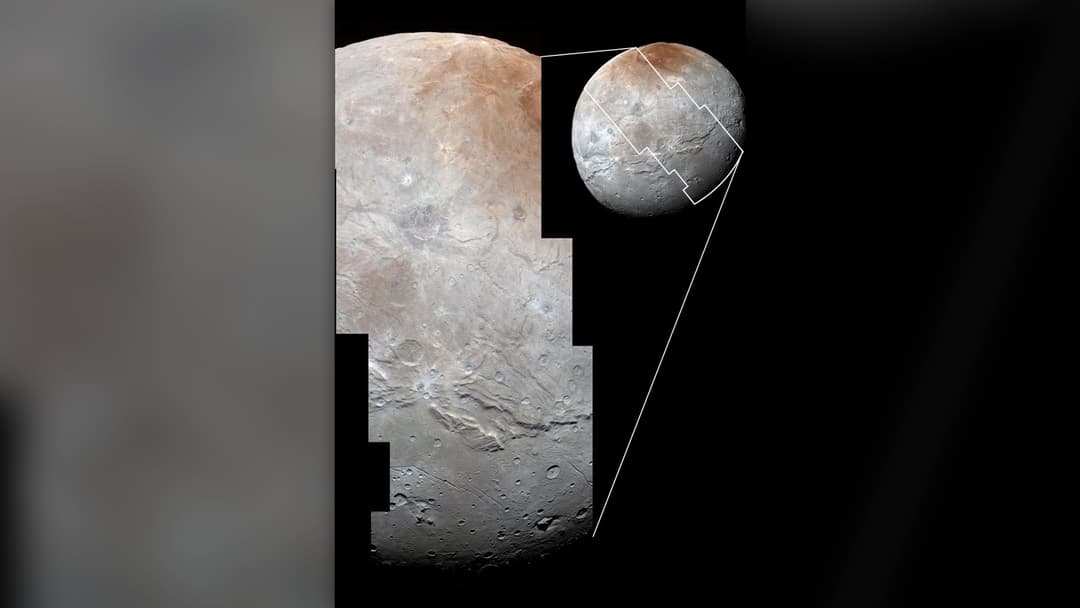
Pluto's largest moon exhibits crystalline water ice, confirmed by New Horizons in 2015. This ice covers much of its surface, contrasting with the dark reddish regions near its north pole. Charon's surface evolution is closely linked to its icy composition and history.
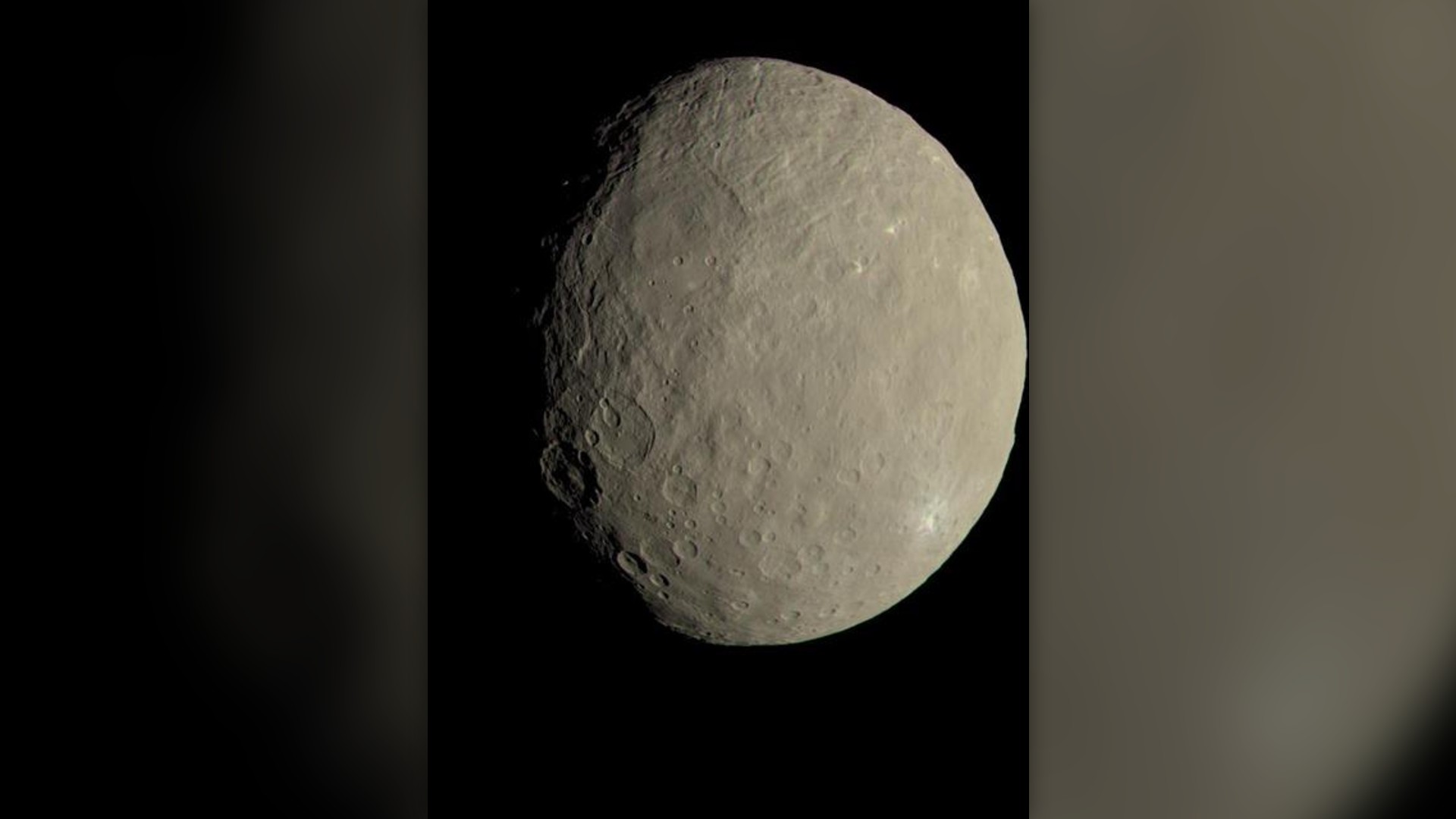
#12 Ceres
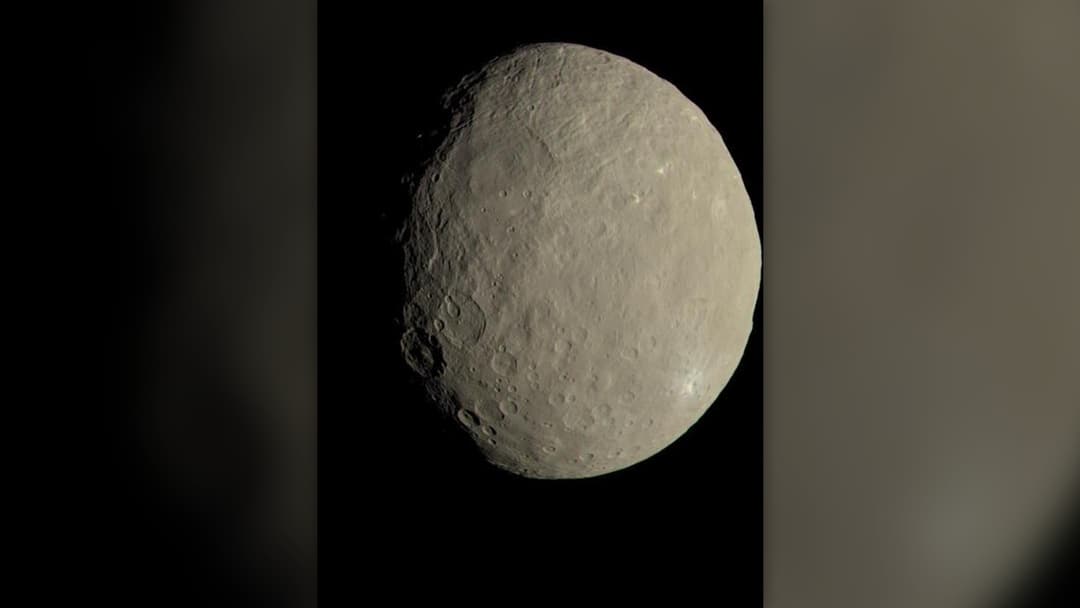
This dwarf planet releases water vapor from its surface, as detected by the Herschel Space Observatory in 2014. These plumes originate from its icy interior, indicating that Ceres is not just a rocky world but a dynamic one. It was the first dwarf planet visited by a mission.
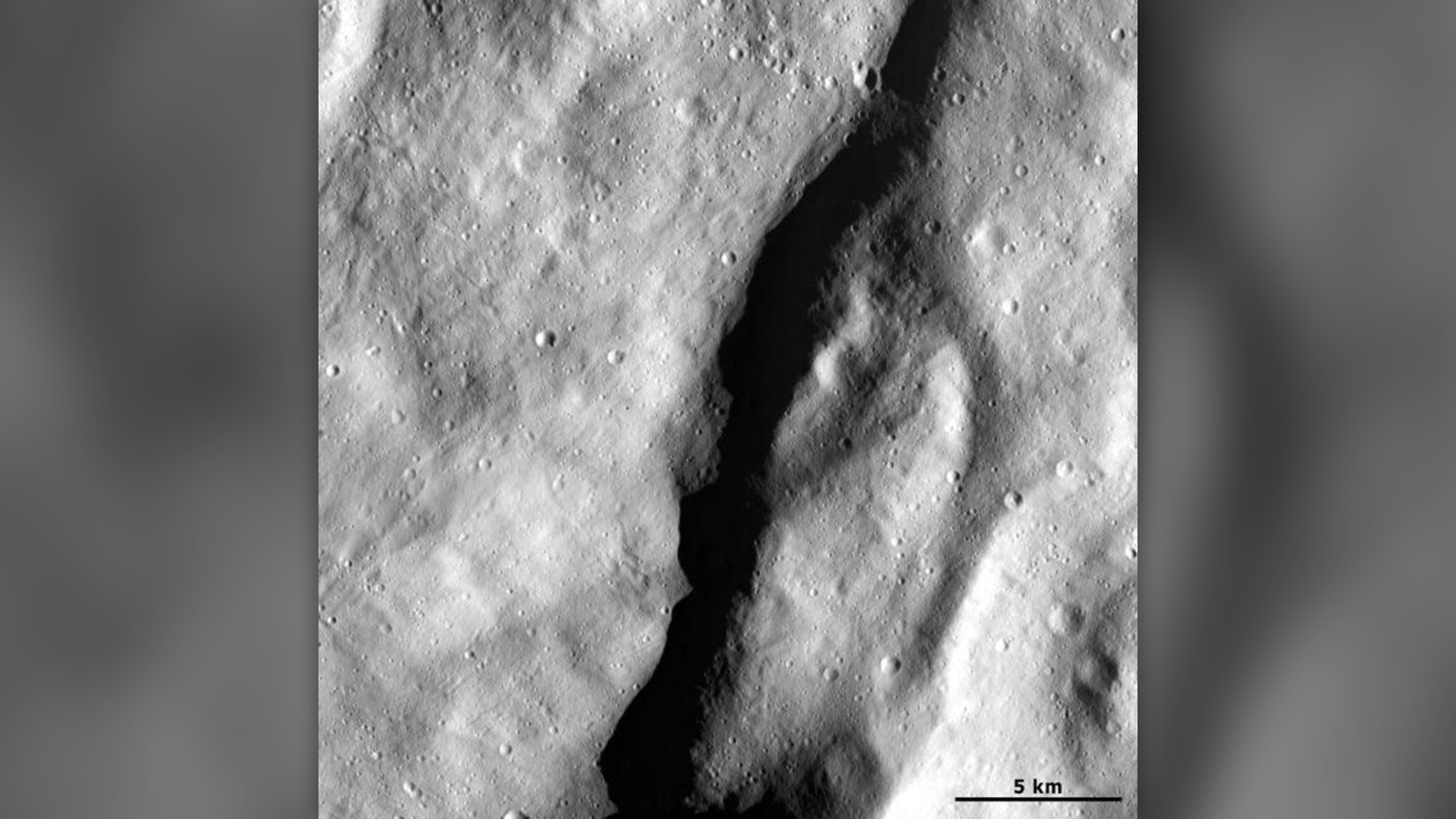
#11 Vesta
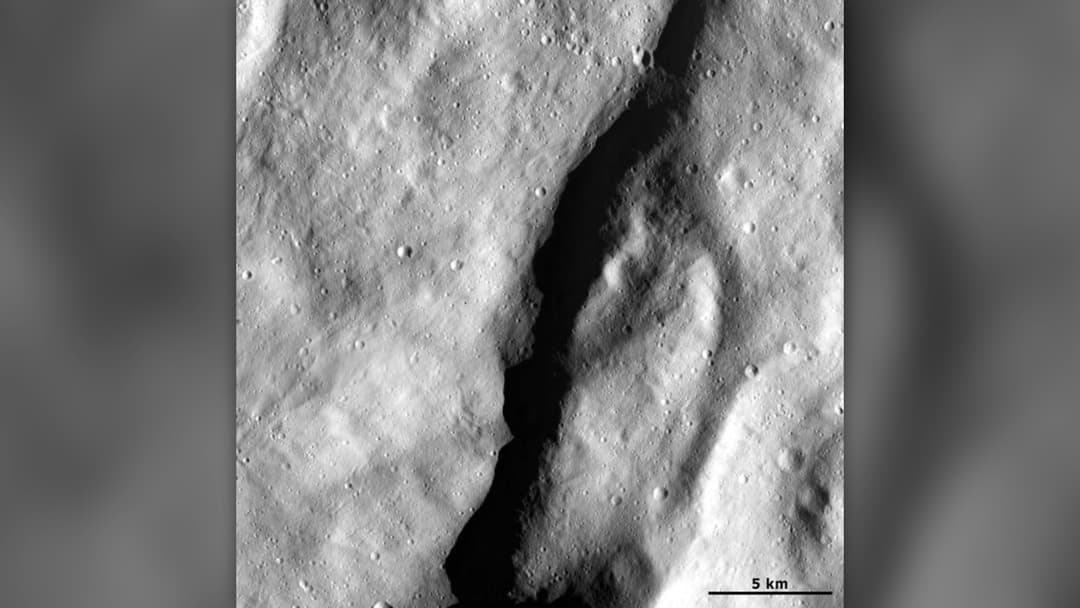
Vesta contains remnants of early solar water, as seen by the Dawn mission in 2011 through hydrated mineral signatures. This provides clues into the formation of the early solar system. Vesta is a protoplanet that never fully formed, preserving ancient planetary materials.
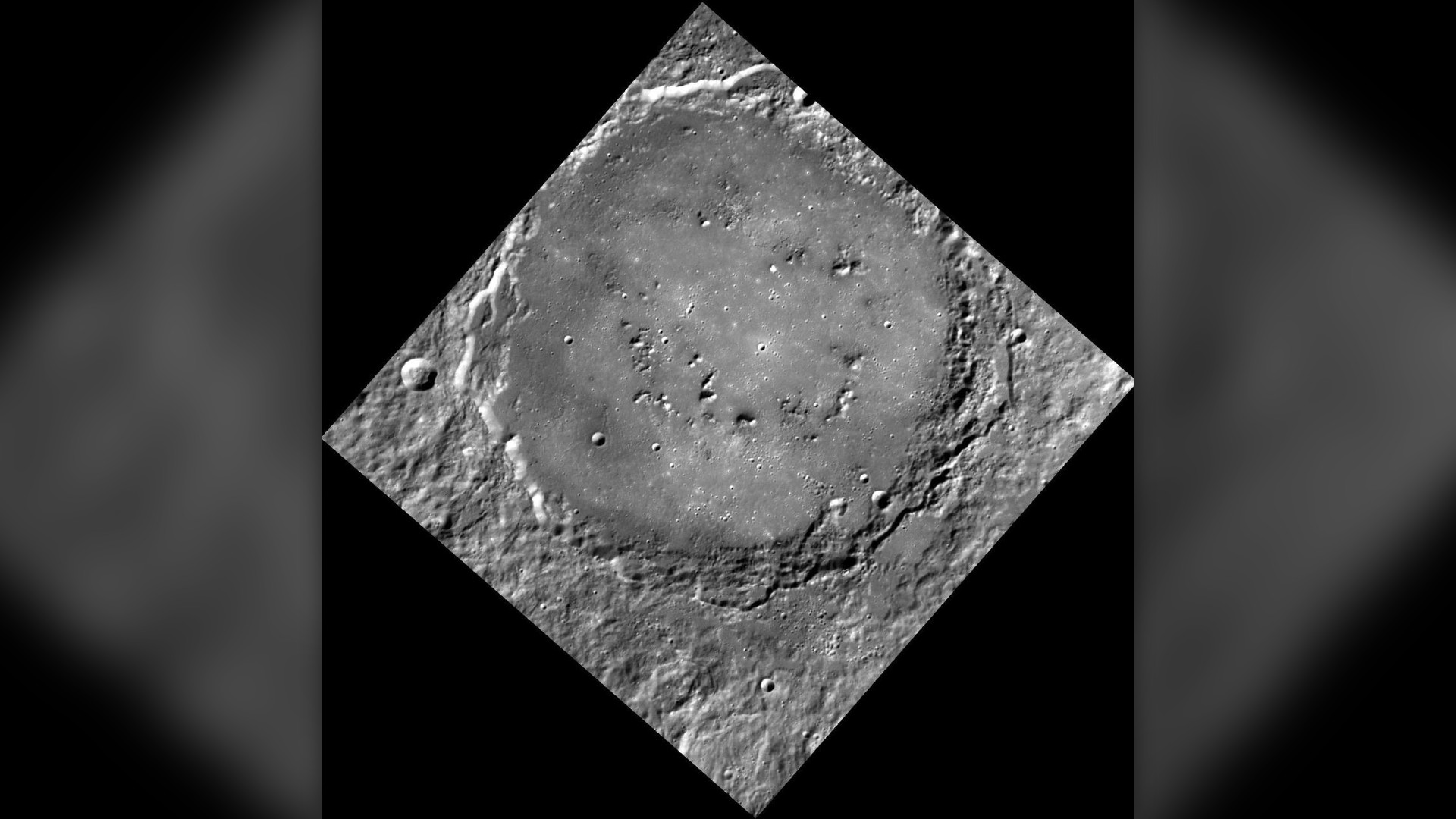
#10 Mercury
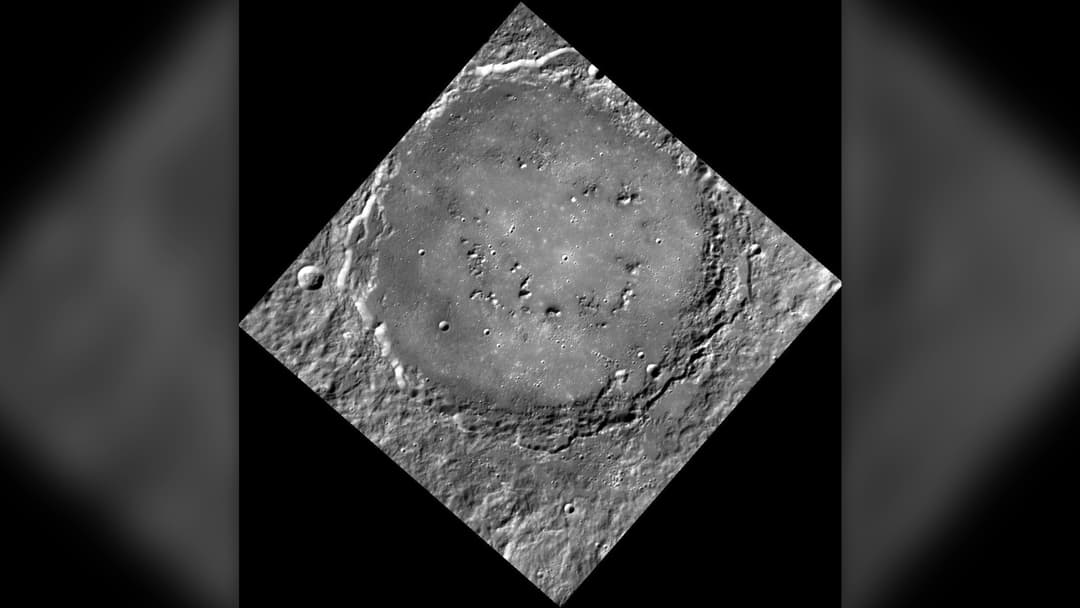
Mercury's poles keep water ice frozen in permanently shadowed craters, a discovery made by radar in 1991. Despite its proximity to the Sun, these areas are cold enough to trap water. The existence of this ice was a major surprise in planetary science.
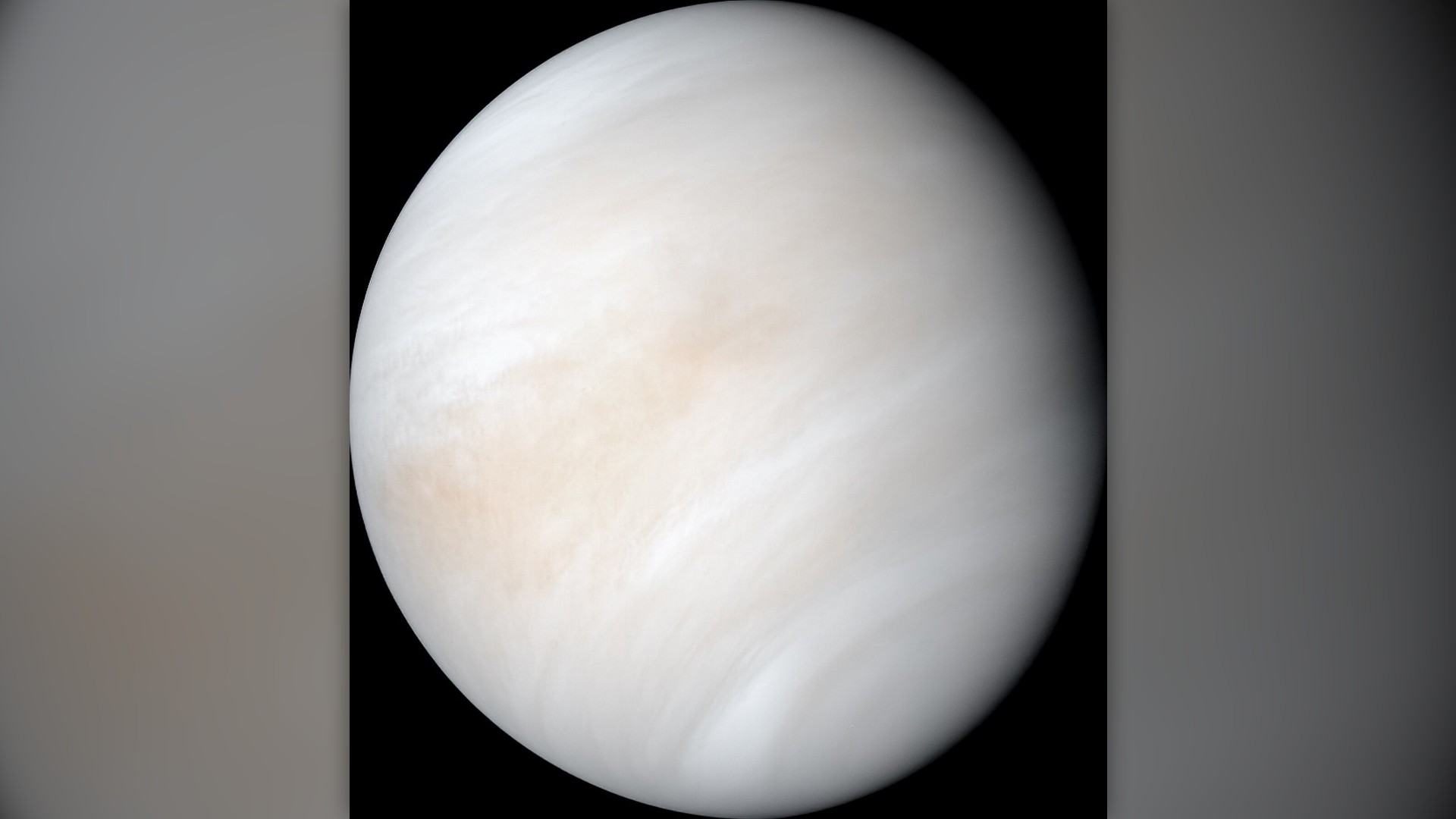
#9 Venus
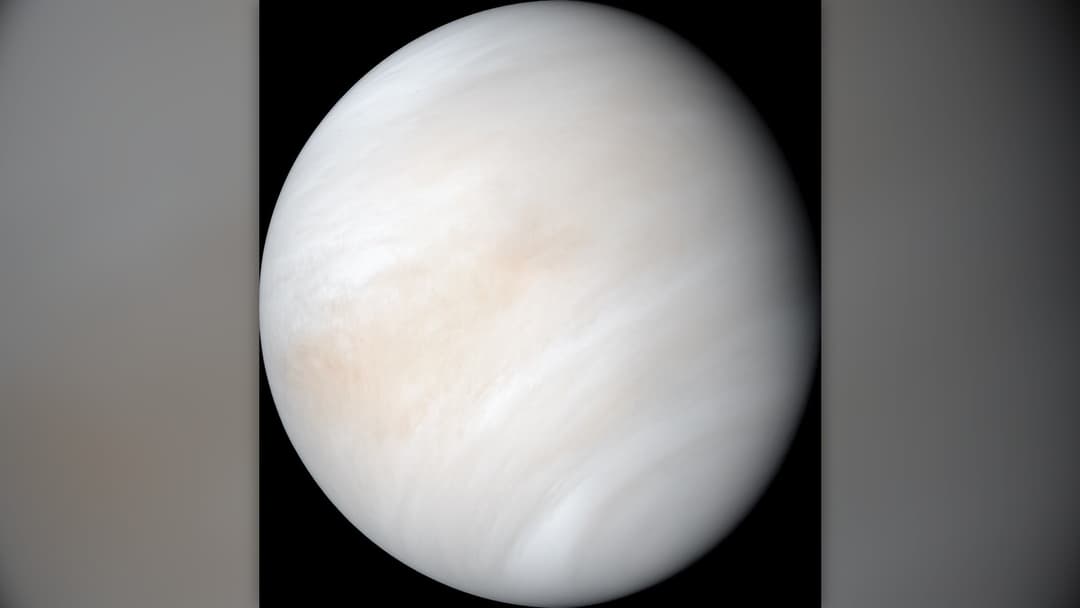
Venus holds trace amounts of water vapor in its dense atmosphere, detected by spectroscopy in 1967. This trace water is essential for understanding the planet's extreme greenhouse effect. Venus may have once been much more like Earth, with its own oceans of liquid water.
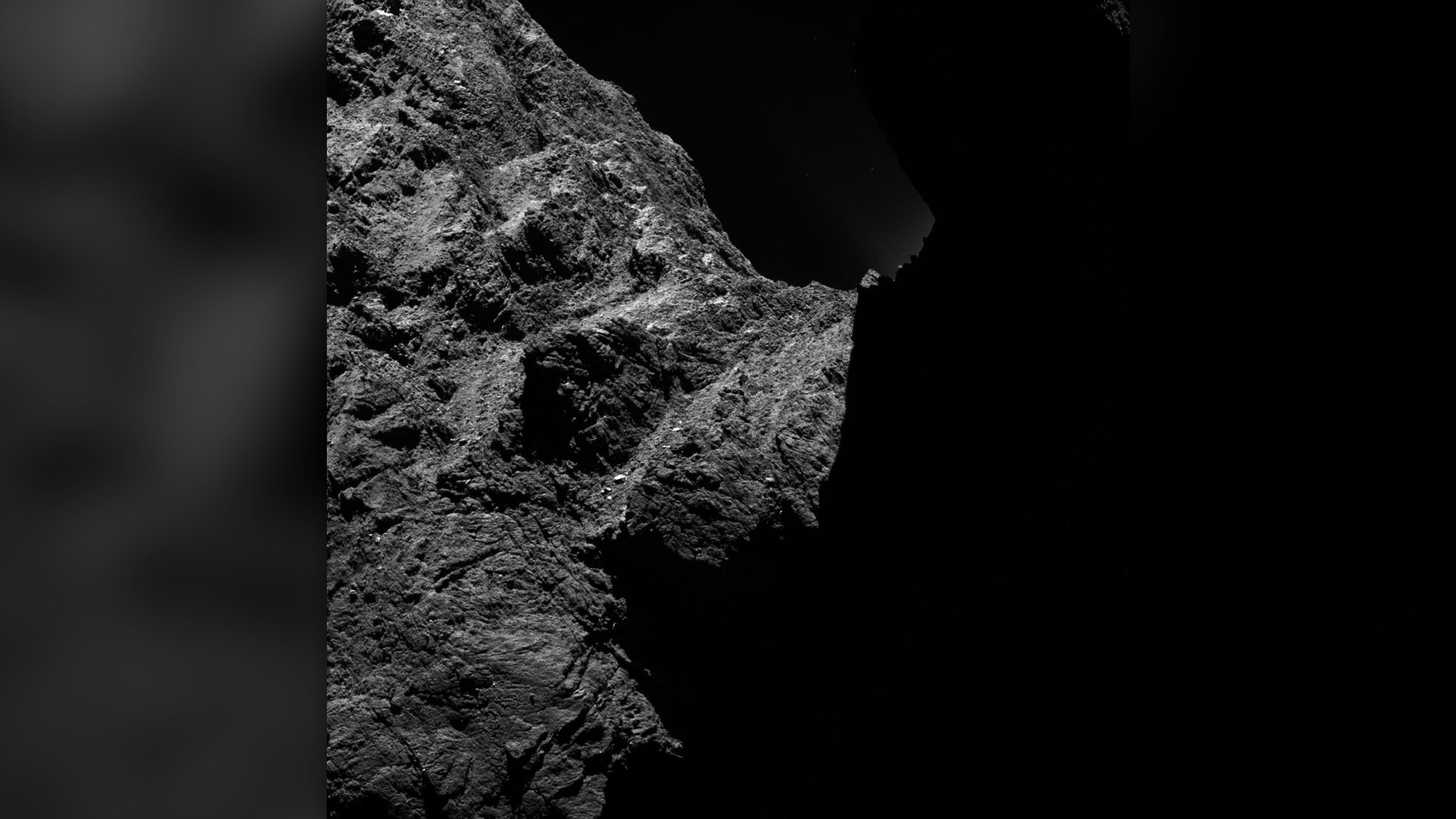
#8 Comet 67P
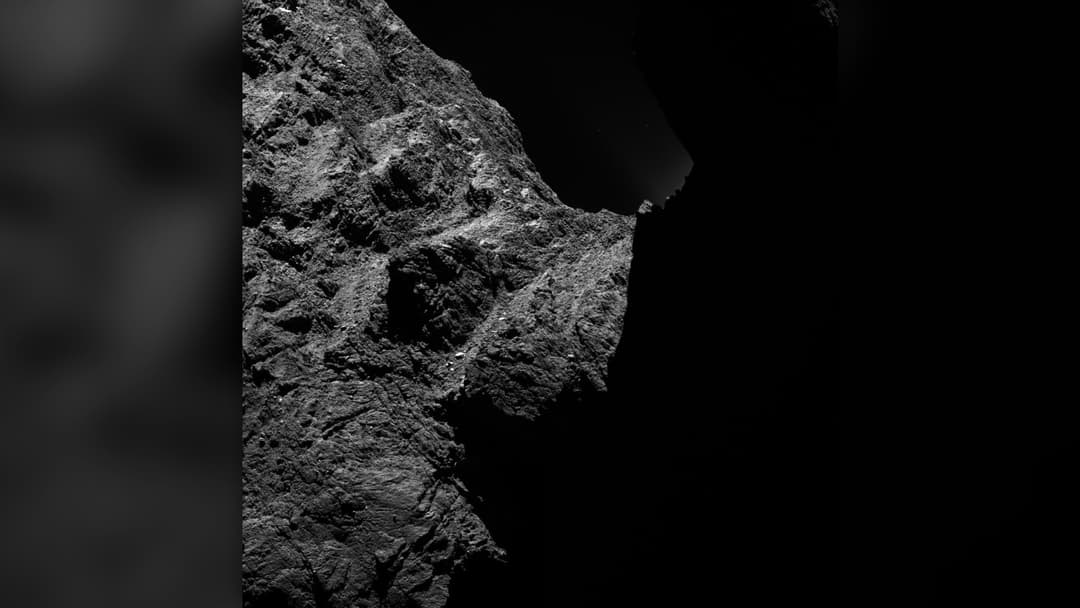
The comet shows water ice as it warms near the Sun. Rosetta detected water ice on its surface in 2014, providing insights into the composition of primitive solar system materials. These comets are essentially frozen time capsules from the early solar system.
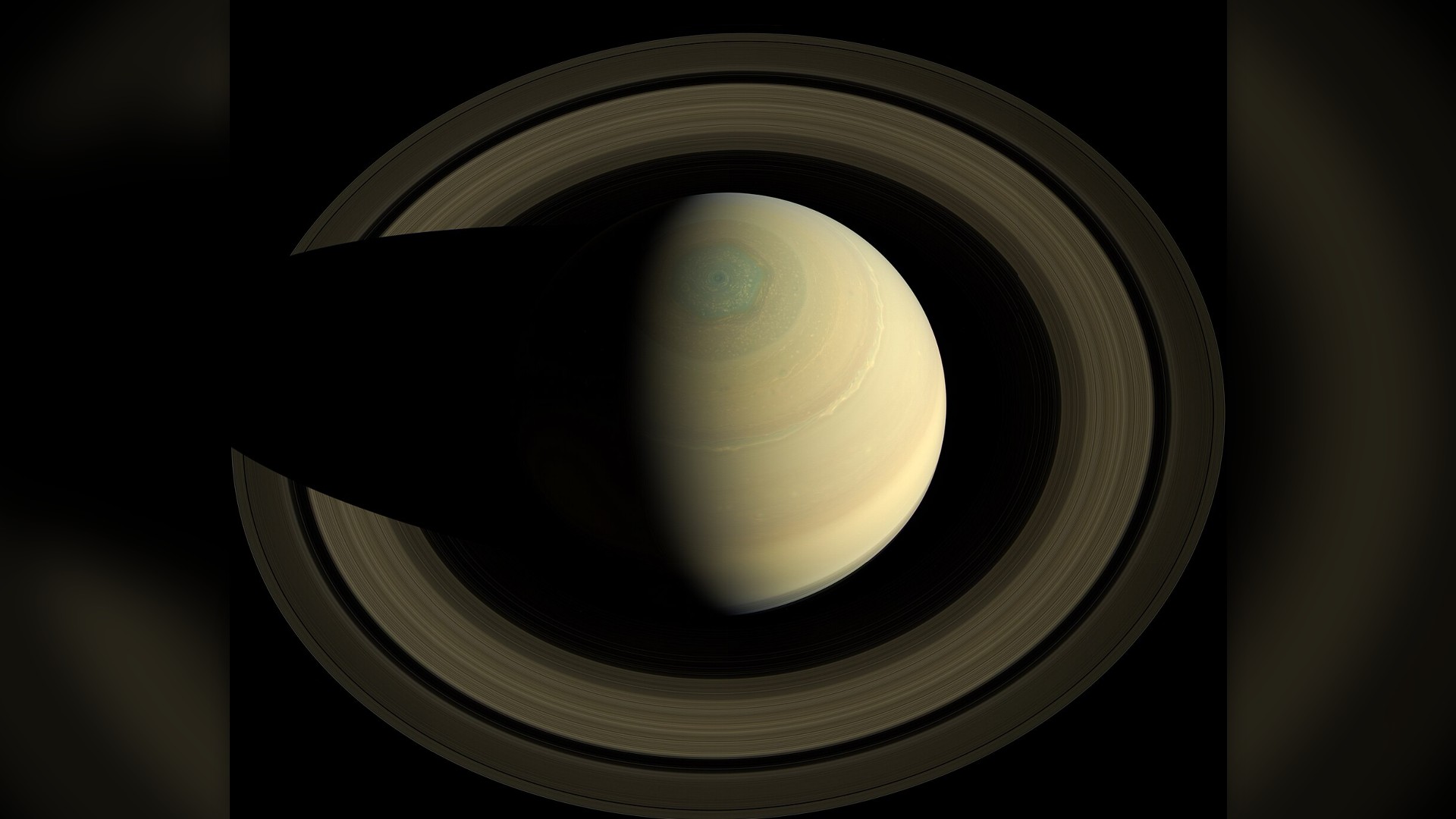
#7 Saturn's Rings
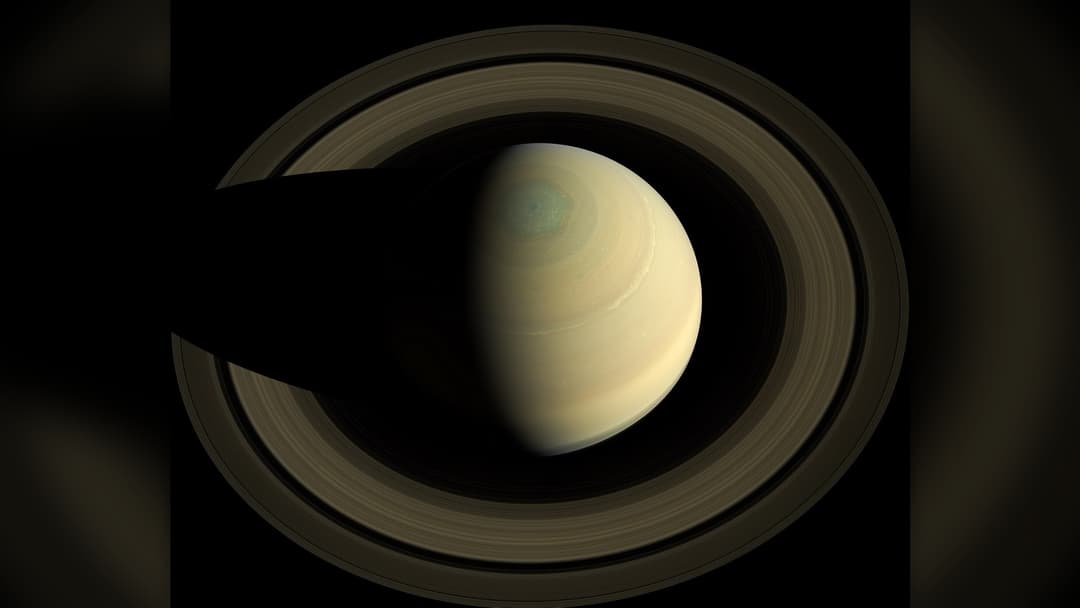
Saturn's rings are made almost entirely of water ice, a fact confirmed by Voyager 2 in 1981. This icy composition reflects light and creates the spectacular appearance of the rings. The age and origin of this water ice remain subjects of active research.
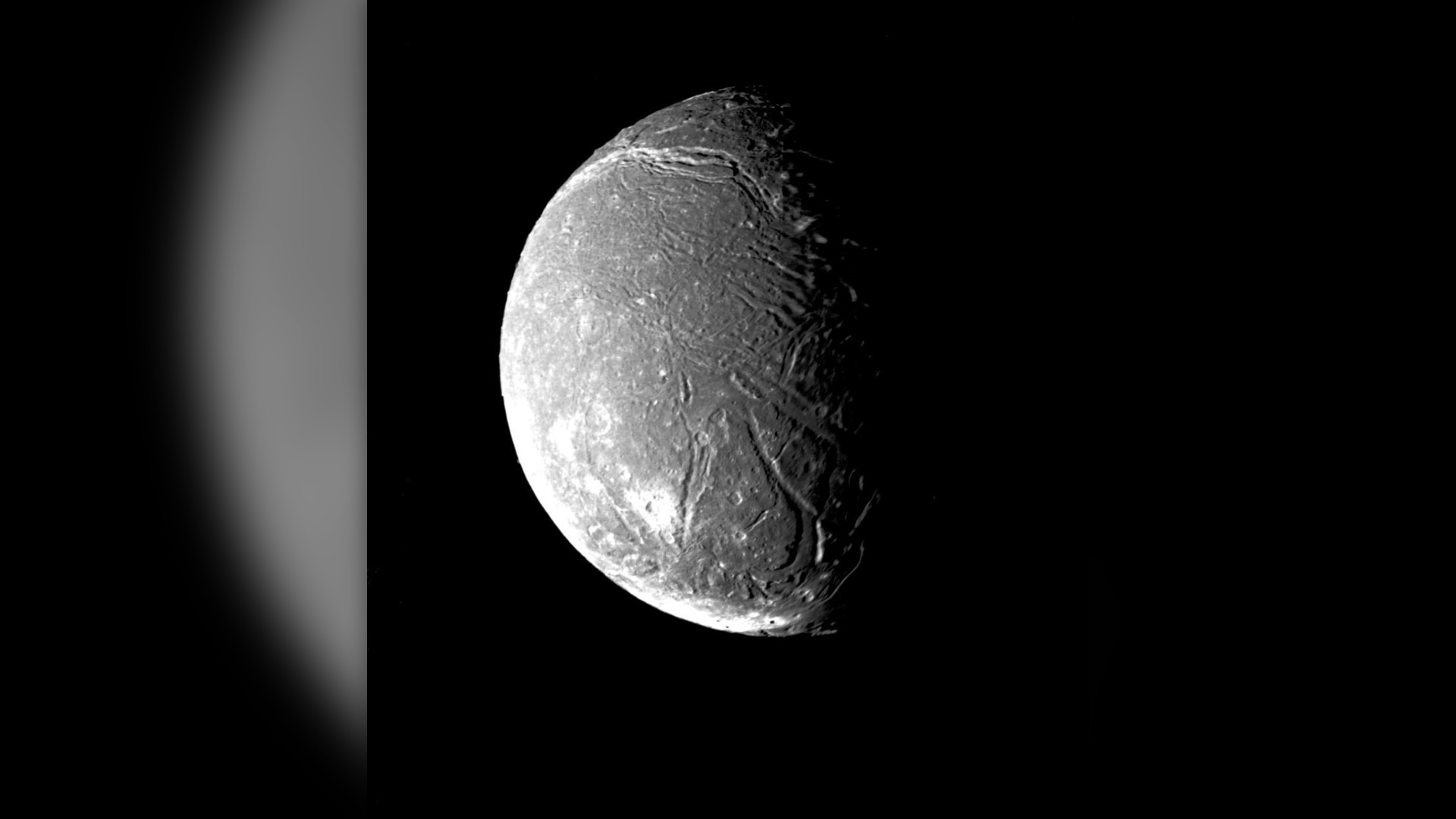
#6 Ariel
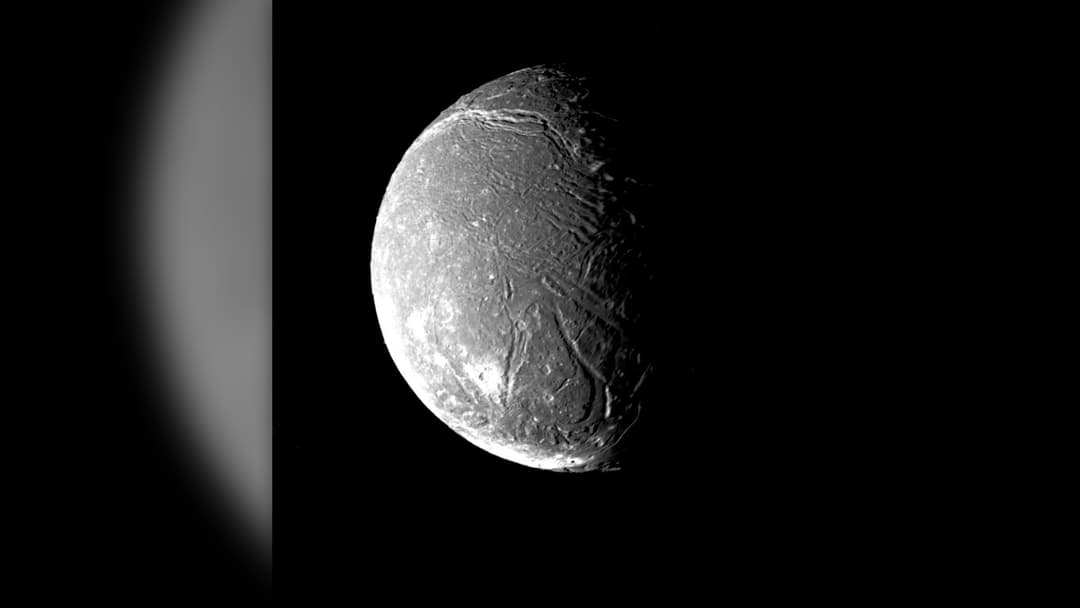
Many moons of Uranus are icy worlds, with Ariel showing spectroscopic evidence of water ice from Voyager 2 in 1986. This icy moon has complex surface features, indicating past geological activity. It remains one of the most mysterious moons of the outer solar system.
#5 Proteus
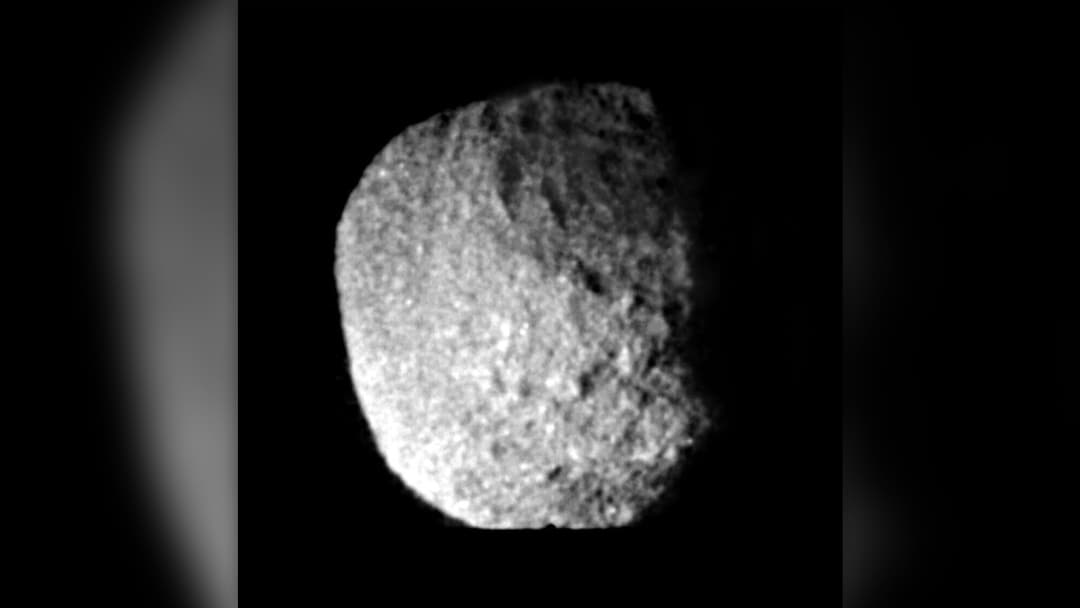
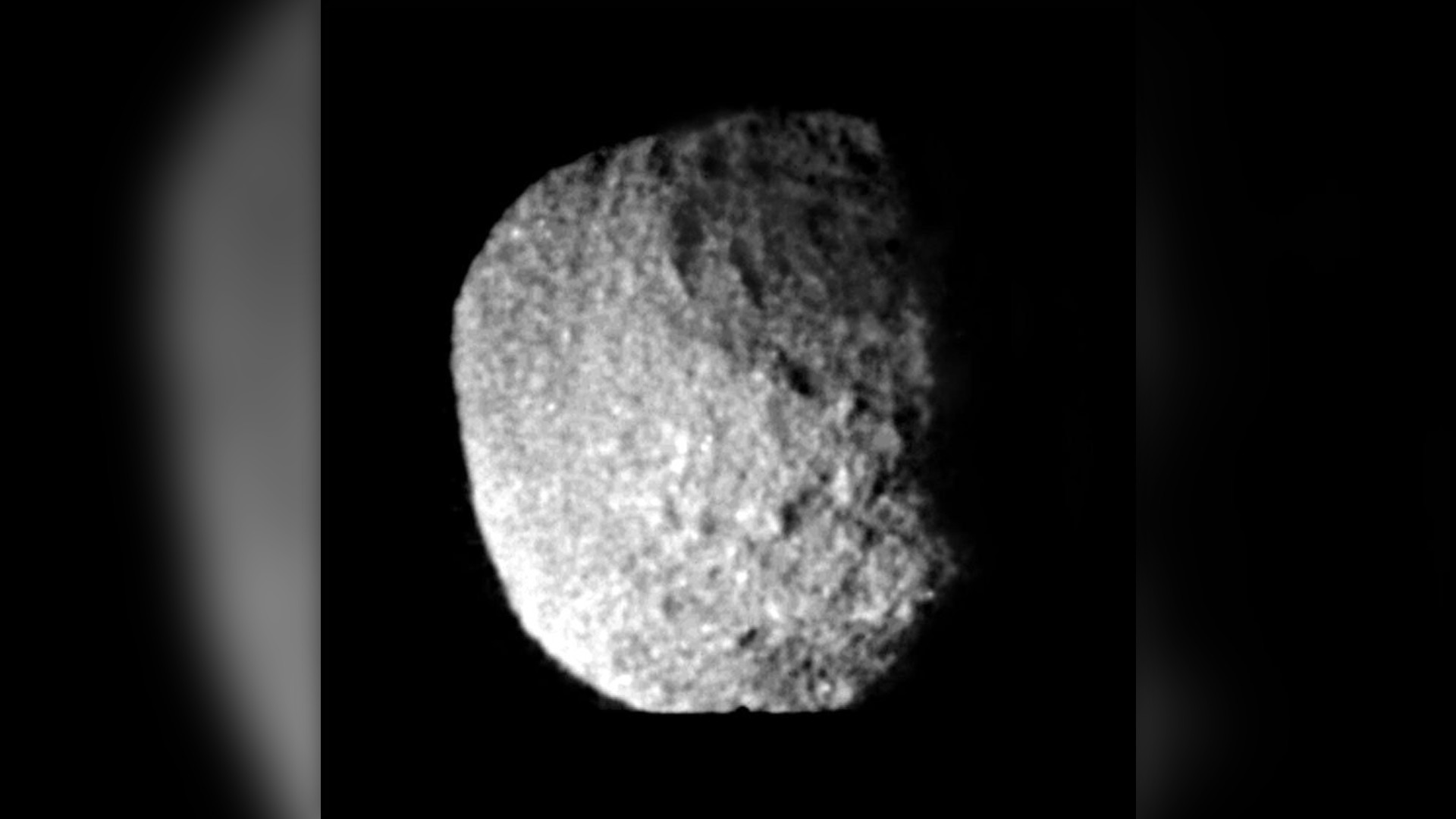
Neptune's moons are ice-rich, and Proteus shows spectroscopic evidence of water ice, seen by Voyager 2 in 1989. This moon is one of the darkest objects in the solar system, with a surface that has been shaped by impact and perhaps geological processes.
#4 Asteroids
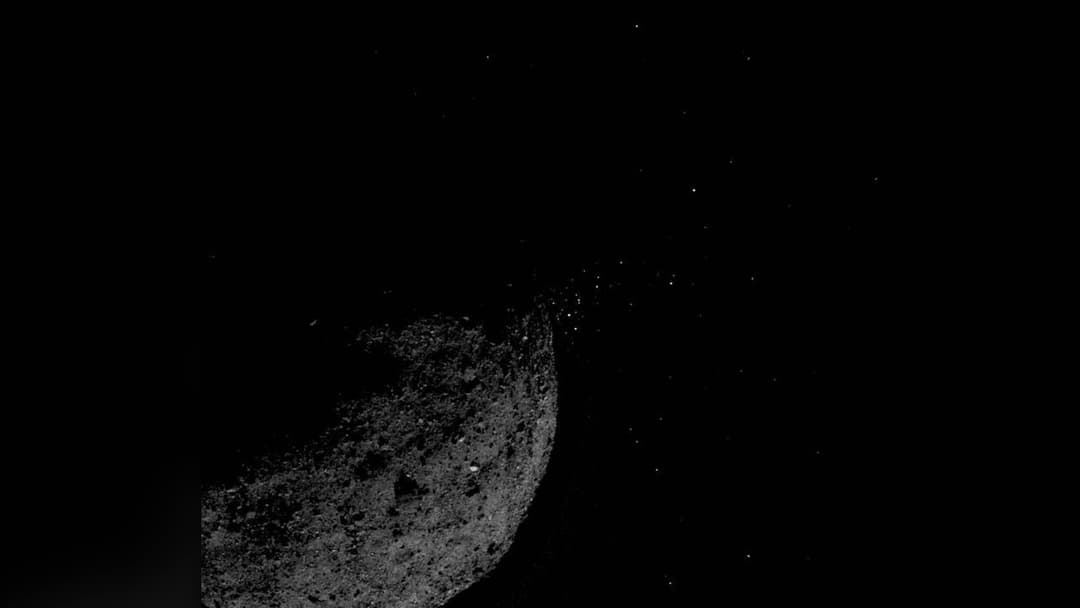
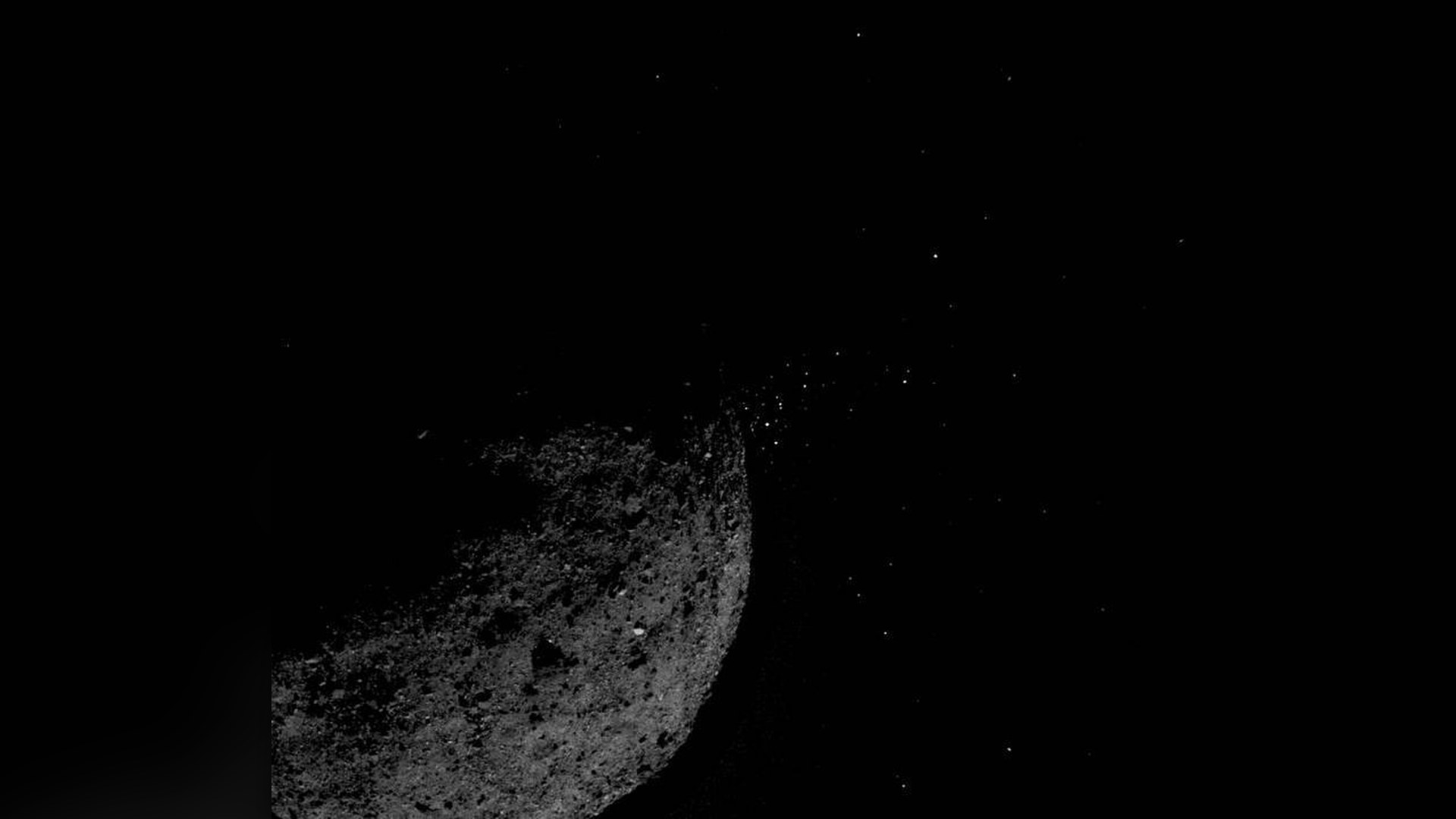
Asteroids carry water in their mineral structure, as found on asteroid Bennu by OSIRIS-REx in 2019. These water-bearing asteroids may have delivered water to the early Earth. Studying them helps us understand the composition of the building blocks of planets.
#3 Kuiper Belt
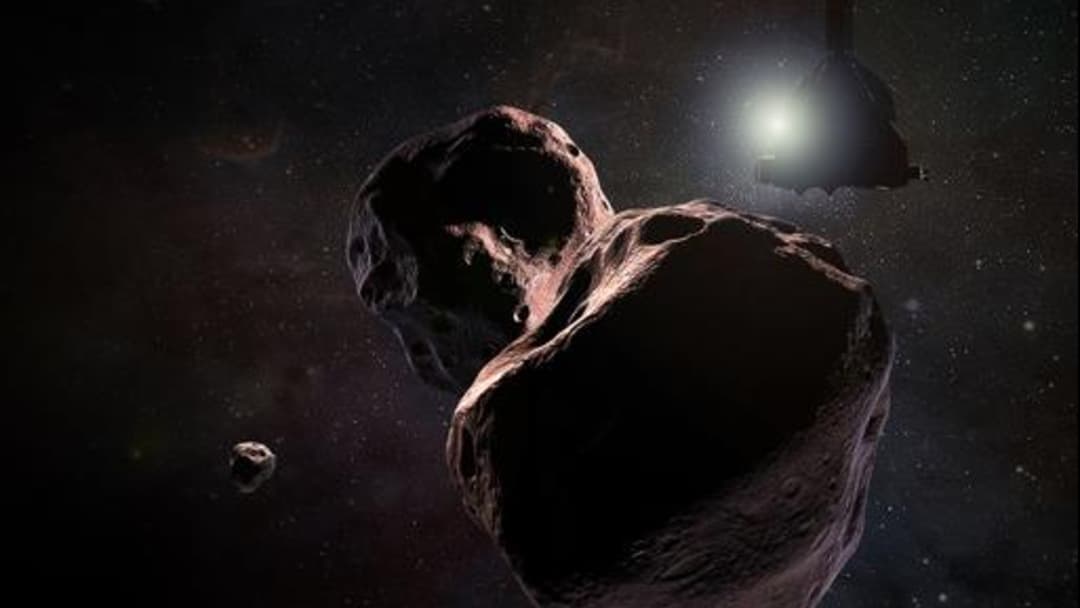
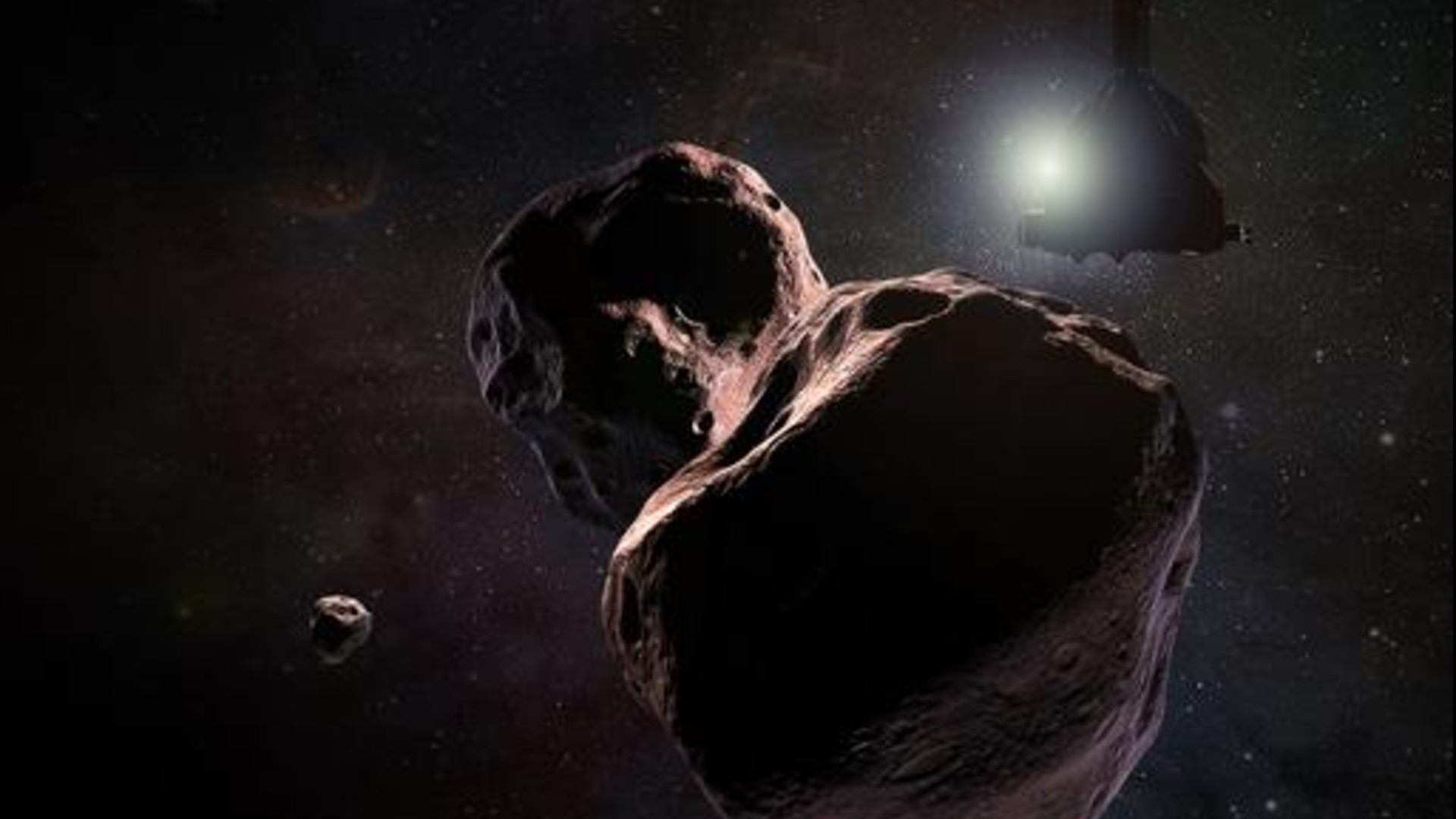
The outer solar system is filled with ice, with many Kuiper Belt objects showing spectroscopic evidence of water ice from ground-based telescopes in the 2000s. These icy objects are remnants of the early solar system. They hold the key to understanding its formation.
#2 Oort Cloud
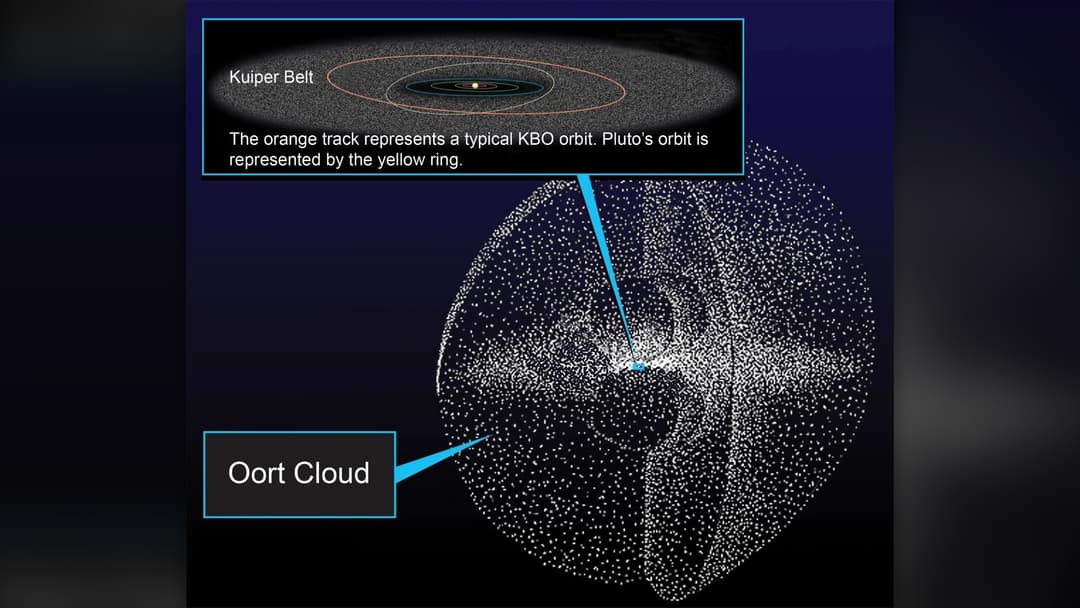
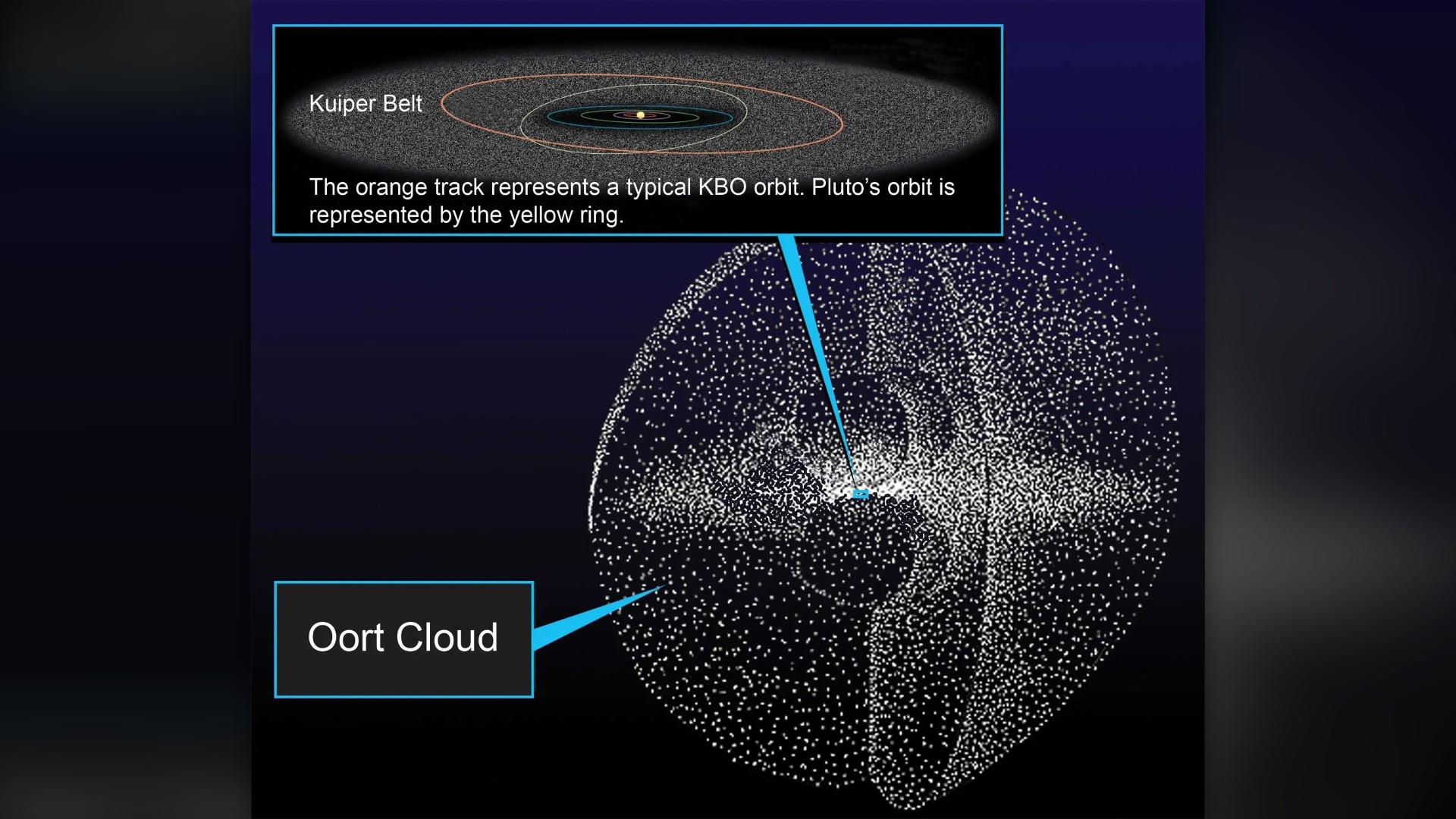
The Oort cloud is a vast reservoir of icy comets, studied since the 1950s. These comets are remnants of the early solar system that were ejected to the very edge. They are the source of many long-period comets that occasionally visit the inner solar system.
#1 The Sun
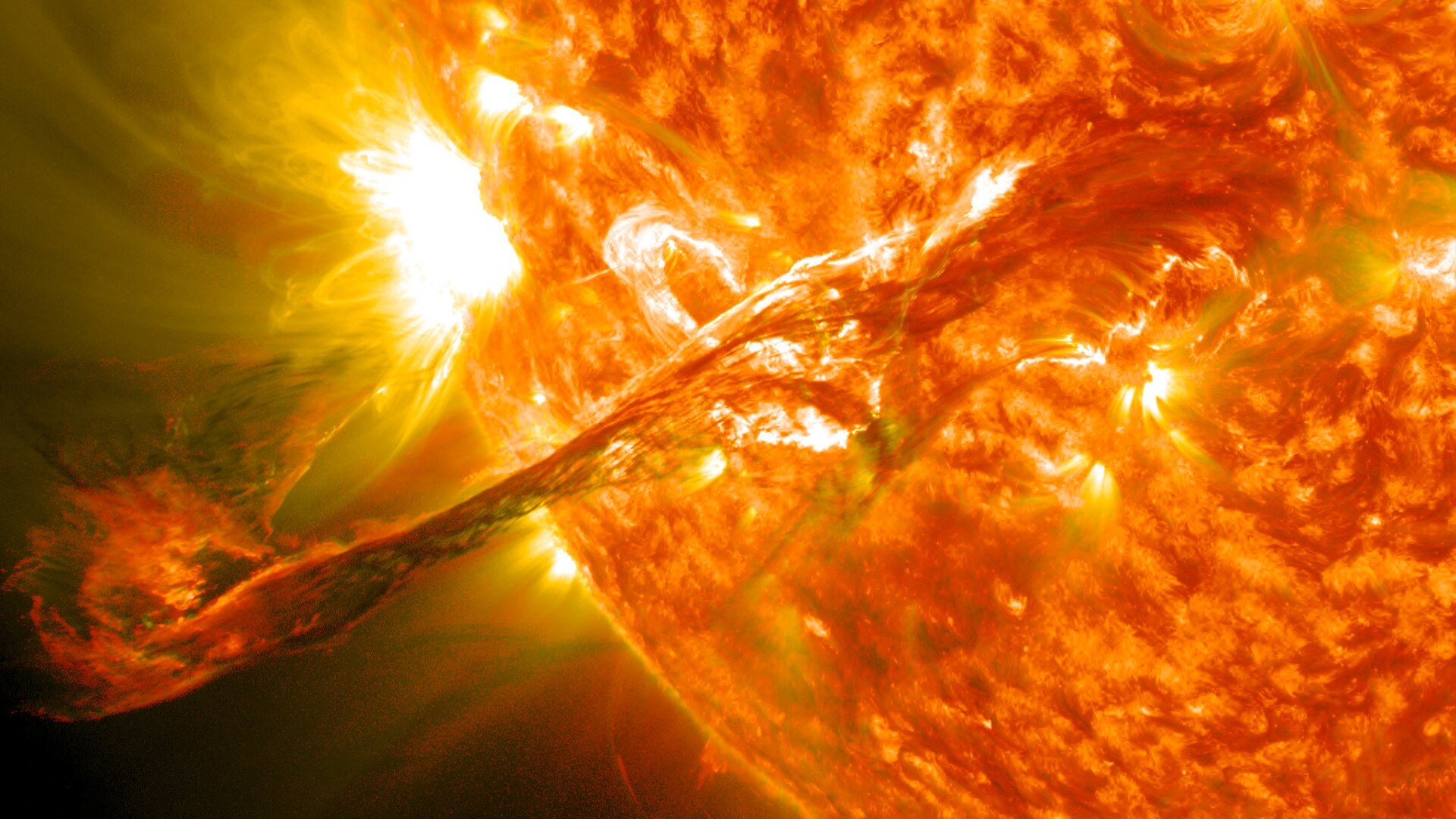
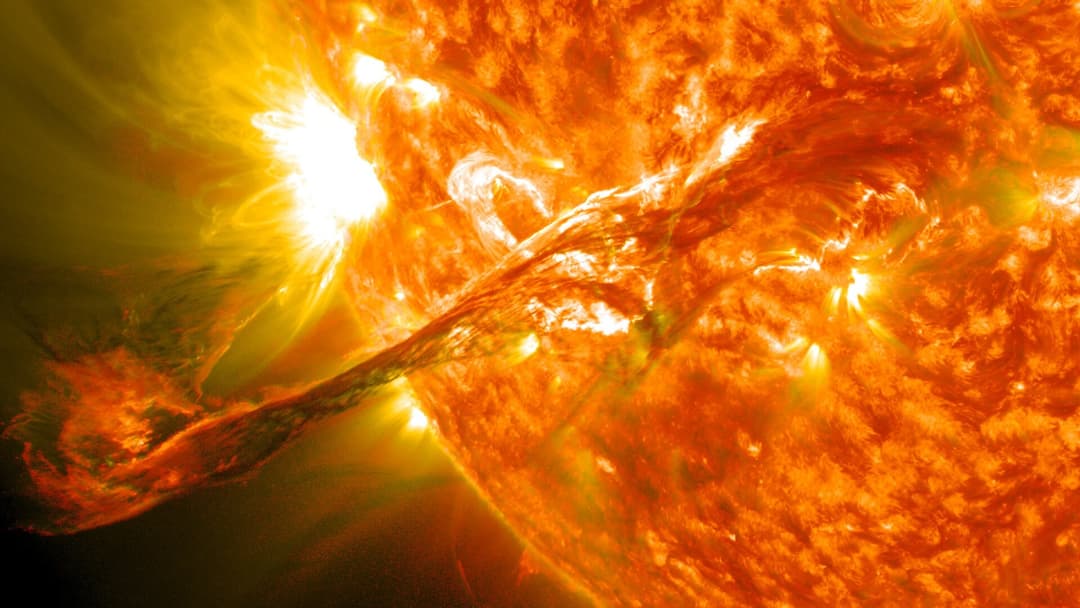
Even the Sun has trace amounts of water vapor, detected by infrared spectroscopy in sunspots in 1995. This is only possible because sunspots are cooler than the surrounding surface. It demonstrates the presence of water across a wide range of solar system environments.