Slideshow · Technology
20 Gaming Consoles Through the History of Video Games
From Ralph Baer creating the Magnavox Odyssey in 1972 to modern hybrid devices, home gaming hardware evolved through bold engineering leaps. According to historical records from the Strong National Museum of Play and industry sales reports, these twenty machines established the standards of modern entertainment.
By Most Viral Today
11 min ago

How 20 Legendary Consoles Transformed Video Game History 
20. Magnavox Odyssey 
19. ColecoVision 
18. Sega Master System - AdvertisementSwipe or tap ▶ to continue countdown

17. TurboGrafx-16 
16. Sega Dreamcast 
15. Nintendo GameCube 
14. Original Xbox - AdvertisementSwipe or tap ▶ to continue countdown

13. Sony PlayStation 3 
12. Nintendo DS 
11. Nintendo 64 
10. Sega Genesis - AdvertisementSwipe or tap ▶ to continue countdown

9. Xbox 360 
8. Super Nintendo Entertainment System 
7. Nintendo Game Boy 
6. Nintendo Wii - AdvertisementSwipe or tap ▶ to continue countdown

5. Nintendo Switch 
4. Atari 2600 
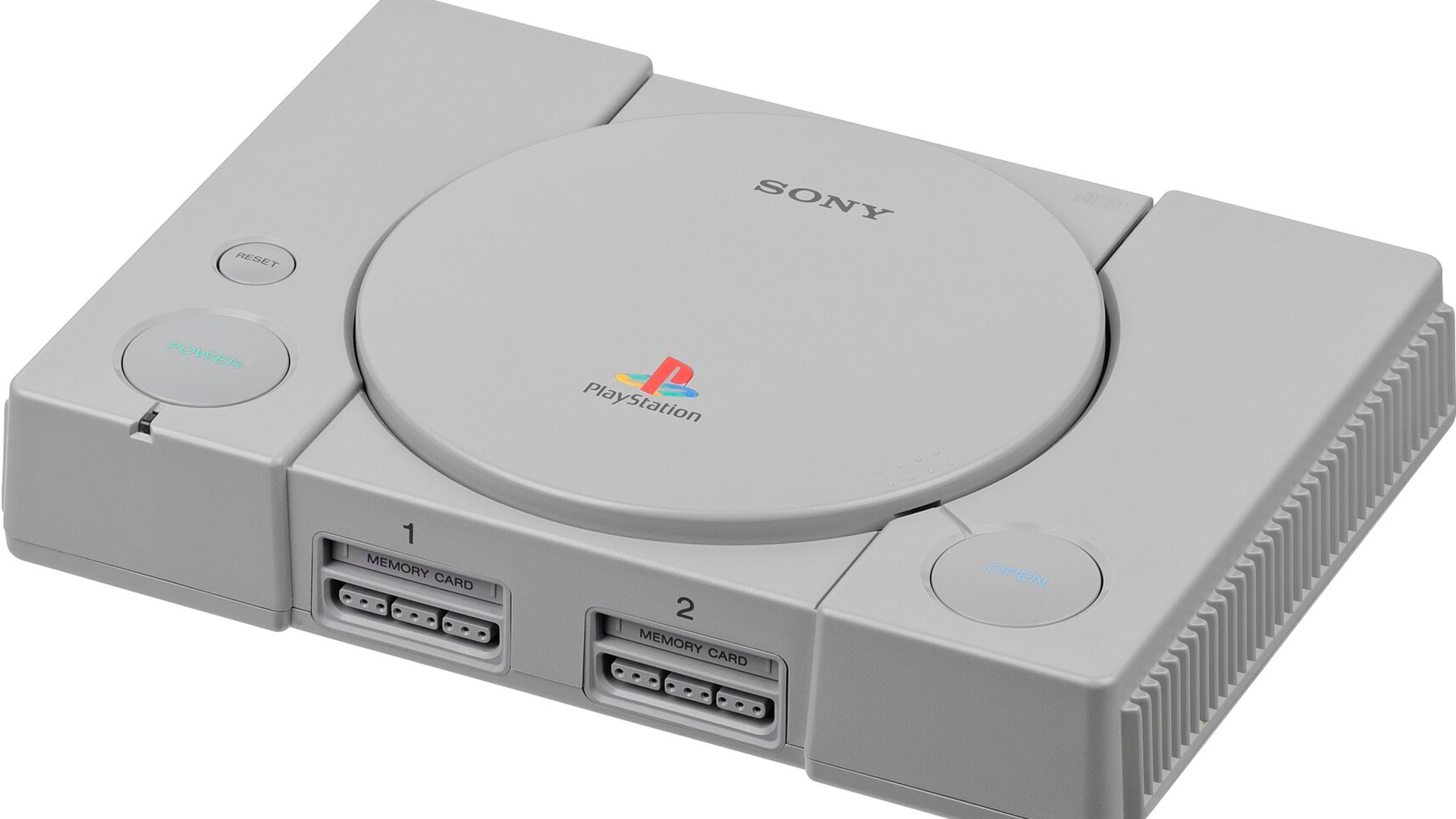
3. Sony PlayStation 
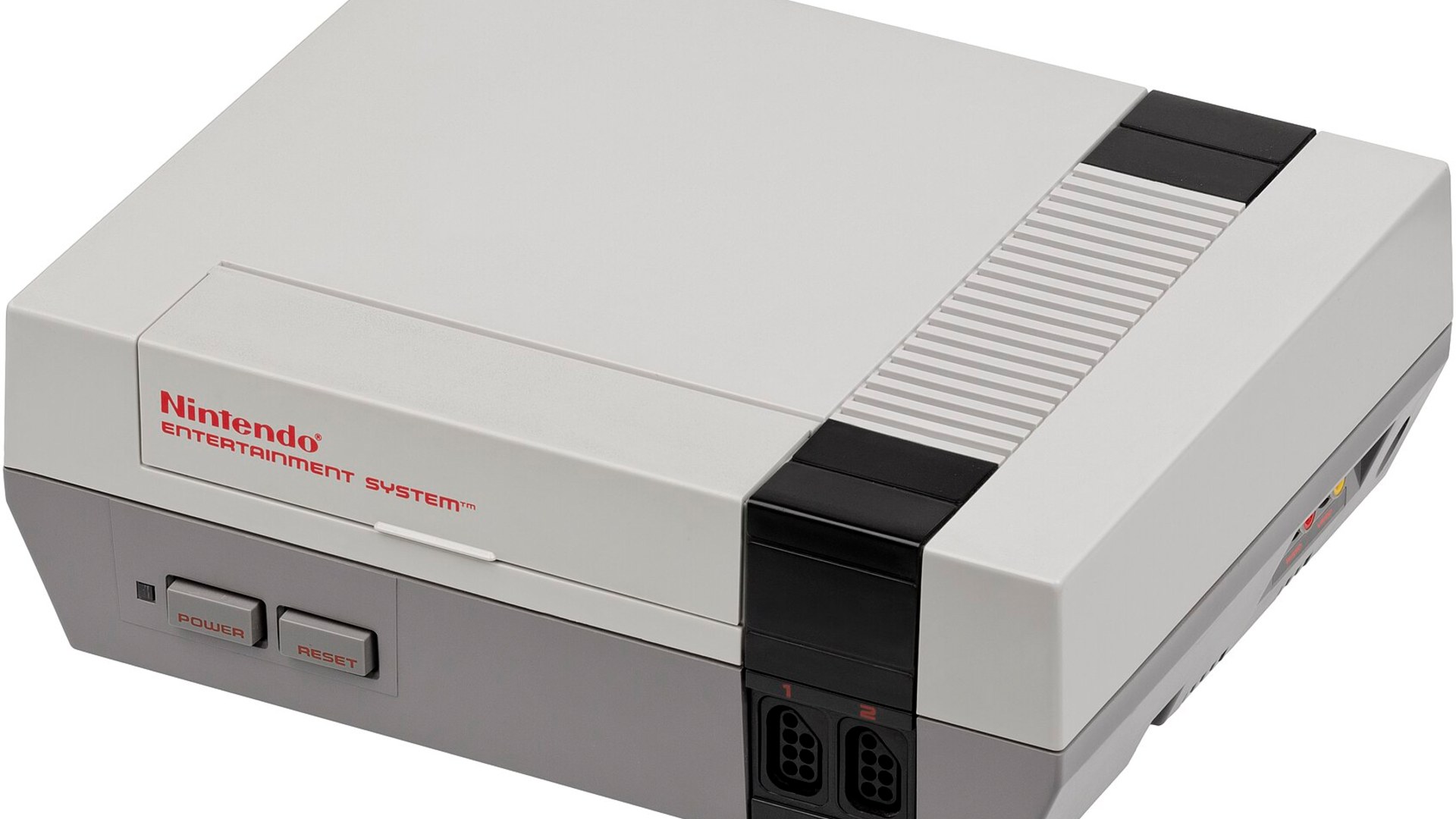
2. Nintendo Entertainment System - AdvertisementSwipe or tap ▶ to continue countdown

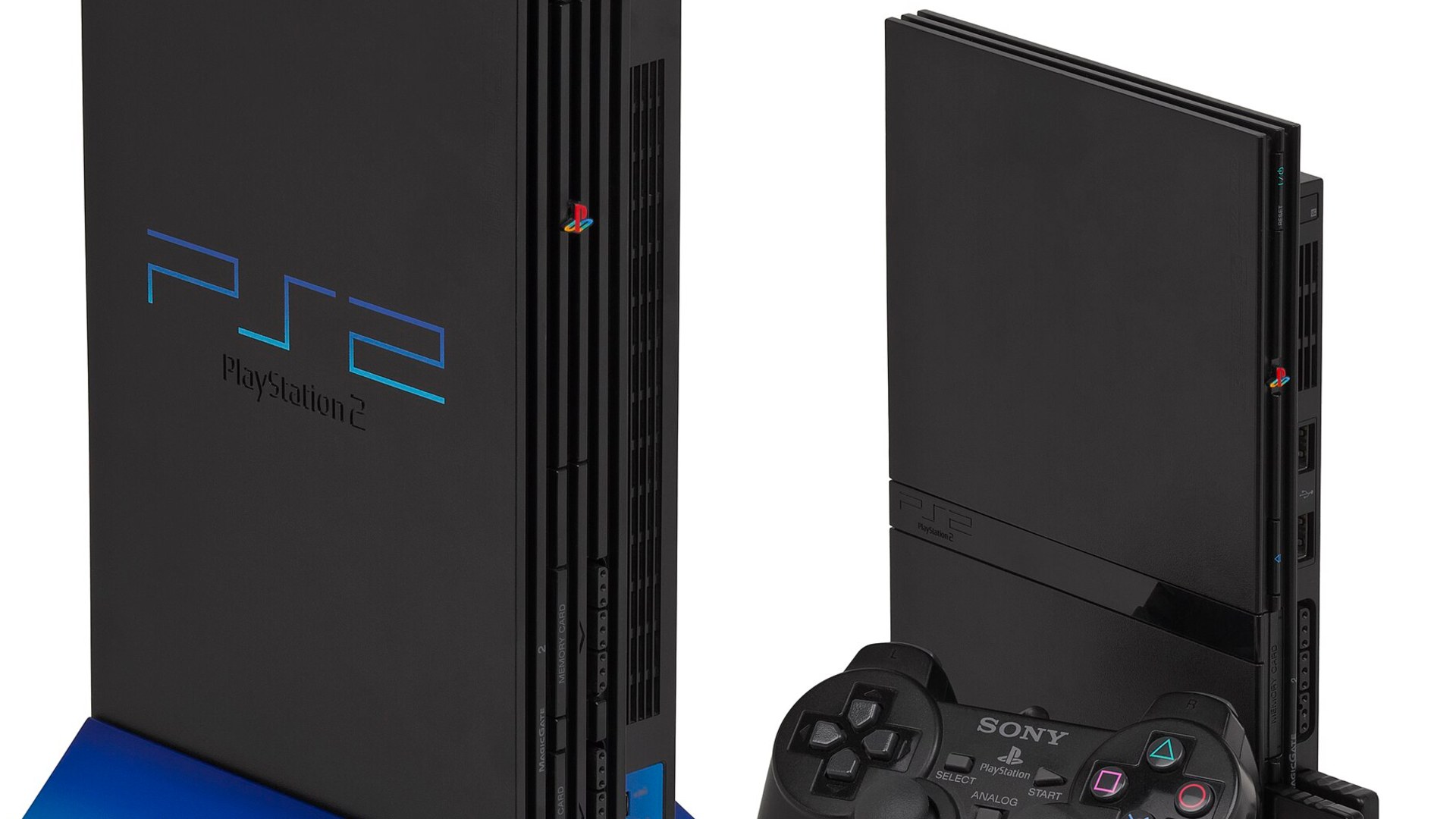
1. Sony PlayStation 2 - Advertisement🔥 UP NEXT IN THIS SERIES◫ 21 Slides

20 Everyday Inventions That Changed the Way People Live Across the World
From securing clothing with small wire fasteners to instant global communication on pocket screens, everyday life changed through practical problem solving. According to museum curators and patent records, these twenty humble innovations quietly transformed hygiene, food storage, travel, and household chores.
From Ralph Baer creating the Magnavox Odyssey in 1972 to modern hybrid devices, home gaming hardware evolved through bold engineering leaps. According to historical records from the Strong National Museum of Play and industry sales reports, these twenty machines established the standards of modern entertainment.
Swipe or tap ▶ to begin the countdown
©Wikimedia / Evan-Amos
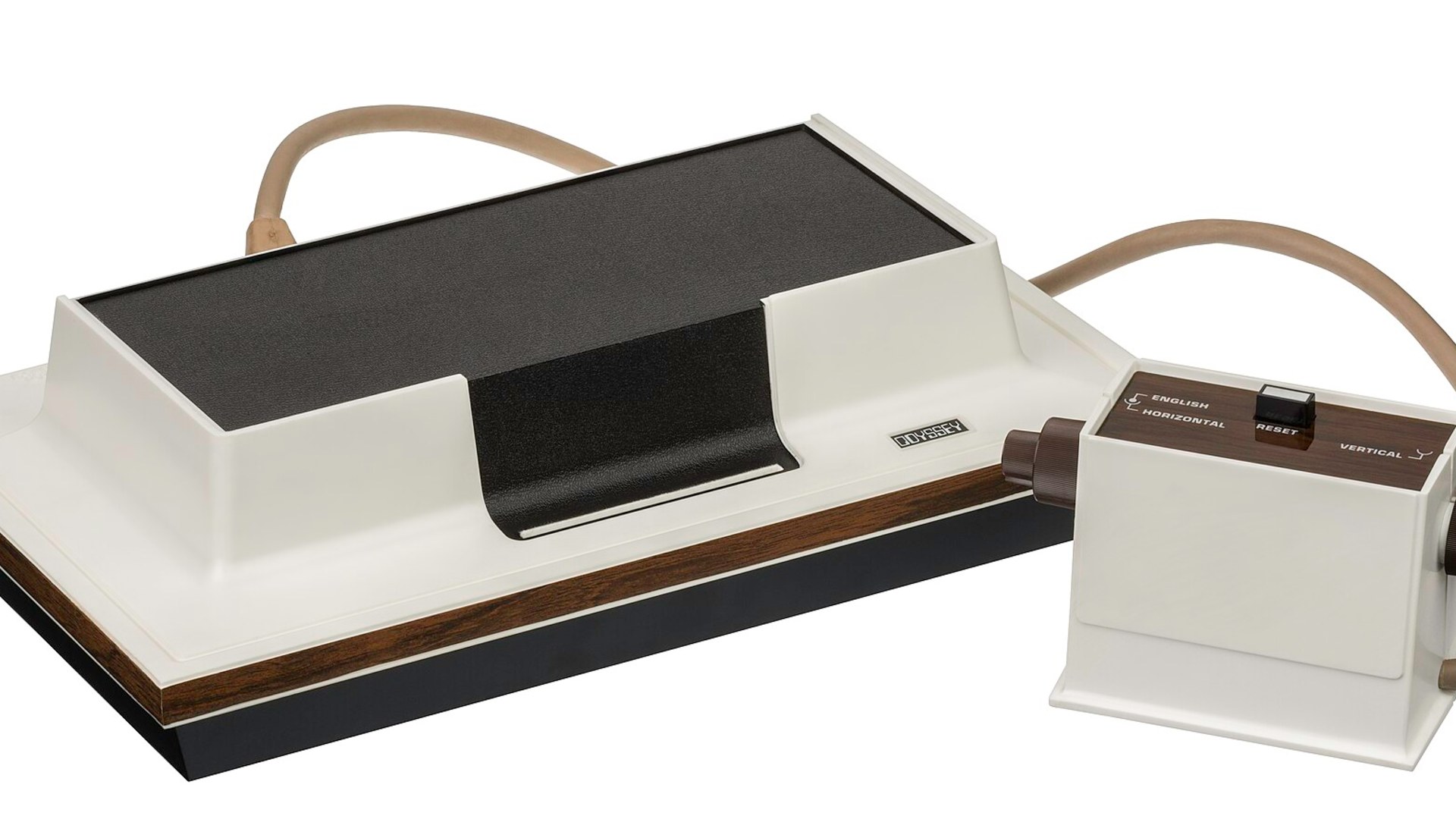
20. Magnavox Odyssey
Engineered by Ralph Baer and released in September 1972, the Magnavox Odyssey was the world first commercial home video game console. It used printed plastic overlays taped to television screens to display color backgrounds, selling over 350,000 units before concluding its pioneering retail run in 1975.
©Wikimedia / Evan-Amos
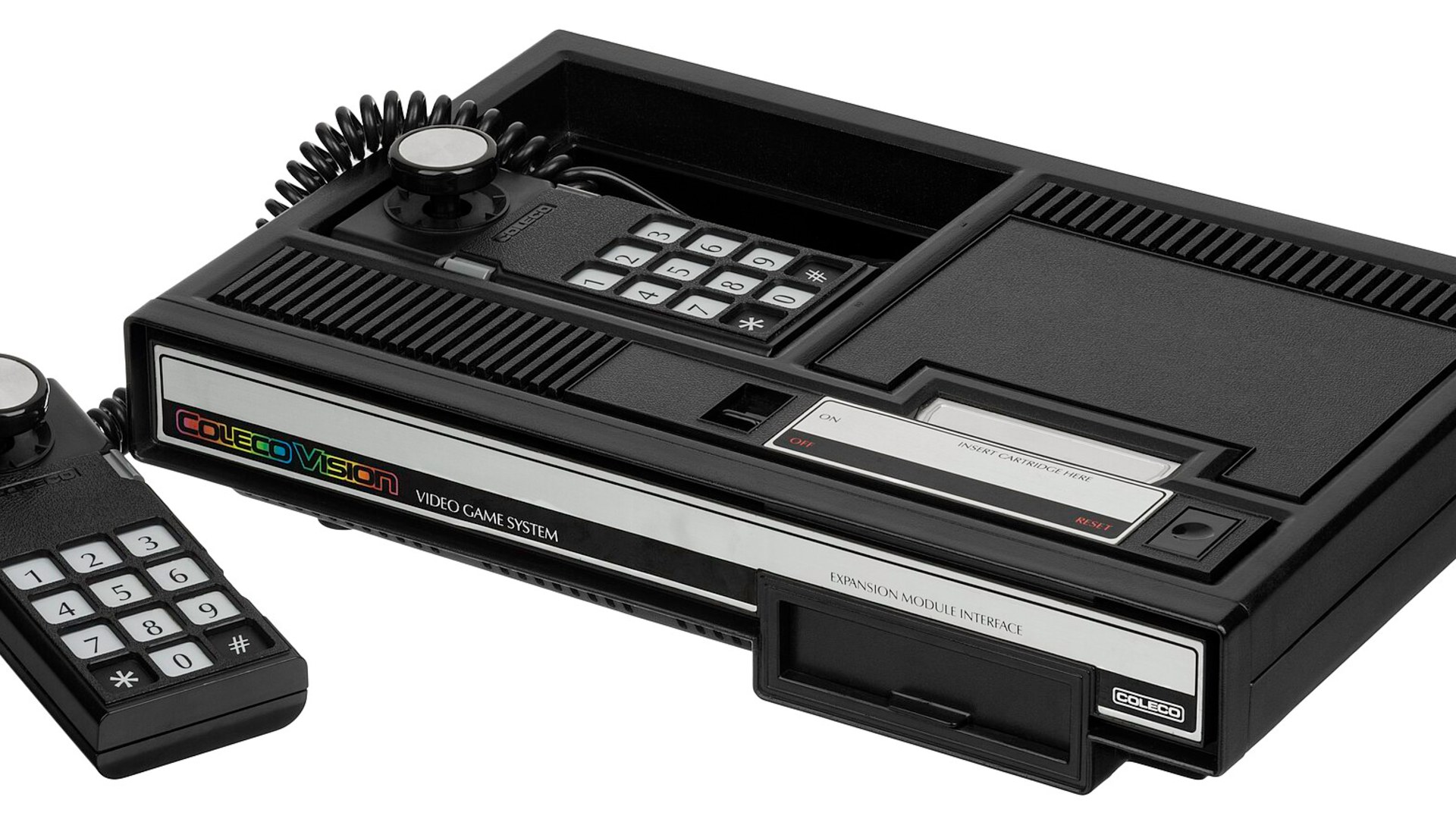
19. ColecoVision
Released by Coleco in August 1982, the ColecoVision stunned players by delivering near-flawless ports of arcade hits like Donkey Kong. The system sold over one million units in its first year, proving that home audiences demanded authentic coin-op visual fidelity and interchangeable expansion hardware modules.
©Wikimedia / Evan-Amos
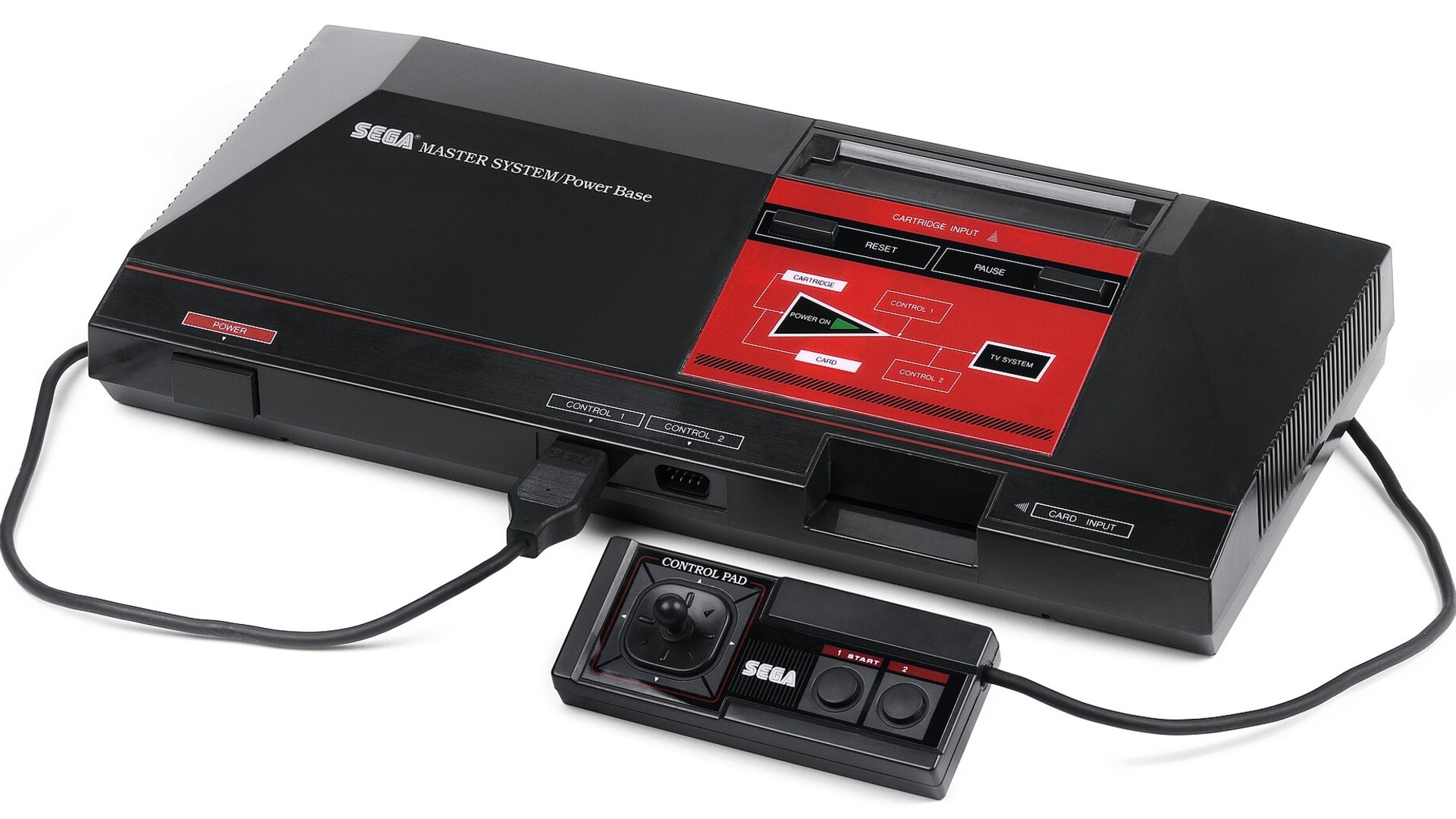
18. Sega Master System
Debuting in North America in October 1986, the Sega Master System featured superior color palettes and graphical hardware compared to rivals. While the NES dominated North America and Japan, Sega found lasting international victory, selling millions of units and staying in production in Brazil for decades.
©Wikimedia / Evan-Amos
Advertisement
Swipe or tap ▶ to resume the countdown.
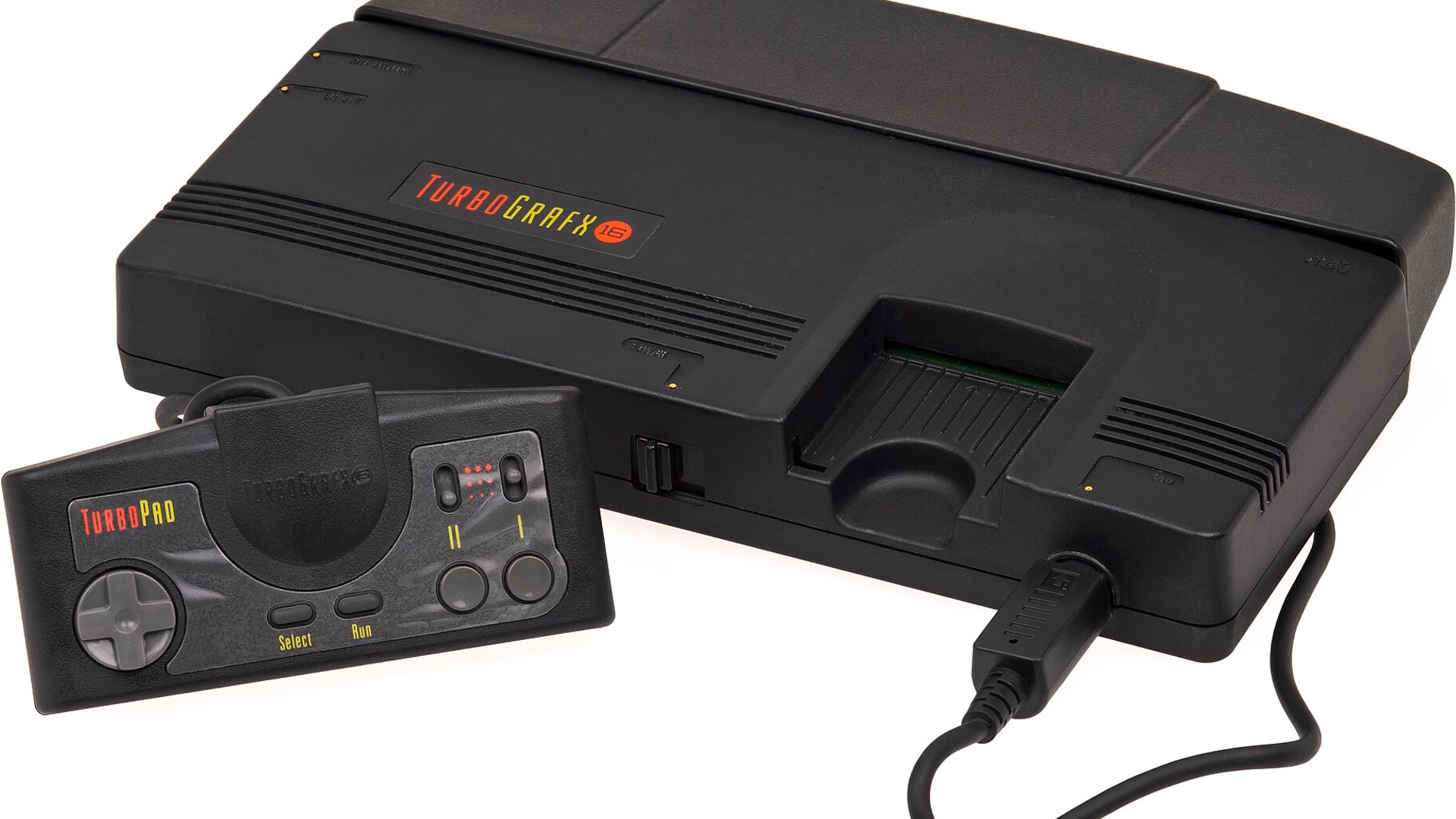
17. TurboGrafx-16
Known as the PC Engine in Japan and released in North America in August 1989, this NEC and Hudson Soft machine introduced high-speed graphics. By offering the TurboGrafx-CD add-on in 1988, it became the first console to use optical discs for games, pioneering full orchestral audio and animated cutscenes.
©Wikimedia / Evan-Amos
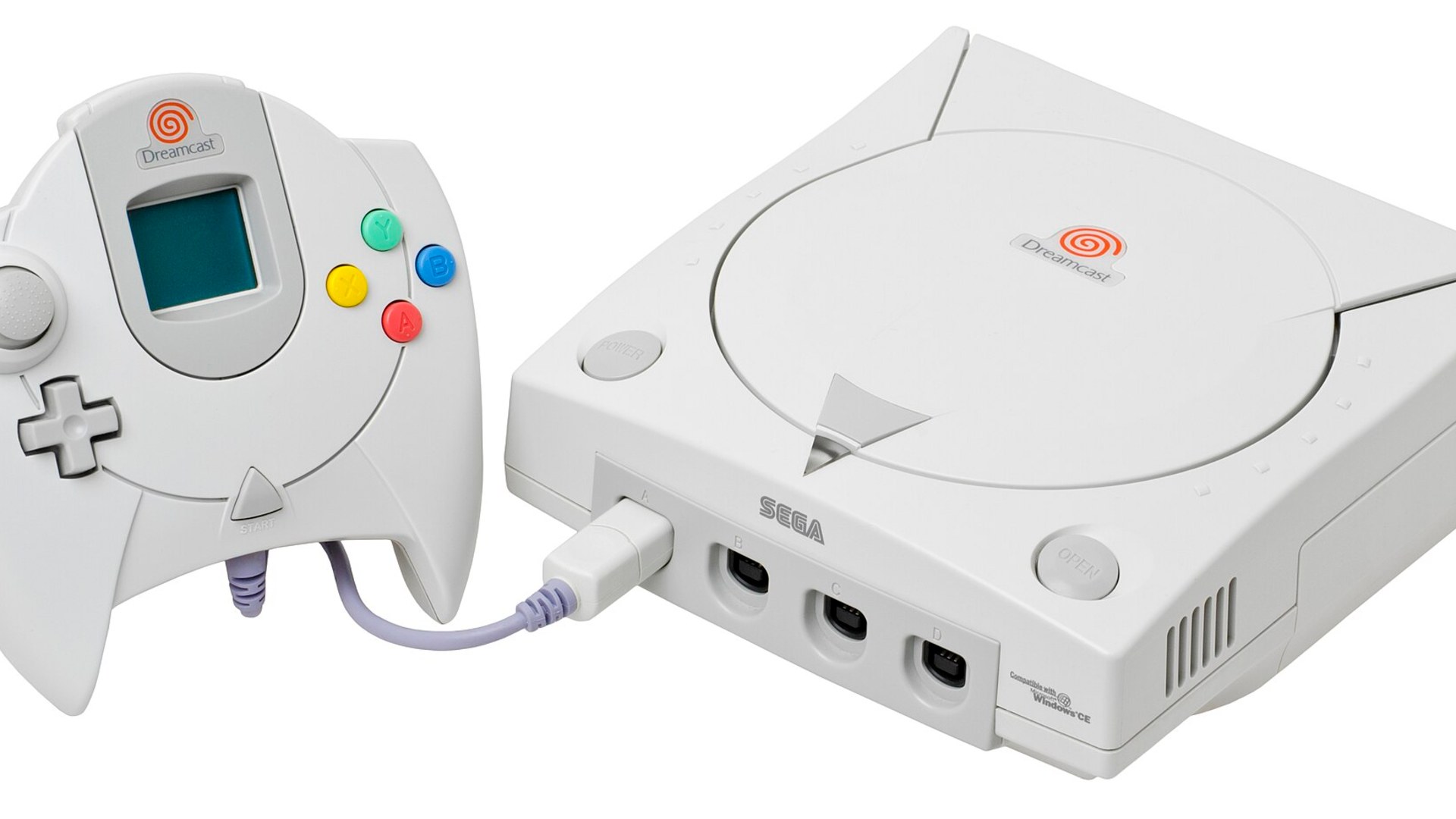
16. Sega Dreamcast
Launched on September 9, 1999, the Sega Dreamcast included an integrated 56k dial-up modem that allowed online console multiplayer across titles like Phantasy Star Online. Its Visual Memory Unit accessories and 128-bit architecture pushed technical boundaries before Sega left hardware production in 2001.
©Wikimedia / Evan-Amos
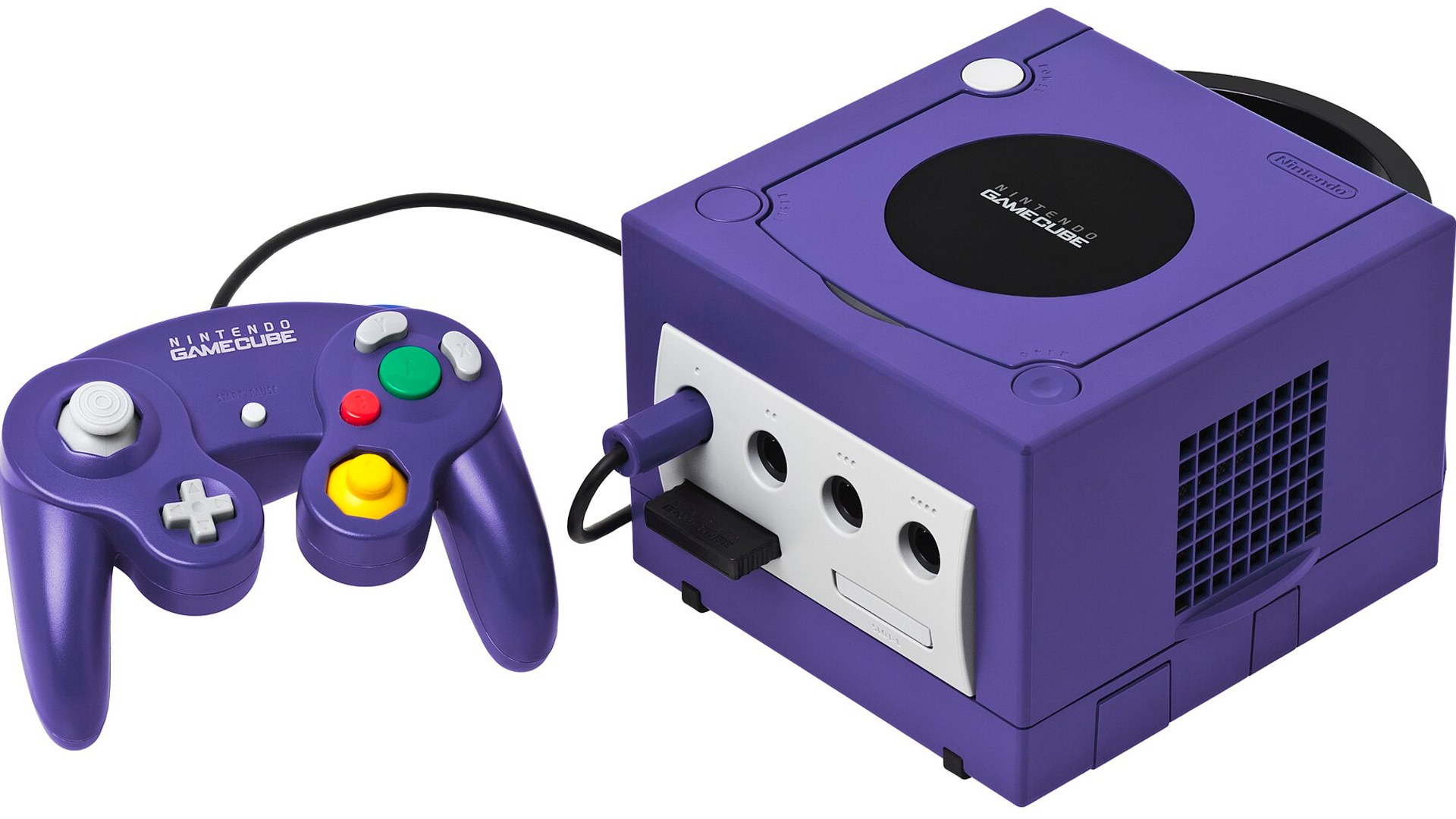
15. Nintendo GameCube
Arriving in November 2001, the Nintendo GameCube traded proprietary cartridges for compact 1.5-gigabyte optical discs. The console also introduced the WaveBird controller in 2002, which used radio frequency signals to establish the modern standard for lag-free wireless home gaming pads across the industry.
©Wikimedia / Evan-Amos
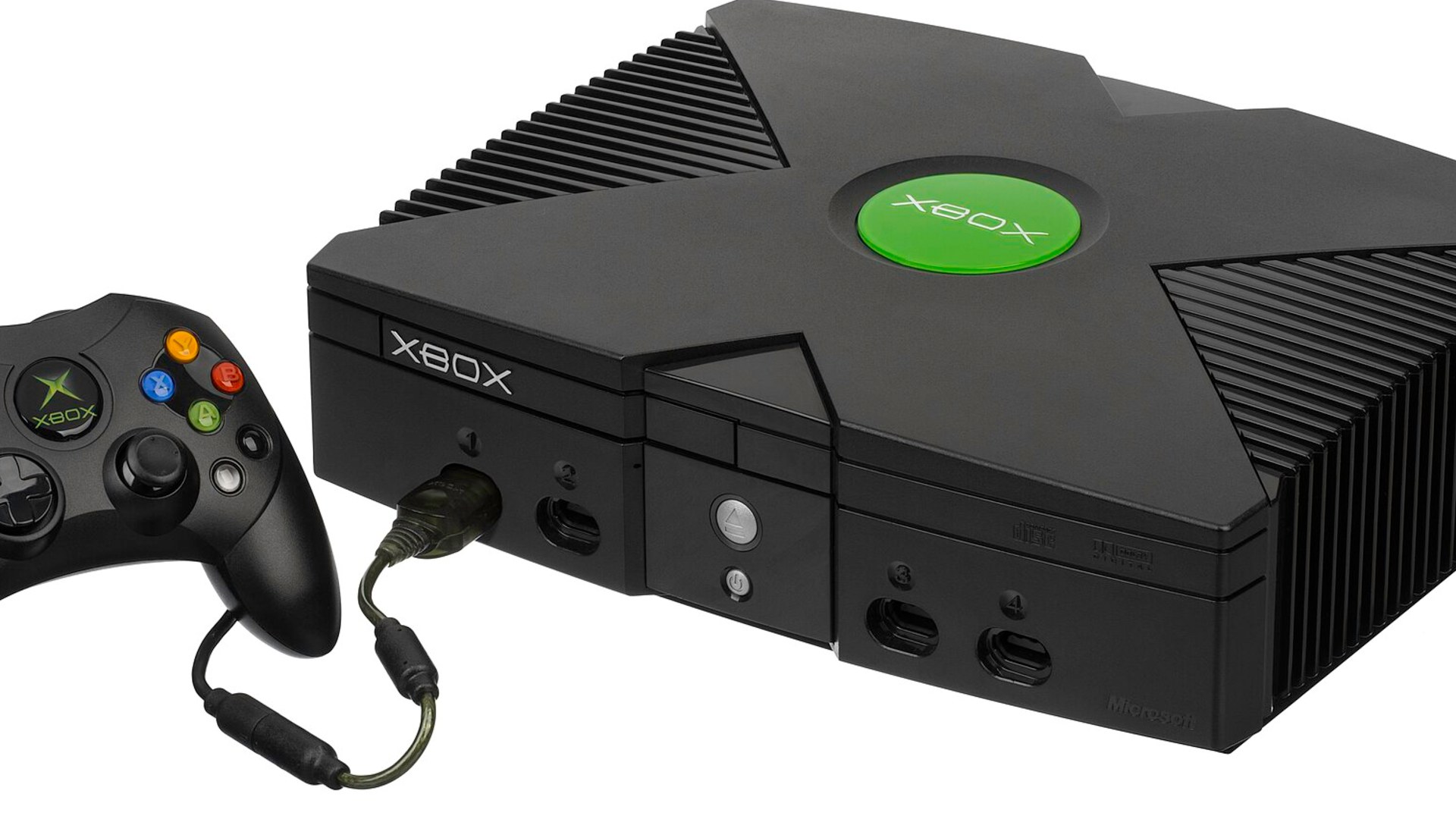
14. Original Xbox
Entering the market in November 2001, Microsoft first video game console included an internal eight-gigabyte hard drive and a built-in Ethernet port. Powered by Halo Combat Evolved and the debut of Xbox Live in November 2002, the console proved that Western computer architecture belonged on home televisions.
©Wikimedia / Evan-Amos
Advertisement
Swipe or tap ▶ to resume the countdown.
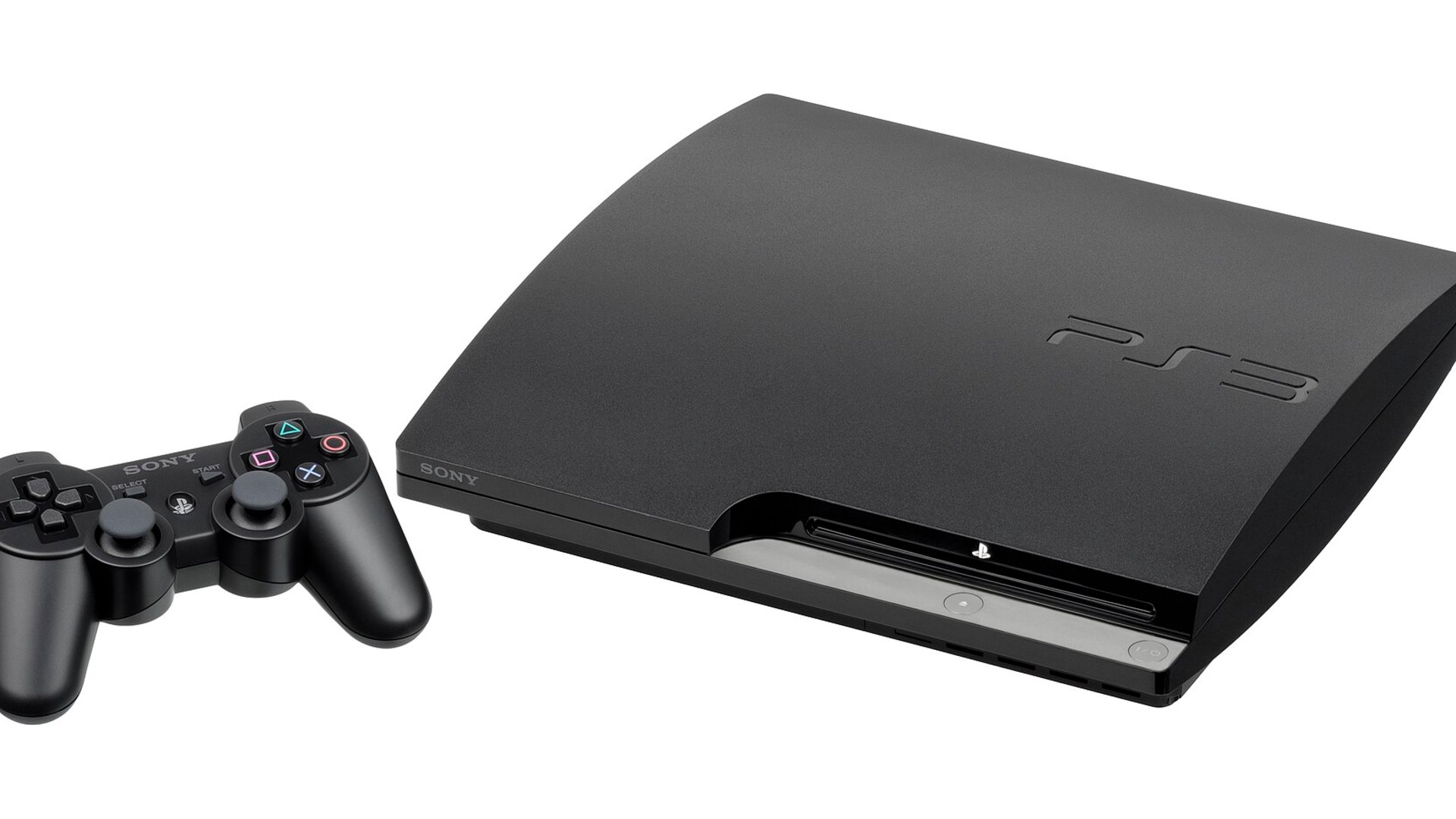
13. Sony PlayStation 3
Released in November 2006, the Sony PlayStation 3 arrived with an integrated Blu-ray drive that helped win the high-definition physical disc format competition against HD DVD. Over 87 million units were sold worldwide, establishing unified HDMI digital video and complimentary PlayStation Network infrastructure.
©Wikimedia / Evan-Amos
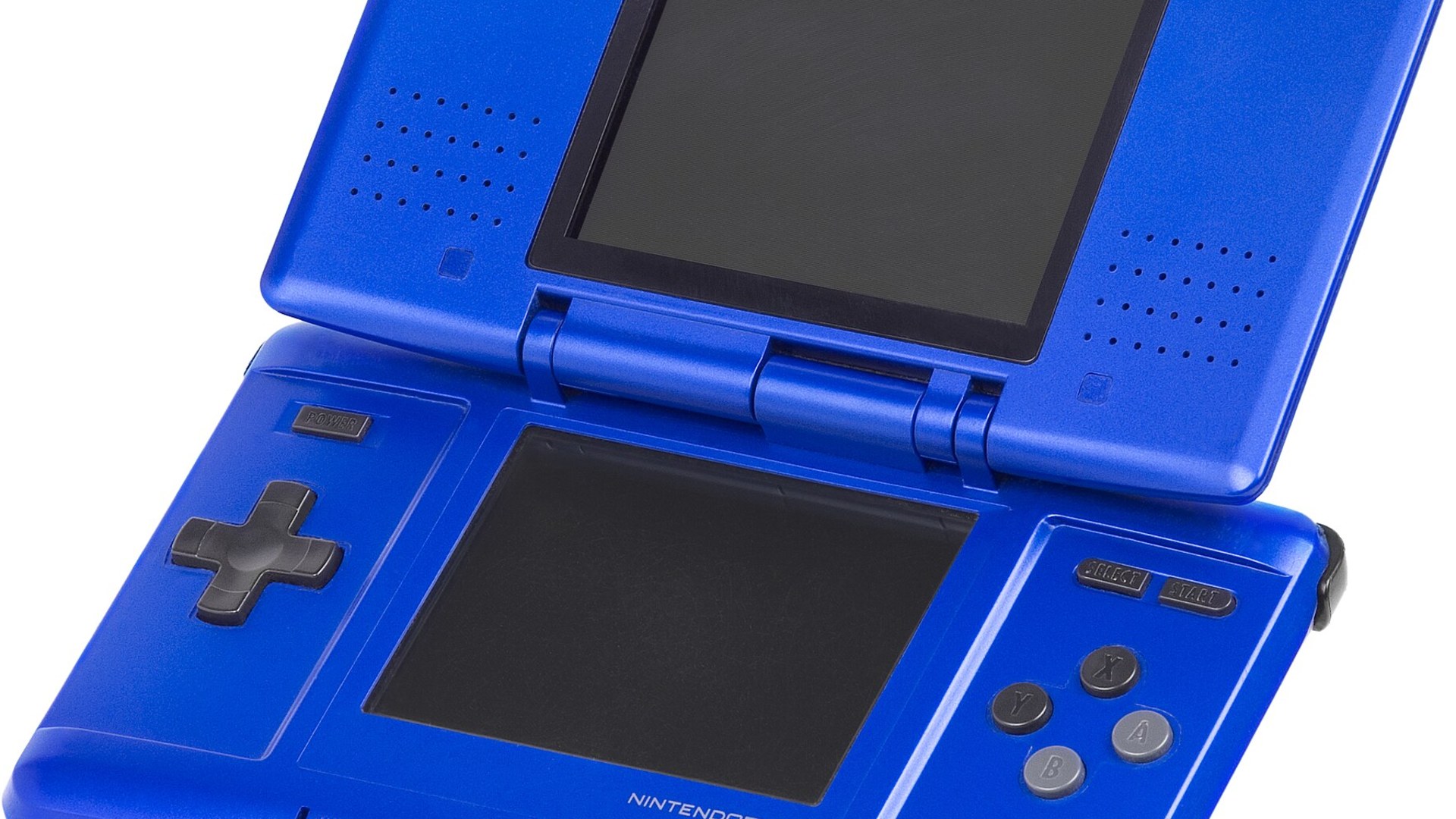
12. Nintendo DS
Introduced in November 2004, the Nintendo DS featured dual displays and resistive touch controls years before smartphones became ubiquitous. Lifetime sales surpassed 154 million units worldwide, making it the second best-selling gaming device in history and proving that accessible design could captivate all ages.
©Wikimedia / Evan-Amos
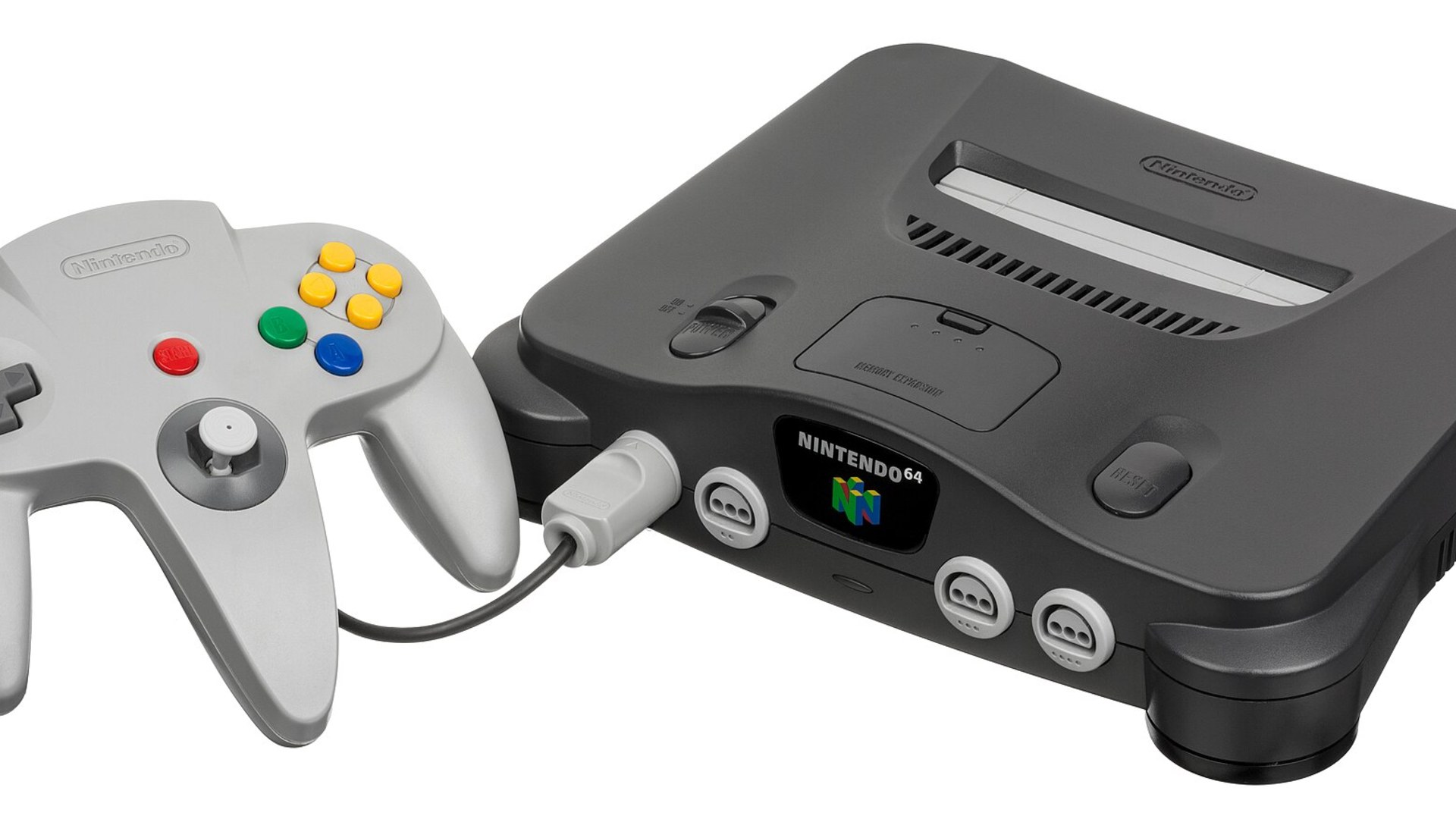
11. Nintendo 64
Arriving in September 1996, the Nintendo 64 revolutionized game interaction with its ergonomic controller featuring an analog thumbstick. Super Mario 64 set the universal blueprint for 3D platformers and camera movement, while four built-in controller ports popularized local multiplayer party experiences.
©Wikimedia / Evan-Amos
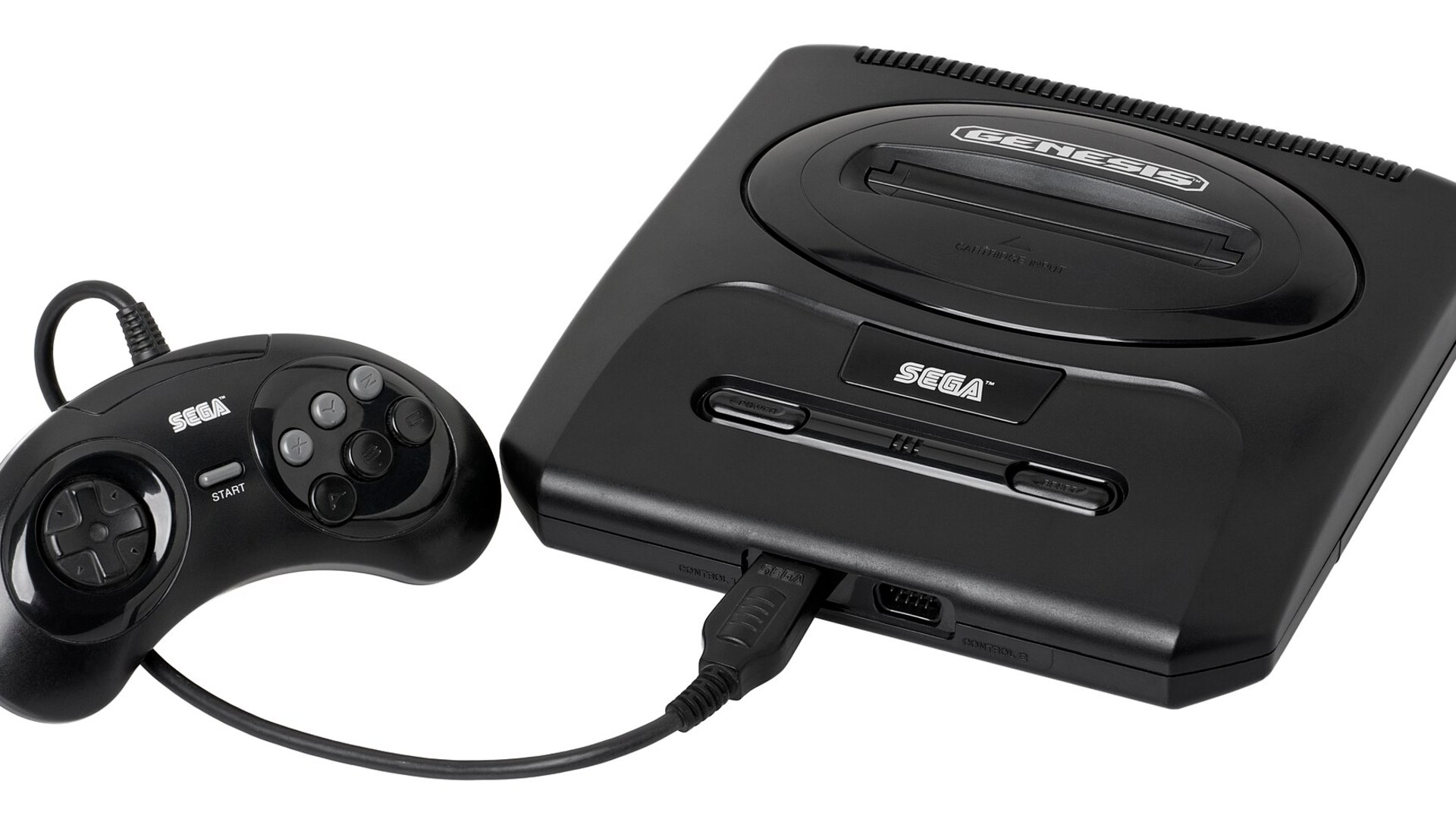
10. Sega Genesis
Launched in North America in August 1989, the Sega Genesis challenged Nintendo industry stranglehold through edgy marketing and blast processing speed. Propelled by Sonic the Hedgehog in 1991, the machine captured over fifty percent of the American home console market and sold over 30 million units globally.
©Wikimedia / Evan-Amos
Advertisement
Swipe or tap ▶ to resume the countdown.
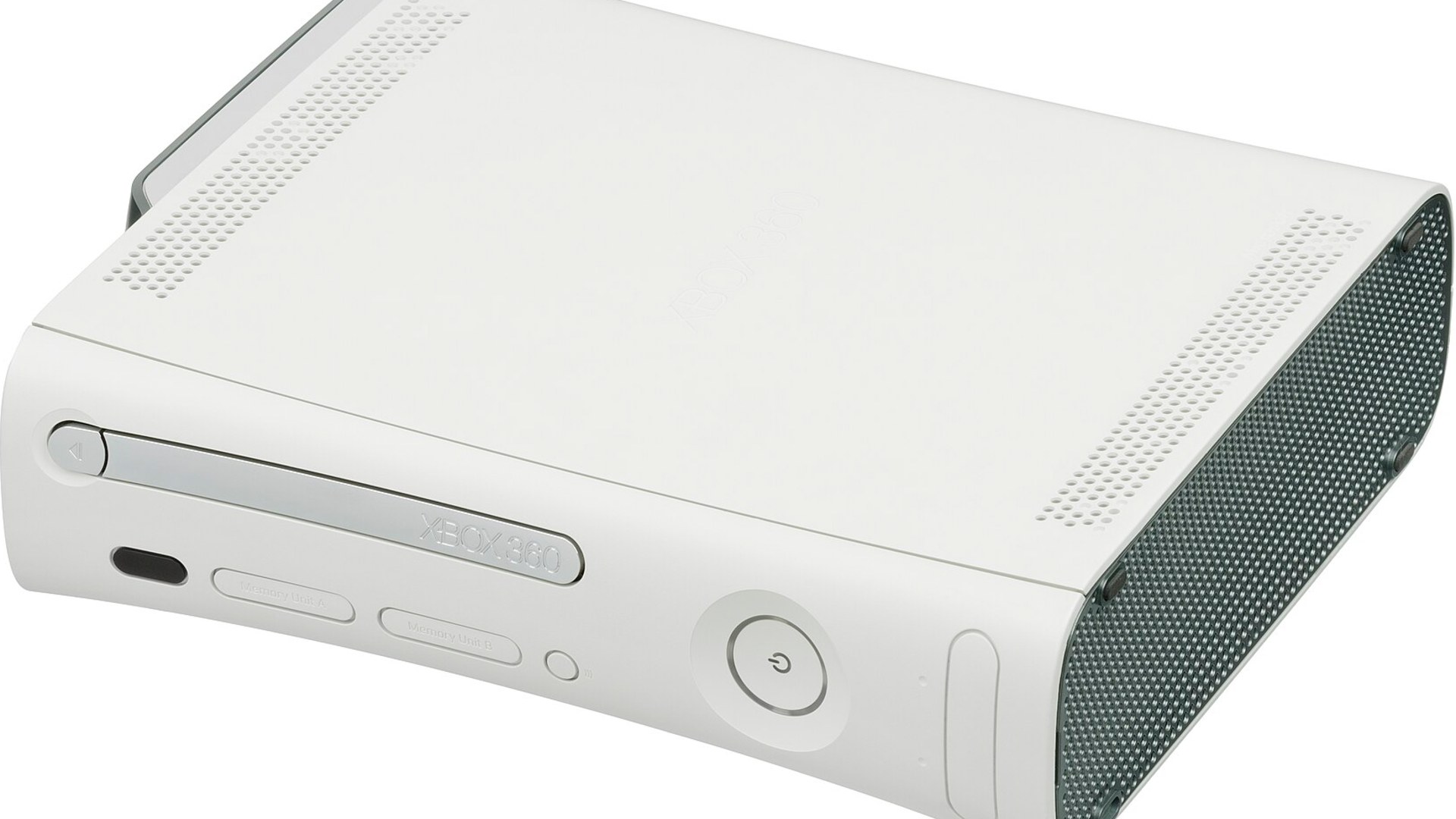
9. Xbox 360
Released in November 2005, the Xbox 360 defined seventh-generation gaming with universal Gamerscores, wireless controllers, and Xbox Live Arcade digital distribution. Selling over 84 million units worldwide, it demonstrated that independent digital releases and unified voice parties were essential features.
©Wikimedia / Evan-Amos
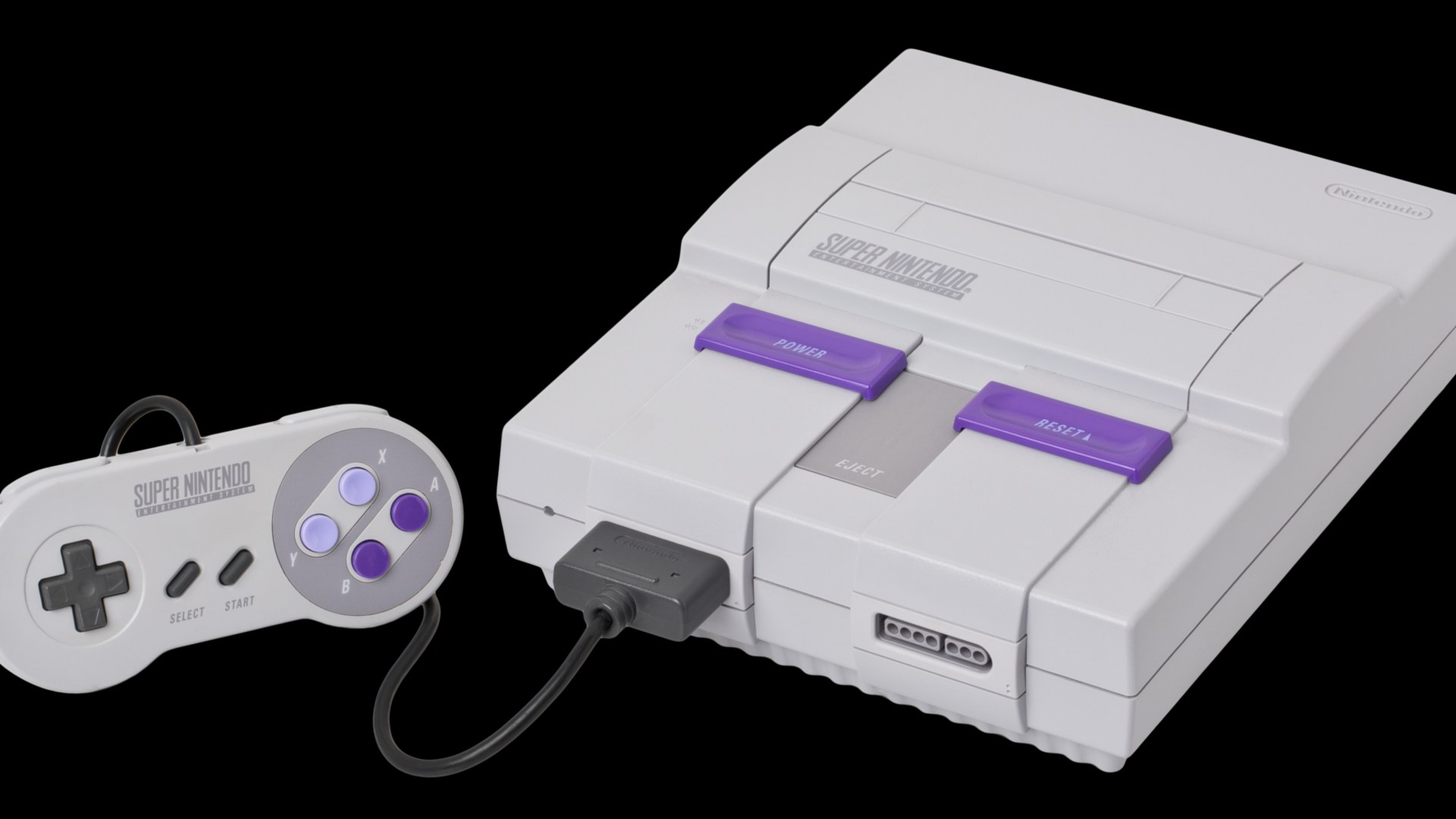
8. Super Nintendo Entertainment System
Debuting in North America in August 1991, the Super Nintendo expanded console fidelity with 256 simultaneous on-screen colors and a custom Sony audio synthesis chip. The machine popularized Mode 7 pseudo-3D effects and sold over 49 million units, delivering some of the most revered titles in video game history.
©Wikimedia / Evan-Amos
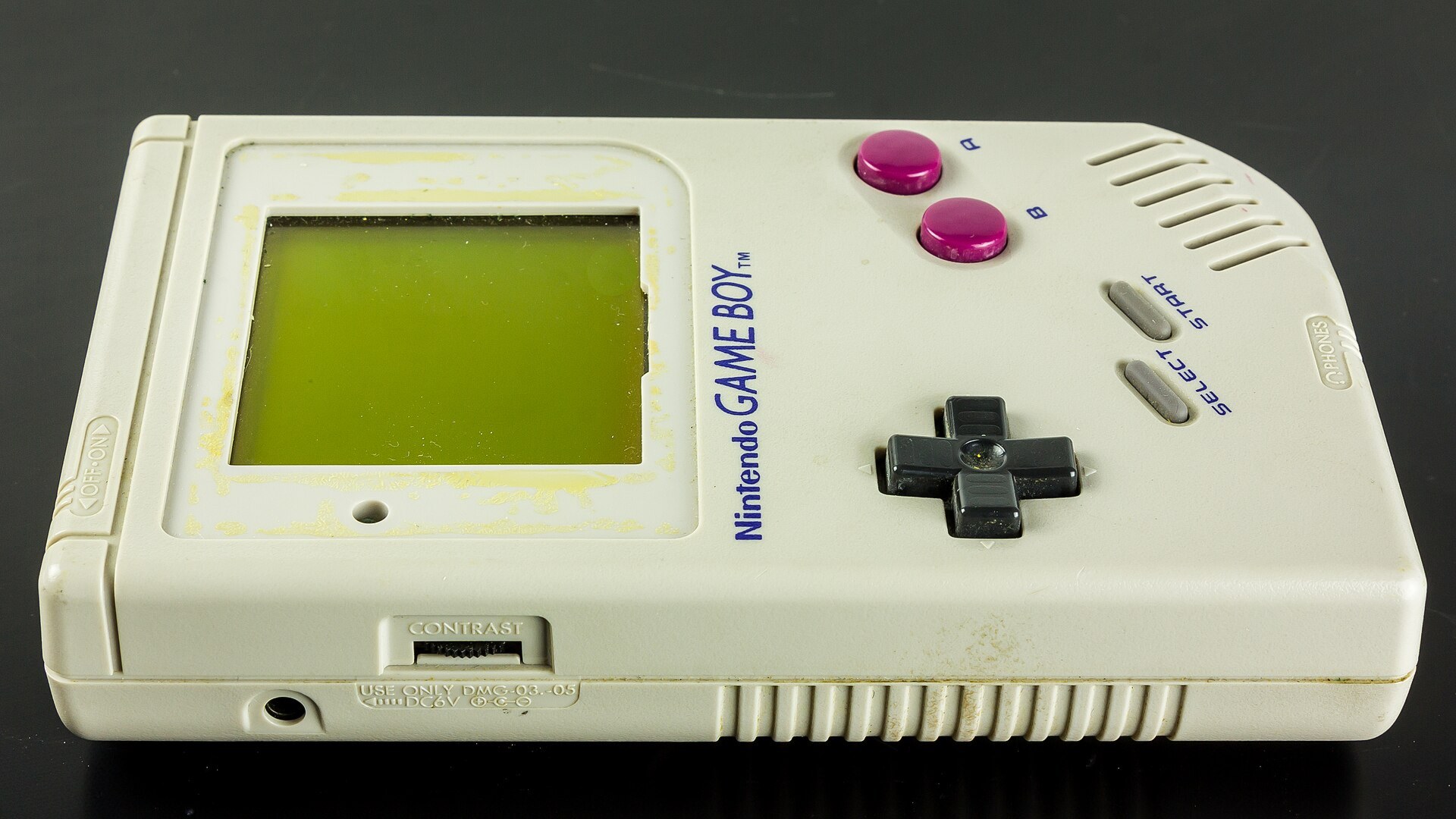
7. Nintendo Game Boy
Designed by Gunpei Yokoi and released in 1989, the Game Boy prioritized immense battery life on four AA cells over battery-draining color displays. Bundled with Tetris, the Game Boy and its Color iteration sold 118 million units worldwide, establishing portable electronics as an enduring global industry pillar.
©Wikimedia / Raimond Spekking
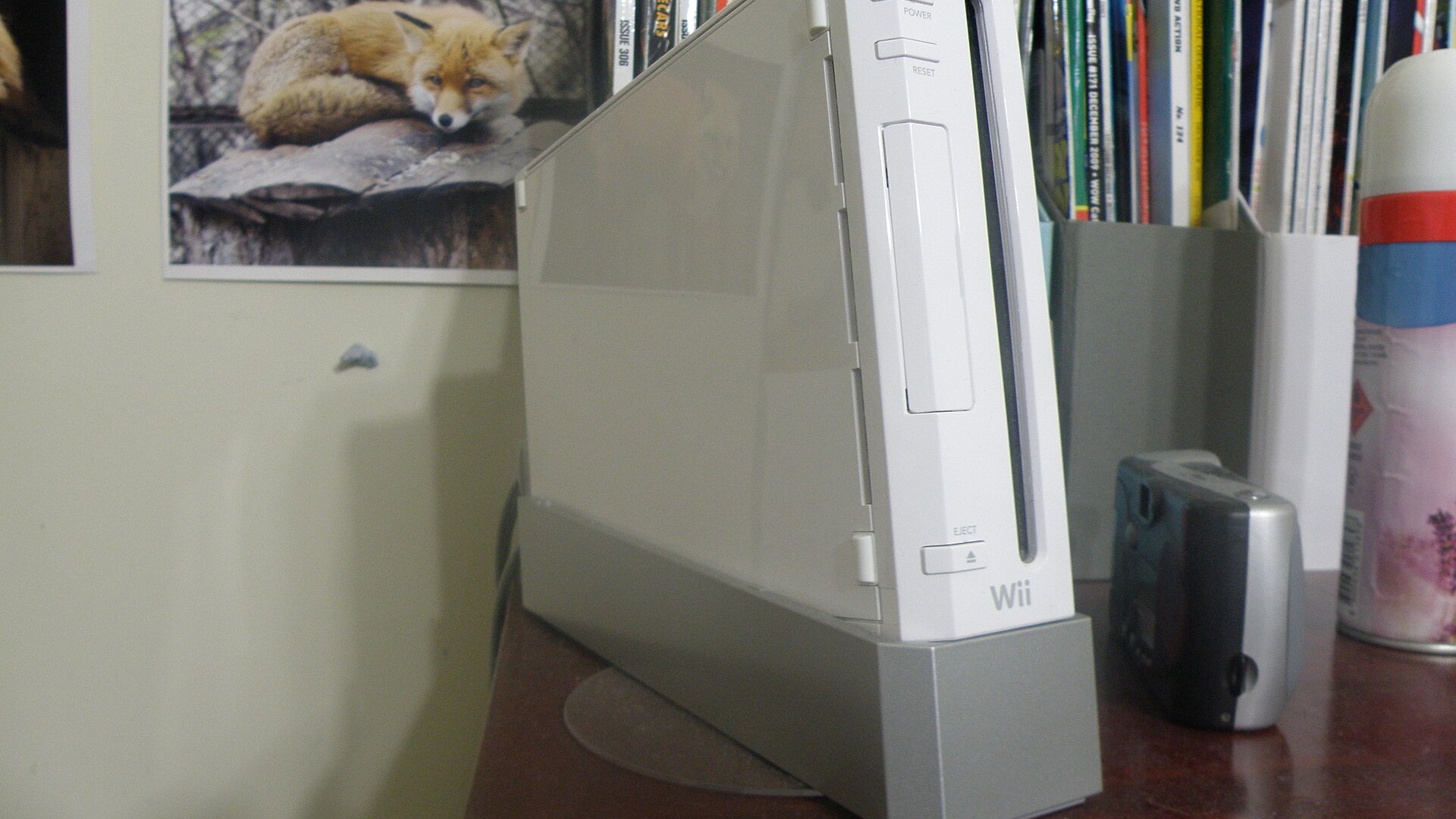
6. Nintendo Wii
Released in November 2006, the Nintendo Wii abandoned traditional controller schemes in favor of the infrared pointer and accelerometer-based Wii Remote. Selling over 101 million units worldwide, Wii Sports attracted retirees, casual players, and families, proving games could transcend traditional demographics.
©Wikimedia / Matthew Paul Argall
Advertisement
Swipe or tap ▶ to resume the countdown.
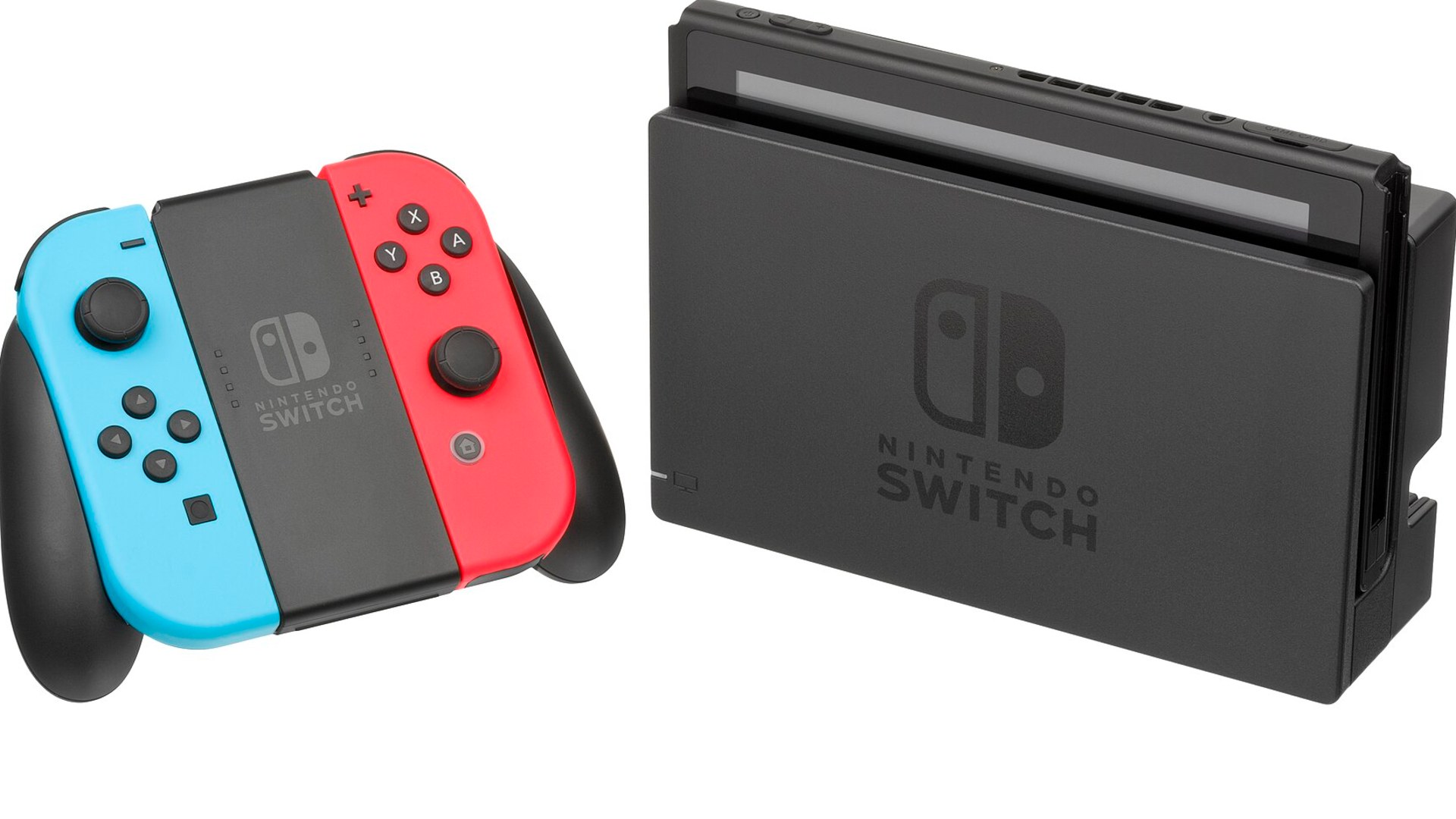
5. Nintendo Switch
Launched in March 2017, the Nintendo Switch dissolved the historic divide between home and handheld consoles with its modular docking tablet design. Official corporate financial disclosures confirm that Switch hardware sales have surpassed 146 million units globally, proving hybrid mobility is here to stay.
©Wikimedia / Evan-Amos
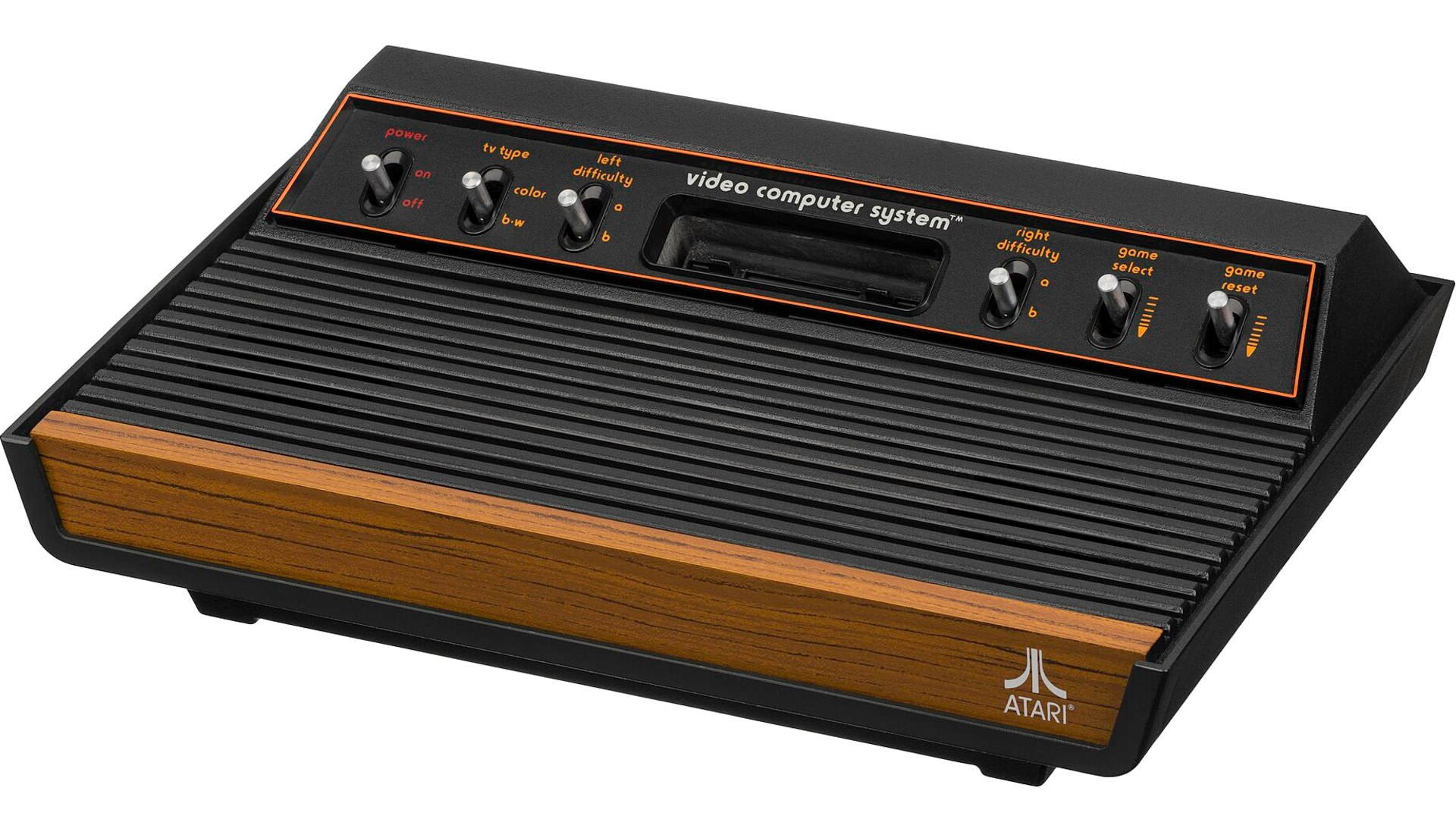
4. Atari 2600
Originally launched as the Atari Video Computer System in September 1977, the Atari 2600 shifted the industry from single-game units to programmable ROM cartridges. The system sold over 30 million units and birthed third-party software publishing when former Atari designers founded Activision in 1979.
©Wikimedia / Evan-Amos
3. Sony PlayStation
Debuting in Japan in December 1994, the original Sony PlayStation bypassed cartridge limitations with inexpensive CD-ROM discs that permitted cinematic music and 3D graphics. Selling over 102 million units, the console matured the public perception of gaming and ended Nintendo decade-long retail supremacy.
©Wikimedia / Evan-Amos
2. Nintendo Entertainment System
Launching across North America in late 1985, the Nintendo Entertainment System revitalized an American market collapsed by low-quality software. Nintendo introduced the official Seal of Quality and strict third-party licensing limits, selling over 61 million units and establishing the rules of modern gaming.
©Wikimedia / Evan-Amos
Advertisement
Swipe or tap ▶ to resume the countdown.
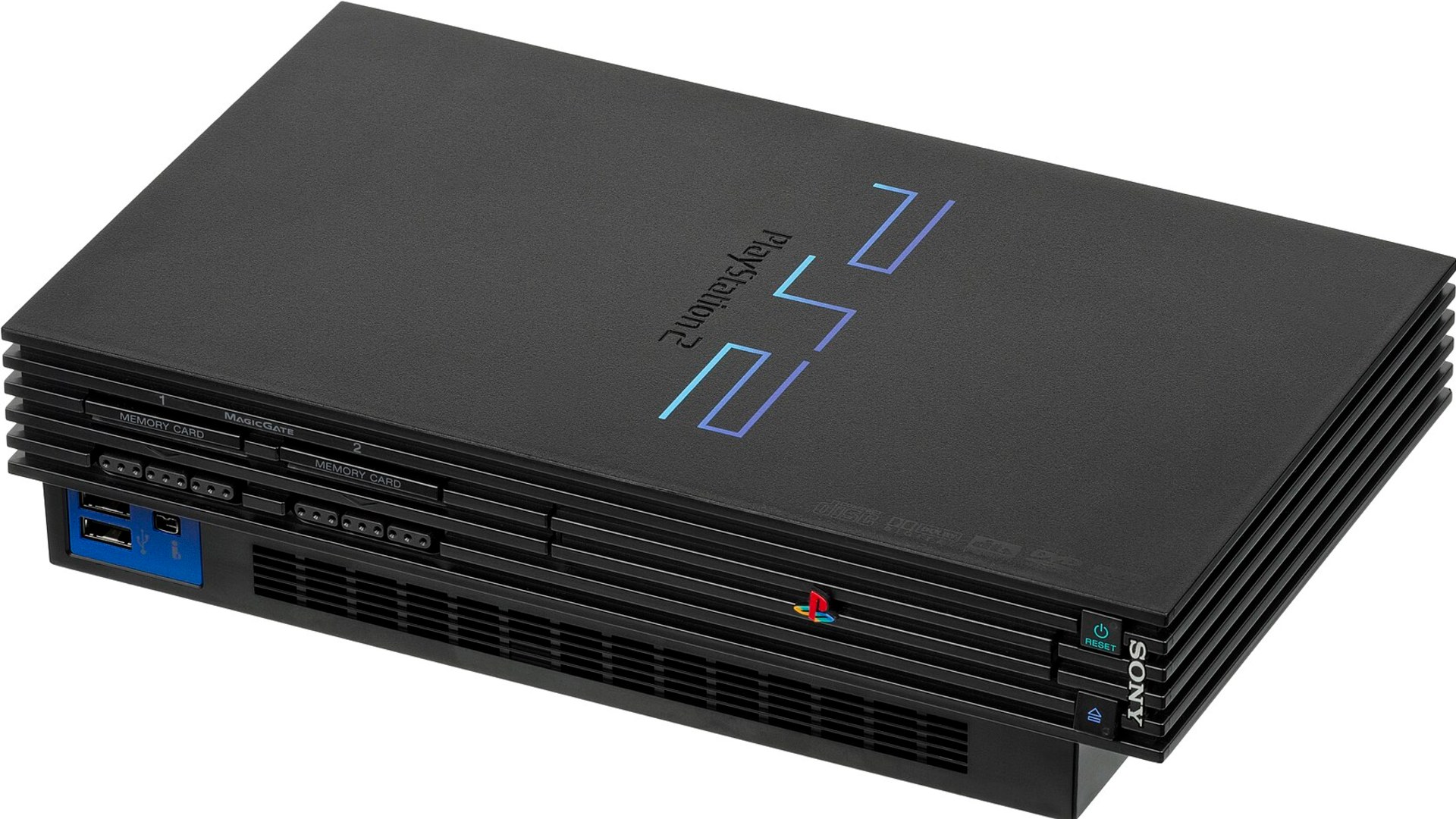
1. Sony PlayStation 2
Released in March 2000, the Sony PlayStation 2 revolutionized home entertainment by functioning as an affordable DVD player alongside a gaming system. Sony confirmed lifetime sales reached 160 million units, supported by thousands of titles that made it the undisputed commercial peak of console history.

©Wikimedia / Evan-Amos
Advertisement
You've reached the end of the story. Thanks for reading!

20 Everyday Inventions That Changed the Way People Live Across the World
From securing clothing with small wire fasteners to instant global communication on pocket screens, everyday life changed through practical problem solving. According to museum curators and patent records, these twenty humble innovations quietly transformed hygiene, food storage, travel, and household chores.
All 20 Entries in this Story
20. Magnavox Odyssey
Engineered by Ralph Baer and released in September 1972, the Magnavox Odyssey was the world first commercial home video game console. It used printed plastic overlays taped to television screens to display color backgrounds, selling over 350,000 units before concluding its pioneering retail run in 1975.

19. ColecoVision
Released by Coleco in August 1982, the ColecoVision stunned players by delivering near-flawless ports of arcade hits like Donkey Kong. The system sold over one million units in its first year, proving that home audiences demanded authentic coin-op visual fidelity and interchangeable expansion hardware modules.

18. Sega Master System
Debuting in North America in October 1986, the Sega Master System featured superior color palettes and graphical hardware compared to rivals. While the NES dominated North America and Japan, Sega found lasting international victory, selling millions of units and staying in production in Brazil for decades.

17. TurboGrafx-16
Known as the PC Engine in Japan and released in North America in August 1989, this NEC and Hudson Soft machine introduced high-speed graphics. By offering the TurboGrafx-CD add-on in 1988, it became the first console to use optical discs for games, pioneering full orchestral audio and animated cutscenes.

16. Sega Dreamcast
Launched on September 9, 1999, the Sega Dreamcast included an integrated 56k dial-up modem that allowed online console multiplayer across titles like Phantasy Star Online. Its Visual Memory Unit accessories and 128-bit architecture pushed technical boundaries before Sega left hardware production in 2001.

15. Nintendo GameCube
Arriving in November 2001, the Nintendo GameCube traded proprietary cartridges for compact 1.5-gigabyte optical discs. The console also introduced the WaveBird controller in 2002, which used radio frequency signals to establish the modern standard for lag-free wireless home gaming pads across the industry.

14. Original Xbox
Entering the market in November 2001, Microsoft first video game console included an internal eight-gigabyte hard drive and a built-in Ethernet port. Powered by Halo Combat Evolved and the debut of Xbox Live in November 2002, the console proved that Western computer architecture belonged on home televisions.

13. Sony PlayStation 3
Released in November 2006, the Sony PlayStation 3 arrived with an integrated Blu-ray drive that helped win the high-definition physical disc format competition against HD DVD. Over 87 million units were sold worldwide, establishing unified HDMI digital video and complimentary PlayStation Network infrastructure.

12. Nintendo DS
Introduced in November 2004, the Nintendo DS featured dual displays and resistive touch controls years before smartphones became ubiquitous. Lifetime sales surpassed 154 million units worldwide, making it the second best-selling gaming device in history and proving that accessible design could captivate all ages.

11. Nintendo 64
Arriving in September 1996, the Nintendo 64 revolutionized game interaction with its ergonomic controller featuring an analog thumbstick. Super Mario 64 set the universal blueprint for 3D platformers and camera movement, while four built-in controller ports popularized local multiplayer party experiences.

10. Sega Genesis
Launched in North America in August 1989, the Sega Genesis challenged Nintendo industry stranglehold through edgy marketing and blast processing speed. Propelled by Sonic the Hedgehog in 1991, the machine captured over fifty percent of the American home console market and sold over 30 million units globally.

9. Xbox 360
Released in November 2005, the Xbox 360 defined seventh-generation gaming with universal Gamerscores, wireless controllers, and Xbox Live Arcade digital distribution. Selling over 84 million units worldwide, it demonstrated that independent digital releases and unified voice parties were essential features.

8. Super Nintendo Entertainment System
Debuting in North America in August 1991, the Super Nintendo expanded console fidelity with 256 simultaneous on-screen colors and a custom Sony audio synthesis chip. The machine popularized Mode 7 pseudo-3D effects and sold over 49 million units, delivering some of the most revered titles in video game history.

7. Nintendo Game Boy
Designed by Gunpei Yokoi and released in 1989, the Game Boy prioritized immense battery life on four AA cells over battery-draining color displays. Bundled with Tetris, the Game Boy and its Color iteration sold 118 million units worldwide, establishing portable electronics as an enduring global industry pillar.

6. Nintendo Wii
Released in November 2006, the Nintendo Wii abandoned traditional controller schemes in favor of the infrared pointer and accelerometer-based Wii Remote. Selling over 101 million units worldwide, Wii Sports attracted retirees, casual players, and families, proving games could transcend traditional demographics.

5. Nintendo Switch
Launched in March 2017, the Nintendo Switch dissolved the historic divide between home and handheld consoles with its modular docking tablet design. Official corporate financial disclosures confirm that Switch hardware sales have surpassed 146 million units globally, proving hybrid mobility is here to stay.

4. Atari 2600
Originally launched as the Atari Video Computer System in September 1977, the Atari 2600 shifted the industry from single-game units to programmable ROM cartridges. The system sold over 30 million units and birthed third-party software publishing when former Atari designers founded Activision in 1979.

3. Sony PlayStation
Debuting in Japan in December 1994, the original Sony PlayStation bypassed cartridge limitations with inexpensive CD-ROM discs that permitted cinematic music and 3D graphics. Selling over 102 million units, the console matured the public perception of gaming and ended Nintendo decade-long retail supremacy.

2. Nintendo Entertainment System
Launching across North America in late 1985, the Nintendo Entertainment System revitalized an American market collapsed by low-quality software. Nintendo introduced the official Seal of Quality and strict third-party licensing limits, selling over 61 million units and establishing the rules of modern gaming.

1. Sony PlayStation 2
Released in March 2000, the Sony PlayStation 2 revolutionized home entertainment by functioning as an affordable DVD player alongside a gaming system. Sony confirmed lifetime sales reached 160 million units, supported by thousands of titles that made it the undisputed commercial peak of console history.