Slideshow · Science
20 Honda Motorcycles That Led to the New 900cc V3 Engine
Honda has confirmed a 900cc V3 engine with an electric compressor for production. That radical layout did not appear overnight. Across six decades, Honda built inline-six racers, turbocharged V-twins, oval-piston V4s and two-stroke V3s. These 20 landmark motorcycles explain how Honda engineered its way here.
By Most Viral Today
49 min ago

From the 1985 NS400R to a New 900cc V3 
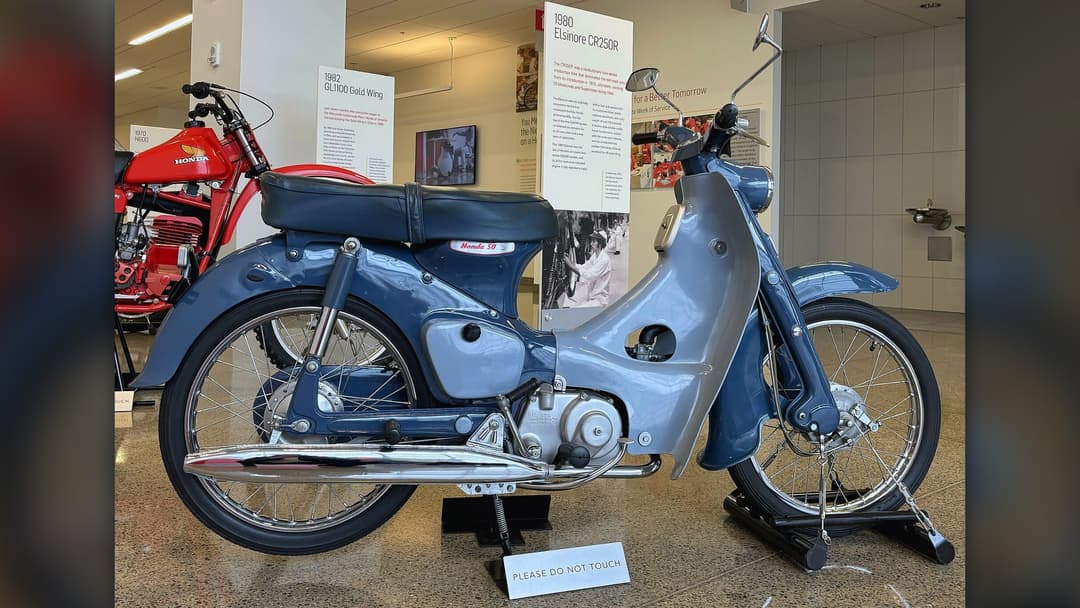
20. 1958 Honda Super Cub C100 
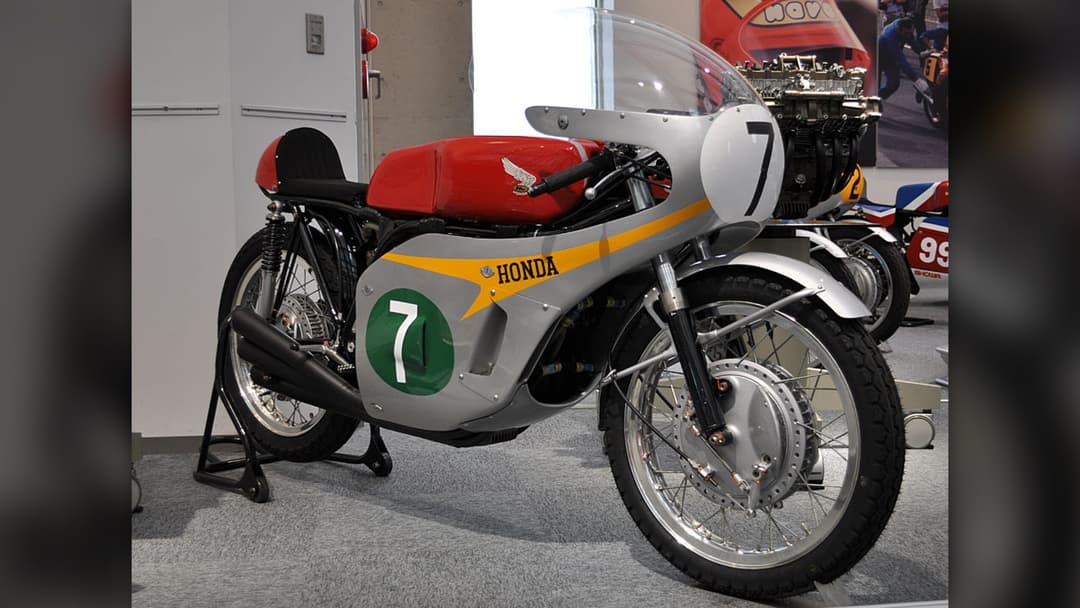
19. 1966 Honda RC166 
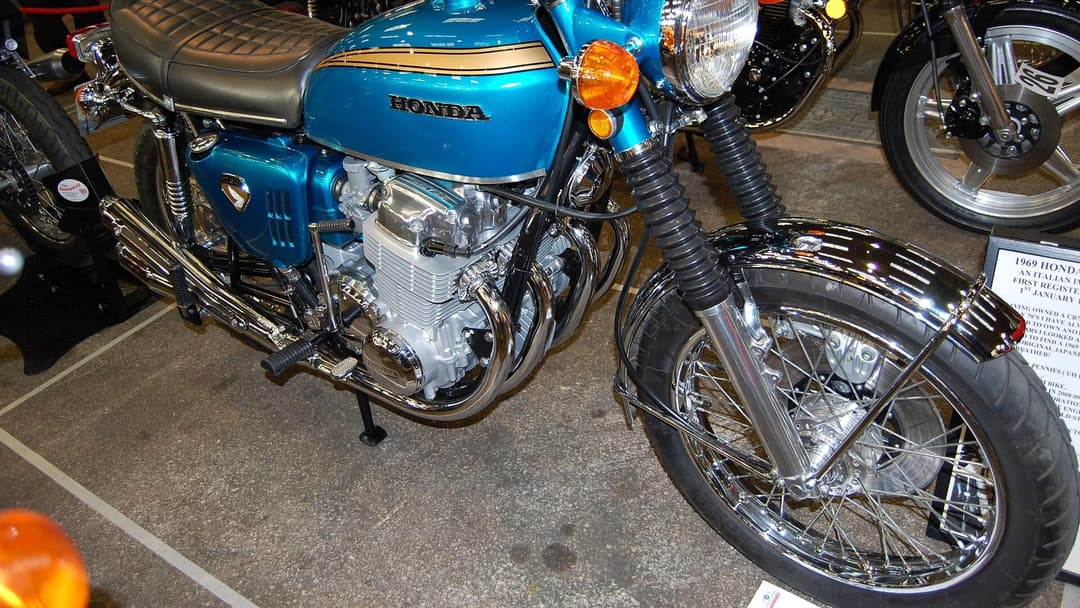
18. 1969 Honda CB750 Four - AdvertisementSwipe or tap ▶ to continue countdown

17. 1975 Honda GL1000 Gold Wing 
16. 1978 Honda CBX1000 
15. 1978 Honda CX500 
14. 1983 Honda VF750F Interceptor - AdvertisementSwipe or tap ▶ to continue countdown

13. 1986 Honda VFR750F 
12. 1992 Honda CBR900RR Fireblade 
11. 1994 Honda RVF750 RC45 
10. 2000 Honda VTR1000 SP-1 - AdvertisementSwipe or tap ▶ to continue countdown

9. 2010 Honda VFR1200F 
8. 2016 Honda CRF1000L Africa Twin 
7. 2015 Honda RC213V-S 
6. 2002 Honda RC211V - AdvertisementSwipe or tap ▶ to continue countdown

5. 1987 Honda VFR750R RC30 
4. 1992 Honda NR750 
3. 1982 Honda CX500 Turbo 
2. 1983 Honda NS500 - AdvertisementSwipe or tap ▶ to continue countdown

1. 1985 Honda NS400R - Advertisement🔥 UP NEXT IN THIS SERIES◫ 23 Slides

22 Places Where Scientists Found Water Hiding in the Solar System
Explore 22 solar system locations where water ice and buried oceans exist, all backed by real mission detections. From lunar craters to deep subsurface seas on Enceladus, scientists are mapping the water that shapes our planetary neighborhood. Discover how these cold reservoirs reveal the evolution of planets and the hidden potential for life across the solar system in this planetary countdown.
Honda Motor announced at EICMA that its 900cc V3 concept with an electrical compressor is moving toward production. From the 1958 Super Cub to the 1985 NS400R, these 20 motorcycles trace the engineering breakthroughs behind it. Based on Honda press releases and reporting by Motorcycle News and Cycle World.
Swipe or tap ▶ to begin the countdown
©Wikimedia / Heineken & HONDA RC30
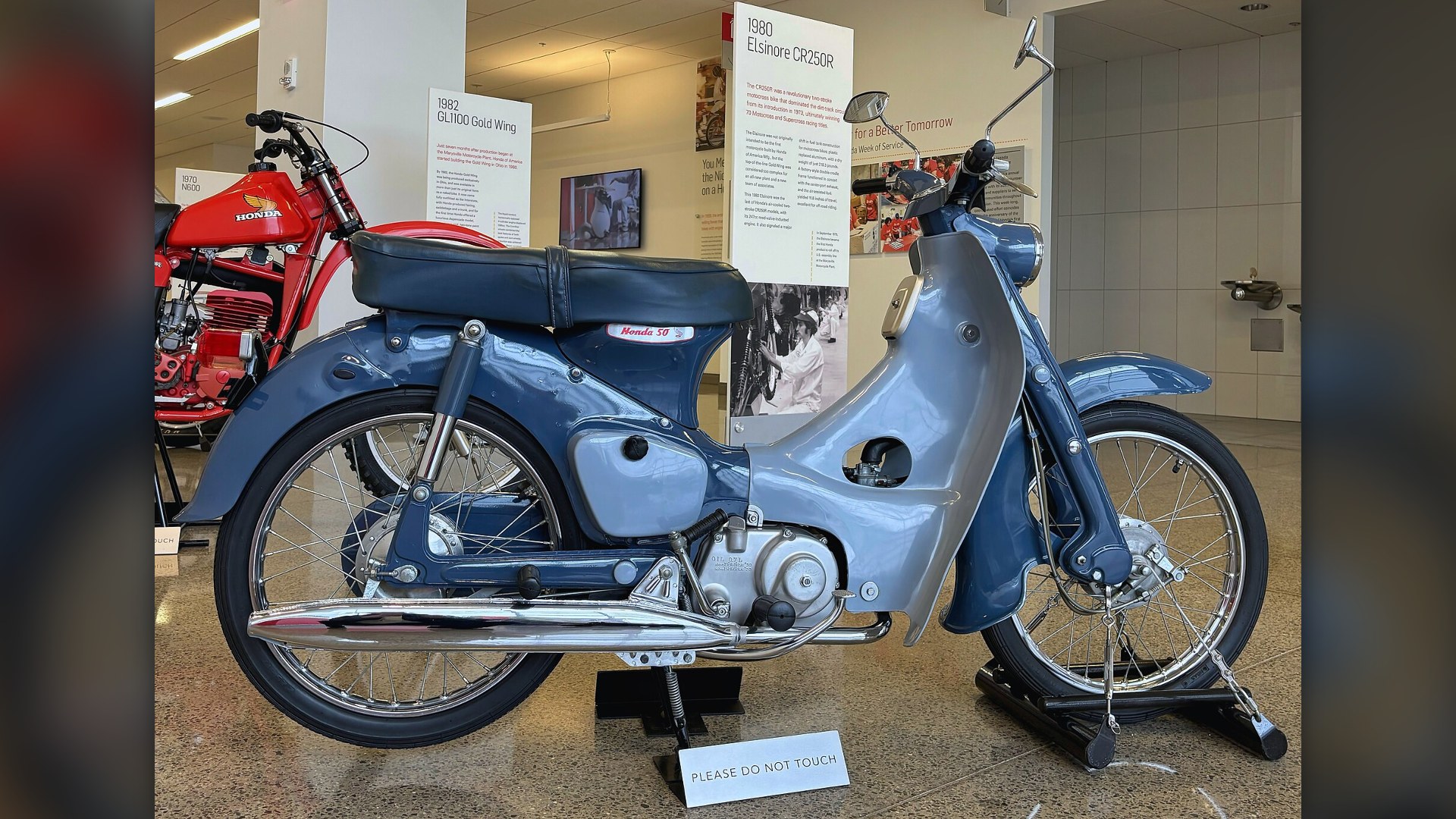
20. 1958 Honda Super Cub C100
Launched in Japan in August 1958, the C100 used a 49cc air-cooled four-stroke single making 4.5 horsepower. Its automatic centrifugal clutch and step-through frame opened motorcycling to new riders. Production passed 100 million units in 2017.
©Wikimedia / Nheyob
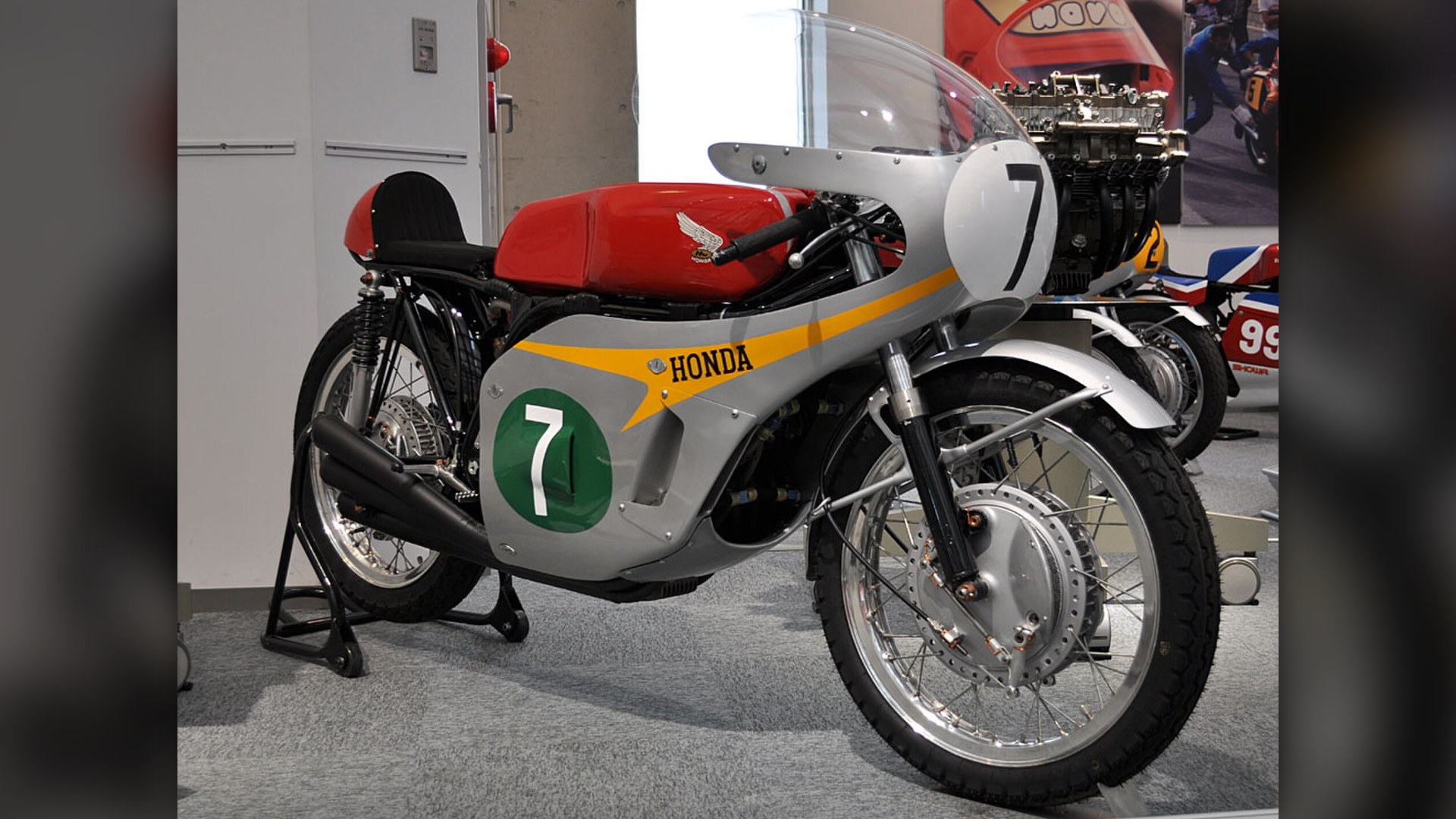
19. 1966 Honda RC166
Designed under Soichiro Honda's multi-cylinder philosophy, the RC166 packed six tiny pistons and 24 valves into 249.4cc. Paired with a seven-speed gearbox, it produced over 60 horsepower. Mike Hailwood won all 10 races he entered on it in 1966.
©Wikimedia / Rikita
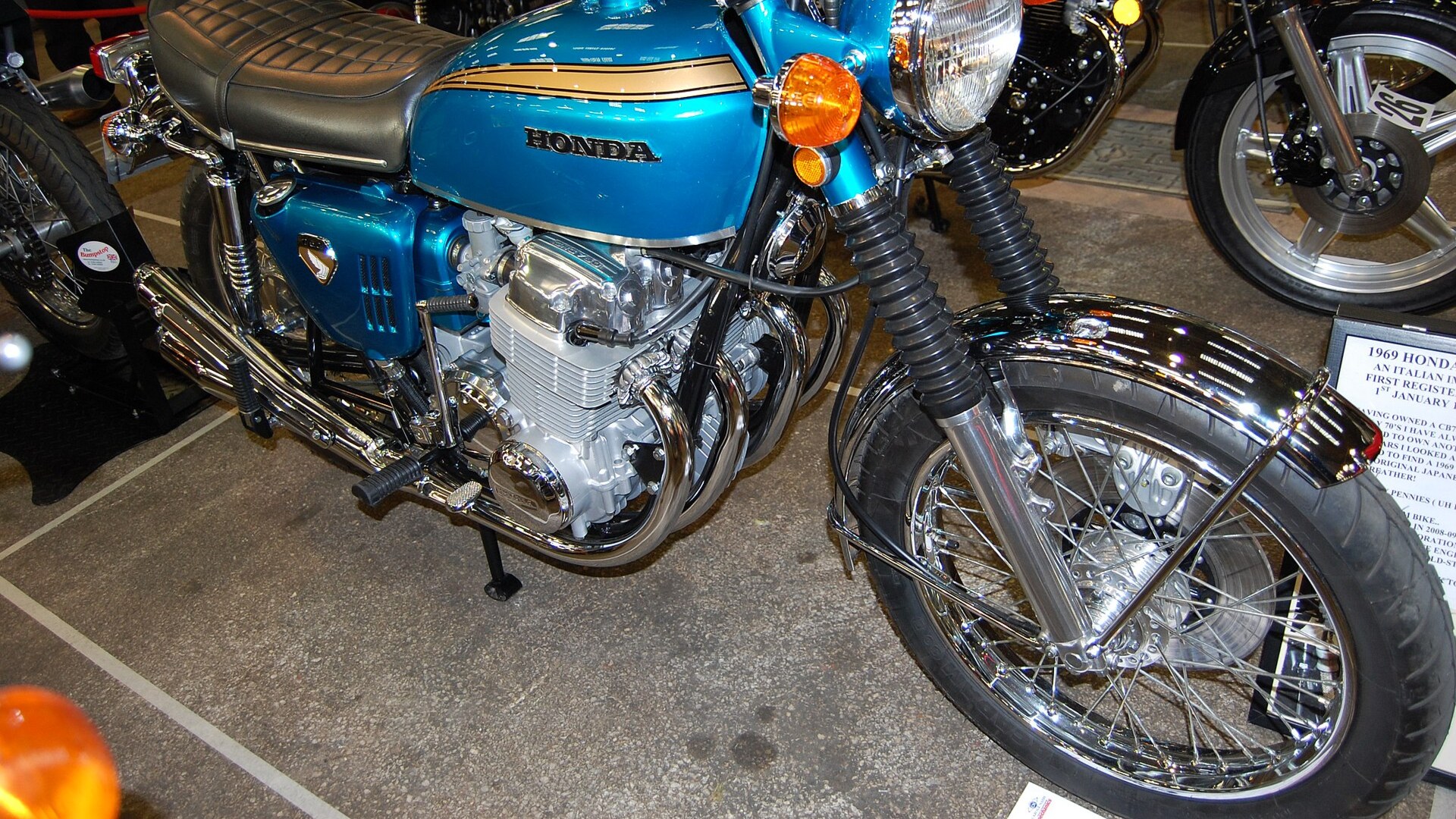
18. 1969 Honda CB750 Four
Unveiled at the 1968 Tokyo Motor Show and sold in 1969, the CB750 Four paired a 736cc SOHC inline-four with a five-speed gearbox. It was the first mass-market motorcycle with a hydraulic front disc brake and electric starter, making 67 horsepower.
©Wikimedia / Ronald Saunders from Warrington, UK
Advertisement
Swipe or tap ▶ to resume the countdown.
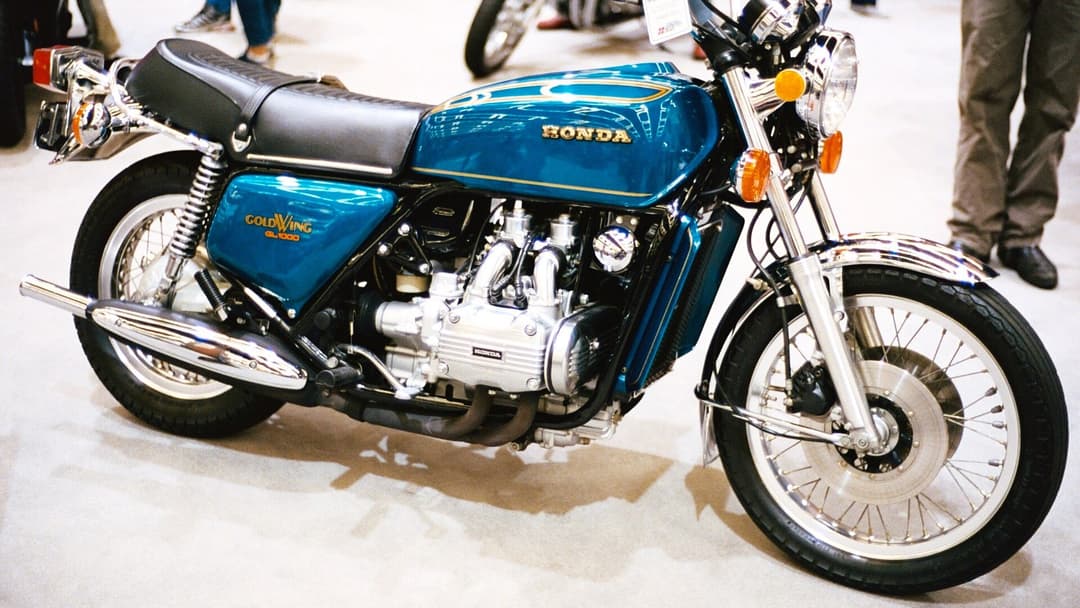
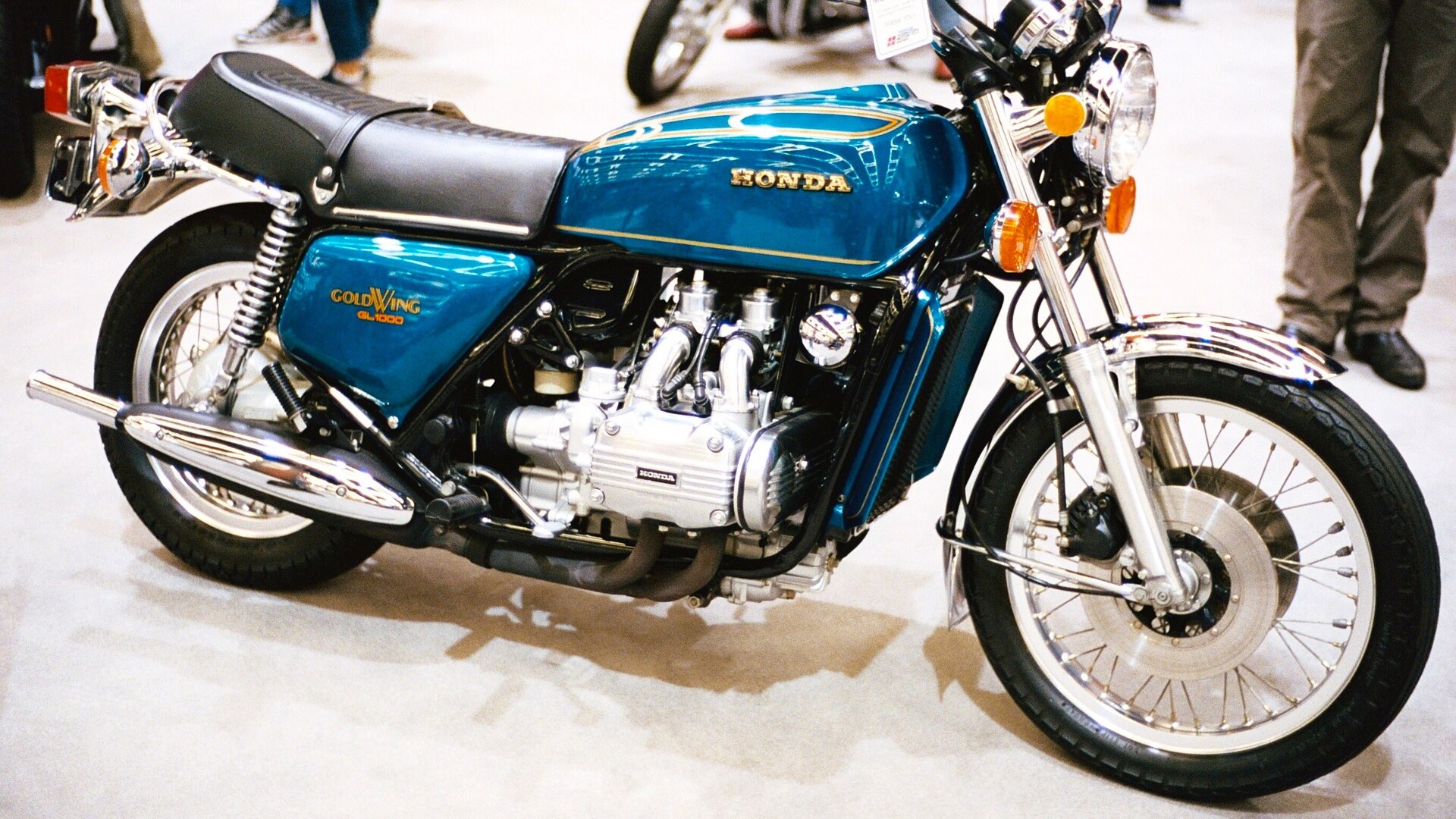
17. 1975 Honda GL1000 Gold Wing
The 1975 GL1000 moved away from air-cooled twins and fours by adopting a 999cc liquid-cooled horizontally opposed four-cylinder engine. Placing the fuel tank under the seat lowered the center of gravity, while shaft drive kept maintenance low on tours.
©Wikimedia / Dennis Bratland
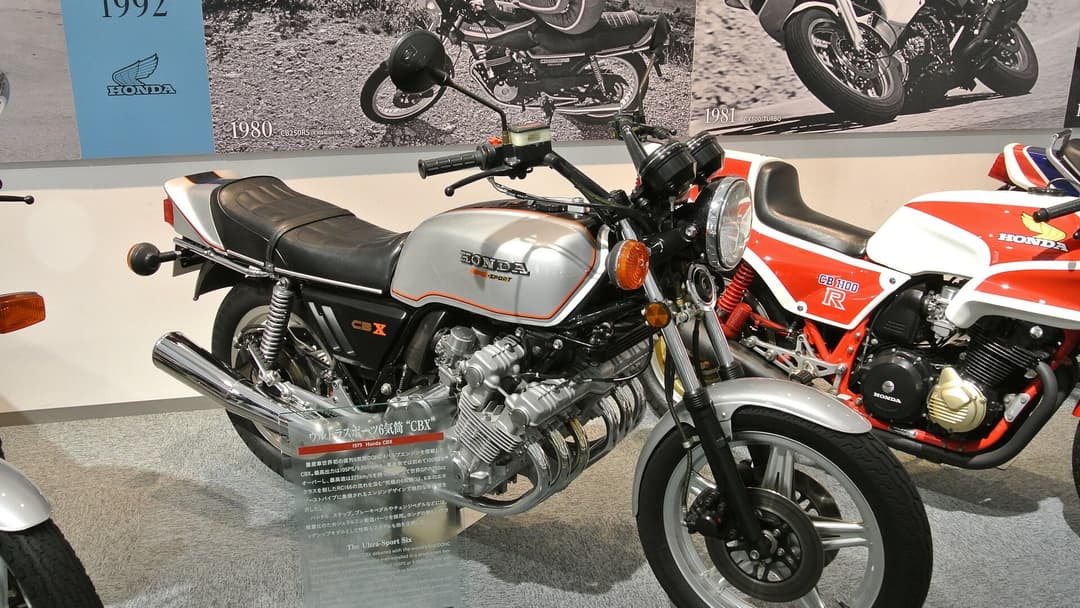
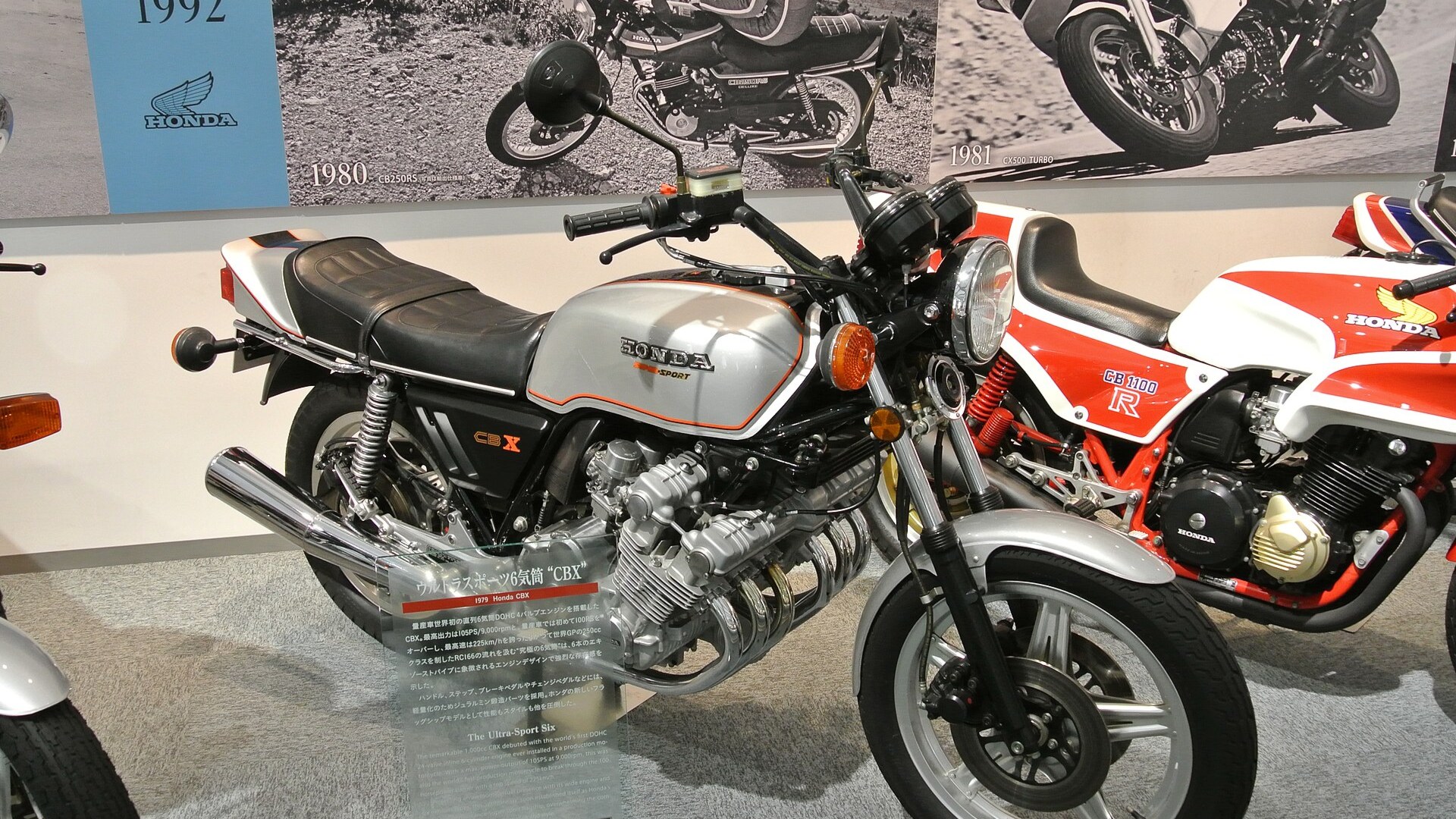
16. 1978 Honda CBX1000
Engineered by Shoichiro Irimajiri, the 1978 CBX1000 mounted a 1,047cc DOHC 24-valve inline-six across the frame. It delivered 105 horsepower and weighed just 247 kg dry thanks to magnesium covers and tilted cylinders. Six exhaust headers announced its arrival.
©Wikimedia / Rainmaker47
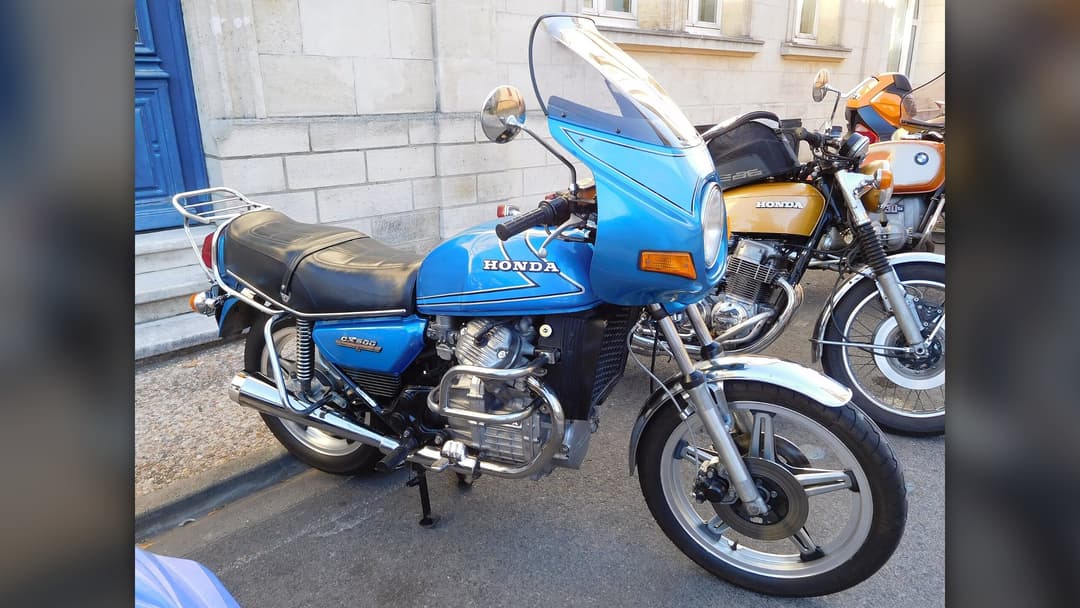
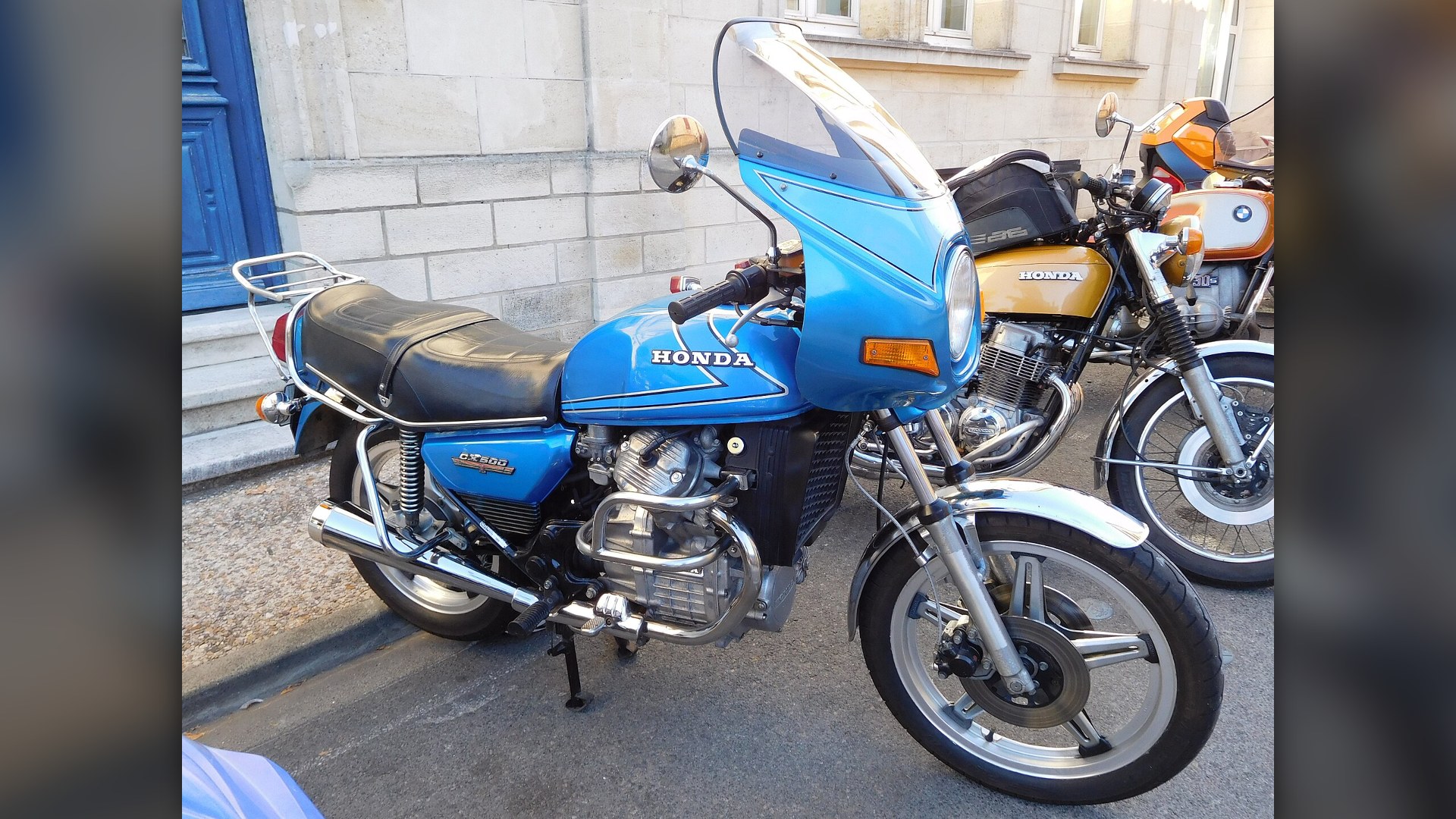
15. 1978 Honda CX500
Released in 1978, the CX500 ran an 80-degree liquid-cooled 496cc V-twin rotated longitudinally in the frame. Honda angled each cylinder head 22 degrees inward so rider knees cleared the carburetors. That rugged bottom end later supported a turbo.
©Wikimedia / Cjp24
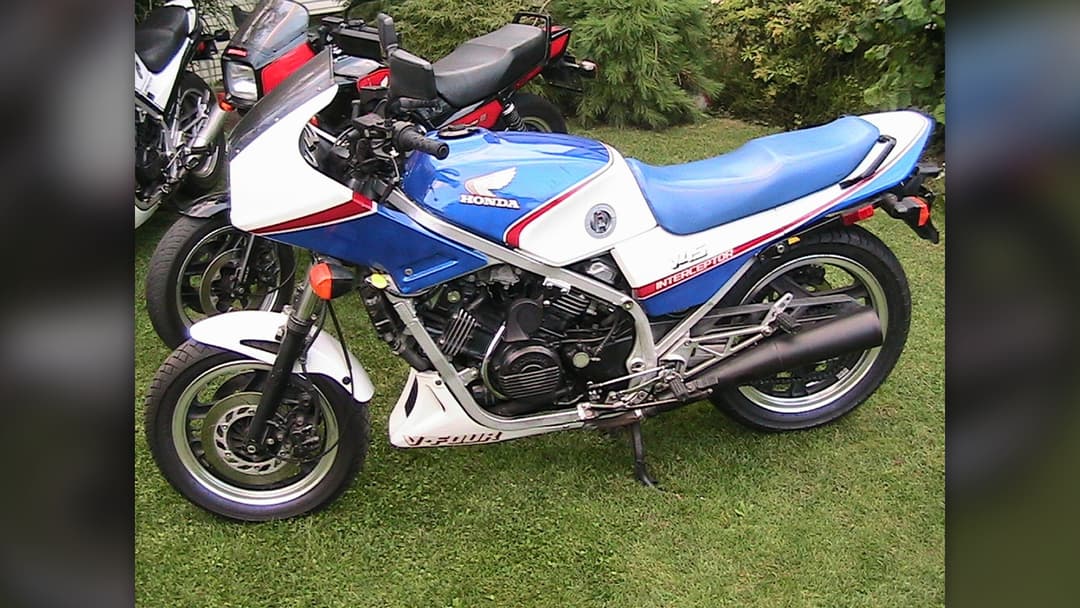
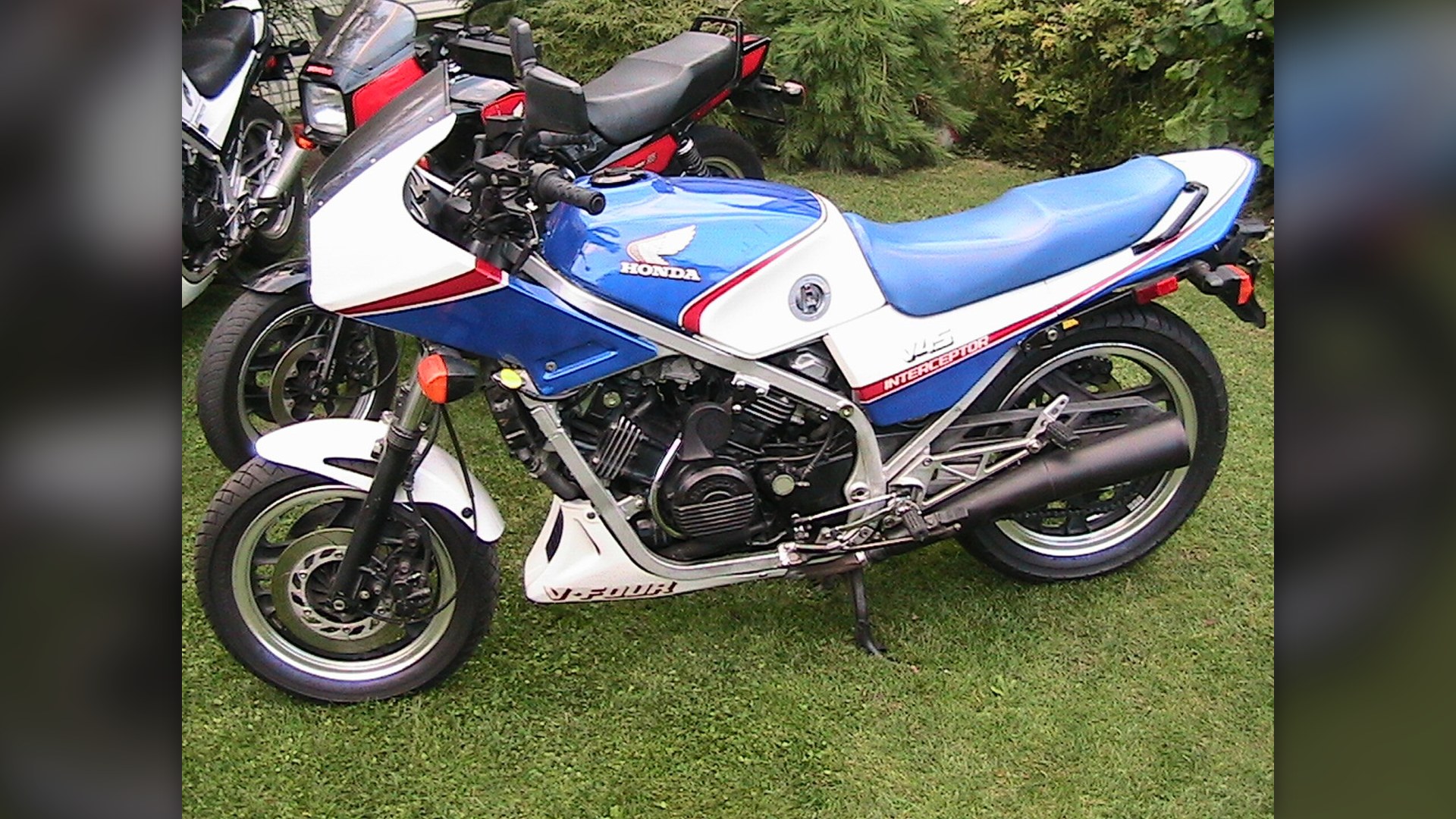
14. 1983 Honda VF750F Interceptor
Debuting for 1983, the VF750F replaced traditional steel cradles with a square-tube perimeter frame housing a 748cc DOHC 90-degree V4. Freddie Spencer raced the works V4 version to AMA Superbike wins, proving V4 packaging worked on track and street.
©Wikimedia / Nedhills
Advertisement
Swipe or tap ▶ to resume the countdown.
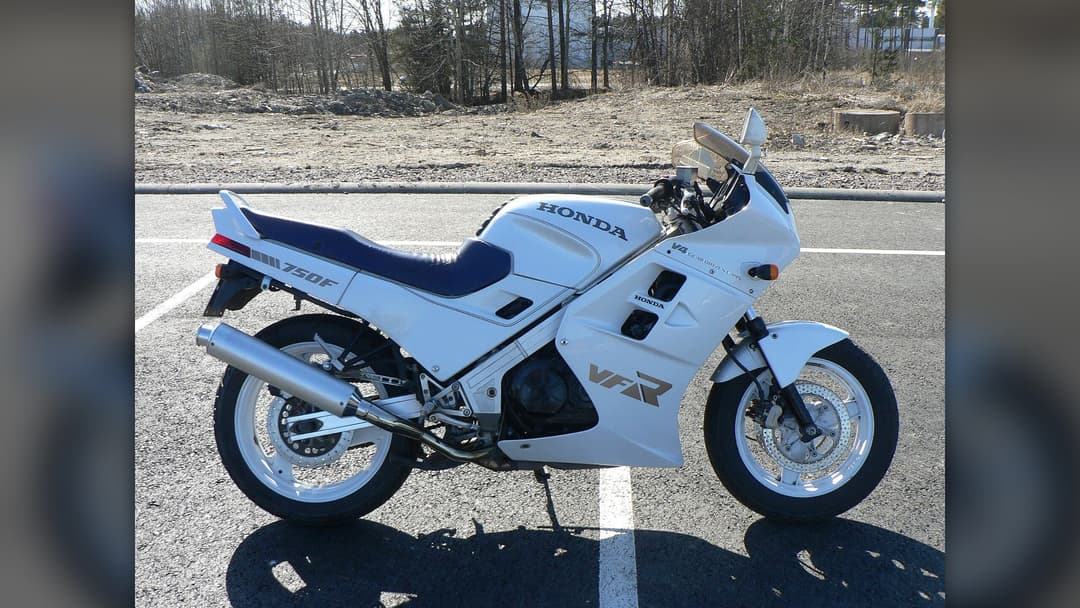
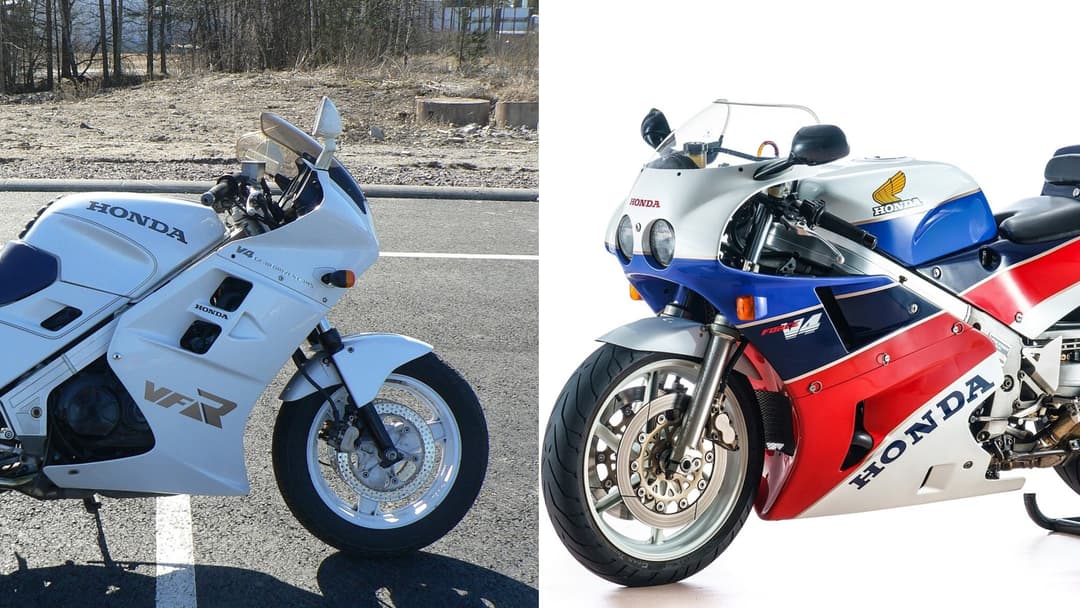
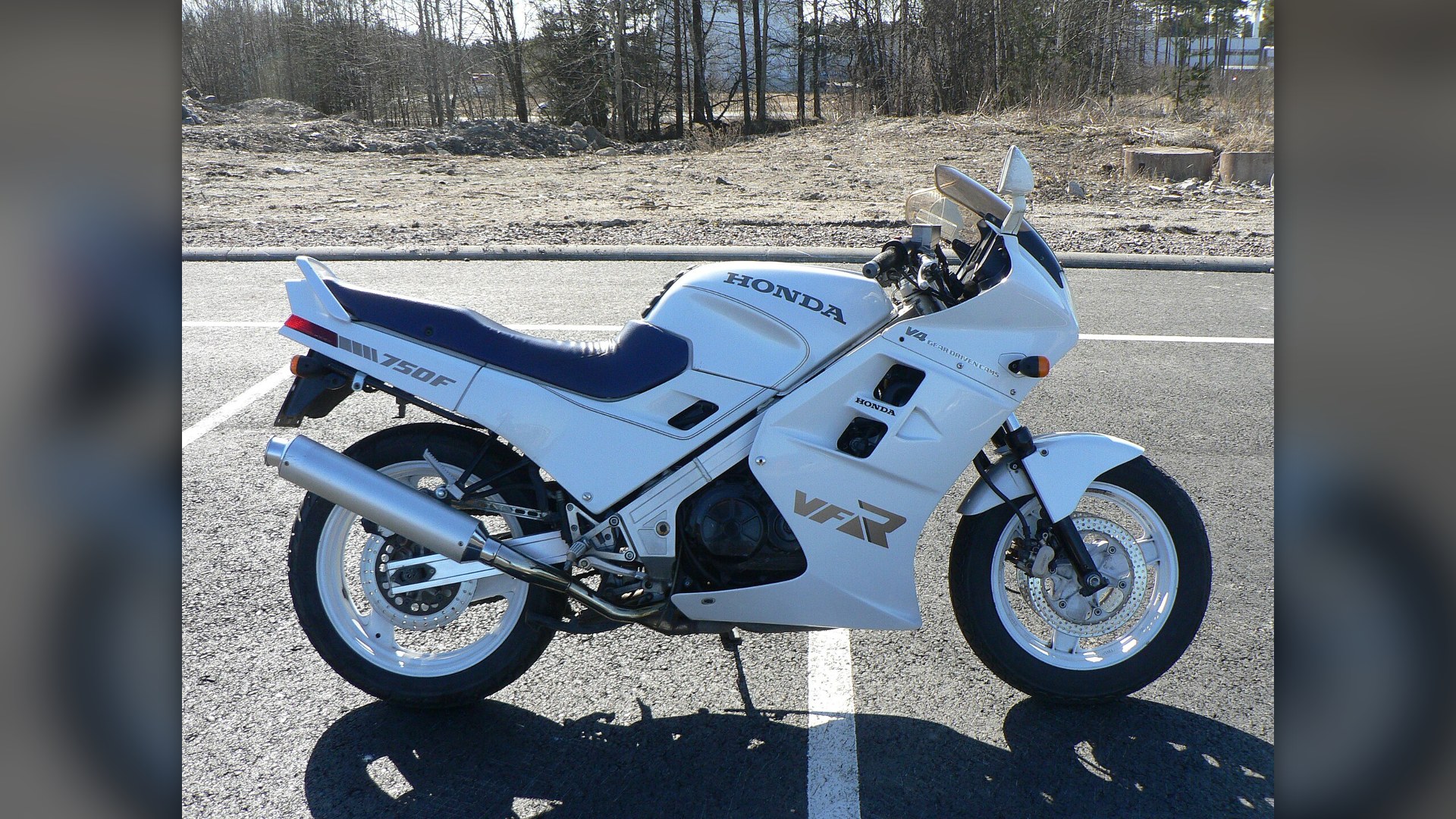
13. 1986 Honda VFR750F
Honda redesigned its 748cc V4 from the crank up for the 1986 VFR750F, ditching chain drives for precision gear-driven cams and a 180-degree crankshaft. Wrapped in an aluminum twin-spar frame, it proved V4 engines could run reliably for decades.
©Wikimedia / Heineken
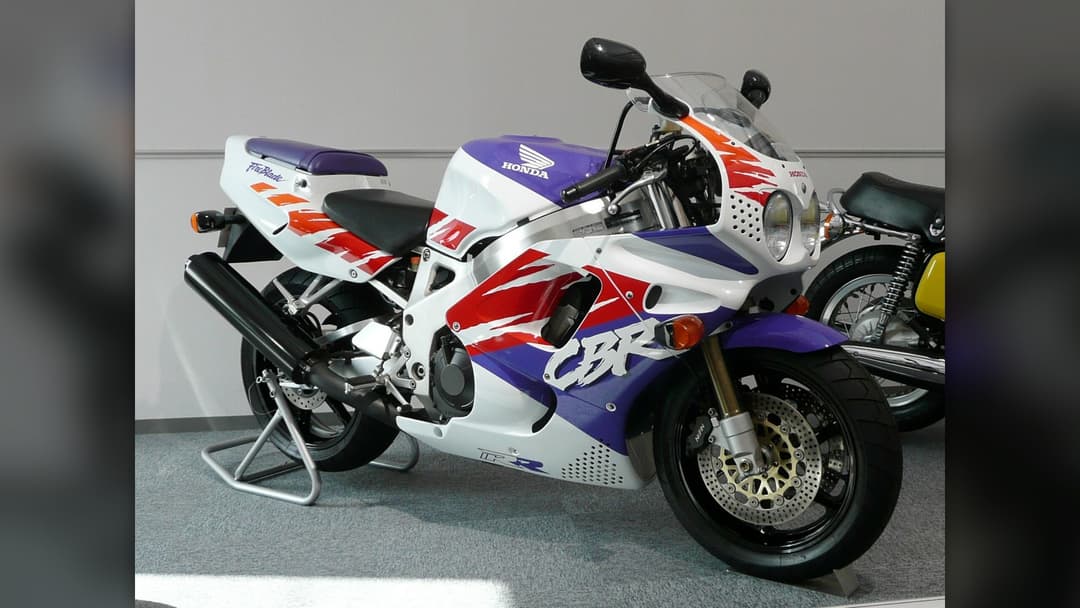
12. 1992 Honda CBR900RR Fireblade
Launched in 1992 with an 893cc inline-four making 122 horsepower, the original Fireblade ignored top-speed chasing in favor of Total Control. Its compact chassis weighed roughly 34 kg less than 1000cc rivals, inspiring Honda's 900cc ethos today.
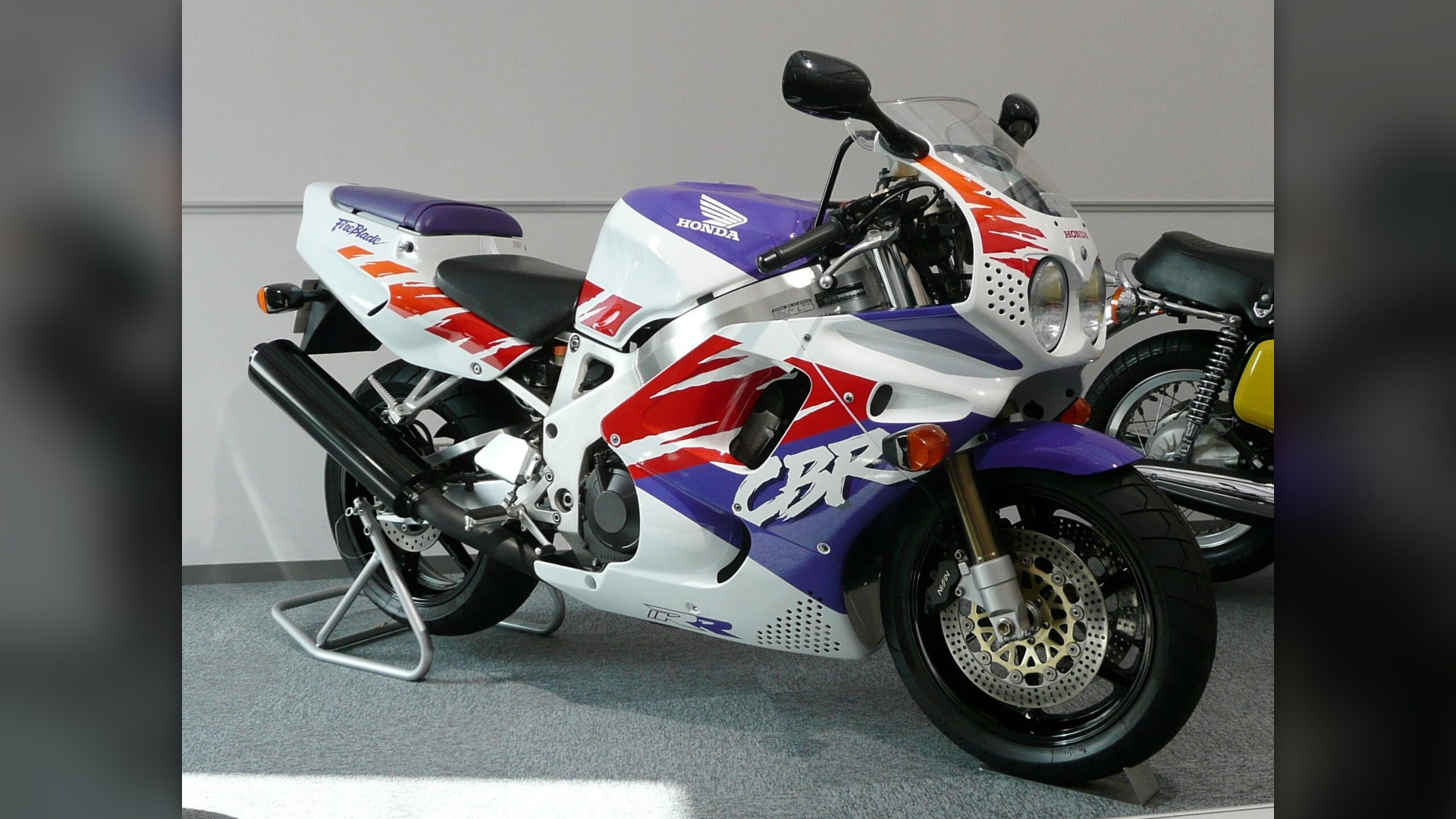
©Wikimedia / PekePON ( talk )
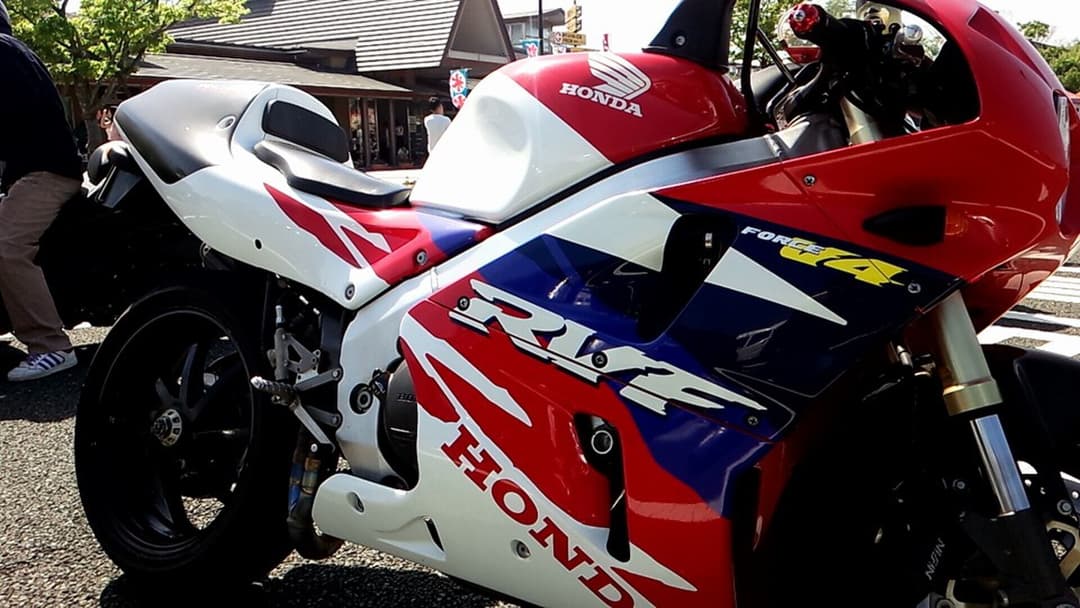
11. 1994 Honda RVF750 RC45
Built in limited numbers from 1994, the RC45 evolved the RC30 formula with PGM-FI fuel injection, Nikasil-lined cylinders and side-mounted cam gears. John Kocinski won the 1997 World Superbike title on an RC45, advancing Honda's digital fueling.
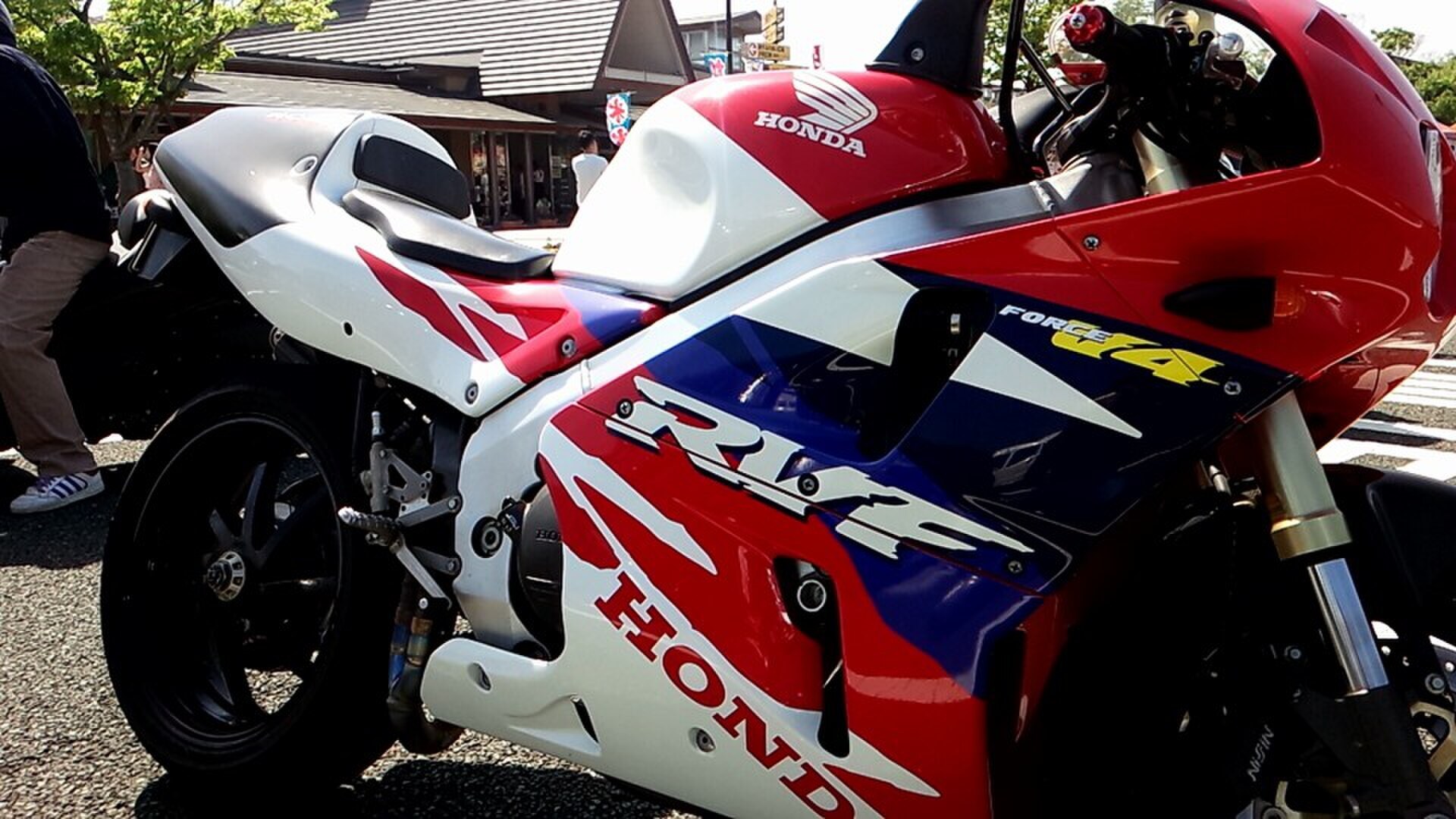
©Wikimedia / Tkawaji
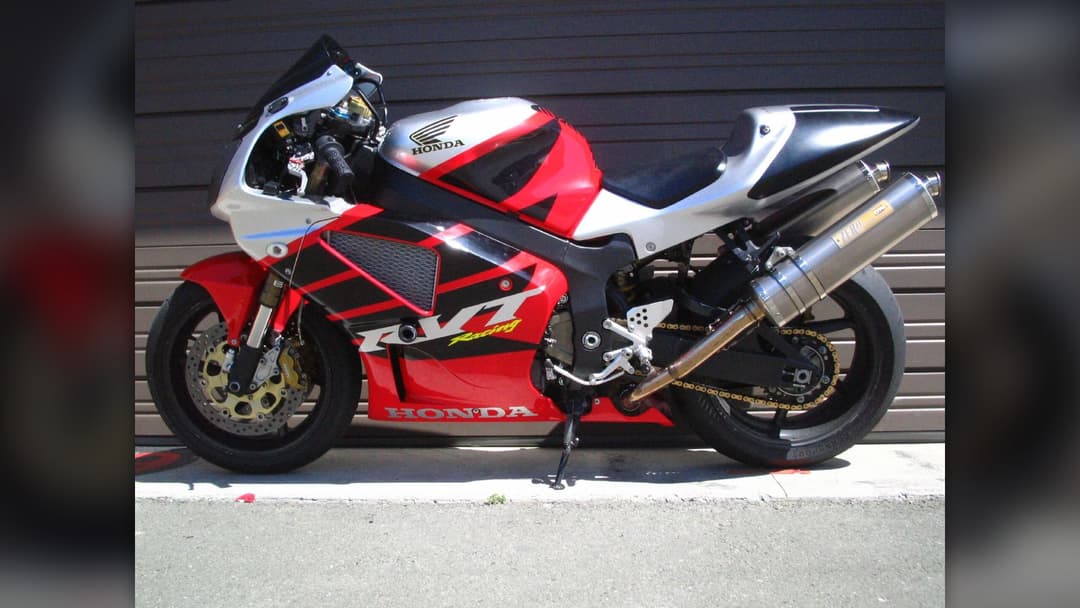
10. 2000 Honda VTR1000 SP-1
Also sold as the RC51 in North America, the 2000 SP-1 swapped four cylinders for a 90-degree 999cc V-twin with twin side radiators and gear-driven cams. Colin Edwards rode the factory SPW version to World Superbike titles in 2000 and 2002.
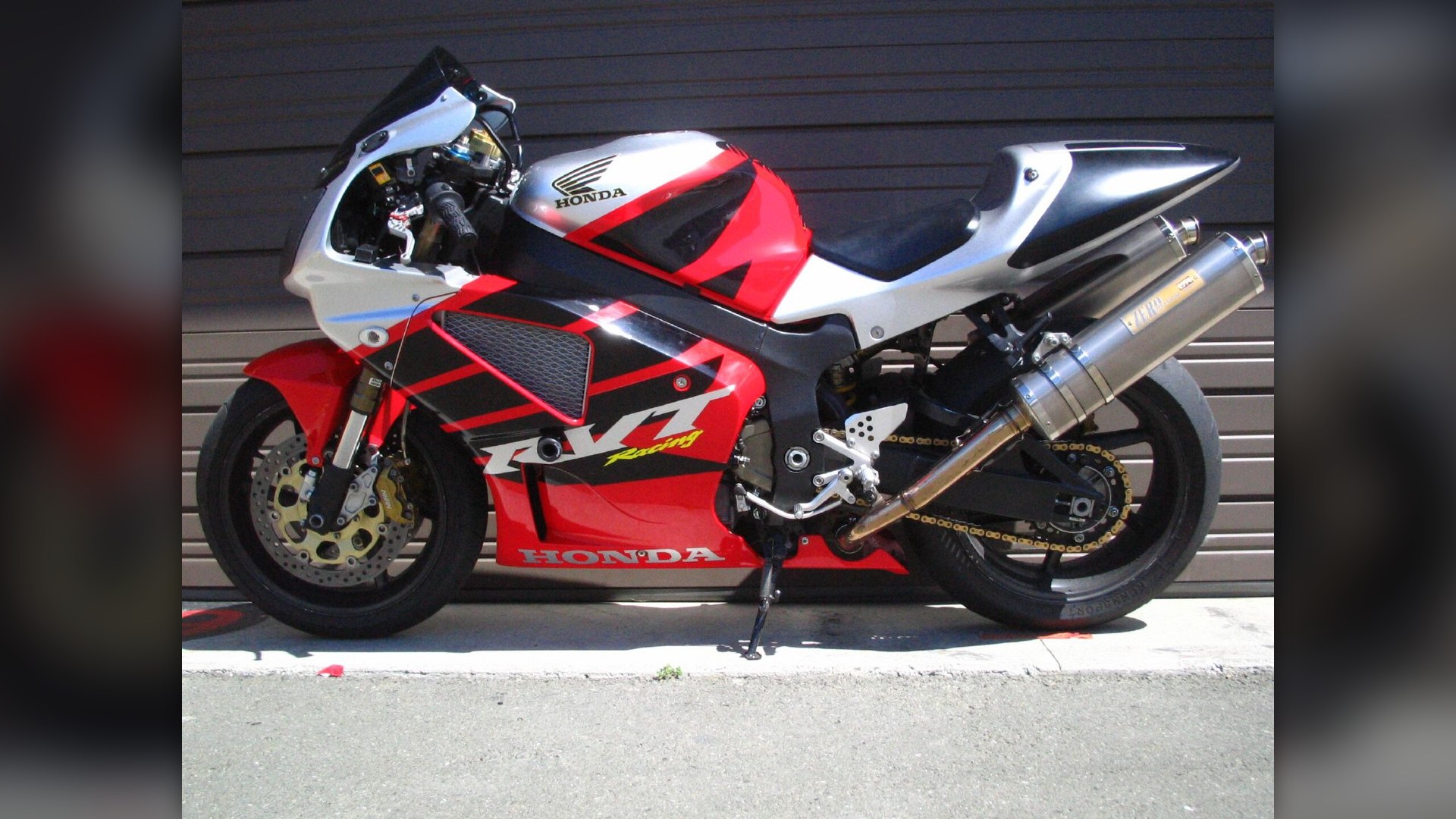
©Wikimedia / Aaron Brownlee( Ixab )
Advertisement
Swipe or tap ▶ to resume the countdown.
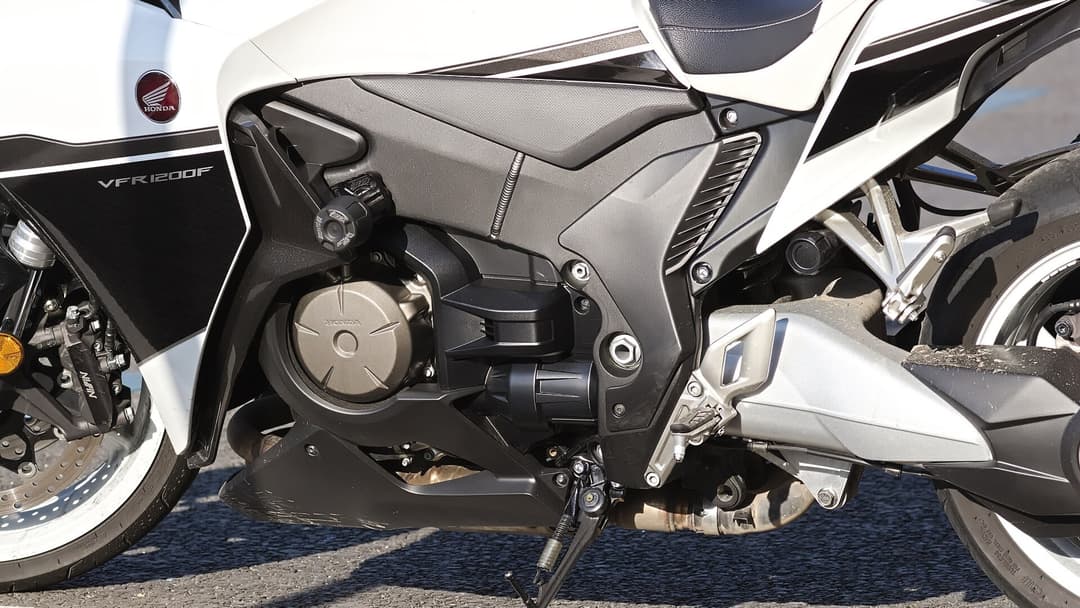
9. 2010 Honda VFR1200F
Arriving in 2010, the VFR1200F introduced a 1,237cc 76-degree V4 using Honda's Unicam single-cam head and paired rear cylinders for a narrow waist. It was also the world's first production motorcycle offered with a Dual Clutch Transmission.
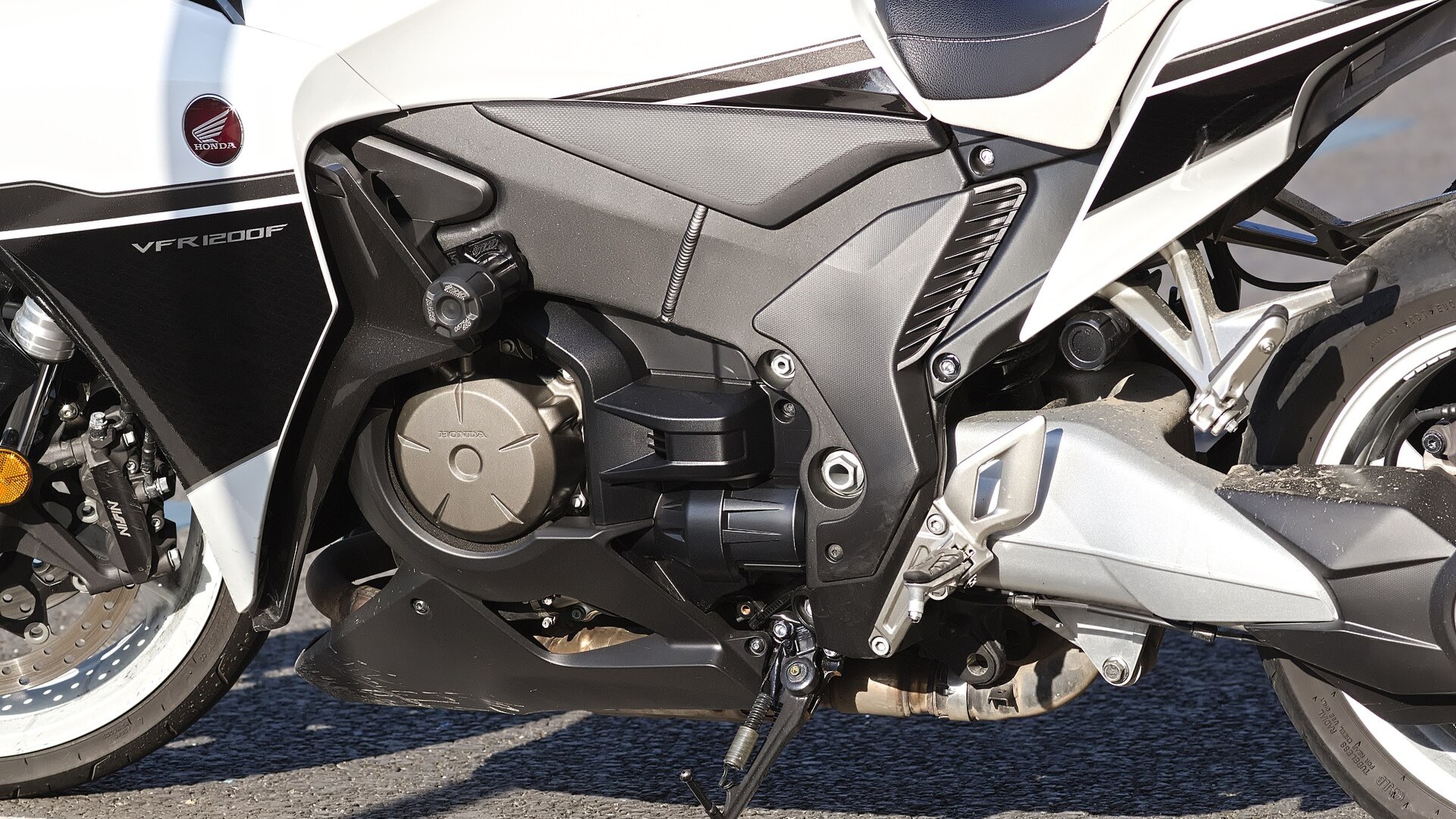
©Wikimedia / Retired electrician
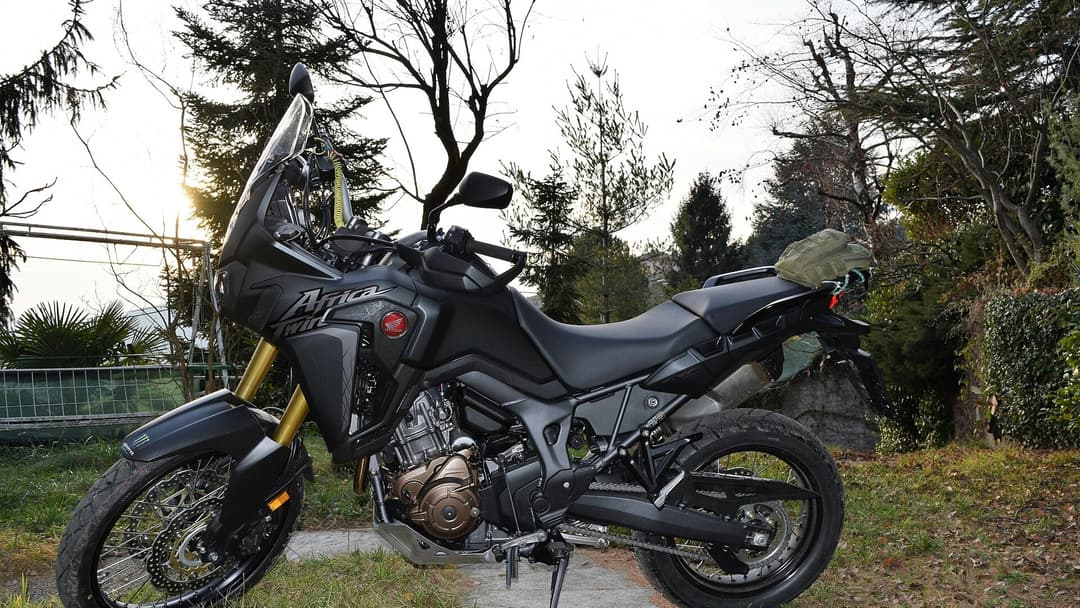
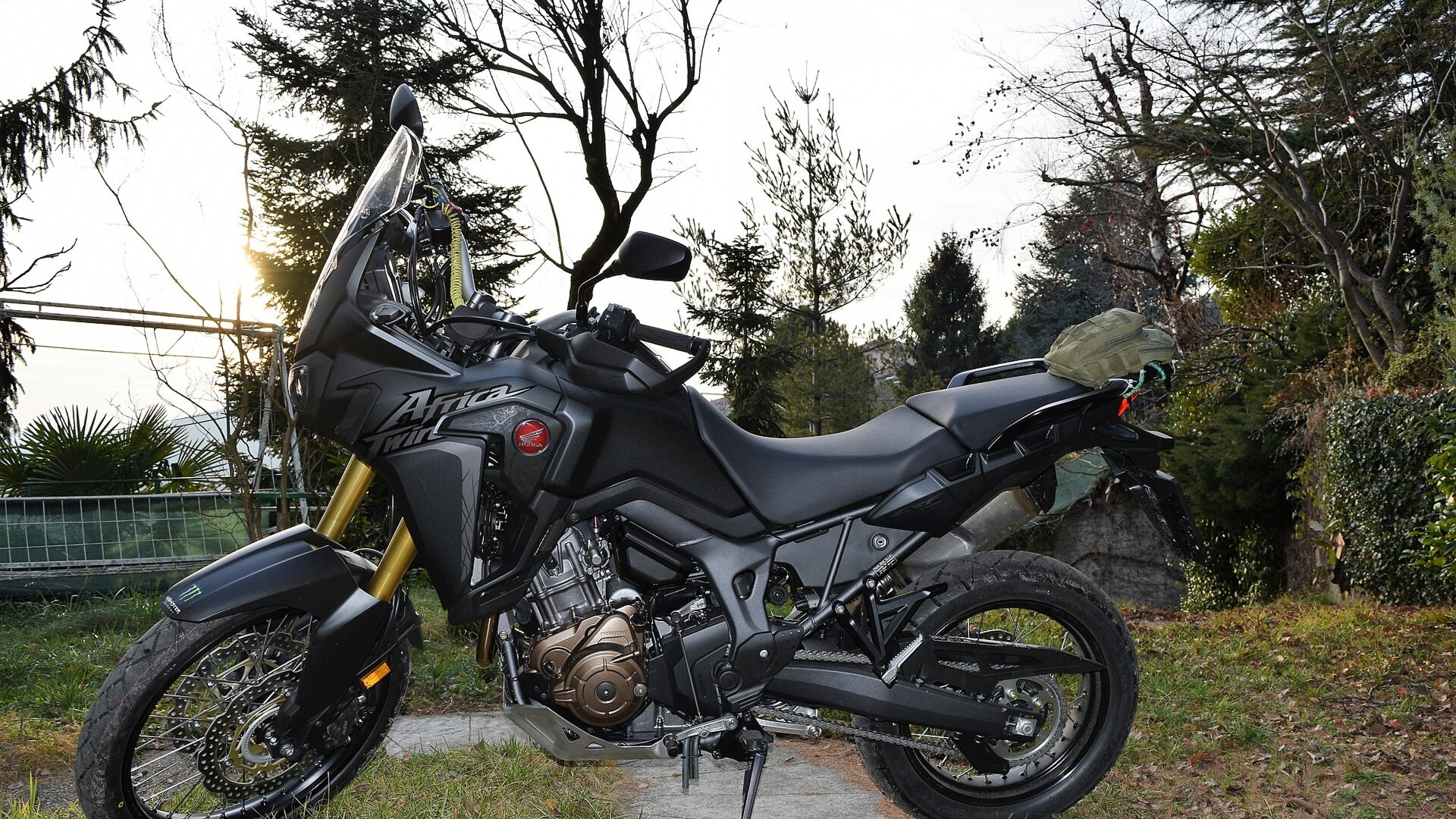
8. 2016 Honda CRF1000L Africa Twin
Revived for 2016, the CRF1000L used a 998cc parallel twin with a 270-degree crankshaft and Unicam head to deliver V-twin pulse in a compact chassis. Offered with manual or DCT gearboxes, it proved electronic rider aids could transform modern twins.
©Wikimedia / Matteo Casarico
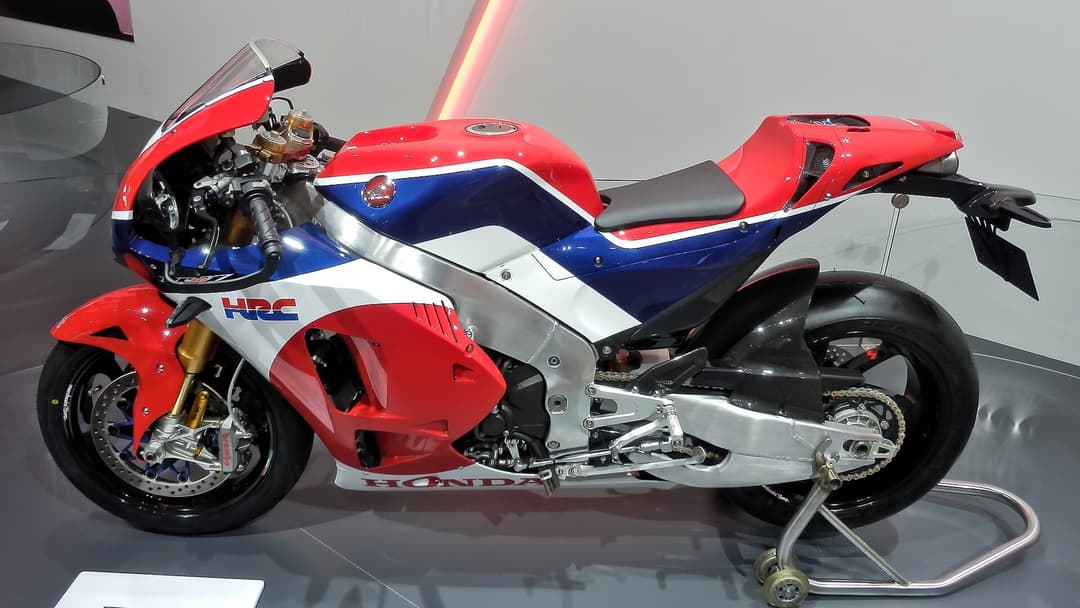
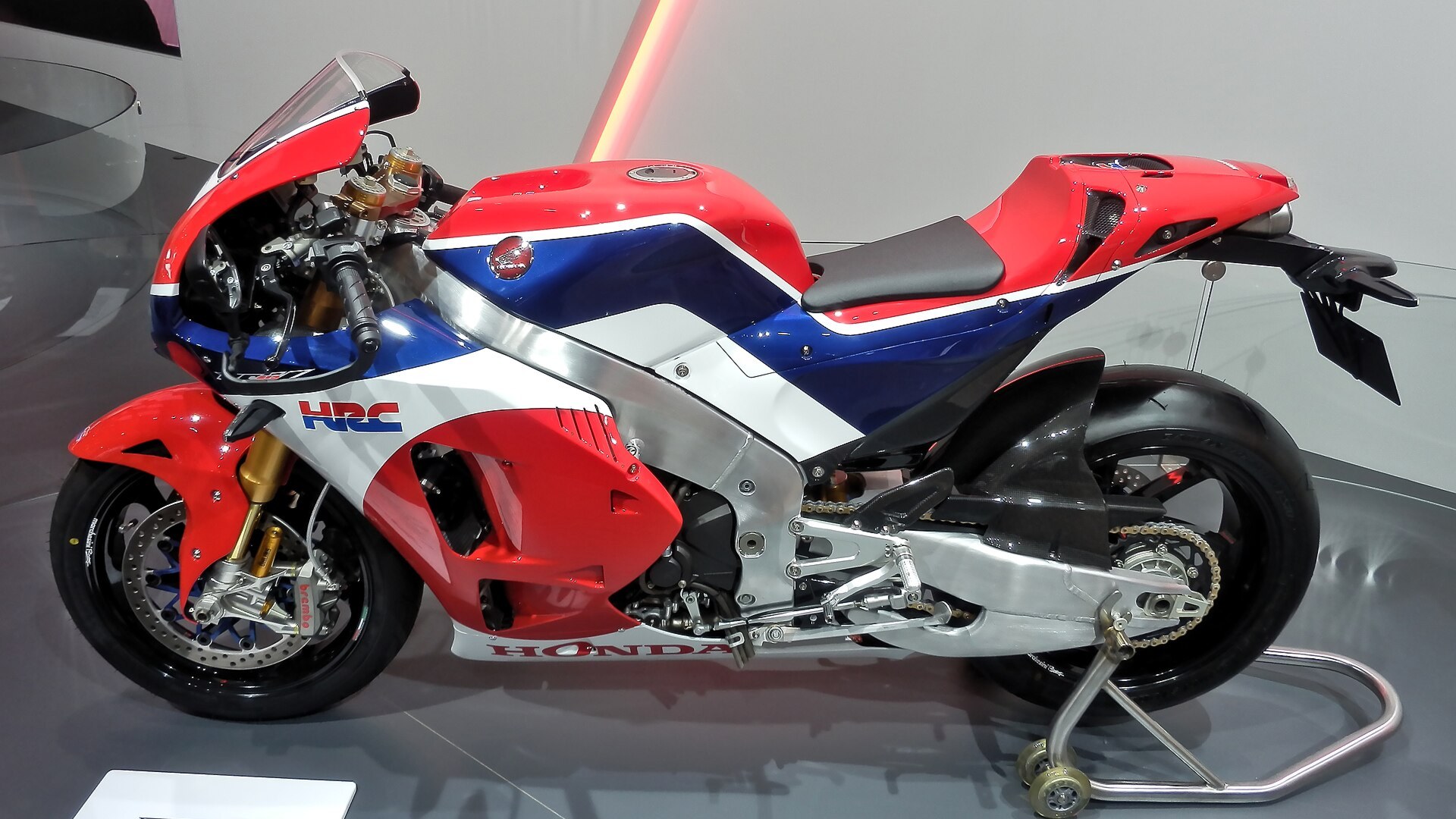
7. 2015 Honda RC213V-S
Hand-assembled in Kumamoto in 2015, the RC213V-S was a road-going adaptation of Marc Marquez's MotoGP machine. Its 999cc 90-degree V4 used pneumatic-free spring valves on the street, jumping from 159 hp standard to 215 hp with the race kit.
©Wikimedia / Alexander Migl
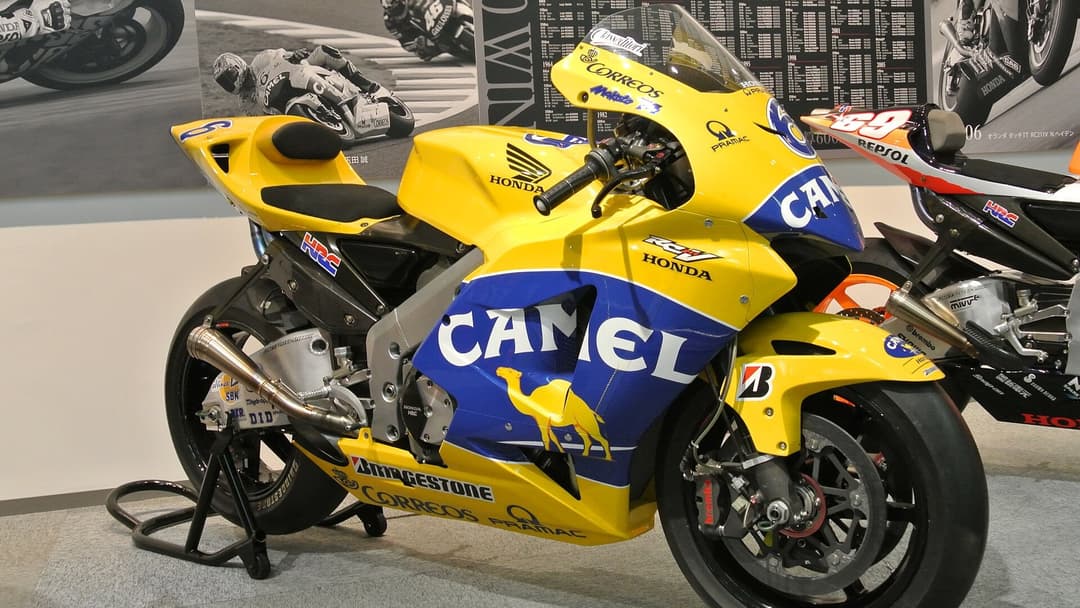
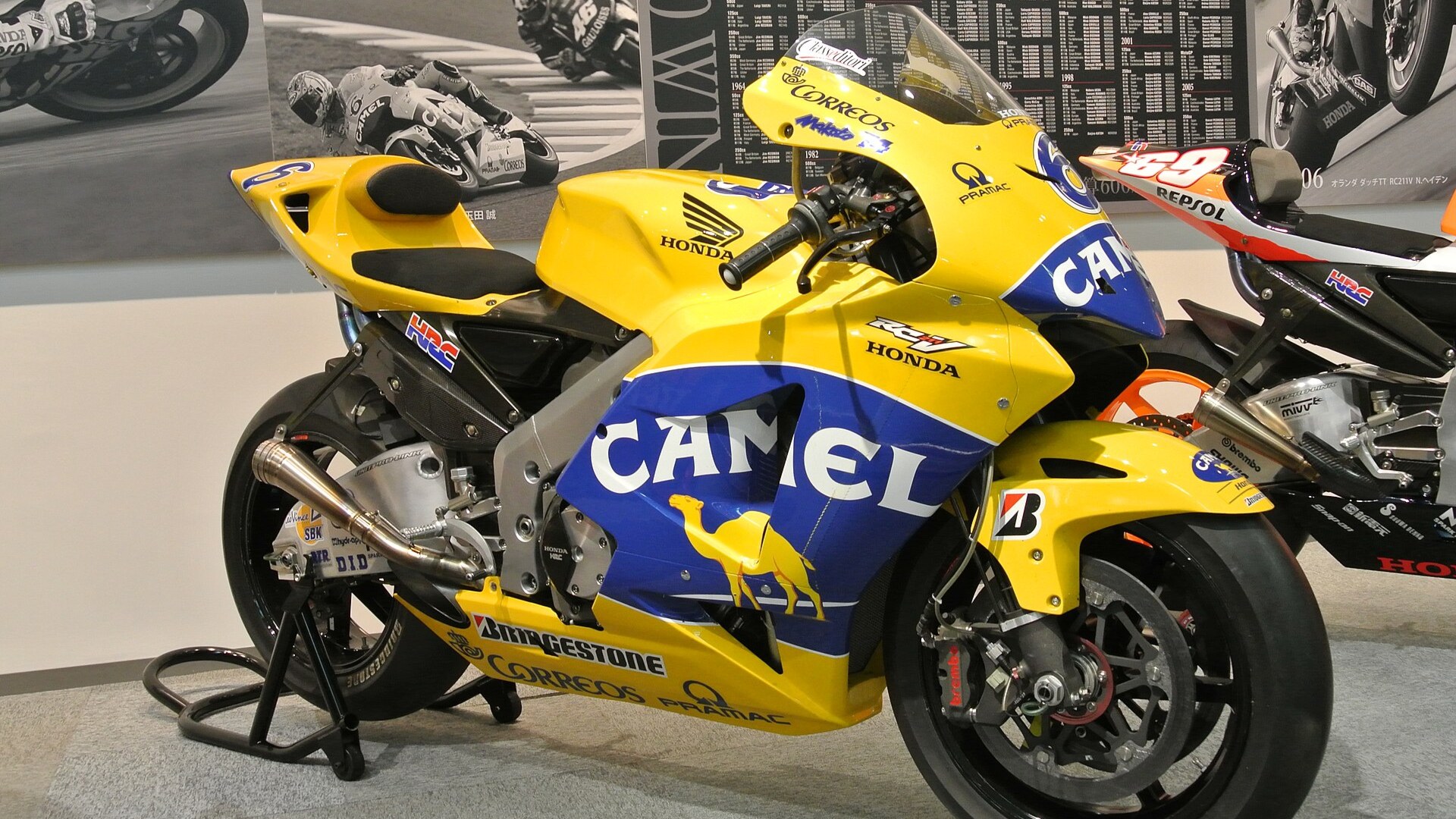
6. 2002 Honda RC211V
Built for the 2002 MotoGP rules, the RC211V used an asymmetric 75.5-degree V5 with three front cylinders and two rear cylinders. That narrow layout packed over 240 horsepower into a nimble chassis, winning titles with Valentino Rossi and Nicky Hayden.
©Wikimedia / Rainmaker47
Advertisement
Swipe or tap ▶ to resume the countdown.
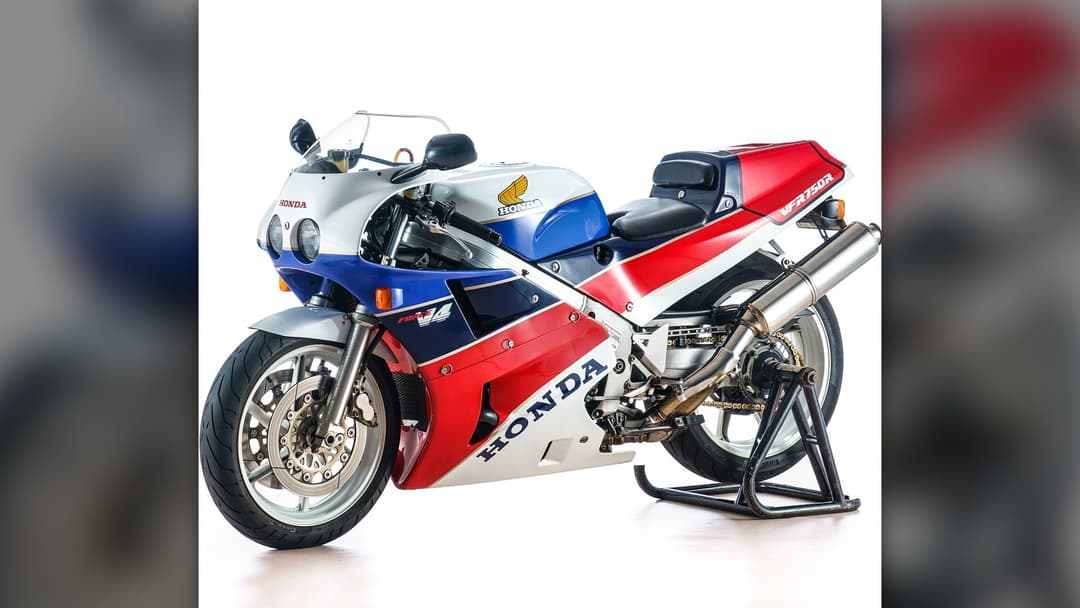
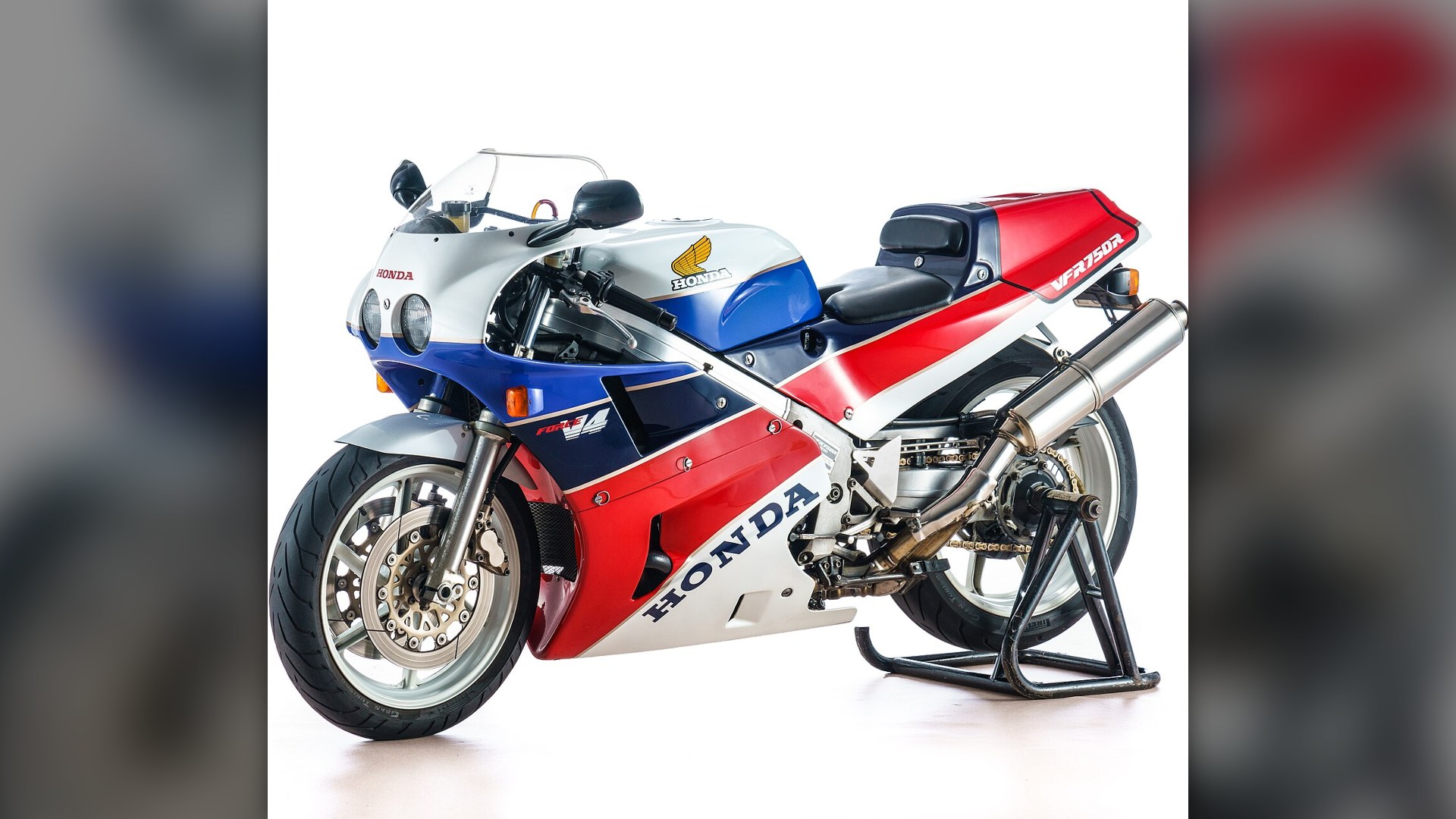
5. 1987 Honda VFR750R RC30
Produced from 1987 to homologate Honda's racer, the RC30 used titanium connecting rods, a 360-degree crank, a single-sided Pro-Arm swingarm and a slipper clutch. Fred Merkel won the first two World Superbike championships on it in 1988 and 1989.
©Wikimedia / HONDA RC30
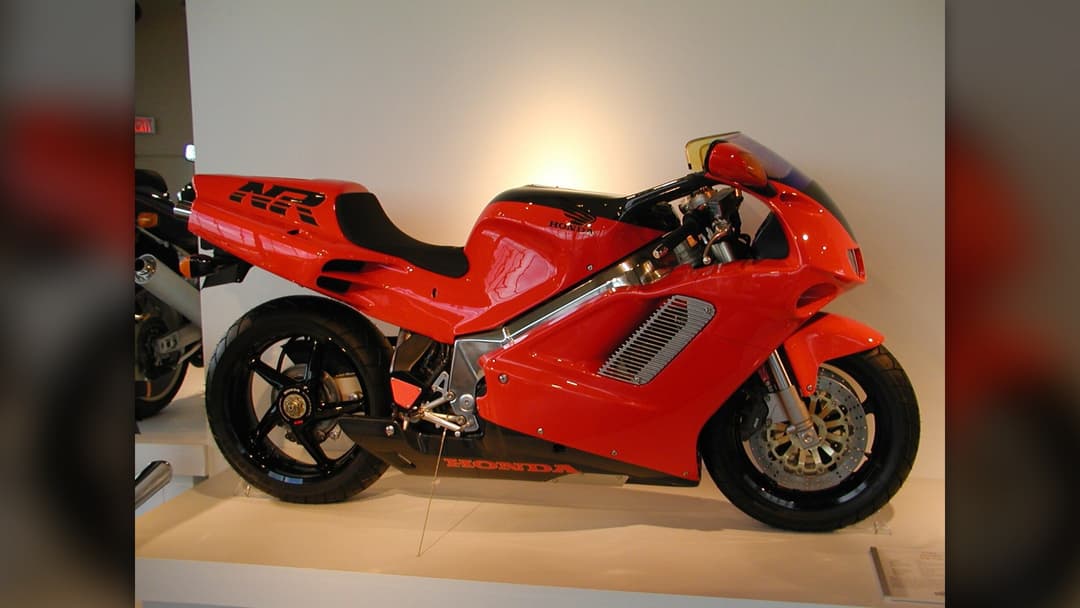
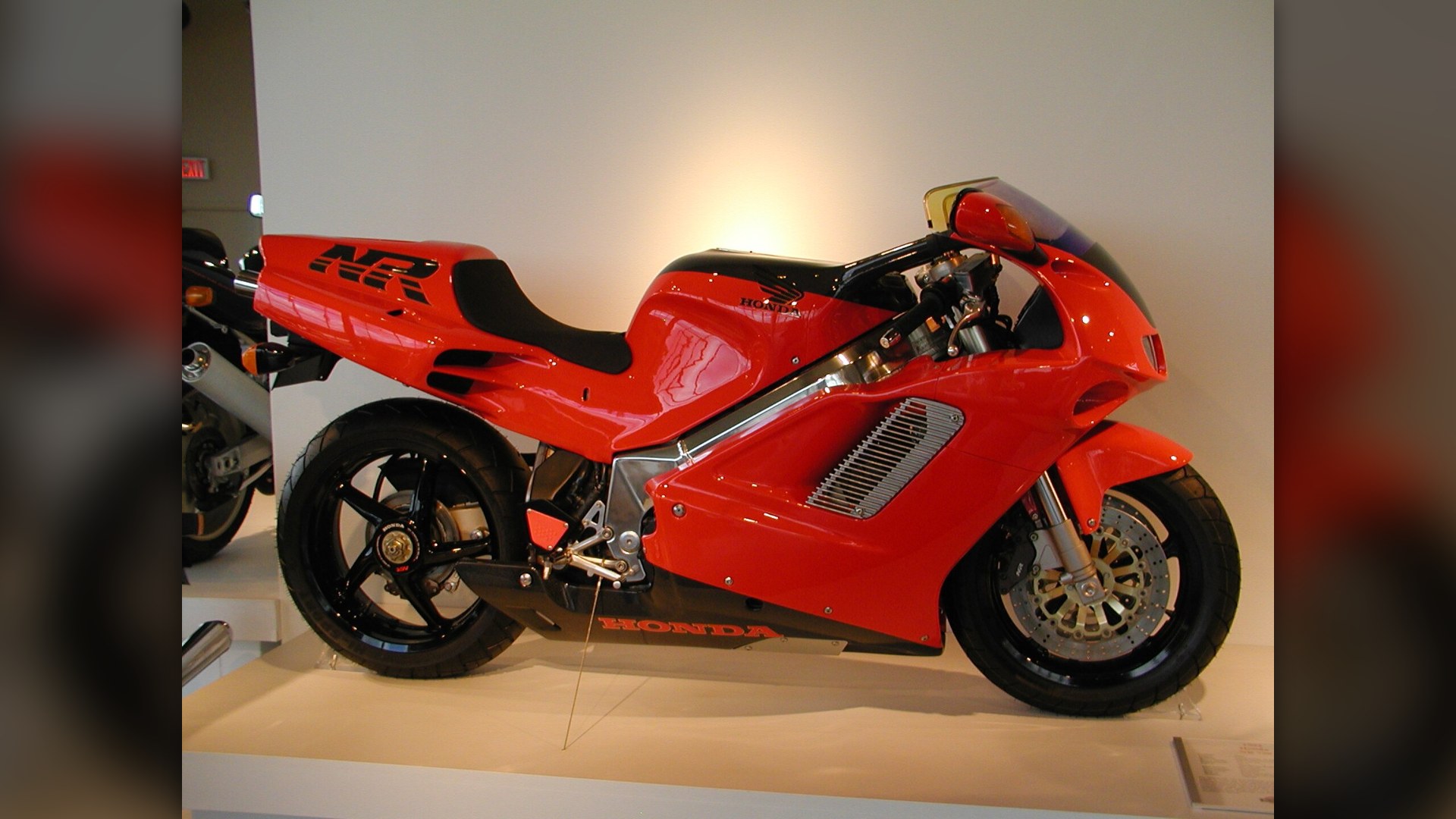
4. 1992 Honda NR750
Born from Honda's NR500 Grand Prix racer, the 1992 NR750 road bike featured four oval pistons, each fitted with two connecting rods, two spark plugs and eight valves. Only around 300 were built, carrying carbon bodywork and 125 horsepower.
©Wikimedia / Mike Schinkel
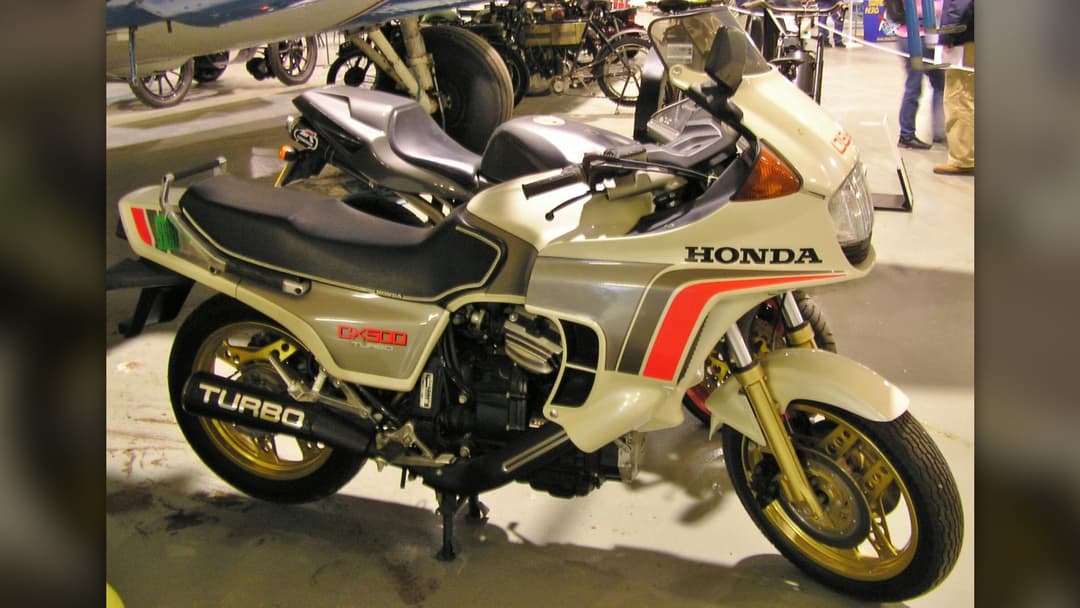
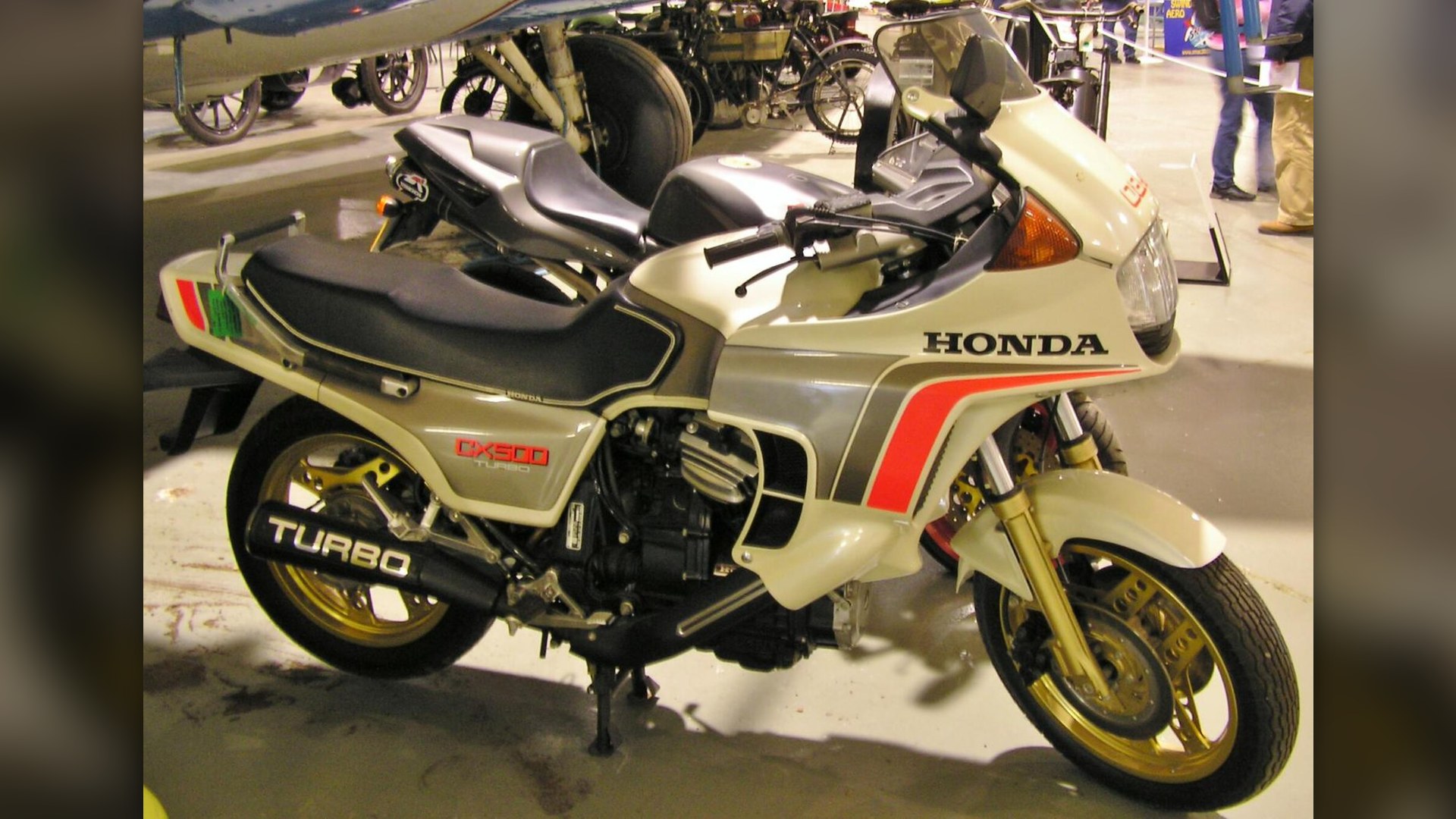
3. 1982 Honda CX500 Turbo
Launched in 1982, the CX500 Turbo solved packaging limits by boosting a 496cc V-twin to 82 horsepower. Computerized fuel injection and a small turbocharger previewed the exact forced-induction downsizing behind Honda's electric-compressor V3.
©Wikimedia / PSParrot
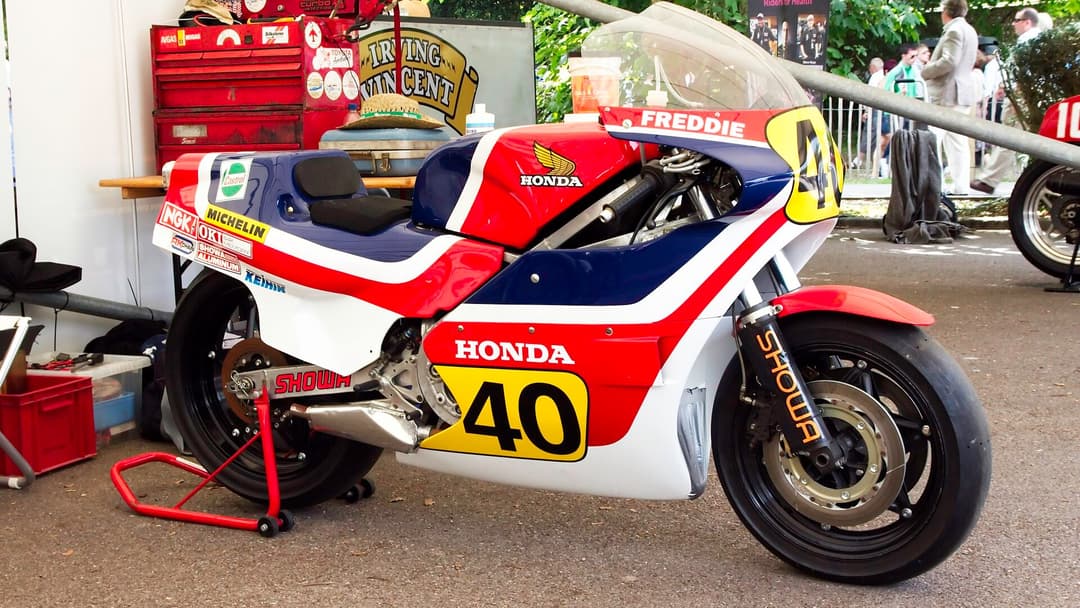
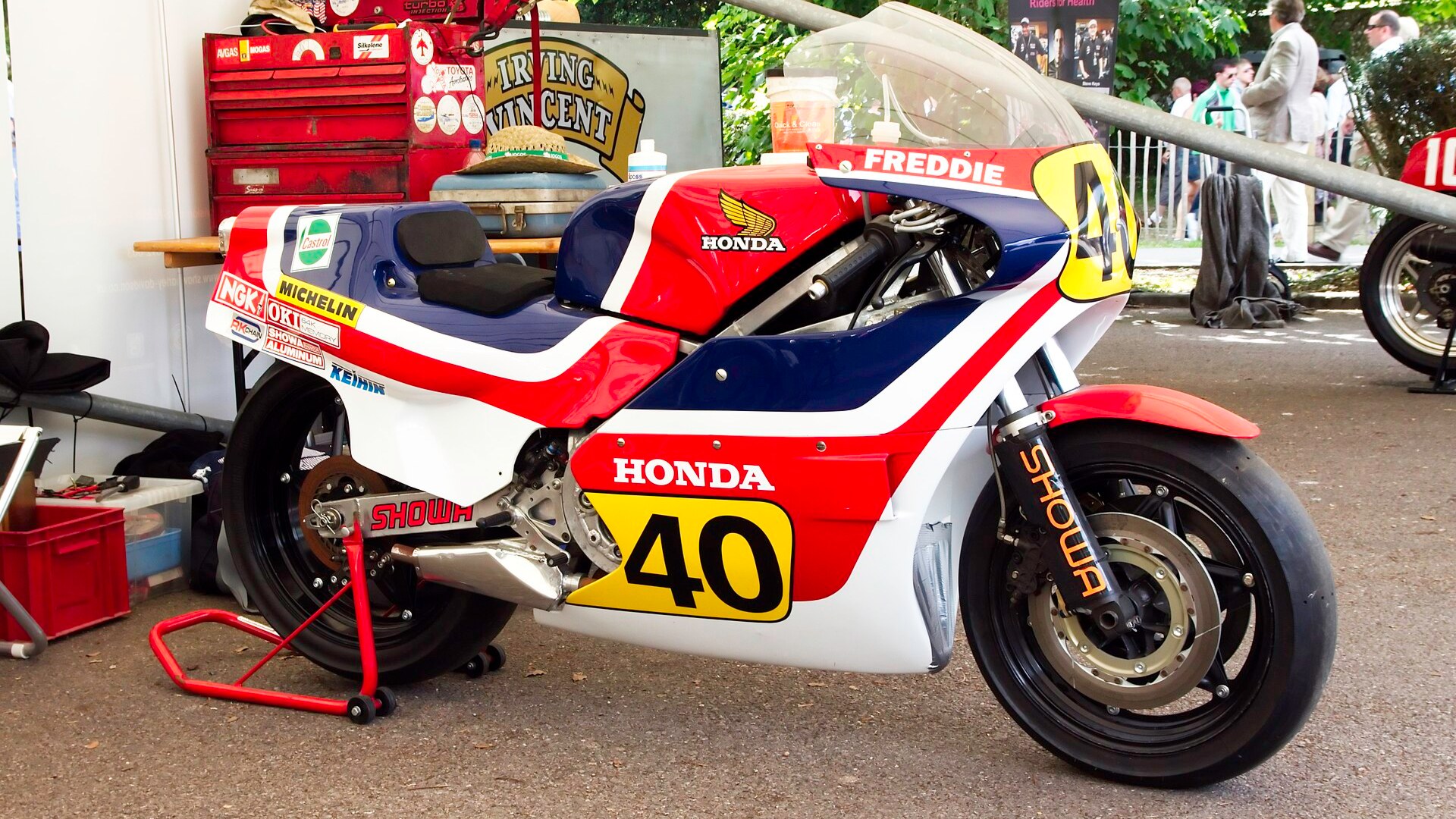
2. 1983 Honda NS500
Unveiled for 1982, the NS500 used a 498.5cc two-stroke V3 with two forward cylinders and one vertical rear cylinder. Lighter than four-cylinder rivals, it gave Freddie Spencer the 1983 500cc World Championship and proved Honda's V3 layout on track.
©Wikimedia / Andrew Basterfield
Advertisement
Swipe or tap ▶ to resume the countdown.
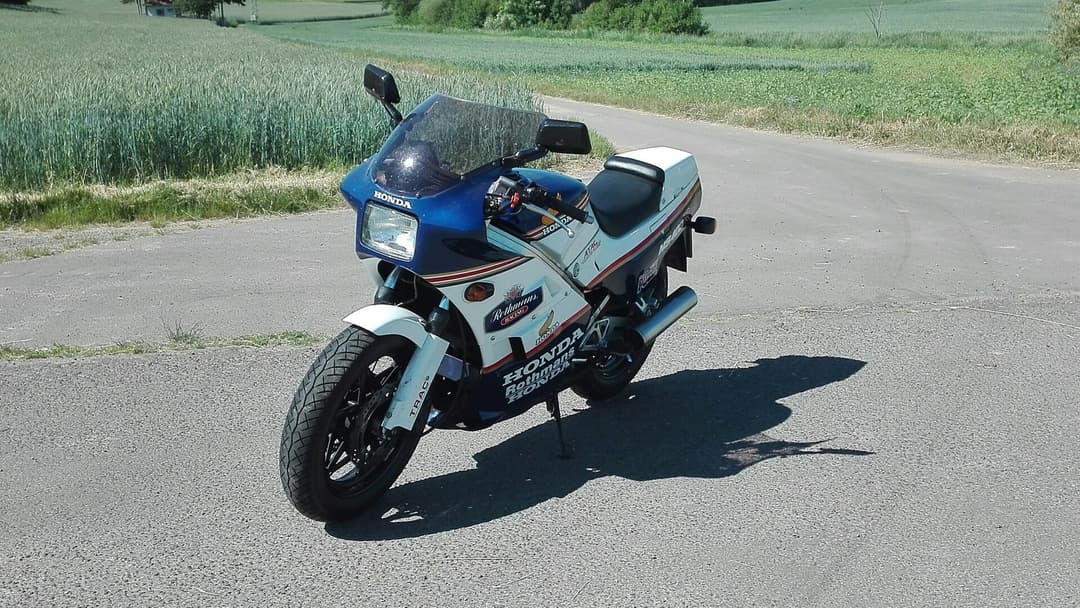
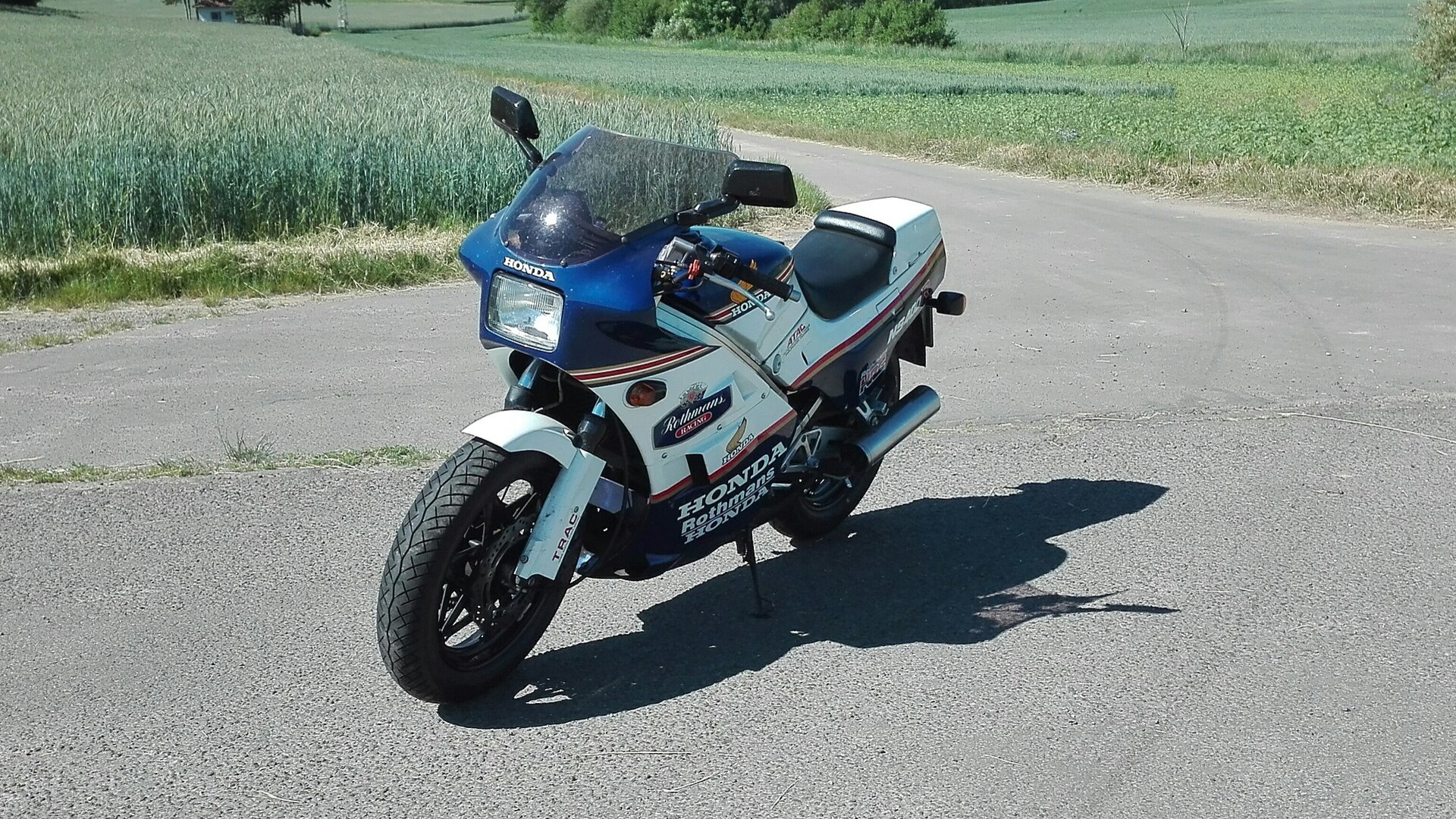
1. 1985 Honda NS400R
Sold from 1985, the NS400R translated the NS500 racer into a 387cc liquid-cooled two-stroke V3 street bike with ATAC exhaust valves and 72 horsepower. Until the new 900cc e-compressor V3, it remained the sole road-going V3 in Honda history.
©Wikimedia / HSchWP
Advertisement
You've reached the end of the story. Thanks for reading!

22 Places Where Scientists Found Water Hiding in the Solar System
Explore 22 solar system locations where water ice and buried oceans exist, all backed by real mission detections. From lunar craters to deep subsurface seas on Enceladus, scientists are mapping the water that shapes our planetary neighborhood. Discover how these cold reservoirs reveal the evolution of planets and the hidden potential for life across the solar system in this planetary countdown.
All 20 Entries in this Story
#20: 1958 Honda Super Cub C100
Launched in Japan in August 1958, the C100 used a 49cc air-cooled four-stroke single making 4.5 horsepower. Its automatic centrifugal clutch and step-through frame opened motorcycling to new riders. Production passed 100 million units in 2017.

#19: 1966 Honda RC166
Designed under Soichiro Honda's multi-cylinder philosophy, the RC166 packed six tiny pistons and 24 valves into 249.4cc. Paired with a seven-speed gearbox, it produced over 60 horsepower. Mike Hailwood won all 10 races he entered on it in 1966.

#18: 1969 Honda CB750 Four
Unveiled at the 1968 Tokyo Motor Show and sold in 1969, the CB750 Four paired a 736cc SOHC inline-four with a five-speed gearbox. It was the first mass-market motorcycle with a hydraulic front disc brake and electric starter, making 67 horsepower.

#17: 1975 Honda GL1000 Gold Wing
The 1975 GL1000 moved away from air-cooled twins and fours by adopting a 999cc liquid-cooled horizontally opposed four-cylinder engine. Placing the fuel tank under the seat lowered the center of gravity, while shaft drive kept maintenance low on tours.

#16: 1978 Honda CBX1000
Engineered by Shoichiro Irimajiri, the 1978 CBX1000 mounted a 1,047cc DOHC 24-valve inline-six across the frame. It delivered 105 horsepower and weighed just 247 kg dry thanks to magnesium covers and tilted cylinders. Six exhaust headers announced its arrival.

#15: 1978 Honda CX500
Released in 1978, the CX500 ran an 80-degree liquid-cooled 496cc V-twin rotated longitudinally in the frame. Honda angled each cylinder head 22 degrees inward so rider knees cleared the carburetors. That rugged bottom end later supported a turbo.

#14: 1983 Honda VF750F Interceptor
Debuting for 1983, the VF750F replaced traditional steel cradles with a square-tube perimeter frame housing a 748cc DOHC 90-degree V4. Freddie Spencer raced the works V4 version to AMA Superbike wins, proving V4 packaging worked on track and street.

#13: 1986 Honda VFR750F
Honda redesigned its 748cc V4 from the crank up for the 1986 VFR750F, ditching chain drives for precision gear-driven cams and a 180-degree crankshaft. Wrapped in an aluminum twin-spar frame, it proved V4 engines could run reliably for decades.

#12: 1992 Honda CBR900RR Fireblade
Launched in 1992 with an 893cc inline-four making 122 horsepower, the original Fireblade ignored top-speed chasing in favor of Total Control. Its compact chassis weighed roughly 34 kg less than 1000cc rivals, inspiring Honda's 900cc ethos today.

#11: 1994 Honda RVF750 RC45
Built in limited numbers from 1994, the RC45 evolved the RC30 formula with PGM-FI fuel injection, Nikasil-lined cylinders and side-mounted cam gears. John Kocinski won the 1997 World Superbike title on an RC45, advancing Honda's digital fueling.

#10: 2000 Honda VTR1000 SP-1
Also sold as the RC51 in North America, the 2000 SP-1 swapped four cylinders for a 90-degree 999cc V-twin with twin side radiators and gear-driven cams. Colin Edwards rode the factory SPW version to World Superbike titles in 2000 and 2002.

#9: 2010 Honda VFR1200F
Arriving in 2010, the VFR1200F introduced a 1,237cc 76-degree V4 using Honda's Unicam single-cam head and paired rear cylinders for a narrow waist. It was also the world's first production motorcycle offered with a Dual Clutch Transmission.

#8: 2016 Honda CRF1000L Africa Twin
Revived for 2016, the CRF1000L used a 998cc parallel twin with a 270-degree crankshaft and Unicam head to deliver V-twin pulse in a compact chassis. Offered with manual or DCT gearboxes, it proved electronic rider aids could transform modern twins.

#7: 2015 Honda RC213V-S
Hand-assembled in Kumamoto in 2015, the RC213V-S was a road-going adaptation of Marc Marquez's MotoGP machine. Its 999cc 90-degree V4 used pneumatic-free spring valves on the street, jumping from 159 hp standard to 215 hp with the race kit.

#6: 2002 Honda RC211V
Built for the 2002 MotoGP rules, the RC211V used an asymmetric 75.5-degree V5 with three front cylinders and two rear cylinders. That narrow layout packed over 240 horsepower into a nimble chassis, winning titles with Valentino Rossi and Nicky Hayden.

#5: 1987 Honda VFR750R RC30
Produced from 1987 to homologate Honda's racer, the RC30 used titanium connecting rods, a 360-degree crank, a single-sided Pro-Arm swingarm and a slipper clutch. Fred Merkel won the first two World Superbike championships on it in 1988 and 1989.

#4: 1992 Honda NR750
Born from Honda's NR500 Grand Prix racer, the 1992 NR750 road bike featured four oval pistons, each fitted with two connecting rods, two spark plugs and eight valves. Only around 300 were built, carrying carbon bodywork and 125 horsepower.

#3: 1982 Honda CX500 Turbo
Launched in 1982, the CX500 Turbo solved packaging limits by boosting a 496cc V-twin to 82 horsepower. Computerized fuel injection and a small turbocharger previewed the exact forced-induction downsizing behind Honda's electric-compressor V3.

#2: 1983 Honda NS500
Unveiled for 1982, the NS500 used a 498.5cc two-stroke V3 with two forward cylinders and one vertical rear cylinder. Lighter than four-cylinder rivals, it gave Freddie Spencer the 1983 500cc World Championship and proved Honda's V3 layout on track.

#1: 1985 Honda NS400R
Sold from 1985, the NS400R translated the NS500 racer into a 387cc liquid-cooled two-stroke V3 street bike with ATAC exhaust valves and 72 horsepower. Until the new 900cc e-compressor V3, it remained the sole road-going V3 in Honda history.