Slideshow · Science
20 Household Habits Quietly Increasing Your Energy Bills
Discover twenty common daily routines quietly driving up your electric bill.
By Most Viral Today
1 hour ago

Hidden Power Drains: How Small Habits Drive Up Utility Bills 
20. Keeping Inefficient Incandescent Bulbs 
19. Boiling Water In Open Pots Without Lids 
18. Neglecting Dusty Refrigerator Condenser Coils - AdvertisementSwipe or tap ▶ to continue countdown

17. Cranking Thermostats To Extreme Temperatures 
16. Leaving Bathroom Exhaust Fans Running 
15. Running An Old Fridge In An Uninsulated Garage 
14. Overlooking Window Weatherstripping Gaps - AdvertisementSwipe or tap ▶ to continue countdown

13. Blocking Floor And Wall Air Vents 
12. Forgetting To Clean The Dryer Lint Trap 
11. Taking Unnecessarily Long Hot Showers 
10. Peeking Inside The Oven While Baking - AdvertisementSwipe or tap ▶ to continue countdown

9. Leaving Idle Phone Chargers Plugged In 
8. Using Dishwasher Heated Dry Cycle 
7. Ignoring Frost Buildup In Freezers 
6. Setting Refrigerator Temperatures Too Low - AdvertisementSwipe or tap ▶ to continue countdown

5. Leaving Ceiling Fans On In Empty Rooms 
4. Neglecting HVAC Air Filters 
3. Running Half-Empty Dishwashers 
2. Washing Laundry In Hot Water - AdvertisementSwipe or tap ▶ to continue countdown

1. Leaving Phantom Electronics Plugged In - Advertisement🔥 UP NEXT IN THIS SERIES◫ 26 Slides

25 Fruits Disguised as Vegetables – How Much Sugar Do They Have?
In American kitchens and grocery aisles, produce is often sorted by culinary use rather than botanical reality. Because these savory staples develop from the flower ovary of a plant and carry seeds, science classifies them strictly as fruits. Ranked in ascending order of natural sugar content, here are 25 fruits commonly mistaken for vegetables.
From idle chargers wasting power to clogged furnace filters driving up energy use, everyday habits can quietly inflate electricity bills. Discover how household appliances consume energy, identify hidden sources of waste, and learn simple ways to cut annual costs without sacrificing comfort.
Swipe or tap ▶ to begin the countdown
©Pixabay / RyanMcGuire & Wikimedia / Rina120
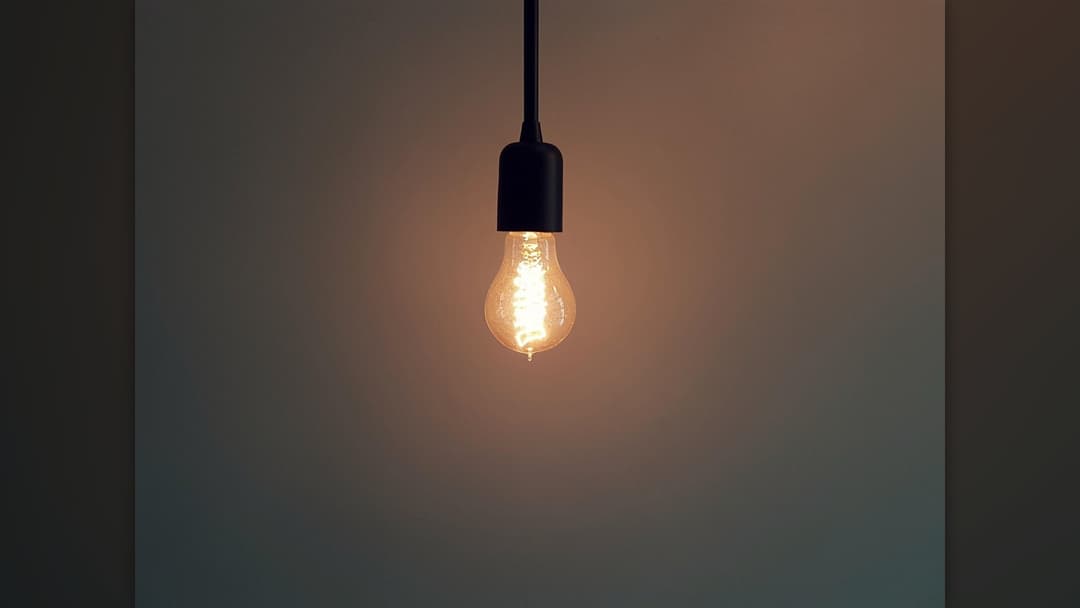
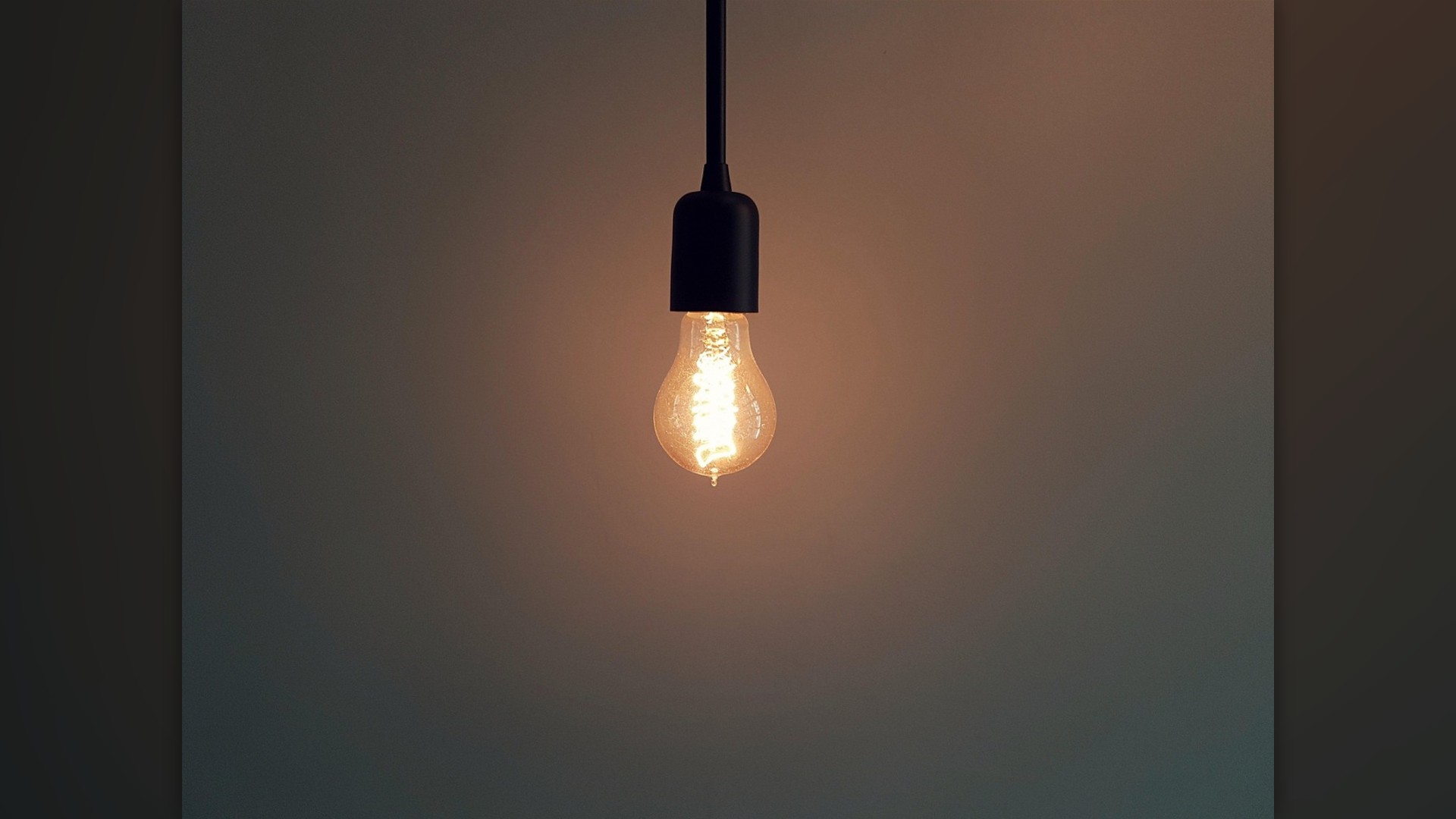
20. Keeping Inefficient Incandescent Bulbs
Traditional incandescent light bulbs convert ninety percent of the electrical energy they consume into waste heat rather than visible light. Upgrading fixtures to solid-state LED bulbs slashes lighting power consumption by seventy-five to eighty percent while lasting over twenty times longer.
©Pixabay / Pixabay Contributor
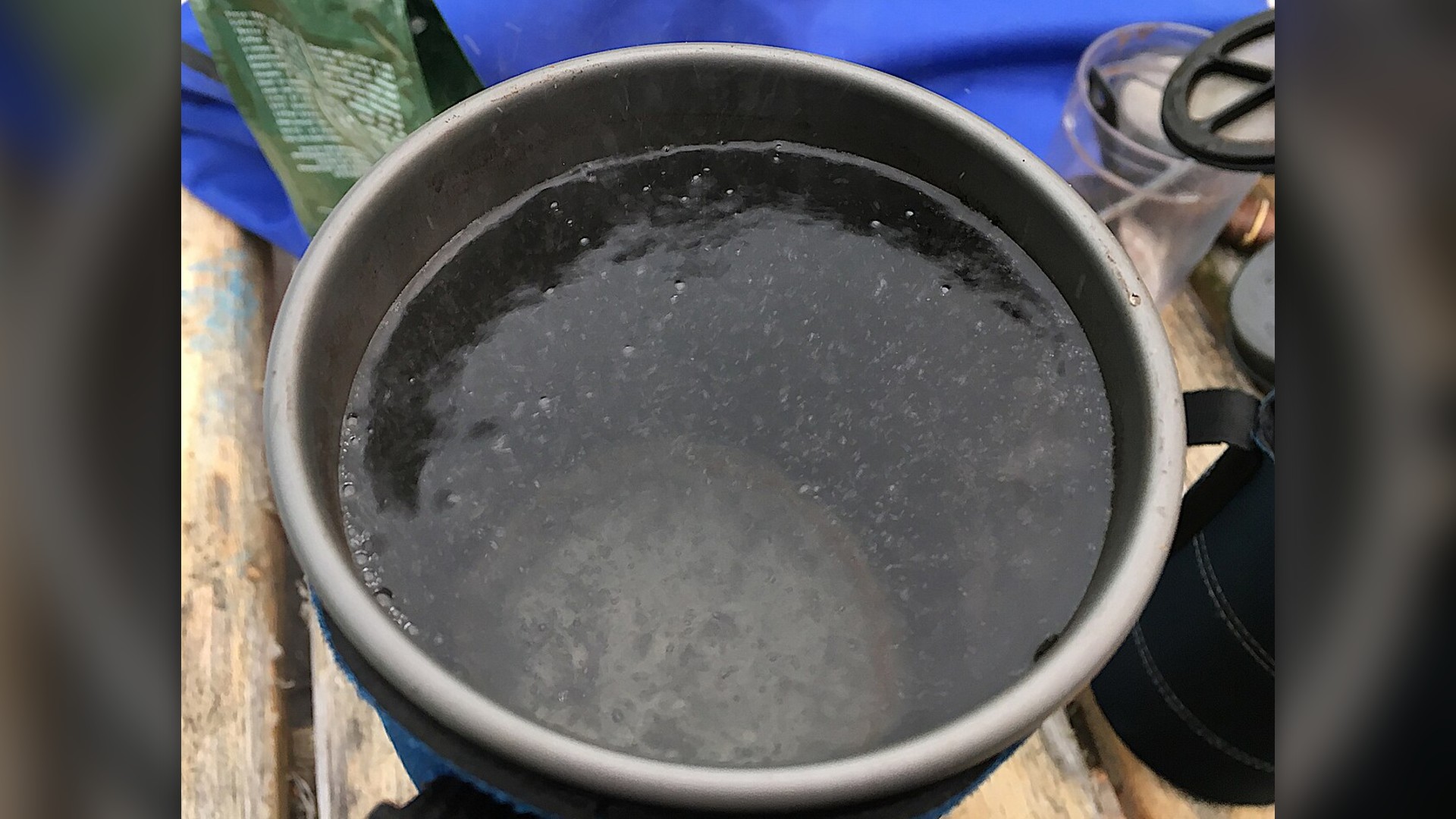
19. Boiling Water In Open Pots Without Lids
Boiling water or simmering soups in lidless pots permits huge amounts of heat to escape continuously into the kitchen. Burners must produce significantly more thermal energy to achieve boiling points, extending cooking times and power draw. Covering pots traps steam and slashes stovetop energy demands.
©Wikimedia / Alan Levine from Mortlach, Canada
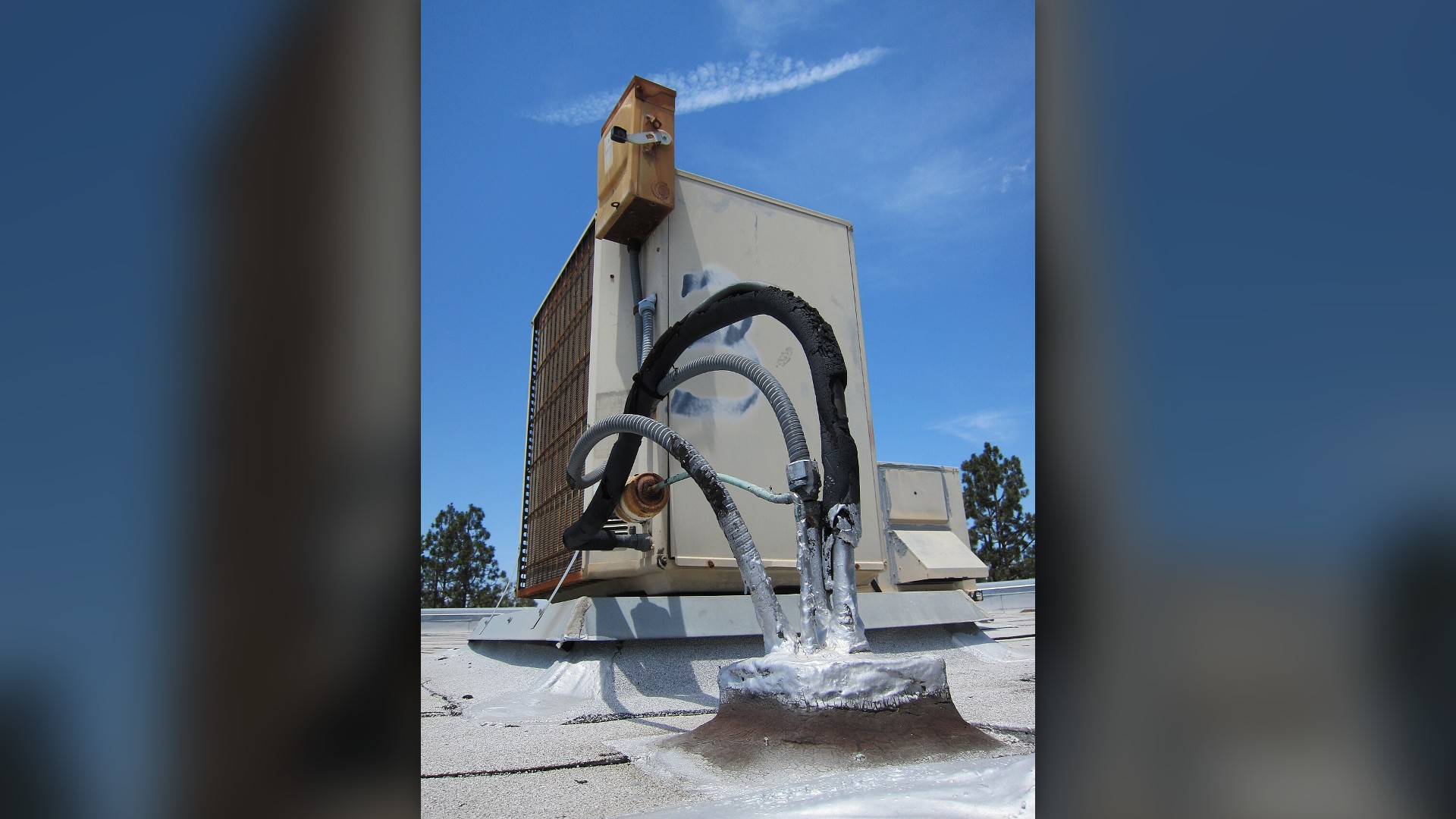
18. Neglecting Dusty Refrigerator Condenser Coils
Condenser coils underneath or behind refrigerators release heat extracted from food compartments. When coated in pet fur and household dust, the coils struggle to dissipate heat, forcing the compressor to labor continuously and draw extra current. Brushing coils clean twice a year restores factory efficiency.
©Wikimedia / Chris Hunkeler from Carlsbad, California
Advertisement
Swipe or tap ▶ to resume the countdown.
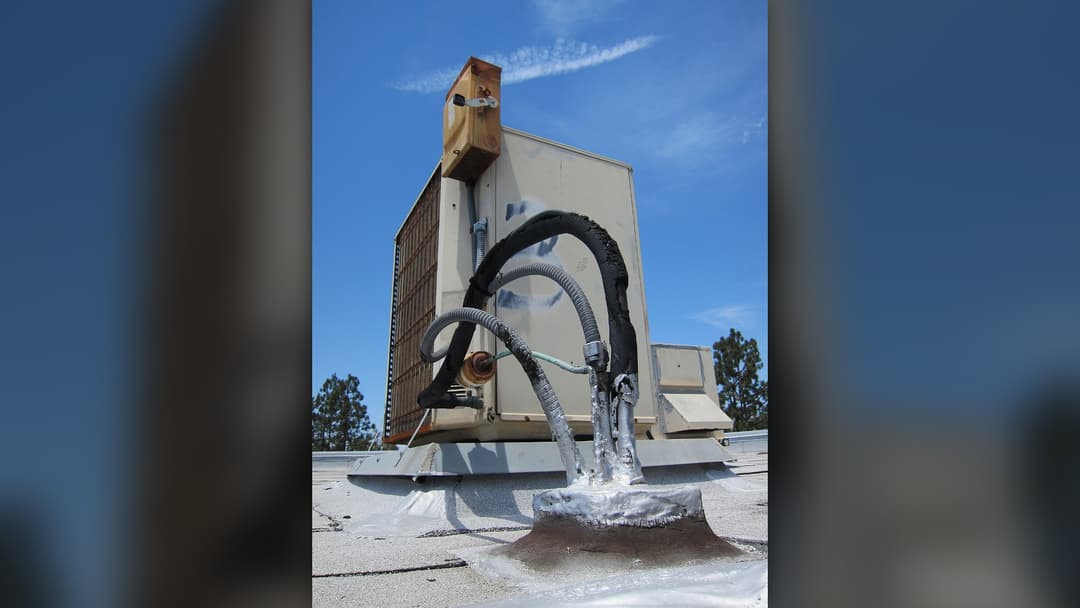
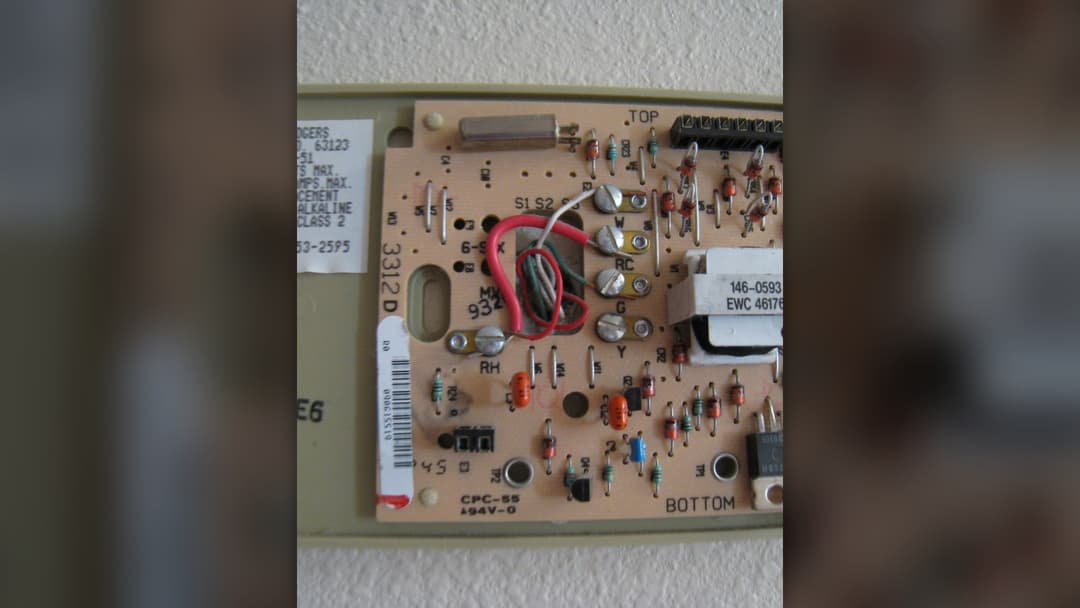
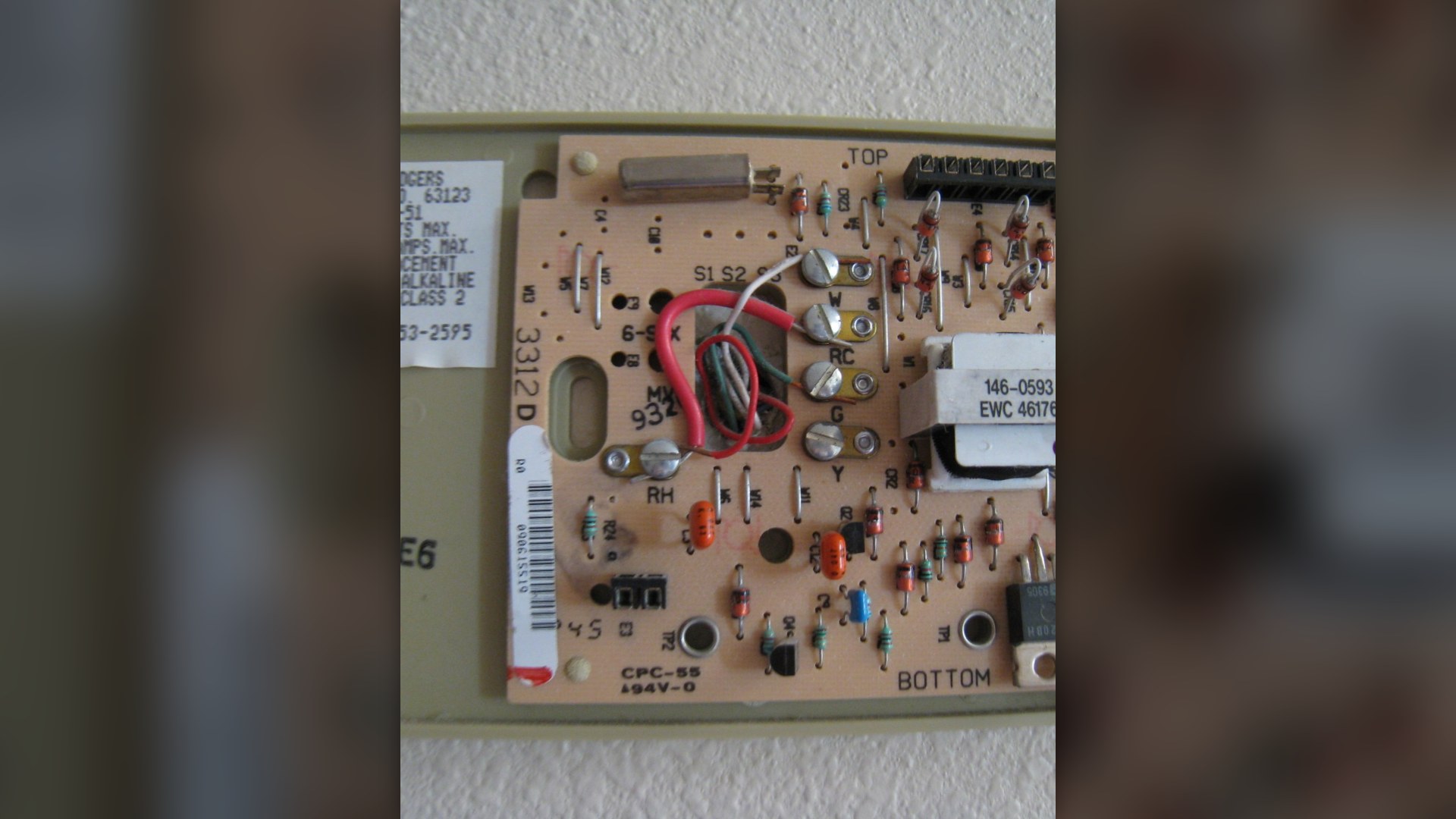
17. Cranking Thermostats To Extreme Temperatures
Thermostats act as simple switches rather than accelerators, delivering warmth or cold at a constant rate regardless of target setting. Cranking dials to eighty degrees on cold mornings only causes systems to run past comfortable temperatures and burn surplus power. Programmable schedules avoid this waste.
©Wikimedia / Dvortygirl
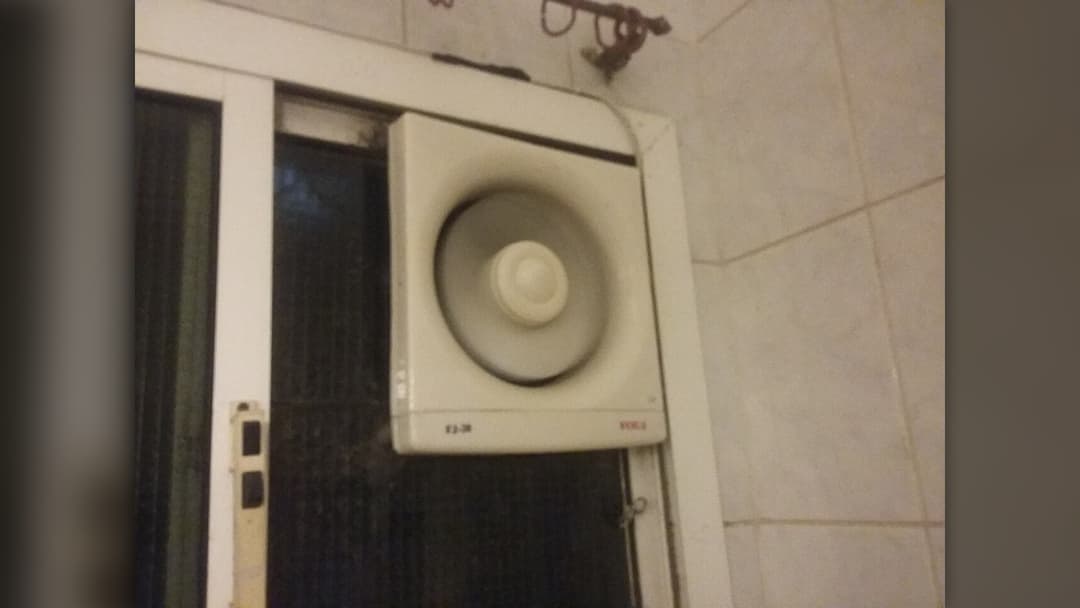
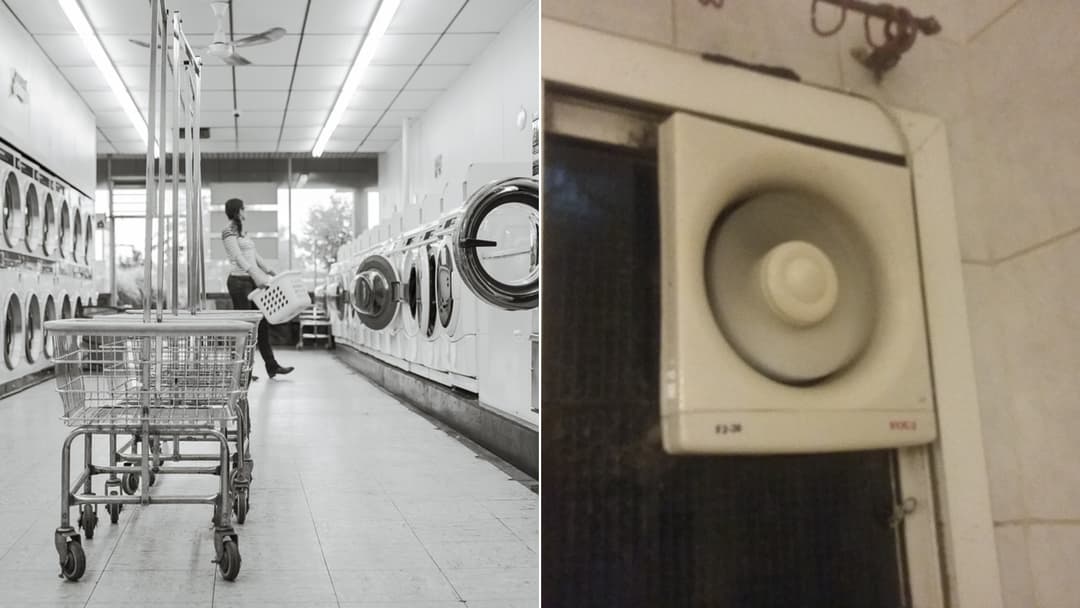
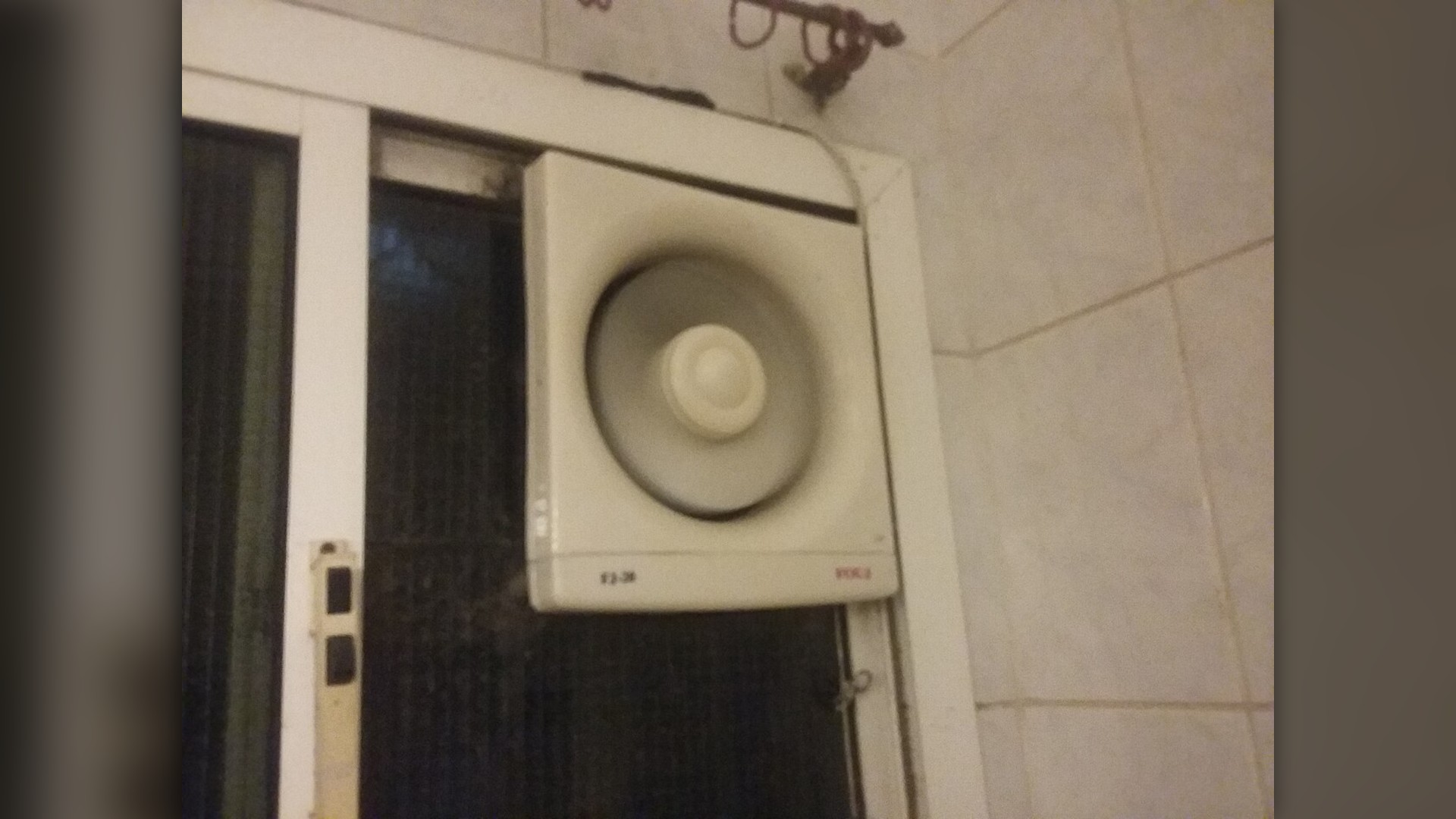
16. Leaving Bathroom Exhaust Fans Running
Bathroom ventilation fans remove humidity effectively, but leaving them running after steam clears expels conditioned indoor air directly outside. In less than an hour, an exhaust fan can pull an entire houseful of warmed or cooled air out through roof vents. Installing twenty-minute timers halts this air loss.
©Wikimedia / Rina120
15. Running An Old Fridge In An Uninsulated Garage
Secondary refrigerators kept in uninsulated garages face extreme ambient temperature swings. In sweltering summers, aging compressors work nonstop to maintain internal chill, consuming several times more power than modern energy-efficient models. Retiring or upgrading secondary units saves substantial power.

©NASA / Kim Shiflett
14. Overlooking Window Weatherstripping Gaps
Cracked or missing weatherstripping along window frames creates steady air leaks, allowing warm winter air to seep out and summer humidity to seep inside. Heating and cooling equipment works overtime to compensate for constant drafts. Sealing window perimeters with foam tape or caulk restores thermal containment.

©Pixabay / cocoparisienne
Advertisement
Swipe or tap ▶ to resume the countdown.
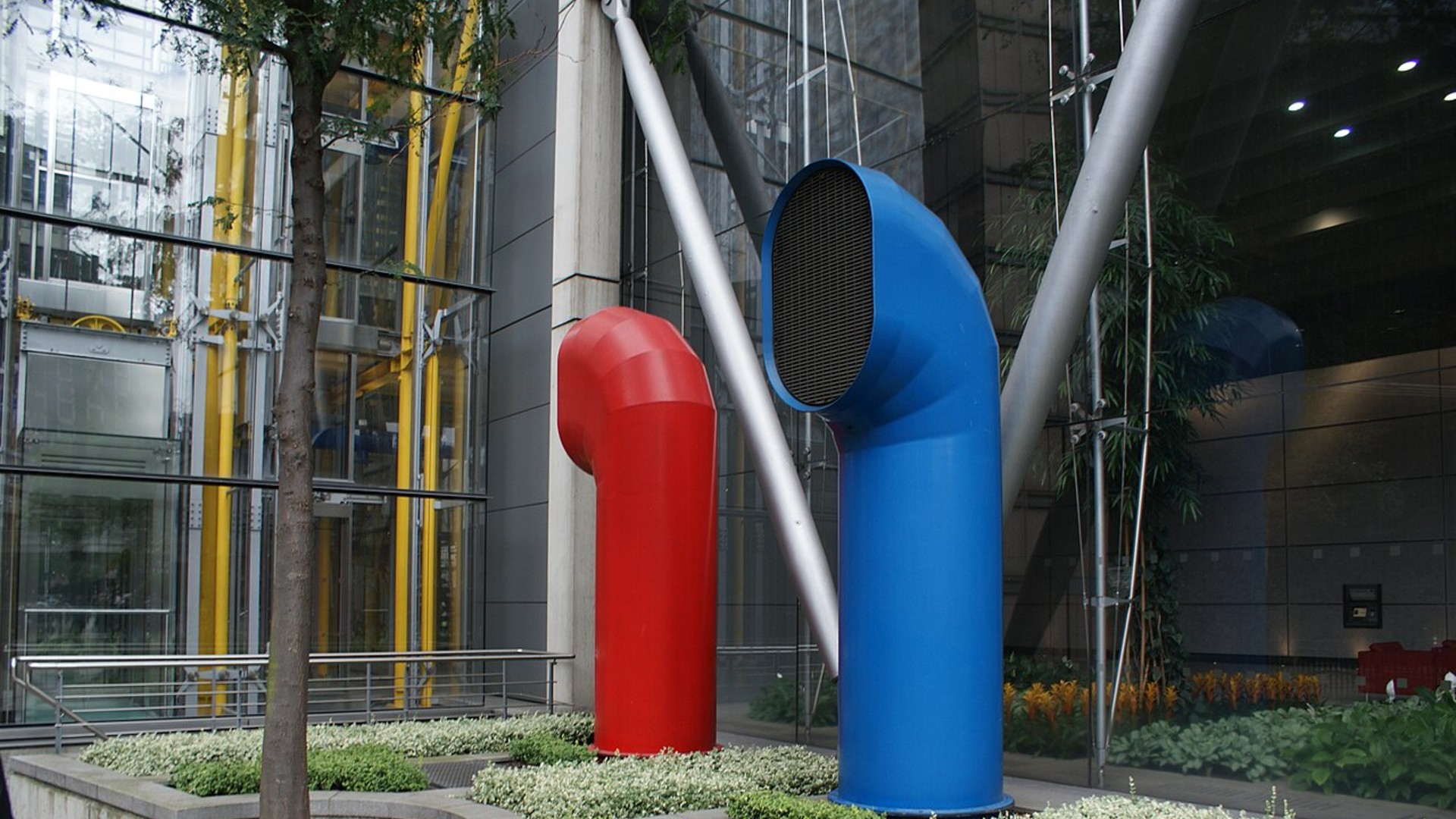
13. Blocking Floor And Wall Air Vents
Arranging sofas, rugs, or drapes over supply or return vents disrupts climate air distribution across living area. The furnace or heat pump runs longer cycles trying to satisfy thermostat settings in unevenly conditioned zones. Keeping all airflow paths unobstructed lets climate systems regulate temperatures with ease.
©Wikimedia / Robert Lamb
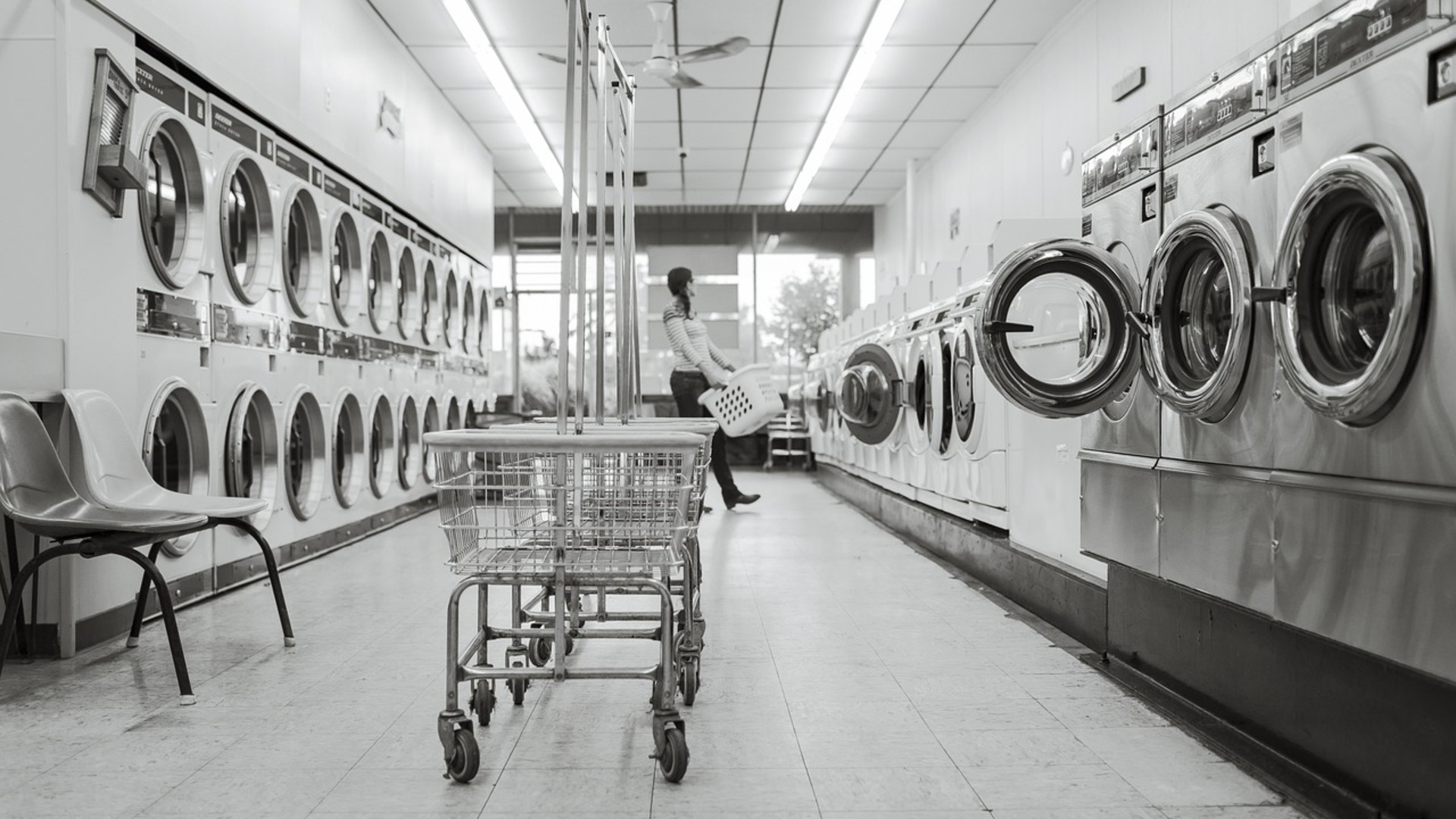
12. Forgetting To Clean The Dryer Lint Trap
A lint trap coated in fabric fuzz restricts moist air exhaust, preventing clothes from drying efficiently and extending machine run times. Electric clothes dryers rank among the most energy-intensive home appliances. Scraping the lint screen before every cycle ensures fast drying and protects heating components.
©Pixabay / RyanMcGuire
11. Taking Unnecessarily Long Hot Showers
Standard showerheads dispense approximately two and a half gallons of water every minute. Electric tank water heaters fire powerful immersion rods to restore heated reserves after prolonged twenty-minute showers. Shortening daily shower duration cuts utility bills by hundreds of kilowatt-hours annually.

©Wikimedia / Basile Morin
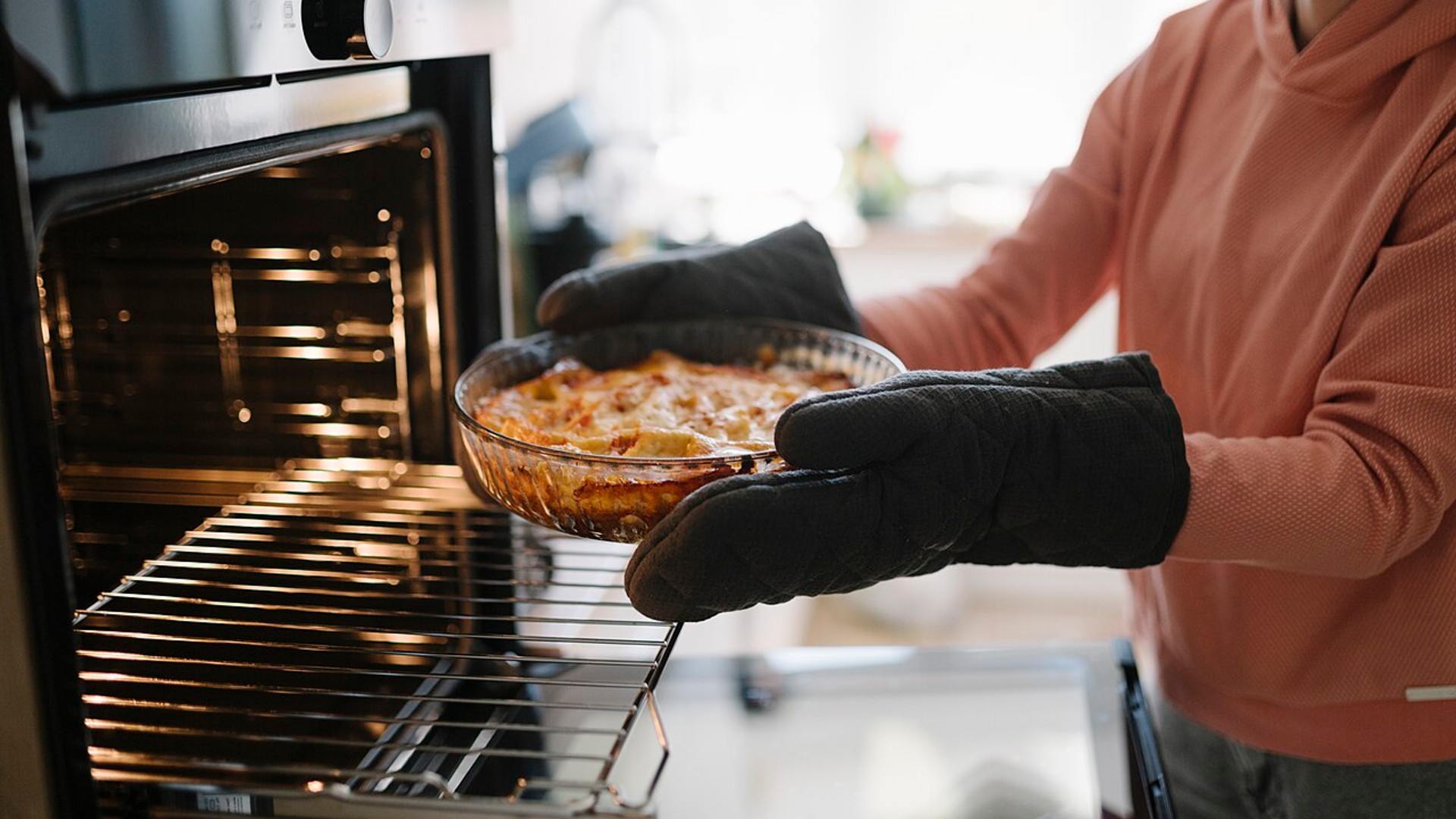
10. Peeking Inside The Oven While Baking
Cracking the oven door to inspect a casserole lets hot air rush out instantly, dropping internal cooking temperatures by 25 to 50 degrees. The heavy electric heating elements must draw heavy power to regain target temperature, extending overall bake times. Turning on the interior oven light avoids heat loss.
©Wikimedia / Shixart1985
Advertisement
Swipe or tap ▶ to resume the countdown.
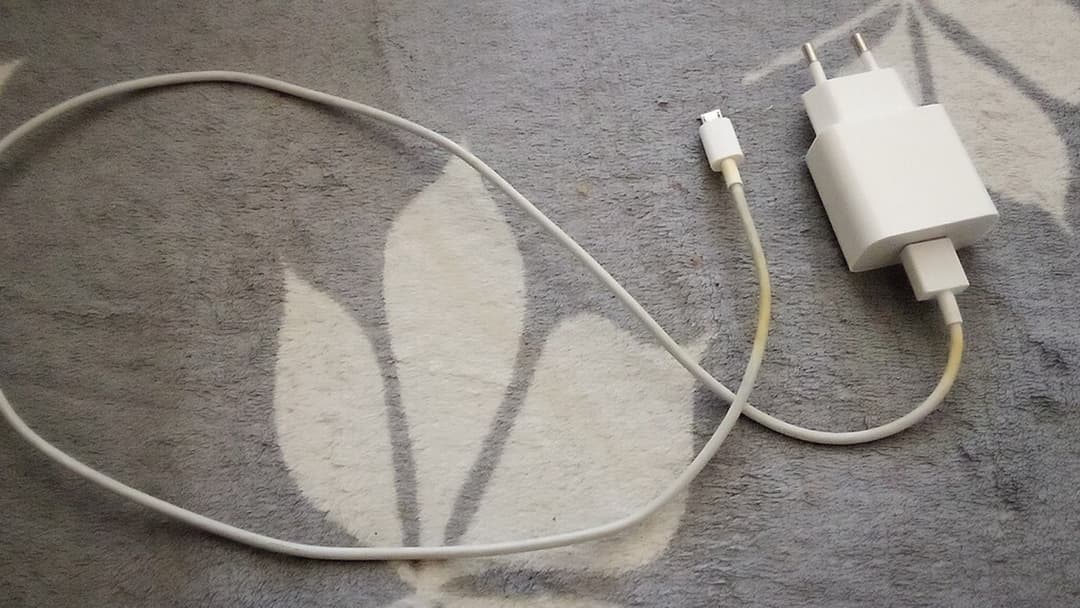
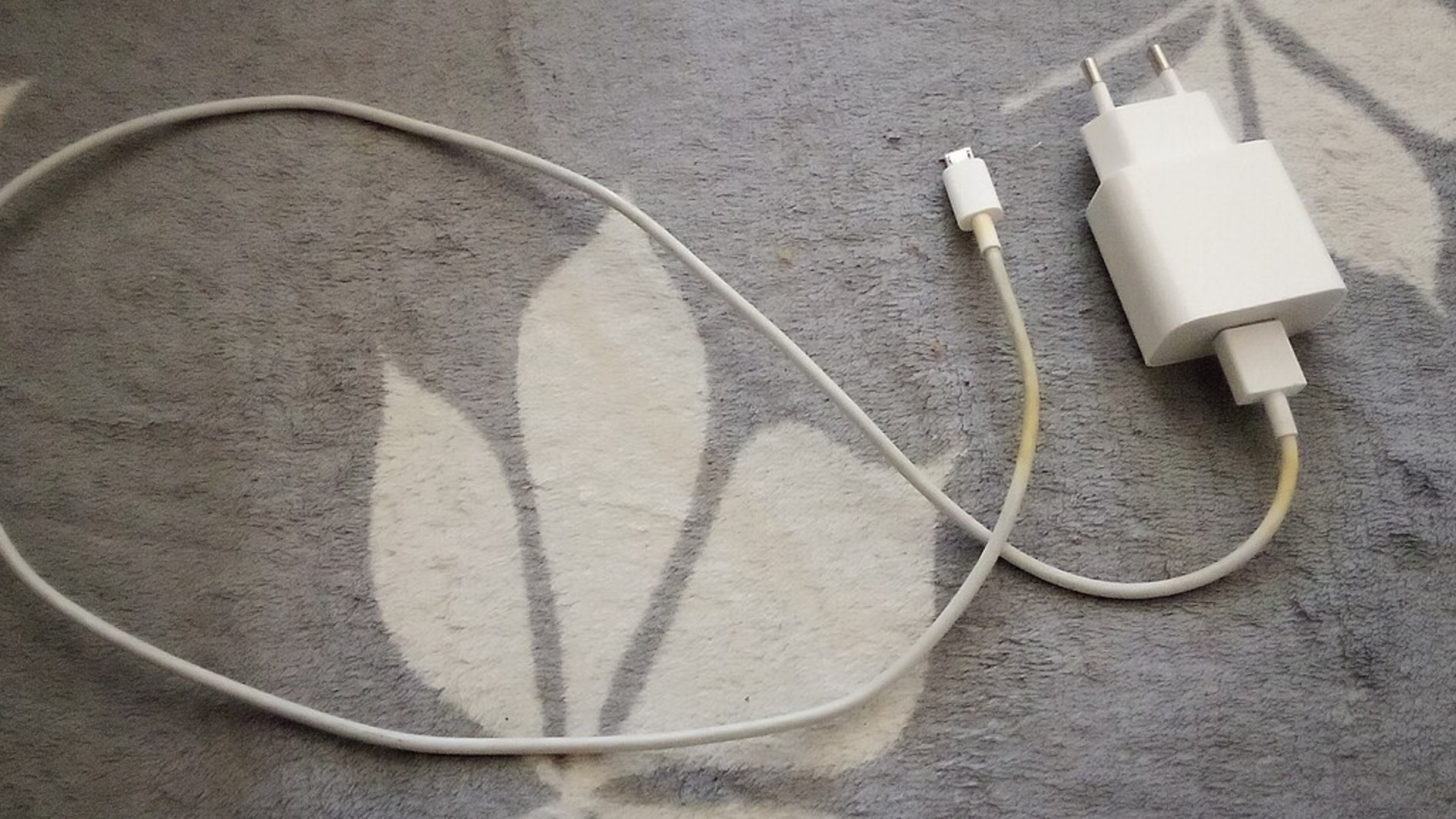
9. Leaving Idle Phone Chargers Plugged In
Power bricks for smartphones, tablets, and laptops house internal step-down transformers that pull phantom electricity even when disconnected from devices. While a single plugged adapter draws modest wattage, a household with a dozen idle chargers creates a continuous electrical toll across months of billing cycles.
©Wikimedia / Сергей Михель
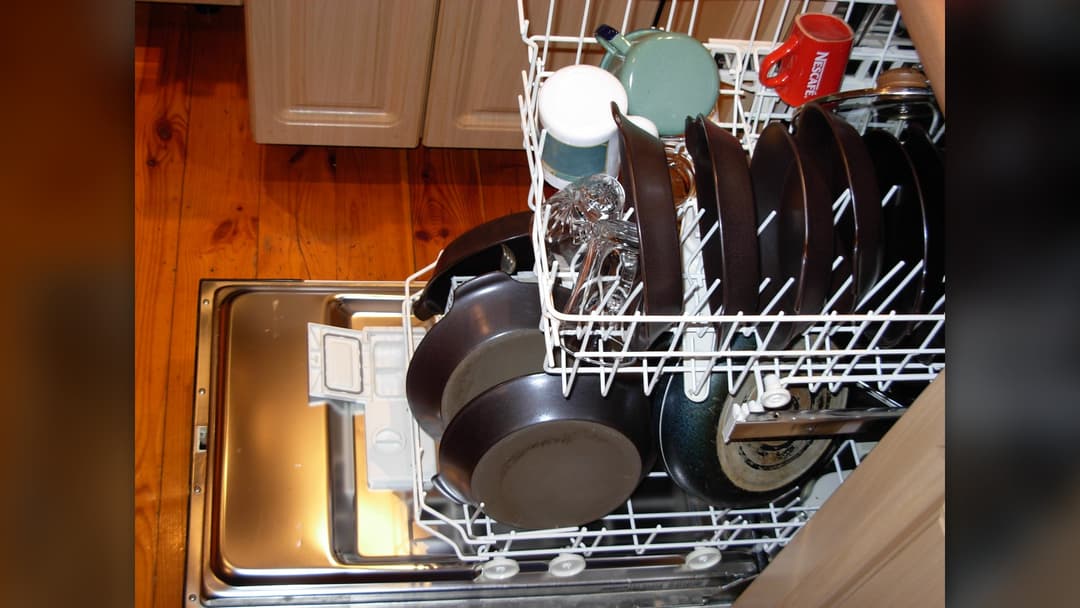
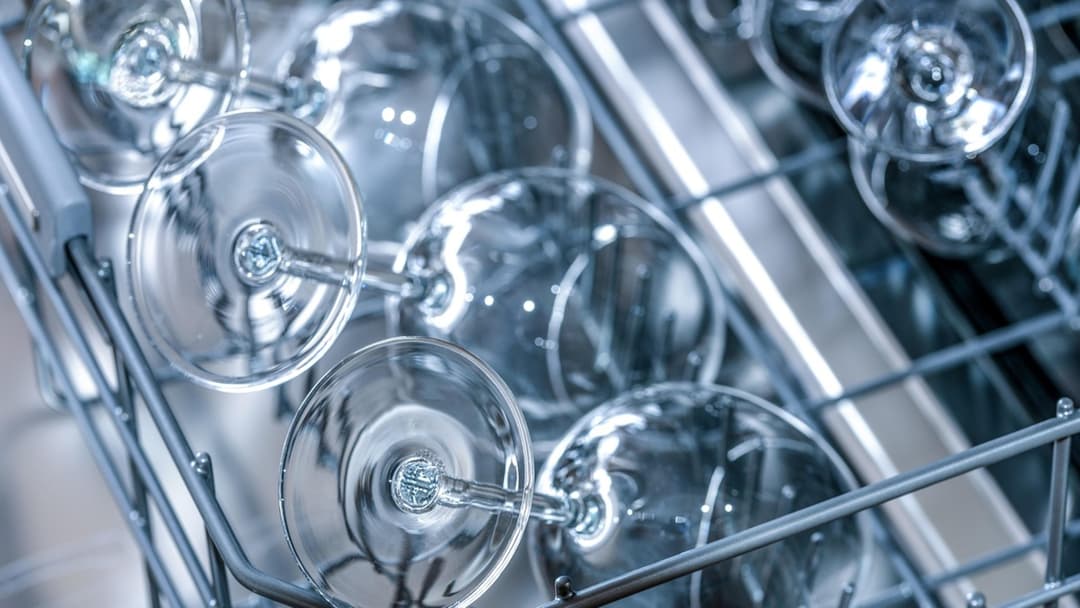
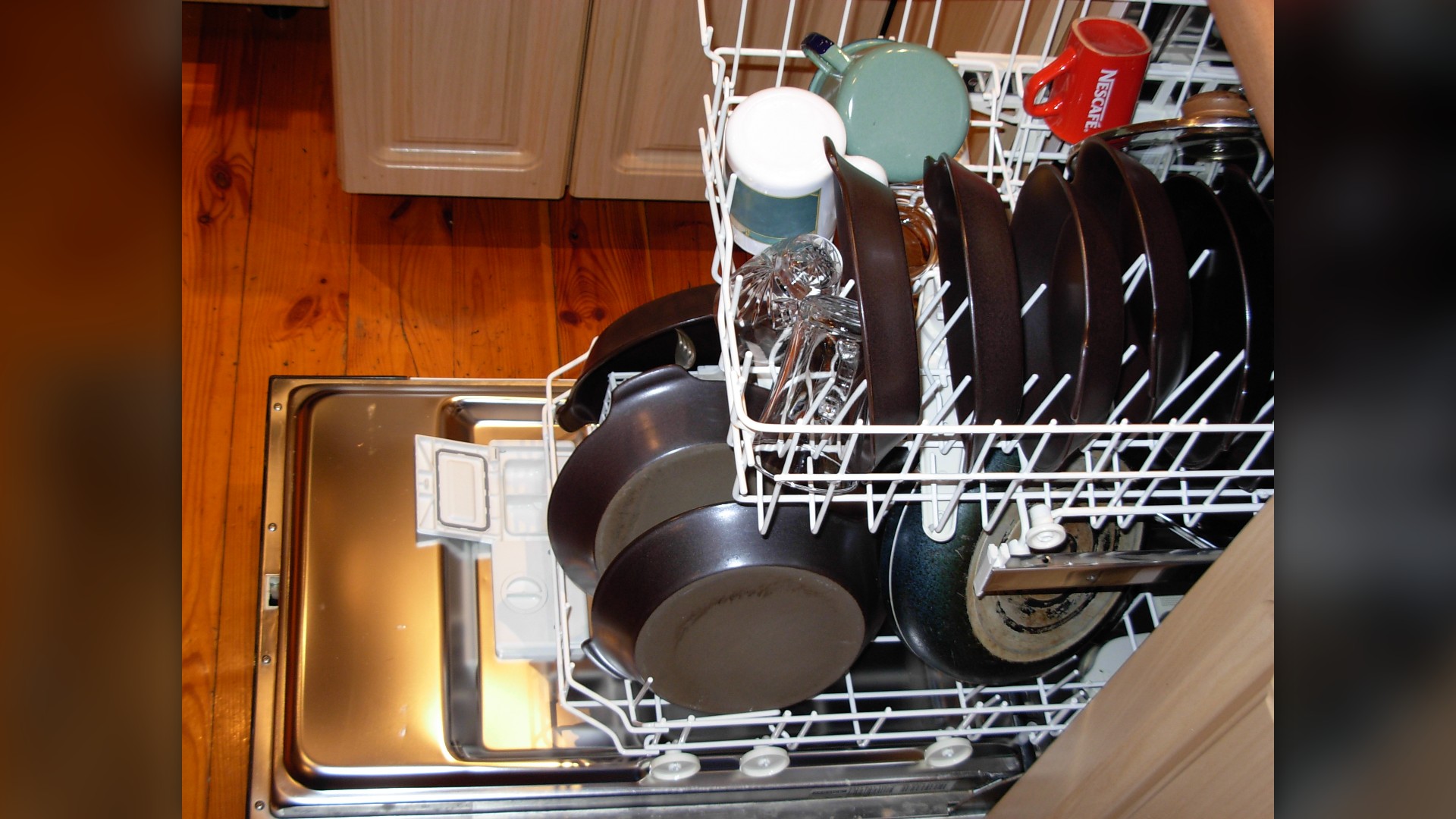
8. Using Dishwasher Heated Dry Cycle
Dishwashers rely on high-wattage electric heating elements to bake moisture off plates at the conclusion of washing cycles. Selecting the air-dry setting or opening the appliance door slightly after completion lets ambient evaporation finish the job naturally, saving considerable electricity on every cleaning load.
©Wikimedia / Dishwasher
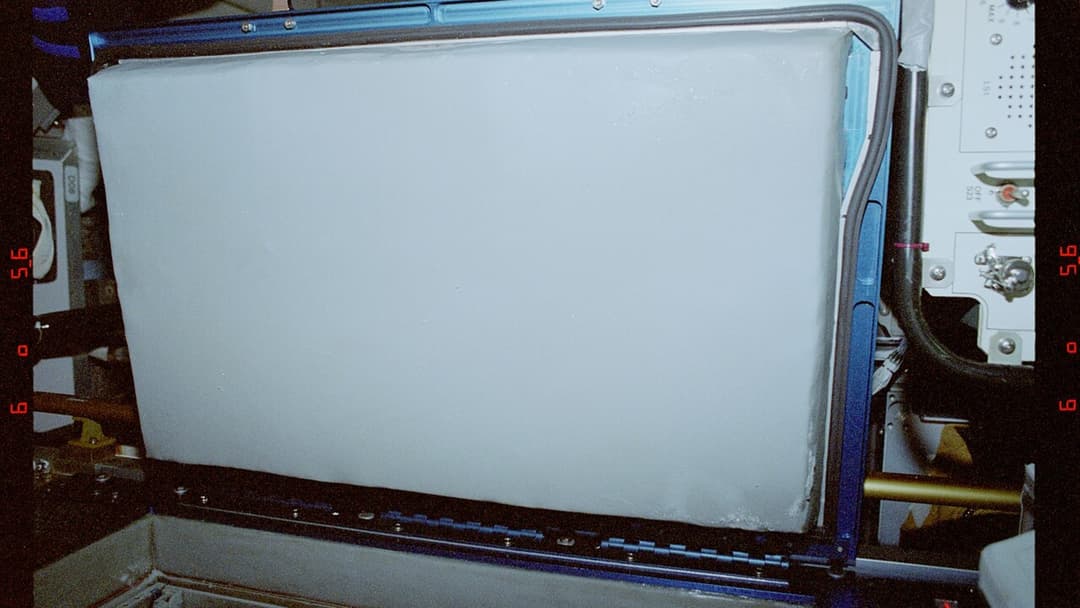
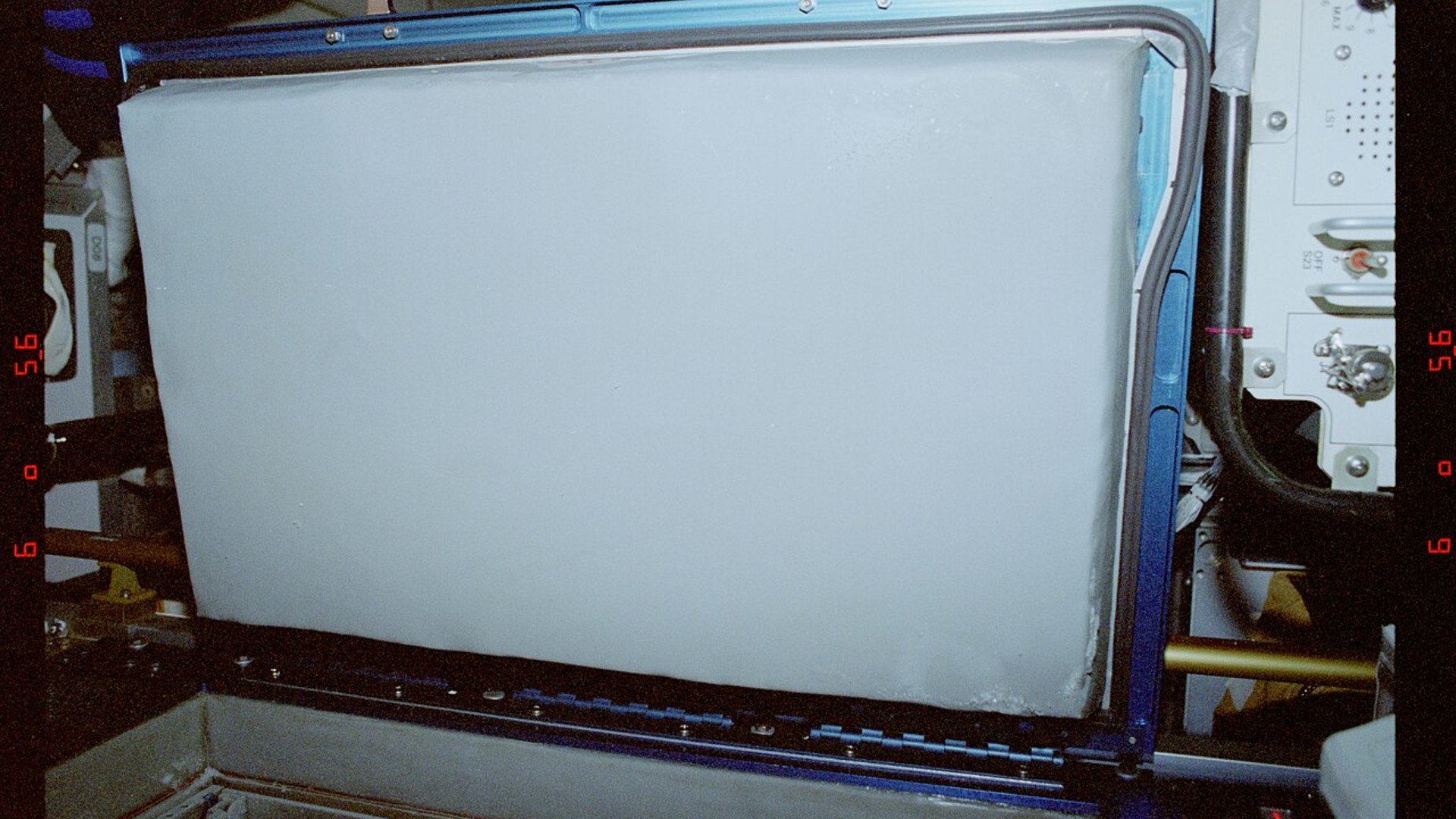
7. Ignoring Frost Buildup In Freezers
Ice buildup thicker than a quarter inch on freezer coils reduces cooling efficiency, forcing the compressor to run longer and consume more electricity. Regularly defrosting deep freezers prevents energy waste, improves refrigeration performance, and helps extend the appliance's lifespan.
©Wikimedia / National Aeronautics and Space
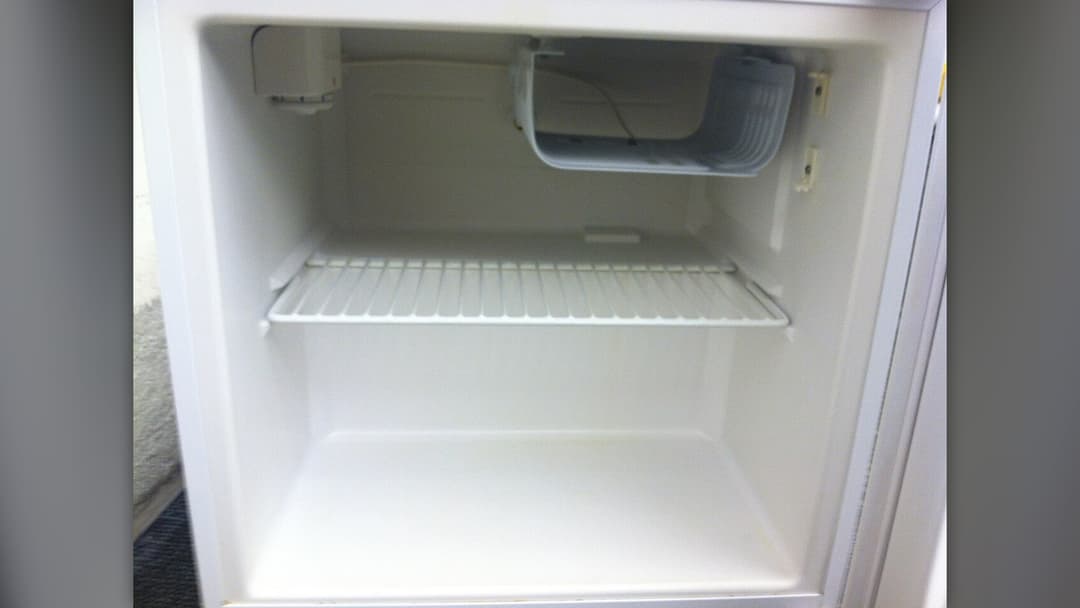
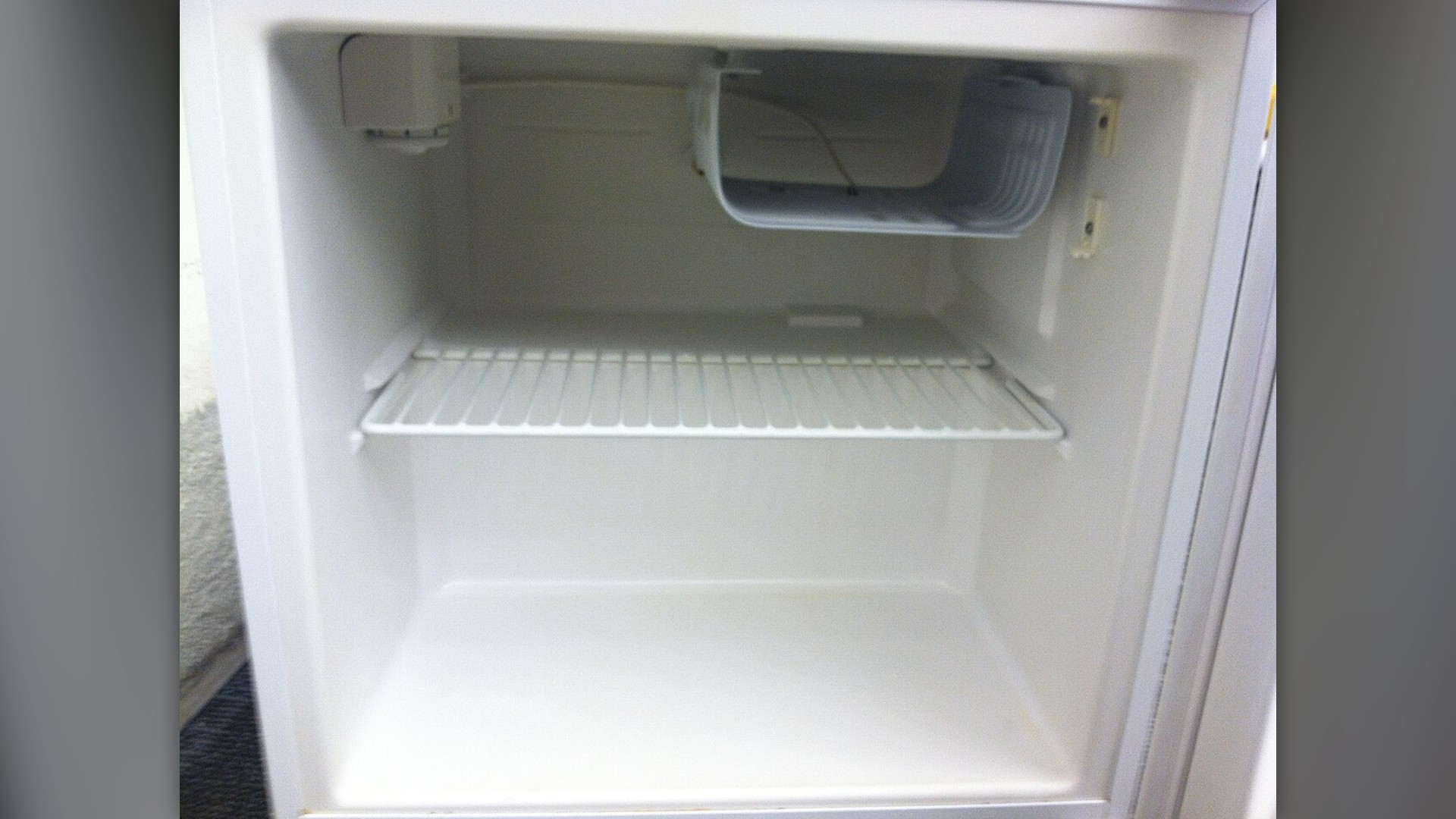
6. Setting Refrigerator Temperatures Too Low
Setting fresh food compartments below thirty-seven degrees Fahrenheit and freezers below 0 degrees forces cooling compressors to run continuously. This unnecessary chill increases appliance power consumption by up to 25% without enhancing food preservation. Calibrating to recommended levels stabilizes energy use.
©Wikimedia / BrittanyJ
Advertisement
Swipe or tap ▶ to resume the countdown.
5. Leaving Ceiling Fans On In Empty Rooms
Ceiling fans create a wind-chill effect that makes human skin feel approximately four degrees cooler, but they do not alter ambient air temperature. In fact, fan motors dissipate small amounts of heat into the room. Leaving fans spinning in unoccupied spaces wastes electricity without conferring cooling benefits.

©Wikimedia / DKdence
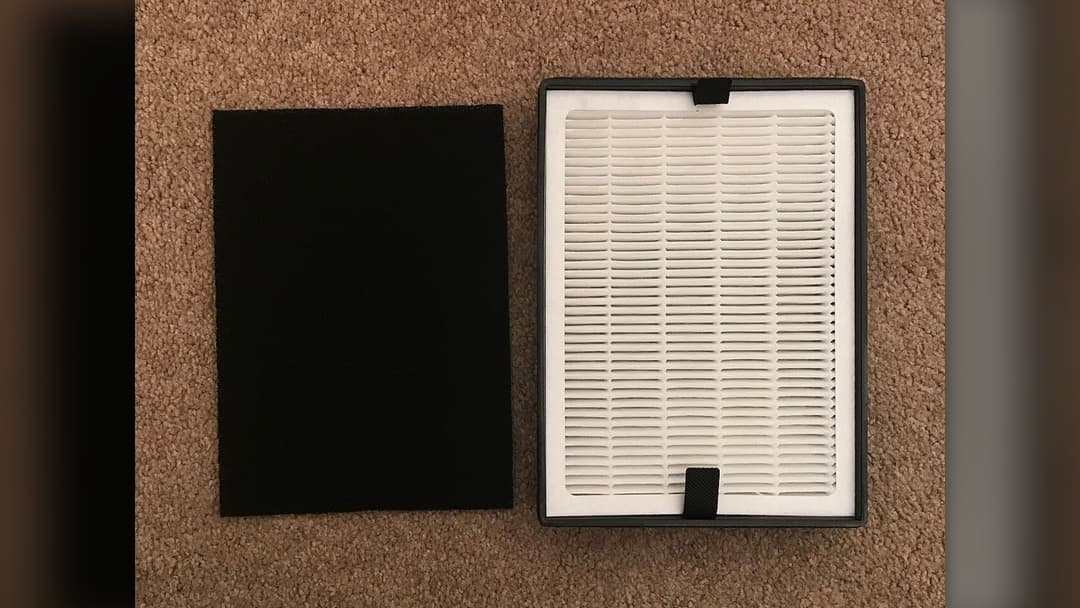
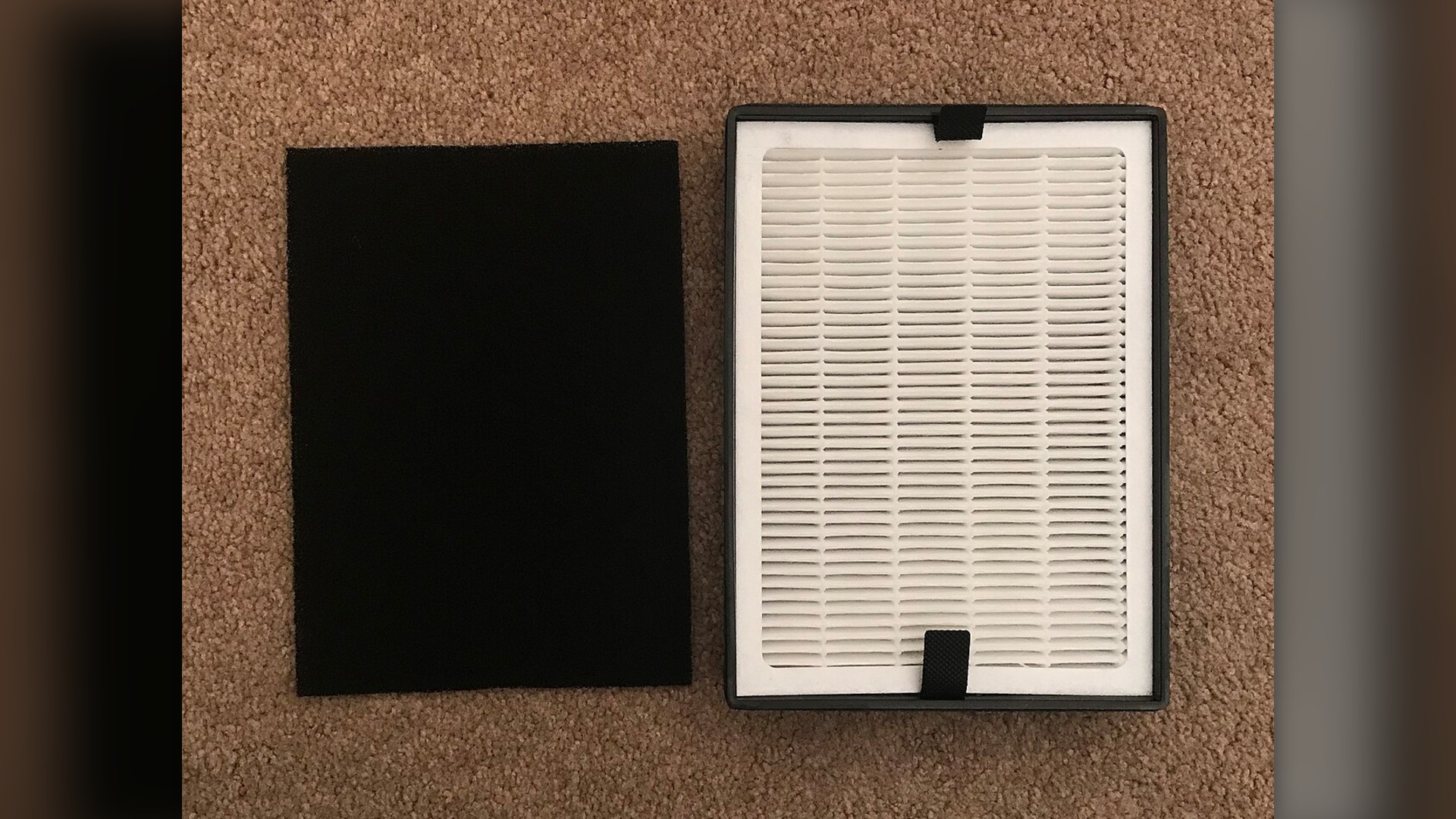
4. Neglecting HVAC Air Filters
Dust and pet hair clogging HVAC filters forces blower motors to work harder, increasing electricity use by 5–15% and shortening equipment lifespan. Replacing filters monthly improves airflow, maintains heating and cooling efficiency, reduces energy waste, and helps household systems operate smoothly.
©Wikimedia / Home Air Quality Guides
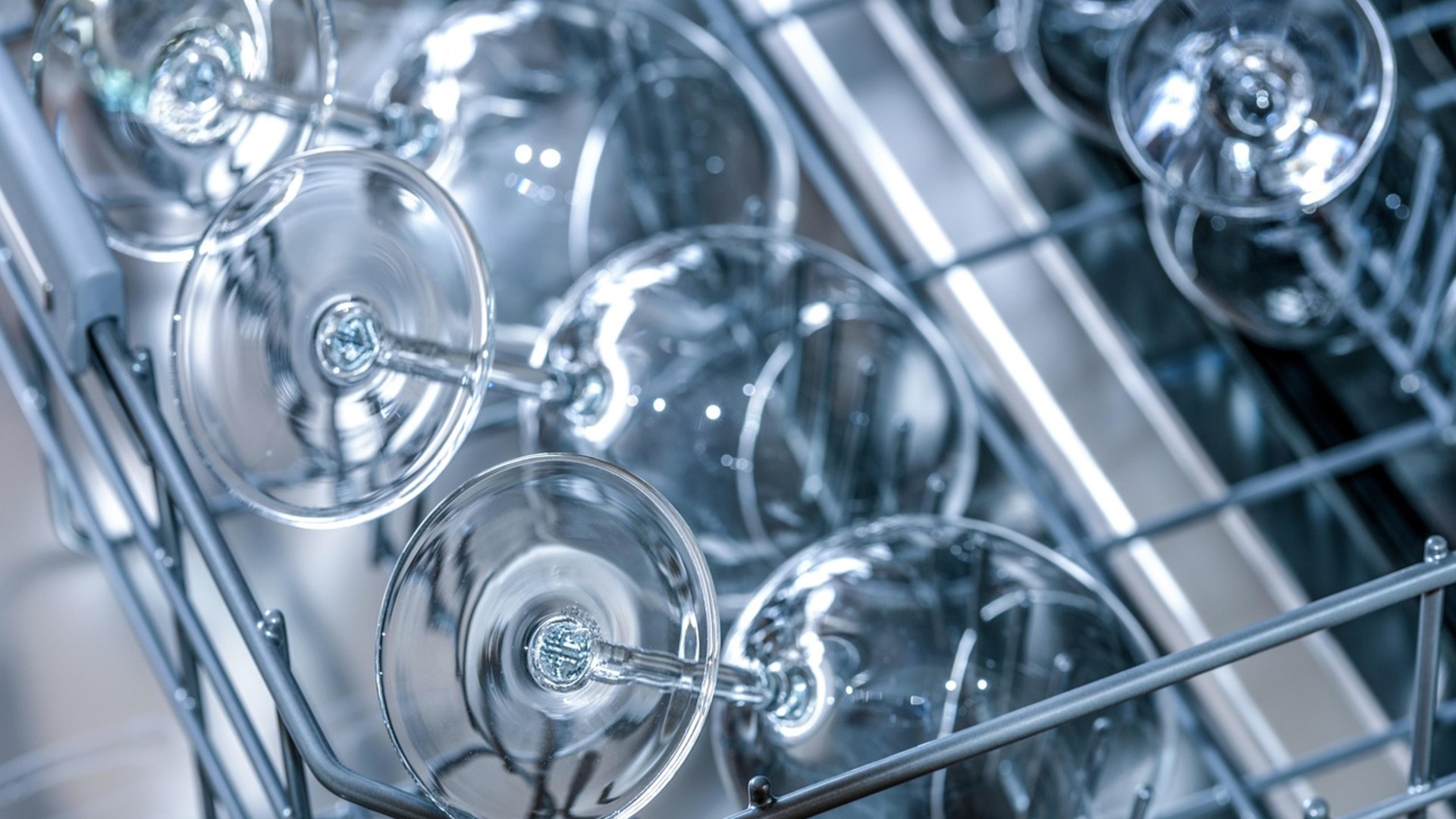
3. Running Half-Empty Dishwashers
Running dishwashers with only a few plates wastes electricity and hot water because fixed cycles use nearly the same resources regardless of load size. Waiting until the appliance is fully loaded maximizes efficiency, reduces energy consumption, and lowers the long-term cost of cleaning dishes.
©Pixabay / AS_Photography
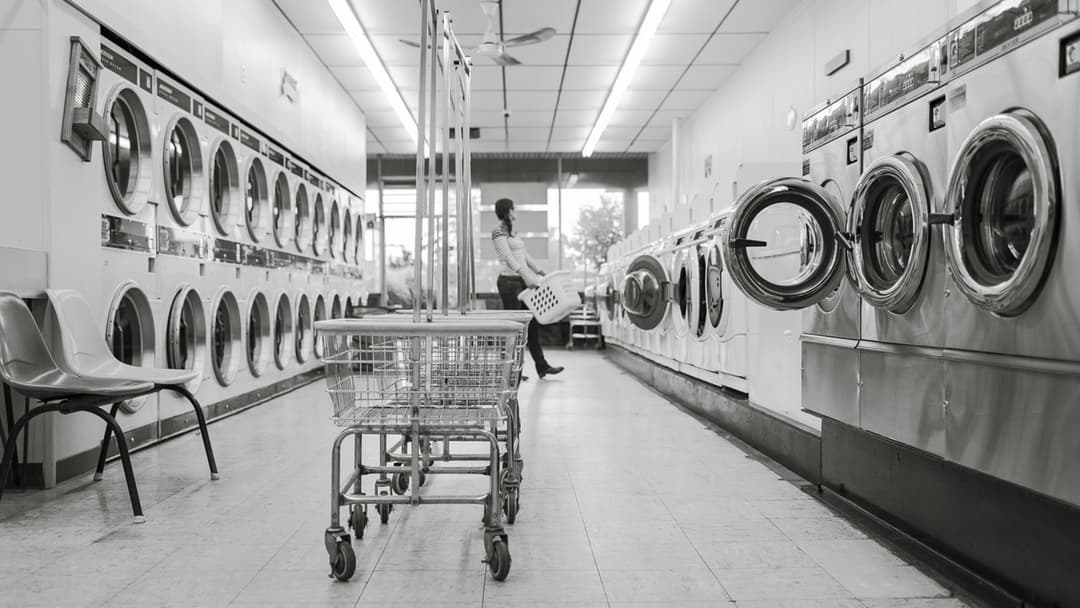
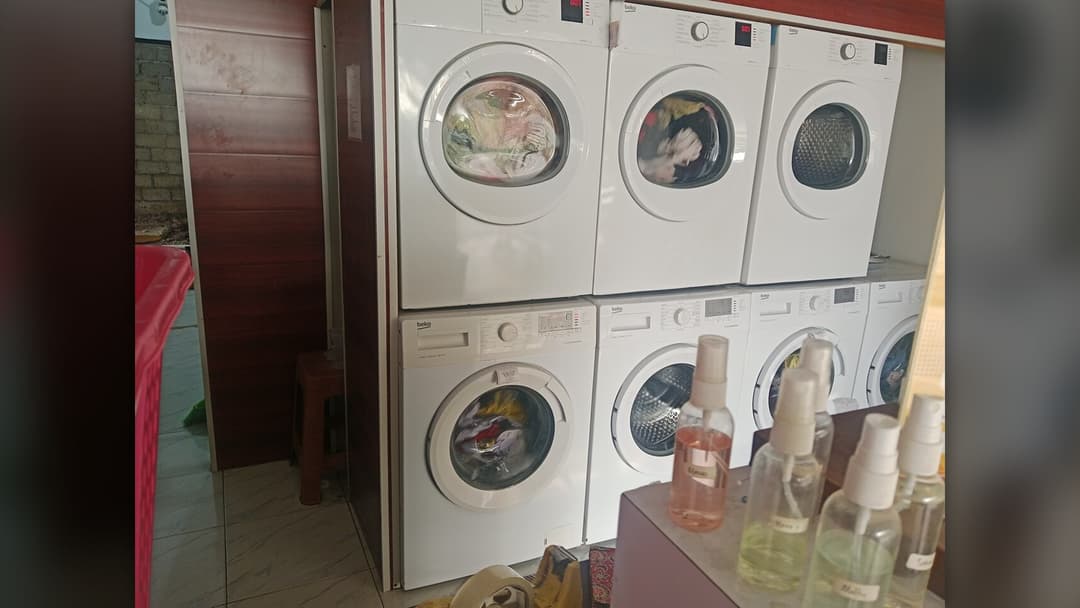
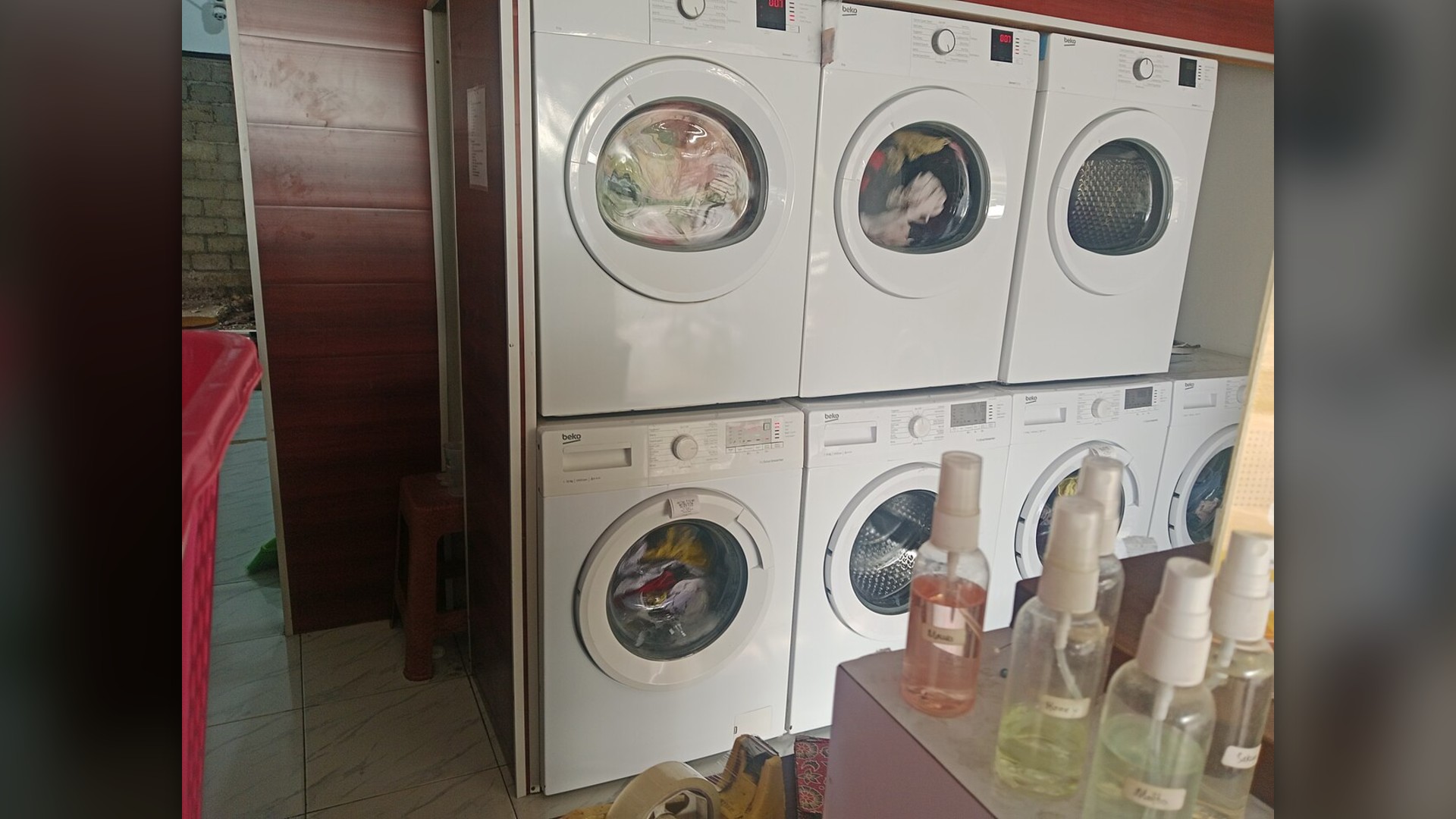
2. Washing Laundry In Hot Water
Most washing machine energy is used to heat water, but modern detergents can remove stains effectively in cold settings. Switching to cold-water laundry cycles helps preserve fabrics, reduce electricity and gas consumption, and lower household energy bills without compromising cleaning performance.
©Wikimedia / Fitrah 9131
Advertisement
Swipe or tap ▶ to resume the countdown.
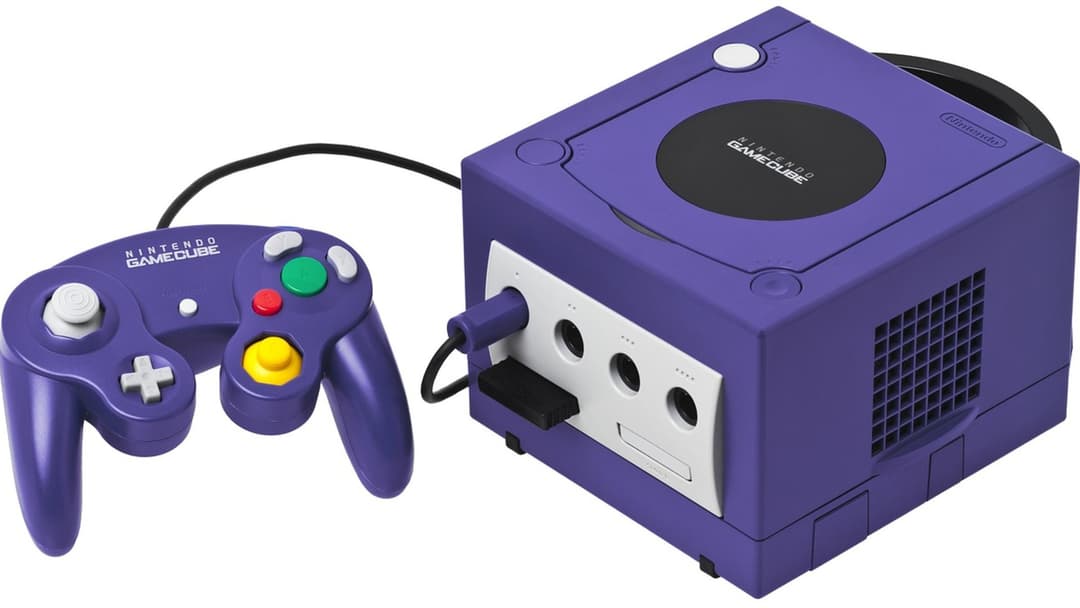
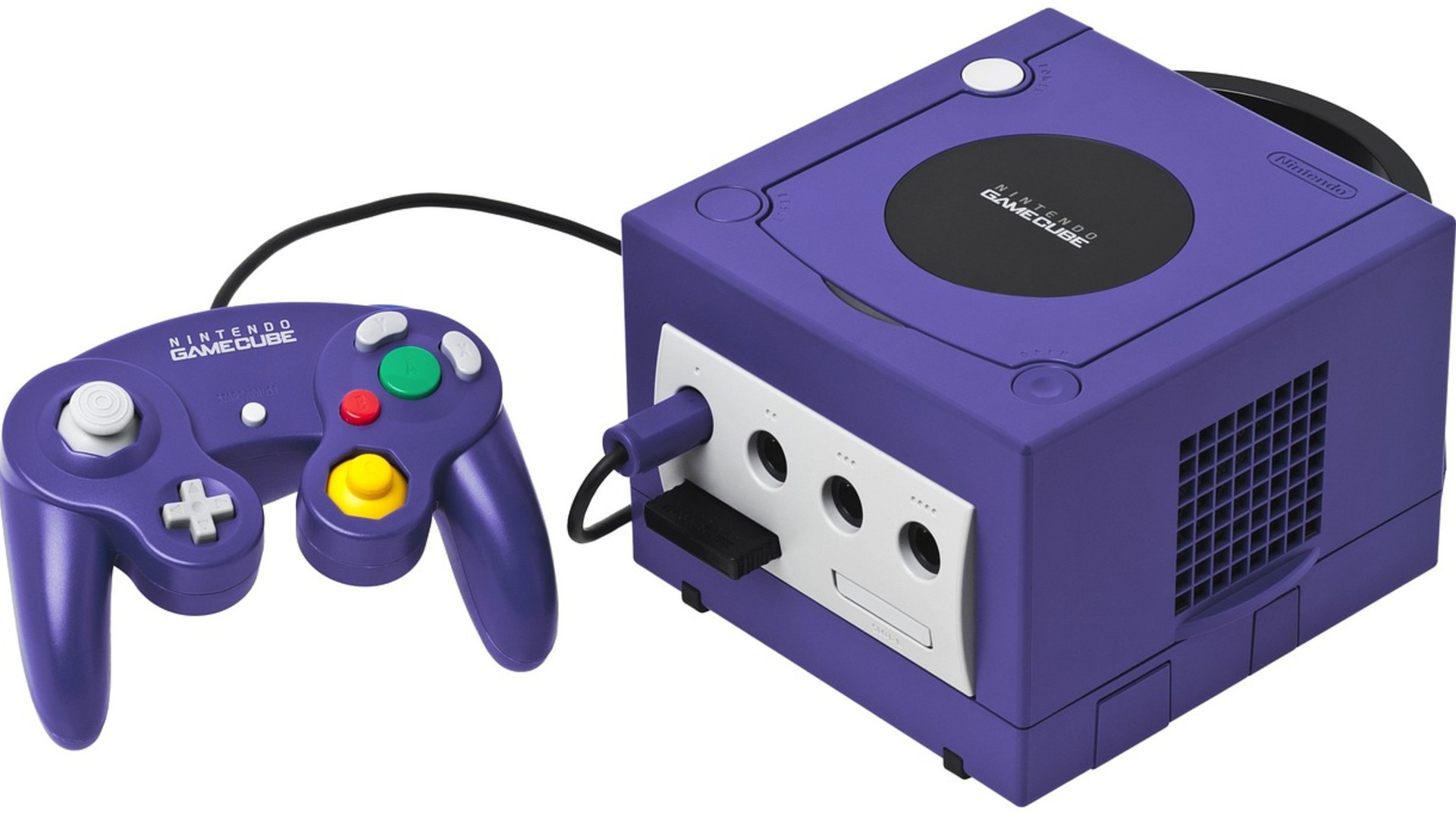
1. Leaving Phantom Electronics Plugged In
Televisions, gaming consoles, audio systems, and microwave clocks consume standby electricity even when switched off. Known as vampire power, this hidden energy waste can account for up to 10% of household electricity use. Smart power strips help eliminate unnecessary consumption and reduce energy bills.
©Pixabay / WikiImages
Advertisement
You've reached the end of the story. Thanks for reading!

25 Fruits Disguised as Vegetables – How Much Sugar Do They Have?
In American kitchens and grocery aisles, produce is often sorted by culinary use rather than botanical reality. Because these savory staples develop from the flower ovary of a plant and carry seeds, science classifies them strictly as fruits. Ranked in ascending order of natural sugar content, here are 25 fruits commonly mistaken for vegetables.
All 20 Entries in this Story
20. Keeping Inefficient Incandescent Bulbs
Traditional incandescent light bulbs convert ninety percent of the electrical energy they consume into waste heat rather than visible light. Upgrading fixtures to solid-state LED bulbs slashes lighting power consumption by seventy-five to eighty percent while lasting over twenty times longer.

19. Boiling Water In Open Pots Without Lids
Boiling water or simmering soups in lidless pots permits huge amounts of heat to escape continuously into the kitchen. Burners must produce significantly more thermal energy to achieve boiling points, extending cooking times and power draw. Covering pots traps steam and slashes stovetop energy demands.

18. Neglecting Dusty Refrigerator Condenser Coils
Condenser coils underneath or behind refrigerators release heat extracted from food compartments. When coated in pet fur and household dust, the coils struggle to dissipate heat, forcing the compressor to labor continuously and draw extra current. Brushing coils clean twice a year restores factory efficiency.

17. Cranking Thermostats To Extreme Temperatures
Thermostats act as simple switches rather than accelerators, delivering warmth or cold at a constant rate regardless of target setting. Cranking dials to eighty degrees on cold mornings only causes systems to run past comfortable temperatures and burn surplus power. Programmable schedules avoid this waste.

16. Leaving Bathroom Exhaust Fans Running
Bathroom ventilation fans remove humidity effectively, but leaving them running after steam clears expels conditioned indoor air directly outside. In less than an hour, an exhaust fan can pull an entire houseful of warmed or cooled air out through roof vents. Installing twenty-minute timers halts this air loss.

15. Running An Old Fridge In An Uninsulated Garage
Secondary refrigerators kept in uninsulated garages face extreme ambient temperature swings. In sweltering summers, aging compressors work nonstop to maintain internal chill, consuming several times more power than modern energy-efficient models. Retiring or upgrading secondary units saves substantial power.

14. Overlooking Window Weatherstripping Gaps
Cracked or missing weatherstripping along window frames creates steady air leaks, allowing warm winter air to seep out and summer humidity to seep inside. Heating and cooling equipment works overtime to compensate for constant drafts. Sealing window perimeters with foam tape or caulk restores thermal containment.

13. Blocking Floor And Wall Air Vents
Arranging sofas, rugs, or drapes over supply or return vents disrupts climate air distribution across living area. The furnace or heat pump runs longer cycles trying to satisfy thermostat settings in unevenly conditioned zones. Keeping all airflow paths unobstructed lets climate systems regulate temperatures with ease.

12. Forgetting To Clean The Dryer Lint Trap
A lint trap coated in fabric fuzz restricts moist air exhaust, preventing clothes from drying efficiently and extending machine run times. Electric clothes dryers rank among the most energy-intensive home appliances. Scraping the lint screen before every cycle ensures fast drying and protects heating components.

11. Taking Unnecessarily Long Hot Showers
Standard showerheads dispense approximately two and a half gallons of water every minute. Electric tank water heaters fire powerful immersion rods to restore heated reserves after prolonged twenty-minute showers. Shortening daily shower duration cuts utility bills by hundreds of kilowatt-hours annually.

10. Peeking Inside The Oven While Baking
Cracking the oven door to inspect a casserole lets hot air rush out instantly, dropping internal cooking temperatures by 25 to 50 degrees. The heavy electric heating elements must draw heavy power to regain target temperature, extending overall bake times. Turning on the interior oven light avoids heat loss.

9. Leaving Idle Phone Chargers Plugged In
Power bricks for smartphones, tablets, and laptops house internal step-down transformers that pull phantom electricity even when disconnected from devices. While a single plugged adapter draws modest wattage, a household with a dozen idle chargers creates a continuous electrical toll across months of billing cycles.

8. Using Dishwasher Heated Dry Cycle
Dishwashers rely on high-wattage electric heating elements to bake moisture off plates at the conclusion of washing cycles. Selecting the air-dry setting or opening the appliance door slightly after completion lets ambient evaporation finish the job naturally, saving considerable electricity on every cleaning load.

7. Ignoring Frost Buildup In Freezers
Ice buildup thicker than a quarter inch on freezer coils reduces cooling efficiency, forcing the compressor to run longer and consume more electricity. Regularly defrosting deep freezers prevents energy waste, improves refrigeration performance, and helps extend the appliance's lifespan.

6. Setting Refrigerator Temperatures Too Low
Setting fresh food compartments below thirty-seven degrees Fahrenheit and freezers below 0 degrees forces cooling compressors to run continuously. This unnecessary chill increases appliance power consumption by up to 25% without enhancing food preservation. Calibrating to recommended levels stabilizes energy use.

5. Leaving Ceiling Fans On In Empty Rooms
Ceiling fans create a wind-chill effect that makes human skin feel approximately four degrees cooler, but they do not alter ambient air temperature. In fact, fan motors dissipate small amounts of heat into the room. Leaving fans spinning in unoccupied spaces wastes electricity without conferring cooling benefits.

4. Neglecting HVAC Air Filters
Dust and pet hair clogging HVAC filters forces blower motors to work harder, increasing electricity use by 5–15% and shortening equipment lifespan. Replacing filters monthly improves airflow, maintains heating and cooling efficiency, reduces energy waste, and helps household systems operate smoothly.

3. Running Half-Empty Dishwashers
Running dishwashers with only a few plates wastes electricity and hot water because fixed cycles use nearly the same resources regardless of load size. Waiting until the appliance is fully loaded maximizes efficiency, reduces energy consumption, and lowers the long-term cost of cleaning dishes.

2. Washing Laundry In Hot Water
Most washing machine energy is used to heat water, but modern detergents can remove stains effectively in cold settings. Switching to cold-water laundry cycles helps preserve fabrics, reduce electricity and gas consumption, and lower household energy bills without compromising cleaning performance.

1. Leaving Phantom Electronics Plugged In
Televisions, gaming consoles, audio systems, and microwave clocks consume standby electricity even when switched off. Known as vampire power, this hidden energy waste can account for up to 10% of household electricity use. Smart power strips help eliminate unnecessary consumption and reduce energy bills.