Slideshow · Science
25 Fruits Disguised as Vegetables – How Much Sugar Do They Have?
In American kitchens and grocery aisles, produce is often sorted by culinary use rather than botanical reality. Because these savory staples develop from the flower ovary of a plant and carry seeds, science classifies them strictly as fruits. Ranked in ascending order of natural sugar content, here are 25 fruits commonly mistaken for vegetables.
By Most Viral Today
25 min ago

25 Fruits Disguised as Vegetables – How Much Sugar Do They Have? 
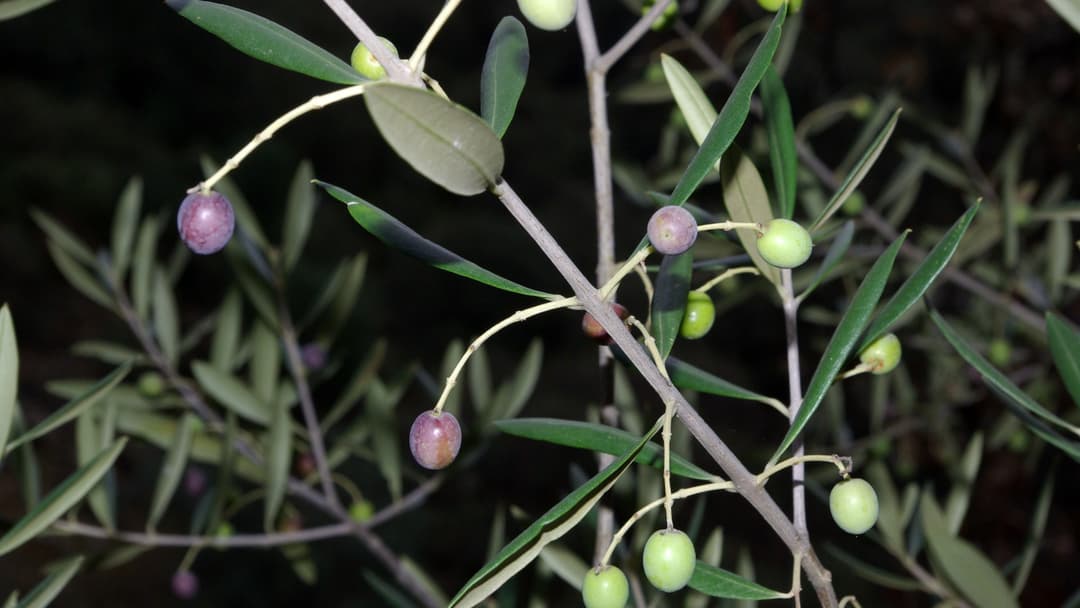
25. Olive (0.5g Sugar / 100g) 
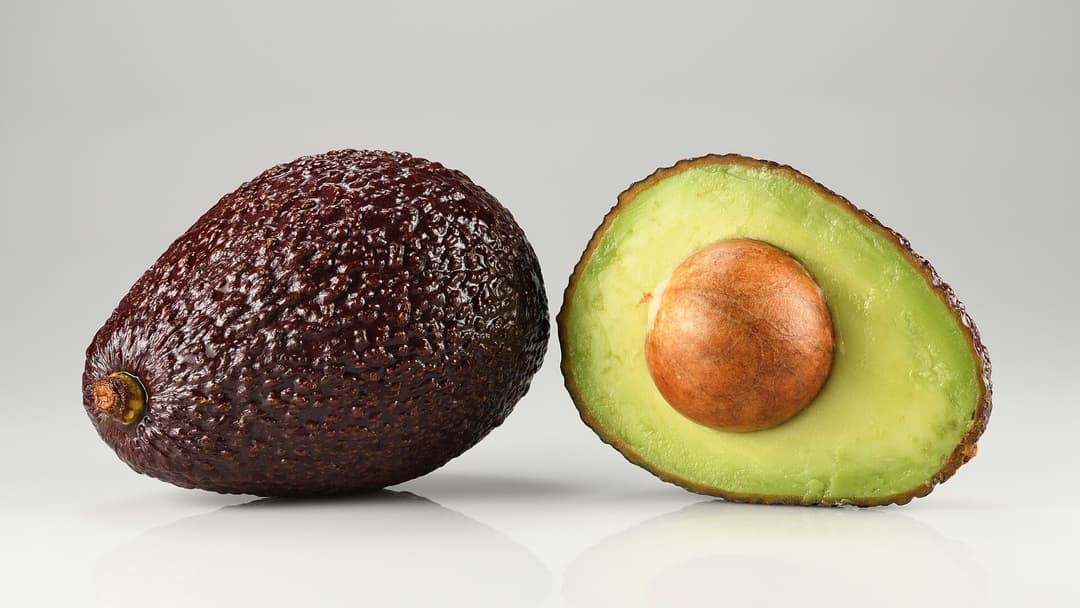
24. Avocado (0.7g Sugar / 100g) 
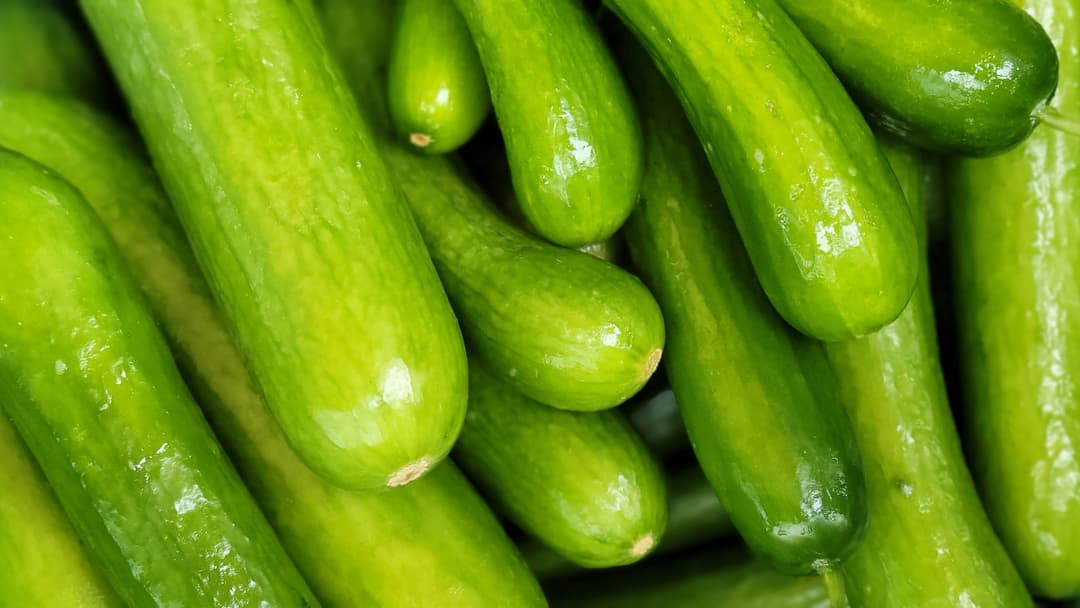
23. Cucumber (1.7g Sugar / 100g) - AdvertisementSwipe or tap ▶ to continue countdown

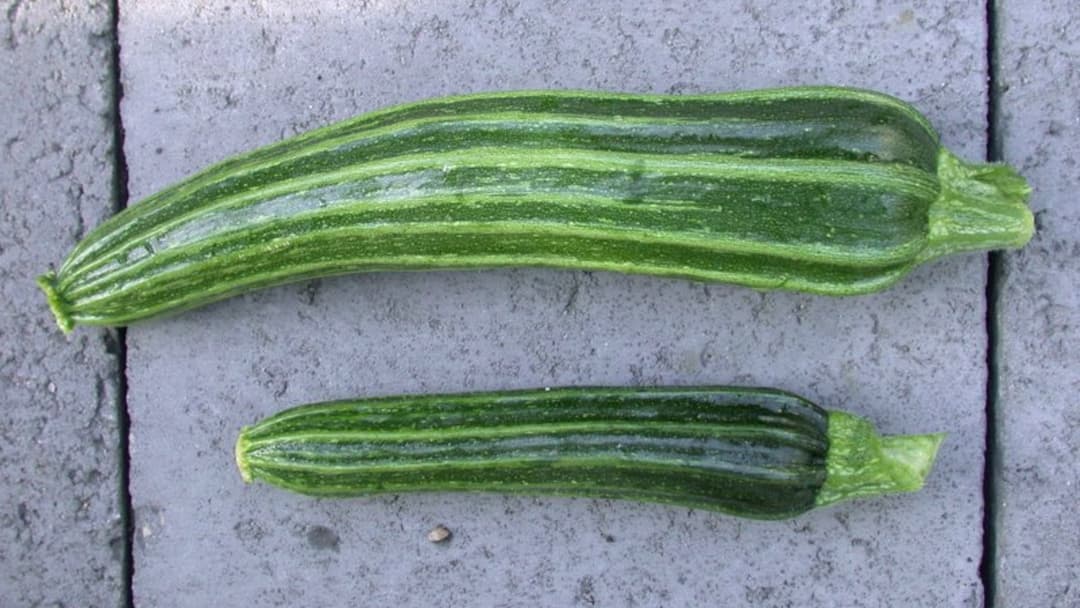
22. Zucchini (2.2g Sugar / 100g) 
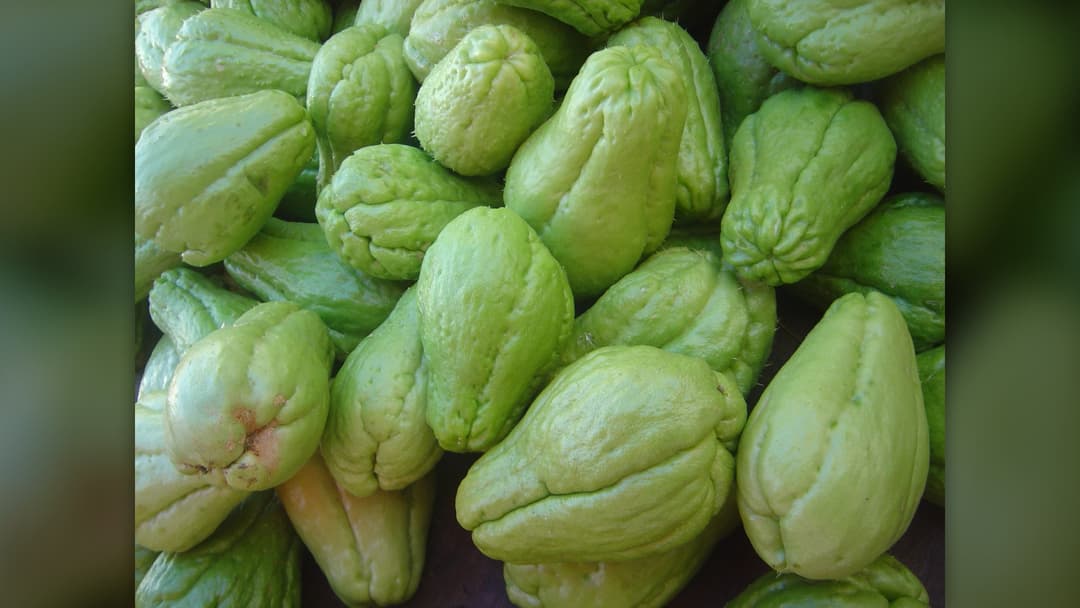
21. Chayote (2.2g Sugar / 100g) 
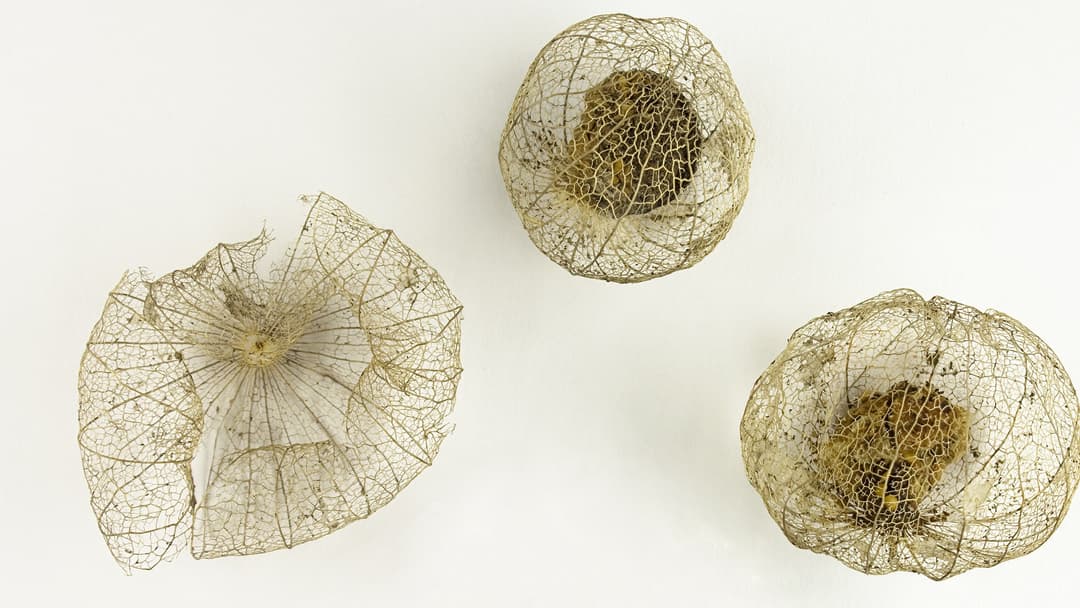
20. Tomatillo (2.4g Sugar / 100g) 
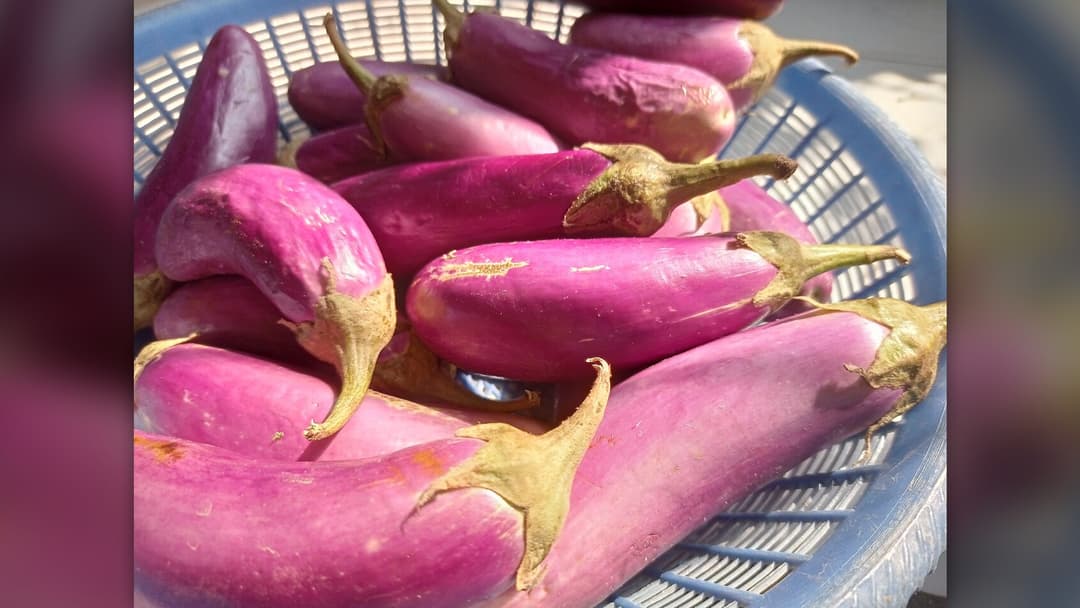
19. Eggplant (3.2g Sugar / 100g) - AdvertisementSwipe or tap ▶ to continue countdown

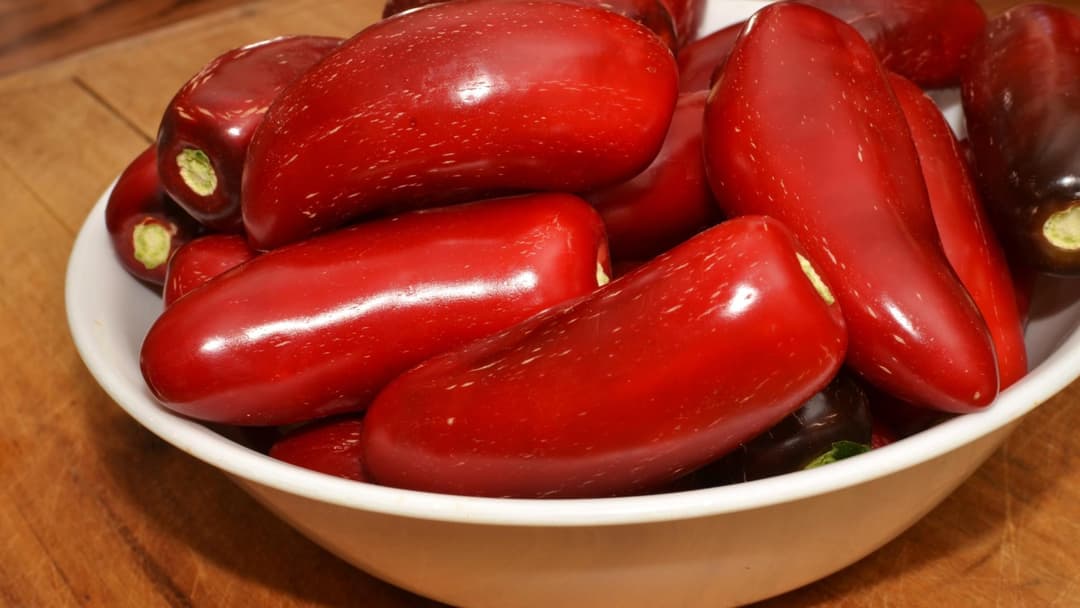
18. Jalapeno Pepper (3.5g Sugar / 100g) 
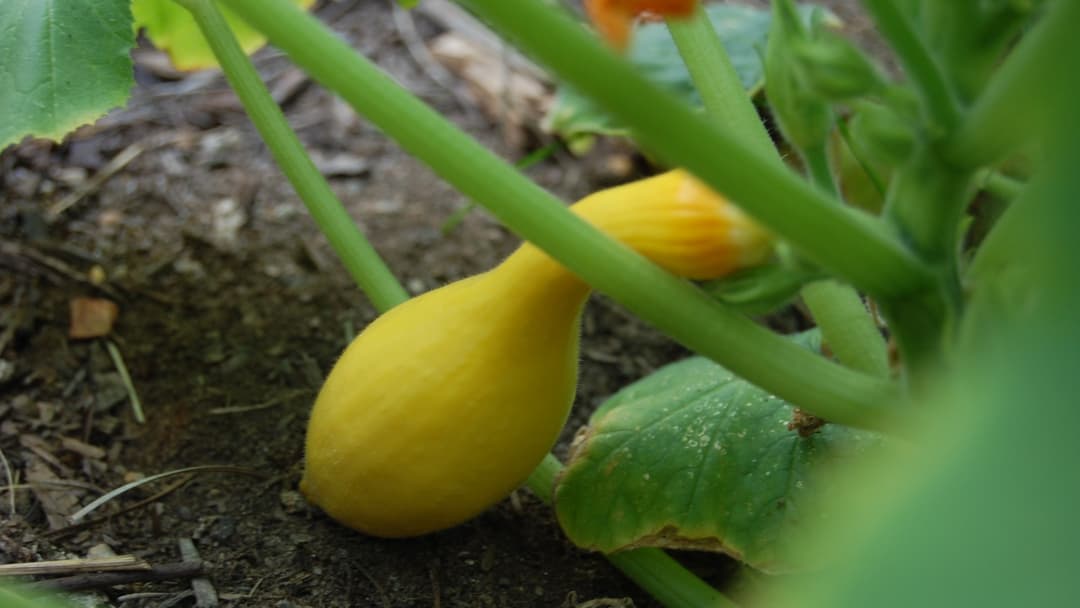
17. Yellow Summer Squash (3.8g Sugar / 100g) 
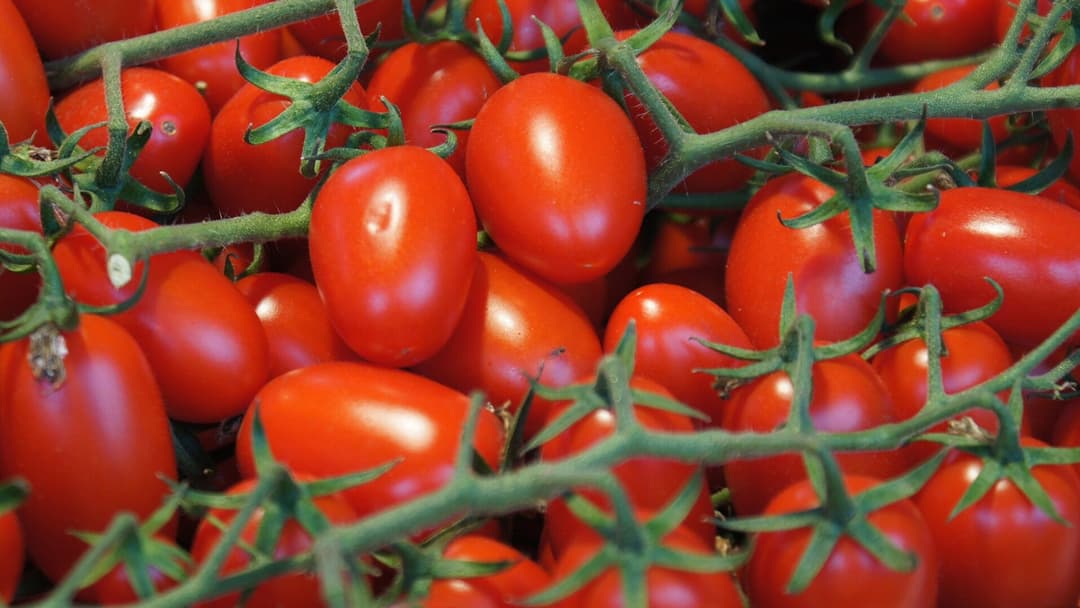
16. Tomato (3.9g Sugar / 100g) 
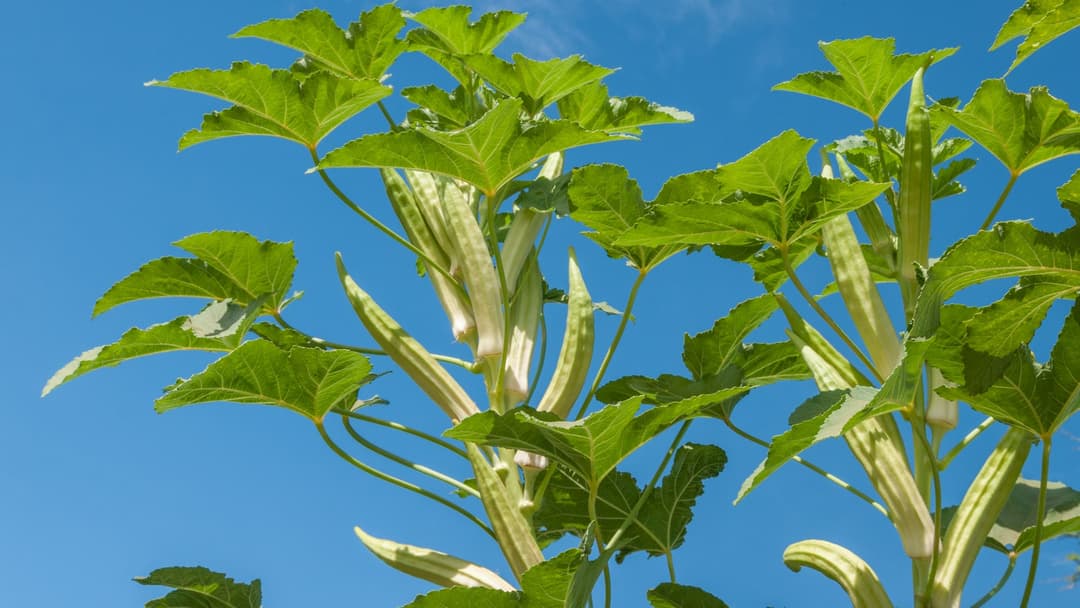
15. Okra (4.0g Sugar / 100g) - AdvertisementSwipe or tap ▶ to continue countdown

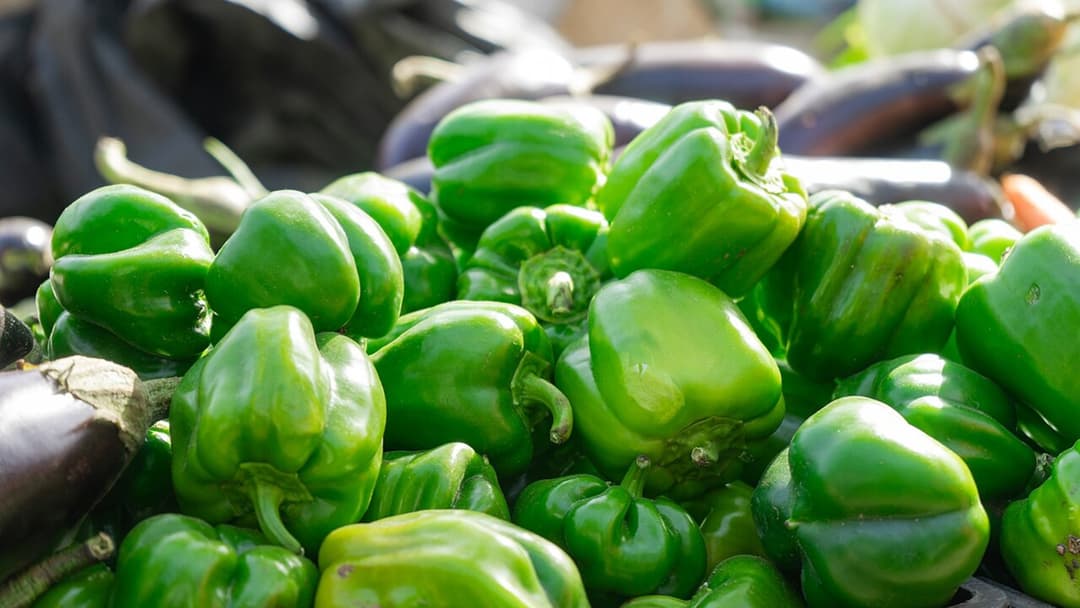
14. Green Bell Pepper (4.2g Sugar / 100g) 
13. String Beans (4.3g Sugar / 100g) 
12. Bitter Melon (4.5g Sugar / 100g) 
11. Snap Peas (4.8g Sugar / 100g) - AdvertisementSwipe or tap ▶ to continue countdown

10. Pumpkin (5.0g Sugar / 100g) 
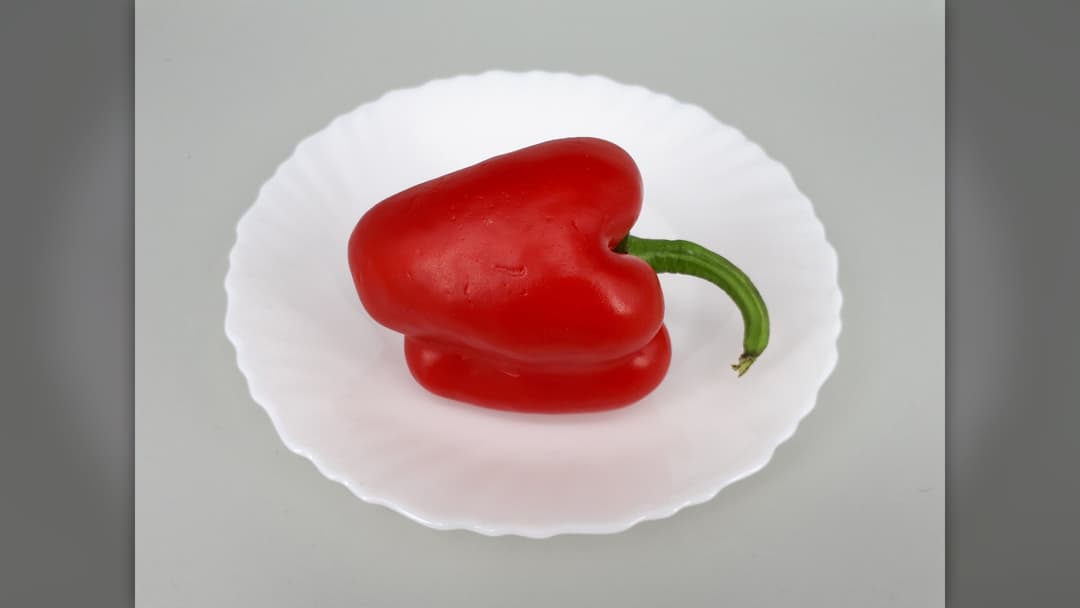
9. Red Bell Pepper (5.4g Sugar / 100g) 
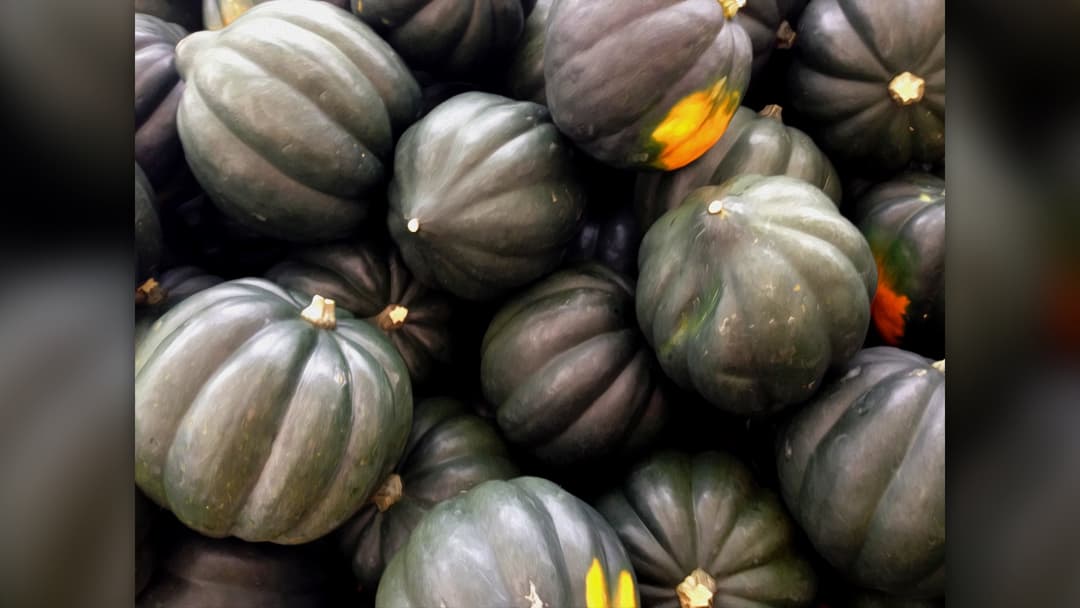
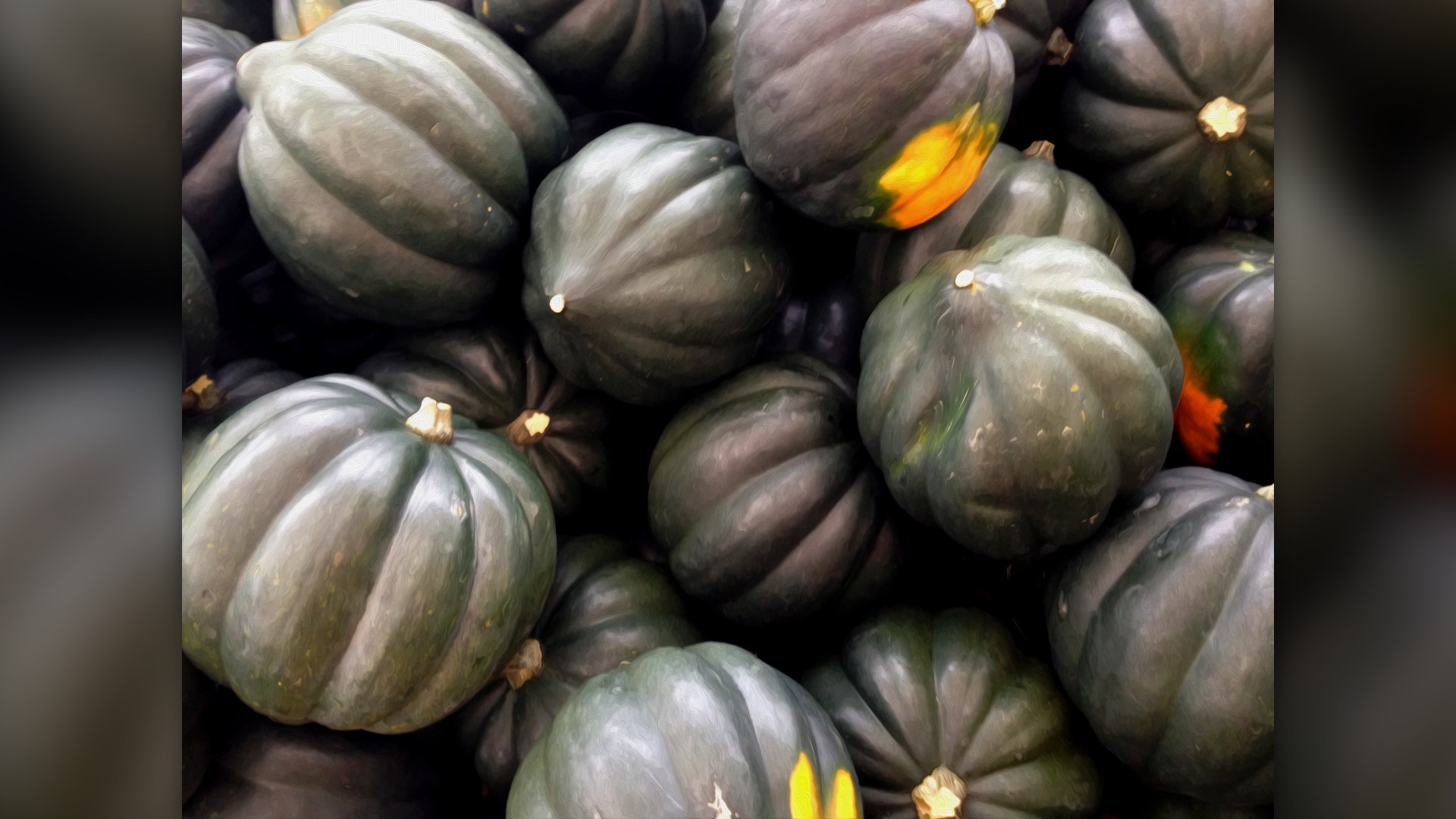
8. Acorn Squash (6.0g Sugar / 100g) 
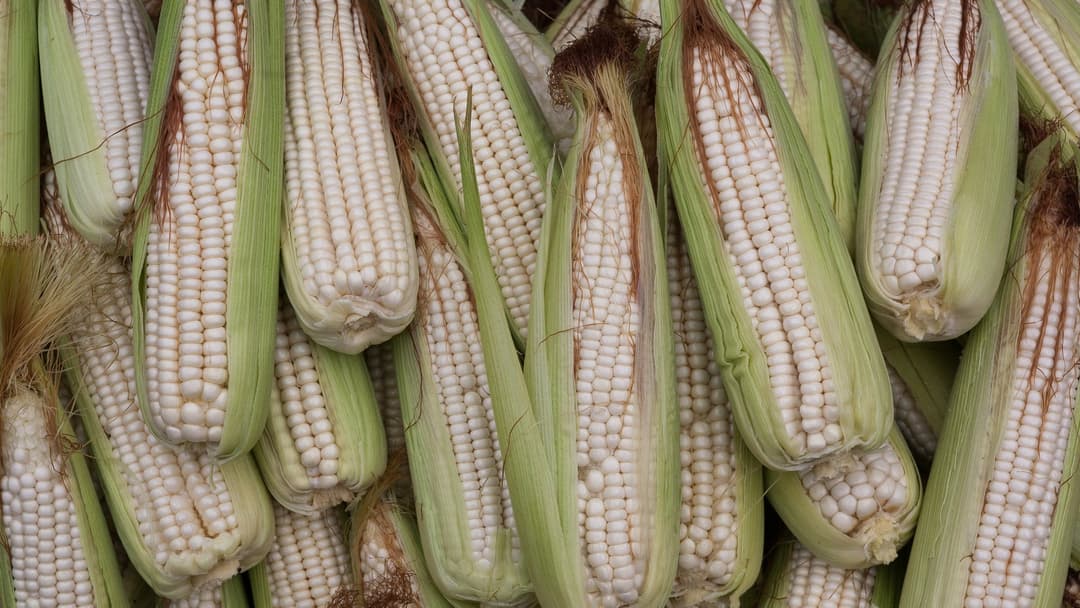
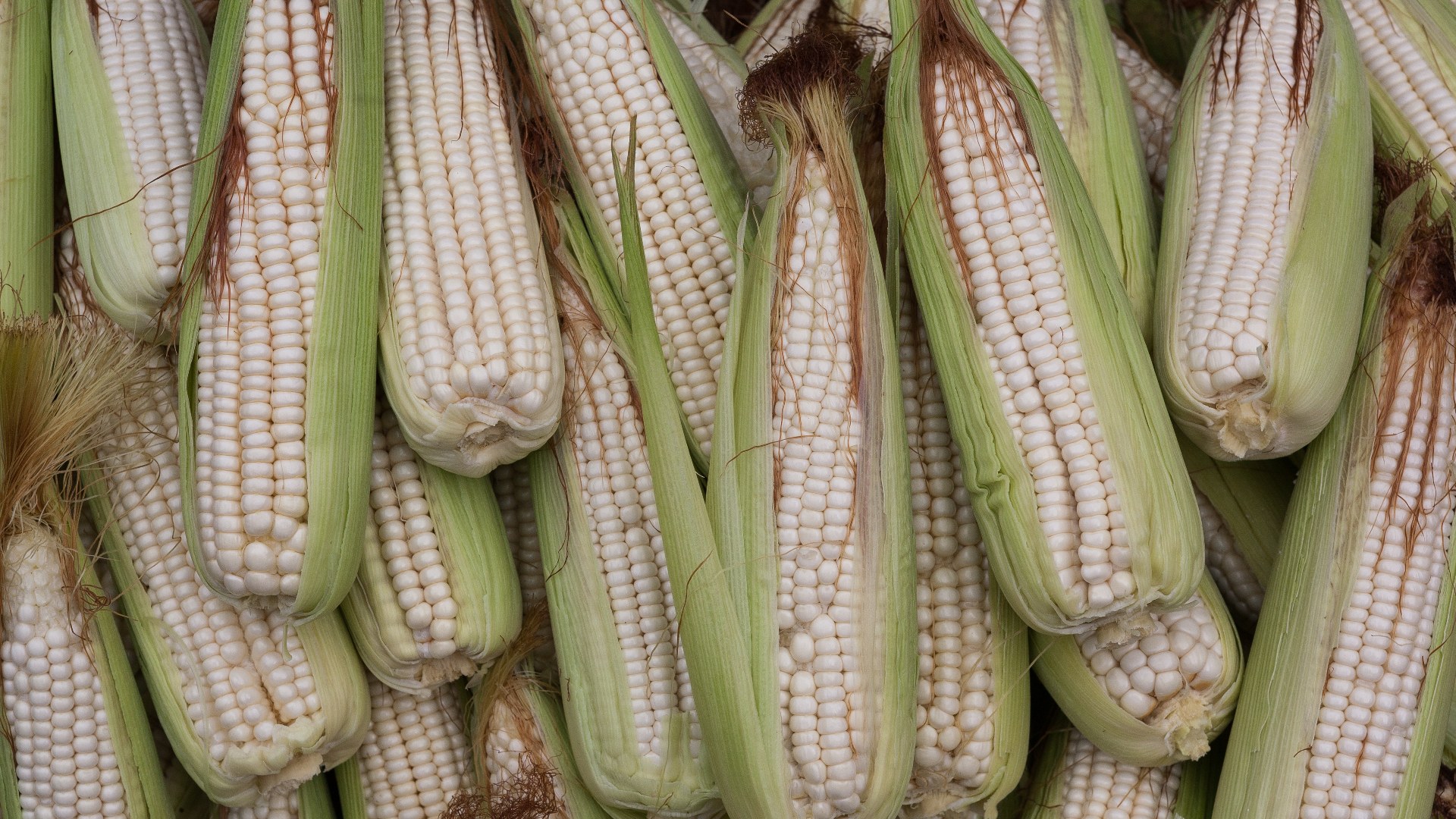
7. Sweet Corn (6.2g Sugar / 100g) - AdvertisementSwipe or tap ▶ to continue countdown

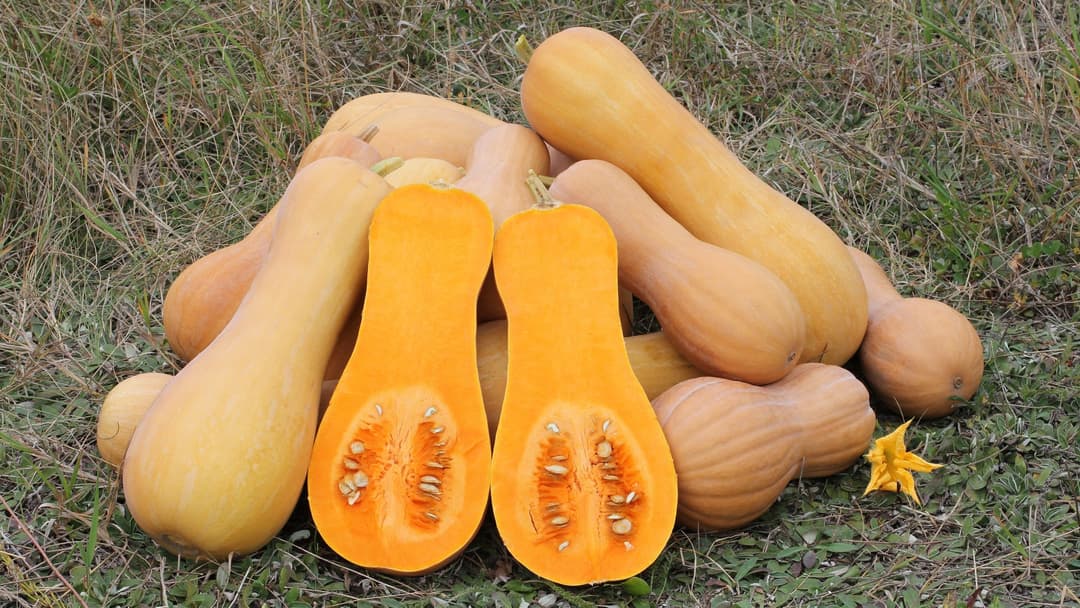
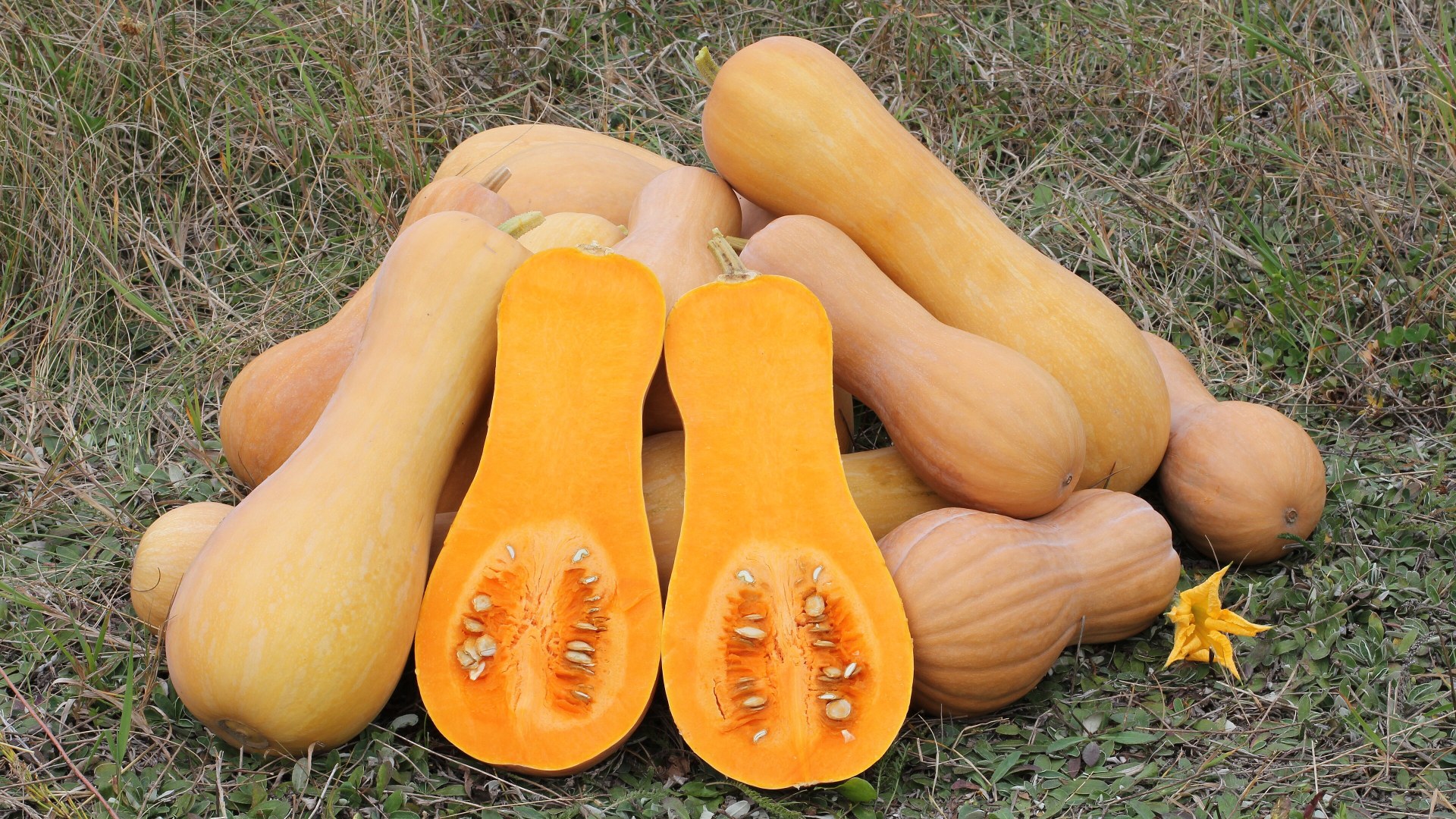
6. Butternut Squash (6.7g Sugar / 100g) 
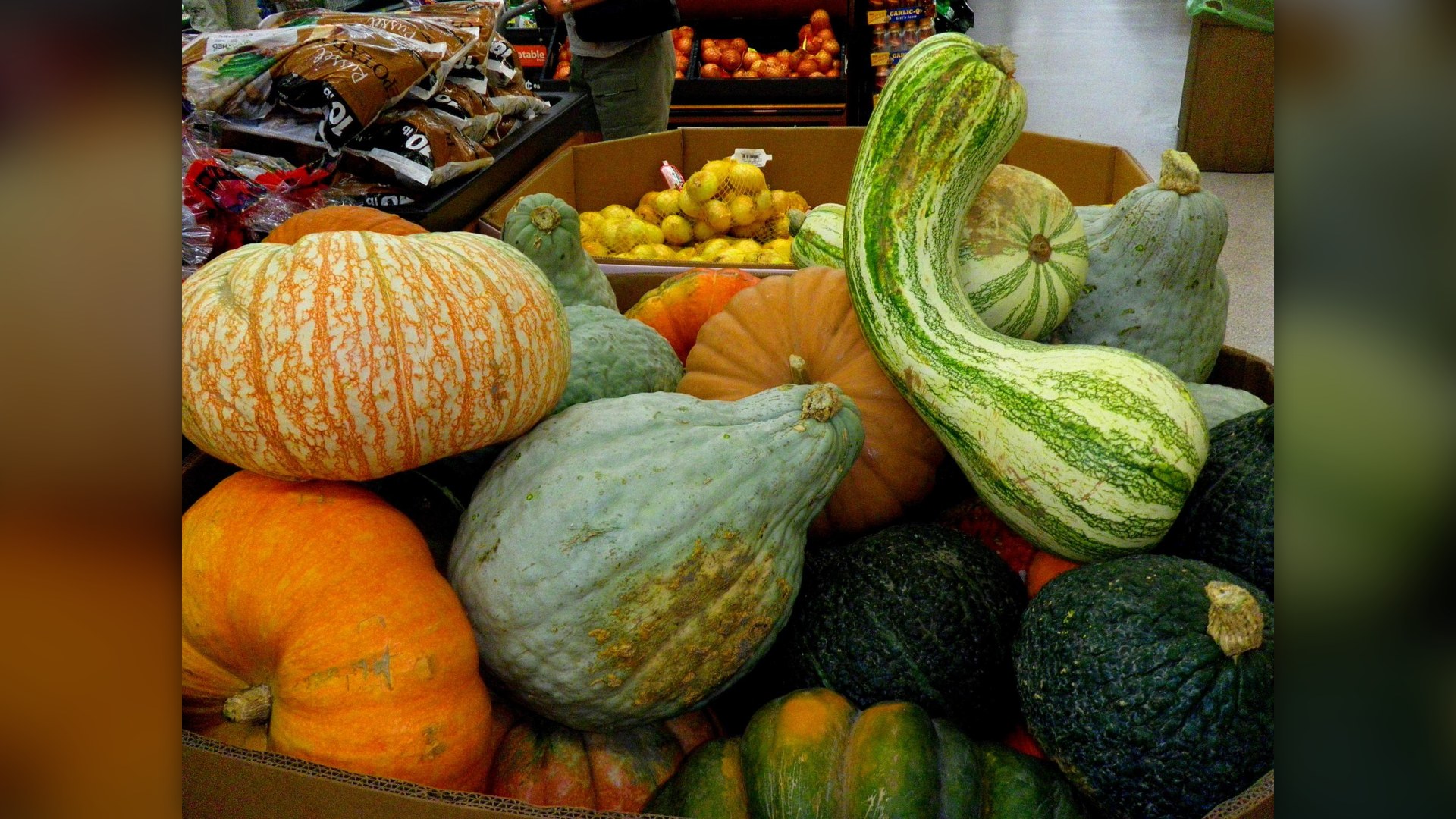
5. Hubbard Squash (7.0g Sugar / 100g) 
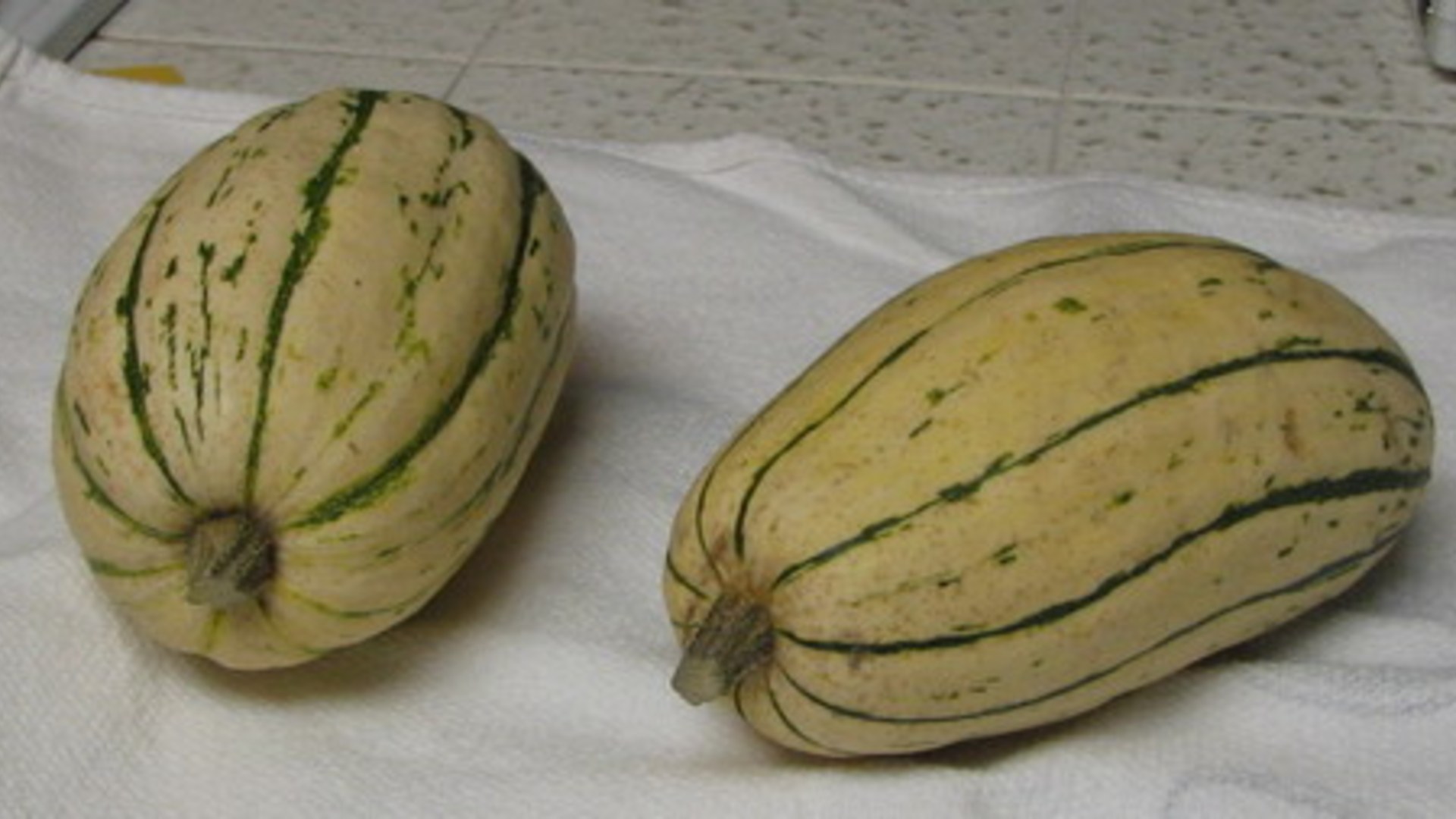
4. Delicata Squash (7.5g Sugar / 100g) 
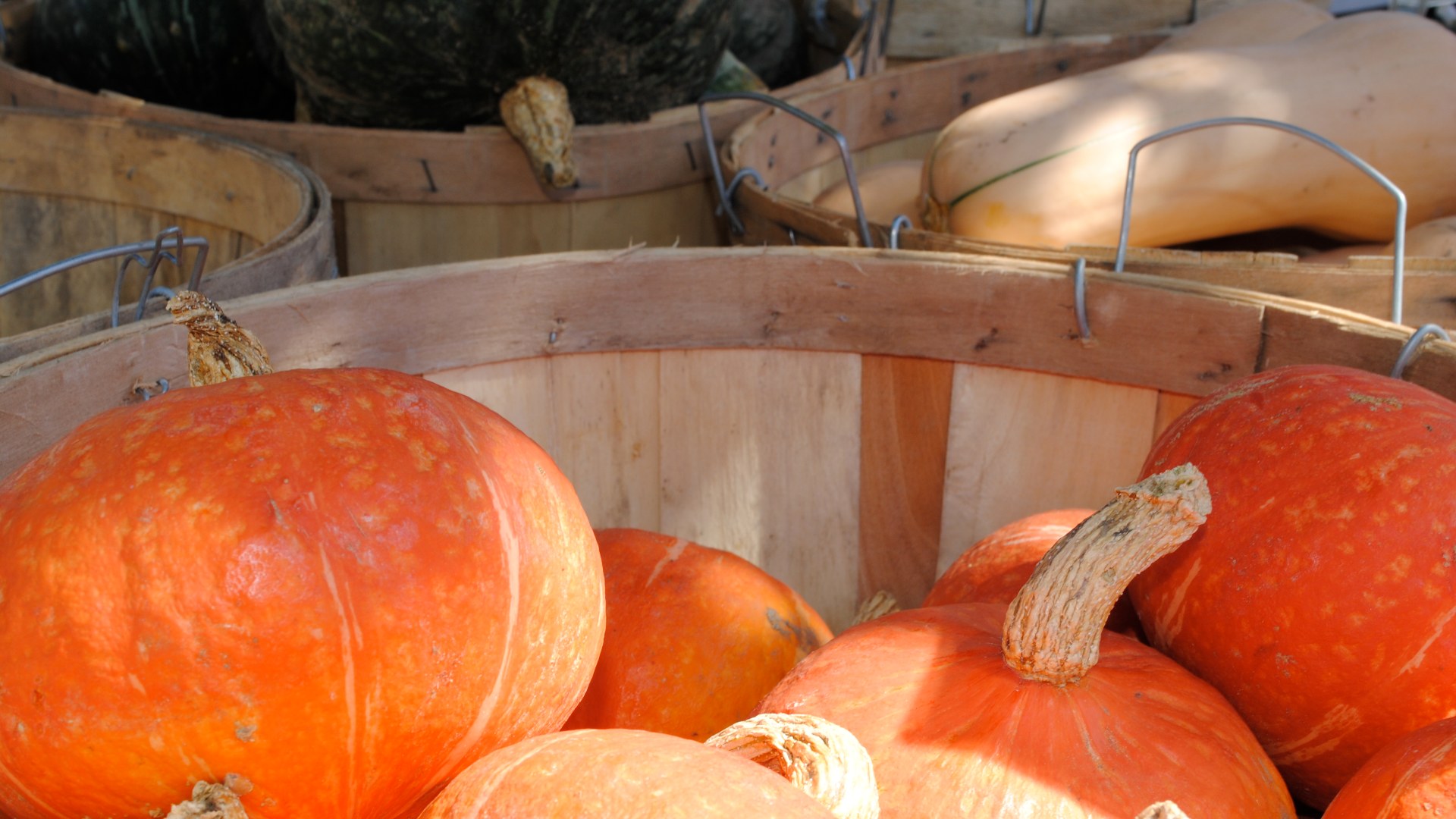
3. Kabocha Squash (8.0g Sugar / 100g) - AdvertisementSwipe or tap ▶ to continue countdown

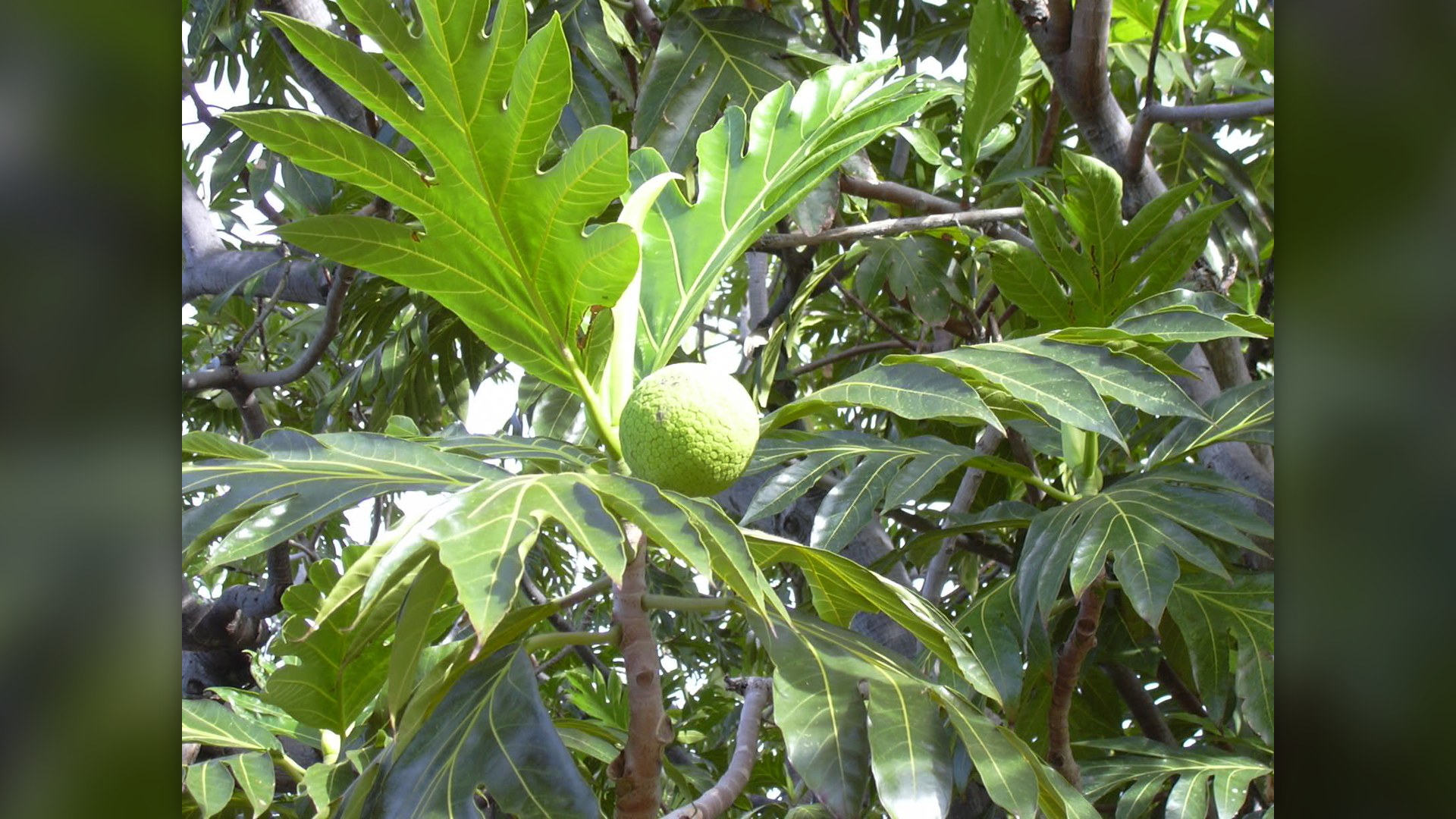
2. Breadfruit (11.0g Sugar / 100g) 
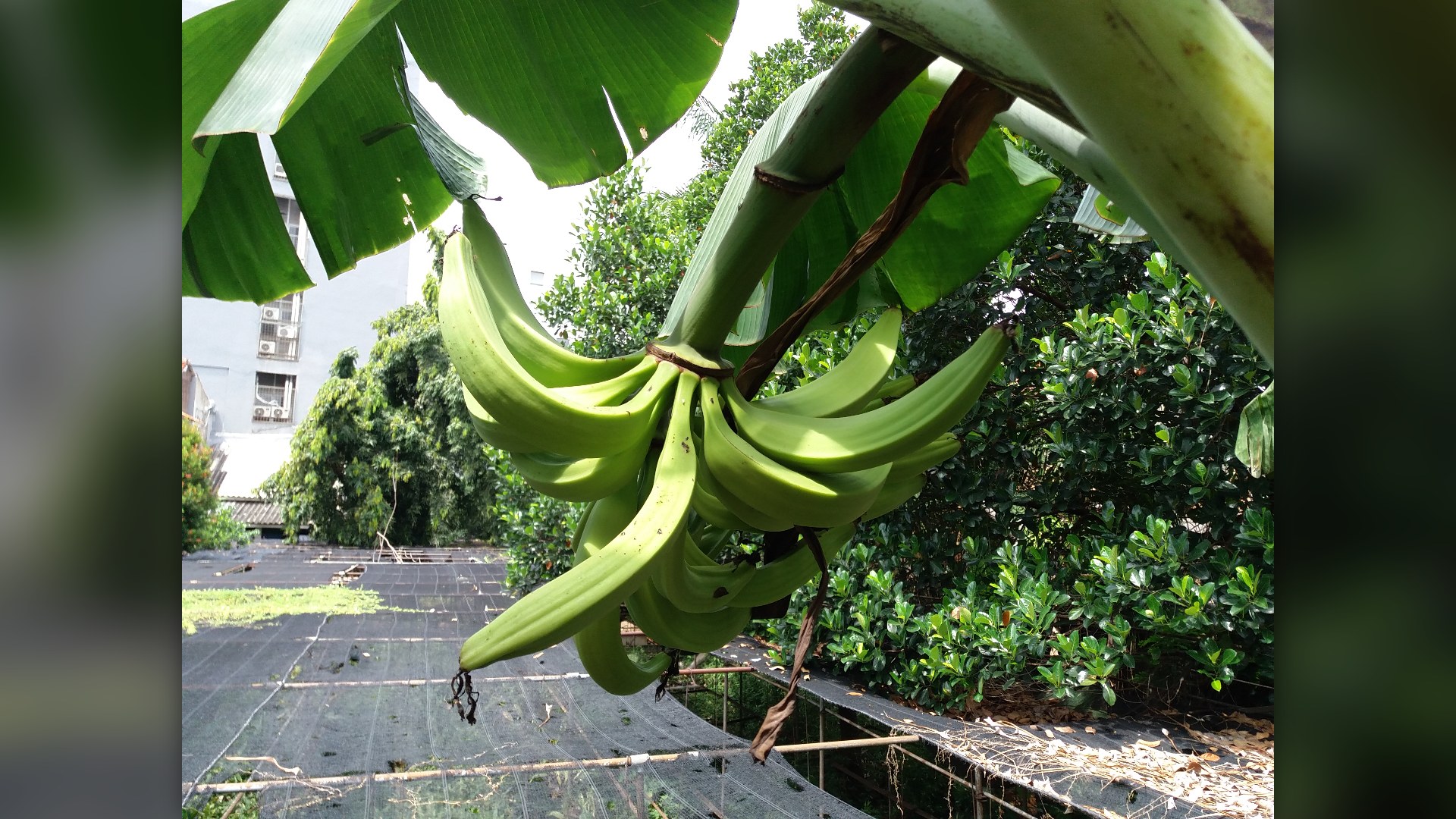
1. Plantain (15.0g Sugar / 100g) - Advertisement🔥 UP NEXT IN THIS SERIES◫ 21 Slides

20 Inventions From 1926 That We Still Use Today
From liquid-fueled rockets and pop-up toasters to waterproof wristwatches and power steering, these breakthroughs from 1926 shaped the modern world.
In American kitchens and grocery aisles, produce is often sorted by culinary use rather than botanical reality. Because these savory staples develop from the flower ovary of a plant and carry seeds, science classifies them strictly as fruits.
Swipe or tap ▶ to begin the countdown
©Wikimedia / THOR / Ivar Leidus
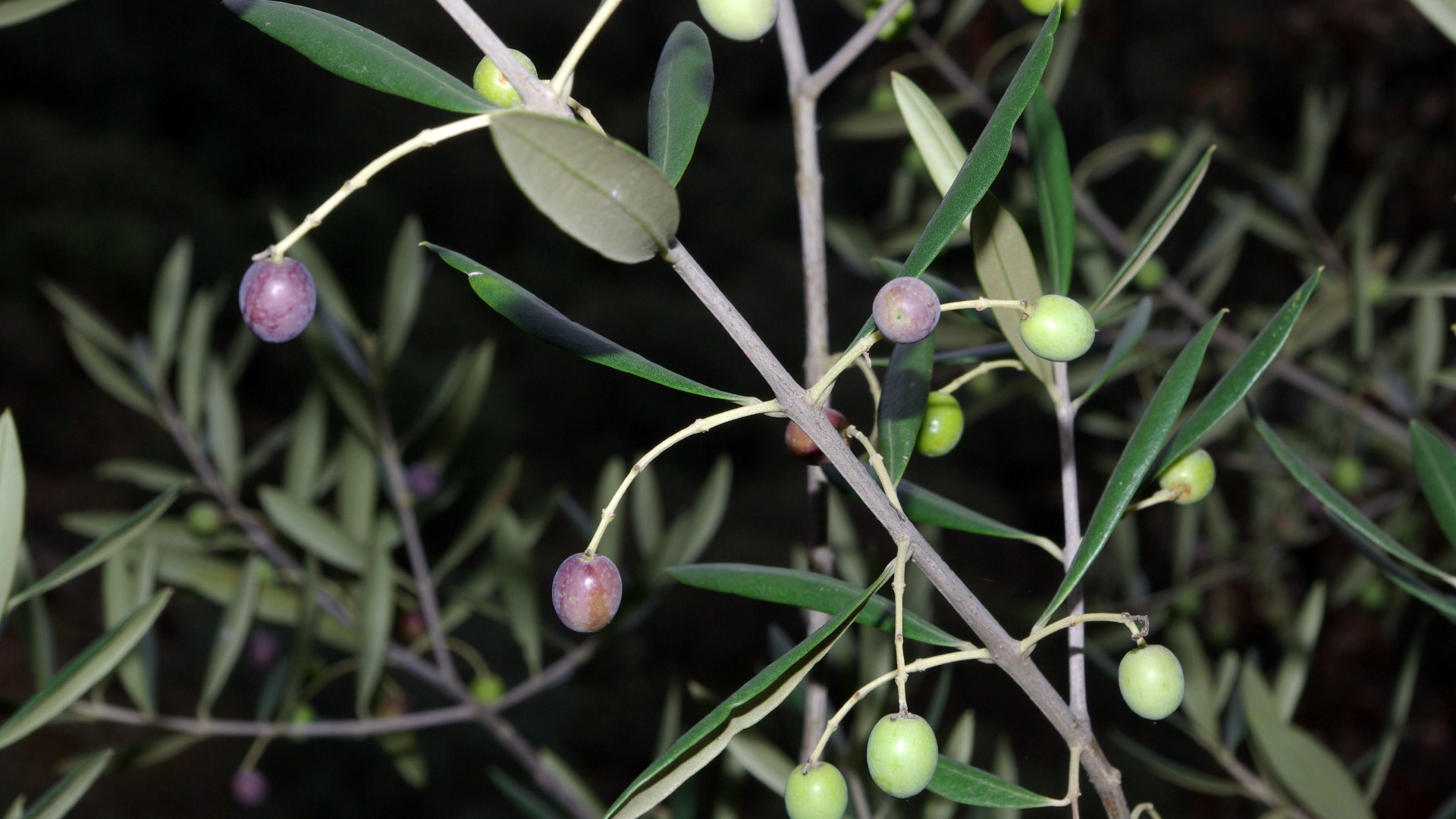
25. Olive (0.5g Sugar / 100g)
Olives develop from the flower ovary of the olive tree and protect a hard central pit housing the seed, meeting every botanical criterion of a stone fruit or drupe. Because raw olives are cured in brine or pressed for culinary oil, most Americans treat them as salty appetizers or salad vegetables.
©Wikimedia / David Perez
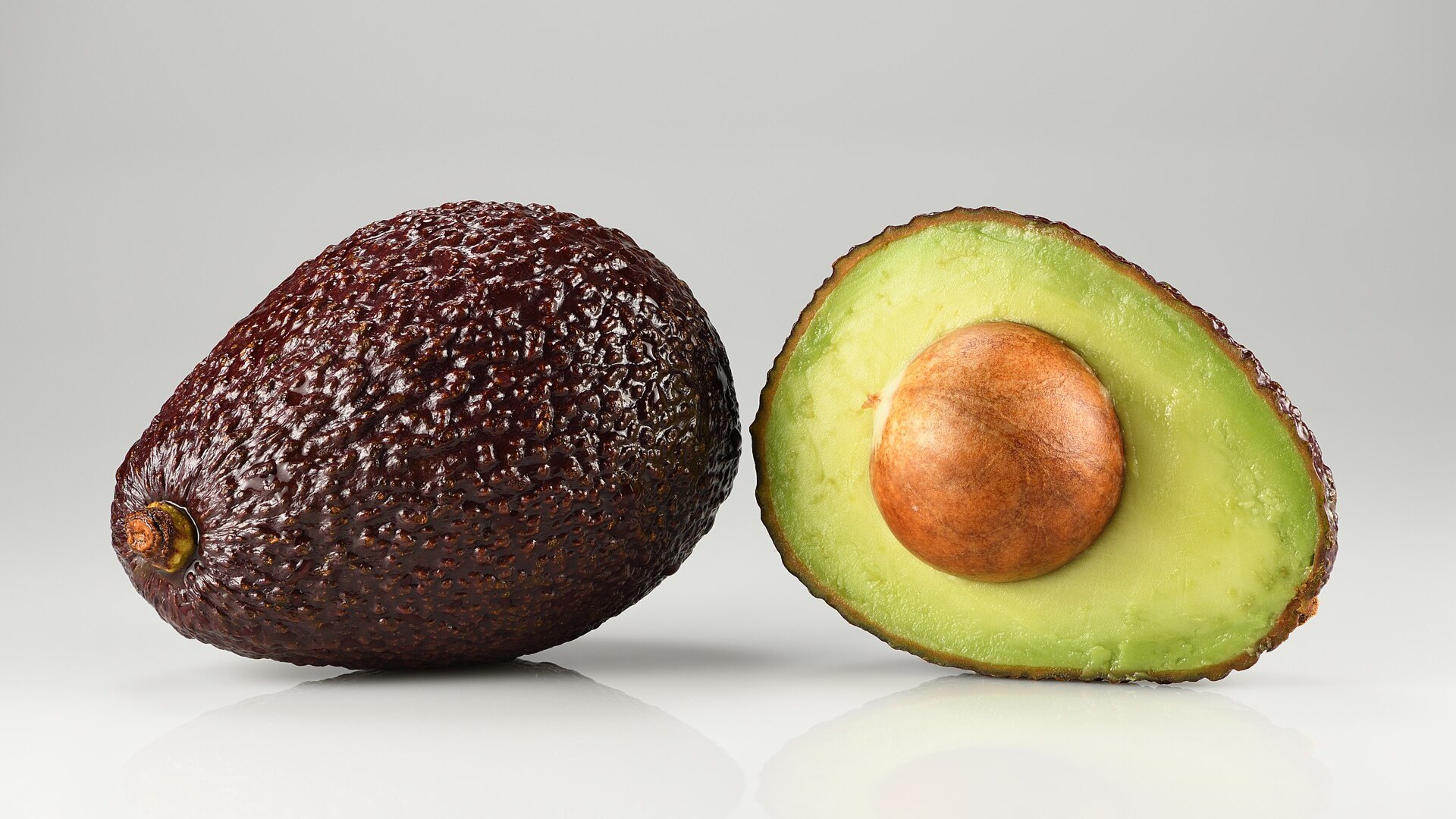
24. Avocado (0.7g Sugar / 100g)
Despite being mashed into guacamole or sliced over savory toast, avocados are true single-seeded berries. Their rich, buttery texture comes from heart-healthy monounsaturated fats rather than sweet juices, leading supermarkets to position them directly in the vegetable produce section.
©Wikimedia / Ivar Leidus
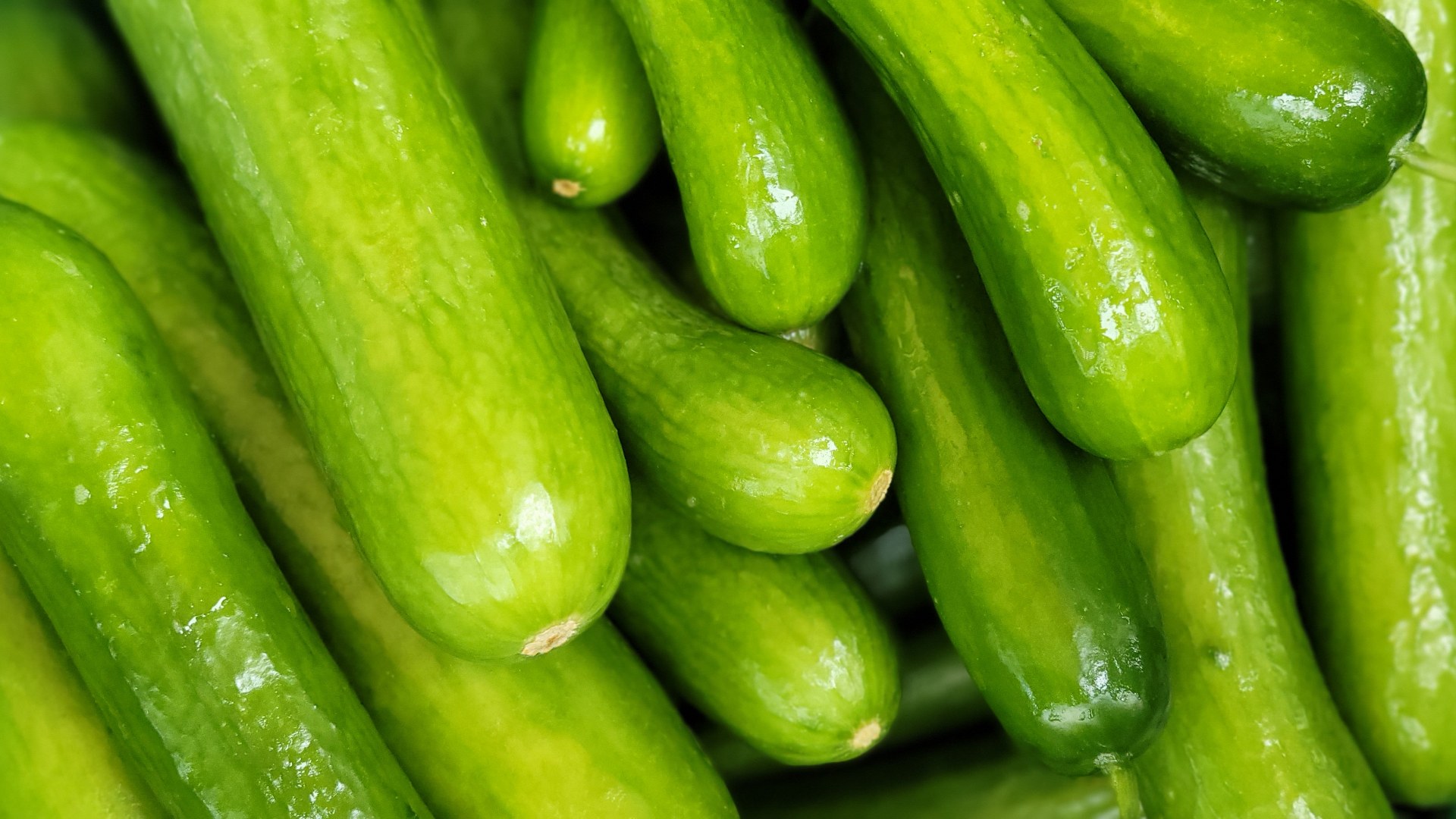
23. Cucumber (1.7g Sugar / 100g)
Cucumbers originate from the blossoms of trailing vines and enclose dozens of seeds within their crisp flesh, defining them scientifically as modified berries known as pepos. In American cuisine, their refreshing crunch is reserved for cold garden salads and savory dill pickling.
©Wikimedia / Pascal Kings
Advertisement
Swipe or tap ▶ to resume the countdown.
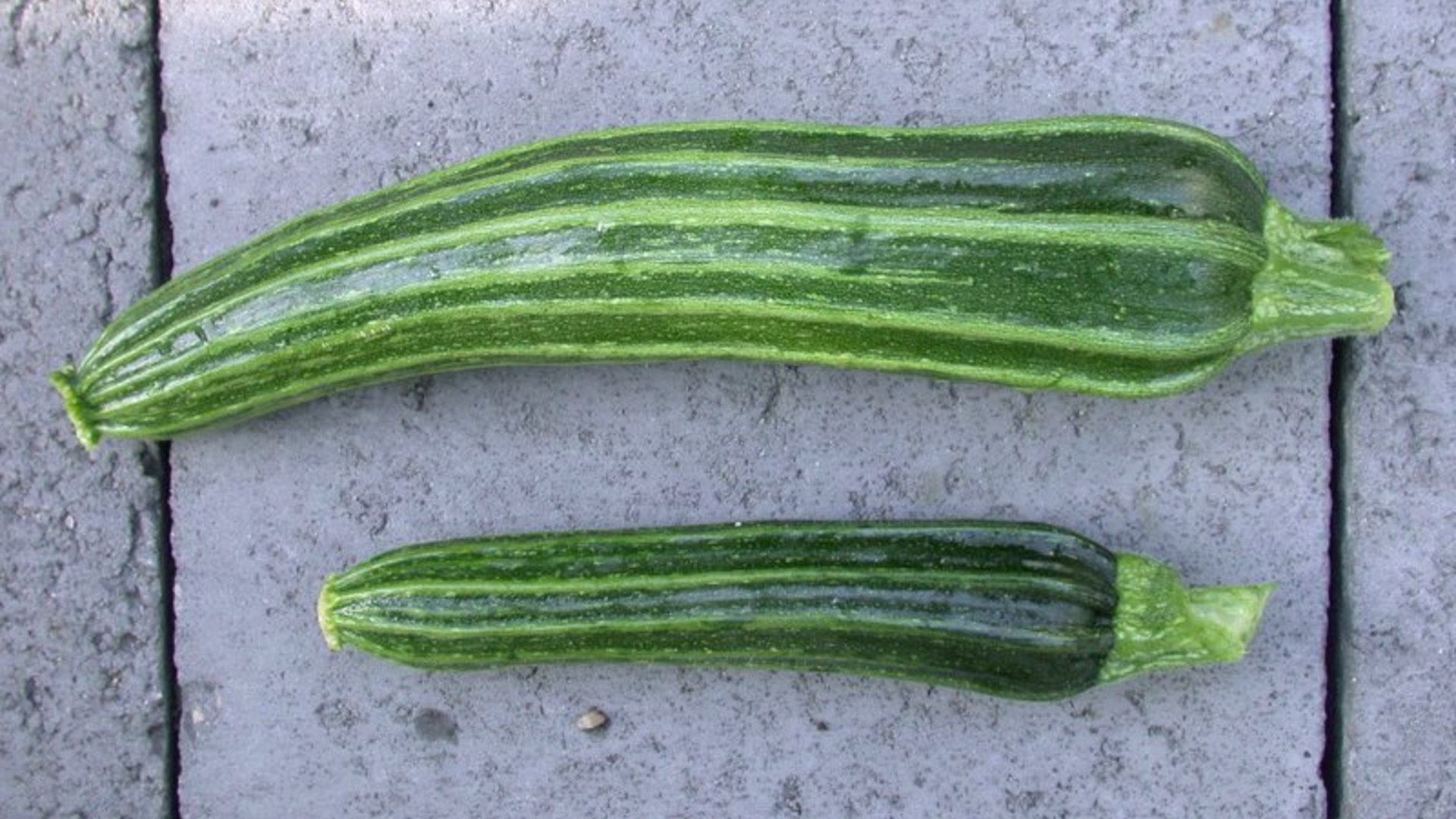
22. Zucchini (2.2g Sugar / 100g)
Zucchini is a member of the gourd family that forms directly from pollinated female squash blossoms. Botanists classify each zucchini as an immature pepo fruit. In American kitchens, cooks treat it as a versatile vegetable, sautéing it in olive oil, grilling it, or grating it into savory breads.
©Wikimedia / Glenn
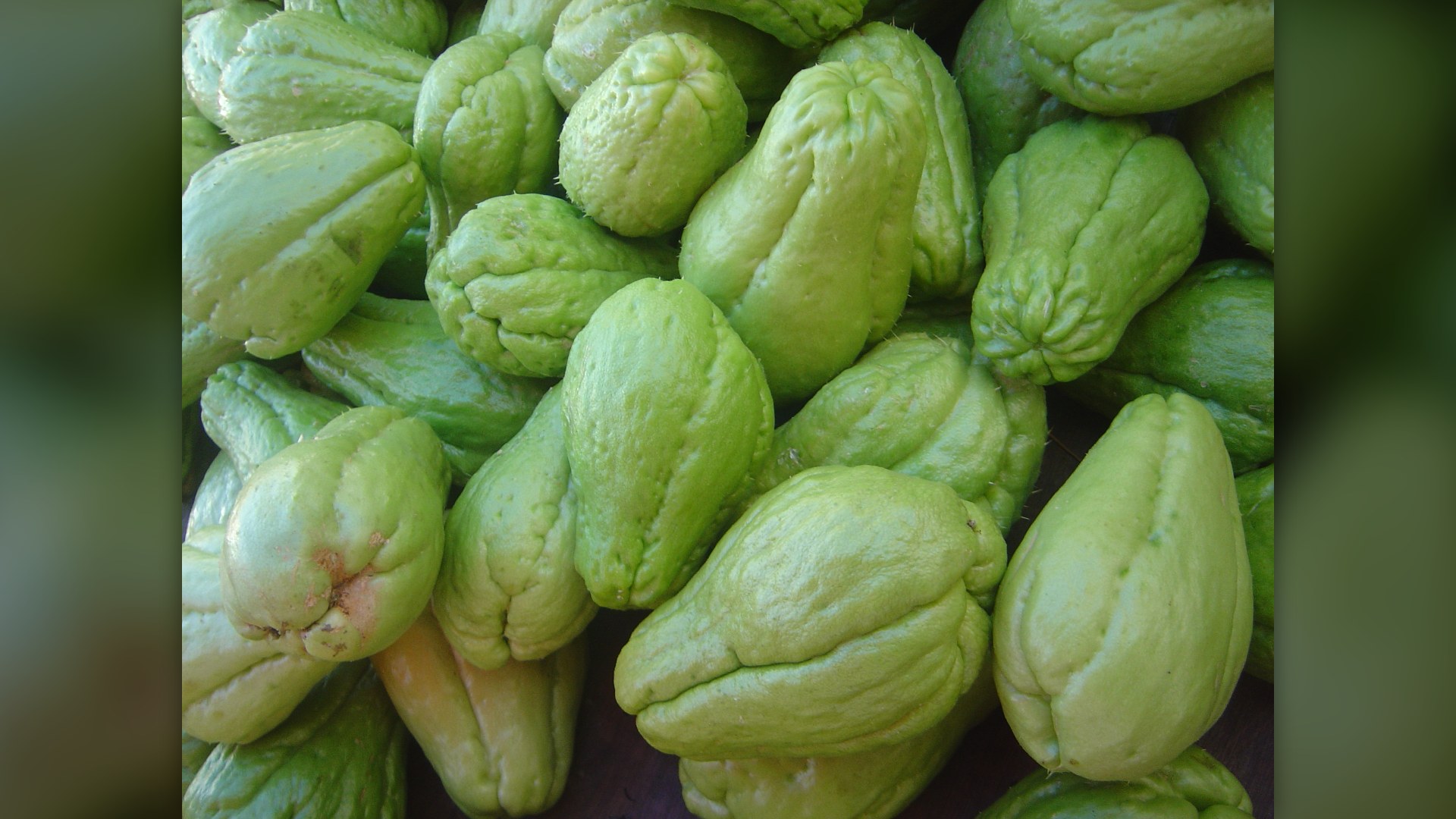
21. Chayote (2.2g Sugar / 100g)
Popular in Louisiana Creole cooking and southwestern cuisine, the chayote squash is the edible fruit of a vigorous climbing vine. Containing a soft central seed and subtle crispness, this mild pepo fruit is routinely boiled, stuffed with seafood, or tossed raw into cabbage slaws.
©Wikimedia / David Monniaux
20. Tomatillo (2.4g Sugar / 100g)
Wrapped in an inedible, lantern-like papery calyx, the tomatillo is a spherical botanical berry belonging to the nightshade family. Though prized for making zesty salsa verde, roasted meat rubs, and savory chili sauces, its tart flesh develops entirely from the flower ovary of the plant.
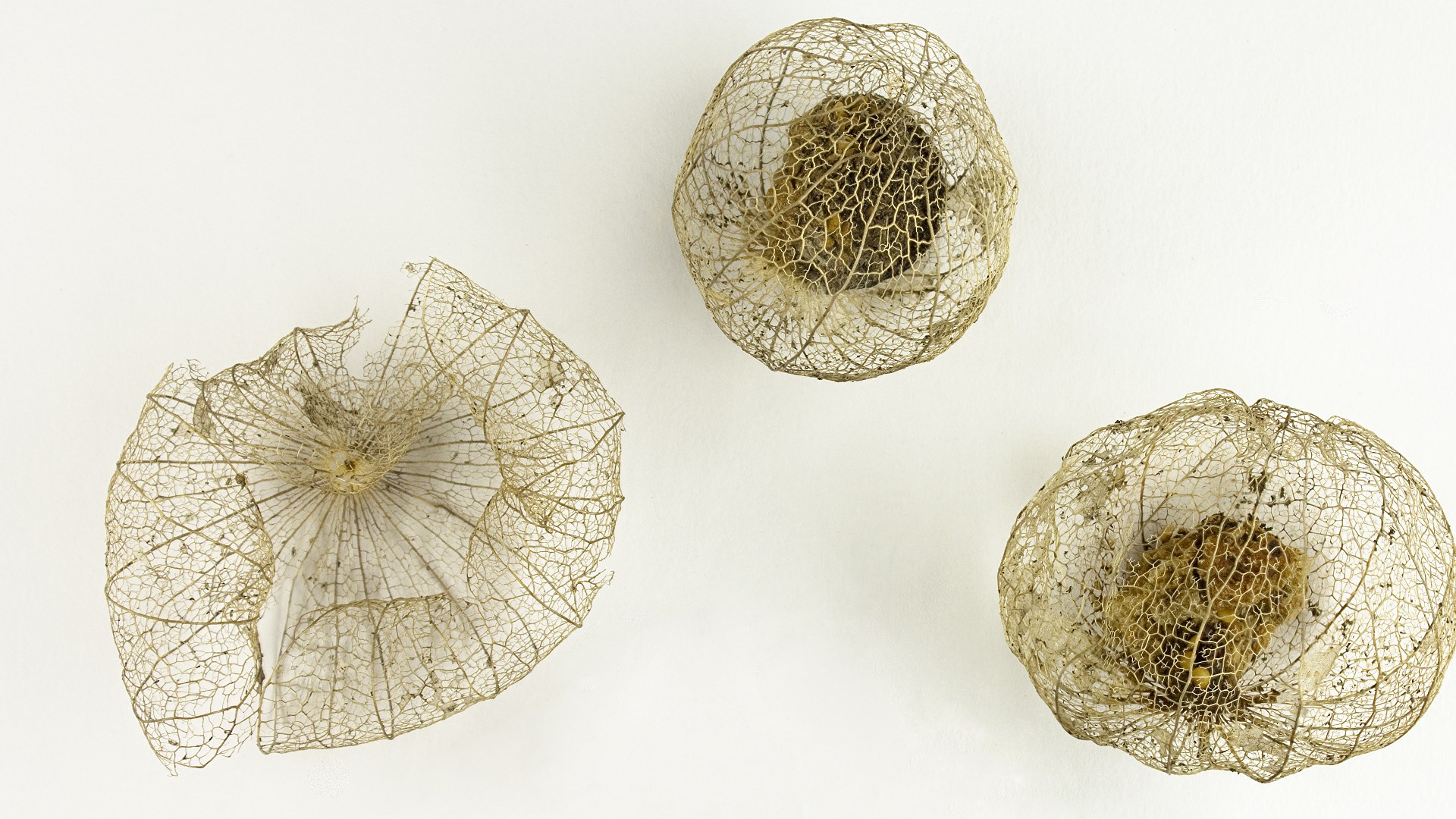
©Wikimedia / Roger Culos
19. Eggplant (3.2g Sugar / 100g)
Known across Britain and France as aubergine, the eggplant is a classic member of the nightshade family and a botanical berry. Its spongy flesh and bitter-savory flavor profile make it a star in roasted casseroles, parmesan bakes, and ratatouille, obscuring its true botanical identity as a seed-bearing fruit.
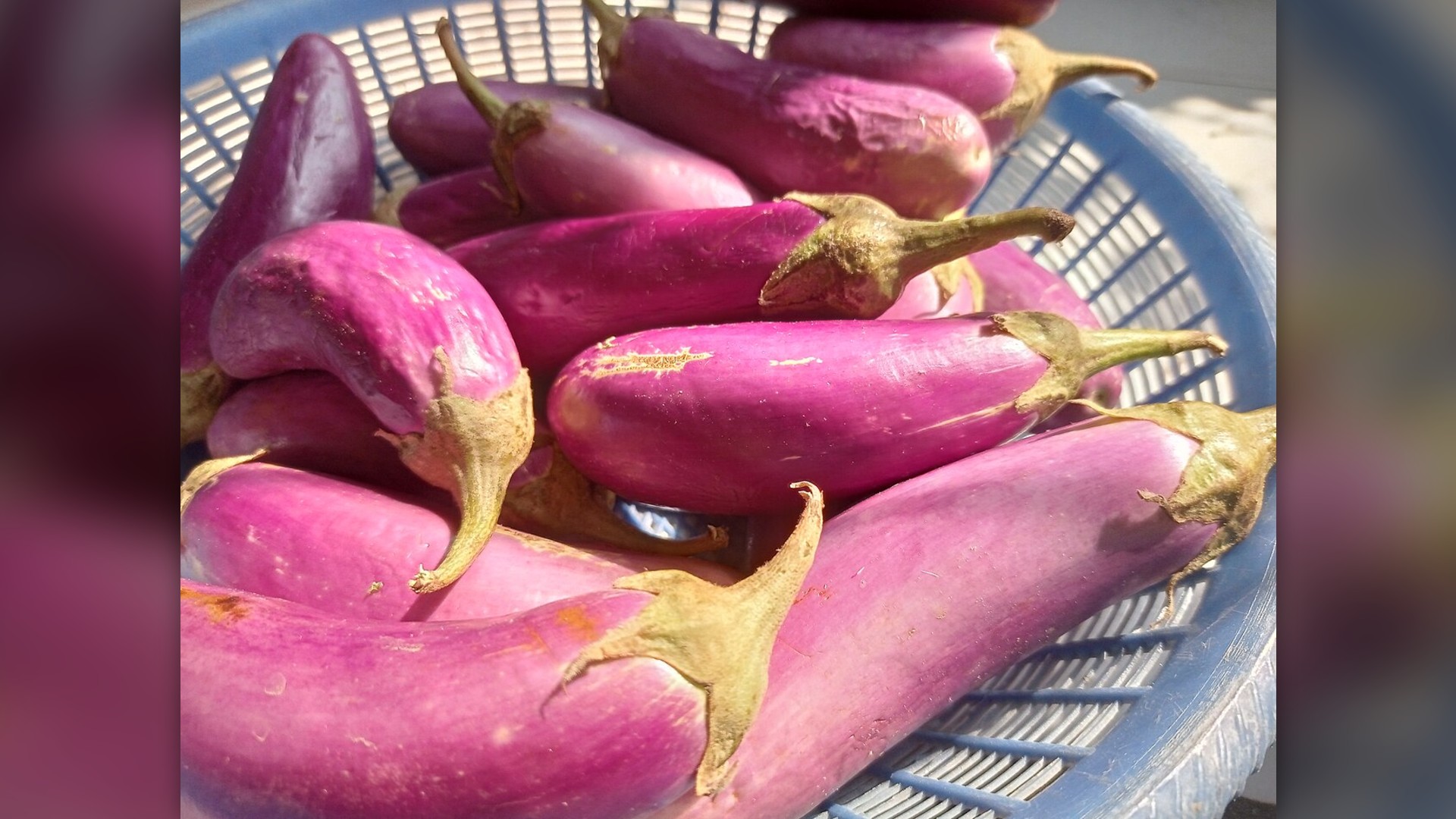
©Wikimedia / GTSPACE
Advertisement
Swipe or tap ▶ to resume the countdown.
18. Jalapeno Pepper (3.5g Sugar / 100g)
Though prized for their punchy heat in nachos, salsas, and poppers, chili peppers like the jalapeno are scientifically classified as botanical berries. Each pod develops from a solitary flower and encloses dozens of pale seeds attached to a pungent inner placenta that produces capsaicin.
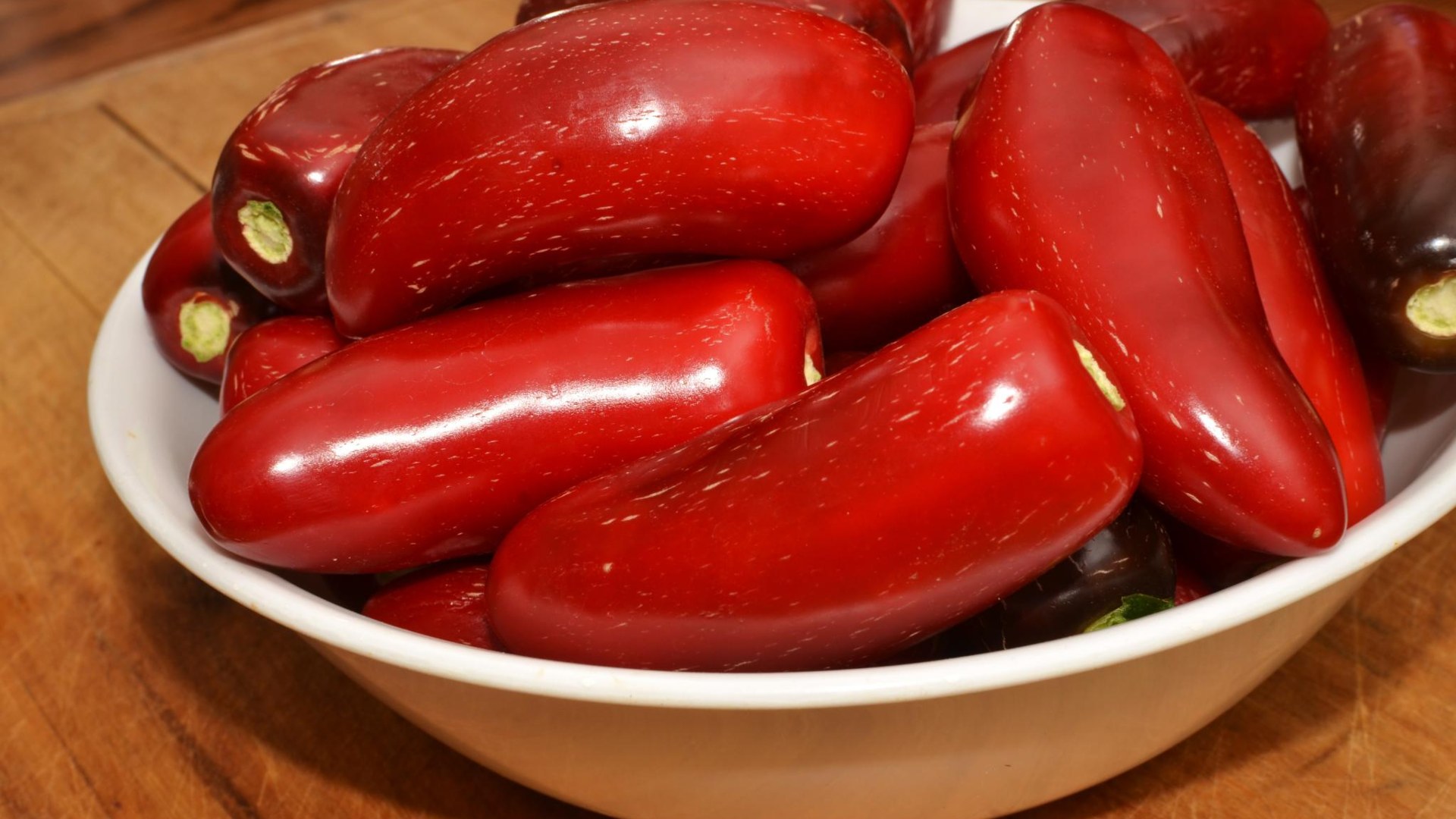
©Wikimedia / jeffreyw
17. Yellow Summer Squash (3.8g Sugar / 100g)
Yellow crookneck and straightneck squash varieties are celebrated staples of southern home cooking and backyard vegetable gardens. Like their zucchini cousins, these squash are harvested while young and tender, functioning botanically as fleshy pepo fruits packed with central seed cavities.
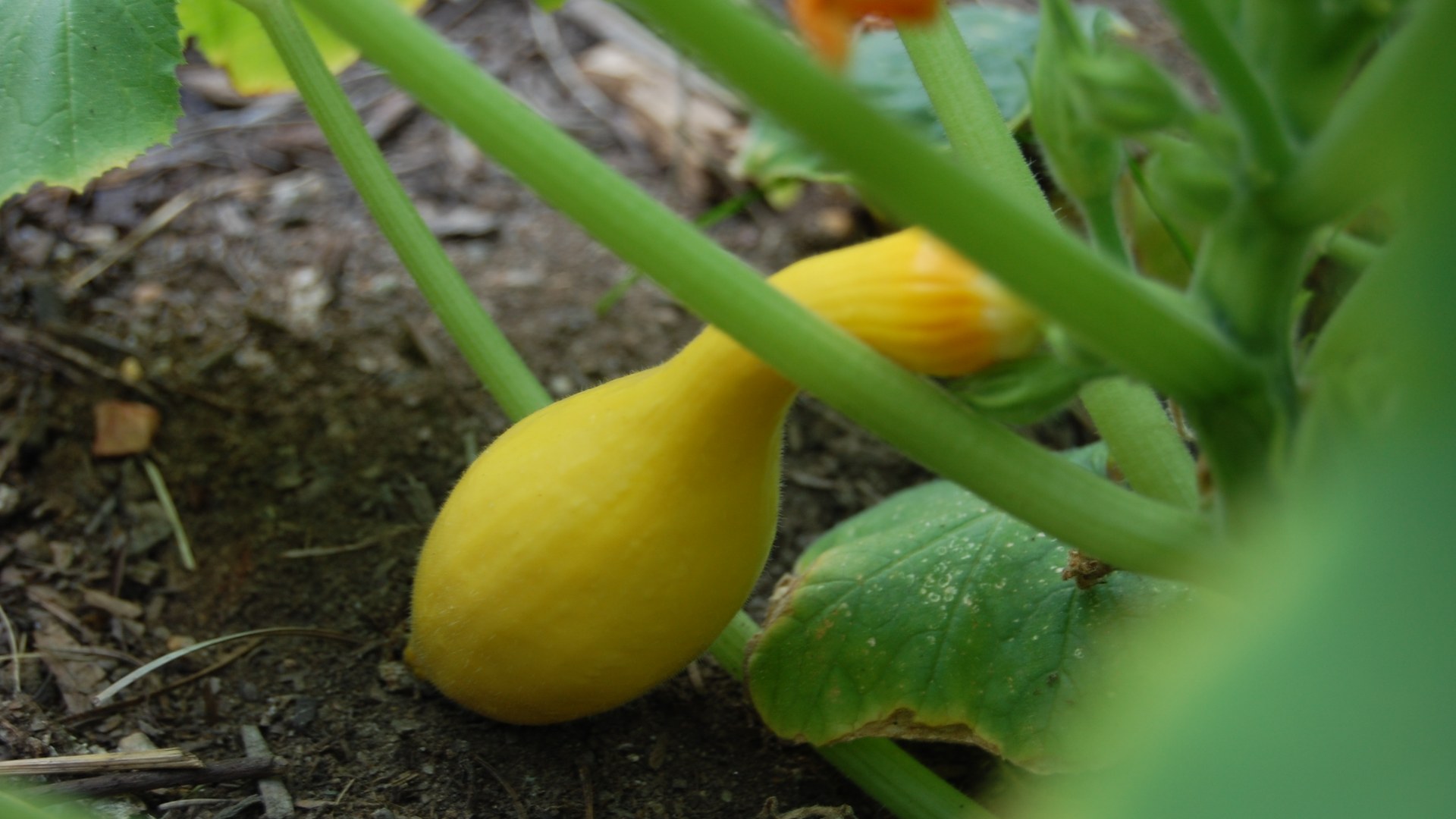
©Wikimedia / Eunice Sleepyneko
16. Tomato (3.9g Sugar / 100g)
Tomatoes are the most famous example of produce caught between science and dinner. Botanically, each tomato is a true berry originating from the plant flower. However, in the landmark 1893 Nix v. Hedden decision, the United States Supreme Court legally ruled that tomatoes must be taxed as vegetables for trade tariffs.
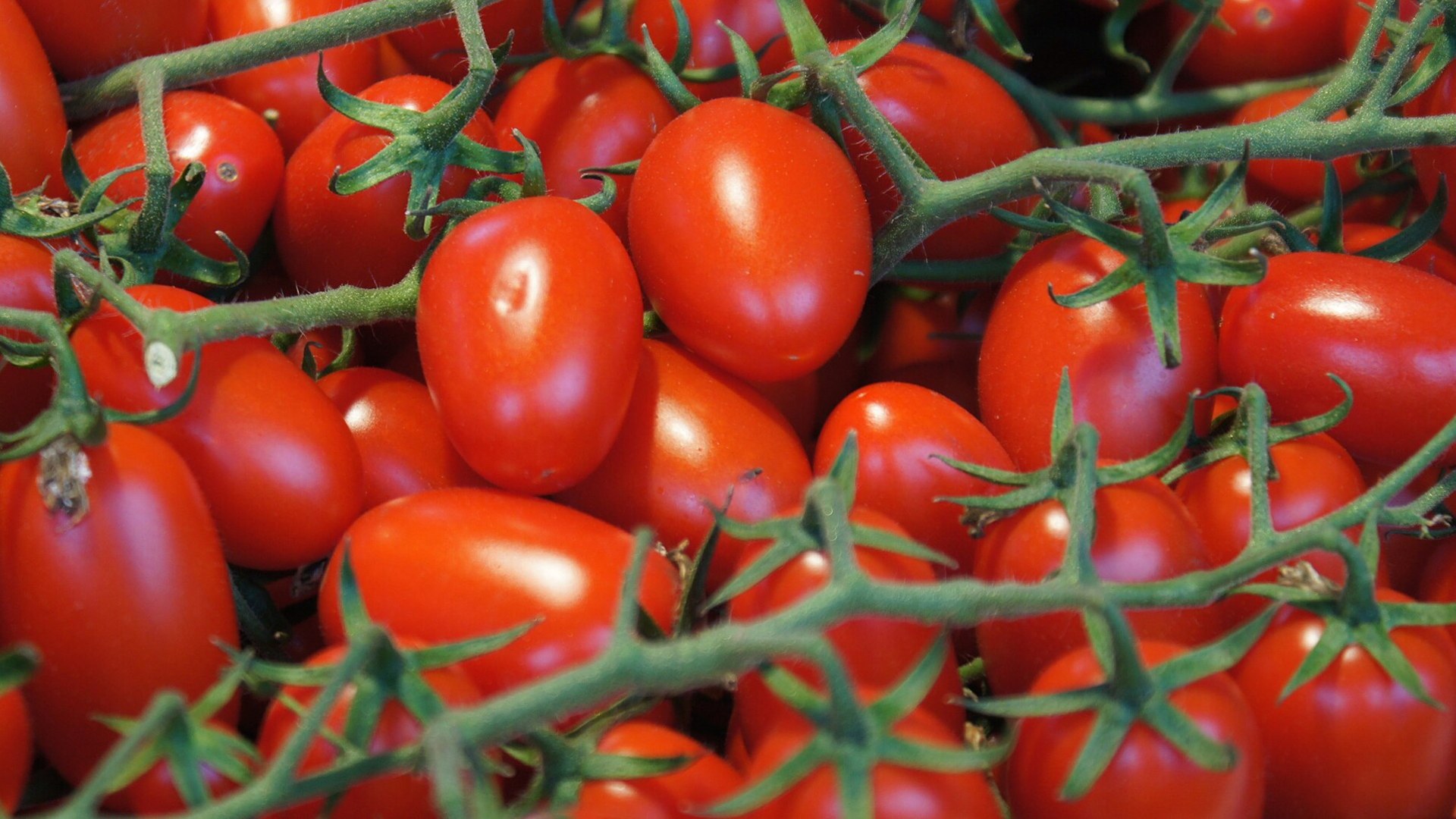
©Wikimedia / domdomegg
15. Okra (4.0g Sugar / 100g)
Integral to Creole stews, African braises, and southern fried platters, okra is widely viewed as a hearty green vegetable. In reality, each ridged pod is a botanical fruit, specifically a dehiscent seed capsule packed with edible white pearls that form immediately after the plant delicate flowers fall away.
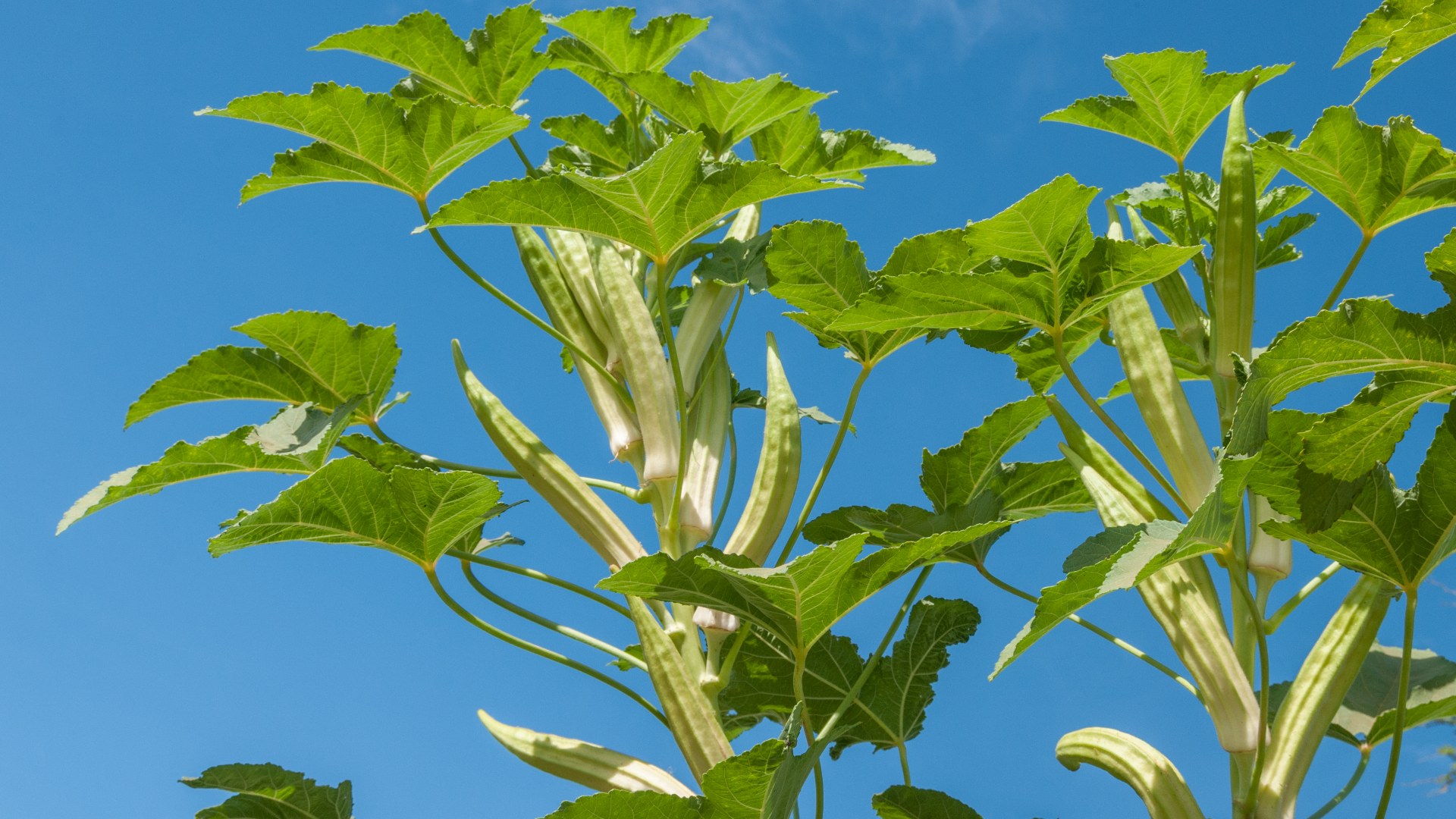
©Wikimedia / Wilfredor
Advertisement
Swipe or tap ▶ to resume the countdown.
14. Green Bell Pepper (4.2g Sugar / 100g)
Green bell peppers are essentially unripe sweet peppers picked early in their growth cycle. While their grassier, slightly bitter flavor profile secures them a permanent spot in stir-fries, fajitas, and salads, each pod is an air-filled botanical berry loaded with interior seeds.
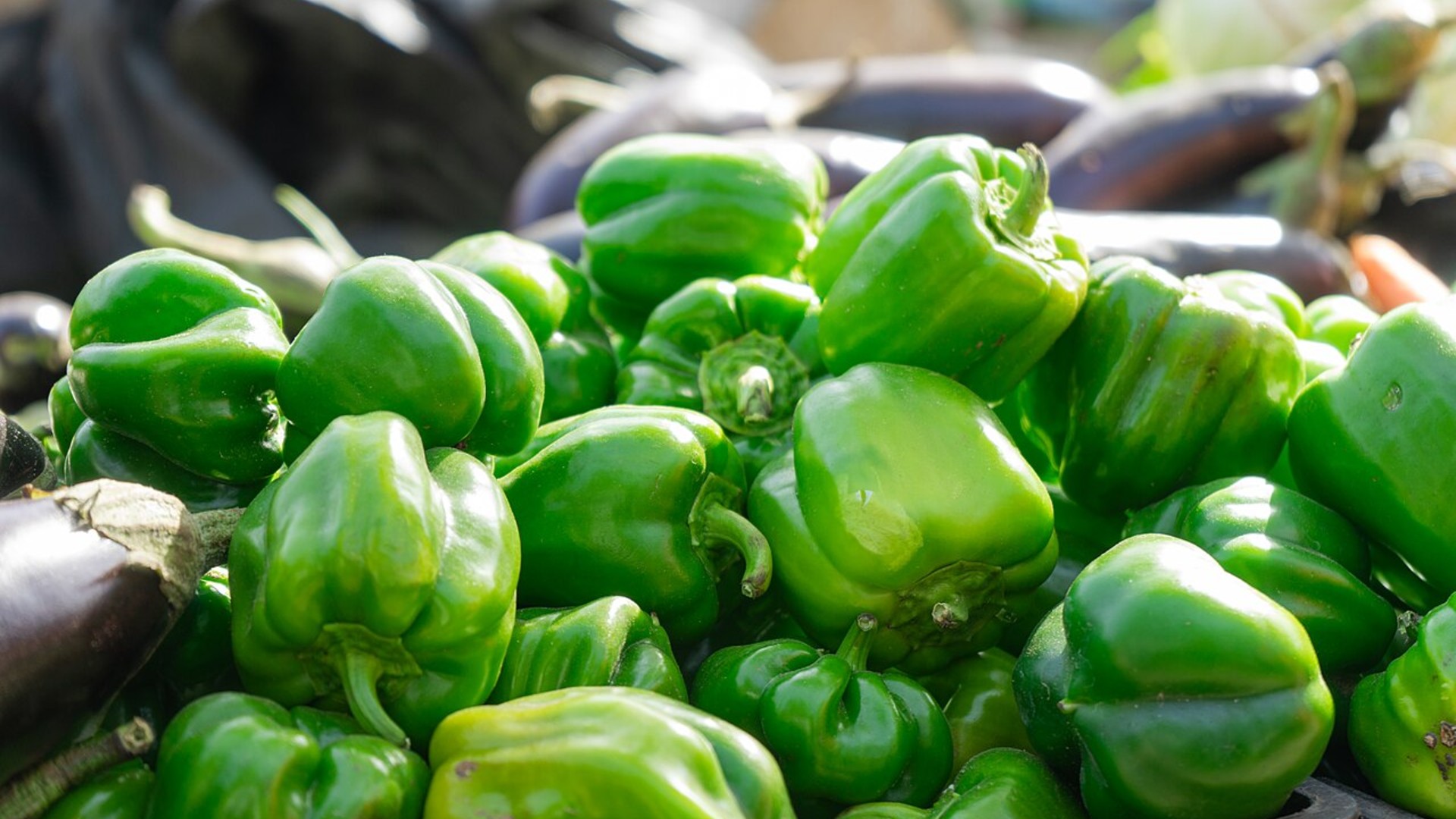
©Wikimedia / Thiamlanaa
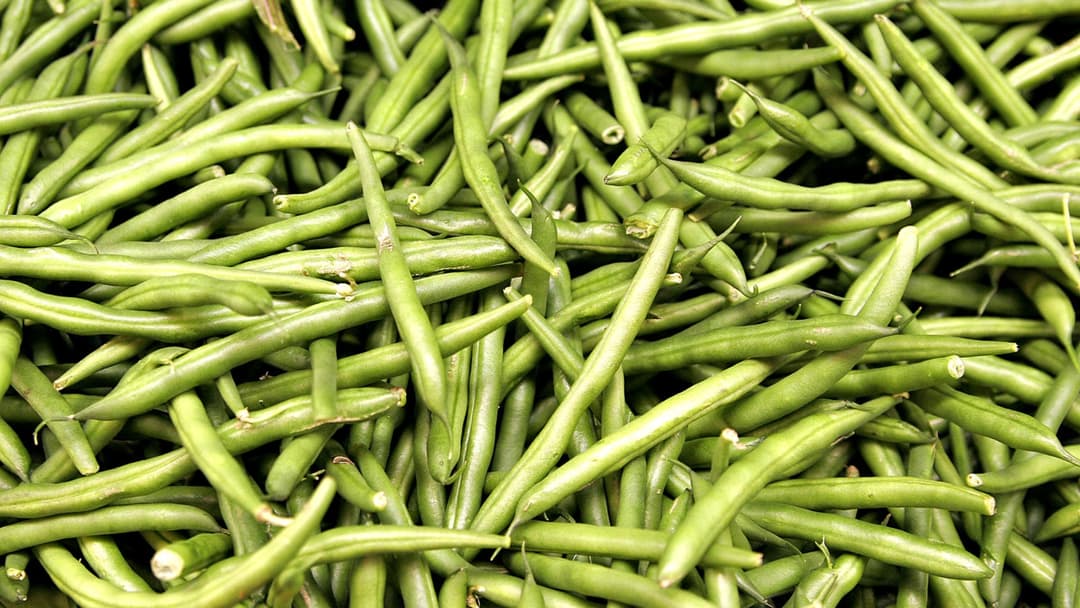
13. String Beans (4.3g Sugar / 100g)
Known colloquially as snap beans or green beans, these crunchy dinner staples are the immature fruit pods of the Phaseolus vulgaris plant. While home cooks steam or sauté them like leafy greens, each elongated pod develops from an ovary and serves the botanical purpose of nurturing embryonic seeds.
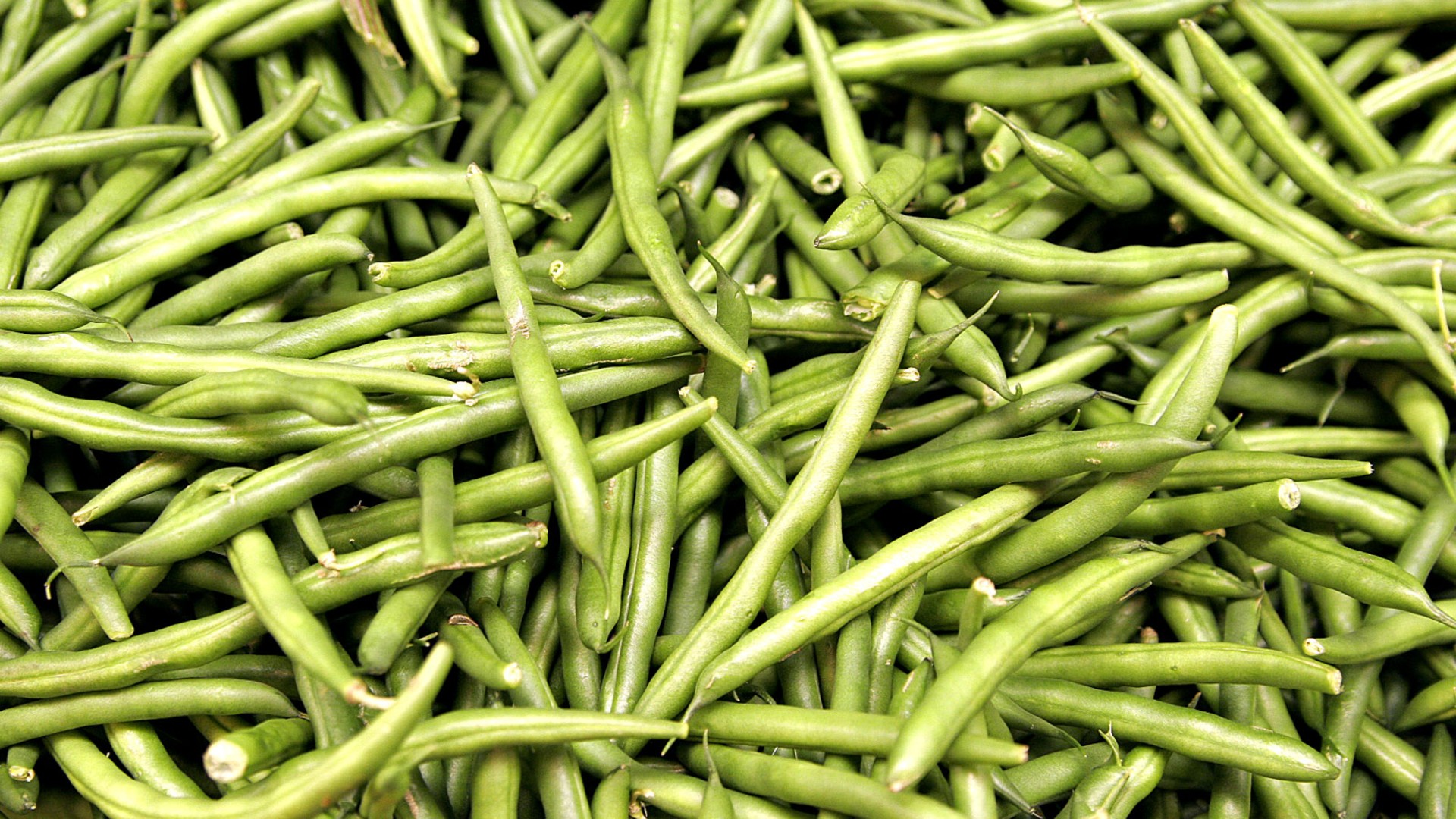
©Wikimedia / Green bean
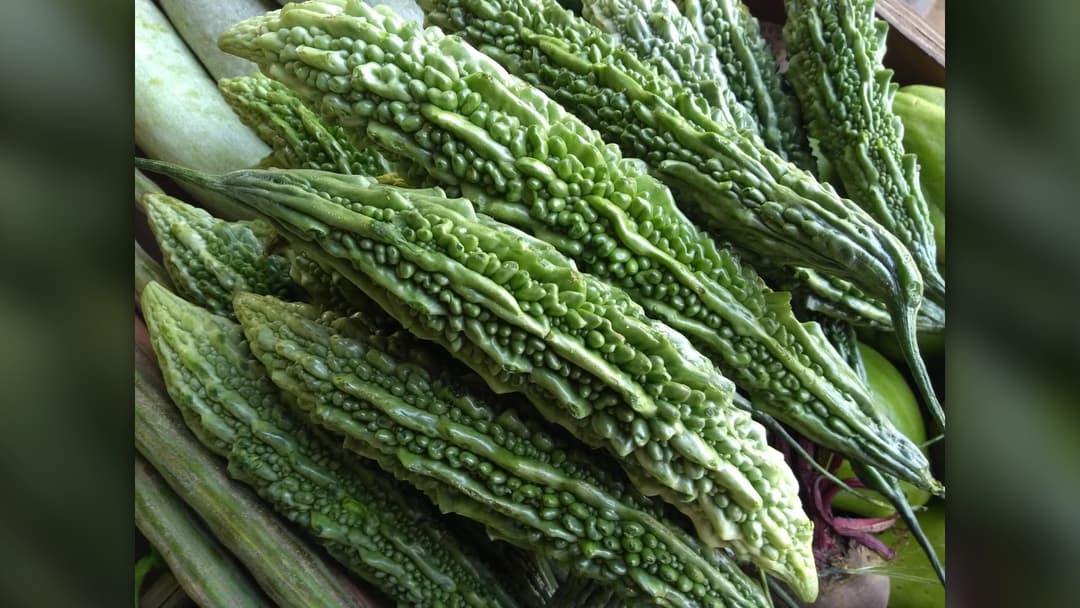
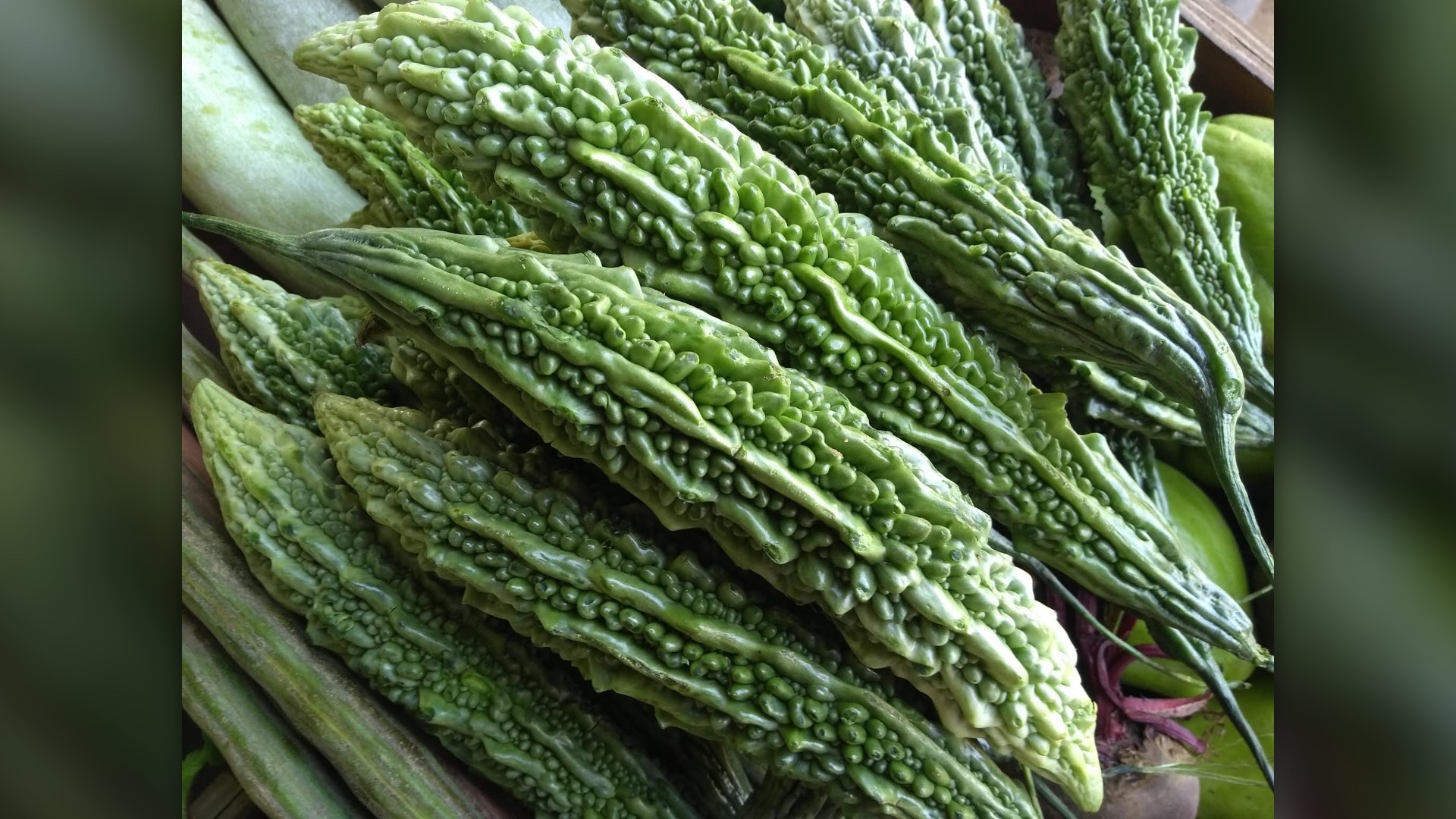
12. Bitter Melon (4.5g Sugar / 100g)
Grown across tropical Asia and increasingly found in American specialty markets, bitter melon looks like a ridged, bumpy cucumber. Despite its intense bitterness and frequent appearance in savory curries and stir-fries, botany groups it as a modified pepo fruit that splits open when fully ripe to expose red seeds.
©Wikimedia / Thamizhpparithi Maari
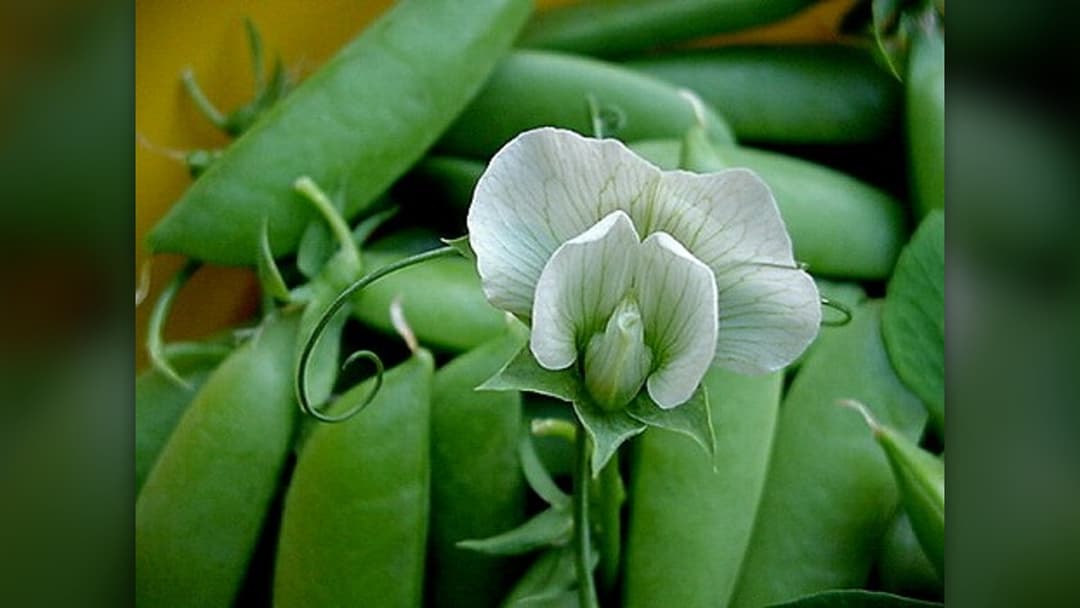
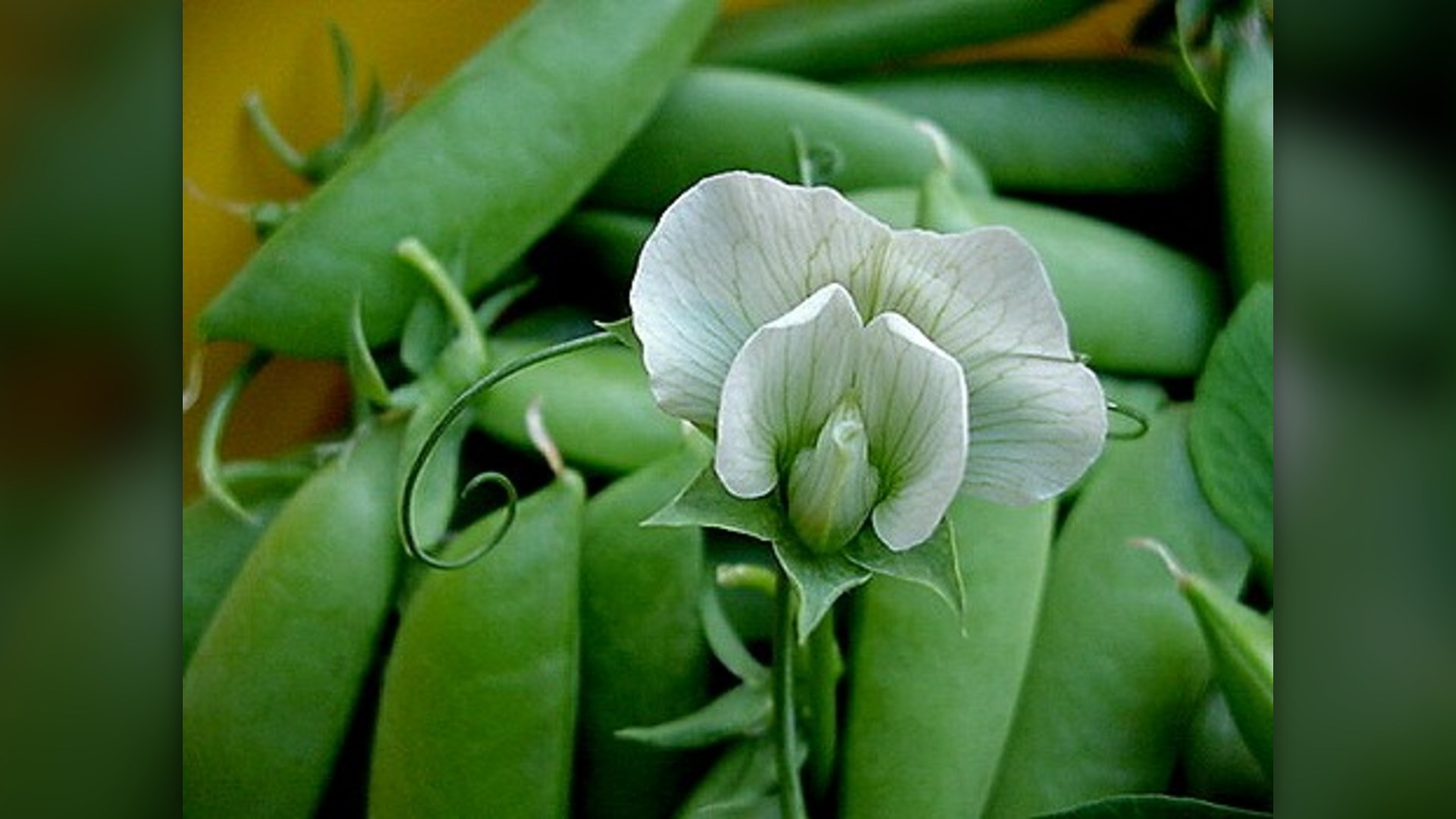
11. Snap Peas (4.8g Sugar / 100g)
Sugar snap peas are beloved across America as crisp salad toppers and healthy lunchbox snacks. Because the entire plump green pod is eaten raw alongside savory dips, diners mistake it for a leafy vegetable stem. Botanically, each crunchy pod is the true fruit vessel of the Pisum sativum legume.
©Wikimedia / Cheryl
Advertisement
Swipe or tap ▶ to resume the countdown.
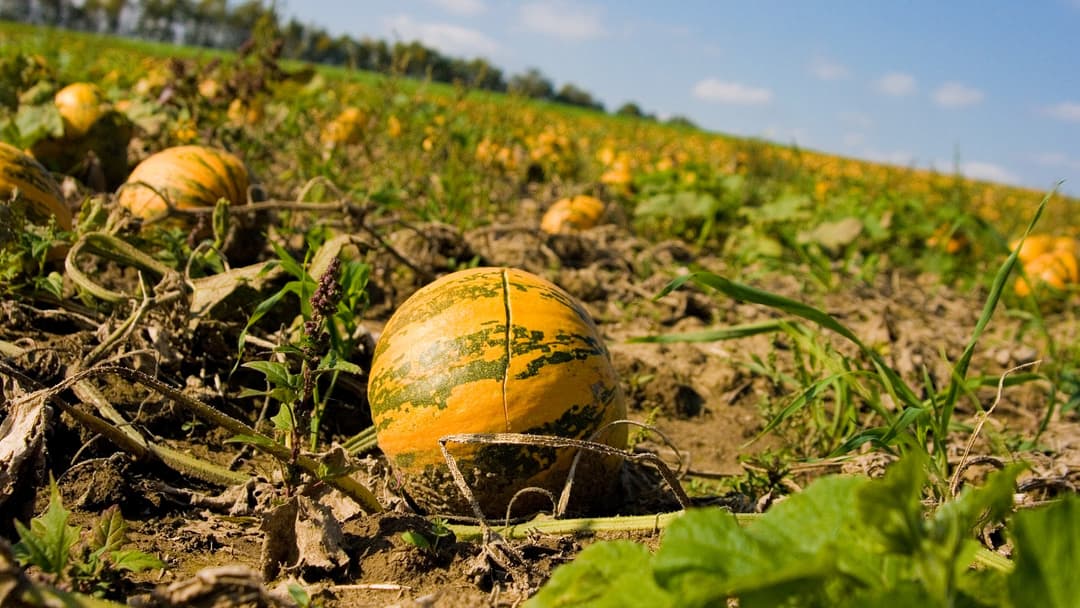
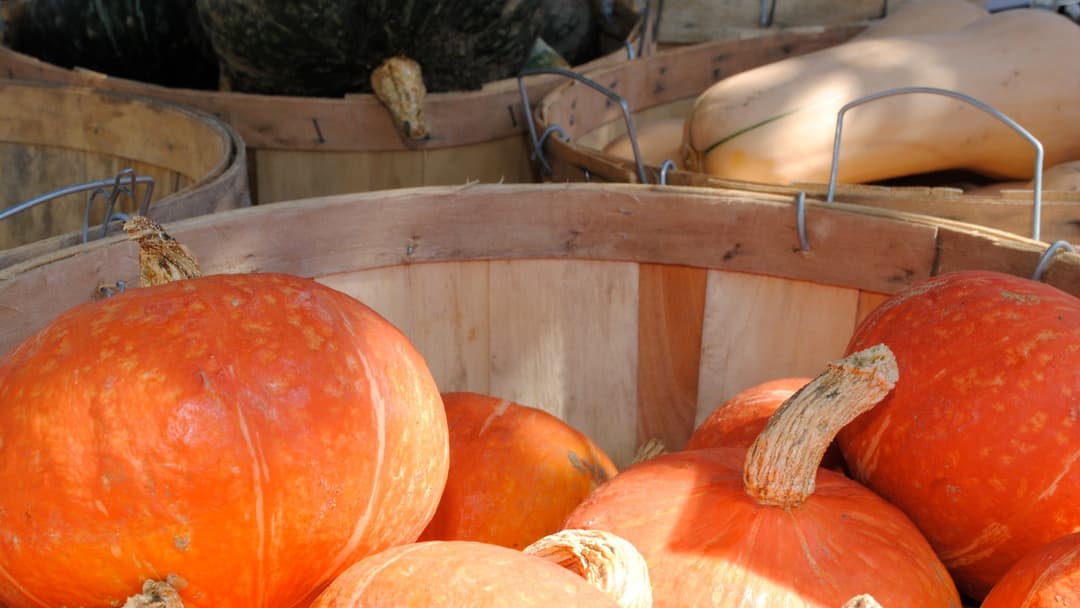
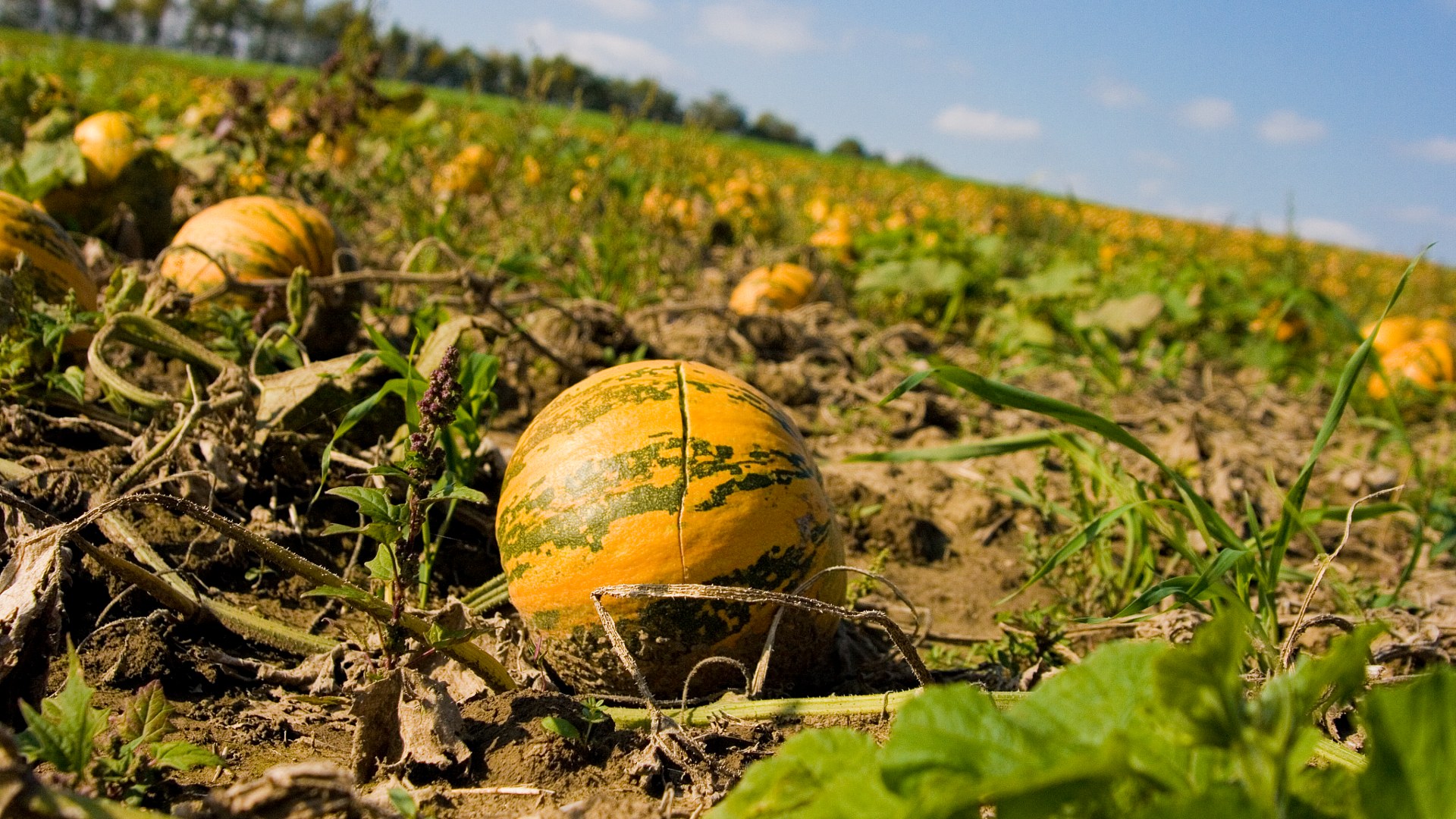
10. Pumpkin (5.0g Sugar / 100g)
Pumpkins symbolize fall harvest festivals and Thanksgiving dinner across the United States. While farmers carve them into jack-o-lanterns or puree them for sweet and savory pies, these massive orange winter gourds are scientifically classified as giant pepos, containing fibrous pulp and hundreds of flat seeds.
©Wikimedia / Claus Rebler
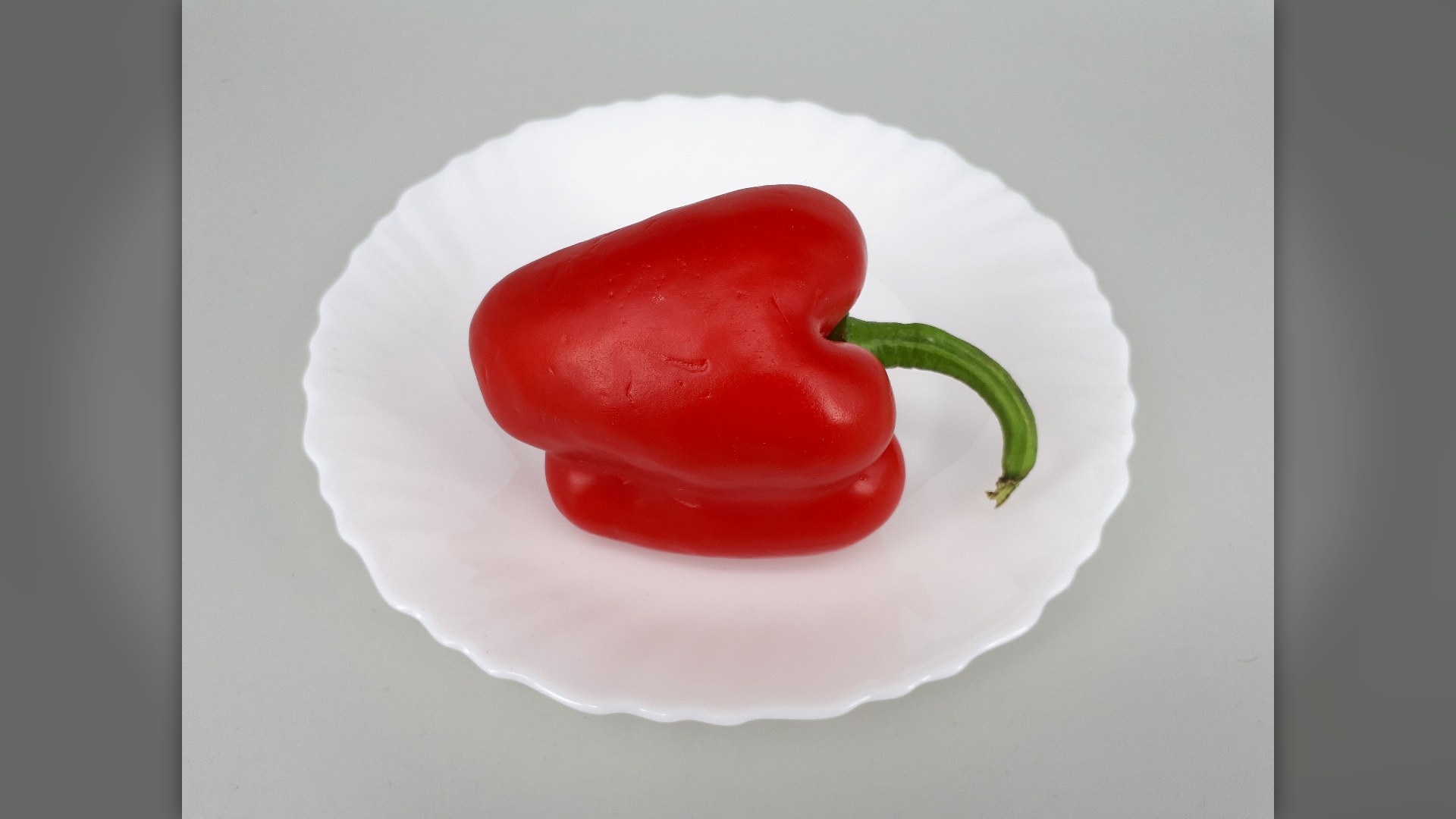
9. Red Bell Pepper (5.4g Sugar / 100g)
When green bell peppers are left on the plant to mature in the summer sun, their chlorophyl breaks down into brilliant red carotenoids. This natural ripening process doubles their sweetness and vitamin C content, showcasing their true botanical nature as sweet, multi-seeded berries of the Capsicum family.
©Wikimedia / Fructibus
8. Acorn Squash (6.0g Sugar / 100g)
Shaped like a giant tree acorn with distinctive dark green flutes, this cold-weather staple is routinely roasted with butter and brown sugar. Because cooks treat it like a root vegetable side dish, few realize it belongs to the same botanical species as summer zucchini, functioning as a hard-shelled pepo fruit.
©Wikimedia / Christopher Sessums
7. Sweet Corn (6.2g Sugar / 100g)
Sweet corn is a classic summer side dish at American backyard barbecues. While shoppers consider it a vegetable or a whole grain, an ear of corn is actually an infructescence. Every single golden kernel develops from a pollinated flower ovary, making it an independent dry fruit called a caryopsis.
©Wikimedia / Tomascastelazo
Advertisement
Swipe or tap ▶ to resume the countdown.
6. Butternut Squash (6.7g Sugar / 100g)
With its hourglass silhouette and creamy tan skin, butternut squash is a favorite ingredient for velvety autumnal soups and roasted pasta fillings. Botanists classify this sweet winter squash as a pepo fruit. The elongated neck consists of solid edible flesh, while the bulbous base houses a hollow seed chamber.
©Wikimedia / George Chernilevsky
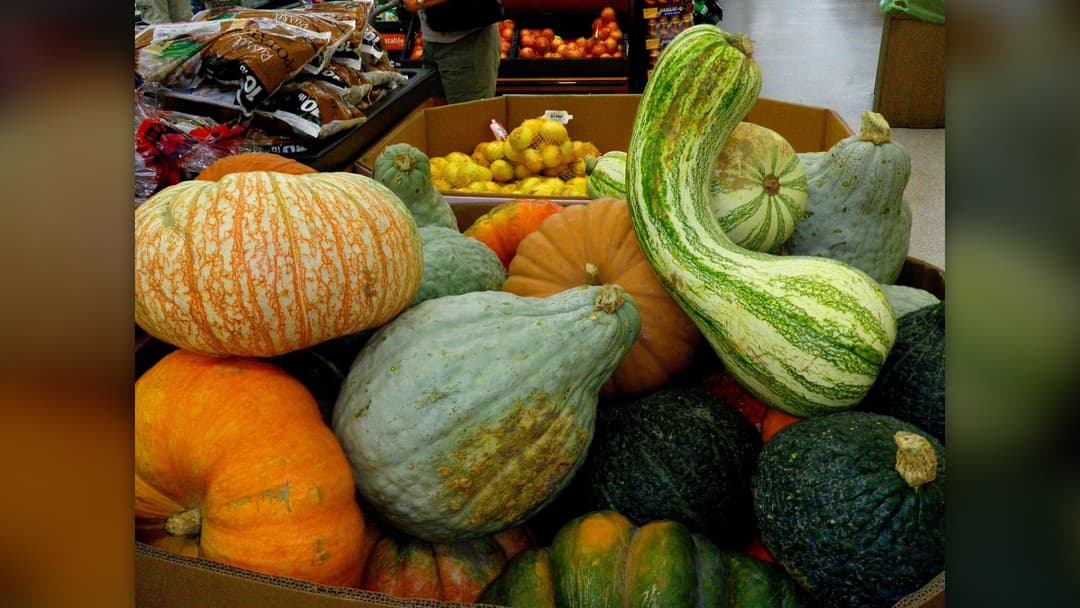
5. Hubbard Squash (7.0g Sugar / 100g)
Encased in an armor-like, bumpy blue or gray rind, the colossal Hubbard squash can weigh up to twenty pounds. Despite its rugged exterior, it is a botanical pepo fruit whose rich flesh rivals sweet potatoes in casseroles and pies, providing northern homesteaders with long-keeping winter nutrition.
©Wikimedia / RustyClark
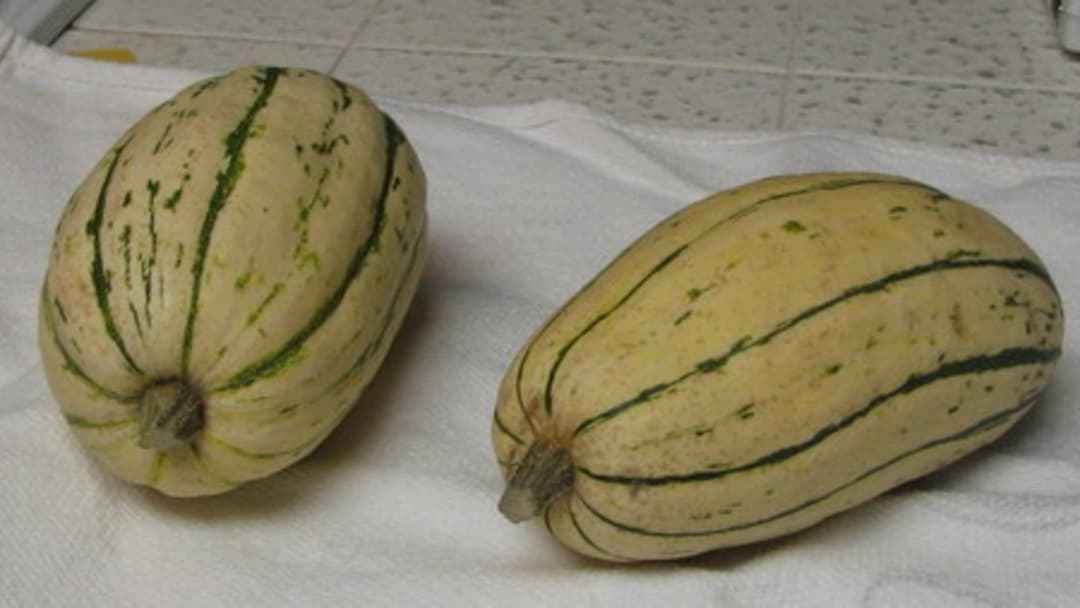
4. Delicata Squash (7.5g Sugar / 100g)
Often marketed as sweet potato squash, delicata is beloved for its tender, striped edible skin and sweet maple flavor. While home chefs roast it into savory sheet pan side dishes, botanists classify the heirloom cylinder as an open-pollinated pepo fruit carrying central seeds.
©Wikimedia / Aphthong
3. Kabocha Squash (8.0g Sugar / 100g)
Featuring a bumpy dark rind and intensely sweet chestnut-flavored flesh, kabocha squash has become a star of tempura platters and hearty autumnal curries. This Japanese winter pumpkin is a member of Cucurbita maxima, functioning botanically as a hard-rind pepo fruit packed with concentrated natural sugars.
©Wikimedia / Lizard10979
Advertisement
Swipe or tap ▶ to resume the countdown.
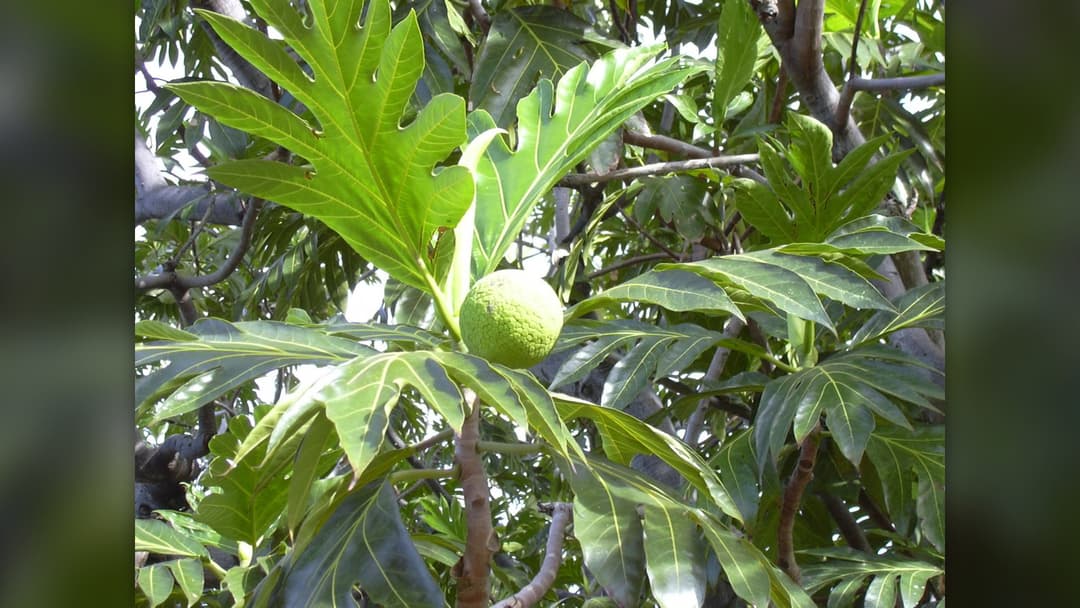
2. Breadfruit (11.0g Sugar / 100g)
Commonly served in Hawaii and across Caribbean communities in the United States, breadfruit is prepared like a potato, baked, boiled, or fried into chips. Despite its savory culinary application and bread-like aroma, botany classifies this tree crop as a multiple aggregate syncarp fruit related to figs and jackfruit.
©Wikimedia / Forest and Kim Starr
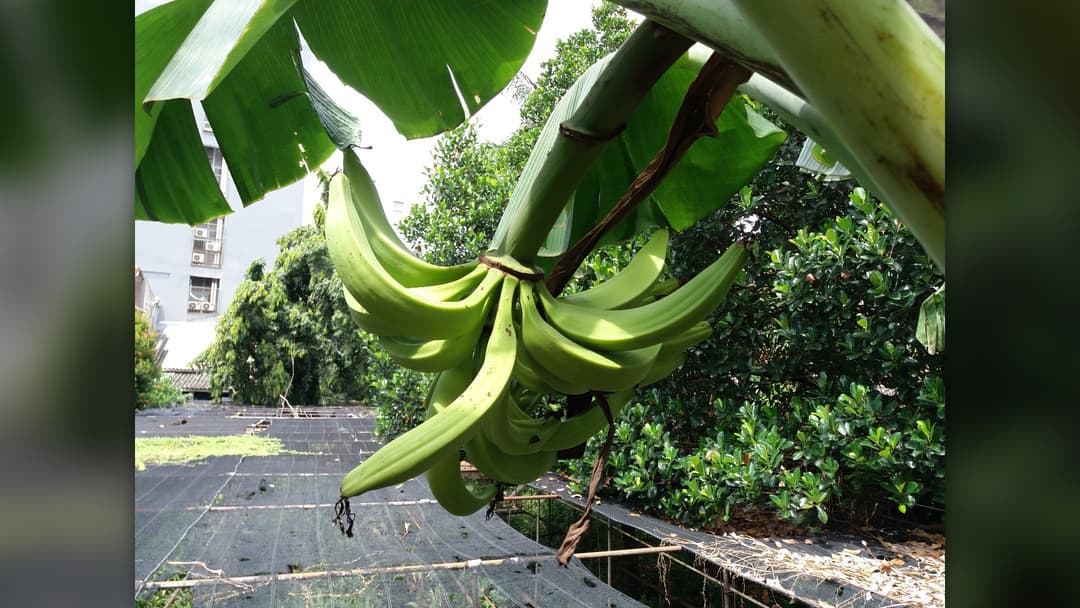
1. Plantain (15.0g Sugar / 100g)
While sweet dessert bananas are recognized everywhere as fruit, green cooking plantains are treated strictly as savory vegetables in American bodegas and Latin restaurants. Mashed into mofongo or fried into tostones, they are botanically huge parthenocarpic berries produced by giant herbaceous plants.
©Wikimedia / Kalakutjet
Advertisement
You've reached the end of the story. Thanks for reading!

20 Inventions From 1926 That We Still Use Today
From liquid-fueled rockets and pop-up toasters to waterproof wristwatches and power steering, these breakthroughs from 1926 shaped the modern world.
All 25 Entries in this Story
1. Olive (0.5g Sugar / 100g)
Olives develop from the flower ovary of the olive tree and protect a hard central pit housing the seed, meeting every botanical criterion of a stone fruit or drupe. Because raw olives are cured in brine or pressed for culinary oil, most Americans treat them as salty appetizers or salad vegetables.

2. Avocado (0.7g Sugar / 100g)
Despite being mashed into guacamole or sliced over savory toast, avocados are true single-seeded berries. Their rich, buttery texture comes from heart-healthy monounsaturated fats rather than sweet juices, leading supermarkets to position them directly in the vegetable produce section.

3. Cucumber (1.7g Sugar / 100g)
Cucumbers originate from the blossoms of trailing vines and enclose dozens of seeds within their crisp flesh, defining them scientifically as modified berries known as pepos. In American cuisine, their refreshing crunch is reserved for cold garden salads and savory dill pickling.

4. Zucchini (2.2g Sugar / 100g)
Zucchini is a member of the gourd family that forms directly from pollinated female squash blossoms. Botanists classify each zucchini as an immature pepo fruit. In American kitchens, cooks treat it as a versatile vegetable, sautéing it in olive oil, grilling it, or grating it into savory breads.

5. Chayote (2.2g Sugar / 100g)
Popular in Louisiana Creole cooking and southwestern cuisine, the chayote squash is the edible fruit of a vigorous climbing vine. Containing a soft central seed and subtle crispness, this mild pepo fruit is routinely boiled, stuffed with seafood, or tossed raw into cabbage slaws.

6. Tomatillo (2.4g Sugar / 100g)
Wrapped in an inedible, lantern-like papery calyx, the tomatillo is a spherical botanical berry belonging to the nightshade family. Though prized for making zesty salsa verde, roasted meat rubs, and savory chili sauces, its tart flesh develops entirely from the flower ovary of the plant.

7. Eggplant (3.2g Sugar / 100g)
Known across Britain and France as aubergine, the eggplant is a classic member of the nightshade family and a botanical berry. Its spongy flesh and bitter-savory flavor profile make it a star in roasted casseroles, parmesan bakes, and ratatouille, obscuring its true botanical identity as a seed-bearing fruit.

8. Jalapeno Pepper (3.5g Sugar / 100g)
Though prized for their punchy heat in nachos, salsas, and poppers, chili peppers like the jalapeno are scientifically classified as botanical berries. Each pod develops from a solitary flower and encloses dozens of pale seeds attached to a pungent inner placenta that produces capsaicin.

9. Yellow Summer Squash (3.8g Sugar / 100g)
Yellow crookneck and straightneck squash varieties are celebrated staples of southern home cooking and backyard vegetable gardens. Like their zucchini cousins, these squash are harvested while young and tender, functioning botanically as fleshy pepo fruits packed with central seed cavities.

10. Tomato (3.9g Sugar / 100g)
Tomatoes are the most famous example of produce caught between science and dinner. Botanically, each tomato is a true berry originating from the plant flower. However, in the landmark 1893 Nix v. Hedden decision, the United States Supreme Court legally ruled that tomatoes must be taxed as vegetables for trade tariffs.

11. Okra (4.0g Sugar / 100g)
Integral to Creole stews, African braises, and southern fried platters, okra is widely viewed as a hearty green vegetable. In reality, each ridged pod is a botanical fruit, specifically a dehiscent seed capsule packed with edible white pearls that form immediately after the plant delicate flowers fall away.

12. Green Bell Pepper (4.2g Sugar / 100g)
Green bell peppers are essentially unripe sweet peppers picked early in their growth cycle. While their grassier, slightly bitter flavor profile secures them a permanent spot in stir-fries, fajitas, and salads, each pod is an air-filled botanical berry loaded with interior seeds.

13. String Beans (4.3g Sugar / 100g)
Known colloquially as snap beans or green beans, these crunchy dinner staples are the immature fruit pods of the Phaseolus vulgaris plant. While home cooks steam or sauté them like leafy greens, each elongated pod develops from an ovary and serves the botanical purpose of nurturing embryonic seeds.

14. Bitter Melon (4.5g Sugar / 100g)
Grown across tropical Asia and increasingly found in American specialty markets, bitter melon looks like a ridged, bumpy cucumber. Despite its intense bitterness and frequent appearance in savory curries and stir-fries, botany groups it as a modified pepo fruit that splits open when fully ripe to expose red seeds.

15. Snap Peas (4.8g Sugar / 100g)
Sugar snap peas are beloved across America as crisp salad toppers and healthy lunchbox snacks. Because the entire plump green pod is eaten raw alongside savory dips, diners mistake it for a leafy vegetable stem. Botanically, each crunchy pod is the true fruit vessel of the Pisum sativum legume.

16. Pumpkin (5.0g Sugar / 100g)
Pumpkins symbolize fall harvest festivals and Thanksgiving dinner across the United States. While farmers carve them into jack-o-lanterns or puree them for sweet and savory pies, these massive orange winter gourds are scientifically classified as giant pepos, containing fibrous pulp and hundreds of flat seeds.

17. Red Bell Pepper (5.4g Sugar / 100g)
When green bell peppers are left on the plant to mature in the summer sun, their chlorophyl breaks down into brilliant red carotenoids. This natural ripening process doubles their sweetness and vitamin C content, showcasing their true botanical nature as sweet, multi-seeded berries of the Capsicum family.

18. Acorn Squash (6.0g Sugar / 100g)
Shaped like a giant tree acorn with distinctive dark green flutes, this cold-weather staple is routinely roasted with butter and brown sugar. Because cooks treat it like a root vegetable side dish, few realize it belongs to the same botanical species as summer zucchini, functioning as a hard-shelled pepo fruit.

19. Sweet Corn (6.2g Sugar / 100g)
Sweet corn is a classic summer side dish at American backyard barbecues. While shoppers consider it a vegetable or a whole grain, an ear of corn is actually an infructescence. Every single golden kernel develops from a pollinated flower ovary, making it an independent dry fruit called a caryopsis.

20. Butternut Squash (6.7g Sugar / 100g)
With its hourglass silhouette and creamy tan skin, butternut squash is a favorite ingredient for velvety autumnal soups and roasted pasta fillings. Botanists classify this sweet winter squash as a pepo fruit. The elongated neck consists of solid edible flesh, while the bulbous base houses a hollow seed chamber.

21. Hubbard Squash (7.0g Sugar / 100g)
Encased in an armor-like, bumpy blue or gray rind, the colossal Hubbard squash can weigh up to twenty pounds. Despite its rugged exterior, it is a botanical pepo fruit whose rich flesh rivals sweet potatoes in casseroles and pies, providing northern homesteaders with long-keeping winter nutrition.

22. Delicata Squash (7.5g Sugar / 100g)
Often marketed as sweet potato squash, delicata is beloved for its tender, striped edible skin and sweet maple flavor. While home chefs roast it into savory sheet pan side dishes, botanists classify the heirloom cylinder as an open-pollinated pepo fruit carrying central seeds.

23. Kabocha Squash (8.0g Sugar / 100g)
Featuring a bumpy dark rind and intensely sweet chestnut-flavored flesh, kabocha squash has become a star of tempura platters and hearty autumnal curries. This Japanese winter pumpkin is a member of Cucurbita maxima, functioning botanically as a hard-rind pepo fruit packed with concentrated natural sugars.

24. Breadfruit (11.0g Sugar / 100g)
Commonly served in Hawaii and across Caribbean communities in the United States, breadfruit is prepared like a potato, baked, boiled, or fried into chips. Despite its savory culinary application and bread-like aroma, botany classifies this tree crop as a multiple aggregate syncarp fruit related to figs and jackfruit.

25. Plantain (15.0g Sugar / 100g)
While sweet dessert bananas are recognized everywhere as fruit, green cooking plantains are treated strictly as savory vegetables in American bodegas and Latin restaurants. Mashed into mofongo or fried into tostones, they are botanically huge parthenocarpic berries produced by giant herbaceous plants.