Slideshow · Science
How long this world have left to live: 20 Facts According to experts
20 Expert Estimates For How Long Humans Will Last On Earth
By Most Viral Today
23 min ago

How Many Years Humans Have Left to Live on Earth According to Experts 
20. Stephen Hawking: 100-Year Colonization Warning 
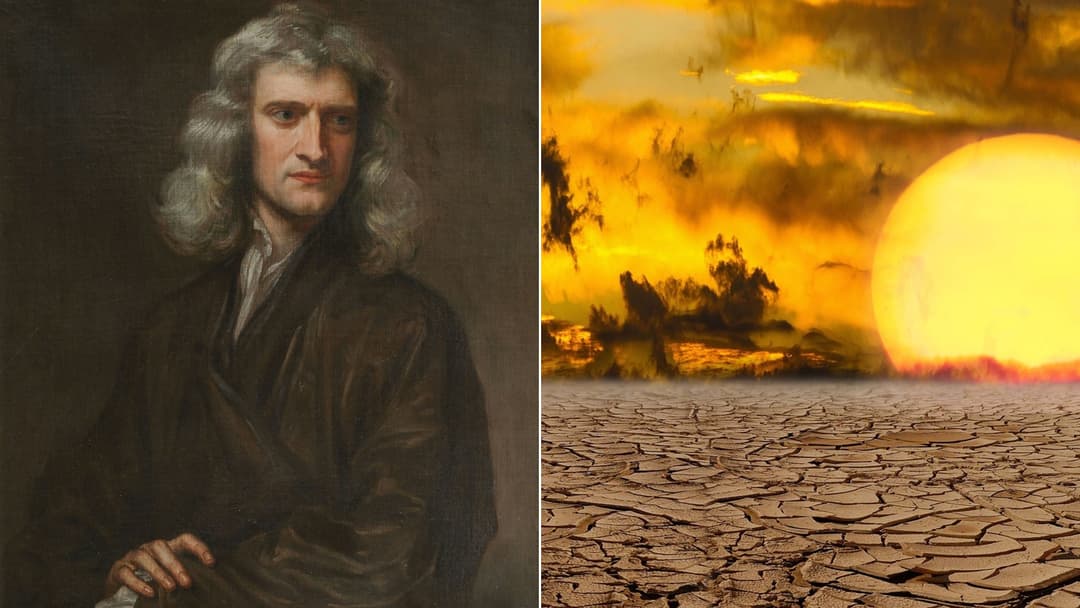
19. Sir Isaac Newton: 2060 Calculation 
18. Heinz Von Foerster: 2026 Population Singularity - AdvertisementSwipe or tap ▶ to continue countdown

17. Near-Term Climate Tipping Points 
16. Global Resource Overshoot 
15. Artificial Intelligence Existential Risk 
14. Engineered Pandemics And Synthetic Biology - AdvertisementSwipe or tap ▶ to continue countdown

13. Full-Scale Nuclear Winter Scenarios 
12. Prediction Market Odds For The Year 2100 
11. Annual Global Extinction Odds 
10. Brandon Carter: 17,100-Year Doomsday Model - AdvertisementSwipe or tap ▶ to continue countdown

9. Cognitive Trends And Human Adaptability 
8. Declining Fertility And Depopulation 
7. Supervolcano Eruption Intervals 
6. Typical Mammalian Lifespan Benchmarks - AdvertisementSwipe or tap ▶ to continue countdown

5. J. Richard Gott: 8-Million-Year Timeline 
4. Asteroid Impact Catastrophe Intervals 
3. Atmospheric Oxygen Loss In One Billion Years 
2. The 1-Billion-Year Solar Limit - AdvertisementSwipe or tap ▶ to continue countdown

1. Multi-Planetary Survival And Human Choice - Advertisement🔥 UP NEXT IN THIS SERIES◫ 21 Slides

20 Inventions From 1926 That We Still Use Today
From liquid-fueled rockets and pop-up toasters to waterproof wristwatches and power steering, these breakthroughs from 1926 shaped the modern world.
From Stephen Hawking to Isaac Newton, leading thinkers have warned that human civilization faces sharp limits. Whether via tech hazards, demographic shifts, or the aging Sun's inevitable heating, scientific estimates range from decades to a billion years. Here is what top experts calculate about our future.
Swipe or tap ▶ to begin the countdown
©Wikimedia / Godfrey Kneller & Pixabay / garten-gg
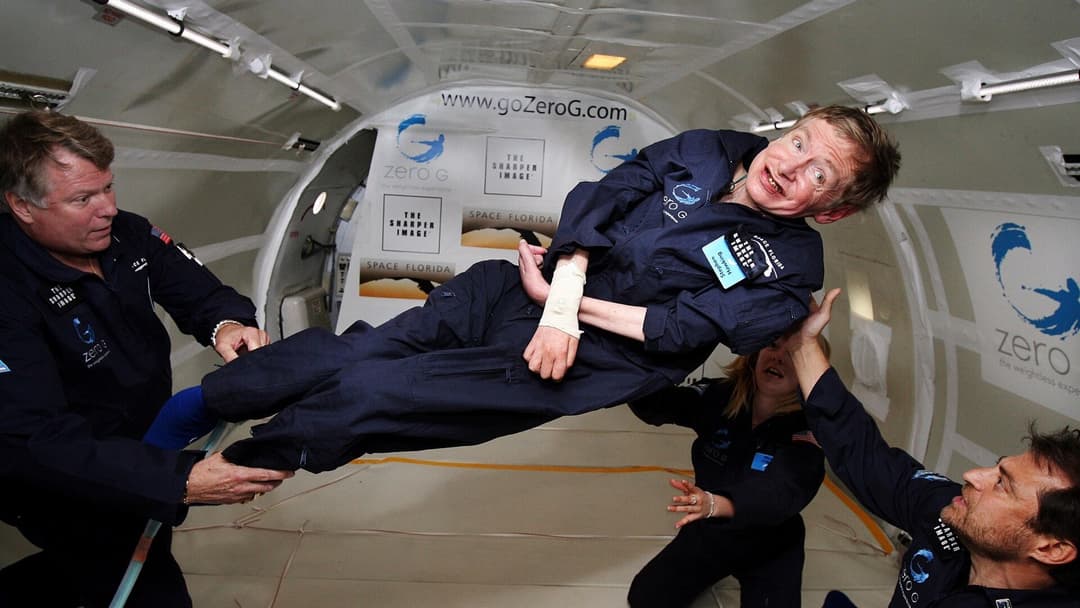
20. Stephen Hawking: 100-Year Colonization Warning
In 2017, Stephen Hawking cautioned that humanity had roughly 100 years left on Earth before climate crises, epidemics, asteroid impacts, and overpopulation made survival impossible. He urged rapid colonization of the Moon and Mars to secure our species against existential planetary shocks.
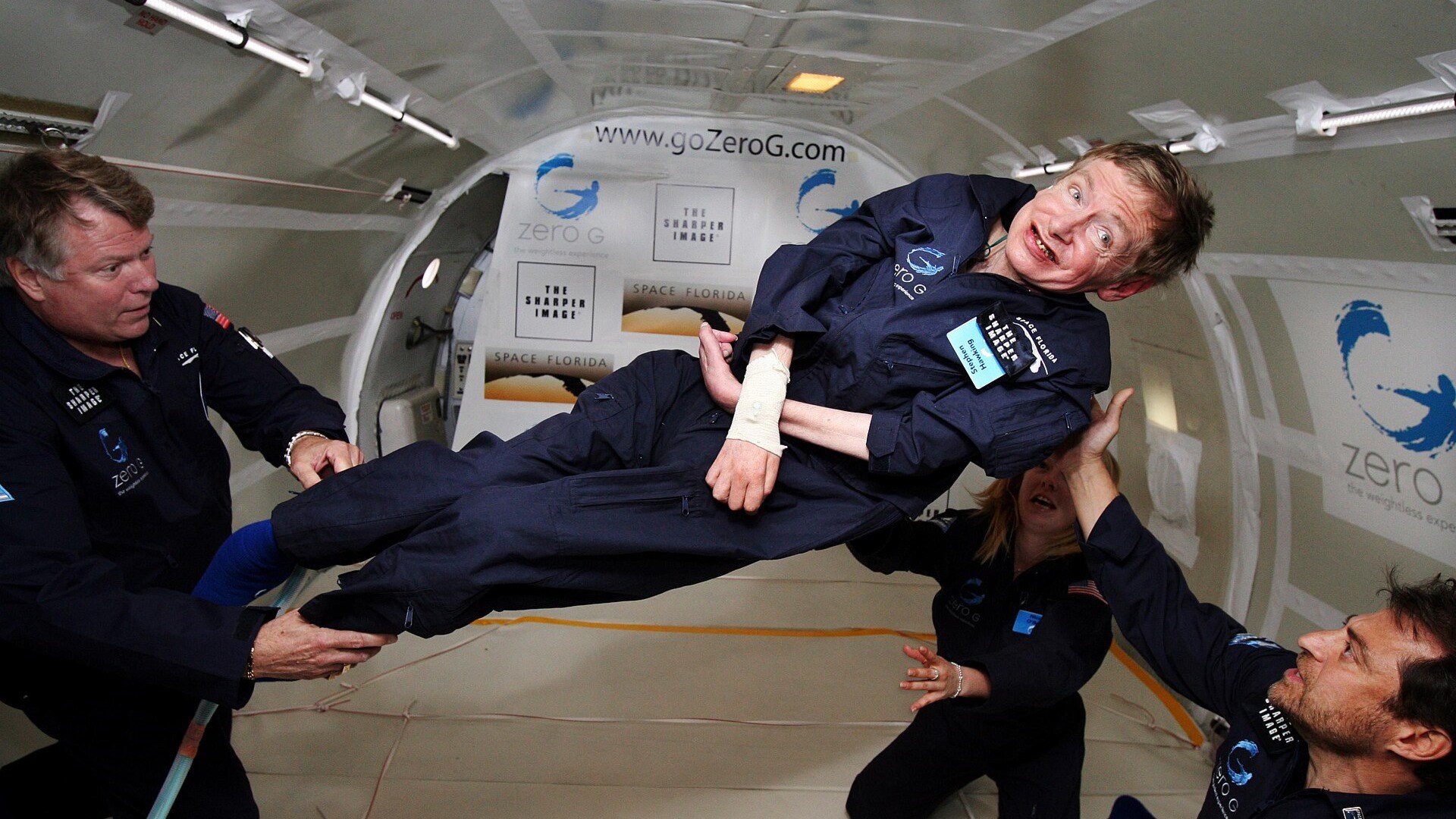
©Wikimedia Commons / NASA (Public Domain)
19. Sir Isaac Newton: 2060 Calculation
Newton analyzed biblical chronologies in the Book of Daniel to pinpoint the year 2060 as a momentous turning point. Rather than total physical annihilation, his handwritten notes described a period of war and natural upheaval that would clear the path for a new era of lasting global peace.

©Wikimedia Commons / Godfrey Kneller (Public Domain)
18. Heinz Von Foerster: 2026 Population Singularity
Physicist Heinz von Foerster published a mathematical model charting historical birth trends, projecting that runaway exponential growth would trigger planetary breakdown on November 13, 2026. While falling birth rates disproved his infinite curve, his work pioneered modern demographic modeling.

©Pixabay / meineresterampe (Royalty Free)
Advertisement
Swipe or tap ▶ to resume the countdown.
17. Near-Term Climate Tipping Points
Atmospheric scientists warn that exceeding key warming thresholds could trigger irreversible feedback loops, from Antarctic ice sheet collapse to Amazon rainforest dieback. While these tipping points threaten global agriculture and stability rather than direct extinction, they imperil organized civilization.

©Wikimedia / Copernicus Sentinel-1 (CC BY-SA 3.0)
16. Global Resource Overshoot
According to Global Footprint Network audits, human industry consumes freshwater, fertile topsoil, and timber faster than natural systems can regenerate. This persistent deficit deepens resource competition and threatens the long-term carrying capacity needed to sustain modern human societies.

©Wikimedia Commons / US National Archives (PD)
15. Artificial Intelligence Existential Risk
Prominent computer scientists and AI safety institutes warn that autonomous systems could soon outpace human oversight. Without rigorous safety guardrails and alignment verification, an advanced machine intelligence pursuing misaligned goals could present an unprecedented existential hazard.

©Pixabay / Tho-Ge (Royalty Free)
14. Engineered Pandemics And Synthetic Biology
Biosecurity analysts caution that desktop DNA synthesis and gain-of-function experiments lower the barrier to engineering hyper-virulent pathogens. An escaped or weaponized contagion with high lethality and asymptomatic spread could overwhelm international healthcare defenses far faster than natural viruses.

©Pixabay / Tumisu (Royalty Free)
Advertisement
Swipe or tap ▶ to resume the countdown.
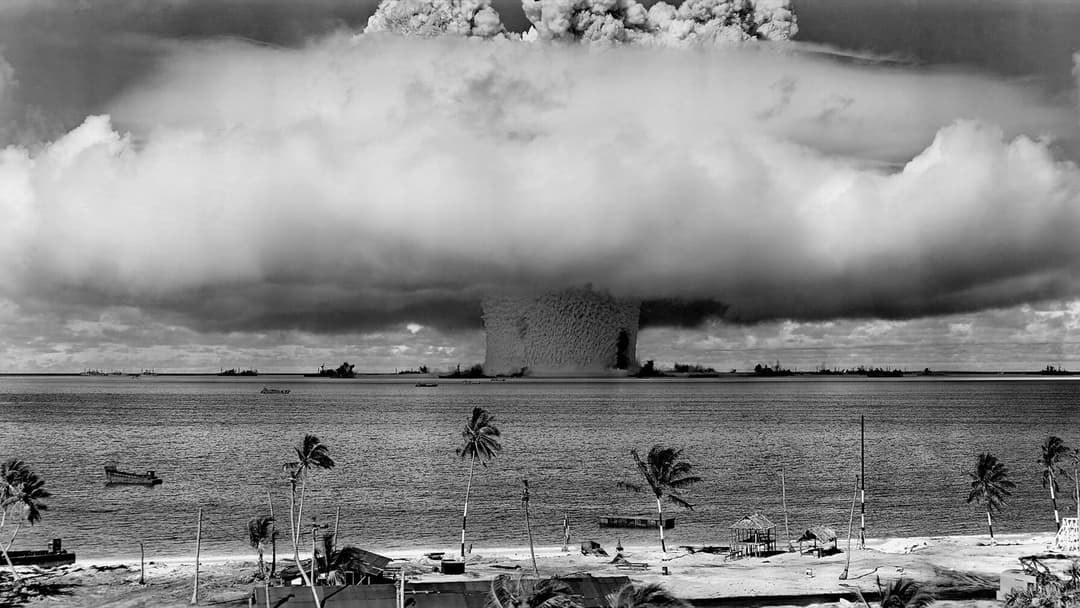
13. Full-Scale Nuclear Winter Scenarios
Atmospheric climate models indicate that a major nuclear war would inject millions of tons of black smoke into the stratosphere. The resulting sudden cooling and loss of sunlight would devastate crop harvests worldwide, subjecting billions of survivors to catastrophic multi-year global famines.
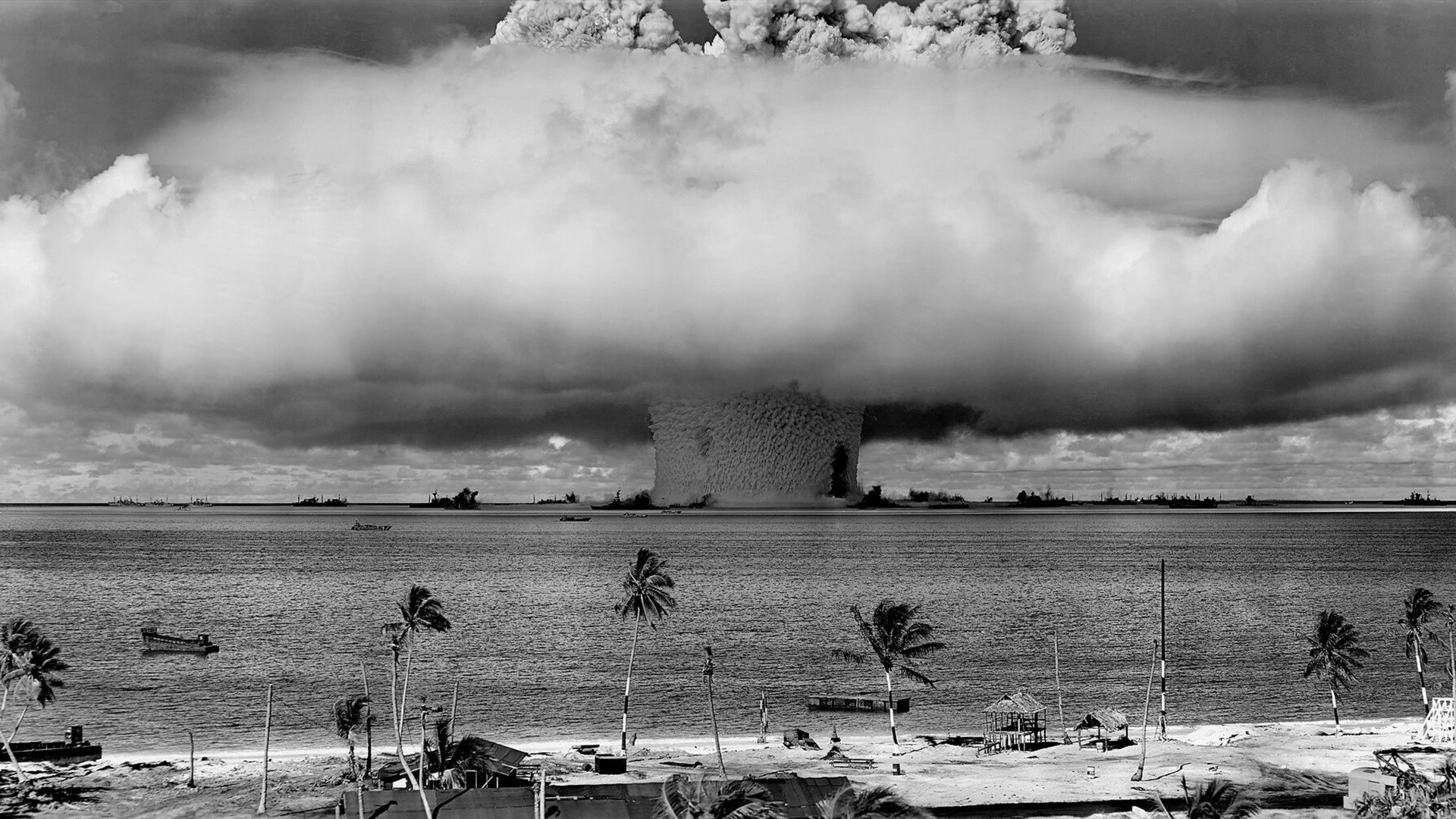
©Wikimedia / US Dept of Defense (Public Domain)
12. Prediction Market Odds For The Year 2100
Aggregated forecast platforms such as Metaculus collect predictions from hundreds of data scientists and domain analysts. Current consensus estimates place the probability of total human extinction before 2100 at around 2 percent, driven primarily by technological risks and geopolitical confrontation.

©Pixabay / Buffik (Royalty Free)
11. Annual Global Extinction Odds
Studies by the Global Challenges Foundation suggest that when compounding all known risks, our species faces a minimum 0.05 percent probability of extinction annually. Over an entire century, that background probability accumulates to roughly a 5 percent chance of civilization collapsing completely.
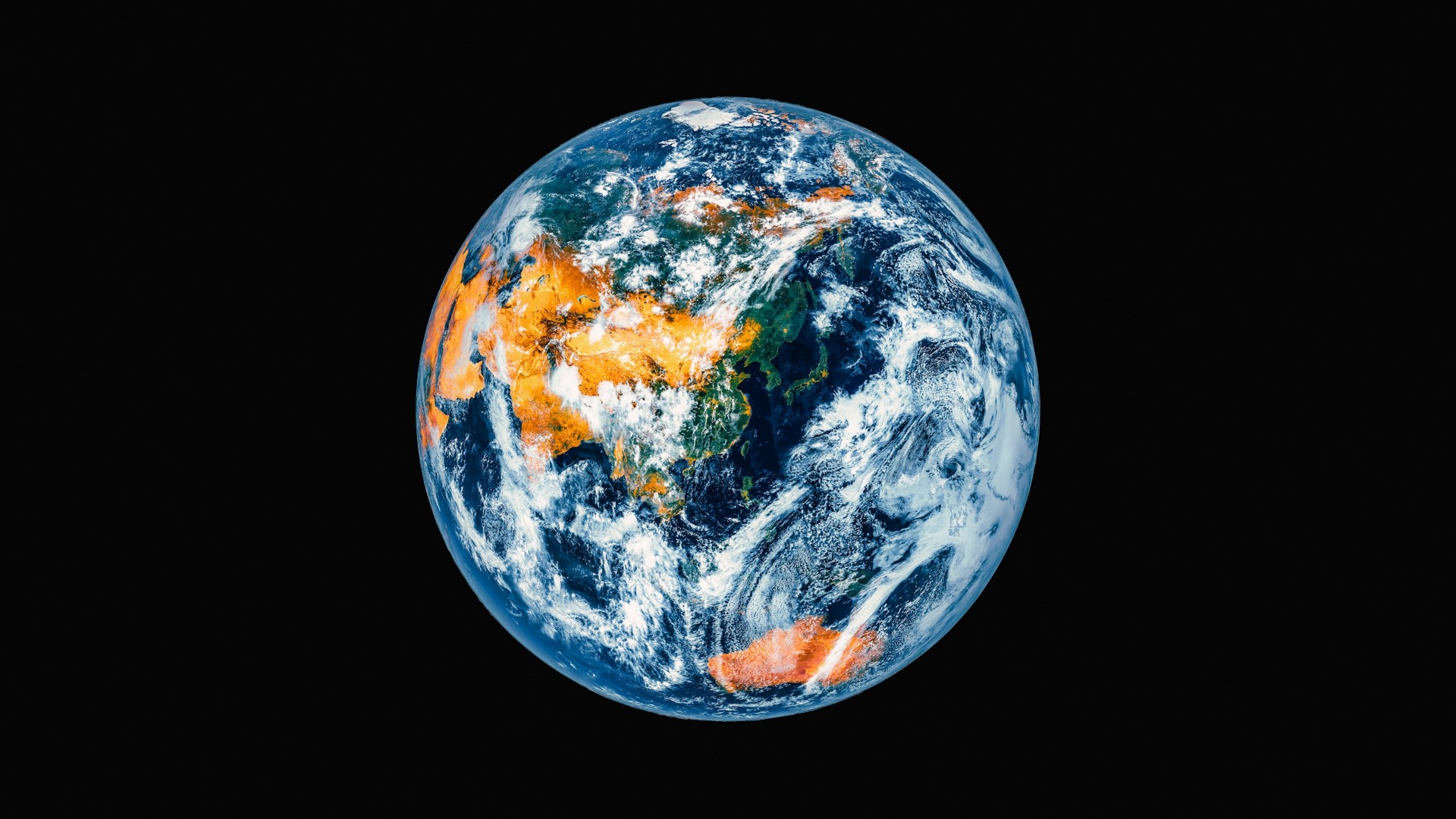
10. Brandon Carter: 17,100-Year Doomsday Model
Formulated in 1983, the Doomsday Argument applies statistical probability to our place in human history. Assuming we are typical rather than uniquely early humans among all who will ever live, Carter calculated with 95 percent statistical confidence that our species will vanish within 17,100 years.

©Pixabay / geralt (Royalty Free)
Advertisement
Swipe or tap ▶ to resume the countdown.
9. Cognitive Trends And Human Adaptability
Economists Bernt Bratsberg and Ole Rogeberg documented declines in standardized cognitive test results across cohorts born after 1975, signaling an end to the historical Flynn effect. Anthropologists debate whether shifting education, media consumption, and environmental factors might erode problem-solving skills.

©Pixabay / Mitrey (Royalty Free)
8. Declining Fertility And Depopulation
Demographic projections from the United Nations and academic institutes show fertility rates dropping below replacement level across nearly every continent. Rather than catastrophic overpopulation, humanity may confront rapid economic contraction, empty urban centers, and aging societies within two generations.

©Pixabay / Counselling (Royalty Free)
7. Supervolcano Eruption Intervals
Geologists calculate that catastrophic caldera eruptions occur on an average cycle of 100,000 years. A super-eruption from sites like Yellowstone or Lake Toba would eject thousands of cubic kilometers of ash, plunging the planet into years of volcanic winter and causing catastrophic worldwide crop failures.

©Wikimedia / Dietmar Rabich (CC BY-SA 4.0)
6. Typical Mammalian Lifespan Benchmarks
Paleontological studies reveal that average mammalian species survive between 1 and 2 million years before succumbing to environmental changes or evolutionary replacement. With modern Homo sapiens having walked Earth for approximately 300,000 years, biological history suggests considerable runway remains.

©Wikimedia / Didier Descouens (CC BY-SA 4.0)
Advertisement
Swipe or tap ▶ to resume the countdown.
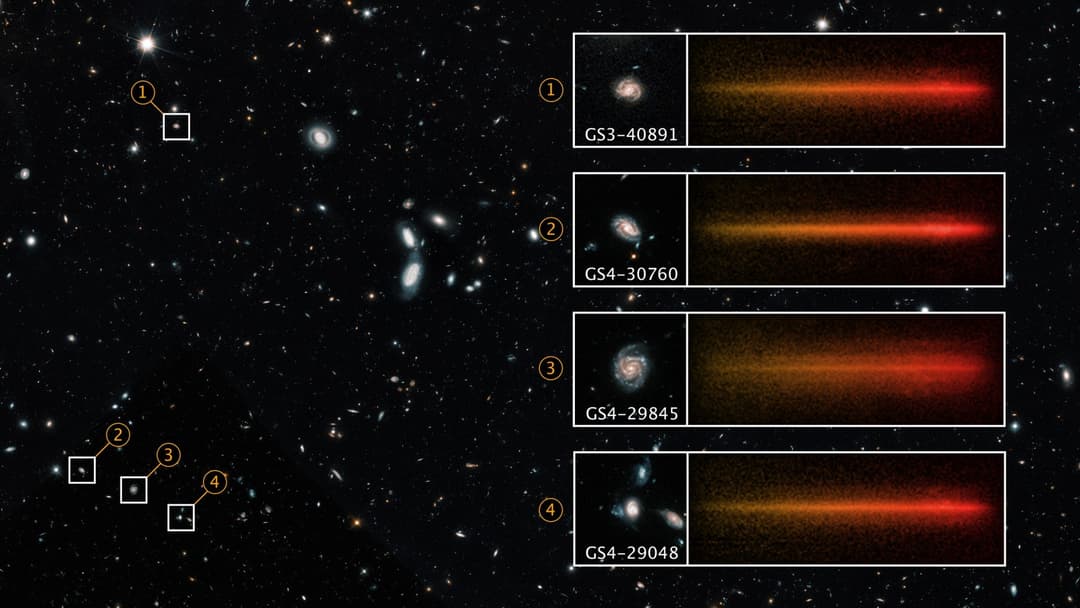
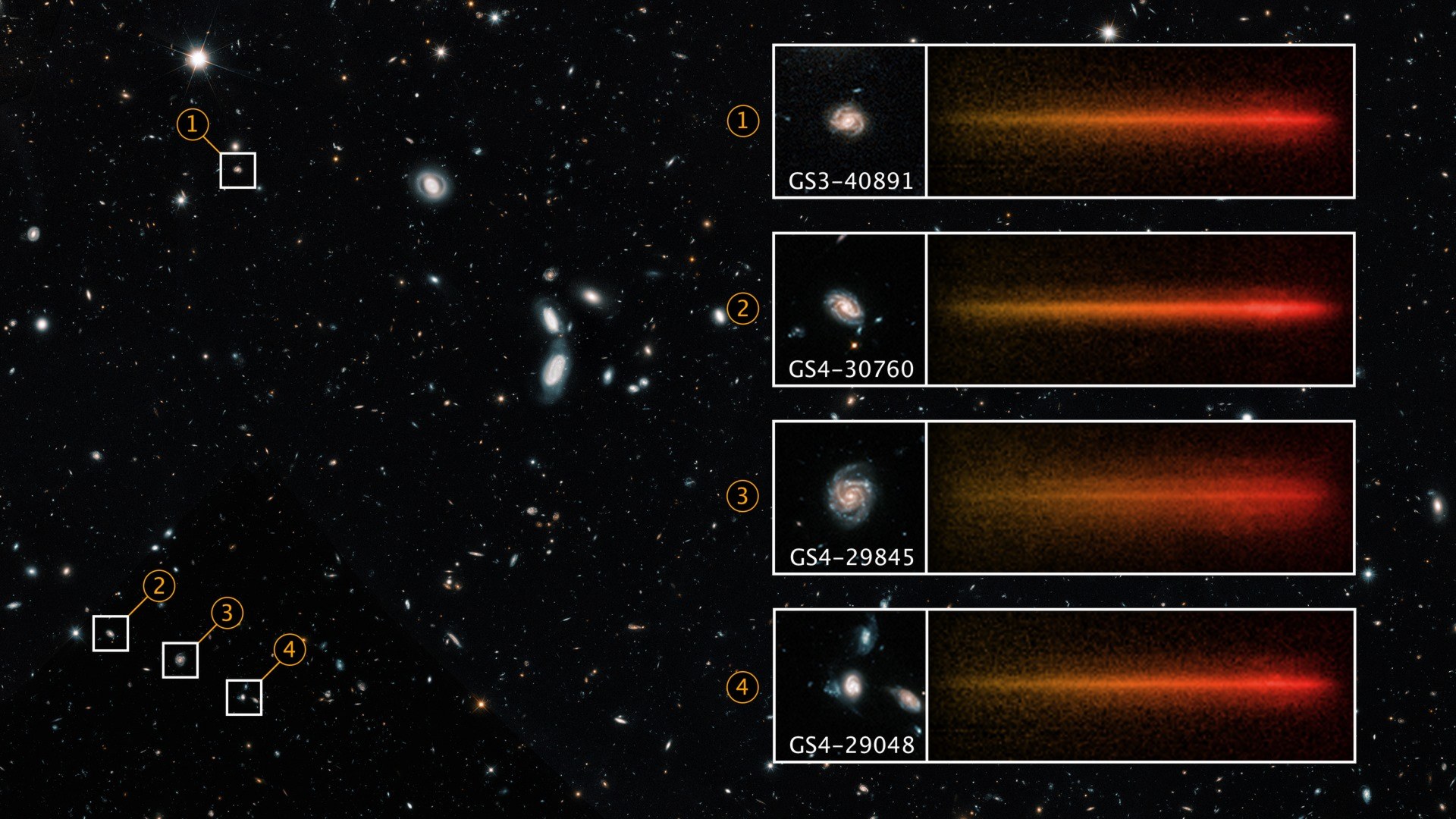
5. J. Richard Gott: 8-Million-Year Timeline
In 1993, Princeton astrophysicist J. Richard Gott applied the Copernican principle to human longevity. By assuming our observation point in history is non-special, his probability formula showed a 95 percent likelihood that humanity will survive between 5,100 and 7.8 million additional years on Earth.
©Wikimedia / NASA / ESA / STScI (Public Domain)
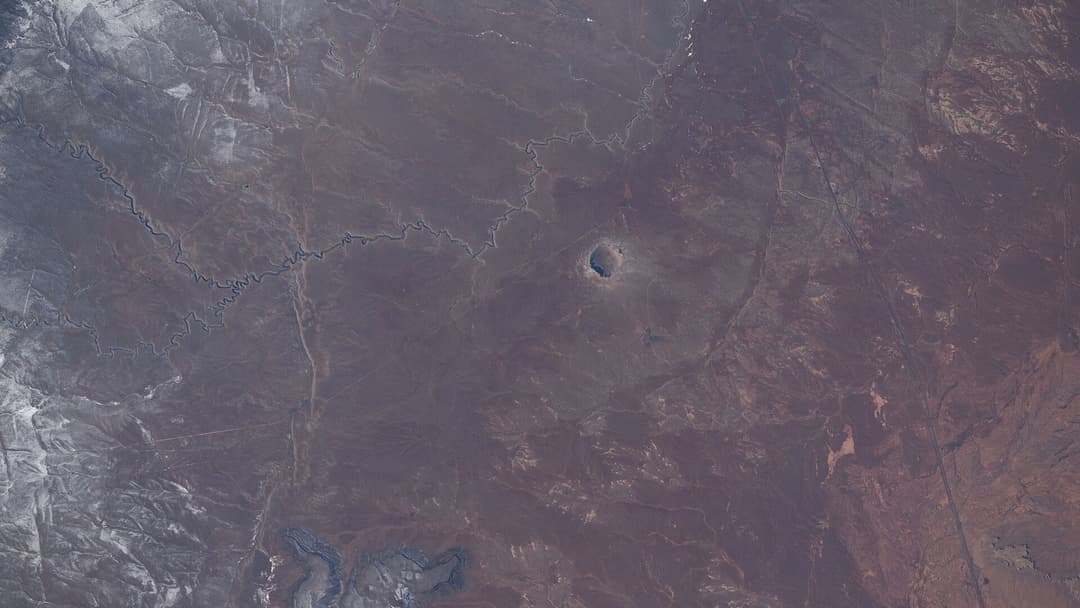
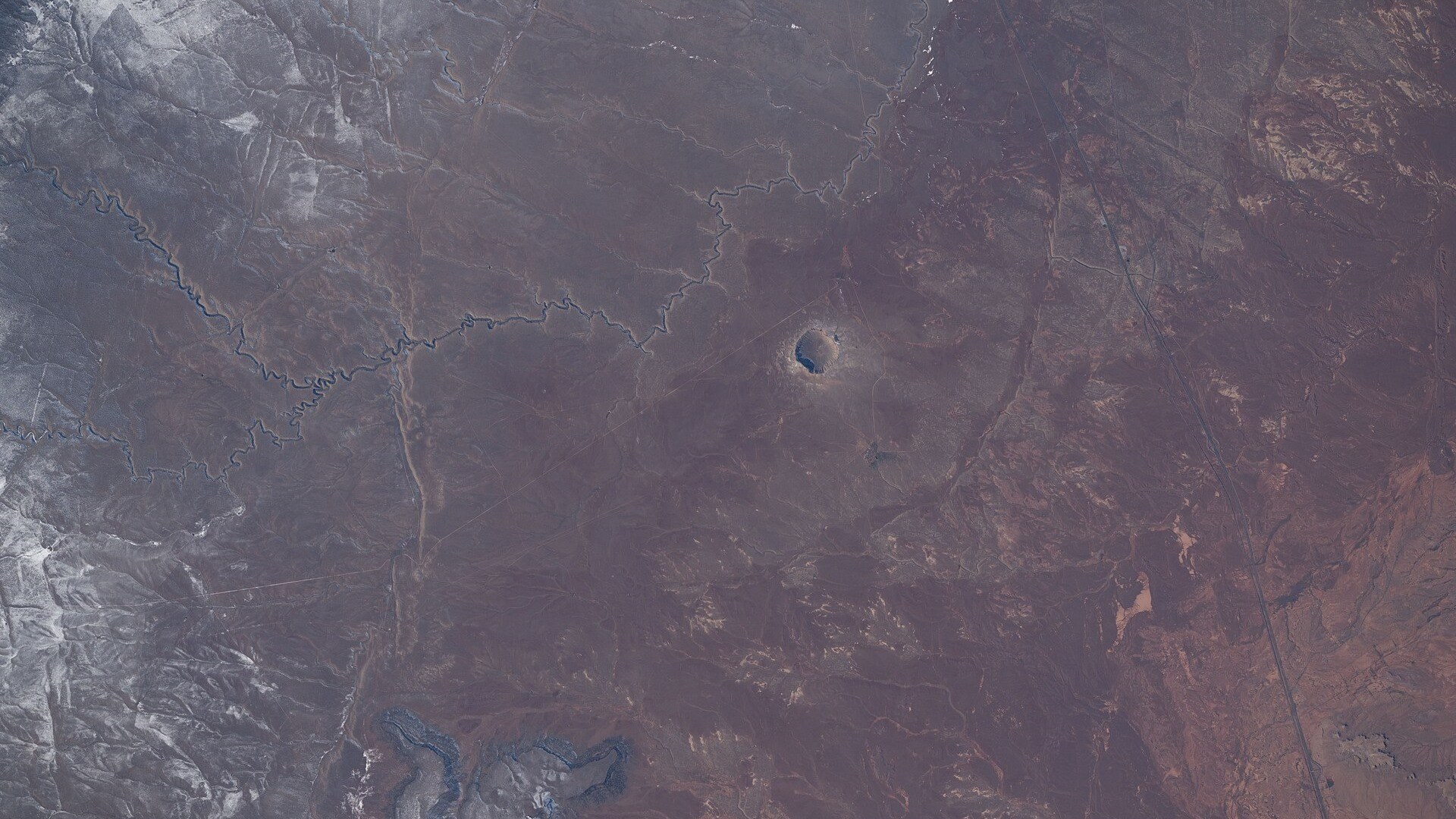
4. Asteroid Impact Catastrophe Intervals
Planetary scientists estimate that kinetic impacts from asteroids six miles wide or larger occur every 50 to 100 million years, akin to the strike that ended non-avian dinosaurs. Ground telescopes and orbital deflection tests like NASA DART now provide early warning, significantly reducing this ancient threat.
©Wikimedia Commons / NASA (Public Domain)
3. Atmospheric Oxygen Loss In One Billion Years
Supercomputer modeling published in Nature Geoscience revealed that solar aging will trigger a deoxygenation crisis in about 1 billion years. As incoming solar radiation warms the surface, atmospheric carbon dioxide will plummet, halting plant photosynthesis and stripping oxygen until only anaerobic microbes survive.

©Pixabay / StockSnap (Royalty Free)
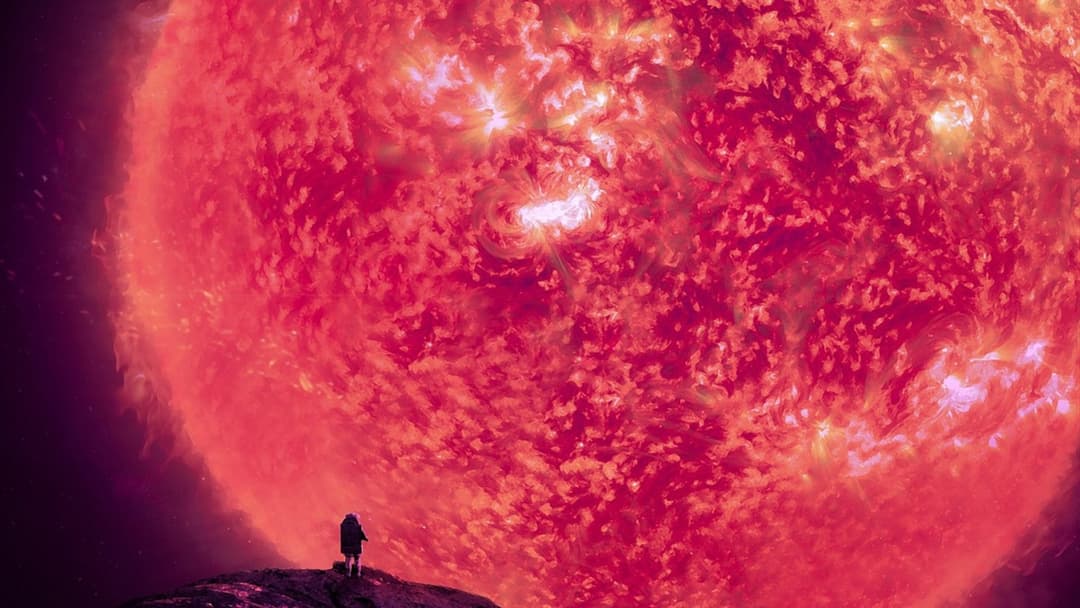
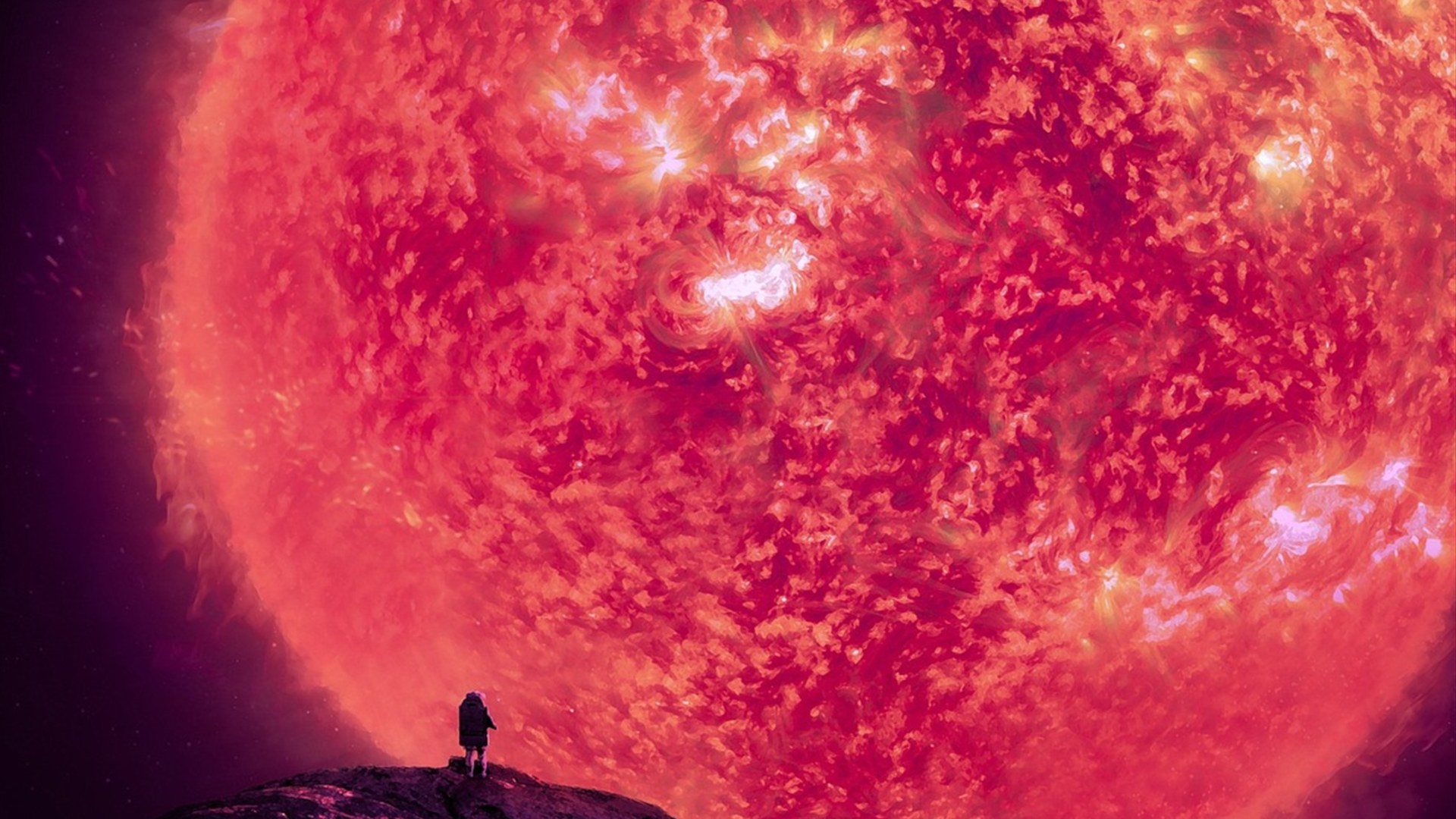
2. The 1-Billion-Year Solar Limit
As the Sun converts hydrogen to helium in its core, stellar luminosity increases by roughly 10 percent every billion years. In 1 billion years, surface temperatures on Earth will climb high enough to trigger a runaway moist greenhouse effect, evaporating oceans and ending complex terrestrial life permanently.
©Pixabay / Julihi007 (Royalty Free)
Advertisement
Swipe or tap ▶ to resume the countdown.
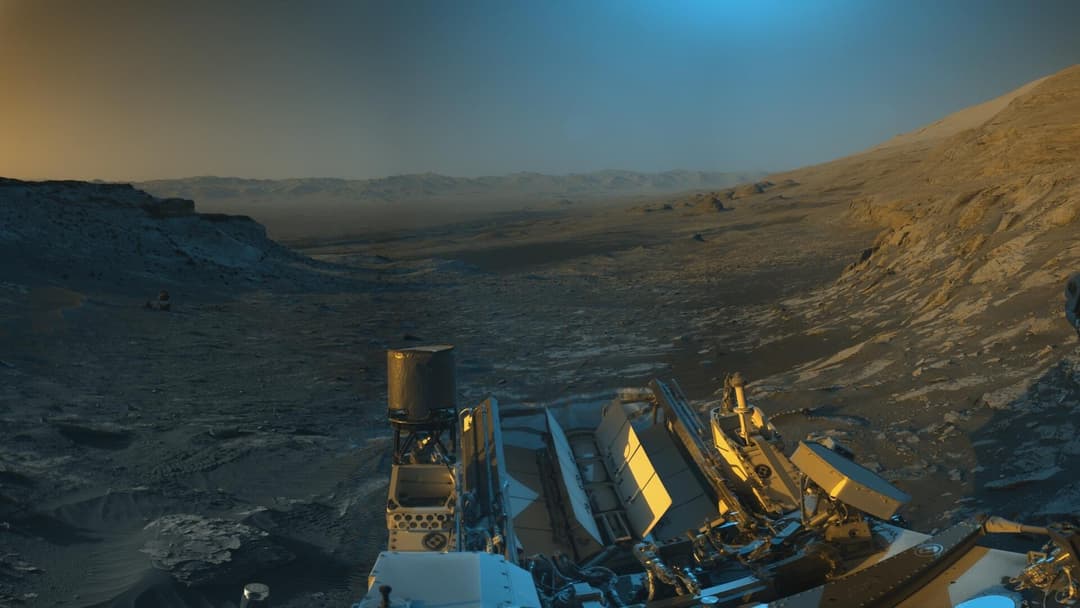
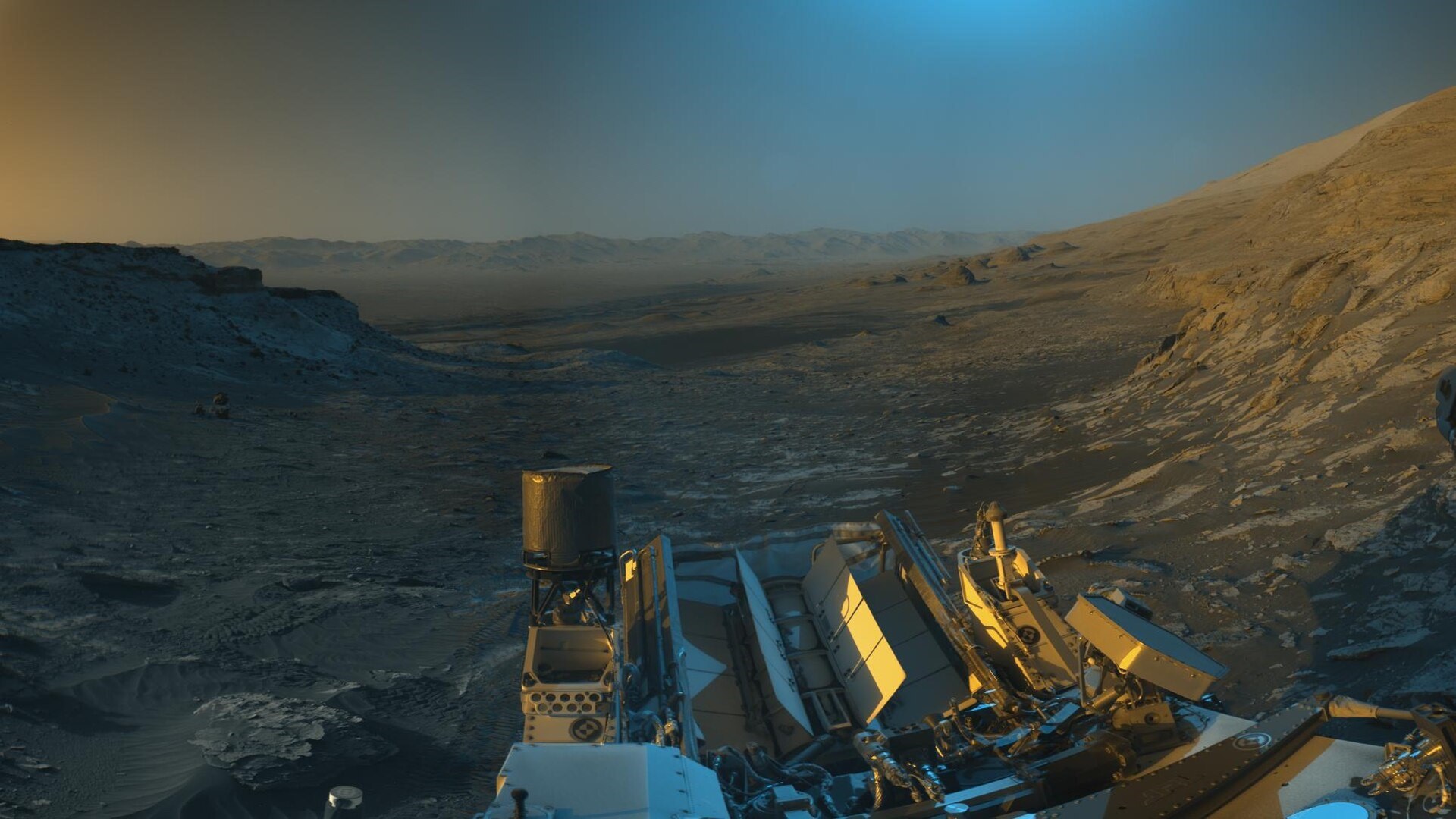
1. Multi-Planetary Survival And Human Choice
Visionaries like Elon Musk argue that establishing self-sustaining cities on Mars provides insurance against terrestrial extinction. Evolutionary biologists add that our species possesses something no dinosaur ever had: conscious awareness, science, and the ability to choose cooperation over collective ruin.
©Wikimedia / NASA / JPL-Caltech (Public Domain)
Advertisement
You've reached the end of the story. Thanks for reading!

20 Inventions From 1926 That We Still Use Today
From liquid-fueled rockets and pop-up toasters to waterproof wristwatches and power steering, these breakthroughs from 1926 shaped the modern world.
All 20 Entries in this Story
1. Stephen Hawking: 100-Year Colonization Warning
In 2017, Stephen Hawking cautioned that humanity had roughly 100 years left on Earth before climate crises, epidemics, asteroid impacts, and overpopulation made survival impossible. He urged rapid colonization of the Moon and Mars to secure our species against existential planetary shocks.

2. Sir Isaac Newton: 2060 Calculation
Newton analyzed biblical chronologies in the Book of Daniel to pinpoint the year 2060 as a momentous turning point. Rather than total physical annihilation, his handwritten notes described a period of war and natural upheaval that would clear the path for a new era of lasting global peace.

3. Heinz Von Foerster: 2026 Population Singularity
Physicist Heinz von Foerster published a mathematical model charting historical birth trends, projecting that runaway exponential growth would trigger planetary breakdown on November 13, 2026. While falling birth rates disproved his infinite curve, his work pioneered modern demographic modeling.

4. Near-Term Climate Tipping Points
Atmospheric scientists warn that exceeding key warming thresholds could trigger irreversible feedback loops, from Antarctic ice sheet collapse to Amazon rainforest dieback. While these tipping points threaten global agriculture and stability rather than direct extinction, they imperil organized civilization.

5. Global Resource Overshoot
According to Global Footprint Network audits, human industry consumes freshwater, fertile topsoil, and timber faster than natural systems can regenerate. This persistent deficit deepens resource competition and threatens the long-term carrying capacity needed to sustain modern human societies.

6. Artificial Intelligence Existential Risk
Prominent computer scientists and AI safety institutes warn that autonomous systems could soon outpace human oversight. Without rigorous safety guardrails and alignment verification, an advanced machine intelligence pursuing misaligned goals could present an unprecedented existential hazard.

7. Engineered Pandemics And Synthetic Biology
Biosecurity analysts caution that desktop DNA synthesis and gain-of-function experiments lower the barrier to engineering hyper-virulent pathogens. An escaped or weaponized contagion with high lethality and asymptomatic spread could overwhelm international healthcare defenses far faster than natural viruses.

8. Full-Scale Nuclear Winter Scenarios
Atmospheric climate models indicate that a major nuclear war would inject millions of tons of black smoke into the stratosphere. The resulting sudden cooling and loss of sunlight would devastate crop harvests worldwide, subjecting billions of survivors to catastrophic multi-year global famines.

9. Prediction Market Odds For The Year 2100
Aggregated forecast platforms such as Metaculus collect predictions from hundreds of data scientists and domain analysts. Current consensus estimates place the probability of total human extinction before 2100 at around 2 percent, driven primarily by technological risks and geopolitical confrontation.

10. Annual Global Extinction Odds
Studies by the Global Challenges Foundation suggest that when compounding all known risks, our species faces a minimum 0.05 percent probability of extinction annually. Over an entire century, that background probability accumulates to roughly a 5 percent chance of civilization collapsing completely.

11. Brandon Carter: 17,100-Year Doomsday Model
Formulated in 1983, the Doomsday Argument applies statistical probability to our place in human history. Assuming we are typical rather than uniquely early humans among all who will ever live, Carter calculated with 95 percent statistical confidence that our species will vanish within 17,100 years.

12. Cognitive Trends And Human Adaptability
Economists Bernt Bratsberg and Ole Rogeberg documented declines in standardized cognitive test results across cohorts born after 1975, signaling an end to the historical Flynn effect. Anthropologists debate whether shifting education, media consumption, and environmental factors might erode problem-solving skills.

13. Declining Fertility And Depopulation
Demographic projections from the United Nations and academic institutes show fertility rates dropping below replacement level across nearly every continent. Rather than catastrophic overpopulation, humanity may confront rapid economic contraction, empty urban centers, and aging societies within two generations.

14. Supervolcano Eruption Intervals
Geologists calculate that catastrophic caldera eruptions occur on an average cycle of 100,000 years. A super-eruption from sites like Yellowstone or Lake Toba would eject thousands of cubic kilometers of ash, plunging the planet into years of volcanic winter and causing catastrophic worldwide crop failures.

15. Typical Mammalian Lifespan Benchmarks
Paleontological studies reveal that average mammalian species survive between 1 and 2 million years before succumbing to environmental changes or evolutionary replacement. With modern Homo sapiens having walked Earth for approximately 300,000 years, biological history suggests considerable runway remains.

16. J. Richard Gott: 8-Million-Year Timeline
In 1993, Princeton astrophysicist J. Richard Gott applied the Copernican principle to human longevity. By assuming our observation point in history is non-special, his probability formula showed a 95 percent likelihood that humanity will survive between 5,100 and 7.8 million additional years on Earth.

17. Asteroid Impact Catastrophe Intervals
Planetary scientists estimate that kinetic impacts from asteroids six miles wide or larger occur every 50 to 100 million years, akin to the strike that ended non-avian dinosaurs. Ground telescopes and orbital deflection tests like NASA DART now provide early warning, significantly reducing this ancient threat.

18. Atmospheric Oxygen Loss In One Billion Years
Supercomputer modeling published in Nature Geoscience revealed that solar aging will trigger a deoxygenation crisis in about 1 billion years. As incoming solar radiation warms the surface, atmospheric carbon dioxide will plummet, halting plant photosynthesis and stripping oxygen until only anaerobic microbes survive.

19. The 1-Billion-Year Solar Limit
As the Sun converts hydrogen to helium in its core, stellar luminosity increases by roughly 10 percent every billion years. In 1 billion years, surface temperatures on Earth will climb high enough to trigger a runaway moist greenhouse effect, evaporating oceans and ending complex terrestrial life permanently.

20. Multi-Planetary Survival And Human Choice
Visionaries like Elon Musk argue that establishing self-sustaining cities on Mars provides insurance against terrestrial extinction. Evolutionary biologists add that our species possesses something no dinosaur ever had: conscious awareness, science, and the ability to choose cooperation over collective ruin.