Slideshow · Science
20 Iconic Dinosaurs You Can Identify From a Single Museum Photo
Museum fossil halls preserve skeletons whose horns, crests, plates and skulls stand out at a glance. This countdown ranks 20 iconic dinosaurs from number 20 down to number 1, drawing on museum records from the Smithsonian, Field Museum, Natural History Museum London and American Museum of Natural History.

All 20 Entries in this Story
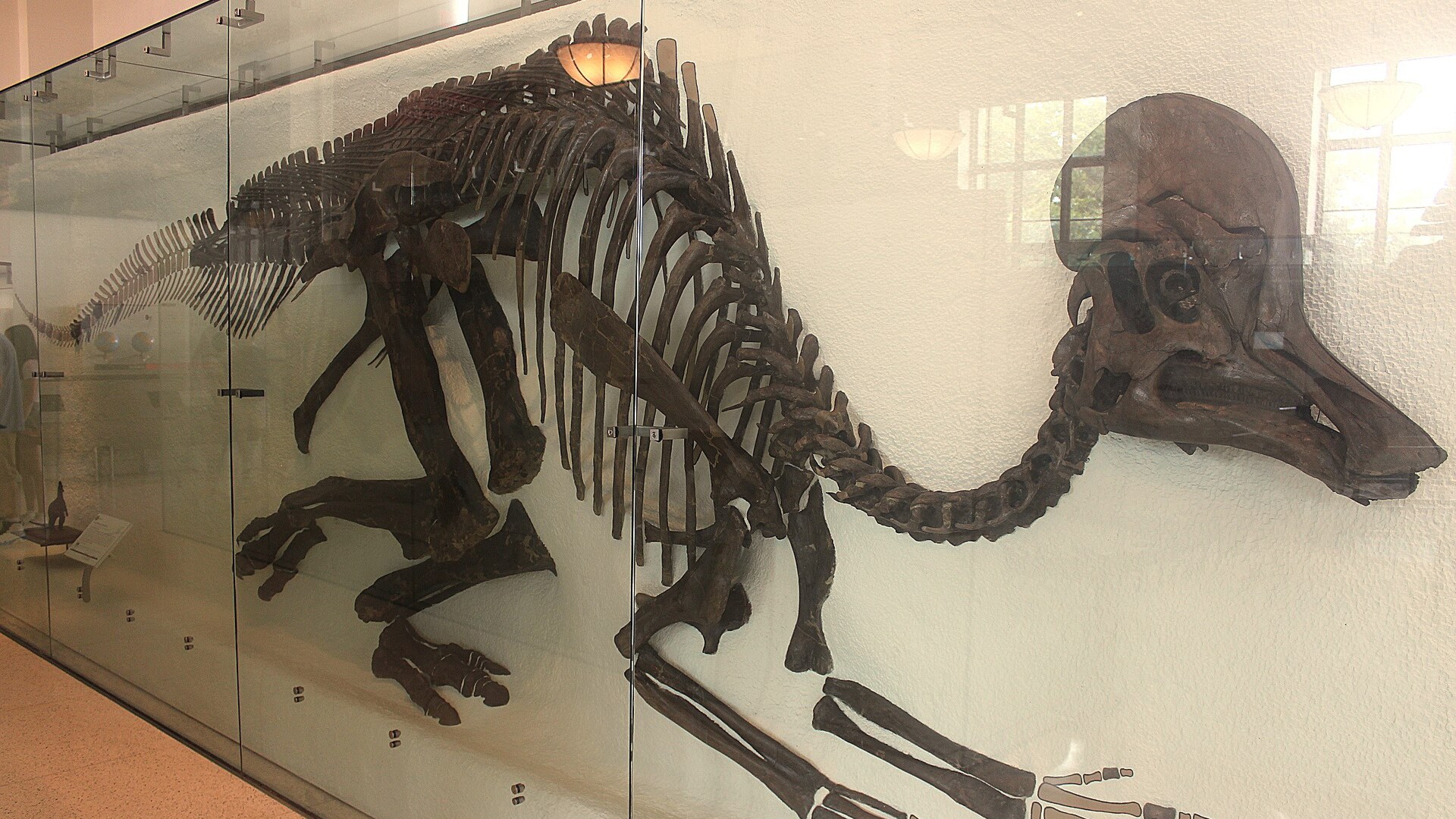
20. Corythosaurus
Barnum Brown named Corythosaurus in 1914 after discovering skeletons along the Red Deer River in Alberta, Canada. Its hollow cranial crest connected to nasal passages and likely amplified low calls across floodplains. Adult skeletons reached around 9 meters in length.
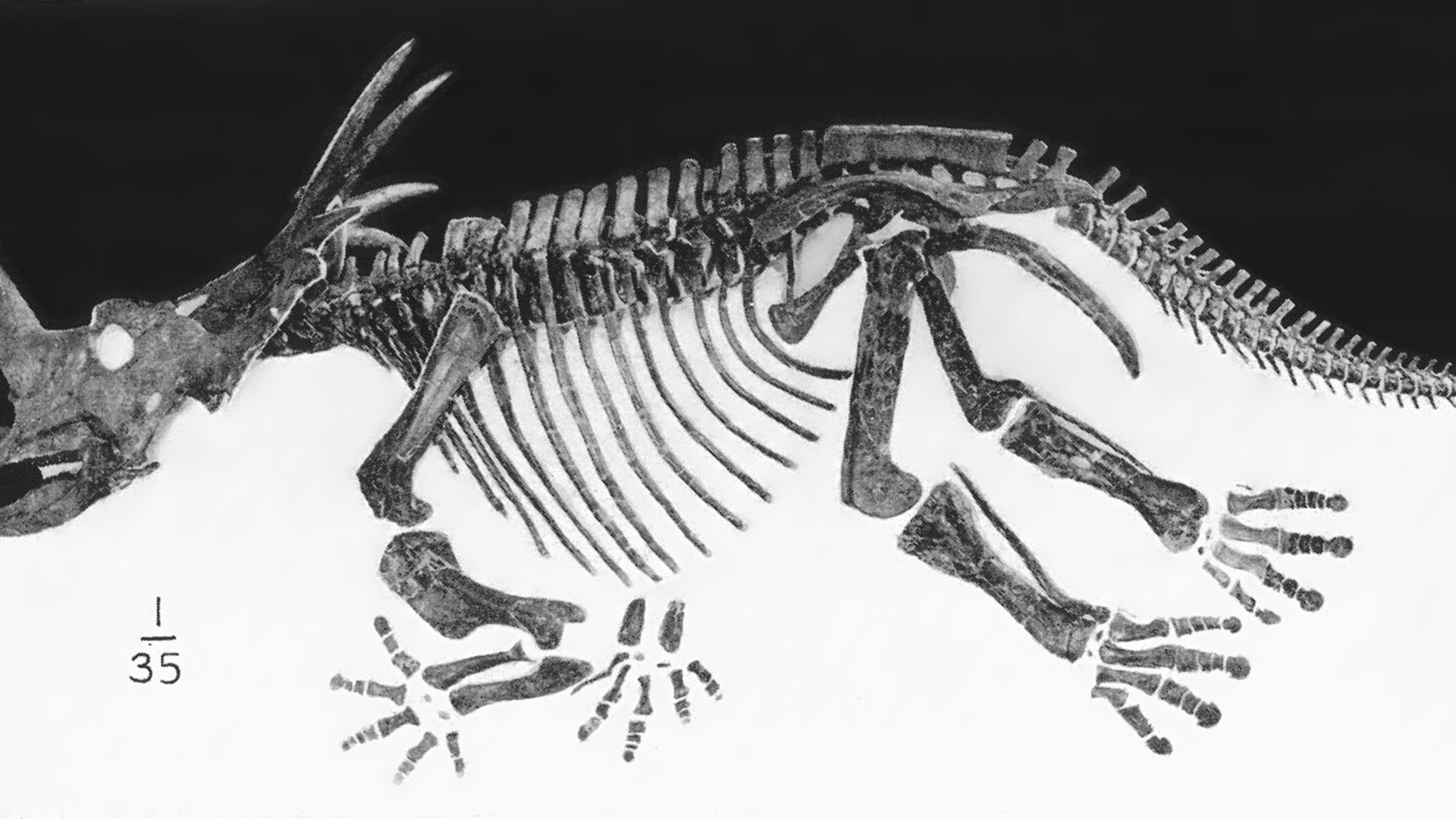
19. Styracosaurus
Described by Lawrence Lambe in 1913 from Alberta fossils, Styracosaurus grew roughly 5.5 meters long. Four to six long parietal spikes radiated from the rear margin of its neck frill, paired with a single nasal horn. Bonebeds in Dinosaur Provincial Park suggest these herbivores traveled in herds.
18. Deinonychus
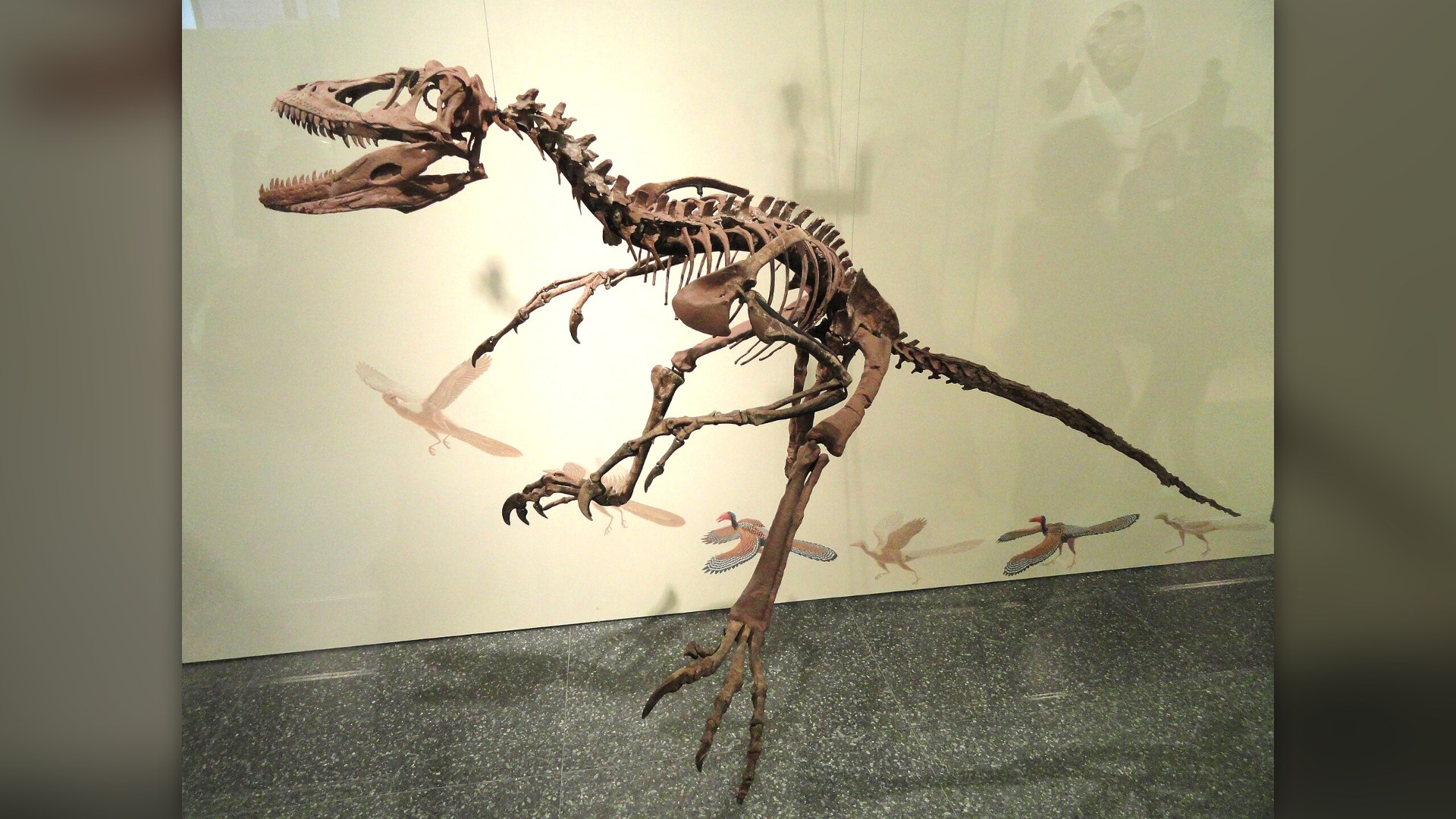
John Ostrom studied Montana fossils of Deinonychus in the late 1960s and used its stiff tail and grasping hands to show dinosaurs were active, warm-blooded animals. That research sparked the Dinosaur Renaissance and strengthened the evolutionary link between theropods and modern birds.
17. Baryonyx
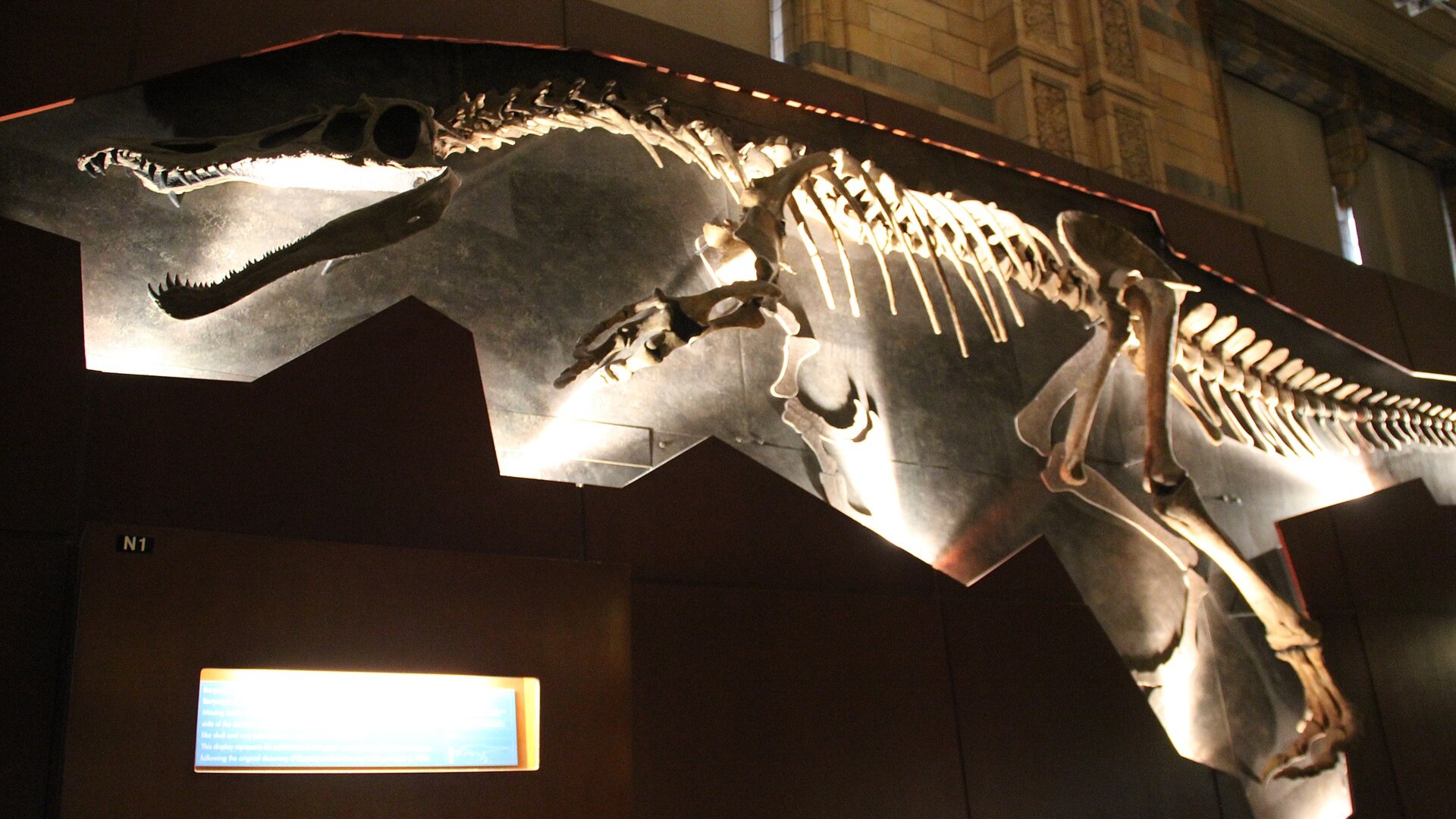
Amateur collector William Walker unearthed a 31-centimeter claw bone in a Surrey clay pit in 1983. Paleontologists Alan Charig and Angela Milner described the specimen at the Natural History Museum in London. Fish scales from Lepidotes found inside its ribcage confirmed an aquatic diet.
16. Pachycephalosaurus
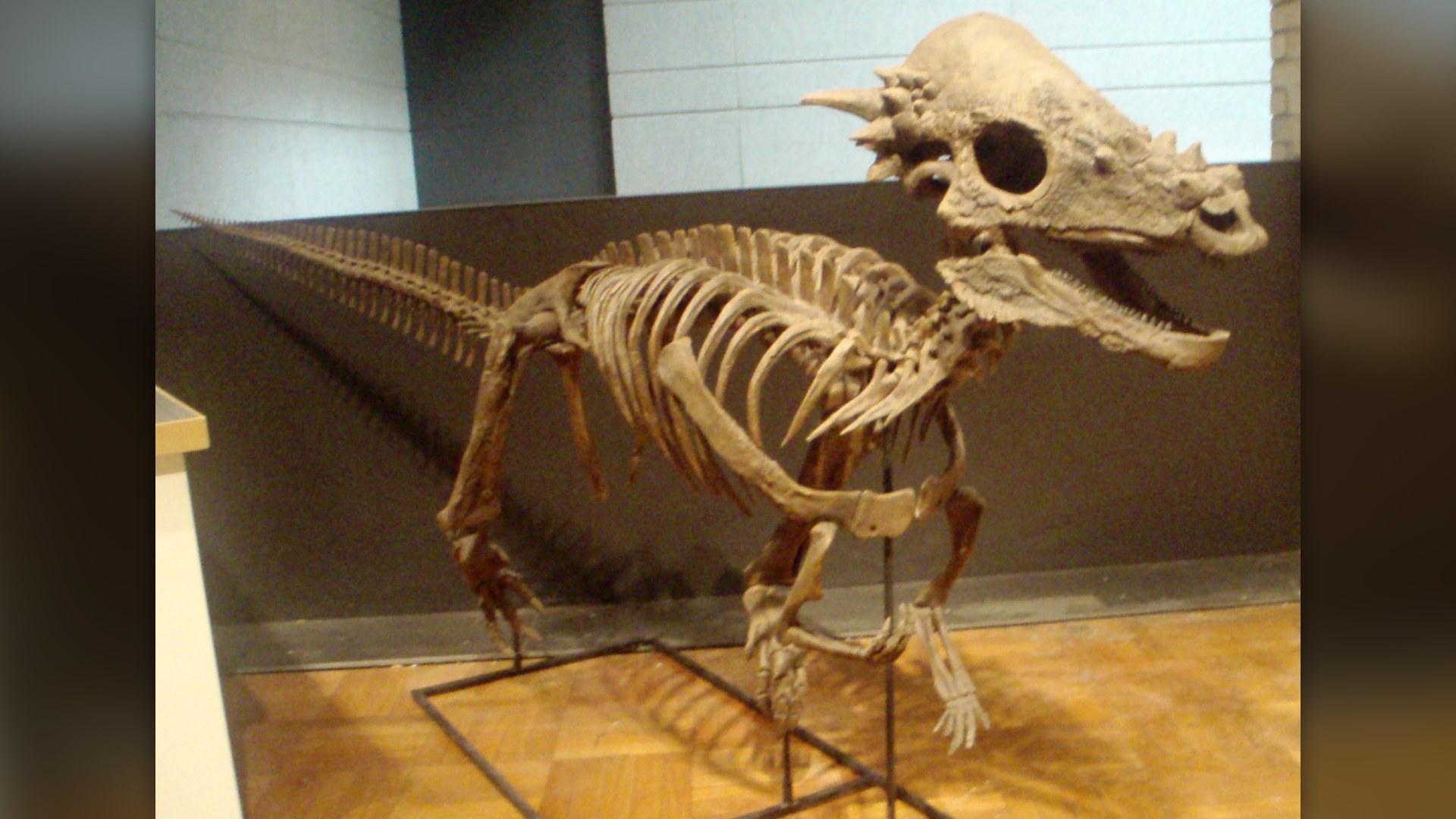
Fossils of Pachycephalosaurus come from Late Cretaceous rock layers of the Hell Creek and Lance formations in western North America. Its thickened skull roof, ringed by bony knobs, protected the brain during flank-butting or head-to-head sparring. Most mounts rely on well-preserved skulls.
15. Dilophosaurus
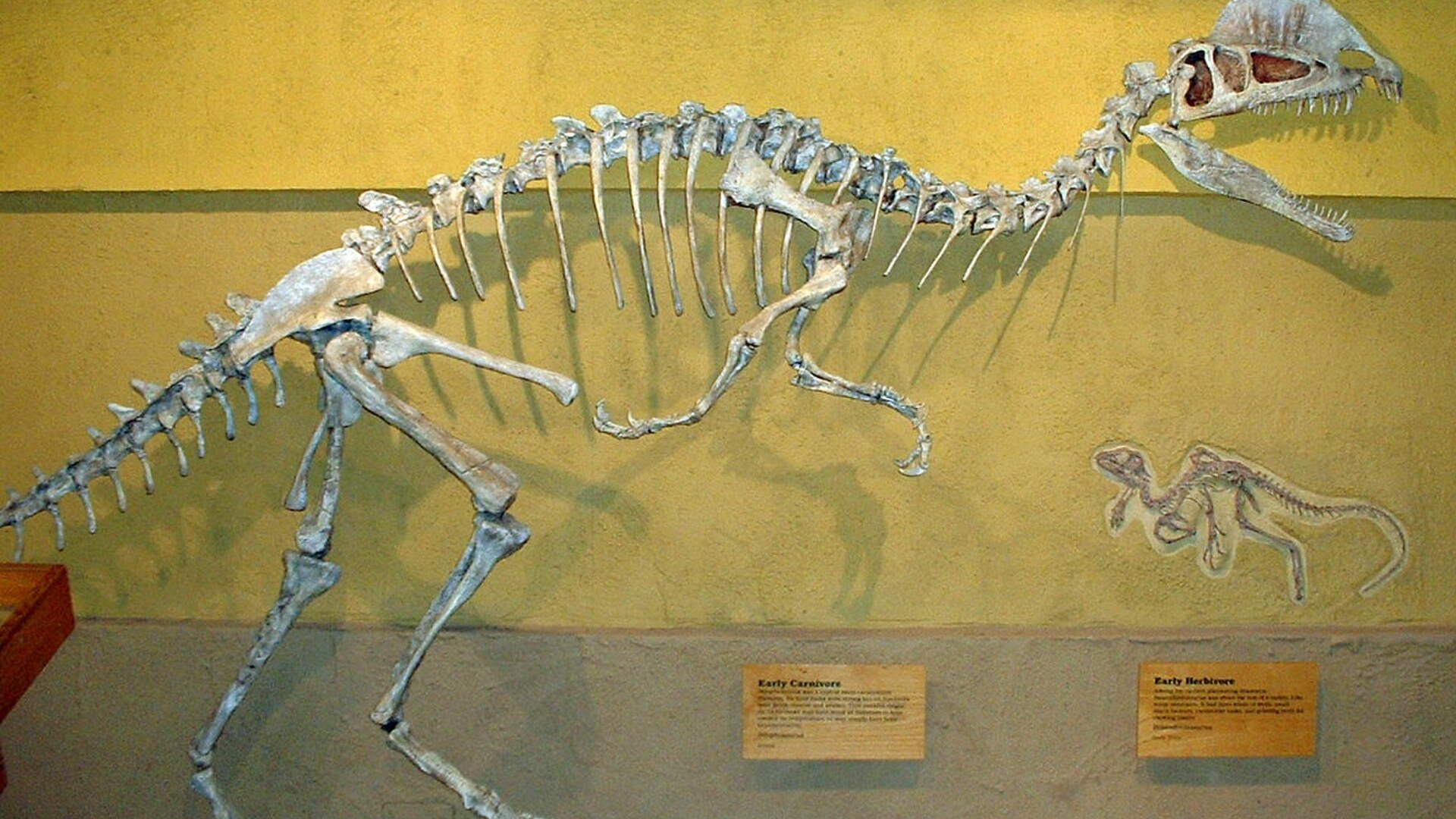
Real Dilophosaurus fossils from Arizona show an animal about 7 meters long, far larger than its film portrayal, with no venom glands or neck frill. Its twin nasal crests were thin and fragile, pointing to visual display rather than combat. Specimens date back roughly 193 million years.
14. Protoceratops
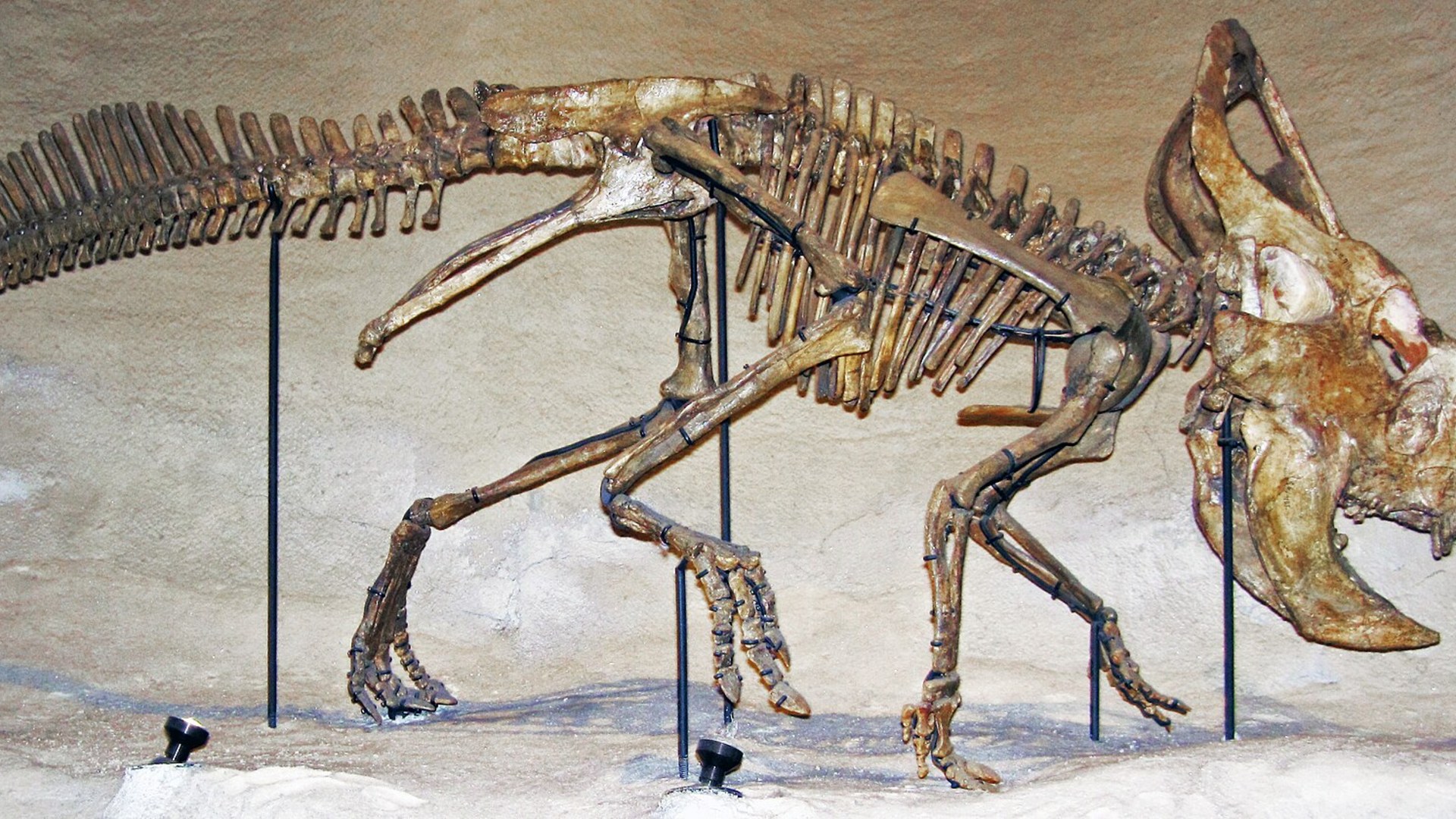
Roy Chapman Andrews led Central Asiatic Expeditions into the Gobi Desert in the 1920s that recovered dozens of Protoceratops skulls at every growth stage. One famous 1971 fossil slab from Mongolia preserves a Protoceratops locked in combat with a Velociraptor buried together by sand.
13. Edmontosaurus
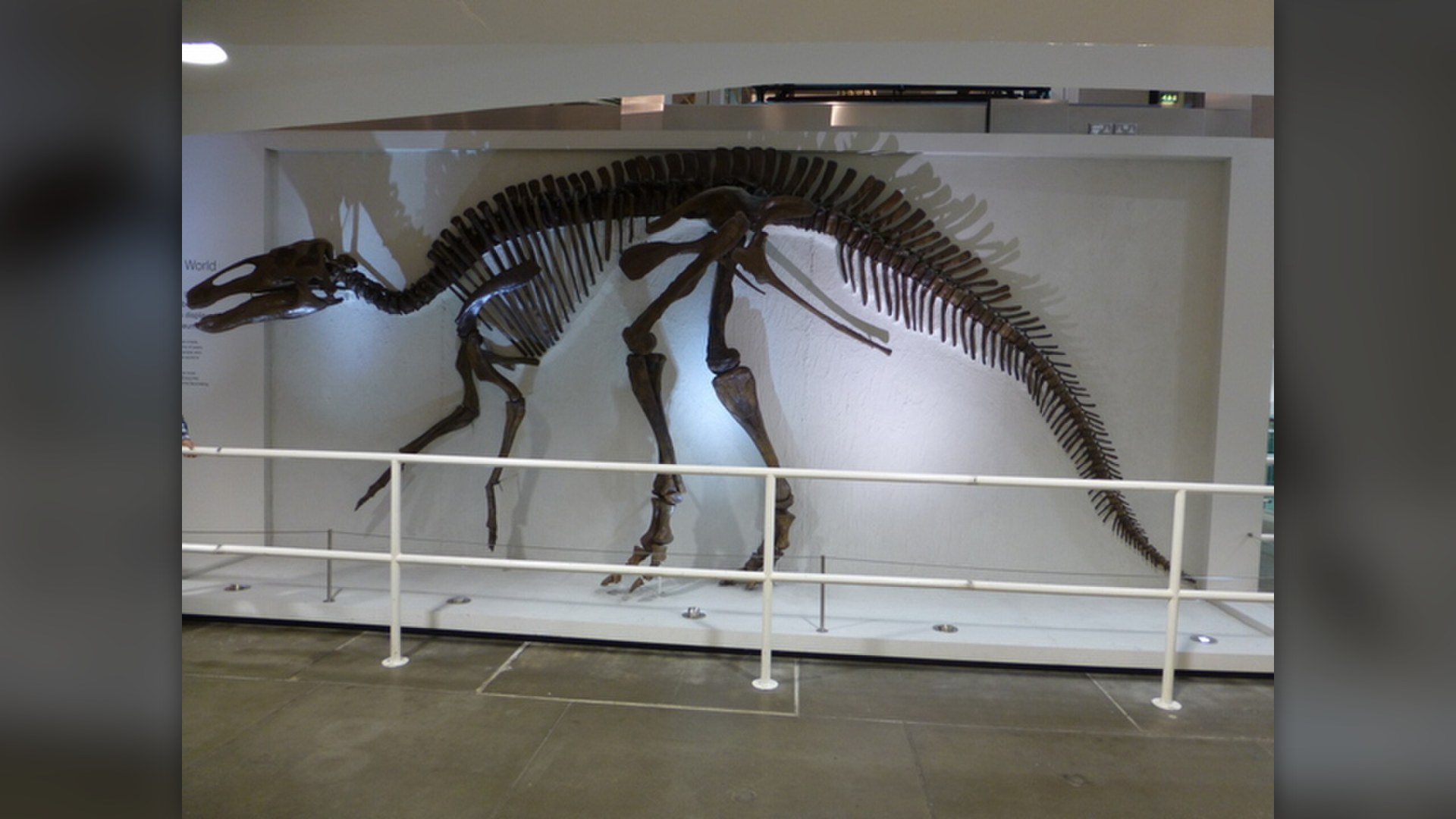
Measuring up to 12 meters long, Edmontosaurus roamed western North America alongside Triceratops right up to the end of the Cretaceous period. Exceptionally preserved dinosaur mummies from Wyoming reveal scaly skin impressions and a fleshy comb above the neck. Some skeletons retain bite marks.
12. Apatosaurus
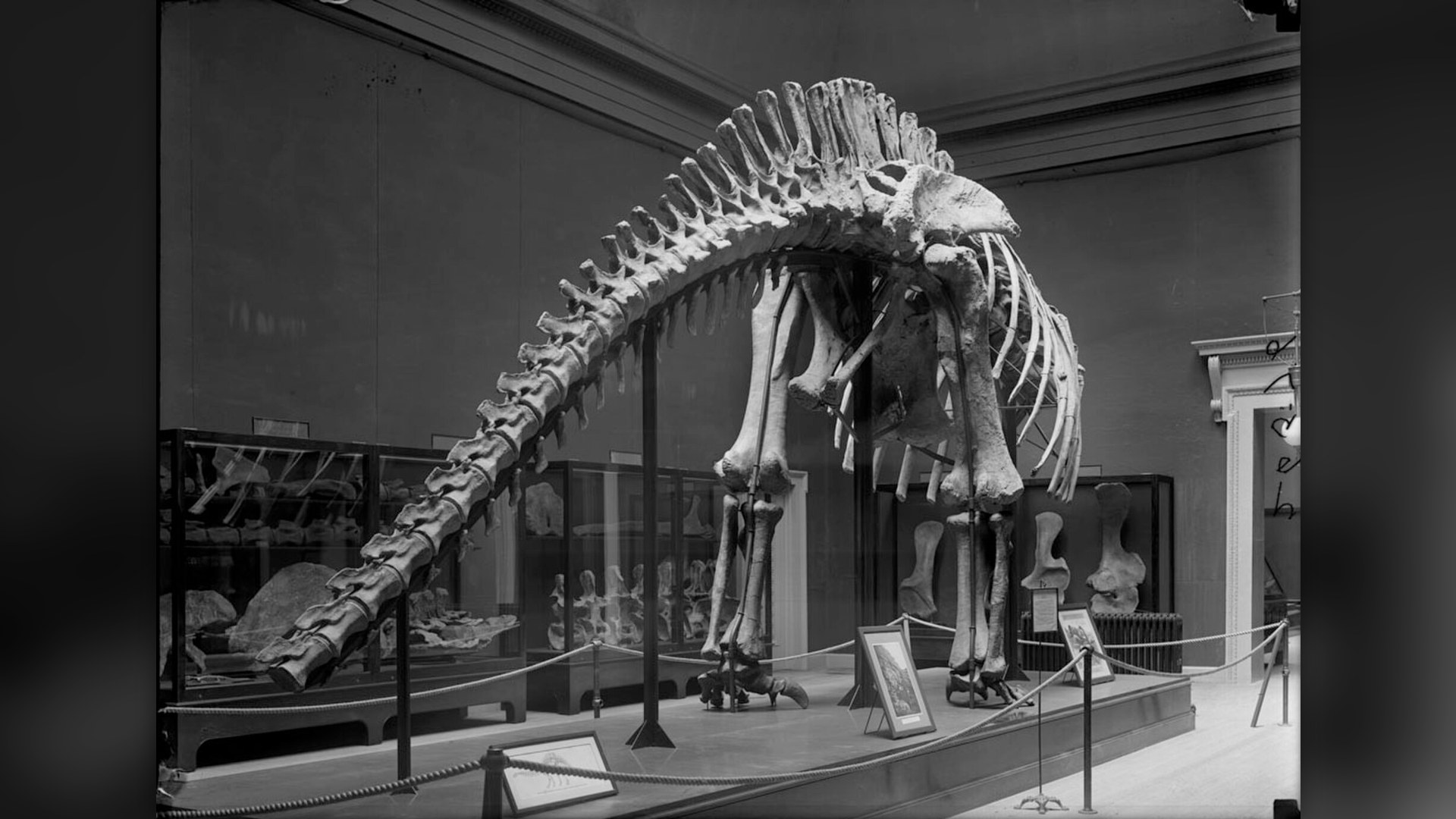
Othniel Charles Marsh named Apatosaurus in 1877 during the Bone Wars in the American West. Adult skeletons stretched over 21 meters from snout to tail tip and weighed more than 16 metric tons. For decades, museum mounts mistakenly placed a boxy Camarasaurus skull atop its neck.
11. Iguanodon
Gideon Mantell described Iguanodon in 1825 from fossilized teeth found in Sussex, England. In 1878, coal miners in Bernissart, Belgium uncovered more than 30 complete skeletons 322 meters underground. Those Belgian specimens proved the pointed bone was a thumb spike, not a nose horn.
10. Allosaurus
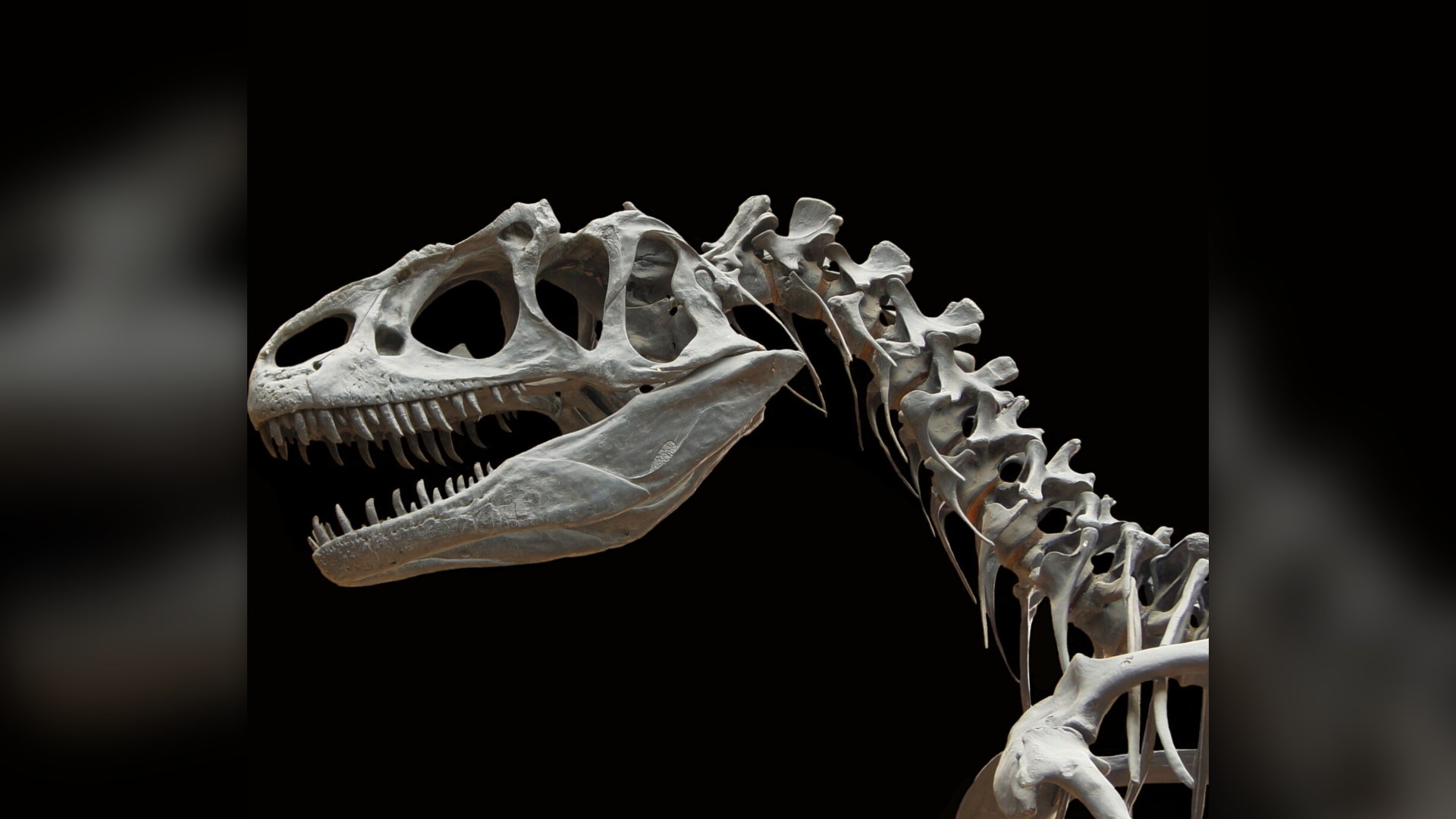
More than 45 individual Allosaurus skeletons have come out of the Cleveland-Lloyd Dinosaur Quarry in Utah. Averaging about 8.5 meters long, it hunted Morrison Formation herbivores using serrated teeth and three-fingered arms. Famous specimen Big Al shows over a dozen healed bone injuries.
9. Parasaurolophus
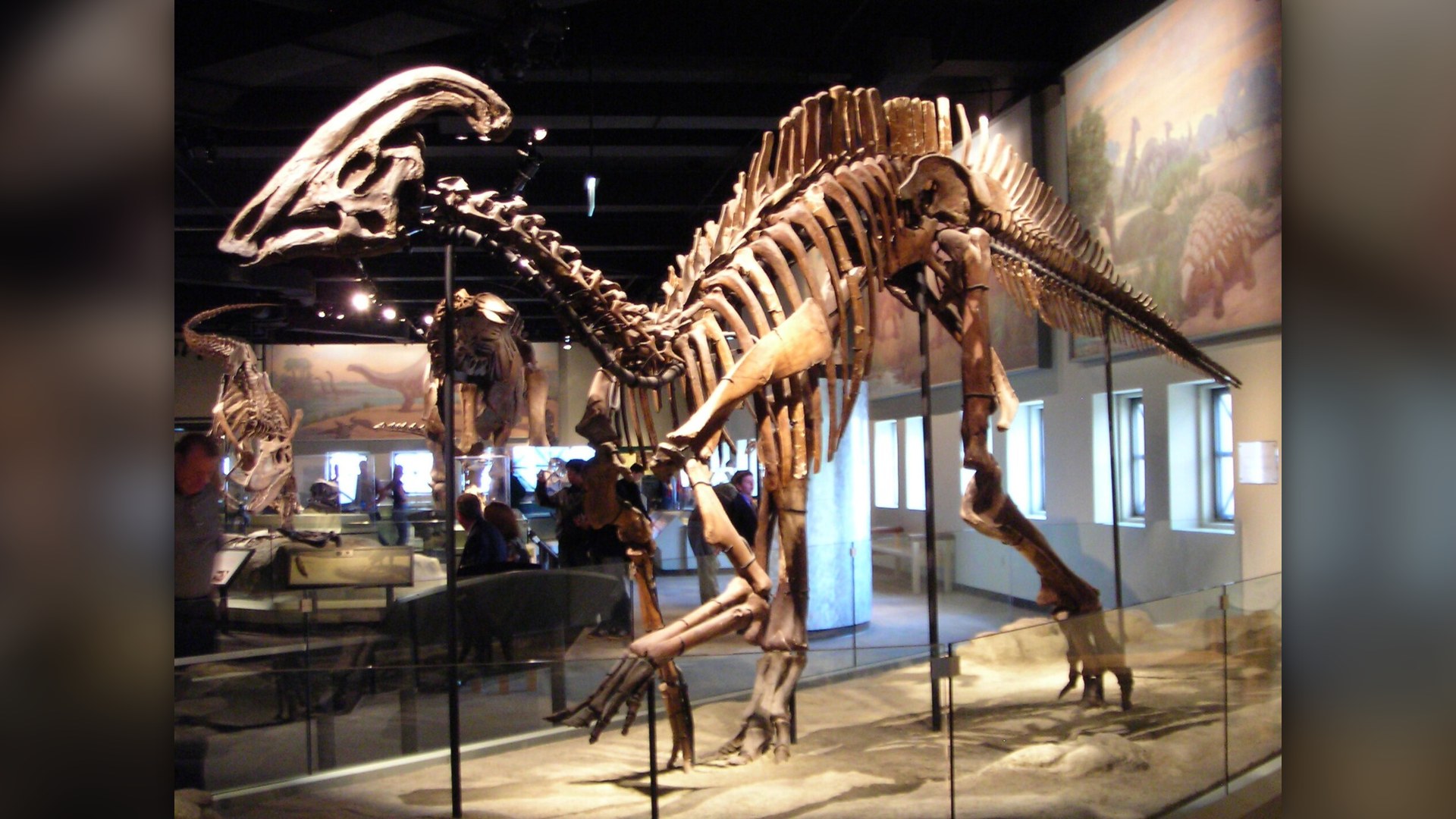
CT scans at Sandia National Laboratories and museum collections show the hollow crest of Parasaurolophus held folded nasal airways up to 1.8 meters long. Air blown through those chambers produced low-frequency resonant sounds for herd communication. Fossils occur in Alberta and New Mexico.
8. Ankylosaurus
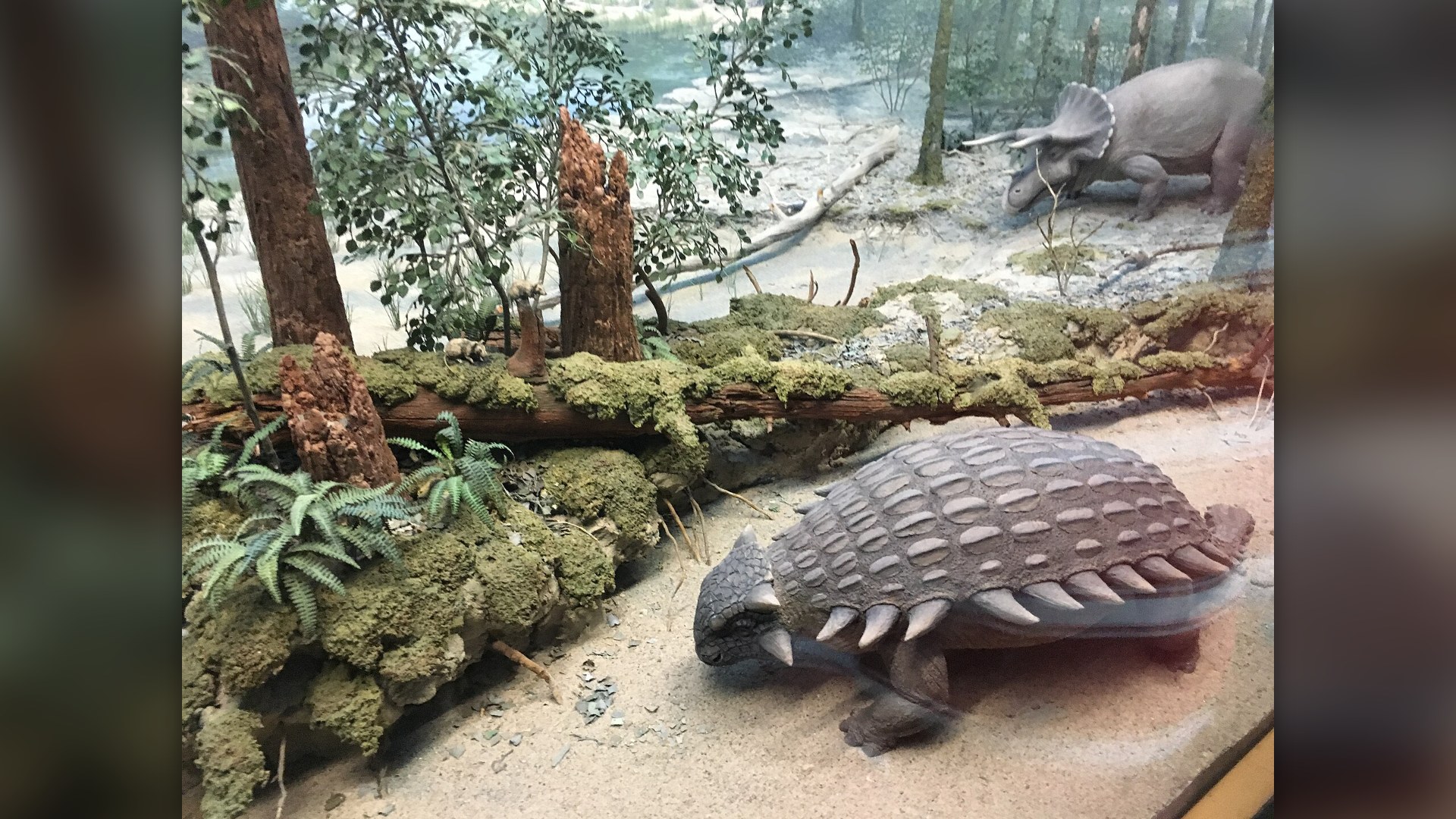
Fused osteoderms formed a broad shield over the back of Ankylosaurus, while triangular horns guarded the rear corners of its skull. Stiffened tail vertebrae carried a dense club of bone capable of shattering a predator's shin. Only three partial skulls and scattered skeletons exist today.
7. Spinosaurus
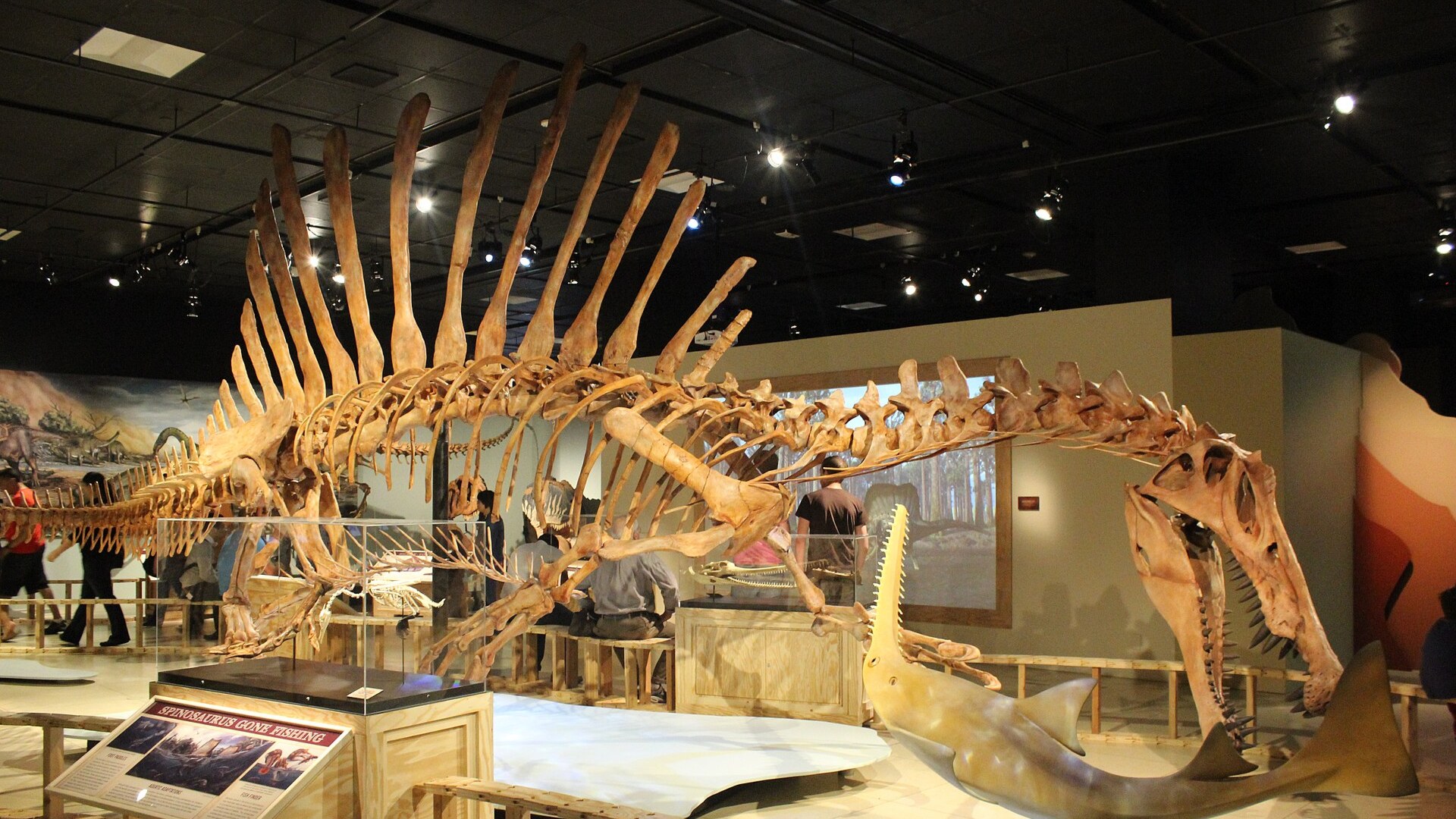
Ernst Stromer named Spinosaurus in 1915 from Egyptian fossils later destroyed in Munich during World War II in 1944. New Kem Kem Beds finds from Morocco, described by Nizar Ibrahim and colleagues in 2014 and 2020, revealed dense limb bones and a tall, paddle-like tail.
6. Diplodocus
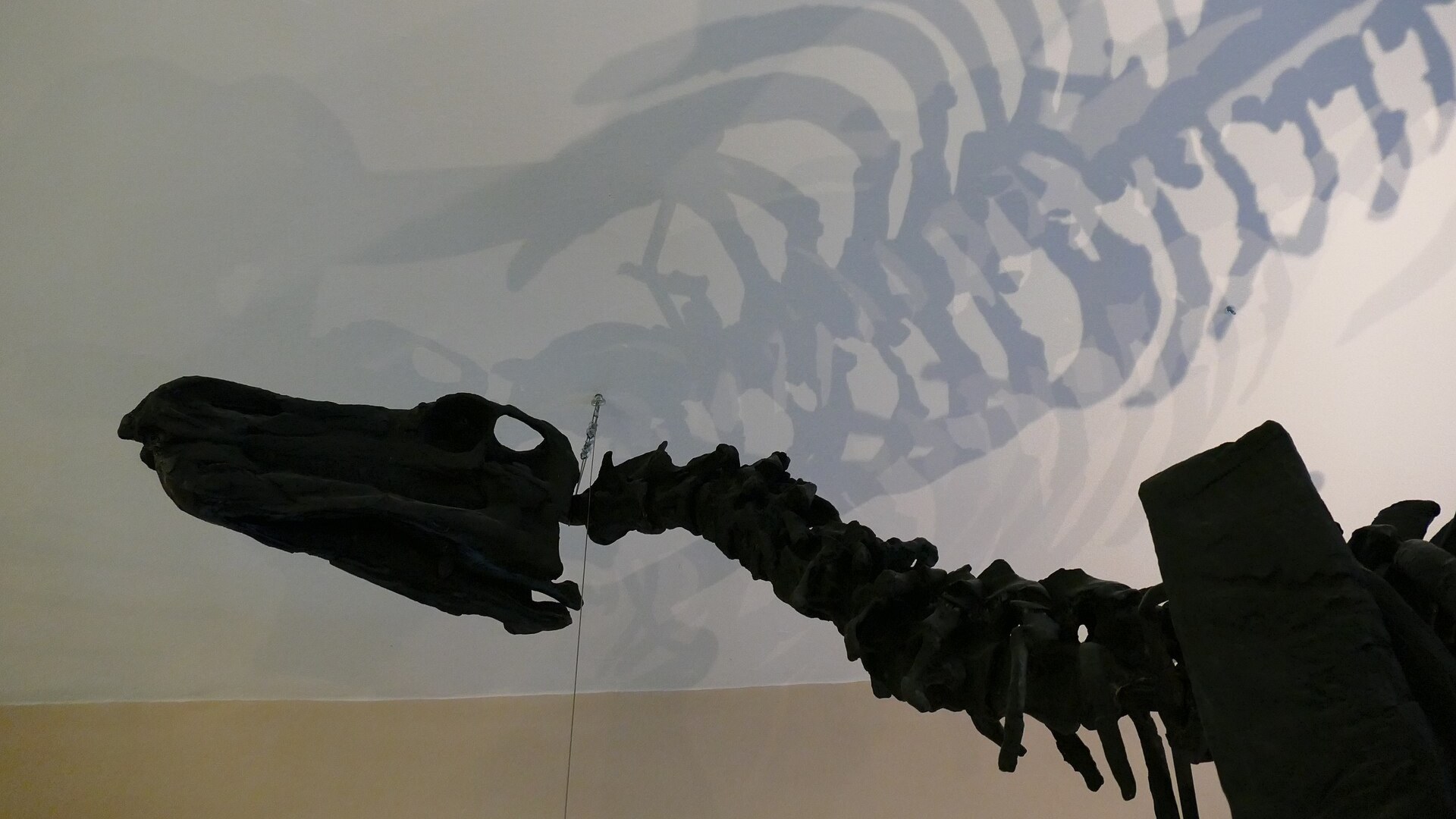
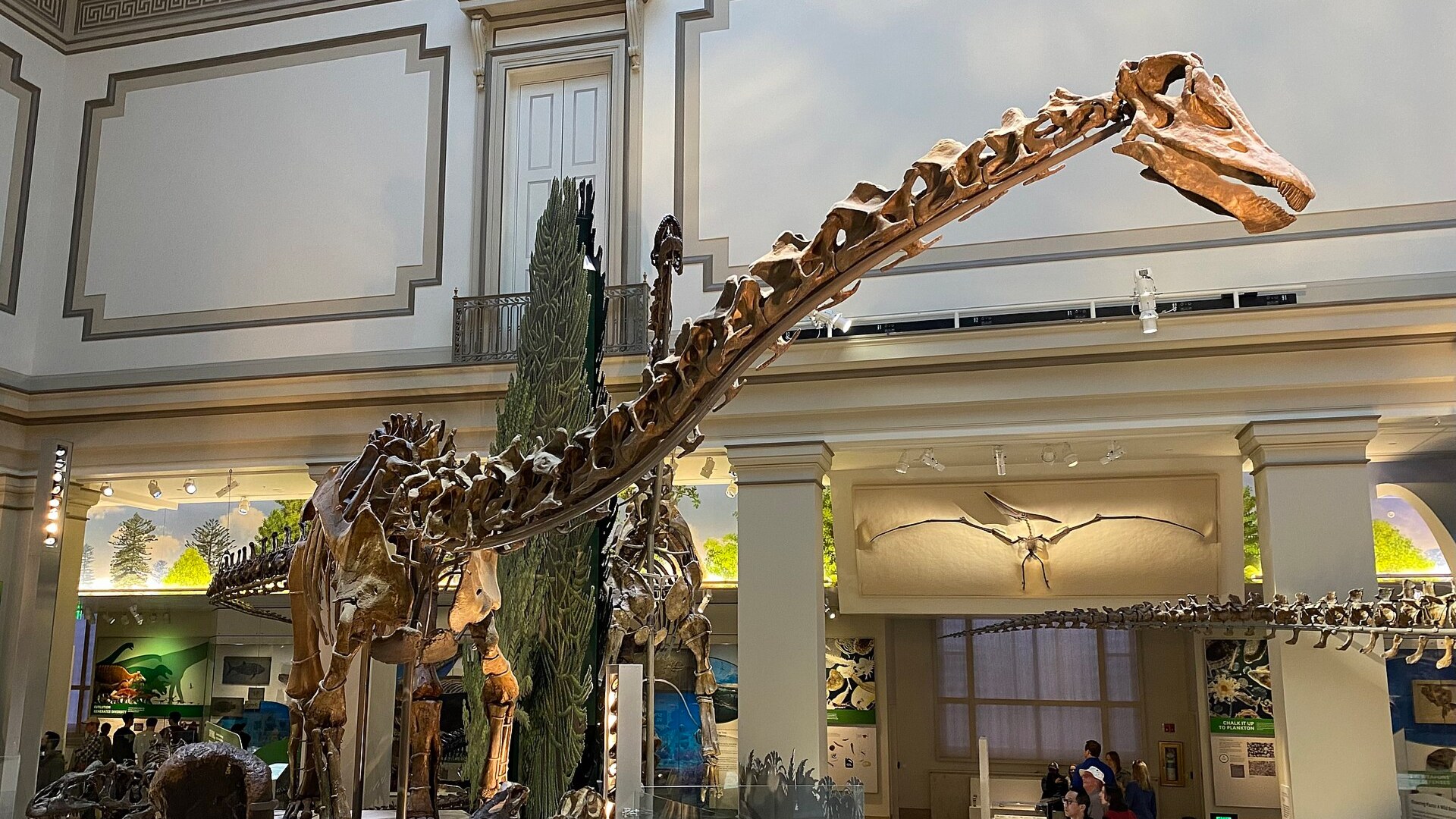
Andrew Carnegie funded the excavation of Diplodocus carnegii in Wyoming in 1899 and sent plaster casts of the 26-meter skeleton to London, Paris, Berlin and Vienna. The London cast, nicknamed Dippy, greeted visitors inside the Natural History Museum's Hintze Hall for decades.
5. Brachiosaurus
Elmer Riggs named Brachiosaurus altithorax in 1903 from fossils in Colorado. The towering 13.27-meter skeleton in Berlin's Museum fur Naturkunde was long mounted as Brachiosaurus brancai before researchers reassigned that African species to Giraffatitan. Both share the trademark sloped back.
4. Velociraptor
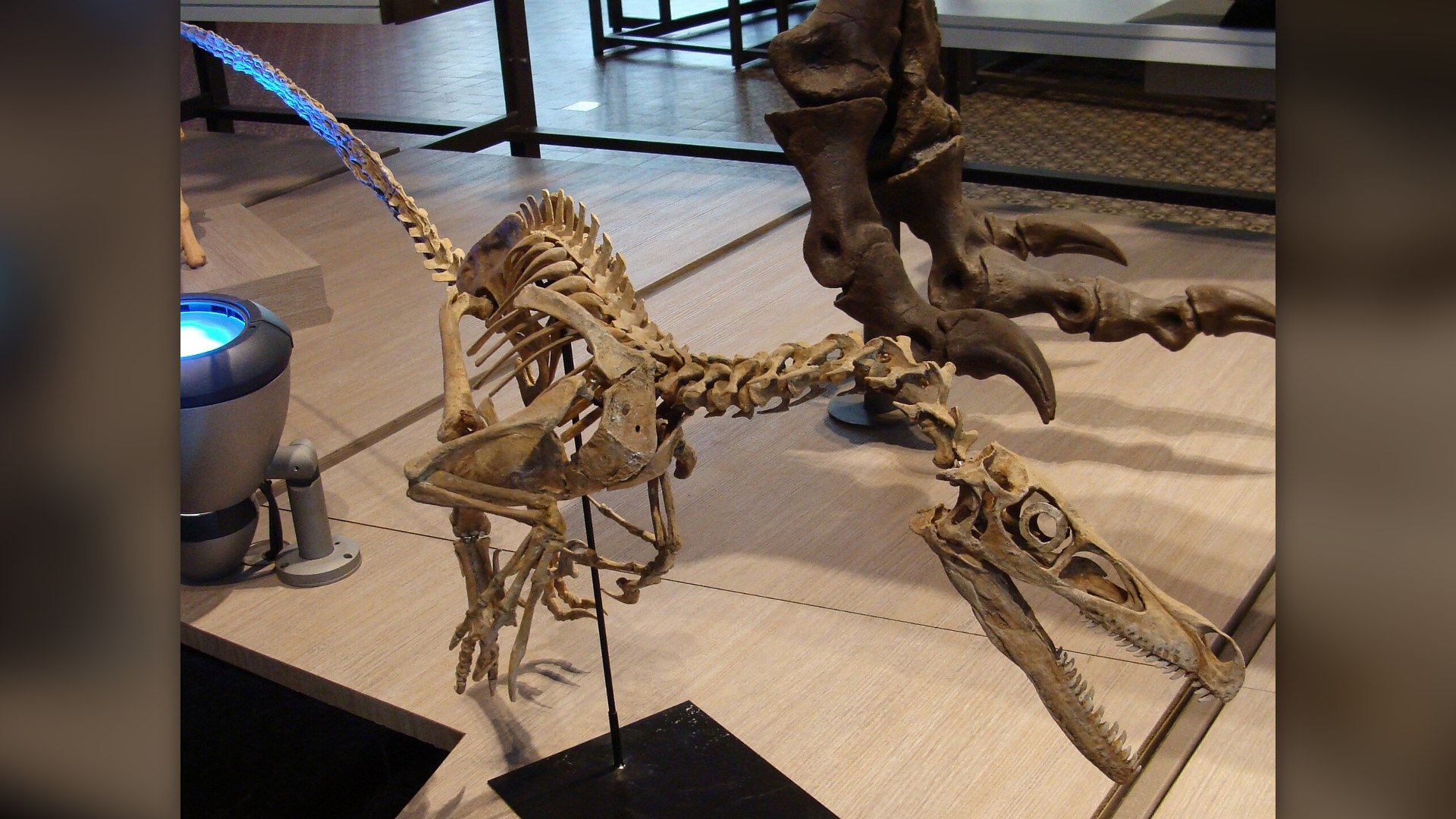
Unlike the man-sized raptors of Hollywood films, an adult Velociraptor mongoliensis stood about half a meter tall at the hip and measured roughly 2 meters long. A 2007 study of a forearm bone from Mongolia identified quill knobs, proving the small predator carried feathers in life.
3. Stegosaurus
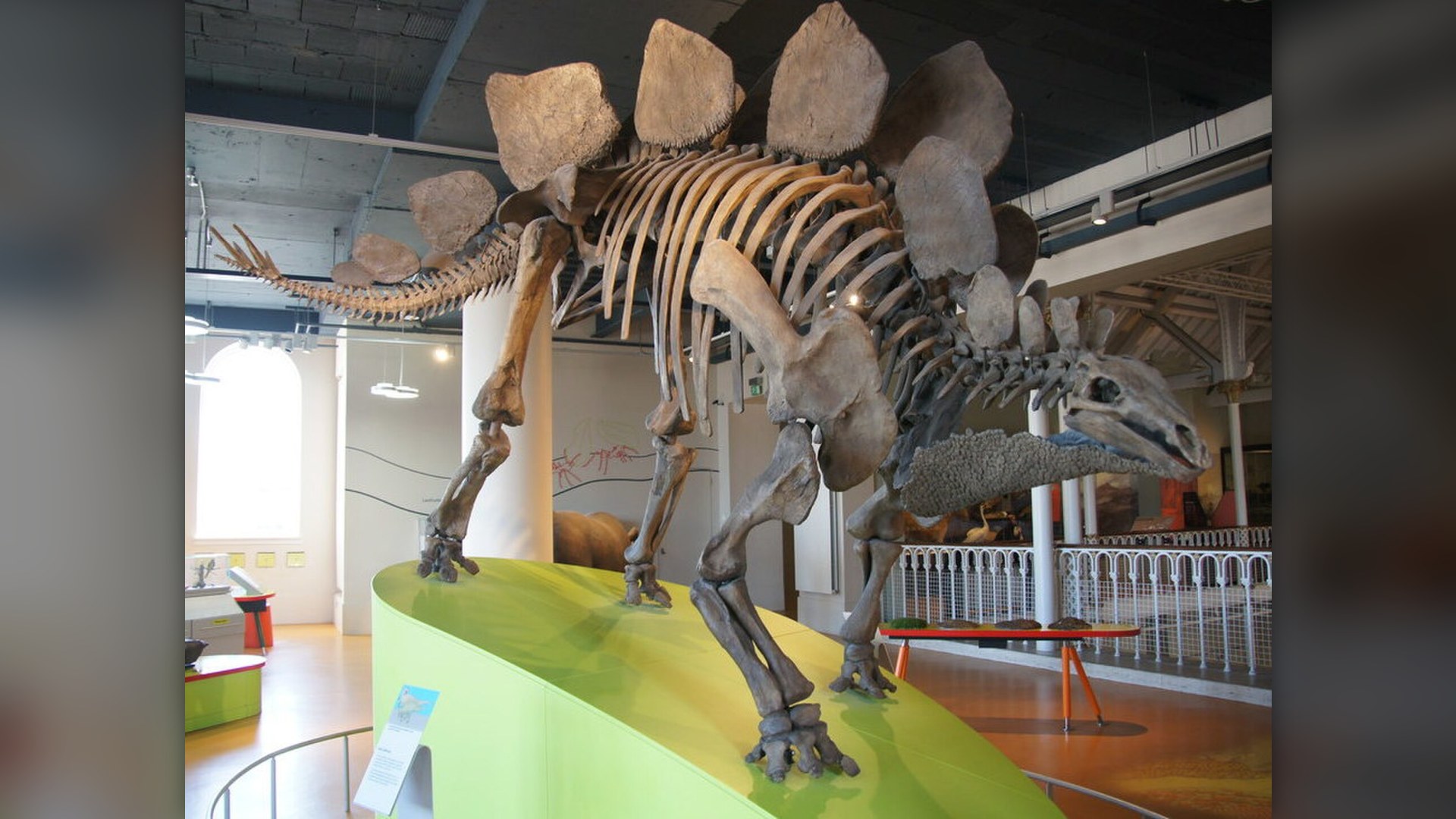
Stegosaurus carried 17 flat, vascularized bone plates along its spine and four pointed spikes, informally called a thagomizer, at the tip of its tail. Sophie, a near-complete specimen unearthed in Wyoming, stands on display at the Natural History Museum in London.
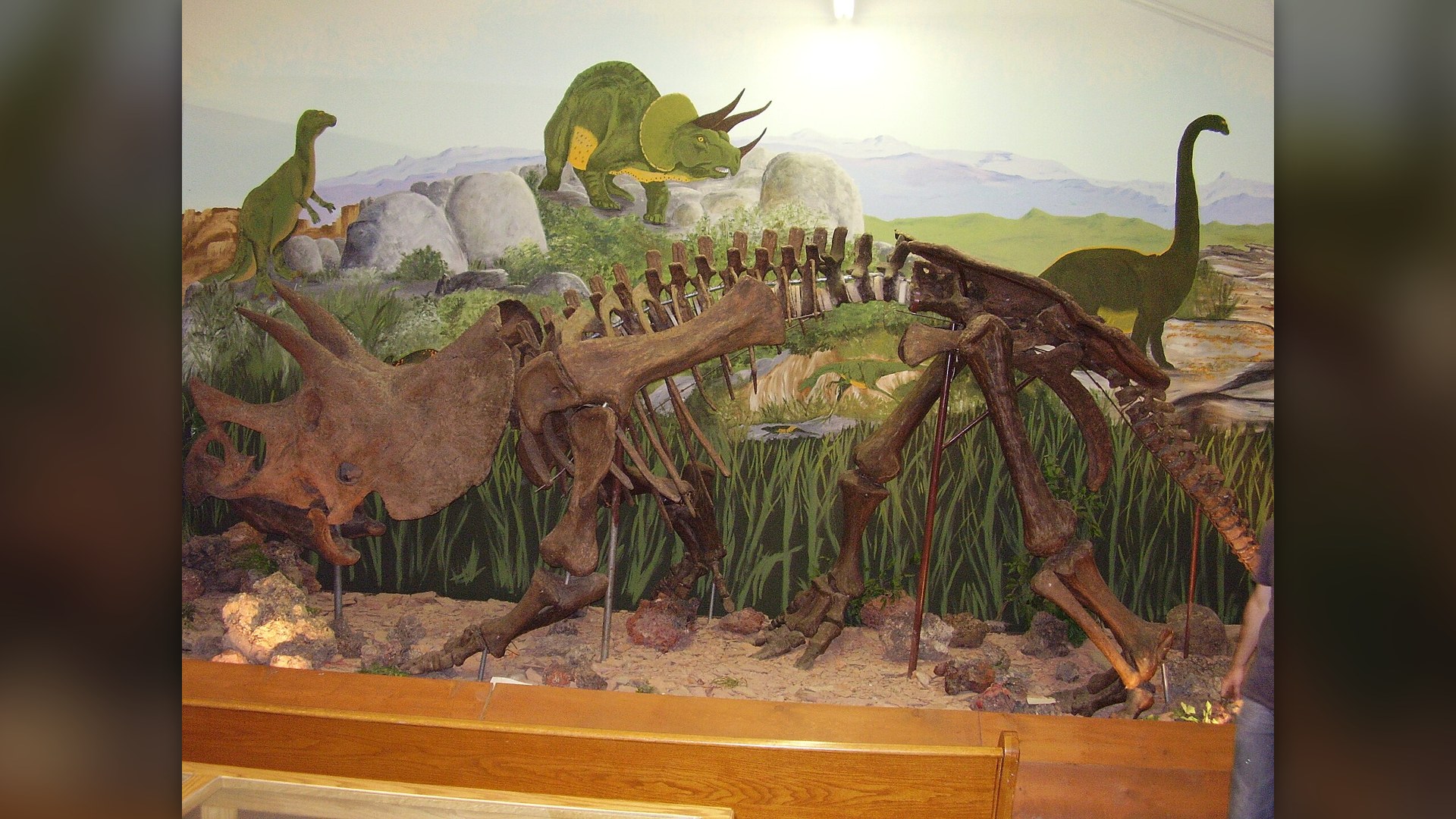
2. Triceratops
Measuring up to 9 meters long with skulls reaching 2.5 meters, Triceratops is one of the most common fossils in Late Cretaceous North America. Unlike most ceratopsians, its broad frill lacks large open windows, forming a solid bony shield against Tyrannosaurus bites.
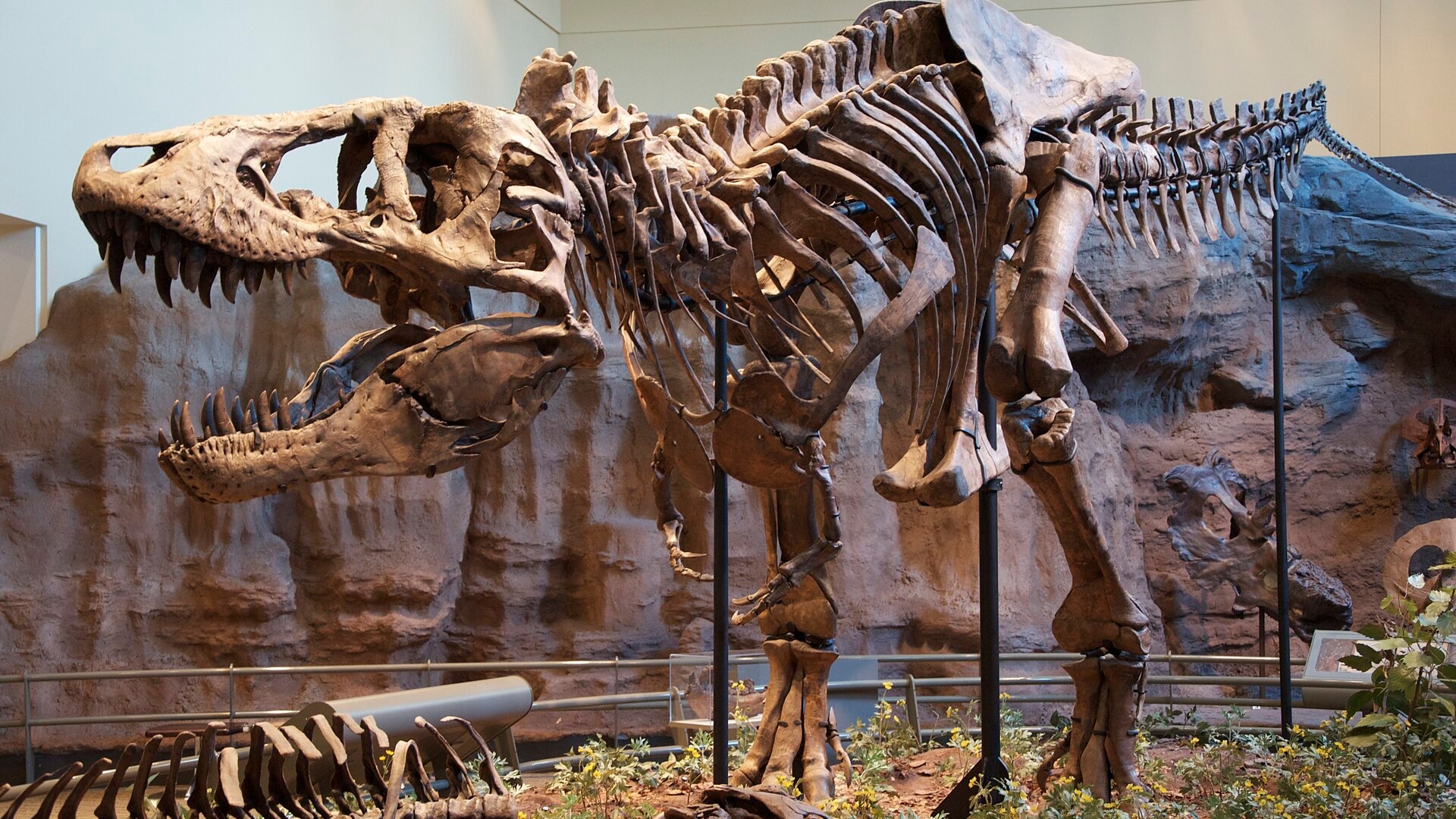
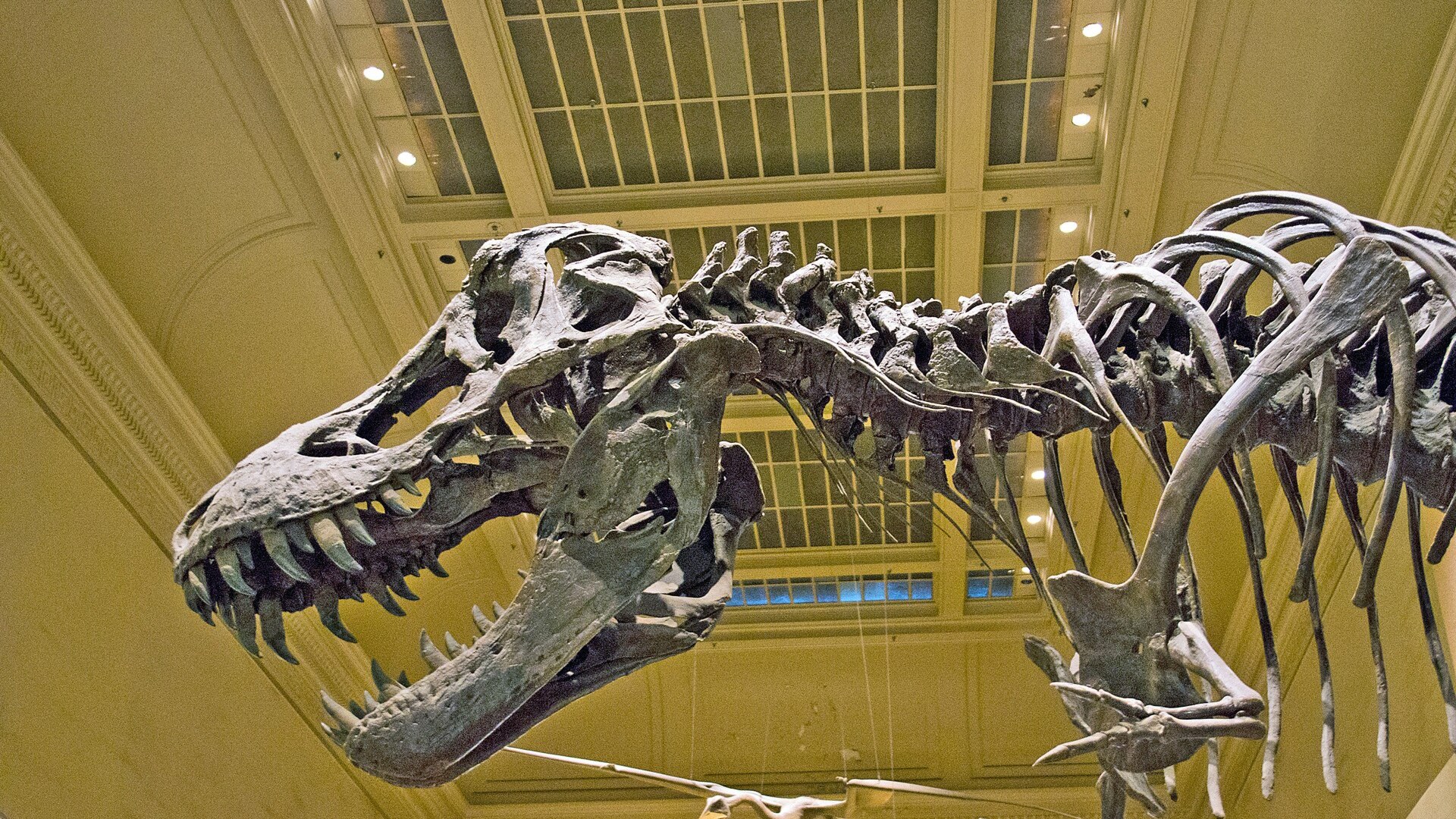
1. Tyrannosaurus Rex
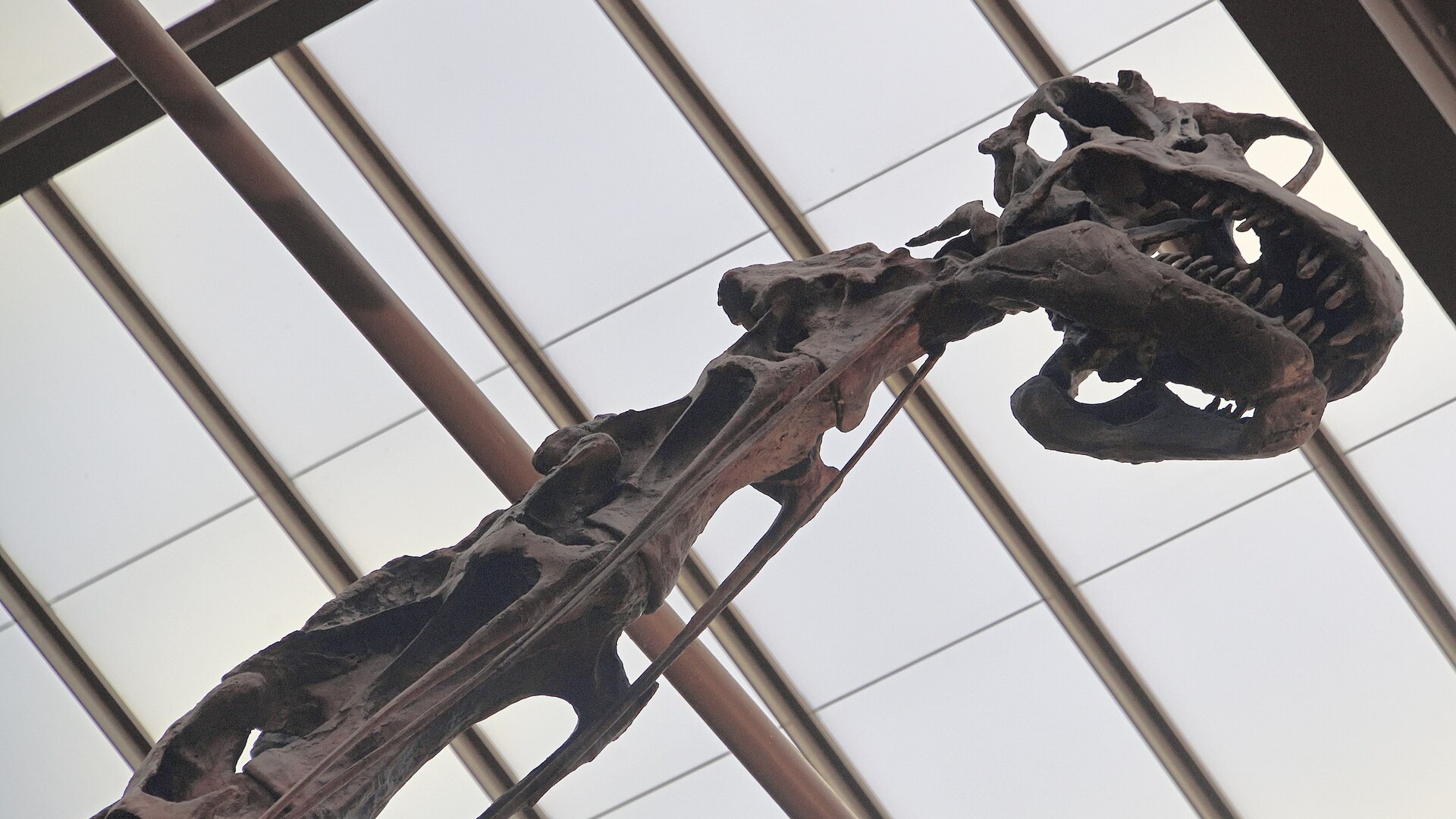
Discovered in Montana in 1902 and named by Henry Fairfield Osborn in 1905, Tyrannosaurus rex grew past 12 meters in length. Its reinforced skull delivered one of the strongest bite forces of any land animal. Famous mounts include Sue in Chicago and the Nation's T. rex at the Smithsonian.