Slideshow · Viral
20 Natural Phenomena That Make Earth Look Like Another Planet
From mineral basins and glowing caves to prehistoric flora and burning sulfur vents, discover twenty surreal landscapes where natural forces mimic alien worlds.
By Most Viral Today
11 min ago

Surreal Landscapes Where Geological Forces Mimic Alien Worlds 
20. Sailing Stones Of Racetrack Playa 
19. Bioluminescent Shores Of Vaadhoo 
18. Spotted Lake - AdvertisementSwipe or tap ▶ to continue countdown

17. Penitentes Ice Blades 
16. Blood Falls 
15. Lake Natron Calcifying Waters 
14. Light Pillars - AdvertisementSwipe or tap ▶ to continue countdown

13. Cano Cristales Liquid Rainbow 
12. Fly Geyser 
11. Giant's Causeway Basalt Columns 
10. Morning Glory Cloud Formations - AdvertisementSwipe or tap ▶ to continue countdown

9. Kawah Ijen Electric Blue Flames 
8. Abraham Lake Methane Ice Bubbles 
7. Waitomo Glowworm Grotto 
6. Zhangye Danxia Rainbow Mountains - AdvertisementSwipe or tap ▶ to continue countdown

5. Dallol Geothermal Salt Terraces 
4. Lenticular Cloud Formations 
3. Catatumbo Lightning Storms 
2. Socotra Island Dragon Blood Forest - AdvertisementSwipe or tap ▶ to continue countdown

1. Salar De Uyuni Salt Mirror - Advertisement🔥 UP NEXT IN THIS SERIES◫ 22 Slides

21 Famous Military Aircraft You Can See in US Museums
Iconic Preserved Warbirds and Stealth Jets You Can Visit
From mineral basins and glowing caves to prehistoric flora and burning sulfur vents, Earth contains landscapes that mirror extraterrestrial moons. Documented by NASA Earth Observatory, the USGS, and UNESCO researchers, these twenty natural oddities showcase how extreme planetary physics shapes our living world.
Swipe or tap ▶ to begin the countdown
©ESA / NASA, Bill Anders
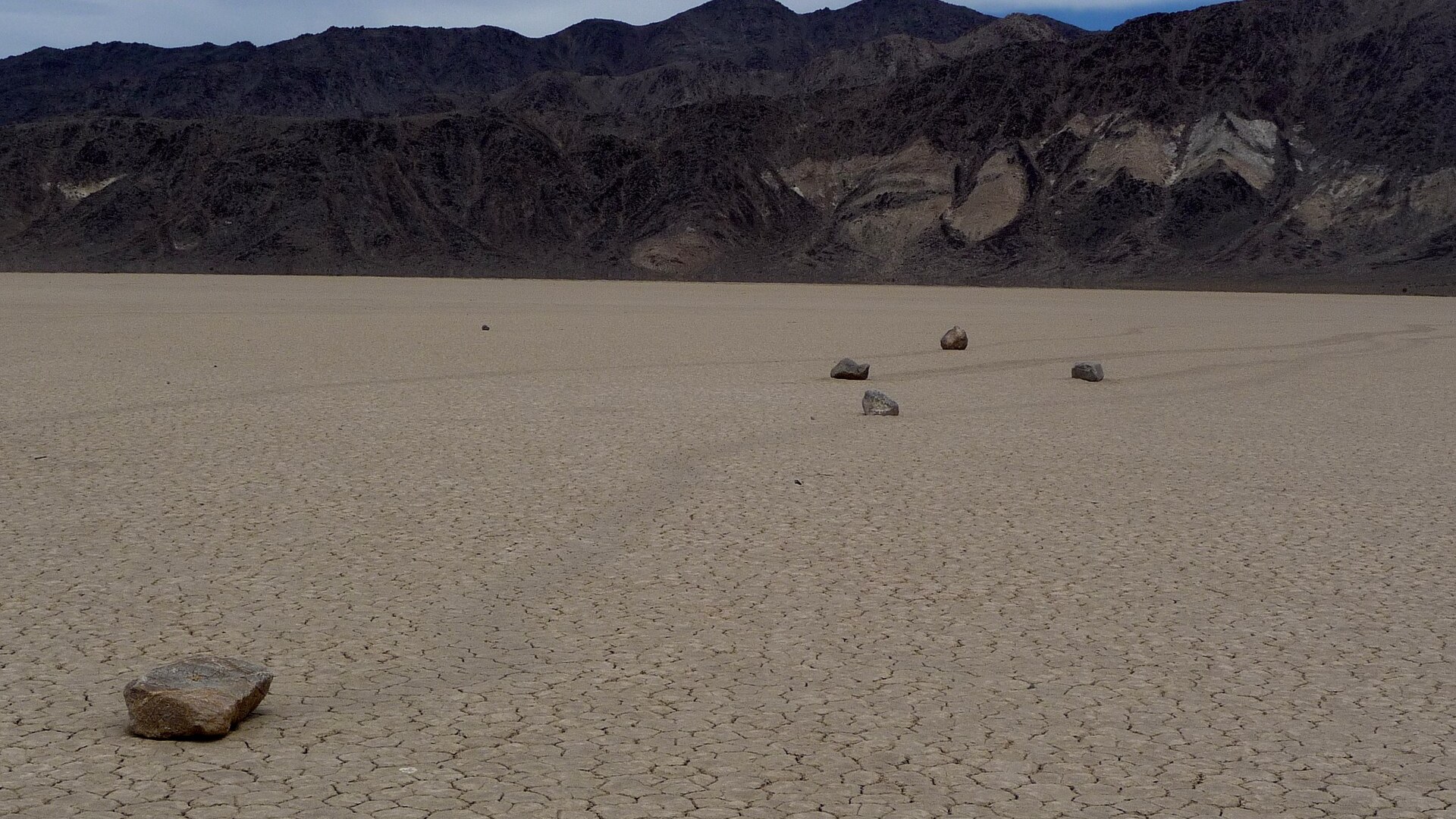
20. Sailing Stones Of Racetrack Playa
Located in Death Valley National Park, heavy dolomite boulders leave trails up to several hundred meters long across the playa. Research published by the Scripps Institution of Oceanography proved that rare winter rain pools freeze into thin floating ice sheets, which high winds push against the rocks to propel them.
©Wikimedia / Daniel Mayer (mav)
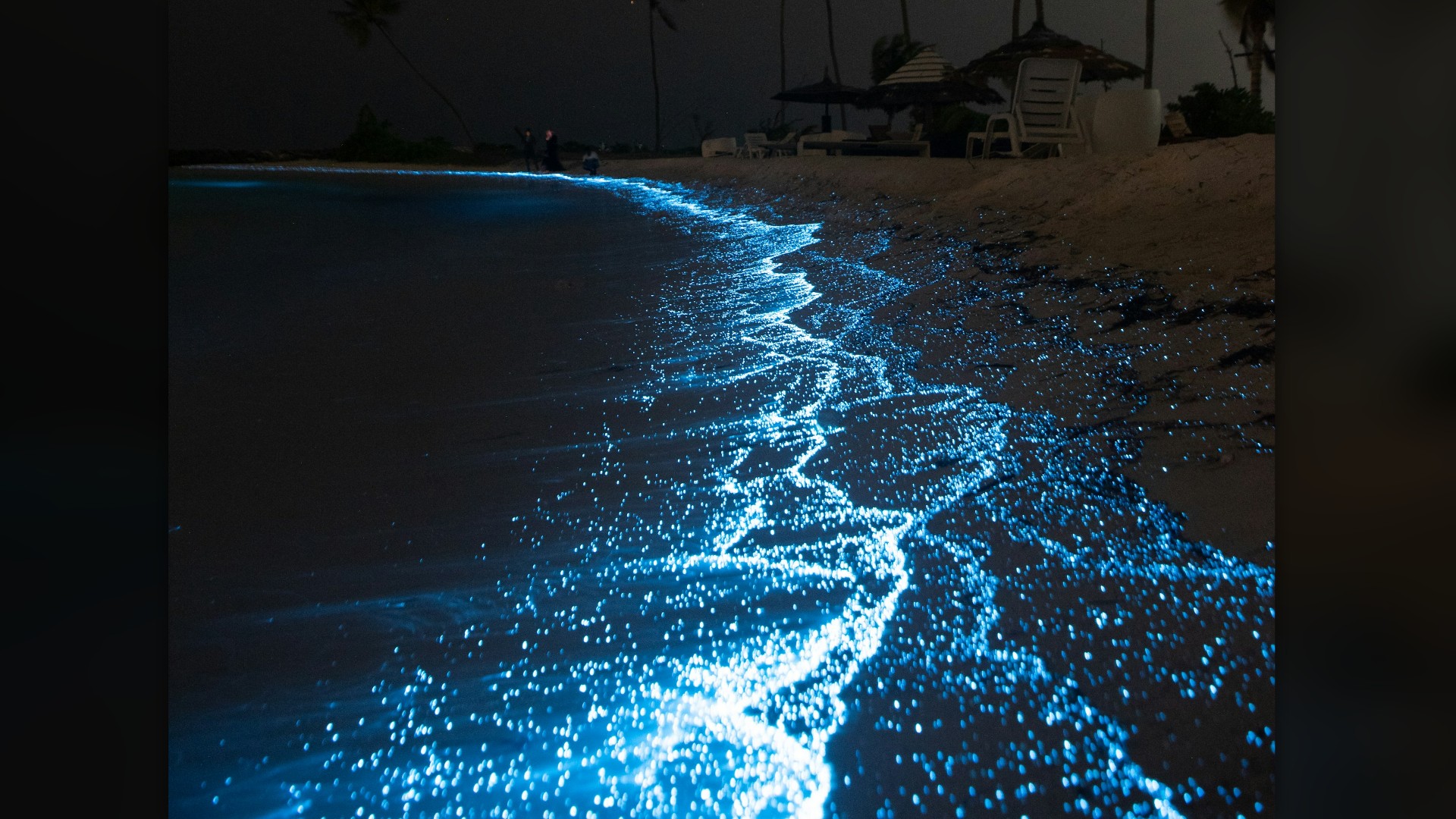
19. Bioluminescent Shores Of Vaadhoo
The shoreline of Vaadhoo Island in the Raa Atoll glows bright blue when marine waves break against the sand. The illumination stems from millions of Lingulodinium polyedra dinoflagellates. When physical agitation disrupts their cell membranes, a luciferase enzyme reaction produces brief flashes of cold blue light.
© Photo by Ahmed Nishaath on Unsplash
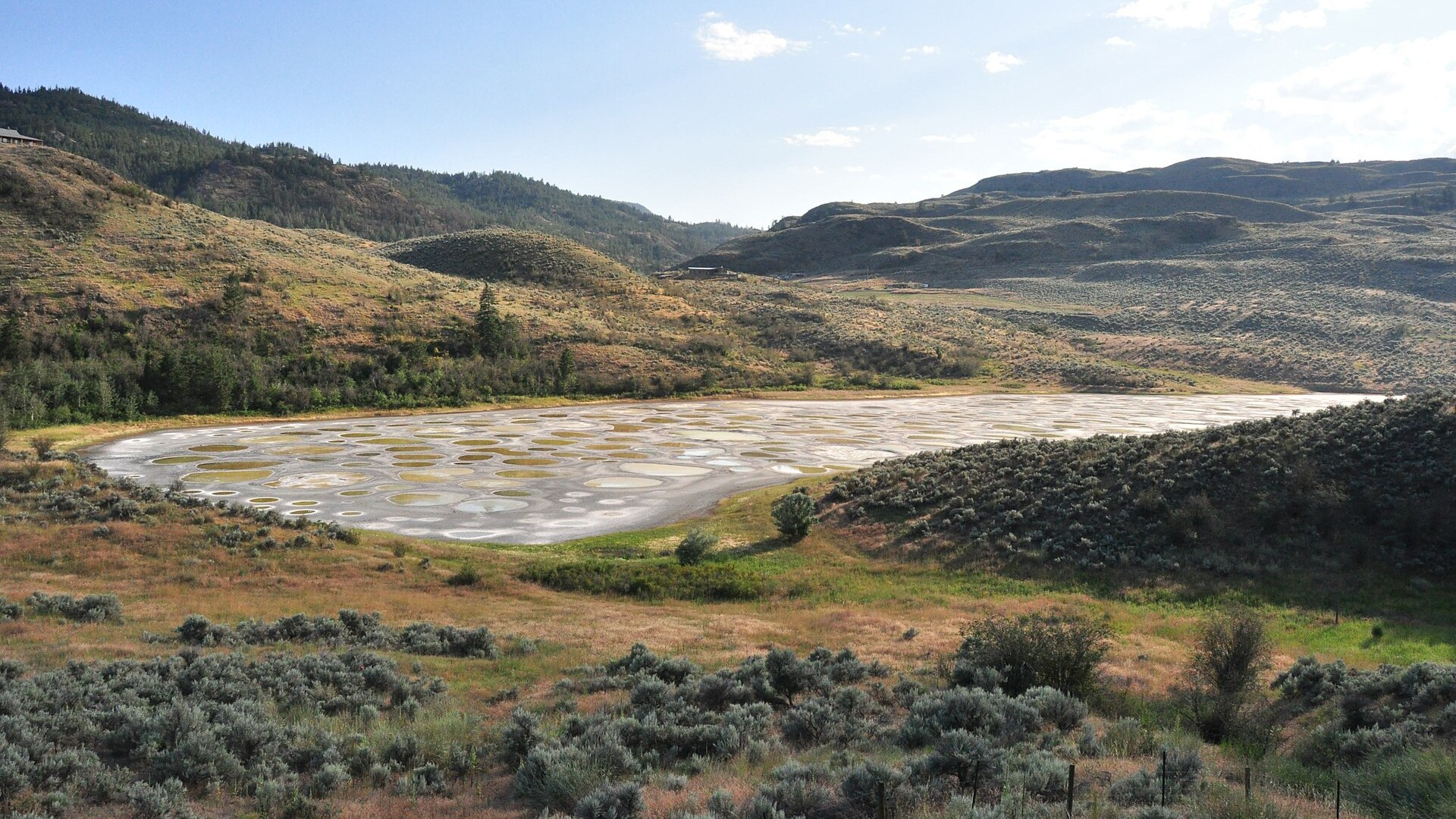
18. Spotted Lake
Situated in the Similkameen Valley of British Columbia, this endorheic alkaline lake contains dense concentrations of magnesium sulfate, calcium, and sodium sulfates. As summer heat evaporates the surface water, hundreds of circular mineral brine pools crystallize in pale yellow, green, and white ringed formations.
©Wikimedia / Mykola Swarnyk
Advertisement
Swipe or tap ▶ to resume the countdown.
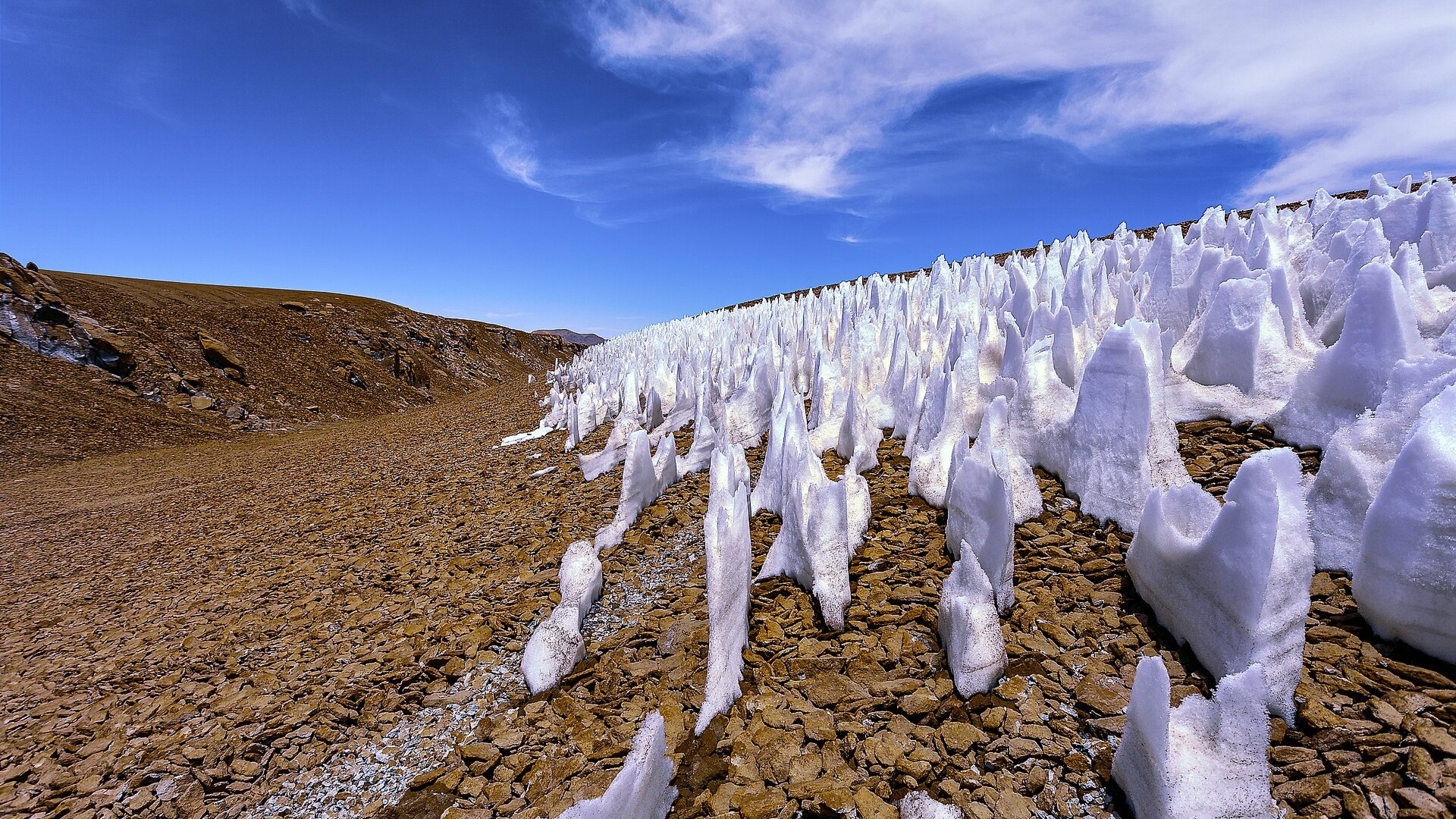
17. Penitentes Ice Blades
Towering up to five meters high in the Atacama Desert and Central Andes, these blade-like snow formations develop above 4,000 meters elevation. The phenomenon occurs when intense sunlight causes frozen snow to sublimate directly into vapor without melting into liquid water, carving deep hollows between sharp ridges.
©Wikimedia / A. Duro/ESO
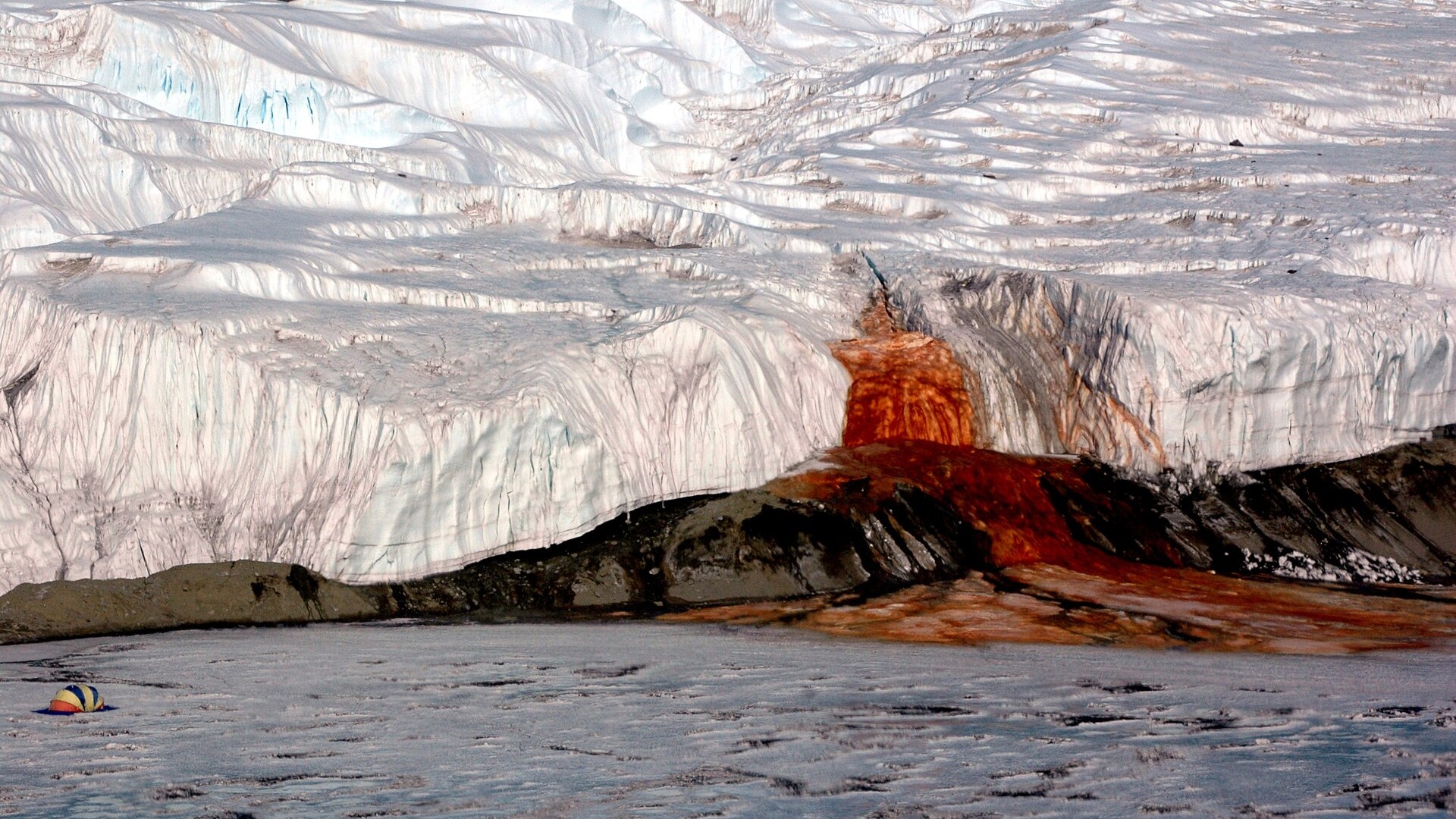
16. Blood Falls
Discovered in 1911 in the McMurdo Dry Valleys of Antarctica, Blood Falls discharges from the tongue of Taylor Glacier into Lake Bonney. The source is a trapped subglacial reservoir devoid of light and oxygen. When the hyper-saline, iron-saturated brine seeps through fissures to reach the air, iron oxidizes into rust.
©Wikimedia / Blood Falls
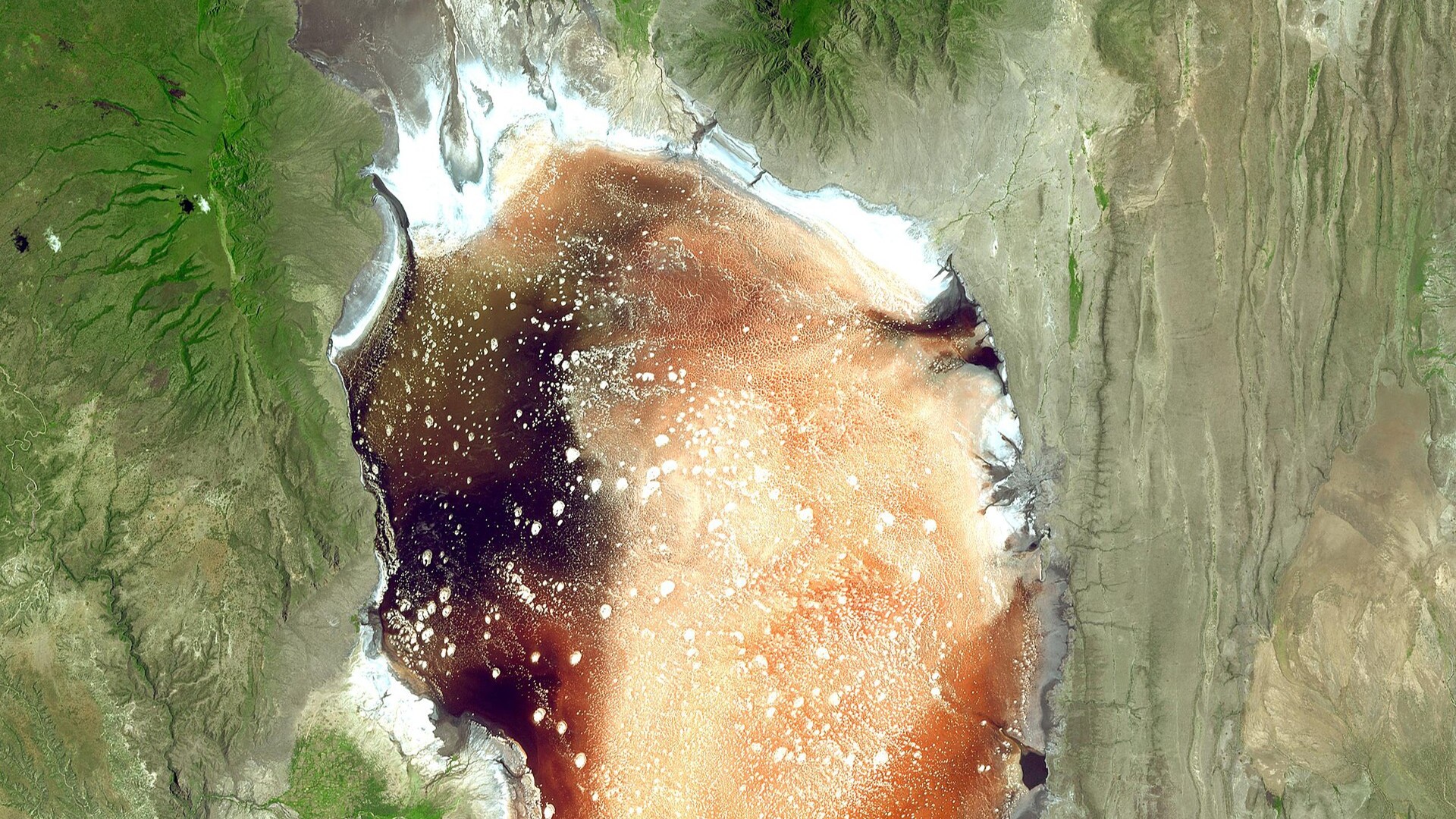
15. Lake Natron Calcifying Waters
Located in northern Tanzania near the Ol Doinyo Lengai volcano, Lake Natron reaches water temperatures of 60 degrees Celsius and a caustic pH above 10.5. Dense concentrations of sodium carbonate and trona create deep crimson brine pools where specialized haloalkaliphilic cyanobacteria flourish under scorching sun.
©Wikimedia / NASA, METI, AIST, Japan Space Systems, and
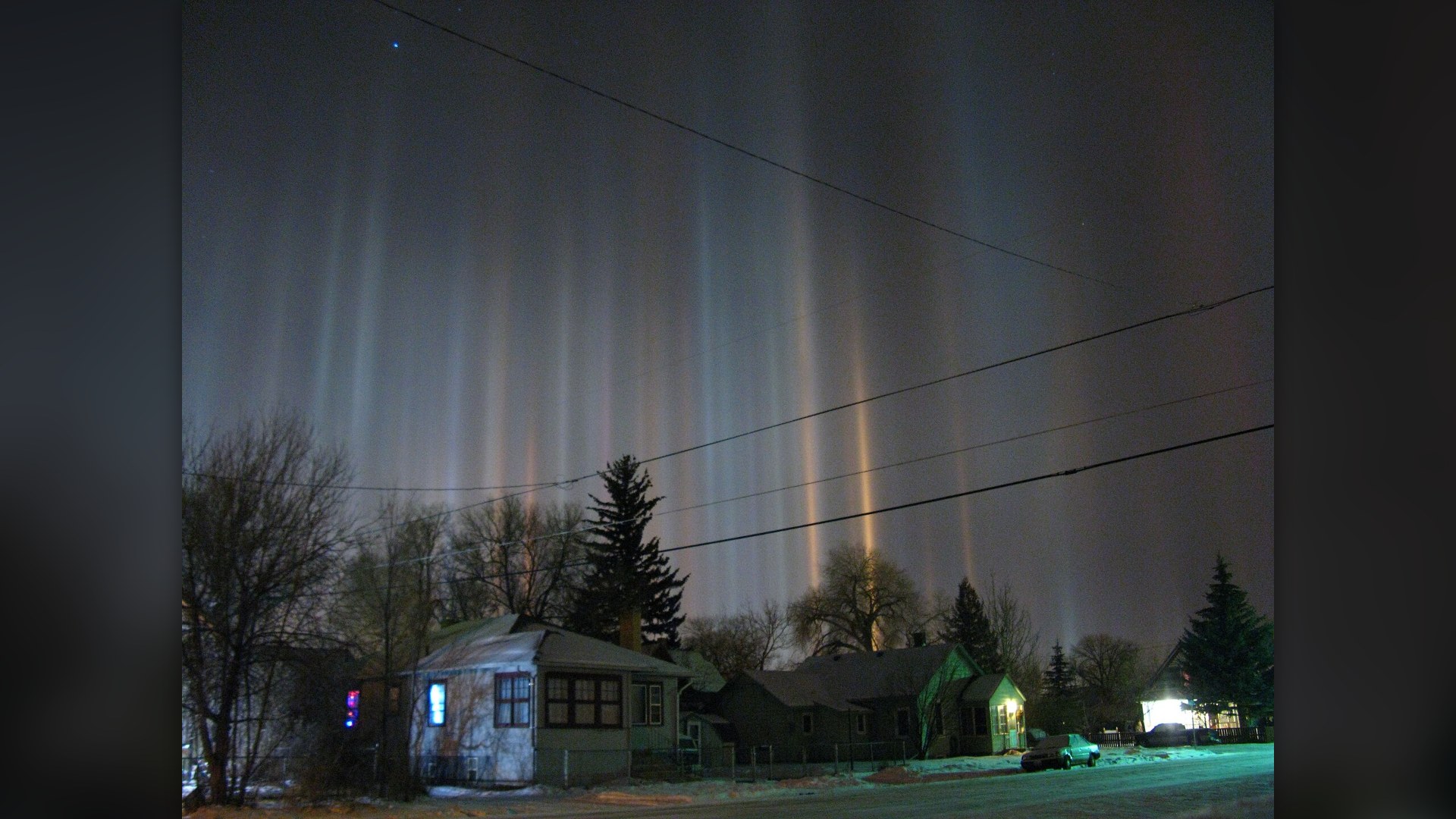
14. Light Pillars
Seen across subarctic regions during severe winter freezes, light pillars appear as vertical columns stretching toward the clouds. The optical effect occurs when millions of flat, hexagonal ice crystals flutter horizontally through calm, freezing air, reflecting streetlights and moonlight back down toward the observer.
©Wikimedia / Christoph Geisler
Advertisement
Swipe or tap ▶ to resume the countdown.
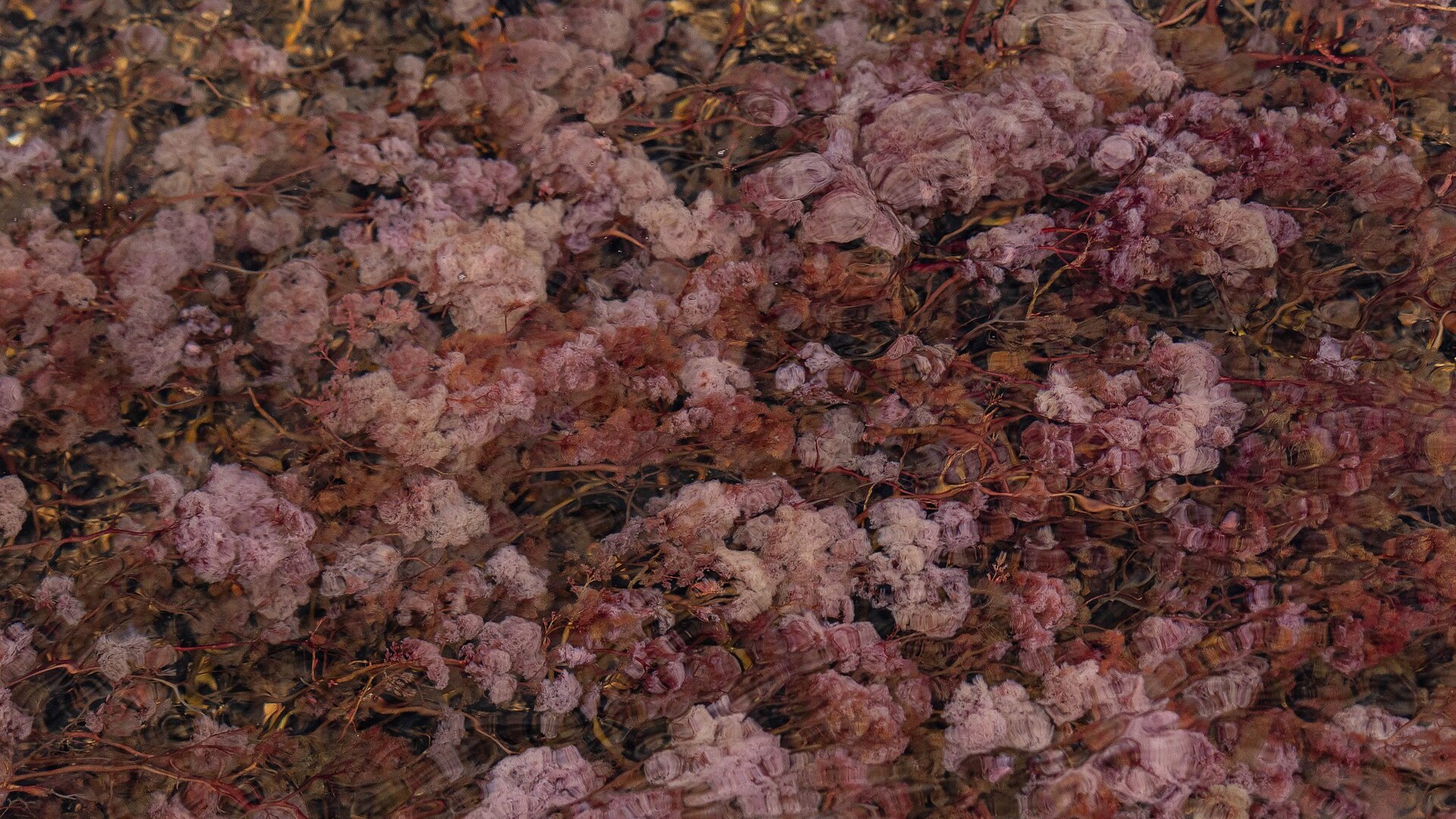
13. Cano Cristales Liquid Rainbow
Flowing through the SerranÃa de la Macarena National Park, this waterway is widely termed the river of five colors. Between June and November, when water levels stabilize, endemic aquatic plants called Macarenia clavigera cling to the quartzite bedrock, blooming in brilliant magenta and fuchsia under direct sunlight.
©Wikimedia / Noelia Chalfoun
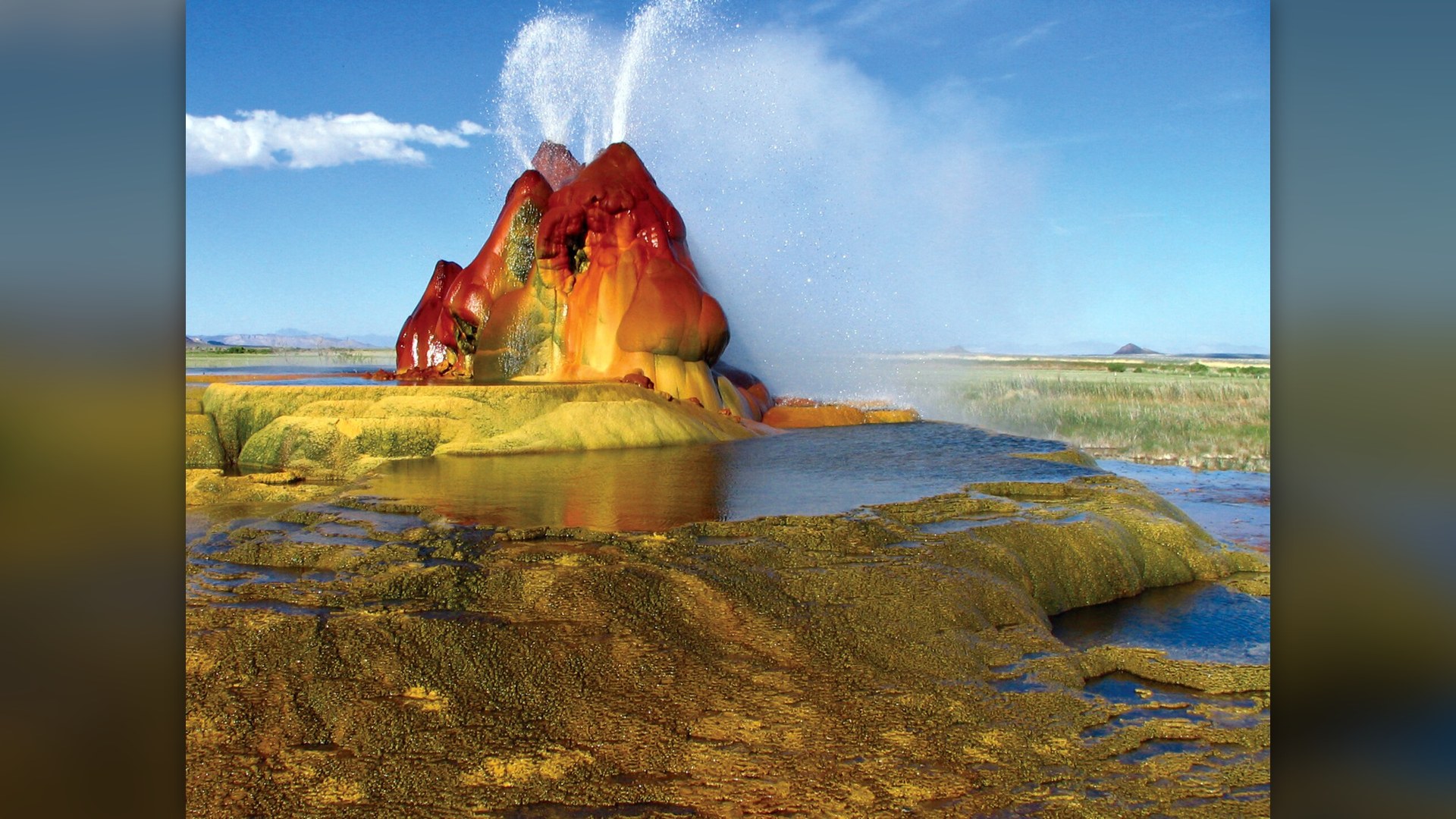
12. Fly Geyser
Situated on private ranchland in Nevada's Black Rock Desert, Fly Geyser was accidentally created by a test drilling project in 1964. Geothermal boiling water continuously discharges minerals onto the desert surface. Thermophilic algae coat the rising calcium carbonate terraces in striking brilliant green and red bands.
©Wikimedia / Jeremy C. Munns
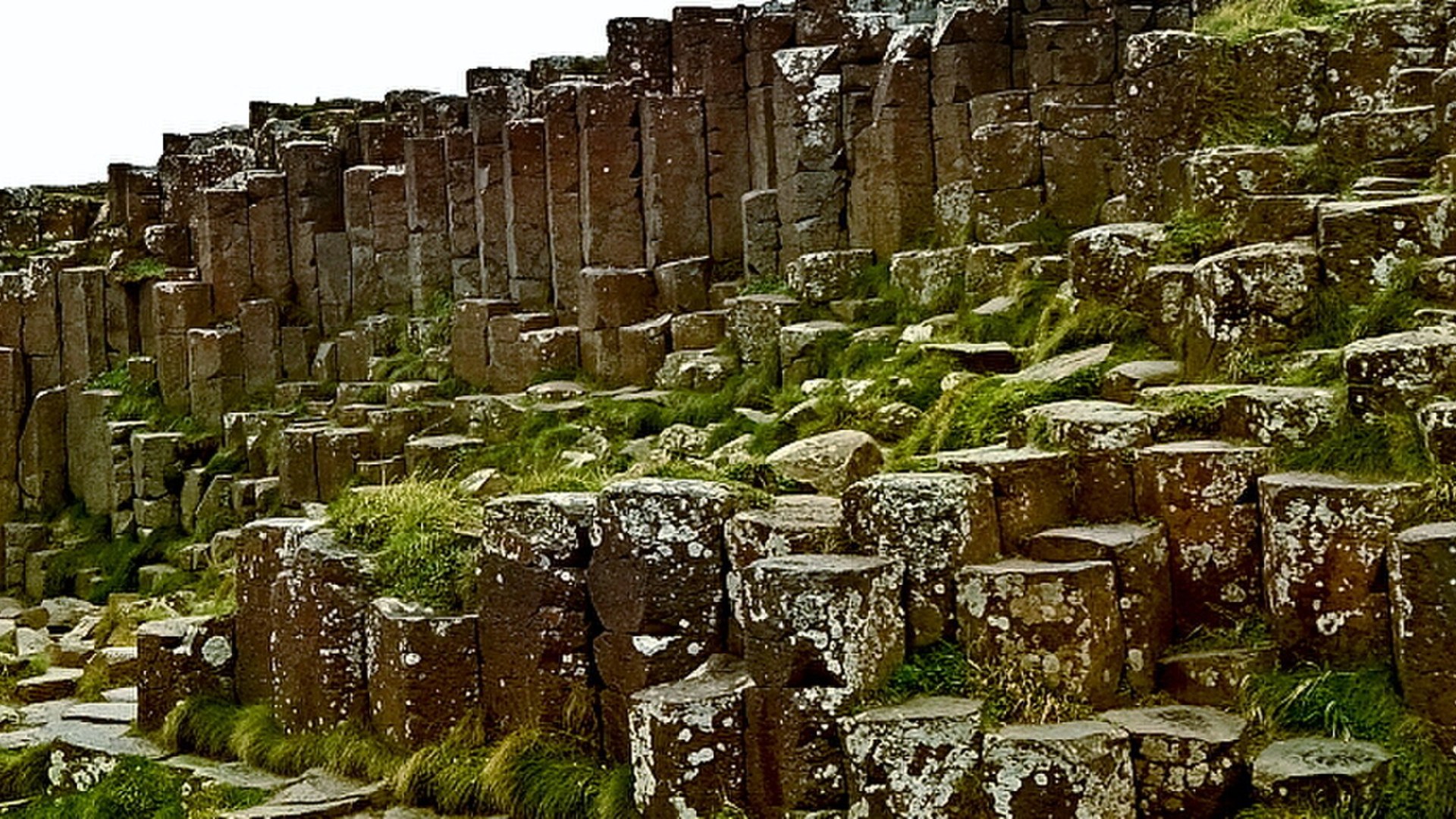
11. Giant's Causeway Basalt Columns
Flanking the northern coast of County Antrim in Northern Ireland, this geological landmark consists of roughly 40,000 interlocking basalt columns. Formed 60 million years ago during intense volcanic activity, molten basalt lava cooled and contracted steadily, cracking into uniform hexagonal prisms up to 12 meters high.
©Wikimedia / Suzanne Mischyshyn
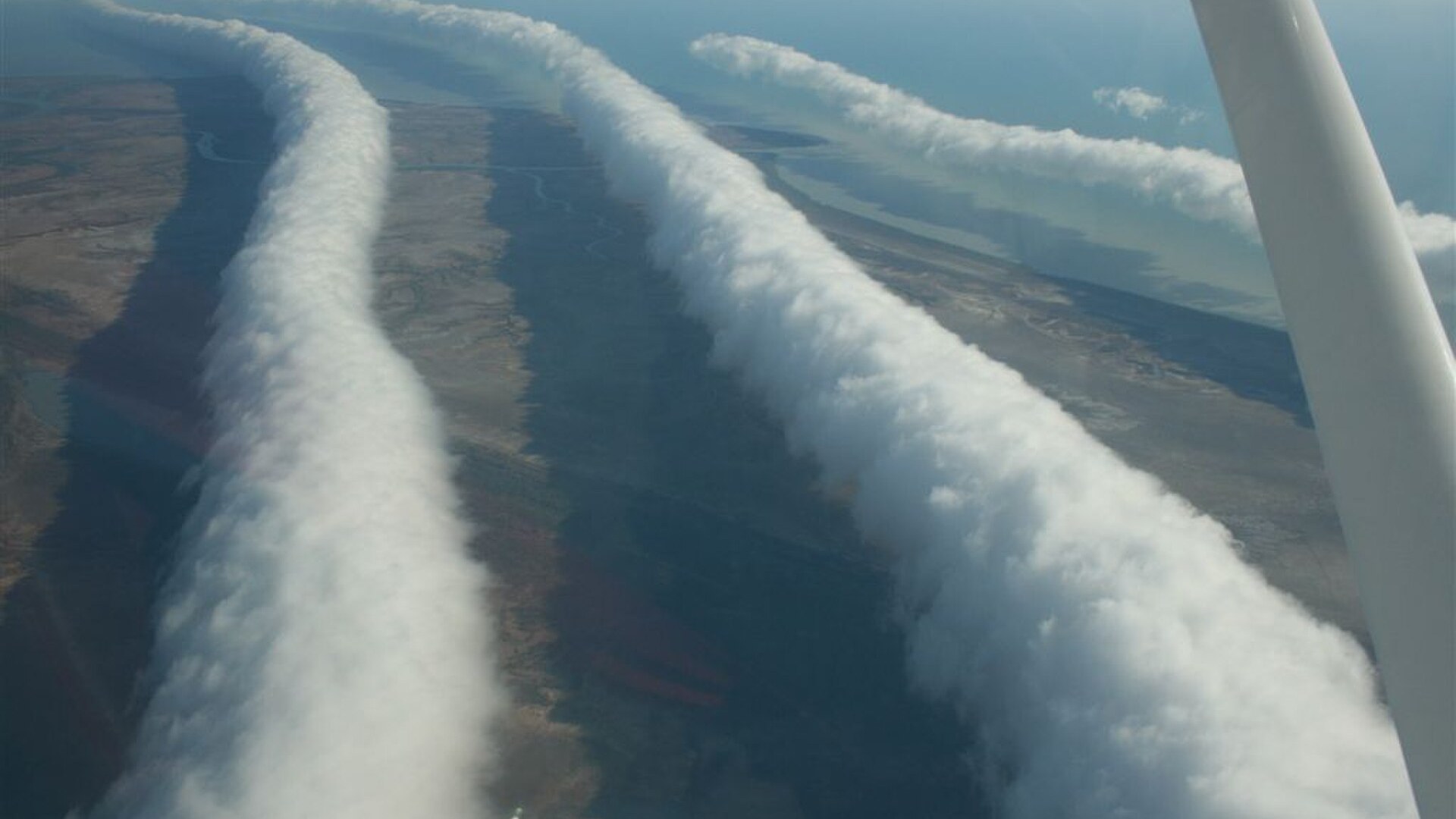
10. Morning Glory Cloud Formations
Occurring predictably each spring over the Gulf of Carpentaria in northern Australia, Morning Glory clouds form solitary atmospheric roll waves. Stretching up to 1,000 kilometers in length at altitudes of two kilometers, these low-altitude tubular clouds travel at speeds up to 60 kilometers per hour across clear skies.
©Wikimedia / Mick Petroff
Advertisement
Swipe or tap ▶ to resume the countdown.
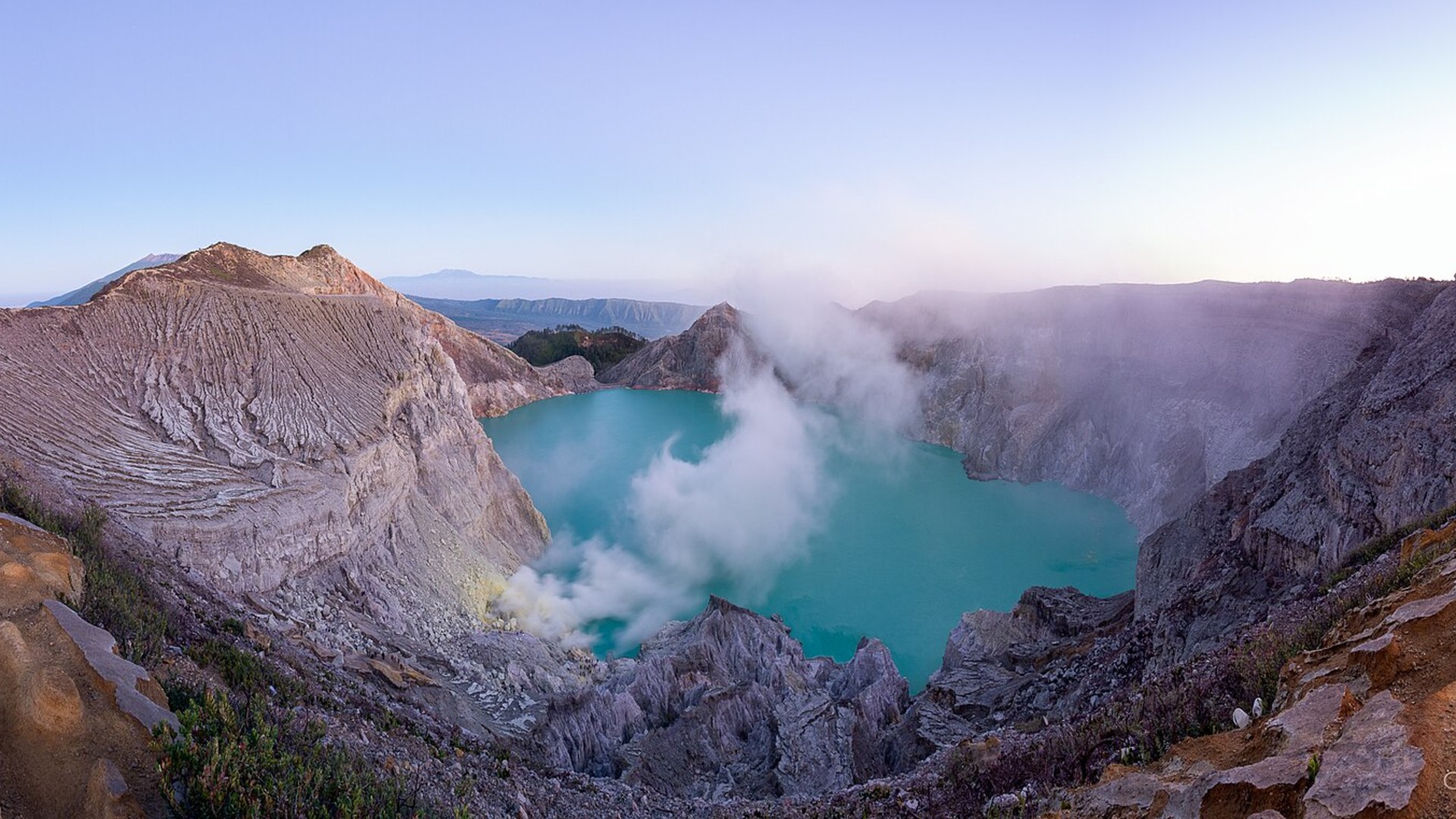
9. Kawah Ijen Electric Blue Flames
Inside the crater of the Kawah Ijen volcano in East Java, high-pressure sulfuric gases escape rock fissures at temperatures up to 600 degrees Celsius. When these gases contact oxygen in the night air, they combust into intense electric blue flames that melt into burning liquid sulfur, trickling down the caldera walls.
©Wikimedia / Christian Gloor from Wakatobi Dive Resort, Indon
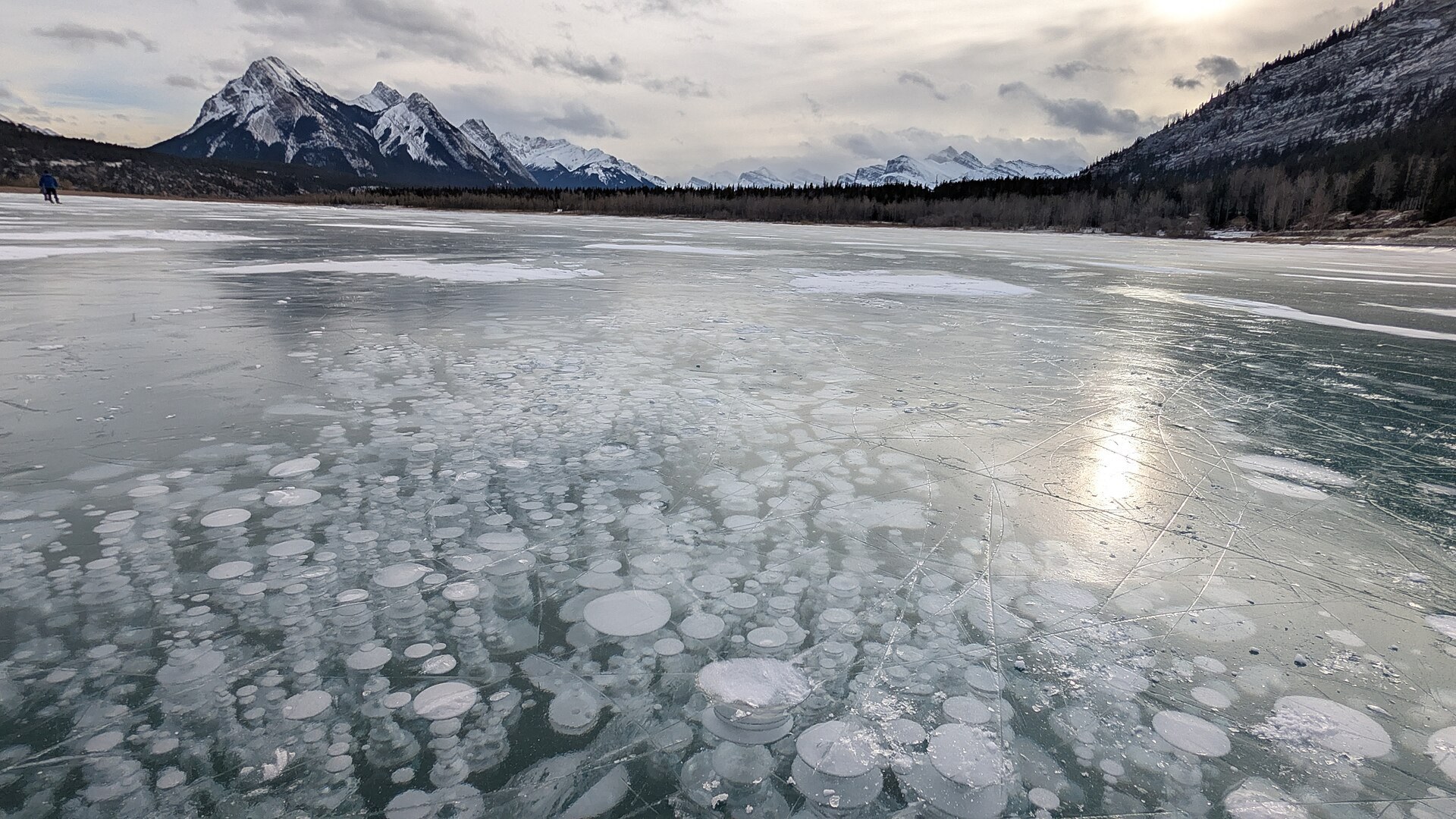
8. Abraham Lake Methane Ice Bubbles
Created during the construction of the Bighorn Dam in Alberta, this artificial reservoir traps decaying organic plant matter on the lakebed. Bacteria feeding on the sediment release methane gas bubbles that rise toward the surface. When frigid winter air freezes the water solid, the gas pockets freeze in clear stacks.
©Wikimedia / Joli Rumi
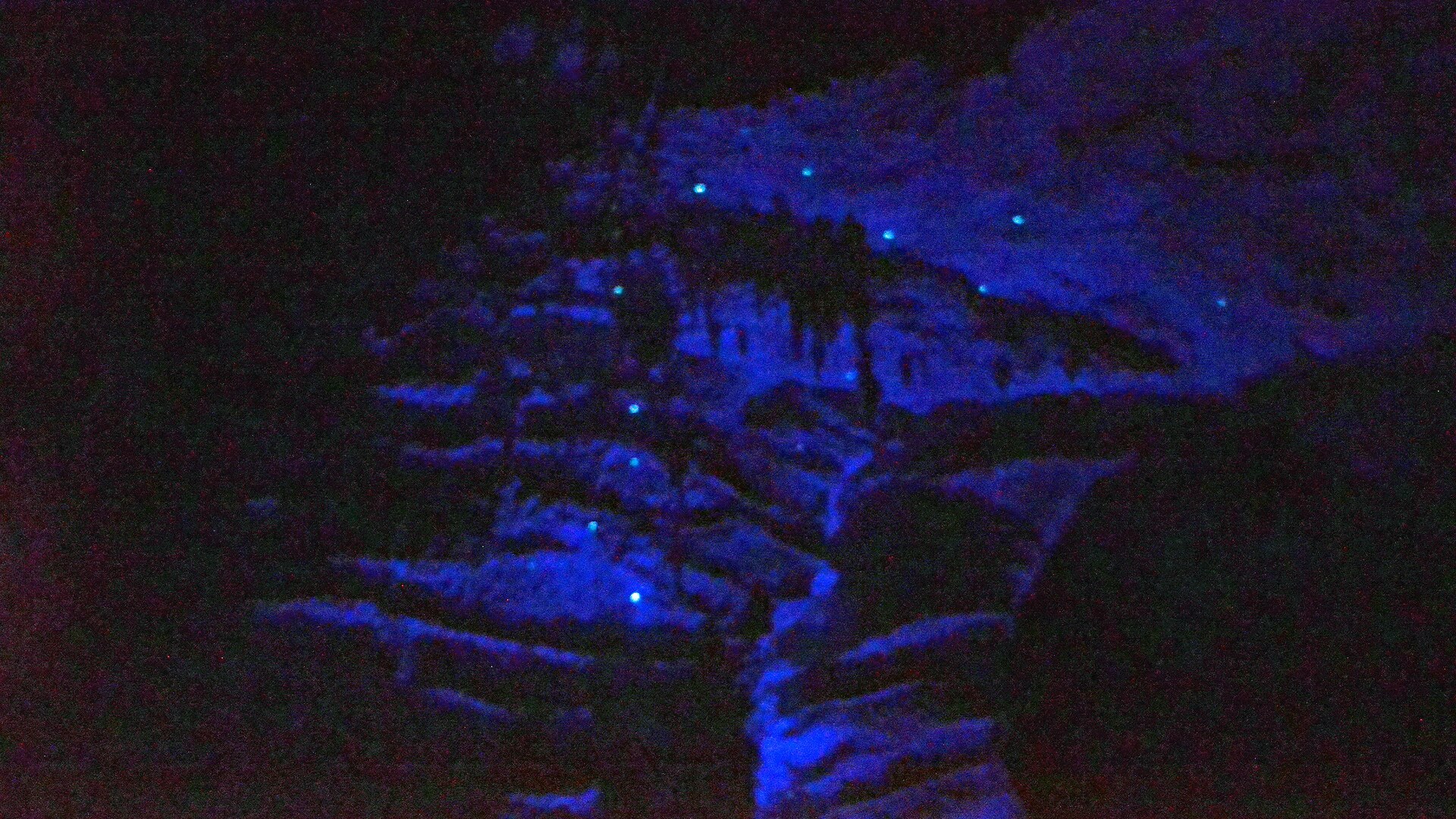
7. Waitomo Glowworm Grotto
Beneath the green hills of New Zealand's North Island, the Waitomo Caves feature millions of endemic insect larvae known as Arachnocampa luminosa. Clinging to the cavern ceiling, each larva suspends sticky silk threads and generates a soft blue-green luminescence through biochemical reactions to attract flying insects.
©Openverse / Joe Ross
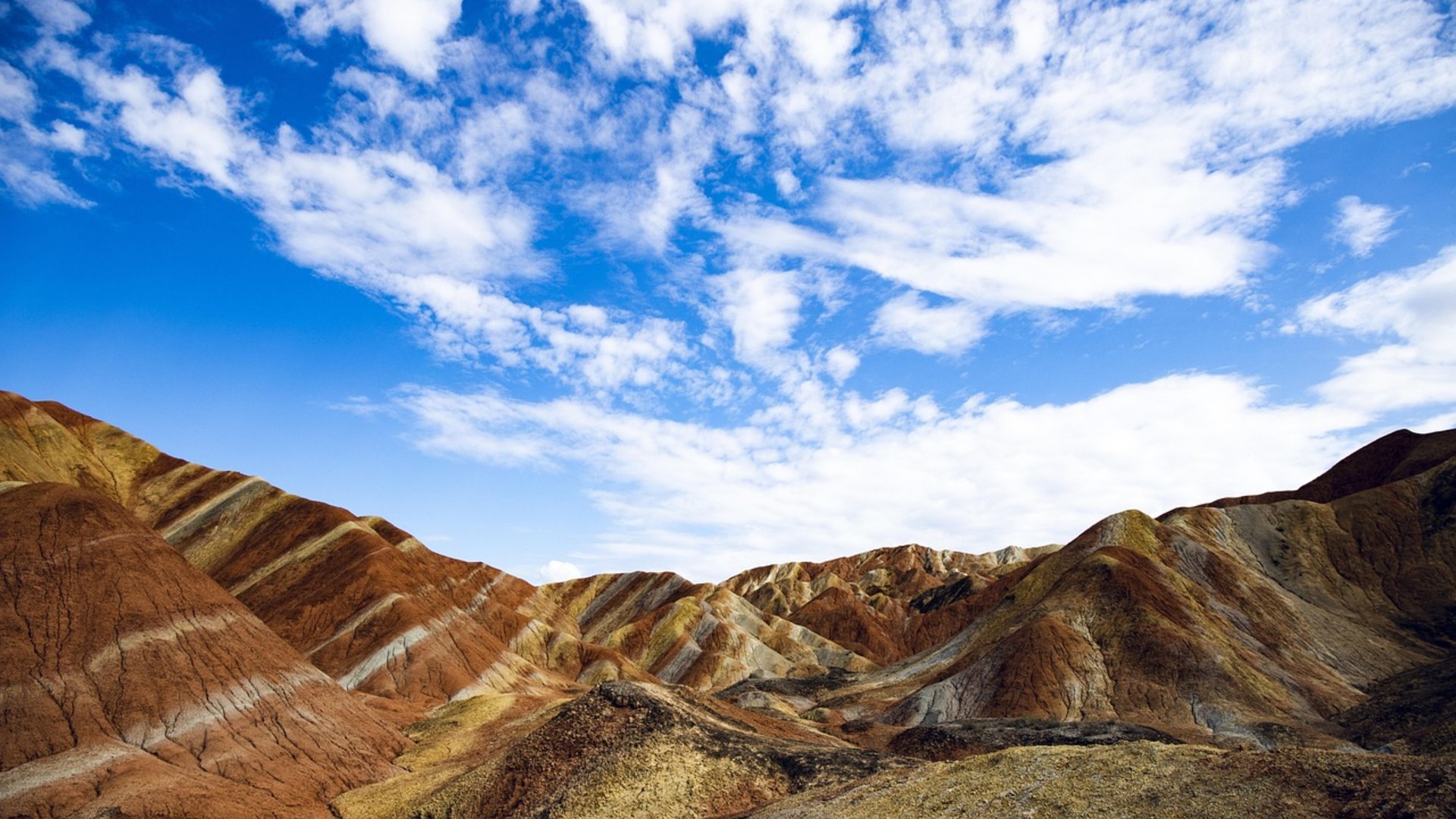
6. Zhangye Danxia Rainbow Mountains
Located in northwestern China, the Zhangye National Geopark features steep ridges of cretaceous sandstone and siltstone. Uplifted by tectonic movements over 24 million years and sculpted by weathering, iron oxide and trace minerals have weathered into vivid layers of red, yellow, and orange running across the hills.
©Pixabay / SwidaAlba
Advertisement
Swipe or tap ▶ to resume the countdown.
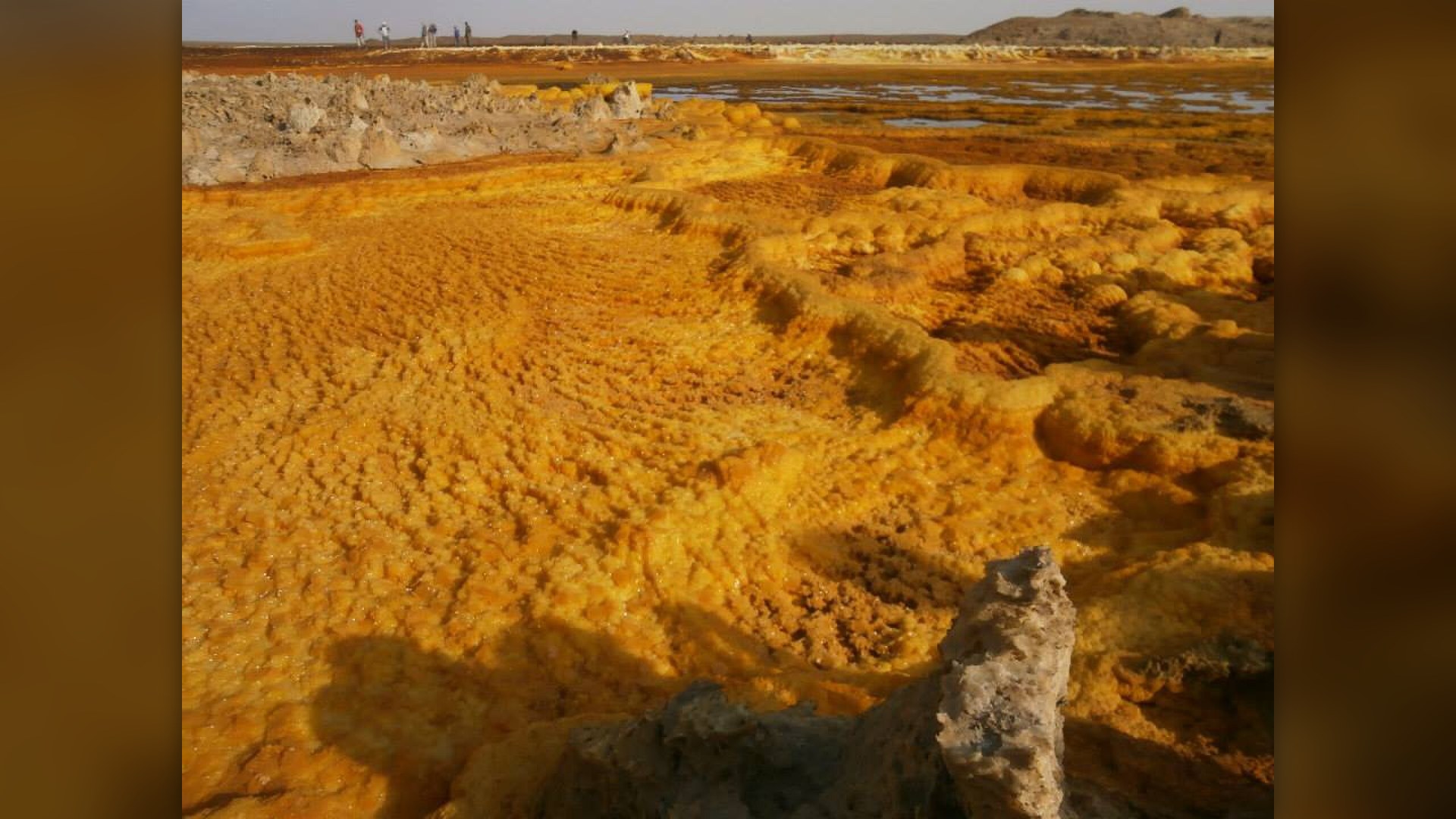
5. Dallol Geothermal Salt Terraces
Sunk 125 meters below sea level in Ethiopia's Danakil Depression, Dallol is an active volcanic hydro-thermal system. Magma-heated groundwater dissolves subterranean salt deposits and rises to surface, creating boiling brine ponds, bright sulfur chimneys, & turquoise acidic lakes in ambient heat exceeding 45 Celsius.
©Wikimedia / Barrowbob
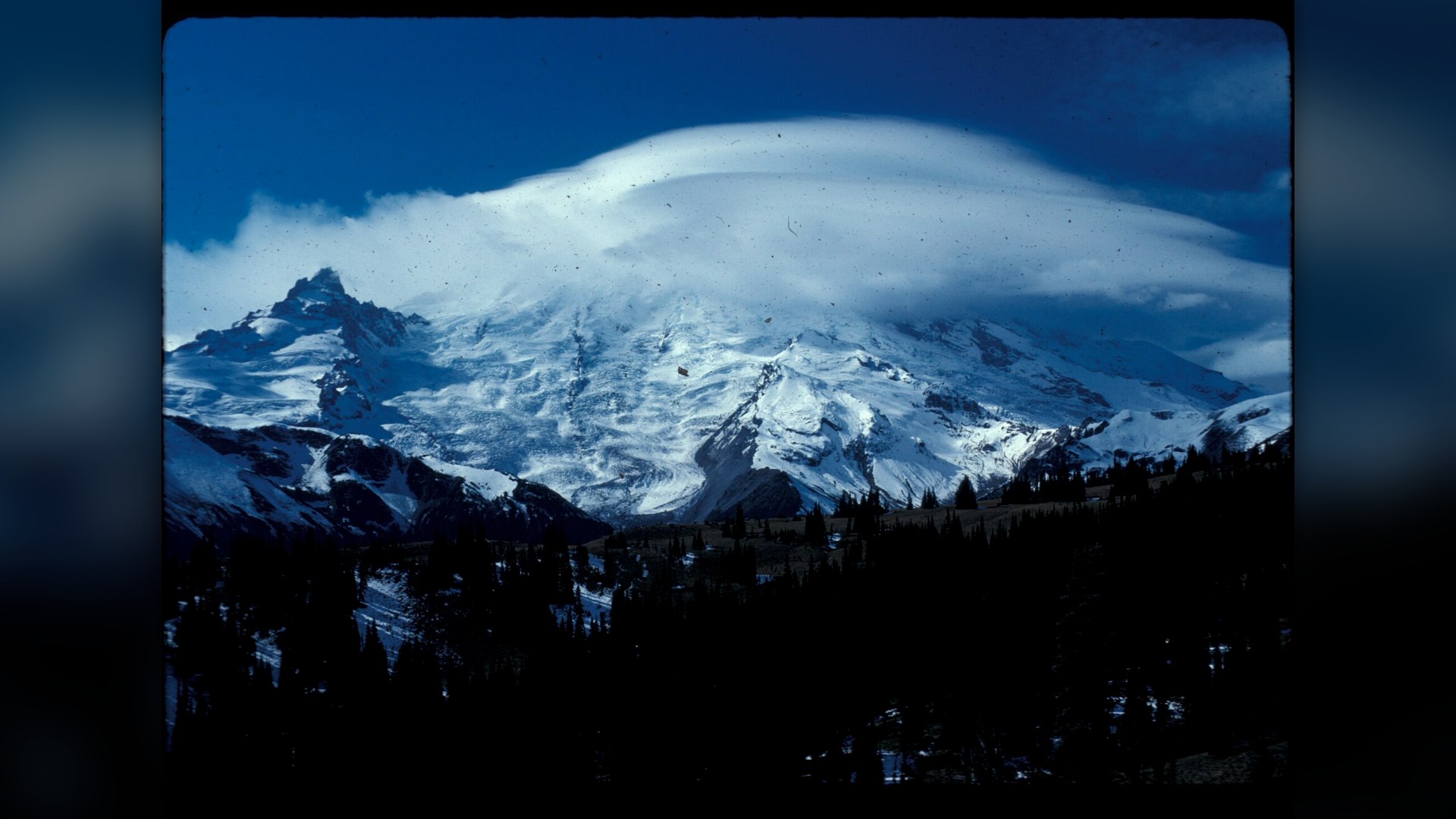
4. Lenticular Cloud Formations
Forming high above isolated mountain peaks like Mount Rainier and the Patagonian Andes, lenticular clouds develop when moist air flows over rugged terrain. As the air rises over the barrier, temperature drops and moisture condenses into smooth, saucer-shaped stationary layers that remain fixed while winds rush through.
©Wikimedia / Loren Lane ( MORA )
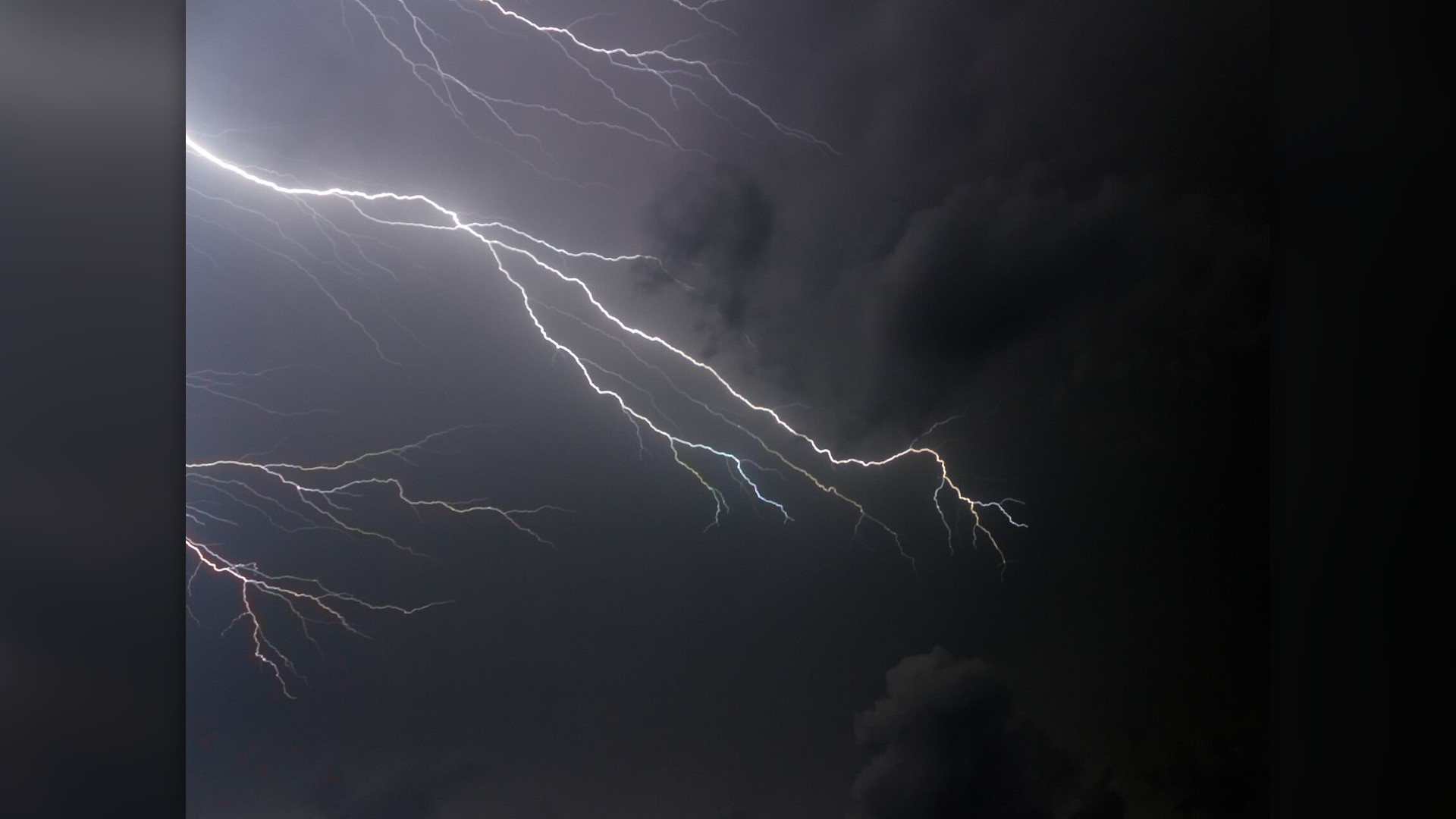
3. Catatumbo Lightning Storms
Where the Catatumbo River empties into Lake Maracaibo, unique topography triggers nocturnal thunderstorms up to ten hours nightly. Warm Caribbean winds colliding with cool drafts off the Andes generate continuous electrical displays, producing up to 250 lightning flashes per hour across the dark water.
©Wikimedia / Fernando Flores
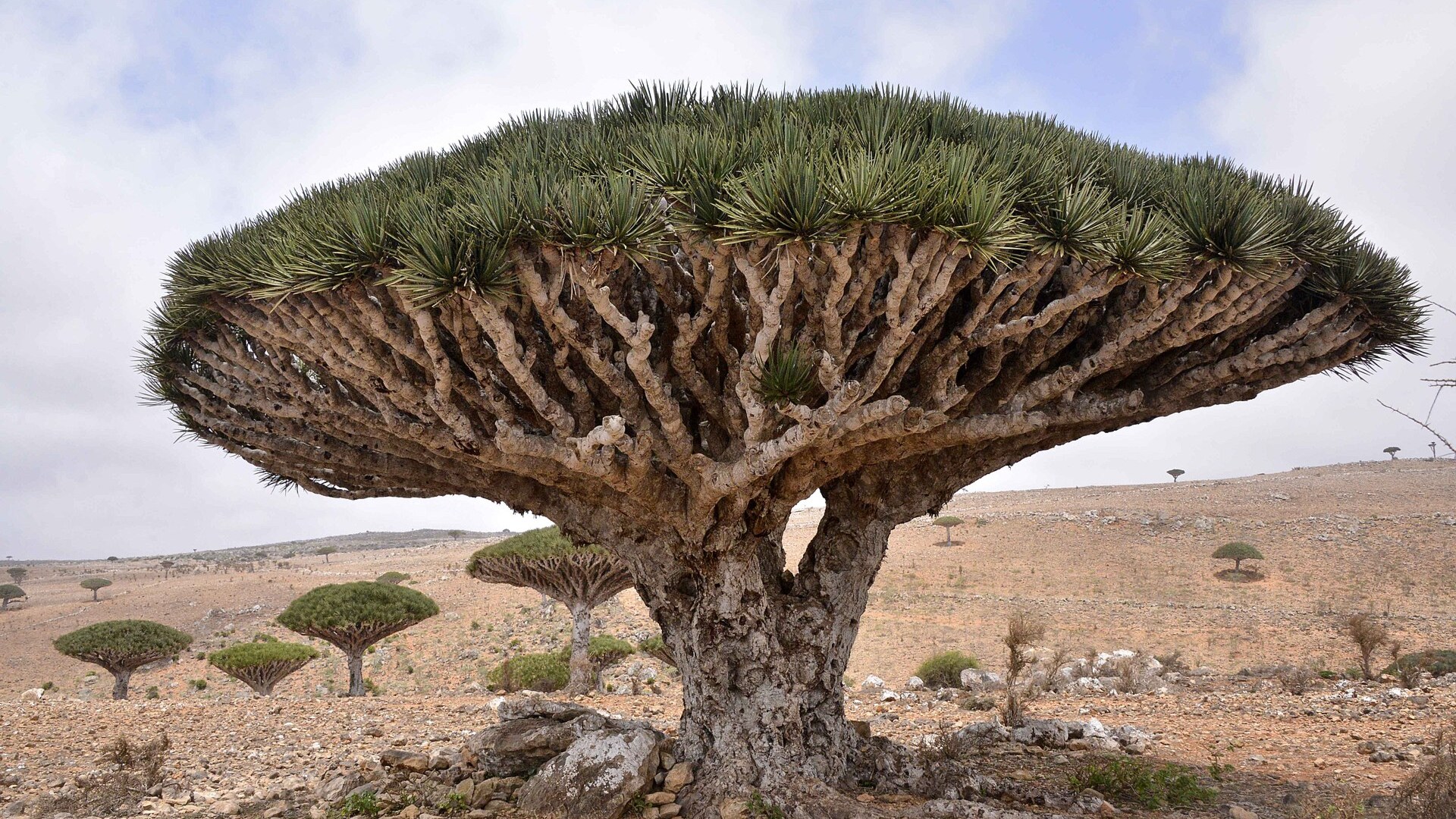
2. Socotra Island Dragon Blood Forest
Isolated from mainland Arabia for eighteen million years, Socotra Island hosts over 700 rare endemic species. Across the Dixam Plateau, Dracaena cinnabari trees sport dense, umbrella-like canopies that catch ocean mists while shading their root systems, exuding a thick crimson sap prized since classical antiquity.
©Wikimedia / Rod Waddington from Kergunyah, Australia
Advertisement
Swipe or tap ▶ to resume the countdown.
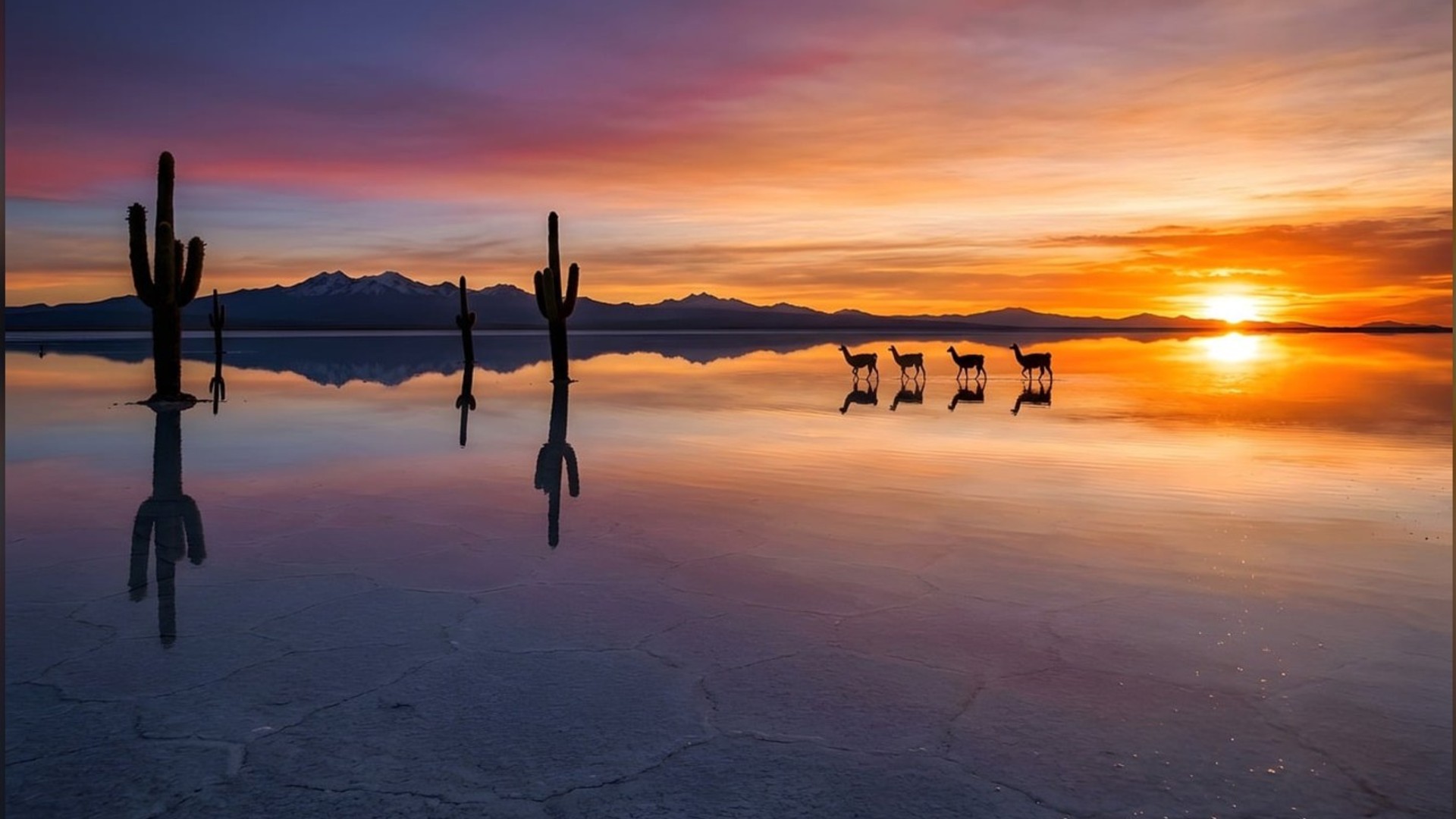
1. Salar De Uyuni Salt Mirror
Covering over 10,000 square kilometers in southwest Bolivia, Salar de Uyuni is the remnant of prehistoric lakes. With elevation variations of less than one meter across its entire expanse, a thin sheet of rainwater creates an unbroken reflective surface that seamlessly mirrors the sky and clouds above.
©Pixabay / GabruPawPixels
Advertisement
You've reached the end of the story. Thanks for reading!

21 Famous Military Aircraft You Can See in US Museums
Iconic Preserved Warbirds and Stealth Jets You Can Visit
All 20 Entries in this Story
20. Sailing Stones Of Racetrack Playa
Located in Death Valley National Park, heavy dolomite boulders leave trails up to several hundred meters long across the playa. Research published by the Scripps Institution of Oceanography proved that rare winter rain pools freeze into thin floating ice sheets, which high winds push against the rocks to propel them.

19. Bioluminescent Shores Of Vaadhoo
The shoreline of Vaadhoo Island in the Raa Atoll glows bright blue when marine waves break against the sand. The illumination stems from millions of Lingulodinium polyedra dinoflagellates. When physical agitation disrupts their cell membranes, a luciferase enzyme reaction produces brief flashes of cold blue light.

18. Spotted Lake
Situated in the Similkameen Valley of British Columbia, this endorheic alkaline lake contains dense concentrations of magnesium sulfate, calcium, and sodium sulfates. As summer heat evaporates the surface water, hundreds of circular mineral brine pools crystallize in pale yellow, green, and white ringed formations.

17. Penitentes Ice Blades
Towering up to five meters high in the Atacama Desert and Central Andes, these blade-like snow formations develop above 4,000 meters elevation. The phenomenon occurs when intense sunlight causes frozen snow to sublimate directly into vapor without melting into liquid water, carving deep hollows between sharp ridges.

16. Blood Falls
Discovered in 1911 in the McMurdo Dry Valleys of Antarctica, Blood Falls discharges from the tongue of Taylor Glacier into Lake Bonney. The source is a trapped subglacial reservoir devoid of light and oxygen. When the hyper-saline, iron-saturated brine seeps through fissures to reach the air, iron oxidizes into rust.

15. Lake Natron Calcifying Waters
Located in northern Tanzania near the Ol Doinyo Lengai volcano, Lake Natron reaches water temperatures of 60 degrees Celsius and a caustic pH above 10.5. Dense concentrations of sodium carbonate and trona create deep crimson brine pools where specialized haloalkaliphilic cyanobacteria flourish under scorching sun.

14. Light Pillars
Seen across subarctic regions during severe winter freezes, light pillars appear as vertical columns stretching toward the clouds. The optical effect occurs when millions of flat, hexagonal ice crystals flutter horizontally through calm, freezing air, reflecting streetlights and moonlight back down toward the observer.

13. Cano Cristales Liquid Rainbow
Flowing through the SerranÃa de la Macarena National Park, this waterway is widely termed the river of five colors. Between June and November, when water levels stabilize, endemic aquatic plants called Macarenia clavigera cling to the quartzite bedrock, blooming in brilliant magenta and fuchsia under direct sunlight.

12. Fly Geyser
Situated on private ranchland in Nevada's Black Rock Desert, Fly Geyser was accidentally created by a test drilling project in 1964. Geothermal boiling water continuously discharges minerals onto the desert surface. Thermophilic algae coat the rising calcium carbonate terraces in striking brilliant green and red bands.

11. Giant's Causeway Basalt Columns
Flanking the northern coast of County Antrim in Northern Ireland, this geological landmark consists of roughly 40,000 interlocking basalt columns. Formed 60 million years ago during intense volcanic activity, molten basalt lava cooled and contracted steadily, cracking into uniform hexagonal prisms up to 12 meters high.

10. Morning Glory Cloud Formations
Occurring predictably each spring over the Gulf of Carpentaria in northern Australia, Morning Glory clouds form solitary atmospheric roll waves. Stretching up to 1,000 kilometers in length at altitudes of two kilometers, these low-altitude tubular clouds travel at speeds up to 60 kilometers per hour across clear skies.

9. Kawah Ijen Electric Blue Flames
Inside the crater of the Kawah Ijen volcano in East Java, high-pressure sulfuric gases escape rock fissures at temperatures up to 600 degrees Celsius. When these gases contact oxygen in the night air, they combust into intense electric blue flames that melt into burning liquid sulfur, trickling down the caldera walls.

8. Abraham Lake Methane Ice Bubbles
Created during the construction of the Bighorn Dam in Alberta, this artificial reservoir traps decaying organic plant matter on the lakebed. Bacteria feeding on the sediment release methane gas bubbles that rise toward the surface. When frigid winter air freezes the water solid, the gas pockets freeze in clear stacks.

7. Waitomo Glowworm Grotto
Beneath the green hills of New Zealand's North Island, the Waitomo Caves feature millions of endemic insect larvae known as Arachnocampa luminosa. Clinging to the cavern ceiling, each larva suspends sticky silk threads and generates a soft blue-green luminescence through biochemical reactions to attract flying insects.

6. Zhangye Danxia Rainbow Mountains
Located in northwestern China, the Zhangye National Geopark features steep ridges of cretaceous sandstone and siltstone. Uplifted by tectonic movements over 24 million years and sculpted by weathering, iron oxide and trace minerals have weathered into vivid layers of red, yellow, and orange running across the hills.

5. Dallol Geothermal Salt Terraces
Sunk 125 meters below sea level in Ethiopia's Danakil Depression, Dallol is an active volcanic hydro-thermal system. Magma-heated groundwater dissolves subterranean salt deposits and rises to surface, creating boiling brine ponds, bright sulfur chimneys, & turquoise acidic lakes in ambient heat exceeding 45 Celsius.

4. Lenticular Cloud Formations
Forming high above isolated mountain peaks like Mount Rainier and the Patagonian Andes, lenticular clouds develop when moist air flows over rugged terrain. As the air rises over the barrier, temperature drops and moisture condenses into smooth, saucer-shaped stationary layers that remain fixed while winds rush through.

3. Catatumbo Lightning Storms
Where the Catatumbo River empties into Lake Maracaibo, unique topography triggers nocturnal thunderstorms up to ten hours nightly. Warm Caribbean winds colliding with cool drafts off the Andes generate continuous electrical displays, producing up to 250 lightning flashes per hour across the dark water.

2. Socotra Island Dragon Blood Forest
Isolated from mainland Arabia for eighteen million years, Socotra Island hosts over 700 rare endemic species. Across the Dixam Plateau, Dracaena cinnabari trees sport dense, umbrella-like canopies that catch ocean mists while shading their root systems, exuding a thick crimson sap prized since classical antiquity.

1. Salar De Uyuni Salt Mirror
Covering over 10,000 square kilometers in southwest Bolivia, Salar de Uyuni is the remnant of prehistoric lakes. With elevation variations of less than one meter across its entire expanse, a thin sheet of rainwater creates an unbroken reflective surface that seamlessly mirrors the sky and clouds above.