Slideshow · Viral
20 US Cities Where Housing Costs Take the Largest Share of Income
Housing affordability across the United States has reached critical levels as shelter expenses outpace local earnings. According to data from the U.S. Census Bureau and the Harvard Joint Center for Housing Studies, millions of families dedicate over thirty percent of gross household earnings to shelter.
By Most Viral Today
24 min ago

Metros Where Housing Costs Devour Local Incomes 
20. Syracuse, New York 
19. Rochester, New York 
18. El Paso, Texas - AdvertisementSwipe or tap ▶ to continue countdown

17. Providence, Rhode Island 
16. Tucson, Arizona 
15. Las Vegas, Nevada 
14. Tampa, Florida - AdvertisementSwipe or tap ▶ to continue countdown

13. Orlando, Florida 
12. New Orleans, Louisiana 
11. Bakersfield, California 
10. Fresno, California - AdvertisementSwipe or tap ▶ to continue countdown

9. Stockton, California 
8. Modesto, California 
7. New Haven, Connecticut 
6. Riverside, California - AdvertisementSwipe or tap ▶ to continue countdown

5. Santa Cruz, California 
4. Bridgeport, Connecticut 
3. Oxnard, California 
2. Atlantic City, New Jersey - AdvertisementSwipe or tap ▶ to continue countdown

1. Salinas, California - Advertisement🔥 UP NEXT IN THIS SERIES◫ 21 Slides

20 Countries With More Than One Official Language
While most countries conduct public business in a single tongue, dozens of sovereign states legally enshrine multiple official languages in their constitutions. From bilingual democracies to nations recognizing dozens of indigenous idioms, multilingual governance bridges diverse cultures across six continents.
Housing affordability across the United States has reached critical levels as shelter expenses outpace local earnings. According to data from the U.S. Census Bureau and the Harvard Joint Center for Housing Studies, millions of families dedicate over thirty percent of gross household earnings to shelter.
Swipe or tap ▶ to begin the countdown
©Wikimedia / Infrogmation of New Orleans
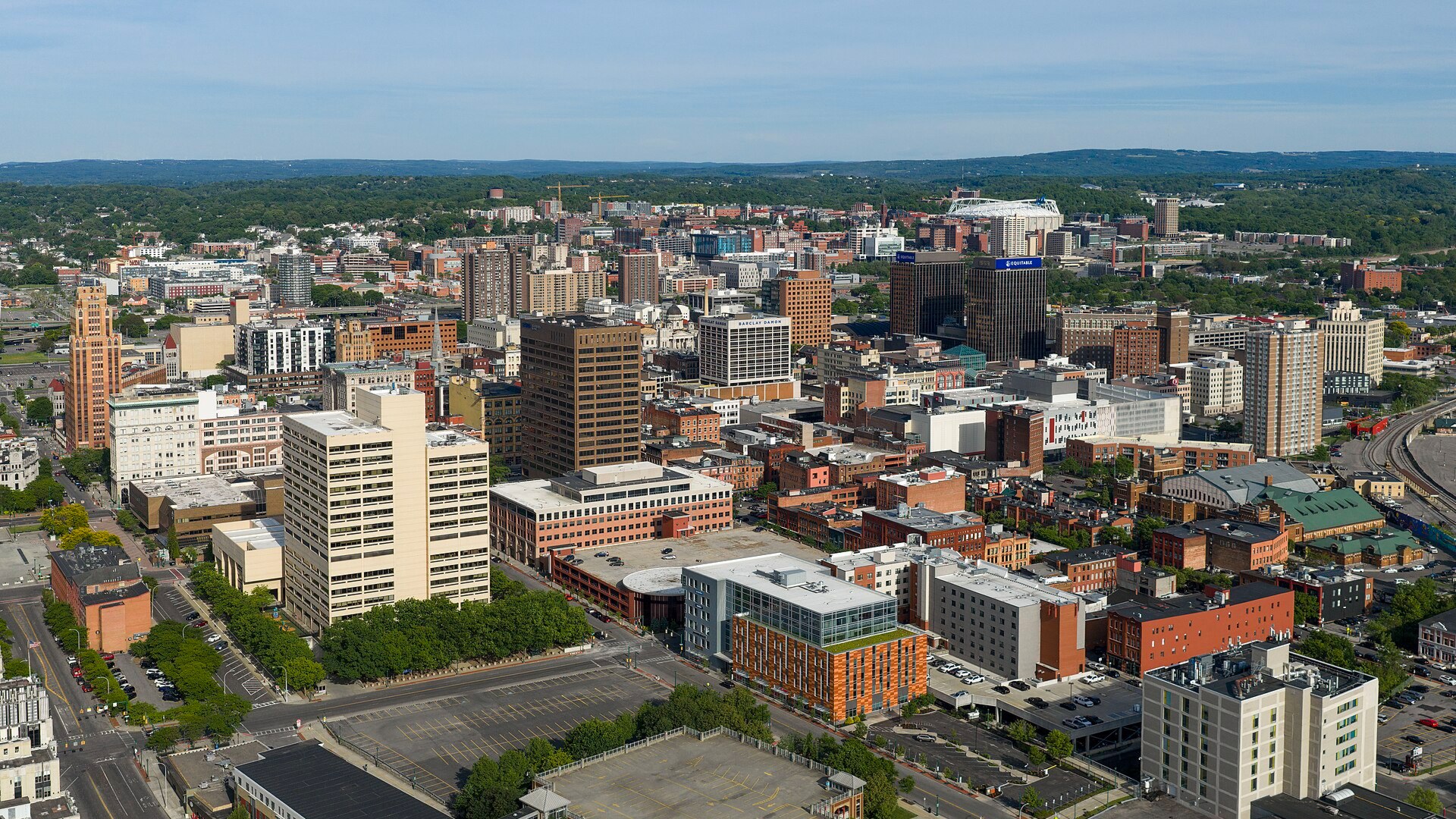
20. Syracuse, New York
Syracuse combines modest industrial earnings with rising property taxes and winter utility charges. The Census Bureau reports that over forty-one percent of city residents spend more than thirty percent of monthly earnings on housing, creating severe financial strain for service sector workers.
©Wikimedia / Quintin Soloviev
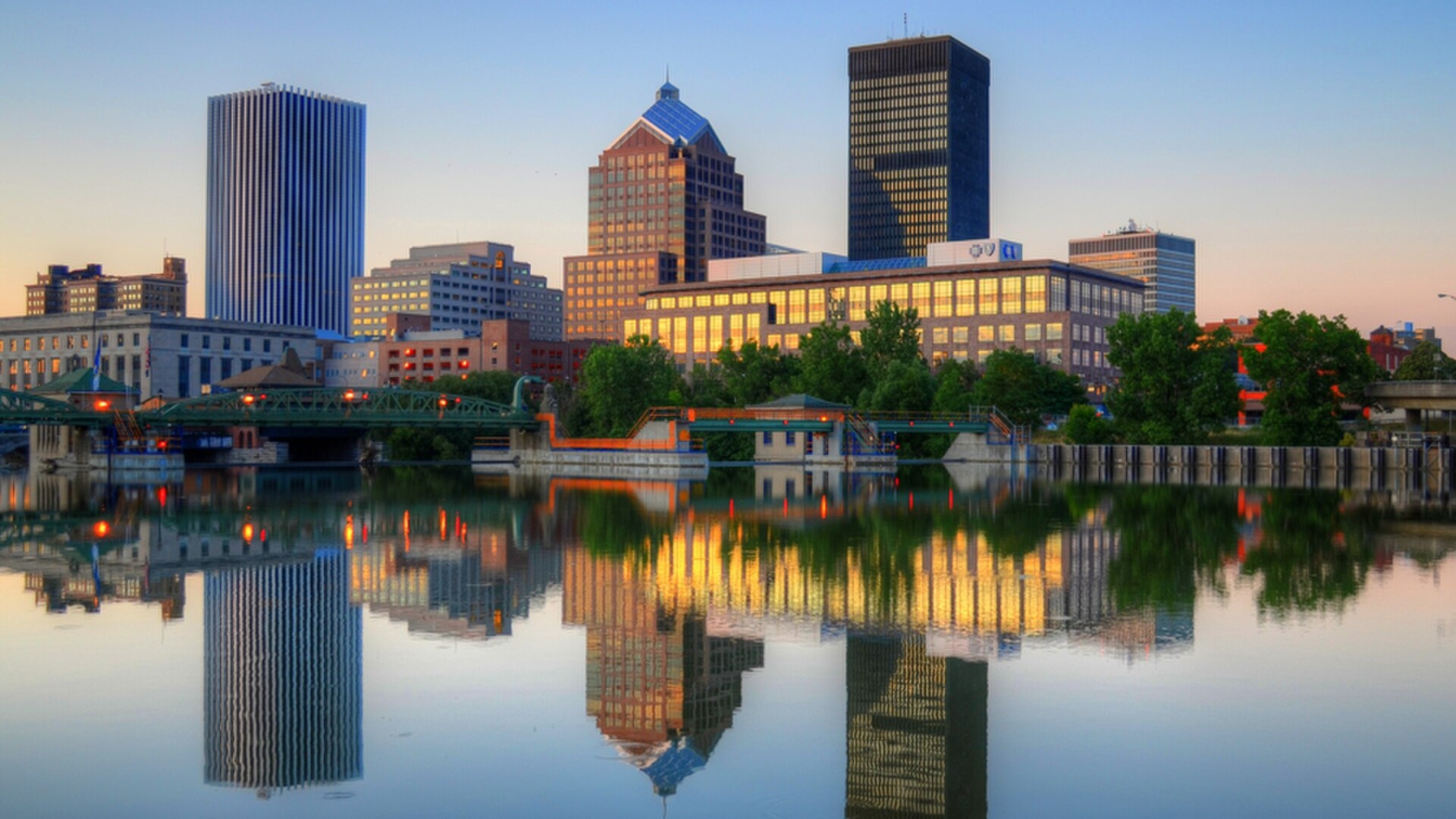
19. Rochester, New York
Rochester struggles with a sharp gap between service-economy median pay and suburban housing costs. More than forty-one percent of households face unaffordable shelter burdens, driven by rising maintenance costs and property reassessments across the Finger Lakes metro.
©Wikimedia / Rochester, New York
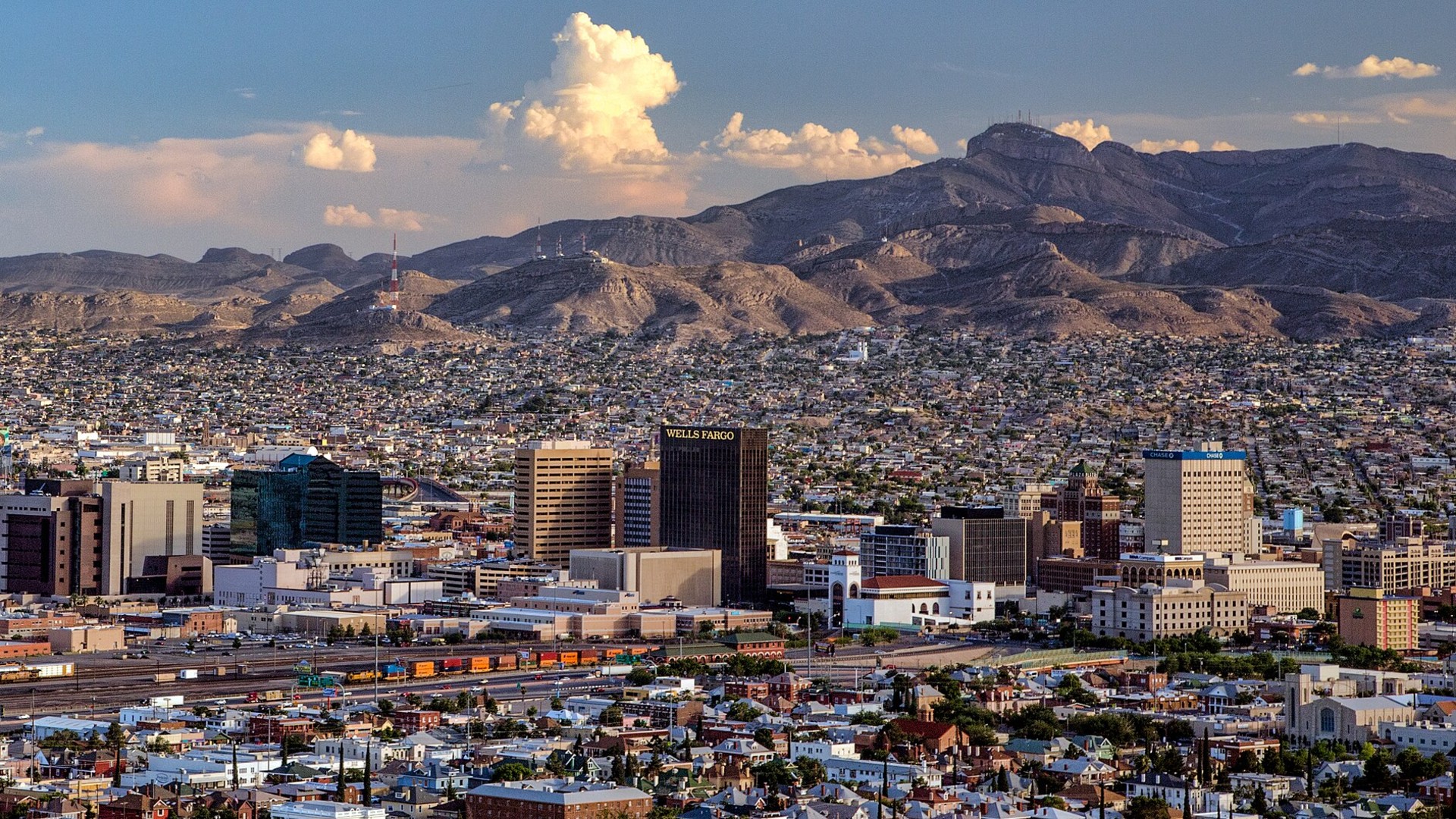
18. El Paso, Texas
El Paso features lower median household earnings that struggle to keep pace with rapid residential appraisal jumps. Over forty-two percent of households direct large portions of monthly earnings toward housing costs, compounded by expanding municipal utility fees.
©Wikimedia / El Paso, Texas
Advertisement
Swipe or tap ▶ to resume the countdown.
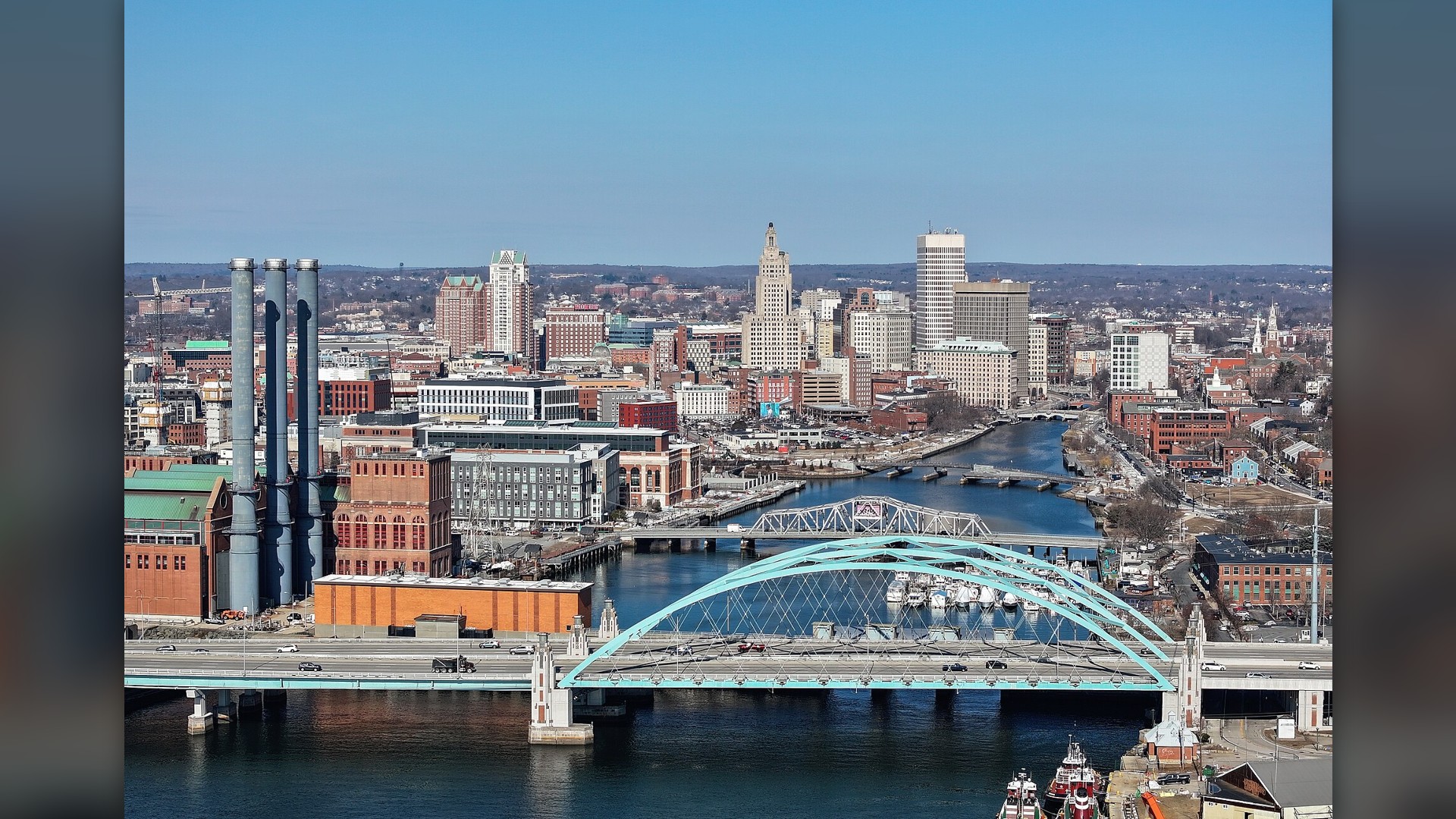
17. Providence, Rhode Island
Providence has absorbed substantial housing spillover from the greater Boston metropolitan core. Nearly forty-three percent of households now spend over thirty percent of gross income on rent, leaving working families to navigate steep historical renovation costs.
©Wikimedia / Providence, Rhode Island
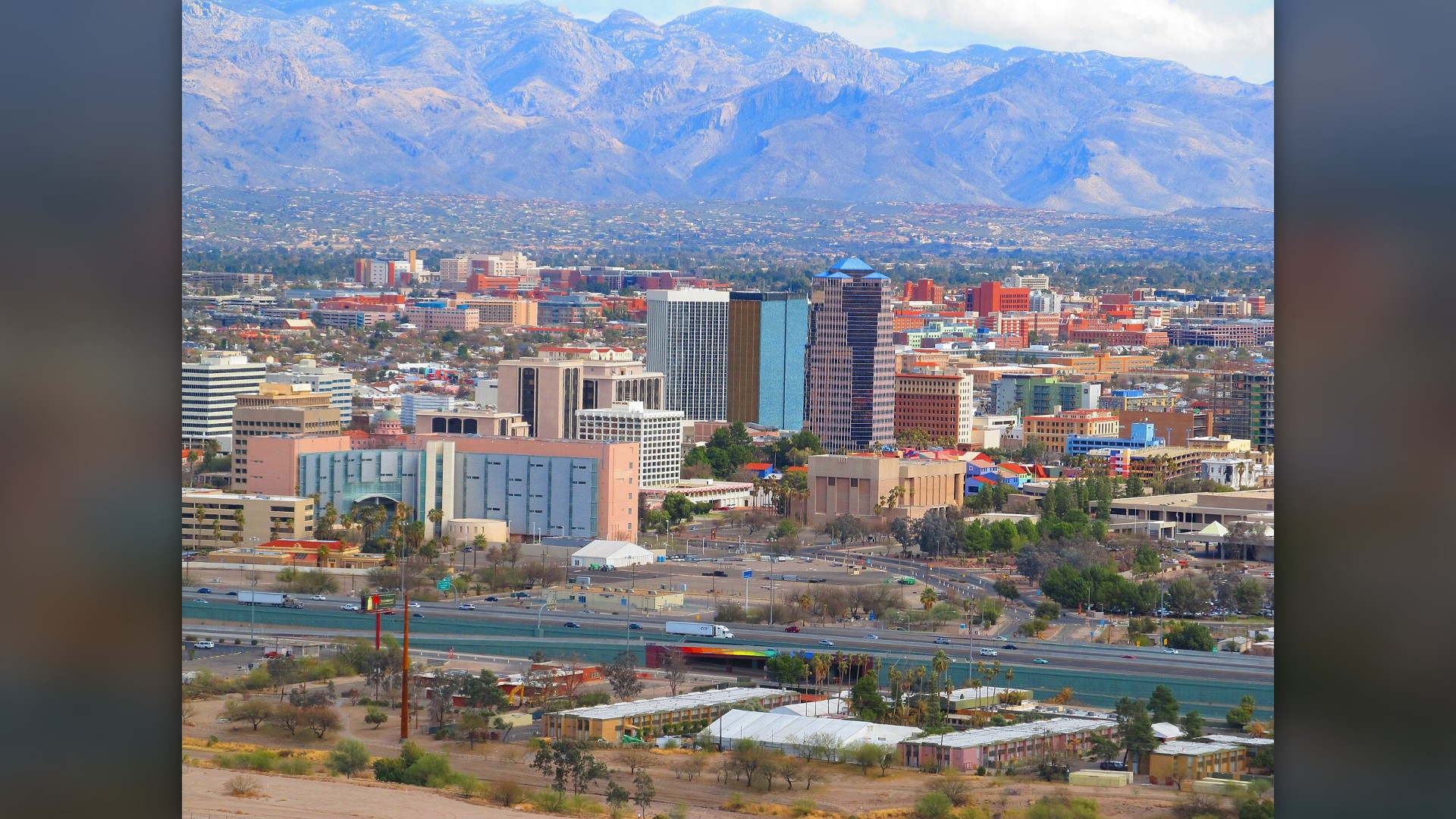
16. Tucson, Arizona
Tucson experienced strong population inflows from higher-cost coastal states, escalating home valuations. The Census Bureau finds that over forty-three percent of local families spend unaffordable shares of monthly revenue on residential rent and mortgage payments.
©Wikimedia / Tucson, Arizona
15. Las Vegas, Nevada
Las Vegas features an economy heavily reliant on hospitality wages, which have failed to track housing inflation. Almost forty-four percent of households are officially cost burdened, with steep cooling expenses compounding rental inflation throughout summer months.
©Wikimedia / King of Hearts
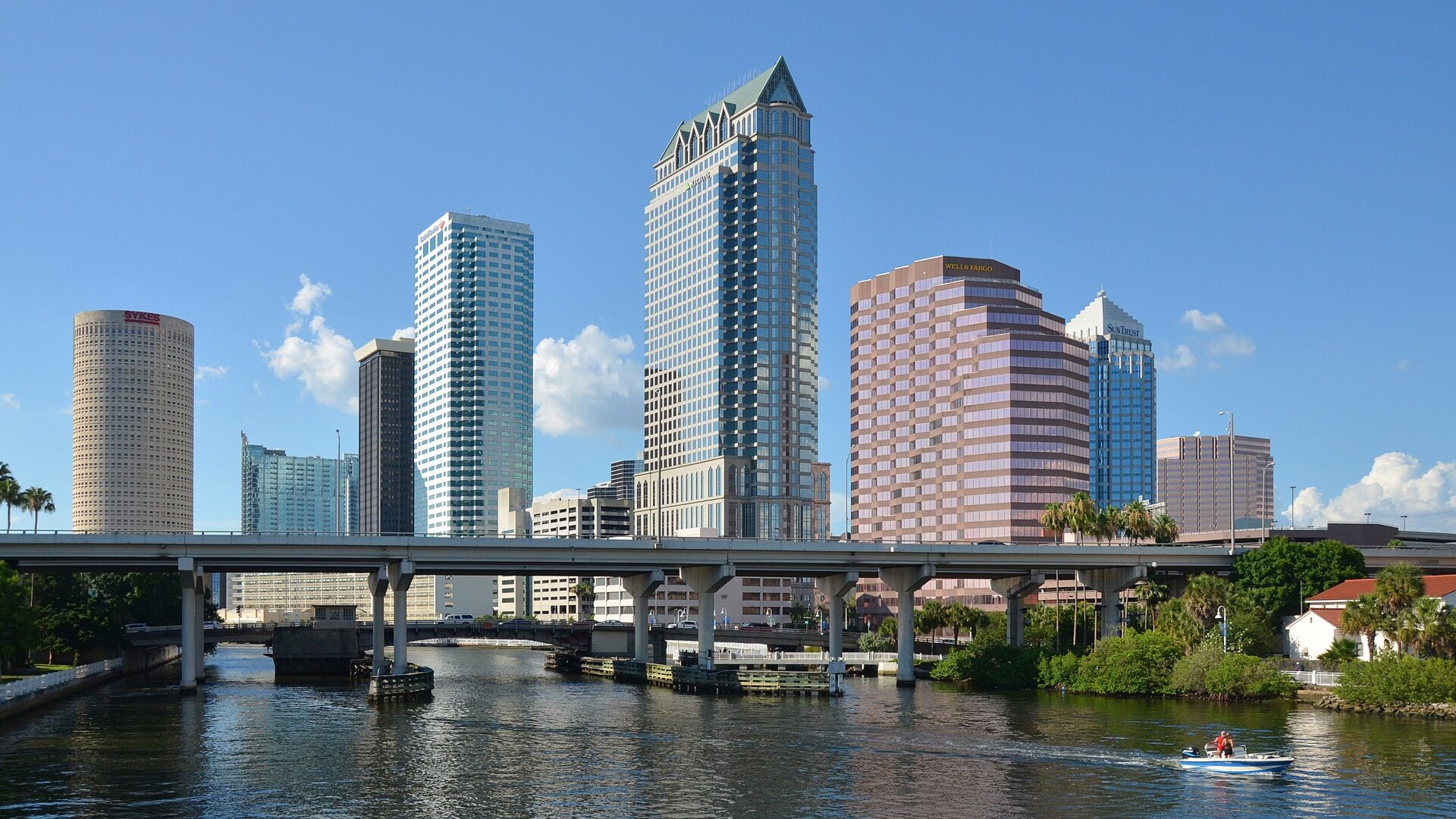
14. Tampa, Florida
Tampa has seen explosive housing price gains combined with skyrocketing homeowners insurance costs across the Gulf coast. Over forty-four percent of families allocate excessive portions of household income toward maintaining basic shelter and property coverage.
©Wikimedia / Clément Bardot
Advertisement
Swipe or tap ▶ to resume the countdown.
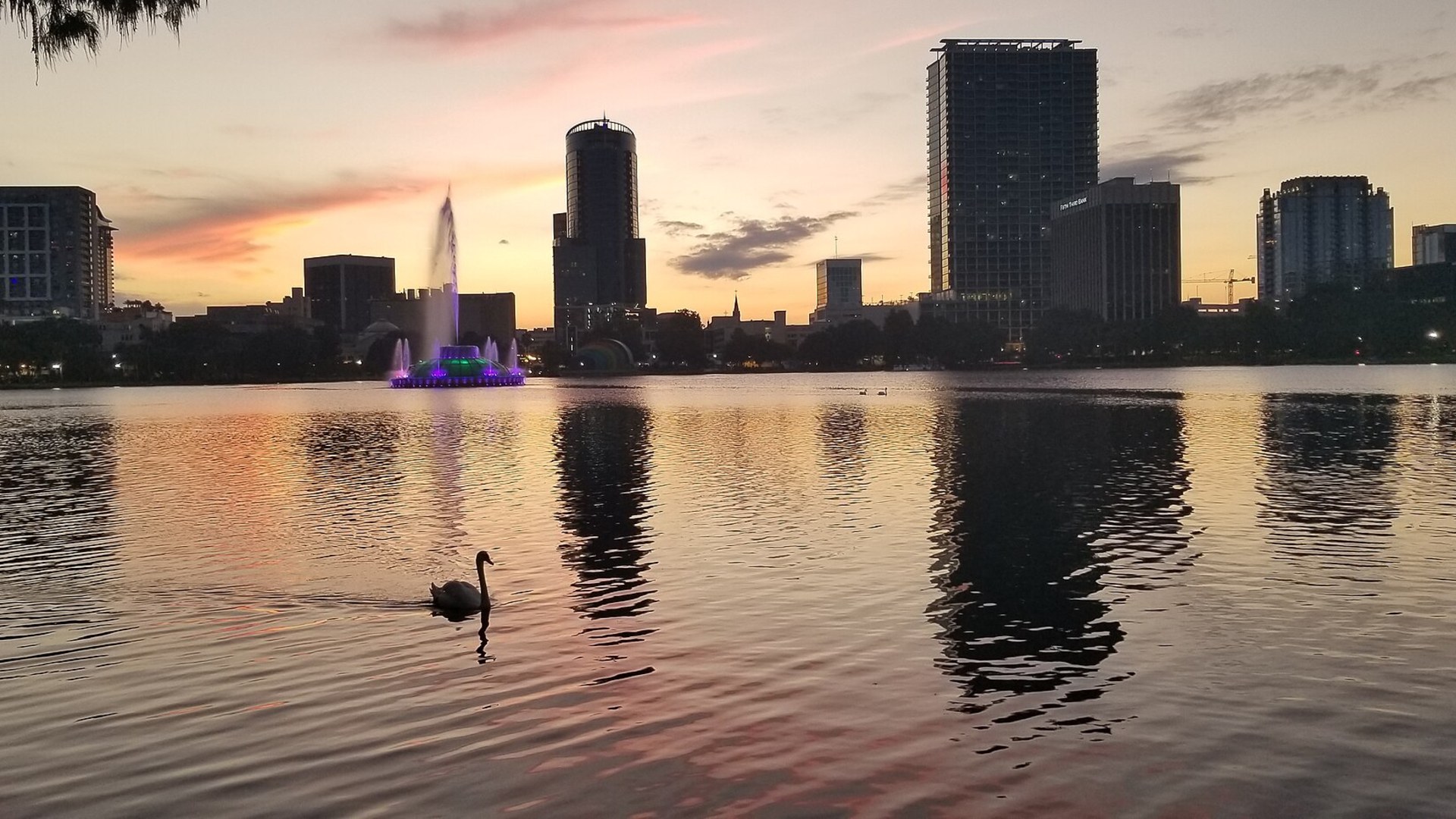
13. Orlando, Florida
Orlando attracts millions of visitors but maintains a low-wage entertainment and service labor pool. More than forty-five percent of local households face severe housing cost burdens, forcing workers to endure long commutes from outer suburban developments.
©Wikimedia / DoctorDotDJ
12. New Orleans, Louisiana
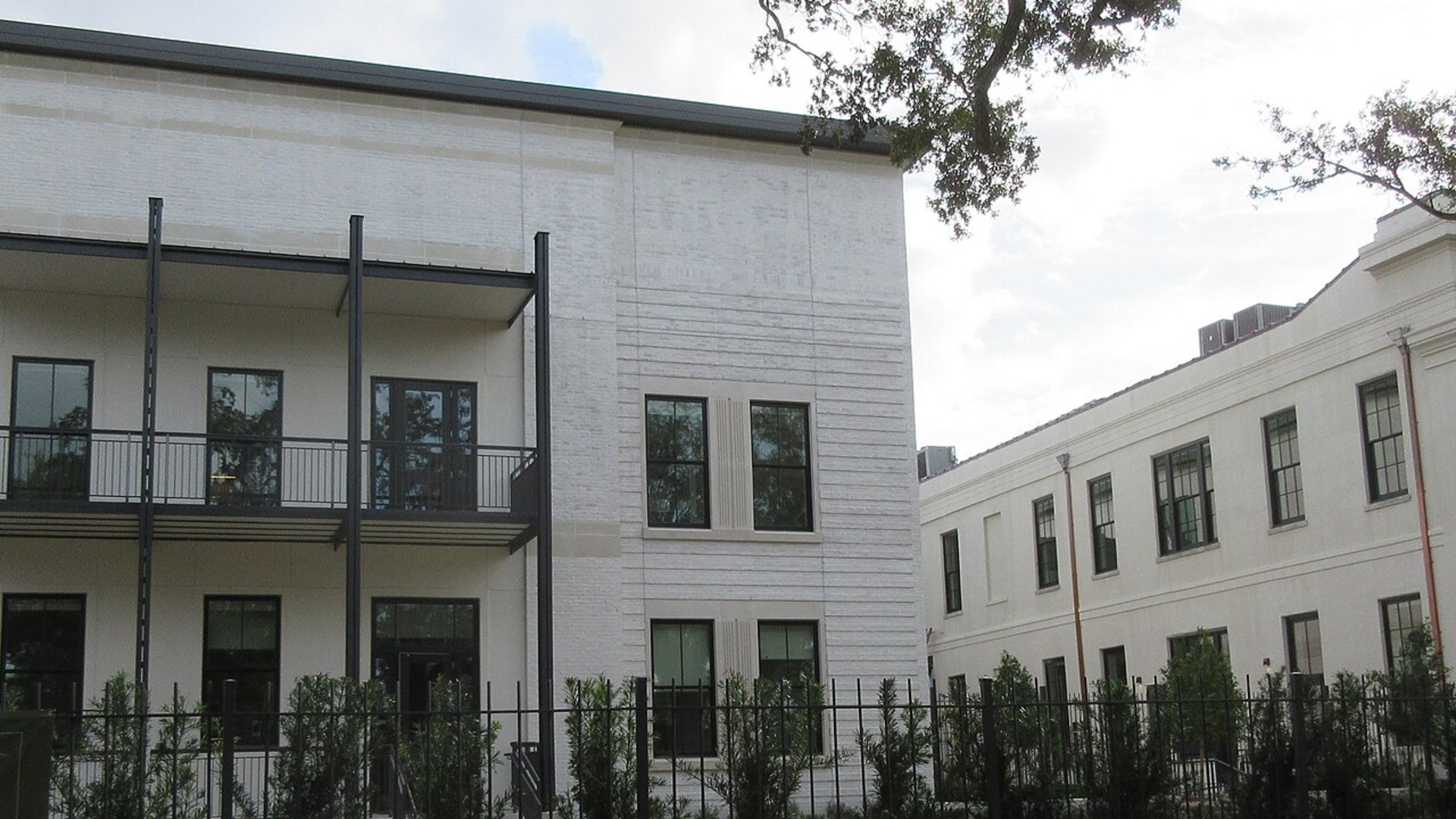
New Orleans residents face escalating property insurance mandates alongside historic home preservation costs. Nearly forty-six percent of households spend unaffordable percentages of monthly income on housing, straining hospitality workers across the Crescent City.
©Wikimedia / New Orleans
11. Bakersfield, California
Bakersfield offers lower home purchase prices than coastal California but features modest regional median pay. Over forty-six percent of households are housing burdened as high summer air conditioning costs and rental increases drain monthly family paychecks.
©Wikimedia / Bakersfield, California
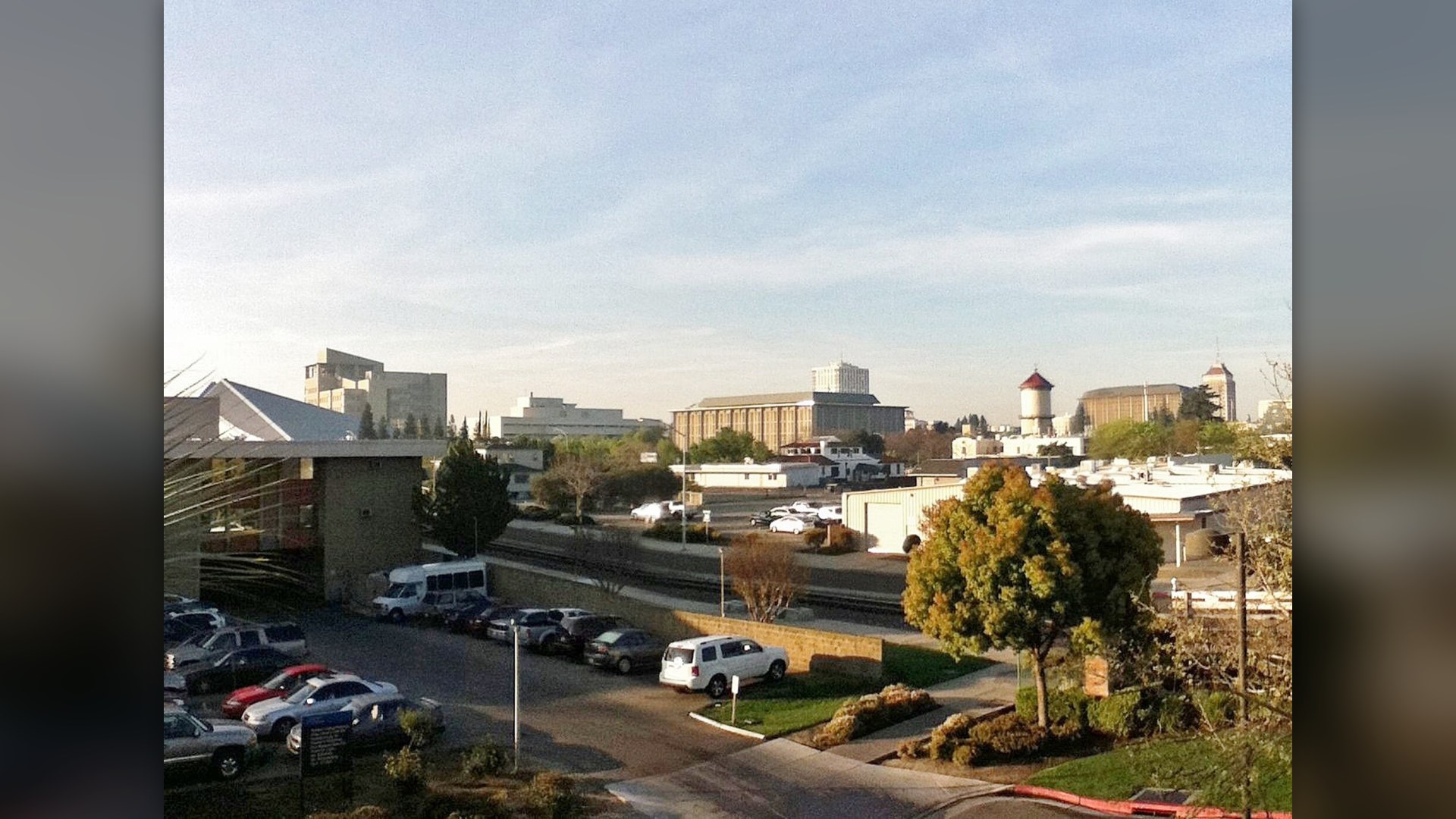
10. Fresno, California
Fresno has received sustained migration from expensive Bay Area cities, driving up residential prices for long-term residents. Approximately forty-seven percent of households dedicate large shares of income to rent, severely straining farm and logistics personnel.
©Wikimedia / Gemini2525
Advertisement
Swipe or tap ▶ to resume the countdown.
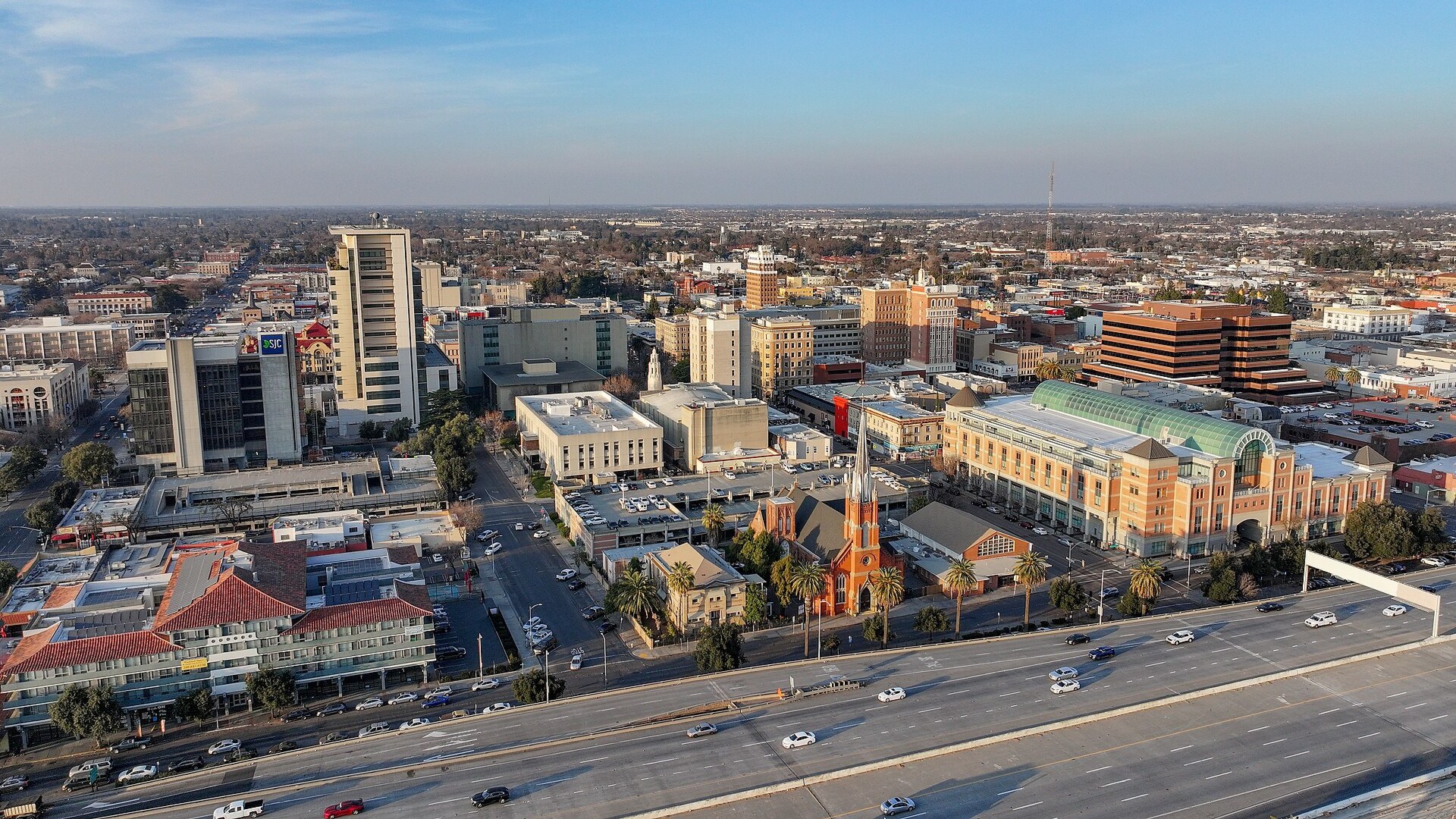
9. Stockton, California
Stockton functions as a distant commuter suburb for high-income Silicon Valley staff, altering the local real estate dynamic. Over forty-seven percent of local families spend unsustainable portions of income on rent, pricing out native retail and municipal workers.
©Wikimedia / Quintin Soloviev
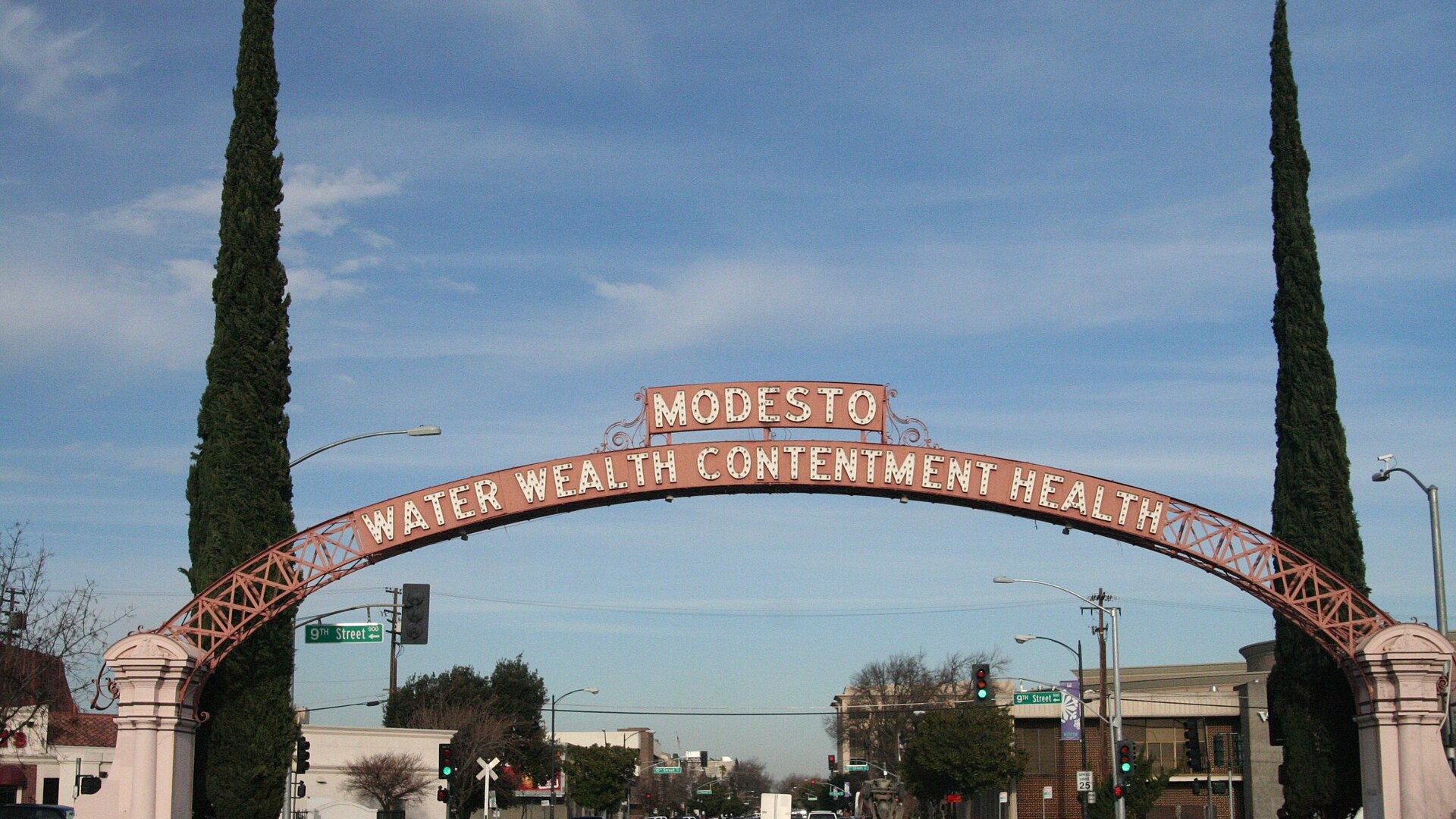
8. Modesto, California
Modesto residents experience intense housing pressure as rental rates mirror coastal trends despite regional agricultural wages. Over forty-eight percent of households face significant cost burdens, leaving limited discretionary income for healthcare and groceries.
©Wikimedia / Carl Skaggs
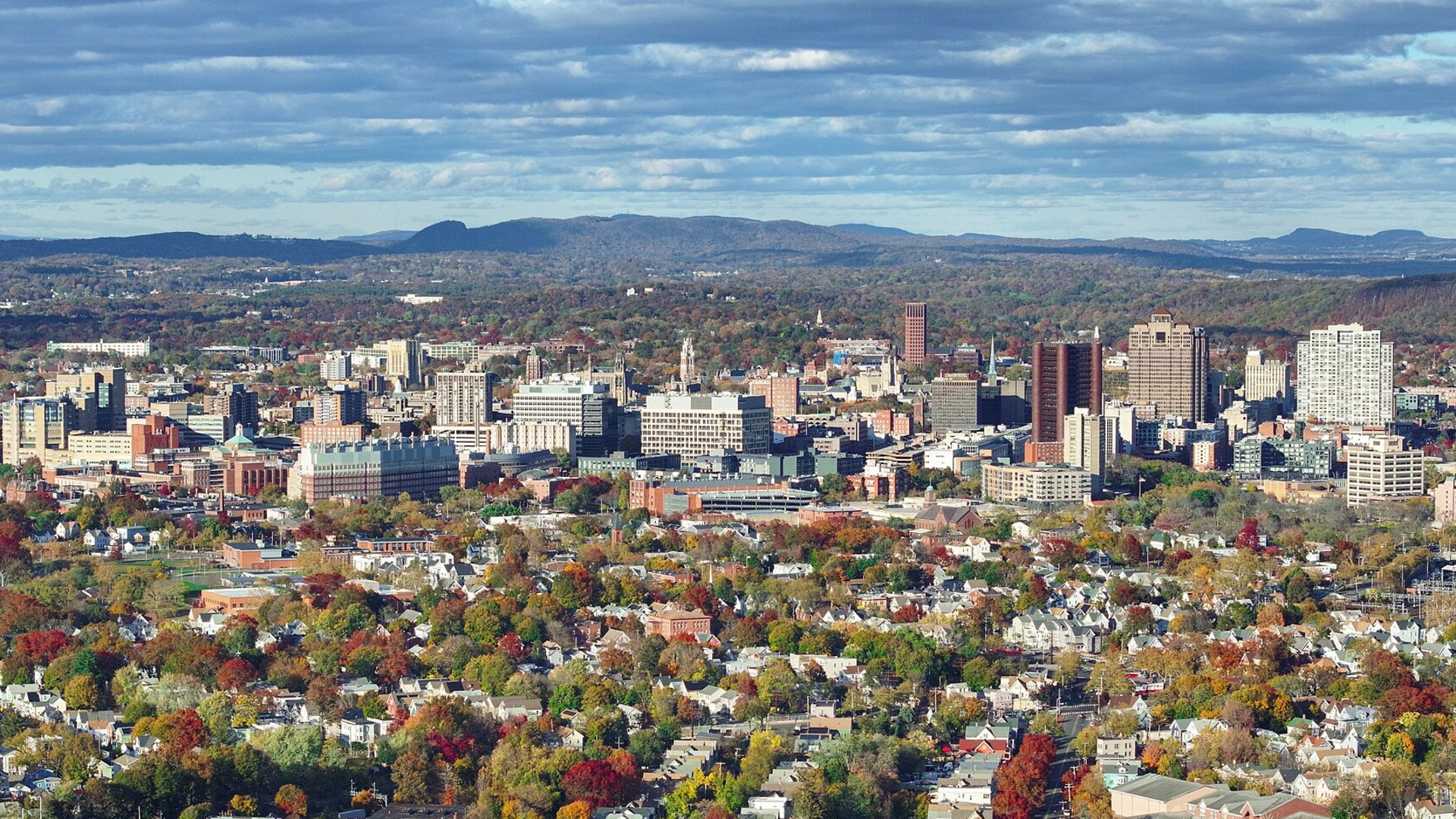
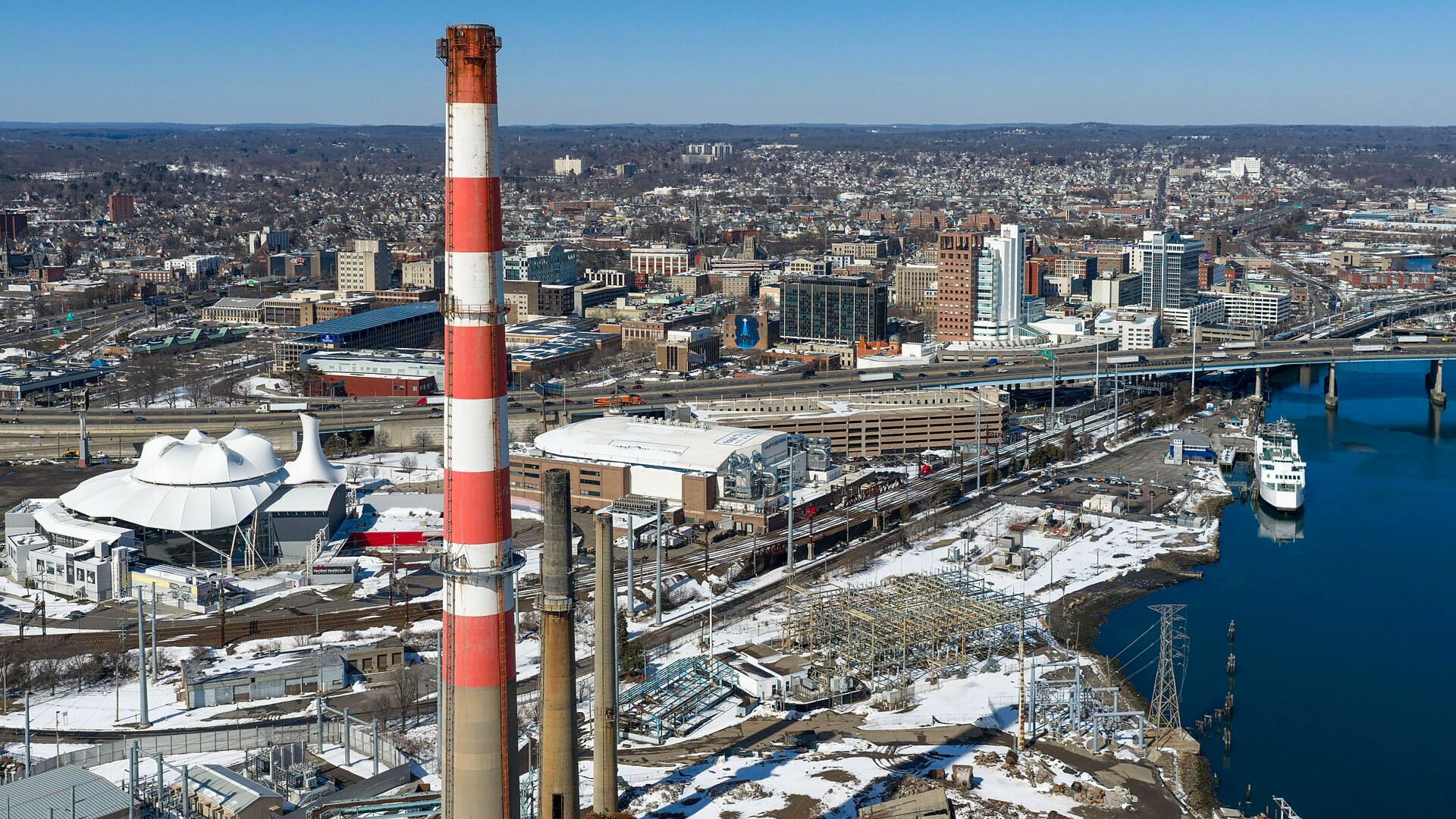
7. New Haven, Connecticut
New Haven features high municipal property tax levies and a tight rental supply surrounding regional educational hubs. Nearly forty-nine percent of city households spend over thirty percent of gross earnings on shelter, forcing deep cuts to other essential family budgets.
©Wikimedia / New Haven, Connecticut
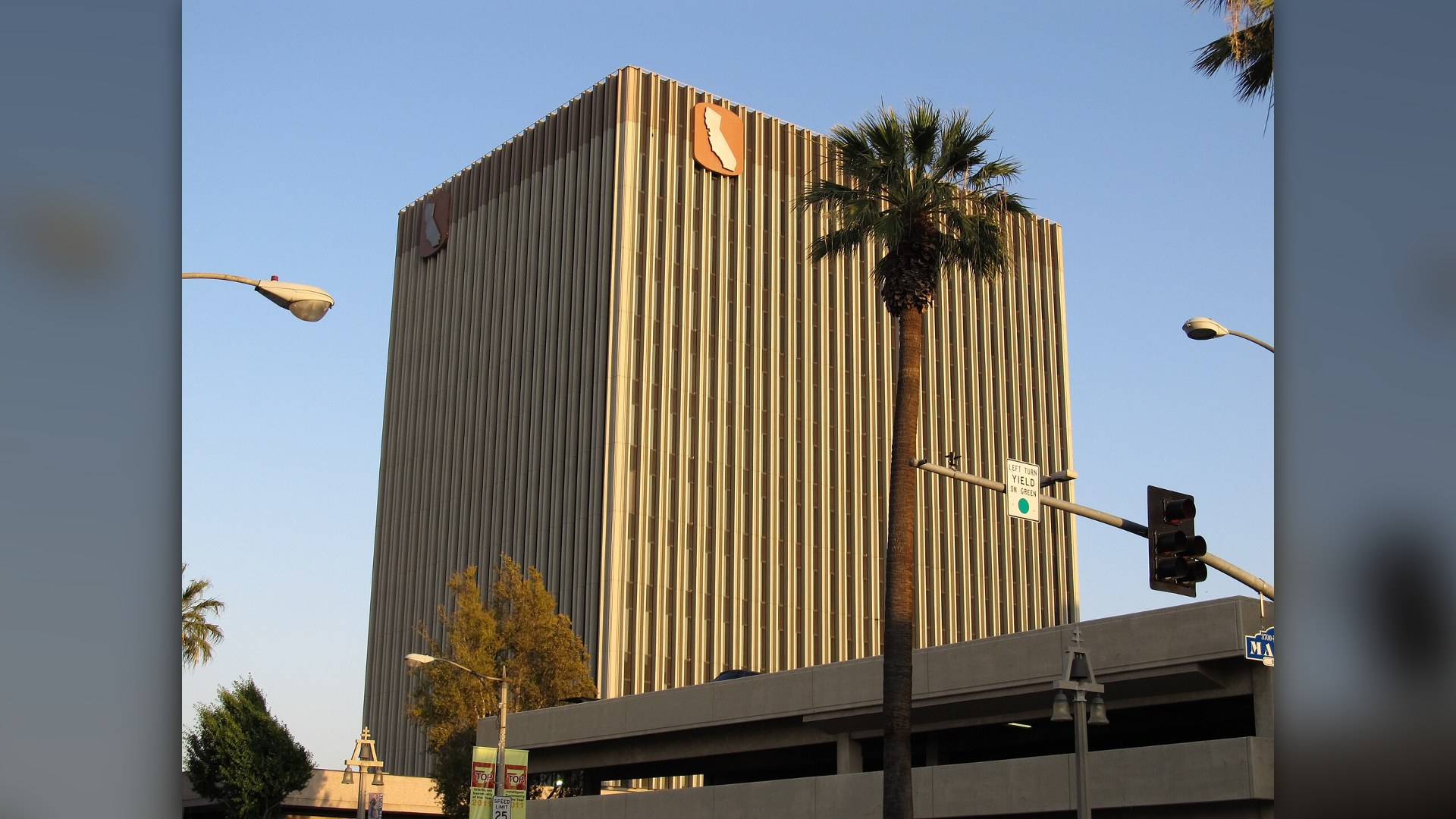
6. Riverside, California
Riverside serves as a major distribution and logistics crossroads where housing valuations have climbed rapidly. Over forty-nine percent of households are cost burdened, as families absorb high utility costs alongside increasing multi-family rent schedules.
©Wikimedia / Ken Lund
Advertisement
Swipe or tap ▶ to resume the countdown.
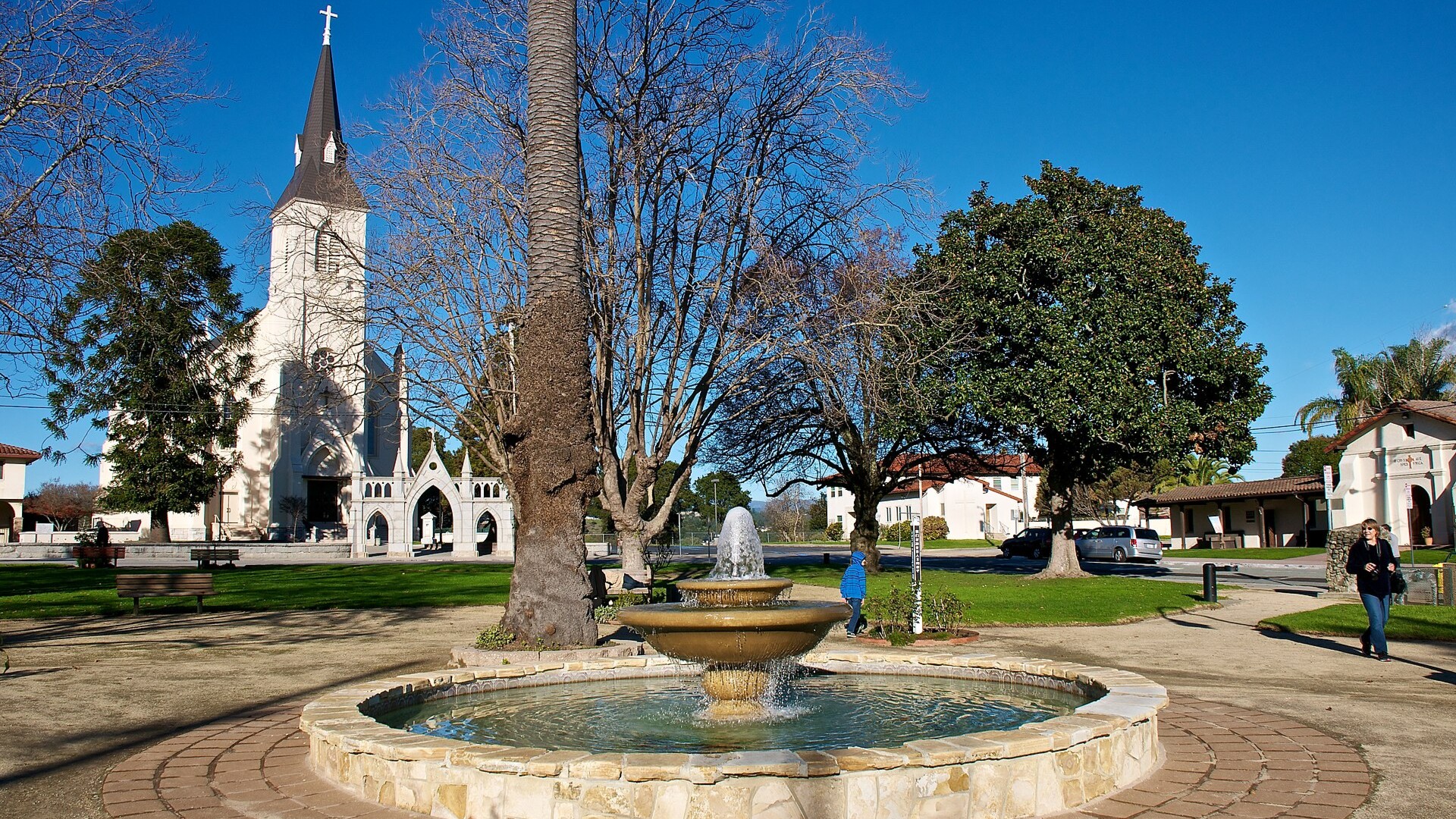
5. Santa Cruz, California
Santa Cruz combines strict coastal building limitations with persistent university housing pressure. Over fifty percent of local families devote unaffordable fractions of income to shelter, making the seaside county one of the most cost-burdened enclaves in America.
©Wikimedia / Santa Cruz, California
4. Bridgeport, Connecticut
Bridgeport borders some of the wealthiest suburban enclaves in the country, but city median incomes remain modest. Over fifty percent of residents spend burdensome percentages of monthly wages on rent, driven by elevated northeastern utility and property costs.
©Wikimedia / Quintin Soloviev
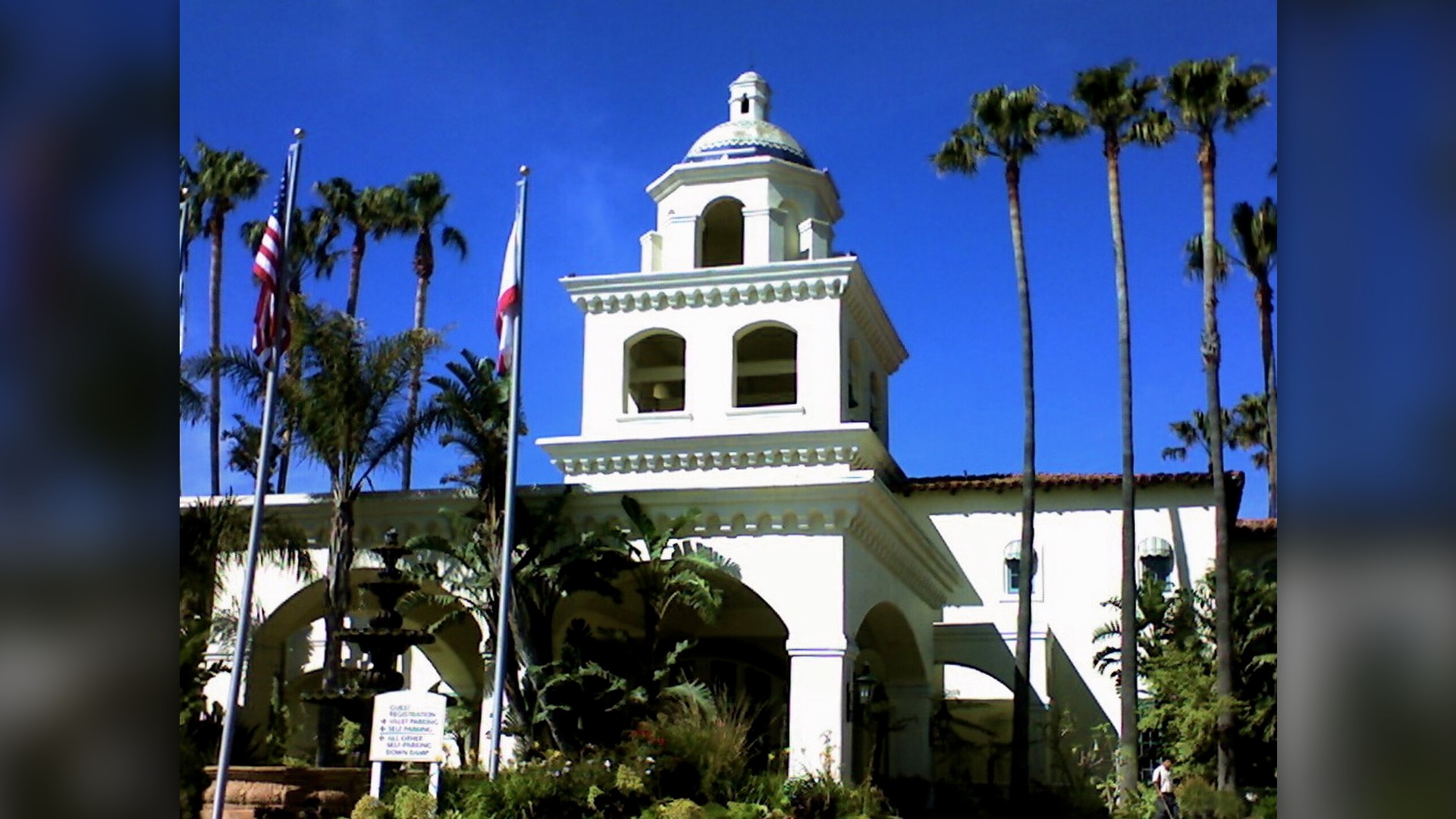
3. Oxnard, California
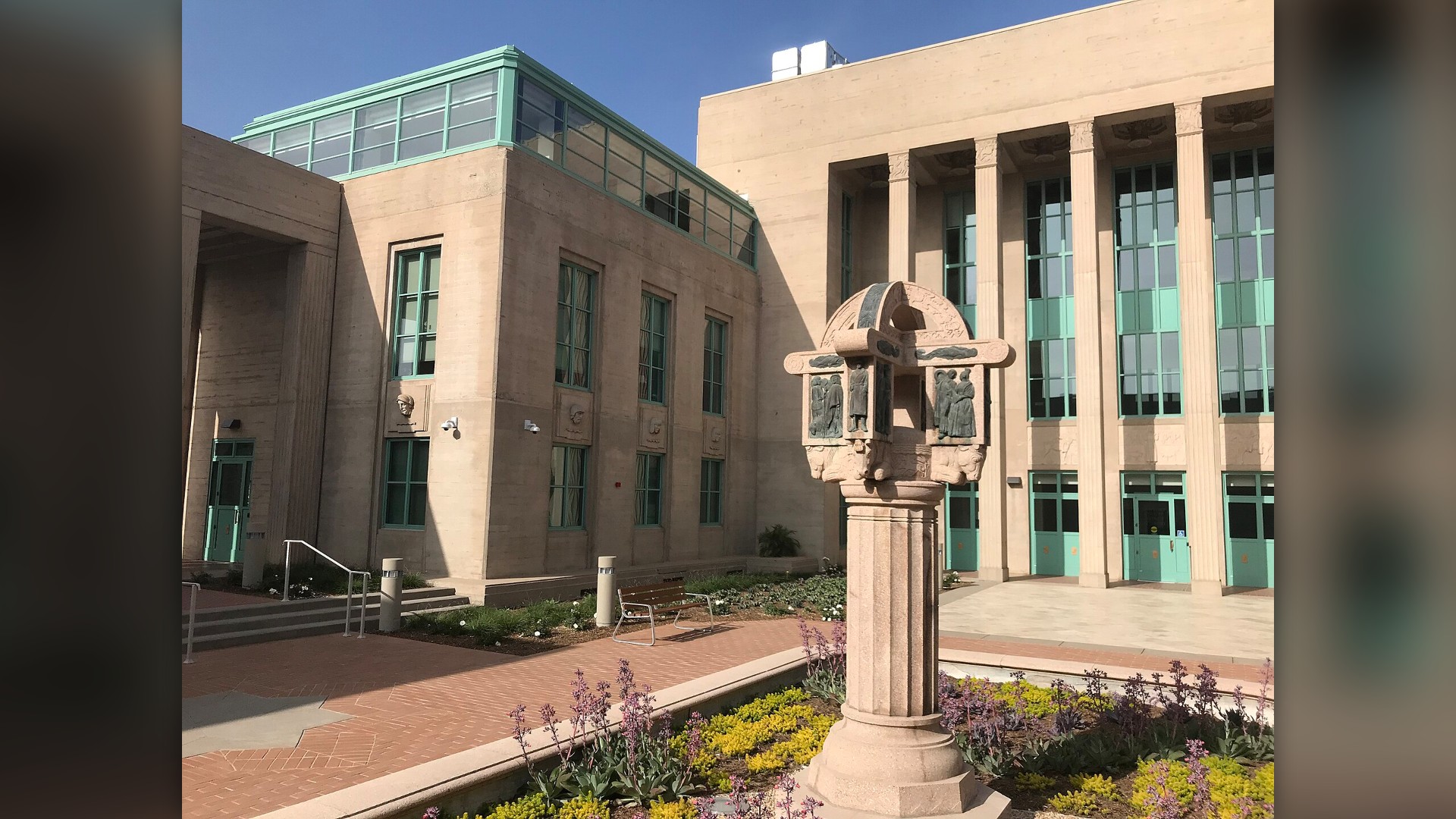
Oxnard features high coastal land values that drive monthly rents well beyond the reach of local agricultural workers. More than fifty-one percent of households dedicate over thirty percent of income to housing, forcing multiple families to share single residential units.
©Wikimedia / Oxnard, California
2. Atlantic City, New Jersey
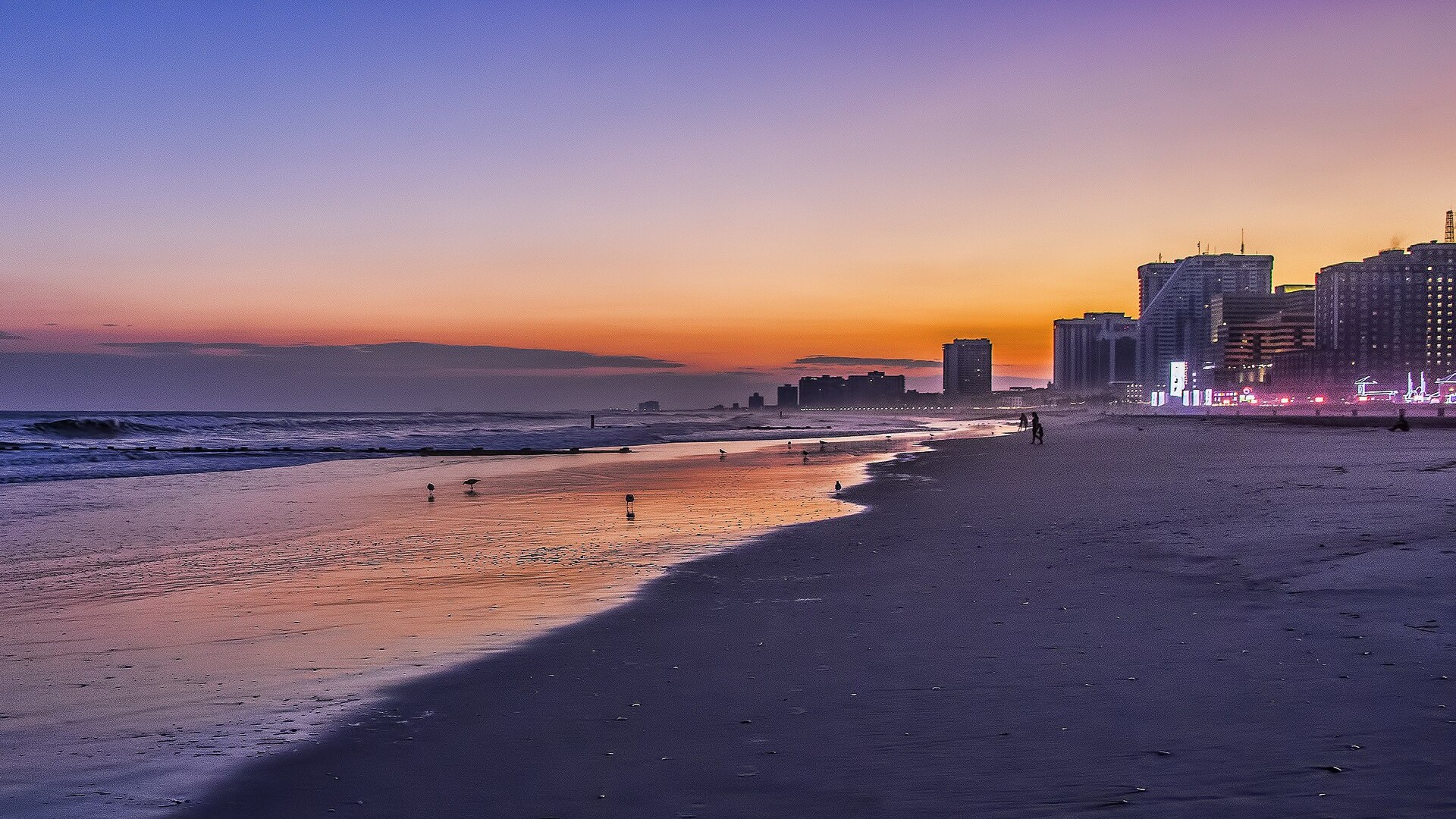
Atlantic City contends with a service economy vulnerable to seasonal tourist fluctuations alongside high coastal property taxes. Over fifty-two percent of households are officially cost burdened, spending disproportionate shares of annual income on basic residential quarters.
©Wikimedia / Atlantic City, New Jersey
Advertisement
Swipe or tap ▶ to resume the countdown.
1. Salinas, California
Salinas anchors Monterey County's fertile agricultural economy while sitting adjacent to ultra-wealthy coastal communities. More than fifty-three percent of households are severely cost burdened, making it the most housing-strained metropolitan area in the United States.

©Wikimedia / Salinas, California
Advertisement
You've reached the end of the story. Thanks for reading!

20 Countries With More Than One Official Language
While most countries conduct public business in a single tongue, dozens of sovereign states legally enshrine multiple official languages in their constitutions. From bilingual democracies to nations recognizing dozens of indigenous idioms, multilingual governance bridges diverse cultures across six continents.
All 20 Entries in this Story
20. Syracuse, New York
Syracuse combines modest industrial earnings with rising property taxes and winter utility charges. The Census Bureau reports that over forty-one percent of city residents spend more than thirty percent of monthly earnings on housing, creating severe financial strain for service sector workers.

19. Rochester, New York
Rochester struggles with a sharp gap between service-economy median pay and suburban housing costs. More than forty-one percent of households face unaffordable shelter burdens, driven by rising maintenance costs and property reassessments across the Finger Lakes metro.

18. El Paso, Texas
El Paso features lower median household earnings that struggle to keep pace with rapid residential appraisal jumps. Over forty-two percent of households direct large portions of monthly earnings toward housing costs, compounded by expanding municipal utility fees.

17. Providence, Rhode Island
Providence has absorbed substantial housing spillover from the greater Boston metropolitan core. Nearly forty-three percent of households now spend over thirty percent of gross income on rent, leaving working families to navigate steep historical renovation costs.

16. Tucson, Arizona
Tucson experienced strong population inflows from higher-cost coastal states, escalating home valuations. The Census Bureau finds that over forty-three percent of local families spend unaffordable shares of monthly revenue on residential rent and mortgage payments.

15. Las Vegas, Nevada
Las Vegas features an economy heavily reliant on hospitality wages, which have failed to track housing inflation. Almost forty-four percent of households are officially cost burdened, with steep cooling expenses compounding rental inflation throughout summer months.

14. Tampa, Florida
Tampa has seen explosive housing price gains combined with skyrocketing homeowners insurance costs across the Gulf coast. Over forty-four percent of families allocate excessive portions of household income toward maintaining basic shelter and property coverage.

13. Orlando, Florida
Orlando attracts millions of visitors but maintains a low-wage entertainment and service labor pool. More than forty-five percent of local households face severe housing cost burdens, forcing workers to endure long commutes from outer suburban developments.

12. New Orleans, Louisiana
New Orleans residents face escalating property insurance mandates alongside historic home preservation costs. Nearly forty-six percent of households spend unaffordable percentages of monthly income on housing, straining hospitality workers across the Crescent City.

11. Bakersfield, California
Bakersfield offers lower home purchase prices than coastal California but features modest regional median pay. Over forty-six percent of households are housing burdened as high summer air conditioning costs and rental increases drain monthly family paychecks.

10. Fresno, California
Fresno has received sustained migration from expensive Bay Area cities, driving up residential prices for long-term residents. Approximately forty-seven percent of households dedicate large shares of income to rent, severely straining farm and logistics personnel.

9. Stockton, California
Stockton functions as a distant commuter suburb for high-income Silicon Valley staff, altering the local real estate dynamic. Over forty-seven percent of local families spend unsustainable portions of income on rent, pricing out native retail and municipal workers.

8. Modesto, California
Modesto residents experience intense housing pressure as rental rates mirror coastal trends despite regional agricultural wages. Over forty-eight percent of households face significant cost burdens, leaving limited discretionary income for healthcare and groceries.

7. New Haven, Connecticut
New Haven features high municipal property tax levies and a tight rental supply surrounding regional educational hubs. Nearly forty-nine percent of city households spend over thirty percent of gross earnings on shelter, forcing deep cuts to other essential family budgets.

6. Riverside, California
Riverside serves as a major distribution and logistics crossroads where housing valuations have climbed rapidly. Over forty-nine percent of households are cost burdened, as families absorb high utility costs alongside increasing multi-family rent schedules.

5. Santa Cruz, California
Santa Cruz combines strict coastal building limitations with persistent university housing pressure. Over fifty percent of local families devote unaffordable fractions of income to shelter, making the seaside county one of the most cost-burdened enclaves in America.

4. Bridgeport, Connecticut
Bridgeport borders some of the wealthiest suburban enclaves in the country, but city median incomes remain modest. Over fifty percent of residents spend burdensome percentages of monthly wages on rent, driven by elevated northeastern utility and property costs.

3. Oxnard, California
Oxnard features high coastal land values that drive monthly rents well beyond the reach of local agricultural workers. More than fifty-one percent of households dedicate over thirty percent of income to housing, forcing multiple families to share single residential units.

2. Atlantic City, New Jersey
Atlantic City contends with a service economy vulnerable to seasonal tourist fluctuations alongside high coastal property taxes. Over fifty-two percent of households are officially cost burdened, spending disproportionate shares of annual income on basic residential quarters.

1. Salinas, California
Salinas anchors Monterey County's fertile agricultural economy while sitting adjacent to ultra-wealthy coastal communities. More than fifty-three percent of households are severely cost burdened, making it the most housing-strained metropolitan area in the United States.