Slideshow · Viral
20 Oldest Surviving Castles in Europe, Ranked by Century Built
Drawing from European heritage registries and UNESCO archaeological records, here are 20 of the oldest surviving medieval stone castles still standing today. Dating back to the ninth and tenth centuries, these fortified stone strongholds outlasted dynasties, warfare, and natural decay. European heritage records confirm their medieval origins.
By Most Viral Today
1 hour ago

Europe's Oldest Stone Castles Still Standing Today 
20. Akershus Fortress 
19. Conwy Castle 
18. Malbork Castle - AdvertisementSwipe or tap ▶ to continue countdown

17. Chillon Castle 
16. Eilean Donan Castle 
15. Bran Castle 
14. Gravensteen - AdvertisementSwipe or tap ▶ to continue countdown

13. Alcazar Of Segovia 
12. Reichsburg Cochem 
11. Rochester Castle 
10. Tower Of London - AdvertisementSwipe or tap ▶ to continue countdown

9. Hohensalzburg Fortress 
8. Windsor Castle 
7. Warwick Castle 
6. Arundel Castle - AdvertisementSwipe or tap ▶ to continue countdown

5. Chateau De Loches 
4. Chateau De Langeais 
3. Castle Of Guimaraes 
2. Chateau De Doue La-Fontaine - AdvertisementSwipe or tap ▶ to continue countdown

1. Prague Castle - Advertisement🔥 UP NEXT IN THIS SERIES◫ 21 Slides

20 World Leaders and Political Figures Facing Major Challenges in 2027
High Stakes, Fragile Coalitions, and Rising Tensions Define the Road to 2027
Dating back to the ninth and tenth centuries, these fortified stone strongholds outlasted dynasties, warfare, and natural decay. European heritage records confirm their medieval origins.
Swipe or tap ▶ to begin the countdown
©Wikimedia / HoremWeb
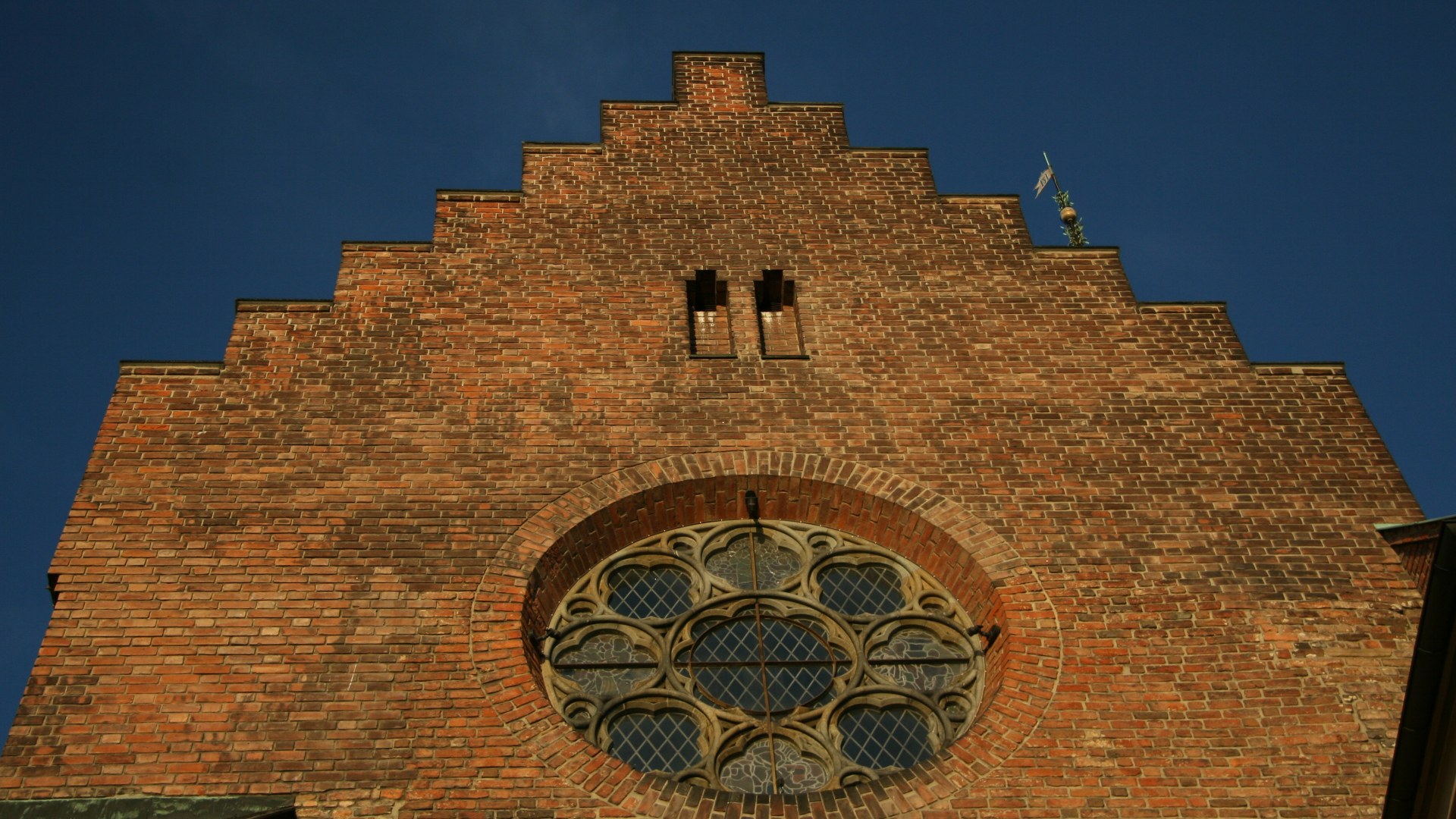
20. Akershus Fortress
King Haakon V began building this stone fortress around 1299. It guarded Oslo harbor against Swedish raids. The stronghold withstood numerous sieges over five centuries without falling to an enemy assault. Today, it houses Norwegian state banquet halls and military museums.
©Wikimedia / Michal Klajban
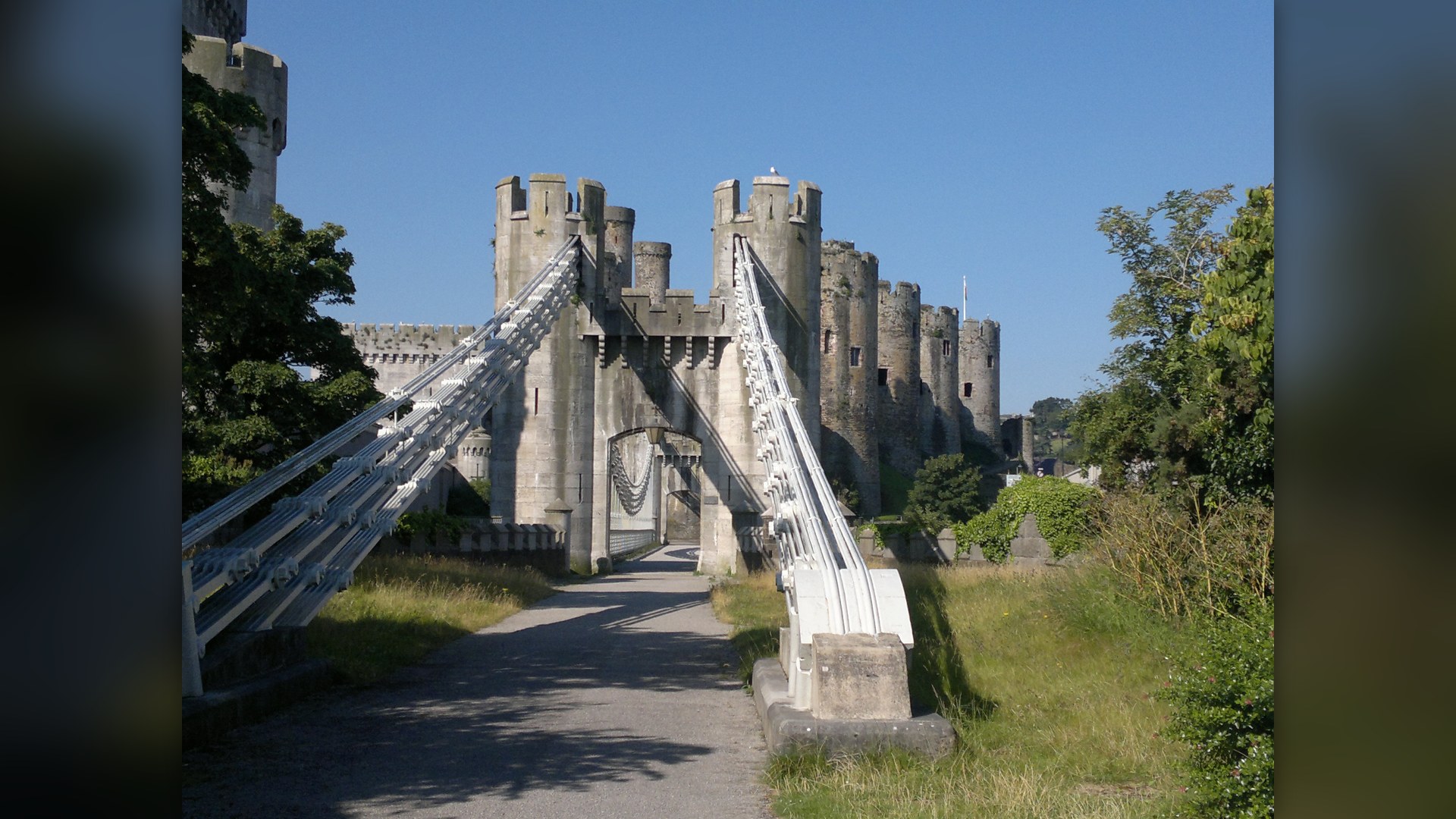
19. Conwy Castle
King Edward I built Conwy between 1283 and 1289. He spent fifteen thousand pounds on the project. Eight round stone towers rise above the River Conwy in north Wales. UNESCO considers it one of Europe's finest surviving examples of thirteenth century military engineering.
©Wikimedia / Chris Morgan
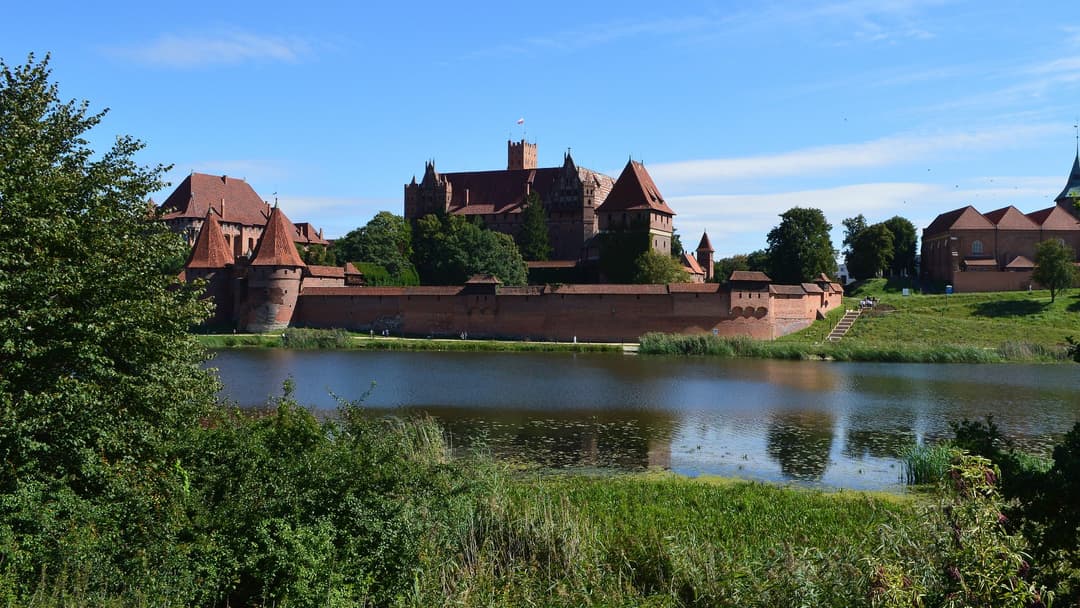
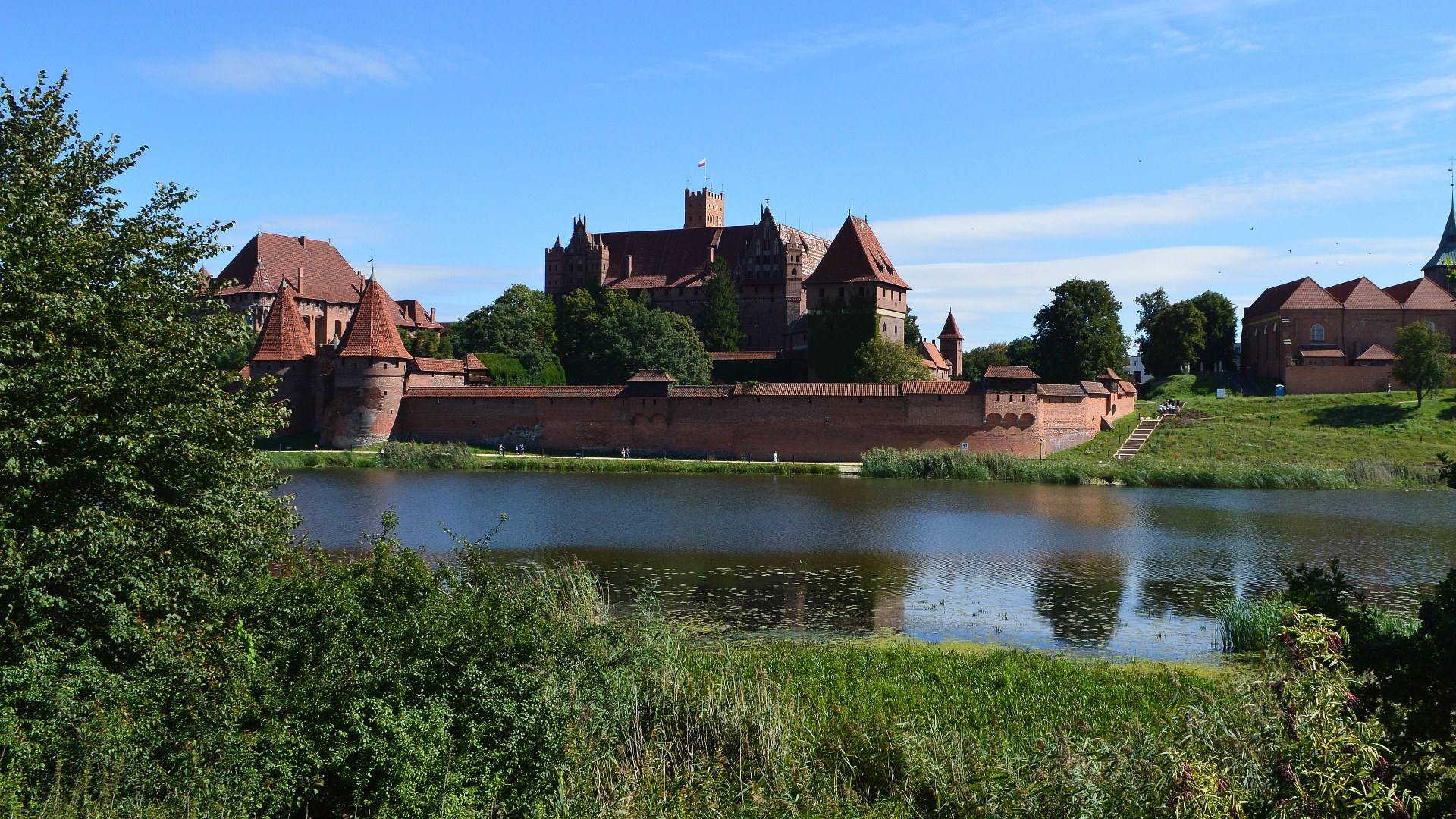
18. Malbork Castle
Teutonic Knights began construction in 1274. They used thirty million baked bricks across fifty-two acres along the Nogat River. The complex served as the headquarters of the Grand Master for over a century. It remains the largest brick castle on Earth by surface area.
©Wikimedia / Scotch Mist
Advertisement
Swipe or tap ▶ to resume the countdown.
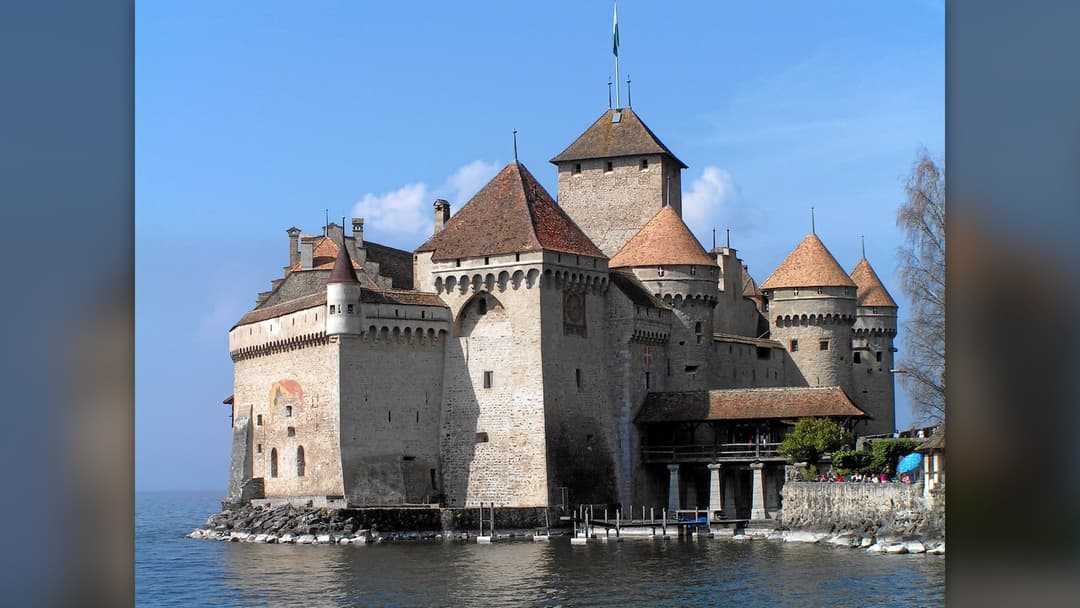
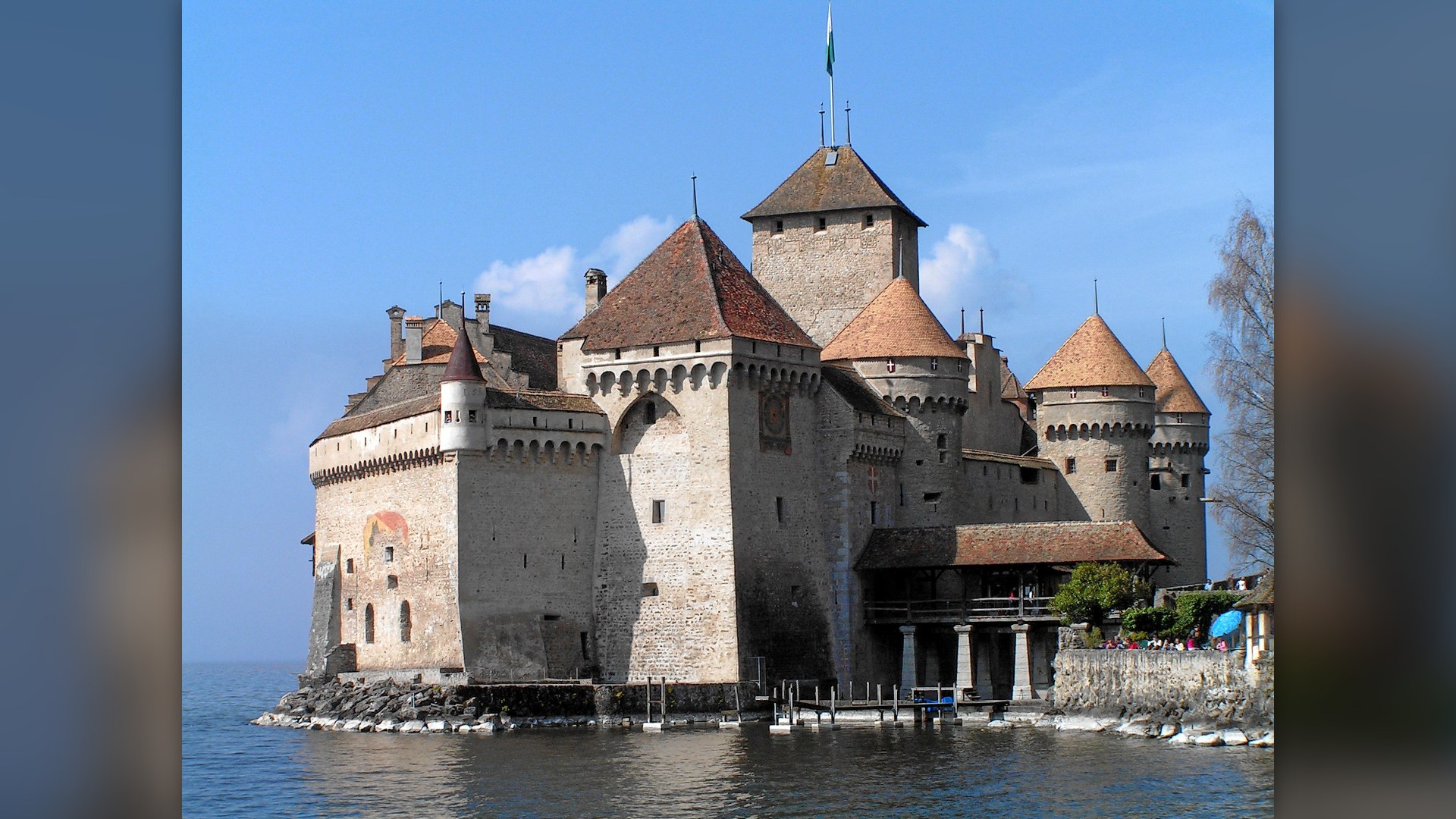
17. Chillon Castle
Count Peter II of Savoy expanded Chillon around 1230. The castle sits on an oval limestone island in Lake Geneva. Water protected three sides from medieval siege engines. For generations, the fortress controlled the profitable trade route connecting northern Europe to Italy.
©Wikimedia / Benjamin Gimmel BenHur
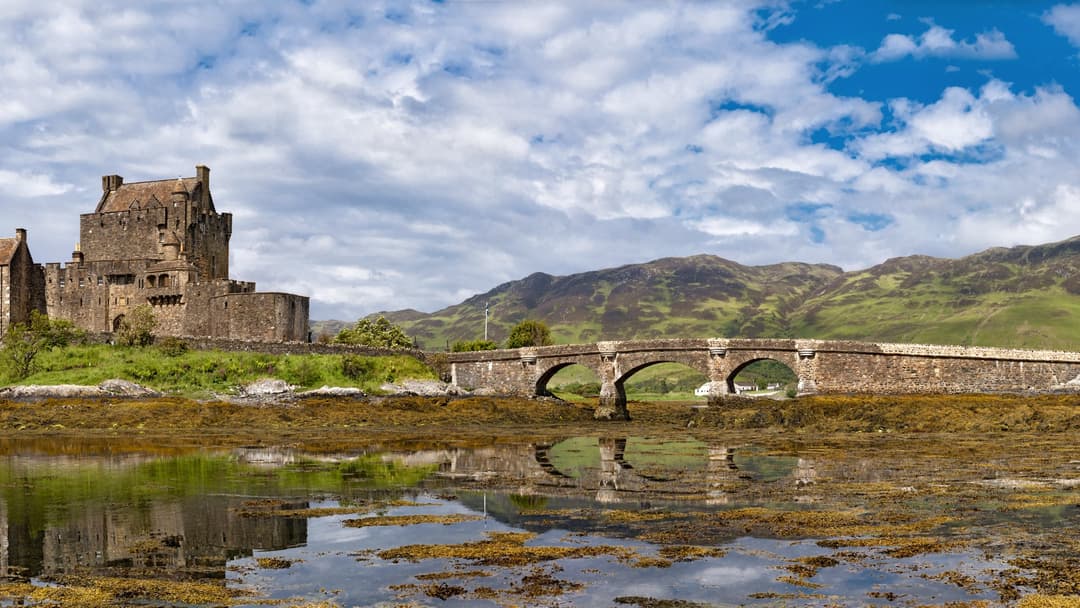
16. Eilean Donan Castle
King Alexander II fortified this tidal island in 1220. It helped shield western Scotland from Norse raids. Three sea lochs meet around the castle walls. Clan Macrae held the fortress for centuries before English warships battered the defenses in 1719 during the Jacobite rising.
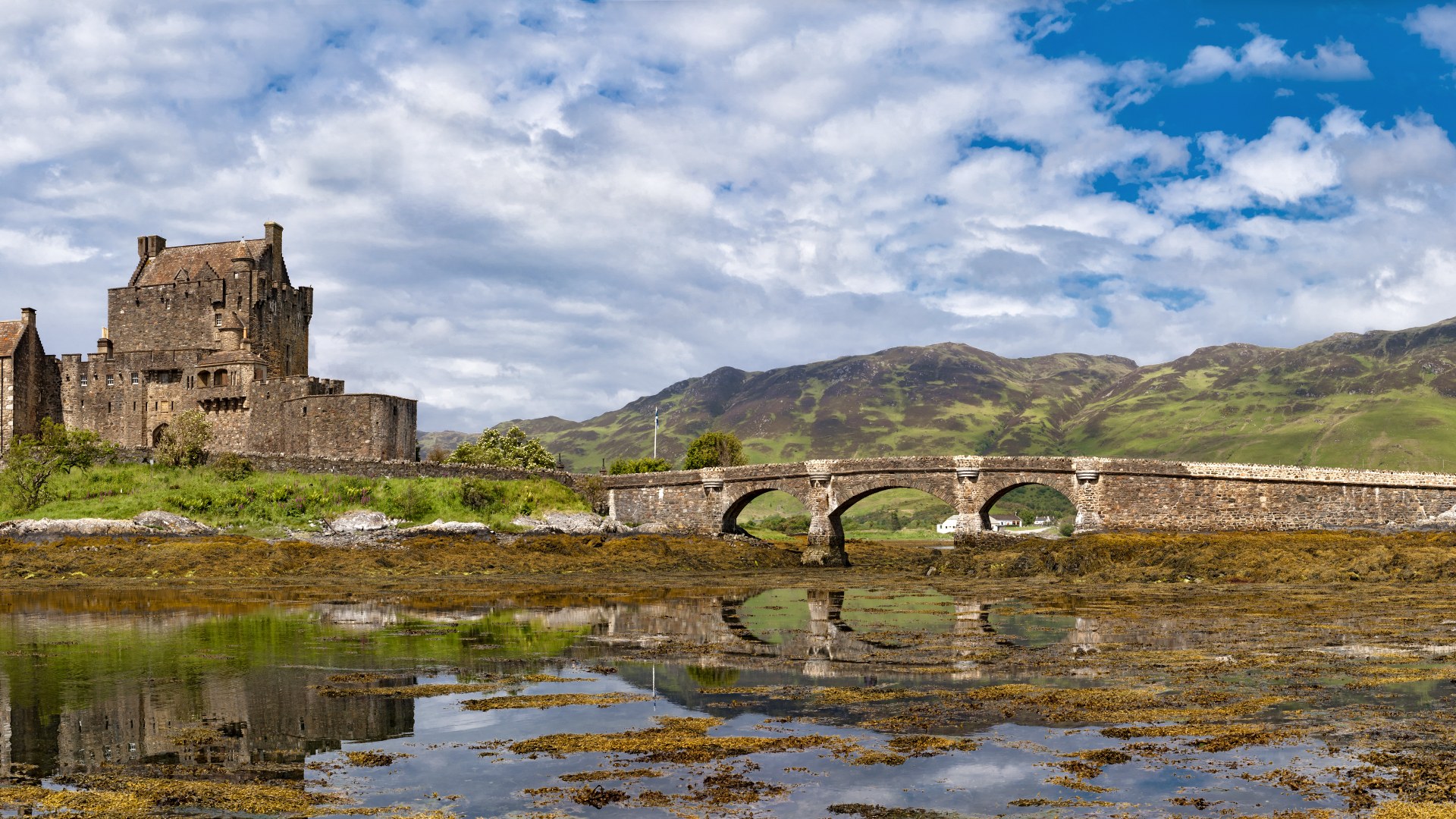
©Wikimedia / Stefan Krause, Germany
15. Bran Castle
Teutonic Knights established a base here in 1212. Saxon burghers replaced the wood with stone in 1377. The fortress guarded the Bran mountain pass between Transylvania and Wallachia. Royal customs collectors used the keep to inspect merchant wagons entering the valley.
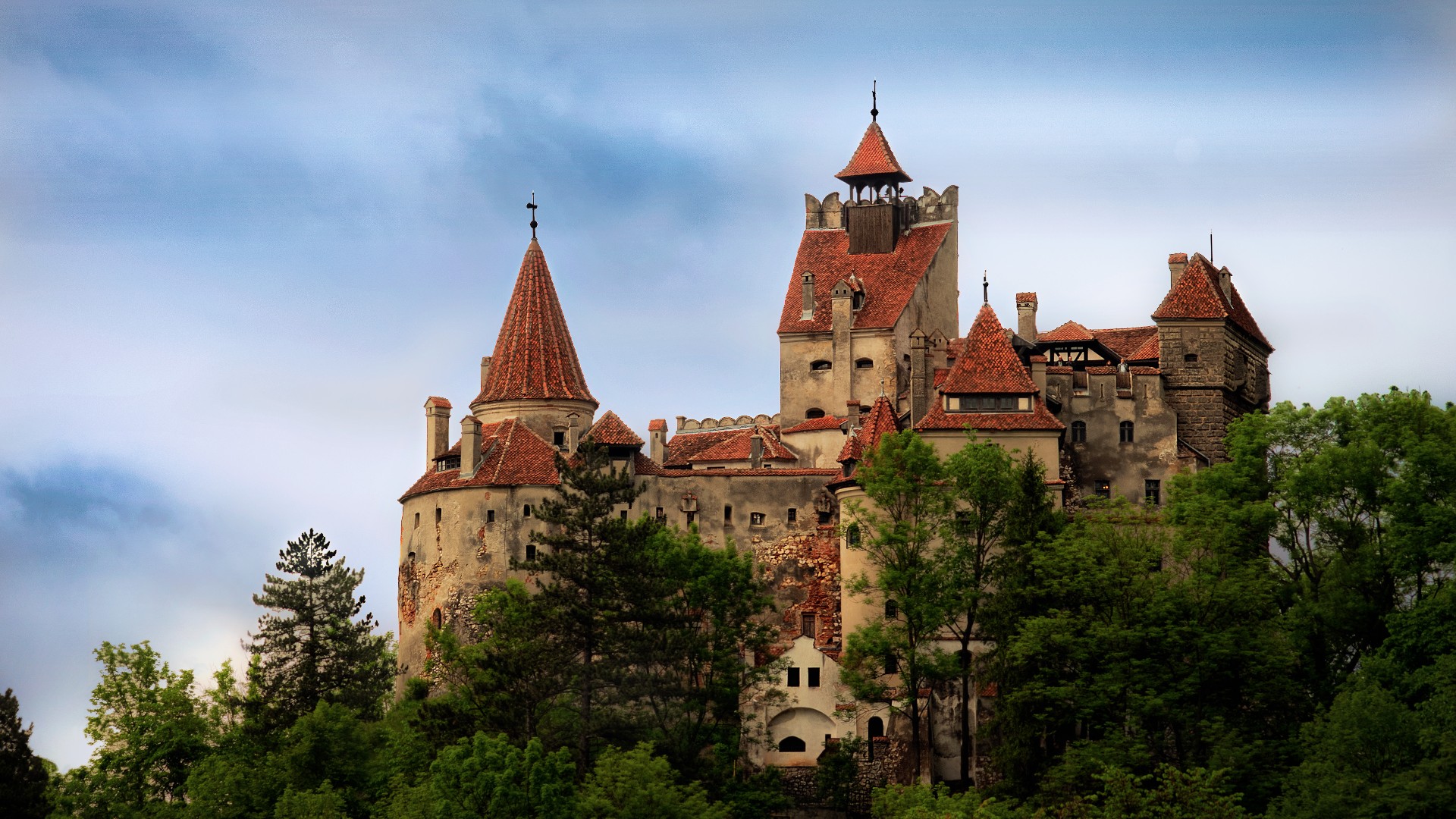
©Wikimedia / Bran Castle
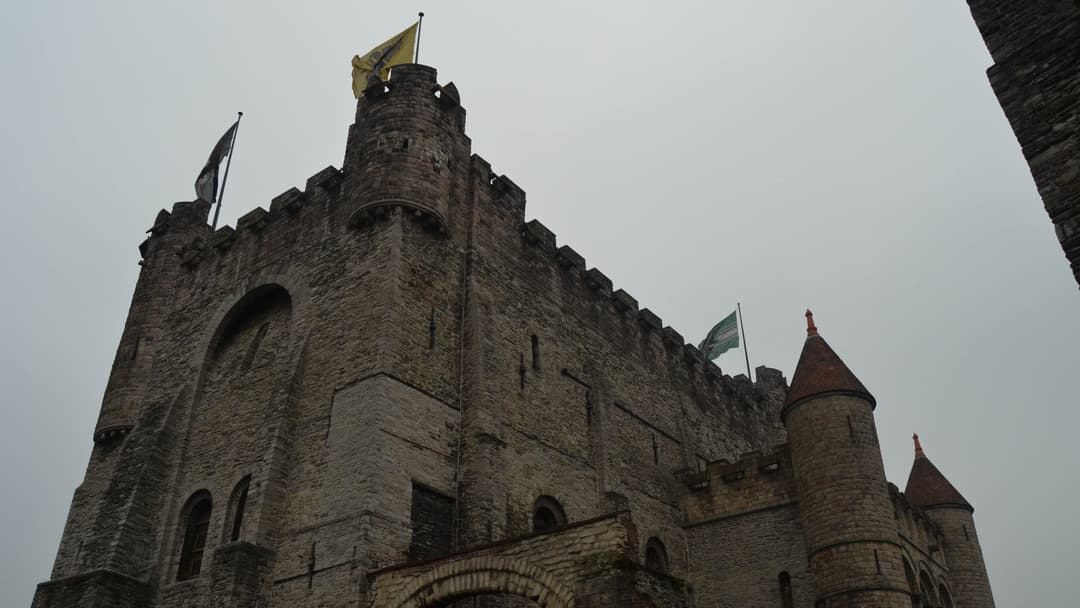
14. Gravensteen
Count Philip of Alsace finished Gravensteen in 1180. He modeled the keep on Crusader forts he saw abroad. Thick stone ramparts rise directly out of the Lieve River canal in Ghent. The complex served as a count palace, court, and prison across eight centuries.
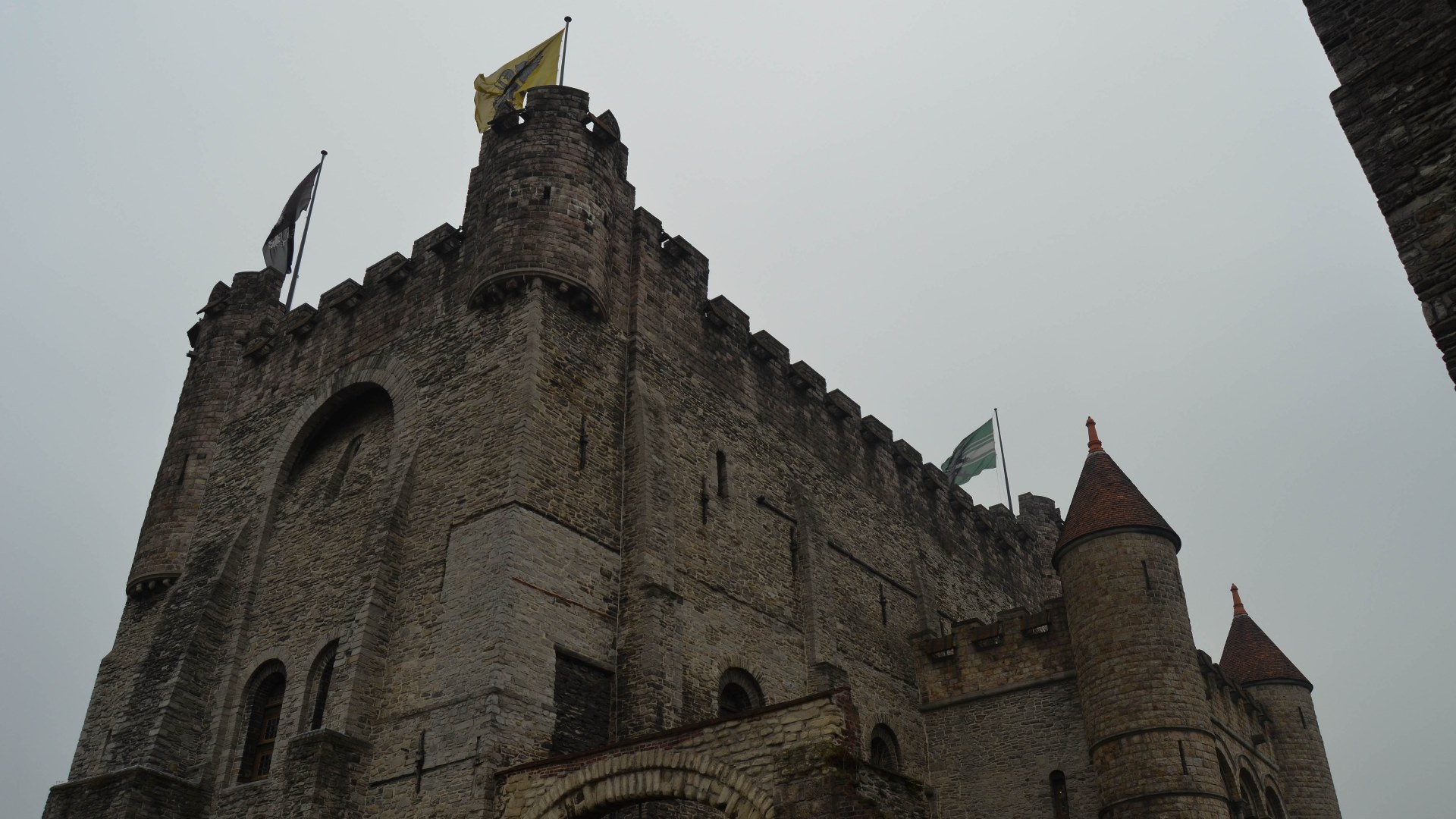
©Wikimedia / PatriPA
Advertisement
Swipe or tap ▶ to resume the countdown.
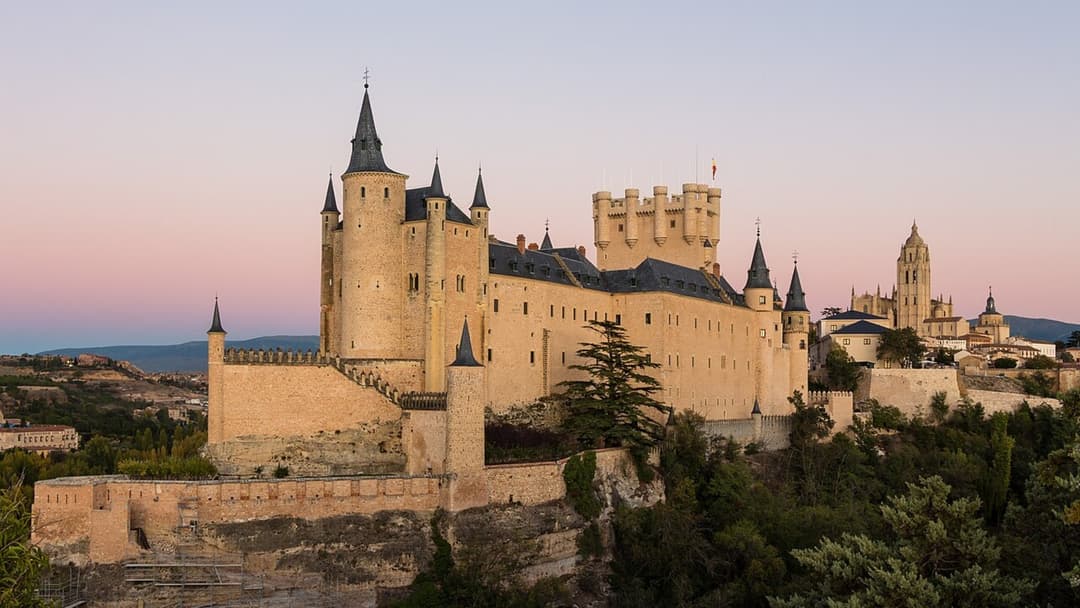
13. Alcazar Of Segovia
Castilian records first documented the Alcazar in 1120. It crowns a rocky crag between two rivers in Segovia. King Alfonso VIII turned the outpost into a royal residence. The distinctive bow shaped keep inspired early palace designs across western Europe.
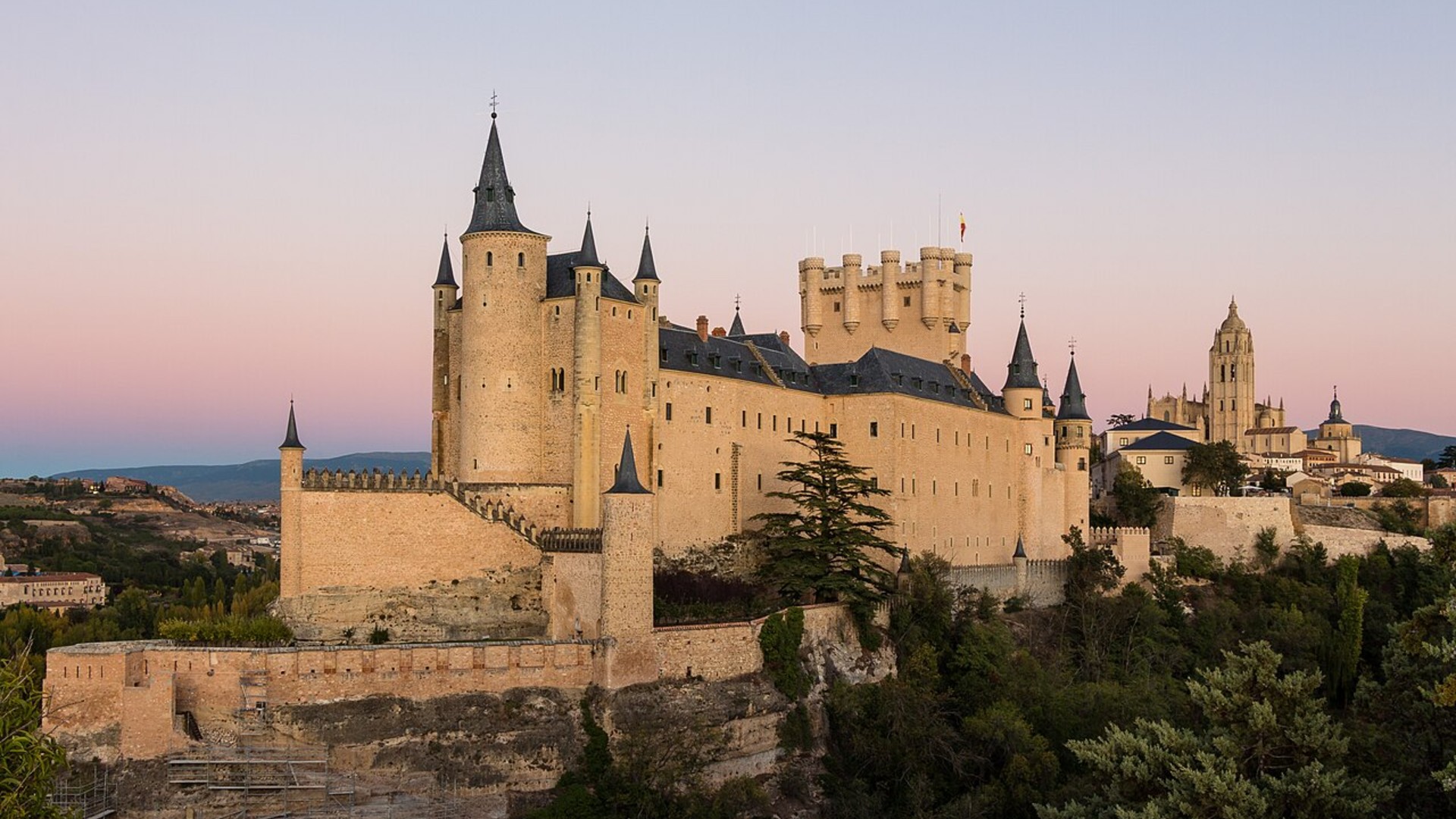
©Wikimedia / Rafa Esteve
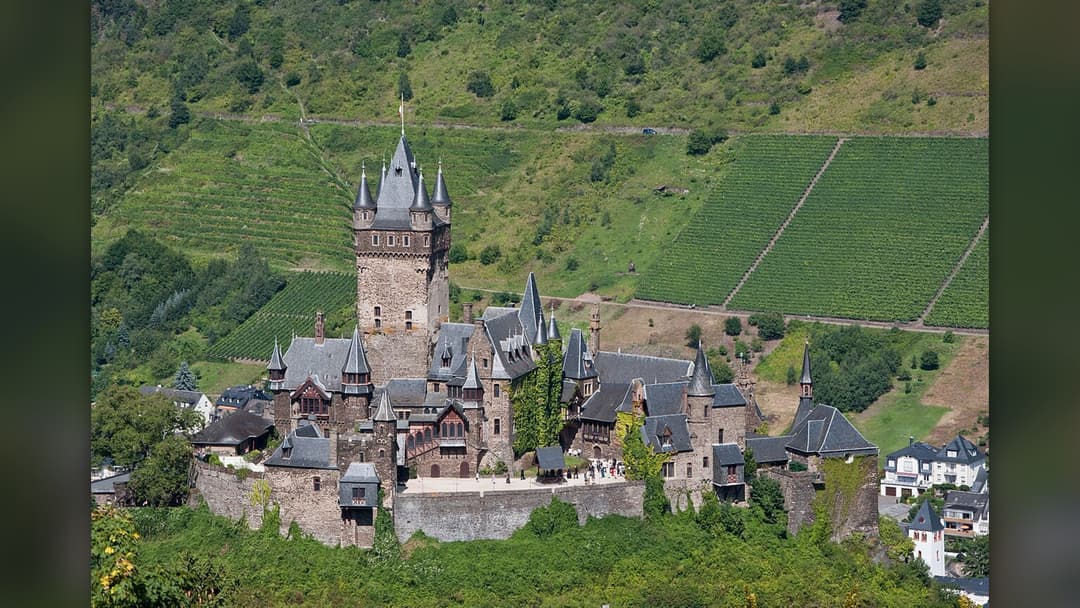
12. Reichsburg Cochem
Count Palatine Ezzo first documented this castle around 1100. It perches three hundred feet above the Moselle River. French troops torched the fortress in 1689. Berlin merchant Louis Ravené bought the ruins in 1868 and restored the stone towers in Romanesque revival style.
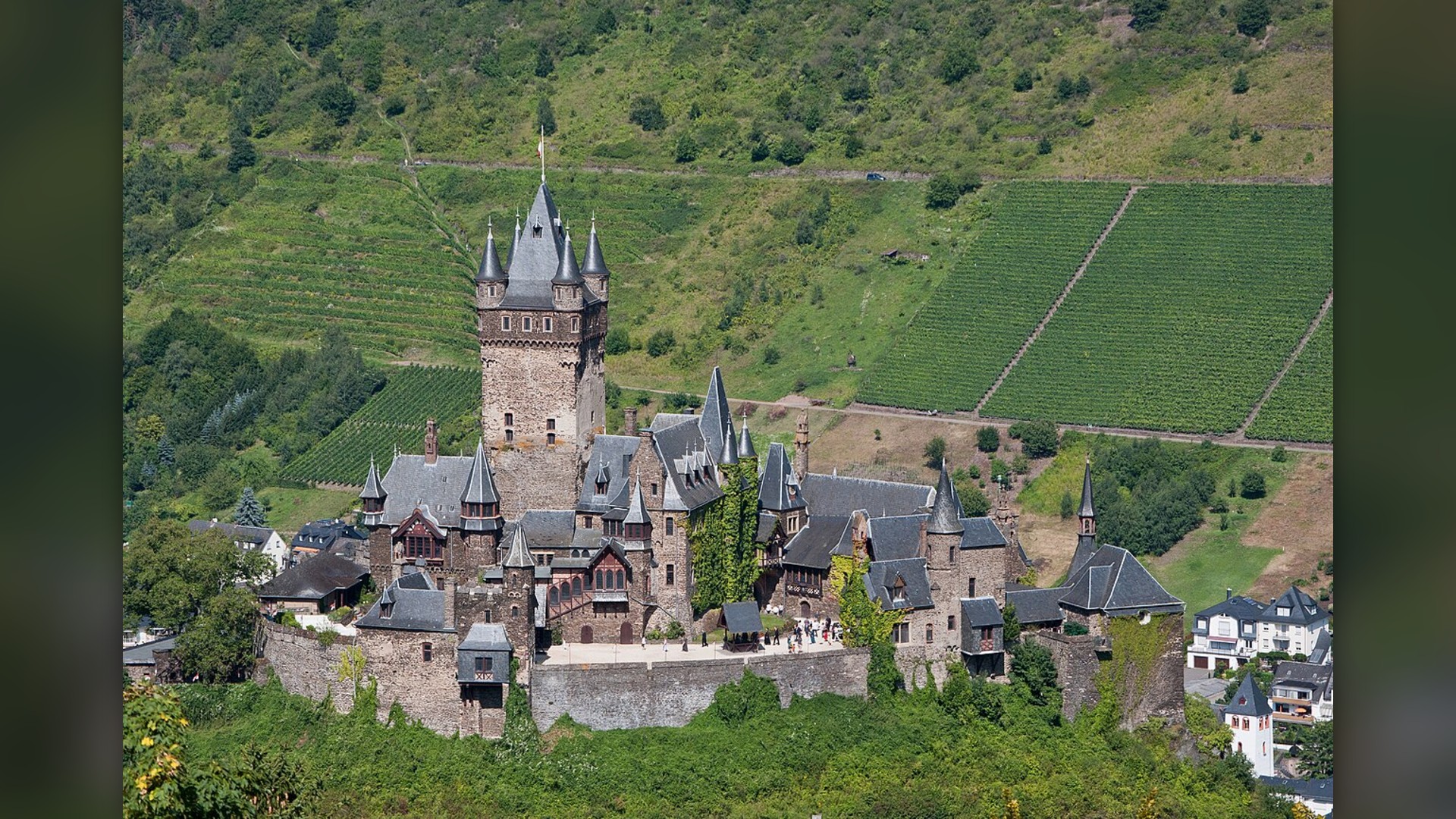
©Wikimedia / Steffen Schmitz ( more photos )
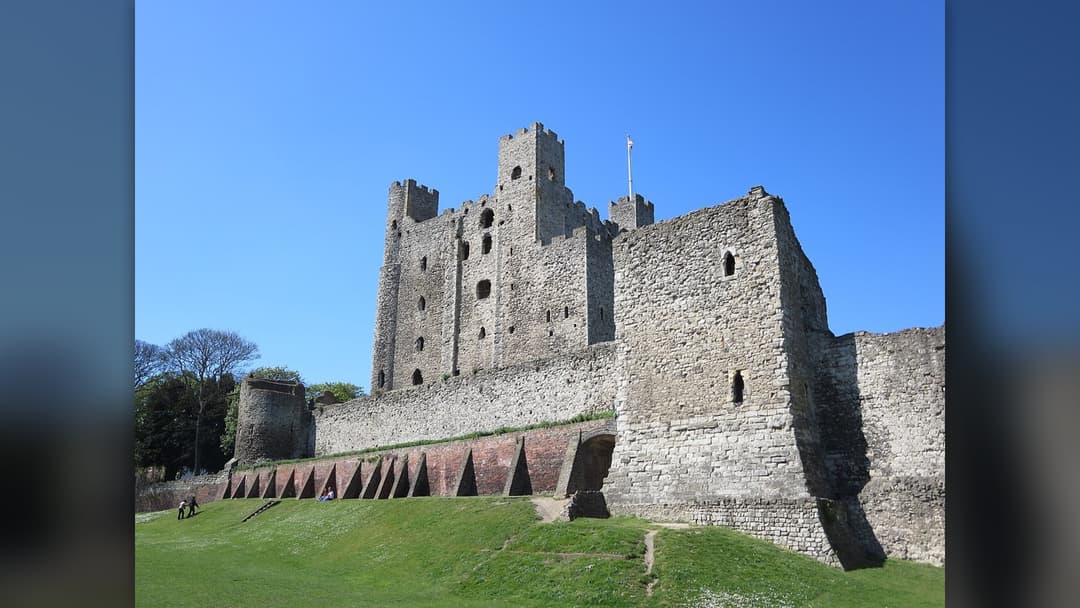
11. Rochester Castle
Bishop Gundulf began Rochester around 1087. Archbishop William of Corbeil added the 113-foot keep in 1127. It remains one of the tallest Norman keeps in Europe. In 1215, King John undermined the southern corner tower using the fat of forty pigs to breach the walls.
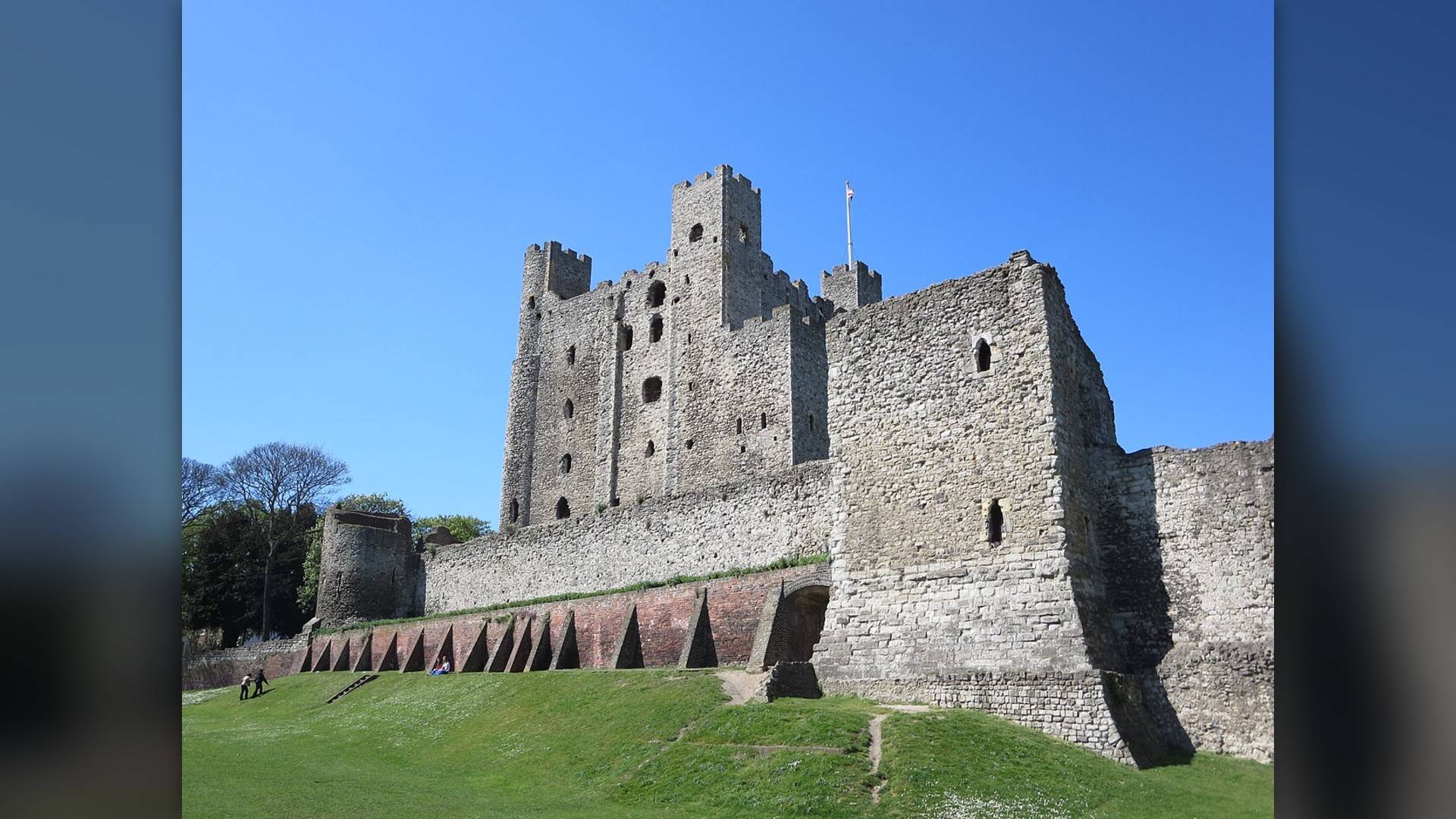
©Wikimedia / Eljx1988
10. Tower Of London
William the Conqueror ordered the White Tower built in 1078. Norman masons used limestone imported from Caen, France. The central stone keep rose ninety feet above the Thames. It has operated as a royal residence, prison, armory, and jewel treasury for over nine hundred years.
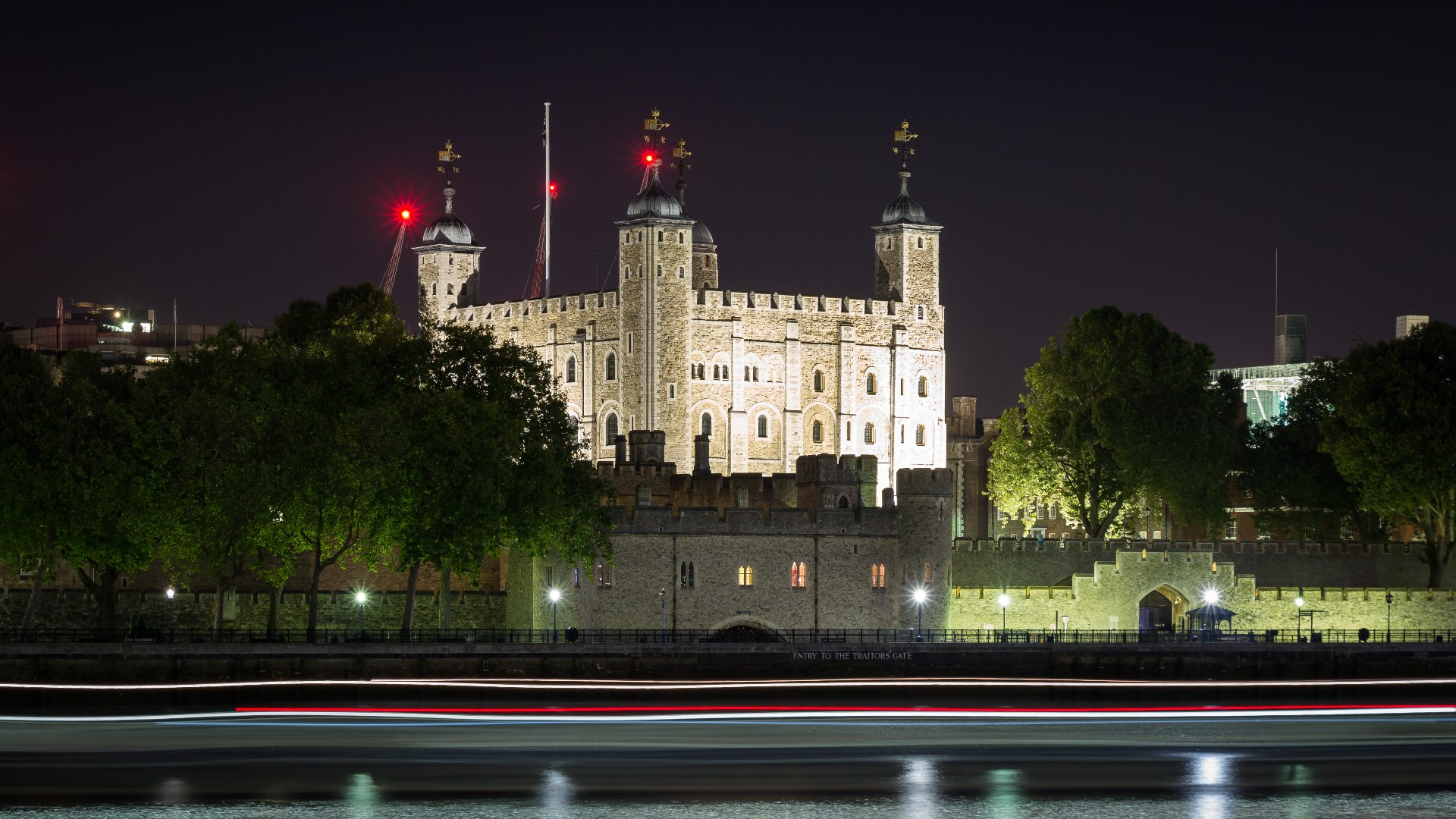
©Wikimedia / Rafa Esteve
Advertisement
Swipe or tap ▶ to resume the countdown.
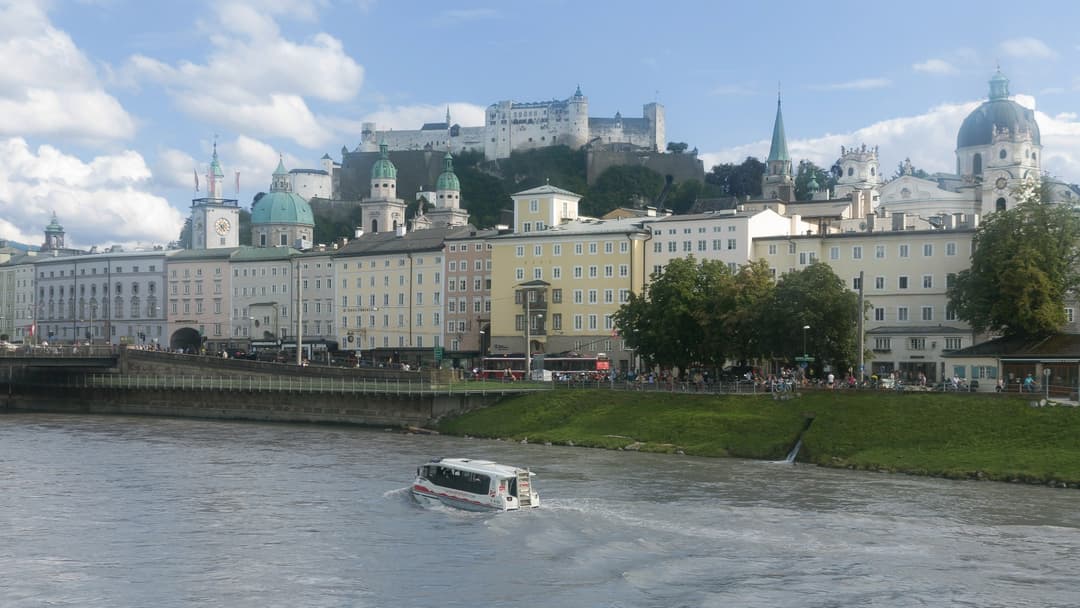
9. Hohensalzburg Fortress
Prince-Archbishop Gebhard started Hohensalzburg in 1077. He needed protection during conflicts with the Holy Roman Emperor. The fortress crowns the Festungsberg ridge above Salzburg. Over nine centuries of European conflict, no besieging army ever captured the fortress by direct assault.
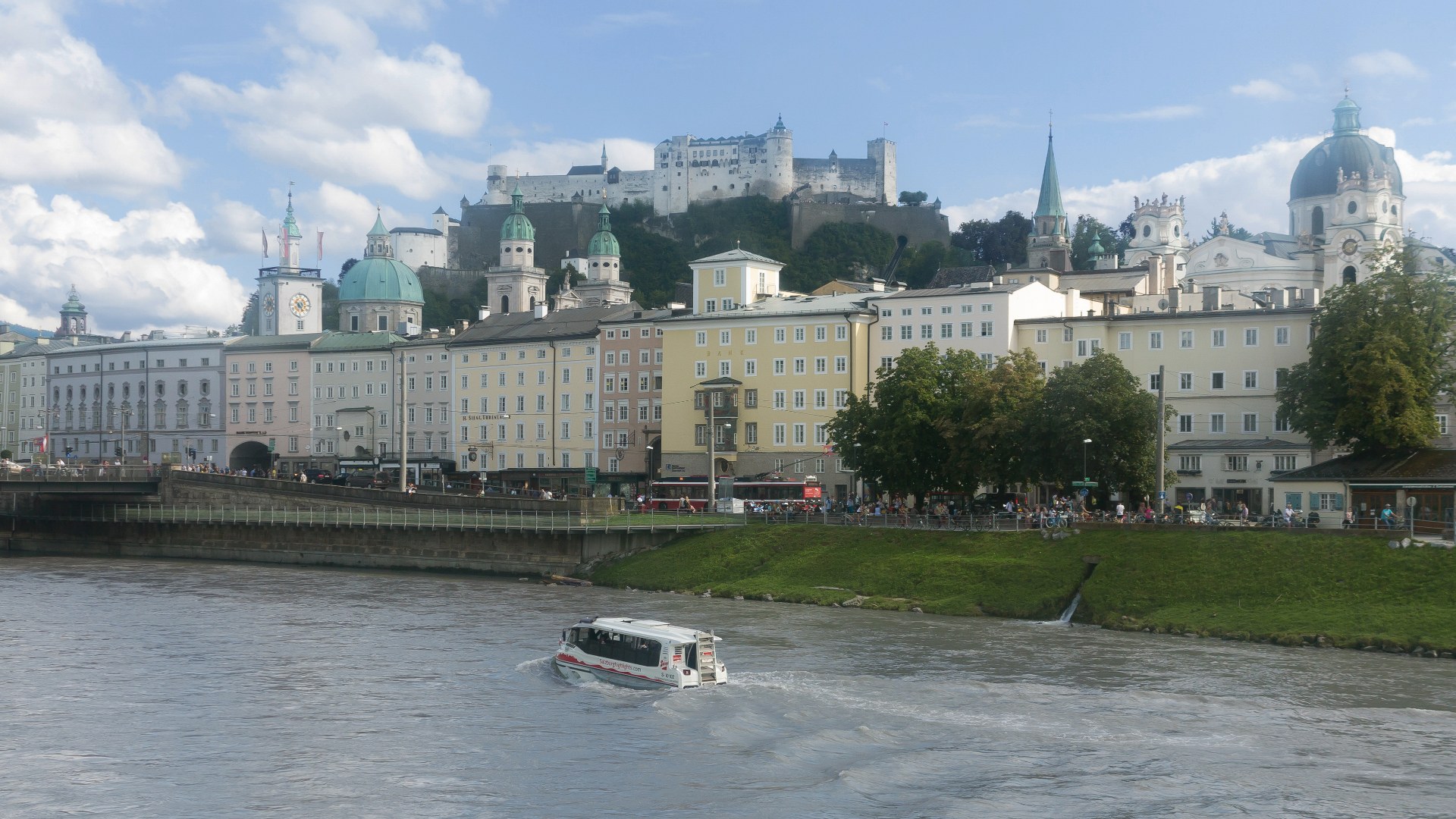
©Wikimedia / Michielverbeek
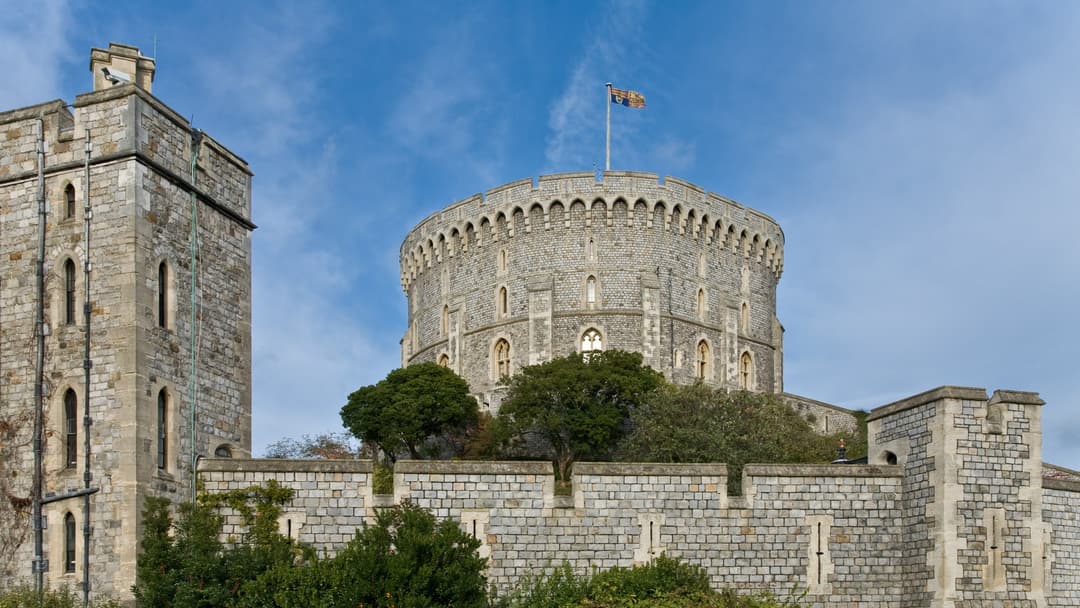
8. Windsor Castle
William the Conqueror raised the first chalk motte here around 1070. Henry II rebuilt the defenses in stone a century later. Covering thirteen acres, it remains the oldest continuously occupied royal castle in Europe. Forty British monarchs have called Windsor home.
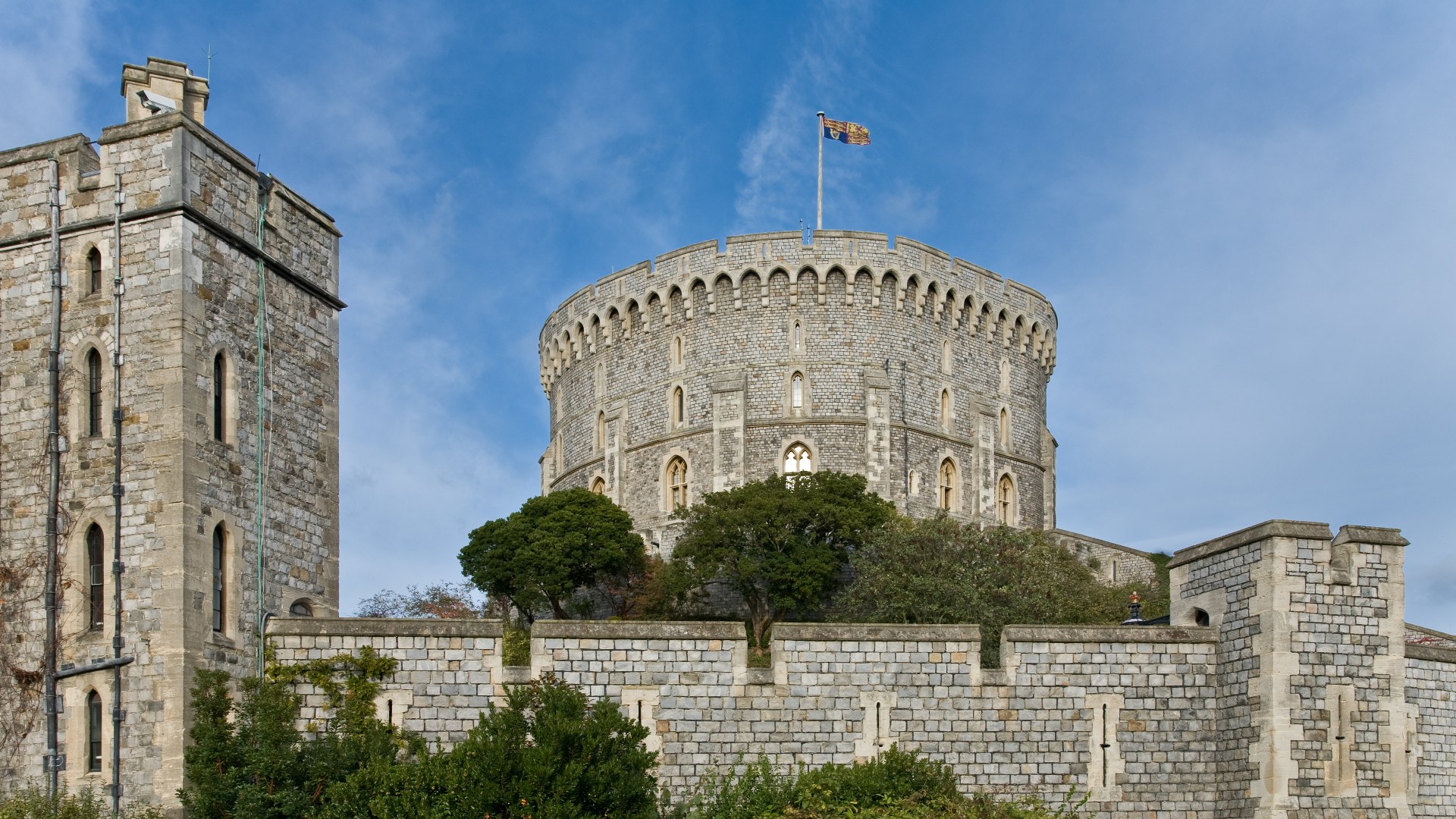
©Wikimedia / Diliff
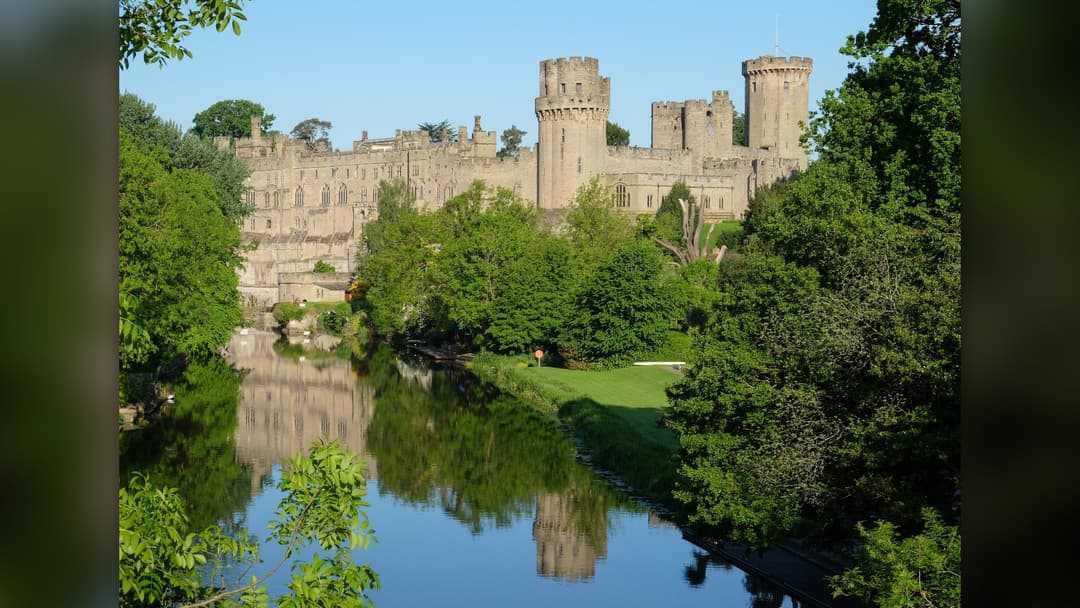
7. Warwick Castle
William the Conqueror chose this bend in the River Avon in 1068. Stone defenses replaced the timber palisade by 1260. Caesar's Tower stands 134 feet tall above the riverbank. The castle played a central role during the Wars of the Roses and English Civil War.
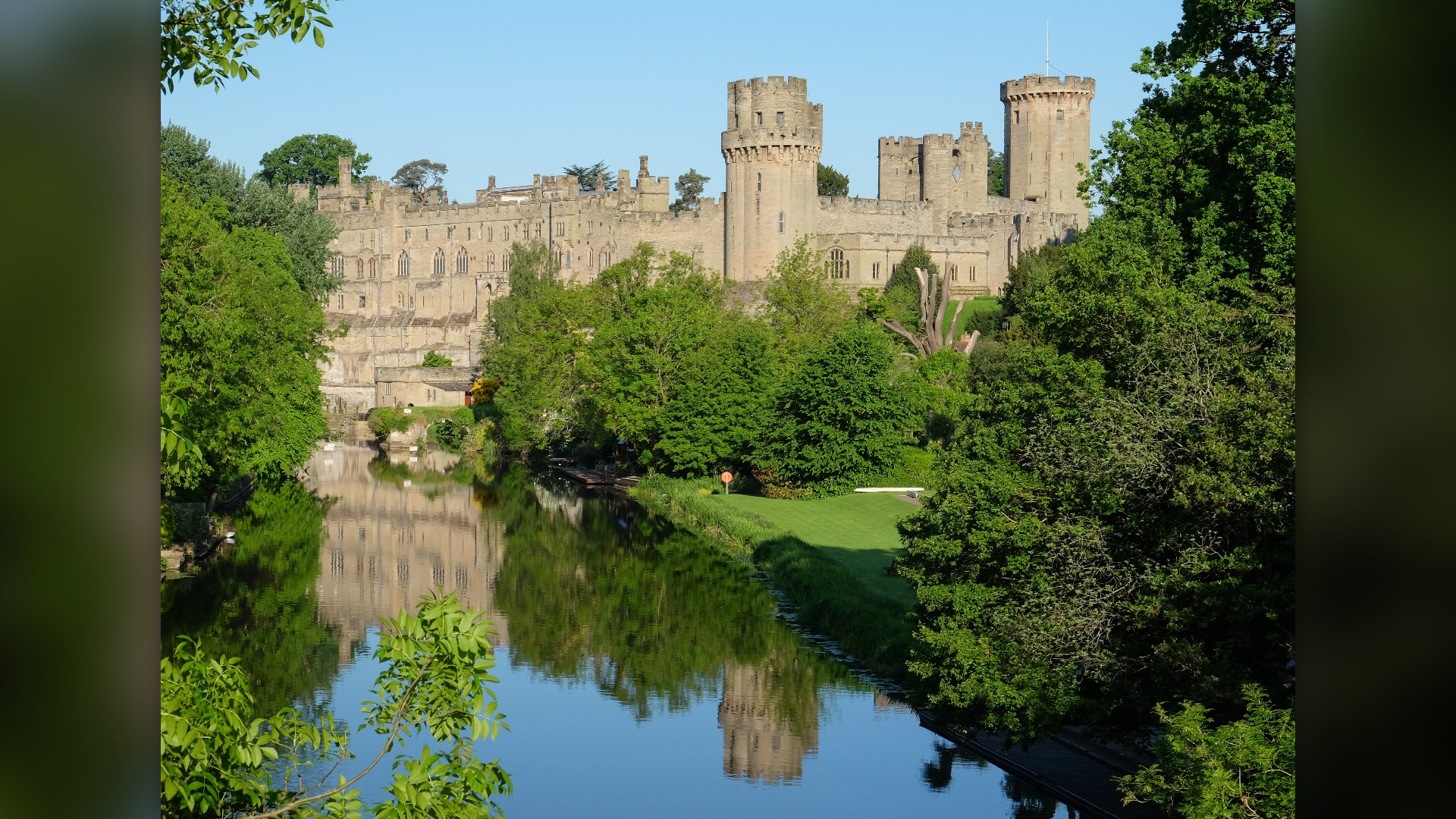
©Wikimedia / DeFacto
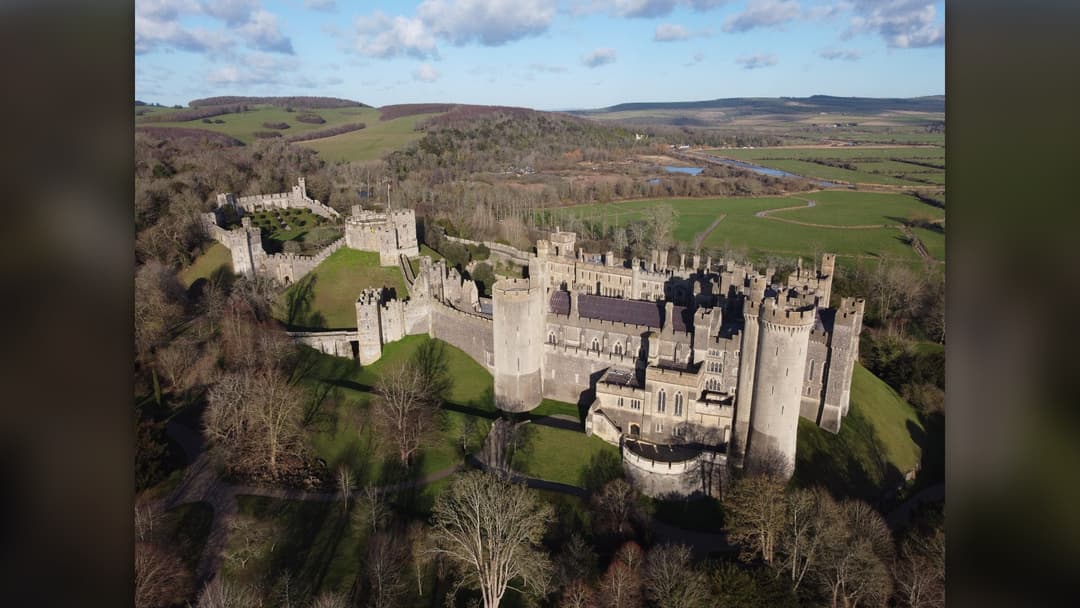
6. Arundel Castle
Roger de Montgomery founded Arundel on Christmas Day in 1067. The original motte and double bailey guarded the River Arun. The Duke of Norfolk's family has lived in the castle for over eight hundred years. Heavy sieges battered the fortress during the English Civil War.
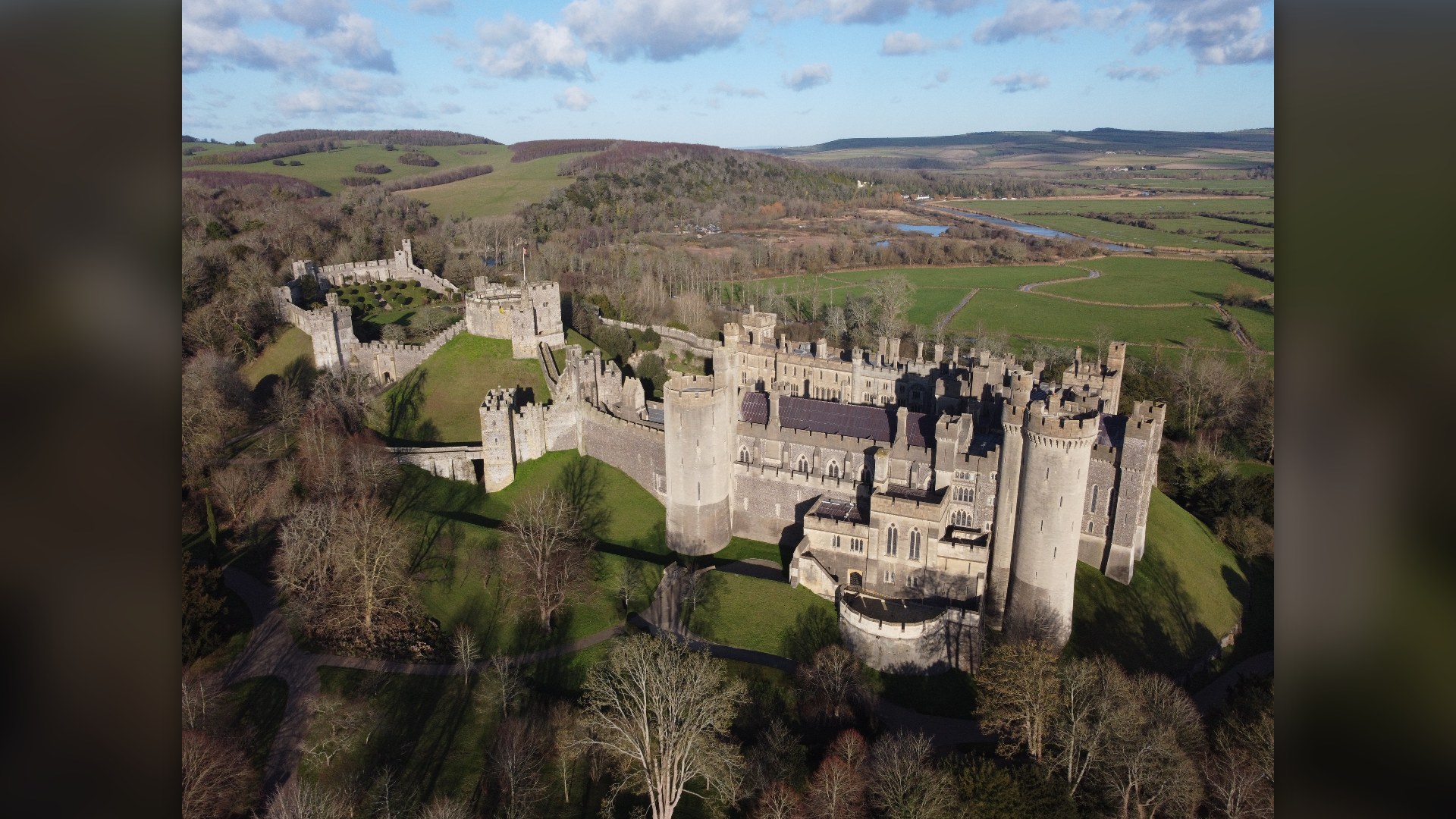
©Wikimedia / Tim Sheerman-Chase
Advertisement
Swipe or tap ▶ to resume the countdown.
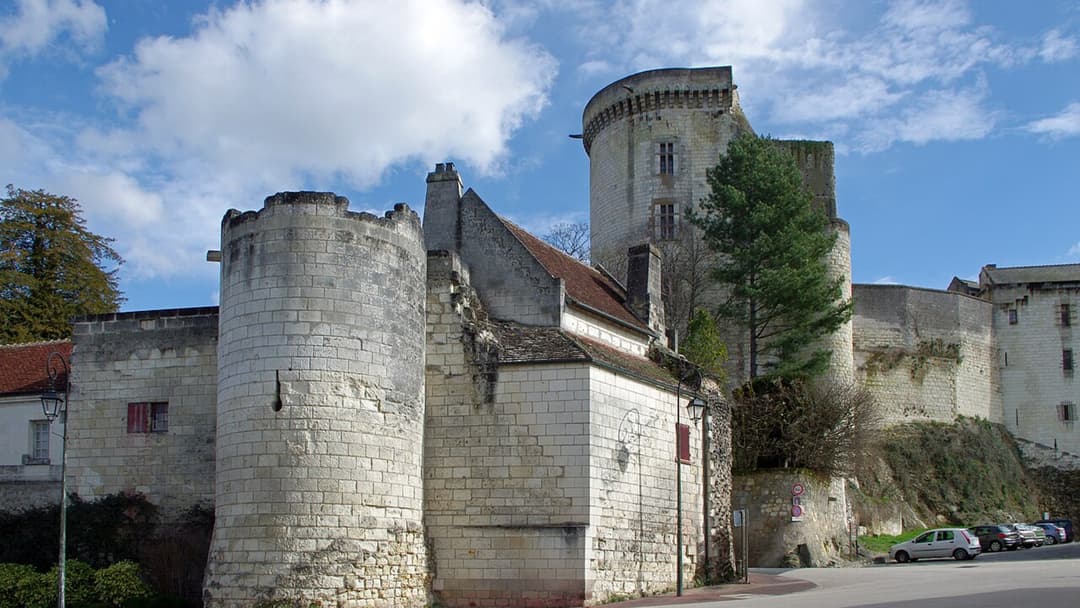
5. Chateau De Loches
Count Fulk Nerra erected this massive stone donjon around 1012. It rises over one hundred feet above the Indre valley. The fortress withstood fierce sieges between the kings of England and France. King Philip II finally captured the stronghold from King John in 1205.
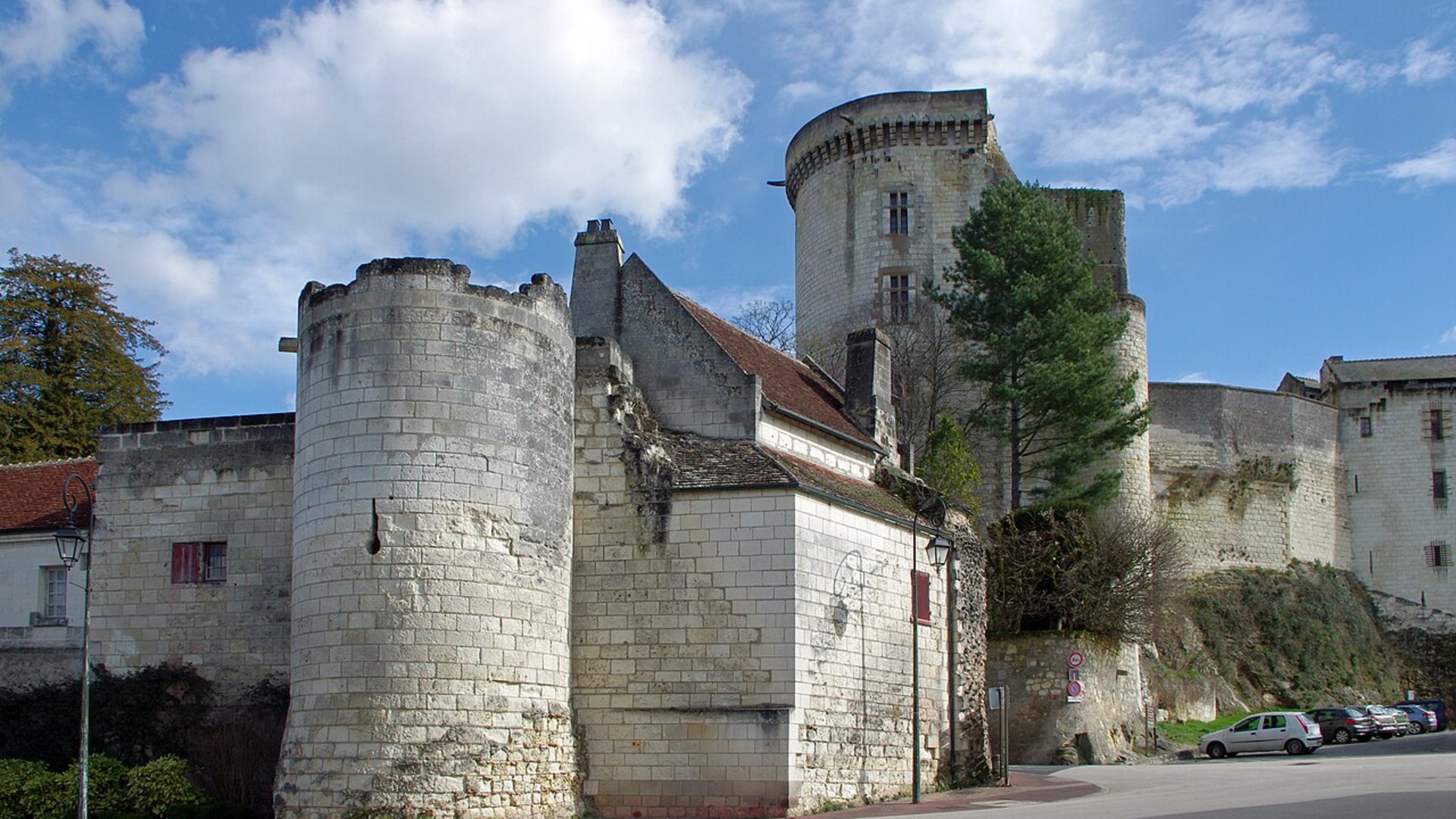
©Wikimedia / Daniel Jolivet
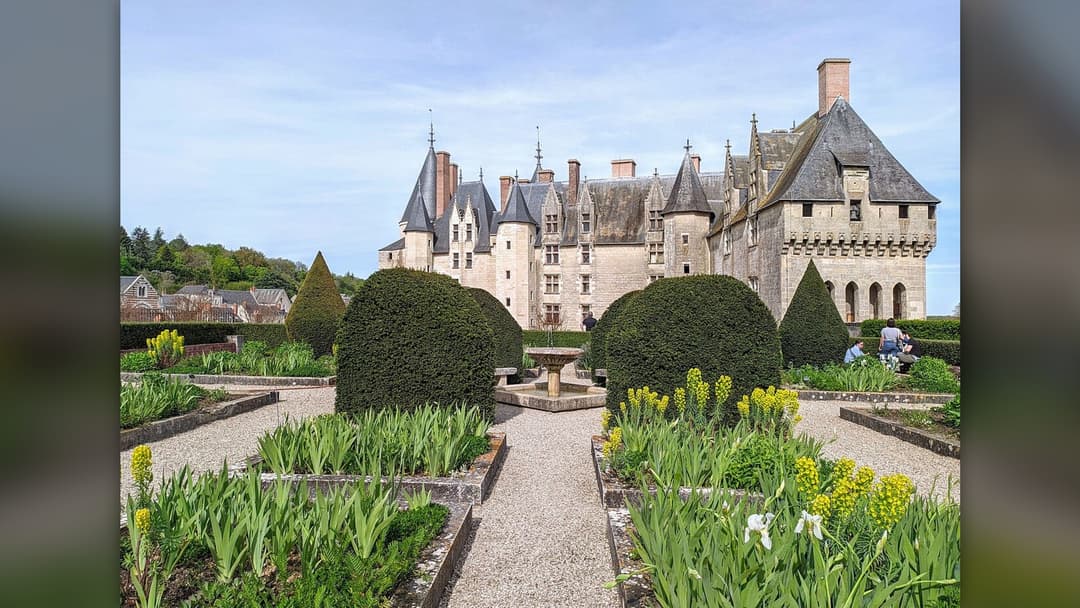
4. Chateau De Langeais
Count Fulk Nerra built this stone tower in 994. Only the western wall of the original keep still stands today. That single wall represents the earliest stone keep in French territory. King Louis XI added the surrounding fortress complex in 1465 during the Hundred Years War.
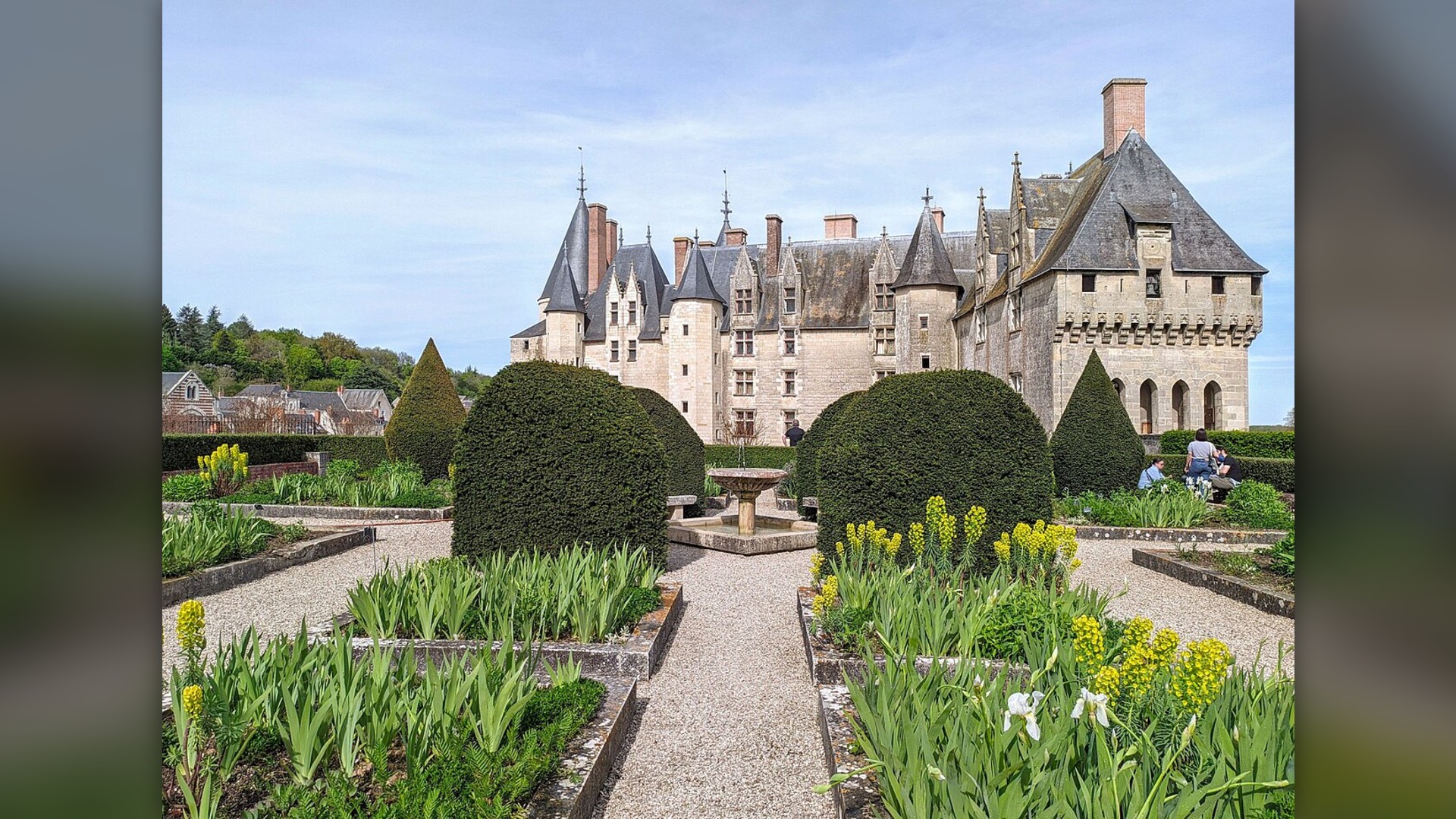
©Wikimedia / JackyM59
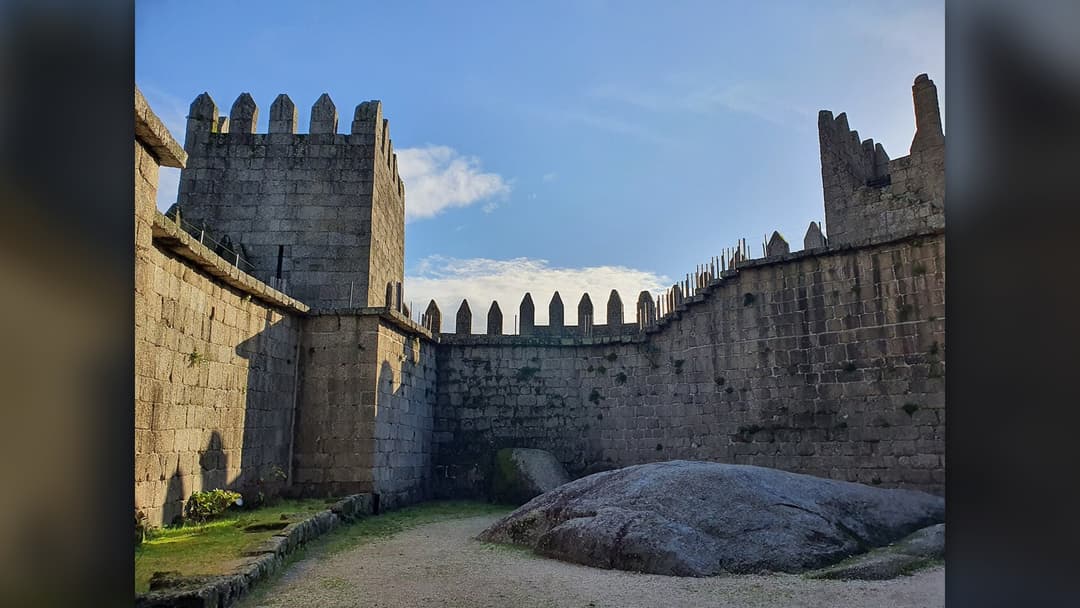
3. Castle Of Guimaraes
Countess Mumadona Dias founded this fortress in 958. It shielded local monks from Moorish and Viking raids. Portugal's first king, Afonso Henriques, was born inside the castle in 1109. The stronghold is revered across Portugal as the cradle of the nation's independence.
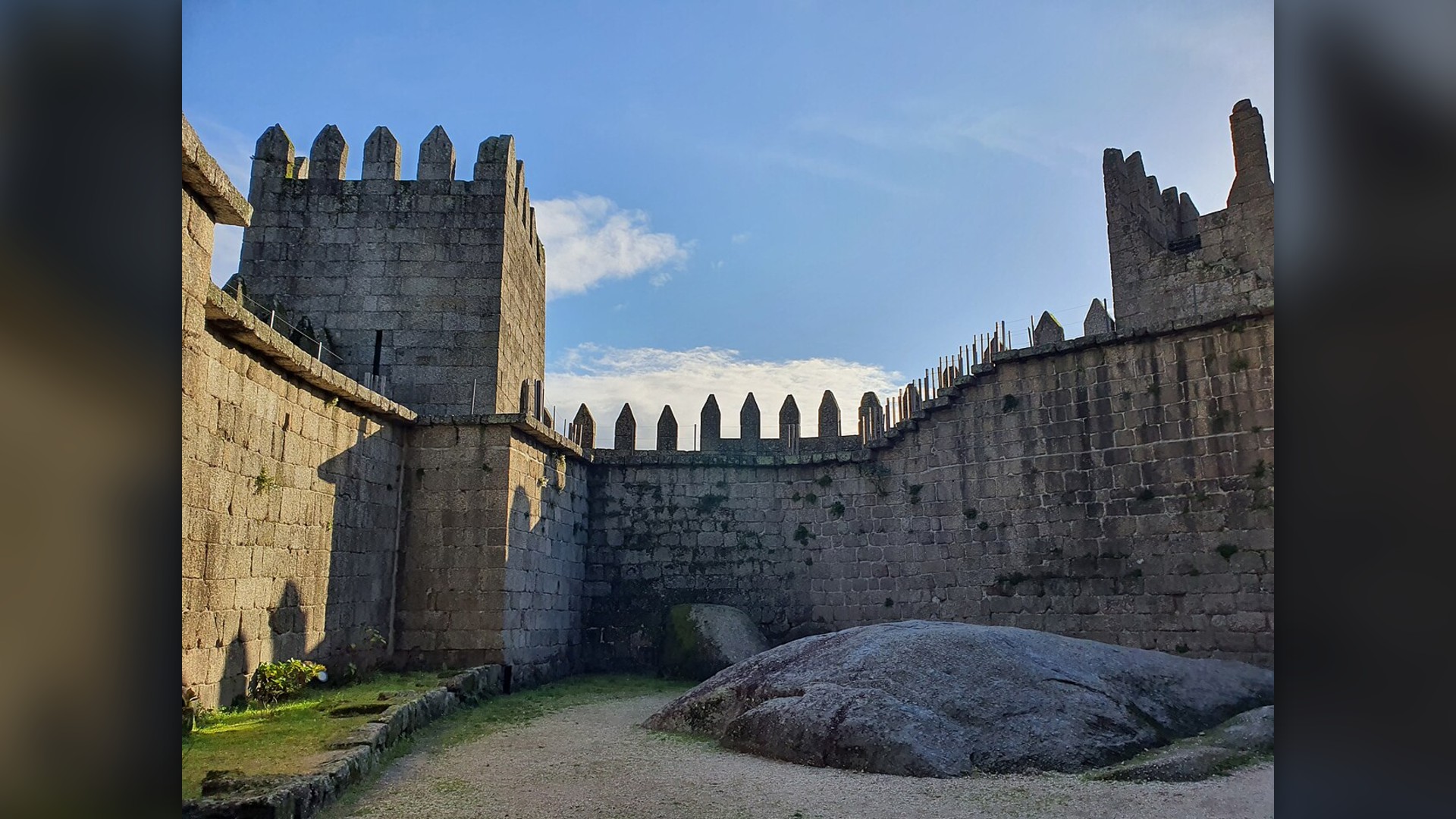
©Wikimedia / Hugo Ferreira
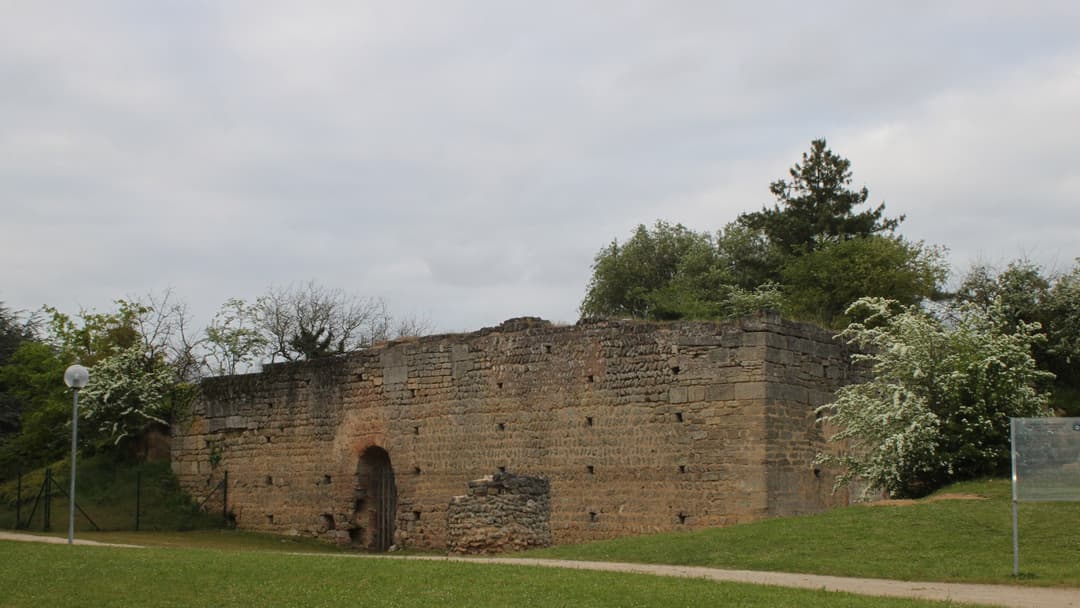
2. Chateau De Doue La-Fontaine
Builders constructed a Carolingian stone hall here around 950. Local lords buried the lower floor in dirt around 1000 to create a defensive motte. Archaeologists discovered the preserved stone masonry during twentieth century excavations. It remains the oldest confirmed stone donjon in Europe.
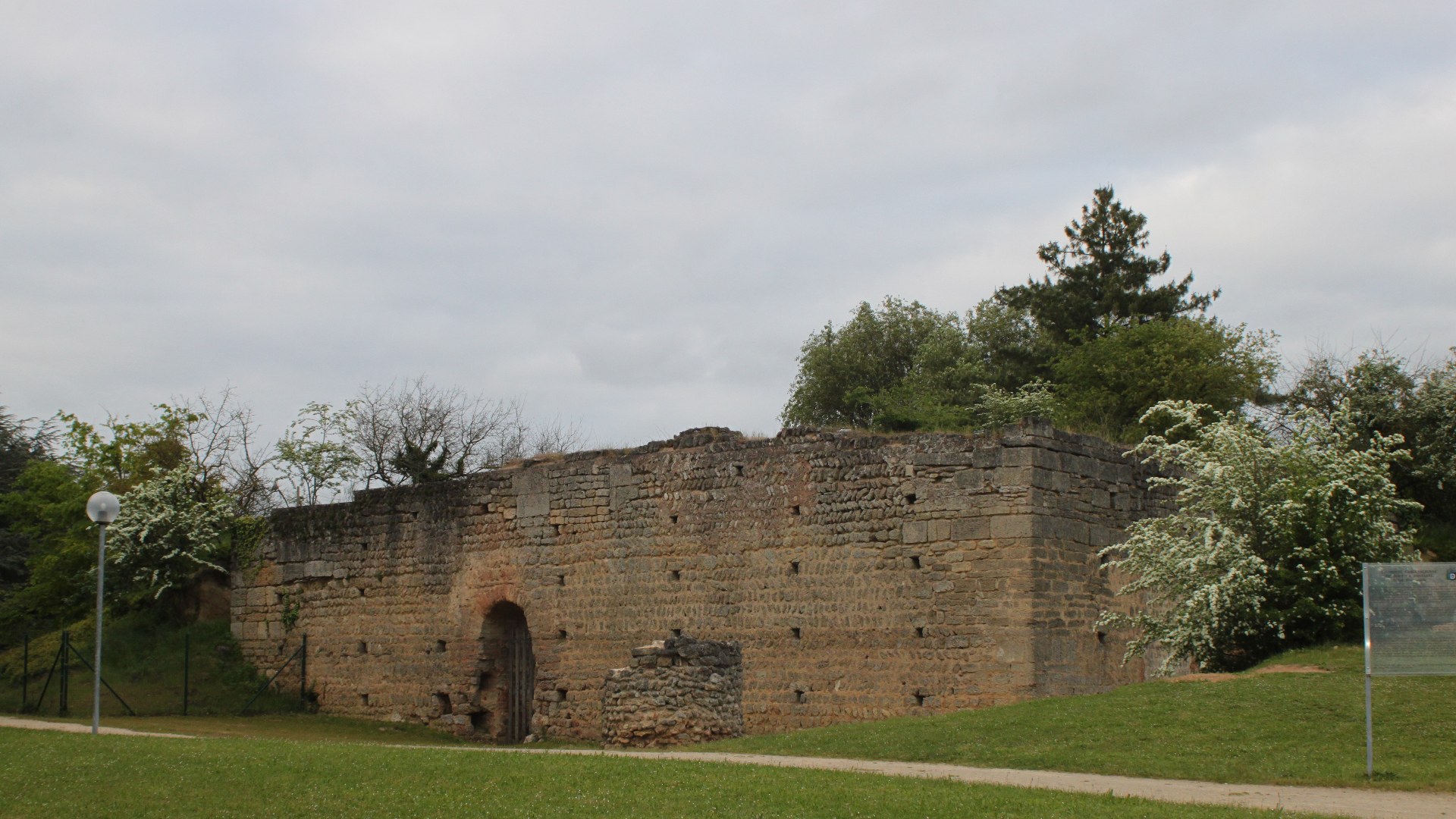
©Wikimedia / Llann Wé²
Advertisement
Swipe or tap ▶ to resume the countdown.
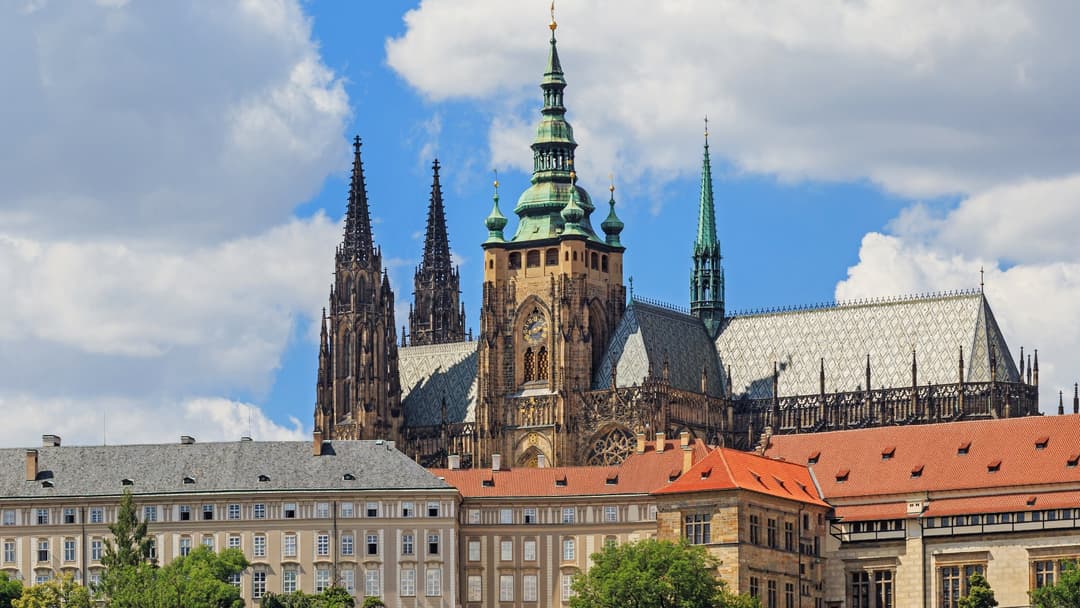
1. Prague Castle
Prince Bořivoj I founded Prague Castle around 880. It crowns a hill above the Vltava River in Bohemia. The castle complex covers eighteen acres, holding palaces, courtyards, and Saint Vitus Cathedral. Guinness World Records recognizes it as the largest ancient castle complex in the world.
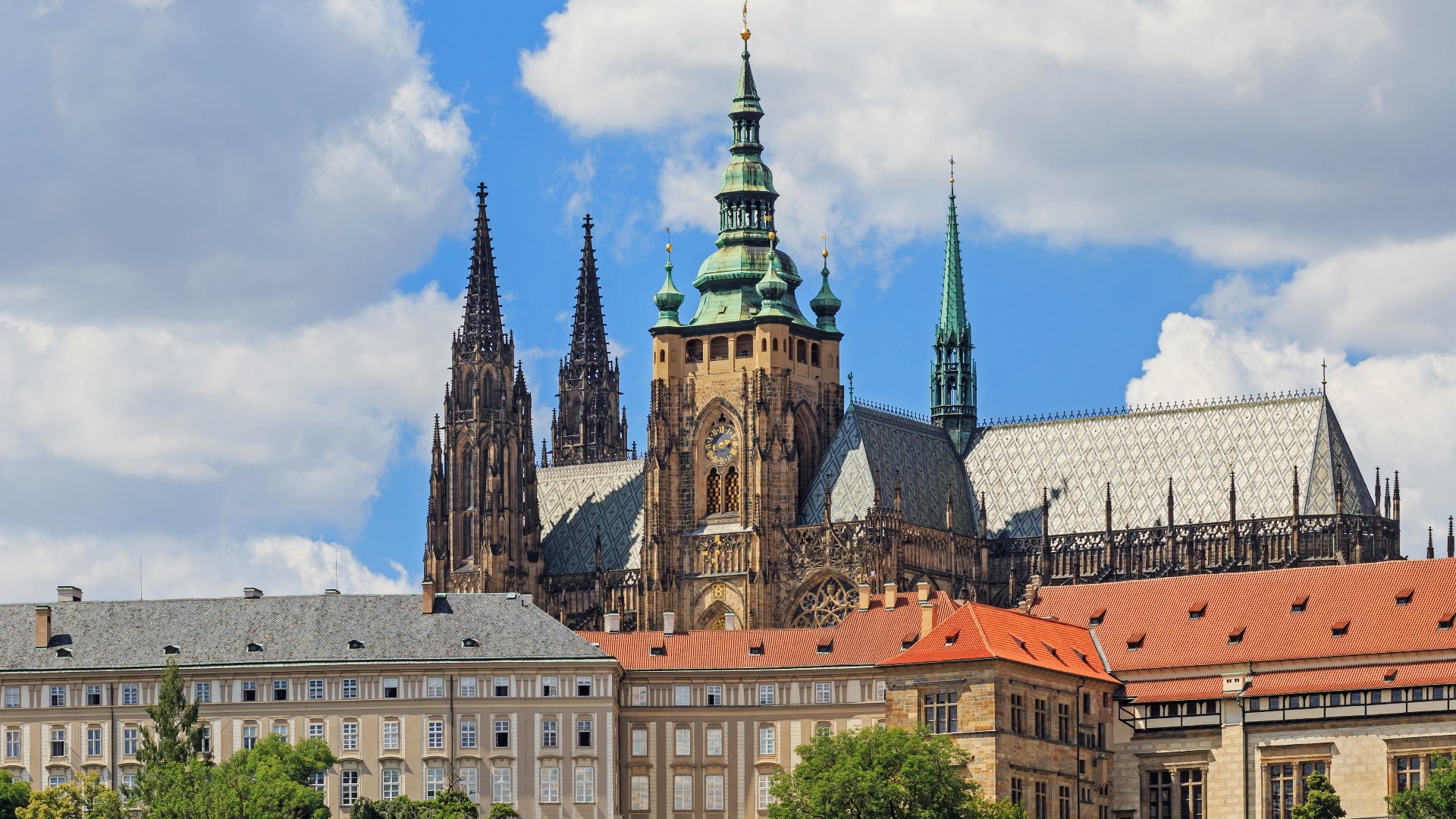
©Wikimedia / A.Savin
Advertisement
You've reached the end of the story. Thanks for reading!

20 World Leaders and Political Figures Facing Major Challenges in 2027
High Stakes, Fragile Coalitions, and Rising Tensions Define the Road to 2027
All 20 Entries in this Story
20. Akershus Fortress
King Haakon V began building this stone fortress around 1299. It guarded Oslo harbor against Swedish raids. The stronghold withstood numerous sieges over five centuries without falling to an enemy assault. Today, it houses Norwegian state banquet halls and military museums.

19. Conwy Castle
King Edward I built Conwy between 1283 and 1289. He spent fifteen thousand pounds on the project. Eight round stone towers rise above the River Conwy in north Wales. UNESCO considers it one of Europe's finest surviving examples of thirteenth century military engineering.

18. Malbork Castle
Teutonic Knights began construction in 1274. They used thirty million baked bricks across fifty-two acres along the Nogat River. The complex served as the headquarters of the Grand Master for over a century. It remains the largest brick castle on Earth by surface area.

17. Chillon Castle
Count Peter II of Savoy expanded Chillon around 1230. The castle sits on an oval limestone island in Lake Geneva. Water protected three sides from medieval siege engines. For generations, the fortress controlled the profitable trade route connecting northern Europe to Italy.

16. Eilean Donan Castle
King Alexander II fortified this tidal island in 1220. It helped shield western Scotland from Norse raids. Three sea lochs meet around the castle walls. Clan Macrae held the fortress for centuries before English warships battered the defenses in 1719 during the Jacobite rising.

15. Bran Castle
Teutonic Knights established a base here in 1212. Saxon burghers replaced the wood with stone in 1377. The fortress guarded the Bran mountain pass between Transylvania and Wallachia. Royal customs collectors used the keep to inspect merchant wagons entering the valley.

14. Gravensteen
Count Philip of Alsace finished Gravensteen in 1180. He modeled the keep on Crusader forts he saw abroad. Thick stone ramparts rise directly out of the Lieve River canal in Ghent. The complex served as a count palace, court, and prison across eight centuries.

13. Alcazar Of Segovia
Castilian records first documented the Alcazar in 1120. It crowns a rocky crag between two rivers in Segovia. King Alfonso VIII turned the outpost into a royal residence. The distinctive bow shaped keep inspired early palace designs across western Europe.

12. Reichsburg Cochem
Count Palatine Ezzo first documented this castle around 1100. It perches three hundred feet above the Moselle River. French troops torched the fortress in 1689. Berlin merchant Louis Ravené bought the ruins in 1868 and restored the stone towers in Romanesque revival style.

11. Rochester Castle
Bishop Gundulf began Rochester around 1087. Archbishop William of Corbeil added the 113-foot keep in 1127. It remains one of the tallest Norman keeps in Europe. In 1215, King John undermined the southern corner tower using the fat of forty pigs to breach the walls.

10. Tower Of London
William the Conqueror ordered the White Tower built in 1078. Norman masons used limestone imported from Caen, France. The central stone keep rose ninety feet above the Thames. It has operated as a royal residence, prison, armory, and jewel treasury for over nine hundred years.

9. Hohensalzburg Fortress
Prince-Archbishop Gebhard started Hohensalzburg in 1077. He needed protection during conflicts with the Holy Roman Emperor. The fortress crowns the Festungsberg ridge above Salzburg. Over nine centuries of European conflict, no besieging army ever captured the fortress by direct assault.

8. Windsor Castle
William the Conqueror raised the first chalk motte here around 1070. Henry II rebuilt the defenses in stone a century later. Covering thirteen acres, it remains the oldest continuously occupied royal castle in Europe. Forty British monarchs have called Windsor home.

7. Warwick Castle
William the Conqueror chose this bend in the River Avon in 1068. Stone defenses replaced the timber palisade by 1260. Caesar's Tower stands 134 feet tall above the riverbank. The castle played a central role during the Wars of the Roses and English Civil War.

6. Arundel Castle
Roger de Montgomery founded Arundel on Christmas Day in 1067. The original motte and double bailey guarded the River Arun. The Duke of Norfolk's family has lived in the castle for over eight hundred years. Heavy sieges battered the fortress during the English Civil War.

5. Chateau De Loches
Count Fulk Nerra erected this massive stone donjon around 1012. It rises over one hundred feet above the Indre valley. The fortress withstood fierce sieges between the kings of England and France. King Philip II finally captured the stronghold from King John in 1205.

4. Chateau De Langeais
Count Fulk Nerra built this stone tower in 994. Only the western wall of the original keep still stands today. That single wall represents the earliest stone keep in French territory. King Louis XI added the surrounding fortress complex in 1465 during the Hundred Years War.

3. Castle Of Guimaraes
Countess Mumadona Dias founded this fortress in 958. It shielded local monks from Moorish and Viking raids. Portugal's first king, Afonso Henriques, was born inside the castle in 1109. The stronghold is revered across Portugal as the cradle of the nation's independence.

2. Chateau De Doue La-Fontaine
Builders constructed a Carolingian stone hall here around 950. Local lords buried the lower floor in dirt around 1000 to create a defensive motte. Archaeologists discovered the preserved stone masonry during twentieth century excavations. It remains the oldest confirmed stone donjon in Europe.

1. Prague Castle
Prince Bořivoj I founded Prague Castle around 880. It crowns a hill above the Vltava River in Bohemia. The castle complex covers eighteen acres, holding palaces, courtyards, and Saint Vitus Cathedral. Guinness World Records recognizes it as the largest ancient castle complex in the world.