Slideshow · Science
20 Places on Earth That Look Like Another Planet
Surreal alien landscapes and otherworldly geological wonders hidden on Earth.
By Most Viral Today
6 Nov 2026

Otherworldly Landscapes Across Our Planet 
20. Pamukkale Travertine Terraces In Turkey 
19. Skeidararsandur Volcanic Outwash In Iceland 
18. Waitomo Bioluminescent Glowworm Caves In New Zealand - AdvertisementSwipe or tap ▶ to continue countdown

17. Bisti De-Na-Zin Badland Hoodoos In New Mexico 
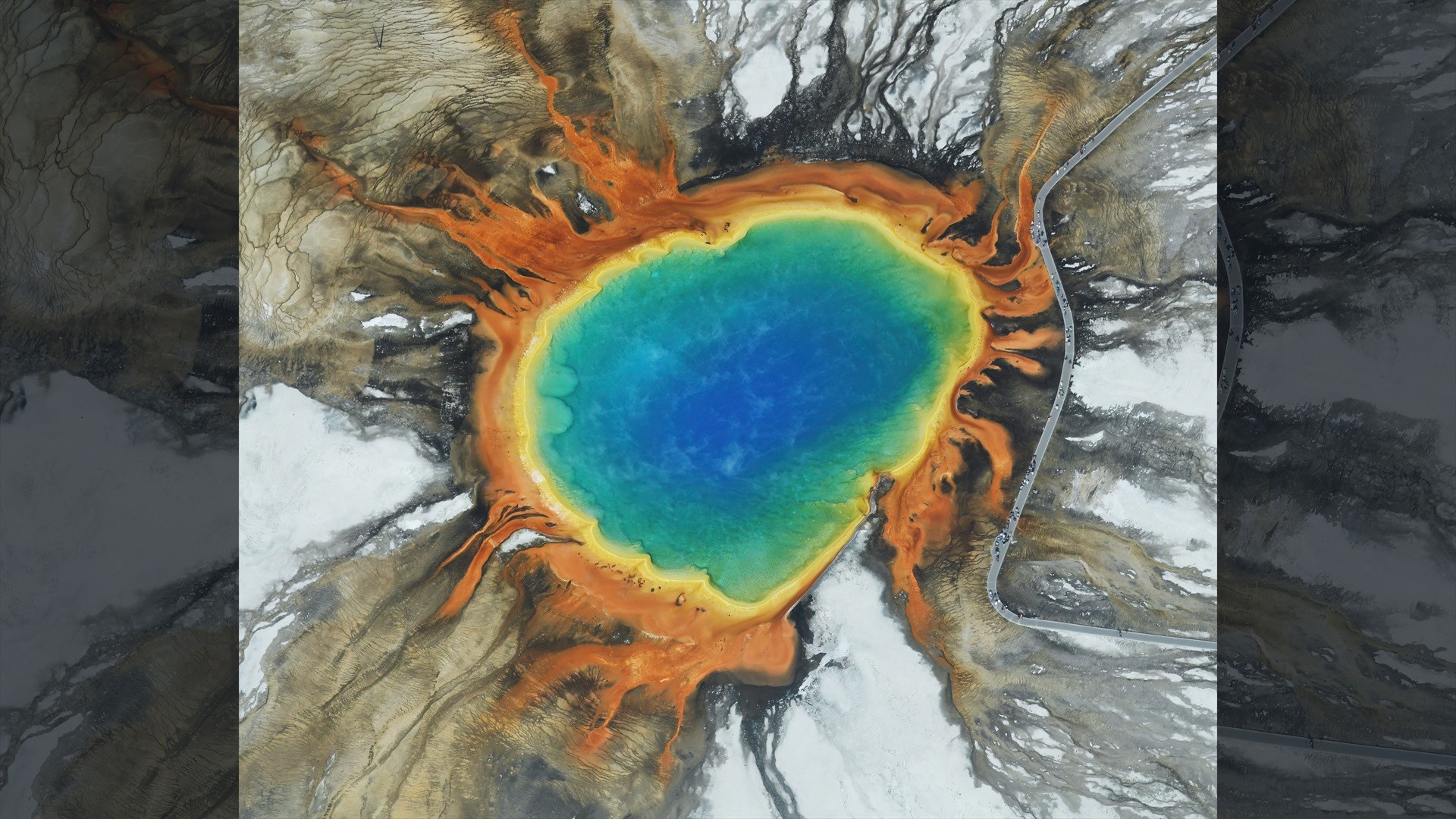
16. Grand Prismatic Spring Caldera In Wyoming 
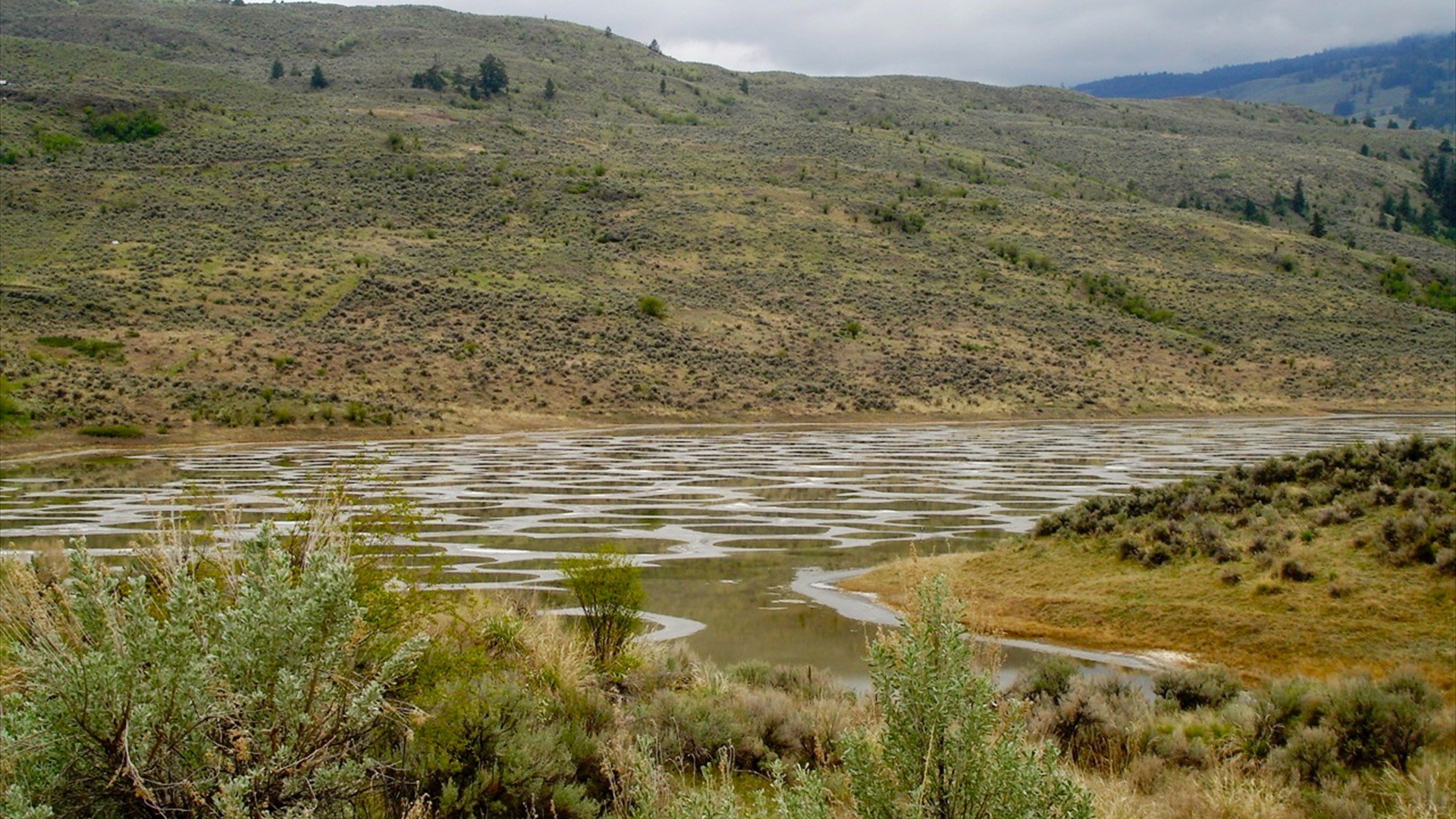
15. Spotted Lake Kliluk In British Columbia 
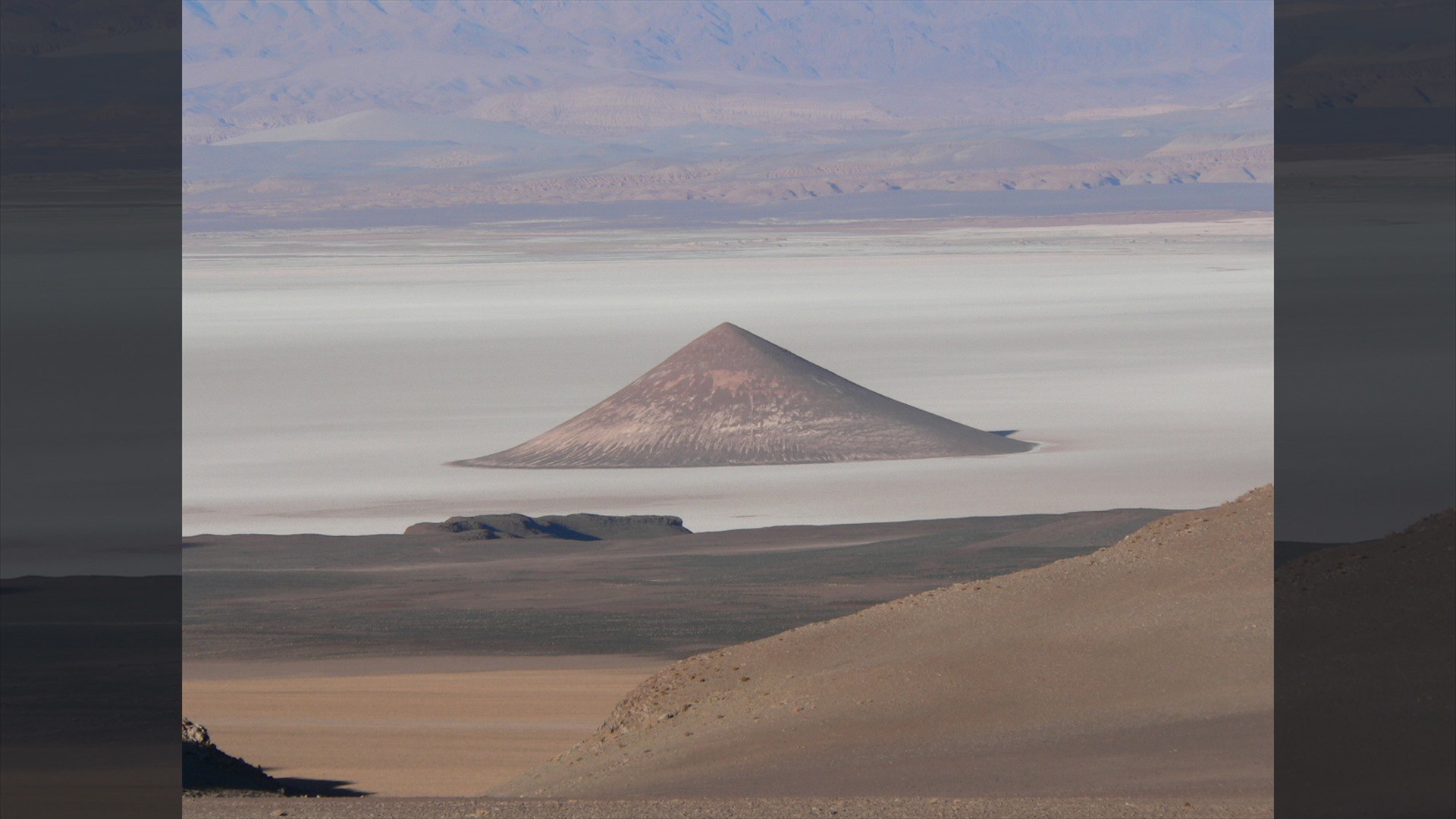
14. Cono De Arita Volcanic Cone In Argentina - AdvertisementSwipe or tap ▶ to continue countdown

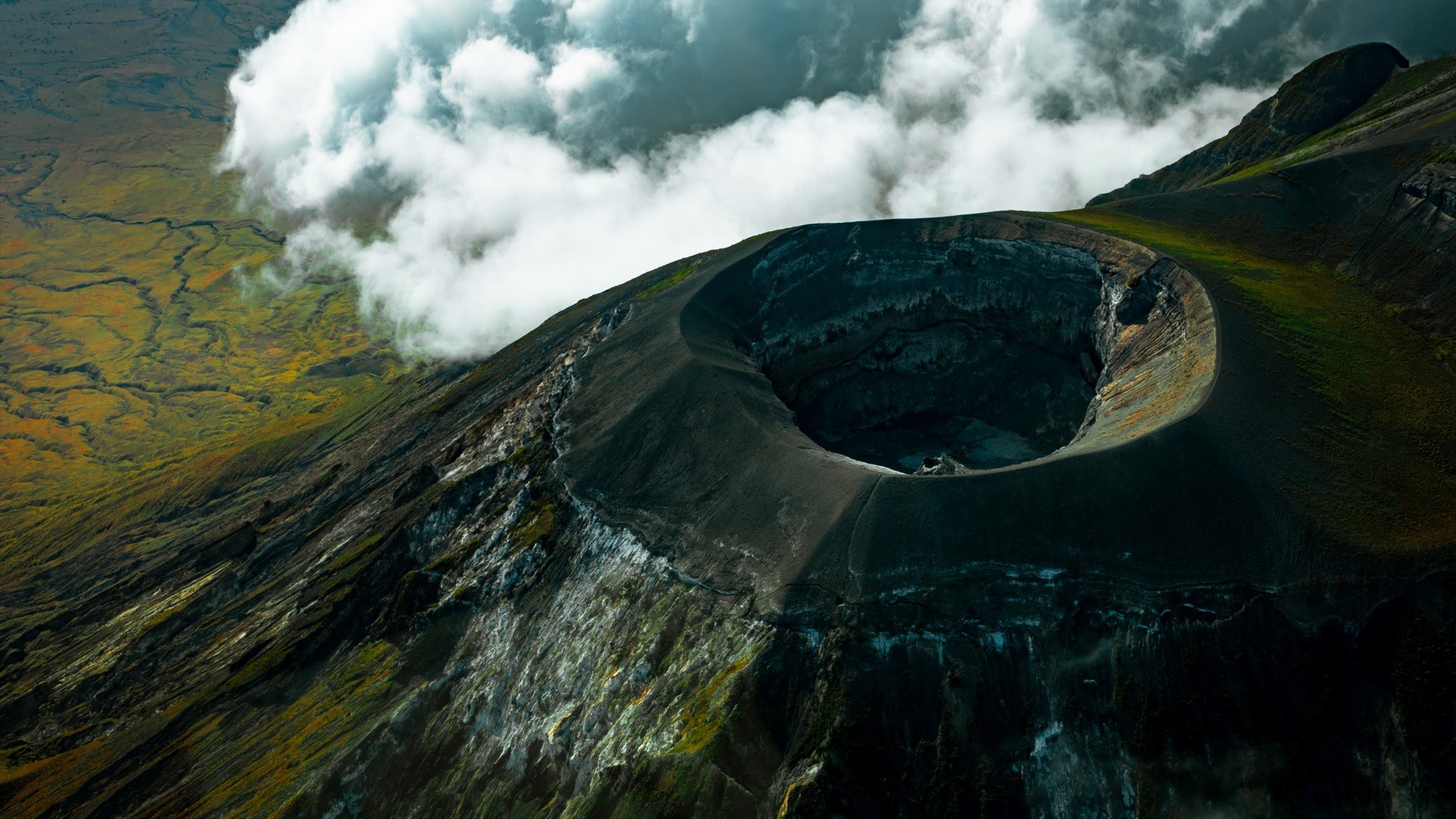
13. Lake Natron Soda Lake In Tanzania 
12. Zhangjiajie Karst Sandstone Pillars In China 
11. Valle De La Luna In Chile 
10. Champagne Pool Geothermal Crater In New Zealand - AdvertisementSwipe or tap ▶ to continue countdown

9. Lencois Maranhenses Sand Dunes In Brazil 
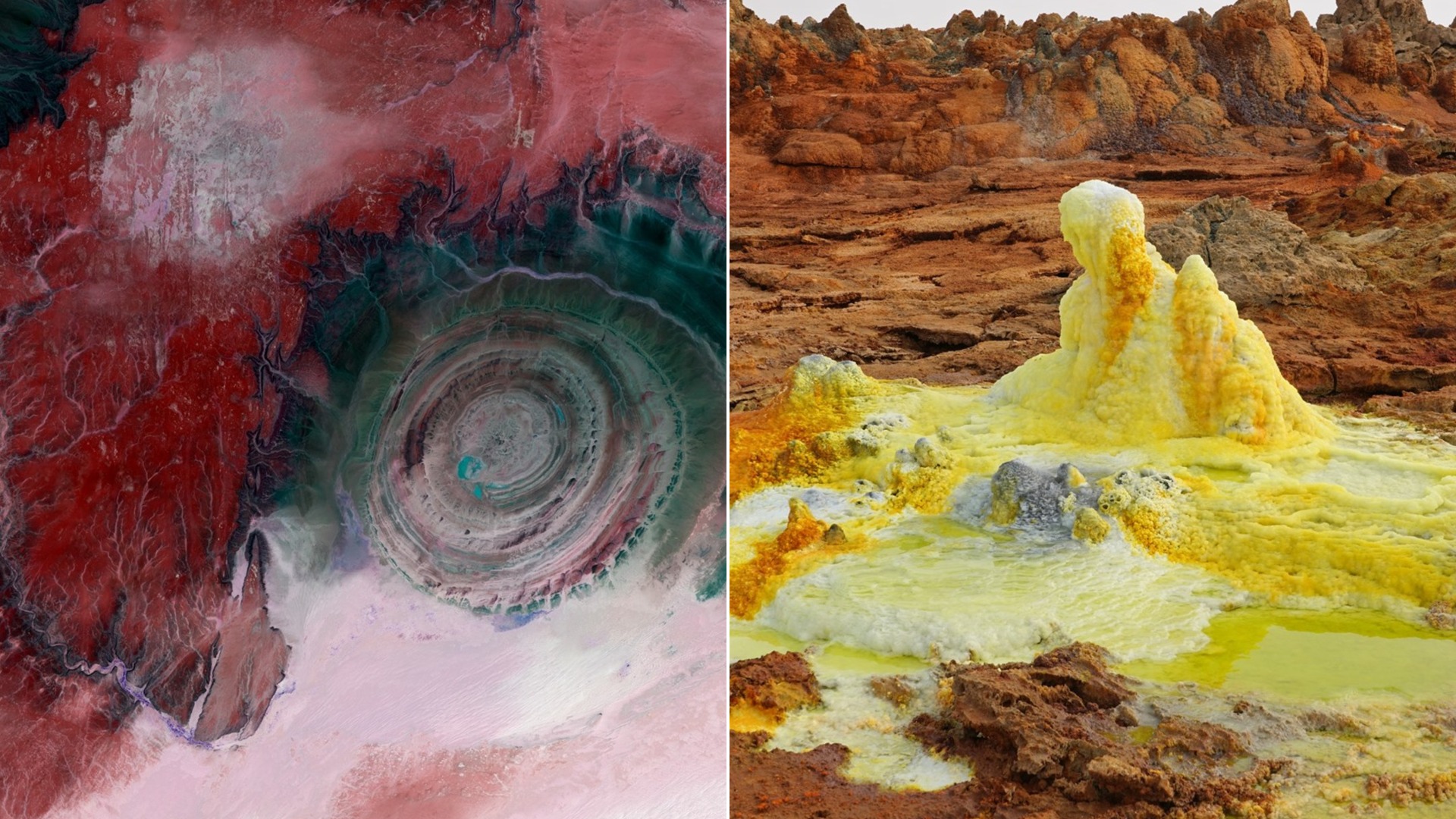
8. Richat Structure Eye Of The Sahara In Mauritania 
7. Fly Geyser Travertine Mound In Nevada 
6. Rio Tinto Red River In Spain - AdvertisementSwipe or tap ▶ to continue countdown

5. Deadvlei Acacia Clay Pan In Namibia 
4. Blood Falls On Taylor Glacier In Antarctica 
3. Socotra Island Dragon Blood Forest In Yemen 
2. Salar De Uyuni Salt Flats In Bolivia - AdvertisementSwipe or tap ▶ to continue countdown

1. Dallol Hydrothermal Field In Ethiopia - Advertisement🔥 UP NEXT IN THIS SERIES◫ 26 Slides

25 Groundbreaking American Inventions and Achievements Ranked
From Kitty Hawk and the Apollo 11 lunar landing to the transistor and the internet, American inventors and scientists have transformed global civilization. Sourced from the Smithsonian Institution, NASA archives, and the Library of Congress, here are twenty-five groundbreaking American milestones ranked.
From neon hydrothermal springs and alien salt flats to blood red rivers and stark volcanic plains, Earth is home to surreal landscapes that resemble distant extraterrestrial worlds. Explore twenty extraordinary geological wonders where our home planet feels completely alien.
Swipe or tap ▶ to begin the countdown
©NASA / JPL and Jesse Allen & Wikimedia Commons / A.Savin
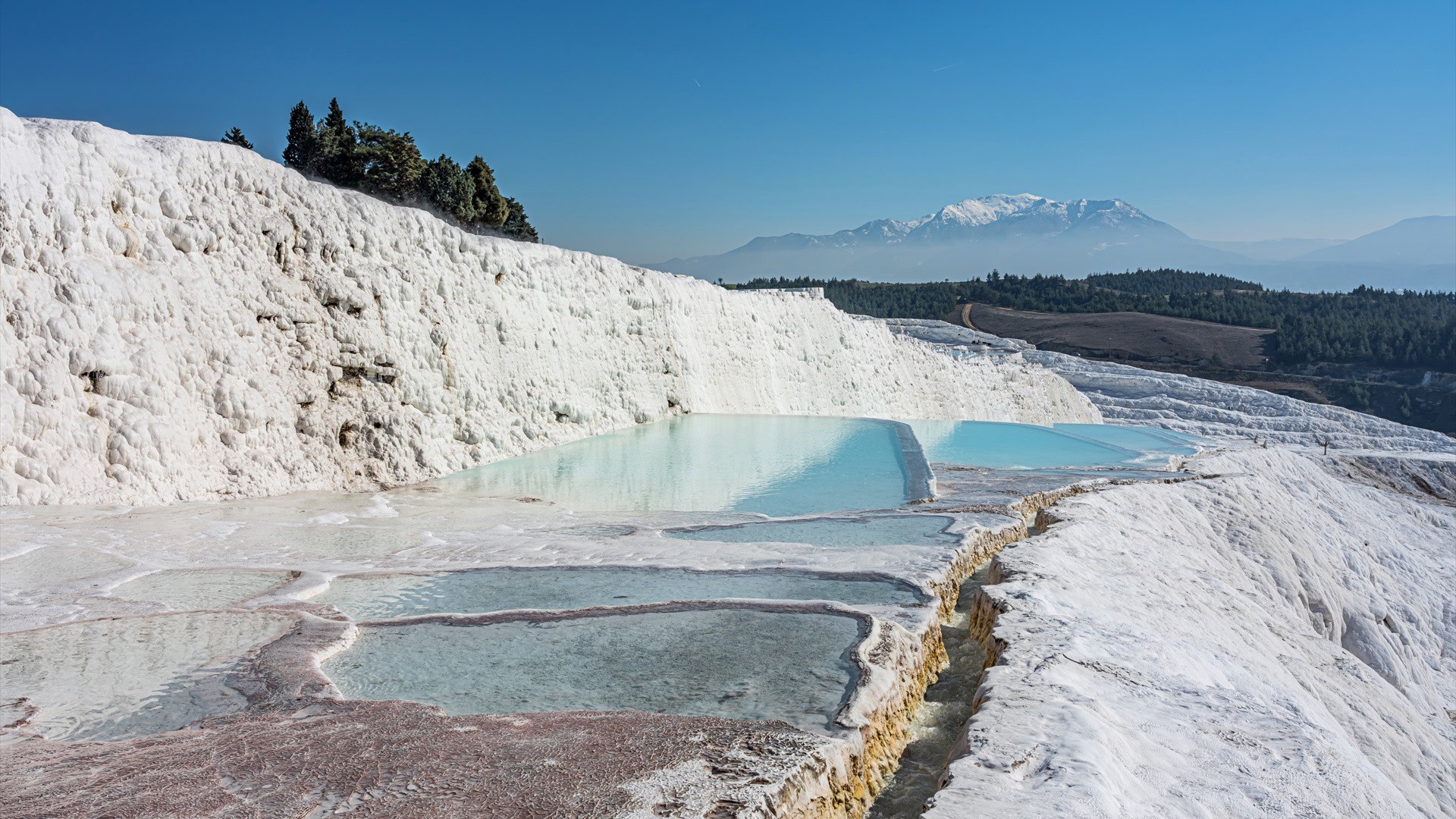
20. Pamukkale Travertine Terraces In Turkey
Meaning cotton castle in Turkish, Pamukkale features gleaming white travertine terraces formed over millennia by carbonate mineral deposits from seventeen geothermal hot springs. The luminous white cliffs and aquamarine thermal pools resemble a frozen cascade from a distant, icy world.
©Wikimedia Commons / Antoine Taveneaux
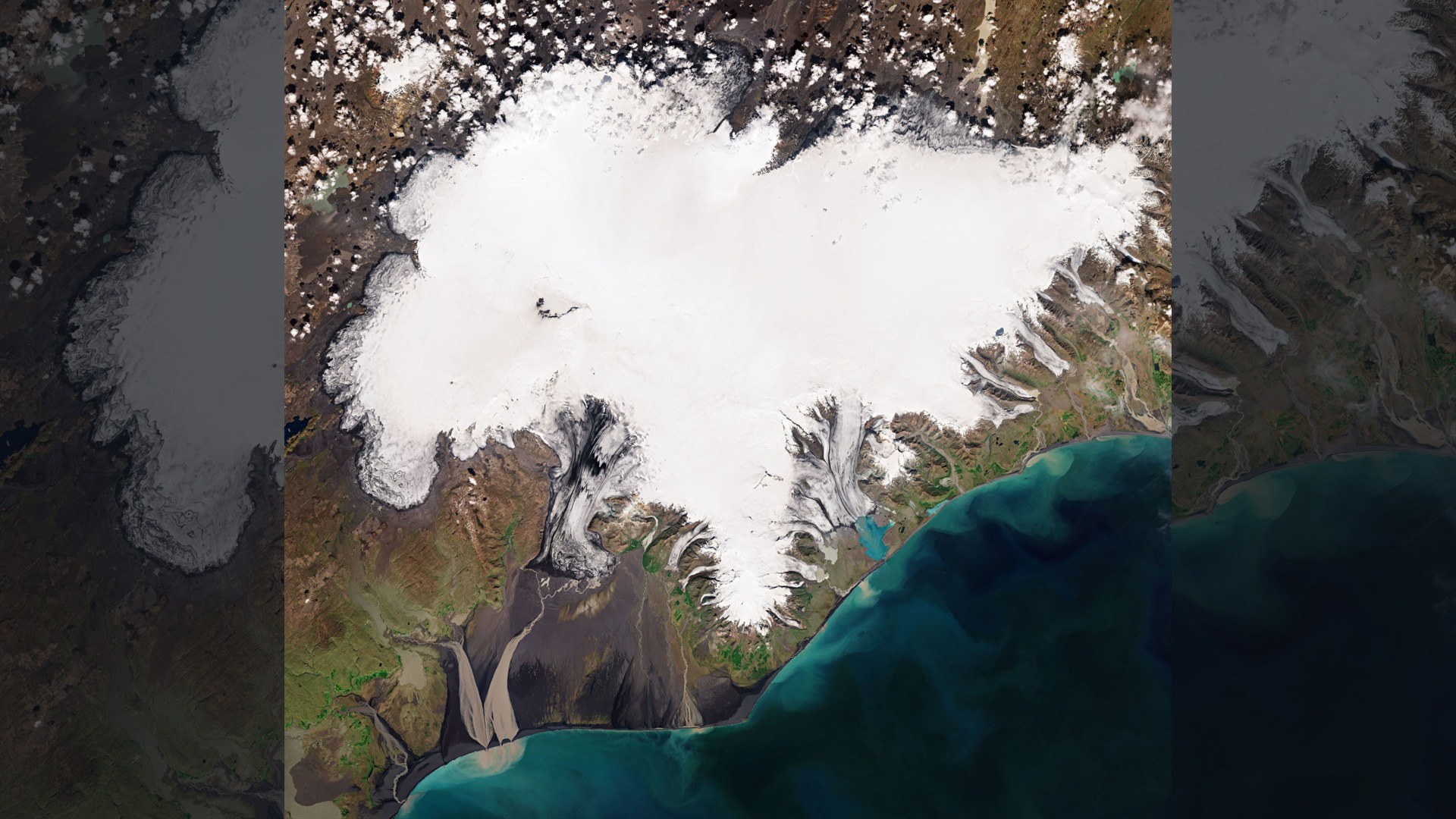
19. Skeidararsandur Volcanic Outwash In Iceland
Formed by catastrophic subglacial volcanic floods beneath the Vatnajokull ice cap, Skeidararsandur covers over one thousand square kilometers of southern Iceland. The stark black volcanic sand plain and braided silver glacial channels create an austere, monochromatic landscape mirroring barren planetary plains.
©Wikimedia Commons / Hansueli Krapf
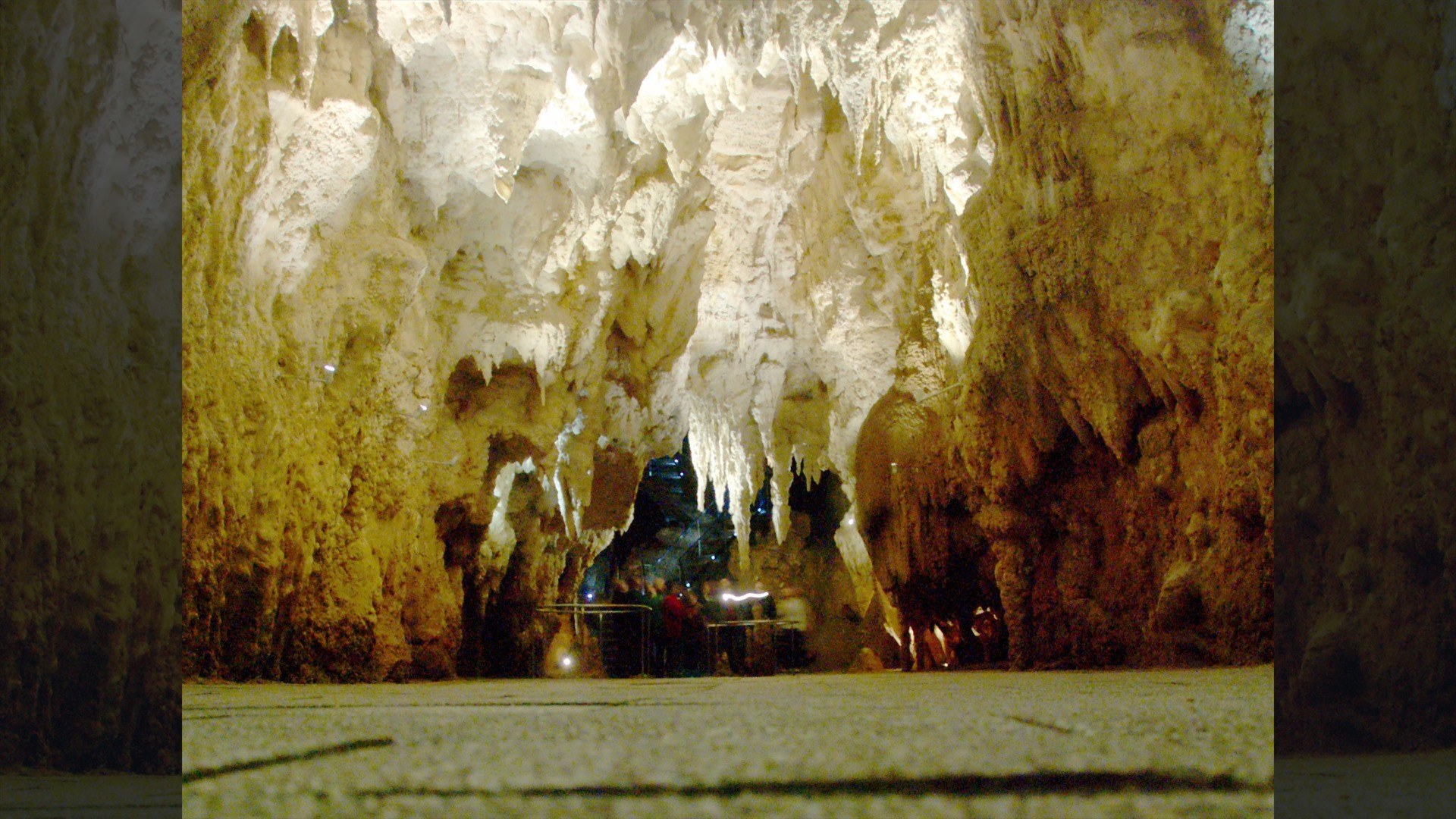
18. Waitomo Bioluminescent Glowworm Caves In New Zealand
Carved by subterranean rivers through limestone over millions of years, the Waitomo Caves are famous for the endemic insect Arachnocampa luminosa. Thousands of tiny glowworms suspend silk threads from cavern ceilings, emitting brilliant blue green light that transforms the dark chambers into a living starry sky.
©Wikimedia Commons / Donnie Ray Jones
Advertisement
Swipe or tap ▶ to resume the countdown.
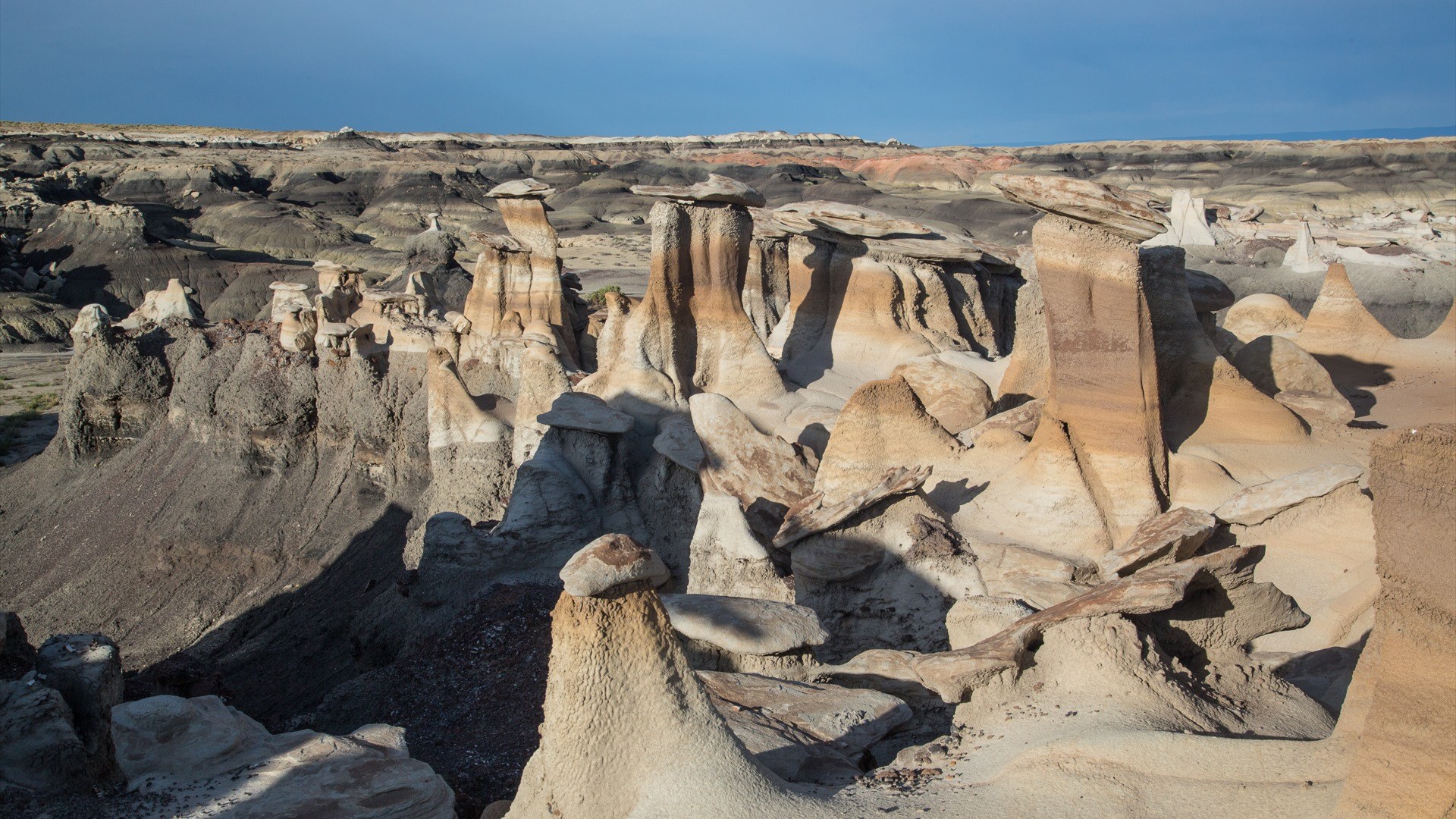
17. Bisti De-Na-Zin Badland Hoodoos In New Mexico
Eroded over seventy million years from ancient coastal delta sediments, the Bisti De-Na-Zin Wilderness in San Juan County preserves strange geologic sculptures. Wind and moisture have carved the layered shale, coal, and sandstone into stone mushrooms, eggs, and arches that look like alien ruins.
©Wikimedia Commons / BLM New Mexico
16. Grand Prismatic Spring Caldera In Wyoming
The third largest hot spring in the world, Yellowstone Grand Prismatic Spring spans over one hundred and ten meters across. The center of the spring is sterile, boiling cobalt blue water, while graded layers of thermophilic bacterial mats create stunning optical rainbows around the cooling edges.
©NPS / Jim Peaco
15. Spotted Lake Kliluk In British Columbia
Located near Osoyoos in the Okanagan Valley, Spotted Lake contains some of the highest concentrations of magnesium sulfate, calcium, and sodium on the continent. During hot summer months, water evaporates to reveal hundreds of circular mineral brine pools ringed by hardened salt pathways.
©Wikimedia Commons / Andrew Bowden
14. Cono De Arita Volcanic Cone In Argentina
Rising one hundred and twenty meters above the vast salt crust of Salar de Arizaro in northern Argentina, Cono de Arita appears almost artificially engineered. The dark volcanic cone was formed by a small basalt vent that never produced enough magma to blow its top, creating an eerie natural pyramid.
©Wikimedia Commons / Christian Ostrosky
Advertisement
Swipe or tap ▶ to resume the countdown.
13. Lake Natron Soda Lake In Tanzania
Fed by mineral hot springs in the East African Rift, Lake Natron experiences water temperatures reaching sixty degrees Celsius and alkaline pH levels higher than ten. Halophilic microorganisms thrive in the caustic soda brine, tinting the lake open waters vivid shades of blood red and deep orange.
©Wikimedia Commons / Colin Crowley
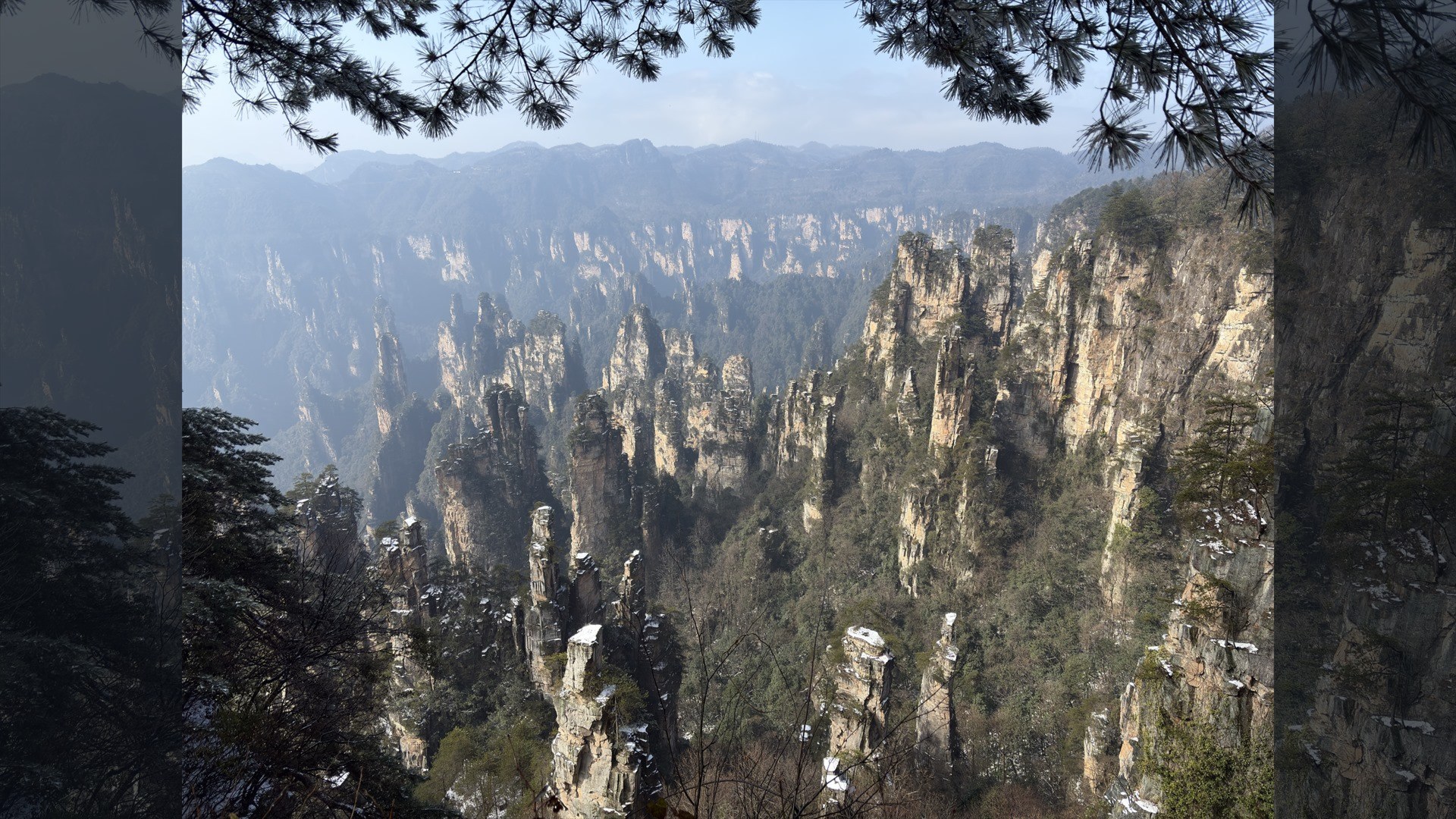
12. Zhangjiajie Karst Sandstone Pillars In China
In Hunan Province, the Wulingyuan Scenic Area contains over three thousand quartzite sandstone columns and pinnacles reaching hundreds of meters into the sky. Formed by millions of years of physical weathering and tree root expansion, these precipitous pillars famously inspired sci-fi landscapes.
©Wikimedia Commons / chensiyuan
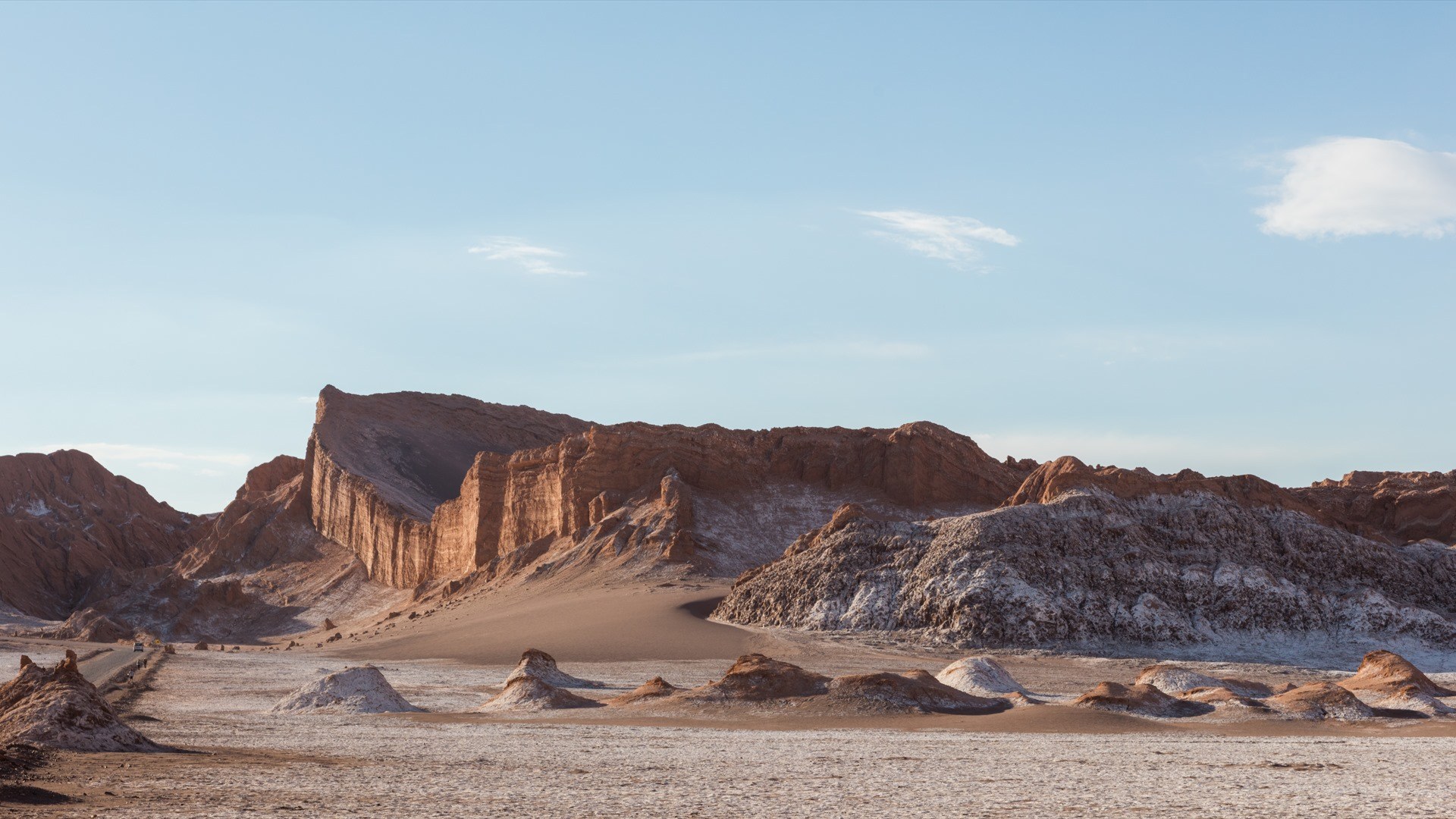
11. Valle De La Luna In Chile
Situated in the heart of the Atacama Desert, the Valley of the Moon was sculpted by centuries of relentless wind and torrential flash floods. The stark ridges, petrified salt outcroppings, and total absence of plant life provide a desolate landscape remarkably similar to the terrain of Mars.
©Wikimedia Commons / Luca Galuzzi
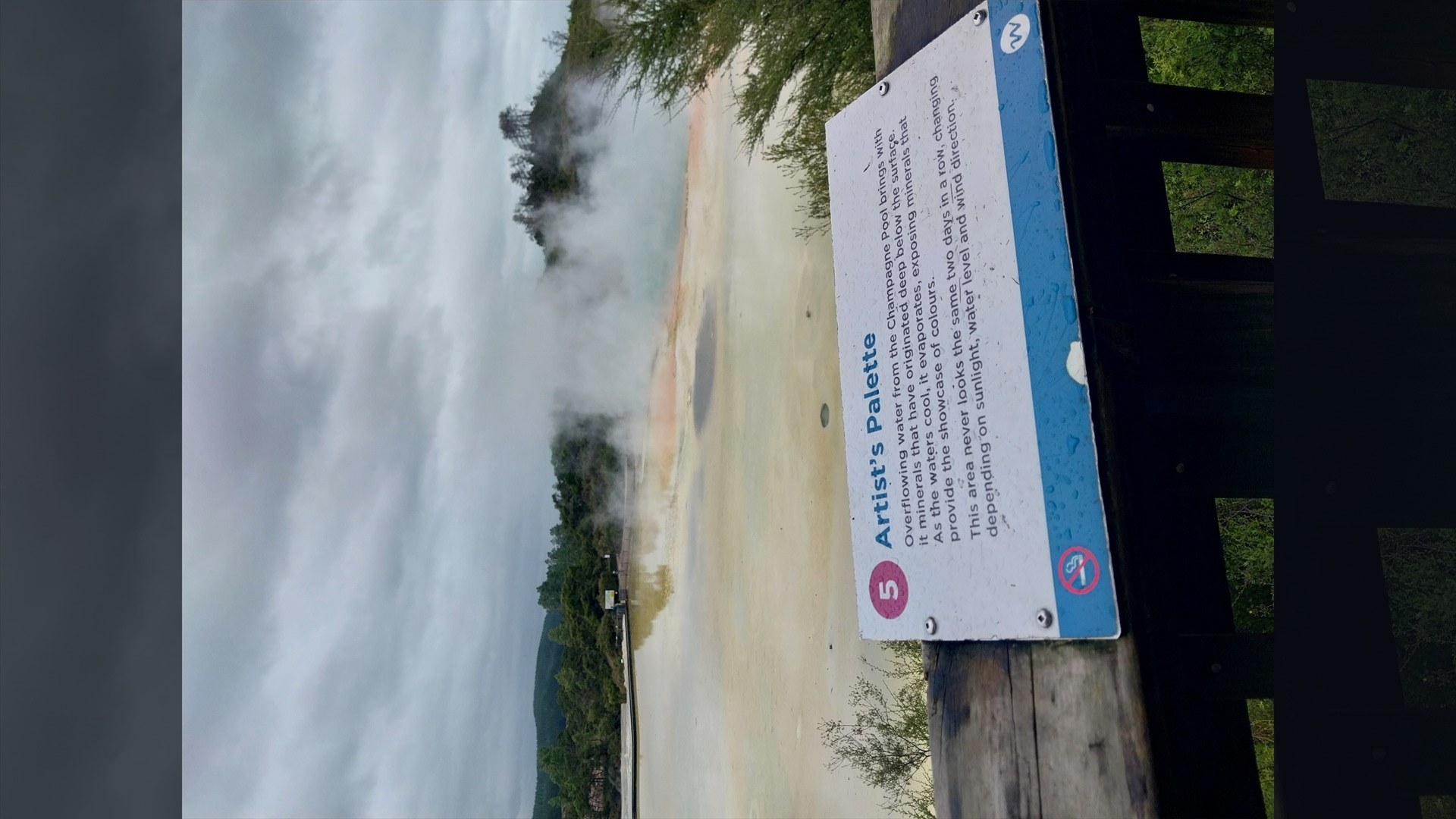
10. Champagne Pool Geothermal Crater In New Zealand
Formed nine hundred years ago by a hydrothermal eruption, the Champagne Pool at Wai-O-Tapu spans sixty-five meters across. A constant stream of carbon dioxide bubbles rises to the surface like effervescent wine, depositing thick crusts of gold and orange antimony and arsenic sulfides along its margins.
©Wikimedia Commons / Chmehl
Advertisement
Swipe or tap ▶ to resume the countdown.
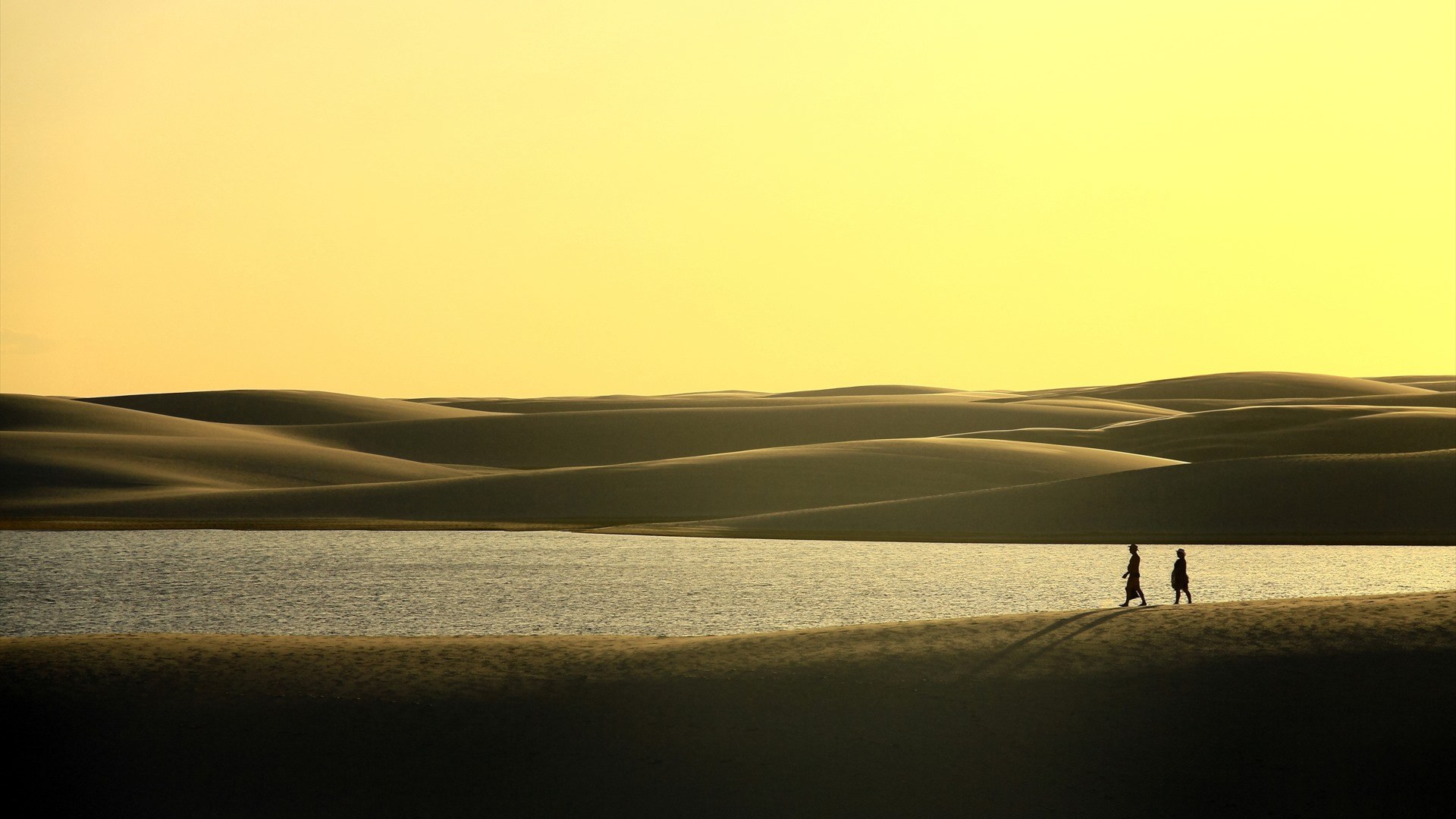
9. Lencois Maranhenses Sand Dunes In Brazil
Stretching along Brazil northern coastline, Lencois Maranhenses resembles a vast desert at first glance. However, annual equatorial rains become trapped by impermeable rock layers between the towering white dunes, creating a breathtaking landscape of pristine freshwater lagoons under tropical sun.
©Wikimedia Commons / Julius Dadalti
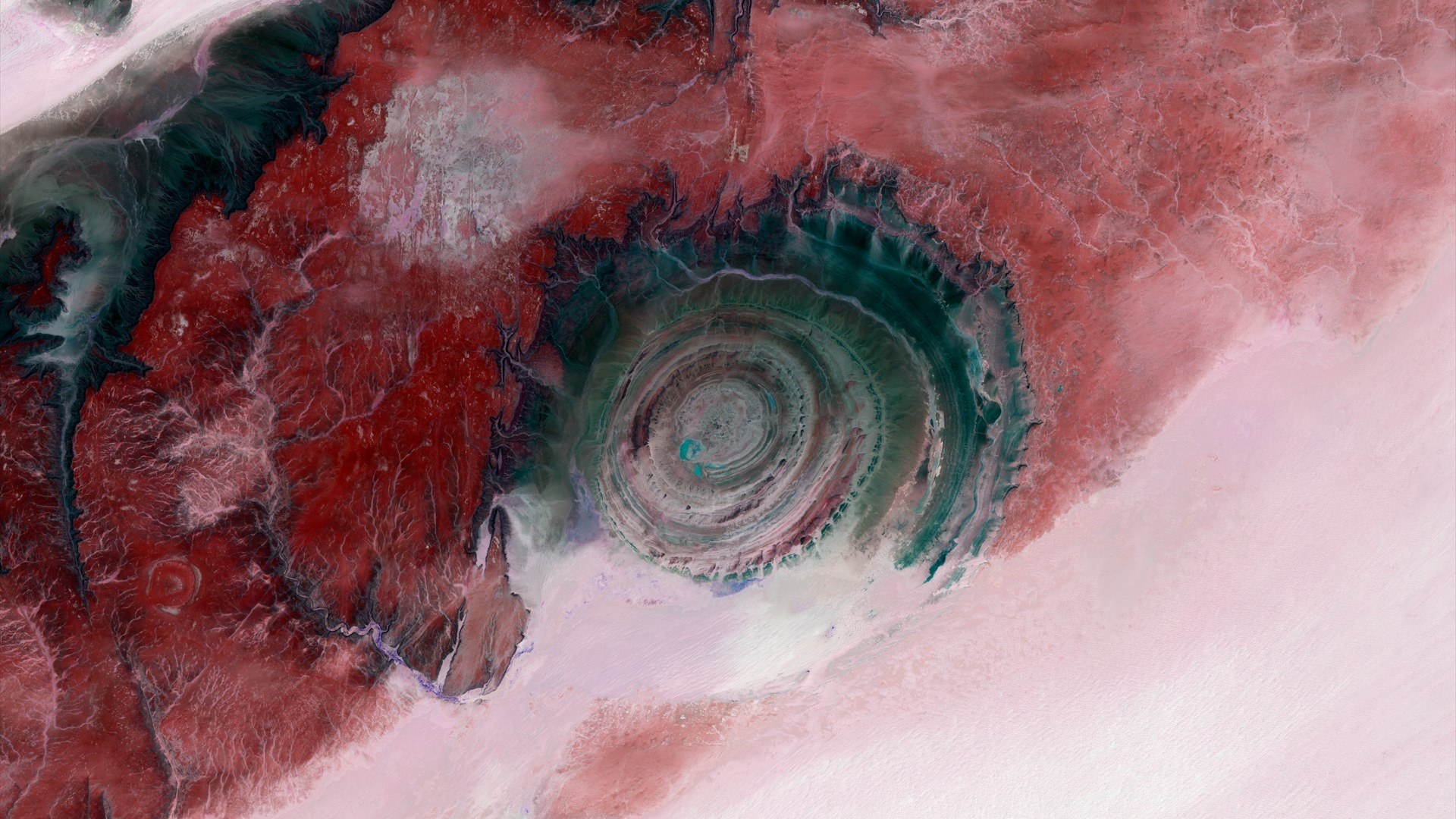
8. Richat Structure Eye Of The Sahara In Mauritania
Spanning forty kilometers across the desert plains of central Mauritania, the Richat Structure forms an immense series of concentric rings resembling a planetary impact basin. Geologists believe the formation was sculpted by deep volcanic magma uplift followed by millions of years of differential erosion.
©NASA / JPL and Jesse Allen
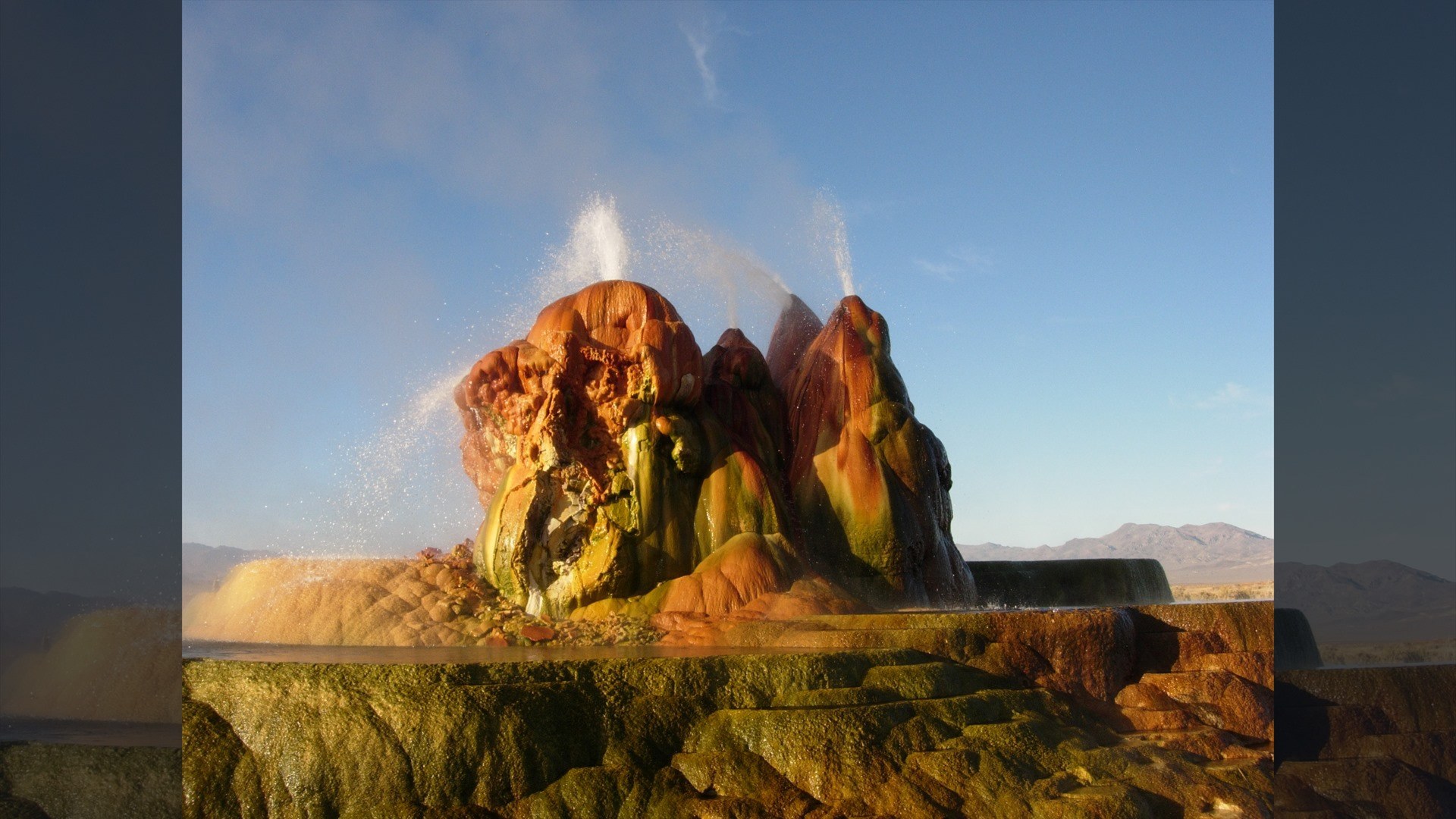
7. Fly Geyser Travertine Mound In Nevada
Accidentally created in 1964 during test drilling for geothermal energy, Fly Geyser has spent decades building massive travertine terraces. Thermophilic algae coat the calcium carbonate terraces in glowing hues of emerald green, ochre yellow, and deep scarlet beneath plumes of boiling spray.
©Wikimedia Commons / Jeremy C. Munns
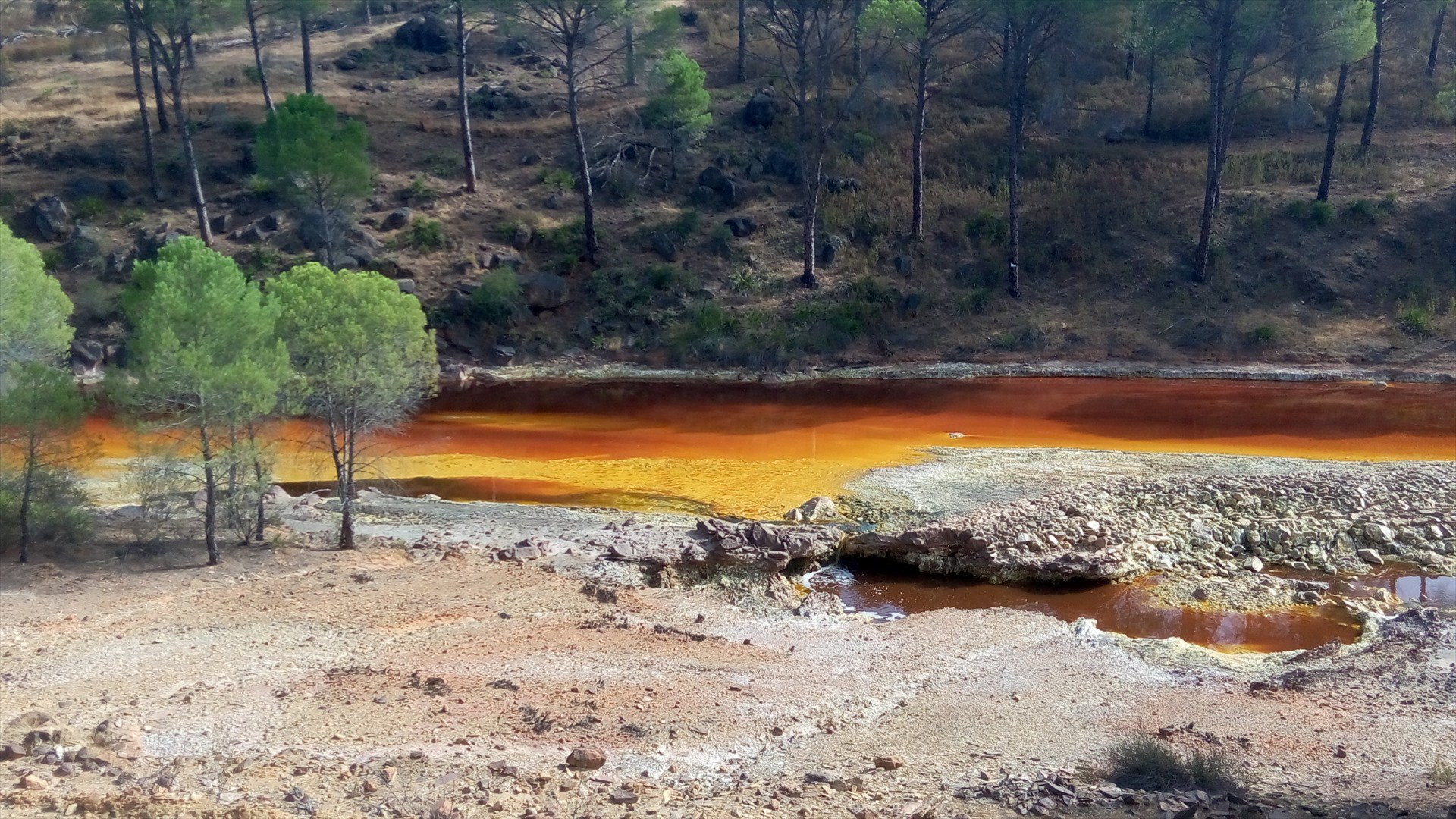
6. Rio Tinto Red River In Spain
Carving through the Sierra Morena mountains in Andalusia, the Rio Tinto flows with deep crimson and orange waters produced by iron and sulfide minerals. Because the extreme acidity and chemolithotrophic microorganisms mimic conditions on ancient Mars, astrobiologists use the river as a planetary testbed.
©Wikimedia Commons / Lucag
Advertisement
Swipe or tap ▶ to resume the countdown.
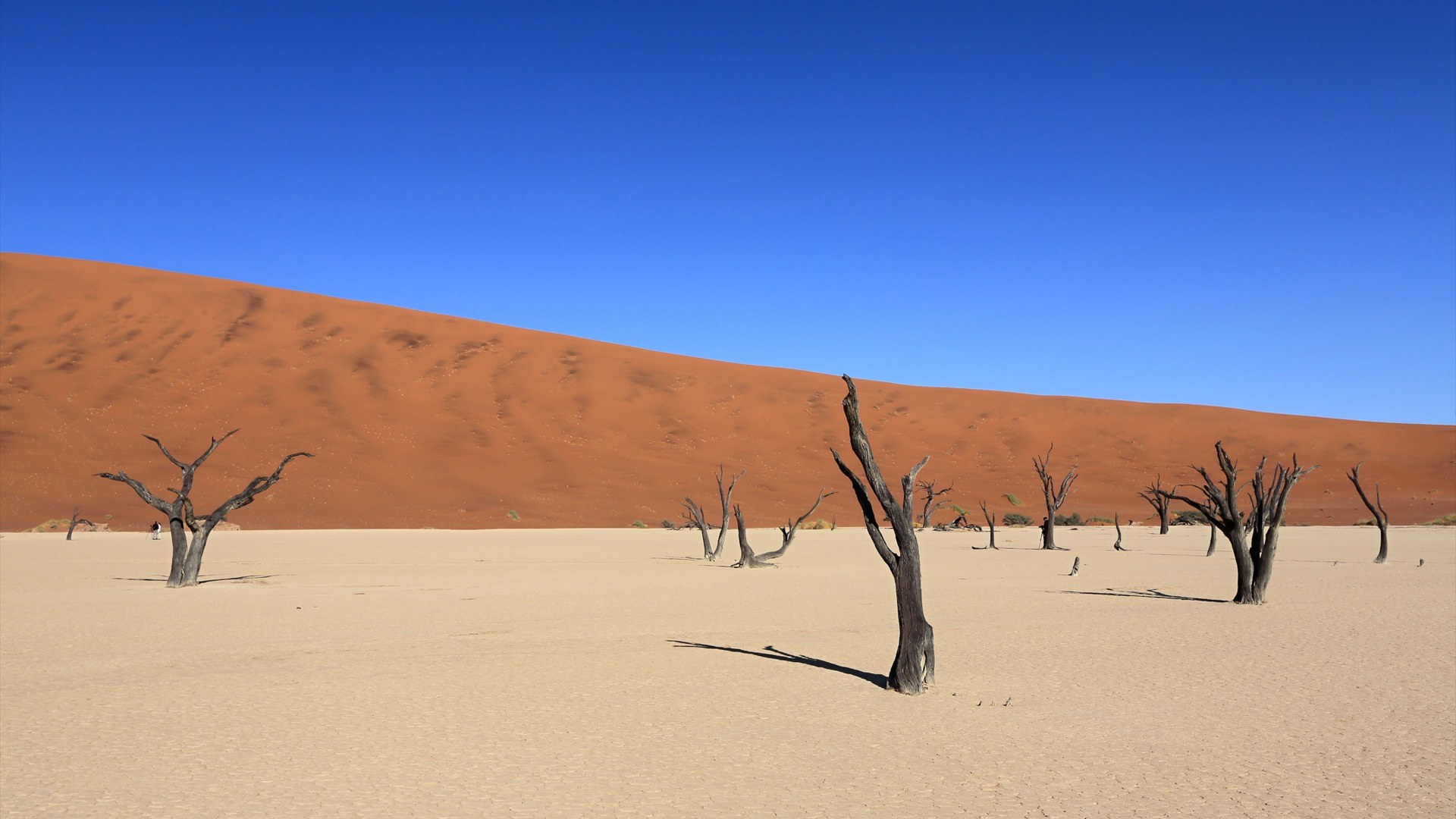
5. Deadvlei Acacia Clay Pan In Namibia
Hidden deep inside the Namib-Naukluft Park, Deadvlei is a stark bleached white clay pan surrounded by some of the highest sand dunes in the world. When desert dunes shifted and cut off a river nine centuries ago, the dead camelthorn trees baked in the sun and petrified into eerie natural statues.
©Wikimedia Commons / Luca Galuzzi
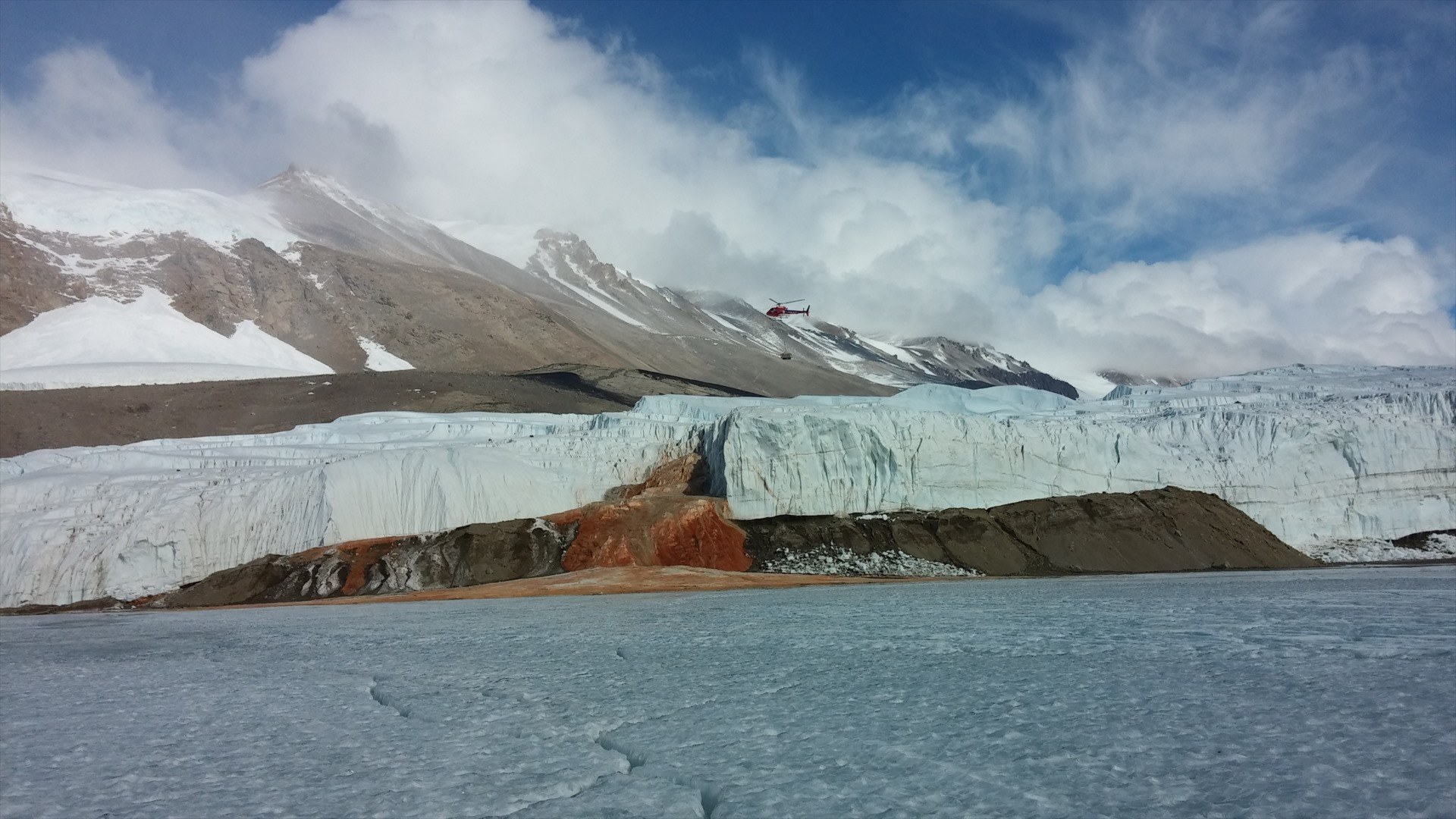
4. Blood Falls On Taylor Glacier In Antarctica
Flowing from the tongue of Taylor Glacier in East Antarctica, Blood Falls releases hyper-saline subglacial water that has been sealed away from light and oxygen for two million years. Upon contact with the polar atmosphere, iron in the brine oxidizes, turning the cascades a surreal crimson red.
©Wikimedia Commons / Peter Rejcek
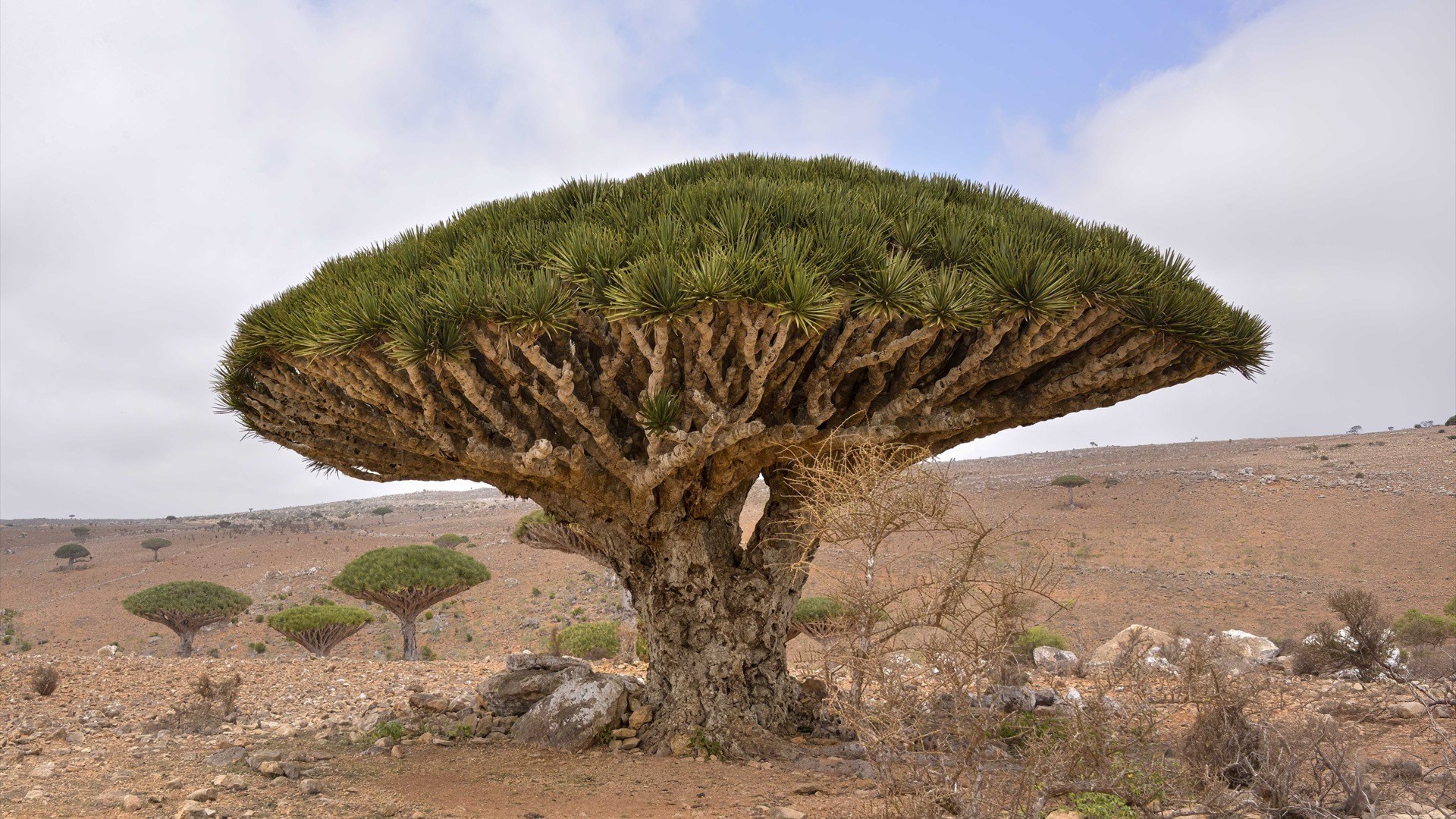
3. Socotra Island Dragon Blood Forest In Yemen
Separated from continental Africa for over eighteen million years, the remote island of Socotra developed an extraordinary endemic flora. Its iconic dragon blood trees resemble upturned green flying saucers designed to capture morning ocean mists, creating an uncanny extraterrestrial forest skyline.
©Wikimedia Commons / Rod Waddington
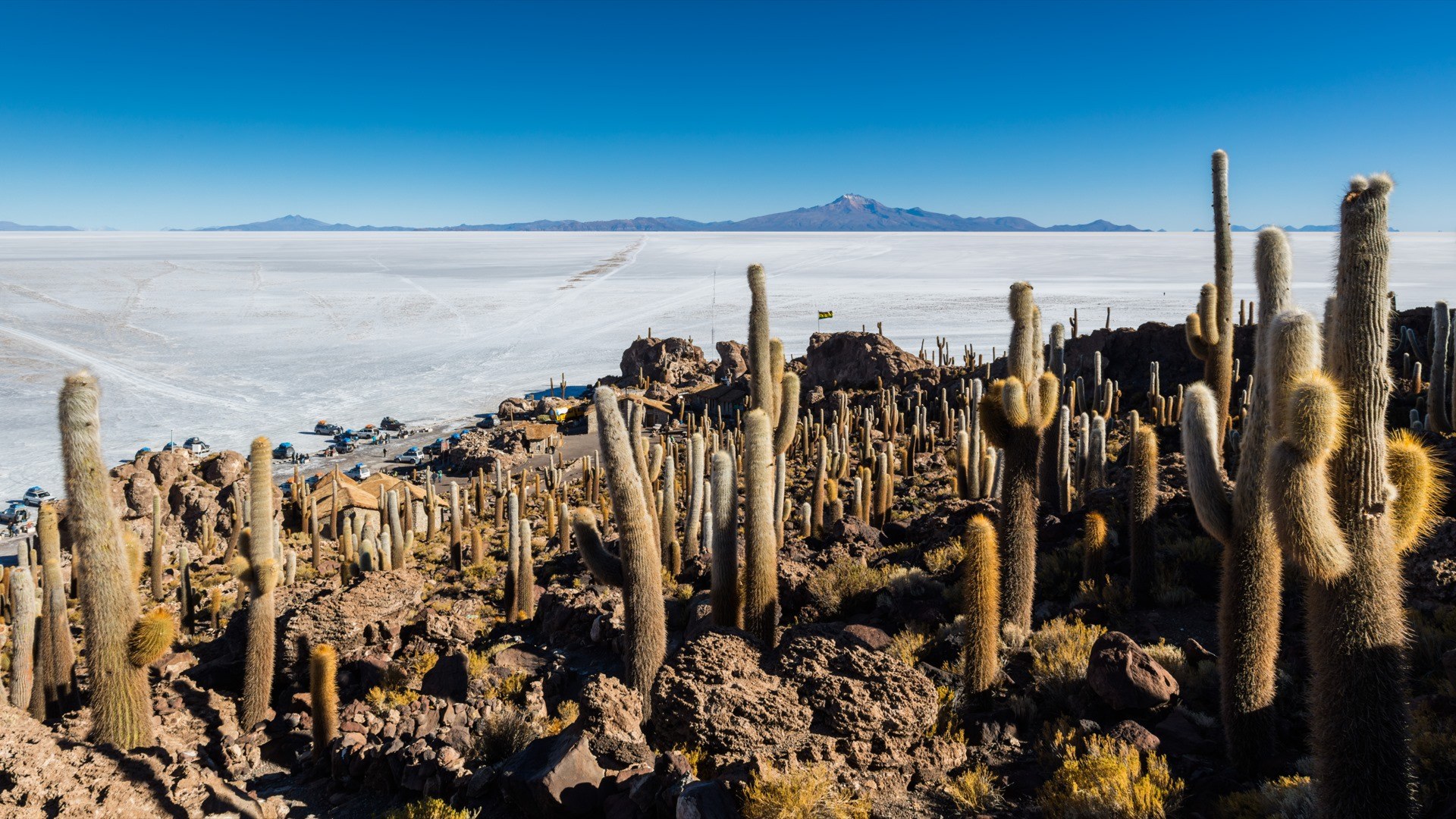
2. Salar De Uyuni Salt Flats In Bolivia
Perched on the high Andean plateau at thirty-six hundred meters elevation, Salar de Uyuni is the world largest salt flat. In dry months, the crust forms striking geometric polygons, while a thin sheen of rain transforms the basin into a continuous mirror where horizon and sky blur into infinity.
©Wikimedia Commons / Luca Galuzzi
Advertisement
Swipe or tap ▶ to resume the countdown.
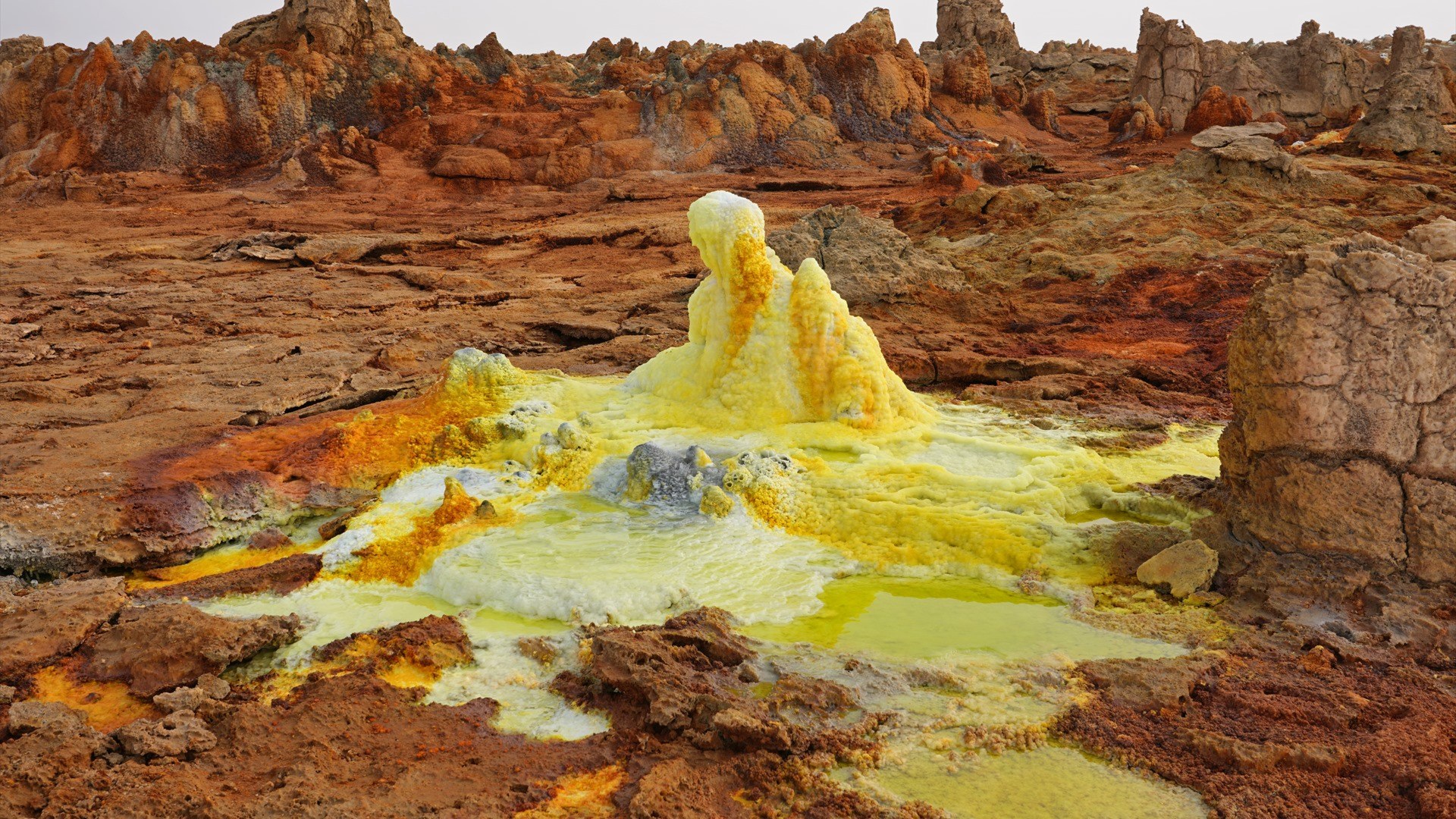
1. Dallol Hydrothermal Field In Ethiopia
Located in the Danakil Depression over one hundred meters below sea level, Dallol is one of the hottest places on Earth. Magma heated brine dissolves subterranean salt beds, bubbling through acidic springs and leaving incandescent deposits of yellow sulfur, green iron salts, and mineral crusts.

©Wikimedia Commons / A.Savin
Advertisement
You've reached the end of the story. Thanks for reading!

25 Groundbreaking American Inventions and Achievements Ranked
From Kitty Hawk and the Apollo 11 lunar landing to the transistor and the internet, American inventors and scientists have transformed global civilization. Sourced from the Smithsonian Institution, NASA archives, and the Library of Congress, here are twenty-five groundbreaking American milestones ranked.
All 20 Entries in this Story
20. Pamukkale Travertine Terraces In Turkey
Meaning cotton castle in Turkish, Pamukkale features gleaming white travertine terraces formed over millennia by carbonate mineral deposits from seventeen geothermal hot springs. The luminous white cliffs and aquamarine thermal pools resemble a frozen cascade from a distant, icy world.

19. Skeidararsandur Volcanic Outwash In Iceland
Formed by catastrophic subglacial volcanic floods beneath the Vatnajokull ice cap, Skeidararsandur covers over one thousand square kilometers of southern Iceland. The stark black volcanic sand plain and braided silver glacial channels create an austere, monochromatic landscape mirroring barren planetary plains.

18. Waitomo Bioluminescent Glowworm Caves In New Zealand
Carved by subterranean rivers through limestone over millions of years, the Waitomo Caves are famous for the endemic insect Arachnocampa luminosa. Thousands of tiny glowworms suspend silk threads from cavern ceilings, emitting brilliant blue green light that transforms the dark chambers into a living starry sky.

17. Bisti De-Na-Zin Badland Hoodoos In New Mexico
Eroded over seventy million years from ancient coastal delta sediments, the Bisti De-Na-Zin Wilderness in San Juan County preserves strange geologic sculptures. Wind and moisture have carved the layered shale, coal, and sandstone into stone mushrooms, eggs, and arches that look like alien ruins.

16. Grand Prismatic Spring Caldera In Wyoming
The third largest hot spring in the world, Yellowstone Grand Prismatic Spring spans over one hundred and ten meters across. The center of the spring is sterile, boiling cobalt blue water, while graded layers of thermophilic bacterial mats create stunning optical rainbows around the cooling edges.

15. Spotted Lake Kliluk In British Columbia
Located near Osoyoos in the Okanagan Valley, Spotted Lake contains some of the highest concentrations of magnesium sulfate, calcium, and sodium on the continent. During hot summer months, water evaporates to reveal hundreds of circular mineral brine pools ringed by hardened salt pathways.

14. Cono De Arita Volcanic Cone In Argentina
Rising one hundred and twenty meters above the vast salt crust of Salar de Arizaro in northern Argentina, Cono de Arita appears almost artificially engineered. The dark volcanic cone was formed by a small basalt vent that never produced enough magma to blow its top, creating an eerie natural pyramid.

13. Lake Natron Soda Lake In Tanzania
Fed by mineral hot springs in the East African Rift, Lake Natron experiences water temperatures reaching sixty degrees Celsius and alkaline pH levels higher than ten. Halophilic microorganisms thrive in the caustic soda brine, tinting the lake open waters vivid shades of blood red and deep orange.

12. Zhangjiajie Karst Sandstone Pillars In China
In Hunan Province, the Wulingyuan Scenic Area contains over three thousand quartzite sandstone columns and pinnacles reaching hundreds of meters into the sky. Formed by millions of years of physical weathering and tree root expansion, these precipitous pillars famously inspired sci-fi landscapes.

11. Valle De La Luna In Chile
Situated in the heart of the Atacama Desert, the Valley of the Moon was sculpted by centuries of relentless wind and torrential flash floods. The stark ridges, petrified salt outcroppings, and total absence of plant life provide a desolate landscape remarkably similar to the terrain of Mars.

10. Champagne Pool Geothermal Crater In New Zealand
Formed nine hundred years ago by a hydrothermal eruption, the Champagne Pool at Wai-O-Tapu spans sixty-five meters across. A constant stream of carbon dioxide bubbles rises to the surface like effervescent wine, depositing thick crusts of gold and orange antimony and arsenic sulfides along its margins.

9. Lencois Maranhenses Sand Dunes In Brazil
Stretching along Brazil northern coastline, Lencois Maranhenses resembles a vast desert at first glance. However, annual equatorial rains become trapped by impermeable rock layers between the towering white dunes, creating a breathtaking landscape of pristine freshwater lagoons under tropical sun.

8. Richat Structure Eye Of The Sahara In Mauritania
Spanning forty kilometers across the desert plains of central Mauritania, the Richat Structure forms an immense series of concentric rings resembling a planetary impact basin. Geologists believe the formation was sculpted by deep volcanic magma uplift followed by millions of years of differential erosion.

7. Fly Geyser Travertine Mound In Nevada
Accidentally created in 1964 during test drilling for geothermal energy, Fly Geyser has spent decades building massive travertine terraces. Thermophilic algae coat the calcium carbonate terraces in glowing hues of emerald green, ochre yellow, and deep scarlet beneath plumes of boiling spray.

6. Rio Tinto Red River In Spain
Carving through the Sierra Morena mountains in Andalusia, the Rio Tinto flows with deep crimson and orange waters produced by iron and sulfide minerals. Because the extreme acidity and chemolithotrophic microorganisms mimic conditions on ancient Mars, astrobiologists use the river as a planetary testbed.

5. Deadvlei Acacia Clay Pan In Namibia
Hidden deep inside the Namib-Naukluft Park, Deadvlei is a stark bleached white clay pan surrounded by some of the highest sand dunes in the world. When desert dunes shifted and cut off a river nine centuries ago, the dead camelthorn trees baked in the sun and petrified into eerie natural statues.

4. Blood Falls On Taylor Glacier In Antarctica
Flowing from the tongue of Taylor Glacier in East Antarctica, Blood Falls releases hyper-saline subglacial water that has been sealed away from light and oxygen for two million years. Upon contact with the polar atmosphere, iron in the brine oxidizes, turning the cascades a surreal crimson red.

3. Socotra Island Dragon Blood Forest In Yemen
Separated from continental Africa for over eighteen million years, the remote island of Socotra developed an extraordinary endemic flora. Its iconic dragon blood trees resemble upturned green flying saucers designed to capture morning ocean mists, creating an uncanny extraterrestrial forest skyline.

2. Salar De Uyuni Salt Flats In Bolivia
Perched on the high Andean plateau at thirty-six hundred meters elevation, Salar de Uyuni is the world largest salt flat. In dry months, the crust forms striking geometric polygons, while a thin sheen of rain transforms the basin into a continuous mirror where horizon and sky blur into infinity.

1. Dallol Hydrothermal Field In Ethiopia
Located in the Danakil Depression over one hundred meters below sea level, Dallol is one of the hottest places on Earth. Magma heated brine dissolves subterranean salt beds, bubbling through acidic springs and leaving incandescent deposits of yellow sulfur, green iron salts, and mineral crusts.