Slideshow · Animals
20 Signs Your Dog Truly Loves You
From gentle eye contact to joyful tail wags, here is how dogs show love.
By Most Viral Today
6 Nov 2026

Every Clear Sign Your Dog Loves You Ranked by Canine Behaviorists 
20. Bringing You Their Favorite Toys 
19. Checking On You Across Rooms 
18. Sleeping In Your Bed Or Bedroom - AdvertisementSwipe or tap ▶ to continue countdown

17. Leaning Their Full Weight On You 
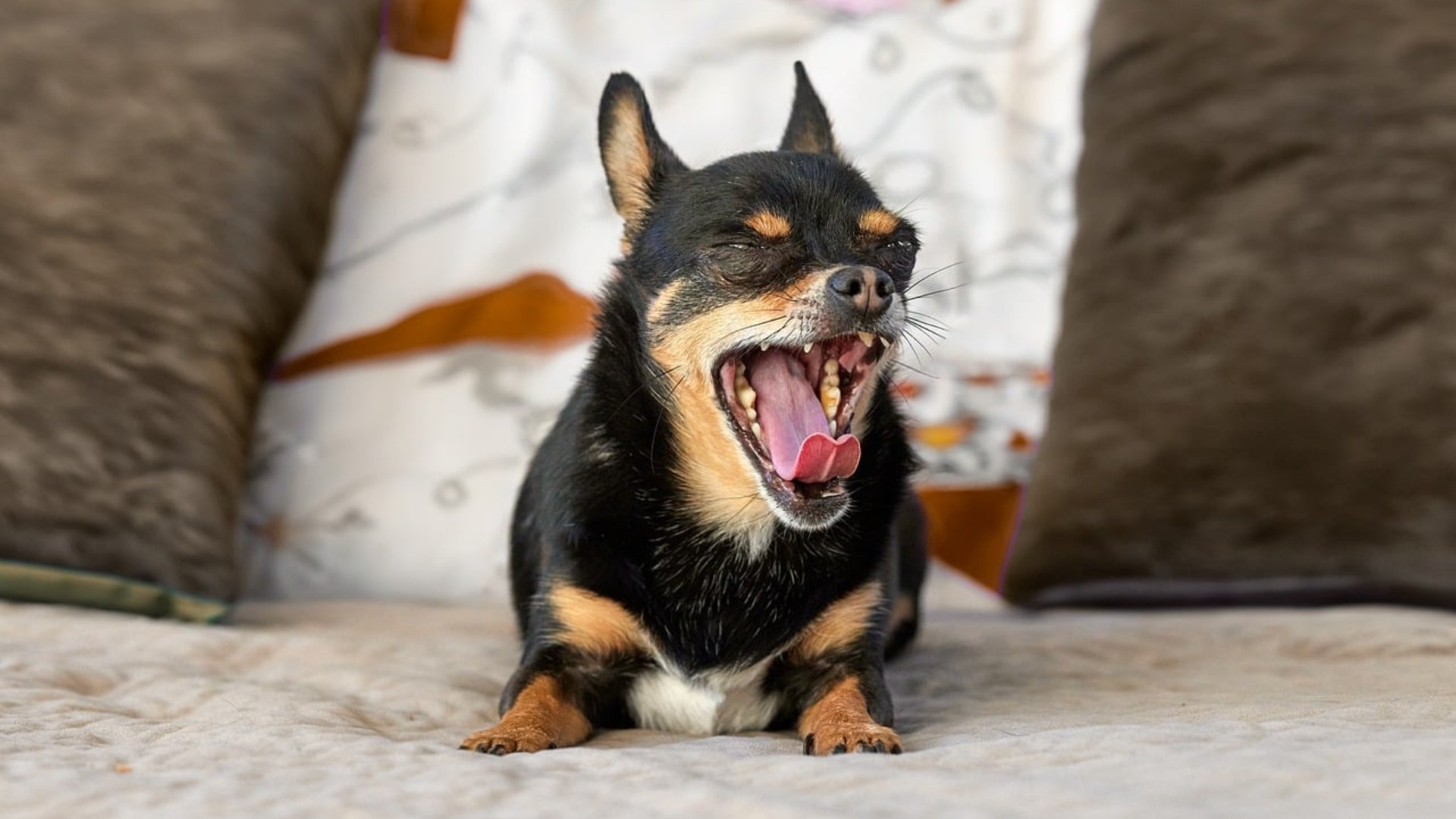
16. Yawning When You Yawn 
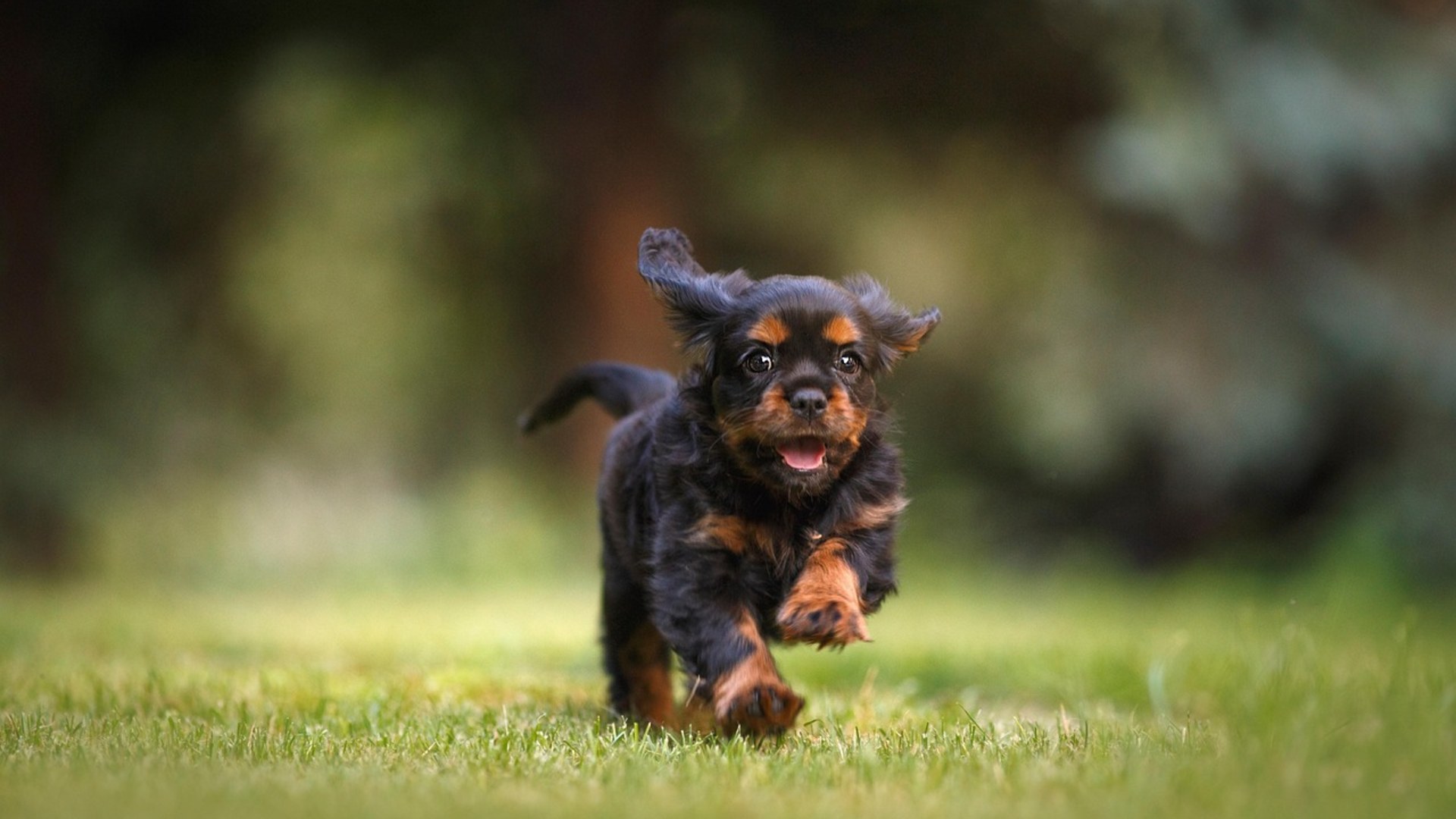
15. Joyful, Calm Greetings At The Door 
14. Sighing Contentedly Beside You - AdvertisementSwipe or tap ▶ to continue countdown

13. Carrying Or Snuggling Your Clothes 
12. Forgiving Accidental Bumps Instantly 
11. Raising Their Left Eyebrow 
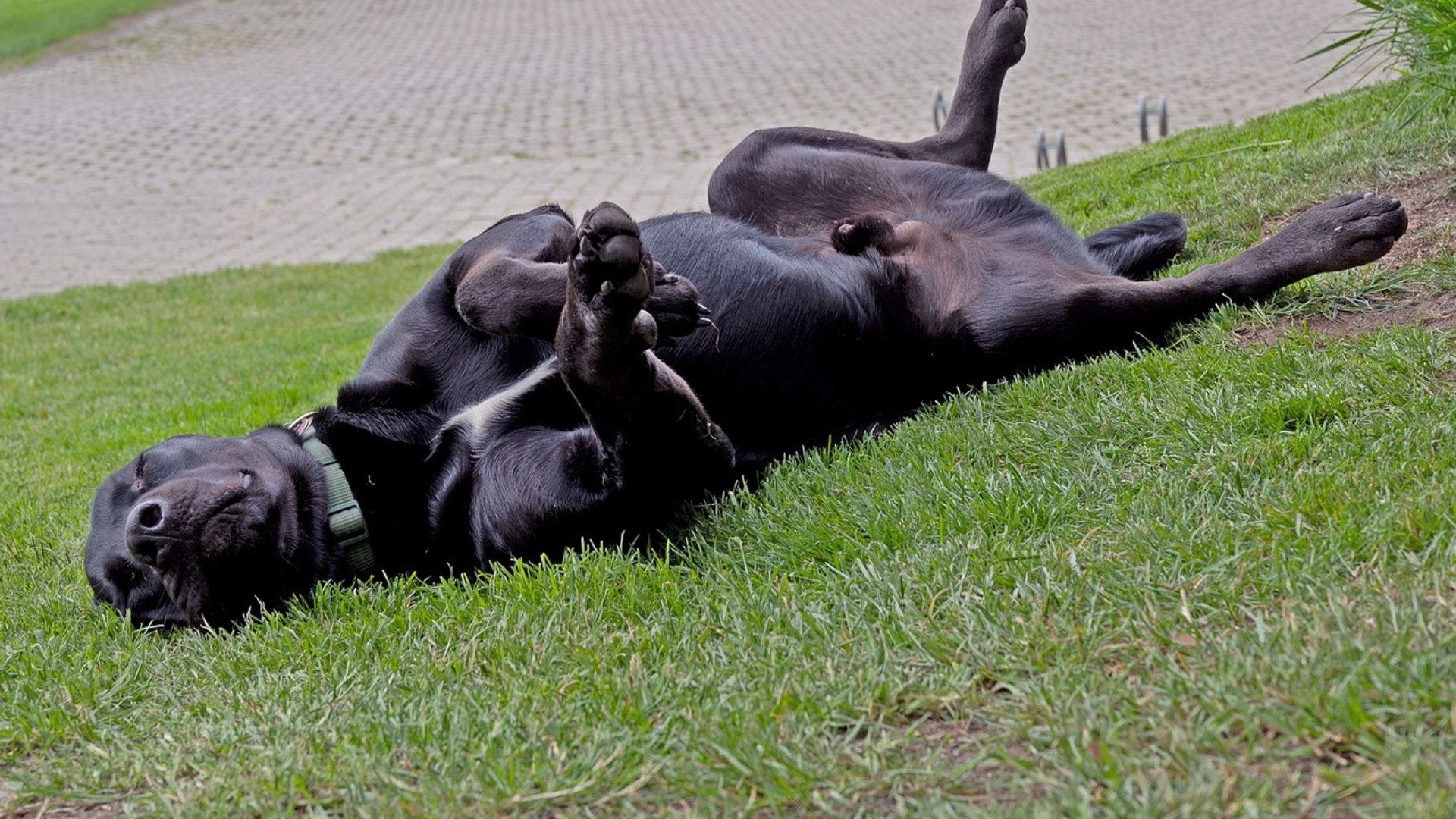
10. Exposing Their Belly Freely - AdvertisementSwipe or tap ▶ to continue countdown

9. Giving Gentle Kisses And Licks 
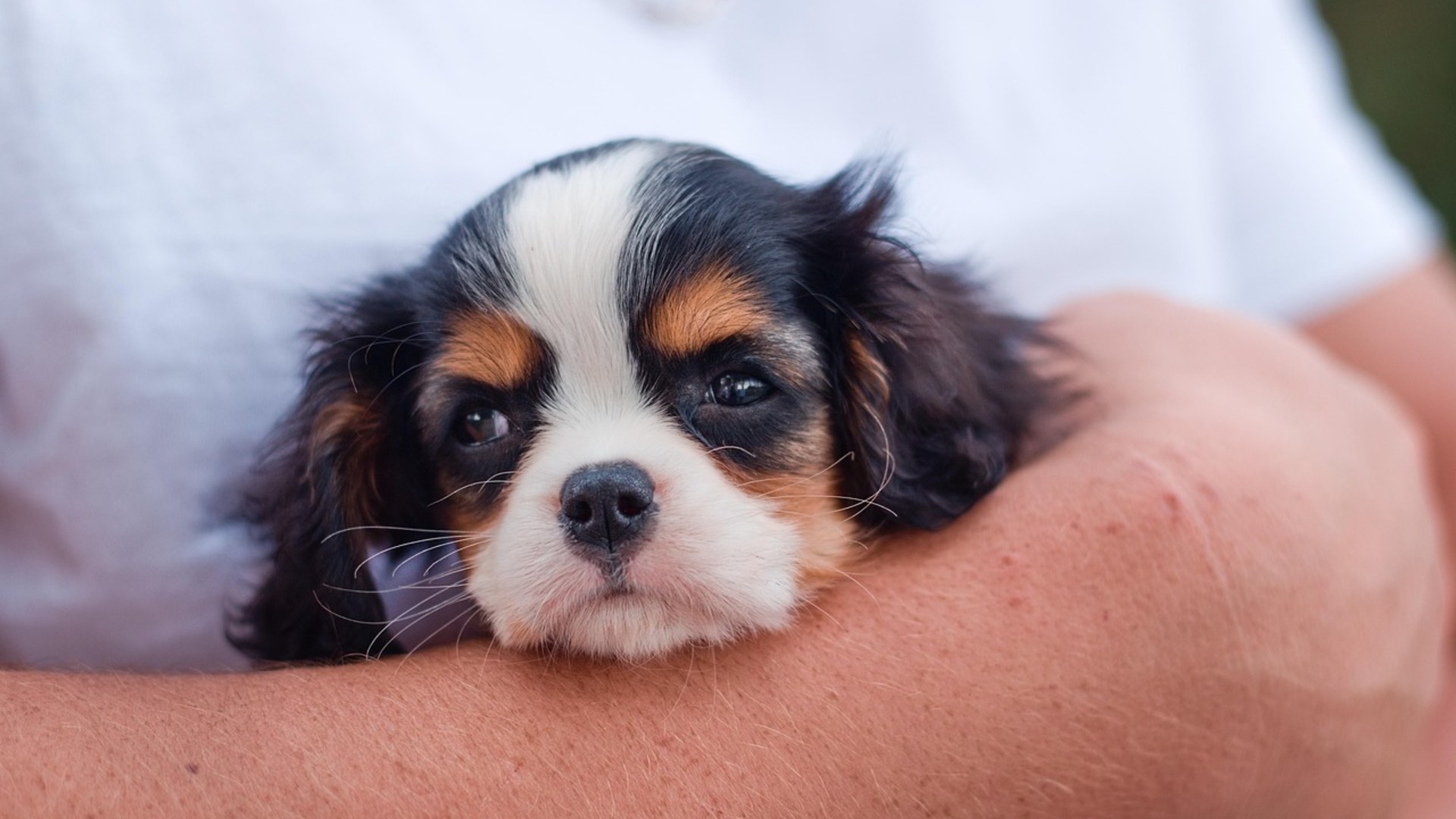
8. Resting Their Head On Your Lap 
7. Following You Like A Shadow 
6. Comforting You When You Are Sad - AdvertisementSwipe or tap ▶ to continue countdown

5. Sitting Right On Your Feet 
4. Wagging Their Tail To The Right 
3. Seeking Cuddles Right After Eating 
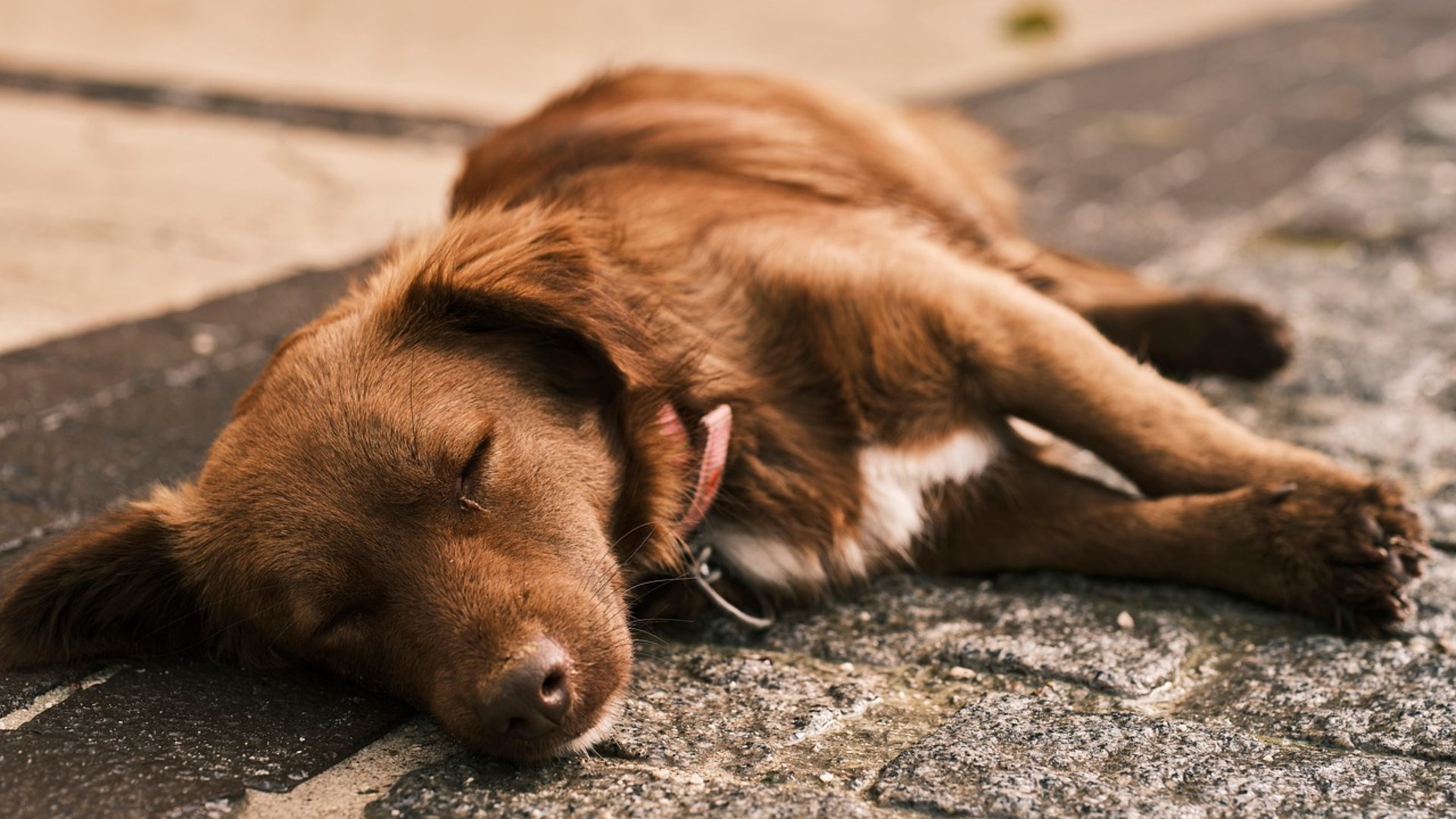
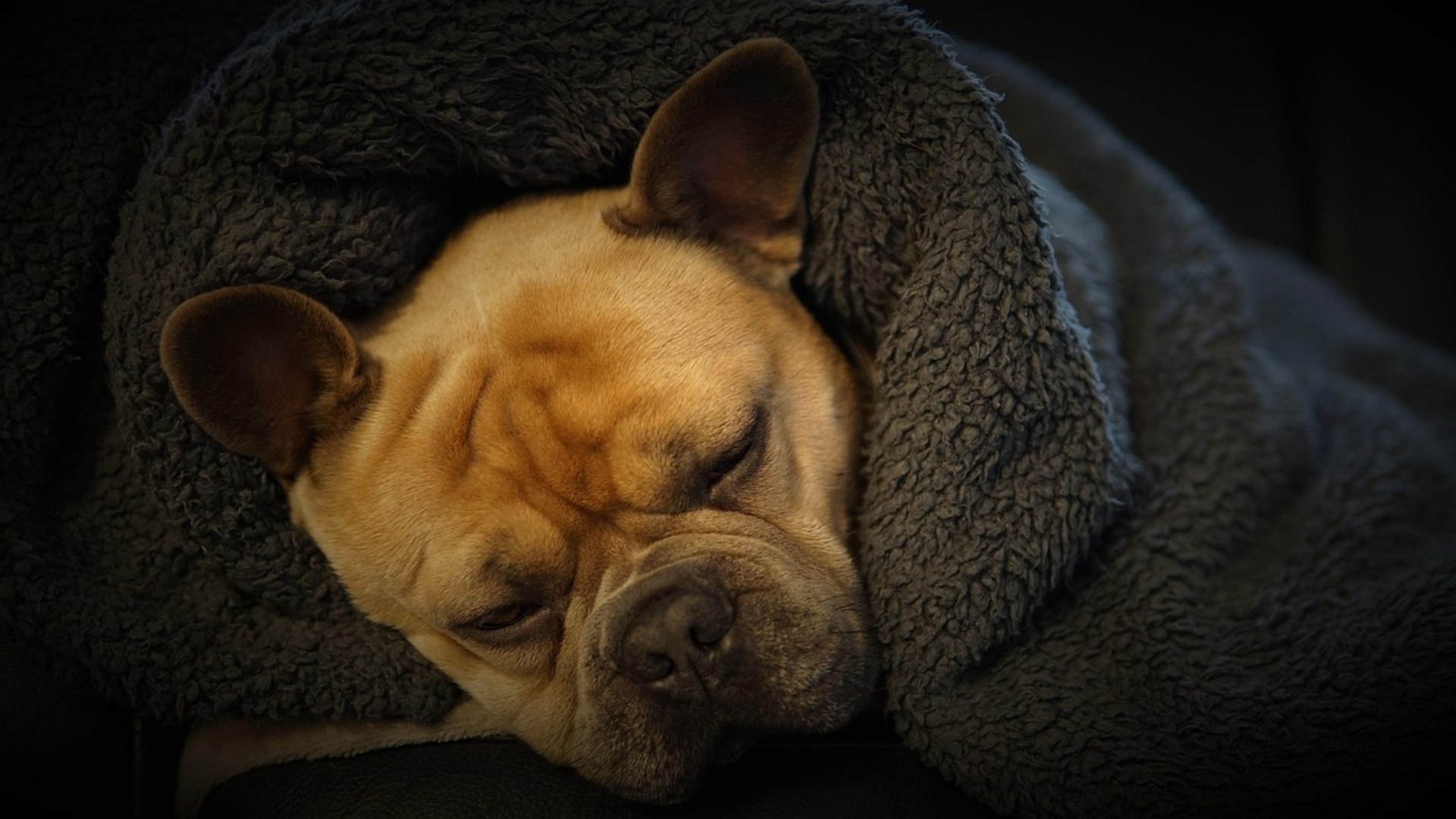
2. Sleeping Soundly In Pure Relaxation - AdvertisementSwipe or tap ▶ to continue countdown

1. Making Gentle, Loving Eye Contact - Advertisement🔥 UP NEXT IN THIS SERIES◫ 26 Slides

25 Animals That May Detect Fear Through Scent and Body Language
From specialized olfactory receptors to airborne alarm pheromones, numerous species possess the extraordinary ability to detect chemical distress signals. Based on research from Live Science, National Geographic, and peer-reviewed biology journals, here are twenty-five animals that can smell and sense fear.
Canine communication relies on subtle body language, shared habits, and emotional bonding. While dogs cannot speak our language, their everyday behaviors reveal deep devotion, trust, and affection. Here are twenty verified behavioral cues that prove your dog truly loves you.
Swipe or tap ▶ to begin the countdown
©Pixabay / 947051, Pixabay License & Nana_Amigo_Canino
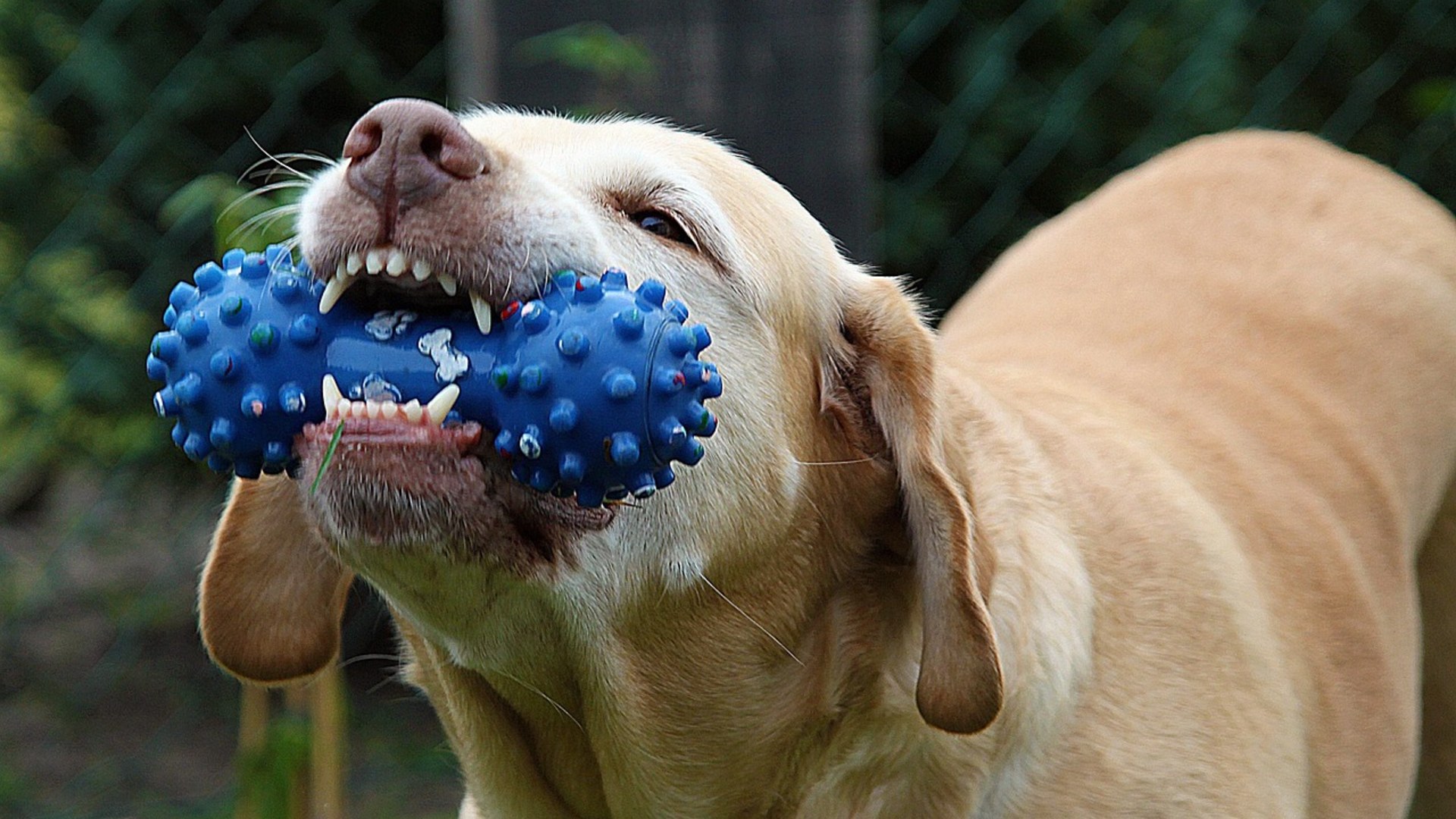
20. Bringing You Their Favorite Toys
When a dog brings you their favorite squeaker, rope, or ball, they are not always asking for an immediate game of fetch. In canine psychology, sharing a high-value possession is a profound gesture of trust. It shows your dog sees you as their trusted leader and companion.
©Pixabay / AnnaD / Pixabay License
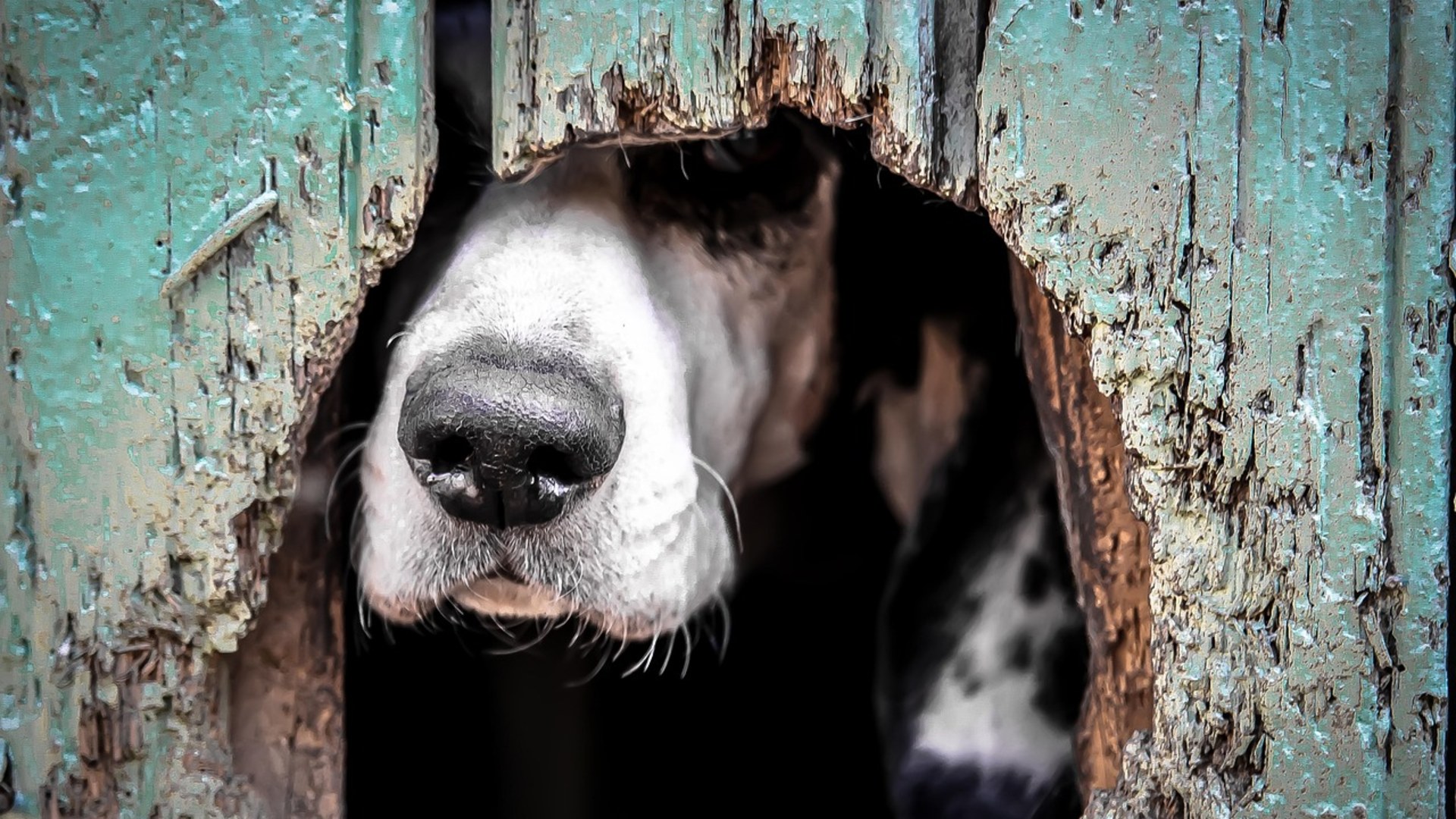
19. Checking On You Across Rooms
Dogs often wander into a room where their owner is working or resting, glance over, and wander back to their spot. Animal behaviorists call this casual check-in a social attachment behavior. Your dog wants to verify that you are safe and nearby before settling down again.
©Pixabay / StockSnap / Pixabay License
18. Sleeping In Your Bed Or Bedroom
In the wild, pack animals only sleep close to members they trust with their lives. When your dog curls up on your mattress, rests against your legs, or sleeps on a rug beside your bed, they are choosing your presence as their safest haven during their most vulnerable state.
©Pixabay / paula_olly / Pixabay License
Advertisement
Swipe or tap ▶ to resume the countdown.
17. Leaning Their Full Weight On You
When your dog walks over and leans their entire body weight against your shins or sofa, they are seeking physical comfort. While some dogs lean during mild anxiety, doing so during calm moments functions as a genuine canine hug. It signifies emotional dependence and reassurance.
©Pixabay / danielsfotowelt / Pixabay License
16. Yawning When You Yawn
Just like humans, dogs experience contagious yawning when someone they love yawns. Multiple behavioral studies demonstrate that dogs are significantly more likely to catch a yawn from their bonded owner than from a stranger, demonstrating an underlying capacity for emotional empathy.
©Pixabay / erwinbosman / Pixabay License
15. Joyful, Calm Greetings At The Door
When you return home, a dog that loves you displays loose, wiggly posture and eager tail wags. Even if they remain polite and refrain from jumping, their whole body radiates relief and delight. They are celebrating that their favorite human has safely returned to the pack.
©Pixabay / Nana_Amigo_Canino / Pixabay License
14. Sighing Contentedly Beside You
Dogs use vocalizations to signal their emotional state. A deep, long sigh accompanied by half-closed eyes and relaxed muscles means your dog is in a state of ultimate contentment. Resting their chin on your knee while sighing confirms they feel peaceful in your presence.
©Pixabay / Engin_Akyurt / Pixabay License
Advertisement
Swipe or tap ▶ to resume the countdown.
13. Carrying Or Snuggling Your Clothes
If you frequently find your sweaters, socks, or pillowcases dragged into your dog's bed, take it as a compliment. Your scent is comforting and grounding to your pet. Snuggling your worn items releases calming endorphins, helping them feel close to you even when you are gone.
©Pixabay / Mylene2401 / Pixabay License
12. Forgiving Accidental Bumps Instantly
Everyone accidentally steps on a paw or bumps into their dog at some point. If your dog immediately accepts your apologies with a soft tail wag, lick, or nuzzle instead of cowering or growling, it demonstrates deep trust. They understand instinctively that you never mean harm.
©Pixabay / JACLOU-DL / Pixabay License
11. Raising Their Left Eyebrow
Japanese behavioral researchers discovered that dogs move their left eyebrow upward within seconds of seeing their owner. When greeting a stranger, dogs show less facial movement or shift slightly to the right. This micro-expression reveals immediate positive recognition and attachment.
©Pixabay / angel1238812 / Pixabay License
10. Exposing Their Belly Freely
The canine abdomen is the most vulnerable area of a dog's anatomy. When your dog flops over, rolls onto their back, and presents their belly for gentle rubs, they are demonstrating absolute submission and trust. They feel safe enough around you to drop every natural defensive guard.
©Pixabay / Georg_Wietschorke / Pixabay License
Advertisement
Swipe or tap ▶ to resume the countdown.
9. Giving Gentle Kisses And Licks
Canine licking serves several social functions, from grooming to submission. When your dog gently licks your hands, face, or ankles during quiet cuddle time, it stimulates the release of endorphins and dopamine. This grooming habit is an intimate expression of affection and familial care.
©Pixabay / vlckova_photography / Pixabay License
8. Resting Their Head On Your Lap
When a dog walks up and rests their chin firmly on your knee, arm, or lap, they are requesting gentle connection. This tactile gesture is calm and intimate, allowing your dog to feel your breathing and heartbeat. It shows they view you as a source of comfort and warmth.
©Pixabay / Cparks / Pixabay License
7. Following You Like A Shadow
Often referred to affectionately as velcro behavior, a dog that trails you from room to room simply enjoys your company. While excessive clinginess can indicate anxiety, a relaxed dog that quietly pads behind you to the kitchen or office just wants to share your daily routine.
©Pixabay / Alexas_Fotos / Pixabay License
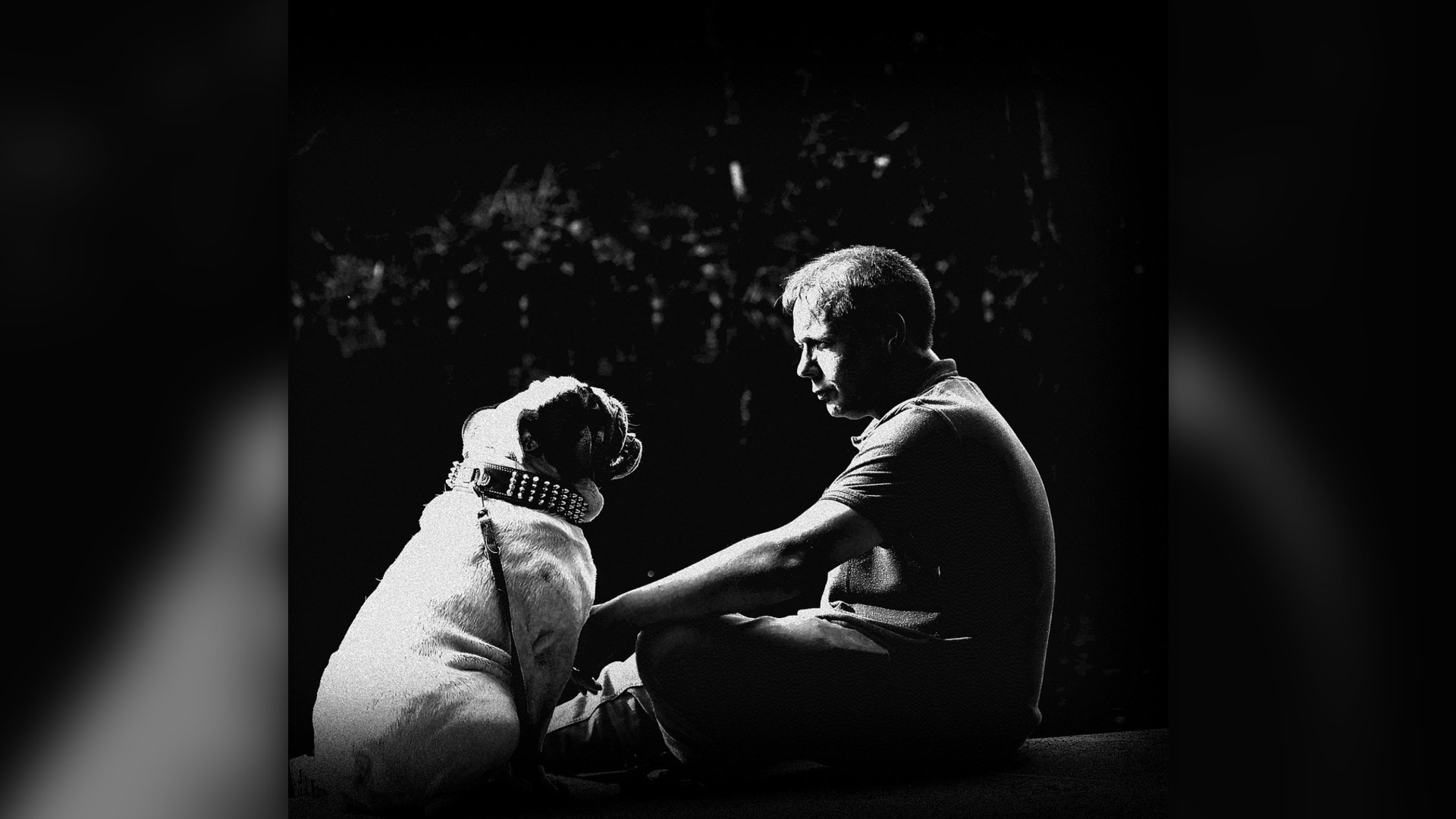
6. Comforting You When You Are Sad
Canine companions are remarkably attuned to human chemical and vocal signals. When you cry or feel overwhelmed, an affectionate dog will often approach, press close, or rest their chin on you without being called. They pick up on your sadness and actively try to offer reassurance.
©Pixabay / 947051 / Pixabay License
Advertisement
Swipe or tap ▶ to resume the countdown.
5. Sitting Right On Your Feet
Whether you are standing by the counter or sitting on the couch, dogs often park themselves squarely across your toes. This physical contact keeps them physically tethered to your movements. It combines affection with a gentle protective instinct, ensuring you cannot leave unnoticed.
©Pixabay / HuyNgan / Pixabay License
4. Wagging Their Tail To The Right
Neuroscientists have demonstrated that a dog's tail wag reveals their inner emotional state. When dogs feel positive excitement seeing their owner, their tail wags with a noticeable bias toward the right side of their body, reflecting left-hemisphere brain activity associated with affection.
©Pixabay / Andre-H / Pixabay License
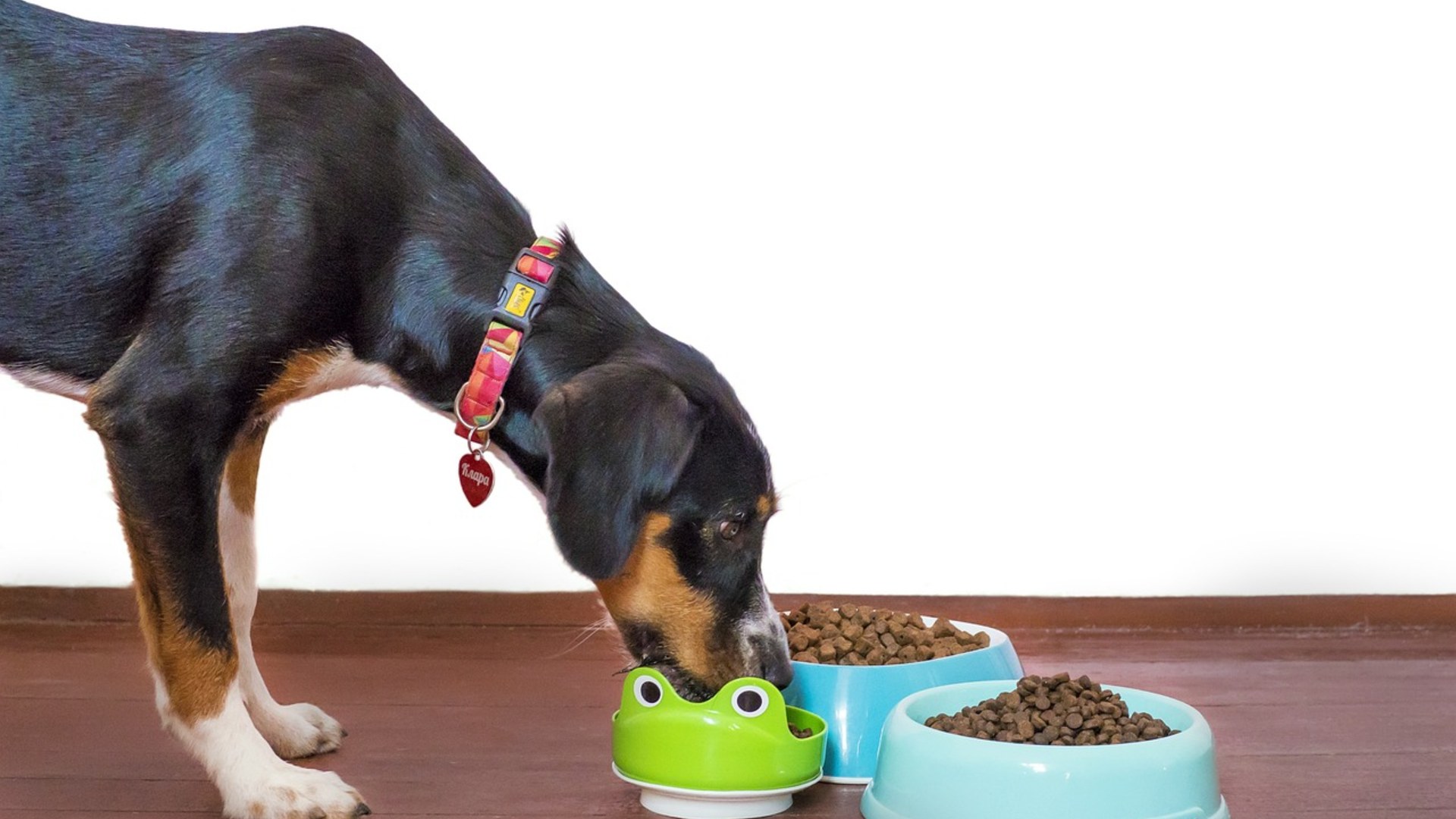
3. Seeking Cuddles Right After Eating
Food is a primary survival motivator for dogs. Gregory Berns, a prominent neuroscientist who conducted brain scans on canines, discovered that many dogs value praise and affection as much as food. When your dog finishes eating and immediately seeks you out for cuddles, pure love is at work.
©Pixabay / mattycoulton / Pixabay License
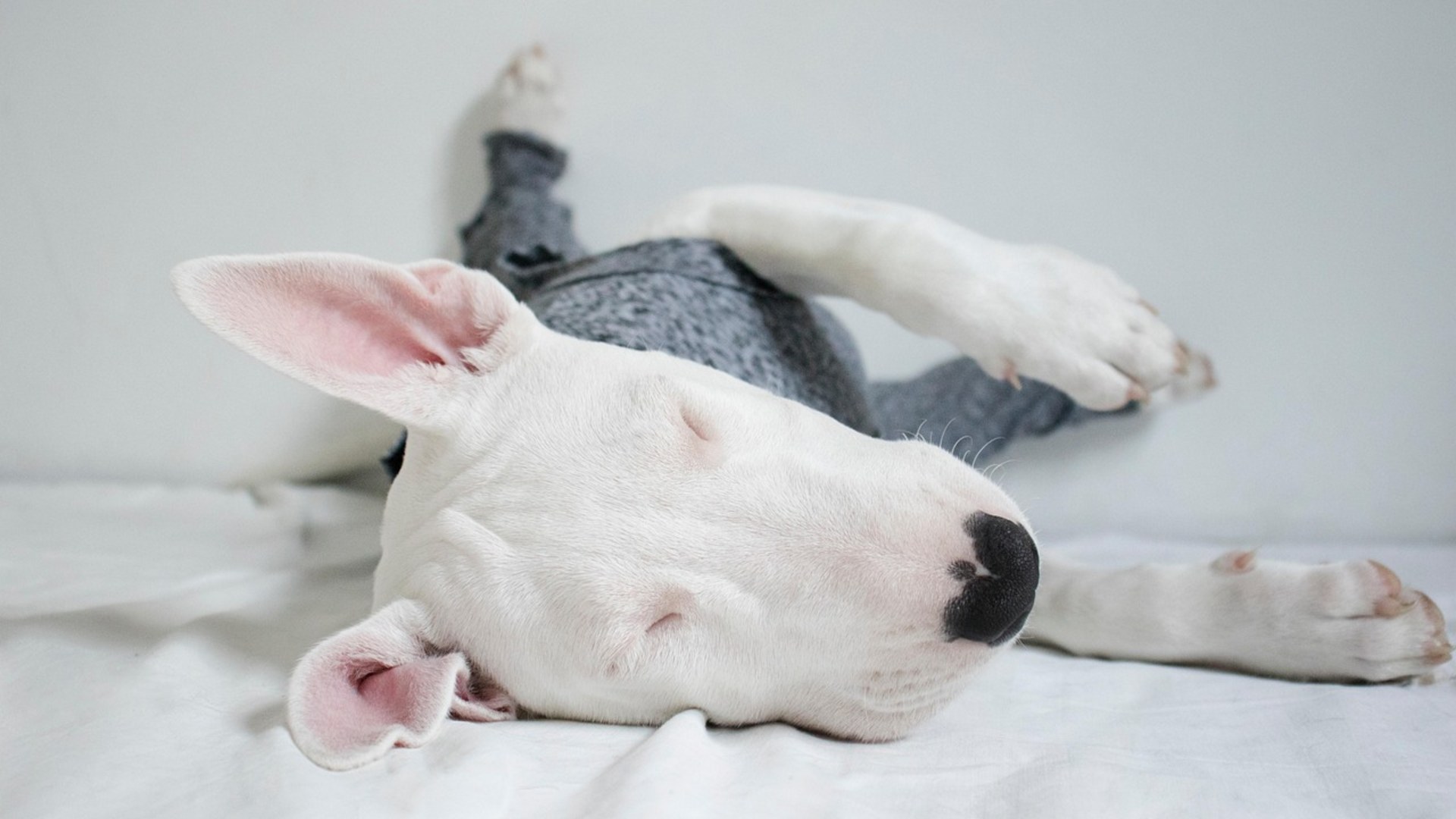
2. Sleeping Soundly In Pure Relaxation
Dogs are light sleepers by nature and remain vigilant in unfamiliar or stressful surroundings. When your dog falls into a deep, snuffling REM slumber beside you, stretching out flat or curling into a ball, they are communicating complete psychological security in your protective presence.
©Pixabay / cuncon / Pixabay License
Advertisement
Swipe or tap ▶ to resume the countdown.
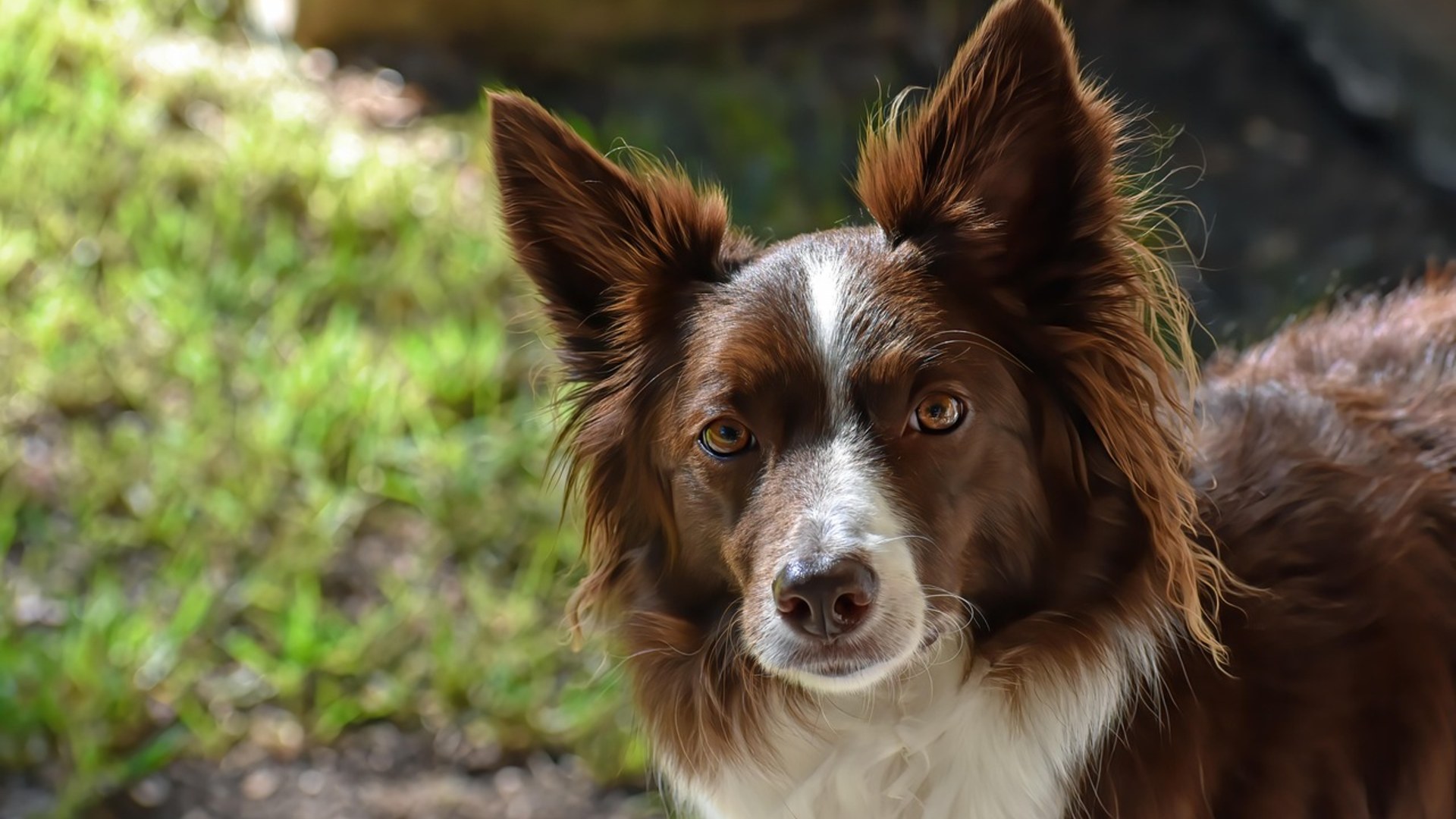
1. Making Gentle, Loving Eye Contact
In the animal kingdom, direct staring can feel threatening. However, domesticated dogs have developed the unique ability to gaze softly into human eyes. Groundbreaking research confirms that calm mutual eye contact releases oxytocin in both human and dog, cementing an unbreakable emotional bond.

©Pixabay / Ray_Shrewsberry / Pixabay License
Advertisement
You've reached the end of the story. Thanks for reading!

25 Animals That May Detect Fear Through Scent and Body Language
From specialized olfactory receptors to airborne alarm pheromones, numerous species possess the extraordinary ability to detect chemical distress signals. Based on research from Live Science, National Geographic, and peer-reviewed biology journals, here are twenty-five animals that can smell and sense fear.
All 20 Entries in this Story
20. Bringing You Their Favorite Toys
When a dog brings you their favorite squeaker, rope, or ball, they are not always asking for an immediate game of fetch. In canine psychology, sharing a high-value possession is a profound gesture of trust. It shows your dog sees you as their trusted leader and companion.

19. Checking On You Across Rooms
Dogs often wander into a room where their owner is working or resting, glance over, and wander back to their spot. Animal behaviorists call this casual check-in a social attachment behavior. Your dog wants to verify that you are safe and nearby before settling down again.

18. Sleeping In Your Bed Or Bedroom
In the wild, pack animals only sleep close to members they trust with their lives. When your dog curls up on your mattress, rests against your legs, or sleeps on a rug beside your bed, they are choosing your presence as their safest haven during their most vulnerable state.

17. Leaning Their Full Weight On You
When your dog walks over and leans their entire body weight against your shins or sofa, they are seeking physical comfort. While some dogs lean during mild anxiety, doing so during calm moments functions as a genuine canine hug. It signifies emotional dependence and reassurance.

16. Yawning When You Yawn
Just like humans, dogs experience contagious yawning when someone they love yawns. Multiple behavioral studies demonstrate that dogs are significantly more likely to catch a yawn from their bonded owner than from a stranger, demonstrating an underlying capacity for emotional empathy.

15. Joyful, Calm Greetings At The Door
When you return home, a dog that loves you displays loose, wiggly posture and eager tail wags. Even if they remain polite and refrain from jumping, their whole body radiates relief and delight. They are celebrating that their favorite human has safely returned to the pack.

14. Sighing Contentedly Beside You
Dogs use vocalizations to signal their emotional state. A deep, long sigh accompanied by half-closed eyes and relaxed muscles means your dog is in a state of ultimate contentment. Resting their chin on your knee while sighing confirms they feel peaceful in your presence.

13. Carrying Or Snuggling Your Clothes
If you frequently find your sweaters, socks, or pillowcases dragged into your dog's bed, take it as a compliment. Your scent is comforting and grounding to your pet. Snuggling your worn items releases calming endorphins, helping them feel close to you even when you are gone.

12. Forgiving Accidental Bumps Instantly
Everyone accidentally steps on a paw or bumps into their dog at some point. If your dog immediately accepts your apologies with a soft tail wag, lick, or nuzzle instead of cowering or growling, it demonstrates deep trust. They understand instinctively that you never mean harm.

11. Raising Their Left Eyebrow
Japanese behavioral researchers discovered that dogs move their left eyebrow upward within seconds of seeing their owner. When greeting a stranger, dogs show less facial movement or shift slightly to the right. This micro-expression reveals immediate positive recognition and attachment.

10. Exposing Their Belly Freely
The canine abdomen is the most vulnerable area of a dog's anatomy. When your dog flops over, rolls onto their back, and presents their belly for gentle rubs, they are demonstrating absolute submission and trust. They feel safe enough around you to drop every natural defensive guard.

9. Giving Gentle Kisses And Licks
Canine licking serves several social functions, from grooming to submission. When your dog gently licks your hands, face, or ankles during quiet cuddle time, it stimulates the release of endorphins and dopamine. This grooming habit is an intimate expression of affection and familial care.

8. Resting Their Head On Your Lap
When a dog walks up and rests their chin firmly on your knee, arm, or lap, they are requesting gentle connection. This tactile gesture is calm and intimate, allowing your dog to feel your breathing and heartbeat. It shows they view you as a source of comfort and warmth.

7. Following You Like A Shadow
Often referred to affectionately as velcro behavior, a dog that trails you from room to room simply enjoys your company. While excessive clinginess can indicate anxiety, a relaxed dog that quietly pads behind you to the kitchen or office just wants to share your daily routine.

6. Comforting You When You Are Sad
Canine companions are remarkably attuned to human chemical and vocal signals. When you cry or feel overwhelmed, an affectionate dog will often approach, press close, or rest their chin on you without being called. They pick up on your sadness and actively try to offer reassurance.

5. Sitting Right On Your Feet
Whether you are standing by the counter or sitting on the couch, dogs often park themselves squarely across your toes. This physical contact keeps them physically tethered to your movements. It combines affection with a gentle protective instinct, ensuring you cannot leave unnoticed.

4. Wagging Their Tail To The Right
Neuroscientists have demonstrated that a dog's tail wag reveals their inner emotional state. When dogs feel positive excitement seeing their owner, their tail wags with a noticeable bias toward the right side of their body, reflecting left-hemisphere brain activity associated with affection.

3. Seeking Cuddles Right After Eating
Food is a primary survival motivator for dogs. Gregory Berns, a prominent neuroscientist who conducted brain scans on canines, discovered that many dogs value praise and affection as much as food. When your dog finishes eating and immediately seeks you out for cuddles, pure love is at work.

2. Sleeping Soundly In Pure Relaxation
Dogs are light sleepers by nature and remain vigilant in unfamiliar or stressful surroundings. When your dog falls into a deep, snuffling REM slumber beside you, stretching out flat or curling into a ball, they are communicating complete psychological security in your protective presence.

1. Making Gentle, Loving Eye Contact
In the animal kingdom, direct staring can feel threatening. However, domesticated dogs have developed the unique ability to gaze softly into human eyes. Groundbreaking research confirms that calm mutual eye contact releases oxytocin in both human and dog, cementing an unbreakable emotional bond.