Slideshow · Animals
24 Photos of Odd-Looking Animals From Around the World
Nature values function over glamour in extreme environments across the planet. Based on research from the Ugly Animal Preservation Society and Smithsonian records, these twenty-four creatures prove that unconventional traits like gelatinous flesh and naked skin serve vital roles for survival in harsh wild habitats.
By Most Viral Today
10 min ago

Strange and Unglamorous Animals Adapted for Survival 
24. Warthog 
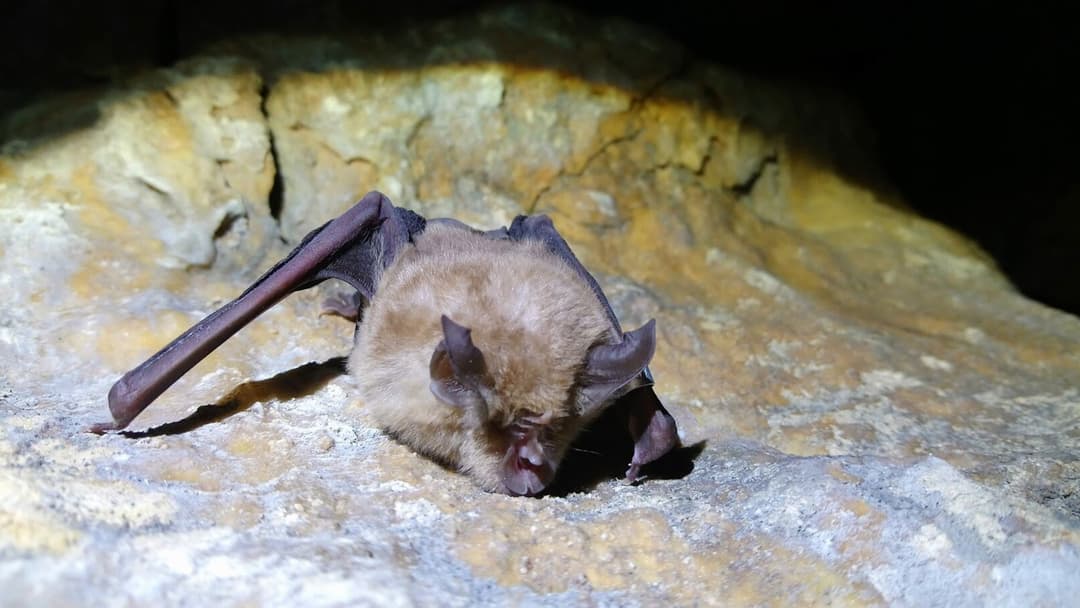
23. Horseshoe Bat 
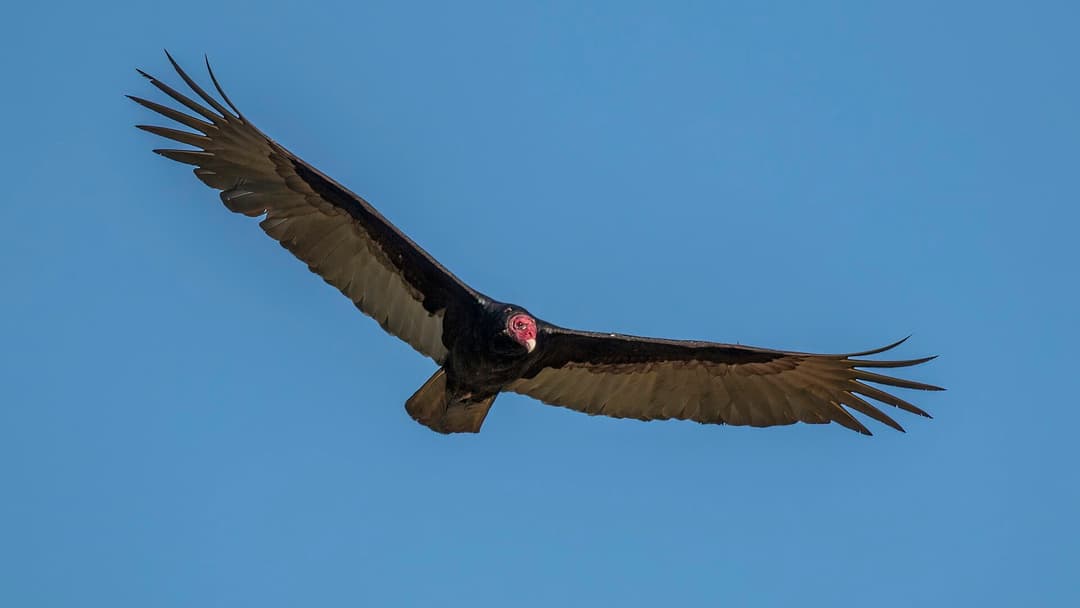
22. Turkey Vulture - AdvertisementSwipe or tap ▶ to continue countdown

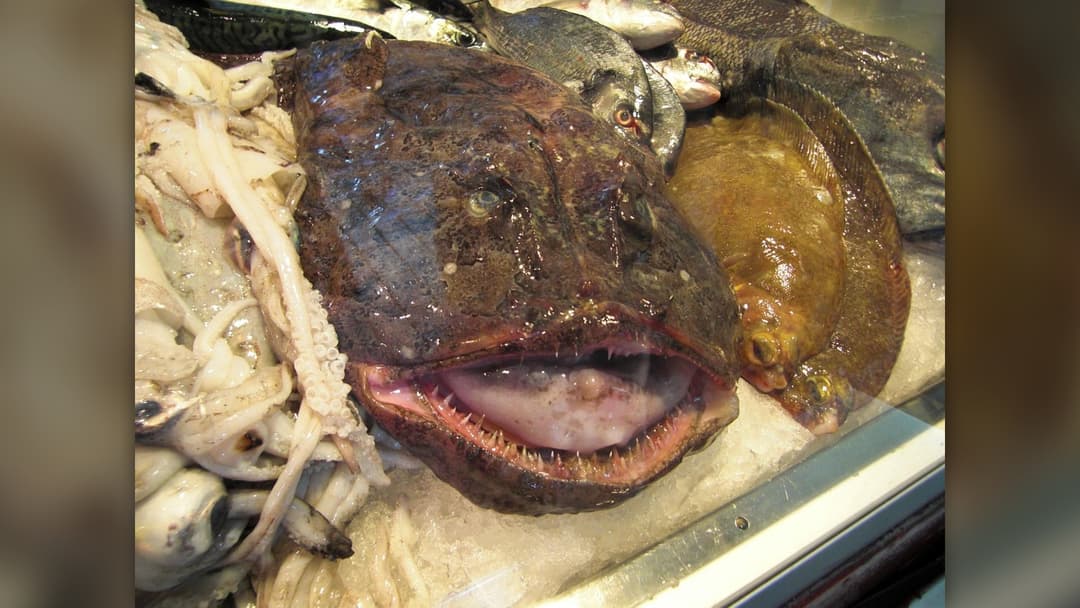
21. Monkfish 
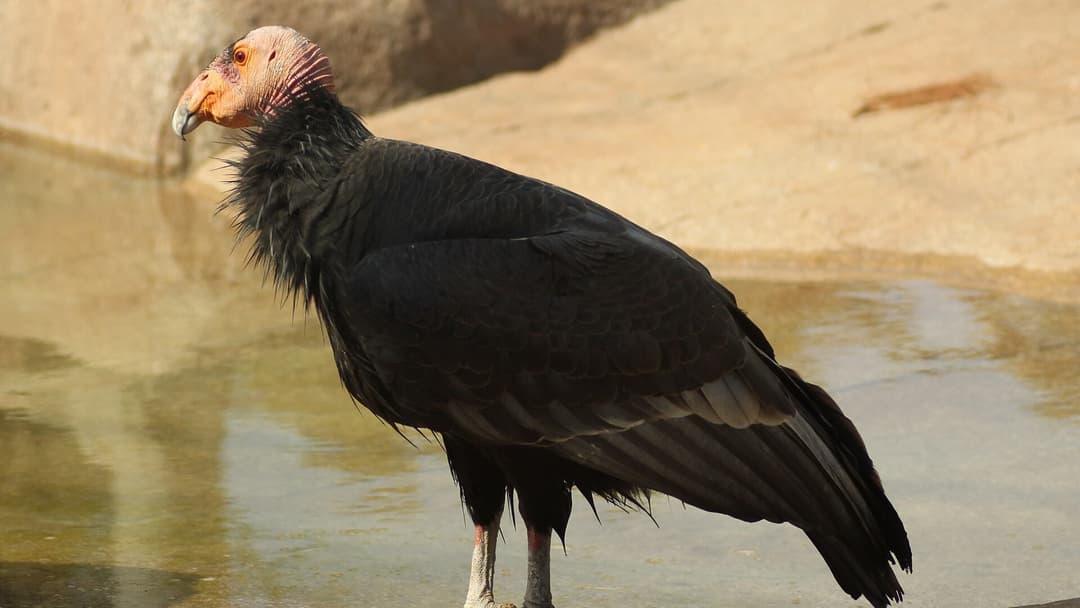
20. California Condor 
19. Mata Mata Turtle 
18. Chinese Giant Salamander - AdvertisementSwipe or tap ▶ to continue countdown

17. Star-Nosed Mole 
16. Proboscis Monkey 
15. Hagfish 
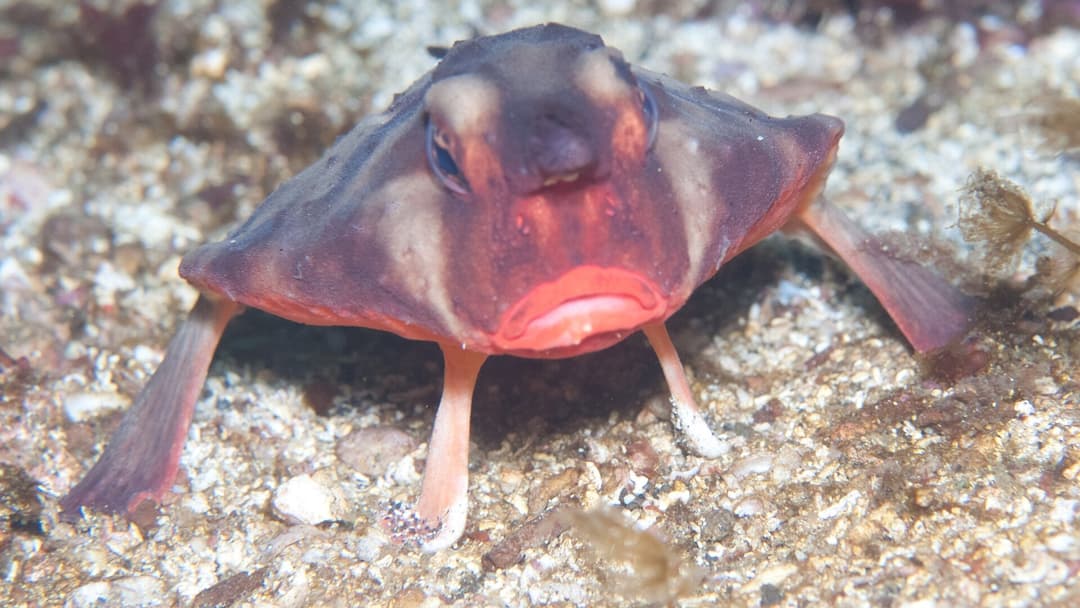
14. Red-Lipped Batfish - AdvertisementSwipe or tap ▶ to continue countdown

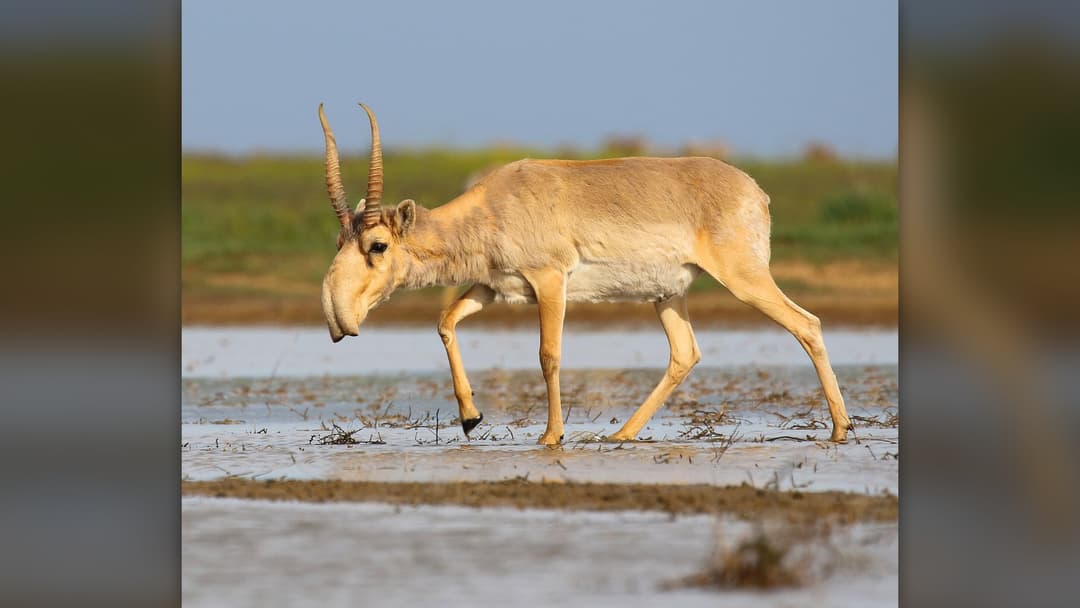
13. Saiga Antelope 
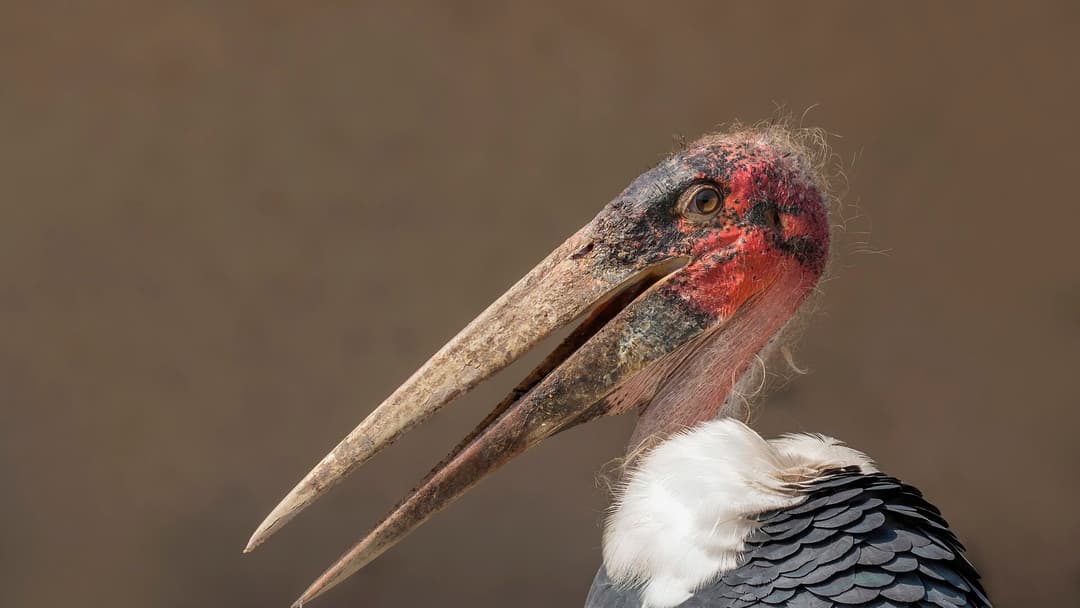
12. Marabou Stork 
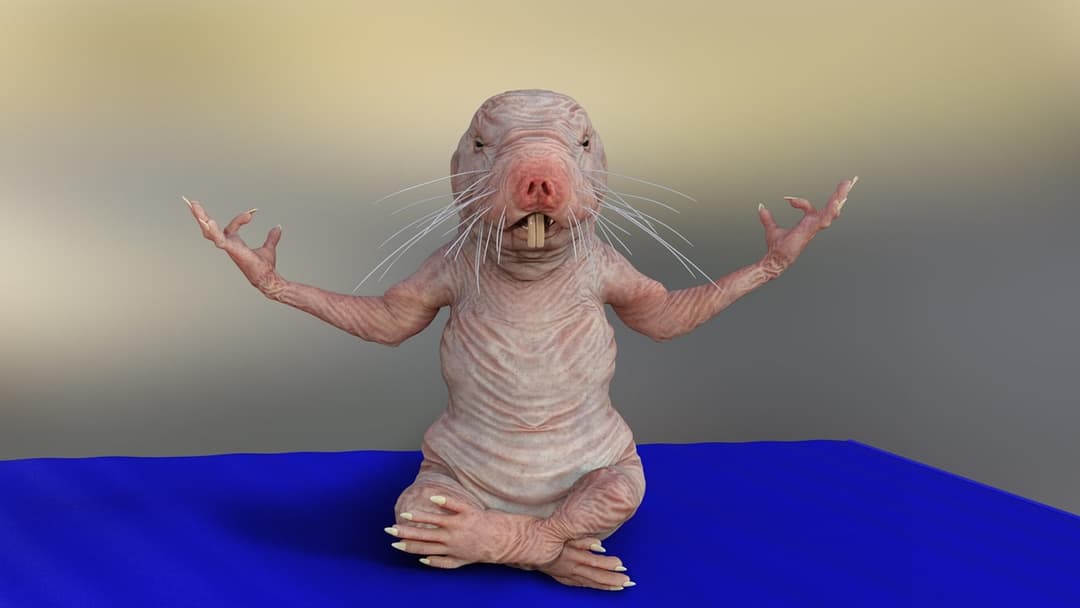
11. Naked Mole-Rat 
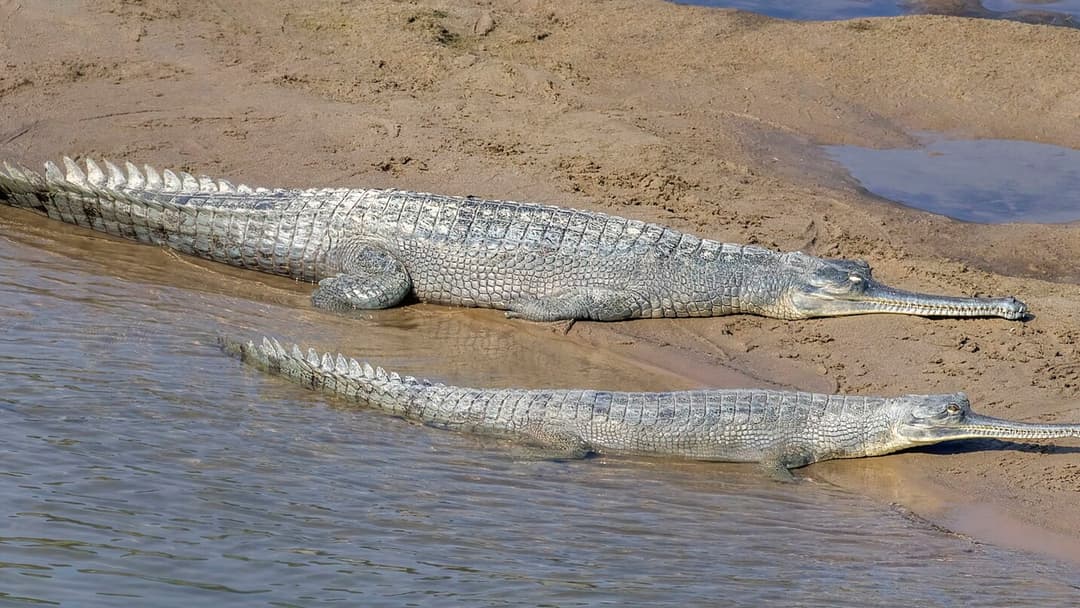
10. Gharial - AdvertisementSwipe or tap ▶ to continue countdown

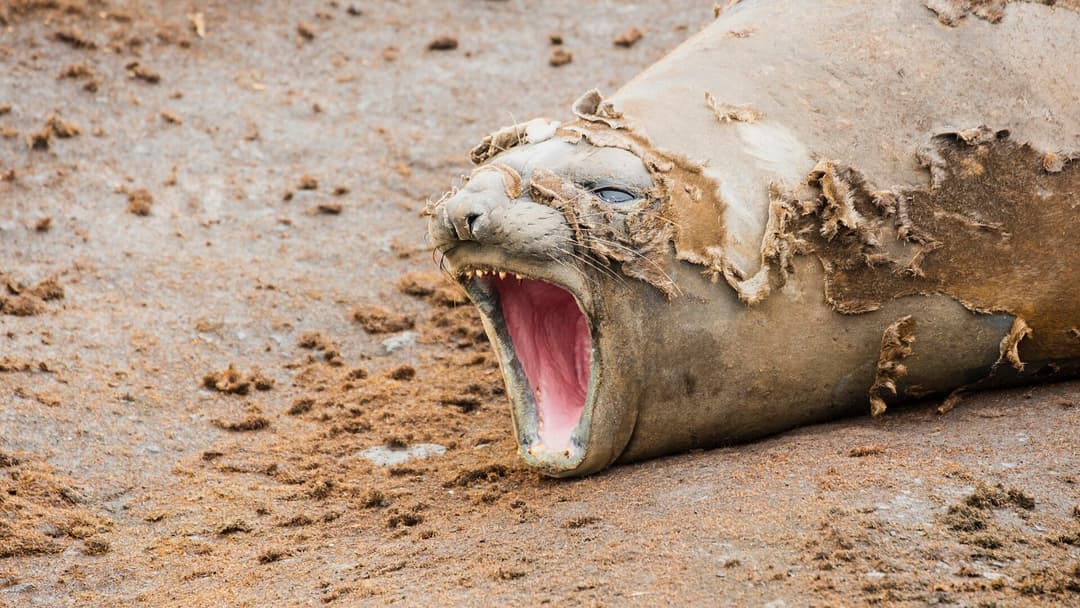
9. Southern Elephant Seal 
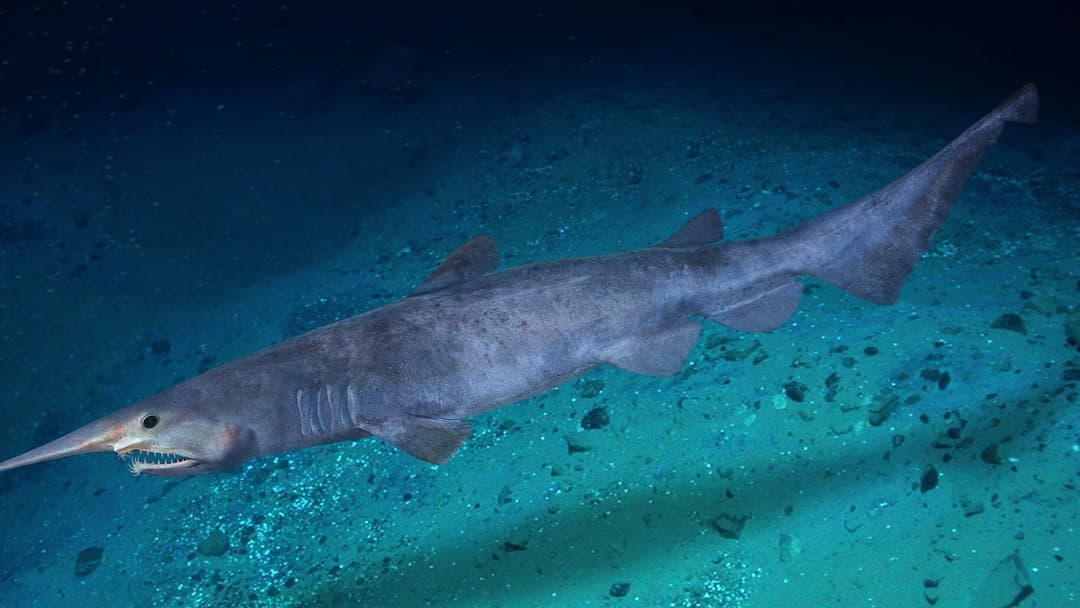
8. Goblin Shark 
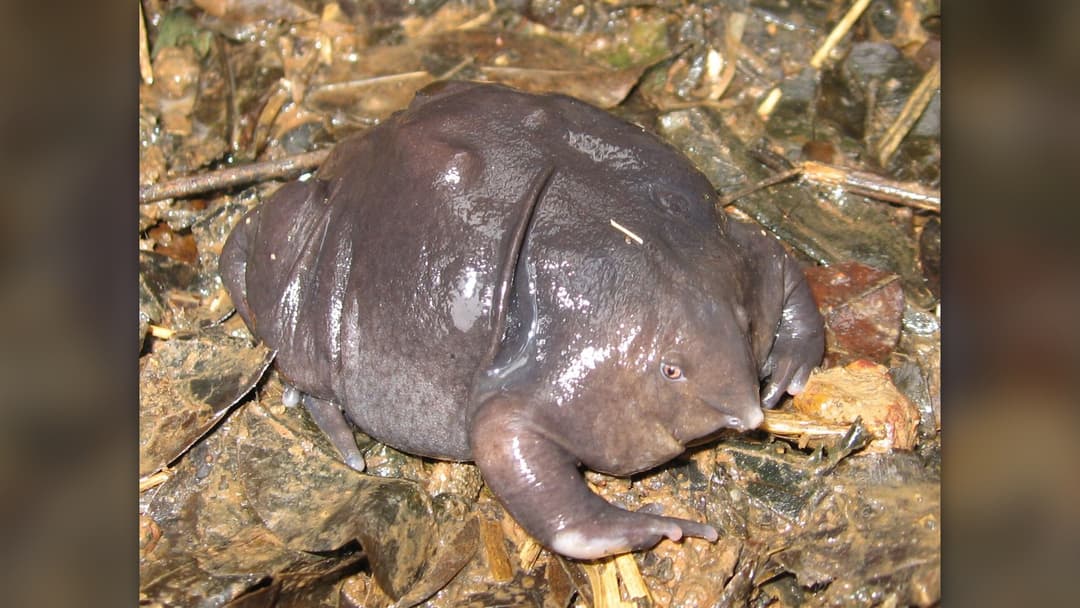
7. Purple Frog 
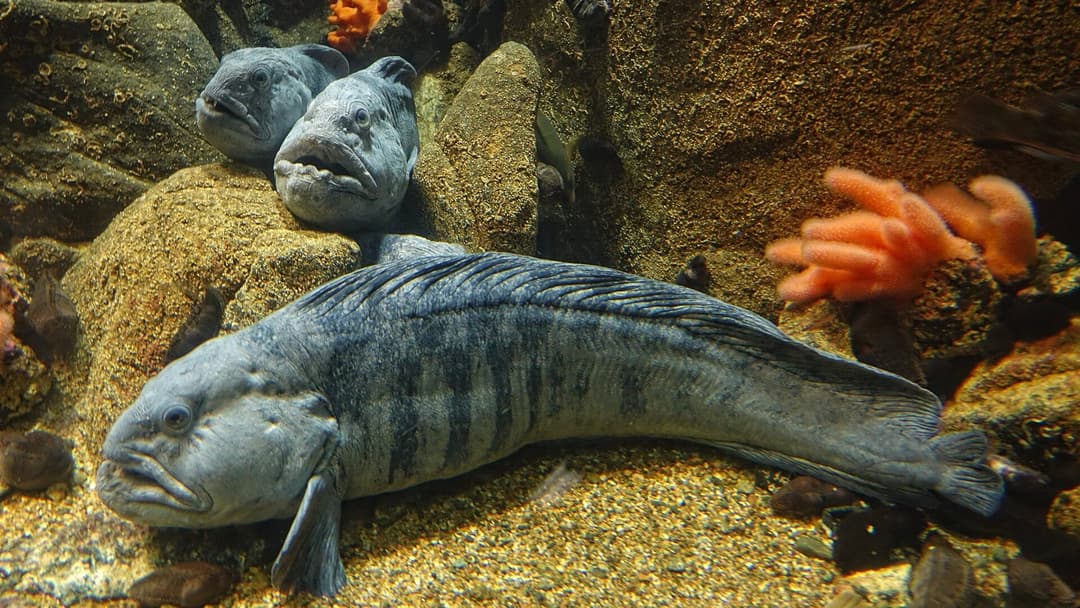
6. Atlantic Wolffish - AdvertisementSwipe or tap ▶ to continue countdown

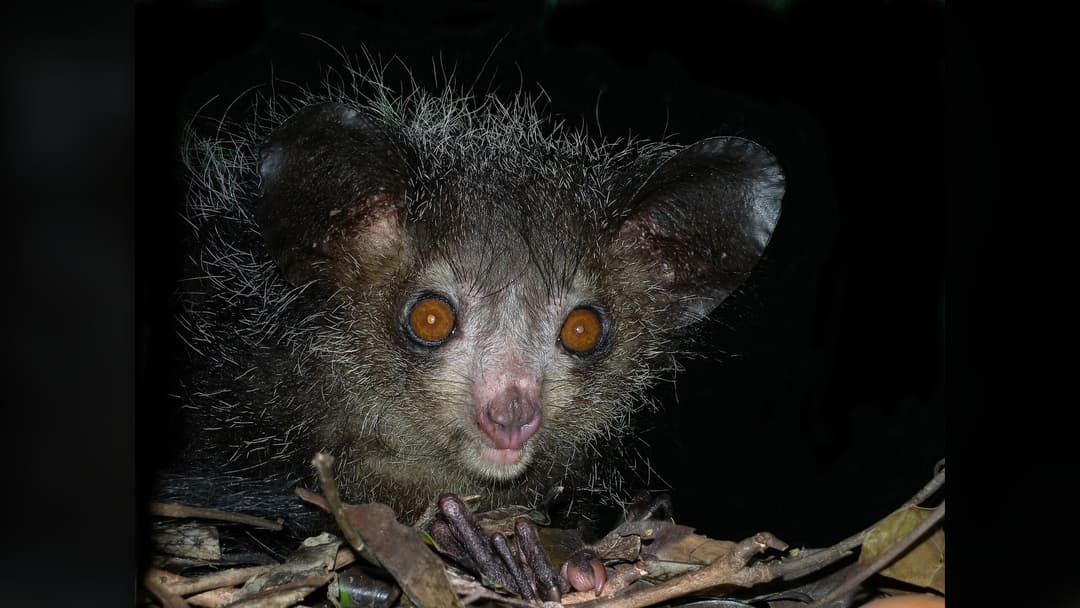
5. Aye Aye 
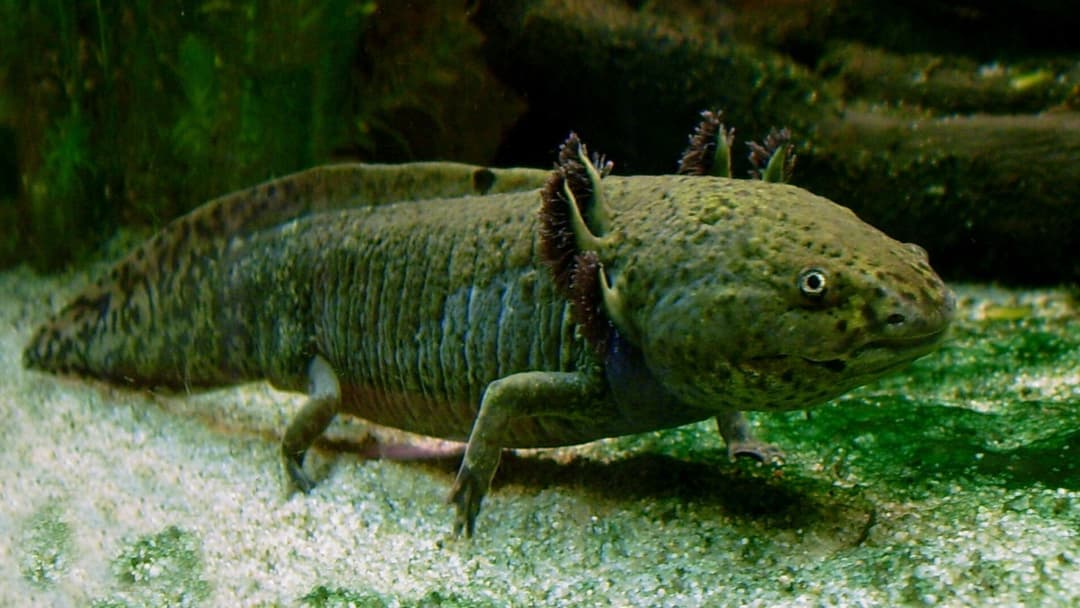
4. Axolotl 
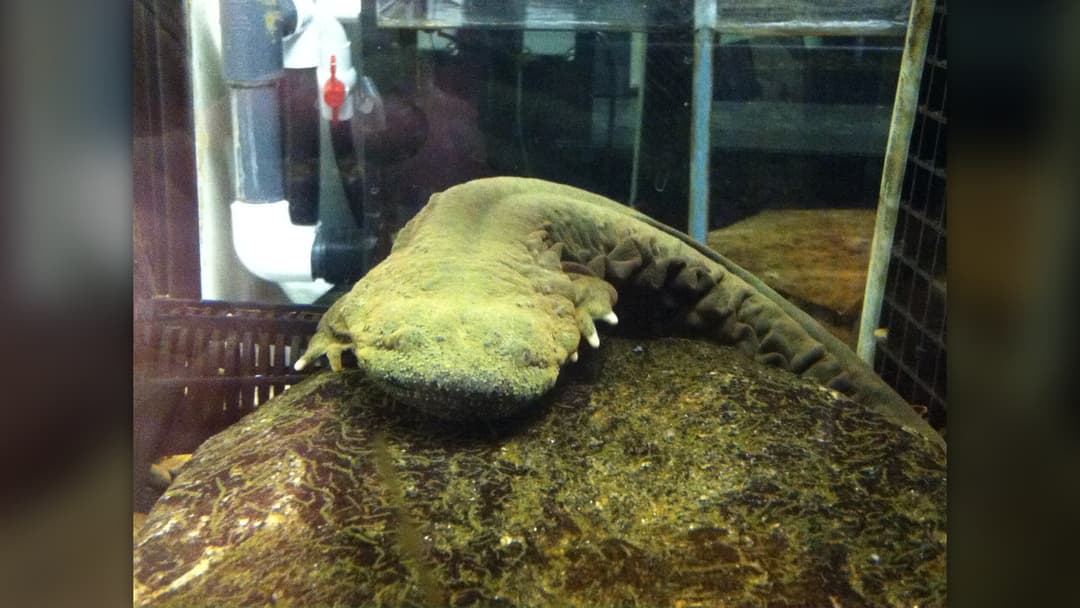
3. Hellbender Salamander 
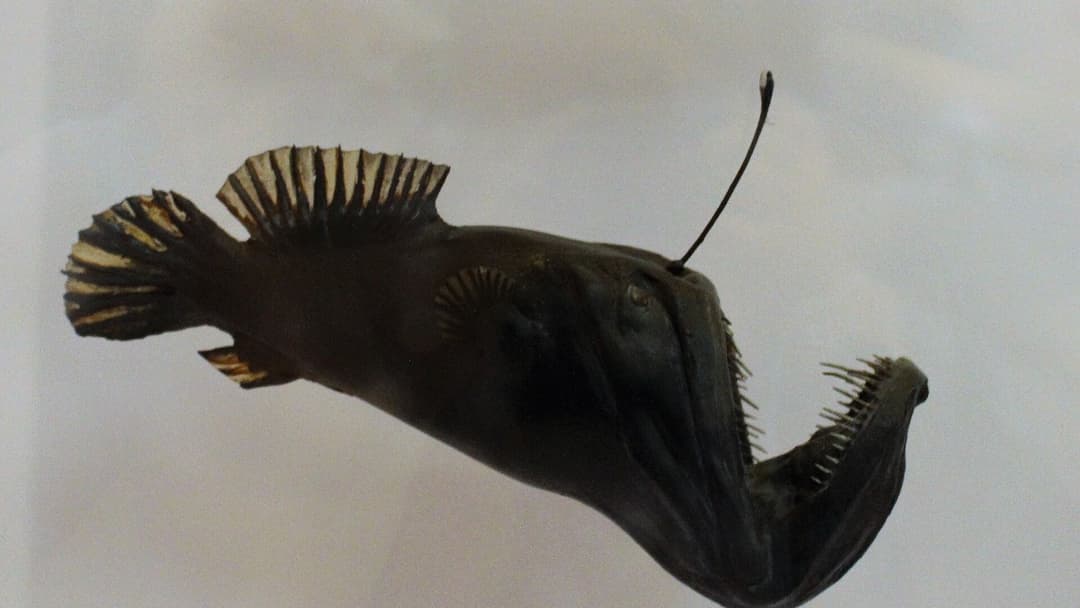
2. Humpback Anglerfish - AdvertisementSwipe or tap ▶ to continue countdown

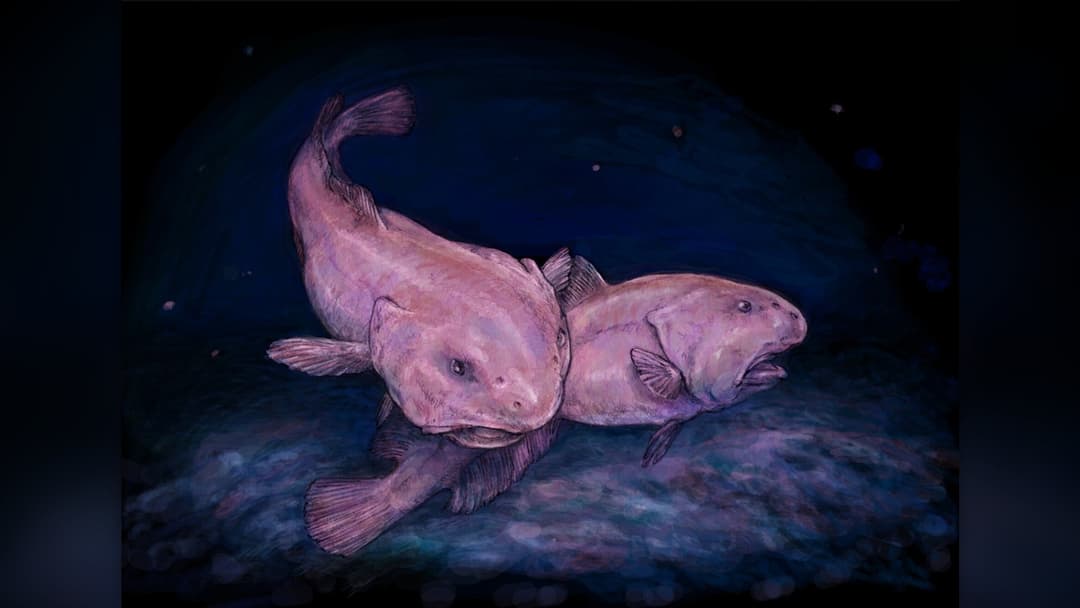
1. Blobfish - Advertisement🔥 UP NEXT IN THIS SERIES◫ 25 Slides

24 Ocean Animals That Use Clever Tricks to Defend Themselves
The global ocean contains thousands of marine species with specialized chemical venoms, sharp barbs, and predatory teeth. From shallow coral reefs to the open pelagic sea, these marine animals developed complex chemical defenses to immobilize prey and deter predators across millions of evolutionary years.
Nature values function over glamour in extreme environments across the planet. Based on research from the Ugly Animal Preservation Society and Smithsonian records, these twenty-four creatures prove that unconventional traits like gelatinous flesh and naked skin serve vital roles for survival in harsh wild habitats.
Swipe or tap ▶ to begin the countdown
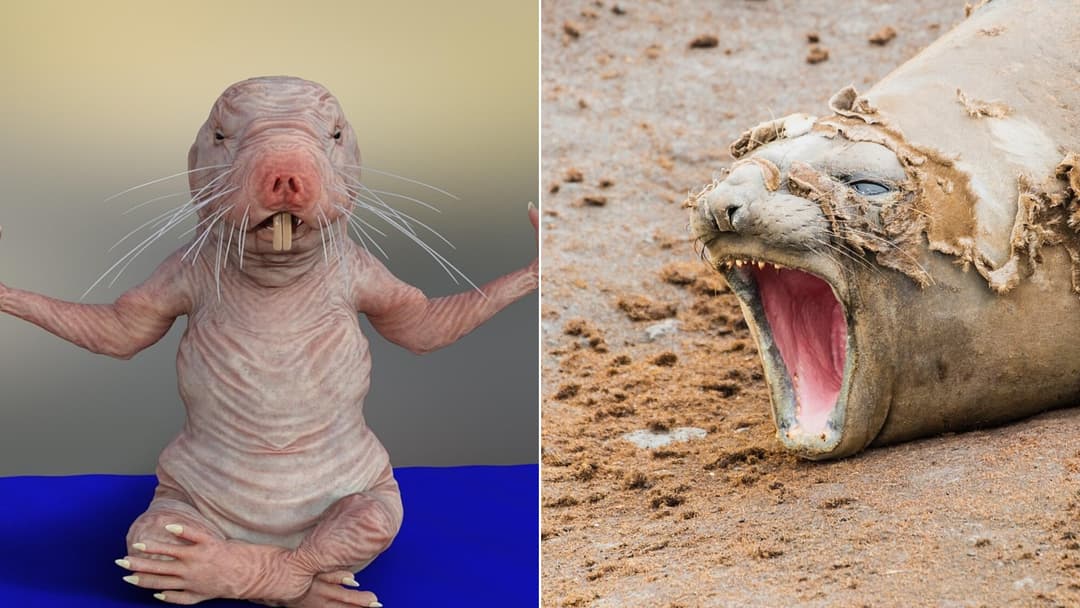
©Pixabay / anaterate & Wikimedia / Godot13
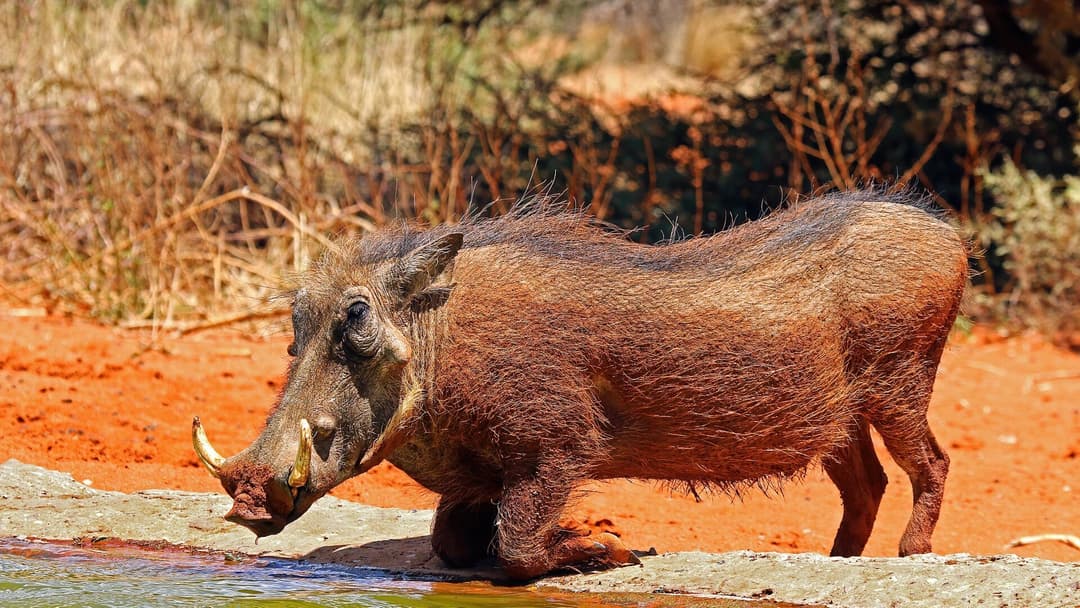
24. Warthog
Found throughout sub-Saharan savannas, Phacochoerus africanus uses padded facial calluses to cushion blows during fights. Its lower canine tusks sharpen against the upper pair to create dangerous defensive blades against lions.
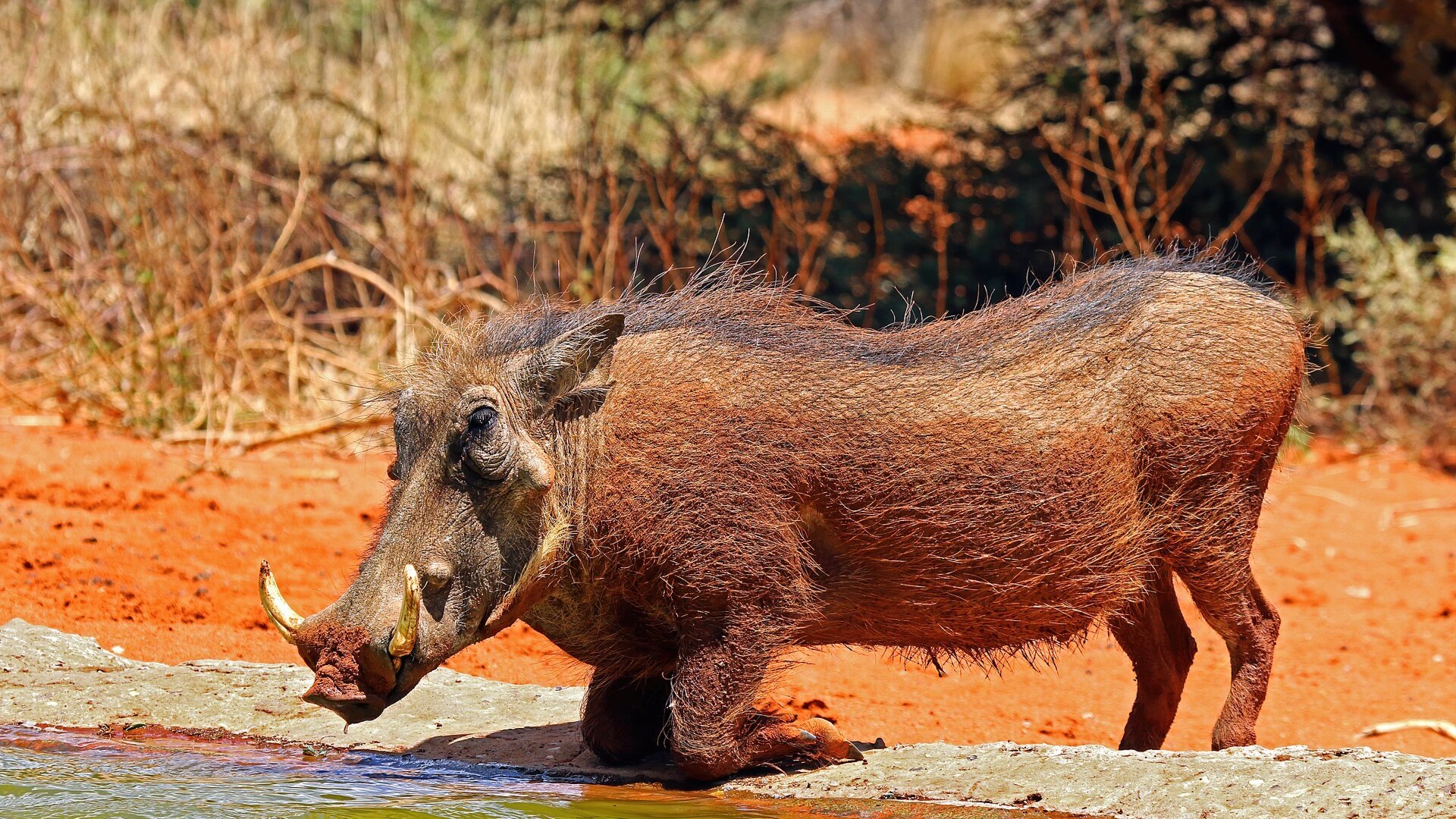
©Wikimedia / Charles J. Sharp
23. Horseshoe Bat
Rhinolophus ferrumequinum relies on its horseshoe-shaped facial flap to focus ultrasonic echolocation pulses. This complex nose leaf lets the bat pinpoint fluttering moths in dense European and Asian woodland canopies.
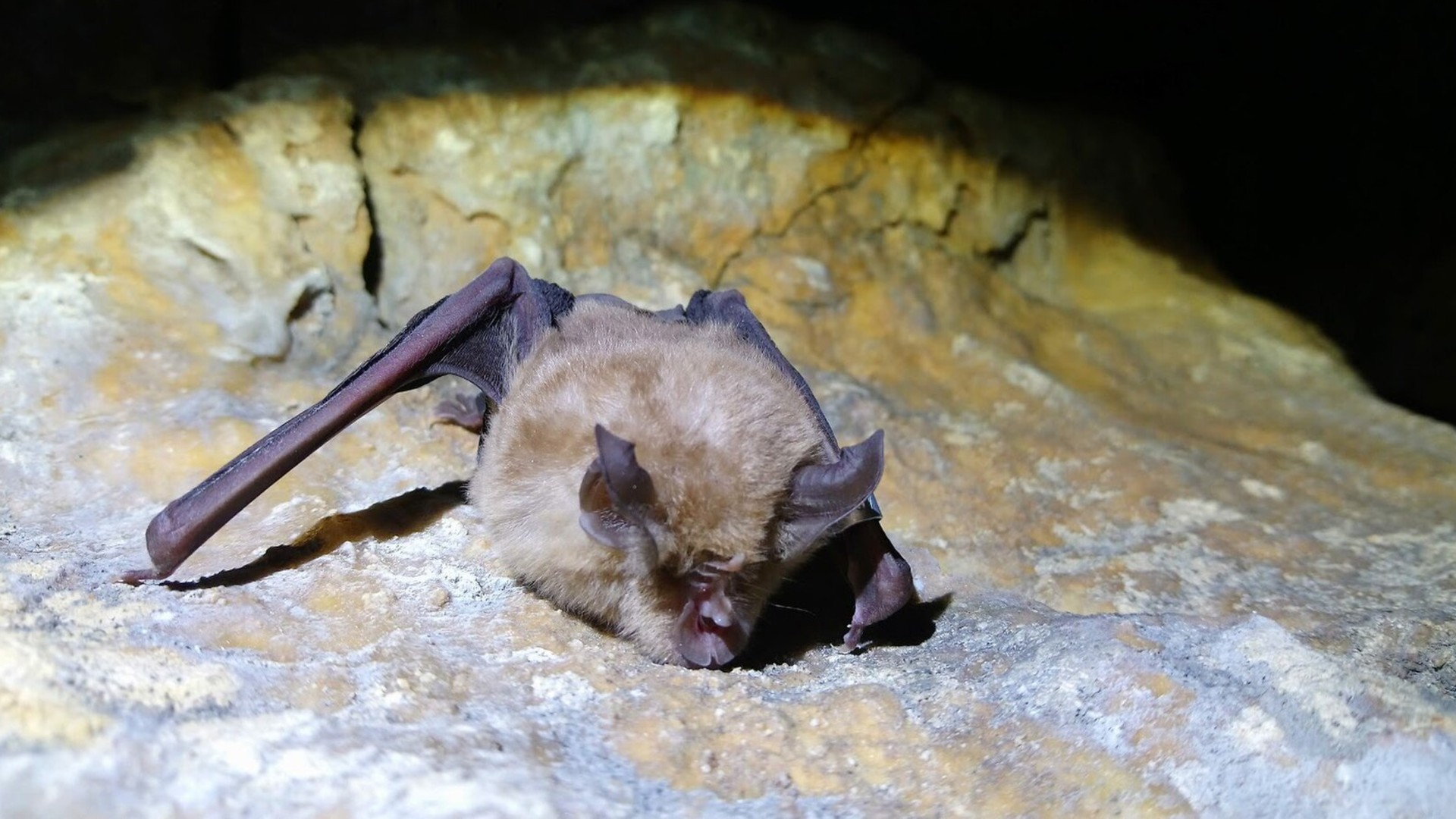
©Wikimedia / Rhinolophusferrumequinum
22. Turkey Vulture
Cathartes aura keeps its bald head free of bacteria while feeding inside animal carcasses under hot sun. Unlike most birds, it navigates by scent, detecting airborne traces of ethyl mercaptan from miles away.
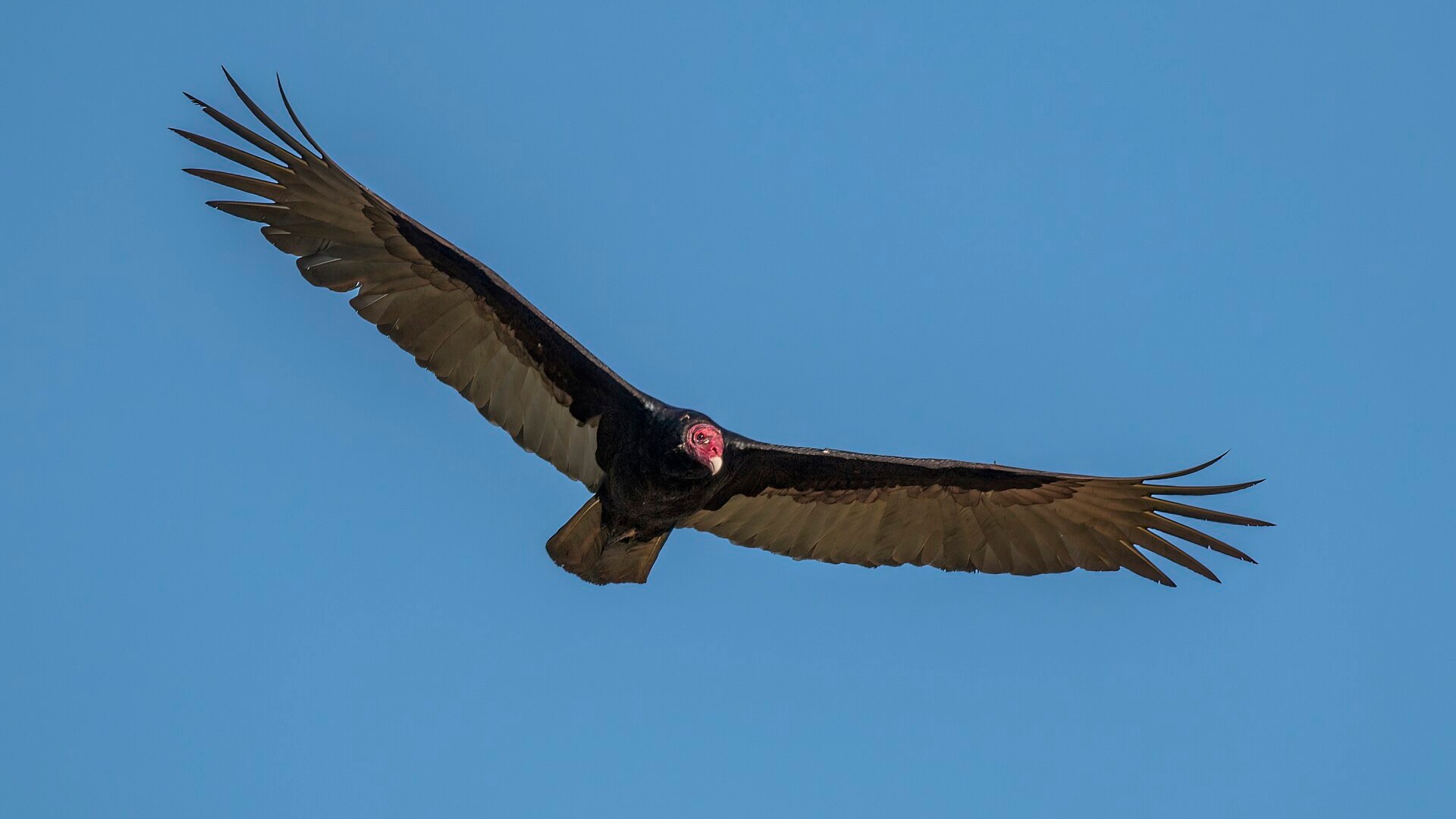
©Wikimedia / Charles J. Sharp
Advertisement
Swipe or tap ▶ to resume the countdown.
21. Monkfish
Lophius americanus conceals its mottled, flattened body on North Atlantic continental shelves. It dangles a modified dorsal fin spine tipped with flesh to lure flounder and crustaceans into its backward-pointing teeth.
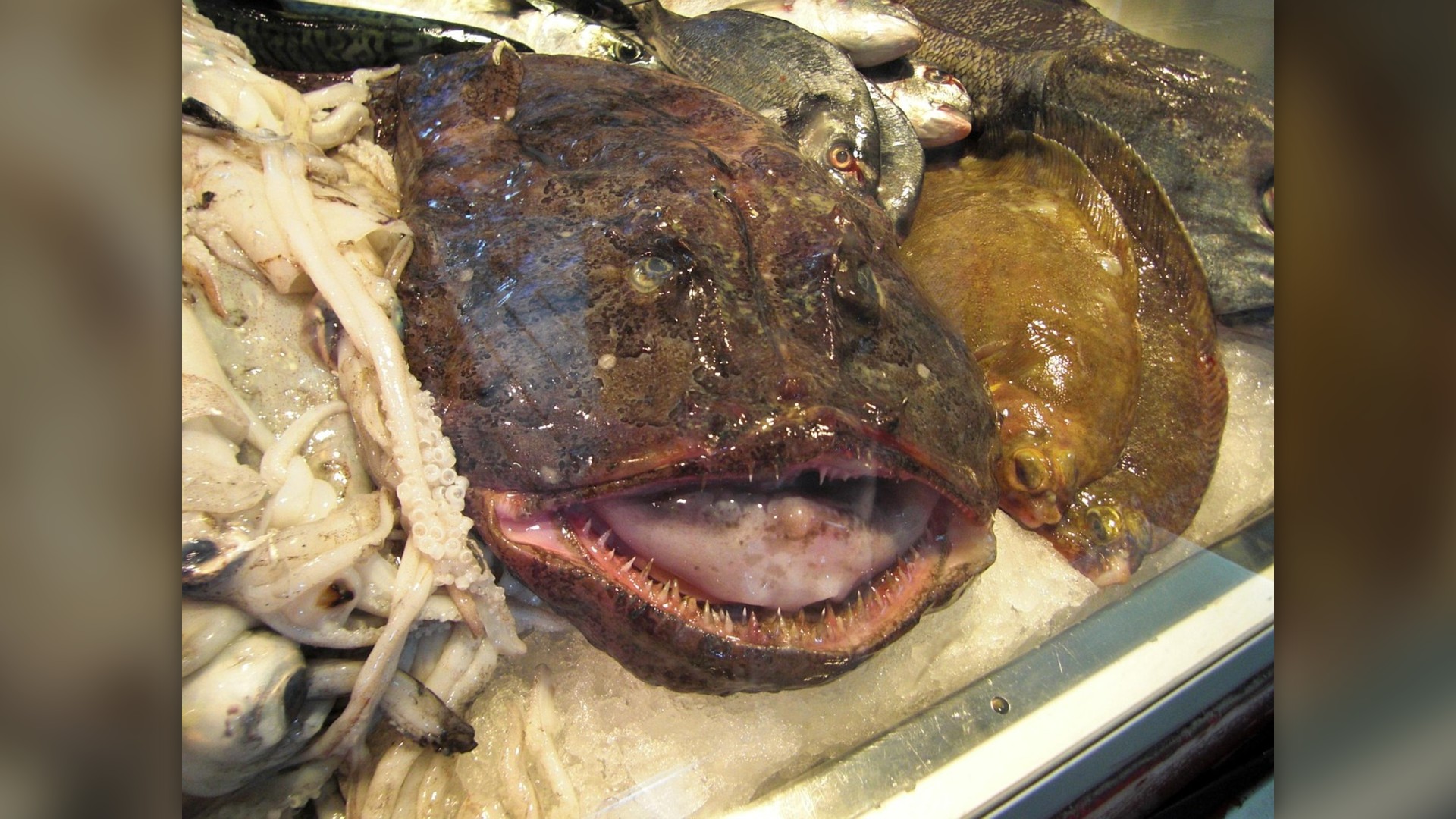
©Pixabay / jensjunge
20. California Condor
Gymnogyps californianus possesses a bare head that flushes pink to communicate emotional states with other flock members. Intensive captive breeding programs raised its global population from twenty-two birds in 1982 to over five hundred today.
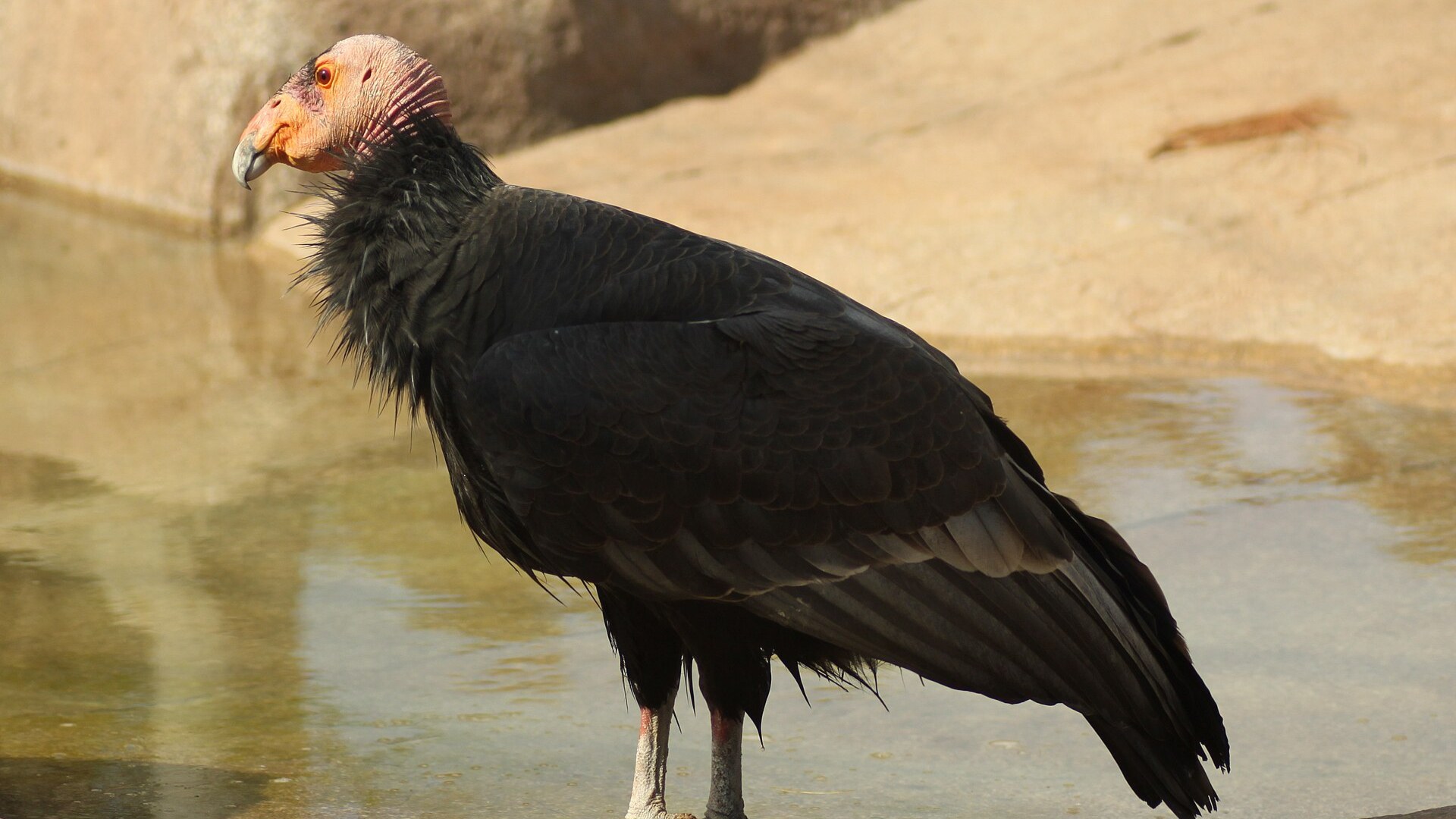
©Wikimedia / Stacy from San Diego
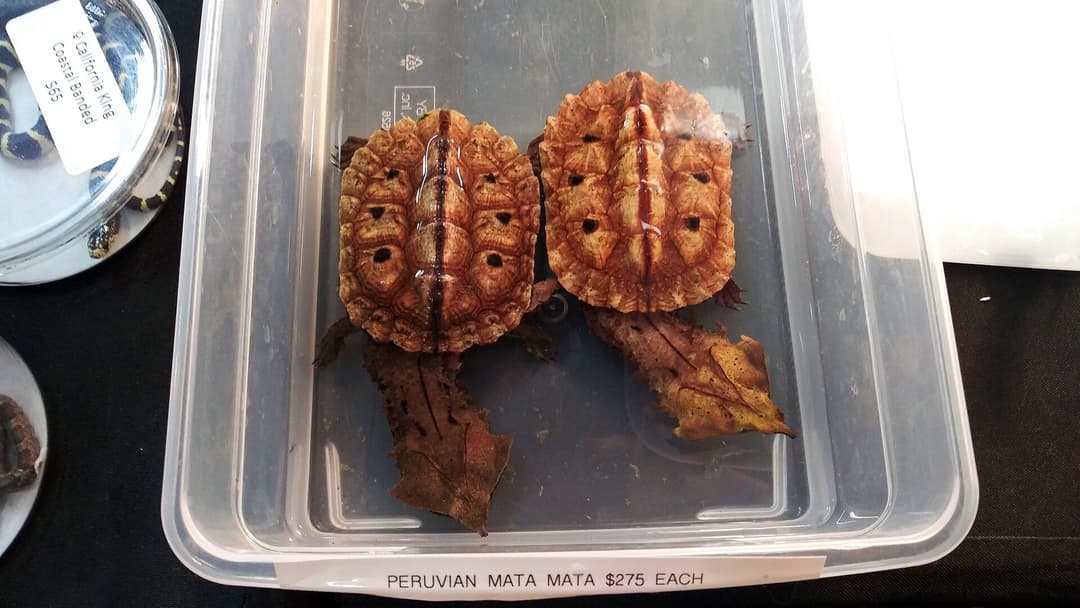
19. Mata Mata Turtle
Chelus fimbriata lies motionless in shallow Amazonian riverbeds disguised as fallen tree debris. When small fish drift close, the turtle snaps open its mouth and expands its esophagus to engulf water and prey in one vacuum strike.
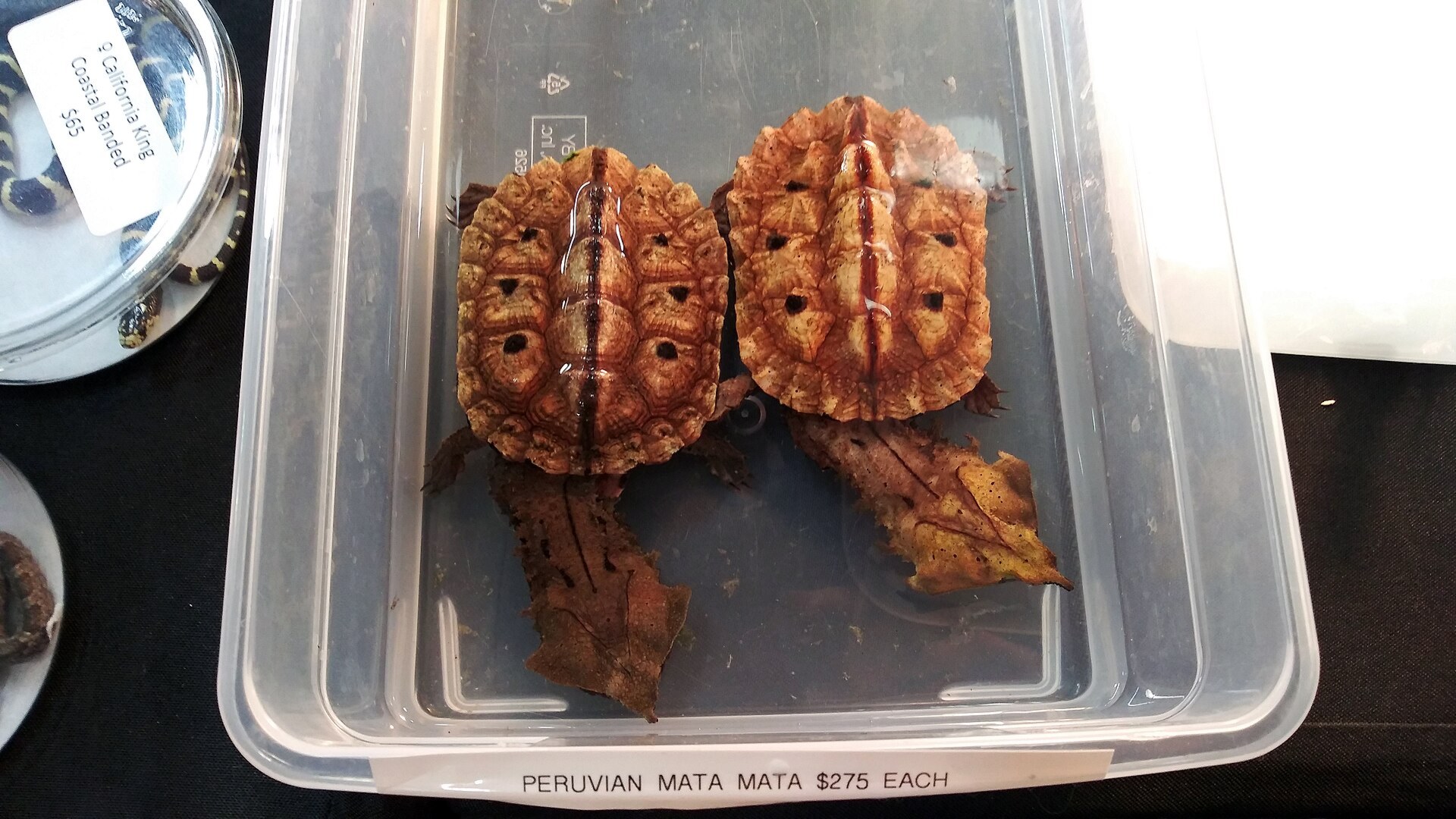
©Wikimedia / MatthewHoobin
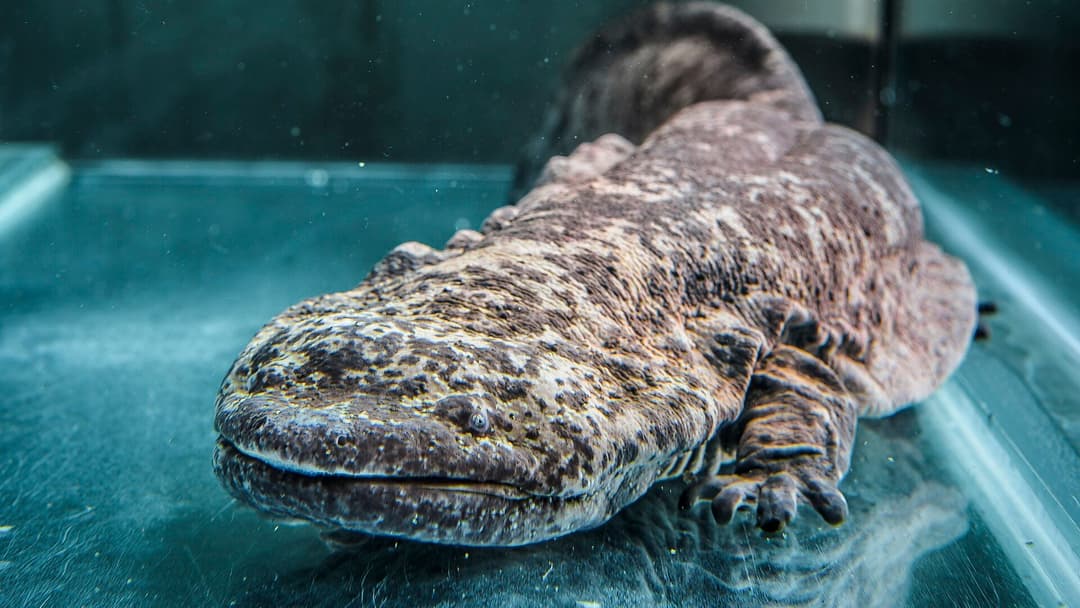
18. Chinese Giant Salamander
Reaching lengths over five feet in cold mountain streams, Andrias davidianus is the largest amphibian alive. It navigates murky riverbeds using sensory nodes running along its flanks that detect microscopic pressure waves.
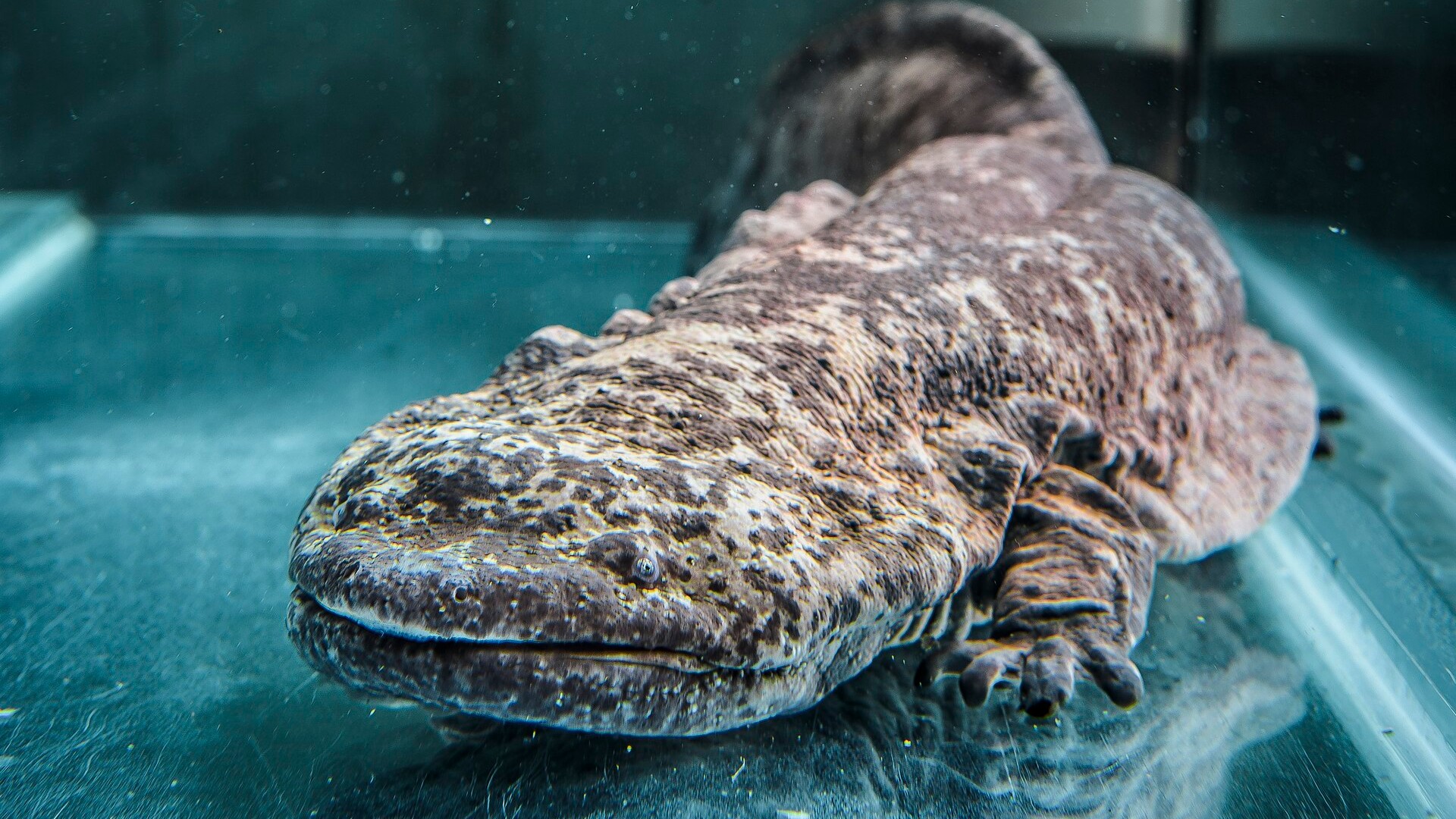
©Wikimedia / Chinese giant salamander
Advertisement
Swipe or tap ▶ to resume the countdown.
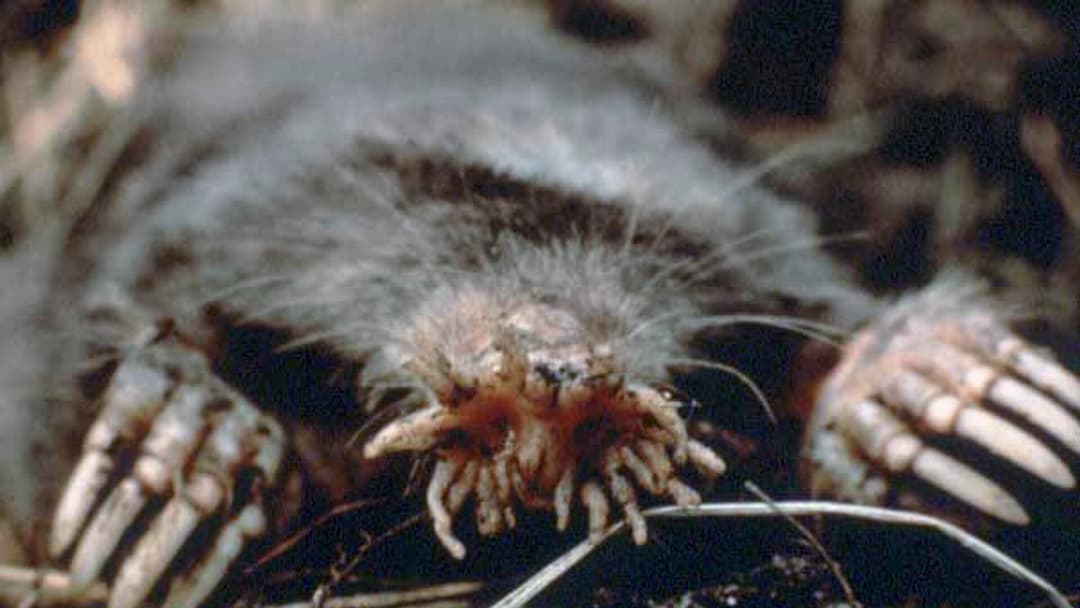
17. Star-Nosed Mole
Condylura cristata burrows through wetlands in eastern North America at record speeds. Its nasal star contains more than twenty-five thousand microscopic touch receptors called Eimer organs, letting it identify prey in eight milliseconds.
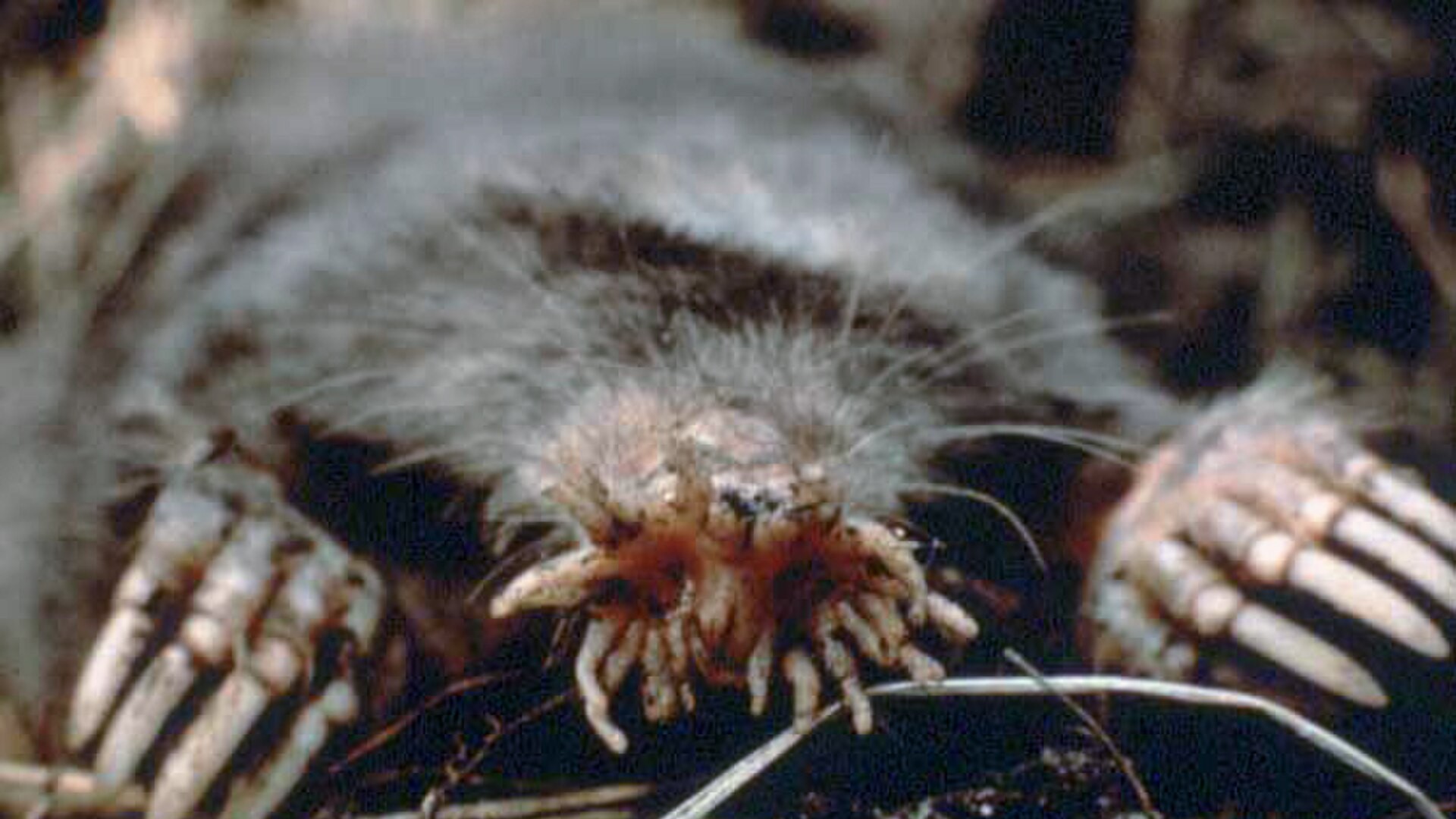
©Wikimedia / Star-nosed mole
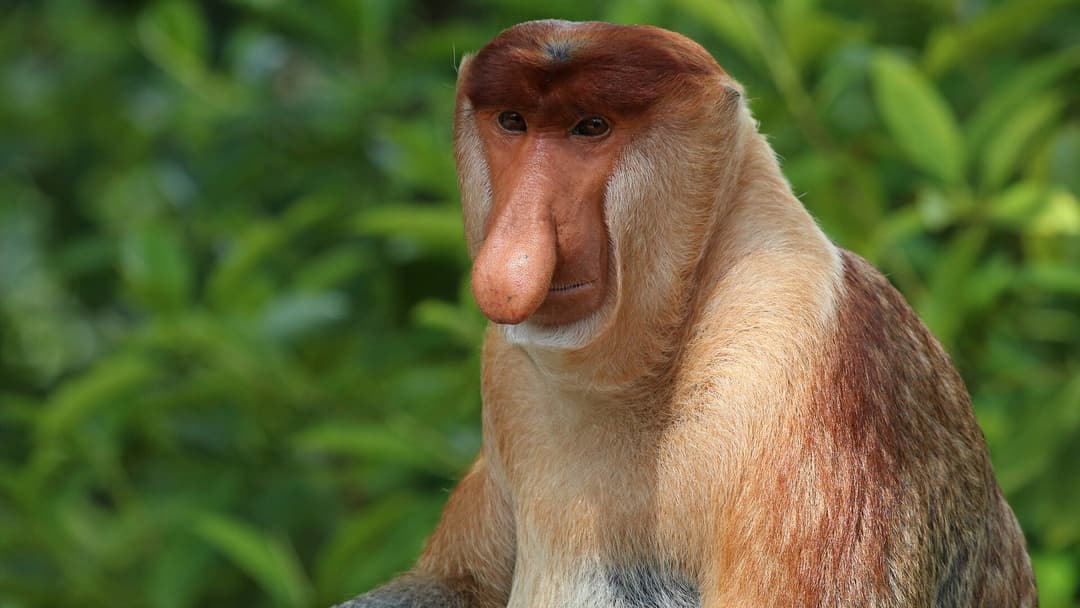
16. Proboscis Monkey
Living in mangrove forests across Borneo, male Nasalis larvatus develop bulbous noses up to seven inches long to amplify mating bellows. They are capable swimmers with webbed hands and feet that allow them to cross rivers.
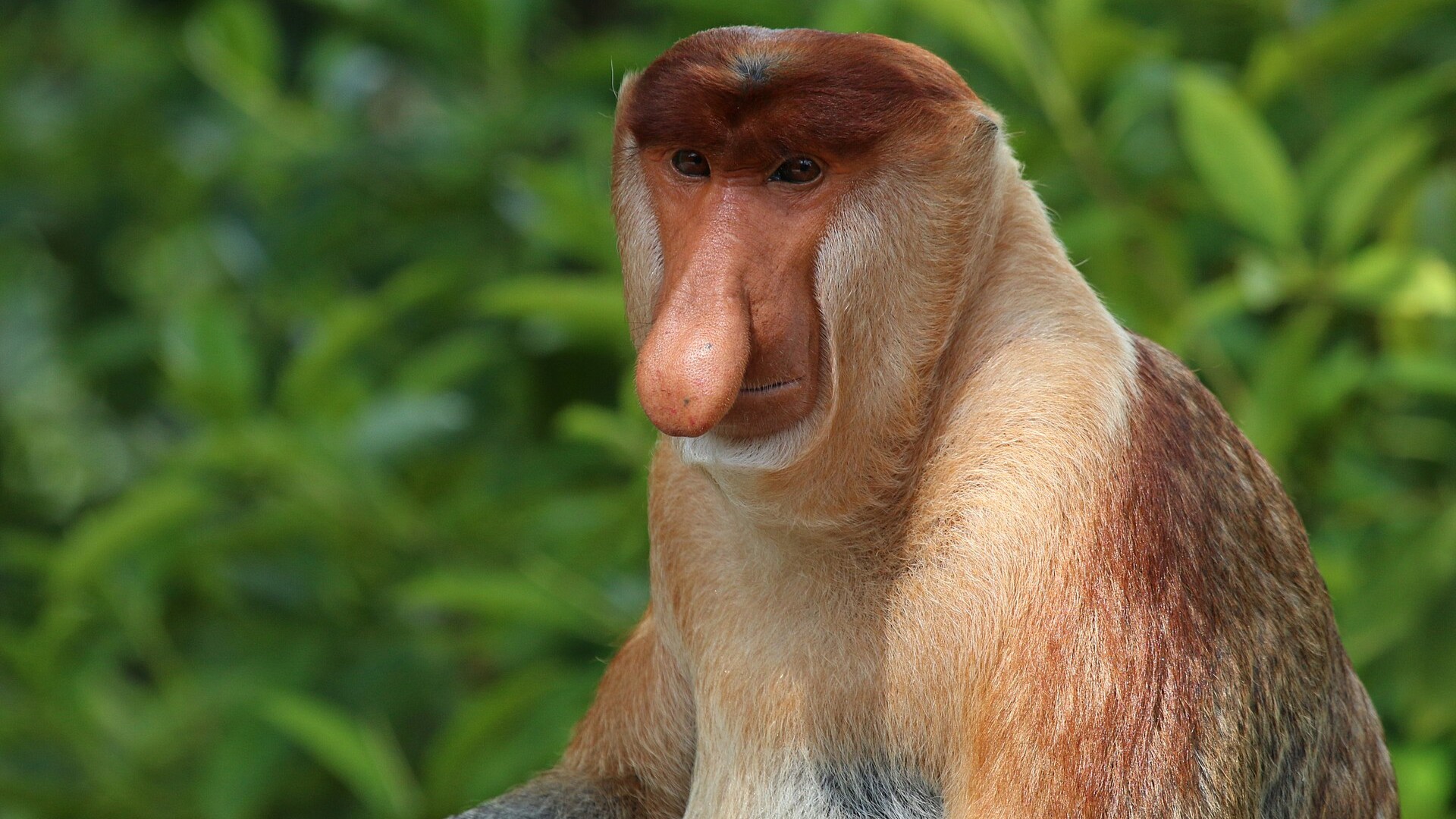
©Wikimedia / Charles J. Sharp
15. Hagfish
Myxine glutinosa has lived on ocean floors for three hundred million years without true jaws or vertebrae. When bitten by sharks, it ejects protein threads that expand in seawater to choke the gills of predators instantly.
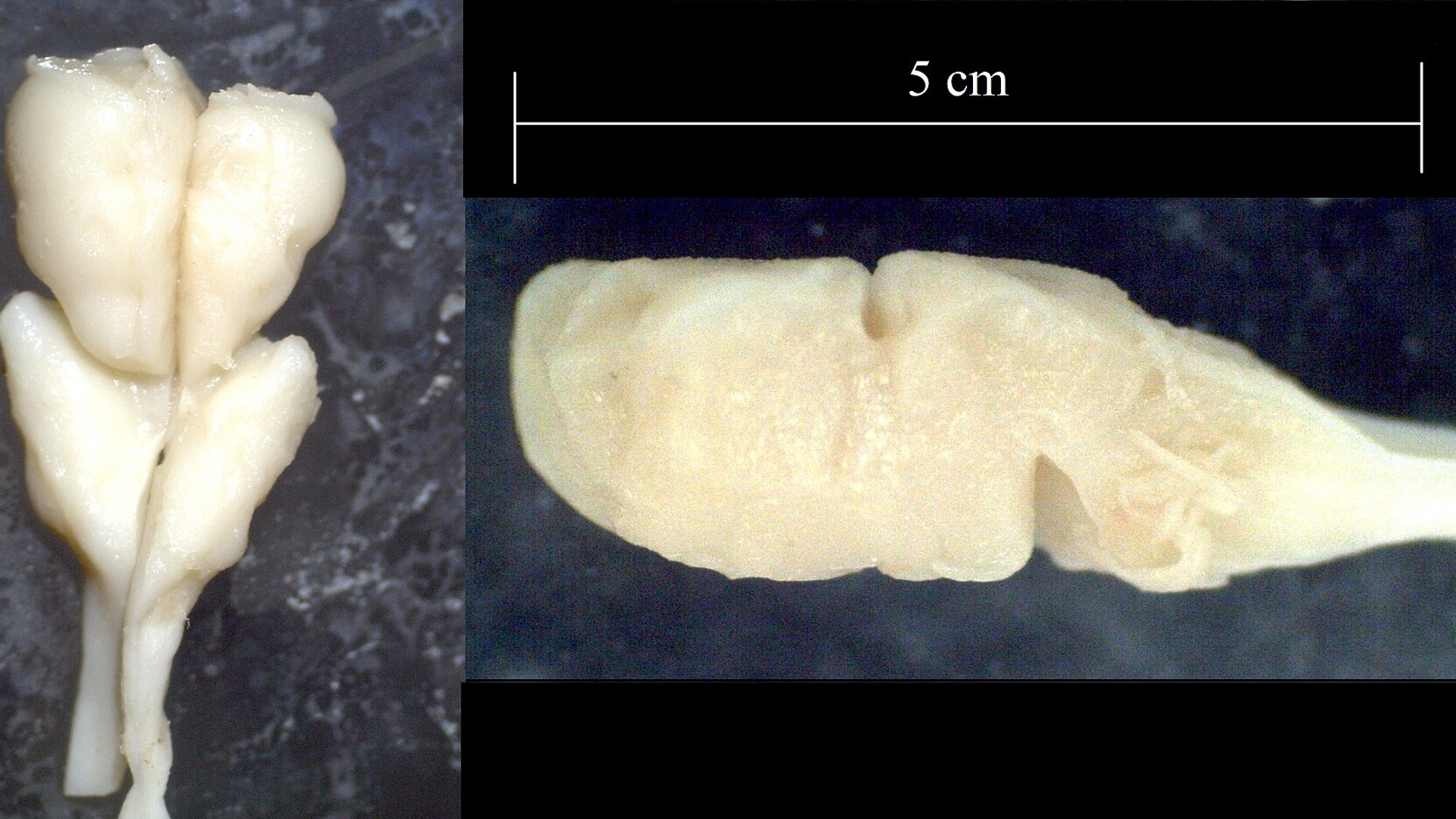
©Wikimedia / Zaro7315
14. Red-Lipped Batfish
Ogcocephalus darwini lives at ocean depths down to seventy-five meters surrounding the Galapagos Islands. Poor swimmers, they use pectoral fins like legs to stroll across sandy seafloors while hunting mollusks with an illicium lure.
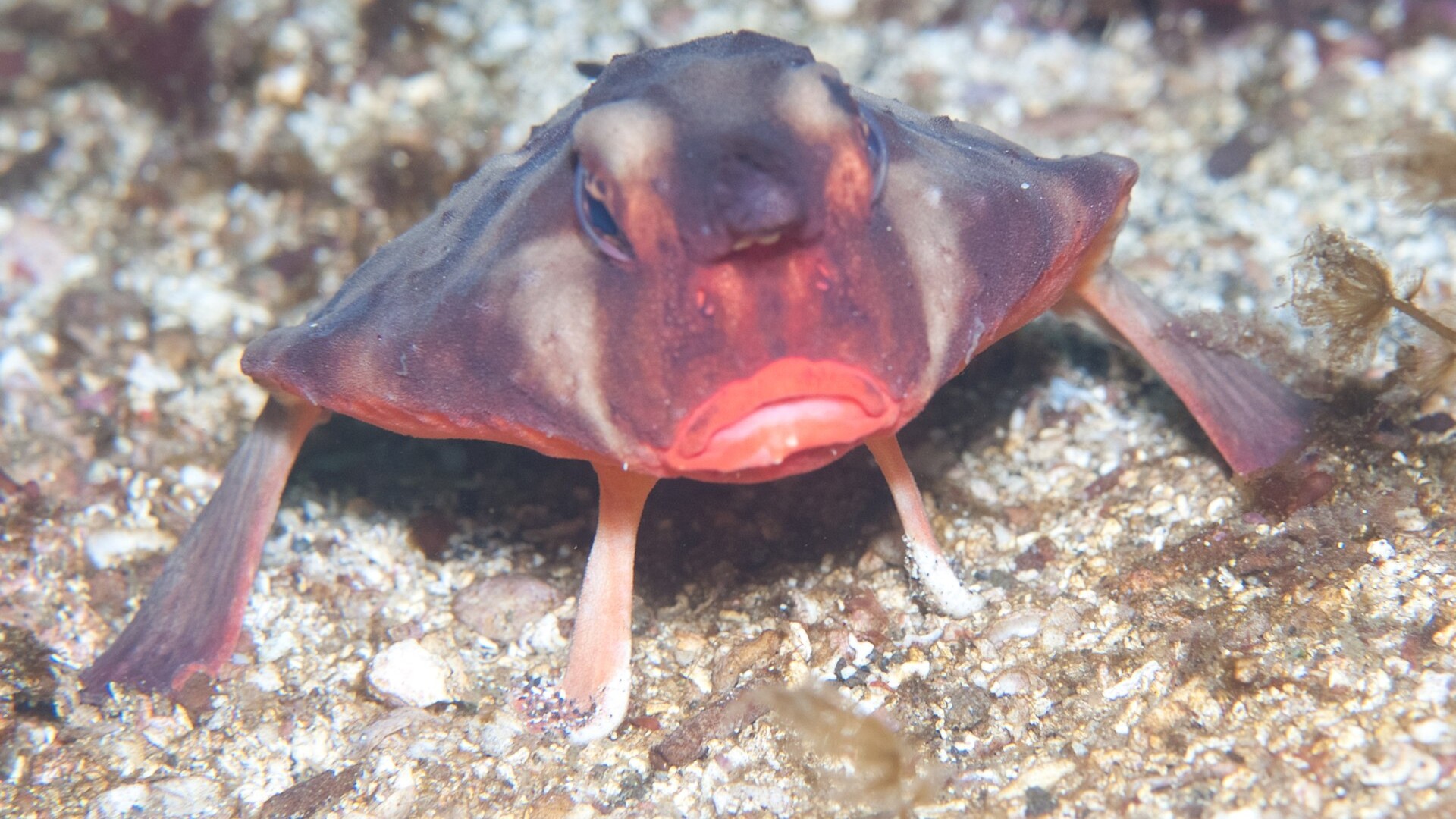
©Wikimedia / Georgina Jones
Advertisement
Swipe or tap ▶ to resume the countdown.
13. Saiga Antelope
Saiga tatarica inhabits cold grasslands in Kazakhstan and Mongolia. Its bulbous snout contains specialized internal membranes that filter out dust storms in summer and heat sub-zero air before it enters the lungs in winter.
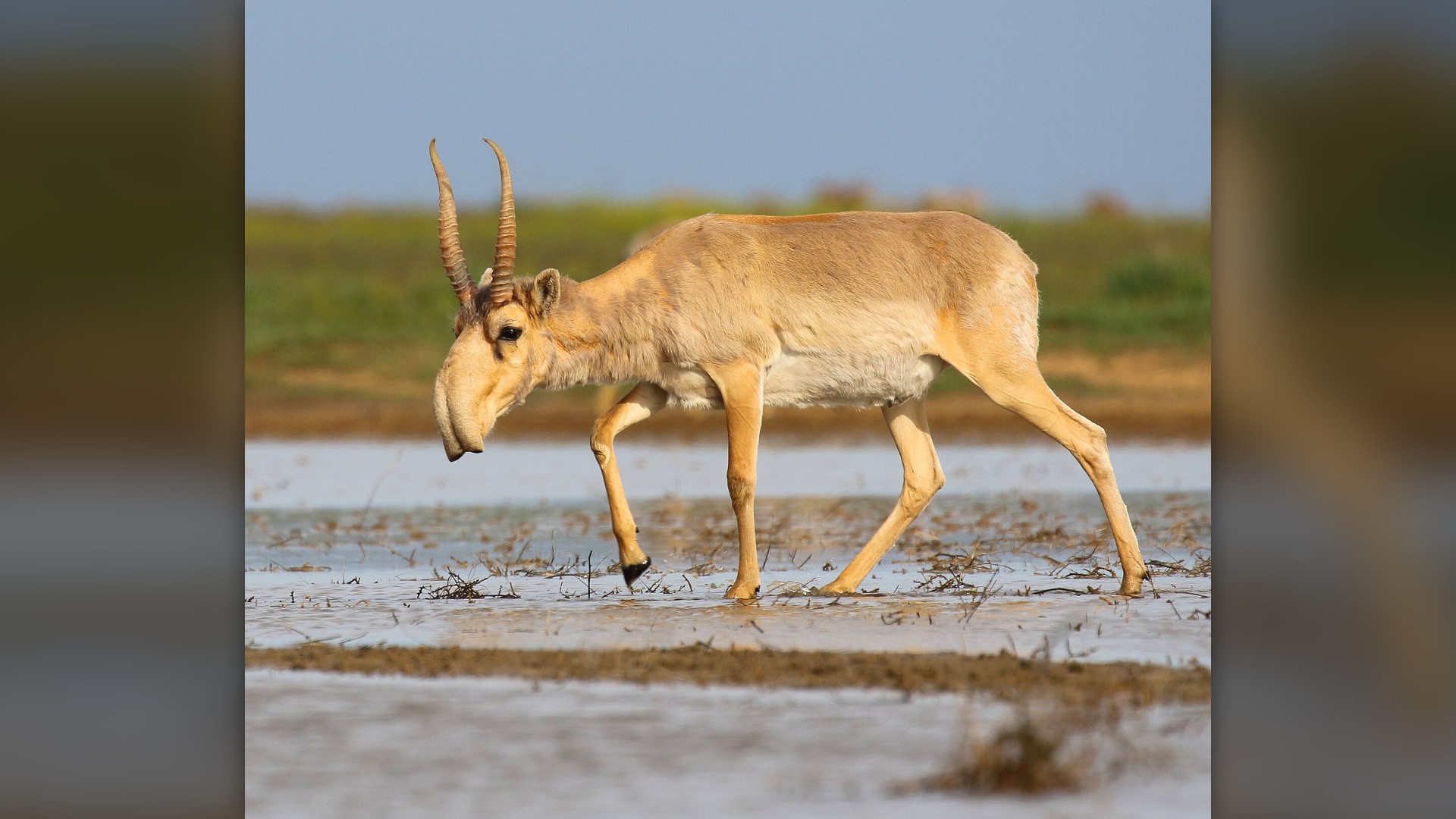
©Wikimedia / Saiga antelope
12. Marabou Stork
Leptoptilos crumenifer roams African savannas with a wingspan topping nine feet. Its pink inflatable throat pouch connects directly to nasal passages and serves in courtship displays, while its bare head stays clean around roadkill.
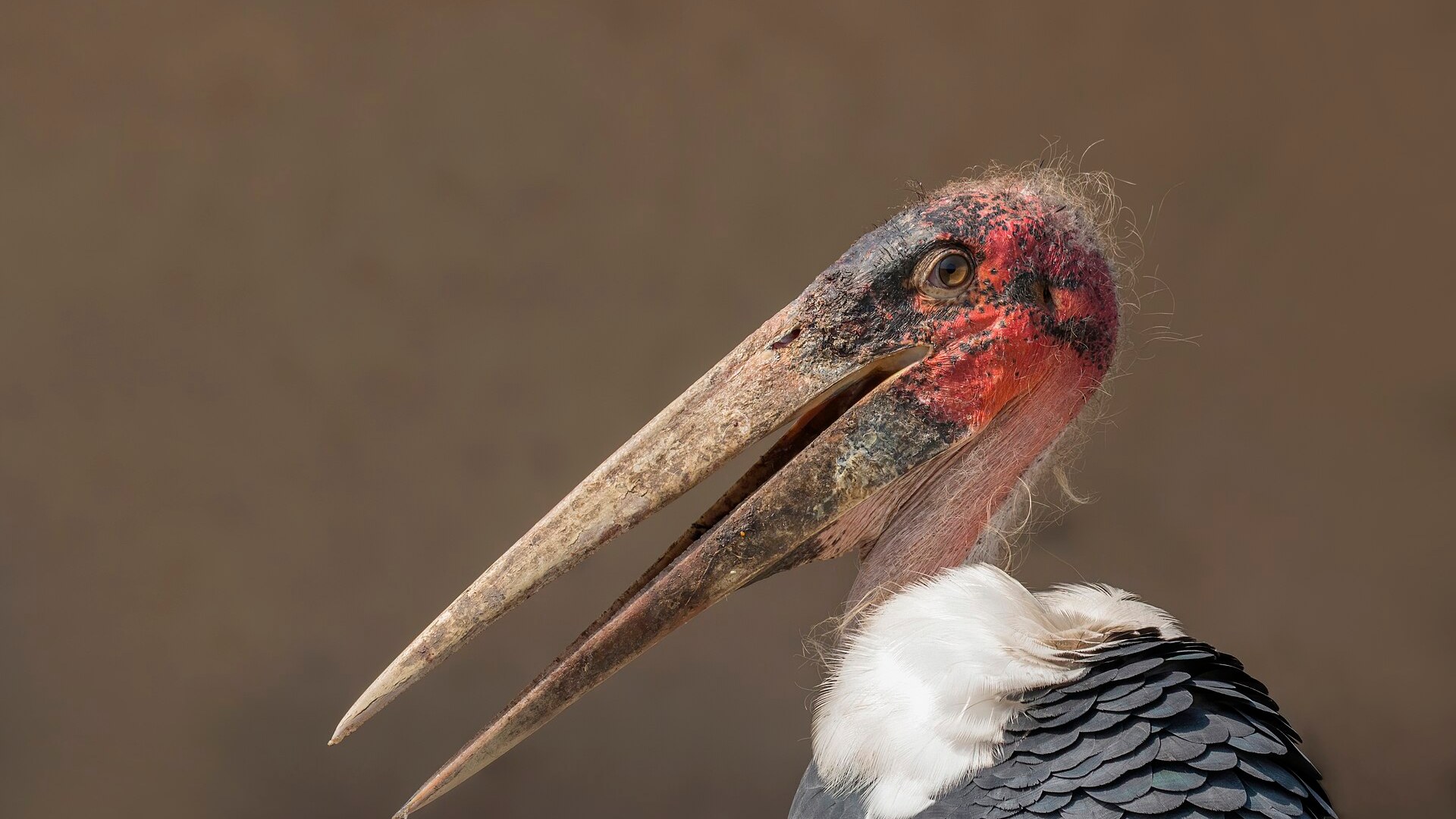
©Wikimedia / Charles J. Sharp
11. Naked Mole-Rat
Heterocephalus glaber lives in underground colonies across East Africa led by a single breeding queen. It can survive eighteen minutes without oxygen and shows unique resistance to cancer, living up to thirty-seven years in captivity.
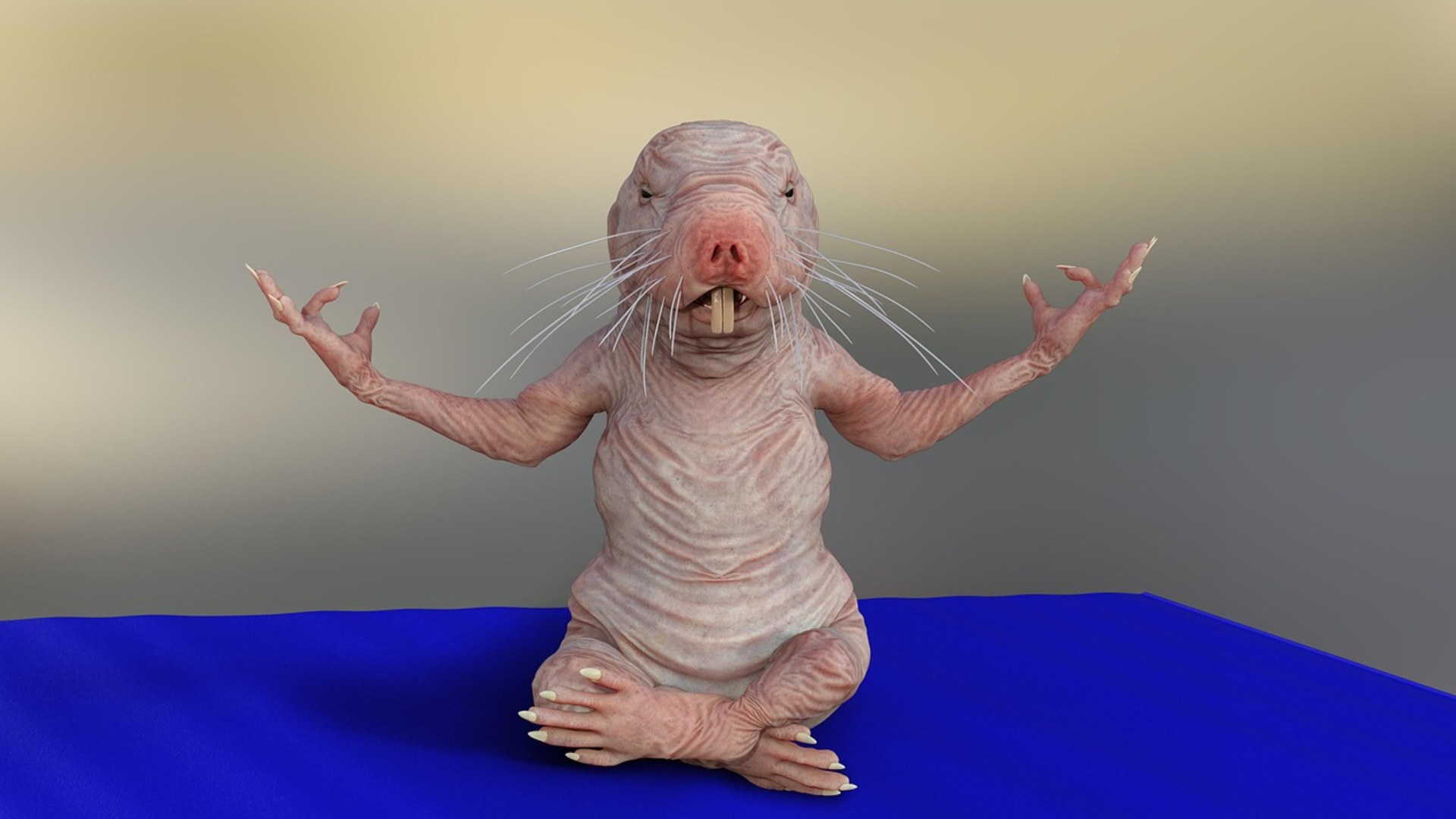
©Pixabay / anaterate
10. Gharial
Gavialis gangeticus dwells in fast-flowing northern Indian river systems. Its slender jaws meet minimal water resistance when snapped sideways to grab freshwater fish, and mature males develop a bulbous snout tip called a ghara.
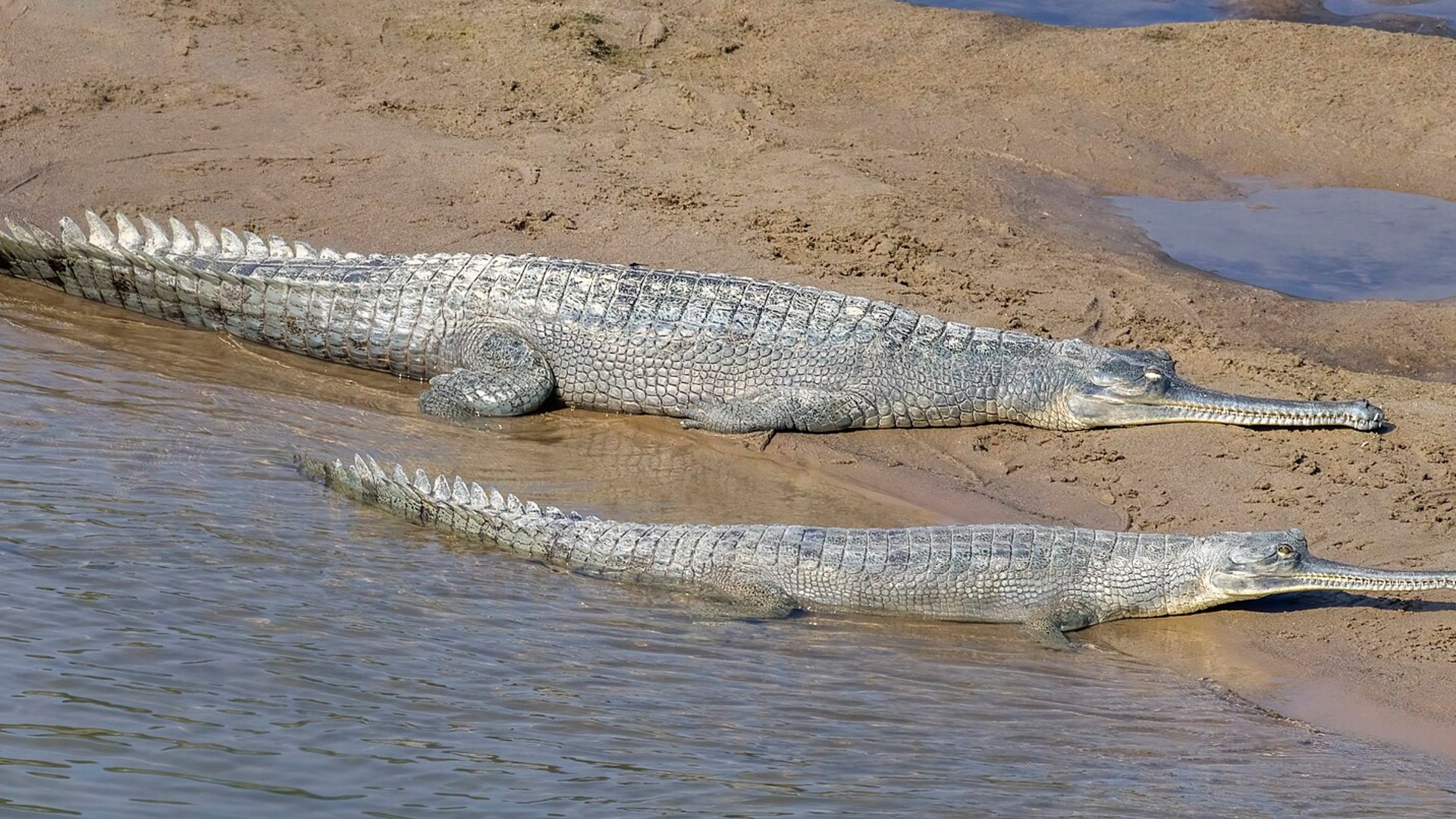
©Wikimedia / Charles J. Sharp
Advertisement
Swipe or tap ▶ to resume the countdown.
9. Southern Elephant Seal
Bulls of Mirounga leonina weigh over eight thousand pounds on subantarctic beaches. Males inflate their fleshy nasal cavity to project booming roars during violent territory disputes over harem breeding grounds.
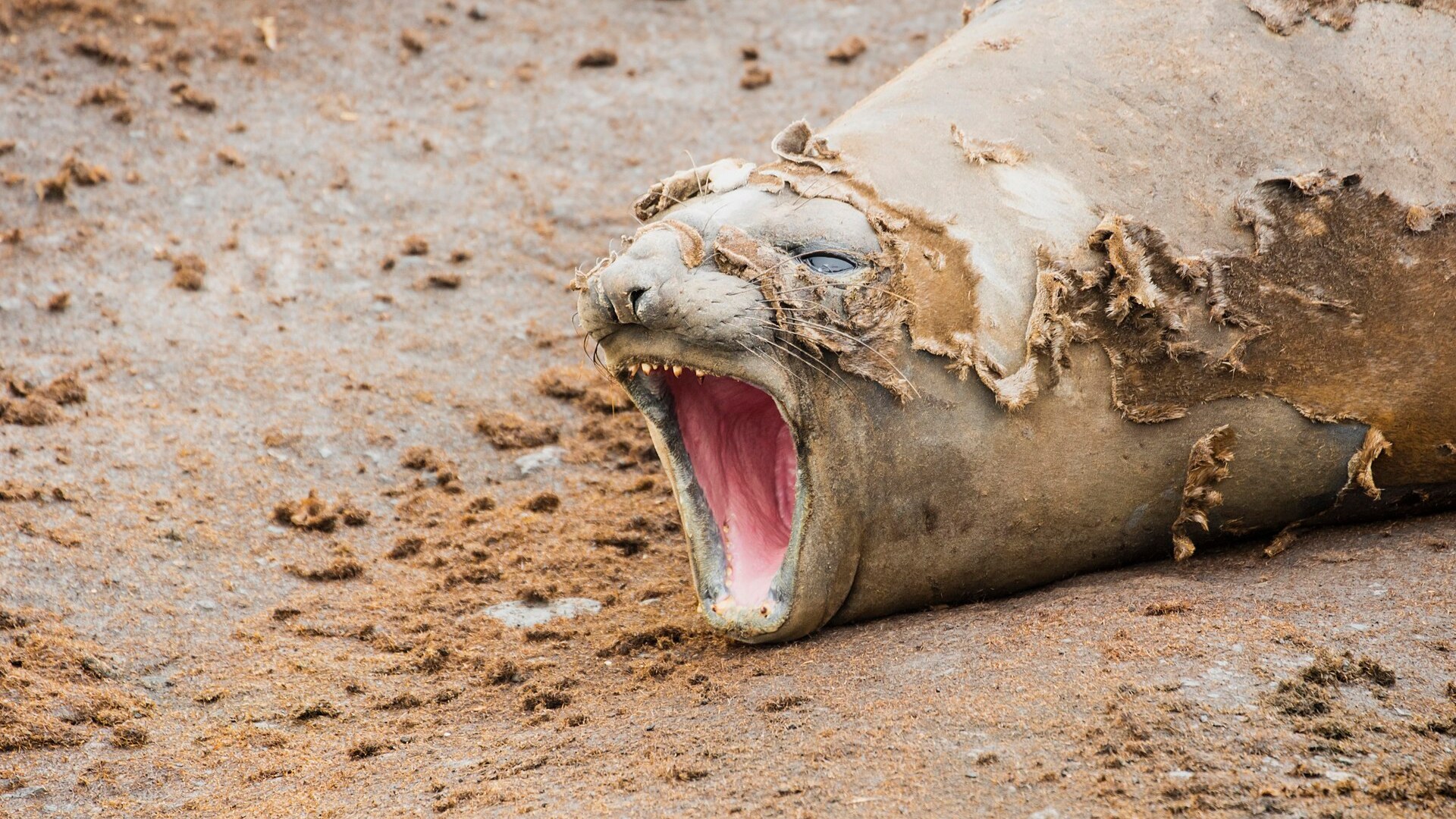
©Wikimedia / Godot13
8. Goblin Shark
Mitsukurina owstoni glides across continental slopes at depths beyond twelve hundred meters. It senses prey electrical pulses through pores in its elongated snout, then springs its jaws forward to impale squid on needle teeth.
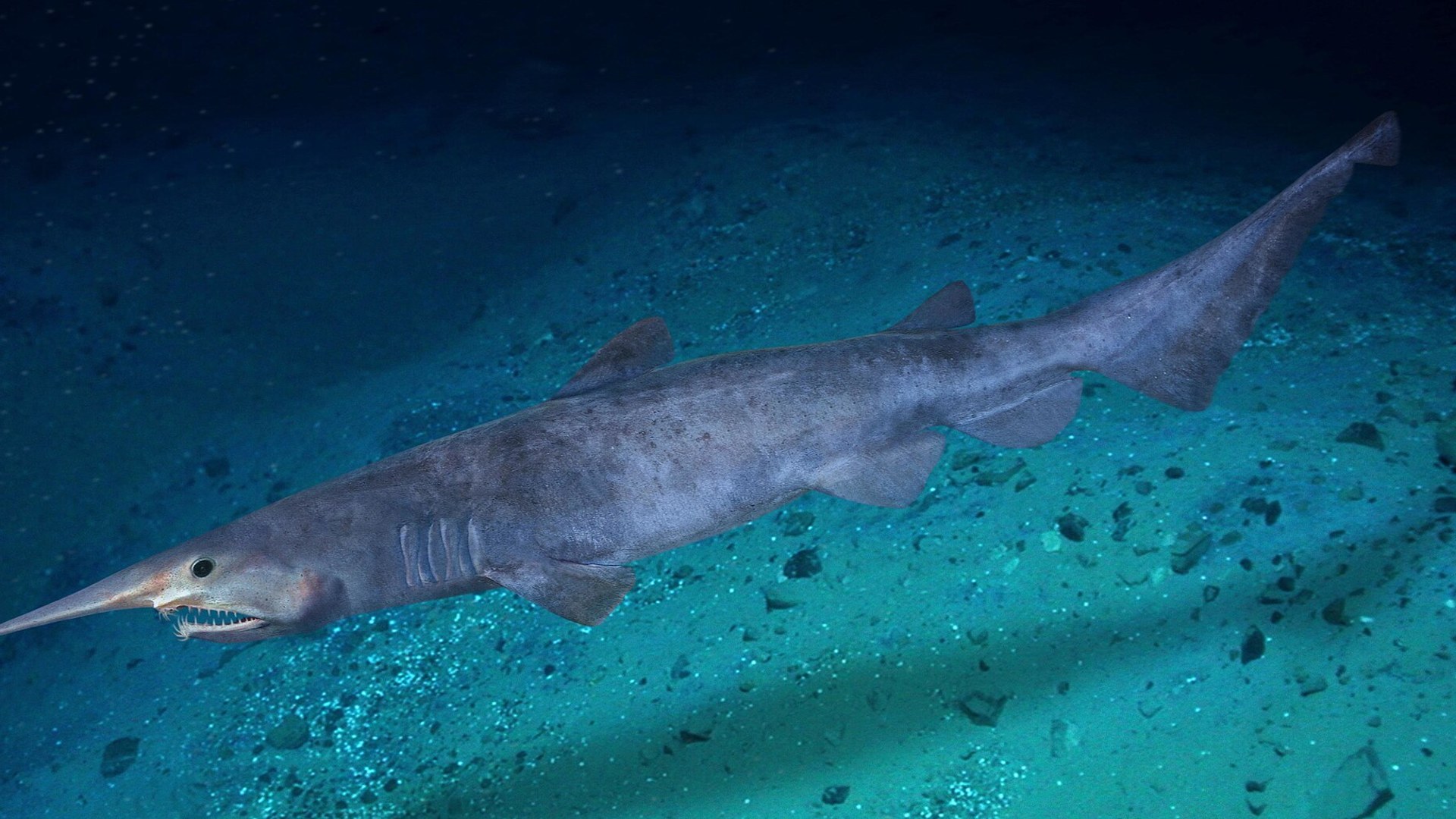
©Wikimedia / Michigan State University/USFWS
7. Purple Frog
Nasikabatrachus sahyadrensis spends almost the entire year buried under soil in India's Western Ghats. It emerges for just two weeks during the monsoon to breed in temporary torrential streams, using strong hind legs to dig backwards.
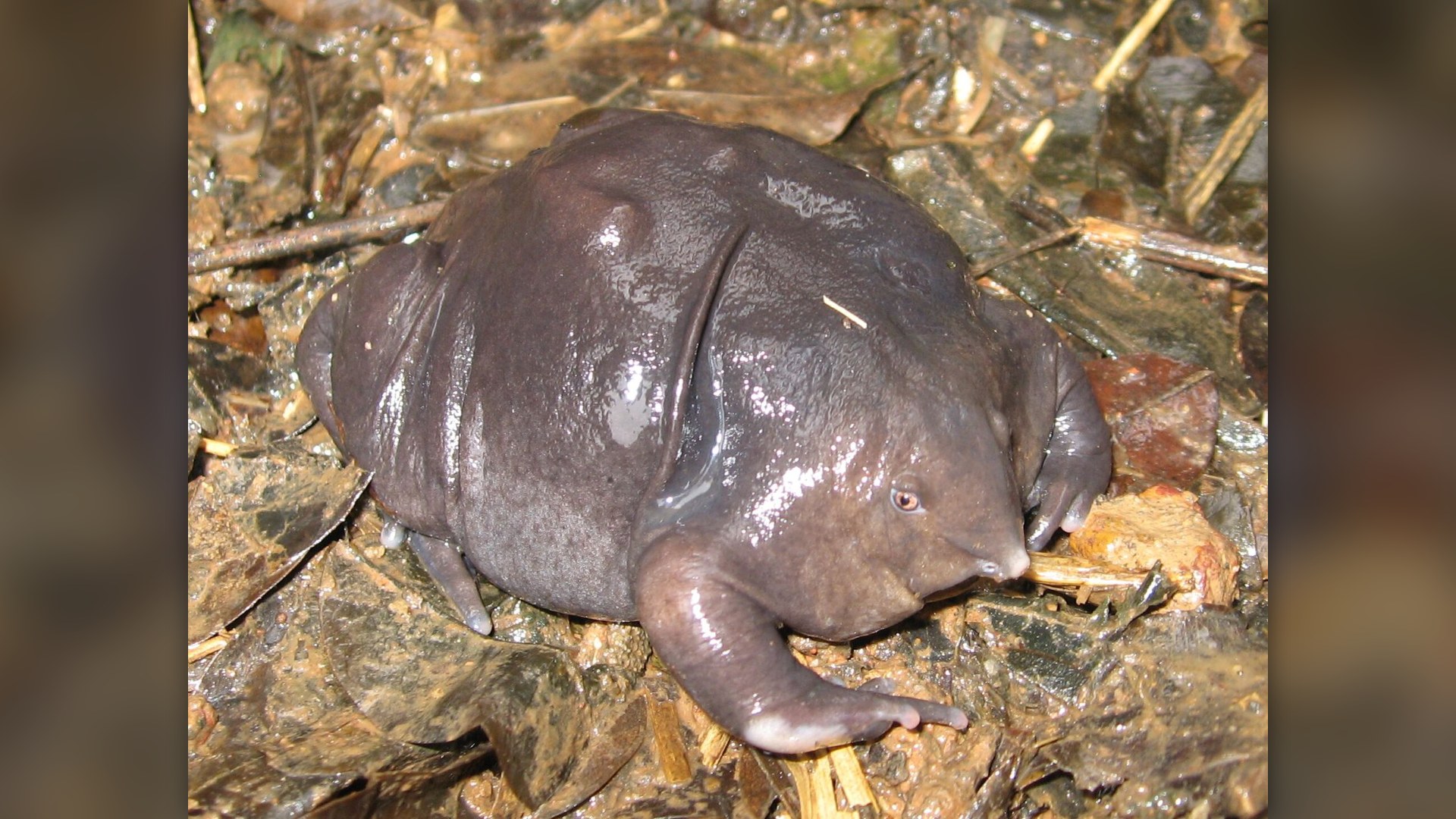
©Wikimedia / Original uploader was Karthickbala at ta.wikiped
6. Atlantic Wolffish
Anarhichas lupus inhabits rocky North Atlantic reefs down to five hundred meters. Its strong canine and molar teeth crush hard-shelled sea urchins and crabs, while special proteins in its blood prevent freezing in sub-zero water.
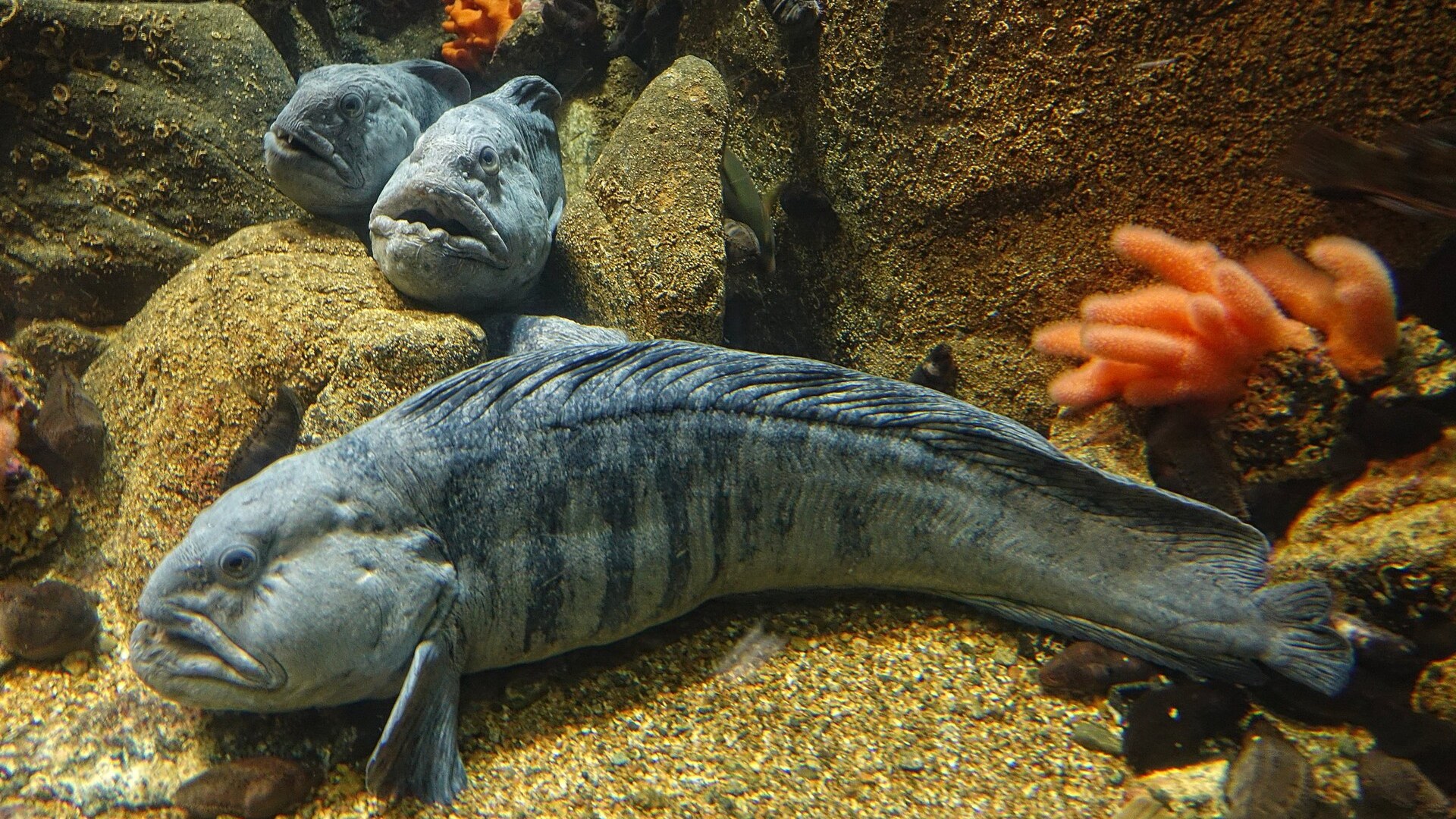
©Wikimedia / Bjørn Christian Tørrissen
Advertisement
Swipe or tap ▶ to resume the countdown.
5. Aye Aye
Daubentonia madagascariensis fills the ecological niche of a woodpecker in Madagascar forests. It taps tree trunks at eight strikes per second to find wood-boring beetle grubs, extracting them using its wiry skeletal third digit.
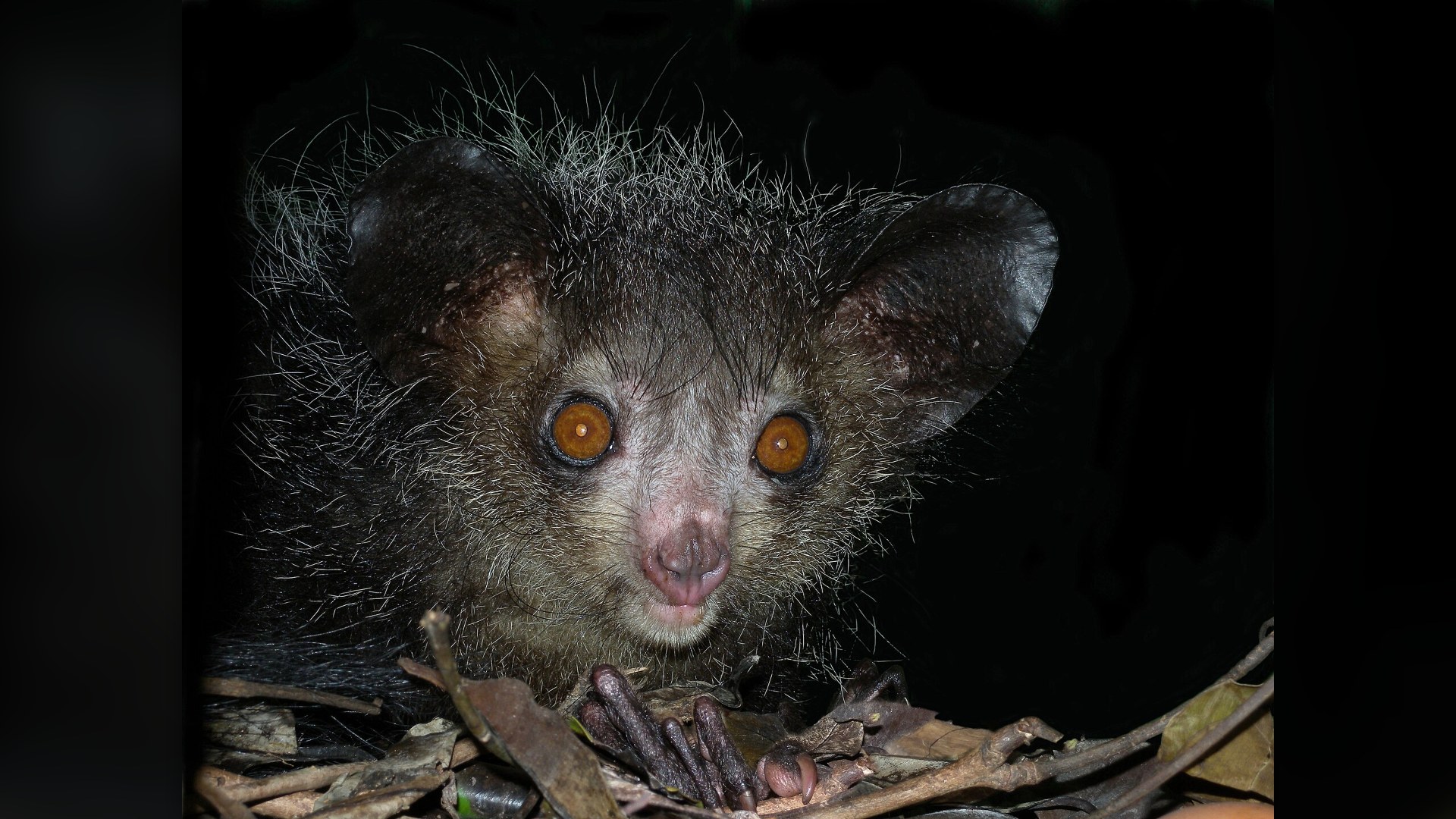
©Wikimedia / Frank Vassen from Brussels, Belgium
4. Axolotl
Ambystoma mexicanum never outgrows its larval stage, retaining aquatic gills throughout adulthood in Lake Xochimilco. Medical scientists study its extraordinary ability to regrow severed limbs, spinal cord segments, and heart tissue.
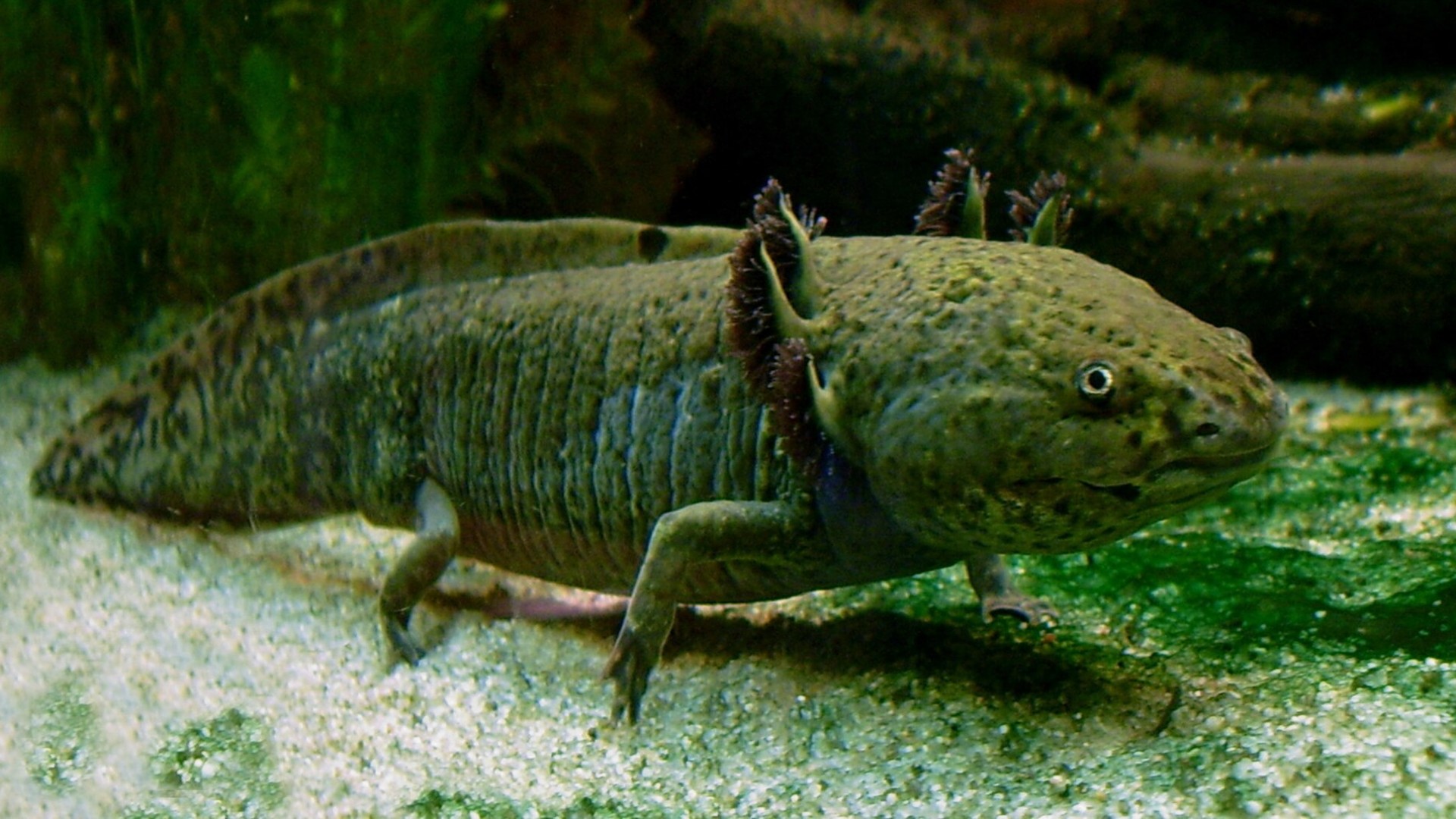
©Wikimedia / Axolotl
3. Hellbender Salamander
Cryptobranchus alleganiensis hides under large flat rocks in clear Appalachian mountain streams. Its wrinkly lateral skin folds increase surface area to absorb dissolved oxygen directly from running water without relying on lungs.
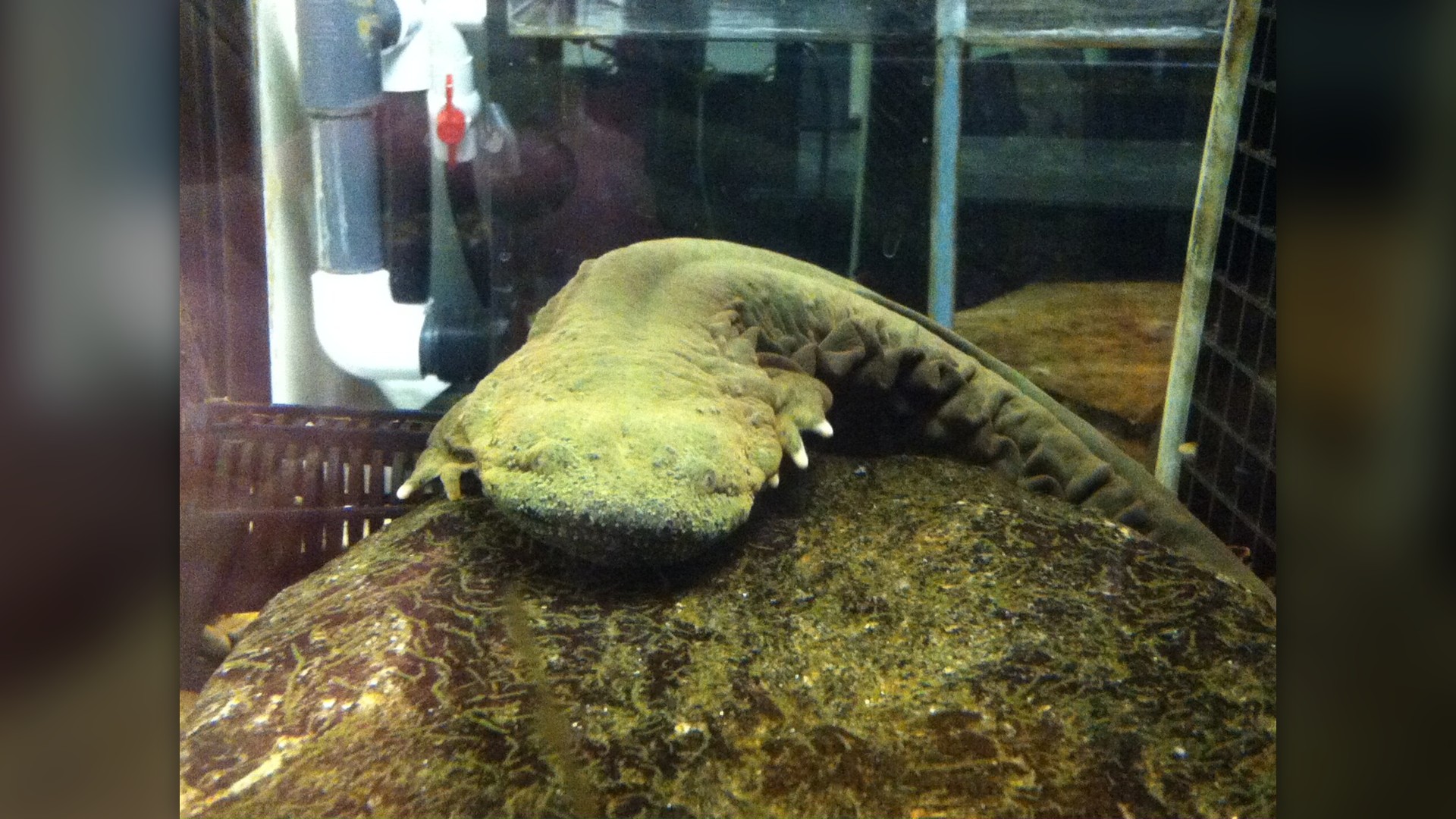
©Wikimedia / Ns4571a
2. Humpback Anglerfish
Melanocetus johnsonii lives in absolute darkness down to two thousand meters below sea level. Female anglerfish produce a bioluminescent glow using symbiotic bacteria inside their esca lure, drawing unsuspecting prey straight into expanding stomachs.
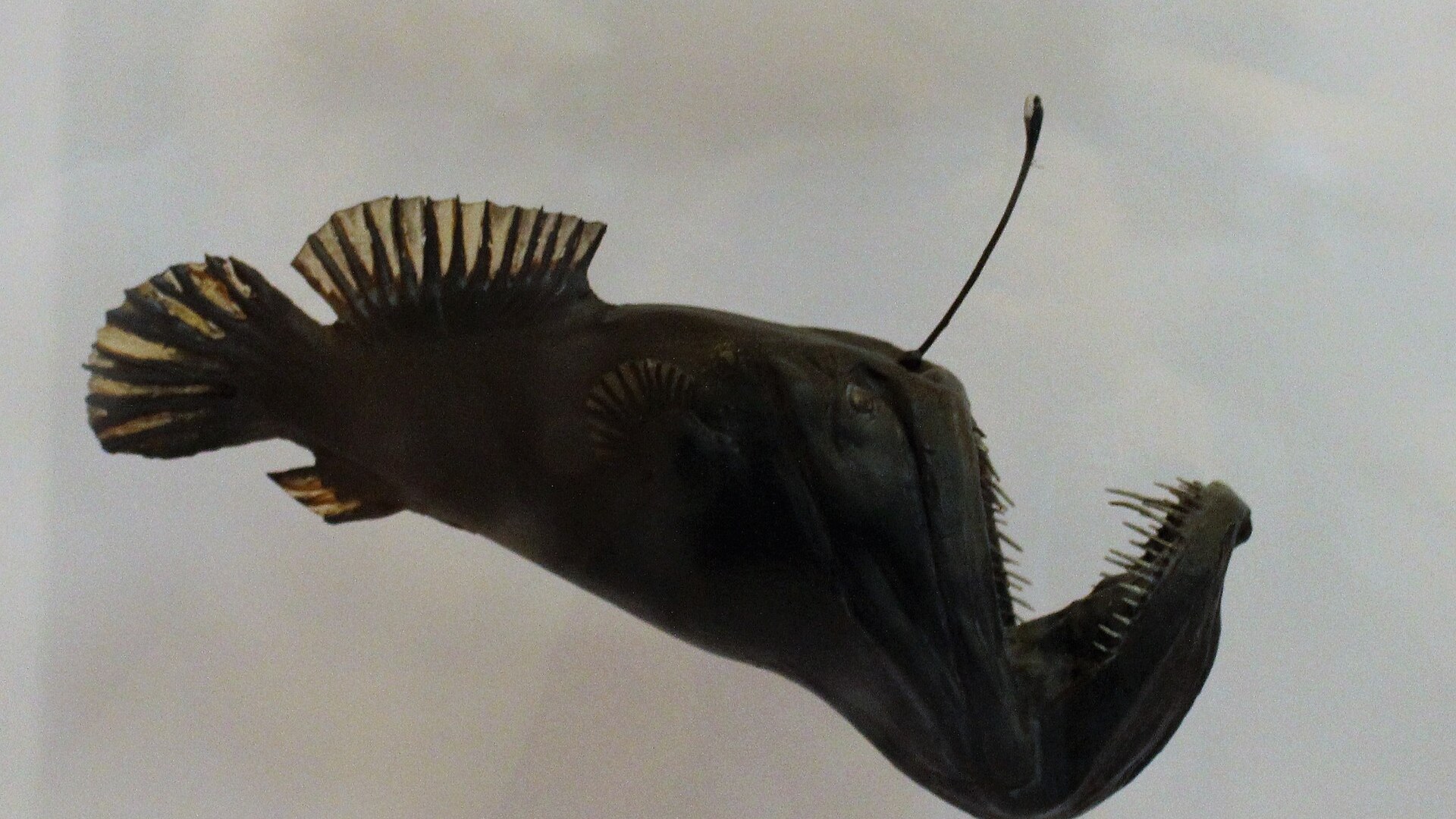
©Wikimedia / Emőke Dénes
Advertisement
Swipe or tap ▶ to resume the countdown.
1. Blobfish
Psychrolutes marcidus floats effortlessly above ocean floors off southeastern Australia at depths down to twelve hundred meters. Because it lacks bone and muscle, water pressure keeps its body intact; brought to the surface, it slumps into a limp form.
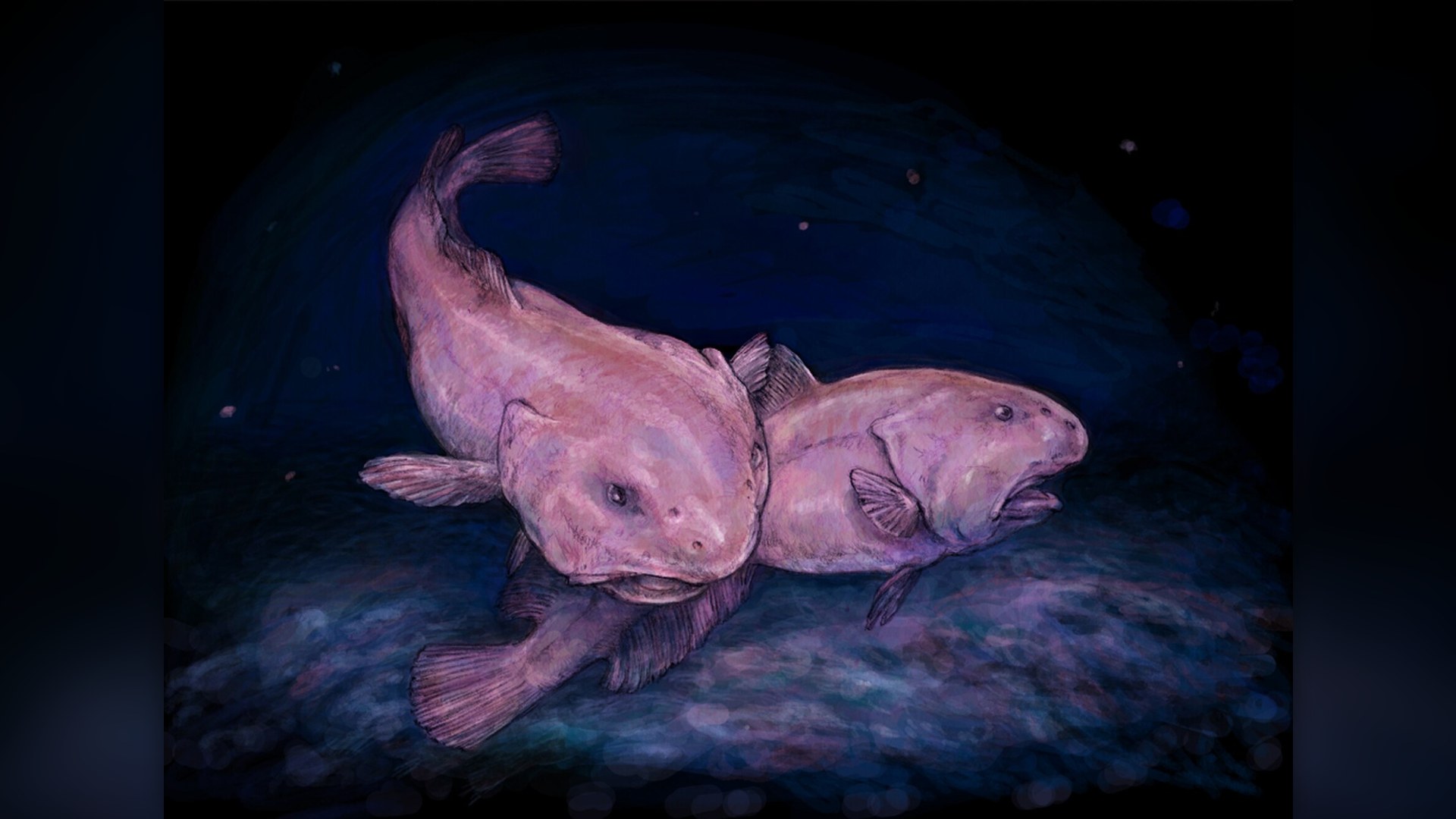
©Wikimedia / Rachel Caauwe
Advertisement
You've reached the end of the story. Thanks for reading!

24 Ocean Animals That Use Clever Tricks to Defend Themselves
The global ocean contains thousands of marine species with specialized chemical venoms, sharp barbs, and predatory teeth. From shallow coral reefs to the open pelagic sea, these marine animals developed complex chemical defenses to immobilize prey and deter predators across millions of evolutionary years.
All 24 Entries in this Story
1. Warthog
Found throughout sub-Saharan savannas, Phacochoerus africanus uses padded facial calluses to cushion blows during fights. Its lower canine tusks sharpen against the upper pair to create dangerous defensive blades against lions.

2. Horseshoe Bat
Rhinolophus ferrumequinum relies on its horseshoe-shaped facial flap to focus ultrasonic echolocation pulses. This complex nose leaf lets the bat pinpoint fluttering moths in dense European and Asian woodland canopies.

3. Turkey Vulture
Cathartes aura keeps its bald head free of bacteria while feeding inside animal carcasses under hot sun. Unlike most birds, it navigates by scent, detecting airborne traces of ethyl mercaptan from miles away.

4. Monkfish
Lophius americanus conceals its mottled, flattened body on North Atlantic continental shelves. It dangles a modified dorsal fin spine tipped with flesh to lure flounder and crustaceans into its backward-pointing teeth.

5. California Condor
Gymnogyps californianus possesses a bare head that flushes pink to communicate emotional states with other flock members. Intensive captive breeding programs raised its global population from twenty-two birds in 1982 to over five hundred today.

6. Mata Mata Turtle
Chelus fimbriata lies motionless in shallow Amazonian riverbeds disguised as fallen tree debris. When small fish drift close, the turtle snaps open its mouth and expands its esophagus to engulf water and prey in one vacuum strike.

7. Chinese Giant Salamander
Reaching lengths over five feet in cold mountain streams, Andrias davidianus is the largest amphibian alive. It navigates murky riverbeds using sensory nodes running along its flanks that detect microscopic pressure waves.

8. Star-Nosed Mole
Condylura cristata burrows through wetlands in eastern North America at record speeds. Its nasal star contains more than twenty-five thousand microscopic touch receptors called Eimer organs, letting it identify prey in eight milliseconds.

9. Proboscis Monkey
Living in mangrove forests across Borneo, male Nasalis larvatus develop bulbous noses up to seven inches long to amplify mating bellows. They are capable swimmers with webbed hands and feet that allow them to cross rivers.

10. Hagfish
Myxine glutinosa has lived on ocean floors for three hundred million years without true jaws or vertebrae. When bitten by sharks, it ejects protein threads that expand in seawater to choke the gills of predators instantly.

11. Red-Lipped Batfish
Ogcocephalus darwini lives at ocean depths down to seventy-five meters surrounding the Galapagos Islands. Poor swimmers, they use pectoral fins like legs to stroll across sandy seafloors while hunting mollusks with an illicium lure.

12. Saiga Antelope
Saiga tatarica inhabits cold grasslands in Kazakhstan and Mongolia. Its bulbous snout contains specialized internal membranes that filter out dust storms in summer and heat sub-zero air before it enters the lungs in winter.

13. Marabou Stork
Leptoptilos crumenifer roams African savannas with a wingspan topping nine feet. Its pink inflatable throat pouch connects directly to nasal passages and serves in courtship displays, while its bare head stays clean around roadkill.

14. Naked Mole-Rat
Heterocephalus glaber lives in underground colonies across East Africa led by a single breeding queen. It can survive eighteen minutes without oxygen and shows unique resistance to cancer, living up to thirty-seven years in captivity.

15. Gharial
Gavialis gangeticus dwells in fast-flowing northern Indian river systems. Its slender jaws meet minimal water resistance when snapped sideways to grab freshwater fish, and mature males develop a bulbous snout tip called a ghara.

16. Southern Elephant Seal
Bulls of Mirounga leonina weigh over eight thousand pounds on subantarctic beaches. Males inflate their fleshy nasal cavity to project booming roars during violent territory disputes over harem breeding grounds.

17. Goblin Shark
Mitsukurina owstoni glides across continental slopes at depths beyond twelve hundred meters. It senses prey electrical pulses through pores in its elongated snout, then springs its jaws forward to impale squid on needle teeth.

18. Purple Frog
Nasikabatrachus sahyadrensis spends almost the entire year buried under soil in India's Western Ghats. It emerges for just two weeks during the monsoon to breed in temporary torrential streams, using strong hind legs to dig backwards.

19. Atlantic Wolffish
Anarhichas lupus inhabits rocky North Atlantic reefs down to five hundred meters. Its strong canine and molar teeth crush hard-shelled sea urchins and crabs, while special proteins in its blood prevent freezing in sub-zero water.

20. Aye Aye
Daubentonia madagascariensis fills the ecological niche of a woodpecker in Madagascar forests. It taps tree trunks at eight strikes per second to find wood-boring beetle grubs, extracting them using its wiry skeletal third digit.

21. Axolotl
Ambystoma mexicanum never outgrows its larval stage, retaining aquatic gills throughout adulthood in Lake Xochimilco. Medical scientists study its extraordinary ability to regrow severed limbs, spinal cord segments, and heart tissue.

22. Hellbender Salamander
Cryptobranchus alleganiensis hides under large flat rocks in clear Appalachian mountain streams. Its wrinkly lateral skin folds increase surface area to absorb dissolved oxygen directly from running water without relying on lungs.

23. Humpback Anglerfish
Melanocetus johnsonii lives in absolute darkness down to two thousand meters below sea level. Female anglerfish produce a bioluminescent glow using symbiotic bacteria inside their esca lure, drawing unsuspecting prey straight into expanding stomachs.

24. Blobfish
Psychrolutes marcidus floats effortlessly above ocean floors off southeastern Australia at depths down to twelve hundred meters. Because it lacks bone and muscle, water pressure keeps its body intact; brought to the surface, it slumps into a limp form.