Slideshow · Travel
20 States Ranked From Worst to Best Winters
Winter weather varies enormously across the United States. While northern prairie states face howling blizzards and forty below wind chills, sunbelt destinations offer seventy degree afternoons. This data-driven ranking evaluates seasonal livability, annual snowfall, and extreme freeze hazards nationwide.
By Most Viral Today
2 hours ago

American Winter Extremes: Cold to Warm 
20. Florida: America's Warmest Tropical Haven 
19. Arizona: Sunny Desert Warmth 
18. California: Balmy Coastline And Alpine Snow - AdvertisementSwipe or tap ▶ to continue countdown

17. Texas: Plentiful Midwinter Sun 
16. Louisiana: Mild Outdoor Festival Weather 
15. Mississippi: Temperate And Snow-Free 
14. Alabama: Mild Gulf Coast Breezes - AdvertisementSwipe or tap ▶ to continue countdown

13. Georgia: Warm Subtropical Winters 
12. South Carolina: Crisp And Sunny Afternoons 
11. North Carolina: Mild Mountain Balance 
10. Nebraska: Severe Whiteout Winds - AdvertisementSwipe or tap ▶ to continue countdown

9. New York: Upstate Monster Snowstorms 
8. Maine: Lingering Coastal Nor'easters 
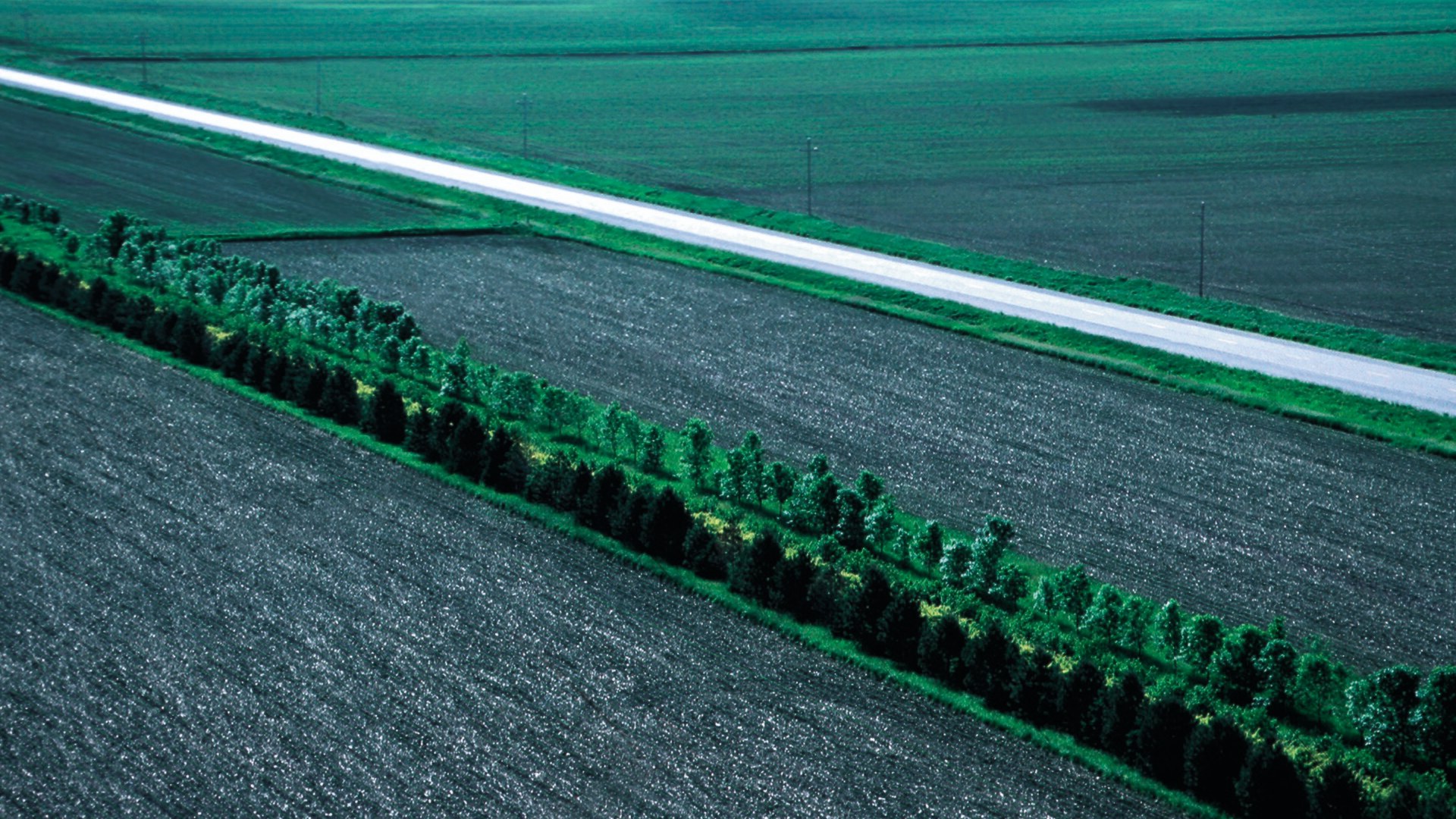
7. Iowa: Treacherous Ice And Prairie Winds 
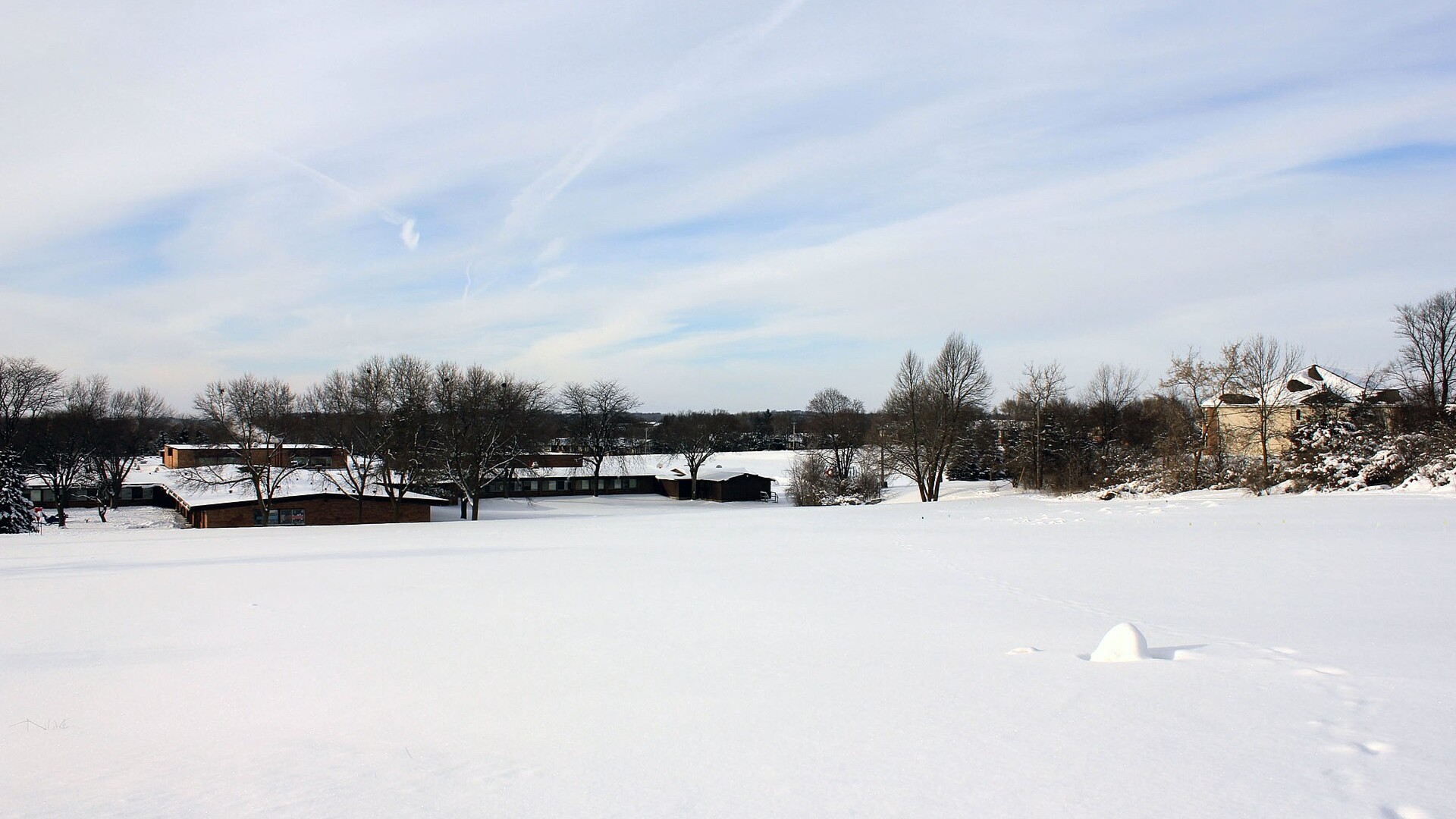
6. Wisconsin: Endless Freezing Temperatures - AdvertisementSwipe or tap ▶ to continue countdown

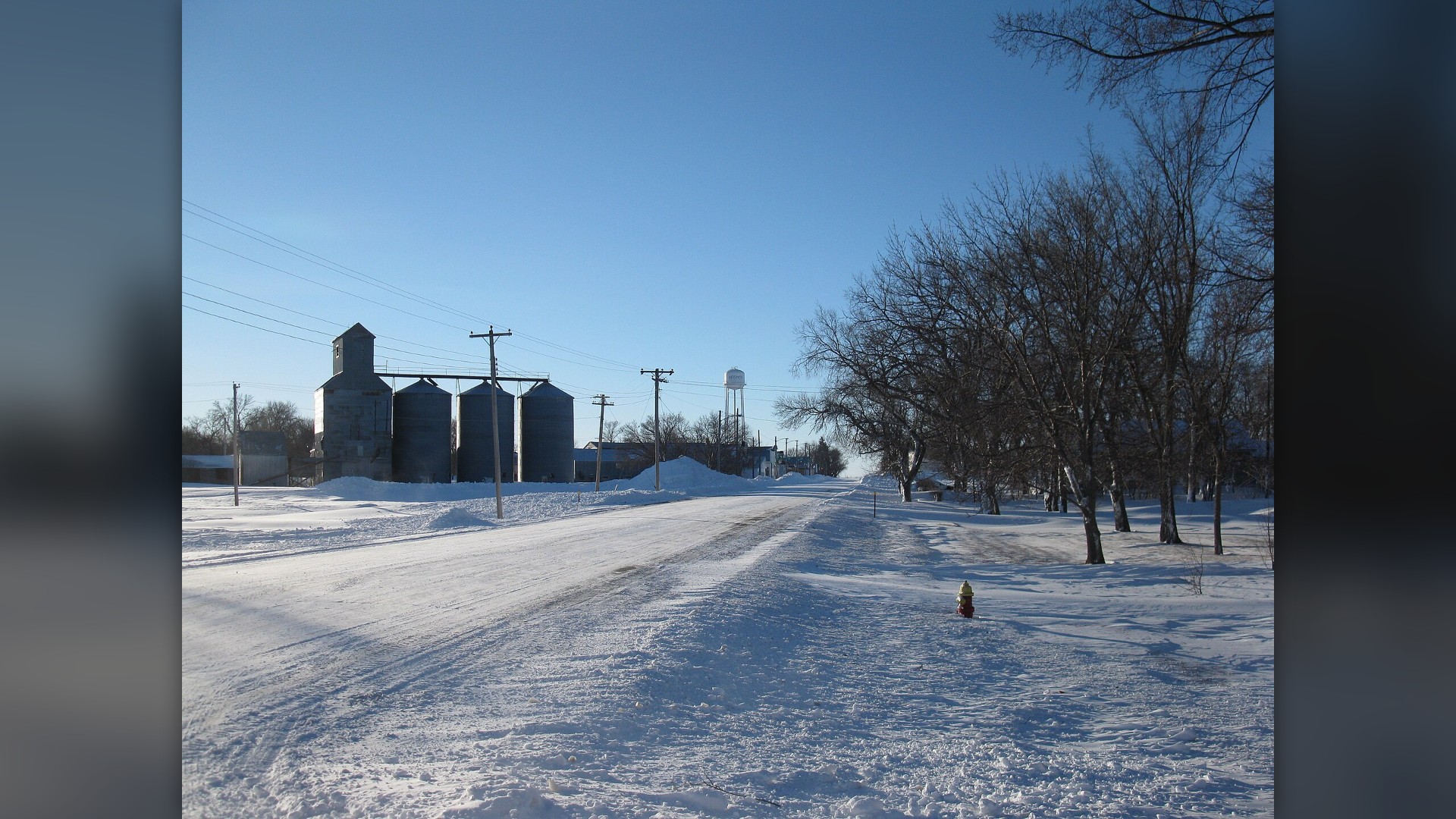
5. South Dakota: Fierce Prairie Blizzards 
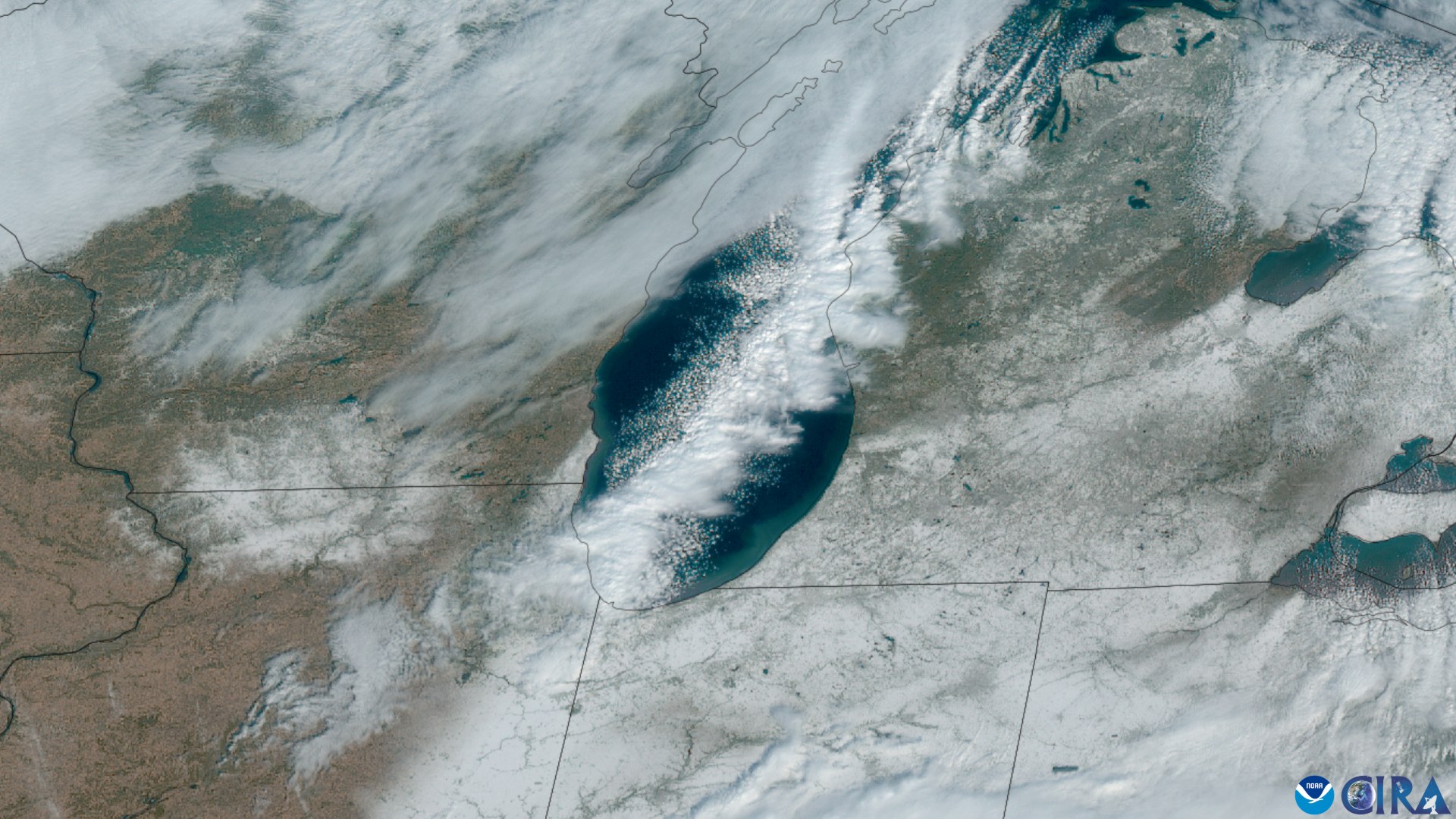
4. Michigan: Heavy Lake-Effect Snowfalls 
3. Alaska: Relentless Subzero Darkness 
2. Minnesota: Polar Vortex Deep Freezes - AdvertisementSwipe or tap ▶ to continue countdown

1. North Dakota: Brutal Arctic Wind Chills - Advertisement🔥 UP NEXT IN THIS SERIES◫ 21 Slides

20 American Cities With Magical Winter Surprises to Visit, Ranked
Discover twenty incredible American cities that come alive each December with unexpected holiday charm and winter magic. From historic gas-lit districts in New England to radiant desert luminarias in the Southwest, each destination offers unforgettable seasonal experiences, cultural festivals, and festive beauty.
Based on meteorological records from NOAA alongside national livability analysis from Thrillist and Time Out, winter conditions differ drastically by state. These twenty rankings examine how subzero wind chills, lake-effect snowstorms, and sunshine hours define the seasonal experience across America.
Swipe or tap ▶ to begin the countdown
©Wikimedia / Stevewhitbyseo & Wikimedia / Uploader Duk
20. Florida: America's Warmest Tropical Haven
Florida consistently earns the title of best winter state in the continental United States. Miami and Tampa boast average winter temperatures above seventy degrees, with warm ocean waters and zero snowfall. Tropical breezes and endless sunshine draw millions of winter visitors every year.
©Wikimedia / Don Ramey Logan
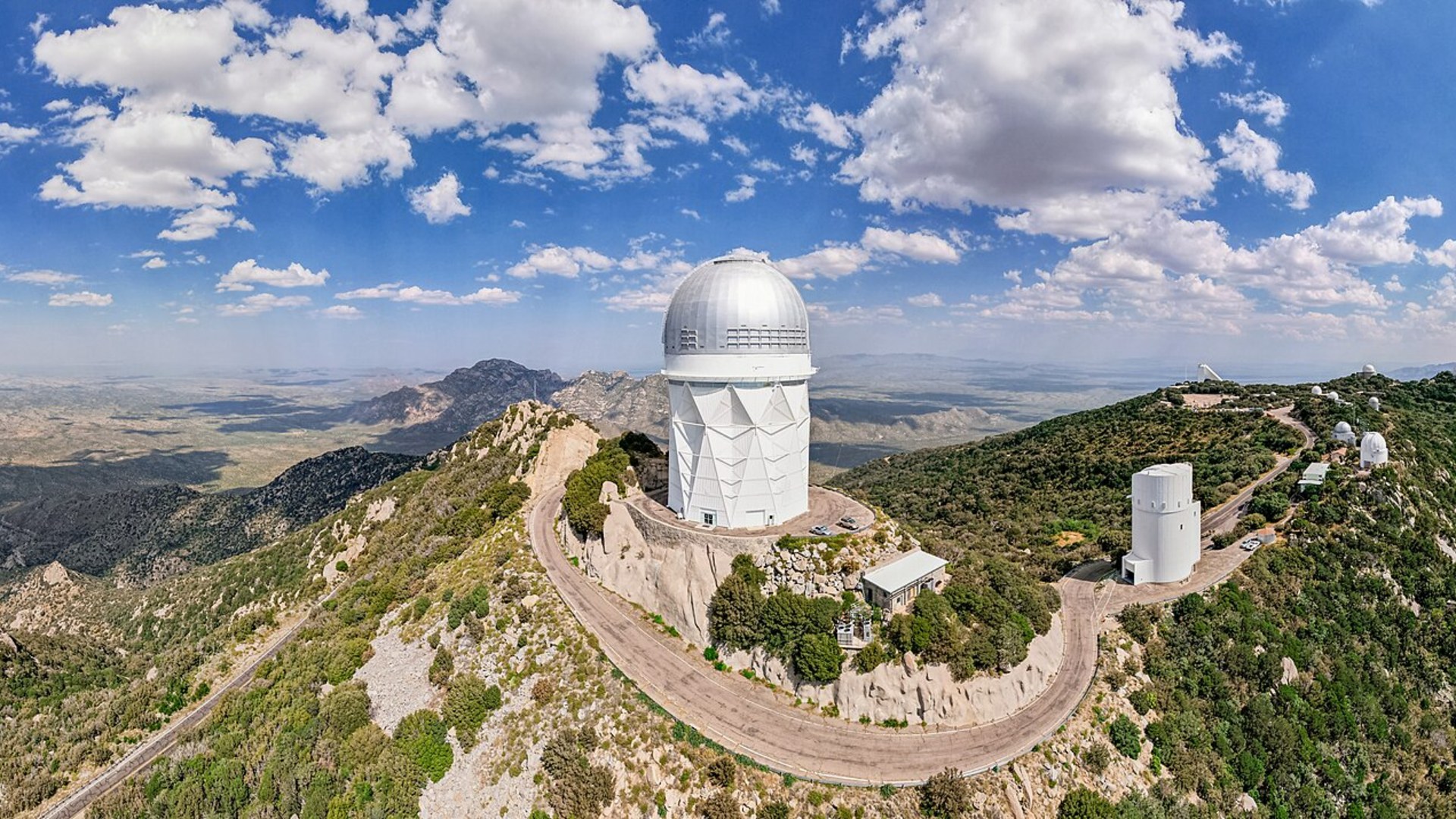
19. Arizona: Sunny Desert Warmth
Arizona ranks as a top winter haven for snowbirds fleeing northern freezes. Phoenix and Tucson offer daily highs in the low seventies under cloudless desert skies. Meanwhile, northern highlands in Flagstaff receive over seventy inches of snow, providing a snowy winter retreat just two hours away.
©Wikimedia / KPNO/NOIRLab/AURA/NSF/P. Marenfeld
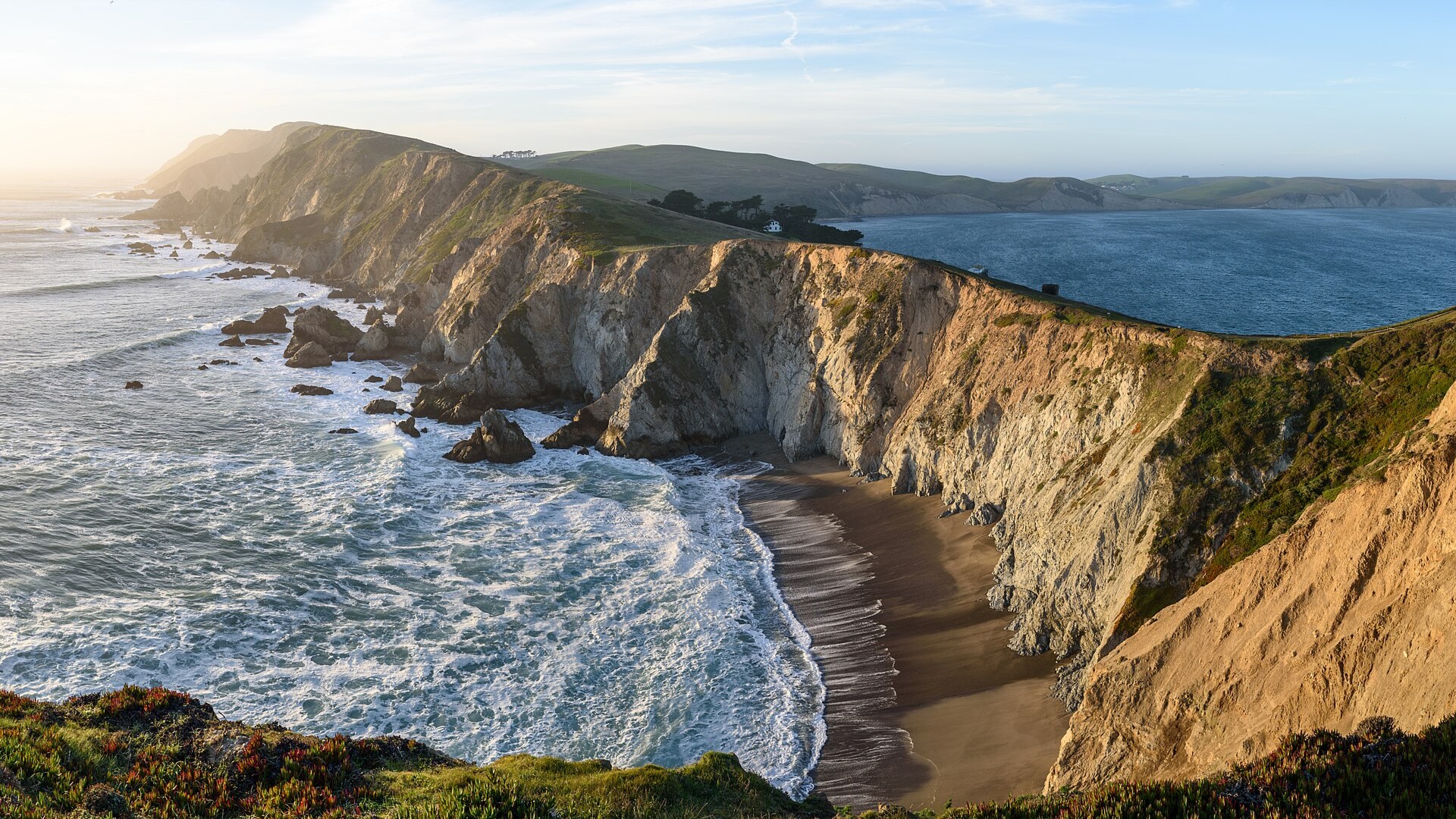
18. California: Balmy Coastline And Alpine Snow
California delivers an extraordinary winter combination of warm coastal weather and snowy alpine mountains. Los Angeles and San Diego enjoy dry seventy degree afternoons along the Pacific. At the same time, Mammoth Mountain and Lake Tahoe receive hundreds of inches of snow for winter sports.
©Wikimedia / King of Hearts
Advertisement
Swipe or tap ▶ to resume the countdown.
17. Texas: Plentiful Midwinter Sun
Texas offers warm winter climates across most of its territory, though northern panhandle areas see brief dustings. San Antonio and the Rio Grande Valley regularly reach seventy degrees in midwinter. Residents enjoy bright blue skies and outdoor patio dining while northern states battle blizzards.
©Wikimedia / Txcity512/Bobby M. Collins
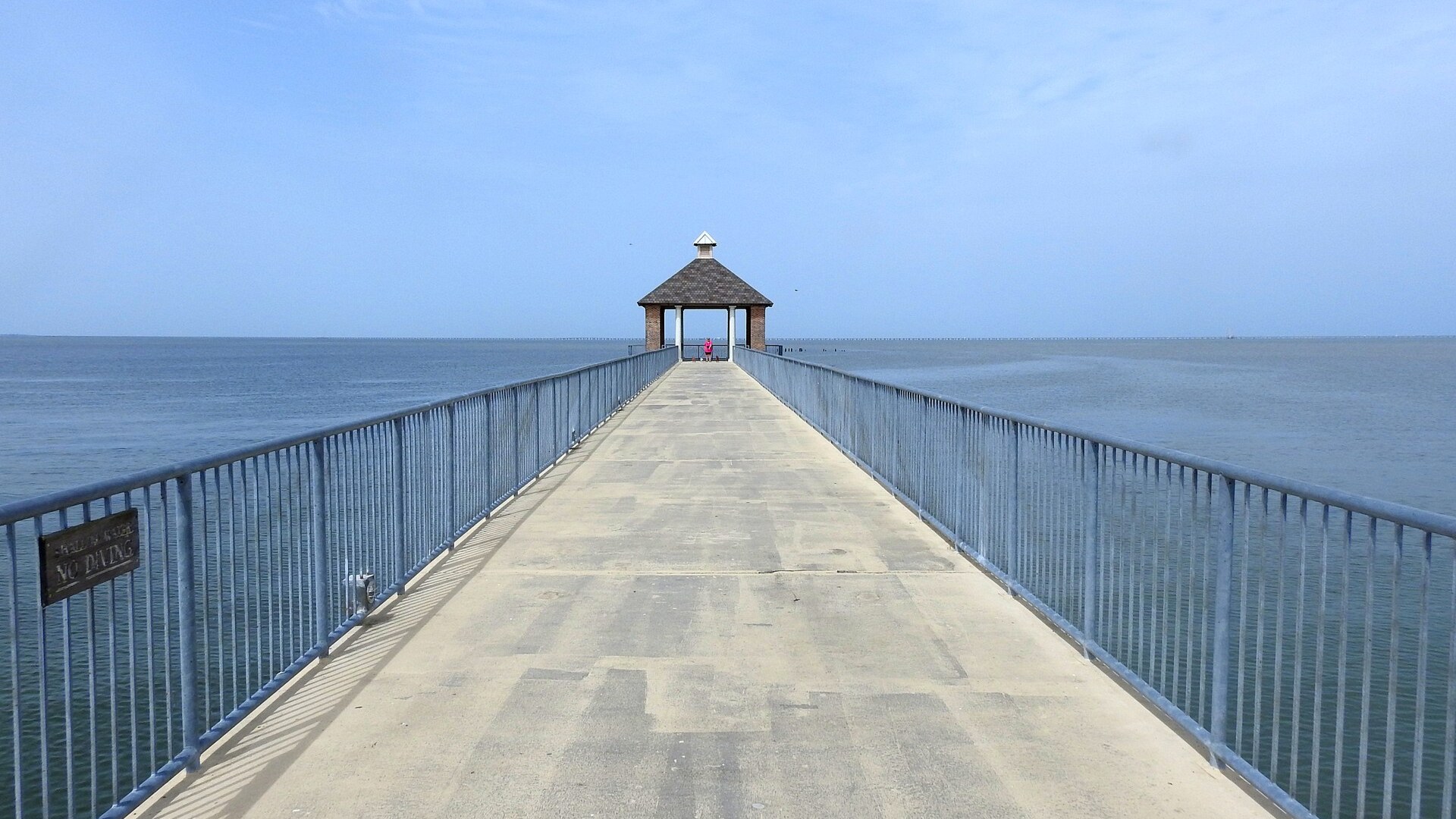
16. Louisiana: Mild Outdoor Festival Weather
Louisiana winters are mild and humid, with southern cities averaging January highs above sixty degrees. Freezing temperatures rarely last more than a few hours overnight. The comfortable seasonal weather supports major outdoor celebrations including the world famous Carnival season in New Orleans.
©Wikimedia / Mark Holloway
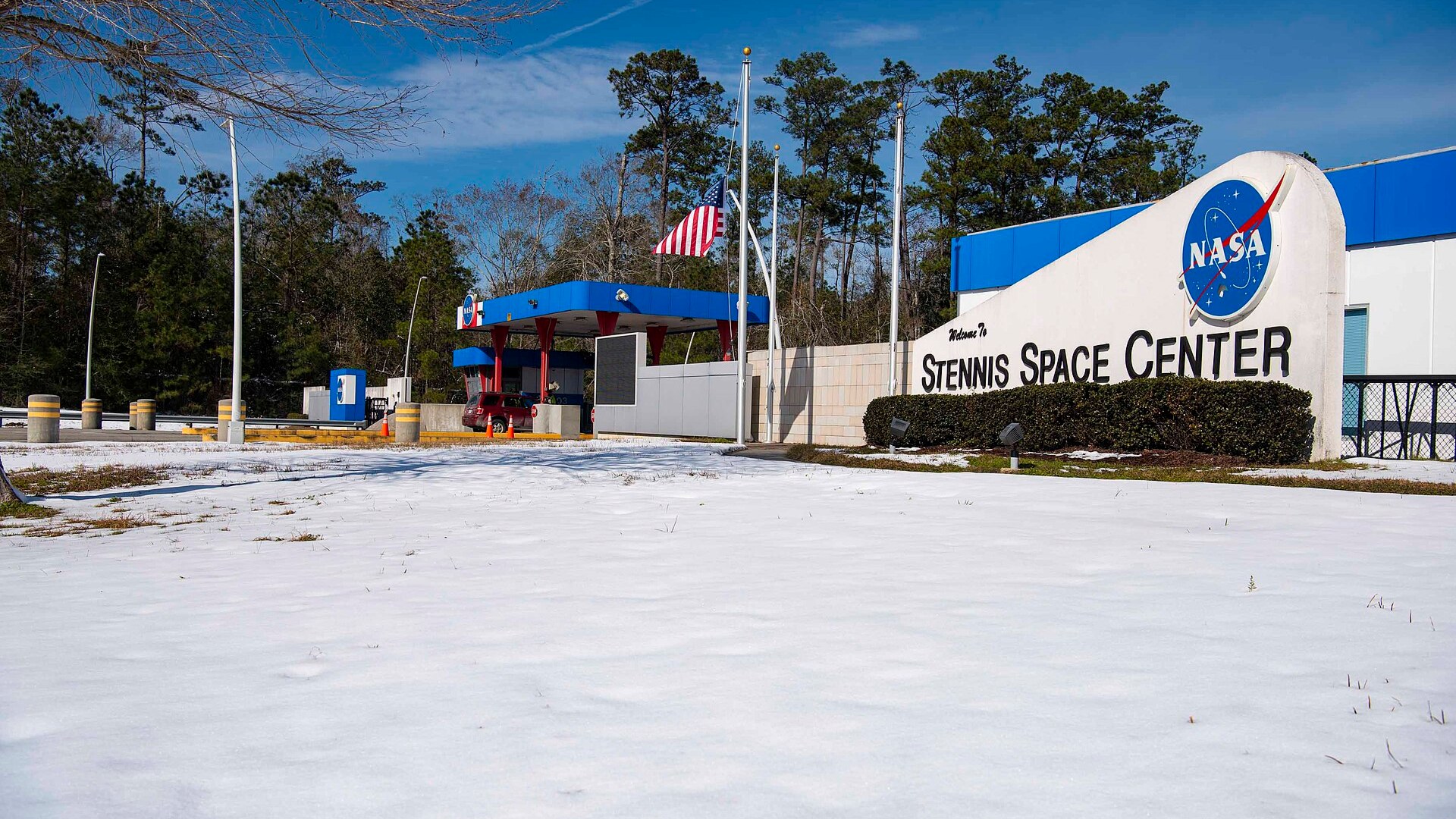
15. Mississippi: Temperate And Snow-Free
Mississippi enjoys mild winter climates with virtually no prolonged freezes across its southern counties. Coastal towns like Biloxi average daytime highs in the low sixties through January and February. Snowfall is negligible statewide, making winter a pleasant season for outdoor recreation.
©Wikimedia / NASA Stennis Space Center / Danny Nowlin
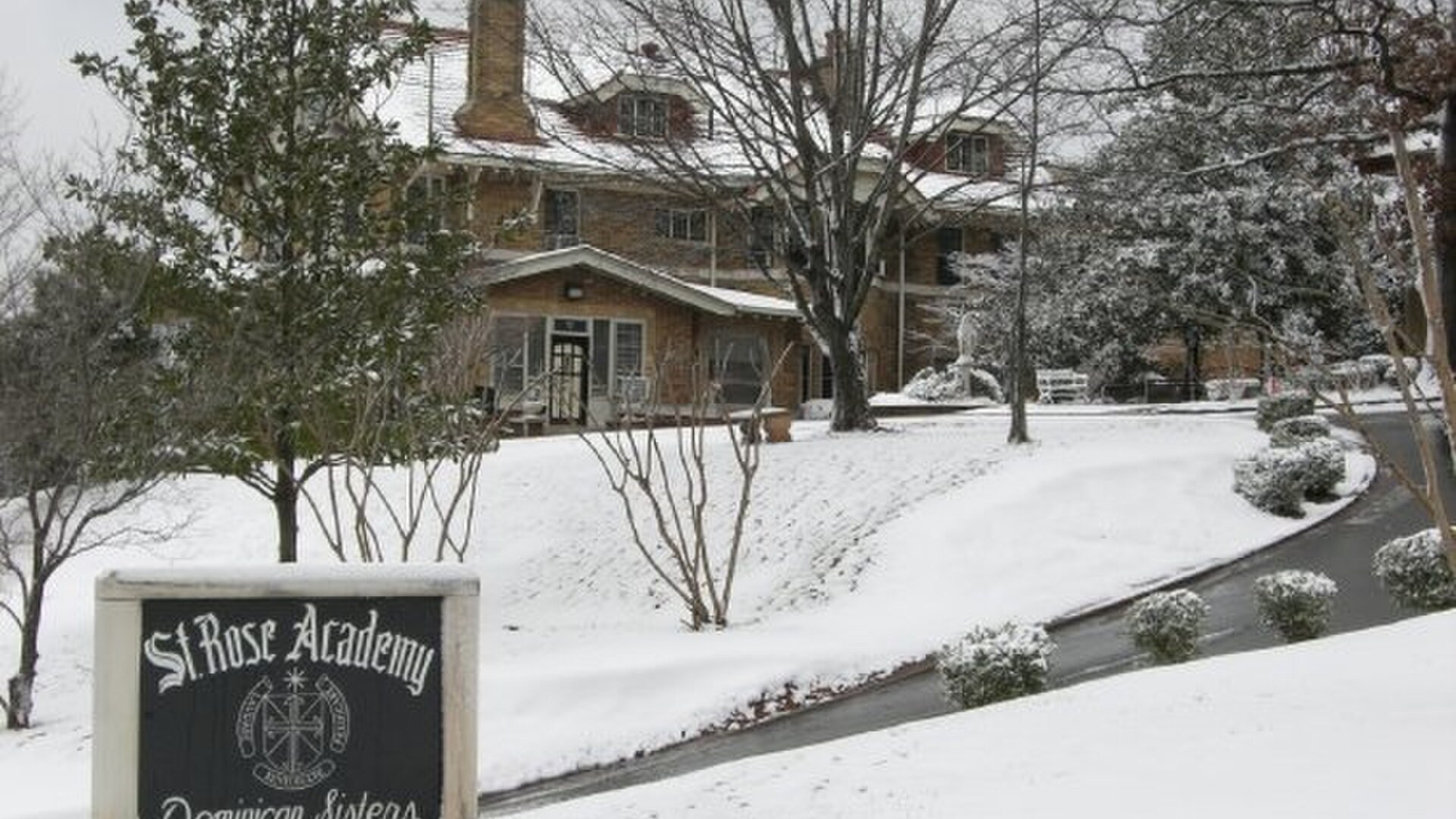
14. Alabama: Mild Gulf Coast Breezes
Alabama benefits from humid subtropical airflow originating in the Gulf of Mexico. Average January highs hover near sixty degrees in Mobile, while central areas around Birmingham stay mild. Measurable snowfall occurs only once every few years, sparing residents from major winter disruptions.
©Wikimedia / Jeff Belcher
Advertisement
Swipe or tap ▶ to resume the countdown.
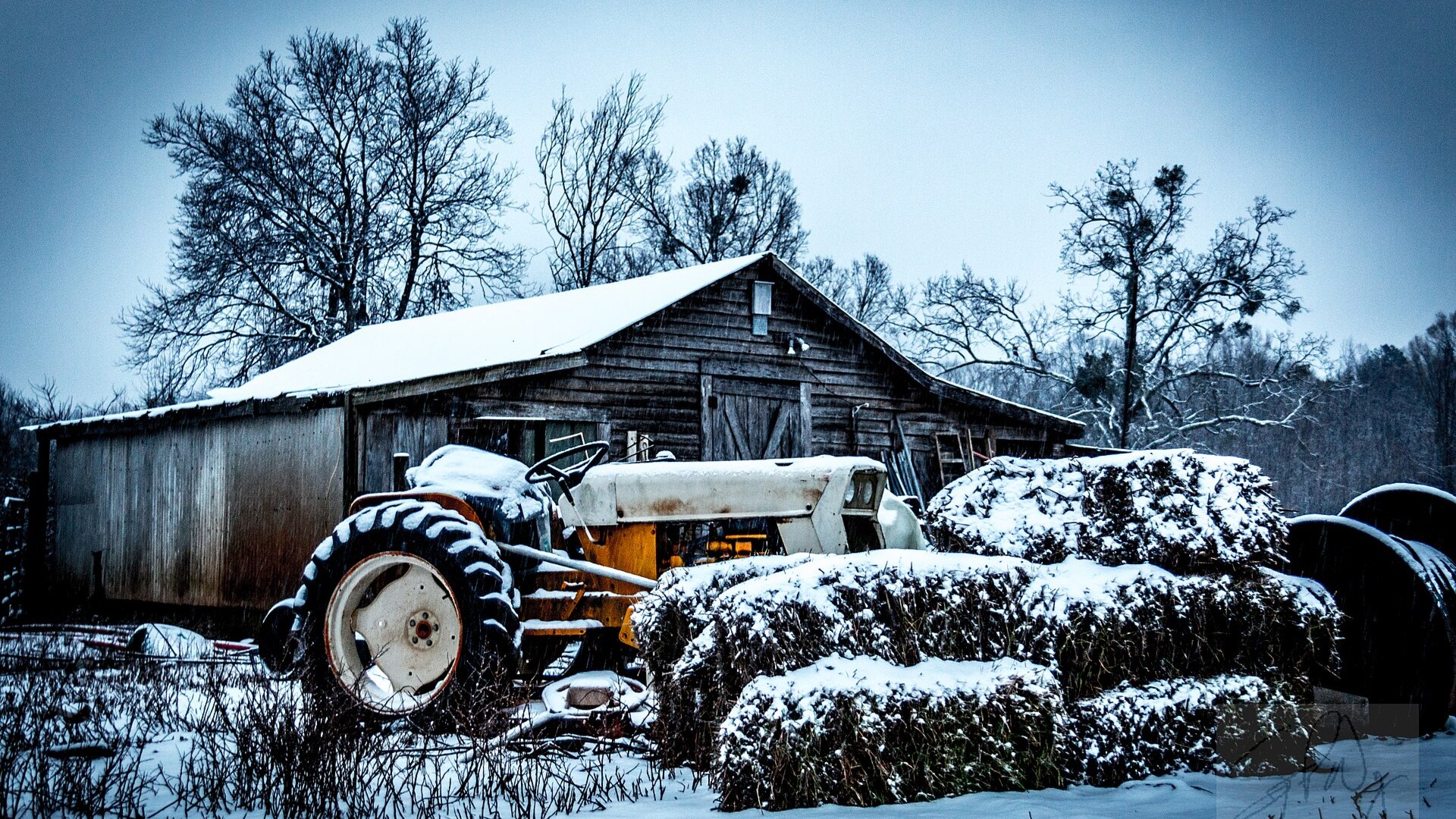
13. Georgia: Warm Subtropical Winters
Georgia features mild winter conditions that make it one of the warmest states in the country. Atlanta sees occasional frost, but freezing days are brief and snow accumulation is rare outside northern peaks. Savannah and coastal barrier islands experience pleasant sixty degree winter afternoons.
©Wikimedia / Kelly Taylor/USFWS
12. South Carolina: Crisp And Sunny Afternoons
South Carolina ranks among the lowest snowfall states in the country, averaging under two inches per year. Charleston and Myrtle Beach enjoy daytime temperatures in the upper fifties and sixties through January. Crisp mornings give way to comfortable weather that allows year round outdoor golf.
©Wikimedia / Stevewhitbyseo
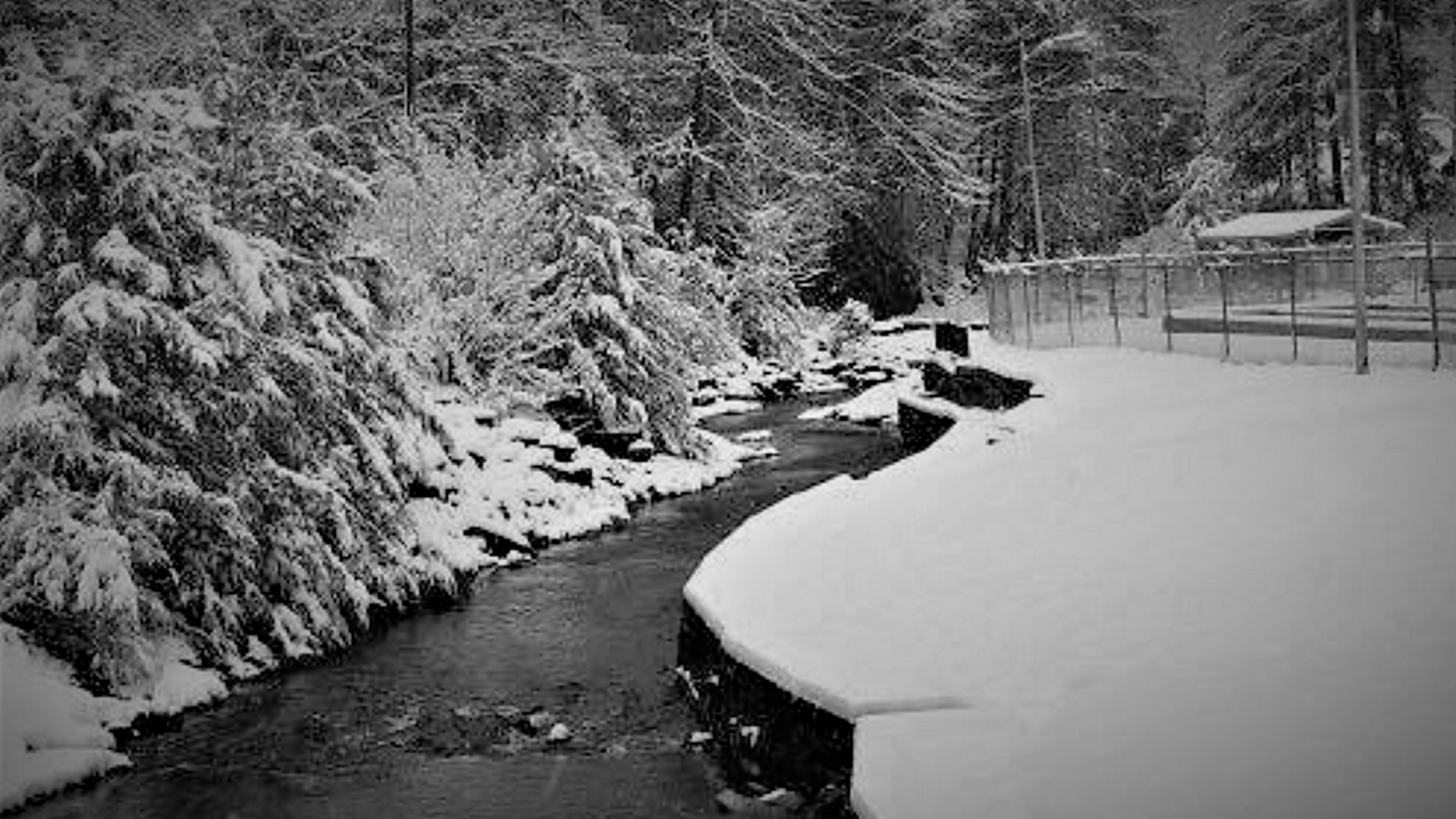
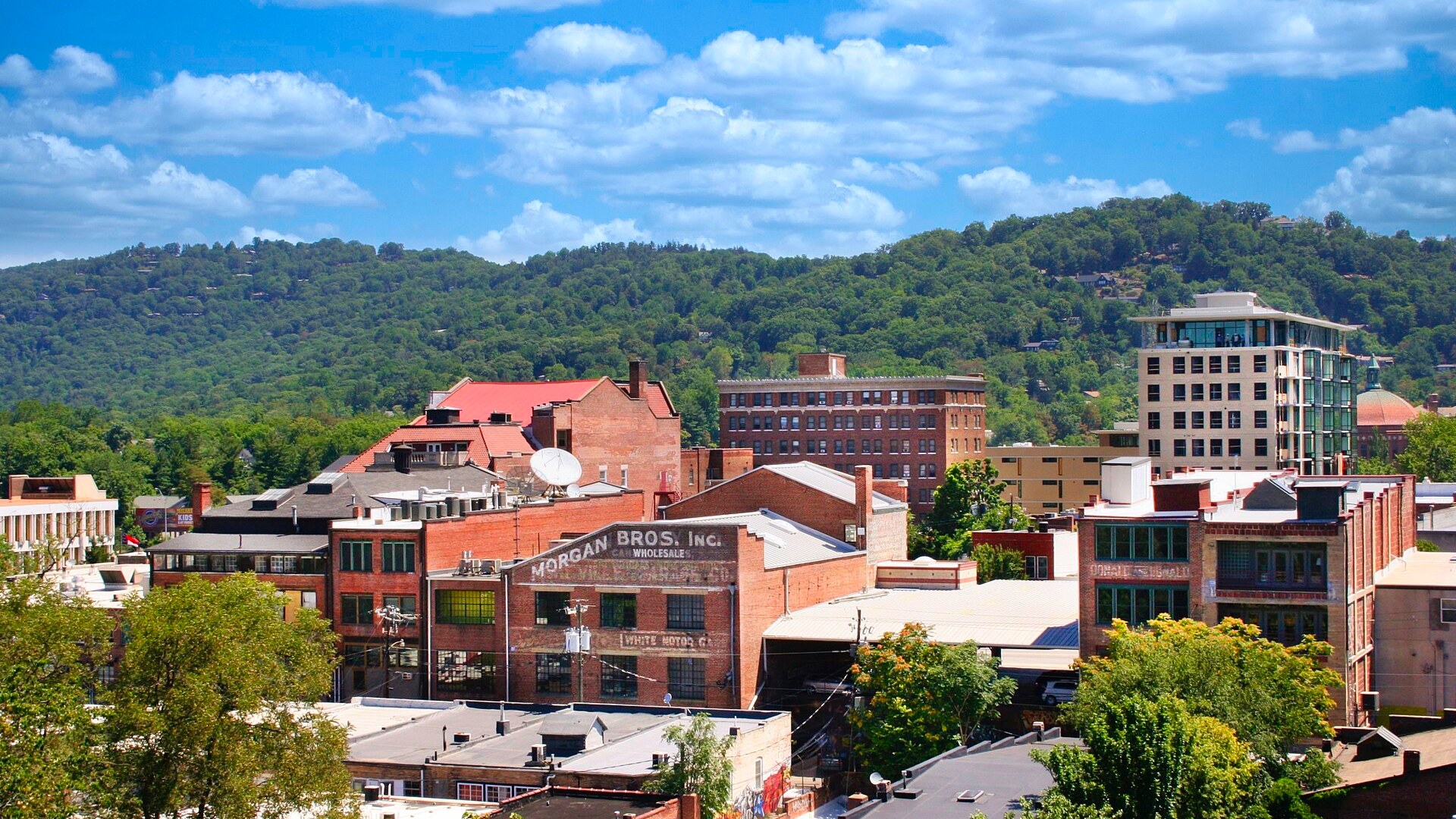
11. North Carolina: Mild Mountain Balance
North Carolina offers a versatile winter balance with brief chilly periods and mild sunny days. Coastal regions around Wilmington rarely see snow, enjoying daytime highs in the mid fifties. Meanwhile, western mountain resorts near Boone provide excellent conditions for skiers and snowboarders.
©Wikimedia / Harrison Keely
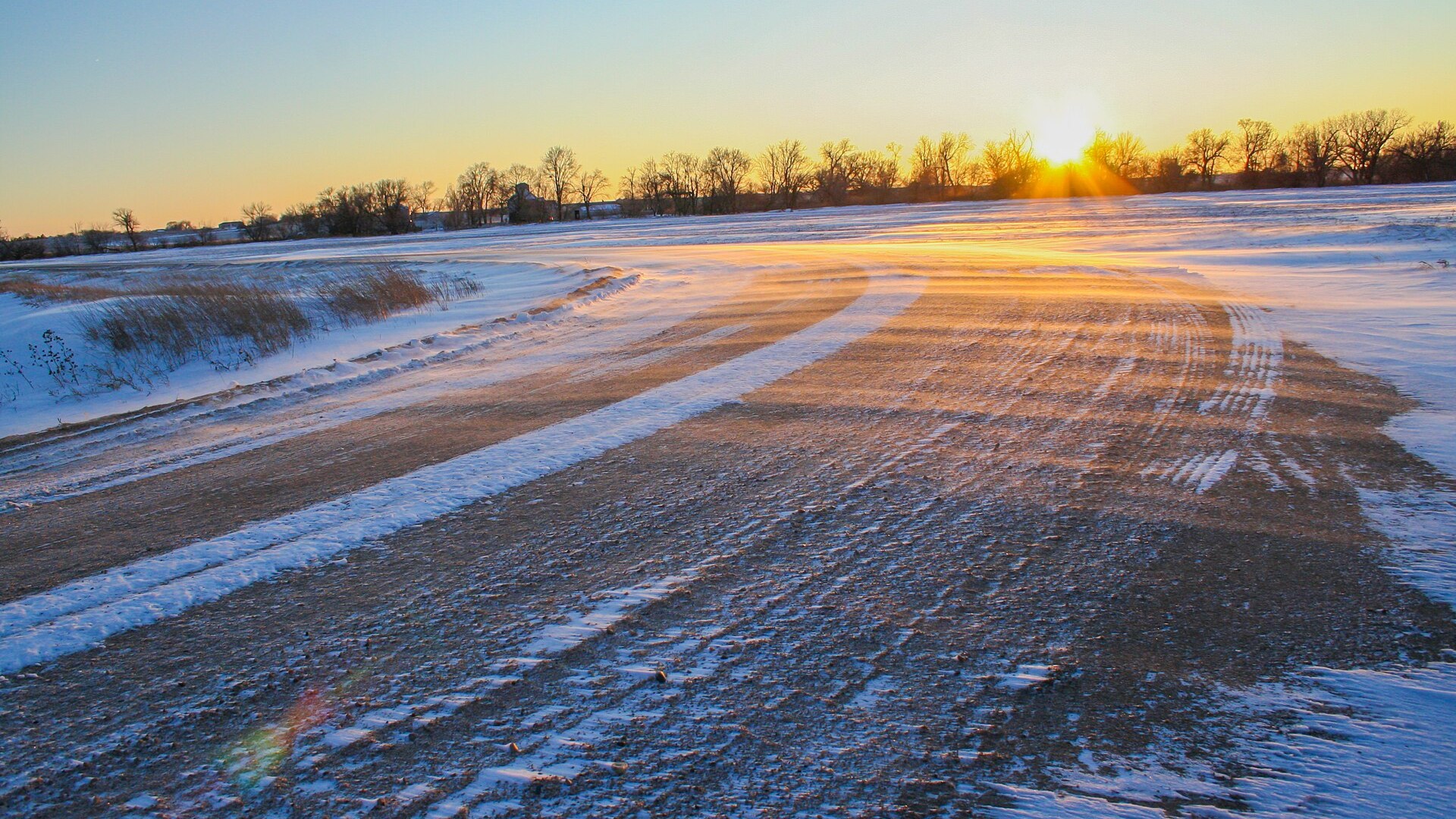
10. Nebraska: Severe Whiteout Winds
Nebraska winters are dominated by relentless prairie winds that turn light snowfalls into blinded whiteouts. Ground blizzard conditions can close hundreds of miles of Interstate 80 without warning. Wind chill readings drop into hazardous subzero territory across the Sandhills and western panhandle.
©Wikimedia / Bradley Weber
Advertisement
Swipe or tap ▶ to resume the countdown.
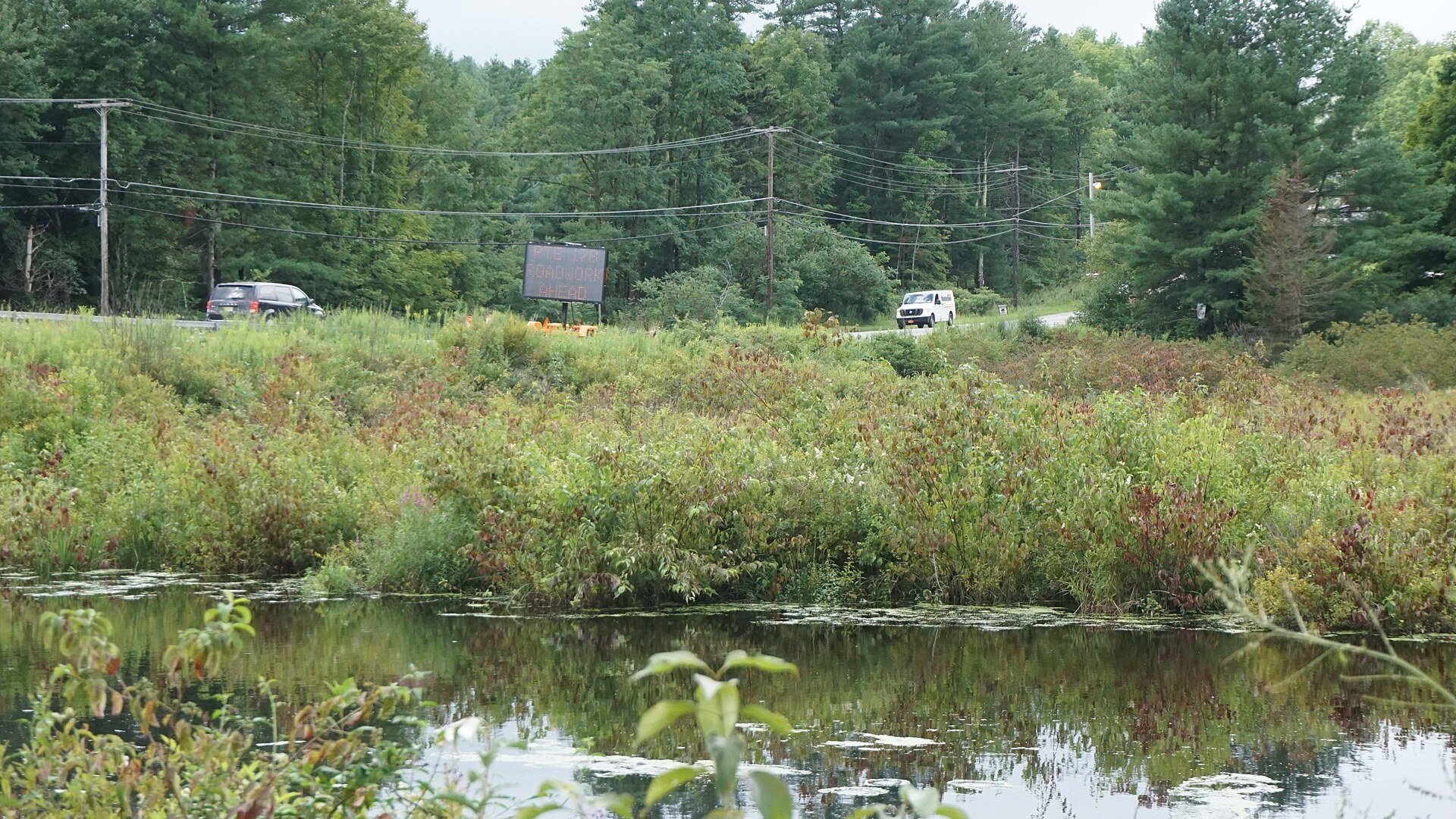
9. New York: Upstate Monster Snowstorms
While New York City sees milder maritime winters, upstate regions face some of the heaviest snowfall in North America. Moisture streaming off Lake Erie and Lake Ontario buries Buffalo, Syracuse, and Tug Hill under monster squalls that can deposit several feet of snow in a single afternoon.
©Wikimedia / GK tramrunner RU
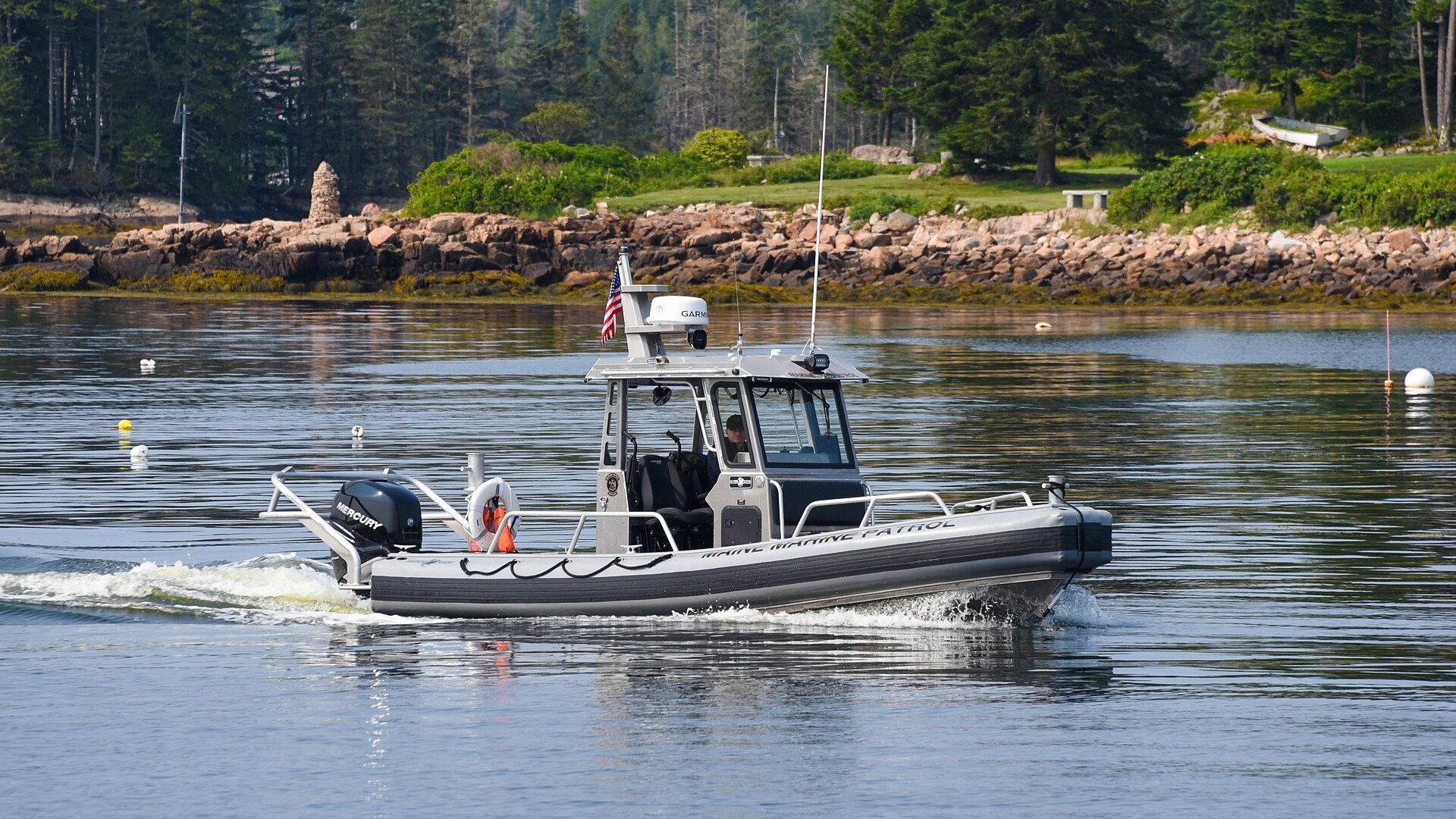
8. Maine: Lingering Coastal Nor'easters
Maine endures the longest and snowiest winters in New England. Powerful nor'easters batter coastal harbors with gale force winds and heavy wet snow that brings down power lines. Interior highlands around Caribou average over one hundred inches of snow, keeping snowmobiling active into April.
©Wikimedia / Gordon Leggett
7. Iowa: Treacherous Ice And Prairie Winds
Iowa sits directly in the path of colliding Arctic air masses and moisture from the south. This geographical crossroad creates treacherous freezing rain events followed by sudden subzero drops. Des Moines frequently experiences wind chills under minus twenty degrees that paralyze morning commutes.
©Wikimedia / Photo by Lynn Betts, USDA Natural Resources Cons
6. Wisconsin: Endless Freezing Temperatures
Wisconsin experiences bitter cold alongside significant lake-effect snow on northern shorelines. Green Bay and Madison record average January high temperatures well below freezing. Thick ice forms across inland waterways, and severe cold snaps test municipal heating infrastructure every year.
©Wikimedia / Yinan Chen
Advertisement
Swipe or tap ▶ to resume the countdown.
5. South Dakota: Fierce Prairie Blizzards
South Dakota faces ferocious Arctic winds that barrel across unobstructed plains with gusts exceeding fifty miles per hour. Rapid City and Aberdeen suffer rapid temperature plunges that trigger highway shutdowns. Drifting snow frequently strands rural communities during intense January storms.
©Wikimedia / Isaac Malsom
4. Michigan: Heavy Lake-Effect Snowfalls
Surrounded by Lake Michigan, Lake Superior, and Lake Huron, Michigan endures prolonged gloom and localized lake-effect squalls. Cities in the Upper Peninsula receive over two hundred inches of annual snowfall, while the Lower Peninsula experiences near constant overcast skies from November to March.
©Wikimedia / GOES imagery: CSU/CIRA & NOAA
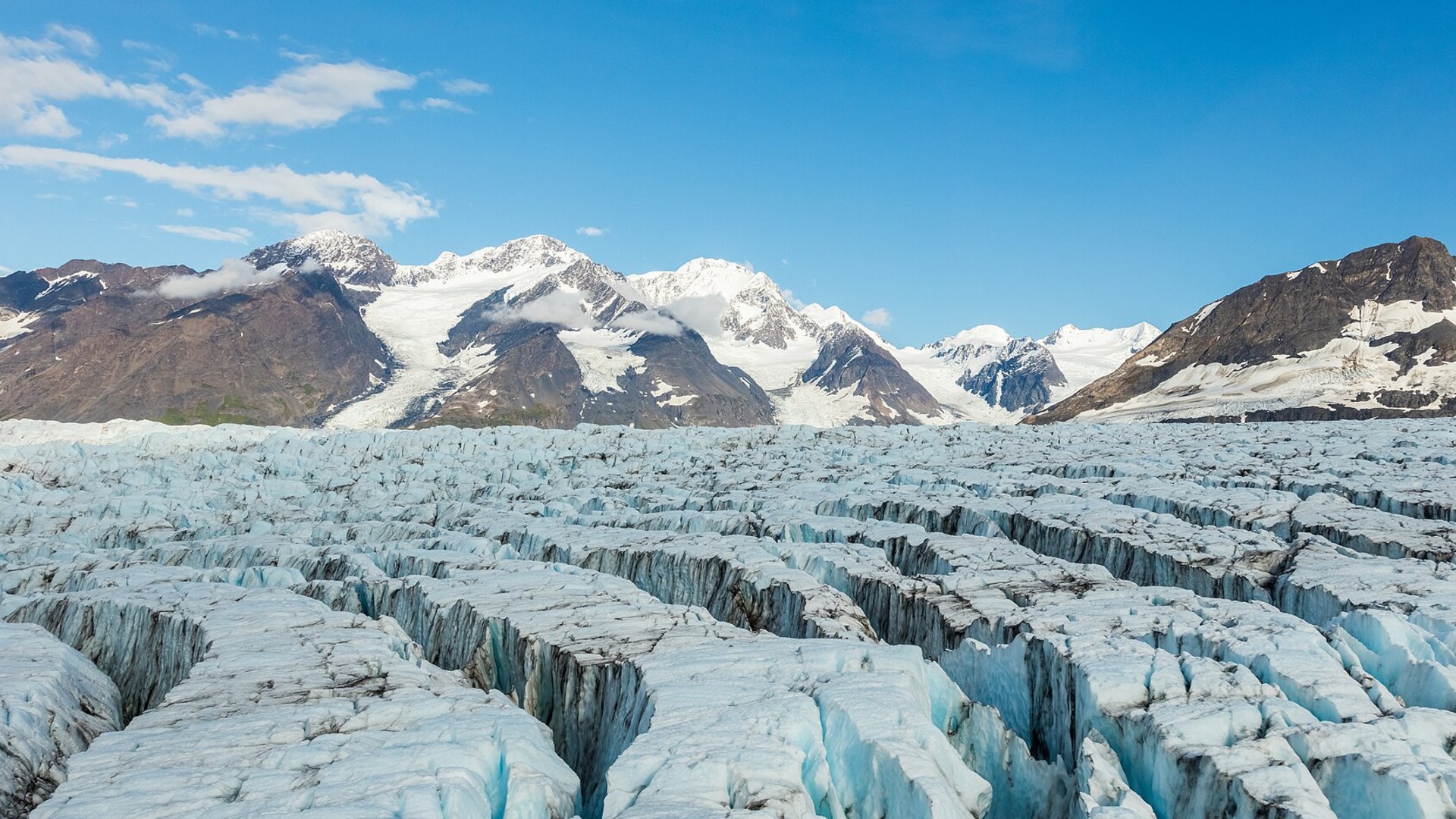
3. Alaska: Relentless Subzero Darkness
NOAA climate records rank Alaska as the coldest state in the nation by a wide margin. Northern settlements like Utqiagvik endure more than sixty consecutive days of polar darkness, while interior areas around Fairbanks face sustained spells below minus thirty degrees throughout January.
©Wikimedia / Diego Delso
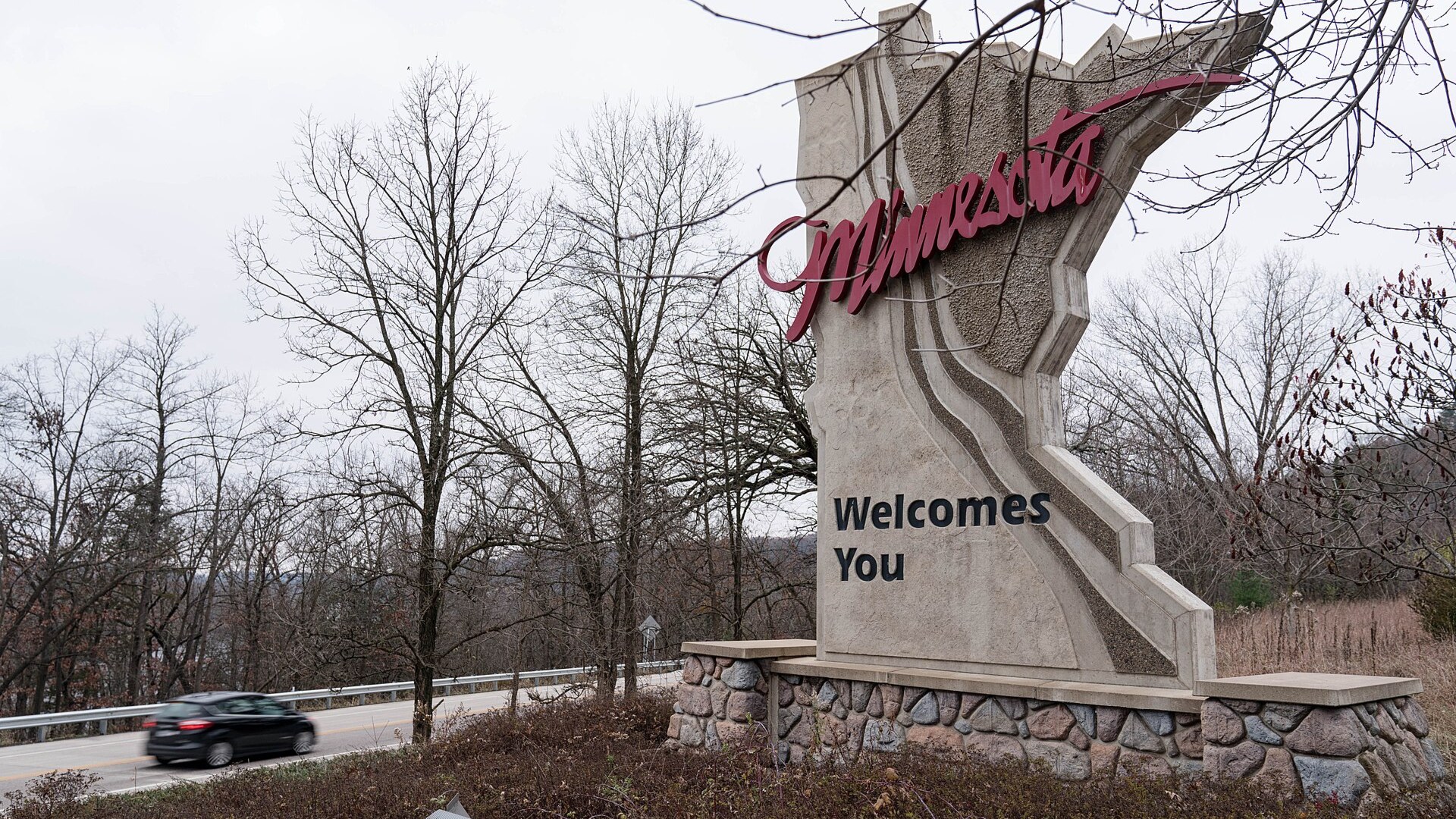
2. Minnesota: Polar Vortex Deep Freezes
Minnesota earns its reputation for brutal cold when polar vortex systems descend over the Upper Midwest. International Falls regularly records ambient lows near minus forty degrees, where exposed skin risks frostbite within five minutes. Heavy snowpack often remains on city ground through April.
©Wikimedia / Lorie Shaull
Advertisement
Swipe or tap ▶ to resume the countdown.
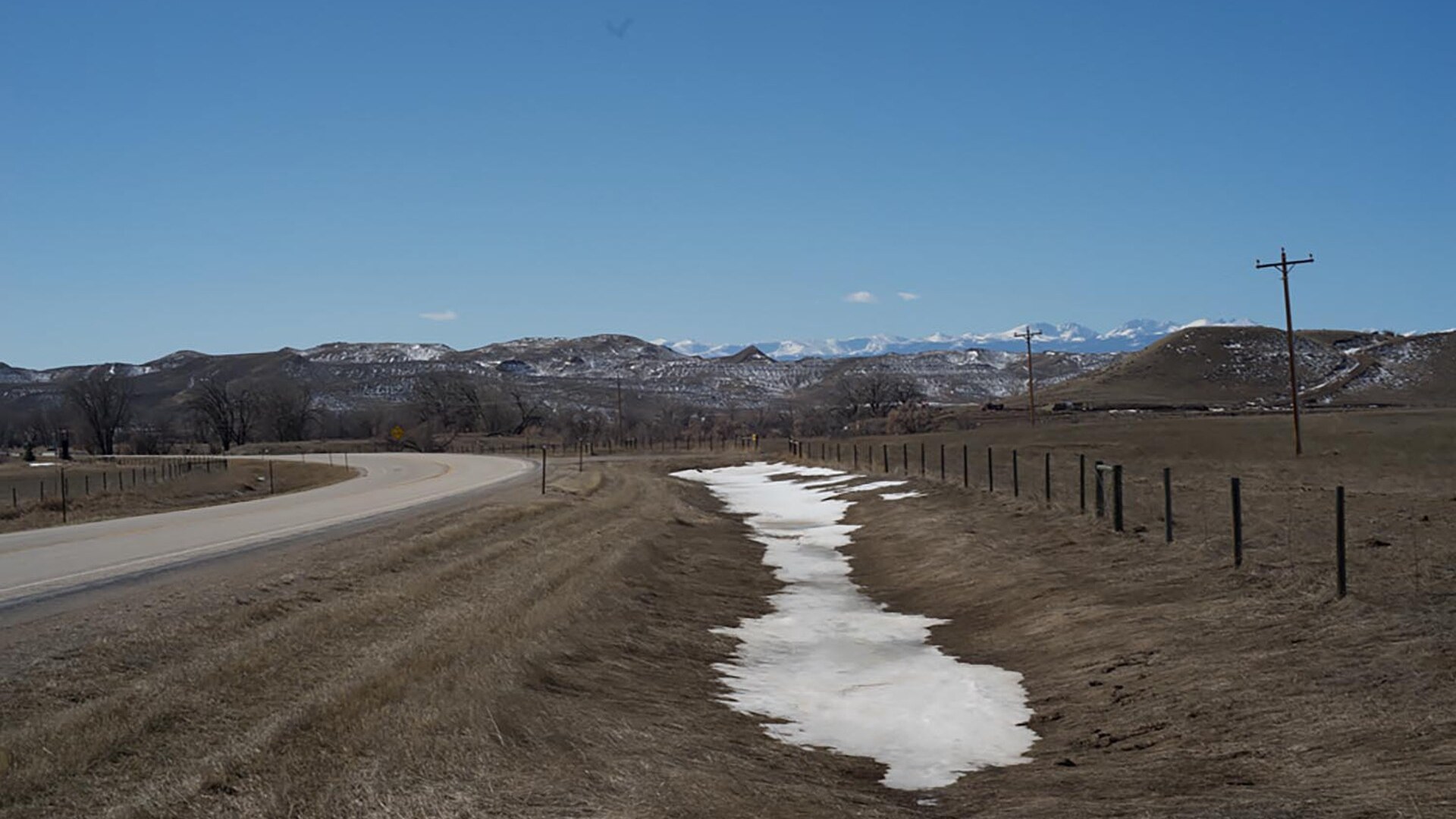
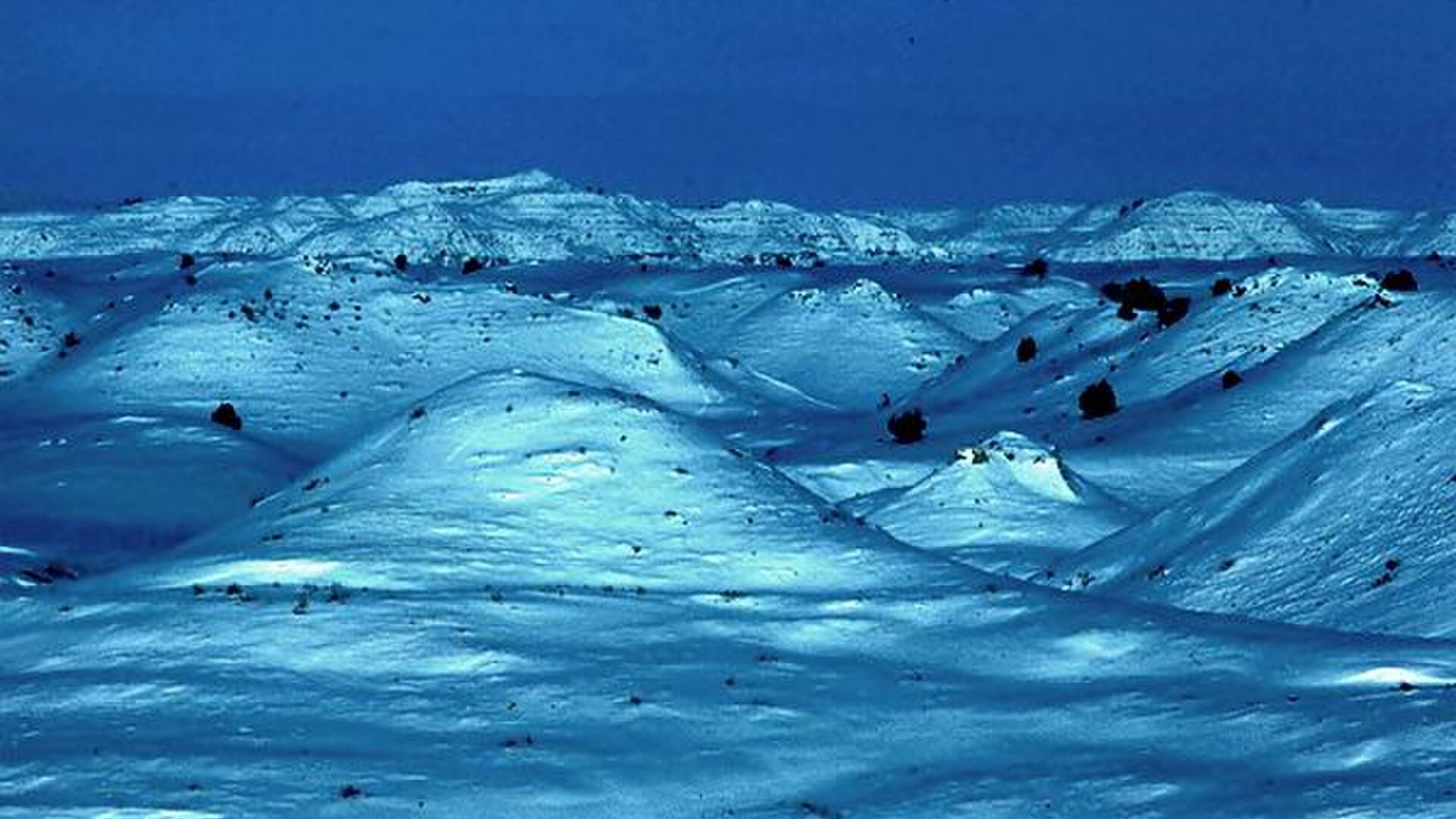
1. North Dakota: Brutal Arctic Wind Chills
North Dakota lacks mountain ranges or coastal waters to moderate incoming Canadian polar air. High winds sweep across open farmland, driving wind chills below minus forty degrees for days at a time. Bismarck and Grand Forks routinely record dozens of subzero nights each winter season.
©Wikimedia / Uploader Duk
Advertisement
You've reached the end of the story. Thanks for reading!

20 American Cities With Magical Winter Surprises to Visit, Ranked
Discover twenty incredible American cities that come alive each December with unexpected holiday charm and winter magic. From historic gas-lit districts in New England to radiant desert luminarias in the Southwest, each destination offers unforgettable seasonal experiences, cultural festivals, and festive beauty.
All 20 Entries in this Story
20. Florida: America's Warmest Tropical Haven
Florida consistently earns the title of best winter state in the continental United States. Miami and Tampa boast average winter temperatures above seventy degrees, with warm ocean waters and zero snowfall. Tropical breezes and endless sunshine draw millions of winter visitors every year.

19. Arizona: Sunny Desert Warmth
Arizona ranks as a top winter haven for snowbirds fleeing northern freezes. Phoenix and Tucson offer daily highs in the low seventies under cloudless desert skies. Meanwhile, northern highlands in Flagstaff receive over seventy inches of snow, providing a snowy winter retreat just two hours away.

18. California: Balmy Coastline And Alpine Snow
California delivers an extraordinary winter combination of warm coastal weather and snowy alpine mountains. Los Angeles and San Diego enjoy dry seventy degree afternoons along the Pacific. At the same time, Mammoth Mountain and Lake Tahoe receive hundreds of inches of snow for winter sports.

17. Texas: Plentiful Midwinter Sun
Texas offers warm winter climates across most of its territory, though northern panhandle areas see brief dustings. San Antonio and the Rio Grande Valley regularly reach seventy degrees in midwinter. Residents enjoy bright blue skies and outdoor patio dining while northern states battle blizzards.

16. Louisiana: Mild Outdoor Festival Weather
Louisiana winters are mild and humid, with southern cities averaging January highs above sixty degrees. Freezing temperatures rarely last more than a few hours overnight. The comfortable seasonal weather supports major outdoor celebrations including the world famous Carnival season in New Orleans.

15. Mississippi: Temperate And Snow-Free
Mississippi enjoys mild winter climates with virtually no prolonged freezes across its southern counties. Coastal towns like Biloxi average daytime highs in the low sixties through January and February. Snowfall is negligible statewide, making winter a pleasant season for outdoor recreation.

14. Alabama: Mild Gulf Coast Breezes
Alabama benefits from humid subtropical airflow originating in the Gulf of Mexico. Average January highs hover near sixty degrees in Mobile, while central areas around Birmingham stay mild. Measurable snowfall occurs only once every few years, sparing residents from major winter disruptions.

13. Georgia: Warm Subtropical Winters
Georgia features mild winter conditions that make it one of the warmest states in the country. Atlanta sees occasional frost, but freezing days are brief and snow accumulation is rare outside northern peaks. Savannah and coastal barrier islands experience pleasant sixty degree winter afternoons.

12. South Carolina: Crisp And Sunny Afternoons
South Carolina ranks among the lowest snowfall states in the country, averaging under two inches per year. Charleston and Myrtle Beach enjoy daytime temperatures in the upper fifties and sixties through January. Crisp mornings give way to comfortable weather that allows year round outdoor golf.

11. North Carolina: Mild Mountain Balance
North Carolina offers a versatile winter balance with brief chilly periods and mild sunny days. Coastal regions around Wilmington rarely see snow, enjoying daytime highs in the mid fifties. Meanwhile, western mountain resorts near Boone provide excellent conditions for skiers and snowboarders.

10. Nebraska: Severe Whiteout Winds
Nebraska winters are dominated by relentless prairie winds that turn light snowfalls into blinded whiteouts. Ground blizzard conditions can close hundreds of miles of Interstate 80 without warning. Wind chill readings drop into hazardous subzero territory across the Sandhills and western panhandle.

9. New York: Upstate Monster Snowstorms
While New York City sees milder maritime winters, upstate regions face some of the heaviest snowfall in North America. Moisture streaming off Lake Erie and Lake Ontario buries Buffalo, Syracuse, and Tug Hill under monster squalls that can deposit several feet of snow in a single afternoon.

8. Maine: Lingering Coastal Nor'easters
Maine endures the longest and snowiest winters in New England. Powerful nor'easters batter coastal harbors with gale force winds and heavy wet snow that brings down power lines. Interior highlands around Caribou average over one hundred inches of snow, keeping snowmobiling active into April.

7. Iowa: Treacherous Ice And Prairie Winds
Iowa sits directly in the path of colliding Arctic air masses and moisture from the south. This geographical crossroad creates treacherous freezing rain events followed by sudden subzero drops. Des Moines frequently experiences wind chills under minus twenty degrees that paralyze morning commutes.

6. Wisconsin: Endless Freezing Temperatures
Wisconsin experiences bitter cold alongside significant lake-effect snow on northern shorelines. Green Bay and Madison record average January high temperatures well below freezing. Thick ice forms across inland waterways, and severe cold snaps test municipal heating infrastructure every year.

5. South Dakota: Fierce Prairie Blizzards
South Dakota faces ferocious Arctic winds that barrel across unobstructed plains with gusts exceeding fifty miles per hour. Rapid City and Aberdeen suffer rapid temperature plunges that trigger highway shutdowns. Drifting snow frequently strands rural communities during intense January storms.

4. Michigan: Heavy Lake-Effect Snowfalls
Surrounded by Lake Michigan, Lake Superior, and Lake Huron, Michigan endures prolonged gloom and localized lake-effect squalls. Cities in the Upper Peninsula receive over two hundred inches of annual snowfall, while the Lower Peninsula experiences near constant overcast skies from November to March.

3. Alaska: Relentless Subzero Darkness
NOAA climate records rank Alaska as the coldest state in the nation by a wide margin. Northern settlements like Utqiagvik endure more than sixty consecutive days of polar darkness, while interior areas around Fairbanks face sustained spells below minus thirty degrees throughout January.

2. Minnesota: Polar Vortex Deep Freezes
Minnesota earns its reputation for brutal cold when polar vortex systems descend over the Upper Midwest. International Falls regularly records ambient lows near minus forty degrees, where exposed skin risks frostbite within five minutes. Heavy snowpack often remains on city ground through April.

1. North Dakota: Brutal Arctic Wind Chills
North Dakota lacks mountain ranges or coastal waters to moderate incoming Canadian polar air. High winds sweep across open farmland, driving wind chills below minus forty degrees for days at a time. Bismarck and Grand Forks routinely record dozens of subzero nights each winter season.