Slideshow · Travel
20 Famous Demolished Landmarks That People Still Miss Today
Cities often clear away beloved buildings to make room for new towers, transit hubs, or sports arenas. From grand Victorian glass halls and Art Deco resorts to classic ballparks across North America, Europe, and Asia, these 20 demolished landmarks still inspire fierce nostalgia and local preservation efforts.
By Most Viral Today
5 min agoradar-lead:signal:87111c38-ddb7-4431-a1ed-bb5077029eb3

Famous stations, palaces, and stadiums torn down and what replaced them 
20. Hotel Traymore, Atlantic City 
19. Hippodrome Theatre, New York City 
18. Crosley Field, Cincinnati - AdvertisementSwipe or tap ▶ to continue countdown

17. Polo Grounds, New York City 
16. Stardust Resort And Casino, Las Vegas 
15. Candlestick Park, San Francisco 
14. Three Rivers Stadium, Pittsburgh - AdvertisementSwipe or tap ▶ to continue countdown

13. Les Halles Pavilions, Paris 
12. Sands Hotel And Casino, Las Vegas 
11. Old Wembley Stadium, London 
10. Tiger Stadium, Detroit - AdvertisementSwipe or tap ▶ to continue countdown

9. Ebbets Field, Brooklyn 
8. Old Yankee Stadium, New York City 
7. Seattle Kingdome, Seattle 
6. Sutro Baths, San Francisco - AdvertisementSwipe or tap ▶ to continue countdown

5. Imperial Hotel, Tokyo 
4. Euston Arch, London 
3. Kowloon Walled City, Hong Kong 
2. The Crystal Palace, London - AdvertisementSwipe or tap ▶ to continue countdown

1. Original Pennsylvania Station, New York City - Advertisement🔥 UP NEXT IN THIS SERIES◫ 23 Slides

22 Stops That Make Madison, Wisconsin a Great City to Explore on Foot
Set on a narrow isthmus between Lakes Mendota and Monona, Madison packs parks, museums and campus sights into walkable neighborhoods. This 22-stop photo tour traces lakeside trails, gardens, theaters and civic landmarks using official records from the City of Madison, UW-Madison and Destination Madison.
This countdown looks back at 20 famous demolished landmarks across three continents, noting when each opened, why it fell, and what stands on its site today. Based on archival records from the Library of Congress, National Park Service, and reporting by the BBC, CBS News, and the London Fire Brigade history.
Swipe or tap ▶ to begin the countdown
©Wikimedia / Ian Lambot & Wikimedia / Cervin Robinson
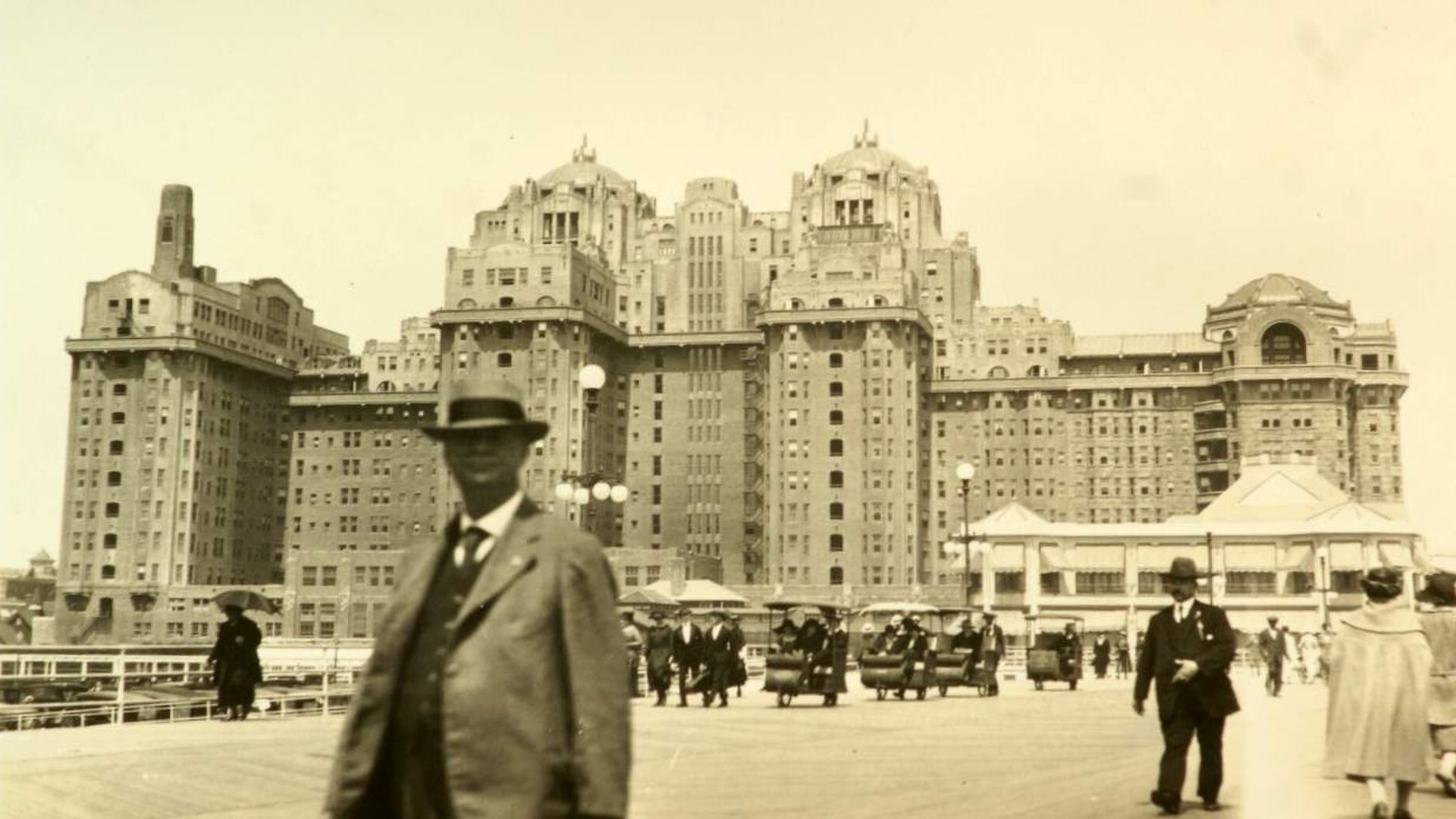
20. Hotel Traymore, Atlantic City
Designed by William Lightfoot Price, the concrete Hotel Traymore tower opened in 1915 with domes overlooking the Atlantic City Boardwalk. Crews brought it down with controlled blasts in spring 1972. No new resort replaced it, and Caesars later used the lot for surface parking.
©Wikimedia / Ian Sutton
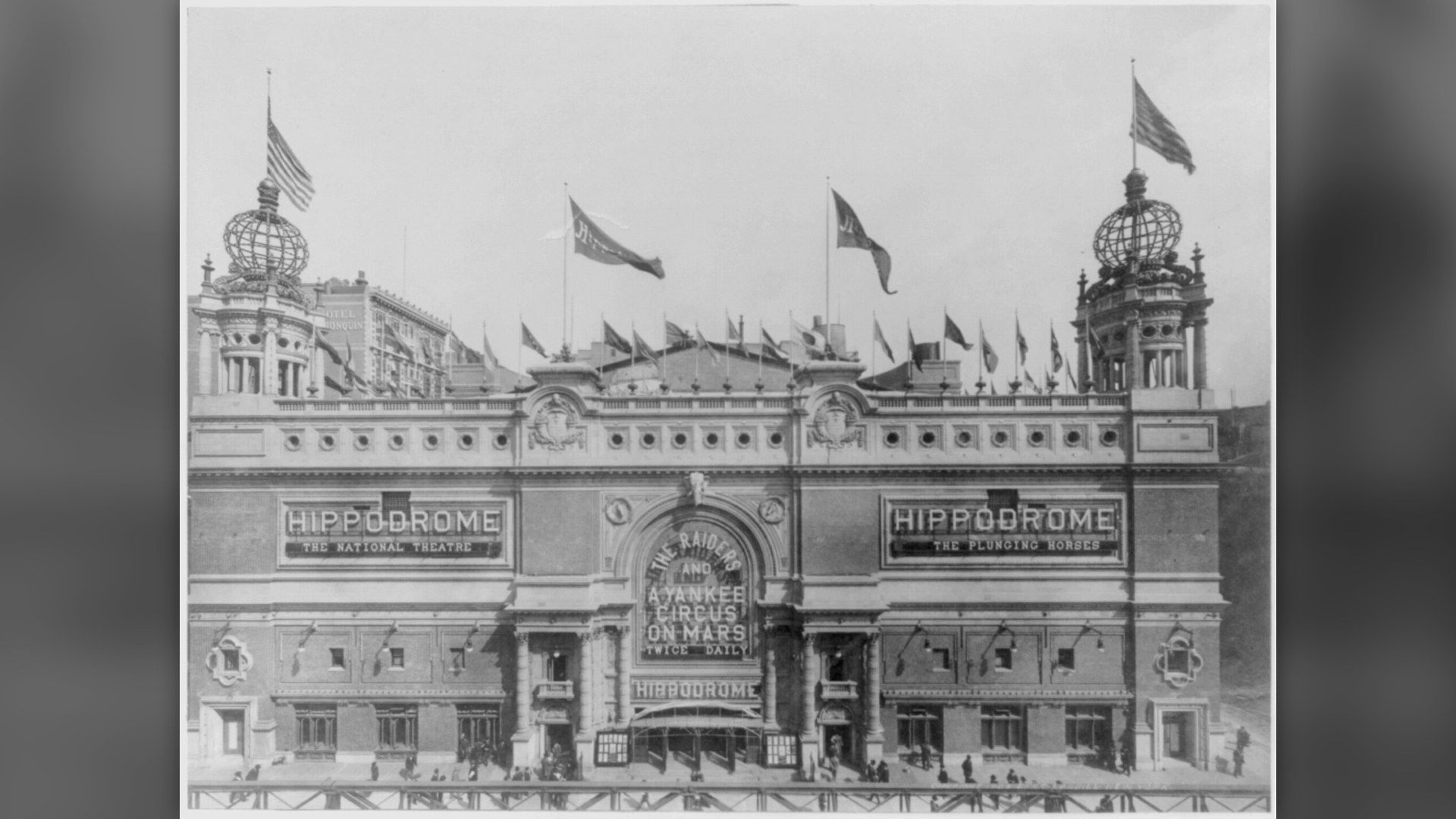
19. Hippodrome Theatre, New York City
Opened in 1905 by Coney Island showmen Frederic Thompson and Elmer Dundy, the Hippodrome staged circuses, water ballets in a giant tank, and Harry Houdini's vanishing elephant. After closing in August 1939, the block between 43rd and 44th streets sat as a parking lot until an office tower opened in 1952.
©Wikimedia / Miscellaneous Items in High Demand, PPOC, Librar
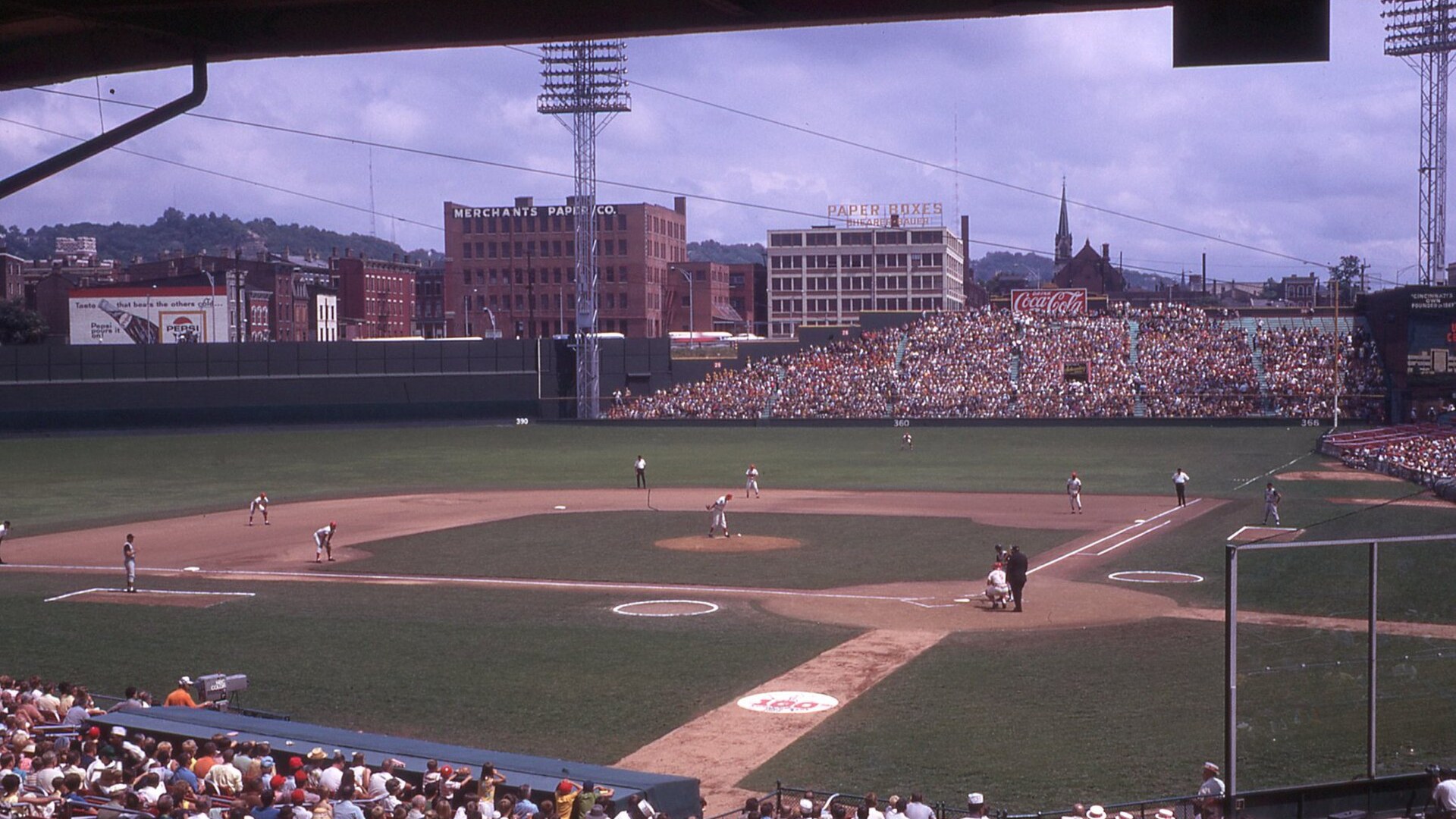
18. Crosley Field, Cincinnati
Built in 1912 as Redland Field and renamed for Reds owner Powell Crosley Jr. in 1934, the ballpark was famous for its steep 15-degree grassy outfield terrace. The Reds left in June 1970 for Riverfront Stadium, and Great American Ball Park now hosts the team while a business park covers the old site.
©Wikimedia / Blake Bolinger from Central NJ, United States
Advertisement
Swipe or tap ▶ to resume the countdown.
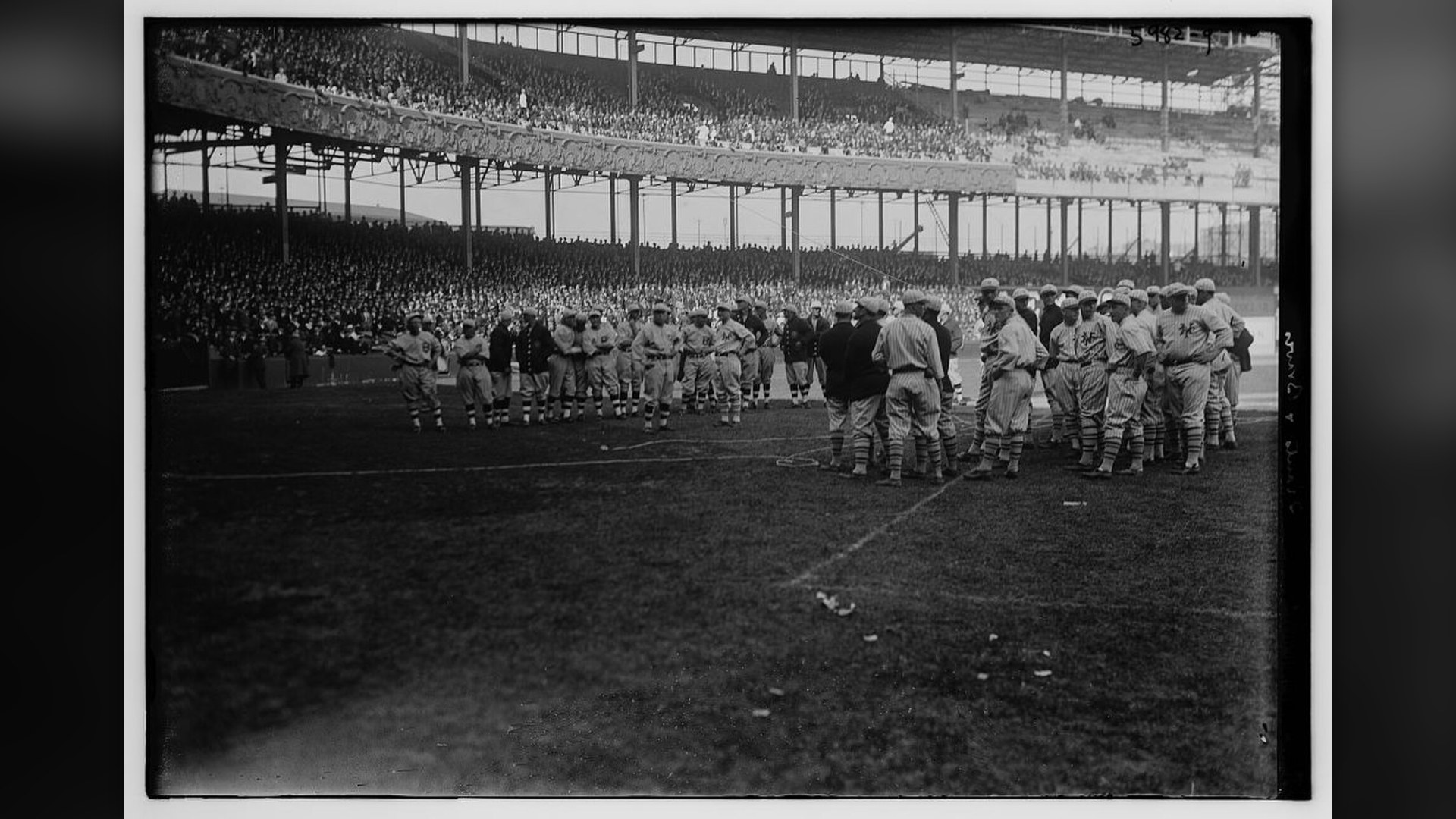
17. Polo Grounds, New York City
The steel-and-concrete horseshoe under Coogan's Bluff opened in 1911 and hosted the baseball Giants, the Yankees, and the expansion Mets. After Shea Stadium opened, crews began razing the Polo Grounds in April 1964. Four 30-story public housing towers now occupy the site along the Harlem River.
©Wikimedia / Bain News Service, publisher
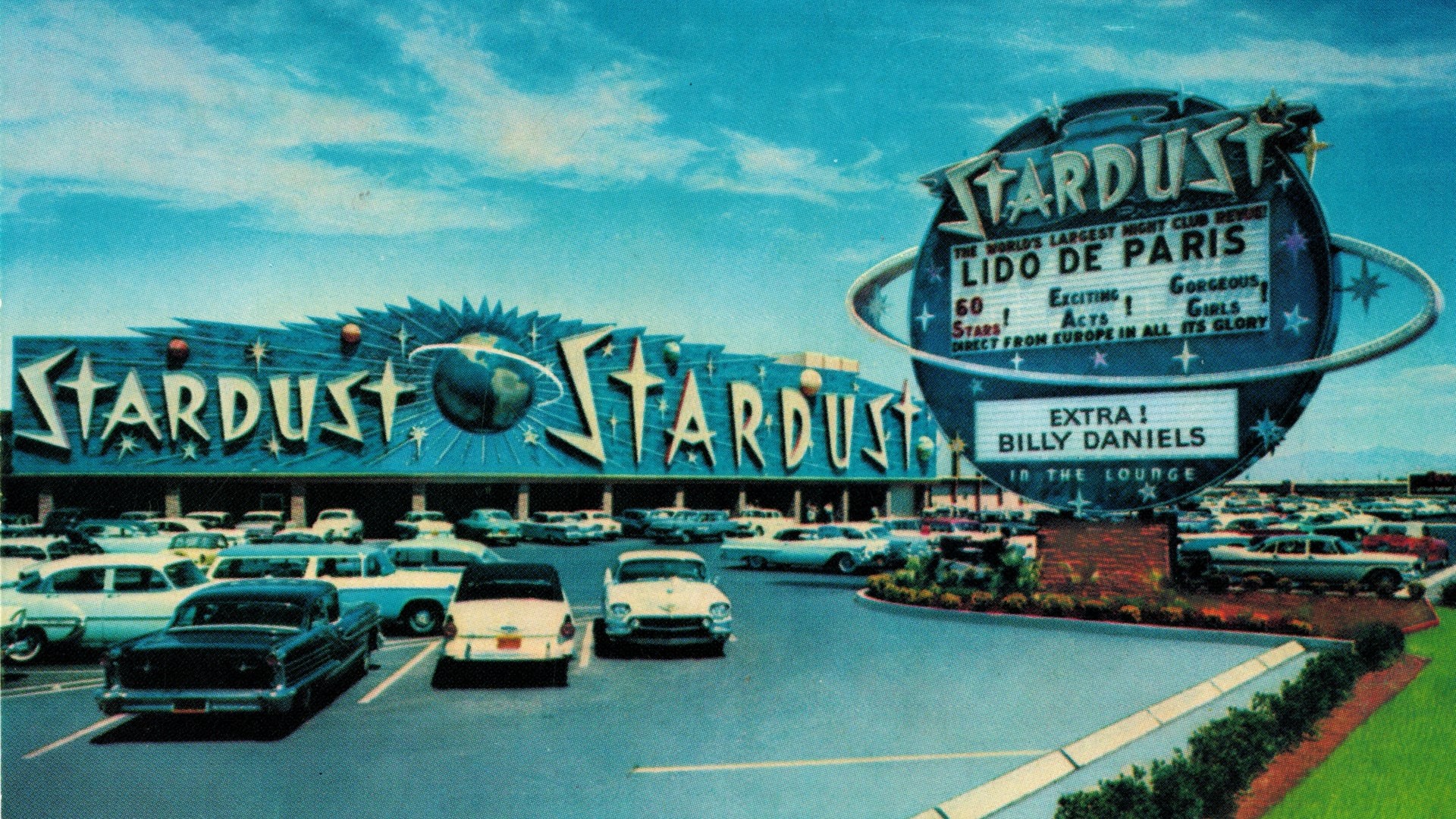
16. Stardust Resort And Casino, Las Vegas
Opened in July 1958, the Stardust became one of the Strip's defining midcentury casinos and inspired the film "Casino." Boyd Gaming imploded its tower in March 2007 to build Echelon Place, which stalled in the 2008 crash. Today Resorts World Las Vegas stands on the former Stardust parcel.
©Wikimedia / Unknown and uncredited photographer
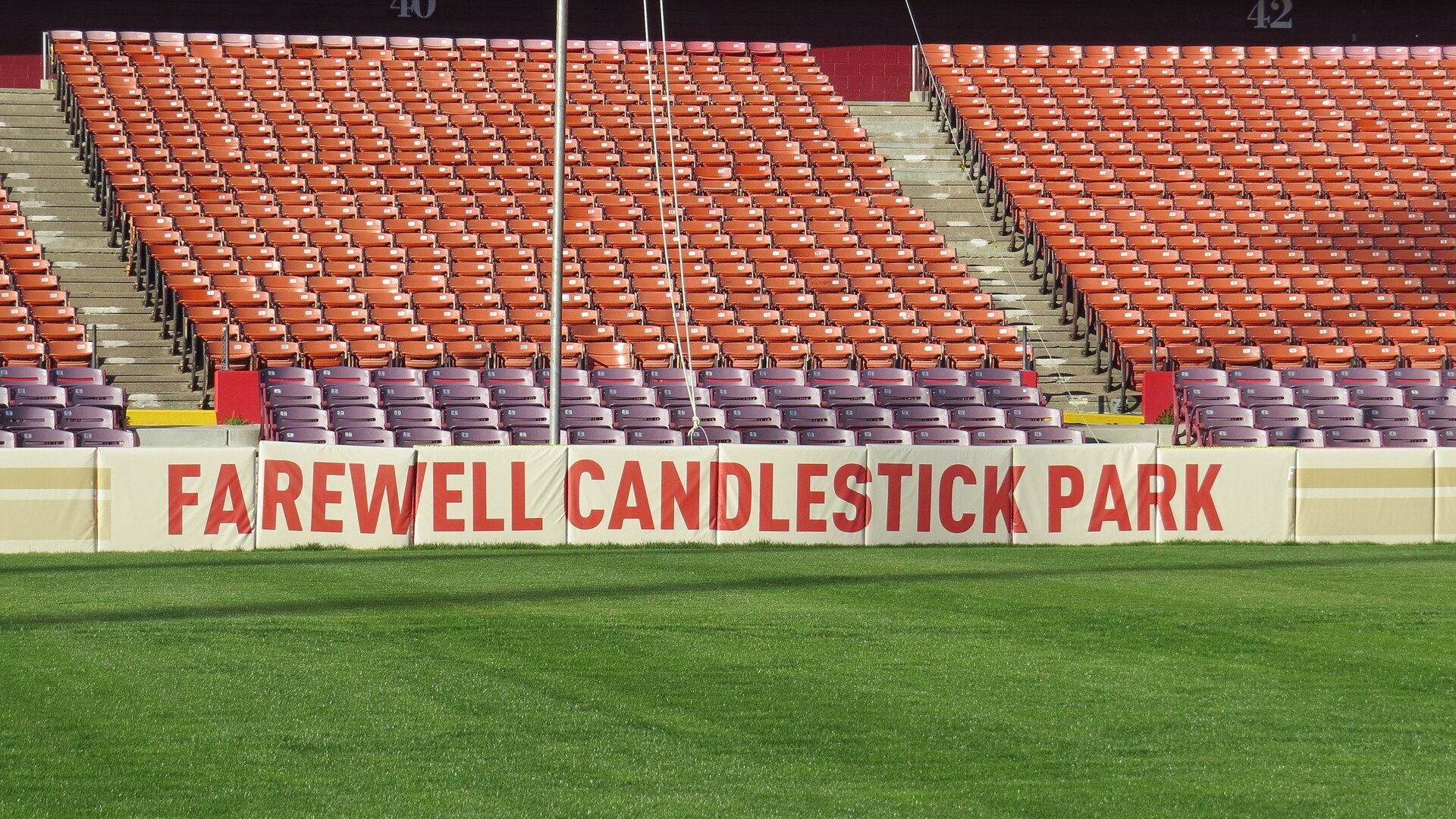
15. Candlestick Park, San Francisco
Opened in April 1960 for the San Francisco Giants, Candlestick Park hosted the Beatles' final full concert in 1966 and survived the 1989 Loma Prieta earthquake during the World Series. The Giants moved to downtown Oracle Park in 2000 and the 49ers left for Santa Clara in 2014 before crews razed the stadium.
©Wikimedia / rulenumberone2 from San Francisco, CA, USA
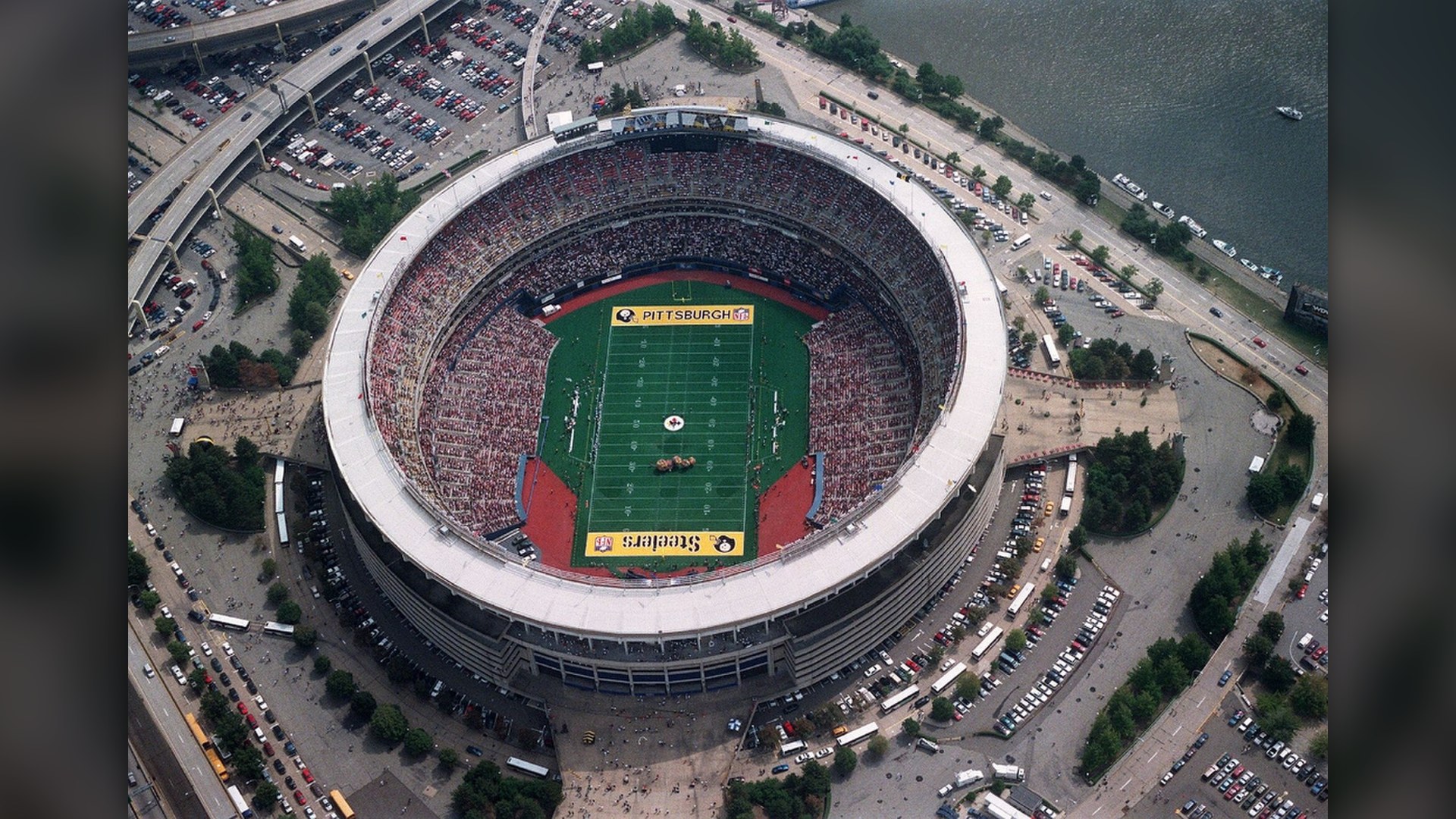
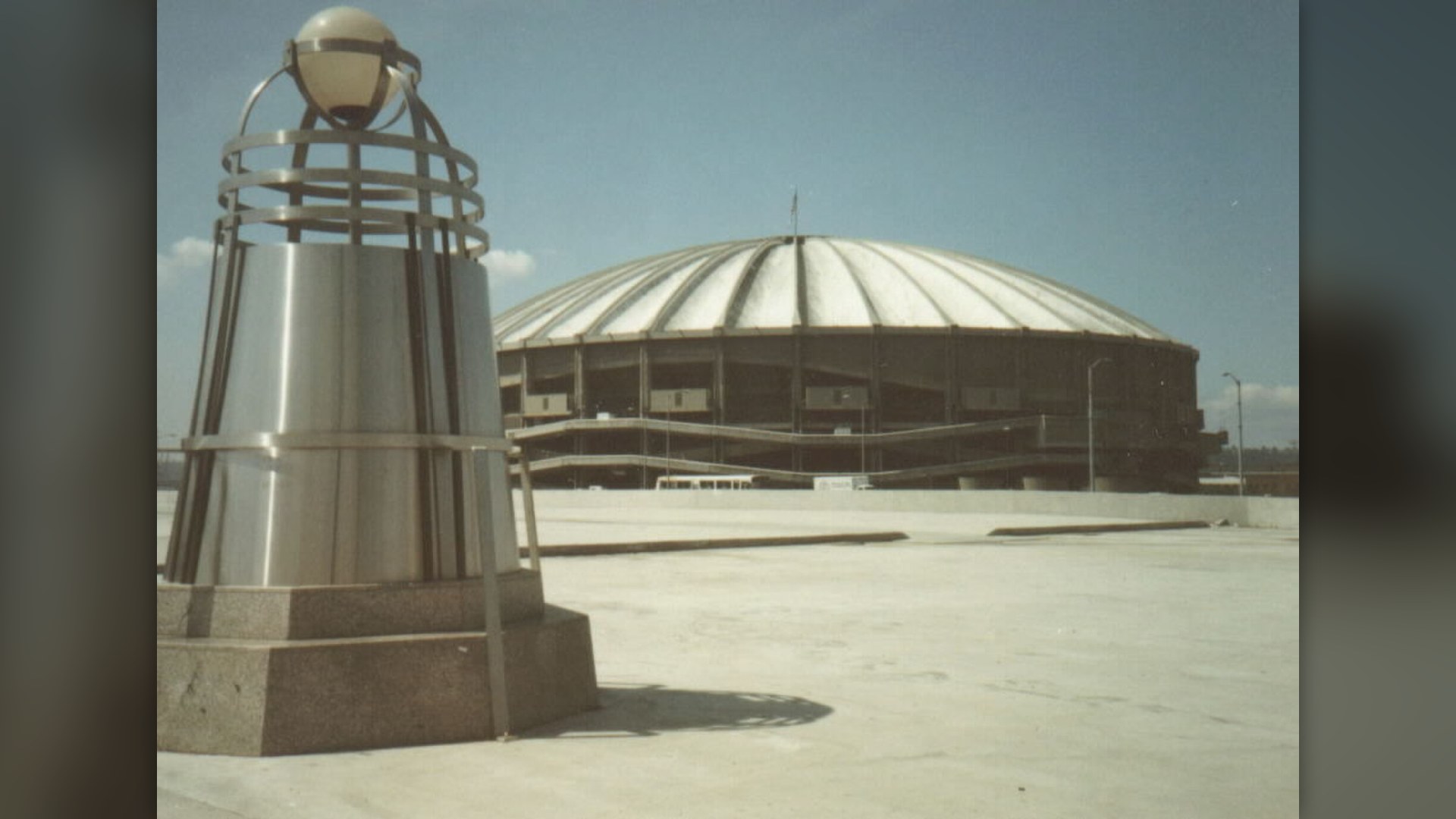
14. Three Rivers Stadium, Pittsburgh
Opened in July 1970 where the Allegheny and Monongahela rivers meet, Three Rivers Stadium housed the Pirates and Steelers for 31 seasons. Controlled explosives leveled the concrete ring in February 2001. Both teams moved next door to sport-specific venues, PNC Park and what is now Acrisure Stadium.
©Wikimedia / Escapedtowisconsin
Advertisement
Swipe or tap ▶ to resume the countdown.
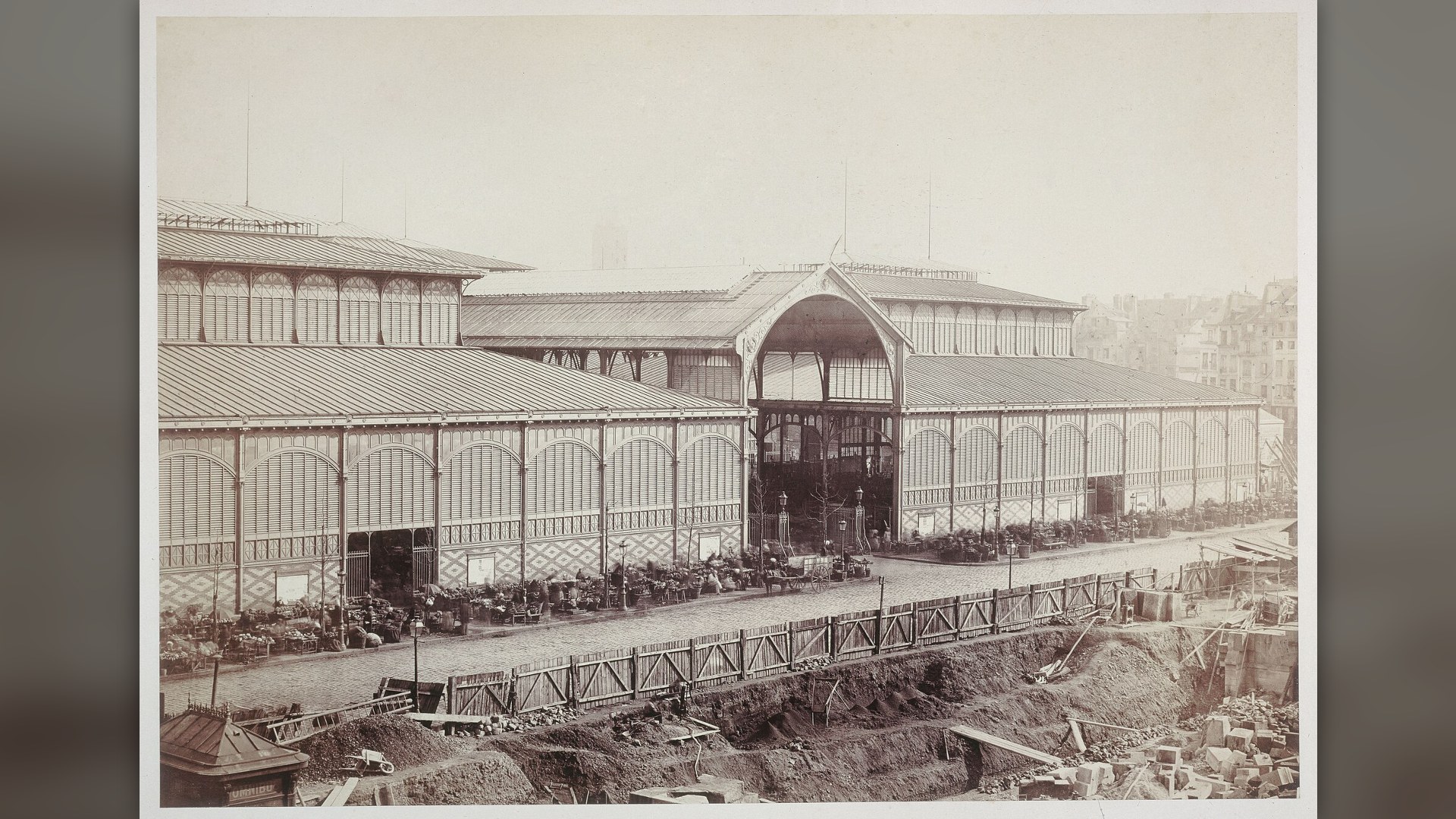
13. Les Halles Pavilions, Paris
Built starting in the 1850s under Napoleon III, ten soaring cast-iron and glass pavilions held Paris's central wholesale food market for over a century. After food trading moved to Rungis in 1969, workers dismantled the pavilions in 1971. Today the underground Forum des Halles mall and transit hub fill the site.
©Wikimedia / Marville, Charles (Charles-François Bossu, dit)
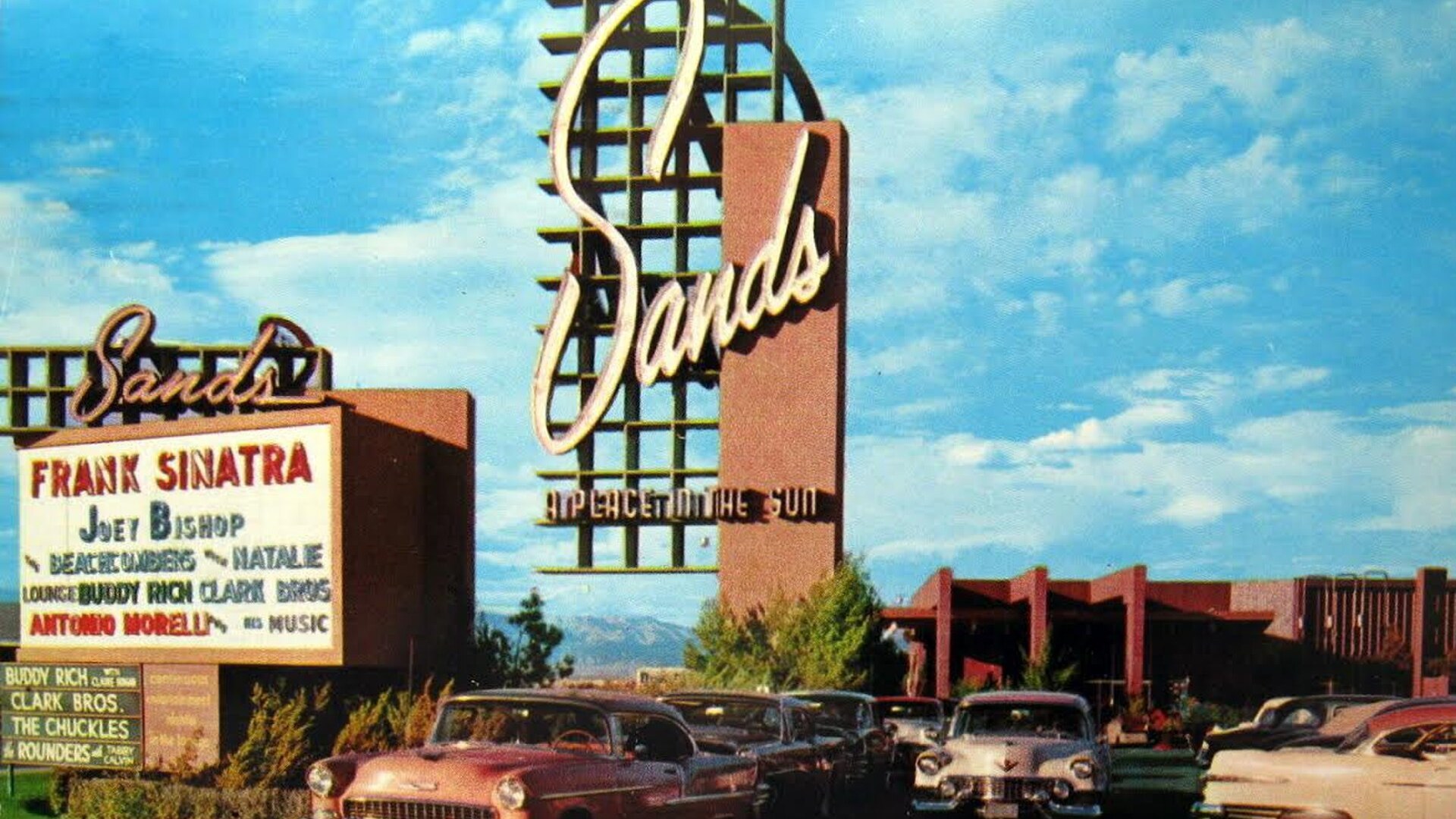
12. Sands Hotel And Casino, Las Vegas
Frank Sinatra, Dean Martin, and Sammy Davis Jr. packed the Sands' Copa Room during its 1960s heyday. Howard Hughes bought the resort in 1967, and Sheldon Adelson later acquired it to build a megaresort. Crews imploded the Sands' circular tower in 1996, and The Venetian opened on the site in 1999.
©Wikimedia / Desert Supply Company, Las Vegas
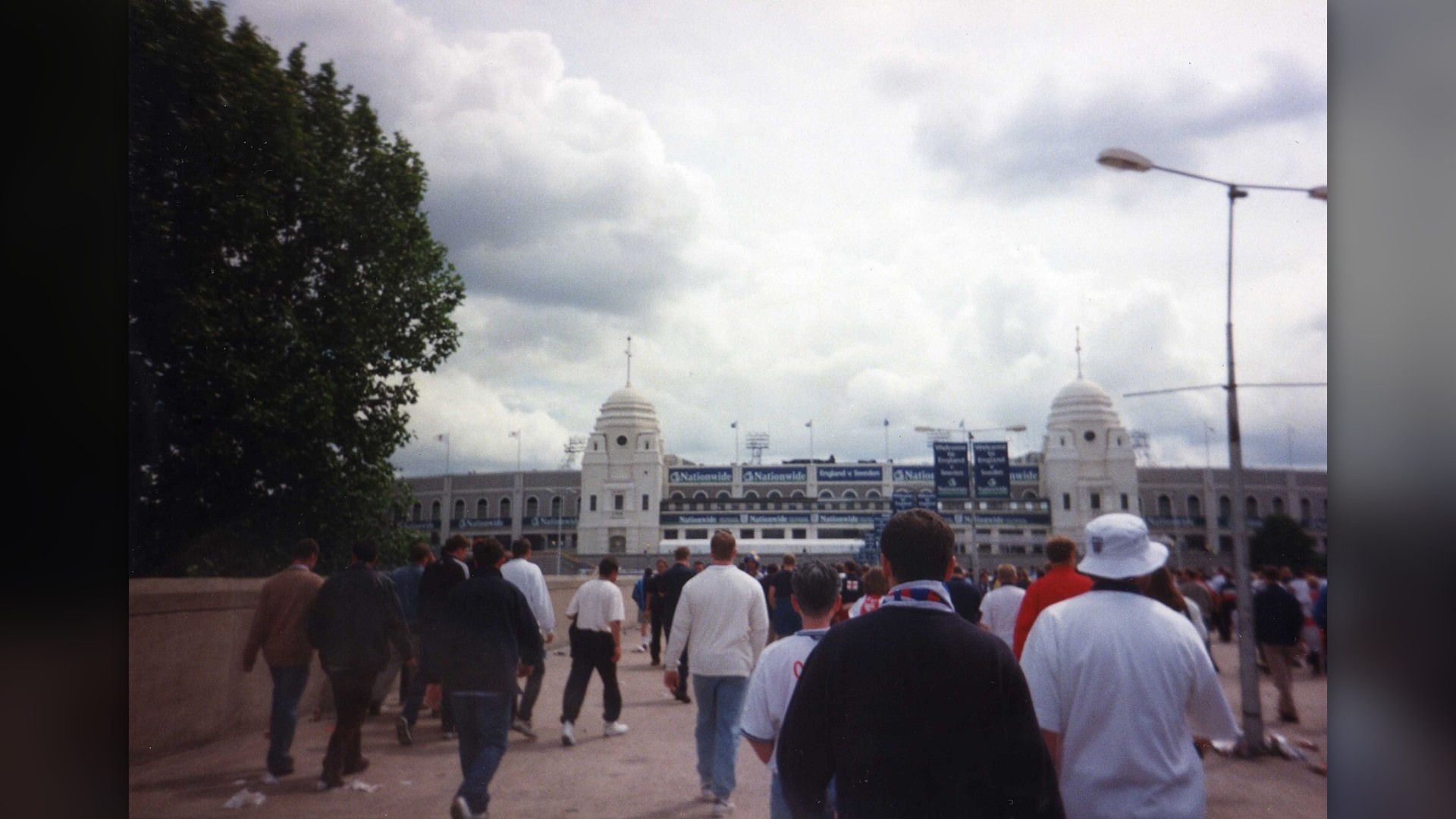
11. Old Wembley Stadium, London
Opened as the Empire Stadium for the 1923 FA Cup Final, the original Wembley hosted England's 1966 World Cup victory and the 1985 Live Aid concert. Despite Grade II listing for its 126-foot Twin Towers, they fell in February 2003. A new Wembley Stadium crowned by a giant steel arch opened on the site in 2007.
©Wikimedia / User:Responsible?
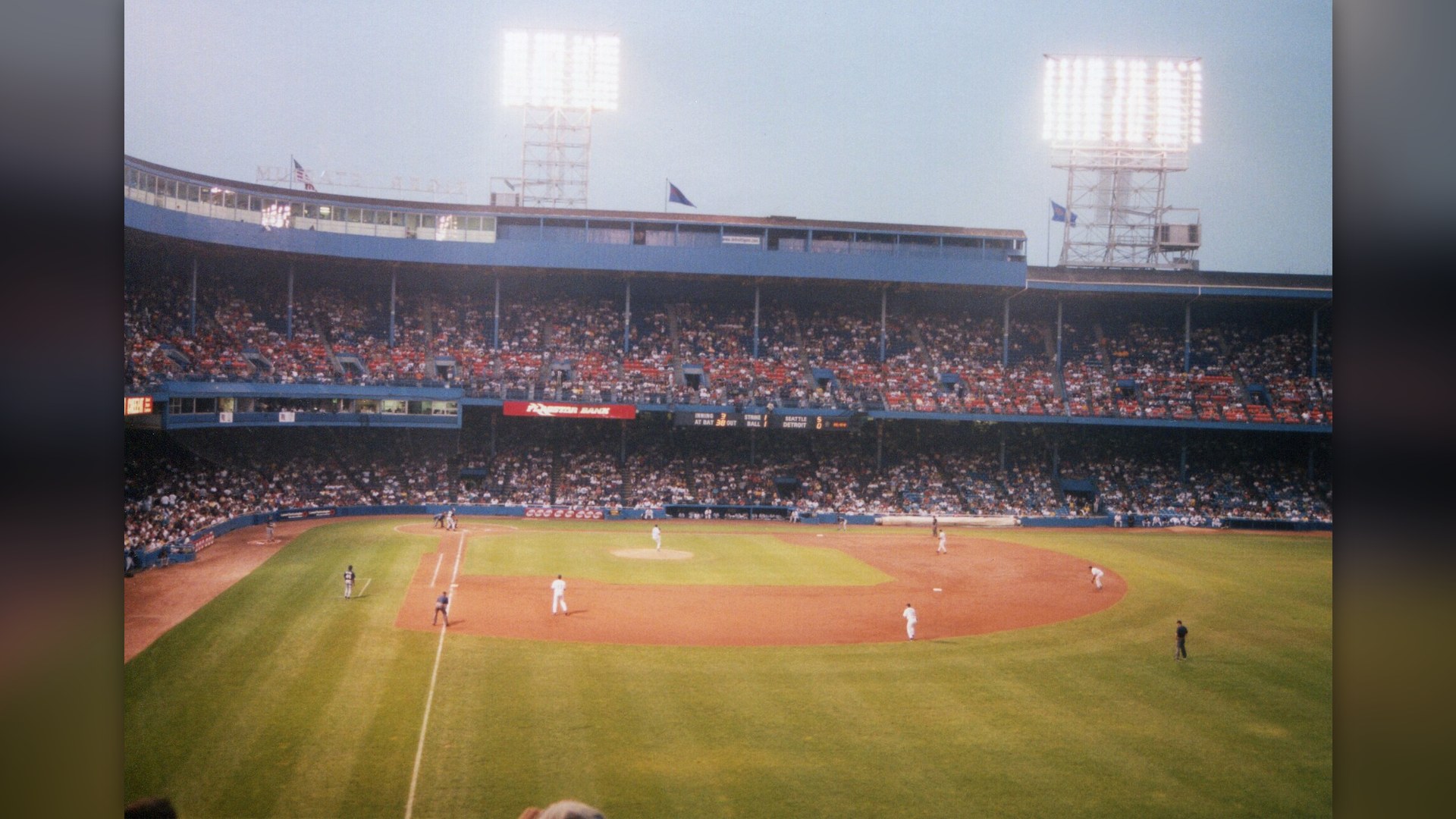
10. Tiger Stadium, Detroit
Known originally as Navin Field and Briggs Stadium, the Corktown ballpark housed the Detroit Tigers for 88 seasons and the Lions from 1938 to 1974. The Tigers moved to downtown Comerica Park in 2000, and demolition concluded in September 2009. Youth baseball fields now preserve the historic diamond.
©Wikimedia / user:RickDikeman
Advertisement
Swipe or tap ▶ to resume the countdown.
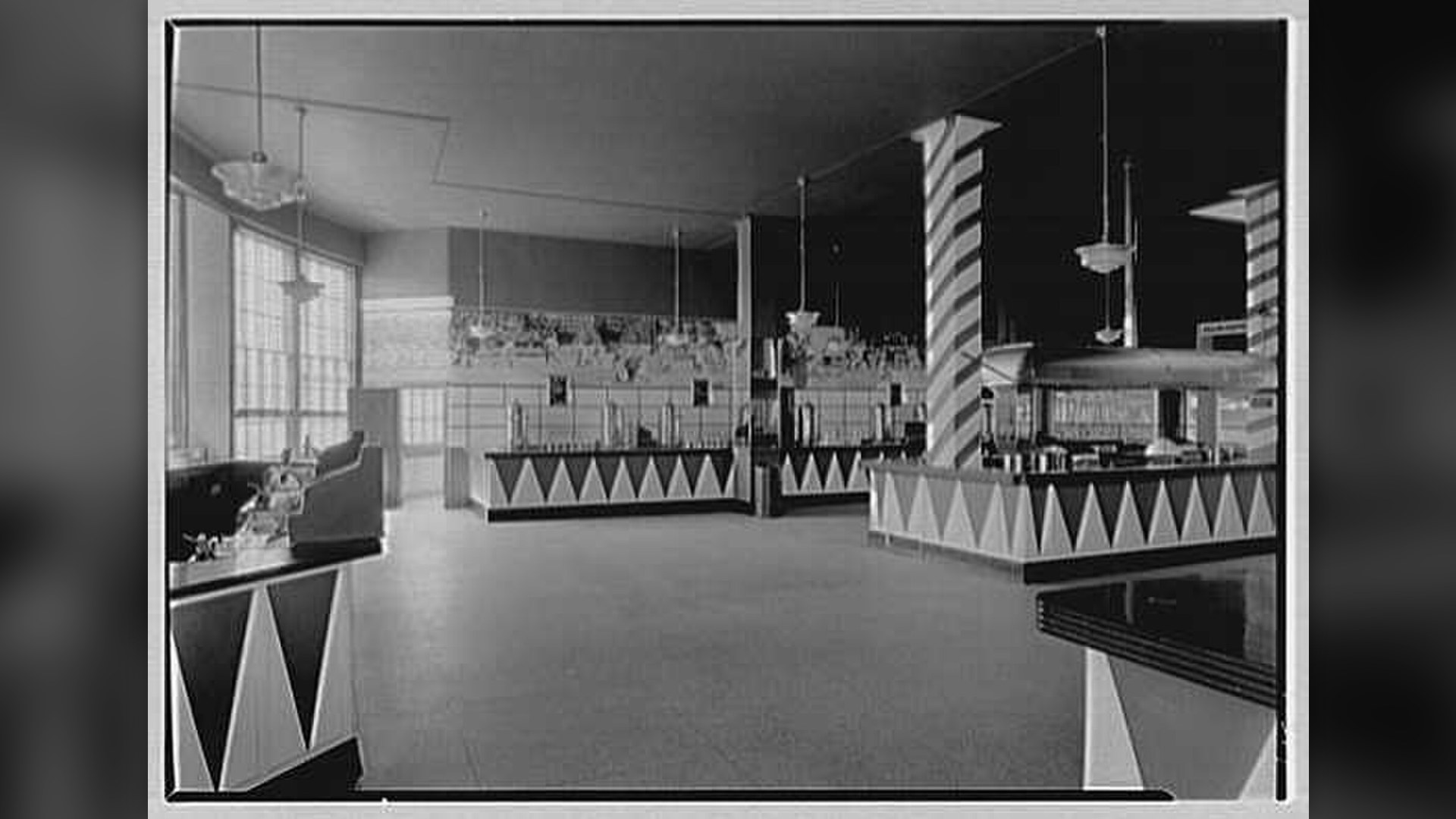
9. Ebbets Field, Brooklyn
Opened in 1913 in Flatbush, Ebbets Field witnessed Brooklyn's lone World Series championship in 1955 before the Dodgers left for Los Angeles after 1957. Demolition crews tore down the empty park in early 1960 with a wrecking ball painted like a baseball. The Ebbets Field Apartments now occupy the block.
©Wikimedia / Gottscho-Schleisner Collection
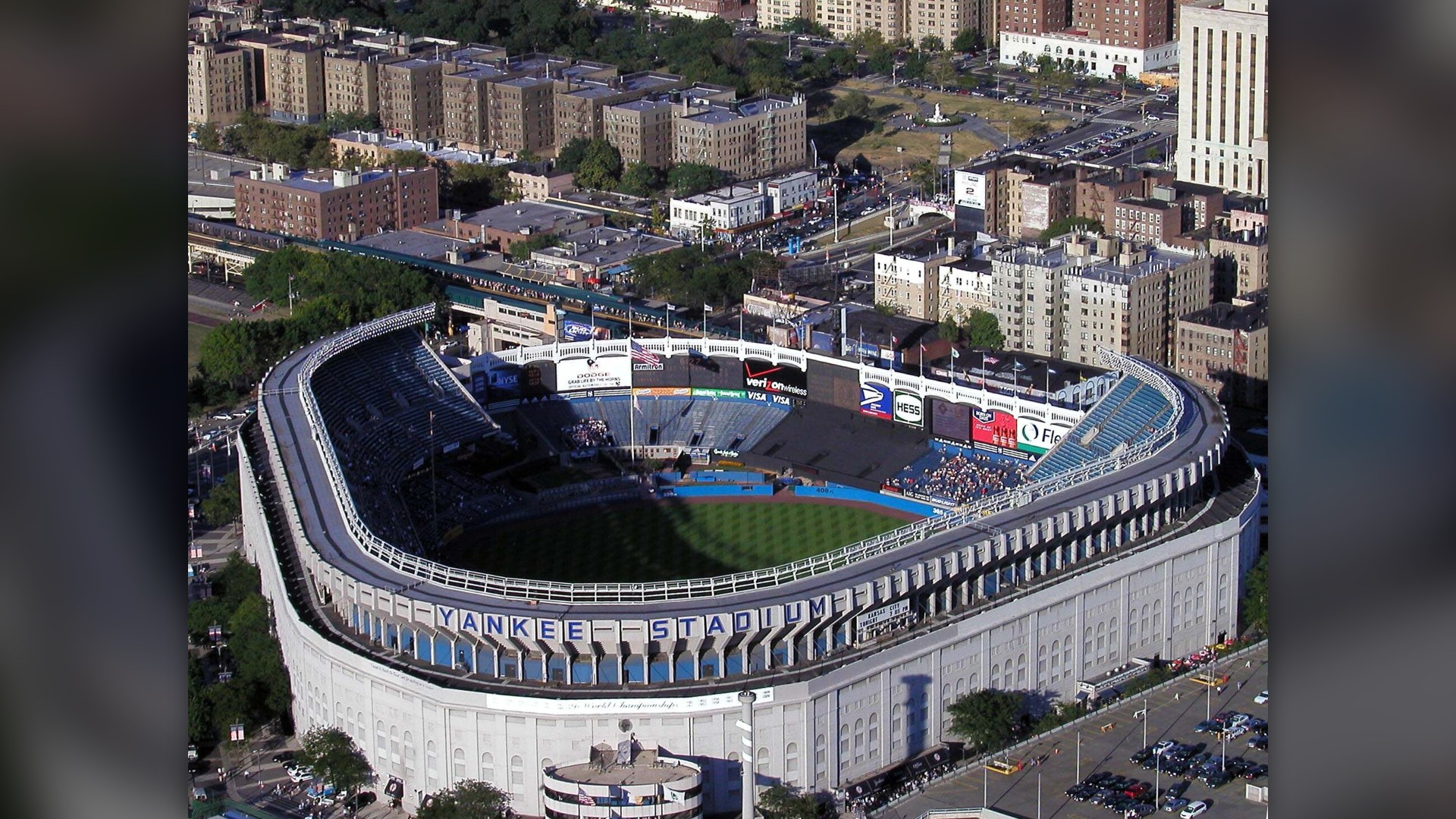
8. Old Yankee Stadium, New York City
For 85 years, the Bronx stadium staged 26 Yankees World Series titles and Lou Gehrig's 1939 farewell speech. After its final game in September 2008, the team moved across 161st Street to a new ballpark. Crews dismantled the old structure by 2010, leaving Heritage Field public park on the original footprint.
©Wikimedia / Severin St. Martin
7. Seattle Kingdome, Seattle
The Kingdome hosted the Mariners, Seahawks, and SuperSonics starting in 1976, though falling ceiling tiles in 1994 underscored its aging concrete roof. When explosives dropped it in March 2000, it set a Guinness record as the largest building by volume ever imploded. Lumen Field now stands on the same site.
©Wikimedia / Robert Ashworth from Bellingham, WA., USA
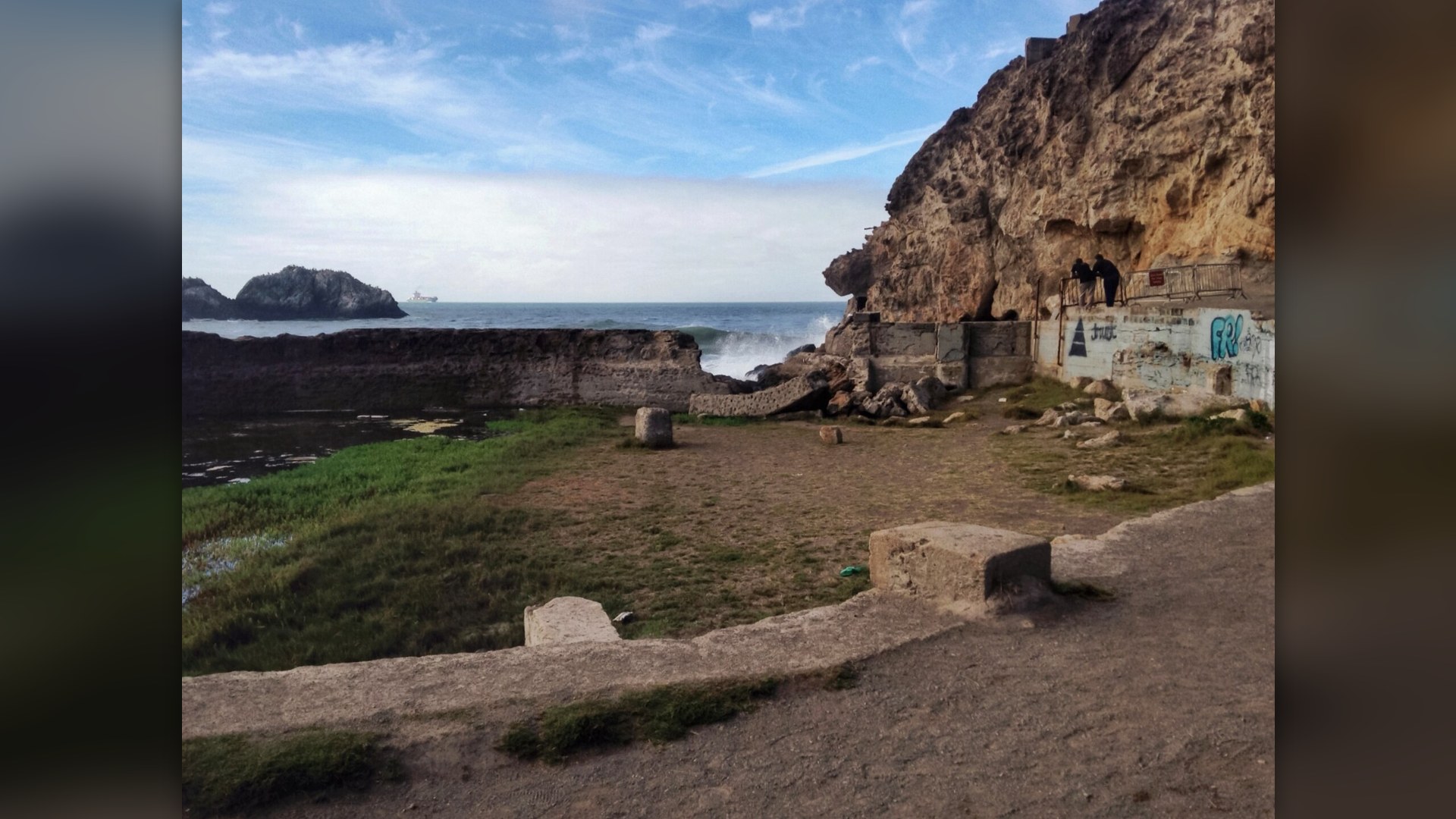
6. Sutro Baths, San Francisco
Built by former mayor Adolph Sutro near Cliff House, the complex held seven saltwater pools, a museum, and seating for thousands of swimmers under three acres of glass. Planned apartments never materialized after a 1966 fire gutted it. Today the concrete ruins are part of Golden Gate National Recreation Area.
©Wikimedia / Brian Dooley
Advertisement
Swipe or tap ▶ to resume the countdown.
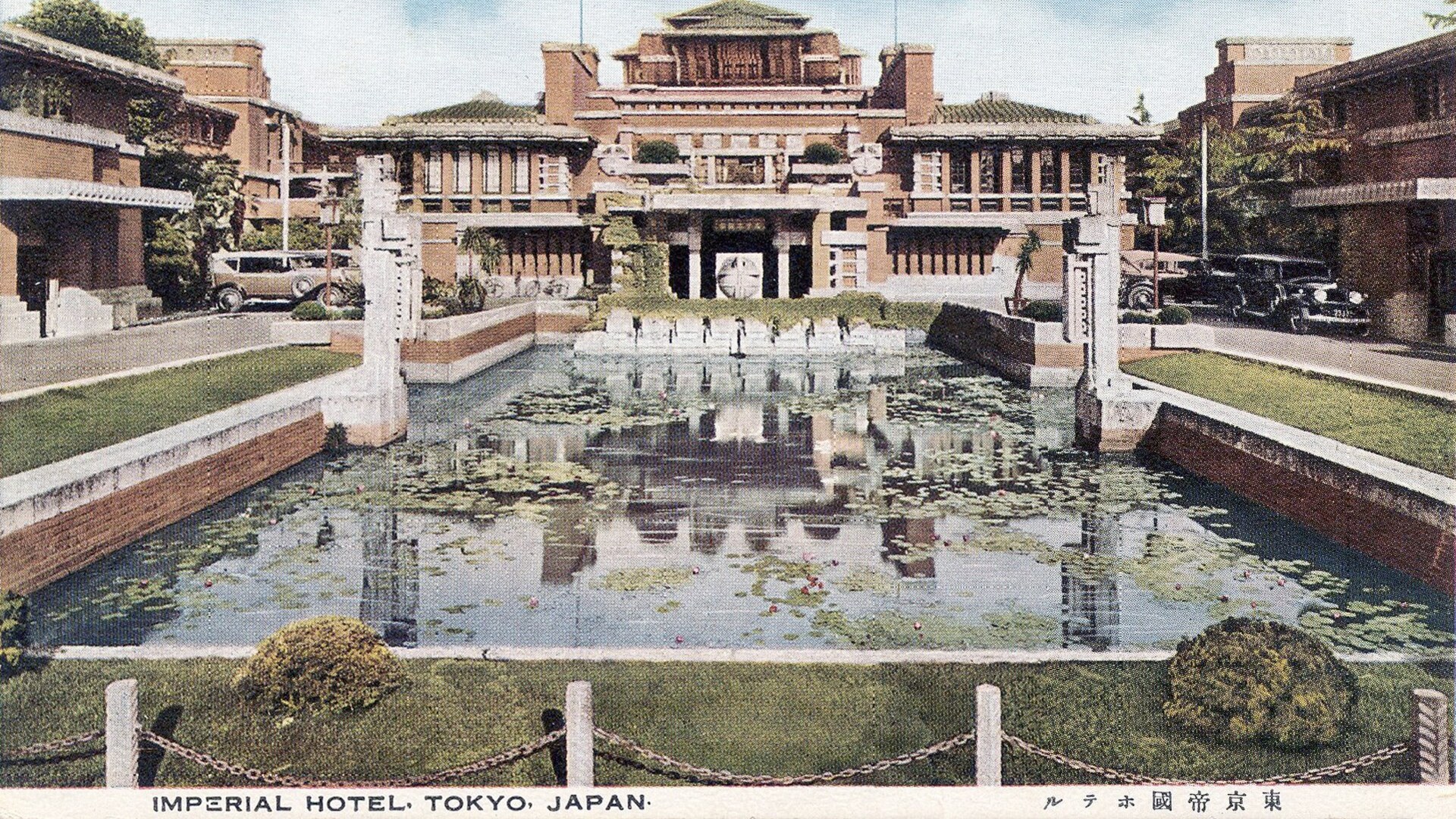
5. Imperial Hotel, Tokyo
Built with carved volcanic Oya stone on a floating foundation, Wright's low-rise hotel famously withstood the 1923 Great Kanto earthquake on its opening day and survived World War II air raids. Rising land values led owners to raze it in 1968 for a tower, though its main lobby was rebuilt at Meiji Mura.
©Wikimedia / Unknown artist
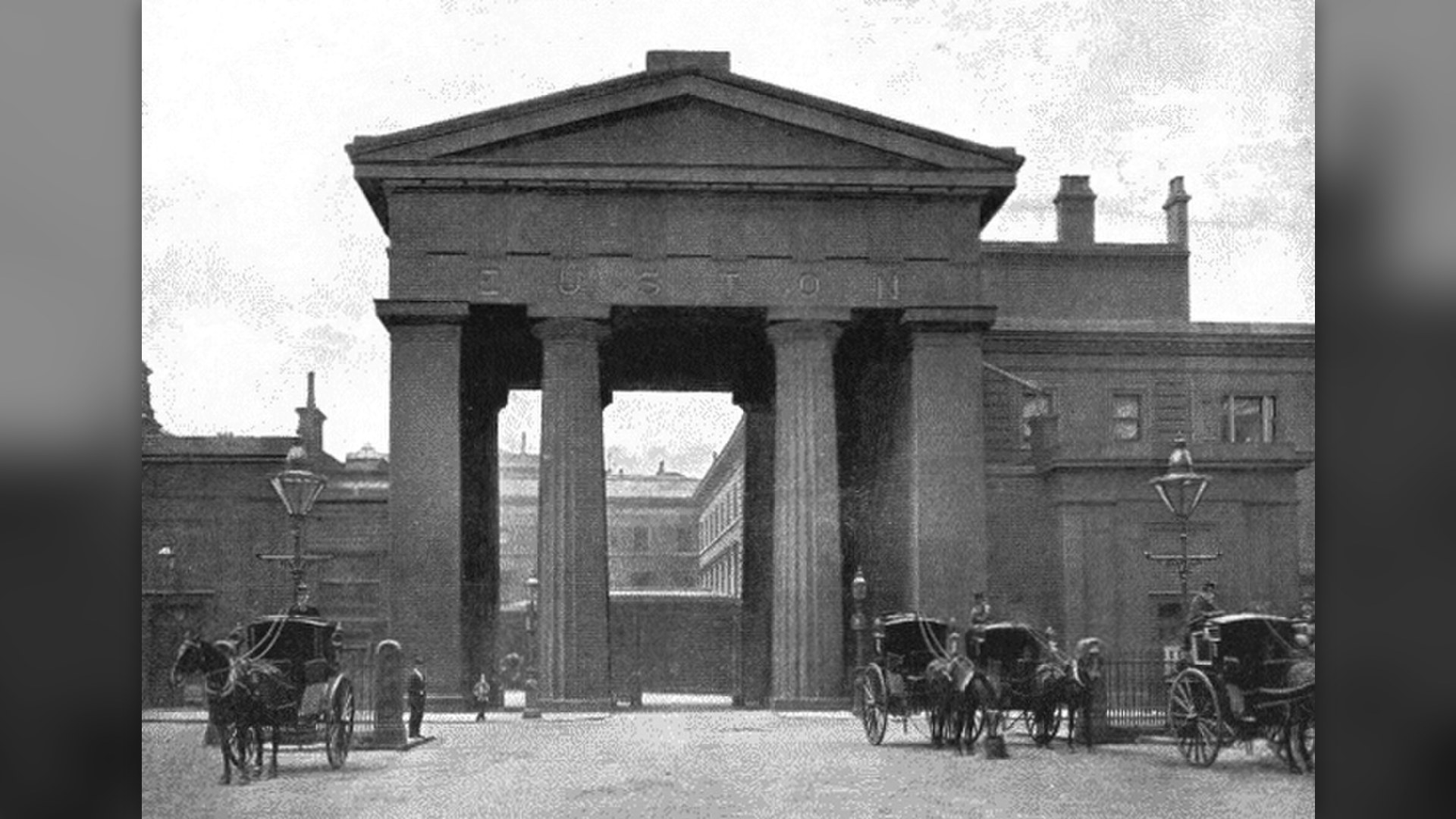
4. Euston Arch, London
Designed by Philip Hardwick for Euston station, the massive Yorkshire sandstone arch marked the grand gateway of early British rail travel. British Railways demolished it in 1961 and 1962 during station modernization, sparking outrage that helped save St Pancras station nearby.
©Wikimedia / Unknown artist
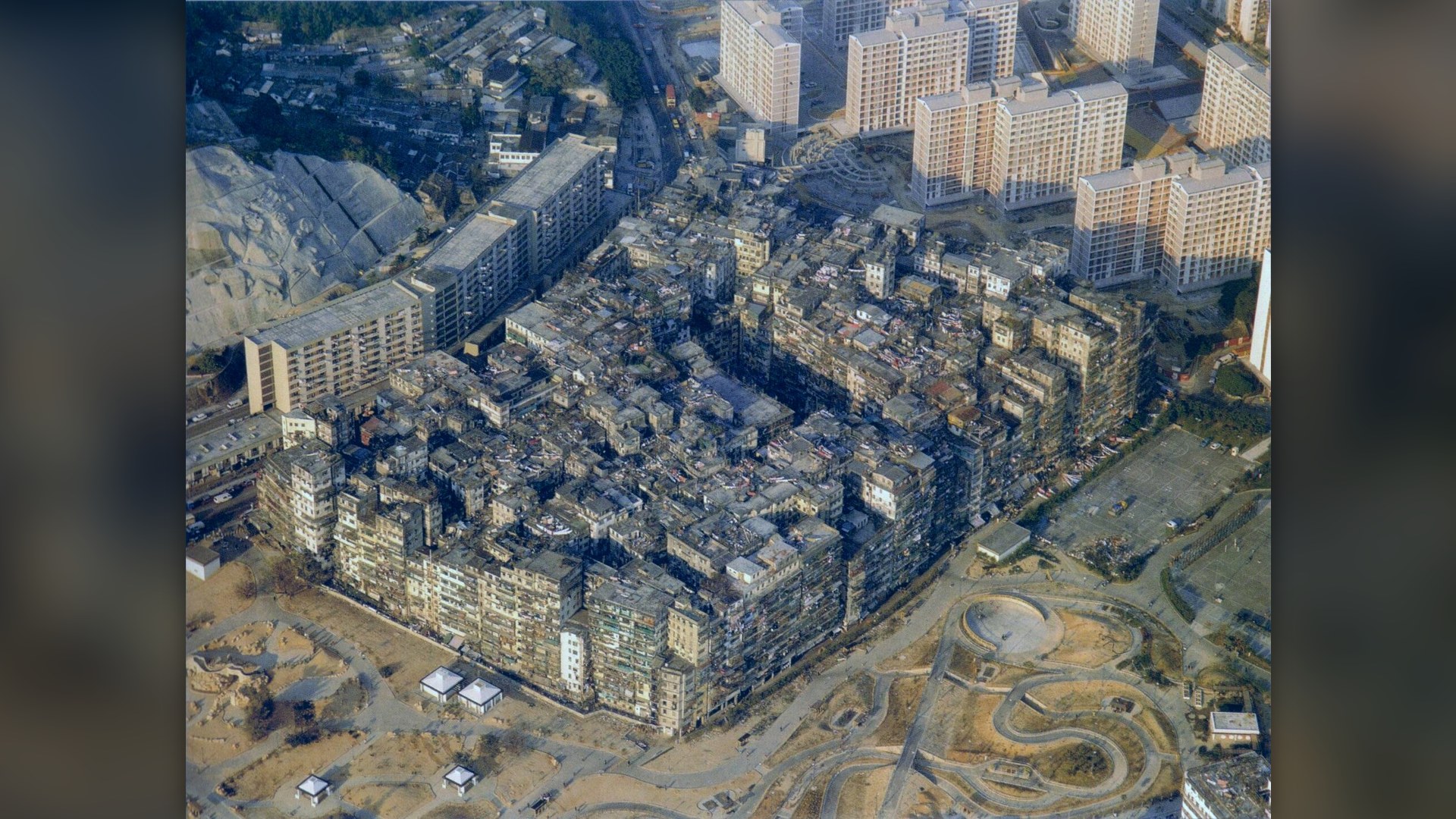
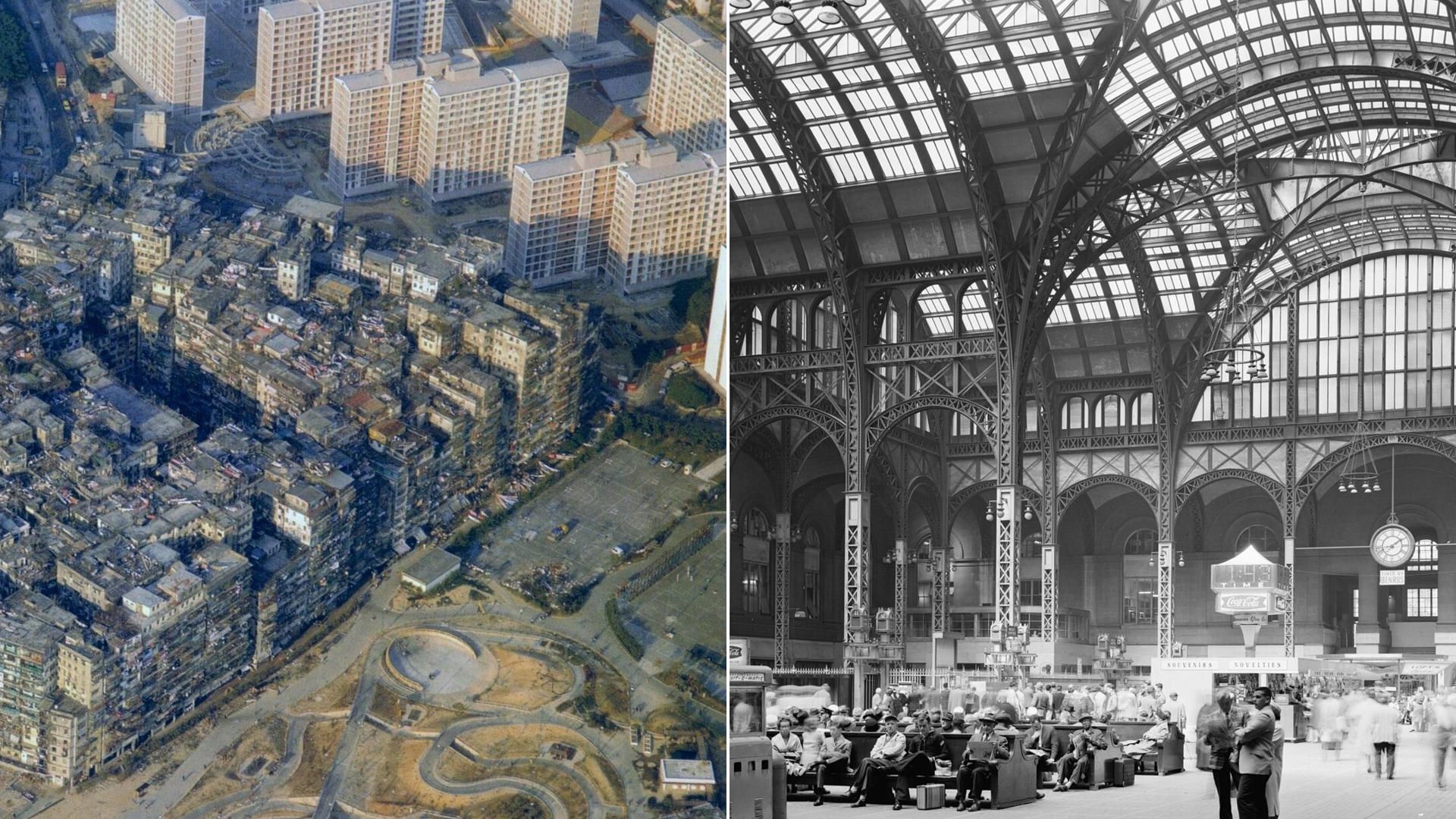
3. Kowloon Walled City, Hong Kong
Packed onto 6.4 acres outside regular colonial policing, Kowloon Walled City grew into hundreds of interlocked high-rises without building codes or sunlight in lower alleys. Evictions and demolition ran from 1993 to 1994. Kowloon Walled City Park, a peaceful Qing-style garden, opened on the ground in 1995.
©Wikimedia / Ian Lambot
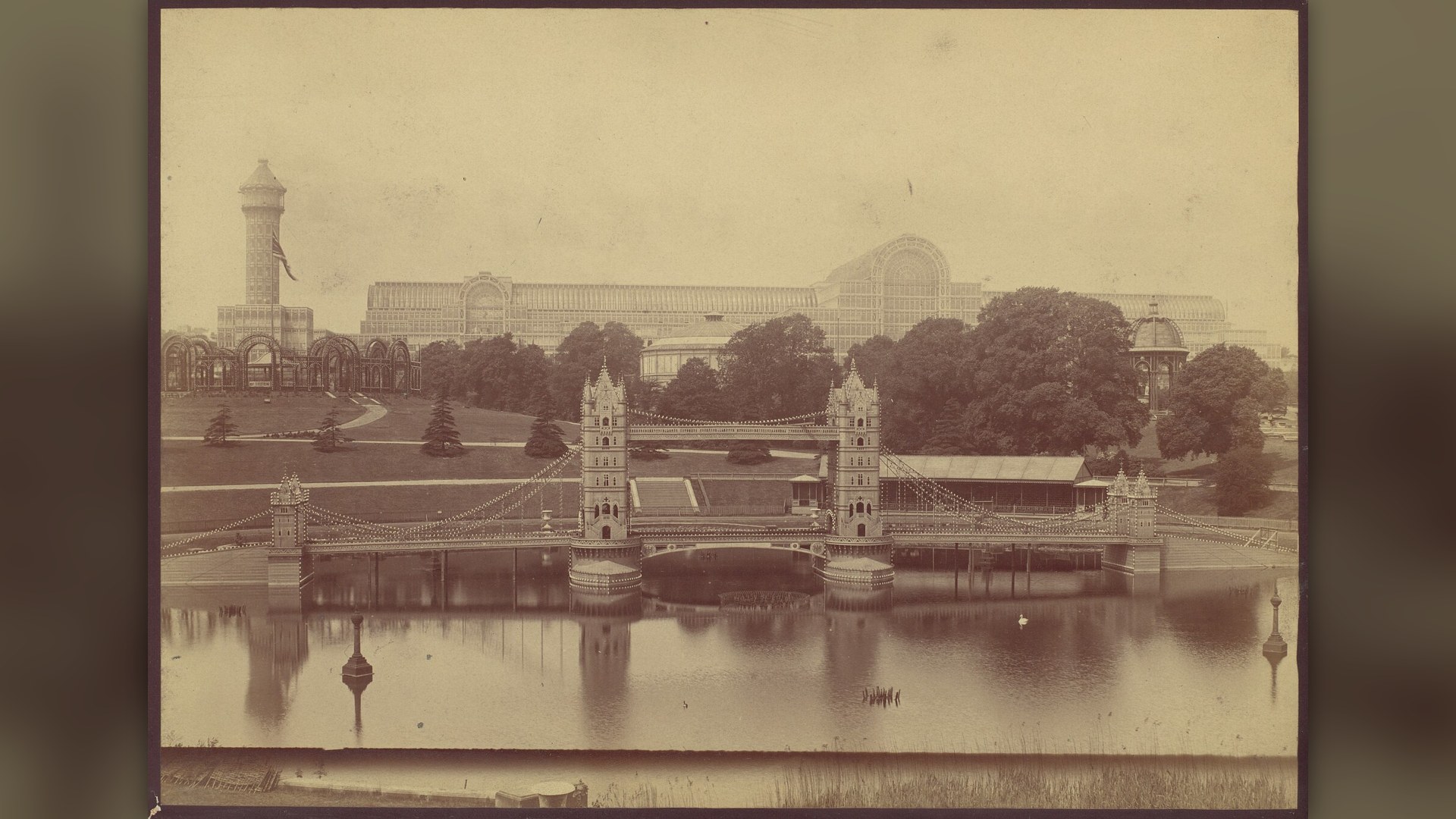
2. The Crystal Palace, London
Designed by Joseph Paxton for the 1851 Great Exhibition in Hyde Park, the Crystal Palace was dismantled and enlarged on Sydenham Hill in 1854. On November 30, 1936, a fire consumed its dry timber and glass within hours as 400 firefighters battled the blaze. Only park terraces and dinosaur statues remain.
©Wikimedia / Philip Henry Delamotte / Henry Negretti
Advertisement
Swipe or tap ▶ to resume the countdown.
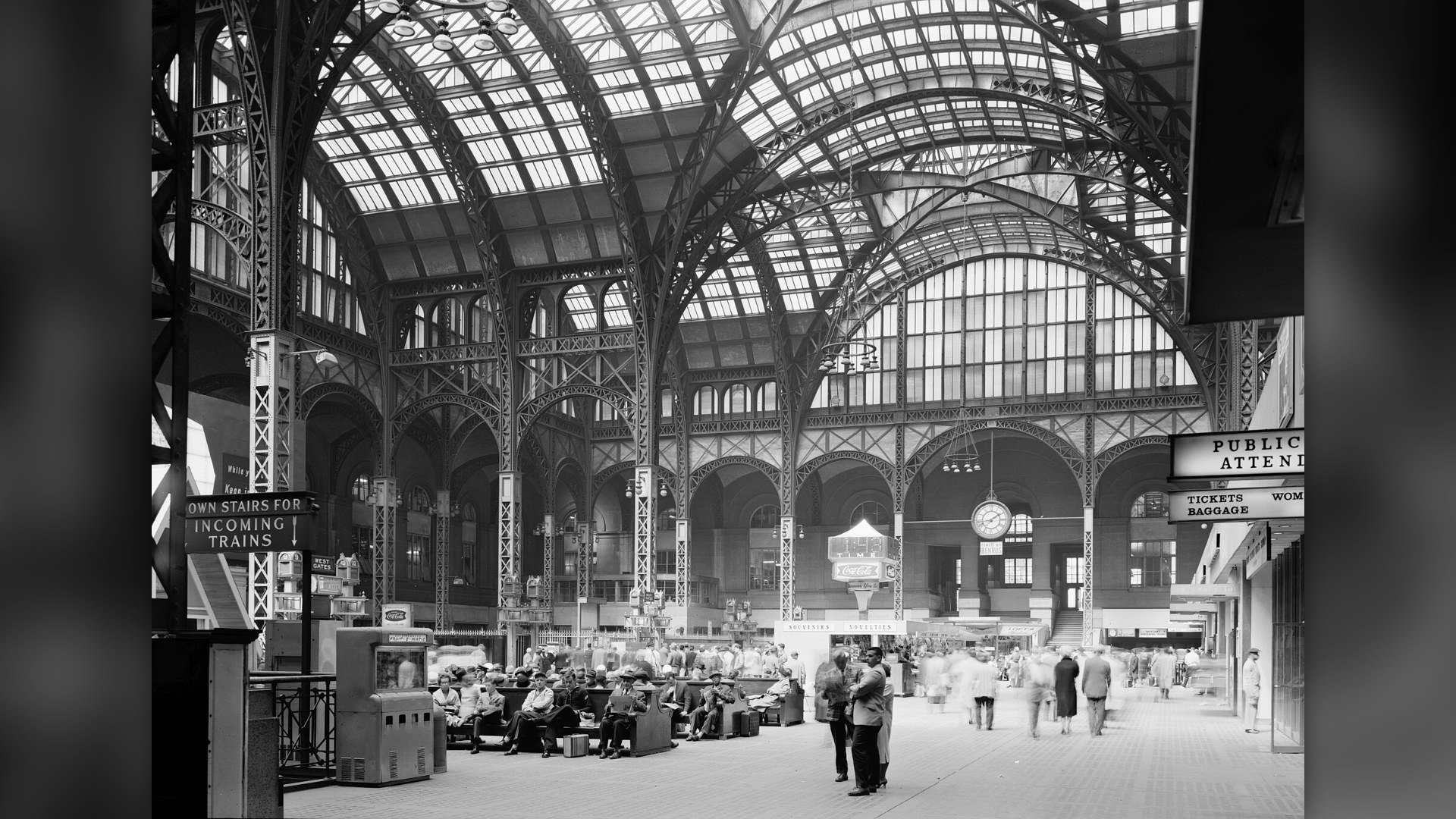
1. Original Pennsylvania Station, New York City
Opened in 1910 across two Midtown blocks, Penn Station welcomed commuters beneath pink granite colonnades and a vaulted steel concourse. Its demolition from 1963 to 1966 pushed trains underground beneath Madison Square Garden, sparking public outrage that created New York's Landmarks Preservation Commission.
©Wikimedia / Cervin Robinson
Advertisement
You've reached the end of the story. Thanks for reading!

22 Stops That Make Madison, Wisconsin a Great City to Explore on Foot
Set on a narrow isthmus between Lakes Mendota and Monona, Madison packs parks, museums and campus sights into walkable neighborhoods. This 22-stop photo tour traces lakeside trails, gardens, theaters and civic landmarks using official records from the City of Madison, UW-Madison and Destination Madison.
All 20 Entries in this Story
#20: Hotel Traymore, Atlantic City
Designed by William Lightfoot Price, the concrete Hotel Traymore tower opened in 1915 with domes overlooking the Atlantic City Boardwalk. Crews brought it down with controlled blasts in spring 1972. No new resort replaced it, and Caesars later used the lot for surface parking.

#19: Hippodrome Theatre, New York City
Opened in 1905 by Coney Island showmen Frederic Thompson and Elmer Dundy, the Hippodrome staged circuses, water ballets in a giant tank, and Harry Houdini's vanishing elephant. After closing in August 1939, the block between 43rd and 44th streets sat as a parking lot until an office tower opened in 1952.

#18: Crosley Field, Cincinnati
Built in 1912 as Redland Field and renamed for Reds owner Powell Crosley Jr. in 1934, the ballpark was famous for its steep 15-degree grassy outfield terrace. The Reds left in June 1970 for Riverfront Stadium, and Great American Ball Park now hosts the team while a business park covers the old site.

#17: Polo Grounds, New York City
The steel-and-concrete horseshoe under Coogan's Bluff opened in 1911 and hosted the baseball Giants, the Yankees, and the expansion Mets. After Shea Stadium opened, crews began razing the Polo Grounds in April 1964. Four 30-story public housing towers now occupy the site along the Harlem River.

#16: Stardust Resort And Casino, Las Vegas
Opened in July 1958, the Stardust became one of the Strip's defining midcentury casinos and inspired the film "Casino." Boyd Gaming imploded its tower in March 2007 to build Echelon Place, which stalled in the 2008 crash. Today Resorts World Las Vegas stands on the former Stardust parcel.

#15: Candlestick Park, San Francisco
Opened in April 1960 for the San Francisco Giants, Candlestick Park hosted the Beatles' final full concert in 1966 and survived the 1989 Loma Prieta earthquake during the World Series. The Giants moved to downtown Oracle Park in 2000 and the 49ers left for Santa Clara in 2014 before crews razed the stadium.

#14: Three Rivers Stadium, Pittsburgh
Opened in July 1970 where the Allegheny and Monongahela rivers meet, Three Rivers Stadium housed the Pirates and Steelers for 31 seasons. Controlled explosives leveled the concrete ring in February 2001. Both teams moved next door to sport-specific venues, PNC Park and what is now Acrisure Stadium.

#13: Les Halles Pavilions, Paris
Built starting in the 1850s under Napoleon III, ten soaring cast-iron and glass pavilions held Paris's central wholesale food market for over a century. After food trading moved to Rungis in 1969, workers dismantled the pavilions in 1971. Today the underground Forum des Halles mall and transit hub fill the site.

#12: Sands Hotel And Casino, Las Vegas
Frank Sinatra, Dean Martin, and Sammy Davis Jr. packed the Sands' Copa Room during its 1960s heyday. Howard Hughes bought the resort in 1967, and Sheldon Adelson later acquired it to build a megaresort. Crews imploded the Sands' circular tower in 1996, and The Venetian opened on the site in 1999.

#11: Old Wembley Stadium, London
Opened as the Empire Stadium for the 1923 FA Cup Final, the original Wembley hosted England's 1966 World Cup victory and the 1985 Live Aid concert. Despite Grade II listing for its 126-foot Twin Towers, they fell in February 2003. A new Wembley Stadium crowned by a giant steel arch opened on the site in 2007.

#10: Tiger Stadium, Detroit
Known originally as Navin Field and Briggs Stadium, the Corktown ballpark housed the Detroit Tigers for 88 seasons and the Lions from 1938 to 1974. The Tigers moved to downtown Comerica Park in 2000, and demolition concluded in September 2009. Youth baseball fields now preserve the historic diamond.

#9: Ebbets Field, Brooklyn
Opened in 1913 in Flatbush, Ebbets Field witnessed Brooklyn's lone World Series championship in 1955 before the Dodgers left for Los Angeles after 1957. Demolition crews tore down the empty park in early 1960 with a wrecking ball painted like a baseball. The Ebbets Field Apartments now occupy the block.

#8: Old Yankee Stadium, New York City
For 85 years, the Bronx stadium staged 26 Yankees World Series titles and Lou Gehrig's 1939 farewell speech. After its final game in September 2008, the team moved across 161st Street to a new ballpark. Crews dismantled the old structure by 2010, leaving Heritage Field public park on the original footprint.

#7: Seattle Kingdome, Seattle
The Kingdome hosted the Mariners, Seahawks, and SuperSonics starting in 1976, though falling ceiling tiles in 1994 underscored its aging concrete roof. When explosives dropped it in March 2000, it set a Guinness record as the largest building by volume ever imploded. Lumen Field now stands on the same site.

#6: Sutro Baths, San Francisco
Built by former mayor Adolph Sutro near Cliff House, the complex held seven saltwater pools, a museum, and seating for thousands of swimmers under three acres of glass. Planned apartments never materialized after a 1966 fire gutted it. Today the concrete ruins are part of Golden Gate National Recreation Area.

#5: Imperial Hotel, Tokyo
Built with carved volcanic Oya stone on a floating foundation, Wright's low-rise hotel famously withstood the 1923 Great Kanto earthquake on its opening day and survived World War II air raids. Rising land values led owners to raze it in 1968 for a tower, though its main lobby was rebuilt at Meiji Mura.

#4: Euston Arch, London
Designed by Philip Hardwick for Euston station, the massive Yorkshire sandstone arch marked the grand gateway of early British rail travel. British Railways demolished it in 1961 and 1962 during station modernization, sparking outrage that helped save St Pancras station nearby.

#3: Kowloon Walled City, Hong Kong
Packed onto 6.4 acres outside regular colonial policing, Kowloon Walled City grew into hundreds of interlocked high-rises without building codes or sunlight in lower alleys. Evictions and demolition ran from 1993 to 1994. Kowloon Walled City Park, a peaceful Qing-style garden, opened on the ground in 1995.

#2: The Crystal Palace, London
Designed by Joseph Paxton for the 1851 Great Exhibition in Hyde Park, the Crystal Palace was dismantled and enlarged on Sydenham Hill in 1854. On November 30, 1936, a fire consumed its dry timber and glass within hours as 400 firefighters battled the blaze. Only park terraces and dinosaur statues remain.

#1: Original Pennsylvania Station, New York City
Opened in 1910 across two Midtown blocks, Penn Station welcomed commuters beneath pink granite colonnades and a vaulted steel concourse. Its demolition from 1963 to 1966 pushed trains underground beneath Madison Square Garden, sparking public outrage that created New York's Landmarks Preservation Commission.