Slideshow · Money
20 US States With the Highest Sales Tax Rates, Ranked
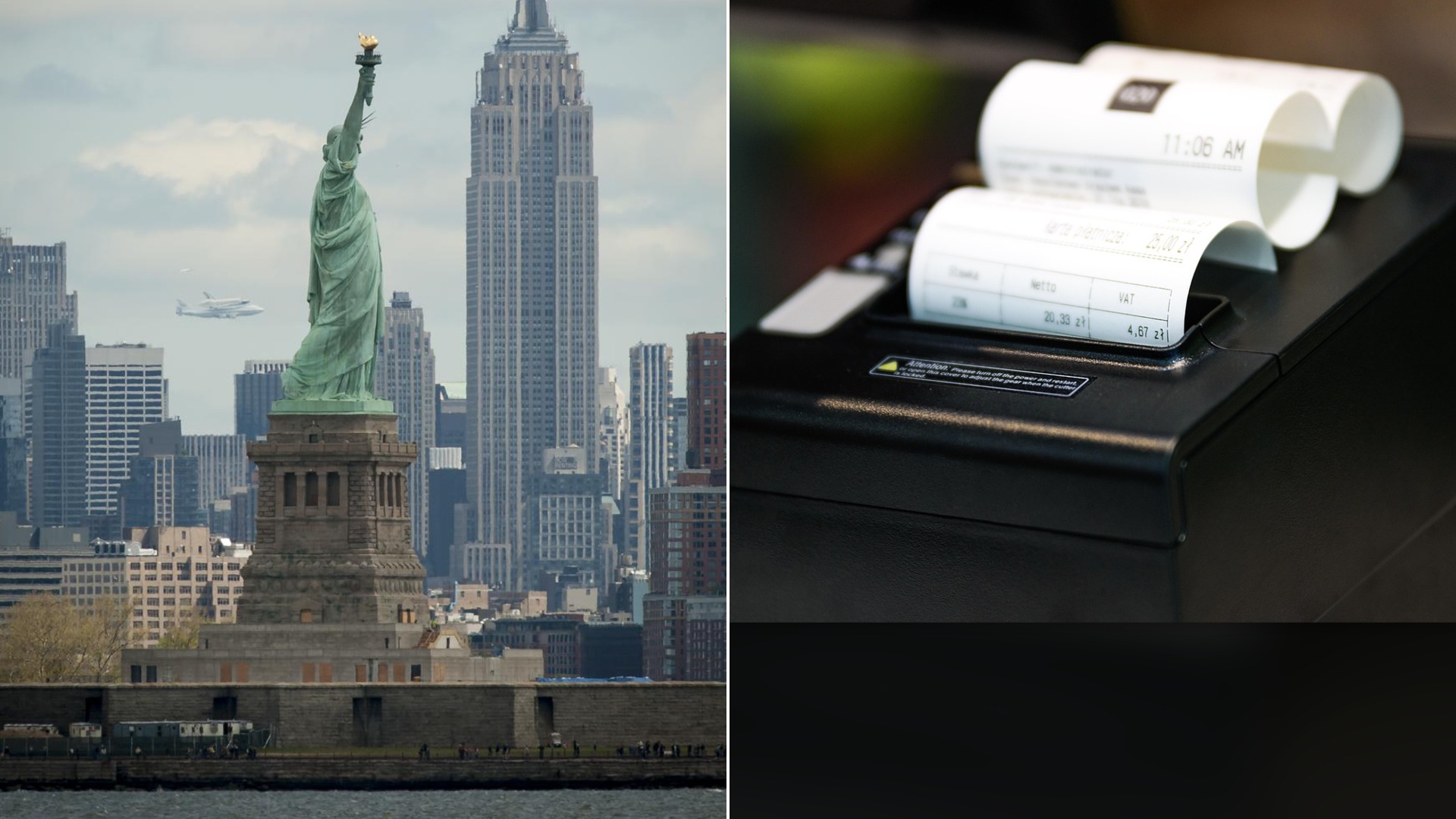
State sales tax rates only tell half the story. Across the United States, municipal and county piggyback levies push total retail charges significantly higher at checkout counters. From New York to Louisiana, these twenty states impose the steepest combined burdens on everyday purchases for consumers nationwide.
By Most Viral Today
12 min ago

Discover which jurisdictions take the steepest bite out of your wallet 
20. Ohio (7.24% Combined) 
19. Georgia (7.42% Combined) 
18. South Carolina (7.50% Combined) - AdvertisementSwipe or tap ▶ to continue countdown

17. Minnesota (7.53% Combined) 
16. New Mexico (7.72% Combined) 
15. Colorado (7.81% Combined) 
14. Texas (8.20% Combined) - AdvertisementSwipe or tap ▶ to continue countdown

13. Nevada (8.24% Combined) 
12. Arizona (8.37% Combined) 
11. Missouri (8.39% Combined) 
10. New York (8.53% Combined) - AdvertisementSwipe or tap ▶ to continue countdown

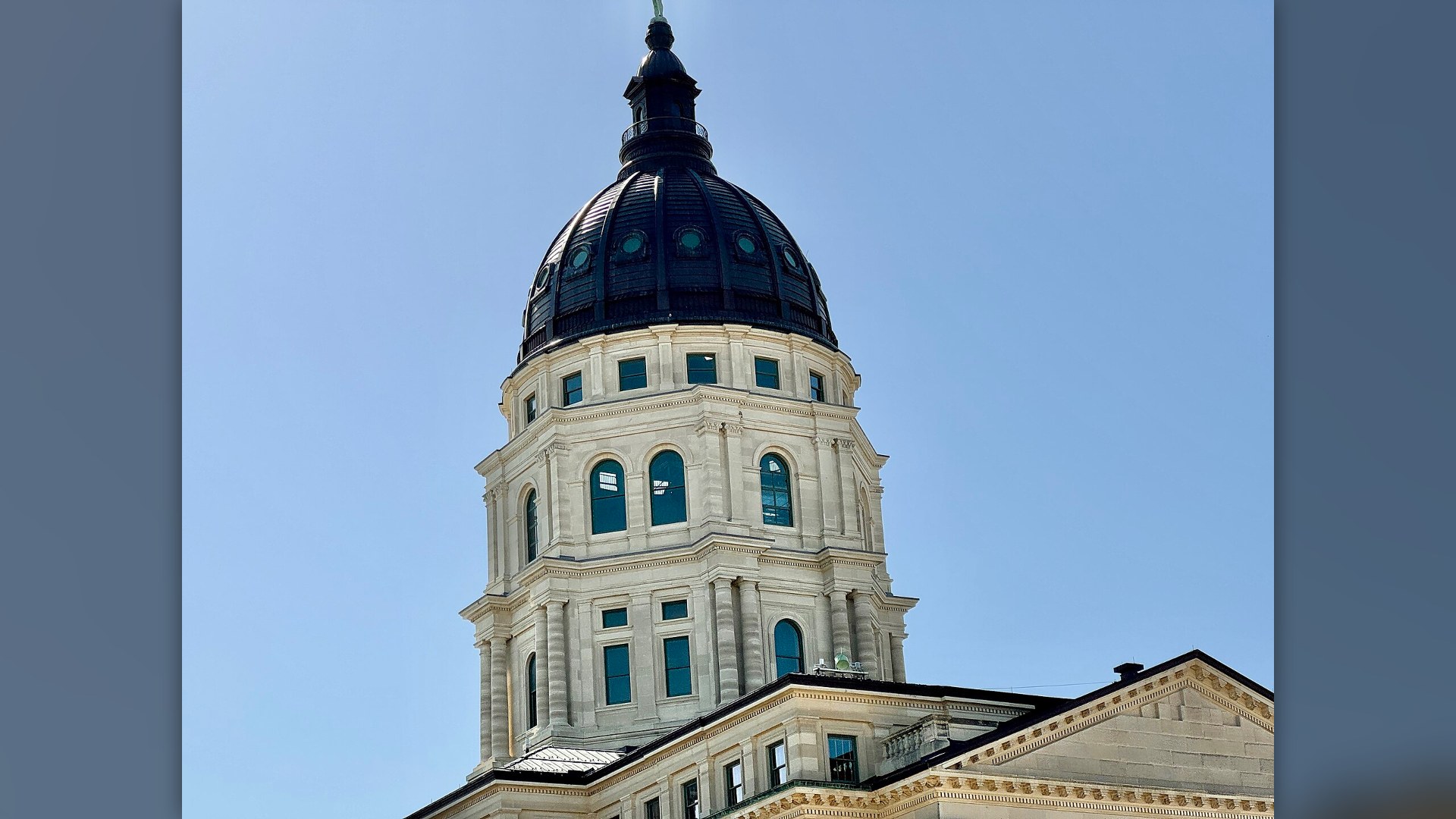
9. Kansas (8.75% Combined) 
8. Illinois (8.85% Combined) 
7. California (8.85% Combined) 
6. Oklahoma (8.99% Combined) - AdvertisementSwipe or tap ▶ to continue countdown

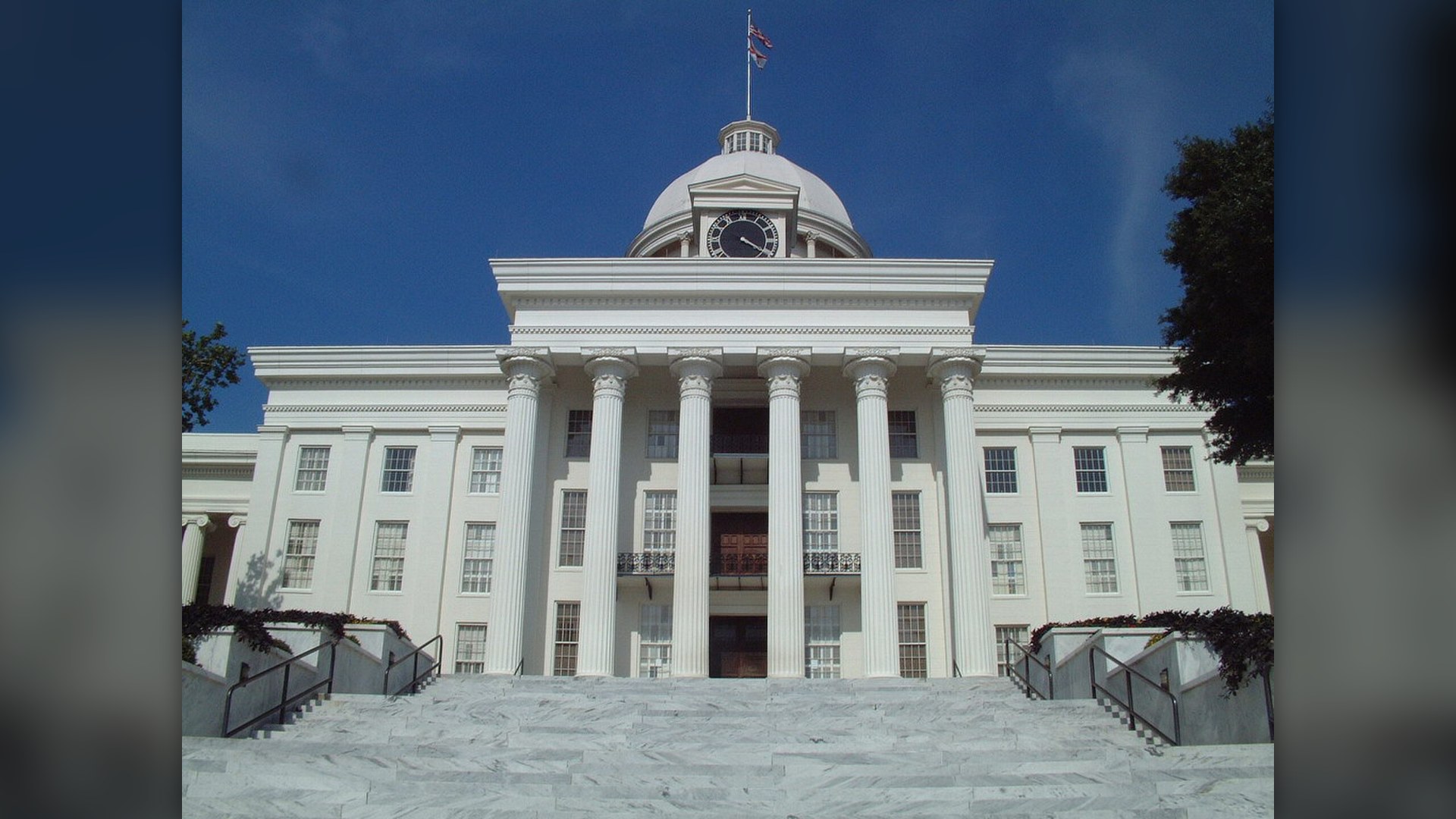
5. Alabama (9.29% Combined) 
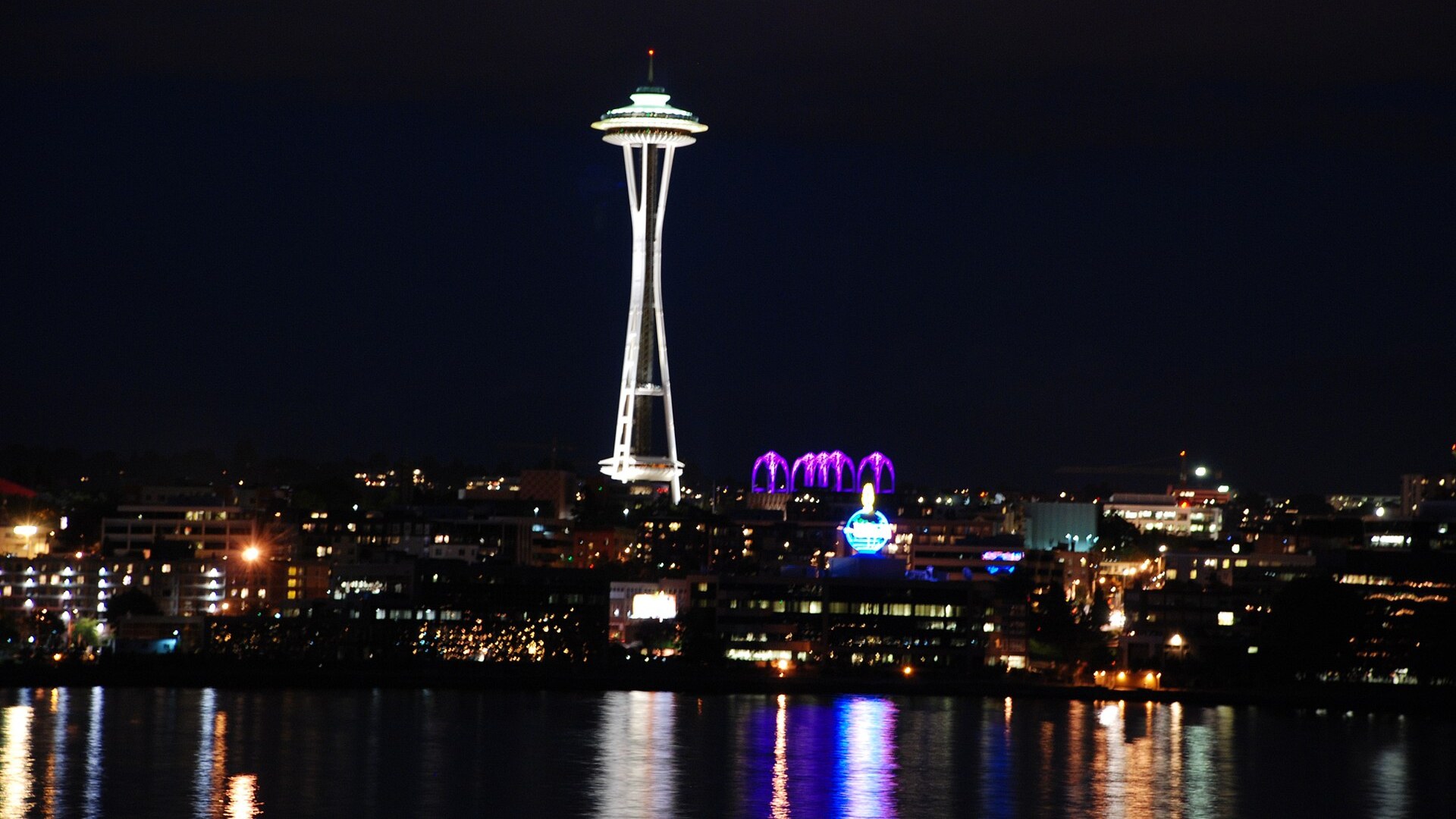
4. Washington (9.38% Combined) 
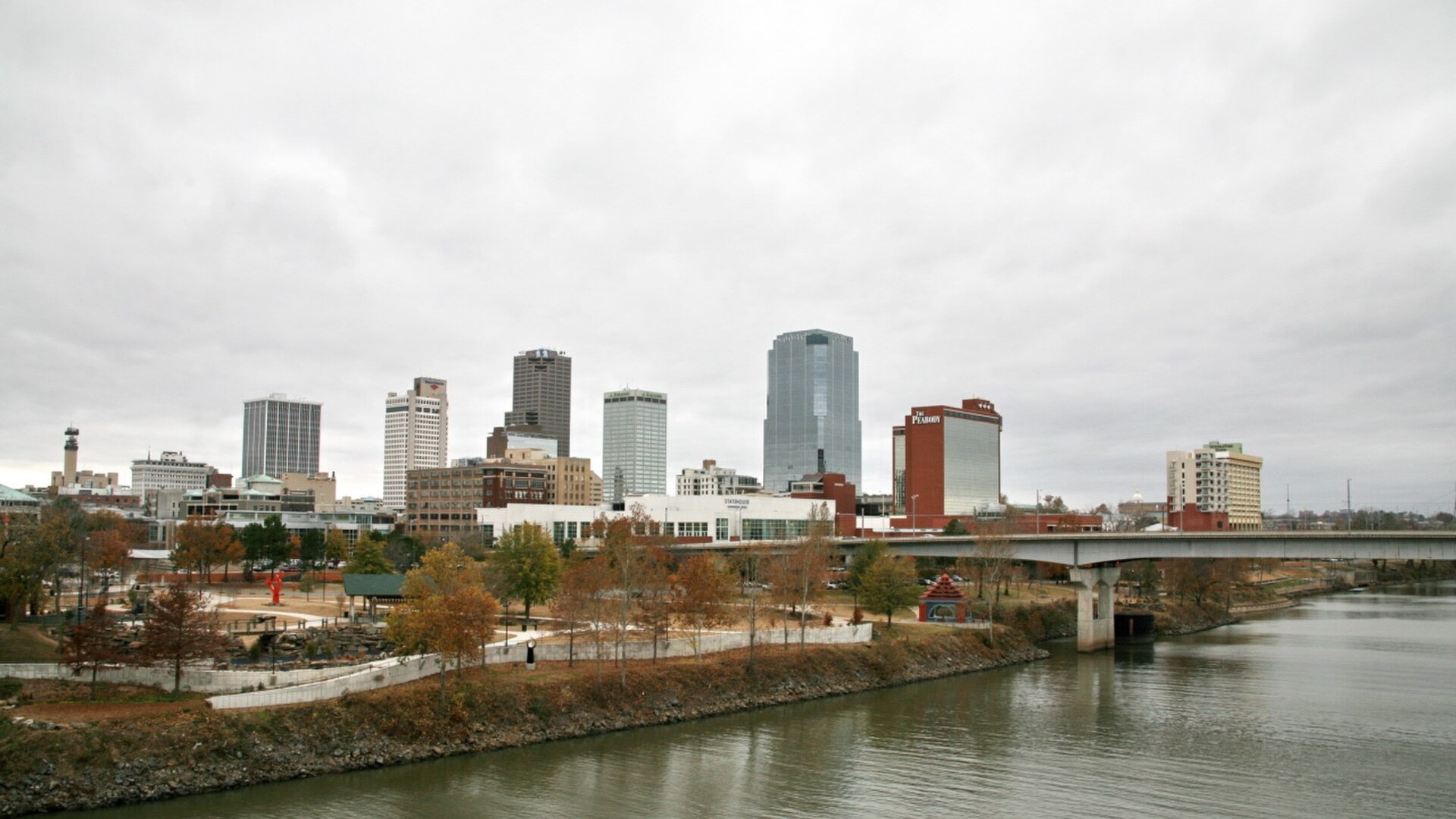
3. Arkansas (9.45% Combined) 
2. Tennessee (9.55% Combined) - AdvertisementSwipe or tap ▶ to continue countdown

1. Louisiana (9.56% Combined) - Advertisement🔥 UP NEXT IN THIS SERIES◫ 21 Slides

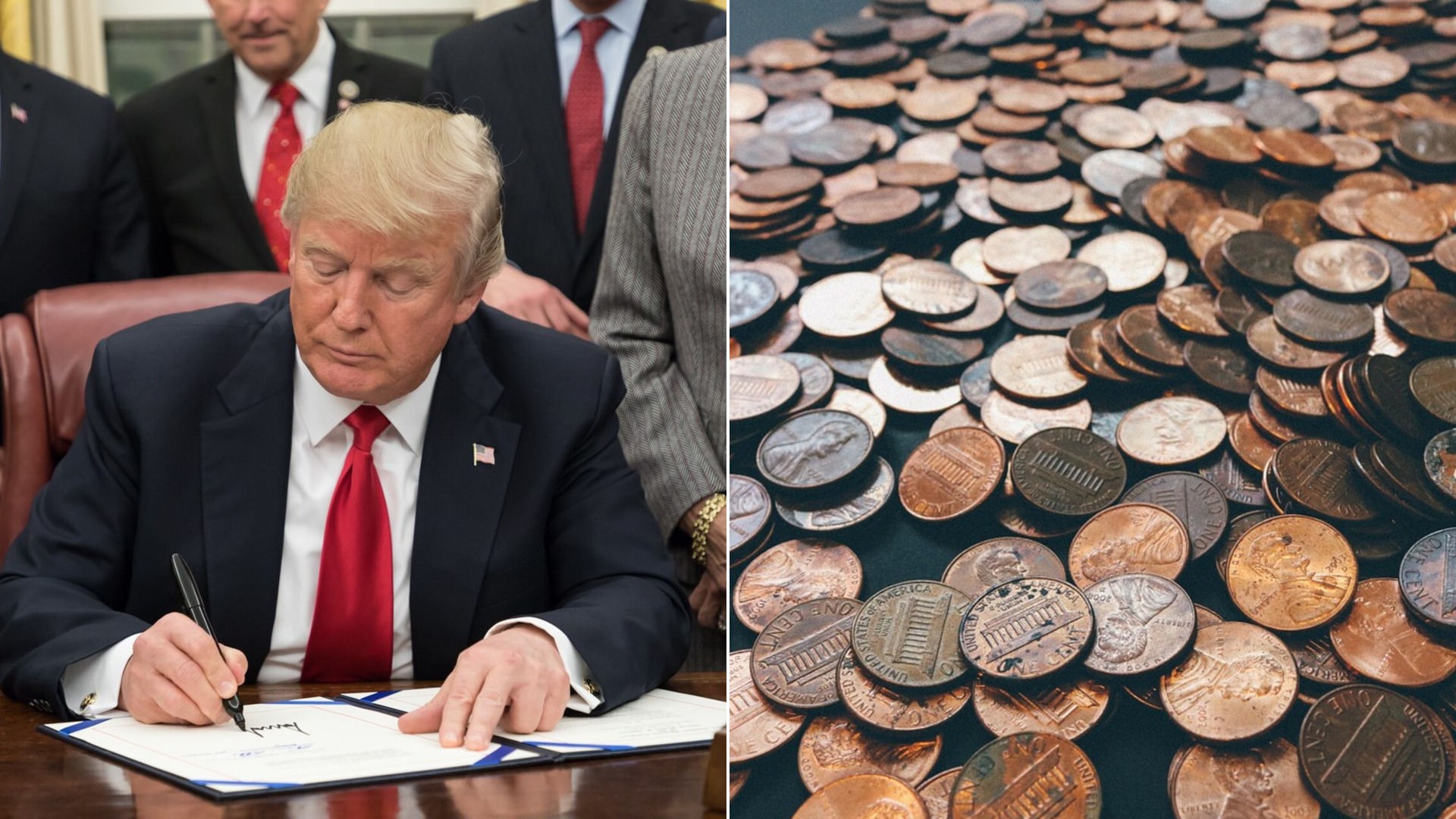
The U.S. Stopped Minting Pennies: 20 Smart Ways to Use the Ones You Have
With the U.S. Mint officially ending circulation penny production to save taxpayers millions, over 114 billion coins remain in circulation. From spotting rare error coins worth thousands to avoiding high kiosk fees and smart everyday spending hacks, discover 20 practical ways to make the most of every copper cent.
State sales tax rates only tell half the story. Across the United States, municipal and county piggyback levies push total retail charges significantly higher at checkout counters. From New York to Louisiana, these twenty states impose the steepest combined burdens on everyday purchases for consumers nationwide.

Swipe or tap ▶ to begin the countdown
©NASA / Bill Ingalls & Pixabay / AS_Photography
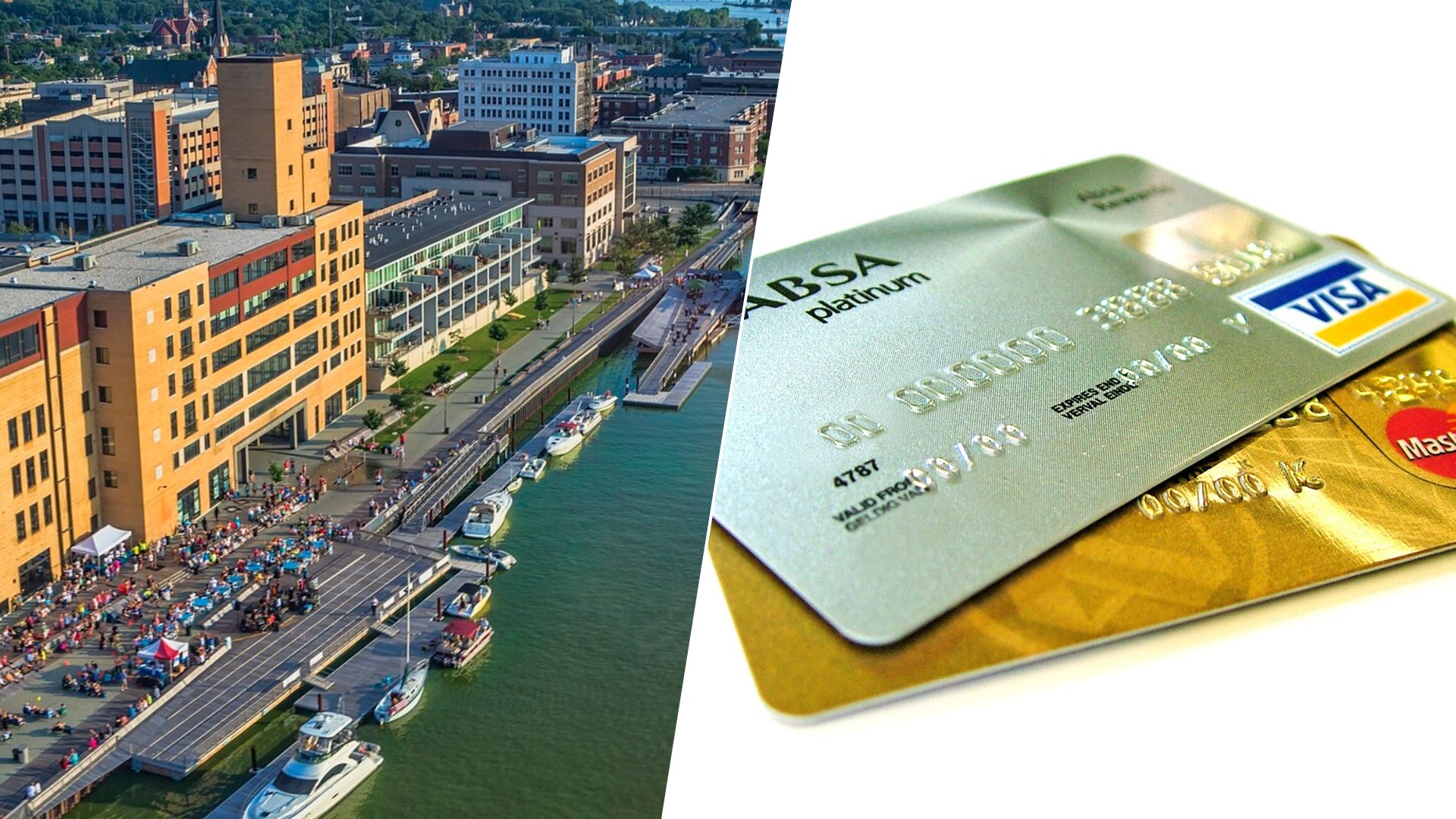
20. Ohio (7.24% Combined)
Ohio keeps its baseline statewide tax at 5.75%, yet local county and transit piggybacks add an average of 1.49%. In major hubs like Columbus and Cleveland, shoppers routinely pay upwards of 7.50% on ordinary household goods and general retail store receipts.
©Pixabay / 12019
19. Georgia (7.42% Combined)
Georgia features a deceivingly low state sales tax of 4.00%, but aggressive local option sales taxes lift the true register burden by an average of 3.42%. In parts of metro Atlanta and surrounding counties, total charges frequently reach past 8.90% on register purchases.
©Wikimedia / Diego Delso
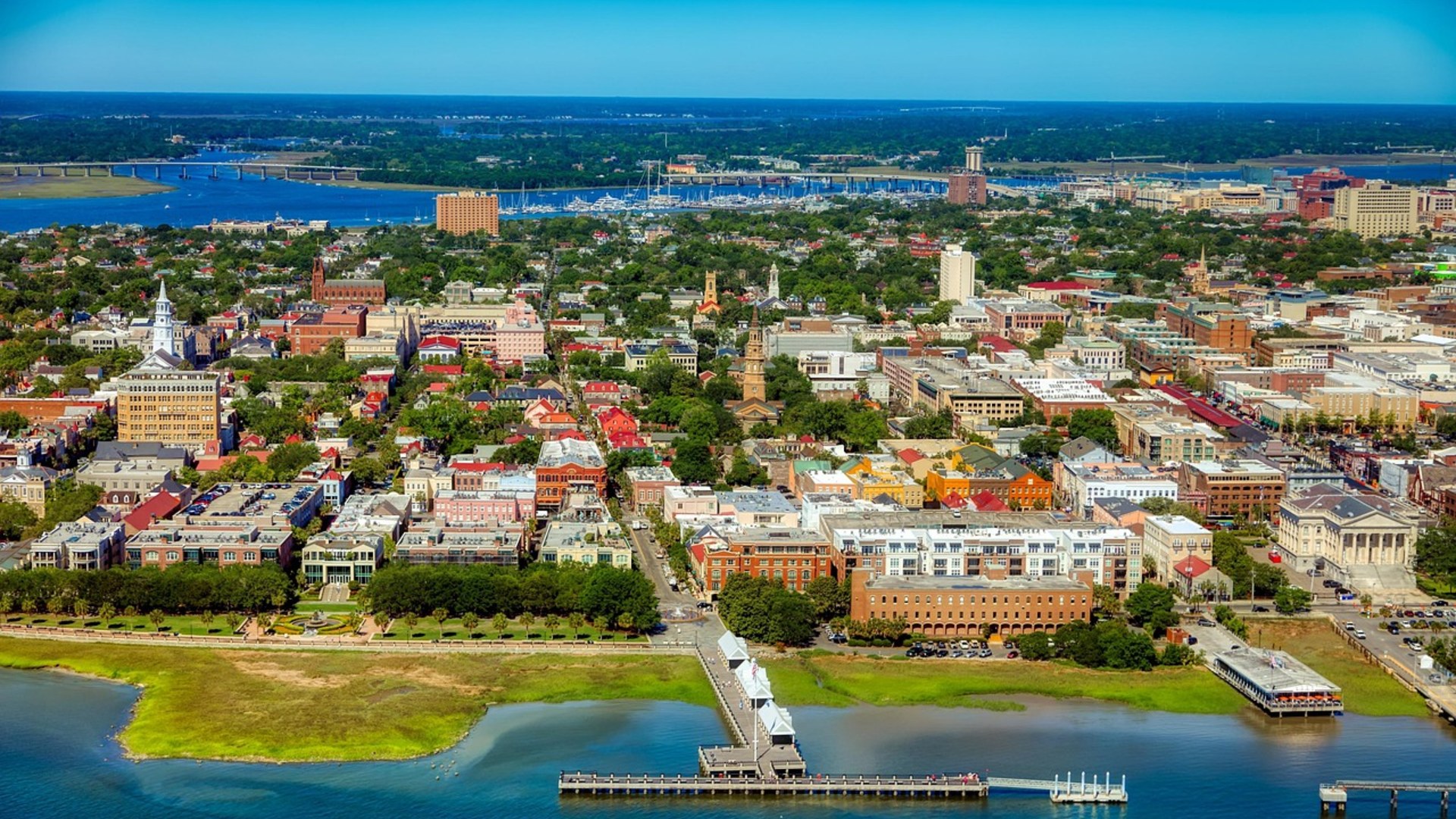
18. South Carolina (7.50% Combined)
South Carolina begins with an even 6.00% state levy, while local jurisdictions add approximately 1.50% to finance infrastructure and municipal services. In destinations like Charleston and Myrtle Beach, retail receipts carry total transaction rates reaching well above 8.00%.
©Pixabay / 1778011
Advertisement
Swipe or tap ▶ to resume the countdown.
17. Minnesota (7.53% Combined)
Minnesota holds one of the higher standalone state rates in the nation at 6.875%, while municipal add-ons stay relatively low at roughly 0.65%. While basic groceries and apparel remain exempt, dining out or buying appliances in Minneapolis routinely triggers combined rates exceeding 8.00%.
©Pixabay / Kait_P
16. New Mexico (7.72% Combined)
New Mexico technically enforces a gross receipts tax rather than a traditional retail levy, yet merchants pass the 4.875% state burden directly to buyers. With local add-ons averaging 2.84%, consumers in Albuquerque and Santa Fe encounter total register burdens approaching 8.50%.
©Wikimedia / Carlos Valenzuela
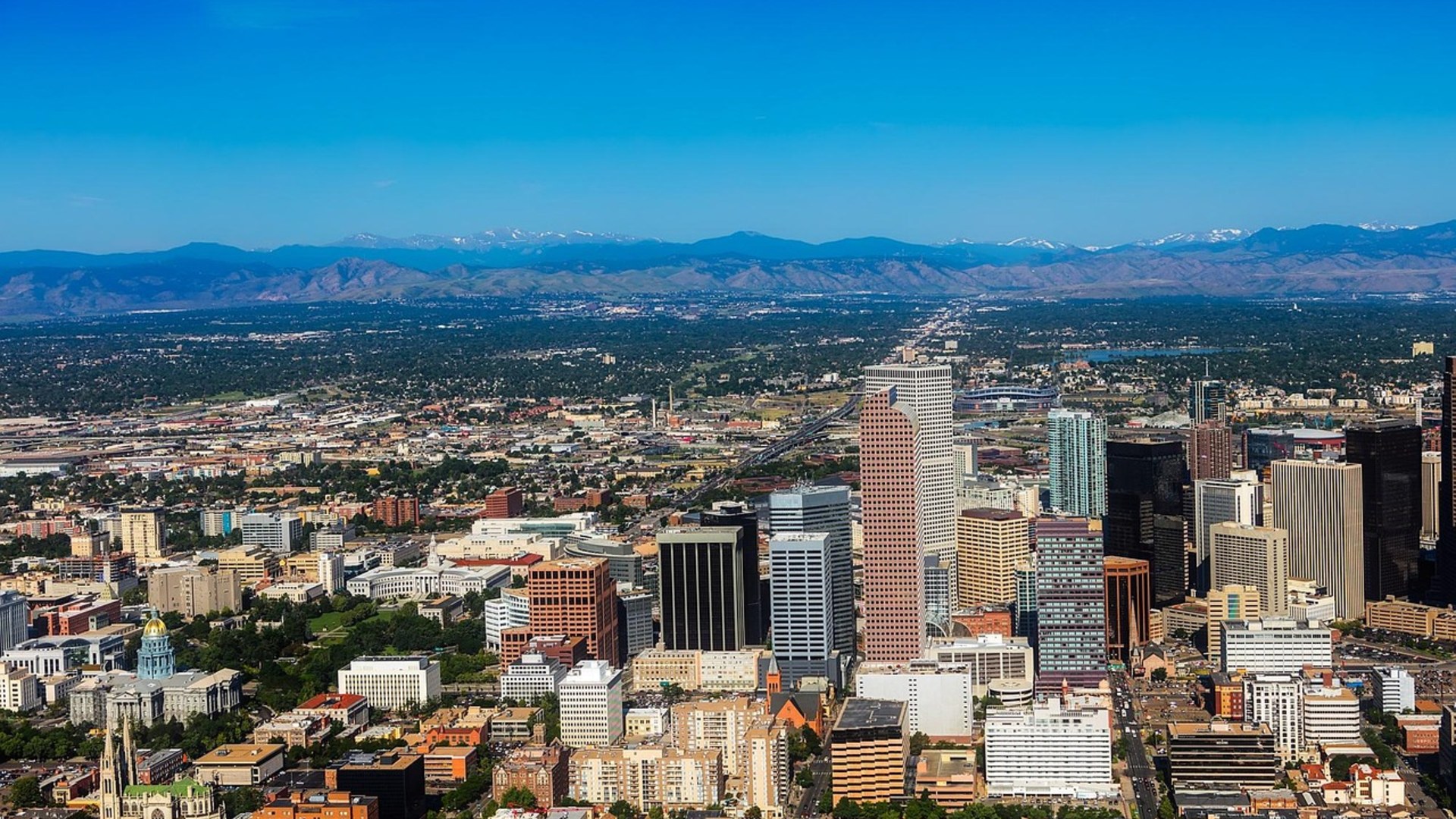
15. Colorado (7.81% Combined)
Colorado boasts the lowest state-level sales tax among taxing states at just 2.90%. However, aggressive home-rule municipalities and counties tack on an average of 4.91%. Retail shoppers in Denver and mountain resort enclaves routinely face combined rates exceeding 8.80%.
©Pixabay / 12019
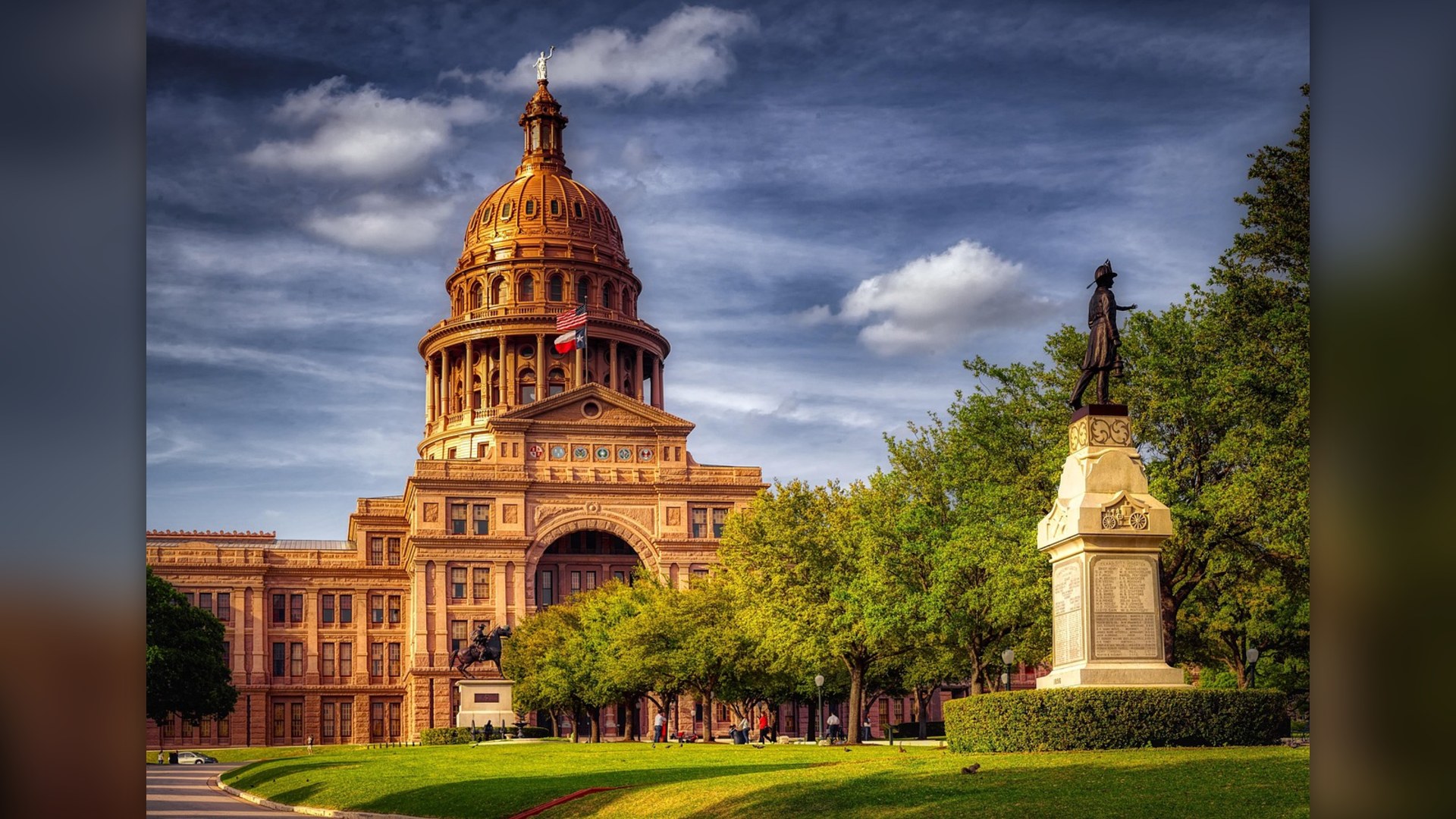
14. Texas (8.20% Combined)
Texas foregoes individual income taxes entirely, relying instead on a baseline 6.25% sales levy alongside local city and transit add-ons averaging 1.95%. In major metropolitan centers like Houston, Austin, and Dallas, retail shoppers consistently pay the statutory cap of 8.25%.
©Pixabay / 1778011
Advertisement
Swipe or tap ▶ to resume the countdown.
13. Nevada (8.24% Combined)
Nevada leans on consumption taxes to fund government operations without state income taxes. A 6.85% state rate pairs with county levies averaging 1.39%. Along the Las Vegas Strip in Clark County, checkout registers ring up 8.375% on dining, souvenirs, and everyday merchandise.
©Wikimedia / Dietmar Rabich
12. Arizona (8.37% Combined)
Arizona levies a 5.60% transaction privilege tax that functions identically to a sales tax at checkout. County and municipal surcharges add an average of 2.77%. In urban centers like Phoenix and Tucson, total retail transaction receipts frequently exceed 8.60% at register terminals.
©Pixabay / TheDigitalArtist
11. Missouri (8.39% Combined)
Missouri posts a moderate 4.225% state rate, but an intricate network of local jurisdictions and community improvement districts tacks on an average of 4.16%. In shopping corridors across St. Louis and Kansas City, combined register charges commonly climb over 10.00%.
©Pixabay / Erdenebayar
10. New York (8.53% Combined)
New York maintains a modest 4.00% statewide sales tax, but local county piggybacks and metropolitan transit levies lift the average register charge by 4.53%. In New York City, consumers pay a combined 8.875% on retail goods and restaurant dining across all five boroughs.
©Pixabay / Leonhard_Niederwimmer
Advertisement
Swipe or tap ▶ to resume the countdown.
9. Kansas (8.75% Combined)
Kansas imposes a baseline state sales tax of 6.50%, with local municipal and county surtaxes contributing an extra 2.25% on average. In active commercial hubs like Wichita and Overland Park, retail shoppers routinely navigate combined transaction levies reaching past 9.50%.
©Wikimedia / w_lemay
8. Illinois (8.85% Combined)
Illinois features a 6.25% base rate that swells through municipal, regional transportation authority, and county piggybacks averaging 2.60%. In Chicago, combined checkout rates hit 10.25%, making it one of the most expensive urban centers in America for retail transactions.
©Pixabay / 12019
7. California (8.85% Combined)
California enforces the highest mandatory statewide sales tax in the country at 7.25%, with voter-approved local and district add-ons averaging 1.60%. In densely populated centers like Los Angeles and the Bay Area, total register levies routinely exceed 10.25% on retail items.
©Pixabay / crispy-fotografie
6. Oklahoma (8.99% Combined)
Oklahoma levies a 4.50% state rate, but its towns and counties lean almost exclusively on local option taxes, adding an average of 4.49%. Shoppers in Oklahoma City and Tulsa encounter aggregate retail rates easily topping 9.00% on everyday household goods and store purchases.
©Wikimedia / Urbanative
Advertisement
Swipe or tap ▶ to resume the countdown.
5. Alabama (9.29% Combined)
Alabama charges a 4.00% state rate, yet municipal and county governments tack on an astonishing 5.29% average surcharge. In municipalities like Montgomery, Birmingham, and Mobile, total retail levies hit 10.00%, applying even to standard grocery receipts in several localities.
©Wikimedia / Jim Bowen from Fort Worth, US
4. Washington (9.38% Combined)
Washington state levies no individual income tax, relying instead on a 6.50% state sales tax combined with local transit and municipal add-ons averaging 2.88%. In Seattle and surrounding King County jurisdictions, shoppers face combined checkout taxes reaching 10.35%.
©Wikimedia / NOAA Photo Library
3. Arkansas (9.45% Combined)
Arkansas starts with a 6.50% state rate and allows municipalities and counties to add an average of 2.95% in local option levies. Across urban areas like Little Rock and Fort Smith, combined register receipts regularly pass 9.50% and even cross 11.00% in select special districts.
©Wikimedia / Cliff from I now live in Arlington, VA (Outside
2. Tennessee (9.55% Combined)
Tennessee features the second highest baseline state rate in the United States at 7.00%, supplemented by local option levies averaging 2.55%. In major retail hubs like Nashville and Memphis, consumers pay a combined 9.75% across virtually all consumer goods and restaurant tabs.
©Pixabay / djgmix
Advertisement
Swipe or tap ▶ to resume the countdown.
1. Louisiana (9.56% Combined)
Louisiana holds the title for the highest combined sales tax burden in the country. While the state charges 4.45%, autonomous parish and municipal taxing authorities add an average of 5.11%. In areas like New Orleans and Baton Rouge, shoppers routinely pay upwards of 10.00%.

©Pixabay / 12019
Advertisement
You've reached the end of the story. Thanks for reading!

The U.S. Stopped Minting Pennies: 20 Smart Ways to Use the Ones You Have
With the U.S. Mint officially ending circulation penny production to save taxpayers millions, over 114 billion coins remain in circulation. From spotting rare error coins worth thousands to avoiding high kiosk fees and smart everyday spending hacks, discover 20 practical ways to make the most of every copper cent.
All 20 Entries in this Story
#20 Ohio (7.24% Combined)
Ohio keeps its baseline statewide tax at 5.75%, yet local county and transit piggybacks add an average of 1.49%. In major hubs like Columbus and Cleveland, shoppers routinely pay upwards of 7.50% on ordinary household goods and general retail store receipts.

#19 Georgia (7.42% Combined)
Georgia features a deceivingly low state sales tax of 4.00%, but aggressive local option sales taxes lift the true register burden by an average of 3.42%. In parts of metro Atlanta and surrounding counties, total charges frequently reach past 8.90% on register purchases.

#18 South Carolina (7.50% Combined)
South Carolina begins with an even 6.00% state levy, while local jurisdictions add approximately 1.50% to finance infrastructure and municipal services. In destinations like Charleston and Myrtle Beach, retail receipts carry total transaction rates reaching well above 8.00%.

#17 Minnesota (7.53% Combined)
Minnesota holds one of the higher standalone state rates in the nation at 6.875%, while municipal add-ons stay relatively low at roughly 0.65%. While basic groceries and apparel remain exempt, dining out or buying appliances in Minneapolis routinely triggers combined rates exceeding 8.00%.

#16 New Mexico (7.72% Combined)
New Mexico technically enforces a gross receipts tax rather than a traditional retail levy, yet merchants pass the 4.875% state burden directly to buyers. With local add-ons averaging 2.84%, consumers in Albuquerque and Santa Fe encounter total register burdens approaching 8.50%.

#15 Colorado (7.81% Combined)
Colorado boasts the lowest state-level sales tax among taxing states at just 2.90%. However, aggressive home-rule municipalities and counties tack on an average of 4.91%. Retail shoppers in Denver and mountain resort enclaves routinely face combined rates exceeding 8.80%.

#14 Texas (8.20% Combined)
Texas foregoes individual income taxes entirely, relying instead on a baseline 6.25% sales levy alongside local city and transit add-ons averaging 1.95%. In major metropolitan centers like Houston, Austin, and Dallas, retail shoppers consistently pay the statutory cap of 8.25%.

#13 Nevada (8.24% Combined)
Nevada leans on consumption taxes to fund government operations without state income taxes. A 6.85% state rate pairs with county levies averaging 1.39%. Along the Las Vegas Strip in Clark County, checkout registers ring up 8.375% on dining, souvenirs, and everyday merchandise.

#12 Arizona (8.37% Combined)
Arizona levies a 5.60% transaction privilege tax that functions identically to a sales tax at checkout. County and municipal surcharges add an average of 2.77%. In urban centers like Phoenix and Tucson, total retail transaction receipts frequently exceed 8.60% at register terminals.

#11 Missouri (8.39% Combined)
Missouri posts a moderate 4.225% state rate, but an intricate network of local jurisdictions and community improvement districts tacks on an average of 4.16%. In shopping corridors across St. Louis and Kansas City, combined register charges commonly climb over 10.00%.

#10 New York (8.53% Combined)
New York maintains a modest 4.00% statewide sales tax, but local county piggybacks and metropolitan transit levies lift the average register charge by 4.53%. In New York City, consumers pay a combined 8.875% on retail goods and restaurant dining across all five boroughs.

#9 Kansas (8.75% Combined)
Kansas imposes a baseline state sales tax of 6.50%, with local municipal and county surtaxes contributing an extra 2.25% on average. In active commercial hubs like Wichita and Overland Park, retail shoppers routinely navigate combined transaction levies reaching past 9.50%.

#8 Illinois (8.85% Combined)
Illinois features a 6.25% base rate that swells through municipal, regional transportation authority, and county piggybacks averaging 2.60%. In Chicago, combined checkout rates hit 10.25%, making it one of the most expensive urban centers in America for retail transactions.

#7 California (8.85% Combined)
California enforces the highest mandatory statewide sales tax in the country at 7.25%, with voter-approved local and district add-ons averaging 1.60%. In densely populated centers like Los Angeles and the Bay Area, total register levies routinely exceed 10.25% on retail items.

#6 Oklahoma (8.99% Combined)
Oklahoma levies a 4.50% state rate, but its towns and counties lean almost exclusively on local option taxes, adding an average of 4.49%. Shoppers in Oklahoma City and Tulsa encounter aggregate retail rates easily topping 9.00% on everyday household goods and store purchases.

#5 Alabama (9.29% Combined)
Alabama charges a 4.00% state rate, yet municipal and county governments tack on an astonishing 5.29% average surcharge. In municipalities like Montgomery, Birmingham, and Mobile, total retail levies hit 10.00%, applying even to standard grocery receipts in several localities.

#4 Washington (9.38% Combined)
Washington state levies no individual income tax, relying instead on a 6.50% state sales tax combined with local transit and municipal add-ons averaging 2.88%. In Seattle and surrounding King County jurisdictions, shoppers face combined checkout taxes reaching 10.35%.

#3 Arkansas (9.45% Combined)
Arkansas starts with a 6.50% state rate and allows municipalities and counties to add an average of 2.95% in local option levies. Across urban areas like Little Rock and Fort Smith, combined register receipts regularly pass 9.50% and even cross 11.00% in select special districts.

#2 Tennessee (9.55% Combined)
Tennessee features the second highest baseline state rate in the United States at 7.00%, supplemented by local option levies averaging 2.55%. In major retail hubs like Nashville and Memphis, consumers pay a combined 9.75% across virtually all consumer goods and restaurant tabs.

#1 Louisiana (9.56% Combined)
Louisiana holds the title for the highest combined sales tax burden in the country. While the state charges 4.45%, autonomous parish and municipal taxing authorities add an average of 5.11%. In areas like New Orleans and Baton Rouge, shoppers routinely pay upwards of 10.00%.