Slideshow · Science
22 Key People Who Shaped the 2015 Paris Climate Agreement
When UN climate talks collapsed in Antalya in November 2026 over fossil fuels, the 2015 Paris Agreement remained the core global climate framework. Counting down from 22 to 1, meet the negotiators, scientists and leaders who built it, based on UNFCCC records and reporting by NPR, Reuters and The Guardian.
By Most Viral Today
41 min agopitch:49d87b7d-864f-495a-a026-6d59eba37e3e

These 22 diplomats, scientists and leaders built the 2015 UN climate deal. 
22. Nicolas Hulot 
21. Hoesung Lee 
20. Fatih Birol - AdvertisementSwipe or tap ▶ to continue countdown

19. Jim Yong Kim 
18. Al Gore 
17. Mary Robinson 
16. Manuel Pulgar-Vidal - AdvertisementSwipe or tap ▶ to continue countdown

15. Segolene Royal 
14. Miguel Arias Canete 
13. Narendra Modi 
12. Angela Merkel - AdvertisementSwipe or tap ▶ to continue countdown

11. Xi Jinping 
10. Todd Stern 
9. Tony De Brum 
8. John Kerry - AdvertisementSwipe or tap ▶ to continue countdown

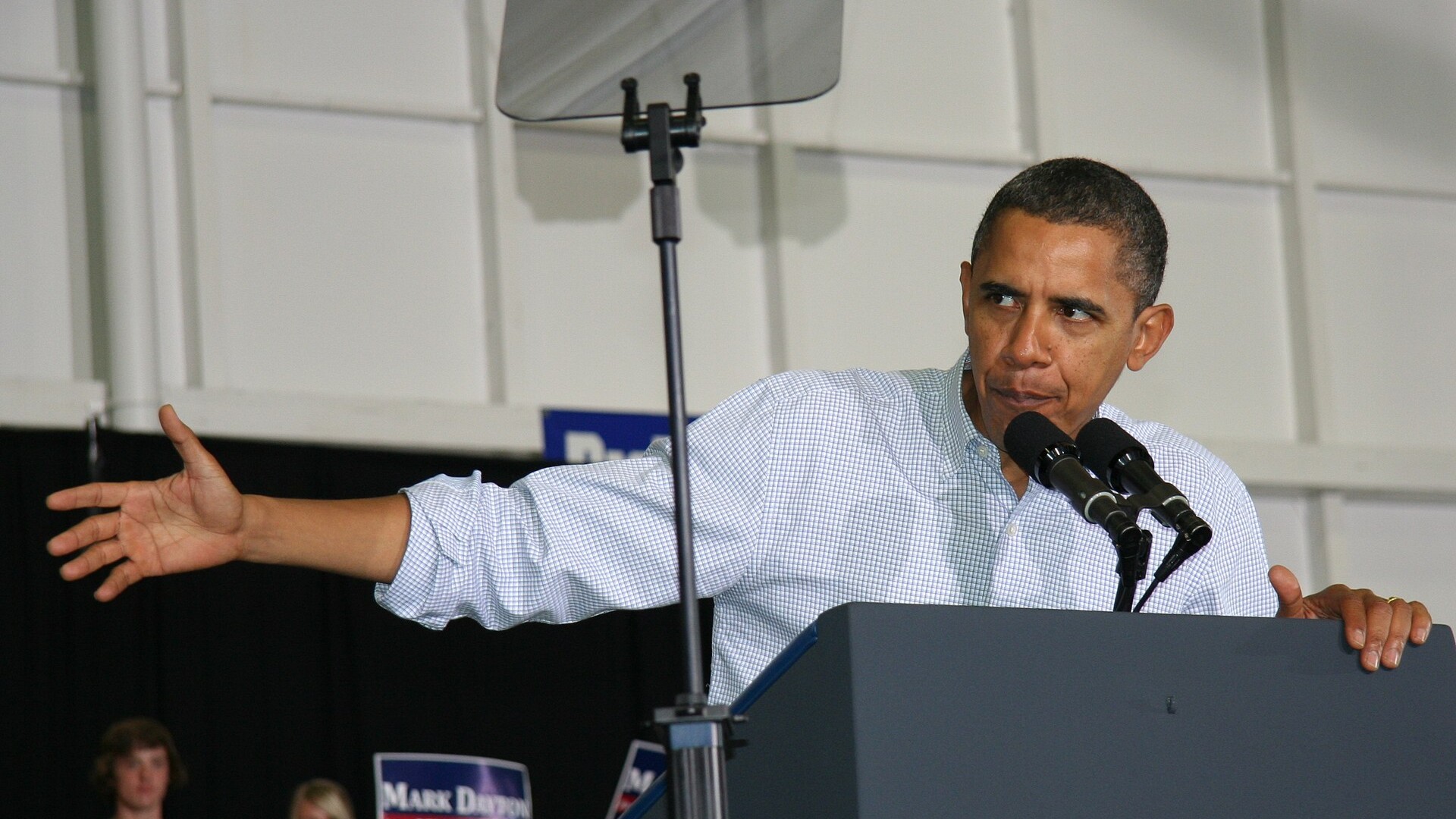
7. Barack Obama 
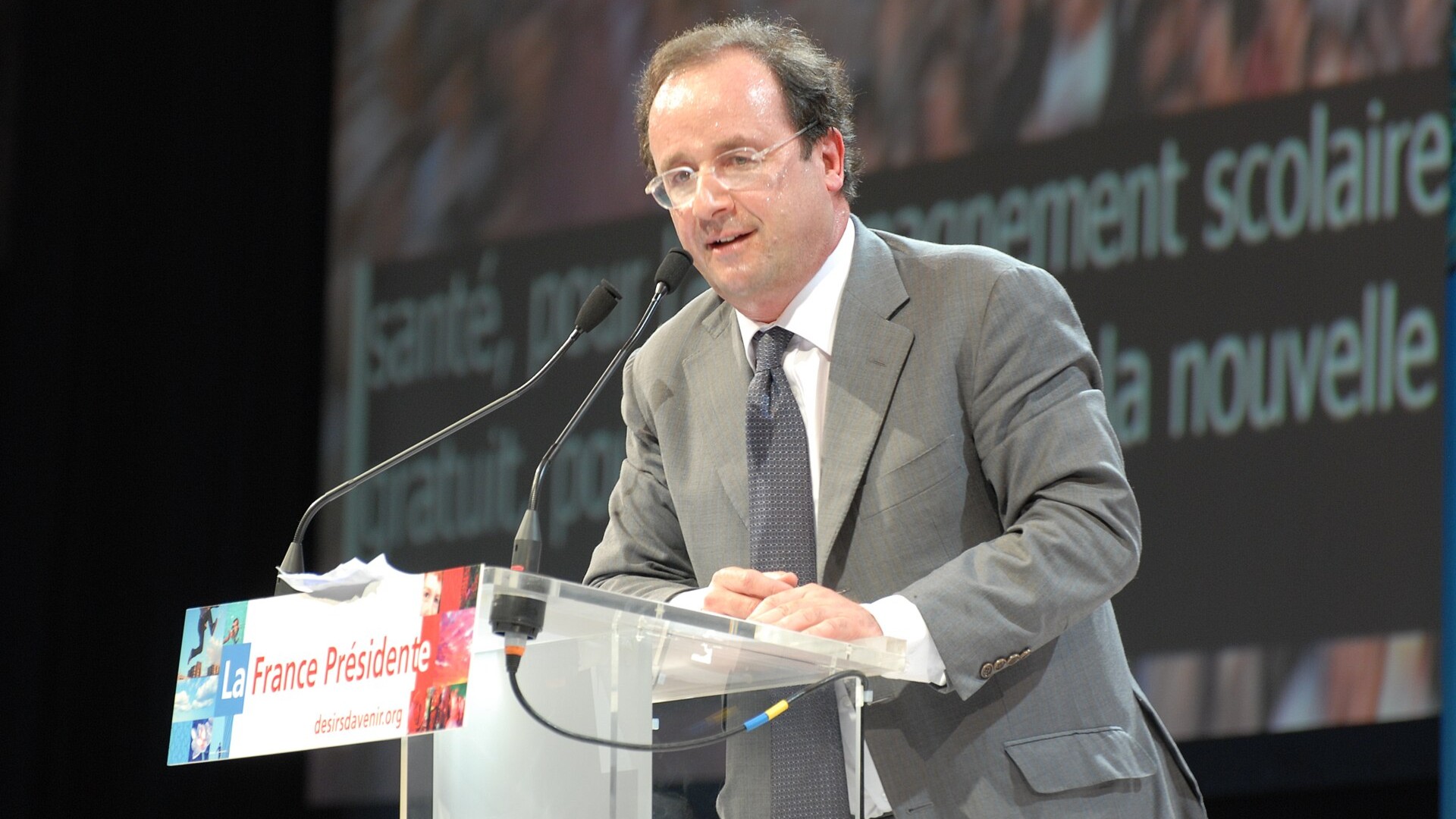
6. Francois Hollande 
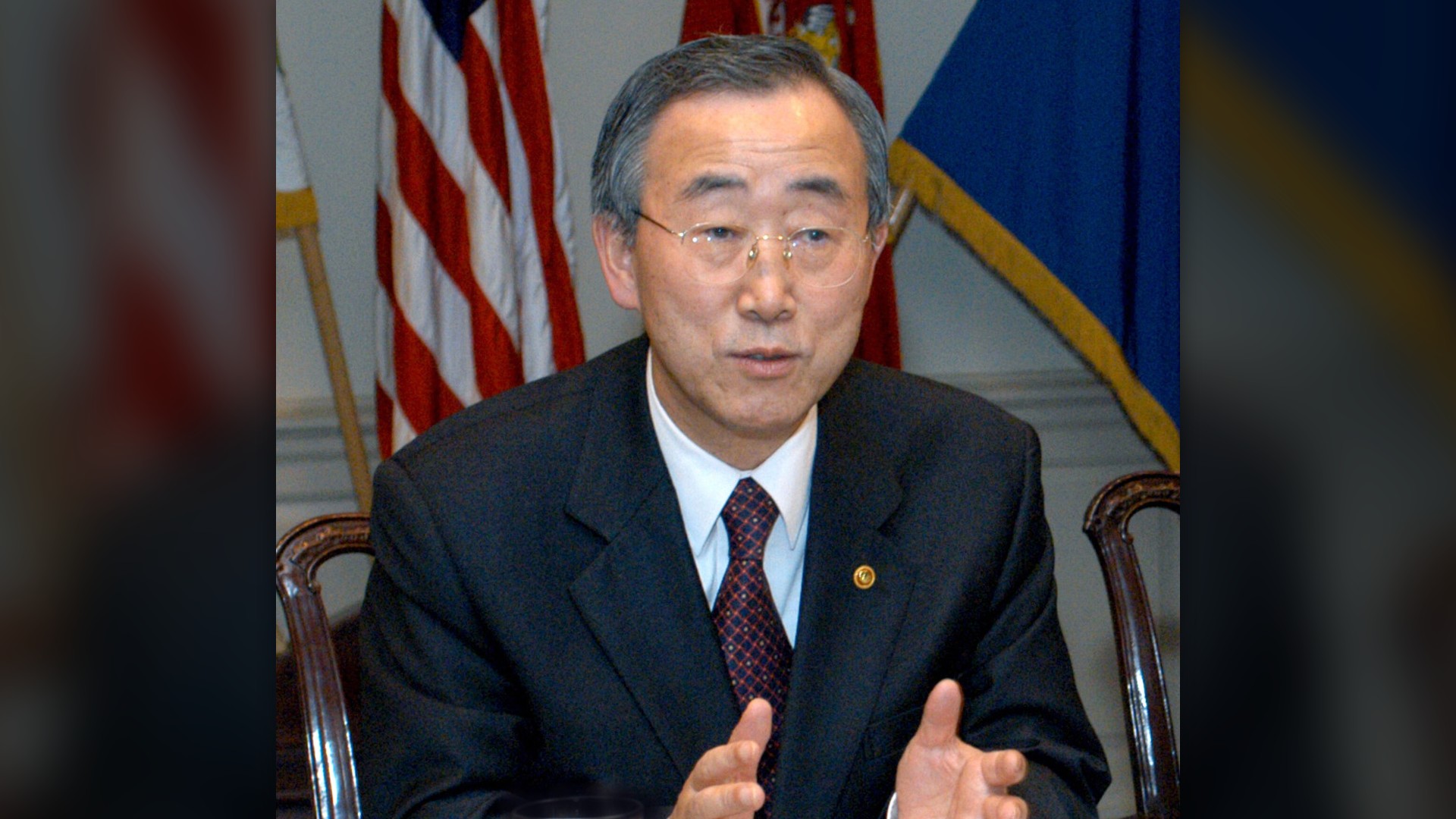
5. Ban Ki Moon 
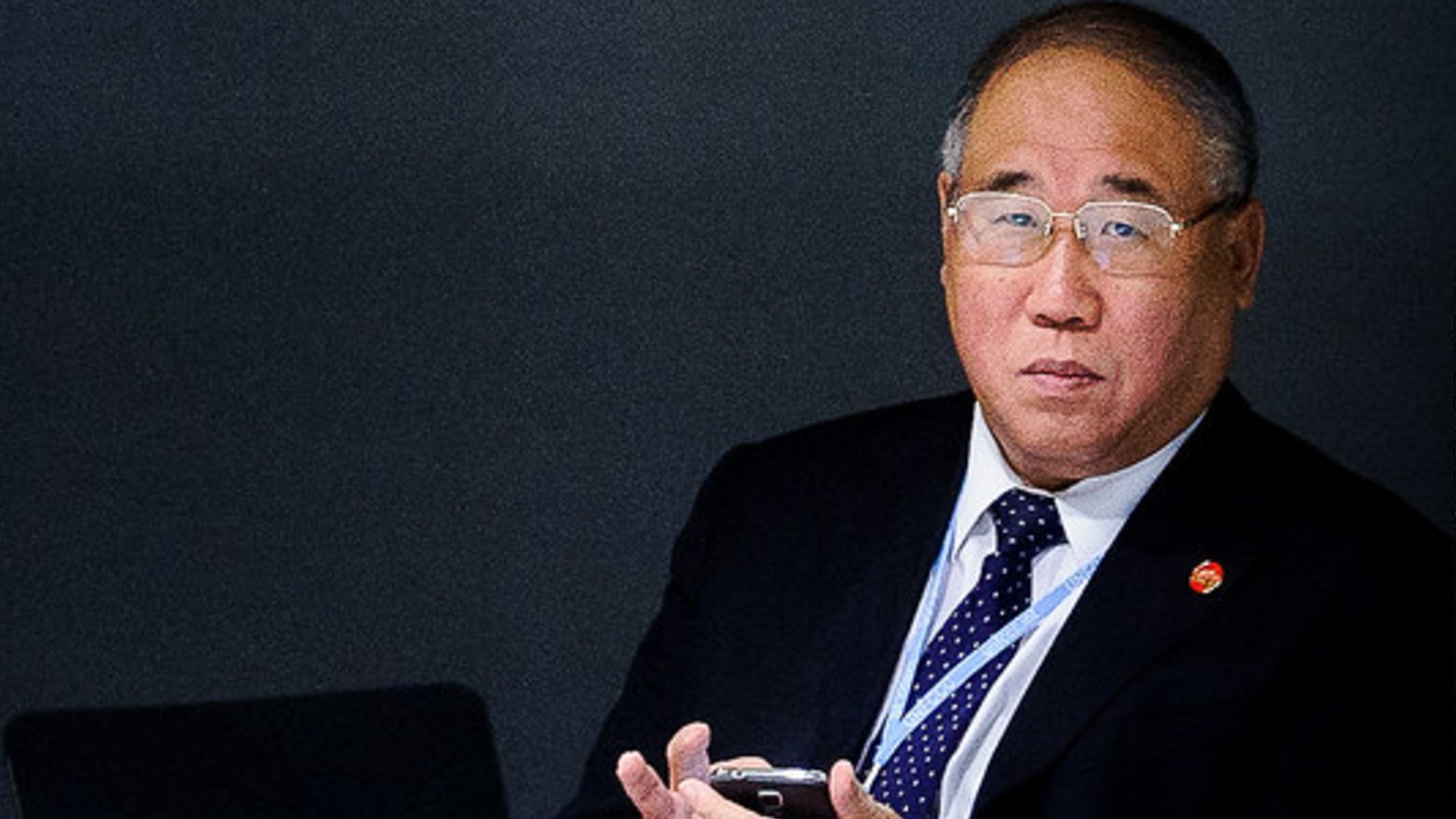
4. Xie Zhenhua - AdvertisementSwipe or tap ▶ to continue countdown

3. Laurence Tubiana 
2. Laurent Fabius 
1. Christiana Figueres - Advertisement🔥 UP NEXT IN THIS SERIES◫ 26 Slides

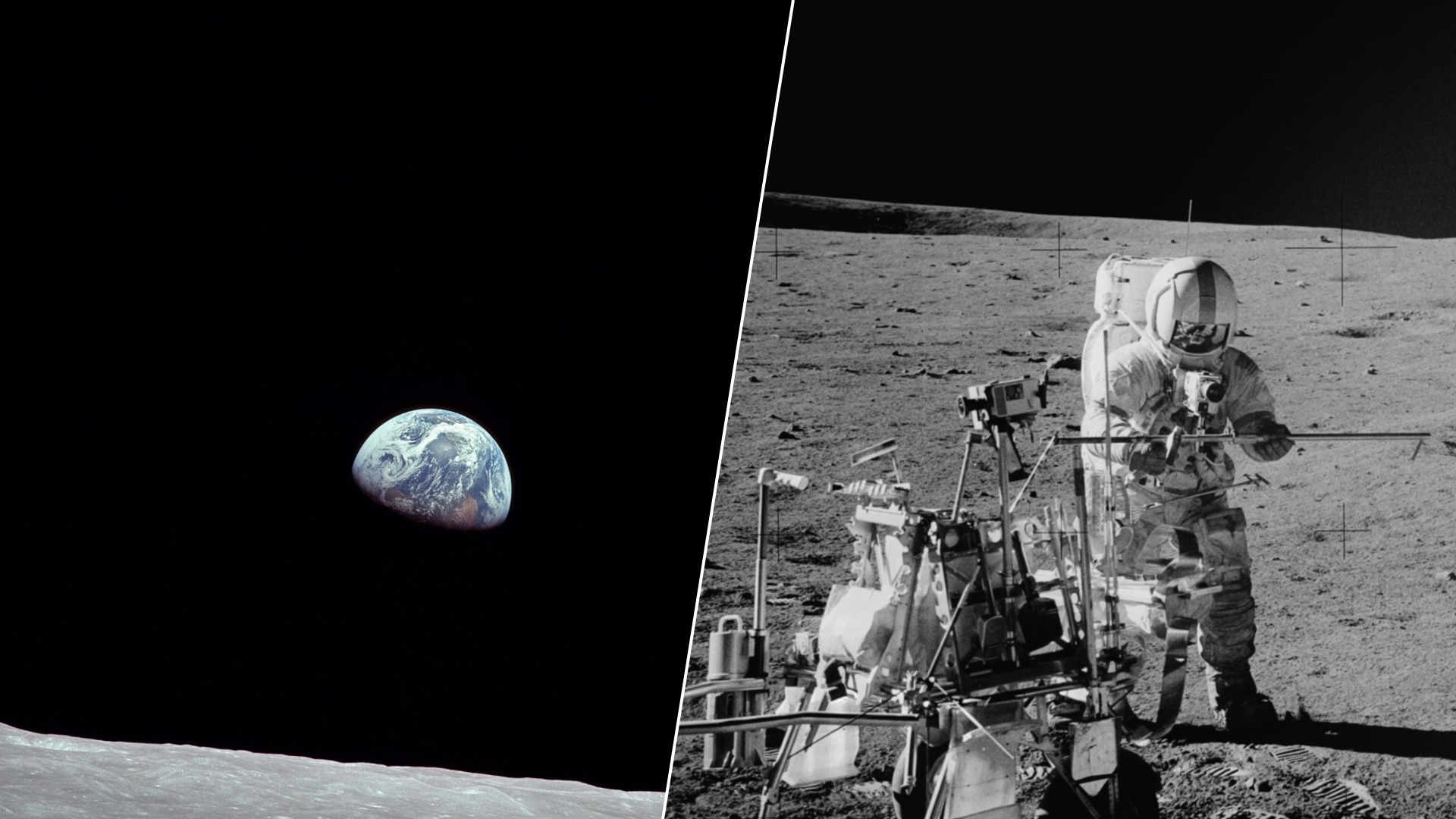
25 Historic NASA Apollo Photos From Launch to the Lunar Surface
From November 1967 to December 1972, NASA crews carried Hasselblad cameras across nearly 384,000 kilometers of space to document every stage of Project Apollo. Drawing on NASA mission archives, Johnson Space Center logs, and Smithsonian records, these 25 frames capture launches, lunar walks, and crises.
When UN climate talks collapsed in Antalya in November 2026 over fossil fuels, the 2015 Paris Agreement remained the core global climate framework. Counting down from 22 to 1, meet the negotiators, scientists and leaders who built it, based on UNFCCC records and reporting by NPR, Reuters and The Guardian.
Swipe or tap ▶ to begin the countdown
©Wikimedia / UNclimatechange from Bonn, Germany
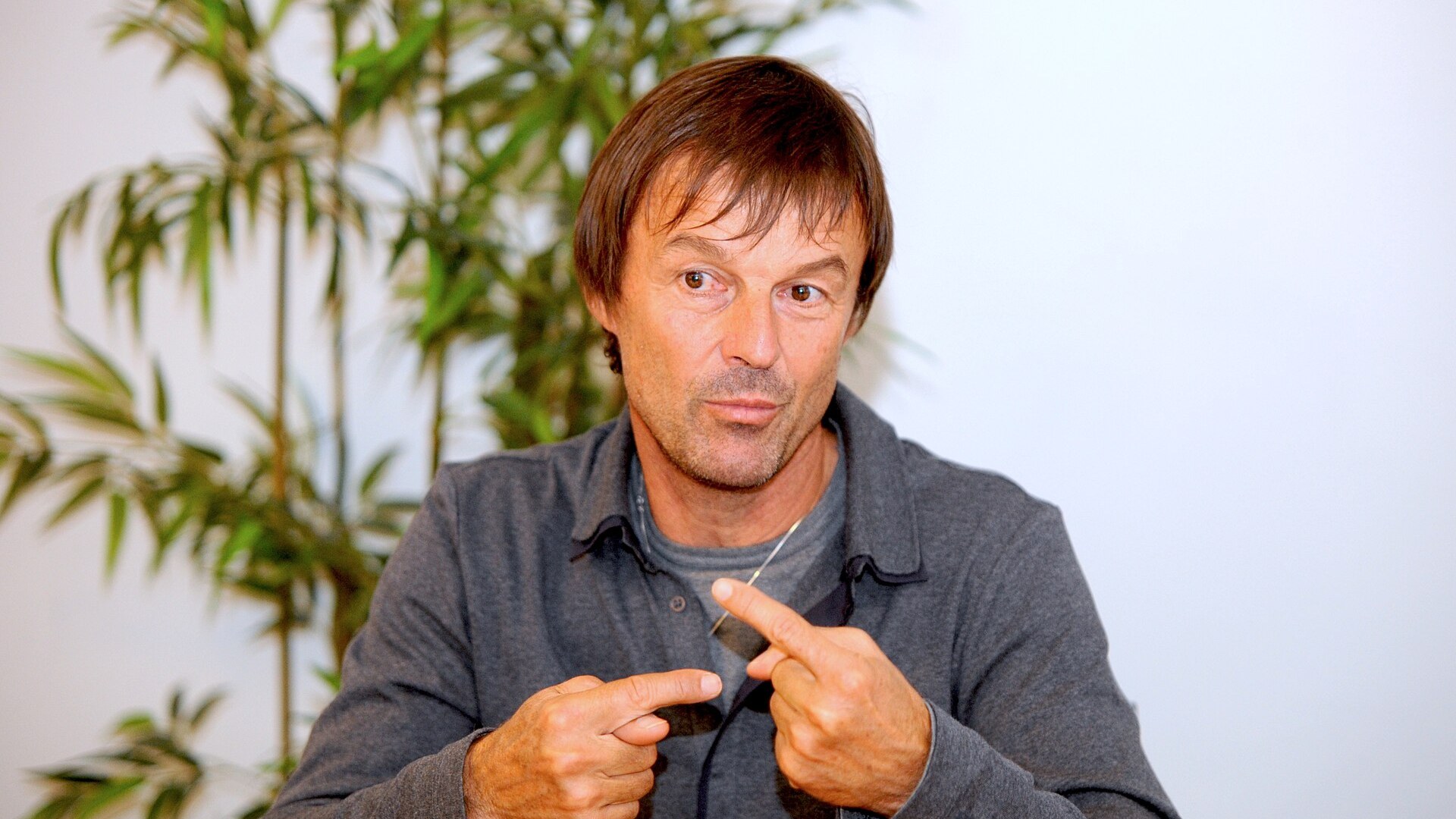
22. Nicolas Hulot
Appointed France's Special Envoy for the Protection of the Planet in December 2012, Hulot spent three years building backing for COP21 across civic and faith groups. His work helped support Pope Francis's 2015 encyclical, and he later served as France's environment minister from 2017 to 2018.
©Wikimedia / Nicolas Richoffer
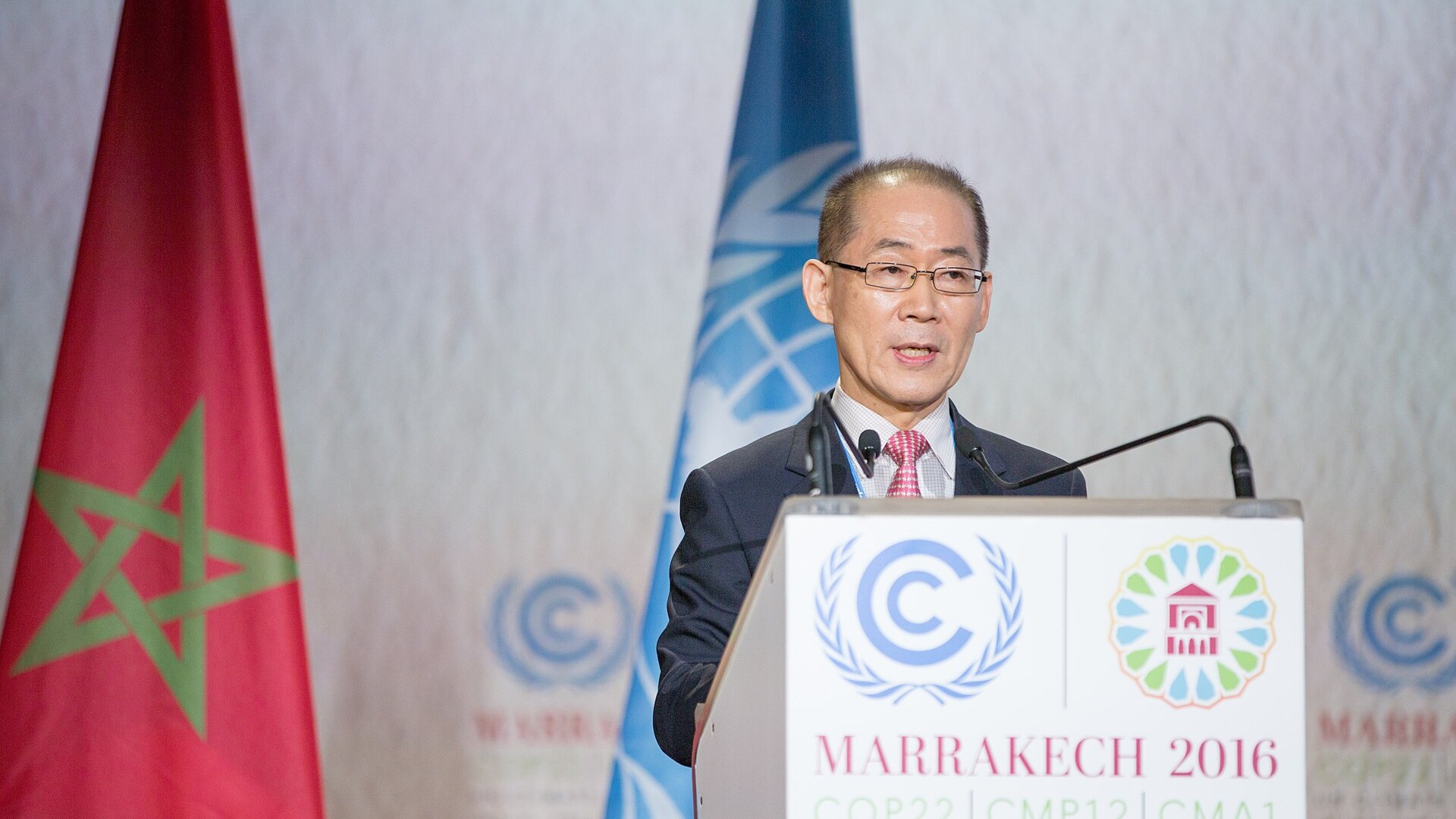
21. Hoesung Lee
South Korean economist Hoesung Lee became chair of the Intergovernmental Panel on Climate Change in October 2015, two months before COP21 opened. Under his leadership through 2023, the IPCC delivered the 2018 special report on 1.5 degrees Celsius that turned Paris's aspirational goal into policy.
©Wikimedia / UNclimatechange from Bonn, Germany
20. Fatih Birol
Turkish energy economist Fatih Birol took over as executive director of the International Energy Agency in September 2015. His team's modeling gave Paris negotiators hard numbers on solar, wind and efficiency costs, and he still leads the IEA in 2026.
©Wikimedia / Europäische Kommission - Audiovisueller Dienst,
Advertisement
Swipe or tap ▶ to resume the countdown.
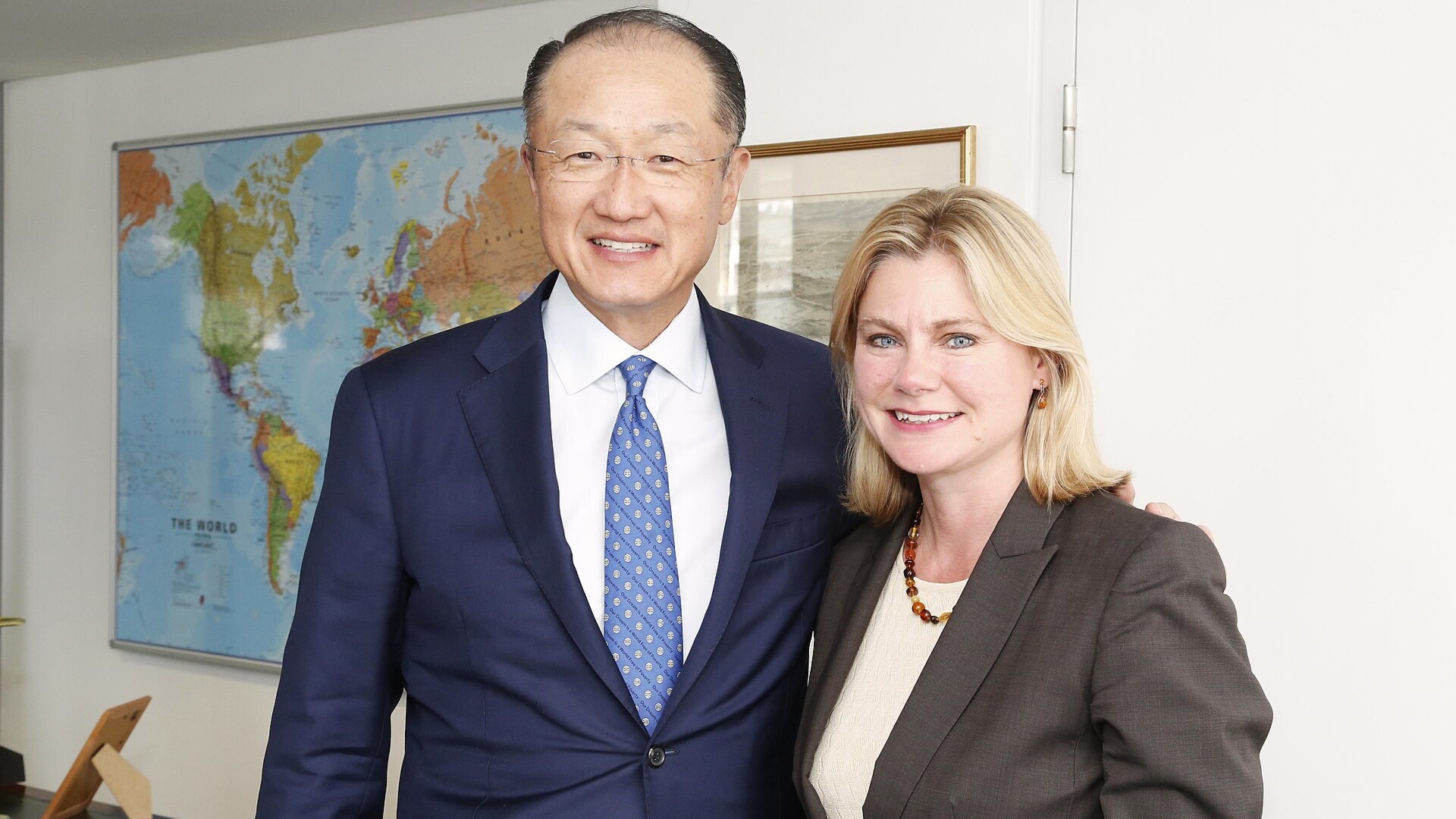
19. Jim Yong Kim
Physician and former Dartmouth College president Jim Yong Kim led the World Bank Group from 2012 to 2019. Ahead of Paris, he pledged to raise the bank's climate financing share to 28 percent by 2020, helping unlock billions for developing nations that demanded money alongside emissions pledges.
©Wikimedia / DFID - UK Department for International
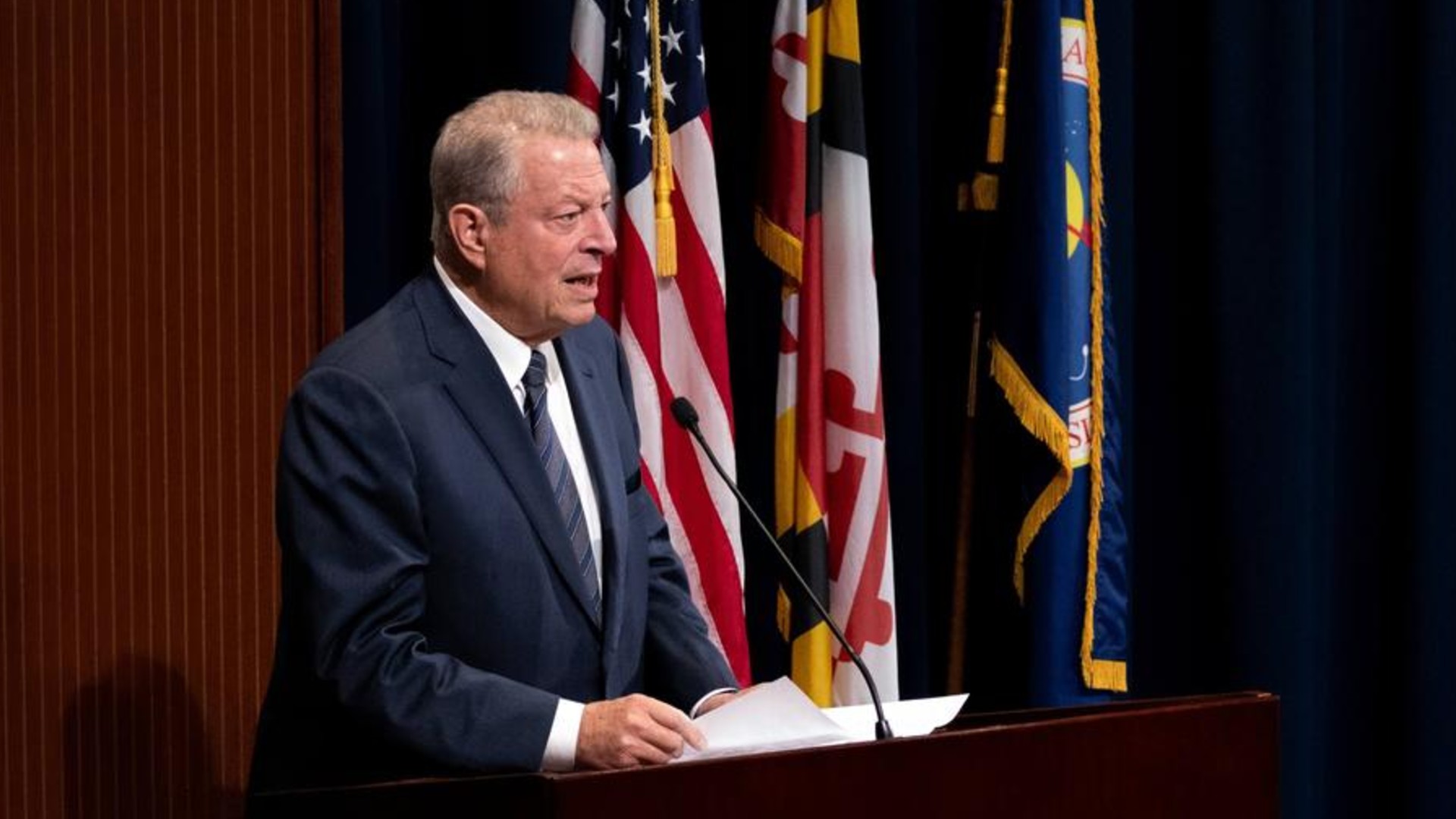
18. Al Gore
Nearly a decade after An Inconvenient Truth, Al Gore spent 2015 organizing 24-hour climate broadcasts and briefing business leaders in Paris. At COP21, his Climate Reality Project pressed governments for five-year review cycles, and he remains an active climate campaigner in 2026.
©NASA / Travis Wohlrab
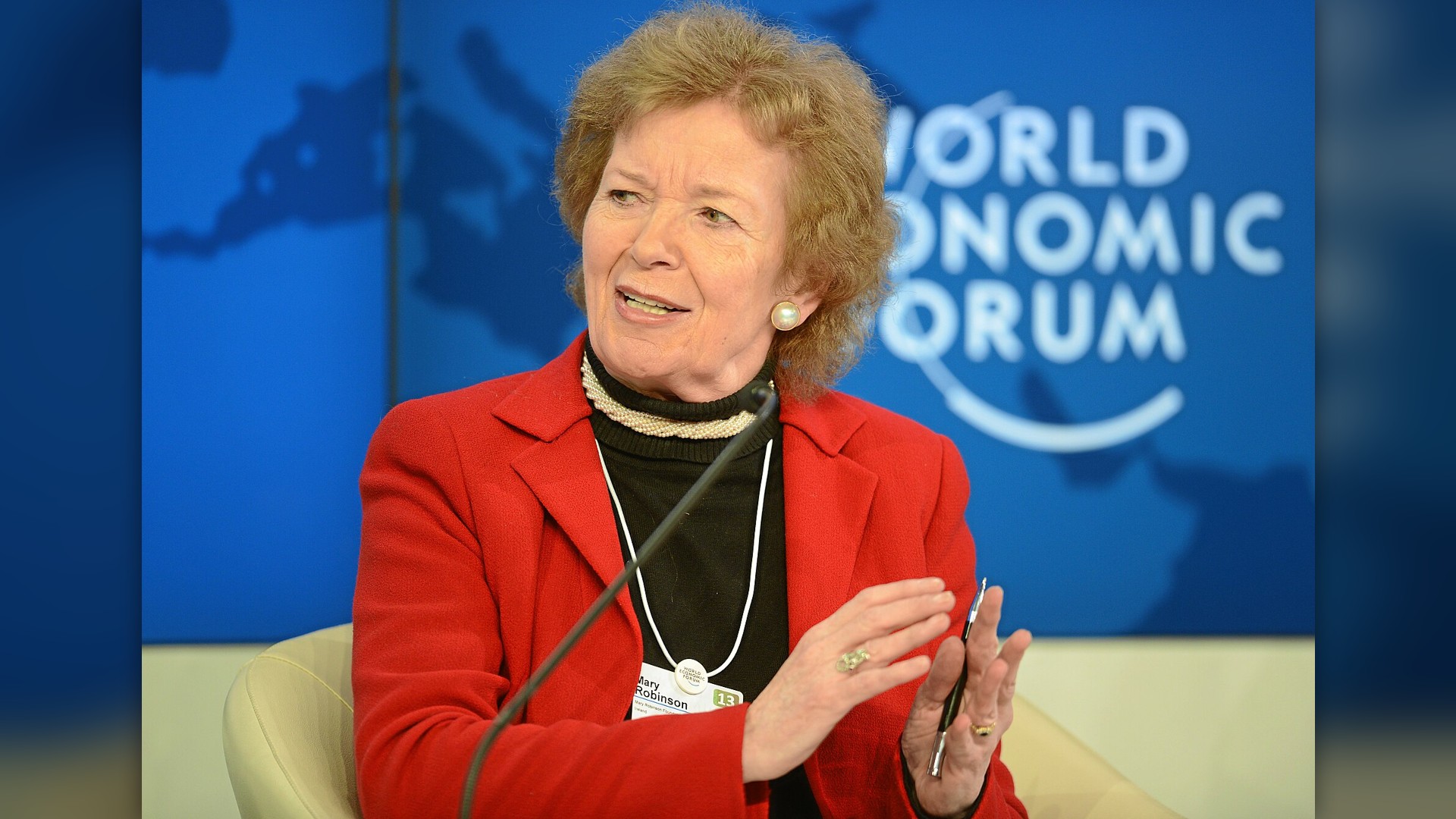
17. Mary Robinson
Serving as UN Special Envoy for Climate Change from 2014 to 2015, Mary Robinson pushed negotiators to include human rights language in the Paris text. The former Irish president still campaigns for climate justice in 2026 through The Elders, warning that poorer nations bear the heaviest warming costs.
©Wikimedia / World Economic Forum from Cologny
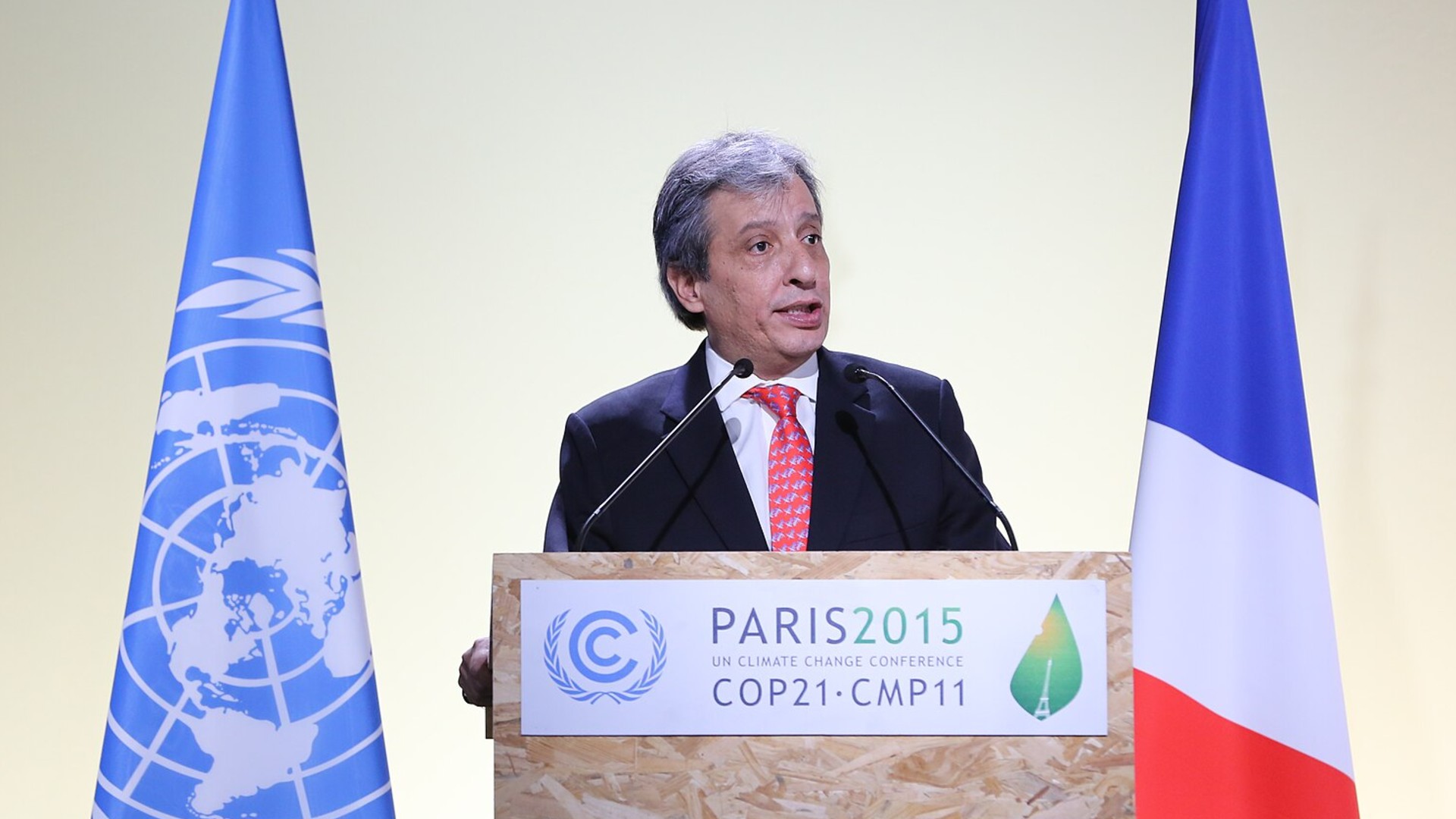
16. Manuel Pulgar-Vidal
As Peru's environment minister and COP20 president in December 2014, Manuel Pulgar-Vidal saved stalled Lima talks with the Lima Call for Climate Action. That text required every country to submit national climate plans before Paris, and he stayed active at COP31 in 2026.
©Wikimedia / UNclimatechange from Bonn, Germany
Advertisement
Swipe or tap ▶ to resume the countdown.
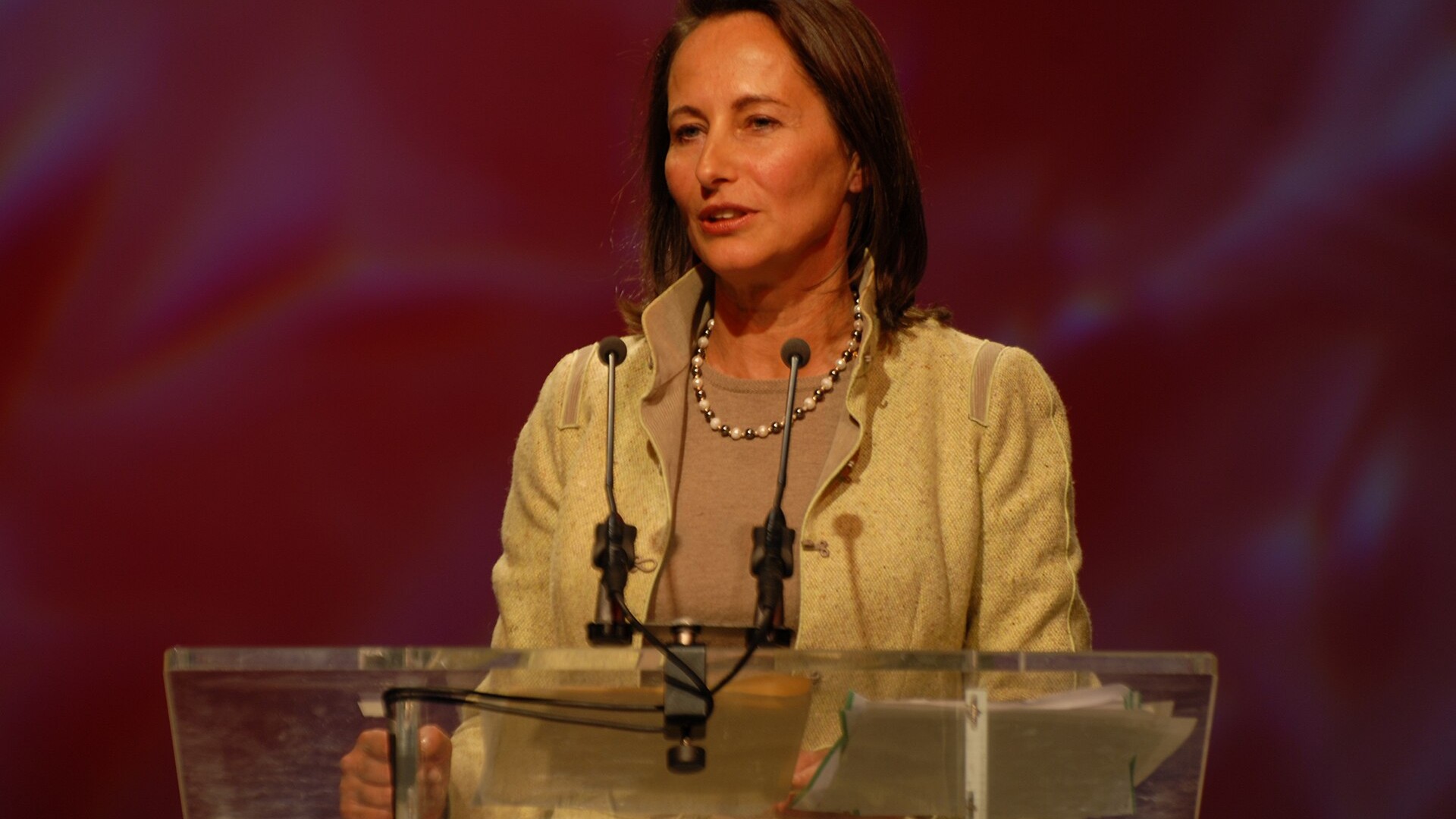
15. Segolene Royal
Serving as France's minister of ecology from 2014 to 2017, Segolene Royal backed France's energy transition law and coordinated African renewable energy pledges at COP21. She later took over as COP21 president in 2016 to speed up global ratification of the treaty.
©Wikimedia / Guillaume Paumier (user:guillom)
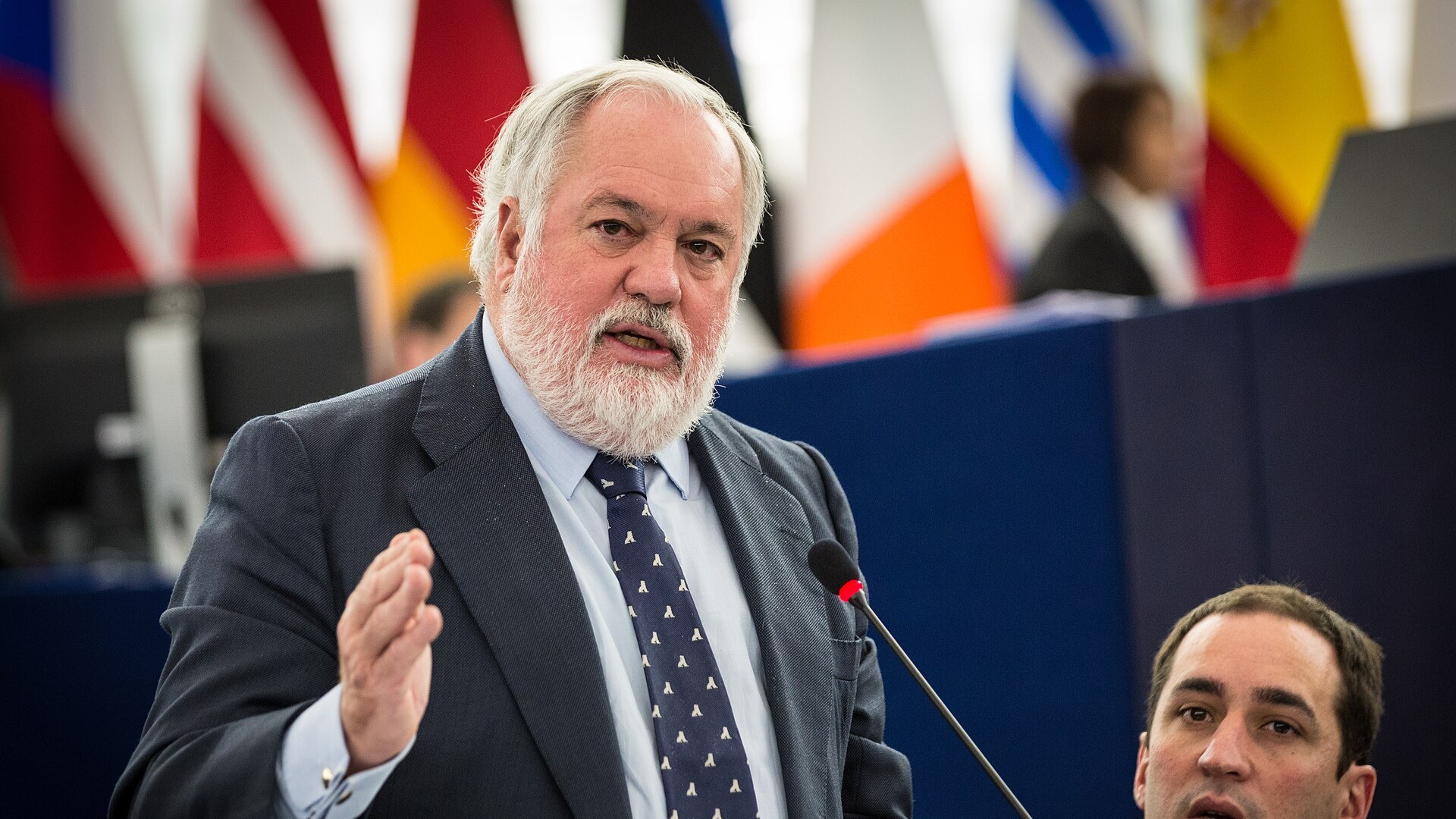
14. Miguel Arias Canete
Appointed European Commissioner for Climate Action and Energy in November 2014, Spaniard Miguel Arias Canete led the EU negotiating bloc in Paris. He backed binding five-year stocktakes and helped align Europe with small island nations in the High Ambition Coalition.
©Wikimedia / Photo Claude TRUONG-NGOC
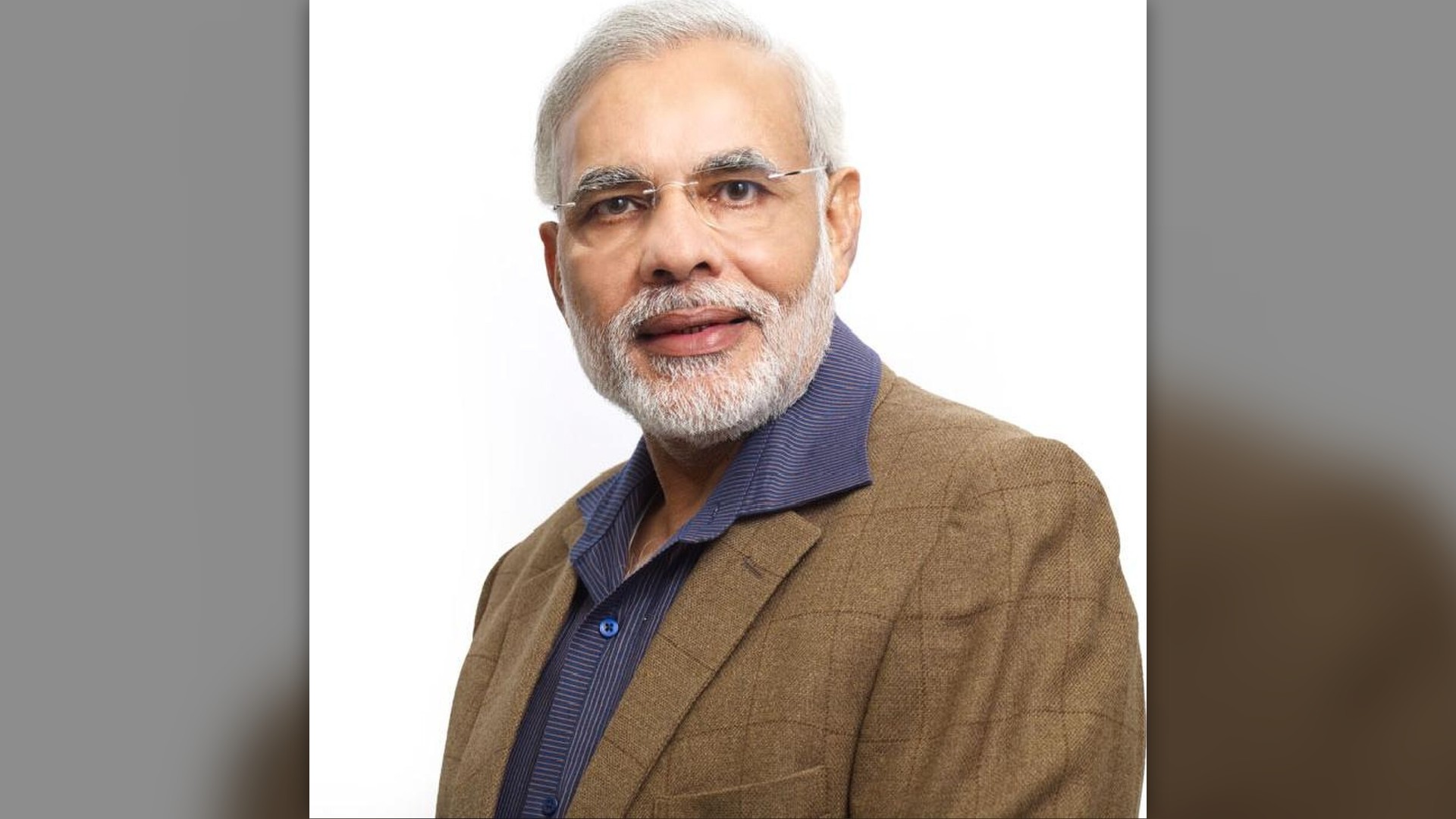
13. Narendra Modi
On November 30, 2015, the opening day of COP21, Indian Prime Minister Narendra Modi joined France to launch the International Solar Alliance for over 120 sun-rich nations. Modi defended developing countries' energy needs while committing India to major renewable expansion, remaining in office in 2026.
©Wikimedia / Narendra Modi
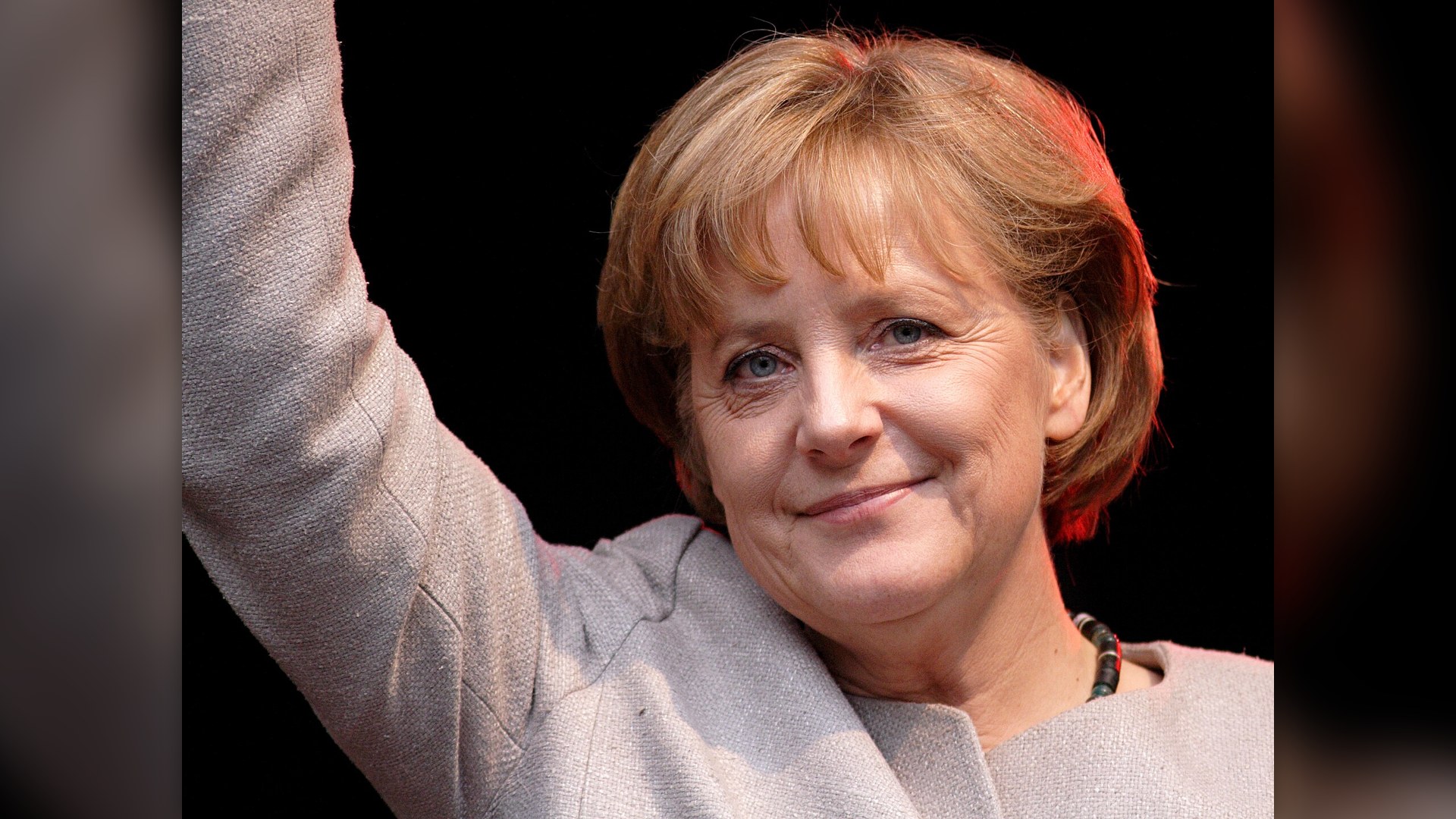
12. Angela Merkel
In June 2015, German Chancellor Angela Merkel hosted the G7 summit at Schloss Elmau and won leaders' backing to decarbonize the global economy this century. That G7 statement gave momentum to UN climate finance talks six months before COP21, before she left office in 2021.
©Wikimedia / א (Aleph)
Advertisement
Swipe or tap ▶ to resume the countdown.
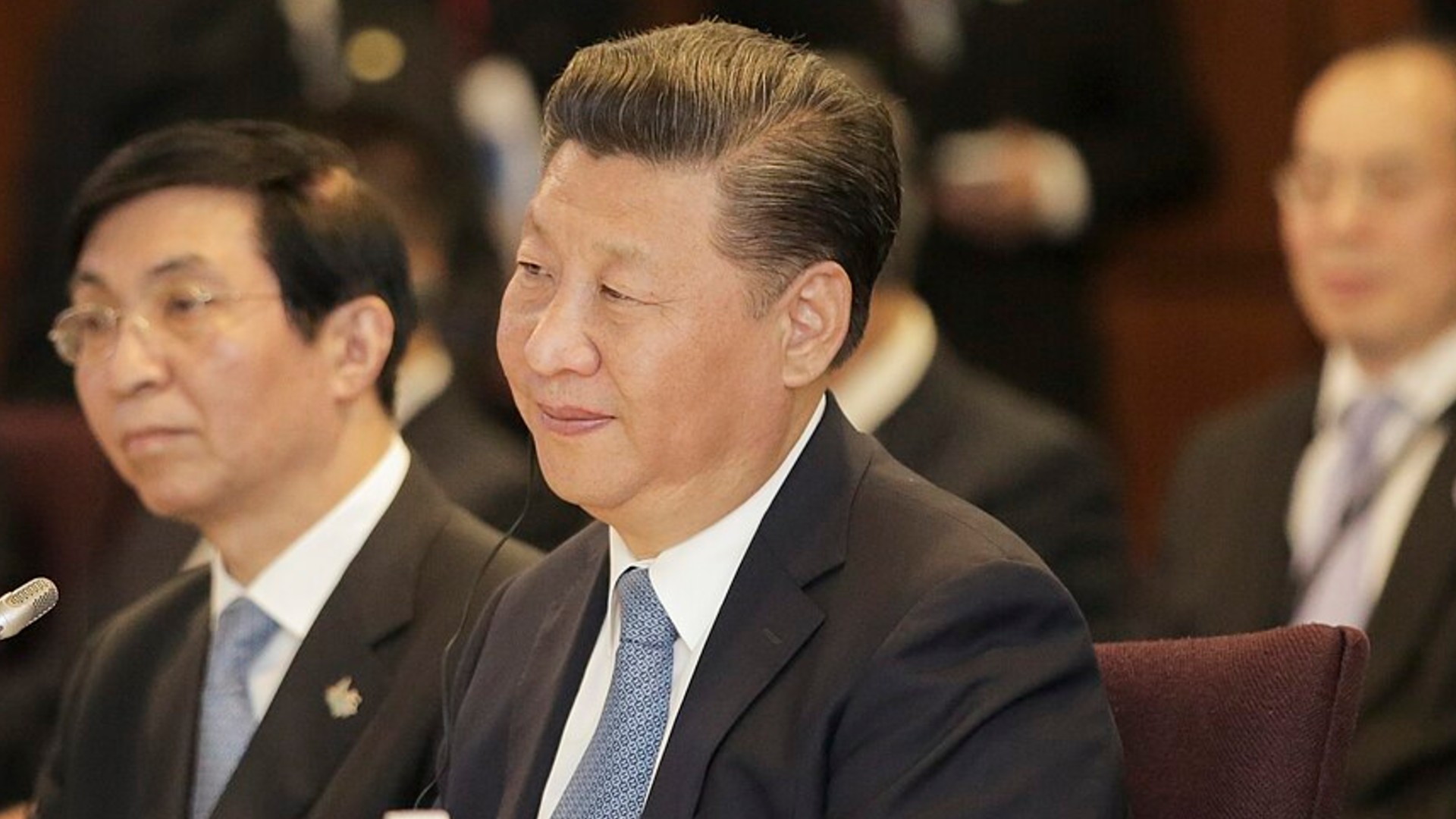
11. Xi Jinping
Meeting Barack Obama in Beijing in November 2014, Chinese President Xi Jinping pledged for the first time that China's carbon emissions would peak around 2030. That bilateral breakthrough ended years of gridlock between the world's top two emitters, and Xi continues to lead China in 2026.
©Wikimedia / Asamblea Nacional del Ecuador from QUito
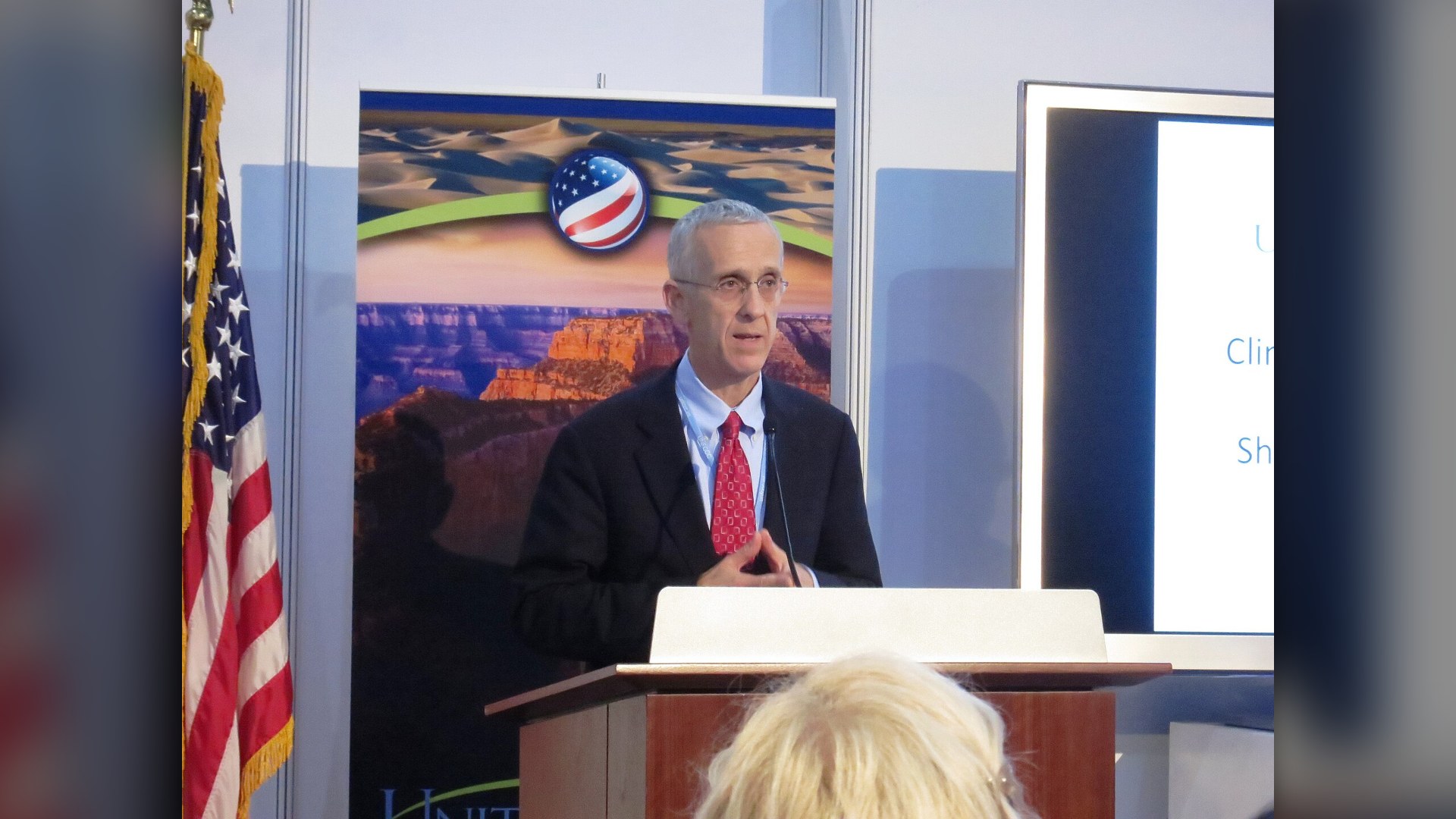
10. Todd Stern
Serving as US Special Envoy for Climate Change from 2009 to 2016, Todd Stern designed a hybrid framework combining voluntary national targets with binding transparency rules. That structure allowed the United States to join without Senate treaty ratification.
©Wikimedia / U.S. Department of State from United States
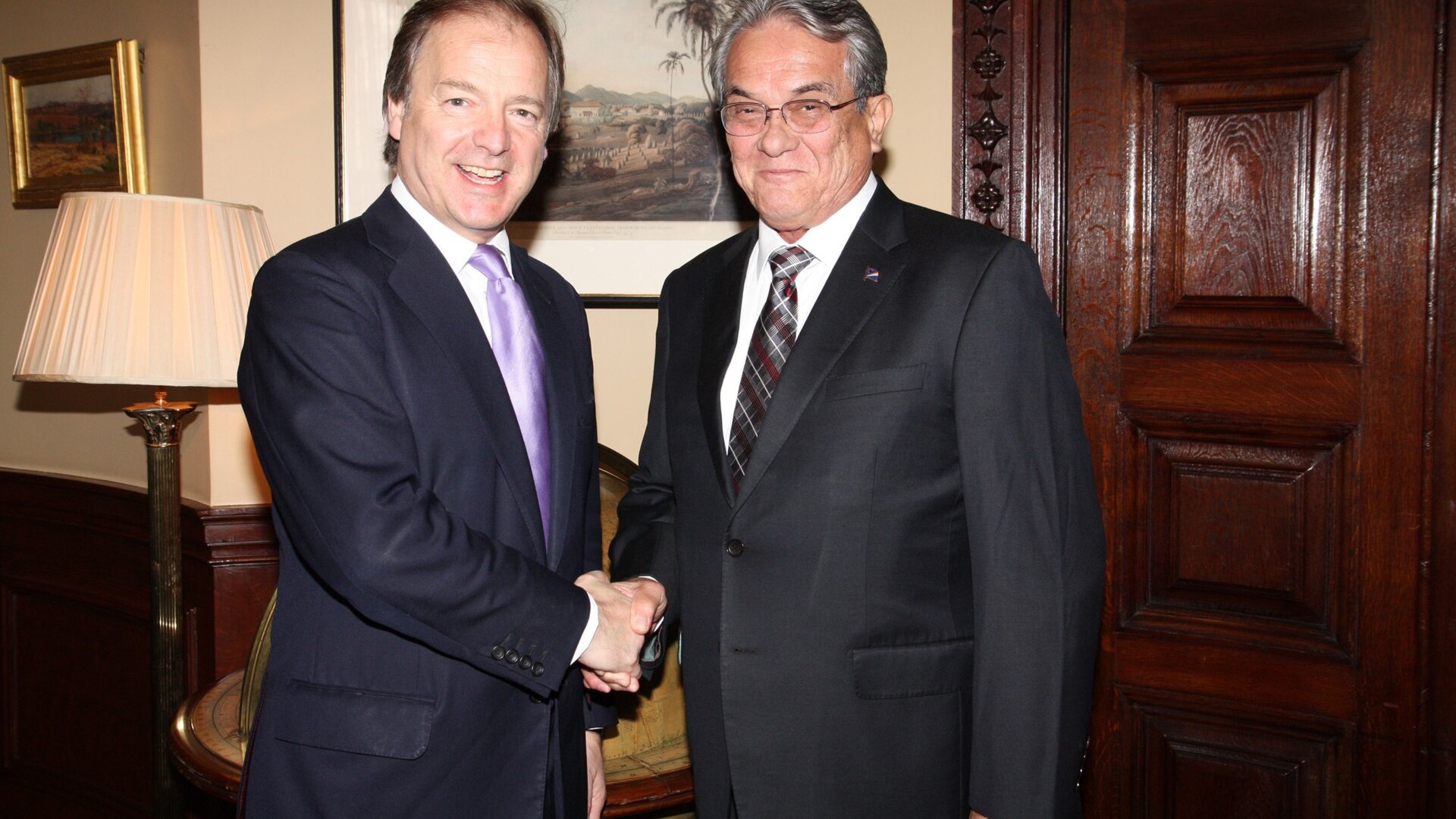
9. Tony De Brum
As foreign minister of the low-lying Marshall Islands, Tony de Brum convened the High Ambition Coalition inside Paris hotel rooms before COP21. Bringing together small islands, the EU and the US, he locked the 1.5 degrees Celsius limit into the deal before his death in 2017.
©Wikimedia / Foreign and Commonwealth Office
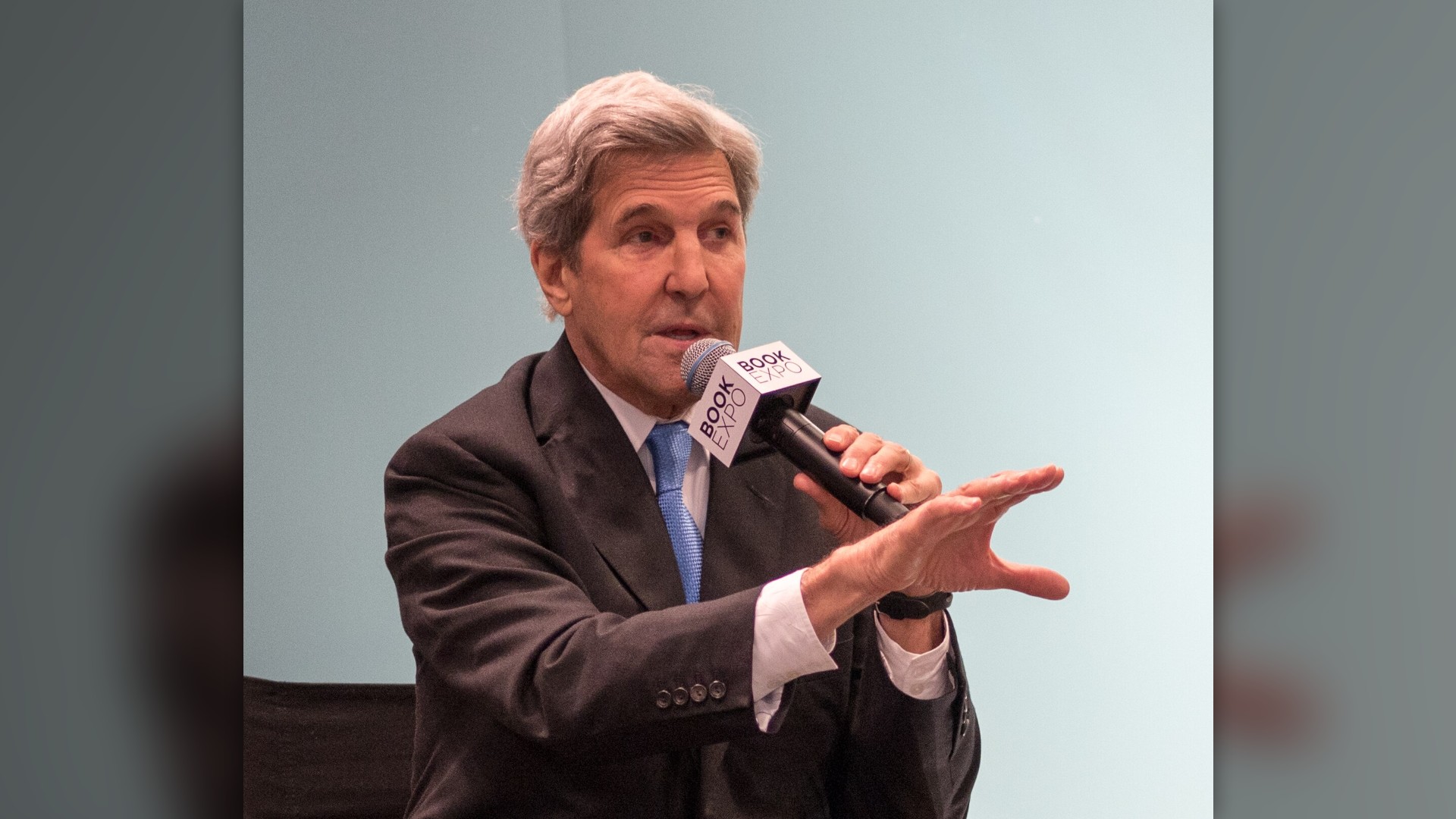
8. John Kerry
US Secretary of State John Kerry spent late-night sessions at Le Bourget negotiating directly with China, India and European ministers. On April 22, 2016, he famously signed the Paris Agreement at the UN with his granddaughter in his arms, and later served as US climate envoy from 2021 to 2024.
©Wikimedia / Rhododendrites
Advertisement
Swipe or tap ▶ to resume the countdown.
7. Barack Obama
After the 2009 Copenhagen talks faltered, Barack Obama used executive clean-power rules and his 2014 Beijing deal with Xi Jinping to rebuild trust. His administration formally joined the Paris Agreement in September 2016 alongside China, accelerating the treaty's entry into force.
©Wikimedia / Jonathunder
6. Francois Hollande
Despite the November 13, 2015 attacks in Paris, French President Francois Hollande refused to cancel COP21 and welcomed 150 heads of state to Le Bourget on November 30. Bringing leaders together on day one gave negotiators political cover to finish the deal by December 12.
©Wikimedia / Guillaume Paumier (user:guillom)
5. Ban Ki Moon
As UN Secretary-General from 2007 to 2016, Ban Ki-moon hosted the landmark 2014 Climate Summit in New York that drew over 100 heads of state. He then drove the 2016 ratification campaign, enabling the Paris Agreement to enter into force on November 4, 2016.
©Wikimedia / Robert D. Ward
4. Xie Zhenhua
Leading China's climate delegation from 2007 through Paris, Xie Zhenhua built quiet backchannel trust with US envoy Todd Stern over more than 20 meetings. He stepped down from his official envoy post in early 2024 for health reasons, leaving a deep imprint on UN climate diplomacy.
©Openverse / COPPARIS2015
Advertisement
Swipe or tap ▶ to resume the countdown.
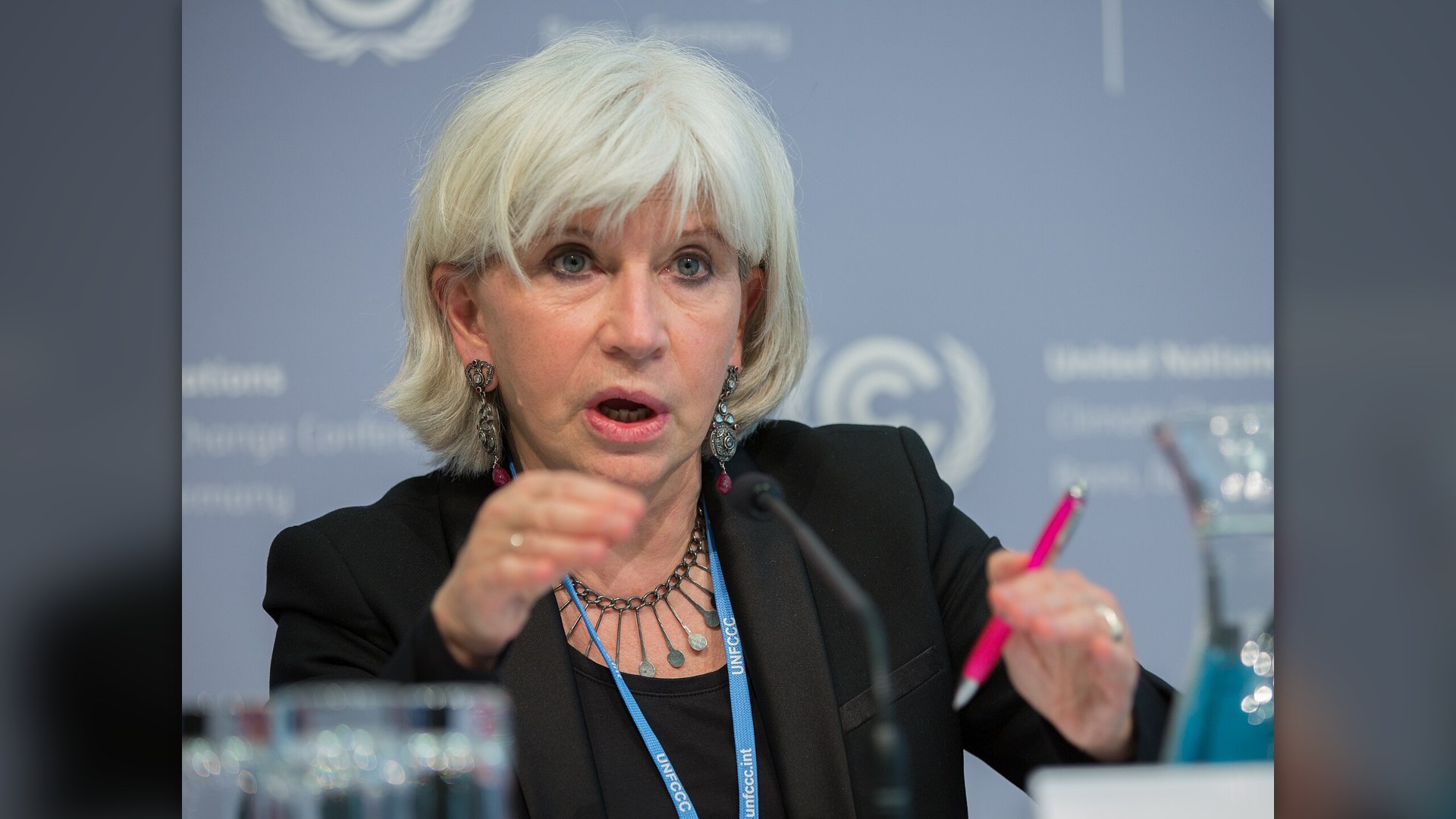
3. Laurence Tubiana
Named France's Climate Change Ambassador in 2014, economist Laurence Tubiana spent 18 months crisscrossing the globe to map every country's red lines. Widely credited as a chief architect of the agreement, she leads the European Climate Foundation and Sciences Po's Paris Climate School in 2026.
©Wikimedia / UNclimatechange from Bonn, Germany
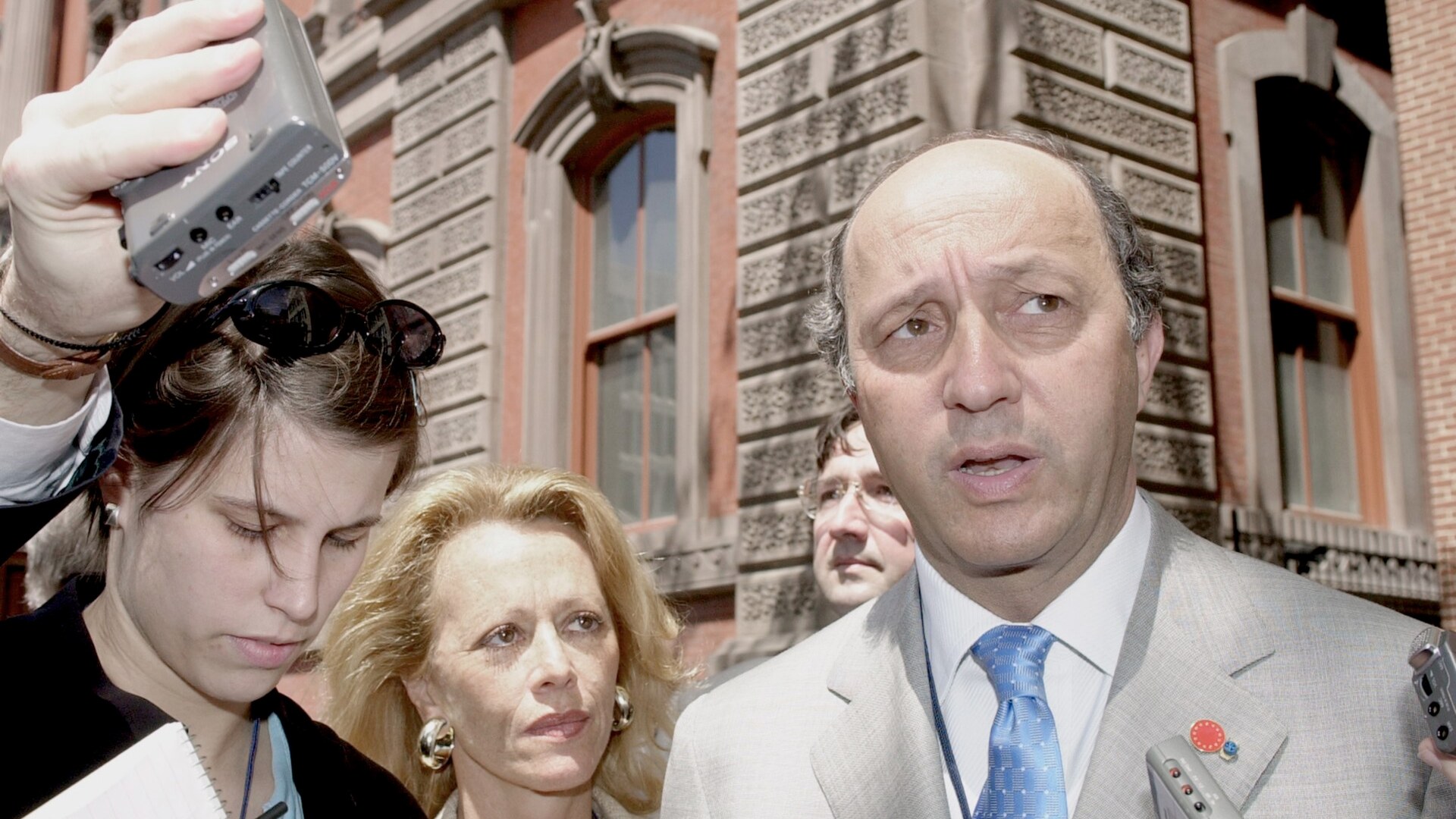
2. Laurent Fabius
French Foreign Minister Laurent Fabius chaired the two-week Le Bourget summit using a transparent drafting method called indabas. When a single word threatened to derail the final text on December 12, 2015, he oversaw the last-minute fix and struck the green gavel to adopt the Paris Agreement.
©Wikimedia / International Monetary Fund
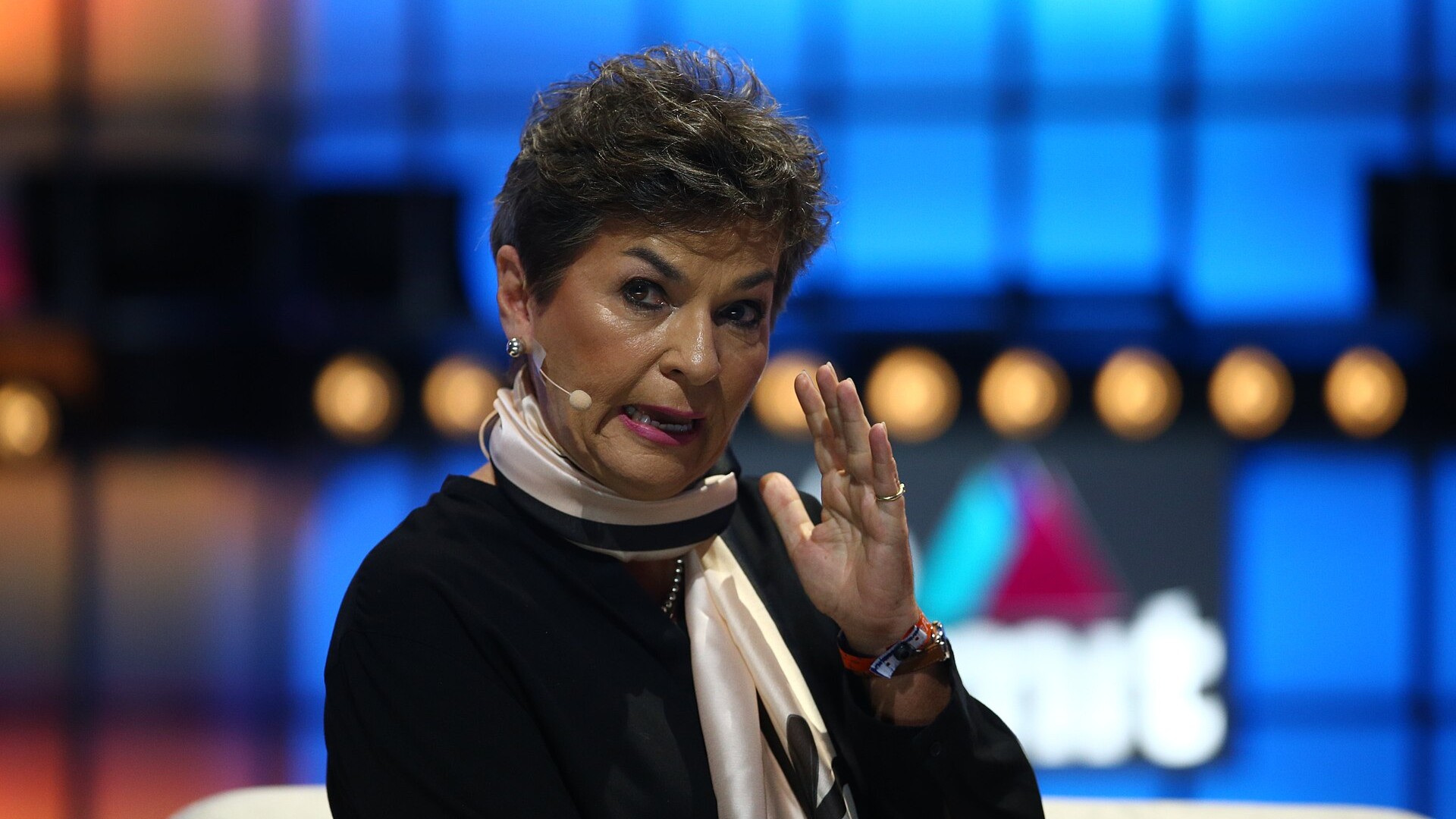
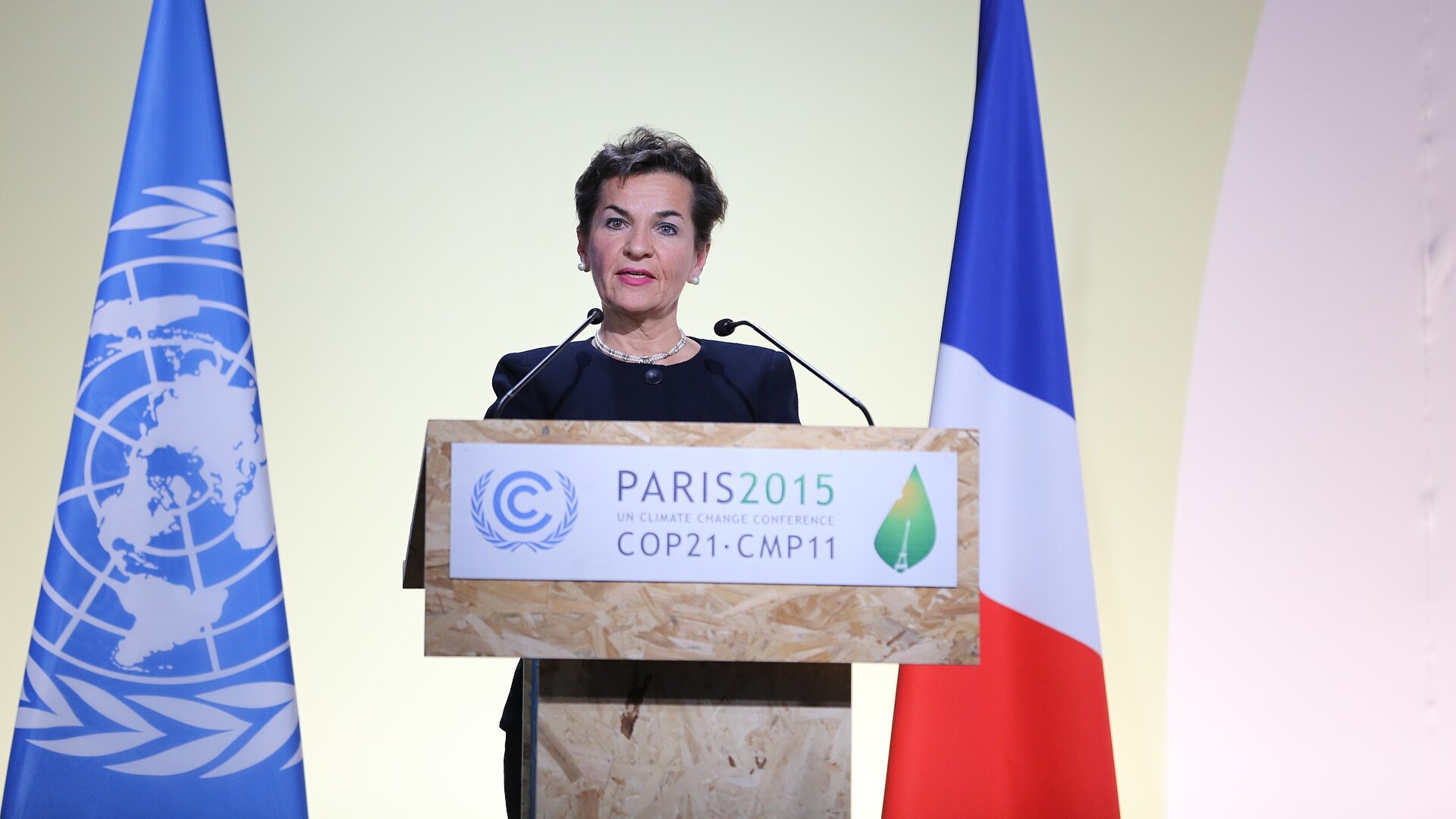
1. Christiana Figueres
Appointed UNFCCC Executive Secretary in 2010 after Copenhagen's collapse, Costa Rican diplomat Christiana Figueres rebuilt trust across 195 parties through relentless optimism. She orchestrated the voluntary bottom-up pledge system that unlocked the 2015 deal and still co-hosts Outrage + Optimism in 2026.
©Wikimedia / Web Summit
Advertisement
You've reached the end of the story. Thanks for reading!

25 Historic NASA Apollo Photos From Launch to the Lunar Surface
From November 1967 to December 1972, NASA crews carried Hasselblad cameras across nearly 384,000 kilometers of space to document every stage of Project Apollo. Drawing on NASA mission archives, Johnson Space Center logs, and Smithsonian records, these 25 frames capture launches, lunar walks, and crises.
All 22 Entries in this Story
#22 Nicolas Hulot
Appointed France's Special Envoy for the Protection of the Planet in December 2012, Hulot spent three years building backing for COP21 across civic and faith groups. His work helped support Pope Francis's 2015 encyclical, and he later served as France's environment minister from 2017 to 2018.

#21 Hoesung Lee
South Korean economist Hoesung Lee became chair of the Intergovernmental Panel on Climate Change in October 2015, two months before COP21 opened. Under his leadership through 2023, the IPCC delivered the 2018 special report on 1.5 degrees Celsius that turned Paris's aspirational goal into policy.

#20 Fatih Birol
Turkish energy economist Fatih Birol took over as executive director of the International Energy Agency in September 2015. His team's modeling gave Paris negotiators hard numbers on solar, wind and efficiency costs, and he still leads the IEA in 2026.

#19 Jim Yong Kim
Physician and former Dartmouth College president Jim Yong Kim led the World Bank Group from 2012 to 2019. Ahead of Paris, he pledged to raise the bank's climate financing share to 28 percent by 2020, helping unlock billions for developing nations that demanded money alongside emissions pledges.

#18 Al Gore
Nearly a decade after An Inconvenient Truth, Al Gore spent 2015 organizing 24-hour climate broadcasts and briefing business leaders in Paris. At COP21, his Climate Reality Project pressed governments for five-year review cycles, and he remains an active climate campaigner in 2026.

#17 Mary Robinson
Serving as UN Special Envoy for Climate Change from 2014 to 2015, Mary Robinson pushed negotiators to include human rights language in the Paris text. The former Irish president still campaigns for climate justice in 2026 through The Elders, warning that poorer nations bear the heaviest warming costs.

#16 Manuel Pulgar-Vidal
As Peru's environment minister and COP20 president in December 2014, Manuel Pulgar-Vidal saved stalled Lima talks with the Lima Call for Climate Action. That text required every country to submit national climate plans before Paris, and he stayed active at COP31 in 2026.

#15 Segolene Royal
Serving as France's minister of ecology from 2014 to 2017, Segolene Royal backed France's energy transition law and coordinated African renewable energy pledges at COP21. She later took over as COP21 president in 2016 to speed up global ratification of the treaty.

#14 Miguel Arias Canete
Appointed European Commissioner for Climate Action and Energy in November 2014, Spaniard Miguel Arias Canete led the EU negotiating bloc in Paris. He backed binding five-year stocktakes and helped align Europe with small island nations in the High Ambition Coalition.

#13 Narendra Modi
On November 30, 2015, the opening day of COP21, Indian Prime Minister Narendra Modi joined France to launch the International Solar Alliance for over 120 sun-rich nations. Modi defended developing countries' energy needs while committing India to major renewable expansion, remaining in office in 2026.

#12 Angela Merkel
In June 2015, German Chancellor Angela Merkel hosted the G7 summit at Schloss Elmau and won leaders' backing to decarbonize the global economy this century. That G7 statement gave momentum to UN climate finance talks six months before COP21, before she left office in 2021.

#11 Xi Jinping
Meeting Barack Obama in Beijing in November 2014, Chinese President Xi Jinping pledged for the first time that China's carbon emissions would peak around 2030. That bilateral breakthrough ended years of gridlock between the world's top two emitters, and Xi continues to lead China in 2026.

#10 Todd Stern
Serving as US Special Envoy for Climate Change from 2009 to 2016, Todd Stern designed a hybrid framework combining voluntary national targets with binding transparency rules. That structure allowed the United States to join without Senate treaty ratification.

#9 Tony De Brum
As foreign minister of the low-lying Marshall Islands, Tony de Brum convened the High Ambition Coalition inside Paris hotel rooms before COP21. Bringing together small islands, the EU and the US, he locked the 1.5 degrees Celsius limit into the deal before his death in 2017.

#8 John Kerry
US Secretary of State John Kerry spent late-night sessions at Le Bourget negotiating directly with China, India and European ministers. On April 22, 2016, he famously signed the Paris Agreement at the UN with his granddaughter in his arms, and later served as US climate envoy from 2021 to 2024.

#7 Barack Obama
After the 2009 Copenhagen talks faltered, Barack Obama used executive clean-power rules and his 2014 Beijing deal with Xi Jinping to rebuild trust. His administration formally joined the Paris Agreement in September 2016 alongside China, accelerating the treaty's entry into force.

#6 Francois Hollande
Despite the November 13, 2015 attacks in Paris, French President Francois Hollande refused to cancel COP21 and welcomed 150 heads of state to Le Bourget on November 30. Bringing leaders together on day one gave negotiators political cover to finish the deal by December 12.

#5 Ban Ki Moon
As UN Secretary-General from 2007 to 2016, Ban Ki-moon hosted the landmark 2014 Climate Summit in New York that drew over 100 heads of state. He then drove the 2016 ratification campaign, enabling the Paris Agreement to enter into force on November 4, 2016.

#4 Xie Zhenhua
Leading China's climate delegation from 2007 through Paris, Xie Zhenhua built quiet backchannel trust with US envoy Todd Stern over more than 20 meetings. He stepped down from his official envoy post in early 2024 for health reasons, leaving a deep imprint on UN climate diplomacy.

#3 Laurence Tubiana
Named France's Climate Change Ambassador in 2014, economist Laurence Tubiana spent 18 months crisscrossing the globe to map every country's red lines. Widely credited as a chief architect of the agreement, she leads the European Climate Foundation and Sciences Po's Paris Climate School in 2026.

#2 Laurent Fabius
French Foreign Minister Laurent Fabius chaired the two-week Le Bourget summit using a transparent drafting method called indabas. When a single word threatened to derail the final text on December 12, 2015, he oversaw the last-minute fix and struck the green gavel to adopt the Paris Agreement.

#1 Christiana Figueres
Appointed UNFCCC Executive Secretary in 2010 after Copenhagen's collapse, Costa Rican diplomat Christiana Figueres rebuilt trust across 195 parties through relentless optimism. She orchestrated the voluntary bottom-up pledge system that unlocked the 2015 deal and still co-hosts Outrage + Optimism in 2026.