Slideshow · Viral
20 Vintage November Traditions American Families Have Left Behind
American holiday customs underwent major shifts over the last century. Based on historical archives from the Library of Congress and the Smithsonian Institution, these 20 vanished November traditions, from costumed street masquerades to formal table etiquette, illustrate how family life transformed over generations.
By Most Viral Today
34 min ago

Forgotten Autumn Customs and Vanished Family Gatherings of the Past 
20. Calling Cards And Social Visits 
19. Mailing Thanksgiving Postcards 
18. Formal Table Dressing And Sunday Best - AdvertisementSwipe or tap ▶ to continue countdown

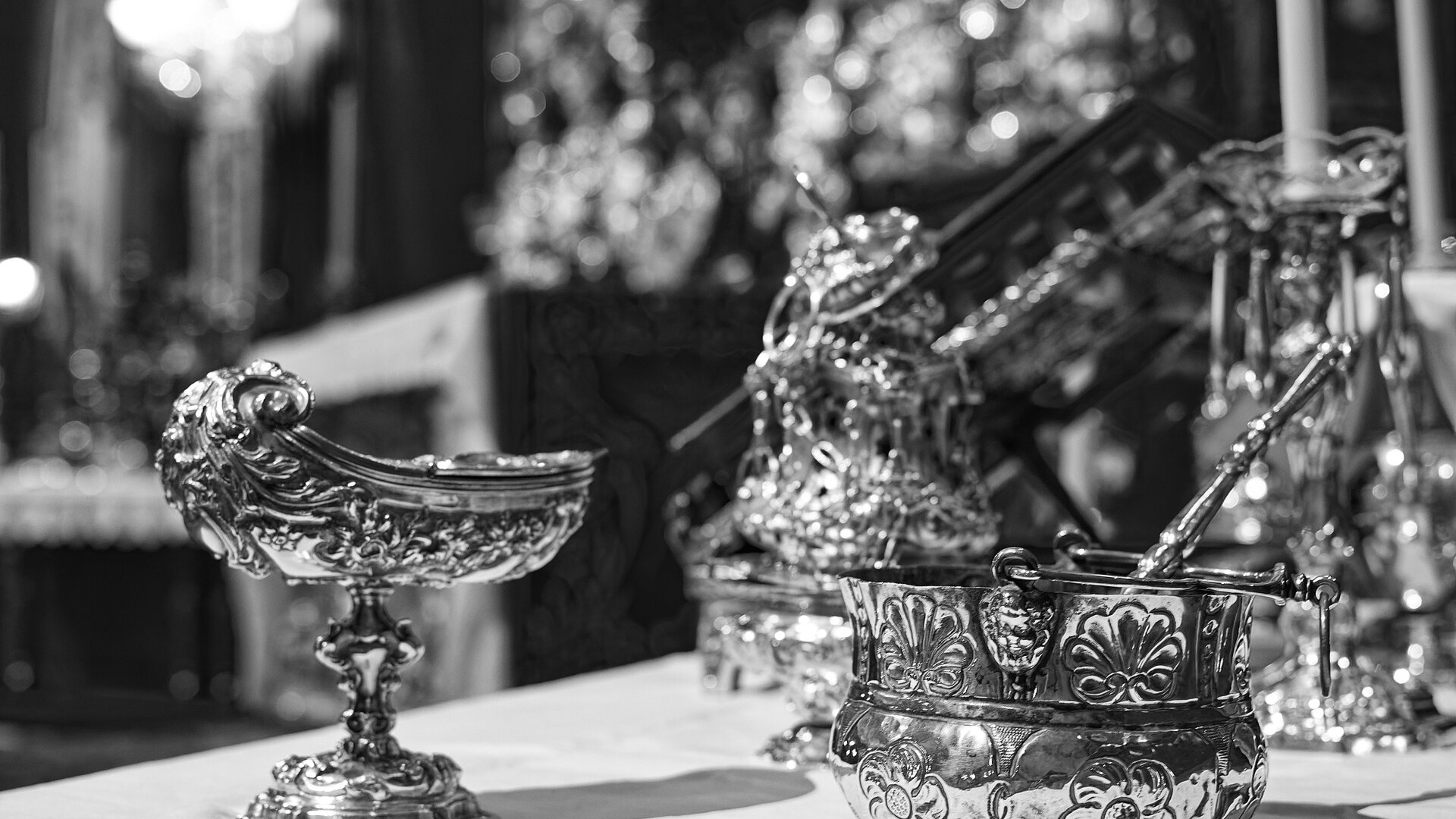
17. Hand-Polishing Silverware And Heirloom China 
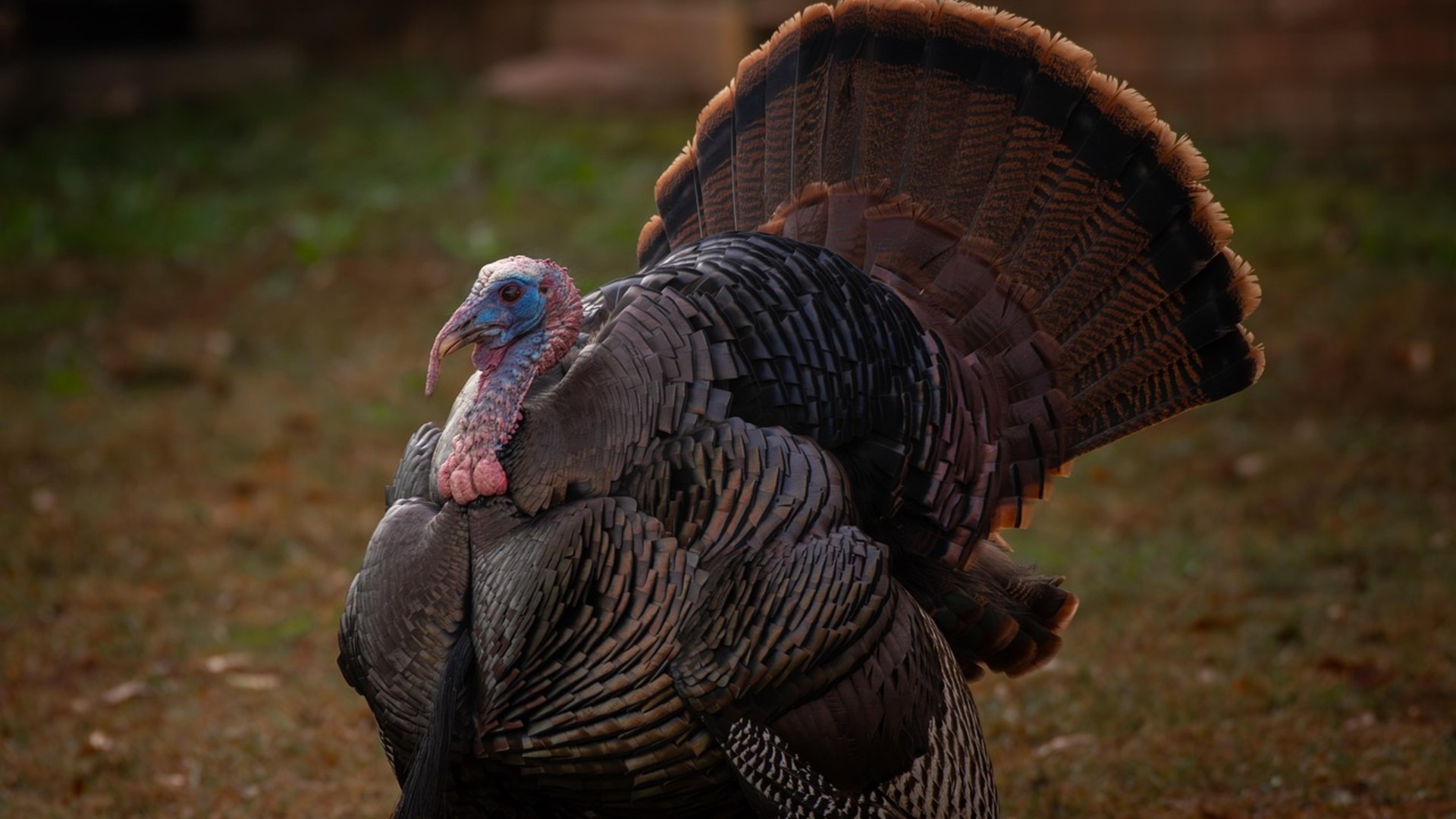
16. Turkey Shooting Matches 
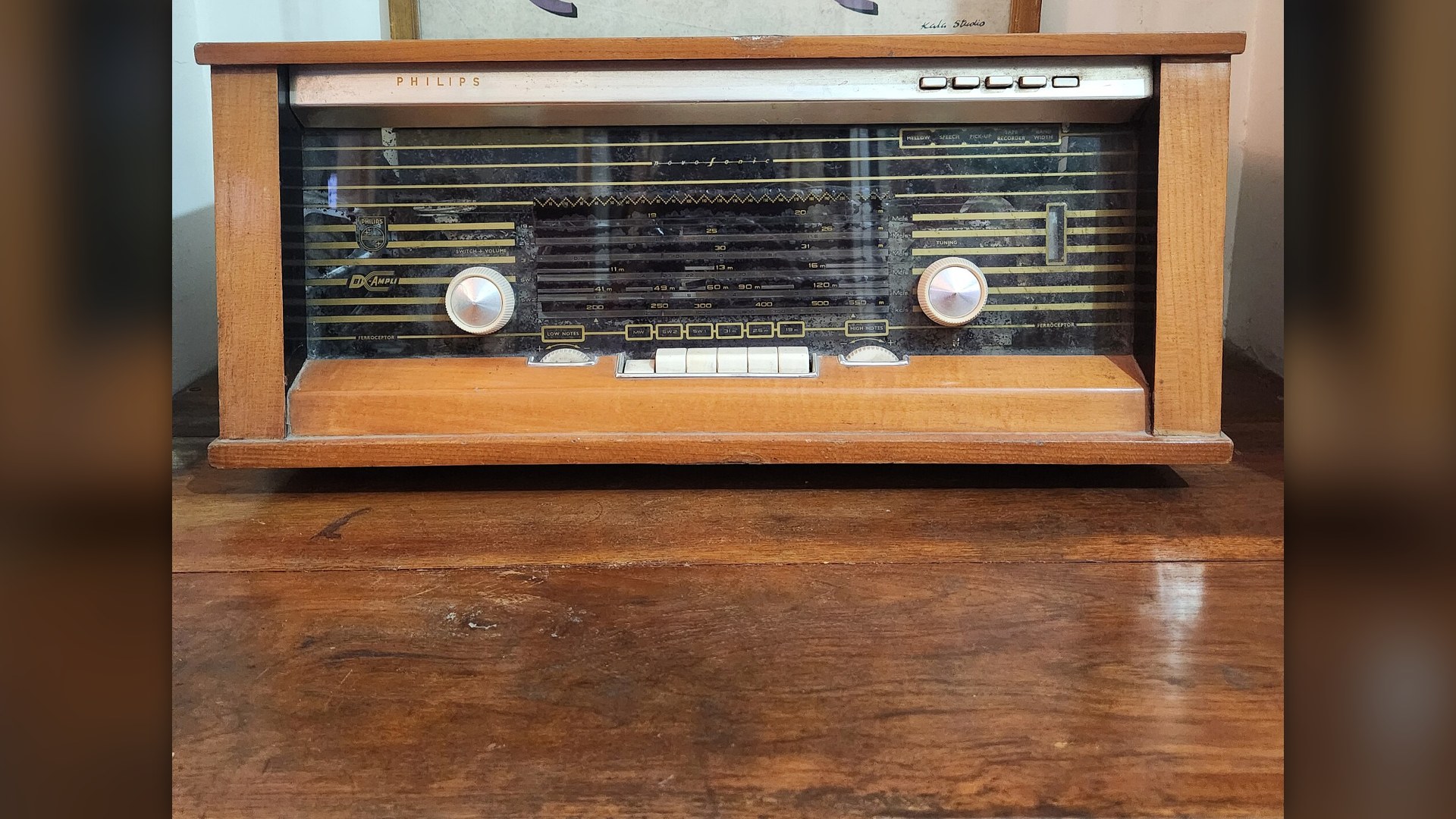
15. Listening To Radio Football Broadcasts 
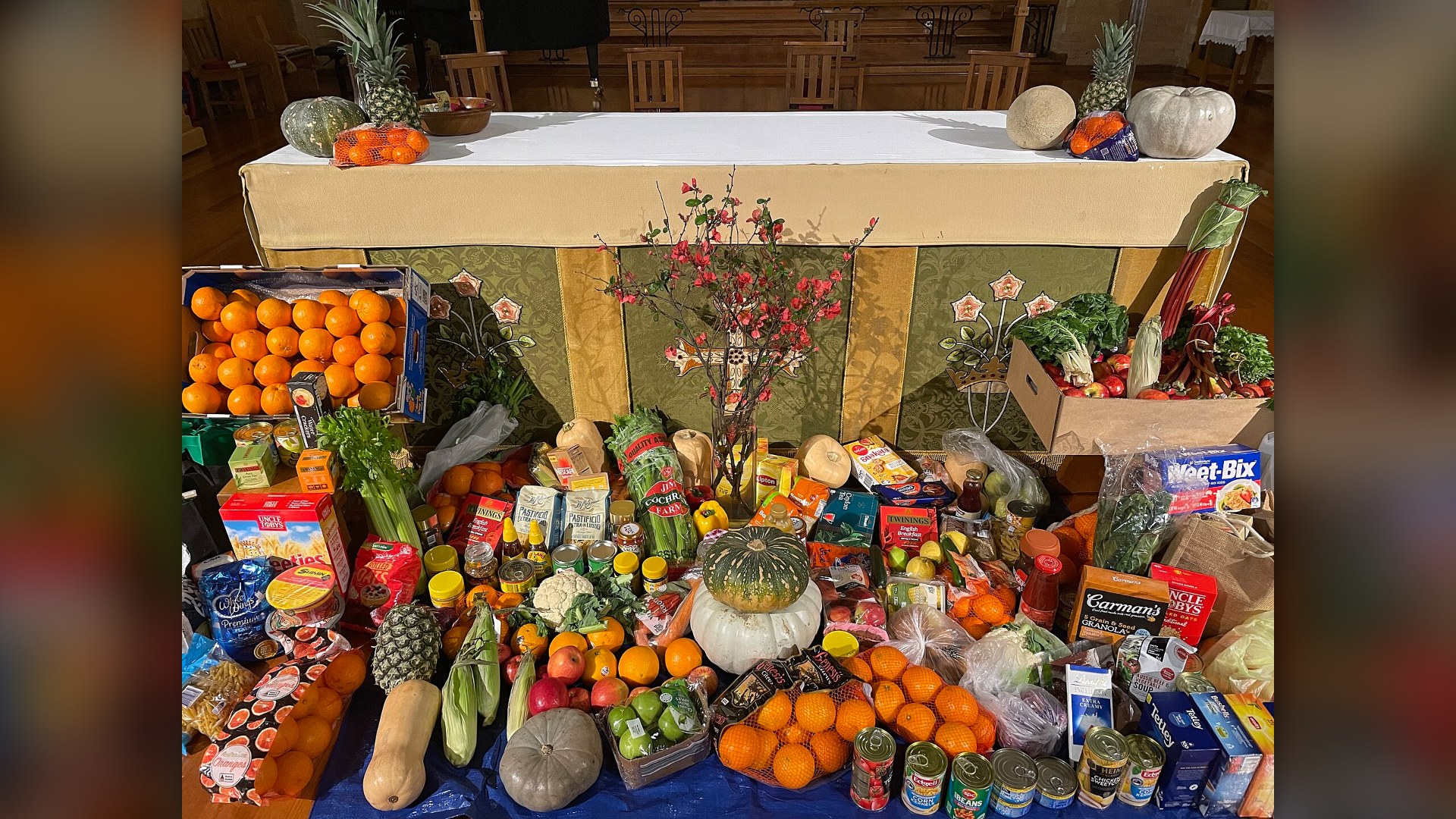
14. Morning Thanksgiving Church Services - AdvertisementSwipe or tap ▶ to continue countdown

13. Celery In Cut Glass Relish Dishes 
12. Molded Gelatin And Aspic Salads 
11. Oyster Cornbread Stuffing 
10. Making Molasses Popcorn Balls - AdvertisementSwipe or tap ▶ to continue countdown

9. Cornucopia Centerpieces With Fresh Squash 
8. Table-Side Turkey Carving Ceremony 
7. Post-Feast Neighborhood Walking Promenade 
6. Parlor Games And Charades - AdvertisementSwipe or tap ▶ to continue countdown

5. Cigar Smoking In The Parlor 
4. The Strictly Isolated Children's Table 
3. Traditional Mincemeat Pie With Beef Suet 
2. Wishbone Drying And Snapping Rituals - AdvertisementSwipe or tap ▶ to continue countdown

1. Ragamuffin Parades And Thanksgiving Masking - Advertisement🔥 UP NEXT IN THIS SERIES◫ 21 Slides

20 Famous Concert Halls Known for Their Acoustic Design
World-class concert halls rely on geometry, dense plaster, and specialized timber to deliver clear acoustic balance. From classic shoebox halls in Europe to vineyard terraces in modern capitals, each venue shapes sound reflections. This guide examines 20 venues celebrated by acousticians and orchestra leaders.
American holiday customs underwent major shifts over the last century. Based on historical archives from the Library of Congress and the Smithsonian Institution, these 20 vanished November traditions, from costumed street masquerades to formal table etiquette, illustrate how family life transformed over generations.
Swipe or tap ▶ to begin the countdown
©Pixabay / JillWellington
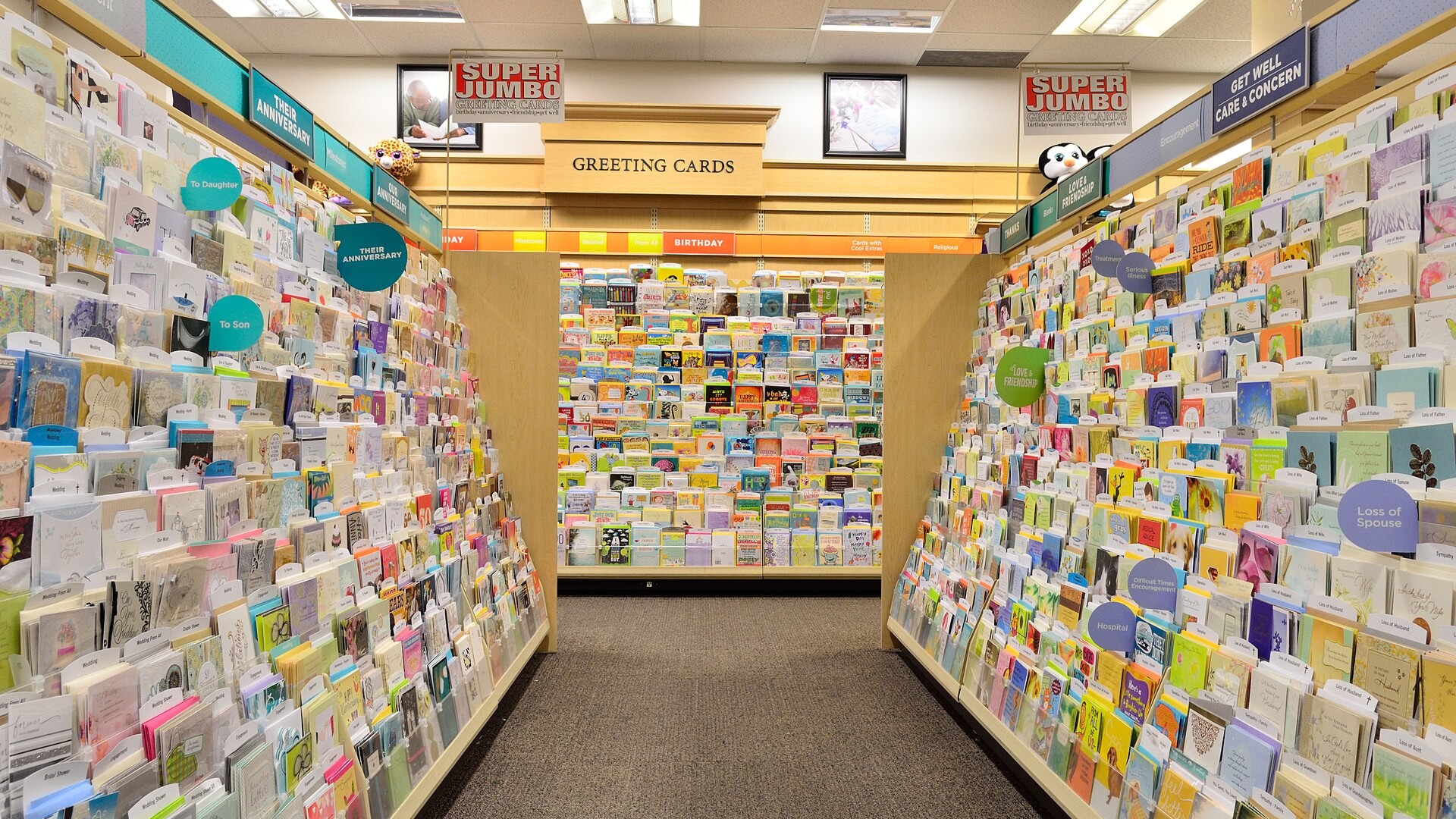
20. Calling Cards And Social Visits
Throughout the late nineteenth century, middle-class Americans left engraved calling cards on silver trays during brief afternoon house visits. Hosts offered cider and small bites before guests departed for family dinners. The custom faded as residential telephone service expanded in the 1930s.
©Wikimedia / Greeting card
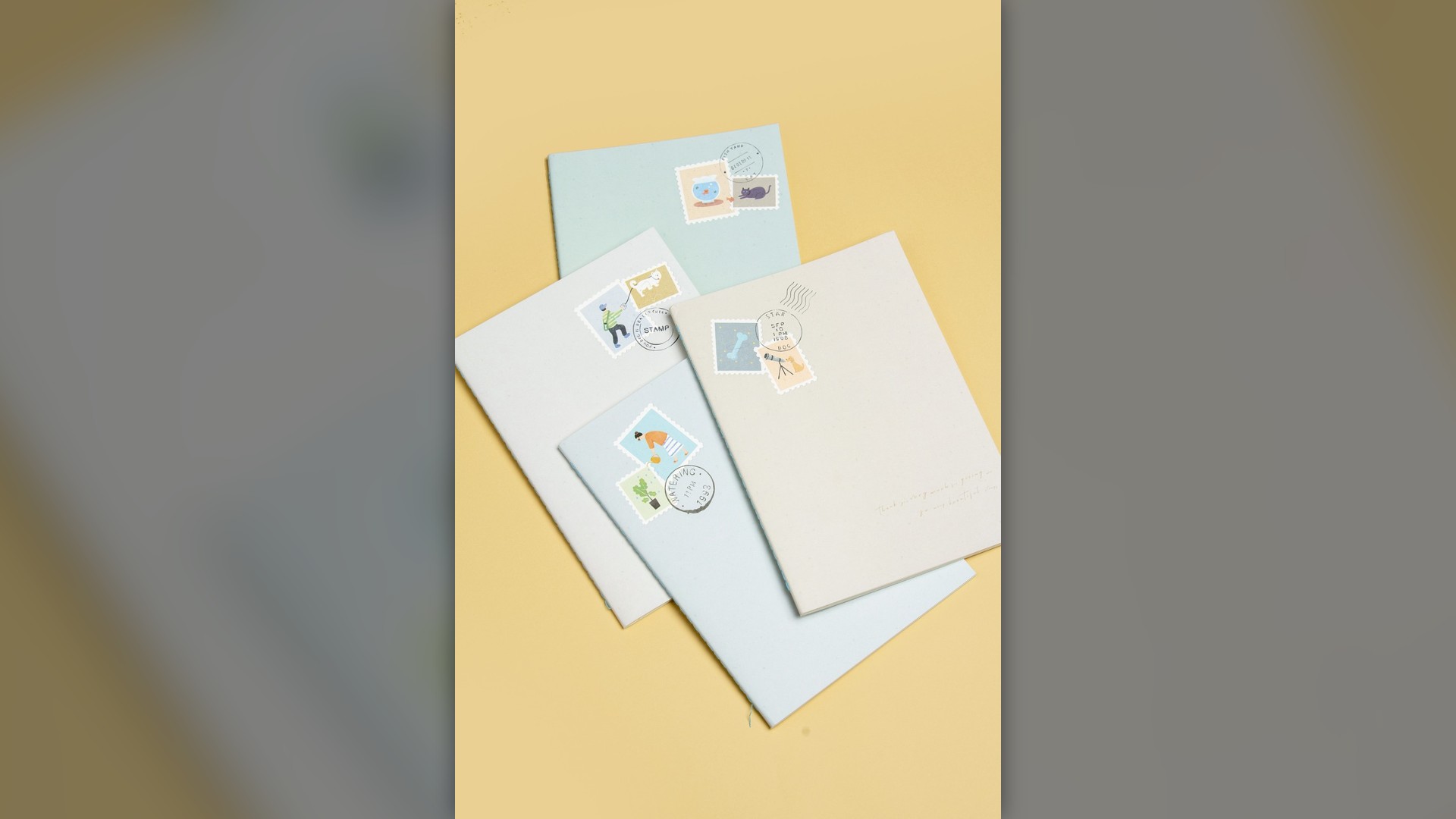
19. Mailing Thanksgiving Postcards
Between 1900 and 1920, sending holiday postcards was as common as Christmas greetings. Printers produced millions of embossed cards featuring turkeys, autumn foliage, and children in harvest bonnets. The introduction of cheaper telephone long-distance rates eventually displaced the tradition.
©Pixabay / va703b
18. Formal Table Dressing And Sunday Best
Until the 1970s, family members dressed in Sunday church attire for Thanksgiving dinner. Men wore neckties and pressed woolen suits, while women wore stockings and jewelry. Casual sweaters and loungewear replaced formal dress as domestic holiday hosting relaxed in recent decades.
©Wikimedia / Matt Brown
Advertisement
Swipe or tap ▶ to resume the countdown.
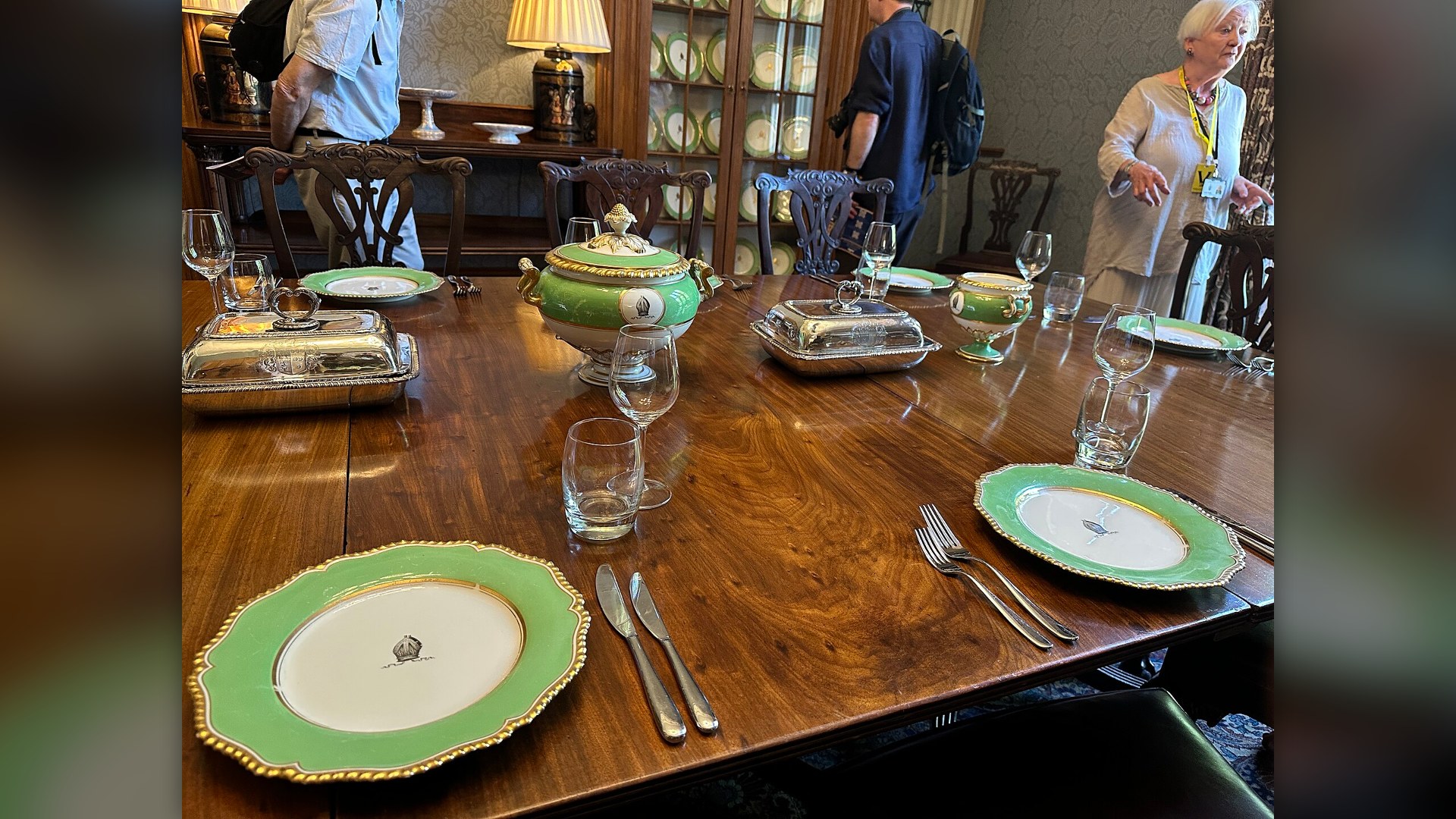
17. Hand-Polishing Silverware And Heirloom China
Weeks before the feast, homemakers applied paste polishes to heavy sterling silver cutlery and carving sets passed down through generations. Sets were carefully wiped, buffed, and laid out on damask tablecloths. Modern stainless steel and casual ceramic dishware ended the labor-intensive ritual.
©Wikimedia / Tranceliner
16. Turkey Shooting Matches
Nineteenth-century communities gathered at local gun clubs and pastures on Thanksgiving morning for marksmanship contests. Riflemen paid entry fees to shoot at targets, with winning shooters carrying live turkeys home for the oven. Clay pigeon shoots gradually replaced livestock prizes.
©Pixabay / Ernest_Roy
15. Listening To Radio Football Broadcasts
Before television ownership spread in the 1950s, families crowded around wood living room radio cabinets to hear play-by-play commentary. Detroit and Chicago Thanksgiving games drew millions of simultaneous radio listeners. Television broadcasts rapidly supplanted radio commentary by 1956.
©Wikimedia / Amitbalani
14. Morning Thanksgiving Church Services
Early presidential proclamations designated Thanksgiving primarily as a day of public religious observance. Towns held morning worship services where congregations sang harvest hymns and collected charitable donations. Modern travel schedules and parade broadcasts gradually replaced the service.
©Wikimedia / Pru.mitchell
Advertisement
Swipe or tap ▶ to resume the countdown.
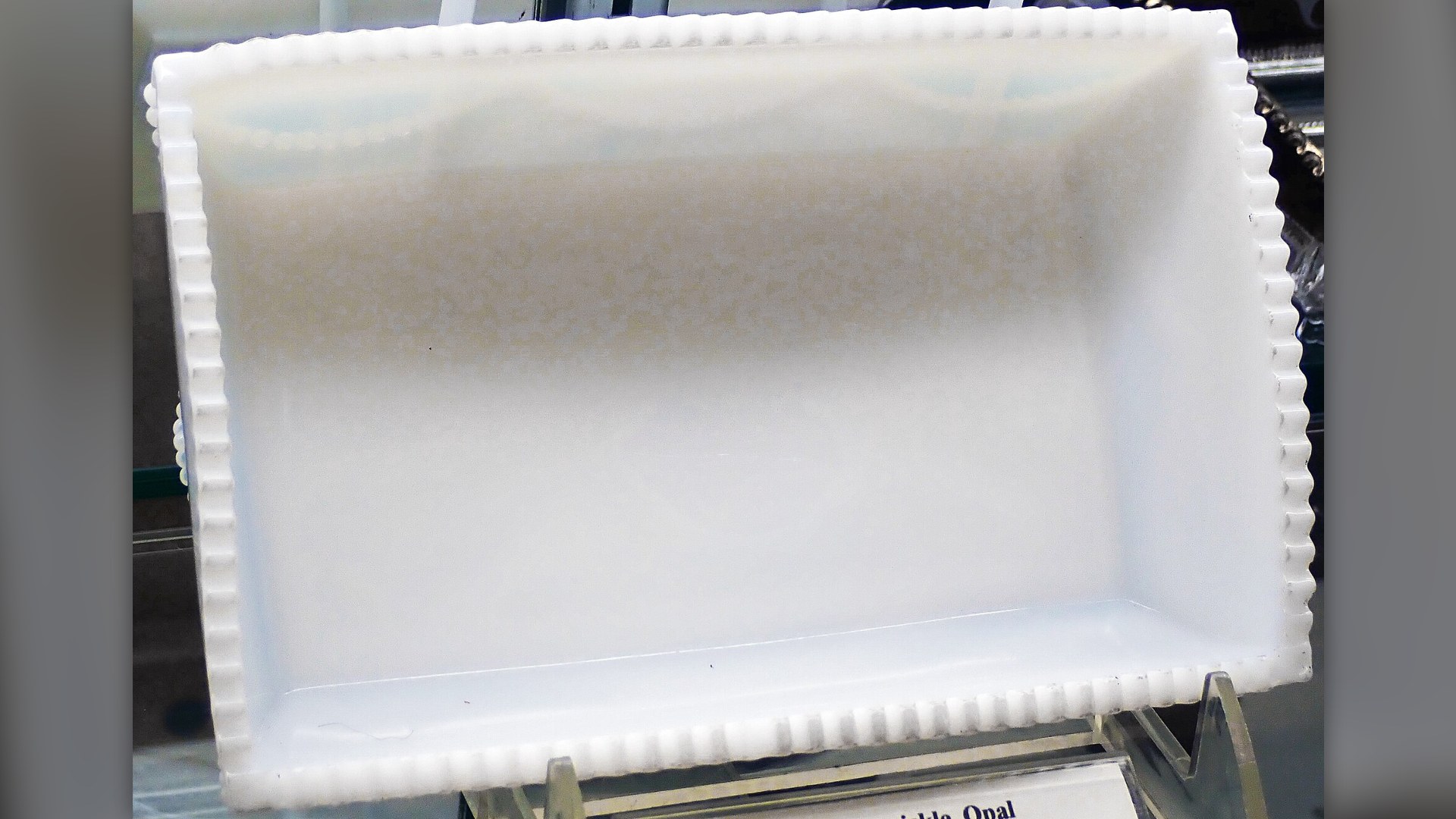
13. Celery In Cut Glass Relish Dishes
In Victorian America, celery was an expensive luxury vegetable requiring cold-frame greenhouses. Households displayed washed stalks in tall cut-glass celery vases beside sweet gherkins and pickled beets. Modern year-round commercial farming turned celery into an everyday vegetable.
©Wikimedia / James St. John
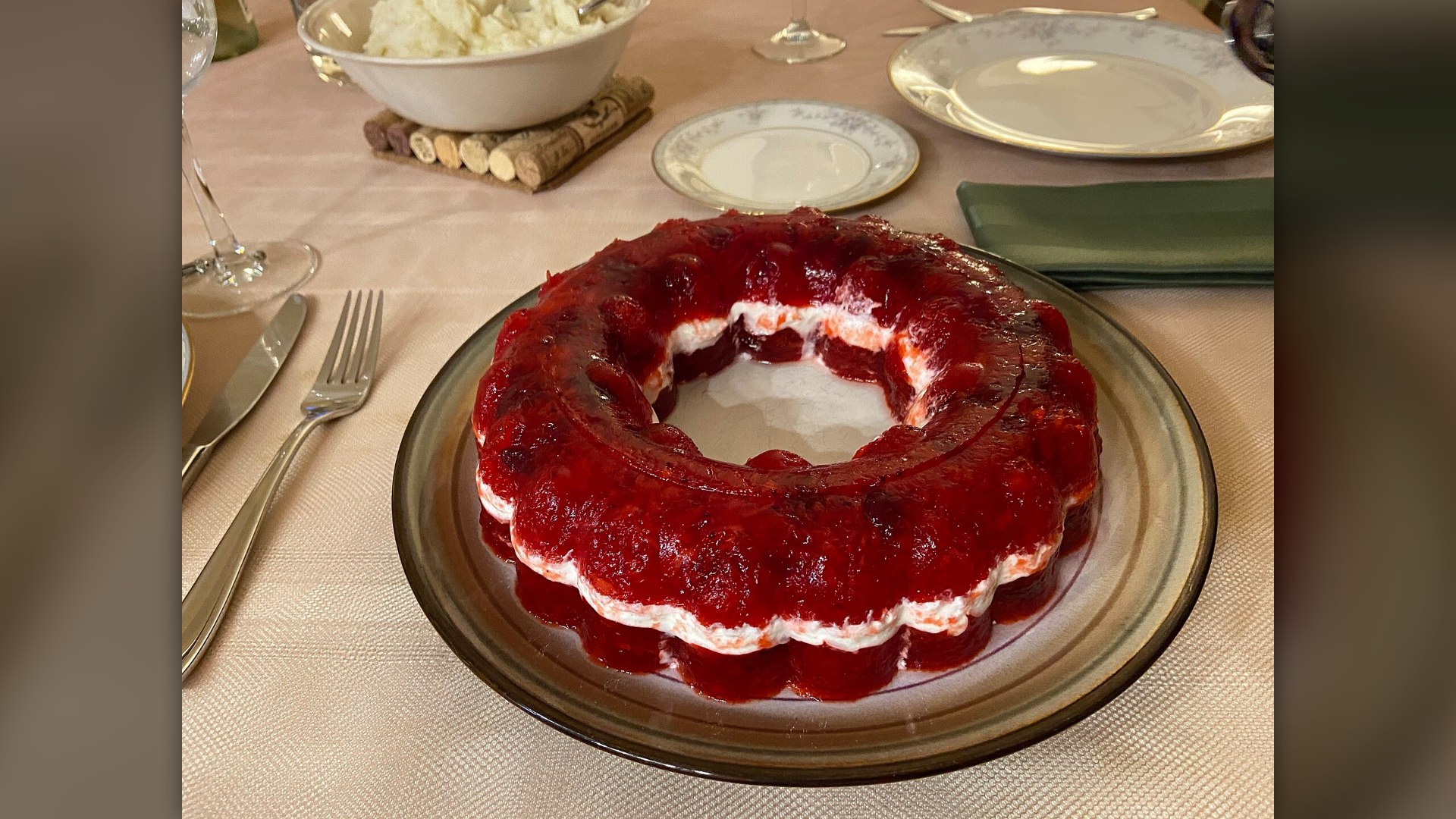
12. Molded Gelatin And Aspic Salads
Mid-century cookbooks encouraged homemakers to suspend shredded celery, walnuts, and crushed pineapple inside gelatin rings. Served on beds of iceberg lettuce with mayonnaise dollops, these shimmering molded salads stood on nearly every 1950s buffet table before modern palates moved toward fresh salads.
©Wikimedia / Nolabob
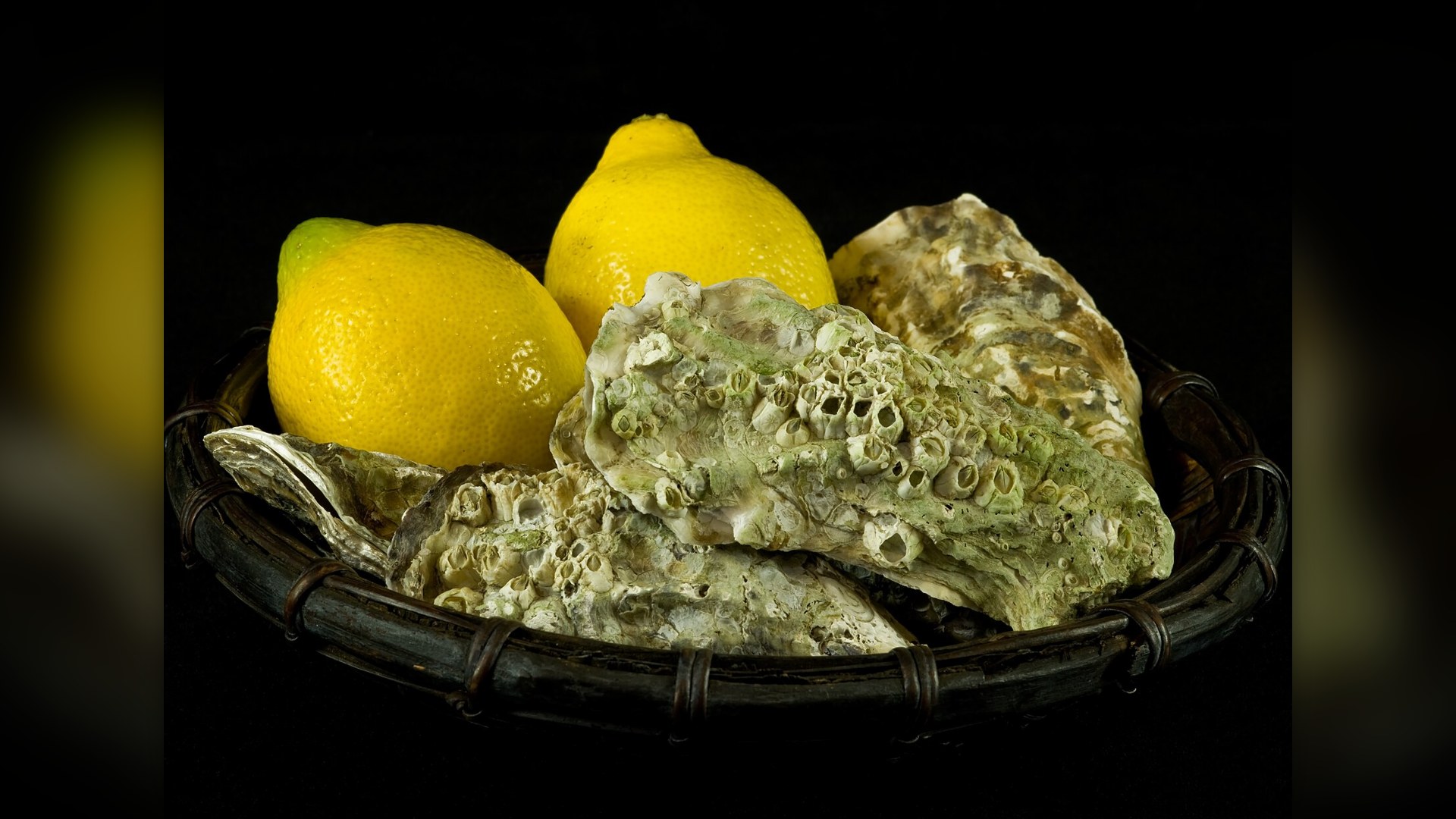
11. Oyster Cornbread Stuffing
Nineteenth-century American harbors produced cheap, abundant oysters that cooks chopped into cornbread or breadcrumbs. The rich shellfish dressing became standard on tables from Boston to Savannah. Rising seafood costs and transport logistics reduced oysters to a regional specialty.
©Wikimedia / Nikodem Nijaki
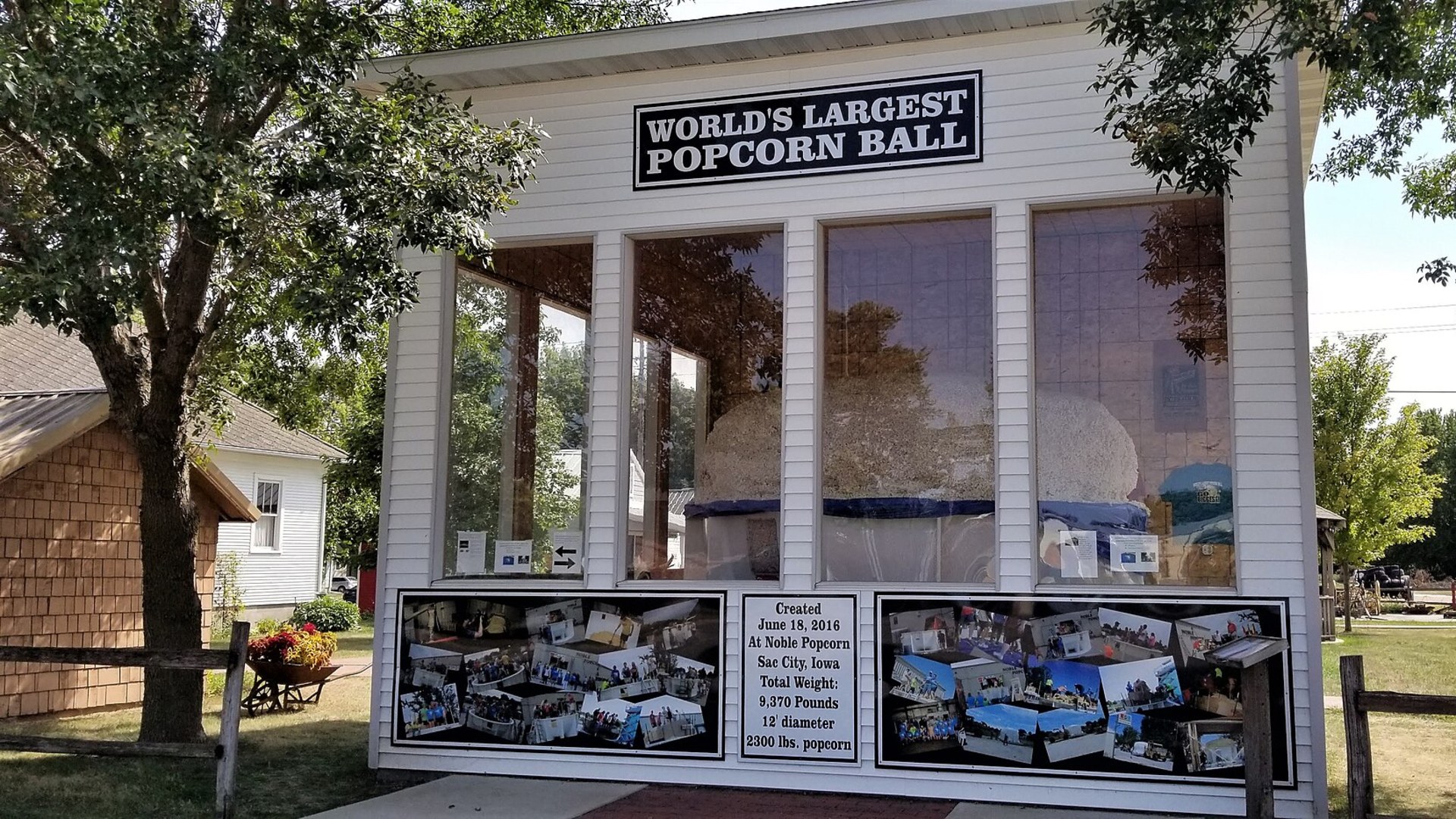
10. Making Molasses Popcorn Balls
After morning harvest chores, families boiled sorghum molasses and brown sugar into thick syrup, tossing in fresh popped corn. Children buttered their hands to press warm clusters into round holiday balls before dinner. Packaged sweets and safety concerns over hot candy syrup sidelined the craft.
©Wikimedia / Skvader
Advertisement
Swipe or tap ▶ to resume the countdown.
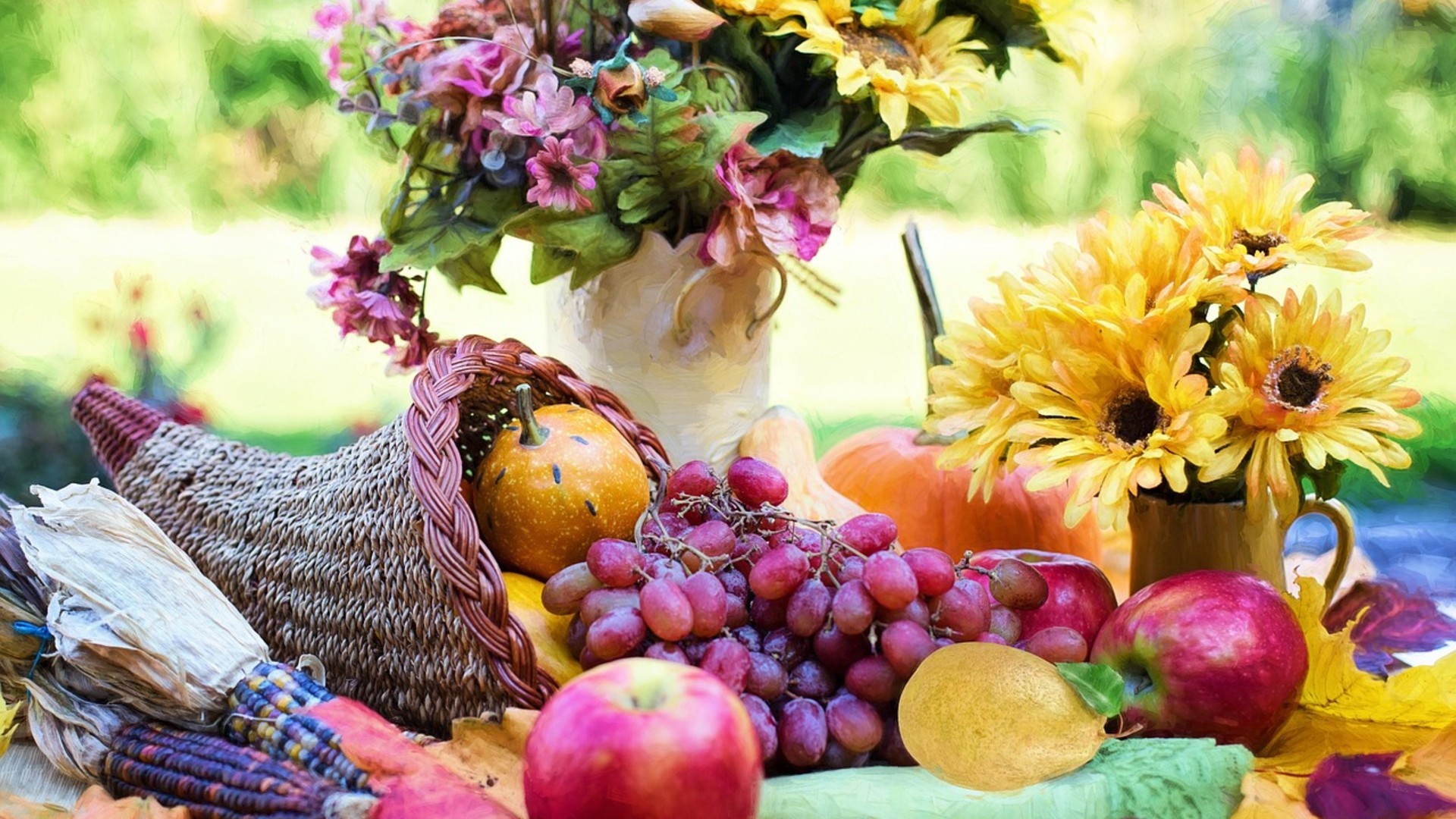
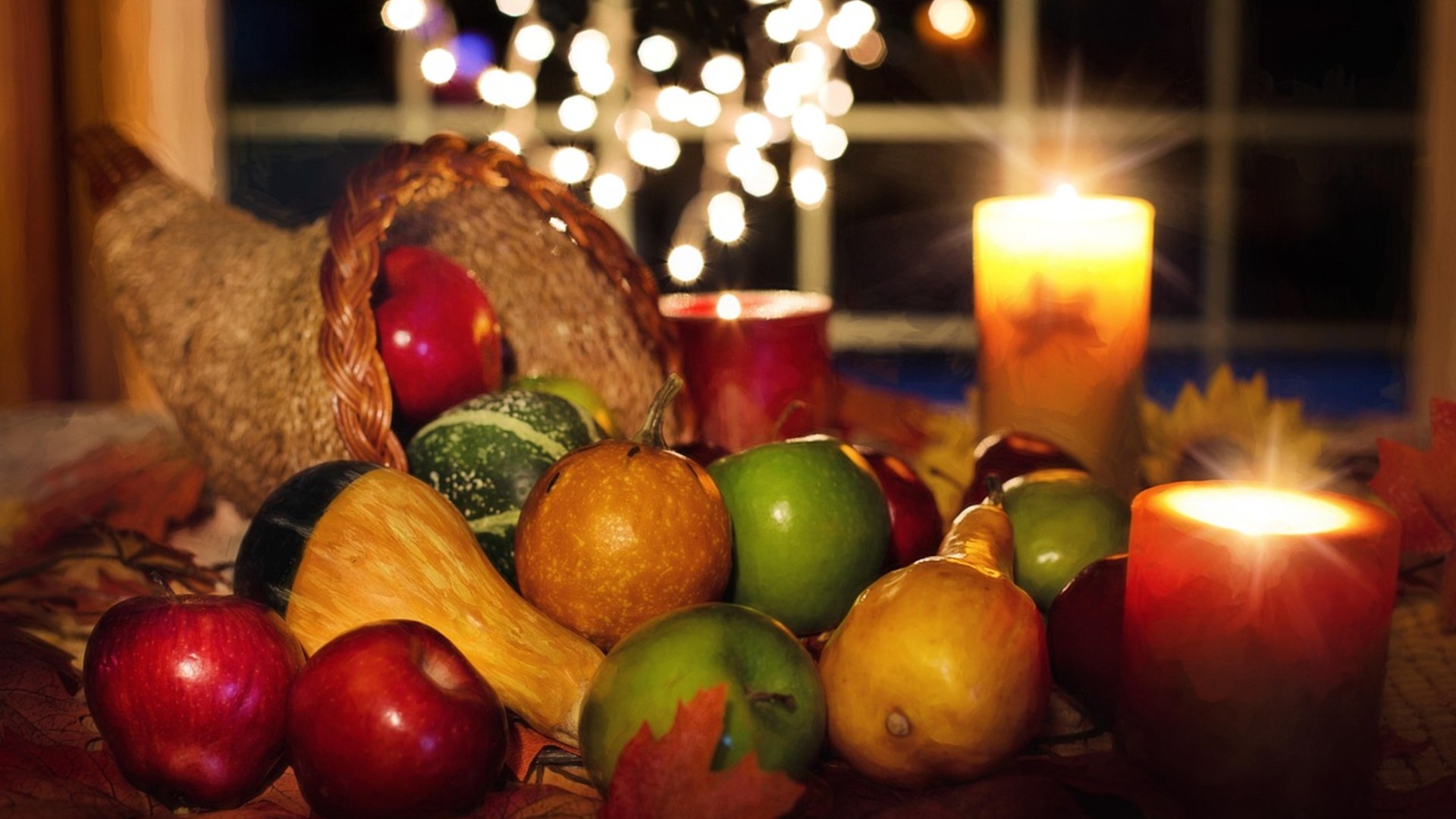
9. Cornucopia Centerpieces With Fresh Squash
Tables in early twentieth-century homes featured wicker or ceramic cornucopias filled with fresh Indian corn, gourds, nuts, and apples. The ancient Greek symbol of abundance symbolized domestic self-sufficiency. Modern dinner hosts favor florist floral arrangements or simple candle runners.
©Pixabay / JillWellington
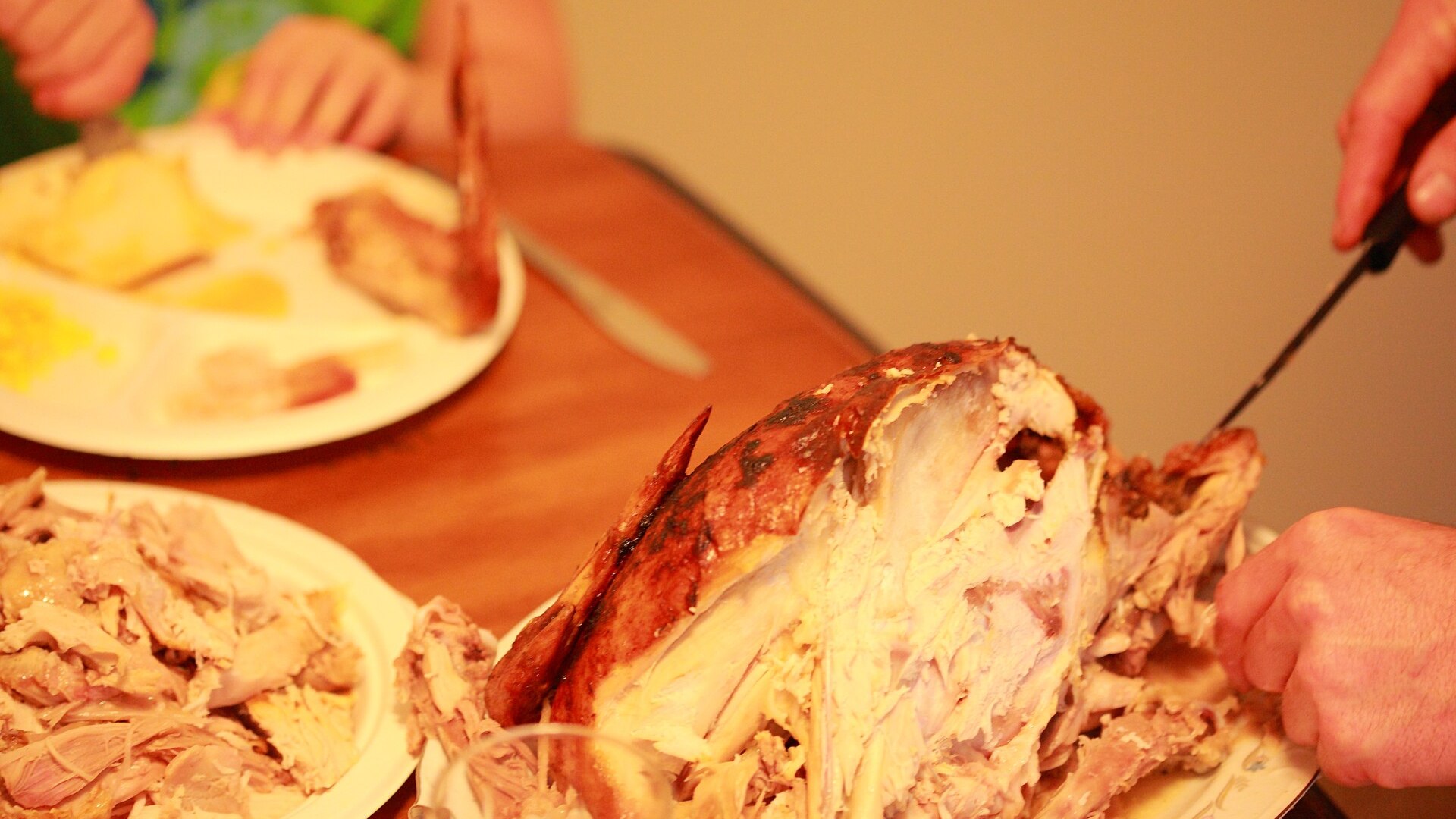
8. Table-Side Turkey Carving Ceremony
Traditional etiquette dictated that roasted turkeys be placed whole in front of the host, who carved portions with a bone-handled knife and sharpening steel. The performative ritual ensured hot meat was served directly to plates. Today, most cooks carve roasted poultry in the kitchen to avoid table clutter.
©Wikimedia / Pink Sherbet Photography from USA
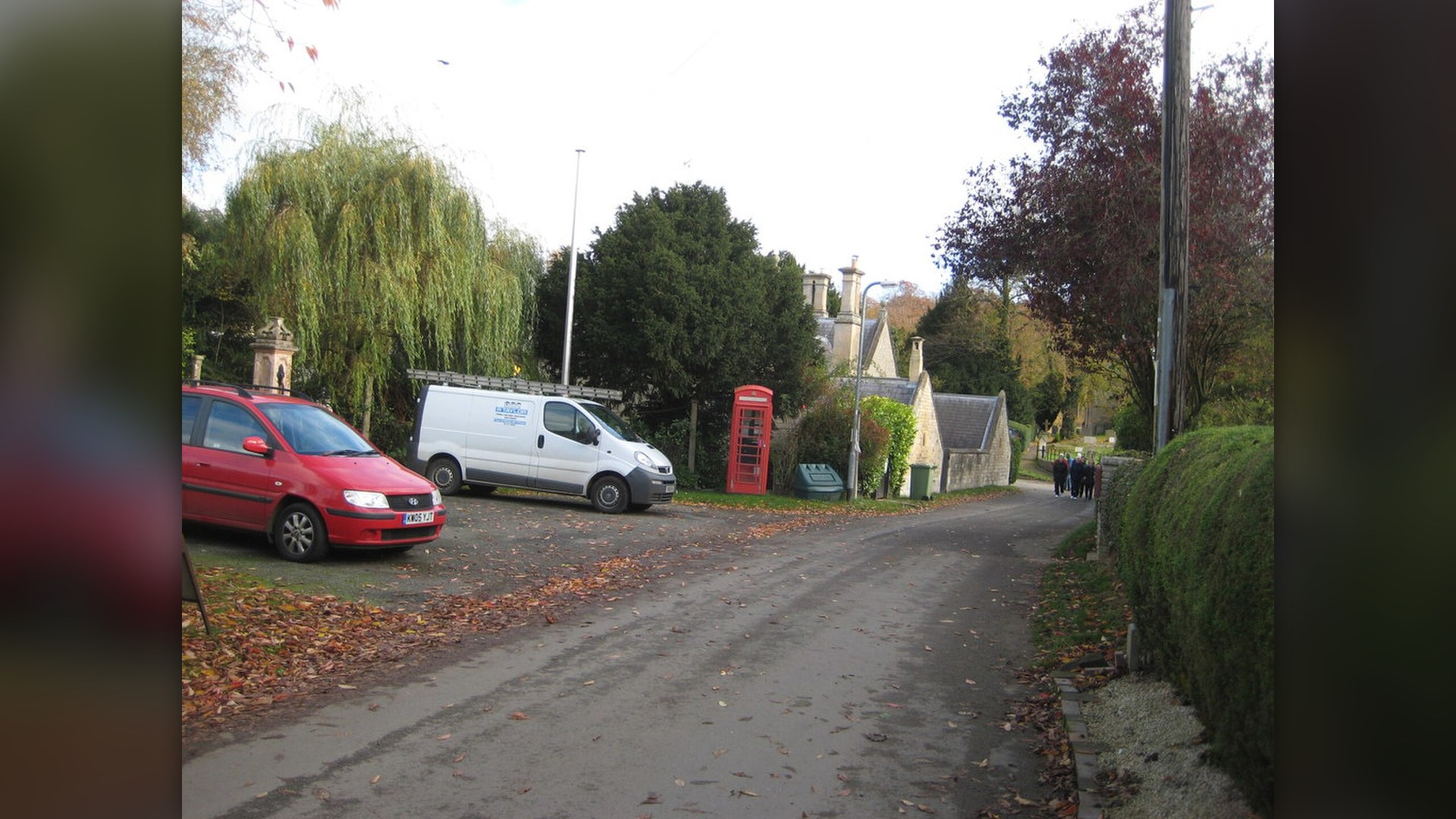
7. Post-Feast Neighborhood Walking Promenade
Before afternoon television football occupied holiday schedules, entire neighborhoods joined afternoon strolls along residential boulevards. Dressed in coats and hats, families visited nearby parks and greeted neighbors on porches. Football marathons and evening shopping runs replaced the exercise.
©Wikimedia / Anthony Vosper
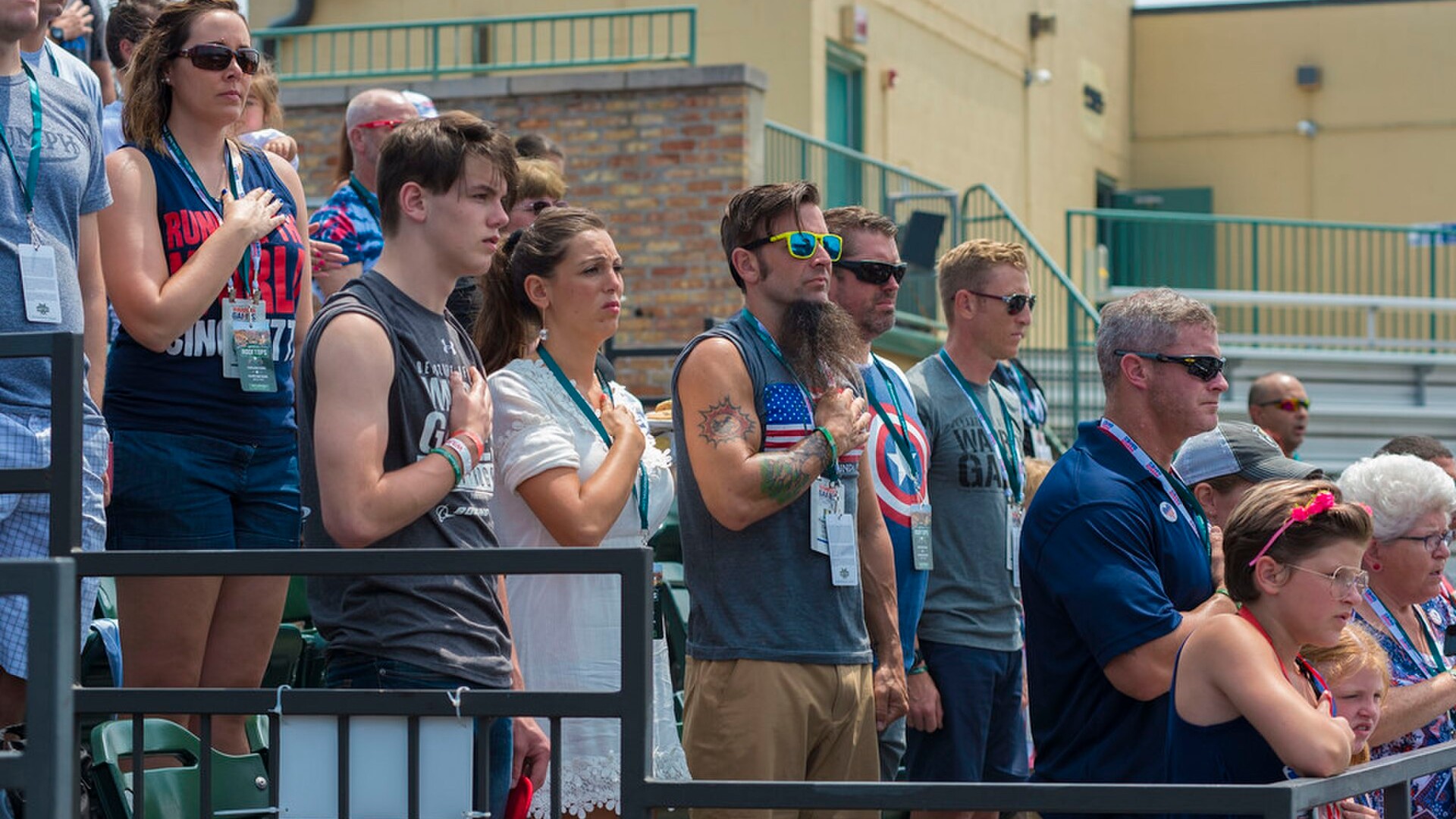
6. Parlor Games And Charades
Without screens or digital media, nineteenth-century guests gathered in front parlors to play charades, blind man's bluff, and twenty questions. Family pianists played sheet music while relatives sang parlor songs together. Broadcast entertainment gradually ended shared amateur musical performance.
©Wikimedia / Department of Defense Warrior Games
Advertisement
Swipe or tap ▶ to resume the countdown.
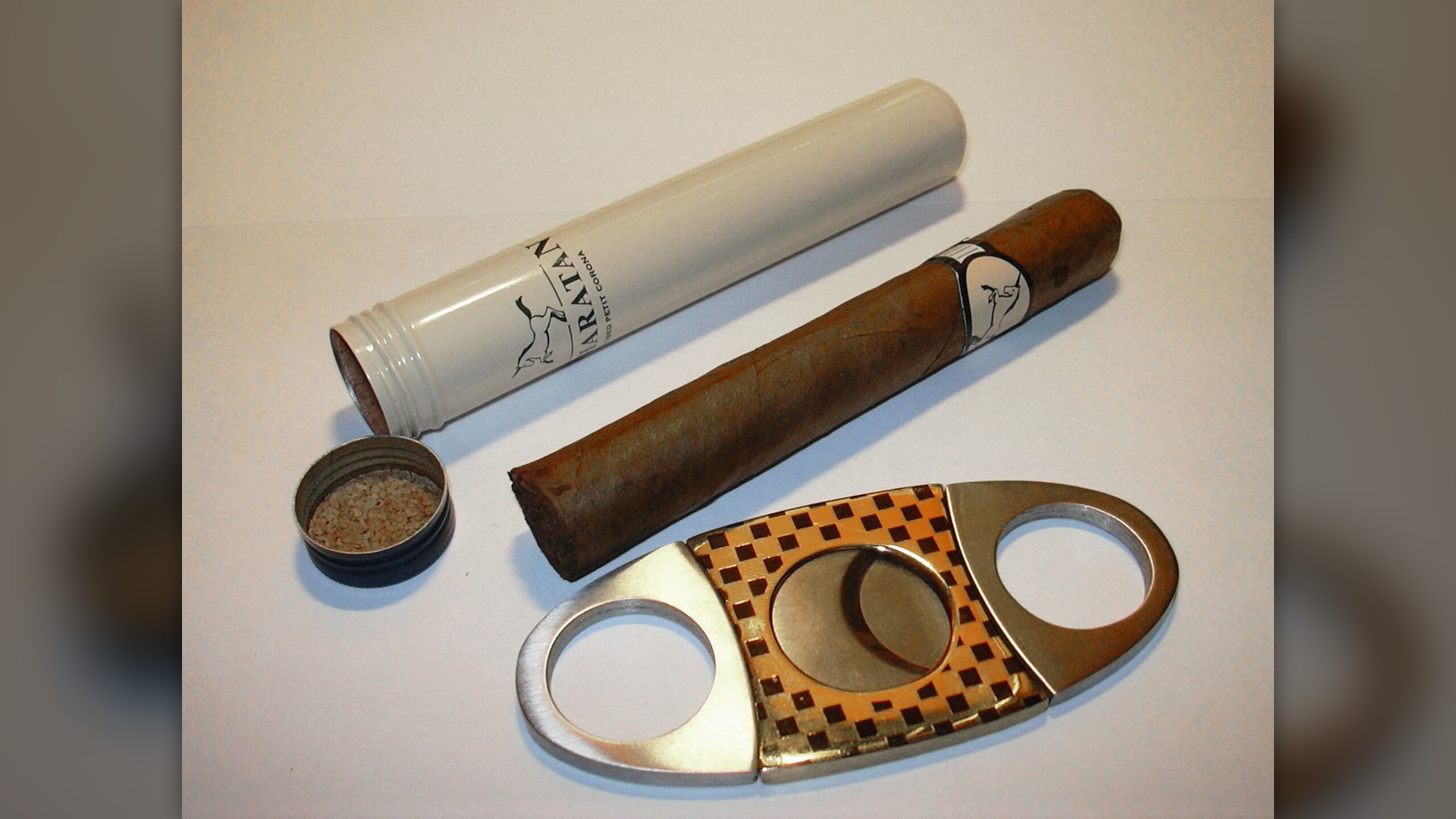
5. Cigar Smoking In The Parlor
Following dessert, male diners traditionally excused themselves to drawing rooms or libraries to smoke cigars and sip brandy while women cleared tables. Victorian gender separation rules dictated dining room clearance. Widespread domestic smoking bans and casual living eliminated private smoking parlors.
©Wikimedia / Wikimedia Contributor
4. The Strictly Isolated Children's Table
In large mid-century households, children sat at folding card tables placed in basements, sunrooms, or kitchens. Adult dining tables reserved seats strictly for teenagers and grown-ups. Modern smaller family sizes and inclusive child-rearing philosophy unified holiday dining onto main tables.
©Wikimedia / Unknown artist
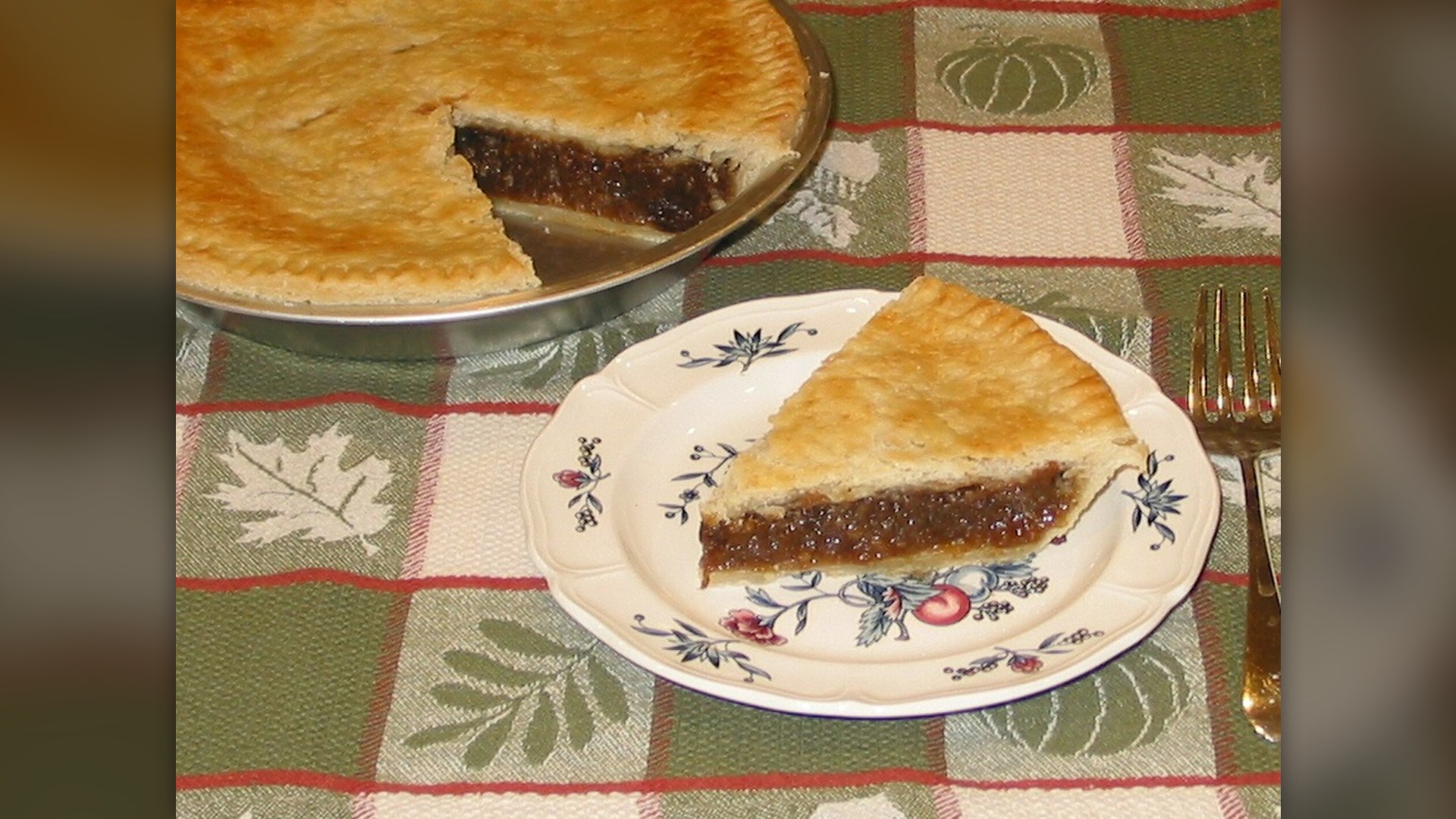
3. Traditional Mincemeat Pie With Beef Suet
Early American Thanksgiving menus featured mincemeat pies containing real shredded beef, suet, dried currants, and brandy. The savory-sweet combination preserved meats across winter months. By the late twentieth century, commercial bakers dropped animal suet in favor of purely fruit-based pie fillings.
©Wikimedia / Alcinoe
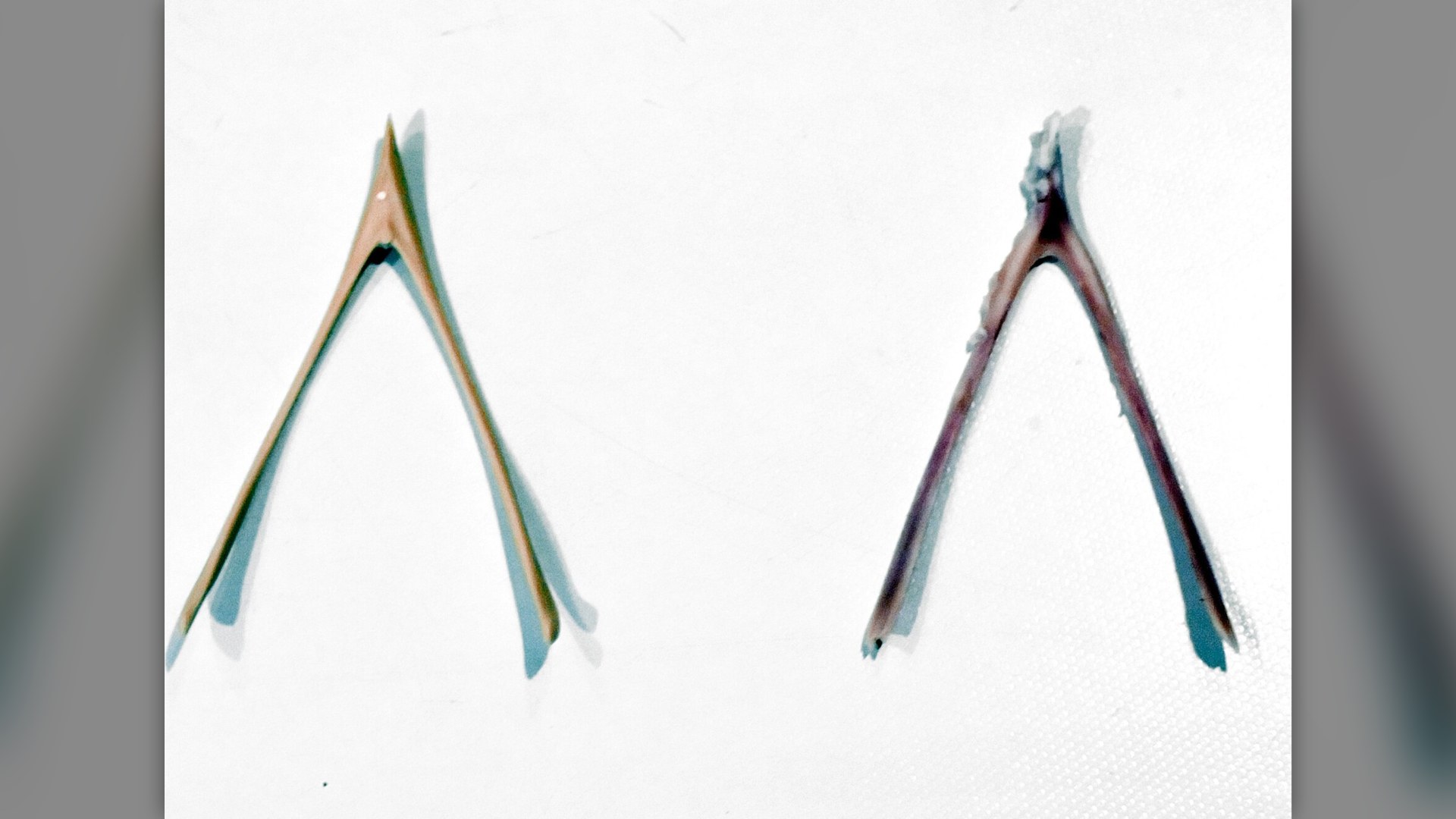
2. Wishbone Drying And Snapping Rituals
Dating back to ancient Roman bird divinations, American families set aside the turkey furcula bone on kitchen windowsills to dry for several days. Two people then hooked pinky fingers around each prong and pulled, with the larger broken half granting a secret wish. Pre-carved meats ended the habit.
©Wikimedia / David Goehring from New York, NY, USA
Advertisement
Swipe or tap ▶ to resume the countdown.
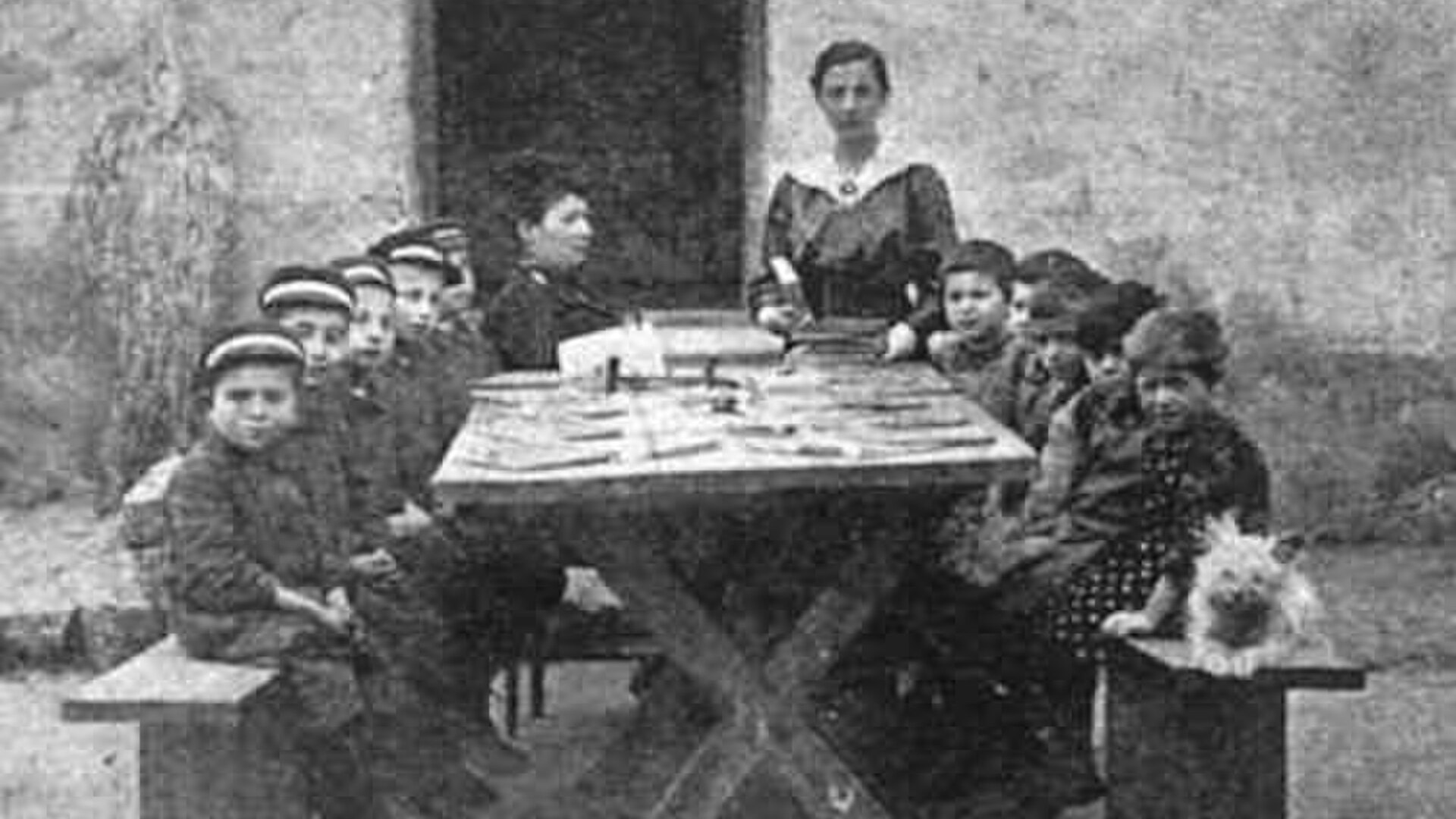
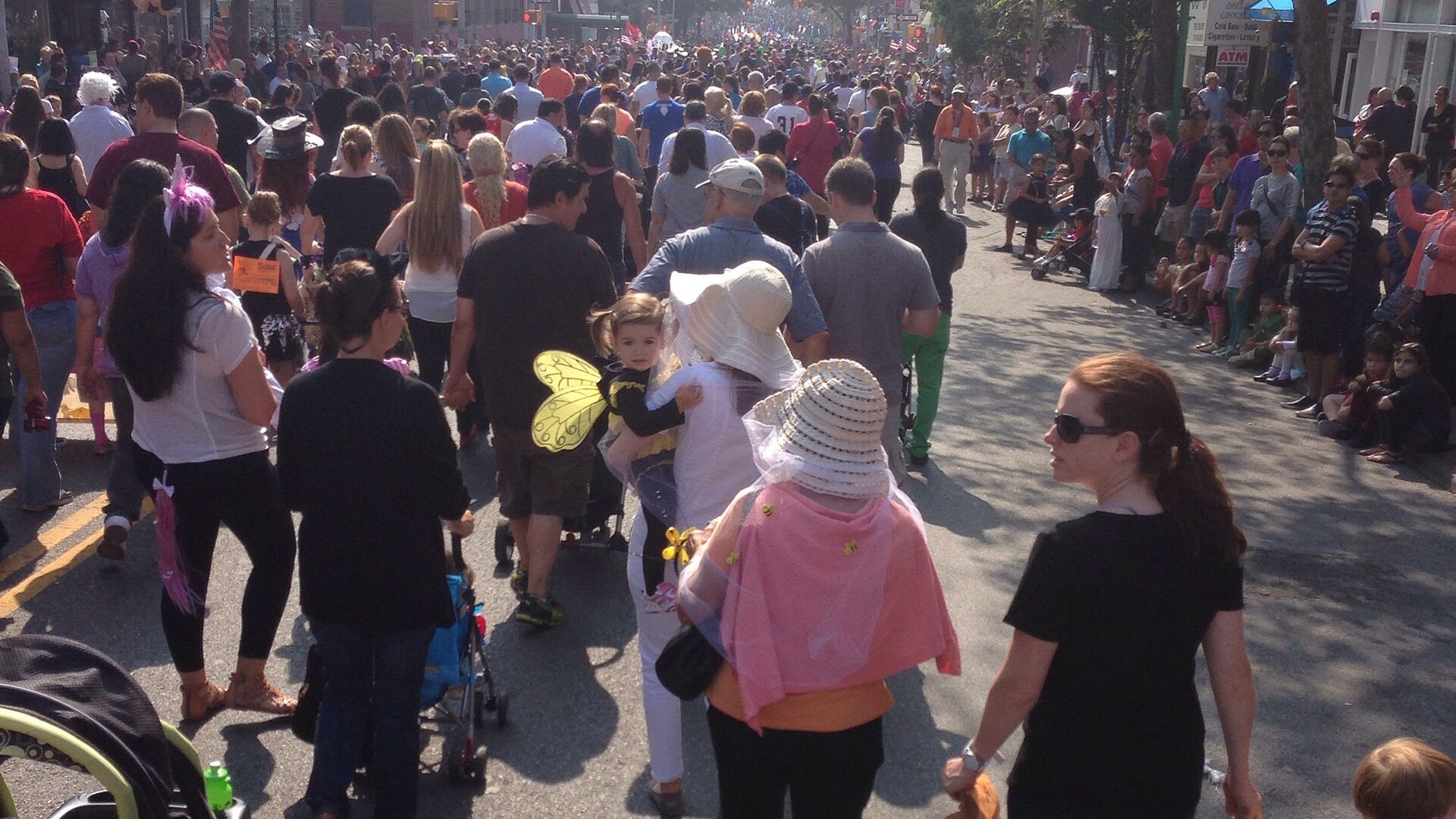
1. Ragamuffin Parades And Thanksgiving Masking
Throughout the late 1800s and early 1900s, Thanksgiving in New York City looked like Halloween. Children called Ragamuffins dressed in oversized adult clothes and painted masks, knocking on neighbor doors asking for treats. The tradition was displaced when the Macy's Thanksgiving Day Parade launched in 1924.
©Wikimedia / emilydickinsonridesabmx from Fort Hamilton
Advertisement
You've reached the end of the story. Thanks for reading!

20 Famous Concert Halls Known for Their Acoustic Design
World-class concert halls rely on geometry, dense plaster, and specialized timber to deliver clear acoustic balance. From classic shoebox halls in Europe to vineyard terraces in modern capitals, each venue shapes sound reflections. This guide examines 20 venues celebrated by acousticians and orchestra leaders.
All 20 Entries in this Story
20. Calling Cards And Social Visits
Throughout the late nineteenth century, middle-class Americans left engraved calling cards on silver trays during brief afternoon house visits. Hosts offered cider and small bites before guests departed for family dinners. The custom faded as residential telephone service expanded in the 1930s.

19. Mailing Thanksgiving Postcards
Between 1900 and 1920, sending holiday postcards was as common as Christmas greetings. Printers produced millions of embossed cards featuring turkeys, autumn foliage, and children in harvest bonnets. The introduction of cheaper telephone long-distance rates eventually displaced the tradition.

18. Formal Table Dressing And Sunday Best
Until the 1970s, family members dressed in Sunday church attire for Thanksgiving dinner. Men wore neckties and pressed woolen suits, while women wore stockings and jewelry. Casual sweaters and loungewear replaced formal dress as domestic holiday hosting relaxed in recent decades.

17. Hand-Polishing Silverware And Heirloom China
Weeks before the feast, homemakers applied paste polishes to heavy sterling silver cutlery and carving sets passed down through generations. Sets were carefully wiped, buffed, and laid out on damask tablecloths. Modern stainless steel and casual ceramic dishware ended the labor-intensive ritual.

16. Turkey Shooting Matches
Nineteenth-century communities gathered at local gun clubs and pastures on Thanksgiving morning for marksmanship contests. Riflemen paid entry fees to shoot at targets, with winning shooters carrying live turkeys home for the oven. Clay pigeon shoots gradually replaced livestock prizes.

15. Listening To Radio Football Broadcasts
Before television ownership spread in the 1950s, families crowded around wood living room radio cabinets to hear play-by-play commentary. Detroit and Chicago Thanksgiving games drew millions of simultaneous radio listeners. Television broadcasts rapidly supplanted radio commentary by 1956.

14. Morning Thanksgiving Church Services
Early presidential proclamations designated Thanksgiving primarily as a day of public religious observance. Towns held morning worship services where congregations sang harvest hymns and collected charitable donations. Modern travel schedules and parade broadcasts gradually replaced the service.

13. Celery In Cut Glass Relish Dishes
In Victorian America, celery was an expensive luxury vegetable requiring cold-frame greenhouses. Households displayed washed stalks in tall cut-glass celery vases beside sweet gherkins and pickled beets. Modern year-round commercial farming turned celery into an everyday vegetable.

12. Molded Gelatin And Aspic Salads
Mid-century cookbooks encouraged homemakers to suspend shredded celery, walnuts, and crushed pineapple inside gelatin rings. Served on beds of iceberg lettuce with mayonnaise dollops, these shimmering molded salads stood on nearly every 1950s buffet table before modern palates moved toward fresh salads.

11. Oyster Cornbread Stuffing
Nineteenth-century American harbors produced cheap, abundant oysters that cooks chopped into cornbread or breadcrumbs. The rich shellfish dressing became standard on tables from Boston to Savannah. Rising seafood costs and transport logistics reduced oysters to a regional specialty.

10. Making Molasses Popcorn Balls
After morning harvest chores, families boiled sorghum molasses and brown sugar into thick syrup, tossing in fresh popped corn. Children buttered their hands to press warm clusters into round holiday balls before dinner. Packaged sweets and safety concerns over hot candy syrup sidelined the craft.

9. Cornucopia Centerpieces With Fresh Squash
Tables in early twentieth-century homes featured wicker or ceramic cornucopias filled with fresh Indian corn, gourds, nuts, and apples. The ancient Greek symbol of abundance symbolized domestic self-sufficiency. Modern dinner hosts favor florist floral arrangements or simple candle runners.

8. Table-Side Turkey Carving Ceremony
Traditional etiquette dictated that roasted turkeys be placed whole in front of the host, who carved portions with a bone-handled knife and sharpening steel. The performative ritual ensured hot meat was served directly to plates. Today, most cooks carve roasted poultry in the kitchen to avoid table clutter.

7. Post-Feast Neighborhood Walking Promenade
Before afternoon television football occupied holiday schedules, entire neighborhoods joined afternoon strolls along residential boulevards. Dressed in coats and hats, families visited nearby parks and greeted neighbors on porches. Football marathons and evening shopping runs replaced the exercise.

6. Parlor Games And Charades
Without screens or digital media, nineteenth-century guests gathered in front parlors to play charades, blind man's bluff, and twenty questions. Family pianists played sheet music while relatives sang parlor songs together. Broadcast entertainment gradually ended shared amateur musical performance.

5. Cigar Smoking In The Parlor
Following dessert, male diners traditionally excused themselves to drawing rooms or libraries to smoke cigars and sip brandy while women cleared tables. Victorian gender separation rules dictated dining room clearance. Widespread domestic smoking bans and casual living eliminated private smoking parlors.

4. The Strictly Isolated Children's Table
In large mid-century households, children sat at folding card tables placed in basements, sunrooms, or kitchens. Adult dining tables reserved seats strictly for teenagers and grown-ups. Modern smaller family sizes and inclusive child-rearing philosophy unified holiday dining onto main tables.

3. Traditional Mincemeat Pie With Beef Suet
Early American Thanksgiving menus featured mincemeat pies containing real shredded beef, suet, dried currants, and brandy. The savory-sweet combination preserved meats across winter months. By the late twentieth century, commercial bakers dropped animal suet in favor of purely fruit-based pie fillings.

2. Wishbone Drying And Snapping Rituals
Dating back to ancient Roman bird divinations, American families set aside the turkey furcula bone on kitchen windowsills to dry for several days. Two people then hooked pinky fingers around each prong and pulled, with the larger broken half granting a secret wish. Pre-carved meats ended the habit.

1. Ragamuffin Parades And Thanksgiving Masking
Throughout the late 1800s and early 1900s, Thanksgiving in New York City looked like Halloween. Children called Ragamuffins dressed in oversized adult clothes and painted masks, knocking on neighbor doors asking for treats. The tradition was displaced when the Macy's Thanksgiving Day Parade launched in 1924.