Slideshow · Science
20 Warning Signs Your Body Is Calling for Help
Your body rarely moves from good health to a breakdown without warning. It sends small, repeatable physical and neurological signals first. Here are 20 common warning signs that warrant closer attention as of 2026.

By Most Viral Today
5 Nov 2026

20 Quiet Physical Signals That Warn Something Is Out of Balance 
20. Sudden Excessive Hair Loss 
19. Unexplained Hives Or Rashes 
18. Vertical Ridges On Your Nails - AdvertisementSwipe or tap ▶ to continue countdown

17. Cracks At The Corners Of The Mouth 
16. Frequent Low-Grade Headaches 
15. Ongoing Soreness Or Stiffness 
14. Persistent Swelling Or Fluid Retention - AdvertisementSwipe or tap ▶ to continue countdown

13. Shortness Of Breath During Routine Tasks 
12. Feeling Full After Eating Very Little 
11. Sudden Intense Food Cravings 
10. Unexplained Weight Fluctuations - AdvertisementSwipe or tap ▶ to continue countdown

9. Chronic Abdominal Bloating 
8. Loss Of Interest Or Everyday Joy 
7. Recurrent Dizziness Or Lightheadedness 
6. Continuous Disproportionate Mood Swings - AdvertisementSwipe or tap ▶ to continue countdown

5. Persistent Daily Brain Fog 
4. Nighttime Muscle Spasms And Cramps 
3. Loud Snoring Or Gasping For Air 
2. Wired But Exhausted Nighttime Cycles - AdvertisementSwipe or tap ▶ to continue countdown

1. Fatigue That Does Not Improve With Rest - Advertisement🔥 UP NEXT IN THIS SERIES◫ 26 Slides

25 Groundbreaking American Inventions and Achievements Ranked
From Kitty Hawk and the Apollo 11 lunar landing to the transistor and the internet, American inventors and scientists have transformed global civilization. Sourced from the Smithsonian Institution, NASA archives, and the Library of Congress, here are twenty-five groundbreaking American milestones ranked.
Your body rarely moves from good health to a breakdown without warning. It sends small, repeatable physical and neurological signals first. Here are 20 common warning signs that warrant closer attention as of 2026.

Swipe or tap ▶ to begin the countdown
©Pixabay / StockSnap & Pixabay / cnick
20. Sudden Excessive Hair Loss
Noticeable hair thinning or strands coming out in clumps often indicates that your body is redirecting energy away from non-essential functions. Doctors frequently link sudden shedding to severe physiological stress, thyroid shifts, or hormone drops.
©Pixabay / pimnana
19. Unexplained Hives Or Rashes
Recurring skin rashes or itchy welts that show up and fade across different parts of the body without a clear external contact trigger often point to immune system overload, histamine sensitivity, or internal inflammation.
©Pixabay / Miller_Eszter
18. Vertical Ridges On Your Nails
Fingernails reflect your nutritional state over several months. Pronounced, raised lines running from the cuticle to the tip of the nail frequently signal low levels of iron, biotin, or zinc.
©Pixabay / asifhaseeb
Advertisement
Swipe or tap ▶ to resume the countdown.
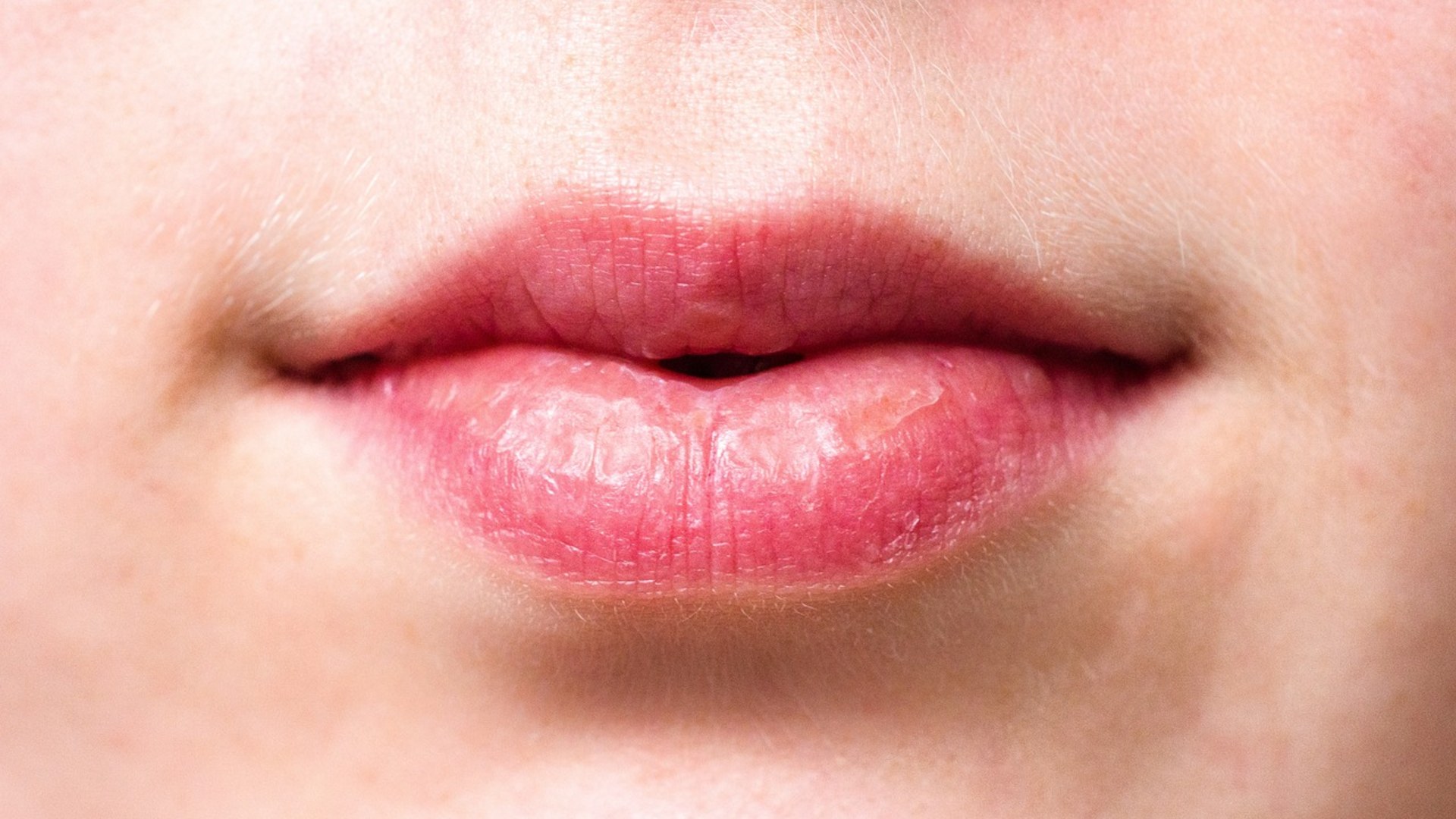
17. Cracks At The Corners Of The Mouth
Painful fissures at the corners of your lips, known clinically as angular cheilitis, are more than simple dry skin. They commonly flag zinc, iron, or B-vitamin deficiencies alongside weakened immune defenses.
©Pixabay / Anemone123
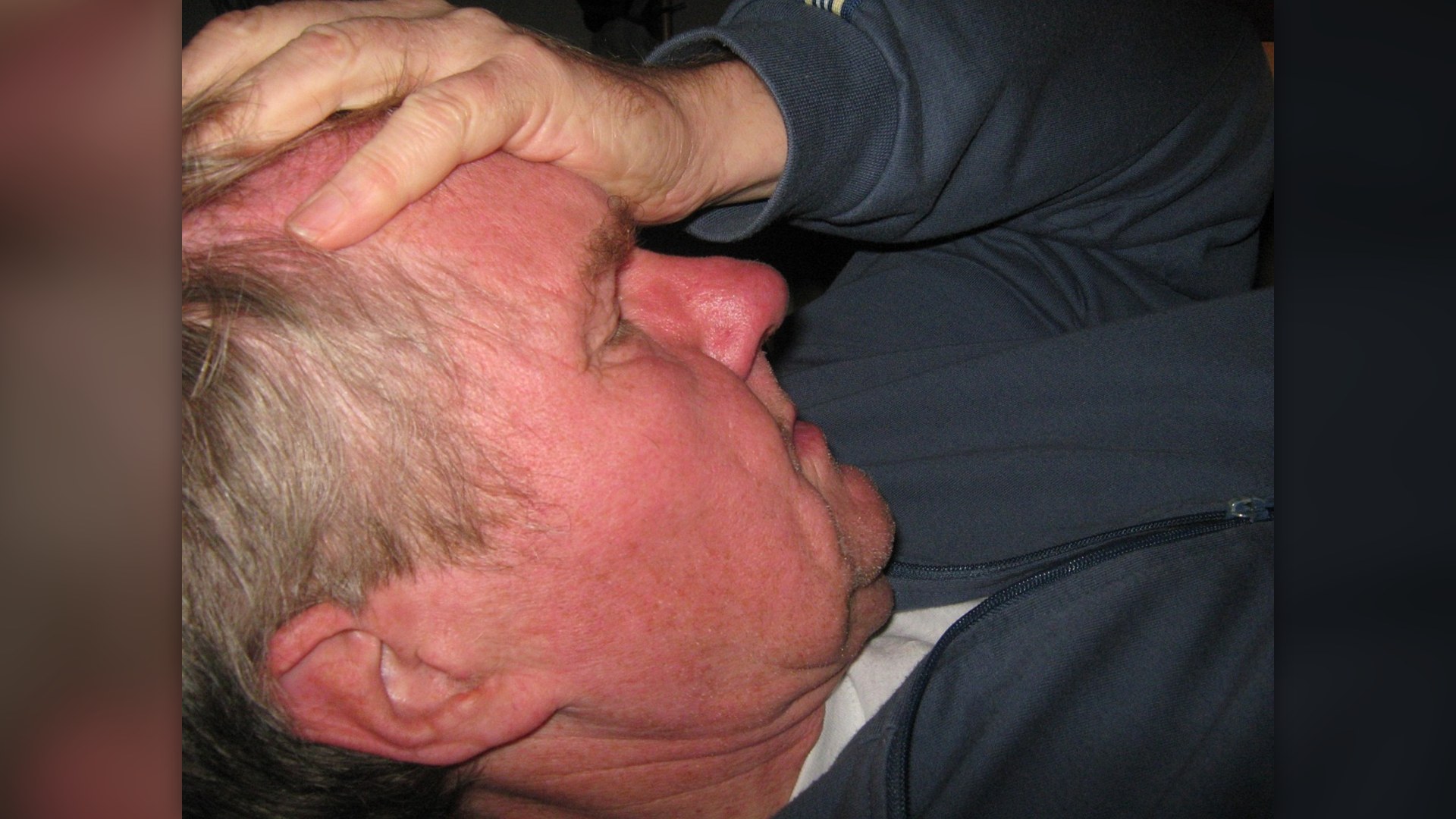
16. Frequent Low-Grade Headaches
Many adults dismiss daily tension headaches as normal work strain. In practice, recurring low-grade headaches serve as an early warning sign of chronic dehydration, jaw clenching, sustained stress, or shifting blood pressure.
©Pixabay / mahbubhasan2550
15. Ongoing Soreness Or Stiffness
Waking up with stiff joints or persistent muscle soreness without a heavy workout points to systemic inflammation, autoimmune activity, or inadequate cellular energy recovery.
©Pixabay / u_if8o5n0ioo
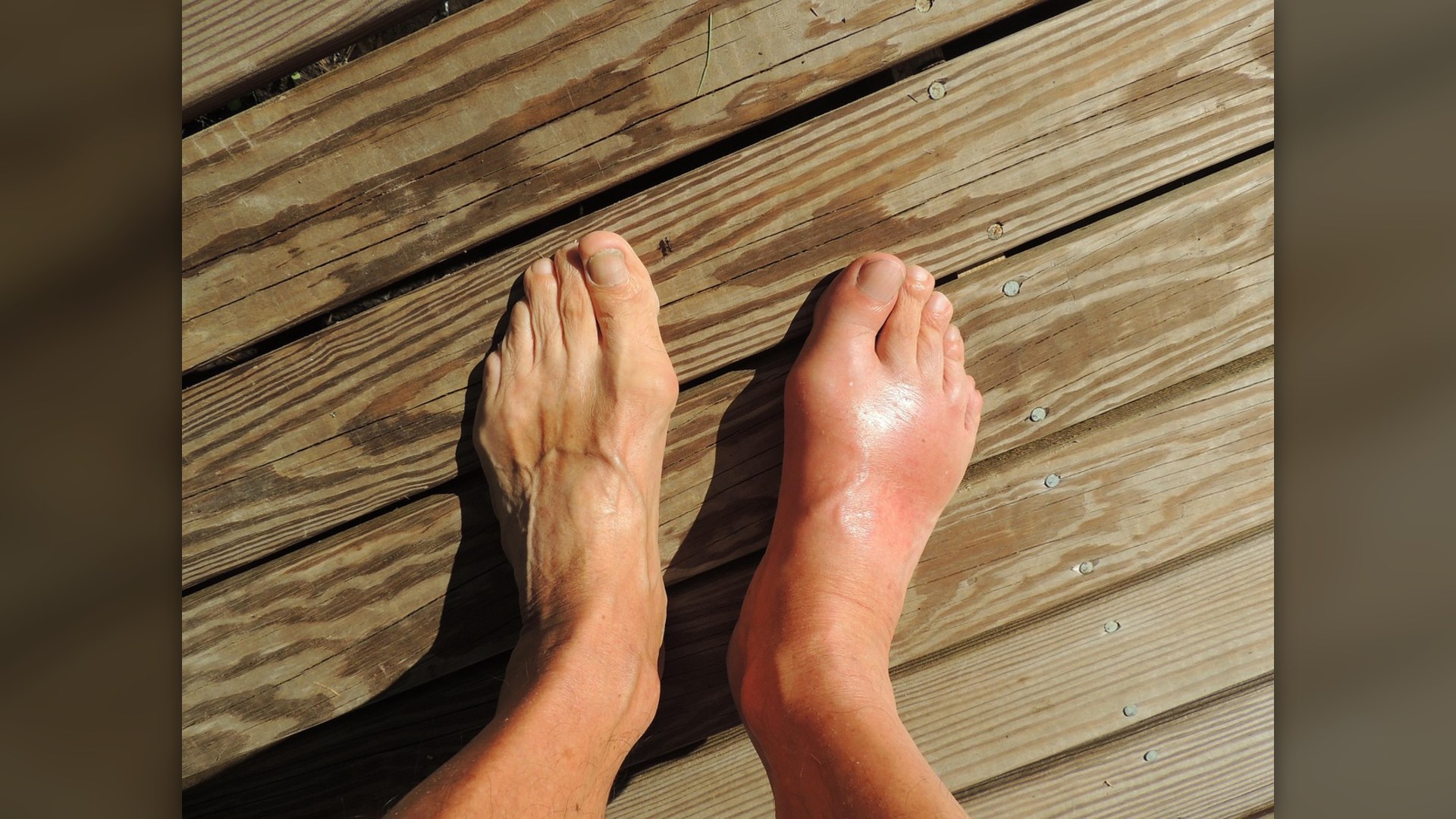
14. Persistent Swelling Or Fluid Retention
Visible puffiness in your lower legs, ankles, or fingers, especially when socks or shoes leave deep indentations in the skin, signals fluid retention. Physicians check this pattern for circulation, kidney, or liver strain.
©Pixabay / cnick
Advertisement
Swipe or tap ▶ to resume the countdown.
13. Shortness Of Breath During Routine Tasks
Getting winded while climbing a familiar flight of stairs or carrying groceries is a symptom the NHS advises tracking closely. It can reveal iron-deficiency anemia, respiratory changes, or early cardiovascular strain.
© Photo by Charanjeet Dhiman on Unsplash
12. Feeling Full After Eating Very Little
Consistently feeling stuffed after eating a fraction of your usual portion is called early satiety. The Mayo Clinic notes that persistent early satiety warrants a medical evaluation for delayed gastric emptying or digestive tract issues.
©Pixabay / stevepb
11. Sudden Intense Food Cravings
Fierce cravings for refined sugar, salt, or heavy carbohydrates are rarely just a willpower issue. They often represent the body's urgent attempt to counter adrenal strain, mineral depletion, or unstable blood glucose.
©Pixabay / RyanMcGuire
10. Unexplained Weight Fluctuations
Dropping or gaining significant weight over a short period without altering your meals or physical activity is a classic metabolic signal. Clinicians evaluate thyroid function, hormone balance, and blood sugar regulation when weight shifts unexpectedly.
©Pixabay / mojzagrebinfo
Advertisement
Swipe or tap ▶ to resume the countdown.
9. Chronic Abdominal Bloating
Tight, painful swelling in the abdomen after ordinary meals points to more than overeating. Regular bloating commonly reflects gut microbiome imbalance, undiagnosed food intolerances, or slow digestive motility.
©Pixabay / HansMartinPaul
8. Loss Of Interest Or Everyday Joy
Pulling back from friends and losing interest in activities you normally enjoy is a primary neurological signal of nervous system exhaustion, clinical depression, or severe emotional burnout.
©Pixabay / talipozer
7. Recurrent Dizziness Or Lightheadedness
Brief spells of vertigo or lightheadedness when rising from a chair or bed often stem from drops in blood pressure, chronic dehydration, inner ear disturbances, or low iron levels.
©Pixabay / geralt
6. Continuous Disproportionate Mood Swings
Sharp emotional shifts that feel out of proportion to what is happening around you are frequently tied to endocrine changes, including fluctuations in estrogen, progesterone, testosterone, or thyroid hormones.
©Pixabay / xusenru
Advertisement
Swipe or tap ▶ to resume the countdown.
5. Persistent Daily Brain Fog
Struggling to hold focus, find everyday words, or retain information you once handled effortlessly signals neuroinflammation, poor sleep architecture, nutrient gaps, or chronic mental overload.
©Pixabay / RobinHiggins
4. Nighttime Muscle Spasms And Cramps
Nocturnal leg cramps or restless twitching that interrupts deep sleep usually indicate depleted electrolytes, particularly low magnesium, potassium, or calcium, or poor peripheral circulation.
©Pixabay / unknownuserpanama
3. Loud Snoring Or Gasping For Air
Heavy snoring paired with gasping, dry mouth, or morning temple pain is a hallmark indicator of obstructive sleep apnea. Untreated breathing pauses starve the brain of oxygen and strain the heart overnight.
©Pixabay / DieterRobbins
2. Wired But Exhausted Nighttime Cycles
Feeling drained all day but experiencing a sudden second wind of racing thoughts late at night points to a reversed cortisol curve, where stress hormones peak at bedtime instead of the morning.
©Pixabay / TheDigitalArtist
Advertisement
Swipe or tap ▶ to resume the countdown.
1. Fatigue That Does Not Improve With Rest
When eight or more hours of sleep still leave you exhausted from the moment your alarm rings, your body is flagging a deeper issue such as hypothyroidism, cellular nutrient depletion, chronic viral load, or burnout.

©Pixabay / Sammy-Sander
Advertisement
You've reached the end of the story. Thanks for reading!

25 Groundbreaking American Inventions and Achievements Ranked
From Kitty Hawk and the Apollo 11 lunar landing to the transistor and the internet, American inventors and scientists have transformed global civilization. Sourced from the Smithsonian Institution, NASA archives, and the Library of Congress, here are twenty-five groundbreaking American milestones ranked.
All 20 Entries in this Story
20. Sudden Excessive Hair Loss
Noticeable hair thinning or strands coming out in clumps often indicates that your body is redirecting energy away from non-essential functions. Doctors frequently link sudden shedding to severe physiological stress, thyroid shifts, or hormone drops.

19. Unexplained Hives Or Rashes
Recurring skin rashes or itchy welts that show up and fade across different parts of the body without a clear external contact trigger often point to immune system overload, histamine sensitivity, or internal inflammation.

18. Vertical Ridges On Your Nails
Fingernails reflect your nutritional state over several months. Pronounced, raised lines running from the cuticle to the tip of the nail frequently signal low levels of iron, biotin, or zinc.

17. Cracks At The Corners Of The Mouth
Painful fissures at the corners of your lips, known clinically as angular cheilitis, are more than simple dry skin. They commonly flag zinc, iron, or B-vitamin deficiencies alongside weakened immune defenses.

16. Frequent Low-Grade Headaches
Many adults dismiss daily tension headaches as normal work strain. In practice, recurring low-grade headaches serve as an early warning sign of chronic dehydration, jaw clenching, sustained stress, or shifting blood pressure.

15. Ongoing Soreness Or Stiffness
Waking up with stiff joints or persistent muscle soreness without a heavy workout points to systemic inflammation, autoimmune activity, or inadequate cellular energy recovery.

14. Persistent Swelling Or Fluid Retention
Visible puffiness in your lower legs, ankles, or fingers, especially when socks or shoes leave deep indentations in the skin, signals fluid retention. Physicians check this pattern for circulation, kidney, or liver strain.

13. Shortness Of Breath During Routine Tasks
Getting winded while climbing a familiar flight of stairs or carrying groceries is a symptom the NHS advises tracking closely. It can reveal iron-deficiency anemia, respiratory changes, or early cardiovascular strain.

12. Feeling Full After Eating Very Little
Consistently feeling stuffed after eating a fraction of your usual portion is called early satiety. The Mayo Clinic notes that persistent early satiety warrants a medical evaluation for delayed gastric emptying or digestive tract issues.

11. Sudden Intense Food Cravings
Fierce cravings for refined sugar, salt, or heavy carbohydrates are rarely just a willpower issue. They often represent the body's urgent attempt to counter adrenal strain, mineral depletion, or unstable blood glucose.

10. Unexplained Weight Fluctuations
Dropping or gaining significant weight over a short period without altering your meals or physical activity is a classic metabolic signal. Clinicians evaluate thyroid function, hormone balance, and blood sugar regulation when weight shifts unexpectedly.

9. Chronic Abdominal Bloating
Tight, painful swelling in the abdomen after ordinary meals points to more than overeating. Regular bloating commonly reflects gut microbiome imbalance, undiagnosed food intolerances, or slow digestive motility.

8. Loss Of Interest Or Everyday Joy
Pulling back from friends and losing interest in activities you normally enjoy is a primary neurological signal of nervous system exhaustion, clinical depression, or severe emotional burnout.

7. Recurrent Dizziness Or Lightheadedness
Brief spells of vertigo or lightheadedness when rising from a chair or bed often stem from drops in blood pressure, chronic dehydration, inner ear disturbances, or low iron levels.

6. Continuous Disproportionate Mood Swings
Sharp emotional shifts that feel out of proportion to what is happening around you are frequently tied to endocrine changes, including fluctuations in estrogen, progesterone, testosterone, or thyroid hormones.

5. Persistent Daily Brain Fog
Struggling to hold focus, find everyday words, or retain information you once handled effortlessly signals neuroinflammation, poor sleep architecture, nutrient gaps, or chronic mental overload.

4. Nighttime Muscle Spasms And Cramps
Nocturnal leg cramps or restless twitching that interrupts deep sleep usually indicate depleted electrolytes, particularly low magnesium, potassium, or calcium, or poor peripheral circulation.

3. Loud Snoring Or Gasping For Air
Heavy snoring paired with gasping, dry mouth, or morning temple pain is a hallmark indicator of obstructive sleep apnea. Untreated breathing pauses starve the brain of oxygen and strain the heart overnight.

2. Wired But Exhausted Nighttime Cycles
Feeling drained all day but experiencing a sudden second wind of racing thoughts late at night points to a reversed cortisol curve, where stress hormones peak at bedtime instead of the morning.

1. Fatigue That Does Not Improve With Rest
When eight or more hours of sleep still leave you exhausted from the moment your alarm rings, your body is flagging a deeper issue such as hypothyroidism, cellular nutrient depletion, chronic viral load, or burnout.