Slideshow · Animals
21 Baby Animals That Look Completely Different From Adults
Discover 21 remarkable animal babies that bear little visual resemblance to their mature parents. From neon orange primates to watermelon striped herbivores, evolutionary camouflage protects vulnerable young. Based on zoological records from the Smithsonian, National Geographic and the San Diego Zoo Wildlife Alliance.
By Most Viral Today
13 min ago

Startling Wildlife Transformations in Nature 
21. Emperor Penguin 
20. Blue Wildebeest 
19. Golden Snub Nosed Monkey - AdvertisementSwipe or tap ▶ to continue countdown

18. Cheetah 
17. Emu 
16. Great Crested Grebe 
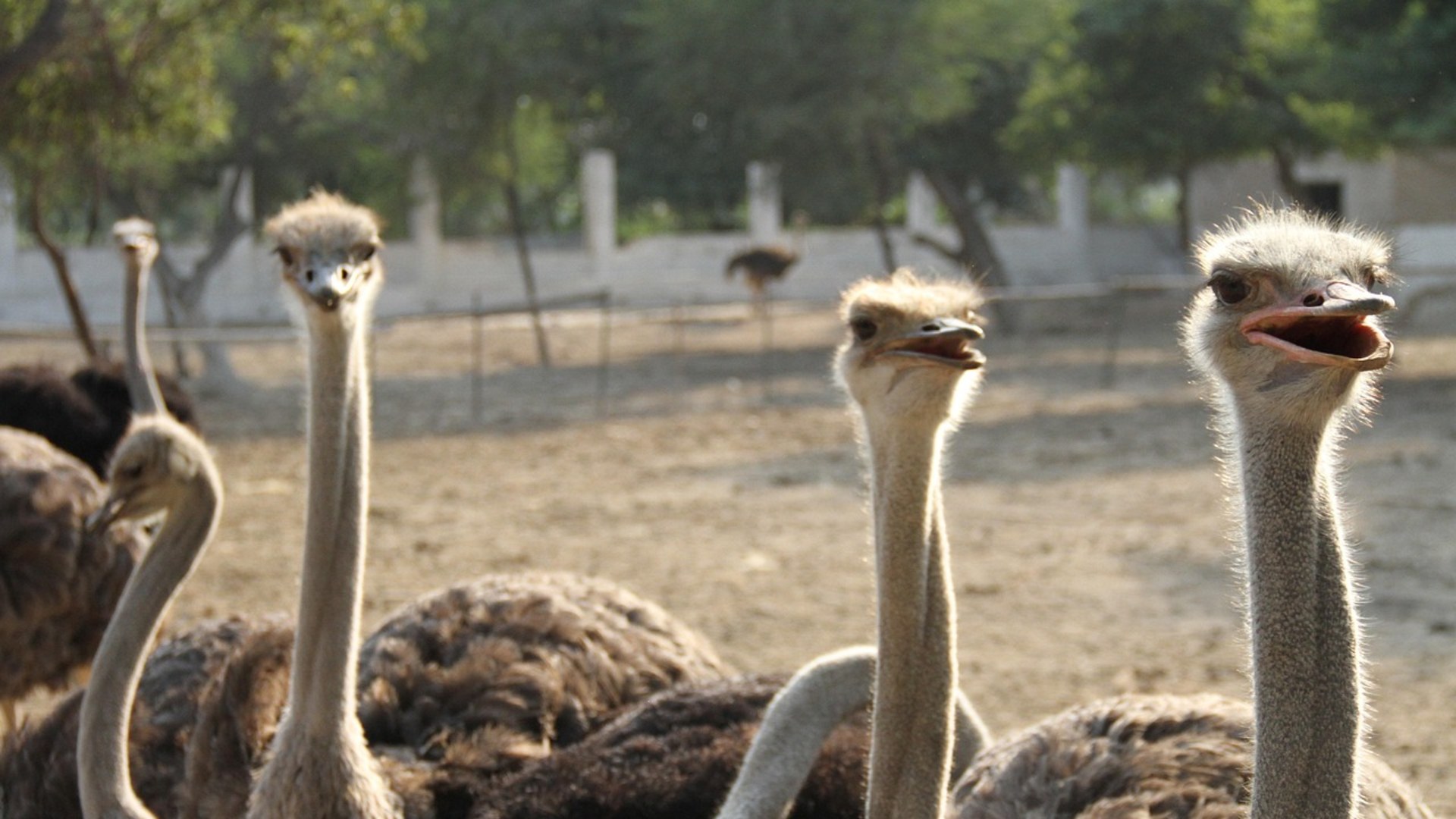
15. Common Ostrich - AdvertisementSwipe or tap ▶ to continue countdown

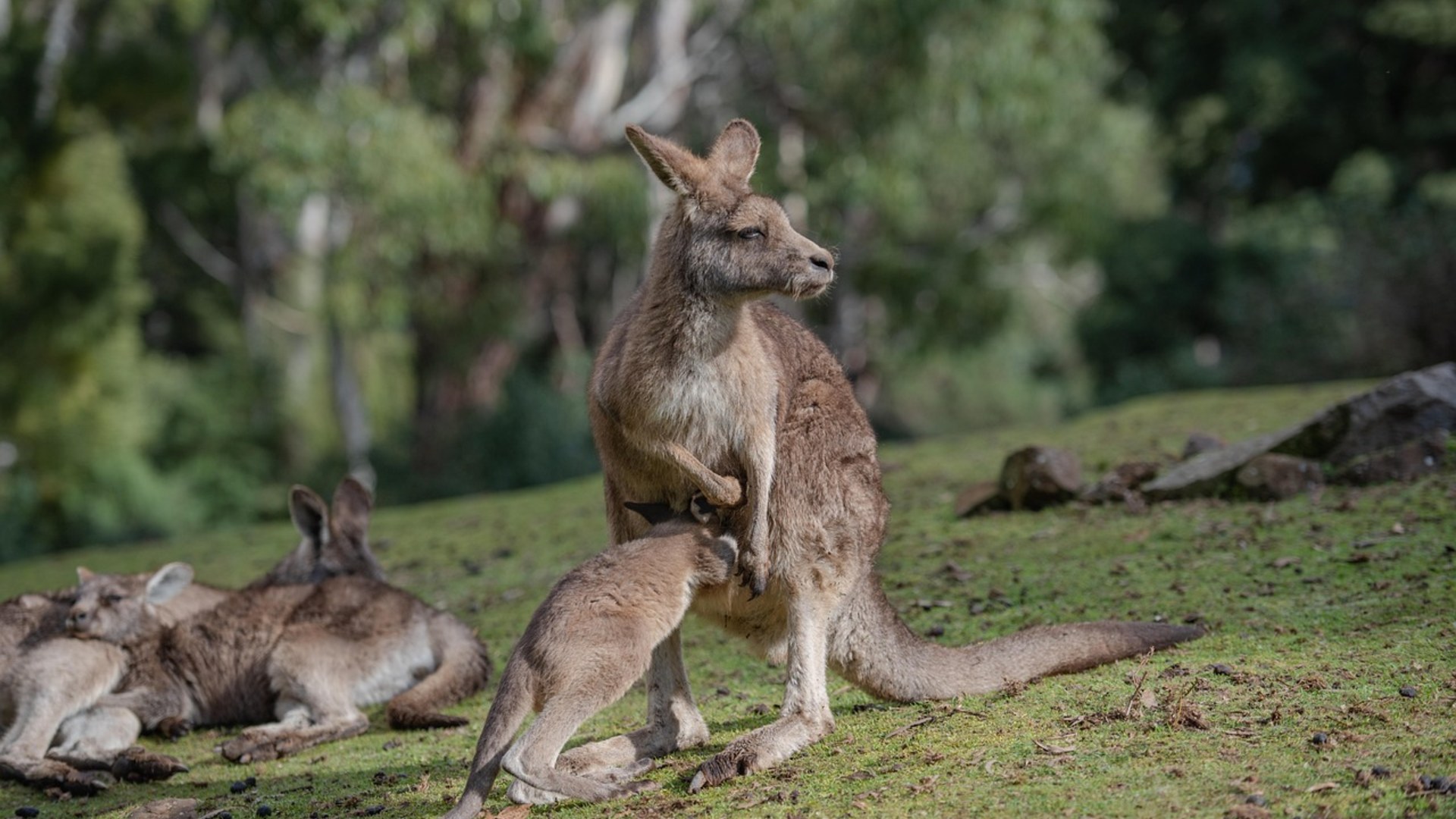
14. Red Kangaroo 
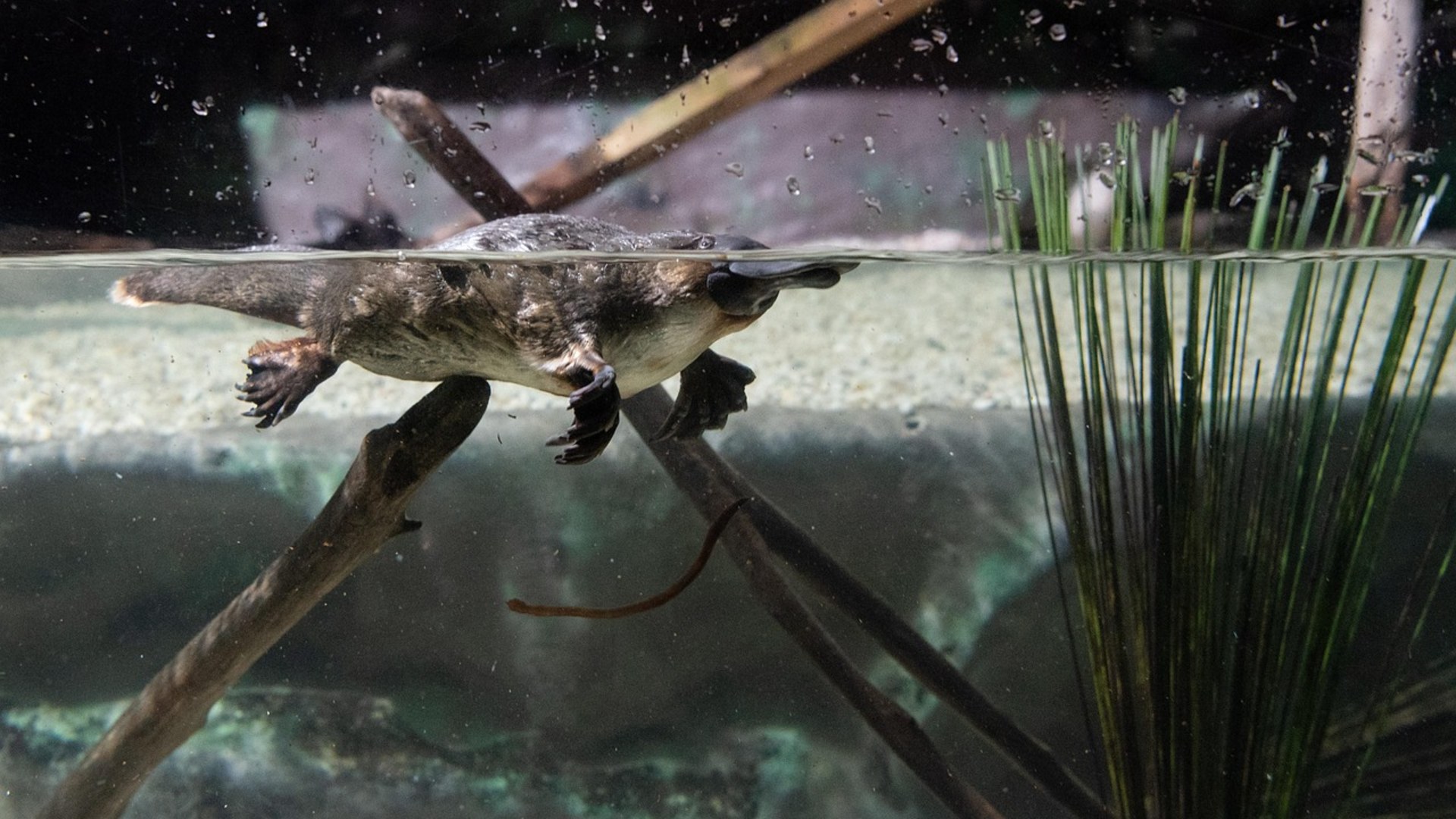
13. Platypus 
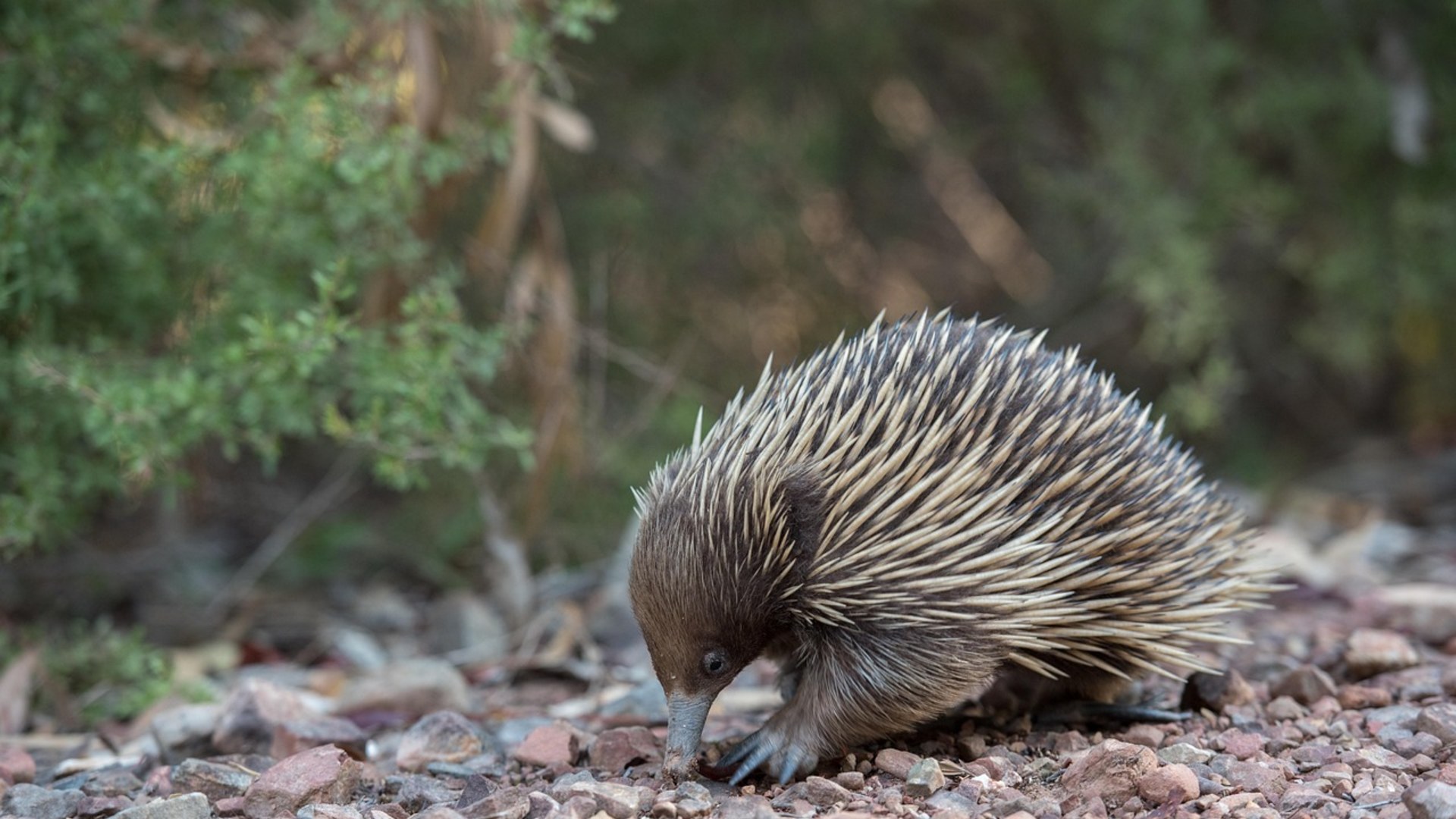
12. Short Beaked Echidna 
11. Barn Owl - AdvertisementSwipe or tap ▶ to continue countdown

10. French Angelfish 
9. Harlequin Sweetlips 
8. Bald Eagle 
7. Southern Cassowary - AdvertisementSwipe or tap ▶ to continue countdown

6. King Penguin 
5. Greater Flamingo 
4. Dalmatian 
3. Giant Panda - AdvertisementSwipe or tap ▶ to continue countdown

2. Silvered Leaf Monkey 
1. Malayan Tapir - Advertisement🔥 UP NEXT IN THIS SERIES◫ 21 Slides

20 Cat and Dog Breeds That Give Birth to the Most Babies
Litter sizes vary dramatically across companion animals, shaped by breed genetics, maternal weight, and domestic ancestry. Drawing from kennel club registrations and feline veterinary records, here are ten dog breeds and ten cat breeds that give birth to the highest numbers of puppies and kittens at once.
Discover 21 remarkable animal babies that bear little visual resemblance to their mature parents. From neon orange primates to watermelon striped herbivores, evolutionary camouflage protects vulnerable young. Based on zoological records from the Smithsonian, National Geographic and the San Diego Zoo Wildlife Alliance.
Swipe or tap ▶ to begin the countdown
©Wikimedia / Murray Foubister
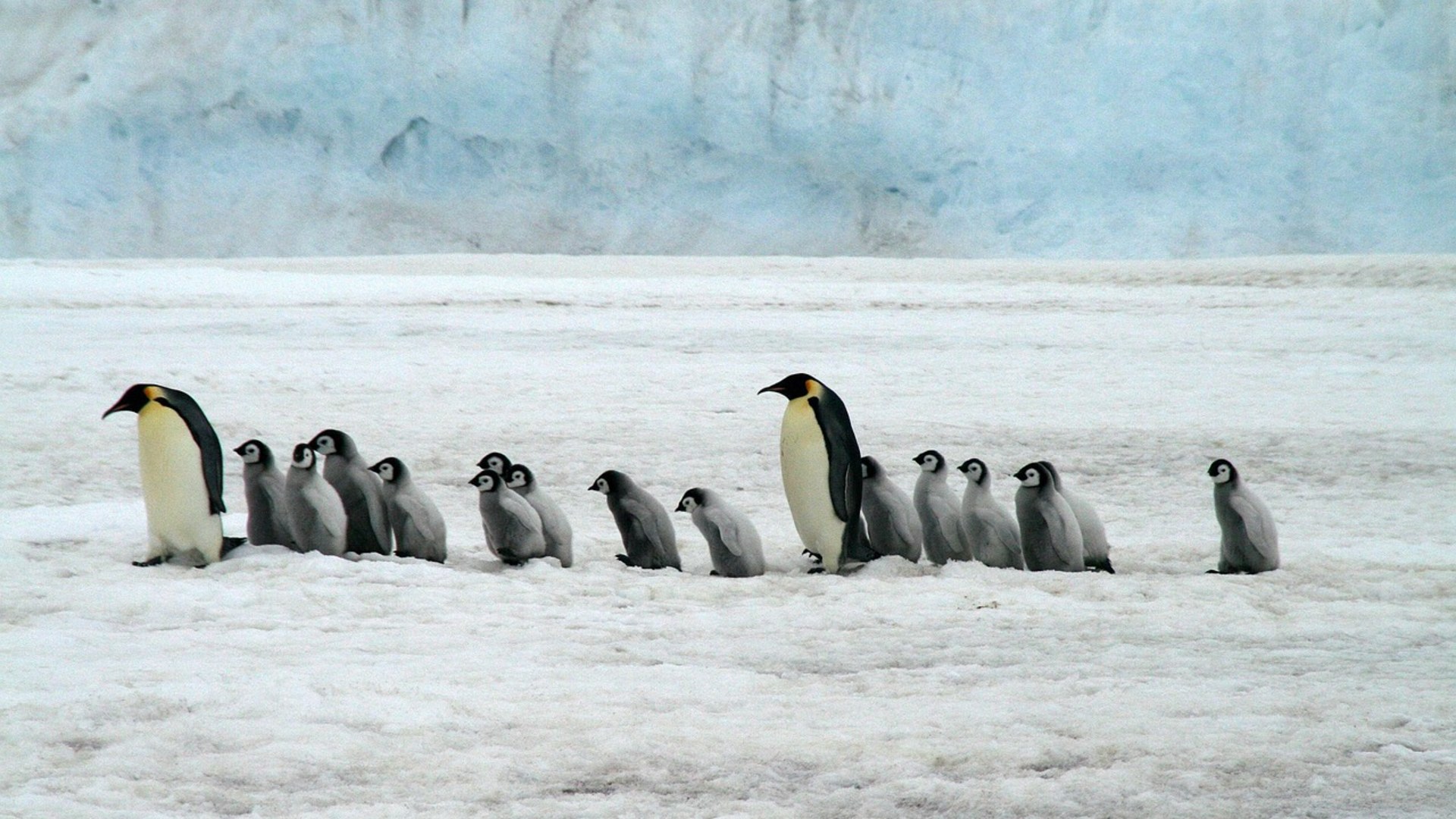
21. Emperor Penguin
Emperor penguin chicks wear thick silver down coats paired with a black cap and white eye rings. This insulated plumage protects them against Antarctic blizzards reaching sixty below zero. They shed their baby down during summer before taking their first sea swim.
©Pixabay / BDougherty
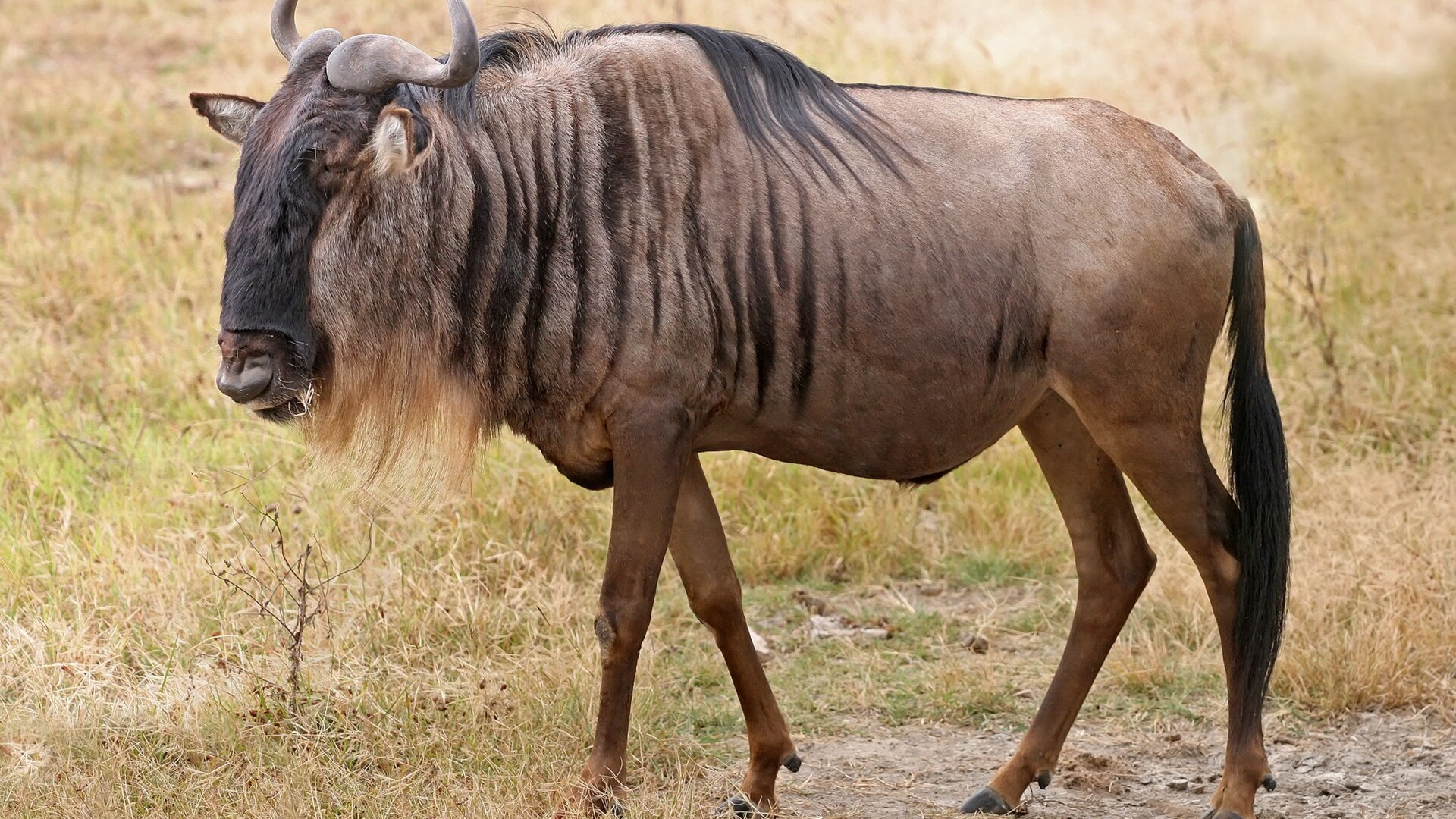
20. Blue Wildebeest
Blue wildebeest calves enter the world with tawny brown coats and black faces, lacking the slate grey coloring and curved horns of their parents. Within ten minutes of birth, the calf can stand and run with the migratory herd across the Serengeti plains.
©Wikimedia / Blue wildebeest
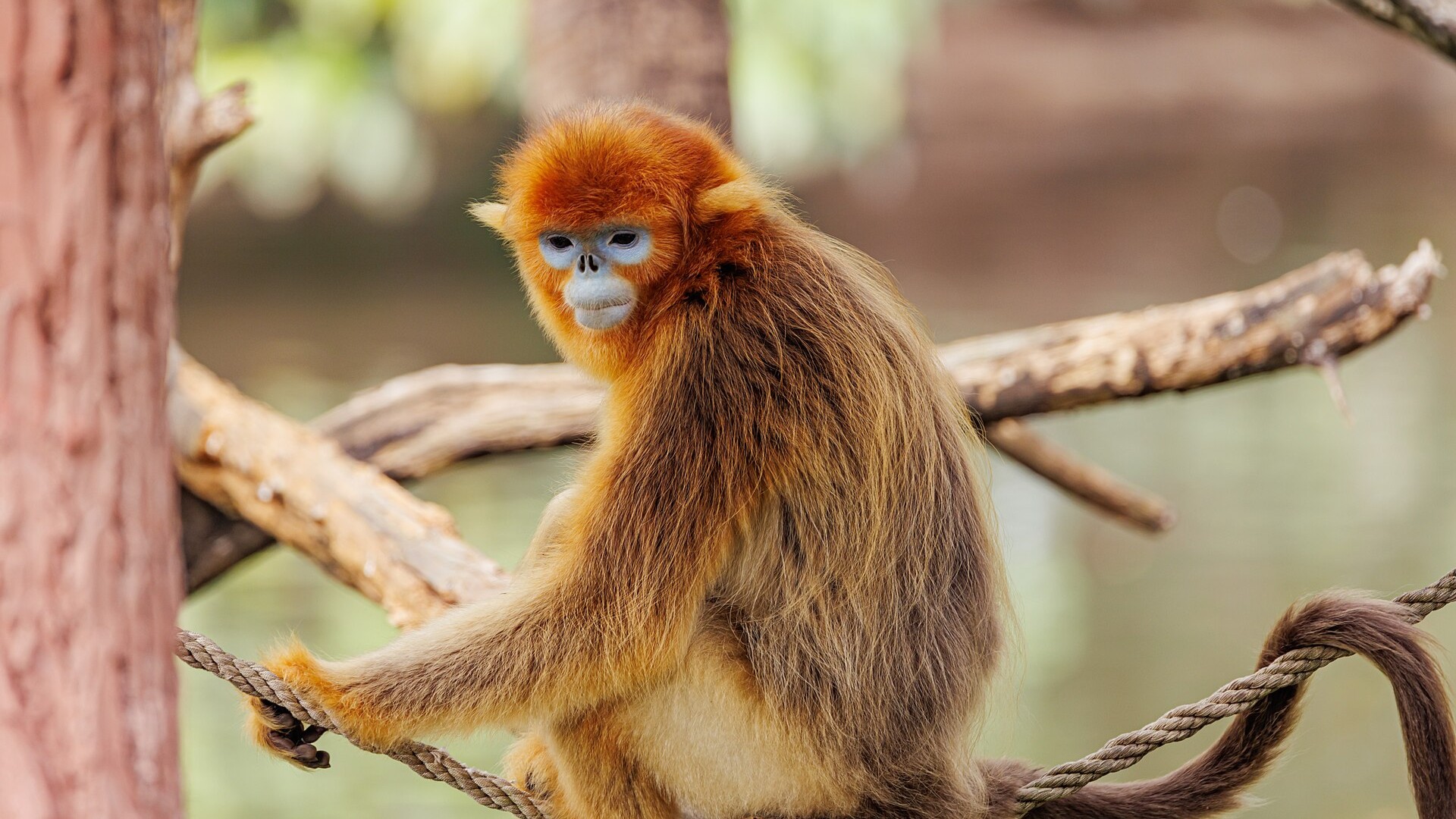
19. Golden Snub Nosed Monkey
Born in the snow-covered mountains of central China, golden snub-nosed monkey infants possess snowy white or light grey fur. This contrast alerts adult troop members to protect the baby from freezing winds. Mature adults develop flaming golden fur and blue facial skin.
©Wikimedia / Dinkun Chen
Advertisement
Swipe or tap ▶ to resume the countdown.
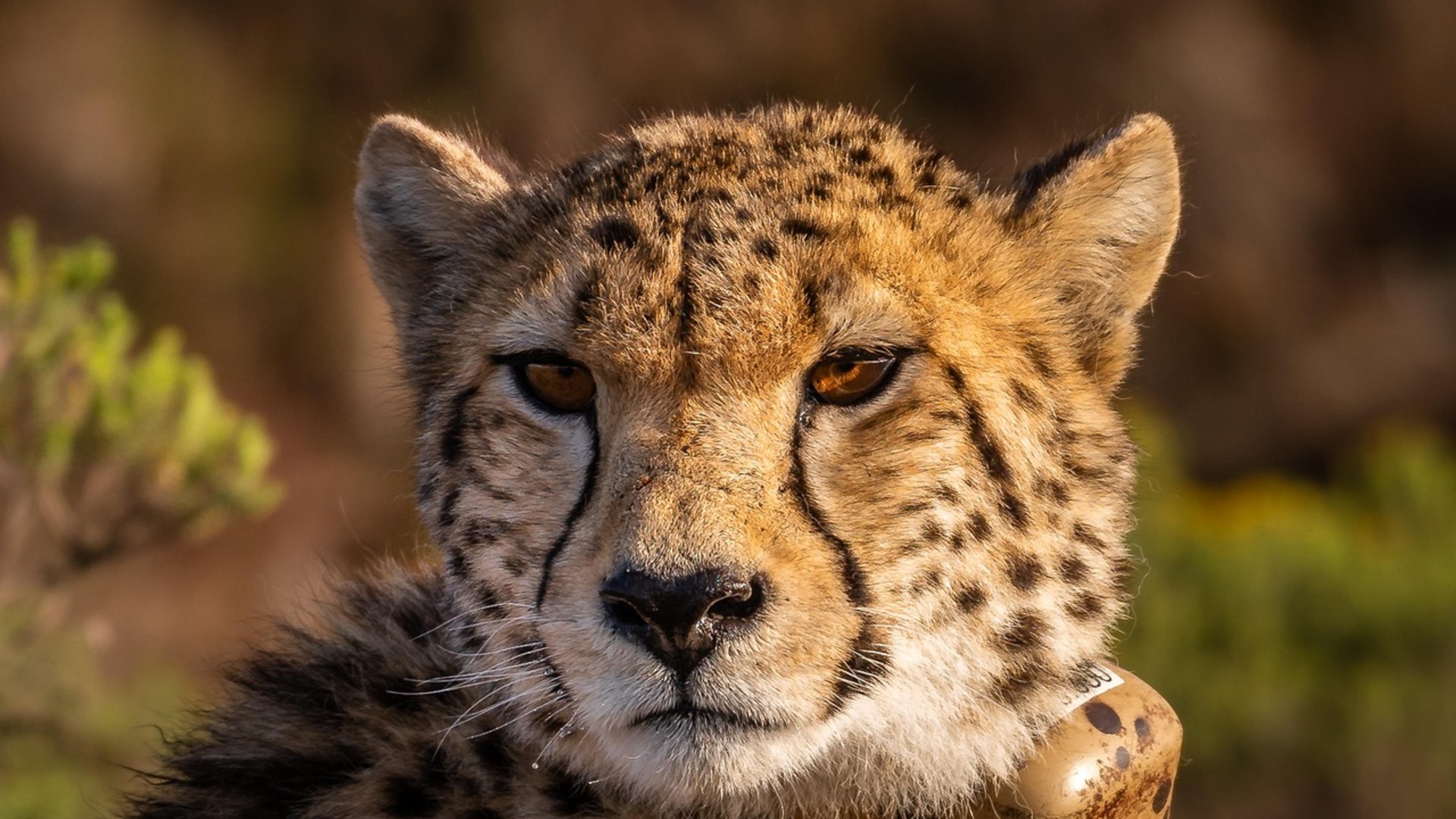
18. Cheetah
Cheetah cubs sport a thick smoky-grey mantle running from the neck down their spine. Field biologists suggest this bushy mane mimics the fierce honey badger to deter predatory hyenas and lions. The silver mantle gradually sheds around three months of age.
©Pixabay / AndreasGoellner
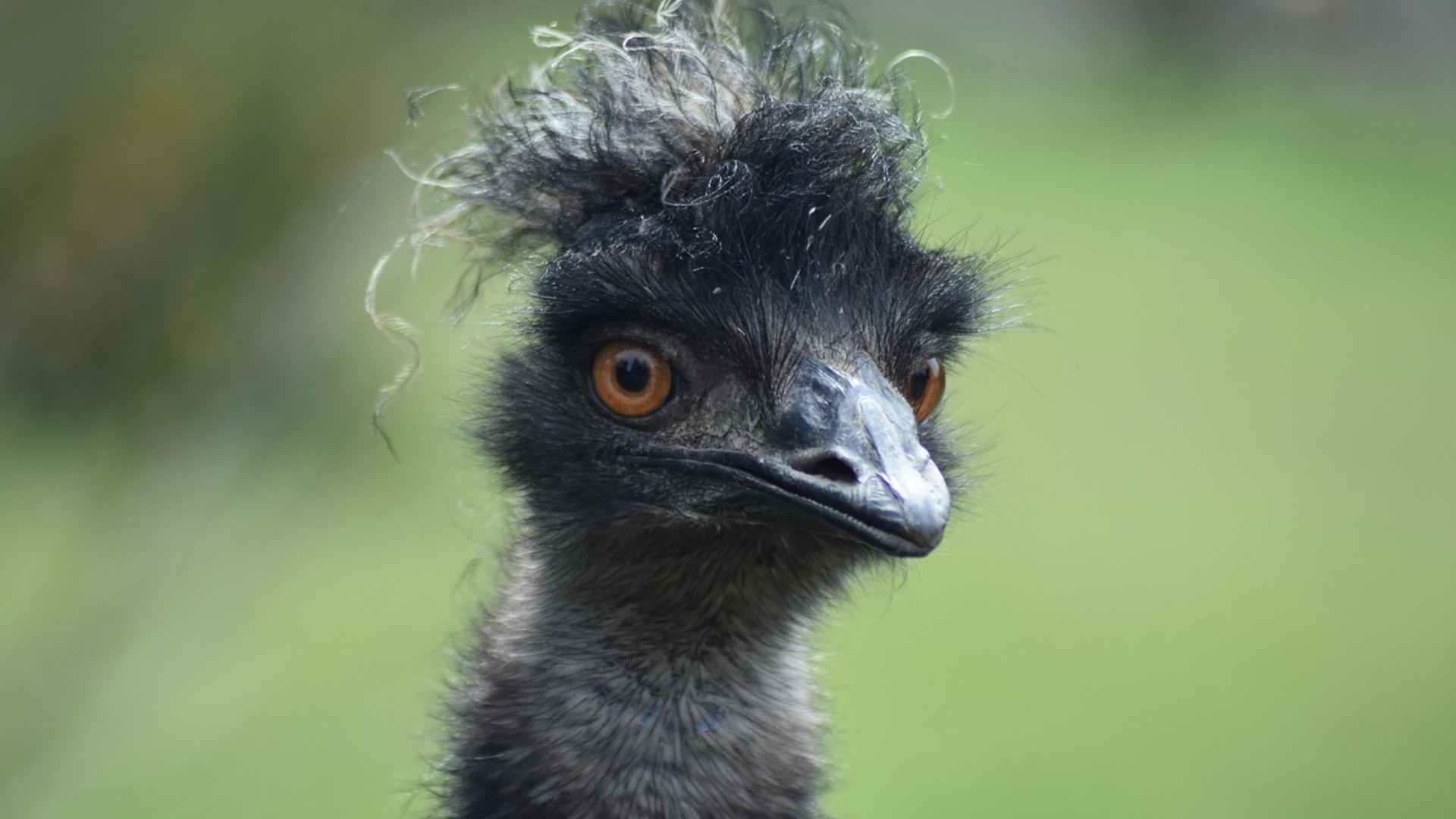
17. Emu
Emu chicks emerge from dark green eggs wearing vivid longitudinal stripes of dark brown on cream. The father guards the striped brood across outback plains for up to seven months. The camouflage stripes fade into shaggy, grey-brown plumage as adulthood approaches.
©Pixabay / RelaxingTime
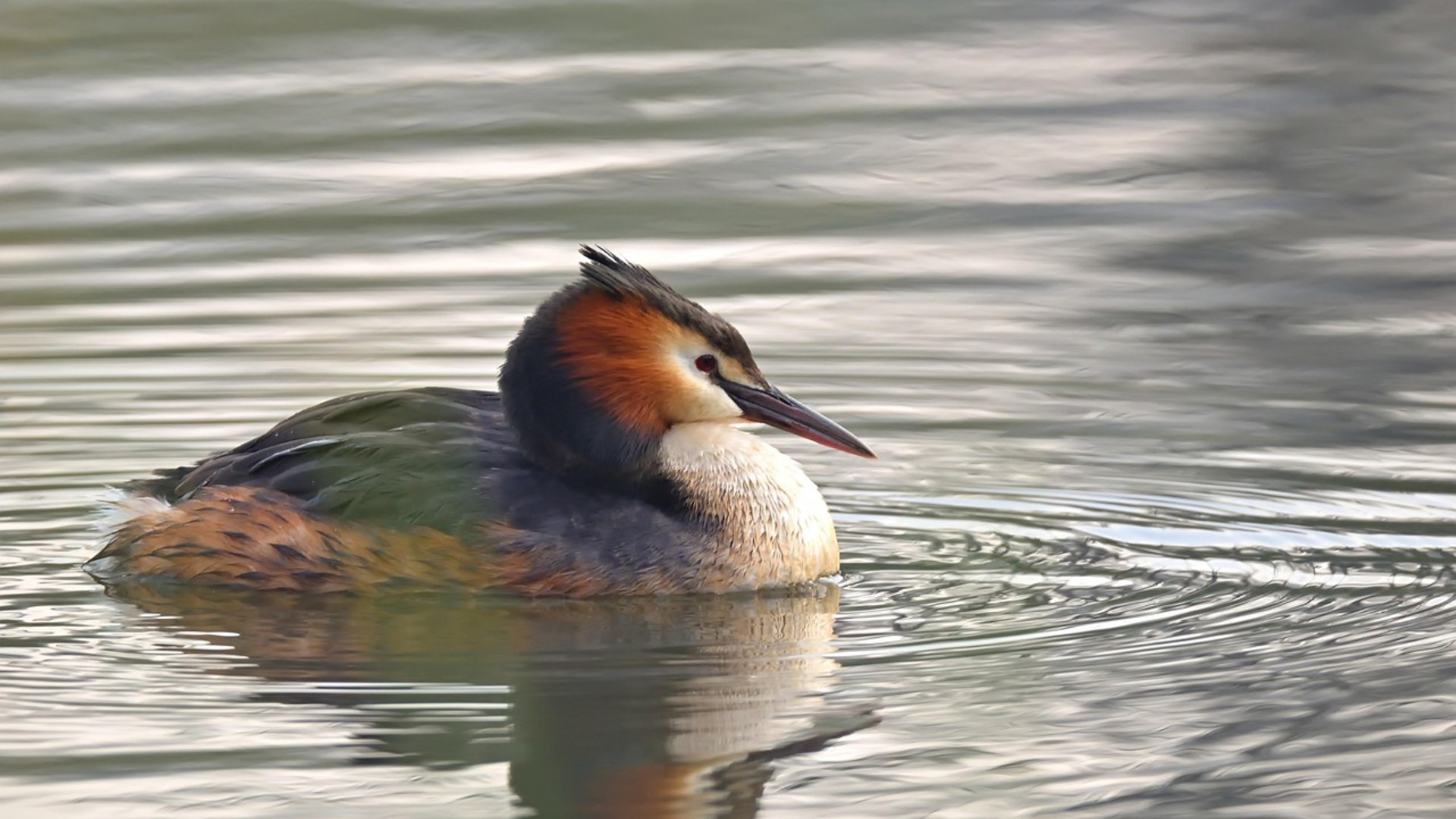
16. Great Crested Grebe
Great crested grebe chicks emerge with bold black and white zebra stripes across their heads and necks. Parents carry the striped young between their wings while swimming and diving for small fish. The striking juvenile head stripes vanish during the first autumn molt.
©Pixabay / jggrz
15. Common Ostrich
Ostrich chicks hatch with stiff, spiky down patterned in buff and black blotches. This speckled coat allows the flock to blend into dry savannas and thorny scrub brush. Within one year, males develop glossy black body plumes while females retain earthy brown tones.
©Pixabay / aseemiya
Advertisement
Swipe or tap ▶ to resume the countdown.
14. Red Kangaroo
At birth, a red kangaroo joey is smaller than a cherry and completely hairless with translucent skin. Guided purely by instinct, the tiny joey crawls through maternal fur into the pouch and latches onto a teat. It spends eight months developing inside the pouch.
©Pixabay / pen_ash
13. Platypus
A newborn platypus measures barely fifteen millimeters and lacks eyes, fur and its famous leathery bill. The blind infant suckles milk secretions from the mother abdomen inside a subterranean nesting burrow. Dense waterproof fur grows over four months of nursing.
©Pixabay / pen_ash
12. Short Beaked Echidna
Hatching from a parchment-shelled egg inside its mother pouch, an echidna puggle is naked and rubbery. It laps nutrient-rich milk directly from specialized skin patches. The mother deposits the young in a nursery burrow once sharp keratin spines begin to sprout.
©Pixabay / pen_ash
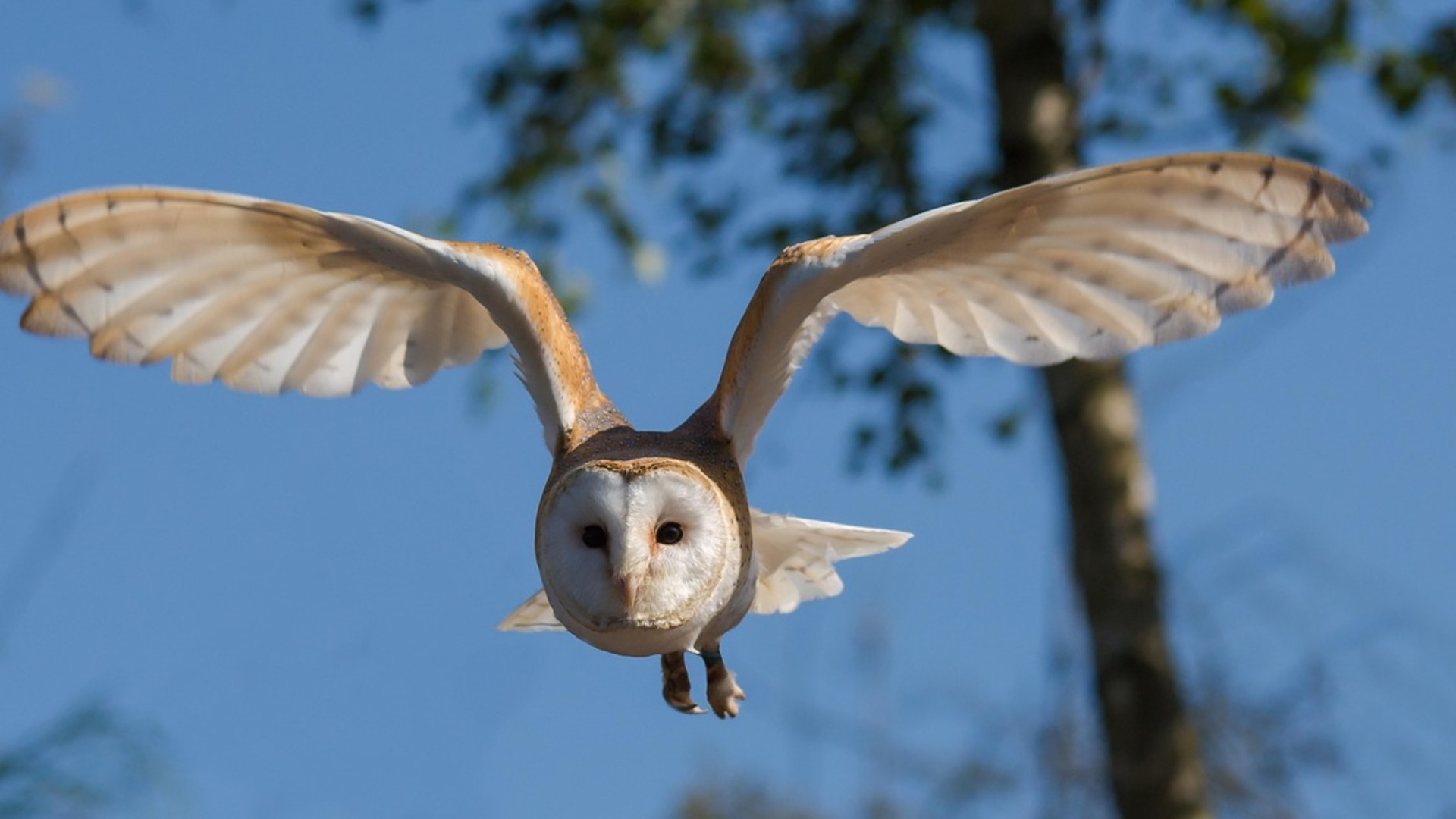
11. Barn Owl
Newly hatched barn owls look surprisingly prehistoric, possessing elongated bare necks and disproportionately large beaks. As white down thickens, they gradually develop the characteristic heart-shaped facial disc and mottled gold feathers that silence their flight.
©Pixabay / dannymoore1973
Advertisement
Swipe or tap ▶ to resume the countdown.
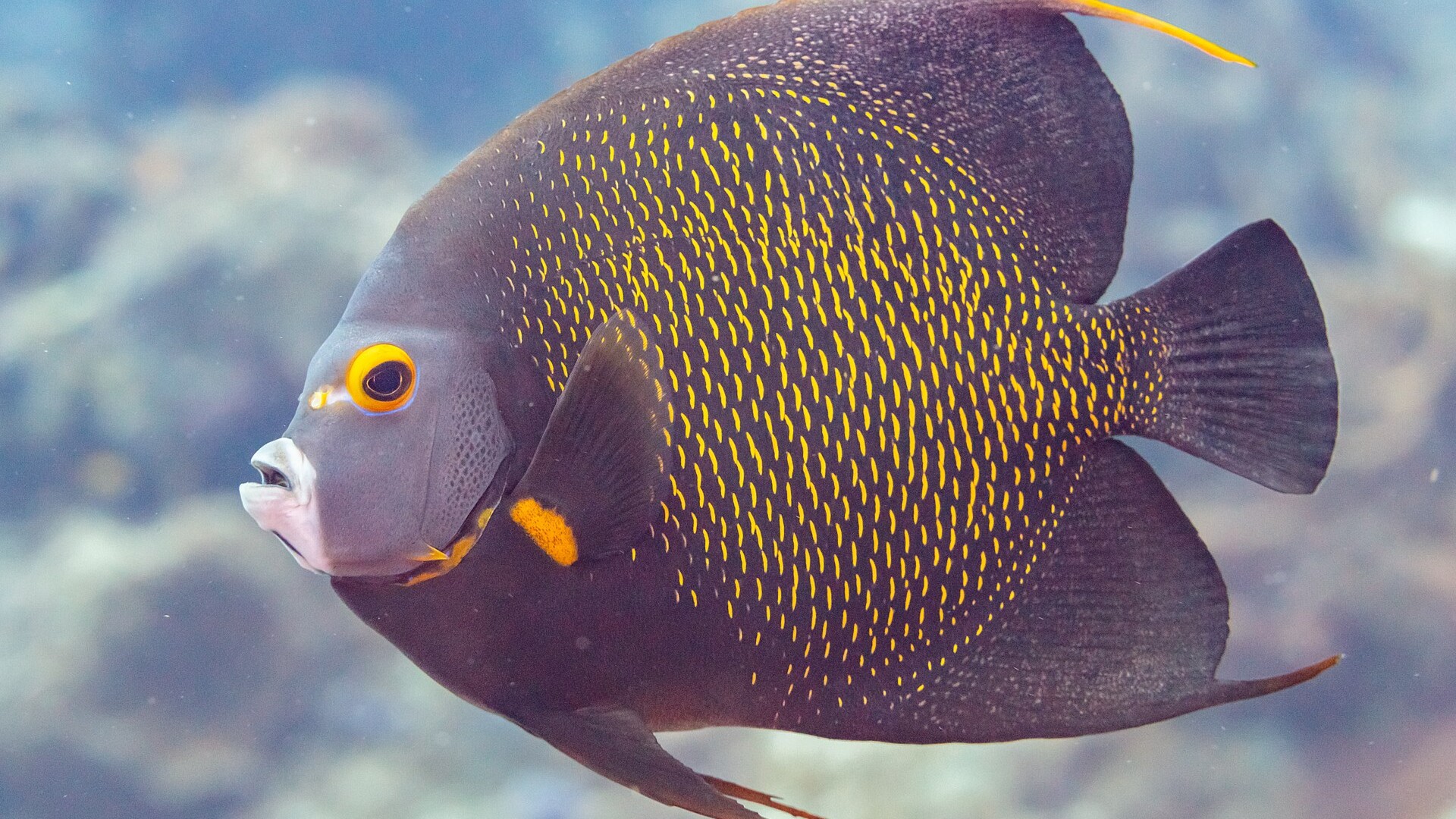
10. French Angelfish
Young French angelfish patrol coral reefs with velvety black bodies marked by bright lemon yellow vertical curved bars. These bold stripes signal cleaner fish status to larger ocean predators. Adult fish lose the stripes, displaying dark gray scales edged in bright yellow.
©Wikimedia / French angelfish
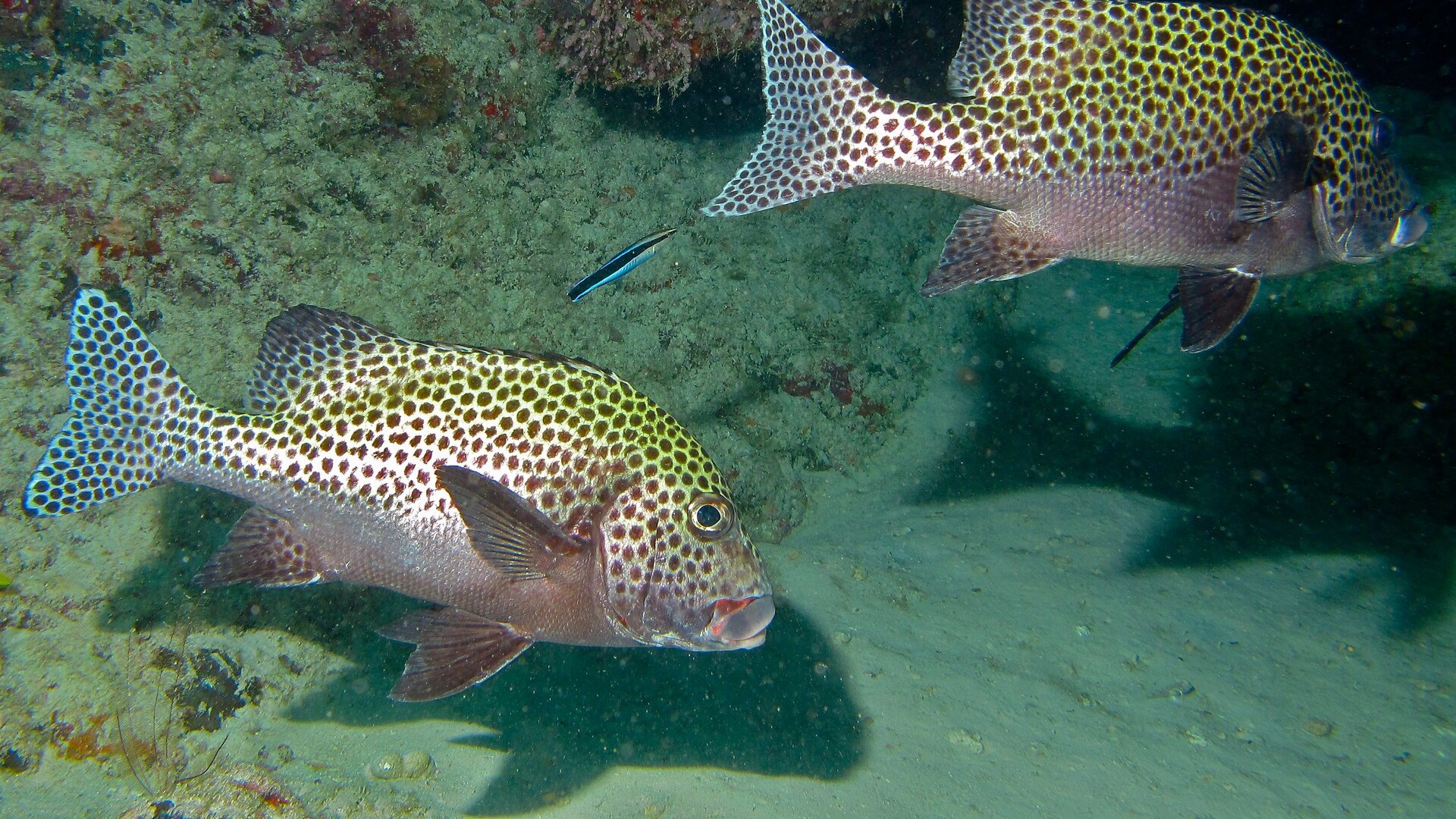
9. Harlequin Sweetlips
Juvenile harlequin sweetlips display broad white spots on rich chestnut bodies and swim with frantic undulating body motions. Scientists consider this behavior mimicry of toxic polyclad flatworms. Mature fish switch to horizontal dark stripes with yellow-spotted fins.
©Wikimedia / Bernard DUPONT from FRANCE
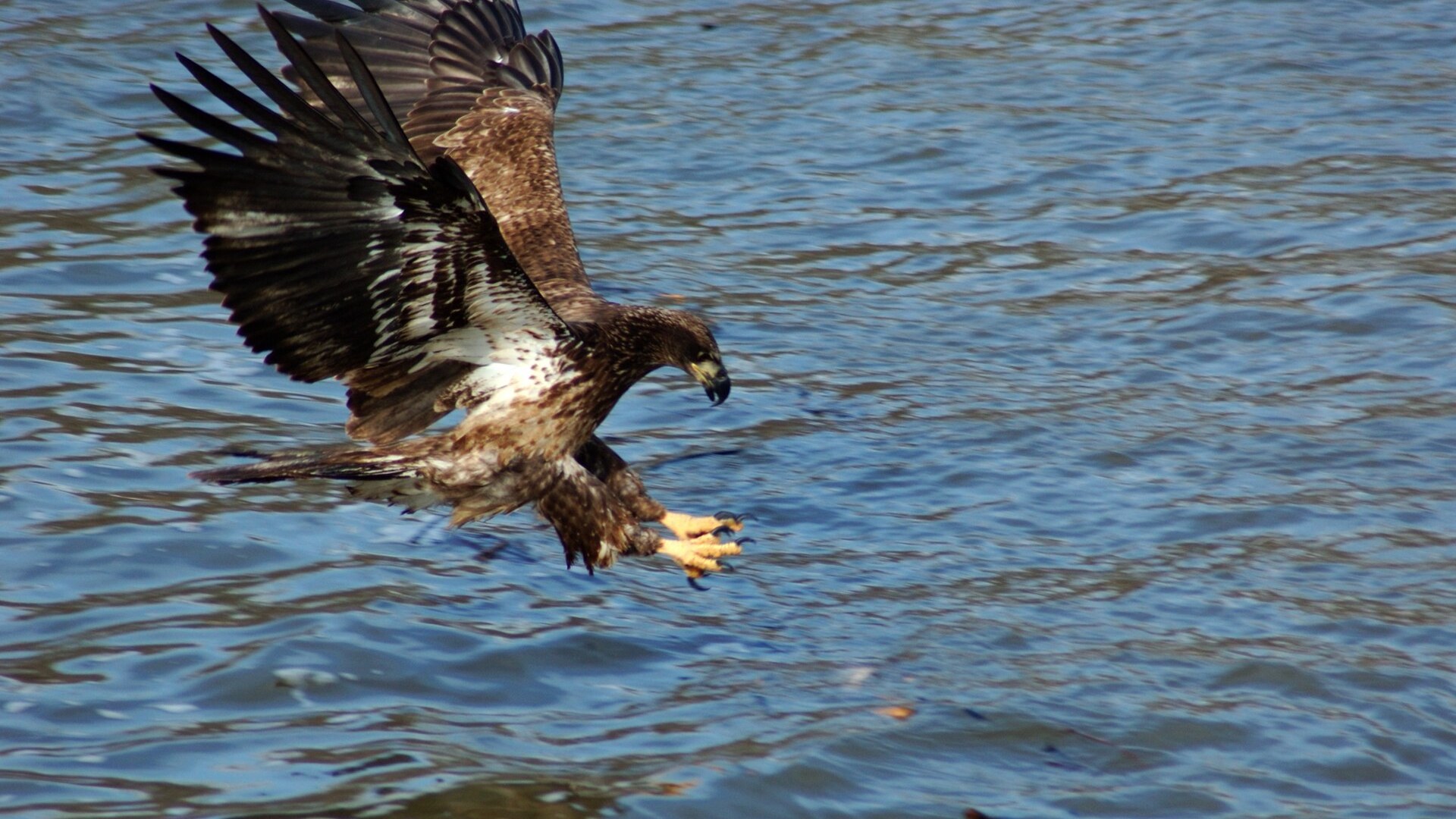
8. Bald Eagle
Young bald eagles leave the nest wearing mottled dark brown and cream plumage. Their beaks and eyes remain dark charcoal rather than bright golden yellow. Only upon reaching sexual maturity at four to five years do they acquire their stark white head and tail feathers.
©Wikimedia / Derek Bakken from Minneapolis, MN
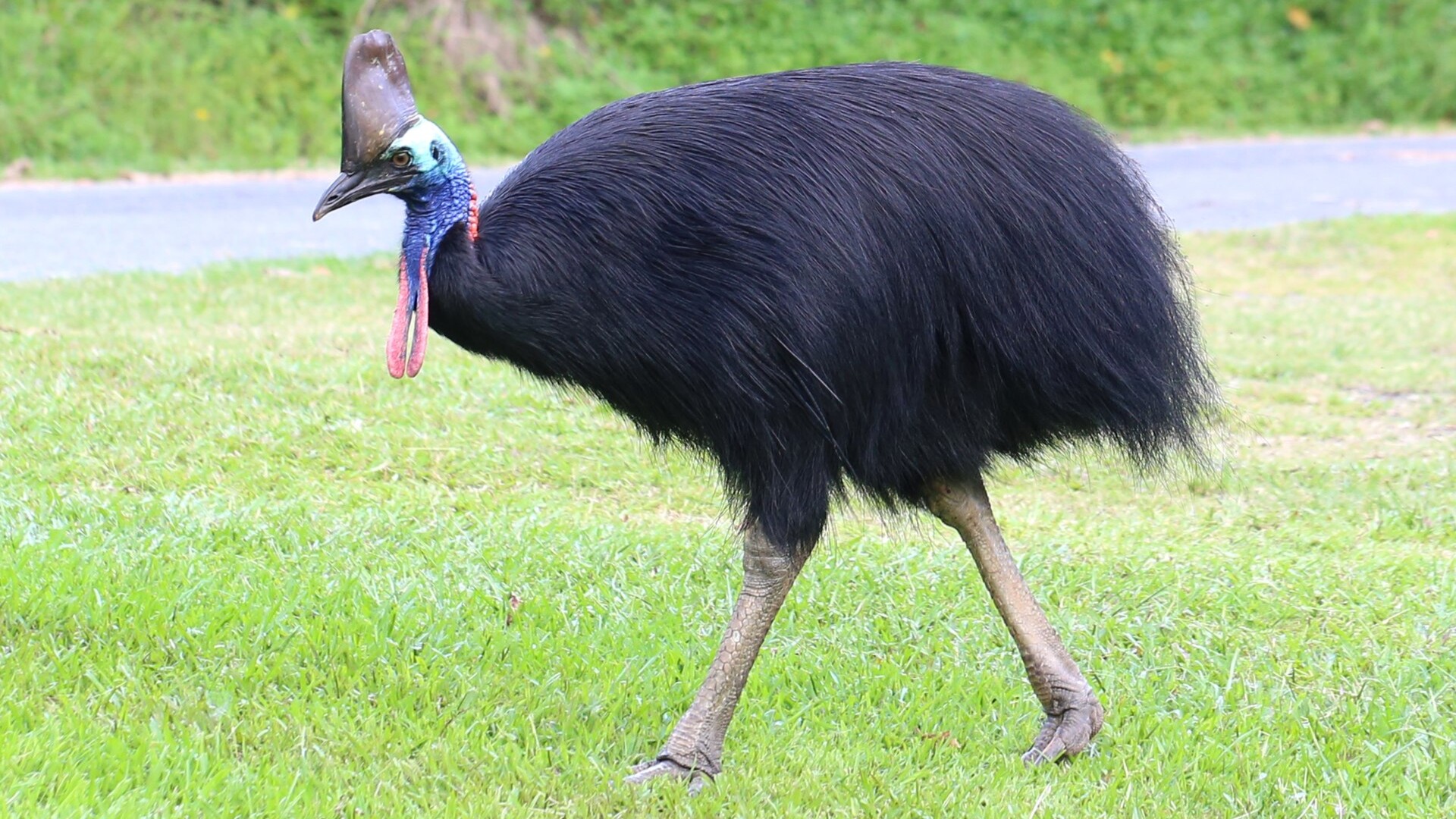
7. Southern Cassowary
Cassowary chicks hatch with golden brown bodies lined with bold chocolate stripes. This camouflage conceals them among tangled roots and fallen leaves of the Daintree rainforest. The prominent helmet casque and vivid blue wattles develop only in adulthood.
©Wikimedia / Southern cassowary
Advertisement
Swipe or tap ▶ to resume the countdown.
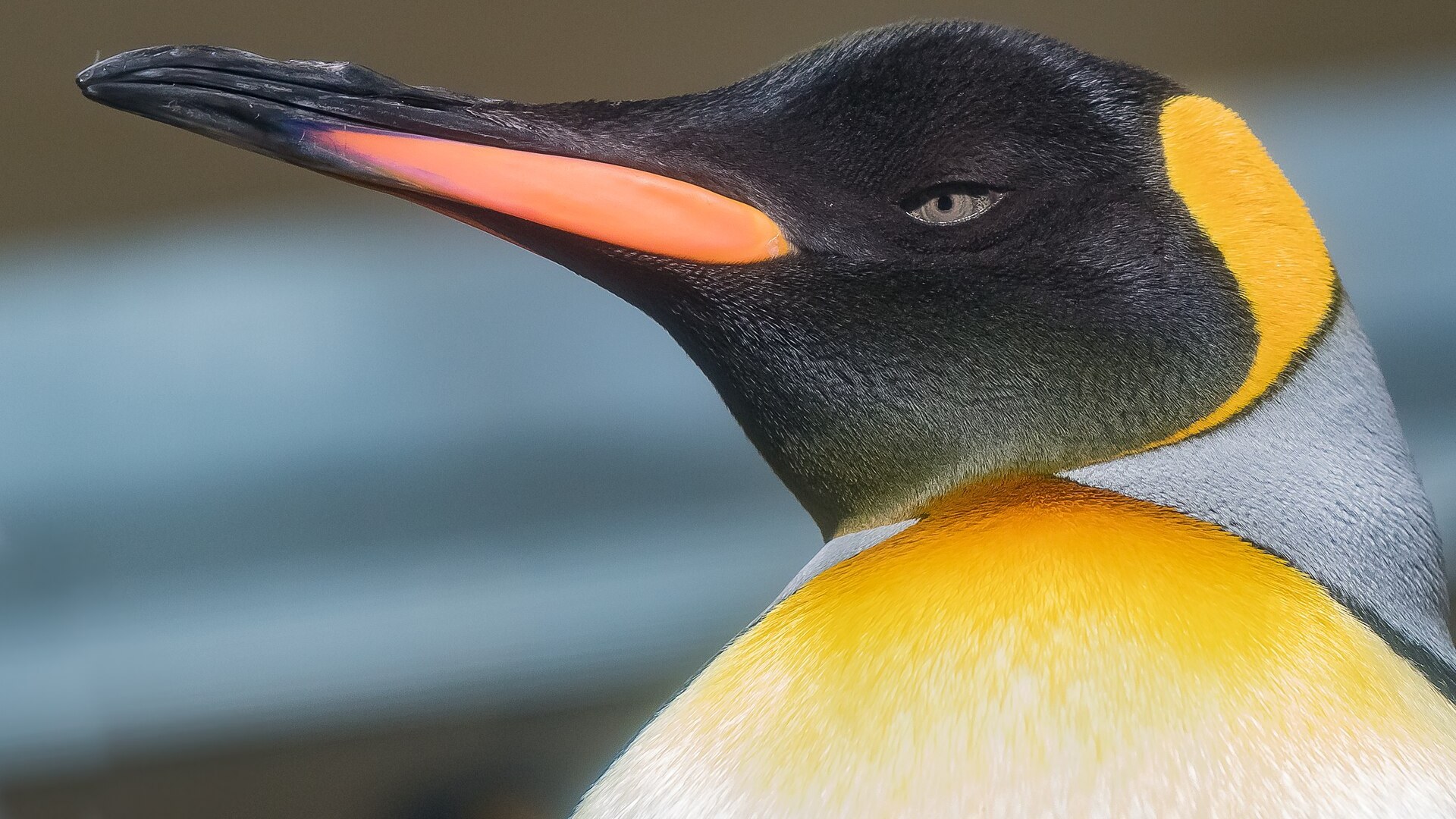
6. King Penguin
King penguin chicks grow into massive mounds of thick brown woolly down. Early subantarctic explorers classified the enormous brown chicks as a separate species called the woolly penguin. Molting into sleek waterproof tuxedo plumage takes over an entire year.
©Wikimedia / Isiwal
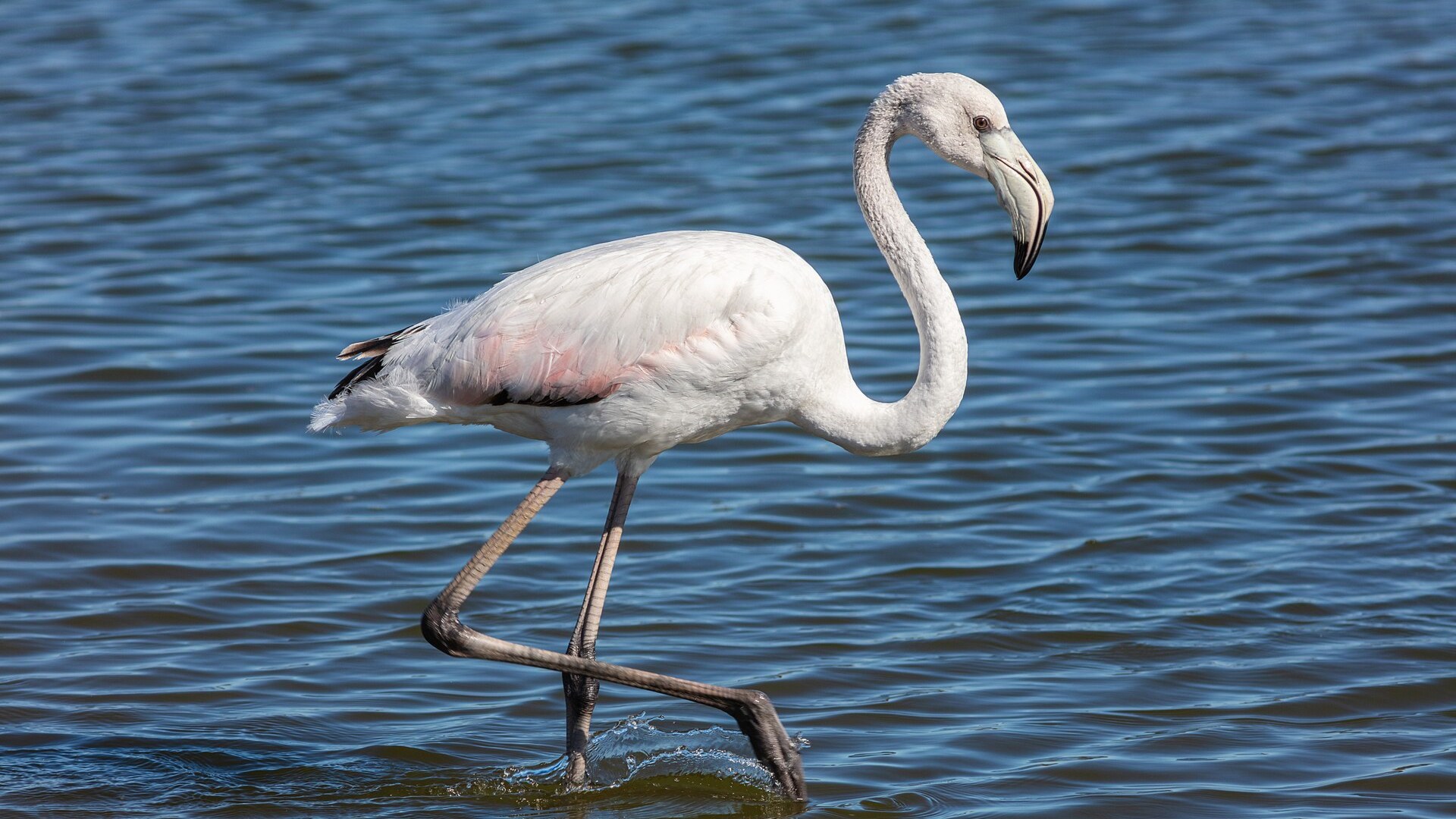
5. Greater Flamingo
Flamingo chicks hatch with soft grey down and short, straight pink beaks. They lack the curved filter-feeding bill and pink plumage of adult birds. It takes up to three years of consuming carotenoid-rich algae and crustaceans for adult colors to develop.
©Wikimedia / Diego Delso
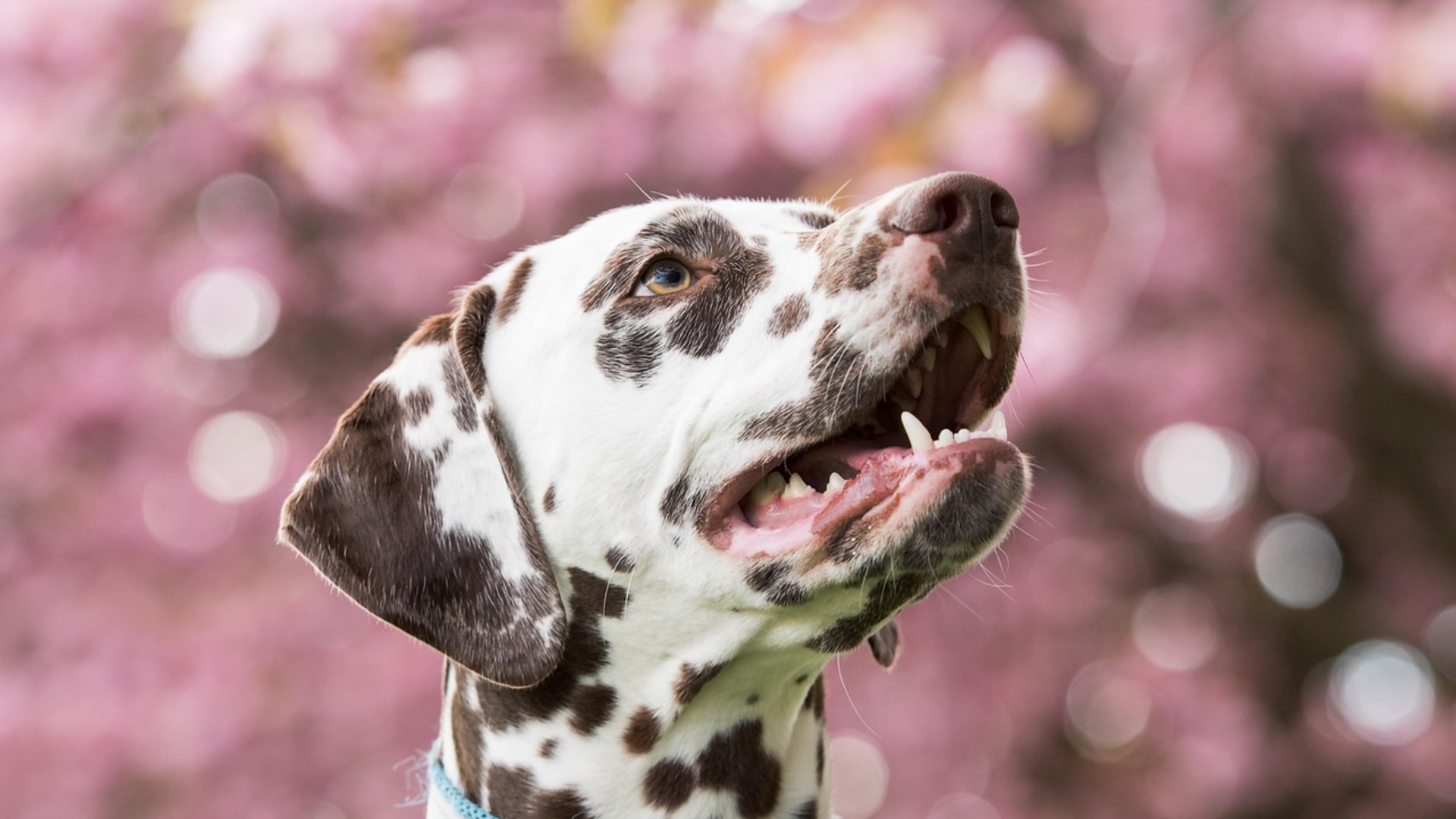
4. Dalmatian
Dalmatian puppies arrive with completely pure white coats. Their dark spots develop gradually over the first month of life from subcutaneous skin pigments. Breeders track the developing spots across three to four weeks as distinct black or liver markings emerge.
©Wikimedia / Carlos Estrada
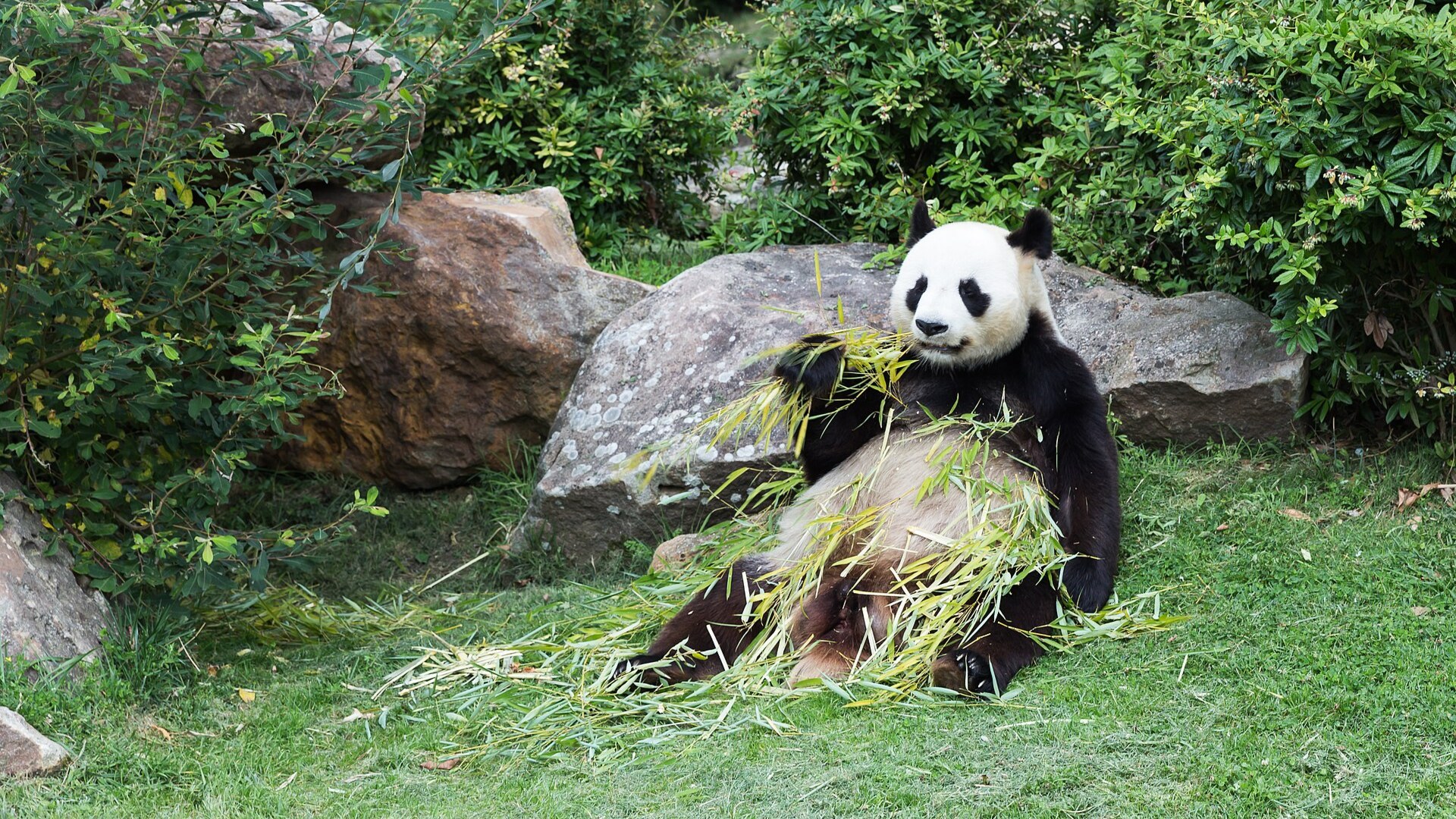
3. Giant Panda
A newborn giant panda is blind, pink, hairless and weighs roughly one nine-hundredth of its mother. Black rings around the eyes and ears develop around two weeks after birth. It takes months before the cub resembles the iconic black and white bear.
©Wikimedia / Another one of my pictures: This photograph was
Advertisement
Swipe or tap ▶ to resume the countdown.
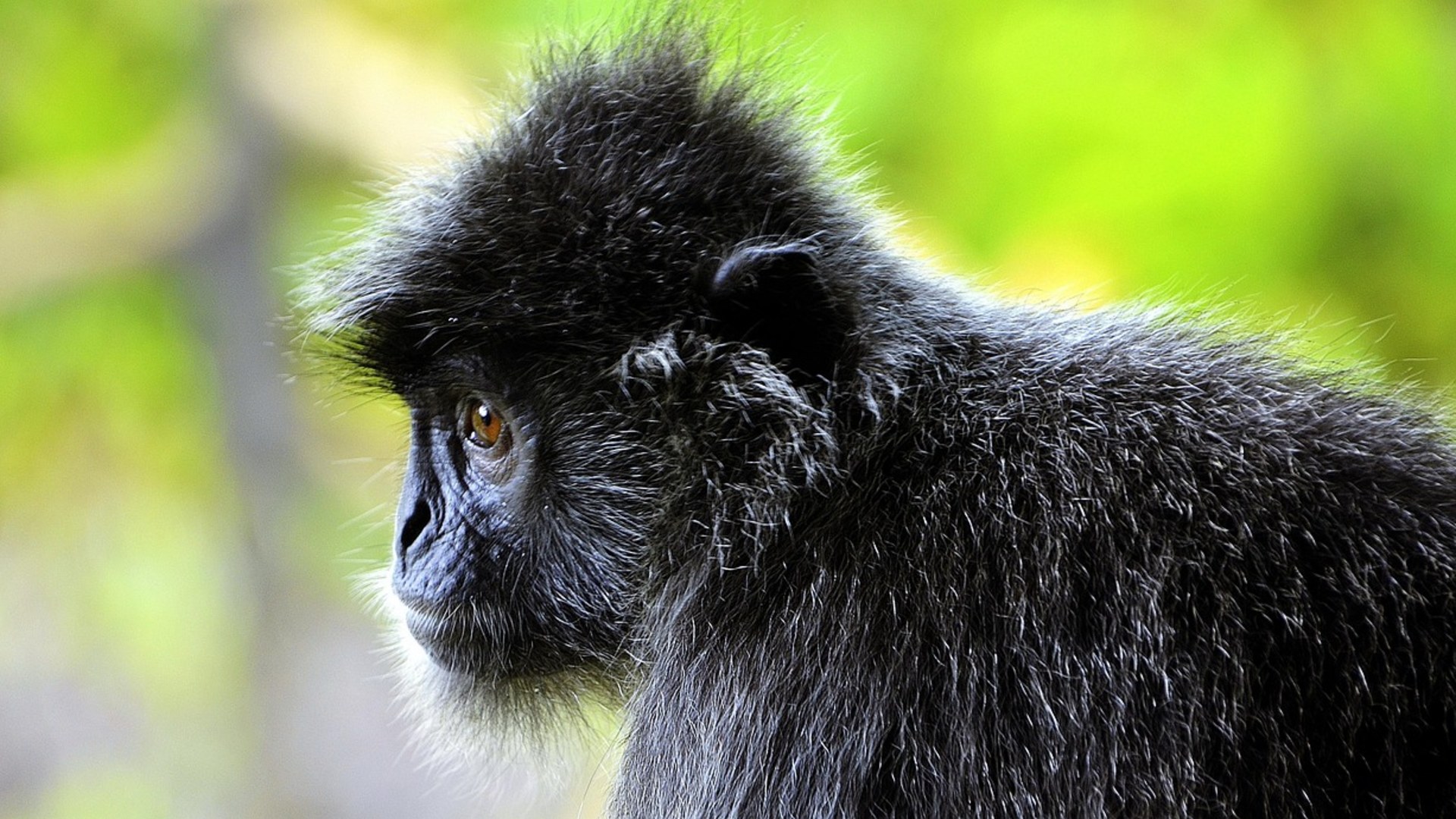
2. Silvered Leaf Monkey
Silvered leaf monkey babies enter the world covered in brilliant orange fur with pale skin. Primatologists believe this glaring hue prompts all troop females to assist in infant care. The striking orange shade darkens to charcoal grey within three to five months.
©Pixabay / RichardMc
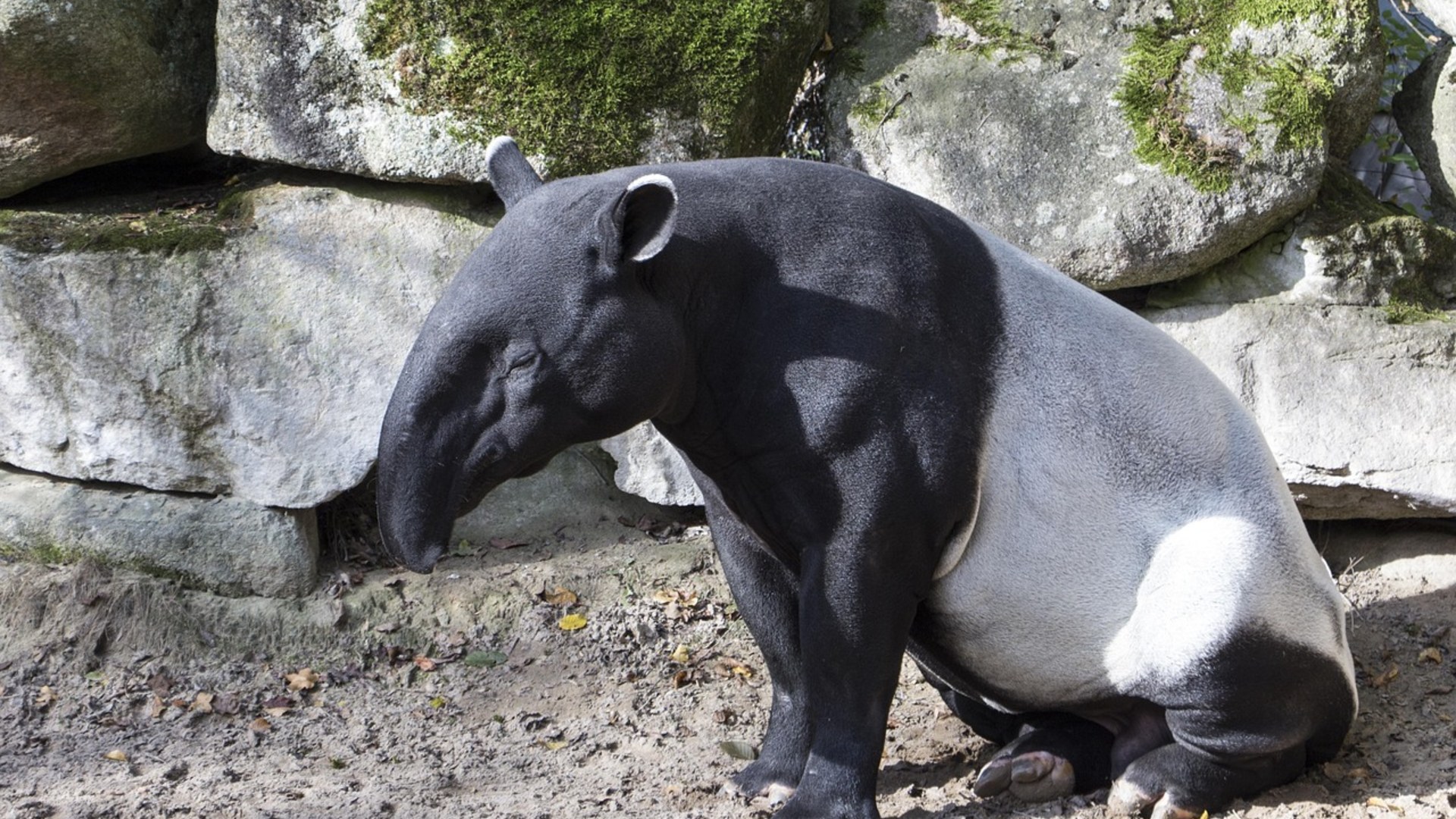
1. Malayan Tapir
Malayan tapir calves are born with brown coats patterned in vivid white stripes and spots. This pattern mimics dappled forest sunlight to confuse prowling leopards and tigers. By five months of age, the juvenile coat fades into the iconic black and white adult block.
©Wikimedia / Another one of my pictures: This photograph was
Advertisement
You've reached the end of the story. Thanks for reading!

20 Cat and Dog Breeds That Give Birth to the Most Babies
Litter sizes vary dramatically across companion animals, shaped by breed genetics, maternal weight, and domestic ancestry. Drawing from kennel club registrations and feline veterinary records, here are ten dog breeds and ten cat breeds that give birth to the highest numbers of puppies and kittens at once.
All 21 Entries in this Story
21. Emperor Penguin
Emperor penguin chicks wear thick silver down coats paired with a black cap and white eye rings. This insulated plumage protects them against Antarctic blizzards reaching sixty below zero. They shed their baby down during summer before taking their first sea swim.

20. Blue Wildebeest
Blue wildebeest calves enter the world with tawny brown coats and black faces, lacking the slate grey coloring and curved horns of their parents. Within ten minutes of birth, the calf can stand and run with the migratory herd across the Serengeti plains.

19. Golden Snub Nosed Monkey
Born in the snow-covered mountains of central China, golden snub-nosed monkey infants possess snowy white or light grey fur. This contrast alerts adult troop members to protect the baby from freezing winds. Mature adults develop flaming golden fur and blue facial skin.

18. Cheetah
Cheetah cubs sport a thick smoky-grey mantle running from the neck down their spine. Field biologists suggest this bushy mane mimics the fierce honey badger to deter predatory hyenas and lions. The silver mantle gradually sheds around three months of age.

17. Emu
Emu chicks emerge from dark green eggs wearing vivid longitudinal stripes of dark brown on cream. The father guards the striped brood across outback plains for up to seven months. The camouflage stripes fade into shaggy, grey-brown plumage as adulthood approaches.

16. Great Crested Grebe
Great crested grebe chicks emerge with bold black and white zebra stripes across their heads and necks. Parents carry the striped young between their wings while swimming and diving for small fish. The striking juvenile head stripes vanish during the first autumn molt.

15. Common Ostrich
Ostrich chicks hatch with stiff, spiky down patterned in buff and black blotches. This speckled coat allows the flock to blend into dry savannas and thorny scrub brush. Within one year, males develop glossy black body plumes while females retain earthy brown tones.

14. Red Kangaroo
At birth, a red kangaroo joey is smaller than a cherry and completely hairless with translucent skin. Guided purely by instinct, the tiny joey crawls through maternal fur into the pouch and latches onto a teat. It spends eight months developing inside the pouch.

13. Platypus
A newborn platypus measures barely fifteen millimeters and lacks eyes, fur and its famous leathery bill. The blind infant suckles milk secretions from the mother abdomen inside a subterranean nesting burrow. Dense waterproof fur grows over four months of nursing.

12. Short Beaked Echidna
Hatching from a parchment-shelled egg inside its mother pouch, an echidna puggle is naked and rubbery. It laps nutrient-rich milk directly from specialized skin patches. The mother deposits the young in a nursery burrow once sharp keratin spines begin to sprout.

11. Barn Owl
Newly hatched barn owls look surprisingly prehistoric, possessing elongated bare necks and disproportionately large beaks. As white down thickens, they gradually develop the characteristic heart-shaped facial disc and mottled gold feathers that silence their flight.

10. French Angelfish
Young French angelfish patrol coral reefs with velvety black bodies marked by bright lemon yellow vertical curved bars. These bold stripes signal cleaner fish status to larger ocean predators. Adult fish lose the stripes, displaying dark gray scales edged in bright yellow.

9. Harlequin Sweetlips
Juvenile harlequin sweetlips display broad white spots on rich chestnut bodies and swim with frantic undulating body motions. Scientists consider this behavior mimicry of toxic polyclad flatworms. Mature fish switch to horizontal dark stripes with yellow-spotted fins.

8. Bald Eagle
Young bald eagles leave the nest wearing mottled dark brown and cream plumage. Their beaks and eyes remain dark charcoal rather than bright golden yellow. Only upon reaching sexual maturity at four to five years do they acquire their stark white head and tail feathers.

7. Southern Cassowary
Cassowary chicks hatch with golden brown bodies lined with bold chocolate stripes. This camouflage conceals them among tangled roots and fallen leaves of the Daintree rainforest. The prominent helmet casque and vivid blue wattles develop only in adulthood.

6. King Penguin
King penguin chicks grow into massive mounds of thick brown woolly down. Early subantarctic explorers classified the enormous brown chicks as a separate species called the woolly penguin. Molting into sleek waterproof tuxedo plumage takes over an entire year.

5. Greater Flamingo
Flamingo chicks hatch with soft grey down and short, straight pink beaks. They lack the curved filter-feeding bill and pink plumage of adult birds. It takes up to three years of consuming carotenoid-rich algae and crustaceans for adult colors to develop.

4. Dalmatian
Dalmatian puppies arrive with completely pure white coats. Their dark spots develop gradually over the first month of life from subcutaneous skin pigments. Breeders track the developing spots across three to four weeks as distinct black or liver markings emerge.

3. Giant Panda
A newborn giant panda is blind, pink, hairless and weighs roughly one nine-hundredth of its mother. Black rings around the eyes and ears develop around two weeks after birth. It takes months before the cub resembles the iconic black and white bear.

2. Silvered Leaf Monkey
Silvered leaf monkey babies enter the world covered in brilliant orange fur with pale skin. Primatologists believe this glaring hue prompts all troop females to assist in infant care. The striking orange shade darkens to charcoal grey within three to five months.

1. Malayan Tapir
Malayan tapir calves are born with brown coats patterned in vivid white stripes and spots. This pattern mimics dappled forest sunlight to confuse prowling leopards and tigers. By five months of age, the juvenile coat fades into the iconic black and white adult block.