Slideshow · Money
21 Black Friday Shopping Habits That Can Cost You More
Black Friday promises massive discounts, but predatory retail practices and impulse shopping habits often lead consumers to overspend. From inflated original list prices and stripped-down electronic models to deferred interest traps, understanding retail tactics helps shoppers protect their budgets.


















All 21 Entries in this Story
Falling For Artificial Price Anchoring
Consumer protection investigations show many retailers inflate manufacturer suggested retail prices weeks ahead of Black Friday. A product marked fifty percent off may sell at its ordinary autumn retail price. The Federal Trade Commission warns shoppers to check true historical market rates.
Buying Stripped-Down Derivative Electronics
Major electronics manufacturers produce special derivative models for holiday sales. These doorbuster televisions look identical to premium sets but contain lower quality panels, fewer HDMI ports, and cheaper speakers. Checking the exact serial number reveals whether a set is a derivative build.
Stacking Buy Now Pay Later Loans
Spreading holiday purchases across payment services like Klarna and Affirm often obscures total spending. The Consumer Financial Protection Bureau reports that split payments lead users to incur costly bank overdraft charges and late fees when multiple scheduled installments hit accounts at once.
Ignoring Shortened Return Windows
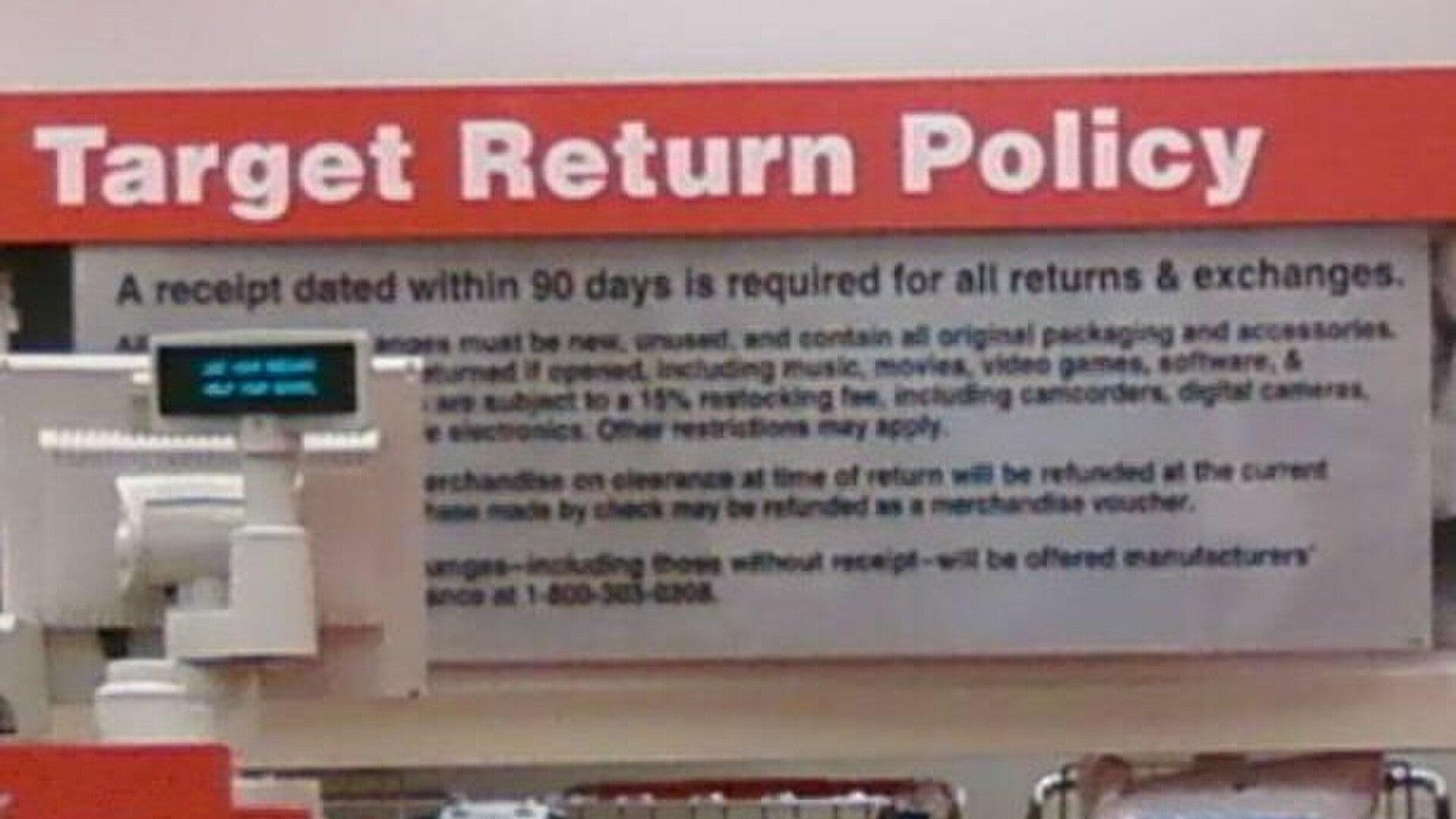
Many major retailers exclude doorbuster deals from standard sixty-day return policies. Deeply discounted merchandise is often designated as final sale or restricted to a fourteen-day window. Shoppers buying gifts in late November risk leaving recipients with items they cannot exchange.
Overspending For Free Shipping Thresholds
Online retailers use delivery minimums to drive higher cart values. Adding twenty dollars of unneeded cosmetics or kitchen gadgets to avoid a seven-dollar delivery fee is a common financial miscalculation. Consumers spend more total money simply to qualify for complimentary parcel transit.
Chasing Discount Percentages Over Dollar Costs
Behavioral economists note that high percentage discounts trigger dopamine responses that overpower rational budgeting. Purchasing a nonessential seventy-dollar blender marked down from two hundred dollars still drains seventy dollars from household savings that could cover utility bills.
Panicking Over Fake Countdown Timers
Retail websites deploy artificial urgency mechanisms called dark patterns. Flashing countdown clocks and false alerts claiming only two items remain in stock are frequently programmed scripts rather than live inventory feeds. These software prompts trick shoppers into bypassing price comparisons.
Skipping Historical Price Tracking Tools
Historical price tracking data from platforms like CamelCamelCamel and Keepa shows many Black Friday deals were priced lower during July clearances or autumn promotion weeks. Failing to check price histories causes buyers to purchase goods during temporary price rebounds.
Signing Up For Store Card Financing
Store credit cards offering zero percent holiday financing frequently include deferred interest terms. If a balance is not paid off entirely before the promotional period ends, the retailer retroactively applies twenty-nine percent interest across the original purchase total from day one.
Purchasing Unwanted Retail Product Bundles
Retailers frequently package hot gaming consoles and cameras into mandatory promotional bundles. These packages include third-party charging cables, carrying cases, and unpopular video games that inflate checkout costs by hundreds of dollars above the standalone retail price of the hardware.
Trusting Unverified Marketplace Sellers
Marketplace platforms like Walmart and Amazon host thousands of independent third-party merchants during holiday rushes. Rushed shoppers often fail to notice whether products are sold directly by the brand, ending up with counterfeit electronics or open-box goods that lack valid warranties.
Overlooking Electronics Restocking Fees
Big-box electronics retailers routinely assess restocking fees between ten and fifteen percent on opened laptops, digital cameras, and smart home tech. Returning an unwanted six-hundred-dollar tablet can forfeit ninety dollars in restocking fees, wiping out any initial sales savings.
Shopping Without A Hard Target List
Retail store designers position impulse bargains in high-traffic endcaps and checkout aisles. National Retail Federation surveys show that browsing holiday sales without a written plan increases total basket expenditure by twenty-five to thirty-five percent on nonessential goods.
Ignoring Dynamic Pricing Surges
E-commerce retailers employ automated dynamic pricing algorithms that track shopper browsing patterns, device types, and geographic locations. Repeatedly viewing a product without purchasing can trigger price increases. Clearing browser cookies or using private windows helps avoid tracking.
Purchasing Redundant Extended Warranties
Retailers generate substantial profit margins by selling extended warranty contracts at register checkout. Most consumer electronics are already protected by standard manufacturer guarantees, and major credit cards routinely extend original factory coverage by an extra year at no fee.
Clicking Promotional Email Flash Sales
Retailers inundate subscriber inboxes with dozens of urgent holiday sale announcements per week. Adobe Analytics data confirms that promotional emails drive significant unplanned digital spending by prompting consumers to browse inventories when they had no preexisting purchase intent.
Overspending To Chase Loyalty Tiers
Retail loyalty programs reward frequent shoppers with points that expire at calendar year-end. Consumers often spend hundreds of additional dollars on marginal goods to reach an elevated loyalty status or unlock a twenty-dollar reward certificate, producing a net financial loss.
Relying On Unredeemed Mail-In Rebates
Advertised sales figures frequently display post-rebate pricing that requires mail-in forms and physical barcodes. The FTC notes that substantial percentages of mail-in rebates are never fulfilled due to tight postmark windows, lost mail, and confusing requirements, leaving buyers with full costs.
Failing To Secure Gift Receipts
Purchasing holiday gifts without requesting separate gift receipts complicates returns for recipients. In the absence of a receipt, retailers often issue store credit equal only to the item's lowest recent markdown price rather than the original amount paid by the gift giver.
Overlooking Online Return Shipping Costs
E-commerce brands increasingly deduct mail return fees ranging from six to ten dollars per parcel from refunded totals. Shoppers who order multiple sizes of apparel with the intention of returning ill-fitting garments face compounding return deductions that eliminate sales savings.
Skipping Clearance Markdowns In January
Black Friday is rarely the lowest price point of the winter season for cold-weather clothing and home furnishings. Retail tracking data reveals that department stores enact deeper sixty to seventy-five percent clearance discounts in January to liquidate excess holiday inventory.