Slideshow · Money
20 Expenses Americans Cut First in a Recession
When economic contractions squeeze family finances, American households quickly reorder their spending priorities. This ranked analysis details the 20 budget categories consumers reduce or eliminate first during downturns, based on consumer expenditure data from the Bureau of Labor Statistics, Bankrate, and Gallup.

By Most Viral Today
2 hours ago

Household Expenses Americans Eliminate When Budgets Tighten 
20. Non-Essential Gifting And Donations 
19. Mobile Apps And In-Game Purchases 
18. Premium Organic And Specialty Groceries - AdvertisementSwipe or tap ▶ to continue countdown

17. Meal Kit Delivery Subscriptions 
16. Curated Subscription Boxes 
15. Nightlife And Bar Spending 
14. Professional Housecleaning And Lawn Care - AdvertisementSwipe or tap ▶ to continue countdown

13. Gym Memberships And Boutique Fitness 
12. Consumer Electronics Upgrades 
11. Salon Services And Spa Treatments 
10. New Vehicle Purchases - AdvertisementSwipe or tap ▶ to continue countdown

9. Name-Brand Grocery Products 
8. Major Home Remodeling Projects 
7. Daily Coffee Shop Visits 
6. Video Streaming And Cable Subscriptions - AdvertisementSwipe or tap ▶ to continue countdown

5. Third-Party Food Delivery Apps 
4. New Clothing And Fashion Accessories 
3. Live Concerts And Event Tickets 
2. Vacations And Leisure Travel - AdvertisementSwipe or tap ▶ to continue countdown

1. Dining Out At Restaurants - Advertisement🔥 UP NEXT IN THIS SERIES◫ 21 Slides

The 20 Largest US Companies, Ranked by Annual Revenue
American corporate giants generate hundreds of billions of dollars every year across retail, healthcare, energy, and technology. This gallery counts down the top twenty corporations using audited annual revenue figures reported by Fortune 500 research, official company financial filings, and Bloomberg market data.
When economic contractions squeeze family finances, American households quickly reorder their spending priorities. This ranked analysis details the 20 budget categories consumers reduce or eliminate first during downturns, based on consumer expenditure data from the Bureau of Labor Statistics, Bankrate, and Gallup.

Swipe or tap ▶ to begin the countdown
©Pixabay / stevepb
20. Non-Essential Gifting And Donations
Charitable contributions and holiday gift spending drop significantly during downturns, with roughly 32 percent of consumers scaling back. Families set lower spending limits for birthday exchanges and curtail donations to non-profits, redirecting surplus cash into emergency savings accounts.
©Wikimedia / Bdx & Wikimedia / Wishing Blues
19. Mobile Apps And In-Game Purchases
Digital microtransactions represent an easy friction-free cut, with 34 percent of consumers canceling gaming passes and paid app upgrades. Eliminating redundant monthly app renewals saves the average smartphone user between twenty and fifty dollars each month without sacrificing vital communication.
©Pixabay / JESHOOTS-com
18. Premium Organic And Specialty Groceries
Shoppers frequently abandon premium organic labels and artisanal food brands when inflation and recessionary pressures escalate. Roughly 38 percent of grocery shoppers shift from specialized organic produce aisles toward standard conventional staples, generating noticeable weekly food savings.
©Pixabay / StockSnap
Advertisement
Swipe or tap ▶ to resume the countdown.
17. Meal Kit Delivery Subscriptions
Pre-portioned meal kits that deliver fresh recipe ingredients directly to front doors carry premium per-serving costs. About 41 percent of active subscribers pause or cancel these recurring deliveries during recessions, opting to purchase basic bulk pantry ingredients from local supermarkets instead.
©Pixabay / postcardtrip
16. Curated Subscription Boxes
Recurring delivery services that ship curated assortments of apparel, beauty samples, or novelties are viewed as unessential luxuries. Approximately 43 percent of households discontinue these auto-renewing subscriptions, quickly freeing up thirty to sixty dollars per month in household cash flow.
©Wikimedia / WORT News
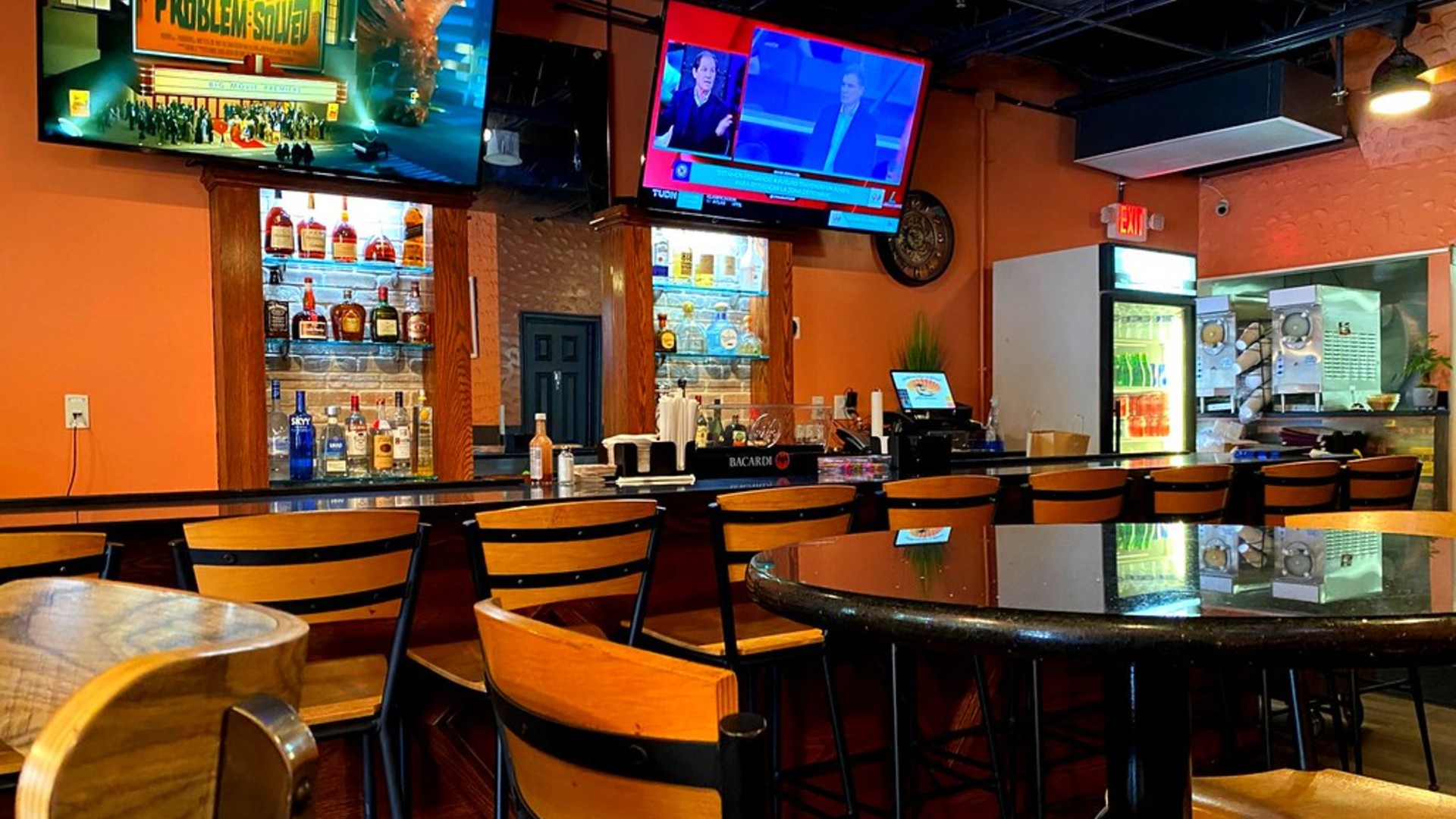
15. Nightlife And Bar Spending
Social spending at bars, lounges, and clubs experiences swift reductions during economic contractions. Around 46 percent of adults scale back tavern visits and high-priced specialty cocktails, turning instead toward home entertaining and BYOB gatherings to maintain friendships without high bar tabs.
©Pixabay / Concord90
14. Professional Housecleaning And Lawn Care
Outsourced domestic maintenance is an operational line item families can manage internally when finances require caution. Roughly 47 percent of households using maid services, window washers, or commercial landscaping cancel their contracts and take over mowing and cleaning chores themselves.
©Pixabay / Counselling
Advertisement
Swipe or tap ▶ to resume the countdown.
13. Gym Memberships And Boutique Fitness
Specialized boutique fitness studios and high-end health club memberships frequently land on the chopping block during downturns. Nearly 49 percent of members cancel monthly club dues, substituting studio cycling and personal trainers with neighborhood running, calisthenics, and home resistance bands.
©Pixabay / StockSnap
12. Consumer Electronics Upgrades
Upgrading smartphones, smartwatches, or laptops becomes a low priority when financial conditions soften. Around 51 percent of consumers extend the replacement cycle of their electronics by a year or more, prioritizing battery replacements and device repairs over thousand-dollar upgrades.
©Wikimedia / U.S. Department of Energy from United
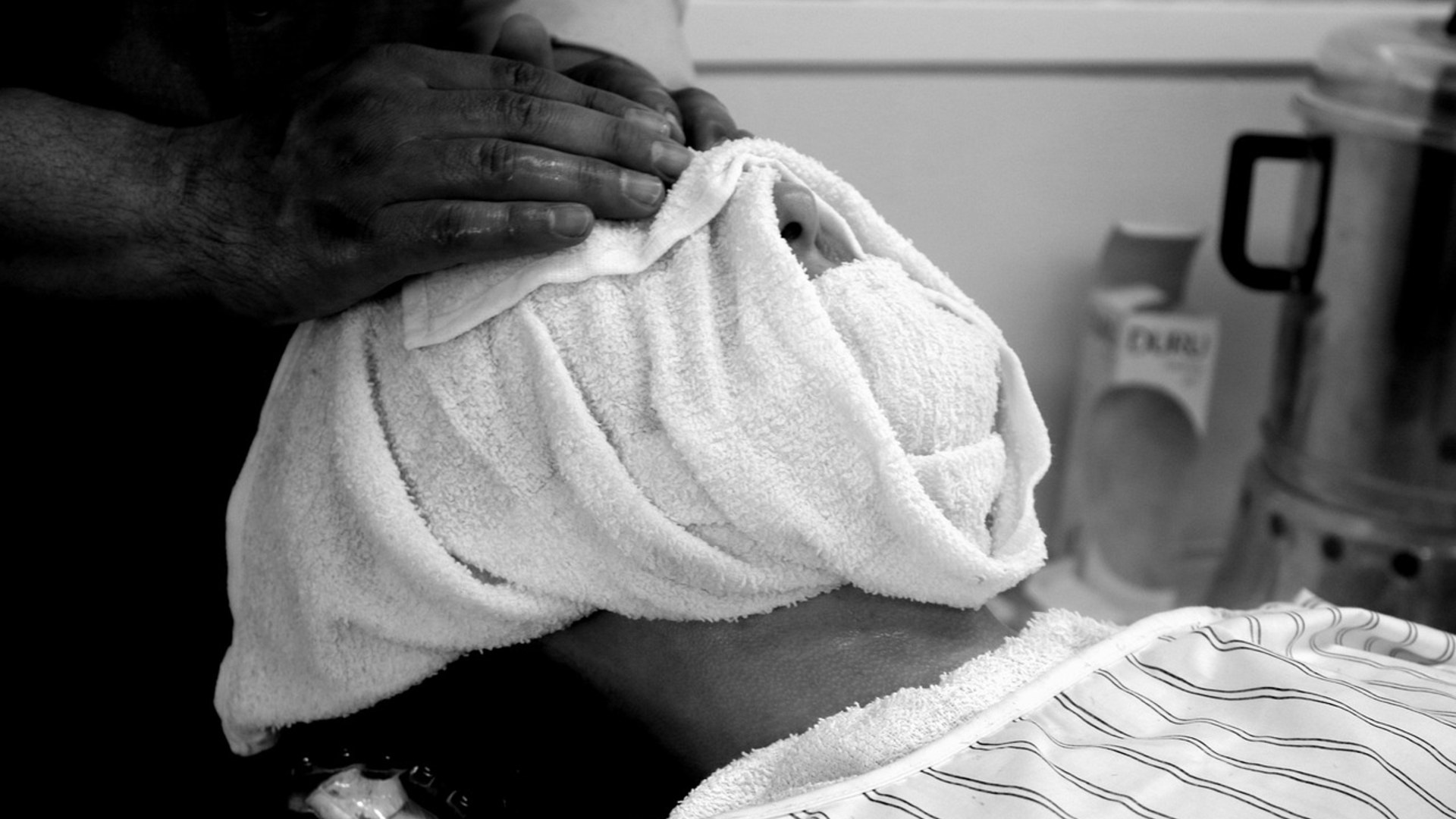
11. Salon Services And Spa Treatments
Personal grooming habits undergo noticeable shifts during recessions, with 52 percent of clients stretching the weeks between haircut and color appointments. Elaborate spa services such as massages, facials, and gel manicures are often omitted or replaced with at-home self-care routines.
©Pixabay / Renee_Olmsted_Photography
10. New Vehicle Purchases
Purchasing a brand-new automobile or signing an expensive multi-year vehicle lease is widely deferred during economic slumps. Approximately 54 percent of drivers delay auto upgrades, choosing regular preventative maintenance on existing vehicles to avoid taking on steep interest rates and monthly loan debt.
©Pixabay / 652234
Advertisement
Swipe or tap ▶ to resume the countdown.
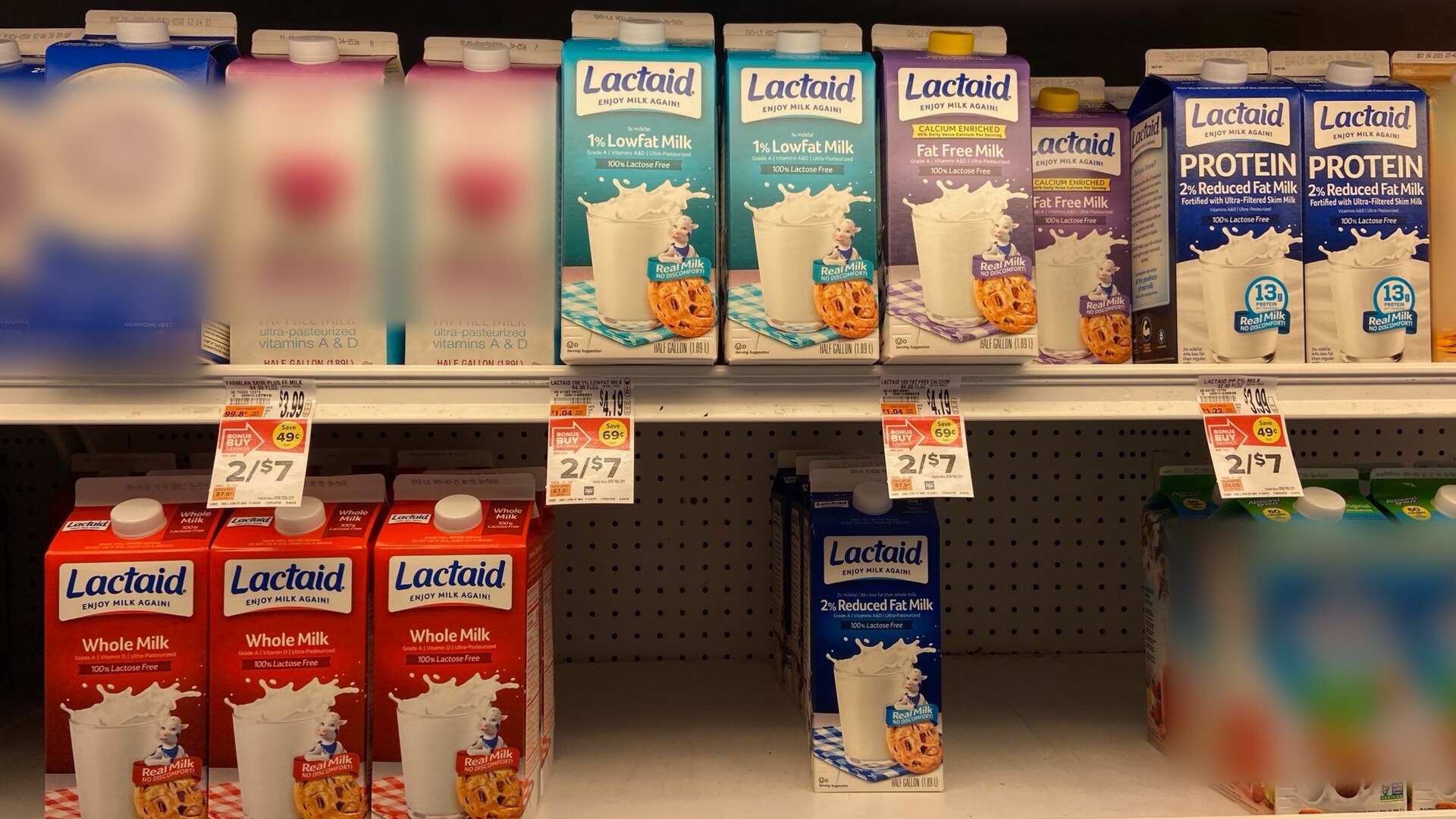
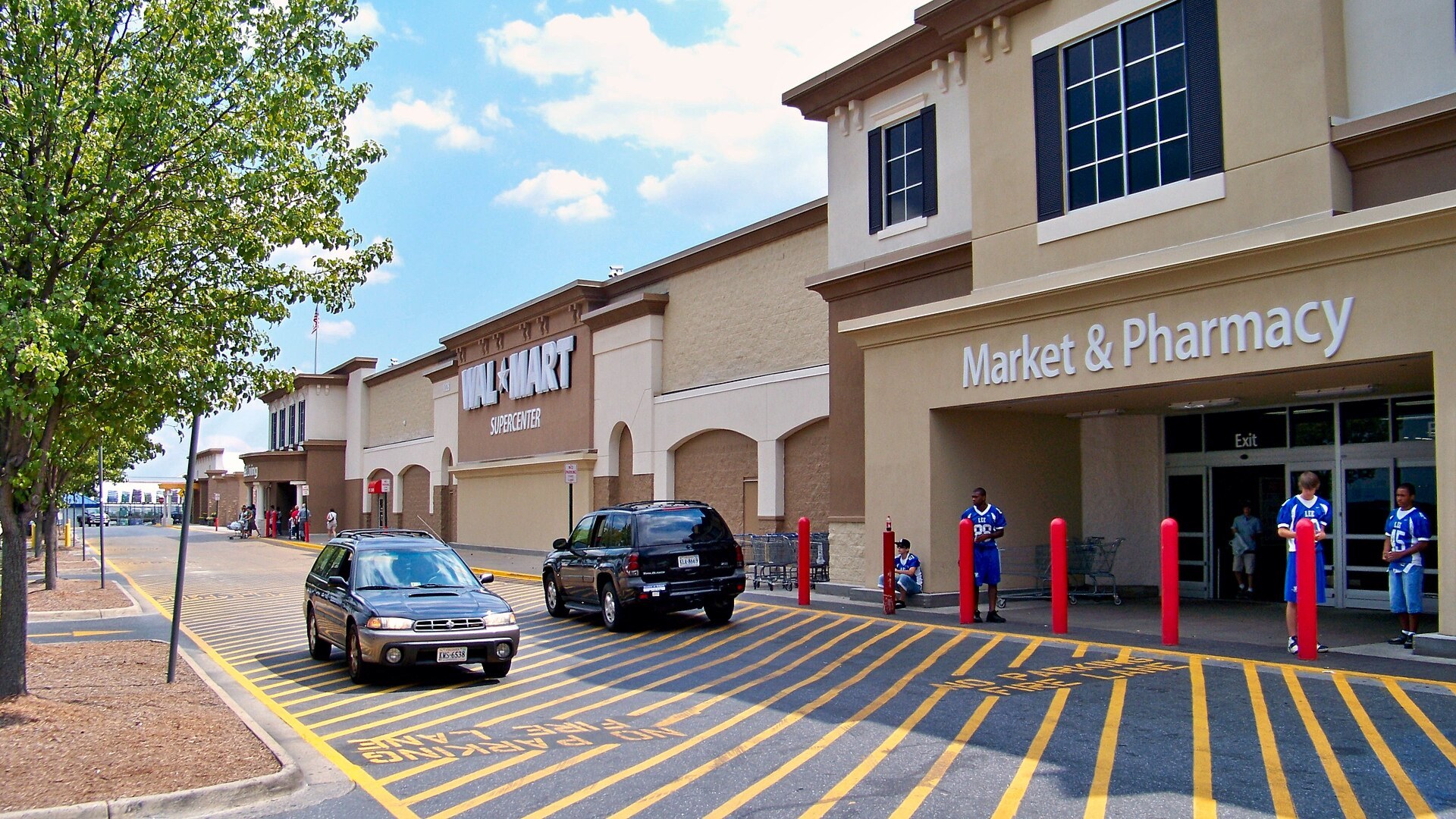
9. Name-Brand Grocery Products
Brand loyalty in grocery aisles dissolves quickly when household finances compress. Over 56 percent of consumers substitute recognized national brand packaged goods with private store labels, capturing immediate twenty to thirty percent discounts across pantry items, dairy products, and cleaning goods.
©Wikimedia / Nolabob
8. Major Home Remodeling Projects
Discretionary home renovation undertakings such as kitchen makeovers, bathroom overhauls, and patio installations stall rapidly. Approximately 58 percent of homeowners shelf major improvement plans, focusing solely on essential urgent repairs to protect their liquid financial buffers.
©Pixabay / StartupStockPhotos
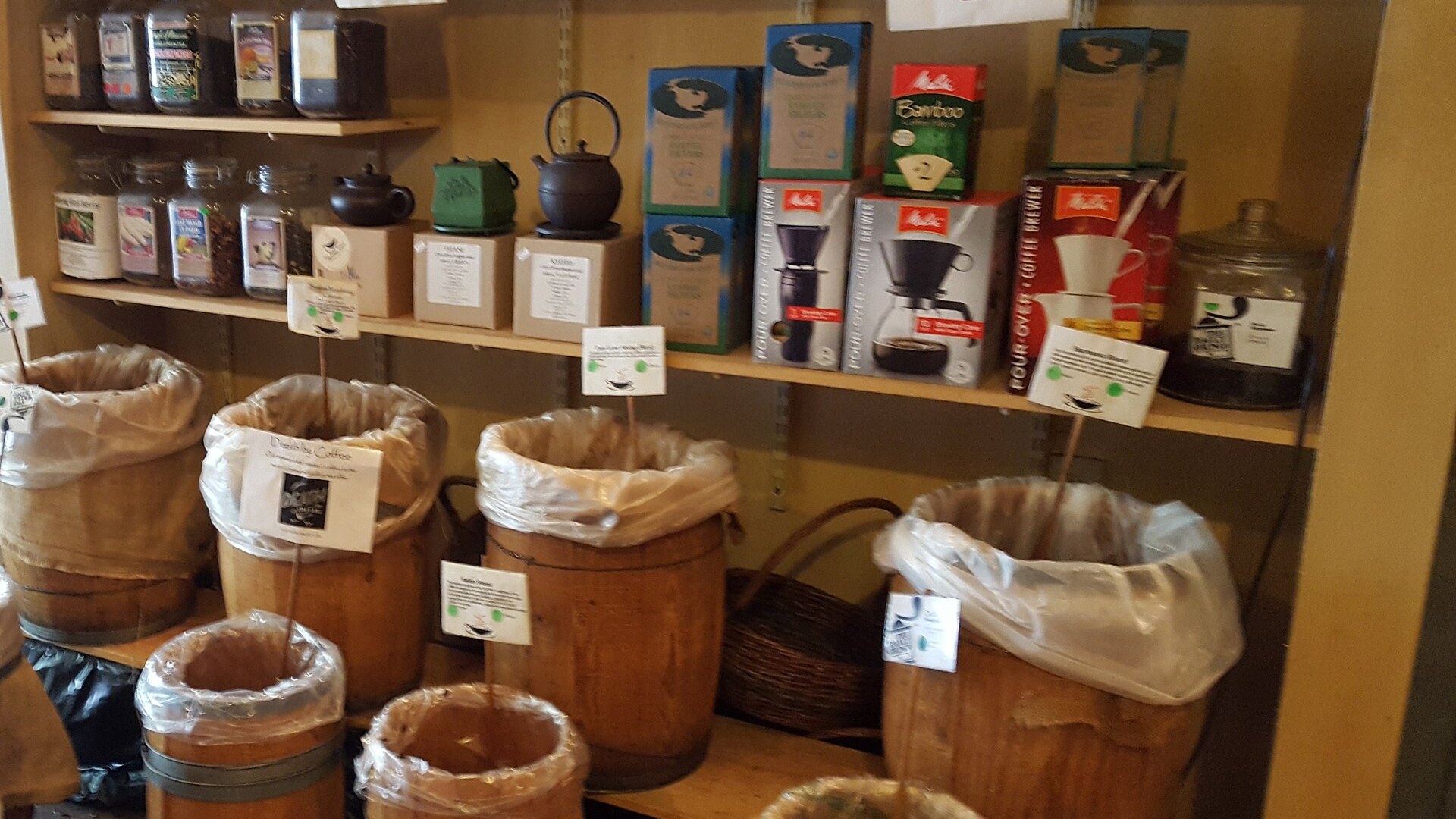
7. Daily Coffee Shop Visits
Stopping by boutique cafes for six-dollar specialty drinks represents a routine personal expense that adds up fast. Around 61 percent of daily coffee drinkers curtail artisanal lattes during downturns, switching to home brewing setups and thermal mugs to save more than a thousand dollars annually.
©Wikimedia / Henry Bellagnome from Troy, New York, United Sta
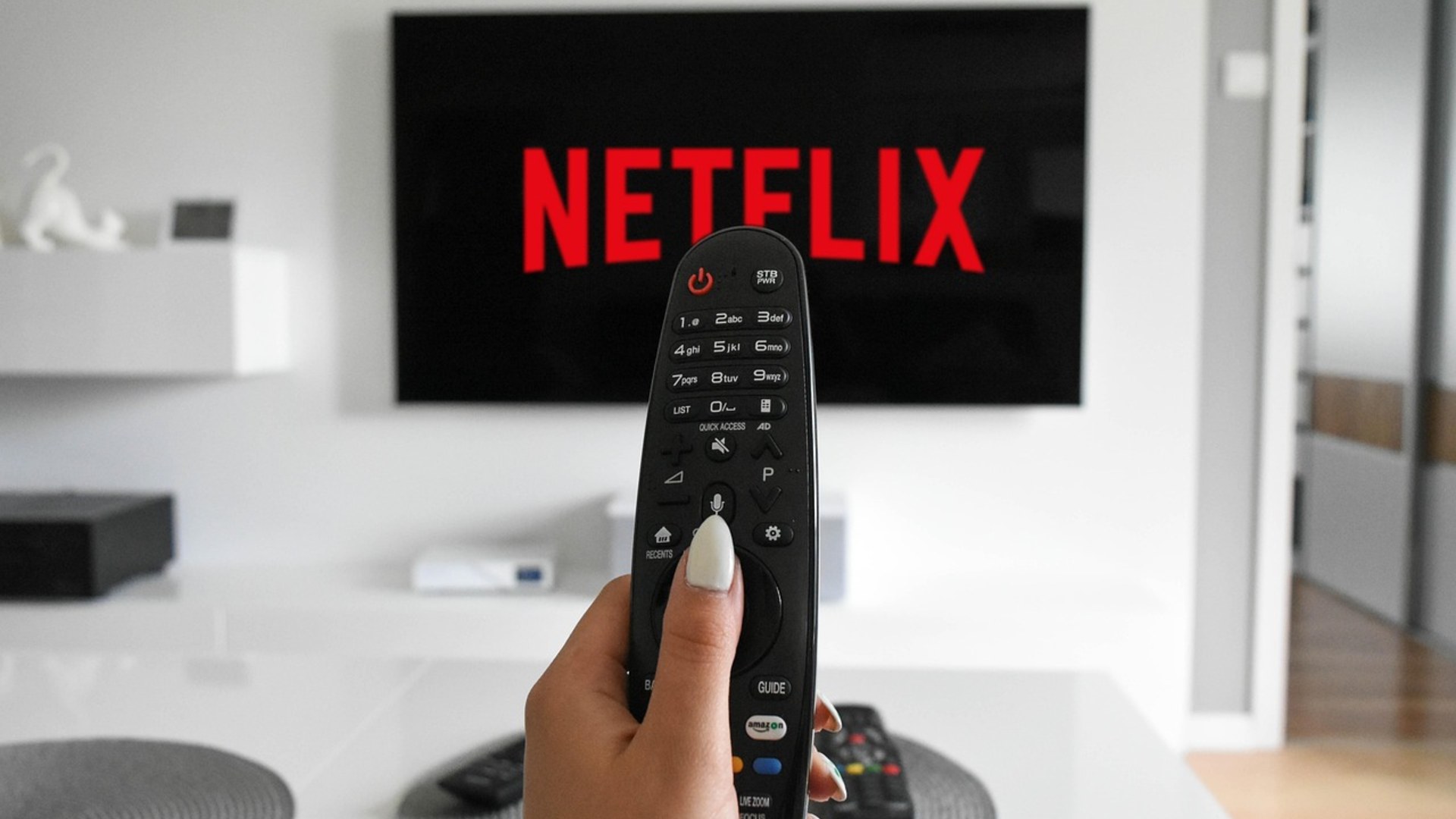
6. Video Streaming And Cable Subscriptions
The accumulation of multiple streaming video plans comes under rigorous review when family finances tighten. Roughly 63 percent of subscribers cancel redundant entertainment tiers or downgrade to ad-supported plans, pruning their monthly digital subscriptions to retain only one or two core services.
©Pixabay / Tumisu
Advertisement
Swipe or tap ▶ to resume the countdown.
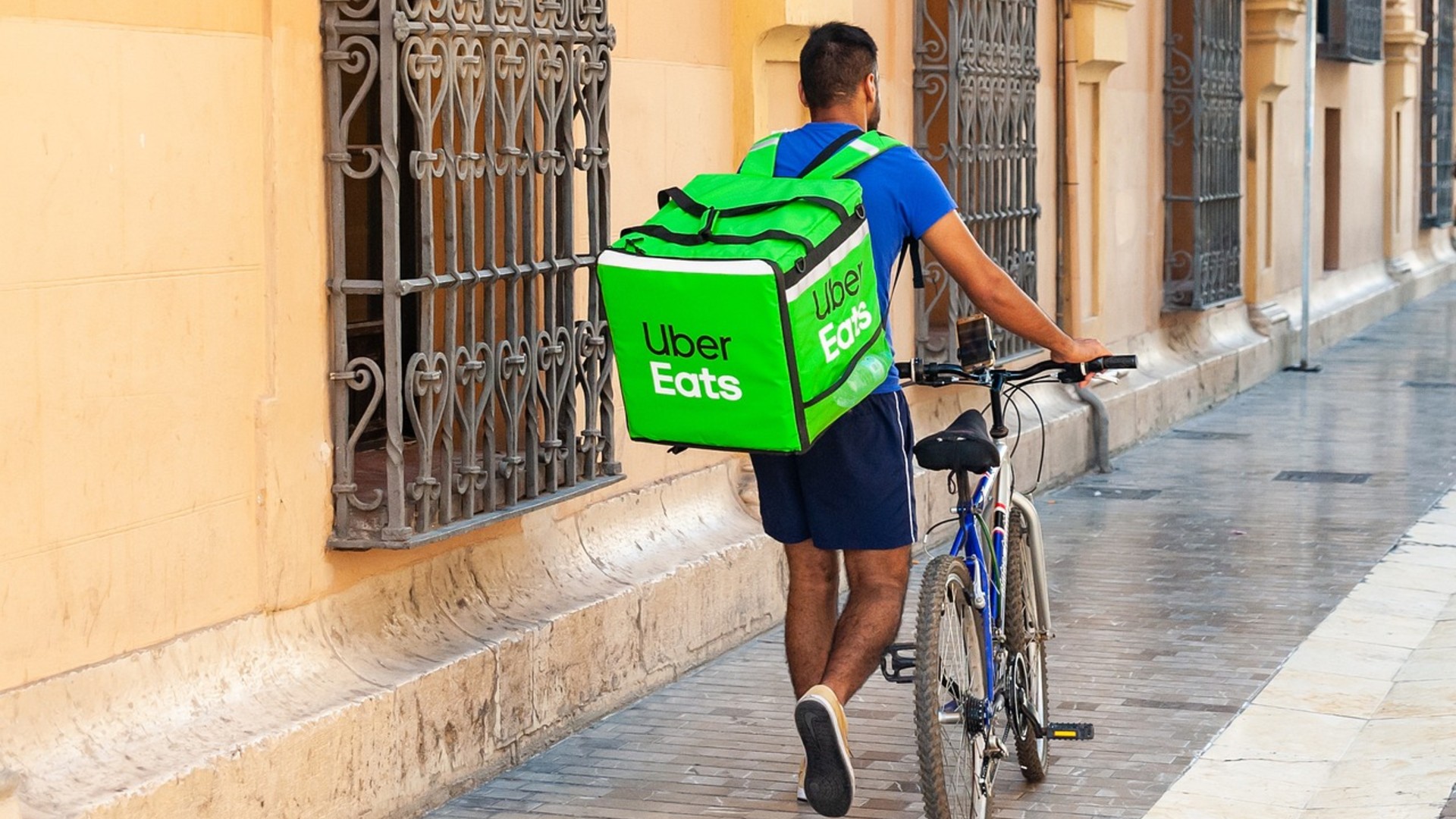
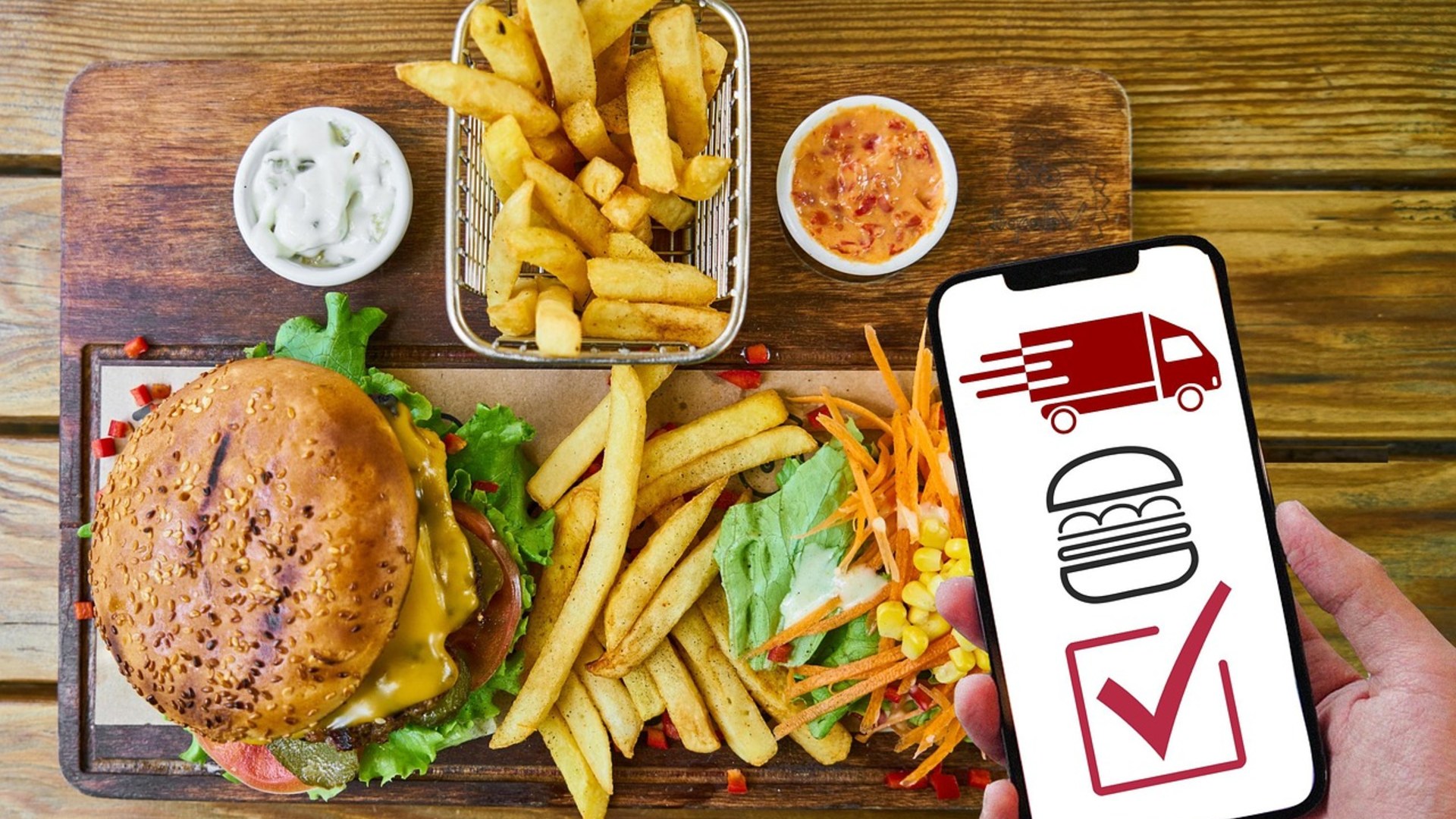
5. Third-Party Food Delivery Apps
Aggregator delivery services often add fifty percent or more to restaurant bills through markups, service charges, and driver tips. Nearly 65 percent of customers abandon app ordering during contractions, preferring to pick up carryout orders directly or cook simple meals in their own kitchens.
©Pixabay / Sunriseforever
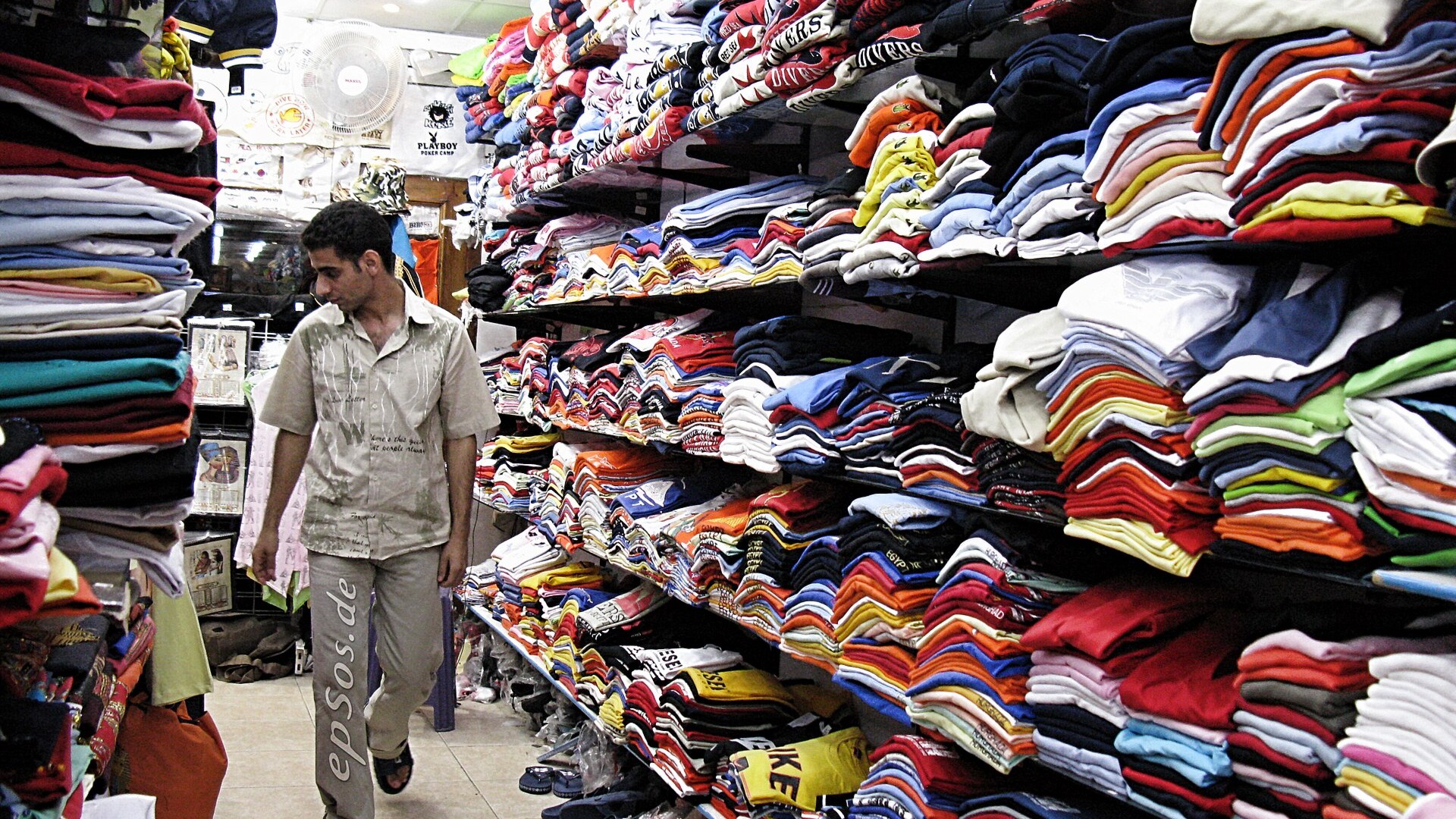
4. New Clothing And Fashion Accessories
Wardrobe refreshes and designer footwear purchases decline rapidly as shoppers concentrate on necessities. Around 67 percent of Americans pause non-essential apparel shopping during economic slumps, turning toward capsule wardrobes and thrift stores while delaying seasonal fashion upgrades.
©Wikimedia / epSos .de
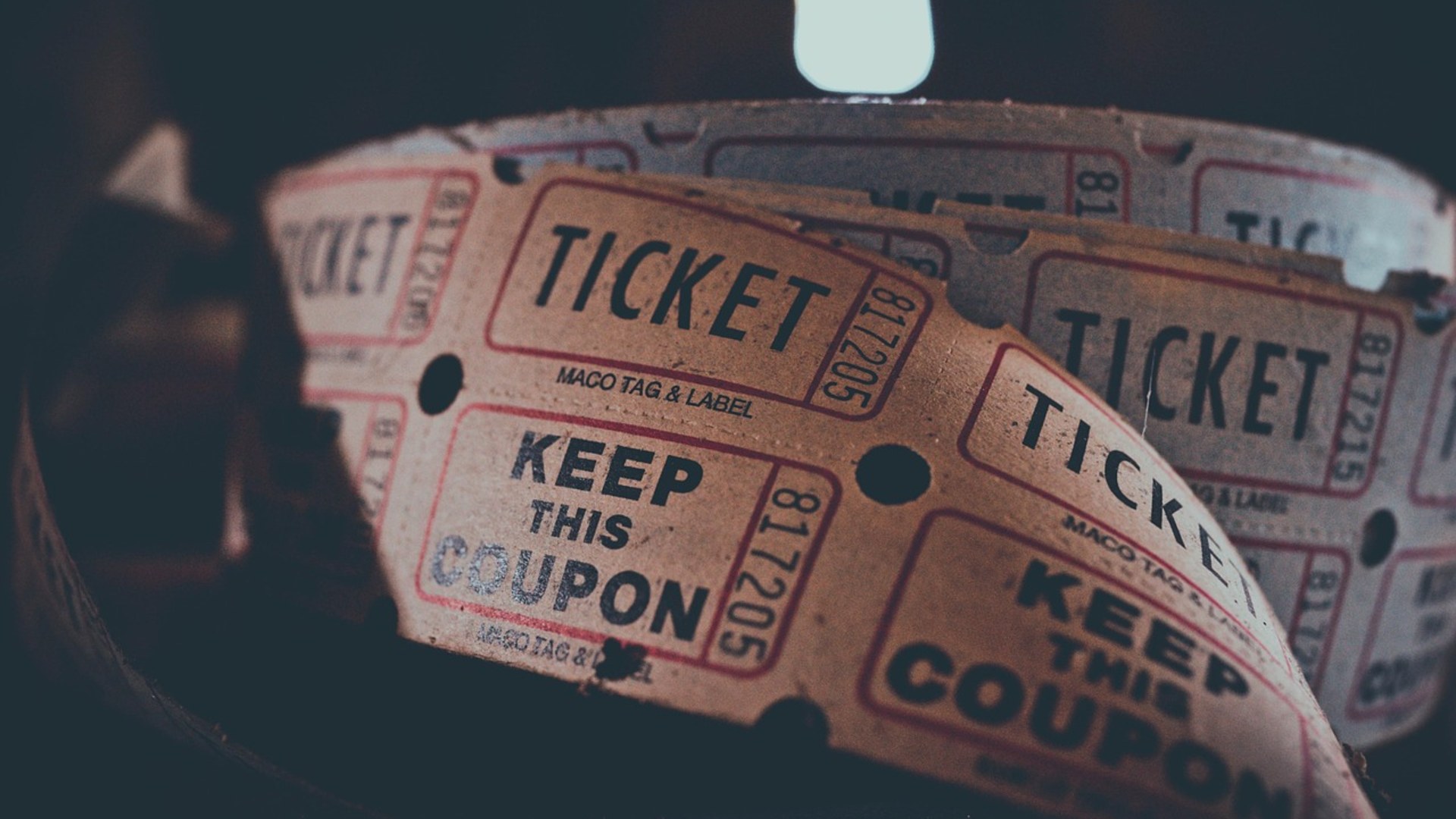
3. Live Concerts And Event Tickets
Rising ticket prices and ticketing platform fees make live entertainment an easy target for household budget cuts. Roughly 69 percent of eventgoers skip stadium tours, musical theatre, and professional sporting contests during slumps, opting for free municipal parks and community performances.
©Pixabay / igorovsyannykov
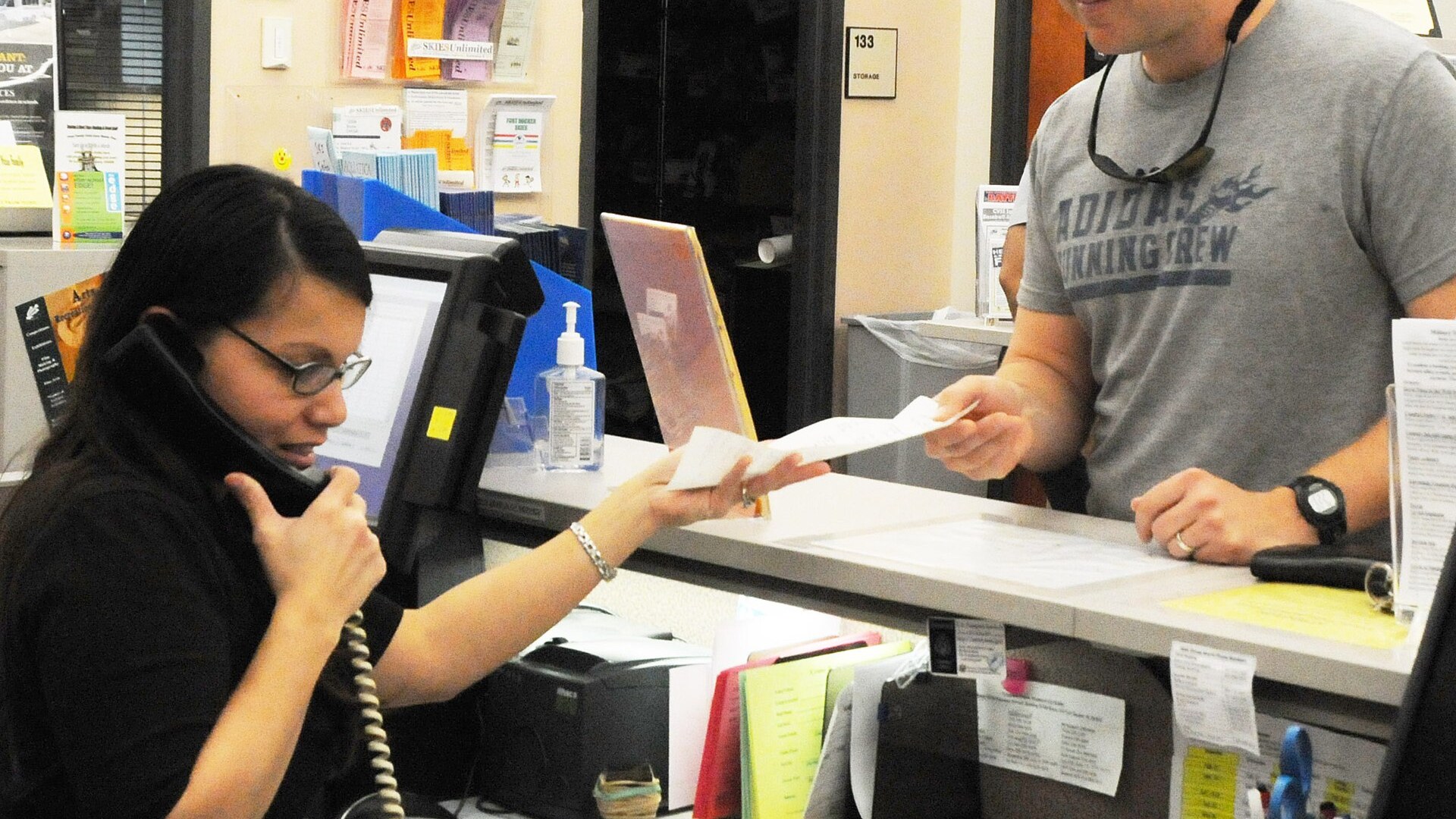
2. Vacations And Leisure Travel
Discretionary leisure getaways and expensive international flights represent major capital outlays that get canceled early. Over 71 percent of travelers scale down vacation plans when the economy falters, replacing long-distance resort trips with regional driving journeys, camping, or relaxing staycations.
©Wikimedia / Fort Rucker
Advertisement
Swipe or tap ▶ to resume the countdown.
1. Dining Out At Restaurants
Dining at sit-down restaurants is the single most common expenditure Americans reduce during economic contractions. Over 73 percent of consumers cut restaurant meals first, switching to home-cooked dishes and grocery staples to achieve hundreds of dollars in immediate monthly savings.

©Openverse / France1978
Advertisement
You've reached the end of the story. Thanks for reading!

The 20 Largest US Companies, Ranked by Annual Revenue
American corporate giants generate hundreds of billions of dollars every year across retail, healthcare, energy, and technology. This gallery counts down the top twenty corporations using audited annual revenue figures reported by Fortune 500 research, official company financial filings, and Bloomberg market data.
All 20 Entries in this Story
20. Non-Essential Gifting And Donations
Charitable contributions and holiday gift spending drop significantly during downturns, with roughly 32 percent of consumers scaling back. Families set lower spending limits for birthday exchanges and curtail donations to non-profits, redirecting surplus cash into emergency savings accounts.

19. Mobile Apps And In-Game Purchases
Digital microtransactions represent an easy friction-free cut, with 34 percent of consumers canceling gaming passes and paid app upgrades. Eliminating redundant monthly app renewals saves the average smartphone user between twenty and fifty dollars each month without sacrificing vital communication.

18. Premium Organic And Specialty Groceries
Shoppers frequently abandon premium organic labels and artisanal food brands when inflation and recessionary pressures escalate. Roughly 38 percent of grocery shoppers shift from specialized organic produce aisles toward standard conventional staples, generating noticeable weekly food savings.

17. Meal Kit Delivery Subscriptions
Pre-portioned meal kits that deliver fresh recipe ingredients directly to front doors carry premium per-serving costs. About 41 percent of active subscribers pause or cancel these recurring deliveries during recessions, opting to purchase basic bulk pantry ingredients from local supermarkets instead.

16. Curated Subscription Boxes
Recurring delivery services that ship curated assortments of apparel, beauty samples, or novelties are viewed as unessential luxuries. Approximately 43 percent of households discontinue these auto-renewing subscriptions, quickly freeing up thirty to sixty dollars per month in household cash flow.

15. Nightlife And Bar Spending
Social spending at bars, lounges, and clubs experiences swift reductions during economic contractions. Around 46 percent of adults scale back tavern visits and high-priced specialty cocktails, turning instead toward home entertaining and BYOB gatherings to maintain friendships without high bar tabs.

14. Professional Housecleaning And Lawn Care
Outsourced domestic maintenance is an operational line item families can manage internally when finances require caution. Roughly 47 percent of households using maid services, window washers, or commercial landscaping cancel their contracts and take over mowing and cleaning chores themselves.

13. Gym Memberships And Boutique Fitness
Specialized boutique fitness studios and high-end health club memberships frequently land on the chopping block during downturns. Nearly 49 percent of members cancel monthly club dues, substituting studio cycling and personal trainers with neighborhood running, calisthenics, and home resistance bands.

12. Consumer Electronics Upgrades
Upgrading smartphones, smartwatches, or laptops becomes a low priority when financial conditions soften. Around 51 percent of consumers extend the replacement cycle of their electronics by a year or more, prioritizing battery replacements and device repairs over thousand-dollar upgrades.

11. Salon Services And Spa Treatments
Personal grooming habits undergo noticeable shifts during recessions, with 52 percent of clients stretching the weeks between haircut and color appointments. Elaborate spa services such as massages, facials, and gel manicures are often omitted or replaced with at-home self-care routines.

10. New Vehicle Purchases
Purchasing a brand-new automobile or signing an expensive multi-year vehicle lease is widely deferred during economic slumps. Approximately 54 percent of drivers delay auto upgrades, choosing regular preventative maintenance on existing vehicles to avoid taking on steep interest rates and monthly loan debt.

9. Name-Brand Grocery Products
Brand loyalty in grocery aisles dissolves quickly when household finances compress. Over 56 percent of consumers substitute recognized national brand packaged goods with private store labels, capturing immediate twenty to thirty percent discounts across pantry items, dairy products, and cleaning goods.

8. Major Home Remodeling Projects
Discretionary home renovation undertakings such as kitchen makeovers, bathroom overhauls, and patio installations stall rapidly. Approximately 58 percent of homeowners shelf major improvement plans, focusing solely on essential urgent repairs to protect their liquid financial buffers.

7. Daily Coffee Shop Visits
Stopping by boutique cafes for six-dollar specialty drinks represents a routine personal expense that adds up fast. Around 61 percent of daily coffee drinkers curtail artisanal lattes during downturns, switching to home brewing setups and thermal mugs to save more than a thousand dollars annually.

6. Video Streaming And Cable Subscriptions
The accumulation of multiple streaming video plans comes under rigorous review when family finances tighten. Roughly 63 percent of subscribers cancel redundant entertainment tiers or downgrade to ad-supported plans, pruning their monthly digital subscriptions to retain only one or two core services.

5. Third-Party Food Delivery Apps
Aggregator delivery services often add fifty percent or more to restaurant bills through markups, service charges, and driver tips. Nearly 65 percent of customers abandon app ordering during contractions, preferring to pick up carryout orders directly or cook simple meals in their own kitchens.

4. New Clothing And Fashion Accessories
Wardrobe refreshes and designer footwear purchases decline rapidly as shoppers concentrate on necessities. Around 67 percent of Americans pause non-essential apparel shopping during economic slumps, turning toward capsule wardrobes and thrift stores while delaying seasonal fashion upgrades.

3. Live Concerts And Event Tickets
Rising ticket prices and ticketing platform fees make live entertainment an easy target for household budget cuts. Roughly 69 percent of eventgoers skip stadium tours, musical theatre, and professional sporting contests during slumps, opting for free municipal parks and community performances.

2. Vacations And Leisure Travel
Discretionary leisure getaways and expensive international flights represent major capital outlays that get canceled early. Over 71 percent of travelers scale down vacation plans when the economy falters, replacing long-distance resort trips with regional driving journeys, camping, or relaxing staycations.

1. Dining Out At Restaurants
Dining at sit-down restaurants is the single most common expenditure Americans reduce during economic contractions. Over 73 percent of consumers cut restaurant meals first, switching to home-cooked dishes and grocery staples to achieve hundreds of dollars in immediate monthly savings.