Slideshow · Travel
22 Dramatic European Castles From Alpine Peaks to River Ruins
From jagged Caucasus peaks to quiet bends along the Rhine and Danube, Europe's castles tell centuries of border warfare and royal ambition. Drawing on UNESCO World Heritage files, the Bavarian Palace Administration, and national monument archives, this gallery tours 22 remarkable stone fortresses and river ruins.
By Most Viral Today
6 min agoimage-first:castles-europe:2026-11-20:22-castles-of-europe-from-fairytale-peaks-to-ruins-on-the-river

Cliffside fortresses, island citadels, and mountain towers across Europe 
22. Gvozdansko Castle, Croatia 
21. Shatili Fortress, Georgia 
20. Aggstein Castle, Austria - AdvertisementSwipe or tap ▶ to continue countdown

19. Rheinfels Castle, Germany 
18. Marksburg Castle, Germany 
17. Chateau Gaillard, France 
16. Kilchurn Castle, Scotland - AdvertisementSwipe or tap ▶ to continue countdown

15. Dunnottar Castle, Scotland 
14. Rocca Calascio, Italy 
13. Spis Castle, Slovakia 
12. Predjama Castle, Slovenia - AdvertisementSwipe or tap ▶ to continue countdown

11. Trakai Island Castle, Lithuania 
10. Bran Castle, Romania 
9. Hohenwerfen Castle, Austria 
8. Hohenzollern Castle, Germany - AdvertisementSwipe or tap ▶ to continue countdown

7. Alcazar Of Segovia, Spain 
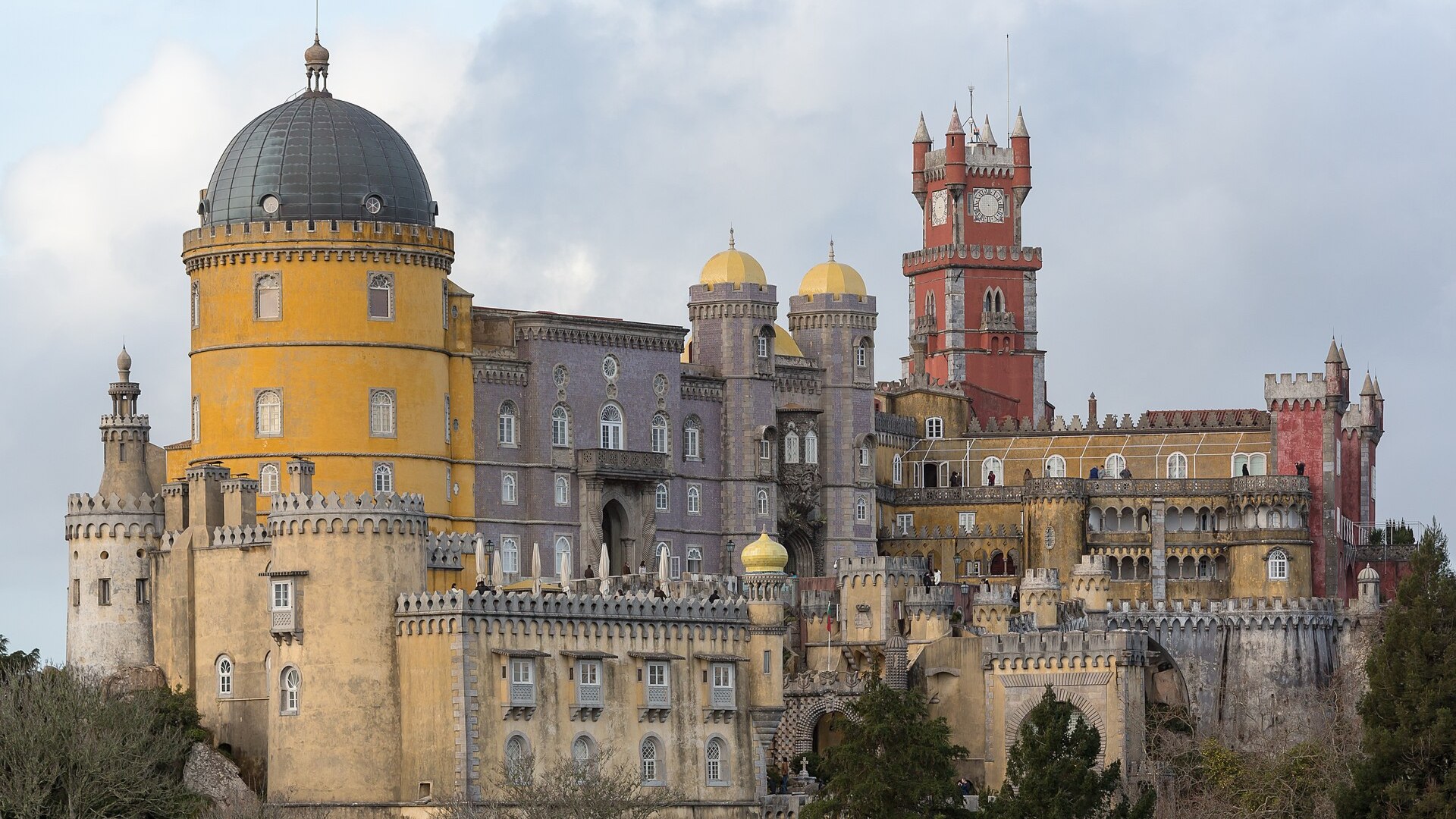
6. Pena Palace, Portugal 
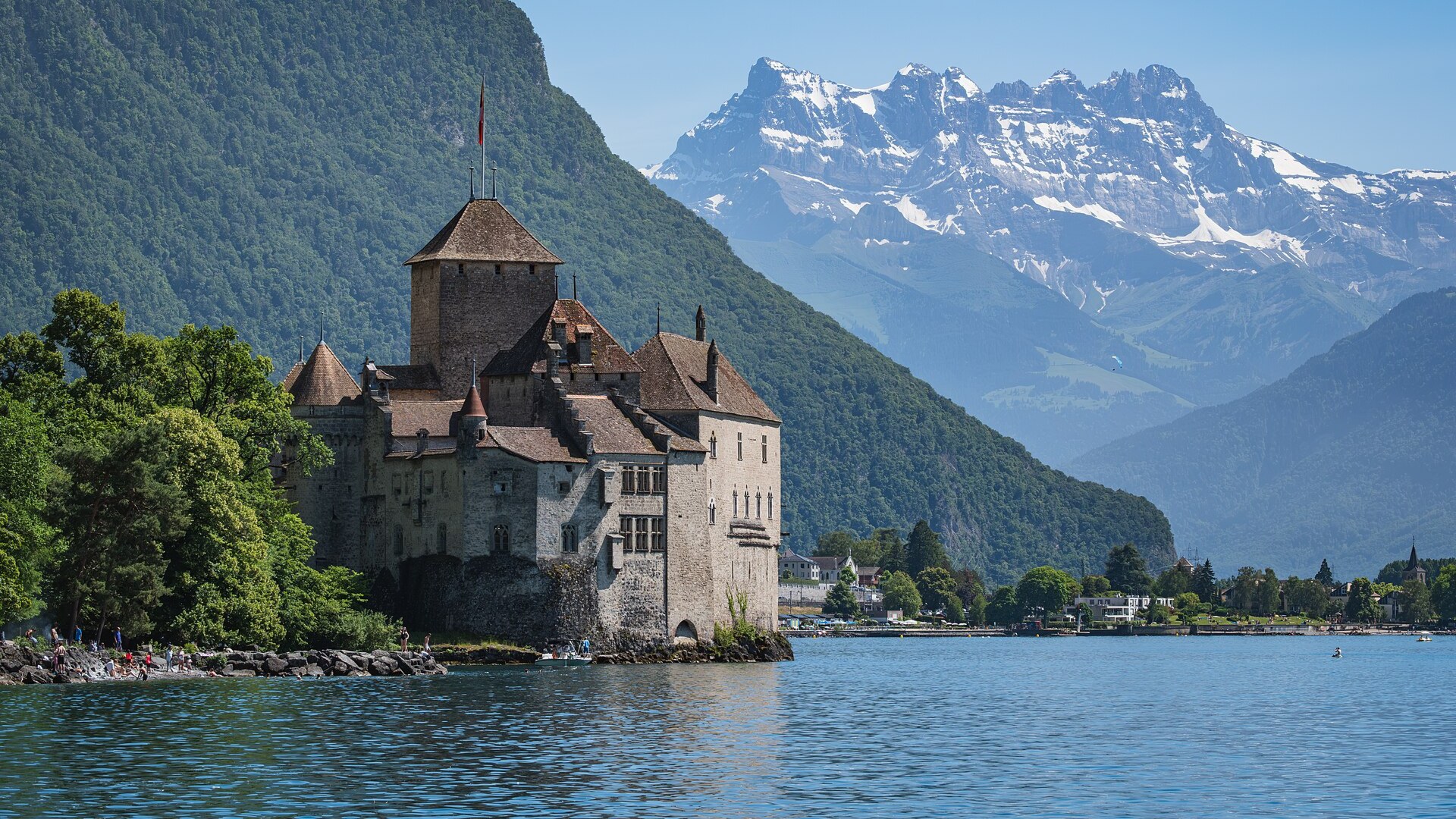
5. Chillon Castle, Switzerland 
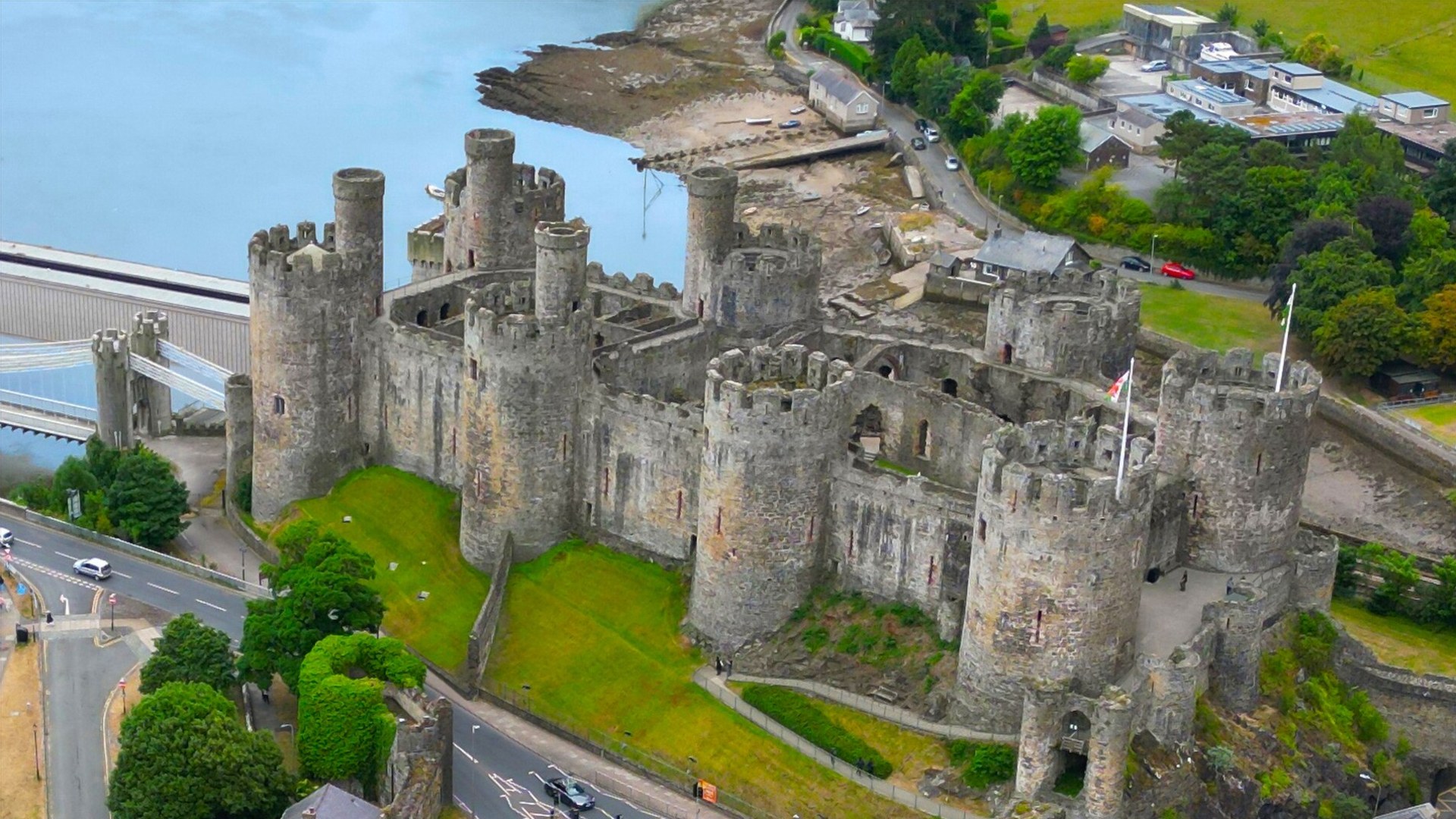
4. Conwy Castle, Wales - AdvertisementSwipe or tap ▶ to continue countdown

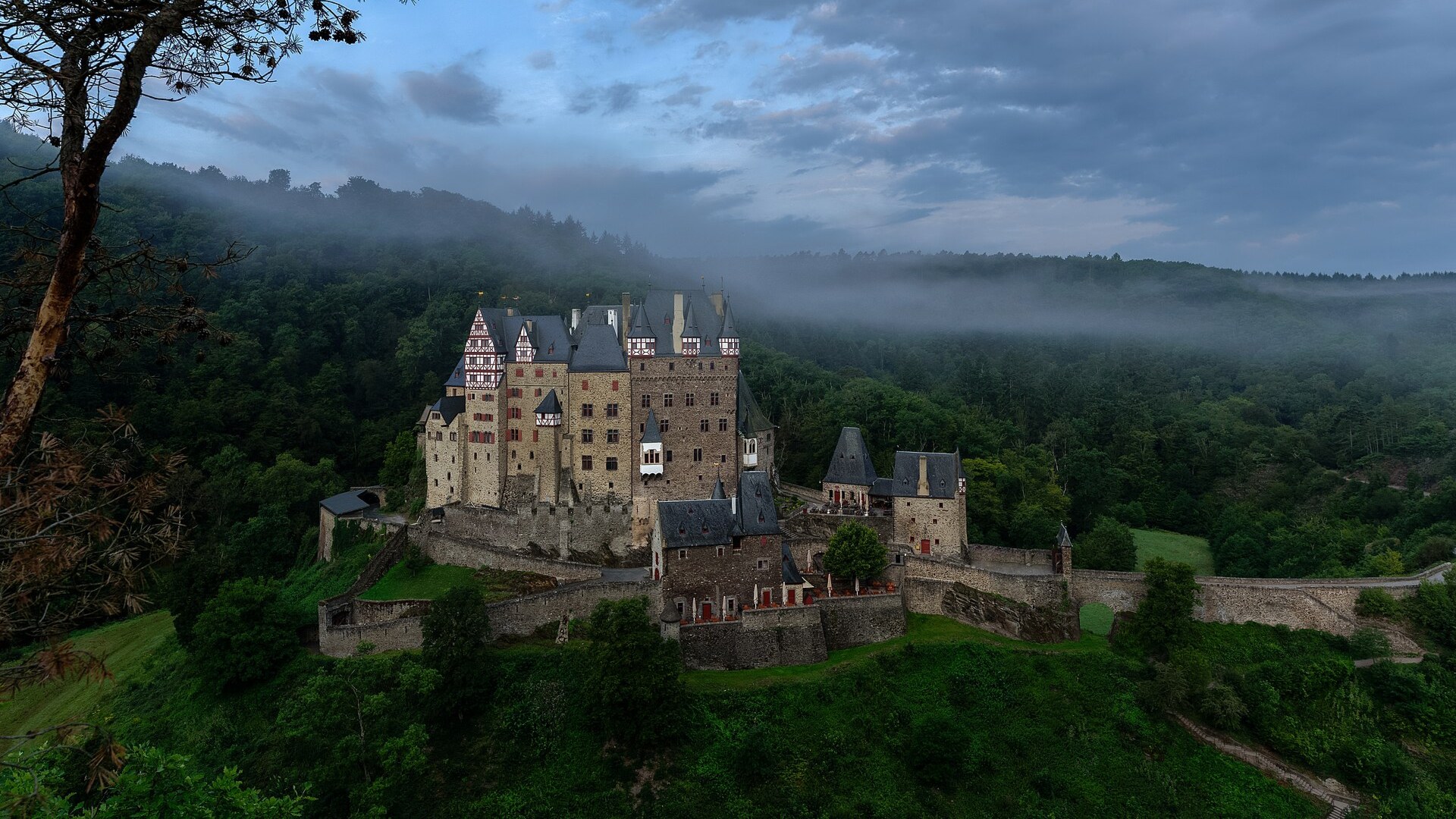
3. Eltz Castle, Germany 
2. Mont-Saint-Michel, France 
1. Neuschwanstein Castle, Germany - Advertisement🔥 UP NEXT IN THIS SERIES◫ 23 Slides

22 Popular Destinations With Lighter Crowds in Shoulder Season
Peak summer crowds drive up room rates and pack narrow old towns across the globe. Shifting a trip by a few weeks into spring or autumn often brings milder walking weather and open tables. This countdown draws on World Meteorological Organization climate normals, UNESCO records, and park seasonal calendars.
From jagged Caucasus peaks to quiet bends along the Rhine and Danube, Europe's castles tell centuries of border warfare and royal ambition. Drawing on UNESCO World Heritage files, the Bavarian Palace Administration, and national monument archives, this gallery tours 22 remarkable stone fortresses and river ruins.
Swipe or tap ▶ to begin the countdown
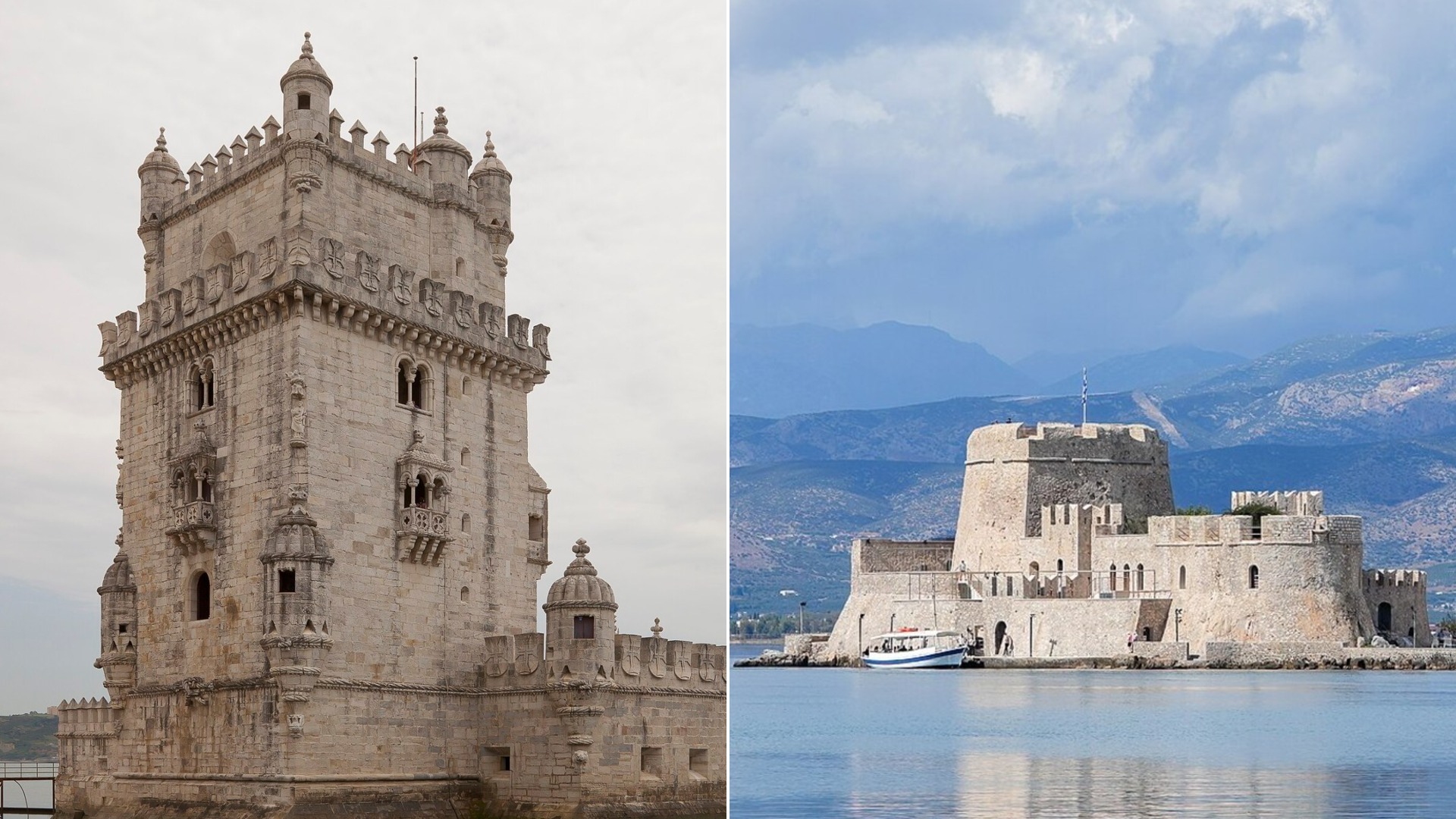
©Wikimedia / Wilfredor & Wikimedia / Diliff
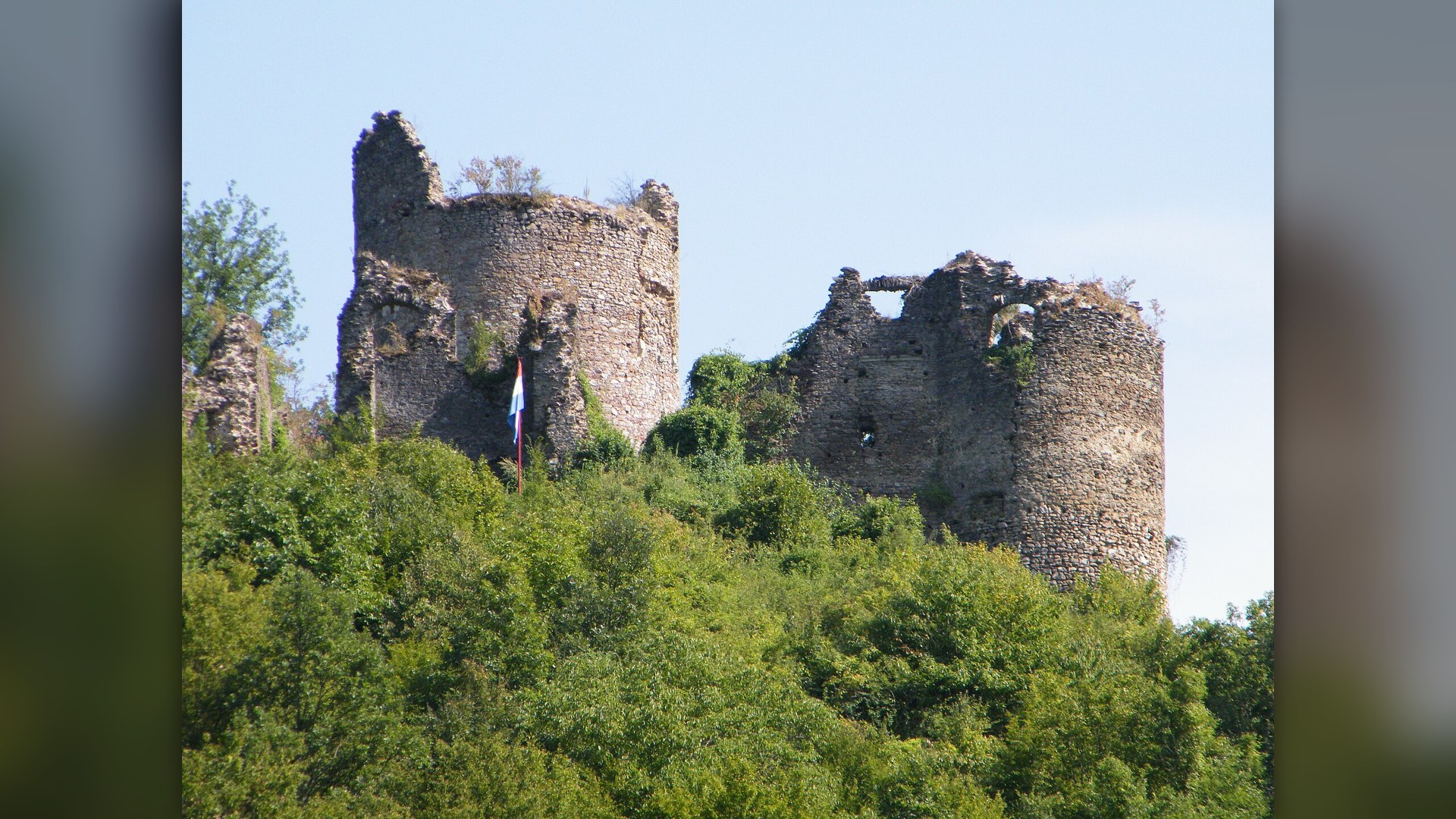
22. Gvozdansko Castle, Croatia
Built in the late 15th century by the Croatian Zrinski noble family, this lowland stone fort guarded nearby silver and lead mines near the Una river basin. In January 1578, its small garrison held out for three months against an Ottoman siege until every defender died of cold and starvation.
©Wikimedia / Pdluke
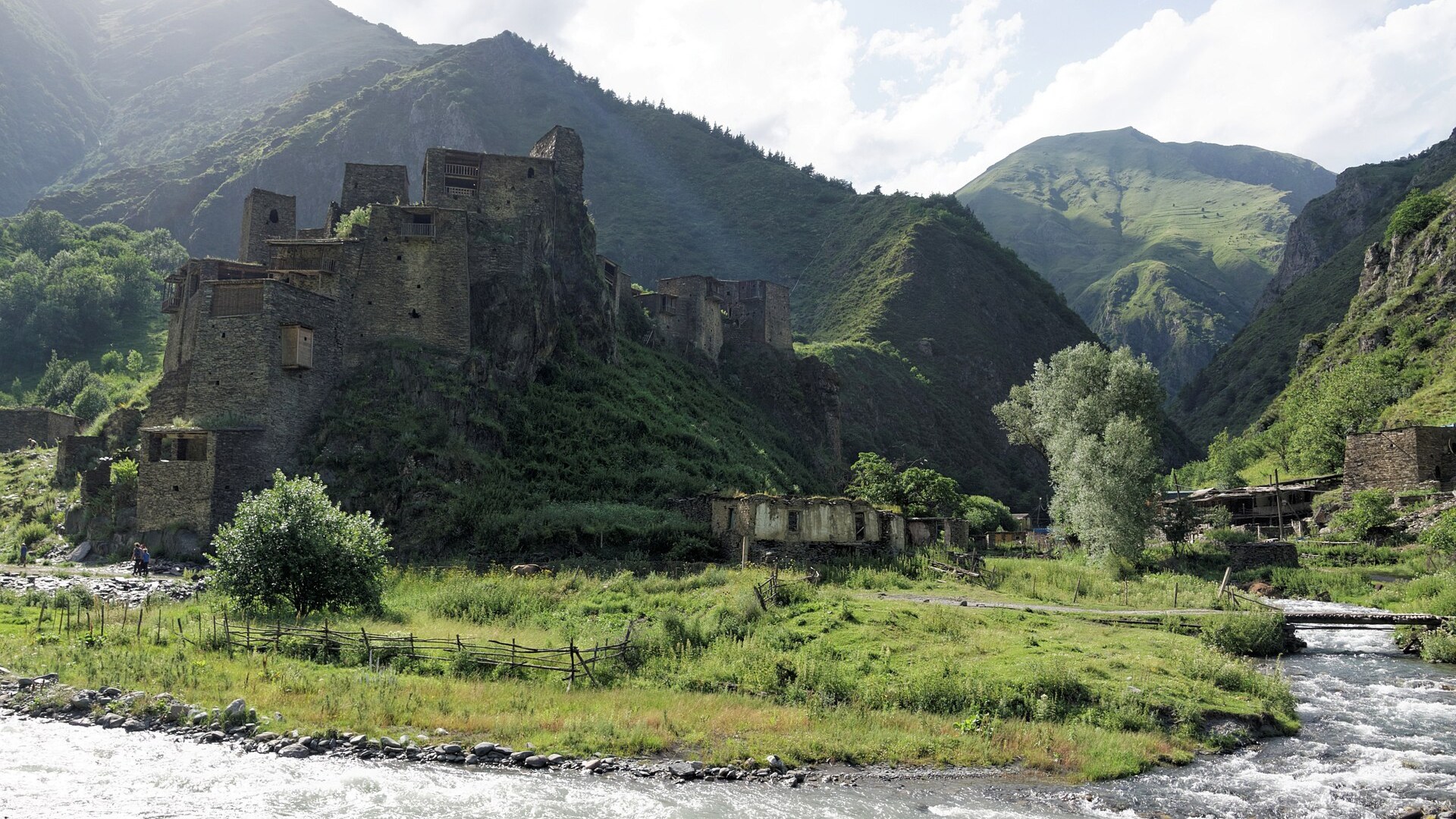
21. Shatili Fortress, Georgia
Sitting near 1,400 meters in Georgia's Khevsureti gorge, Shatili combines around 60 slate-stone towers built between the 7th and 13th centuries. Bridges and narrow ledges linked family homes into one continuous defensive wall above the Argun River, guarding the northern mountain pass.
©Wikimedia / Vyacheslav Argenberg
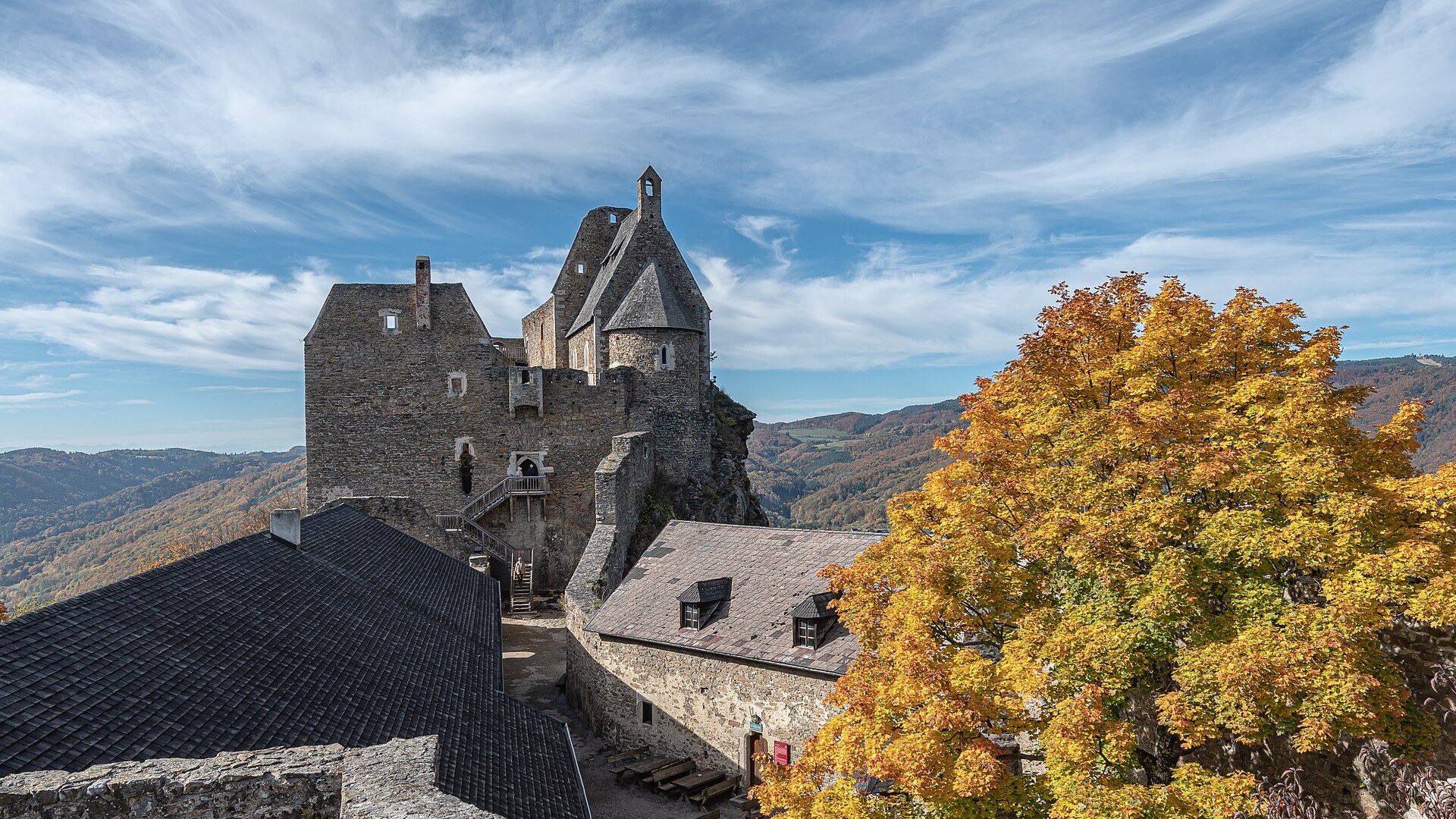
20. Aggstein Castle, Austria
Perched 300 meters above the right bank of the Danube in Austria's Wachau Valley, Aggstein dates back to the early 1100s. The Kuenring lords used chains across the river to collect tolls from passing barges, while later sieges and a 1685 fire reduced the fortress to stone walls.
©Wikimedia / Isiwal
Advertisement
Swipe or tap ▶ to resume the countdown.
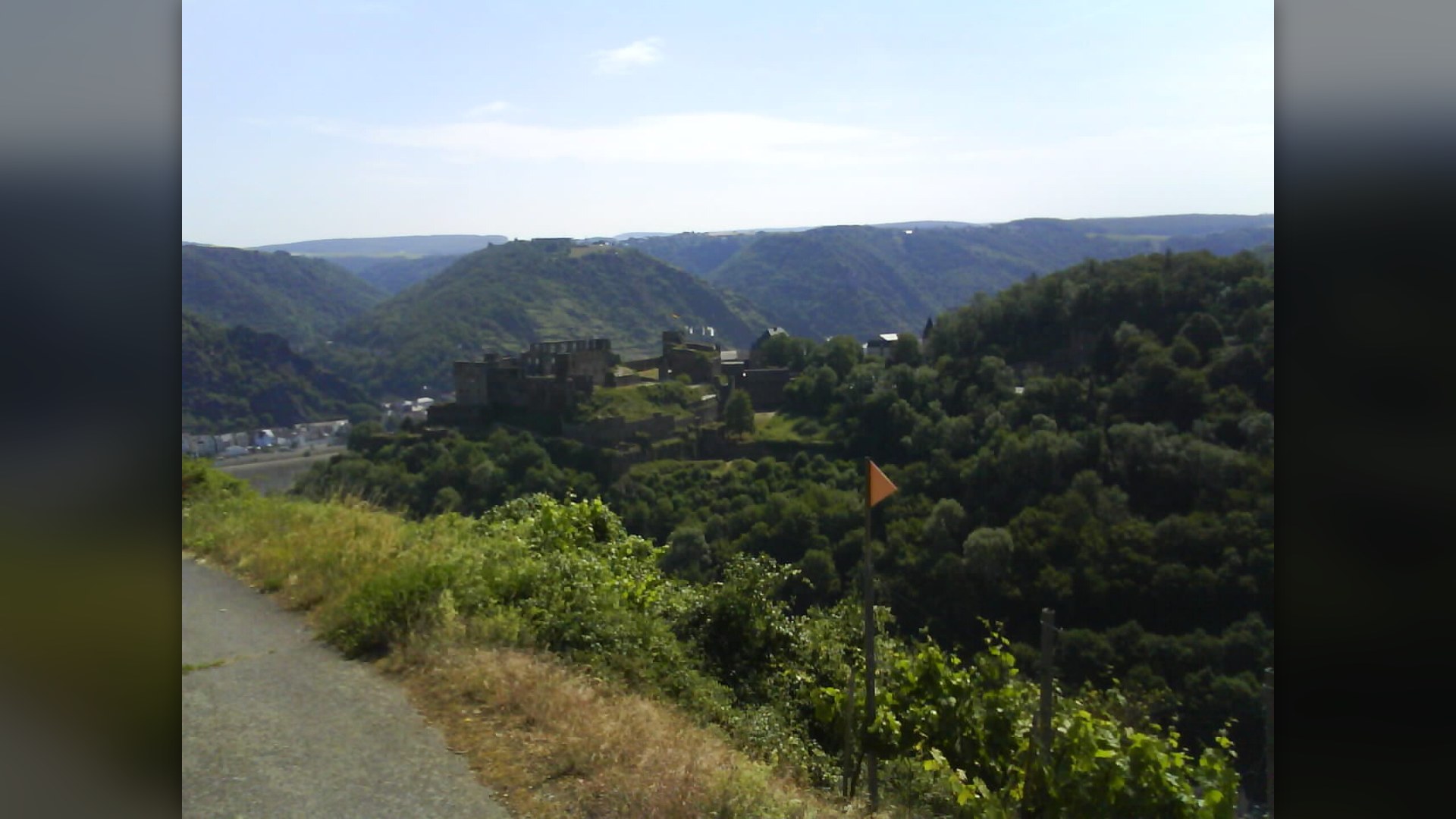
19. Rheinfels Castle, Germany
Count Diether V of Katzenelnbogen founded Rheinfels in 1245 to protect customs collections along the Rhine. It grew into the largest fortress between Koblenz and Mainz, survived a 1692 French siege, and finally fell in 1794 before French forces demolished its outer works.
©Wikimedia / Stephan Hense
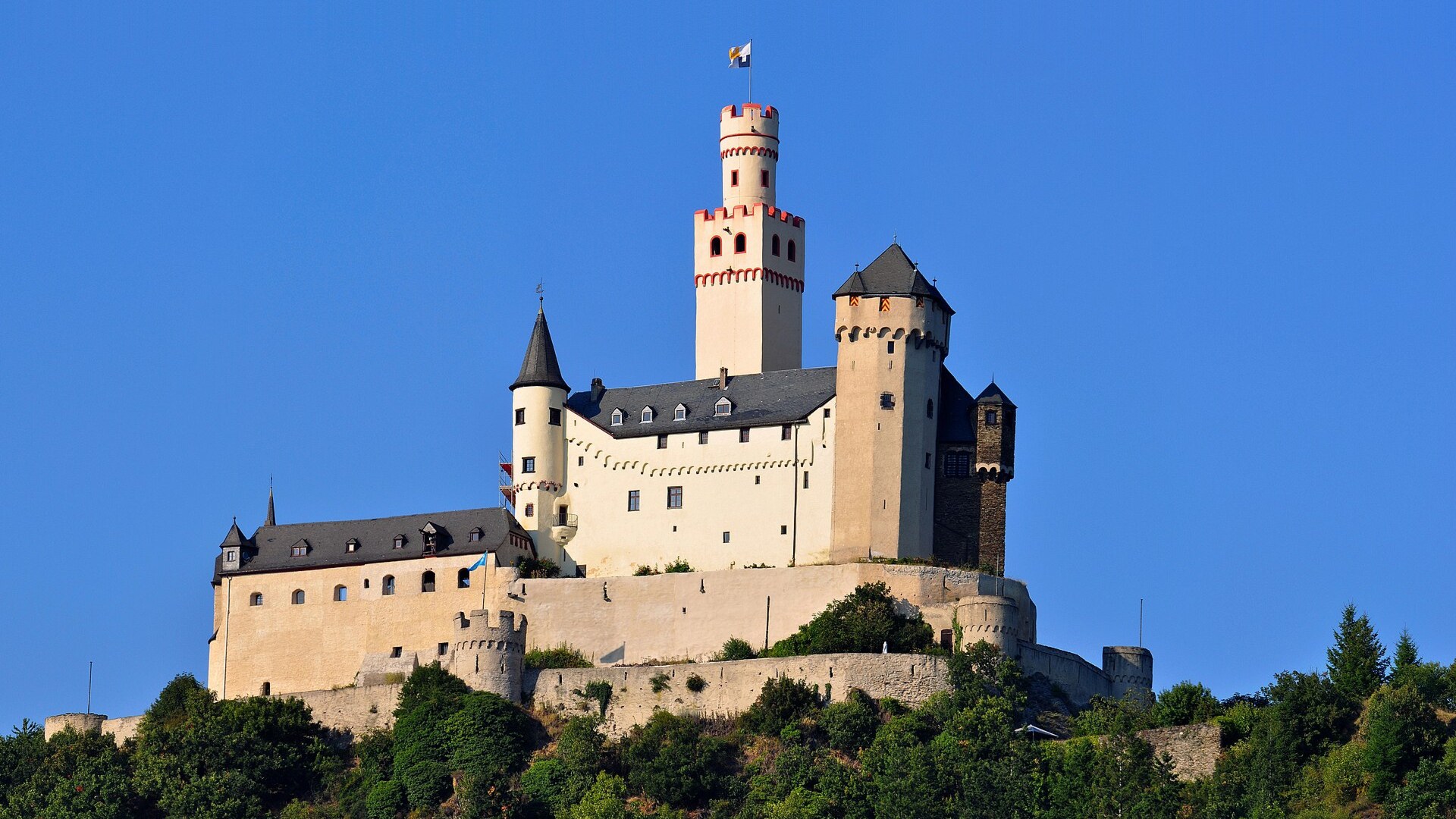
18. Marksburg Castle, Germany
Rising on a slate cone 160 meters above Braubach, Marksburg dates to around 1117 and served the Eppstein and Katzenelnbogen families. Unlike neighboring Rhine forts, it escaped cannon ruin in 1689 and now houses the headquarters of the German Castles Association.
©Wikimedia / Tobi 87
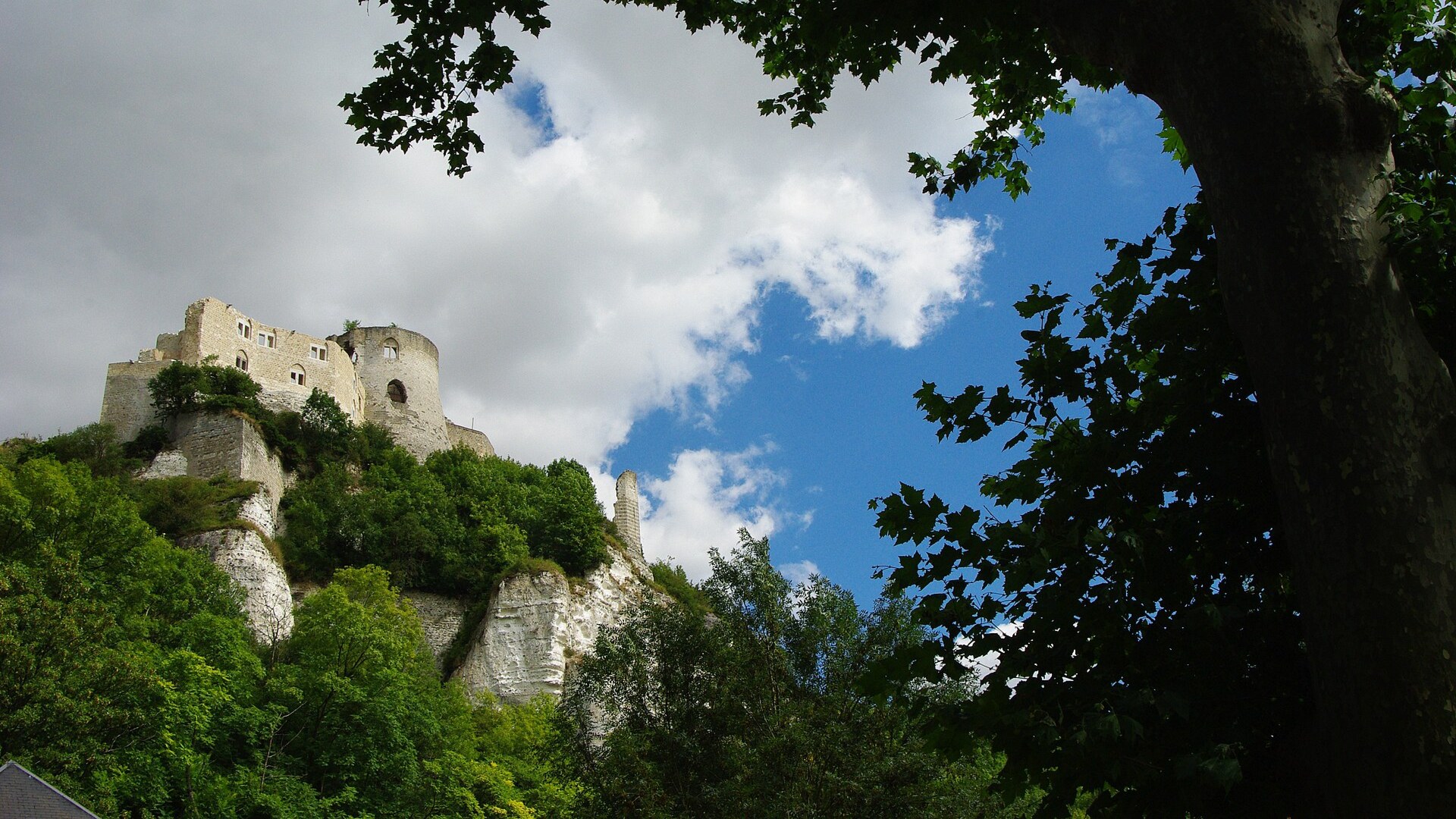
17. Chateau Gaillard, France
Built between 1196 and 1198 to block French advances into Normandy, this concentric fortress above Les Andelys featured curved stone walls that deflected battering rams. King Philip II captured it after an eight-month siege in 1204, and Henry IV ordered it dismantled in 1599.
©Wikimedia / Eric Barbet
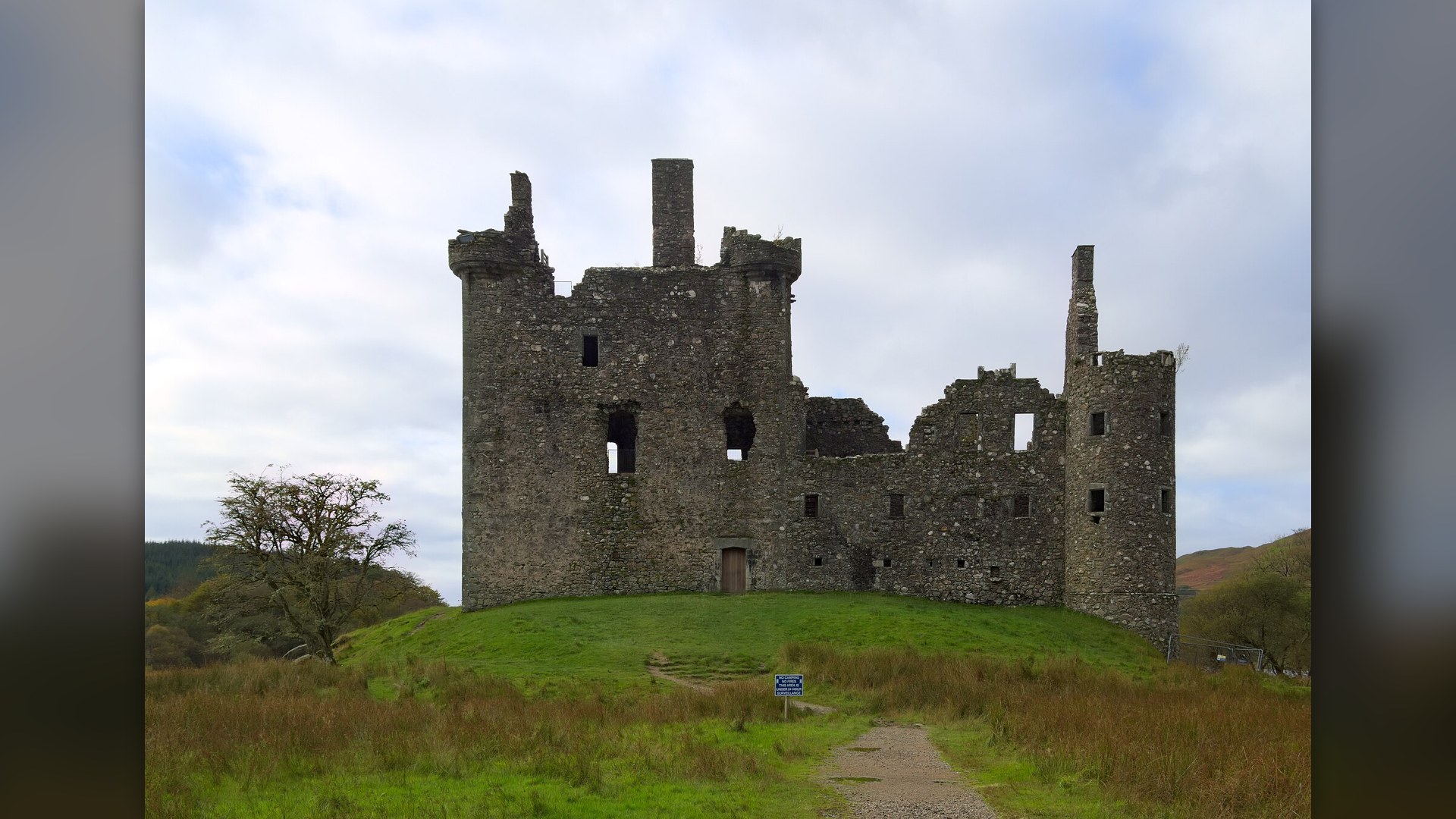
16. Kilchurn Castle, Scotland
Sir Colin Campbell began building Kilchurn's five-story tower house around 1450 on what was then a tidal island at the head of Loch Awe. After serving as a government garrison during the 1715 and 1745 Jacobite risings, the castle was abandoned in the 1760s after lightning struck it.
©Wikimedia / Daniel Kraft
Advertisement
Swipe or tap ▶ to resume the countdown.
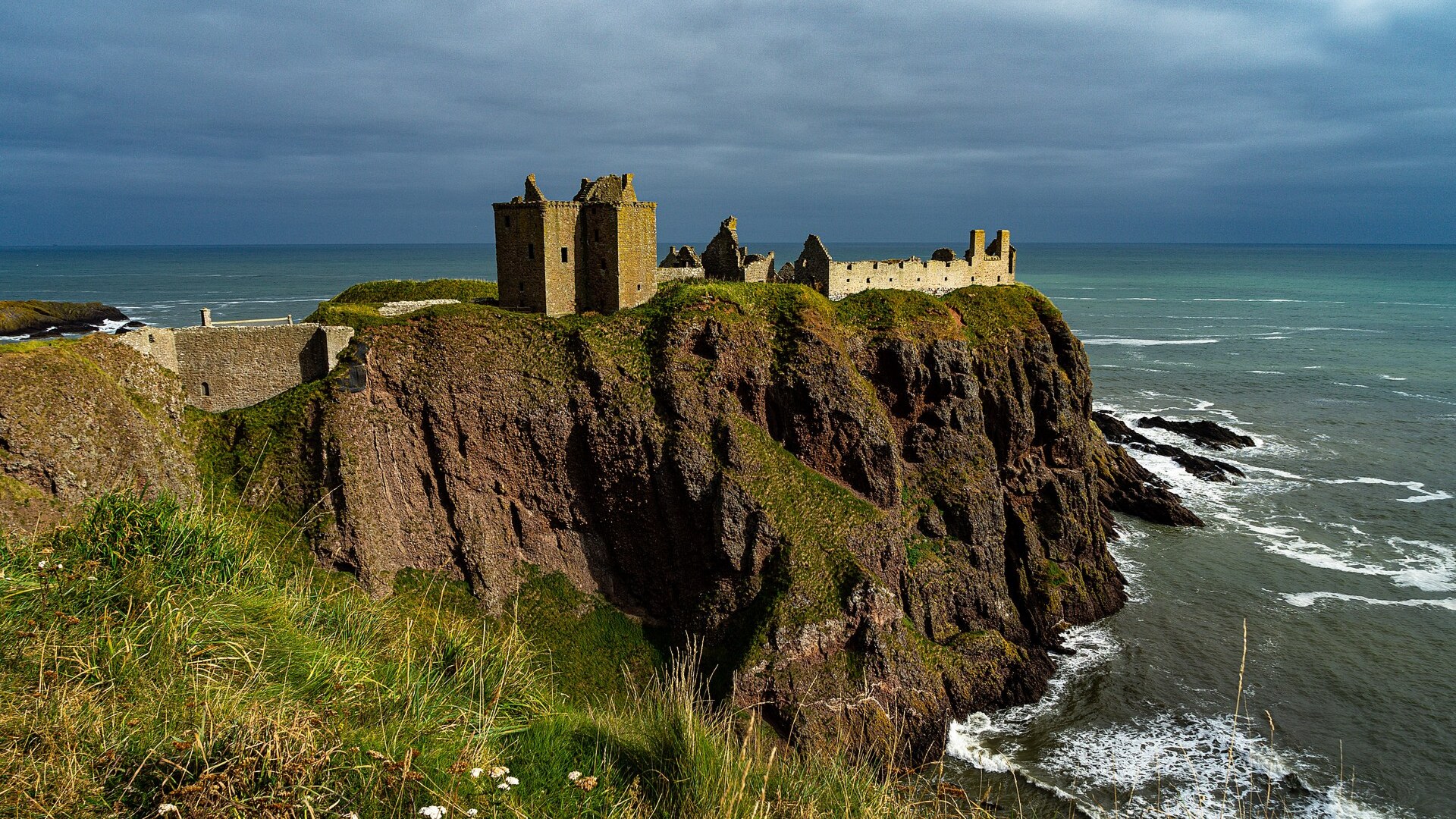
15. Dunnottar Castle, Scotland
Surrounded on three sides by 50-meter vertical cliffs, Dunnottar protected the Scottish Crown Jewels during Oliver Cromwell's eight-month siege in 1651 and 1652. Defenders smuggled the Honours of Scotland out before surrender, and the Crown later dismantled the site in 1716.
©Wikimedia / Ronnie Deas
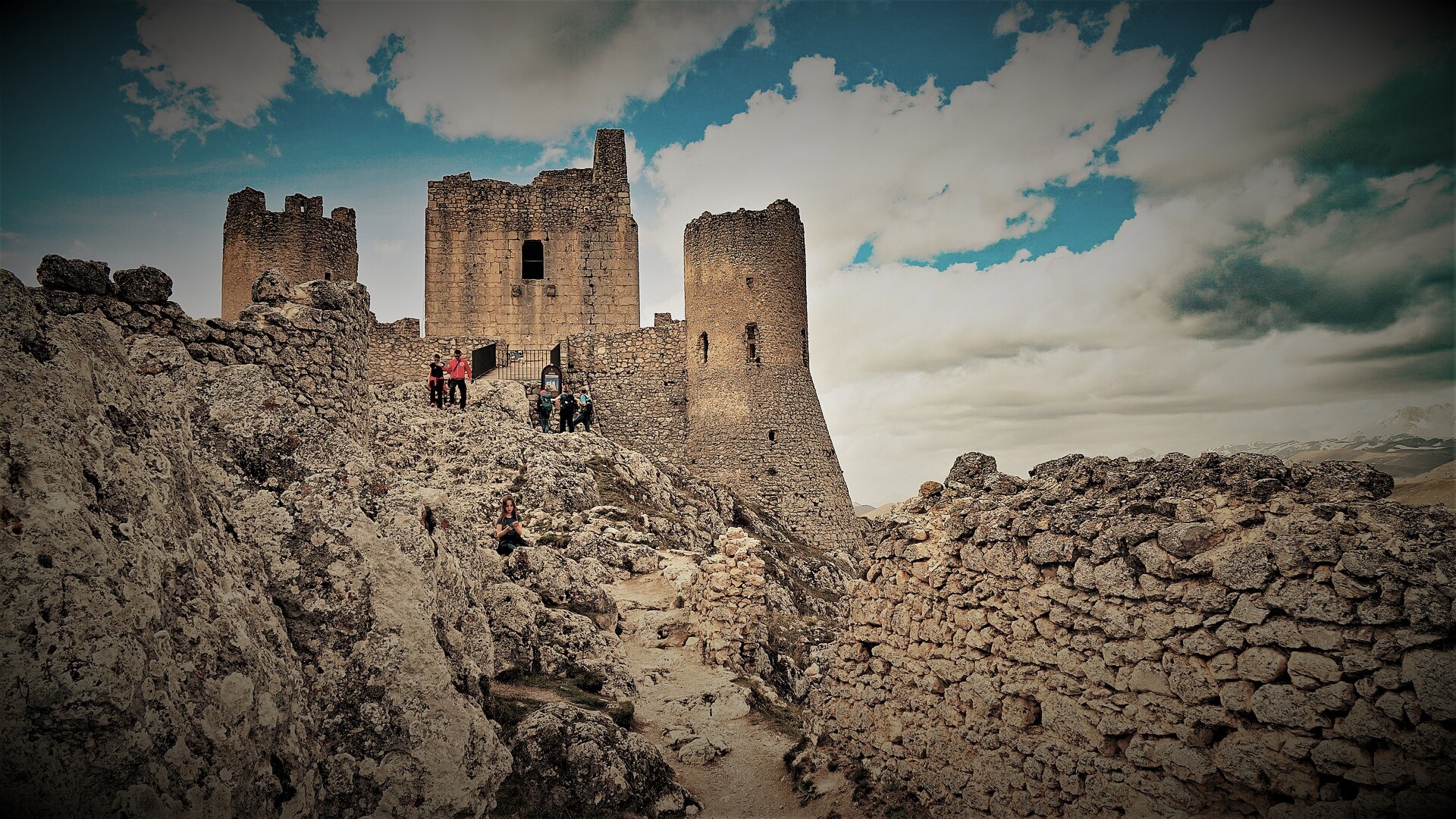
14. Rocca Calascio, Italy
Standing at 1,460 meters in Gran Sasso National Park, this limestone keep began as a single watchtower in the 10th century before gaining four corner towers under the Piccolomini family. A severe earthquake in 1703 damaged the surrounding village and left the fortress abandoned.
©Wikimedia / Vincedelbenàco
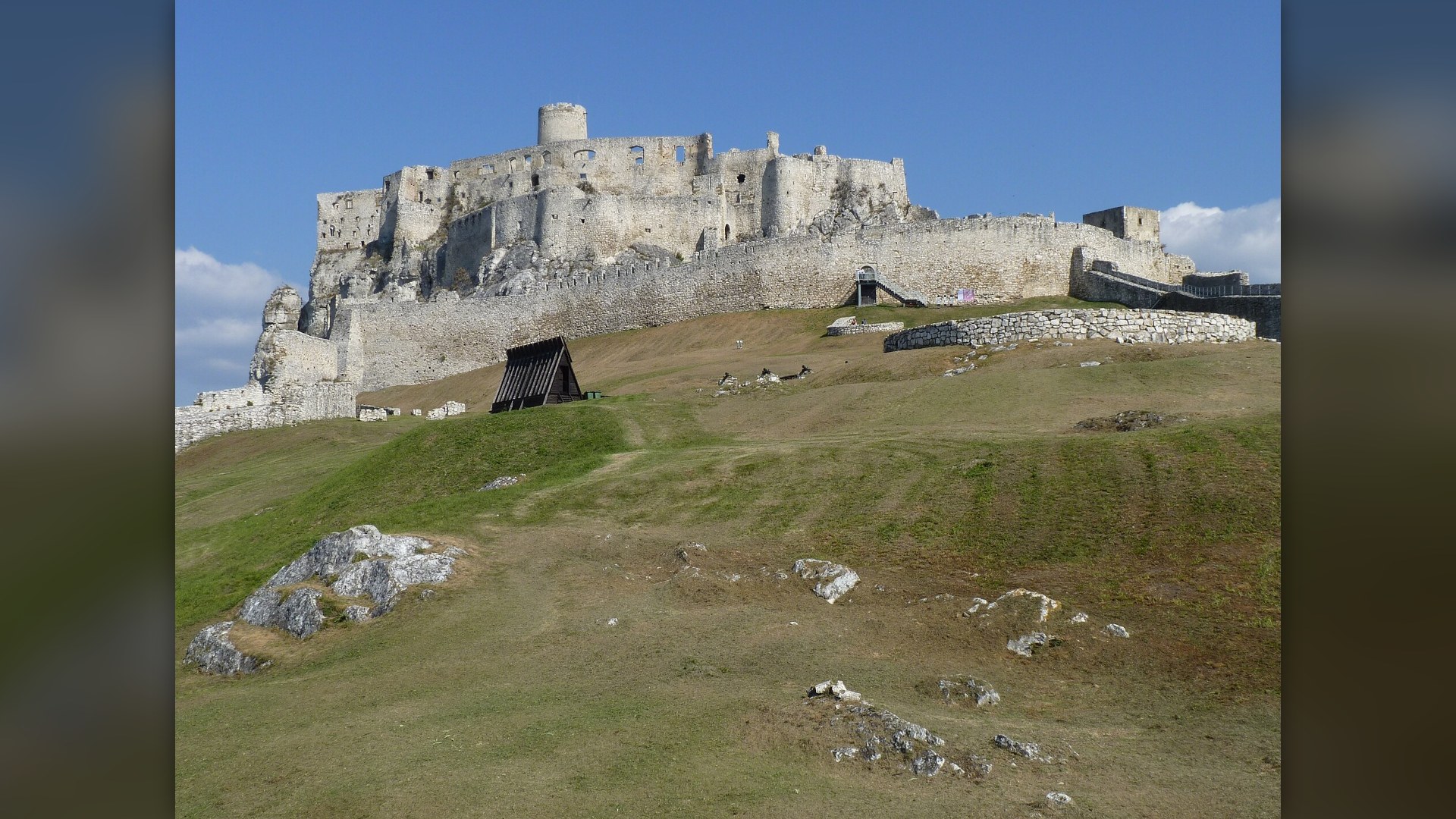
13. Spis Castle, Slovakia
Crowning a travertine ridge 634 meters above eastern Slovakia, Spis Castle spans 41,426 square meters, making it one of Central Europe's largest castle complexes. Built in the 12th century, it survived Mongol raids in 1241 before a 1780 fire gutted its residential wings.
©Wikimedia / Michal Klajban
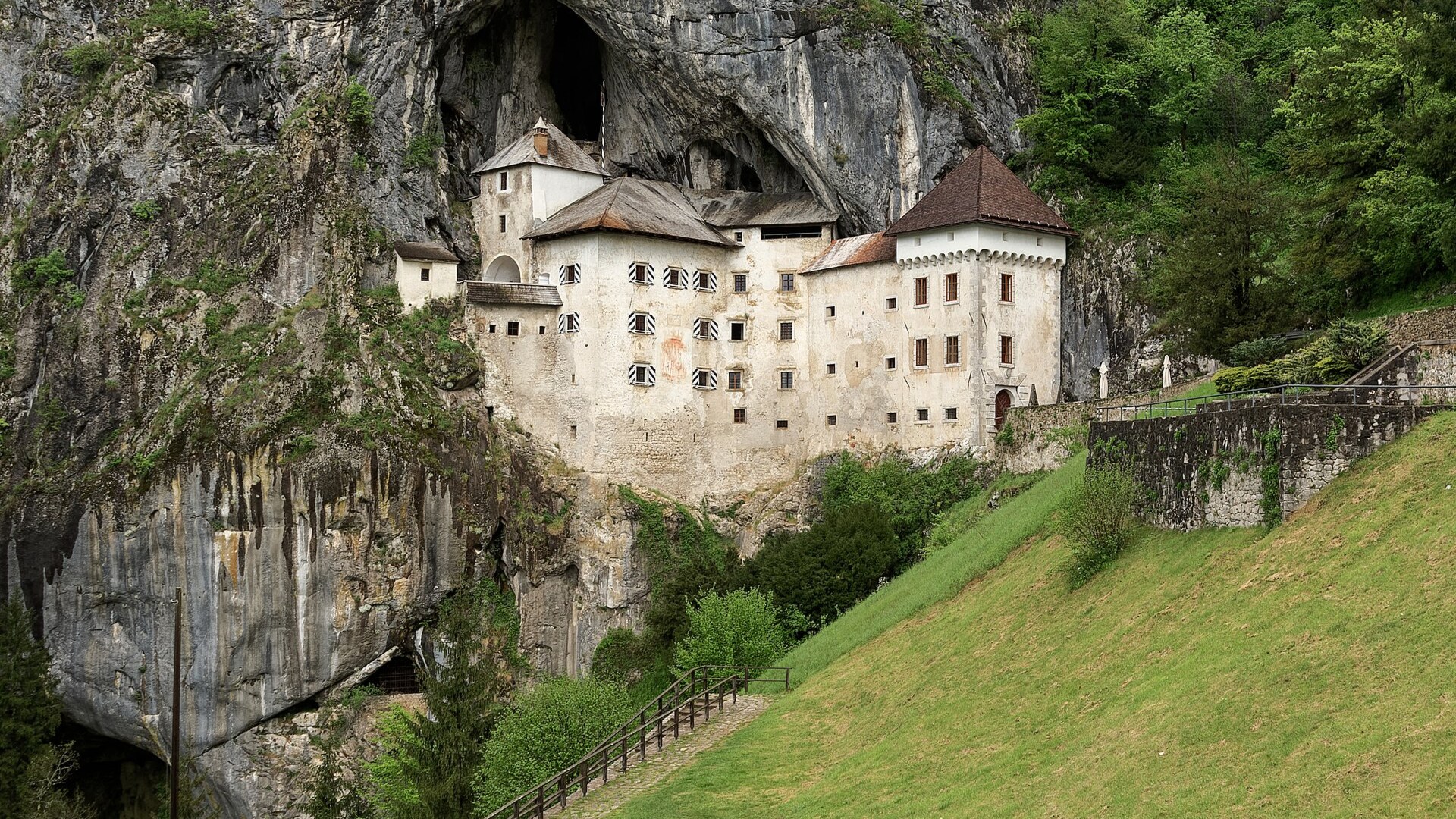
12. Predjama Castle, Slovenia
Constructed into a natural limestone cavern above the Lokva stream in southwestern Slovenia, the current structure dates from 1570. In the late 15th century, robber knight Erazem Lueger used secret cave tunnels behind the fort to bring in food during a year-long imperial siege.
©Wikimedia / Jakub Hałun
Advertisement
Swipe or tap ▶ to resume the countdown.
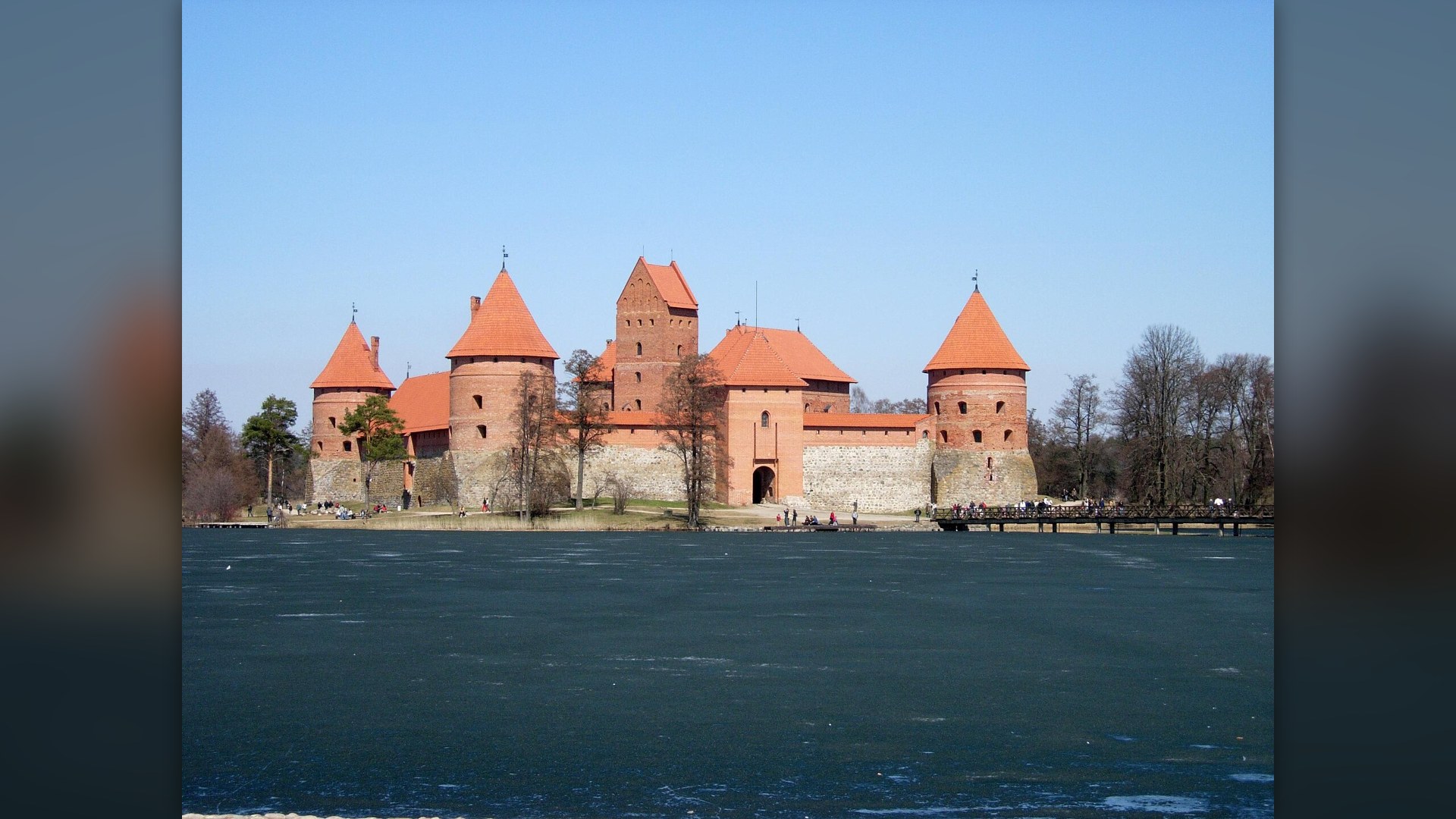
11. Trakai Island Castle, Lithuania
Grand Duke Kestutis started Trakai Island Castle in the late 14th century, and his son Vytautas completed its Gothic ducal palace around 1409. After falling into ruins following 17th-century wars, Lithuanian conservationists rebuilt the red-brick island complex in the 20th century.
©Wikimedia / Foto: Pernilla Larding
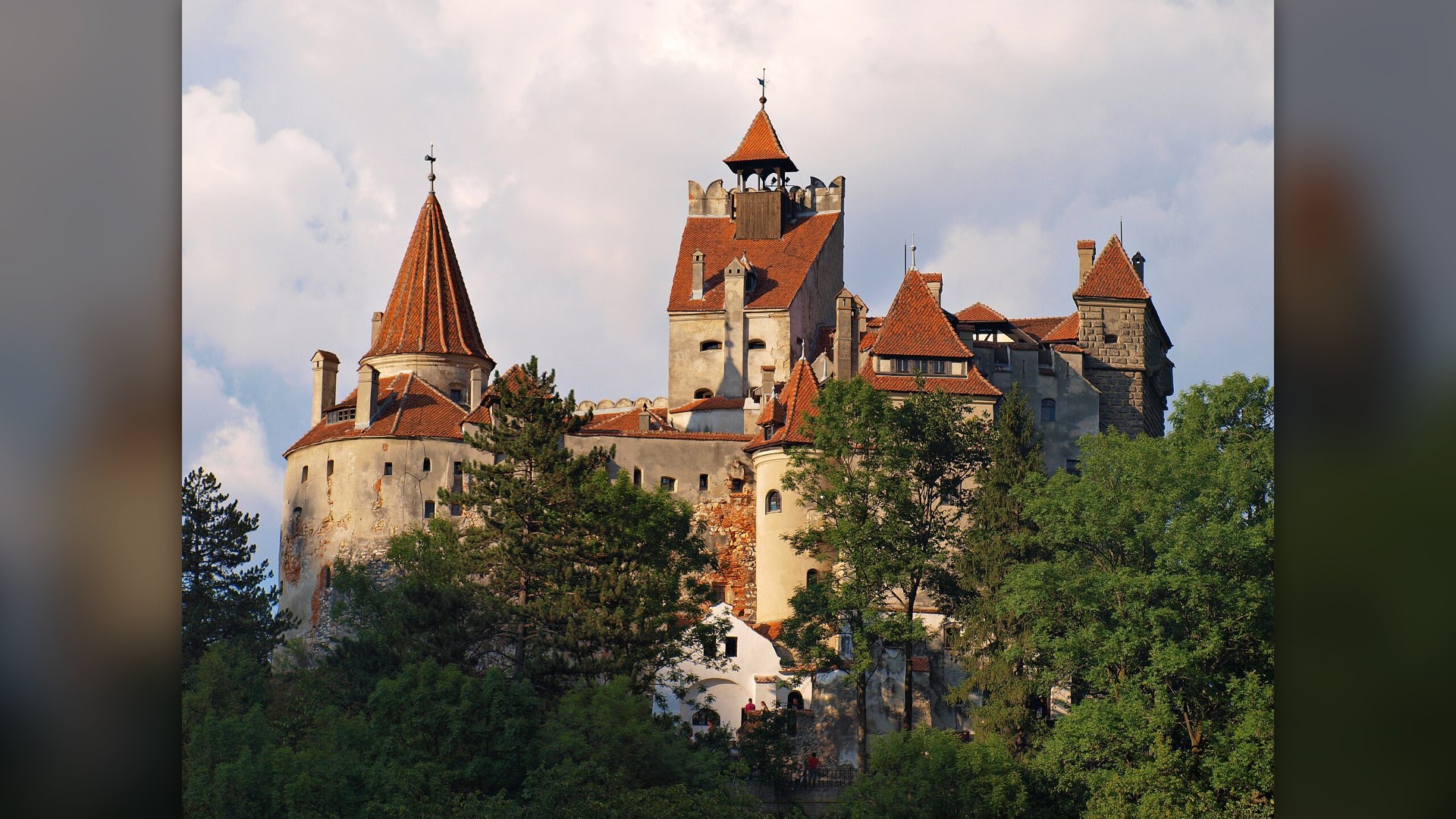
10. Bran Castle, Romania
Saxons from nearby Brasov completed Bran Castle in 1388 atop a steep rock ridge to guard the Rucar-Bran mountain pass between Transylvania and Wallachia. In 1920, Brasov gifted the fortress to Queen Marie of Romania, who restored the timbered towers as a royal residence.
©Wikimedia / Todor Bozhinov
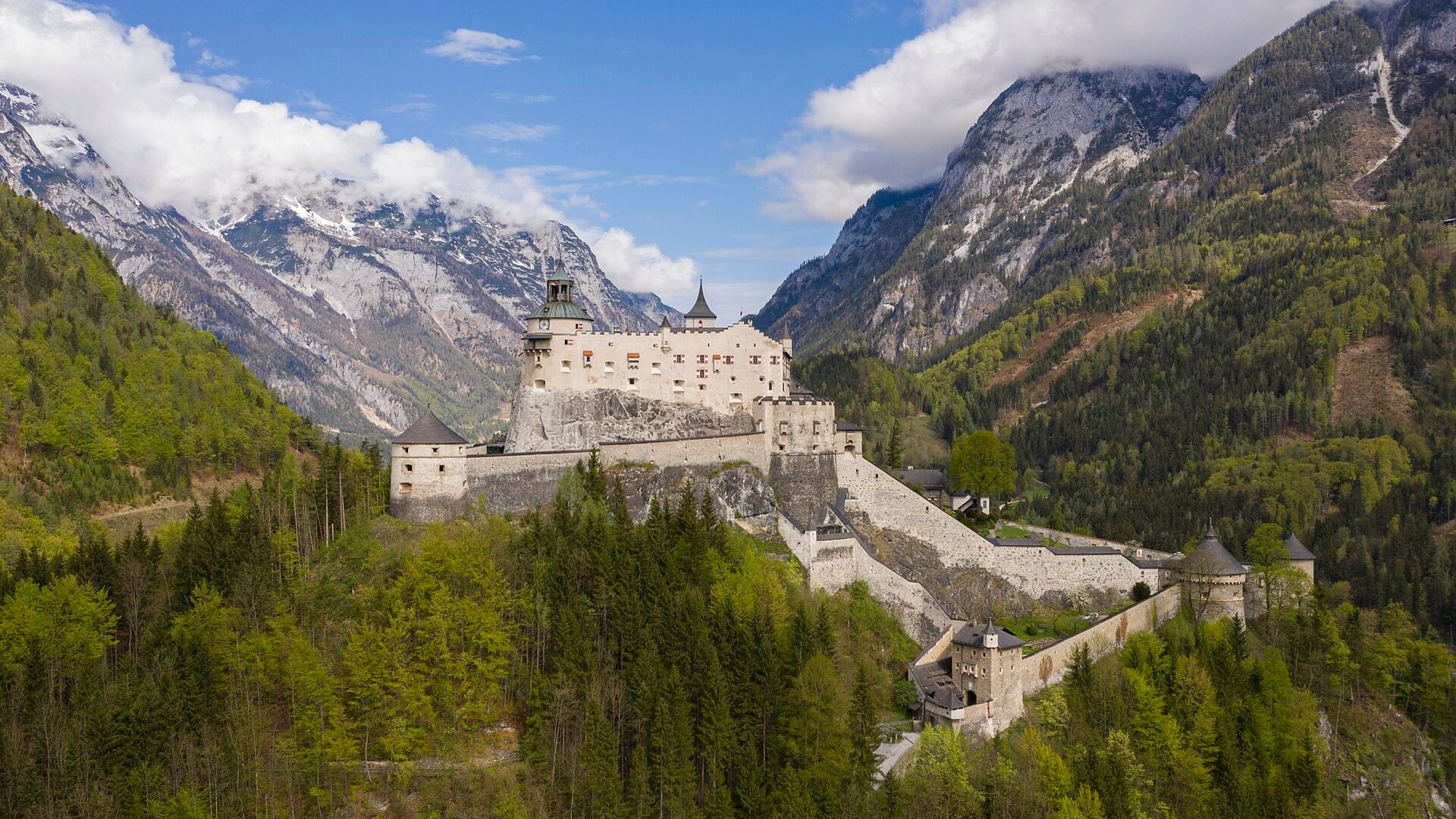
9. Hohenwerfen Castle, Austria
Archbishop Gebhard of Salzburg began building Hohenwerfen between 1075 and 1078 to guard the narrow Salzach Valley south of Salzburg. Framed by the Tennengebirge mountains, the rocky citadel later served as a state prison before opening as a museum and falconry center.
©Wikimedia / Arne Müseler
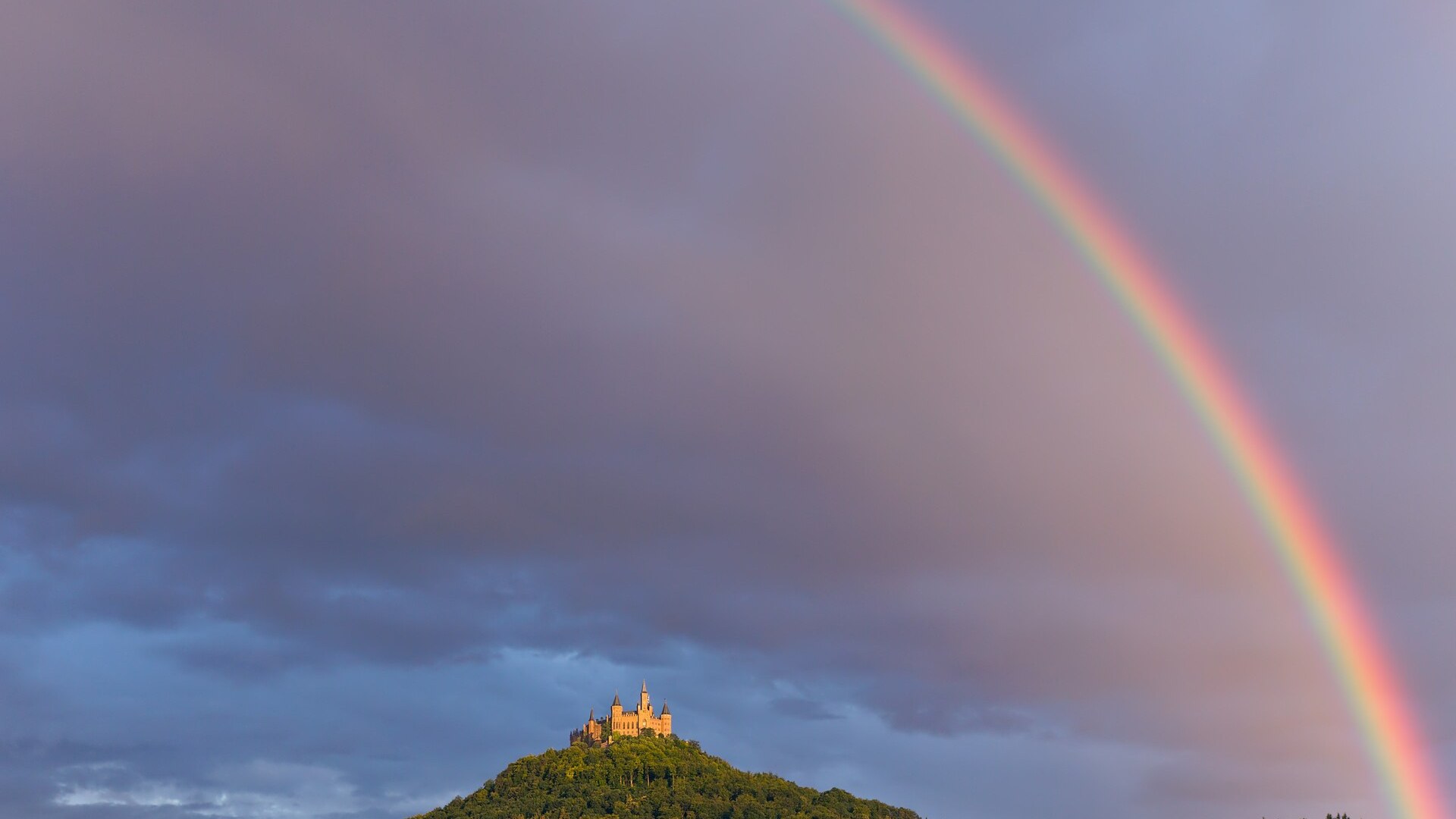
8. Hohenzollern Castle, Germany
Standing 855 meters above sea level in Baden-Wuerttemberg, this hilltop silhouette is the third castle built on the site. After medieval strongholds fell into ruin, King Frederick William IV of Prussia commissioned architect Friedrich August Stuler to build the Neo-Gothic palace from 1850 to 1867.
©Wikimedia / Sven Teschke
Advertisement
Swipe or tap ▶ to resume the countdown.
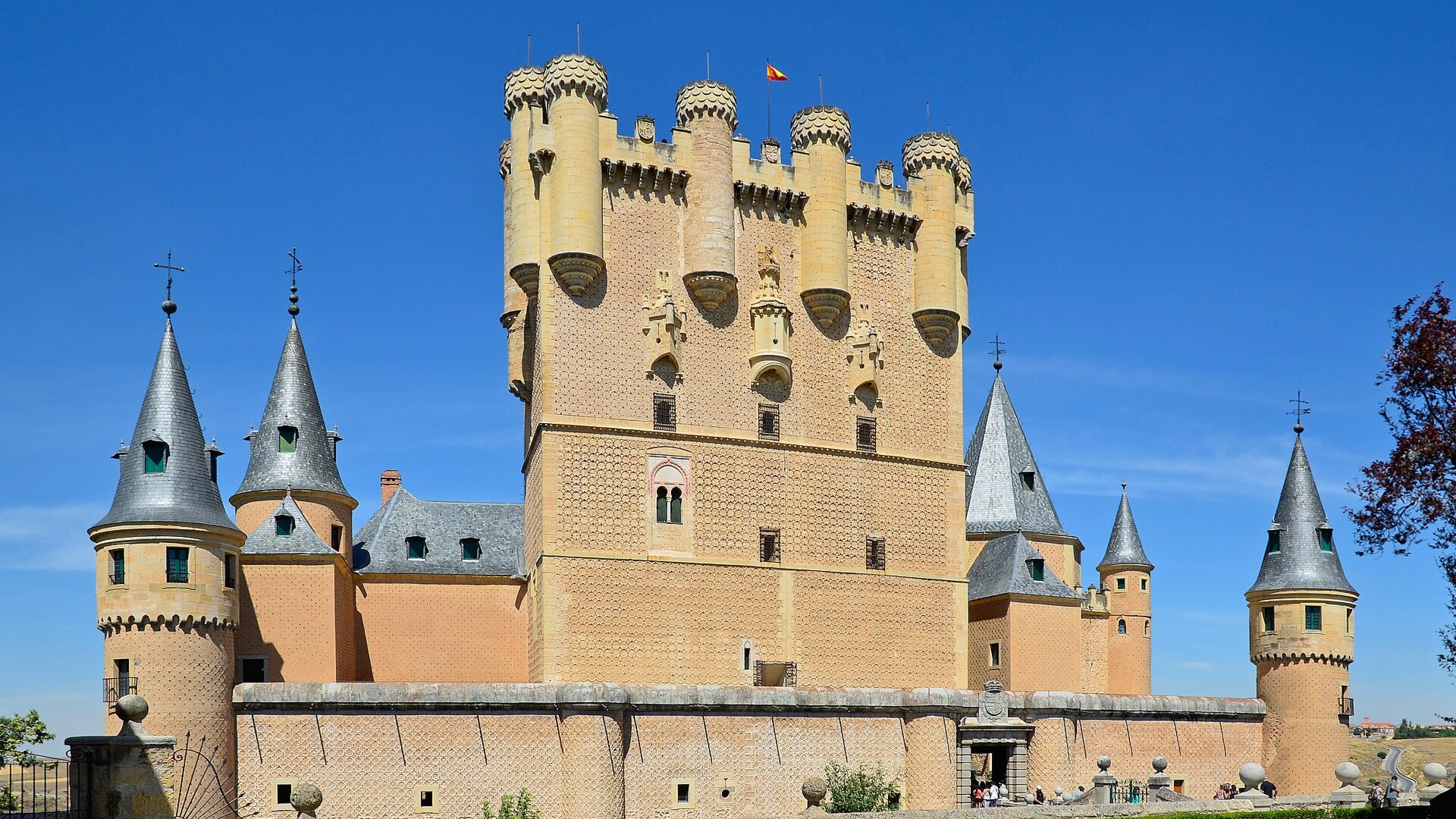
7. Alcazar Of Segovia, Spain
Set on a narrow rocky crag above the confluence of the Eresma and Clamores rivers, the Alcazar served as a royal fortress for Castilian monarchs from the 12th century onward. Its pointed slate roofs were added under Philip II, and an 1862 fire led to major interior restoration.
©Wikimedia / Selbymay
6. Pena Palace, Portugal
Built on the ruins of a 16th-century Jeronymite monastery, Pena Palace was commissioned by King Ferdinand II in the 1840s and 1850s. German mining engineer Wilhelm Ludwig von Eschwege blended Manueline, Moorish, and Gothic motifs high on Sintra's second-highest granite peak.
©Wikimedia / CEphoto, Uwe Aranas
5. Chillon Castle, Switzerland
Built on an oval limestone rock off the eastern shore of Lake Geneva near Montreux, Chillon controlled the Alpine trade road toward the Great St. Bernard Pass from the 12th century. Lord Byron made its dungeon famous in 1816 with his poem about prisoner Francois Bonivard.
©Wikimedia / Christian David
4. Conwy Castle, Wales
Designed by master mason James of St. George and erected between 1283 and 1289, Conwy Castle anchored Edward I's ring of Welsh fortifications. Eight massive cylindrical towers flank two fortified wards above the tidal River Conwy, earning UNESCO World Heritage status in 1986.
©Wikimedia / Source: Llywelyn2000 Derivative: User:MathKnight
Advertisement
Swipe or tap ▶ to resume the countdown.
3. Eltz Castle, Germany
Sitting on a 70-meter rock spur surrounded on three sides by the Elzbach river, Eltz Castle has remained in the same noble family for 33 generations since the 12th century. Protected by deep forest and diplomacy, it avoided destruction during both the Thirty Years War and 1689.
©Wikimedia / Johannes Dörrstock
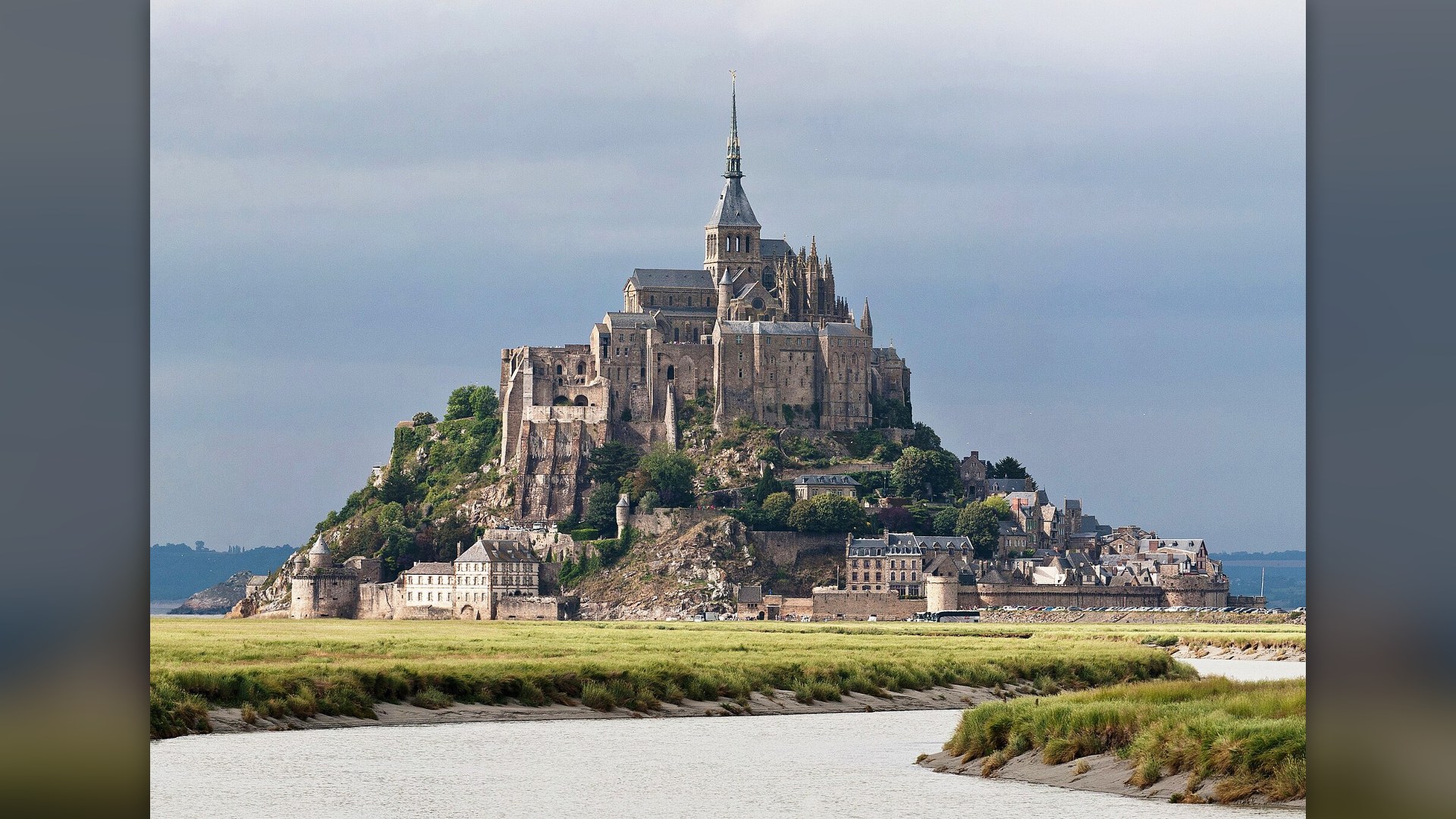
2. Mont-Saint-Michel, France
Rising from tidal flats where spring tides surge up to 14 meters, Mont-Saint-Michel combines a medieval abbey with ramparts built during the Hundred Years War. French defenders withstood repeated English sieges there in the 1420s and 1430s behind walls ringed by shifting sands.
©Wikimedia / Diliff
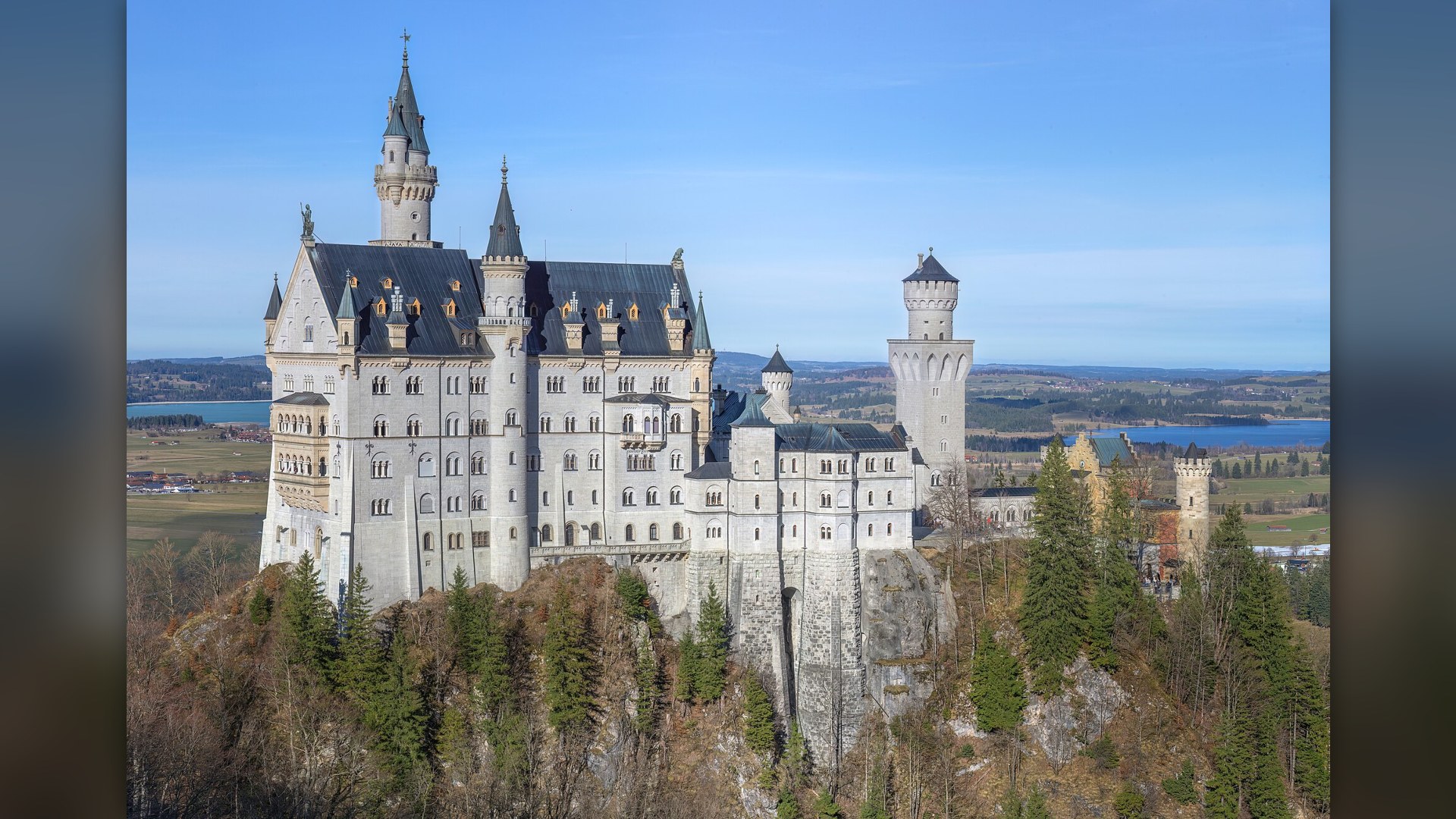
1. Neuschwanstein Castle, Germany
Commissioned by Bavaria's King Ludwig II in 1869 as a private tribute to medieval legend and Richard Wagner's operas, Neuschwanstein sits above Hohenschwangau near Fussen. Only 14 interior rooms were finished before Ludwig's death in 1886, yet it draws over a million visitors yearly.
©Wikimedia / Wilfredor
Advertisement
You've reached the end of the story. Thanks for reading!

22 Popular Destinations With Lighter Crowds in Shoulder Season
Peak summer crowds drive up room rates and pack narrow old towns across the globe. Shifting a trip by a few weeks into spring or autumn often brings milder walking weather and open tables. This countdown draws on World Meteorological Organization climate normals, UNESCO records, and park seasonal calendars.
All 22 Entries in this Story
Gvozdansko Castle, Croatia
Built in the late 15th century by the Croatian Zrinski noble family, this lowland stone fort guarded nearby silver and lead mines near the Una river basin. In January 1578, its small garrison held out for three months against an Ottoman siege until every defender died of cold and starvation.

Shatili Fortress, Georgia
Sitting near 1,400 meters in Georgia's Khevsureti gorge, Shatili combines around 60 slate-stone towers built between the 7th and 13th centuries. Bridges and narrow ledges linked family homes into one continuous defensive wall above the Argun River, guarding the northern mountain pass.

Aggstein Castle, Austria
Perched 300 meters above the right bank of the Danube in Austria's Wachau Valley, Aggstein dates back to the early 1100s. The Kuenring lords used chains across the river to collect tolls from passing barges, while later sieges and a 1685 fire reduced the fortress to stone walls.

Rheinfels Castle, Germany
Count Diether V of Katzenelnbogen founded Rheinfels in 1245 to protect customs collections along the Rhine. It grew into the largest fortress between Koblenz and Mainz, survived a 1692 French siege, and finally fell in 1794 before French forces demolished its outer works.

Marksburg Castle, Germany
Rising on a slate cone 160 meters above Braubach, Marksburg dates to around 1117 and served the Eppstein and Katzenelnbogen families. Unlike neighboring Rhine forts, it escaped cannon ruin in 1689 and now houses the headquarters of the German Castles Association.

Chateau Gaillard, France
Built between 1196 and 1198 to block French advances into Normandy, this concentric fortress above Les Andelys featured curved stone walls that deflected battering rams. King Philip II captured it after an eight-month siege in 1204, and Henry IV ordered it dismantled in 1599.

Kilchurn Castle, Scotland
Sir Colin Campbell began building Kilchurn's five-story tower house around 1450 on what was then a tidal island at the head of Loch Awe. After serving as a government garrison during the 1715 and 1745 Jacobite risings, the castle was abandoned in the 1760s after lightning struck it.

Dunnottar Castle, Scotland
Surrounded on three sides by 50-meter vertical cliffs, Dunnottar protected the Scottish Crown Jewels during Oliver Cromwell's eight-month siege in 1651 and 1652. Defenders smuggled the Honours of Scotland out before surrender, and the Crown later dismantled the site in 1716.

Rocca Calascio, Italy
Standing at 1,460 meters in Gran Sasso National Park, this limestone keep began as a single watchtower in the 10th century before gaining four corner towers under the Piccolomini family. A severe earthquake in 1703 damaged the surrounding village and left the fortress abandoned.

Spis Castle, Slovakia
Crowning a travertine ridge 634 meters above eastern Slovakia, Spis Castle spans 41,426 square meters, making it one of Central Europe's largest castle complexes. Built in the 12th century, it survived Mongol raids in 1241 before a 1780 fire gutted its residential wings.

Predjama Castle, Slovenia
Constructed into a natural limestone cavern above the Lokva stream in southwestern Slovenia, the current structure dates from 1570. In the late 15th century, robber knight Erazem Lueger used secret cave tunnels behind the fort to bring in food during a year-long imperial siege.

Trakai Island Castle, Lithuania
Grand Duke Kestutis started Trakai Island Castle in the late 14th century, and his son Vytautas completed its Gothic ducal palace around 1409. After falling into ruins following 17th-century wars, Lithuanian conservationists rebuilt the red-brick island complex in the 20th century.

Bran Castle, Romania
Saxons from nearby Brasov completed Bran Castle in 1388 atop a steep rock ridge to guard the Rucar-Bran mountain pass between Transylvania and Wallachia. In 1920, Brasov gifted the fortress to Queen Marie of Romania, who restored the timbered towers as a royal residence.

Hohenwerfen Castle, Austria
Archbishop Gebhard of Salzburg began building Hohenwerfen between 1075 and 1078 to guard the narrow Salzach Valley south of Salzburg. Framed by the Tennengebirge mountains, the rocky citadel later served as a state prison before opening as a museum and falconry center.

Hohenzollern Castle, Germany
Standing 855 meters above sea level in Baden-Wuerttemberg, this hilltop silhouette is the third castle built on the site. After medieval strongholds fell into ruin, King Frederick William IV of Prussia commissioned architect Friedrich August Stuler to build the Neo-Gothic palace from 1850 to 1867.

Alcazar Of Segovia, Spain
Set on a narrow rocky crag above the confluence of the Eresma and Clamores rivers, the Alcazar served as a royal fortress for Castilian monarchs from the 12th century onward. Its pointed slate roofs were added under Philip II, and an 1862 fire led to major interior restoration.

Pena Palace, Portugal
Built on the ruins of a 16th-century Jeronymite monastery, Pena Palace was commissioned by King Ferdinand II in the 1840s and 1850s. German mining engineer Wilhelm Ludwig von Eschwege blended Manueline, Moorish, and Gothic motifs high on Sintra's second-highest granite peak.

Chillon Castle, Switzerland
Built on an oval limestone rock off the eastern shore of Lake Geneva near Montreux, Chillon controlled the Alpine trade road toward the Great St. Bernard Pass from the 12th century. Lord Byron made its dungeon famous in 1816 with his poem about prisoner Francois Bonivard.

Conwy Castle, Wales
Designed by master mason James of St. George and erected between 1283 and 1289, Conwy Castle anchored Edward I's ring of Welsh fortifications. Eight massive cylindrical towers flank two fortified wards above the tidal River Conwy, earning UNESCO World Heritage status in 1986.

Eltz Castle, Germany
Sitting on a 70-meter rock spur surrounded on three sides by the Elzbach river, Eltz Castle has remained in the same noble family for 33 generations since the 12th century. Protected by deep forest and diplomacy, it avoided destruction during both the Thirty Years War and 1689.

Mont-Saint-Michel, France
Rising from tidal flats where spring tides surge up to 14 meters, Mont-Saint-Michel combines a medieval abbey with ramparts built during the Hundred Years War. French defenders withstood repeated English sieges there in the 1420s and 1430s behind walls ringed by shifting sands.

Neuschwanstein Castle, Germany
Commissioned by Bavaria's King Ludwig II in 1869 as a private tribute to medieval legend and Richard Wagner's operas, Neuschwanstein sits above Hohenschwangau near Fussen. Only 14 interior rooms were finished before Ludwig's death in 1886, yet it draws over a million visitors yearly.