Slideshow · Travel
22 Lesser-Known Spots at Famous American Landmarks
From a backward star ceiling in New York to 580 miles of steel cooling pipes buried inside Hoover Dam, these 22 American landmarks hide well-documented design quirks. Based on National Park Service records, Library of Congress archives, and Architect of the Capitol histories, here are 22 verifiable stories.
By Most Viral Today
1 hour agoradar-lead:c386ddd1-5b29-41e1-a1ea-1e8cec5aab1d

22 Documented Construction Oddities Behind America's Famous Monuments 
22. Cloud Gate 
21. The Alamo 
20. Willis Tower - AdvertisementSwipe or tap ▶ to continue countdown

19. Liberty Bell 
18. Independence Hall 
17. Alcatraz Island 
16. Space Needle - AdvertisementSwipe or tap ▶ to continue countdown

15. Hollywood Sign 
14. Chrysler Building 
13. Grand Central Terminal 
12. Gateway Arch - AdvertisementSwipe or tap ▶ to continue countdown

11. Hoover Dam 
10. Brooklyn Bridge 
9. Mount Rushmore 
8. Lincoln Memorial - AdvertisementSwipe or tap ▶ to continue countdown

7. Washington Monument 
6. The White House 
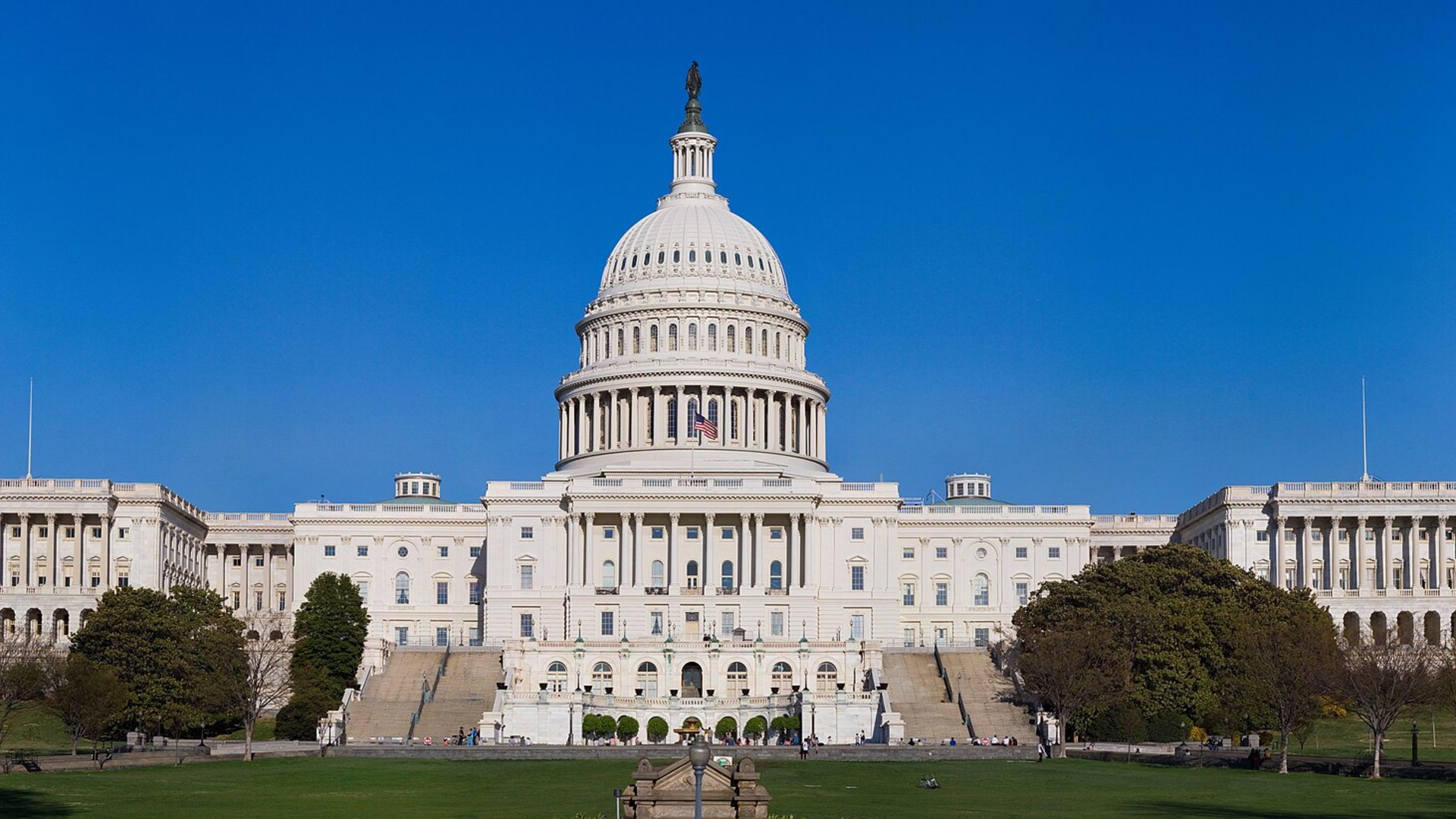
5. United States Capitol 
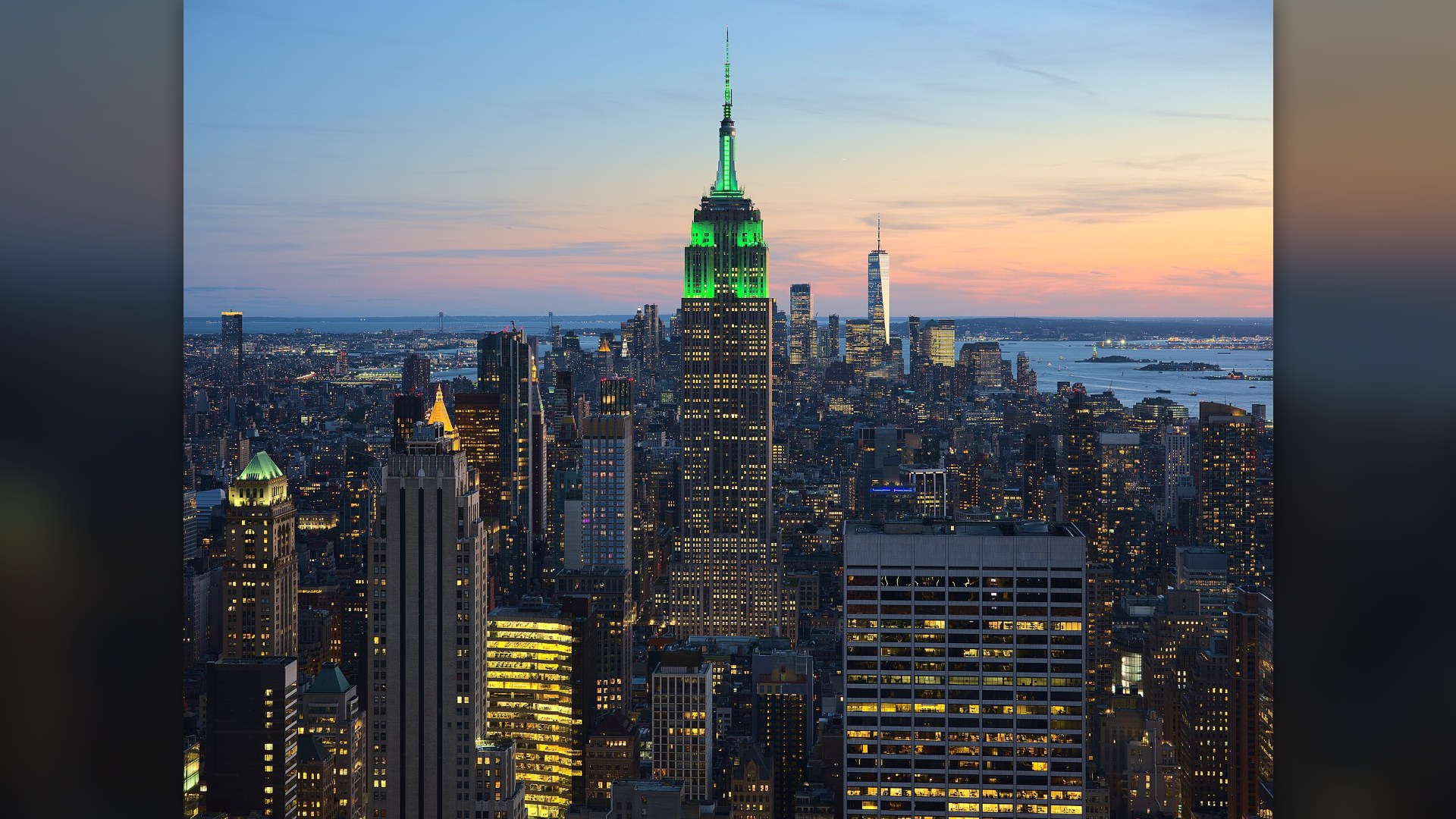
4. Empire State Building - AdvertisementSwipe or tap ▶ to continue countdown

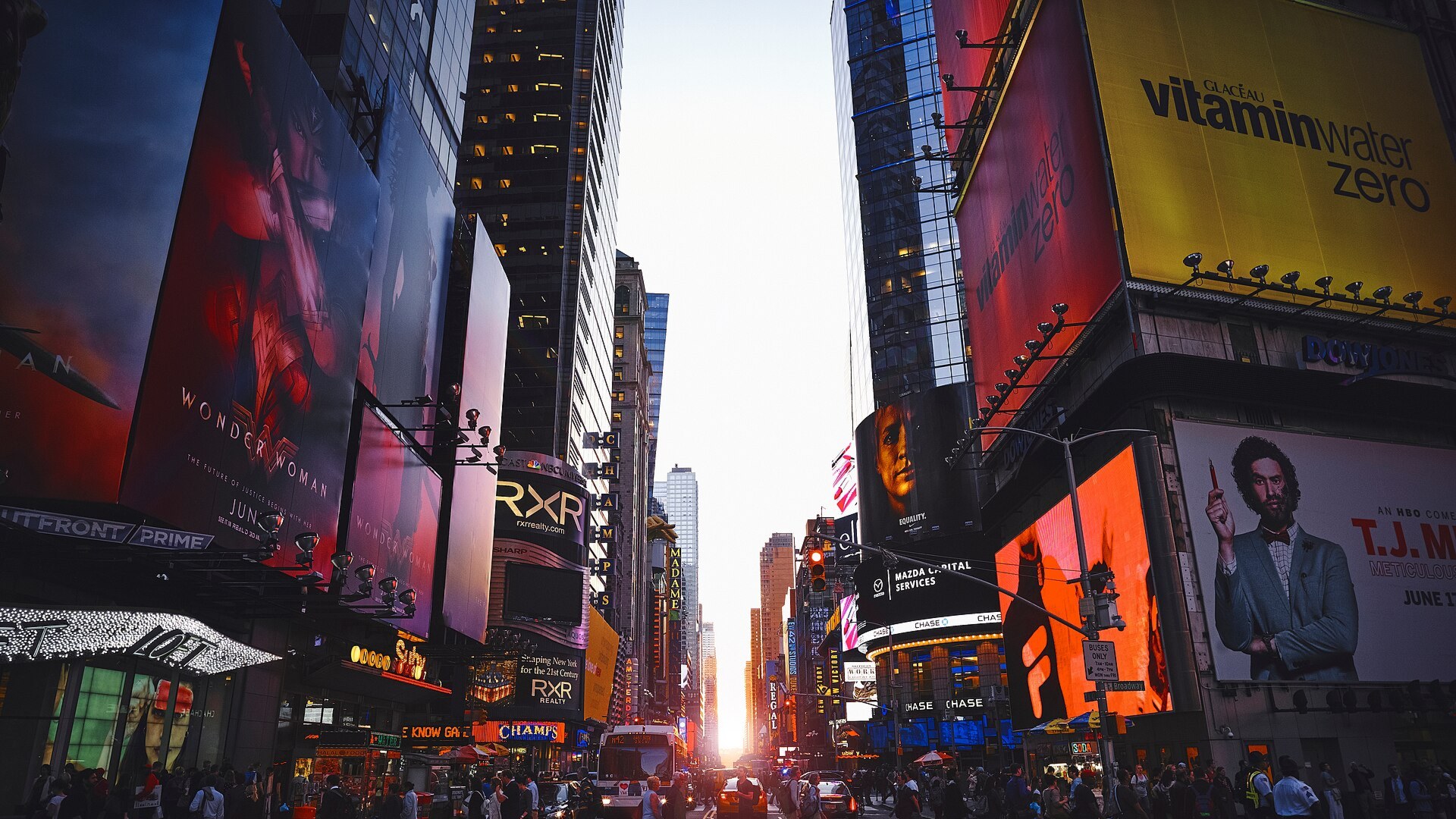
3. Times Square 
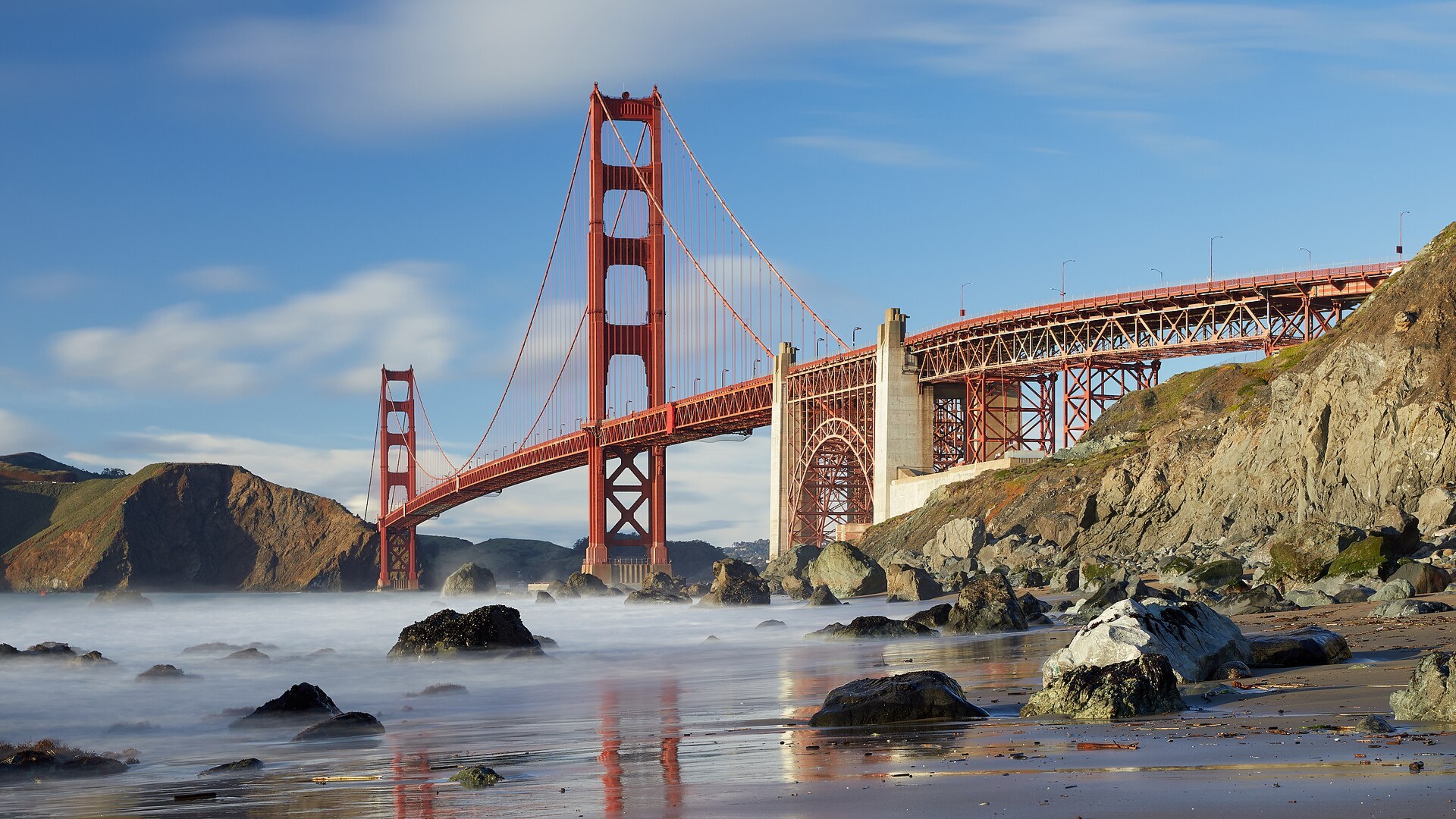
2. Golden Gate Bridge 
1. Statue Of Liberty - Advertisement🔥 UP NEXT IN THIS SERIES◫ 22 Slides

21 Visited Places of Worship in the World
Millions of travelers and worshippers journey each year to sacred sanctuaries across different faiths and continents. From historic Gothic cathedrals and serene Shinto shrines to sprawling Hindu complexes, these holy sites draw immense crowds. Here are twenty-one revered places of worship in ascending order.
From a backward star ceiling in New York to 580 miles of steel cooling pipes buried inside Hoover Dam, these 22 American landmarks hide well-documented design quirks. Based on National Park Service records, Library of Congress archives, and Architect of the Capitol histories, here are 22 verifiable stories.
Swipe or tap ▶ to begin the countdown
©Wikimedia / Christian David
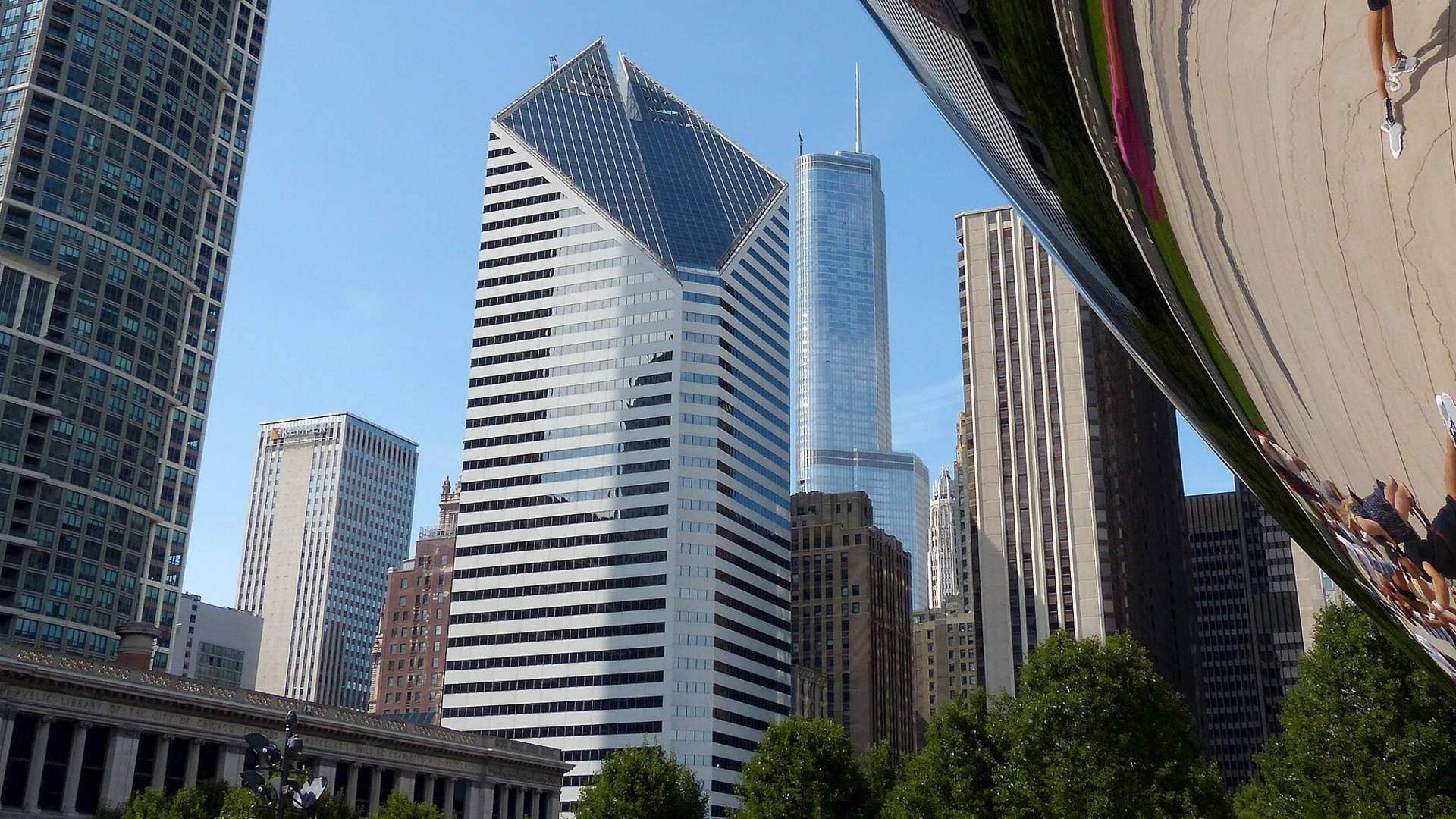
22. Cloud Gate
Sculptor Anish Kapoor designed Cloud Gate in Millennium Park using 168 stainless-steel plates welded into a single seamless curve. Dedicated in May 2006 after a 2004 preview, the 110-ton sculpture quickly earned the nickname The Bean from locals, even though Kapoor initially disliked the name.
©Wikimedia / Roman Boed from The Netherlands
21. The Alamo
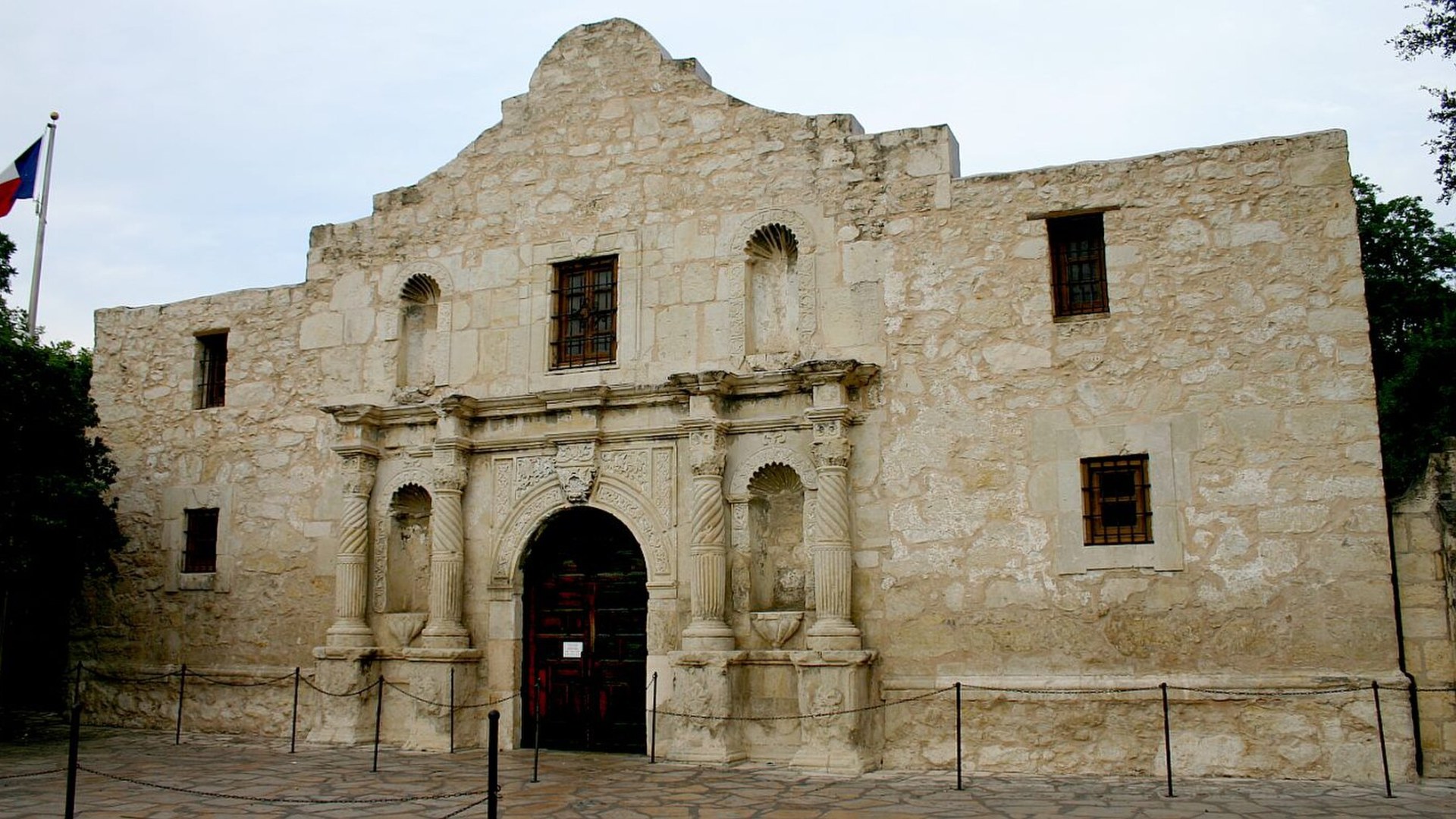
Founded in 1718 as Mission San Antonio de Valero, the Alamo looked quite different during the 1836 siege. The chapel had no roof and a flat, crumbling front wall. Around 1850, the U.S. Army repaired the structure as a supply depot and added the curved top parapet seen in photos today.
©Wikimedia / Noconatom
20. Willis Tower
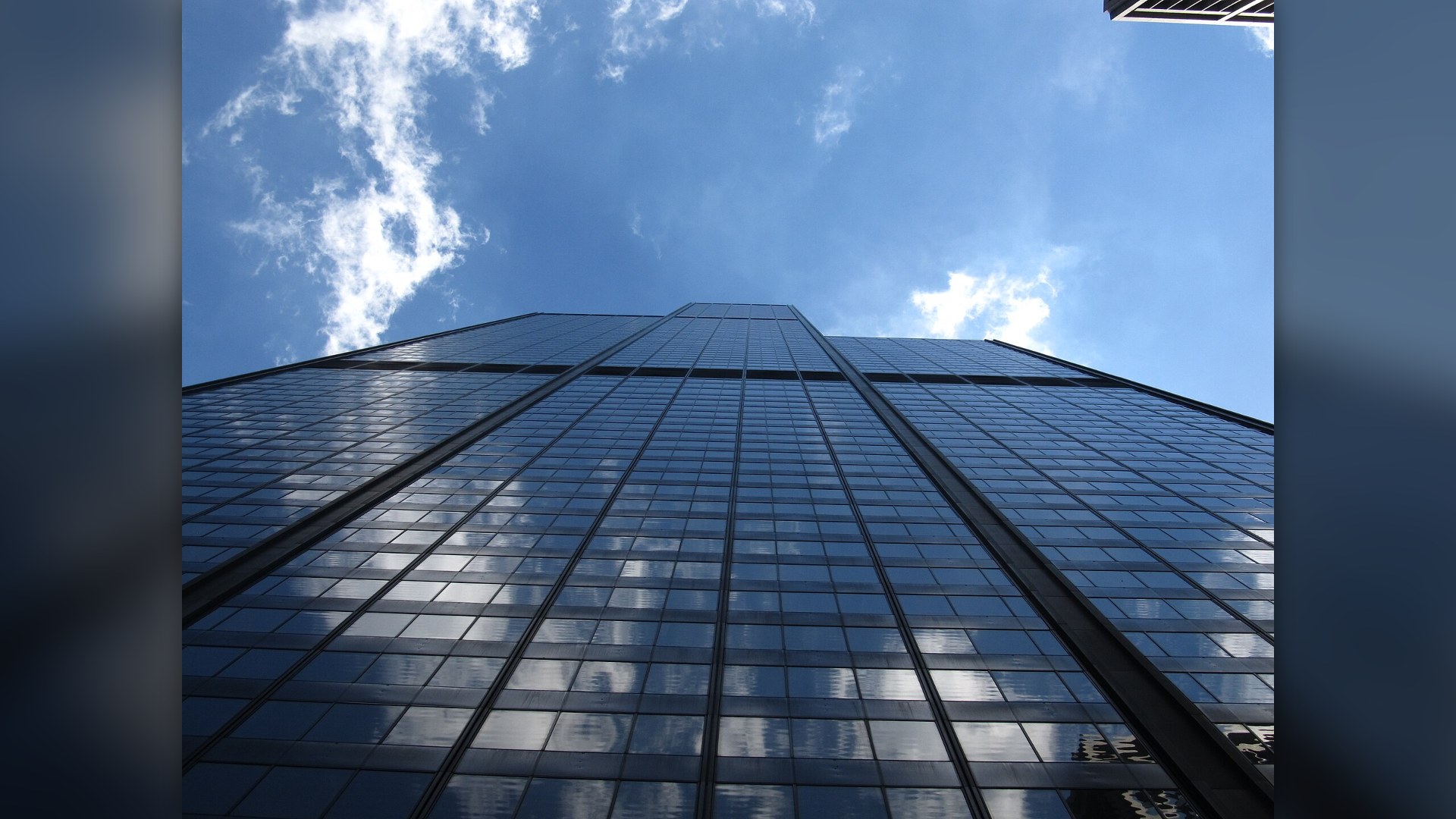
Completed in 1973 as the Sears Tower and renamed Willis Tower in 2009, the 1,451-foot skyscraper held the world's tallest building title for 25 years. Engineer Fazlur Rahman Khan and architect Bruce Graham used nine bundled steel tubes, an idea famously modeled with a pack of cigarettes.
©Wikimedia / Ken Lund from Reno, Nevada, USA
Advertisement
Swipe or tap ▶ to resume the countdown.
19. Liberty Bell
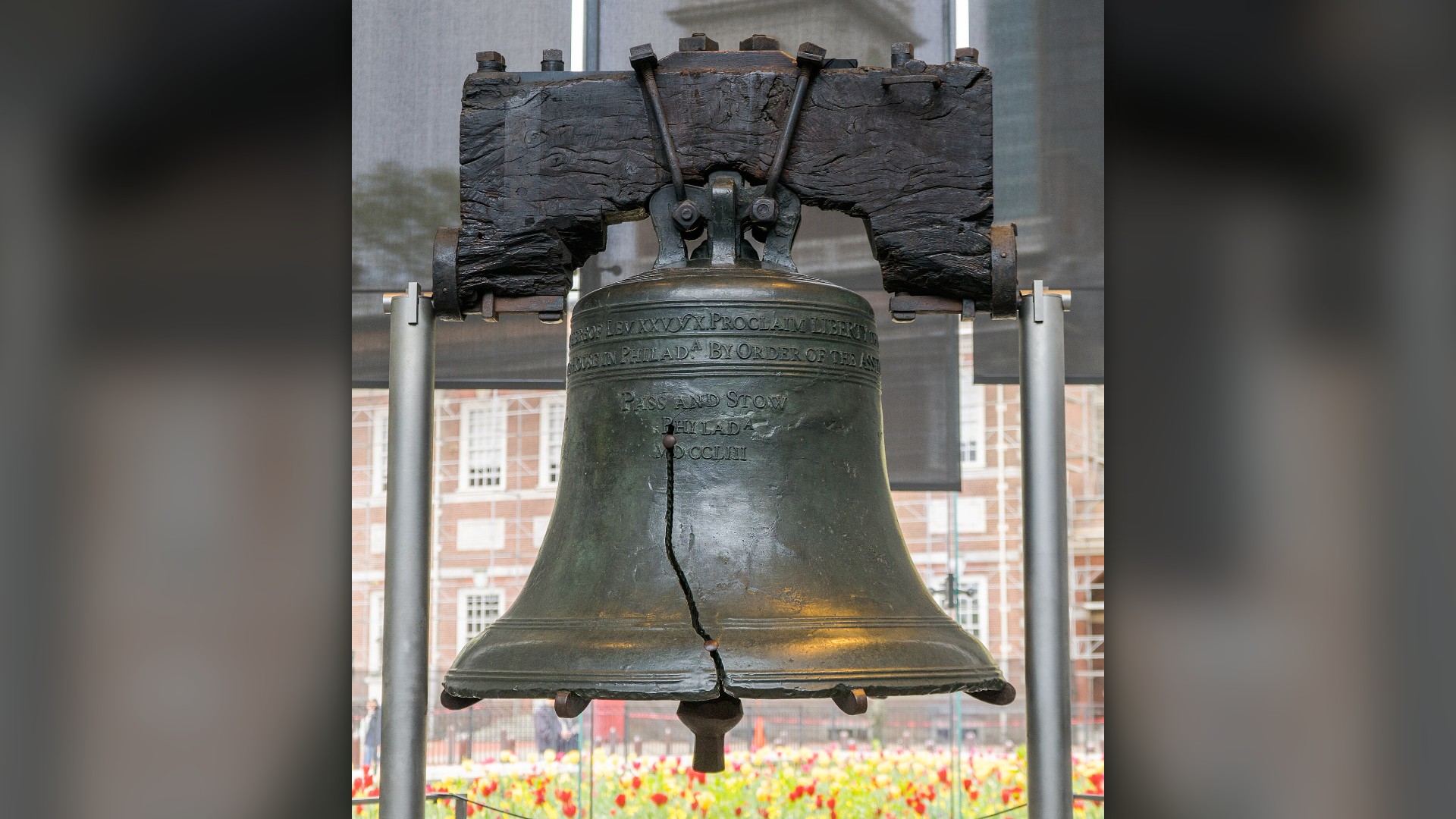
Cast in London in 1752 for the Pennsylvania State House, the 2,080-pound bell cracked on its very first test ring in Philadelphia and was recast twice locally. The wide zig-zag gap visible today came from an 1846 repair attempt that drilled out the crack before a second split silenced it.
©Wikimedia / Liberty Bell
18. Independence Hall
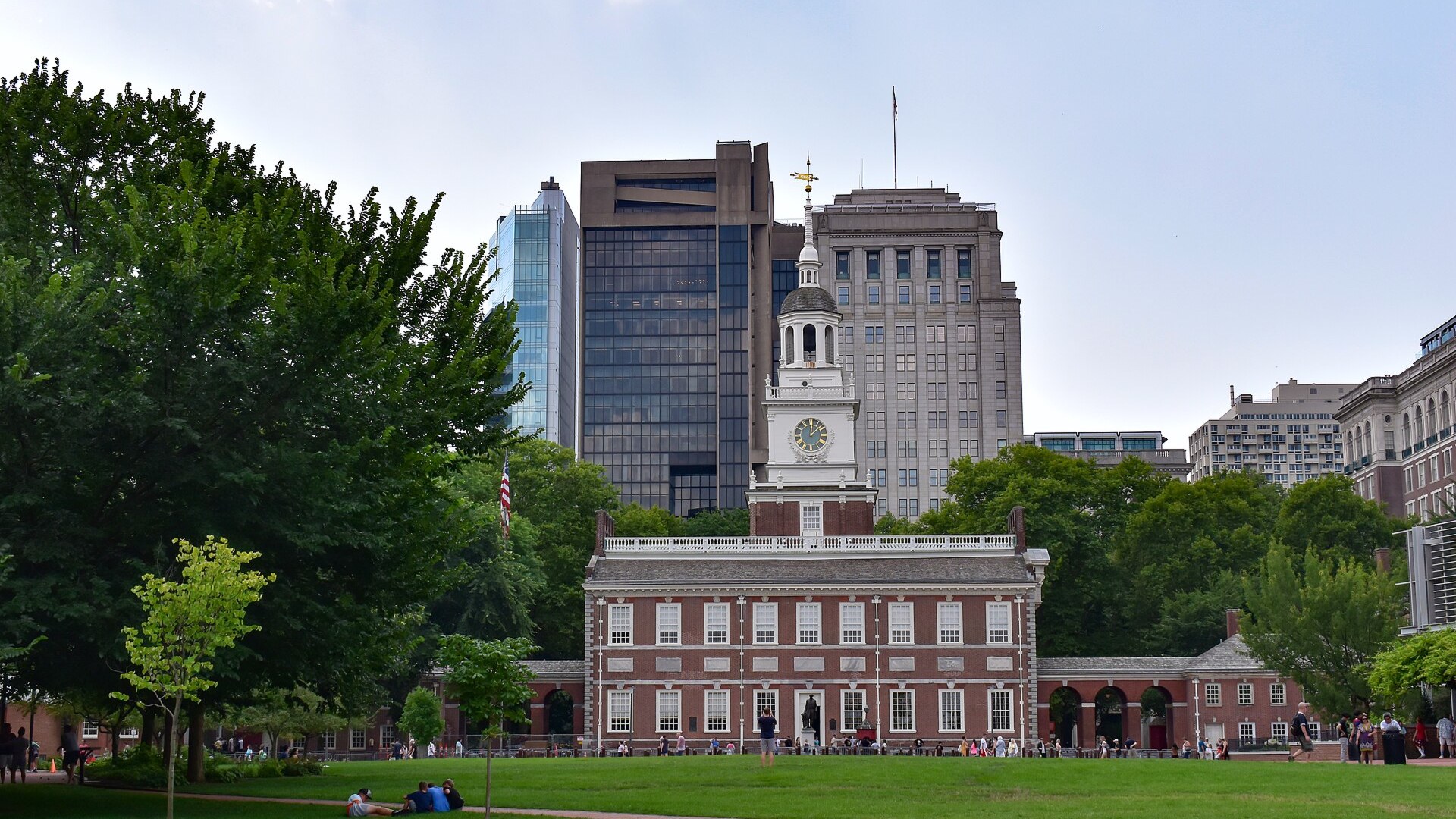
Begun in 1732 as the Pennsylvania State House, the hall hosted both the Declaration of Independence and the U.S. Constitution. Its original wooden bell tower rotted away and was demolished in 1781. Architect William Strickland designed and built the replacement steeple seen today in 1828.
©Wikimedia / Foolish Productions Photography
17. Alcatraz Island
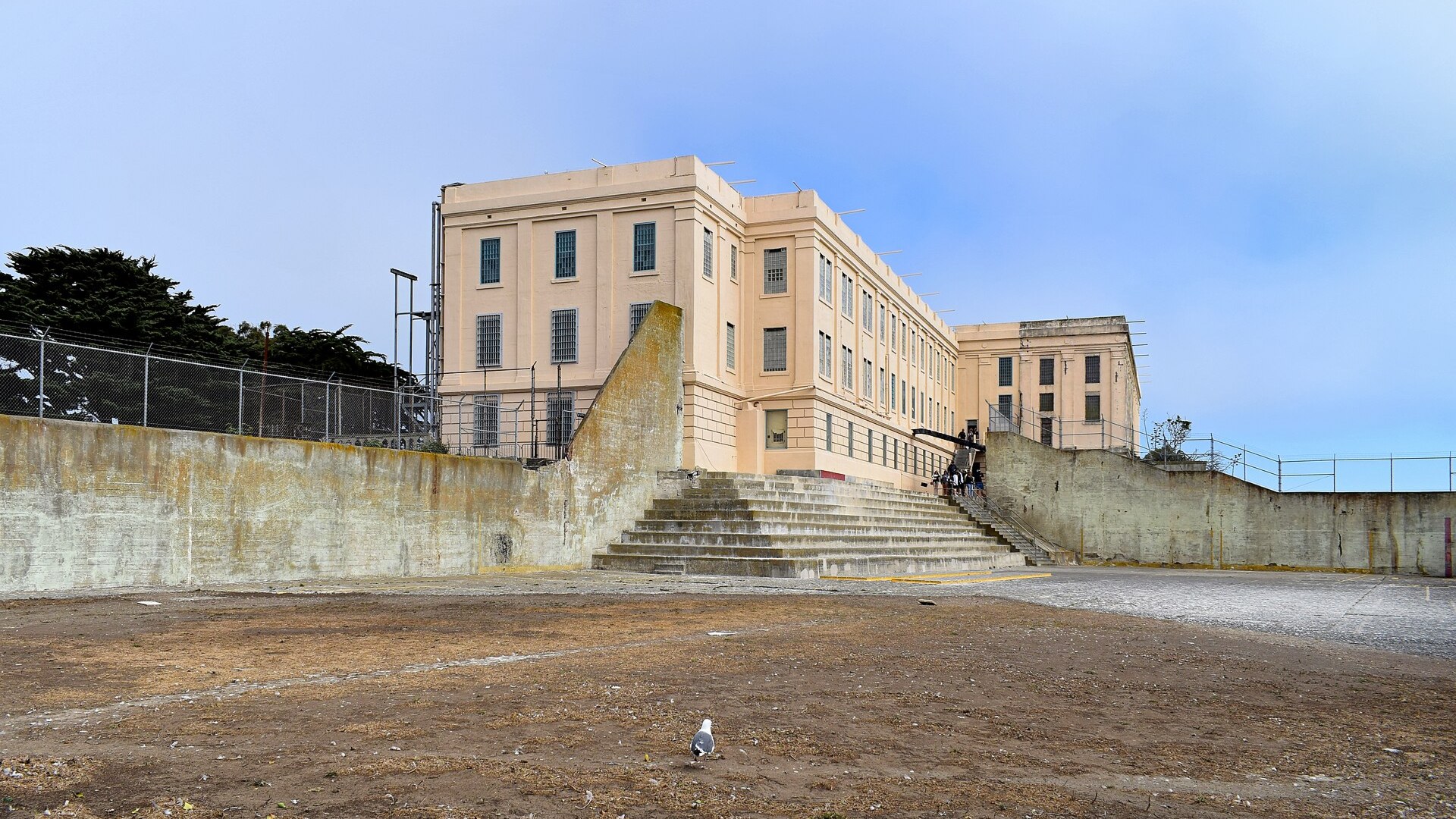
Long before becoming a federal prison from 1934 to 1963, Alcatraz Island hosted the West Coast's first lighthouse in 1854 and a U.S. Army fortress. Prison officials famously piped warm water into the inmate showers so prisoners could not adapt to the cold currents of San Francisco Bay.
©Wikimedia / Radomianin
16. Space Needle
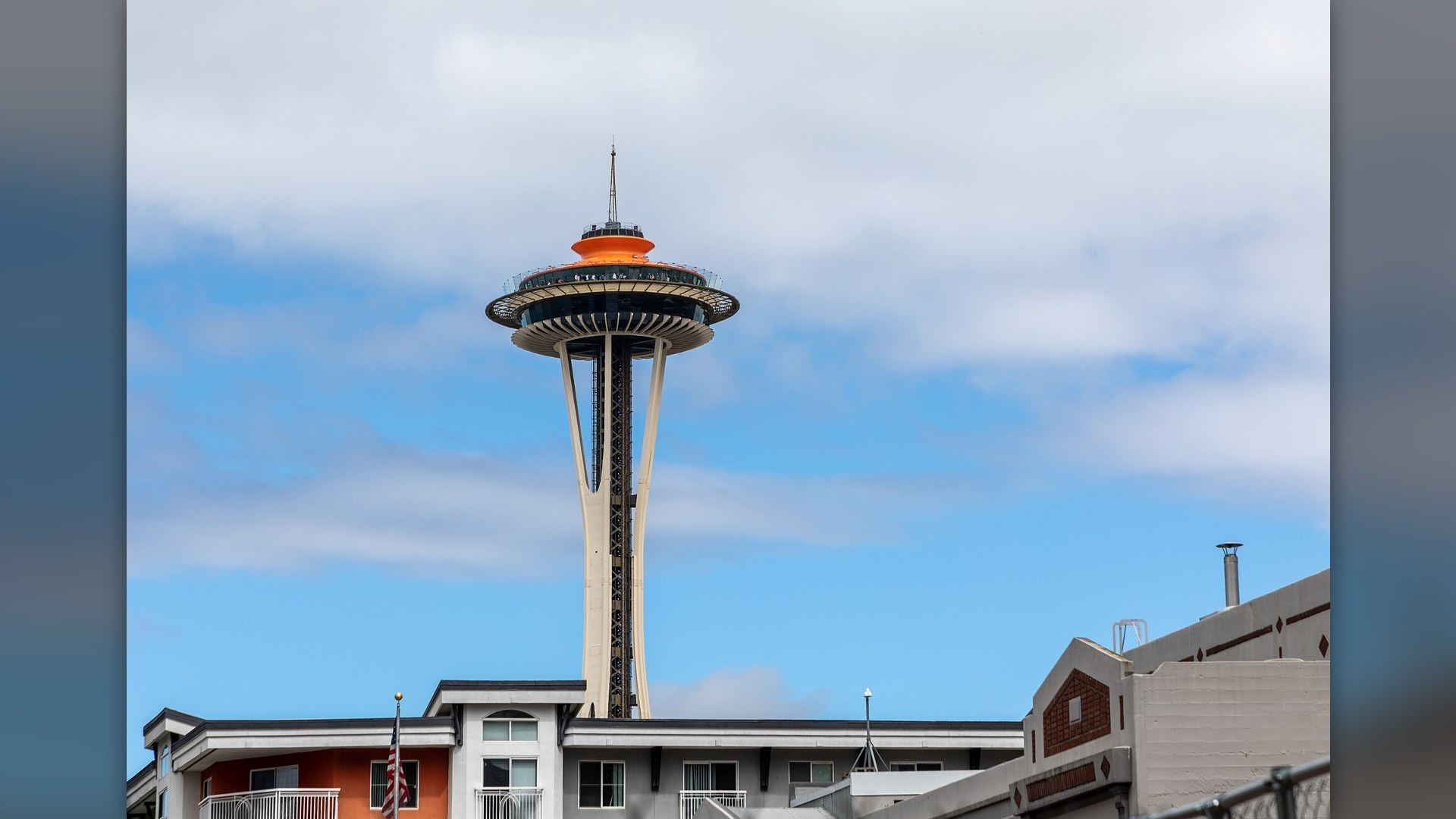
Built in just 400 days for the 1962 World's Fair, Seattle's 605-foot Space Needle anchors its slender steel legs in an underground foundation weighing as much as the tower above it. Its rotating observation level originally spun once every 47 minutes using a single 1.5-horsepower motor.
©Wikimedia / Dietmar Rabich
Advertisement
Swipe or tap ▶ to resume the countdown.
15. Hollywood Sign
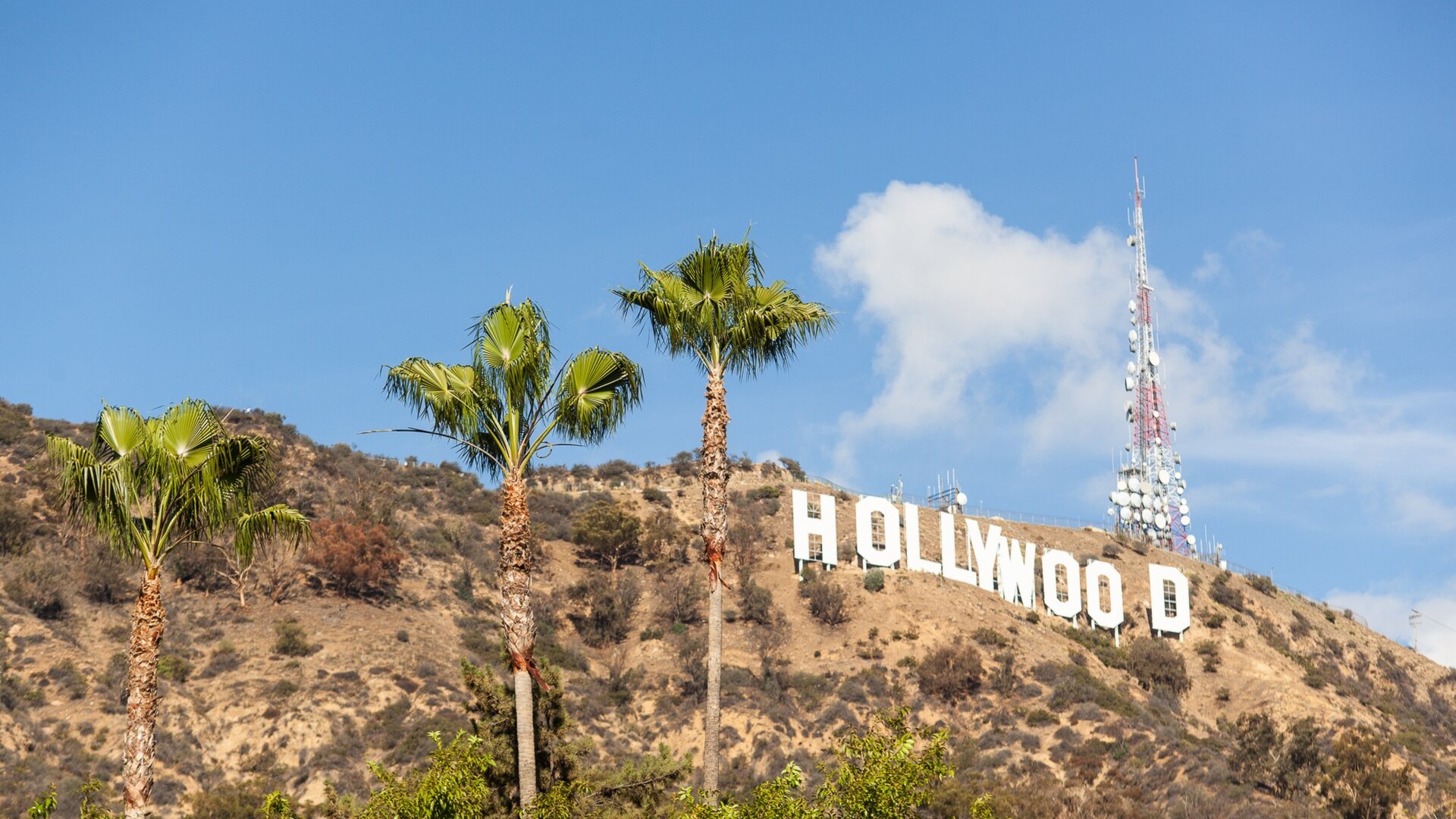
When workers raised 45-foot-tall sheet-metal letters on Mount Lee in 1923, the sign read Hollywoodland to promote a new housing tract and was meant to stand for 18 months. In 1949, the Hollywood Chamber of Commerce removed the last four letters, and steel letters replaced the wood in 1978.
©Wikimedia / DmitryRogozhin
14. Chrysler Building
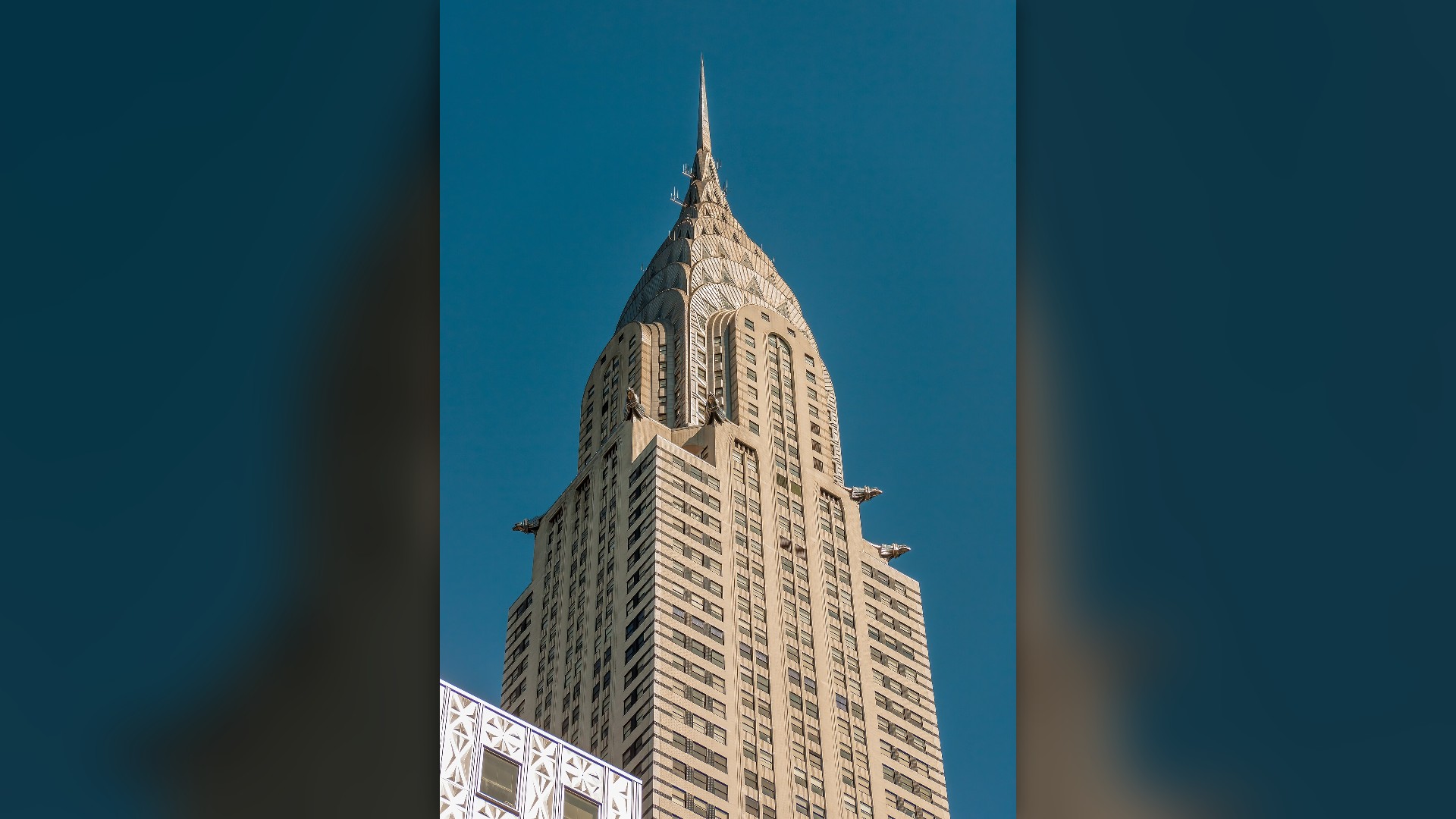
During New York's 1929 skyscraper race against 40 Wall Street, architect William Van Alen secretly had the Chrysler Building's 185-foot stainless-steel vertex assembled inside the tower. Crews hoisted it into place in 90 minutes in October 1929, claiming the tallest title until May 1931.
©Wikimedia / Ermell
13. Grand Central Terminal
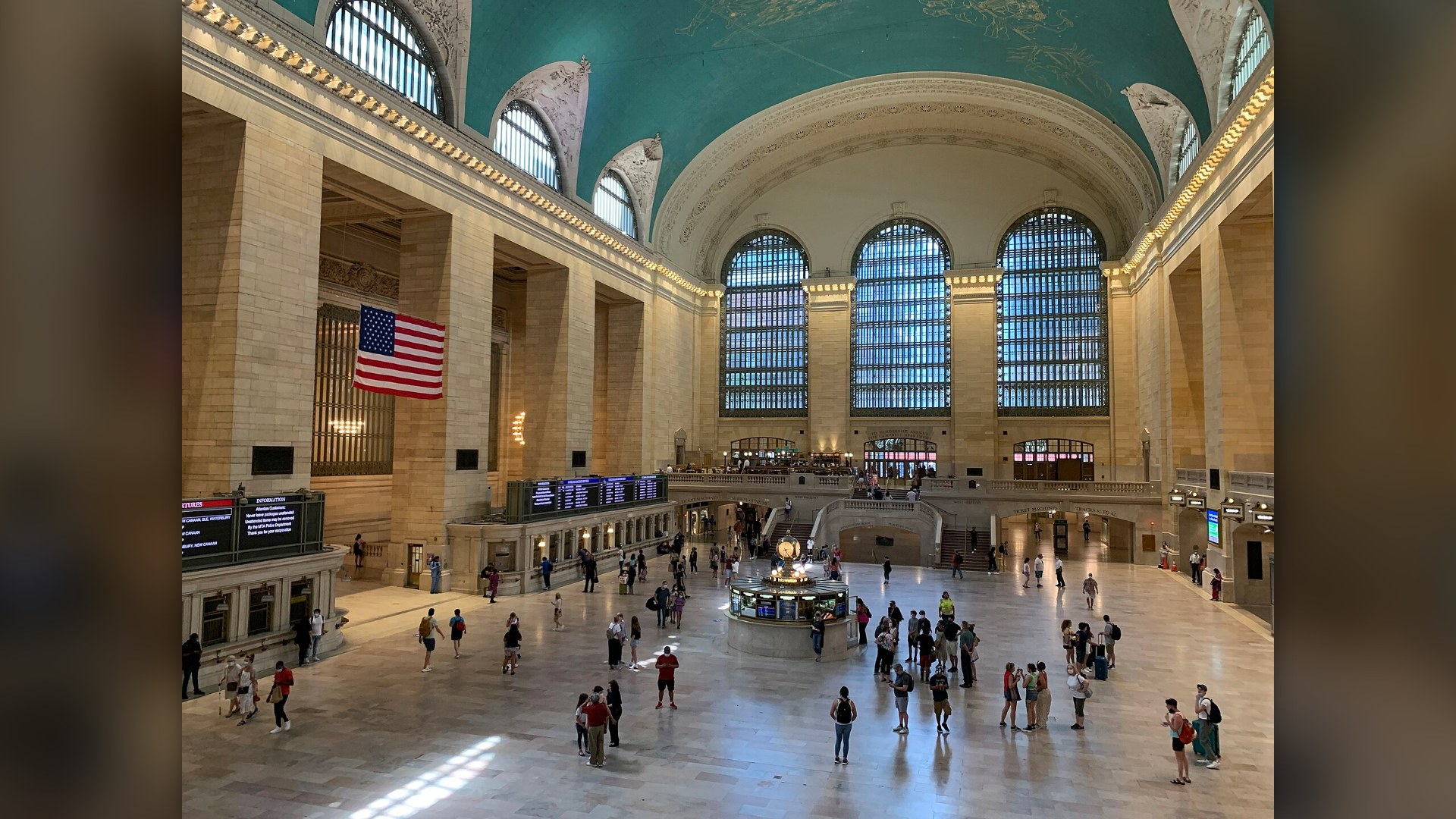
Opened in 1913, Grand Central Terminal features a vaulted ceiling painted with 2,500 gold-leaf stars that are reversed from Earth's perspective, as if viewed from outside the sky. During a 1990s restoration, crews left one small dark rectangle near a corner to show decades of old soot.
©Wikimedia / PCN02WPS
12. Gateway Arch
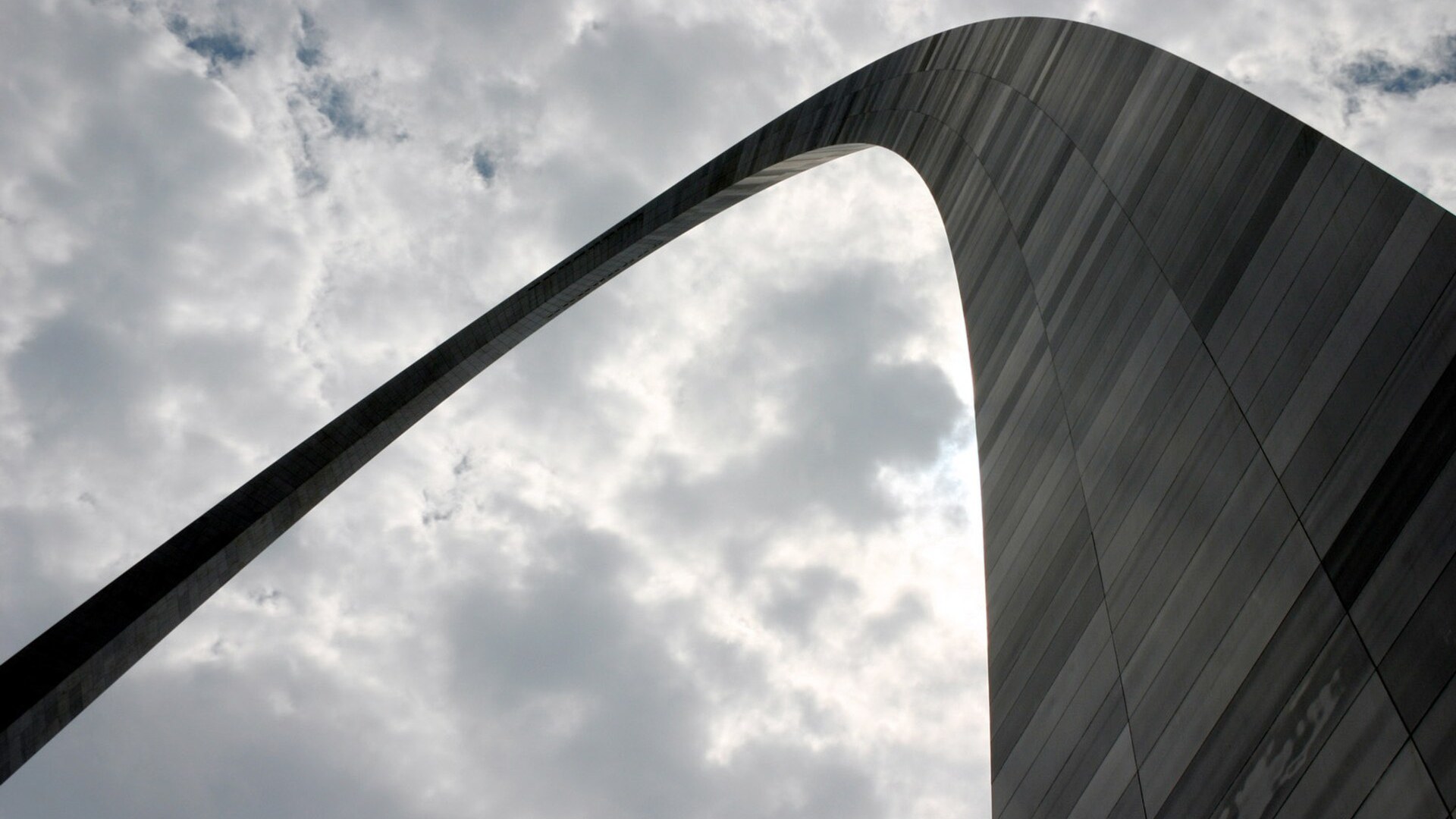
Designed by Eero Saarinen in 1948 and completed in October 1965, the St. Louis Gateway Arch measures exactly 630 feet tall and 630 feet wide across its base. Inside its hollow triangular legs, custom five-seat capsule trams climb to a viewing deck built to flex gently in strong winds.
©Wikimedia / TheWB
Advertisement
Swipe or tap ▶ to resume the countdown.
11. Hoover Dam
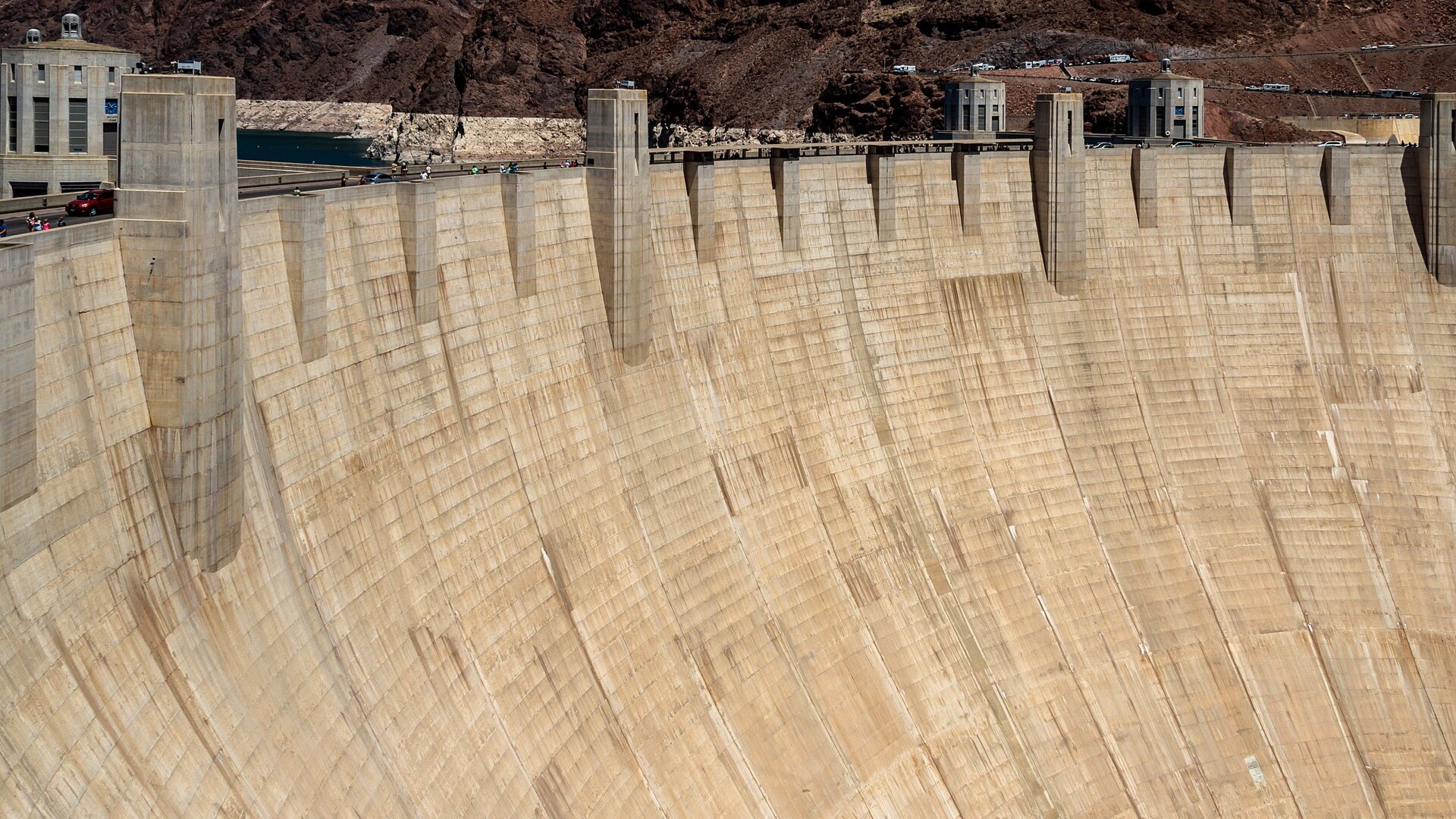
Built along the Colorado River between 1931 and 1936, Hoover Dam contains 3.25 million cubic yards of concrete. Because curing concrete gives off intense heat, engineers embedded over 580 miles of steel cooling pipes inside the structure. Without them, it would have taken over a century to cool.
©Wikimedia / Dietmar Rabich
10. Brooklyn Bridge
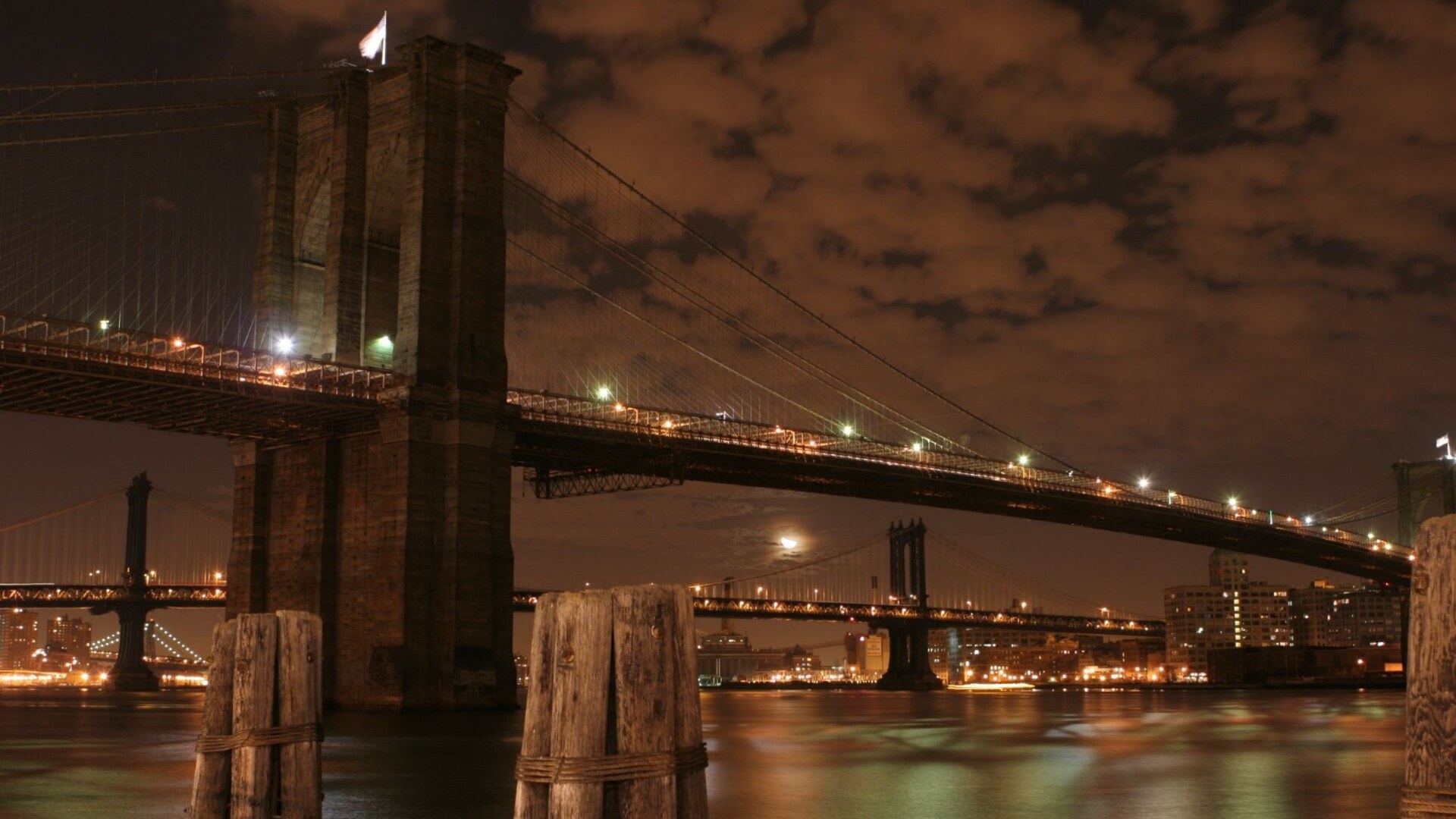
Six days after the Brooklyn Bridge opened in May 1883, a rumor that the span was collapsing triggered a deadly stampede on its pedestrian steps. To restore public confidence, city officials invited circus promoter P. T. Barnum in May 1884 to lead 21 elephants, including Jumbo, across the bridge.
©Wikimedia / Andrew Choy
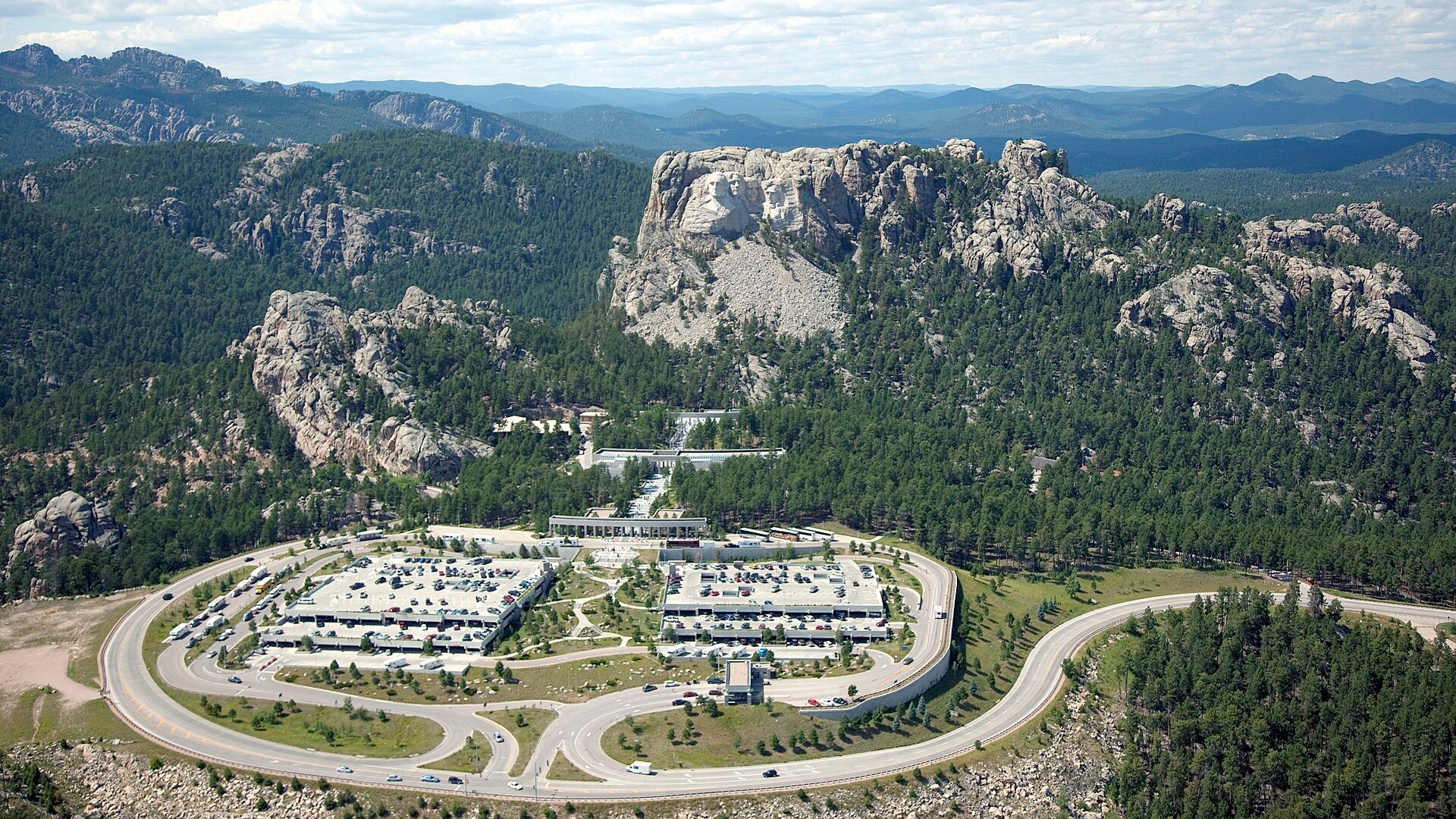
9. Mount Rushmore
Carved into South Dakota granite from 1927 to 1941, Mount Rushmore was originally planned to depict all four presidents down to their waists. Sculptor Gutzon Borglum also blasted a 70-foot tunnel behind Abraham Lincoln's head for a Hall of Records, which received sealed tablets in 1998.
©Wikimedia / Carol M. Highsmith
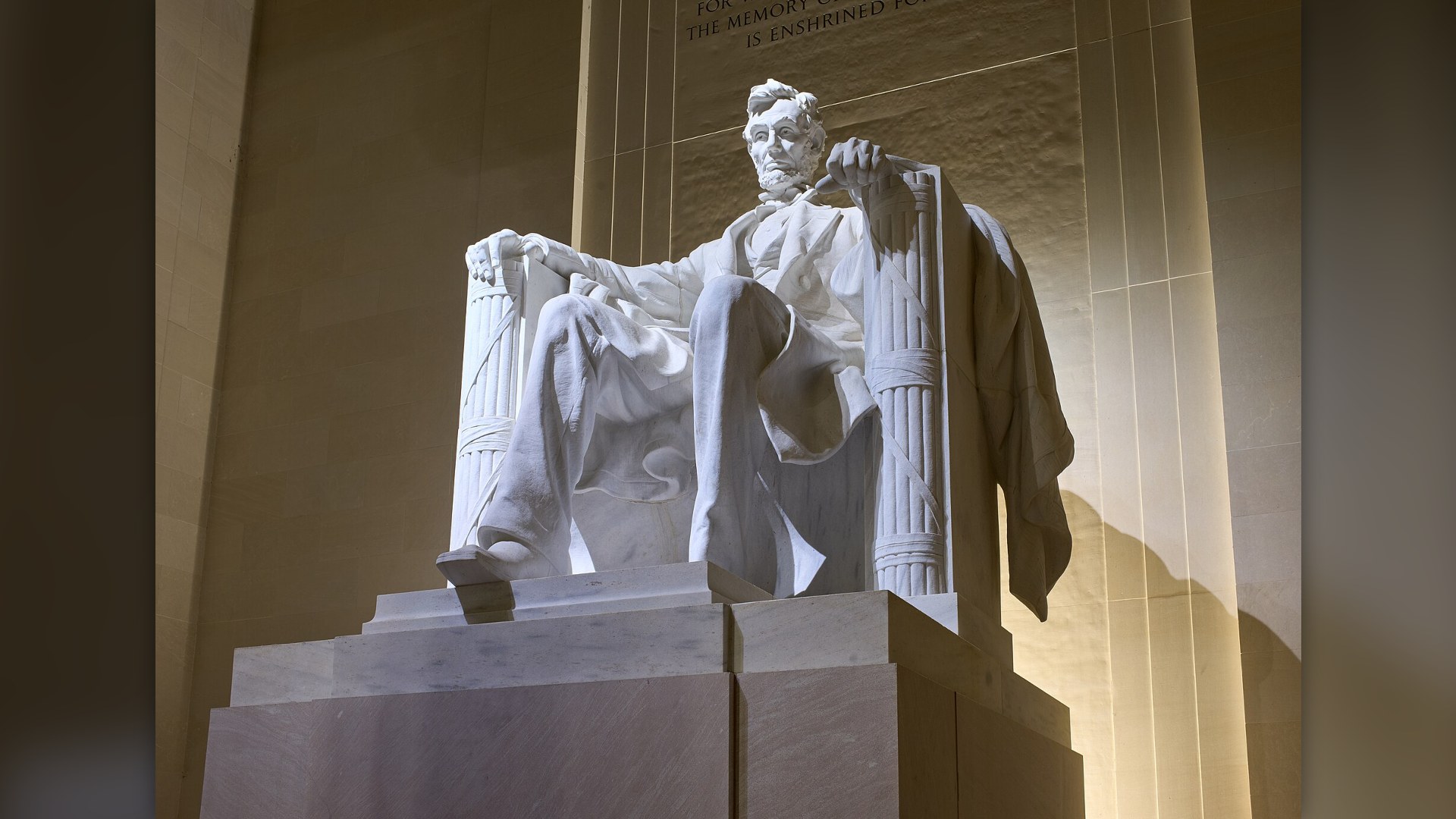
8. Lincoln Memorial
Dedicated in 1922, Daniel Chester French's 19-foot seated Abraham Lincoln looks carved from a single stone, yet artisans assembled it from 28 blocks of Georgia marble. On the north wall, an engraver famously carved "EUTURE" instead of "FUTURE" in Lincoln's Second Inaugural, later patched.
©Wikimedia / Frank Schulenburg
Advertisement
Swipe or tap ▶ to resume the countdown.
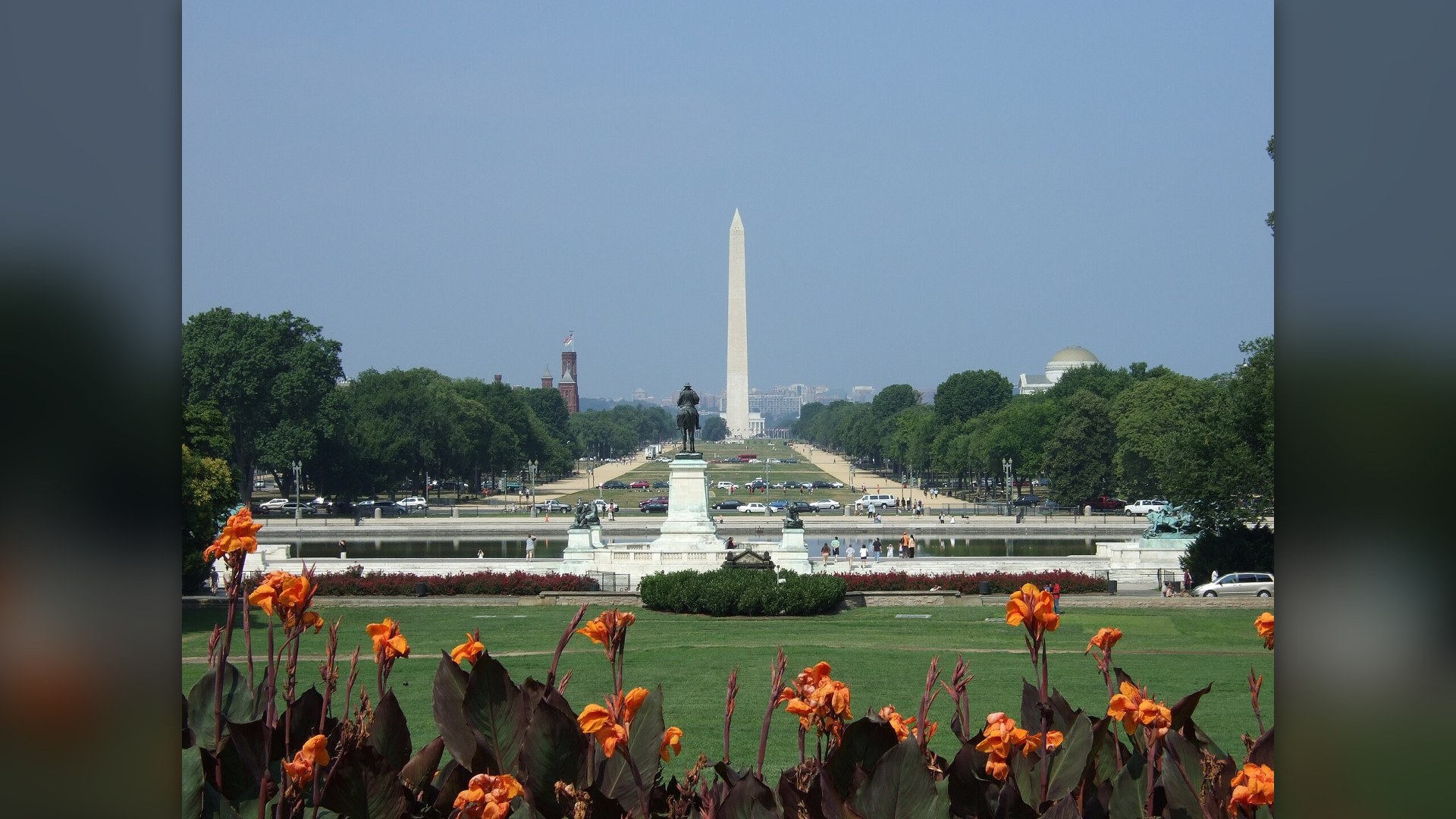
7. Washington Monument
Work on the Washington Monument began in 1848, then stalled from 1854 to 1876 because of funding shortages, political disputes, and the Civil War. When Army engineers resumed building, they sourced marble from different quarries, creating the sharp color shift visible about 150 feet up.
©Wikimedia / Diego Delso
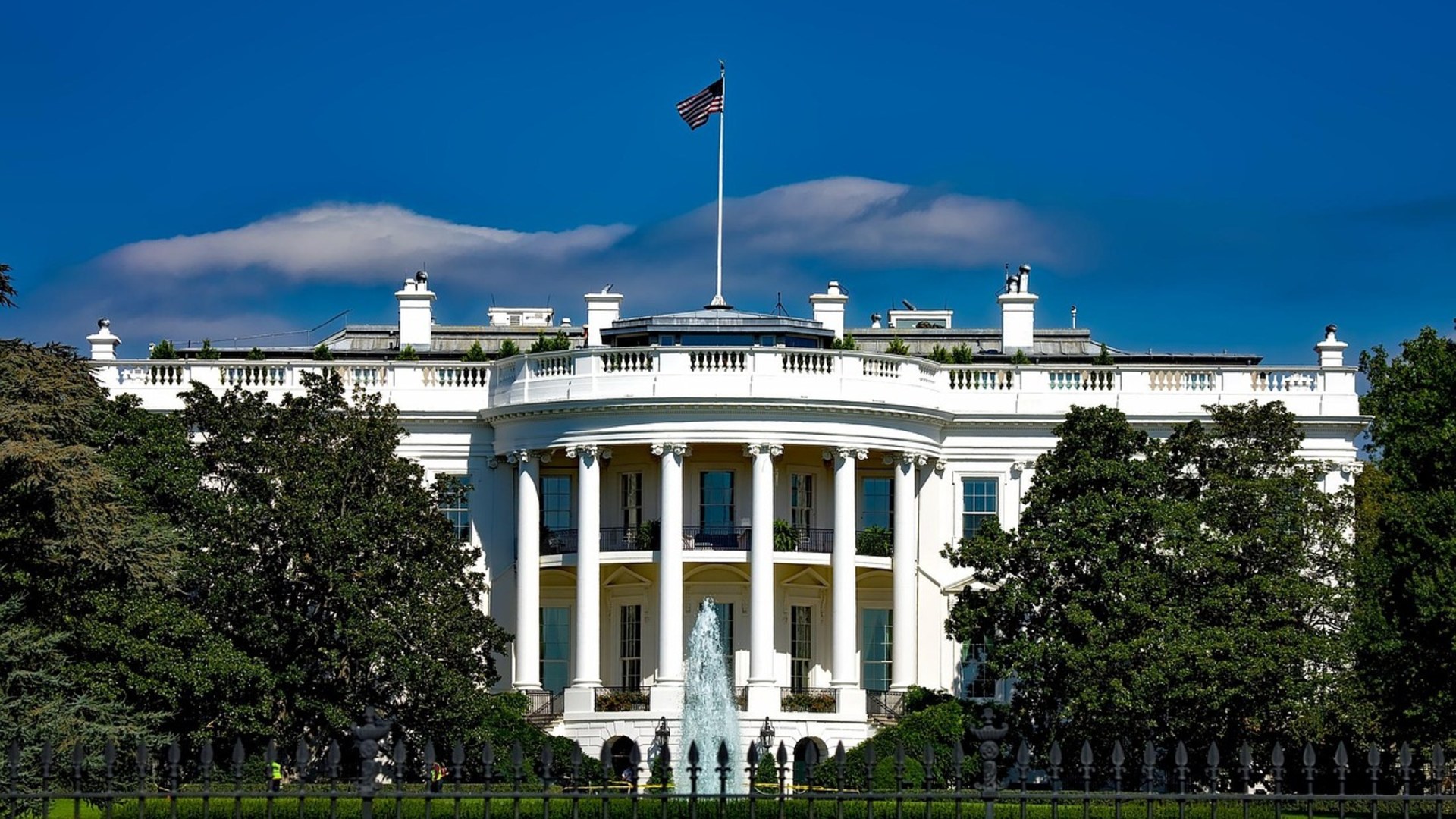
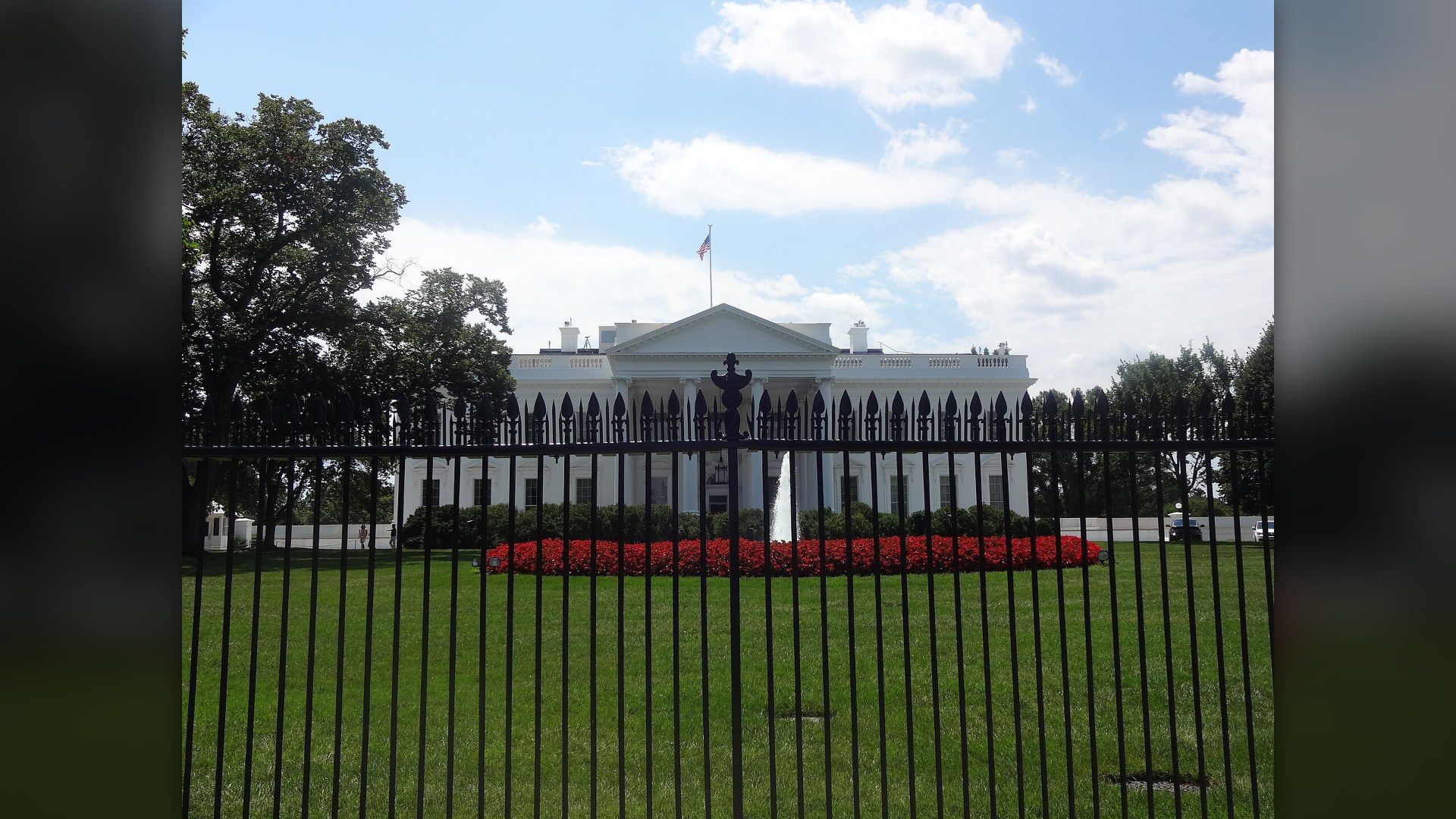
6. The White House
Construction began in 1792 using porous Virginia sandstone, which workers coated with a lime-based whitewash in 1798 to stop winter moisture from cracking the walls. That predated the 1814 British burning by 16 years. President Theodore Roosevelt made The White House its official name in 1901.
©Wikimedia / Vintage Fan 5678
5. United States Capitol
Built between 1856 and 1866 to crown the expanded wings of Congress, the U.S. Capitol dome is not marble at all. Engineers constructed it from 8.9 million pounds of painted cast iron bolted into a double shell that expands and shifts slightly each day as sunlight warms the metal.
©Wikimedia / Noclip
4. Empire State Building
Built in just 410 days and opened in May 1931, the Empire State Building topped its 102nd floor with a steel spire meant to moor transatlantic dirigibles. A small private blimp briefly linked up for three minutes in September 1931, but high winds over Manhattan doomed the airship plan.
©Wikimedia / Dllu
Advertisement
Swipe or tap ▶ to resume the countdown.
3. Times Square
Known in the 1800s as Longacre Square, a hub for carriage makers and horse stables, the Midtown crossroads got its current name in April 1904 when The New York Times moved into its new tower. Just three years later, on December 31, 1907, the first New Year's Eve ball drop took place there.
©Wikimedia / Luca Bravo
2. Golden Gate Bridge
When San Francisco's Golden Gate Bridge was built in the 1930s, the U.S. Navy pushed for black-and-yellow stripes to help ships spot the span in fog. Consulting architect Irving Morrow fought for the warm red-lead primer already protecting the steel, creating the famed International Orange.
©Wikimedia / Frank Schulenburg
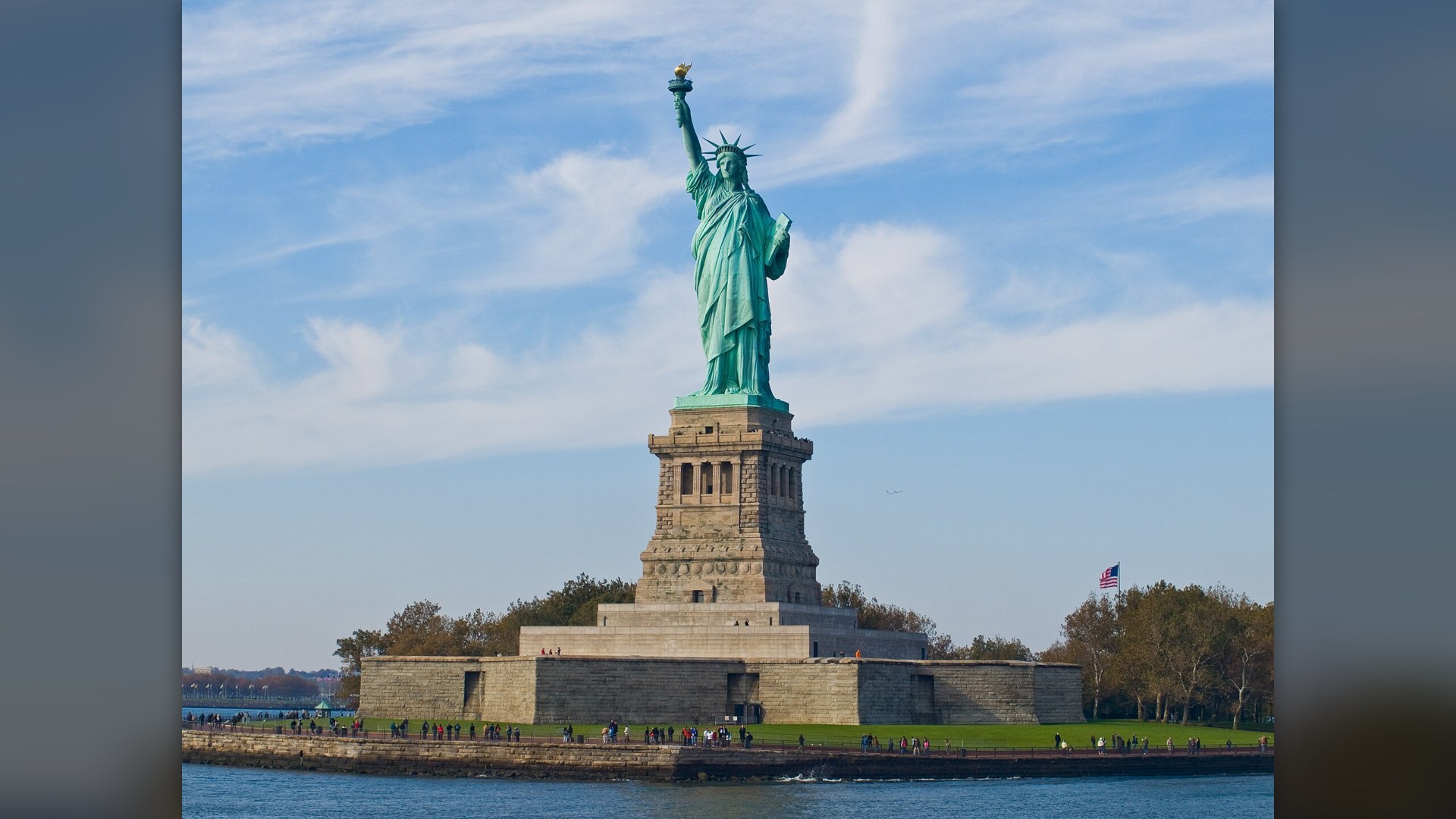
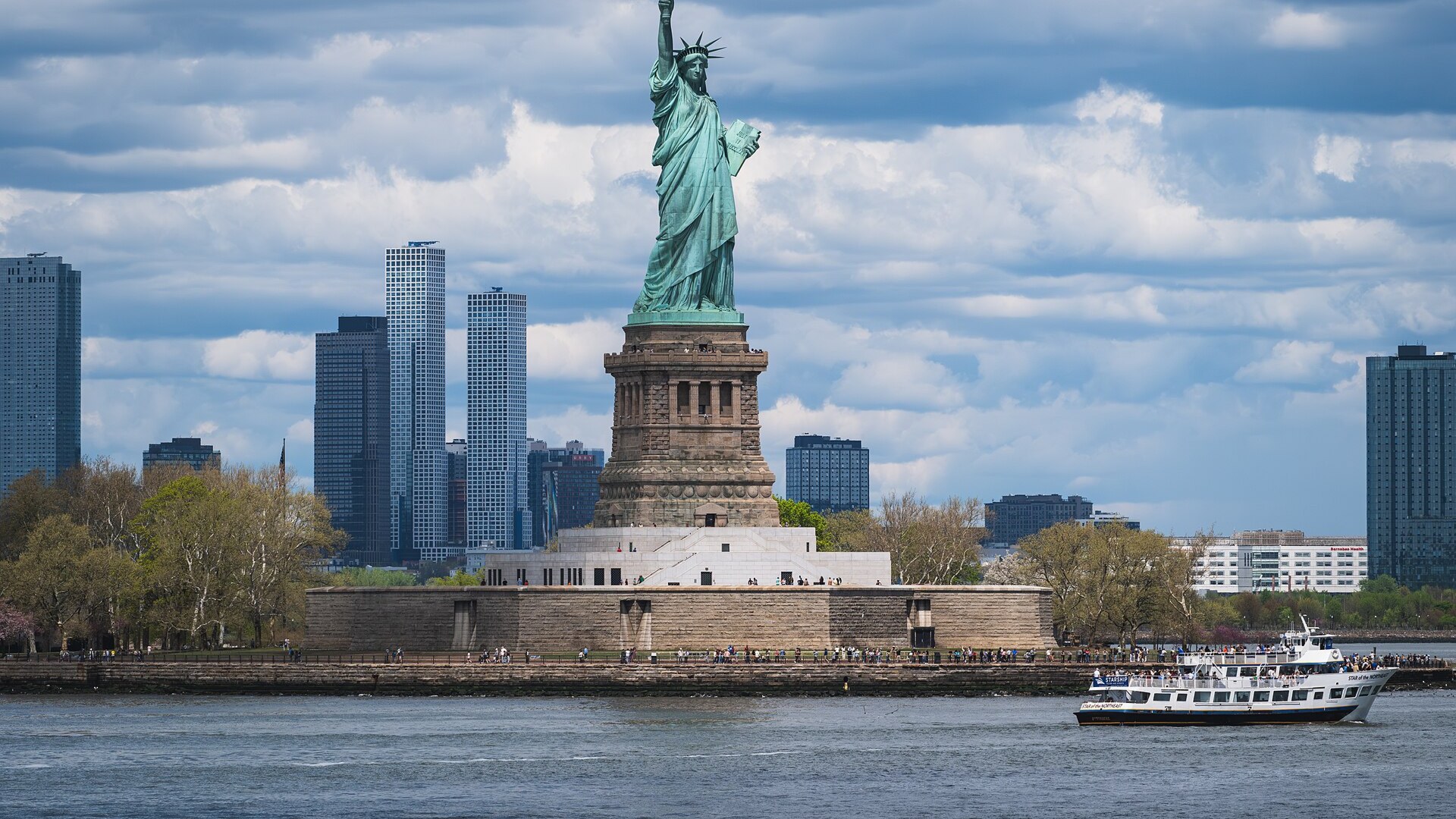
1. Statue Of Liberty
Dedicated in October 1886, the Statue of Liberty features an iron frame by Gustave Eiffel wrapped in copper sheets just two pennies thick. Originally a bright reddish brown, the copper reacted with salty harbor air and rain for roughly 20 years before settling into its green patina by 1906.

©Wikimedia / William Warby
Advertisement
You've reached the end of the story. Thanks for reading!

21 Visited Places of Worship in the World
Millions of travelers and worshippers journey each year to sacred sanctuaries across different faiths and continents. From historic Gothic cathedrals and serene Shinto shrines to sprawling Hindu complexes, these holy sites draw immense crowds. Here are twenty-one revered places of worship in ascending order.
All 22 Entries in this Story
22. Cloud Gate
Sculptor Anish Kapoor designed Cloud Gate in Millennium Park using 168 stainless-steel plates welded into a single seamless curve. Dedicated in May 2006 after a 2004 preview, the 110-ton sculpture quickly earned the nickname The Bean from locals, even though Kapoor initially disliked the name.

21. The Alamo
Founded in 1718 as Mission San Antonio de Valero, the Alamo looked quite different during the 1836 siege. The chapel had no roof and a flat, crumbling front wall. Around 1850, the U.S. Army repaired the structure as a supply depot and added the curved top parapet seen in photos today.

20. Willis Tower
Completed in 1973 as the Sears Tower and renamed Willis Tower in 2009, the 1,451-foot skyscraper held the world's tallest building title for 25 years. Engineer Fazlur Rahman Khan and architect Bruce Graham used nine bundled steel tubes, an idea famously modeled with a pack of cigarettes.

19. Liberty Bell
Cast in London in 1752 for the Pennsylvania State House, the 2,080-pound bell cracked on its very first test ring in Philadelphia and was recast twice locally. The wide zig-zag gap visible today came from an 1846 repair attempt that drilled out the crack before a second split silenced it.

18. Independence Hall
Begun in 1732 as the Pennsylvania State House, the hall hosted both the Declaration of Independence and the U.S. Constitution. Its original wooden bell tower rotted away and was demolished in 1781. Architect William Strickland designed and built the replacement steeple seen today in 1828.

17. Alcatraz Island
Long before becoming a federal prison from 1934 to 1963, Alcatraz Island hosted the West Coast's first lighthouse in 1854 and a U.S. Army fortress. Prison officials famously piped warm water into the inmate showers so prisoners could not adapt to the cold currents of San Francisco Bay.

16. Space Needle
Built in just 400 days for the 1962 World's Fair, Seattle's 605-foot Space Needle anchors its slender steel legs in an underground foundation weighing as much as the tower above it. Its rotating observation level originally spun once every 47 minutes using a single 1.5-horsepower motor.

15. Hollywood Sign
When workers raised 45-foot-tall sheet-metal letters on Mount Lee in 1923, the sign read Hollywoodland to promote a new housing tract and was meant to stand for 18 months. In 1949, the Hollywood Chamber of Commerce removed the last four letters, and steel letters replaced the wood in 1978.

14. Chrysler Building
During New York's 1929 skyscraper race against 40 Wall Street, architect William Van Alen secretly had the Chrysler Building's 185-foot stainless-steel vertex assembled inside the tower. Crews hoisted it into place in 90 minutes in October 1929, claiming the tallest title until May 1931.

13. Grand Central Terminal
Opened in 1913, Grand Central Terminal features a vaulted ceiling painted with 2,500 gold-leaf stars that are reversed from Earth's perspective, as if viewed from outside the sky. During a 1990s restoration, crews left one small dark rectangle near a corner to show decades of old soot.

12. Gateway Arch
Designed by Eero Saarinen in 1948 and completed in October 1965, the St. Louis Gateway Arch measures exactly 630 feet tall and 630 feet wide across its base. Inside its hollow triangular legs, custom five-seat capsule trams climb to a viewing deck built to flex gently in strong winds.

11. Hoover Dam
Built along the Colorado River between 1931 and 1936, Hoover Dam contains 3.25 million cubic yards of concrete. Because curing concrete gives off intense heat, engineers embedded over 580 miles of steel cooling pipes inside the structure. Without them, it would have taken over a century to cool.

10. Brooklyn Bridge
Six days after the Brooklyn Bridge opened in May 1883, a rumor that the span was collapsing triggered a deadly stampede on its pedestrian steps. To restore public confidence, city officials invited circus promoter P. T. Barnum in May 1884 to lead 21 elephants, including Jumbo, across the bridge.

9. Mount Rushmore
Carved into South Dakota granite from 1927 to 1941, Mount Rushmore was originally planned to depict all four presidents down to their waists. Sculptor Gutzon Borglum also blasted a 70-foot tunnel behind Abraham Lincoln's head for a Hall of Records, which received sealed tablets in 1998.

8. Lincoln Memorial
Dedicated in 1922, Daniel Chester French's 19-foot seated Abraham Lincoln looks carved from a single stone, yet artisans assembled it from 28 blocks of Georgia marble. On the north wall, an engraver famously carved "EUTURE" instead of "FUTURE" in Lincoln's Second Inaugural, later patched.

7. Washington Monument
Work on the Washington Monument began in 1848, then stalled from 1854 to 1876 because of funding shortages, political disputes, and the Civil War. When Army engineers resumed building, they sourced marble from different quarries, creating the sharp color shift visible about 150 feet up.

6. The White House
Construction began in 1792 using porous Virginia sandstone, which workers coated with a lime-based whitewash in 1798 to stop winter moisture from cracking the walls. That predated the 1814 British burning by 16 years. President Theodore Roosevelt made The White House its official name in 1901.

5. United States Capitol
Built between 1856 and 1866 to crown the expanded wings of Congress, the U.S. Capitol dome is not marble at all. Engineers constructed it from 8.9 million pounds of painted cast iron bolted into a double shell that expands and shifts slightly each day as sunlight warms the metal.

4. Empire State Building
Built in just 410 days and opened in May 1931, the Empire State Building topped its 102nd floor with a steel spire meant to moor transatlantic dirigibles. A small private blimp briefly linked up for three minutes in September 1931, but high winds over Manhattan doomed the airship plan.

3. Times Square
Known in the 1800s as Longacre Square, a hub for carriage makers and horse stables, the Midtown crossroads got its current name in April 1904 when The New York Times moved into its new tower. Just three years later, on December 31, 1907, the first New Year's Eve ball drop took place there.

2. Golden Gate Bridge
When San Francisco's Golden Gate Bridge was built in the 1930s, the U.S. Navy pushed for black-and-yellow stripes to help ships spot the span in fog. Consulting architect Irving Morrow fought for the warm red-lead primer already protecting the steel, creating the famed International Orange.

1. Statue Of Liberty
Dedicated in October 1886, the Statue of Liberty features an iron frame by Gustave Eiffel wrapped in copper sheets just two pennies thick. Originally a bright reddish brown, the copper reacted with salty harbor air and rain for roughly 20 years before settling into its green patina by 1906.