Slideshow · Viral
22 Important Numbers That Appear Throughout the Bible
Numerical patterns occur across Hebrew scripture and the Christian New Testament with consistent symbolic resonance. From foundational markers of unity and creation to epochs of testing, liberation and apocalyptic visions, biblical numbers carried distinct theological and cultural meaning for ancient readers.
By Most Viral Today
10 min ago

Decoding Sacred Numerals Across Ancient Scripture 
22. The Number One: Absolute Divine Unity 
21. The Number Two: Legal Testimony And Truth 
20. The Number Three: Divine Manifestation And Completeness - AdvertisementSwipe or tap ▶ to continue countdown

19. The Number Four: Geographic Extent And Creation 
18. The Number Six: Human Labor And Incompletion 
17. The Number Seven: Perfection And Sabbath Rest 
16. The Number Eight: New Beginnings And Renewal - AdvertisementSwipe or tap ▶ to continue countdown

15. The Number Ten: Moral Law And Divine Order 
14. The Number Fourteen: Davidic Royal Lineage 
13. The Number Twelve: Tribal Governance And Covenant 
12. The Number Twenty-Four: Heavenly Priesthood - AdvertisementSwipe or tap ▶ to continue countdown

11. The Number Thirty: Consecration And Ministry Age 
10. The Number Forty: Testing, Wilderness And Renewal 
9. The Number Fifty: Jubilee Freedom And Pentecost 
8. The Number Seventy: Ancient Nations And Elders - AdvertisementSwipe or tap ▶ to continue countdown

7. The Number Seventy-Seven: Limitless Forgiveness 
6. The Number One Hundred: Full Agricultural Blessing 
5. The Number One Hundred Twenty: Royal Assemblies 
4. The Number One Hundred Forty-Four: Eternal Measure - AdvertisementSwipe or tap ▶ to continue countdown

3. The Number One Hundred Fifty-Three: Miraculous Catch 
2. The Number Six Hundred Sixty-Six: Imperial Imperfection 
1. The Number One Thousand: Incalculable Majesty - Advertisement🔥 UP NEXT IN THIS SERIES◫ 23 Slides

22 Rare Classic Cars That Only True Enthusiasts Recognize
Most drivers recognize a Ferrari or Porsche, yet automotive history hides dozens of small-batch cars built by independent studios. Drawn from manufacturer archives, the Petersen Automotive Museum, and Smithsonian records, this countdown profiles 22 rare models from 1936 to 2001 that reward sharp-eyed spotters.
Numerical patterns occur across Hebrew scripture and the Christian New Testament with consistent symbolic resonance. From foundational markers of unity and creation to epochs of testing, liberation and apocalyptic visions, biblical numbers carried distinct theological and cultural meaning for ancient readers.

Swipe or tap ▶ to begin the countdown
©Wikimedia / Raphael & Office of U.S. House Speaker
22. The Number One: Absolute Divine Unity
In ancient Hebrew thought, the number one represented complete divine unity and absolute supremacy. The central creed of Judaism found in Deuteronomy, known as the Shema, proclaims that God is one. This foundational numeral rejected polytheistic traditions, affirming a single sovereign creator of all existence.
©Pixabay / Henning_W
21. The Number Two: Legal Testimony And Truth
Biblical legal codes established that a matter was confirmed only on the testimony of two or three witnesses. The moral law was inscribed on two stone tablets, while Moses sent scouts in pairs. In the Gospels, Jesus dispatched his disciples two by two, underscoring mutual accountability and corroborated truth.
© Photo by Insaanu Studio on Unsplash
20. The Number Three: Divine Manifestation And Completeness
The number three highlights completeness and divine presence throughout biblical narrative. Heavenly messengers visited Abraham as three visitors, while seraphim proclaimed God as holy, holy, holy. Jonah remained three days in the deep, prefiguring the third day resurrection that forms central Christian theology.
© Photo by Zac Durant on Unsplash
Advertisement
Swipe or tap ▶ to resume the countdown.
19. The Number Four: Geographic Extent And Creation
Four represents the totality of created physical space across the ancient cosmos. Biblical writers referenced the four corners of the earth, four cardinal winds and four rivers flowing from Eden. In the New Testament, four distinct Gospel perspectives assemble a complete portrait of the life and ministry of Jesus.
© Photo by Alex Shute on Unsplash
18. The Number Six: Human Labor And Incompletion
Human beings were created on the sixth day of Genesis, and ancient Israelites were commanded to labor for six days before observing Sabbath rest. In biblical symbolism, six represents the pinnacle of mortal effort that falls just short of divine perfection, symbolizing vulnerability when divorced from sacred rest.
©Wikimedia / Kessler, Rudolf
17. The Number Seven: Perfection And Sabbath Rest
Occurring hundreds of times across scripture, seven denotes sacred wholeness and divine perfection. God rested on the seventh day, blessing it as holy. Seven branch menorahs illuminated the sanctuary, seven weeks measured the feast of Pentecost, and seven seals unfold the divine judgments in the Book of Revelation.
©Wikimedia / Internet Archive Book Images
16. The Number Eight: New Beginnings And Renewal
Because it immediately follows the seven day cycle of completion, eight signifies resurrection, circumcision and renewal. Hebrew male infants entered the Abrahamic covenant through eighth day circumcision. In Genesis, eight souls stepped off Noah ark to repopulate a cleansed world following the great deluge.
©Pixabay / geralt
Advertisement
Swipe or tap ▶ to resume the countdown.
15. The Number Ten: Moral Law And Divine Order
Ten represents foundational completeness in divine governance and moral law. God issued the Ten Commandments atop Mount Sinai as the ethical core of Israel covenant. Ten plagues demonstrated divine power over Egyptian deities, while a tenth of agricultural produce was consecrated as the sacred community tithe.
©Pixabay / qimono
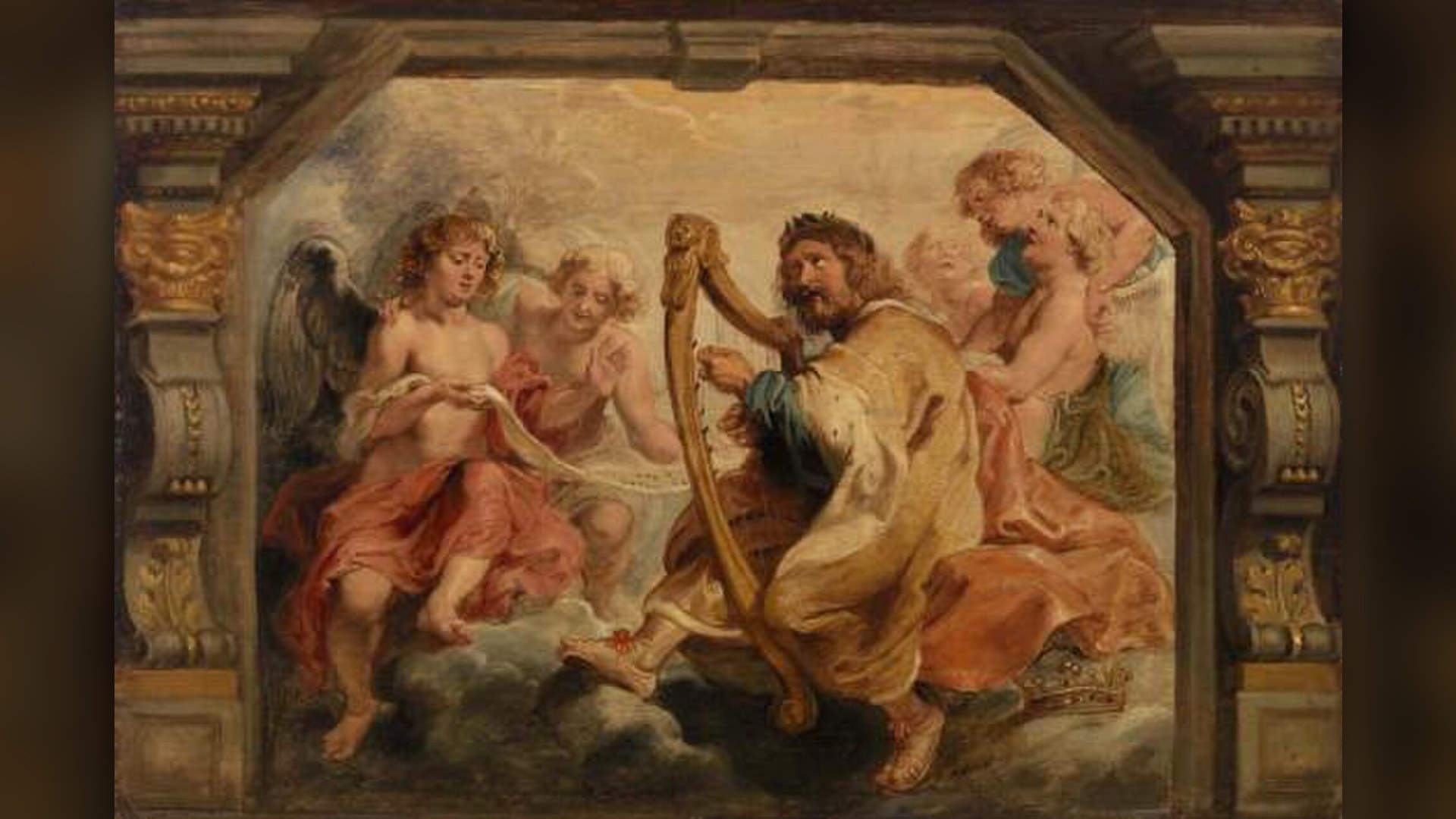
14. The Number Fourteen: Davidic Royal Lineage
In Matthew genealogy of Christ, ancestry is grouped into three sets of fourteen generations, linking Abraham to David, the Babylonian exile and Jesus. In Hebrew gematria, where consonants represent numbers, the name David equals fourteen, encoding the royal messianic heritage directly into the lineage pattern.
©Wikimedia / Peter Paul Rubens
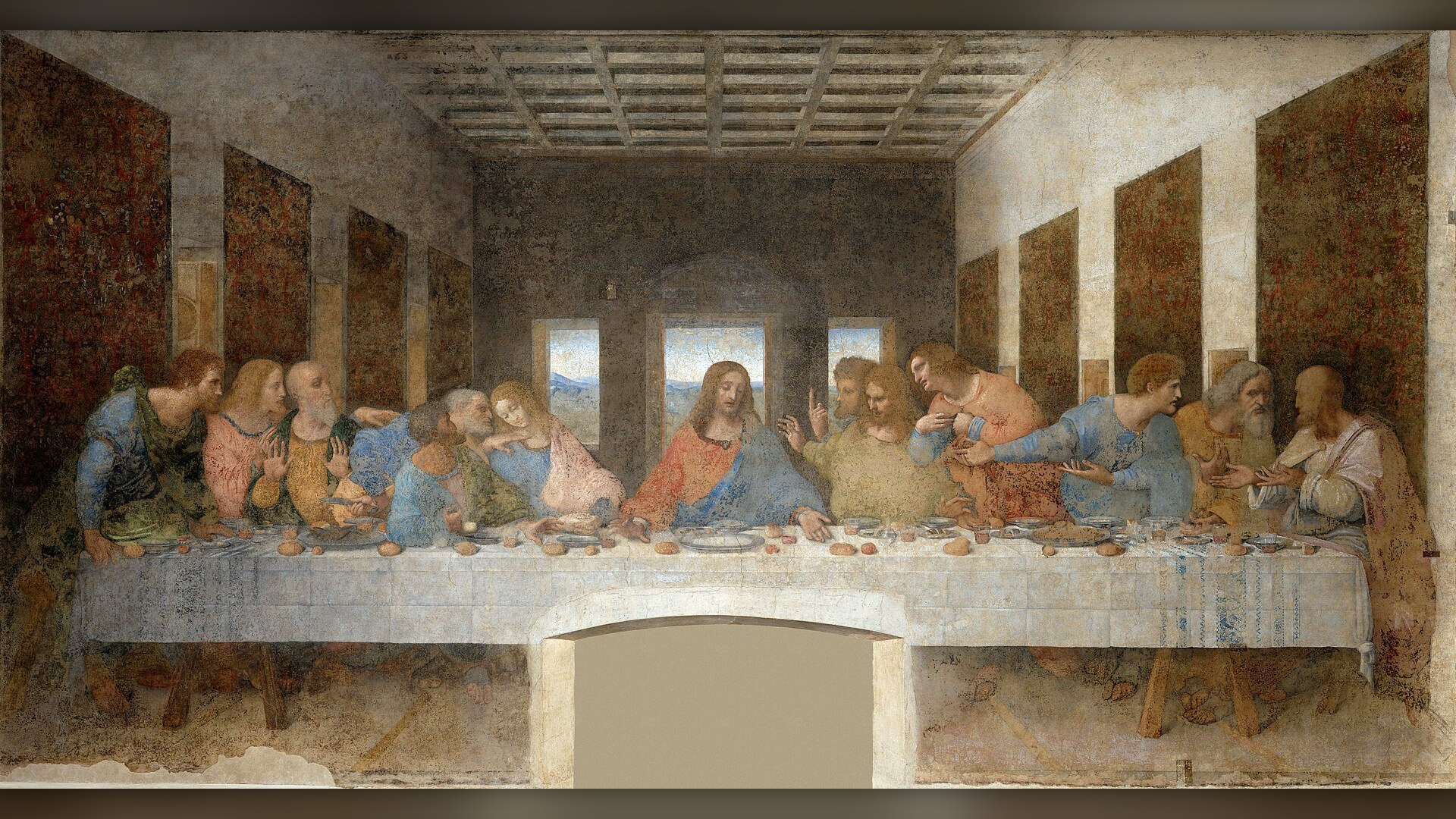
13. The Number Twelve: Tribal Governance And Covenant
Twelve forms the foundational framework of biblical leadership and community structure. Jacob fathered twelve sons who headed the twelve tribes of Israel. Jesus established twelve apostles to govern the new covenant assembly, reflecting heavenly gates and foundations inscribed with twelve names in Revelation.
©Wikimedia / Leonardo da Vinci
12. The Number Twenty-Four: Heavenly Priesthood
King David established twenty-four priestly orders to ensure continuous worship in the Jerusalem temple. This structure mirrors the apocalyptic imagery of Revelation, where twenty-four crowned elders sit upon thrones surrounding the divine presence, symbolizing the unified royal priesthood of the redeemed cosmos.
©Wikimedia / Silar
Advertisement
Swipe or tap ▶ to resume the countdown.
11. The Number Thirty: Consecration And Ministry Age
Under Mosaic regulations, Levites entered active service in the tabernacle upon reaching age thirty. Joseph rose to govern Egypt at thirty, David was crowned king over Israel at thirty, and Jesus was baptized in the Jordan to begin his public ministry at thirty, marking the biblical threshold for mature service.
©Pixabay / geralt
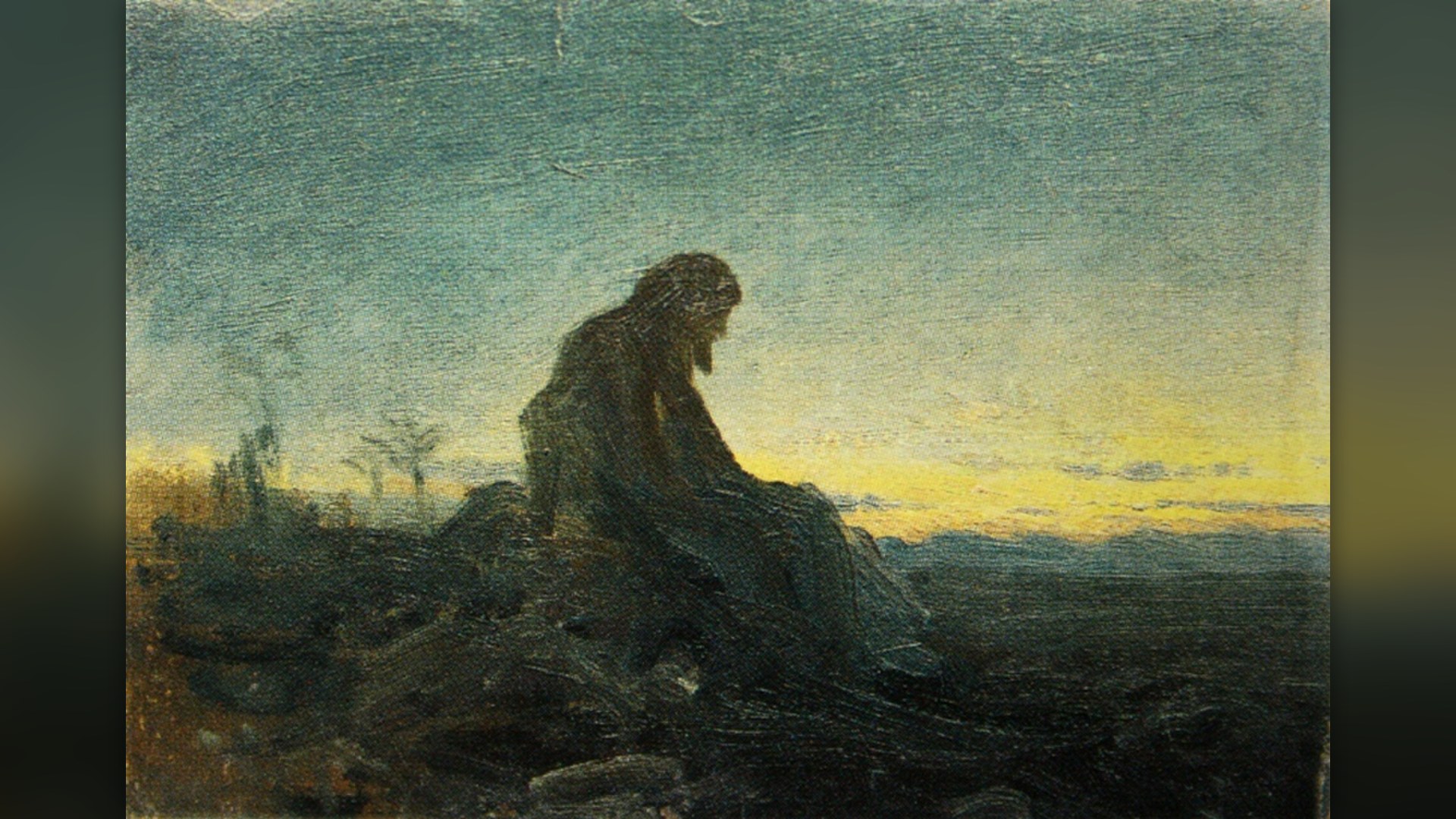
10. The Number Forty: Testing, Wilderness And Renewal
Forty signifies periods of intense trial and spiritual transformation. Noah weathered forty days of rain, Moses fasted forty days on Mount Sinai, and Israel wandered forty years in the wilderness. Jesus fasted forty days in the Judean desert, demonstrating endurance before launching his proclamation of the kingdom.
©Wikimedia / Ivan Kramskoi
9. The Number Fifty: Jubilee Freedom And Pentecost
Every fiftieth year in Israel celebrated the Jubilee, when ancestral lands were restored, debts were canceled and indentured servants were freed. Fifty days following the Passover, the feast of Pentecost celebrated the giving of the law at Sinai, where the disciples later experienced the descent of the Holy Spirit.
©Pixabay / jplenio
8. The Number Seventy: Ancient Nations And Elders
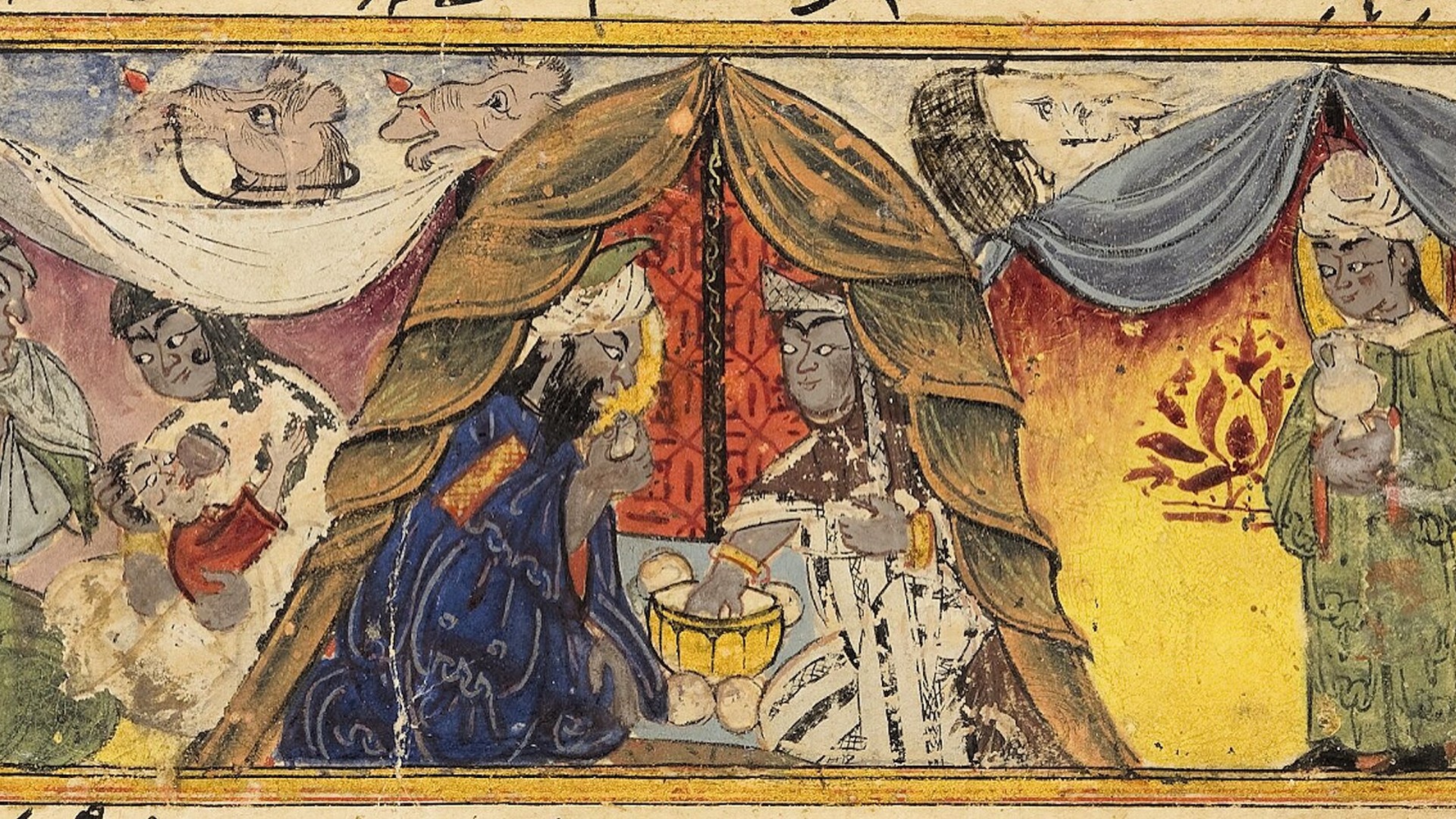
Genesis records seventy original nations branching from Noah descendants, establishing seventy as a symbol of global humanity. Moses appointed seventy elders to assist in governing the camp, while Jesus sent seventy disciples into neighboring towns, prefiguring the universal spread of the Gospel to every nation.
©Wikimedia / 14th century author
Advertisement
Swipe or tap ▶ to resume the countdown.
7. The Number Seventy-Seven: Limitless Forgiveness
In Genesis, Lamech boasted that if Cain was avenged sevenfold, he would be avenged seventy-sevenfold, illustrating escalating human cruelty. When Peter asked how often he must forgive a brother, Jesus commanded seventy-seven times, replacing endless ancestral retaliation with an infinite obligation of divine mercy.
©Pixabay / Alexas_Fotos
6. The Number One Hundred: Full Agricultural Blessing
A hundredfold yield represented the pinnacle of agricultural blessing in arid Judea. Genesis recounts that Isaac sowed grain and reaped a hundredfold in a single season due to divine favor. In the Parable of the Sower, the seed sown in fertile soil produced a hundredfold return, symbolizing rich spiritual growth.
©TMDb / Harvest
5. The Number One Hundred Twenty: Royal Assemblies
Genesis records one hundred twenty years as an appointed span before the great flood, matching Moses age at death on Mount Nebo. Solomon temple was dedicated with one hundred twenty trumpets, and in Acts, the nascent Christian community gathered in Jerusalem numbered approximately one hundred twenty disciples.
©Wikimedia / TeoUtting
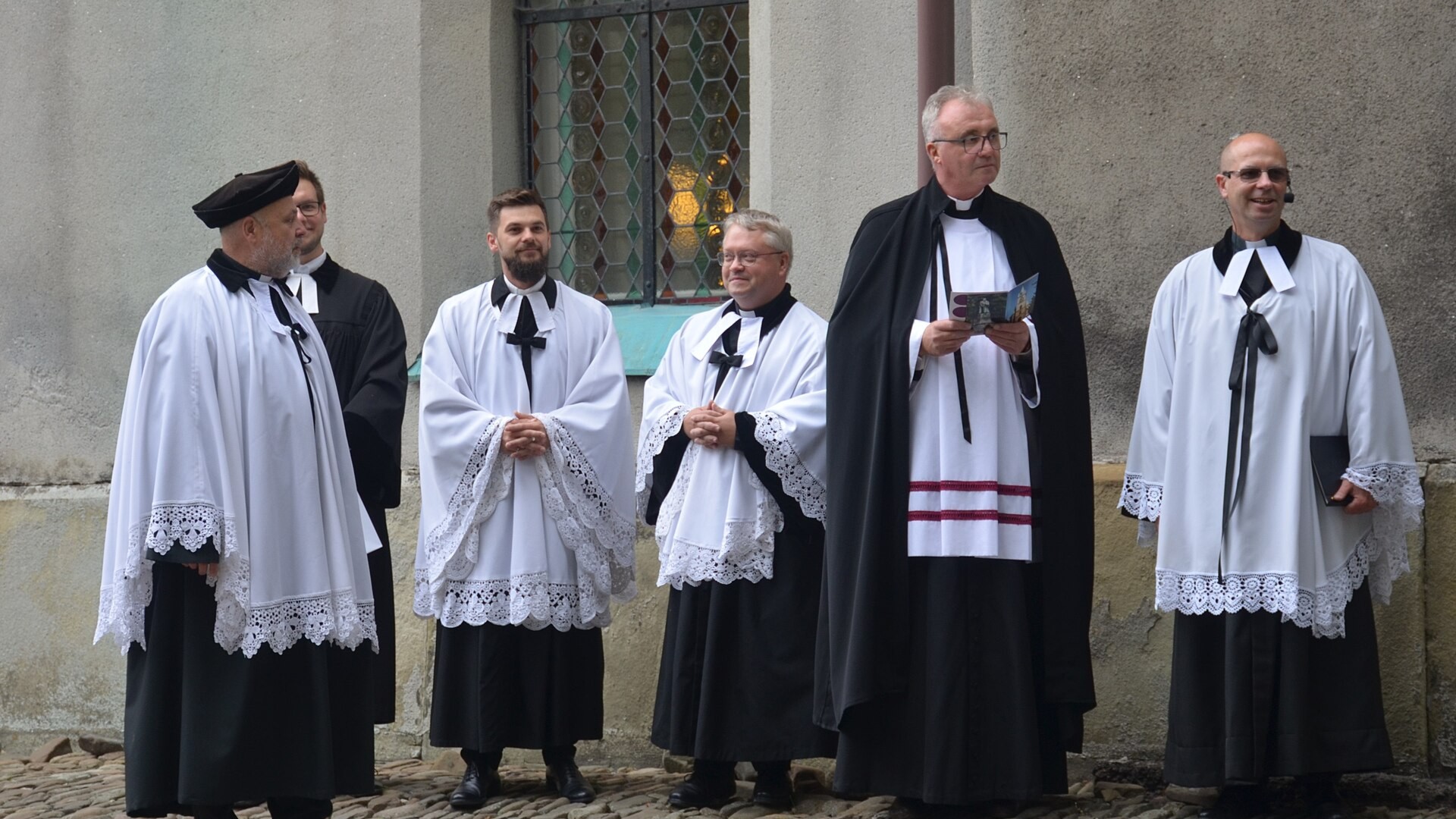
4. The Number One Hundred Forty-Four: Eternal Measure
In apocalyptic scripture, one hundred forty-four is twelve multiplied by twelve, symbolizing the unbroken company of the redeemed. The Book of Revelation records the wall of the New Jerusalem measuring one hundred forty-four cubits, signifying eternal security, perfect proportion and complete divine protection.
©Wikimedia / Office of U.S. House Speaker
Advertisement
Swipe or tap ▶ to resume the countdown.
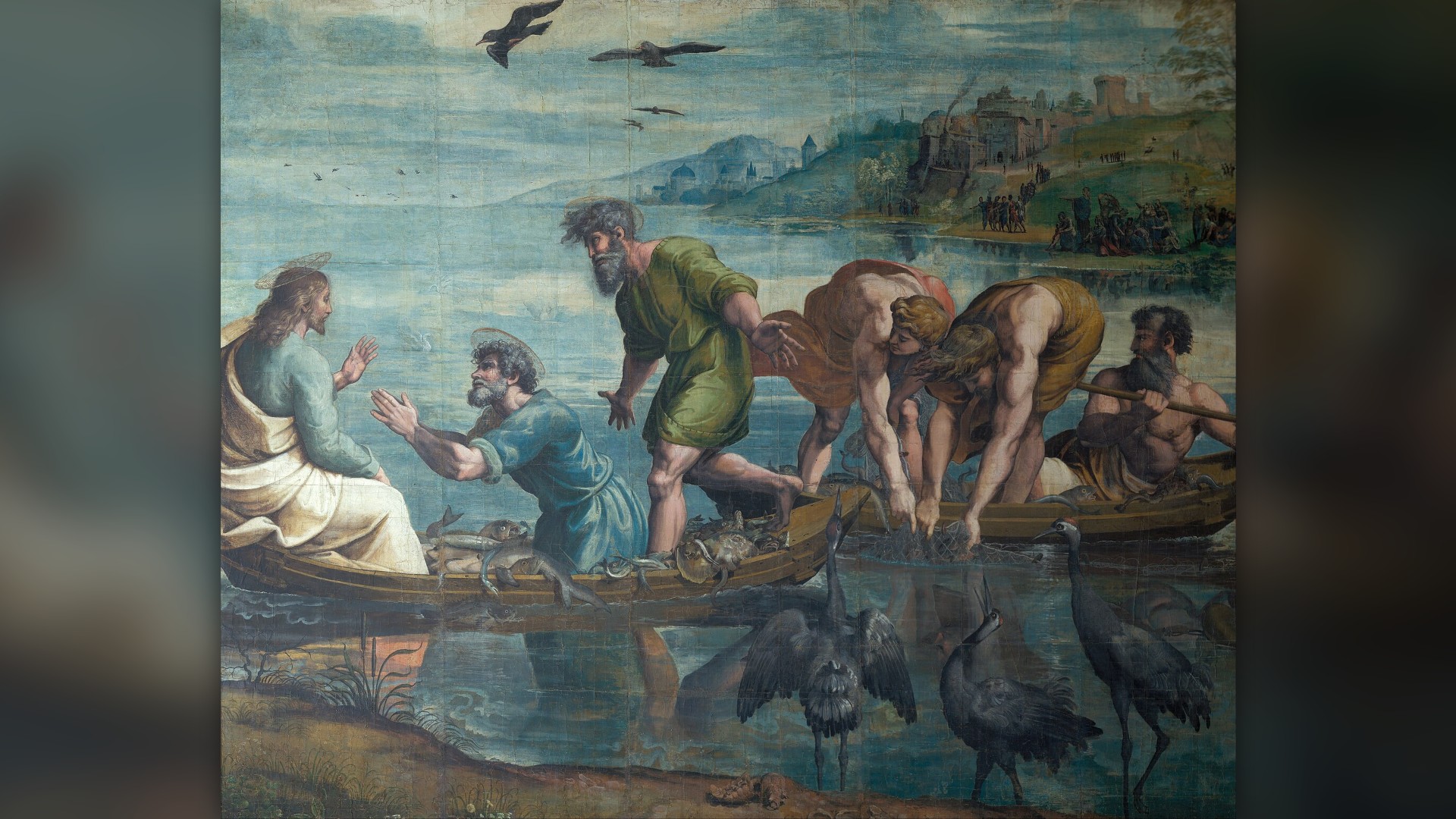
3. The Number One Hundred Fifty-Three: Miraculous Catch
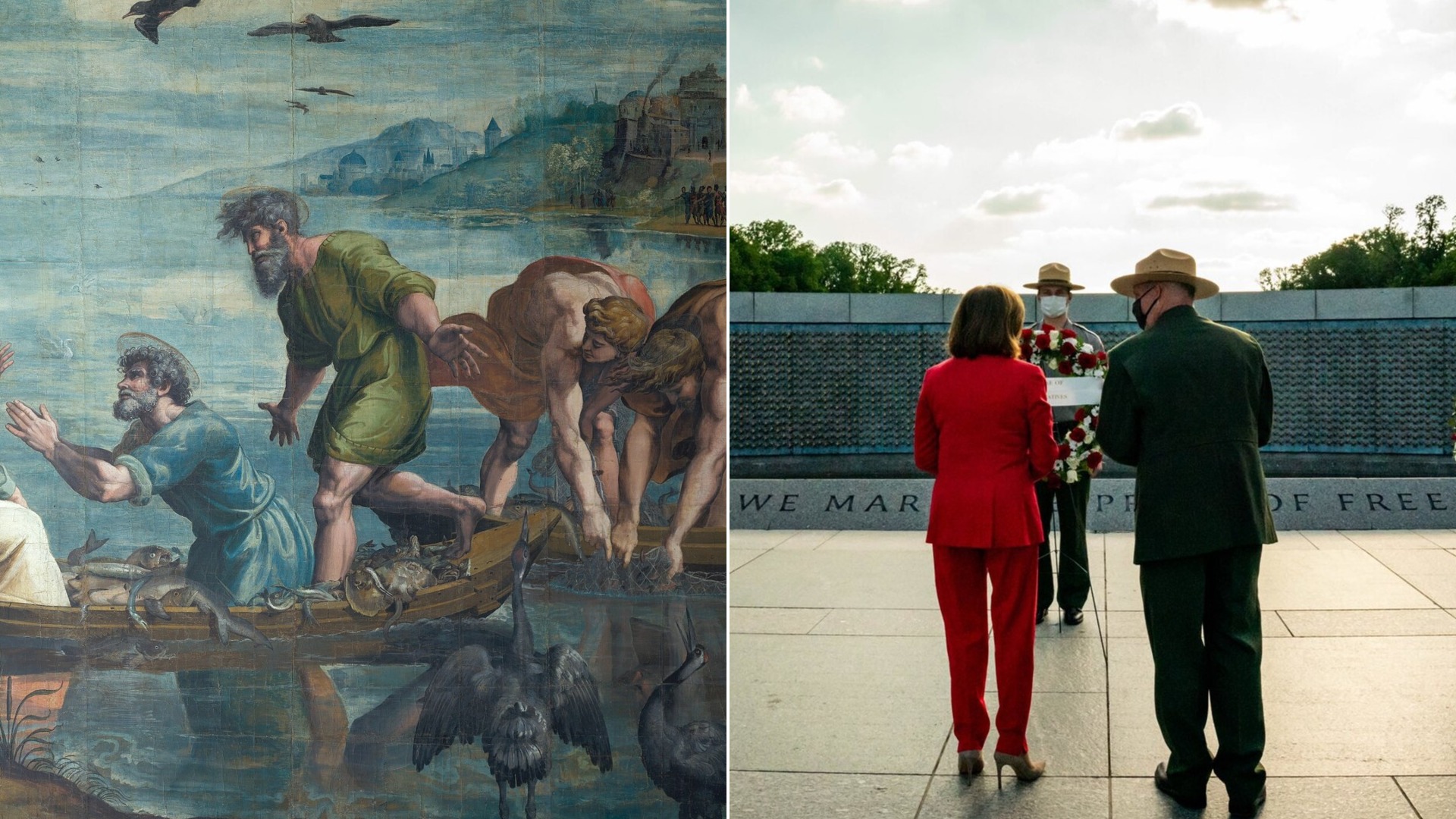
Following the resurrection, the disciples hauled a miraculous catch of one hundred fifty-three large fish ashore at the Sea of Galilee without tearing their net. Ancient commentators suggested the number represented known marine species of antiquity, symbolizing the comprehensive mission to gather all peoples.
©Wikimedia / Raphael
2. The Number Six Hundred Sixty-Six: Imperial Imperfection
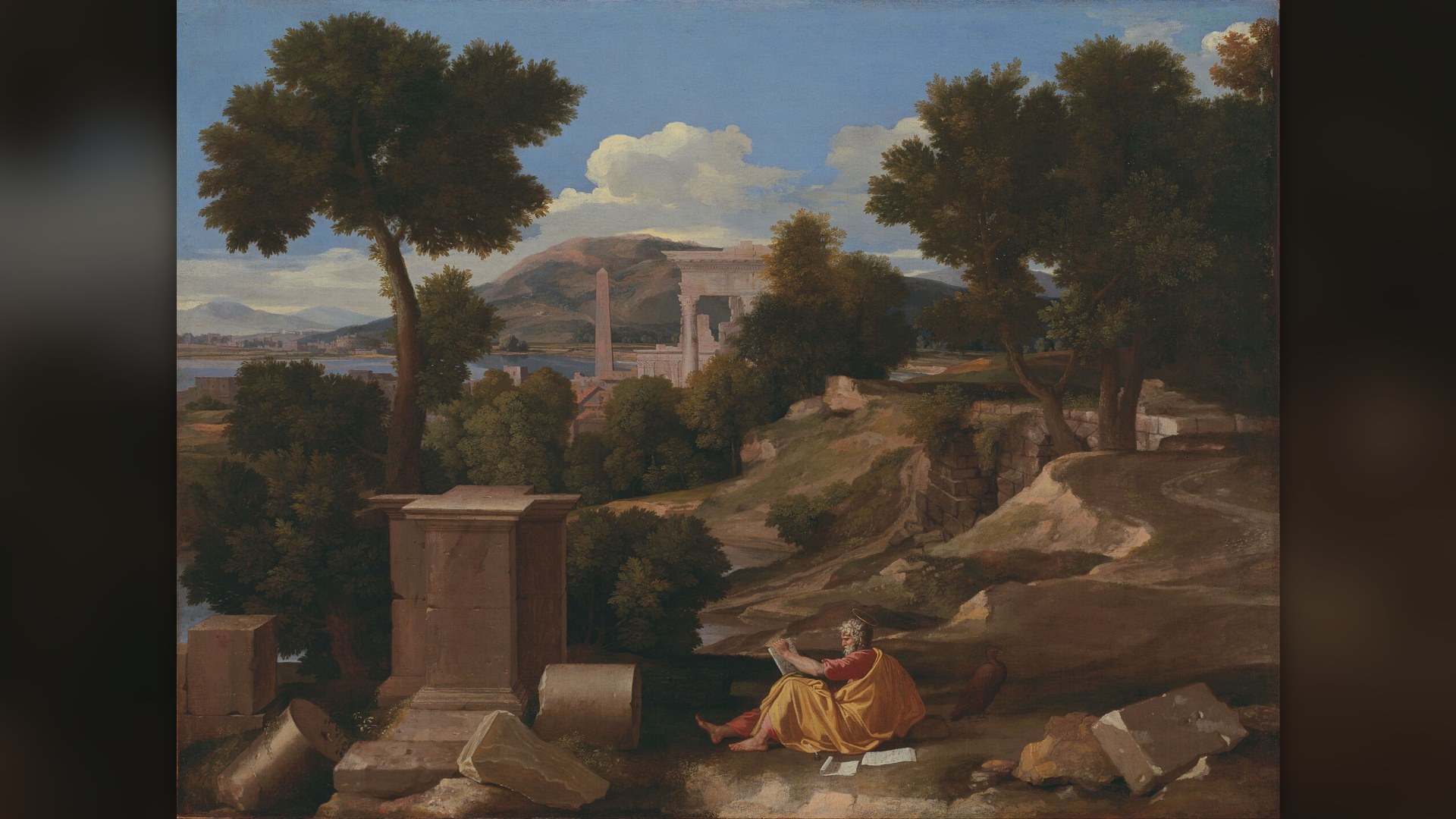
The Book of Revelation identifies six hundred sixty-six as the number of the beast, falling short of divine perfection at every level. Through ancient gematria, scholars associate the figure with Roman imperial oppressors such as Nero Caesar, highlighting the ultimate collapse of totalitarian political powers.
©Wikimedia / Nicolas Poussin
1. The Number One Thousand: Incalculable Majesty
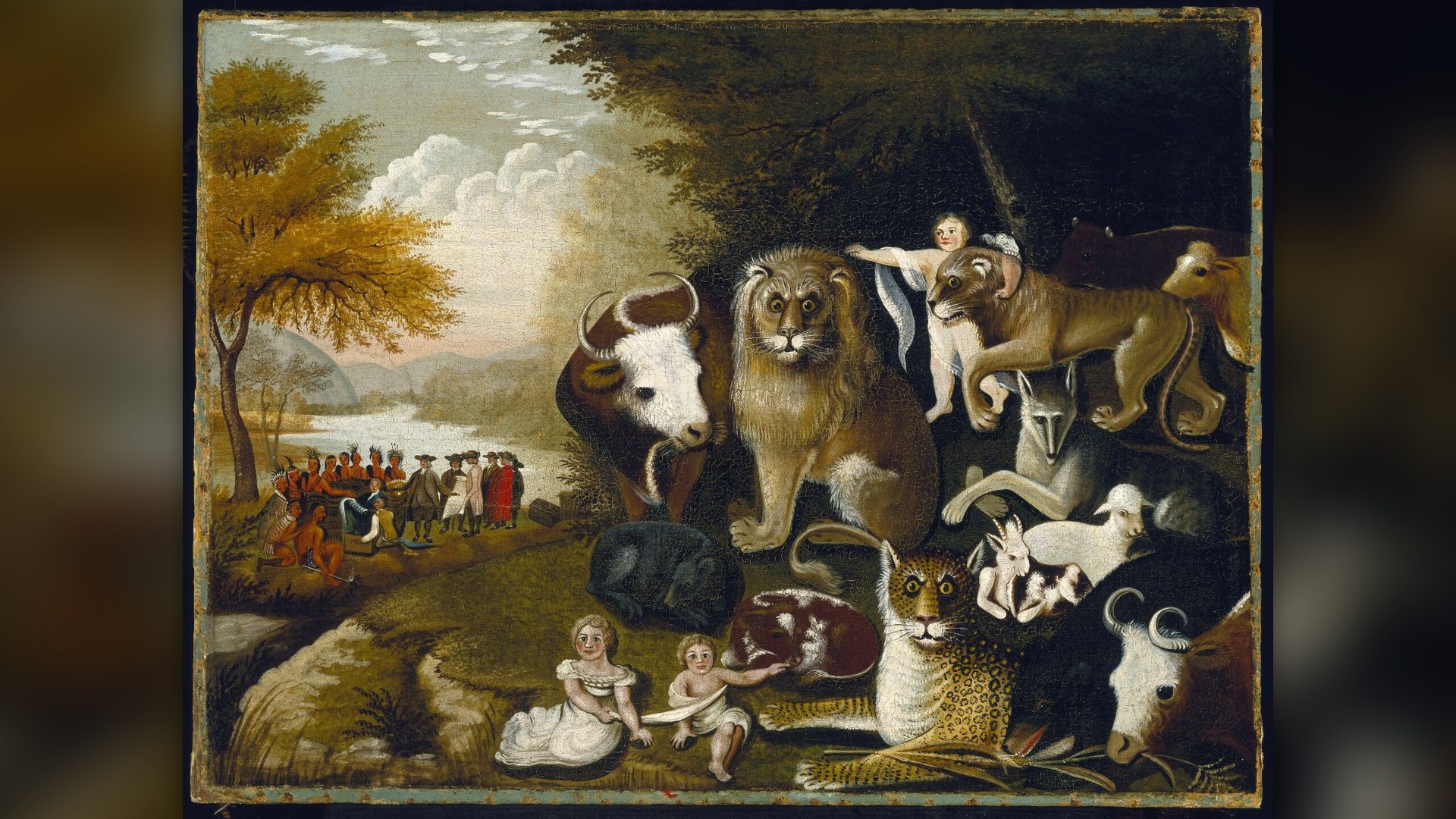
In biblical idiom, one thousand denotes a vast, virtually boundless quantity rather than a strict mathematical limit. The Psalms declare that God owns the cattle on a thousand hills and that a thousand years in divine sight are like a single day, culminating in the peaceful millennial reign pictured in prophecy.

©Wikimedia / Edward Hicks
Advertisement
You've reached the end of the story. Thanks for reading!

22 Rare Classic Cars That Only True Enthusiasts Recognize
Most drivers recognize a Ferrari or Porsche, yet automotive history hides dozens of small-batch cars built by independent studios. Drawn from manufacturer archives, the Petersen Automotive Museum, and Smithsonian records, this countdown profiles 22 rare models from 1936 to 2001 that reward sharp-eyed spotters.
All 22 Entries in this Story
The Number One: Absolute Divine Unity
In ancient Hebrew thought, the number one represented complete divine unity and absolute supremacy. The central creed of Judaism found in Deuteronomy, known as the Shema, proclaims that God is one. This foundational numeral rejected polytheistic traditions, affirming a single sovereign creator of all existence.

The Number Two: Legal Testimony And Truth
Biblical legal codes established that a matter was confirmed only on the testimony of two or three witnesses. The moral law was inscribed on two stone tablets, while Moses sent scouts in pairs. In the Gospels, Jesus dispatched his disciples two by two, underscoring mutual accountability and corroborated truth.

The Number Three: Divine Manifestation And Completeness
The number three highlights completeness and divine presence throughout biblical narrative. Heavenly messengers visited Abraham as three visitors, while seraphim proclaimed God as holy, holy, holy. Jonah remained three days in the deep, prefiguring the third day resurrection that forms central Christian theology.

The Number Four: Geographic Extent And Creation
Four represents the totality of created physical space across the ancient cosmos. Biblical writers referenced the four corners of the earth, four cardinal winds and four rivers flowing from Eden. In the New Testament, four distinct Gospel perspectives assemble a complete portrait of the life and ministry of Jesus.

The Number Six: Human Labor And Incompletion
Human beings were created on the sixth day of Genesis, and ancient Israelites were commanded to labor for six days before observing Sabbath rest. In biblical symbolism, six represents the pinnacle of mortal effort that falls just short of divine perfection, symbolizing vulnerability when divorced from sacred rest.

The Number Seven: Perfection And Sabbath Rest
Occurring hundreds of times across scripture, seven denotes sacred wholeness and divine perfection. God rested on the seventh day, blessing it as holy. Seven branch menorahs illuminated the sanctuary, seven weeks measured the feast of Pentecost, and seven seals unfold the divine judgments in the Book of Revelation.

The Number Eight: New Beginnings And Renewal
Because it immediately follows the seven day cycle of completion, eight signifies resurrection, circumcision and renewal. Hebrew male infants entered the Abrahamic covenant through eighth day circumcision. In Genesis, eight souls stepped off Noah ark to repopulate a cleansed world following the great deluge.

The Number Ten: Moral Law And Divine Order
Ten represents foundational completeness in divine governance and moral law. God issued the Ten Commandments atop Mount Sinai as the ethical core of Israel covenant. Ten plagues demonstrated divine power over Egyptian deities, while a tenth of agricultural produce was consecrated as the sacred community tithe.

The Number Fourteen: Davidic Royal Lineage
In Matthew genealogy of Christ, ancestry is grouped into three sets of fourteen generations, linking Abraham to David, the Babylonian exile and Jesus. In Hebrew gematria, where consonants represent numbers, the name David equals fourteen, encoding the royal messianic heritage directly into the lineage pattern.

The Number Twelve: Tribal Governance And Covenant
Twelve forms the foundational framework of biblical leadership and community structure. Jacob fathered twelve sons who headed the twelve tribes of Israel. Jesus established twelve apostles to govern the new covenant assembly, reflecting heavenly gates and foundations inscribed with twelve names in Revelation.

The Number Twenty-Four: Heavenly Priesthood
King David established twenty-four priestly orders to ensure continuous worship in the Jerusalem temple. This structure mirrors the apocalyptic imagery of Revelation, where twenty-four crowned elders sit upon thrones surrounding the divine presence, symbolizing the unified royal priesthood of the redeemed cosmos.

The Number Thirty: Consecration And Ministry Age
Under Mosaic regulations, Levites entered active service in the tabernacle upon reaching age thirty. Joseph rose to govern Egypt at thirty, David was crowned king over Israel at thirty, and Jesus was baptized in the Jordan to begin his public ministry at thirty, marking the biblical threshold for mature service.

The Number Forty: Testing, Wilderness And Renewal
Forty signifies periods of intense trial and spiritual transformation. Noah weathered forty days of rain, Moses fasted forty days on Mount Sinai, and Israel wandered forty years in the wilderness. Jesus fasted forty days in the Judean desert, demonstrating endurance before launching his proclamation of the kingdom.

The Number Fifty: Jubilee Freedom And Pentecost
Every fiftieth year in Israel celebrated the Jubilee, when ancestral lands were restored, debts were canceled and indentured servants were freed. Fifty days following the Passover, the feast of Pentecost celebrated the giving of the law at Sinai, where the disciples later experienced the descent of the Holy Spirit.

The Number Seventy: Ancient Nations And Elders
Genesis records seventy original nations branching from Noah descendants, establishing seventy as a symbol of global humanity. Moses appointed seventy elders to assist in governing the camp, while Jesus sent seventy disciples into neighboring towns, prefiguring the universal spread of the Gospel to every nation.

The Number Seventy-Seven: Limitless Forgiveness
In Genesis, Lamech boasted that if Cain was avenged sevenfold, he would be avenged seventy-sevenfold, illustrating escalating human cruelty. When Peter asked how often he must forgive a brother, Jesus commanded seventy-seven times, replacing endless ancestral retaliation with an infinite obligation of divine mercy.

The Number One Hundred: Full Agricultural Blessing
A hundredfold yield represented the pinnacle of agricultural blessing in arid Judea. Genesis recounts that Isaac sowed grain and reaped a hundredfold in a single season due to divine favor. In the Parable of the Sower, the seed sown in fertile soil produced a hundredfold return, symbolizing rich spiritual growth.

The Number One Hundred Twenty: Royal Assemblies
Genesis records one hundred twenty years as an appointed span before the great flood, matching Moses age at death on Mount Nebo. Solomon temple was dedicated with one hundred twenty trumpets, and in Acts, the nascent Christian community gathered in Jerusalem numbered approximately one hundred twenty disciples.

The Number One Hundred Forty-Four: Eternal Measure
In apocalyptic scripture, one hundred forty-four is twelve multiplied by twelve, symbolizing the unbroken company of the redeemed. The Book of Revelation records the wall of the New Jerusalem measuring one hundred forty-four cubits, signifying eternal security, perfect proportion and complete divine protection.

The Number One Hundred Fifty-Three: Miraculous Catch
Following the resurrection, the disciples hauled a miraculous catch of one hundred fifty-three large fish ashore at the Sea of Galilee without tearing their net. Ancient commentators suggested the number represented known marine species of antiquity, symbolizing the comprehensive mission to gather all peoples.

The Number Six Hundred Sixty-Six: Imperial Imperfection
The Book of Revelation identifies six hundred sixty-six as the number of the beast, falling short of divine perfection at every level. Through ancient gematria, scholars associate the figure with Roman imperial oppressors such as Nero Caesar, highlighting the ultimate collapse of totalitarian political powers.

The Number One Thousand: Incalculable Majesty
In biblical idiom, one thousand denotes a vast, virtually boundless quantity rather than a strict mathematical limit. The Psalms declare that God owns the cattle on a thousand hills and that a thousand years in divine sight are like a single day, culminating in the peaceful millennial reign pictured in prophecy.