Slideshow · Animals
20 Everyday Household Objects That Cats Treat Like Toys
Ever wonder why cats ignore expensive designer toys in favor of crumpled paper receipts and cardboard boxes? Feline behaviorists reveal that everyday household objects perfectly mimic wild prey movements, textures, and sounds. Here are 20 household items cats cannot resist, ranked down to the absolute favorite.
By Most Viral Today
15 min ago

Ordinary Living Room Clutter That Felines Value More Than Real Toys 
20. Dripping Water Faucets 
19. Laptop And Computer Keyboards 
18. Unattended Clean Socks - AdvertisementSwipe or tap ▶ to continue countdown

17. Dangling Window Blind Cords 
16. Escaped Kitchen Ice Cubes 
15. Freshly Made Bedding 
14. Cardboard Paper Towel Tubes - AdvertisementSwipe or tap ▶ to continue countdown

13. Houseplant Leaves And Fronds 
12. Bathroom Cotton Swabs 
11. Dangling Shoe Laces 
10. Plastic Drinking Straws - AdvertisementSwipe or tap ▶ to continue countdown

9. Elastic Hair Ties 
8. Empty Laundry Baskets 
7. Plastic Milk Jug Rings 
6. Wool Knitting Yarn - AdvertisementSwipe or tap ▶ to continue countdown

5. Plastic Ping Pong Balls 
4. Ribbed Plastic Bottle Caps 
3. Brown Paper Grocery Bags 
2. Crumpled Paper Receipts - AdvertisementSwipe or tap ▶ to continue countdown

1. Plain Cardboard Shipping Boxes - Advertisement🔥 UP NEXT IN THIS SERIES◫ 23 Slides

22 Wildlife Incidents That Changed How Parks Keep Visitors Safe
From bear raids in California to shark nets off Sydney, these 22 documented wildlife encounters forced governments and park rangers to rewrite public safety rules. Based on National Park Service archives, NOAA, state wildlife agencies and reporting by Reuters and BBC, see how each event reshaped coexistence.
Ever wonder why cats ignore expensive designer toys in favor of crumpled paper receipts and cardboard boxes? Feline behaviorists reveal that everyday household objects perfectly mimic wild prey movements, textures, and sounds. Here are 20 household items cats cannot resist, ranked down to the absolute favorite.
Swipe or tap ▶ to begin the countdown
©Wikimedia / yoppy & Wikimedia / PattayaPatrol
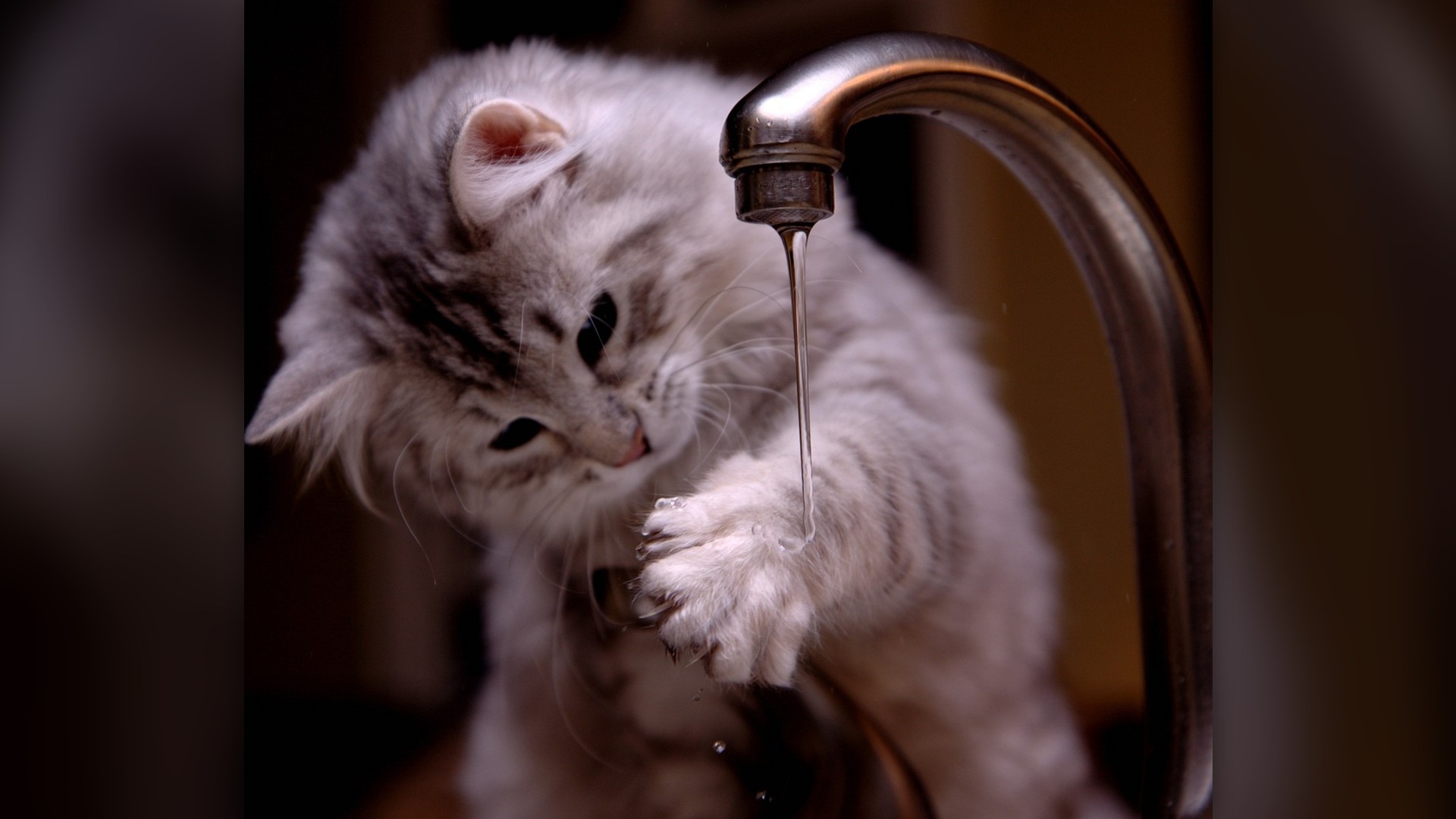
20. Dripping Water Faucets
Cats possess low thirst drives and frequently avoid still water in bowls due to wild instincts warning against stagnant pools. A dripping sink faucet provides auditory cues, gleaming motion, and fresh oxygenated water that prompts felines to bat at descending droplets for prolonged periods.
©Pixabay / 3137490
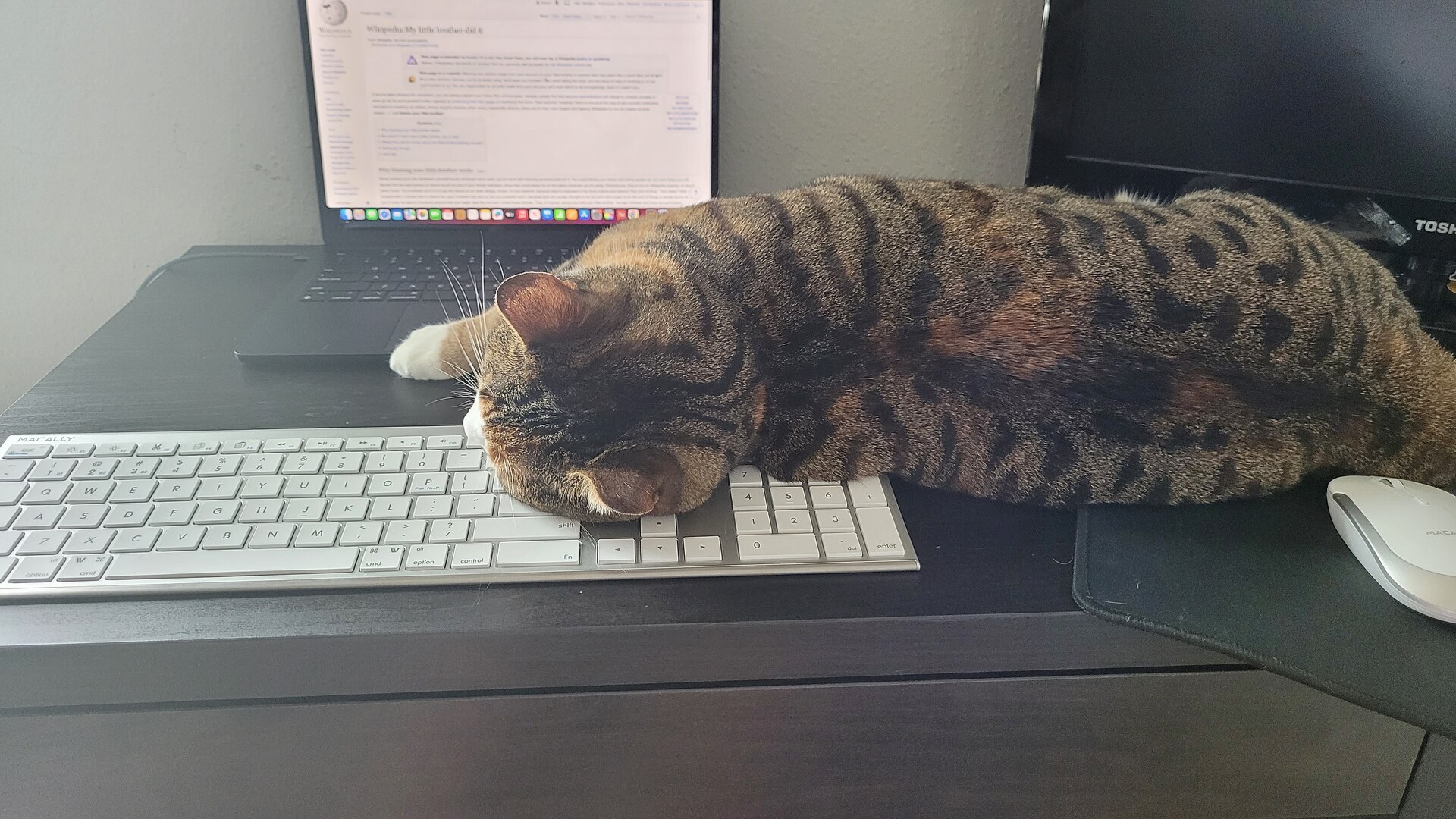
19. Laptop And Computer Keyboards
Modern laptops emit comfortable operating heat between 30 and 40 degrees Celsius, matching a cat thermoneutral zone. The tactile resistance of spring-loaded keys mimics shifting substrate, while human hand movements across the deck trigger feline mirroring and play solicitation.
©Wikimedia / Panini!
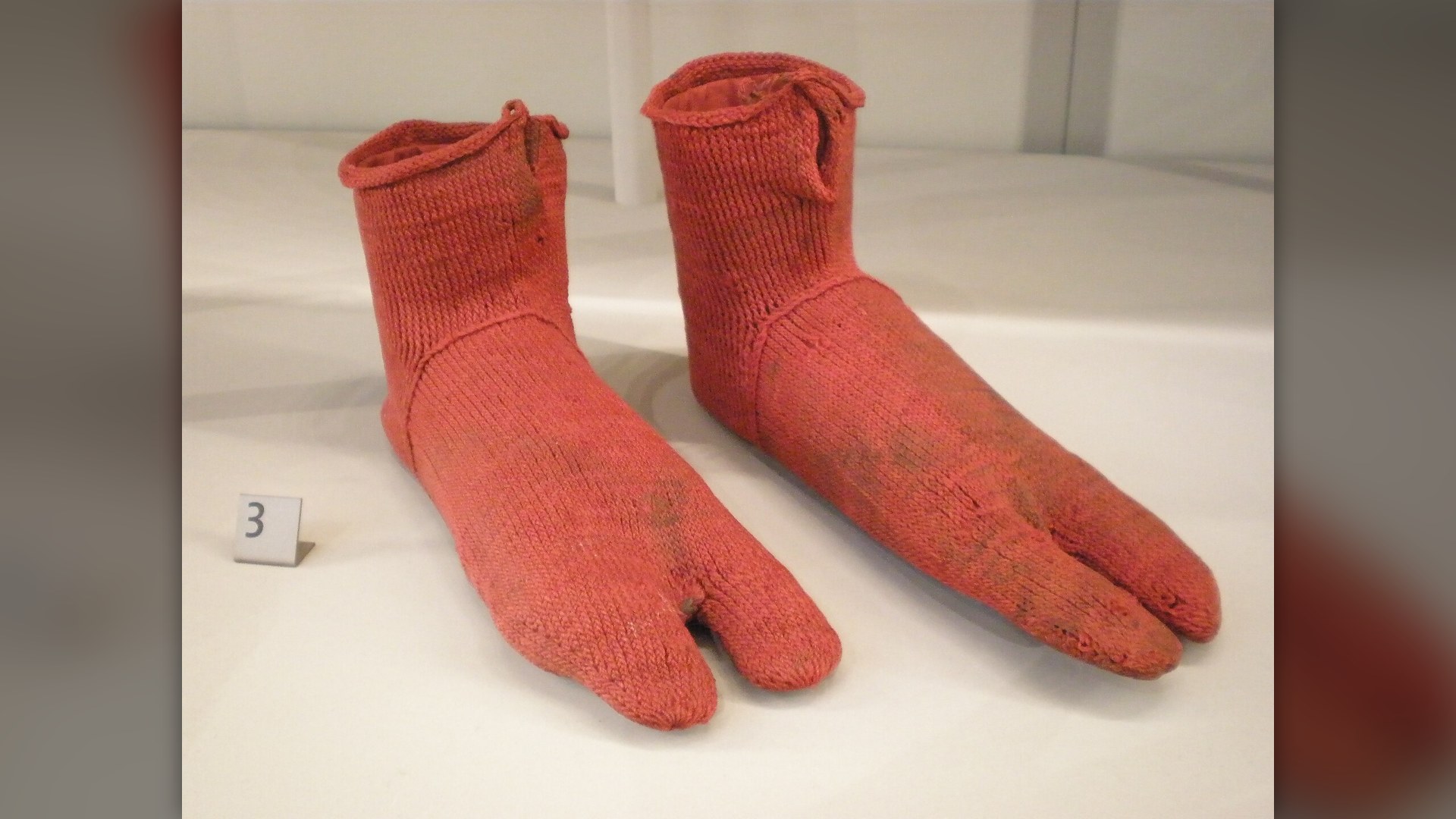
18. Unattended Clean Socks
Rolled athletic socks provide an ideal size for feline bunny-kicking, an instinctive combat technique where hind legs rake prey. Scent glands on human feet transfer concentrated pheromones into cotton fibers, reassuring cats while they drag the soft bundle across living room rugs.
©Wikimedia / David Jackson
Advertisement
Swipe or tap ▶ to resume the countdown.
17. Dangling Window Blind Cords
Window cords sway in thermal air drafts near glass panes, creating erratic pendulum arcs that feline optical systems track instinctively. Veterinary organizations advise securing these cords inside cleat brackets, as unmonitored looped strings present serious strangulation risks.
©Wikimedia / Kotivalo
16. Escaped Kitchen Ice Cubes
Ice cubes dropped on polished linoleum or hardwood glide with near-zero friction when meltwater forms a lubricating layer. Felines swat the rapidly accelerating frozen block, mesmerized by its cold surface and changing shape as it melts into a shallow drinking puddle.
©Wikimedia / Nattu from Male', Maldives
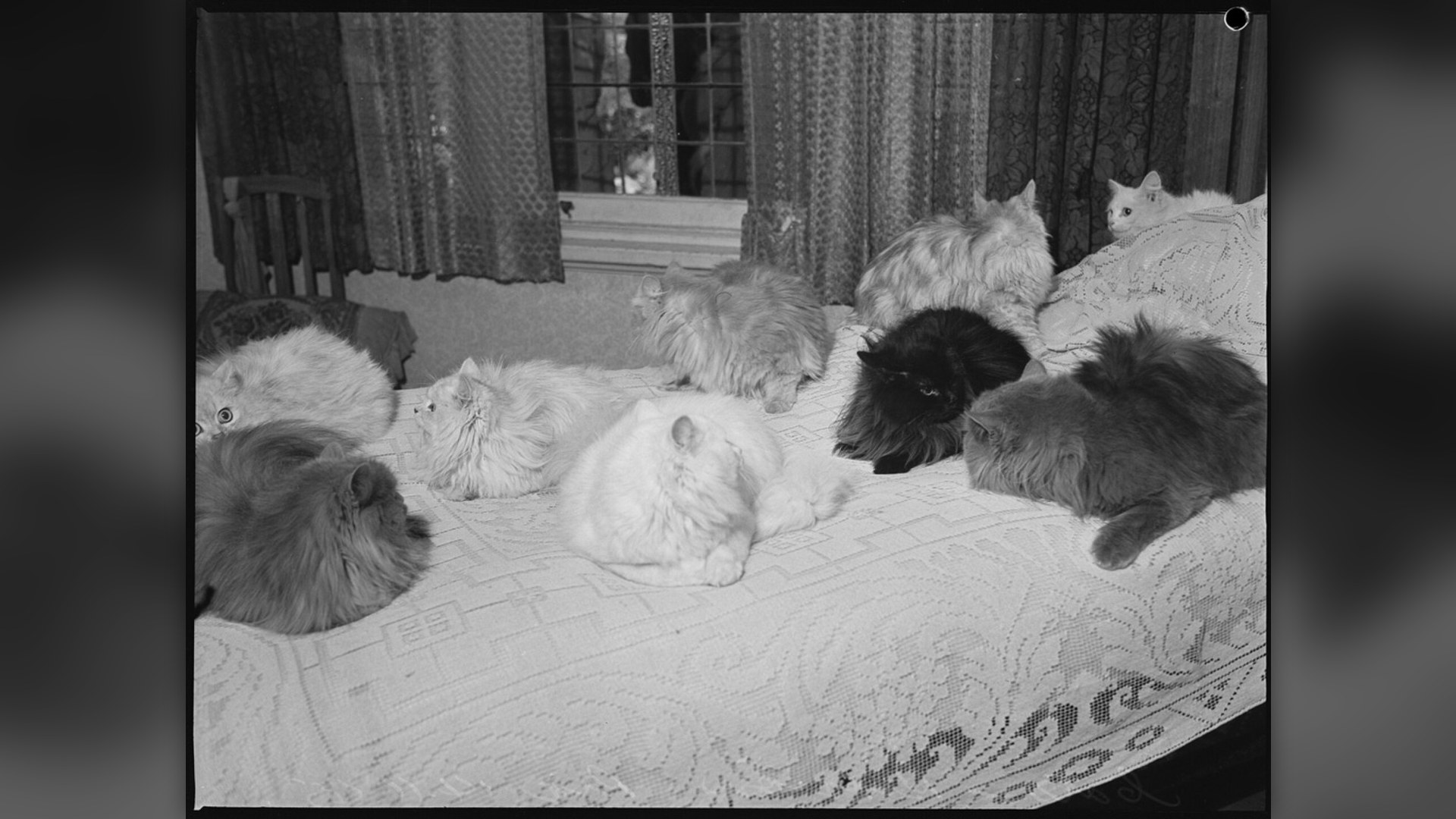
15. Freshly Made Bedding
Smoothing bed sheets creates air pockets and undulating fabric waves that resemble moving prey underneath soil or dry grass. Cats launch ambush strikes at raised knuckles under blankets, utilizing claws and predatory stalking postures until the bedding settles flat.
©Wikimedia / Alec Iverson
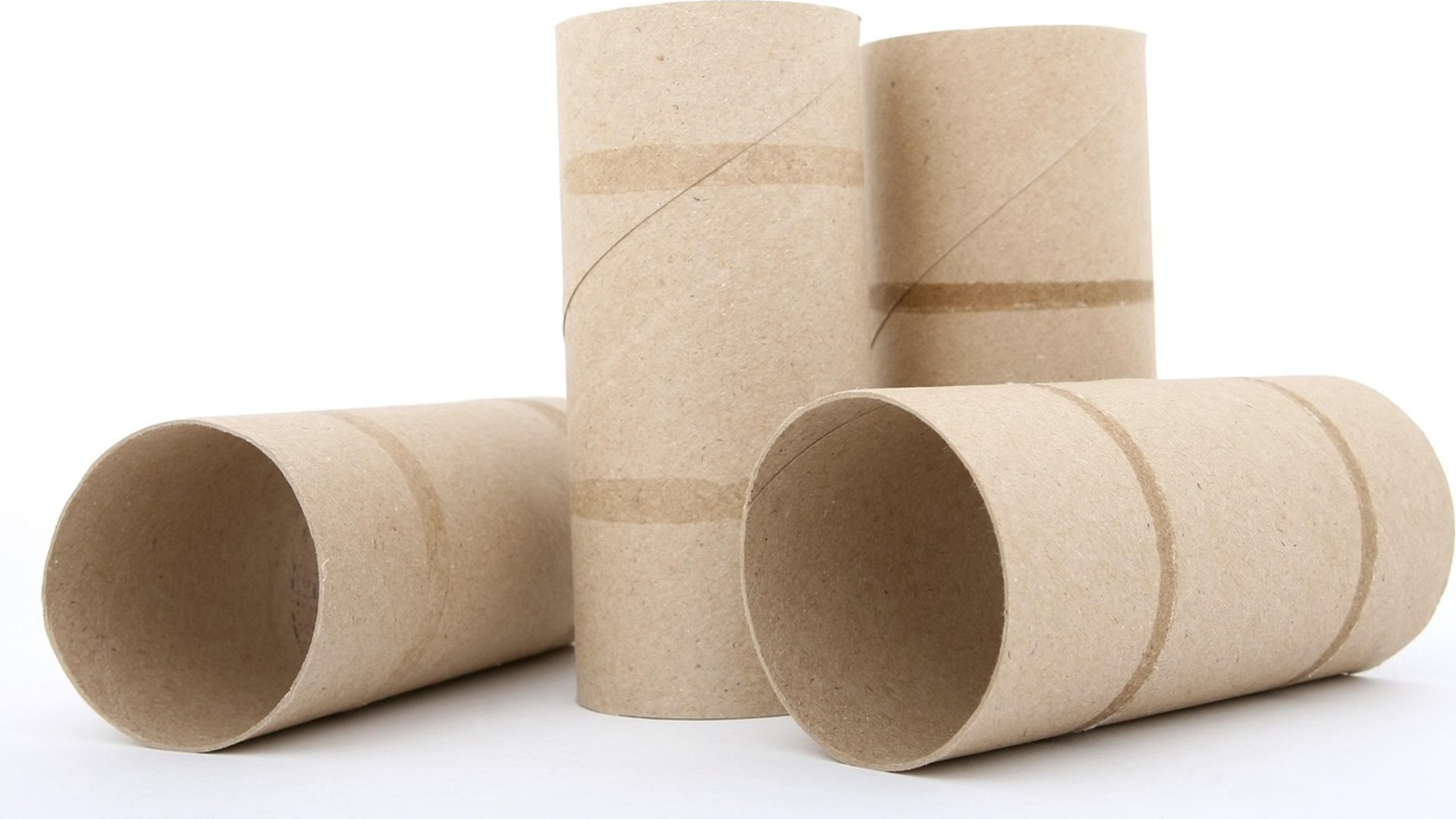
14. Cardboard Paper Towel Tubes
Empty cardboard tubes from paper towels and toilet paper offer lightweight durability that skitters over flat floors under light paw taps. Felines enjoy biting into the corrugated paper edge, shredding cellulose layers as a harmless release for natural chewing urges.
©Pixabay / Shutterbug26
Advertisement
Swipe or tap ▶ to resume the countdown.
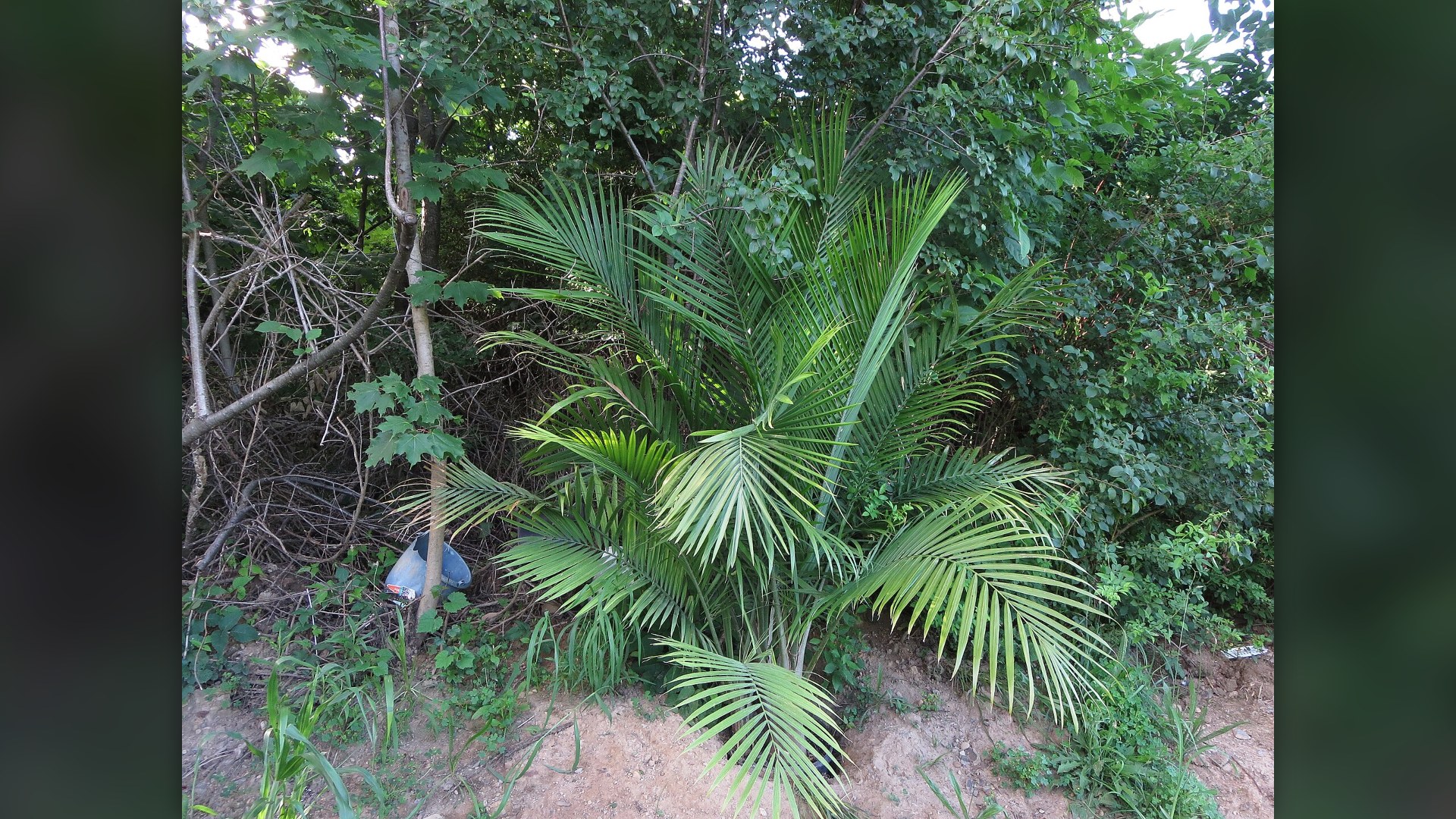
13. Houseplant Leaves And Fronds
Spider plants and Boston ferns produce arching fronds that bob gently whenever indoor air conditioning cycles activate. While tapping leaves exercises predatory reflexes, pet owners must keep toxic varieties like lilies and pothos far out of reach to avoid accidental poisoning.
©Wikimedia / B137
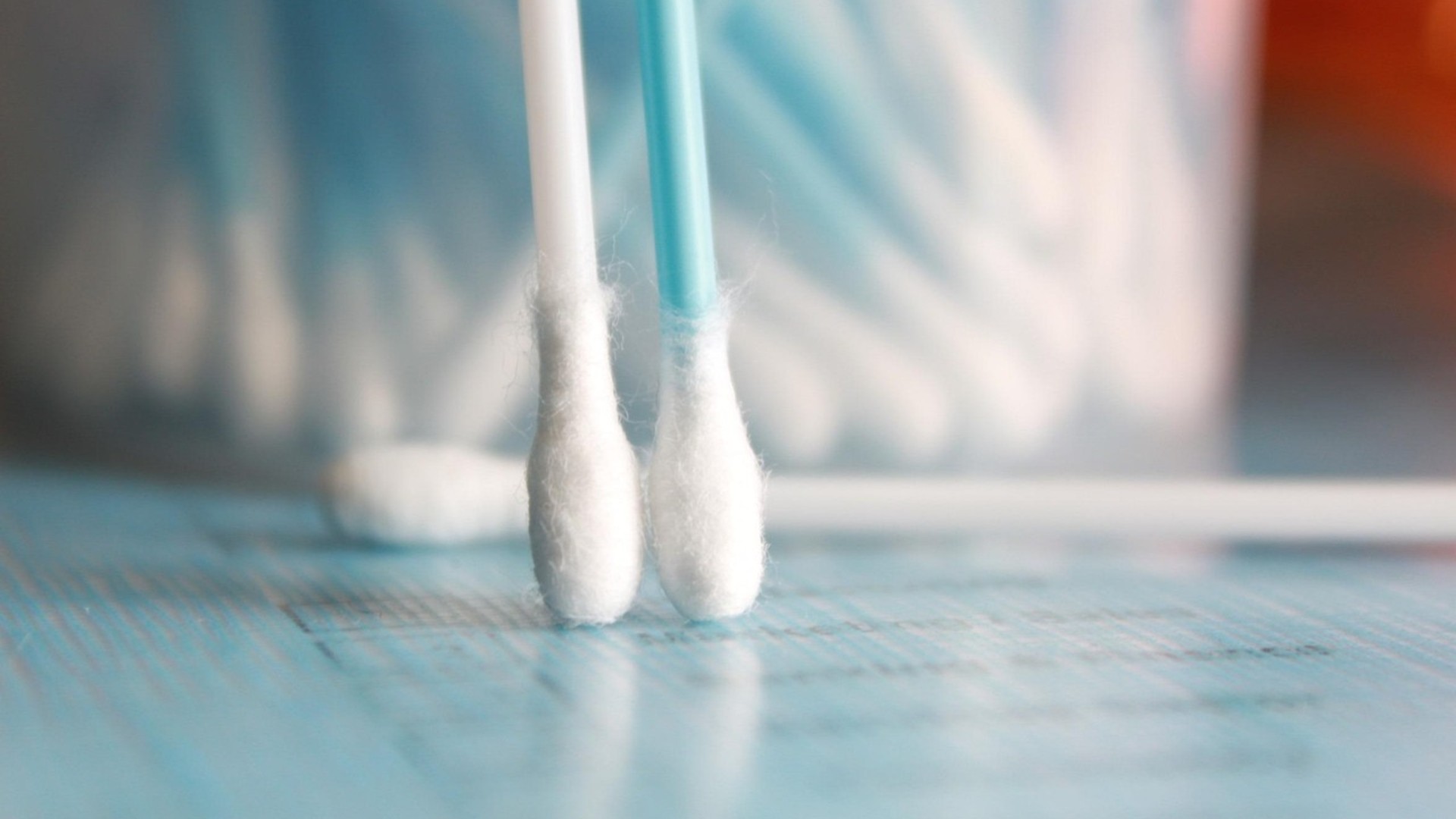
12. Bathroom Cotton Swabs
Cotton swabs feature flexible plastic stems and soft fibrous tips that felines can grip cleanly between incisors. Cats regularly raid uncovered bathroom canisters to flick swabs across smooth tile floors, though owners must monitor play to prevent swallowing the paper shafts.
©Pixabay / PDPics
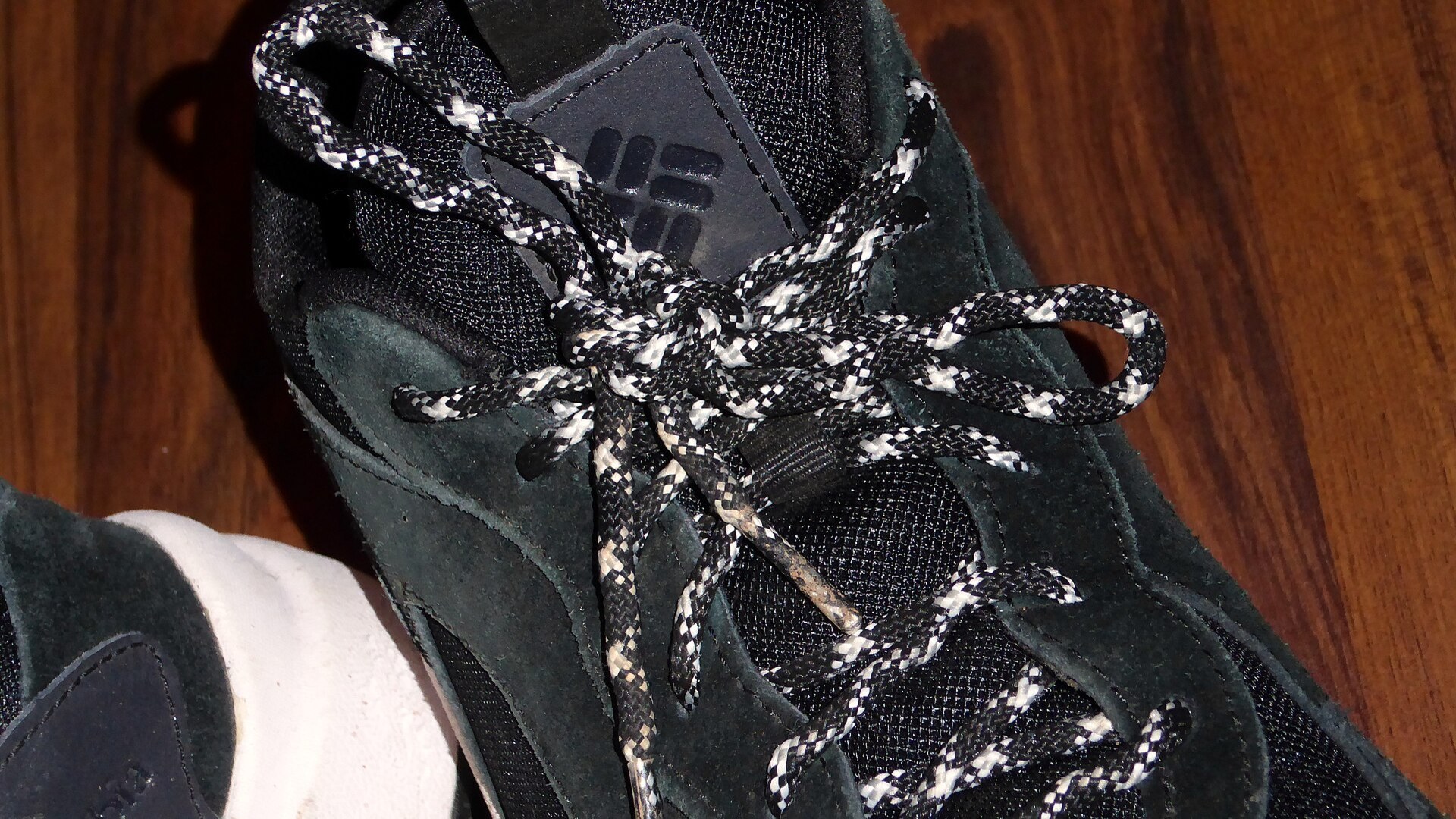
11. Dangling Shoe Laces
Tied athletic shoes left near doorways provide trailing aglets that whip around ankles during walking strides. The erratic linear movement triggers a cat predatory drive to pin wriggling targets, making untied laces an immediate focus during owner morning routines.
©Wikimedia / Chenspec
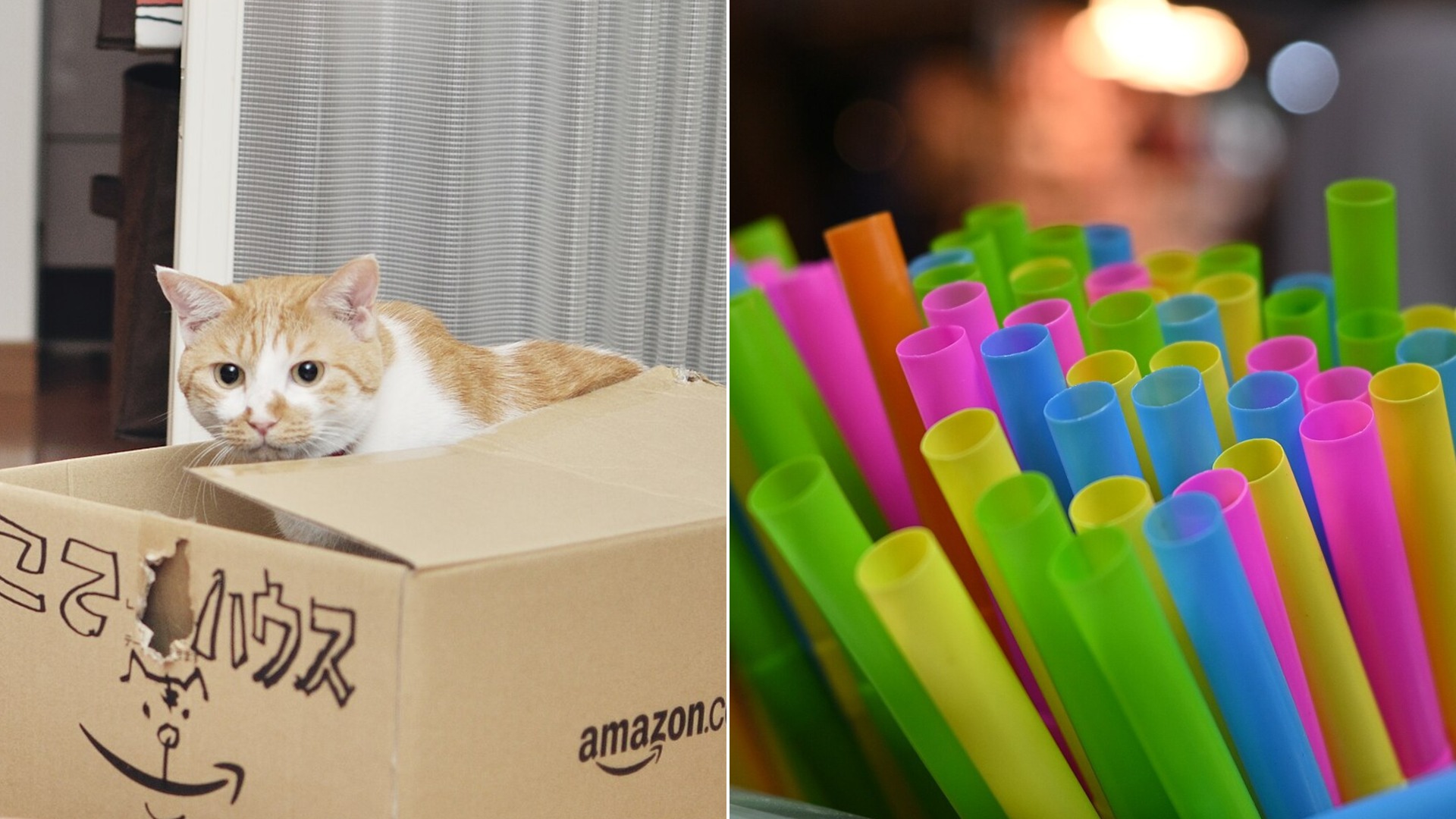
10. Plastic Drinking Straws
Drinking straws combine light hollow mass with springy elasticity, causing them to ricochet off baseboards when slapped by feline paws. The smooth plastic texture satisfies biting exploration, though owners should remove bent straws once plastic starts cracking.
©Wikimedia / PattayaPatrol
Advertisement
Swipe or tap ▶ to resume the countdown.
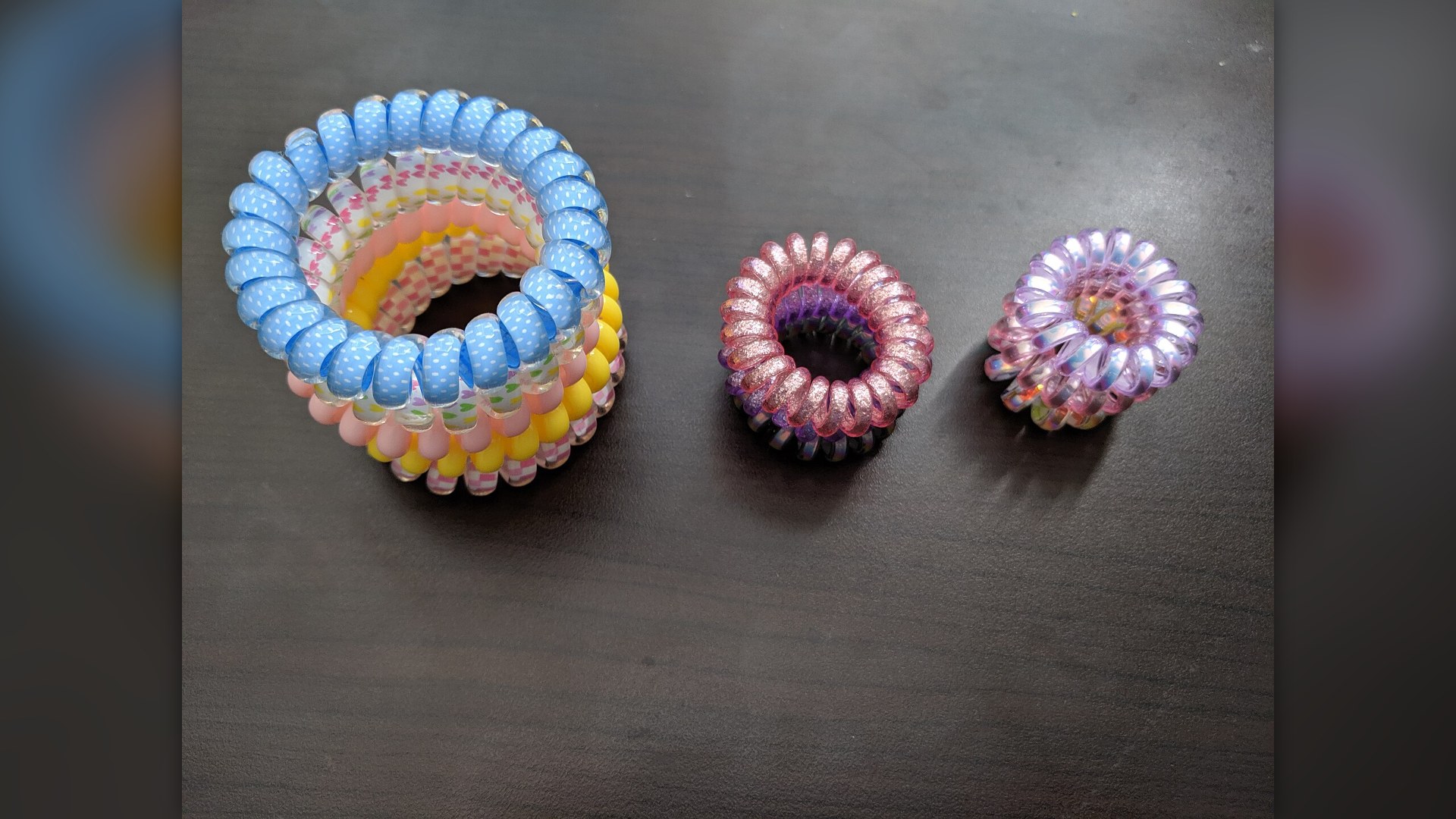
9. Elastic Hair Ties
Elastic hair bands store kinetic tension that allows cats to hook claws inside the loop and catapult the accessory across hardwood halls. Veterinary surgeons note hair ties rank among the most common feline intestinal foreign bodies, requiring careful owner storage inside drawers.
©Wikimedia / MissLunaRose12
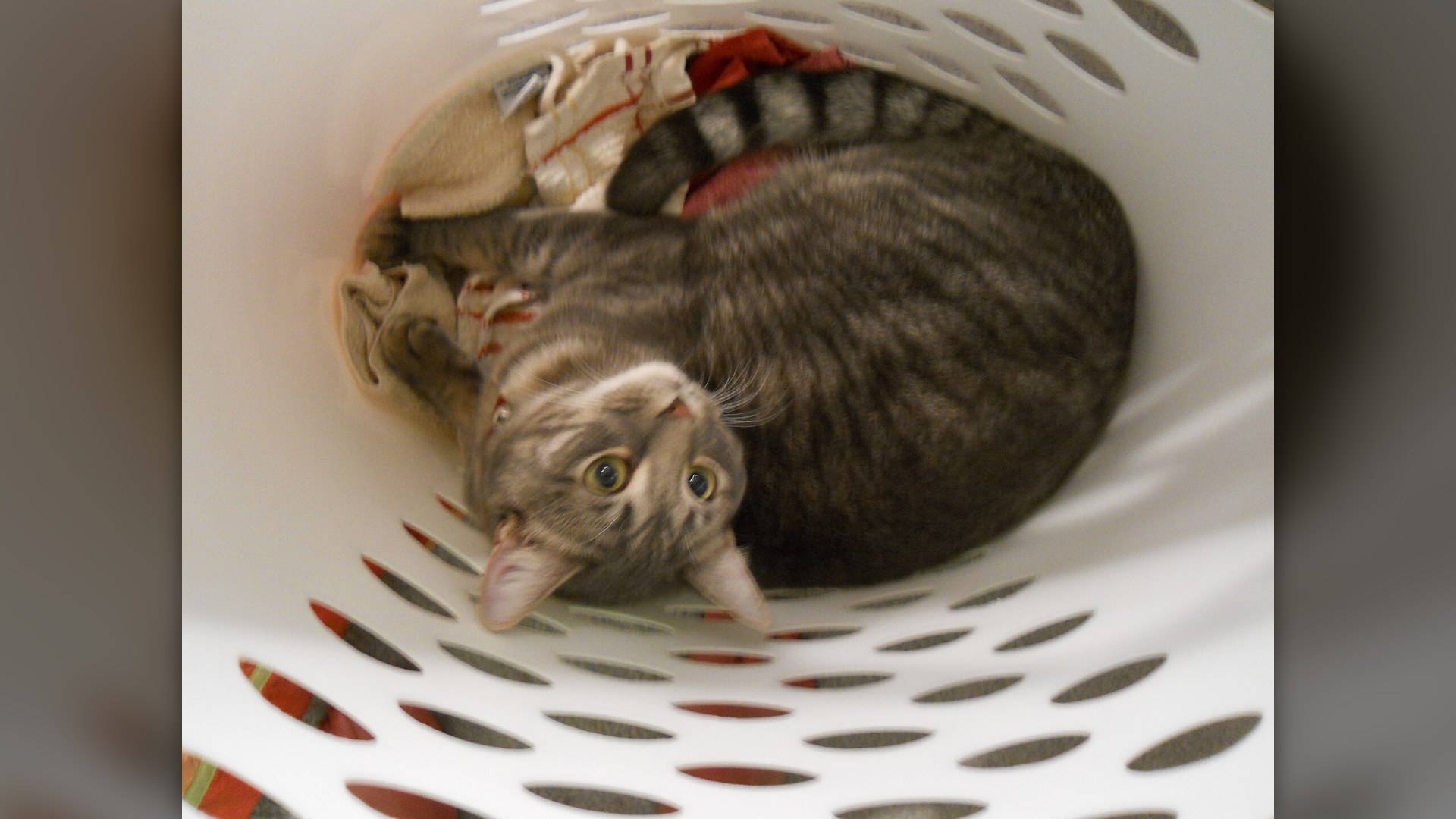
8. Empty Laundry Baskets
Slotted laundry hampers function as defensive blinds where felines spy through perimeter cutouts without exposing their bodies. Cats hide inside empty baskets to launch surprise swatting attacks at passing feet, feeling secure within rigid polypropylene walls.
©Wikimedia / TWFHCOM
7. Plastic Milk Jug Rings
Tear-off plastic rings from gallon milk jugs weigh less than two grams, allowing even young kittens to launch them into airborne spins. The circular rim rolls erratic paths along floor moldings, simulating scrambling insects that cats track using heightened peripheral vision.
©Wikimedia / Uploader Symposiarch
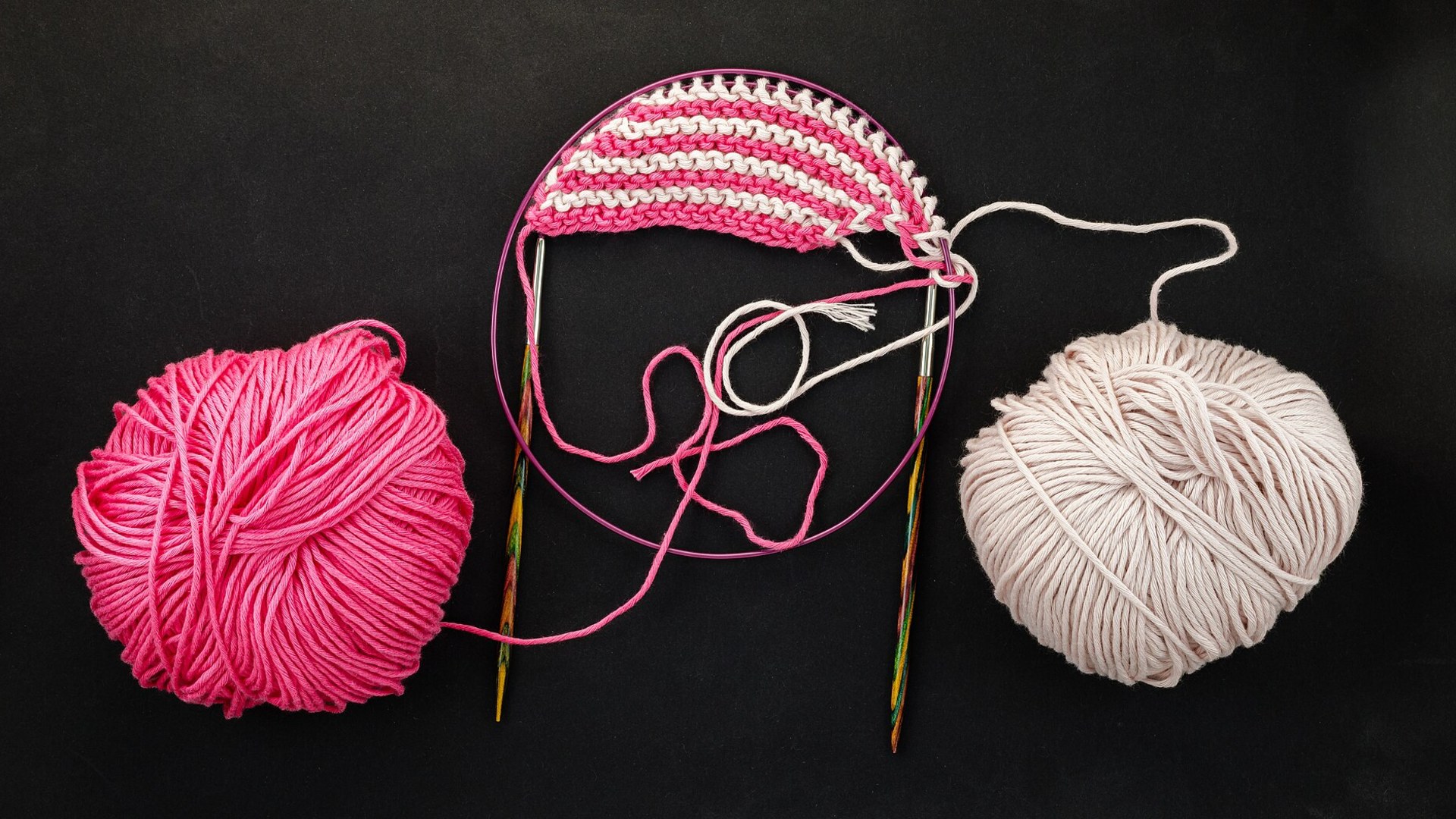
6. Wool Knitting Yarn
Yarn skeins unravel dynamically as they tumble across rugs, leaving an undulating fiber trail that mimics retreating rodent tails. Play must remain strictly supervised, because backward-facing tongue papillae prevent cats from spitting out swallowed strands, risking intestinal blockages.
©Wikimedia / Friedrich Haag
Advertisement
Swipe or tap ▶ to resume the countdown.
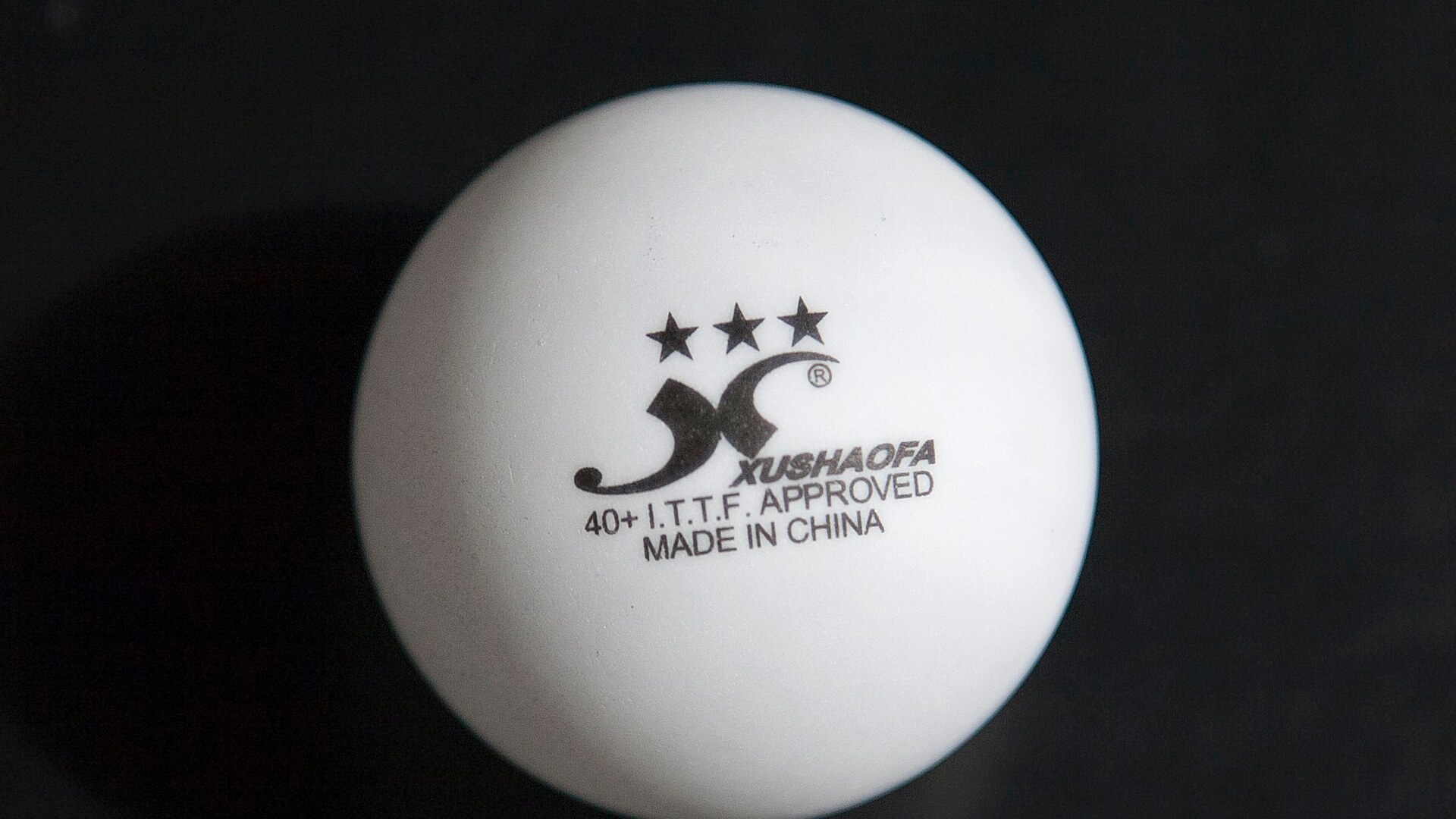
5. Plastic Ping Pong Balls
Table tennis balls bounce with remarkable speed against hard bathroom enamel, creating unpredictable rebound angles that challenge feline coordination. Placing a celluoid ball inside a dry porcelain bathtub gives indoor felines hours of contained solo chase exercise.
©Wikimedia / Peter Porai-Koshits
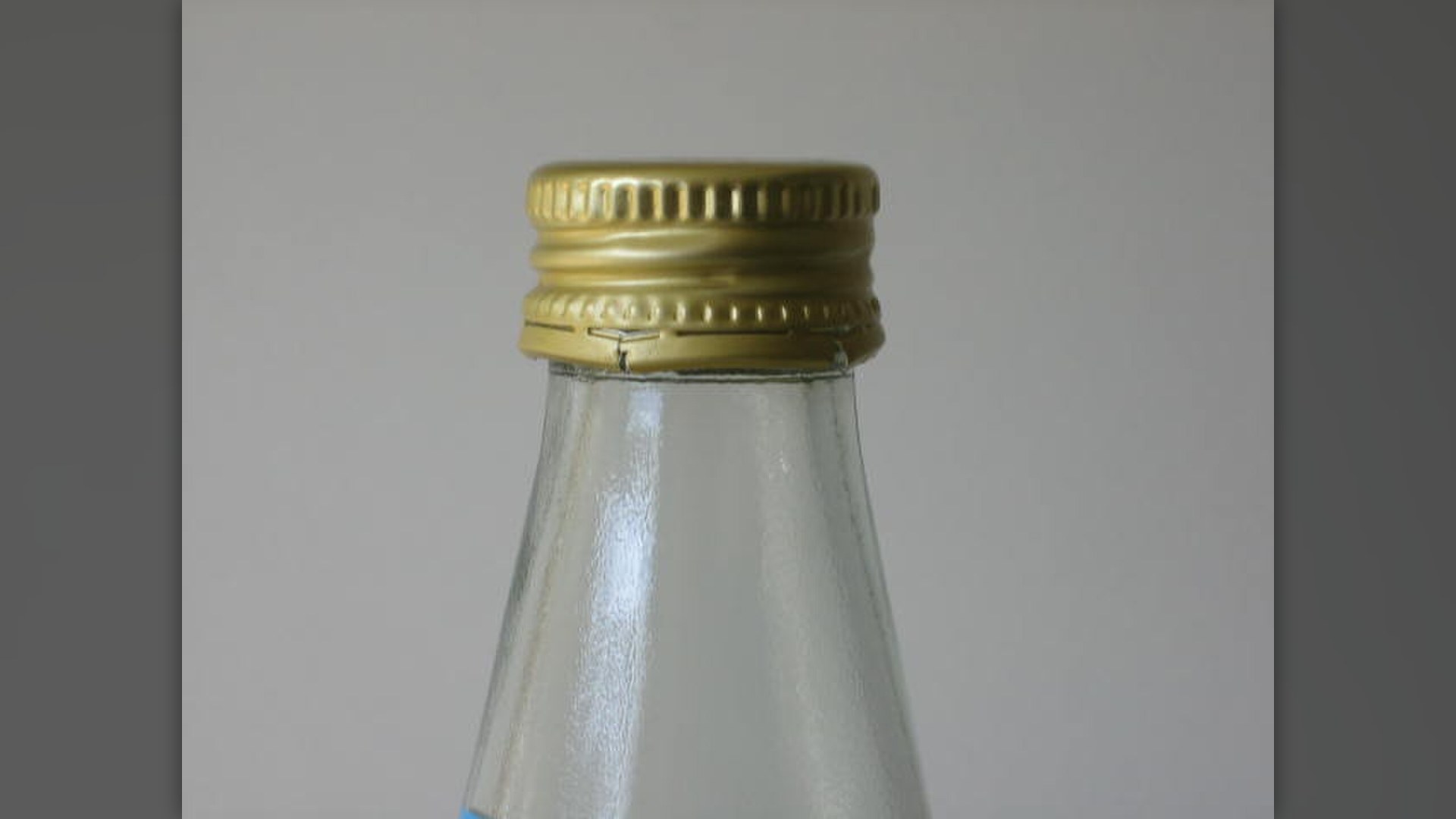
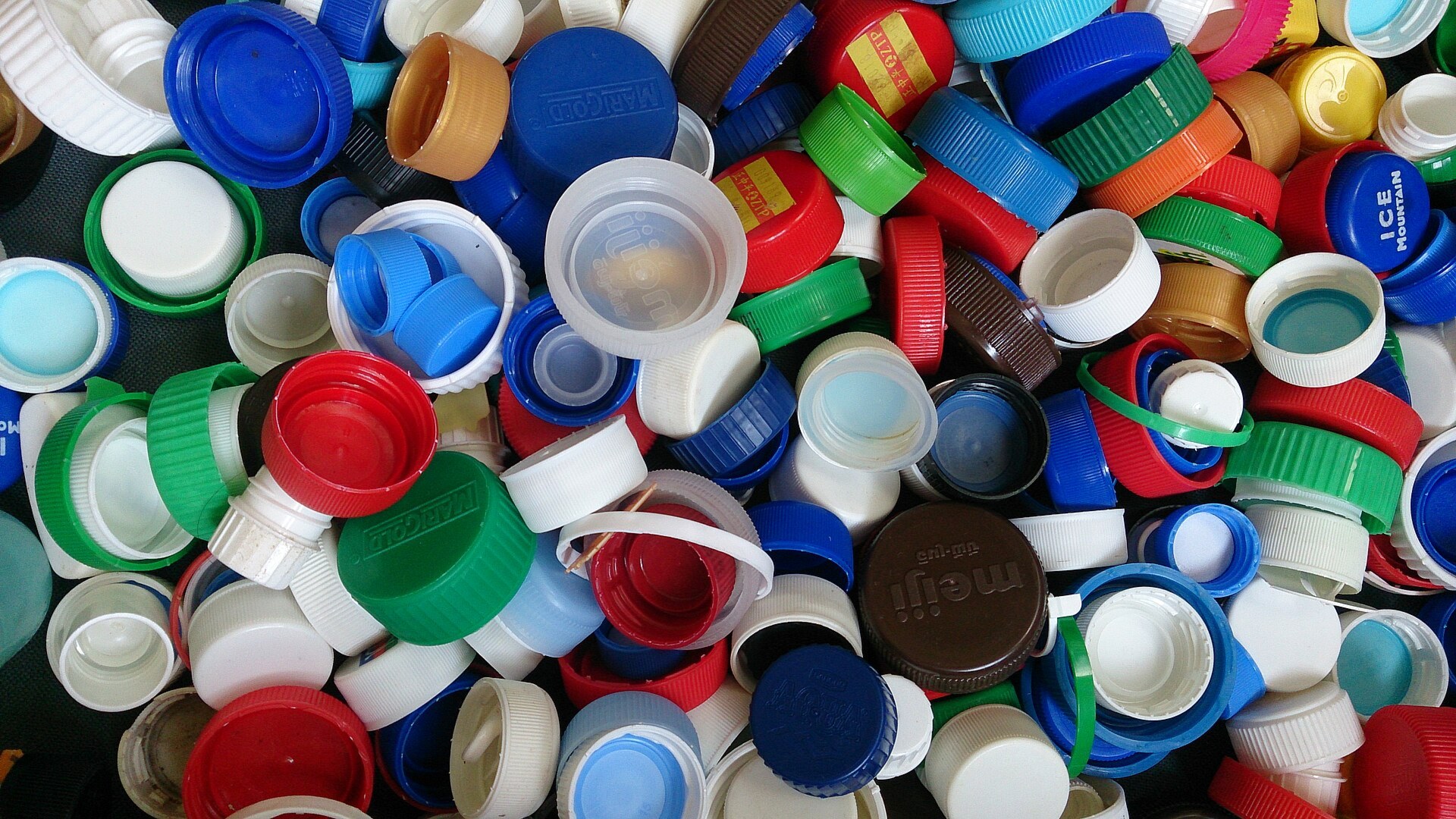
4. Ribbed Plastic Bottle Caps
Beverage screw caps feature fluted edges that catch on paw pads, allowing cats to flick them across tile floors with high speed. When flipped upside down, the hollow cup slides smoothly across countertops, offering tactile clicking sounds whenever it strikes kitchen walls.
©Wikimedia / ProjectManhattan
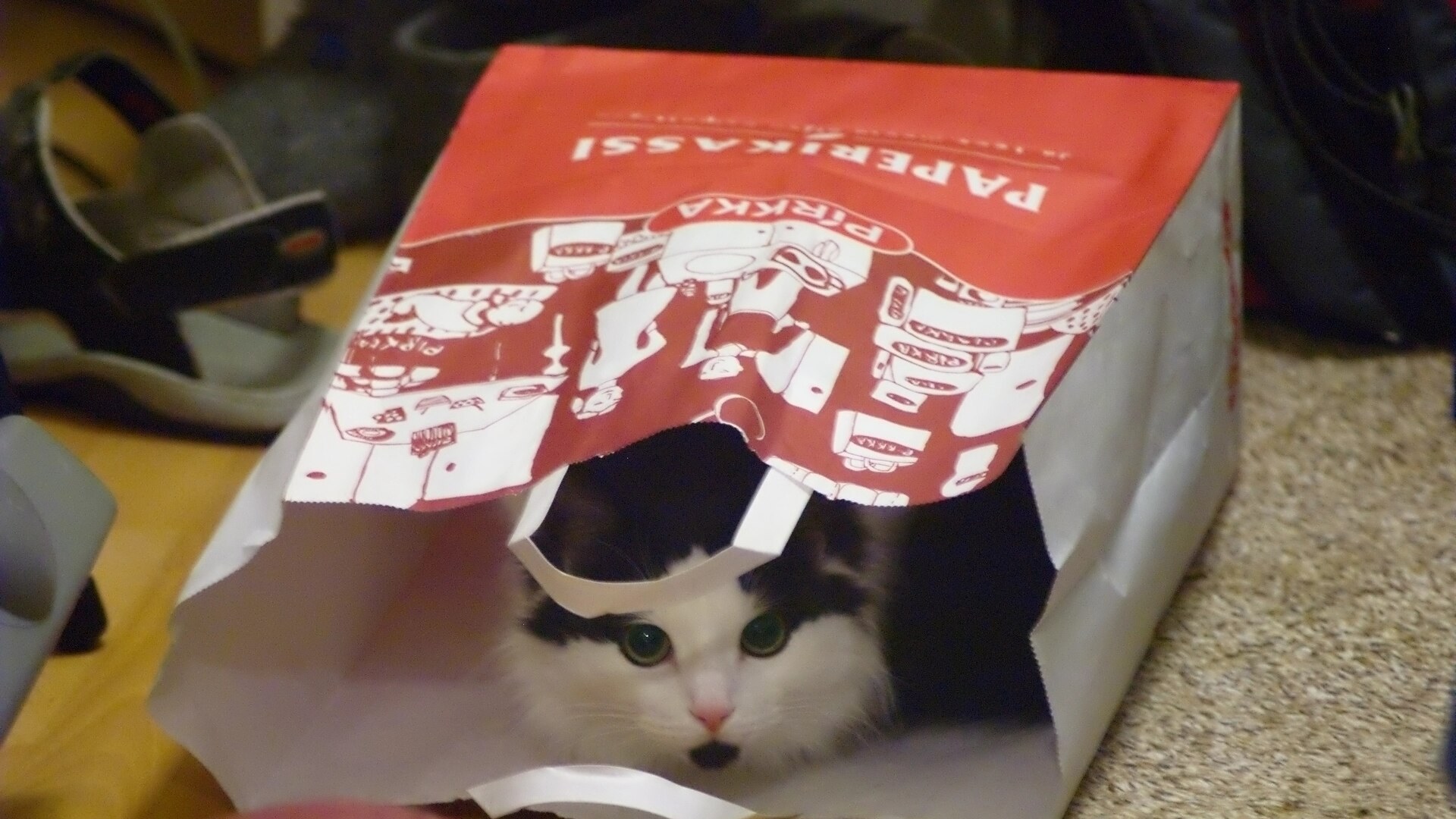
3. Brown Paper Grocery Bags
Heavy kraft paper grocery sacks combine acoustic crackling sounds with enclosed shelter that appeals to ambush predators. Cats crawl into opened bags to swat at shadows projected onto paper walls, though handles must always be snipped to eliminate neck entanglement hazards.
©Wikimedia / Ilmari Karonen
2. Crumpled Paper Receipts
Walled paper balls compressed from printer paper or receipts produce high-frequency rustling noises whenever batted by feline paws. The compressed paper holds irregular aerodynamic contours, causing erratic sideways bounces that simulate the escape maneuvers of field mice.
©Wikimedia / Nikhilesh Haval
Advertisement
Swipe or tap ▶ to resume the countdown.
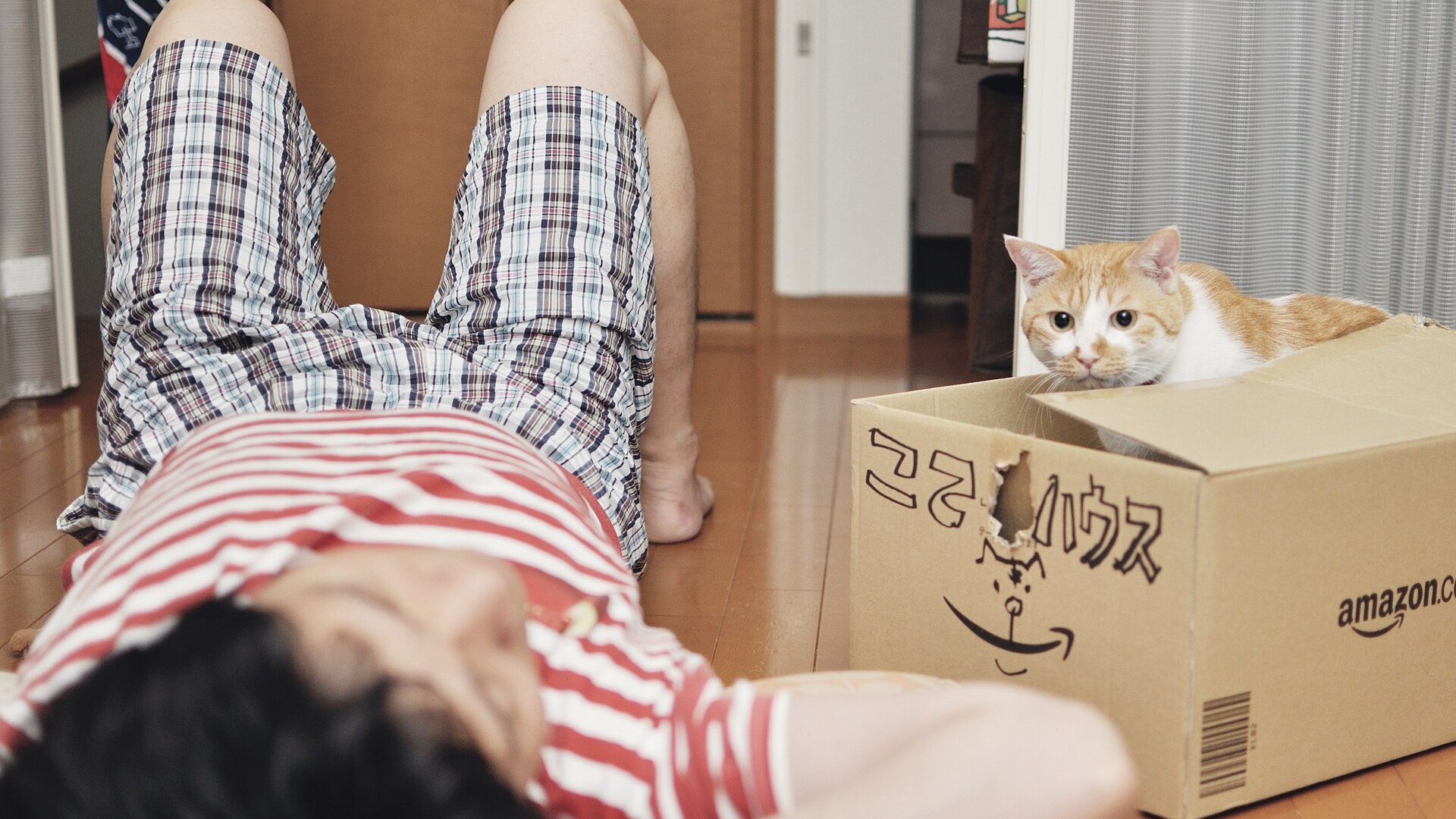
1. Plain Cardboard Shipping Boxes
Scientific studies published by Utrecht University proved shelter cats provided with cardboard boxes experienced significantly lower cortisol stress markers. Corrugated walls insulate body warmth, provide tactile corner scratching, and offer 360-degree security from perceived domestic threats.

©Wikimedia / yoppy
Advertisement
You've reached the end of the story. Thanks for reading!

22 Wildlife Incidents That Changed How Parks Keep Visitors Safe
From bear raids in California to shark nets off Sydney, these 22 documented wildlife encounters forced governments and park rangers to rewrite public safety rules. Based on National Park Service archives, NOAA, state wildlife agencies and reporting by Reuters and BBC, see how each event reshaped coexistence.
All 20 Entries in this Story
20. Dripping Water Faucets
Cats possess low thirst drives and frequently avoid still water in bowls due to wild instincts warning against stagnant pools. A dripping sink faucet provides auditory cues, gleaming motion, and fresh oxygenated water that prompts felines to bat at descending droplets for prolonged periods.

19. Laptop And Computer Keyboards
Modern laptops emit comfortable operating heat between 30 and 40 degrees Celsius, matching a cat thermoneutral zone. The tactile resistance of spring-loaded keys mimics shifting substrate, while human hand movements across the deck trigger feline mirroring and play solicitation.

18. Unattended Clean Socks
Rolled athletic socks provide an ideal size for feline bunny-kicking, an instinctive combat technique where hind legs rake prey. Scent glands on human feet transfer concentrated pheromones into cotton fibers, reassuring cats while they drag the soft bundle across living room rugs.

17. Dangling Window Blind Cords
Window cords sway in thermal air drafts near glass panes, creating erratic pendulum arcs that feline optical systems track instinctively. Veterinary organizations advise securing these cords inside cleat brackets, as unmonitored looped strings present serious strangulation risks.

16. Escaped Kitchen Ice Cubes
Ice cubes dropped on polished linoleum or hardwood glide with near-zero friction when meltwater forms a lubricating layer. Felines swat the rapidly accelerating frozen block, mesmerized by its cold surface and changing shape as it melts into a shallow drinking puddle.

15. Freshly Made Bedding
Smoothing bed sheets creates air pockets and undulating fabric waves that resemble moving prey underneath soil or dry grass. Cats launch ambush strikes at raised knuckles under blankets, utilizing claws and predatory stalking postures until the bedding settles flat.

14. Cardboard Paper Towel Tubes
Empty cardboard tubes from paper towels and toilet paper offer lightweight durability that skitters over flat floors under light paw taps. Felines enjoy biting into the corrugated paper edge, shredding cellulose layers as a harmless release for natural chewing urges.

13. Houseplant Leaves And Fronds
Spider plants and Boston ferns produce arching fronds that bob gently whenever indoor air conditioning cycles activate. While tapping leaves exercises predatory reflexes, pet owners must keep toxic varieties like lilies and pothos far out of reach to avoid accidental poisoning.

12. Bathroom Cotton Swabs
Cotton swabs feature flexible plastic stems and soft fibrous tips that felines can grip cleanly between incisors. Cats regularly raid uncovered bathroom canisters to flick swabs across smooth tile floors, though owners must monitor play to prevent swallowing the paper shafts.

11. Dangling Shoe Laces
Tied athletic shoes left near doorways provide trailing aglets that whip around ankles during walking strides. The erratic linear movement triggers a cat predatory drive to pin wriggling targets, making untied laces an immediate focus during owner morning routines.

10. Plastic Drinking Straws
Drinking straws combine light hollow mass with springy elasticity, causing them to ricochet off baseboards when slapped by feline paws. The smooth plastic texture satisfies biting exploration, though owners should remove bent straws once plastic starts cracking.

9. Elastic Hair Ties
Elastic hair bands store kinetic tension that allows cats to hook claws inside the loop and catapult the accessory across hardwood halls. Veterinary surgeons note hair ties rank among the most common feline intestinal foreign bodies, requiring careful owner storage inside drawers.

8. Empty Laundry Baskets
Slotted laundry hampers function as defensive blinds where felines spy through perimeter cutouts without exposing their bodies. Cats hide inside empty baskets to launch surprise swatting attacks at passing feet, feeling secure within rigid polypropylene walls.

7. Plastic Milk Jug Rings
Tear-off plastic rings from gallon milk jugs weigh less than two grams, allowing even young kittens to launch them into airborne spins. The circular rim rolls erratic paths along floor moldings, simulating scrambling insects that cats track using heightened peripheral vision.

6. Wool Knitting Yarn
Yarn skeins unravel dynamically as they tumble across rugs, leaving an undulating fiber trail that mimics retreating rodent tails. Play must remain strictly supervised, because backward-facing tongue papillae prevent cats from spitting out swallowed strands, risking intestinal blockages.

5. Plastic Ping Pong Balls
Table tennis balls bounce with remarkable speed against hard bathroom enamel, creating unpredictable rebound angles that challenge feline coordination. Placing a celluoid ball inside a dry porcelain bathtub gives indoor felines hours of contained solo chase exercise.

4. Ribbed Plastic Bottle Caps
Beverage screw caps feature fluted edges that catch on paw pads, allowing cats to flick them across tile floors with high speed. When flipped upside down, the hollow cup slides smoothly across countertops, offering tactile clicking sounds whenever it strikes kitchen walls.

3. Brown Paper Grocery Bags
Heavy kraft paper grocery sacks combine acoustic crackling sounds with enclosed shelter that appeals to ambush predators. Cats crawl into opened bags to swat at shadows projected onto paper walls, though handles must always be snipped to eliminate neck entanglement hazards.

2. Crumpled Paper Receipts
Walled paper balls compressed from printer paper or receipts produce high-frequency rustling noises whenever batted by feline paws. The compressed paper holds irregular aerodynamic contours, causing erratic sideways bounces that simulate the escape maneuvers of field mice.

1. Plain Cardboard Shipping Boxes
Scientific studies published by Utrecht University proved shelter cats provided with cardboard boxes experienced significantly lower cortisol stress markers. Corrugated walls insulate body warmth, provide tactile corner scratching, and offer 360-degree security from perceived domestic threats.