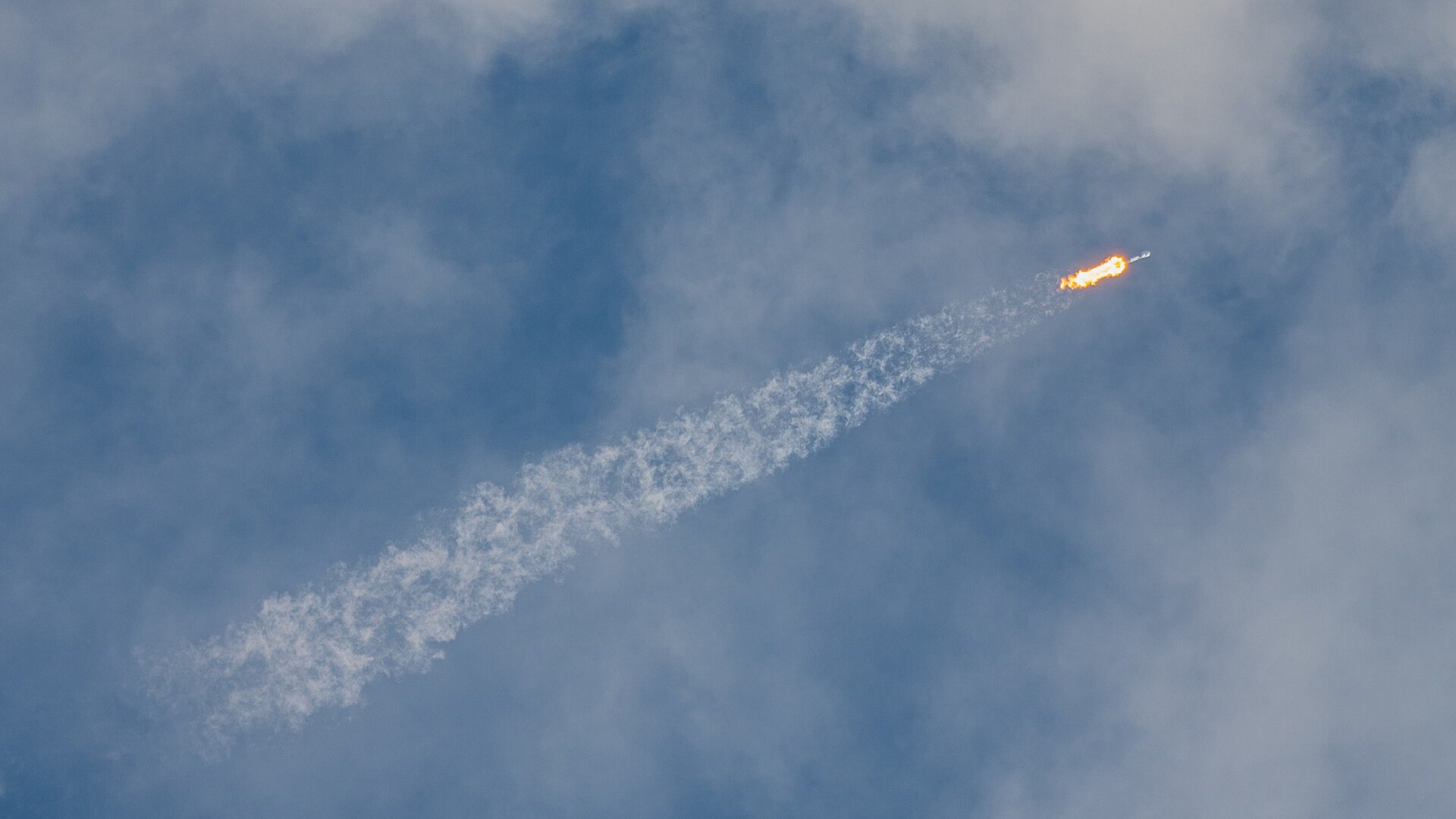
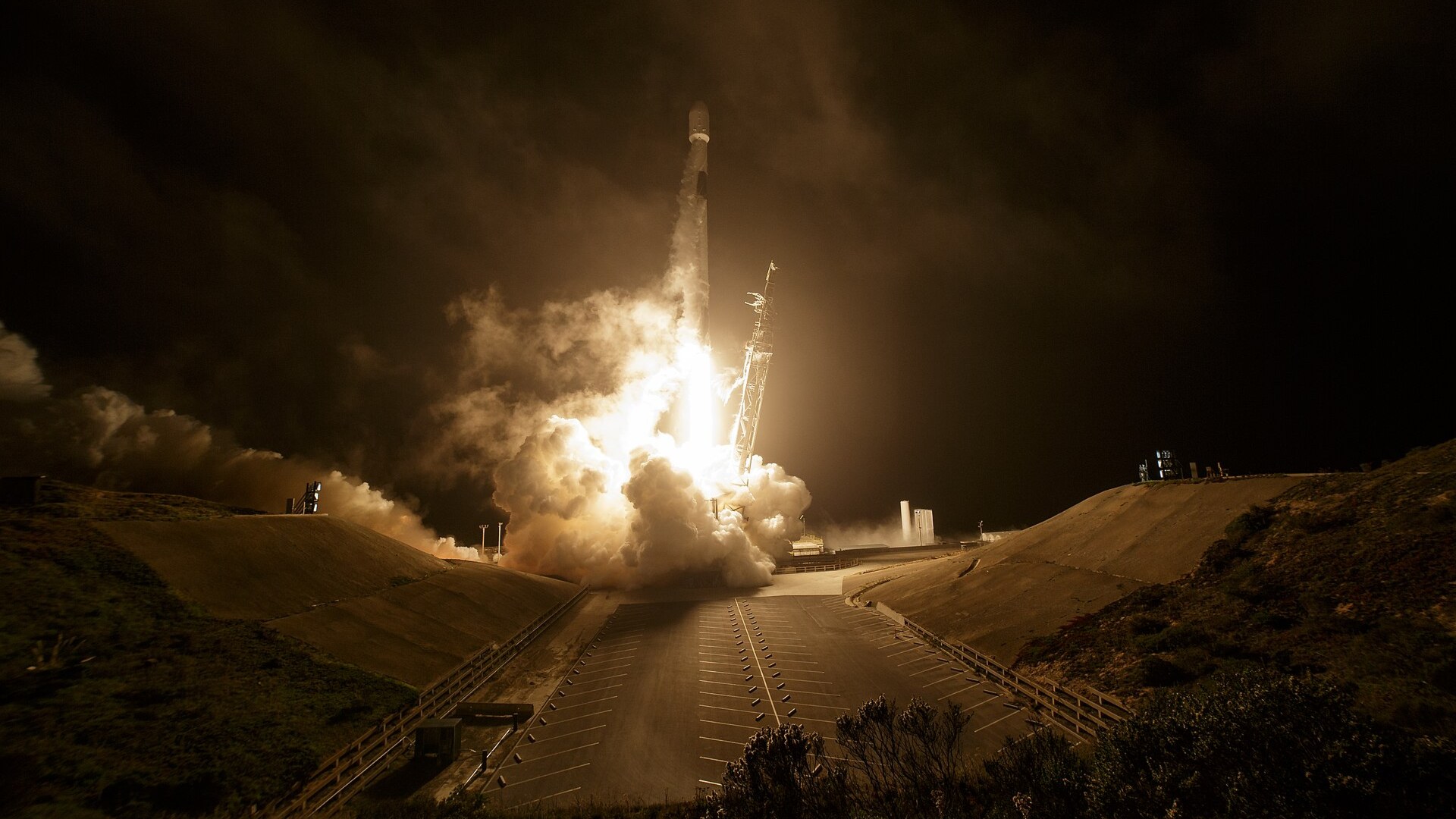
Slideshow · Science
22 SpaceX Milestones That Transformed Orbital Spaceflight
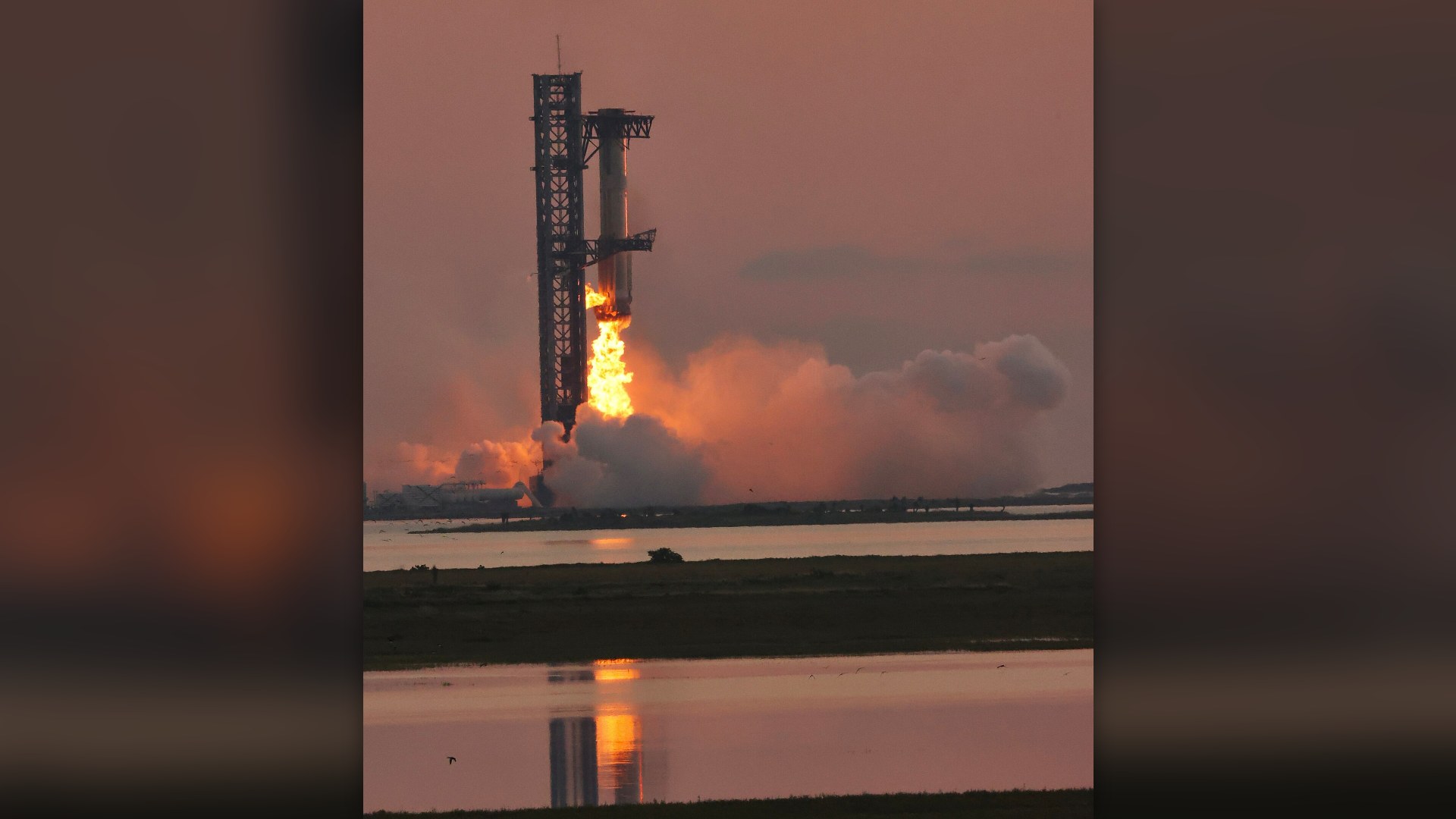
SpaceX went from three failed Falcon 1 launches to catching a Super Heavy booster with mechanical tower arms in 2024. Based on SpaceX mission archives, NASA Commercial Crew records and U.S. Space Force launch logs, these 22 milestones trace how reusable rockets reshaped orbital flight from 2008 to 2024.
By Most Viral Today
44 min ago

From A 2008 Island Liftoff To Catching A 20-Story Booster Mid Air 
22. Falcon 1 Flight 4 (2008) 
21. Falcon 9 Maiden Flight (2010) 
20. Dragon COTS Demo-1 Recovery (2010) - AdvertisementSwipe or tap ▶ to continue countdown

19. Dragon COTS-2 ISS Berthing (2012) 
18. Grasshopper VTVL Tests (2012) 
17. Falcon 9 SES-8 Launch (2013) 
16. CRS-5 Drone Ship Attempt (2015) - AdvertisementSwipe or tap ▶ to continue countdown

15. Orbcomm-2 Booster Landing (2015) 
14. CRS-8 Drone Ship Landing (2016) 
13. SES-10 Booster Reflight (2017) 
12. Falcon Heavy Maiden Flight (2018) - AdvertisementSwipe or tap ▶ to continue countdown

11. Falcon 9 Block 5 Debut (2018) 
10. Crew Dragon Demo-1 Docking (2019) 
9. First 60 Starlink Satellites (2019) 
8. Crew Dragon In-Flight Abort (2020) - AdvertisementSwipe or tap ▶ to continue countdown

7. Crew Dragon Demo-2 Flight (2020) 
6. Crew-1 Operational Mission (2020) 
5. Transporter-1 Rideshare (2021) 
4. NASA DART Mission Launch (2021) - AdvertisementSwipe or tap ▶ to continue countdown

3. Starship First Full-Stack Test (2023) 
2. Polaris Dawn Spacewalk (2024) 
1. Starship Flight 5 Booster Catch (2024) - Advertisement🔥 UP NEXT IN THIS SERIES◫ 26 Slides

25 Historic NASA Apollo Photos From Launch to the Lunar Surface
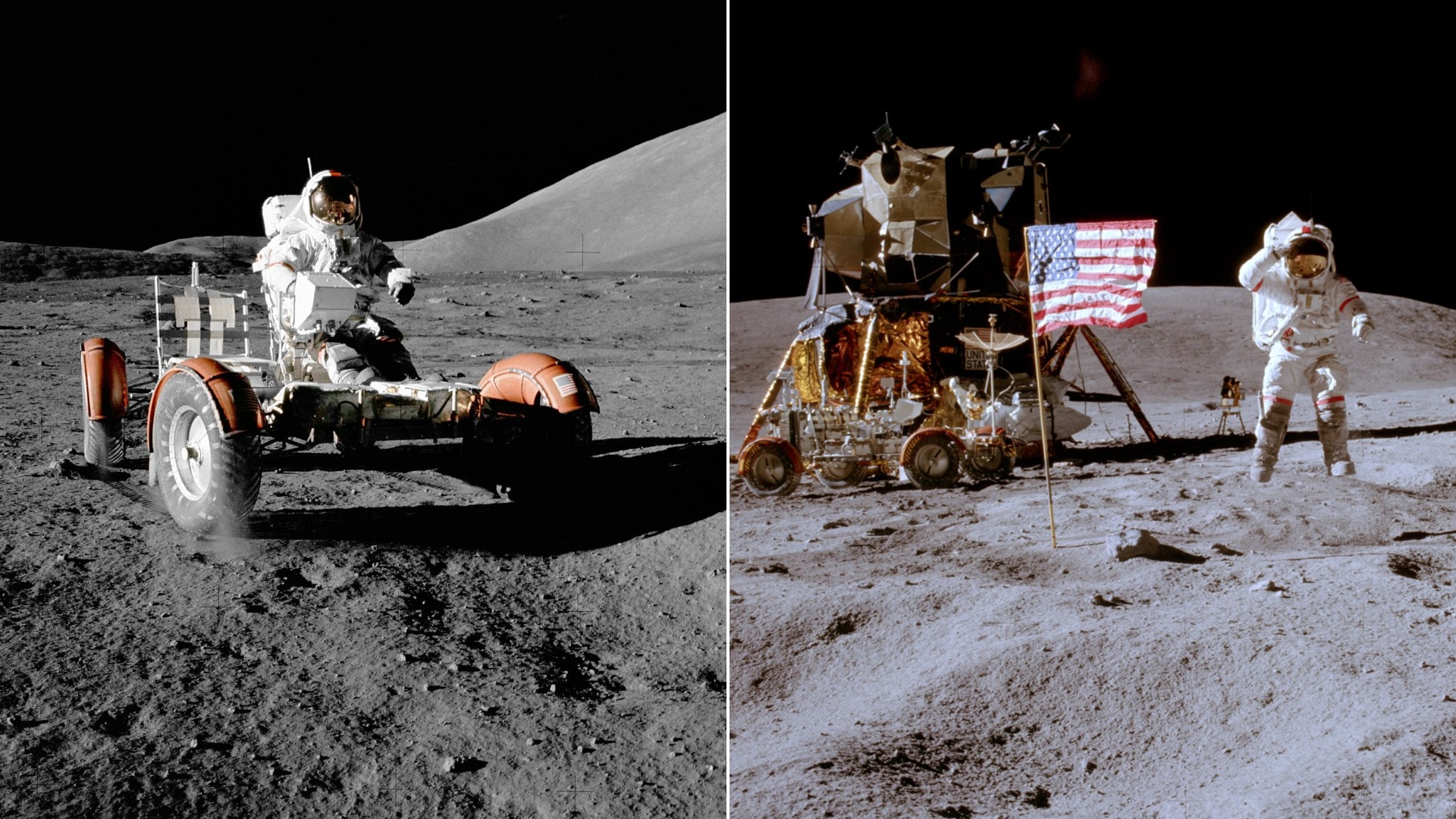
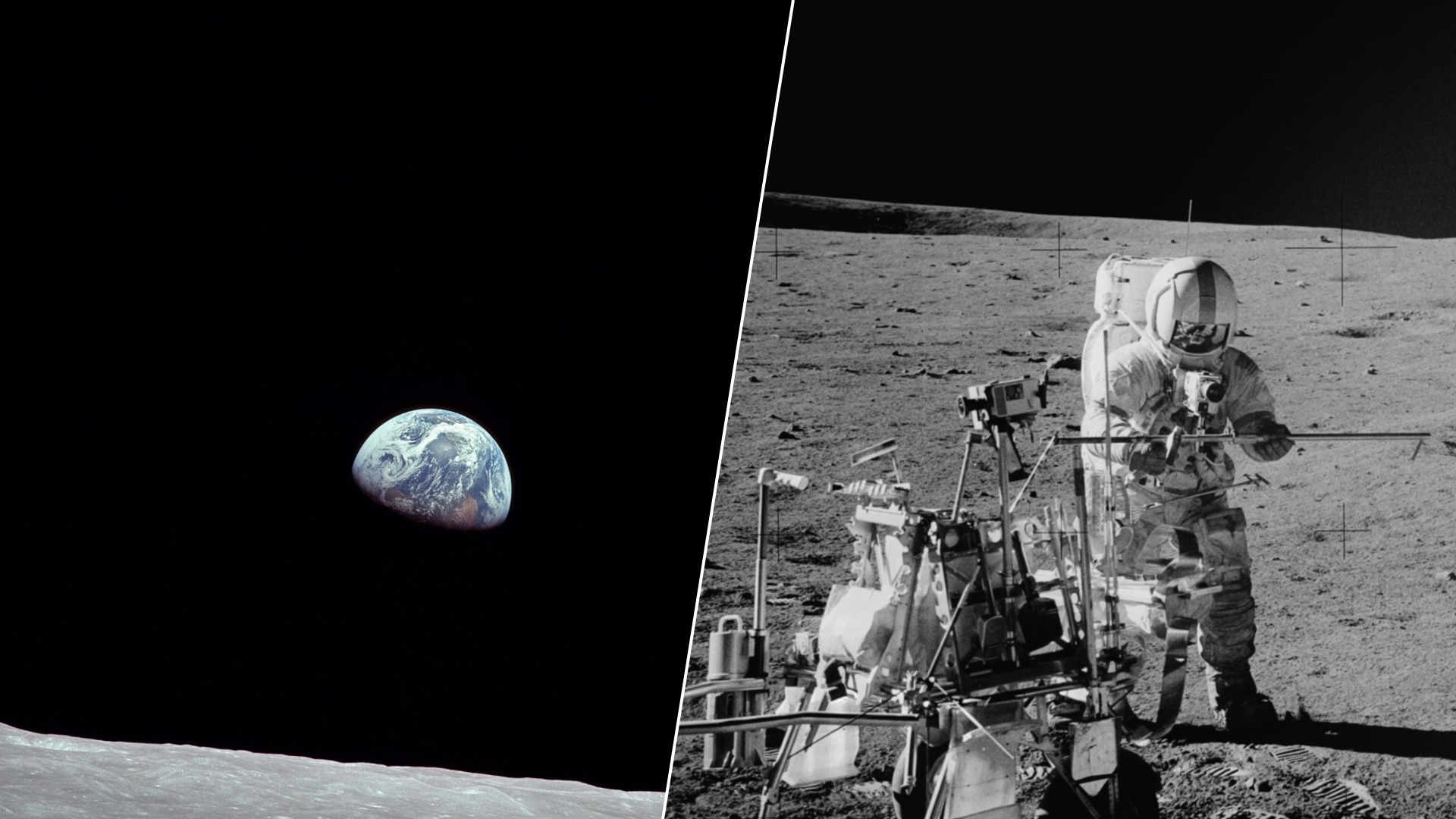
From November 1967 to December 1972, NASA crews carried Hasselblad cameras across nearly 384,000 kilometers of space to document every stage of Project Apollo. Drawing on NASA mission archives, Johnson Space Center logs, and Smithsonian records, these 25 frames capture launches, lunar walks, and crises.
Drawn from SpaceX mission records, NASA Commercial Crew archives and U.S. Space Force launch reports, this 22-step countdown charts the milestones that transformed spaceflight. From Falcon 1 reaching orbit in 2008 to Super Heavy booster catches in 2024, each slide covers a defining orbital milestone.
Swipe or tap ▶ to begin the countdown
©Wikimedia / SpaceX & Wikimedia / SpaceX Photos
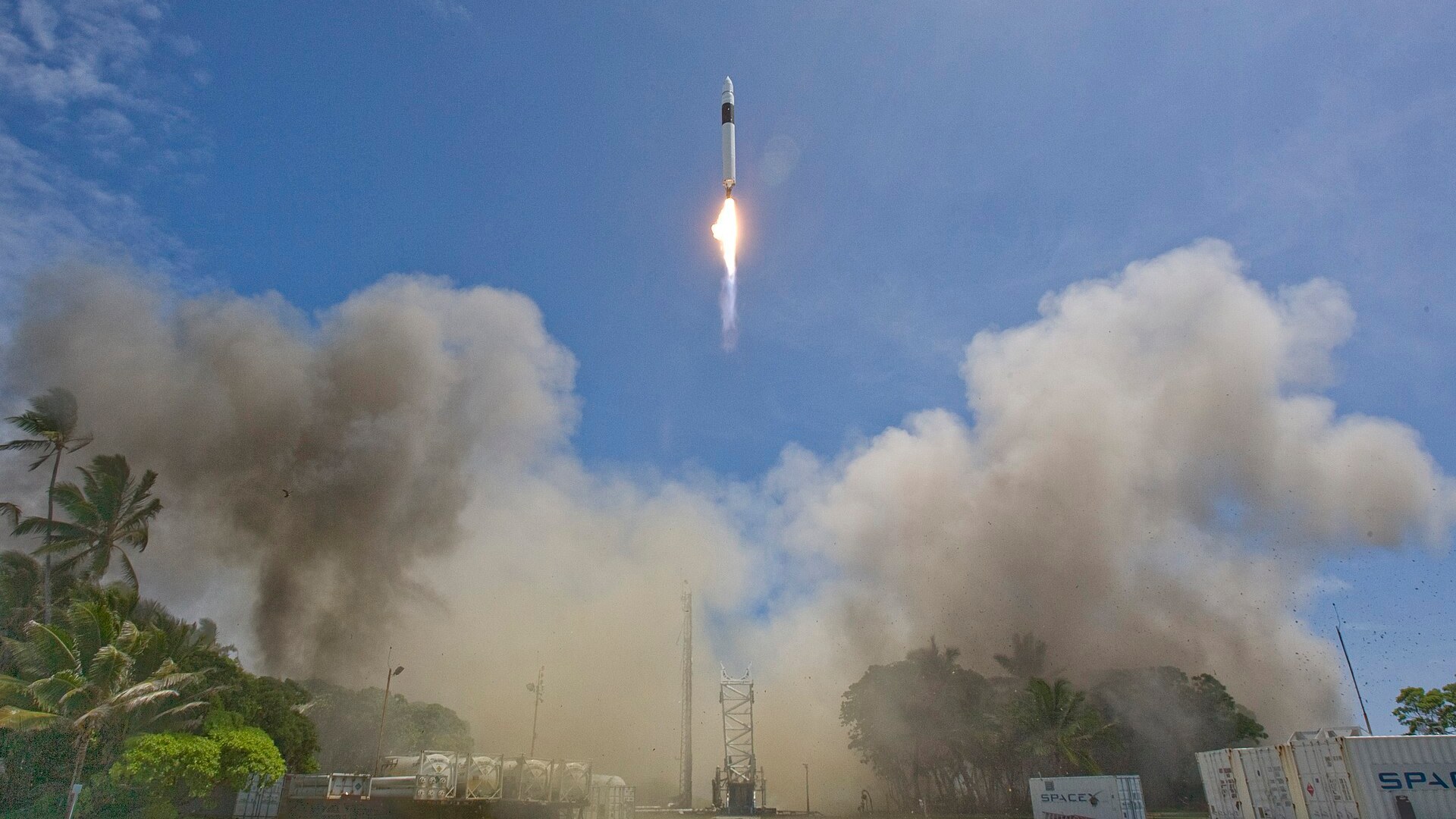
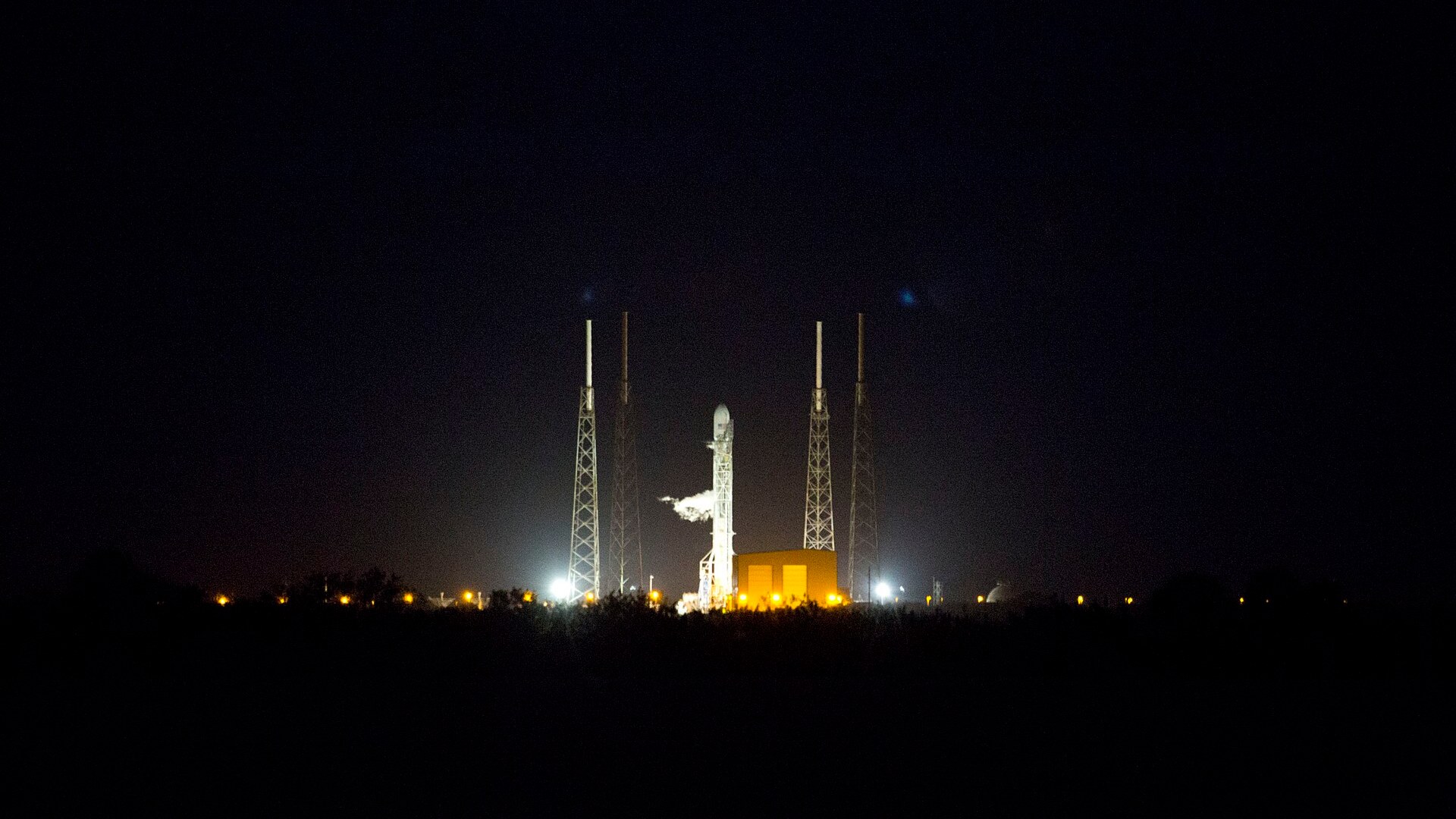
22. Falcon 1 Flight 4 (2008)
After three straight launch failures, SpaceX launched Falcon 1 Flight 4 from Omelek Island on September 28, 2008. Carrying a 165-kilogram mass simulator, the rocket reached orbit and saved the young company from running out of money.
©Wikimedia / SpaceX
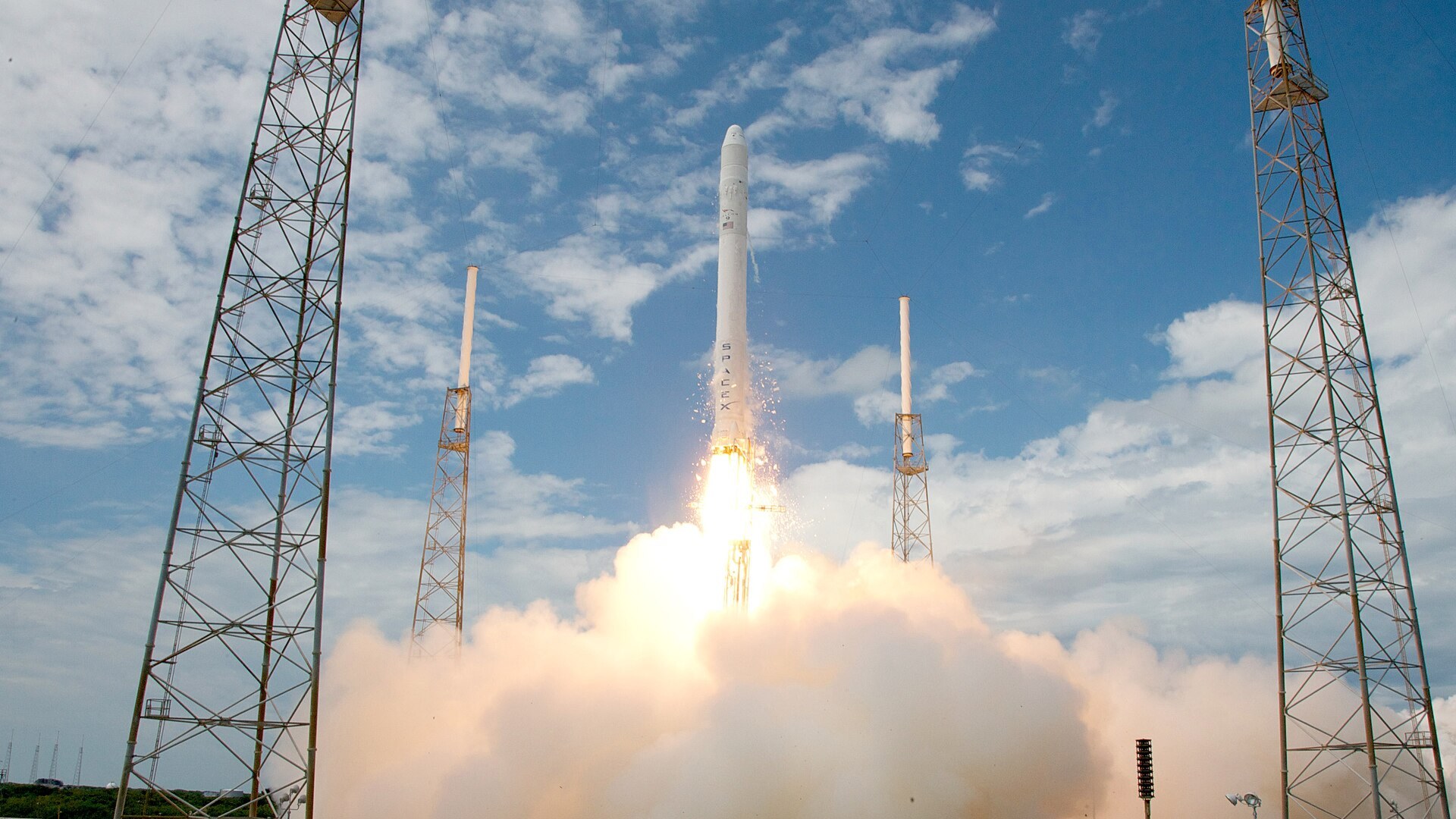
21. Falcon 9 Maiden Flight (2010)
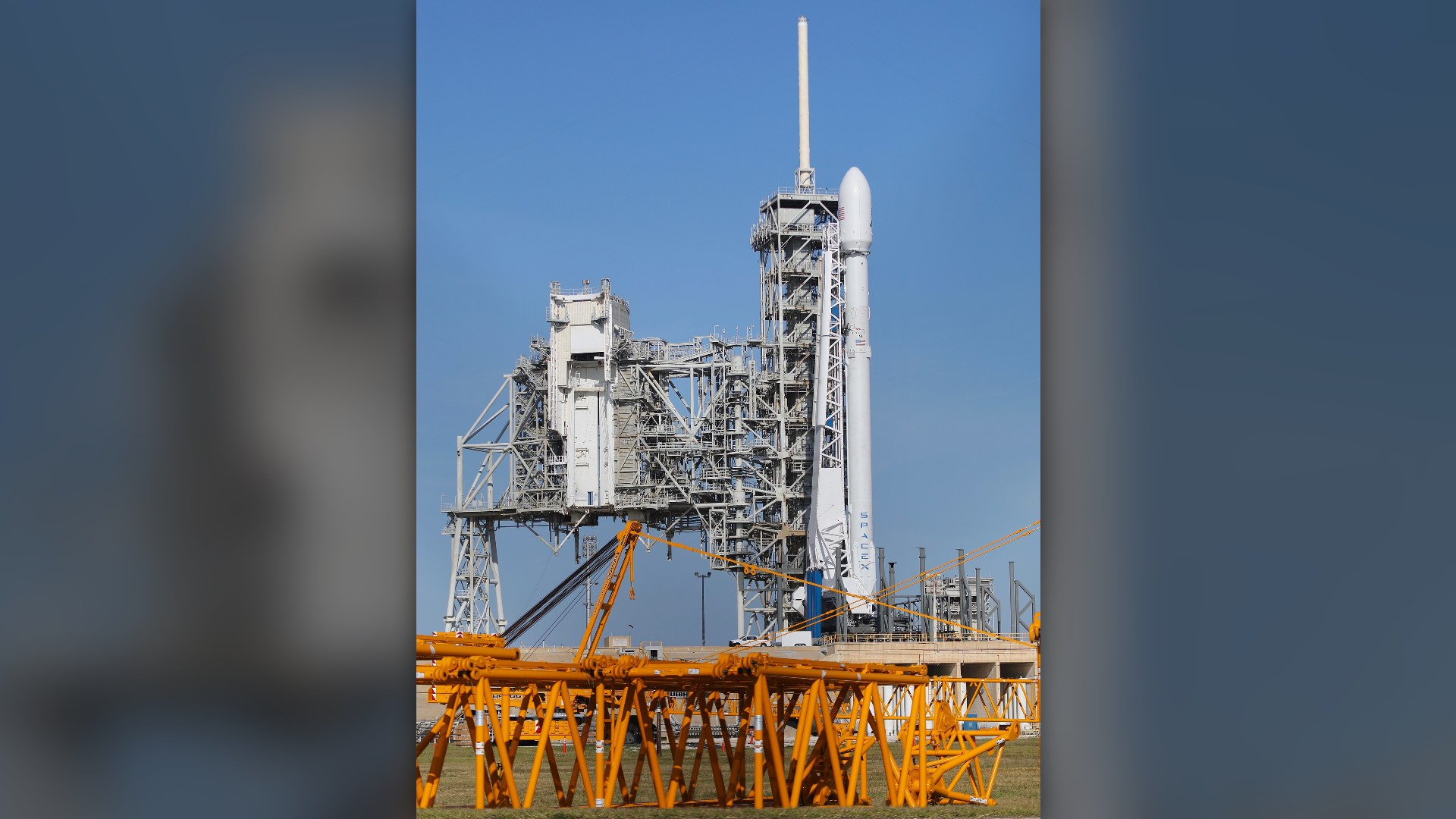
On June 4, 2010, nine Merlin 1C engines powered Falcon 9 off Cape Canaveral's Pad 40 for the first time. Carrying a Dragon qualification unit into orbit, the flight introduced the booster architecture that later dominated global launch.
©Wikimedia / SpaceX
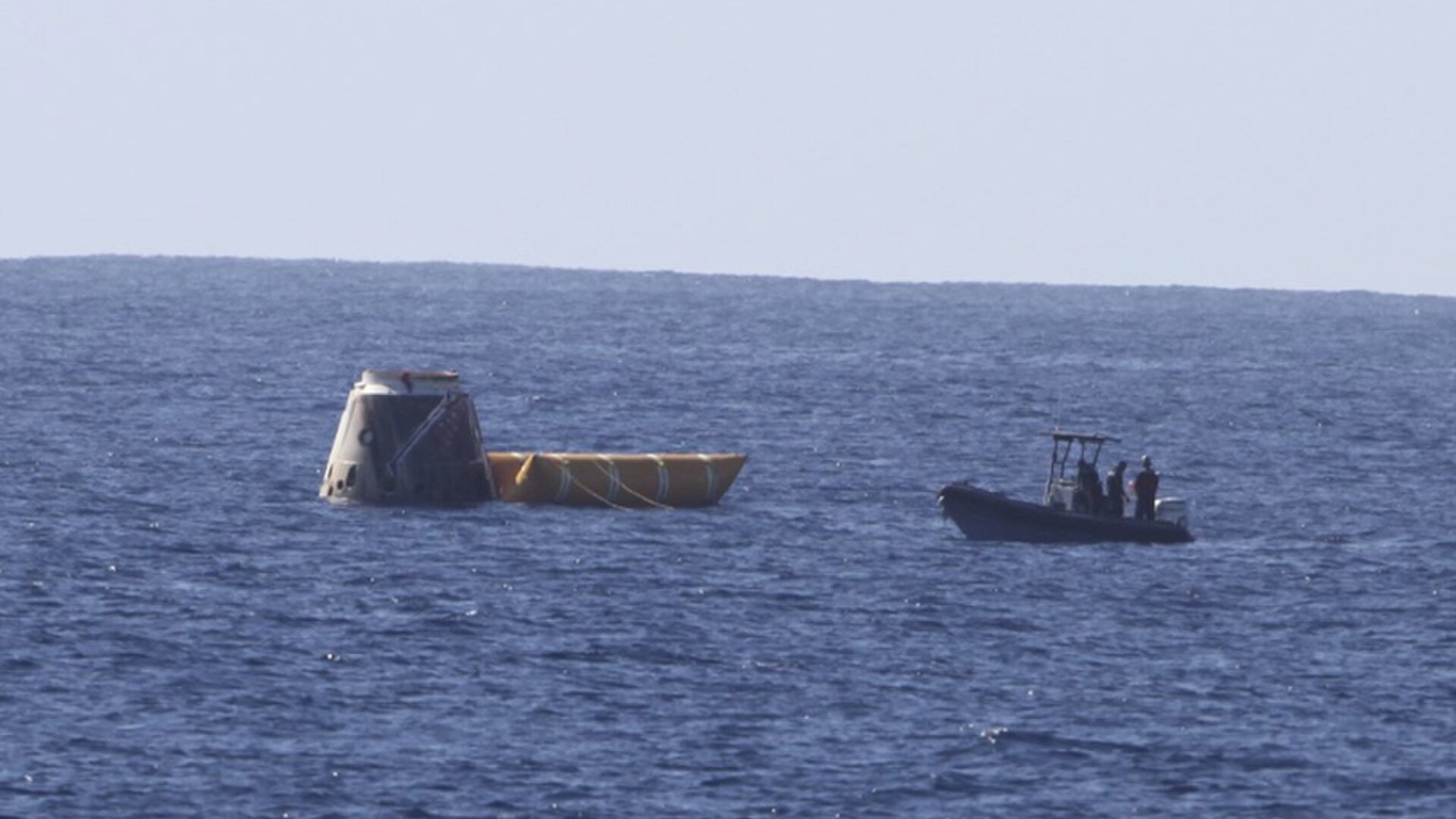
20. Dragon COTS Demo-1 Recovery (2010)
Launched on December 8, 2010 under NASA's Commercial Orbital Transportation Services program, Dragon completed nearly two orbits. Its Pacific splashdown proved a private company could build, fly and bring back a spacecraft intact from orbit.
©Wikimedia / NASA
Advertisement
Swipe or tap ▶ to resume the countdown.
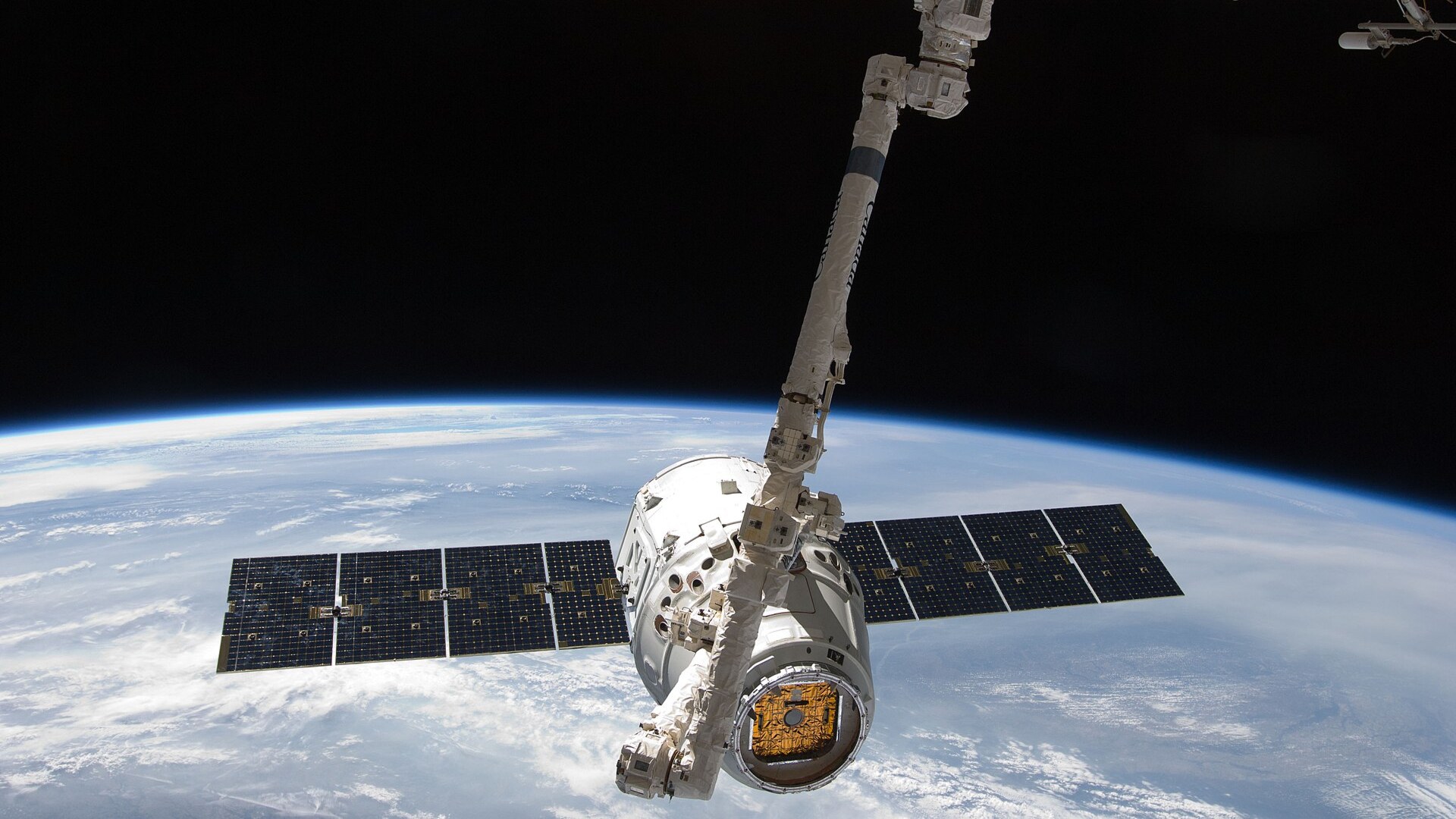
19. Dragon COTS-2 ISS Berthing (2012)
On May 25, 2012, astronaut Don Pettit used the station's Canadarm2 robotic arm to capture the Dragon C2+ cargo capsule. Delivering supplies to Expedition 31, SpaceX became the first private company to visit the International Space Station.
©Wikimedia / NASA
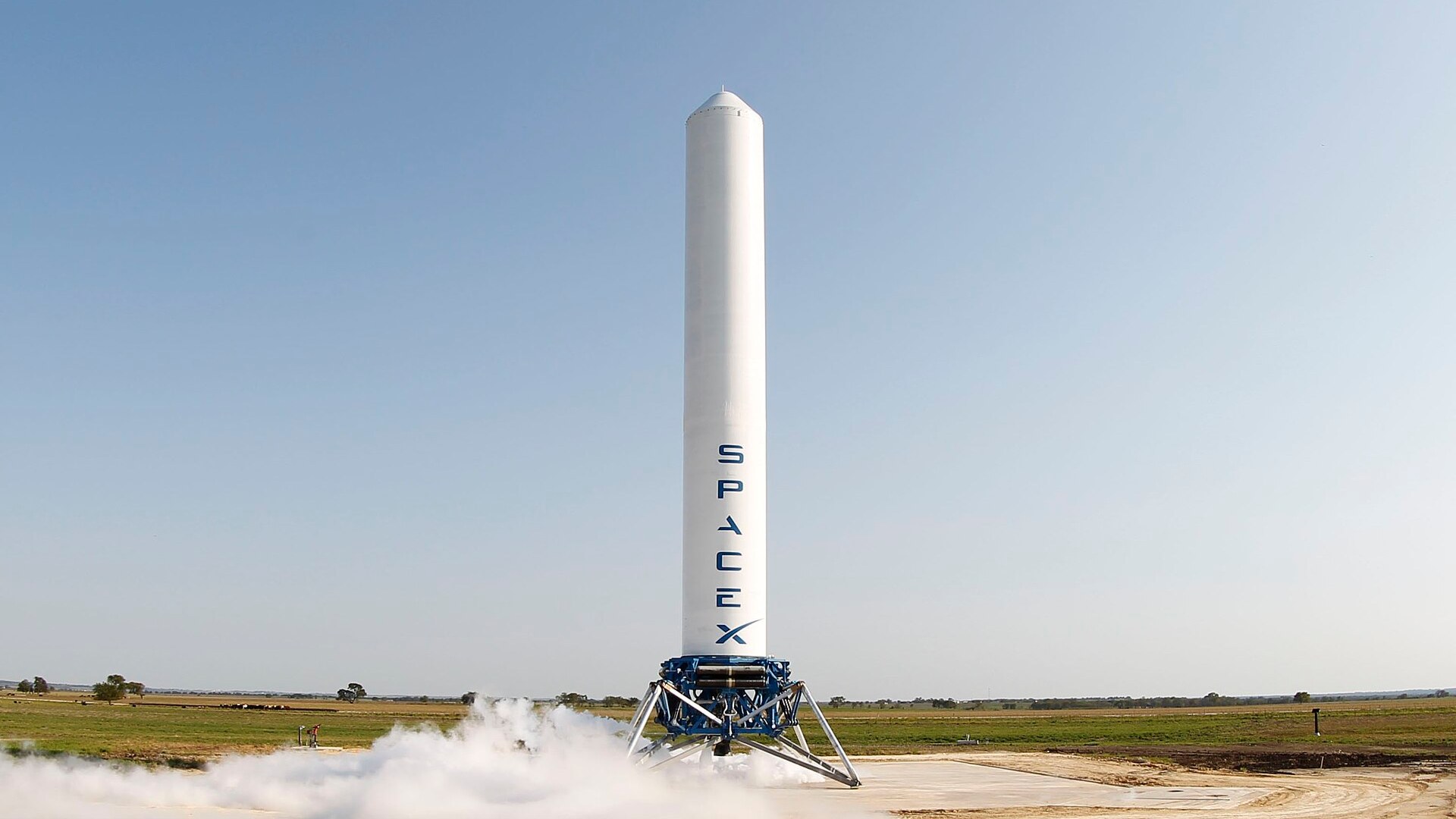
18. Grasshopper VTVL Tests (2012)
Between September 2012 and October 2013 in McGregor, Texas, the Grasshopper test vehicle completed eight vertical takeoff and landing hops. Peaking at 744 meters in altitude, it taught SpaceX engineers how to hover and steer a booster down upright.
©Wikimedia / SpaceX
17. Falcon 9 SES-8 Launch (2013)
On December 3, 2013, the upgraded Falcon 9 v1.1 carried the 3,170-kilogram SES-8 broadcast satellite into geostationary transfer orbit. That mission broke a long-standing commercial launch duopoly and opened high-energy telecom contracts.
©Wikimedia / SpaceX
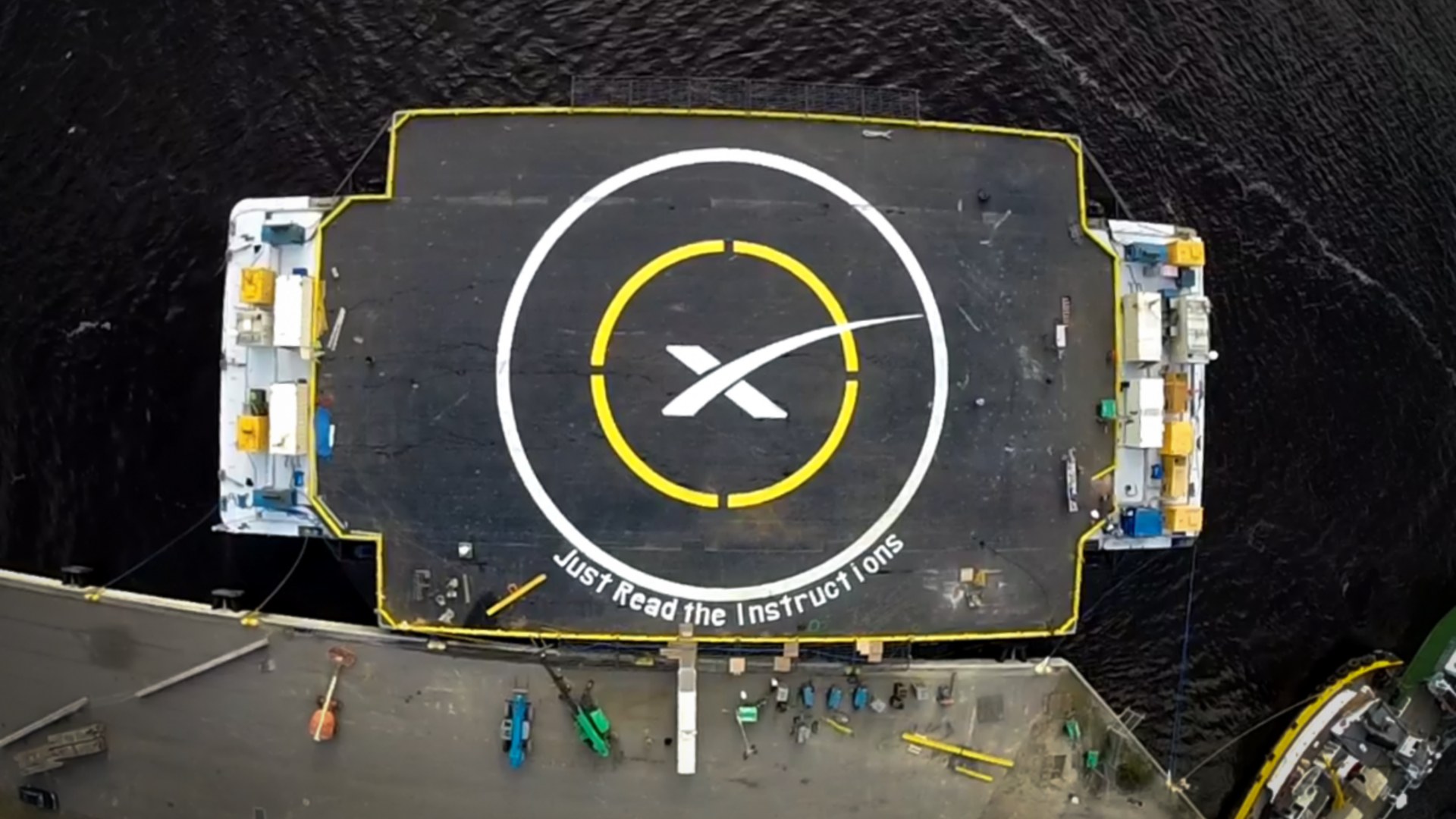
16. CRS-5 Drone Ship Attempt (2015)
On January 10, 2015, after launching cargo to the ISS, Falcon 9 targeted the autonomous barge Just Read the Instructions in the Atlantic. Hydraulic fluid for its grid fins ran dry seconds before touchdown, yet hitting the deck proved pinpoint targeting worked.
©Wikimedia / SpaceX Photos
Advertisement
Swipe or tap ▶ to resume the countdown.
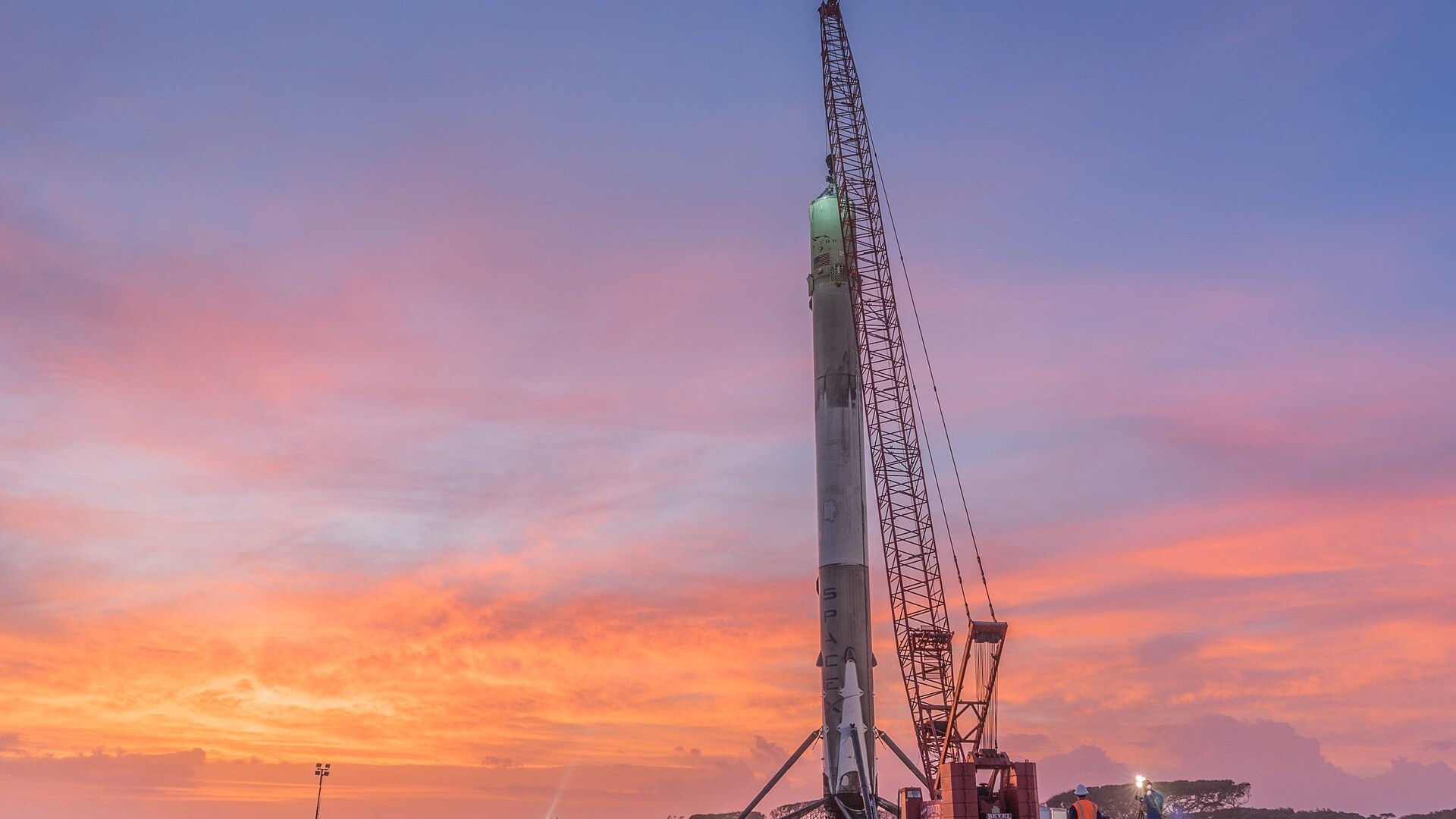
15. Orbcomm-2 Booster Landing (2015)
Minutes after lofting 11 Orbcomm satellites on December 21, 2015, Falcon 9 booster B1019 fired its engines and touched down softly at Landing Zone 1 in Florida. It was history's first vertical recovery of a booster that had sent payloads to orbit.
©Wikimedia / SpaceX Photos
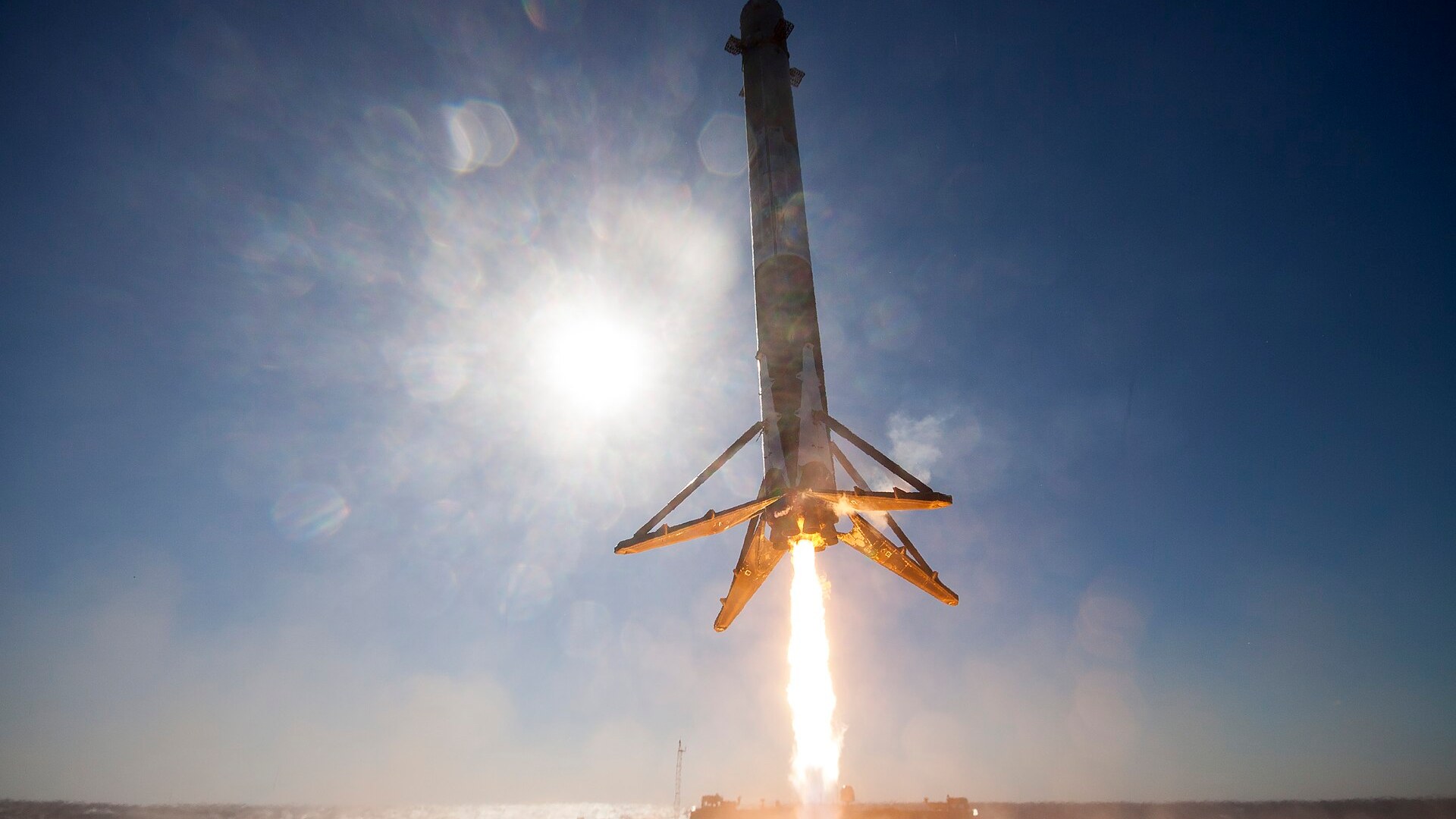
14. CRS-8 Drone Ship Landing (2016)
On April 8, 2016, booster B1021 landed upright on the drone ship Of Course I Still Love You in the Atlantic Ocean after launching Dragon CRS-8. Sea landings let Falcon 9 recover boosters even on faster flights without enough fuel to fly back to shore.
©Wikimedia / SpaceX Photos
13. SES-10 Booster Reflight (2017)
On March 30, 2017, SpaceX rolled out booster B1021, the same stage recovered on CRS-8, to launch the SES-10 satellite from Pad 39A. After separating, the flight-proven stage landed safely at sea again, turning rocket reuse from theory into routine.
©Wikimedia / Steve Jurvetson from Menlo Park, USA
12. Falcon Heavy Maiden Flight (2018)
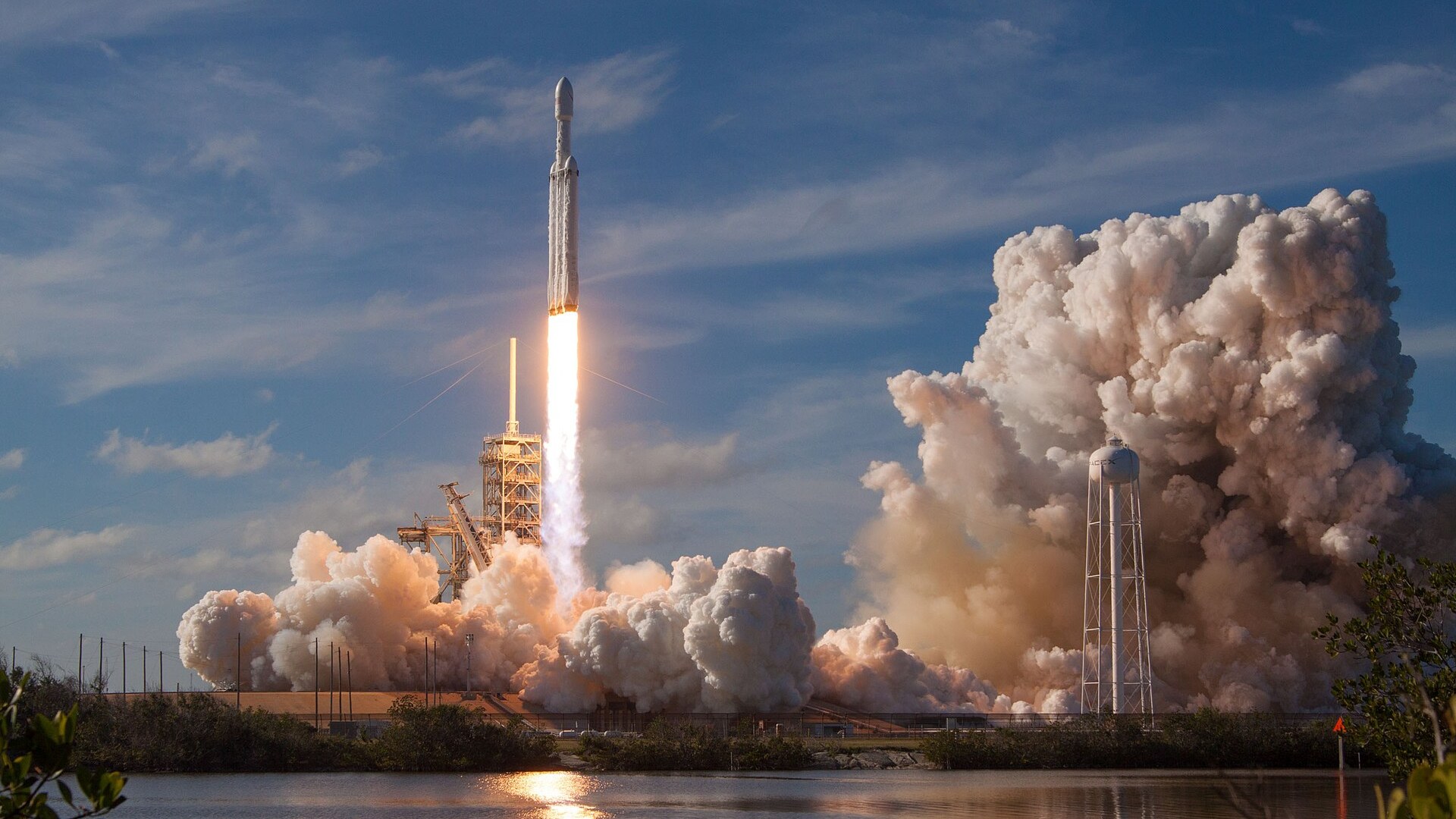
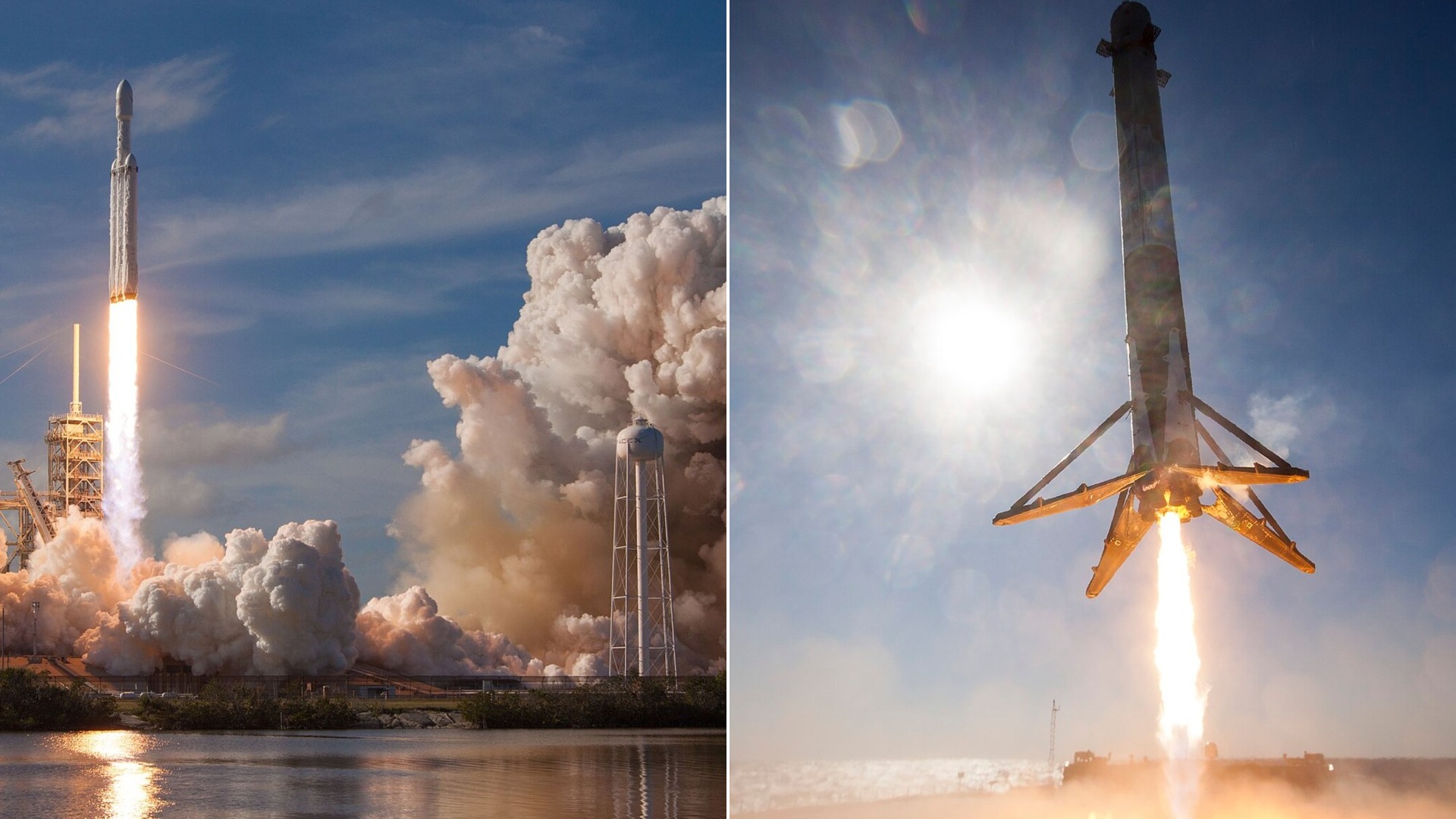
On February 6, 2018, Falcon Heavy lifted off from Pad 39A carrying a cherry-red Tesla Roadster toward Mars orbit. Minutes later, its two side boosters executed synchronized sonic booms and touched down side by side at Cape Canaveral.
©Wikimedia / SpaceX
Advertisement
Swipe or tap ▶ to resume the countdown.
11. Falcon 9 Block 5 Debut (2018)
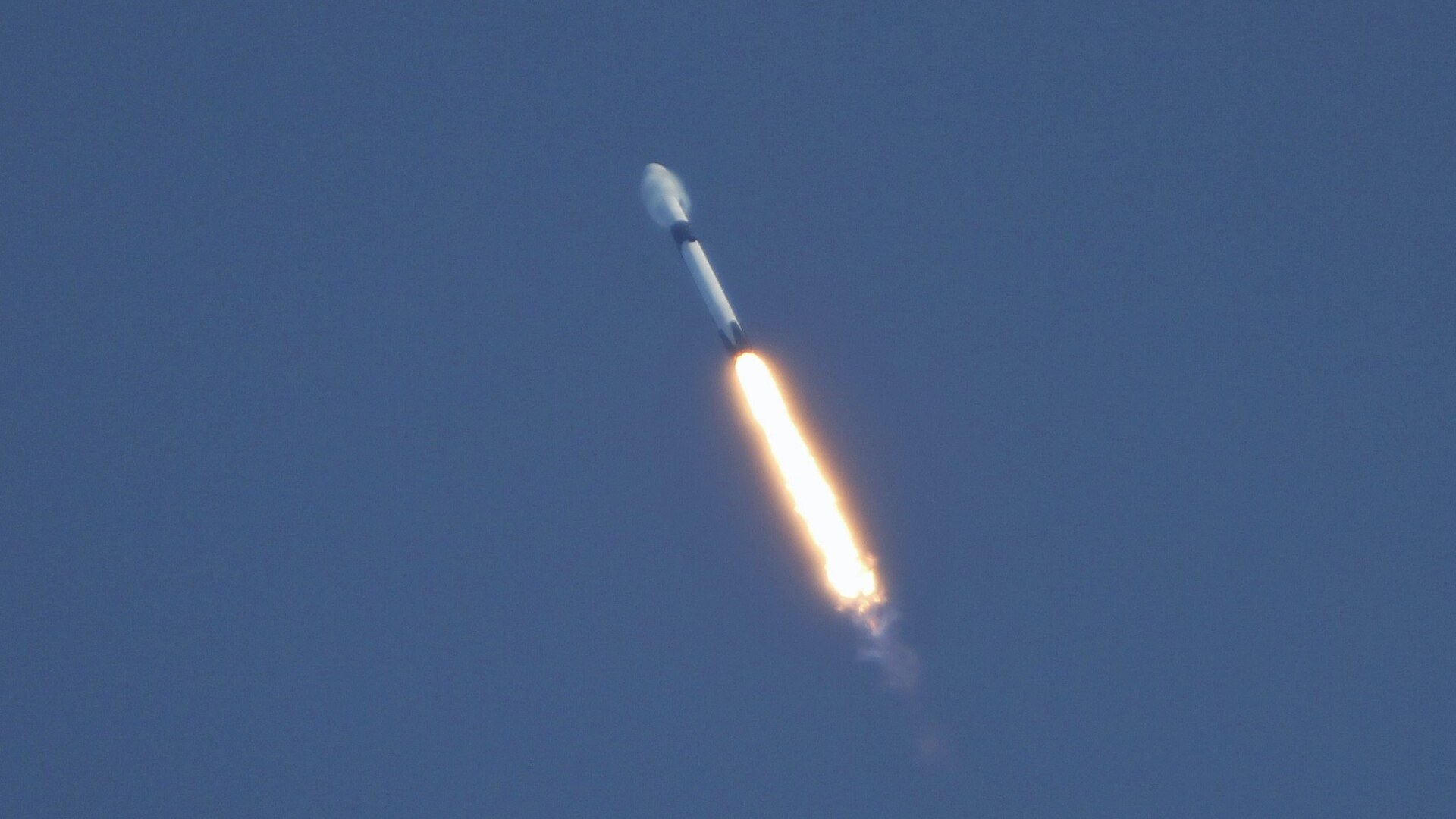
Launching Bangladesh's Bangabandhu-1 satellite on May 11, 2018, Falcon 9 Block 5 debuted titanium grid fins, upgraded Merlin engines and reusable thermal shielding. Block 5 became the backbone of SpaceX's fleet, later exceeding 20 flights per booster.
©Wikimedia / VH-EBM
10. Crew Dragon Demo-1 Docking (2019)
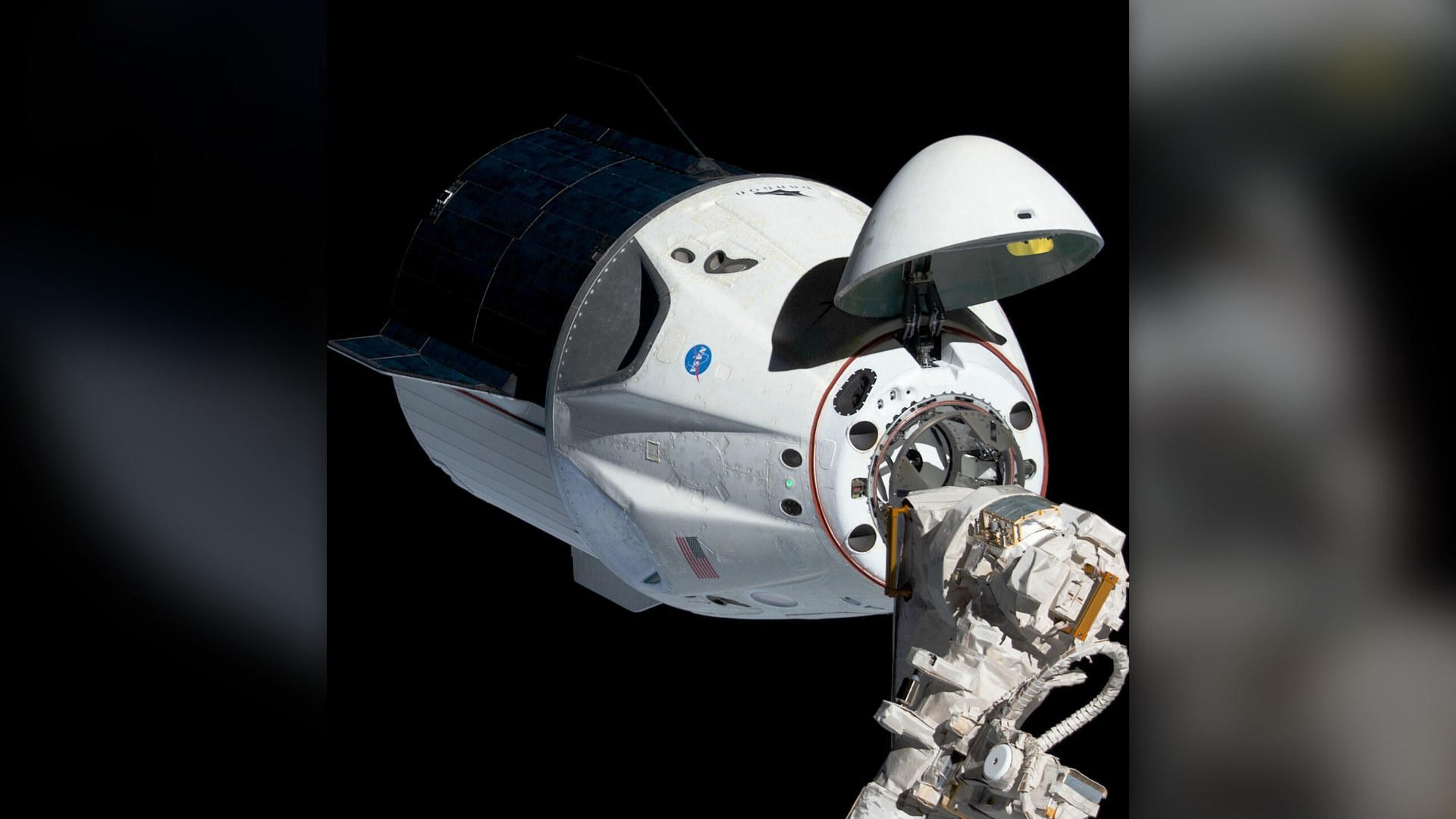
Launched on March 2, 2019, Crew Dragon arrived at the International Space Station the next day without astronauts onboard. Carrying a sensor-packed mannequin named Ripley, it became the first U.S. commercial crew capsule to dock autonomously.
©Wikimedia / NASA
9. First 60 Starlink Satellites (2019)
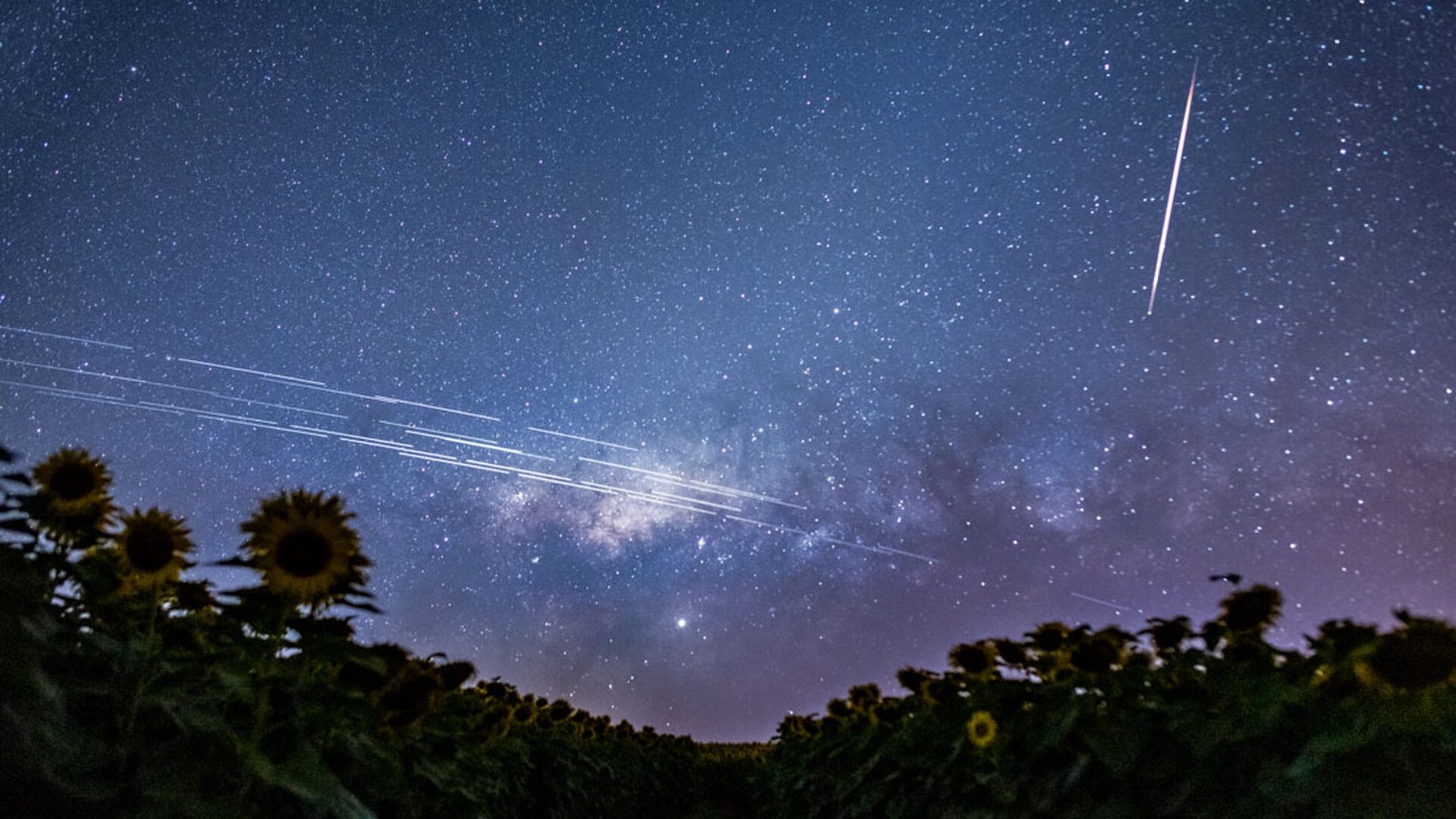
On May 23, 2019, SpaceX packed 60 flat-panel Starlink satellites totaling 13.6 metric tons inside one Falcon 9 fairing. Their bright orbital train marked the start of SpaceX's satellite internet network and drove launch rates to record highs.
©Wikimedia / Egon Filter
8. Crew Dragon In-Flight Abort (2020)
On January 19, 2020, SpaceX intentionally terminated a Falcon 9 at supersonic speed shortly after liftoff from Pad 39A. Crew Dragon's eight SuperDraco engines fired instantly, blasting the capsule clear to a safe Atlantic parachute splashdown.
©Wikimedia / SpaceX
Advertisement
Swipe or tap ▶ to resume the countdown.
7. Crew Dragon Demo-2 Flight (2020)
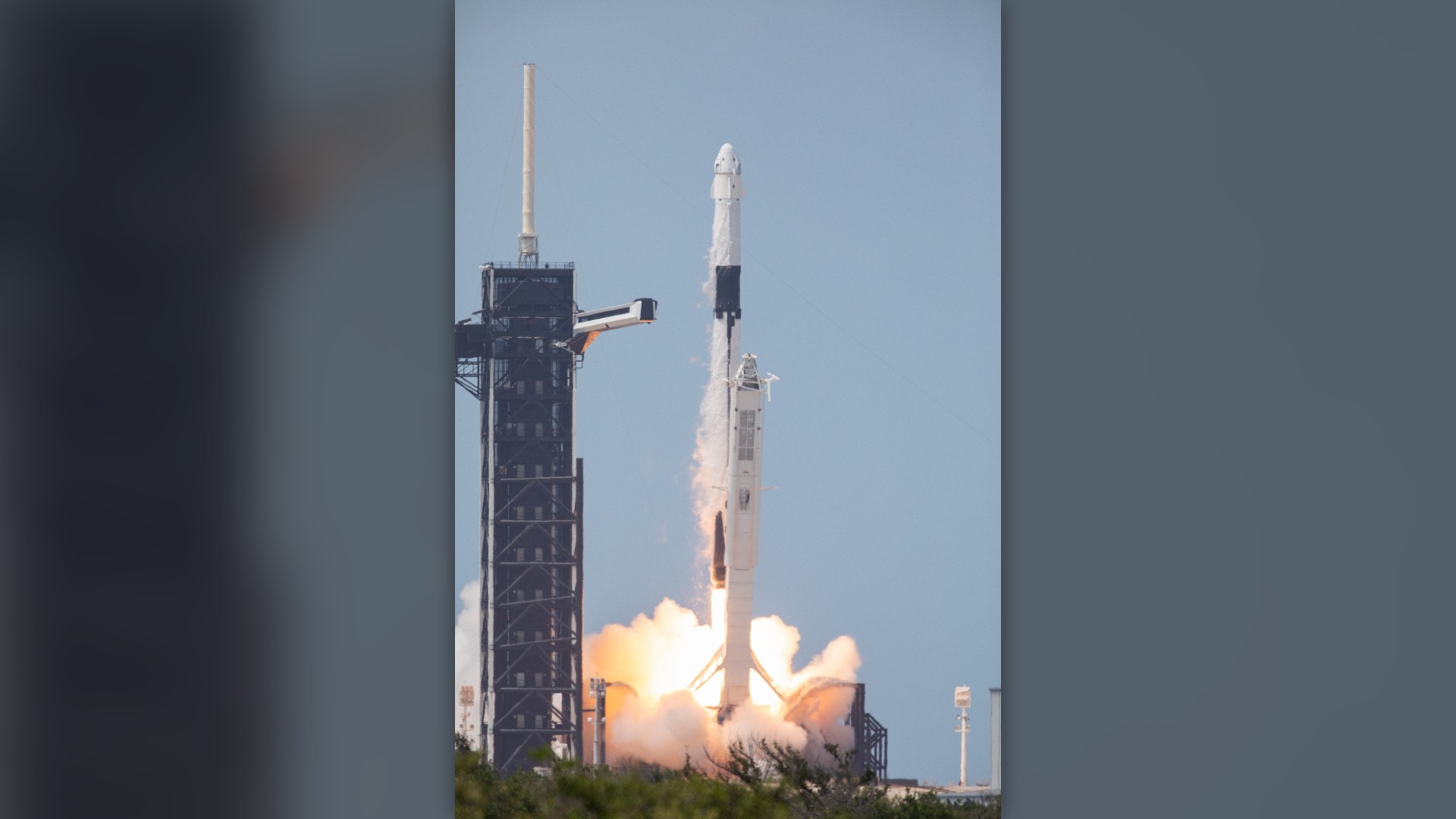
On May 30, 2020, NASA astronauts Bob Behnken and Doug Hurley lifted off atop Falcon 9 inside Crew Dragon Endeavour. Their two-month stay on the ISS restored American orbital crew launches nine years after the Space Shuttle program ended.
©Wikimedia / Kim Shiflett
6. Crew-1 Operational Mission (2020)
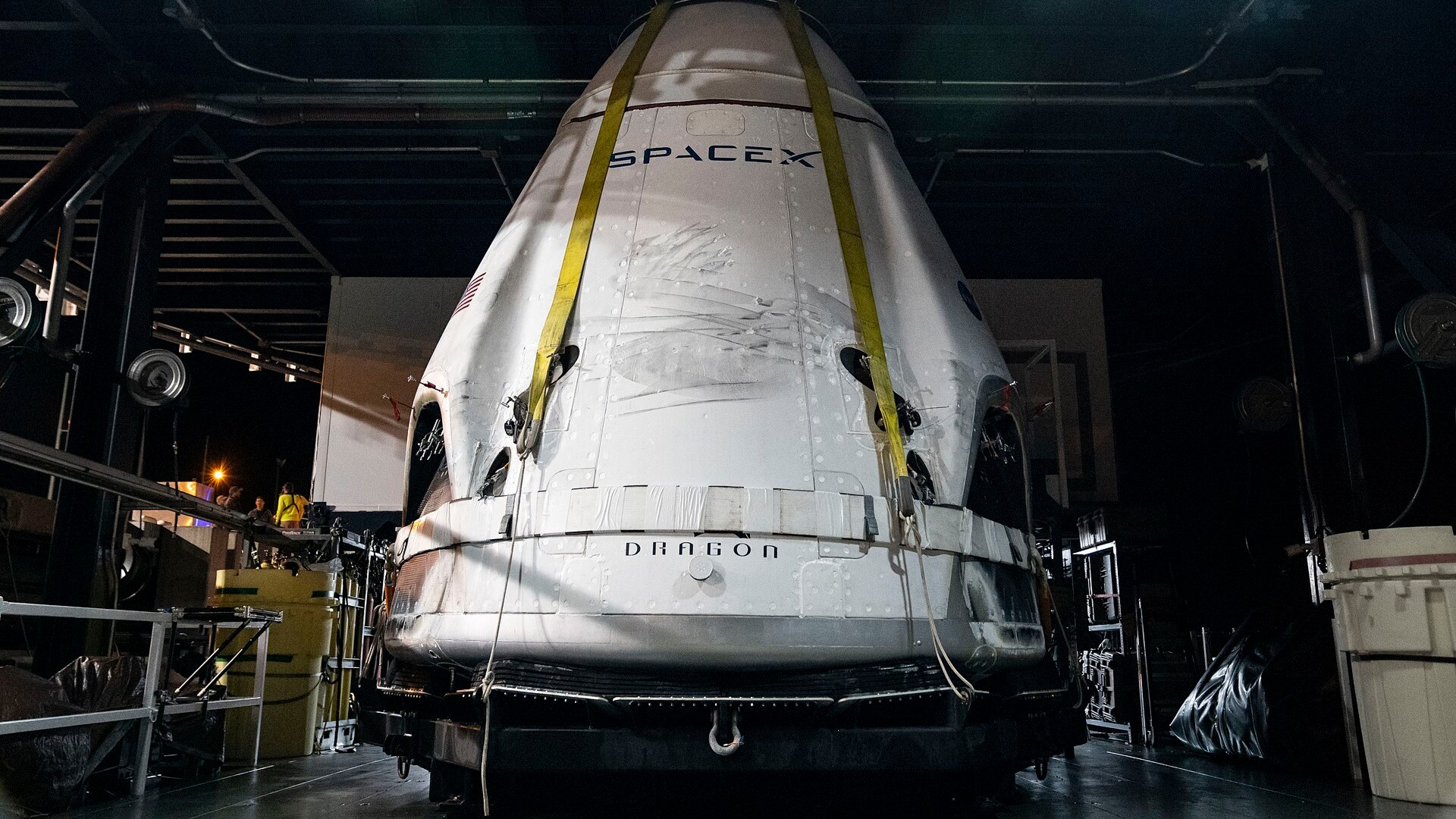
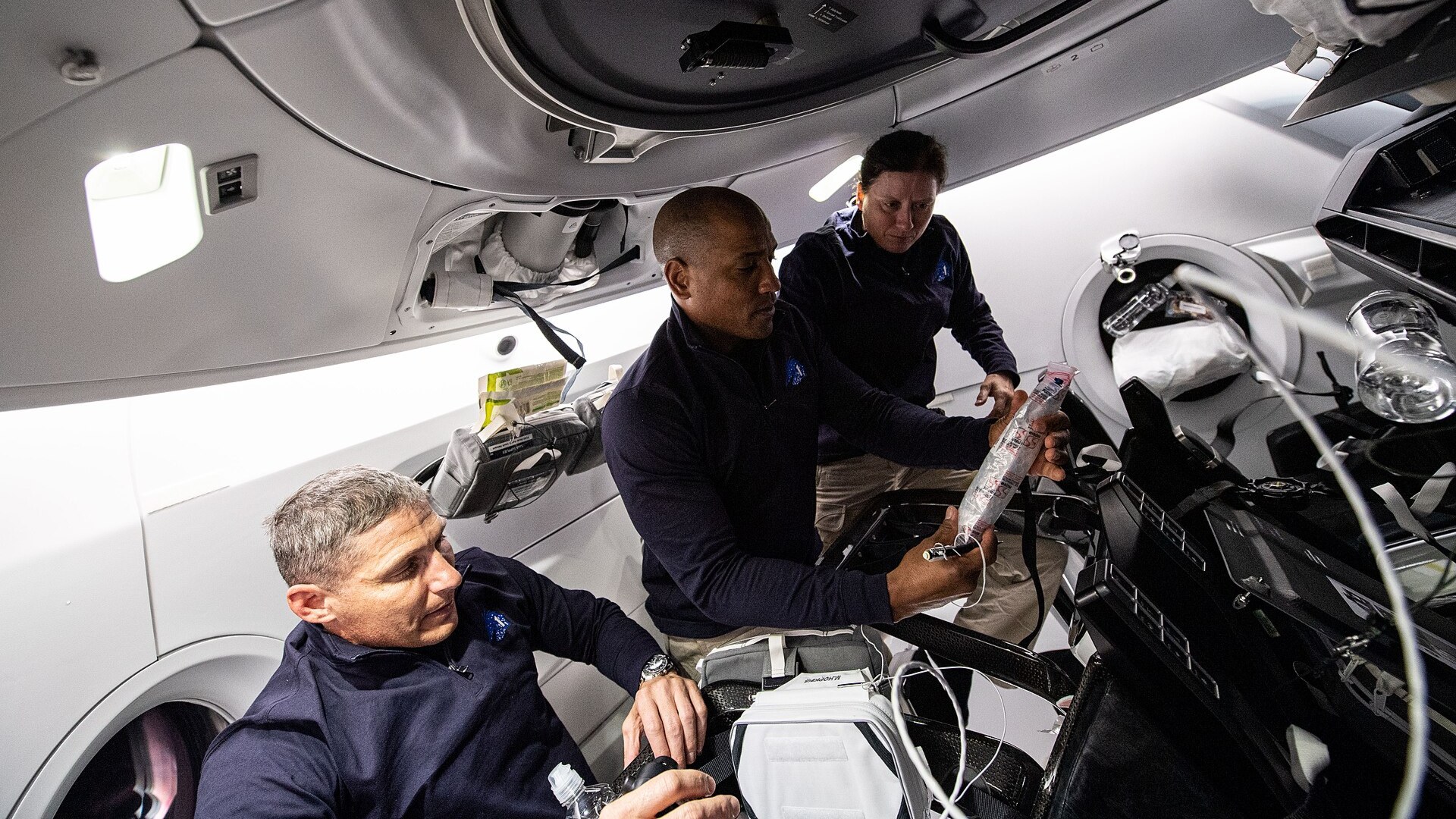
Launched on November 15, 2020, Crew Dragon Resilience carried Michael Hopkins, Victor Glover, Shannon Walker and JAXA's Soichi Noguchi to orbit. The 167-day mission marked NASA's transition from test flights to routine commercial station rotations.
©Wikimedia / NASA
5. Transporter-1 Rideshare (2021)
On January 24, 2021, SpaceX's first dedicated smallsat rideshare flight placed 143 spacecraft into sun-synchronous orbit. Surpassing India's 2017 mark of 104 satellites, Transporter-1 turned bulk rideshares into a regular orbital bus service.
©Wikimedia / U.S. Space Force photo by Airman First Class Tho
4. NASA DART Mission Launch (2021)
Lifting off from Vandenberg Space Force Base on November 23, 2021, a Falcon 9 sent NASA's Double Asteroid Redirection Test spacecraft into interplanetary space. Ten months later, DART struck the moonlet Dimorphos and measurably shifted its orbit.
©Wikimedia / Bill Ingalls
Advertisement
Swipe or tap ▶ to resume the countdown.
3. Starship First Full-Stack Test (2023)
Standing roughly 120 meters tall at Starbase in Texas, Ship 24 and Booster 7 lifted off together on April 20, 2023. Although flight termination ended the test four minutes in, clearing the tower validated the massive 33-engine Raptor cluster.
©Wikimedia / Mobilus In Mobili
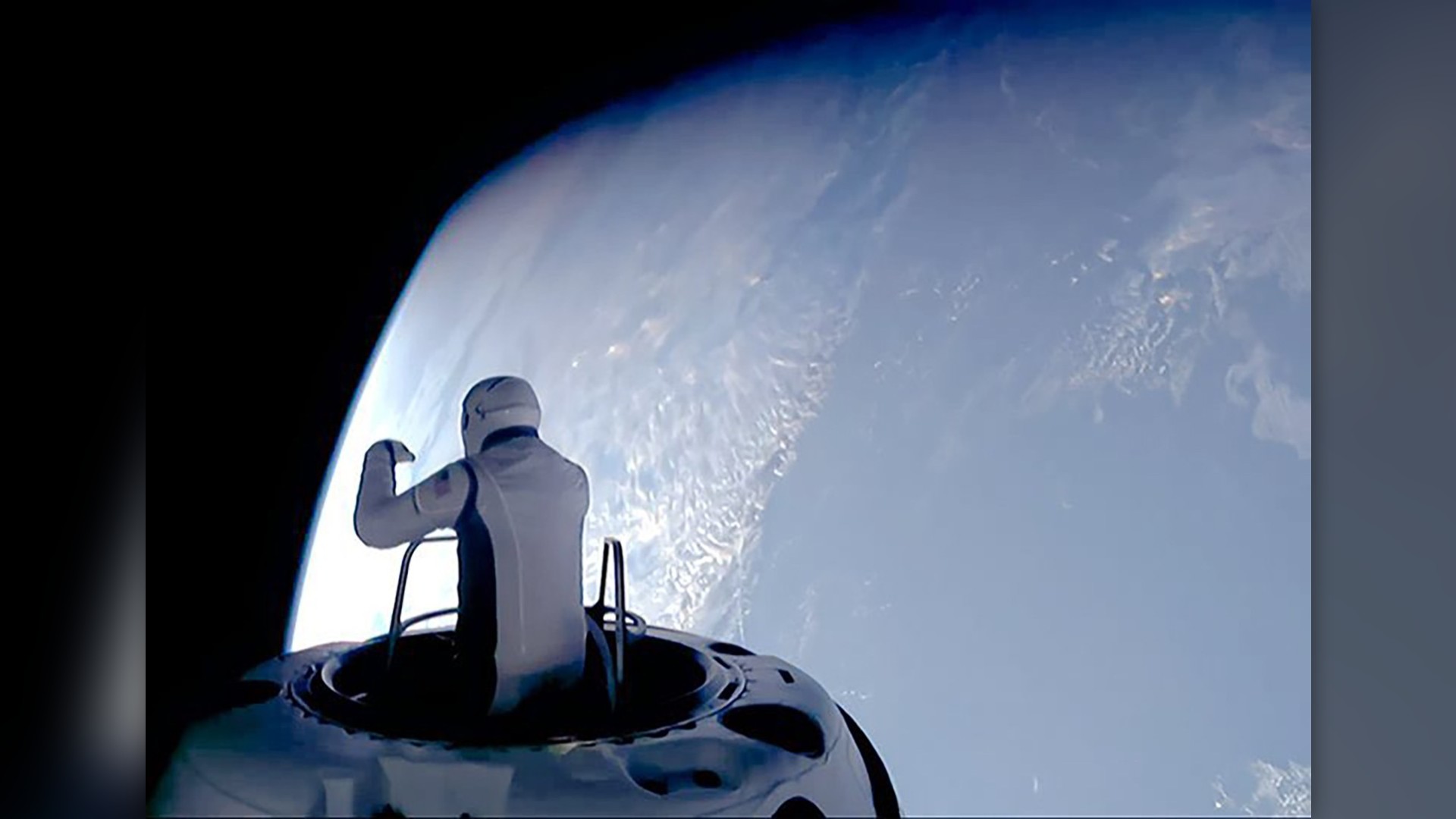
2. Polaris Dawn Spacewalk (2024)
In September 2024, Polaris Dawn climbed to 1,400 kilometers above Earth, the highest crewed orbit since the Apollo era. Wearing SpaceX-built EVA suits, Jared Isaacman and Sarah Gillis exited Crew Dragon Resilience for history's first commercial spacewalk.
©Wikimedia / SpaceX
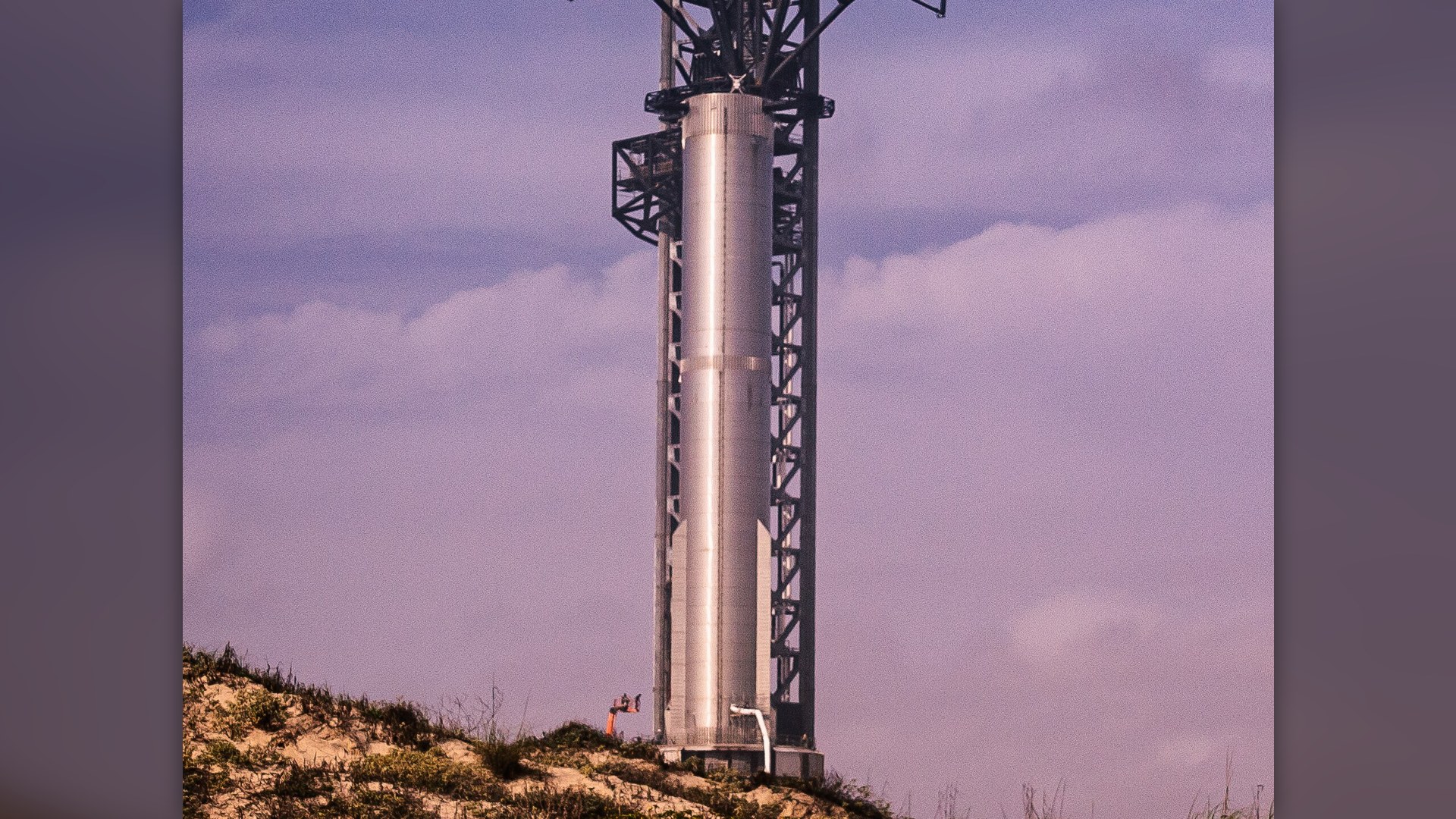
1. Starship Flight 5 Booster Catch (2024)
On October 13, 2024, Super Heavy Booster 12 returned to Starbase seven minutes after launching Starship Flight 5. Relighting its Raptor engines, the 71-meter booster hovered and settled cleanly into the launch tower's giant arms on the first try.

©Wikimedia / Steve Jurvetson from Los Altos, USA
Advertisement
You've reached the end of the story. Thanks for reading!

25 Historic NASA Apollo Photos From Launch to the Lunar Surface
From November 1967 to December 1972, NASA crews carried Hasselblad cameras across nearly 384,000 kilometers of space to document every stage of Project Apollo. Drawing on NASA mission archives, Johnson Space Center logs, and Smithsonian records, these 25 frames capture launches, lunar walks, and crises.
All 22 Entries in this Story
22. Falcon 1 Flight 4 (2008)
After three straight launch failures, SpaceX launched Falcon 1 Flight 4 from Omelek Island on September 28, 2008. Carrying a 165-kilogram mass simulator, the rocket reached orbit and saved the young company from running out of money.

21. Falcon 9 Maiden Flight (2010)
On June 4, 2010, nine Merlin 1C engines powered Falcon 9 off Cape Canaveral's Pad 40 for the first time. Carrying a Dragon qualification unit into orbit, the flight introduced the booster architecture that later dominated global launch.

20. Dragon COTS Demo-1 Recovery (2010)
Launched on December 8, 2010 under NASA's Commercial Orbital Transportation Services program, Dragon completed nearly two orbits. Its Pacific splashdown proved a private company could build, fly and bring back a spacecraft intact from orbit.

19. Dragon COTS-2 ISS Berthing (2012)
On May 25, 2012, astronaut Don Pettit used the station's Canadarm2 robotic arm to capture the Dragon C2+ cargo capsule. Delivering supplies to Expedition 31, SpaceX became the first private company to visit the International Space Station.

18. Grasshopper VTVL Tests (2012)
Between September 2012 and October 2013 in McGregor, Texas, the Grasshopper test vehicle completed eight vertical takeoff and landing hops. Peaking at 744 meters in altitude, it taught SpaceX engineers how to hover and steer a booster down upright.

17. Falcon 9 SES-8 Launch (2013)
On December 3, 2013, the upgraded Falcon 9 v1.1 carried the 3,170-kilogram SES-8 broadcast satellite into geostationary transfer orbit. That mission broke a long-standing commercial launch duopoly and opened high-energy telecom contracts.

16. CRS-5 Drone Ship Attempt (2015)
On January 10, 2015, after launching cargo to the ISS, Falcon 9 targeted the autonomous barge Just Read the Instructions in the Atlantic. Hydraulic fluid for its grid fins ran dry seconds before touchdown, yet hitting the deck proved pinpoint targeting worked.

15. Orbcomm-2 Booster Landing (2015)
Minutes after lofting 11 Orbcomm satellites on December 21, 2015, Falcon 9 booster B1019 fired its engines and touched down softly at Landing Zone 1 in Florida. It was history's first vertical recovery of a booster that had sent payloads to orbit.

14. CRS-8 Drone Ship Landing (2016)
On April 8, 2016, booster B1021 landed upright on the drone ship Of Course I Still Love You in the Atlantic Ocean after launching Dragon CRS-8. Sea landings let Falcon 9 recover boosters even on faster flights without enough fuel to fly back to shore.

13. SES-10 Booster Reflight (2017)
On March 30, 2017, SpaceX rolled out booster B1021, the same stage recovered on CRS-8, to launch the SES-10 satellite from Pad 39A. After separating, the flight-proven stage landed safely at sea again, turning rocket reuse from theory into routine.

12. Falcon Heavy Maiden Flight (2018)
On February 6, 2018, Falcon Heavy lifted off from Pad 39A carrying a cherry-red Tesla Roadster toward Mars orbit. Minutes later, its two side boosters executed synchronized sonic booms and touched down side by side at Cape Canaveral.

11. Falcon 9 Block 5 Debut (2018)
Launching Bangladesh's Bangabandhu-1 satellite on May 11, 2018, Falcon 9 Block 5 debuted titanium grid fins, upgraded Merlin engines and reusable thermal shielding. Block 5 became the backbone of SpaceX's fleet, later exceeding 20 flights per booster.

10. Crew Dragon Demo-1 Docking (2019)
Launched on March 2, 2019, Crew Dragon arrived at the International Space Station the next day without astronauts onboard. Carrying a sensor-packed mannequin named Ripley, it became the first U.S. commercial crew capsule to dock autonomously.

9. First 60 Starlink Satellites (2019)
On May 23, 2019, SpaceX packed 60 flat-panel Starlink satellites totaling 13.6 metric tons inside one Falcon 9 fairing. Their bright orbital train marked the start of SpaceX's satellite internet network and drove launch rates to record highs.

8. Crew Dragon In-Flight Abort (2020)
On January 19, 2020, SpaceX intentionally terminated a Falcon 9 at supersonic speed shortly after liftoff from Pad 39A. Crew Dragon's eight SuperDraco engines fired instantly, blasting the capsule clear to a safe Atlantic parachute splashdown.

7. Crew Dragon Demo-2 Flight (2020)
On May 30, 2020, NASA astronauts Bob Behnken and Doug Hurley lifted off atop Falcon 9 inside Crew Dragon Endeavour. Their two-month stay on the ISS restored American orbital crew launches nine years after the Space Shuttle program ended.

6. Crew-1 Operational Mission (2020)
Launched on November 15, 2020, Crew Dragon Resilience carried Michael Hopkins, Victor Glover, Shannon Walker and JAXA's Soichi Noguchi to orbit. The 167-day mission marked NASA's transition from test flights to routine commercial station rotations.

5. Transporter-1 Rideshare (2021)
On January 24, 2021, SpaceX's first dedicated smallsat rideshare flight placed 143 spacecraft into sun-synchronous orbit. Surpassing India's 2017 mark of 104 satellites, Transporter-1 turned bulk rideshares into a regular orbital bus service.

4. NASA DART Mission Launch (2021)
Lifting off from Vandenberg Space Force Base on November 23, 2021, a Falcon 9 sent NASA's Double Asteroid Redirection Test spacecraft into interplanetary space. Ten months later, DART struck the moonlet Dimorphos and measurably shifted its orbit.

3. Starship First Full-Stack Test (2023)
Standing roughly 120 meters tall at Starbase in Texas, Ship 24 and Booster 7 lifted off together on April 20, 2023. Although flight termination ended the test four minutes in, clearing the tower validated the massive 33-engine Raptor cluster.

2. Polaris Dawn Spacewalk (2024)
In September 2024, Polaris Dawn climbed to 1,400 kilometers above Earth, the highest crewed orbit since the Apollo era. Wearing SpaceX-built EVA suits, Jared Isaacman and Sarah Gillis exited Crew Dragon Resilience for history's first commercial spacewalk.

1. Starship Flight 5 Booster Catch (2024)
On October 13, 2024, Super Heavy Booster 12 returned to Starbase seven minutes after launching Starship Flight 5. Relighting its Raptor engines, the 71-meter booster hovered and settled cleanly into the launch tower's giant arms on the first try.