Slideshow · Viral
22 Wildflowers That Turn Ordinary Fields Into Colorful Landscapes
Wildflowers that turn ordinary fields into colorful landscapes transform vast rural prairies into sweeping natural displays every spring. Across rolling pastures and mountain meadows, native species blanket dry earth in golden yellow, deep purple, and vivid crimson, sustaining local pollinators and protecting topsoil.
By Most Viral Today
6 min ago

Explore the brilliant native blossoms that bring ordinary plains to life 
22. California Poppy 
21. Bluebonnet 
20. Common Poppy - AdvertisementSwipe or tap ▶ to continue countdown

19. Indian Paintbrush 
18. Purple Coneflower 
17. Fireweed 
16. Black-Eyed Susan - AdvertisementSwipe or tap ▶ to continue countdown

15. Texas Bluebell 
14. Lupine 
13. Wild Sunflower 
12. Oxeye Daisy - AdvertisementSwipe or tap ▶ to continue countdown

11. Cornflower 
10. Wild Daffodil 
9. Desert Mariposa Lily 
8. Alpine Forget-Me-Not - AdvertisementSwipe or tap ▶ to continue countdown

7. Woodland Bluebell 
6. Meadow Buttercup 
5. Prairie Blazing Star 
4. Red Clover - AdvertisementSwipe or tap ▶ to continue countdown

3. Field Scabious 
2. Common Chamomile 
1. Goldenrod - Advertisement🔥 UP NEXT IN THIS SERIES◫ 23 Slides

22 Rare Classic Cars That Only True Enthusiasts Recognize
Most drivers recognize a Ferrari or Porsche, yet automotive history hides dozens of small-batch cars built by independent studios. Drawn from manufacturer archives, the Petersen Automotive Museum, and Smithsonian records, this countdown profiles 22 rare models from 1936 to 2001 that reward sharp-eyed spotters.
Wildflowers that turn ordinary fields into colorful landscapes rely on complex root networks and seasonal rainfall. When temperatures climb, vast rural prairies transform into expansive living blankets of color across North America, Europe, and southern Africa. Botanical surveys confirm these blooms stabilize topsoil.
Swipe or tap ▶ to begin the countdown
©Wikimedia / Steffen Bauer ( & Robert Flogaus-Faust
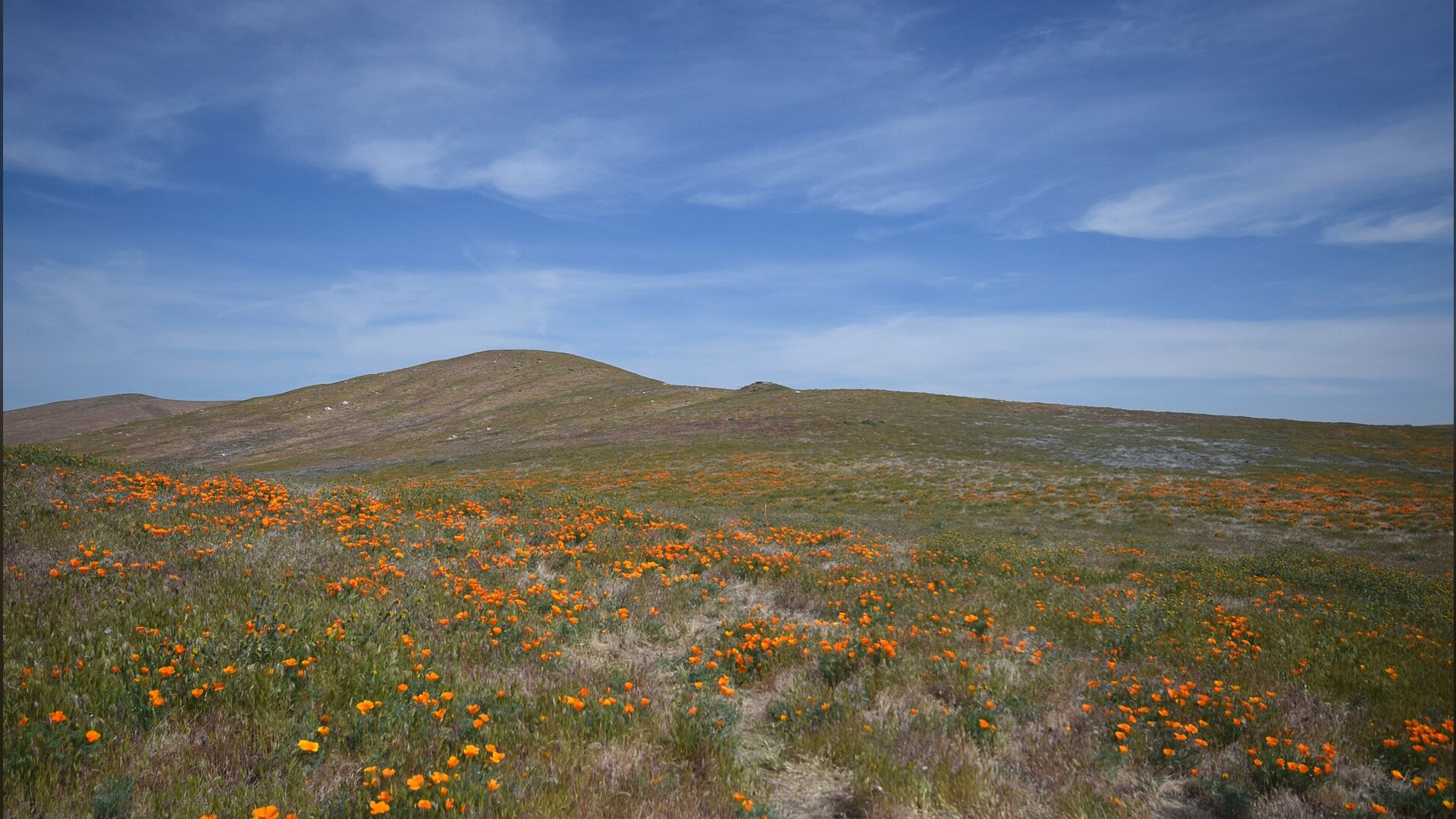
22. California Poppy
California poppy plants carpet western hillsides in brilliant orange and yellow during wet springs. The golden petals open under full sunlight and close tightly at dusk or during chilly wind. Millions of dormant seeds sprout across dry valleys after heavy winter rains, drawing thousands of naturalists.
©Wikimedia / Tracie Hall
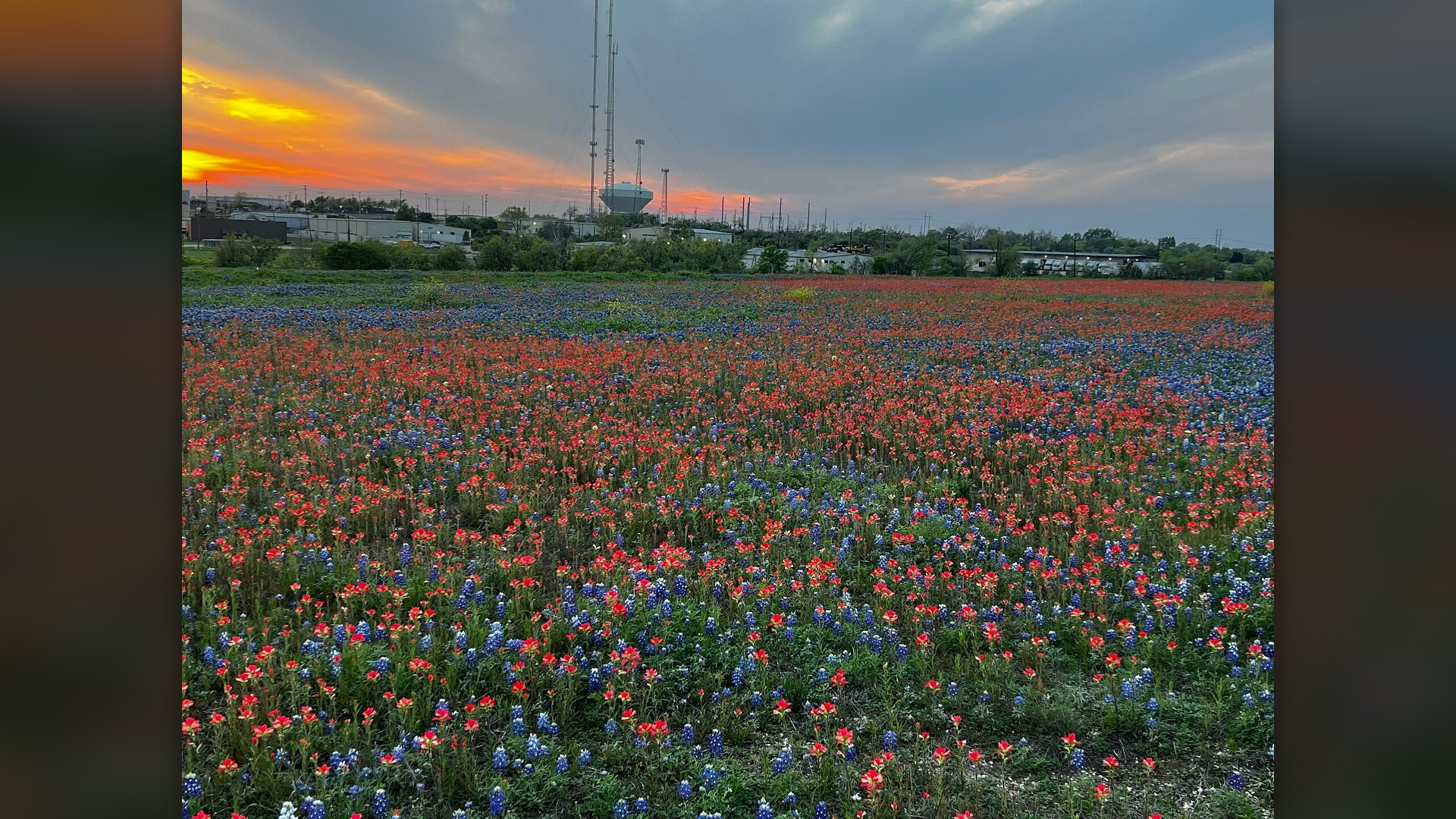
21. Bluebonnet
Bluebonnets carpet central Texas pastures and highway verges every March and April. The distinctive blue spires feature a white peak that turns red after successful insect pollination. Farmers treasure these native legumes because their deep root systems fix nitrogen directly into nutrient poor grassland soil.
©Wikimedia / 8bit12man
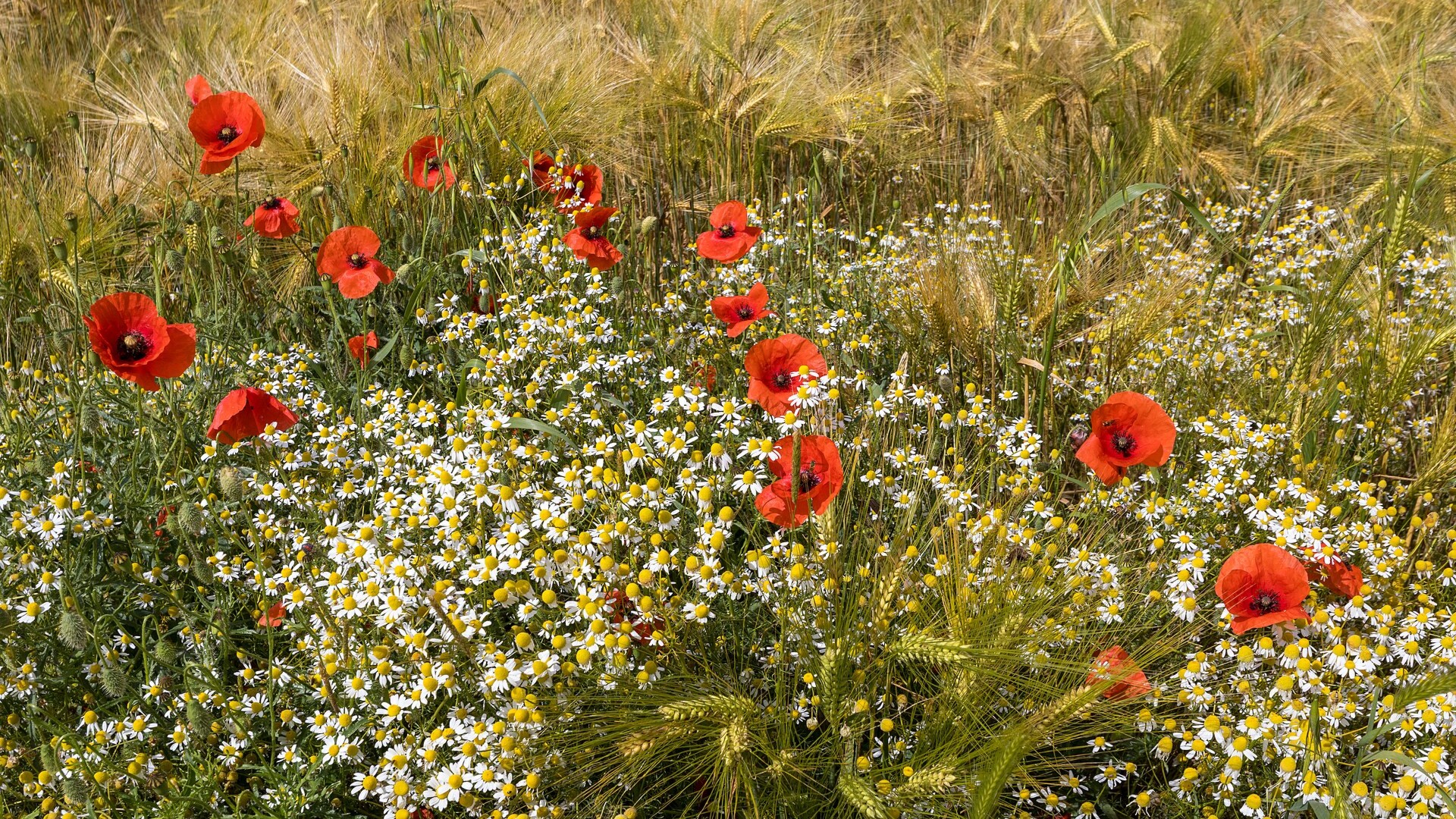
20. Common Poppy
Common red poppies colonize disturbed farming soil across Europe and western Asia every early summer. The vivid scarlet petals surround a dark central seed capsule that contains thousands of seeds. These tough annual plants thrive in chalky meadows and roadside ditches, creating bold crimson washes.
©Wikimedia / JackyM59
Advertisement
Swipe or tap ▶ to resume the countdown.
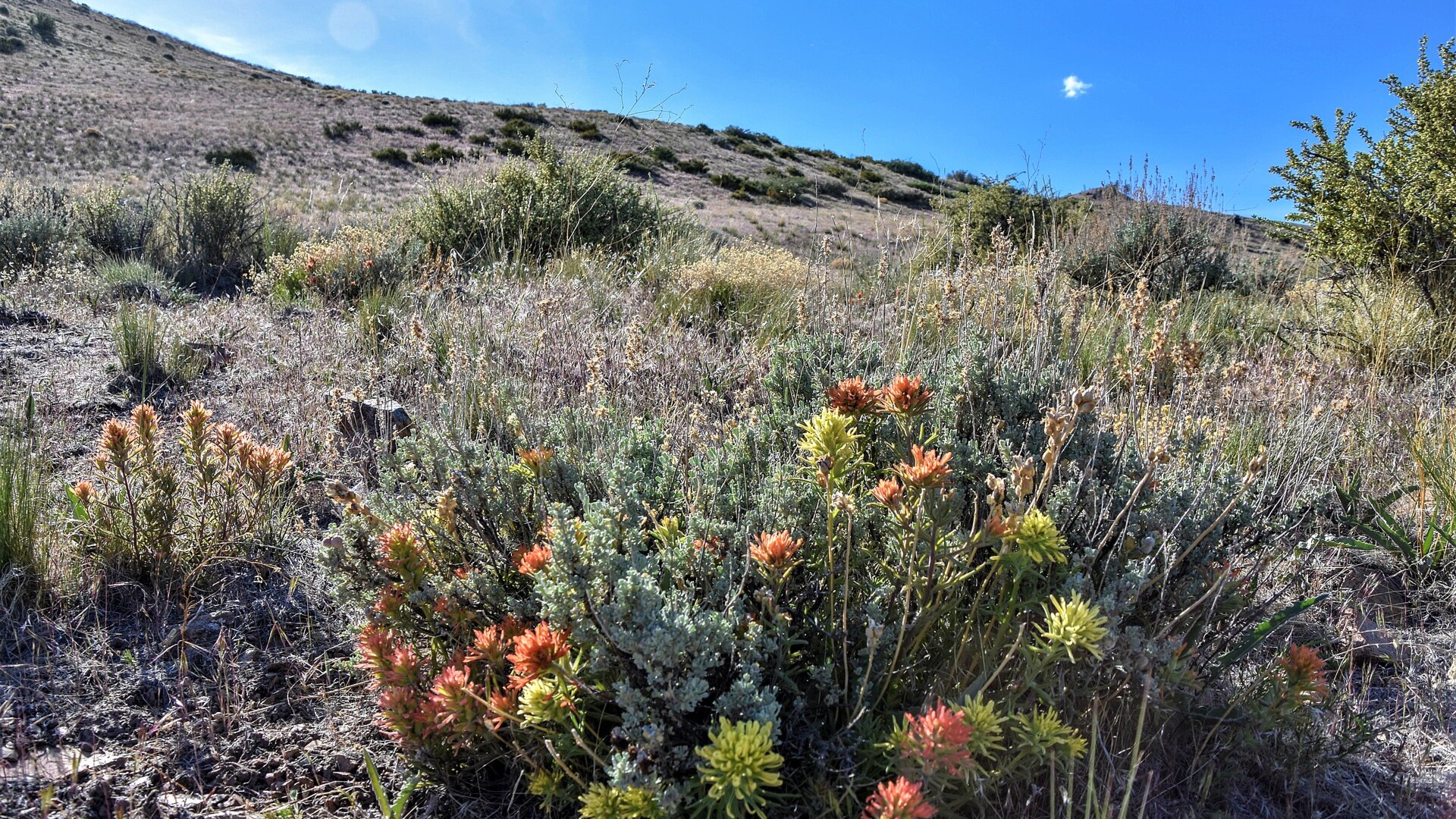
19. Indian Paintbrush
Indian paintbrush displays fiery red and orange bracts that conceal small green flowers underneath. This hemiparasitic plant connects its underground root structures directly to surrounding prairie grasses to absorb water. The scarlet clusters punctuate western open valleys throughout late spring.
©USFWS / USFWS Pacific Southwest Region
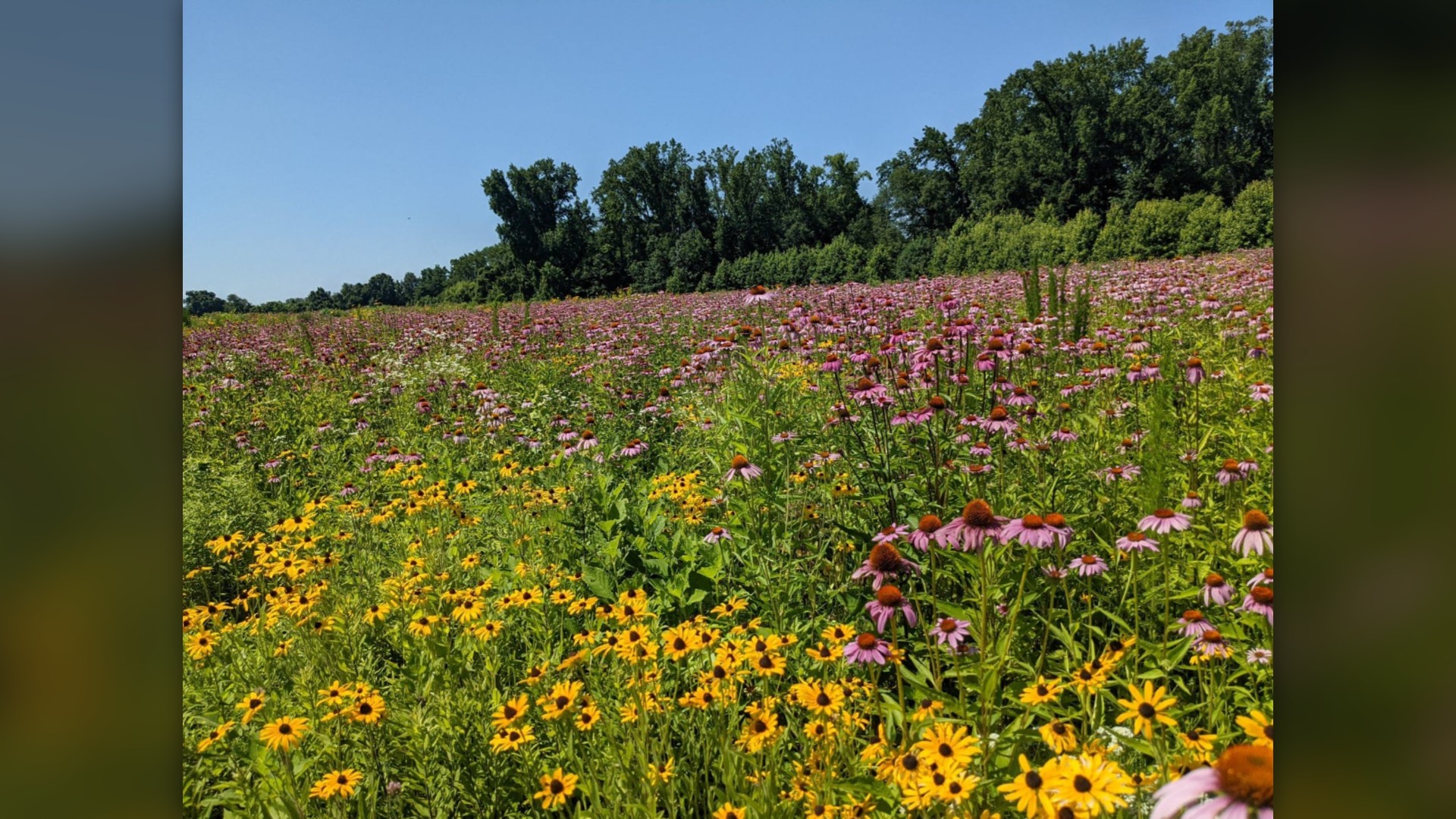
18. Purple Coneflower
Purple coneflowers thrive in central North American grasslands with dome shaped central cones and drooping pink rays. The perennial roots tolerate hot summers, severe drought, and winter freezes. Migrating butterflies and goldfinches feed heavily on the spiky nectar centers through late autumn.
©Wikimedia / T. Calwell, USFWS
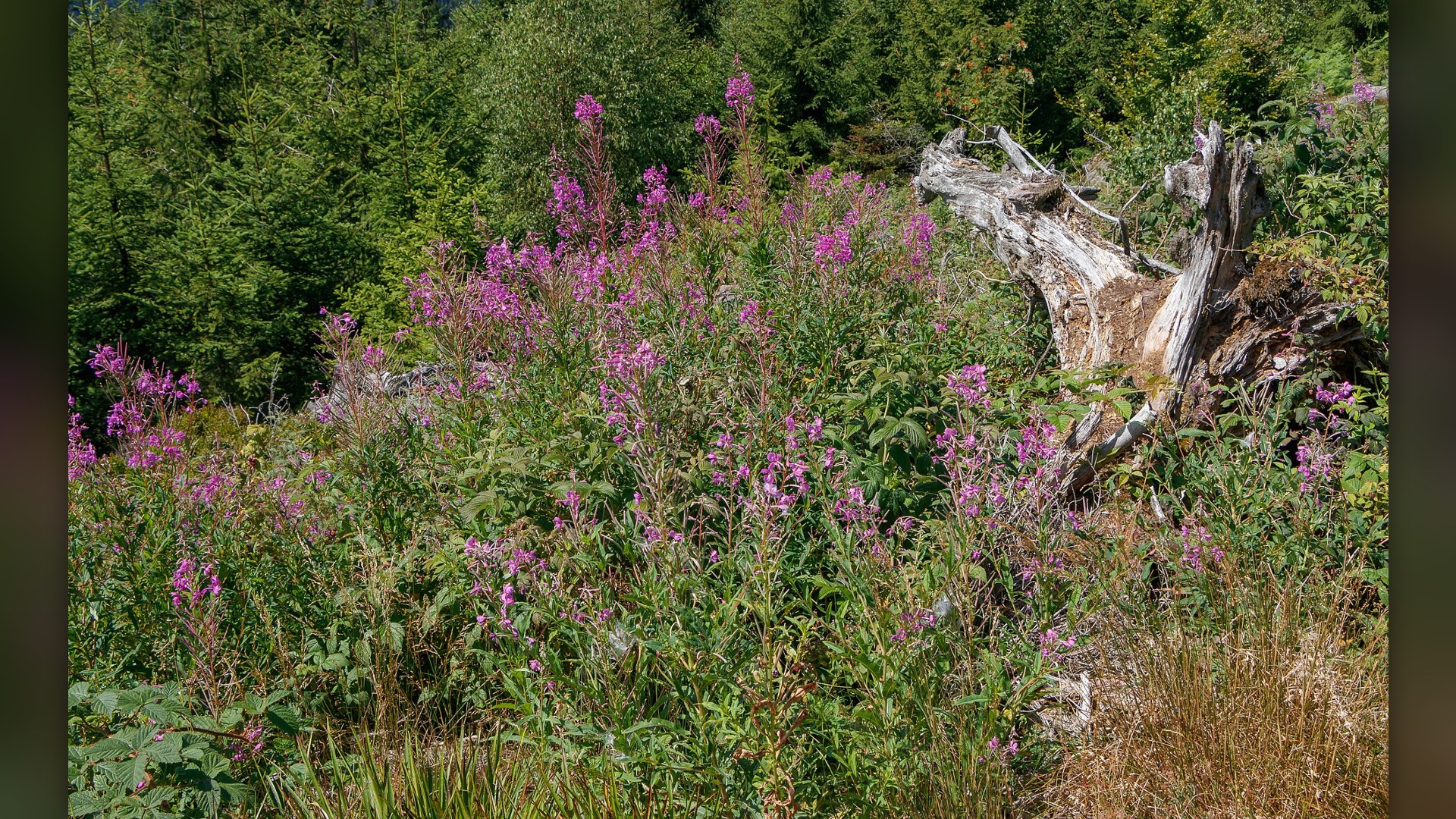
17. Fireweed
Fireweed rapidly colonizes boreal forests and mountain clearings following wildfires or land clearing. Tall magenta flower spikes ascend progressively along slender upright stems during high summer. The light feathery seeds travel long distances on air currents across subarctic and alpine valleys.
©Wikimedia / H. Zell
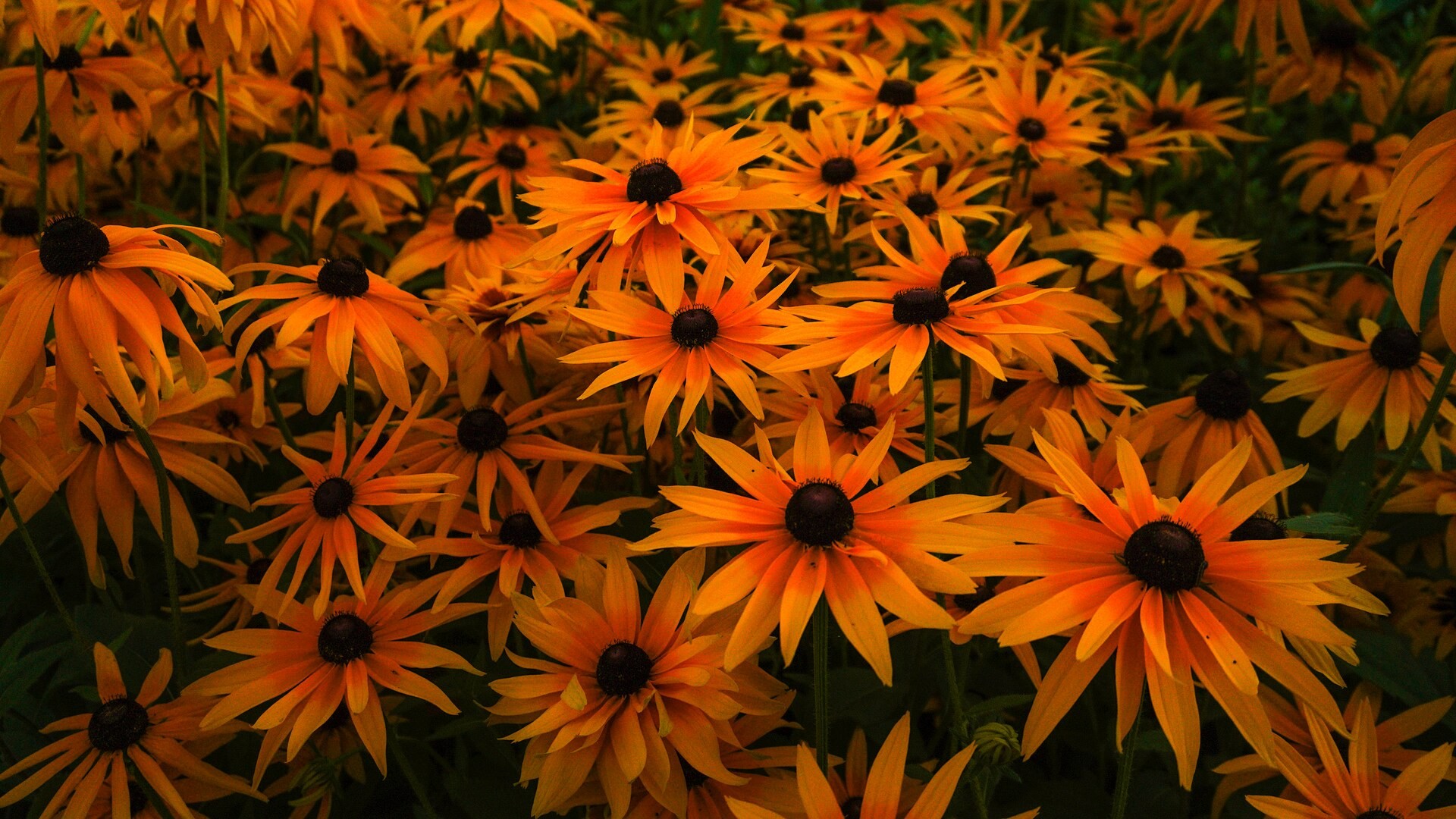
16. Black-Eyed Susan
Black-eyed Susan blooms profusely in open fields, restored prairies, and dry roadsides from June until autumn frost. The bright golden petals surround a prominent dark brown center disc that produces abundant nectar. Native ground nesting bees depend on these flowers for crucial pollen stores.
©Wikimedia / Avg.nobody
Advertisement
Swipe or tap ▶ to resume the countdown.
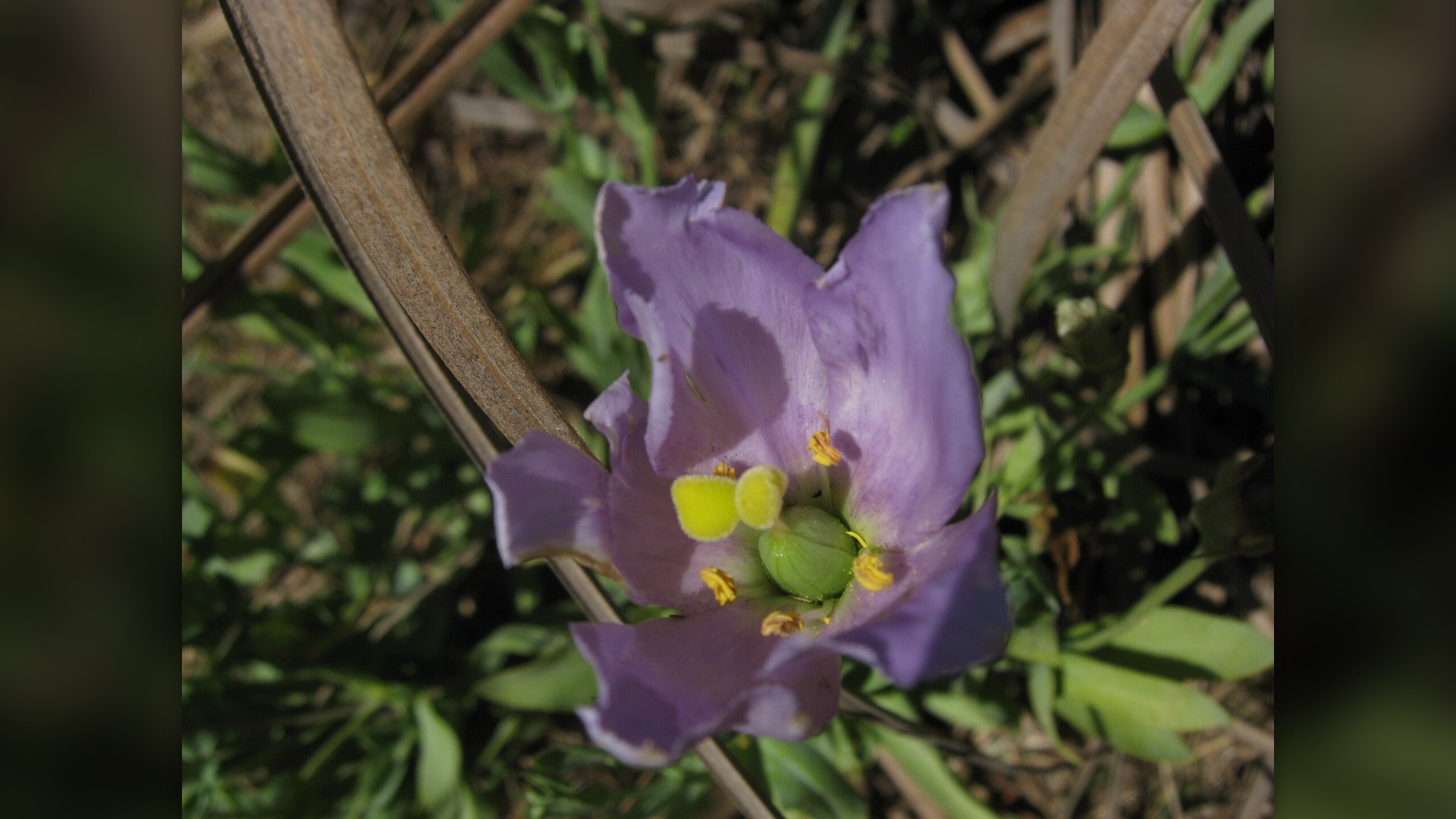
15. Texas Bluebell
Texas bluebells display exquisite bell shaped blossoms in shades of purple, violet, and pale white. The smooth succulent leaves help the plant conserve moisture in sunny southern river basins. Wild populations blanket moist prairie lowlands throughout midsummer before setting capsule seeds.
©Wikimedia / Tyrrhium
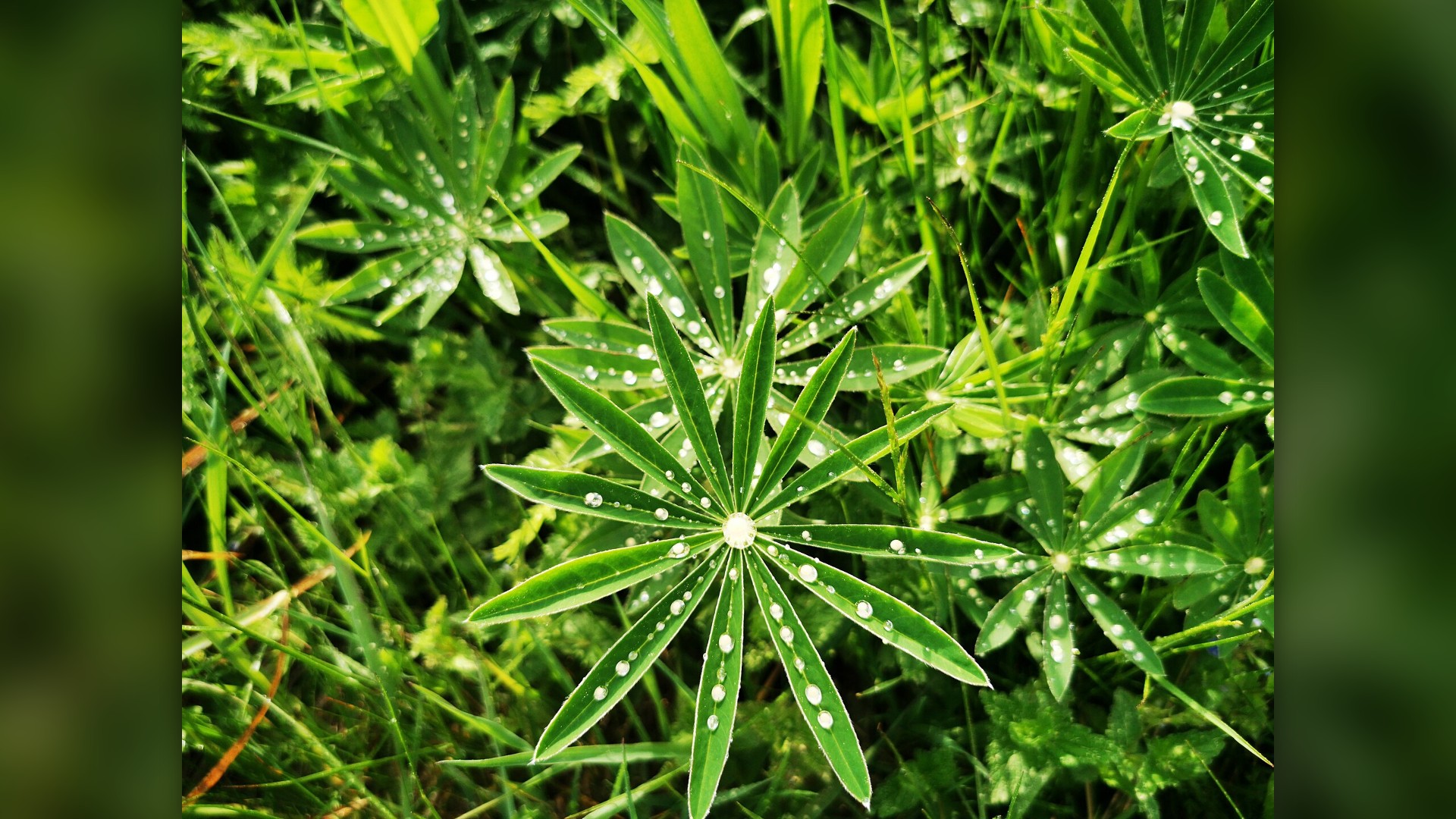
14. Lupine
Lupines produce tall spires of pea-like blossoms that paint subalpine meadows and coastal dunes in royal blue, violet, and pink. Their palmately divided foliage traps morning dew efficiently. Deep taproots allow these hardy perennials to thrive in sandy soils by generating their own organic nitrogen.
©Wikimedia / StanVicS
13. Wild Sunflower
Wild sunflowers stretch across great plains pastures and roadsides, turning wide landscapes bright yellow through midsummer heat. The multiple flower heads follow the daily movement of the sun across open terrain. Deep root systems anchor the stalks firmly against strong central continental prairie winds.
©USFWS / USFWS Mountain-Prairie
12. Oxeye Daisy
Oxeye daisies blanket open pasture lands and upland hay meadows across Europe and North America. Each blossom carries pure white ray petals around a round golden disc. The durable root rhizomes spread outward rapidly across damp grass turf, creating white meadows that shimmer in early morning breezes.
©Wikimedia / Navaneeth Krishnan S
Advertisement
Swipe or tap ▶ to resume the countdown.
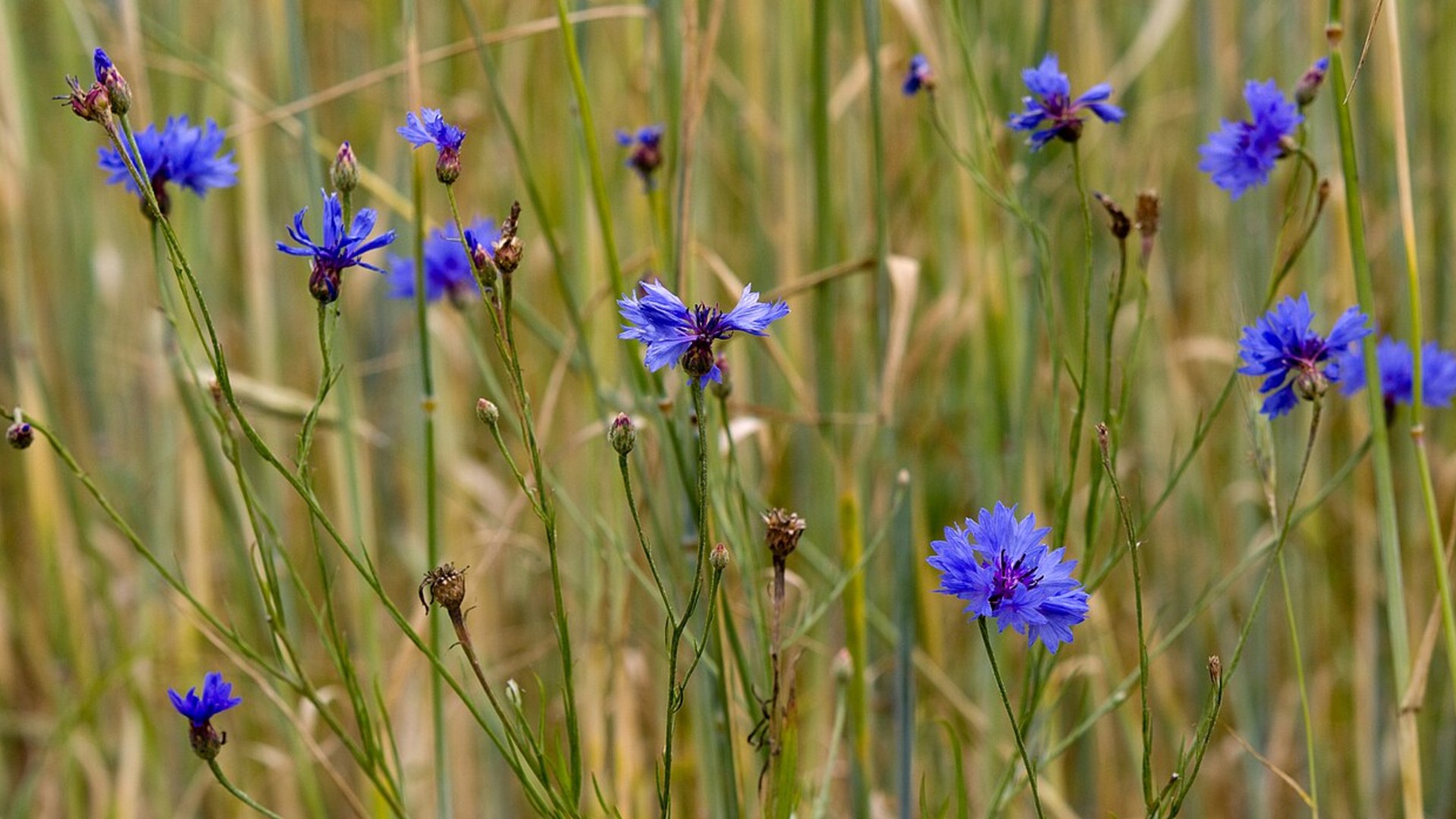
11. Cornflower
Cornflowers display striking azure blue flower heads across traditional arable fields and gravelly riverbanks. Historically abundant in rye and wheat crops, these annuals now grace protected grasslands and meadow edges. The fringed petals attract diverse solitary pollinators and beneficial hoverflies.
©Wikimedia / Tauri Pärna
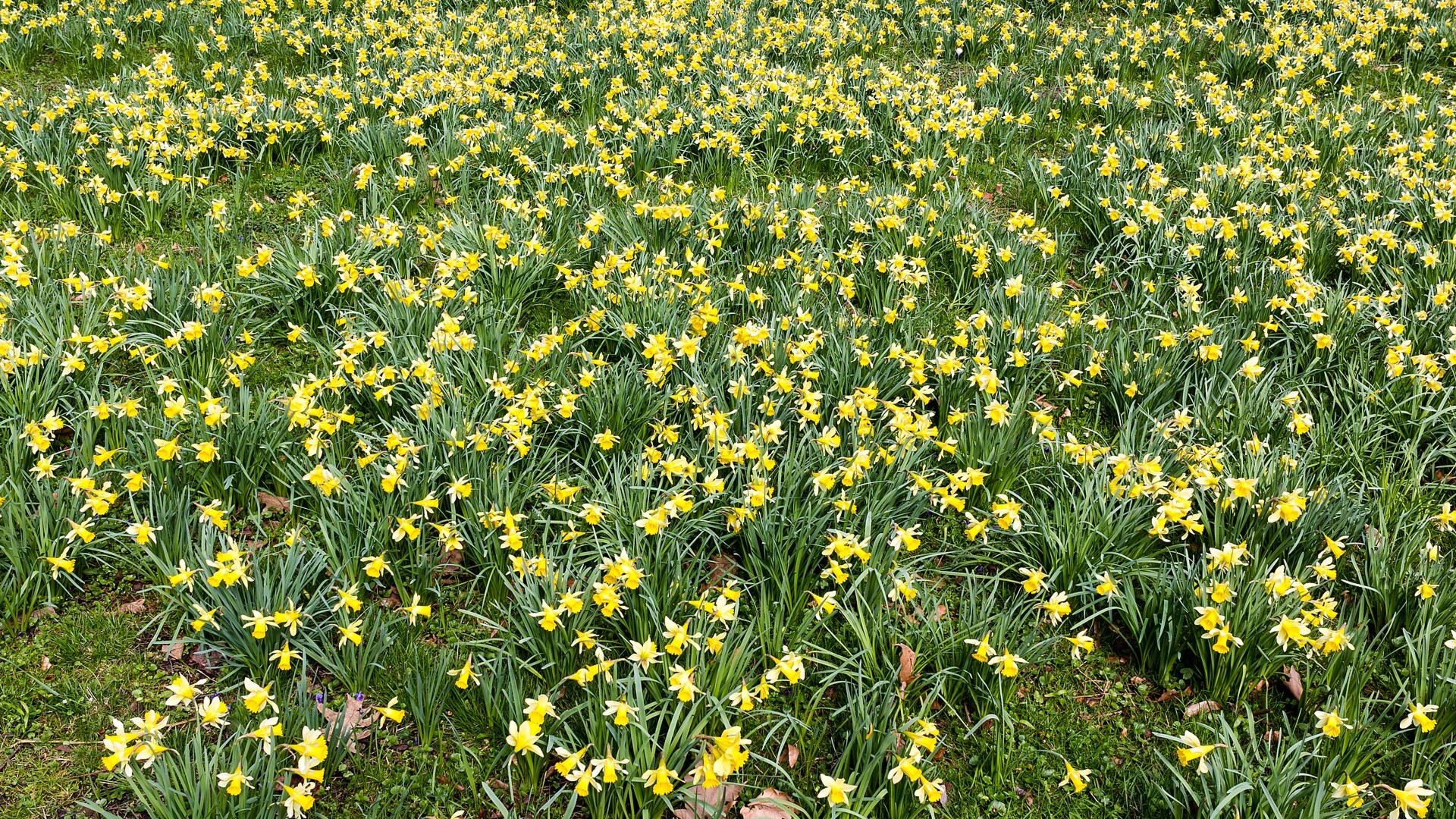
10. Wild Daffodil
Wild daffodils carpet damp upland meadows, stream banks, and ancient woodland glades across western Europe each March. The nodding flowers pair pale yellow petals with a slightly darker central trumpet. Underground bulbs store starch through cold winters, allowing blooms to emerge before tree leaves unfurl.
©Wikimedia / Dietmar Rabich
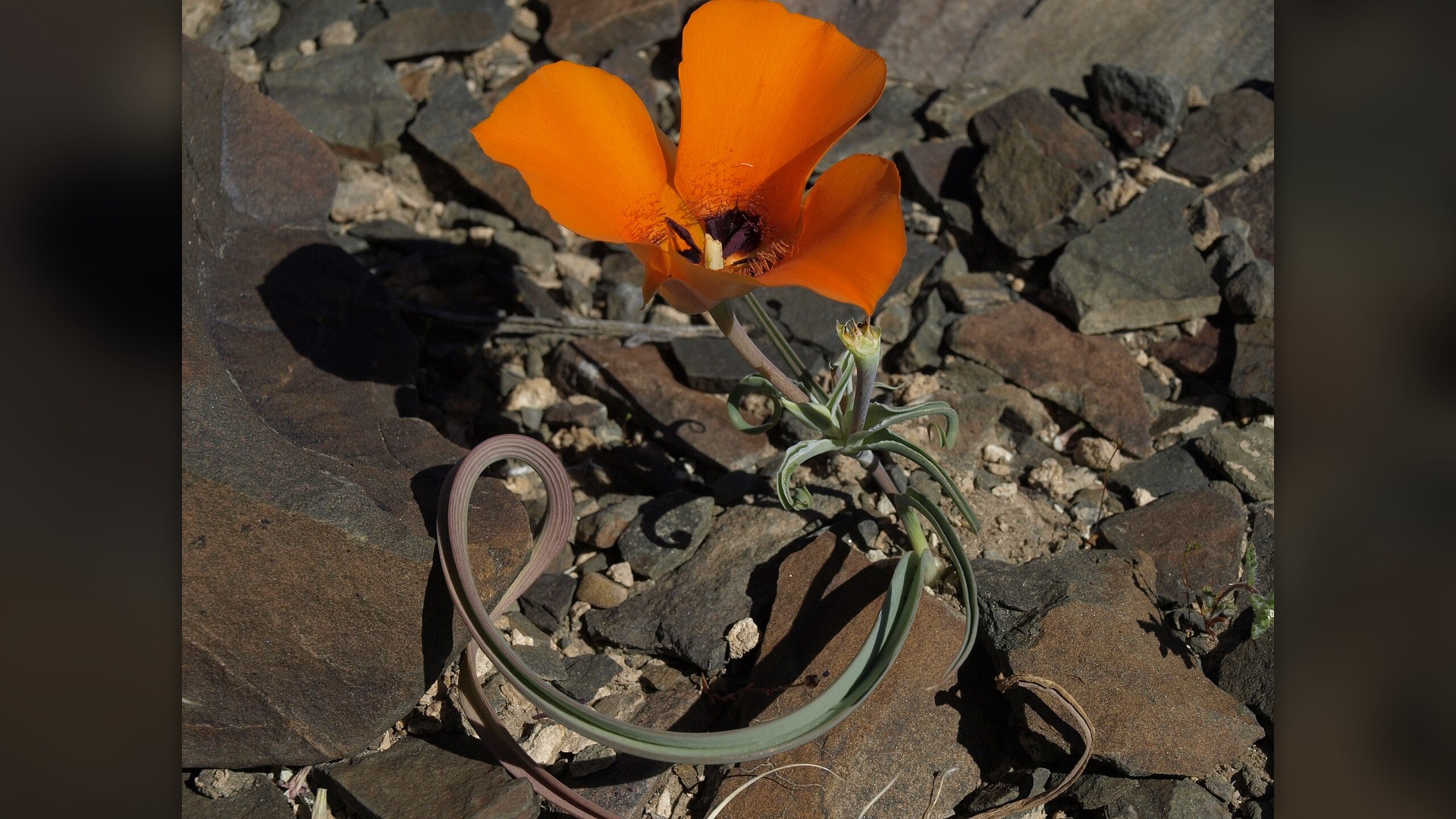
9. Desert Mariposa Lily
Desert mariposa lilies emerge from deep subterranean corms across Mojave and Sonoran desert plains after rare winter rains. The brilliant orange, cup-shaped flowers carry dark spotted markings near the base of each petal. Their brief floral display transforms barren gravel flats into vivid orange fields.
©Wikimedia / Jim Morefield from Nevada, USA
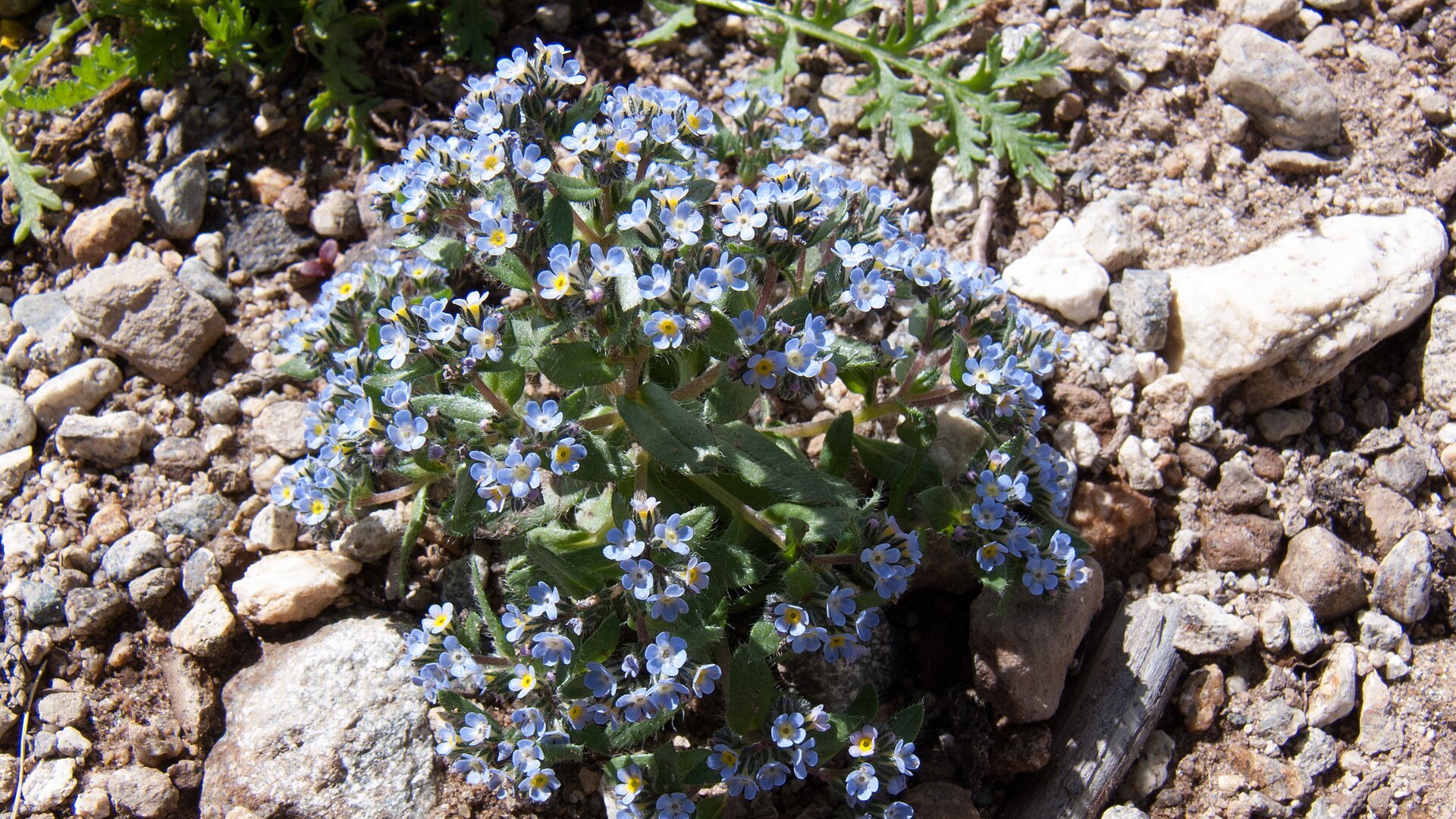
8. Alpine Forget-Me-Not
Alpine forget-me-nots form dense cushioned mats across windswept subalpine ridges and rocky tundra flats. Tiny sky blue flowers with yellow central eyes bloom immediately after mountain snow melts. Dense hairs on the small foliage protect delicate cells from intense high altitude ultraviolet radiation.
©Wikimedia / Asmdorje
Advertisement
Swipe or tap ▶ to resume the countdown.
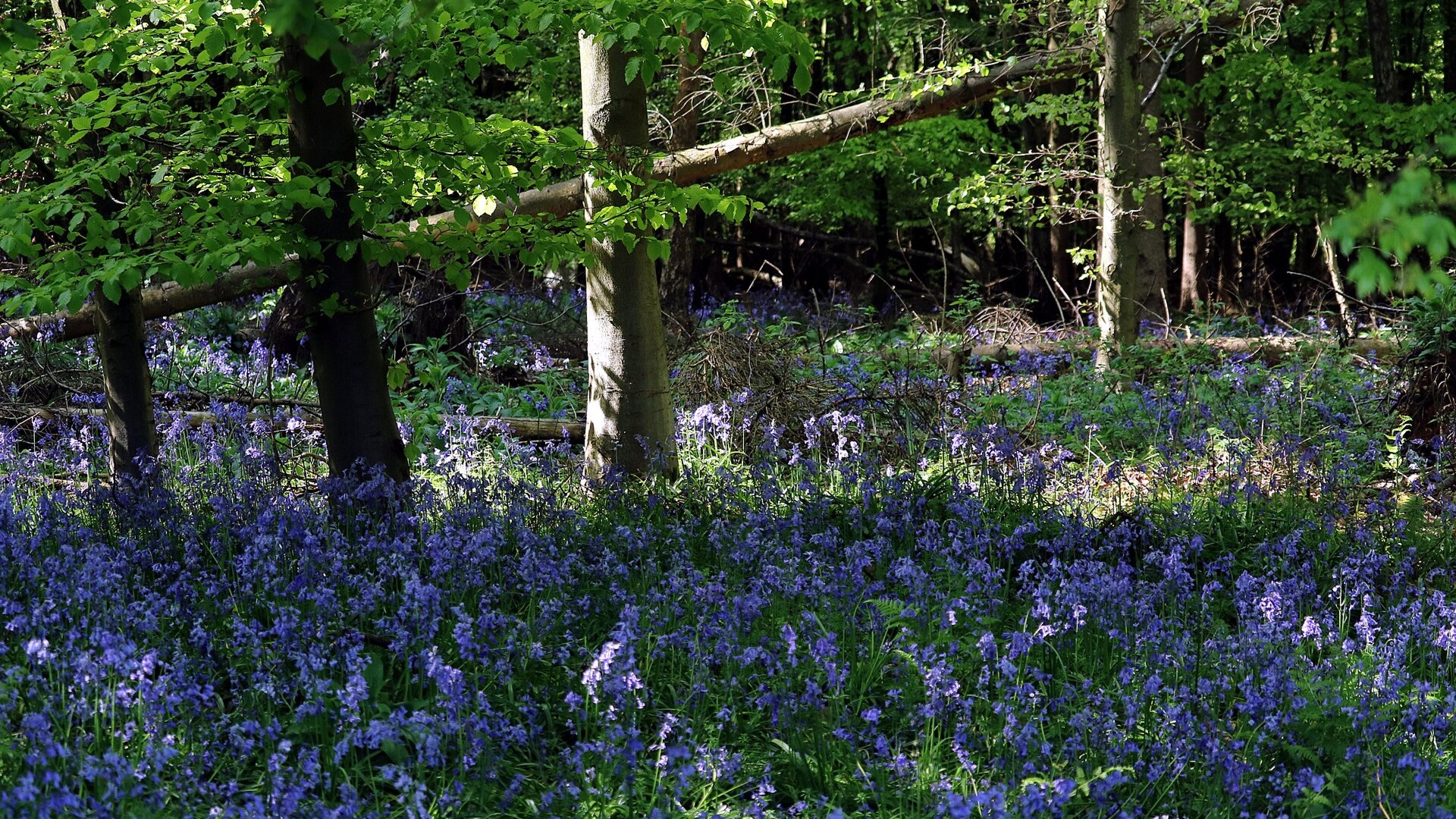
7. Woodland Bluebell
Woodland bluebells paint broad forest floors in deep cobalt and violet across western European deciduous valleys each May. The nodding tubular bells release sweet floral fragrances that drift through oak branches. This spring ephemeral finishes blooming just as dense tree canopies close off direct sunlight.
©Wikimedia / Prosthetic Head
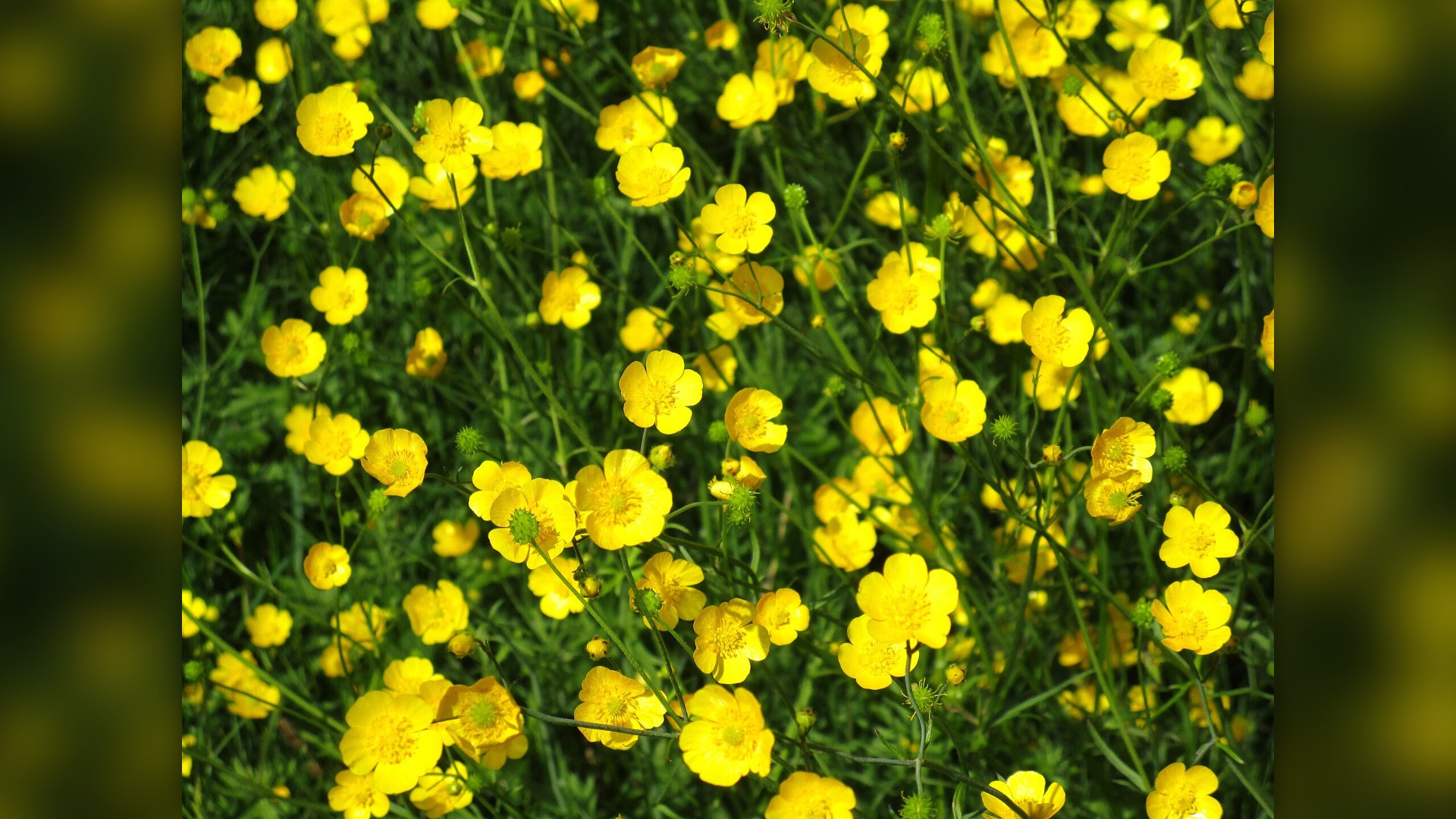
6. Meadow Buttercup
Meadow buttercups dominate moist grasslands, river plains, and hayfields throughout temperate regions. The glossy petals possess a specialized cellular layer beneath their yellow pigment that reflects sunlight like polished mirrors. Livestock avoid grazing them, allowing vast colonies to spread undisturbed.
©Wikimedia / W.carter
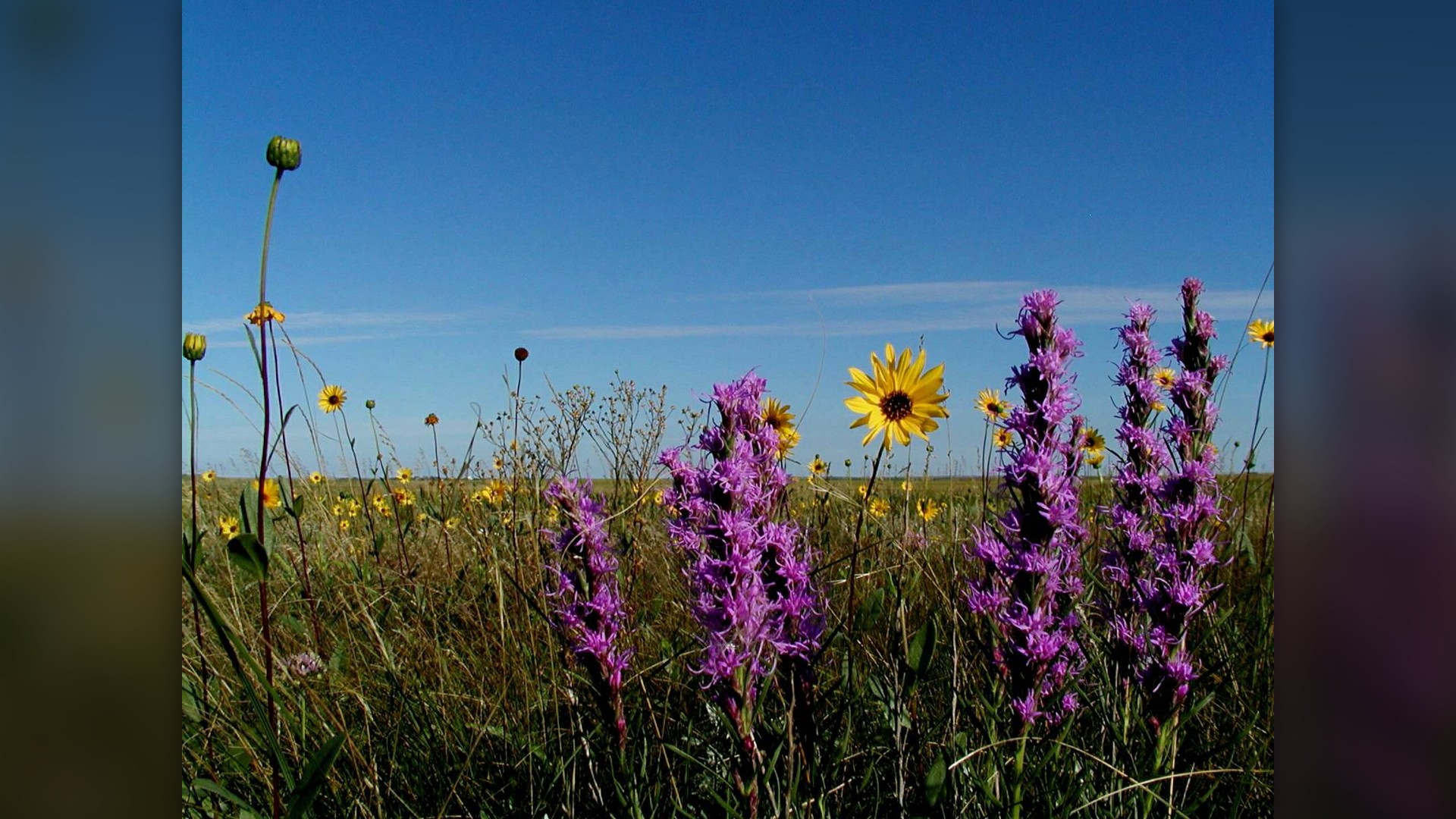
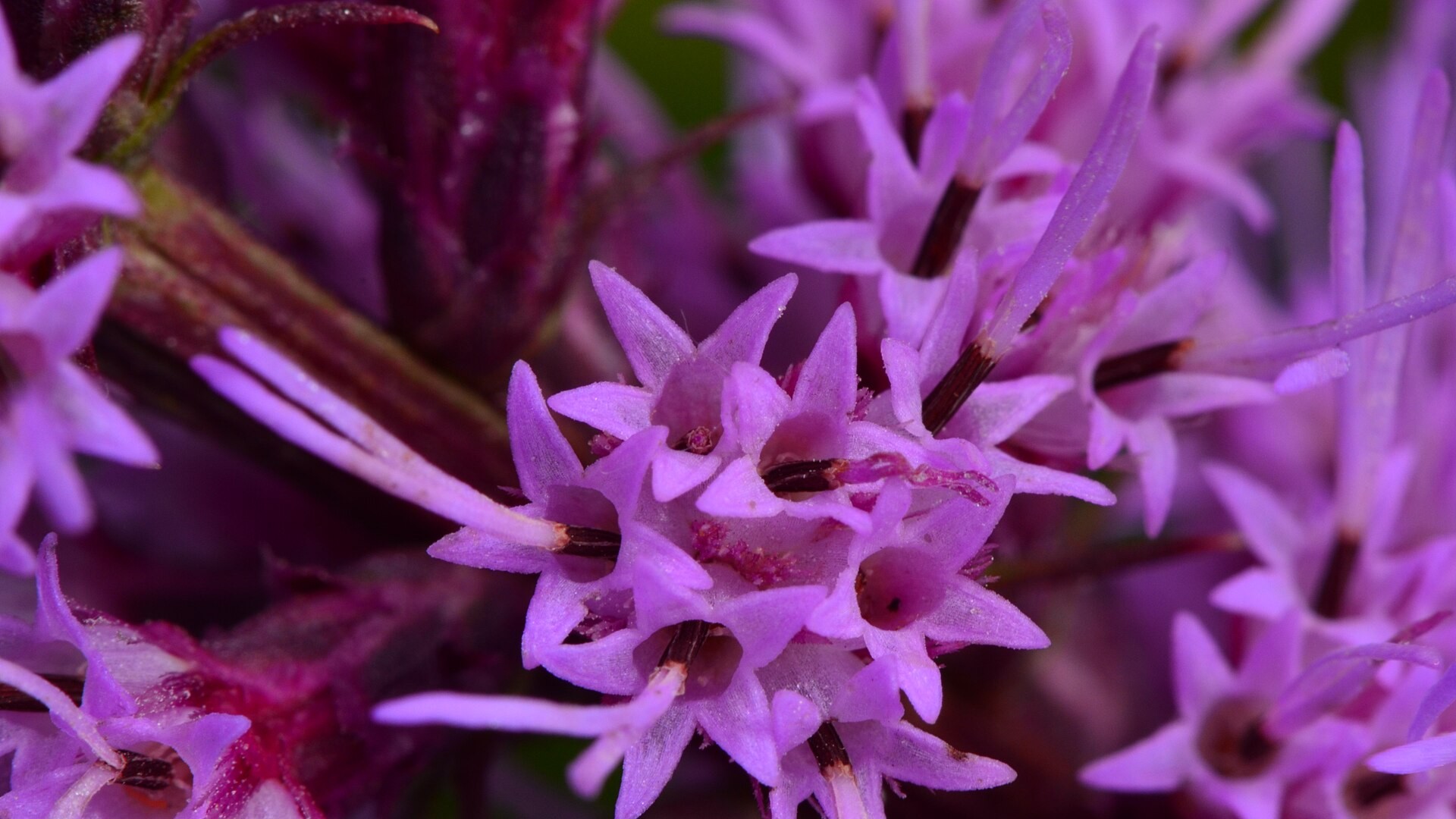
5. Prairie Blazing Star
Prairie blazing star produces tall upright spikes packed with fuzzy purple florets across central American plains. Uniquely, the flower spikes open from the top downward over several weeks in late summer. Monarch butterflies gather on the nectar-rich flower heads during their southward continental migration.
©Wikimedia / wackybadger
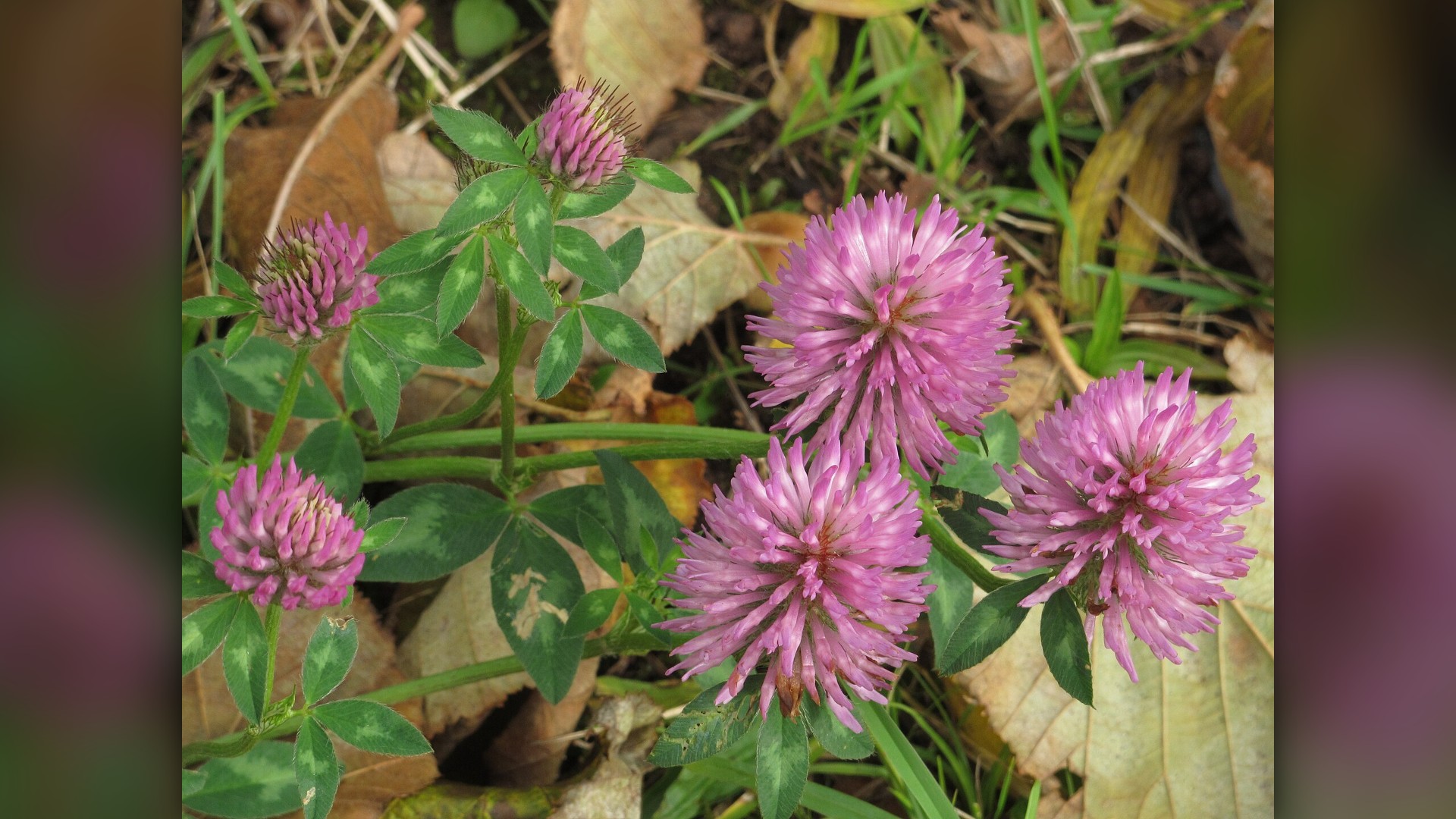
4. Red Clover
Red clover blankets agricultural meadows and rural roadsides with spherical clusters of aromatic pink and magenta florets. Bumblebees visit the nectar tubes to assist cross pollination. As a legume, the perennial plant enriches open soil with nitrogen while providing vital summer forage across pastures.
©Wikimedia / Robert Flogaus-Faust
Advertisement
Swipe or tap ▶ to resume the countdown.
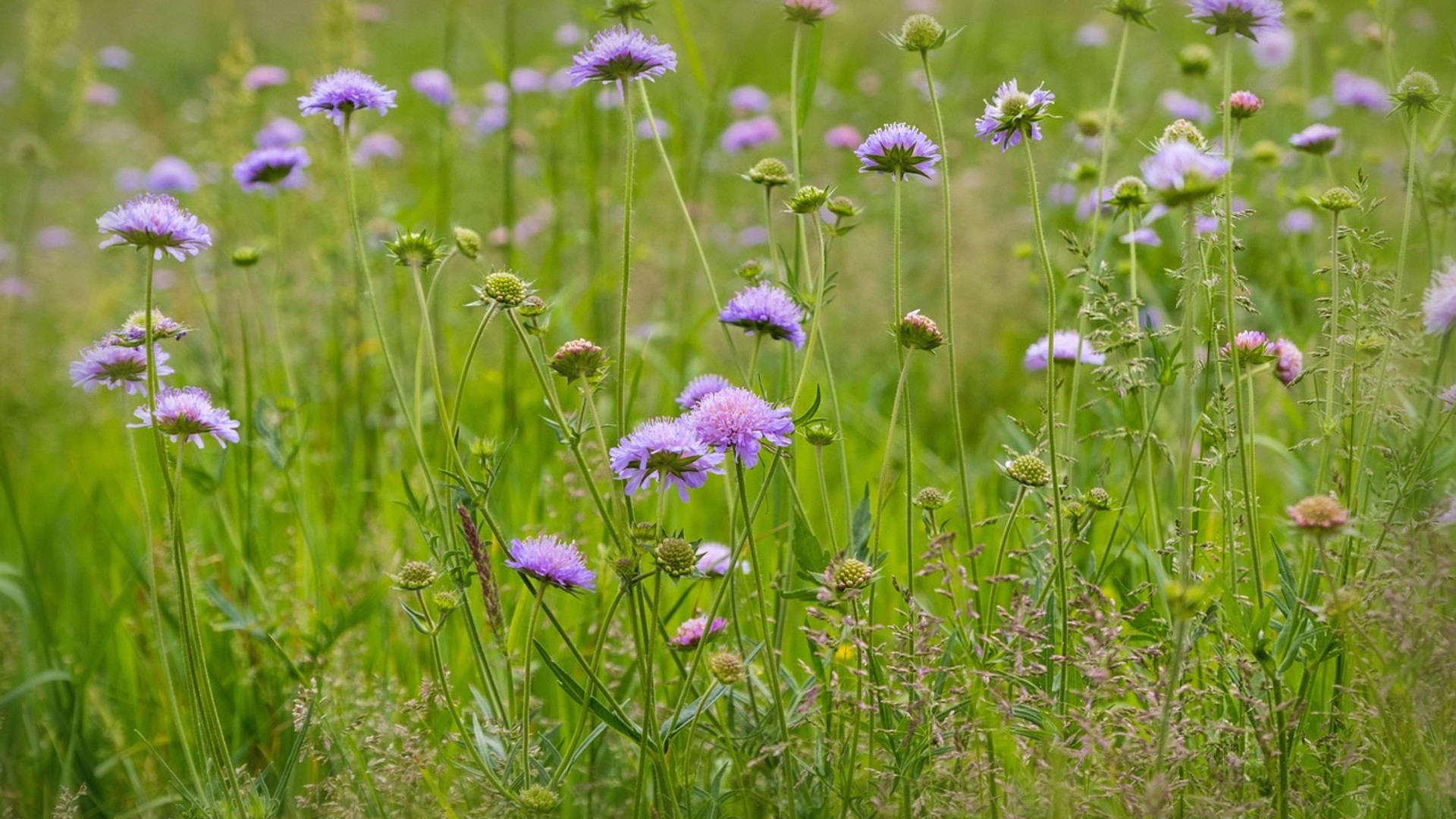
3. Field Scabious
Field scabious produces dome shaped lilac blue flower heads that resemble delicate pincushions on chalky grassland slopes. The flower heads provide a constant landing platform for colorful butterflies and beetles. Sturdy hairy stems allow the blossoms to withstand strong open prairie breezes.
©Pixabay / NickyPe
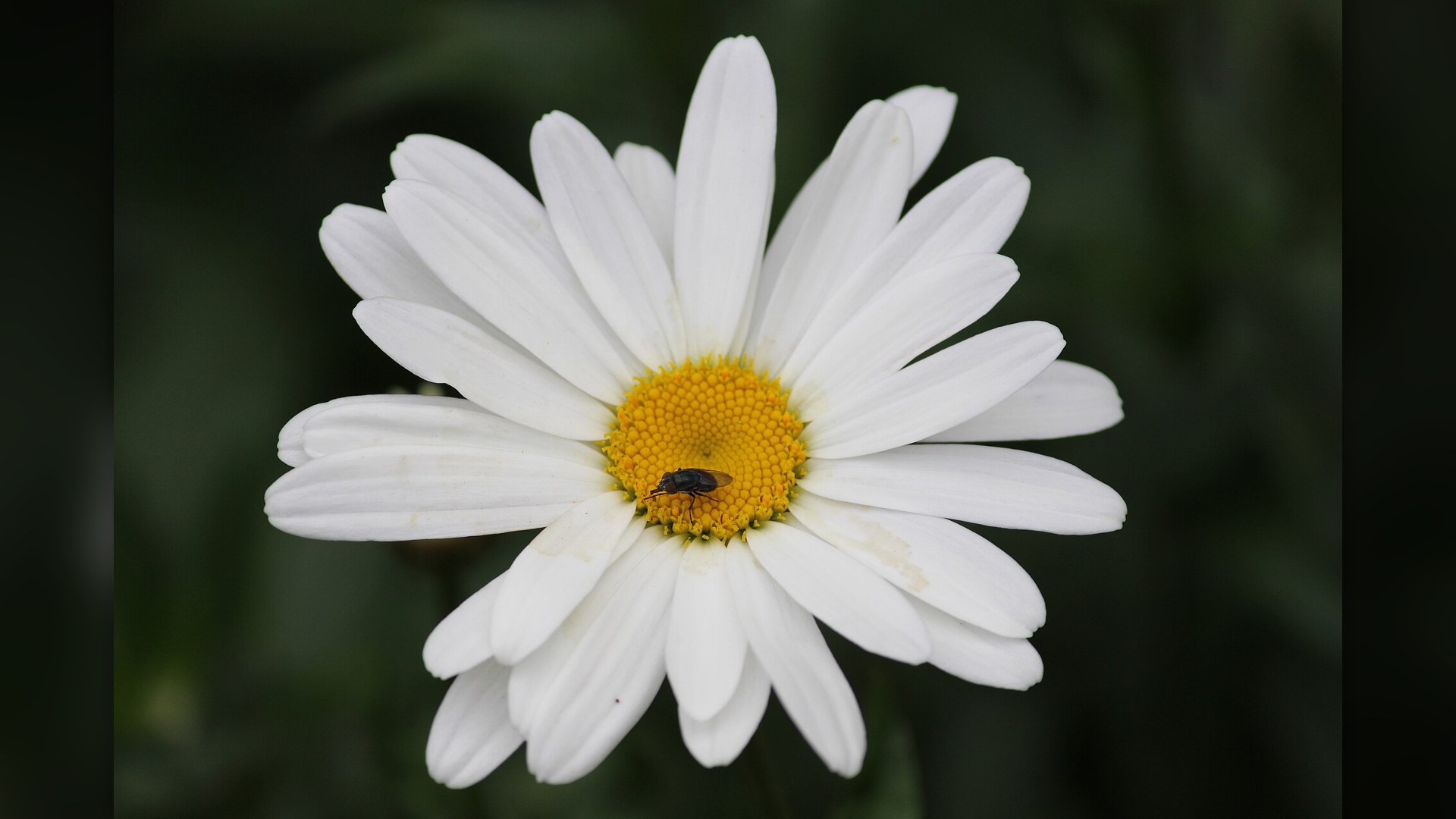
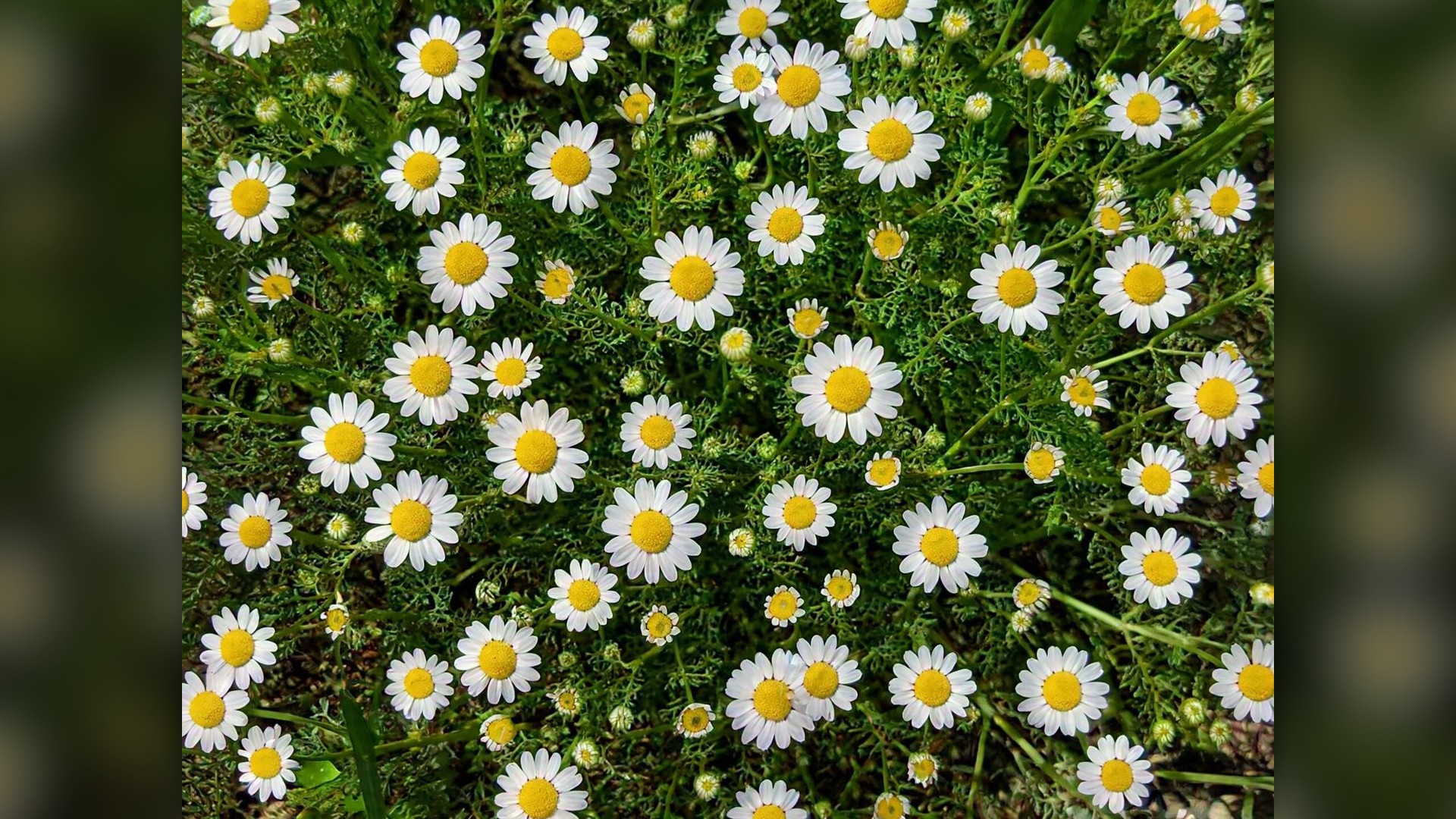
2. Common Chamomile
Common chamomile carpets sandy fallow fields and grassy country lanes across southern and central Europe. The small white petals circle a hollow yellow cone that releases an unmistakable sweet apple scent when crushed. Cultivated since antiquity, wild patches still create fragrant white blankets.
©Wikimedia / Steffen Bauer ( saatpilot.de )
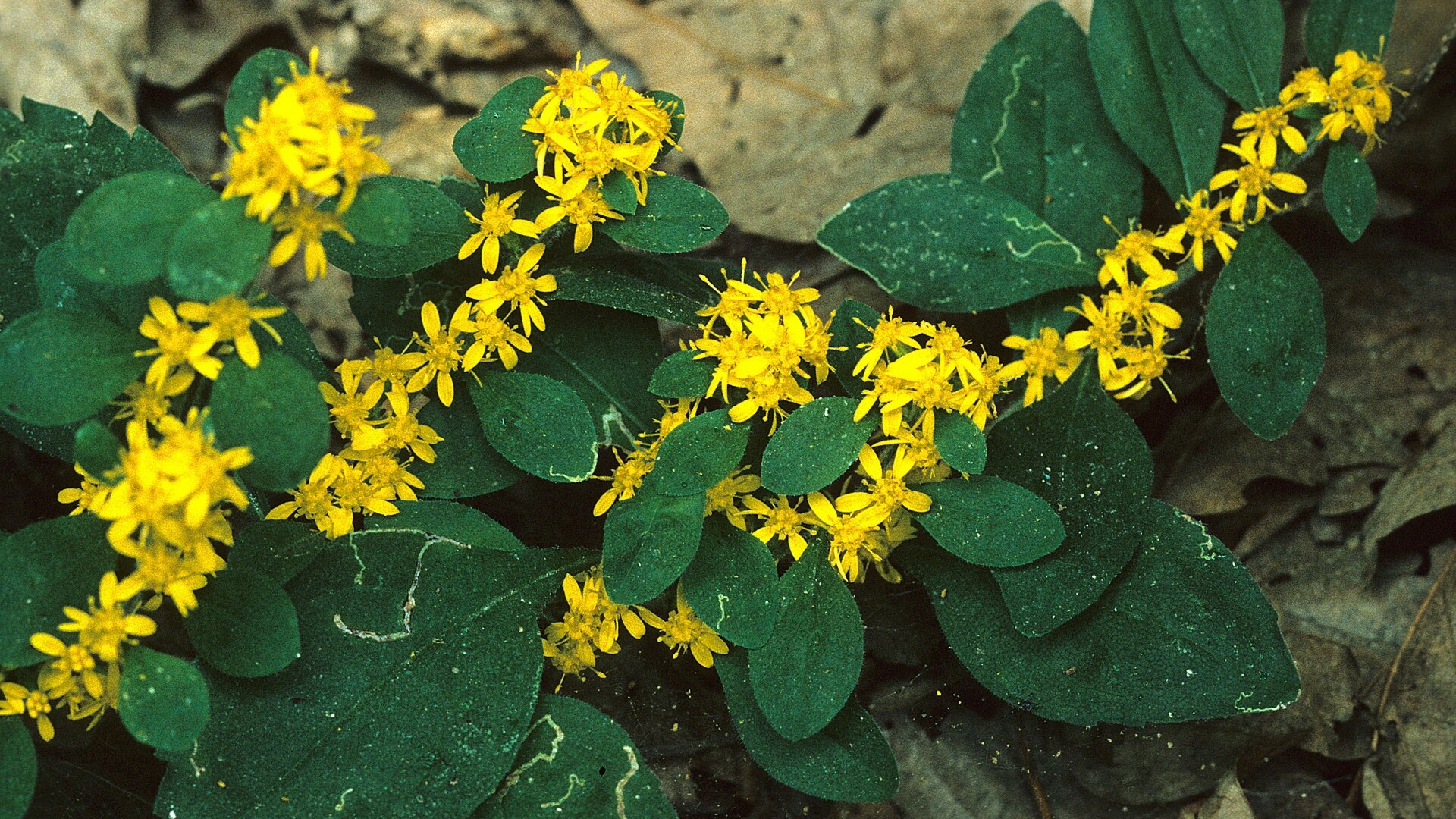
1. Goldenrod
Goldenrod covers old farm pastures and open plains in dense sprays of brilliant yellow florets during late summer. Often incorrectly blamed for spring allergies, its heavy sticky pollen travels by insect rather than wind. The golden plumes provide crucial late season nectar for honeybees and native wasps.

©ESA / U.S. Fish and Wildlife Service Southeast Region
Advertisement
You've reached the end of the story. Thanks for reading!

22 Rare Classic Cars That Only True Enthusiasts Recognize
Most drivers recognize a Ferrari or Porsche, yet automotive history hides dozens of small-batch cars built by independent studios. Drawn from manufacturer archives, the Petersen Automotive Museum, and Smithsonian records, this countdown profiles 22 rare models from 1936 to 2001 that reward sharp-eyed spotters.
All 22 Entries in this Story
California Poppy
California poppy plants carpet western hillsides in brilliant orange and yellow during wet springs. The golden petals open under full sunlight and close tightly at dusk or during chilly wind. Millions of dormant seeds sprout across dry valleys after heavy winter rains, drawing thousands of naturalists.

Bluebonnet
Bluebonnets carpet central Texas pastures and highway verges every March and April. The distinctive blue spires feature a white peak that turns red after successful insect pollination. Farmers treasure these native legumes because their deep root systems fix nitrogen directly into nutrient poor grassland soil.

Common Poppy
Common red poppies colonize disturbed farming soil across Europe and western Asia every early summer. The vivid scarlet petals surround a dark central seed capsule that contains thousands of seeds. These tough annual plants thrive in chalky meadows and roadside ditches, creating bold crimson washes.

Indian Paintbrush
Indian paintbrush displays fiery red and orange bracts that conceal small green flowers underneath. This hemiparasitic plant connects its underground root structures directly to surrounding prairie grasses to absorb water. The scarlet clusters punctuate western open valleys throughout late spring.

Purple Coneflower
Purple coneflowers thrive in central North American grasslands with dome shaped central cones and drooping pink rays. The perennial roots tolerate hot summers, severe drought, and winter freezes. Migrating butterflies and goldfinches feed heavily on the spiky nectar centers through late autumn.

Fireweed
Fireweed rapidly colonizes boreal forests and mountain clearings following wildfires or land clearing. Tall magenta flower spikes ascend progressively along slender upright stems during high summer. The light feathery seeds travel long distances on air currents across subarctic and alpine valleys.

Black-Eyed Susan
Black-eyed Susan blooms profusely in open fields, restored prairies, and dry roadsides from June until autumn frost. The bright golden petals surround a prominent dark brown center disc that produces abundant nectar. Native ground nesting bees depend on these flowers for crucial pollen stores.

Texas Bluebell
Texas bluebells display exquisite bell shaped blossoms in shades of purple, violet, and pale white. The smooth succulent leaves help the plant conserve moisture in sunny southern river basins. Wild populations blanket moist prairie lowlands throughout midsummer before setting capsule seeds.

Lupine
Lupines produce tall spires of pea-like blossoms that paint subalpine meadows and coastal dunes in royal blue, violet, and pink. Their palmately divided foliage traps morning dew efficiently. Deep taproots allow these hardy perennials to thrive in sandy soils by generating their own organic nitrogen.

Wild Sunflower
Wild sunflowers stretch across great plains pastures and roadsides, turning wide landscapes bright yellow through midsummer heat. The multiple flower heads follow the daily movement of the sun across open terrain. Deep root systems anchor the stalks firmly against strong central continental prairie winds.

Oxeye Daisy
Oxeye daisies blanket open pasture lands and upland hay meadows across Europe and North America. Each blossom carries pure white ray petals around a round golden disc. The durable root rhizomes spread outward rapidly across damp grass turf, creating white meadows that shimmer in early morning breezes.

Cornflower
Cornflowers display striking azure blue flower heads across traditional arable fields and gravelly riverbanks. Historically abundant in rye and wheat crops, these annuals now grace protected grasslands and meadow edges. The fringed petals attract diverse solitary pollinators and beneficial hoverflies.

Wild Daffodil
Wild daffodils carpet damp upland meadows, stream banks, and ancient woodland glades across western Europe each March. The nodding flowers pair pale yellow petals with a slightly darker central trumpet. Underground bulbs store starch through cold winters, allowing blooms to emerge before tree leaves unfurl.

Desert Mariposa Lily
Desert mariposa lilies emerge from deep subterranean corms across Mojave and Sonoran desert plains after rare winter rains. The brilliant orange, cup-shaped flowers carry dark spotted markings near the base of each petal. Their brief floral display transforms barren gravel flats into vivid orange fields.

Alpine Forget-Me-Not
Alpine forget-me-nots form dense cushioned mats across windswept subalpine ridges and rocky tundra flats. Tiny sky blue flowers with yellow central eyes bloom immediately after mountain snow melts. Dense hairs on the small foliage protect delicate cells from intense high altitude ultraviolet radiation.

Woodland Bluebell
Woodland bluebells paint broad forest floors in deep cobalt and violet across western European deciduous valleys each May. The nodding tubular bells release sweet floral fragrances that drift through oak branches. This spring ephemeral finishes blooming just as dense tree canopies close off direct sunlight.

Meadow Buttercup
Meadow buttercups dominate moist grasslands, river plains, and hayfields throughout temperate regions. The glossy petals possess a specialized cellular layer beneath their yellow pigment that reflects sunlight like polished mirrors. Livestock avoid grazing them, allowing vast colonies to spread undisturbed.

Prairie Blazing Star
Prairie blazing star produces tall upright spikes packed with fuzzy purple florets across central American plains. Uniquely, the flower spikes open from the top downward over several weeks in late summer. Monarch butterflies gather on the nectar-rich flower heads during their southward continental migration.

Red Clover
Red clover blankets agricultural meadows and rural roadsides with spherical clusters of aromatic pink and magenta florets. Bumblebees visit the nectar tubes to assist cross pollination. As a legume, the perennial plant enriches open soil with nitrogen while providing vital summer forage across pastures.

Field Scabious
Field scabious produces dome shaped lilac blue flower heads that resemble delicate pincushions on chalky grassland slopes. The flower heads provide a constant landing platform for colorful butterflies and beetles. Sturdy hairy stems allow the blossoms to withstand strong open prairie breezes.

Common Chamomile
Common chamomile carpets sandy fallow fields and grassy country lanes across southern and central Europe. The small white petals circle a hollow yellow cone that releases an unmistakable sweet apple scent when crushed. Cultivated since antiquity, wild patches still create fragrant white blankets.

Goldenrod
Goldenrod covers old farm pastures and open plains in dense sprays of brilliant yellow florets during late summer. Often incorrectly blamed for spring allergies, its heavy sticky pollen travels by insect rather than wind. The golden plumes provide crucial late season nectar for honeybees and native wasps.