Slideshow · Viral
25 Unusual and Historic Deliveries in American Postal History
Since its founding in 1775, the United States postal network has transported far more than letters. These twenty-five unusual deliveries and historic routes shaped American culture. Since its founding in 1775, the United States postal network has transported far more than paper letters.
By Most Viral Today
34 min ago

Unusual Freight and Deliveries in American Postal History 
25. The Smithsonian Postal Collection 
24. Rural Free Delivery Wagons 
23. Fort Jefferson Island Mail Service - AdvertisementSwipe or tap ▶ to continue countdown

22. Parachute Drops To Fire Lookouts 
21. Railway Mail Service Sorting Cars 
20. Hinsdale Post Office Longevity 
19. Alaskan Dogsled Mail Routes - AdvertisementSwipe or tap ▶ to continue countdown

18. The Dead Letter Office 
17. Letters To Santa Claus Indiana 
16. Fort Knox Gold Bullion Shipments 
15. Titanic Postal Clerks Heroism - AdvertisementSwipe or tap ▶ to continue countdown

14. Apollo 15 Lunar Mail Covers 
13. The Inverted Jenny Postage Stamp 
12. V-Mail Microfilm In World War II 
11. New York Pneumatic Mail Tubes - AdvertisementSwipe or tap ▶ to continue countdown

10. Charles Lindbergh Airmail Flights 
9. The Pony Express St. Joseph Route 
8. Detroit River Floating Mail Boat 
7. Grand Canyon Supai Mule Train Mail - AdvertisementSwipe or tap ▶ to continue countdown

6. Owney The Railway Mail Mascot Dog 
5. Mailing Children Via Parcel Post 
4. Bank Of Vernal Mailed By Bricks 
3. Hope Diamond Mailed In Brown Paper - AdvertisementSwipe or tap ▶ to continue countdown

2. Specialized White House Mail Screening 
1. James A. Farley Postal Inscription - Advertisement🔥 UP NEXT IN THIS SERIES◫ 23 Slides

22 Rare Classic Cars That Only True Enthusiasts Recognize
Most drivers recognize a Ferrari or Porsche, yet automotive history hides dozens of small-batch cars built by independent studios. Drawn from manufacturer archives, the Petersen Automotive Museum, and Smithsonian records, this countdown profiles 22 rare models from 1936 to 2001 that reward sharp-eyed spotters.
Since its founding in 1775, the United States postal network has transported far more than paper letters. These twenty-five unusual deliveries and historic routes shaped American communication. Since its founding in 1775, the United States postal network has transported far more than letters.
Swipe or tap ▶ to begin the countdown
©Wikimedia / Elf & Wikimedia / Jim.henderson
25. The Smithsonian Postal Collection
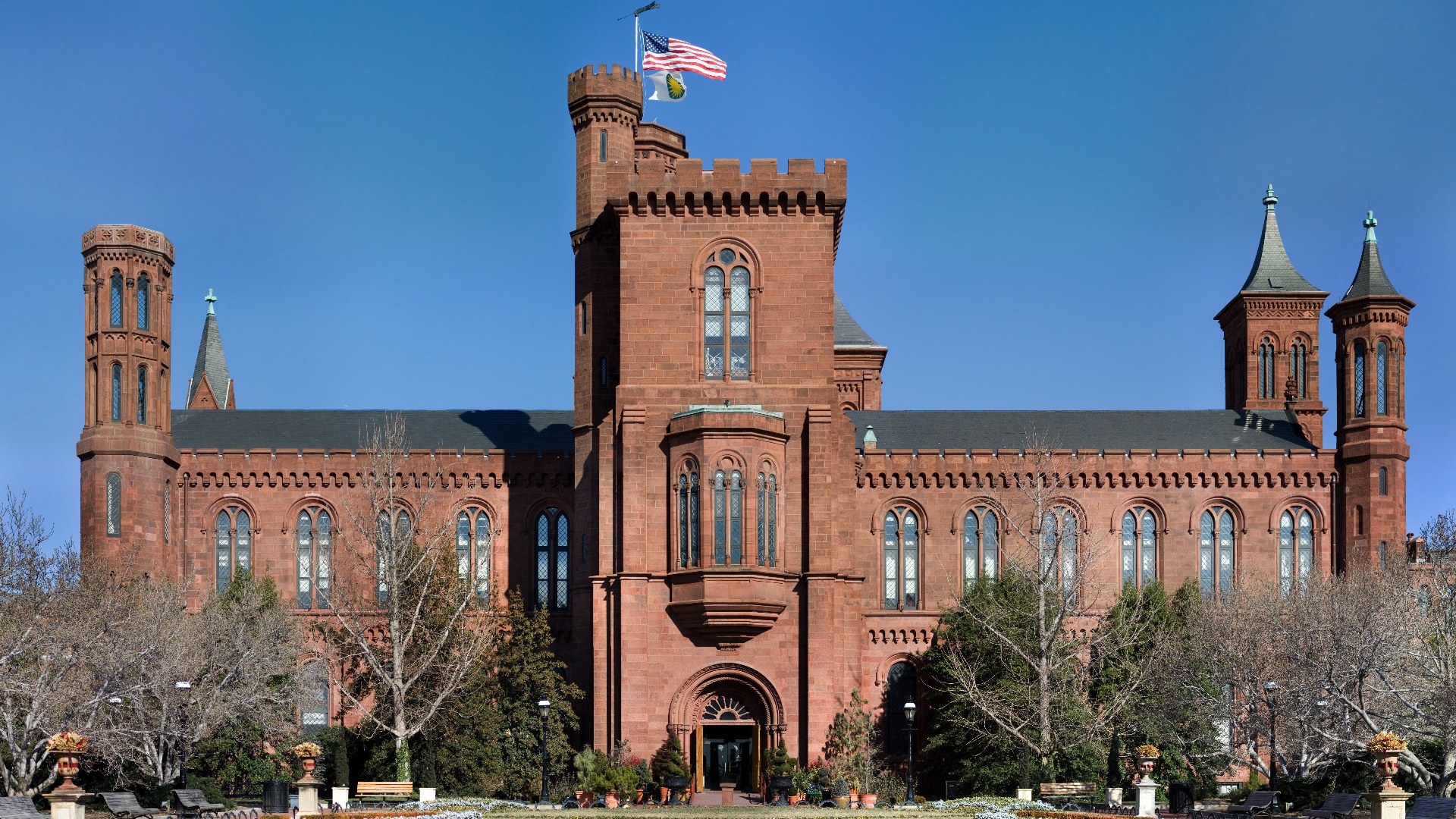
The Smithsonian Institution began collecting postal artifacts in 1886 when a private donor gifted an 1860s postage stamp sheet. Today, the National Postal Museum preserves historic stagecoaches, early airmail biplanes, and oddities sent through the federal parcel system.
©Wikimedia / User:Noclip
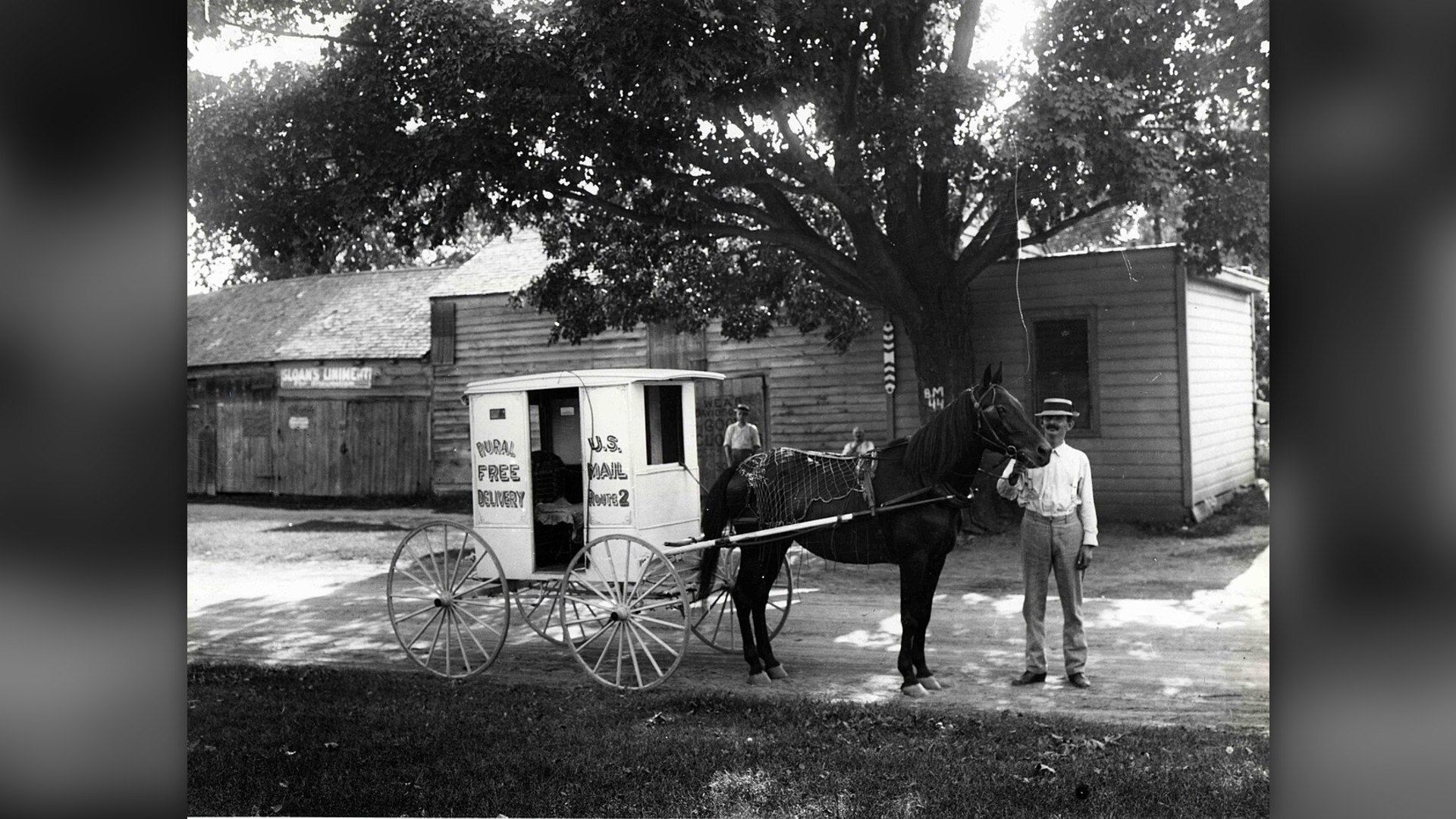
24. Rural Free Delivery Wagons
Before 1896, rural families had to travel miles over unpaved roads to distant town centers to collect correspondence. The launch of Rural Free Delivery connected remote agricultural homesteads to daily news, sparking nationwide roadway improvements and mail-order commerce.
©Wikimedia / Smithsonian Institution from United States
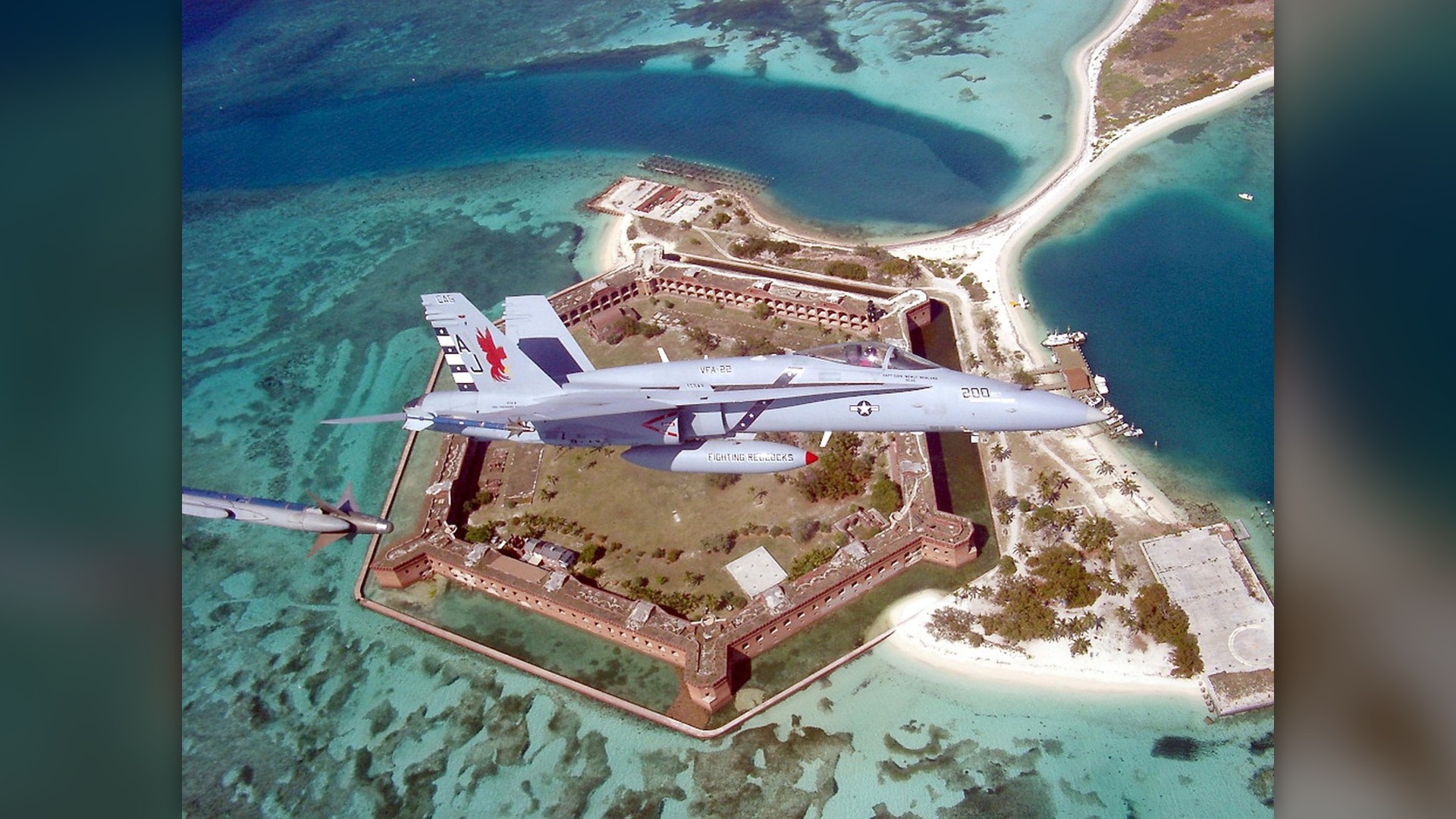
23. Fort Jefferson Island Mail Service
Constructed in the Dry Tortugas during the nineteenth century, Fort Jefferson was one of the most remote military outposts in America. Mail schooners braved Gulf hurricanes to deliver dispatches to the garrison and high-profile Civil War prisoners housed within its brick ramparts.
©Pixabay / 12019
Advertisement
Swipe or tap ▶ to resume the countdown.
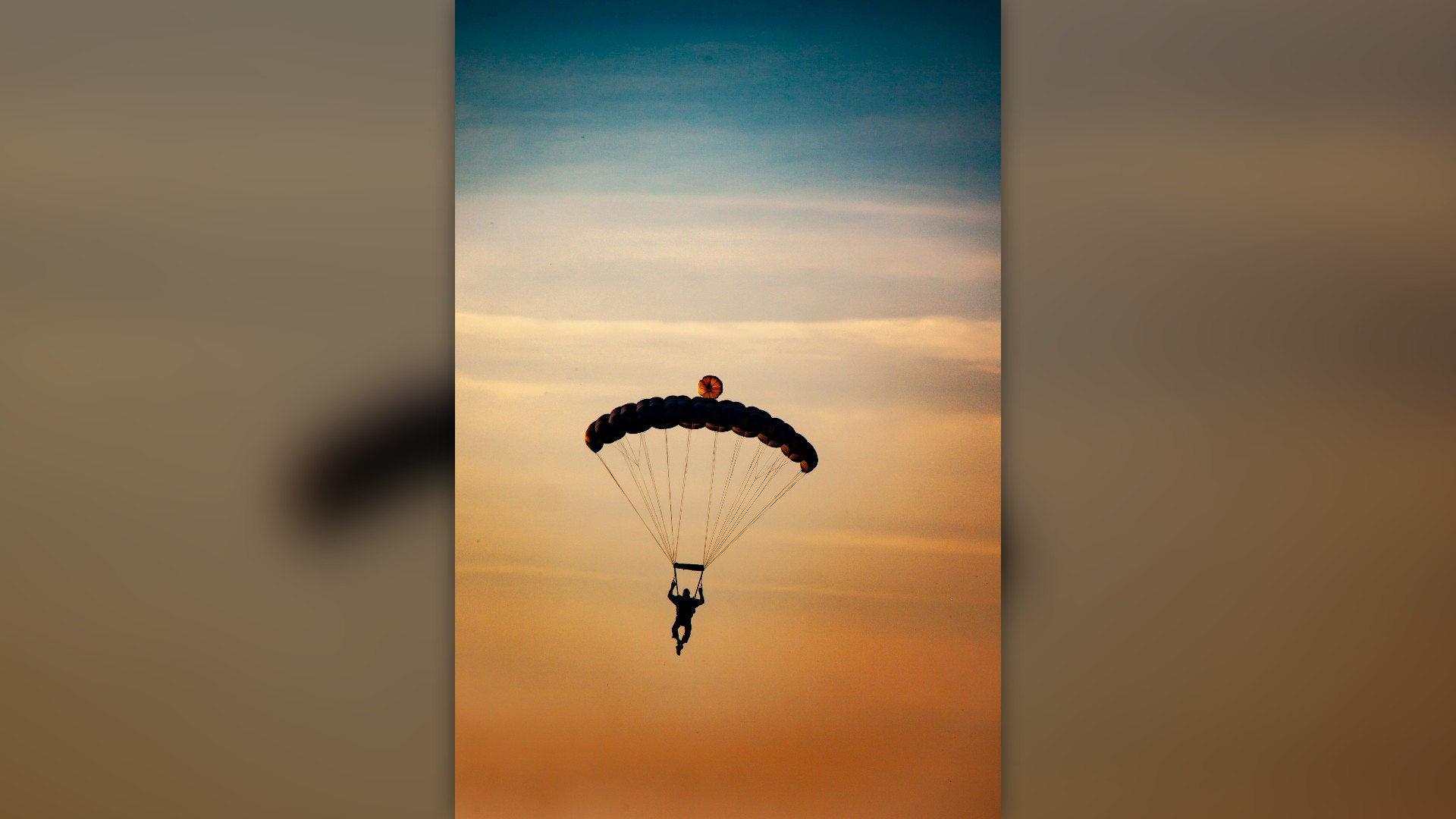
22. Parachute Drops To Fire Lookouts
Wildfire spotters stationed on rugged mountain summits often spent months cut off from roads. Starting in the 1930s, federal airmail pilots flew low over remote forest fire lookout towers, dropping bundled letters, newspapers, and fresh provisions attached to small cargo parachutes.
© Photo by Mario Majer on Unsplash
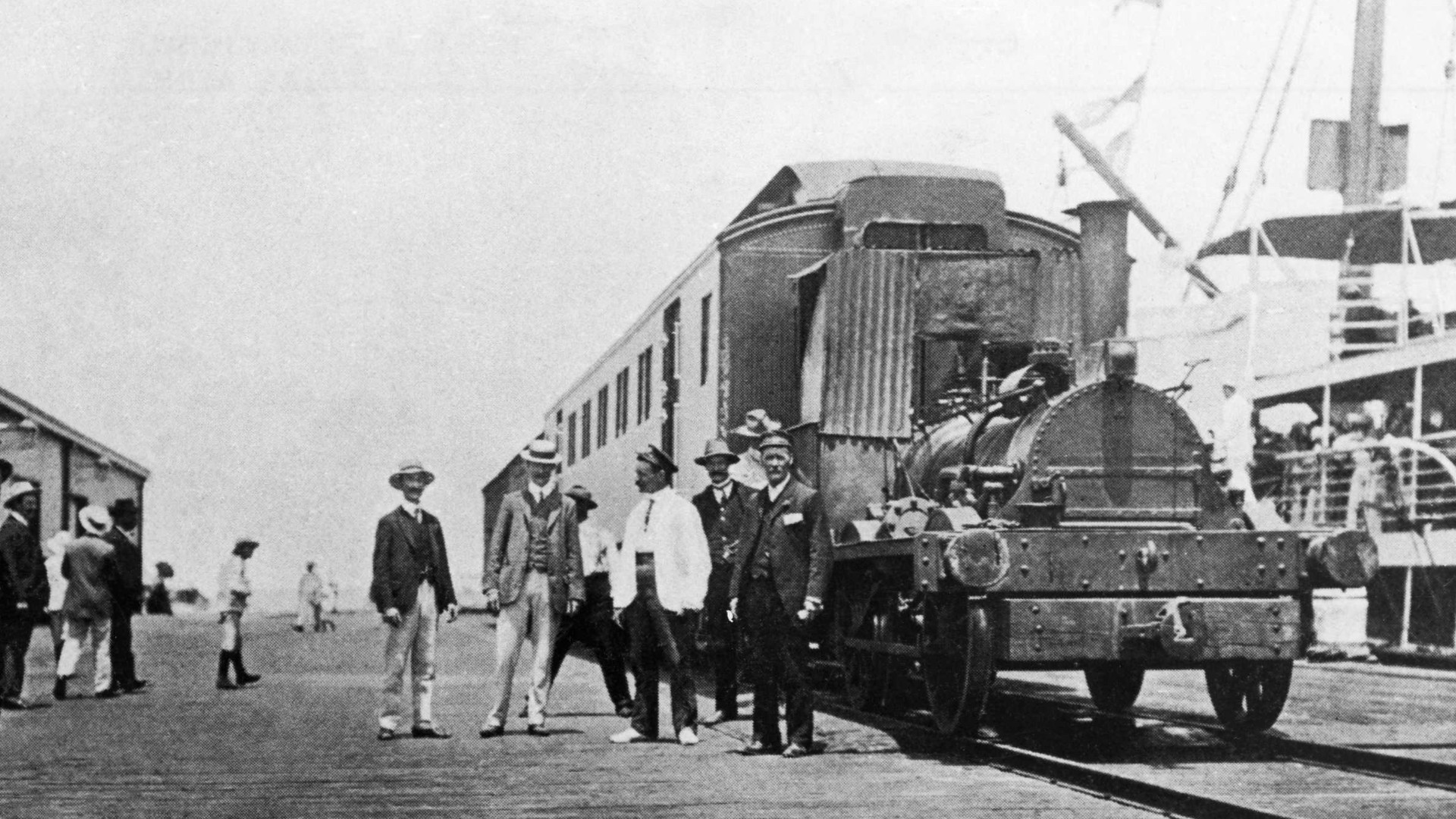
21. Railway Mail Service Sorting Cars
Between the 1860s and 1970s, Railway Post Office cars formed the backbone of fast coast-to-coast communication. Specially trained postal clerks sorted letters by hand into pigeonhole bins while trains swayed at seventy miles per hour, snagging mailbags on the fly with steel hooks.
©Wikimedia / Unknown author Unknown author
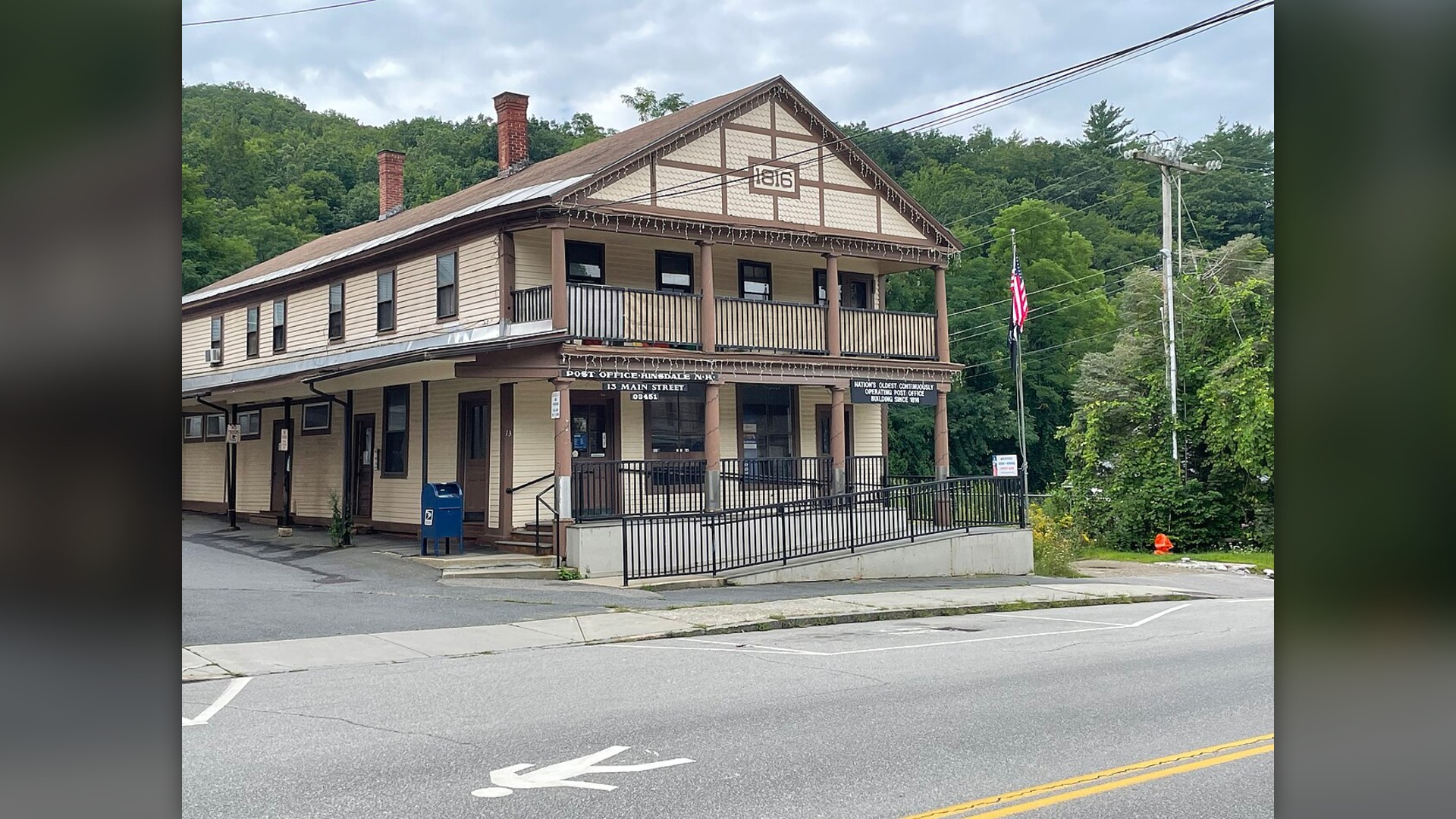
20. Hinsdale Post Office Longevity
Established in 1816, the Hinsdale Post Office has operated in the same general store location for over two centuries. Generations of residents have walked through its doors to collect letters from historic wooden lockboxes that predate the American Civil War.
©Wikimedia / (Oinkers42)
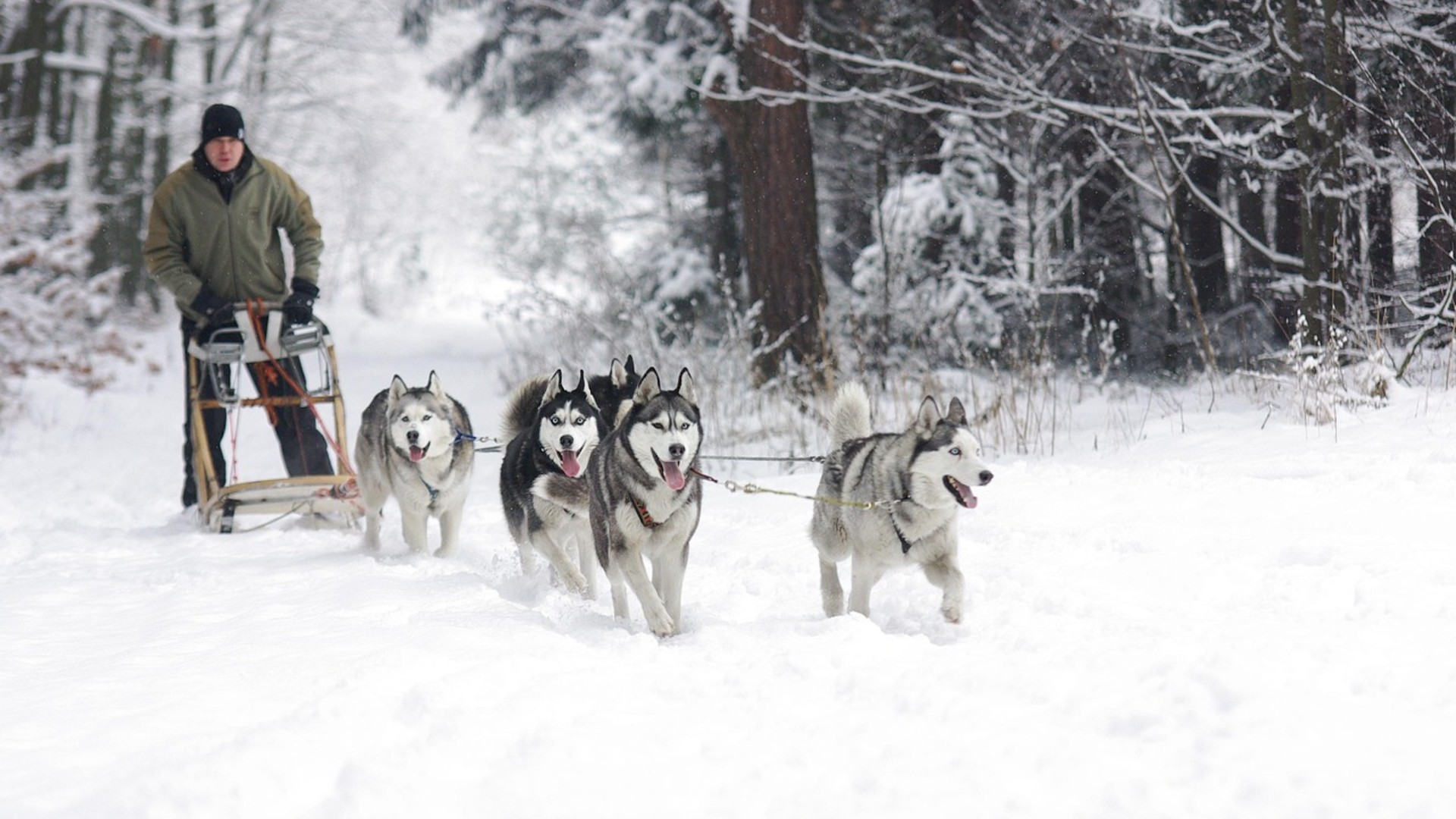
19. Alaskan Dogsled Mail Routes
During harsh sub-zero Alaskan winters, frozen rivers and heavy snowdrifts made overland wagons impossible. Dedicated dog mushers carried hundreds of pounds of parcels and letters over the historic Iditarod Trail, braving blizzards to keep frontier mining settlements connected.
©Pixabay / badamczak80
Advertisement
Swipe or tap ▶ to resume the countdown.
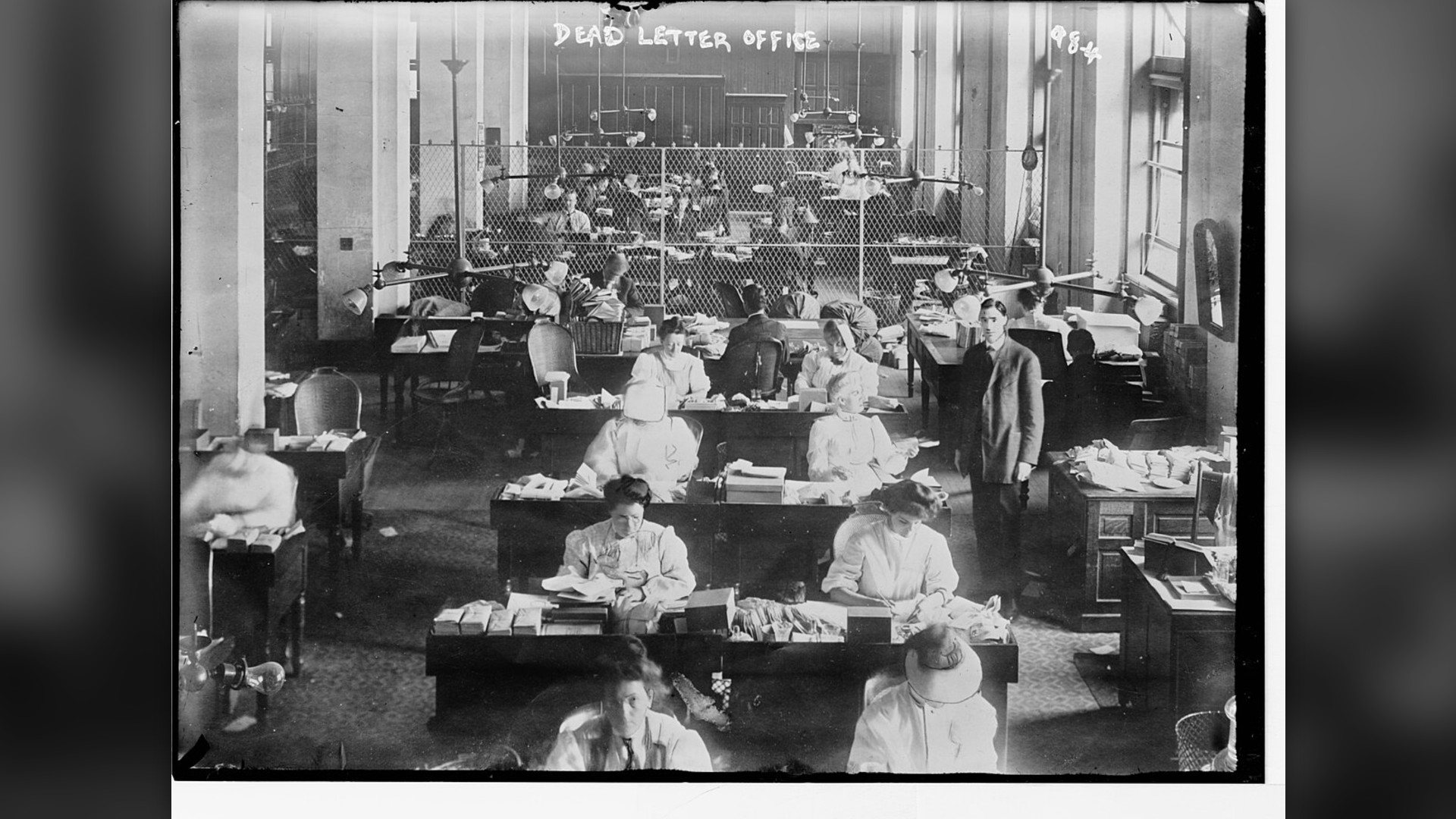
18. The Dead Letter Office
Founded by Benjamin Franklin, the Dead Letter Office functioned as the postal service's lost-and-found department. Clever clerks dubbed blind readers deciphered cryptic handwriting and smudged addresses, successfully redirecting millions of lost letters to their intended recipients.
©Wikimedia / Bain News Service, publisher
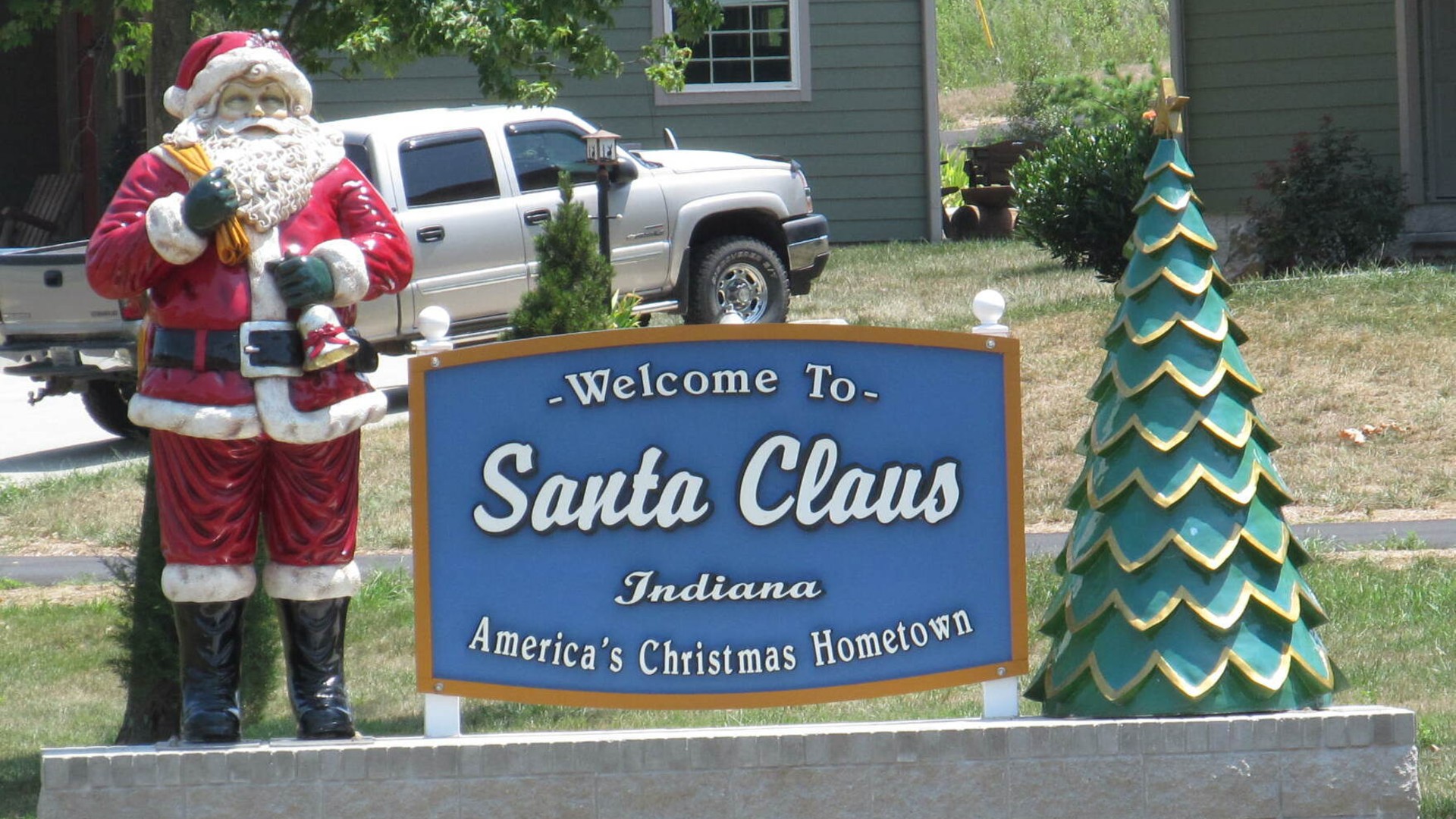
17. Letters To Santa Claus Indiana
The town of Santa Claus, Indiana, was established in 1856 and quickly became an international holiday sensation. Every December, a dedicated volunteer group called Santa's Elves answers thousands of handwritten wish lists sent by hopeful children from every corner of the globe.
©Wikimedia / Doug Kerr from Albany, NY, United States
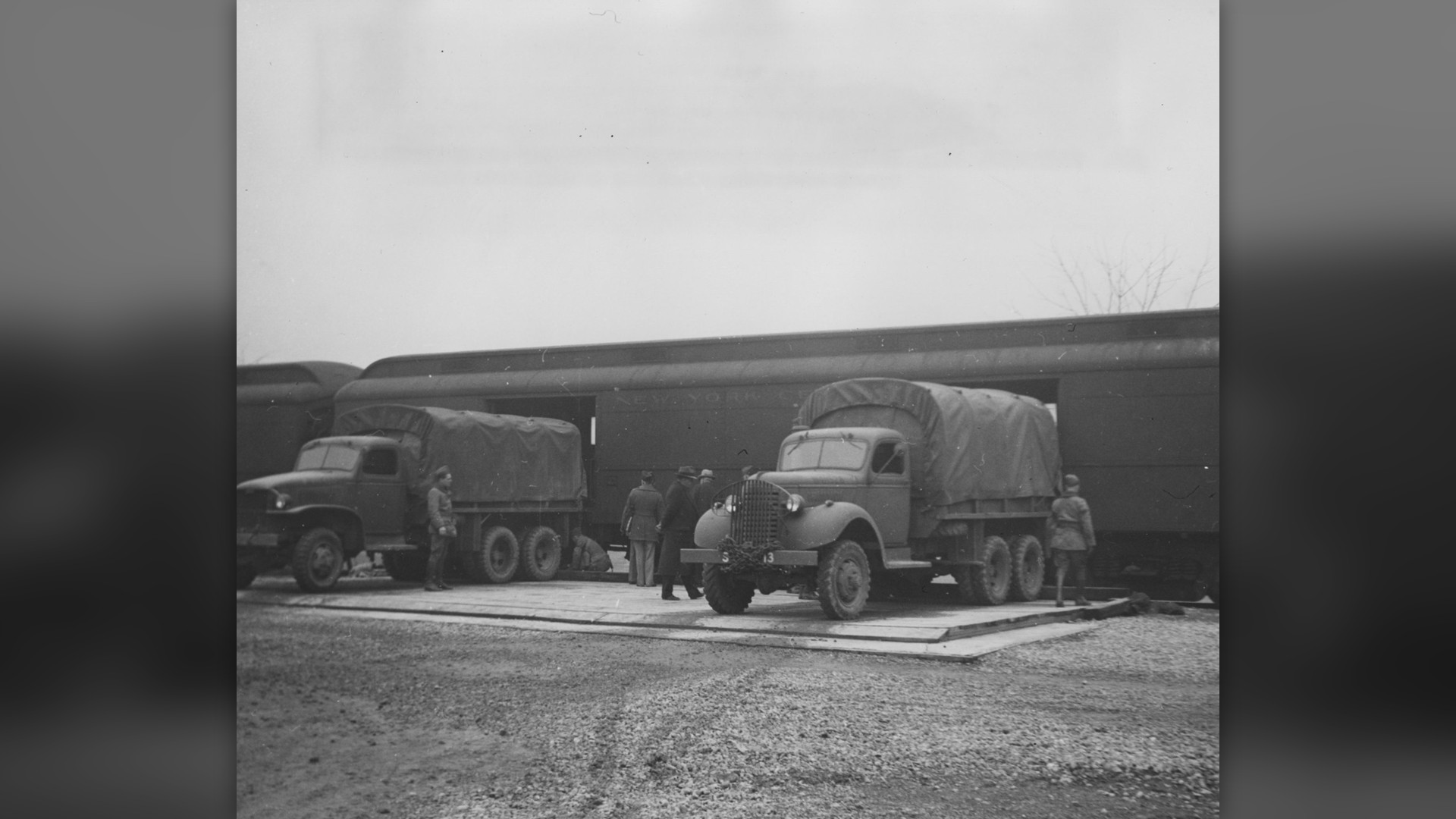
16. Fort Knox Gold Bullion Shipments
When the United States Bullion Depository opened at Fort Knox in 1937, officials chose the Post Office Department to transport the nation's gold reserves. Heavily armored railway cars carrying tons of gold bars were sent through registered mail, escorted by postal inspectors and military guards.
©Wikimedia / United States Post Office Department
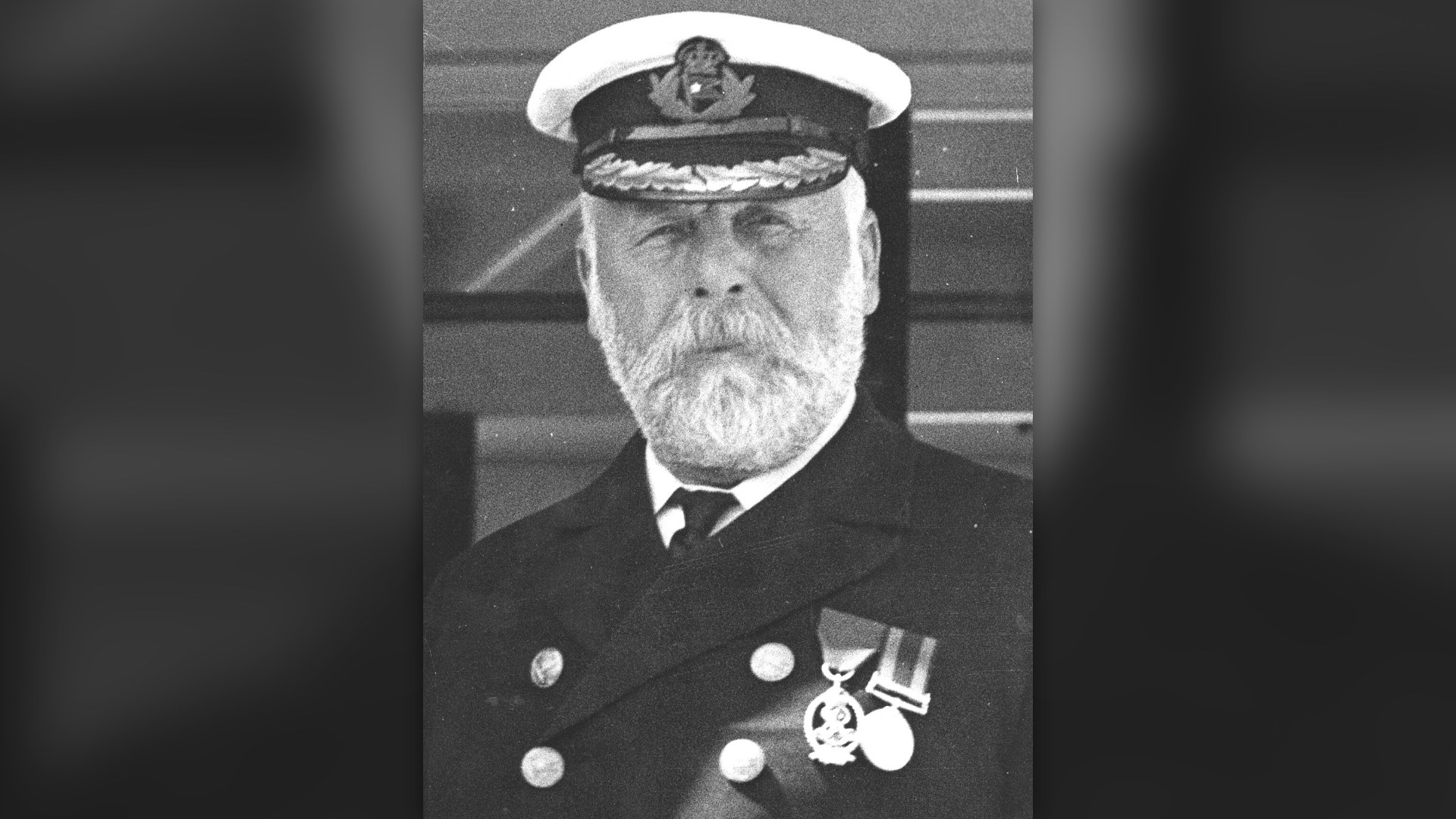
15. Titanic Postal Clerks Heroism
When the RMS Titanic struck an iceberg in April 1912, seawater poured directly into the mail sorting room on G-deck. Instead of fleeing to the lifeboats, American and British postal clerks worked frantically to haul hundreds of heavy registered sacks to safety before going down with the ship.
©Wikimedia / New York Times
Advertisement
Swipe or tap ▶ to resume the countdown.
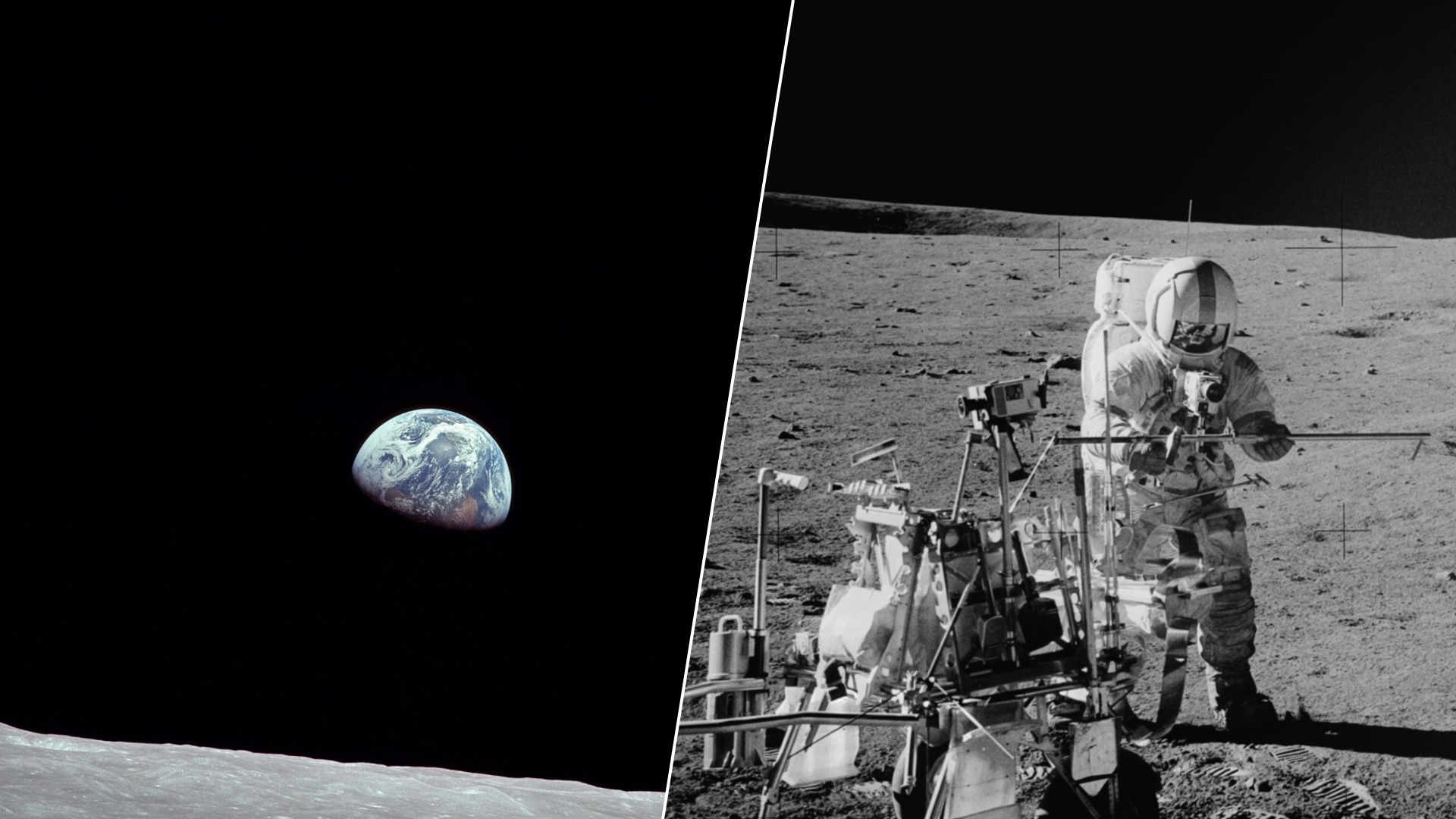
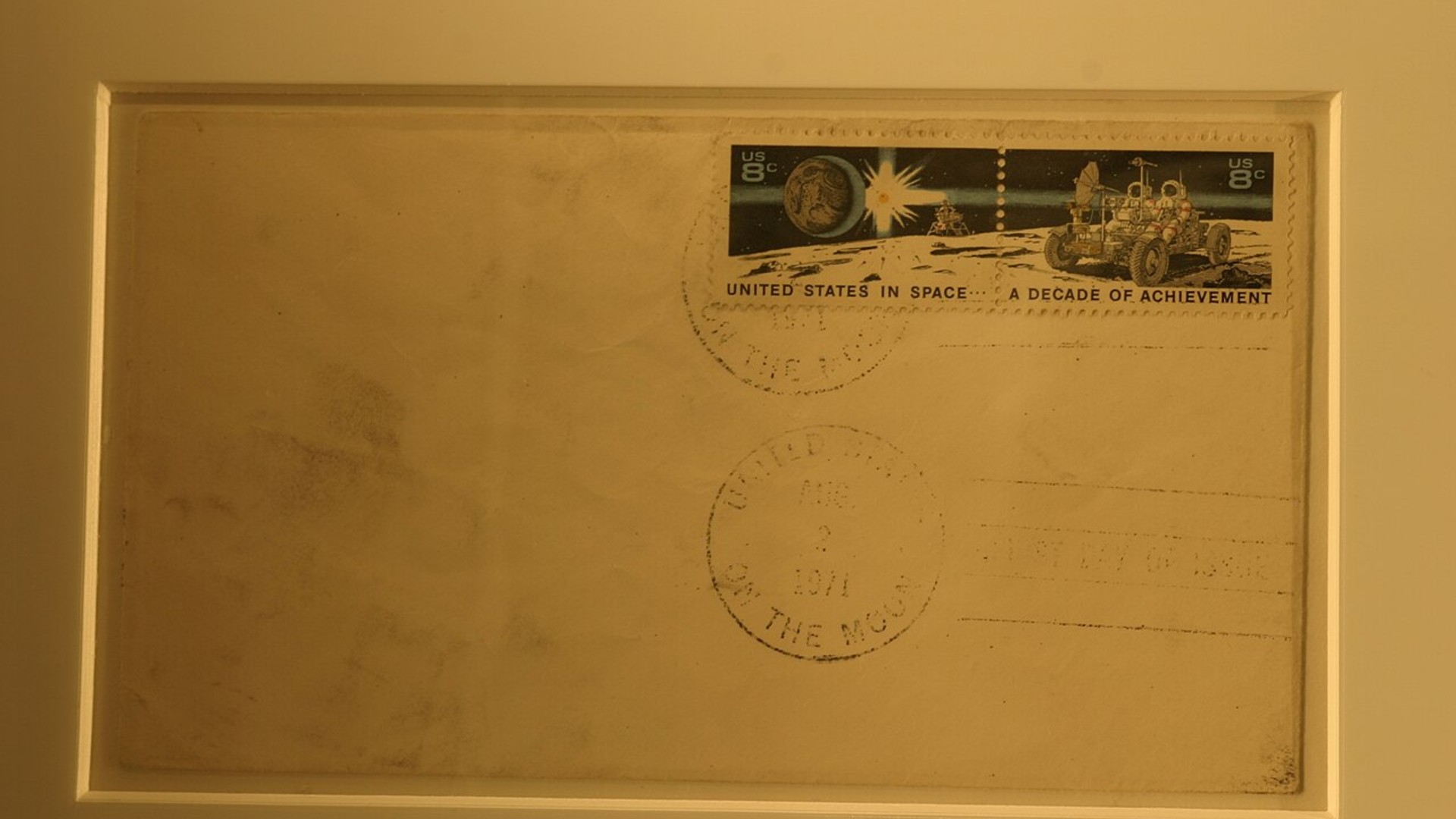
14. Apollo 15 Lunar Mail Covers
During the Apollo 15 mission, astronauts David Scott and James Irwin carried several hundred special postal covers aboard the Falcon lunar module. The envelopes were hand-stamped on the lunar surface and later sold to private collectors, prompting a high-profile congressional inquiry.
©Wikimedia / Wikimedia Contributor
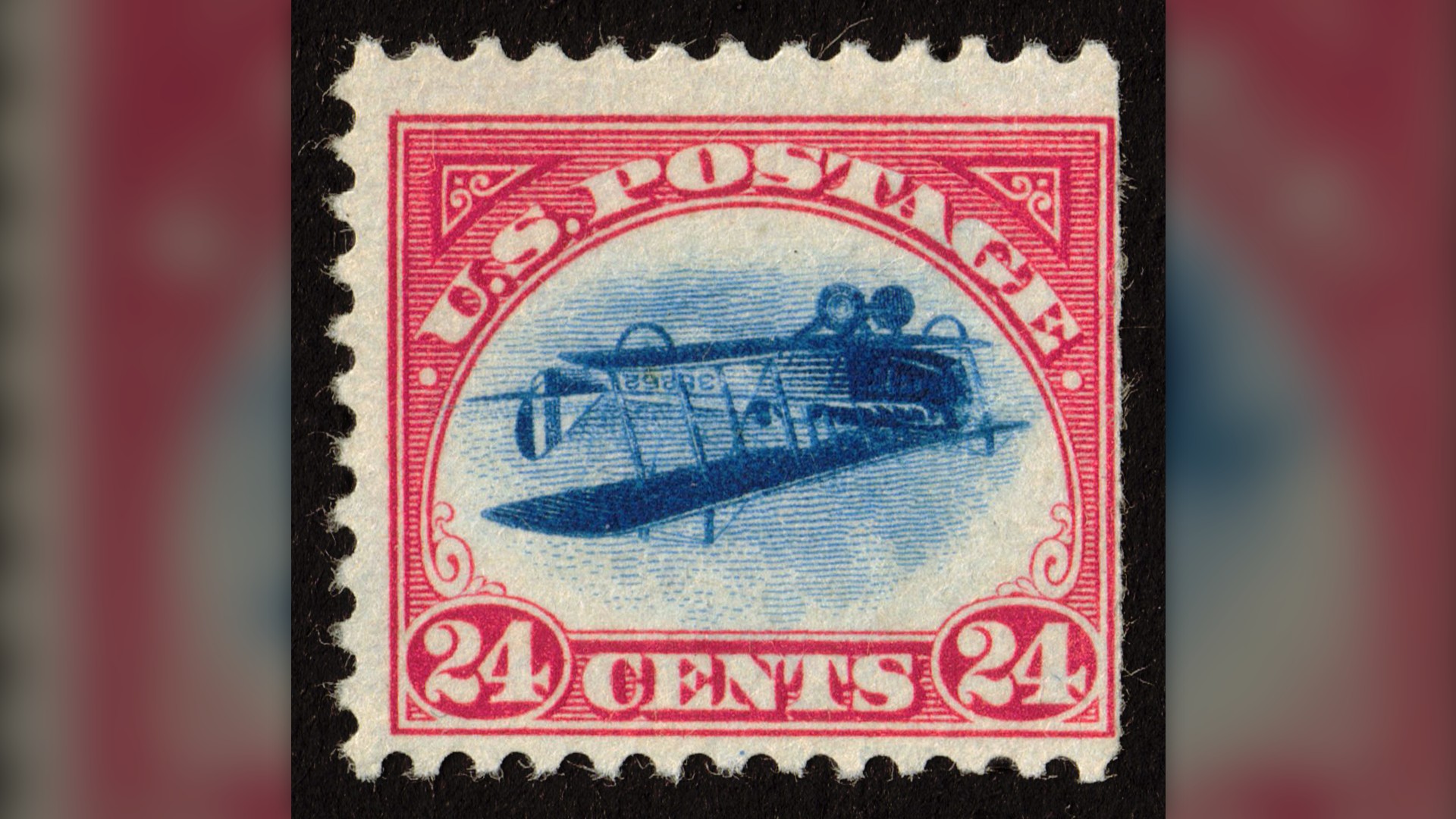
13. The Inverted Jenny Postage Stamp
Issued in May 1918 to inaugurate airmail service, a single sheet of one hundred twenty-four-cent stamps was mistakenly printed with its central biplane upside down. Collector William Robey purchased the misprinted sheet for twenty-four dollars, and single stamps now command millions at auction.
©Wikimedia / The original uploader was SabreCEO at
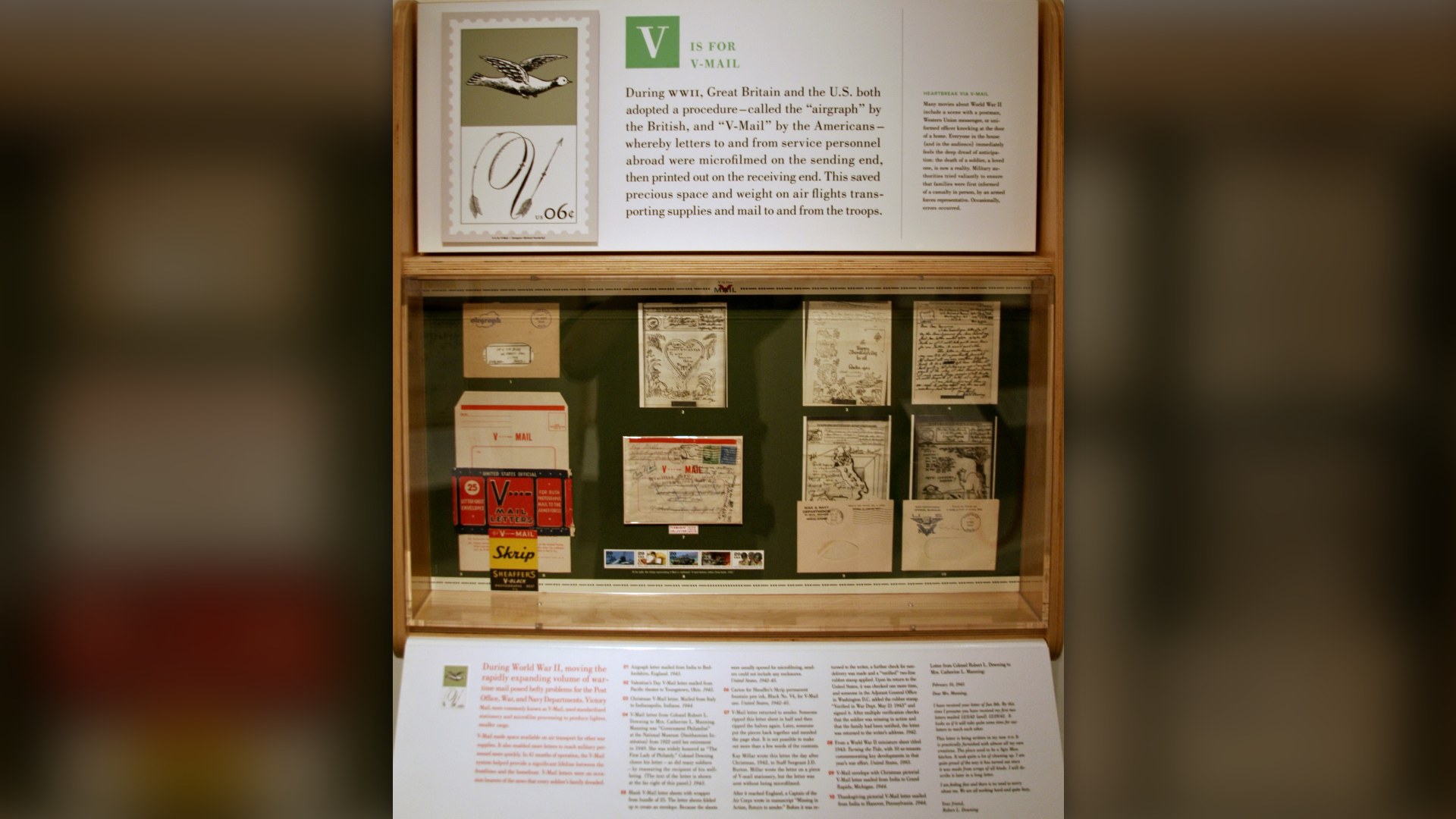
12. V-Mail Microfilm In World War II
To free up valuable shipping tonnage for ammunition and medical supplies, the postal service introduced Victory Mail in 1942. Clerks photographed paper letters onto tiny rolls of sixteen-millimeter microfilm, allowing thirty-seven mailbags of correspondence to fit into one compact box.
©Wikimedia / Cliff from Arlington, Virginia, USA
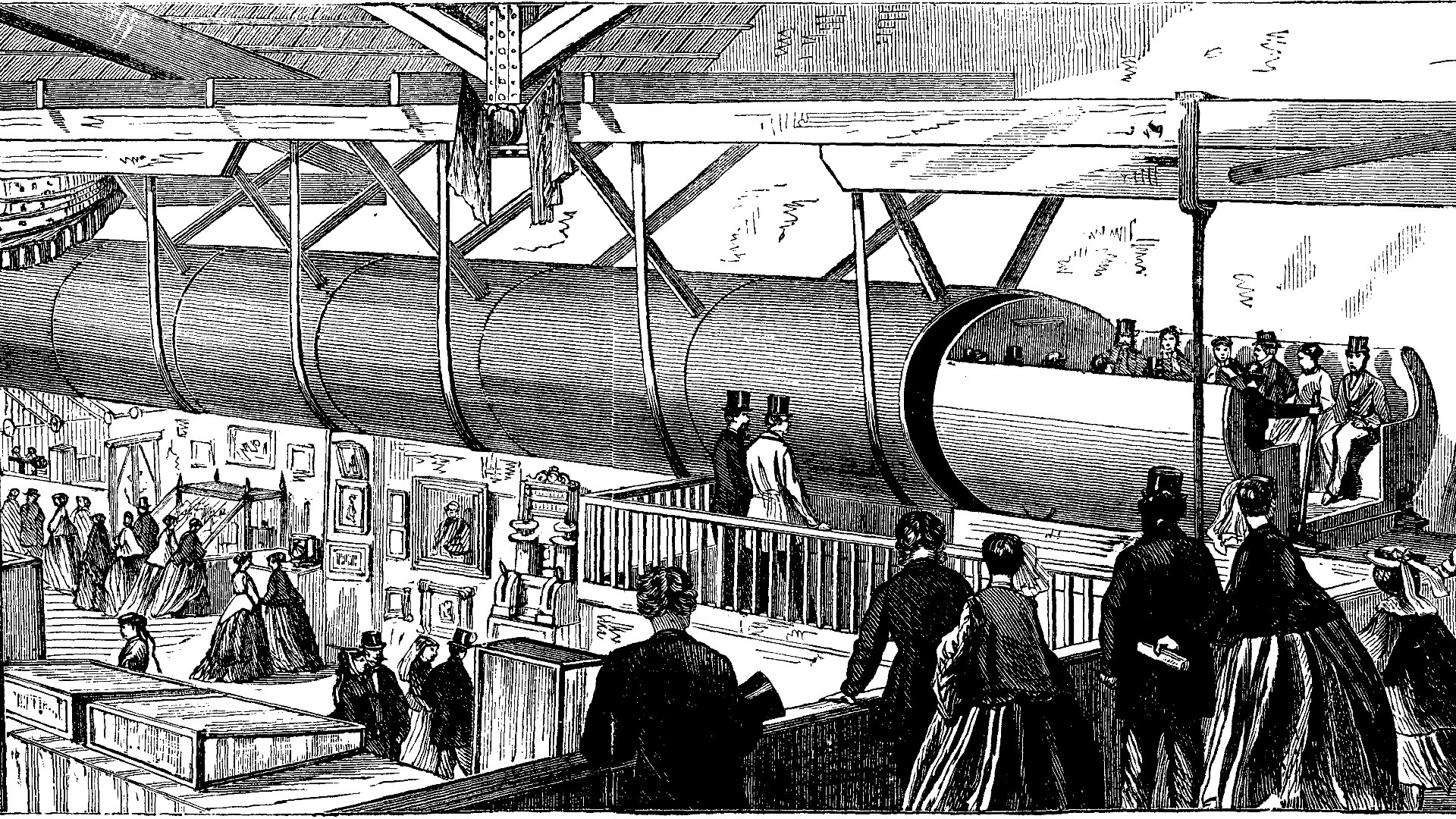
11. New York Pneumatic Mail Tubes
Between 1897 and 1953, New York City operated a twenty-seven-mile subterranean pneumatic tube network. Compressed air propelled cylindrical steel canisters carrying six hundred letters between twenty-three post offices, bypassing gridlocked traffic above ground.
©Wikimedia / Alfred Ely Beach
Advertisement
Swipe or tap ▶ to resume the countdown.
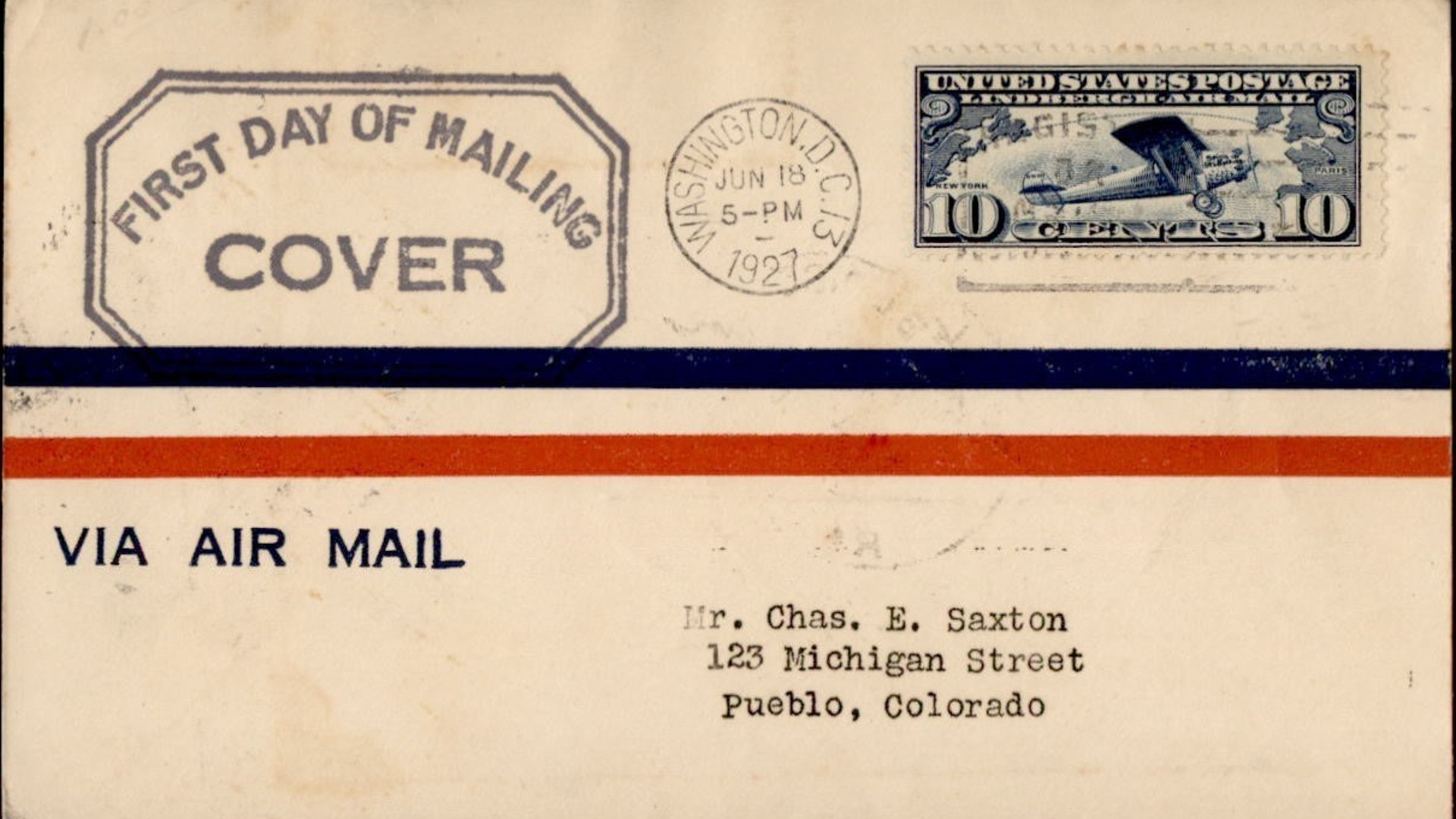
10. Charles Lindbergh Airmail Flights
In 1926, young Charles Lindbergh worked as a chief pilot for the Robertson Aircraft Corporation delivering contract airmail. Flying open-cockpit biplanes through blizzards and fog with only a compass and flashlight, Lindbergh twice parachuted to safety after running out of fuel in storms.
©Wikimedia / Scan of postal cover from internet
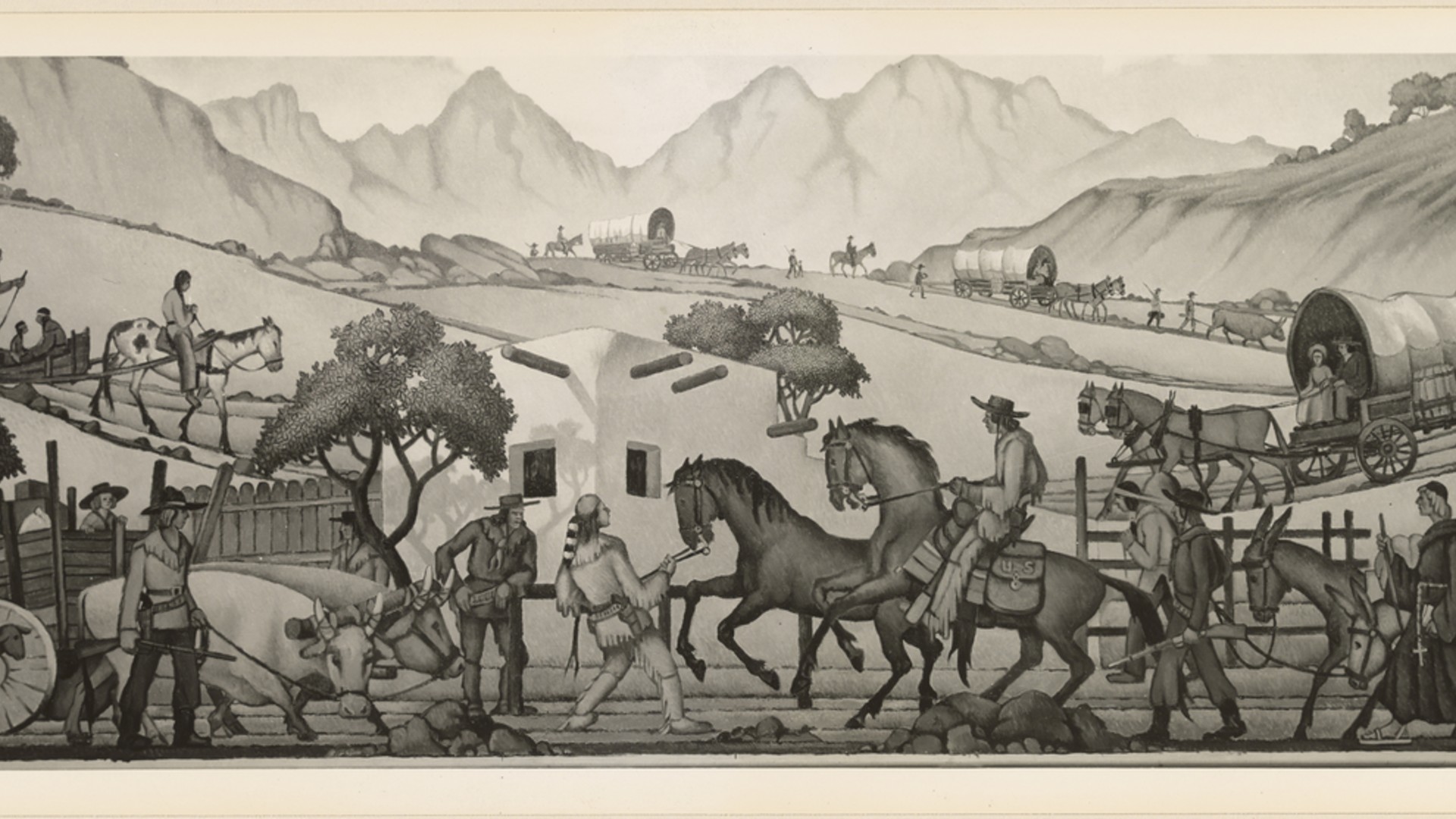
9. The Pony Express St. Joseph Route
Launched in April 1860 from Saint Joseph, Missouri, the Pony Express replaced slow stagecoaches with an endurance relay of agile horse riders. Stations positioned ten miles apart allowed couriers to switch mounts in seconds, delivering urgent mail across nearly two thousand miles of wilderness.
©Wikimedia / John Law Walker
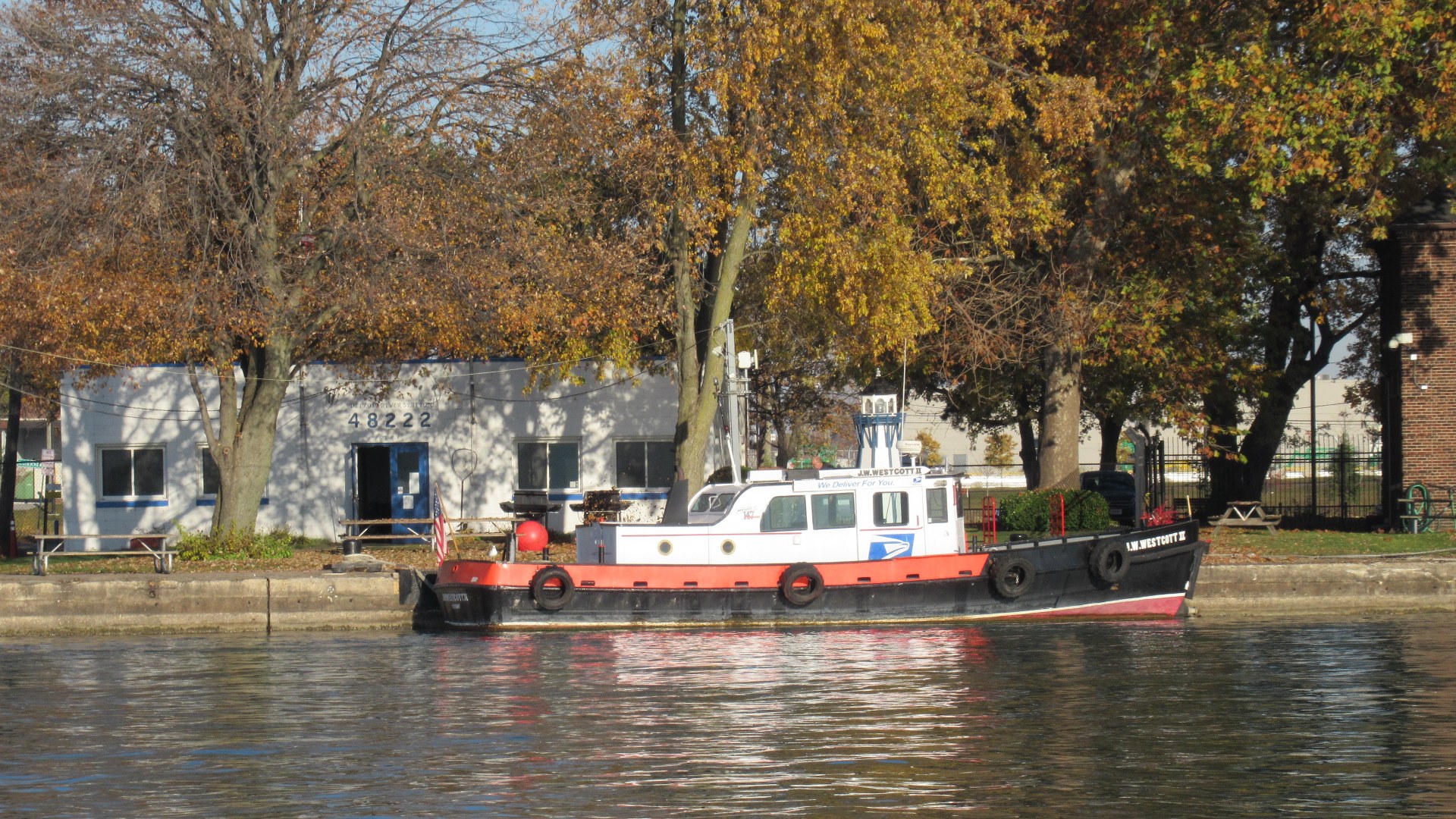
8. Detroit River Floating Mail Boat
Operating since 1874, the J.W. Westcott II is the only floating post office with its own ZIP code, 48222. The forty-five-foot vessel pulls alongside giant one-thousand-foot cargo freighters cruising the Detroit River, hoisting mail and groceries to sailors in buckets tied to ropes.
©Wikimedia / Notorious4life (talk) (Uploads)
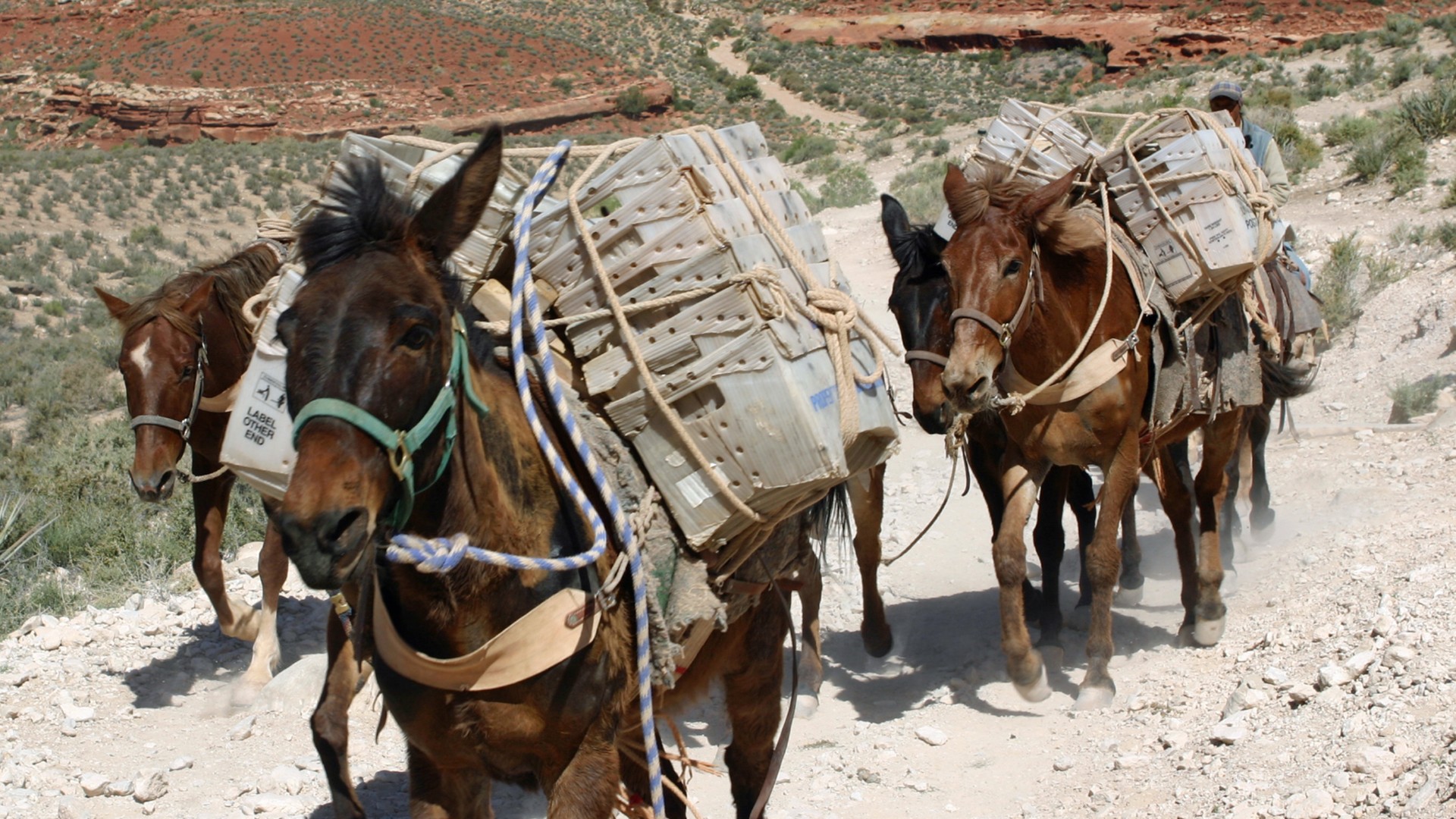
7. Grand Canyon Supai Mule Train Mail
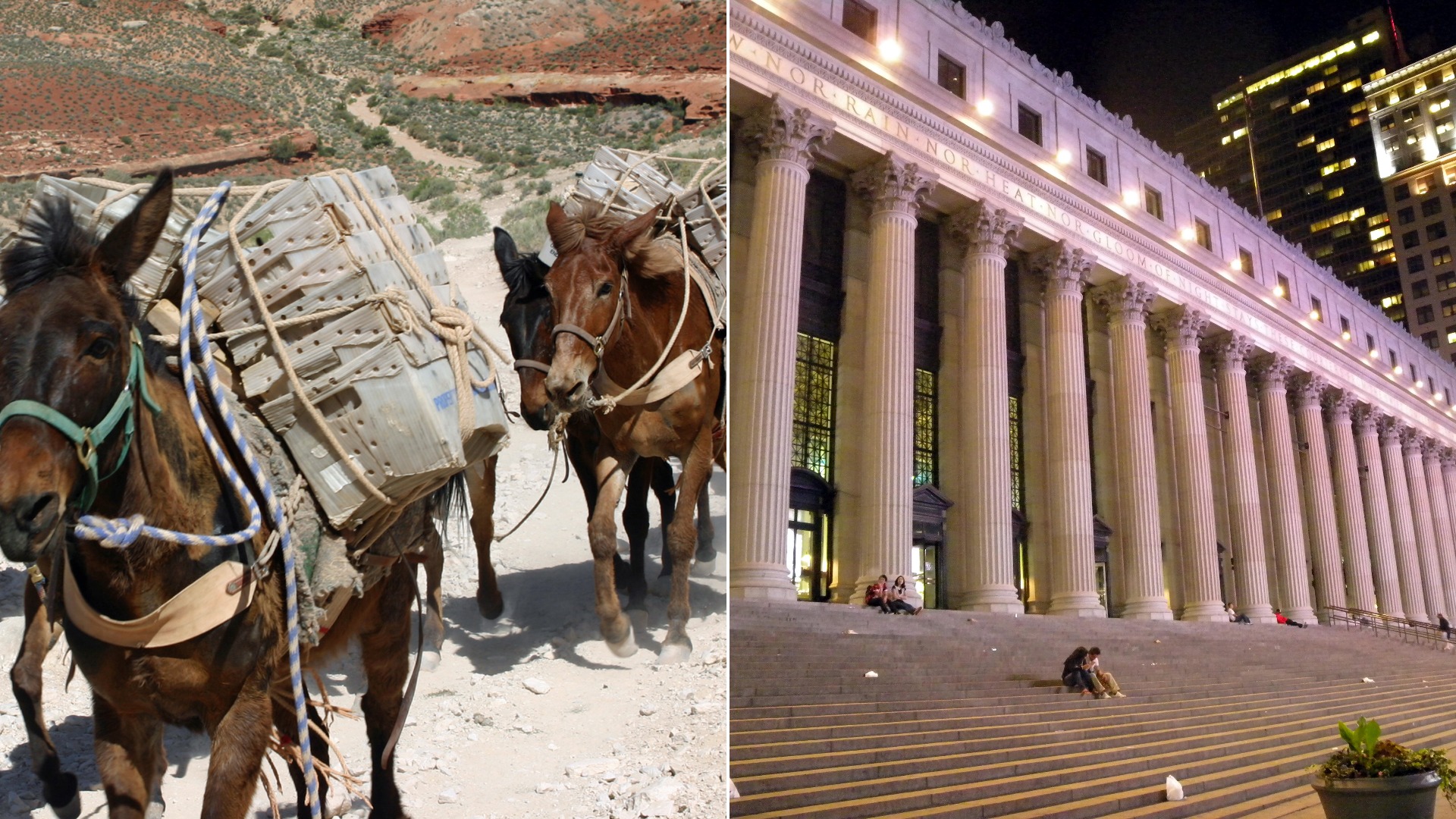
Located three thousand feet below the rim of the Grand Canyon, the Native American village of Supai is inaccessible by motor vehicles. Five days a week, a postal contractor leads a string of sure-footed pack mules carrying letters, medicine, and food down narrow switchbacks to the canyon floor.
©Wikimedia / Elf
Advertisement
Swipe or tap ▶ to resume the countdown.
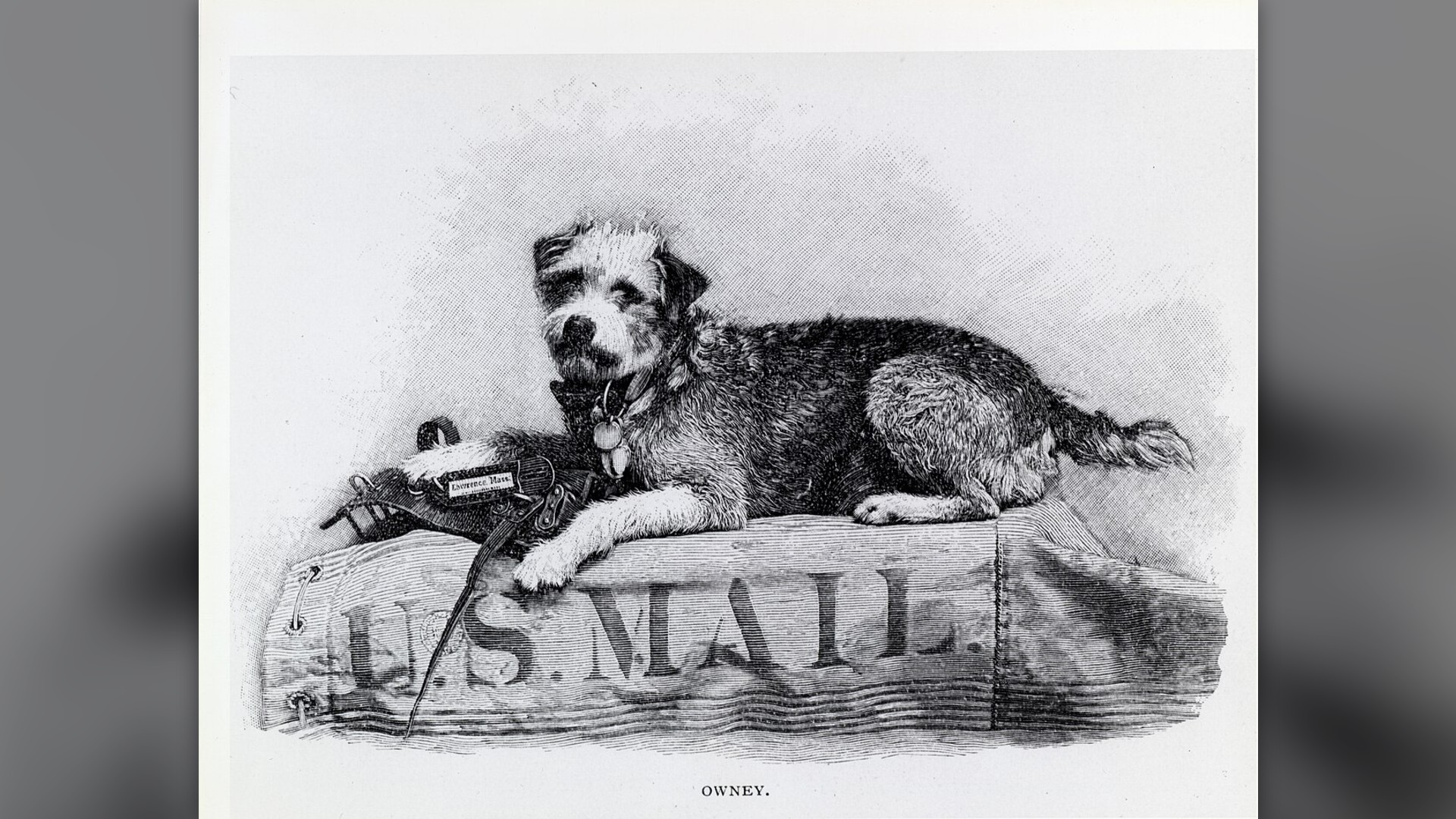
6. Owney The Railway Mail Mascot Dog
Found sleeping on mailbags at the Albany post office in 1888, Owney became a beloved good-luck charm for rail clerks. Traveling over one hundred forty thousand miles aboard mail trains, clerks pinned metal baggage tokens to his harness to track every journey he completed.
©Wikimedia / {{{1}}}
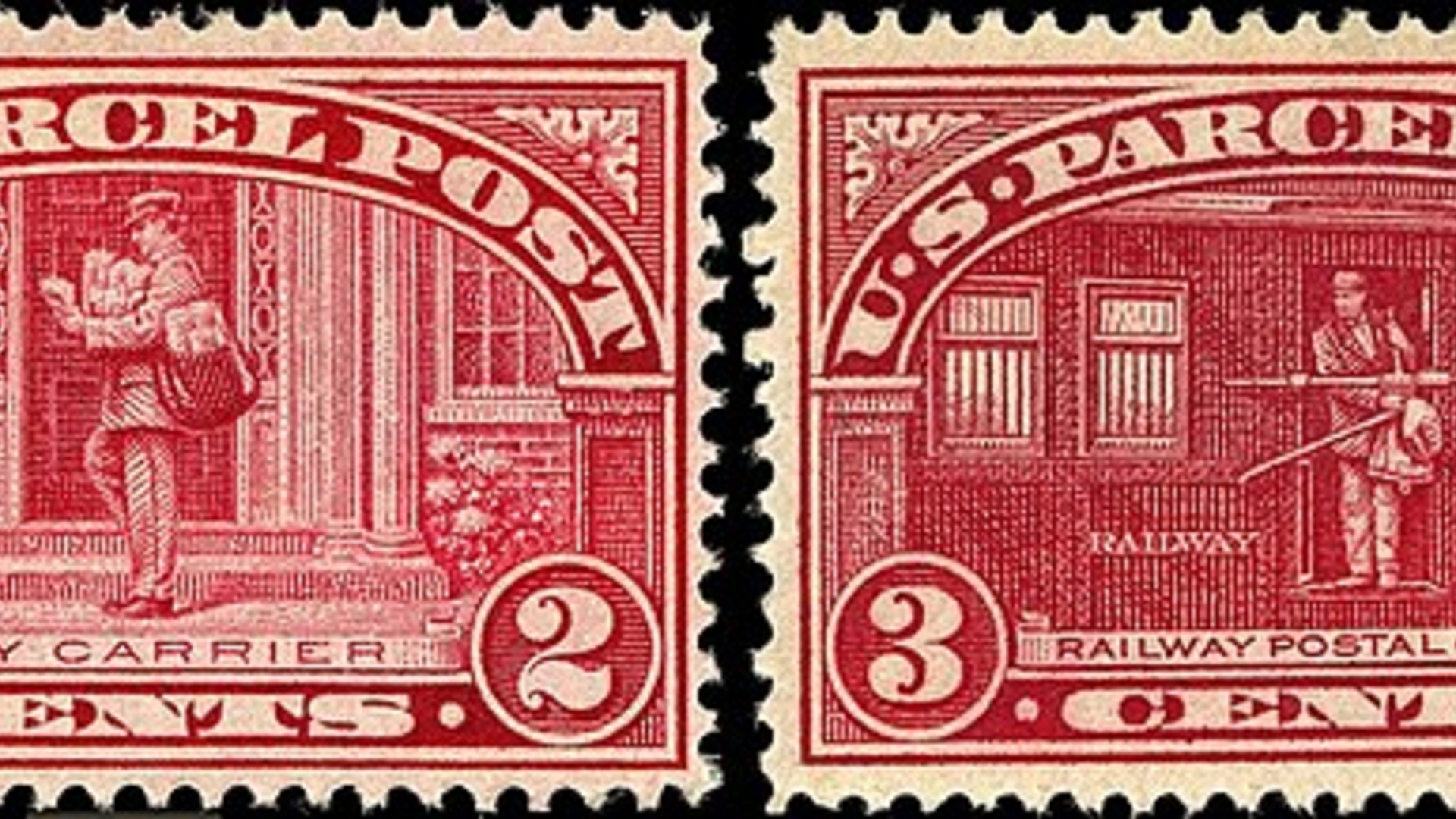
5. Mailing Children Via Parcel Post
When the Post Office introduced Parcel Post in 1913, regulations did not explicitly forbid living humans. In 1914, five-year-old May Pierstorff was mailed seventy-three miles to her grandmother's house in Idaho for fifty-three cents in stamps, prompting officials to promptly ban the practice.
©Wikimedia / Bureau of Engraving and Printing
4. Bank Of Vernal Mailed By Bricks
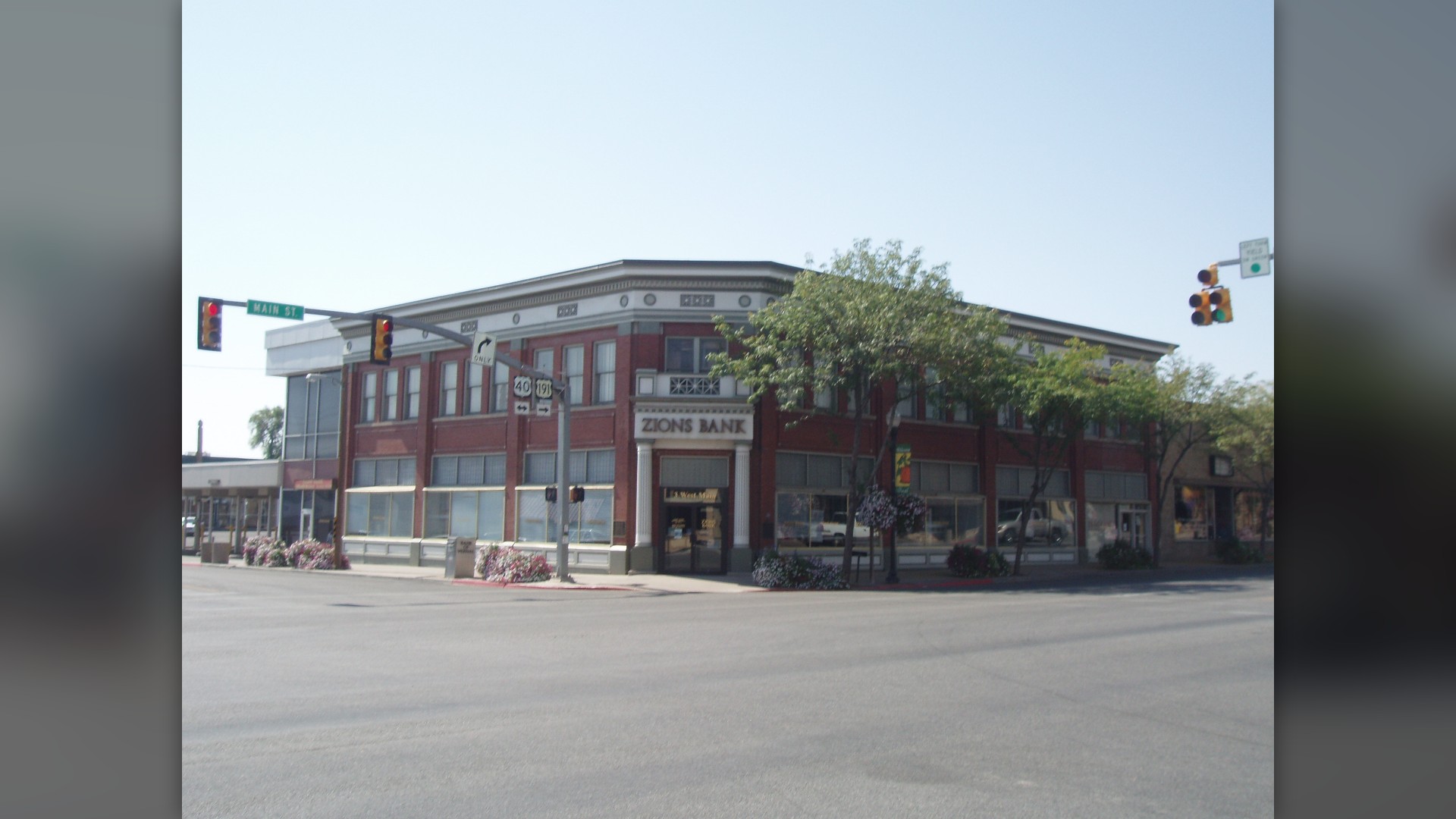
In 1916, businessman William Coltharp needed eighty thousand bricks shipped one hundred twenty miles across Utah to construct the Bank of Vernal. Finding parcel post significantly cheaper than commercial freight, he mailed the bricks in fifty-pound packages, overwhelming the local postal system.
©Wikimedia / Ntsimp
3. Hope Diamond Mailed In Brown Paper
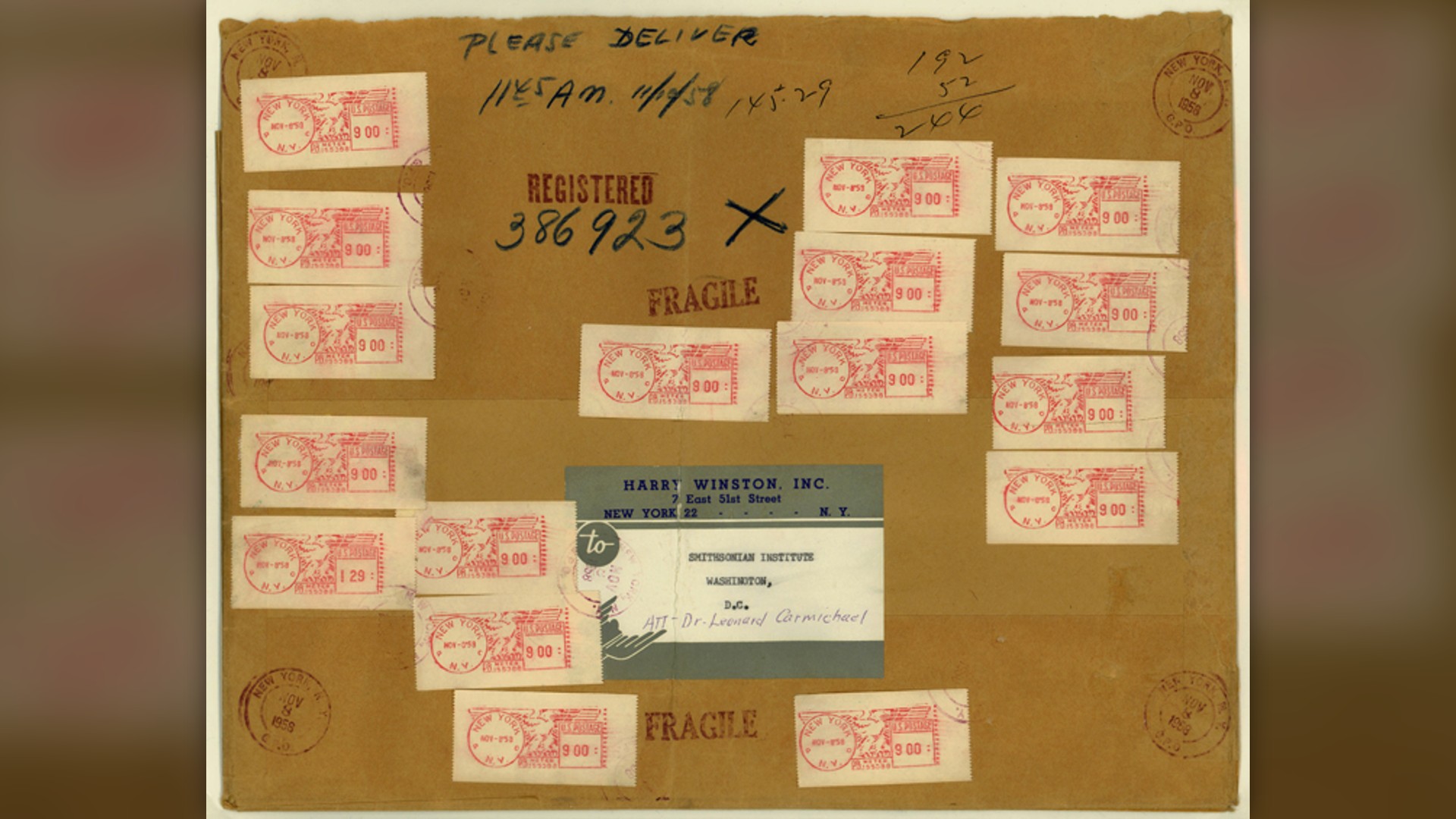
In November 1958, New York jeweler Harry Winston donated the priceless Hope Diamond to the Smithsonian Institution. Rather than hiring private security, he packaged the forty-five-carat blue gem in plain brown wrapping paper and sent it via registered mail for two dollars and forty-four cents.
©Wikimedia / United States Post Office Department
Advertisement
Swipe or tap ▶ to resume the countdown.
2. Specialized White House Mail Screening
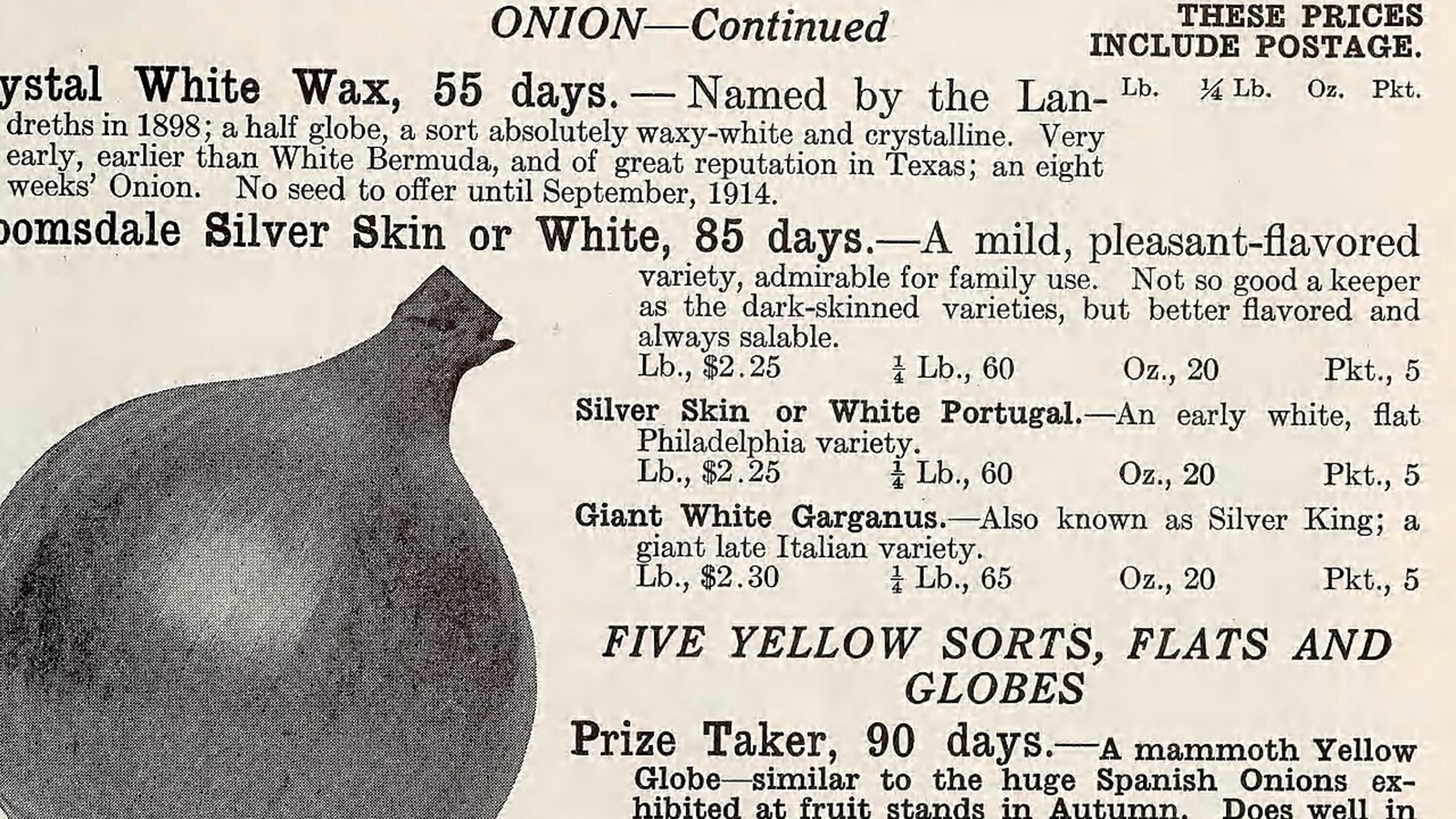
Following the 2001 postal anthrax attacks, all correspondence destined for the White House and congressional offices underwent radical security upgrades. Mail is routed through dedicated offsite facilities in Maryland, where envelopes are sanitized with electron beams before delivery.
©Wikimedia / Landreth, D. Seed Company
1. James A. Farley Postal Inscription
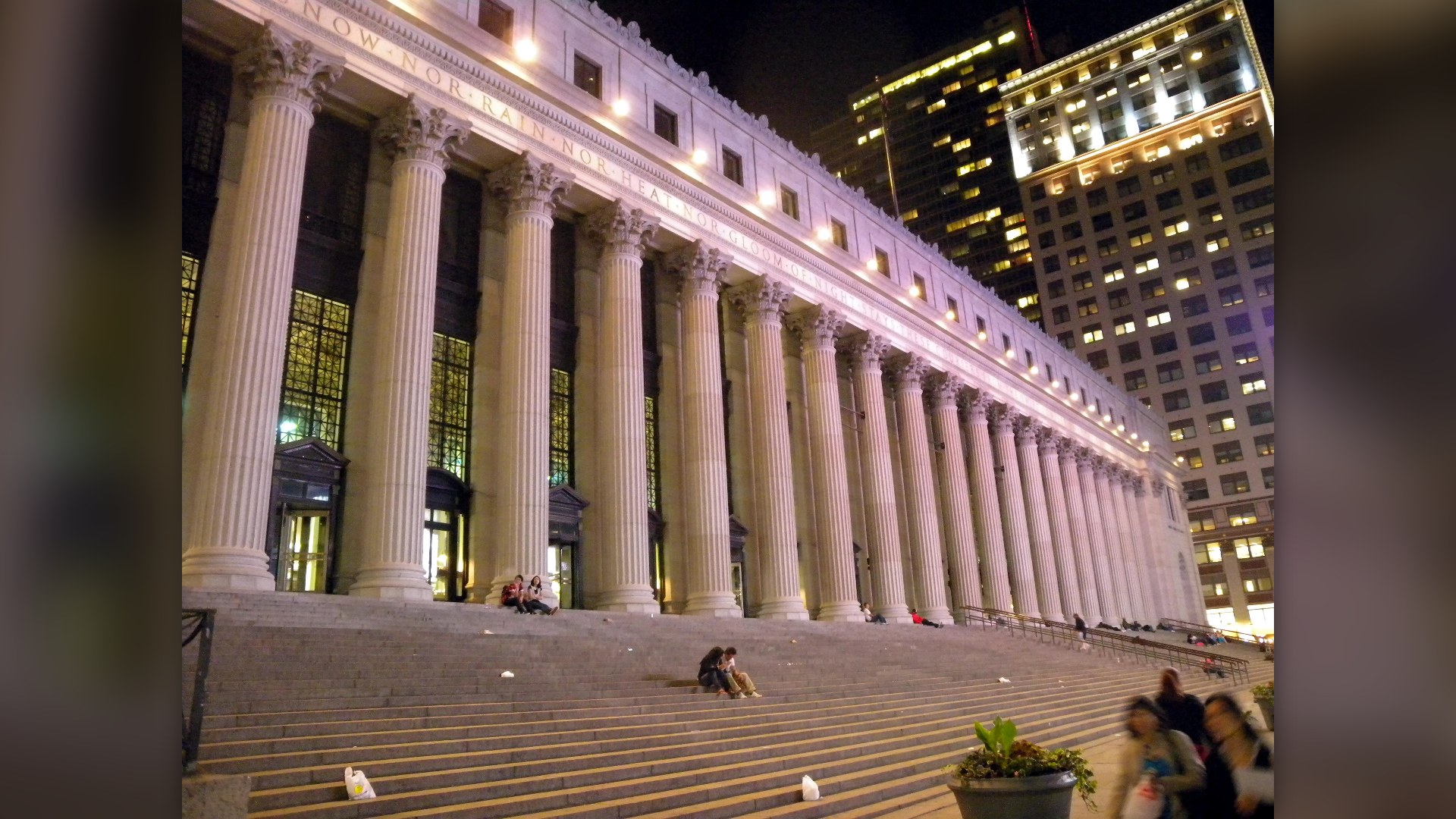
Neither snow nor rain nor heat nor gloom of night stays these couriers from the swift completion of their appointed rounds. Chiseled into the granite facade of the Farley Building in New York, the famous passage was adapted from Herodotus describing Persian mounted messengers in 500 BC.

©Wikimedia / Jim.henderson
Advertisement
You've reached the end of the story. Thanks for reading!

22 Rare Classic Cars That Only True Enthusiasts Recognize
Most drivers recognize a Ferrari or Porsche, yet automotive history hides dozens of small-batch cars built by independent studios. Drawn from manufacturer archives, the Petersen Automotive Museum, and Smithsonian records, this countdown profiles 22 rare models from 1936 to 2001 that reward sharp-eyed spotters.
All 25 Entries in this Story
25. The Smithsonian Postal Collection
The Smithsonian Institution began collecting postal artifacts in 1886 when a private donor gifted an 1860s postage stamp sheet. Today, the National Postal Museum preserves historic stagecoaches, early airmail biplanes, and oddities sent through the federal parcel system.

24. Rural Free Delivery Wagons
Before 1896, rural families had to travel miles over unpaved roads to distant town centers to collect correspondence. The launch of Rural Free Delivery connected remote agricultural homesteads to daily news, sparking nationwide roadway improvements and mail-order commerce.

23. Fort Jefferson Island Mail Service
Constructed in the Dry Tortugas during the nineteenth century, Fort Jefferson was one of the most remote military outposts in America. Mail schooners braved Gulf hurricanes to deliver dispatches to the garrison and high-profile Civil War prisoners housed within its brick ramparts.

22. Parachute Drops To Fire Lookouts
Wildfire spotters stationed on rugged mountain summits often spent months cut off from roads. Starting in the 1930s, federal airmail pilots flew low over remote forest fire lookout towers, dropping bundled letters, newspapers, and fresh provisions attached to small cargo parachutes.

21. Railway Mail Service Sorting Cars
Between the 1860s and 1970s, Railway Post Office cars formed the backbone of fast coast-to-coast communication. Specially trained postal clerks sorted letters by hand into pigeonhole bins while trains swayed at seventy miles per hour, snagging mailbags on the fly with steel hooks.

20. Hinsdale Post Office Longevity
Established in 1816, the Hinsdale Post Office has operated in the same general store location for over two centuries. Generations of residents have walked through its doors to collect letters from historic wooden lockboxes that predate the American Civil War.

19. Alaskan Dogsled Mail Routes
During harsh sub-zero Alaskan winters, frozen rivers and heavy snowdrifts made overland wagons impossible. Dedicated dog mushers carried hundreds of pounds of parcels and letters over the historic Iditarod Trail, braving blizzards to keep frontier mining settlements connected.

18. The Dead Letter Office
Founded by Benjamin Franklin, the Dead Letter Office functioned as the postal service's lost-and-found department. Clever clerks dubbed blind readers deciphered cryptic handwriting and smudged addresses, successfully redirecting millions of lost letters to their intended recipients.

17. Letters To Santa Claus Indiana
The town of Santa Claus, Indiana, was established in 1856 and quickly became an international holiday sensation. Every December, a dedicated volunteer group called Santa's Elves answers thousands of handwritten wish lists sent by hopeful children from every corner of the globe.

16. Fort Knox Gold Bullion Shipments
When the United States Bullion Depository opened at Fort Knox in 1937, officials chose the Post Office Department to transport the nation's gold reserves. Heavily armored railway cars carrying tons of gold bars were sent through registered mail, escorted by postal inspectors and military guards.

15. Titanic Postal Clerks Heroism
When the RMS Titanic struck an iceberg in April 1912, seawater poured directly into the mail sorting room on G-deck. Instead of fleeing to the lifeboats, American and British postal clerks worked frantically to haul hundreds of heavy registered sacks to safety before going down with the ship.

14. Apollo 15 Lunar Mail Covers
During the Apollo 15 mission, astronauts David Scott and James Irwin carried several hundred special postal covers aboard the Falcon lunar module. The envelopes were hand-stamped on the lunar surface and later sold to private collectors, prompting a high-profile congressional inquiry.

13. The Inverted Jenny Postage Stamp
Issued in May 1918 to inaugurate airmail service, a single sheet of one hundred twenty-four-cent stamps was mistakenly printed with its central biplane upside down. Collector William Robey purchased the misprinted sheet for twenty-four dollars, and single stamps now command millions at auction.

12. V-Mail Microfilm In World War II
To free up valuable shipping tonnage for ammunition and medical supplies, the postal service introduced Victory Mail in 1942. Clerks photographed paper letters onto tiny rolls of sixteen-millimeter microfilm, allowing thirty-seven mailbags of correspondence to fit into one compact box.

11. New York Pneumatic Mail Tubes
Between 1897 and 1953, New York City operated a twenty-seven-mile subterranean pneumatic tube network. Compressed air propelled cylindrical steel canisters carrying six hundred letters between twenty-three post offices, bypassing gridlocked traffic above ground.

10. Charles Lindbergh Airmail Flights
In 1926, young Charles Lindbergh worked as a chief pilot for the Robertson Aircraft Corporation delivering contract airmail. Flying open-cockpit biplanes through blizzards and fog with only a compass and flashlight, Lindbergh twice parachuted to safety after running out of fuel in storms.

9. The Pony Express St. Joseph Route
Launched in April 1860 from Saint Joseph, Missouri, the Pony Express replaced slow stagecoaches with an endurance relay of agile horse riders. Stations positioned ten miles apart allowed couriers to switch mounts in seconds, delivering urgent mail across nearly two thousand miles of wilderness.

8. Detroit River Floating Mail Boat
Operating since 1874, the J.W. Westcott II is the only floating post office with its own ZIP code, 48222. The forty-five-foot vessel pulls alongside giant one-thousand-foot cargo freighters cruising the Detroit River, hoisting mail and groceries to sailors in buckets tied to ropes.

7. Grand Canyon Supai Mule Train Mail
Located three thousand feet below the rim of the Grand Canyon, the Native American village of Supai is inaccessible by motor vehicles. Five days a week, a postal contractor leads a string of sure-footed pack mules carrying letters, medicine, and food down narrow switchbacks to the canyon floor.

6. Owney The Railway Mail Mascot Dog
Found sleeping on mailbags at the Albany post office in 1888, Owney became a beloved good-luck charm for rail clerks. Traveling over one hundred forty thousand miles aboard mail trains, clerks pinned metal baggage tokens to his harness to track every journey he completed.

5. Mailing Children Via Parcel Post
When the Post Office introduced Parcel Post in 1913, regulations did not explicitly forbid living humans. In 1914, five-year-old May Pierstorff was mailed seventy-three miles to her grandmother's house in Idaho for fifty-three cents in stamps, prompting officials to promptly ban the practice.

4. Bank Of Vernal Mailed By Bricks
In 1916, businessman William Coltharp needed eighty thousand bricks shipped one hundred twenty miles across Utah to construct the Bank of Vernal. Finding parcel post significantly cheaper than commercial freight, he mailed the bricks in fifty-pound packages, overwhelming the local postal system.

3. Hope Diamond Mailed In Brown Paper
In November 1958, New York jeweler Harry Winston donated the priceless Hope Diamond to the Smithsonian Institution. Rather than hiring private security, he packaged the forty-five-carat blue gem in plain brown wrapping paper and sent it via registered mail for two dollars and forty-four cents.

2. Specialized White House Mail Screening
Following the 2001 postal anthrax attacks, all correspondence destined for the White House and congressional offices underwent radical security upgrades. Mail is routed through dedicated offsite facilities in Maryland, where envelopes are sanitized with electron beams before delivery.

1. James A. Farley Postal Inscription
Neither snow nor rain nor heat nor gloom of night stays these couriers from the swift completion of their appointed rounds. Chiseled into the granite facade of the Farley Building in New York, the famous passage was adapted from Herodotus describing Persian mounted messengers in 500 BC.