Slideshow · Animals
20 Vital Things Pet Owners Must Know Before Taking Dogs Out in Winter
Sub-zero wind chills, icy sidewalks, and toxic chemical melts turn daily dog walks into hazardous outings. Based on American Veterinary Medical Association and ASPCA guidelines, this guide details twenty vital cold weather precautions to keep companion canines safe, warm, and injury-free all through the winter.






All 20 Entries in this Story
20. Check Outdoor Wind Chill
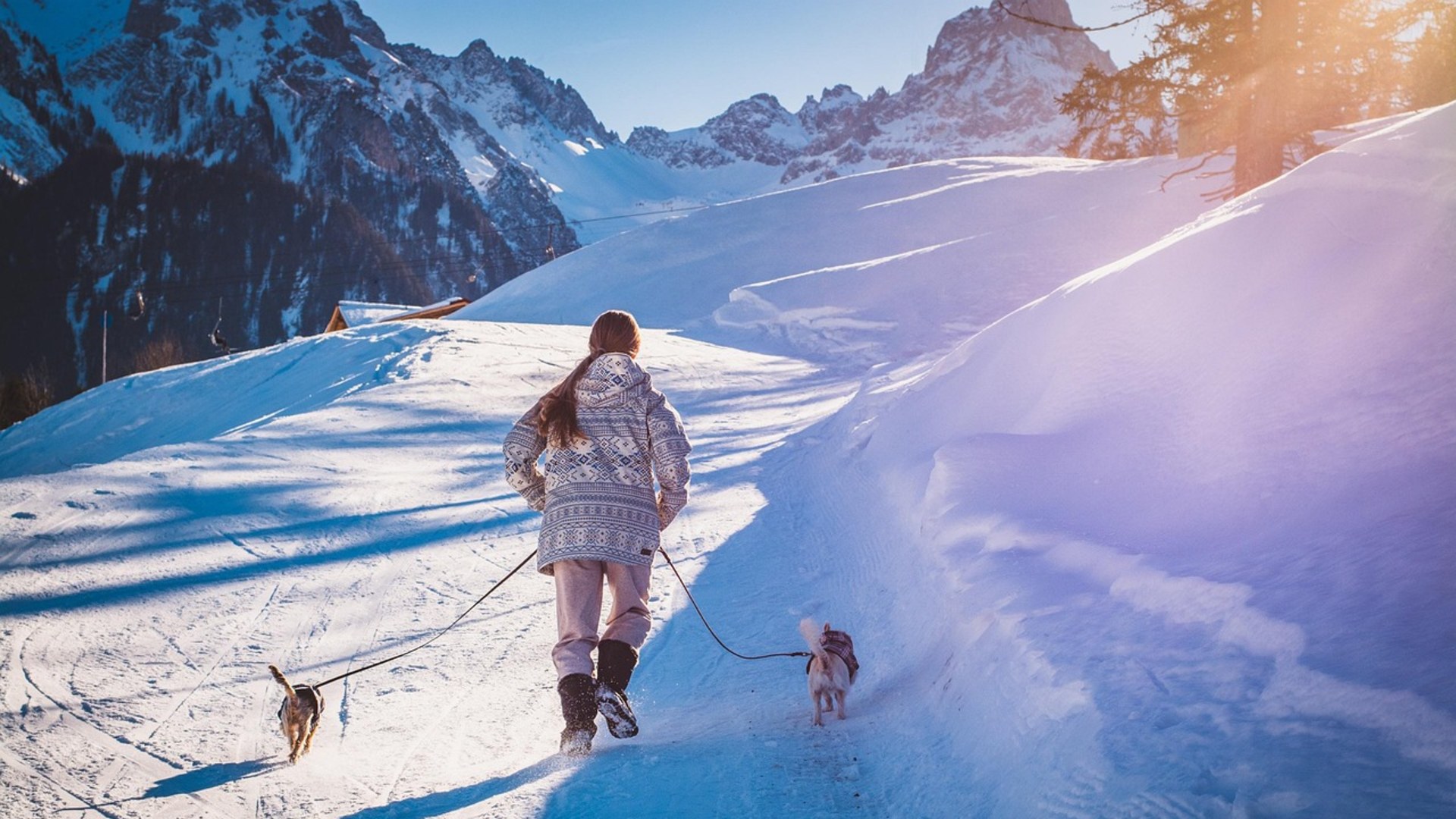
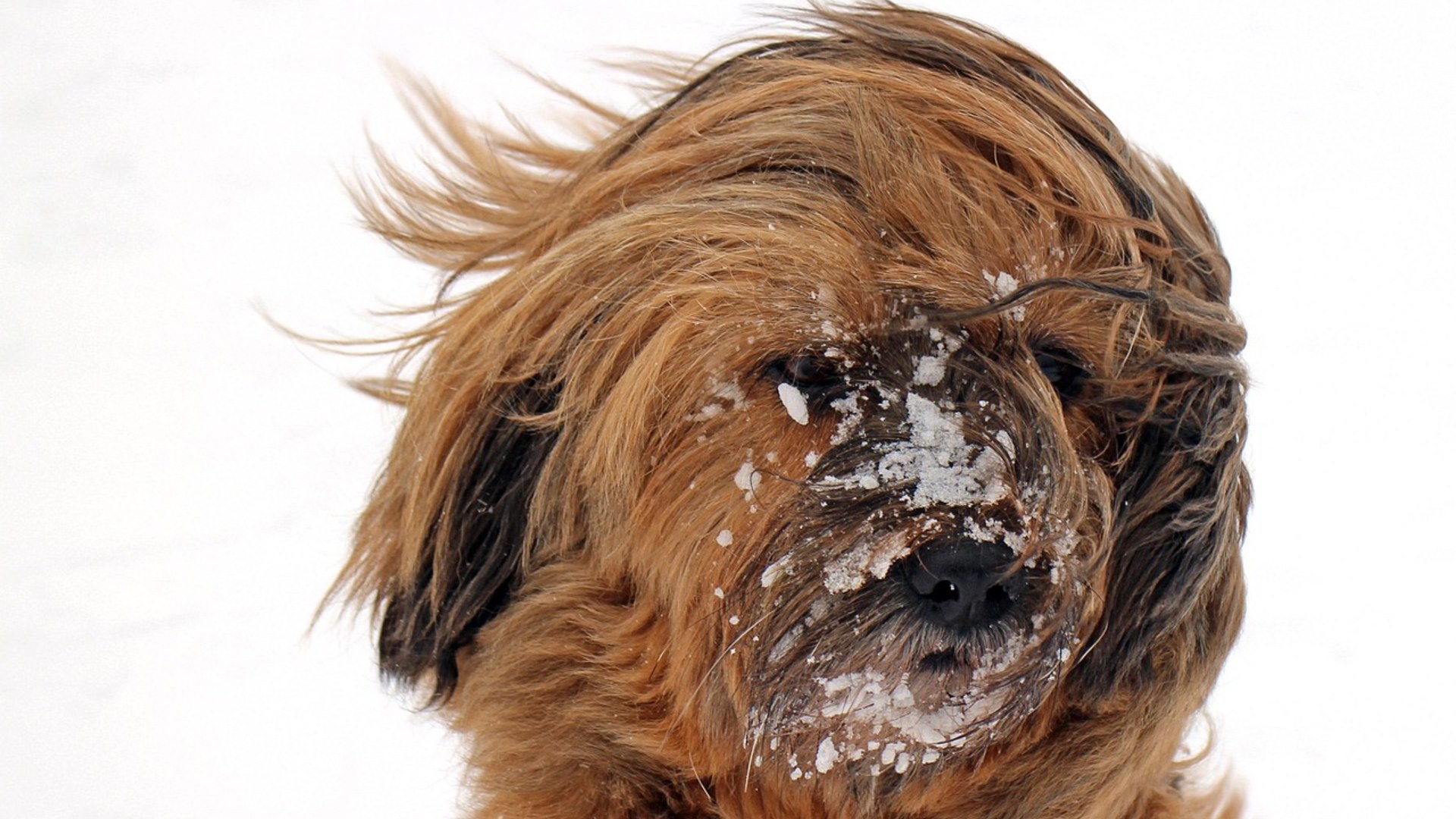
Air temperature alone can deceive owners because gusty winter winds strip body heat away rapidly. Tufts Animal Care veterinary guidelines note that wind chills below 20 degrees Fahrenheit create dangerous hypothermia risks for most domestic dogs. Always check real-feel forecasts before heading out the front door.
19. Shorten Walk Durations
Prolonged exposure to freezing ground chills paws and saps core canine body temperature quickly. The ASPCA advises replacing one lengthy 45-minute stroll with three brisk ten-minute exercise loops during harsh weather. This routine lets dogs relieve themselves fully while minimizing their exposure to biting frost.
18. Fit Protective Dog Booties
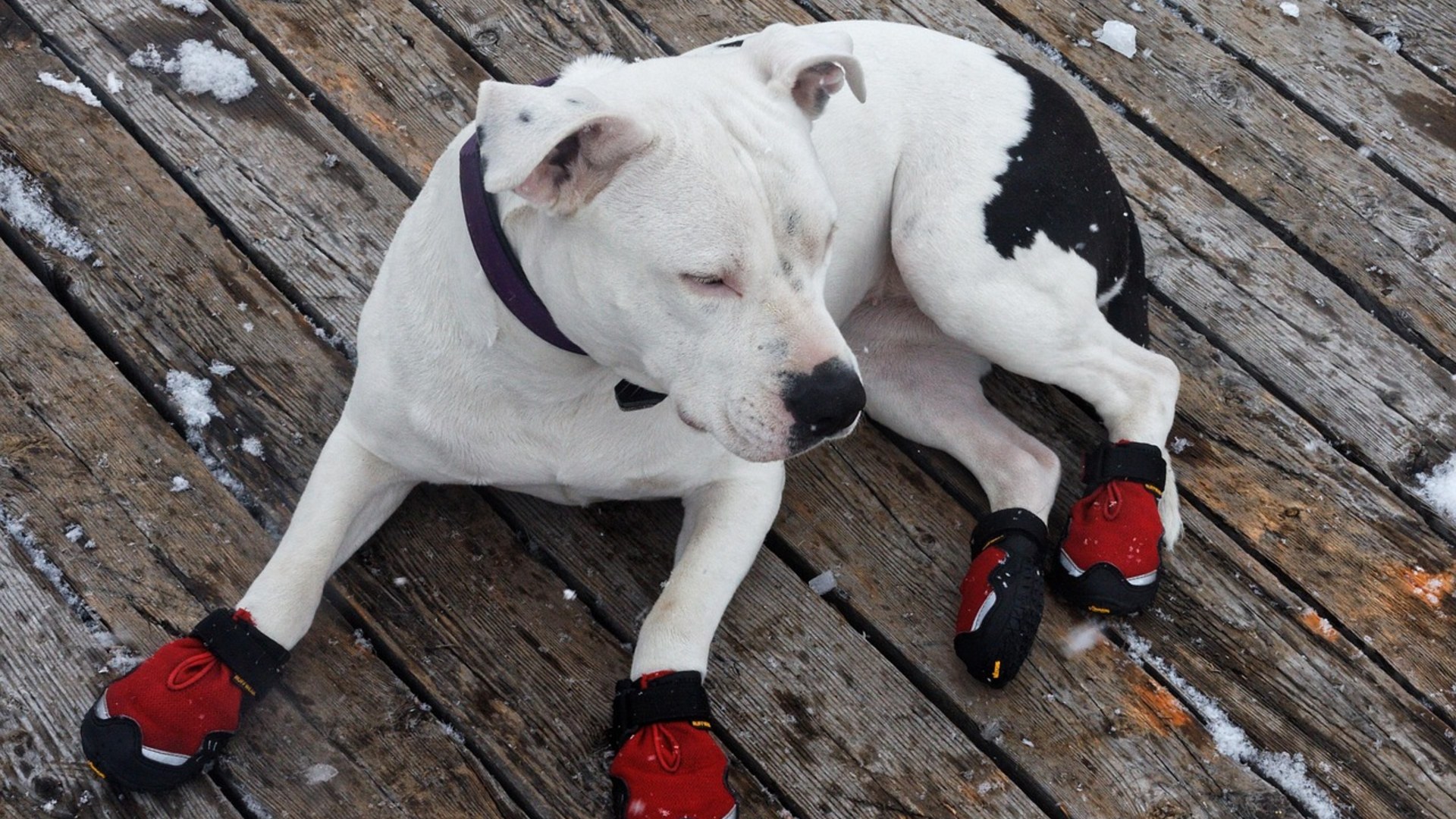
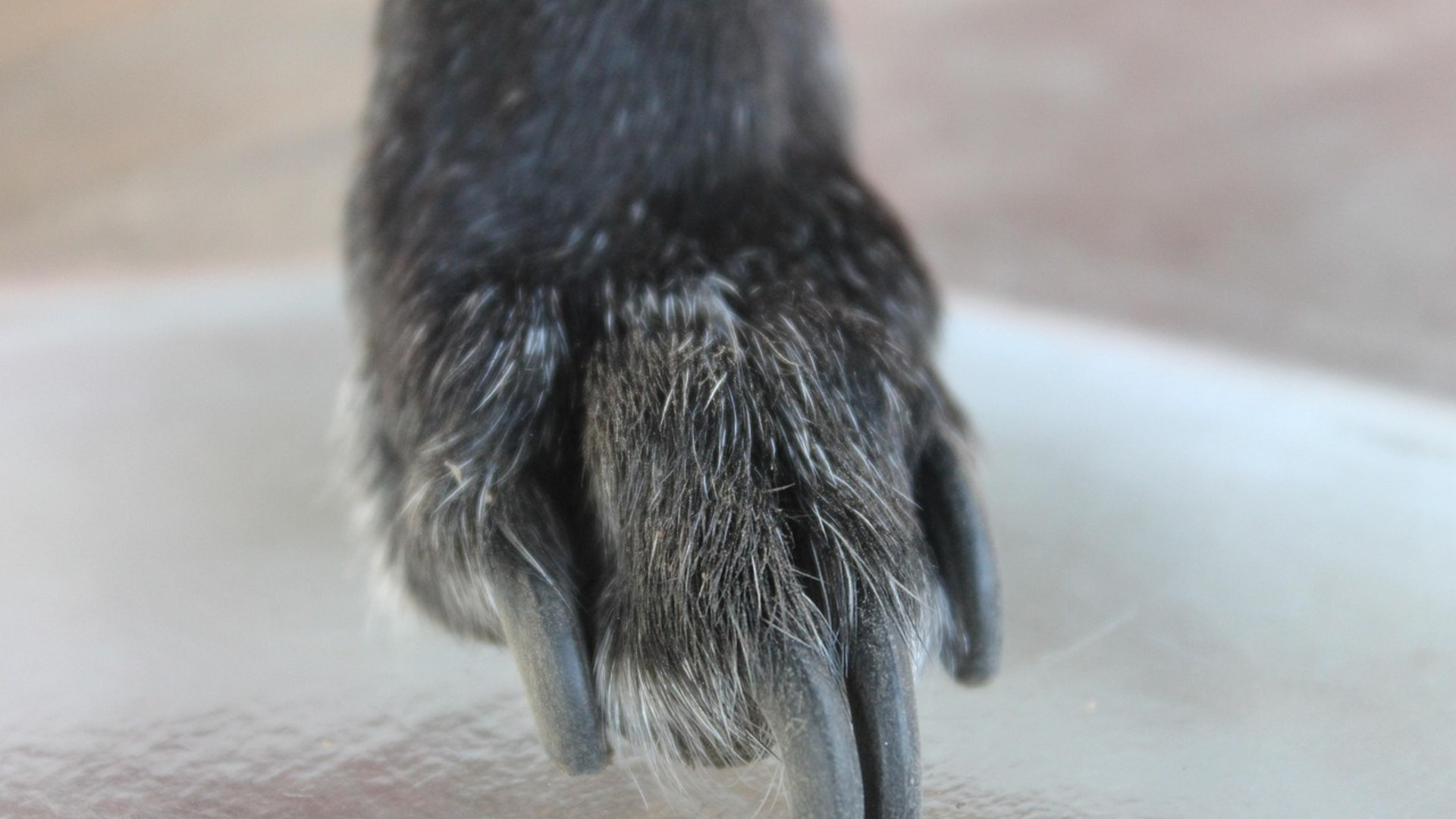
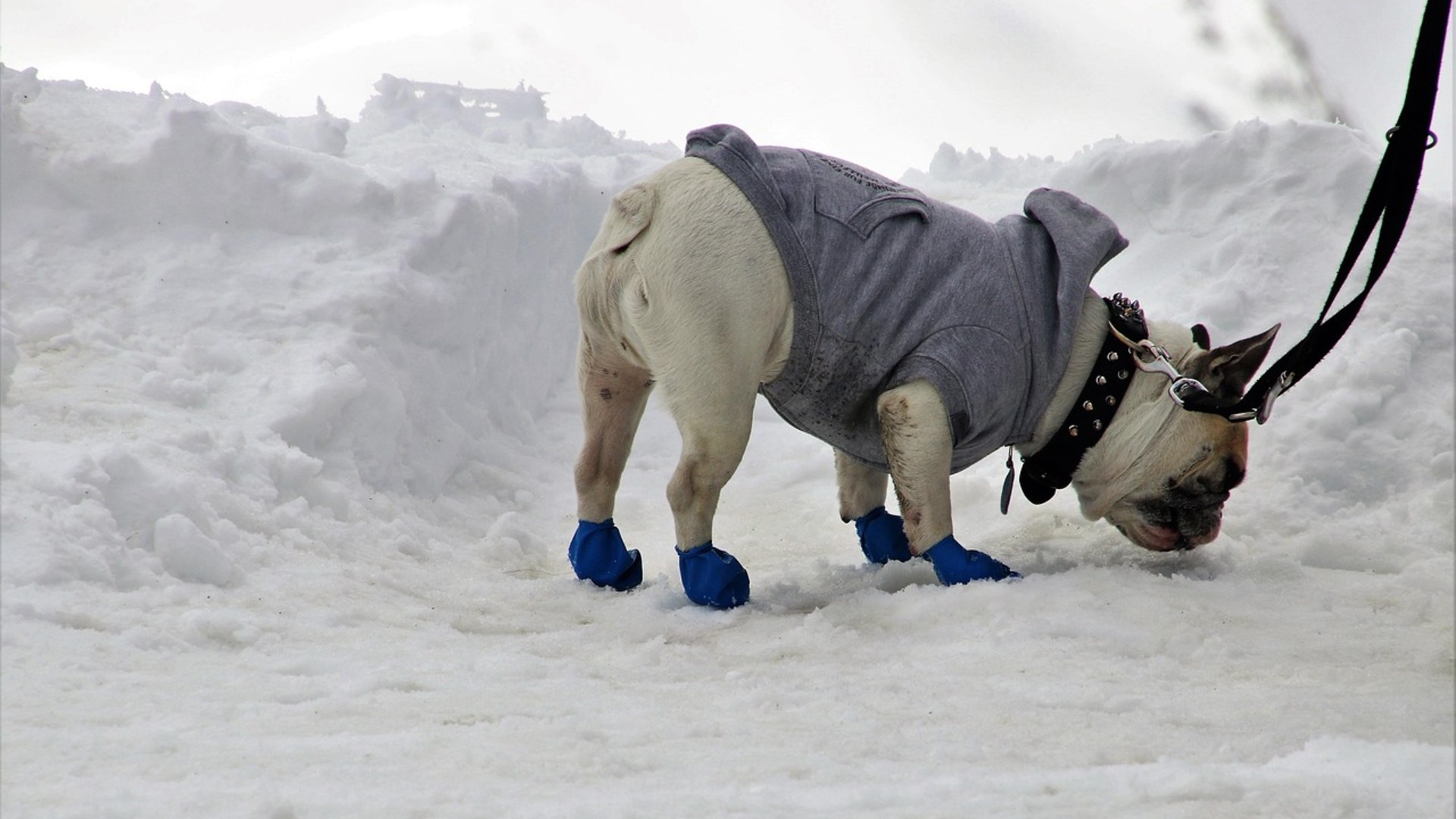
Canine paw pads remain vulnerable to sharp ice crusts, hidden gravel, and corrosive road salts. The American Kennel Club recommends conditioning dogs to slip-resistant winter booties equipped with secure velcro straps. Quality boots create a physical barrier against severe frostbite and painful chemical burns.
17. Apply Paw Protection Wax
If your canine companion stubbornly kicks off winter booties, dense barrier wax offers a reliable alternative. Spreading a thick layer of food-safe paw balm across pads before walks creates a moisture barrier. The American Veterinary Medical Association notes that balm reduces ice accumulation between their toes.
16. Rinse Paws After Every Walk
Municipal street teams spread chemical de-icers across roads and neighborhood pavements every winter. Canines naturally groom their feet upon returning indoors, accidentally ingesting toxic chemical residue. Gently wiping paws with a warm, damp towel immediately upon entering prevents severe mouth inflammation.
15. Beware Hidden Toxic Antifreeze
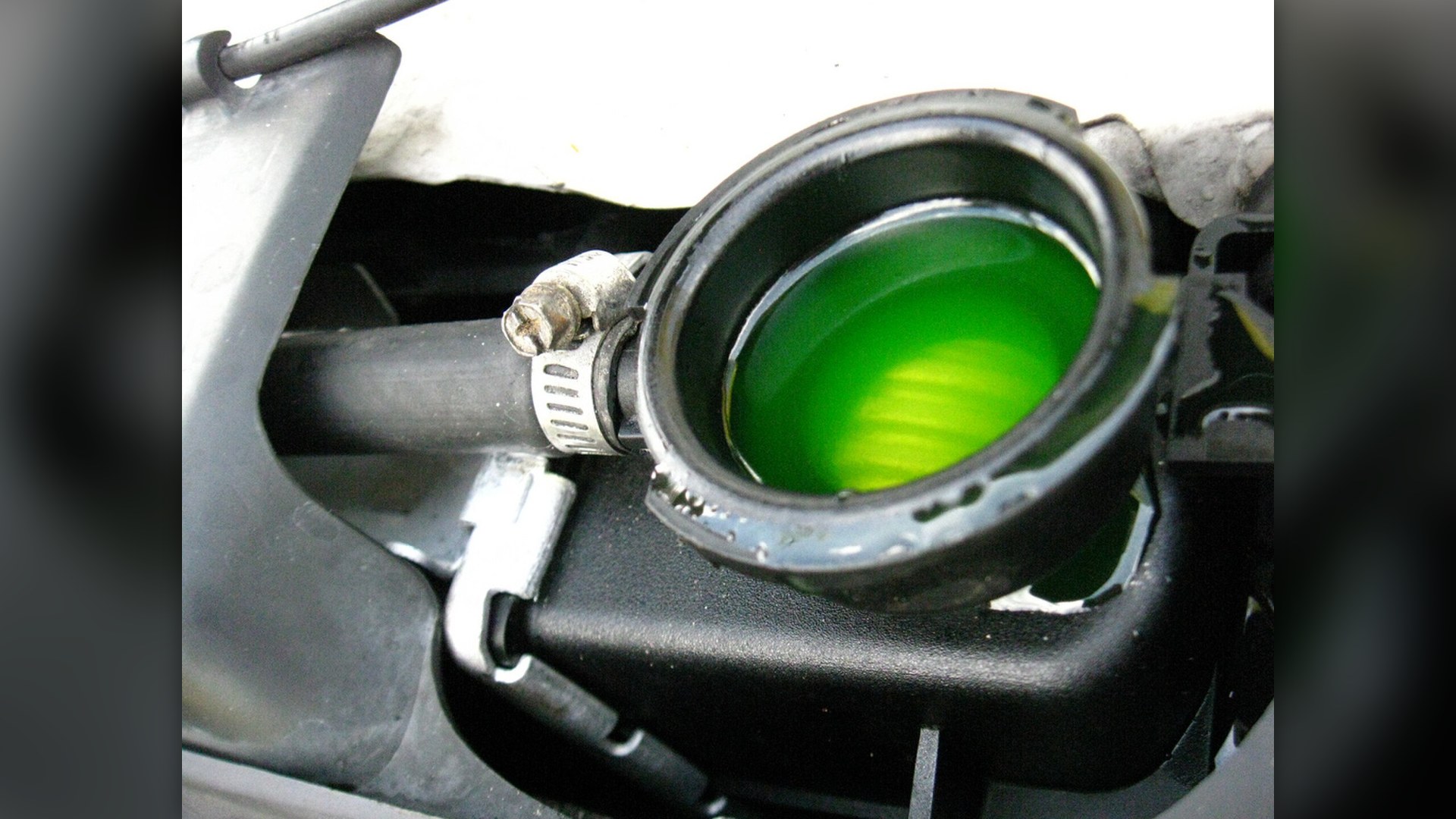
Ethylene glycol leaks from vehicle radiators during freezing weather and pools in curbside gutters. Its sweet aroma attracts curious canines, but just one teaspoon can trigger fatal acute kidney failure. The Cornell Veterinary College emphasizes steering dogs away from discolored puddles on driveways and roads.
14. Avoid Chemical Rock Salt
Traditional coarse rock salts used on municipal walkways produce exothermic reactions that irritate canine foot pads. Walking barefoot over heavily treated salt zones causes severe burning sensations, redness, and cracking. VCA Animal Hospitals recommends choosing walking paths treated only with pet-safe de-icers.
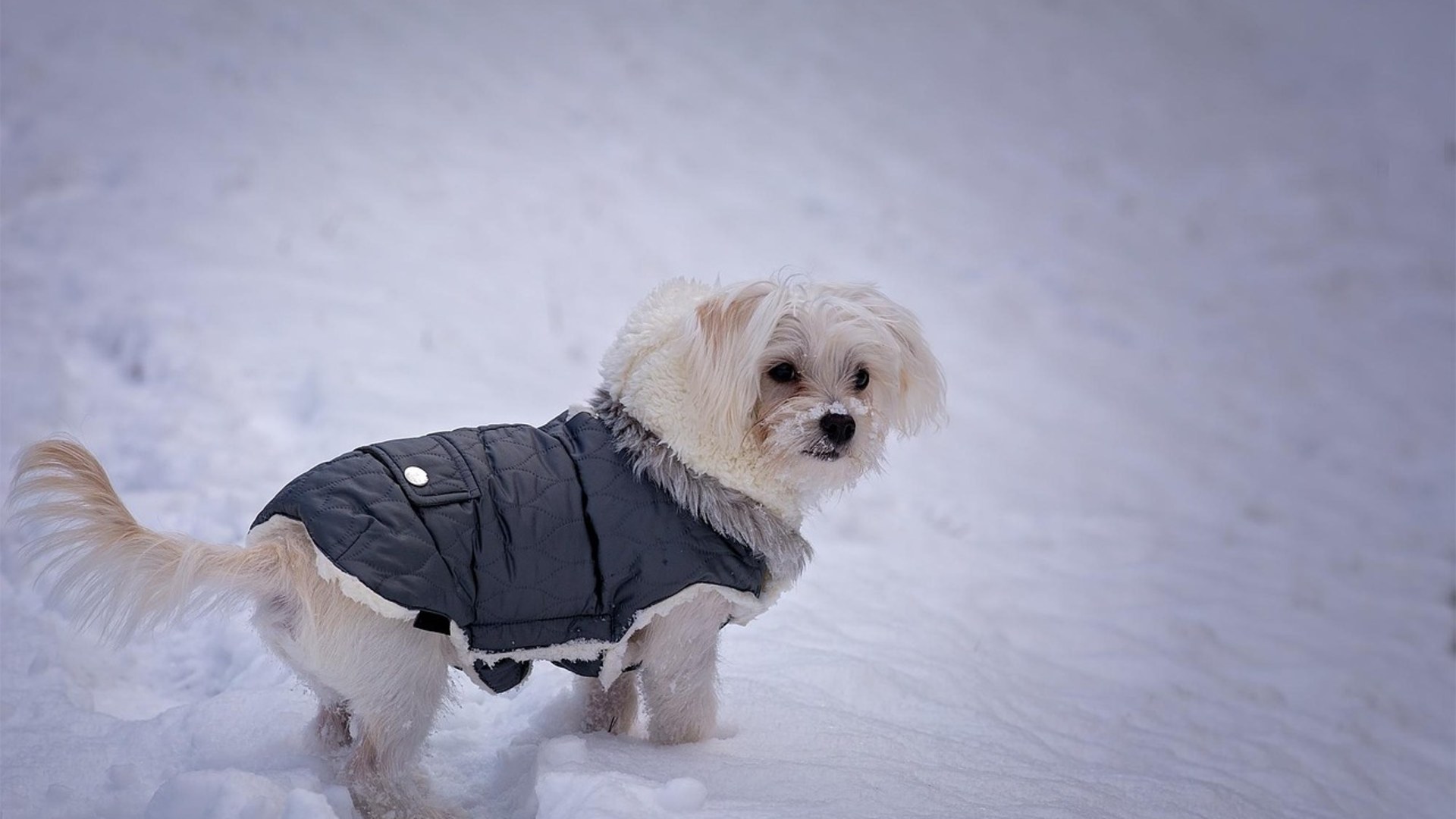
13. Put Sweaters On Short Coats
Breeds like Whippets, Chihuahuas, and Boxers possess thin coats and low body fat reserves, making natural heat retention difficult. Providing a water-repellent, fleece-lined dog jacket prevents rapid core hypothermia during sub-zero outings. The American Kennel Club recommends selecting coats covering the belly.
12. Never Leave Dogs In Cold Cars
Most pet parents understand the dangers of hot cars in summer, but cold vehicles pose equal threats. Parked cars rapidly lose interior engine heat, turning into metal refrigerators within fifteen minutes. The Humane Society of the United States warns that leaving dogs in parked winter cars can cause hypothermia.
11. Steer Clear Of Frozen Lakes
Frozen neighborhood ponds and lakes appear sturdy, but surface ice thickness varies unpredictably. Dogs chasing water birds or tennis balls can plunge through thin crusts into freezing water within seconds. The American Veterinary Medical Association urges owners to keep dogs leashed near frozen bodies of water.
10. Clip Excess Paw Pad Fur
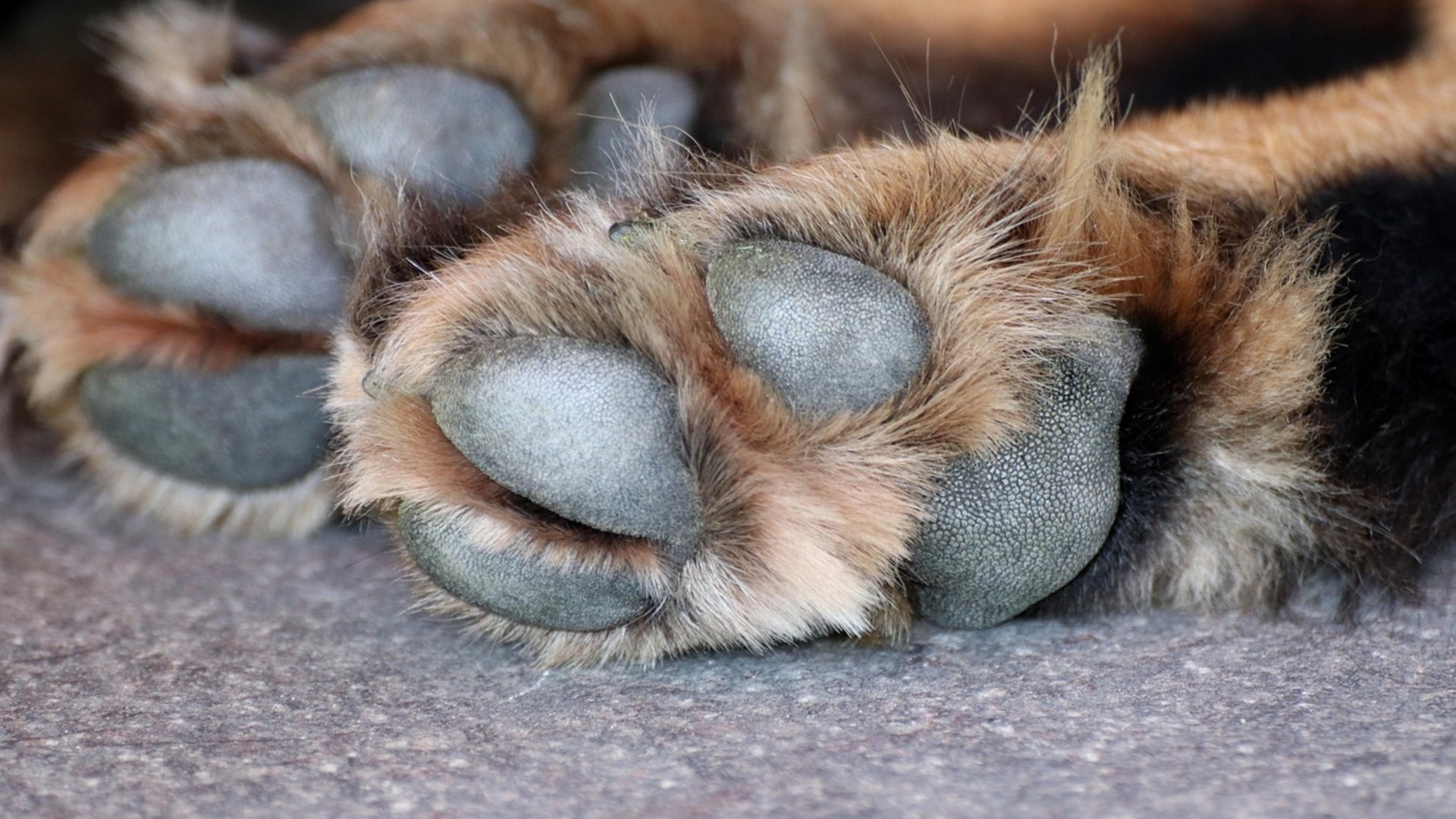
Long-haired breeds collect slush and snow between their digital toe pads during routine strolls. Body heat melts the trapped slush, which then refreezes into hard, jagged ice pellets that tear sensitive pad tissue. Regular trimming of interdigital fur with grooming shears prevents these painful ice knots entirely.
9. Use Reflective Gear At Dusk
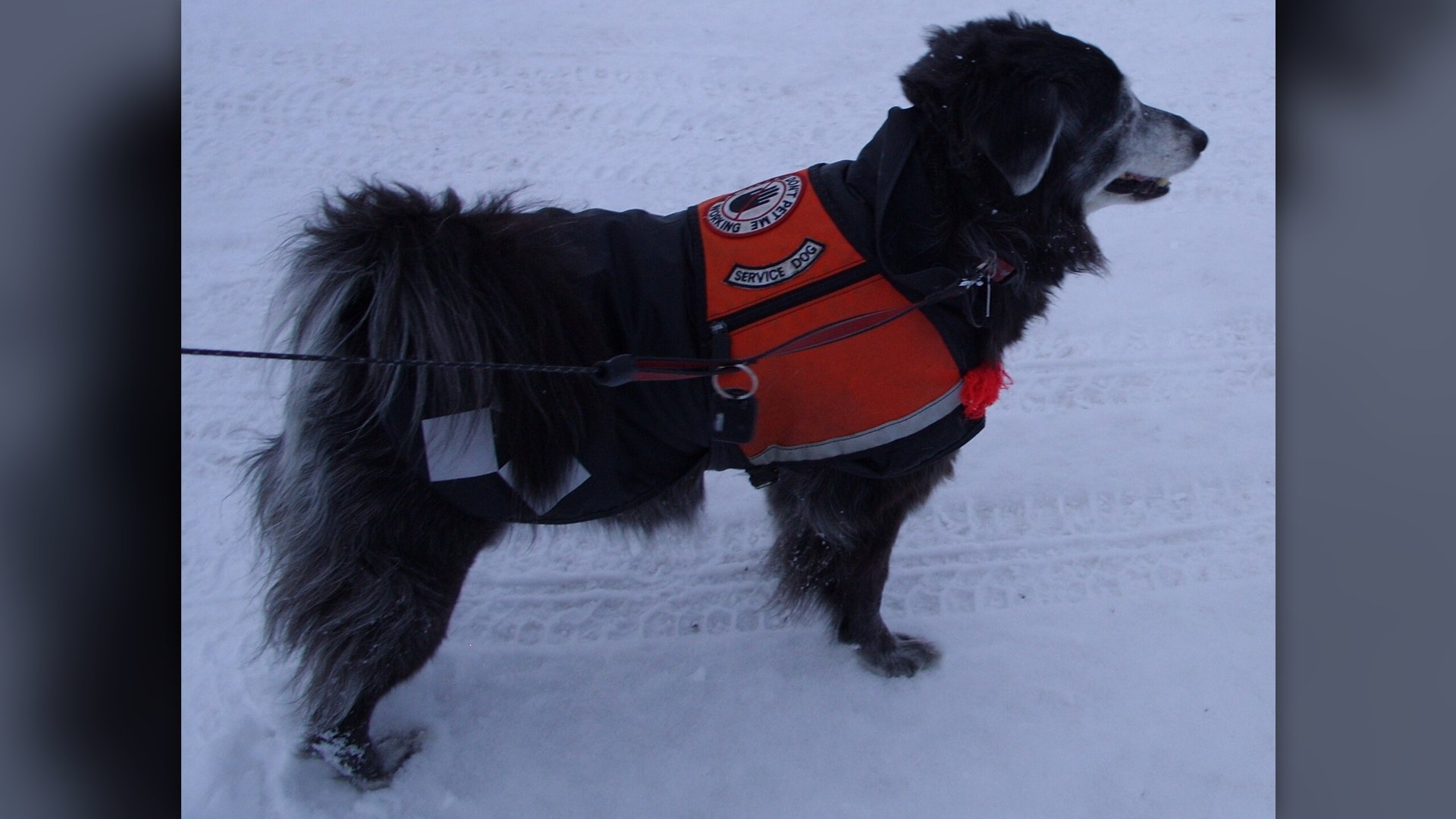
Winter brings early twilight, poor street visibility, and overcast snow squalls that obscure walking companions from motorists. Outfitting your canine with rechargeable LED collars and reflective safety vests ensures drivers spot them from distance. The ASPCA stresses visibility as a primary winter safety duty.
8. Keep Leashes Firmly Attached
Heavy snowfall and freezing temperatures mask familiar ground scents and landmark odors dogs rely on to find their way home. Sudden snowstorms can disorient an off-leash dog, causing panic and erratic bolting. The American Humane Association reports that more family pets go missing during winter than any season.
7. Increase Caloric Intake Carefully
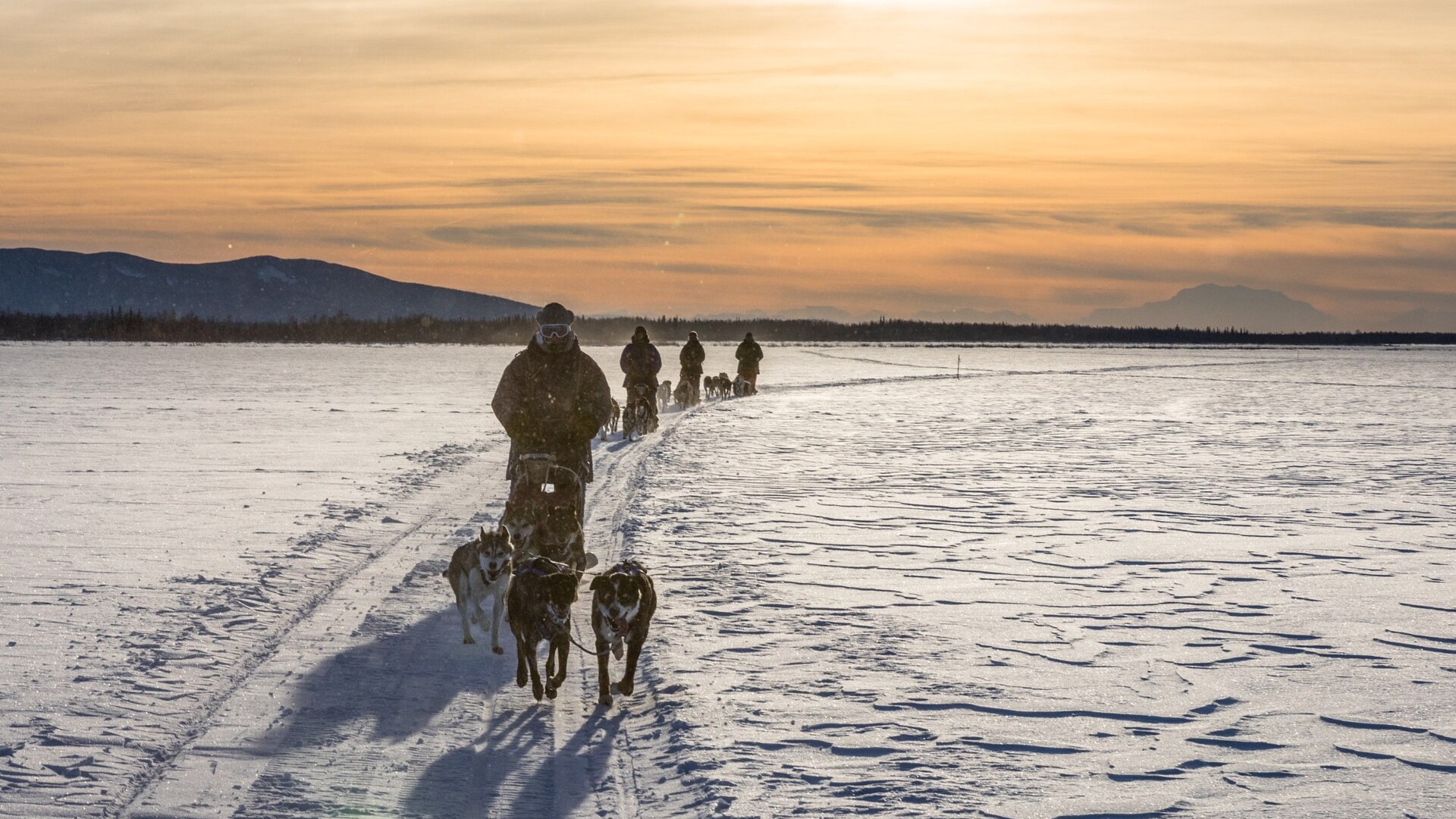
Dogs that spend extended periods outdoors burning calories to maintain stable core body temperatures require adjusted nutrition. Working northern breeds often need ten to twenty percent more daily food calories during peak freeze cycles. Sedentary house dogs needing less exercise require strict portion control.
6. Watch For Shivering And Lethargy
Trembling is an involuntary canine muscular response designed to produce heat when core body temperature drops. If your dog begins shivering, hunching its back, or whining anxiously, its natural cold defenses have failed. Veterinary emergency specialists advise heading inside immediately to warm the animal slowly.
5. Protect Sensitive Ear Tips
Peripheral canine tissues receive restricted blood flow when the body prioritizes warming vital internal body organs. Thin ear margins, tail tips, and scrotal tissues represent the most frequent sites of localized winter frostbite. Cornell veterinary experts note that affected skin appears pale, grey, and cold.
4. Avoid Metal Leash Clips Touching Skin
Sub-zero temperatures turn metal leash hardware, choke chains, and identification tags into conductive hazards. Freezing metal snaps that brush against moist noses, tongues, or thin bellies can stick to skin, causing painful tearing. Inspecting equipment and using nylon-sleeved gear eliminates metal freeze burns.
3. Recognize Paw Lift Discomfort
When a walking dog halts abruptly and begins alternating paw lifts, the freezing ground surface has overwhelmed its tolerance. Direct contact with packed ice constricts digital capillary vessels, producing acute pain and cramps. Pick up small dogs or guide larger companions immediately onto soft, snow-free ground.
2. Guard Vulnerable Senior Joints
Cold outdoor temperatures increase joint fluid viscosity and stiffen connective tissues in older arthritic canines. Slippery, packed ice sheets also heighten risks of painful falls, ligament sprains, and spinal trauma. The American Veterinary Medical Association recommends heated indoor recovery beds for seniors.
1. Spot Hypothermia Warning Signs
Severe canine hypothermia occurs when core internal body temperature drops below 95 degrees Fahrenheit. Severe cases exhibit fixed dilated pupils, slow shallow respirations, stupor, and complete collapse. Tufts emergency clinicians urge wrapping affected dogs in warm blankets and transporting directly to hospital.