Slideshow · Viral
25 Countries With Unique Rules for Owning Property
Property ownership laws differ dramatically across borders, from coastal ownership bans to lifetime state leases. Based on statutory land codes and reports from the Library of Congress, BBC, Reuters and Bloomberg, these 25 nations enforce strict and surprising legal requirements before individuals can buy real estate.

By Most Viral Today
19 min ago

Where Buying a Home Requires Special Permits, Bloodlines or State Approvals 
25. Thailand 
24. Mexico 
23. Switzerland - AdvertisementSwipe or tap ▶ to continue countdown

22. New Zealand 
21. Denmark 
20. China 
19. Singapore - AdvertisementSwipe or tap ▶ to continue countdown

18. Greece 
17. Bermuda 
16. Philippines 
15. Fiji - AdvertisementSwipe or tap ▶ to continue countdown

14. Austria 
13. Iceland 
12. Indonesia 
11. Croatia - AdvertisementSwipe or tap ▶ to continue countdown

10. Vietnam 
9. Australia 
8. Jersey 
7. Canada - AdvertisementSwipe or tap ▶ to continue countdown

6. Turkey 
5. Seychelles 
4. Malta 
3. Vanuatu - AdvertisementSwipe or tap ▶ to continue countdown

2. Maldives 
1. Liechtenstein - Advertisement🔥 UP NEXT IN THIS SERIES◫ 21 Slides

20 Famous Concert Halls Known for Their Acoustic Design
World-class concert halls rely on geometry, dense plaster, and specialized timber to deliver clear acoustic balance. From classic shoebox halls in Europe to vineyard terraces in modern capitals, each venue shapes sound reflections. This guide examines 20 venues celebrated by acousticians and orchestra leaders.
Property ownership laws differ dramatically across borders, from coastal ownership bans to lifetime state leases. Based on statutory land codes and reports from the Library of Congress, BBC, Reuters and Bloomberg, these 25 nations enforce strict and surprising legal requirements before individuals can buy real estate.

Swipe or tap ▶ to begin the countdown
©Wikimedia / KennethFKL1994
25. Thailand
The Thai Condominium Act stipulates foreign buyers may only own up to 49% of a building's total saleable residential floor space. Individual land ownership remains completely off-limits to overseas buyers, forcing non-citizens to arrange long-term 30-year renewable land leases.
©Pixabay / viarami
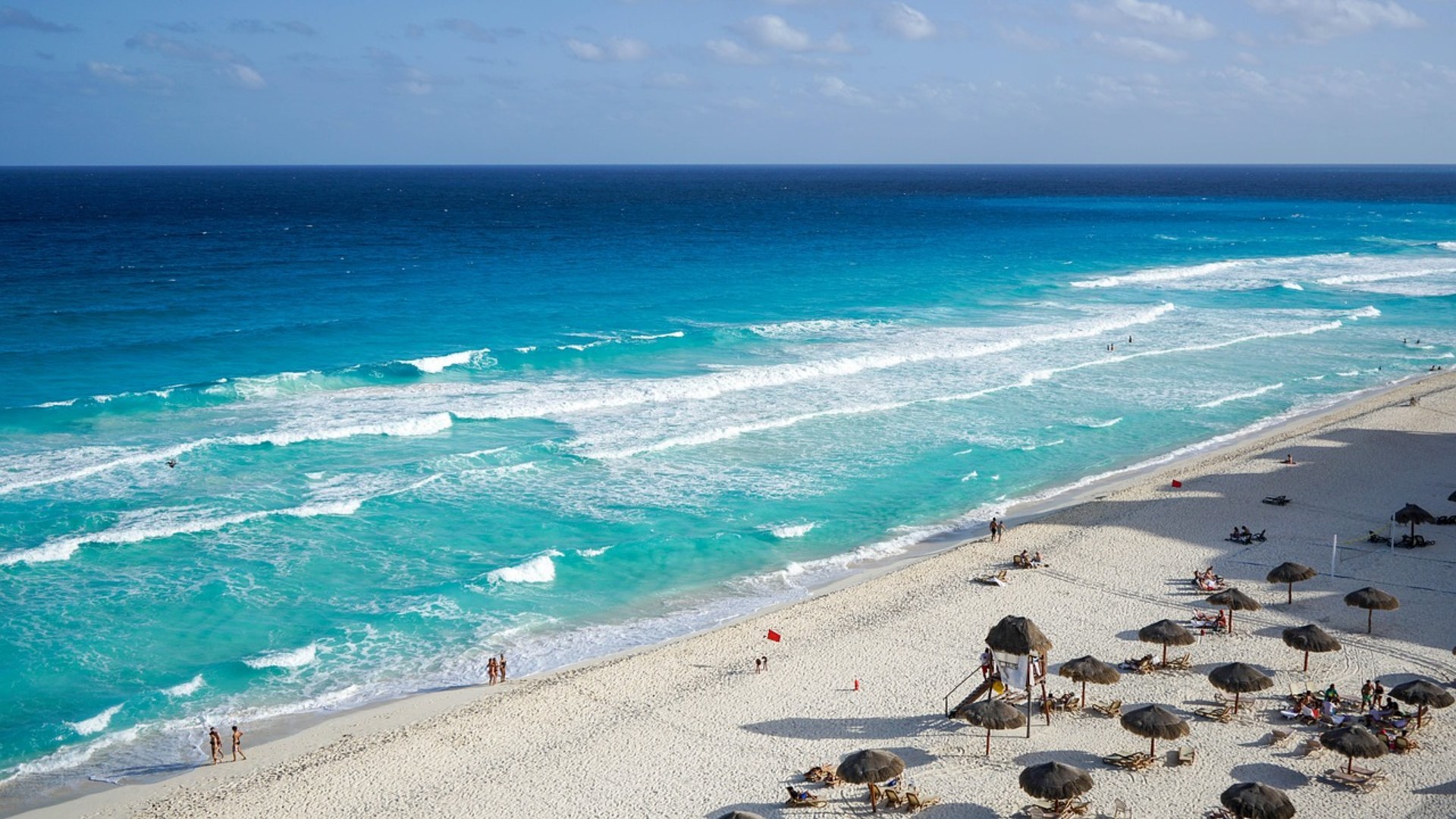
24. Mexico
Article 27 of the Mexican Constitution restricts non-citizens from direct land deeds within 50 kilometers of the ocean or 100 kilometers of borders. Buyers must establish a fideicomiso, a 50-year renewable bank trust where a Mexican financial institution holds legal title on their behalf.
©Pixabay / Michelle-Maria
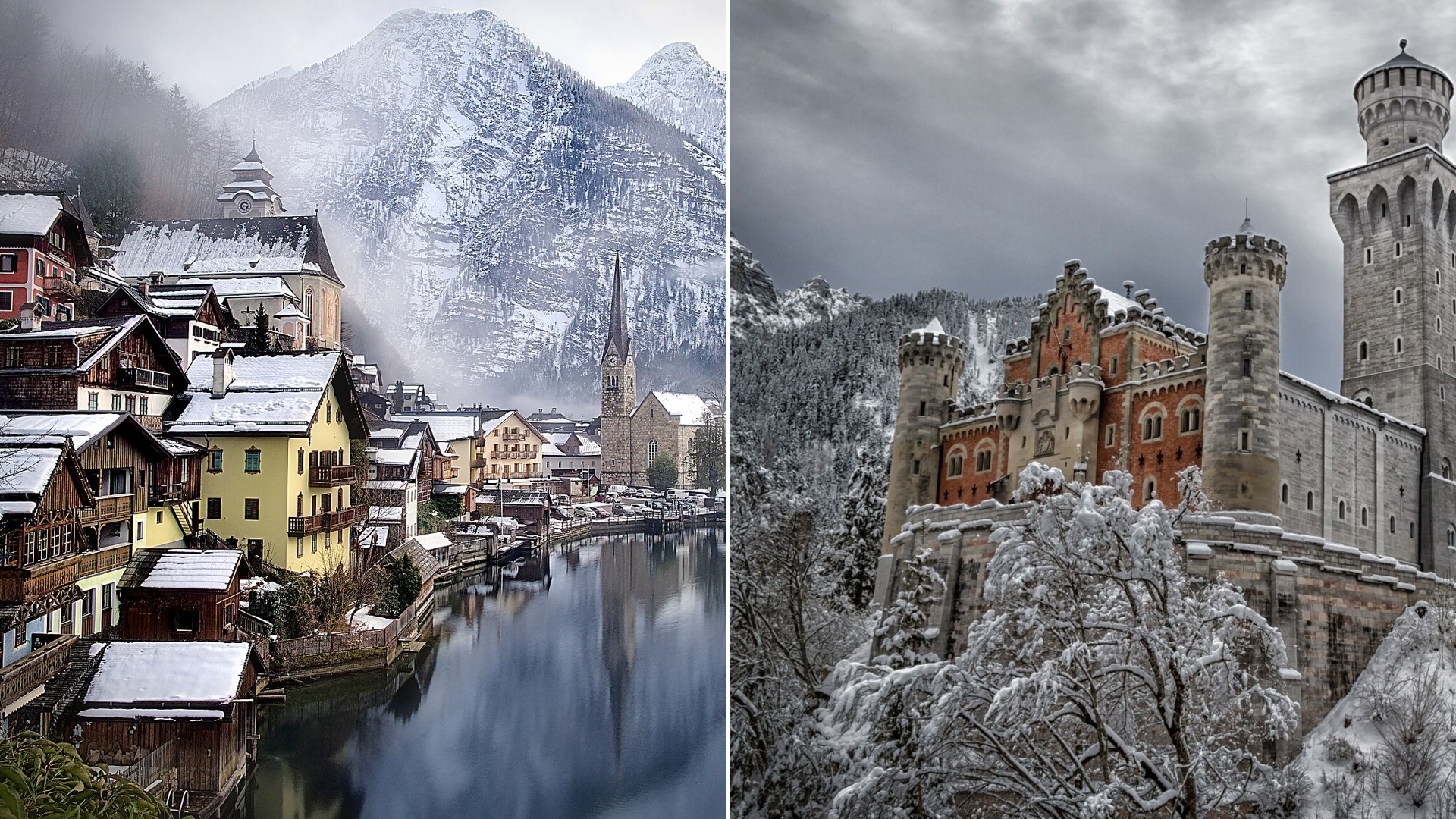
23. Switzerland
Under the Federal Act on the Acquisition of Real Estate by Persons Abroad, known as Lex Koller, foreigners face severe cantonal quotas. Holiday homes are capped at 200 square meters of living space, and cantons issue only 1,500 holiday purchase permits to non-residents each year.
©Wikimedia / Vavaloin
Advertisement
Swipe or tap ▶ to resume the countdown.
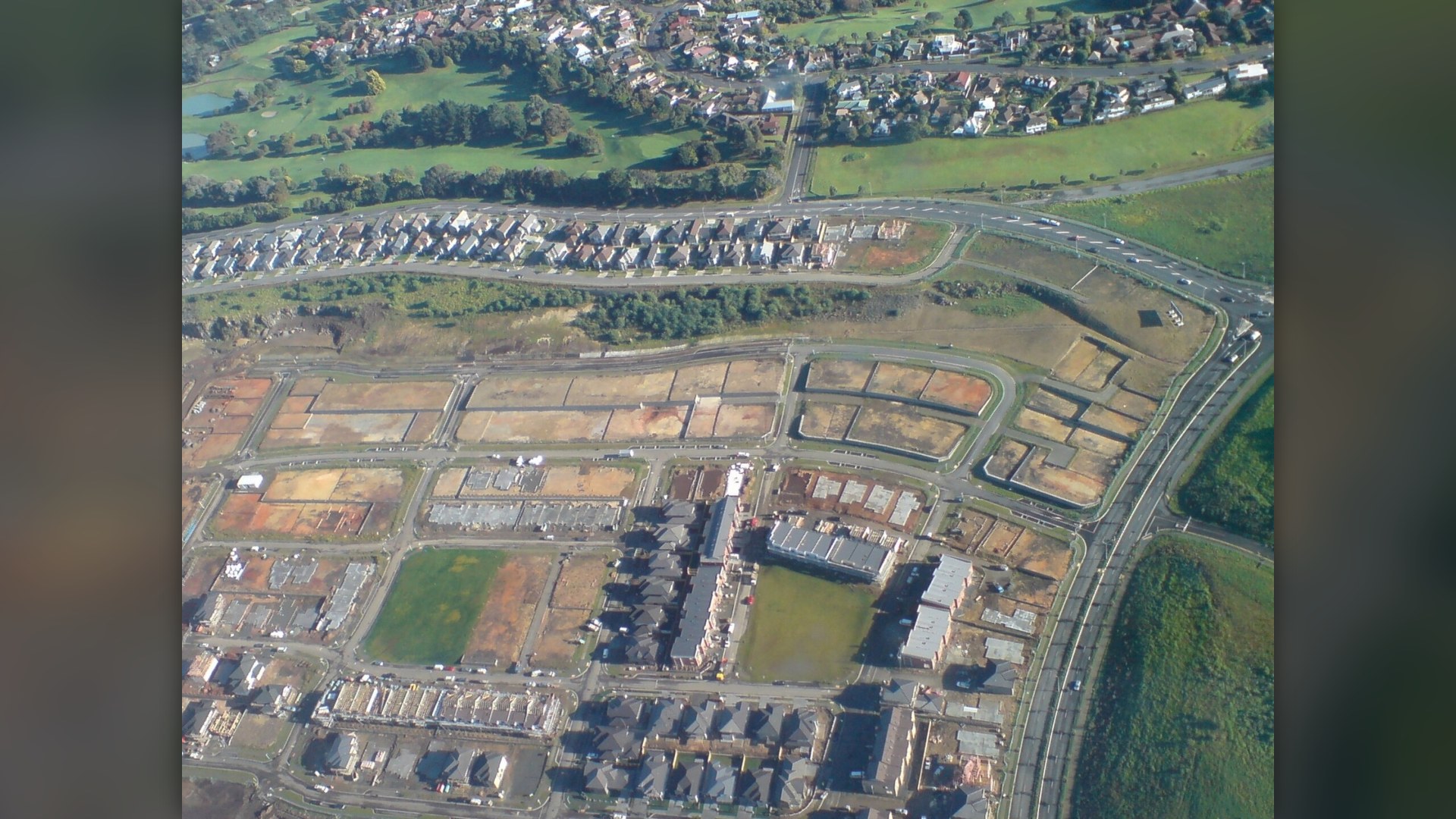
22. New Zealand
The 2018 Overseas Investment Amendment Act prohibited non-resident foreign buyers from purchasing existing residential homes. Offshore investors can only purchase units in new multi-story apartment developments, designed by parliament to curb domestic housing inflation.
©Wikimedia / Ingolfson
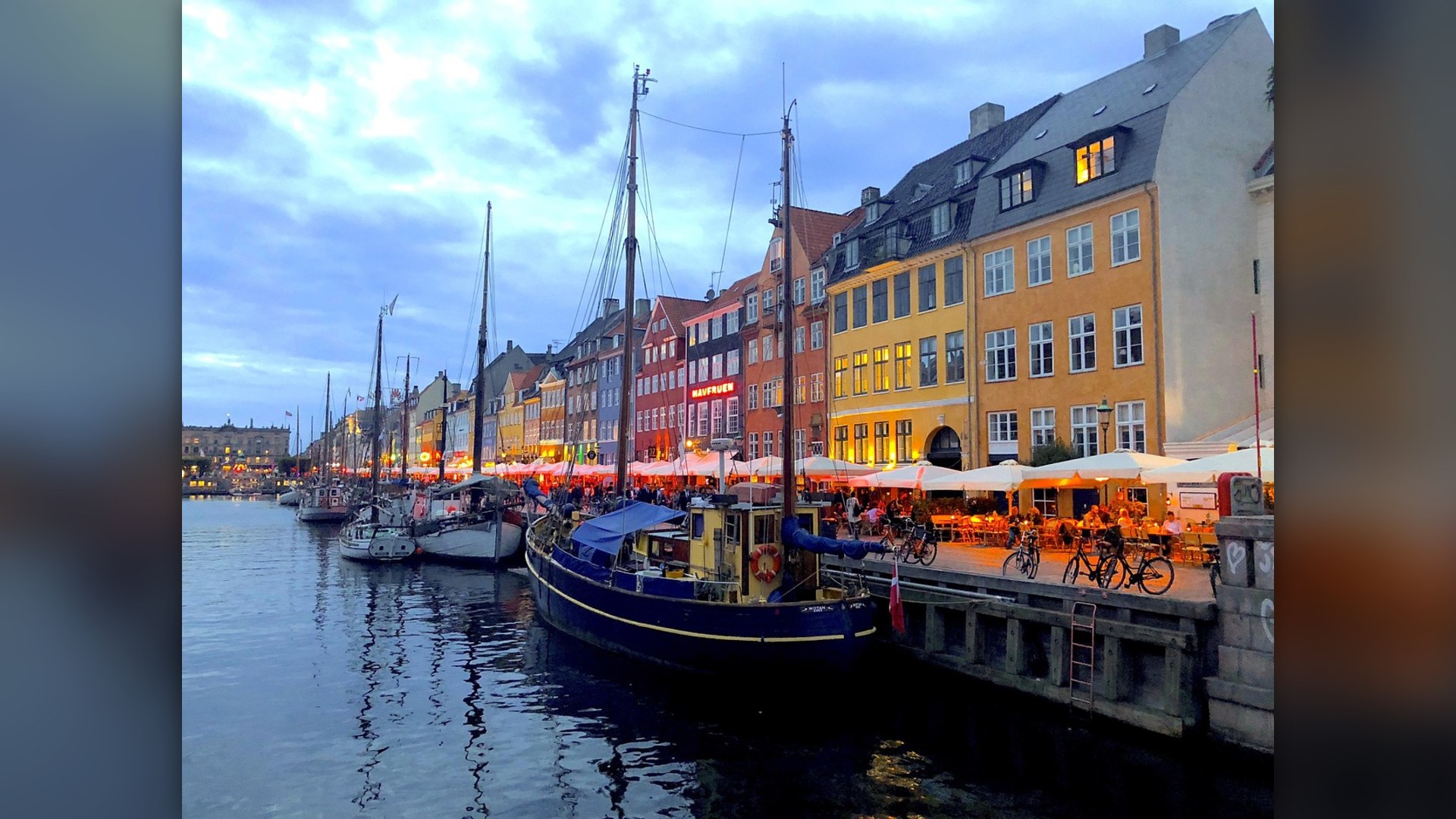
21. Denmark
Denmark maintained a special opt-out within the European Union treaty to protect its holiday coastlines from foreign buyout. Non-Danish citizens must demonstrate five years of continuous legal residence or petition the Ministry of Justice for an individual property acquisition permit.
©Pixabay / ericmorasse
20. China
Under Chinese property law, all urban land belongs to the national government while rural areas belong to local collectives. Homebuyers purchase residential land-use rights capped at 70 years. Property owners hold title to the concrete apartment structure above, but never the ground below.
©Pixabay / Lancier
19. Singapore
The Singapore Residential Property Act requires foreigners to secure approval from the Singapore Land Authority to buy landed houses or bungalows. Approvals require significant economic contributions, steering non-citizen buyers exclusively toward private high-rise condominiums.
©Pixabay / xegxef
Advertisement
Swipe or tap ▶ to resume the countdown.
18. Greece
Law 1892 restricts non-European Union nationals from acquiring real estate across designated border zones, which encompass numerous Aegean islands and northern regions. Foreigners must petition a special regional committee and clear Ministry of National Defence security vetting.
©Pixabay / Pat_Photographies
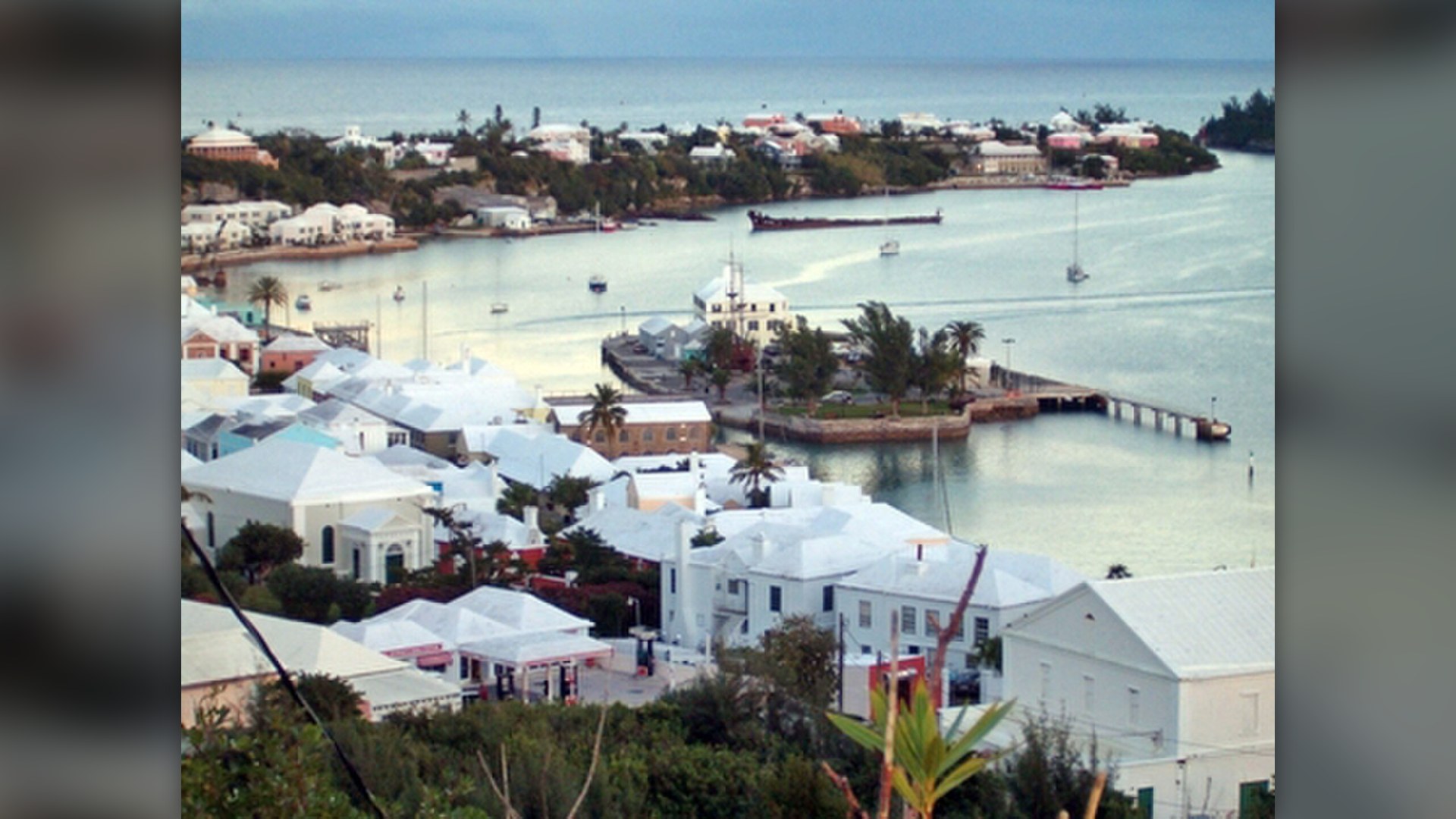
17. Bermuda
The Bermuda Immigration and Protection Act restricts overseas buyers to luxury houses exceeding a steep government Annual Rental Value threshold. Foreign purchasers must also secure an official licence from the Ministry of Home Affairs, which carries an acquisition fee reaching up to 12%.
©Wikimedia / Aodhdubh
16. Philippines
Article XII of the 1987 Philippine Constitution bars non-citizens from owning private freehold land. Foreigners can legally own condominium apartments under the Condominium Act, provided total foreign equity within the corporation developing the building does not surpass 40%.
©Wikimedia / RCJourn
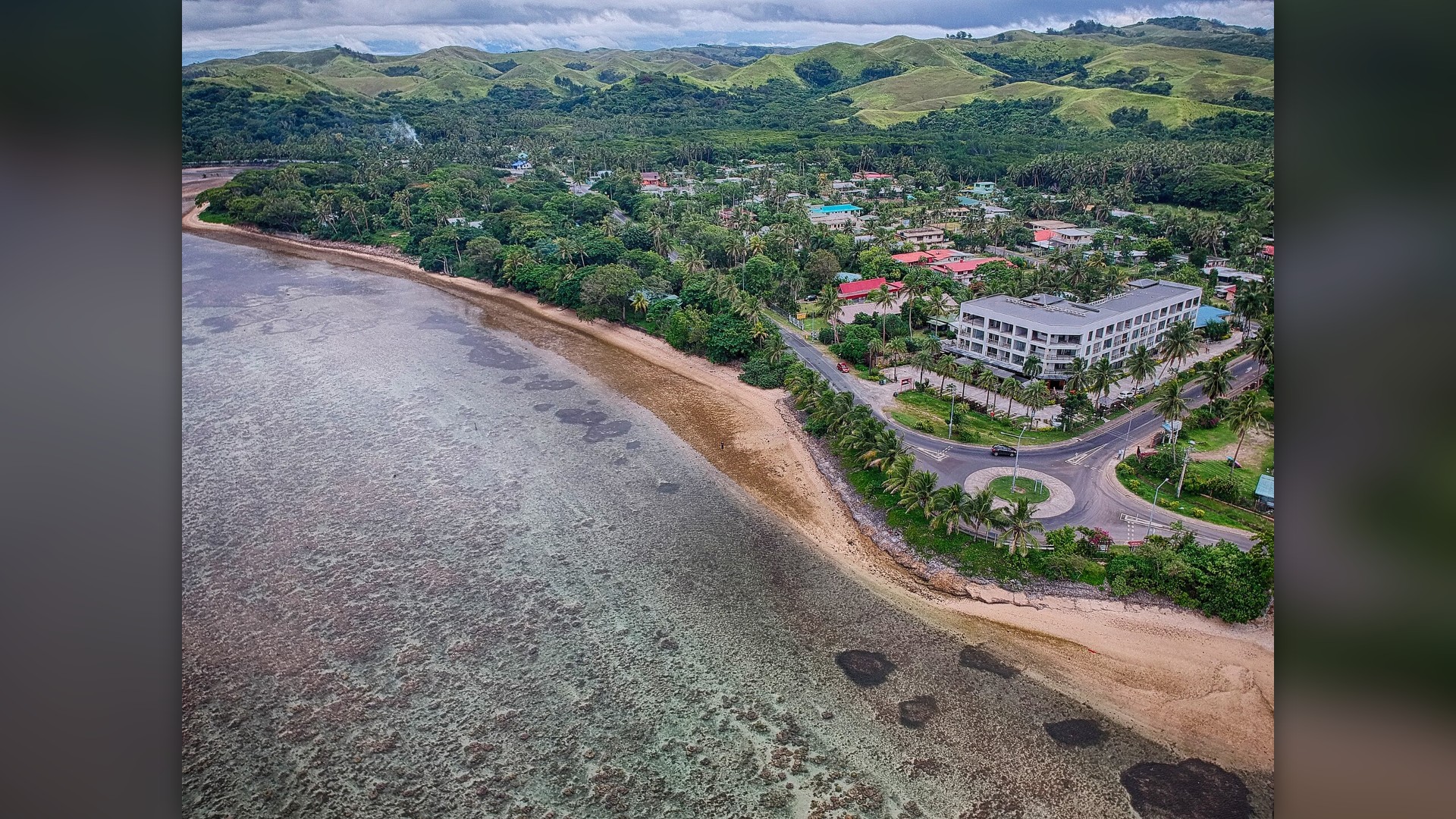
15. Fiji
Fiji altered its Land Sales Act to ban non-residents from purchasing freehold residential land inside designated municipal boundaries. Foreigners can purchase rural residential tracts outside cities, but the law requires them to construct a home worth at least 250,000 Fijian dollars within two years.
©Wikimedia / Maksym Kozlenko
Advertisement
Swipe or tap ▶ to resume the countdown.
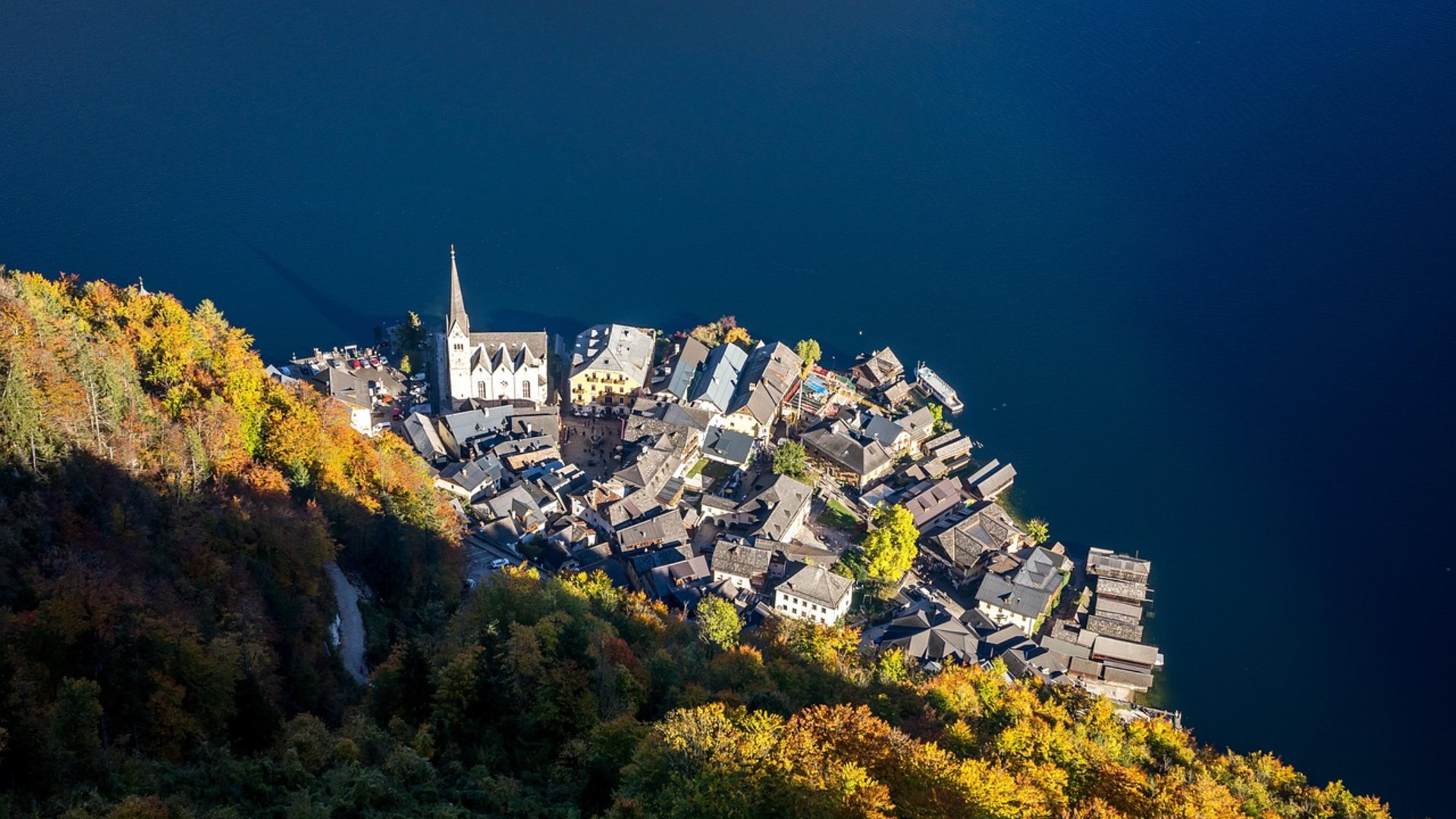
14. Austria
Property purchases across Austria are governed individually by its nine federal states through local land transfer commissions. Non-EU buyers must prove their purchase serves a cultural or economic interest, with Alpine provinces like Tyrol restricting leisure homes to local residents.
©Pixabay / Leonhard_Niederwimmer
13. Iceland
Under Act No. 19/1966 on the Right of Ownership and Use of Real Property, non-European Economic Area citizens cannot acquire property without permission from the Minister of Justice. Approvals depend on local business ties, employment status or permanent residency applications.
©Pixabay / pbat34
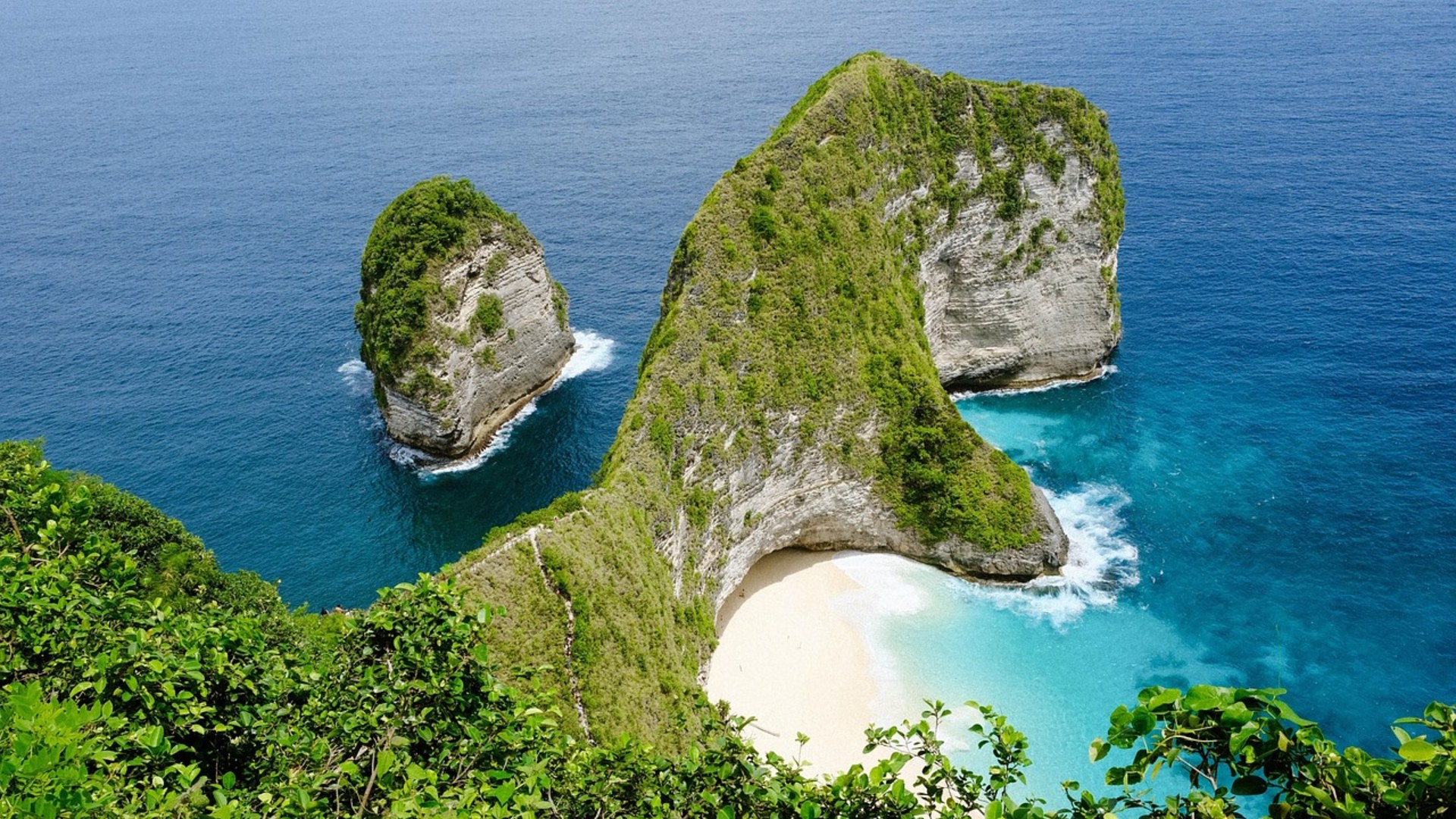
12. Indonesia
The Basic Agrarian Law reserves Hak Milik, meaning full freehold ownership, exclusively for Indonesian nationals. Non-citizens can acquire residential real estate under Hak Pakai, a right-to-use title valid for 30 years and extendable up to 80 years, subject to high minimum price gates.
©Pixabay / kienhau
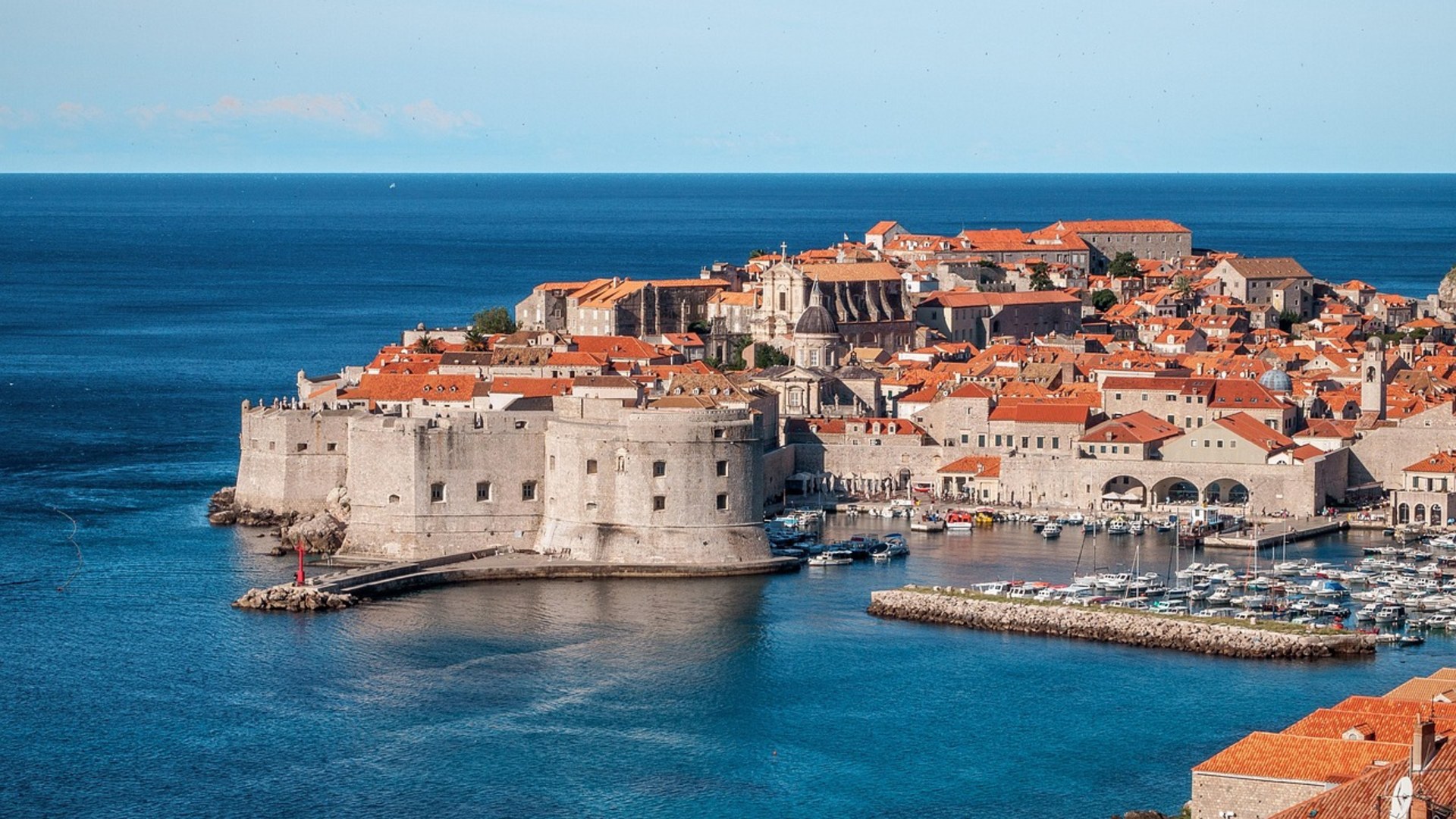
11. Croatia
Non-European Union citizens seeking Croatian property must prove their home nation grants reciprocal property rights to Croatians. Once confirmed, buyers must submit purchase contracts to the Ministry of Justice for formal administrative review, a process taking several months.
©Pixabay / fjaka
Advertisement
Swipe or tap ▶ to resume the countdown.
10. Vietnam
Under the Vietnam Law on Housing, foreign individuals entering on tourist or business visas can buy residential apartments on 50-year leasehold terms. However, foreign ownership cannot exceed 30% of the units within a single apartment complex, or 250 landed homes within one ward.
©Pixabay / Leon_Ting
9. Australia
Australia requires foreign non-residents to receive clearance from the Foreign Investment Review Board before purchasing property. Non-residents can only buy new dwellings or vacant land for development. Buying established homes is prohibited to keep existing family inventory available.
©Pixabay / moremilu
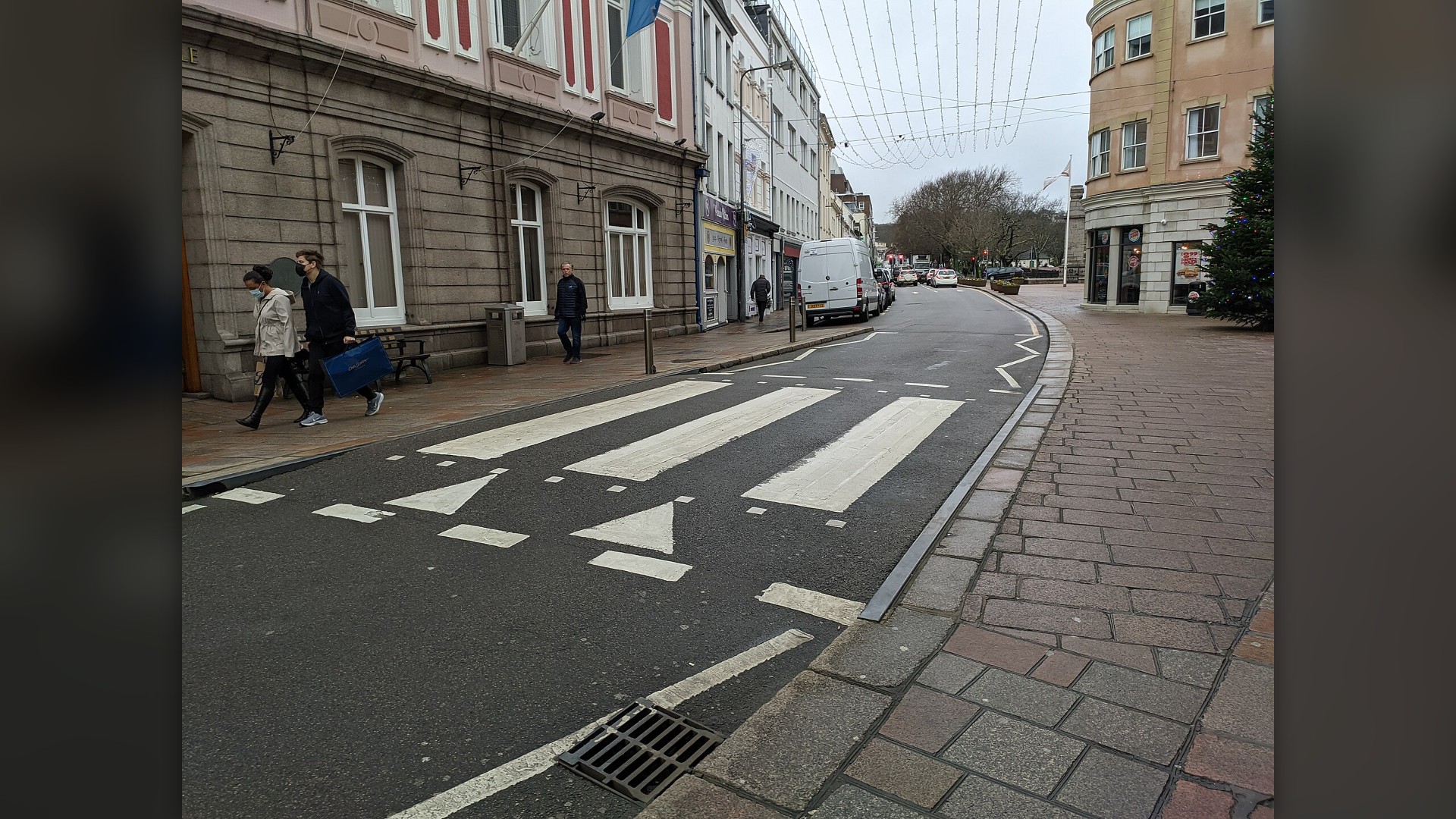
8. Jersey
Jersey regulates property through the Control of Housing and Work Law, sorting all residents into four distinct residential tiers. Unqualified newcomers can only buy high-value registered properties, while standard homes require living continuously on the island for at least ten years.
©Wikimedia / Jèrriais janne
7. Canada
Parliament enacted the Prohibition on the Purchase of Residential Property by Non-Canadians Act to stabilize home prices. The statute prohibits commercial entities and individuals without permanent residency from purchasing residential dwellings in major census metropolitan areas.
©Pixabay / 13434535
Advertisement
Swipe or tap ▶ to resume the countdown.
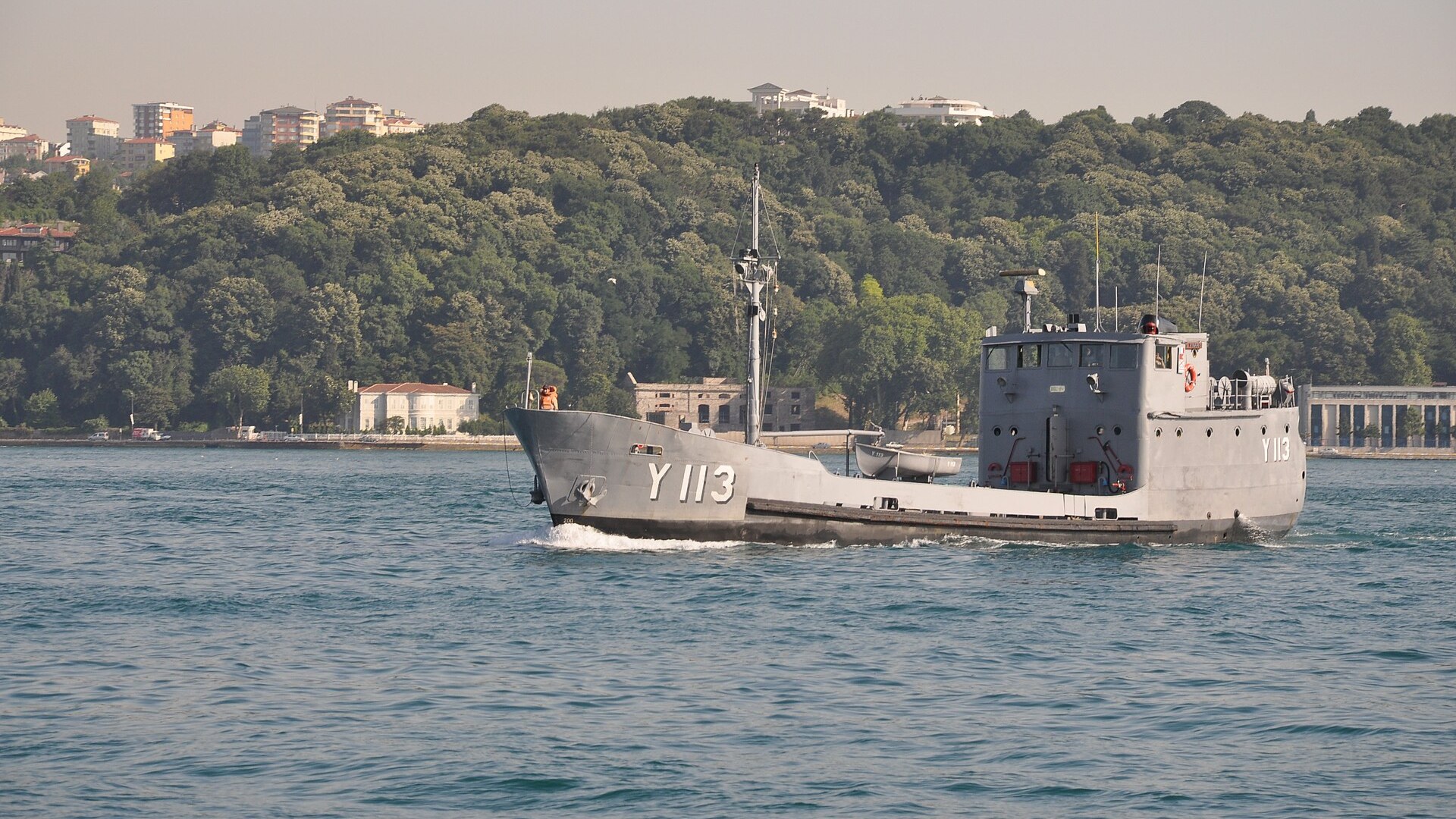
6. Turkey
Article 35 of the Land Registry Law caps total property acquisition by a foreign national at 30 hectares nationwide. foreign land purchases cannot exceed 10% of the private property area in any given district, and properties located near military zones are strictly excluded.
©Wikimedia / Moonik
5. Seychelles
Under the Immovable Property Transfer Restriction Act, non-citizens must obtain sanction approval directly from the government Cabinet. Applications require detailed financial background checks, and approved transactions incur an 11% state sanction duty in addition to standard stamp duties.
©Pixabay / Deeezy
4. Malta
Foreign nationals purchasing property outside Special Designated Areas must secure an Acquisition of Immovable Property permit from the Ministry for Finance. The state imposes strict minimum purchase values, and buyers are generally permitted to acquire only one primary residential property.
©Pixabay / GregMontani
3. Vanuatu
Chapter 12 of the Constitution of Vanuatu dictates all land belongs to indigenous custom owners and their descendants. Freehold private land ownership is non-existent. Buyers negotiate leasehold titles running for up to 75 years, matching the natural lifespan of a coconut palm tree.
©Wikimedia / Carlquist, Sherwin John, 1930-2021
Advertisement
Swipe or tap ▶ to resume the countdown.
2. Maldives
The Maldivian Land Act dictates that non-citizens cannot hold freehold title to land within the island nation. Foreign resort developers and private buyers are limited to long-term government leases, which are capped between 50 and 99 years under the Maldives Tourism Act.
©Wikimedia / Matheenfaiz
1. Liechtenstein
The Land Transfer Act of Liechtenstein heavily restricts real estate transactions across its eleven municipalities. Non-resident buyers must establish legitimate domestic housing needs, with local transfer commissions routinely rejecting outside speculative purchases to preserve scarce land.

©Pixabay / Leonhard_Niederwimmer
Advertisement
You've reached the end of the story. Thanks for reading!

20 Famous Concert Halls Known for Their Acoustic Design
World-class concert halls rely on geometry, dense plaster, and specialized timber to deliver clear acoustic balance. From classic shoebox halls in Europe to vineyard terraces in modern capitals, each venue shapes sound reflections. This guide examines 20 venues celebrated by acousticians and orchestra leaders.
All 25 Entries in this Story
1. Thailand
The Thai Condominium Act stipulates foreign buyers may only own up to 49% of a building's total saleable residential floor space. Individual land ownership remains completely off-limits to overseas buyers, forcing non-citizens to arrange long-term 30-year renewable land leases.

2. Mexico
Article 27 of the Mexican Constitution restricts non-citizens from direct land deeds within 50 kilometers of the ocean or 100 kilometers of borders. Buyers must establish a fideicomiso, a 50-year renewable bank trust where a Mexican financial institution holds legal title on their behalf.

3. Switzerland
Under the Federal Act on the Acquisition of Real Estate by Persons Abroad, known as Lex Koller, foreigners face severe cantonal quotas. Holiday homes are capped at 200 square meters of living space, and cantons issue only 1,500 holiday purchase permits to non-residents each year.

4. New Zealand
The 2018 Overseas Investment Amendment Act prohibited non-resident foreign buyers from purchasing existing residential homes. Offshore investors can only purchase units in new multi-story apartment developments, designed by parliament to curb domestic housing inflation.

5. Denmark
Denmark maintained a special opt-out within the European Union treaty to protect its holiday coastlines from foreign buyout. Non-Danish citizens must demonstrate five years of continuous legal residence or petition the Ministry of Justice for an individual property acquisition permit.

6. China
Under Chinese property law, all urban land belongs to the national government while rural areas belong to local collectives. Homebuyers purchase residential land-use rights capped at 70 years. Property owners hold title to the concrete apartment structure above, but never the ground below.

7. Singapore
The Singapore Residential Property Act requires foreigners to secure approval from the Singapore Land Authority to buy landed houses or bungalows. Approvals require significant economic contributions, steering non-citizen buyers exclusively toward private high-rise condominiums.

8. Greece
Law 1892 restricts non-European Union nationals from acquiring real estate across designated border zones, which encompass numerous Aegean islands and northern regions. Foreigners must petition a special regional committee and clear Ministry of National Defence security vetting.

9. Bermuda
The Bermuda Immigration and Protection Act restricts overseas buyers to luxury houses exceeding a steep government Annual Rental Value threshold. Foreign purchasers must also secure an official licence from the Ministry of Home Affairs, which carries an acquisition fee reaching up to 12%.

10. Philippines
Article XII of the 1987 Philippine Constitution bars non-citizens from owning private freehold land. Foreigners can legally own condominium apartments under the Condominium Act, provided total foreign equity within the corporation developing the building does not surpass 40%.

11. Fiji
Fiji altered its Land Sales Act to ban non-residents from purchasing freehold residential land inside designated municipal boundaries. Foreigners can purchase rural residential tracts outside cities, but the law requires them to construct a home worth at least 250,000 Fijian dollars within two years.

12. Austria
Property purchases across Austria are governed individually by its nine federal states through local land transfer commissions. Non-EU buyers must prove their purchase serves a cultural or economic interest, with Alpine provinces like Tyrol restricting leisure homes to local residents.

13. Iceland
Under Act No. 19/1966 on the Right of Ownership and Use of Real Property, non-European Economic Area citizens cannot acquire property without permission from the Minister of Justice. Approvals depend on local business ties, employment status or permanent residency applications.

14. Indonesia
The Basic Agrarian Law reserves Hak Milik, meaning full freehold ownership, exclusively for Indonesian nationals. Non-citizens can acquire residential real estate under Hak Pakai, a right-to-use title valid for 30 years and extendable up to 80 years, subject to high minimum price gates.

15. Croatia
Non-European Union citizens seeking Croatian property must prove their home nation grants reciprocal property rights to Croatians. Once confirmed, buyers must submit purchase contracts to the Ministry of Justice for formal administrative review, a process taking several months.

16. Vietnam
Under the Vietnam Law on Housing, foreign individuals entering on tourist or business visas can buy residential apartments on 50-year leasehold terms. However, foreign ownership cannot exceed 30% of the units within a single apartment complex, or 250 landed homes within one ward.

17. Australia
Australia requires foreign non-residents to receive clearance from the Foreign Investment Review Board before purchasing property. Non-residents can only buy new dwellings or vacant land for development. Buying established homes is prohibited to keep existing family inventory available.

18. Jersey
Jersey regulates property through the Control of Housing and Work Law, sorting all residents into four distinct residential tiers. Unqualified newcomers can only buy high-value registered properties, while standard homes require living continuously on the island for at least ten years.

19. Canada
Parliament enacted the Prohibition on the Purchase of Residential Property by Non-Canadians Act to stabilize home prices. The statute prohibits commercial entities and individuals without permanent residency from purchasing residential dwellings in major census metropolitan areas.

20. Turkey
Article 35 of the Land Registry Law caps total property acquisition by a foreign national at 30 hectares nationwide. foreign land purchases cannot exceed 10% of the private property area in any given district, and properties located near military zones are strictly excluded.

21. Seychelles
Under the Immovable Property Transfer Restriction Act, non-citizens must obtain sanction approval directly from the government Cabinet. Applications require detailed financial background checks, and approved transactions incur an 11% state sanction duty in addition to standard stamp duties.

22. Malta
Foreign nationals purchasing property outside Special Designated Areas must secure an Acquisition of Immovable Property permit from the Ministry for Finance. The state imposes strict minimum purchase values, and buyers are generally permitted to acquire only one primary residential property.

23. Vanuatu
Chapter 12 of the Constitution of Vanuatu dictates all land belongs to indigenous custom owners and their descendants. Freehold private land ownership is non-existent. Buyers negotiate leasehold titles running for up to 75 years, matching the natural lifespan of a coconut palm tree.

24. Maldives
The Maldivian Land Act dictates that non-citizens cannot hold freehold title to land within the island nation. Foreign resort developers and private buyers are limited to long-term government leases, which are capped between 50 and 99 years under the Maldives Tourism Act.

25. Liechtenstein
The Land Transfer Act of Liechtenstein heavily restricts real estate transactions across its eleven municipalities. Non-resident buyers must establish legitimate domestic housing needs, with local transfer commissions routinely rejecting outside speculative purchases to preserve scarce land.