Slideshow · Science
25 Ice-Age Megafauna Discoveries Unearthed in Melting Permafrost, Ranked
As arctic permafrost thaws across Siberia and the Yukon, paleontologists are uncovering mummified prehistoric beasts with fur, organs, and DNA intact after tens of thousands of years.
By Most Viral Today
6 Nov 2026

Incredible Prehistoric Beasts Locked Inside Frozen Arctic Mud 
25. The Taymyr Frozen Muskox 
24. The Yamal Tundra Reindeer Mummy 
23. The Historic Adams Mammoth - AdvertisementSwipe or tap ▶ to continue countdown

22. The Batagaika Thaw Crater Slump 
21. The Kolyma Hibernating Ground Squirrel 
20. The Balyktakh Collared Lemming 
19. The Tumat Pleistocene Puppies - AdvertisementSwipe or tap ▶ to continue countdown

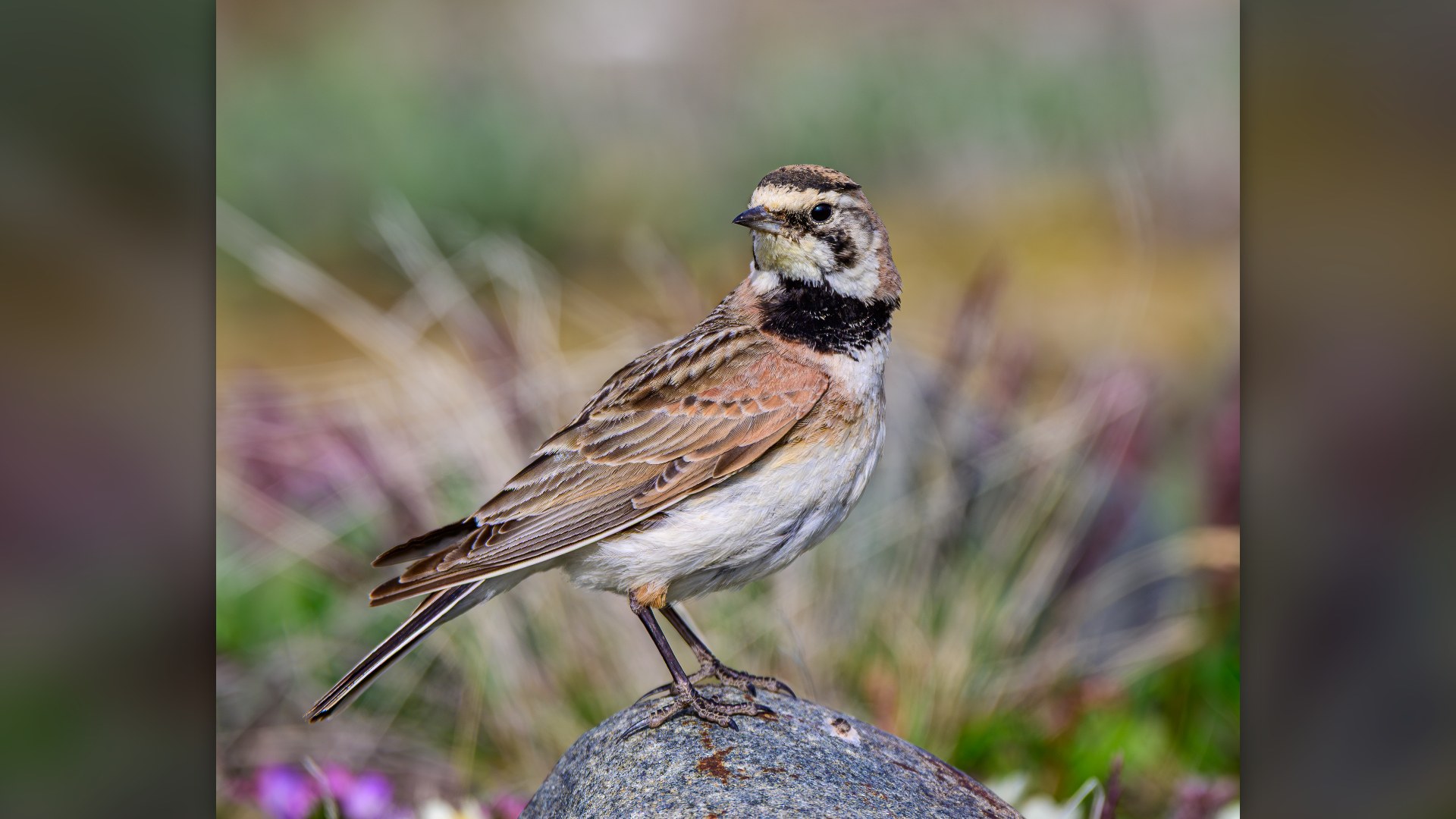
18. The Belaya Gora Horned Lark 
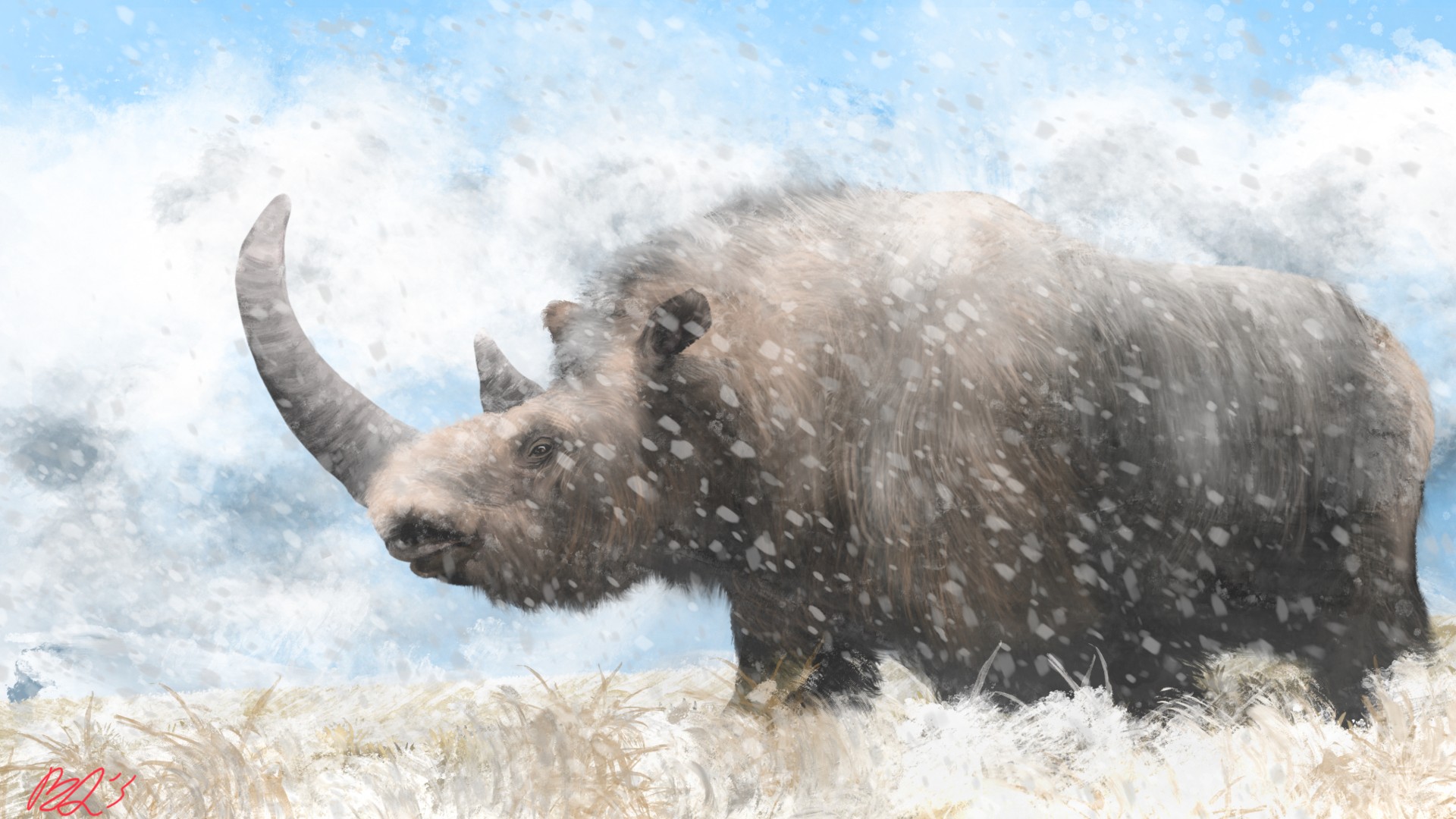
17. The Abyisky Juvenile Woolly Rhino 
16. The Kolyma River Steppe Bison 
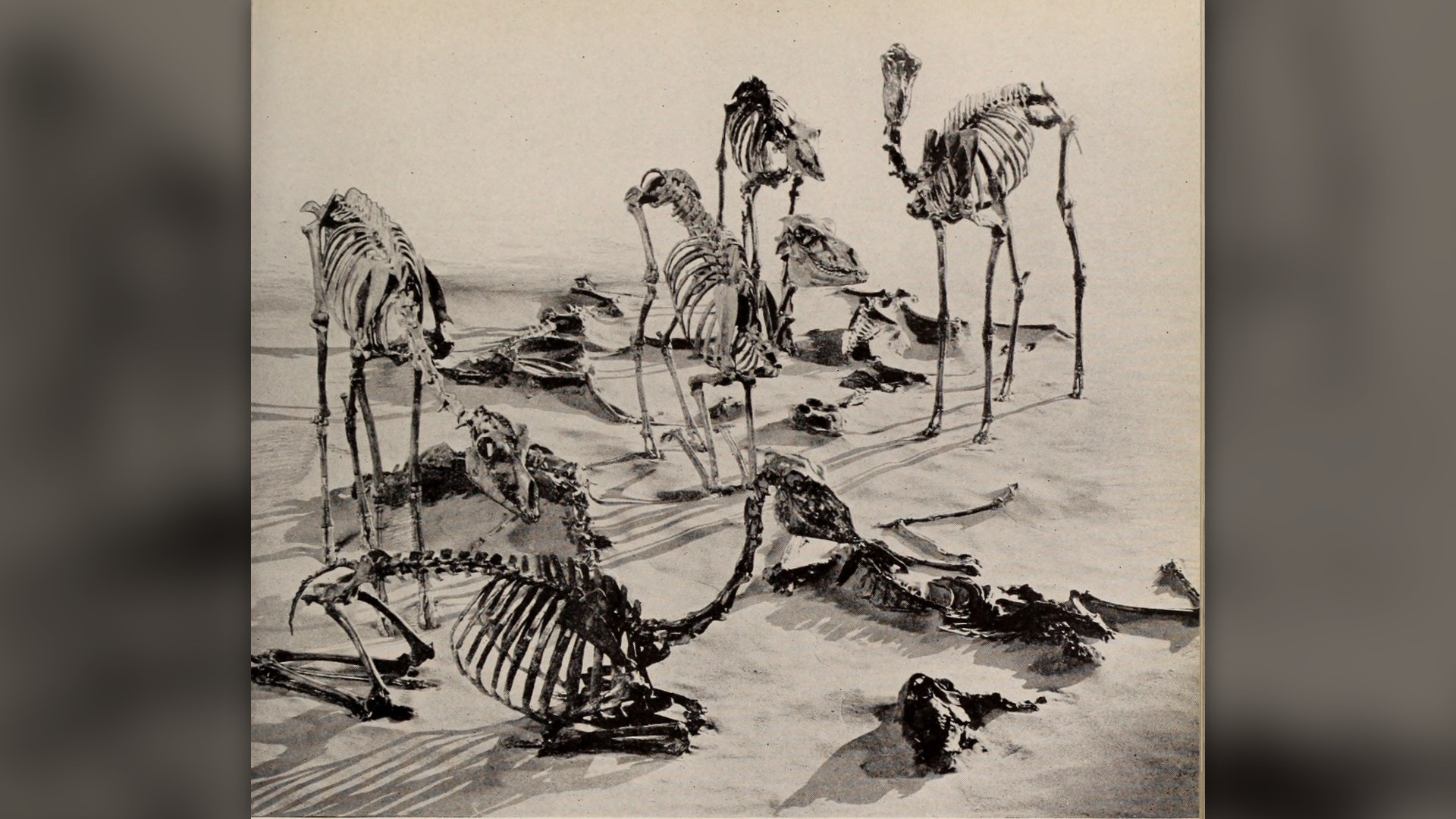
15. The Yukagir Mammoth Head - AdvertisementSwipe or tap ▶ to continue countdown

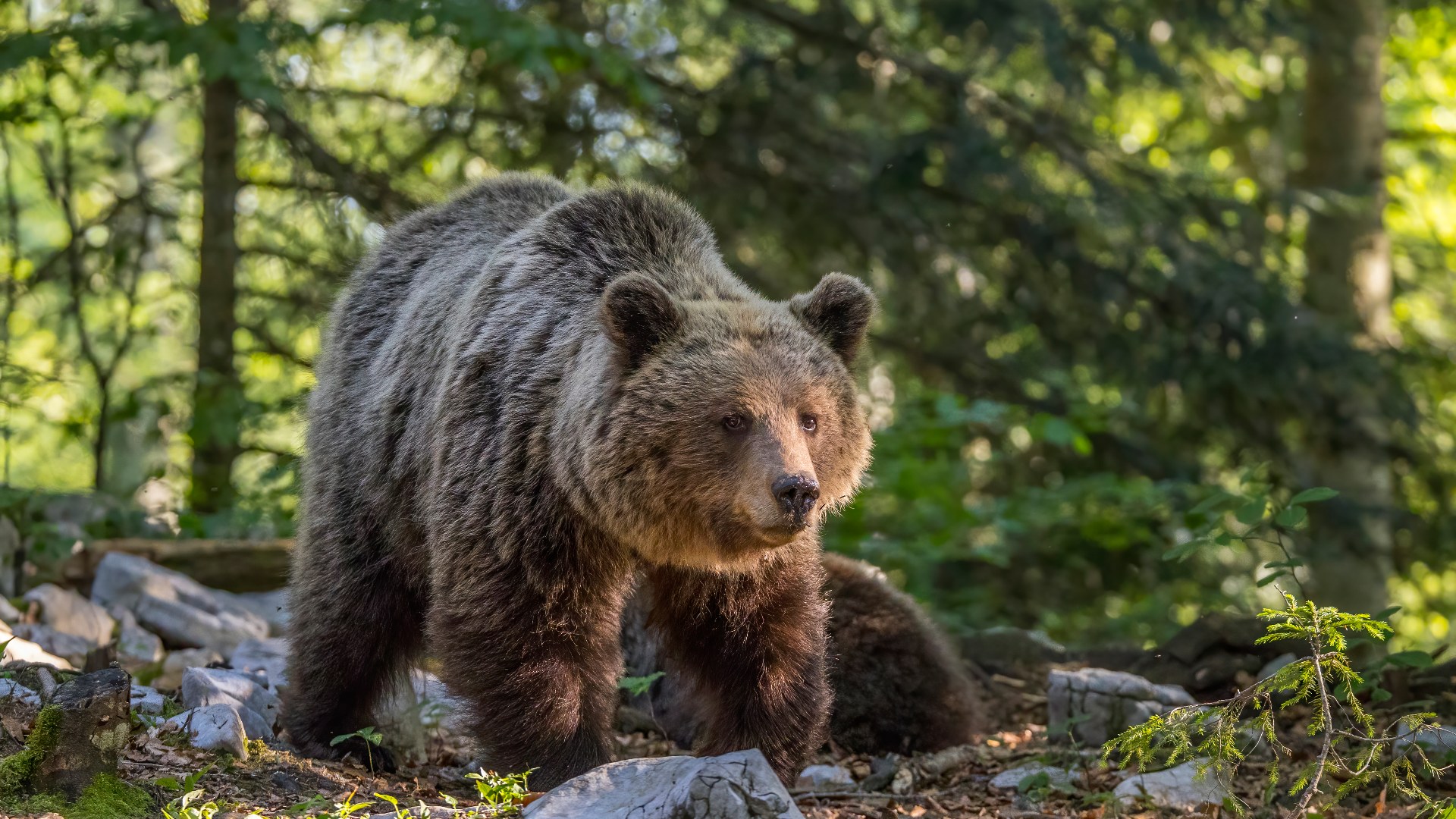
14. The Kolyma River Brown Bear 
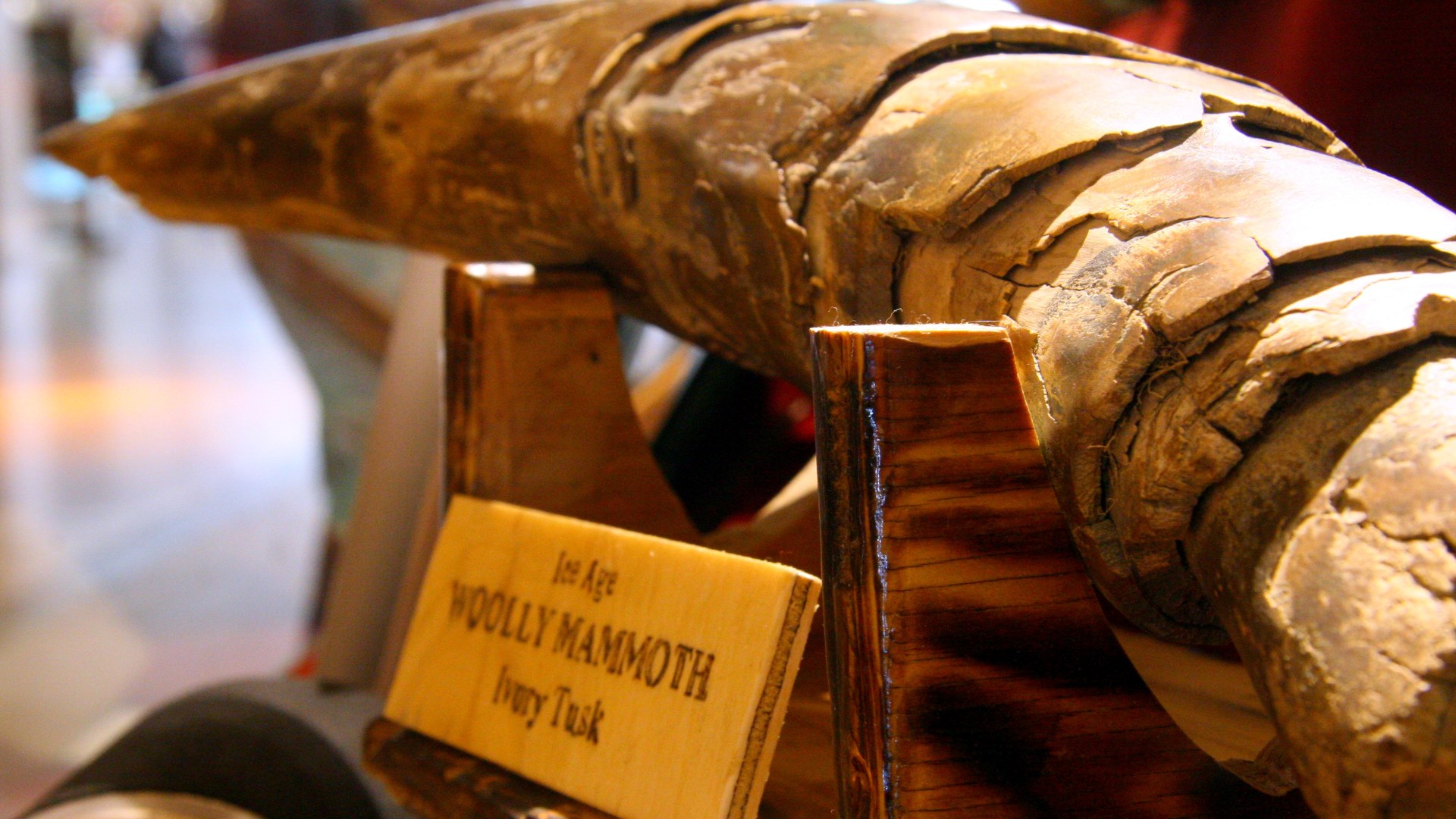
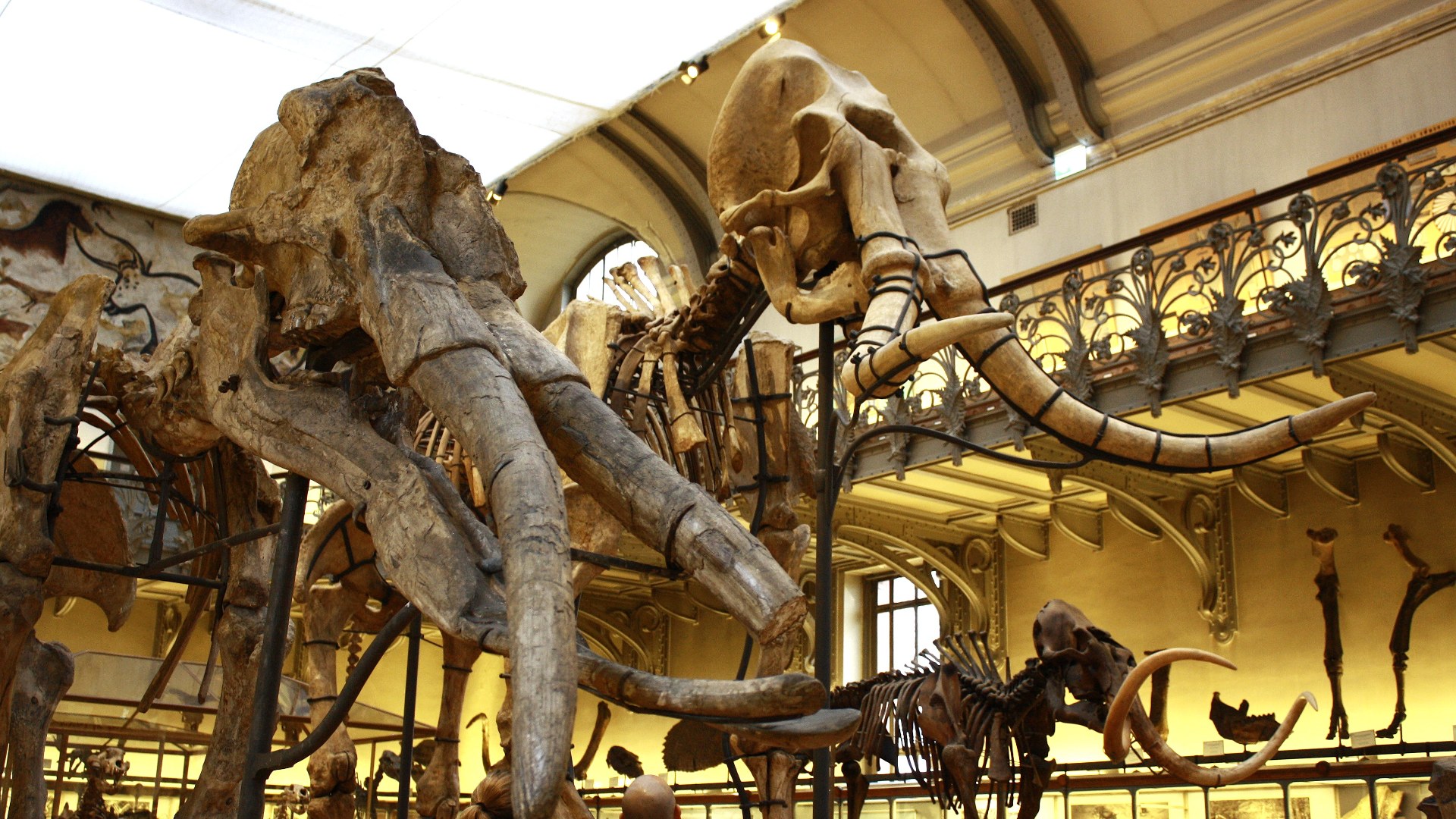
13. The Historic Berezovka Mammoth 
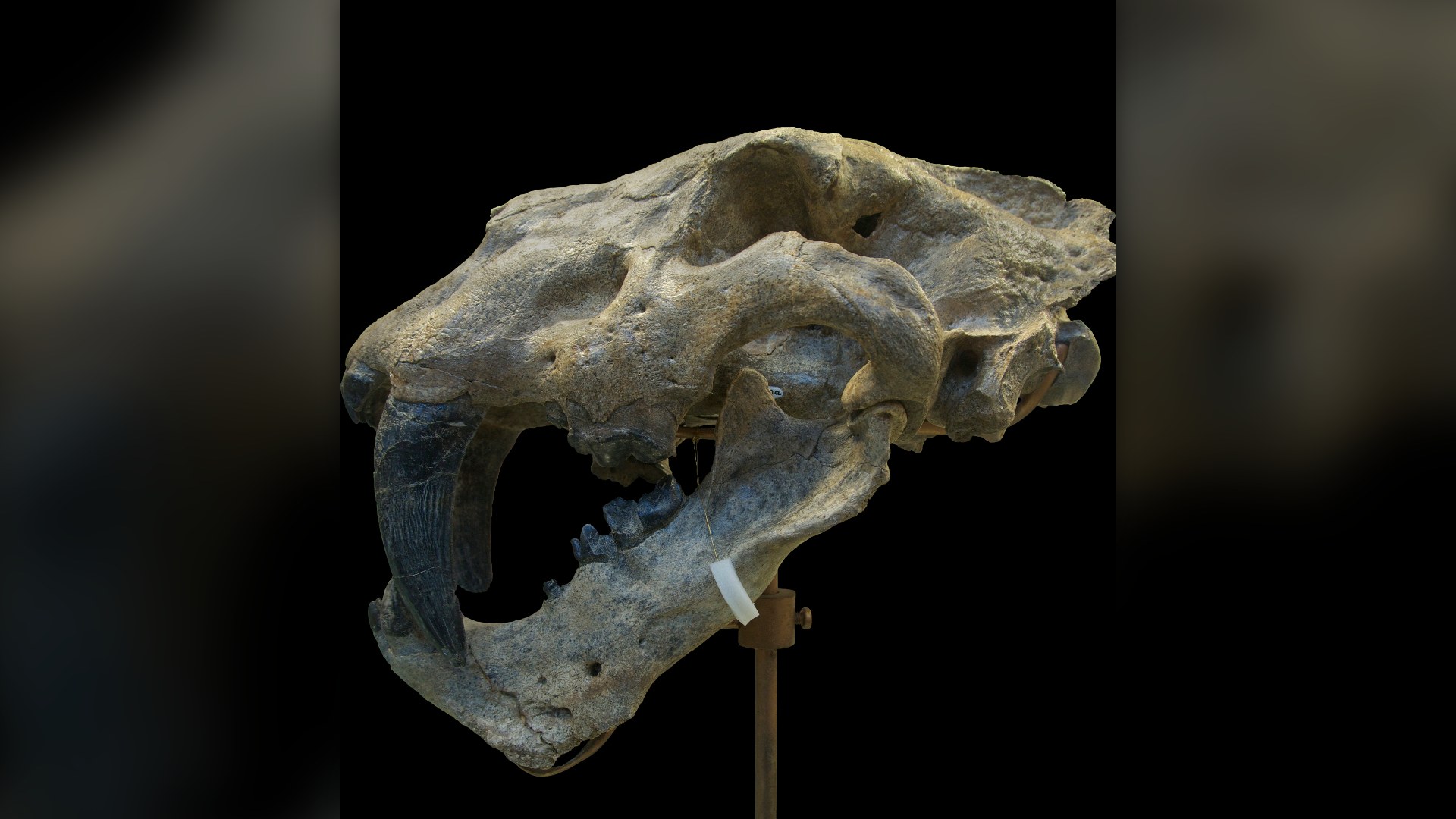
12. The Balyktakh Sabre-Toothed Cat 
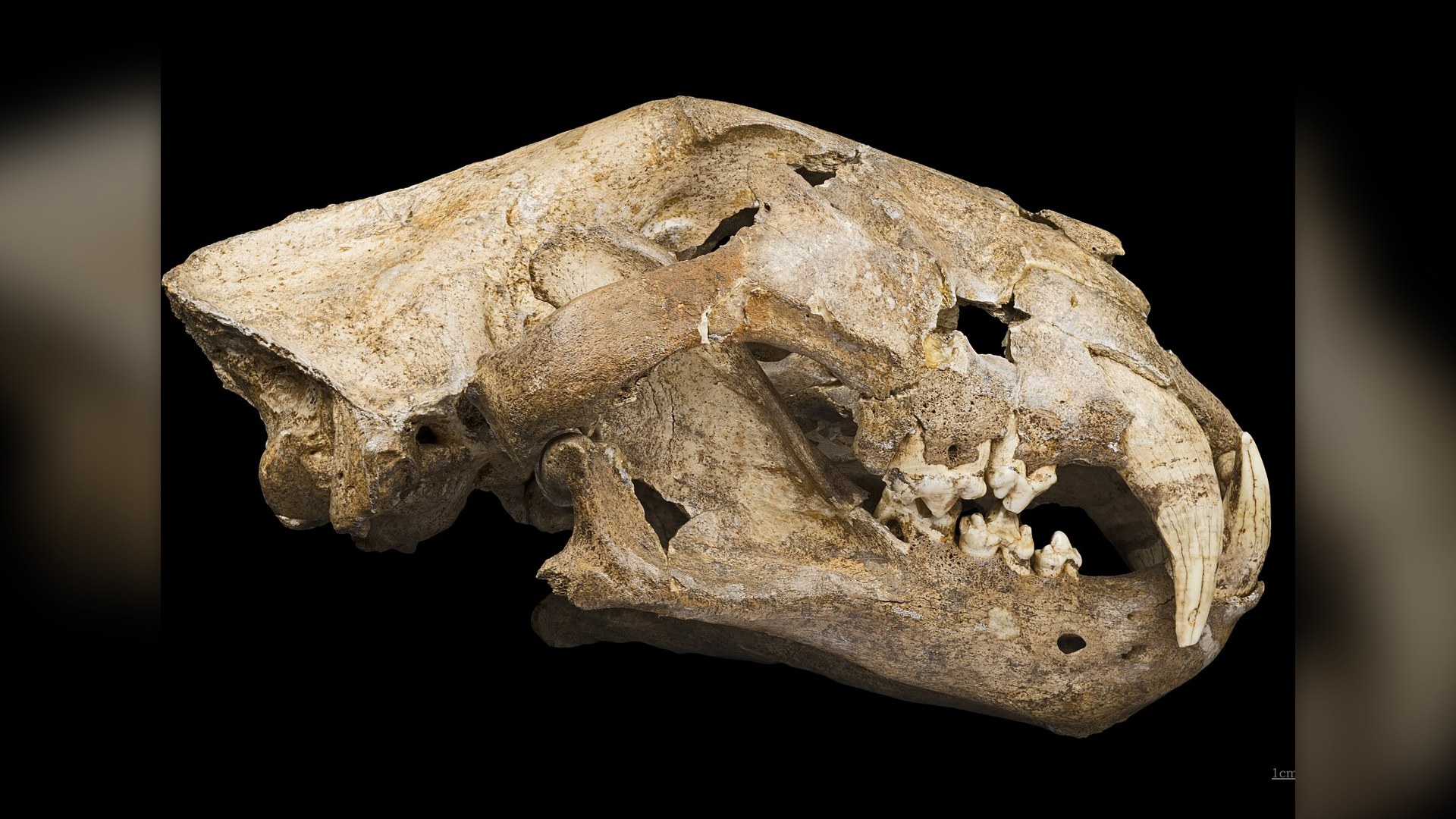
11. Spartak The Sister Cave Lion Cub - AdvertisementSwipe or tap ▶ to continue countdown

10. Dima The Magadan Baby Mammoth 
9. Dogor The Enigmatic Frozen Puppy 
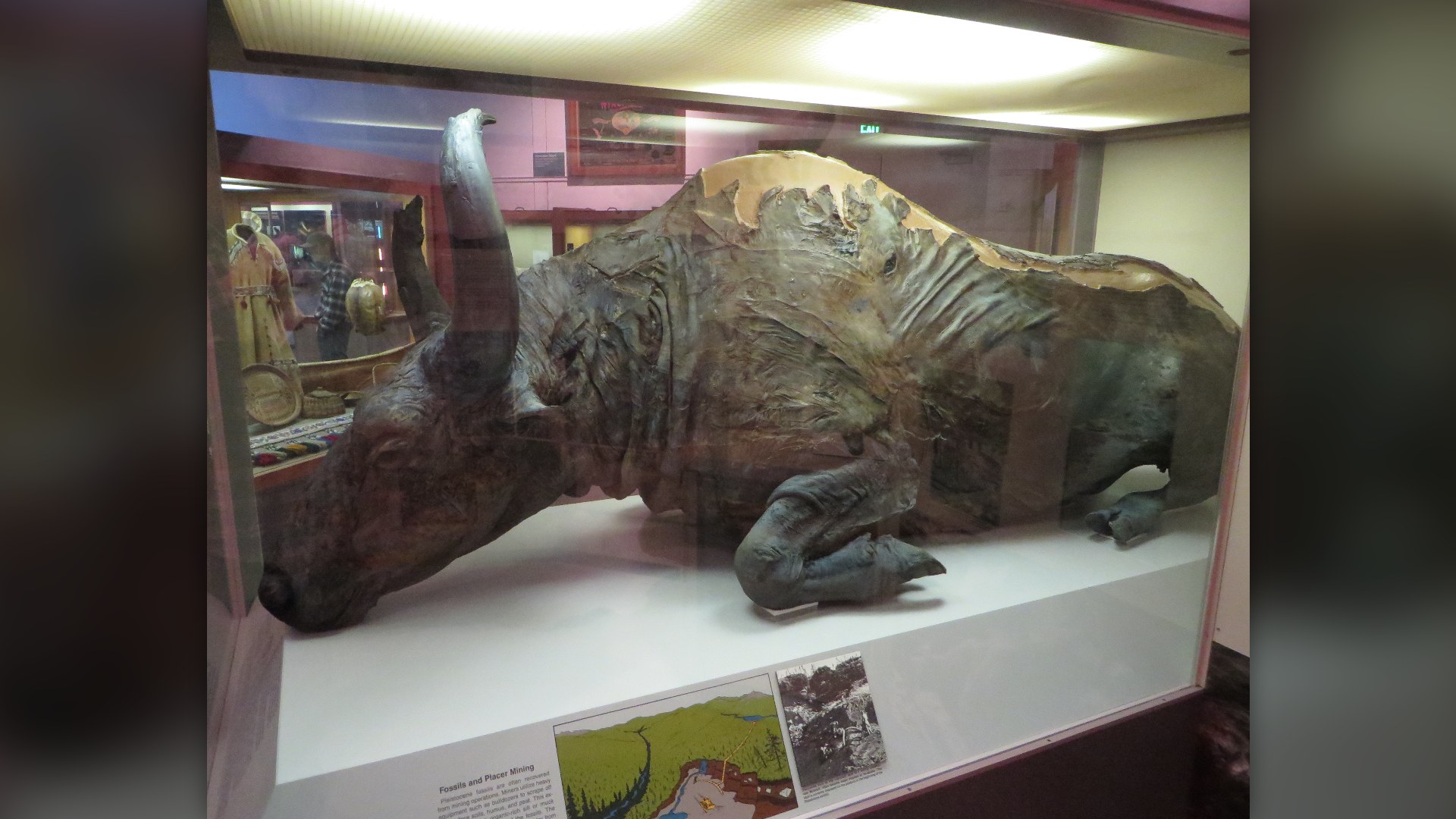
8. The Yukagir Steppe Bison Mummy 
7. Zhùr The Klondike Wolf Pup - AdvertisementSwipe or tap ▶ to continue countdown

6. The Batagay Ancient Foal 
5. The Tirekhtyakh Giant Wolf Head 
4. Sasha The Baby Woolly Rhino 
3. Yuka The Red-Haired Mammoth - AdvertisementSwipe or tap ▶ to continue countdown

2. Nun Cho Ga The Yukon Baby Mammoth 
1. Lyuba The Pristine Baby Mammoth - Advertisement🔥 UP NEXT IN THIS SERIES◫ 26 Slides

25 Groundbreaking American Inventions and Achievements Ranked
From Kitty Hawk and the Apollo 11 lunar landing to the transistor and the internet, American inventors and scientists have transformed global civilization. Sourced from the Smithsonian Institution, NASA archives, and the Library of Congress, here are twenty-five groundbreaking American milestones ranked.
Subzero Arctic soils act as nature's ultimate deep freeze. As ancient permafrost recedes across northern frontiers, breathtaking Ice Age creatures are emerging into modern light.
Swipe or tap ▶ to begin the countdown
©Wikimedia / Grom22
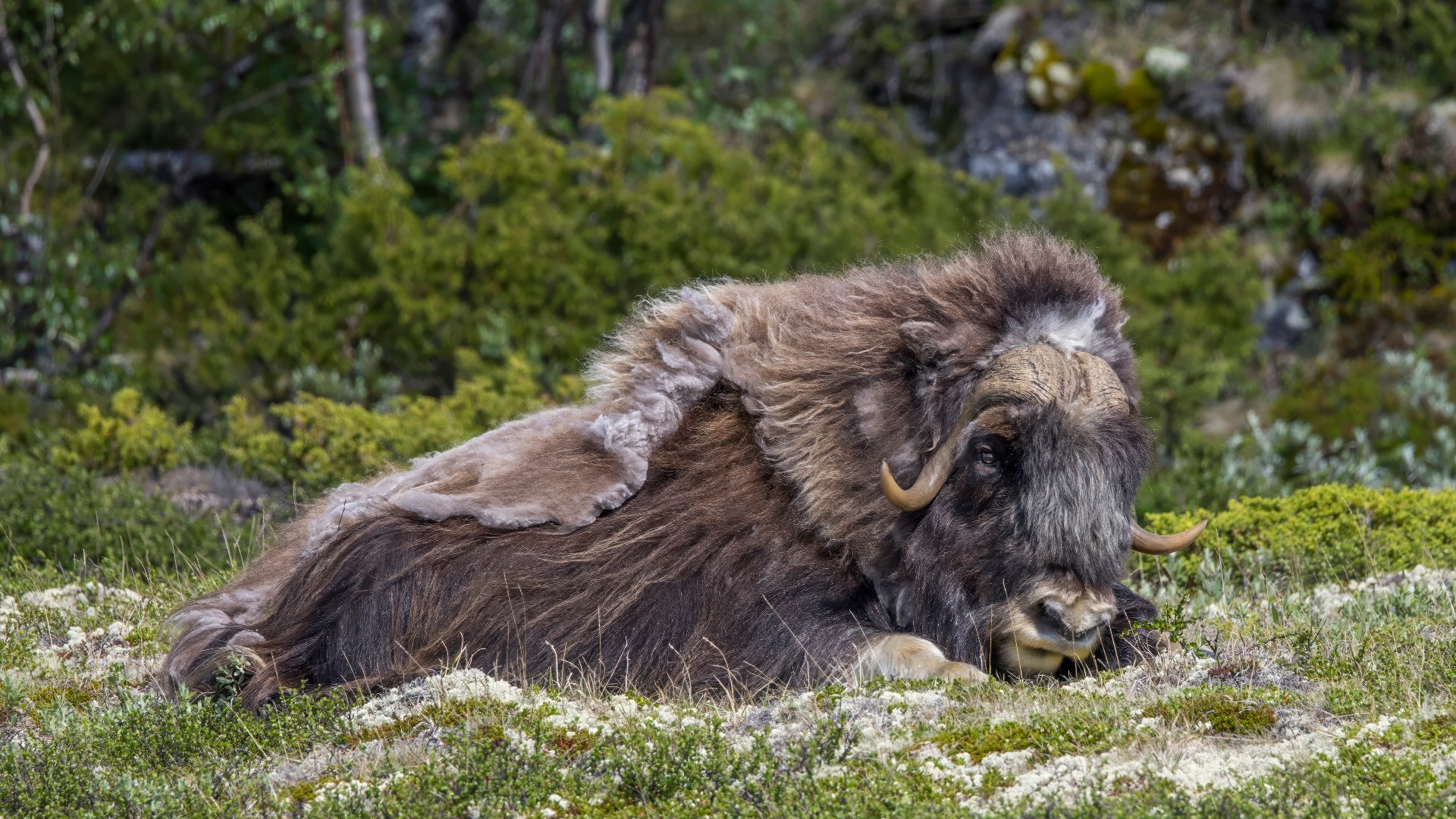
25. The Taymyr Frozen Muskox
Discovered on Siberia's remote Taymyr Peninsula, this ancient muskox carcass remained entombed in permanently frozen mud since the late Pleistocene. Researchers recovered dense underwool and horn sheaths, revealing that Ice Age muskoxen were remarkably similar to surviving modern Arctic populations.
©Wikimedia / Charles J. Sharp
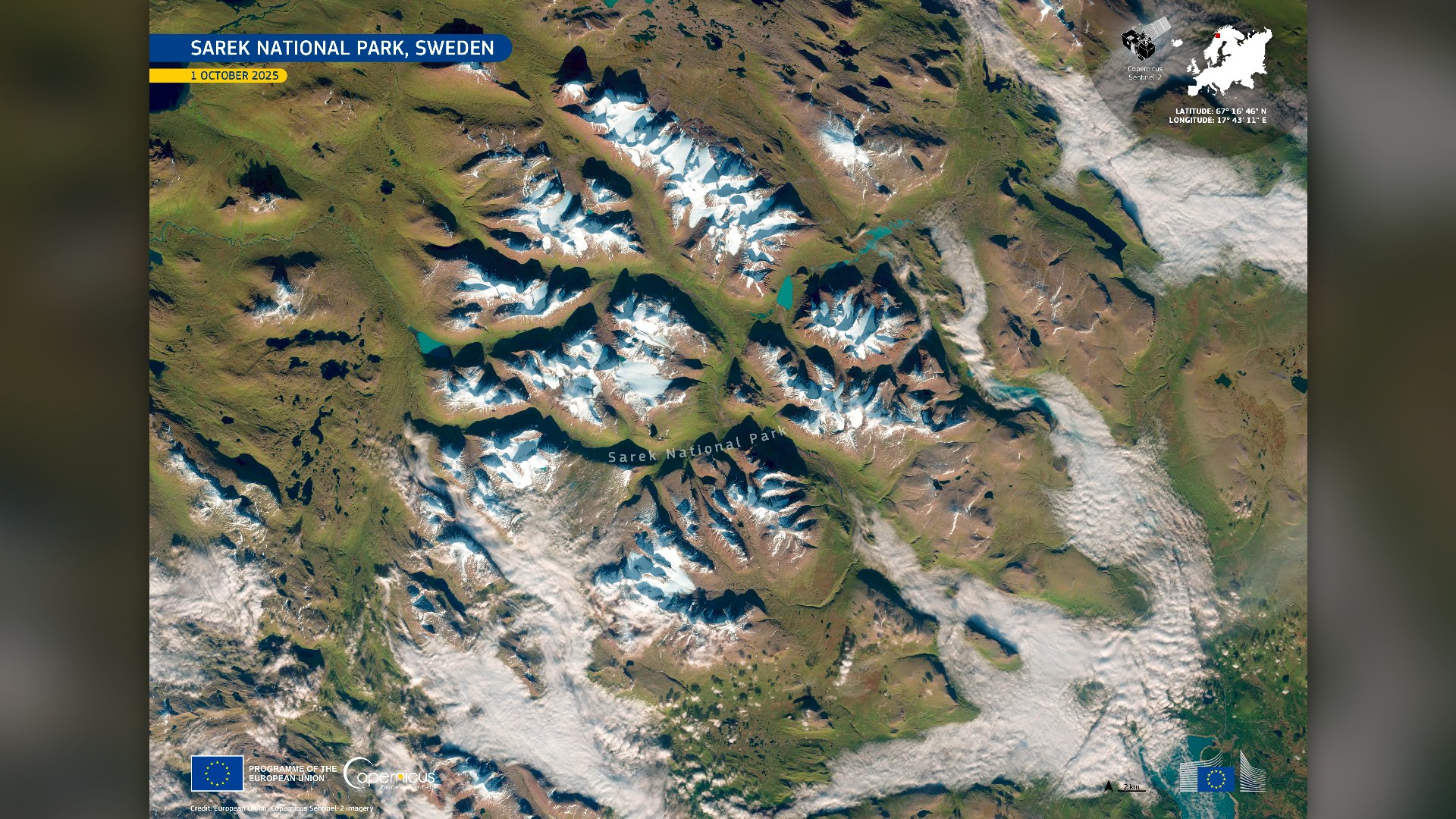
24. The Yamal Tundra Reindeer Mummy
Unearthed in the Yamal-Nenets region of northern Russia, this prehistoric reindeer carcass survived multiple millennia buried in frozen river sediment. Radiocarbon testing confirmed the animal lived during the height of the last glacial period, providing vital clues about ancient migration corridors.
©Wikimedia / European Union, Copernicus Sentinel-2 imagery
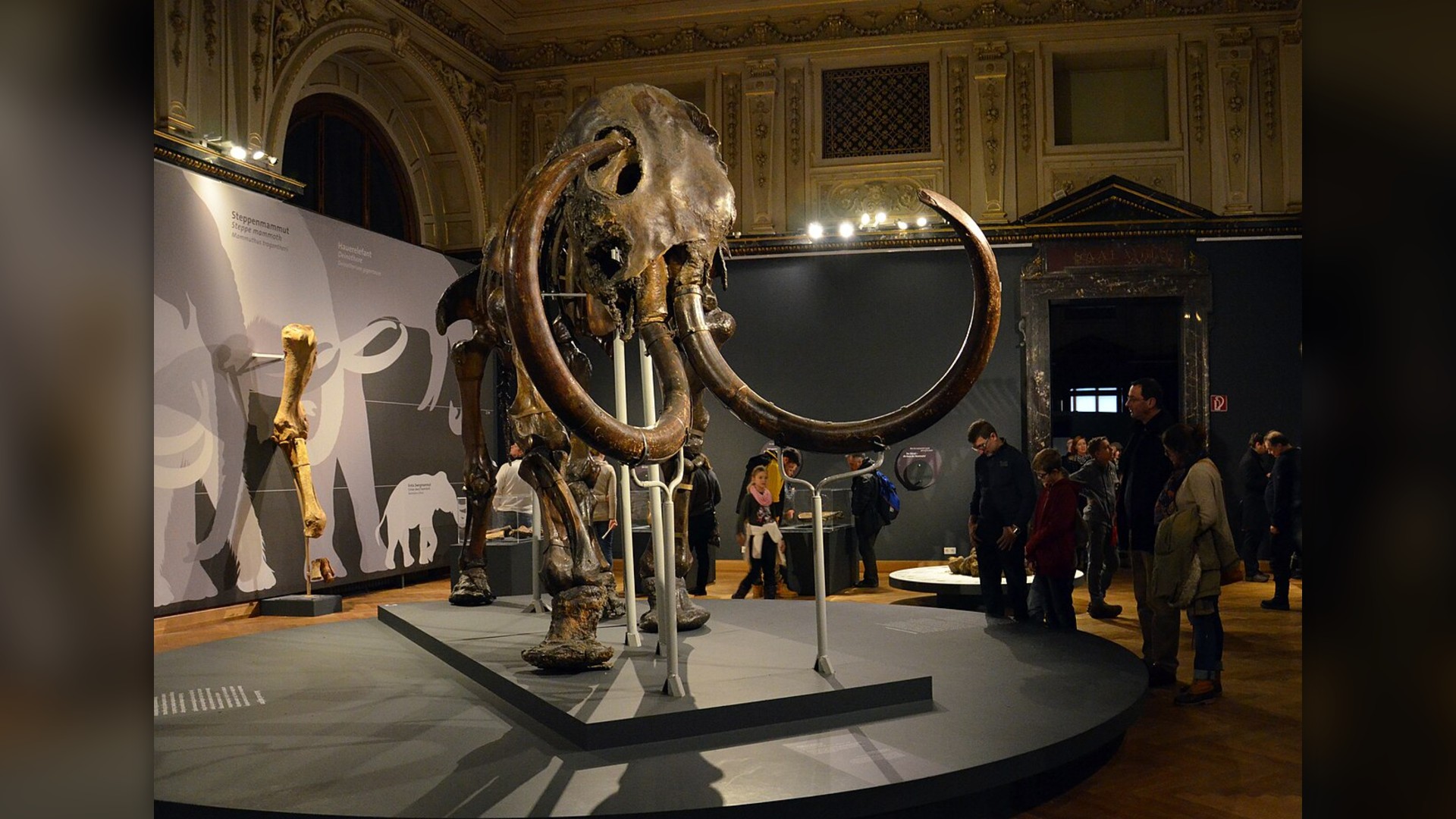
23. The Historic Adams Mammoth
Discovered by a Tungus hunter along the Lena River delta, the Adams Mammoth was the first woolly mammoth carcass studied by modern European science. When botanist Mikhail Adams reached the site in 1806, predators had eaten muscle tissue, but thirty pounds of coarse reddish hair remained preserved.
©Wikimedia / Monika Ďuríčková
Advertisement
Swipe or tap ▶ to resume the countdown.
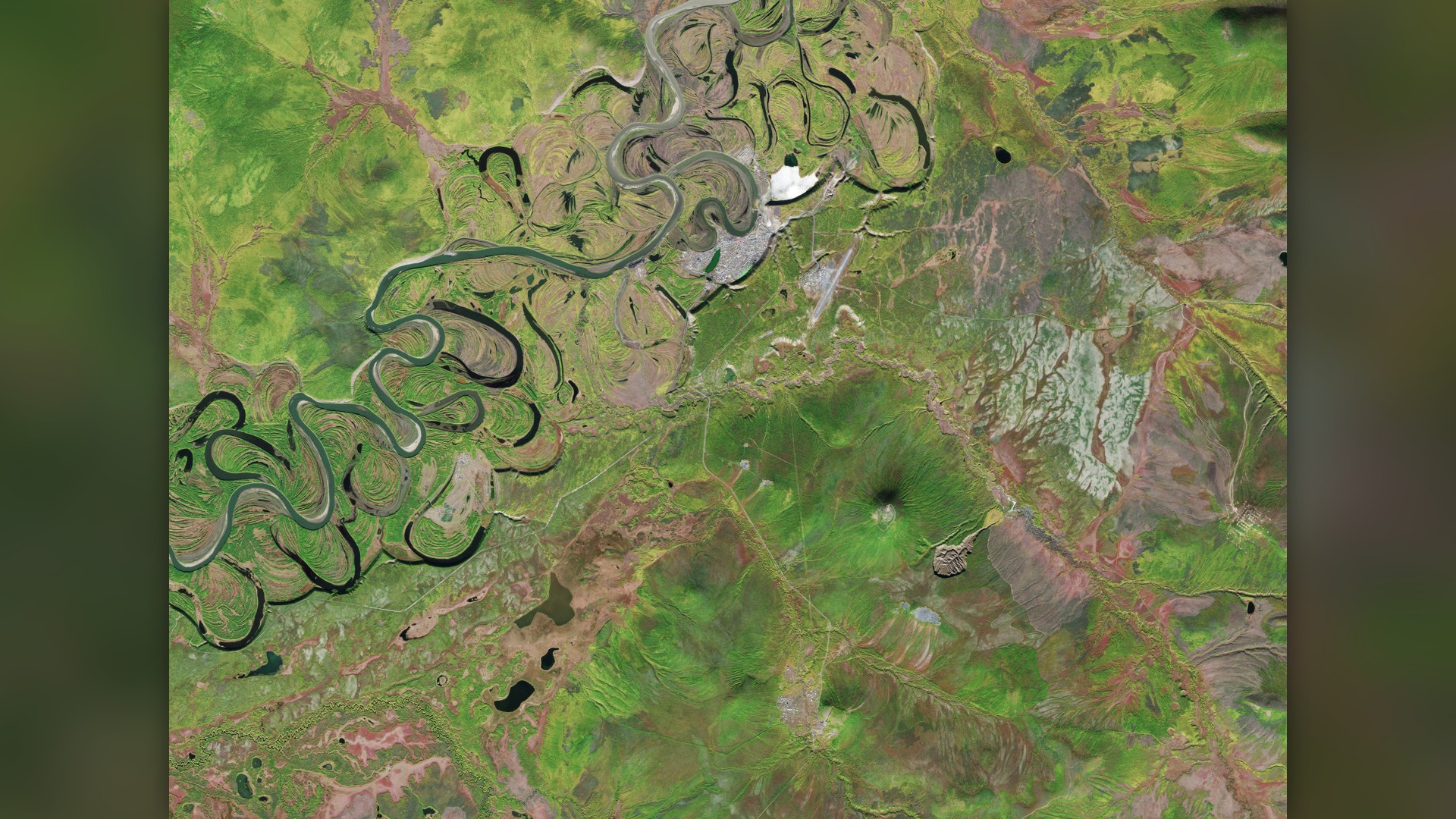
22. The Batagaika Thaw Crater Slump
This colossal half-mile-wide thermokarst depression in the Yana river basin expands every year as underground permafrost thaws. The collapsing geological face exposes layered sediment dating back six hundred thousand years, releasing a steady stream of Pleistocene mammal bones, pollen, and fossil trees.
©Wikimedia / European Space Agency
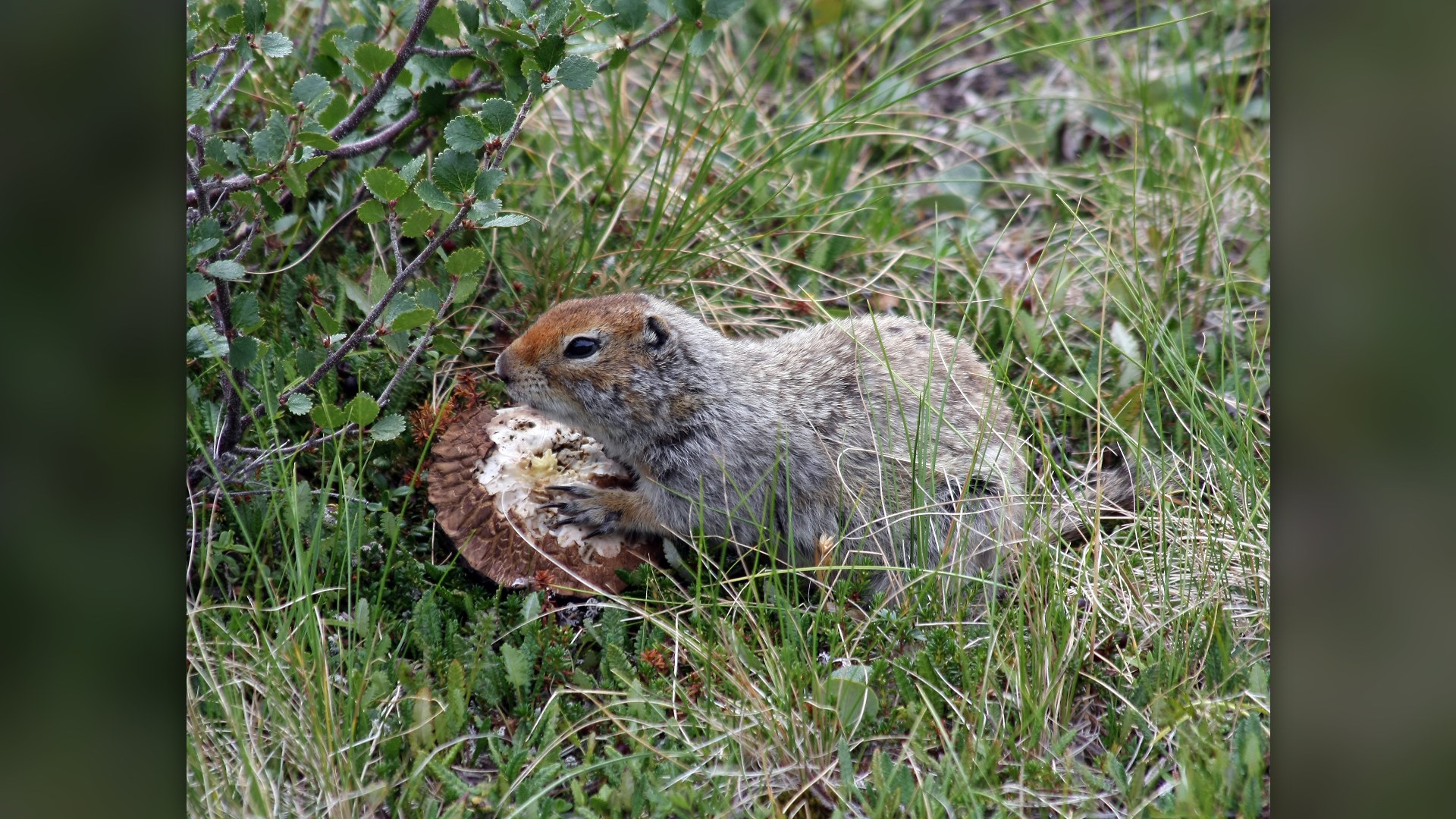
21. The Kolyma Hibernating Ground Squirrel
Gold prospectors near the Kolyma River excavated a fossilized underground burrow containing a thirty-thousand-year-old Arctic ground squirrel. The creature remained curled in its dormant hibernation posture, complete with cheek pouches containing intact prehistoric seeds that scientists later germinated.
©Wikimedia / Ianaré Sévi
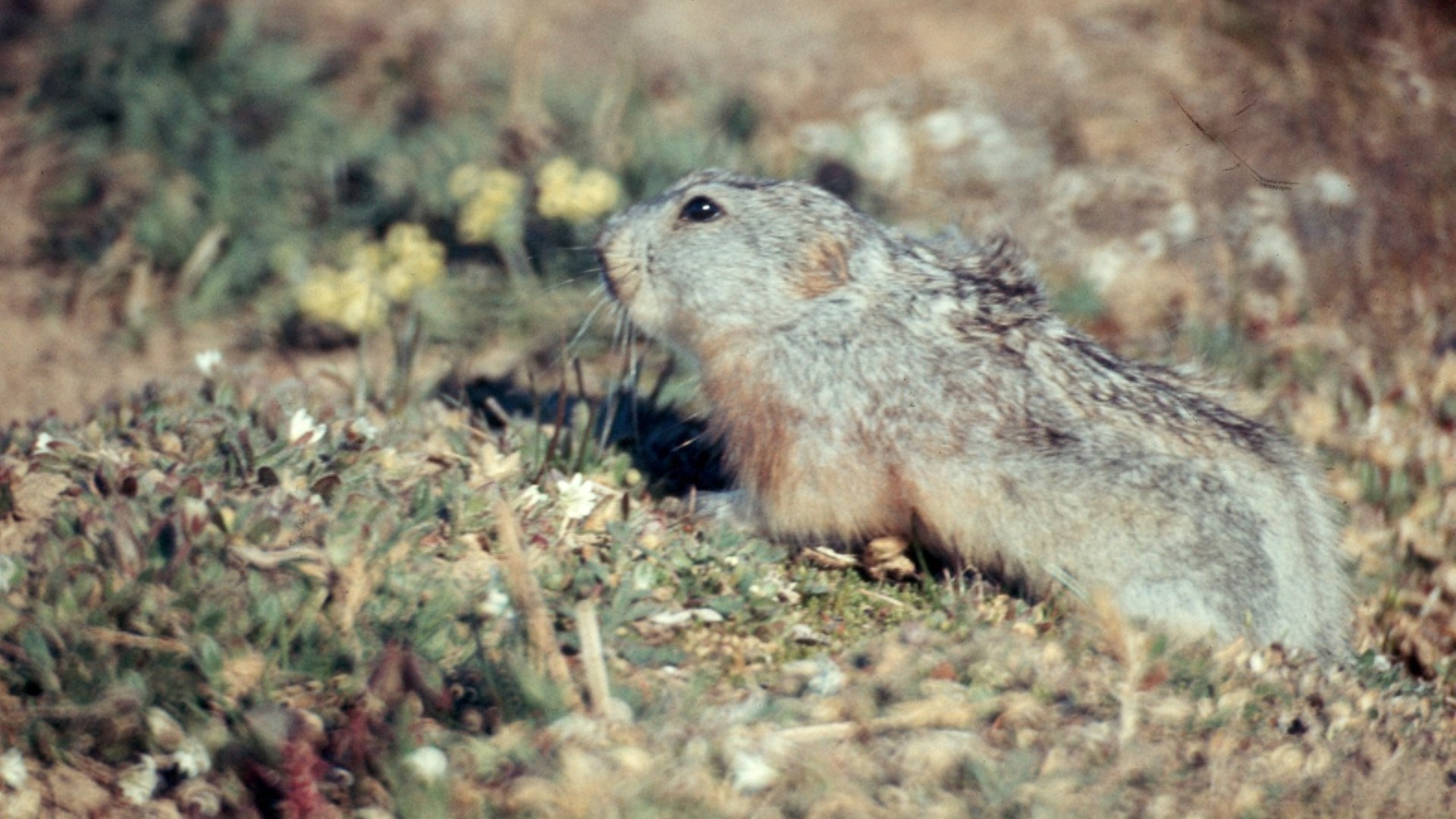
20. The Balyktakh Collared Lemming
Found encased in frozen riverbank mud on the Tyirekhtyakh River, this mummified lemming is the oldest preserved rodent ever recovered. Micro-CT scans revealed fully articulated skeletal joints, internal stomach contents, and specialized double-tipped winter digging claws used to tunnel through glacial snow.
©Wikimedia / Garst, Warren, 1922-2016, photographer
19. The Tumat Pleistocene Puppies
Unearthed near the village of Tumat in Yakutia, these two frozen canine pups date back twelve thousand five hundred years to the dawn of dog domestication. Autopsies revealed preserved brain tissue and twigs of vegetation in their stomachs, alongside chewed fragments of woolly mammoth hide.
©Wikimedia / Wolf
Advertisement
Swipe or tap ▶ to resume the countdown.
18. The Belaya Gora Horned Lark
While large mammals dominate permafrost headlines, the discovery of a tiny frozen songbird in eastern Siberia astonished ornithologists. Frozen solid forty-six thousand years ago, the horned lark looks as though it died yesterday, with intact skin, beak, claws, and delicate gray-brown feathers.
©Wikimedia / Stephan Sprinz
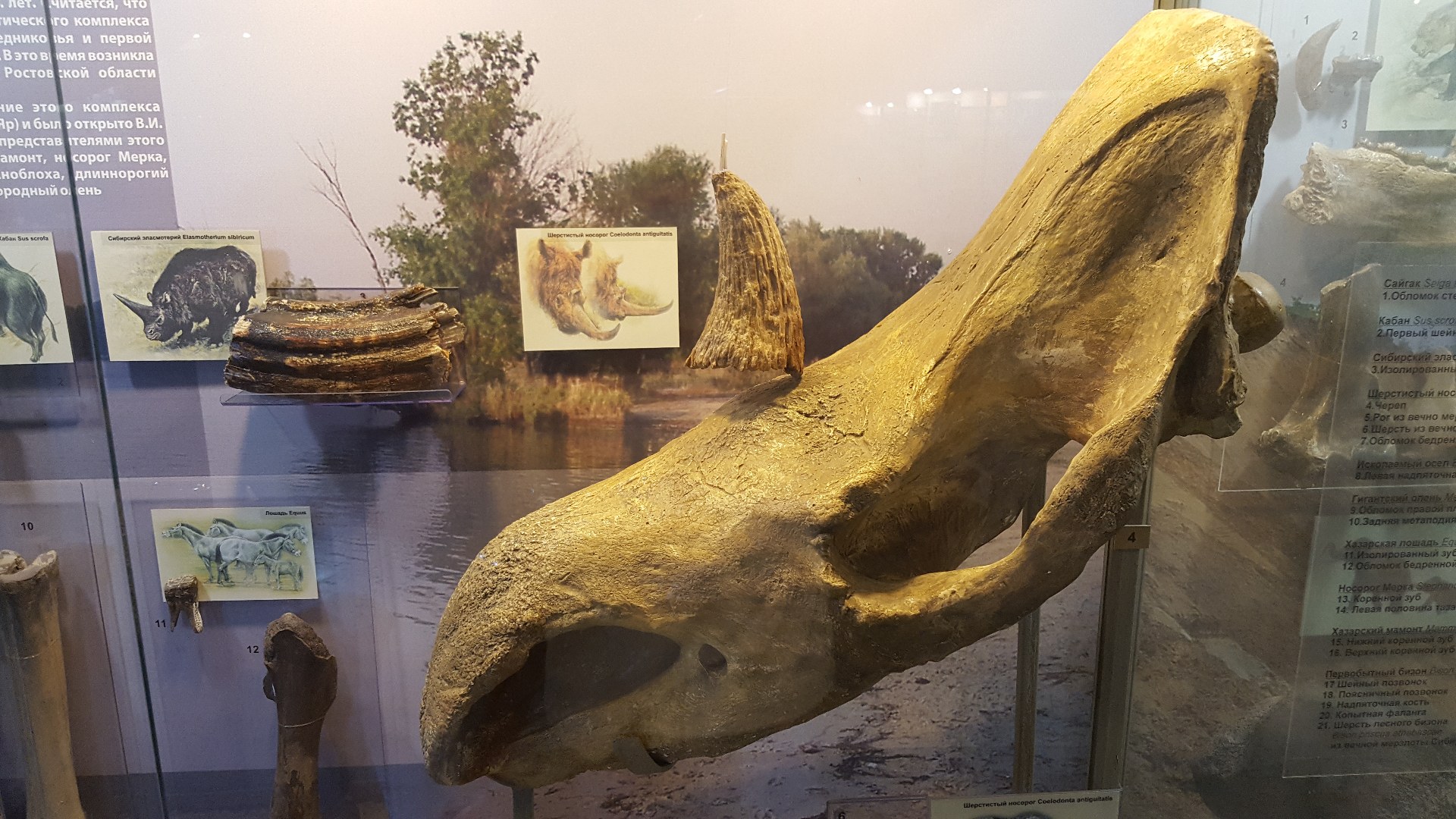
17. The Abyisky Juvenile Woolly Rhino
Discovered along the Tirekhtyakh River, this subadult woolly rhino drowned in an ancient bog thirty-four thousand years ago before permafrost froze the carcass. The specimen features thick hazelnut-colored wool, fully formed teeth, and its nasal horn firmly attached to the snout.
©Wikimedia / Mr Langlois10
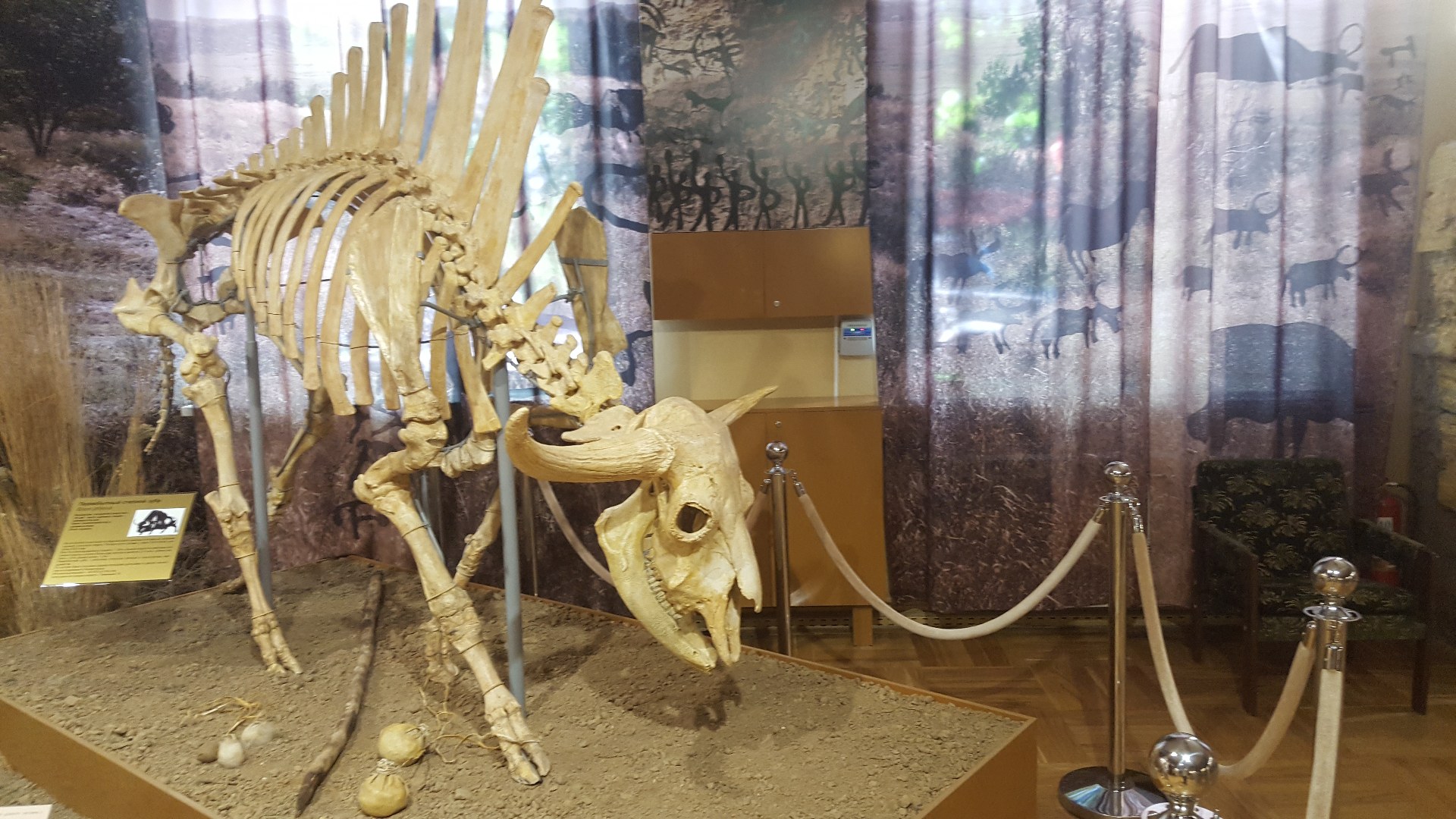
16. The Kolyma River Steppe Bison
Steppe bison once roamed the mammoth steppe in herds numbering in the millions. Excavations in the Kolyma lowlands yielded this nearly complete skeleton with thick horn sheaths intact. These massive grazers stood over six feet tall at the shoulder, sporting horn spans reaching over three feet.
©Wikimedia / Bernt Rostad from Oslo, Norway
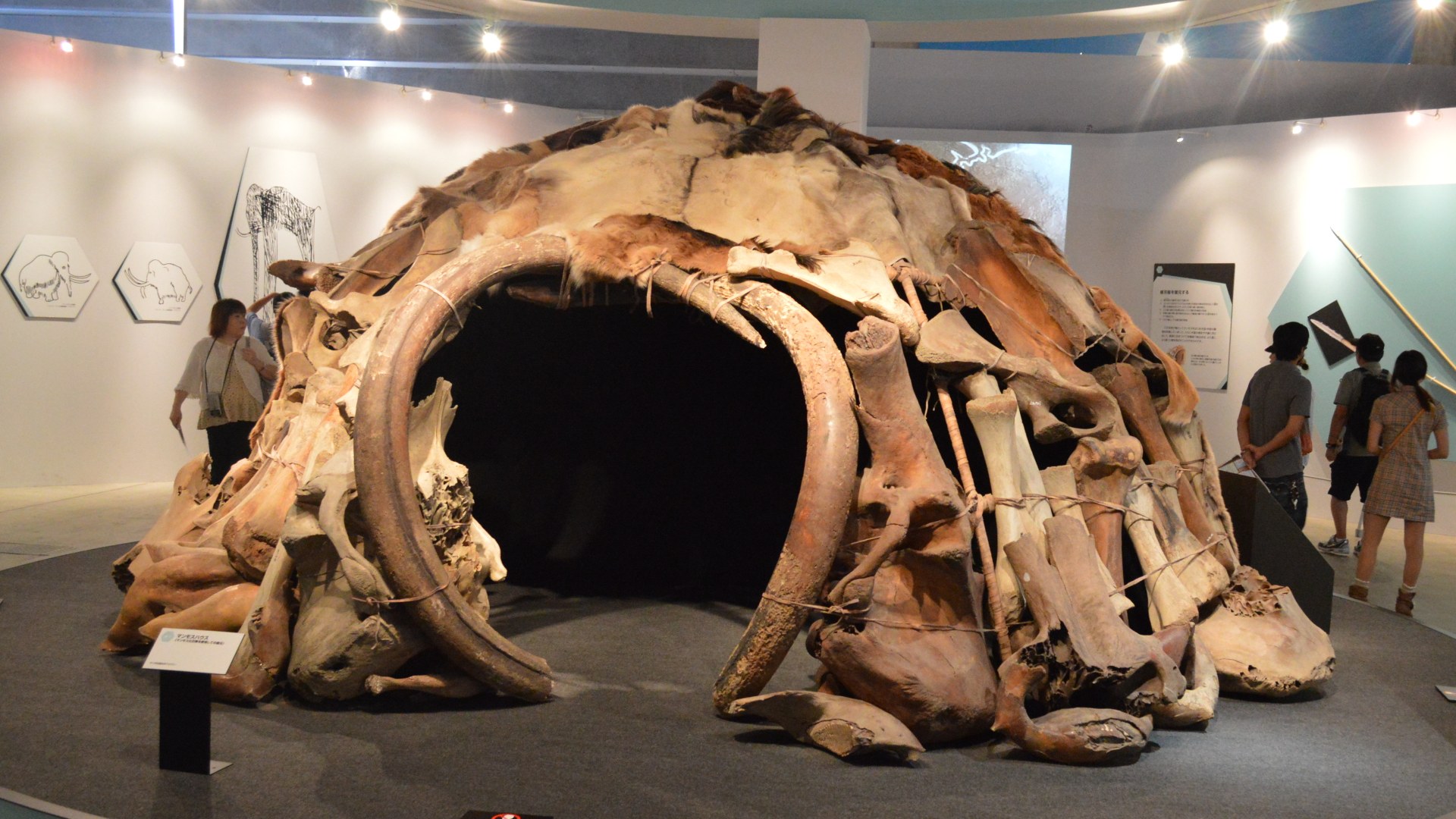
15. The Yukagir Mammoth Head
Discovered by local hunters in northern Yakutia in 2002, the Yukagir mammoth head weighed nearly a ton when chiseled from frozen sediment. The specimen preserved thick layers of subcutaneous fat, coarse underfur, and pristine eye sockets, going on to headline the 2005 World Expo in Japan.
©Wikimedia / Simon Law from Montréal, QC, Canada
Advertisement
Swipe or tap ▶ to resume the countdown.
14. The Kolyma River Brown Bear
Found on Bolshoy Lyakhovsky Island in the Arctic Ocean, this ancient brown bear was the first carnivore carcass recovered with completely intact soft tissues. Genetic analysis revealed the specimen lived thirty-four hundred years ago, possessing mitochondrial DNA distinct from modern Siberian bears.
©Wikimedia / Charles J. Sharp
13. The Historic Berezovka Mammoth
When Russian scientists reached this adult male mammoth buried in a Siberian cliffside in 1901, they found the beast had fallen into a deep crevasse. The sudden freezing was so rapid that unswallowed alpine poppies and buttercups were preserved on its tongue, revealing its exact final meal.
©Wikimedia / Titlutin
12. The Balyktakh Sabre-Toothed Cat
Discovered in eastern Yakutia, this three-week-old Homotherium latidens cub stunned paleontologists as the first mummified sabre-toothed cat ever found. The specimen preserved thick dark-brown fur, rounded ears, large paw pads with sharp claws, and elongated forelimbs adapted for Pleistocene hunting.
©Wikimedia / Jebulon
11. Spartak The Sister Cave Lion Cub
Unearthed just fifteen meters from Boris, this female cub named Spartak lived twenty-eight thousand years ago, proving the river bluff was a favored denning site across millennia. Spartak is the best-preserved cave lion ever discovered, featuring intact internal organs and pristine paw pads.
©Wikimedia / Didier Descouens
Advertisement
Swipe or tap ▶ to resume the countdown.
10. Dima The Magadan Baby Mammoth
Gold bulldozer operator Anatoly Logachev struck Dima's frozen body in a trench near Magadan in 1977. Dating back forty thousand years, the six-month-old calf suffered from exhaustion and fell into silt. The historic discovery allowed the first modern anatomical studies of mammoth musculature.
©Wikimedia / Sikander
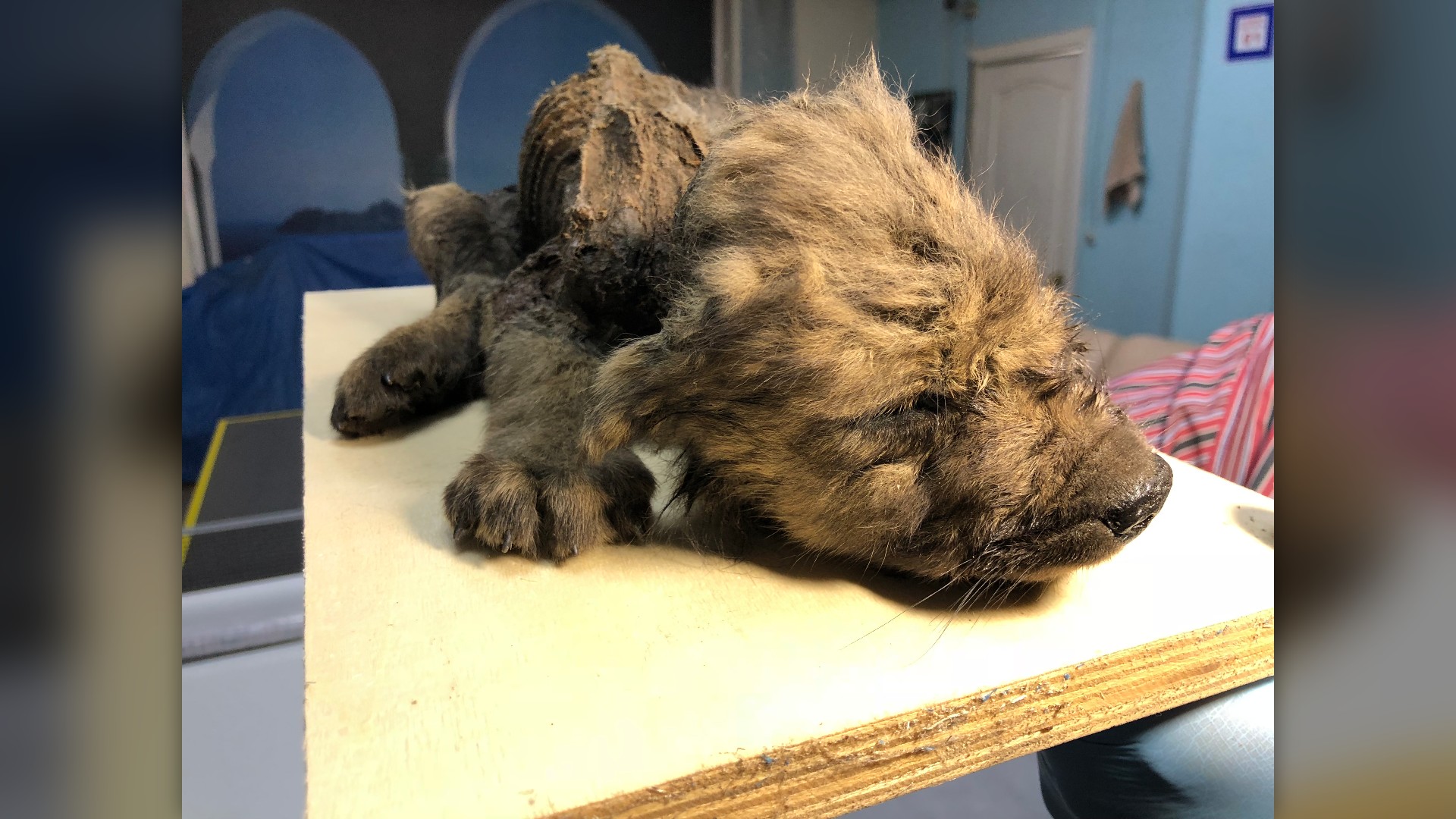
9. Dogor The Enigmatic Frozen Puppy
Discovered in Siberian permafrost near the Indigirka River, Dogor dates back eighteen thousand years. Extensive DNA sequencing could not definitively classify Dogor as either an ancient wolf or an early domesticated dog, placing the puppy directly on the evolutionary threshold between both species.
©Wikimedia / Dogor
8. The Yukagir Steppe Bison Mummy
Found in 2011 on a low lake shore in Yakutia, the Yukagir bison is the most complete steppe bison mummy ever found. The animal preserved a full brain, trachea, heart, and a digestive tract filled with ancient willow twigs, providing unprecedented insights into early Holocene ecosystems.
©Wikimedia / Altes
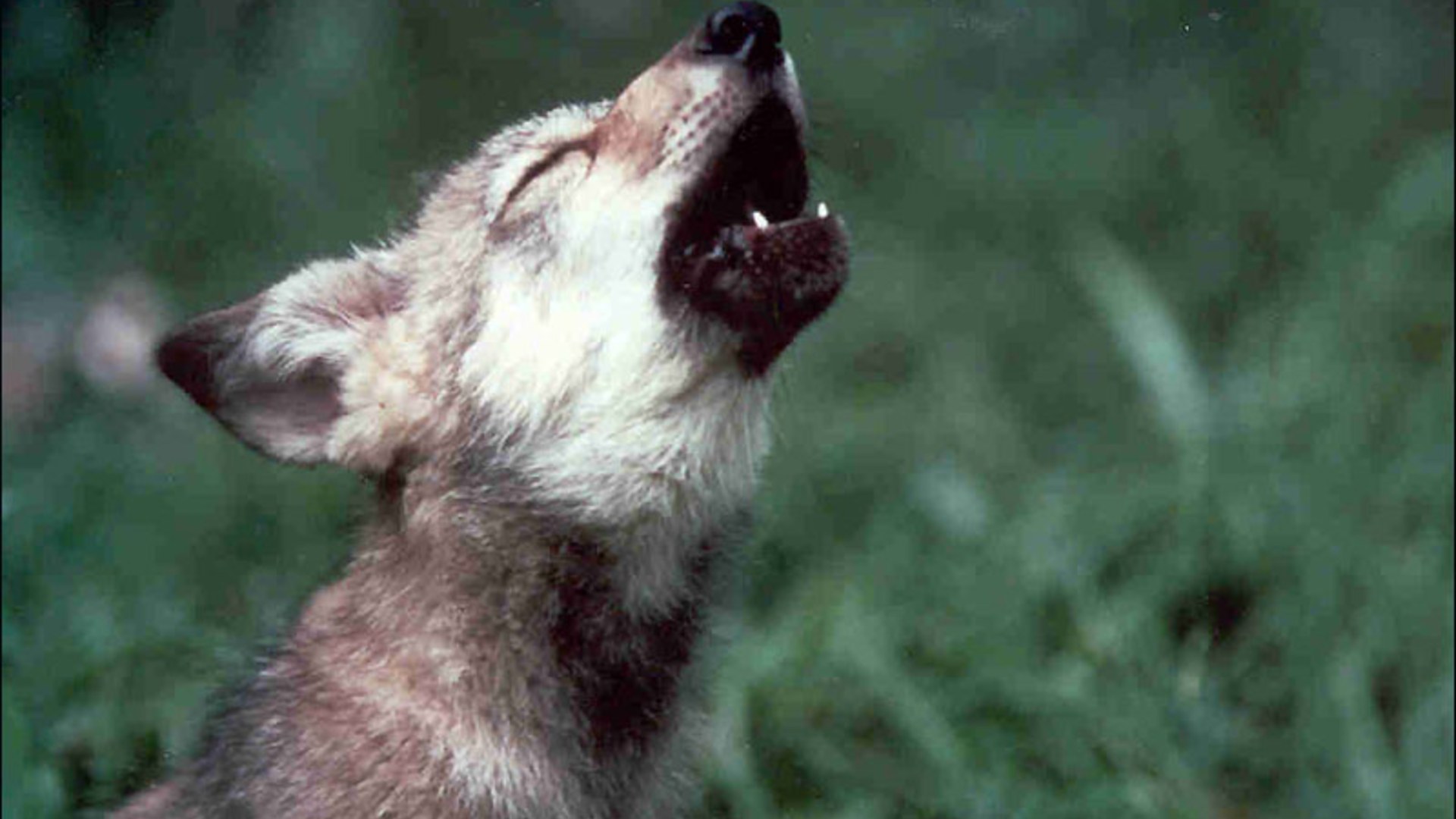
7. Zhùr The Klondike Wolf Pup
Canadian gold miner Neil Loveless discovered Zhùr while water-blasting permafrost near Dawson City. The seven-week-old female wolf pup died when her den collapsed fifty-seven thousand years ago. Chemical analysis of her bones revealed her mother ate salmon from local rivers rather than bison.
©Wikimedia / U.S. Fish and Wildlife Service Headquarters
Advertisement
Swipe or tap ▶ to resume the countdown.
6. The Batagay Ancient Foal
Found inside the expanding Batagaika crater, this two-month-old extinct Lena horse foal is so well preserved that liquid blood was drawn from its heart vessels during autopsy. With a glossy black tail, mane, and pristine chestnut coat, the foal looks ready to gallop across the tundra.
©Pixabay / arabervollblut
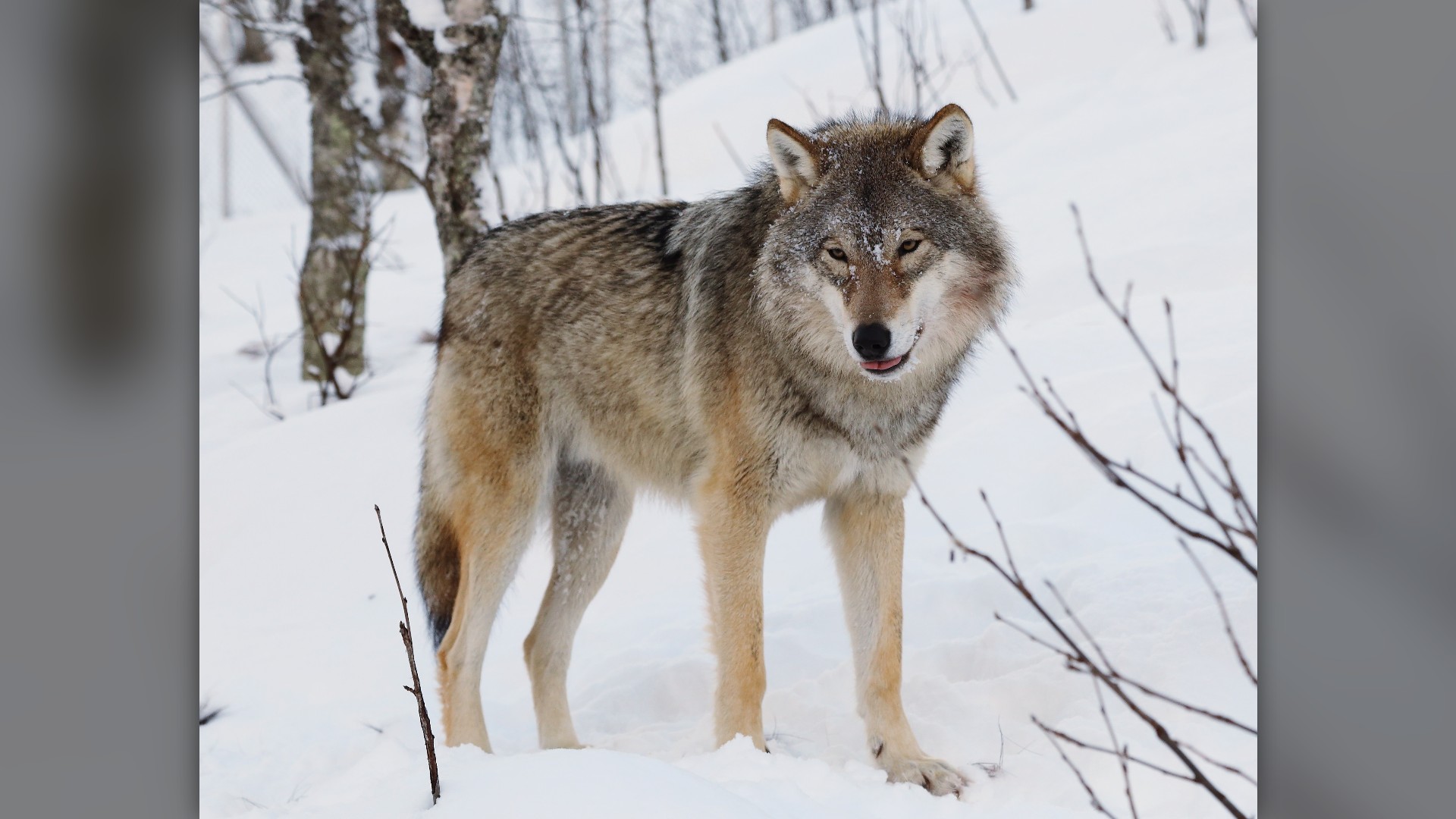
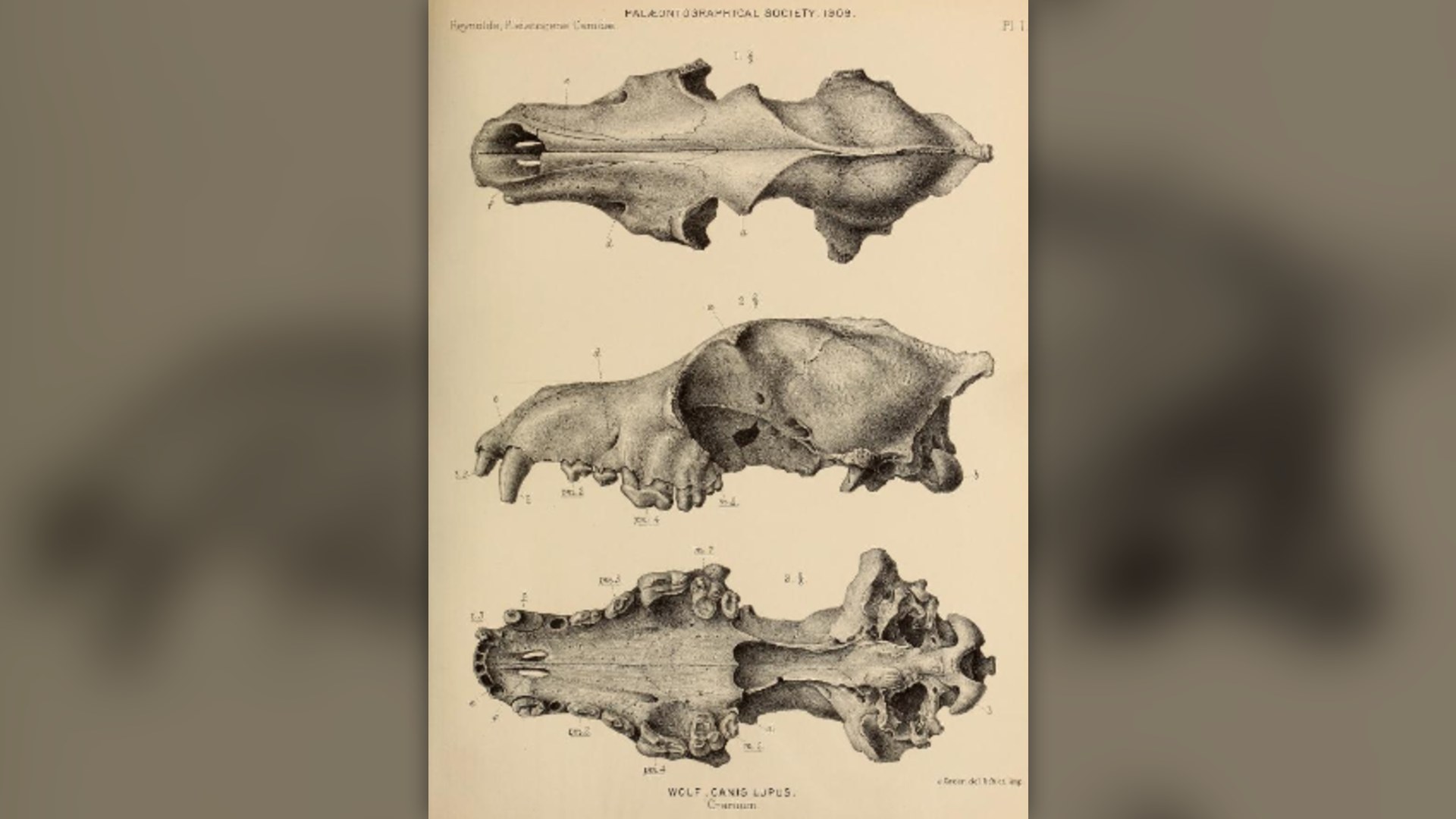
5. The Tirekhtyakh Giant Wolf Head
Found by a local mammoth tusk hunter along the Tirekhtyakh River, this colossal severed wolf head preserved a full winter coat, snarling fangs, and brain tissue. The prehistoric predator lived forty thousand years ago and possessed a skull twenty-five percent larger than any living gray wolf.
©Wikimedia / Dawkins, William Boyd, Sir, 1838-1929; et. al.
4. Sasha The Baby Woolly Rhino
Discovered in 2014 along the Semyuelyakh River, Sasha was the first juvenile woolly rhinoceros ever unearthed. The specimen proved that woolly rhinos developed thick fur and horns at a very young age, adapting to subzero Pleistocene blizzards long before reaching adult size.
©Wikimedia / Altes
3. Yuka The Red-Haired Mammoth
Found in northern Yakutia in 2010, Yuka preserved a strawberry-blonde coat, padded foot soles, and deep claw scratches from prehistoric cave lions. Neurosurgeons successfully extracted Yuka's intact brain in 2012, providing the first complete view of mammoth cerebral architecture.
©Wikimedia / Nandaro
Advertisement
Swipe or tap ▶ to resume the countdown.
2. Nun Cho Ga The Yukon Baby Mammoth
In June 2022, miners excavating gold on Tr'ondek Hwech'in territory in Canada's Yukon uncovered the most complete mummified mammoth in North America. Named Nun Cho Ga, meaning big baby animal, the thirty-thousand-year-old female calf preserved wrinkled skin, toenails, and gut contents.
©Wikimedia / Archaeological Museum in Kraków
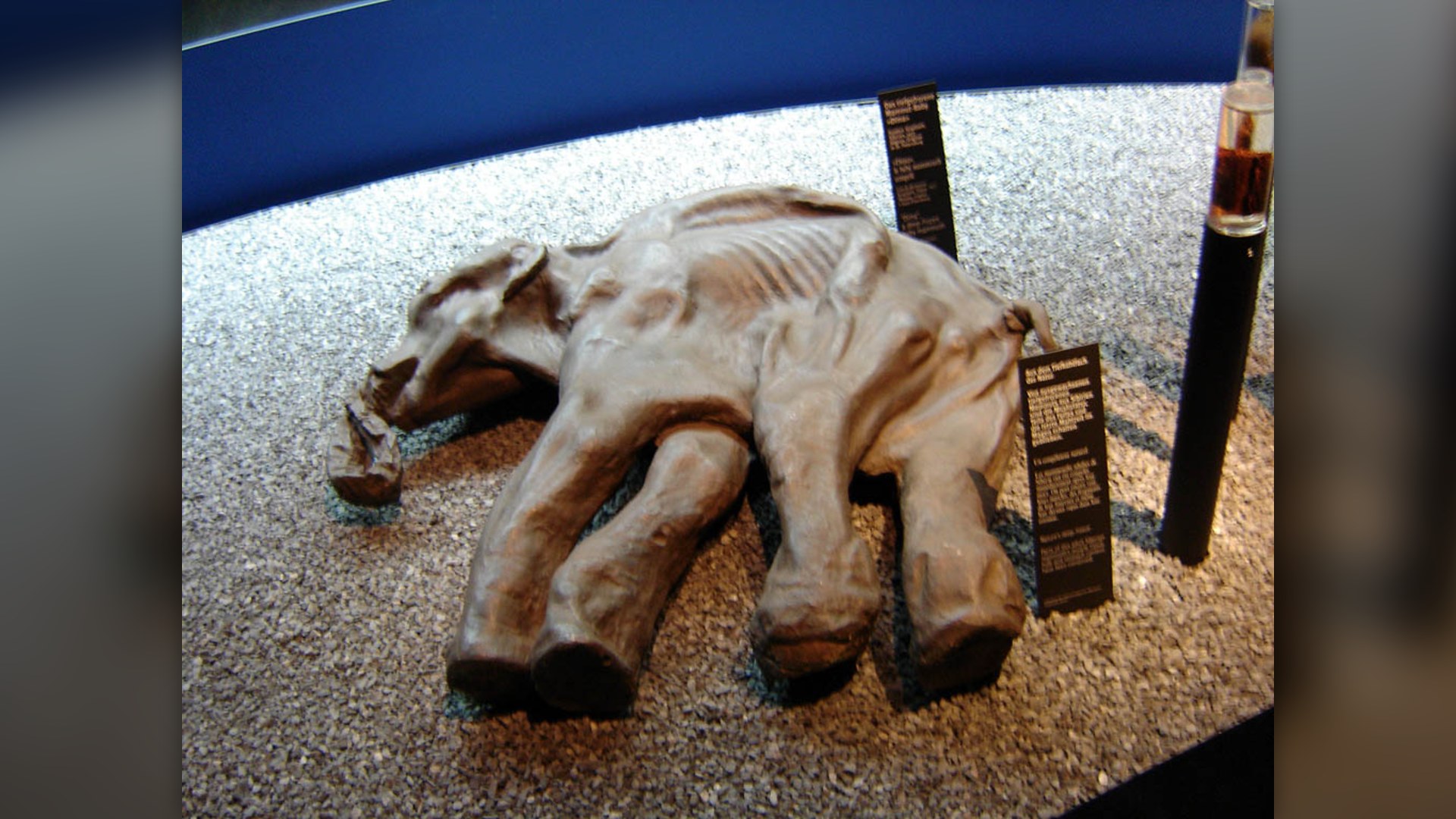
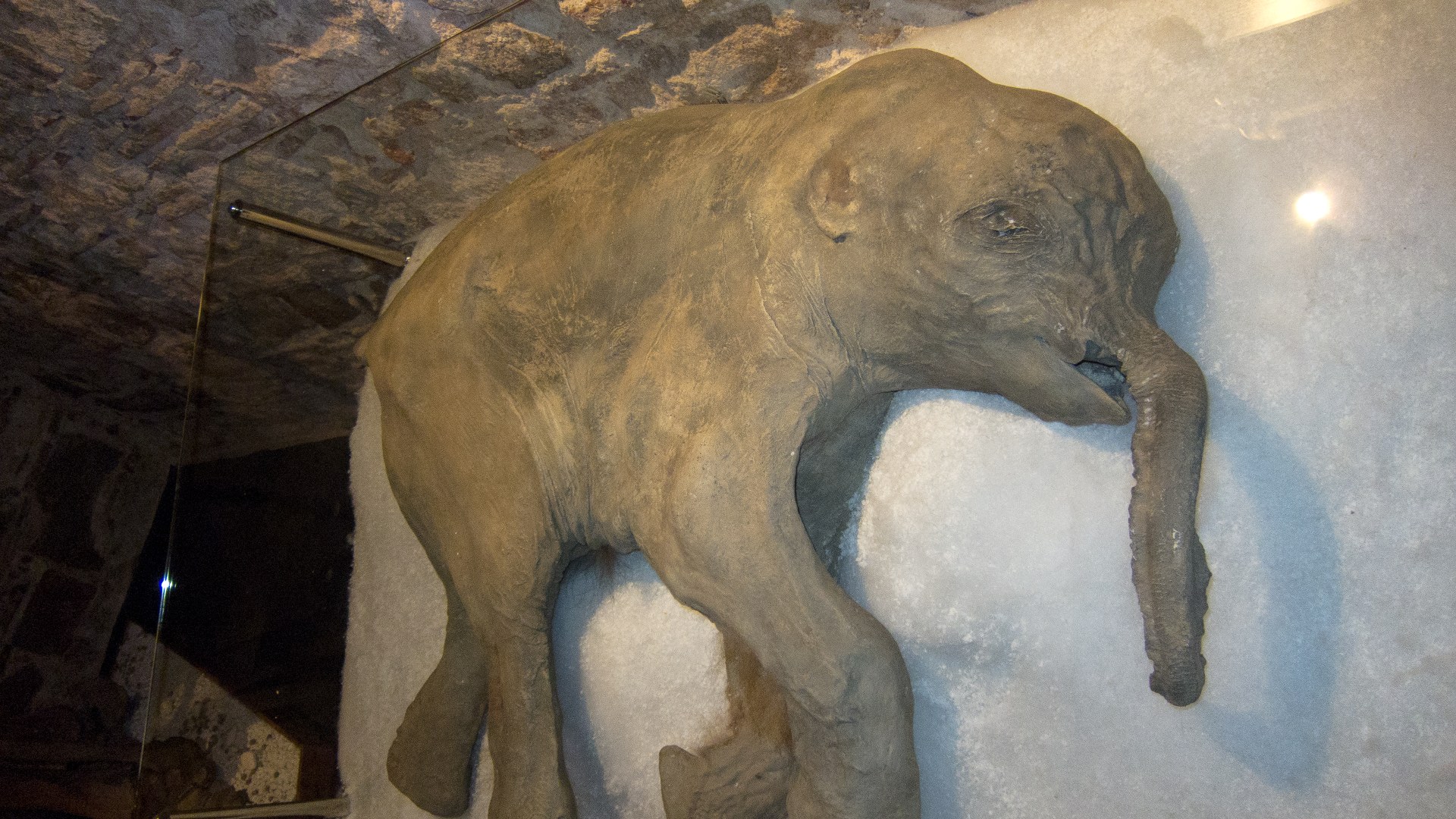
1. Lyuba The Pristine Baby Mammoth
Discovered by Nenets reindeer herder Yuri Khudi in 2007 along the Yuribey River, Lyuba is the undisputed masterpiece of permafrost paleontology. Suffocated in mud at one month old, she preserved intact eyelashes, skin folds, internal organs, and traces of her mother's milk inside her stomach.

©Wikimedia / Thomas Quine
Advertisement
You've reached the end of the story. Thanks for reading!

25 Groundbreaking American Inventions and Achievements Ranked
From Kitty Hawk and the Apollo 11 lunar landing to the transistor and the internet, American inventors and scientists have transformed global civilization. Sourced from the Smithsonian Institution, NASA archives, and the Library of Congress, here are twenty-five groundbreaking American milestones ranked.
All 25 Entries in this Story
25. The Taymyr Frozen Muskox
Discovered on Siberia's remote Taymyr Peninsula, this ancient muskox carcass remained entombed in permanently frozen mud since the late Pleistocene. Researchers recovered dense underwool and horn sheaths, revealing that Ice Age muskoxen were remarkably similar to surviving modern Arctic populations.

24. The Yamal Tundra Reindeer Mummy
Unearthed in the Yamal-Nenets region of northern Russia, this prehistoric reindeer carcass survived multiple millennia buried in frozen river sediment. Radiocarbon testing confirmed the animal lived during the height of the last glacial period, providing vital clues about ancient migration corridors.

23. The Historic Adams Mammoth
Discovered by a Tungus hunter along the Lena River delta, the Adams Mammoth was the first woolly mammoth carcass studied by modern European science. When botanist Mikhail Adams reached the site in 1806, predators had eaten muscle tissue, but thirty pounds of coarse reddish hair remained preserved.

22. The Batagaika Thaw Crater Slump
This colossal half-mile-wide thermokarst depression in the Yana river basin expands every year as underground permafrost thaws. The collapsing geological face exposes layered sediment dating back six hundred thousand years, releasing a steady stream of Pleistocene mammal bones, pollen, and fossil trees.

21. The Kolyma Hibernating Ground Squirrel
Gold prospectors near the Kolyma River excavated a fossilized underground burrow containing a thirty-thousand-year-old Arctic ground squirrel. The creature remained curled in its dormant hibernation posture, complete with cheek pouches containing intact prehistoric seeds that scientists later germinated.

20. The Balyktakh Collared Lemming
Found encased in frozen riverbank mud on the Tyirekhtyakh River, this mummified lemming is the oldest preserved rodent ever recovered. Micro-CT scans revealed fully articulated skeletal joints, internal stomach contents, and specialized double-tipped winter digging claws used to tunnel through glacial snow.

19. The Tumat Pleistocene Puppies
Unearthed near the village of Tumat in Yakutia, these two frozen canine pups date back twelve thousand five hundred years to the dawn of dog domestication. Autopsies revealed preserved brain tissue and twigs of vegetation in their stomachs, alongside chewed fragments of woolly mammoth hide.

18. The Belaya Gora Horned Lark
While large mammals dominate permafrost headlines, the discovery of a tiny frozen songbird in eastern Siberia astonished ornithologists. Frozen solid forty-six thousand years ago, the horned lark looks as though it died yesterday, with intact skin, beak, claws, and delicate gray-brown feathers.

17. The Abyisky Juvenile Woolly Rhino
Discovered along the Tirekhtyakh River, this subadult woolly rhino drowned in an ancient bog thirty-four thousand years ago before permafrost froze the carcass. The specimen features thick hazelnut-colored wool, fully formed teeth, and its nasal horn firmly attached to the snout.

16. The Kolyma River Steppe Bison
Steppe bison once roamed the mammoth steppe in herds numbering in the millions. Excavations in the Kolyma lowlands yielded this nearly complete skeleton with thick horn sheaths intact. These massive grazers stood over six feet tall at the shoulder, sporting horn spans reaching over three feet.

15. The Yukagir Mammoth Head
Discovered by local hunters in northern Yakutia in 2002, the Yukagir mammoth head weighed nearly a ton when chiseled from frozen sediment. The specimen preserved thick layers of subcutaneous fat, coarse underfur, and pristine eye sockets, going on to headline the 2005 World Expo in Japan.

14. The Kolyma River Brown Bear
Found on Bolshoy Lyakhovsky Island in the Arctic Ocean, this ancient brown bear was the first carnivore carcass recovered with completely intact soft tissues. Genetic analysis revealed the specimen lived thirty-four hundred years ago, possessing mitochondrial DNA distinct from modern Siberian bears.

13. The Historic Berezovka Mammoth
When Russian scientists reached this adult male mammoth buried in a Siberian cliffside in 1901, they found the beast had fallen into a deep crevasse. The sudden freezing was so rapid that unswallowed alpine poppies and buttercups were preserved on its tongue, revealing its exact final meal.

12. The Balyktakh Sabre-Toothed Cat
Discovered in eastern Yakutia, this three-week-old Homotherium latidens cub stunned paleontologists as the first mummified sabre-toothed cat ever found. The specimen preserved thick dark-brown fur, rounded ears, large paw pads with sharp claws, and elongated forelimbs adapted for Pleistocene hunting.

11. Spartak The Sister Cave Lion Cub
Unearthed just fifteen meters from Boris, this female cub named Spartak lived twenty-eight thousand years ago, proving the river bluff was a favored denning site across millennia. Spartak is the best-preserved cave lion ever discovered, featuring intact internal organs and pristine paw pads.

10. Dima The Magadan Baby Mammoth
Gold bulldozer operator Anatoly Logachev struck Dima's frozen body in a trench near Magadan in 1977. Dating back forty thousand years, the six-month-old calf suffered from exhaustion and fell into silt. The historic discovery allowed the first modern anatomical studies of mammoth musculature.

9. Dogor The Enigmatic Frozen Puppy
Discovered in Siberian permafrost near the Indigirka River, Dogor dates back eighteen thousand years. Extensive DNA sequencing could not definitively classify Dogor as either an ancient wolf or an early domesticated dog, placing the puppy directly on the evolutionary threshold between both species.

8. The Yukagir Steppe Bison Mummy
Found in 2011 on a low lake shore in Yakutia, the Yukagir bison is the most complete steppe bison mummy ever found. The animal preserved a full brain, trachea, heart, and a digestive tract filled with ancient willow twigs, providing unprecedented insights into early Holocene ecosystems.

7. Zhùr The Klondike Wolf Pup
Canadian gold miner Neil Loveless discovered Zhùr while water-blasting permafrost near Dawson City. The seven-week-old female wolf pup died when her den collapsed fifty-seven thousand years ago. Chemical analysis of her bones revealed her mother ate salmon from local rivers rather than bison.

6. The Batagay Ancient Foal
Found inside the expanding Batagaika crater, this two-month-old extinct Lena horse foal is so well preserved that liquid blood was drawn from its heart vessels during autopsy. With a glossy black tail, mane, and pristine chestnut coat, the foal looks ready to gallop across the tundra.

5. The Tirekhtyakh Giant Wolf Head
Found by a local mammoth tusk hunter along the Tirekhtyakh River, this colossal severed wolf head preserved a full winter coat, snarling fangs, and brain tissue. The prehistoric predator lived forty thousand years ago and possessed a skull twenty-five percent larger than any living gray wolf.

4. Sasha The Baby Woolly Rhino
Discovered in 2014 along the Semyuelyakh River, Sasha was the first juvenile woolly rhinoceros ever unearthed. The specimen proved that woolly rhinos developed thick fur and horns at a very young age, adapting to subzero Pleistocene blizzards long before reaching adult size.

3. Yuka The Red-Haired Mammoth
Found in northern Yakutia in 2010, Yuka preserved a strawberry-blonde coat, padded foot soles, and deep claw scratches from prehistoric cave lions. Neurosurgeons successfully extracted Yuka's intact brain in 2012, providing the first complete view of mammoth cerebral architecture.

2. Nun Cho Ga The Yukon Baby Mammoth
In June 2022, miners excavating gold on Tr'ondek Hwech'in territory in Canada's Yukon uncovered the most complete mummified mammoth in North America. Named Nun Cho Ga, meaning big baby animal, the thirty-thousand-year-old female calf preserved wrinkled skin, toenails, and gut contents.

1. Lyuba The Pristine Baby Mammoth
Discovered by Nenets reindeer herder Yuri Khudi in 2007 along the Yuribey River, Lyuba is the undisputed masterpiece of permafrost paleontology. Suffocated in mud at one month old, she preserved intact eyelashes, skin folds, internal organs, and traces of her mother's milk inside her stomach.