Slideshow · Technology
20 Everyday Tasks AI Is Quietly Changing in Daily Life
Artificial intelligence tools now automate writing, scheduling, transcription, photo editing, and route planning across modern households. Systems from OpenAI, Google, and Microsoft handle complex chores in seconds. Based on reports from Reuters, Pew Research, and MIT Technology Review published through 2026.
By Most Viral Today
37 min ago

Everyday Tasks AI Is Changing 
20. Organizing Personal Receipts And Expenses 
19. Filtering Spam And Fraudulent Phone Calls 
18. Generating Complex Spreadsheet Formulas - AdvertisementSwipe or tap ▶ to continue countdown

17. Proofreading Routine Workplace Emails 
16. Scheduling Multi-City Travel Itineraries 
15. Transcribing And Summarizing Meeting Notes 
14. Generating Family Meals From Leftover Ingredients - AdvertisementSwipe or tap ▶ to continue countdown

13. Real-Time Spoken Language Translation 
12. Erasing Background Distractions In Photos 
11. Diagnosing Car Fault Codes And Repair Needs 
10. Summarizing Lengthy Apartment Leases And Contracts - AdvertisementSwipe or tap ▶ to continue countdown

9. Resolving Routine Customer Service Inquiries 
8. Predicting And Ordering Weekly Grocery Essentials 
7. Step By-Step Math And Science Tutoring 
6. Generating Starter Code And Fixing Script Bugs - AdvertisementSwipe or tap ▶ to continue countdown

5. Cataloging Home Possessions For Insurance 
4. Rerouting Daily Commutes Around Street Hazards 
3. Personalizing Weekly Strength And Cardio Workouts 
2. Assisting Visually Impaired Navigation And Reading - AdvertisementSwipe or tap ▶ to continue countdown

1. Triaging Medical Symptoms And Summarizing Clinical Notes - Advertisement🔥 UP NEXT IN THIS SERIES◫ 21 Slides

20 Notable Tech Gifts Worth Considering This 2026 Holiday Season
Consumer technology in 2026 blends spatial computing, practical artificial intelligence, and smart personal hardware into everyday routines. This curated guide details twenty standout gadgets driving demand for the holiday season. Based on product releases and market reporting by Bloomberg, The Verge, and Reuters.
Artificial intelligence tools now automate writing, scheduling, transcription, photo editing, and route planning across modern households. Systems from OpenAI, Google, and Microsoft handle complex chores in seconds. Based on reports from Reuters, Pew Research, and MIT Technology Review published through 2026.
Swipe or tap ▶ to begin the countdown
©Pixabay / Pexels
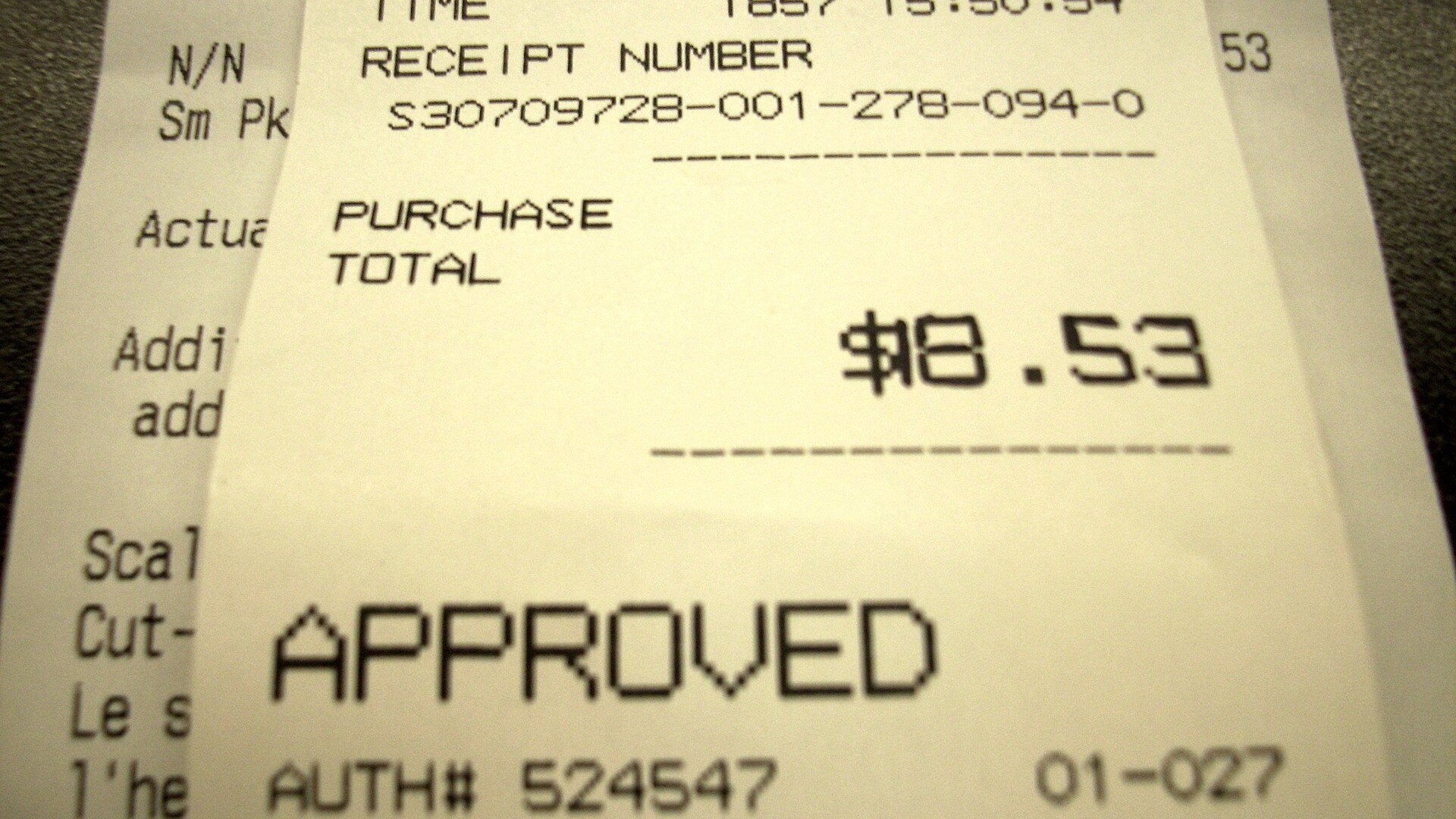
20. Organizing Personal Receipts And Expenses
Mobile applications like Expensify and QuickBooks now use optical character models to parse merchant names, line totals, and tax breakdowns in under two seconds. A 2026 Intuit benchmark revealed automated receipt scanning reduced manual bookkeeping errors by 41 percent across small businesses.
©Wikimedia / Rebekah Ho
19. Filtering Spam And Fraudulent Phone Calls
Smartphones equipped with Google Call Screen and Apple spam defenses deploy on-device natural language models to converse with unknown callers. Federal Communications Commission data from September 2026 indicated real-time voice filtering stopped over 1.8 billion unwanted automated dialer attempts.
©Pixabay / VinzentWeinbeer
18. Generating Complex Spreadsheet Formulas
Microsoft Copilot in Excel and Google Gemini in Sheets translate conversational prompts into nested lookups and pivot calculations. A Wharton School business study in August 2026 observed financial analysts completed complex model builds 34 percent quicker when utilizing automated formula generation.
©Pixabay / Lalmch
Advertisement
Swipe or tap ▶ to resume the countdown.
17. Proofreading Routine Workplace Emails
Writing assistants like Grammarly and built-in email autocomplete tools analyze sentence clarity and adjust tone for corporate settings. An enterprise survey by Pew Research in July 2026 found that 58 percent of office workers use automated sentence suggestions daily to draft standard correspondence.
©Pixabay / StockSnap
16. Scheduling Multi-City Travel Itineraries
Travel platforms such as Expedia and Kayak incorporate conversational planners that balance hotel checkout times with ground transit connections. According to PhoCusWright data from June 2026, travelers using automated route planners saved an average of 95 minutes per trip booking.
©Pixabay / Pexels
15. Transcribing And Summarizing Meeting Notes
Services like Otter.ai, Zoom AI Companion, and Microsoft Teams transcribe multi-party conversations and assign follow-up tasks automatically. A Gartner workplace study in May 2026 reported that automated meeting summaries reduced time spent reviewing missed calls by 62 percent.
©Pixabay / u_vy09rs36kv
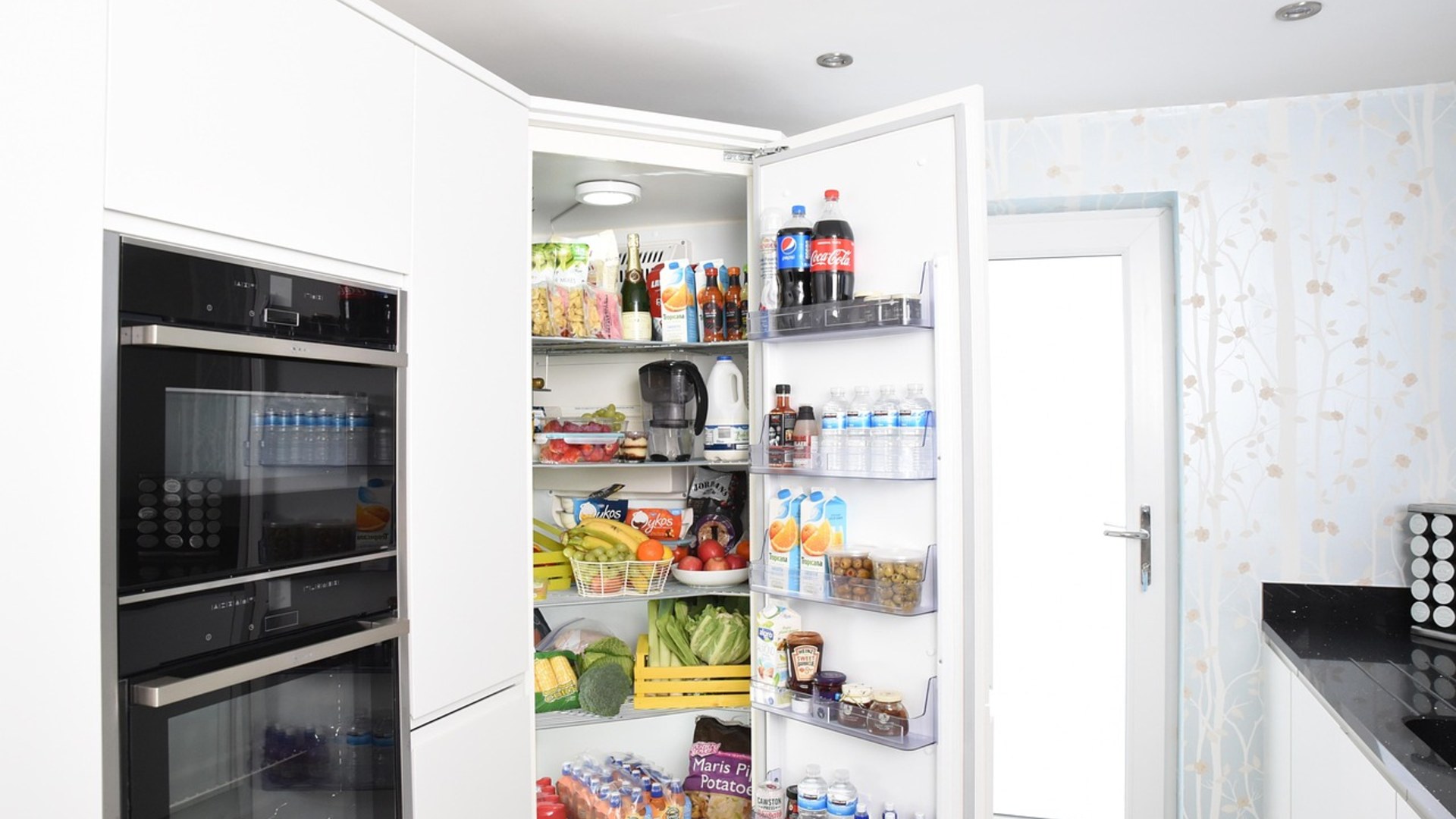
14. Generating Family Meals From Leftover Ingredients
Vision-based assistants allow home cooks to photograph food pantry items and receive step-by-step recipes matched to dietary goals. In an April 2026 consumer trial by the Good Food Institute, households using photo recipe prompts reduced weekly domestic food waste by roughly 22 percent.
©Pixabay / difisher
Advertisement
Swipe or tap ▶ to resume the countdown.
13. Real-Time Spoken Language Translation
Hardware from Samsung Galaxy AI and Google Pixel processes simultaneous two-way audio translation directly on the device with sub-second latency. Field testing published by IEEE Spectrum in March 2026 demonstrated conversational translation accuracy exceeding 92 percent across 18 major dialects.
©Pixabay / Surprising_Media
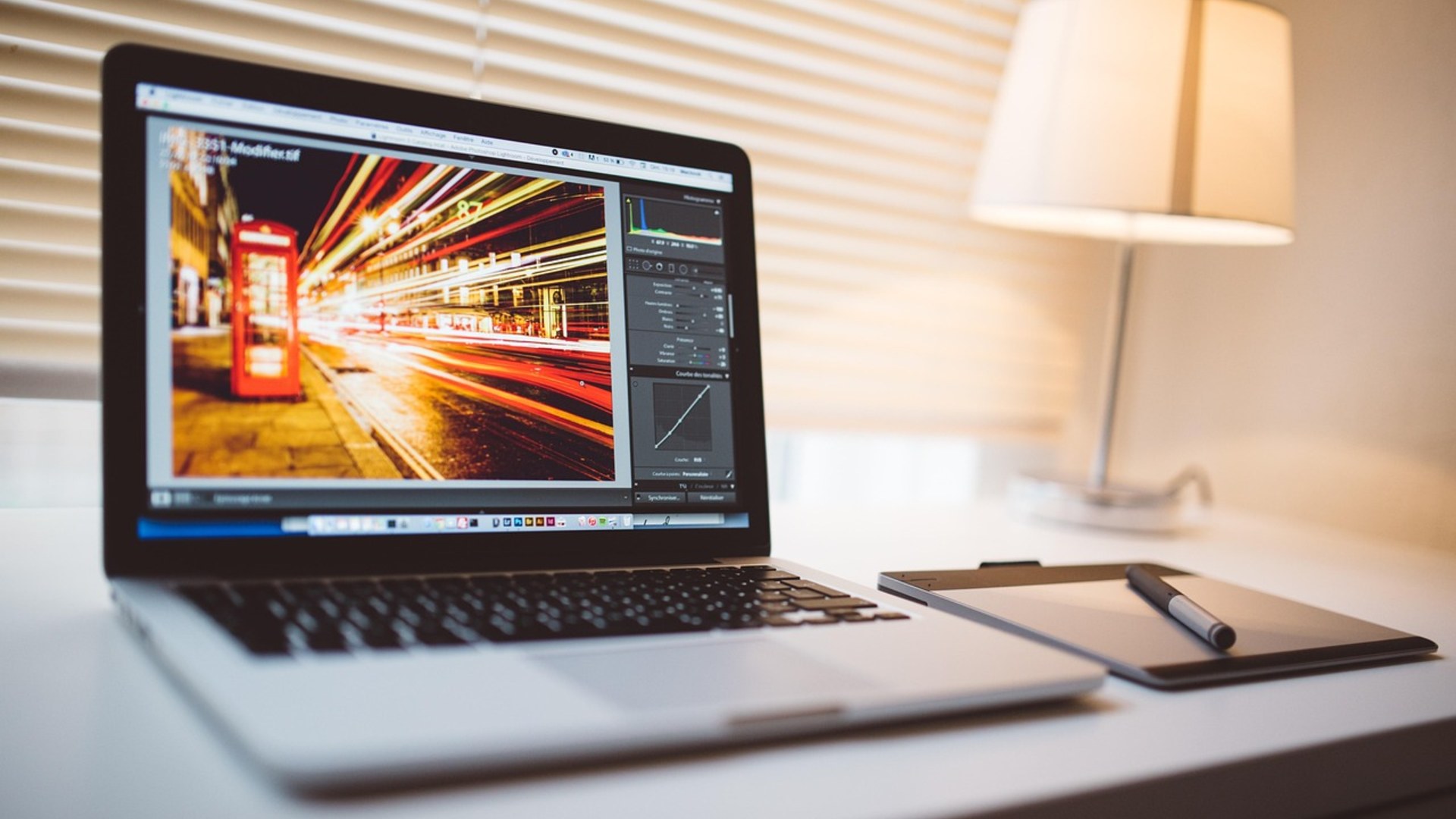
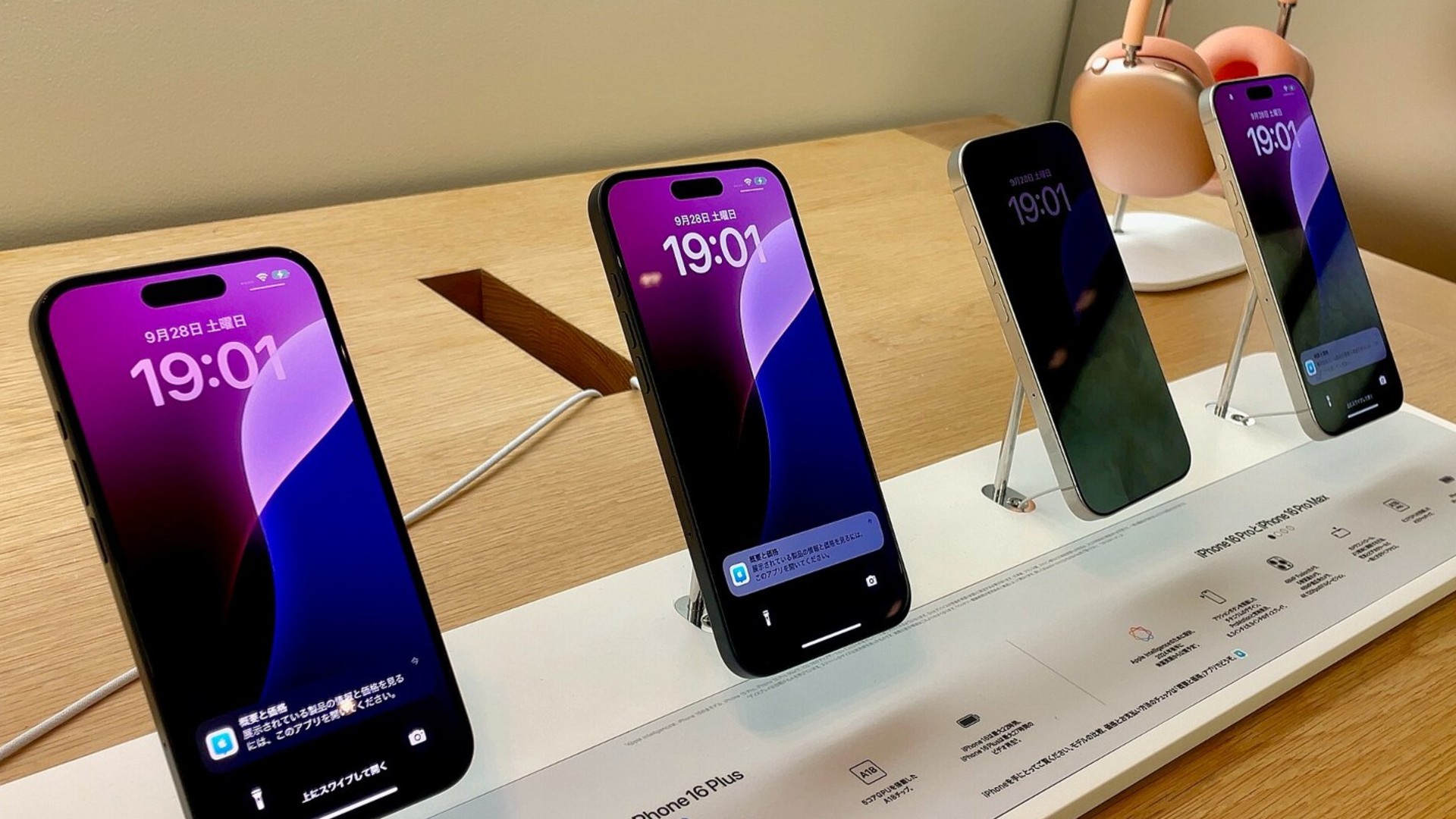
12. Erasing Background Distractions In Photos
Generative fill features in Google Magic Editor and Apple Photos allow casual photographers to circle unwanted objects for clean removal. An Adobe digital imaging report in February 2026 revealed consumer photo clean-up edits increased threefold after automated fill became a standard phone feature.
©Pixabay / Lalmch
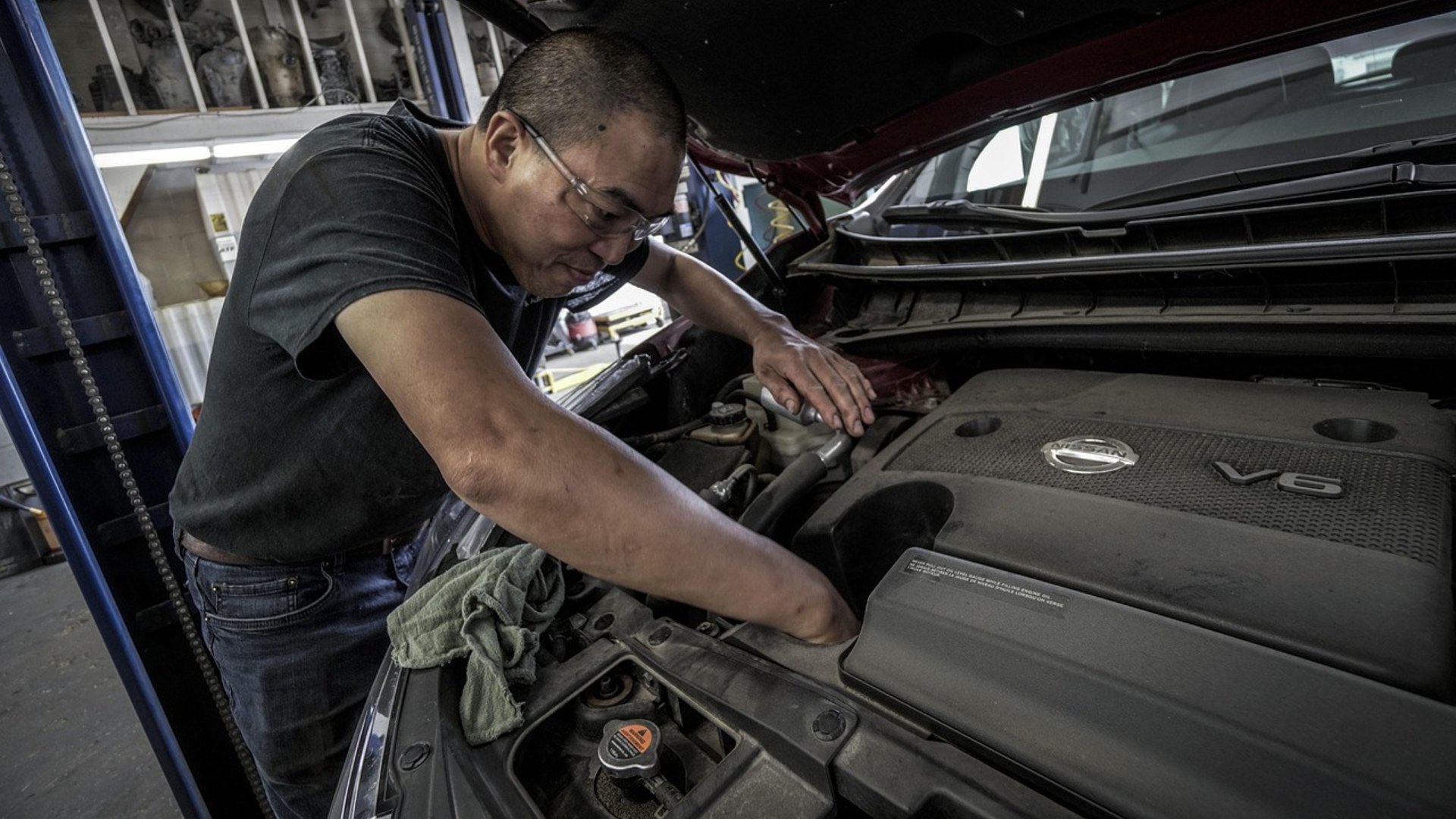
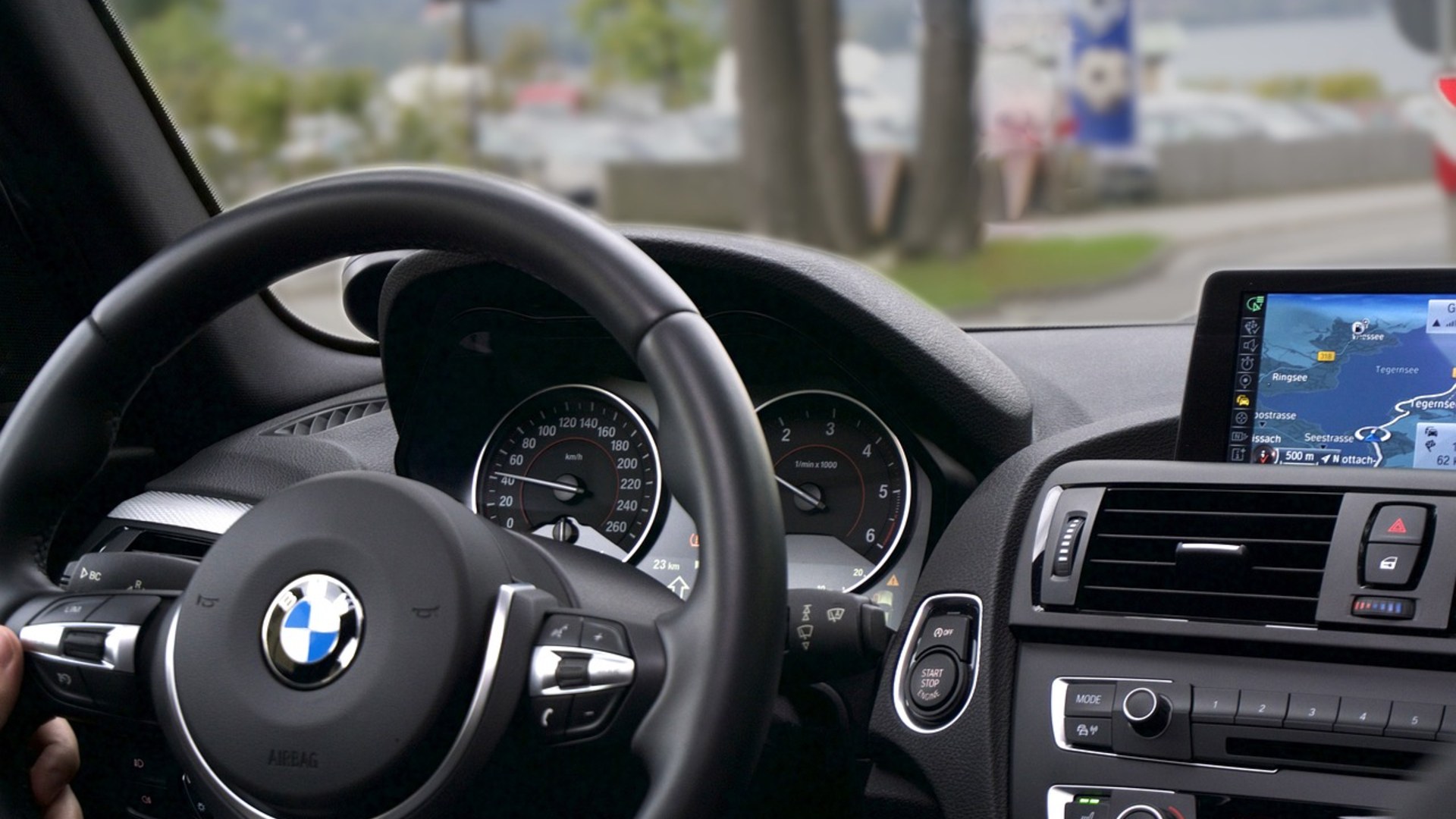
11. Diagnosing Car Fault Codes And Repair Needs
Automotive diagnostics apps pair onboard OBD2 scanners with language models to explain sensor fault codes and part replacement costs. Society of Automotive Engineers test data from January 2026 found amateur vehicle owners resolved minor sensor diagnostics 28 percent faster with guided digital summaries.
©Pixabay / DokaRyan
10. Summarizing Lengthy Apartment Leases And Contracts
Consumer legal utilities parse twenty-page rental agreements to surface renewal deadlines, utility allocations, and security deposit terms. An American Bar Association technology review in October 2026 noted that tenant comprehension of lease terms rose 45 percent when using plain-text summary tools.
©Pixabay / Maximilianovich
Advertisement
Swipe or tap ▶ to resume the countdown.
9. Resolving Routine Customer Service Inquiries
Retail portals deploy specialized reasoning agents that approve return labels and issue merchandise store credits without human intervention. National Retail Federation surveys from September 2026 recorded that automated support agents resolved 67 percent of basic logistics tickets on first contact.
©Pixabay / Eurologostoronto
8. Predicting And Ordering Weekly Grocery Essentials
Supermarket delivery services from Walmart and Instacart use predictive replenishment algorithms to assemble repeat grocery carts. Grocery Dive analytics published in August 2026 showed automated reorder prompts accounted for 19 percent of online grocery sales volume in metropolitan regions.
©Wikimedia / Bill Branson (Photographer)
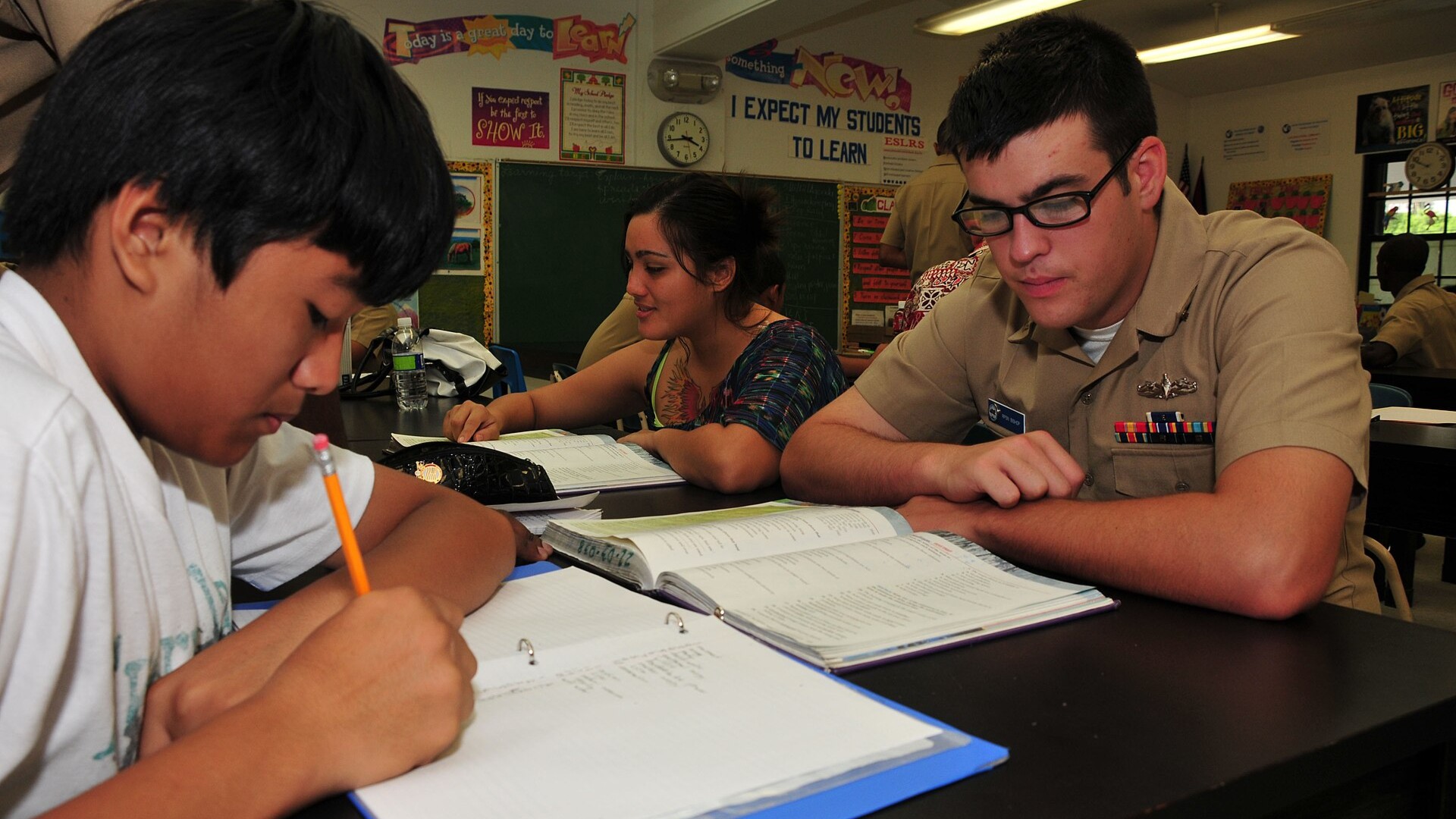
7. Step By-Step Math And Science Tutoring
Interactive education platforms like Khanmigo use Socratic questioning to walk middle and high school students through difficult calculus equations. A Stanford Graduate School of Education study in July 2026 found students receiving adaptive hints improved quiz scores by 1.4 letter grades.
©Wikimedia / Official Navy Page from United States of
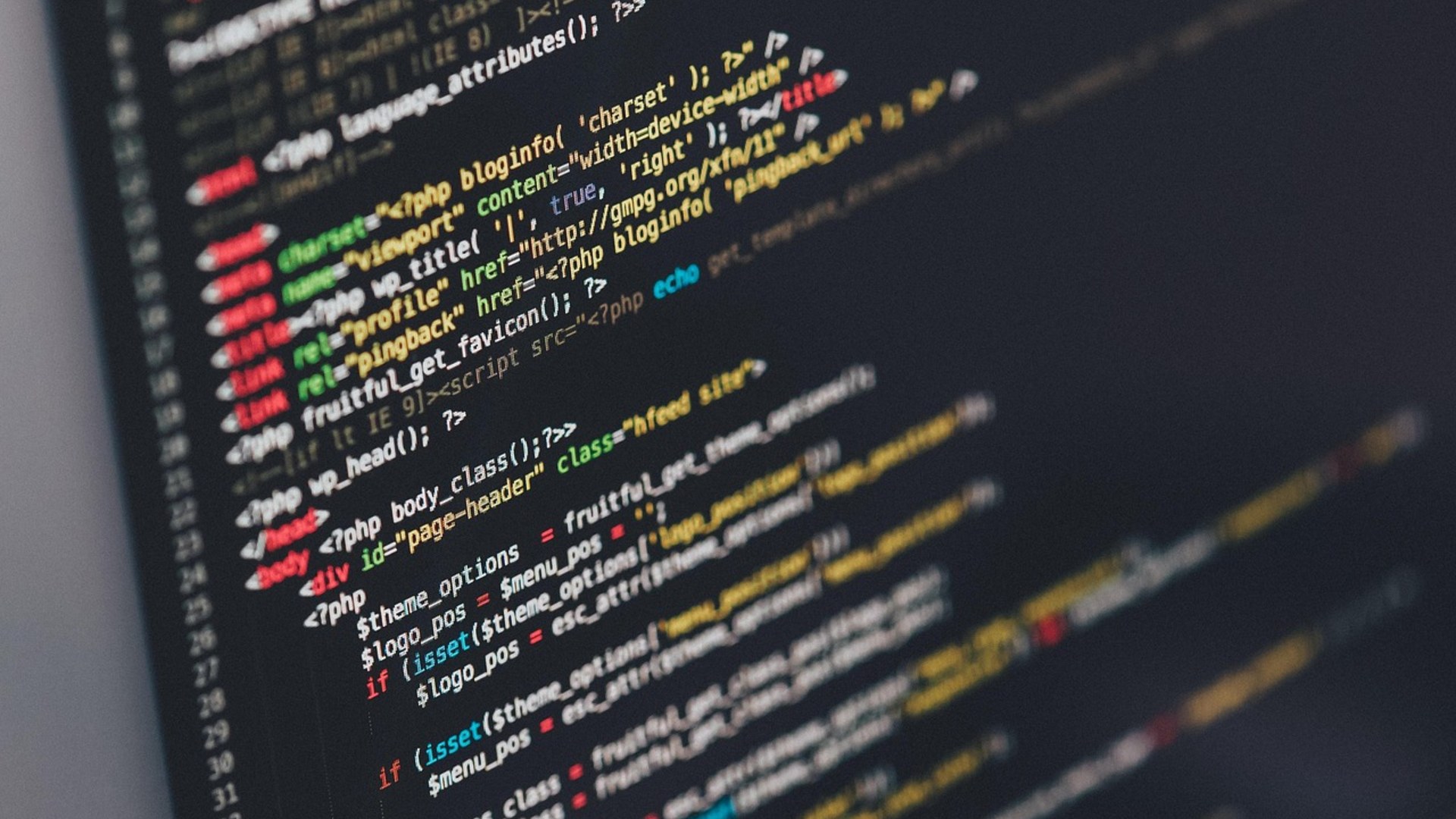
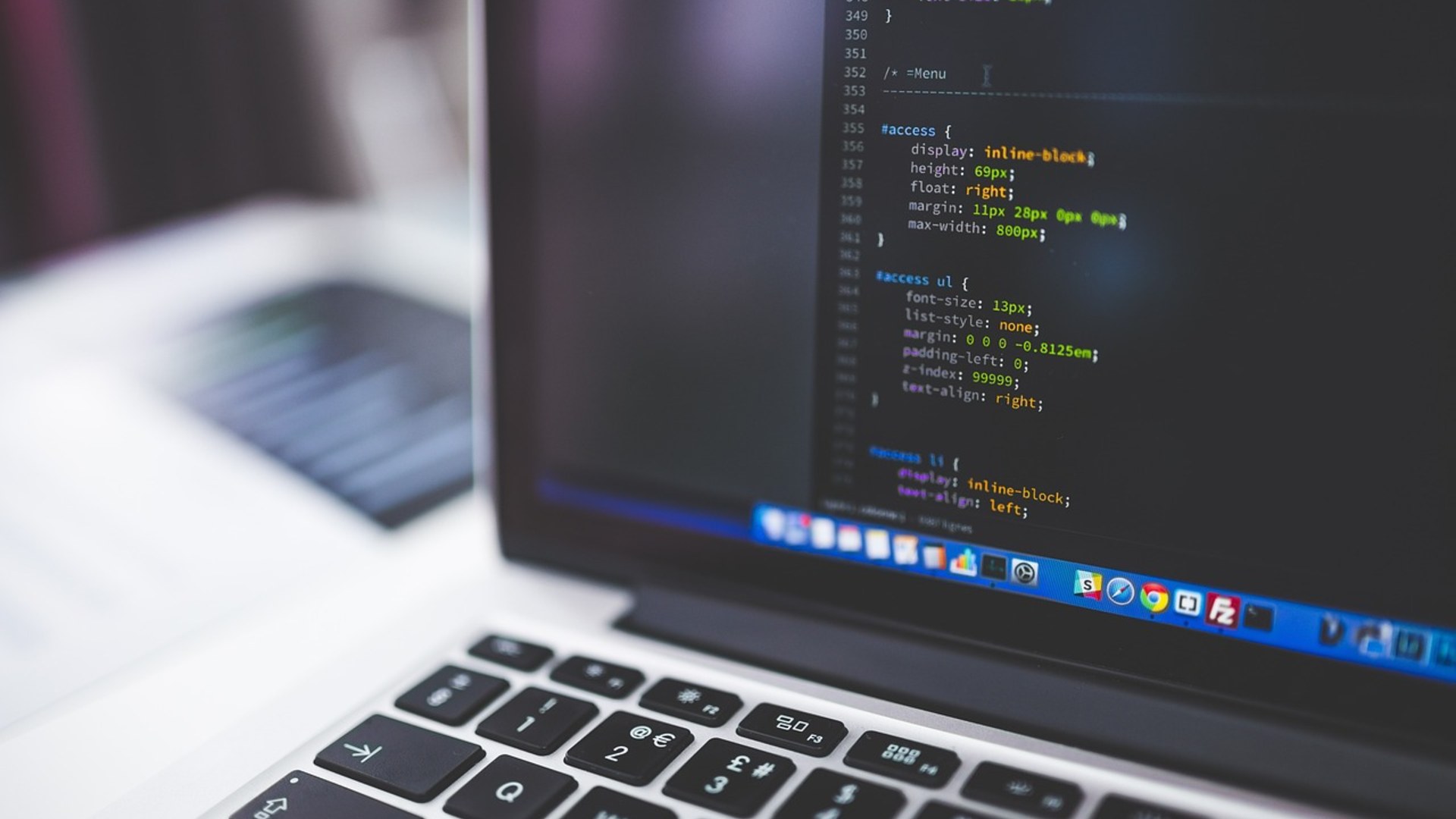
6. Generating Starter Code And Fixing Script Bugs
Developers rely on tools like GitHub Copilot to draft boilerplate functions and debug script errors across Python and JavaScript. The 2026 Stack Overflow Developer Survey confirmed that 76 percent of surveyed programmers employ automated code generation to speed up everyday software builds.
©Pixabay / Pexels
Advertisement
Swipe or tap ▶ to resume the countdown.
5. Cataloging Home Possessions For Insurance
Property insurance mobile apps now scan video walkthroughs of homes to index electronics, furniture models, and estimated values. The Insurance Information Institute noted in May 2026 that automated inventory logging cut property claim filing duration from four weeks down to six days.
©Wikimedia / Shixart1985
4. Rerouting Daily Commutes Around Street Hazards
Navigation applications like Waze and Google Maps process aggregate sensor data to route motorists away from developing traffic congestion. Federal Highway Administration metrics in April 2026 revealed automated predictive routing reduced urban commuter fuel consumption by 11 percent.
©Pixabay / Pexels
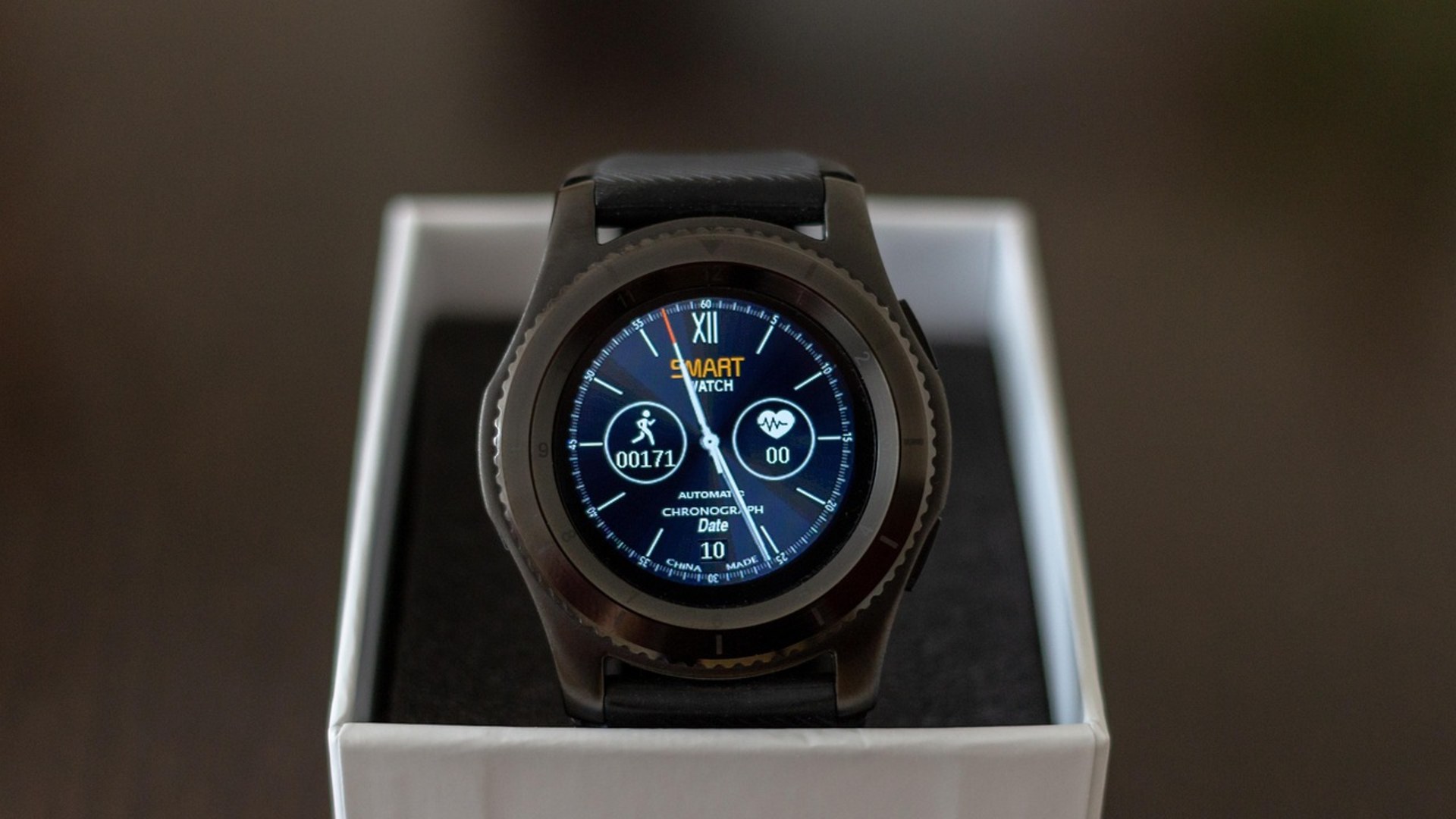
3. Personalizing Weekly Strength And Cardio Workouts
Fitness services connected to Apple Watch and Whoop adjust daily training targets according to sleep stages and resting heart rates. An American College of Sports Medicine report in March 2026 found athletes following dynamic recovery programs suffered 31 percent fewer overtraining strain injuries.
©Pixabay / ArturLuczka
2. Assisting Visually Impaired Navigation And Reading
Accessibility apps such as Be My Eyes and Seeing AI narrate spatial surroundings, crosswalk buttons, and expiration labels for blind users. World Health Organization accessibility data from February 2026 recognized computer vision as a primary driver for independent urban navigation.
©Wikimedia / Uploader אריה ה
Advertisement
Swipe or tap ▶ to resume the countdown.
1. Triaging Medical Symptoms And Summarizing Clinical Notes
Clinical systems like Nuance DAX listen during doctor consultations to draft structured medical records and patient discharge summaries. Research published in the New England Journal of Medicine in January 2026 found clinical note automation freed up two hours of daily documentation time per physician.

©Wikimedia / Shixart1985
Advertisement
You've reached the end of the story. Thanks for reading!

20 Notable Tech Gifts Worth Considering This 2026 Holiday Season
Consumer technology in 2026 blends spatial computing, practical artificial intelligence, and smart personal hardware into everyday routines. This curated guide details twenty standout gadgets driving demand for the holiday season. Based on product releases and market reporting by Bloomberg, The Verge, and Reuters.
All 20 Entries in this Story
20. Organizing Personal Receipts And Expenses
Mobile applications like Expensify and QuickBooks now use optical character models to parse merchant names, line totals, and tax breakdowns in under two seconds. A 2026 Intuit benchmark revealed automated receipt scanning reduced manual bookkeeping errors by 41 percent across small businesses.

19. Filtering Spam And Fraudulent Phone Calls
Smartphones equipped with Google Call Screen and Apple spam defenses deploy on-device natural language models to converse with unknown callers. Federal Communications Commission data from September 2026 indicated real-time voice filtering stopped over 1.8 billion unwanted automated dialer attempts.

18. Generating Complex Spreadsheet Formulas
Microsoft Copilot in Excel and Google Gemini in Sheets translate conversational prompts into nested lookups and pivot calculations. A Wharton School business study in August 2026 observed financial analysts completed complex model builds 34 percent quicker when utilizing automated formula generation.

17. Proofreading Routine Workplace Emails
Writing assistants like Grammarly and built-in email autocomplete tools analyze sentence clarity and adjust tone for corporate settings. An enterprise survey by Pew Research in July 2026 found that 58 percent of office workers use automated sentence suggestions daily to draft standard correspondence.

16. Scheduling Multi-City Travel Itineraries
Travel platforms such as Expedia and Kayak incorporate conversational planners that balance hotel checkout times with ground transit connections. According to PhoCusWright data from June 2026, travelers using automated route planners saved an average of 95 minutes per trip booking.

15. Transcribing And Summarizing Meeting Notes
Services like Otter.ai, Zoom AI Companion, and Microsoft Teams transcribe multi-party conversations and assign follow-up tasks automatically. A Gartner workplace study in May 2026 reported that automated meeting summaries reduced time spent reviewing missed calls by 62 percent.

14. Generating Family Meals From Leftover Ingredients
Vision-based assistants allow home cooks to photograph food pantry items and receive step-by-step recipes matched to dietary goals. In an April 2026 consumer trial by the Good Food Institute, households using photo recipe prompts reduced weekly domestic food waste by roughly 22 percent.

13. Real-Time Spoken Language Translation
Hardware from Samsung Galaxy AI and Google Pixel processes simultaneous two-way audio translation directly on the device with sub-second latency. Field testing published by IEEE Spectrum in March 2026 demonstrated conversational translation accuracy exceeding 92 percent across 18 major dialects.

12. Erasing Background Distractions In Photos
Generative fill features in Google Magic Editor and Apple Photos allow casual photographers to circle unwanted objects for clean removal. An Adobe digital imaging report in February 2026 revealed consumer photo clean-up edits increased threefold after automated fill became a standard phone feature.

11. Diagnosing Car Fault Codes And Repair Needs
Automotive diagnostics apps pair onboard OBD2 scanners with language models to explain sensor fault codes and part replacement costs. Society of Automotive Engineers test data from January 2026 found amateur vehicle owners resolved minor sensor diagnostics 28 percent faster with guided digital summaries.

10. Summarizing Lengthy Apartment Leases And Contracts
Consumer legal utilities parse twenty-page rental agreements to surface renewal deadlines, utility allocations, and security deposit terms. An American Bar Association technology review in October 2026 noted that tenant comprehension of lease terms rose 45 percent when using plain-text summary tools.

9. Resolving Routine Customer Service Inquiries
Retail portals deploy specialized reasoning agents that approve return labels and issue merchandise store credits without human intervention. National Retail Federation surveys from September 2026 recorded that automated support agents resolved 67 percent of basic logistics tickets on first contact.

8. Predicting And Ordering Weekly Grocery Essentials
Supermarket delivery services from Walmart and Instacart use predictive replenishment algorithms to assemble repeat grocery carts. Grocery Dive analytics published in August 2026 showed automated reorder prompts accounted for 19 percent of online grocery sales volume in metropolitan regions.

7. Step By-Step Math And Science Tutoring
Interactive education platforms like Khanmigo use Socratic questioning to walk middle and high school students through difficult calculus equations. A Stanford Graduate School of Education study in July 2026 found students receiving adaptive hints improved quiz scores by 1.4 letter grades.

6. Generating Starter Code And Fixing Script Bugs
Developers rely on tools like GitHub Copilot to draft boilerplate functions and debug script errors across Python and JavaScript. The 2026 Stack Overflow Developer Survey confirmed that 76 percent of surveyed programmers employ automated code generation to speed up everyday software builds.

5. Cataloging Home Possessions For Insurance
Property insurance mobile apps now scan video walkthroughs of homes to index electronics, furniture models, and estimated values. The Insurance Information Institute noted in May 2026 that automated inventory logging cut property claim filing duration from four weeks down to six days.

4. Rerouting Daily Commutes Around Street Hazards
Navigation applications like Waze and Google Maps process aggregate sensor data to route motorists away from developing traffic congestion. Federal Highway Administration metrics in April 2026 revealed automated predictive routing reduced urban commuter fuel consumption by 11 percent.

3. Personalizing Weekly Strength And Cardio Workouts
Fitness services connected to Apple Watch and Whoop adjust daily training targets according to sleep stages and resting heart rates. An American College of Sports Medicine report in March 2026 found athletes following dynamic recovery programs suffered 31 percent fewer overtraining strain injuries.

2. Assisting Visually Impaired Navigation And Reading
Accessibility apps such as Be My Eyes and Seeing AI narrate spatial surroundings, crosswalk buttons, and expiration labels for blind users. World Health Organization accessibility data from February 2026 recognized computer vision as a primary driver for independent urban navigation.

1. Triaging Medical Symptoms And Summarizing Clinical Notes
Clinical systems like Nuance DAX listen during doctor consultations to draft structured medical records and patient discharge summaries. Research published in the New England Journal of Medicine in January 2026 found clinical note automation freed up two hours of daily documentation time per physician.