Slideshow · Technology
20 Winter Car Features Drivers Tend to Overlook Until Temperatures Drop
Cold weather tests every vehicle system, yet key cold-weather assists remain hidden in vehicle menus or obscure switchgear. From heated washer jets and mirror defrosters to battery conditioning, this guide reveals critical tools. Based on data from AAA, Consumer Reports, and technical guides by Car and Driver.

By Most Viral Today
50 min ago

Winter Car Features Overview 
20. Heated Washer Nozzles 
19. Wiper Blade De-Icer Grid 
18. Heated Side Mirrors - AdvertisementSwipe or tap ▶ to continue countdown

17. Second Gear Winter Launch 
16. Heated Steering Wheel Rim 
15. TPMS Temperature Compensation 
14. Hill Descent Control In Snow - AdvertisementSwipe or tap ▶ to continue countdown

13. Headlight Washer Jets 
12. Anti-Fog Air Intake Logic 
11. Backup Camera Lens Washers 
10. Remote Cabin Preconditioning - AdvertisementSwipe or tap ▶ to continue countdown

9. EV Battery Pre-Heating 
8. Dedicated Snow Driving Mode 
7. Residual Engine Heat Mode 
6. ESC Snow And Mud Setting - AdvertisementSwipe or tap ▶ to continue countdown

5. Footwell Bias Climate Mode 
4. Heated Windshield Micro-Wires 
3. Center Differential AWD Lock 
2. Engine Block Heater Plug - AdvertisementSwipe or tap ▶ to continue countdown

1. Radar Sensor Surface Heaters - Advertisement🔥 UP NEXT IN THIS SERIES◫ 21 Slides

20 Notable Tech Gifts Worth Considering This 2026 Holiday Season
Consumer technology in 2026 blends spatial computing, practical artificial intelligence, and smart personal hardware into everyday routines. This curated guide details twenty standout gadgets driving demand for the holiday season. Based on product releases and market reporting by Bloomberg, The Verge, and Reuters.
Cold weather tests every vehicle system, yet key cold-weather assists remain hidden in vehicle menus or obscure switchgear. From heated washer jets and mirror defrosters to battery conditioning, this guide reveals critical tools. Based on data from AAA, Consumer Reports, and technical guides by Car and Driver.
Swipe or tap ▶ to begin the countdown
©Wikimedia / Matthew T Rader
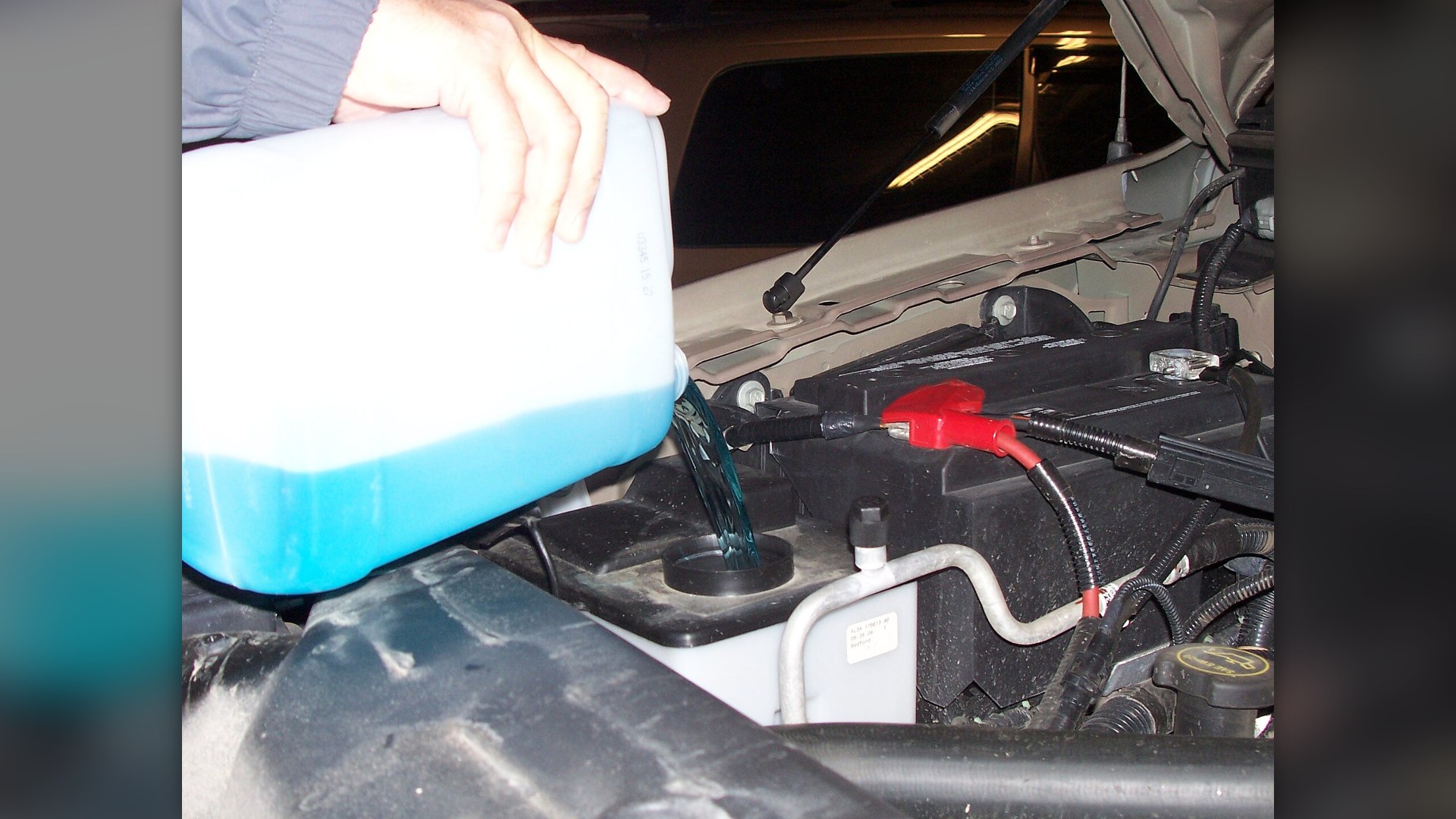
20. Heated Washer Nozzles
Sub-zero windchill routinely freezes conventional washer jets at highway speeds. Automakers like Audi and Volvo embed miniature electric resistors into the nozzle housings. These elements activate automatically below 4 degrees Celsius to ensure steady fluid spray.
©Wikimedia / Hamedog
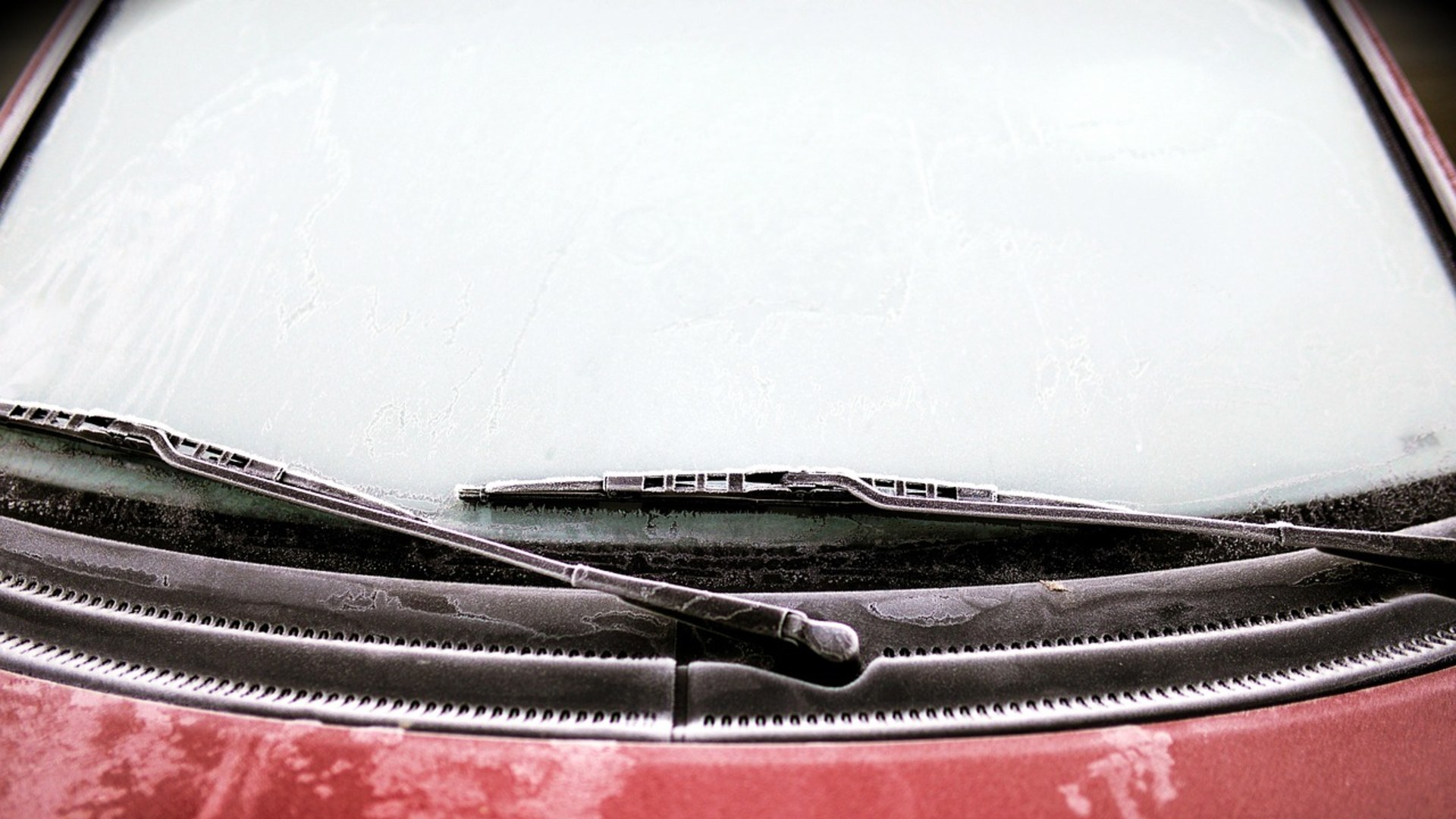
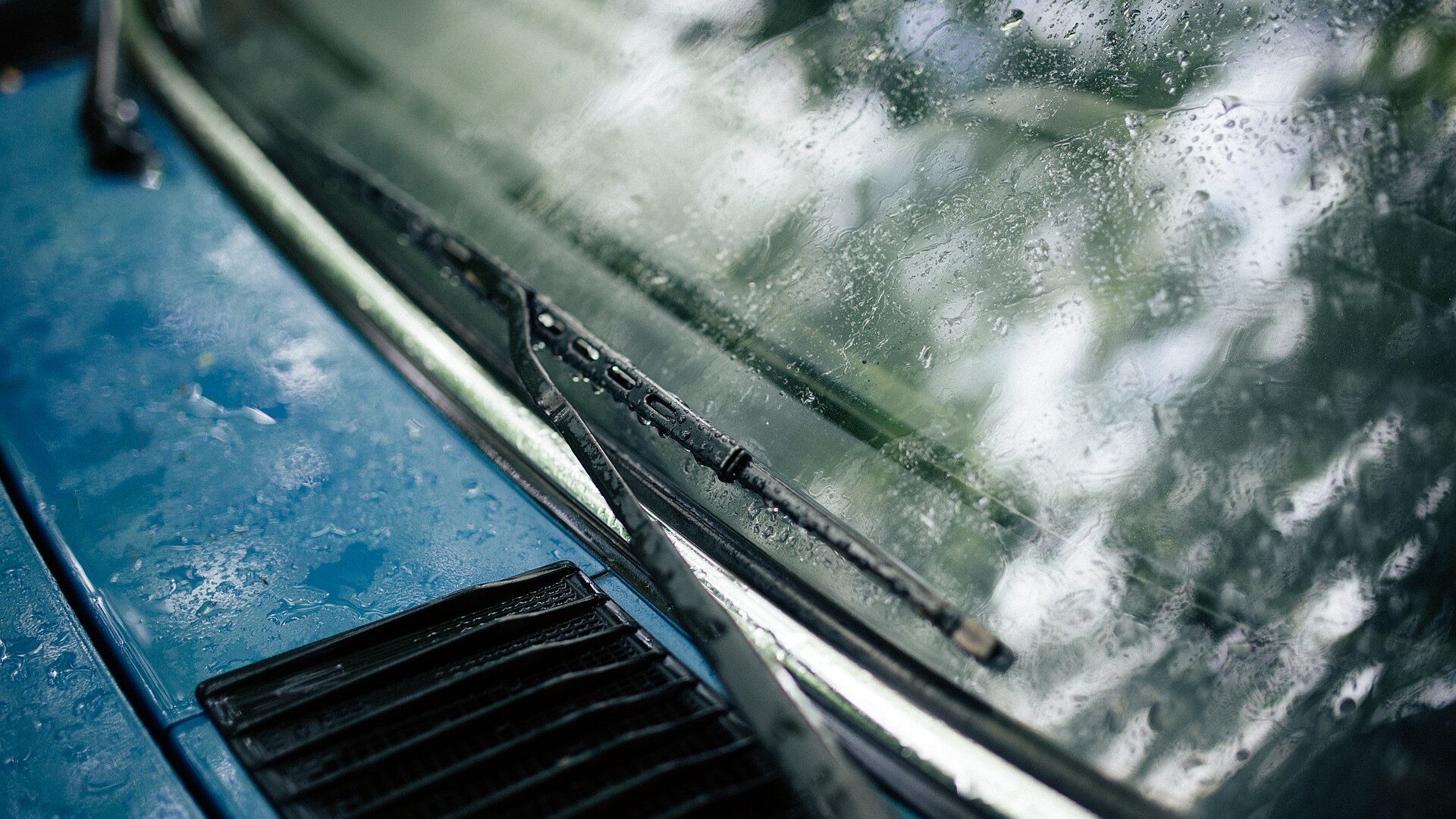
19. Wiper Blade De-Icer Grid
Parking outdoors causes rubber wiper blades to freeze directly to the windshield glass. Brands including Subaru and Toyota line the wiper park area with heating elements. The dedicated grid melts packed ice within ten minutes without scraping.
©Pixabay / congerdesign (Pixabay Commercial)
18. Heated Side Mirrors
Many drivers search fruitlessly for a standalone mirror heat button on their doors. Most carmakers wire mirror defrost grids directly into the rear window defroster circuit. Engaging the rear grid clears mirror frost and freezing mist in under five minutes.
©Pixabay / JACLOU-DL (Pixabay Commercial)
Advertisement
Swipe or tap ▶ to resume the countdown.
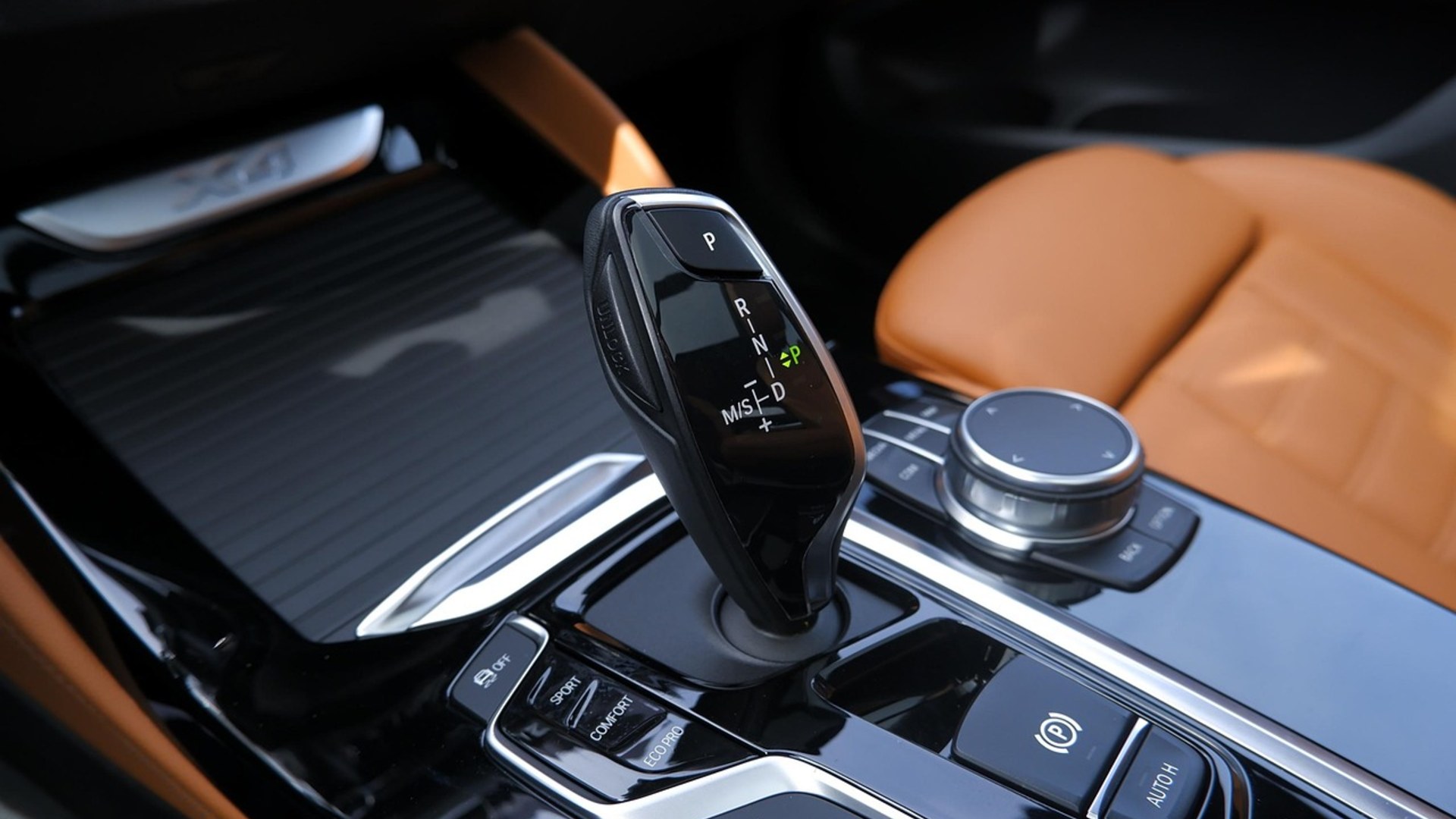
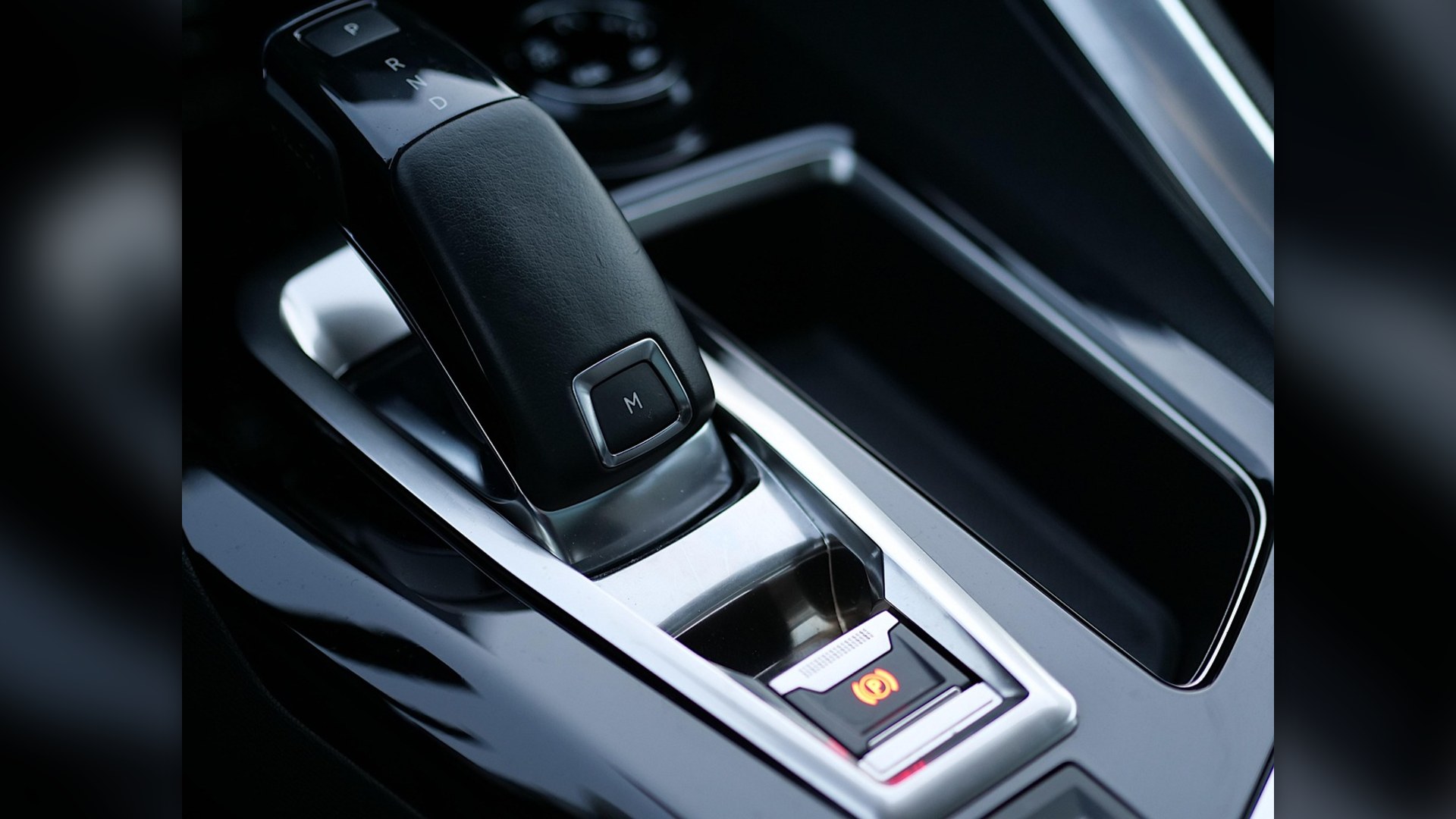
17. Second Gear Winter Launch
Automatic transmissions with manual gate modes allow drivers to select second gear from a dead stop. This cuts wheel torque in half compared to first gear. BMW and Mercedes vehicles often automate this calibration when Snow mode is active.
©Pixabay / narleymedia (Pixabay Commercial)
16. Heated Steering Wheel Rim
Hidden behind the steering column or deep in climate submenus, steering wheel warmers deliver direct heat within ninety seconds. Systems from Genesis and Ford warm the perimeter up to 37 degrees Celsius, improving grip without bulky winter gloves.
©Pixabay / iniesta44 (Pixabay Commercial)
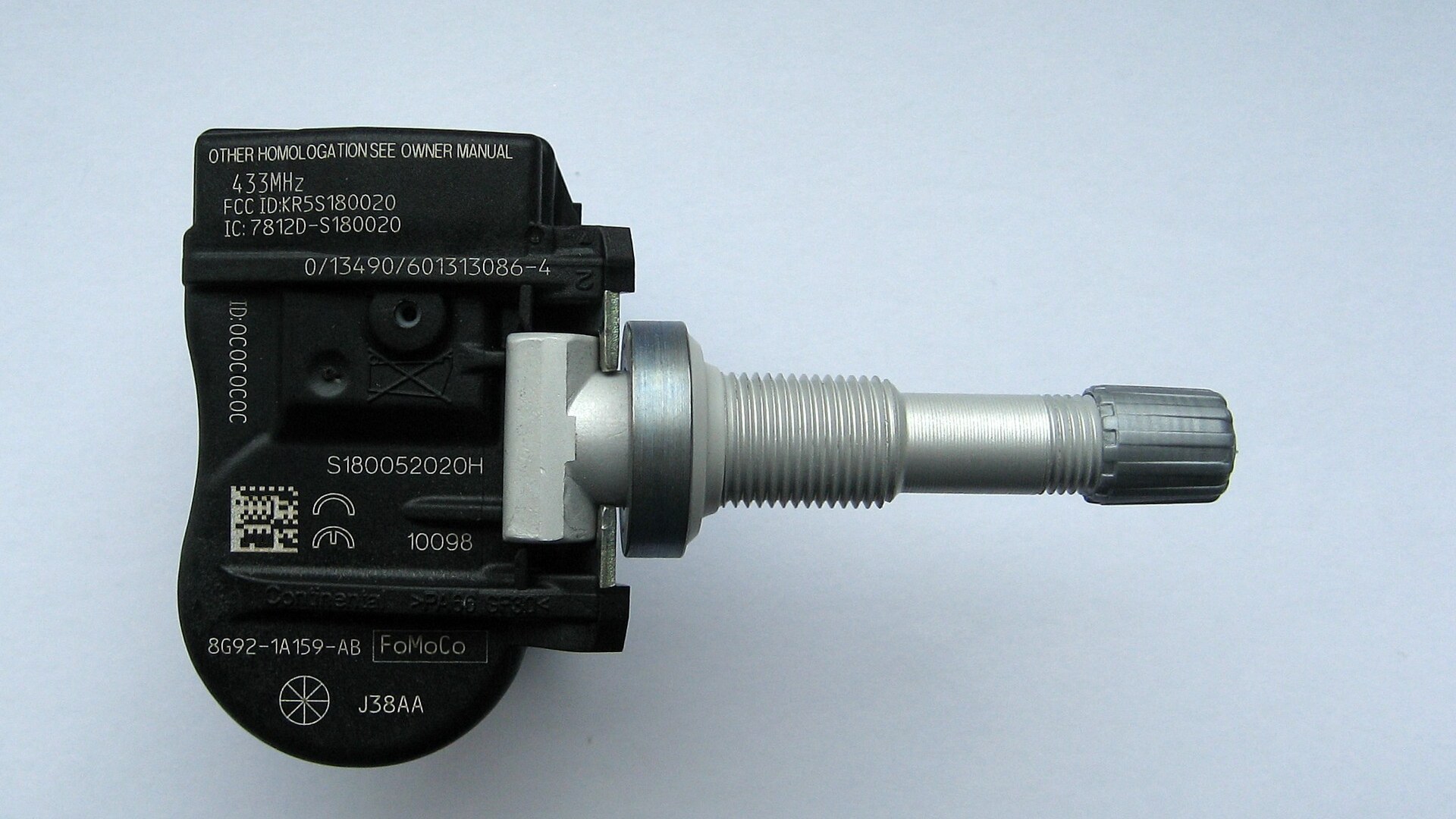
15. TPMS Temperature Compensation
Ambient temperatures drop tire pressure by approximately one PSI for every 5.5 degrees Celsius lost. Advanced digital clusters in modern Chevrolet and Porsche cars show live temperature along with pressure. This prevents panic over false puncture warnings.
©Wikimedia / Lumu ( talk )
14. Hill Descent Control In Snow
Originally built for off-road trails, hill descent control works effectively on ice-coated neighborhood grades. Activating the switch limits vehicle speed between 3 and 15 km/h using automated ABS pulses, preventing terrifying uncontrolled slides down hills.
©Pixabay / fancycrave1 (Pixabay Commercial)
Advertisement
Swipe or tap ▶ to resume the countdown.
13. Headlight Washer Jets
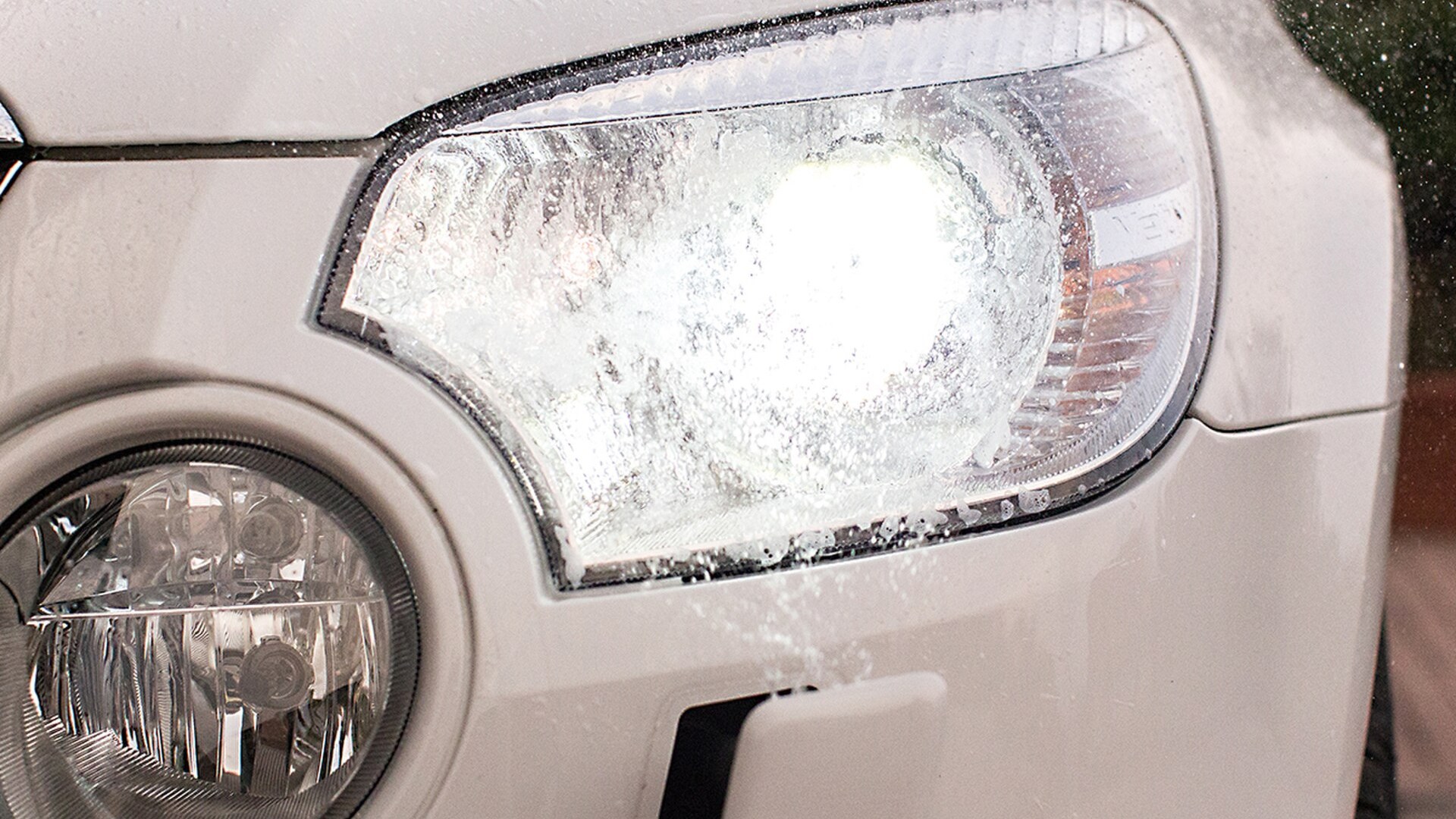
Modern LED headlamps emit minimal forward heat, allowing winter road grime and slush to coat light covers. European vehicles from Porsche and Land Rover use high-pressure fluid jets that fire automatically every fifth windshield wash cycle.
©Wikimedia / Nozilla
12. Anti-Fog Air Intake Logic
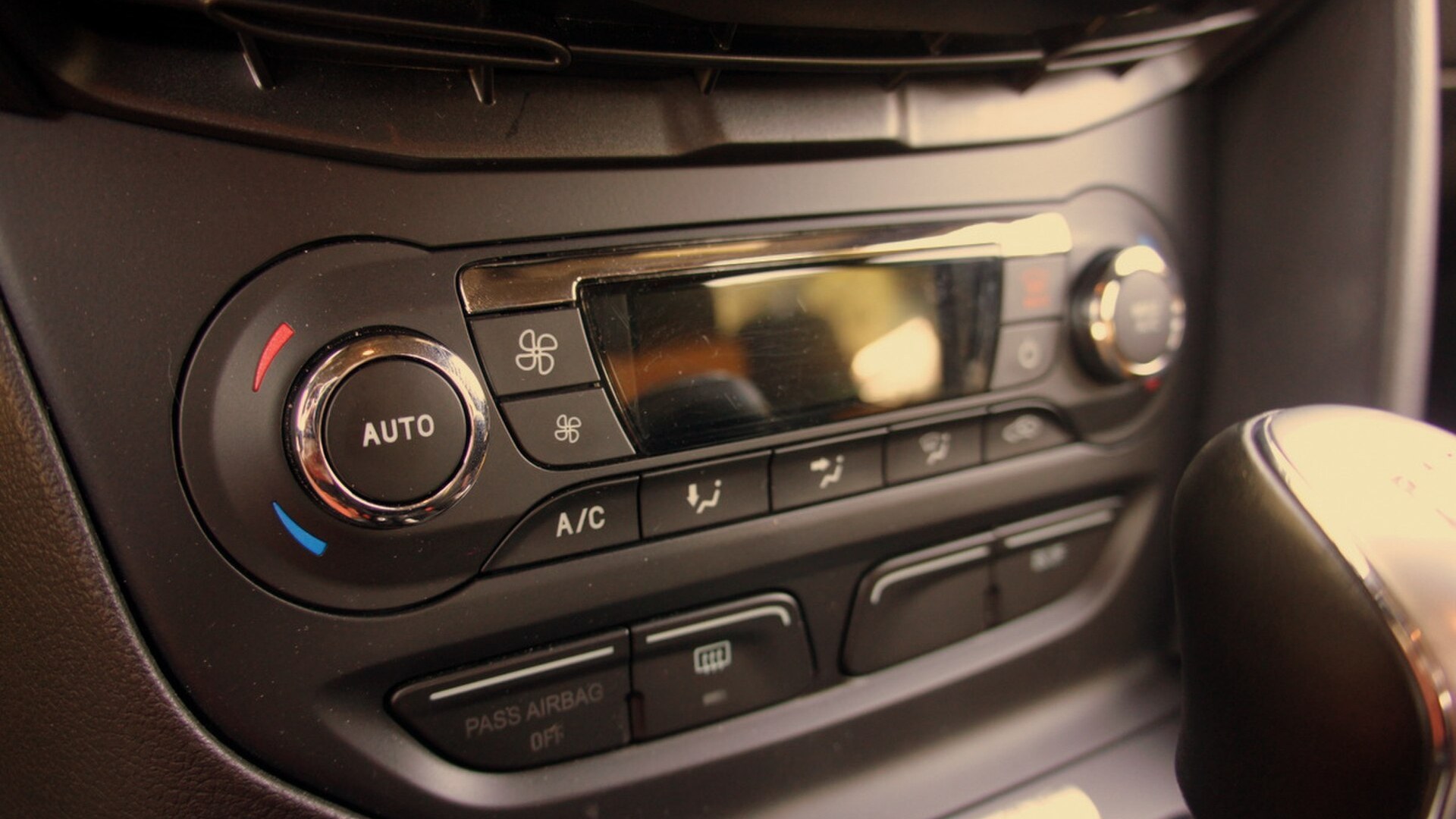
Recirculating interior cabin air traps moisture from wet boots and coats, causing sudden window fogging. Vehicles from Hyundai and Honda feature humidity sensors that override driver settings. The system automatically draws in dry outside air to maintain visibility.
©Wikimedia / Michael Sheehan
11. Backup Camera Lens Washers
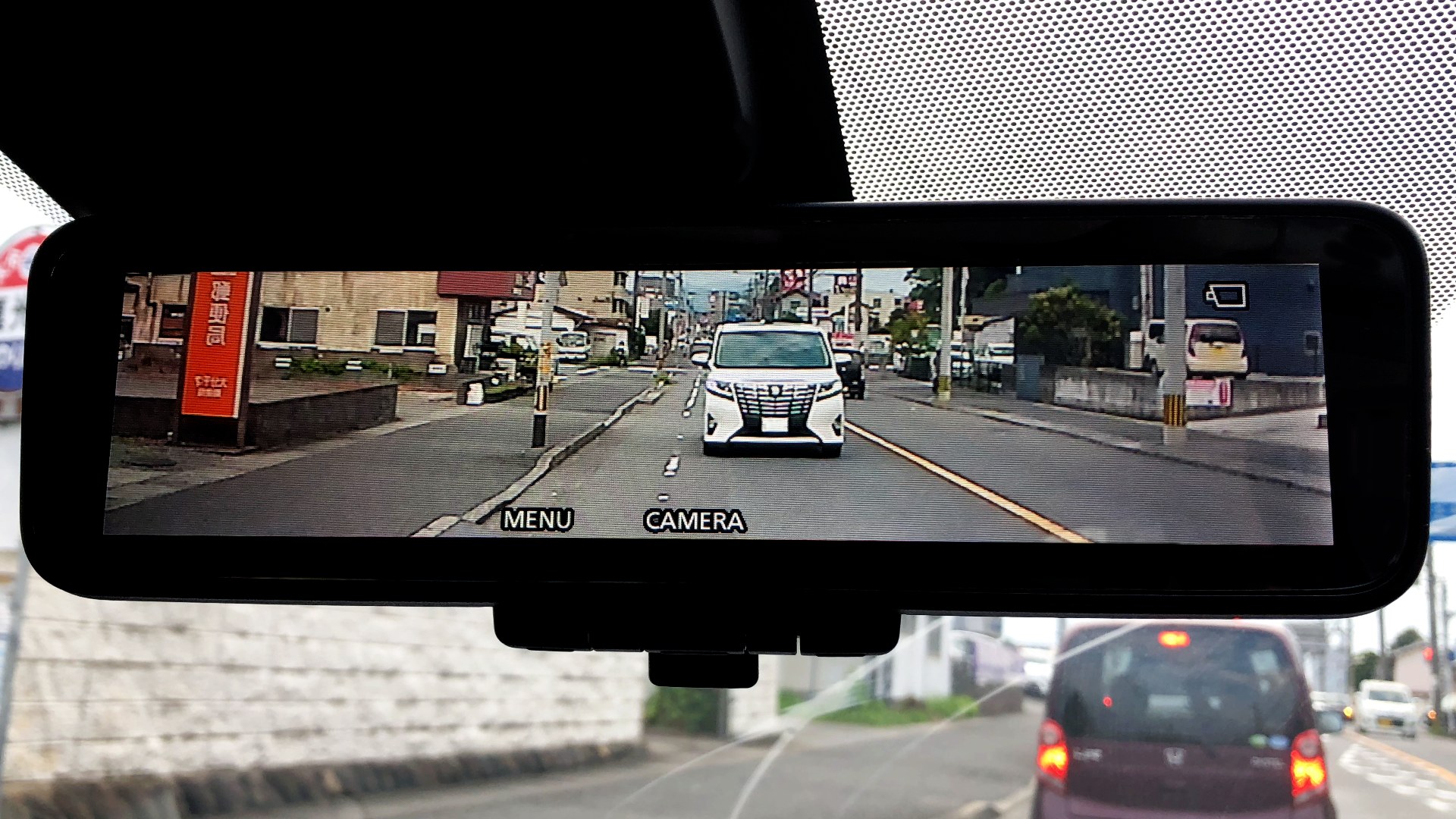
Winter driving covers vehicle tailgates in corrosive salt spray and opaque slush within minutes. Nissan, Ford, and Volkswagen integrate miniature washer jets directly above the backup camera lens. These spray fluid whenever the rear window washer is triggered.
©Wikimedia / Project Kei
10. Remote Cabin Preconditioning
Modern connected vehicles allow owners to set departure timers and defrost windows remotely. Using wall power on plug-in hybrids and electric models saves battery range. Internal combustion models run high idle profiles to warm engine oil safely.
©Pixabay / geralt (Pixabay Commercial)
Advertisement
Swipe or tap ▶ to resume the countdown.
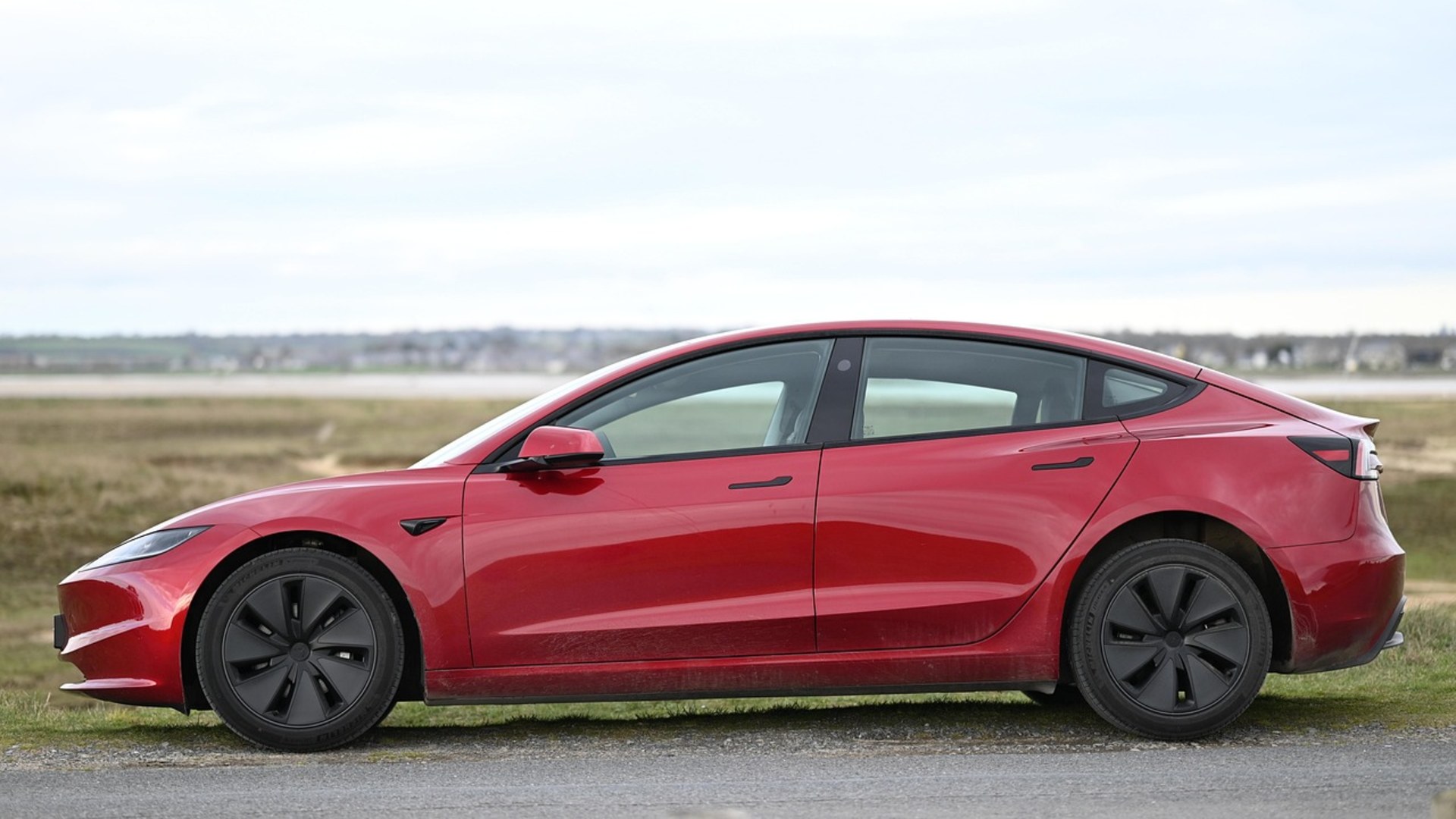
9. EV Battery Pre-Heating
Lithium-ion batteries suffer severe charging throttles when pack temperatures drop below freezing. Setting navigation to a fast charger triggers battery heaters in Tesla, Hyundai, and Kia models. This raises internal cell temperatures to 25 degrees Celsius.
©Pixabay / IsmaelMarder (Pixabay Commercial)
8. Dedicated Snow Driving Mode
Selecting Snow mode alters throttle pedal linearity to prevent sudden torque spikes. In models from Mazda and Lexus, the transmission upshifts earlier while all-wheel drive systems lock torque 50-50 front-to-rear to maintain forward momentum.
©Pixabay / DariuszSankowski (Pixabay Commercial)
7. Residual Engine Heat Mode
Labelled as REST on German vehicles from Audi and Mercedes, this feature operates after engine shutdown. An electric auxiliary pump circulates hot coolant through the heater core for up to thirty minutes, keeping parked occupants warm without idling.
©Wikimedia / Thorsten Weber
6. ESC Snow And Mud Setting
Standard electronic stability control cuts engine power the instant wheels slip, stranding vehicles in deep snow. Tapping the traction button permits controlled wheelspin. This cleans snow from tire treads and paddles down to solid road surfaces.
©Pixabay / Tama66 (Pixabay Commercial)
Advertisement
Swipe or tap ▶ to resume the countdown.
5. Footwell Bias Climate Mode
Winter footwear introduces packed ice into cabin footwells, cooling occupant lower extremities. Selecting floor vent mode channels hot air to melt snow from boots and floor mats. High-grade climate systems automatically split cabin temperature targets.
©Pixabay / ninofficialphotography (Pixabay Commercial)
4. Heated Windshield Micro-Wires
Pioneered by Ford under Quickclear and adopted by Land Rover, ultra-thin tungsten wires are laminated directly inside the windshield. The system draws up to 60 amps to liquefy stubborn ice across the entire glass surface in under two minutes.
©Wikimedia / Shixart1985
3. Center Differential AWD Lock
Crossover all-wheel drive systems operate predominantly in front-wheel drive to conserve fuel. Pressing the AWD Lock button in vehicles like the Hyundai Tucson binds the center clutch pack 50-50, preventing spinouts when entering unplowed roads.
©Pixabay / alekseiap199232 (Pixabay Commercial)
2. Engine Block Heater Plug
Located in bumper grilles on northern-market trucks, block heaters warm the engine block using a standard home outlet. Pre-warming motor oil reduces cold-start wear by 80 percent and provides instant cabin heat upon starting in negative temperatures.
©Pixabay / ThomasWolter (Pixabay Commercial)
Advertisement
Swipe or tap ▶ to resume the countdown.
1. Radar Sensor Surface Heaters
Winter blizzards deposit heavy slush on vehicle grilles, blinding adaptive cruise control and automatic emergency braking radar. Manufacturers like Honda and Volvo install heated badge emblems that melt ice buildup to keep active safety radars online.

©Pixabay / Dewesoft (Pixabay Commercial)
Advertisement
You've reached the end of the story. Thanks for reading!

20 Notable Tech Gifts Worth Considering This 2026 Holiday Season
Consumer technology in 2026 blends spatial computing, practical artificial intelligence, and smart personal hardware into everyday routines. This curated guide details twenty standout gadgets driving demand for the holiday season. Based on product releases and market reporting by Bloomberg, The Verge, and Reuters.
All 20 Entries in this Story
20. Heated Washer Nozzles
Sub-zero windchill routinely freezes conventional washer jets at highway speeds. Automakers like Audi and Volvo embed miniature electric resistors into the nozzle housings. These elements activate automatically below 4 degrees Celsius to ensure steady fluid spray.

19. Wiper Blade De-Icer Grid
Parking outdoors causes rubber wiper blades to freeze directly to the windshield glass. Brands including Subaru and Toyota line the wiper park area with heating elements. The dedicated grid melts packed ice within ten minutes without scraping.

18. Heated Side Mirrors
Many drivers search fruitlessly for a standalone mirror heat button on their doors. Most carmakers wire mirror defrost grids directly into the rear window defroster circuit. Engaging the rear grid clears mirror frost and freezing mist in under five minutes.

17. Second Gear Winter Launch
Automatic transmissions with manual gate modes allow drivers to select second gear from a dead stop. This cuts wheel torque in half compared to first gear. BMW and Mercedes vehicles often automate this calibration when Snow mode is active.

16. Heated Steering Wheel Rim
Hidden behind the steering column or deep in climate submenus, steering wheel warmers deliver direct heat within ninety seconds. Systems from Genesis and Ford warm the perimeter up to 37 degrees Celsius, improving grip without bulky winter gloves.

15. TPMS Temperature Compensation
Ambient temperatures drop tire pressure by approximately one PSI for every 5.5 degrees Celsius lost. Advanced digital clusters in modern Chevrolet and Porsche cars show live temperature along with pressure. This prevents panic over false puncture warnings.

14. Hill Descent Control In Snow
Originally built for off-road trails, hill descent control works effectively on ice-coated neighborhood grades. Activating the switch limits vehicle speed between 3 and 15 km/h using automated ABS pulses, preventing terrifying uncontrolled slides down hills.

13. Headlight Washer Jets
Modern LED headlamps emit minimal forward heat, allowing winter road grime and slush to coat light covers. European vehicles from Porsche and Land Rover use high-pressure fluid jets that fire automatically every fifth windshield wash cycle.

12. Anti-Fog Air Intake Logic
Recirculating interior cabin air traps moisture from wet boots and coats, causing sudden window fogging. Vehicles from Hyundai and Honda feature humidity sensors that override driver settings. The system automatically draws in dry outside air to maintain visibility.

11. Backup Camera Lens Washers
Winter driving covers vehicle tailgates in corrosive salt spray and opaque slush within minutes. Nissan, Ford, and Volkswagen integrate miniature washer jets directly above the backup camera lens. These spray fluid whenever the rear window washer is triggered.

10. Remote Cabin Preconditioning
Modern connected vehicles allow owners to set departure timers and defrost windows remotely. Using wall power on plug-in hybrids and electric models saves battery range. Internal combustion models run high idle profiles to warm engine oil safely.

9. EV Battery Pre-Heating
Lithium-ion batteries suffer severe charging throttles when pack temperatures drop below freezing. Setting navigation to a fast charger triggers battery heaters in Tesla, Hyundai, and Kia models. This raises internal cell temperatures to 25 degrees Celsius.

8. Dedicated Snow Driving Mode
Selecting Snow mode alters throttle pedal linearity to prevent sudden torque spikes. In models from Mazda and Lexus, the transmission upshifts earlier while all-wheel drive systems lock torque 50-50 front-to-rear to maintain forward momentum.

7. Residual Engine Heat Mode
Labelled as REST on German vehicles from Audi and Mercedes, this feature operates after engine shutdown. An electric auxiliary pump circulates hot coolant through the heater core for up to thirty minutes, keeping parked occupants warm without idling.

6. ESC Snow And Mud Setting
Standard electronic stability control cuts engine power the instant wheels slip, stranding vehicles in deep snow. Tapping the traction button permits controlled wheelspin. This cleans snow from tire treads and paddles down to solid road surfaces.

5. Footwell Bias Climate Mode
Winter footwear introduces packed ice into cabin footwells, cooling occupant lower extremities. Selecting floor vent mode channels hot air to melt snow from boots and floor mats. High-grade climate systems automatically split cabin temperature targets.

4. Heated Windshield Micro-Wires
Pioneered by Ford under Quickclear and adopted by Land Rover, ultra-thin tungsten wires are laminated directly inside the windshield. The system draws up to 60 amps to liquefy stubborn ice across the entire glass surface in under two minutes.

3. Center Differential AWD Lock
Crossover all-wheel drive systems operate predominantly in front-wheel drive to conserve fuel. Pressing the AWD Lock button in vehicles like the Hyundai Tucson binds the center clutch pack 50-50, preventing spinouts when entering unplowed roads.

2. Engine Block Heater Plug
Located in bumper grilles on northern-market trucks, block heaters warm the engine block using a standard home outlet. Pre-warming motor oil reduces cold-start wear by 80 percent and provides instant cabin heat upon starting in negative temperatures.

1. Radar Sensor Surface Heaters
Winter blizzards deposit heavy slush on vehicle grilles, blinding adaptive cruise control and automatic emergency braking radar. Manufacturers like Honda and Volvo install heated badge emblems that melt ice buildup to keep active safety radars online.