Slideshow · Science
25 Inventions Created for Completely Different Reasons, Ranked
From medical therapies and military hardware to simple lab blunders, these 25 household staples were originally invented for entirely different purposes.
By Most Viral Today
2 Nov 2026

25 Inventions Created for Completely Different Reasons, Ranked 
25. The Slinky 
24. Popsicles 
23. Play-Doh - AdvertisementSwipe or tap ▶ to continue countdown

22. Bubble Wrap 
21. Super Glue 
20. Silly Putty 
19. Post It Notes - AdvertisementSwipe or tap ▶ to continue countdown

18. Potato Chips 
17. Friction Matches 
16. Safety Glass 
15. Velcro - AdvertisementSwipe or tap ▶ to continue countdown

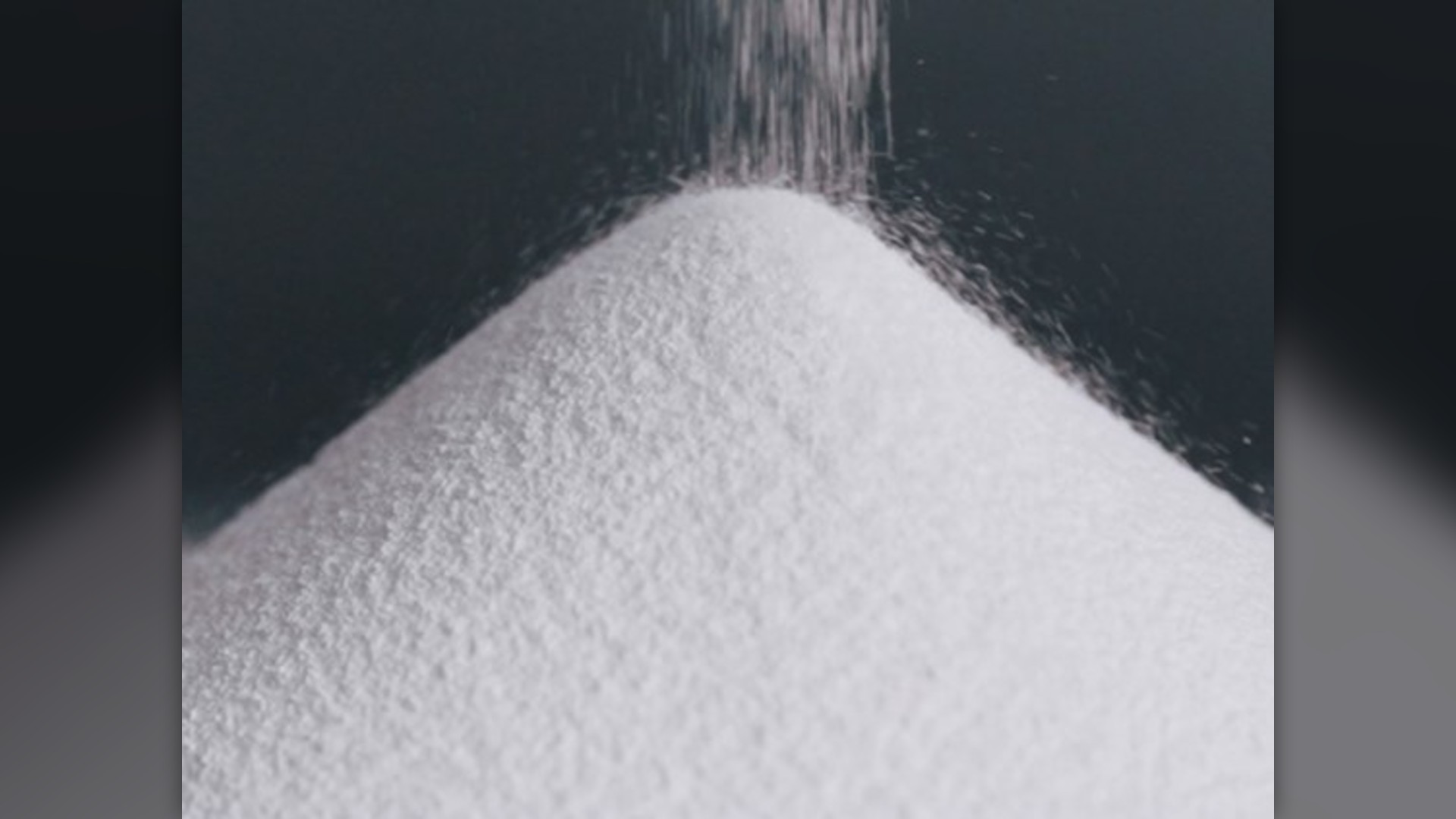
14. Teflon 
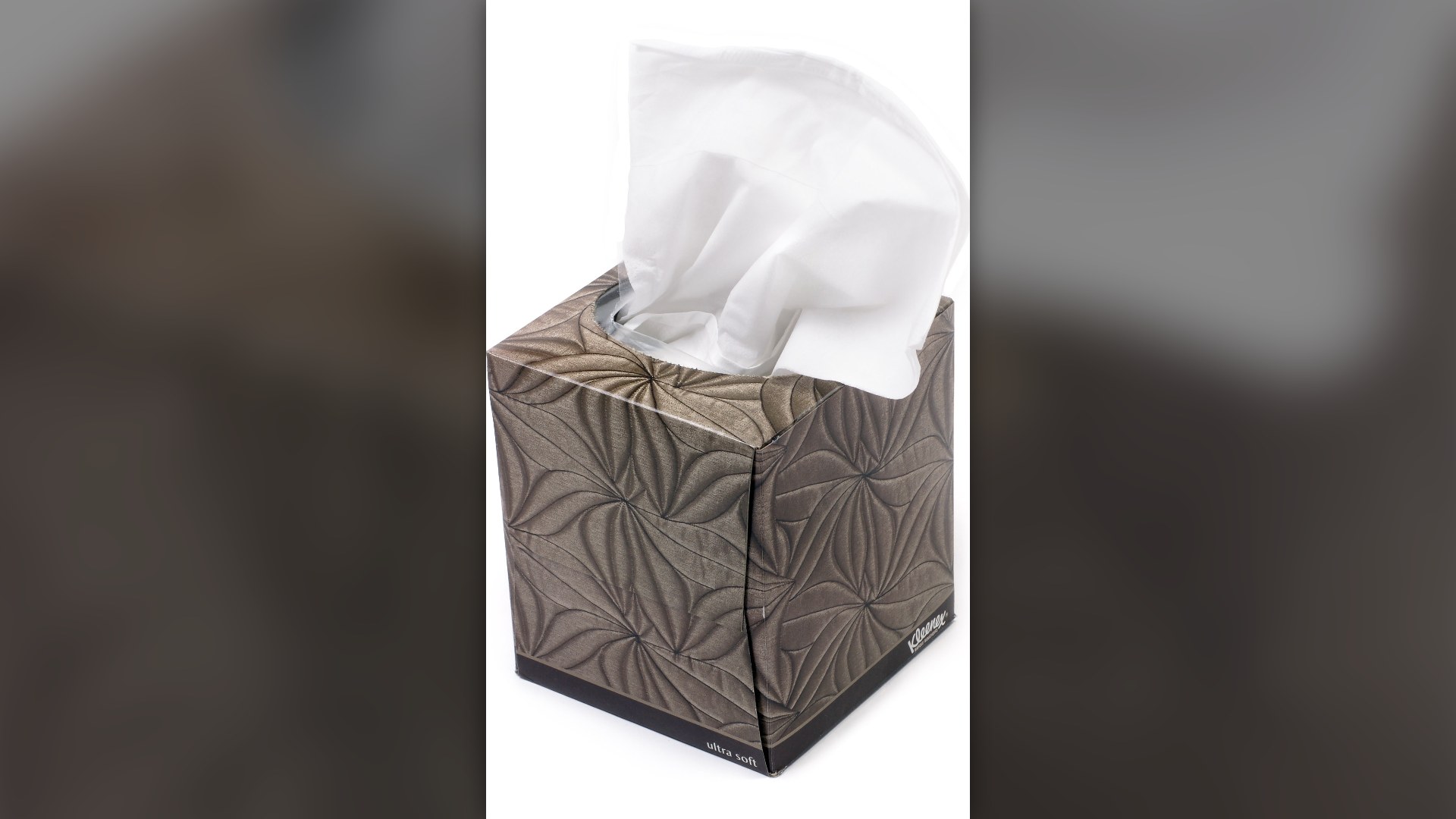
13. Kleenex 
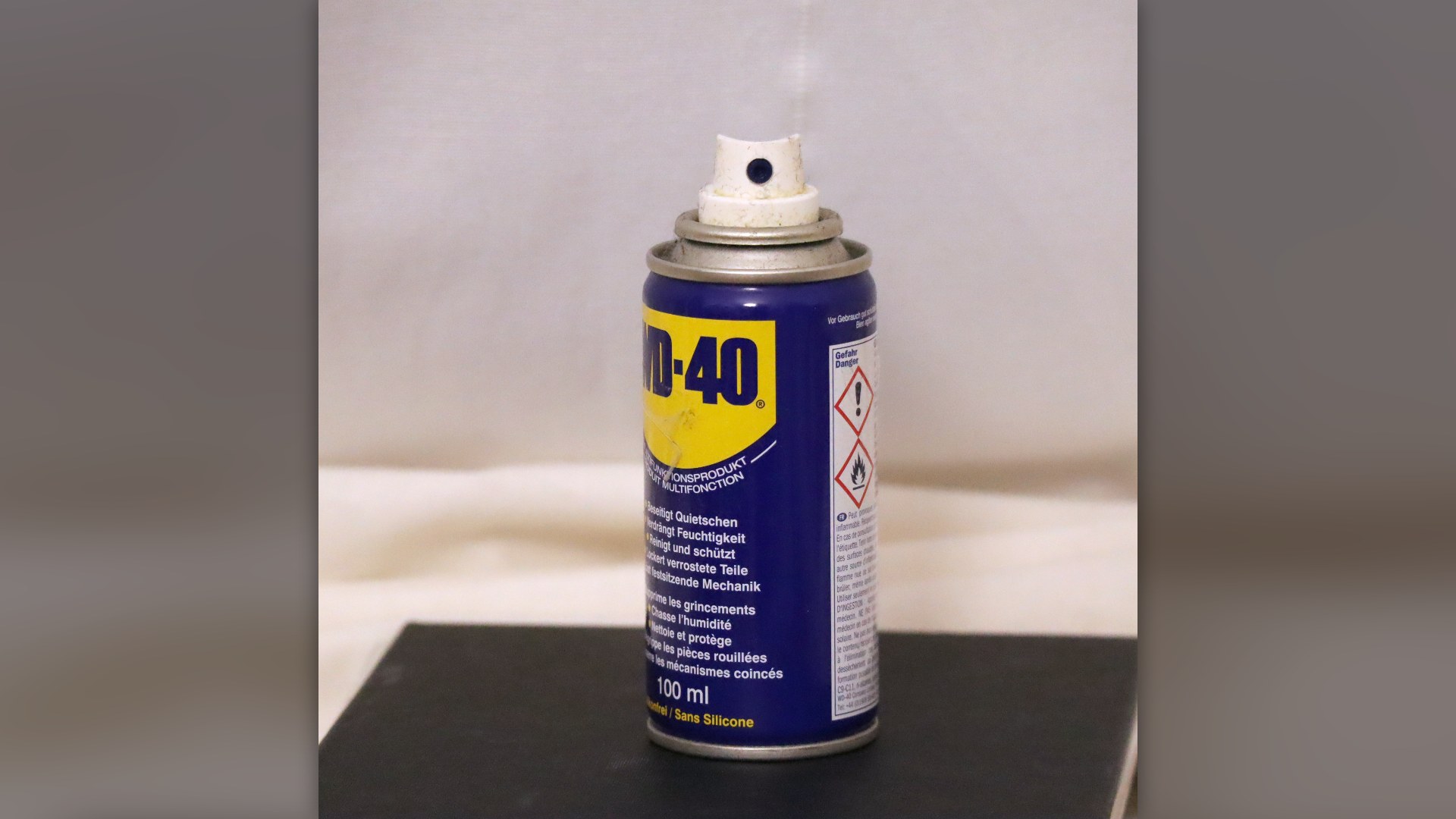
12. WD-40 
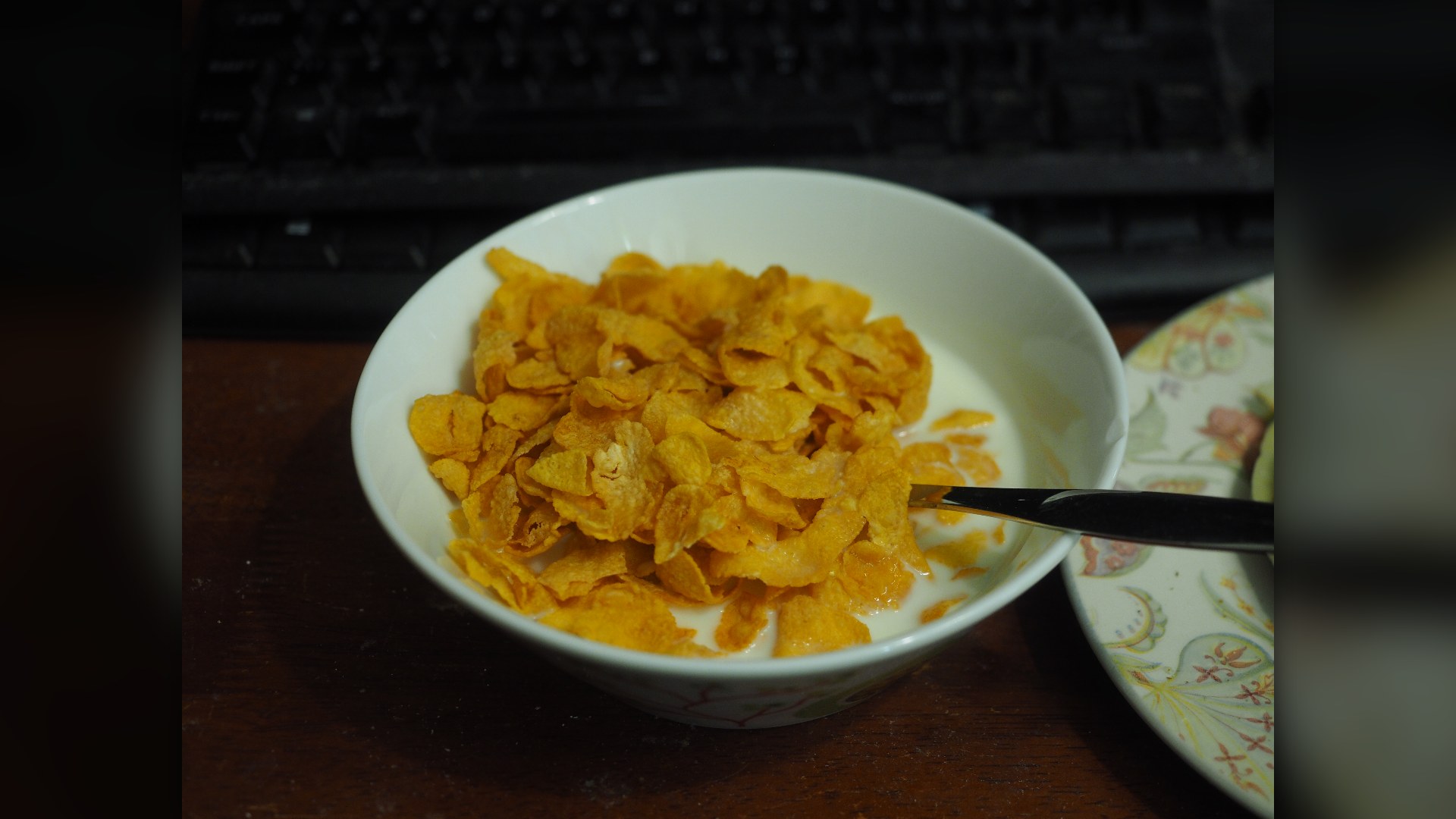
11. Corn Flakes - AdvertisementSwipe or tap ▶ to continue countdown

10. High Heels 
9. Brandy 
8. Listerine 
7. Microwave Oven - AdvertisementSwipe or tap ▶ to continue countdown

6. PlayStation 
5. Cola 
4. Treadmills 
3. Cardiac Pacemaker - AdvertisementSwipe or tap ▶ to continue countdown

2. Chainsaws 
1. Viagra - Advertisement🔥 UP NEXT IN THIS SERIES◫ 26 Slides

25 Groundbreaking American Inventions and Achievements Ranked
From Kitty Hawk and the Apollo 11 lunar landing to the transistor and the internet, American inventors and scientists have transformed global civilization. Sourced from the Smithsonian Institution, NASA archives, and the Library of Congress, here are twenty-five groundbreaking American milestones ranked.
Everyday items often have unexpected beginnings. Common products in homes, toolboxes, and medicine cabinets were originally engineered to solve unrelated problems. Here are 25 famous inventions created for completely different reasons, ranked by how drastically their purposes shifted.
Swipe or tap ▶ to begin the countdown
©Wikimedia / Evan-Amos & Wikimedia / ToolDude8mm
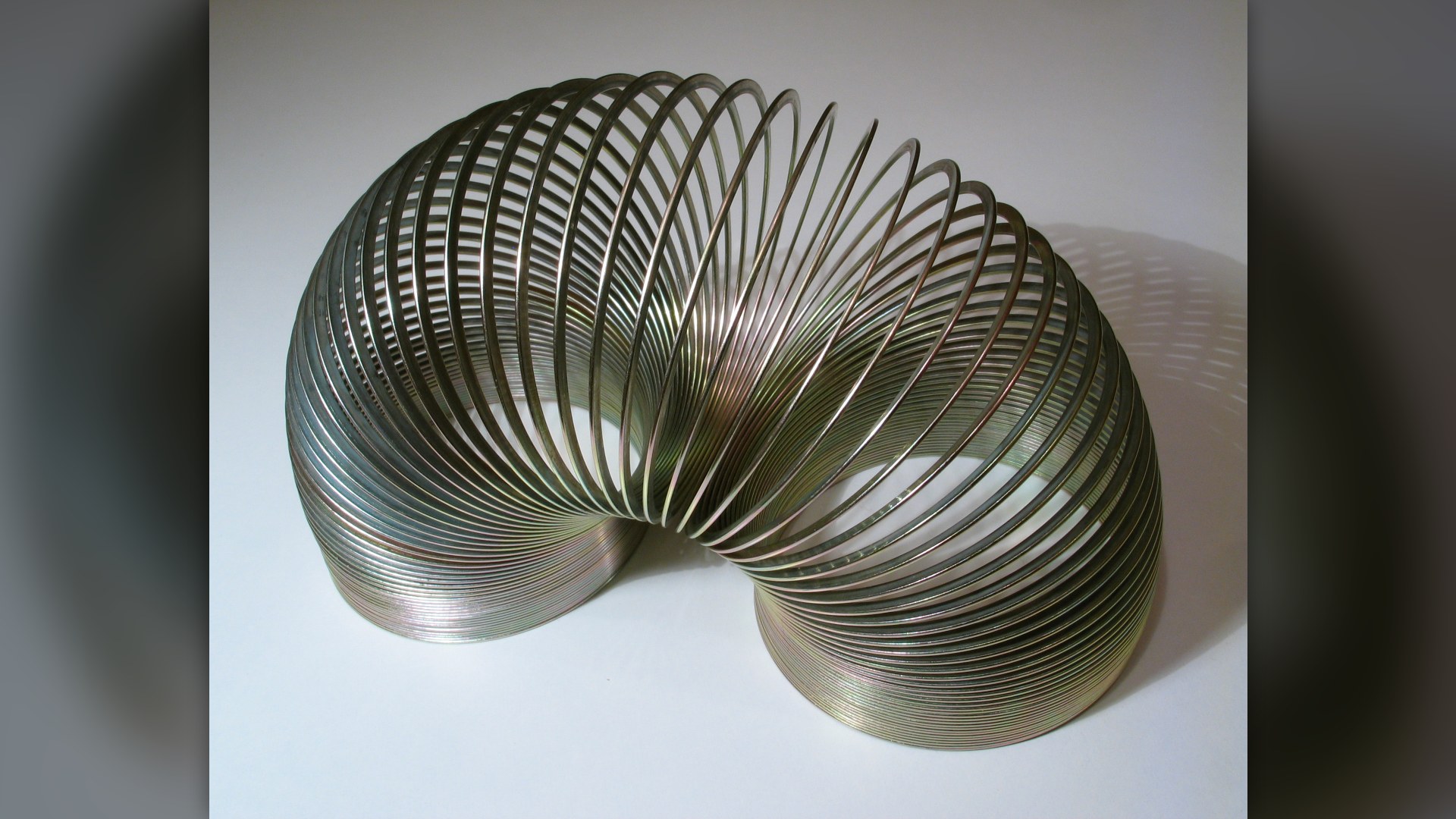
25. The Slinky
In 1943, naval engineer Richard James was trying to develop springs to stabilize sensitive equipment on warships. When he accidentally knocked a tension spring off a shelf, it stepped down across a pile of books and landed upright on the floor, inspiring the classic walking toy.
©Wikimedia / Roger McLassus
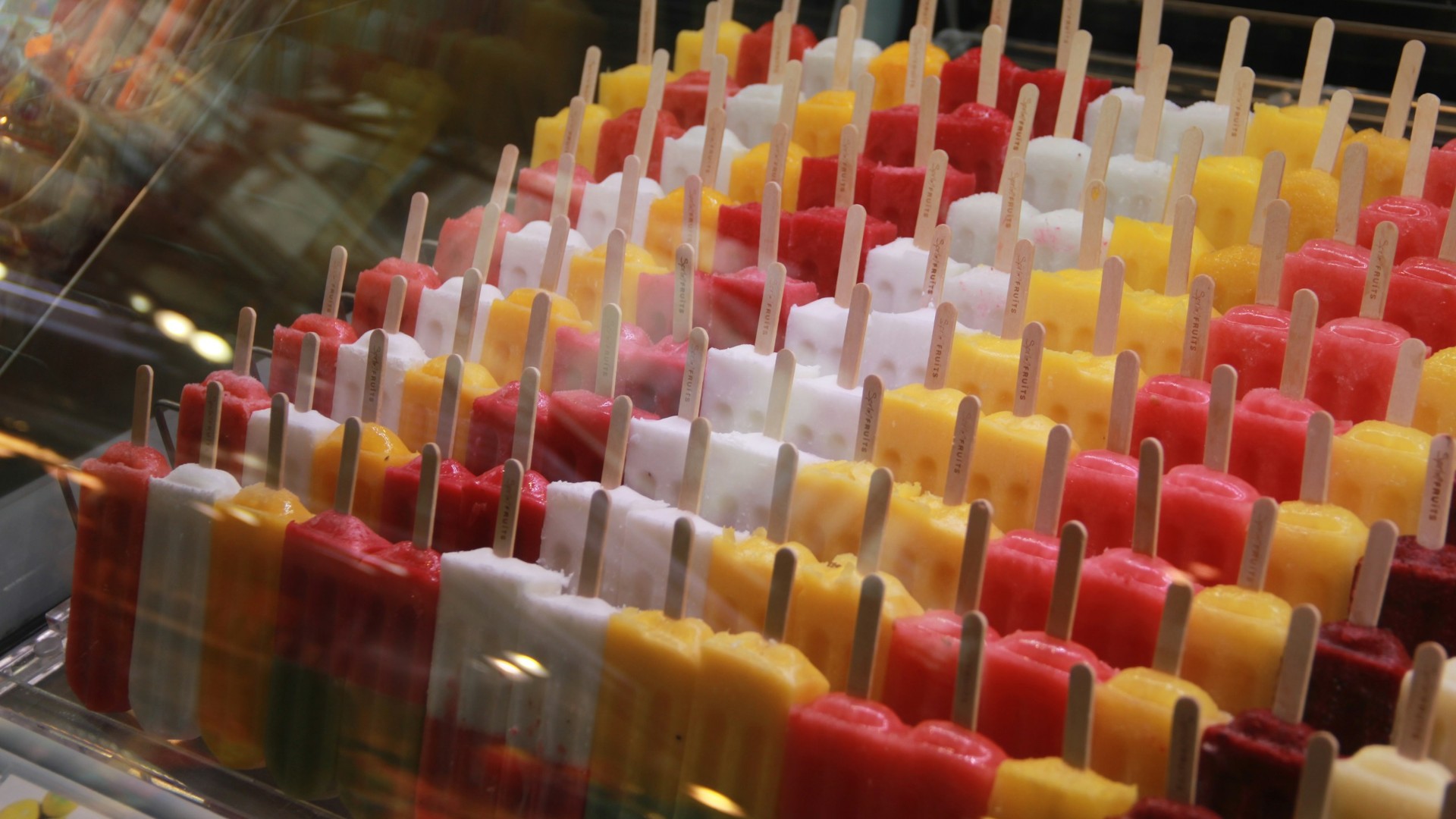
24. Popsicles
In 1905, eleven-year-old Frank Epperson mixed powdered soda and water with a wooden stick. He accidentally left the cup on his porch overnight during a San Francisco freeze. By morning, the liquid had frozen solid around the stick, inventing the first ice pop.
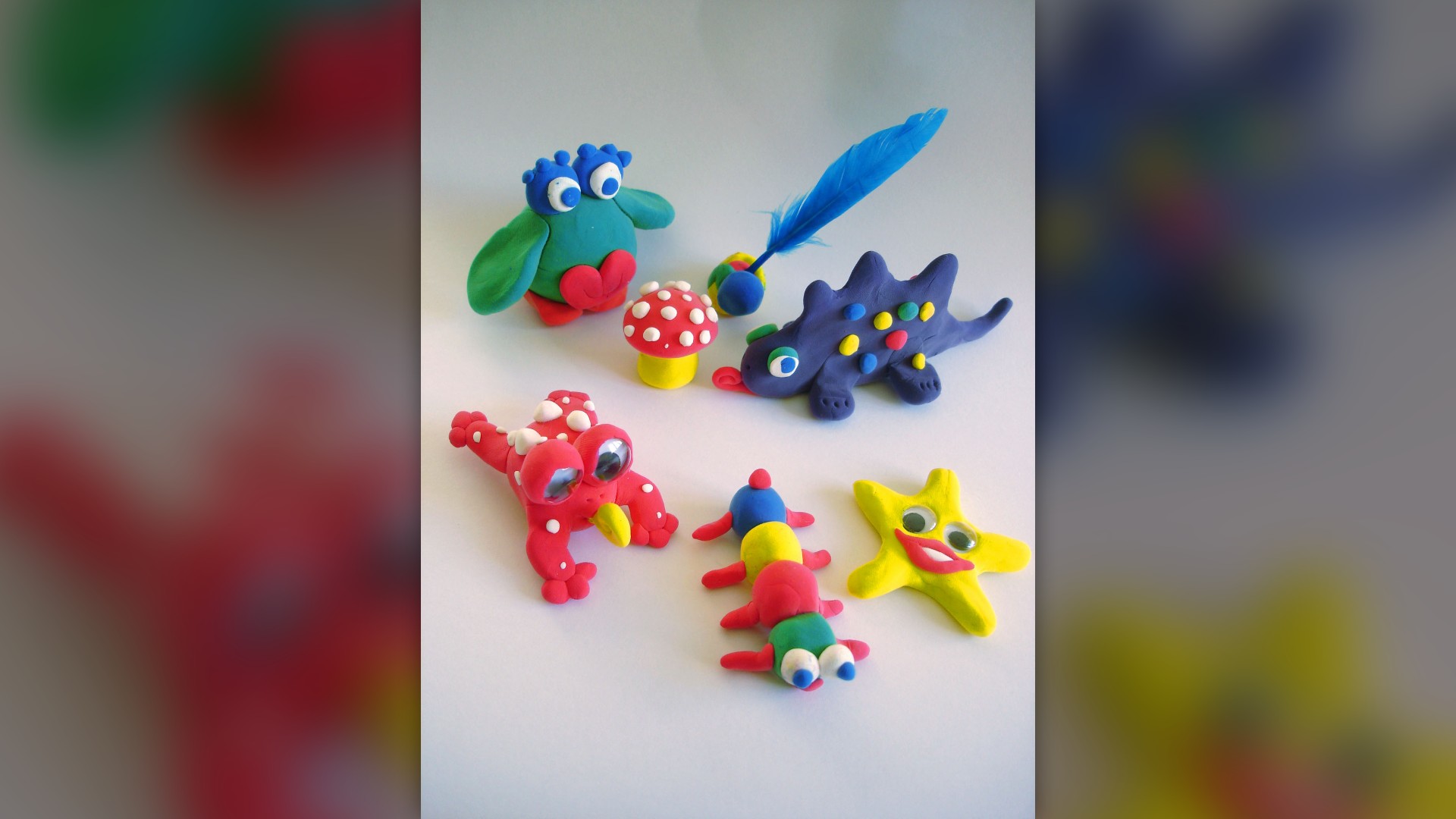
23. Play-Doh
During the 1930s, homes heated by coal furnaces accumulated greasy soot on papered walls. Cleo McVicker produced a doughy wallpaper cleaner designed to lift dirt. When gas furnaces replaced coal, schoolteachers discovered the non-toxic dough made ideal modeling clay for kids.
©Wikimedia / Nevit Dilmen
Advertisement
Swipe or tap ▶ to resume the countdown.
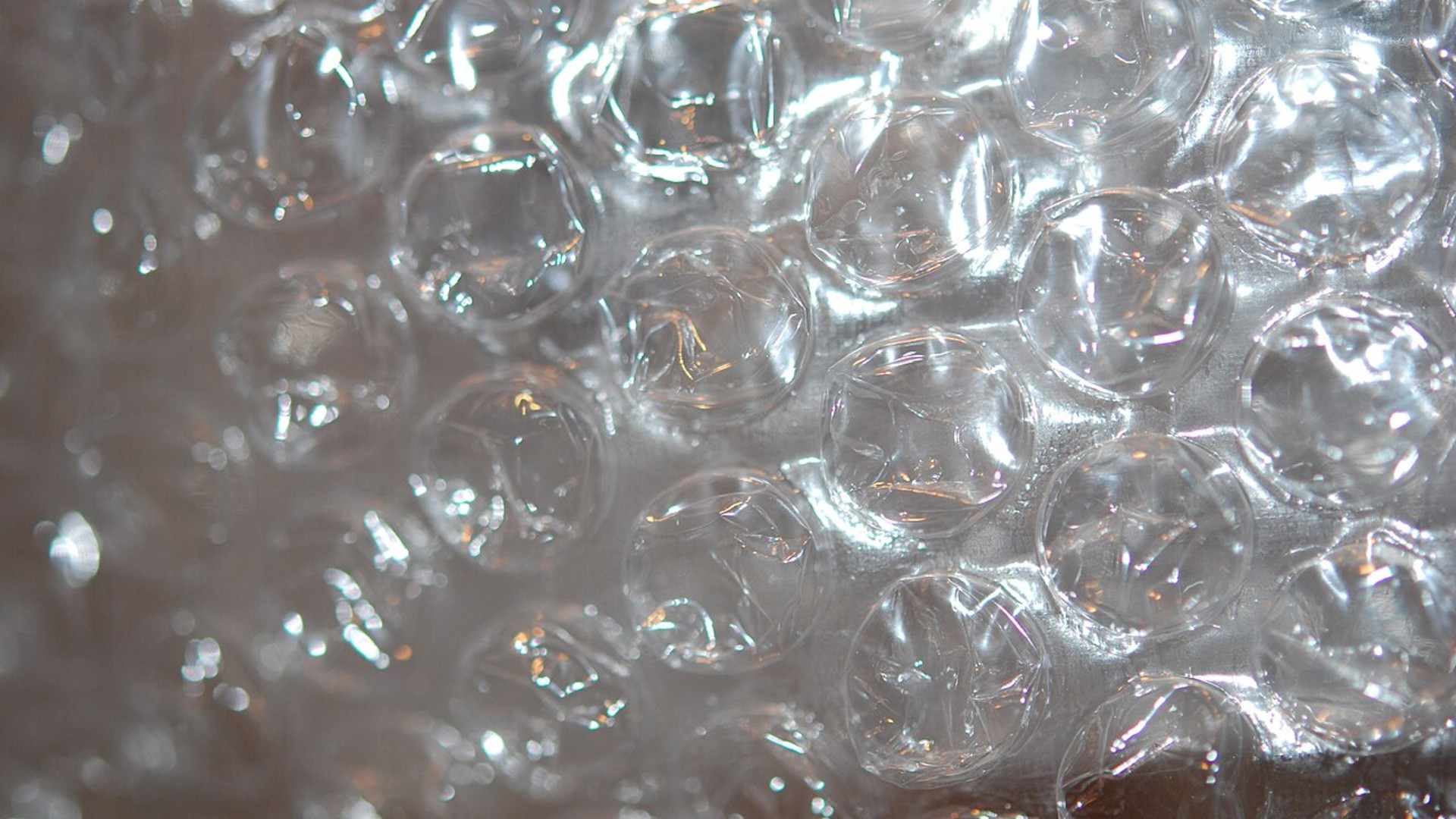
22. Bubble Wrap
In 1957, engineer Al Fielding and inventor Marc Chavannes attempted to create textured plastic wallpaper by sealing two shower curtains together with trapped air bubbles. While homeowners rejected the aesthetic, IBM soon realized the trapped air offered ideal protection for delicate computers.
©NPS-NOAA-USGS / Juliancolton
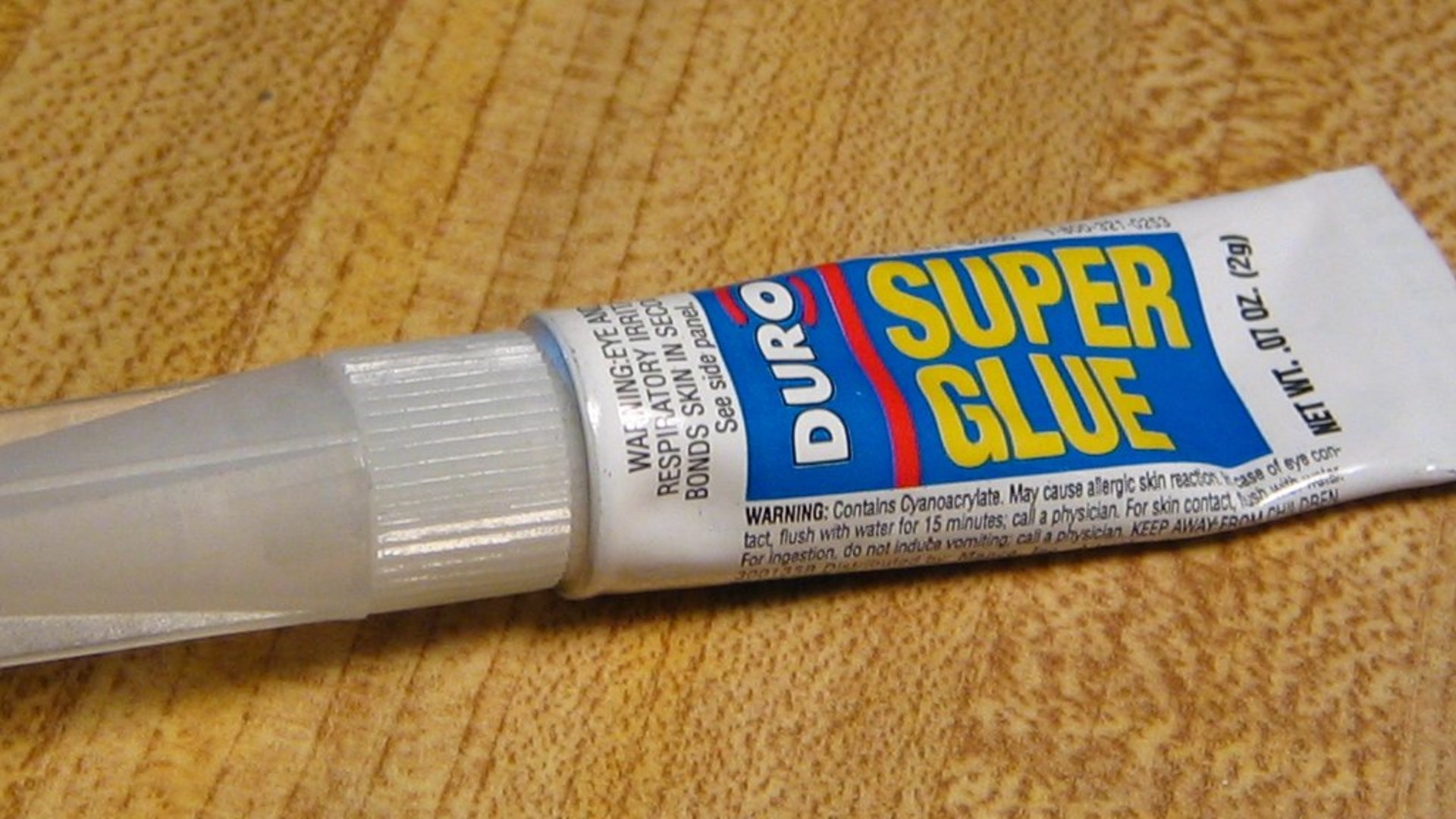
21. Super Glue
While researching clear plastic materials for military gun sights in 1942, chemist Harry Coover synthesized cyanoacrylates. The team rejected the formula because it stuck firmly to every tool. Years later, Coover recognized the immense commercial value of an instant permanent adhesive.
©Wikimedia / BrokenSphere
20. Silly Putty
During World War II, allied access to rubber plantations was cut off. General Electric engineer James Wright tested combinations of silicone oil and boric acid to create synthetic rubber for boots and tires. While the compound bounced and stretched, it lacked durability, later becoming a hit novelty toy.
©Wikimedia / Sarah G.
19. Post It Notes
In 1968, 3M chemist Spencer Silver tried developing a super-strong adhesive for aerospace. Instead, he formulated a gentle adhesive that stuck lightly without tearing paper or leaving residue. Colleague Art Fry later used it to keep church choir hymn markers in place without damaging hymnal pages.
©Wikimedia / Duesentrieb
Advertisement
Swipe or tap ▶ to resume the countdown.
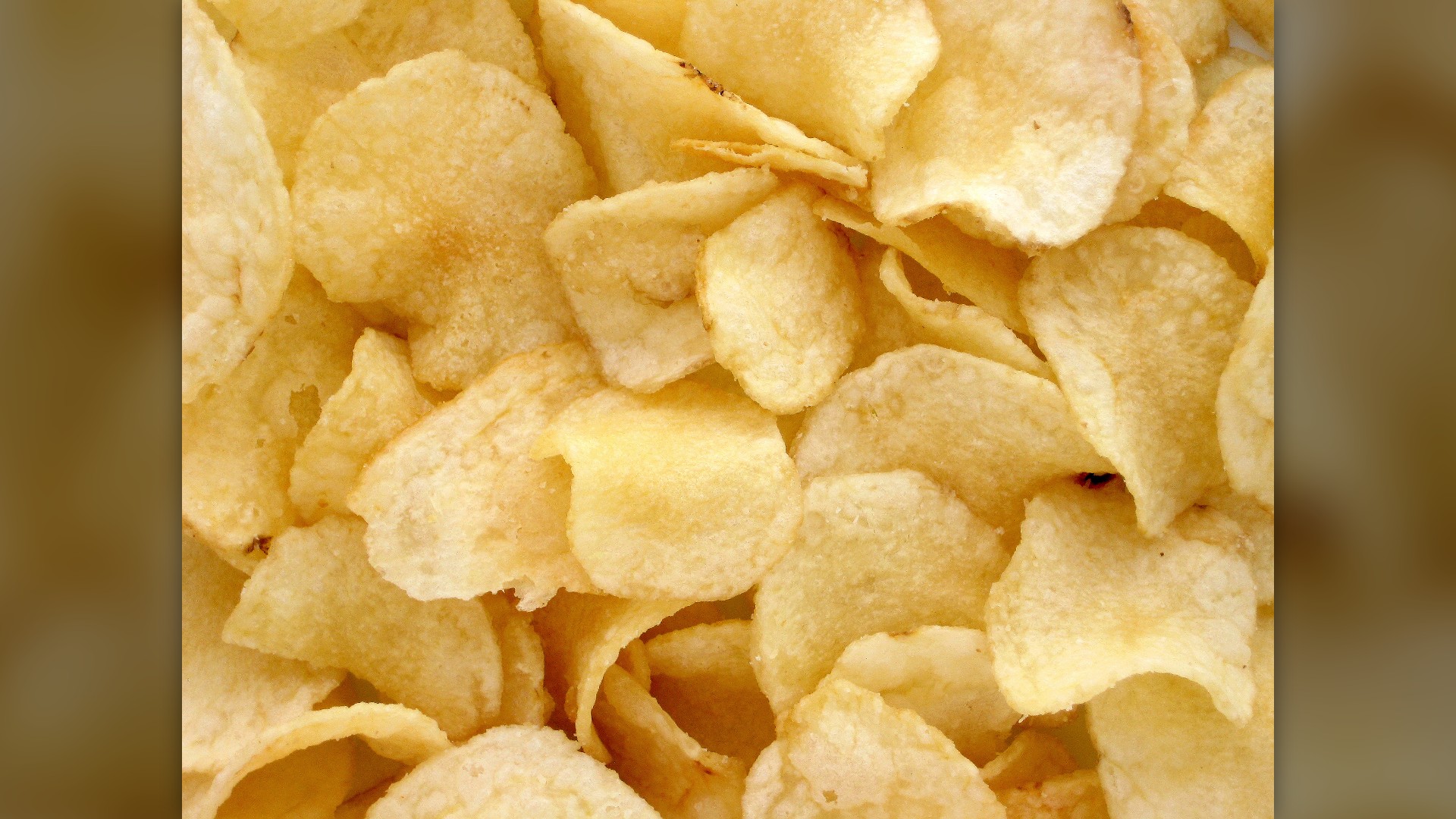
18. Potato Chips
At Moon Lake Lodge in 1853, customer Cornelius Vanderbilt repeatedly sent his fried potatoes back to the kitchen, complaining they were cut too thick. Annoyed chef George Crum sliced potatoes razor-thin, fried them until brittle, and heavily salted them. The customer loved the crispy snack.
©Wikimedia / Potato chips
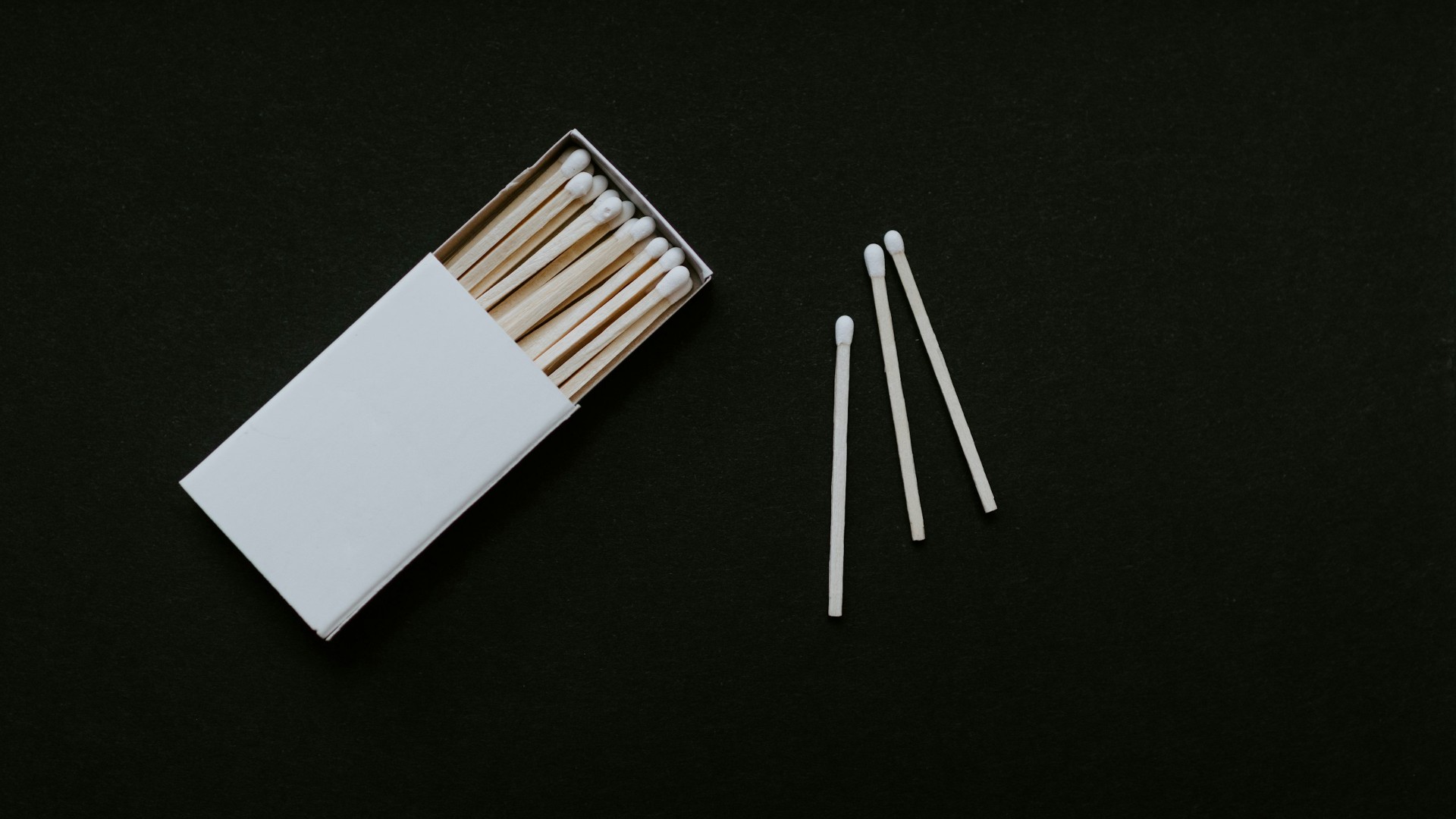
17. Friction Matches
In 1826, English chemist John Walker was stirring a mixture of potassium chlorate and antimony sulfide with a wooden splint. When he scraped a dried chemical blob off the end against his stone hearth, friction caused the tip to ignite suddenly, creating the first reliable friction match.
© Photo by Kelly Sikkema on Unsplash
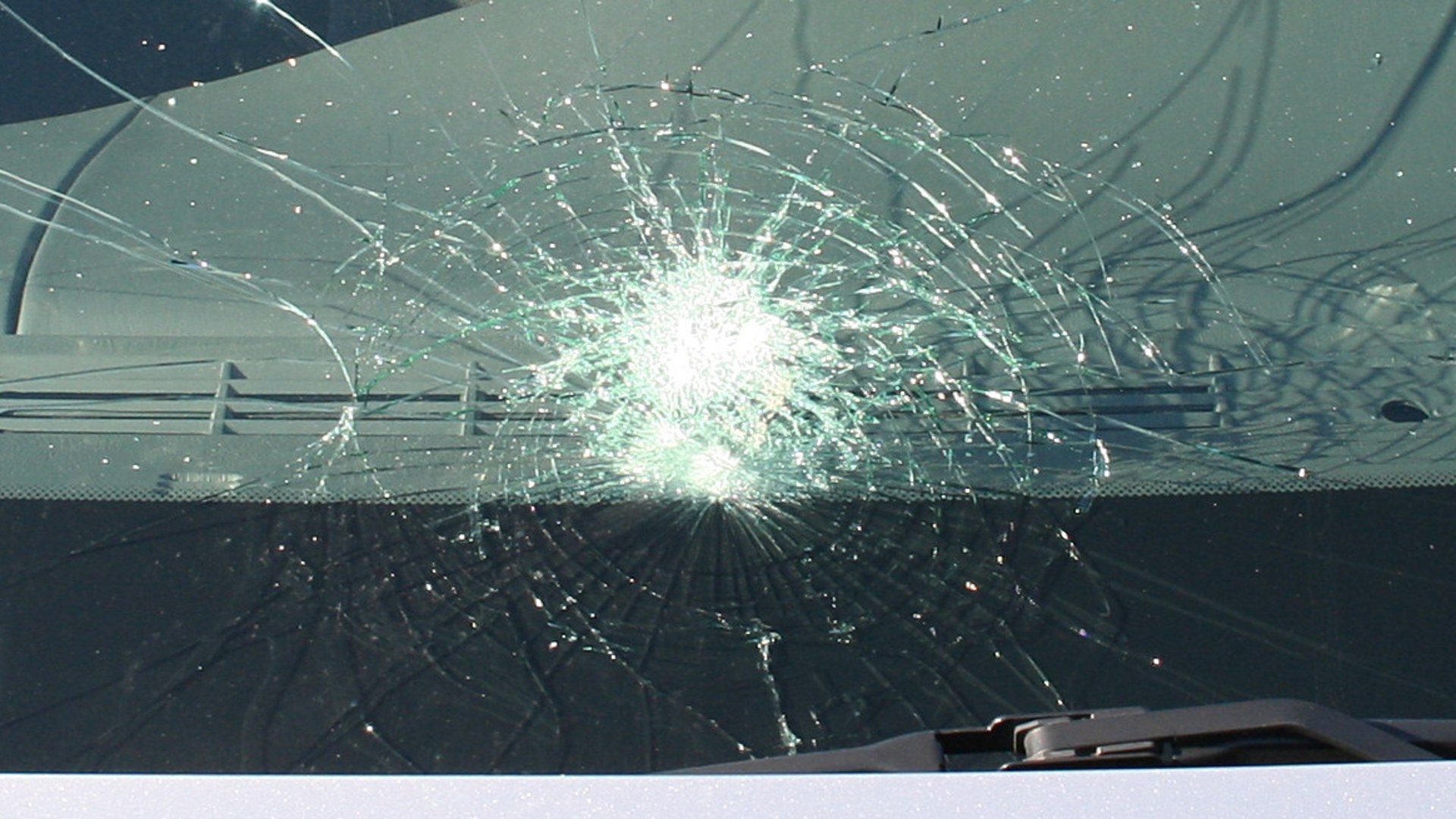
16. Safety Glass
In 1903, French chemist Edouard Benedictus knocked a glass flask off a high shelf. Expecting a dangerous mess, he found the glass shattered into pieces that remained securely bonded together. A dried inner coating of liquid collodion had held the shards intact, inspiring laminated car windshields.
©Wikimedia / Felix Koenig
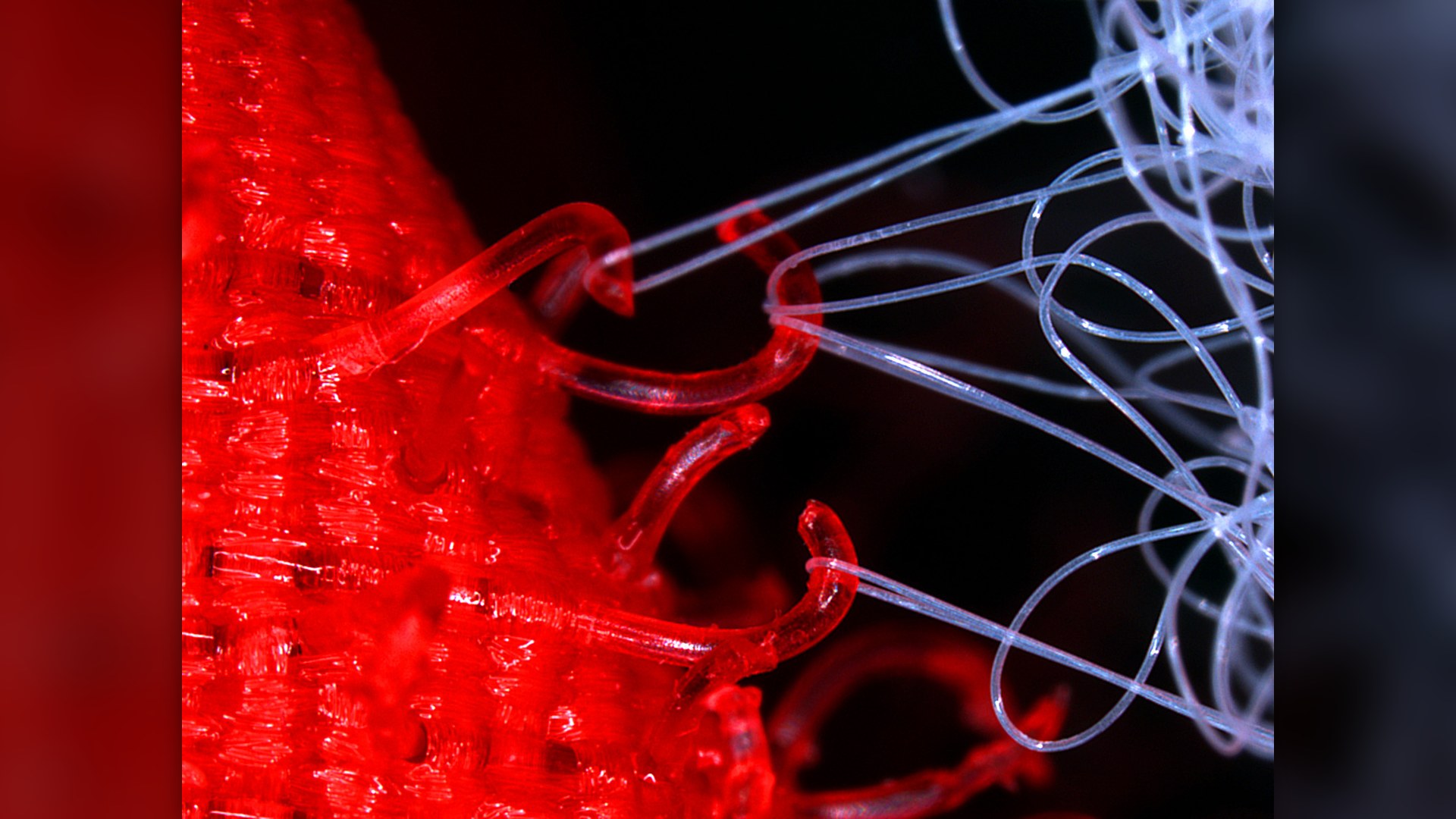
15. Velcro
Returning from an Alpine hunting walk in 1941, Swiss engineer George de Mestral noticed tiny burdock burrs clinging to his clothes and his dog coat. Examining them under a microscope, he observed hundreds of tiny hooks gripping fabric loops, leading to the creation of the hook-and-loop fastener.
©Wikimedia / SecretDisc
Advertisement
Swipe or tap ▶ to resume the countdown.
14. Teflon
In 1938, DuPont chemist Roy Plunkett was synthesizing non-toxic refrigerants. Storing tetrafluoroethylene gas in pressurized cylinders on dry ice, he found the valve yielded no gas. Sawing the canister open revealed the gas had polymerized into a remarkably slippery solid known today as PTFE.
©Wikimedia / Tamorlan
13. Kleenex
During World War I, Kimberly-Clark developed Cellucotton, a creped wood pulp material used as surgical bandages and gas mask filters. In 1924, they rebranded thin sheets as Kleenex cold cream removers. Customer feedback soon revealed people overwhelmingly preferred using them as disposable handkerchiefs.
©Wikimedia / Evan-Amos
12. WD-40
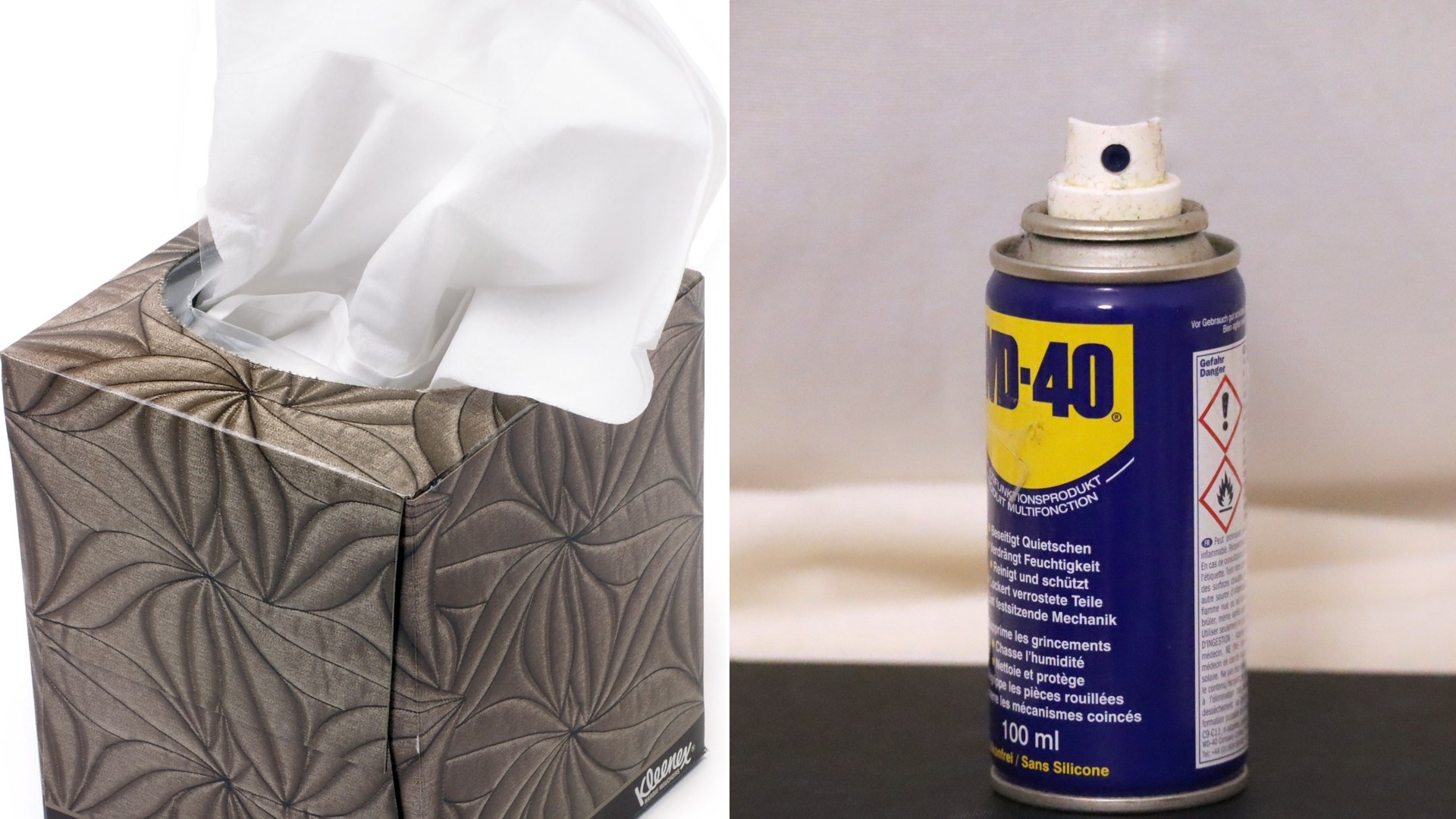
In 1953, the Rocket Chemical Company sought a rust-preventative solvent to protect the outer skin of the Atlas space missile from corrosion. On their fortieth laboratory attempt, they perfected Water Displacement 40th Formula. Workers frequently took small batches home to clean tools and stop squeaks.
©Wikimedia / ToolDude8mm
11. Corn Flakes
Superintendent John Harvey Kellogg and his brother Will ran the Battle Creek Sanitarium. Believing flavorful foods inflamed passions, they promoted strict vegetarian diets. After leaving boiled wheat out until stale, they rolled it into thin flakes and baked it crisp, revolutionizing packaged breakfast.
©Wikimedia / Rasbak
Advertisement
Swipe or tap ▶ to resume the countdown.
10. High Heels
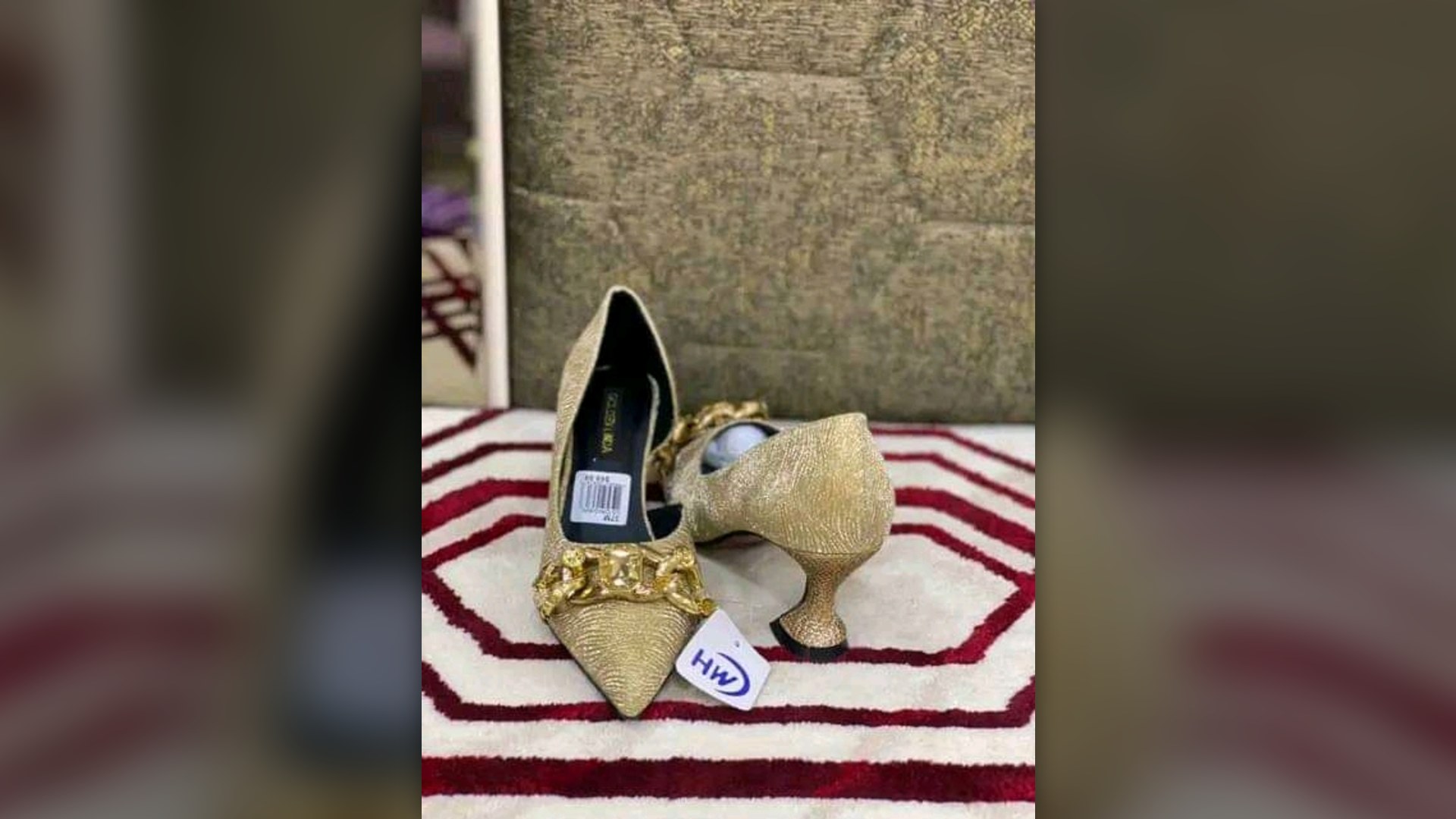
High heels were not originally designed for fashion runways or women. In tenth-century Persia, cavalry soldiers wore raised heels to securely anchor their boots into stirrups while standing up on galloping horses to shoot arrows. European aristocrats adopted the footwear later as a masculine status symbol.
©Wikimedia / Plaisanter
9. Brandy
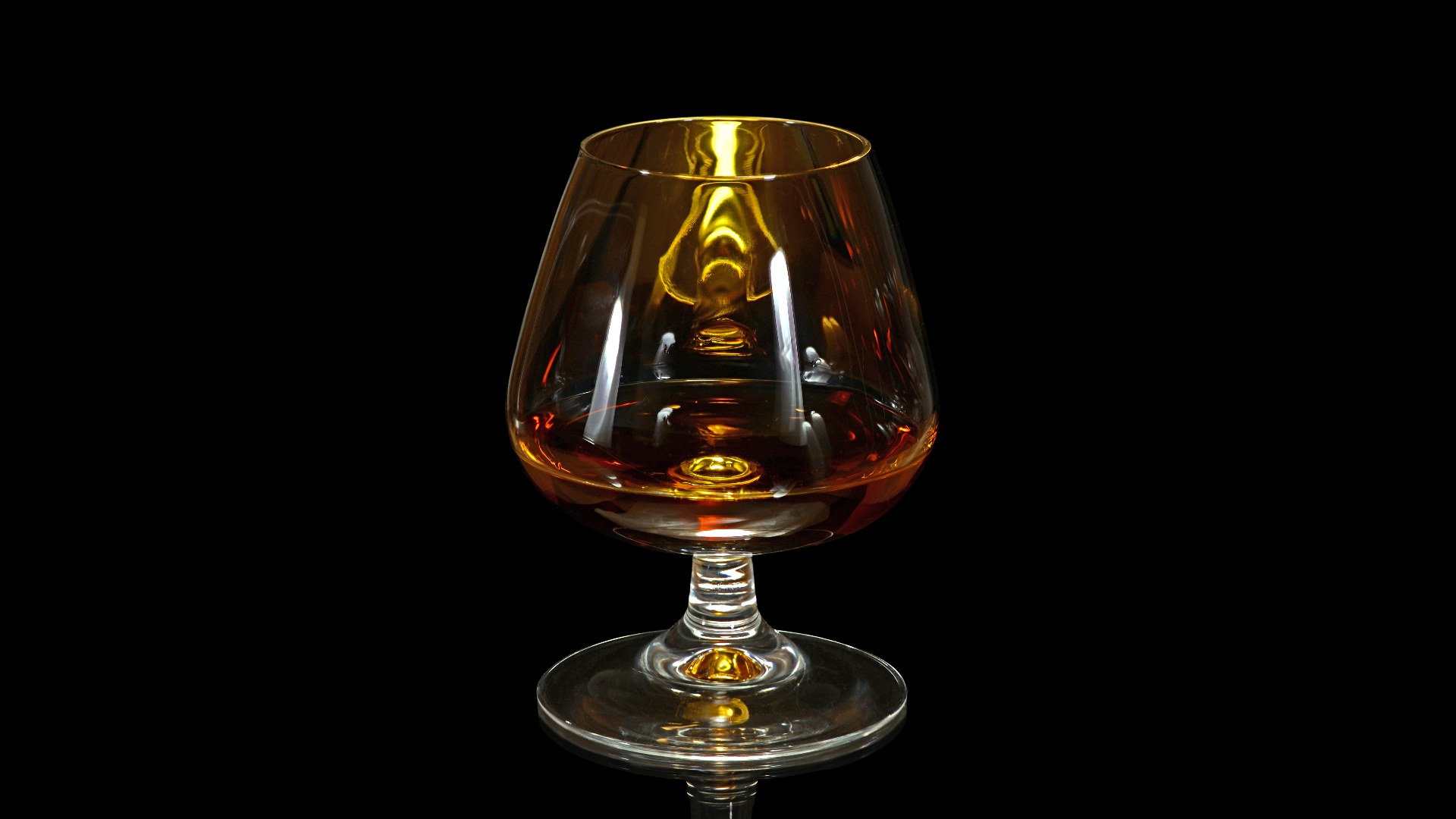
During medieval sea trade, merchants paid customs taxes based on wine cask volume. Shippers distilled the wine by boiling off water, intending to add water back at arrival ports. After months aging in charred wooden barrels, buyers discovered the undiluted spirit tasted far richer than regular wine.
©Wikimedia / Didriks
8. Listerine
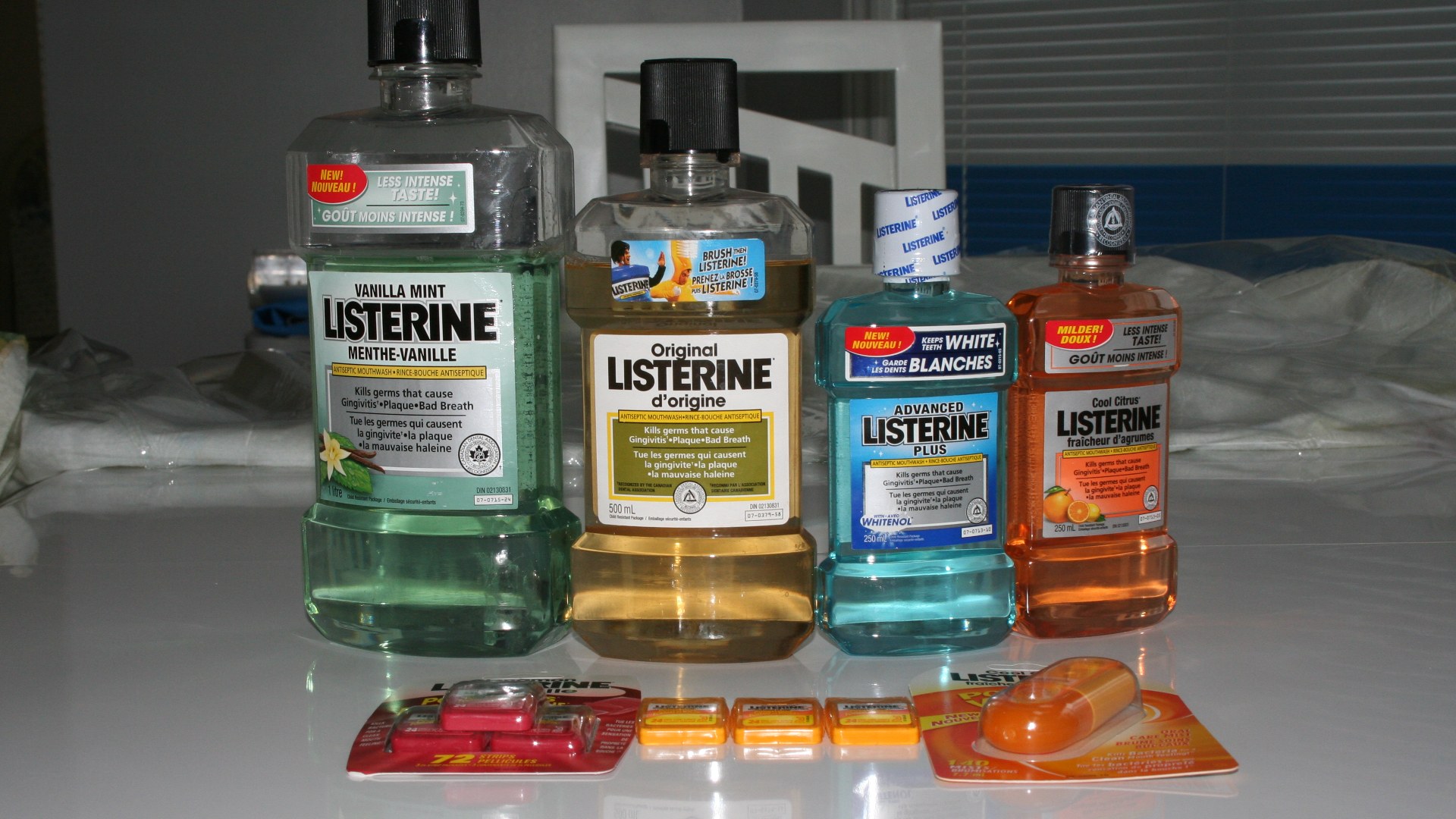
Formulated in 1879 by doctor Joseph Lawrence as a sterile surgical wash, Listerine was originally used to irrigate wounds, disinfect operating rooms, and cleanse hospital floors. It was later marketed as a dandruff remedy before achieving massive commercial success in the 1920s as a breath freshener.
©Wikimedia / Mike Mozart
7. Microwave Oven
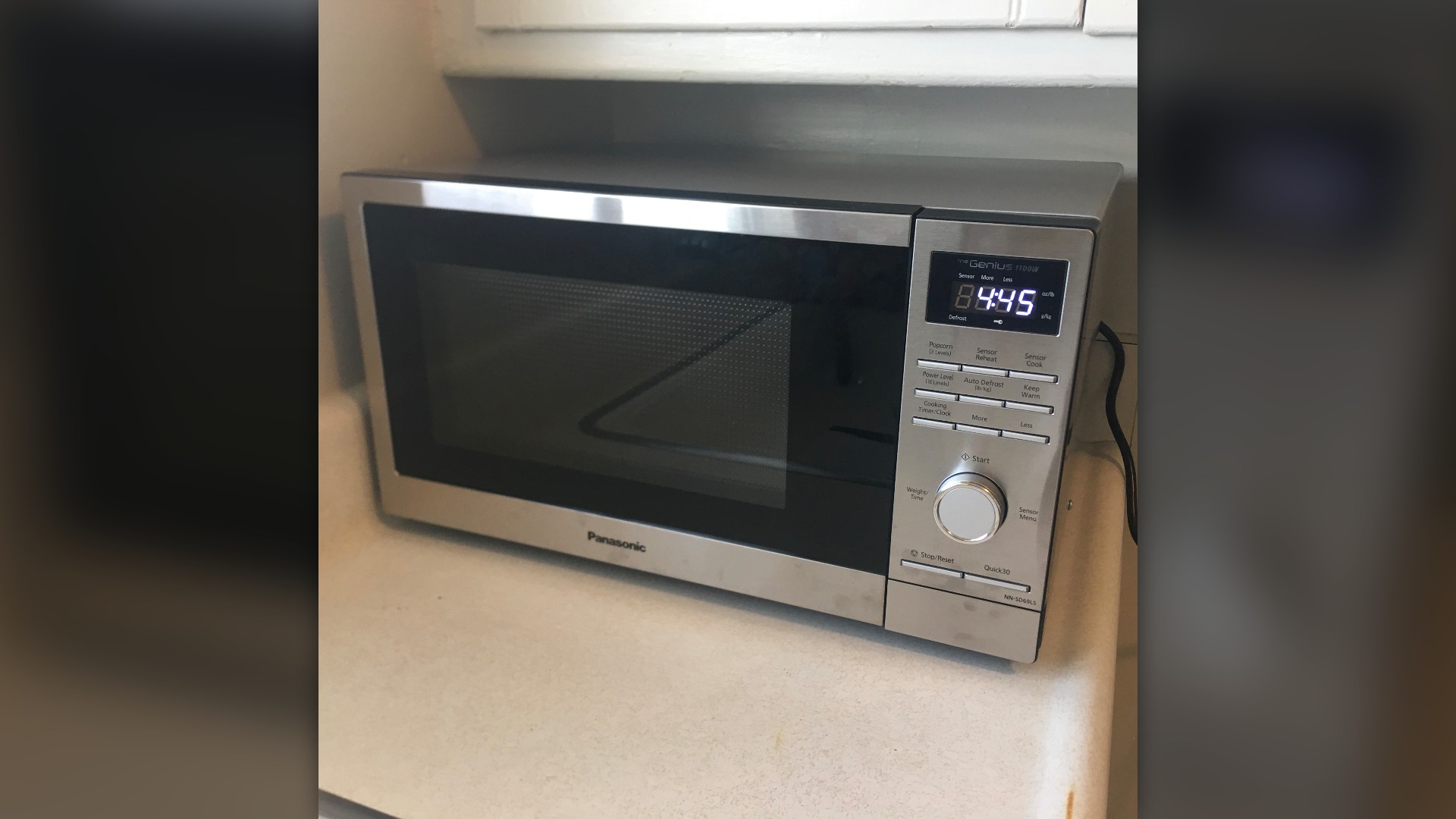
In 1945, Raytheon engineer Percy Spencer was testing active military radar magnetron tubes. Standing near the transmitter, he noticed a chocolate peanut bar in his pocket had melted. Curious, he placed popcorn kernels in front of the waveguide and watched them pop, leading to the modern microwave oven.
©Wikimedia / Microwave oven
Advertisement
Swipe or tap ▶ to resume the countdown.
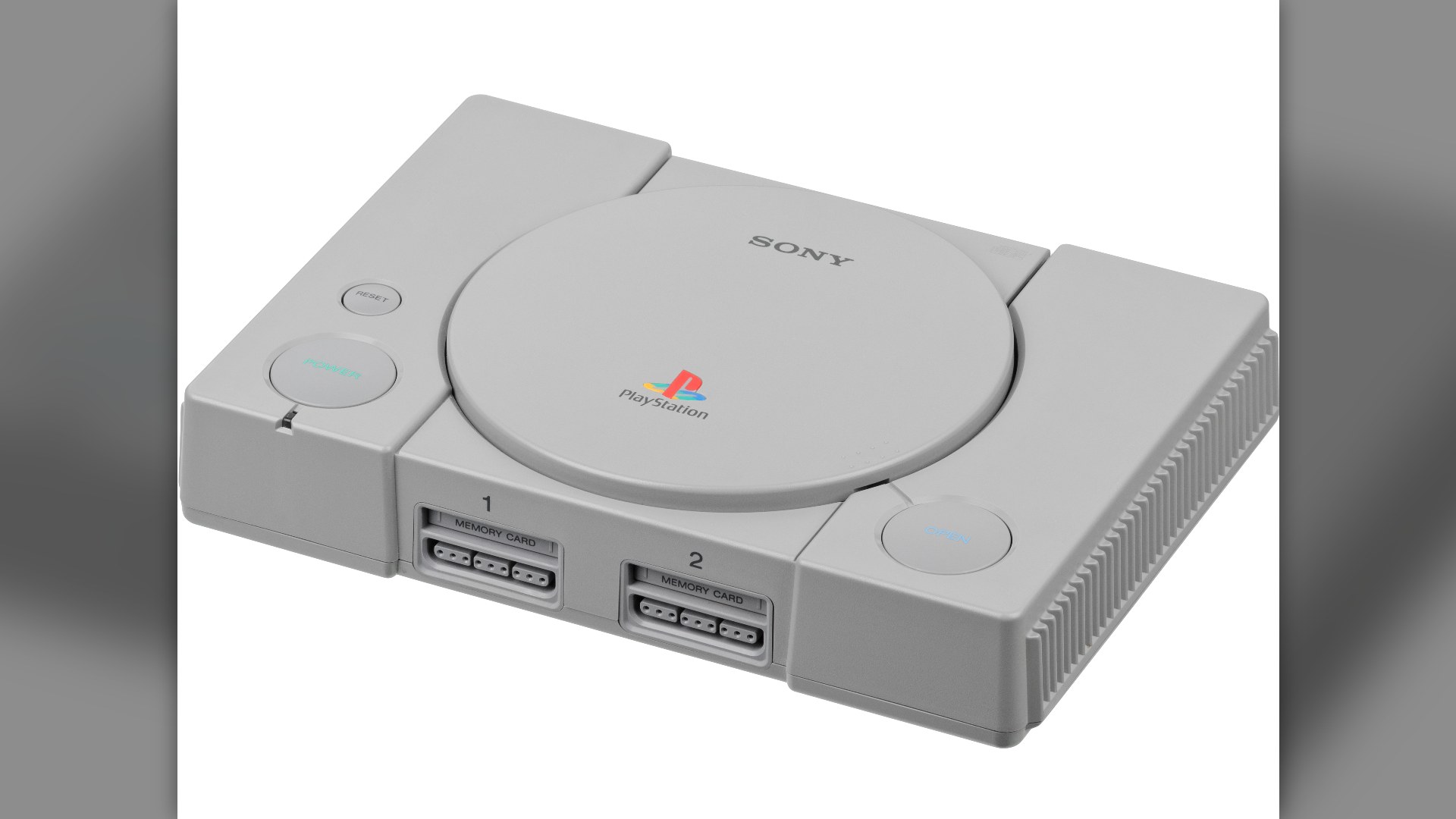
6. PlayStation
In the late 1980s, Sony engineer Ken Kutaragi partnered with Nintendo to build a CD-ROM drive add-on for the Super Nintendo. At the 1991 Consumer Electronics Show, Nintendo publicly betrayed Sony by partnering with Philips. Infuriated, Sony executives decided to enter video gaming independently.
©Wikimedia / Evan-Amos
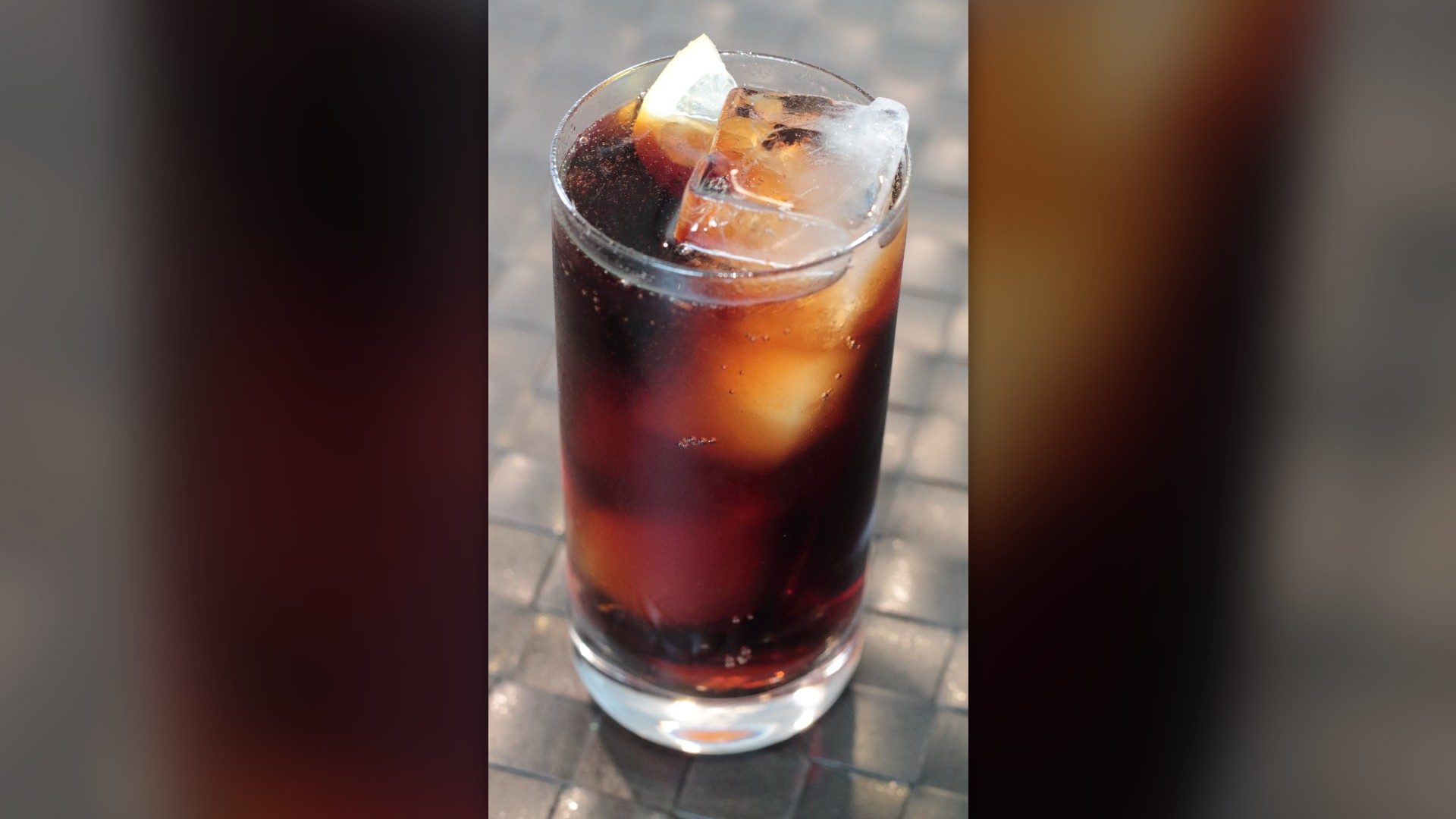
5. Cola
Wounded by a saber slash during the Civil War, pharmacist John Stith Pemberton became addicted to morphine. Desperate for a non-opiate painkiller, he blended coca leaf extracts and kola nuts into French Wine Coca. When local laws banned alcohol in 1886, he replaced wine with sugary syrup, creating Coca-Cola.
©Wikimedia / Cola
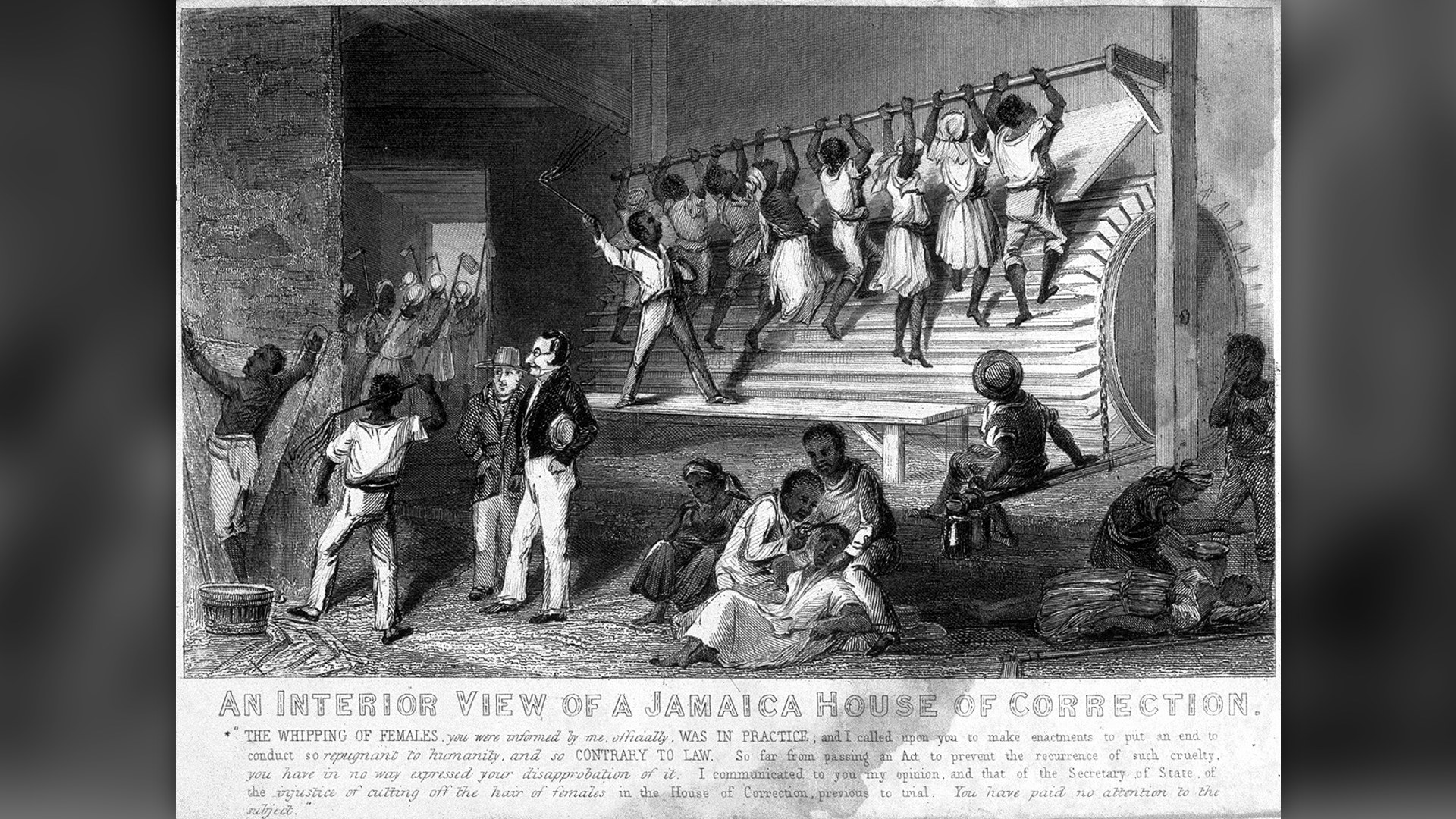
4. Treadmills
In 1818, British civil engineer William Cubitt created the prison treadmill as a mechanism to reform idle convicts. Prisoners were forced to climb twenty-four wooden steps on a giant revolving wheel for up to eight hours a day to grind grain or pump water. The grueling punishment was abolished in 1902.
©Wikimedia / James Hakewill
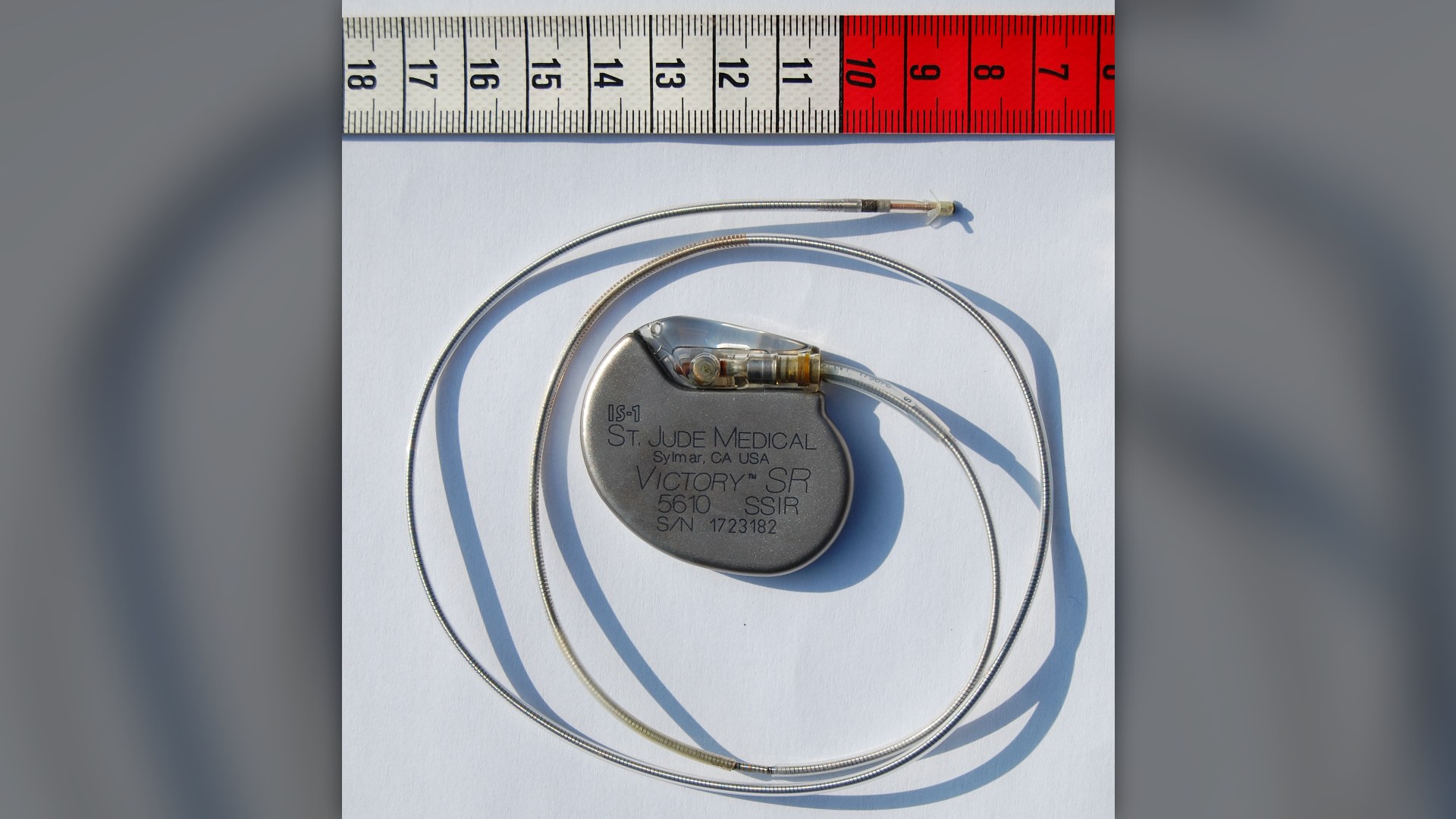
3. Cardiac Pacemaker
In 1956, electrical engineer Wilson Greatbatch was building a circuit to record fast human heart sounds. Reaching into a component box, he accidentally inserted a one-megaohm resistor. The circuit pulsed for 1.8 milliseconds and paused for one second, mimicking a beating heart and launching modern pacemakers.
©Wikimedia / Steven Fruitsmaak
Advertisement
Swipe or tap ▶ to resume the countdown.
2. Chainsaws
Before Caesarean sections were widely survivable, Scottish doctors John Aitken and James Jeffray invented the flexible chainsaw in the 1780s. Designed for symphysiotomy, the serrated chain was guided by a flexible cable to cut through pelvic bone during difficult labor, saving lives long before clearing timber.
©Wikimedia / ToolDude8mm
1. Viagra
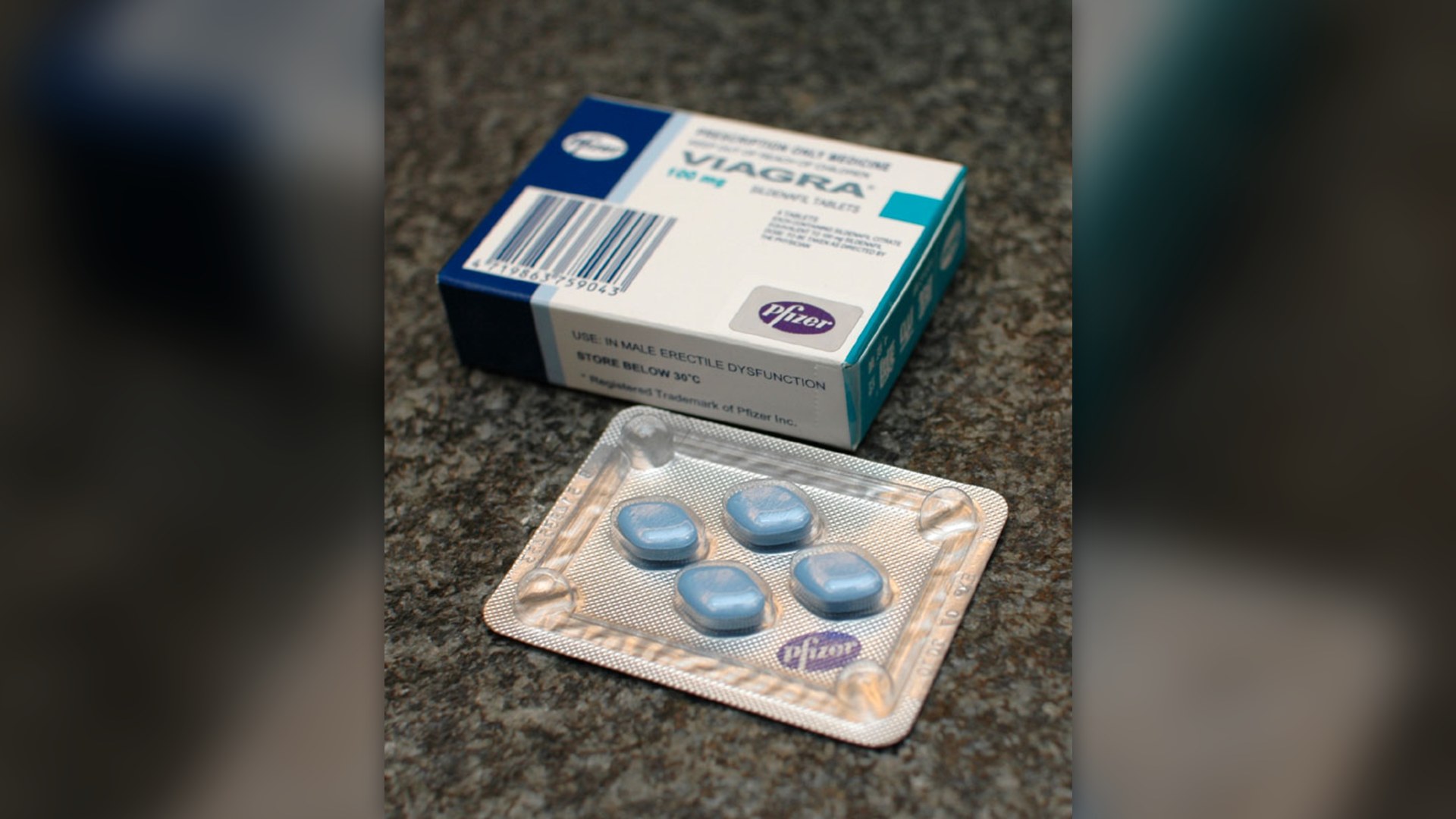
In the early 1990s, Pfizer scientists in Sandwich, England, developed sildenafil citrate to dilate coronary arteries and relieve angina chest pain. Clinical trials revealed modest effects on heart conditions but produced remarkable arterial blood flow improvements elsewhere, creating a medical blockbuster.

©Wikimedia / TM
Advertisement
You've reached the end of the story. Thanks for reading!

25 Groundbreaking American Inventions and Achievements Ranked
From Kitty Hawk and the Apollo 11 lunar landing to the transistor and the internet, American inventors and scientists have transformed global civilization. Sourced from the Smithsonian Institution, NASA archives, and the Library of Congress, here are twenty-five groundbreaking American milestones ranked.
All 25 Entries in this Story
25. The Slinky
In 1943, naval engineer Richard James was trying to develop springs to stabilize sensitive equipment on warships. When he accidentally knocked a tension spring off a shelf, it stepped down across a pile of books and landed upright on the floor, inspiring the classic walking toy.

24. Popsicles
In 1905, eleven-year-old Frank Epperson mixed powdered soda and water with a wooden stick. He accidentally left the cup on his porch overnight during a San Francisco freeze. By morning, the liquid had frozen solid around the stick, inventing the first ice pop.

23. Play-Doh
During the 1930s, homes heated by coal furnaces accumulated greasy soot on papered walls. Cleo McVicker produced a doughy wallpaper cleaner designed to lift dirt. When gas furnaces replaced coal, schoolteachers discovered the non-toxic dough made ideal modeling clay for kids.

22. Bubble Wrap
In 1957, engineer Al Fielding and inventor Marc Chavannes attempted to create textured plastic wallpaper by sealing two shower curtains together with trapped air bubbles. While homeowners rejected the aesthetic, IBM soon realized the trapped air offered ideal protection for delicate computers.

21. Super Glue
While researching clear plastic materials for military gun sights in 1942, chemist Harry Coover synthesized cyanoacrylates. The team rejected the formula because it stuck firmly to every tool. Years later, Coover recognized the immense commercial value of an instant permanent adhesive.

20. Silly Putty
During World War II, allied access to rubber plantations was cut off. General Electric engineer James Wright tested combinations of silicone oil and boric acid to create synthetic rubber for boots and tires. While the compound bounced and stretched, it lacked durability, later becoming a hit novelty toy.

19. Post It Notes
In 1968, 3M chemist Spencer Silver tried developing a super-strong adhesive for aerospace. Instead, he formulated a gentle adhesive that stuck lightly without tearing paper or leaving residue. Colleague Art Fry later used it to keep church choir hymn markers in place without damaging hymnal pages.

18. Potato Chips
At Moon Lake Lodge in 1853, customer Cornelius Vanderbilt repeatedly sent his fried potatoes back to the kitchen, complaining they were cut too thick. Annoyed chef George Crum sliced potatoes razor-thin, fried them until brittle, and heavily salted them. The customer loved the crispy snack.

17. Friction Matches
In 1826, English chemist John Walker was stirring a mixture of potassium chlorate and antimony sulfide with a wooden splint. When he scraped a dried chemical blob off the end against his stone hearth, friction caused the tip to ignite suddenly, creating the first reliable friction match.

16. Safety Glass
In 1903, French chemist Edouard Benedictus knocked a glass flask off a high shelf. Expecting a dangerous mess, he found the glass shattered into pieces that remained securely bonded together. A dried inner coating of liquid collodion had held the shards intact, inspiring laminated car windshields.

15. Velcro
Returning from an Alpine hunting walk in 1941, Swiss engineer George de Mestral noticed tiny burdock burrs clinging to his clothes and his dog coat. Examining them under a microscope, he observed hundreds of tiny hooks gripping fabric loops, leading to the creation of the hook-and-loop fastener.

14. Teflon
In 1938, DuPont chemist Roy Plunkett was synthesizing non-toxic refrigerants. Storing tetrafluoroethylene gas in pressurized cylinders on dry ice, he found the valve yielded no gas. Sawing the canister open revealed the gas had polymerized into a remarkably slippery solid known today as PTFE.

13. Kleenex
During World War I, Kimberly-Clark developed Cellucotton, a creped wood pulp material used as surgical bandages and gas mask filters. In 1924, they rebranded thin sheets as Kleenex cold cream removers. Customer feedback soon revealed people overwhelmingly preferred using them as disposable handkerchiefs.

12. WD-40
In 1953, the Rocket Chemical Company sought a rust-preventative solvent to protect the outer skin of the Atlas space missile from corrosion. On their fortieth laboratory attempt, they perfected Water Displacement 40th Formula. Workers frequently took small batches home to clean tools and stop squeaks.

11. Corn Flakes
Superintendent John Harvey Kellogg and his brother Will ran the Battle Creek Sanitarium. Believing flavorful foods inflamed passions, they promoted strict vegetarian diets. After leaving boiled wheat out until stale, they rolled it into thin flakes and baked it crisp, revolutionizing packaged breakfast.

10. High Heels
High heels were not originally designed for fashion runways or women. In tenth-century Persia, cavalry soldiers wore raised heels to securely anchor their boots into stirrups while standing up on galloping horses to shoot arrows. European aristocrats adopted the footwear later as a masculine status symbol.

9. Brandy
During medieval sea trade, merchants paid customs taxes based on wine cask volume. Shippers distilled the wine by boiling off water, intending to add water back at arrival ports. After months aging in charred wooden barrels, buyers discovered the undiluted spirit tasted far richer than regular wine.

8. Listerine
Formulated in 1879 by doctor Joseph Lawrence as a sterile surgical wash, Listerine was originally used to irrigate wounds, disinfect operating rooms, and cleanse hospital floors. It was later marketed as a dandruff remedy before achieving massive commercial success in the 1920s as a breath freshener.

7. Microwave Oven
In 1945, Raytheon engineer Percy Spencer was testing active military radar magnetron tubes. Standing near the transmitter, he noticed a chocolate peanut bar in his pocket had melted. Curious, he placed popcorn kernels in front of the waveguide and watched them pop, leading to the modern microwave oven.

6. PlayStation
In the late 1980s, Sony engineer Ken Kutaragi partnered with Nintendo to build a CD-ROM drive add-on for the Super Nintendo. At the 1991 Consumer Electronics Show, Nintendo publicly betrayed Sony by partnering with Philips. Infuriated, Sony executives decided to enter video gaming independently.

5. Cola
Wounded by a saber slash during the Civil War, pharmacist John Stith Pemberton became addicted to morphine. Desperate for a non-opiate painkiller, he blended coca leaf extracts and kola nuts into French Wine Coca. When local laws banned alcohol in 1886, he replaced wine with sugary syrup, creating Coca-Cola.

4. Treadmills
In 1818, British civil engineer William Cubitt created the prison treadmill as a mechanism to reform idle convicts. Prisoners were forced to climb twenty-four wooden steps on a giant revolving wheel for up to eight hours a day to grind grain or pump water. The grueling punishment was abolished in 1902.

3. Cardiac Pacemaker
In 1956, electrical engineer Wilson Greatbatch was building a circuit to record fast human heart sounds. Reaching into a component box, he accidentally inserted a one-megaohm resistor. The circuit pulsed for 1.8 milliseconds and paused for one second, mimicking a beating heart and launching modern pacemakers.

2. Chainsaws
Before Caesarean sections were widely survivable, Scottish doctors John Aitken and James Jeffray invented the flexible chainsaw in the 1780s. Designed for symphysiotomy, the serrated chain was guided by a flexible cable to cut through pelvic bone during difficult labor, saving lives long before clearing timber.

1. Viagra
In the early 1990s, Pfizer scientists in Sandwich, England, developed sildenafil citrate to dilate coronary arteries and relieve angina chest pain. Clinical trials revealed modest effects on heart conditions but produced remarkable arterial blood flow improvements elsewhere, creating a medical blockbuster.