Slideshow · Science
25 Mysterious Deep-Space Radio Signals That Puzzled Astronomers, Ranked
From millisecond fast radio bursts to periodic galactic beacons, radio telescopes have captured perplexing cosmic signals that challenged our understanding of the universe.
By Most Viral Today
4 Nov 2026

Mysterious Deep-Space Signals That Left Astronomers Stunned 
25. The Boresight Burst FRB 010125 
24. The Terrestrial Perytons Mystery 
23. LGM-1 Pulsar PSR B1919+21 - AdvertisementSwipe or tap ▶ to continue countdown

22. The Galactic Center Ghost Signal 
21. The Burper Transient GCRT J1745 
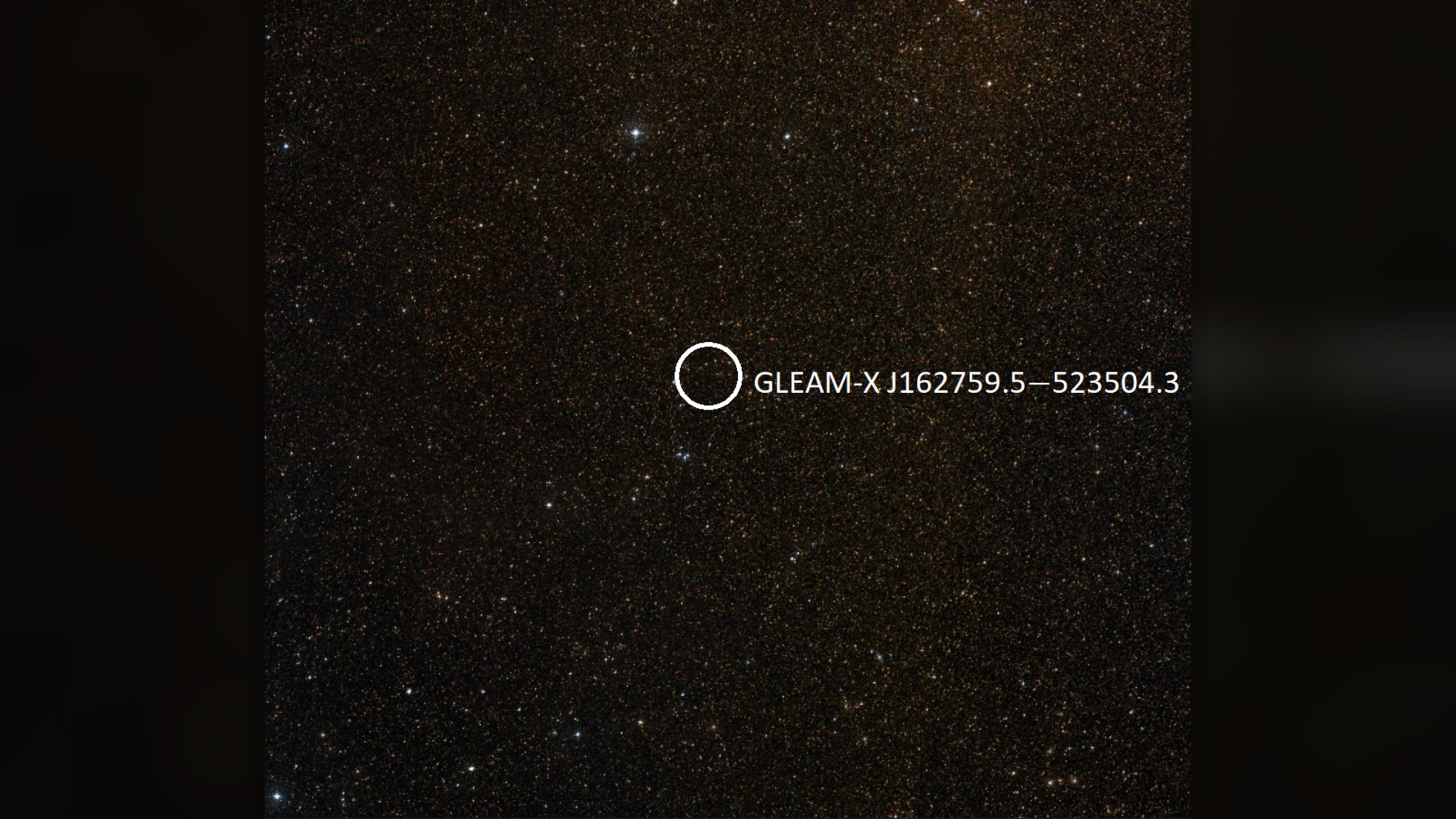
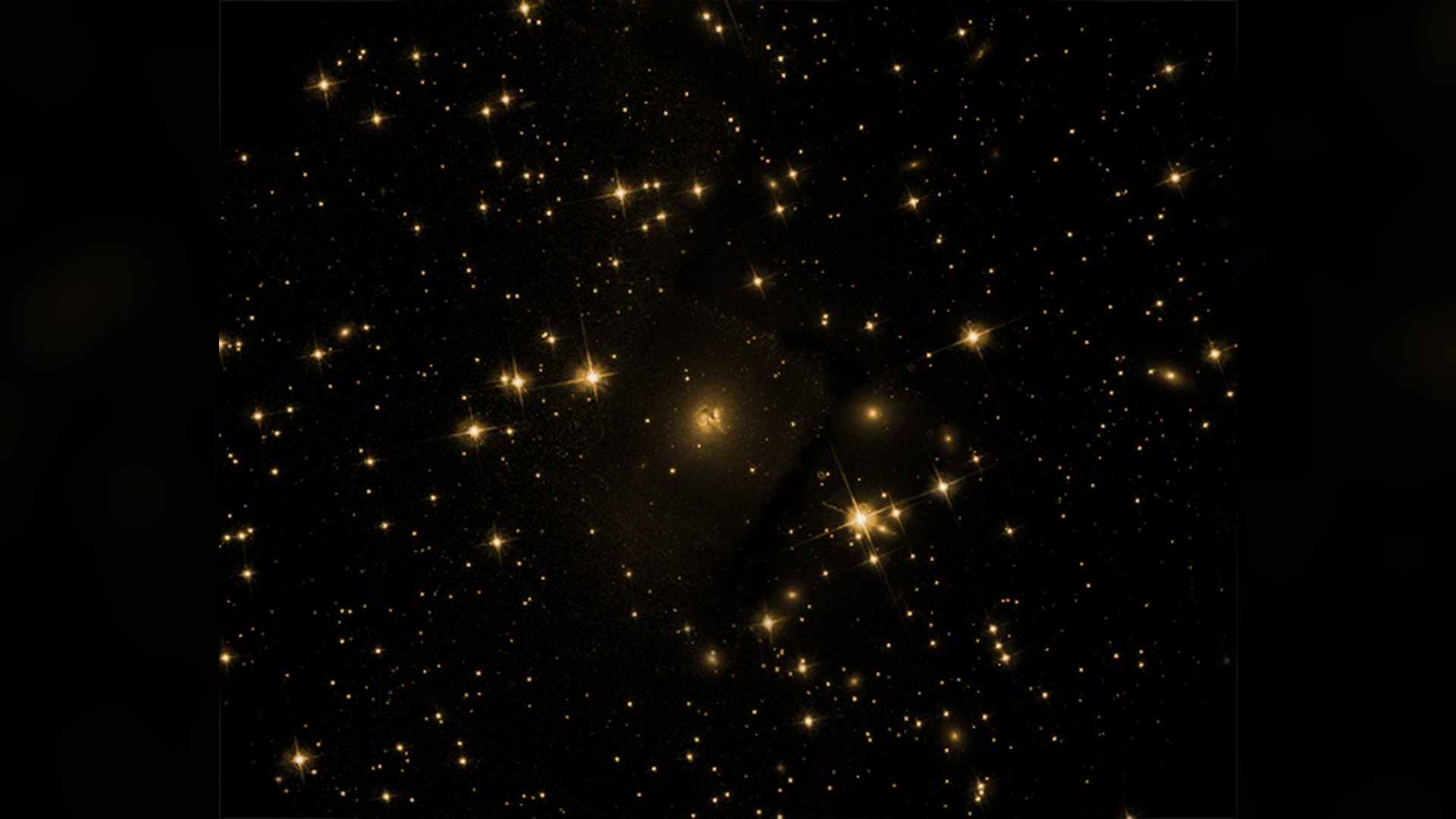
20. The 18-Minute Behemoth GLEAM-X 
19. The 22-Minute Cosmic Ticker GPM J1839 - AdvertisementSwipe or tap ▶ to continue countdown

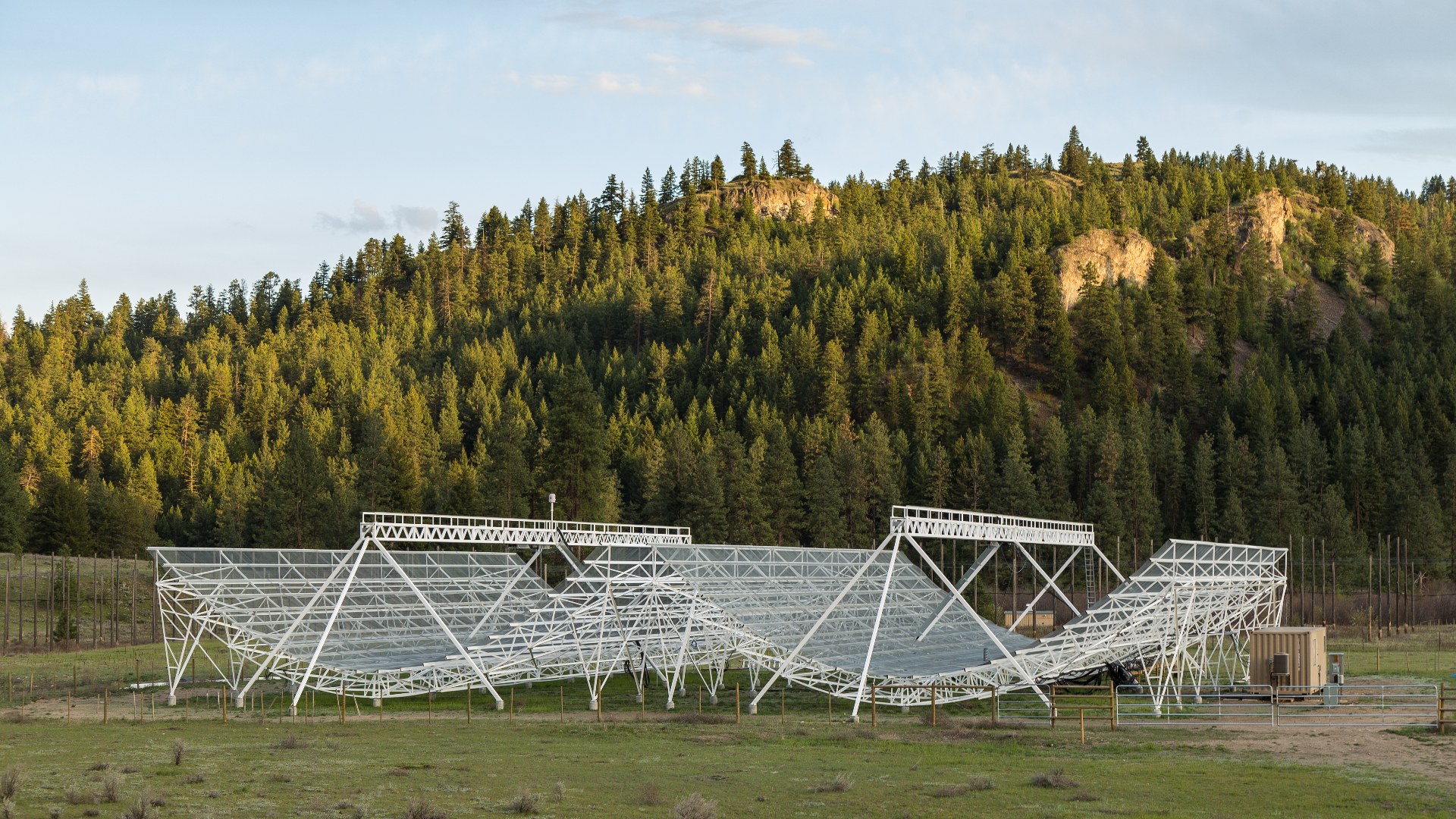
18. The 16-Day Clockwork FRB 180916 
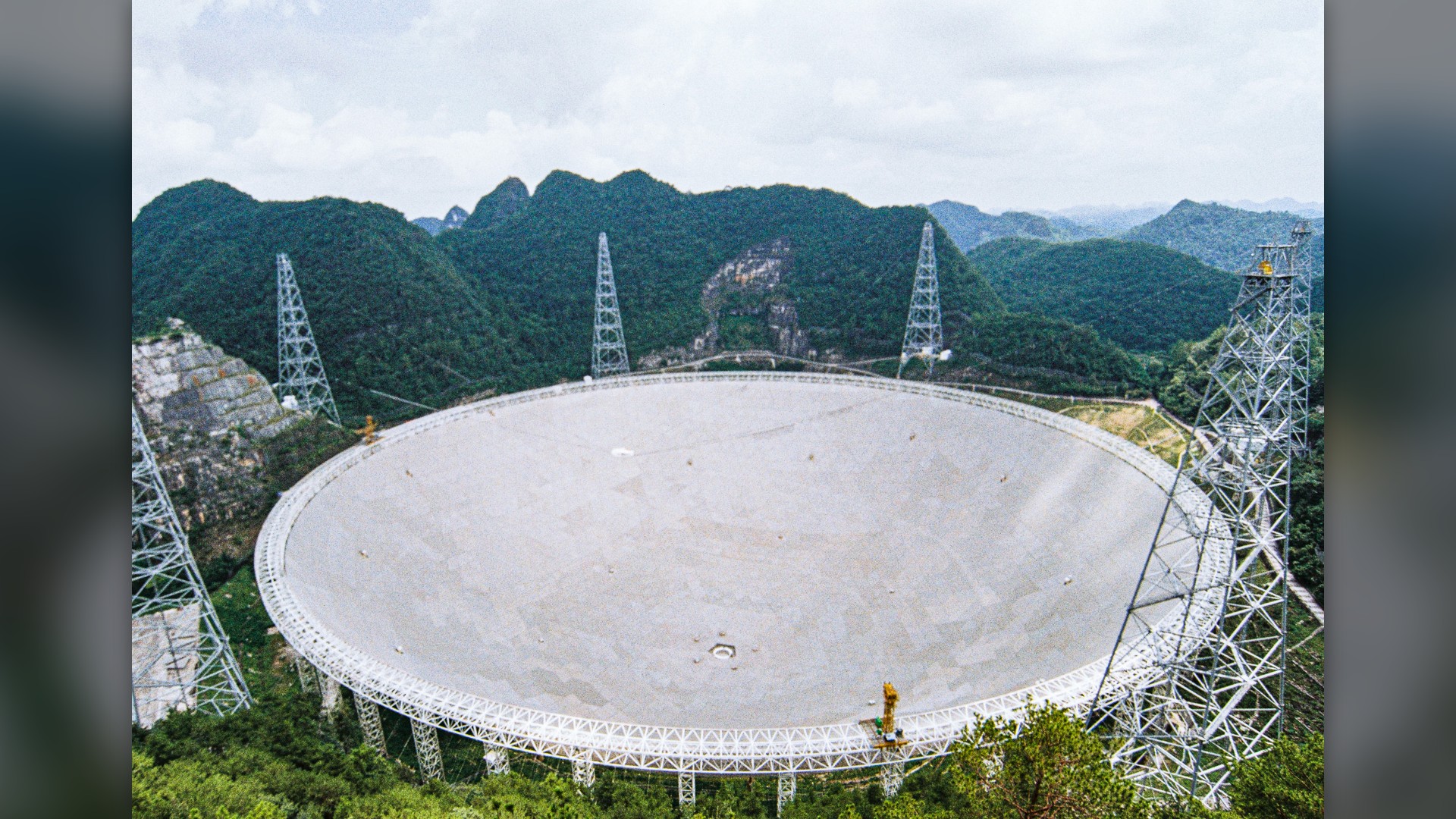
17. The Dense Plasma Repeater FRB 190520 
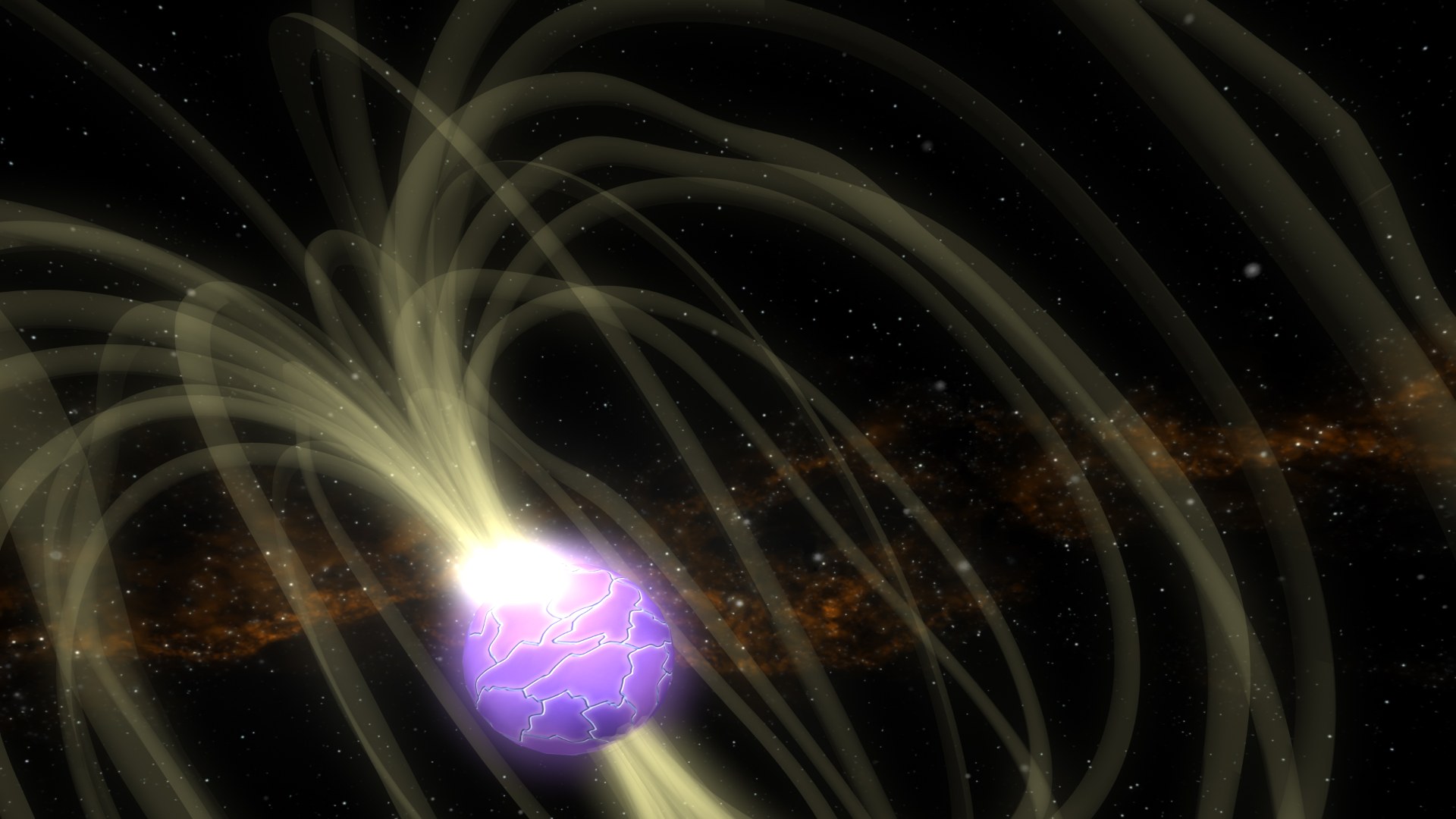
16. Milky Way Magnetar FRB SGR 1935+2154 
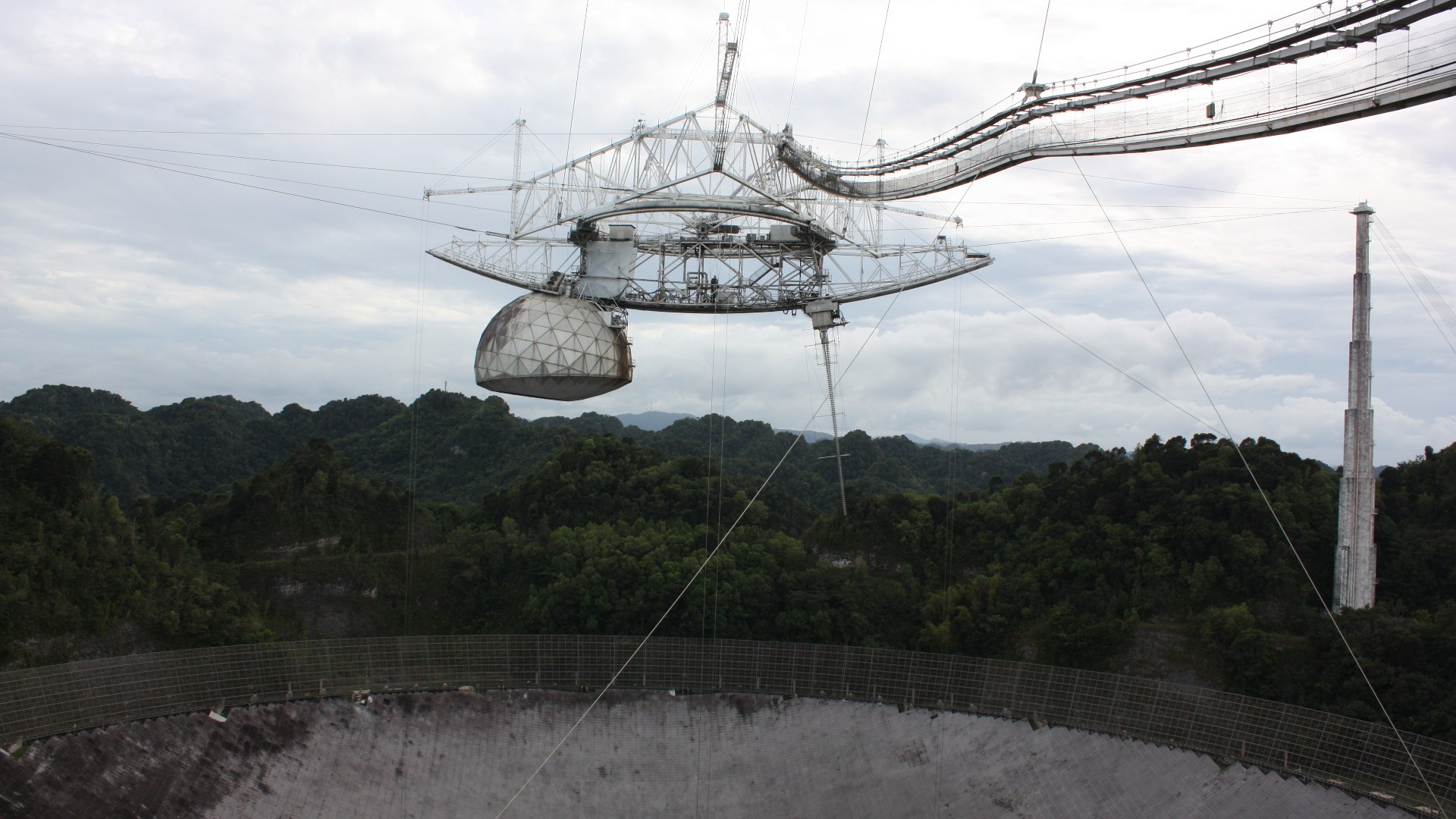
15. The Pioneer Repeater FRB 121102 - AdvertisementSwipe or tap ▶ to continue countdown

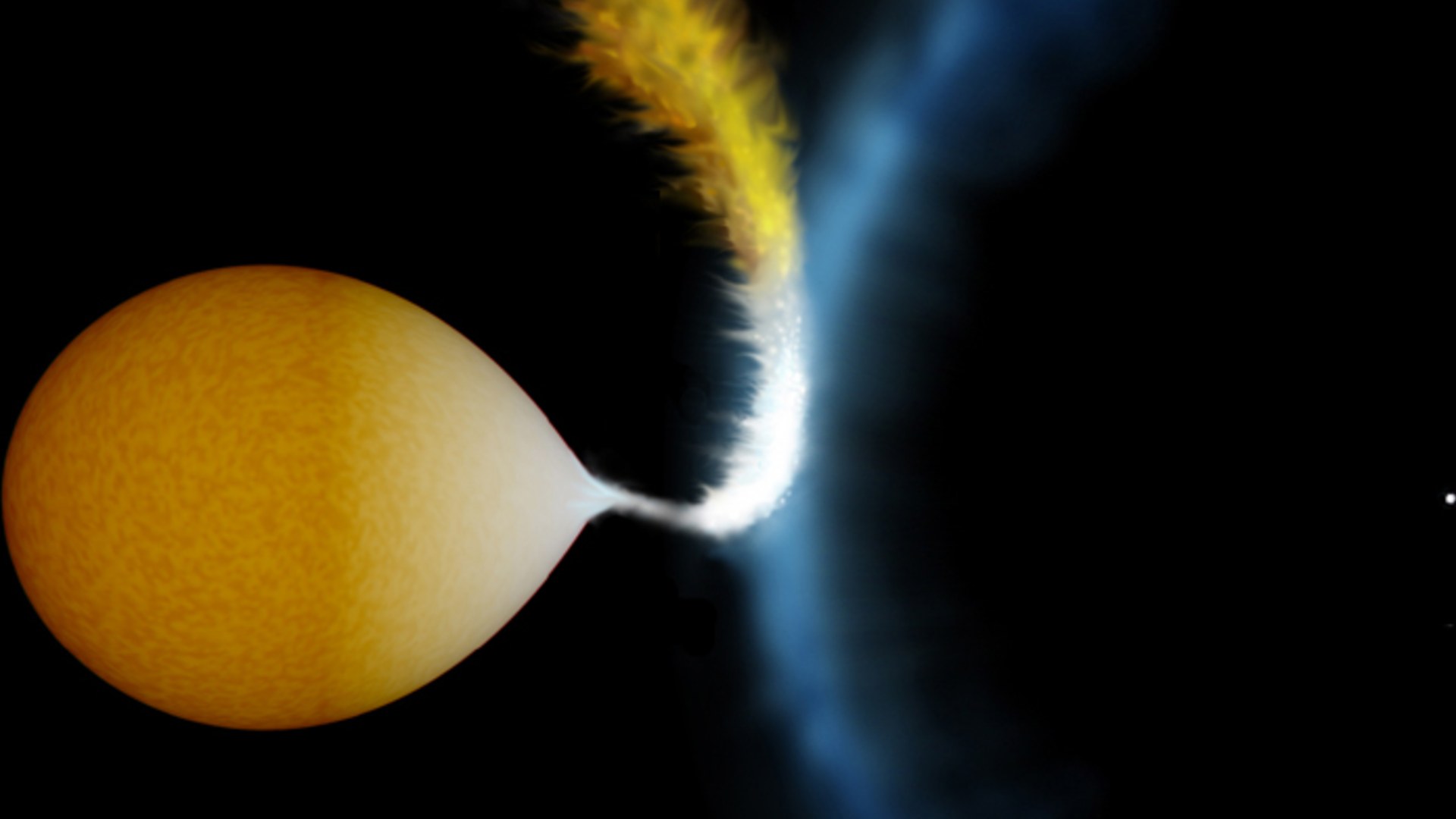
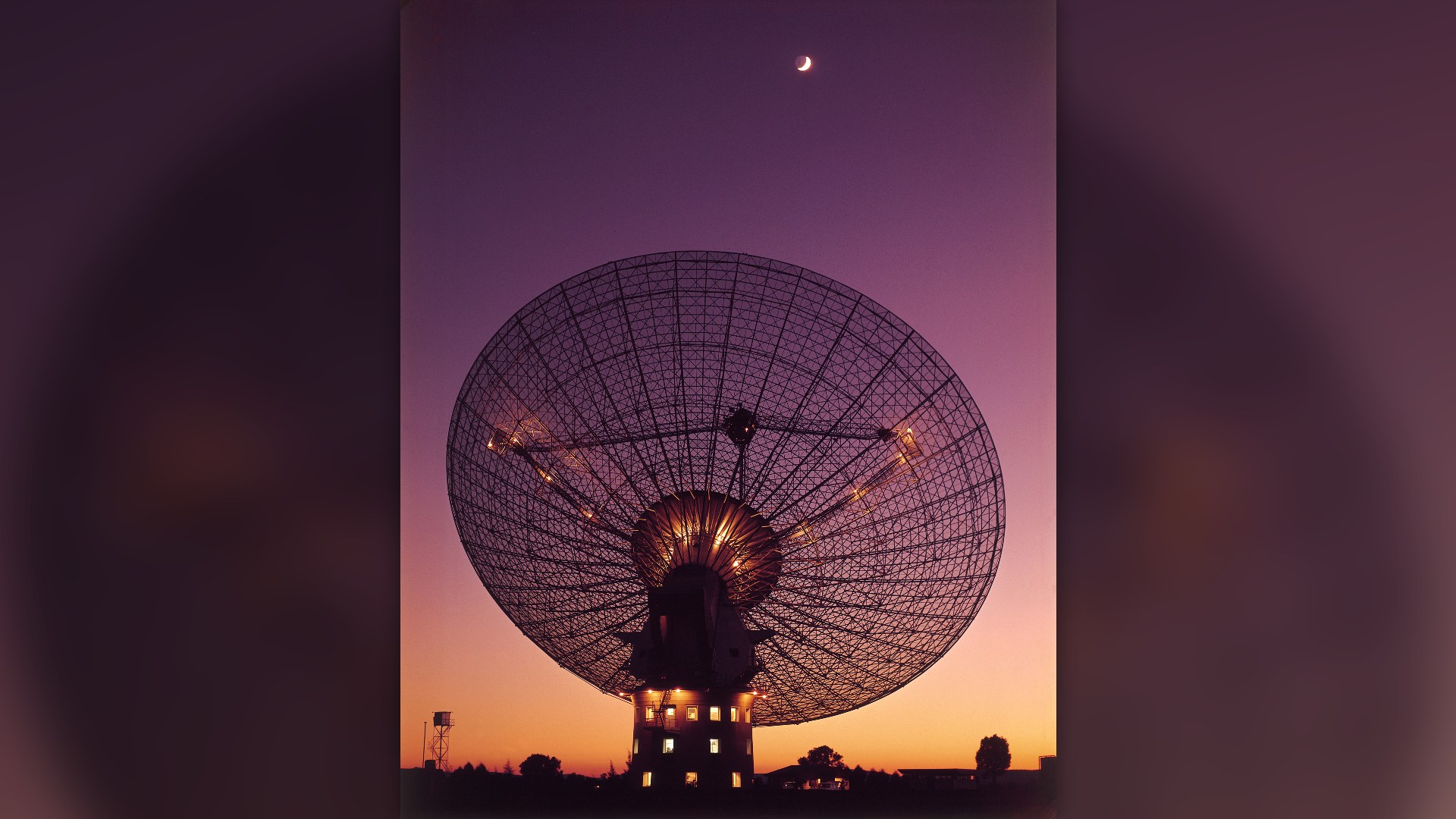
14. The Double Pulsar Binary PSR J0737 
13. Cygnus A Galactic Radio Jet 
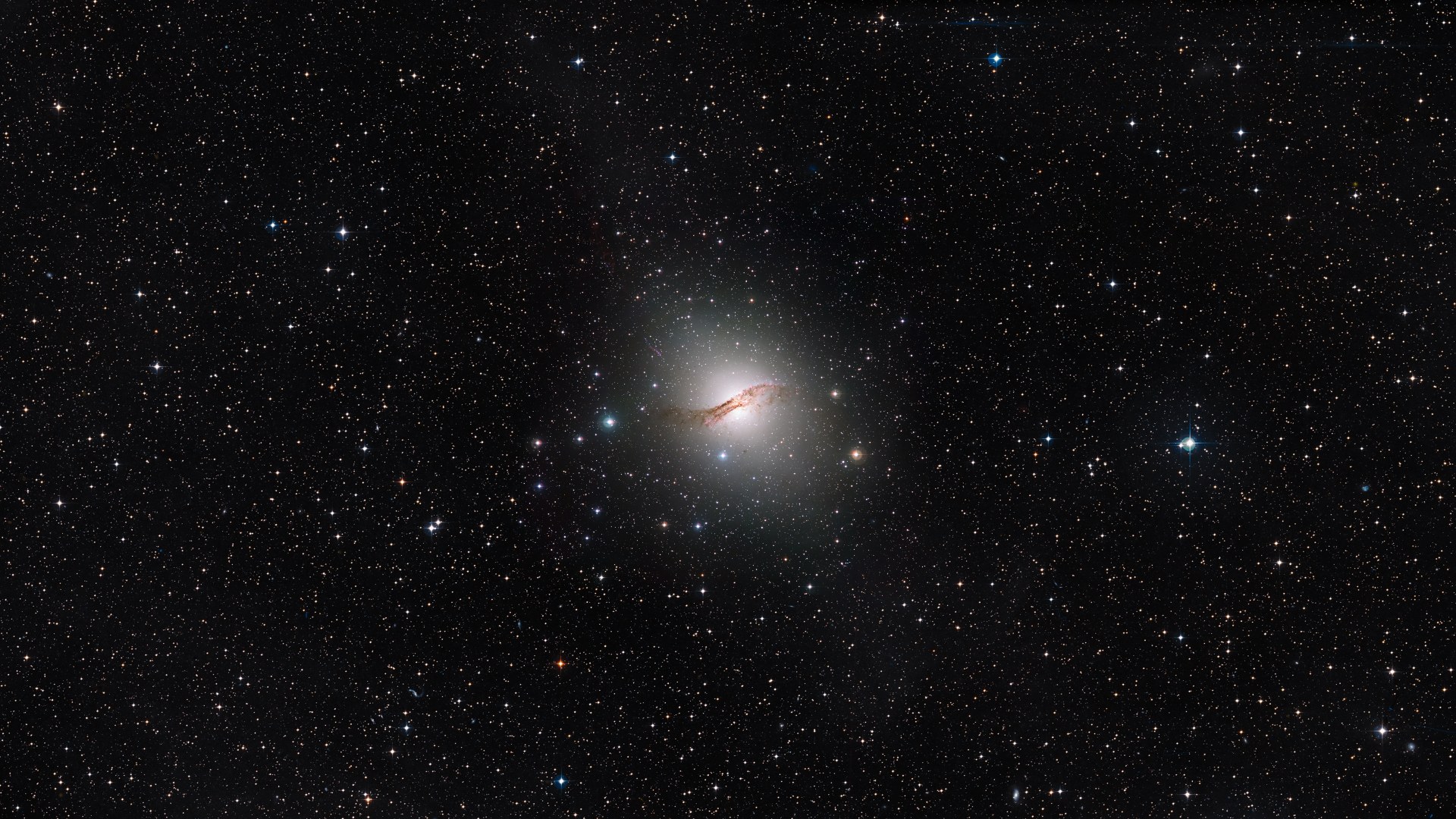
12. Centaurus A Giant Radio Lobes 
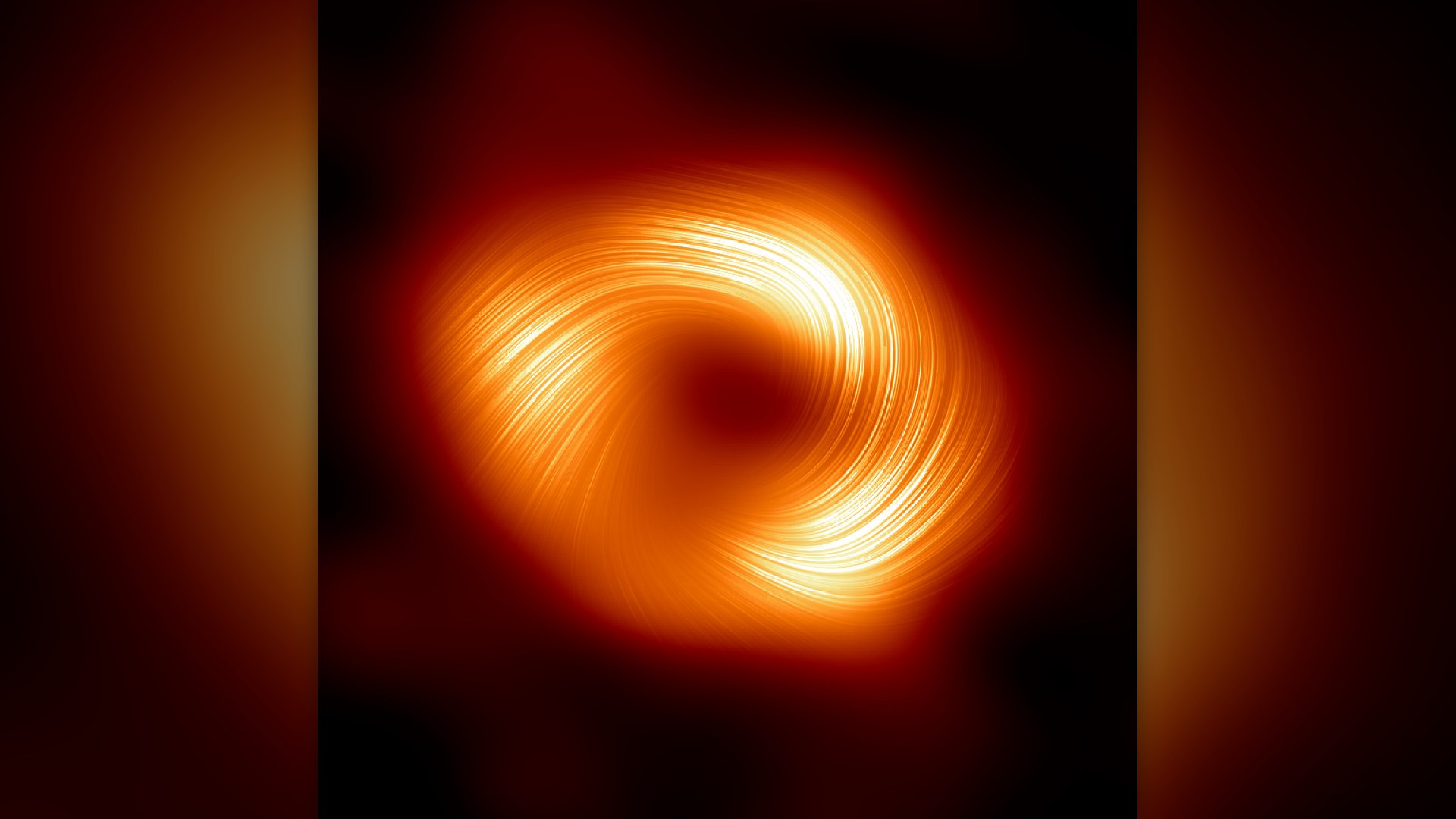
11. Sagittarius A* Galactic Center Radio - AdvertisementSwipe or tap ▶ to continue countdown

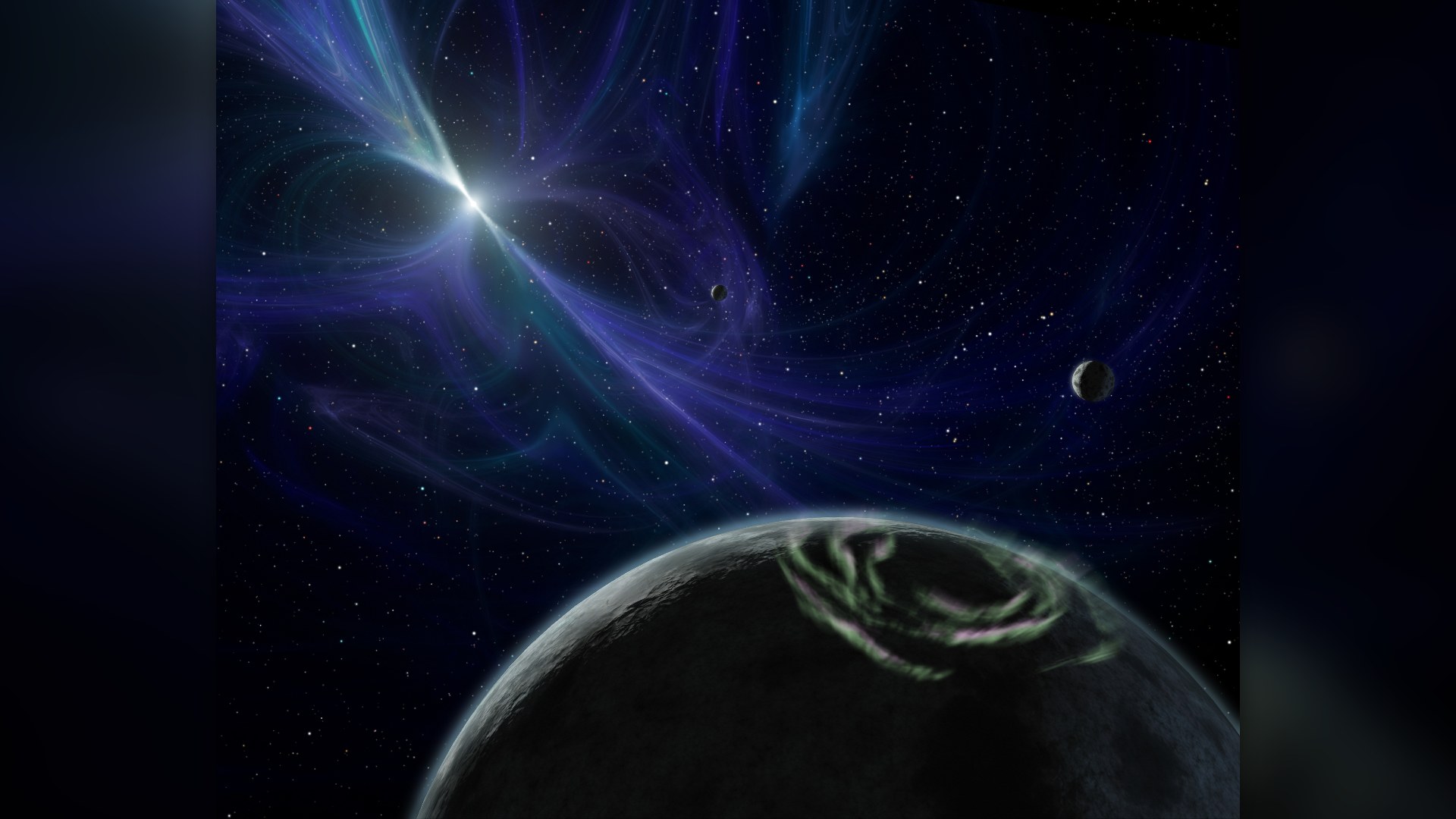
10. The Zombie Pulsar PSR B1257+12 
9. The Lorimer Burst FRB 010724 
8. The 3-Second Heartbeat FRB 20191221A 
7. The Ancient 8-Billion-Year FRB 20220610A - AdvertisementSwipe or tap ▶ to continue countdown

6. The Sub-Millisecond Spinner PSR J1748 
5. The Vela Pulsar Radio Rhythm 
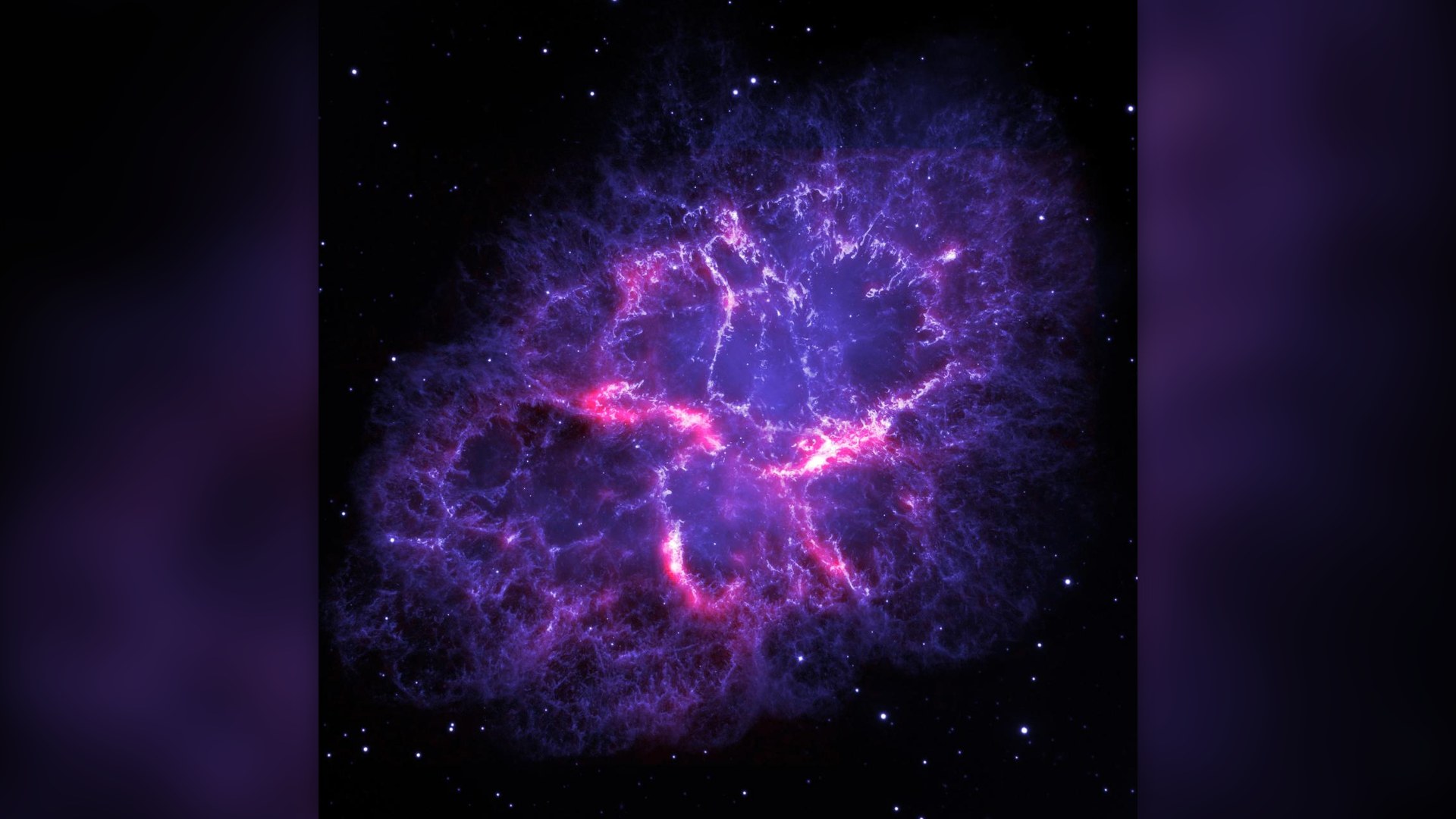
4. The Crab Nebula Giant Pulses 
3. Proxima Centauri Candidate BLC1 - AdvertisementSwipe or tap ▶ to continue countdown

2. The Primordial Cosmic Microwave Background 
1. The 1977 Wow Signal - Advertisement🔥 UP NEXT IN THIS SERIES◫ 26 Slides

25 Groundbreaking American Inventions and Achievements Ranked
From Kitty Hawk and the Apollo 11 lunar landing to the transistor and the internet, American inventors and scientists have transformed global civilization. Sourced from the Smithsonian Institution, NASA archives, and the Library of Congress, here are twenty-five groundbreaking American milestones ranked.
From millisecond fast radio bursts to periodic galactic beacons, radio telescopes have captured perplexing cosmic signals that challenged our understanding of the universe.
Swipe or tap ▶ to begin the countdown
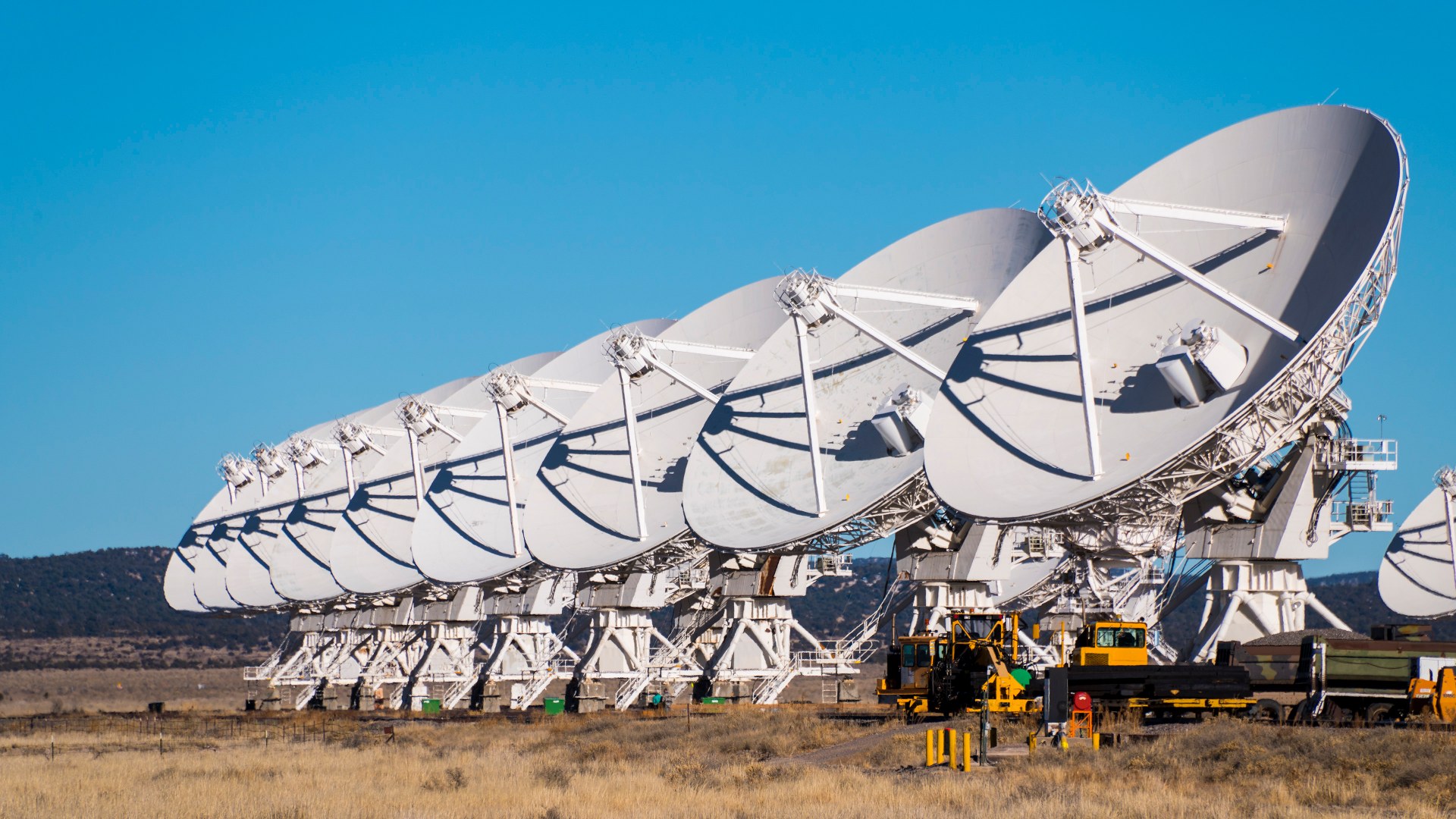
©NRAO / Very Large Array
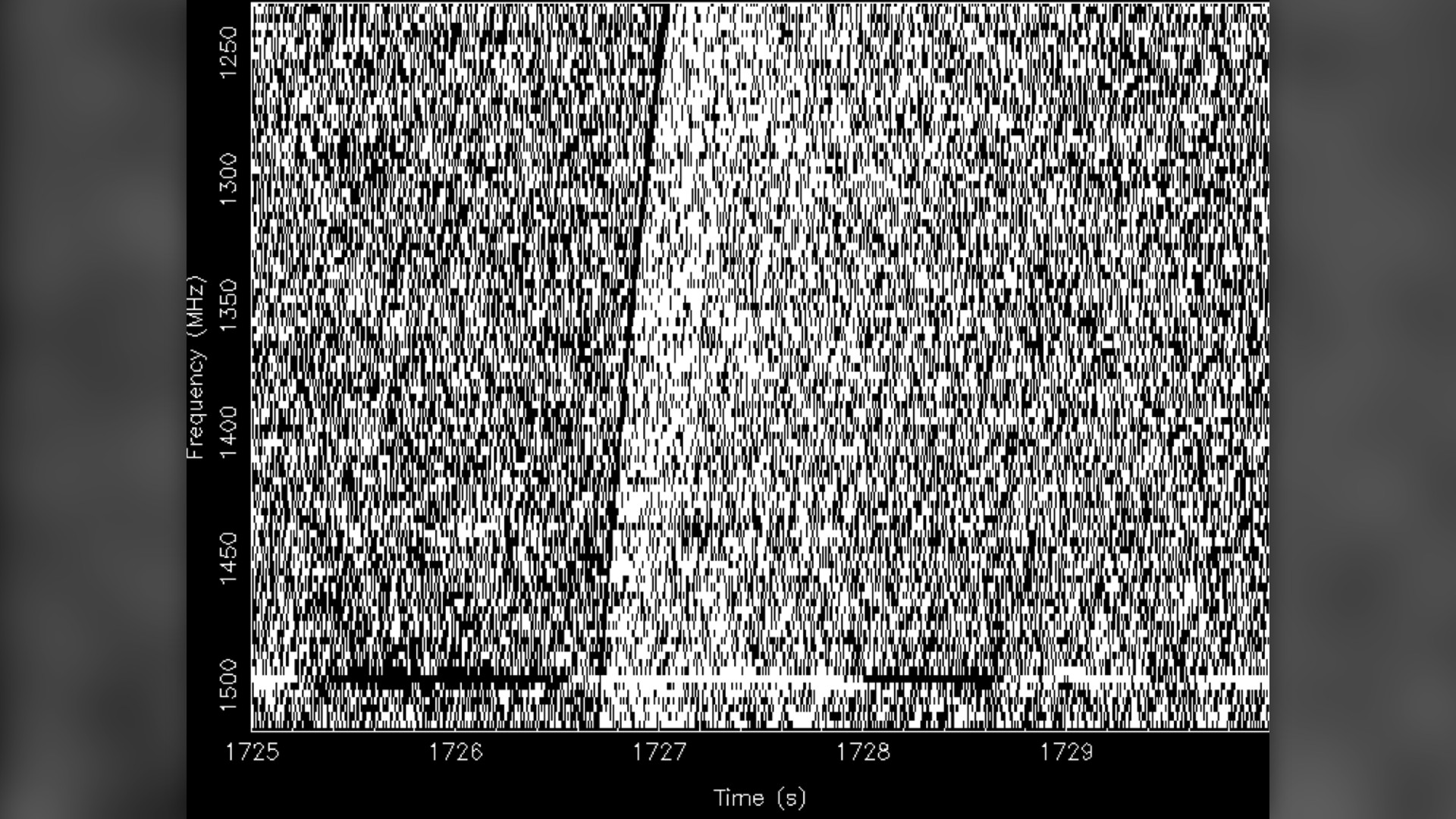
25. The Boresight Burst FRB 010125
Found years after its 2001 recording in Australian radio records, FRB 010125 proved that fast radio bursts could illuminate telescope side lobes from deep intergalactic space.
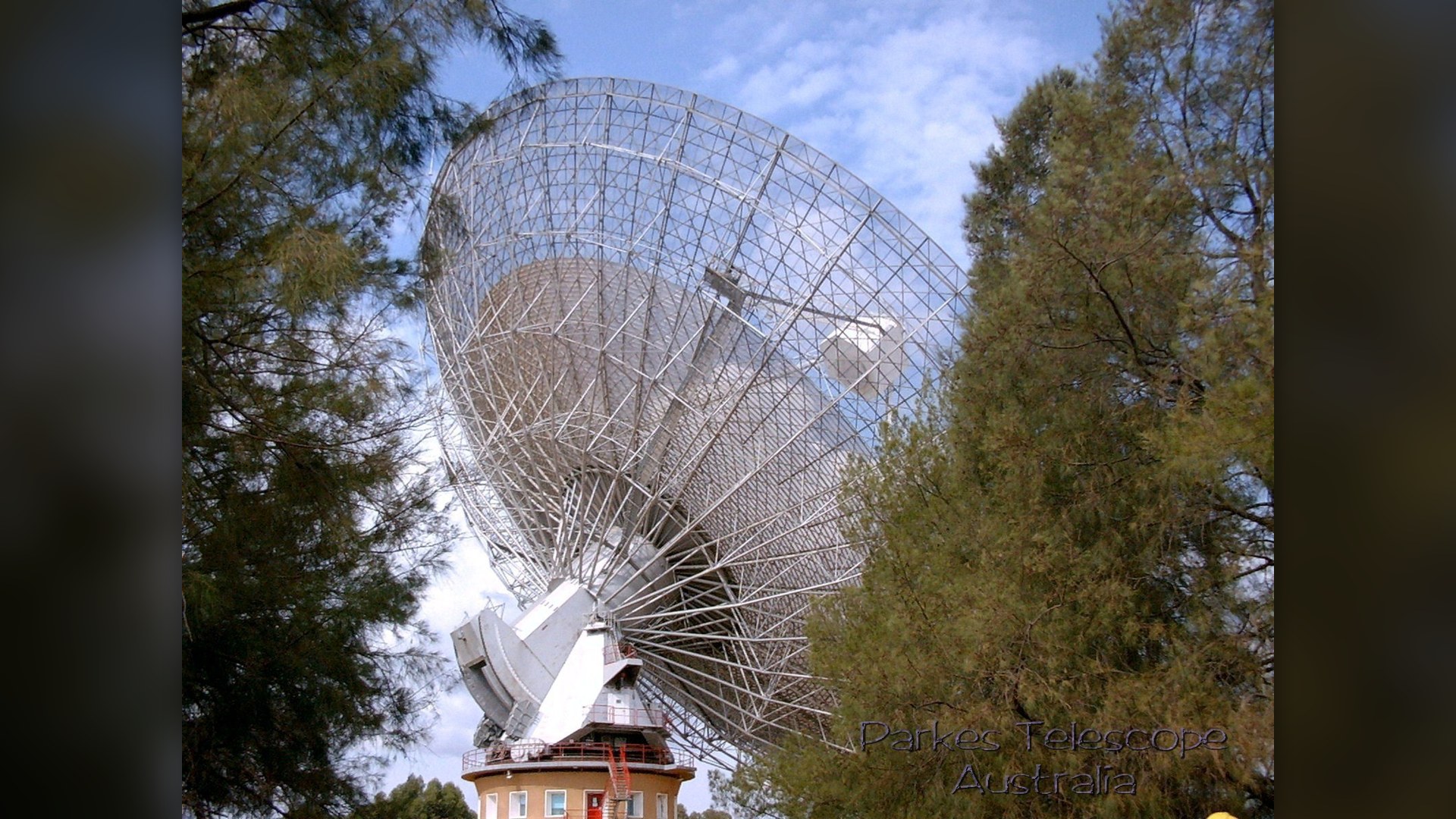
©Wikimedia / CSIRO Parkes
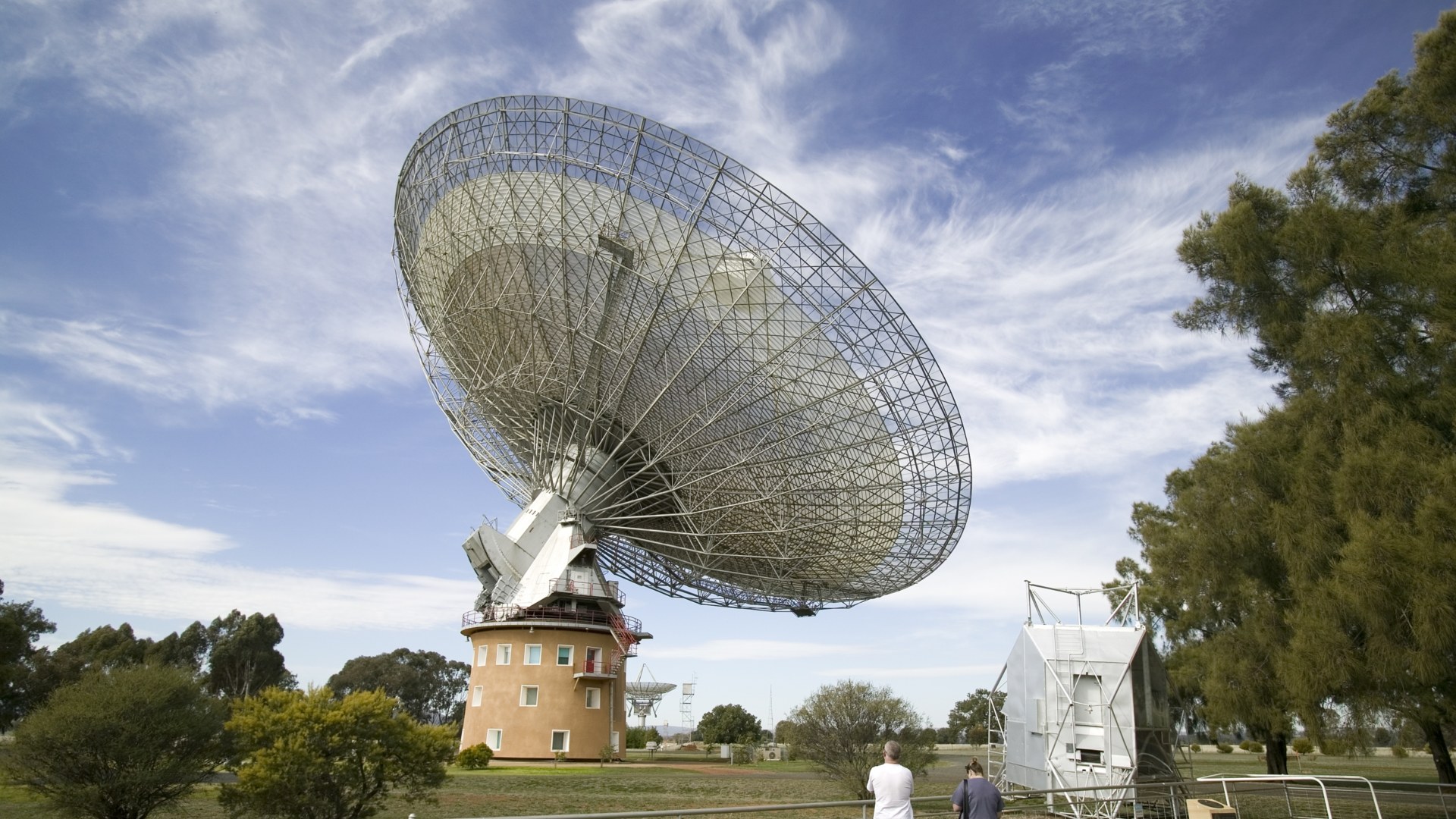
24. The Terrestrial Perytons Mystery
For seventeen years, astronomers recorded mysterious swept radio signals known as perytons, until tests confirmed they originated from microwave ovens opened before their timers expired.
©Wikimedia / CSIRO
23. LGM-1 Pulsar PSR B1919+21
In 1967, Jocelyn Bell Burnell noticed regular radio ticks from Vulpecula. While humorously dubbed LGM-1, the signal soon revealed the existence of rapidly rotating neutron stars known as pulsars.
©Pixabay / WikiImages
Advertisement
Swipe or tap ▶ to resume the countdown.
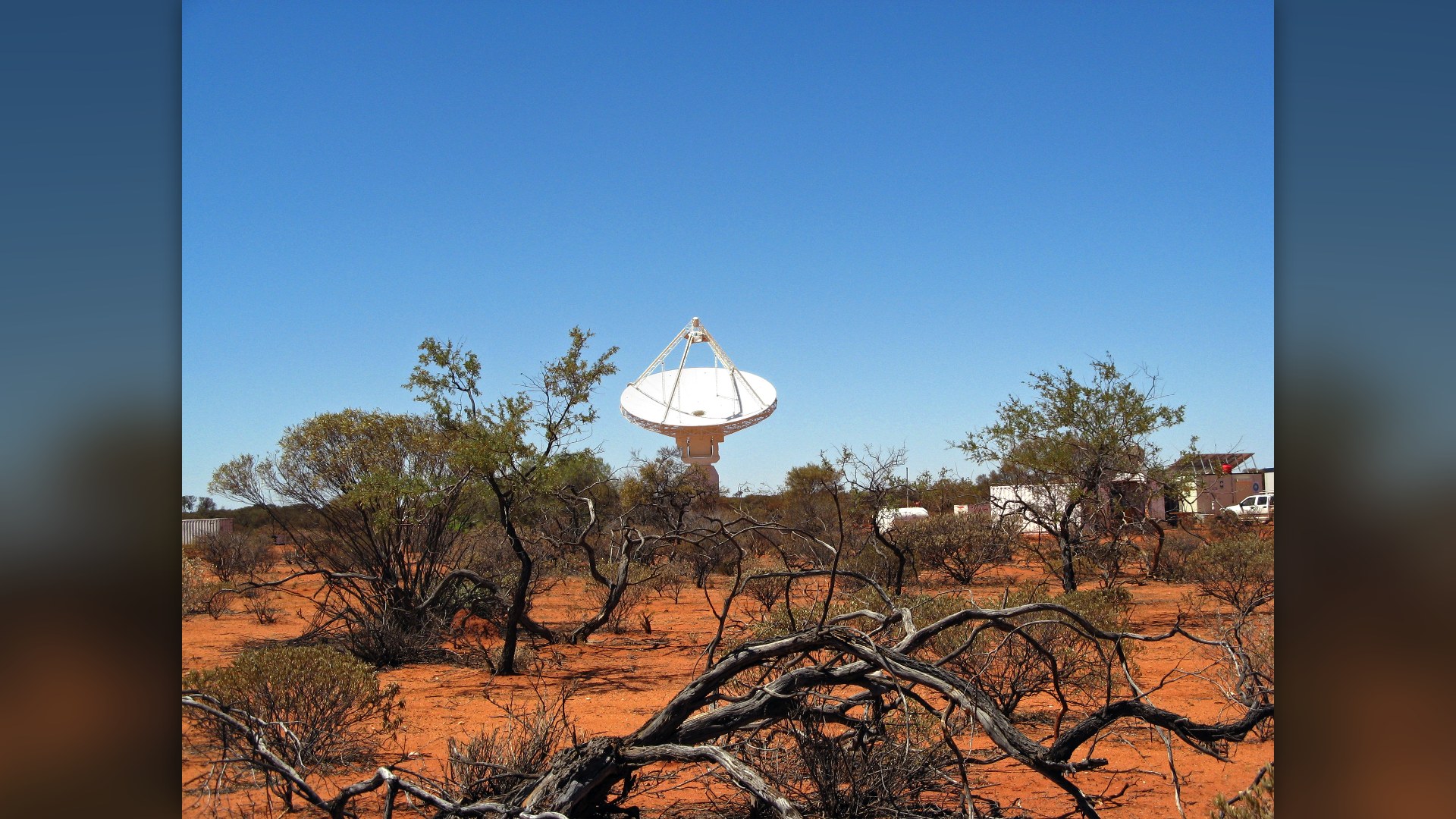
22. The Galactic Center Ghost Signal
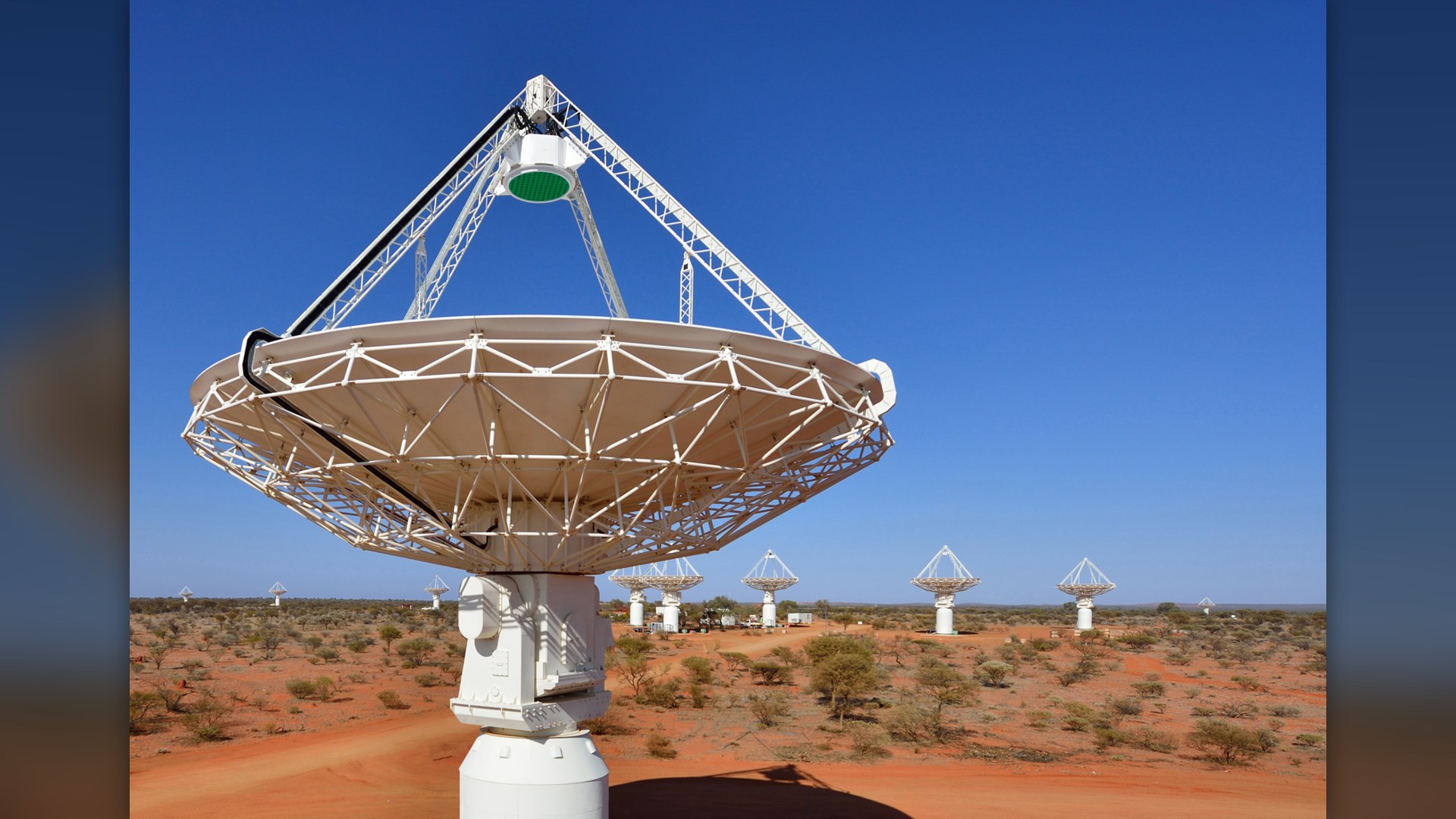
Discovered by the Australian Square Kilometre Array Pathfinder, ASKAP J173608.2-321635 baffled theorists by displaying no optical, infrared, or X-ray counterpart.
©CSIRO / ASKAP Telescope
21. The Burper Transient GCRT J1745
Recorded in 2002 near the galactic center, GCRT J1745-3009 released five distinct 10-minute bursts spaced exactly 77 minutes apart, remaining one of radio astronomy's enduring puzzles.
©NRAO / Associated Universities
20. The 18-Minute Behemoth GLEAM-X
Captured by the Murchison Widefield Array in Western Australia, GLEAM-X J1627 emitted giant pulses for three months in 2018 before falling completely dormant.
©Wikimedia / DSS
19. The 22-Minute Cosmic Ticker GPM J1839
Discovered in 2023, archival searches revealed GPM J1839-10 had been transmitting steadily since at least 1988, challenging standard physics for how slow neutron stars emit radio waves.
©Curtin University / ICRAR
Advertisement
Swipe or tap ▶ to resume the countdown.
18. The 16-Day Clockwork FRB 180916
Canadian CHIME observations revealed FRB 180916 operates on a strict 16.35-day periodicity, pointing toward a binary orbital dance between a magnetar and a massive companion star.
©DRAO / CHIME Collaboration
17. The Dense Plasma Repeater FRB 190520
Detected by China's FAST telescope, FRB 190520 showed extreme Faraday rotation, demonstrating that some repeaters reside inside turbulent supernova remnants or near supermassive black holes.
©Wikimedia / SCJiang
16. Milky Way Magnetar FRB SGR 1935+2154
In April 2020, STARE2 and CHIME caught a millisecond radio flash from inside the Milky Way, directly linking fast radio bursts to highly magnetized neutron stars.
©NASA / Goddard Space Flight Center
15. The Pioneer Repeater FRB 121102
When Arecibo detected recurring pulses from FRB 121102 in 2015, it eliminated one-off stellar collisions as the sole explanation and pinpointed a dwarf galaxy three billion light-years away.
©NAIC / Arecibo Observatory
Advertisement
Swipe or tap ▶ to resume the countdown.
14. The Double Pulsar Binary PSR J0737
Discovered at Parkes Observatory in 2003, PSR J0737-3039 features two pulsars orbiting in just 2.4 hours, enabling the most stringent tests of Einstein's gravitational radiation predictions.
©NASA / Chandra X-ray Observatory
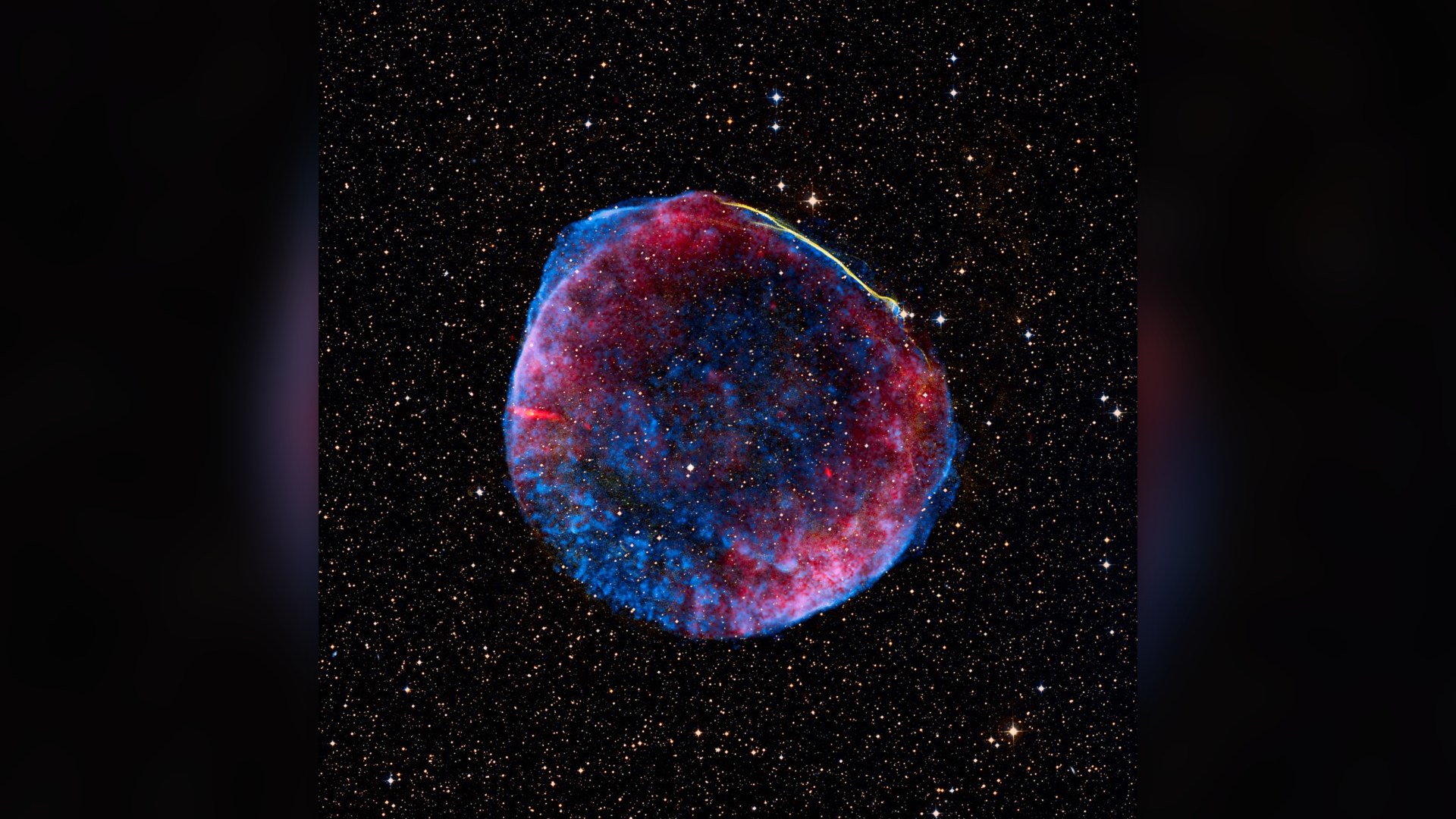
13. Cygnus A Galactic Radio Jet
One of the brightest radio sources in the sky, Cygnus A revealed gargantuan relativistic plasma jets stretching hundreds of thousands of light-years into intergalactic space.
©NASA / Space Telescope Science Institute
12. Centaurus A Giant Radio Lobes
First identified as a radio source in 1949, Centaurus A demonstrated that supermassive black holes could pump colossal radio energy into deep space across millions of years.
©ESO / European Southern Observatory
11. Sagittarius A* Galactic Center Radio
The radio hum from Sagittarius A* baffled early radio pioneers until modern interferometry confirmed it emanates from swirling gas at the brink of our galaxy's central supermassive black hole.
©EHT / Event Horizon Telescope Collaboration
Advertisement
Swipe or tap ▶ to resume the countdown.
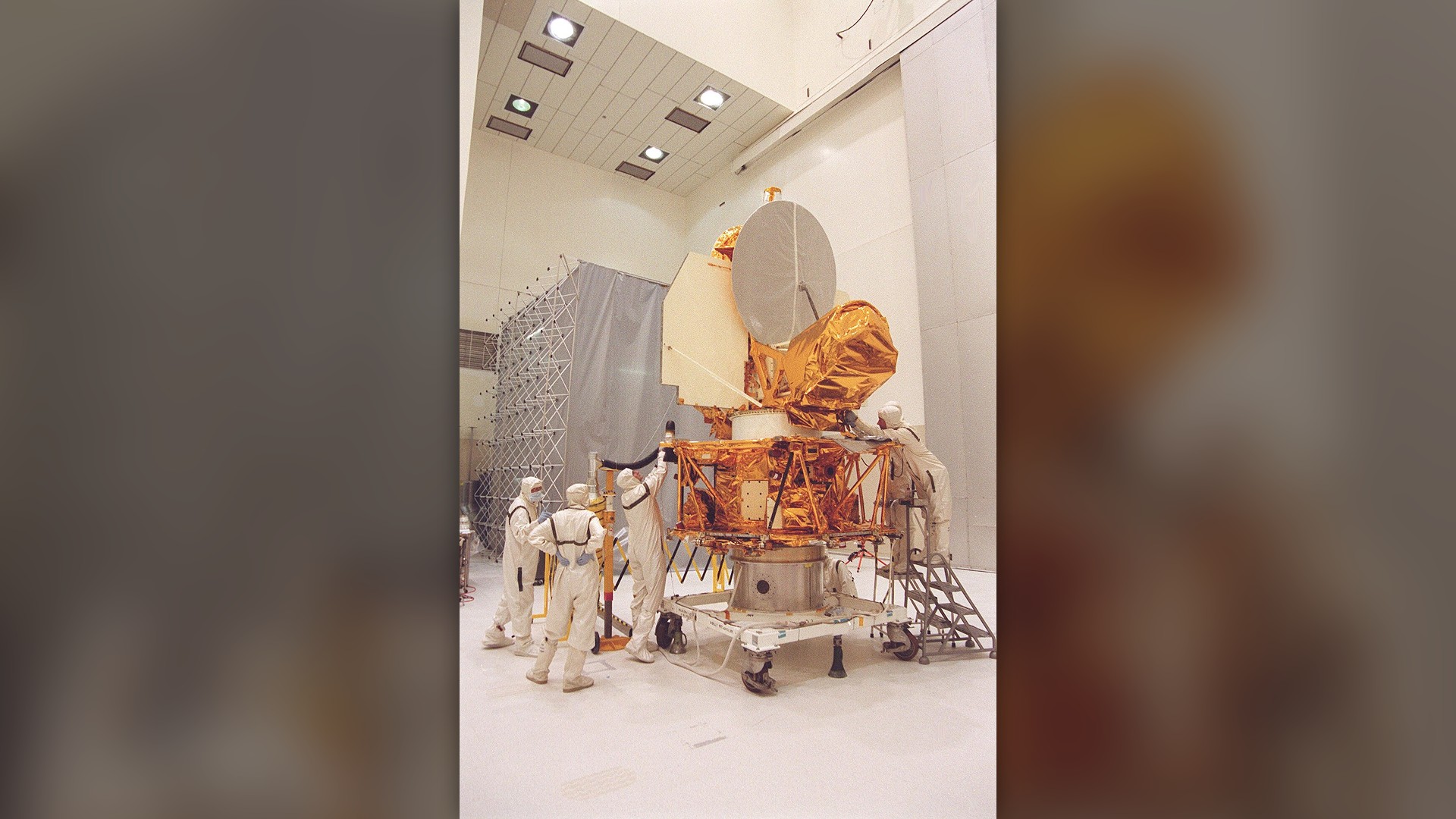
10. The Zombie Pulsar PSR B1257+12
Astronomer Aleksander Wolszczan measured microsecond shifts in radio beats from pulsar PSR B1257+12, revealing three rocky worlds orbiting the dead star years before 51 Pegasi b was found.
©NASA / JPL-Caltech
9. The Lorimer Burst FRB 010724
While mining archival 2001 Parkes data, Duncan Lorimer uncovered a stunning 5-millisecond pulse of extraordinary brightness from billions of light-years away, inaugurating a brand-new field.
©Wikimedia / Duncan Lorimer
8. The 3-Second Heartbeat FRB 20191221A
Detected by CHIME in 2019, FRB 20191221A lasted a thousand times longer than typical bursts and pulsed every 0.2 seconds like a biological heartbeat from an extragalactic magnetar.
©Wikimedia / Fast radio burst
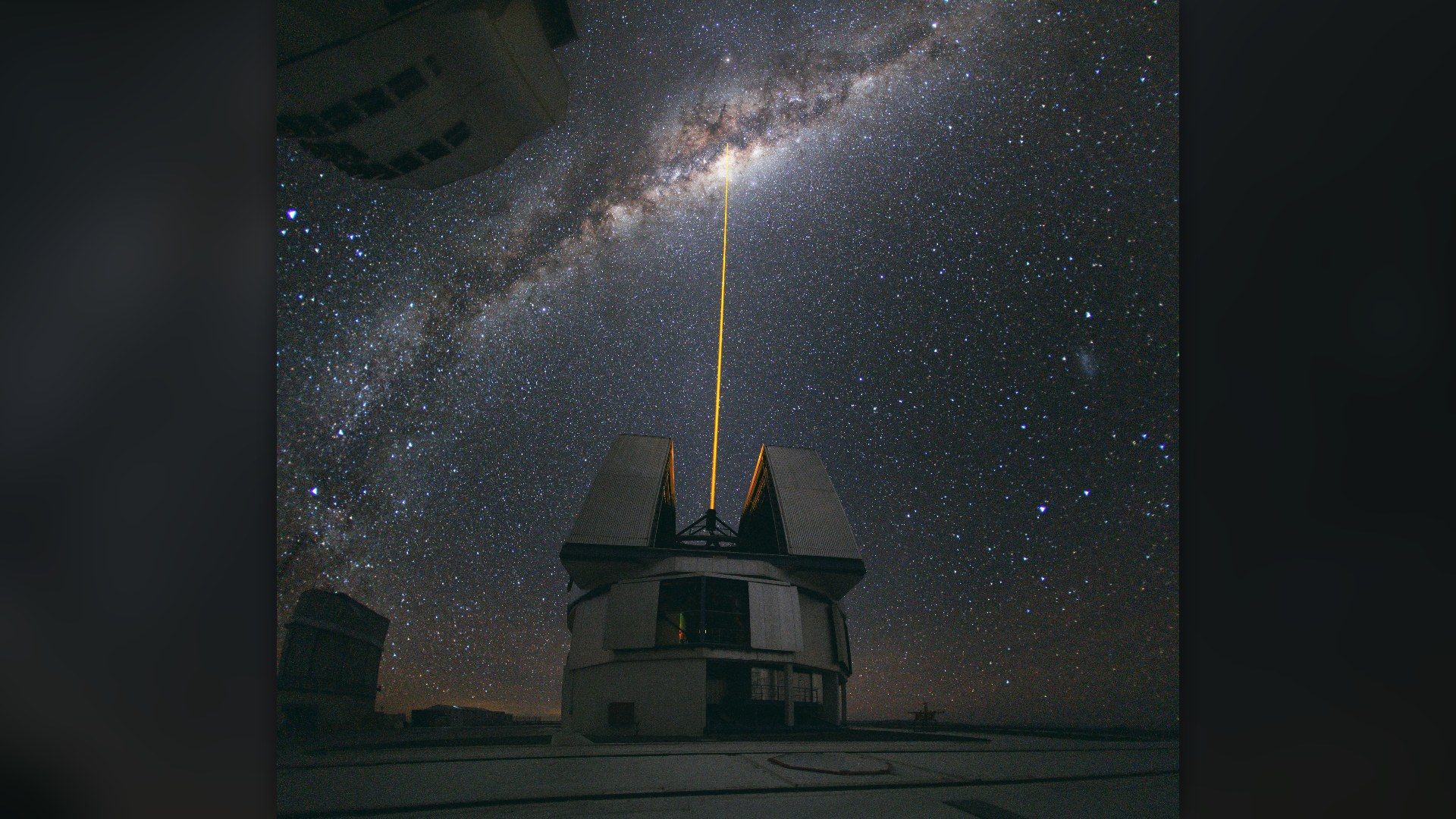
7. The Ancient 8-Billion-Year FRB 20220610A
Captured by ASKAP and localized by the Very Large Telescope, this burst discharged the equivalent of our Sun's total energetic output over 30 years in mere milliseconds.
©ESO / Yuri Beletsky
Advertisement
Swipe or tap ▶ to resume the countdown.
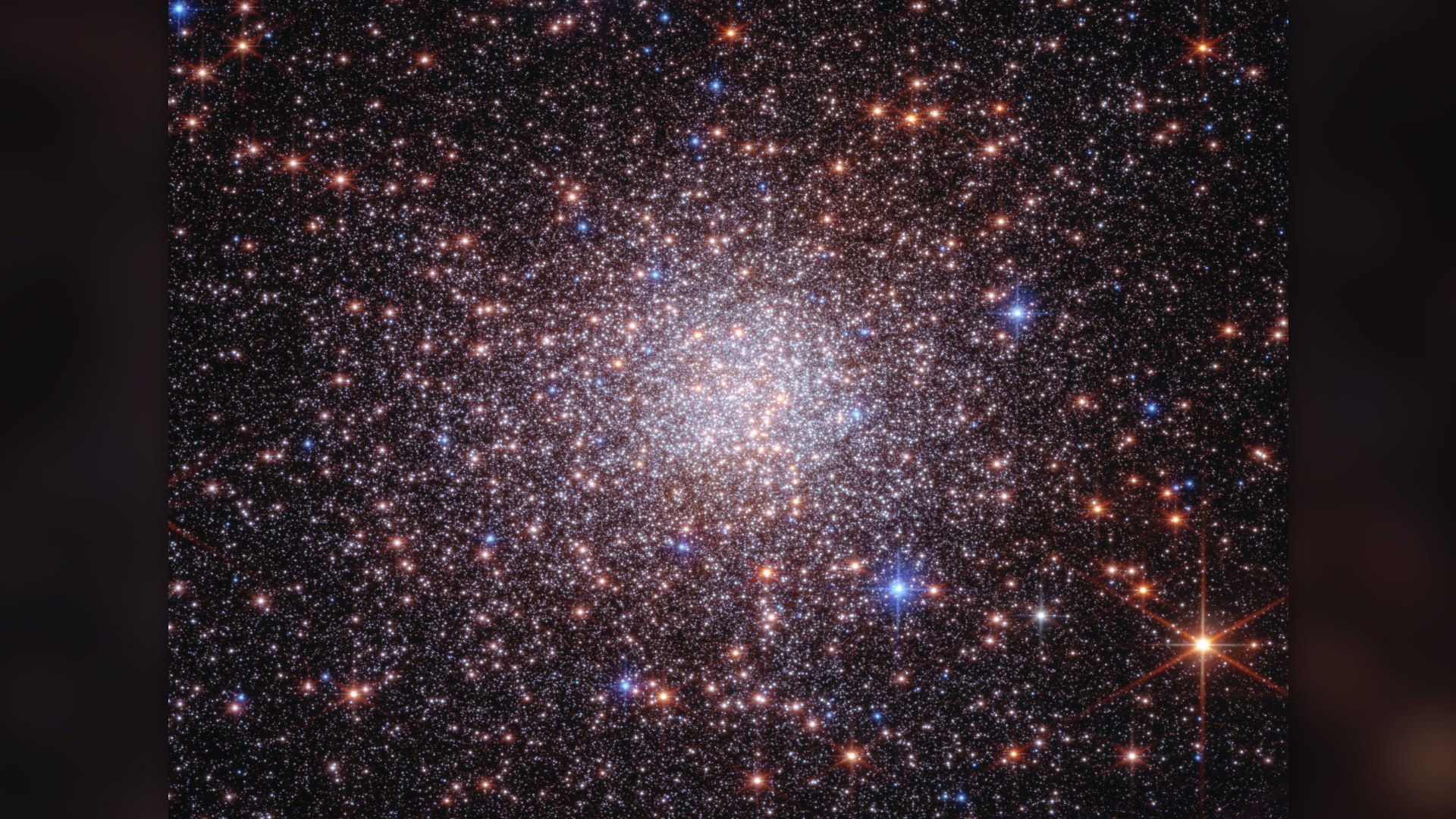
6. The Sub-Millisecond Spinner PSR J1748
Located in globular cluster Terzan 5, this millisecond pulsar sweeps its radio beam across Earth with extreme mechanical precision, pushing the structural limits of neutron matter.
©NASA / Hubble Heritage Team
5. The Vela Pulsar Radio Rhythm
Spinning 11 times a second inside its luminous supernova remnant, the Vela pulsar provided key proof of superfluid vortex unpinning inside superdense neutron star crusts.
©ESO / Davide De Martin
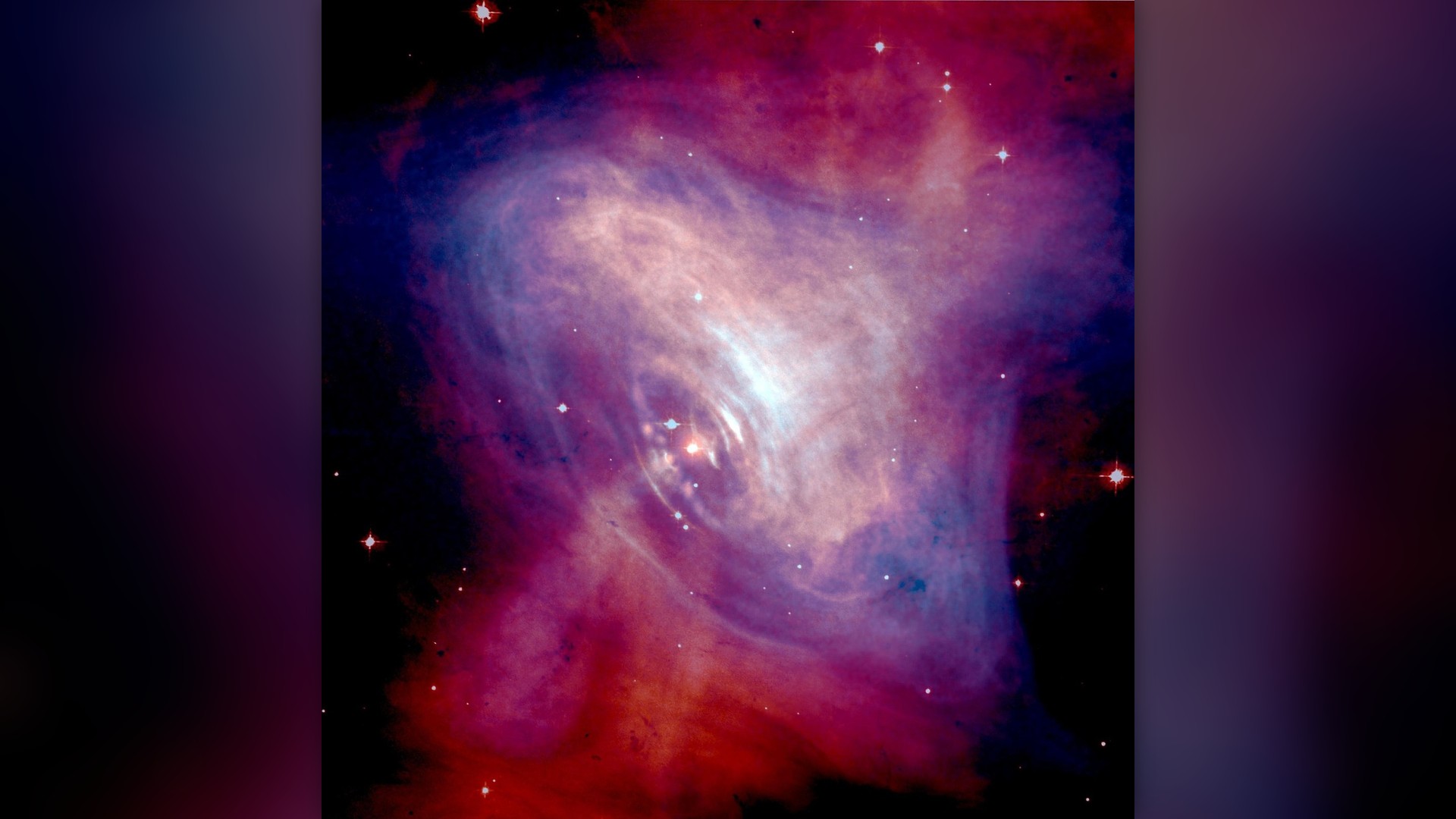
4. The Crab Nebula Giant Pulses
Located at the heart of the Crab Nebula, PSR B0531+21 fires 30 radio pulses a second and occasionally emits nanosecond-scale giant pulses that outshine the rest of the nebula.
©NASA / Hubble Space Telescope
3. Proxima Centauri Candidate BLC1
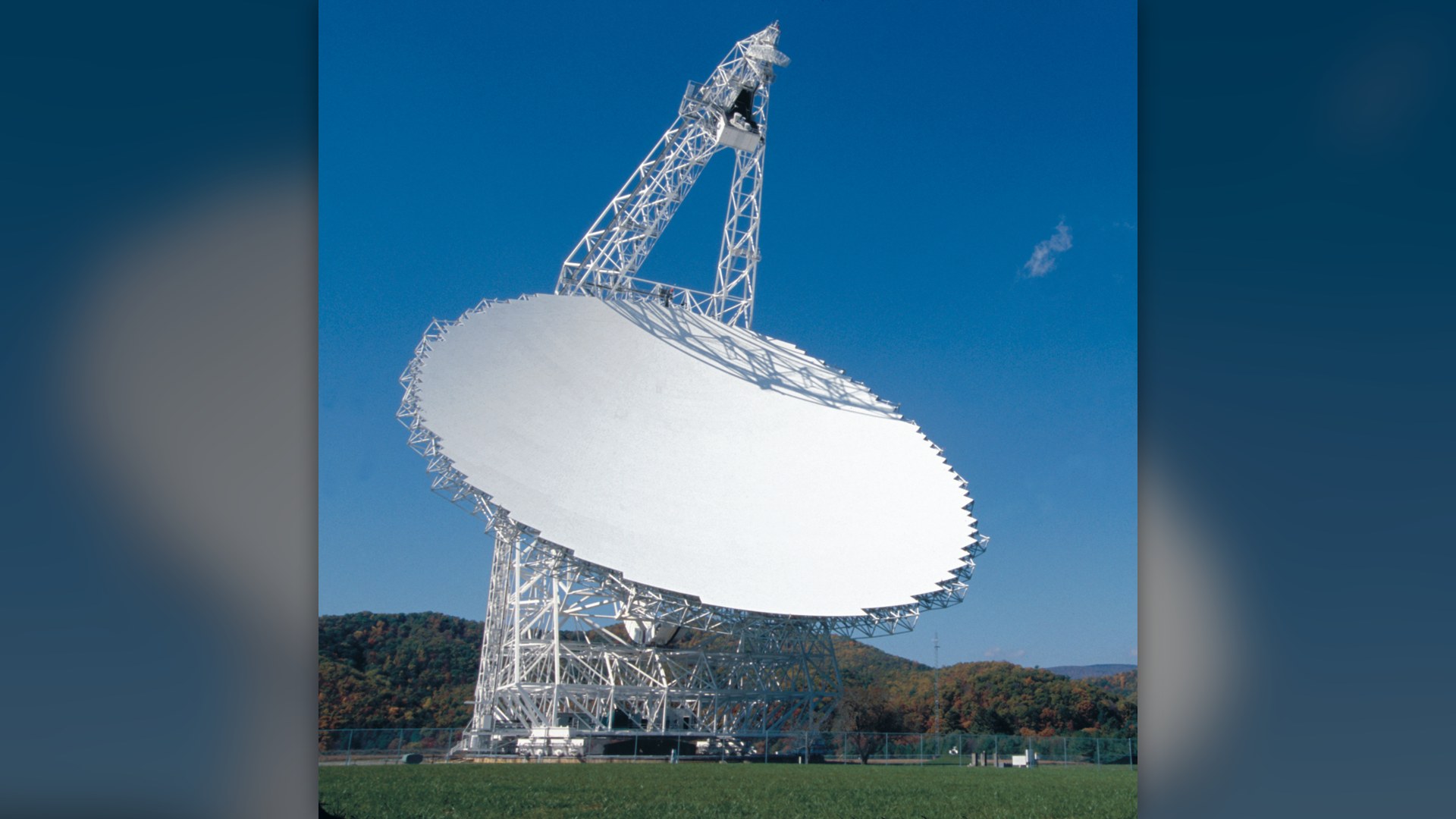
Discovered during a 26-hour Parkes observation campaign, BLC1 caused global excitement as a potential extraterrestrial transmission before exhaustive analysis identified complex terrestrial interference.
©Wikimedia / NRAO Green Bank
Advertisement
Swipe or tap ▶ to resume the countdown.
2. The Primordial Cosmic Microwave Background
Using the Holmdel Horn Antenna in New Jersey, Arno Penzias and Robert Wilson discovered relic radiation from 380,000 years after the Big Bang, earning the 1978 Nobel Prize in Physics.
©Wikimedia / Wikimedia Contributor
1. The 1977 Wow Signal
On August 15, 1977, Jerry Ehman circled 6EQUJ5 in red ink on Big Ear's printout. Clustered precisely at the 1420 MHz hydrogen line, it remains history's most tantalizing unexplained deep-space signal.

©TMDb / Deep Space
Advertisement
You've reached the end of the story. Thanks for reading!

25 Groundbreaking American Inventions and Achievements Ranked
From Kitty Hawk and the Apollo 11 lunar landing to the transistor and the internet, American inventors and scientists have transformed global civilization. Sourced from the Smithsonian Institution, NASA archives, and the Library of Congress, here are twenty-five groundbreaking American milestones ranked.
All 25 Entries in this Story
25. The Boresight Burst FRB 010125
Found years after its 2001 recording in Australian radio records, FRB 010125 proved that fast radio bursts could illuminate telescope side lobes from deep intergalactic space.

24. The Terrestrial Perytons Mystery
For seventeen years, astronomers recorded mysterious swept radio signals known as perytons, until tests confirmed they originated from microwave ovens opened before their timers expired.

23. LGM-1 Pulsar PSR B1919+21
In 1967, Jocelyn Bell Burnell noticed regular radio ticks from Vulpecula. While humorously dubbed LGM-1, the signal soon revealed the existence of rapidly rotating neutron stars known as pulsars.

22. The Galactic Center Ghost Signal
Discovered by the Australian Square Kilometre Array Pathfinder, ASKAP J173608.2-321635 baffled theorists by displaying no optical, infrared, or X-ray counterpart.

21. The Burper Transient GCRT J1745
Recorded in 2002 near the galactic center, GCRT J1745-3009 released five distinct 10-minute bursts spaced exactly 77 minutes apart, remaining one of radio astronomy's enduring puzzles.

20. The 18-Minute Behemoth GLEAM-X
Captured by the Murchison Widefield Array in Western Australia, GLEAM-X J1627 emitted giant pulses for three months in 2018 before falling completely dormant.

19. The 22-Minute Cosmic Ticker GPM J1839
Discovered in 2023, archival searches revealed GPM J1839-10 had been transmitting steadily since at least 1988, challenging standard physics for how slow neutron stars emit radio waves.

18. The 16-Day Clockwork FRB 180916
Canadian CHIME observations revealed FRB 180916 operates on a strict 16.35-day periodicity, pointing toward a binary orbital dance between a magnetar and a massive companion star.

17. The Dense Plasma Repeater FRB 190520
Detected by China's FAST telescope, FRB 190520 showed extreme Faraday rotation, demonstrating that some repeaters reside inside turbulent supernova remnants or near supermassive black holes.

16. Milky Way Magnetar FRB SGR 1935+2154
In April 2020, STARE2 and CHIME caught a millisecond radio flash from inside the Milky Way, directly linking fast radio bursts to highly magnetized neutron stars.

15. The Pioneer Repeater FRB 121102
When Arecibo detected recurring pulses from FRB 121102 in 2015, it eliminated one-off stellar collisions as the sole explanation and pinpointed a dwarf galaxy three billion light-years away.

14. The Double Pulsar Binary PSR J0737
Discovered at Parkes Observatory in 2003, PSR J0737-3039 features two pulsars orbiting in just 2.4 hours, enabling the most stringent tests of Einstein's gravitational radiation predictions.

13. Cygnus A Galactic Radio Jet
One of the brightest radio sources in the sky, Cygnus A revealed gargantuan relativistic plasma jets stretching hundreds of thousands of light-years into intergalactic space.

12. Centaurus A Giant Radio Lobes
First identified as a radio source in 1949, Centaurus A demonstrated that supermassive black holes could pump colossal radio energy into deep space across millions of years.

11. Sagittarius A* Galactic Center Radio
The radio hum from Sagittarius A* baffled early radio pioneers until modern interferometry confirmed it emanates from swirling gas at the brink of our galaxy's central supermassive black hole.

10. The Zombie Pulsar PSR B1257+12
Astronomer Aleksander Wolszczan measured microsecond shifts in radio beats from pulsar PSR B1257+12, revealing three rocky worlds orbiting the dead star years before 51 Pegasi b was found.

9. The Lorimer Burst FRB 010724
While mining archival 2001 Parkes data, Duncan Lorimer uncovered a stunning 5-millisecond pulse of extraordinary brightness from billions of light-years away, inaugurating a brand-new field.

8. The 3-Second Heartbeat FRB 20191221A
Detected by CHIME in 2019, FRB 20191221A lasted a thousand times longer than typical bursts and pulsed every 0.2 seconds like a biological heartbeat from an extragalactic magnetar.

7. The Ancient 8-Billion-Year FRB 20220610A
Captured by ASKAP and localized by the Very Large Telescope, this burst discharged the equivalent of our Sun's total energetic output over 30 years in mere milliseconds.

6. The Sub-Millisecond Spinner PSR J1748
Located in globular cluster Terzan 5, this millisecond pulsar sweeps its radio beam across Earth with extreme mechanical precision, pushing the structural limits of neutron matter.

5. The Vela Pulsar Radio Rhythm
Spinning 11 times a second inside its luminous supernova remnant, the Vela pulsar provided key proof of superfluid vortex unpinning inside superdense neutron star crusts.

4. The Crab Nebula Giant Pulses
Located at the heart of the Crab Nebula, PSR B0531+21 fires 30 radio pulses a second and occasionally emits nanosecond-scale giant pulses that outshine the rest of the nebula.

3. Proxima Centauri Candidate BLC1
Discovered during a 26-hour Parkes observation campaign, BLC1 caused global excitement as a potential extraterrestrial transmission before exhaustive analysis identified complex terrestrial interference.

2. The Primordial Cosmic Microwave Background
Using the Holmdel Horn Antenna in New Jersey, Arno Penzias and Robert Wilson discovered relic radiation from 380,000 years after the Big Bang, earning the 1978 Nobel Prize in Physics.

1. The 1977 Wow Signal
On August 15, 1977, Jerry Ehman circled 6EQUJ5 in red ink on Big Ear's printout. Clustered precisely at the 1420 MHz hydrogen line, it remains history's most tantalizing unexplained deep-space signal.