Slideshow · Science
25 Natural Wonders On Earth That Look Like Another Planet
From Socotra's crimson-sapped Dragon's Blood trees and Bolivia's endless mirror salt flats to acidic hydrothermal craters used by NASA to test Mars and Europa rovers, explore 25 real geological wonders on Earth that look completely extraterrestrial.
By Most Viral Today
19 Oct 2026
Even NASA uses these 25 surreal Earth landscapes to train for alien worlds. 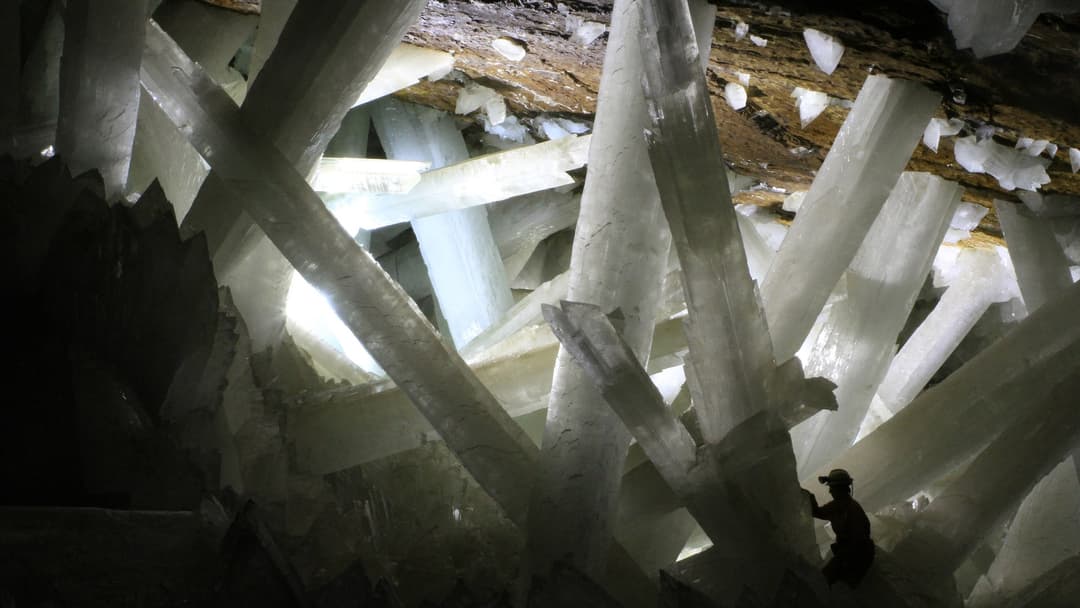
25. Naica Crystal Cave, Mexico 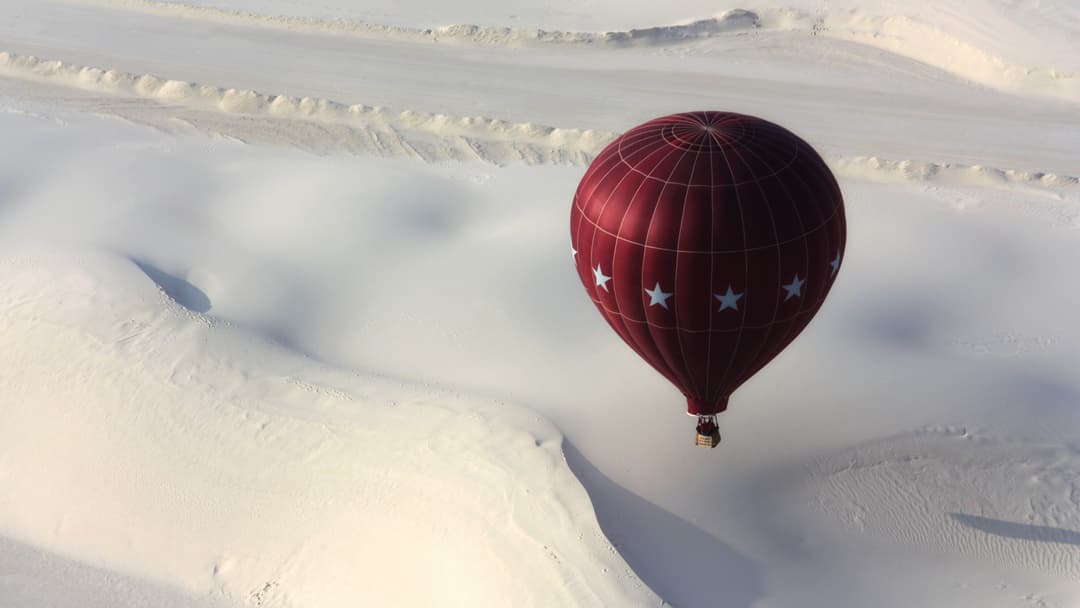
24. White Sands Gypsum Dunes, New Mexico 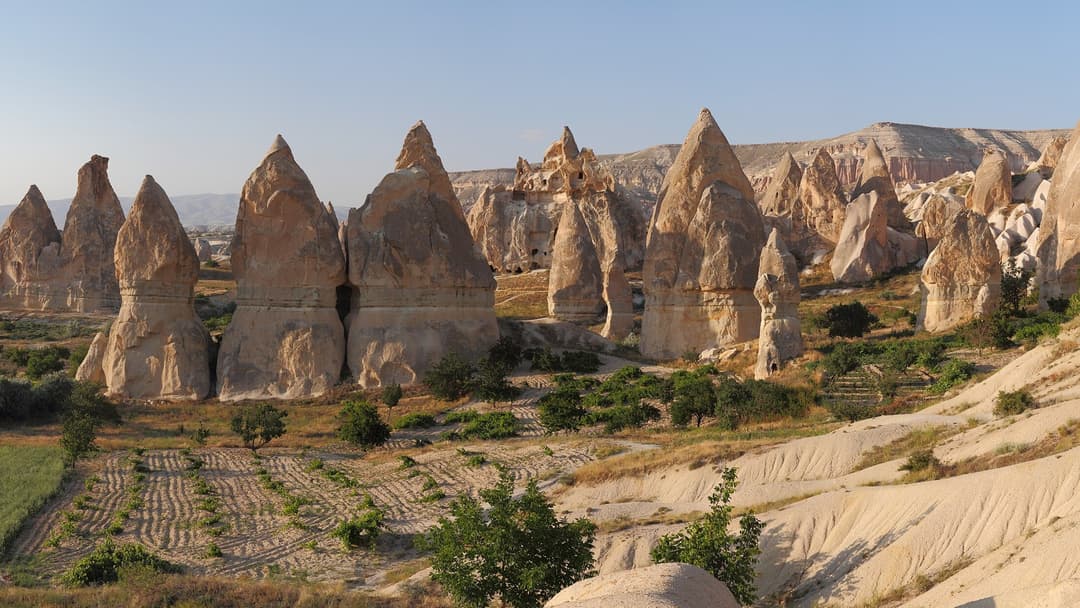
23. Cappadocia Fairy Chimneys, Turkey - AdvertisementSwipe or tap ▶ to continue countdown
22. Bryce Canyon Hoodoos, Utah 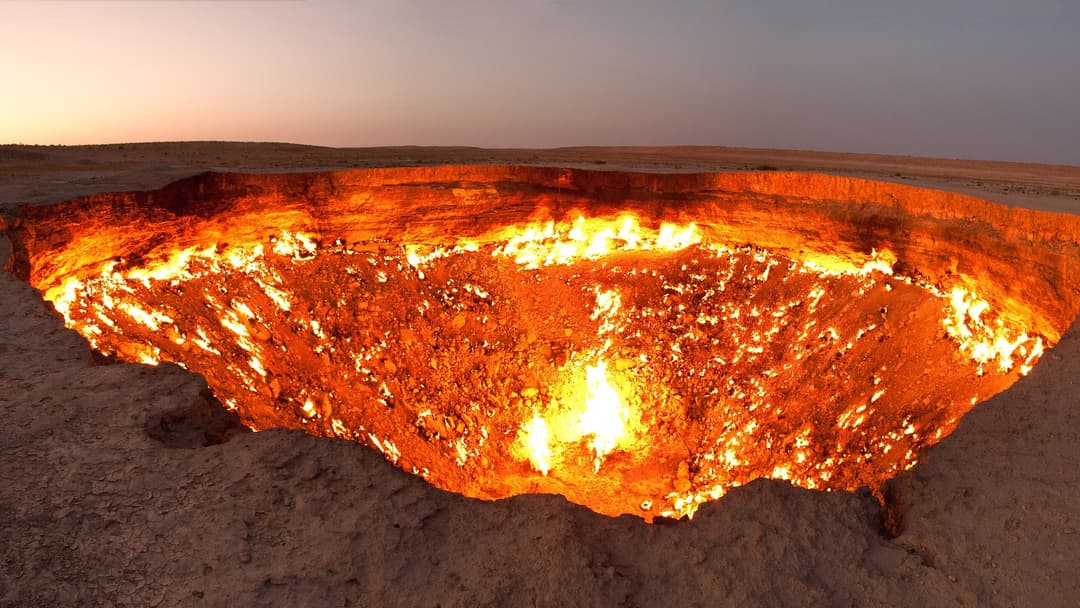
21. Darvaza Gas Crater, Turkmenistan 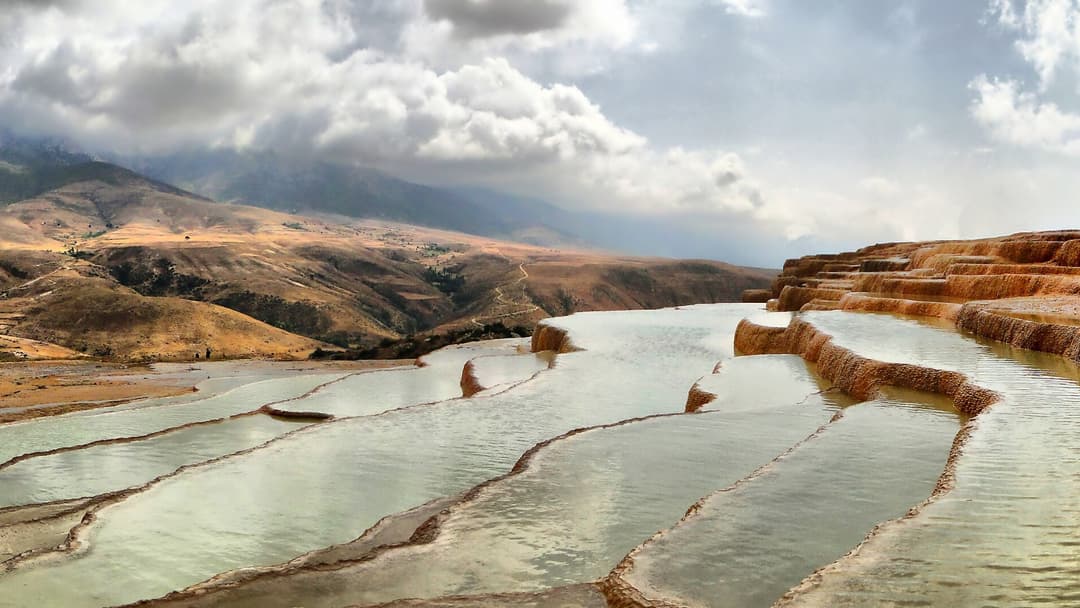
20. Badab E Surt Stepped Springs, Iran 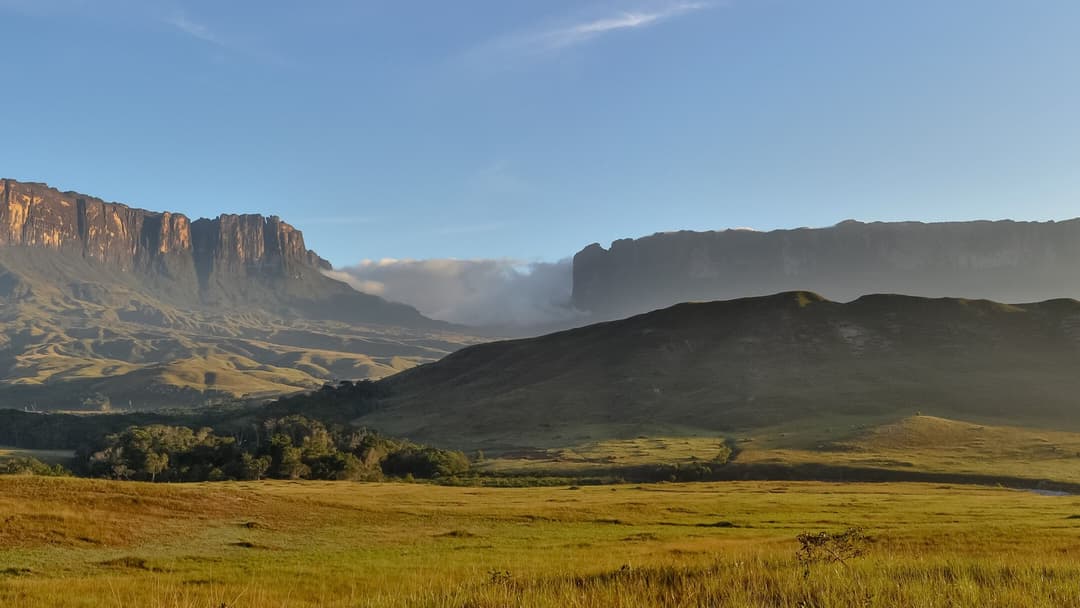
19. Mount Roraima Tabletop Tepui, Venezuela - AdvertisementSwipe or tap ▶ to continue countdown
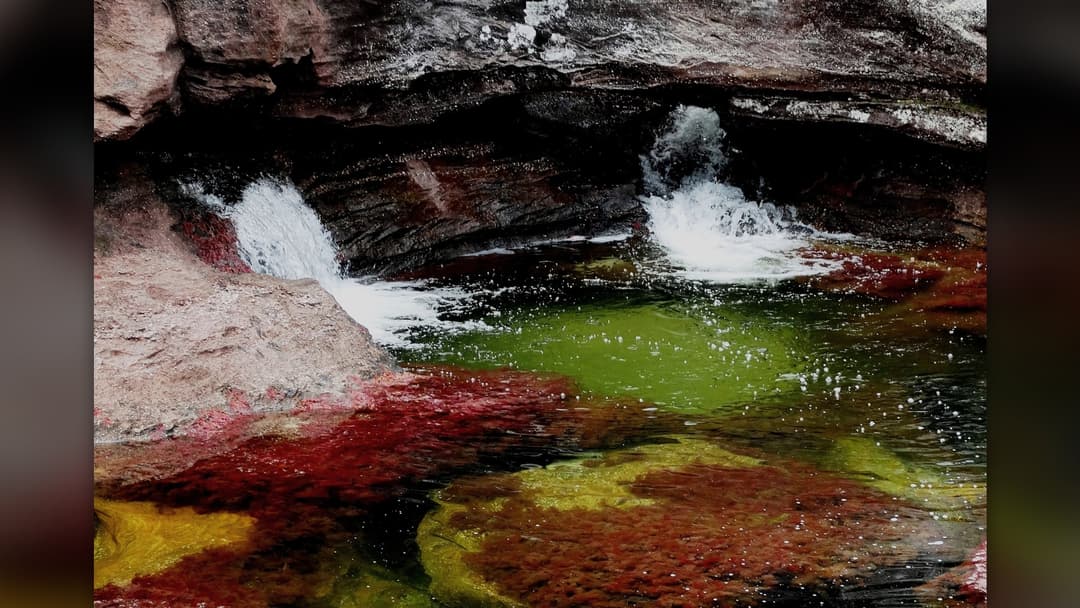
18. Caño Cristales Five-Color River, Colombia 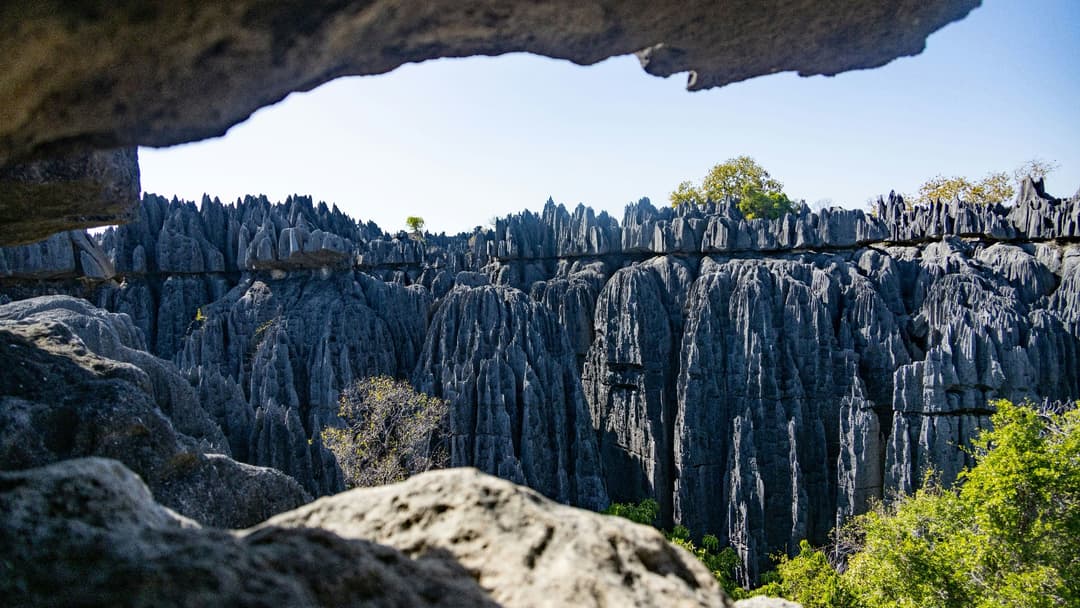
17. Tsingy De Bemaraha Stone Forest, Madagascar 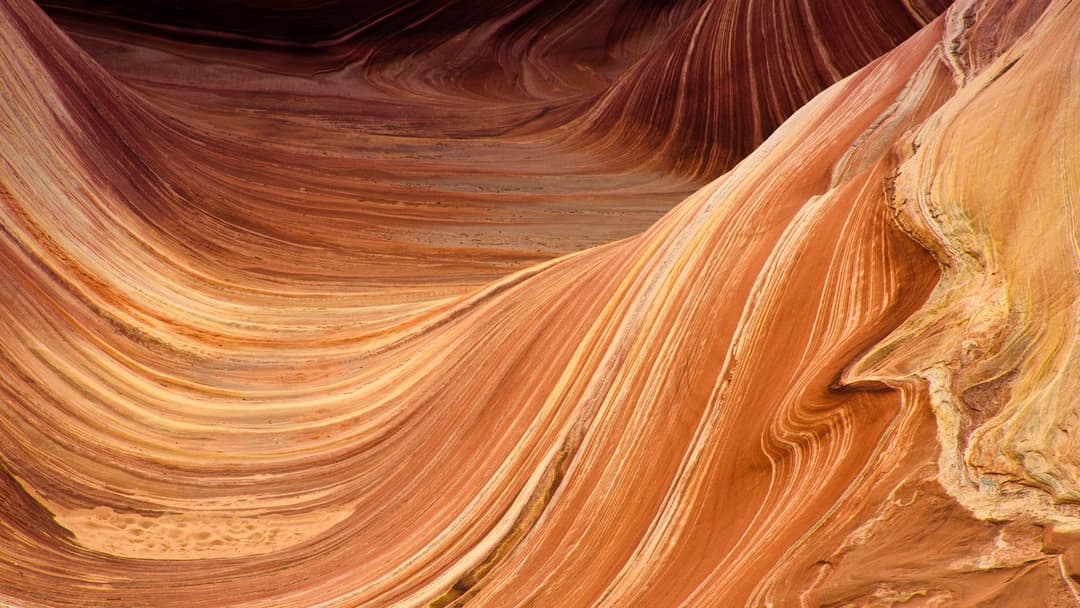
16. The Wave In Coyote Buttes, Arizona 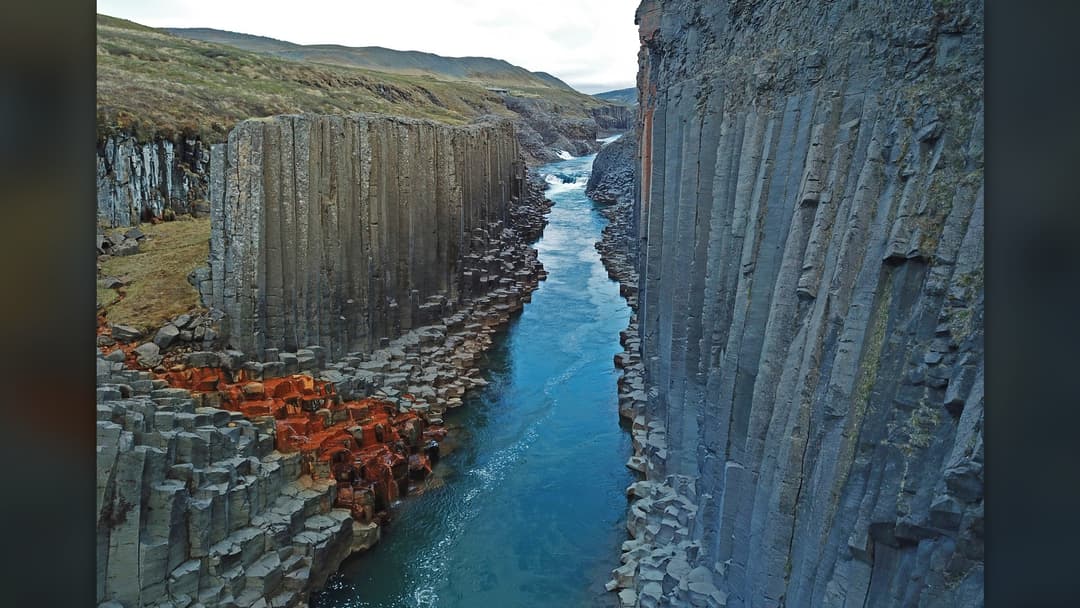
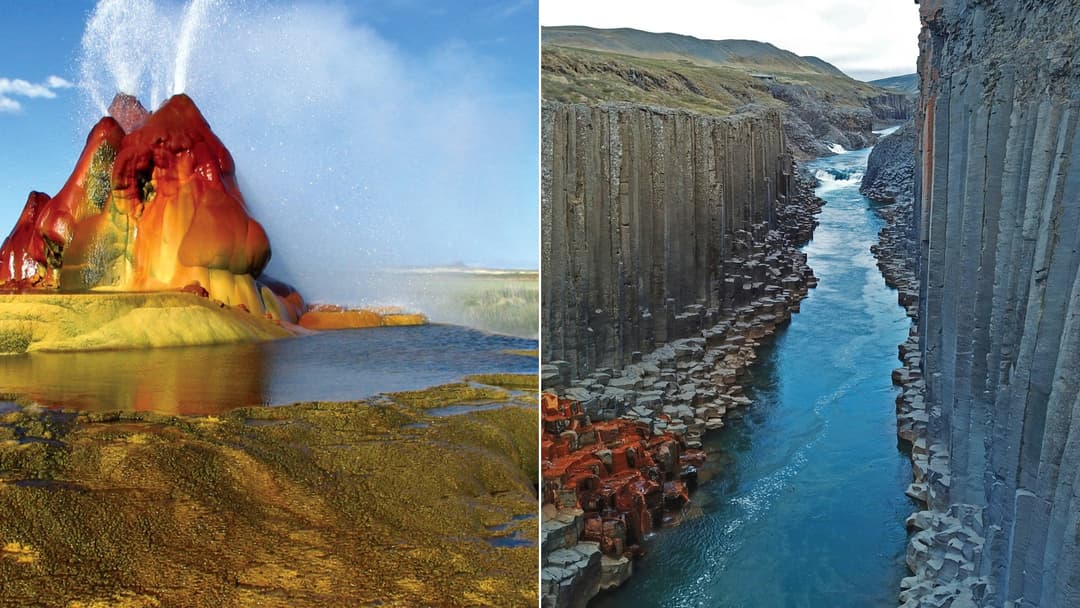
15. Stuðlagil Basalt Canyon, Iceland - AdvertisementSwipe or tap ▶ to continue countdown
14. Vatnajökull Glacier Ice Caves, Iceland 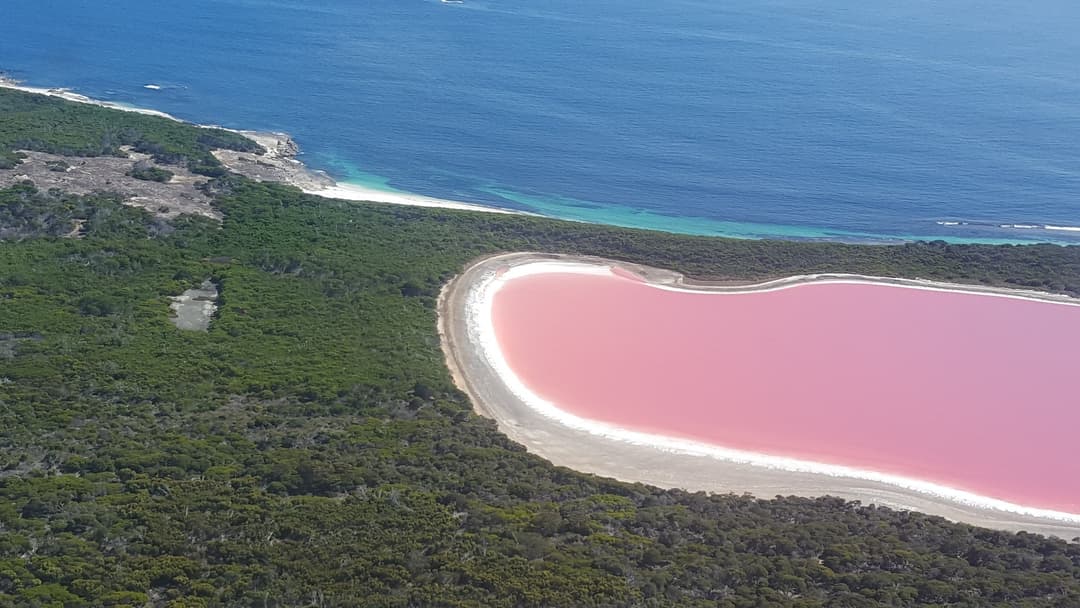
13. Lake Hillier Pink Lake, Australia 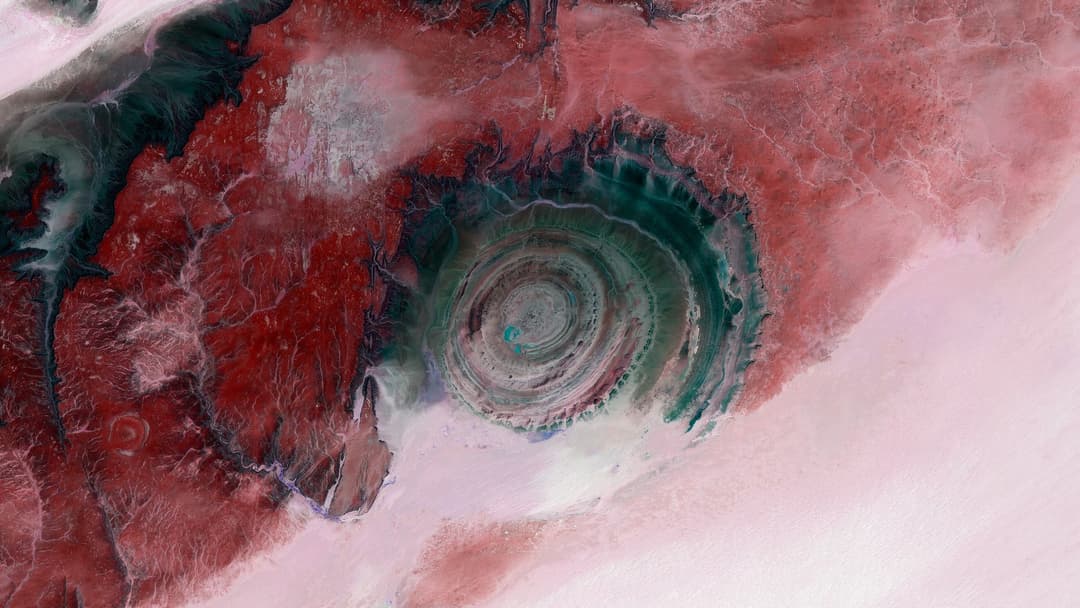
12. Richat Structure Eye Of The Sahara, Mauritania 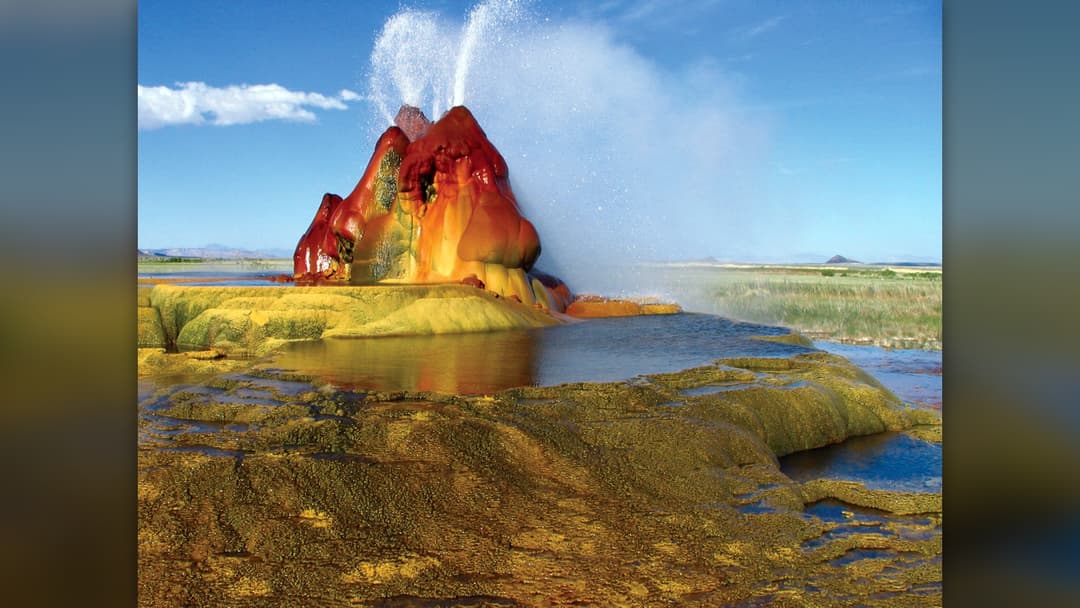
11. Fly Geyser In Black Rock Desert, Nevada - AdvertisementSwipe or tap ▶ to continue countdown
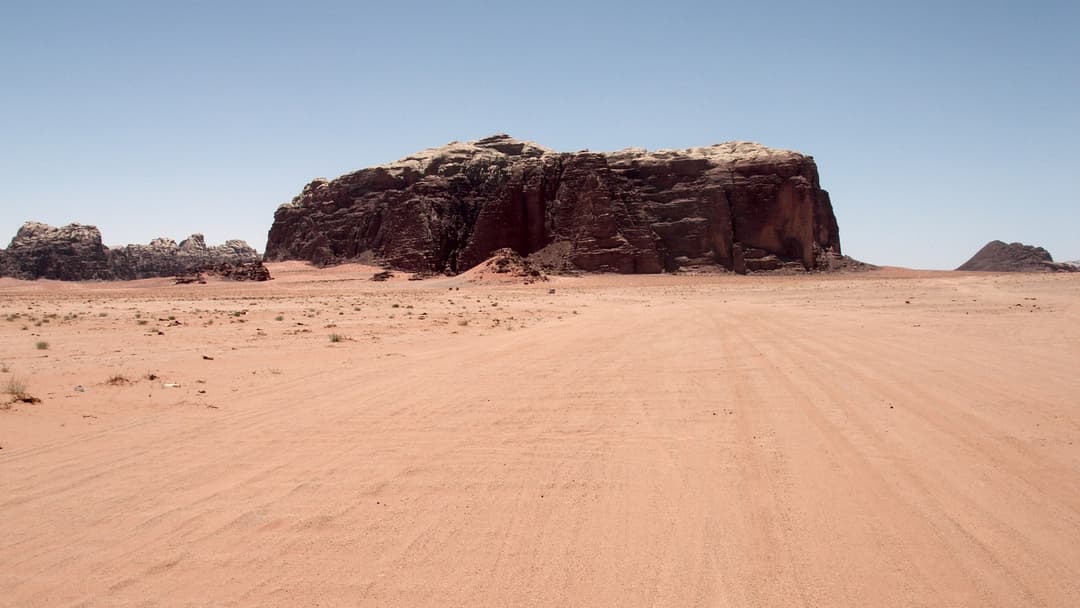
10. Wadi Rum Red Desert, Jordan 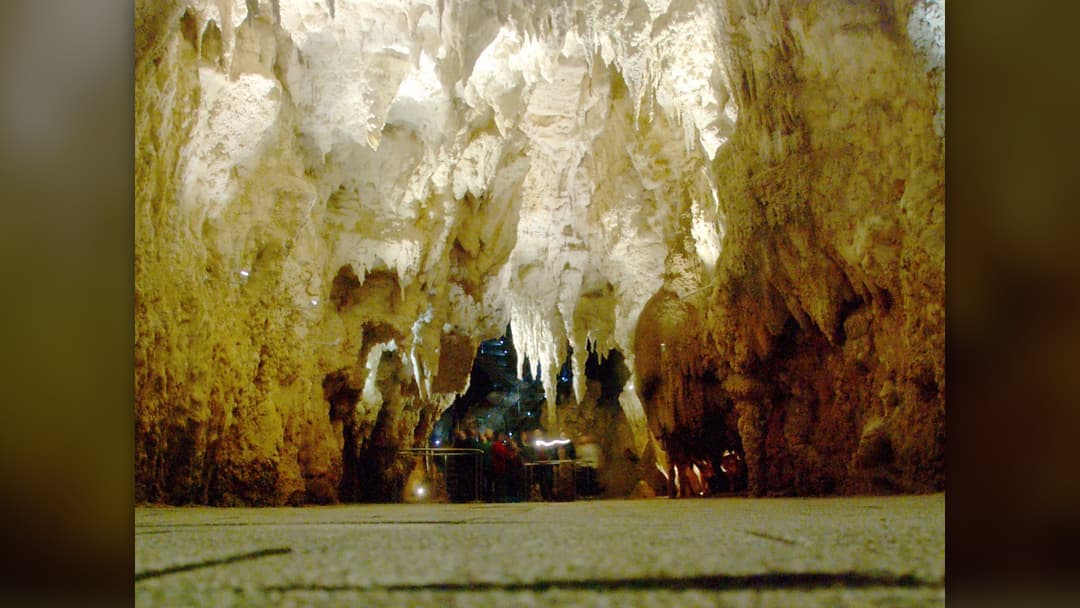
9. Waitomo Glowworm Caves, New Zealand 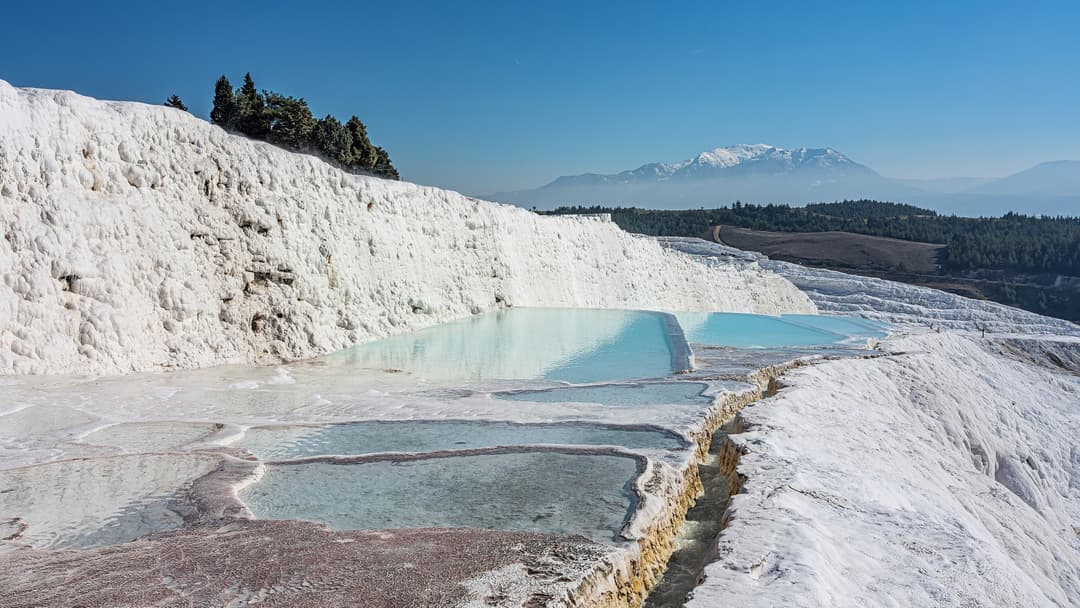
8. Pamukkale Travertine Terraces, Turkey 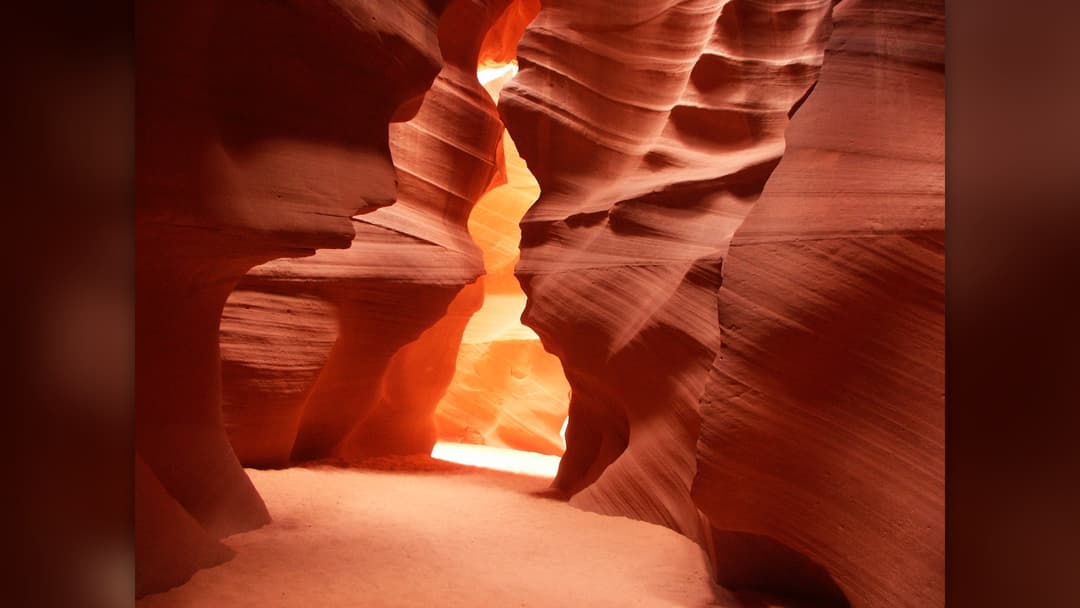
7. Antelope Canyon Slot Canyons, Arizona - AdvertisementSwipe or tap ▶ to continue countdown
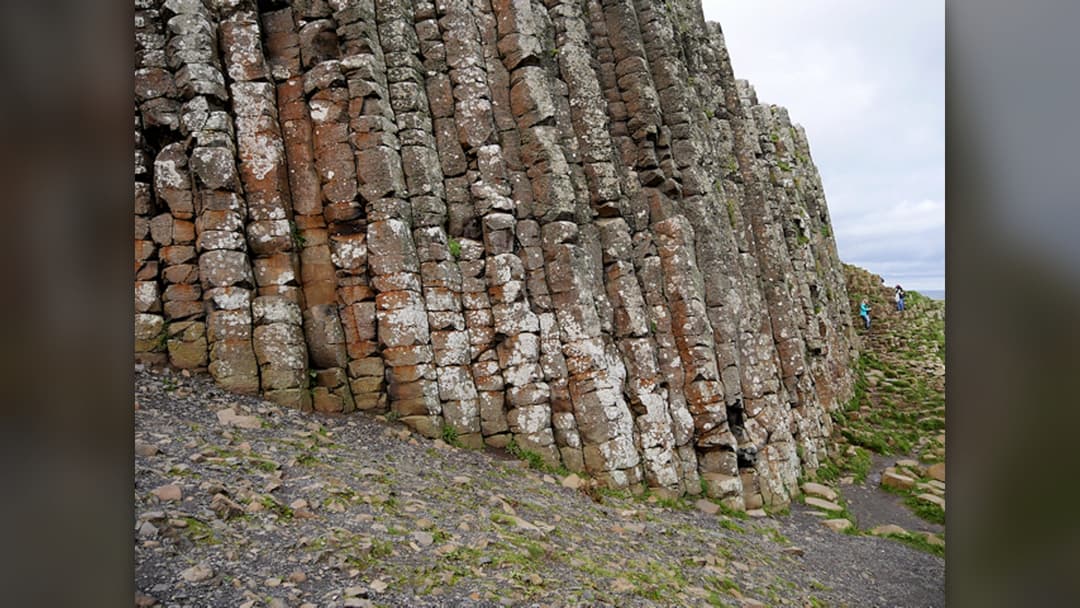
6. Giant's Causeway Basalt Columns, Northern Ireland 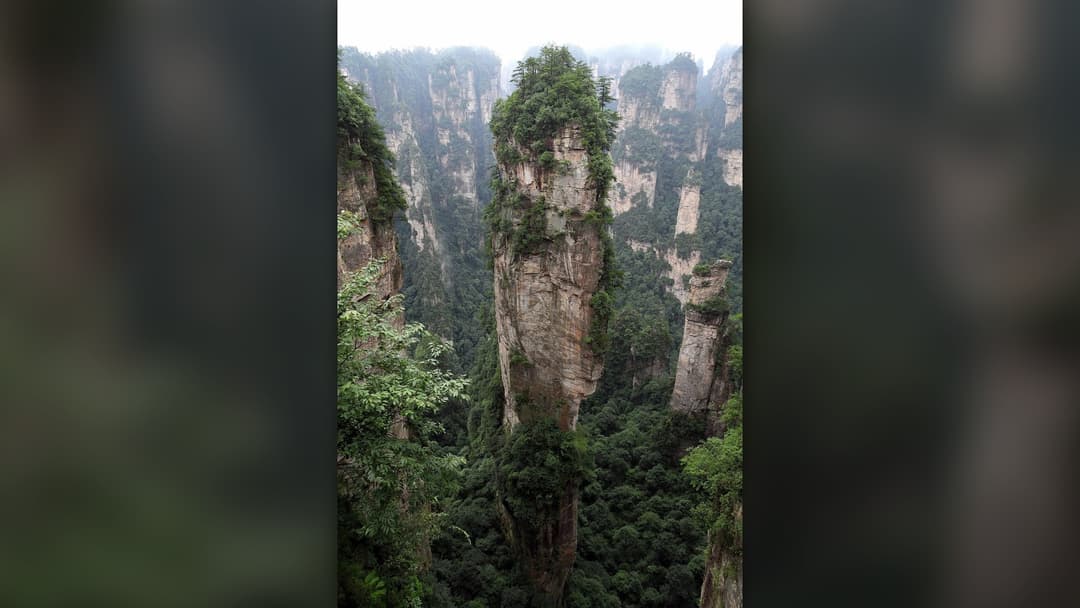
5. Zhangjiajie Quartz-Sandstone Pillars, China 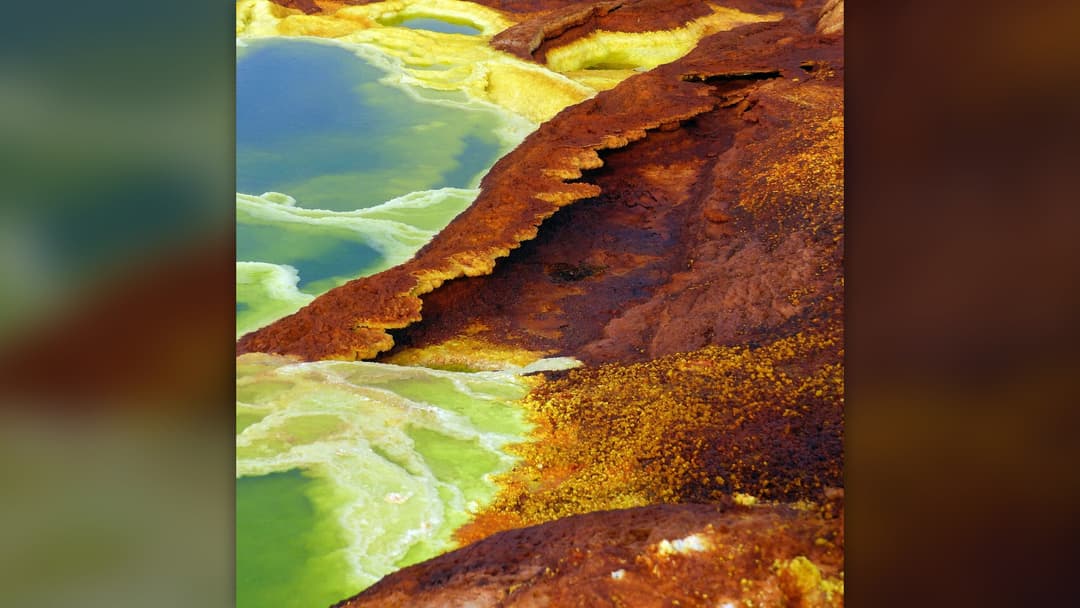
4. Danakil Depression Hydrothermal Fields, Ethiopia 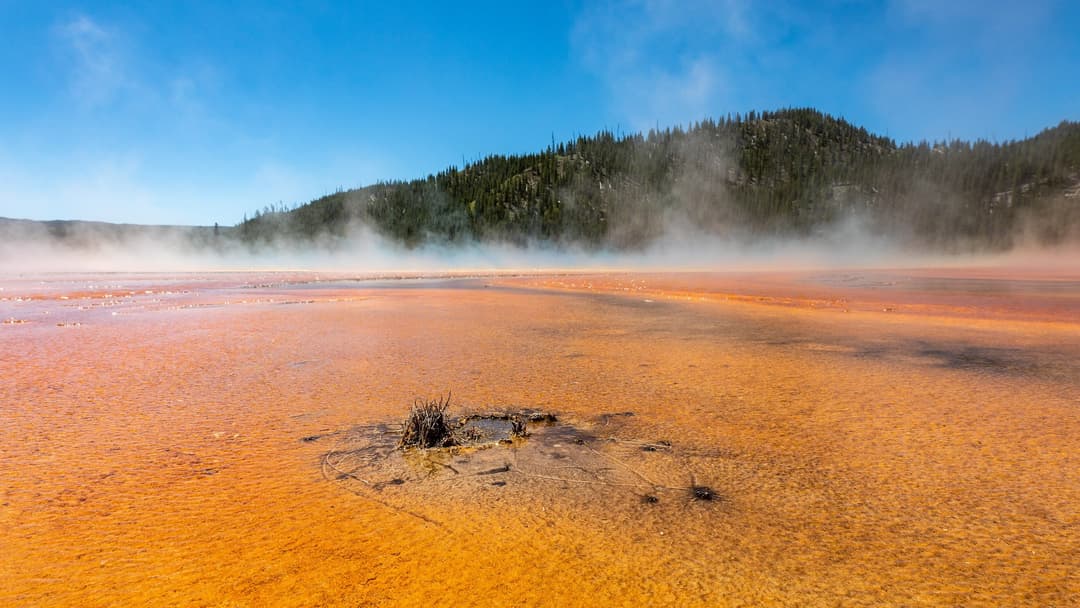
3. Grand Prismatic Spring In Yellowstone, USA - AdvertisementSwipe or tap ▶ to continue countdown
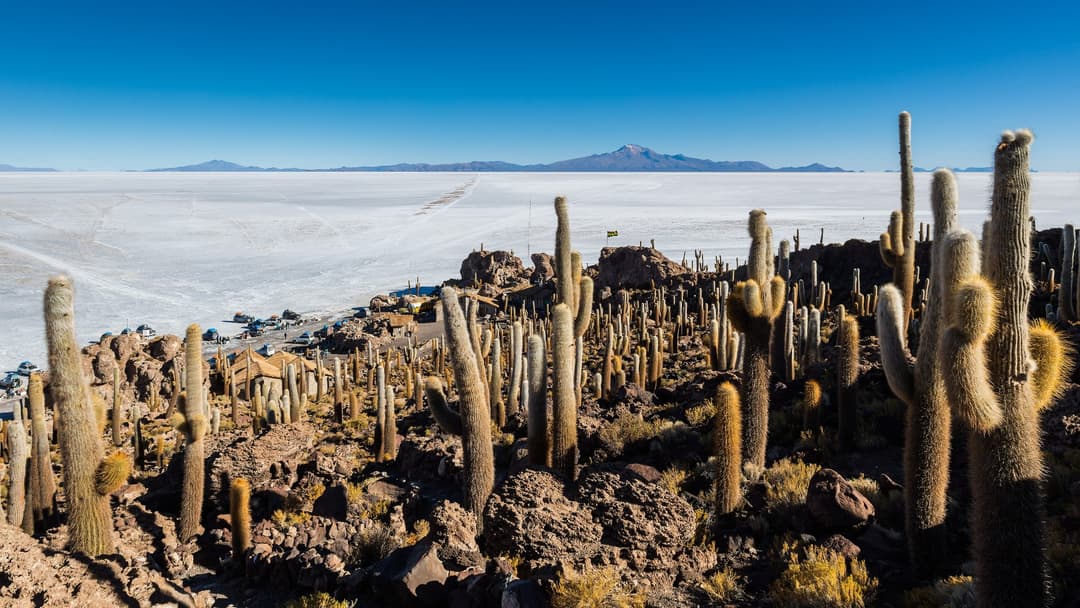
2. Salar De Uyuni Salt Flats, Bolivia 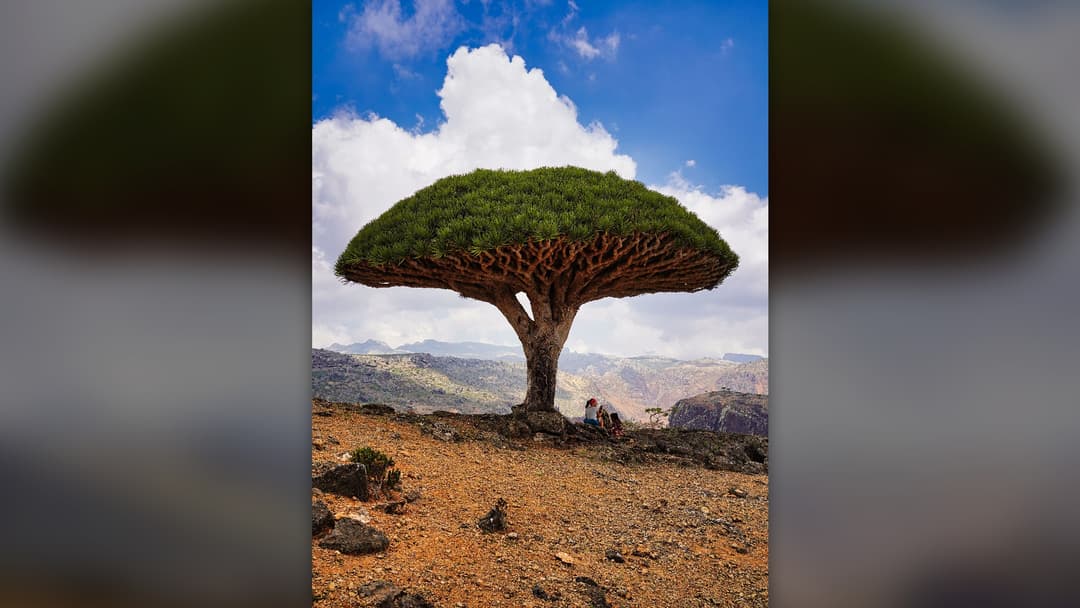
1. Socotra Island Dragon's Blood Trees, Yemen - Advertisement🔥 UP NEXT IN THIS SERIES◫ 21 Slides

20 Health Checks Every Man Should Get, Ranked
20 Essential Men Health Screenings Ranked
While space agencies scan distant exoplanets and icy moons for signs of alien geology, some of the most otherworldly landscapes in the solar system sit right here on Earth—serving as official planetary testing grounds for Mars and Europa missions.
Swipe or tap ▶ to begin the countdown
©Wikimedia / Jeremy C. Munns & Wikimedia / Maxim Bilovitskiy
25. Naica Crystal Cave, Mexico
Discovered 300 metres beneath Chihuahua, Mexico, in 2000, the Cave of the Crystals holds giant milky selenite columns reaching 12 metres in length and weighing 55 tonnes—formed over 500,000 years in mineral-rich groundwater heated to 58°C by a magma chamber below.
©Wikimedia / Alexander Van Driessche
24. White Sands Gypsum Dunes, New Mexico
Unlike quartz sand dunes that absorb solar heat, the dazzling snow-white dunes of New Mexico's Tularosa Basin consist of rare water-soluble gypsum crystals that stay cool to the touch even under scorching summer skies—and are clearly visible from orbital satellites.
©Wikimedia / Ybratcher
23. Cappadocia Fairy Chimneys, Turkey
Millions of years ago, eruptions from Mount Erciyes blanketed central Turkey in thick volcanic tuff overlaid by harder basalt. Wind and rain slowly carved the softer rock into thousands of mushroom-capped spires up to 40 metres tall, later hollowed out as cave dwellings.
©Wikimedia / Benh LIEU SONG
Advertisement
Swipe or tap ▶ to resume the countdown.
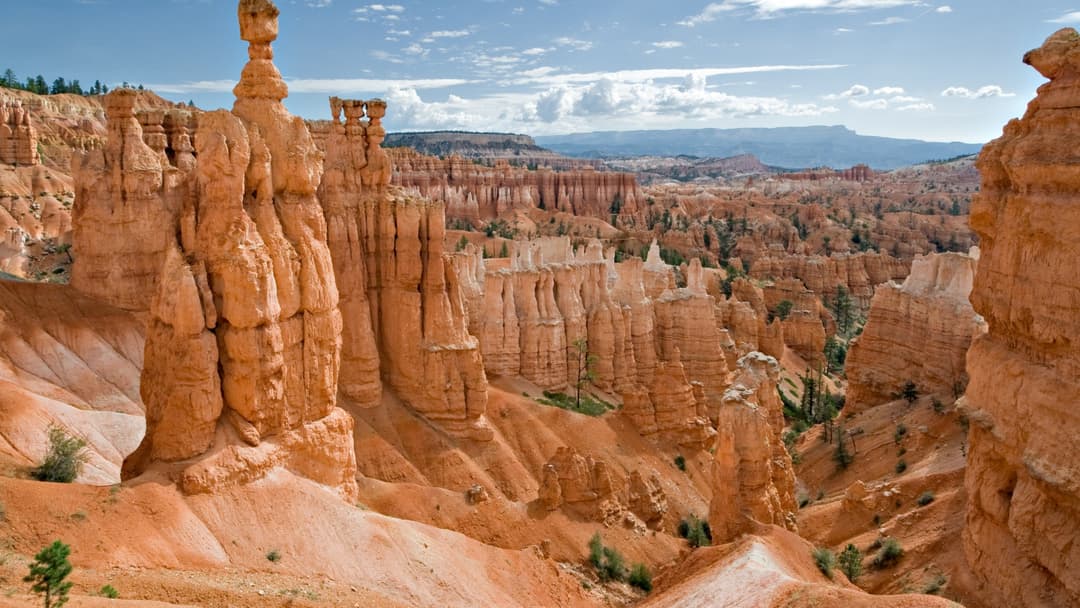
22. Bryce Canyon Hoodoos, Utah
Sitting at 2,700 metres elevation in southern Utah, Bryce Canyon is not a true river canyon but a series of giant natural amphitheatres packed with iron-rich rock pinnacles called hoodoos—sculpted by over 200 annual freeze-thaw cycles that fracture the stone.
©Wikimedia / Luca Galuzzi (Lucag)
21. Darvaza Gas Crater, Turkmenistan
Measuring 69 metres wide and 30 metres deep in the middle of Turkmenistan's Karakum Desert, this fiery sinkhole formed in 1971 when a natural gas pocket collapsed beneath a drilling rig. Geologists ignited the leaking methane, creating a crater that still glows at night.
©Wikimedia / Tormod Sandtorv
20. Badab E Surt Stepped Springs, Iran
High in Iran's Alborz mountain range at 1,840 metres above sea level, two distinct mineral hot springs—one hypersaline and the other rich in iron oxide—have flowed down the mountainside for millennia, depositing vivid staircases of crimson, gold, and amber carbonate rock.
©Wikimedia / Samaee
19. Mount Roraima Tabletop Tepui, Venezuela
Rising 2,810 metres at the triple border of Venezuela, Brazil, and Guyana, Mount Roraima is a flat-topped Precambrian sandstone fortress ringed by perpetual cloud banks and waterfalls—harboring endemic carnivorous plants and black pebble frogs found nowhere else on Earth.
©Wikimedia / Paolo Costa Baldi
Advertisement
Swipe or tap ▶ to resume the countdown.
18. Caño Cristales Five-Color River, Colombia
Flowing across the ancient Guiana Shield rocks of Colombia's Serranía de la Macarena, Caño Cristales transforms between July and November when sun-drenched aquatic flora called Macarenia clavigera bloom across the crystal-clear rapids in surreal shades of crimson and violet.
©Wikimedia / Ricardo Gonzalez Arango
17. Tsingy De Bemaraha Stone Forest, Madagascar
Translated from Malagasy as 'where one cannot walk barefoot,' the Tsingy de Bemaraha plateau in western Madagascar is a 1,500-square-kilometre fortress of jagged 100-metre limestone blades—creating vertically stratified micro-habitats for lemurs and subterranean reptiles.
©Unsplash / Rafael Peier
16. The Wave In Coyote Buttes, Arizona
Formed 190 million years ago during the Jurassic Period when shifting desert dunes were cemented by groundwater iron oxides, The Wave in Arizona's Paria Canyon-Vermilion Cliffs Wilderness displays hypnotic, undulating cross-bedded sandstone strata sculpted by desert winds.
©Wikimedia / BLMUtah
15. Stuðlagil Basalt Canyon, Iceland
Hidden beneath the raging Jökulsá á Dal glacial river for centuries until a 2009 hydroelectric project lowered water levels in eastern Iceland, Stuðlagil Canyon revealed one of the largest concentrations of geometric hexagonal basalt columns on the planet.
©Wikimedia / Maxim Bilovitskiy
Advertisement
Swipe or tap ▶ to resume the countdown.
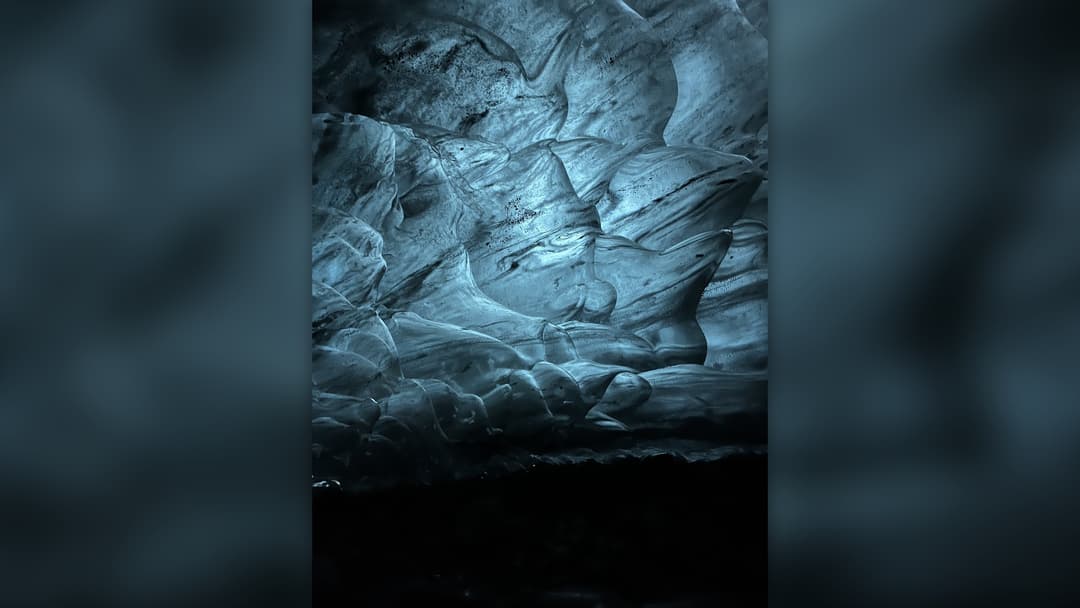
14. Vatnajökull Glacier Ice Caves, Iceland
Every autumn, freezing temperatures solidify the meltwater rivers beneath Iceland's 8,100-square-kilometre Vatnajökull glacier into translucent caverns. Compressed under centuries of weight, the ancient glacier ice squeezes out air bubbles to transmit pure electric-blue light.
©Wikimedia / Wannamed
13. Lake Hillier Pink Lake, Australia
Set on Middle Island in Western Australia's Recherche Archipelago, 600-metre-long Lake Hillier maintains its vivid rose hue year-round right beside the deep blue Southern Ocean—driven by carotenoid pigments produced by Dunaliella salina microalgae and halophilic archaea.
©Wikimedia / Yodaobione
12. Richat Structure Eye Of The Sahara, Mauritania
First used as an orbital landmark by Gemini astronauts in the 1960s, Mauritania's 40-kilometre Richat Structure was long mistaken for an asteroid impact crater. Geologists later proved it is a deeply eroded, 100-million-year-old magmatic dome exposing rings of ancient quartzite.
©Wikimedia / European Space Agency
11. Fly Geyser In Black Rock Desert, Nevada
Accidentally triggered in 1964 when a geothermal test well in Nevada's Black Rock Desert was left unsealed, boiling 93°C mineral water began precipitating travertine mounds up to three metres high—coated in heat-loving cyanobacteria that thrive in extreme temperatures.
©Wikimedia / Jeremy C. Munns
Advertisement
Swipe or tap ▶ to resume the countdown.
10. Wadi Rum Red Desert, Jordan
Carved into crimson Palaeozoic sandstone and granite basements across southern Jordan, Wadi Rum's rust-colored dunes and 1,700-metre inselbergs bear such an uncanny resemblance to Martian valleys that filmmakers used it for The Martian, Dune, and Red Planet.
©Wikimedia / Vyacheslav Argenberg
9. Waitomo Glowworm Caves, New Zealand
Inside the 30-million-year-old Oligocene limestone caverns of New Zealand's North Island, endemic Arachnocampa luminosa fungus gnat larvae spin sticky silk snares and emit a blue-green luciferin glow—transforming pitch-black underground rivers into starry night skies.
©Wikimedia / Karora
8. Pamukkale Travertine Terraces, Turkey
Meaning 'Cotton Castle' in Turkish, Pamukkale in southwestern Turkey is fed by 17 geothermal springs ranging from 35°C to 100°C. As calcium-bicarbonate water degasses carbon dioxide along the slope, it deposits gleaming white travertine basins that look like frozen clouds.
©Wikimedia / A.Savin
7. Antelope Canyon Slot Canyons, Arizona
Carved through Jurassic Navajo Sandstone on Navajo Nation land near Page, Arizona, Upper and Lower Antelope Canyon were sculpted by violent flash floods rushing through narrow fissures—producing swirling, wave-like corridors illuminated by midday shafts of desert sunlight.
©Wikimedia / Uploaded by Meckimac
Advertisement
Swipe or tap ▶ to resume the countdown.
6. Giant's Causeway Basalt Columns, Northern Ireland
Formed 50 to 60 million years ago during Paleogene volcanic activity in County Antrim, Northern Ireland, rapidly cooling tholeiitic basalt lava contracted and fractured into 40,000 polygonal pillars—mostly hexagonal—creating a geometric coastline that looks machine-made.
©Wikimedia / David Dixon
5. Zhangjiajie Quartz-Sandstone Pillars, China
Towering up to 1,080 metres above subtropical ravines in China's Wulingyuan Scenic Area, Zhangjiajie's 3,000 Devonian quartz-sandstone pillars were sculpted by physical frost expansion and root wedging—directly inspiring the floating Hallelujah Mountains of Pandora in Avatar.
©Pixabay / Vined
4. Danakil Depression Hydrothermal Fields, Ethiopia
Sitting 125 metres below sea level in Ethiopia's Afar Triangle where three tectonic plates tear apart, the Dallol hydrothermal craters brew neon-green and yellow pools of hyper-acidic (pH 0) brine—studied by astrobiologists as a prime analog for early Mars and Jupiter's Io.
©Wikimedia / Atypeek DGN
3. Grand Prismatic Spring In Yellowstone, USA
Measuring 110 metres across and 50 metres deep in Wyoming's Yellowstone caldera, Grand Prismatic Spring vents sterile 87°C water at its sapphire center while cooler outer rings host billions of thermophilic bacteria—studied by NASA to understand biosignatures on alien worlds.
©Wikimedia / Dietmar Rabich
Advertisement
Swipe or tap ▶ to resume the countdown.
2. Salar De Uyuni Salt Flats, Bolivia
Left behind by prehistoric lakes high on the Bolivian Altiplano at 3,656 metres elevation, Salar de Uyuni is so vast and flat—varying in elevation by less than one metre across 10,582 square kilometres—that NASA uses it to calibrate Earth-observing satellite altimeters.
©Wikimedia / Diego Delso
1. Socotra Island Dragon's Blood Trees, Yemen
Separated from mainland Gondwana millions of years ago, Yemen's Socotra Archipelago hosts over 300 endemic plant species found nowhere else on Earth—led by the alien Dracaena cinnabari (Dragon's Blood Tree), whose upturned canopy harvests horizontal desert mist and bleeds red resin.
©Wikimedia / Alex38
Advertisement
You've reached the end of the story. Thanks for reading!
20 Health Checks Every Man Should Get, Ranked
20 Essential Men Health Screenings Ranked