Slideshow · News
25 Things That Disappear From Stores Before a Winter Storm
When severe blizzard forecasts trigger rush shopping, distinct grocery and hardware staples disappear from stores first. This countdown tracks twenty-five items that vanish before a winter storm strikes, exploring retail supply chain bottlenecks, consumer panic buying habits and cold weather emergency needs.
By Most Viral Today
40 min ago

Empty Shelves and Blizzard Panic 
25. Sleds And Snow Tubes 
24. Paper Plates And Cutlery 
23. Baby Diapers And Wipes - AdvertisementSwipe or tap ▶ to continue countdown

22. Chemical Hand Warmers 
21. Portable Power Banks 
20. Windshield Washer Fluid 
19. Ice Scrapers And Brushes - AdvertisementSwipe or tap ▶ to continue countdown

18. Matches And Lighters 
17. Pet Food 
16. Cold And Pain Medication 
15. Peanut Butter - AdvertisementSwipe or tap ▶ to continue countdown

14. Firewood Bundles 
13. Portable Space Heaters 
12. Canned Soups And Stews 
11. Portable Gas Cans - AdvertisementSwipe or tap ▶ to continue countdown

10. Toilet Paper 
9. Flashlights And Lanterns 
8. Portable Generators 
7. AA And AAA Batteries - AdvertisementSwipe or tap ▶ to continue countdown

6. Bottled Water 
5. Fresh Eggs 
4. Snow Shovels 
3. Rock Salt And Ice Melt - AdvertisementSwipe or tap ▶ to continue countdown

2. Fresh Milk 
1. Sliced Bread - Advertisement🔥 UP NEXT IN THIS SERIES◫ 21 Slides

UK Loses Bid to Keep Secret Apple Encryption Backdoor Order
In a major blow to state secrecy, Britain's Investigatory Powers Tribunal has ruled that the Home Office cannot hide its attempt to force Apple to create an encryption backdoor. The landmark decision clears the way for a public court battle over consumer privacy, national security, and government surveillance powers.
Before blizzards shut down transport corridors and knock out electrical grids, supermarket aisles empty out across affected regions. This gallery explores the exact sequence of retail inventory shortages before severe weather. Based on retail supply data from Grocery Dive, CBS News, FEMA and the American Red Cross.
Swipe or tap ▶ to begin the countdown
©Wikimedia / Pet food & Unsplash / Guille B
25. Sleds And Snow Tubes
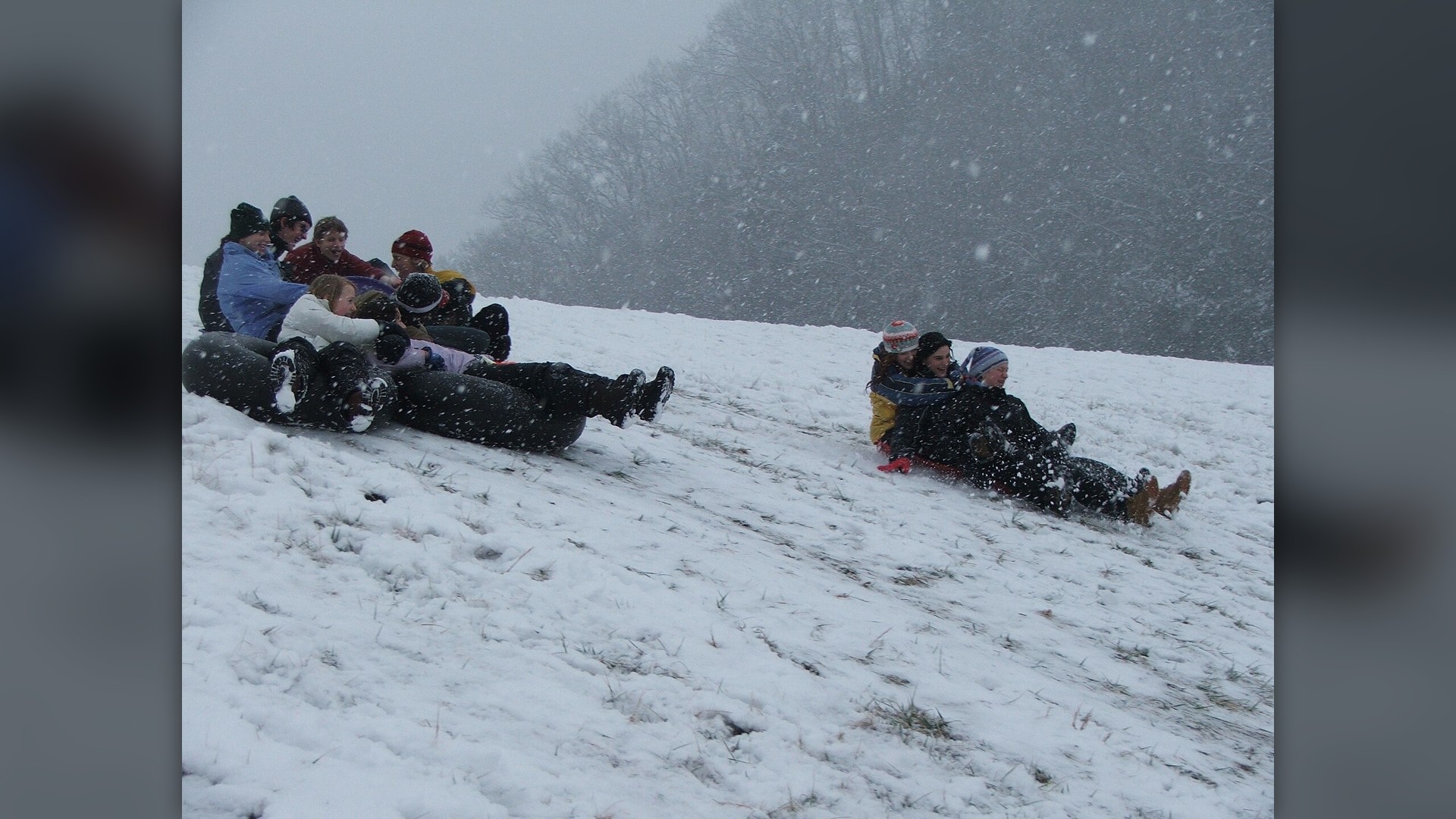
When school districts announce early closures ahead of severe snow, families rush retail aisles to grab winter recreation gear. Retailers rarely restock plastic toboggans mid-season, causing regional stock to sell out within forty-eight hours of an impending multi-inch snowfall event.
©Wikimedia / Virginia State Parks staff
24. Paper Plates And Cutlery
Sub-zero temperatures frequently freeze residential plumbing lines in suburban communities. Shoppers purchase paper bowls, cups and disposable utensils to avoid dirty dishes during water main disruptions, leaving paper goods aisles depleted alongside traditional napkins and party goods.

©Wikimedia / GarethBaloney
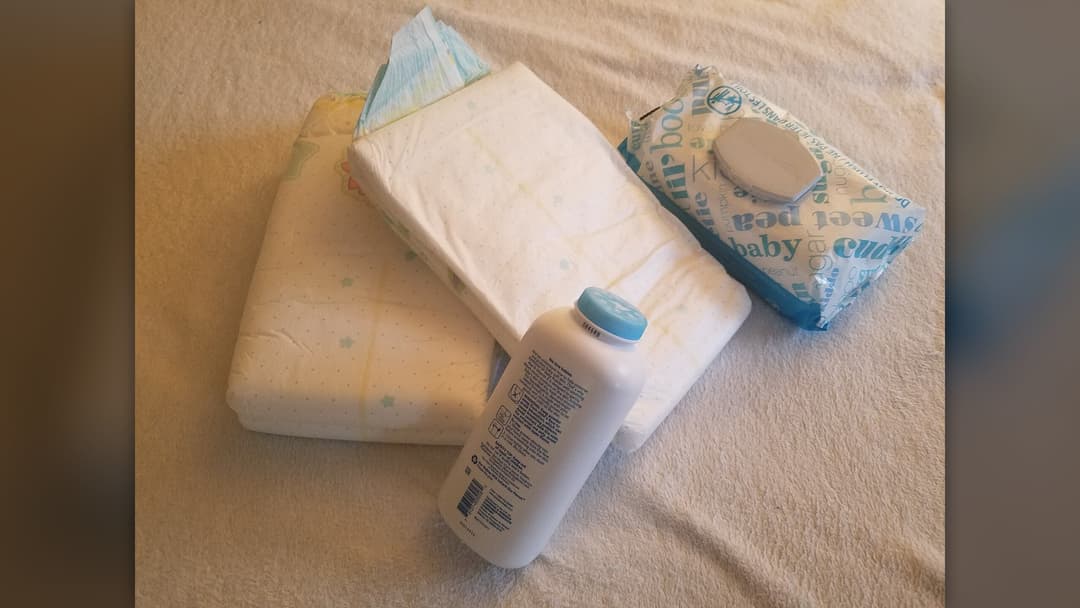
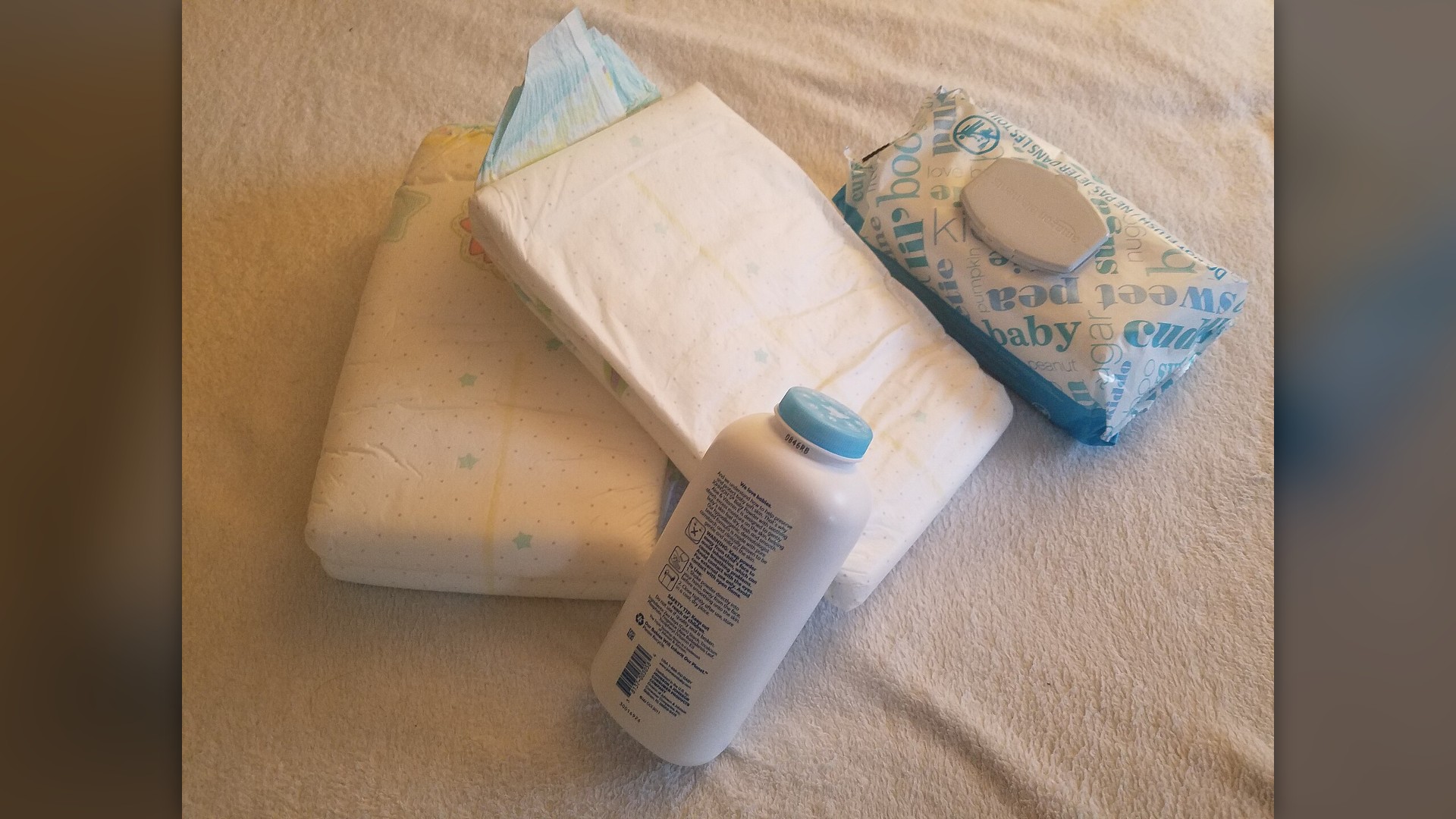
23. Baby Diapers And Wipes
Parents facing blizzard warnings cannot risk being trapped without nursery essentials for days. Pharmacy and supermarket baby aisles see immediate bulk purchases of diapers and wipes, with standard sizes like size three and four vanishing first as families prepare for week-long travel bans.
©Wikimedia / FuwaFuwaDL
Advertisement
Swipe or tap ▶ to resume the countdown.
22. Chemical Hand Warmers
Air-activated iron powder heat packs provide vital warmth for homeowners clearing driveways or dealing with unheated rooms. Sporting goods stores and checkout counters sell out of forty-packs rapidly, as utility crews and residents buy them in bulk before temperatures drop below freezing.

©Wikimedia / AliBaba
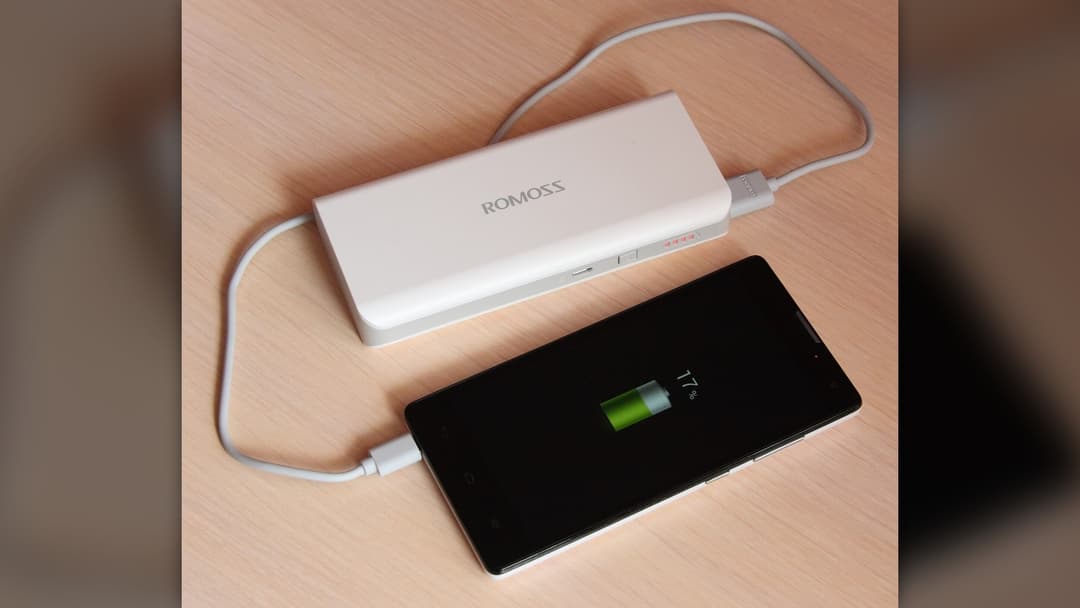
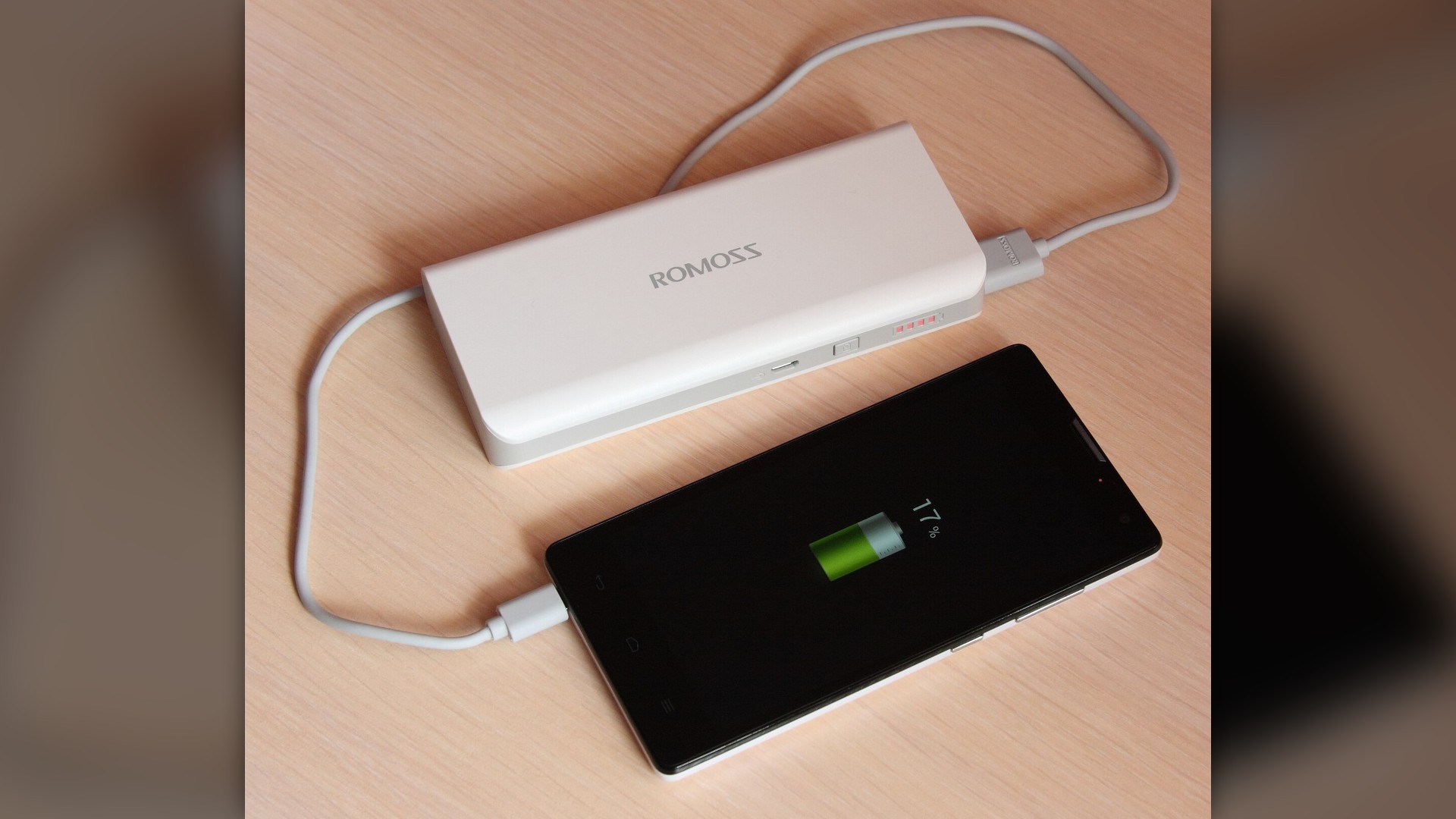
21. Portable Power Banks
Heavy ice accumulation regularly snaps transmission lines and isolates communities for days. Mobile phone users snap up pre-charged external battery packs at electronics counters and registers, seeking reliable communication backups before regional grid failures knock out wall outlets.
©Wikimedia / Ilya Plekhanov
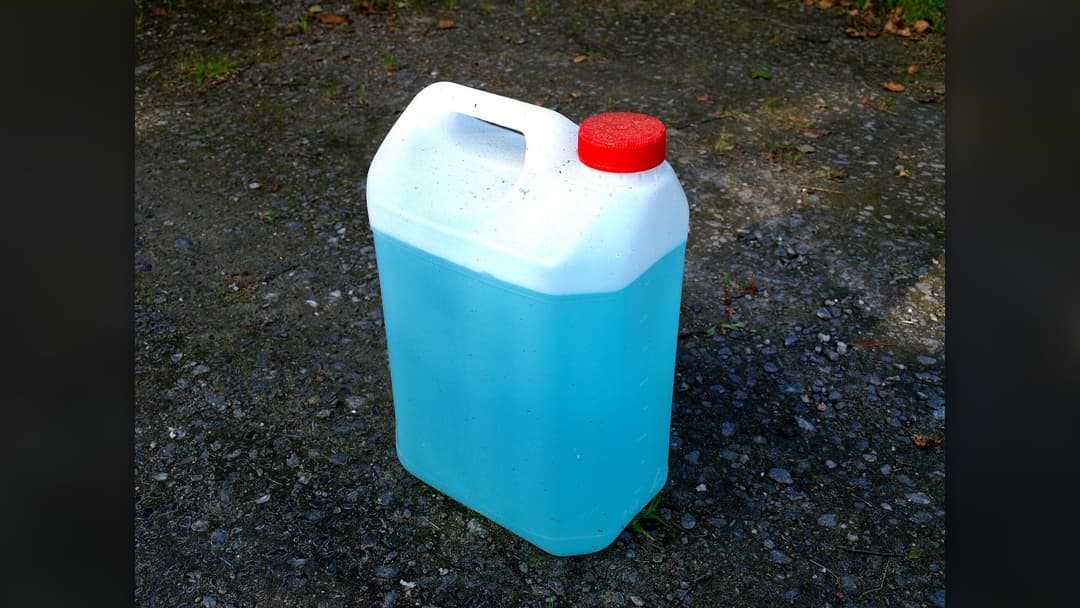
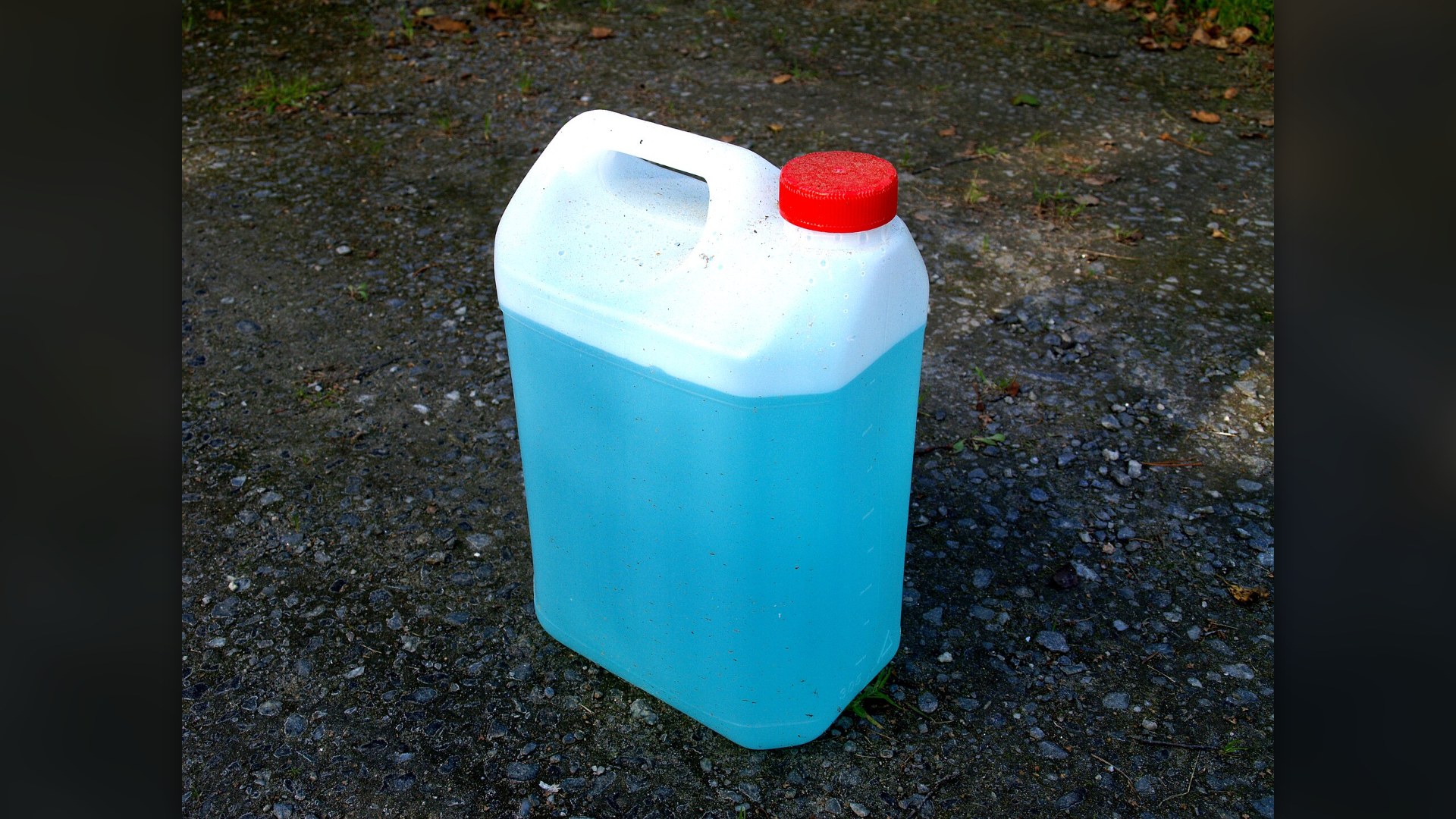
20. Windshield Washer Fluid
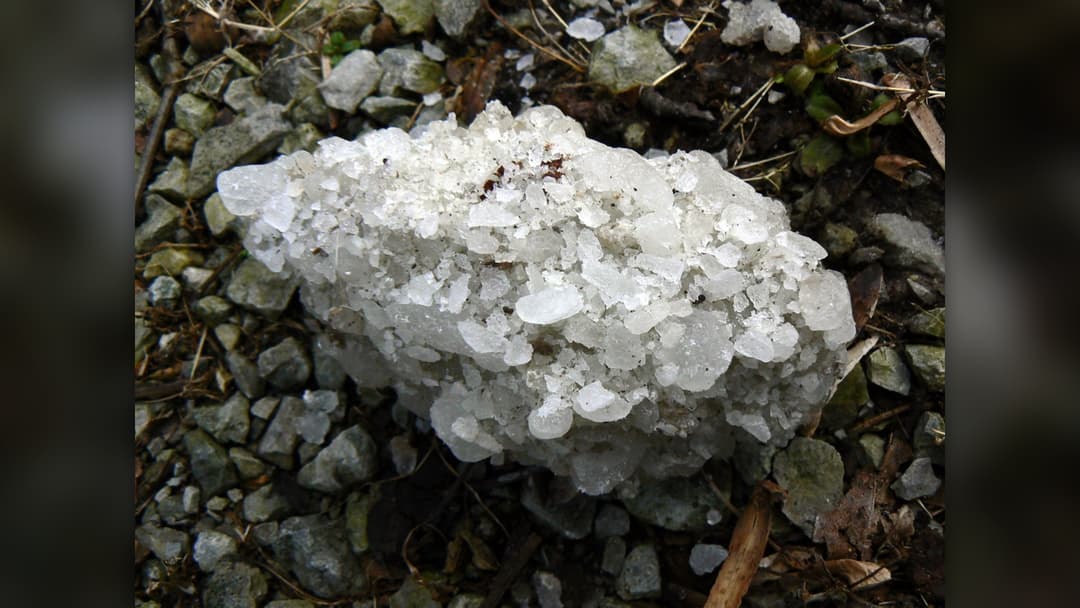
Highway road grime and highway slush require high-alcohol windshield wash rated to minus twenty degrees. Gas station forecourts and auto parts shops empty their outdoor display pallets within twenty-four hours of an incoming cold front, leaving drivers scrambling for sub-zero solvent blends.
©Wikimedia / Santeri Viinamäki
19. Ice Scrapers And Brushes
Commuters with broken or misplaced scrapers rush automotive sections as soon as freezing rain is predicted. Retailers keep modest shelf stock of brass blades and foam sweepers, which evaporates during the opening morning of a major blizzard warning as workers prepare their vehicles.

©Wikimedia / Stefan Flöper
Advertisement
Swipe or tap ▶ to resume the countdown.
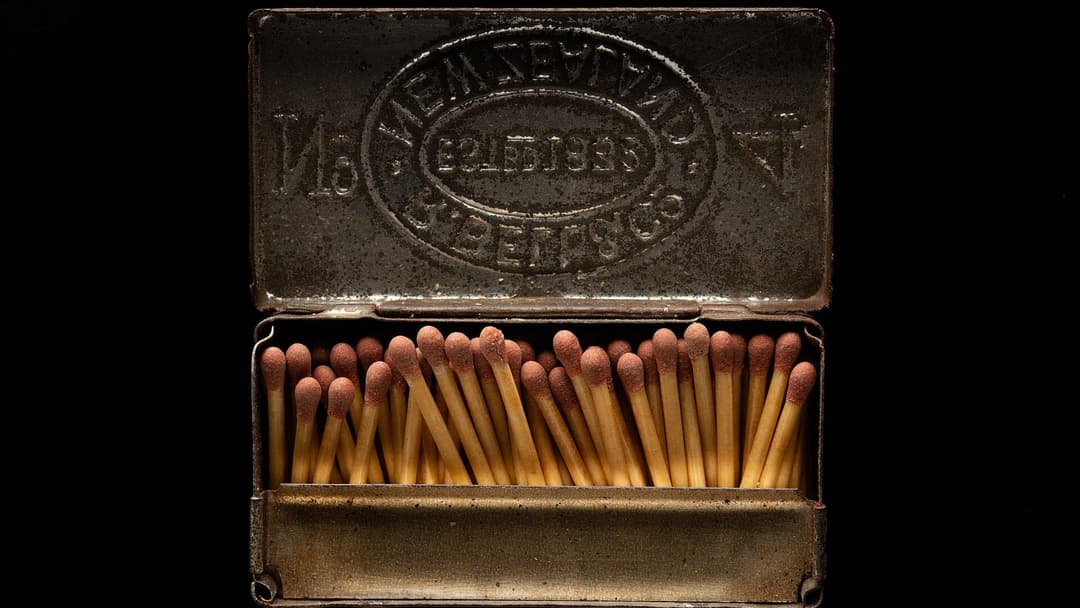
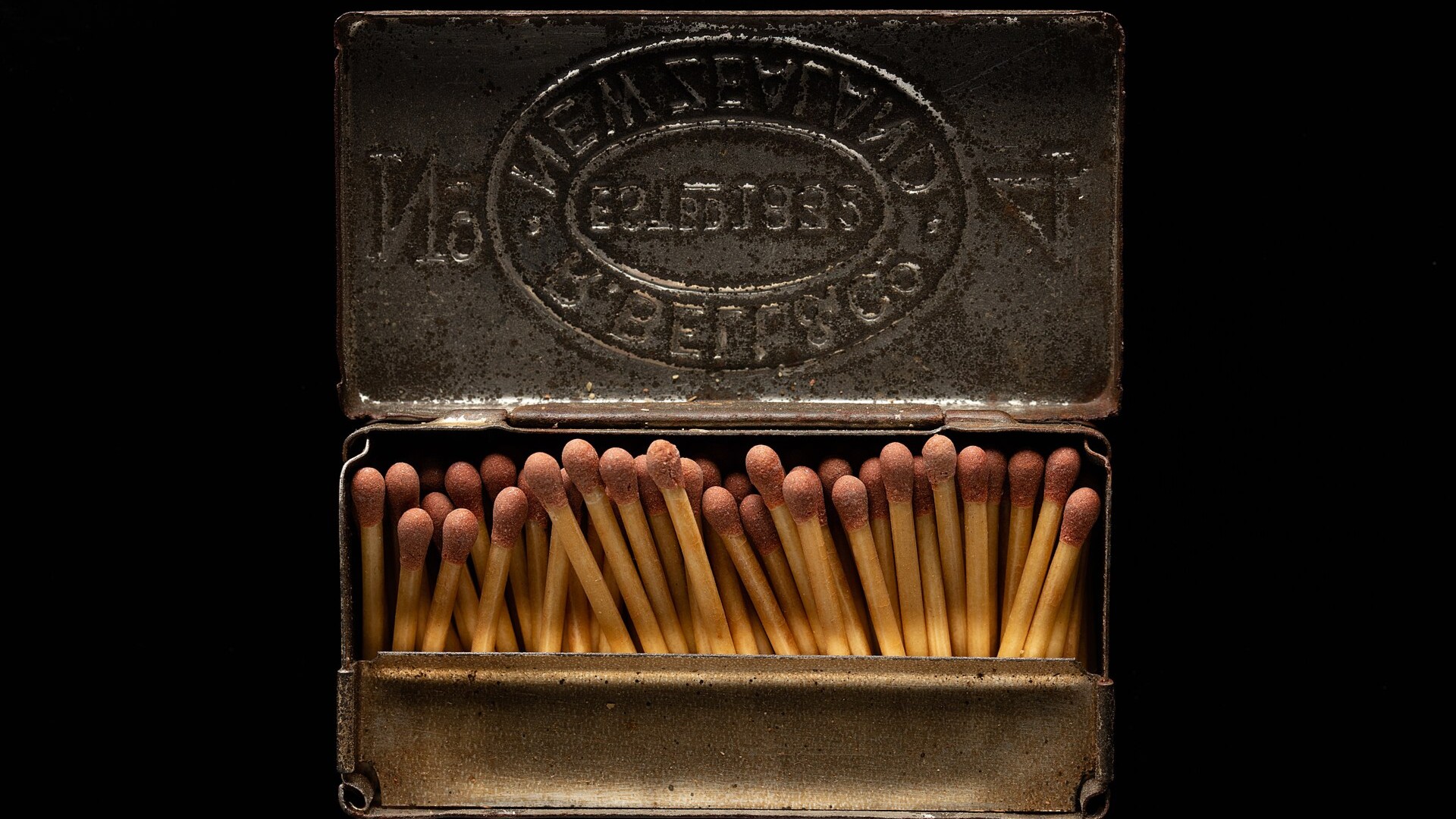
18. Matches And Lighters
When modern electric stove igniters lose power during winter outages, simple matches become essential cooking tools. Grocery stores and convenience shops experience rapid runs on long-reach utility lighters and wooden strike-on-box matches used to light pilot lights and emergency candles.
©Wikimedia / Auckland Museum Collections from Auckland
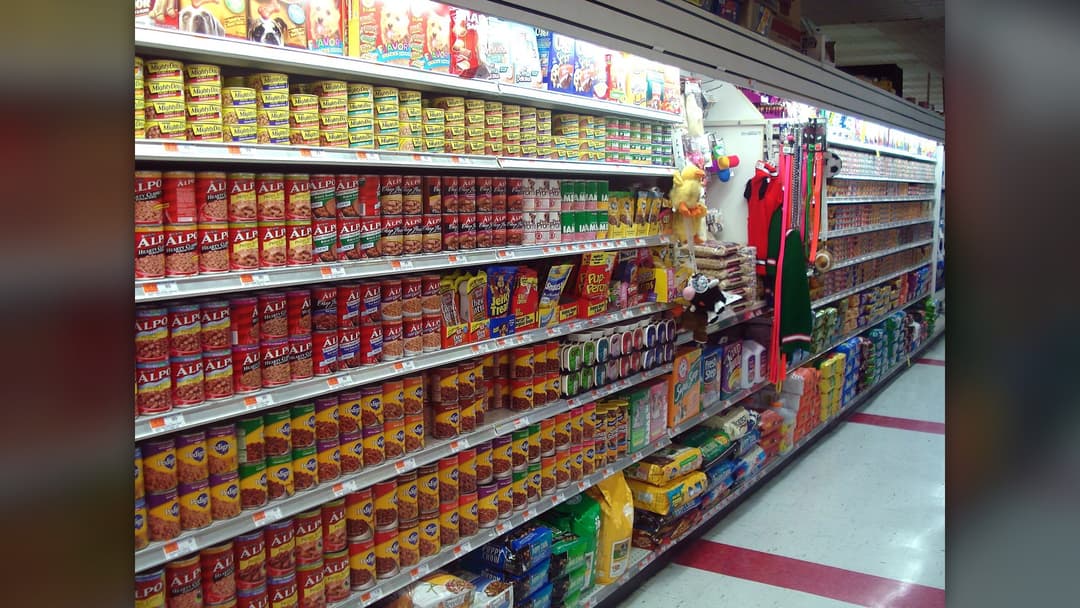
17. Pet Food
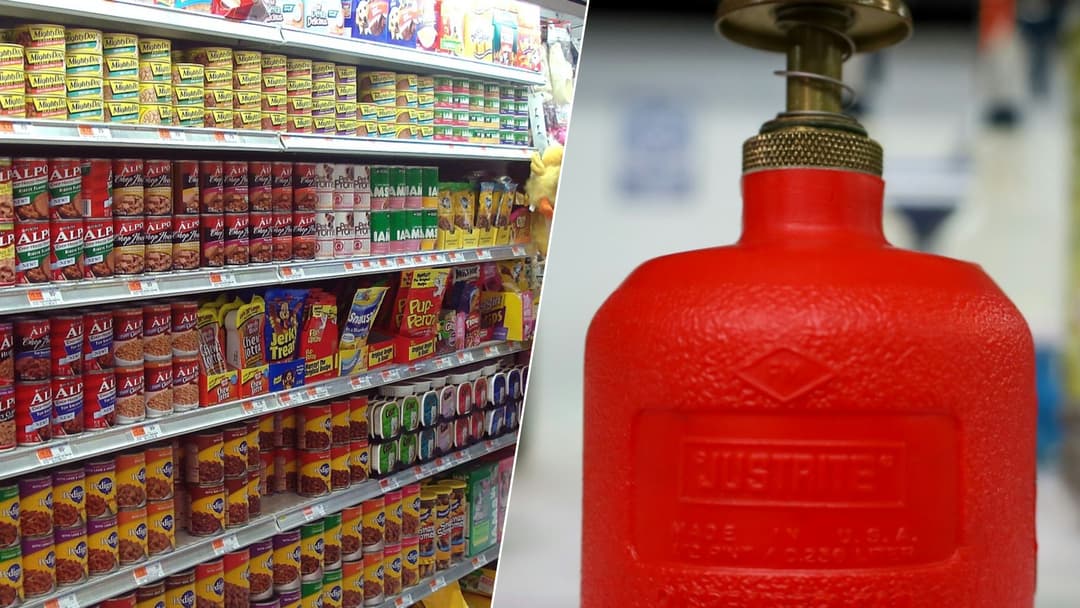
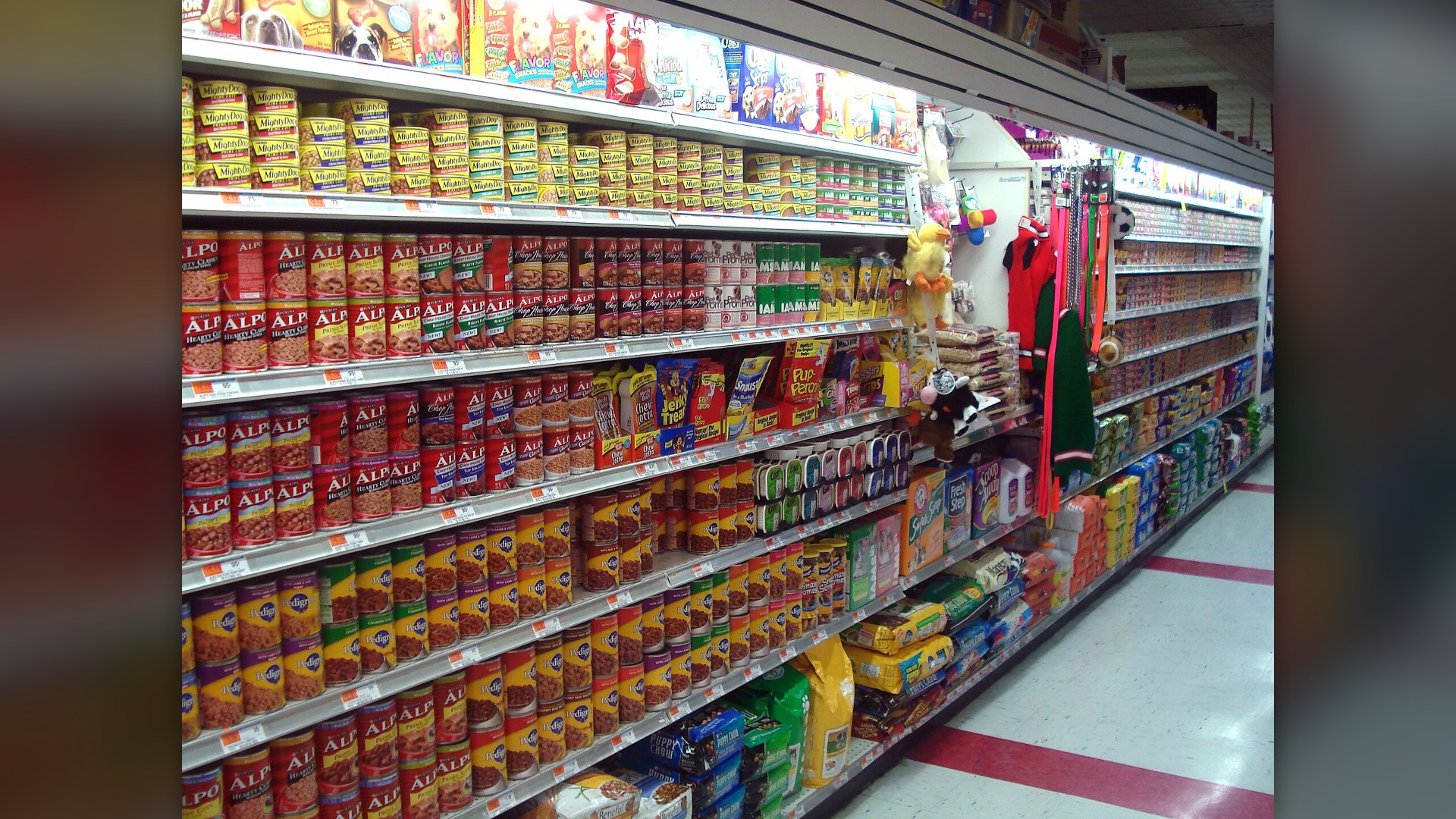
Pet owners refuse to risk running out of animal food when snowdrifts make travel impossible. Pet supply specialty stores and supermarket pet aisles see surging sales of twenty-pound dry kibble bags and canned rations, leaving empty wire racks in pet aisles two days before snowfall begins.
©Wikimedia / Pet food
16. Cold And Pain Medication
Being stranded at home with respiratory illness during a blizzard is a major dread for families. Pharmacy shelves clear rapidly of ibuprofen, acetaminophen, cough syrups and decongestants, with parents stocking up on pediatric formulations before road closures block clinics.

©Wikimedia / Ragesoss
15. Peanut Butter
Requiring zero cooking, water or refrigeration, peanut butter stands as an elite emergency protein source. Supermarket spreads aisles see glass and plastic jars cleared alongside jams, as families prepare meal supplies that remain fully edible even after days of total electricity loss.

©Wikimedia / Peanut butter
Advertisement
Swipe or tap ▶ to resume the countdown.
14. Firewood Bundles
Homeowners with wood stoves or open hearths rely on supplemental heat during freezing nights. Grocery and hardware store entryways quickly sell out of shrink-wrapped oak and hickory bundles, as residents buy multiple cords to guard against frozen residential heating oil tanks.

©Wikimedia / Winniepix
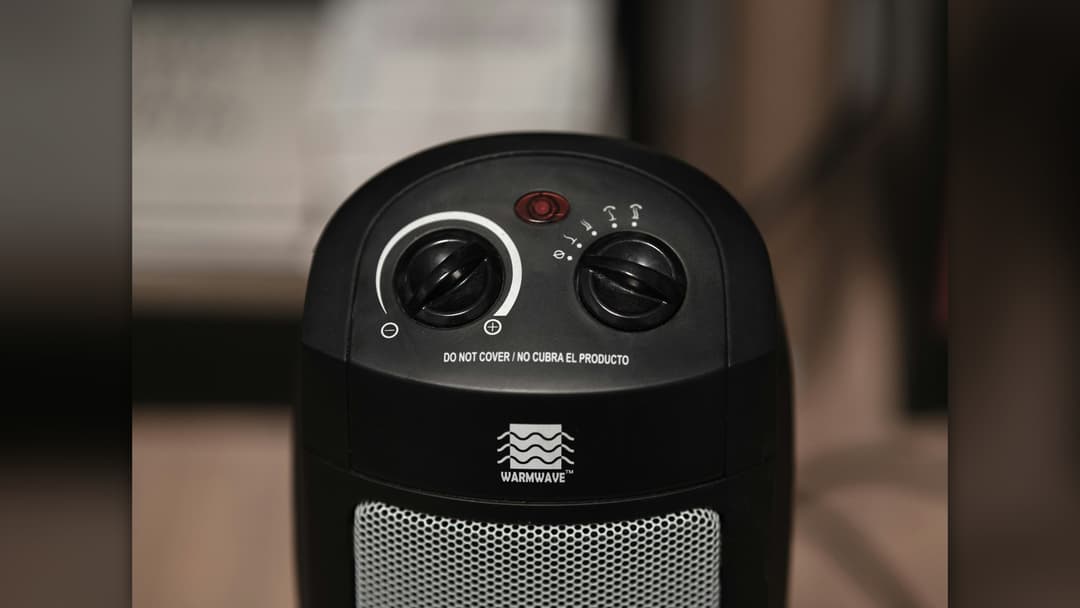
13. Portable Space Heaters
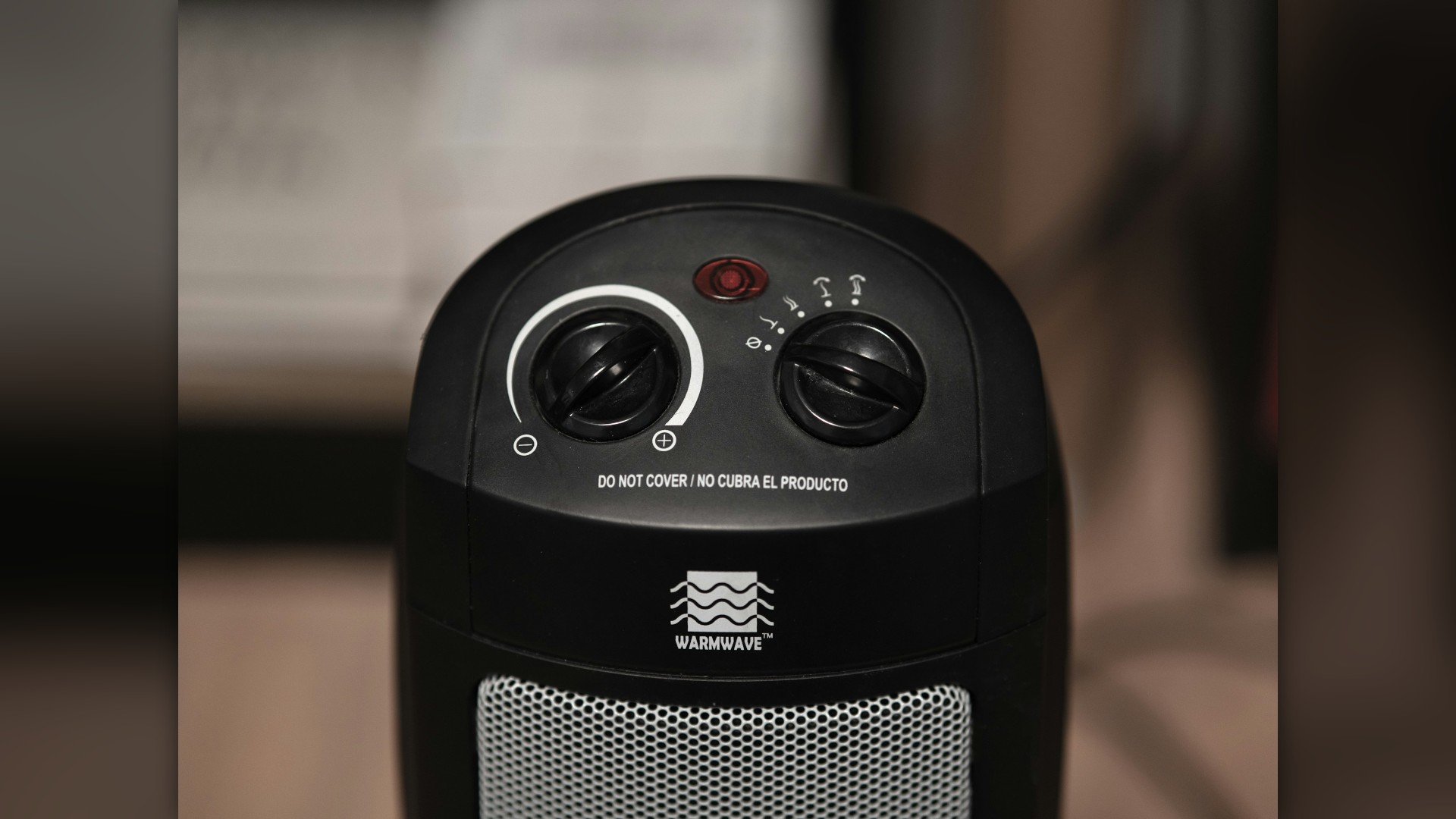
Plunging temperatures push central home furnaces past their limits, prompting runs on secondary heating appliances. Home improvement centres sell out their seasonal inventory of ceramic radiant units and oil-filled towers within hours of a National Weather Service freeze advisory.
© Photo by Donald Teel on Unsplash
12. Canned Soups And Stews
Canned chowders, chicken noodle soups and beef stews offer quick warm calories that store indefinitely. Supermarket soup rows look picked clean forty-eight hours before a storm, with consumers favouring pop-top lids that require no mechanical can opener during blackout conditions.

©Wikimedia / Daderot
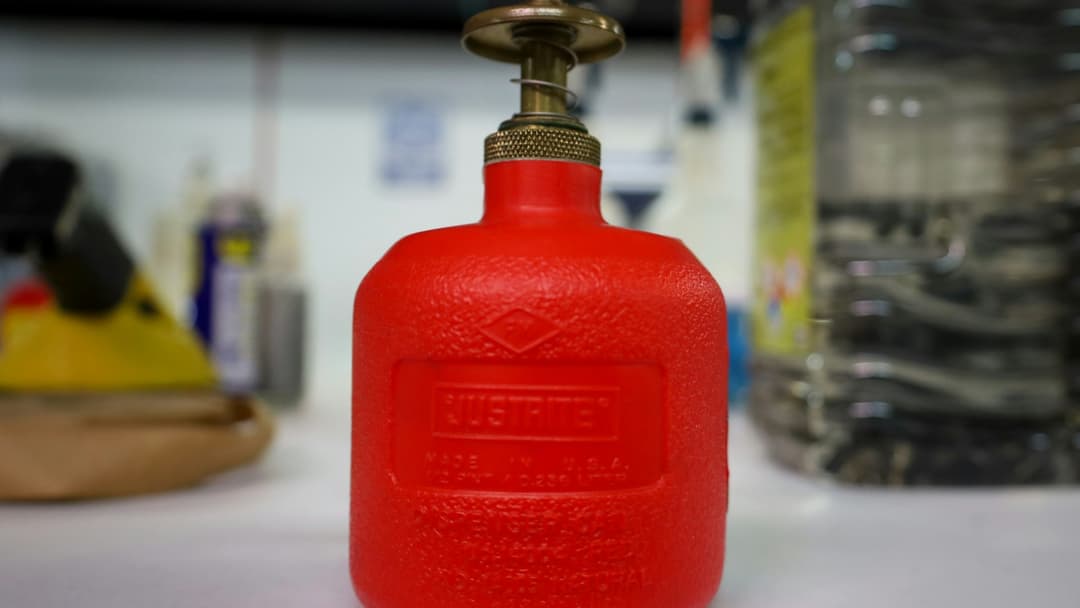
11. Portable Gas Cans
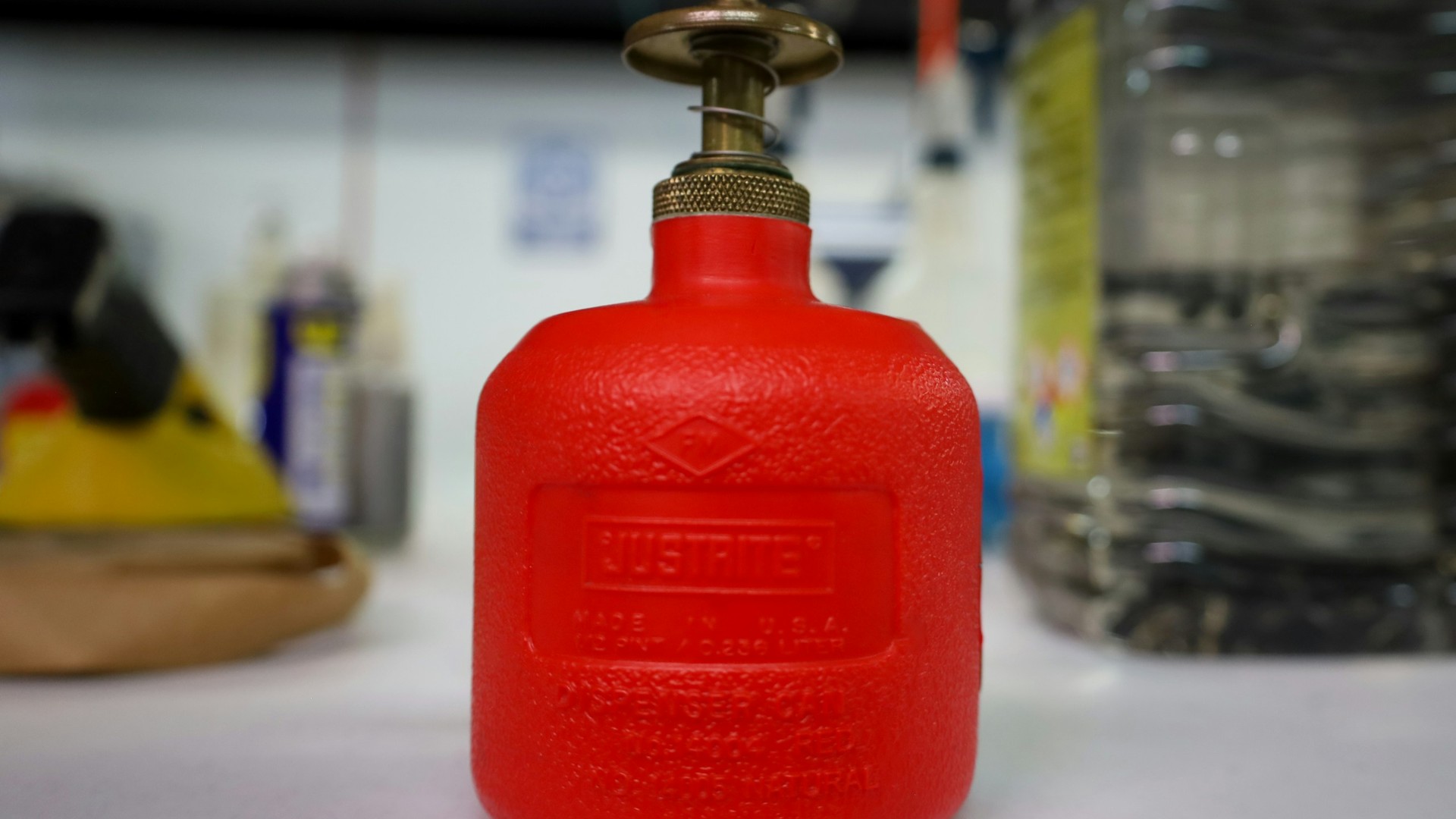
To operate emergency generators and snow blowers, residents require dedicated red fuel storage containers. Hardware retailers run out of EPA-compliant two-gallon and five-gallon tanks early, creating secondary bottlenecks at filling station pumps across impacted storm counties.
Advertisement
Swipe or tap ▶ to resume the countdown.
10. Toilet Paper
Because toilet paper packages occupy enormous shelf space, the loss of just twenty sales makes an aisle appear desolate. This visual emptiness sparks herd purchasing, causing grocery shoppers to load shopping carts with multi-packs even when household supplies remain fully adequate.

©Wikimedia / Toilet paper
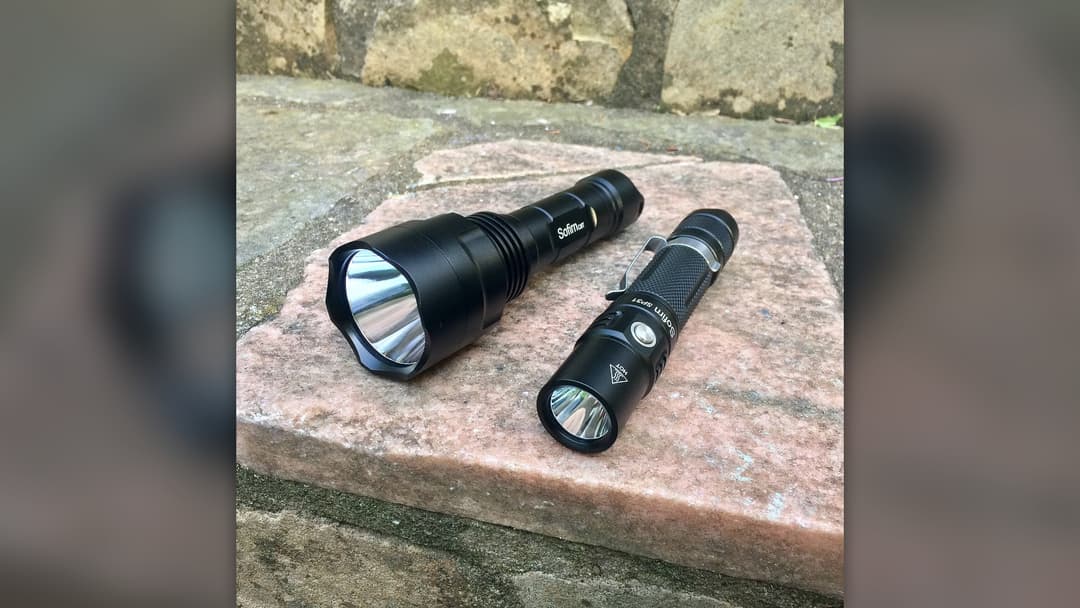
9. Flashlights And Lanterns
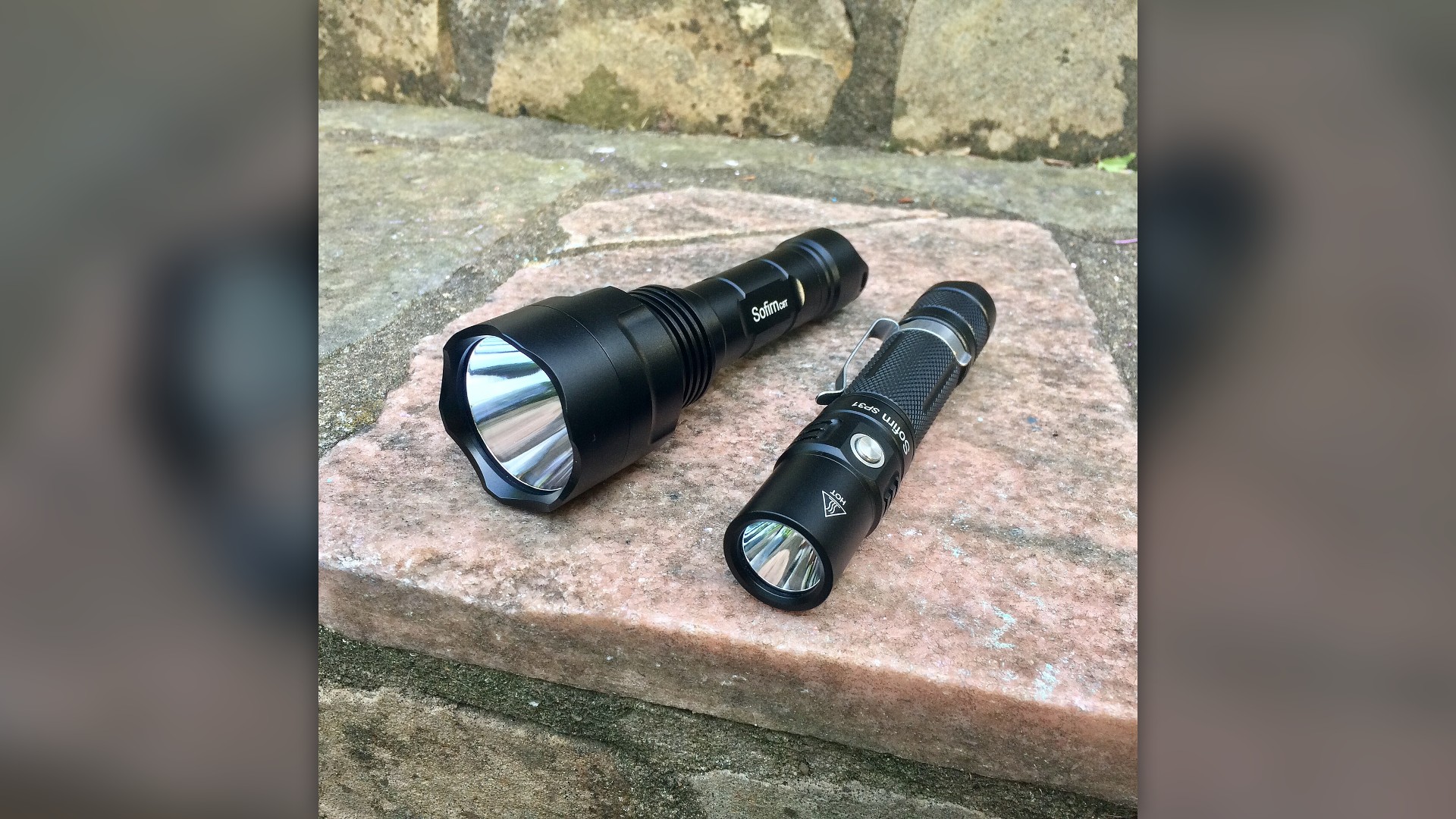
Power outages affect millions during severe winter blizzards due to ice on power lines. Big-box retailers see their illumination departments cleared of LED lanterns, magnetic work lights and hands-free headlamps, as shoppers seek reliable illumination before dusk approaches.
©Wikimedia / Flashlight
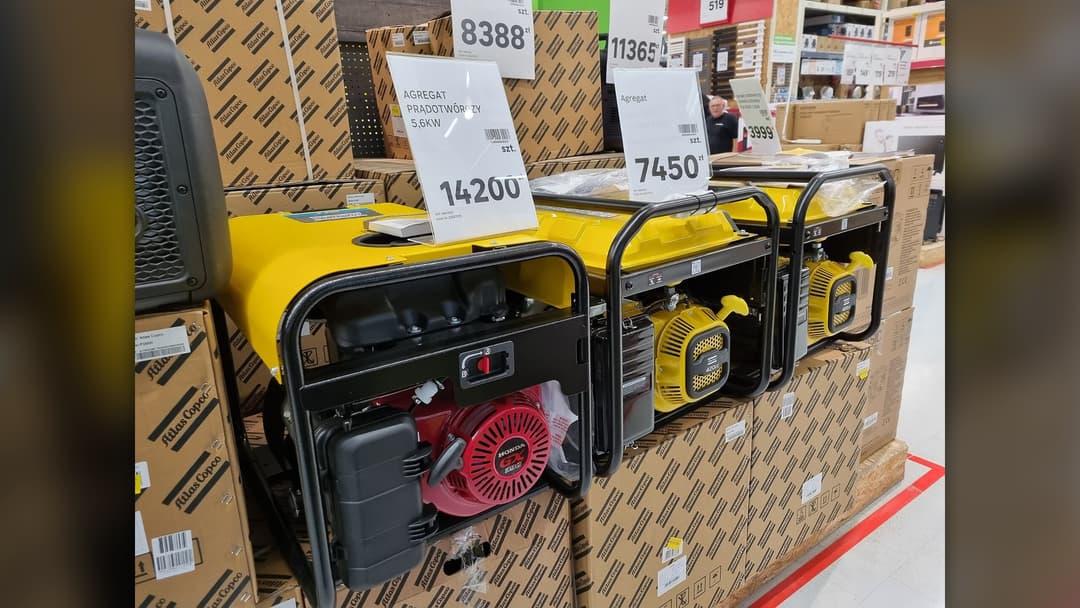
8. Portable Generators
Retailing between four hundred and twelve hundred dollars, portable generators are the highest value item cleared before a storm. Suburban home centres exhaust their entire stockroom inventory in a single morning, as homeowners rush to protect well pumps, sump systems and refrigerators.
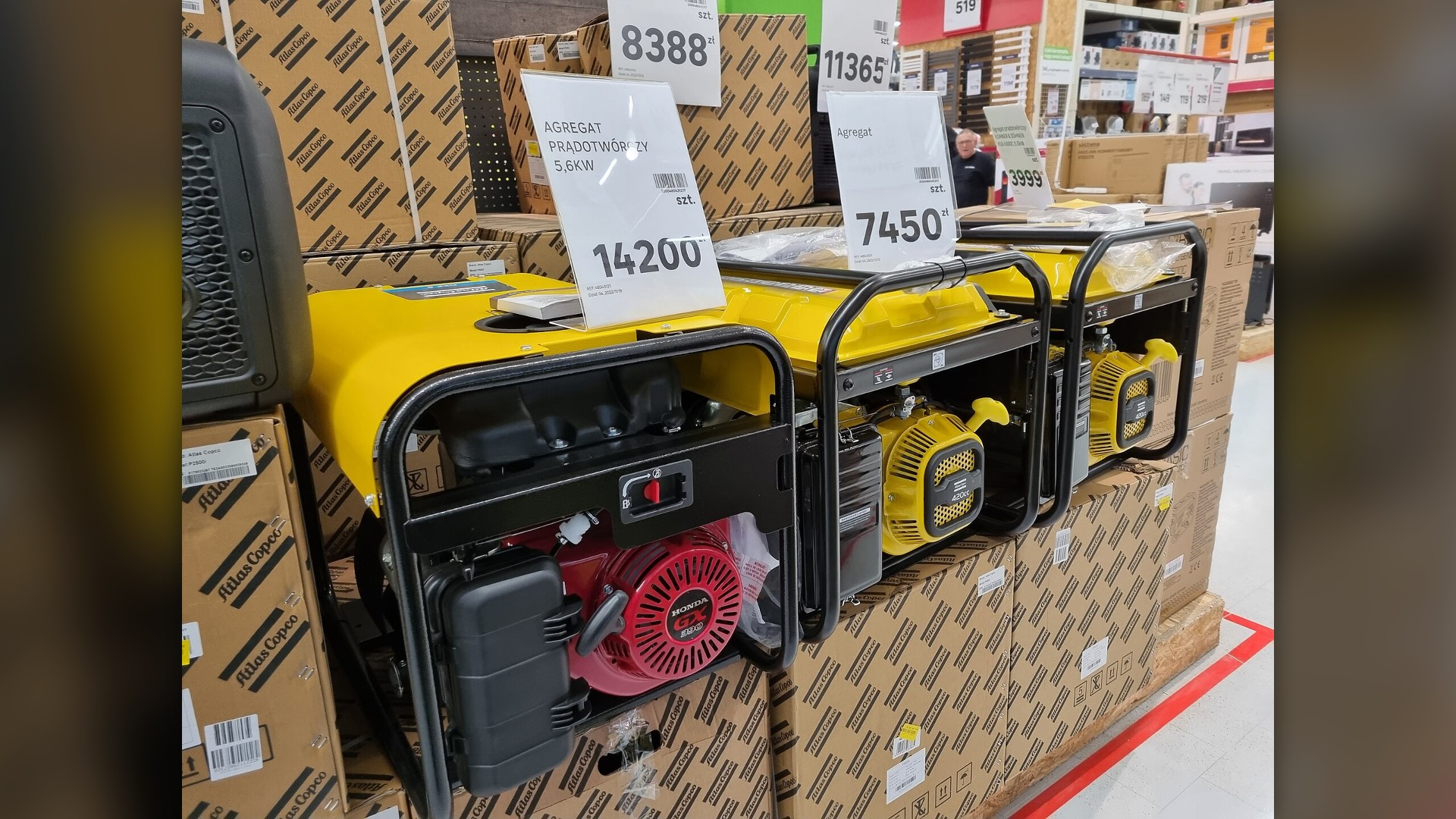
©Wikimedia / Maksym Kozlenko
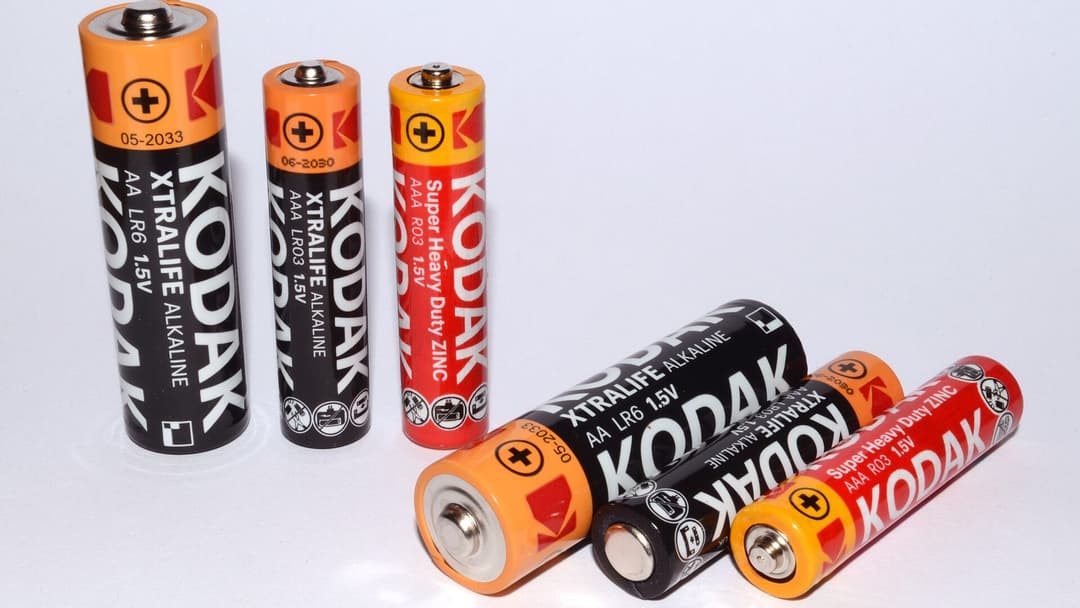
7. AA And AAA Batteries
Radios, lanterns, flashlights and medical monitors all depend on standard household batteries. Battery cardboard displays at supermarket checkouts and electronic retailers are stripped bare within thirty-six hours of storm warnings, with D-cell and AA multi-packs disappearing quickest.
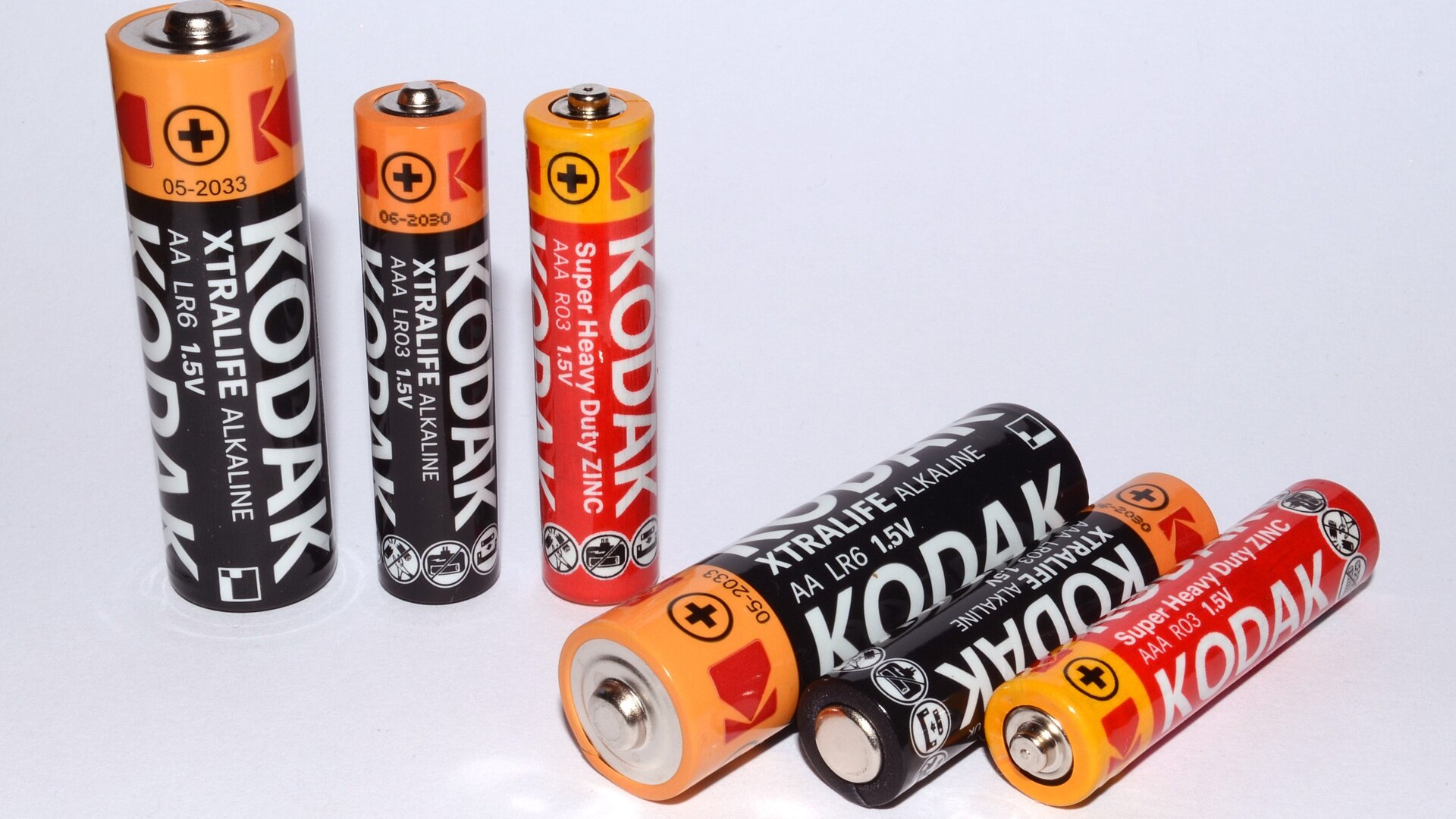
©Wikimedia / Multicherry
Advertisement
Swipe or tap ▶ to resume the countdown.
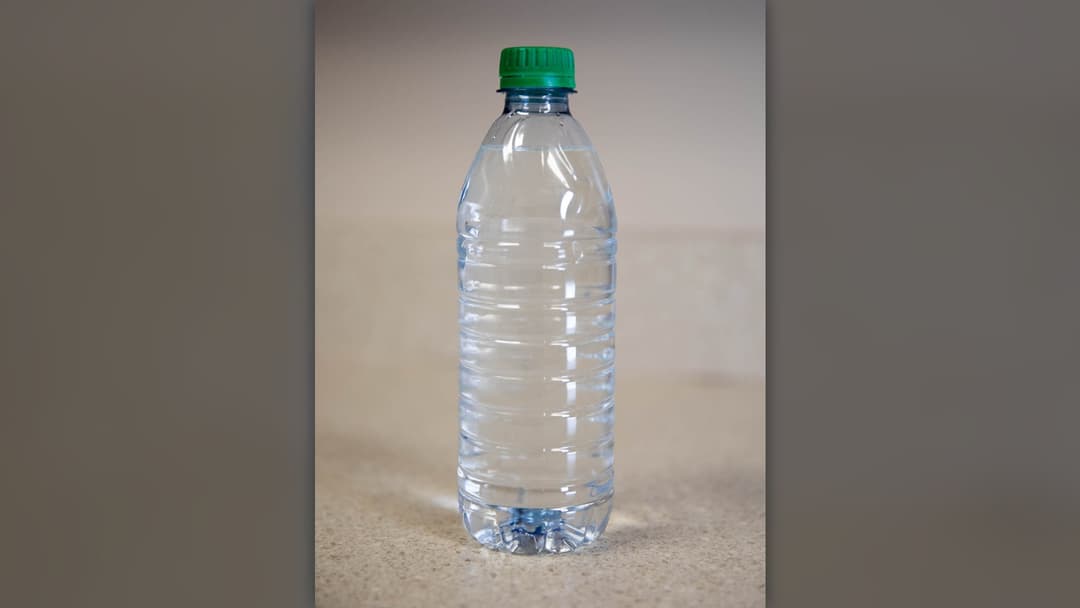
6. Bottled Water
FEMA advises families to store one gallon of fresh water per person per day during emergencies. Sub-zero weather threatens municipal water treatment plants and residential water pipes, leading shoppers to empty beverage aisles of plastic jugs and twenty-four-pack cases in hours.
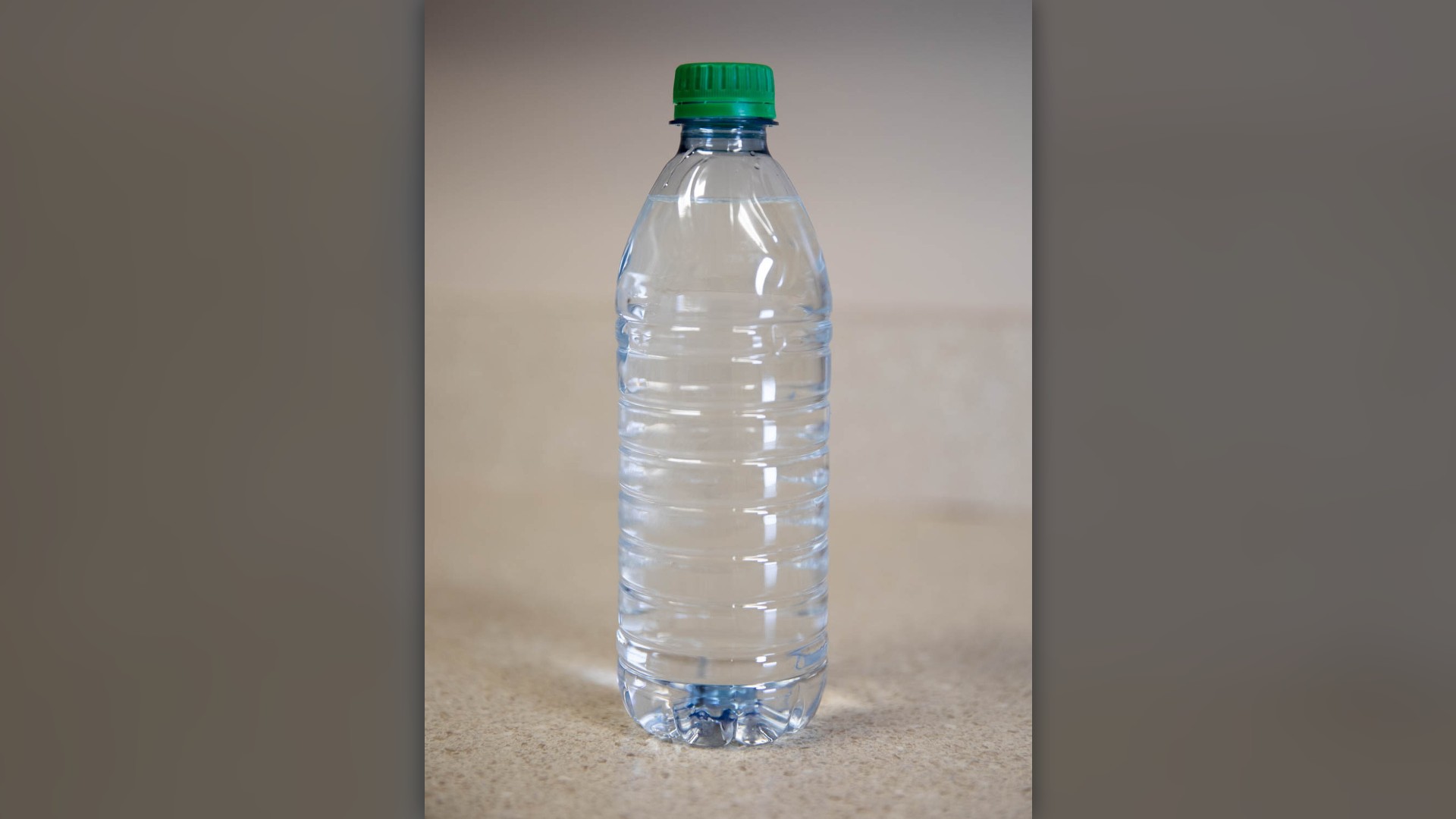
©Wikimedia / Bottled water
5. Fresh Eggs
Completing the traditional blizzard shopping run, fresh eggs disappear from dairy cases alongside dairy staples. Despite requiring refrigeration, eggs provide cheap pan-cooked protein and breakfast comfort food, leading shoppers to purchase multiple dozen-count cartons at once.

©Wikimedia / Muktee1494
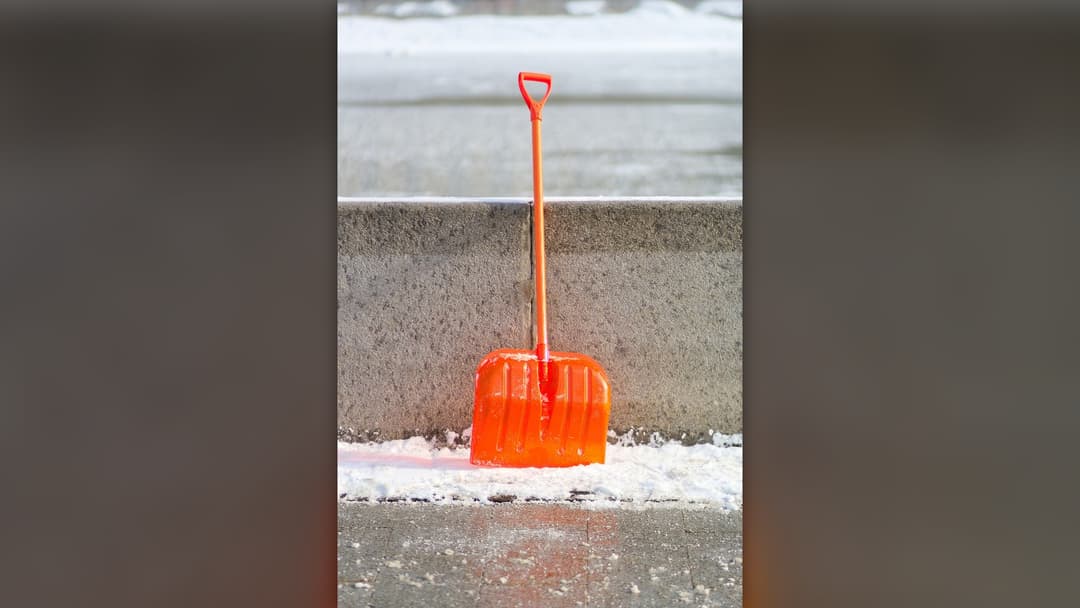
4. Snow Shovels
Hardware stores maintain limited floor display space for bulky snow tools during mild months. A forecast of six or more inches of accumulation triggers sudden demand that wipes out entire pallets of ergonomic plastic scoops and steel pushers within two hours of opening.
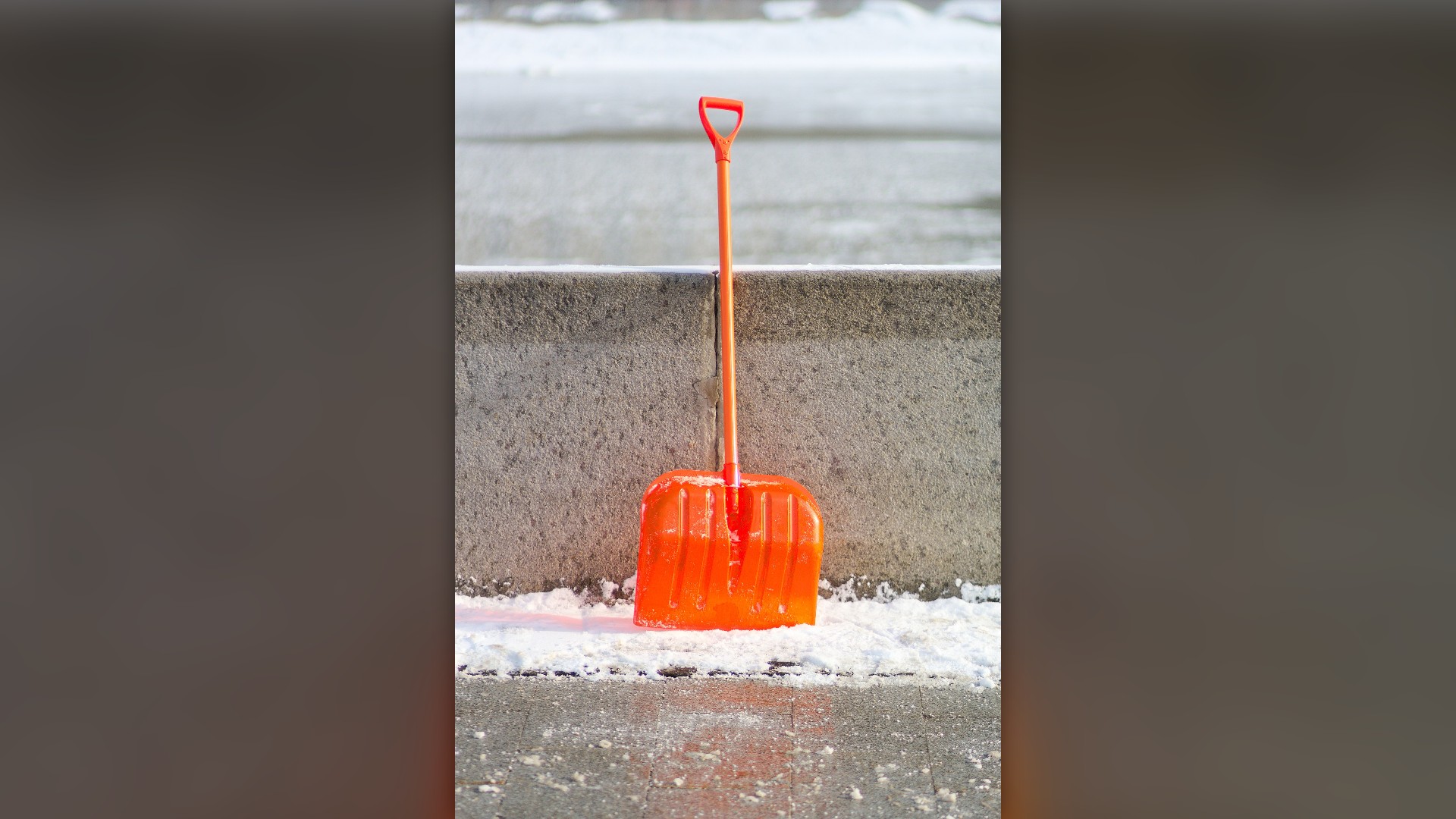
©Wikimedia / Retired electrician
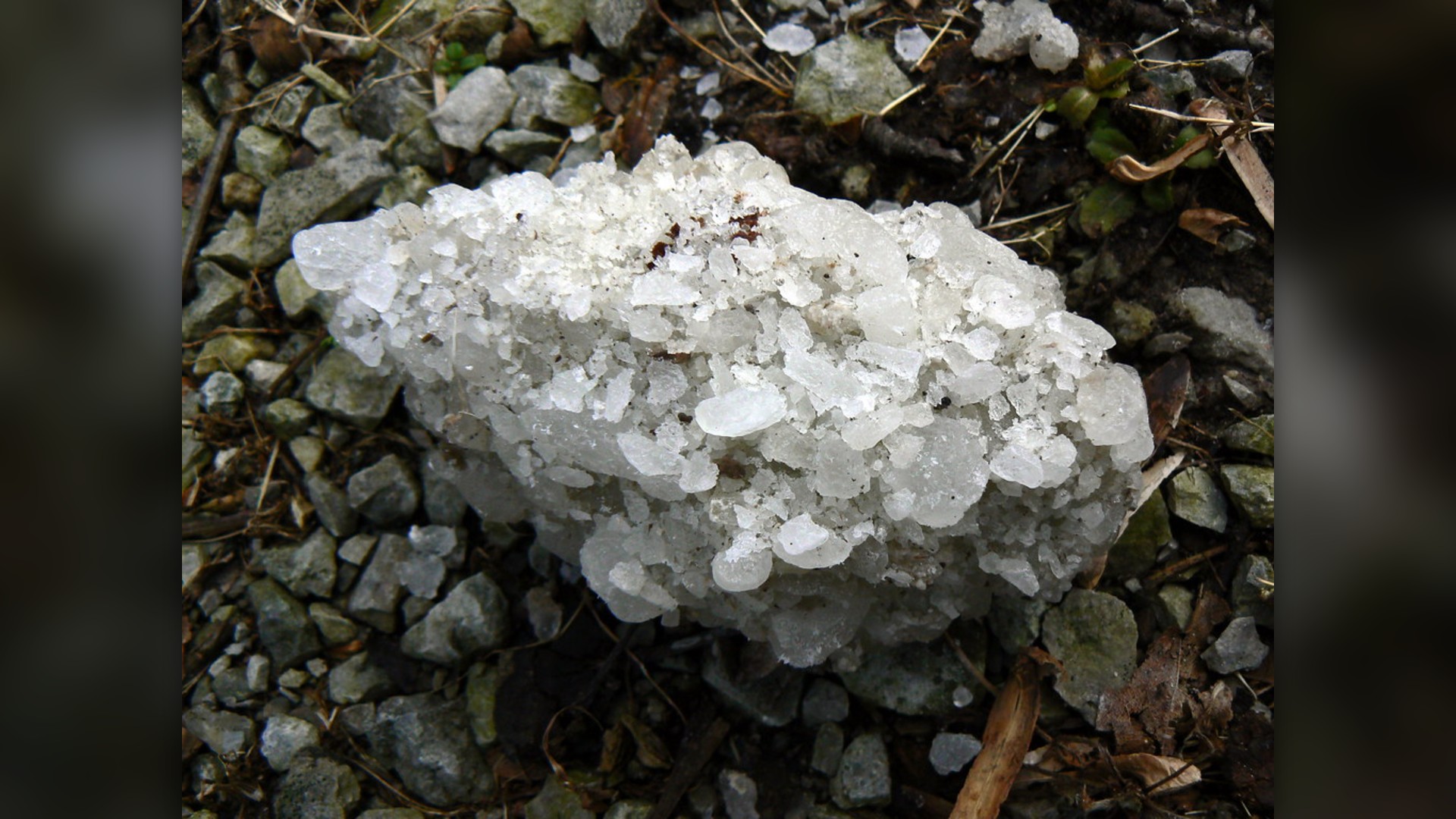
3. Rock Salt And Ice Melt
Property owners must clear commercial walkways and residential driveways to prevent injury claims. Pallets of sodium chloride and pet-safe calcium chloride melt compound disappear from garden centres and grocery foyers, leaving stores with bare concrete floors before freezing rain arrives.
©Openverse / Benimoto
Advertisement
Swipe or tap ▶ to resume the countdown.
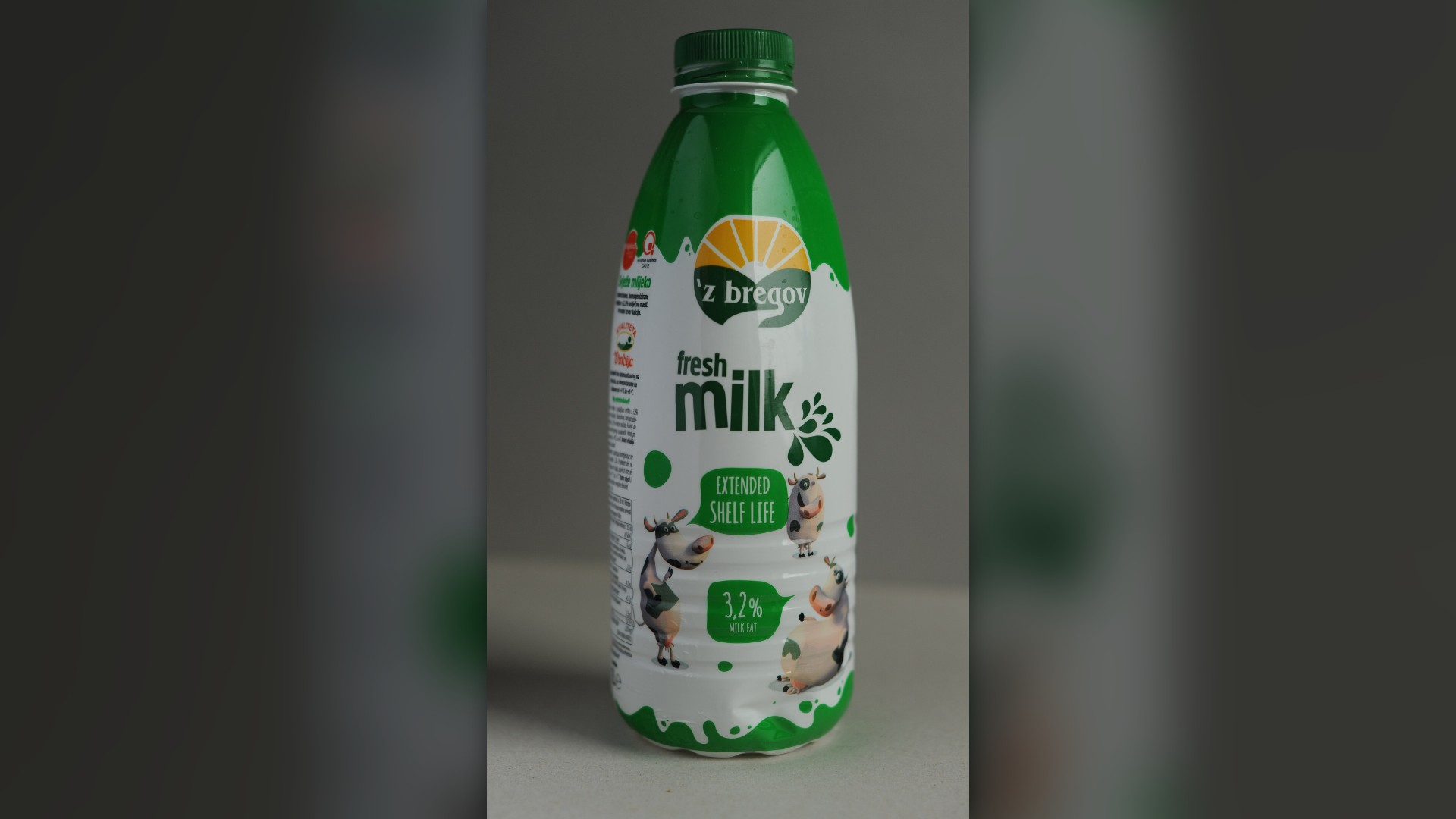
2. Fresh Milk
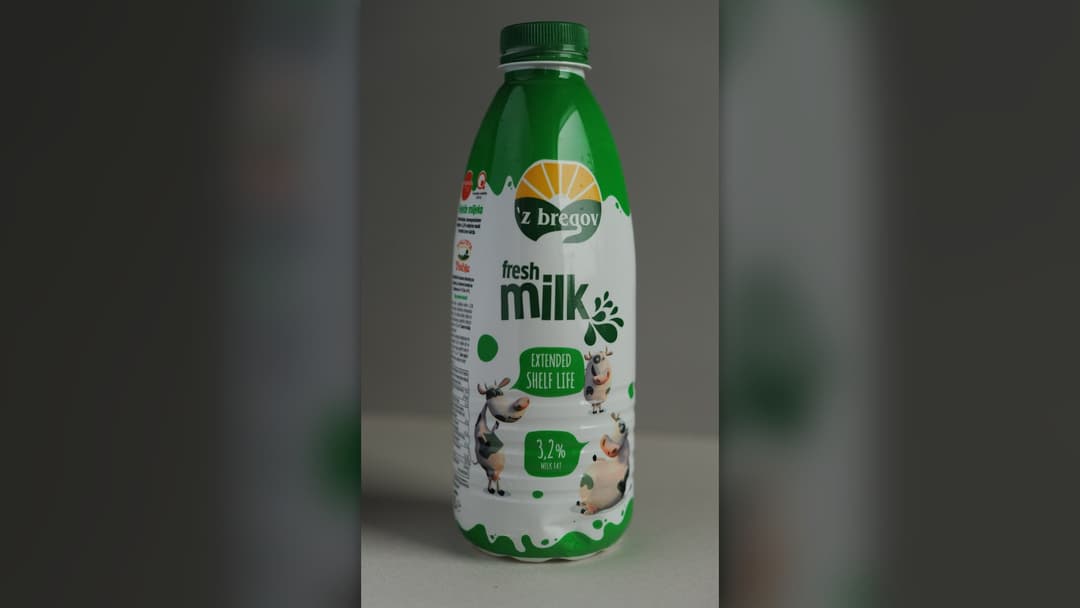
Milk represents the most universally documented perishable panic purchase across North American storms. Grocery distribution channels work on tight forty-eight-hour replenishment loops, meaning a simultaneous surge from thousands of local families cleans dairy coolers out in an afternoon.
©Wikimedia / Lysippos
1. Sliced Bread
White, wheat and potato sandwich breads are the undisputed first casualties of pre-storm grocery runs. Requiring no cooking or refrigeration, bread provides immediate family sustenance, and its rapid disappearance from commercial bakery racks serves as the classic symbol of storm panic.

©Wikimedia / Sliced bread
Advertisement
You've reached the end of the story. Thanks for reading!

UK Loses Bid to Keep Secret Apple Encryption Backdoor Order
In a major blow to state secrecy, Britain's Investigatory Powers Tribunal has ruled that the Home Office cannot hide its attempt to force Apple to create an encryption backdoor. The landmark decision clears the way for a public court battle over consumer privacy, national security, and government surveillance powers.
All 25 Entries in this Story
#25 Sleds And Snow Tubes
When school districts announce early closures ahead of severe snow, families rush retail aisles to grab winter recreation gear. Retailers rarely restock plastic toboggans mid-season, causing regional stock to sell out within forty-eight hours of an impending multi-inch snowfall event.

#24 Paper Plates And Cutlery
Sub-zero temperatures frequently freeze residential plumbing lines in suburban communities. Shoppers purchase paper bowls, cups and disposable utensils to avoid dirty dishes during water main disruptions, leaving paper goods aisles depleted alongside traditional napkins and party goods.

#23 Baby Diapers And Wipes
Parents facing blizzard warnings cannot risk being trapped without nursery essentials for days. Pharmacy and supermarket baby aisles see immediate bulk purchases of diapers and wipes, with standard sizes like size three and four vanishing first as families prepare for week-long travel bans.

#22 Chemical Hand Warmers
Air-activated iron powder heat packs provide vital warmth for homeowners clearing driveways or dealing with unheated rooms. Sporting goods stores and checkout counters sell out of forty-packs rapidly, as utility crews and residents buy them in bulk before temperatures drop below freezing.

#21 Portable Power Banks
Heavy ice accumulation regularly snaps transmission lines and isolates communities for days. Mobile phone users snap up pre-charged external battery packs at electronics counters and registers, seeking reliable communication backups before regional grid failures knock out wall outlets.

#20 Windshield Washer Fluid
Highway road grime and highway slush require high-alcohol windshield wash rated to minus twenty degrees. Gas station forecourts and auto parts shops empty their outdoor display pallets within twenty-four hours of an incoming cold front, leaving drivers scrambling for sub-zero solvent blends.

#19 Ice Scrapers And Brushes
Commuters with broken or misplaced scrapers rush automotive sections as soon as freezing rain is predicted. Retailers keep modest shelf stock of brass blades and foam sweepers, which evaporates during the opening morning of a major blizzard warning as workers prepare their vehicles.

#18 Matches And Lighters
When modern electric stove igniters lose power during winter outages, simple matches become essential cooking tools. Grocery stores and convenience shops experience rapid runs on long-reach utility lighters and wooden strike-on-box matches used to light pilot lights and emergency candles.

#17 Pet Food
Pet owners refuse to risk running out of animal food when snowdrifts make travel impossible. Pet supply specialty stores and supermarket pet aisles see surging sales of twenty-pound dry kibble bags and canned rations, leaving empty wire racks in pet aisles two days before snowfall begins.

#16 Cold And Pain Medication
Being stranded at home with respiratory illness during a blizzard is a major dread for families. Pharmacy shelves clear rapidly of ibuprofen, acetaminophen, cough syrups and decongestants, with parents stocking up on pediatric formulations before road closures block clinics.

#15 Peanut Butter
Requiring zero cooking, water or refrigeration, peanut butter stands as an elite emergency protein source. Supermarket spreads aisles see glass and plastic jars cleared alongside jams, as families prepare meal supplies that remain fully edible even after days of total electricity loss.

#14 Firewood Bundles
Homeowners with wood stoves or open hearths rely on supplemental heat during freezing nights. Grocery and hardware store entryways quickly sell out of shrink-wrapped oak and hickory bundles, as residents buy multiple cords to guard against frozen residential heating oil tanks.

#13 Portable Space Heaters
Plunging temperatures push central home furnaces past their limits, prompting runs on secondary heating appliances. Home improvement centres sell out their seasonal inventory of ceramic radiant units and oil-filled towers within hours of a National Weather Service freeze advisory.

#12 Canned Soups And Stews
Canned chowders, chicken noodle soups and beef stews offer quick warm calories that store indefinitely. Supermarket soup rows look picked clean forty-eight hours before a storm, with consumers favouring pop-top lids that require no mechanical can opener during blackout conditions.

#11 Portable Gas Cans
To operate emergency generators and snow blowers, residents require dedicated red fuel storage containers. Hardware retailers run out of EPA-compliant two-gallon and five-gallon tanks early, creating secondary bottlenecks at filling station pumps across impacted storm counties.

#10 Toilet Paper
Because toilet paper packages occupy enormous shelf space, the loss of just twenty sales makes an aisle appear desolate. This visual emptiness sparks herd purchasing, causing grocery shoppers to load shopping carts with multi-packs even when household supplies remain fully adequate.

#9 Flashlights And Lanterns
Power outages affect millions during severe winter blizzards due to ice on power lines. Big-box retailers see their illumination departments cleared of LED lanterns, magnetic work lights and hands-free headlamps, as shoppers seek reliable illumination before dusk approaches.

#8 Portable Generators
Retailing between four hundred and twelve hundred dollars, portable generators are the highest value item cleared before a storm. Suburban home centres exhaust their entire stockroom inventory in a single morning, as homeowners rush to protect well pumps, sump systems and refrigerators.

#7 AA And AAA Batteries
Radios, lanterns, flashlights and medical monitors all depend on standard household batteries. Battery cardboard displays at supermarket checkouts and electronic retailers are stripped bare within thirty-six hours of storm warnings, with D-cell and AA multi-packs disappearing quickest.

#6 Bottled Water
FEMA advises families to store one gallon of fresh water per person per day during emergencies. Sub-zero weather threatens municipal water treatment plants and residential water pipes, leading shoppers to empty beverage aisles of plastic jugs and twenty-four-pack cases in hours.

#5 Fresh Eggs
Completing the traditional blizzard shopping run, fresh eggs disappear from dairy cases alongside dairy staples. Despite requiring refrigeration, eggs provide cheap pan-cooked protein and breakfast comfort food, leading shoppers to purchase multiple dozen-count cartons at once.

#4 Snow Shovels
Hardware stores maintain limited floor display space for bulky snow tools during mild months. A forecast of six or more inches of accumulation triggers sudden demand that wipes out entire pallets of ergonomic plastic scoops and steel pushers within two hours of opening.

#3 Rock Salt And Ice Melt
Property owners must clear commercial walkways and residential driveways to prevent injury claims. Pallets of sodium chloride and pet-safe calcium chloride melt compound disappear from garden centres and grocery foyers, leaving stores with bare concrete floors before freezing rain arrives.

#2 Fresh Milk
Milk represents the most universally documented perishable panic purchase across North American storms. Grocery distribution channels work on tight forty-eight-hour replenishment loops, meaning a simultaneous surge from thousands of local families cleans dairy coolers out in an afternoon.

#1 Sliced Bread
White, wheat and potato sandwich breads are the undisputed first casualties of pre-storm grocery runs. Requiring no cooking or refrigeration, bread provides immediate family sustenance, and its rapid disappearance from commercial bakery racks serves as the classic symbol of storm panic.