Slideshow · Science
25 US States Ranked by Things That Make Them Unique
From underground cities to active volcanoes, see what sets these states apart.
By Most Viral Today
3 Nov 2026

Discover the singular wonders that make each American state unforgettable. 
25. Delaware 
24. Rhode Island 
23. Kansas - AdvertisementSwipe or tap ▶ to continue countdown

22. Iowa 
21. Maine 
20. North Carolina 
19. Idaho - AdvertisementSwipe or tap ▶ to continue countdown

18. Kentucky 
17. Oregon 
16. Washington 
15. New Mexico - AdvertisementSwipe or tap ▶ to continue countdown

14. Louisiana 
13. Wyoming 
12. Utah 
11. Michigan - AdvertisementSwipe or tap ▶ to continue countdown

10. Nevada 
9. Montana 
8. Arizona 
7. Texas - AdvertisementSwipe or tap ▶ to continue countdown

6. Florida 
5. California 
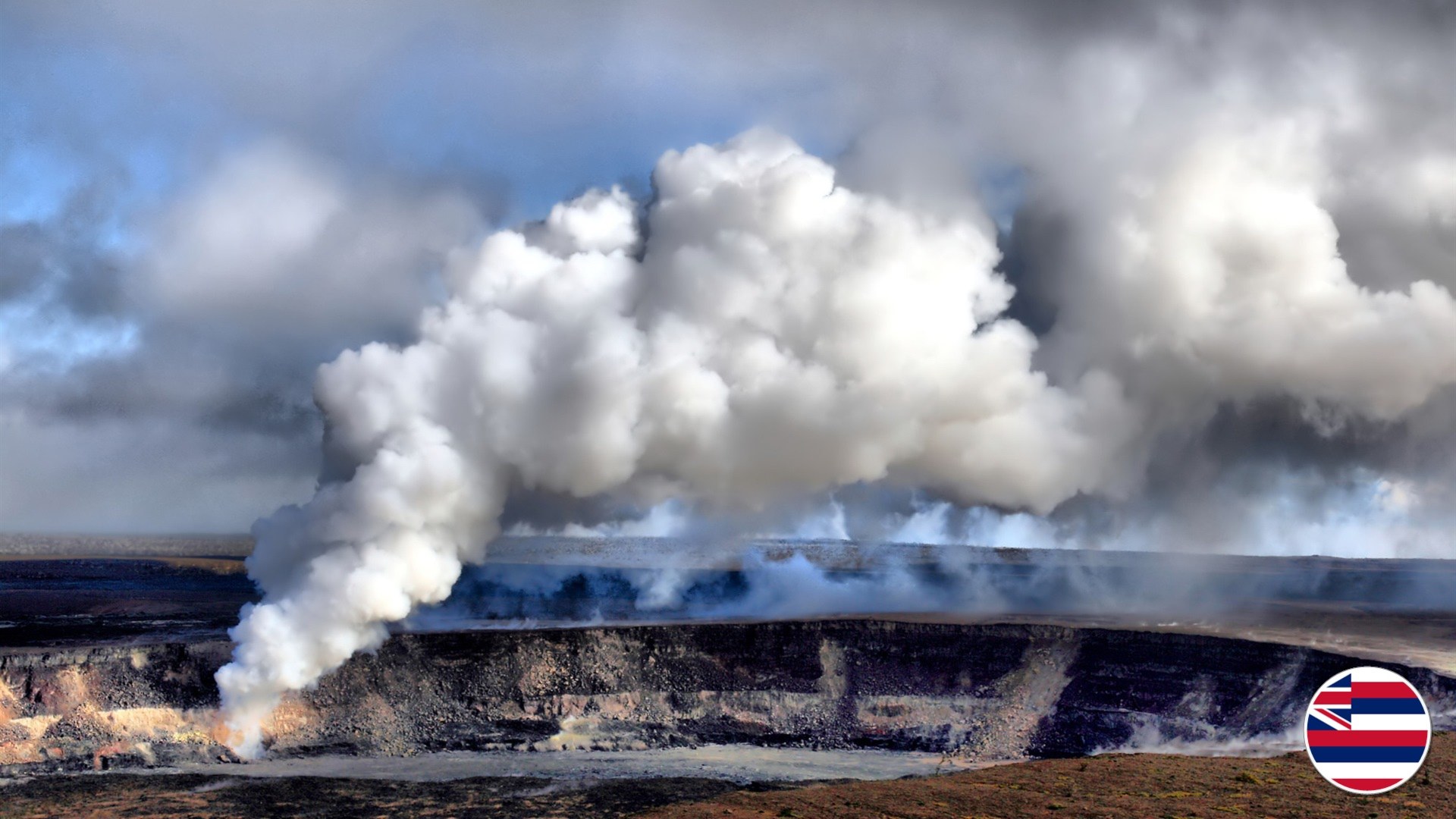
4. Hawaii 
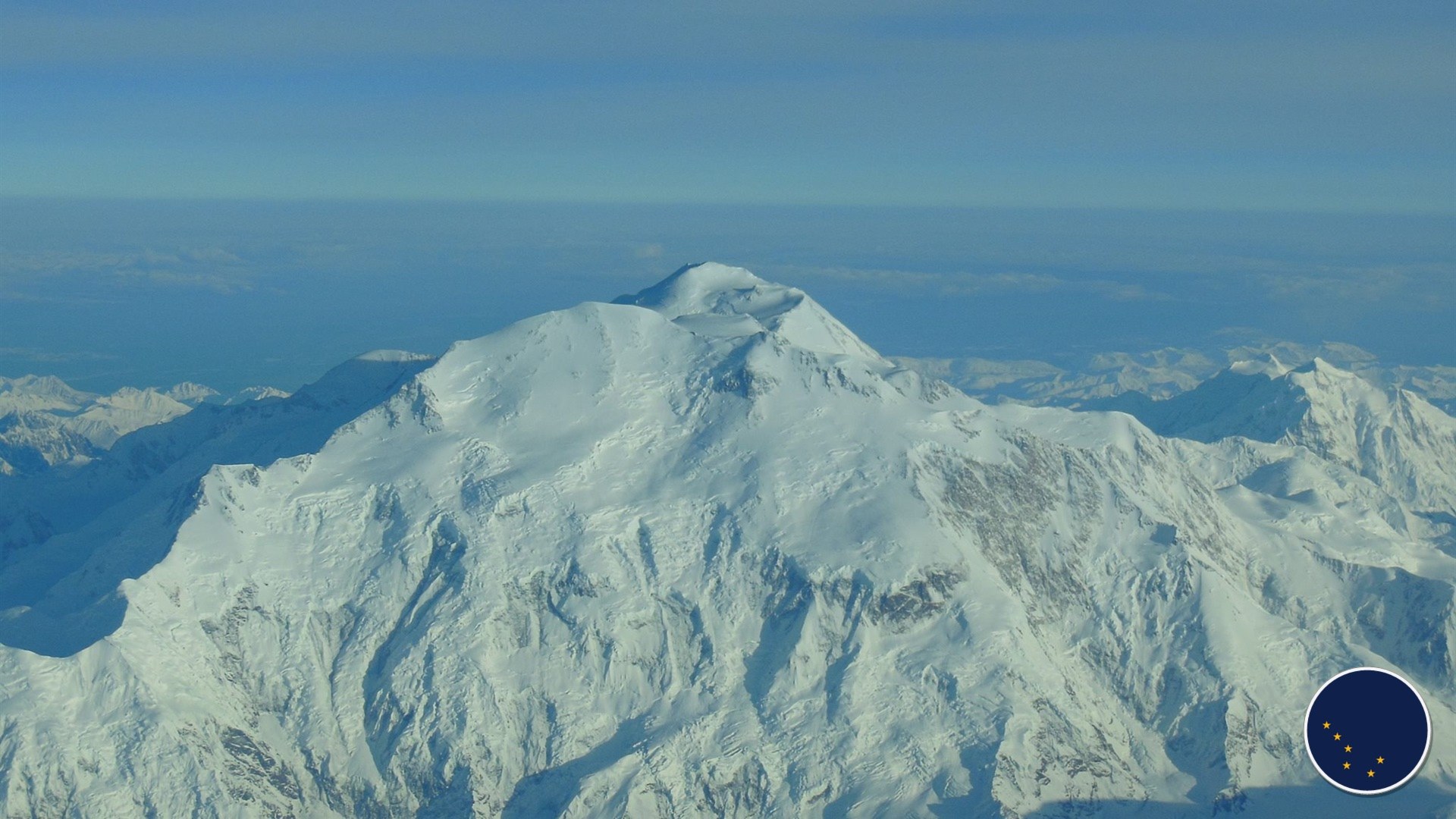
3. Alaska - AdvertisementSwipe or tap ▶ to continue countdown

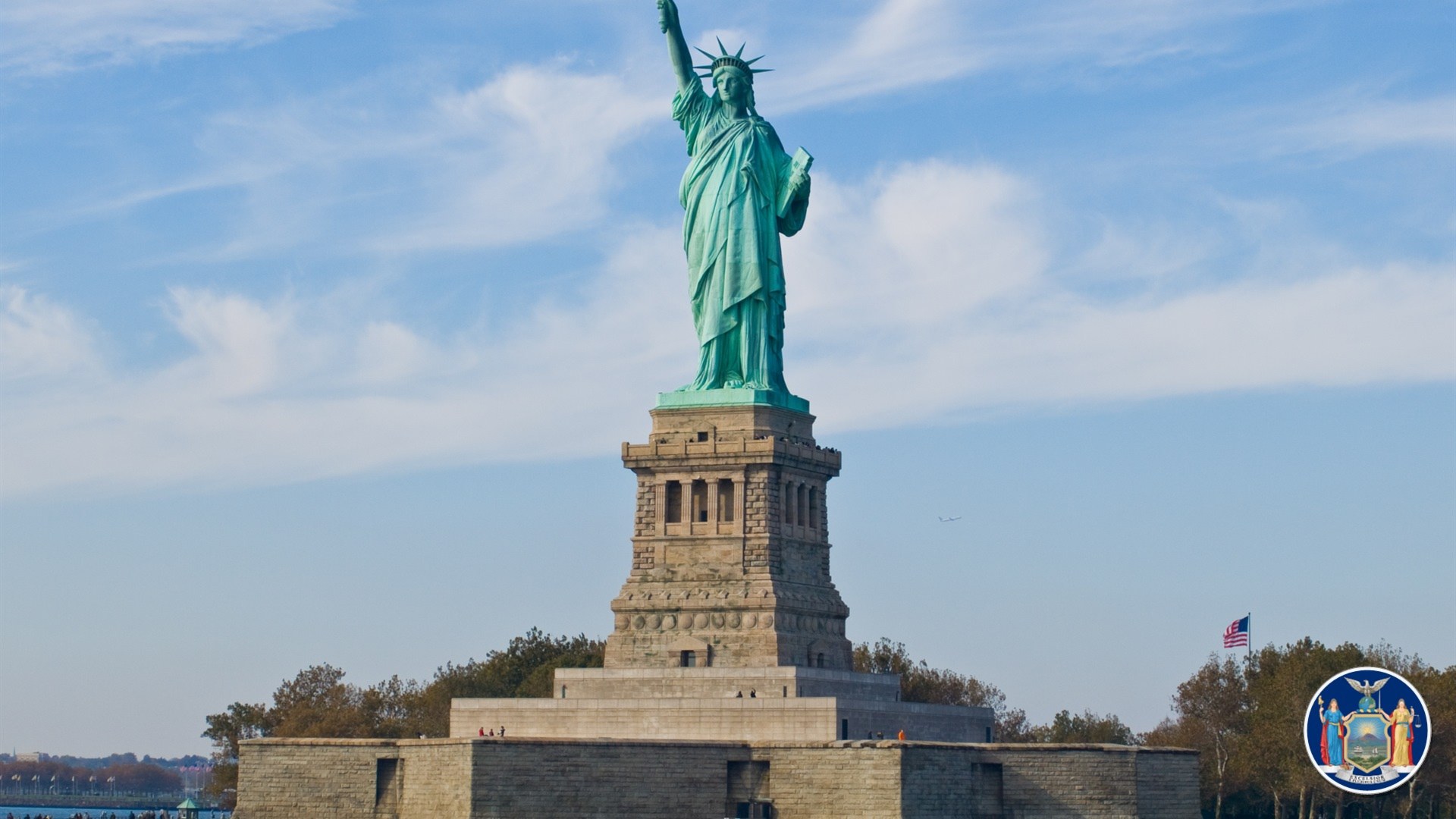
2. New York 
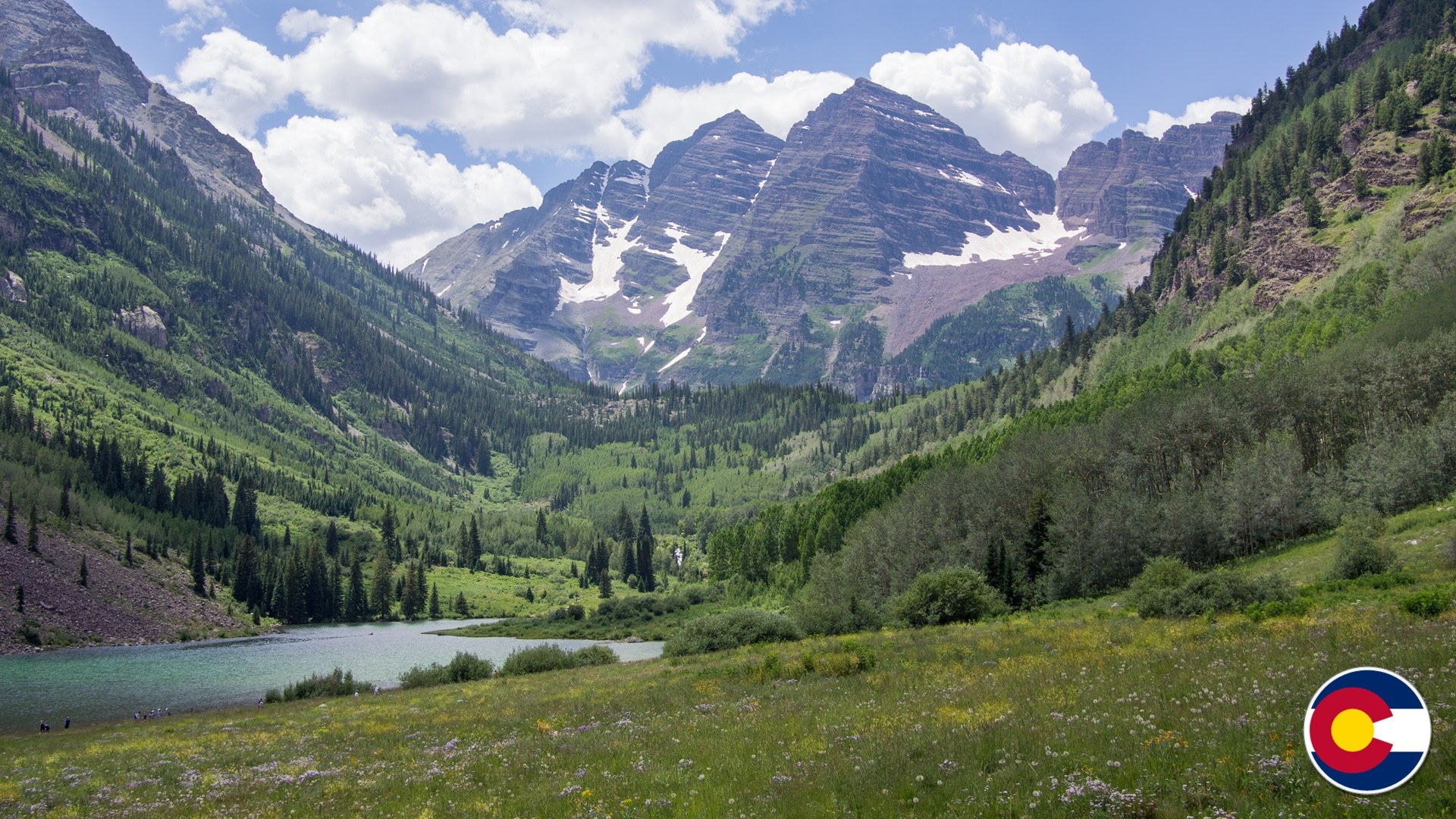
1. Colorado - Advertisement🔥 UP NEXT IN THIS SERIES◫ 26 Slides

25 Groundbreaking American Inventions and Achievements Ranked
From Kitty Hawk and the Apollo 11 lunar landing to the transistor and the internet, American inventors and scientists have transformed global civilization. Sourced from the Smithsonian Institution, NASA archives, and the Library of Congress, here are twenty-five groundbreaking American milestones ranked.
From massive volcanic summits and the world deepest lakes to subtropical wetlands where unique ecosystems thrive, every state has a signature feature. Here are 25 US states ranked by the distinctive traits that set them apart.
Swipe or tap ▶ to begin the countdown
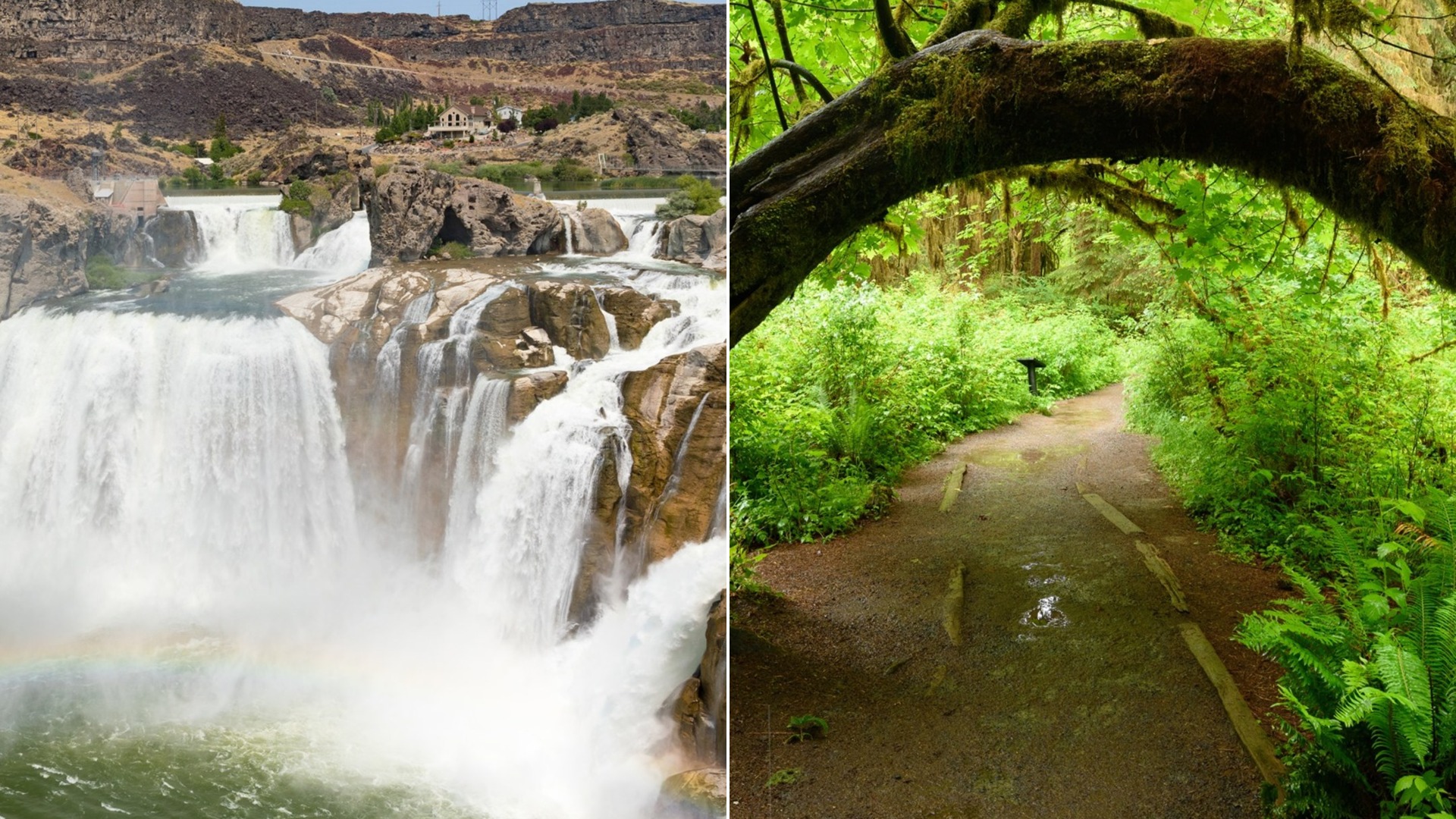
©Wikimedia / Charles Knowles & wikimedia / King of Hearts
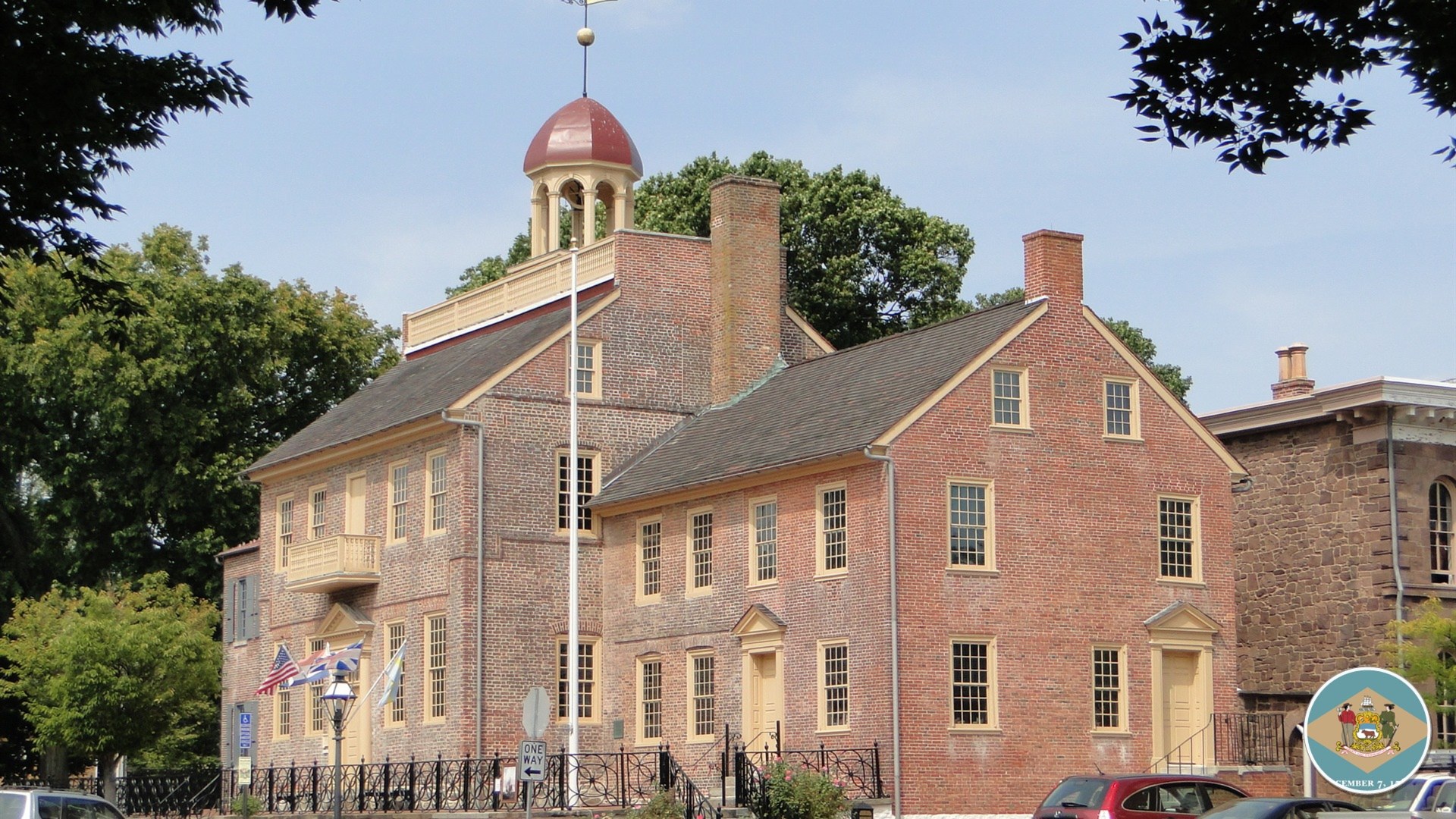
25. Delaware
Delaware earned its title as the First State by ratifying the US Constitution on December 7, 1787. Thanks to favorable business statutes and the specialized Court of Chancery, more than half of all publicly traded American corporations maintain their legal home here.
©Wikimedia Commons / Tim Kiser
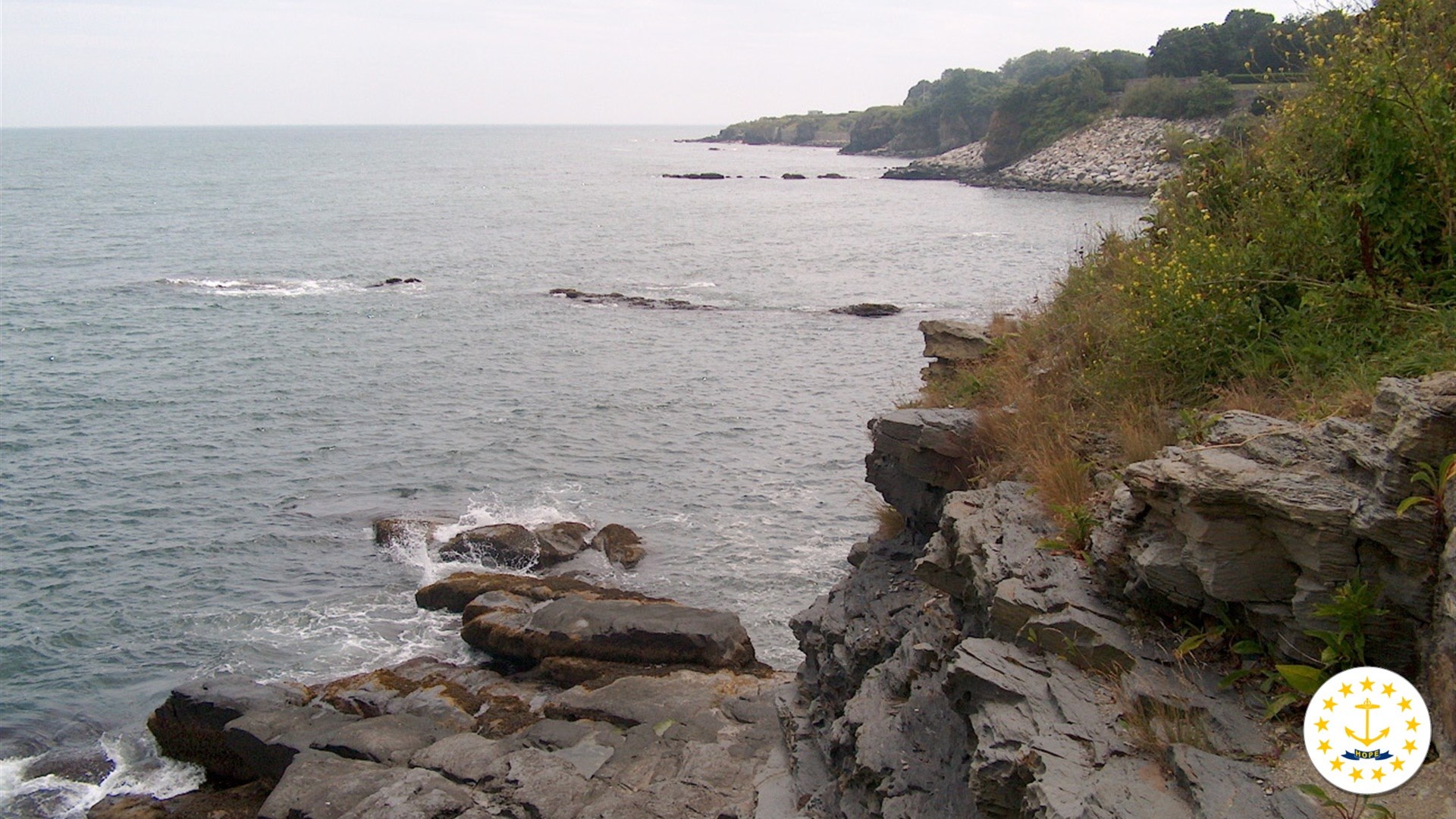
24. Rhode Island
Covering just 1,214 square miles, Rhode Island is the smallest state in the union. Despite its compact footprint, Naragansett Bay and numerous coastal inlets give the Ocean State more than 400 miles of coastline, defining its historic sailing and maritime identity.
©Wikimedia Commons / Ken Gallager
23. Kansas
Located just outside Lebanon, Kansas, a stone marker designates the exact geographic center of the 48 contiguous United States. Established by government geodetic surveys in 1898, the landmark anchors the state reputation as the ultimate heartland crossroads.
©Wikimedia Commons / Ammodramus
Advertisement
Swipe or tap ▶ to resume the countdown.
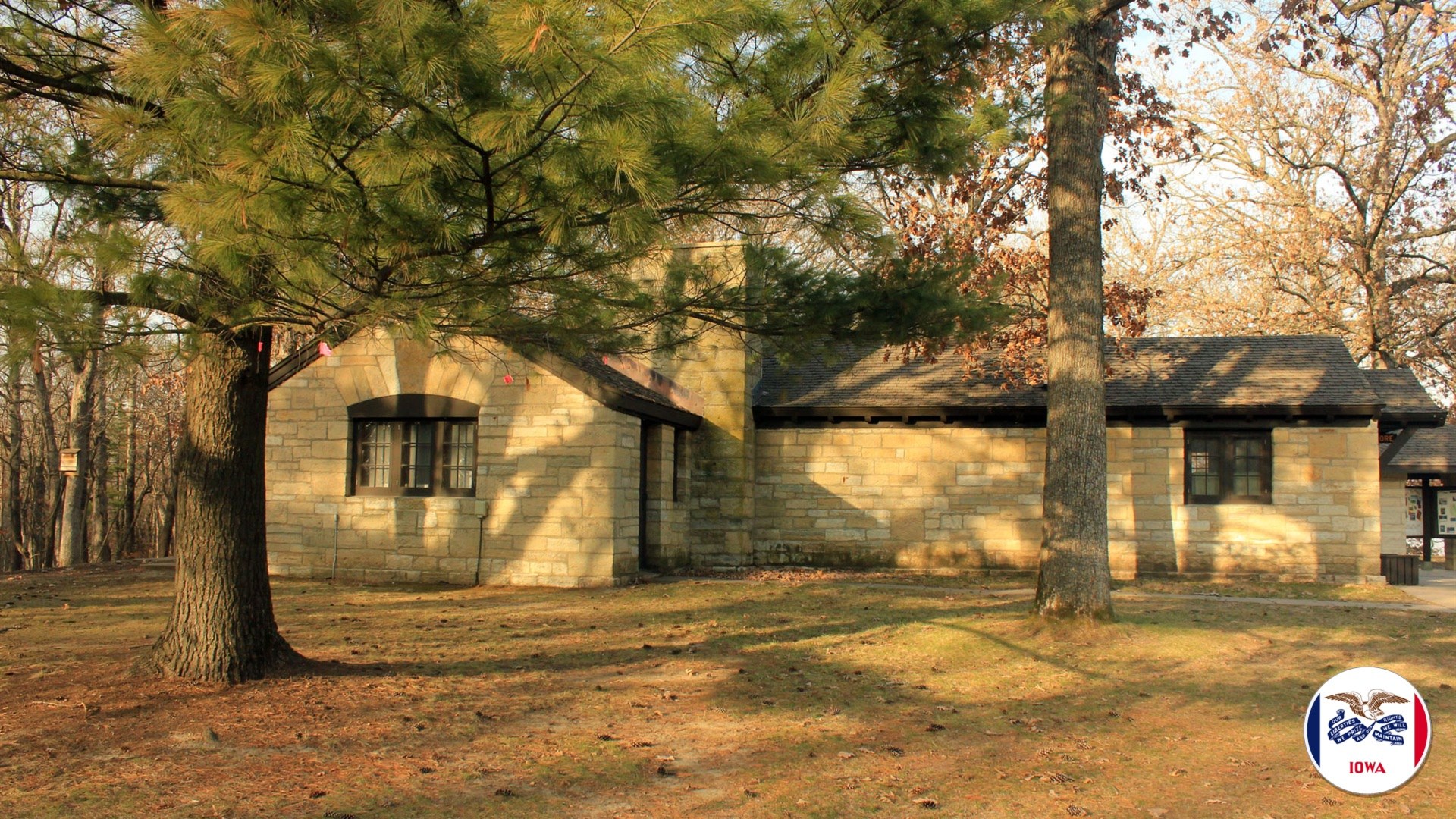
22. Iowa
Iowa holds a singular geographic distinction: it is the only US state whose entire eastern and western boundaries are delineated by major waterways. The Mississippi River defines its eastern border, while the Missouri and Big Sioux Rivers shape its entire western edge.
©Wikimedia Commons / Carl Wycoff
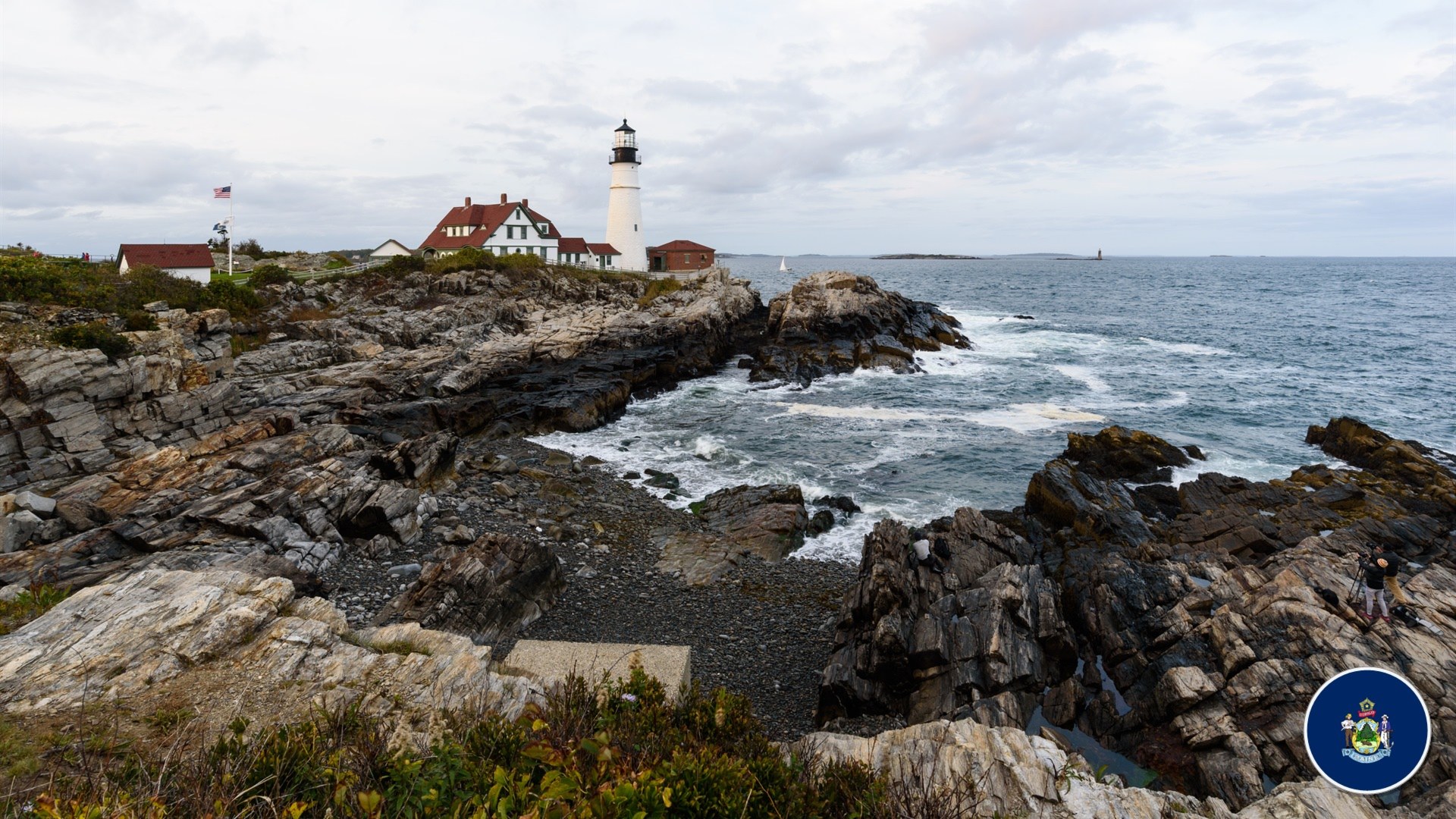
21. Maine
Perched on the northeastern tip of the nation, Maine is the only US state that shares a land border with exactly one other state, New Hampshire. It features thousands of offshore islands and harvests more than 80 percent of all American lobster.
©Wikimedia Commons / Matthew Trump
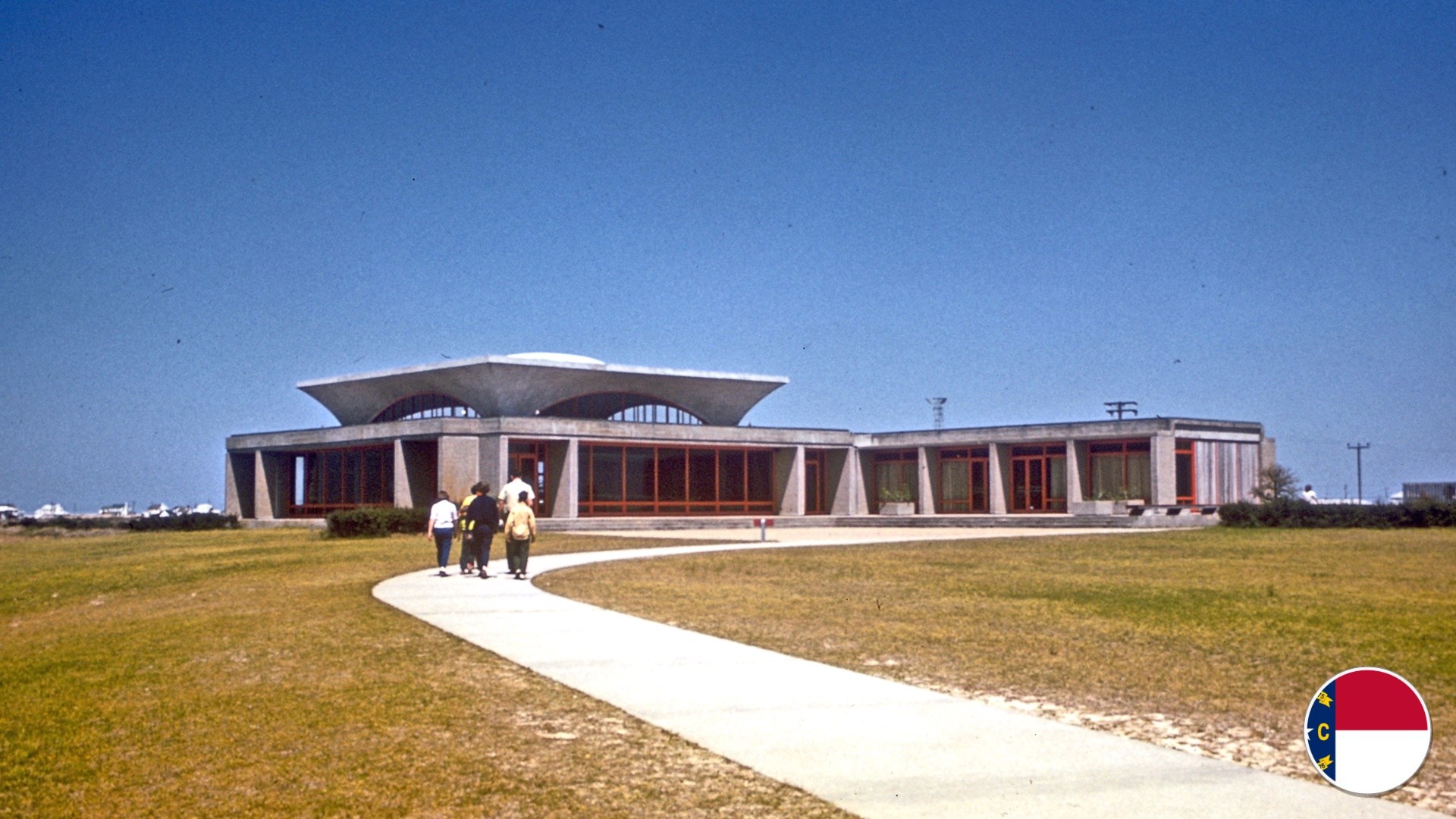
20. North Carolina
On December 17, 1903, Orville and Wilbur Wright completed the first successful powered airplane flight across the sandy dunes of Kill Devil Hills. The First in Flight milestone forever transformed modern transportation and national aviation heritage.
©Wikimedia Commons / National Park Service
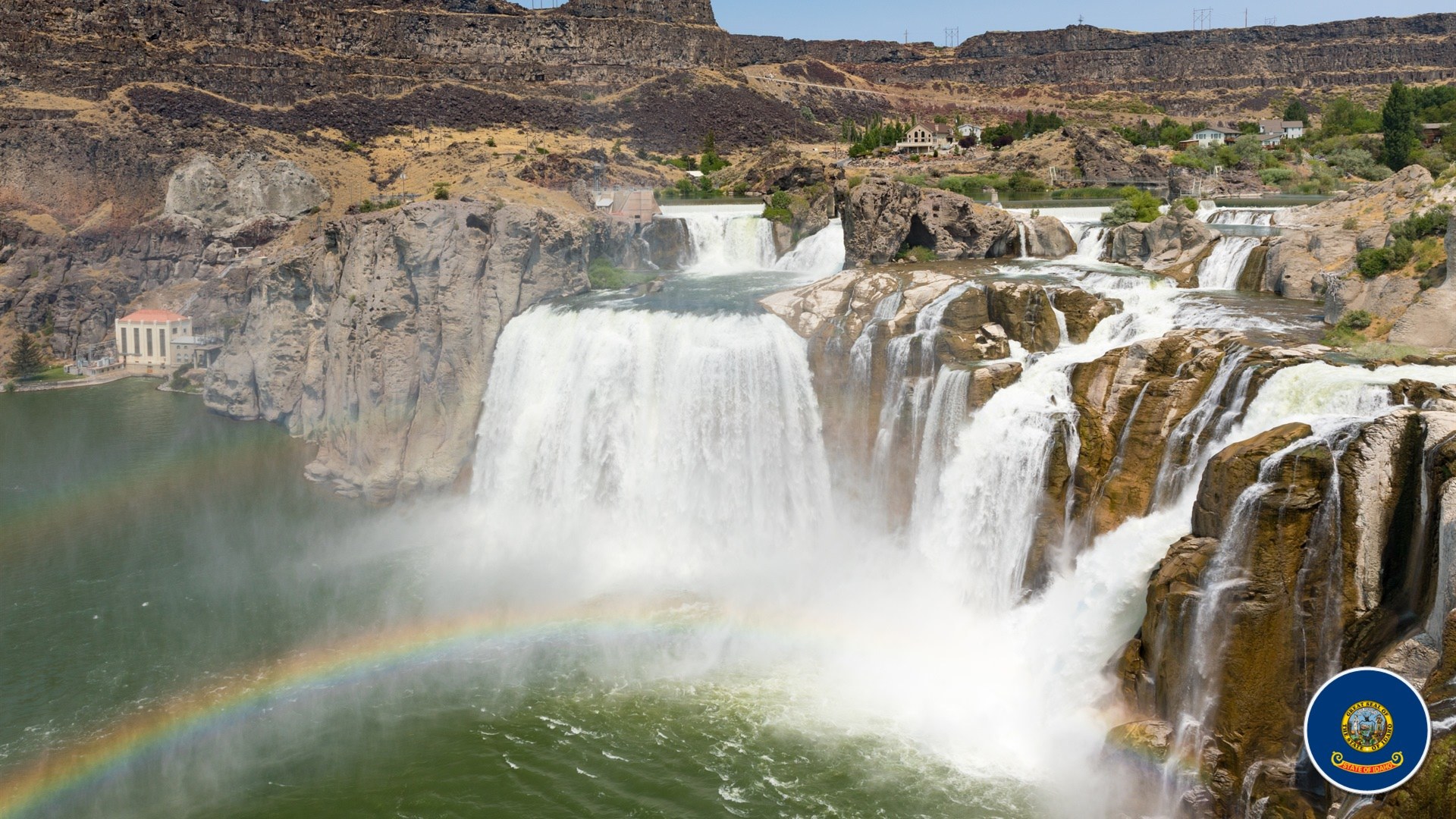
19. Idaho
Rich volcanic soil, hot summer days, and cool mountain nights make the Snake River basin the premier potato-growing region on Earth. Idaho harvests over 13 billion pounds of russet potatoes annually, powering restaurant fries and supermarket staples nationwide.
©Wikimedia Commons / Charles Knowles
Advertisement
Swipe or tap ▶ to resume the countdown.
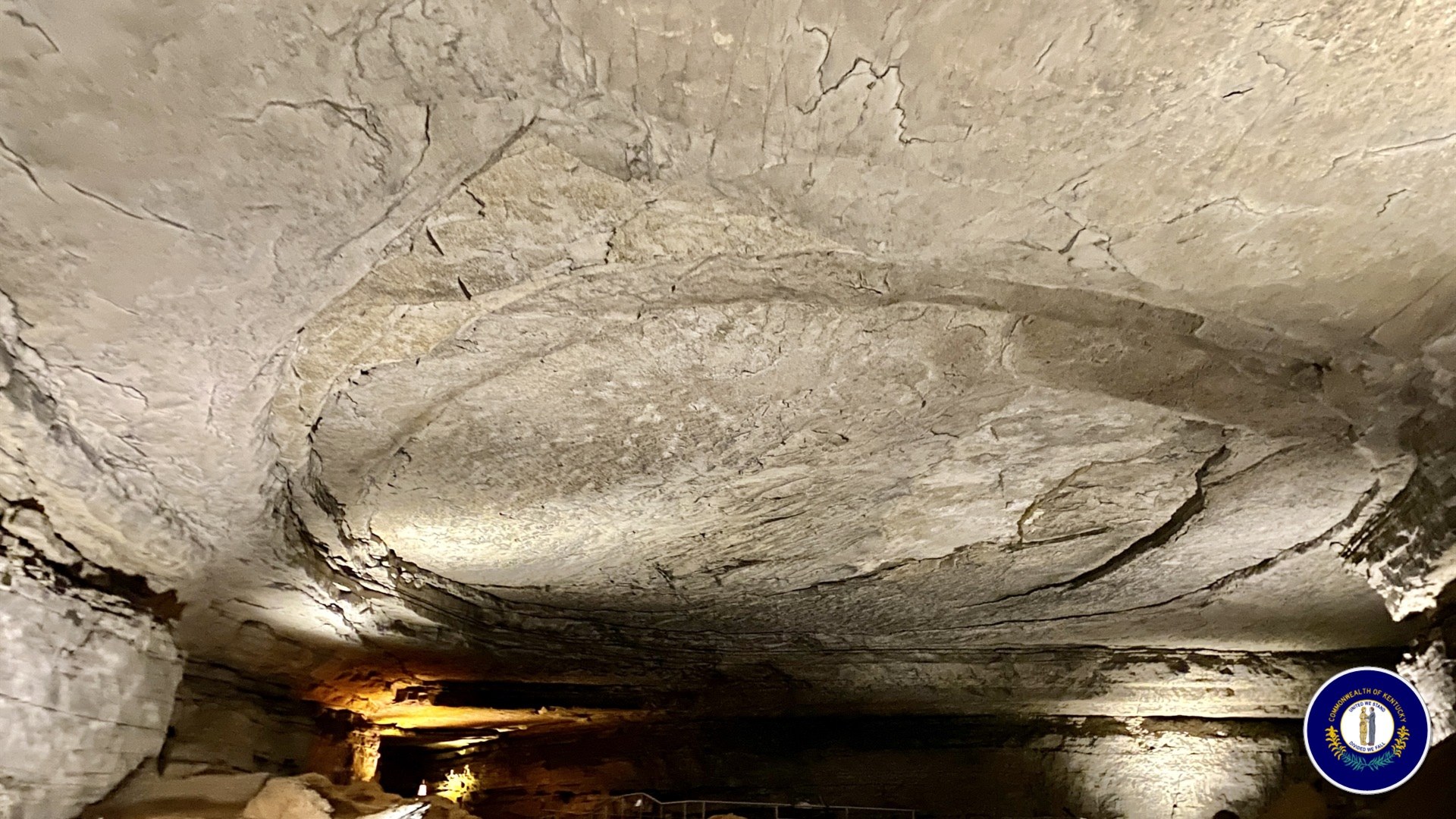
18. Kentucky
Beneath the rolling hills of central Kentucky lies Mammoth Cave, a sprawling subterranean labyrinth with over 420 miles of mapped passageways. Designated a UNESCO World Heritage site, it holds the undisputed global record for total cave length.
©Wikimedia Commons / w_lemay
17. Oregon
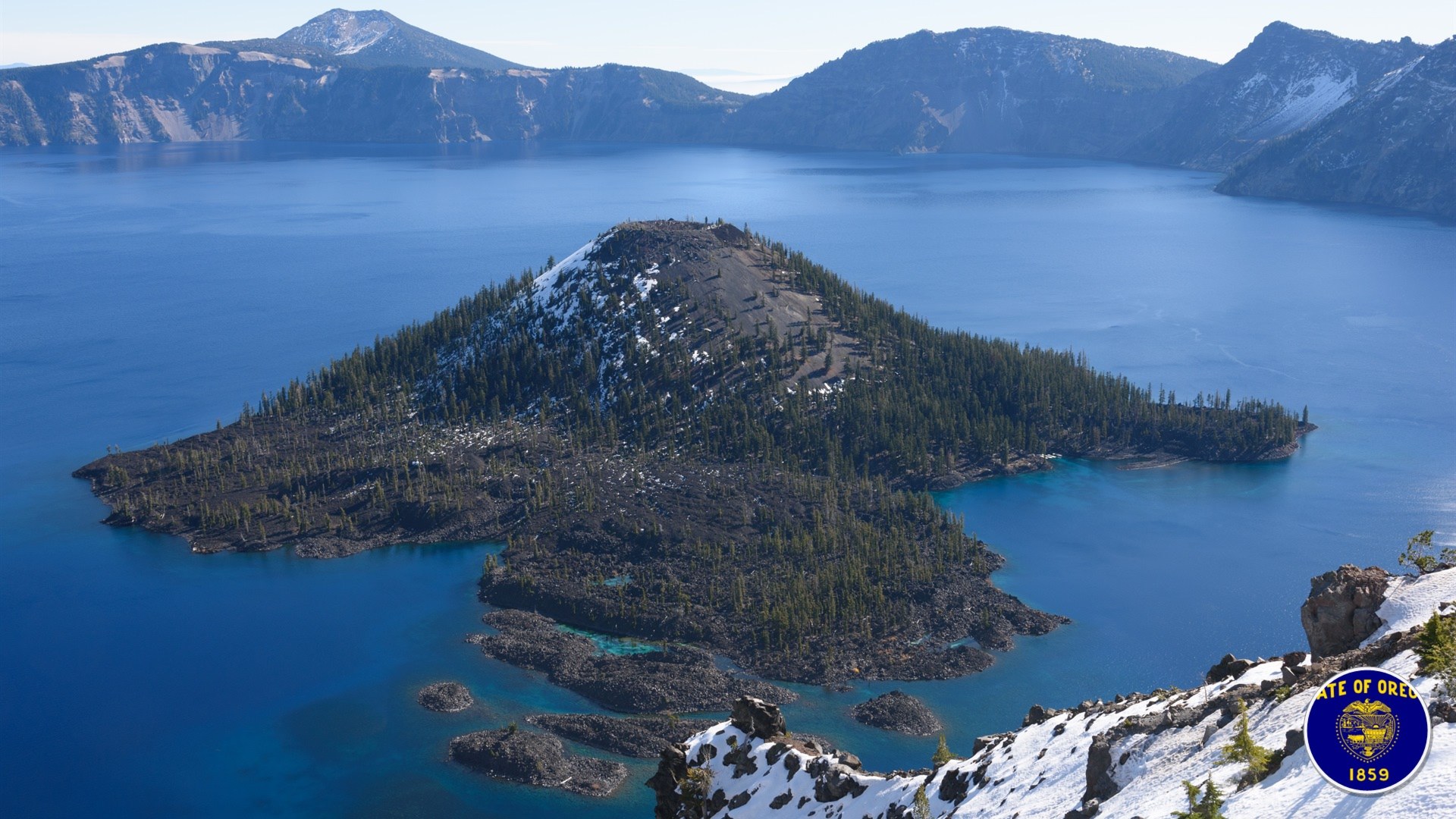
Formed around 7,700 years ago by the violent collapse of Mount Mazama, Crater Lake plunges to a staggering depth of 1,943 feet. Fed entirely by snowfall and rain without river inflows, its crystal-clear water exhibits a mesmerizing cobalt blue hue.
©Wikimedia Commons / NPS Photo
16. Washington
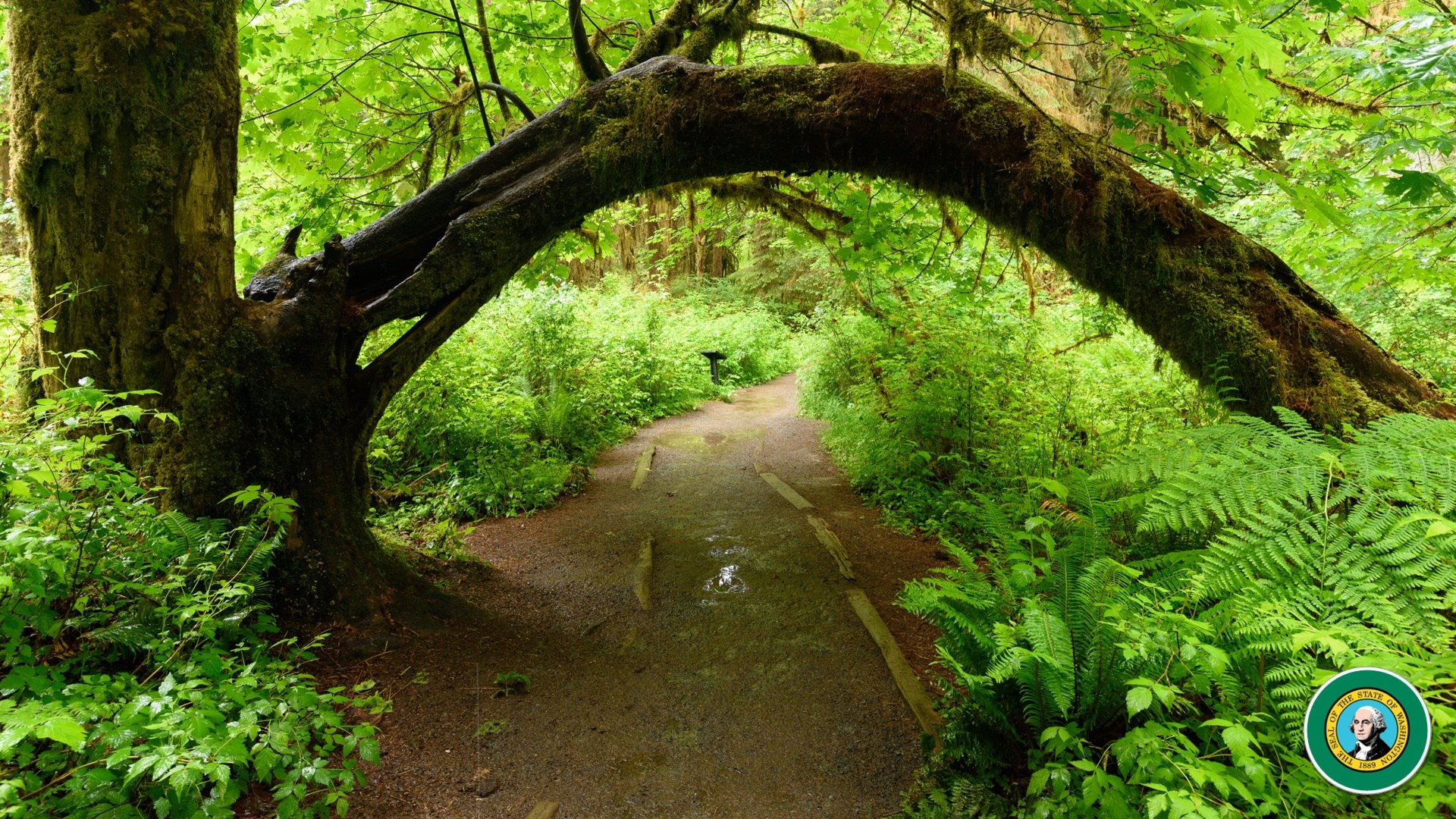
Located on the Olympic Peninsula, the Hoh Rain Forest receives up to 140 inches of precipitation every year. This moisture creates an otherworldly temperate rainforest canopy dominated by towering Sitka spruce and western hemlock blanketed in lush hanging moss.
©Wikimedia Commons / King of Hearts
15. New Mexico
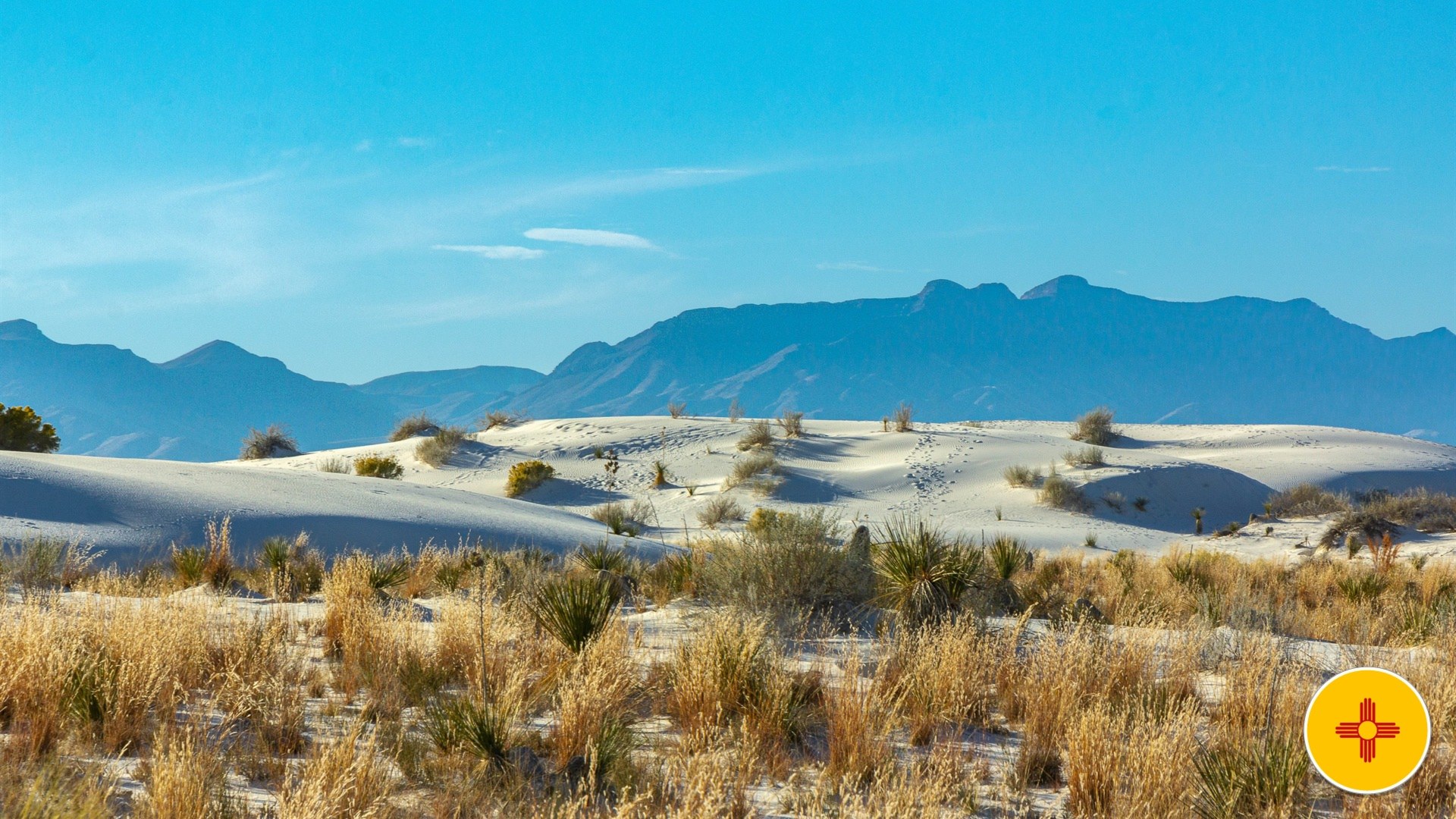
White Sands National Park preserves the largest gypsum dunefield on the planet. Unlike common quartz sands, gypsum does not absorb solar heat, allowing visitors to walk barefoot across brilliant white dunes even under the blazing desert sun.
©Wikimedia Commons / Larry Mills
Advertisement
Swipe or tap ▶ to resume the countdown.
14. Louisiana
Reflecting its deep French and Spanish colonial roots, Louisiana legal framework derives from civil law traditions rather than English common law. It remains the only US state partitioned into 64 parishes instead of traditional counties.
©Wikimedia Commons / Jean-Christophe BENOIST
13. Wyoming
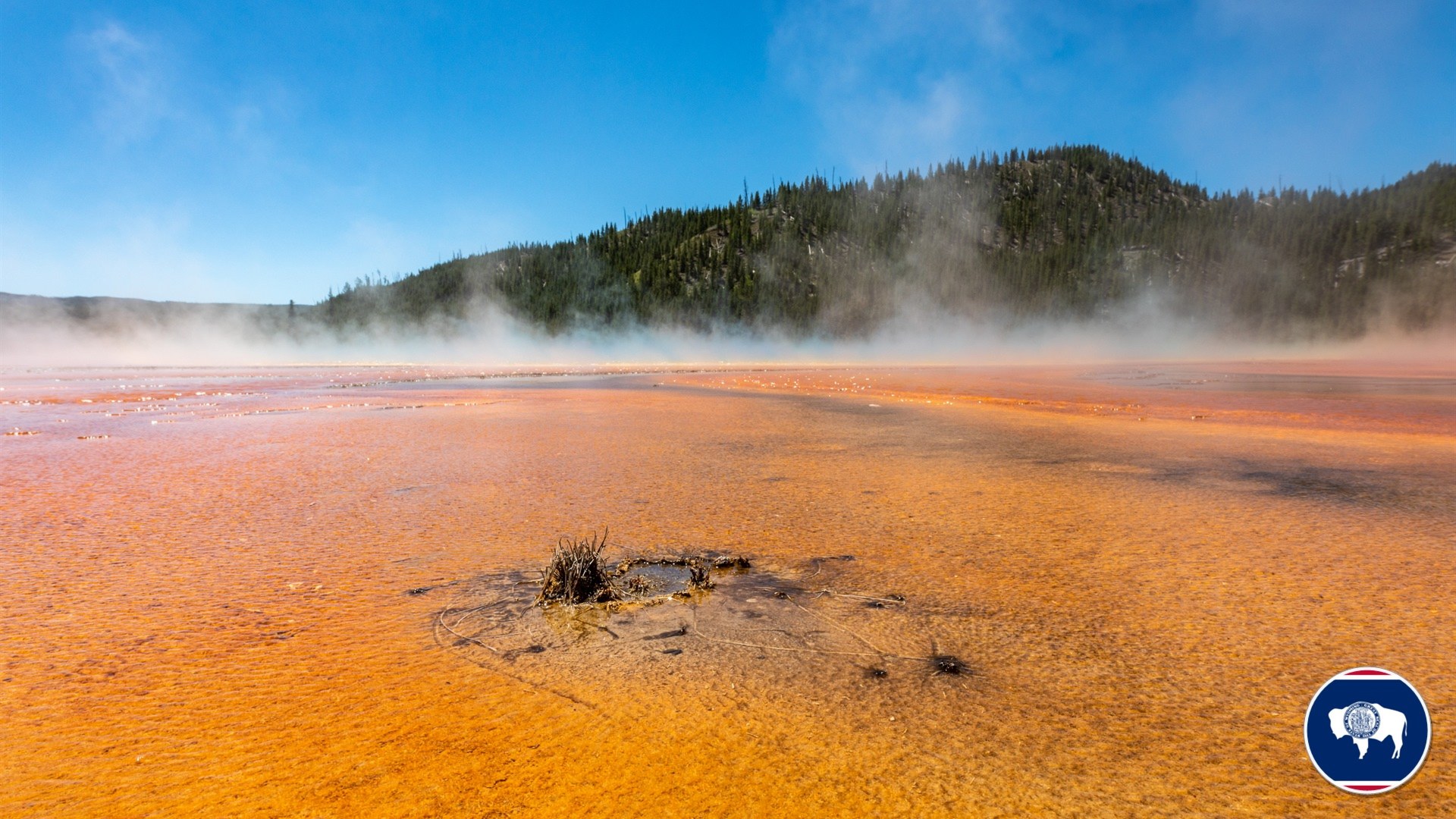
In 1872, Congress established Yellowstone as the world first national park. Covering over two million acres primarily in northwestern Wyoming, it protects half of all active geysers on Earth along with thriving herds of wild bison and grizzly bears.
©Wikimedia Commons / Jim Peaco / NPS
12. Utah
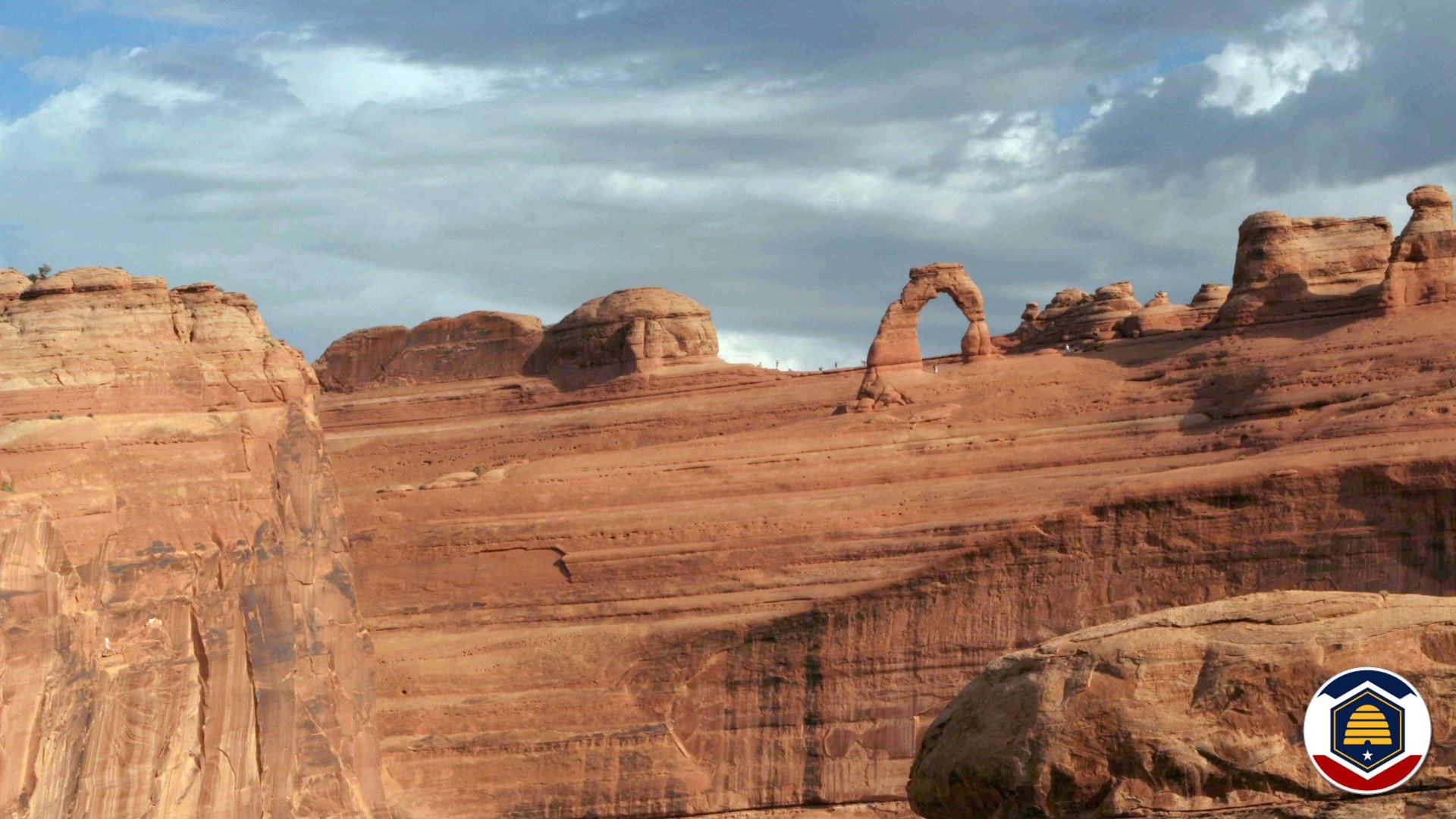
Arches National Park contains more than 2,000 documented natural stone arches, including the world-famous Delicate Arch. Millions of years of underground salt movement and wind erosion sculpted this colorful red sandstone wonderland.
©Wikimedia Commons / Luca Galuzzi
11. Michigan
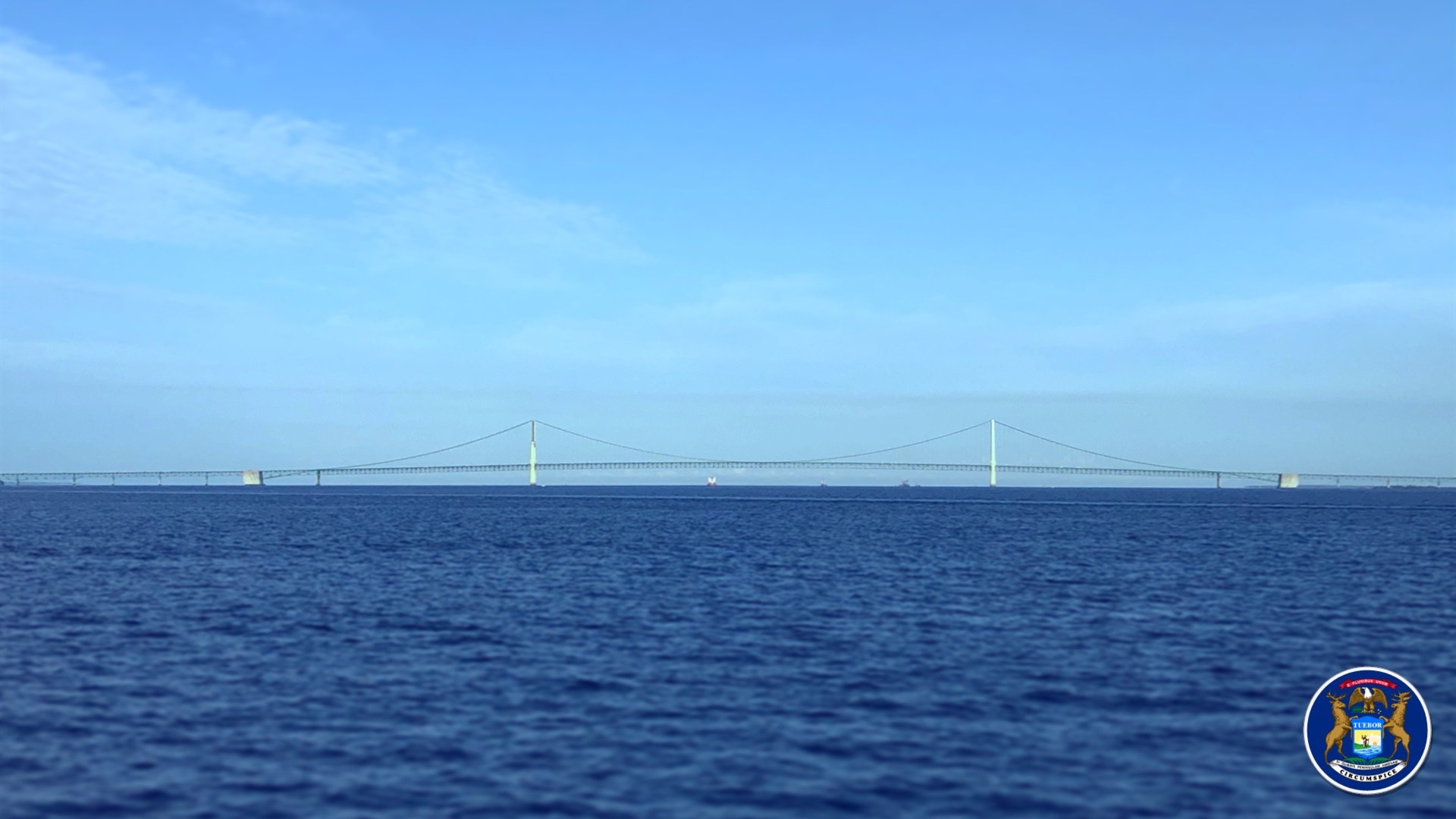
Michigan is the only US state divided into two large peninsulas, joined by the iconic five-mile Mackinac Bridge. Bordered by four of the five Great Lakes, no point in the state is ever more than six miles from a natural water source or 85 miles from a Great Lake.
©Wikimedia Commons / Chris Light
Advertisement
Swipe or tap ▶ to resume the countdown.
10. Nevada
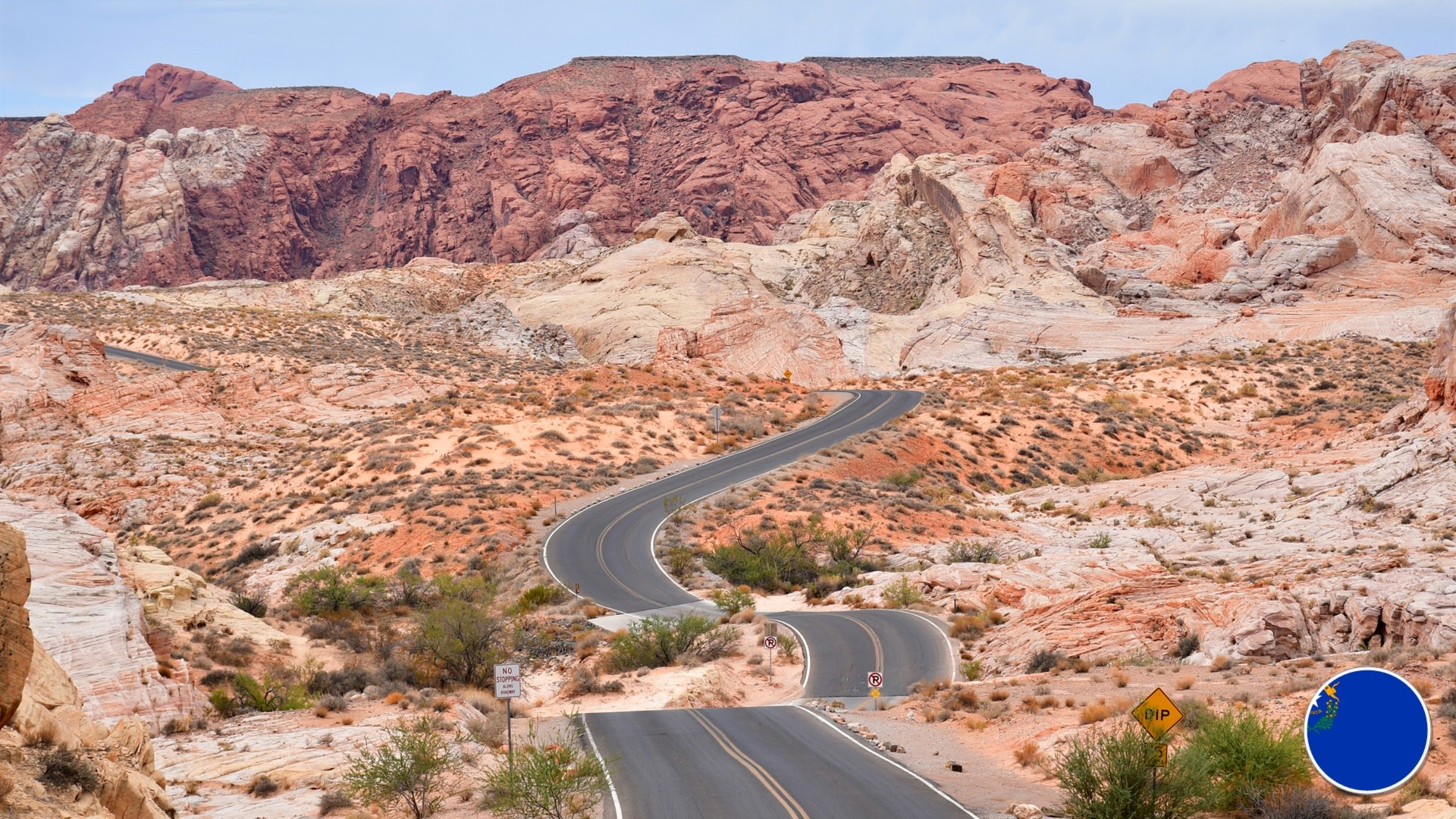
Nevada holds the highest percentage of public land in the United States, with federal agencies managing more than 85 percent of its terrain. Beyond the neon lights of Las Vegas, vast stretches of scenic Great Basin wilderness and rugged desert ranges dominate the landscape.
©Wikimedia Commons / Ron Reiring
9. Montana
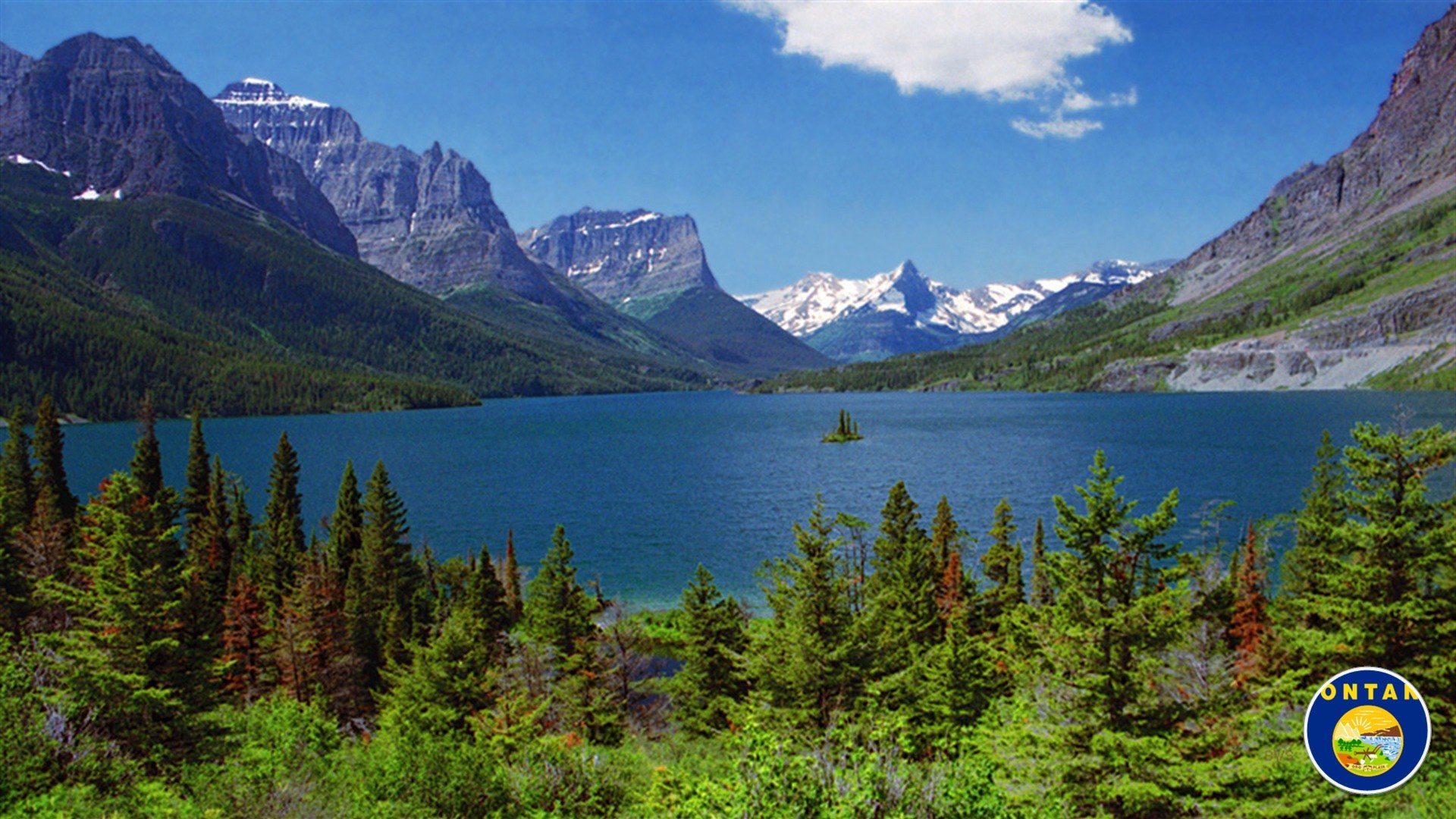
Within Glacier National Park stands Triple Divide Peak, a unique summit that channels precipitation into three distinct oceans: the Pacific, the Atlantic via the Gulf of Mexico, and the Arctic via Hudson Bay. It serves as the hydrological apex of the continent.
©Wikimedia Commons / Brian W. Schaller
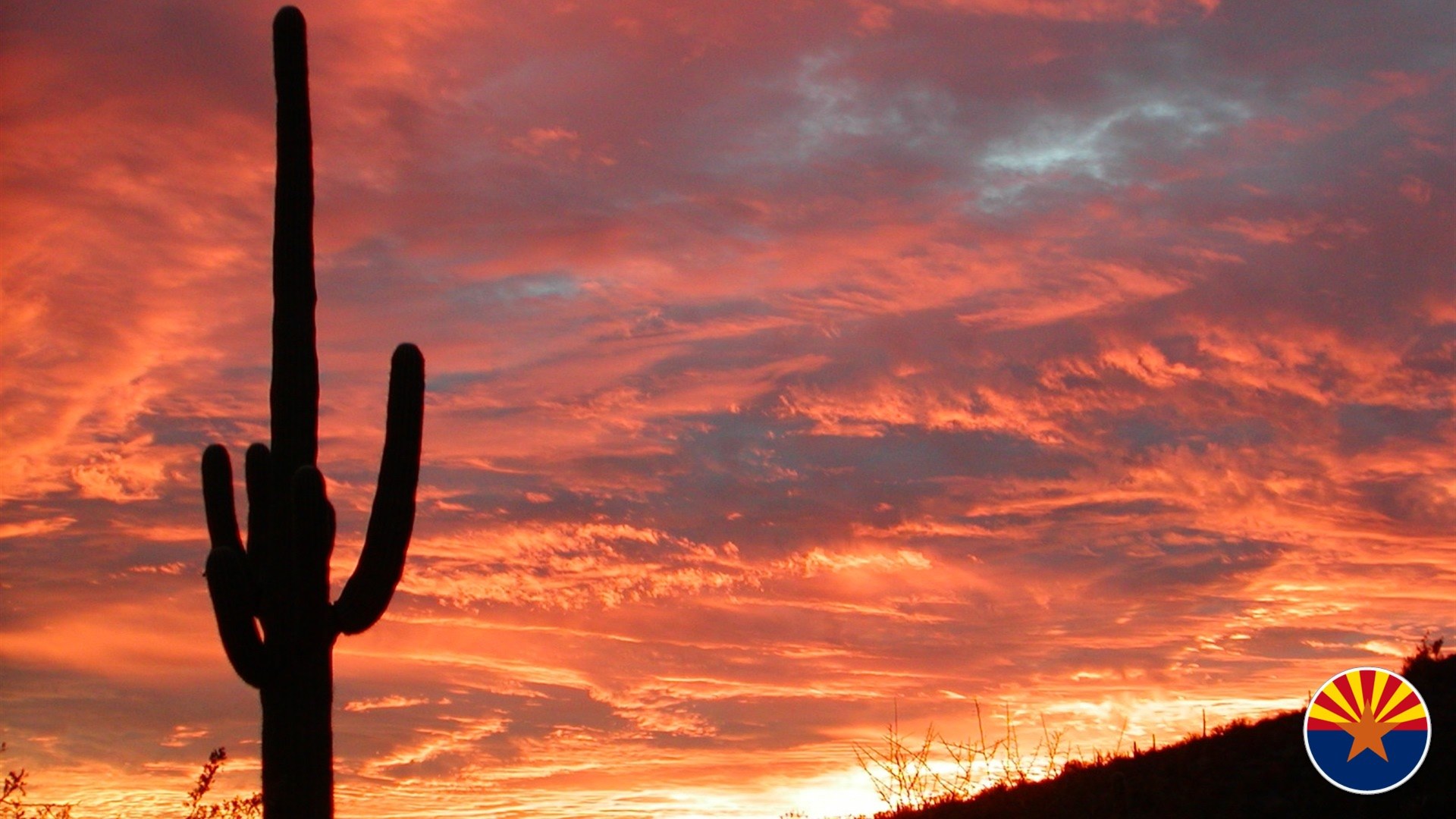
8. Arizona
Rising up to fifty feet tall and living over 150 years, the iconic saguaro cactus is found exclusively in the Sonoran Desert of southern Arizona and northwestern Mexico. The magnificent plants bloom creamy white blossoms each spring and define the American Southwest.
©Wikimedia Commons / National Park Service
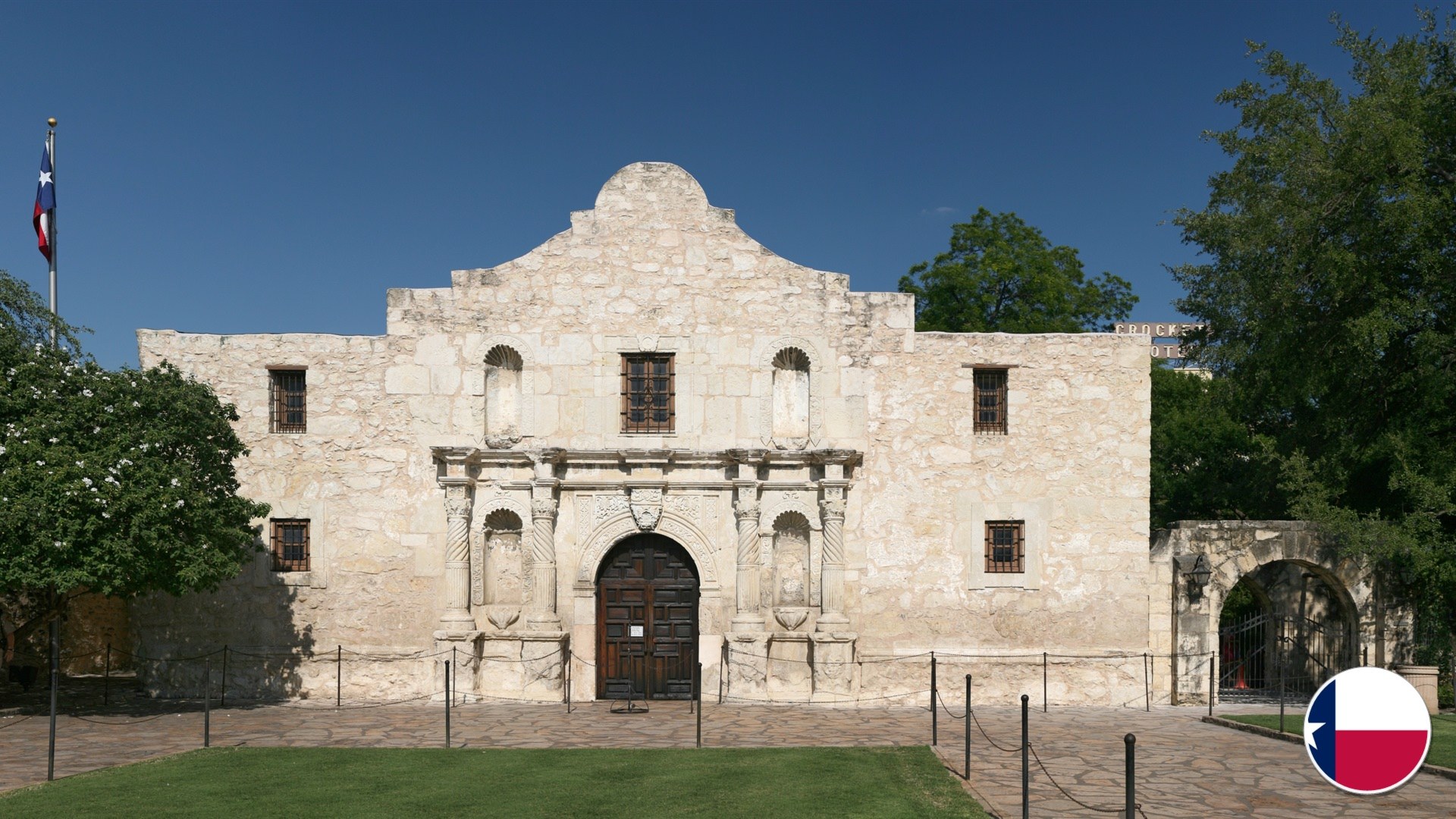
7. Texas
Before joining the United States in 1845, Texas spent nearly a decade as an independent sovereign nation known as the Republic of Texas. The Lone Star State still operates its own standalone power grid, ERCOT, separate from the eastern and western national interconnects.
©Wikimedia Commons / Daniel Schwen
Advertisement
Swipe or tap ▶ to resume the countdown.
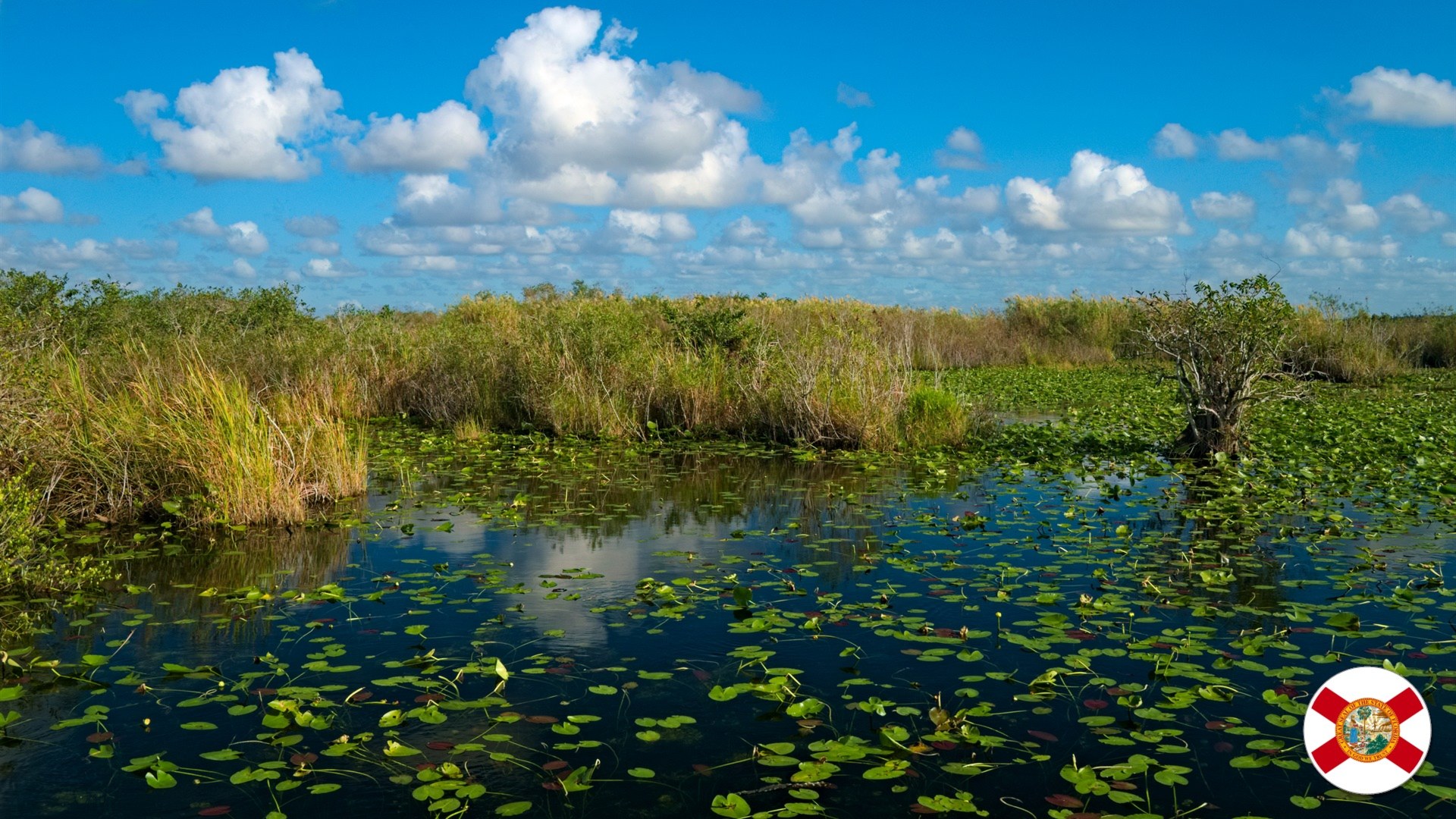
6. Florida
The Florida Everglades represents a unique subtropical wetland ecosystem. It is the only place on the planet where freshwater American alligators and saltwater American crocodiles coexist side by side in the brackish waterways of Florida Bay.
©Wikimedia Commons / NPS Photo
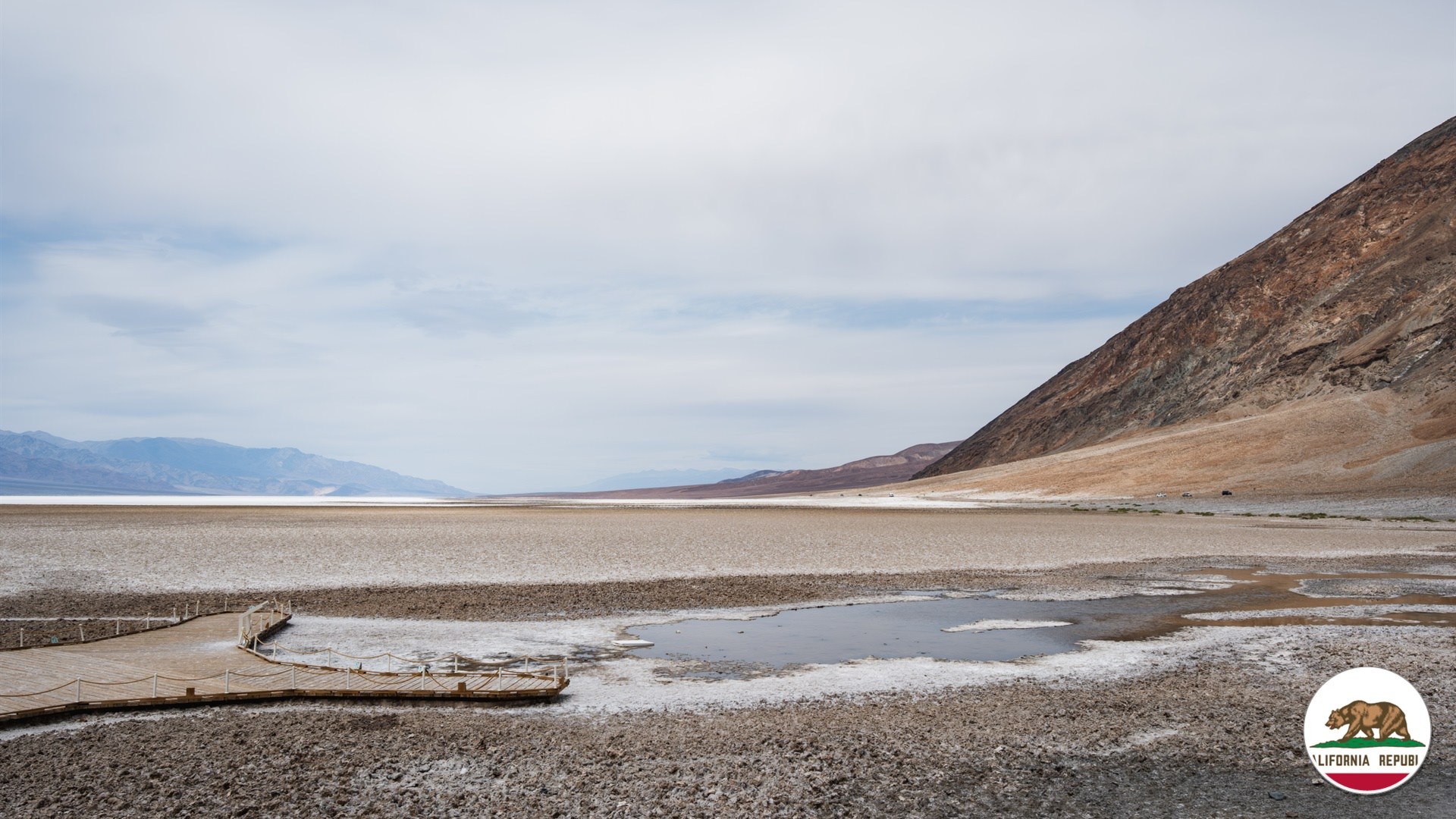
5. California
California encompasses extraordinary geographic extremes. Badwater Basin in Death Valley sits at 282 feet below sea level, the lowest dry point in North America. Just 85 miles to the west, Mount Whitney towers at 14,505 feet, the highest peak in the contiguous 48 states.
©Wikimedia Commons / Tuxyso
4. Hawaii
Hawaii is the only American state formed completely of volcanic islands and the only one located in the tropics. Its active shield volcanoes, including Kilauea and Mauna Loa, continuously generate fresh land as molten basalt flows into the Pacific Ocean.
©Wikimedia Commons / USGS
3. Alaska
Encompassing over 663,000 square miles, Alaska is more than twice the size of Texas. It contains more than 33,000 miles of tidal shoreline, North America tallest summit (Denali at 20,310 feet), and over 100,000 active glaciers.
©Wikimedia Commons / NPS Photo
Advertisement
Swipe or tap ▶ to resume the countdown.
2. New York
Four of New York City five boroughs reside on islands (Manhattan, Staten Island, and Long Island), connected by an unprecedented network of bridges, tunnels, and ferries. The state houses the United Nations Headquarters, Wall Street, and the iconic Statue of Liberty.
©Wikimedia Commons / William Warby
1. Colorado
Averaging 6,800 feet above sea level, Colorado is the highest state in the nation. It includes 58 peaks exceeding 14,000 feet in altitude, known as fourteeners. The Continental Divide bisects the state, creating dramatic alpine watersheds and world-renowned ski terrain.

©Wikimedia Commons / Alistair Nicol
Advertisement
You've reached the end of the story. Thanks for reading!

25 Groundbreaking American Inventions and Achievements Ranked
From Kitty Hawk and the Apollo 11 lunar landing to the transistor and the internet, American inventors and scientists have transformed global civilization. Sourced from the Smithsonian Institution, NASA archives, and the Library of Congress, here are twenty-five groundbreaking American milestones ranked.
All 25 Entries in this Story
25. Delaware
Delaware earned its title as the First State by ratifying the US Constitution on December 7, 1787. Thanks to favorable business statutes and the specialized Court of Chancery, more than half of all publicly traded American corporations maintain their legal home here.

24. Rhode Island
Covering just 1,214 square miles, Rhode Island is the smallest state in the union. Despite its compact footprint, Naragansett Bay and numerous coastal inlets give the Ocean State more than 400 miles of coastline, defining its historic sailing and maritime identity.

23. Kansas
Located just outside Lebanon, Kansas, a stone marker designates the exact geographic center of the 48 contiguous United States. Established by government geodetic surveys in 1898, the landmark anchors the state reputation as the ultimate heartland crossroads.

22. Iowa
Iowa holds a singular geographic distinction: it is the only US state whose entire eastern and western boundaries are delineated by major waterways. The Mississippi River defines its eastern border, while the Missouri and Big Sioux Rivers shape its entire western edge.

21. Maine
Perched on the northeastern tip of the nation, Maine is the only US state that shares a land border with exactly one other state, New Hampshire. It features thousands of offshore islands and harvests more than 80 percent of all American lobster.

20. North Carolina
On December 17, 1903, Orville and Wilbur Wright completed the first successful powered airplane flight across the sandy dunes of Kill Devil Hills. The First in Flight milestone forever transformed modern transportation and national aviation heritage.

19. Idaho
Rich volcanic soil, hot summer days, and cool mountain nights make the Snake River basin the premier potato-growing region on Earth. Idaho harvests over 13 billion pounds of russet potatoes annually, powering restaurant fries and supermarket staples nationwide.

18. Kentucky
Beneath the rolling hills of central Kentucky lies Mammoth Cave, a sprawling subterranean labyrinth with over 420 miles of mapped passageways. Designated a UNESCO World Heritage site, it holds the undisputed global record for total cave length.

17. Oregon
Formed around 7,700 years ago by the violent collapse of Mount Mazama, Crater Lake plunges to a staggering depth of 1,943 feet. Fed entirely by snowfall and rain without river inflows, its crystal-clear water exhibits a mesmerizing cobalt blue hue.

16. Washington
Located on the Olympic Peninsula, the Hoh Rain Forest receives up to 140 inches of precipitation every year. This moisture creates an otherworldly temperate rainforest canopy dominated by towering Sitka spruce and western hemlock blanketed in lush hanging moss.

15. New Mexico
White Sands National Park preserves the largest gypsum dunefield on the planet. Unlike common quartz sands, gypsum does not absorb solar heat, allowing visitors to walk barefoot across brilliant white dunes even under the blazing desert sun.

14. Louisiana
Reflecting its deep French and Spanish colonial roots, Louisiana legal framework derives from civil law traditions rather than English common law. It remains the only US state partitioned into 64 parishes instead of traditional counties.

13. Wyoming
In 1872, Congress established Yellowstone as the world first national park. Covering over two million acres primarily in northwestern Wyoming, it protects half of all active geysers on Earth along with thriving herds of wild bison and grizzly bears.

12. Utah
Arches National Park contains more than 2,000 documented natural stone arches, including the world-famous Delicate Arch. Millions of years of underground salt movement and wind erosion sculpted this colorful red sandstone wonderland.

11. Michigan
Michigan is the only US state divided into two large peninsulas, joined by the iconic five-mile Mackinac Bridge. Bordered by four of the five Great Lakes, no point in the state is ever more than six miles from a natural water source or 85 miles from a Great Lake.

10. Nevada
Nevada holds the highest percentage of public land in the United States, with federal agencies managing more than 85 percent of its terrain. Beyond the neon lights of Las Vegas, vast stretches of scenic Great Basin wilderness and rugged desert ranges dominate the landscape.

9. Montana
Within Glacier National Park stands Triple Divide Peak, a unique summit that channels precipitation into three distinct oceans: the Pacific, the Atlantic via the Gulf of Mexico, and the Arctic via Hudson Bay. It serves as the hydrological apex of the continent.

8. Arizona
Rising up to fifty feet tall and living over 150 years, the iconic saguaro cactus is found exclusively in the Sonoran Desert of southern Arizona and northwestern Mexico. The magnificent plants bloom creamy white blossoms each spring and define the American Southwest.

7. Texas
Before joining the United States in 1845, Texas spent nearly a decade as an independent sovereign nation known as the Republic of Texas. The Lone Star State still operates its own standalone power grid, ERCOT, separate from the eastern and western national interconnects.

6. Florida
The Florida Everglades represents a unique subtropical wetland ecosystem. It is the only place on the planet where freshwater American alligators and saltwater American crocodiles coexist side by side in the brackish waterways of Florida Bay.

5. California
California encompasses extraordinary geographic extremes. Badwater Basin in Death Valley sits at 282 feet below sea level, the lowest dry point in North America. Just 85 miles to the west, Mount Whitney towers at 14,505 feet, the highest peak in the contiguous 48 states.

4. Hawaii
Hawaii is the only American state formed completely of volcanic islands and the only one located in the tropics. Its active shield volcanoes, including Kilauea and Mauna Loa, continuously generate fresh land as molten basalt flows into the Pacific Ocean.

3. Alaska
Encompassing over 663,000 square miles, Alaska is more than twice the size of Texas. It contains more than 33,000 miles of tidal shoreline, North America tallest summit (Denali at 20,310 feet), and over 100,000 active glaciers.

2. New York
Four of New York City five boroughs reside on islands (Manhattan, Staten Island, and Long Island), connected by an unprecedented network of bridges, tunnels, and ferries. The state houses the United Nations Headquarters, Wall Street, and the iconic Statue of Liberty.

1. Colorado
Averaging 6,800 feet above sea level, Colorado is the highest state in the nation. It includes 58 peaks exceeding 14,000 feet in altitude, known as fourteeners. The Continental Divide bisects the state, creating dramatic alpine watersheds and world-renowned ski terrain.