Slideshow · Animals
25 Wildlife Species Targeted by the Illegal Global Trade
Based on UNODC World Wildlife Crime Report data, CITES trade appendices, IUCN Red List assessments, and TRAFFIC monitoring, this gallery profiles 25 wild species heavily targeted by illegal trafficking. From pangolin scales and ivory to glass eels and parrots, criminal demand pushes these animals toward extinction.
By Most Viral Today
31 min agopitch:e72f9c2a-4140-4284-8f15-20900fb5ff88

From Pangolins to Eels, Inside the Black Market Threatening 25 Wild Species 
25. Burmese Python 
24. Tokay Gecko 
23. Seahorse - AdvertisementSwipe or tap ▶ to continue countdown

22. Indian Star Tortoise 
21. Radiated Tortoise 
20. Scarlet Macaw 
19. African Grey Parrot - AdvertisementSwipe or tap ▶ to continue countdown

18. Sunda Slow Loris 
17. European Eel 
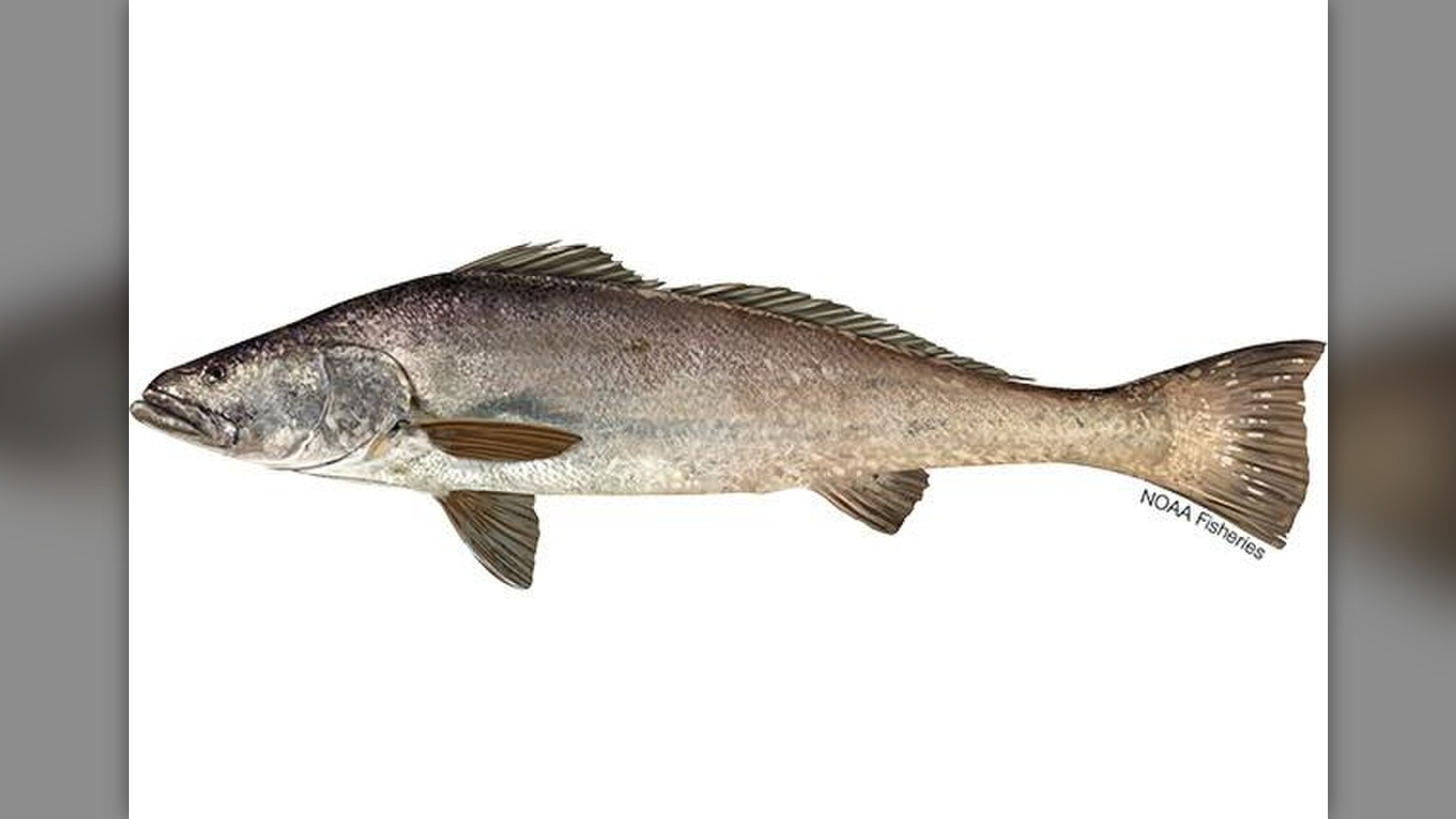
16. Totoaba 
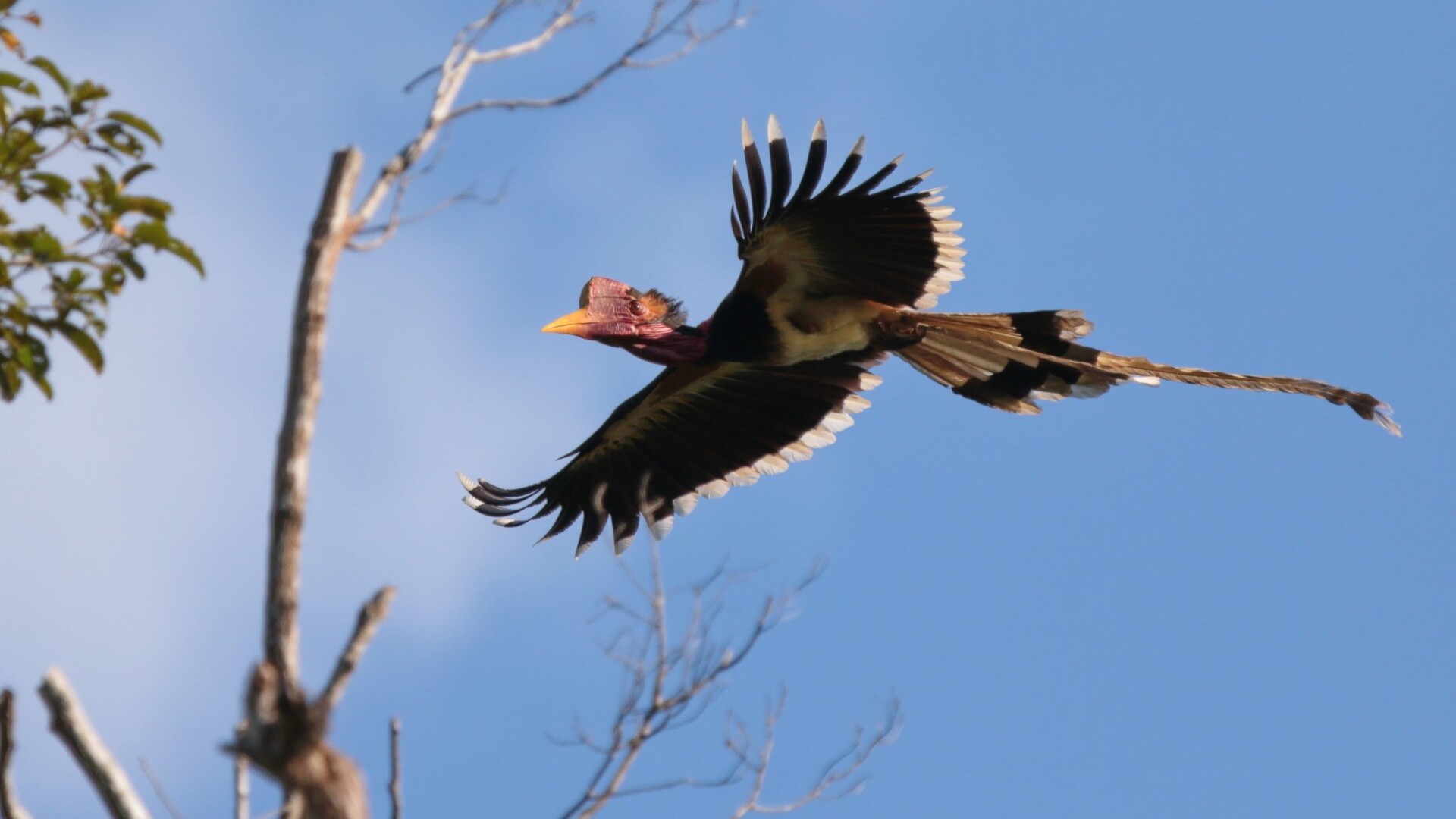
15. Helmeted Hornbill - AdvertisementSwipe or tap ▶ to continue countdown

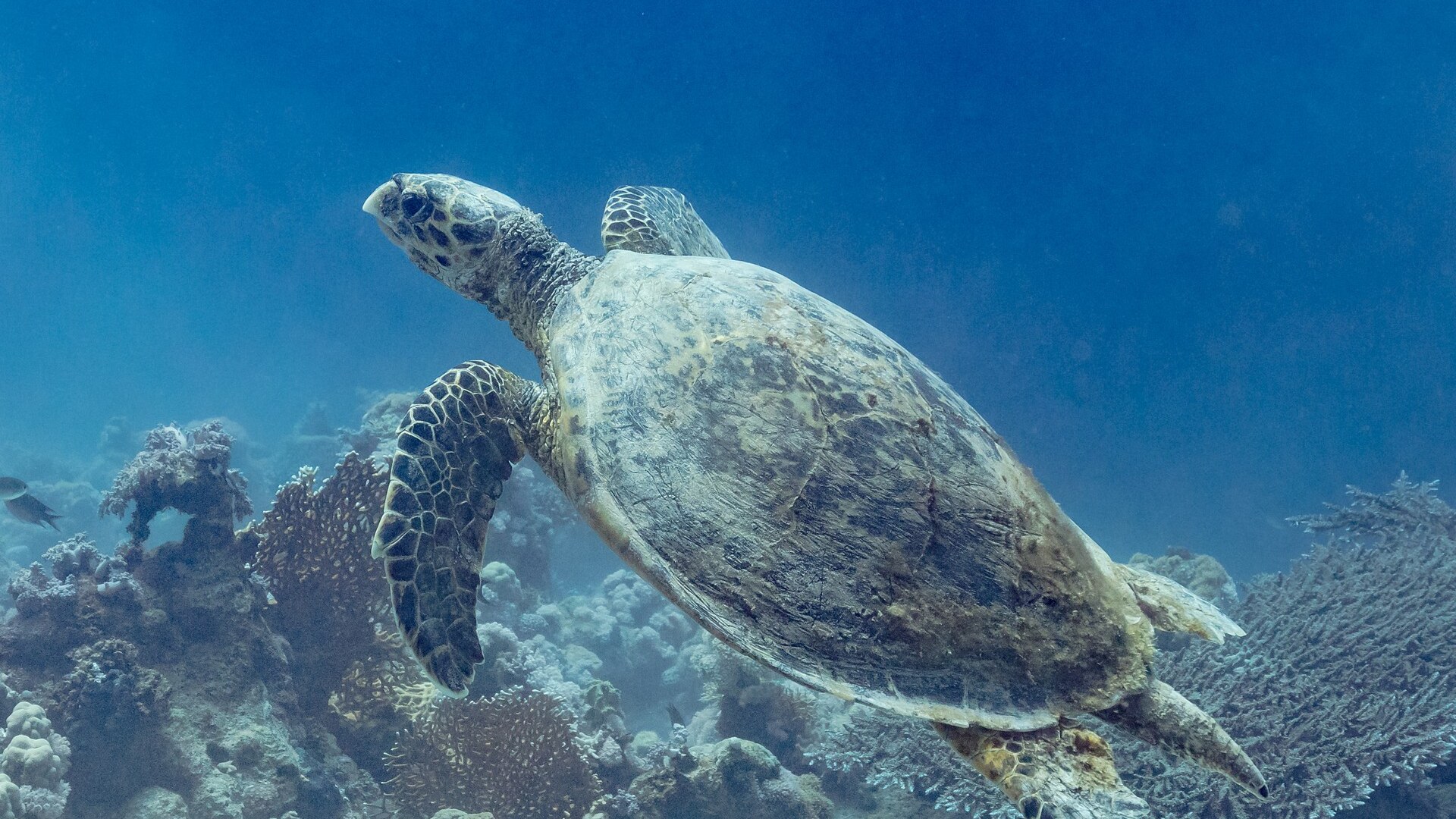
14. Hawksbill Sea Turtle 
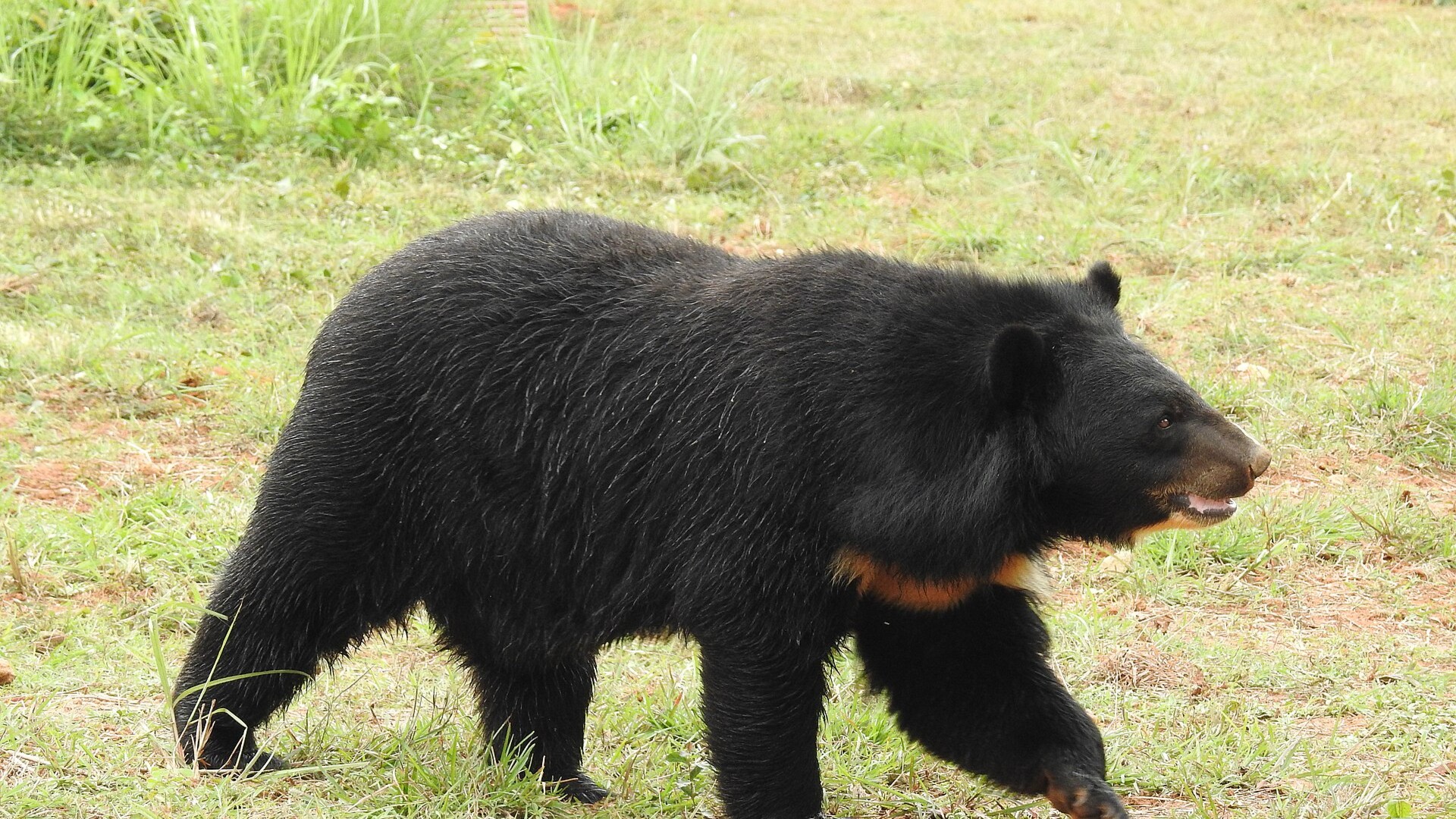
13. Asian Black Bear 
12. Hippopotamus 
11. Giraffe - AdvertisementSwipe or tap ▶ to continue countdown

10. Cheetah 
9. Jaguar 
8. Snow Leopard 
7. African Lion - AdvertisementSwipe or tap ▶ to continue countdown

6. Chimpanzee 
5. Bornean Orangutan 
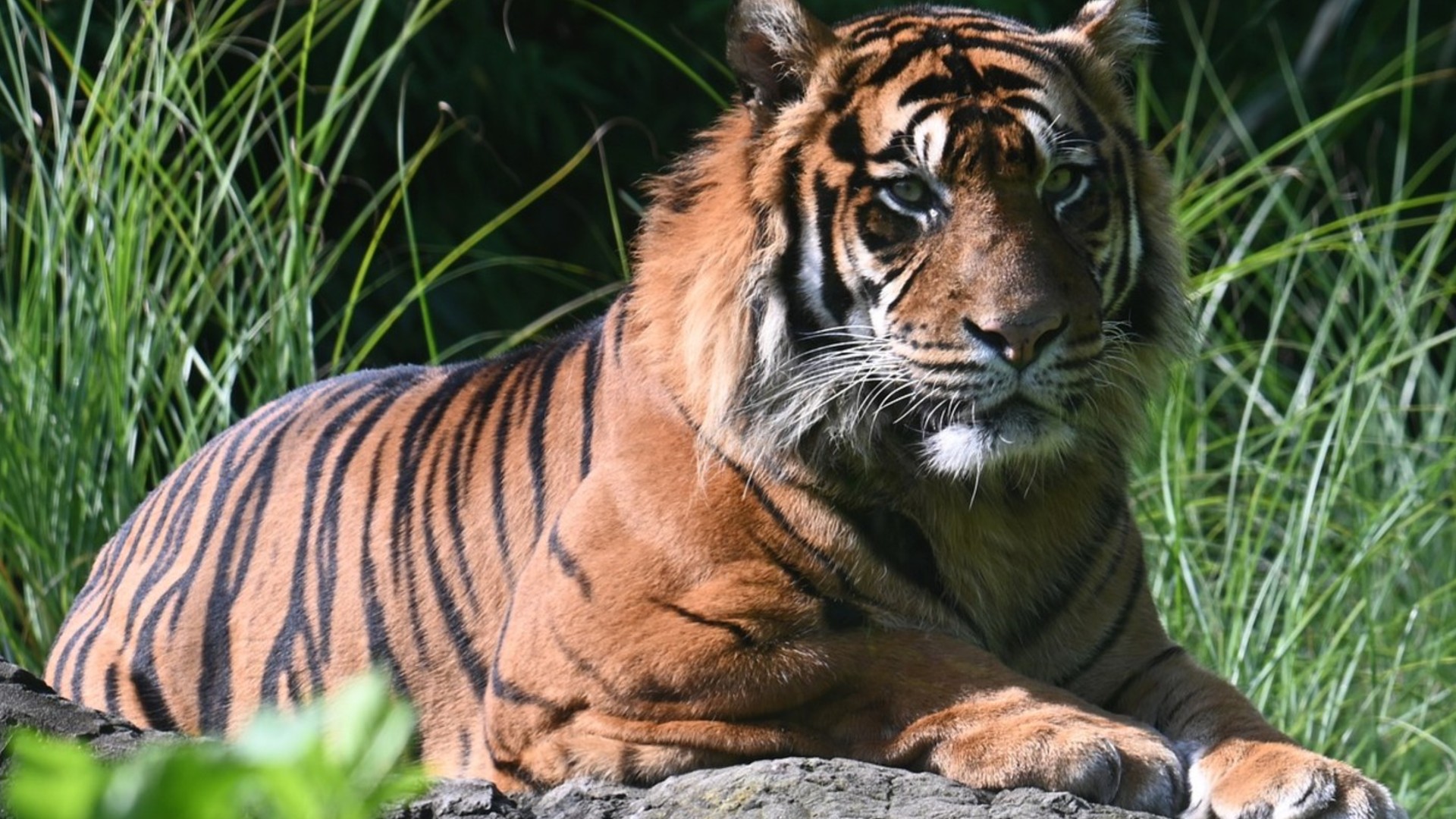
4. Bengal Tiger 
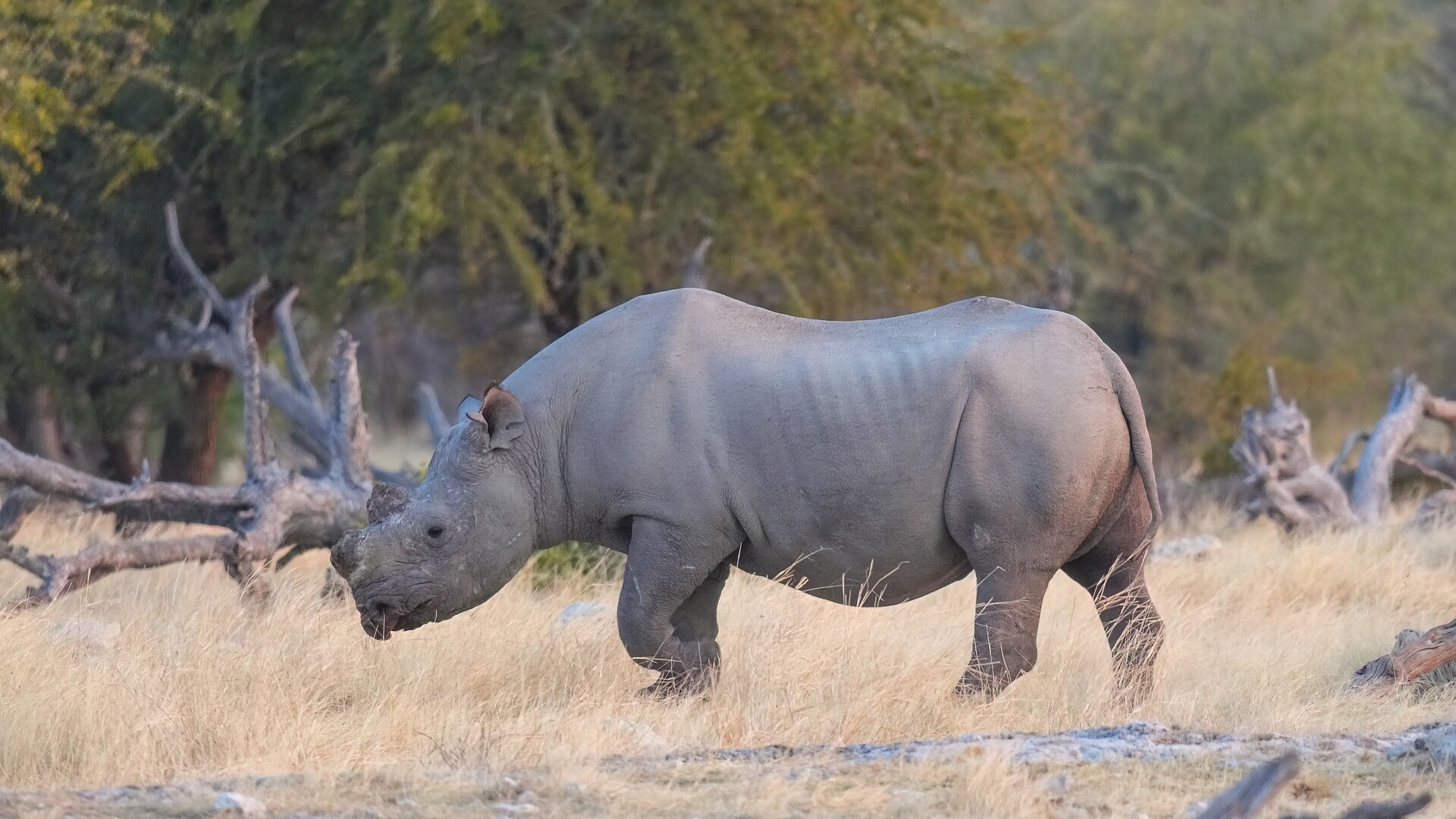
3. Black Rhinoceros - AdvertisementSwipe or tap ▶ to continue countdown

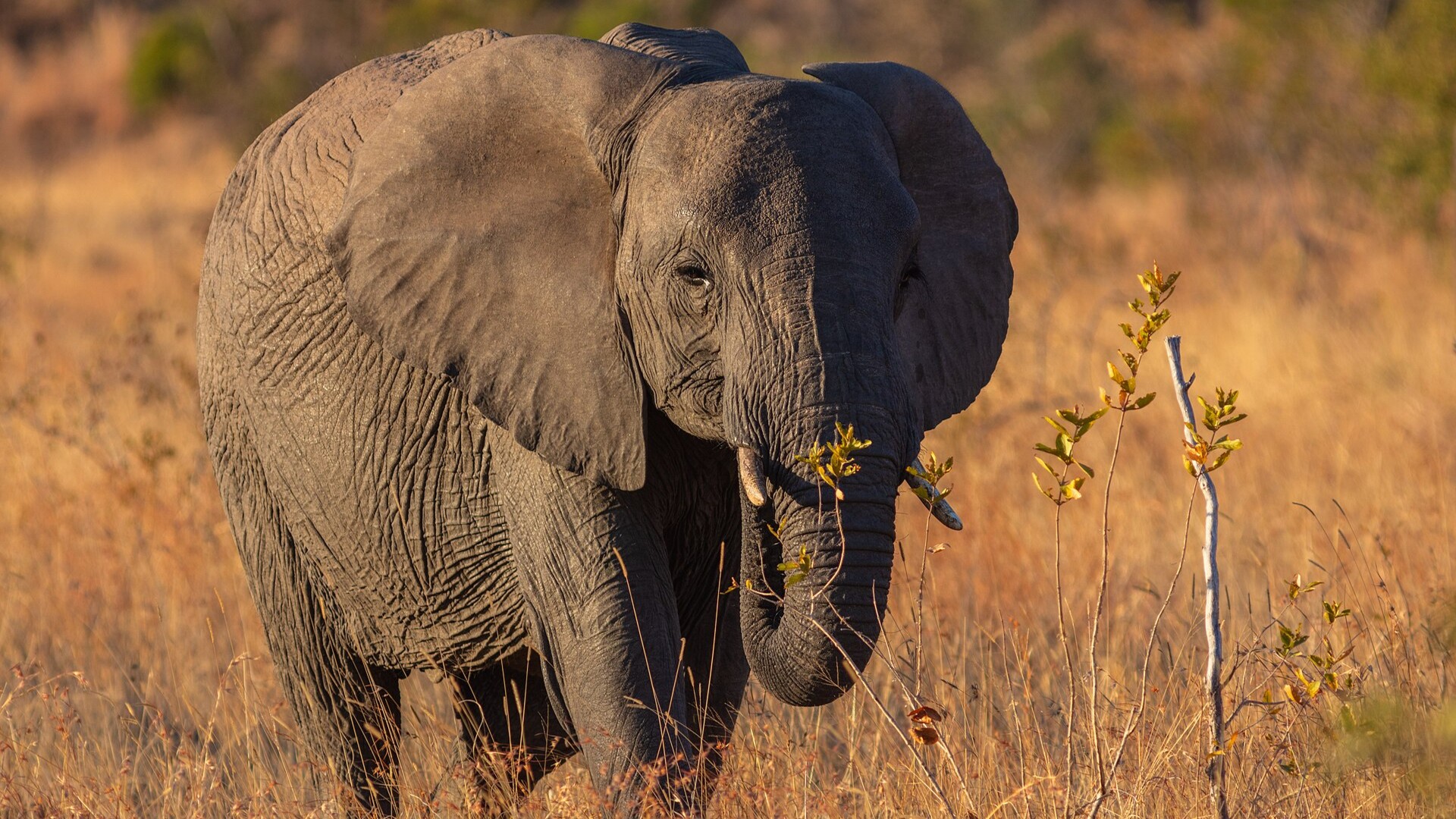
2. African Savanna Elephant 
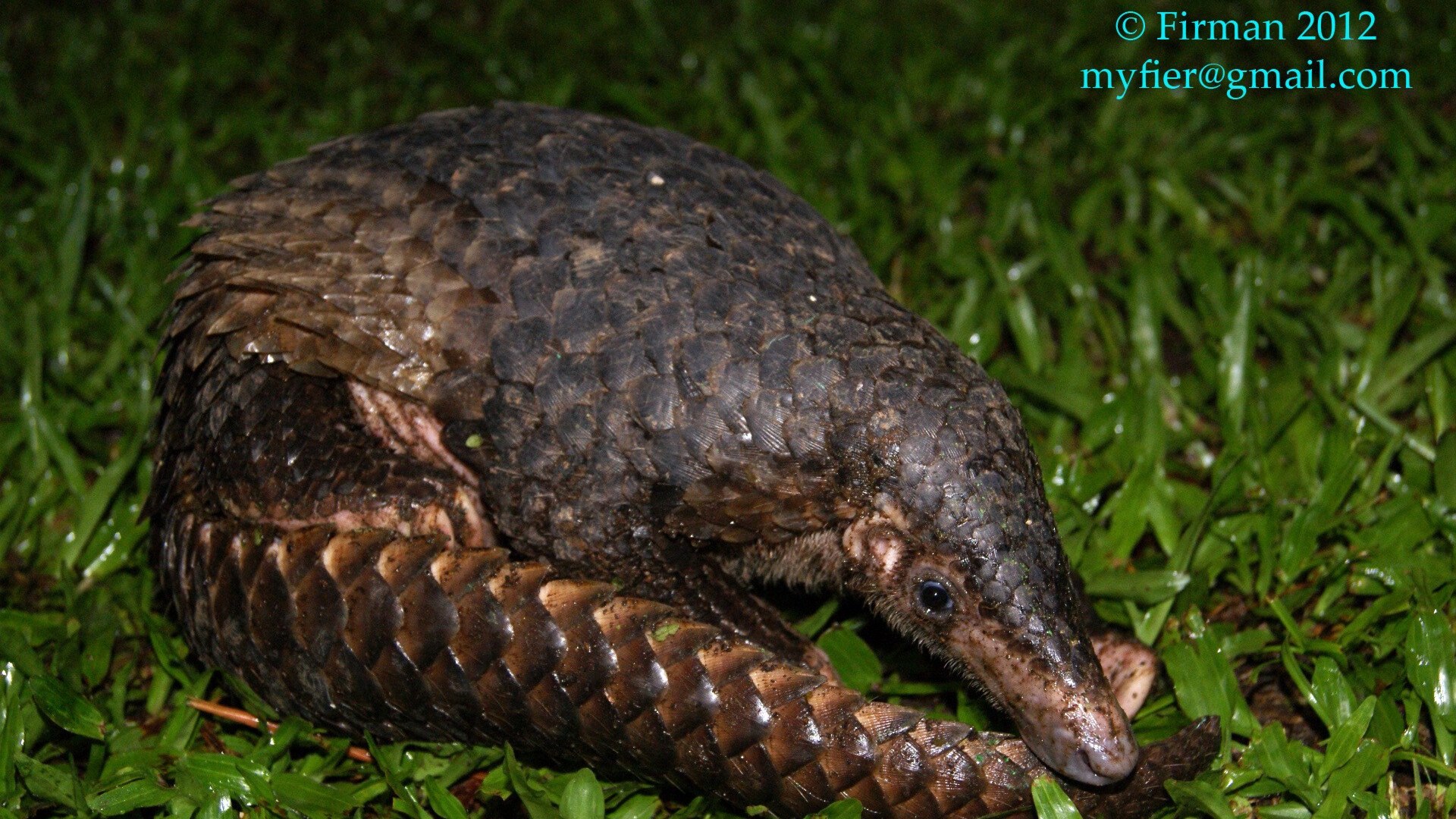
1. Sunda Pangolin - Advertisement🔥 UP NEXT IN THIS SERIES◫ 25 Slides

24 Dog Breeds That Require Confident Owners
From small terriers with surprising bite frequencies to colossal livestock guardians and historically banned fighting breeds, certain dogs provoke deep public fear across the United States. Documented hospital trauma data, jaw leverage, and breed-specific legislation explain why these twenty-four canines are feared.
Based on UNODC World Wildlife Crime Report data, CITES trade appendices, IUCN Red List assessments, and TRAFFIC monitoring, this gallery profiles 25 wild species heavily targeted by illegal trafficking. From pangolin scales and ivory to glass eels and parrots, criminal demand pushes these animals toward extinction.
Swipe or tap ▶ to begin the countdown
©Pixabay / 7523944
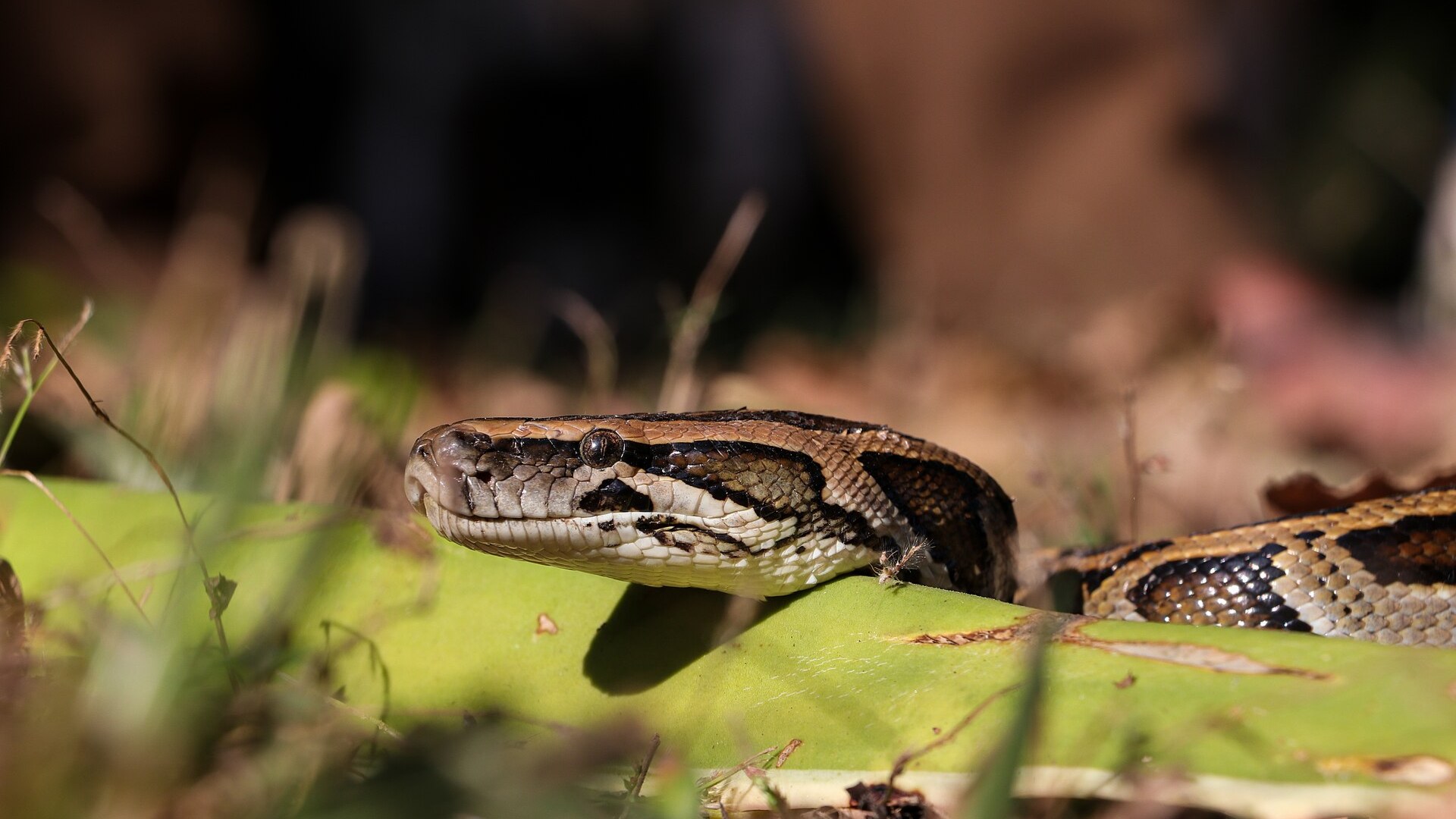
25. Burmese Python
Burmese pythons (Python bivittatus) grow over five meters long and face heavy harvesting for fashion accessories and traditional remedies. Listed under CITES Appendix II, wild populations have declined in parts of Cambodia and Vietnam despite legal farming quotas designed to curb poaching.
©Wikimedia / Shadow Ayush
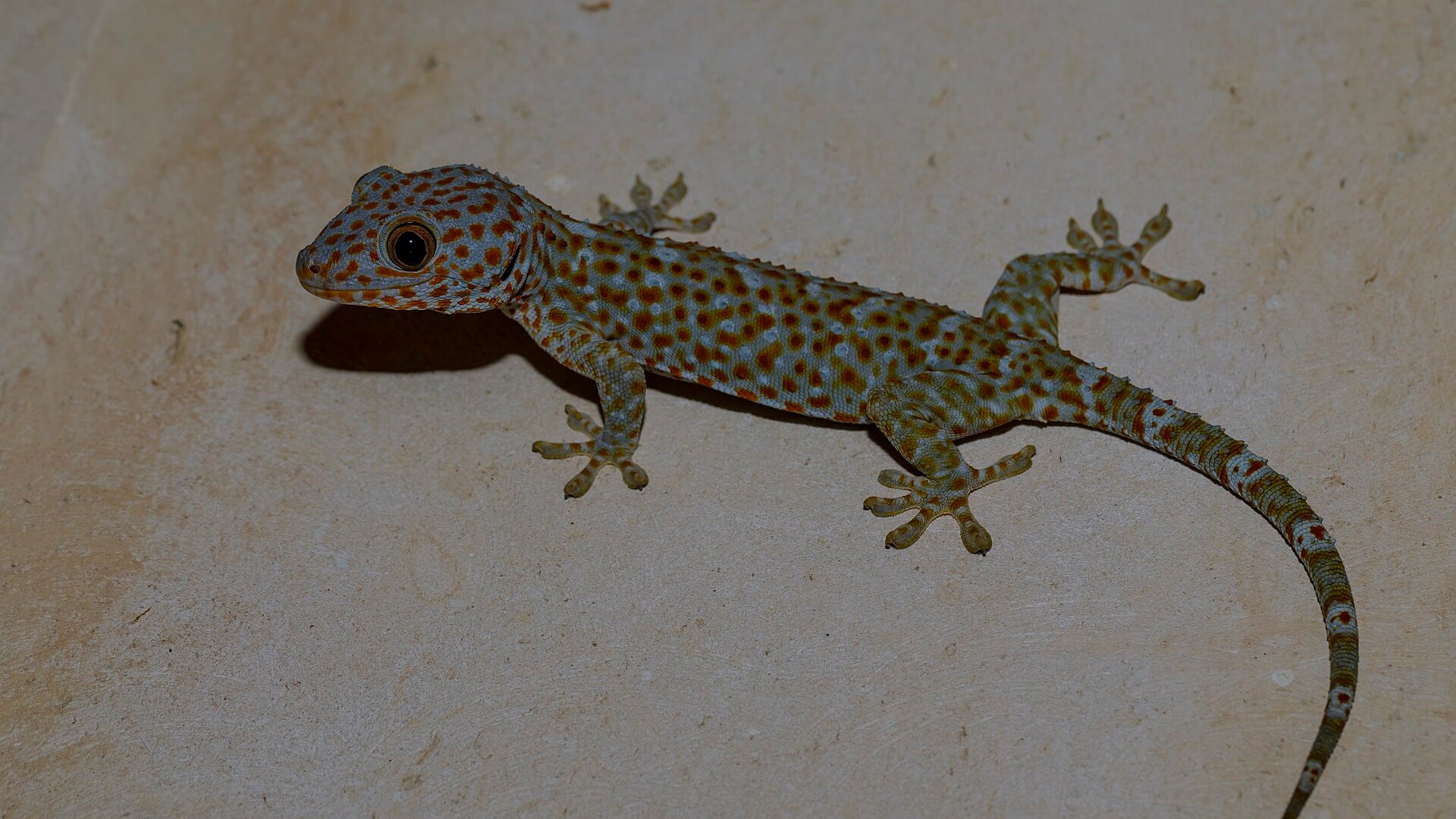
24. Tokay Gecko
Recognized by its blue skin and orange spots, the Tokay gecko (Gekko gecko) was added to CITES Appendix II in 2019 after massive unregulated harvests. TRAFFIC surveys documented millions of dried specimens traded across Asia, alongside live individuals captured for overseas pet markets.
©Wikimedia / Thomas Fuhrmann
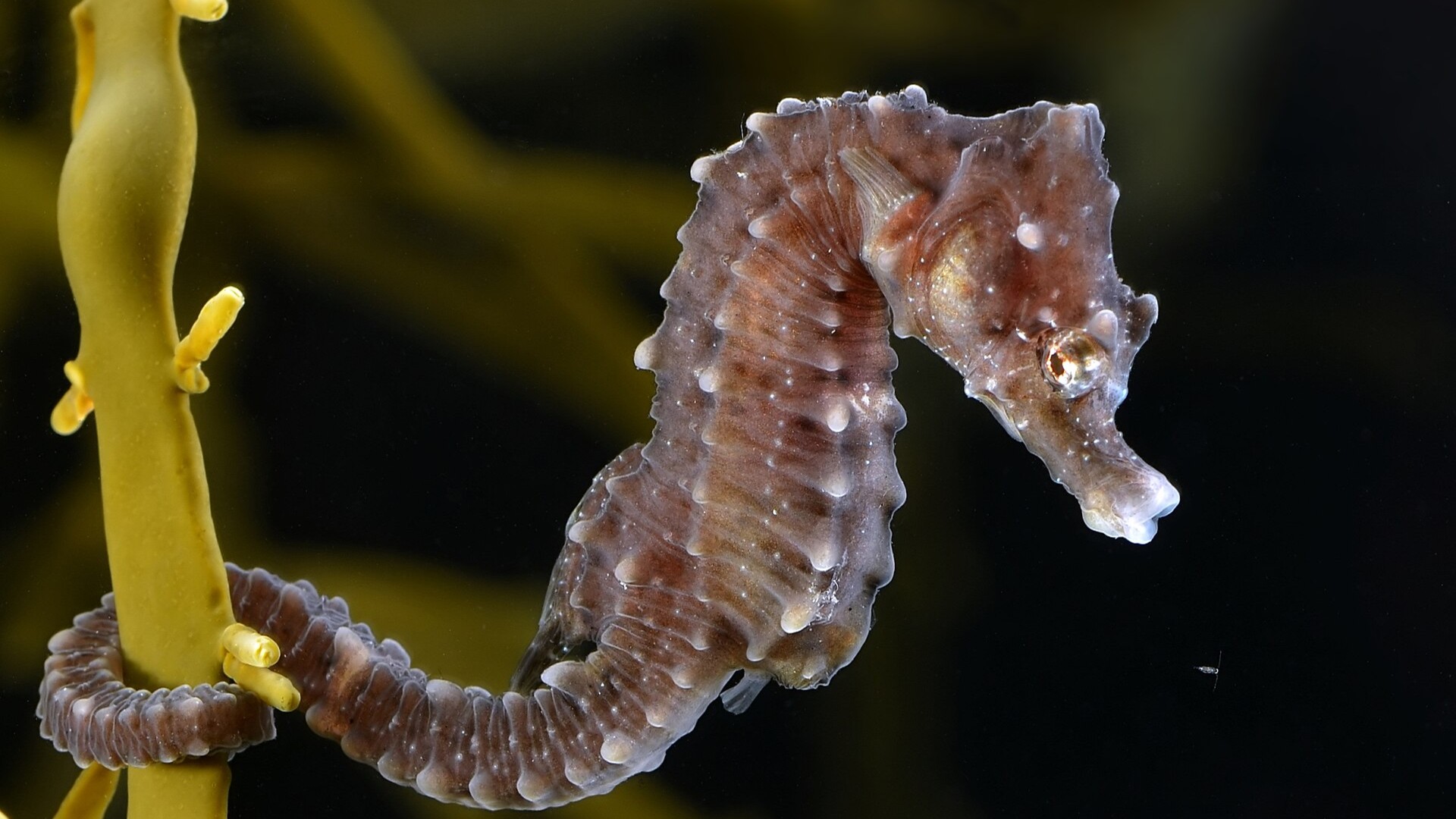
23. Seahorse
Although all seahorse species (Hippocampus) fall under CITES Appendix II export controls, weak enforcement allows widespread smuggling of dried specimens. Bottom trawling bycatch and targeted diving supply huge illicit shipments across borders, threatening coastal reef populations worldwide.
©Wikimedia / Seahorse
Advertisement
Swipe or tap ▶ to resume the countdown.
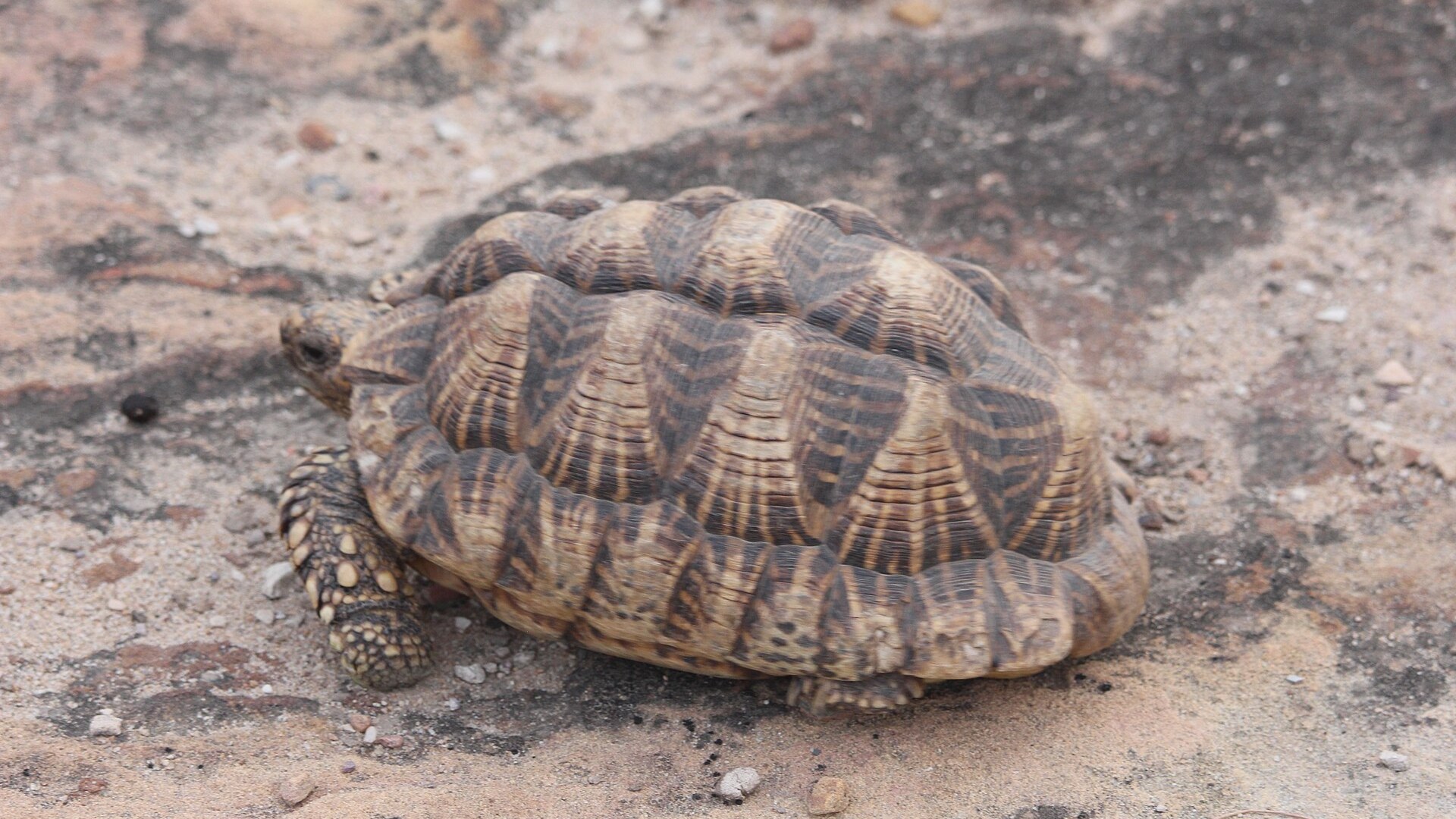
22. Indian Star Tortoise
Native to dry scrublands in India, Pakistan, and Sri Lanka, the Indian star tortoise (Geochelone elegans) gained CITES Appendix I protection in 2019. Tens of thousands of juveniles are still packed into luggage each year to feed illegal pet markets across Asia, Europe, and North America.
©Wikimedia / Malaika the jackal researcher
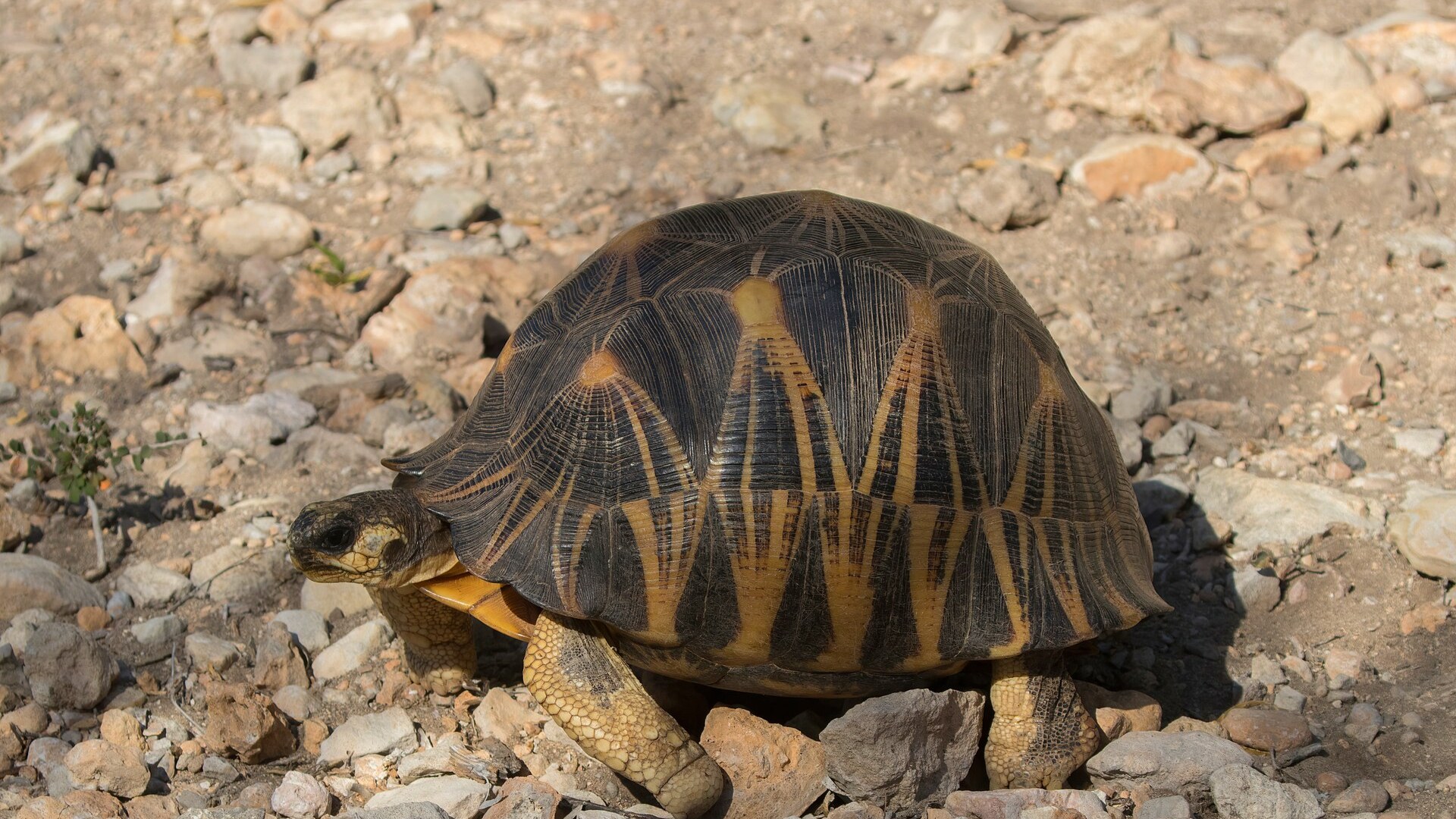
21. Radiated Tortoise
Listed as Critically Endangered on the IUCN Red List and protected under CITES Appendix I, the radiated tortoise (Astrochelys radiata) lives only in southern Madagascar. Conservation groups have rescued over 10,000 smuggled individuals in single raids as traffickers strip wild habitats.
©Wikimedia / Charles J. Sharp
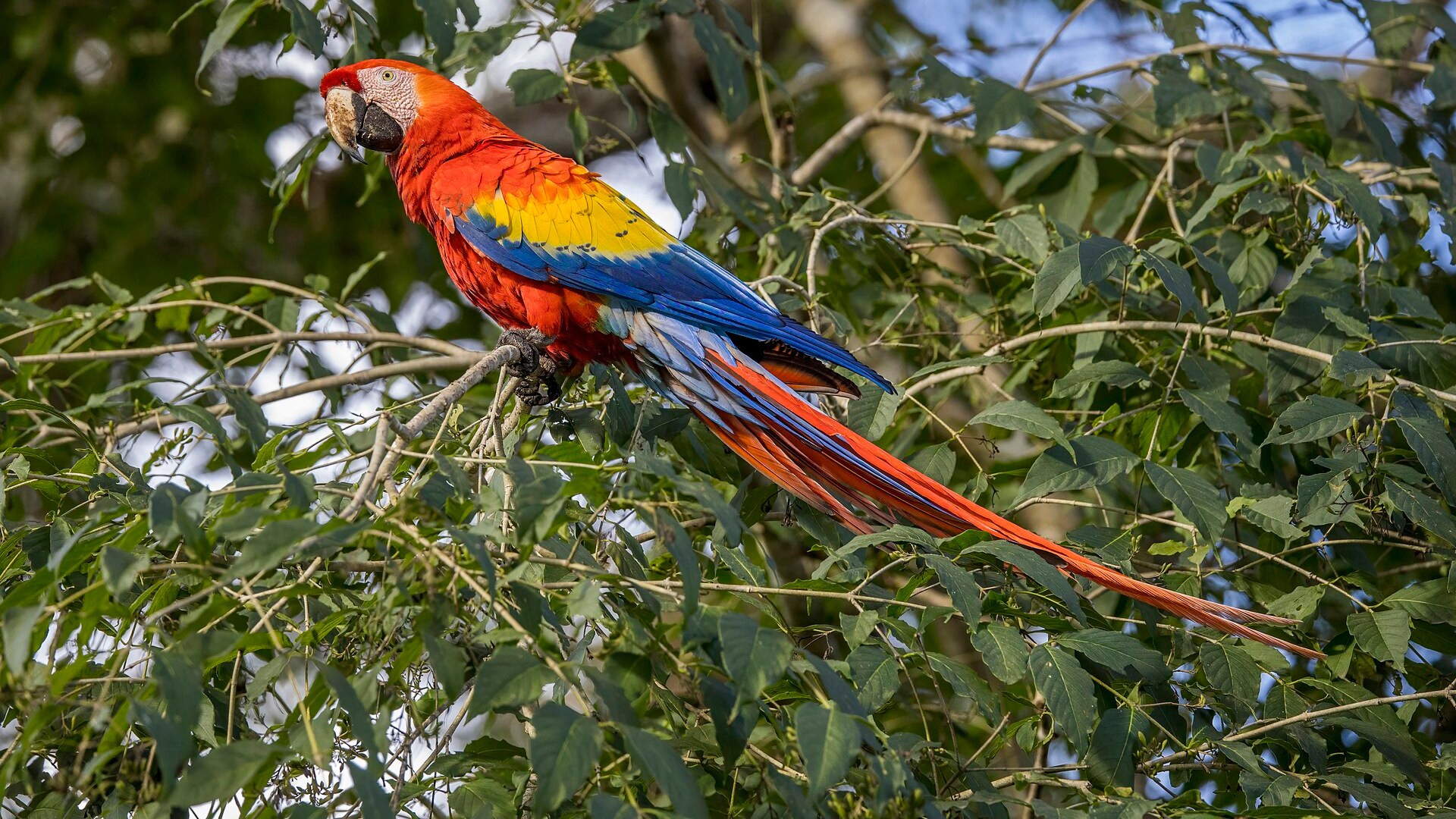
20. Scarlet Macaw
The scarlet macaw (Ara macao) ranges from southern Mexico to the Amazon, yet CITES Appendix I bans commercial trade in wild-caught birds. Poachers often chop down nesting trees to extract chicks, causing high mortality before surviving birds ever reach international buyers.
©Wikimedia / Charles J. Sharp
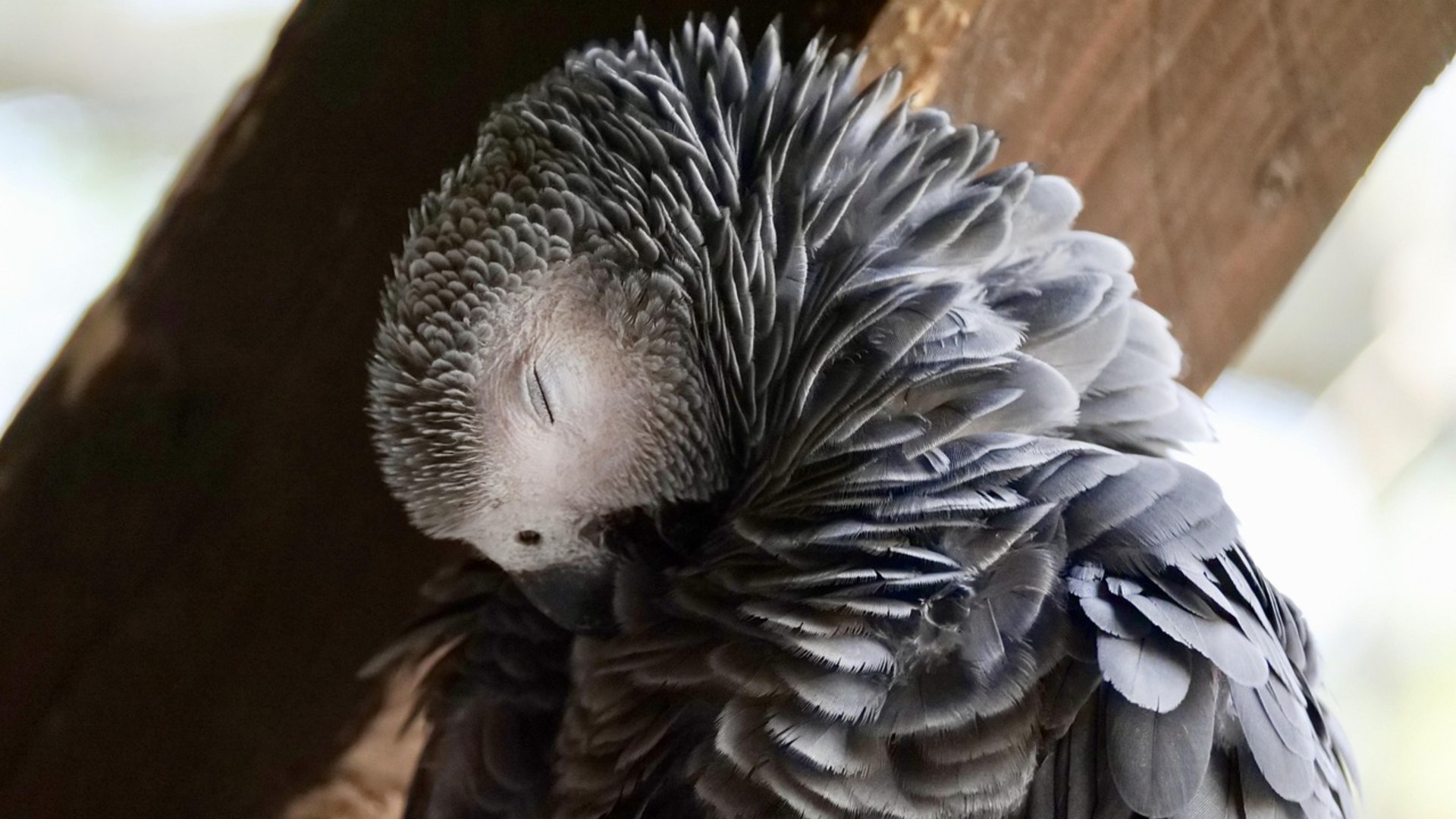
19. African Grey Parrot
Prized for intelligence and vocal mimicry, the African grey parrot (Psittacus erithacus) moved to CITES Appendix I in 2017 to halt commercial wild exports. Researchers estimate up to two million wild birds were removed from African forests in recent decades, wiping out local populations.
©Pixabay / wasi1370
Advertisement
Swipe or tap ▶ to resume the countdown.
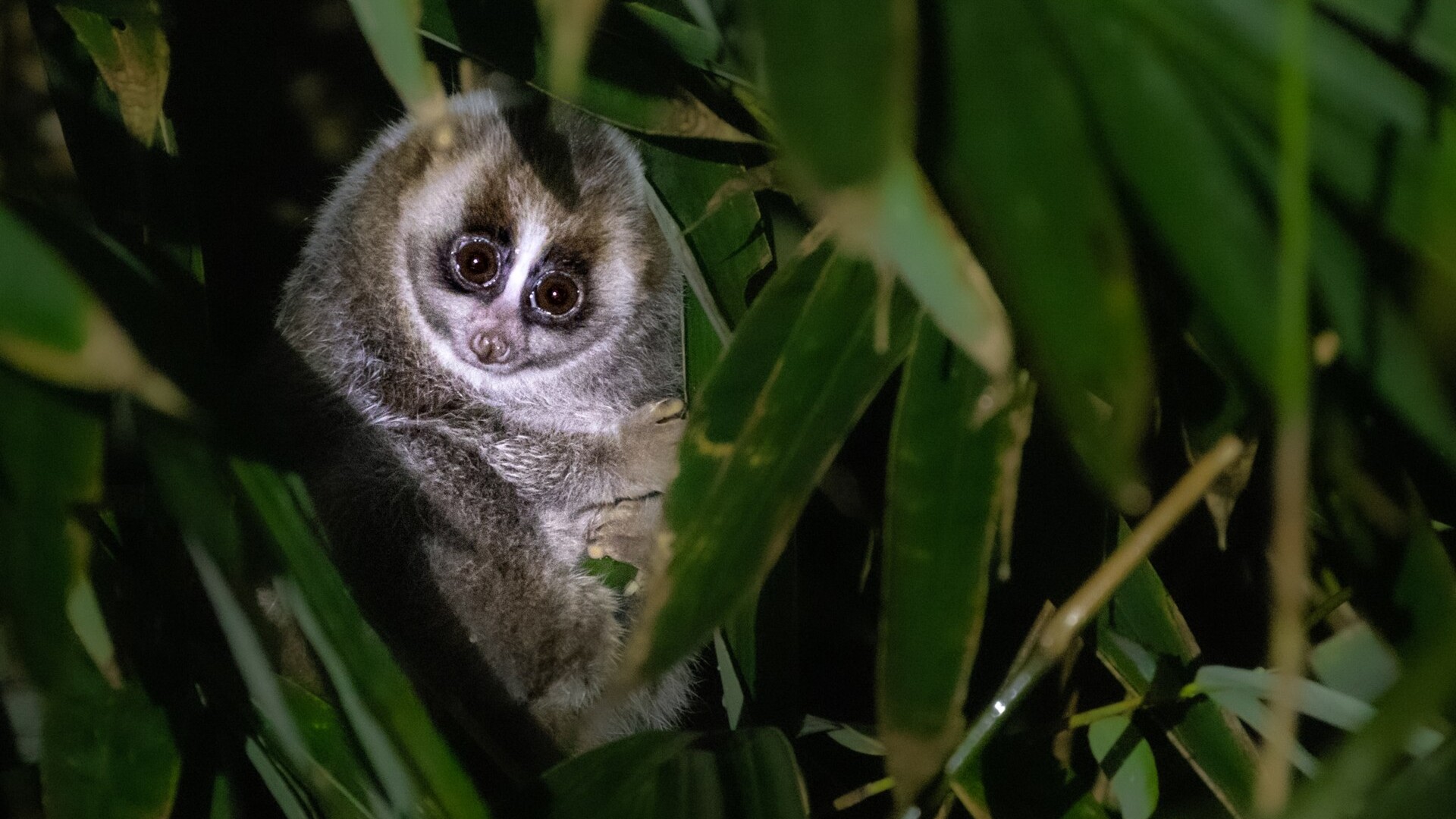
18. Sunda Slow Loris
The Sunda slow loris (Nycticebus coucang) is one of the only venomous mammals, secreting toxin from brachial glands on its arms. Traders frequently clip their sharp teeth with pliers before selling them illegally as pets, causing lethal infections in most captured animals.
©Wikimedia / The Kukang Rescue Program
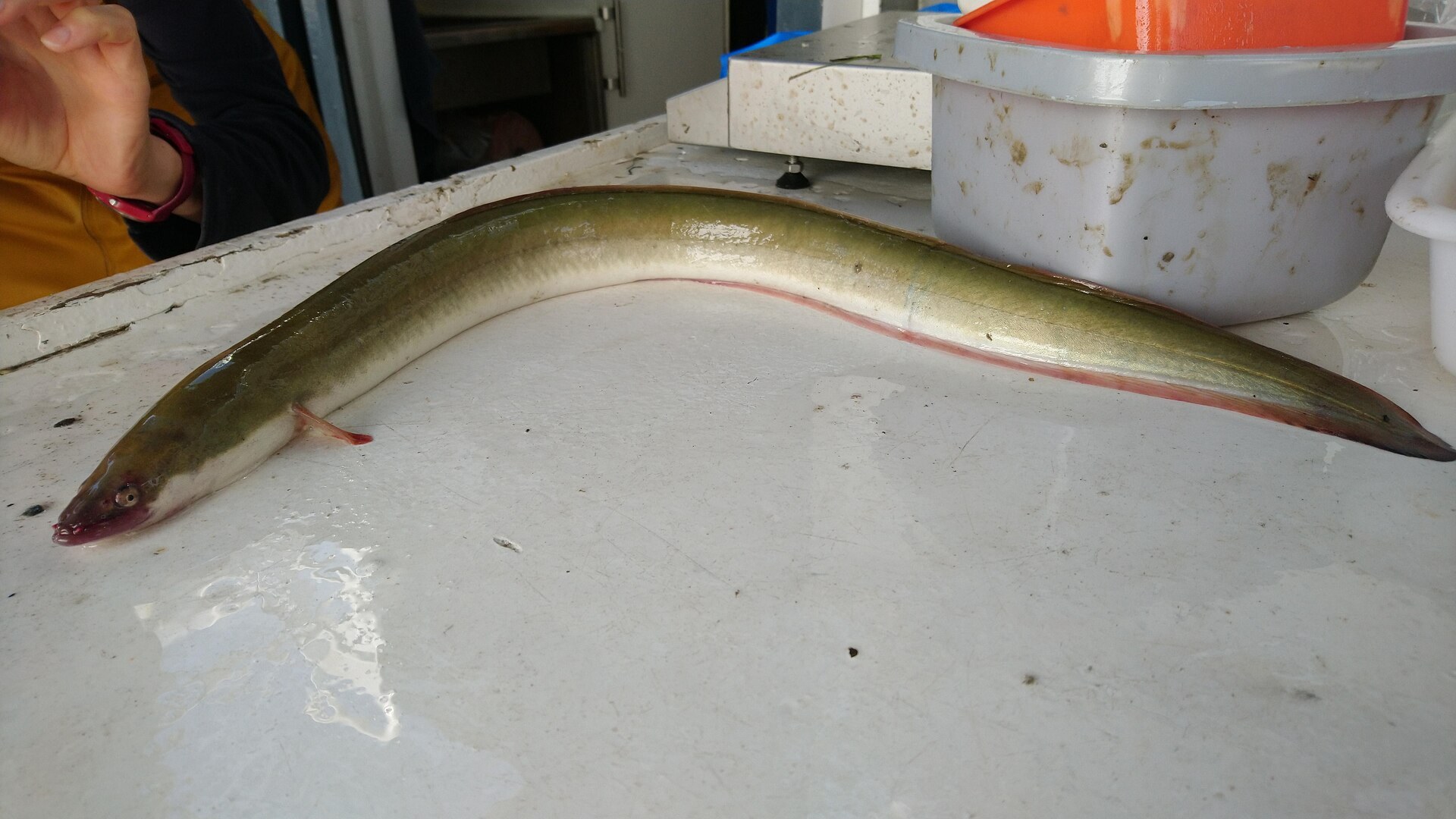
17. European Eel
According to the 2024 UNODC World Wildlife Crime Report, European eels (Anguilla anguilla) rank among the most heavily seized aquatic species globally. Smugglers conceal millions of live juvenile glass eels in oxygenated bags inside luggage to supply illegal East Asian aquaculture farms.
©Wikimedia / Damien Delaunay
16. Totoaba
The totoaba (Totoaba macdonaldi) is a large marine croaker native solely to Mexico's Gulf of California. Its dried swim bladder, known as maw, sells for thousands of dollars per kilogram in illicit Asian luxury markets, and illegal gillnets used to catch it also drown the vaquita porpoise.
©Wikimedia / Totoaba
15. Helmeted Hornbill
Unlike other hornbills with hollow casques, the helmeted hornbill (Rhinoplax vigil) has a solid keratin block on its bill prized for carving. Intensive poaching across Indonesia and Malaysia pushed the species to Critically Endangered status on the IUCN Red List.
©Wikimedia / Ian Dugdale
Advertisement
Swipe or tap ▶ to resume the countdown.
14. Hawksbill Sea Turtle
The Critically Endangered hawksbill sea turtle (Eretmochelys imbricata) is protected under CITES Appendix I, banning all commercial international trade. Still, poachers harvest nesting females for their patterned shell plates, known as bekko, and raid beach nests for eggs.
©Wikimedia / Diego Delso
13. Asian Black Bear
Also called the moon bear for its cream chest crescent, the Asian black bear (Ursus thibetanus) is listed on CITES Appendix I. Beyond wild poaching for paws and gallbladders, thousands of bears have been kept in tiny cages for decades to extract bile containing ursodeoxycholic acid.
©Wikimedia / Dr. Raju Kasambe
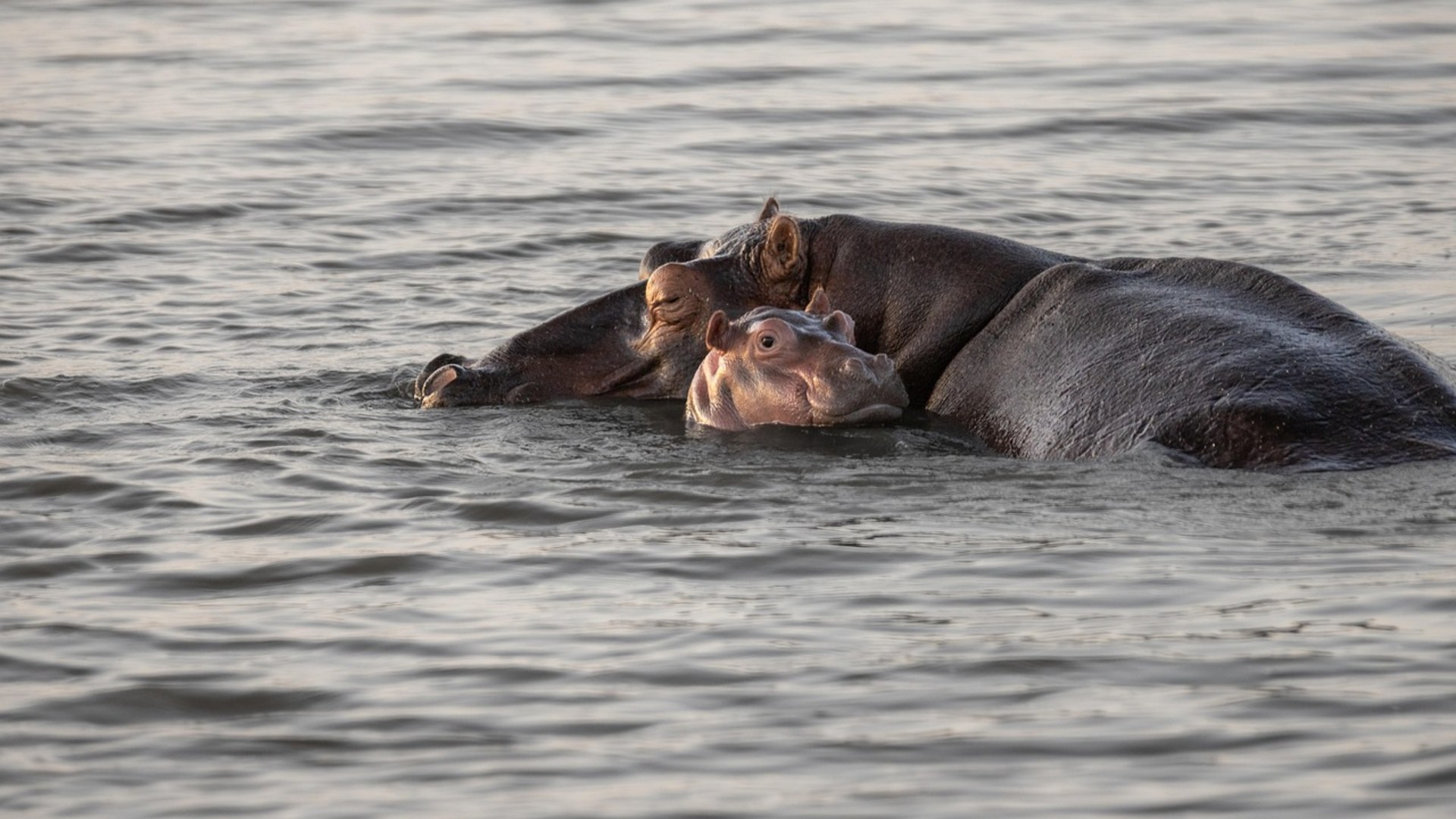
12. Hippopotamus
Listed under CITES Appendix II, the common hippopotamus (Hippopotamus amphibius) faces rising pressure from illegal ivory carvers seeking alternatives to elephant tusks. UNODC seizure records show thousands of kilograms of hippo teeth confiscated alongside hippo skulls and skins.
©Pixabay / butti_s
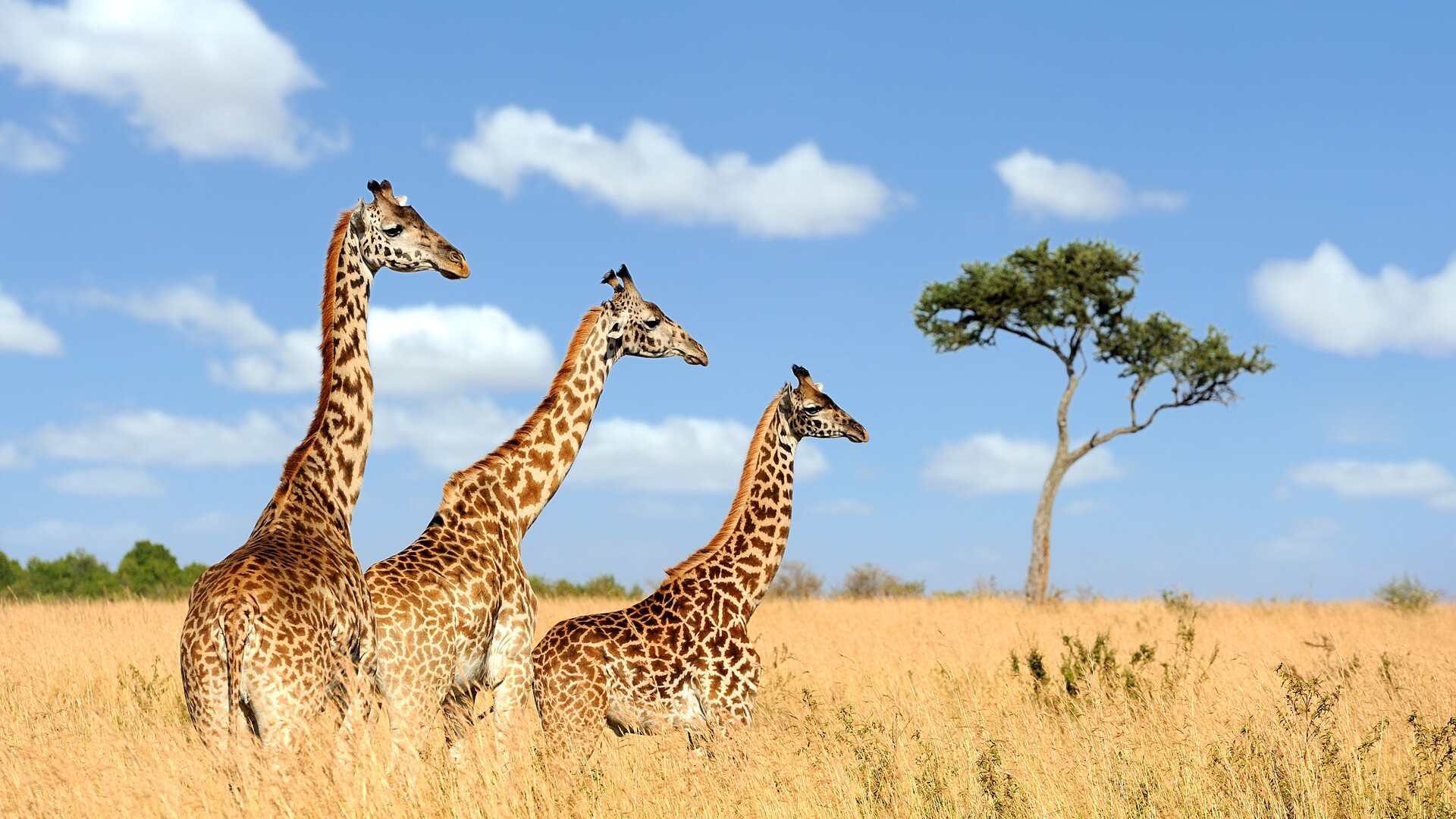
11. Giraffe
Giraffes (Giraffa camelopardalis) were added to CITES Appendix II in 2019 after conservationists documented steep regional declines and active cross-border trade. Thousands of carved bone handles, leather rugs, and tail-hair bracelets have been documented in international seizures.
©Wikimedia / Byrdyak
Advertisement
Swipe or tap ▶ to resume the countdown.
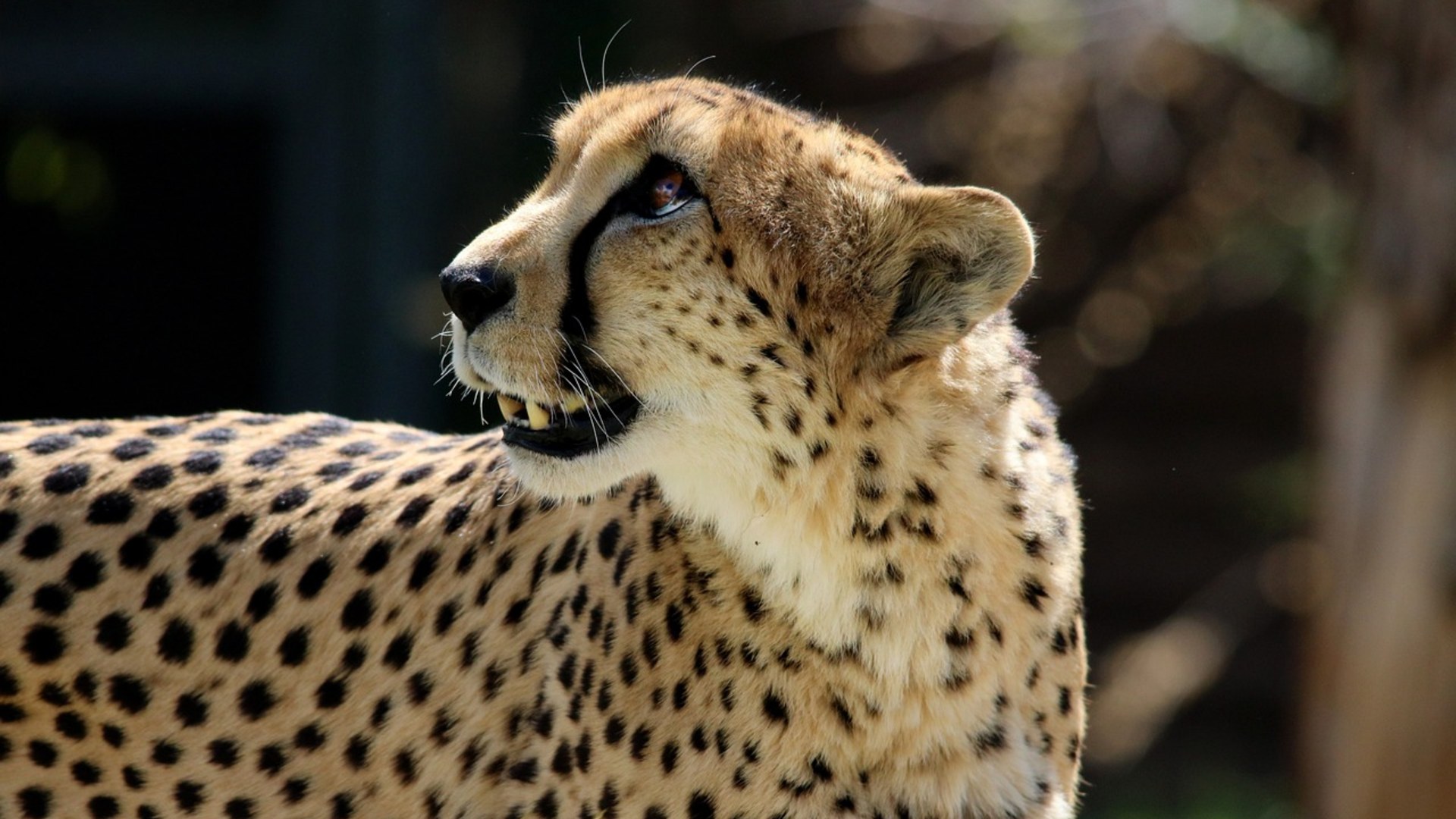
10. Cheetah
Protected under CITES Appendix I, wild cheetahs (Acinonyx jubatus) suffer heavily from live cub trafficking out of Ethiopia and Somalia toward Gulf states. The Cheetah Conservation Fund estimates most smuggled cubs die in transit from dehydration, stress, and poor nutrition.
©Pixabay / jmrockeman
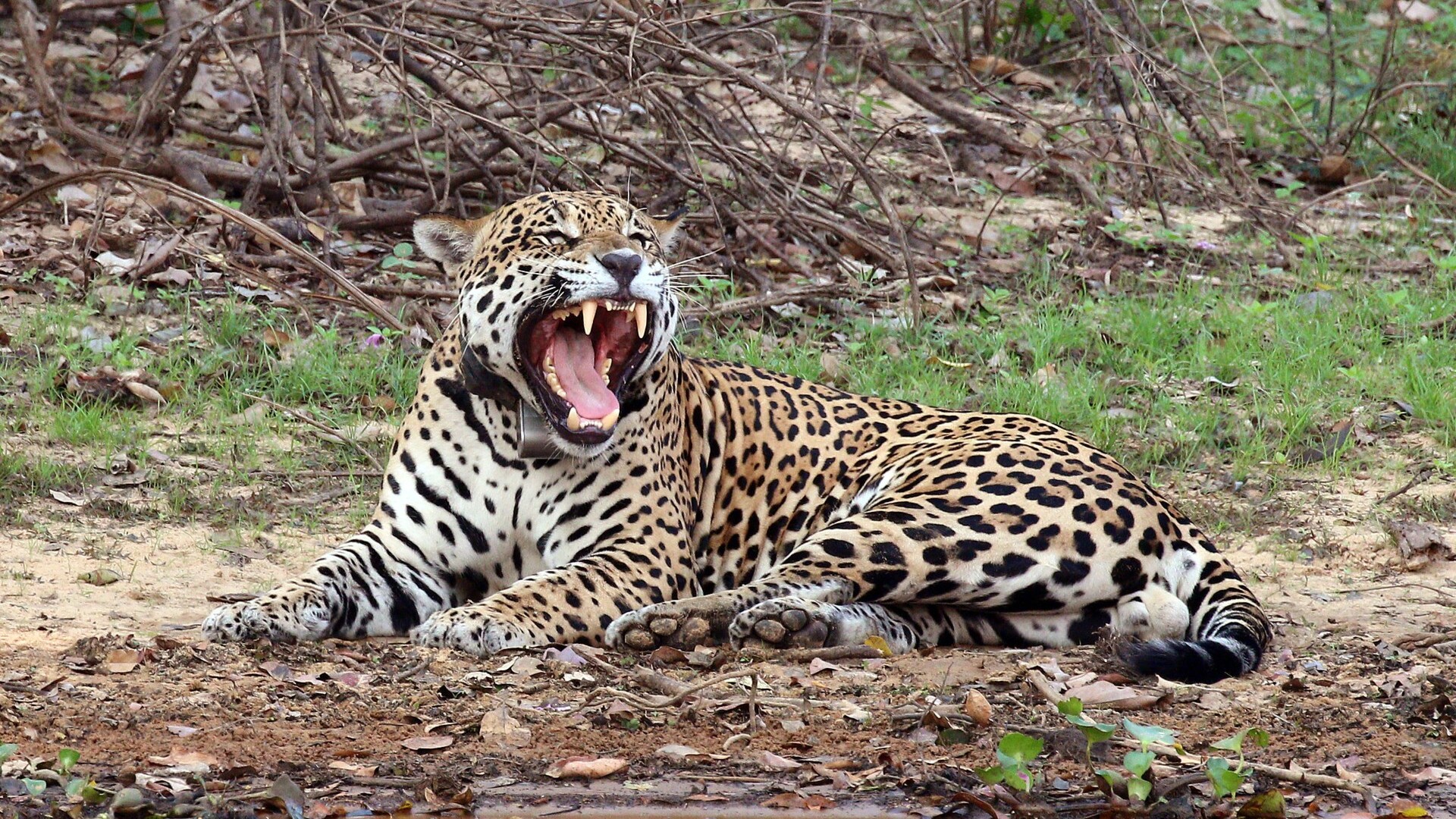
9. Jaguar
Jaguars (Panthera onca) have been listed on CITES Appendix I since 1975, yet poaching surged across Bolivia, Suriname, and Peru over the past decade. Traffickers extract four large canines per cat and boil down skeletons into paste marketed as a substitute for tiger bone.
©Wikimedia / Charles J. Sharp
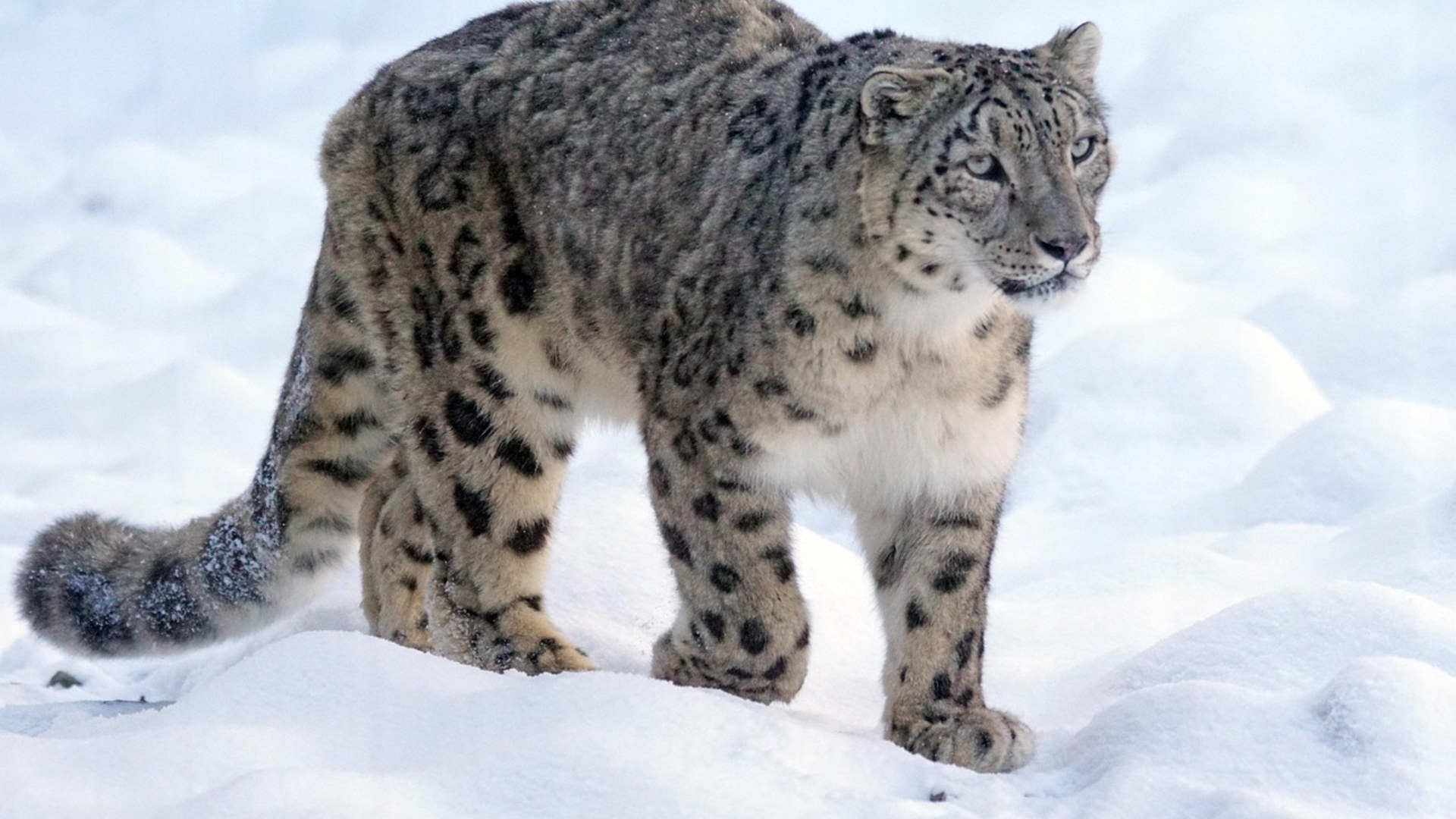
8. Snow Leopard
Living across twelve rugged Central Asian countries, the snow leopard (Panthera uncia) holds CITES Appendix I protection. TRAFFIC estimates hundreds are killed annually, driven both by retaliatory herding conflicts and illegal buyers seeking thick mountain furs and skeletal parts.
©Pixabay / Pixel-mixer
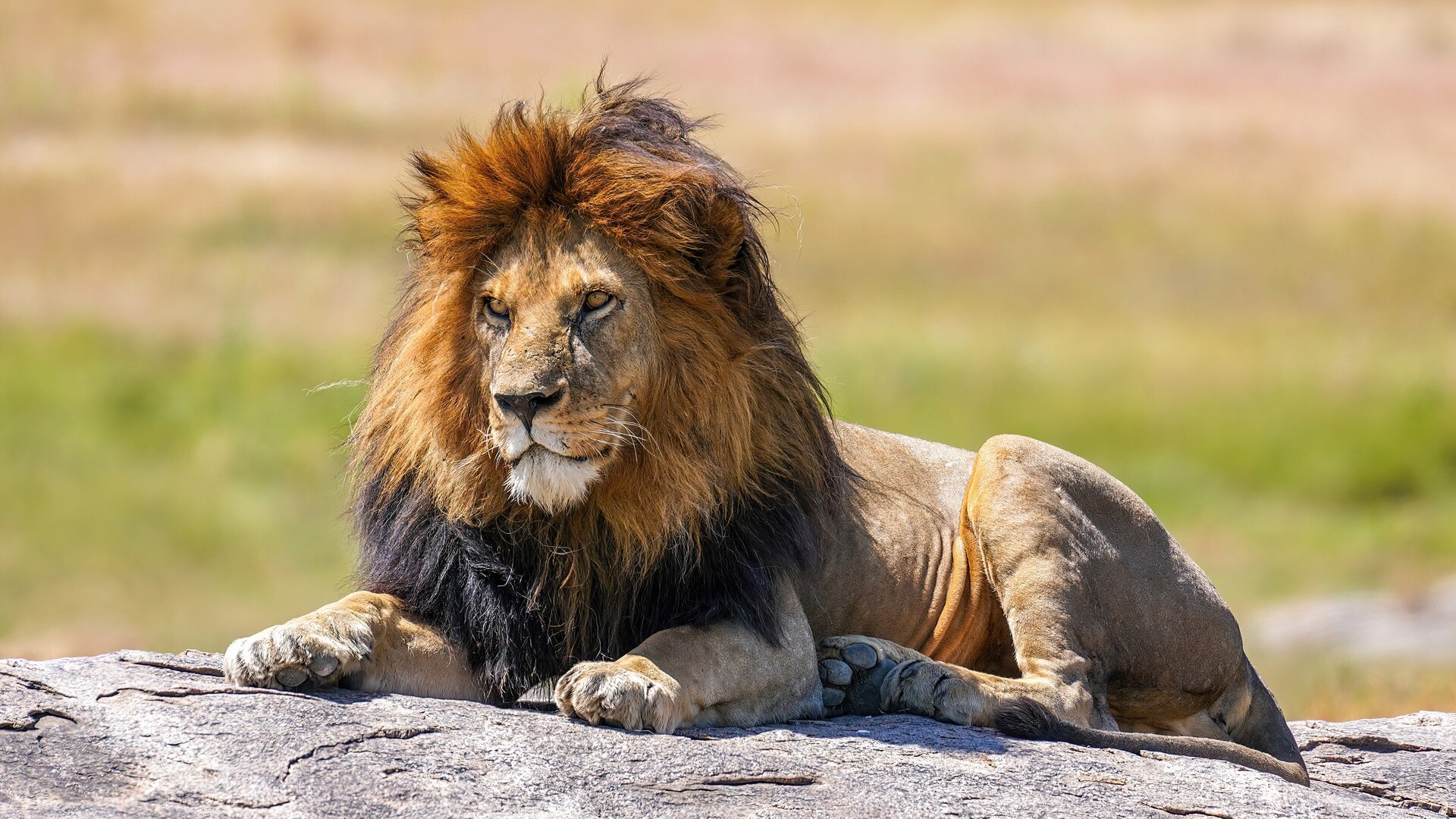
7. African Lion
As wild tiger numbers shrank, international traffickers turned toward African lions (Panthera leo) to supply skeleton and claw markets. Forensic wildlife studies show lion bones entering illicit Asian supply chains labeled as tiger parts, threatening already fragmented prides.
©Wikimedia / Lion
Advertisement
Swipe or tap ▶ to resume the countdown.
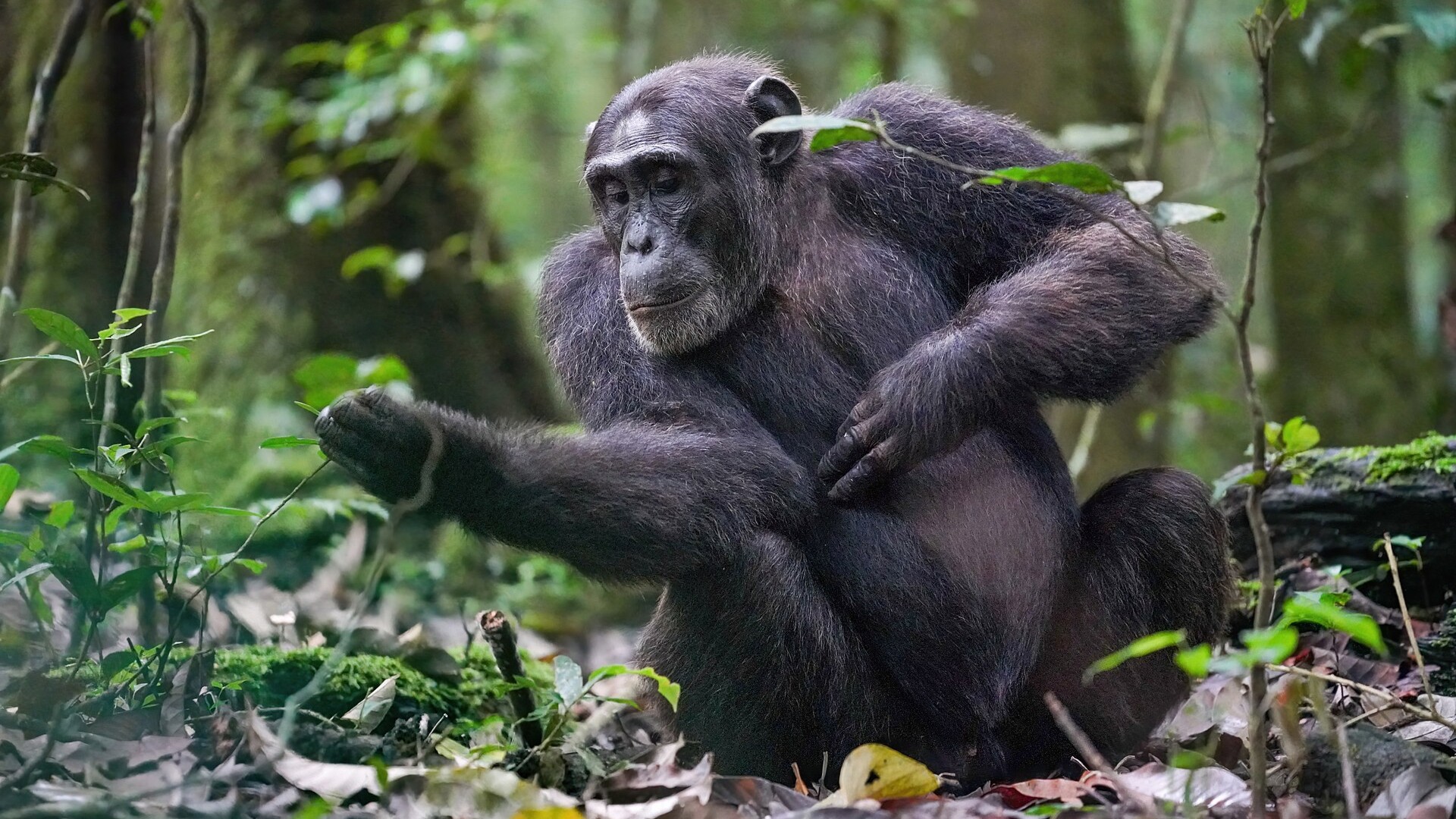
6. Chimpanzee
Chimpanzees (Pan troglodytes) share roughly 98.7 percent of human DNA and face strict CITES Appendix I trade bans. Conservationists report that capturing a single live infant often requires killing multiple adult group members, devastating slow-breeding Central and West African troops.
©Wikimedia / Giles Laurent
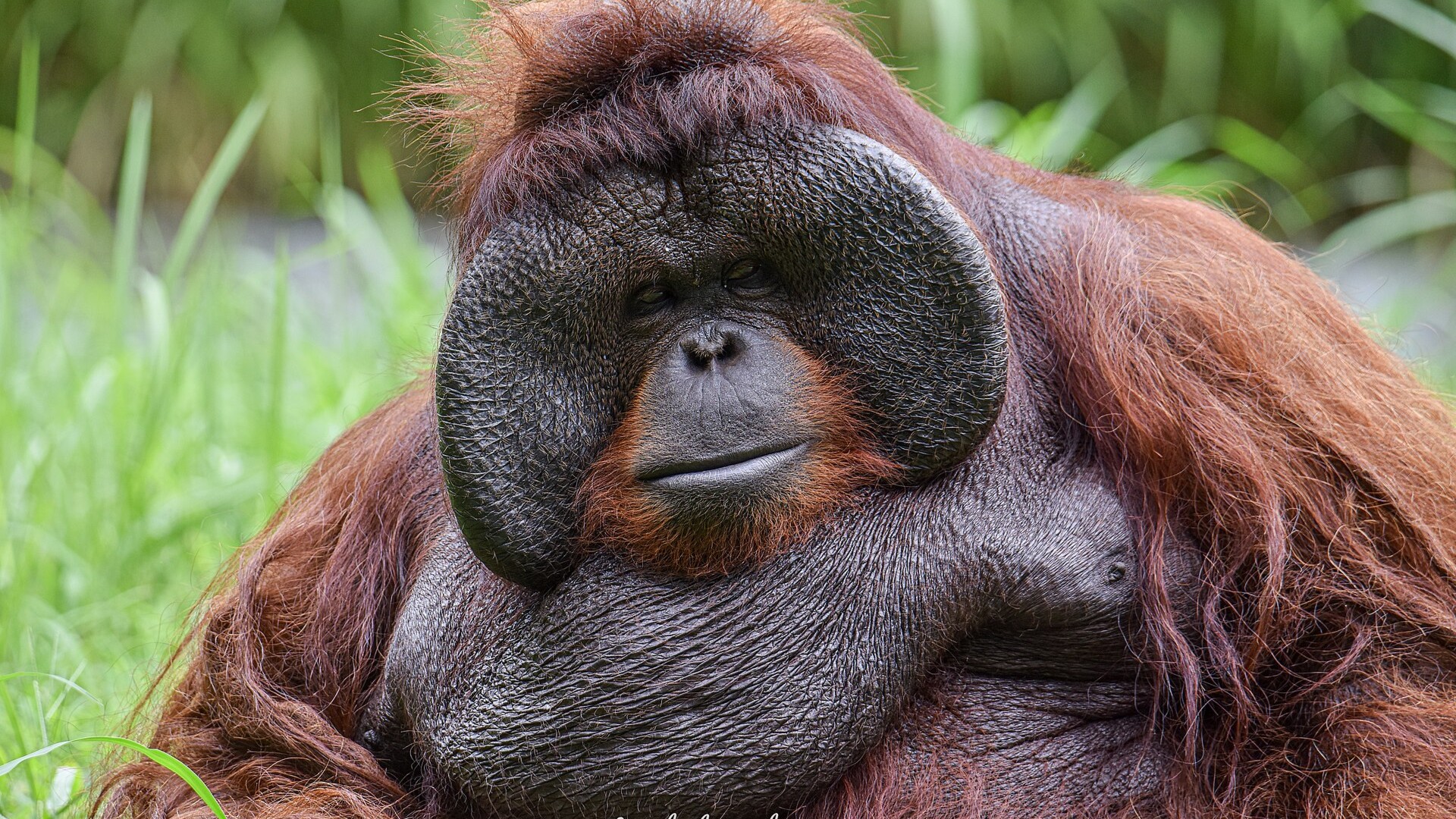
5. Bornean Orangutan
The Critically Endangered Bornean orangutan (Pongo pygmaeus) spends up to eight years raising a single offspring. When poachers kill mothers during logging or palm oil expansion to steal infants, each loss permanently damages slow-recovering rainforest populations.
©Wikimedia / Mike.frankenstein
4. Bengal Tiger
Every part of the tiger (Panthera tigris) commands high black-market prices, from decorative pelts to bones steeped in illicit tonics. Despite CITES Appendix I protection and armed anti-poaching patrols, TRAFFIC and UNODC note persistent seizures linked to both wild and captive-bred cats.
©Pixabay / Spykerf1
3. Black Rhinoceros
Rhino horn is made of compacted keratin, the same protein found in human fingernails, yet black-market buyers pay tens of thousands of dollars per kilogram. Intensive poaching drove the black rhinoceros (Diceros bicornis) to Critically Endangered status under IUCN assessments.
©Wikimedia / Giles Laurent
Advertisement
Swipe or tap ▶ to resume the countdown.
2. African Savanna Elephant
Classified as Endangered by the IUCN, the African savanna elephant (Loxodonta africana) remains a primary target of transnational ivory networks. While UNODC reported declining raw tusk seizures after major domestic market bans, organized syndicates still move metric tons across borders.
©Wikimedia / Diego Delso
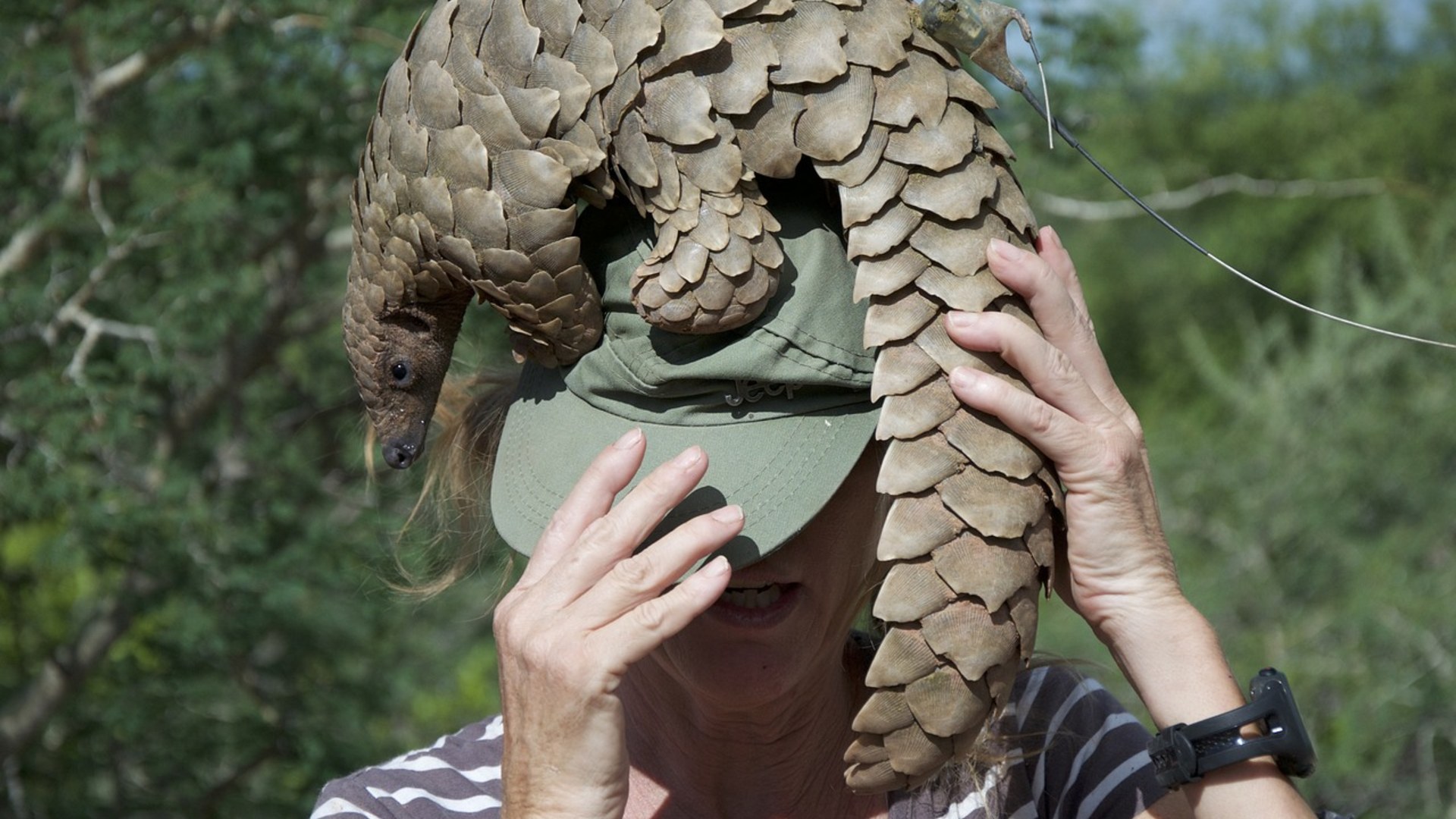
1. Sunda Pangolin
Covered in protective keratin scales, the Critically Endangered Sunda pangolin (Manis javanica) curls into a tight ball when threatened, making it effortless for poachers to bag. CITES placed all eight pangolin species on Appendix I after millions were killed over two decades.
©Wikimedia / Firman
Advertisement
You've reached the end of the story. Thanks for reading!

24 Dog Breeds That Require Confident Owners
From small terriers with surprising bite frequencies to colossal livestock guardians and historically banned fighting breeds, certain dogs provoke deep public fear across the United States. Documented hospital trauma data, jaw leverage, and breed-specific legislation explain why these twenty-four canines are feared.
All 25 Entries in this Story
Burmese Python
Burmese pythons (Python bivittatus) grow over five meters long and face heavy harvesting for fashion accessories and traditional remedies. Listed under CITES Appendix II, wild populations have declined in parts of Cambodia and Vietnam despite legal farming quotas designed to curb poaching.

Tokay Gecko
Recognized by its blue skin and orange spots, the Tokay gecko (Gekko gecko) was added to CITES Appendix II in 2019 after massive unregulated harvests. TRAFFIC surveys documented millions of dried specimens traded across Asia, alongside live individuals captured for overseas pet markets.

Seahorse
Although all seahorse species (Hippocampus) fall under CITES Appendix II export controls, weak enforcement allows widespread smuggling of dried specimens. Bottom trawling bycatch and targeted diving supply huge illicit shipments across borders, threatening coastal reef populations worldwide.

Indian Star Tortoise
Native to dry scrublands in India, Pakistan, and Sri Lanka, the Indian star tortoise (Geochelone elegans) gained CITES Appendix I protection in 2019. Tens of thousands of juveniles are still packed into luggage each year to feed illegal pet markets across Asia, Europe, and North America.

Radiated Tortoise
Listed as Critically Endangered on the IUCN Red List and protected under CITES Appendix I, the radiated tortoise (Astrochelys radiata) lives only in southern Madagascar. Conservation groups have rescued over 10,000 smuggled individuals in single raids as traffickers strip wild habitats.

Scarlet Macaw
The scarlet macaw (Ara macao) ranges from southern Mexico to the Amazon, yet CITES Appendix I bans commercial trade in wild-caught birds. Poachers often chop down nesting trees to extract chicks, causing high mortality before surviving birds ever reach international buyers.

African Grey Parrot
Prized for intelligence and vocal mimicry, the African grey parrot (Psittacus erithacus) moved to CITES Appendix I in 2017 to halt commercial wild exports. Researchers estimate up to two million wild birds were removed from African forests in recent decades, wiping out local populations.

Sunda Slow Loris
The Sunda slow loris (Nycticebus coucang) is one of the only venomous mammals, secreting toxin from brachial glands on its arms. Traders frequently clip their sharp teeth with pliers before selling them illegally as pets, causing lethal infections in most captured animals.

European Eel
According to the 2024 UNODC World Wildlife Crime Report, European eels (Anguilla anguilla) rank among the most heavily seized aquatic species globally. Smugglers conceal millions of live juvenile glass eels in oxygenated bags inside luggage to supply illegal East Asian aquaculture farms.

Totoaba
The totoaba (Totoaba macdonaldi) is a large marine croaker native solely to Mexico's Gulf of California. Its dried swim bladder, known as maw, sells for thousands of dollars per kilogram in illicit Asian luxury markets, and illegal gillnets used to catch it also drown the vaquita porpoise.

Helmeted Hornbill
Unlike other hornbills with hollow casques, the helmeted hornbill (Rhinoplax vigil) has a solid keratin block on its bill prized for carving. Intensive poaching across Indonesia and Malaysia pushed the species to Critically Endangered status on the IUCN Red List.

Hawksbill Sea Turtle
The Critically Endangered hawksbill sea turtle (Eretmochelys imbricata) is protected under CITES Appendix I, banning all commercial international trade. Still, poachers harvest nesting females for their patterned shell plates, known as bekko, and raid beach nests for eggs.

Asian Black Bear
Also called the moon bear for its cream chest crescent, the Asian black bear (Ursus thibetanus) is listed on CITES Appendix I. Beyond wild poaching for paws and gallbladders, thousands of bears have been kept in tiny cages for decades to extract bile containing ursodeoxycholic acid.

Hippopotamus
Listed under CITES Appendix II, the common hippopotamus (Hippopotamus amphibius) faces rising pressure from illegal ivory carvers seeking alternatives to elephant tusks. UNODC seizure records show thousands of kilograms of hippo teeth confiscated alongside hippo skulls and skins.

Giraffe
Giraffes (Giraffa camelopardalis) were added to CITES Appendix II in 2019 after conservationists documented steep regional declines and active cross-border trade. Thousands of carved bone handles, leather rugs, and tail-hair bracelets have been documented in international seizures.

Cheetah
Protected under CITES Appendix I, wild cheetahs (Acinonyx jubatus) suffer heavily from live cub trafficking out of Ethiopia and Somalia toward Gulf states. The Cheetah Conservation Fund estimates most smuggled cubs die in transit from dehydration, stress, and poor nutrition.

Jaguar
Jaguars (Panthera onca) have been listed on CITES Appendix I since 1975, yet poaching surged across Bolivia, Suriname, and Peru over the past decade. Traffickers extract four large canines per cat and boil down skeletons into paste marketed as a substitute for tiger bone.

Snow Leopard
Living across twelve rugged Central Asian countries, the snow leopard (Panthera uncia) holds CITES Appendix I protection. TRAFFIC estimates hundreds are killed annually, driven both by retaliatory herding conflicts and illegal buyers seeking thick mountain furs and skeletal parts.

African Lion
As wild tiger numbers shrank, international traffickers turned toward African lions (Panthera leo) to supply skeleton and claw markets. Forensic wildlife studies show lion bones entering illicit Asian supply chains labeled as tiger parts, threatening already fragmented prides.

Chimpanzee
Chimpanzees (Pan troglodytes) share roughly 98.7 percent of human DNA and face strict CITES Appendix I trade bans. Conservationists report that capturing a single live infant often requires killing multiple adult group members, devastating slow-breeding Central and West African troops.

Bornean Orangutan
The Critically Endangered Bornean orangutan (Pongo pygmaeus) spends up to eight years raising a single offspring. When poachers kill mothers during logging or palm oil expansion to steal infants, each loss permanently damages slow-recovering rainforest populations.

Bengal Tiger
Every part of the tiger (Panthera tigris) commands high black-market prices, from decorative pelts to bones steeped in illicit tonics. Despite CITES Appendix I protection and armed anti-poaching patrols, TRAFFIC and UNODC note persistent seizures linked to both wild and captive-bred cats.

Black Rhinoceros
Rhino horn is made of compacted keratin, the same protein found in human fingernails, yet black-market buyers pay tens of thousands of dollars per kilogram. Intensive poaching drove the black rhinoceros (Diceros bicornis) to Critically Endangered status under IUCN assessments.

African Savanna Elephant
Classified as Endangered by the IUCN, the African savanna elephant (Loxodonta africana) remains a primary target of transnational ivory networks. While UNODC reported declining raw tusk seizures after major domestic market bans, organized syndicates still move metric tons across borders.

Sunda Pangolin
Covered in protective keratin scales, the Critically Endangered Sunda pangolin (Manis javanica) curls into a tight ball when threatened, making it effortless for poachers to bag. CITES placed all eight pangolin species on Appendix I after millions were killed over two decades.