Slideshow · Science
Can Humanity Finally Recreate The Power Of The Sun On Earth?
From 1920s theoretical breakthroughs to 2020s net-energy ignition, these 8 documented chapters reveal how humanity is finally unlocking limitless clean stellar power on Earth.

All 8 Entries in this Story
8. Eddington Unlocks The Secret Of The Stars
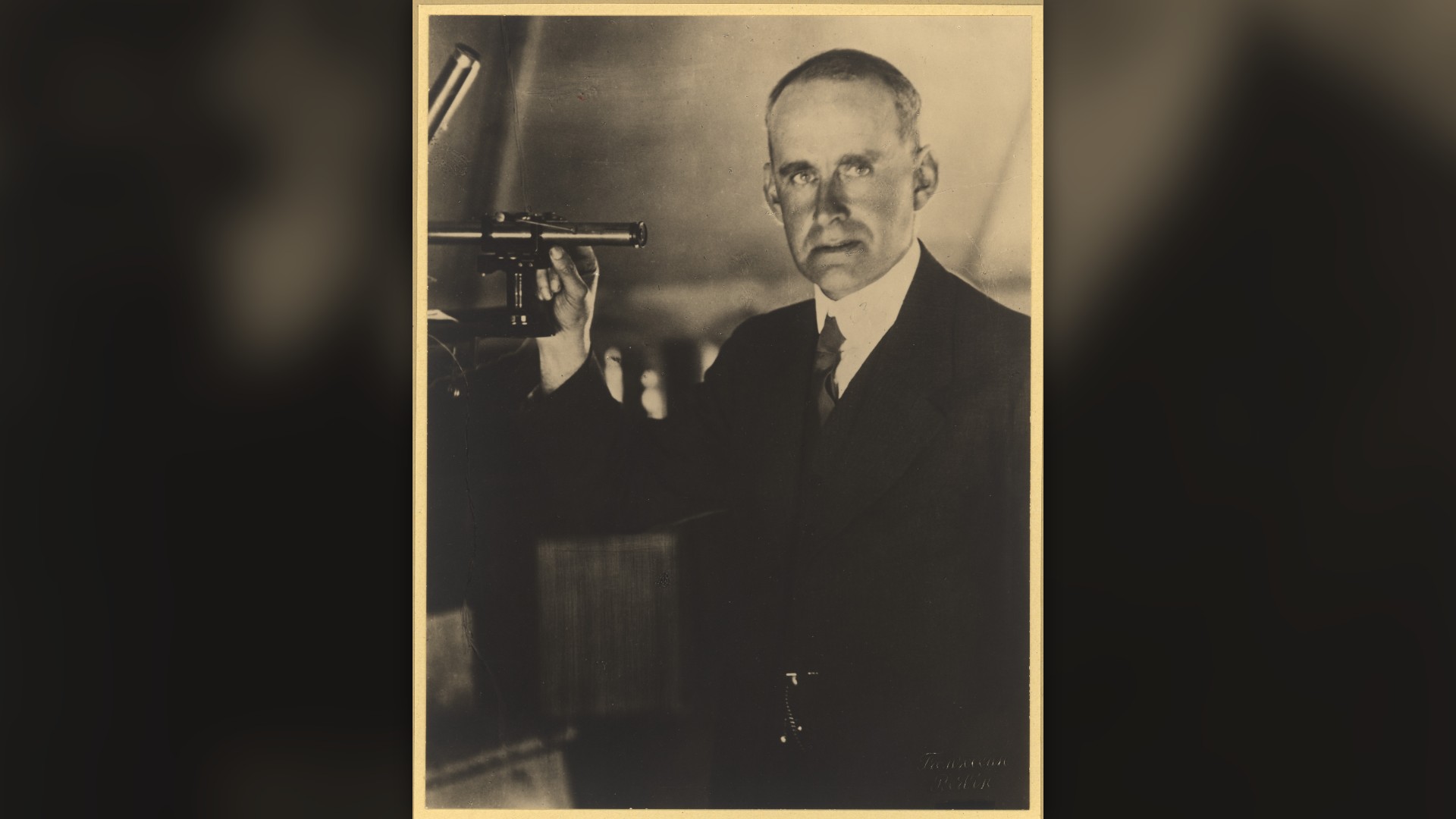
In 1920, Sir Arthur Eddington solved a centuries-old cosmic mystery by proposing that stars generate energy through the nuclear fusion of hydrogen into helium. His paper laid the foundational physics that proved humanity could potentially tap stellar power.
7. Oliphant Discovers Lab Fusion In Cambridge
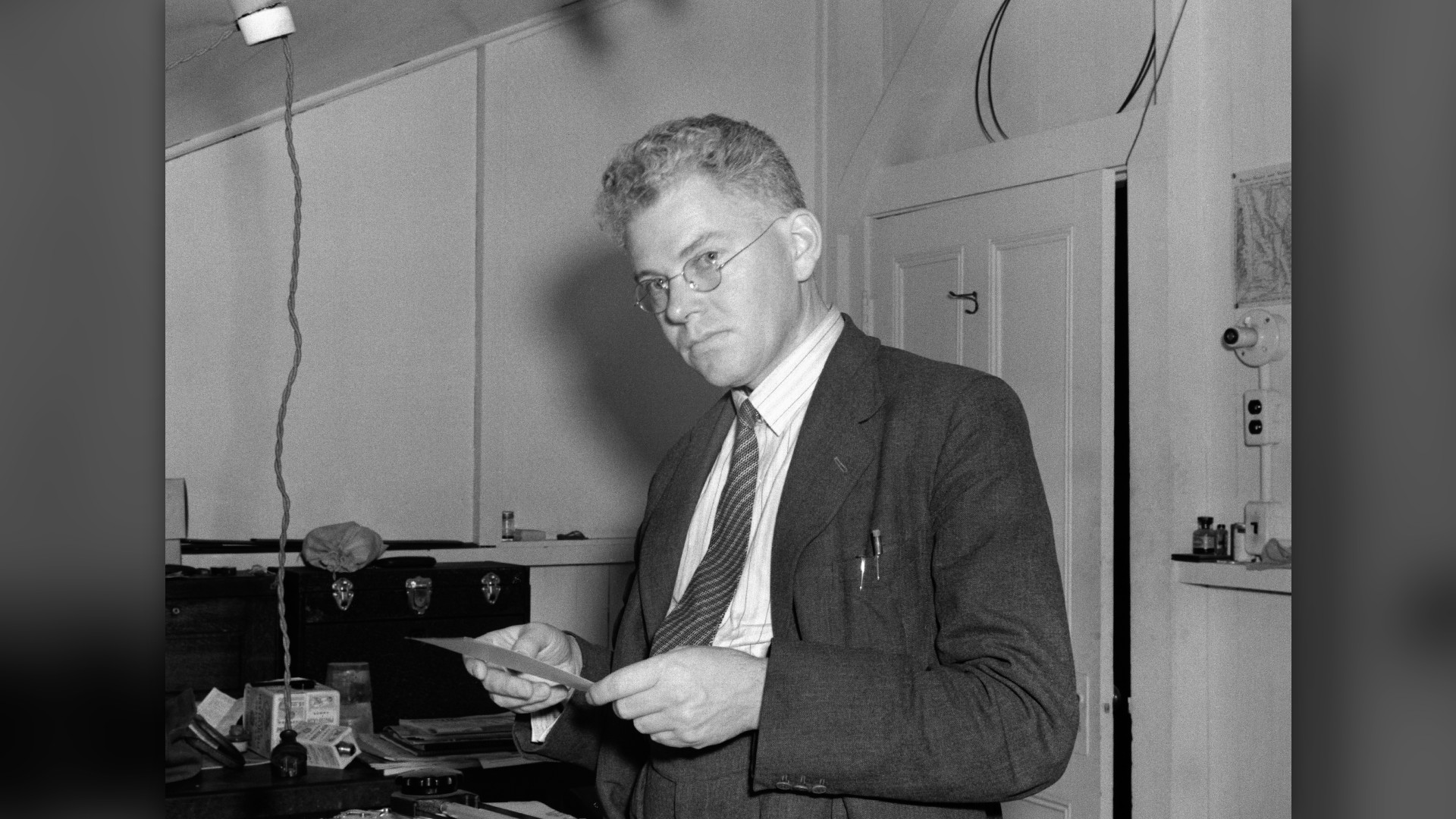
Working alongside Ernest Rutherford at Cambridge's Cavendish Laboratory, Australian physicist Mark Oliphant accelerated deuterons into heavy hydrogen targets in 1934, discovering tritium and helium-3 and triggering the world's first artificial fusion reactions.
6. Ivy Mike Proves Uncontrolled Fusion Power
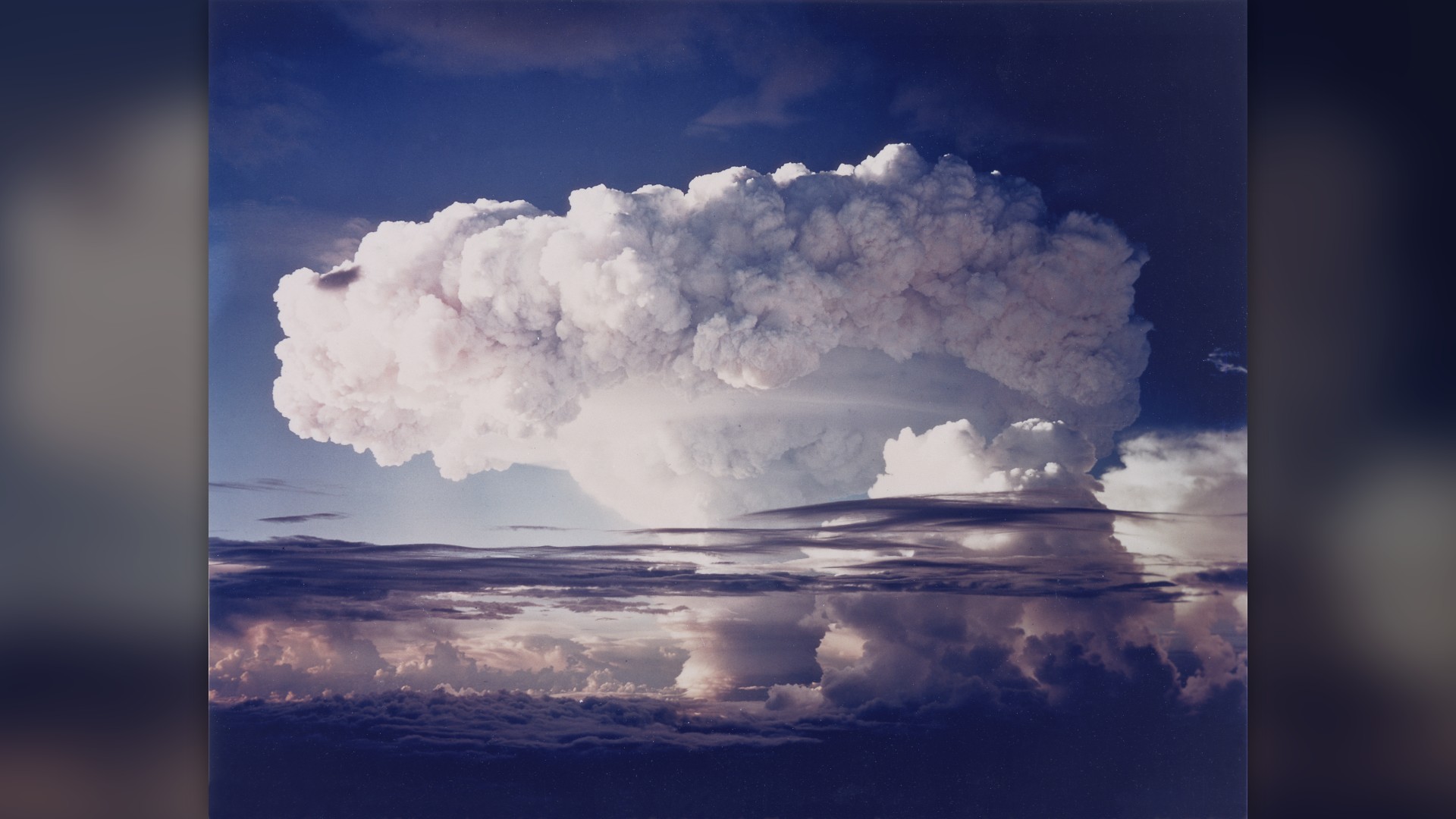
On October 31, 1952, the United States detonated the 10.4-megaton 'Ivy Mike' thermonuclear device on Enewetak Atoll. While devastating as a weapon, the cryogenic liquid deuterium test demonstrated for the first time that terrestrial fusion yields immense energy output.
5. The Soviet Tokamak Breakthrough
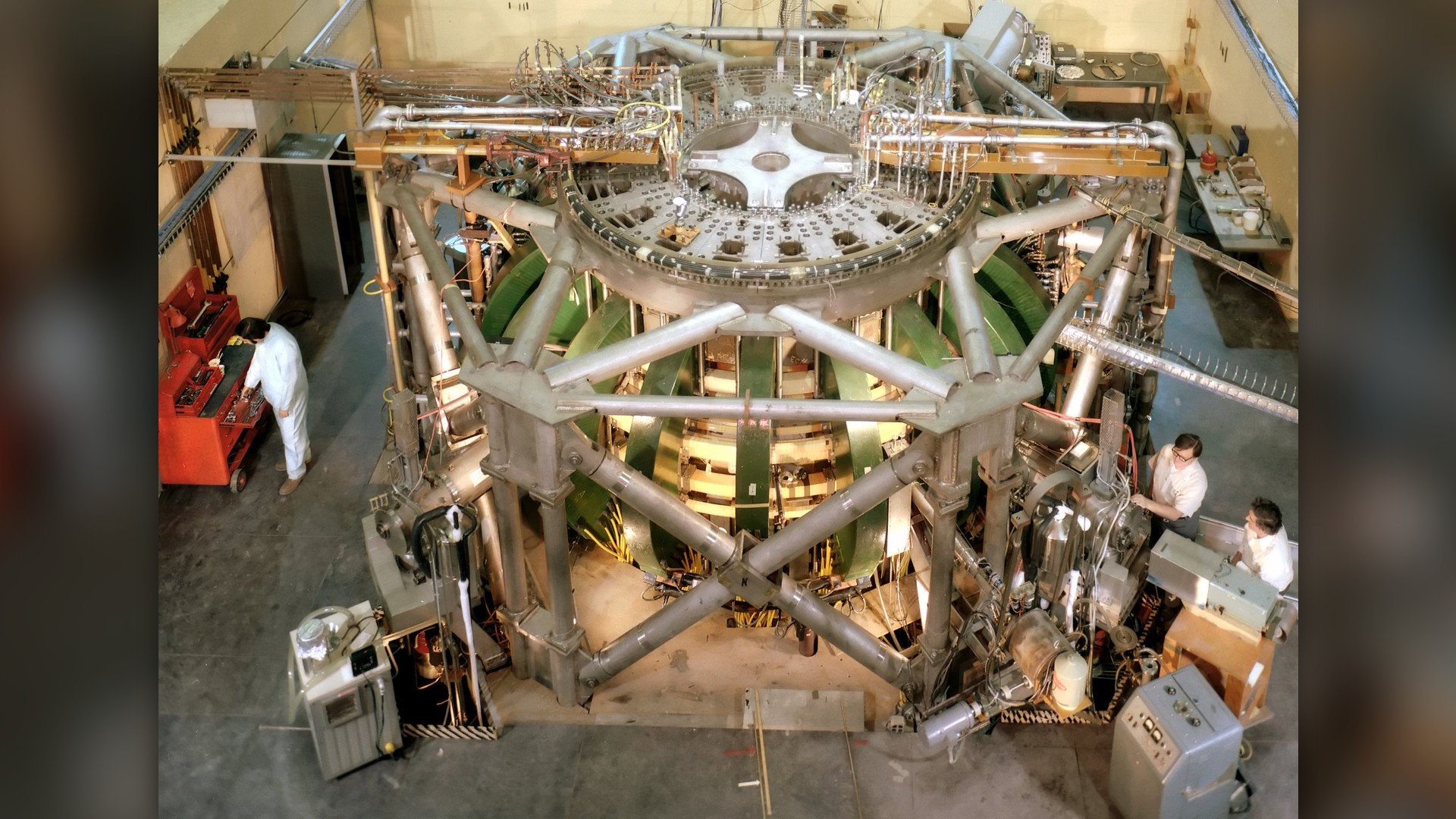
Conceived by Soviet physicists Andrei Sakharov and Igor Tamm, the toroidal magnetic confinement device called the 'Tokamak' stunned Western scientists in 1968 by heating plasma to tens of millions of degrees, establishing the premier blueprint for magnetic fusion reactors.
4. JET Shatters World Fusion Records
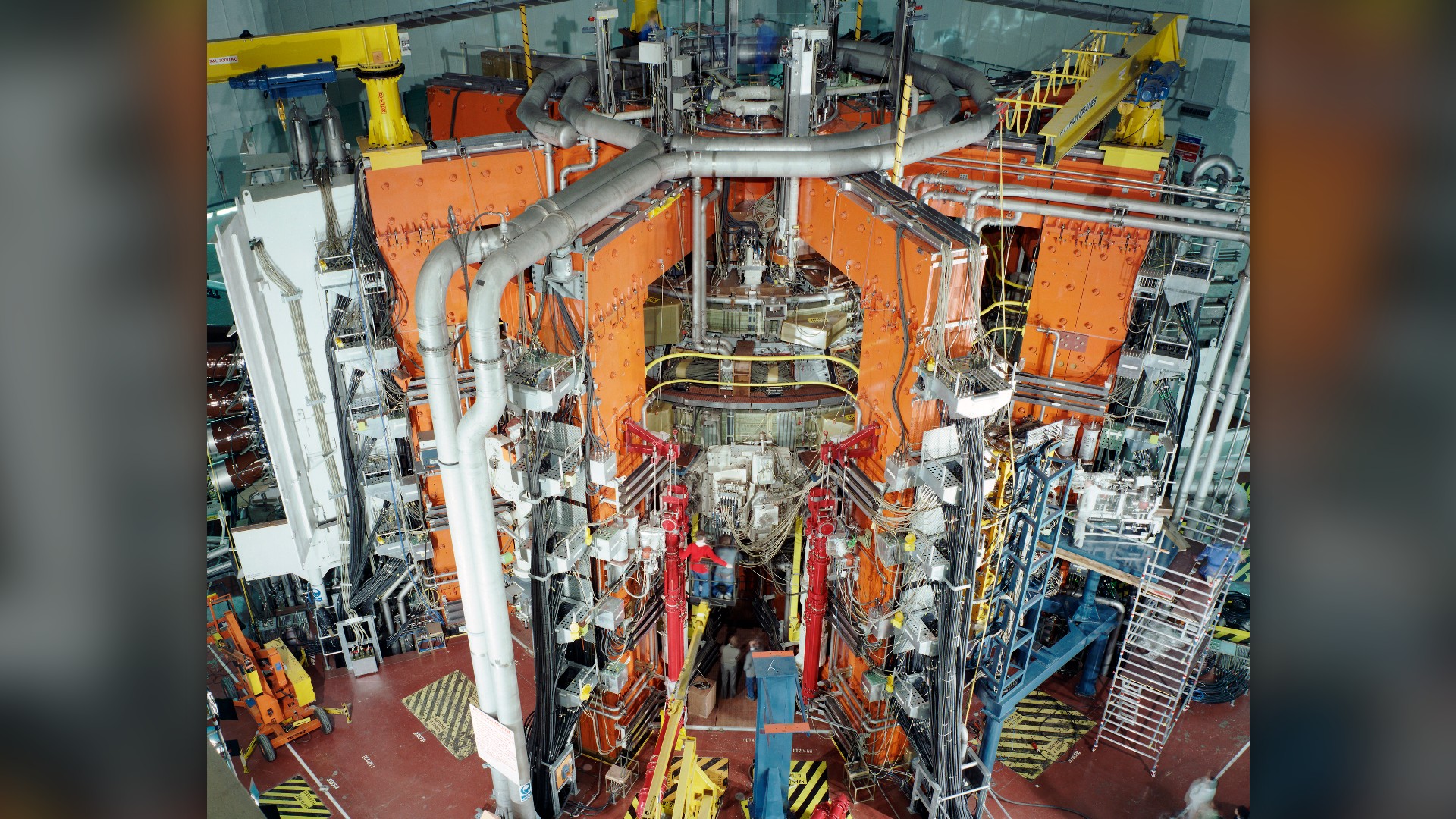
Located in Culham, UK, the Joint European Torus (JET) made history in 1997 by producing 16.1 megawatts of fusion power using a deuterium-tritium fuel blend. JET operated for over four decades, concluding its legendary research career with a final record-setting pulse in 2023.
3. ITER Builds The World's Mega-Reactor
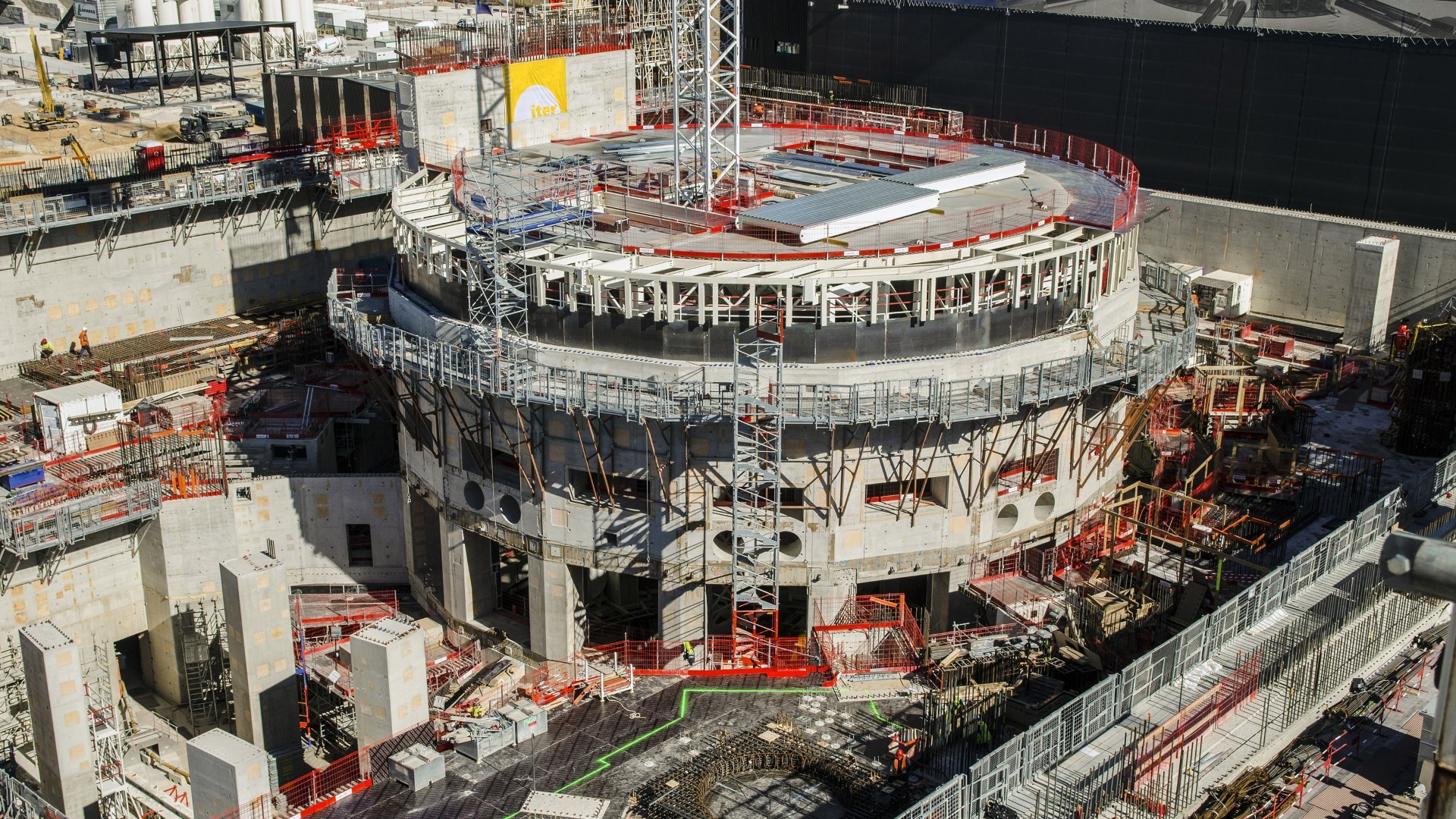
Uniting 35 countries in Saint-Paul-lès-Durance, France, ITER is constructing a colossal 23,000-ton tokamak designed to yield 500 megawatts of fusion power from 50 megawatts of input. Its central solenoid magnet is powerful enough to lift an aircraft carrier out of the sea.
2. NIF Achieves Historic Net Energy Ignition
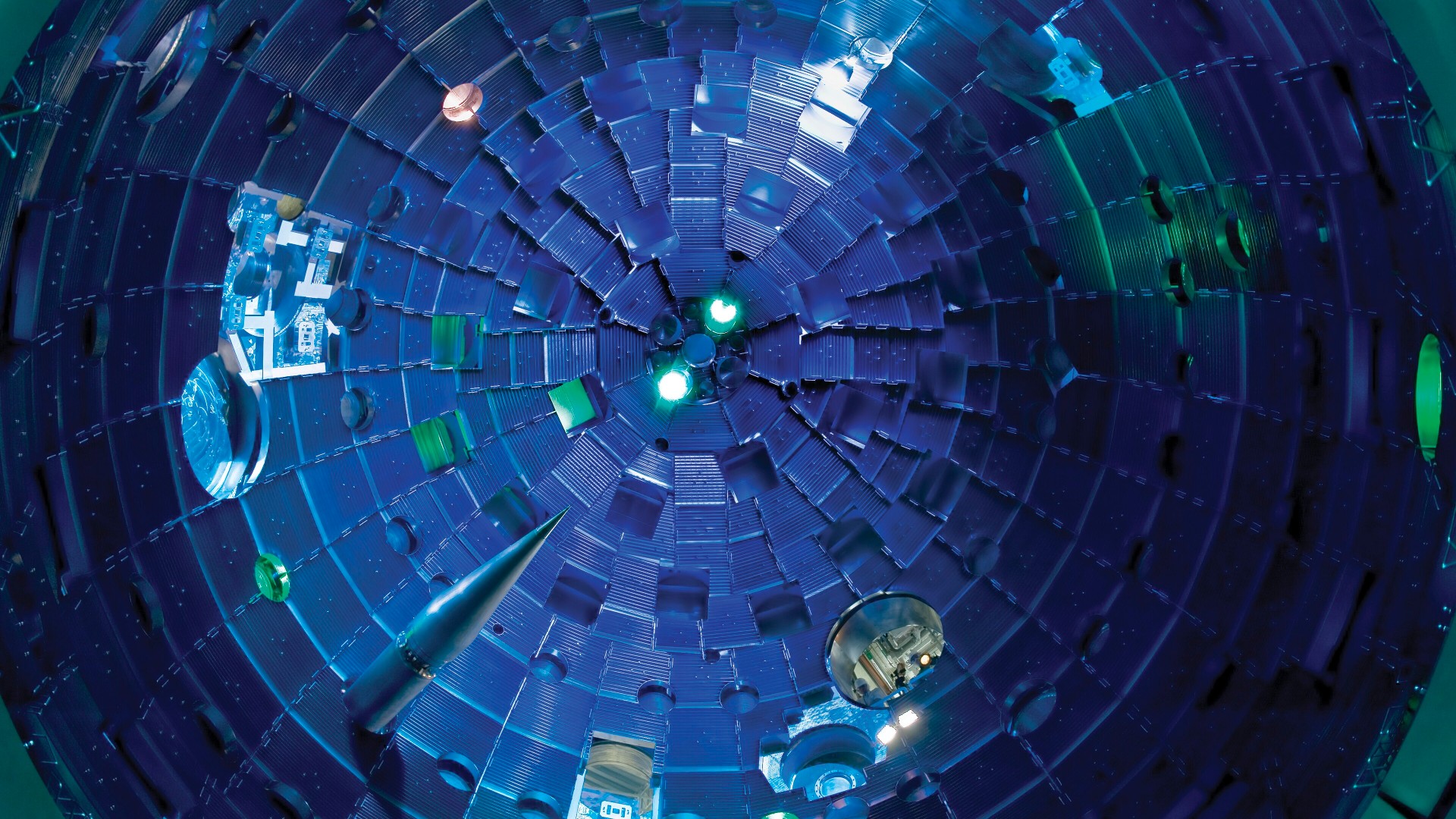
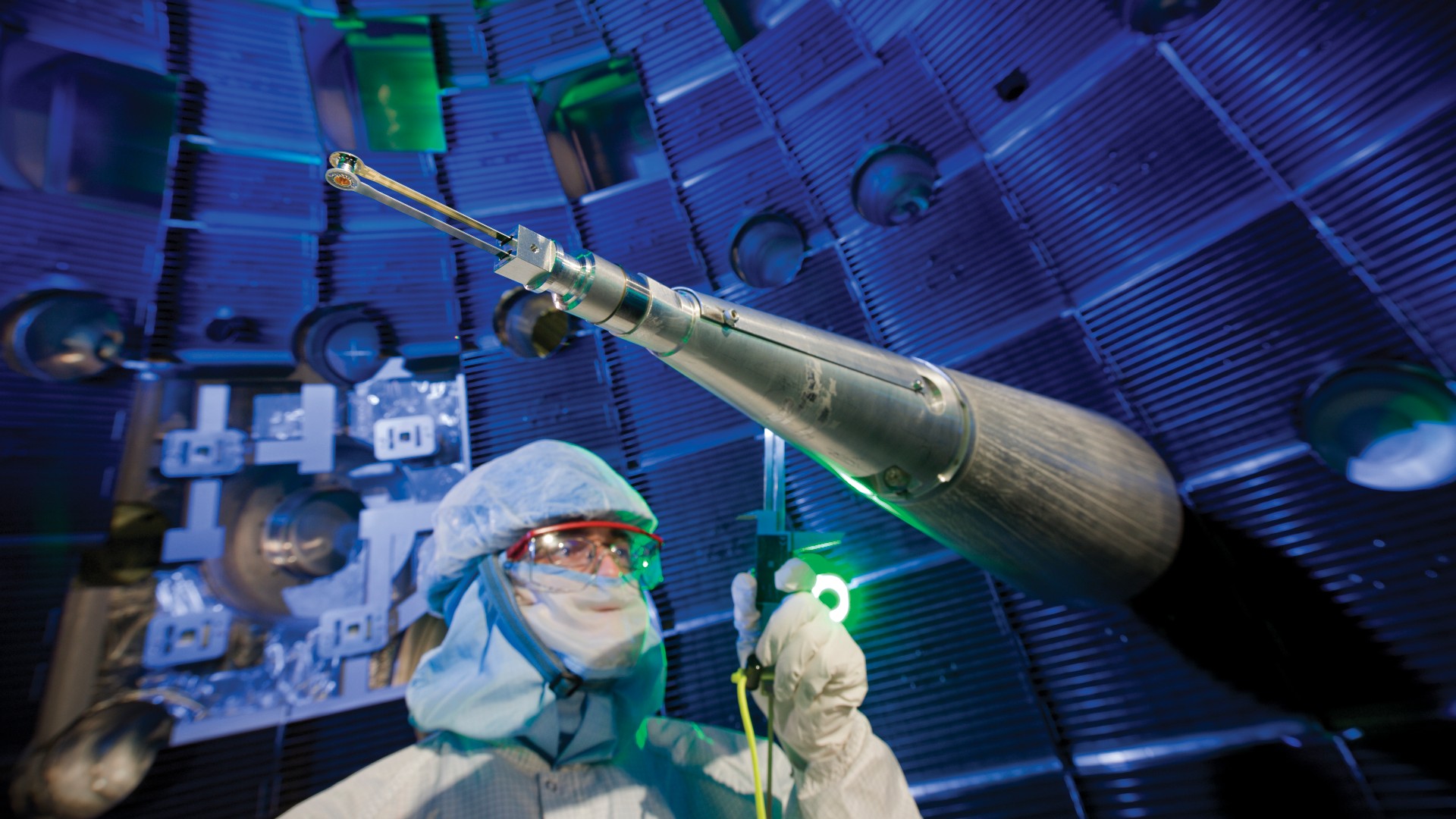
On December 5, 2022, Lawrence Livermore National Laboratory's National Ignition Facility directed 192 laser beams onto a tiny fuel pellet, releasing 3.15 megajoules of energy from 2.05 megajoules of laser light. For the first time in human history, controlled fusion achieved net energy gain.
1. The Stellarator And Quantum Shortcuts
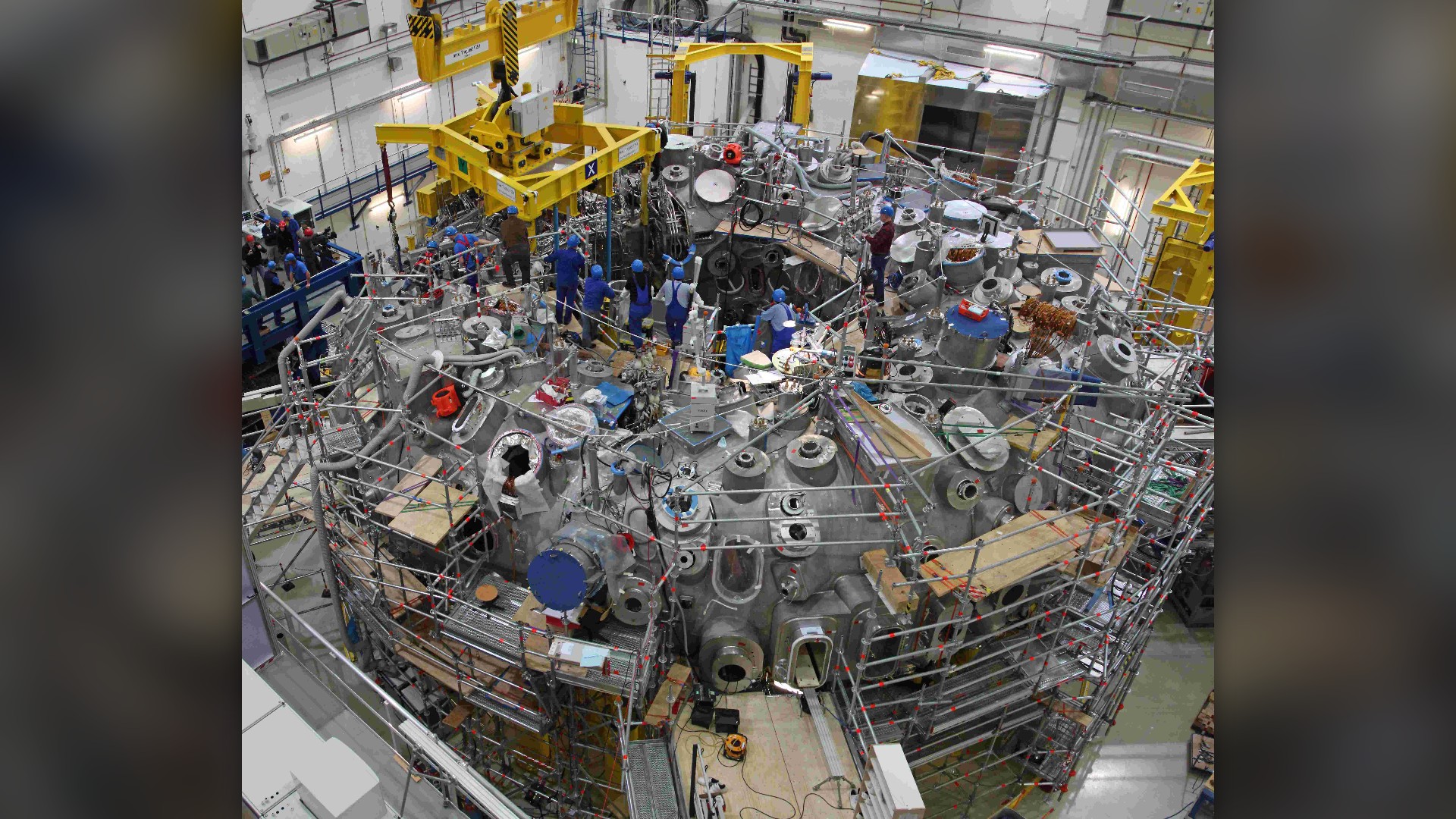
Unlike tokamaks, stellarators like Germany's Wendelstein 7-X utilize supercomputer-designed twisted coils to hold plasma steadily in steady state. Combined with high-temperature superconductors and AI-driven magnetic shortcuts, commercial fusion has transitioned from theoretical dream to private reality.