Slideshow · Animals
21 Beautiful Places Where Wild Elephants Still Roam
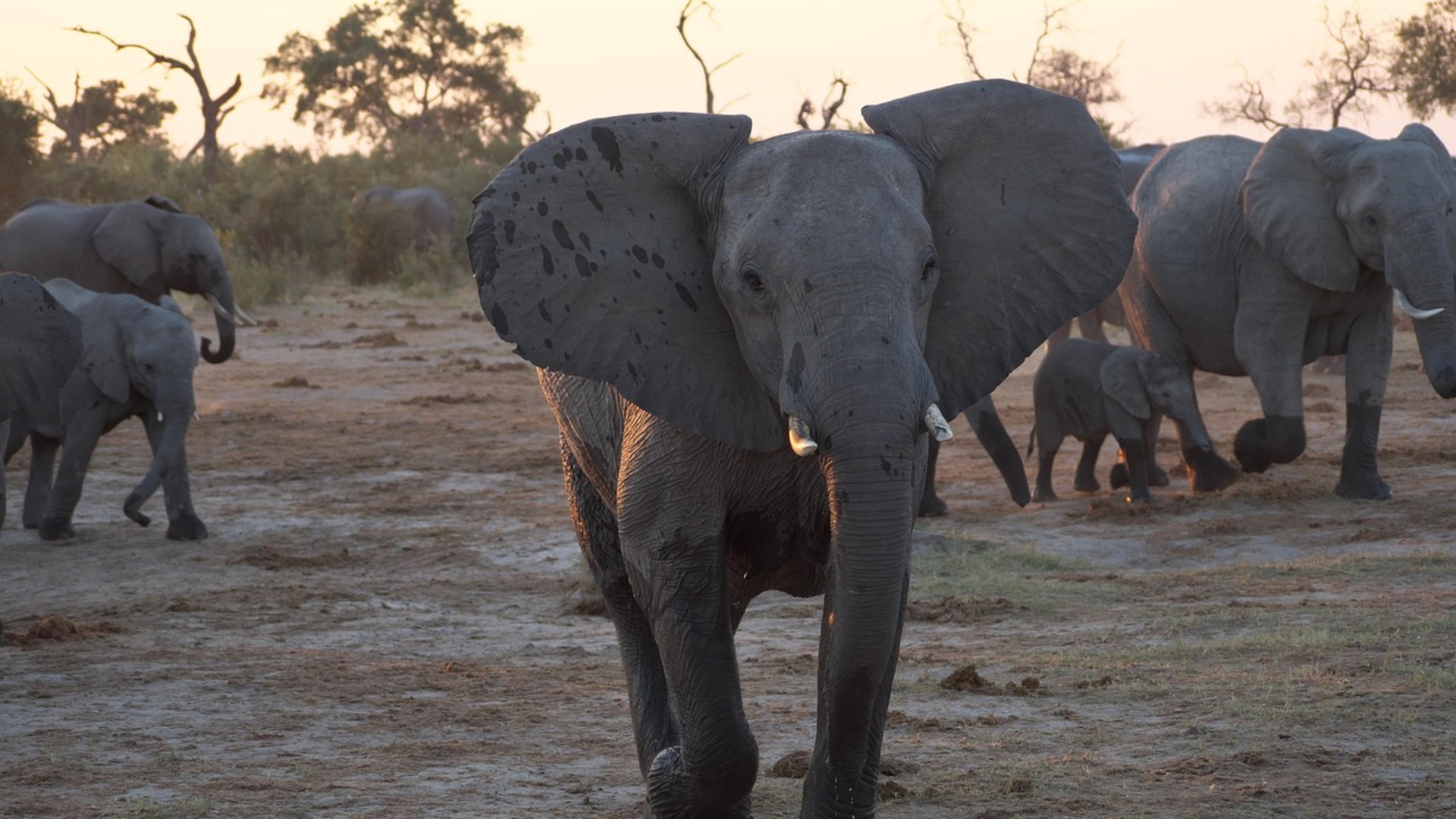
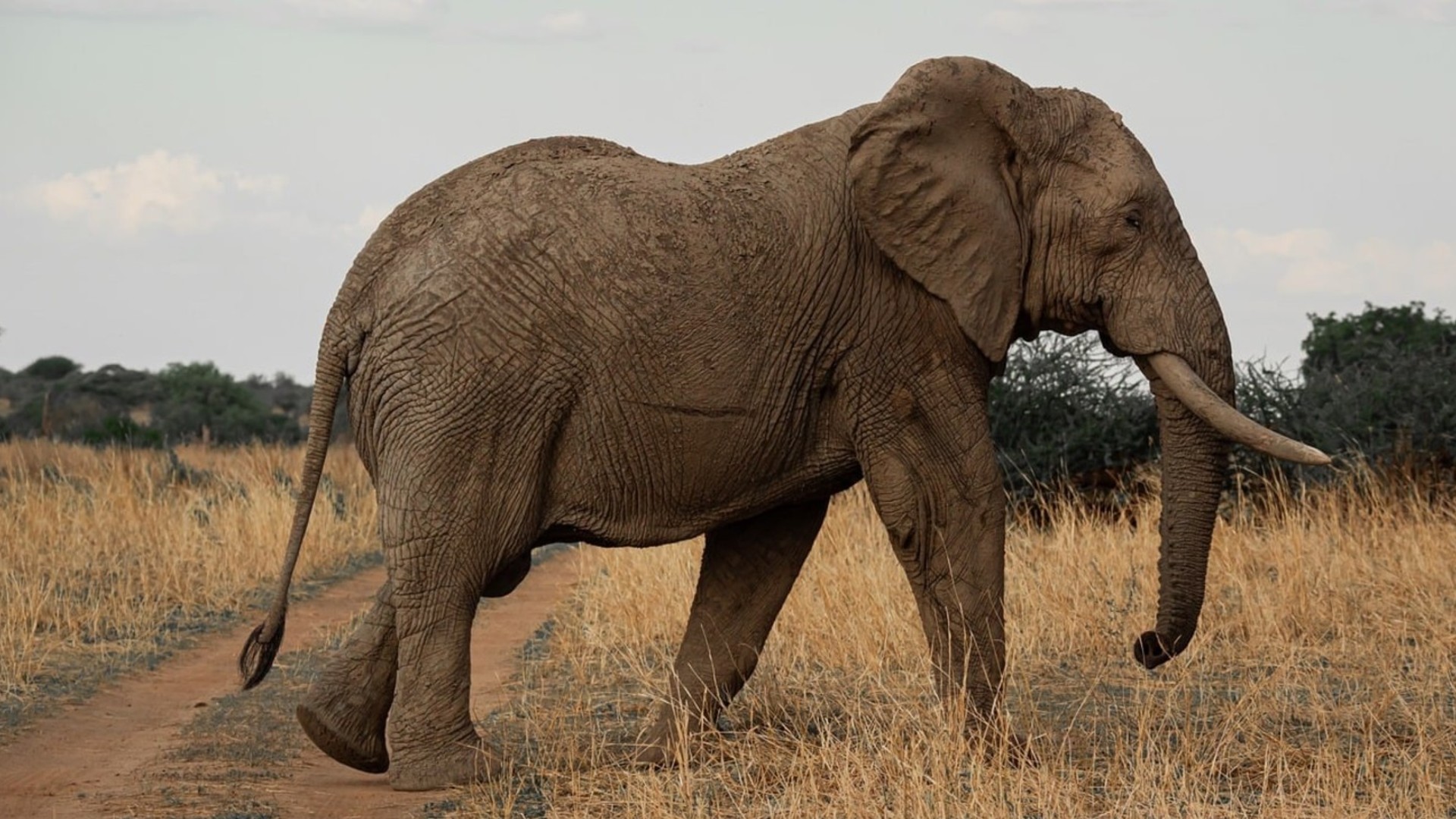
Wild elephant herds still roam across dramatic ecosystems from Asian rainforests to African floodplains and arid sand dunes. This collection tracks twenty-one natural habitats ranked in ascending order by their surviving wild populations. Based on official counts from the IUCN Elephant Specialist Group and WWF.
By Most Viral Today
2 hours ago

Where the Largest Herds of Wild Giants Roam Free Today 
21. Kunene Region, Namibia 
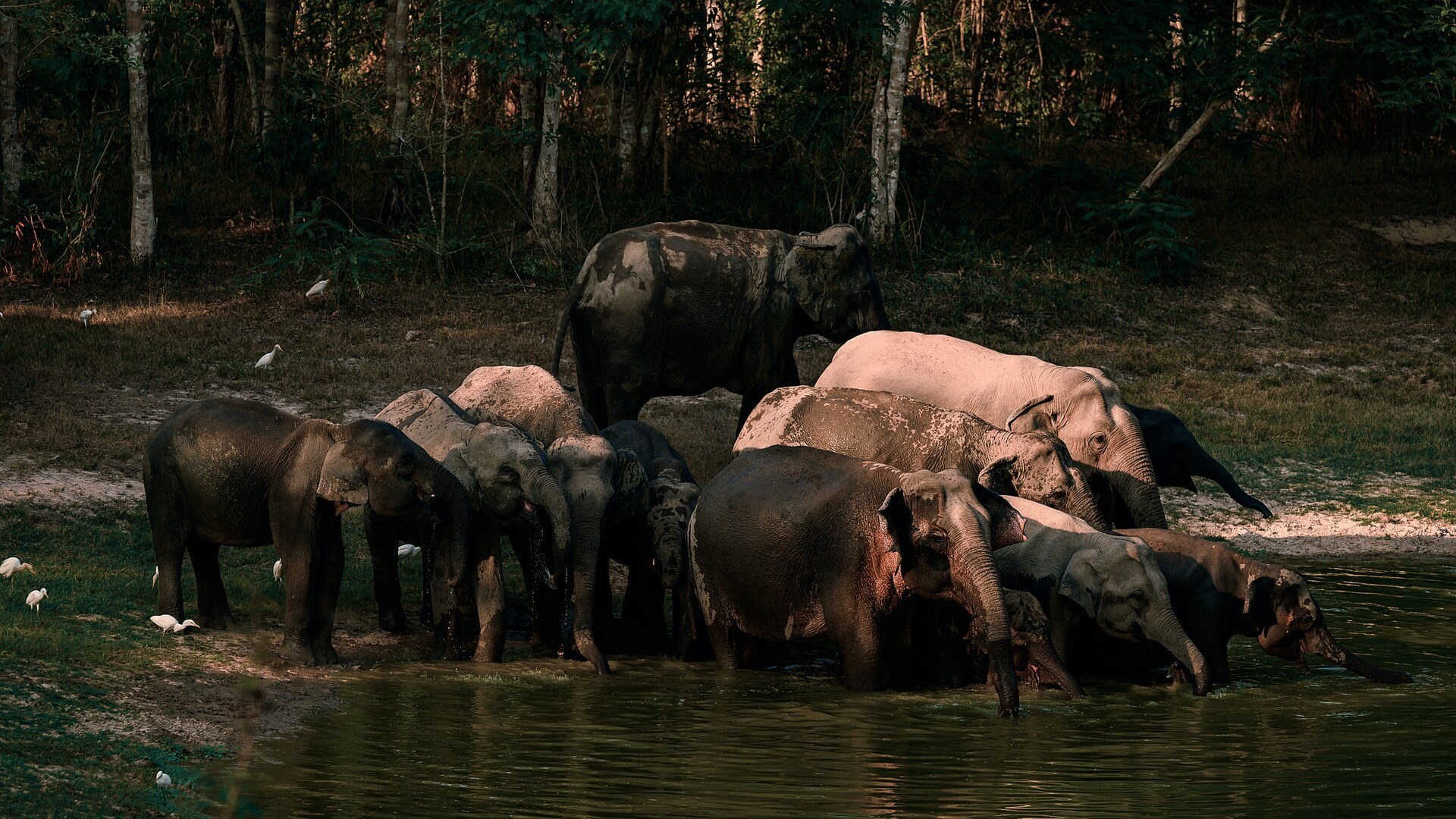
20. Kui Buri National Park, Thailand 
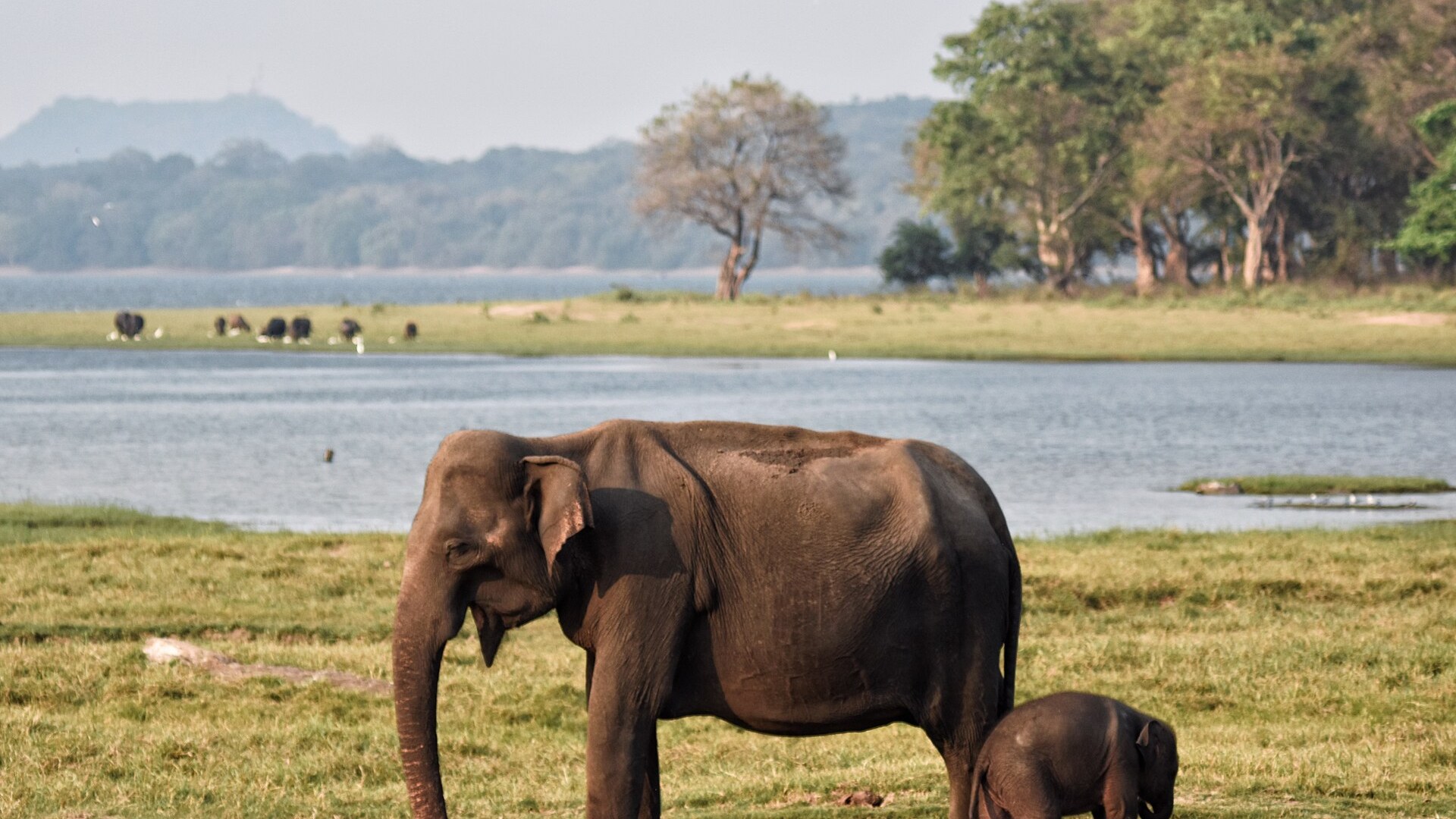
19. Minneriya National Park, Sri Lanka - AdvertisementSwipe or tap ▶ to continue countdown

18. Udawalawe National Park, Sri Lanka 
17. Addo Elephant National Park, South Africa 
16. Mount Kenya National Park, Kenya 
15. Jim Corbett National Park, India - AdvertisementSwipe or tap ▶ to continue countdown

14. Amboseli National Park, Kenya 
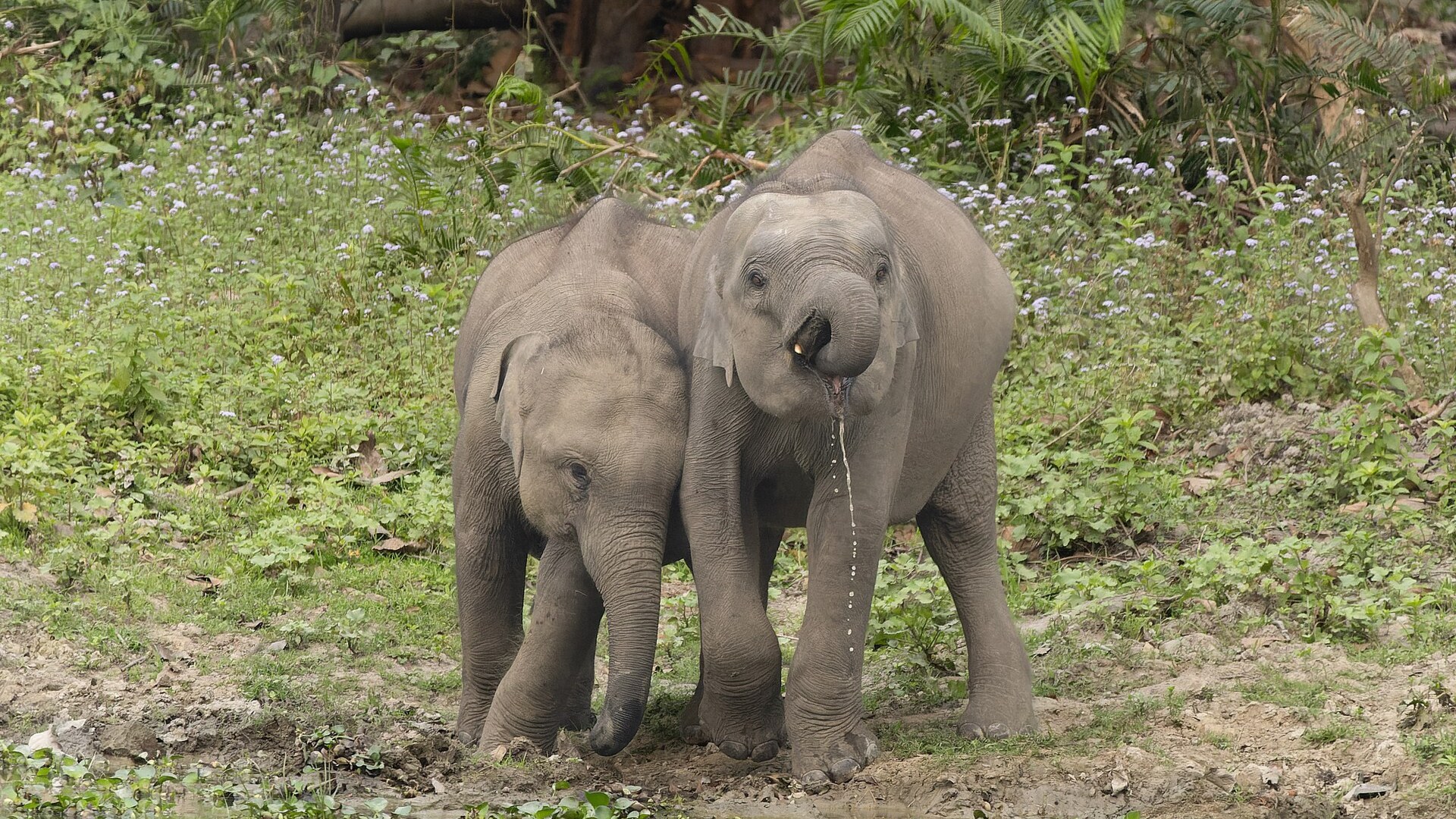
13. Kaziranga National Park, India 
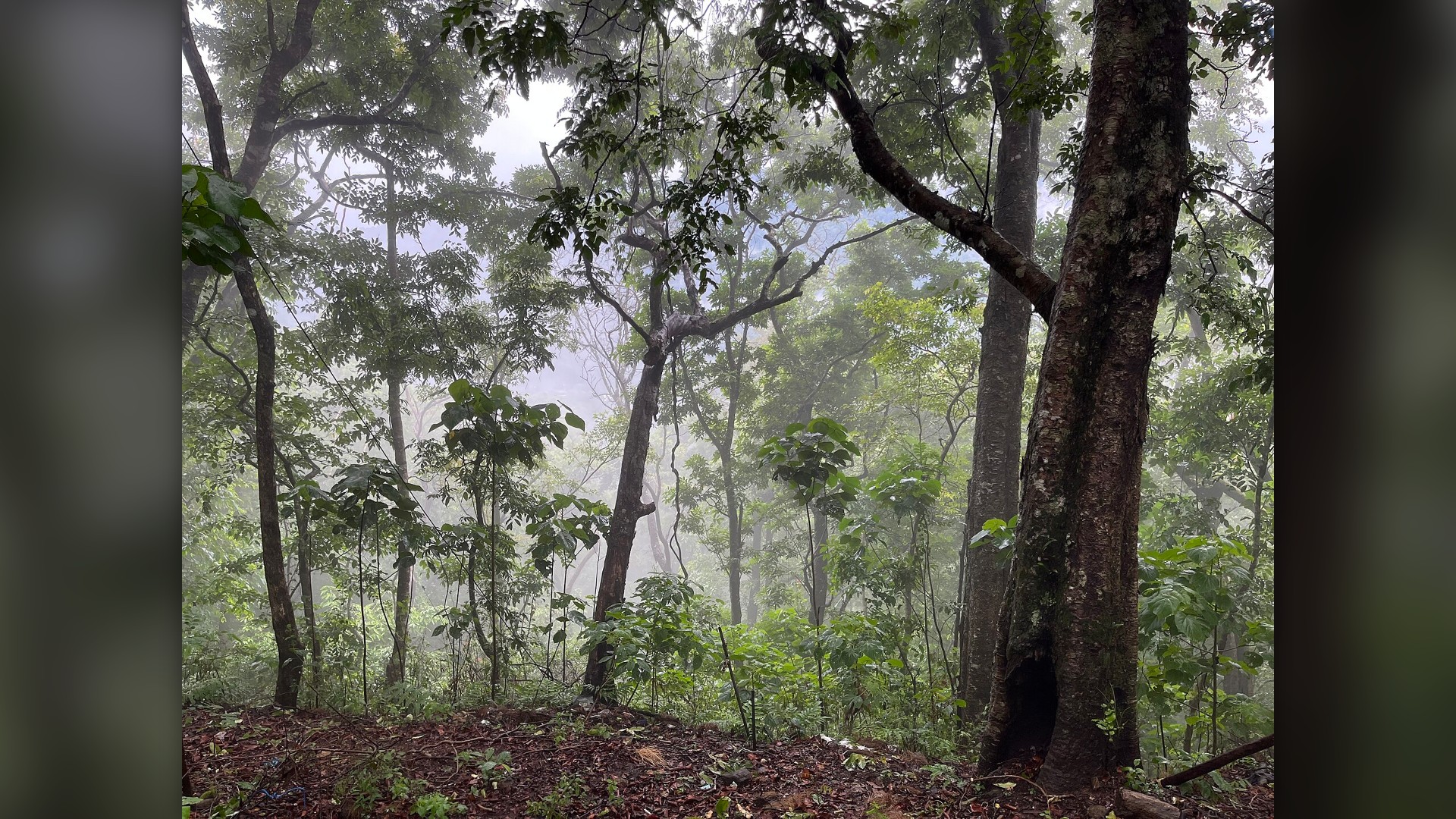
12. Periyar National Park, India 
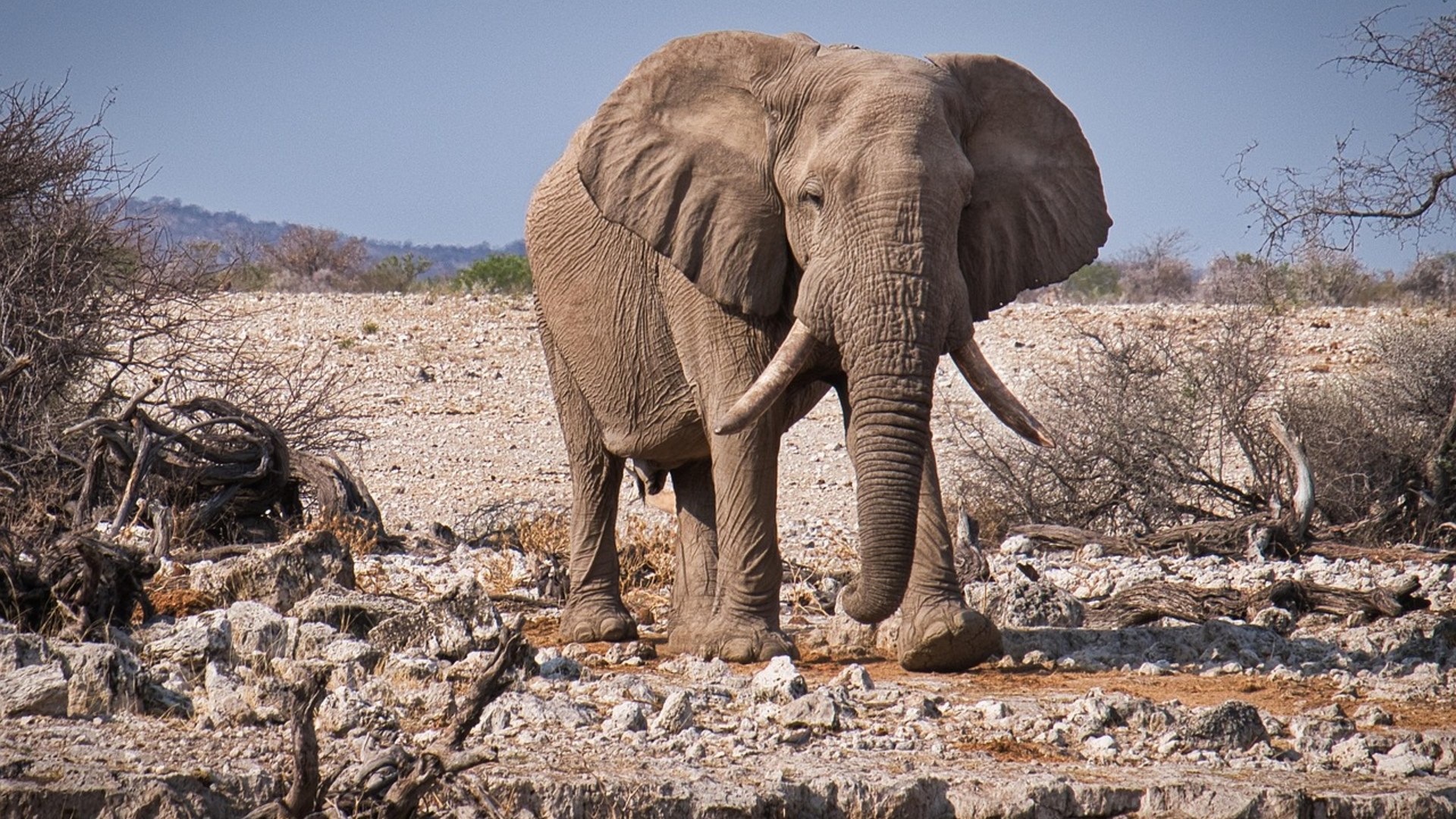
11. Etosha National Park, Namibia - AdvertisementSwipe or tap ▶ to continue countdown

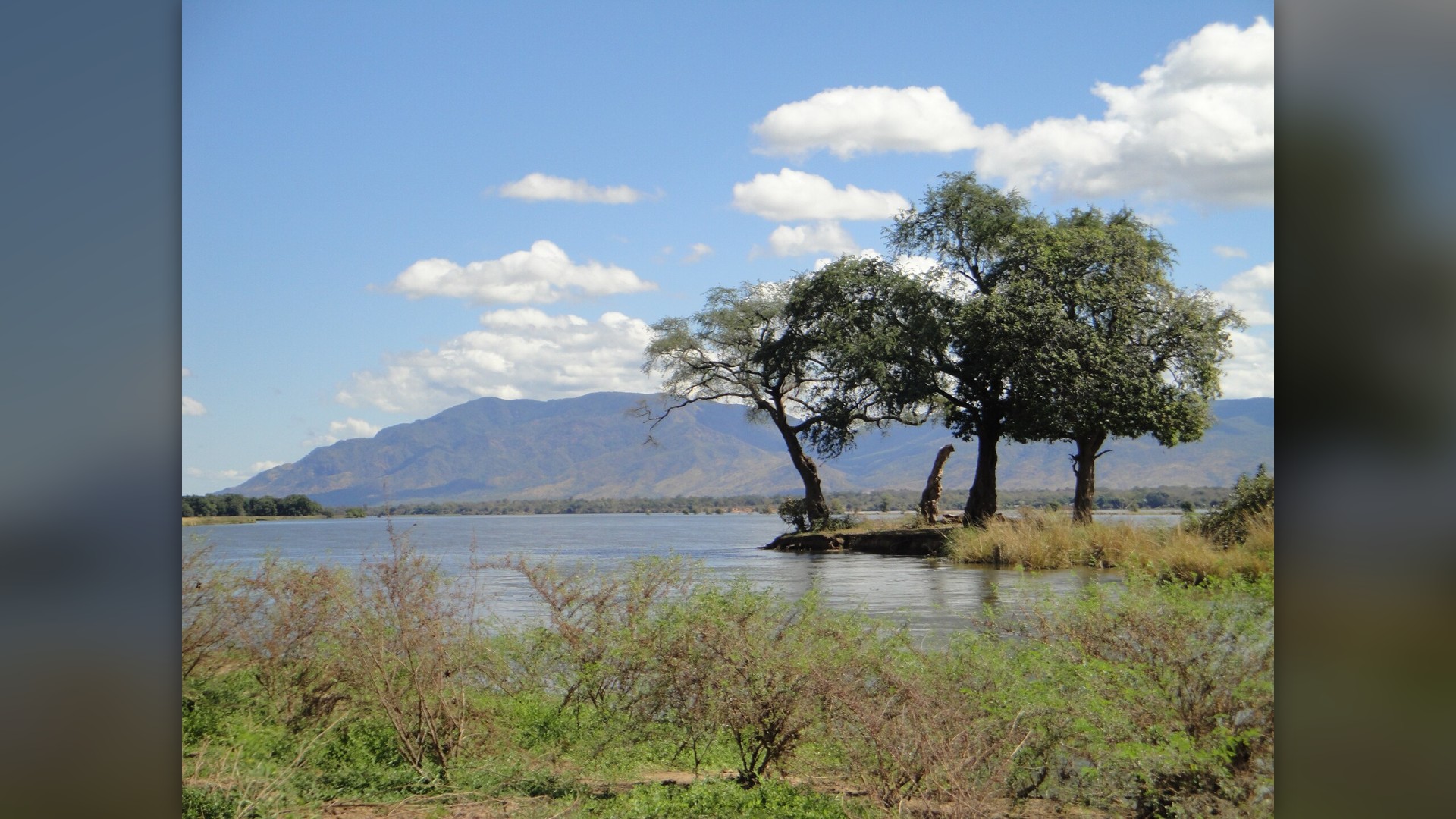
10. Mana Pools National Park, Zimbabwe 
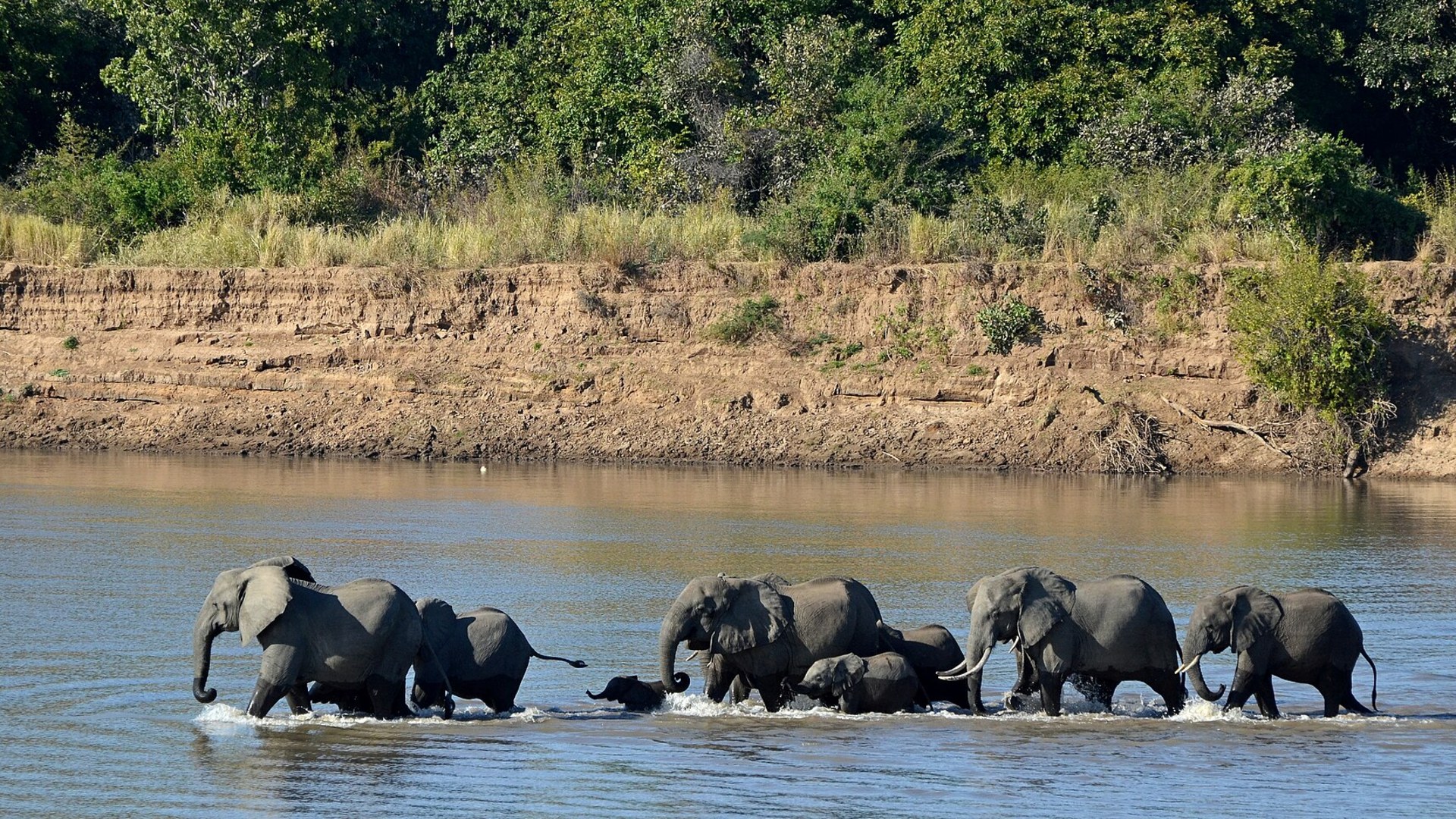
9. South Luangwa National Park, Zambia 
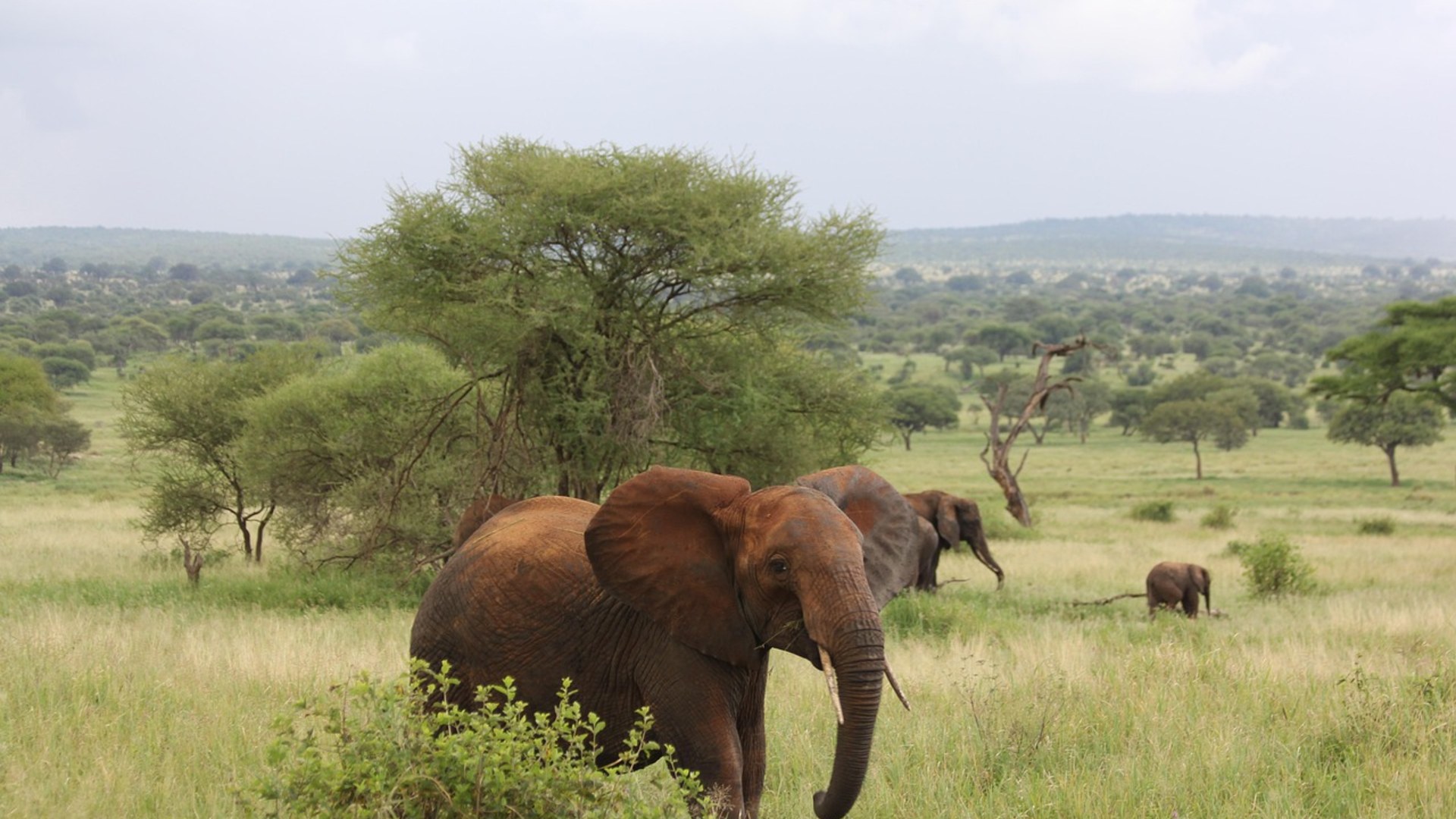
8. Tarangire National Park, Tanzania 
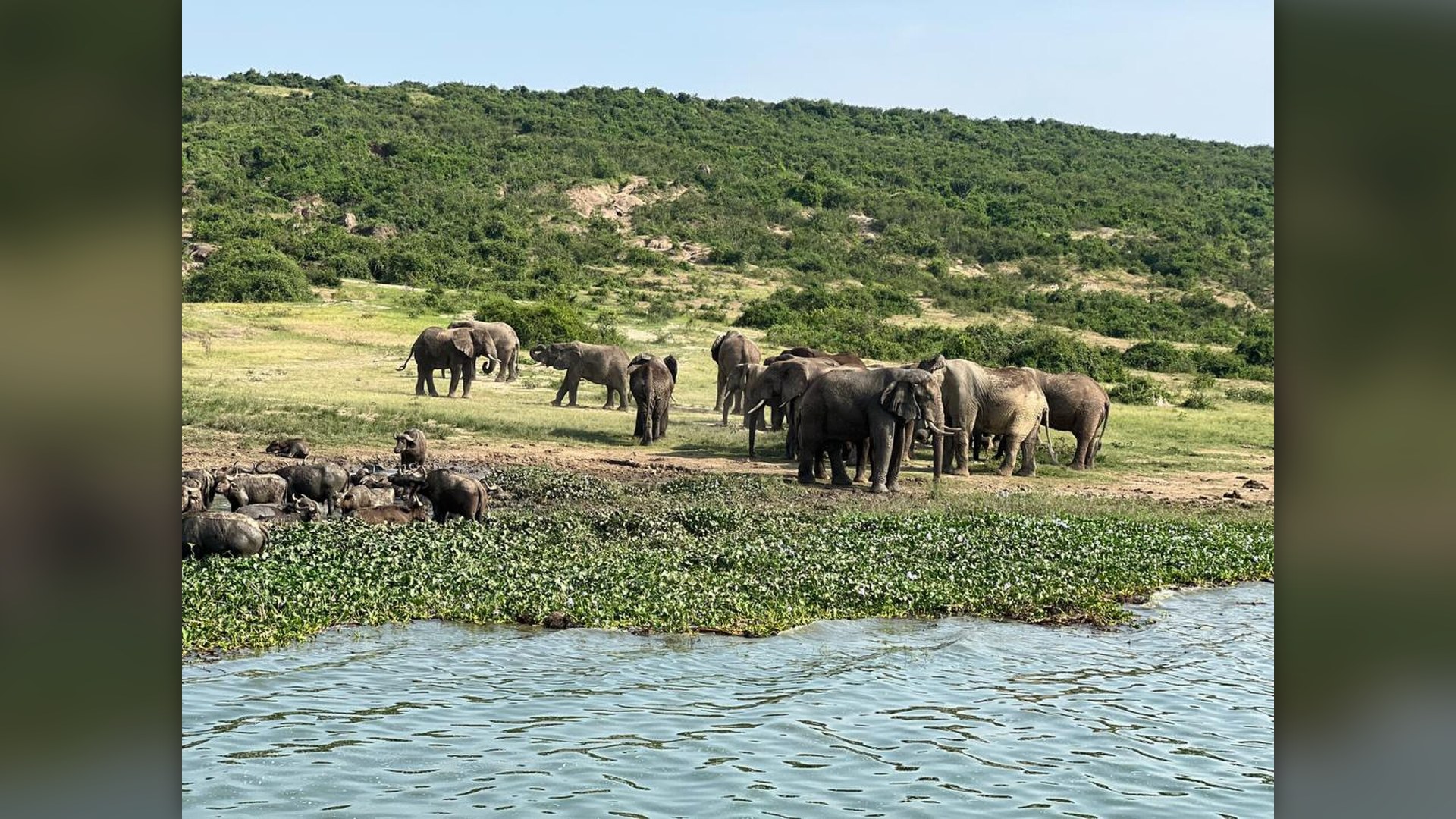
7. Queen Elizabeth National Park, Uganda - AdvertisementSwipe or tap ▶ to continue countdown

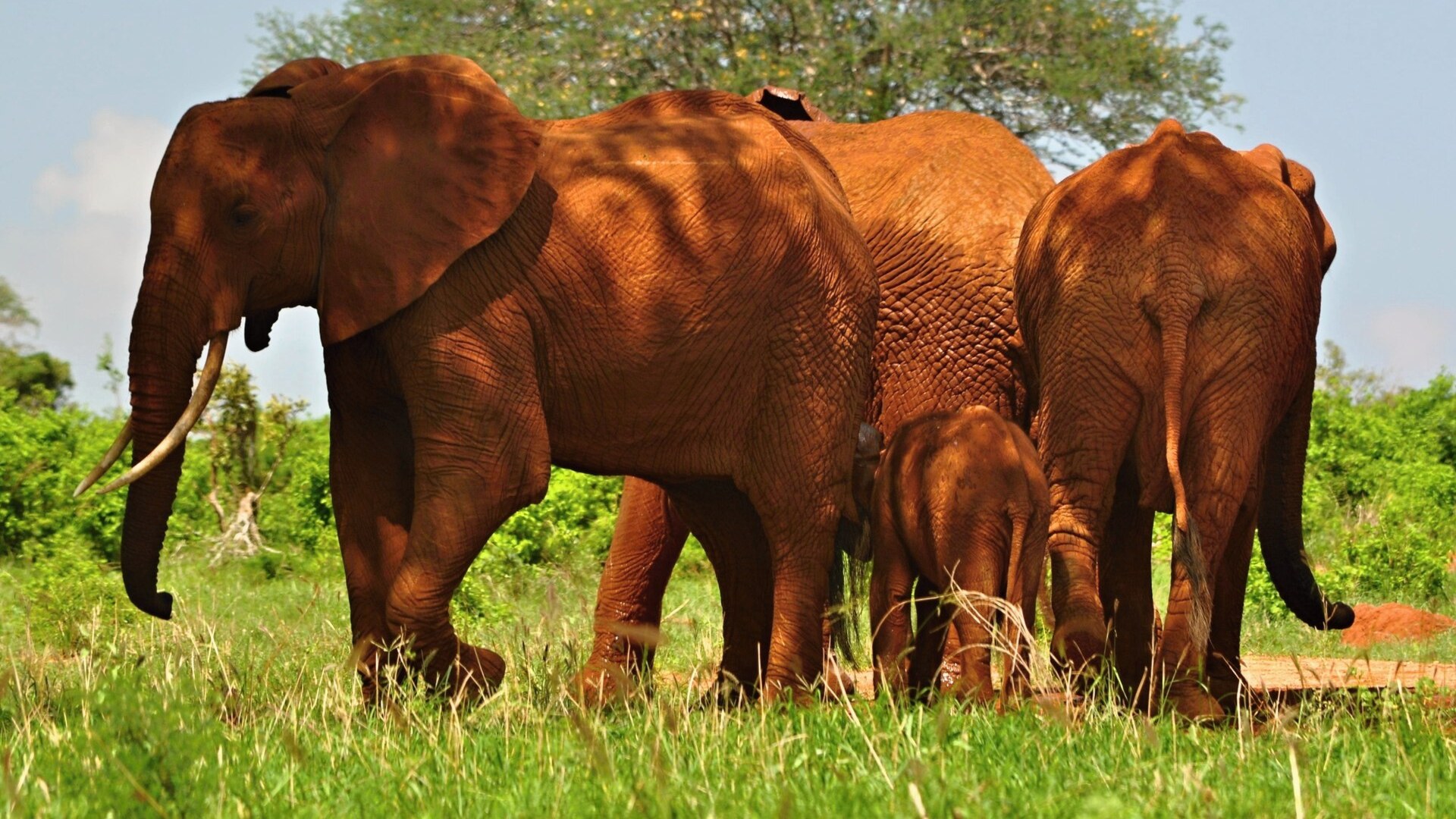
6. Tsavo National Parks, Kenya 
5. Kruger National Park, South Africa 
4. Serengeti National Park, Tanzania 
3. Okavango Delta, Botswana - AdvertisementSwipe or tap ▶ to continue countdown

2. Hwange National Park, Zimbabwe 
1. Chobe National Park, Botswana - Advertisement🔥 UP NEXT IN THIS SERIES◫ 26 Slides

25 Species Scientists Say Could Thrive in a World Without Humans
If humans vanished tomorrow, forests and empty streets would quickly belong to fast-breeding generalists and clever problem-solvers. Based on ecological studies from Oxford University, the Smithsonian Institution and IUCN assessments, here are 25 resilient species built to expand across Earth without us.
Wild elephant herds still roam across dramatic ecosystems from Asian rainforests to African floodplains and arid sand dunes. This collection tracks twenty-one natural habitats ranked in ascending order by their surviving wild populations. Based on official counts from the IUCN Elephant Specialist Group and WWF.
Swipe or tap ▶ to begin the countdown
©Pixabay / Eliyaphilip47
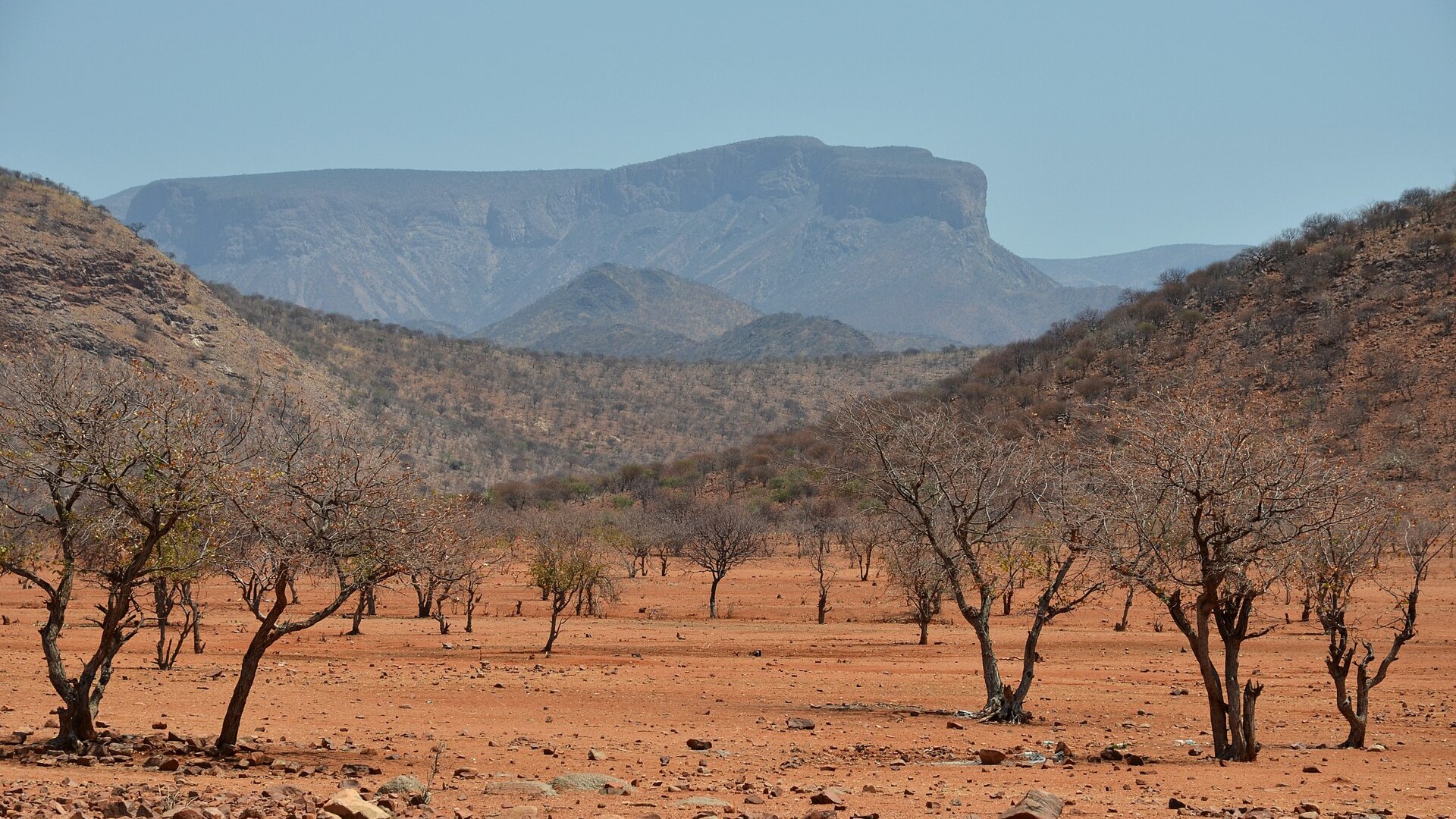
21. Kunene Region, Namibia
Around 150 desert-adapted elephants live in the arid Kunene region of northwestern Namibia. These rare pachyderms possess wider feet and longer legs than savanna cousins, allowing them to traverse sand dunes and travel sixty miles between remote water points without destroying sparse vegetation.
©Wikimedia / Pavel Špindler
20. Kui Buri National Park, Thailand
Kui Buri National Park protects roughly 320 wild Asian elephants in western Thailand along the Tenasserim hills. Former pineapple plantations were converted into open foraging grasslands with artificial ponds. Evening safari trucks watch herds emerge from dense jungle canopy to graze in peaceful meadows.
©Wikimedia / Khajonrat.K
19. Minneriya National Park, Sri Lanka
Minneriya National Park hosts between 300 and 400 Asian elephants during the dry season from July to October. Known as The Gathering, family clans assemble on the receding lakebed of an ancient reservoir to feed on fresh sprouting grasses, creating the largest annual Asian elephant assembly.
©Wikimedia / Eli Solidum
Advertisement
Swipe or tap ▶ to resume the countdown.
18. Udawalawe National Park, Sri Lanka
Udawalawe National Park protects around 600 Asian elephants within its 119 square miles of grassland and teak forests. The perennial reservoir ensures abundant drinking water year-round, making herds visible at all daylight hours as mothers teach young calves how to strip bark and dust bathe.
©Wikimedia / Ganiarachchi
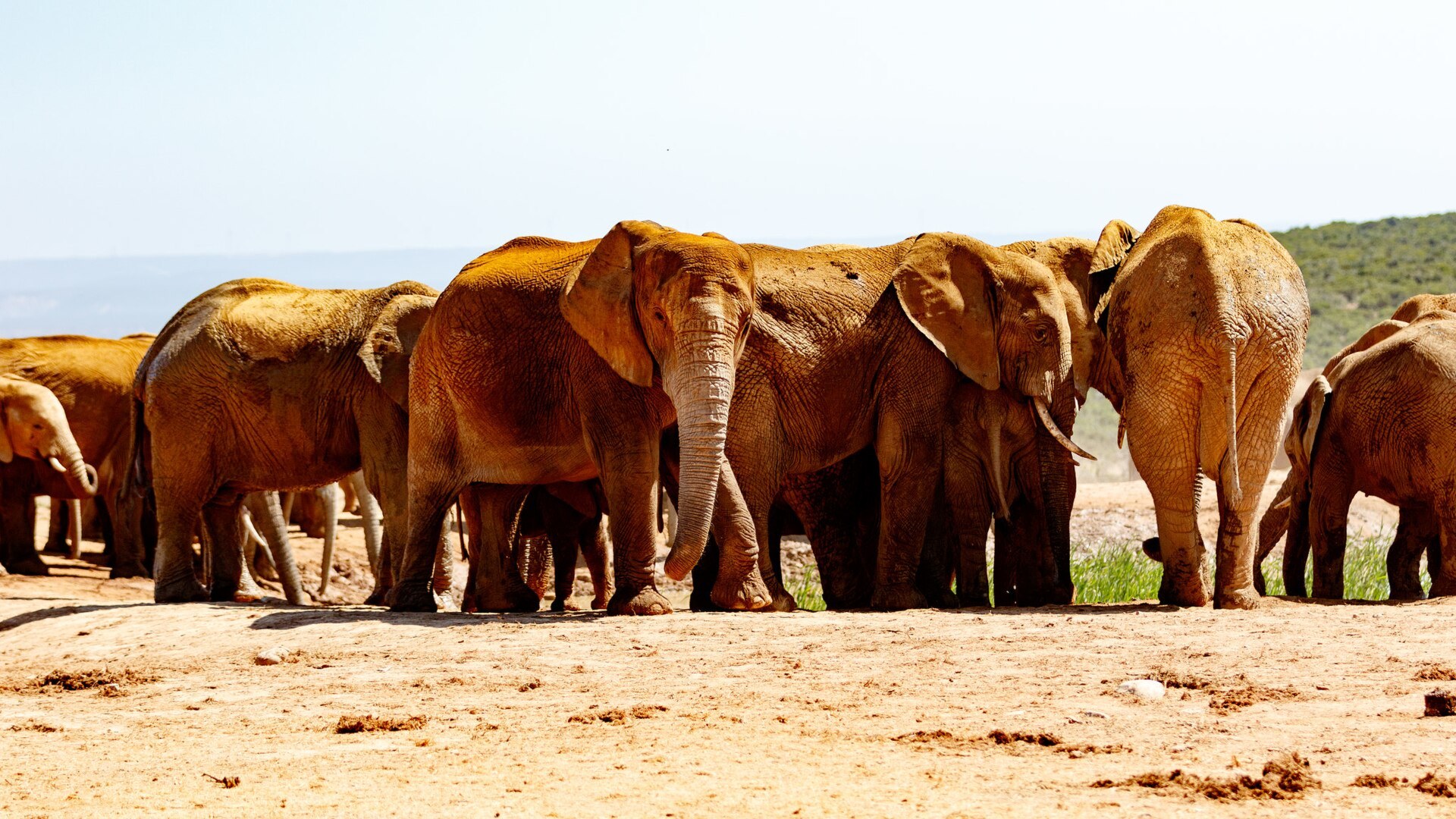
17. Addo Elephant National Park, South Africa
Addo Elephant National Park in the Eastern Cape shelters over 650 savanna elephants. In 1931, only eleven individuals remained before the reserve was fenced. Today, herds roam dense spekboom thickets, displaying a genetic trait where most females naturally lack ivory tusks.
©Wikimedia / Mark De Scande
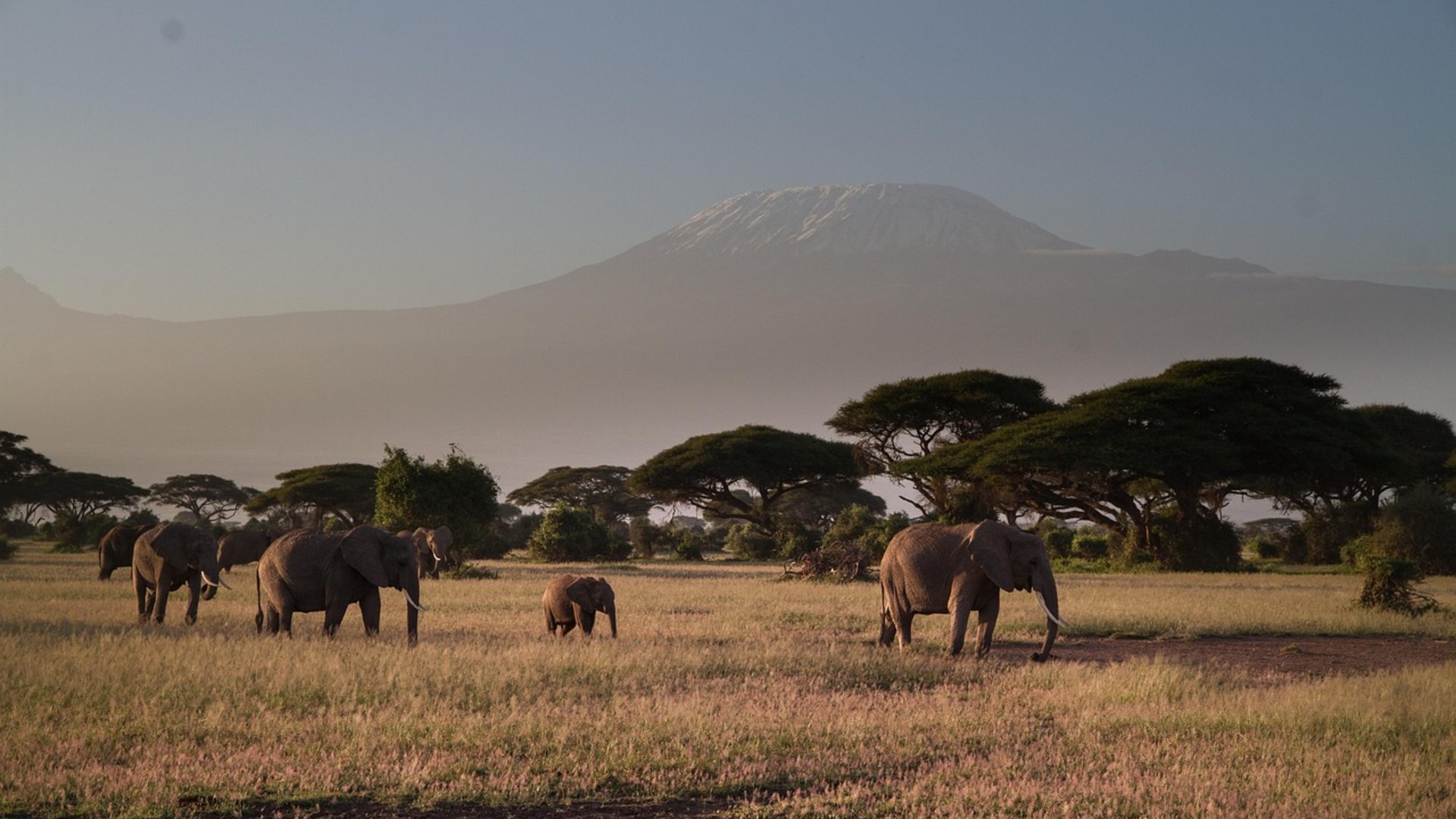
16. Mount Kenya National Park, Kenya
Approximately 800 African elephants navigate the steep slopes and montane bamboo forests of Mount Kenya up to 10,000 feet above sea level. Elephants follow traditional migratory corridors between lowland savanna reserves and lush alpine timberlines to forage mineral salts.
©Pixabay / Jonny_Joka
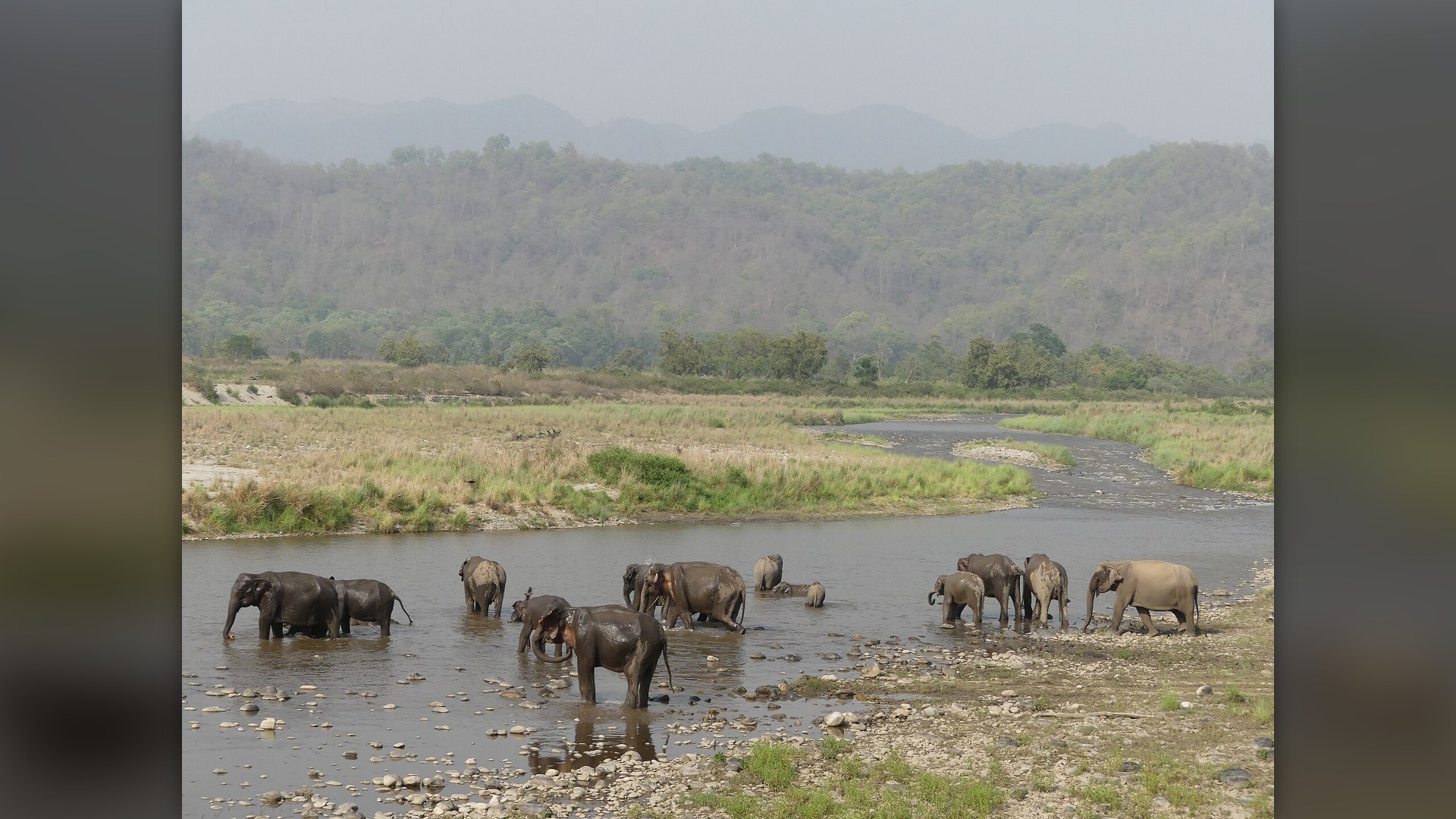
15. Jim Corbett National Park, India
Jim Corbett National Park in Uttarakhand shelters around 1,100 wild Asian elephants along the Ramganga River. Mixed sal forests and rolling grasslands provide abundant fodder. Family groups migrate through scenic ravines and cross fast river rapids between seasonal feeding territories.
©Wikimedia / A. J. T. Johnsingh, WWF-India and NCF
Advertisement
Swipe or tap ▶ to resume the countdown.
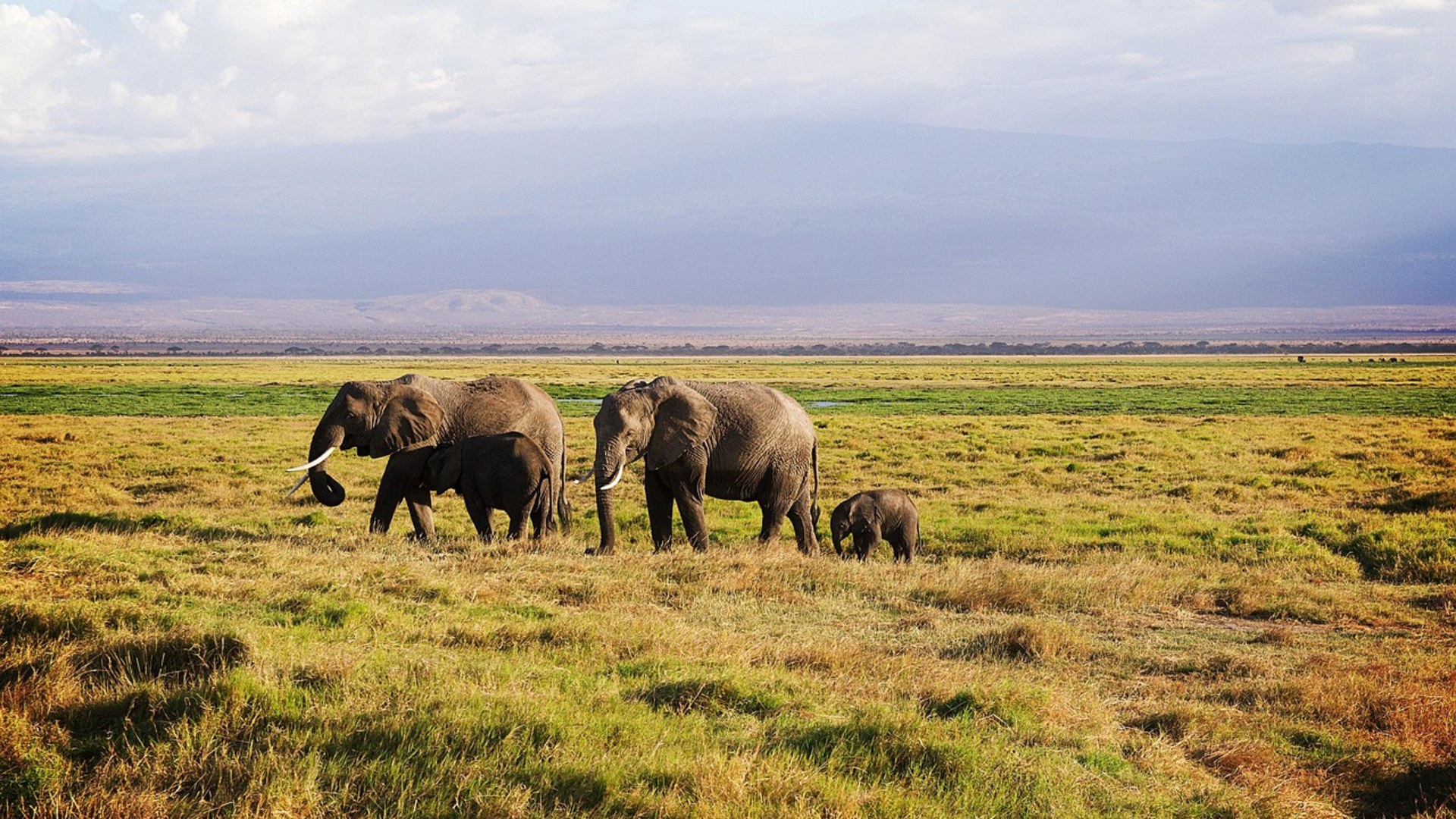
14. Amboseli National Park, Kenya
Amboseli National Park protects roughly 1,600 elephants across alkaline lake beds and subterranean swamp springs. The Amboseli Elephant Research Project has tracked these specific family matriarchs since 1972, documenting some of the longest continuous behavioral records on Earth.
©Pixabay / RoDobby
13. Kaziranga National Park, India
Kaziranga National Park in Assam supports nearly 1,700 Asian elephants across alluvial plains beside the Brahmaputra River. Massive herds wade through swamp marshes and tall elephant grass, coexisting with greater one-horned rhinos and wild water buffalo beneath lush monsoon skies.
©Wikimedia / Tisha Mukherjee
12. Periyar National Park, India
Periyar Tiger Reserve in Kerala is home to about 2,000 wild Asian elephants living in dense evergreen tropical jungle. Herds gather along the shores of the artificial lake to graze submerged grasses, and visitors frequently spot family units swimming together across deep lake inlets.
©Wikimedia / Shantham11
11. Etosha National Park, Namibia
Etosha National Park supports roughly 2,500 elephants that range around a colossal salt pan visible from space. The dry white clay soil coats their bodies, giving them a ghostly appearance. During dry winter months, large breeding herds dominate freshwater springs across open plains.
©Pixabay / jbauer-fotographie
Advertisement
Swipe or tap ▶ to resume the countdown.
10. Mana Pools National Park, Zimbabwe
Mana Pools National Park along the lower Zambezi River supports over 3,000 elephants across floodplain forests. Famous resident bulls have learned to stand upright on hind legs, stretching their trunks high into leafy albida canopies to pluck nutritious seed pods in the dry season.
©Wikimedia / Babakathy
9. South Luangwa National Park, Zambia
South Luangwa National Park protects approximately 4,000 elephants in the Luangwa Valley. The meandering river forms fertile oxbow lagoons where herds dig for fresh water in sandbars. In late dry months, families converge on mopane woodlands and mahogany riverbanks for rich forage.
©Wikimedia / Geoff Gallice
8. Tarangire National Park, Tanzania
Tarangire National Park hosts around 4,500 elephants, forming one of the largest concentrations in northern Tanzania. Enormous baobab trees dominate the dry acacia landscape. Elephants use strong tusks to dig deep wells into sandy dry riverbeds, creating water access for other wildlife.
©Pixabay / Hugh_Grant
7. Queen Elizabeth National Park, Uganda
Queen Elizabeth National Park shelters approximately 5,000 elephants along the Kazinga Channel connecting Lake Edward and Lake George. Protected herds enjoy year-round water and lush savanna forage, frequently cooling off in canal shallows while resting alongside pods of hippos.
©Wikimedia / Sandra Aceng
Advertisement
Swipe or tap ▶ to resume the countdown.
6. Tsavo National Parks, Kenya
Tsavo East and West National Parks combine to form a vast wilderness harboring over 12,000 elephants. The animals are famous for their red appearance, which comes from dusting their skin with rich volcanic ferric oxide soil to protect against harsh equatorial sun and parasite bites.
©Wikimedia / Filip Rožánek
5. Kruger National Park, South Africa
Kruger National Park shelters over 20,000 elephants across two million hectares of protected wilderness. Sophisticated water management and cross-border corridors have allowed population numbers to flourish, with large matriarch-led families freely browsing mopane and marula groves.
©Wikimedia / Javier Puig Ochoa
4. Serengeti National Park, Tanzania
Serengeti National Park supports roughly 24,000 elephants that roam across rolling plains, riverine forests, and rocky kopjes. Elephant numbers have rebounded following decades of coordinated anti-poaching patrols, with herds following rainfall patterns and seasonal grazing routes.
©Pixabay / Michelle-Maria
3. Okavango Delta, Botswana
The Okavango Delta supports around 30,000 elephants within an inland alluvial fan that floods each winter. Herds navigate seasonal waterways by wading through papyrus channels and swimming between palm-fringed islands, creating highway channels that maintain wetland biodiversity.
©Pixabay / katja
Advertisement
Swipe or tap ▶ to resume the countdown.
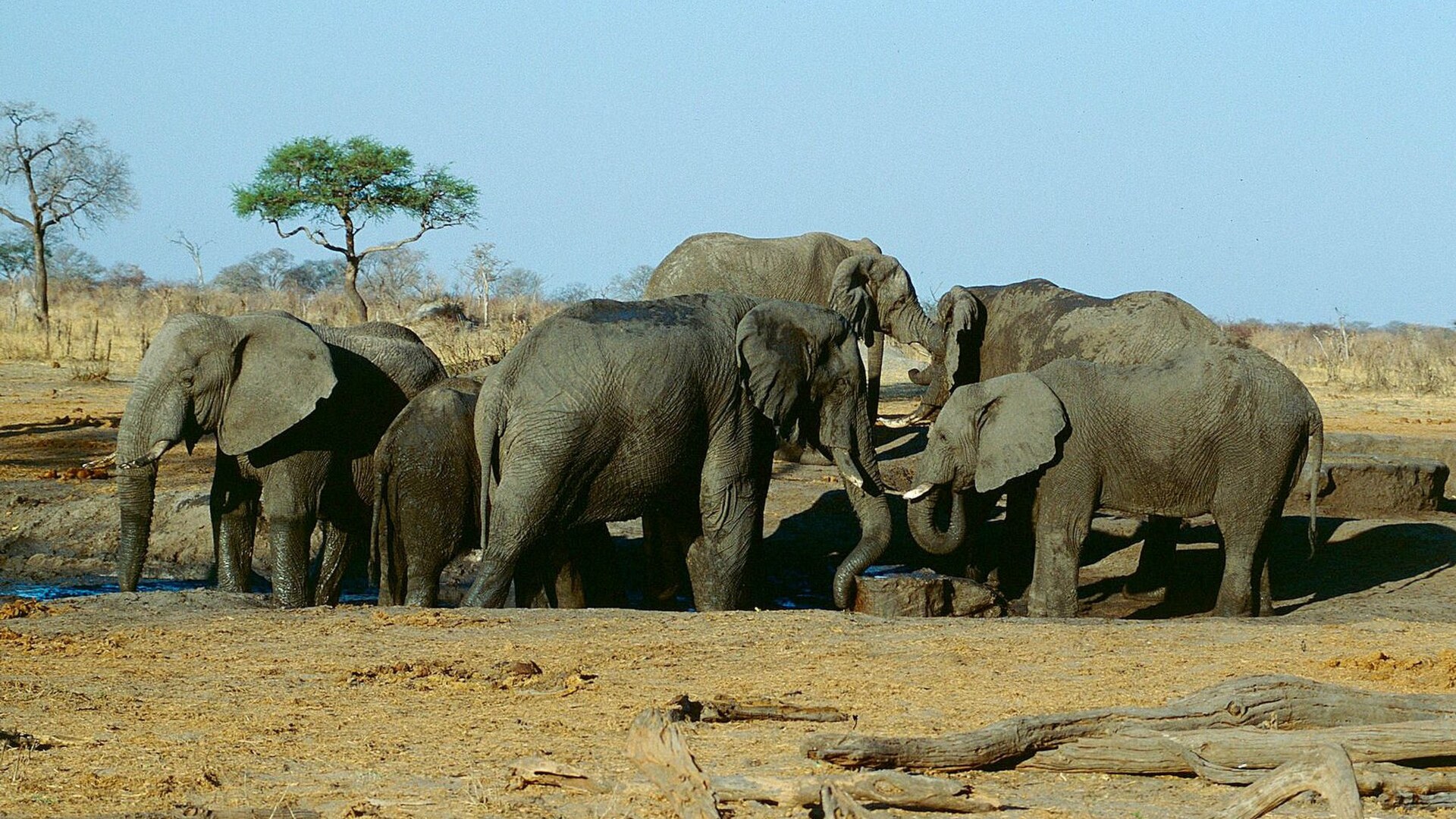
2. Hwange National Park, Zimbabwe
Hwange National Park in western Zimbabwe sustains an estimated 45,000 elephants across desert sands and teak forests. Because natural rivers run dry, solar and diesel pumps maintain critical waterholes where hundreds of thirsty elephants congregate together during October heat.
©Wikimedia / Jürgen Kehrberger
1. Chobe National Park, Botswana
Chobe National Park harbors approximately 120,000 Kalahari elephants, representing the largest continuous elephant population in the world. During dry months, thousands of elephants gather along the Chobe River front every afternoon to drink, swim, and play along grassy floodplains.

©Pixabay / mkraucht
Advertisement
You've reached the end of the story. Thanks for reading!

25 Species Scientists Say Could Thrive in a World Without Humans
If humans vanished tomorrow, forests and empty streets would quickly belong to fast-breeding generalists and clever problem-solvers. Based on ecological studies from Oxford University, the Smithsonian Institution and IUCN assessments, here are 25 resilient species built to expand across Earth without us.
All 21 Entries in this Story
1. Kunene Region, Namibia
Around 150 desert-adapted elephants live in the arid Kunene region of northwestern Namibia. These rare pachyderms possess wider feet and longer legs than savanna cousins, allowing them to traverse sand dunes and travel sixty miles between remote water points without destroying sparse vegetation.

2. Kui Buri National Park, Thailand
Kui Buri National Park protects roughly 320 wild Asian elephants in western Thailand along the Tenasserim hills. Former pineapple plantations were converted into open foraging grasslands with artificial ponds. Evening safari trucks watch herds emerge from dense jungle canopy to graze in peaceful meadows.

3. Minneriya National Park, Sri Lanka
Minneriya National Park hosts between 300 and 400 Asian elephants during the dry season from July to October. Known as The Gathering, family clans assemble on the receding lakebed of an ancient reservoir to feed on fresh sprouting grasses, creating the largest annual Asian elephant assembly.

4. Udawalawe National Park, Sri Lanka
Udawalawe National Park protects around 600 Asian elephants within its 119 square miles of grassland and teak forests. The perennial reservoir ensures abundant drinking water year-round, making herds visible at all daylight hours as mothers teach young calves how to strip bark and dust bathe.

5. Addo Elephant National Park, South Africa
Addo Elephant National Park in the Eastern Cape shelters over 650 savanna elephants. In 1931, only eleven individuals remained before the reserve was fenced. Today, herds roam dense spekboom thickets, displaying a genetic trait where most females naturally lack ivory tusks.

6. Mount Kenya National Park, Kenya
Approximately 800 African elephants navigate the steep slopes and montane bamboo forests of Mount Kenya up to 10,000 feet above sea level. Elephants follow traditional migratory corridors between lowland savanna reserves and lush alpine timberlines to forage mineral salts.

7. Jim Corbett National Park, India
Jim Corbett National Park in Uttarakhand shelters around 1,100 wild Asian elephants along the Ramganga River. Mixed sal forests and rolling grasslands provide abundant fodder. Family groups migrate through scenic ravines and cross fast river rapids between seasonal feeding territories.

8. Amboseli National Park, Kenya
Amboseli National Park protects roughly 1,600 elephants across alkaline lake beds and subterranean swamp springs. The Amboseli Elephant Research Project has tracked these specific family matriarchs since 1972, documenting some of the longest continuous behavioral records on Earth.

9. Kaziranga National Park, India
Kaziranga National Park in Assam supports nearly 1,700 Asian elephants across alluvial plains beside the Brahmaputra River. Massive herds wade through swamp marshes and tall elephant grass, coexisting with greater one-horned rhinos and wild water buffalo beneath lush monsoon skies.

10. Periyar National Park, India
Periyar Tiger Reserve in Kerala is home to about 2,000 wild Asian elephants living in dense evergreen tropical jungle. Herds gather along the shores of the artificial lake to graze submerged grasses, and visitors frequently spot family units swimming together across deep lake inlets.

11. Etosha National Park, Namibia
Etosha National Park supports roughly 2,500 elephants that range around a colossal salt pan visible from space. The dry white clay soil coats their bodies, giving them a ghostly appearance. During dry winter months, large breeding herds dominate freshwater springs across open plains.

12. Mana Pools National Park, Zimbabwe
Mana Pools National Park along the lower Zambezi River supports over 3,000 elephants across floodplain forests. Famous resident bulls have learned to stand upright on hind legs, stretching their trunks high into leafy albida canopies to pluck nutritious seed pods in the dry season.

13. South Luangwa National Park, Zambia
South Luangwa National Park protects approximately 4,000 elephants in the Luangwa Valley. The meandering river forms fertile oxbow lagoons where herds dig for fresh water in sandbars. In late dry months, families converge on mopane woodlands and mahogany riverbanks for rich forage.

14. Tarangire National Park, Tanzania
Tarangire National Park hosts around 4,500 elephants, forming one of the largest concentrations in northern Tanzania. Enormous baobab trees dominate the dry acacia landscape. Elephants use strong tusks to dig deep wells into sandy dry riverbeds, creating water access for other wildlife.

15. Queen Elizabeth National Park, Uganda
Queen Elizabeth National Park shelters approximately 5,000 elephants along the Kazinga Channel connecting Lake Edward and Lake George. Protected herds enjoy year-round water and lush savanna forage, frequently cooling off in canal shallows while resting alongside pods of hippos.

16. Tsavo National Parks, Kenya
Tsavo East and West National Parks combine to form a vast wilderness harboring over 12,000 elephants. The animals are famous for their red appearance, which comes from dusting their skin with rich volcanic ferric oxide soil to protect against harsh equatorial sun and parasite bites.

17. Kruger National Park, South Africa
Kruger National Park shelters over 20,000 elephants across two million hectares of protected wilderness. Sophisticated water management and cross-border corridors have allowed population numbers to flourish, with large matriarch-led families freely browsing mopane and marula groves.

18. Serengeti National Park, Tanzania
Serengeti National Park supports roughly 24,000 elephants that roam across rolling plains, riverine forests, and rocky kopjes. Elephant numbers have rebounded following decades of coordinated anti-poaching patrols, with herds following rainfall patterns and seasonal grazing routes.

19. Okavango Delta, Botswana
The Okavango Delta supports around 30,000 elephants within an inland alluvial fan that floods each winter. Herds navigate seasonal waterways by wading through papyrus channels and swimming between palm-fringed islands, creating highway channels that maintain wetland biodiversity.

20. Hwange National Park, Zimbabwe
Hwange National Park in western Zimbabwe sustains an estimated 45,000 elephants across desert sands and teak forests. Because natural rivers run dry, solar and diesel pumps maintain critical waterholes where hundreds of thirsty elephants congregate together during October heat.

21. Chobe National Park, Botswana
Chobe National Park harbors approximately 120,000 Kalahari elephants, representing the largest continuous elephant population in the world. During dry months, thousands of elephants gather along the Chobe River front every afternoon to drink, swim, and play along grassy floodplains.