Slideshow · Science
Could Humans Really Build a City on Mars?
From heavy-lift rocketry to subterranean lava tubes and closed-loop agriculture, here is the complete engineering roadmap to building a city on Mars.


All 20 Entries in this Story
1. The Harsh Surface Environment Of Mars
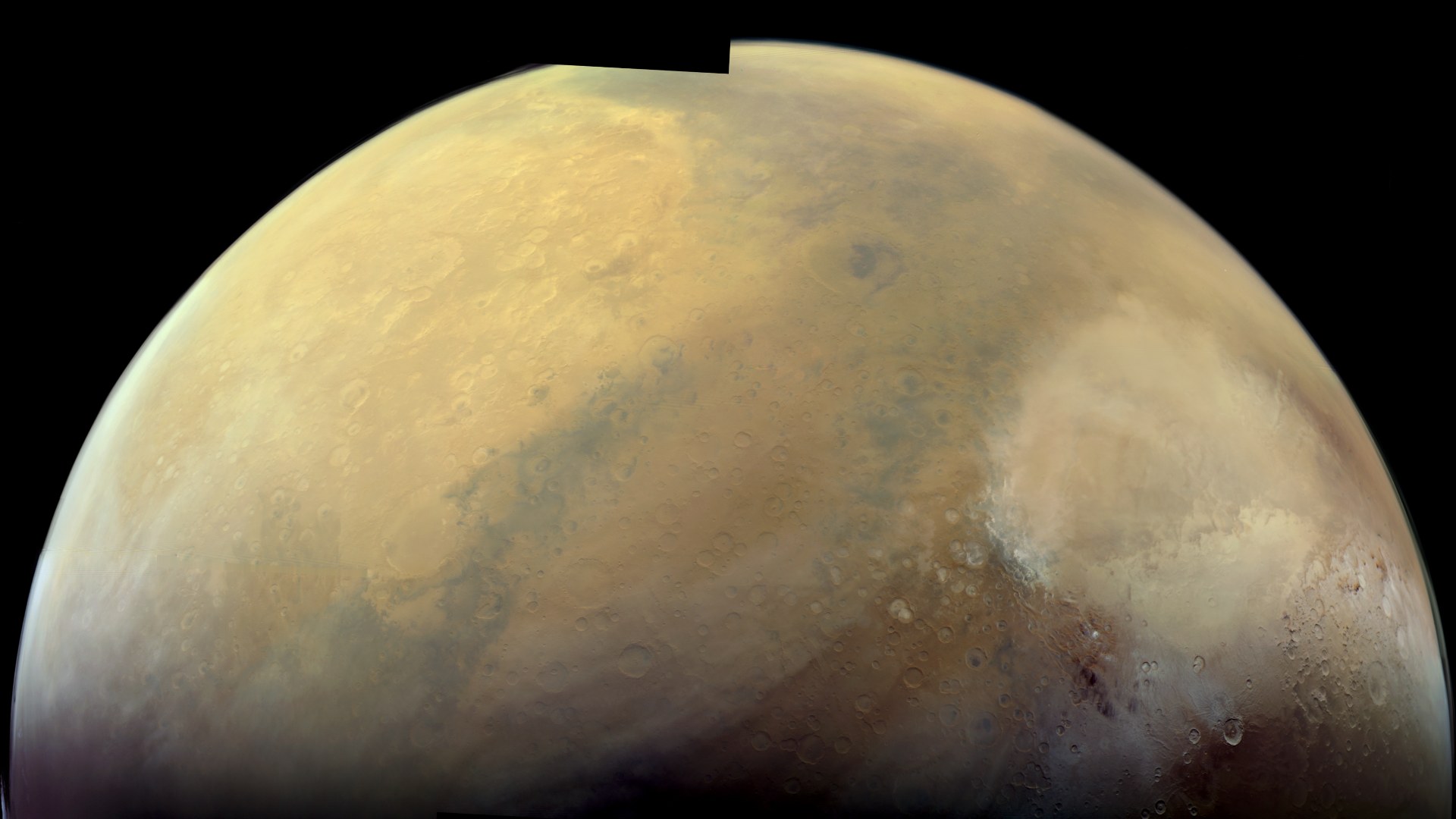
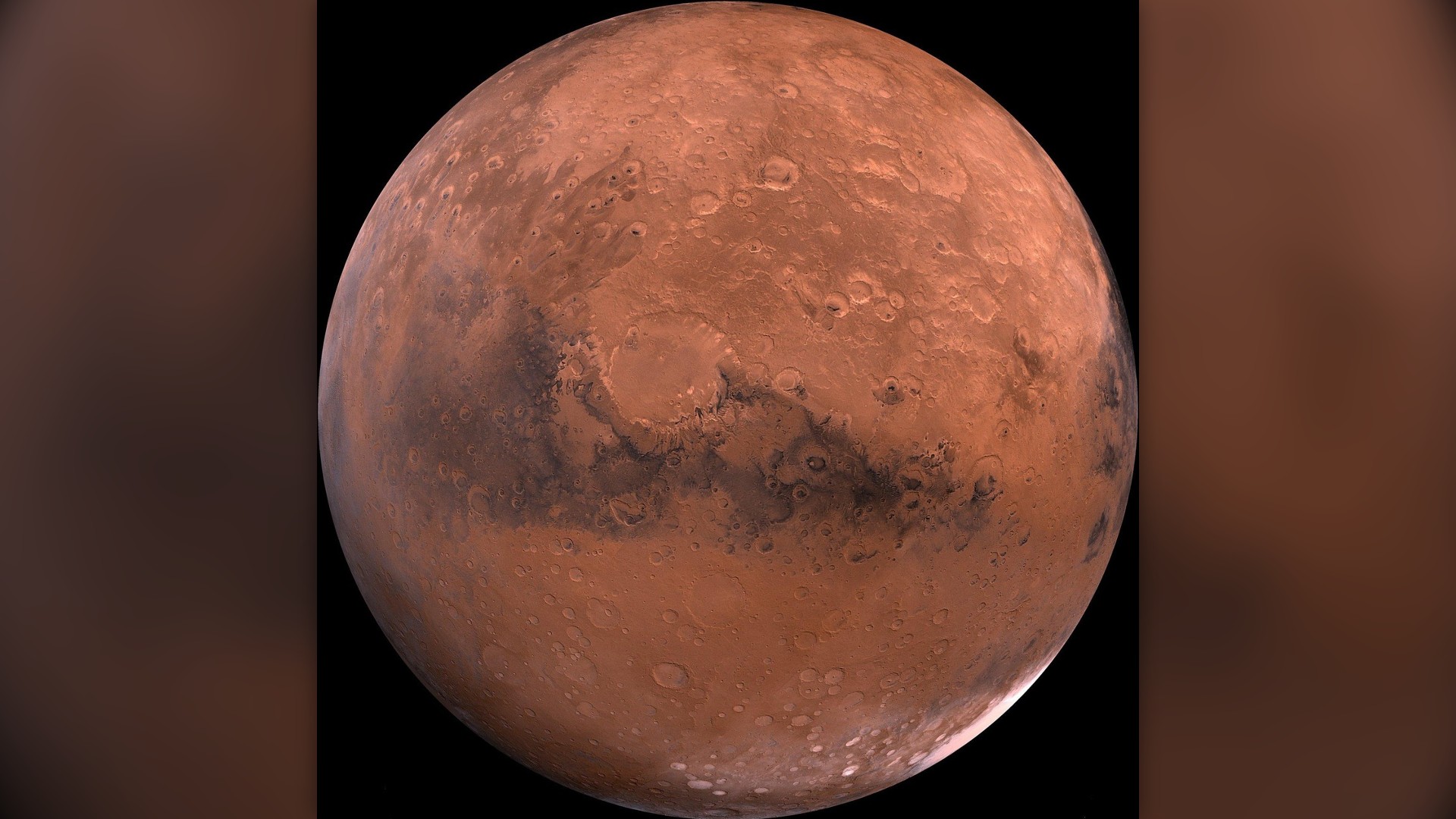
Surface atmospheric pressure on Mars averages around six millibars, which sits far below the Armstrong limit. Human blood would boil at body temperature without a pressurized suit. In addition, the atmosphere consists of 95 percent carbon dioxide with average surface temperatures hovering around minus 80 Fahrenheit.
2. Reusable Heavy Lift Launch Vehicles
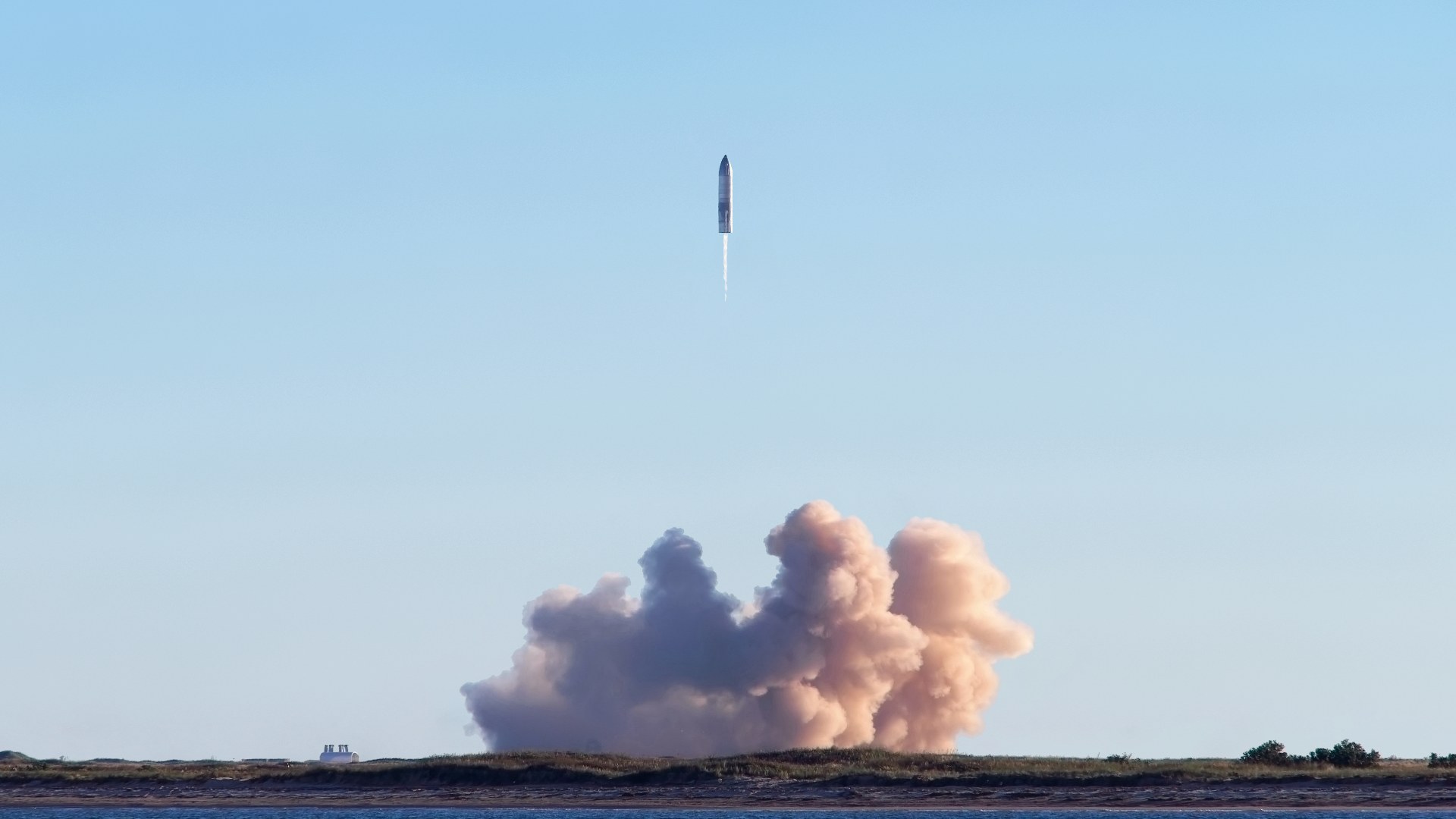
Establishing a permanent city demands transporting hundreds of tons of cargo and infrastructure. Reusable super heavy lift rockets aim to reduce payload launch costs by orders of magnitude through rapid turnaround and orbital refueling, making multi-ship flotillas to Mars economically viable.
3. Supersonic Retropropulsion And Safe Landing
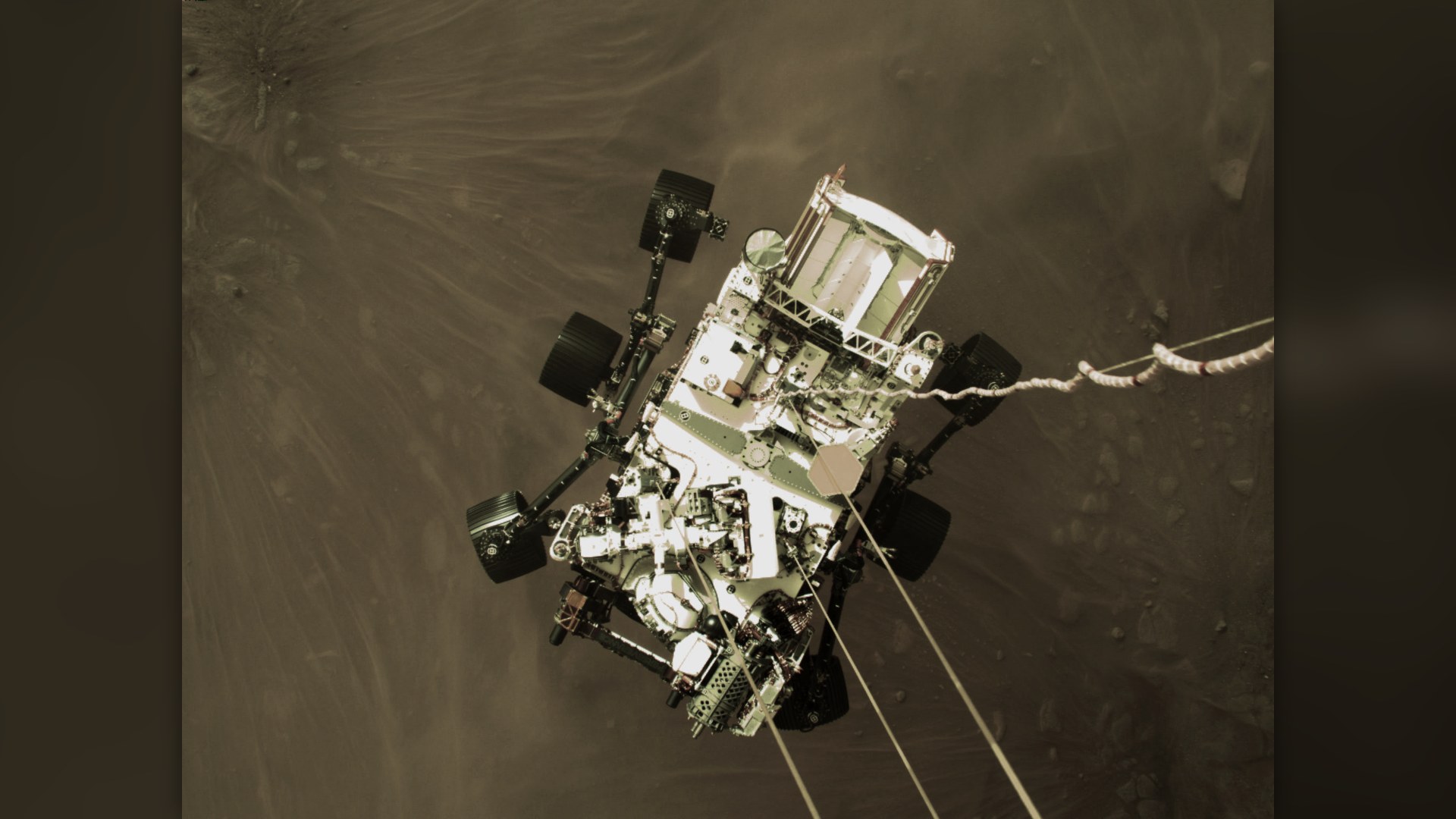
Mars has an atmosphere that is too thin to brake heavy ships using parachutes alone, yet thick enough to generate immense friction and heating. Supersonic retropropulsion involves firing powerful engines directly into supersonic airflow, a complex aerodynamic feat successfully tested by robotic probes.
4. Autonomous Scouting And Site Preparation
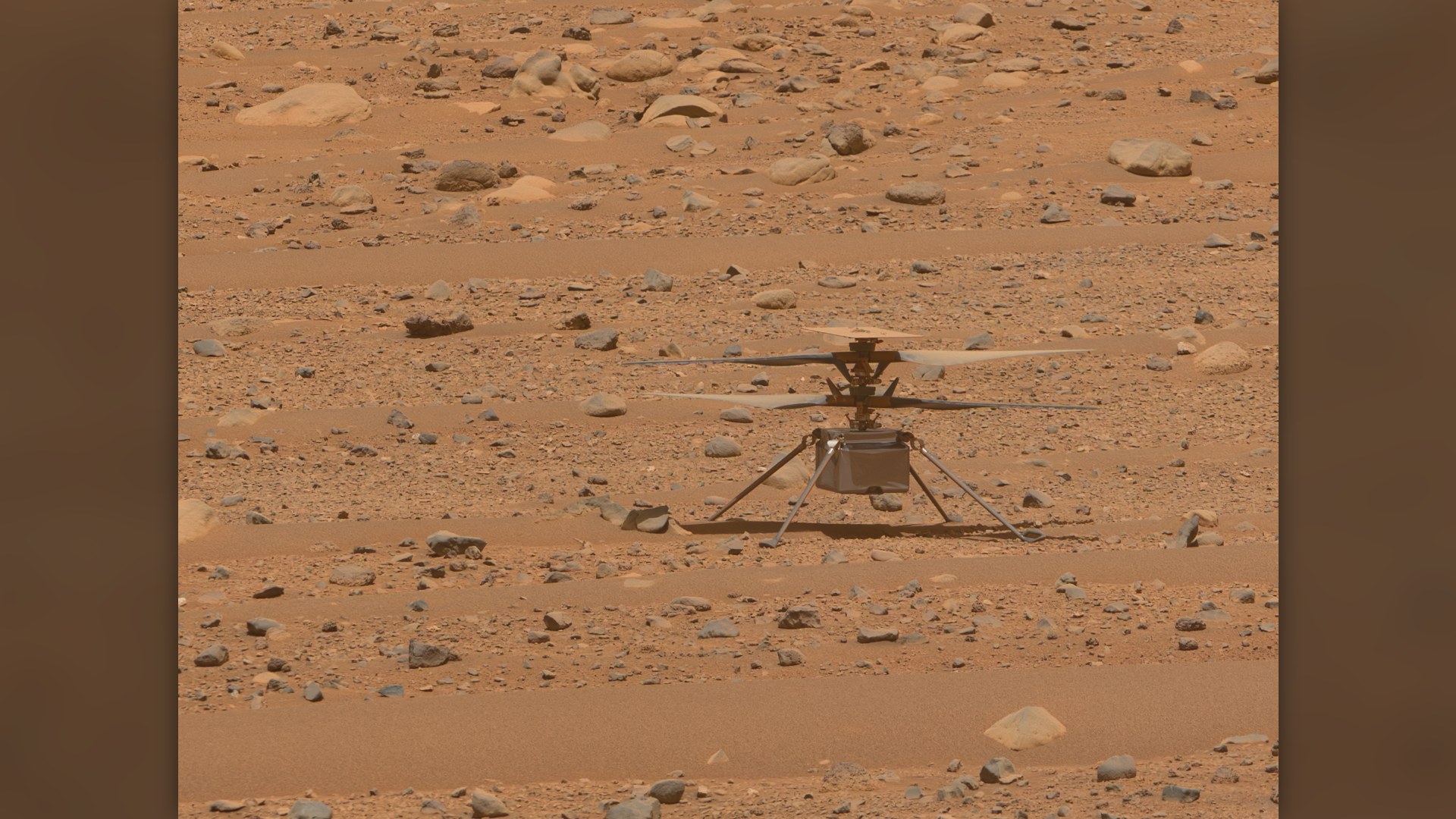
Before heavy landing craft touch down, autonomous rotorcraft and rovers survey prospective foundation zones. Scouting identifies level bedrock, pinpoints subsurface obstacles, and guides automated bulldozers deployed to construct level landing pads that prevent dangerous dust plumes during descent.
5. Subterranean Lava Tubes For Shielding
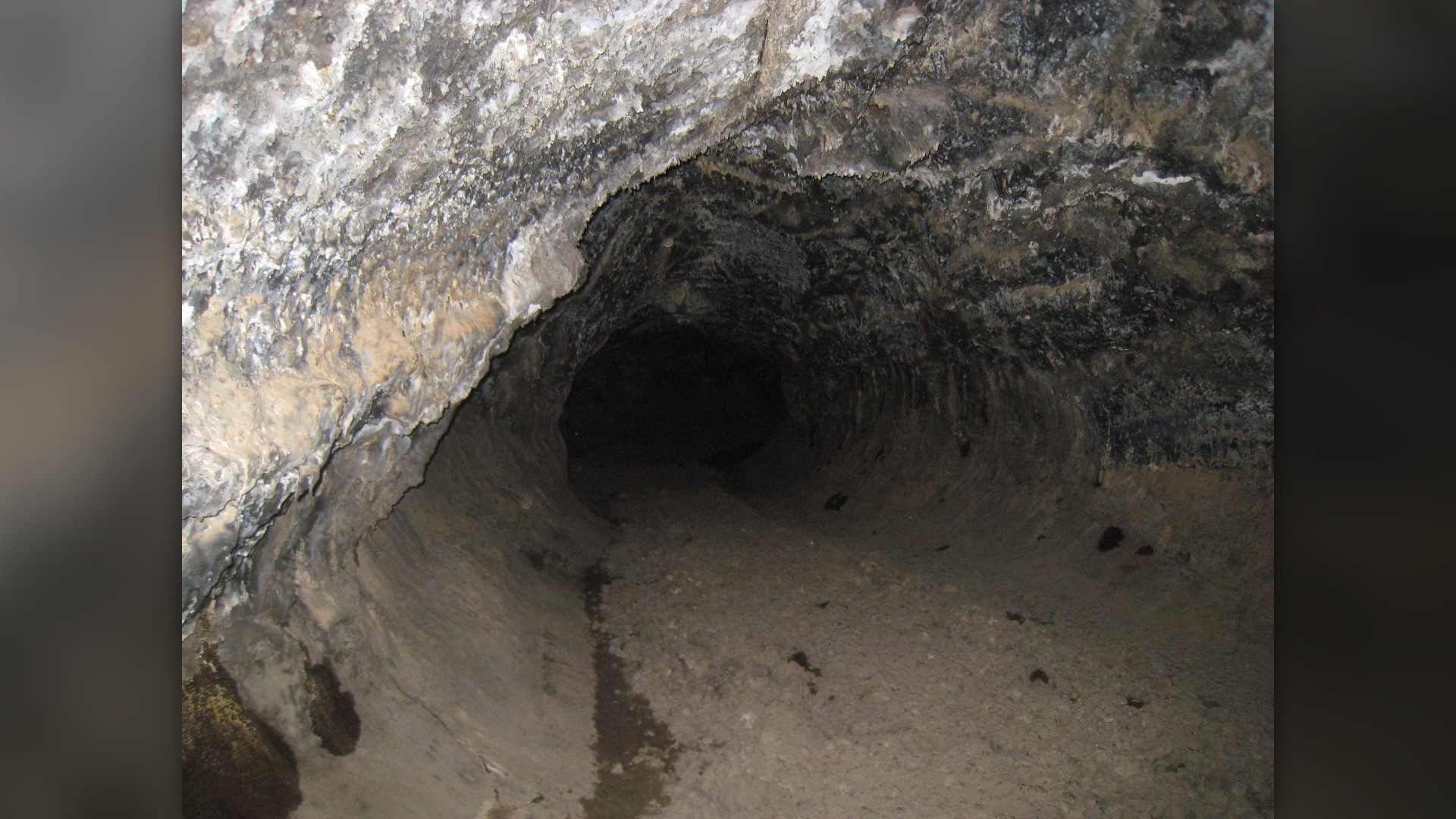
Mars lacks a strong global magnetic field, exposing the surface to deadly solar storms and galactic cosmic rays. Prehistoric volcanic activity created colossal lava tubes hundreds of meters wide. Placing primary living quarters beneath thick basalt ceilings shields astronauts permanently from radiation.
6. Mapping Vast Subsurface Water Ice Reserves
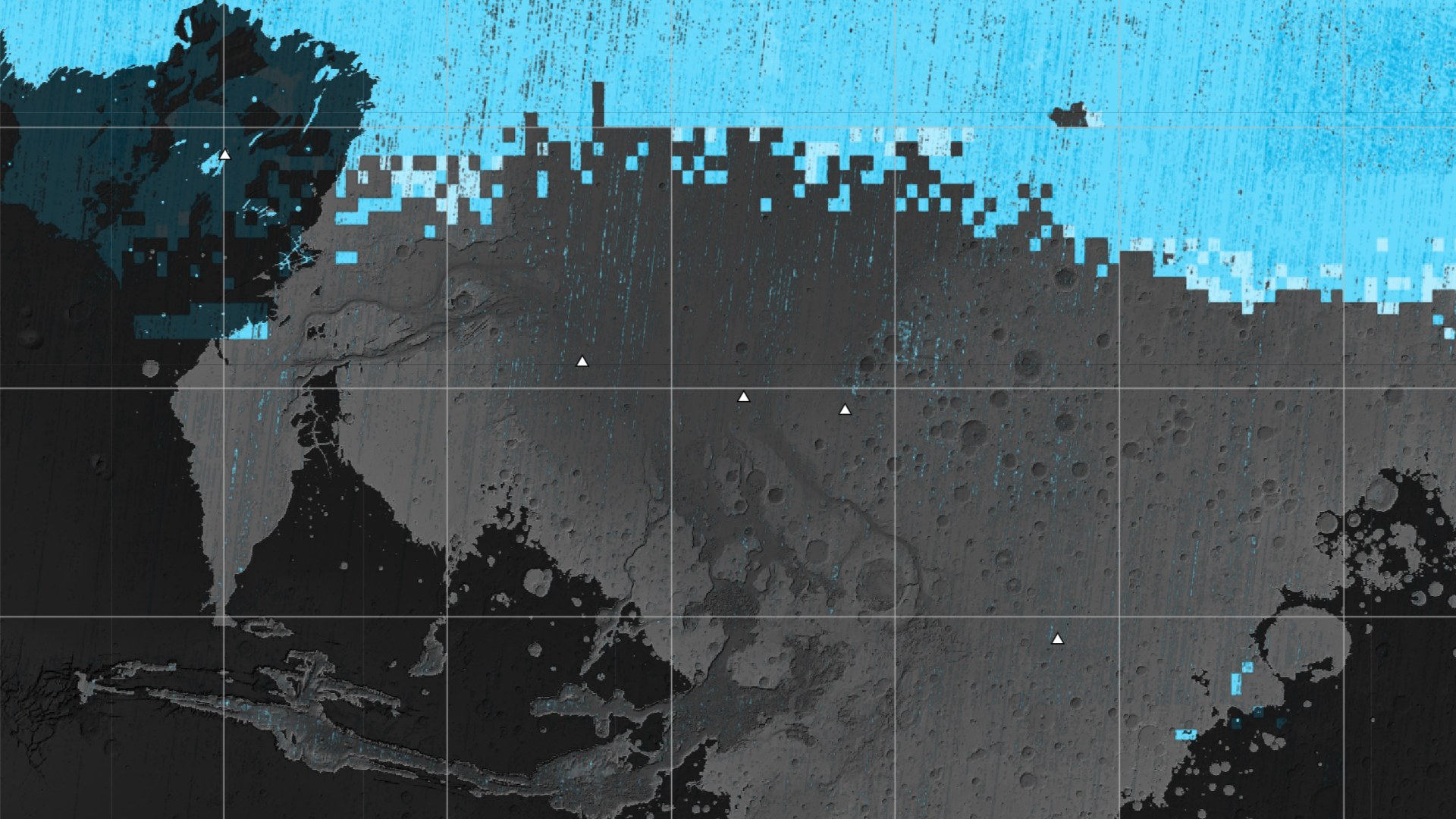
Water is the foundation of any permanent Martian civilization. Ground-penetrating radar on orbiters discovered vast sheets of subsurface water ice situated just meters below surface dust. Mapping these frozen reservoirs guides site selection to ensure continuous access to water for human crews.
7. Deep Drilling And Thermal Well Extraction
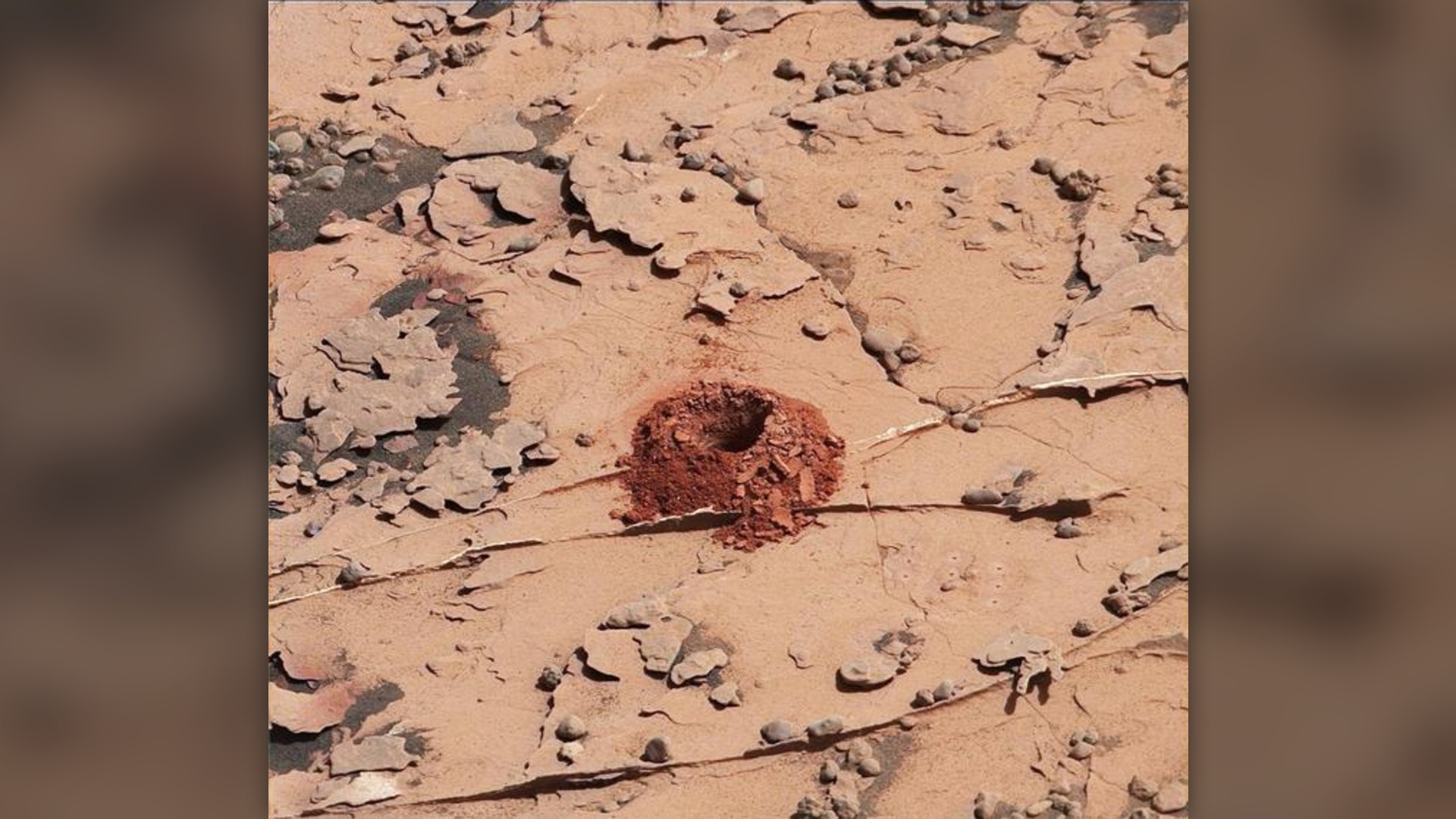
Extracting ice buried beneath rock requires automated drilling systems known as Rodriguez wells. A thermal probe penetrates the regolith layer and melts a subsurface cavity of ice, creating an insulated underground water pool that is continuously pumped to surface processing plants.
8. Continuous Fission Power Via Kilopower
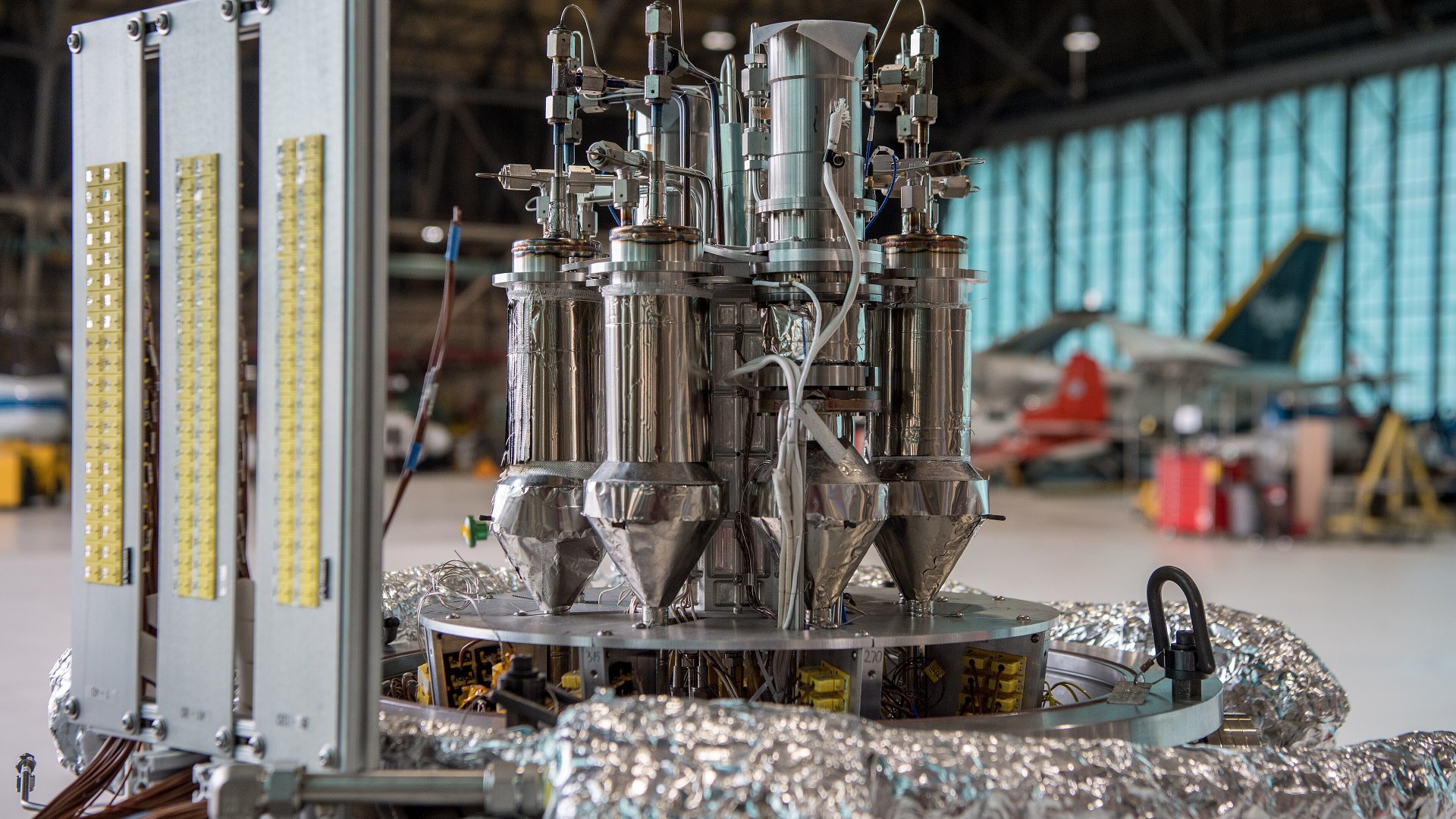
Solar power alone cannot sustain an industrial settlement due to weak sunlight and seasonal planet-encircling dust storms. Compact fission systems such as the Kilopower reactor utilize enriched uranium to produce steady electrical output day and night, keeping life support systems fully energized.
9. Generating Breathable Oxygen With MOXIE
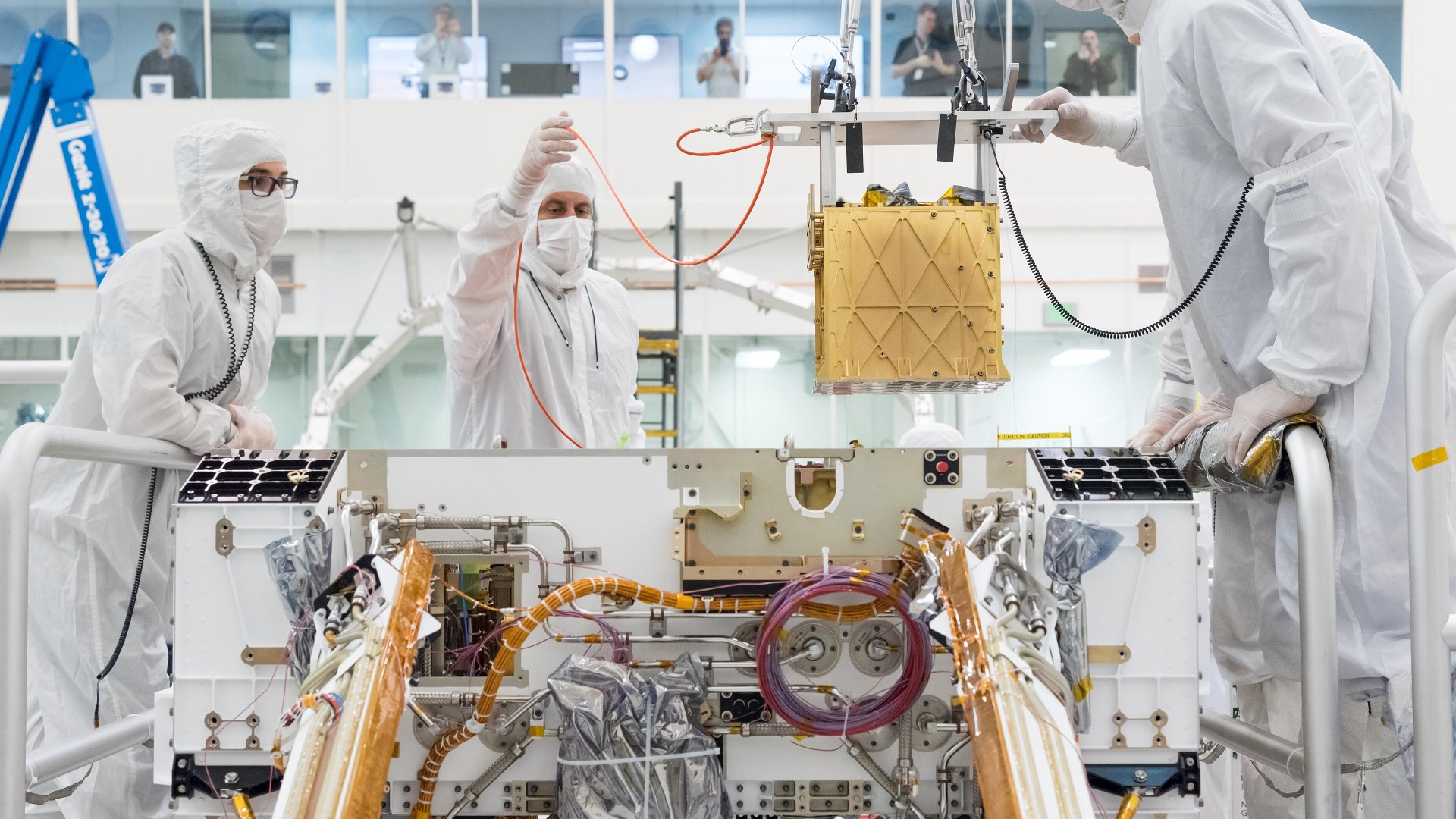
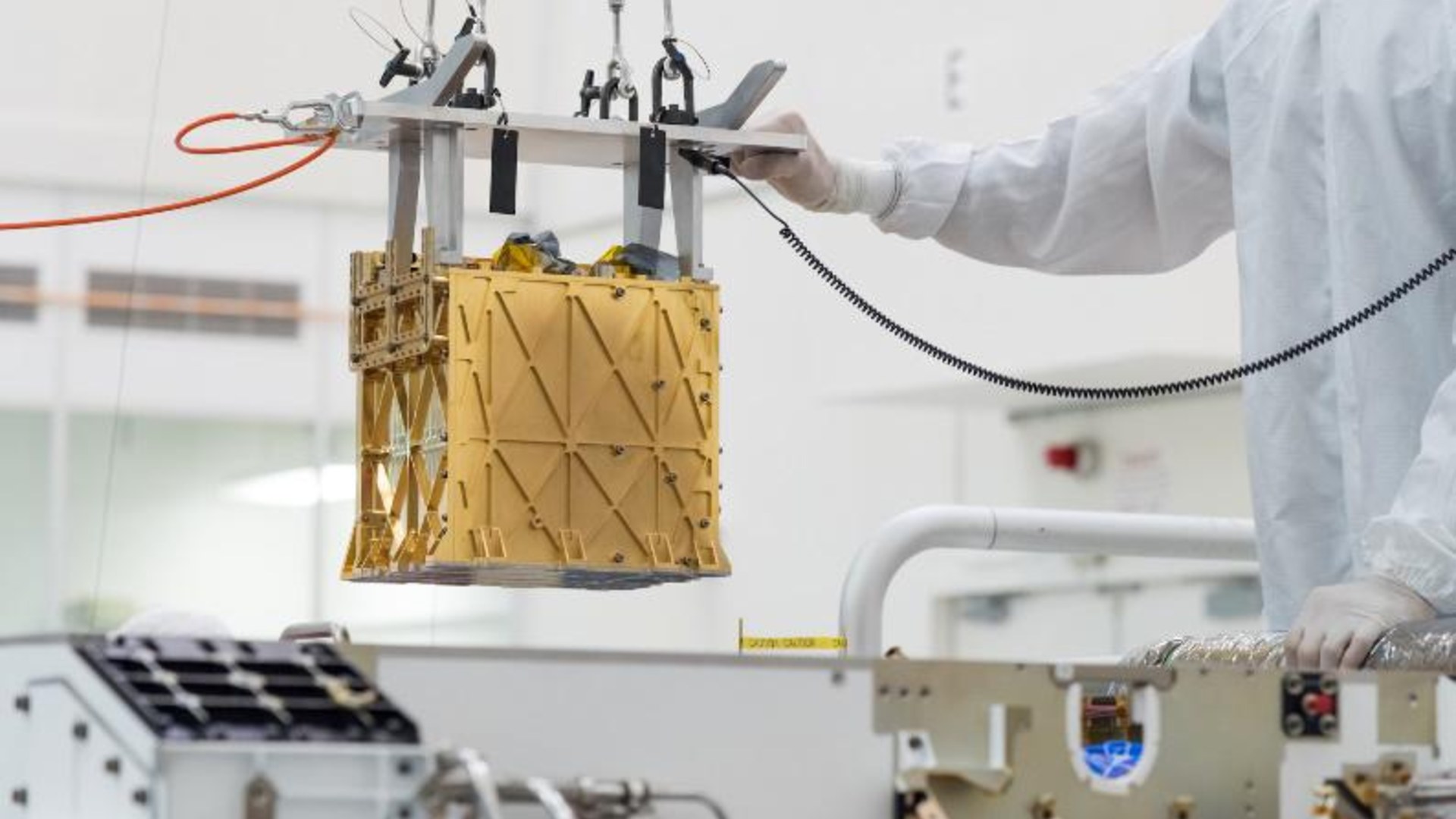
The Mars Oxygen In-Situ Resource Utilization Experiment demonstrated that solid oxide electrolysis can harvest atmospheric gas at 800 degrees Celsius to yield pure molecular oxygen. Scaled industrial units will supply breathable cabin air for habitats as well as liquid oxidizer for rocket engines.
10. Local Fuel Synthesis For Return Flights
Carrying return fuel all the way from Earth is impractical for heavy transports. Through the Sabatier reaction, carbon dioxide from the Martian atmosphere reacts with mined hydrogen to synthesize liquid methane and oxygen. This enables fully refueled return journeys back to Earth.
11. Regolith Shielded Surface Habitats
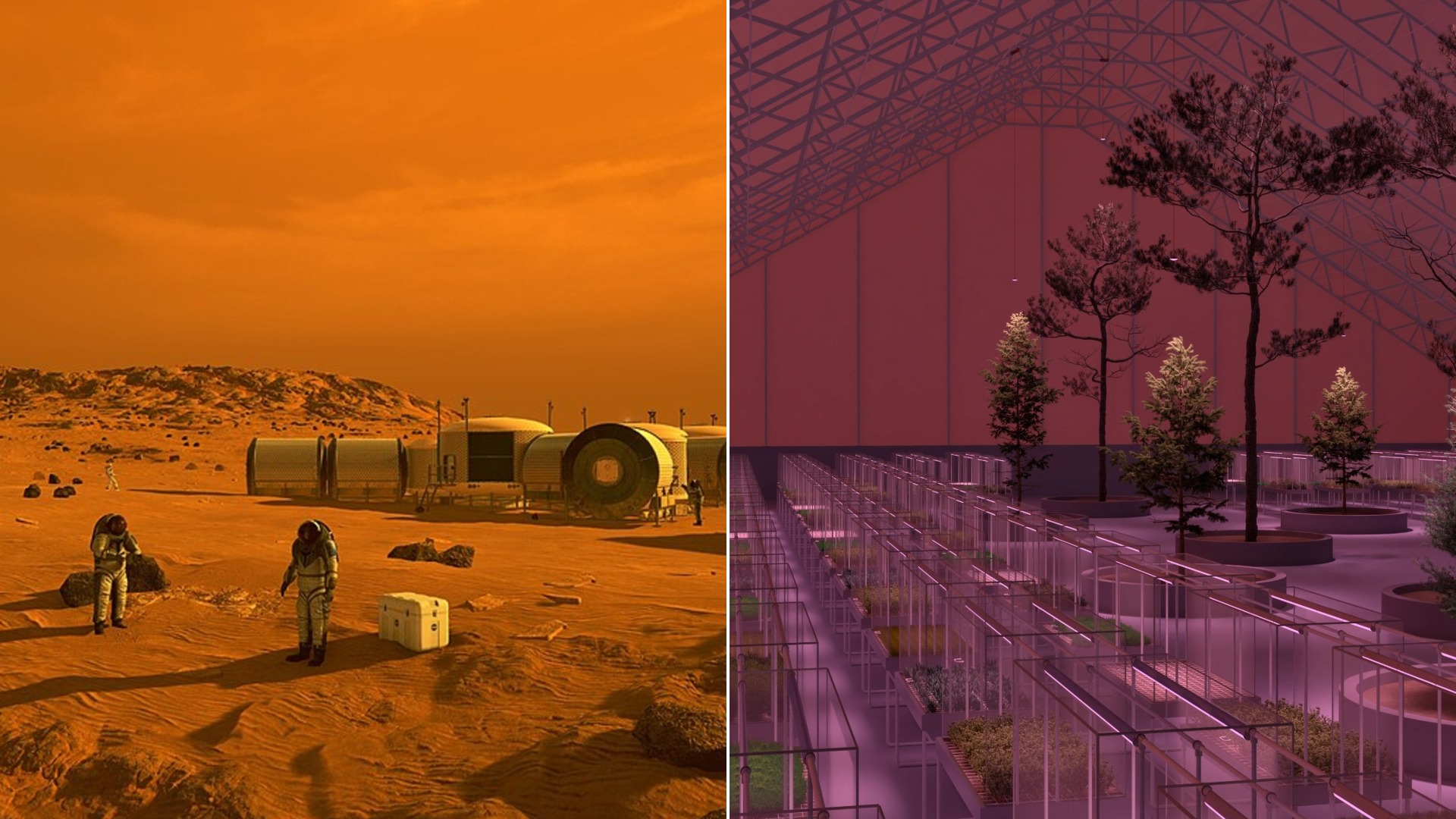
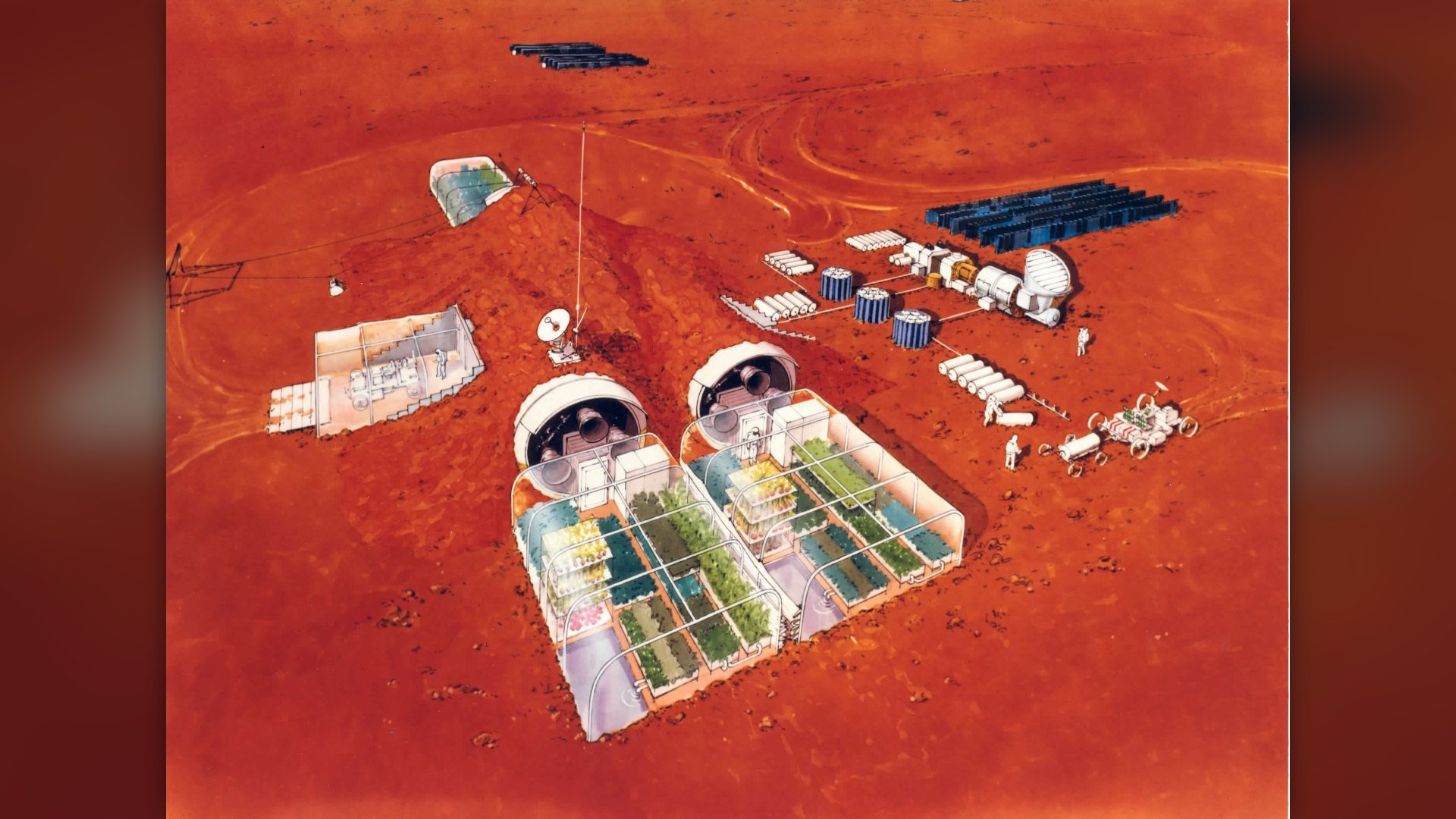
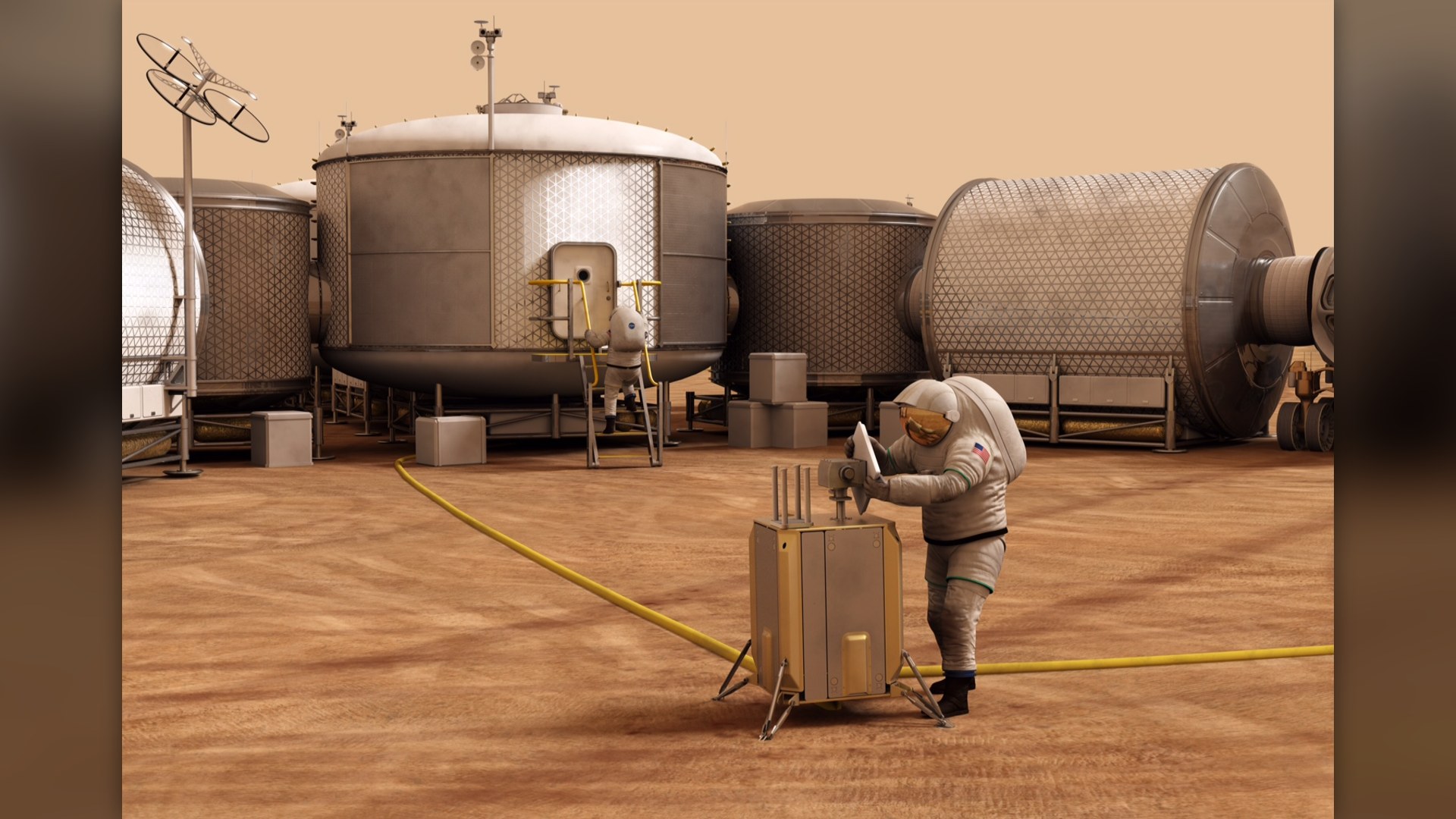
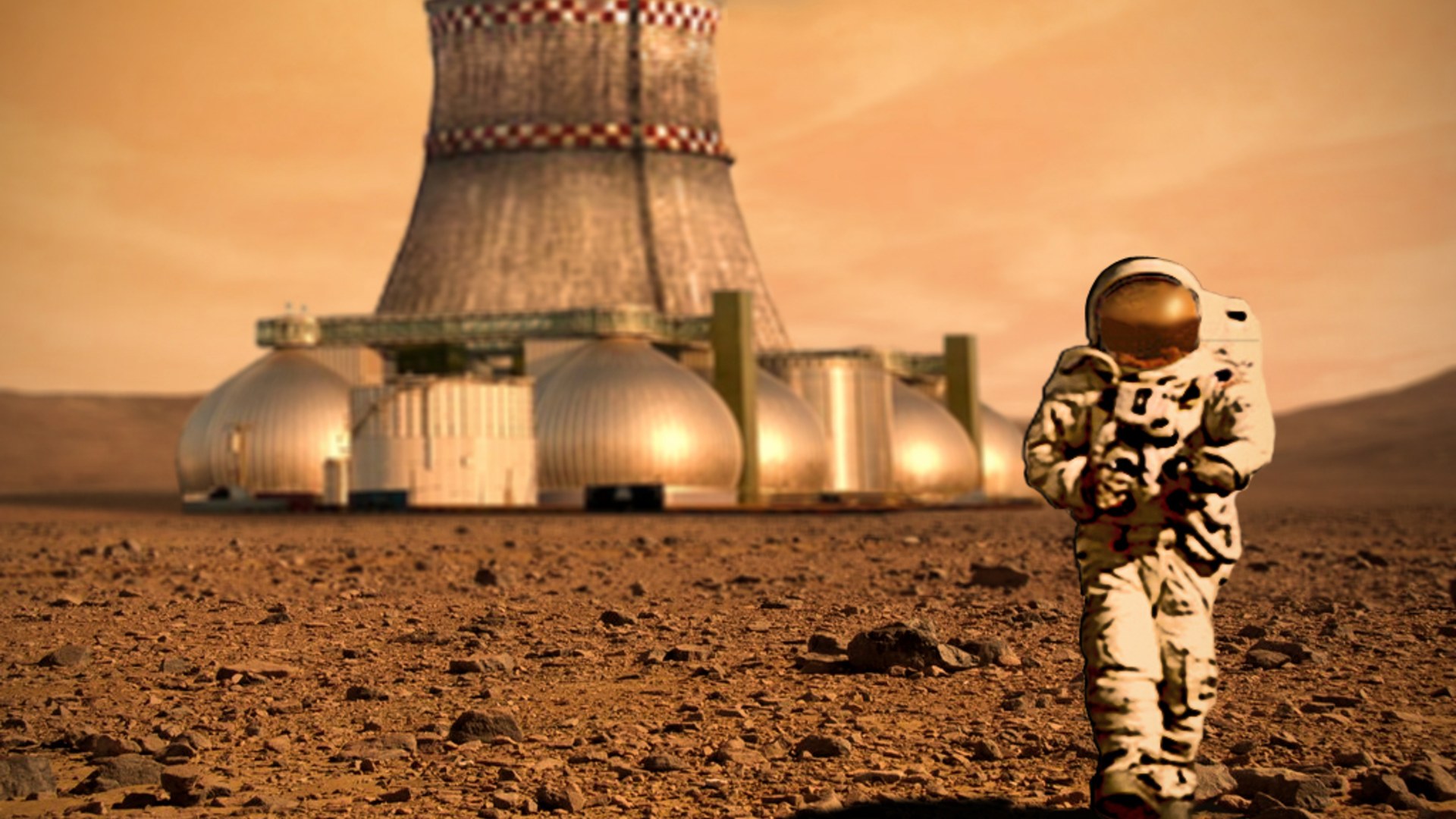
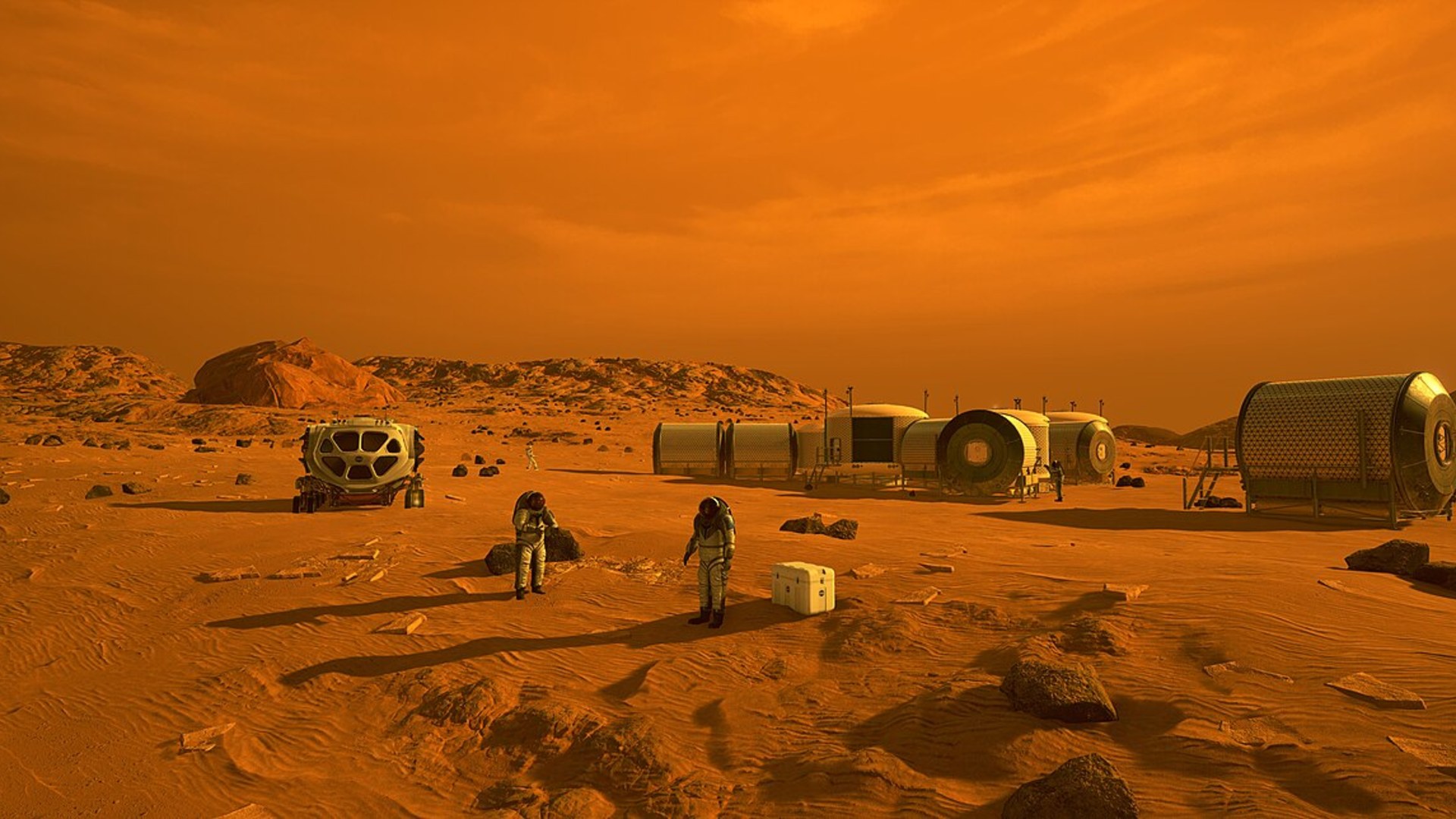
Martian soil, known as regolith, provides an abundant building material. Ground habitats covered by thick berms of compacted regolith achieve thermal stability against extreme surface temperature swings while shielding the crew from relentless cosmic radiation and micrometeorite impacts.
12. Translucent Inflatable Ice Domes
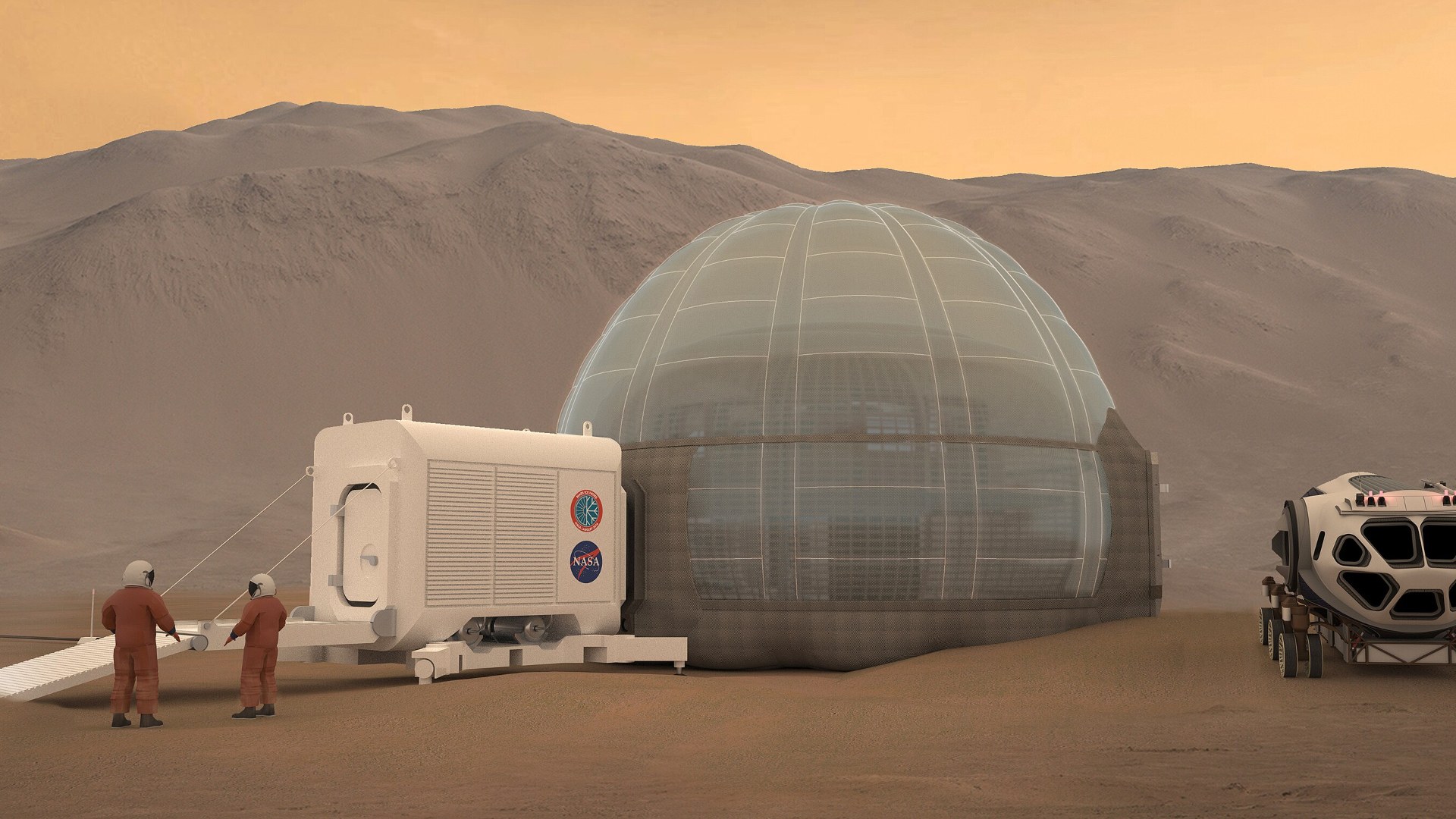
The NASA Mars Ice Home concept utilizes an inflatable cellular torus filled with water extracted on site. The hydrogen-dense ice acts as a superior radiation shield while remaining translucent, filling living quarters with natural light and preserving human psychological well-being.
13. Robotic 3D Printing With Native Soil
Shipping construction materials across interplanetary distances is cost-prohibitive. Autonomous rovers mix Martian sand and rock with binding polymers to 3D print sturdy buildings layer by layer. This robotic method creates pressurized domes and workshops prior to the arrival of settlers.
14. Climate Controlled Crop Greenhouses
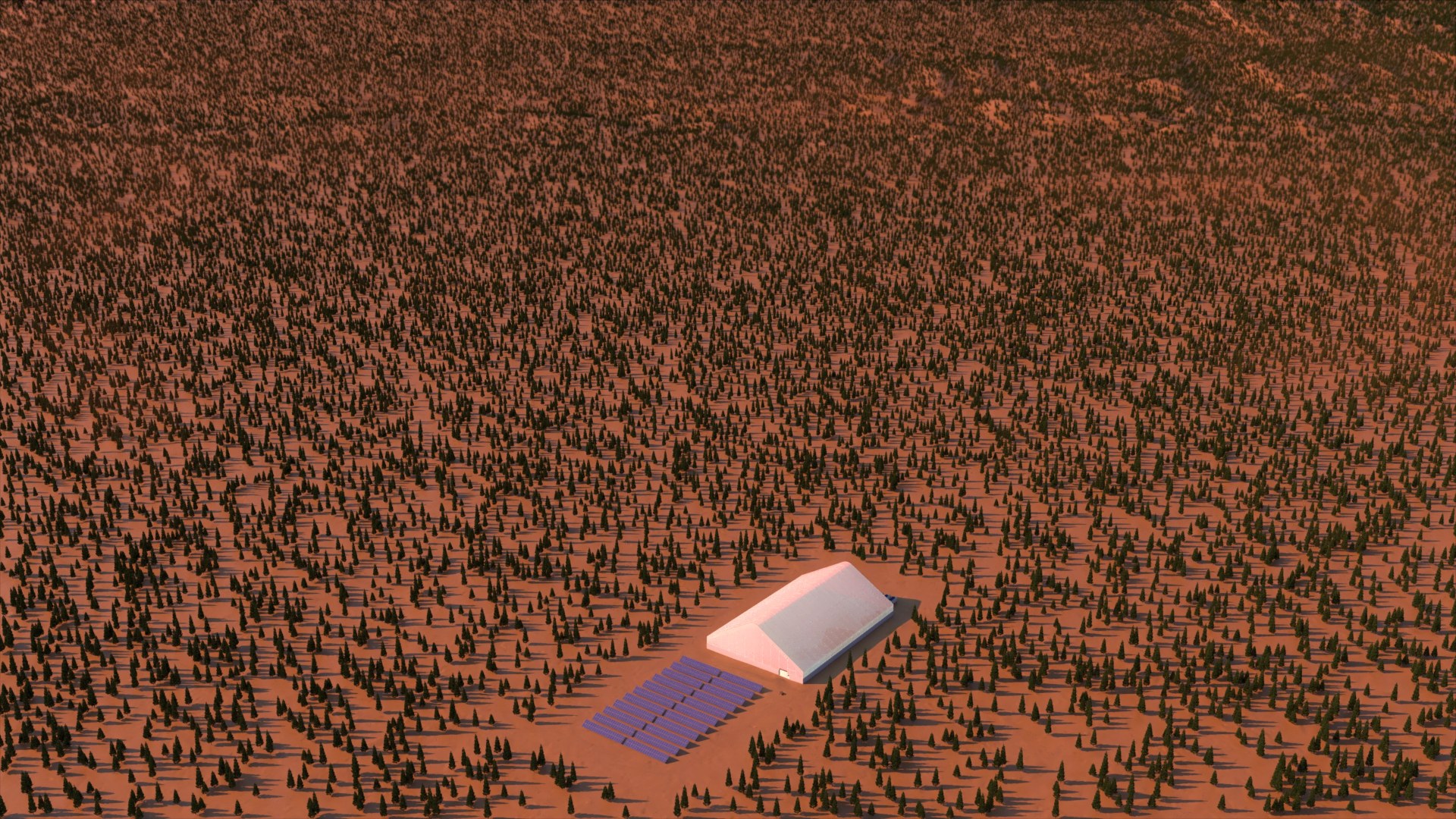
Sustaining hundreds of settlers requires continuous food production without reliant resupply from Earth. High-tensile translucent greenhouse domes maintain optimal internal humidity, atmospheric pressure, and elevated carbon dioxide concentrations to accelerate plant growth cycles.
15. Indoor Hydroponics And Soil Remediation
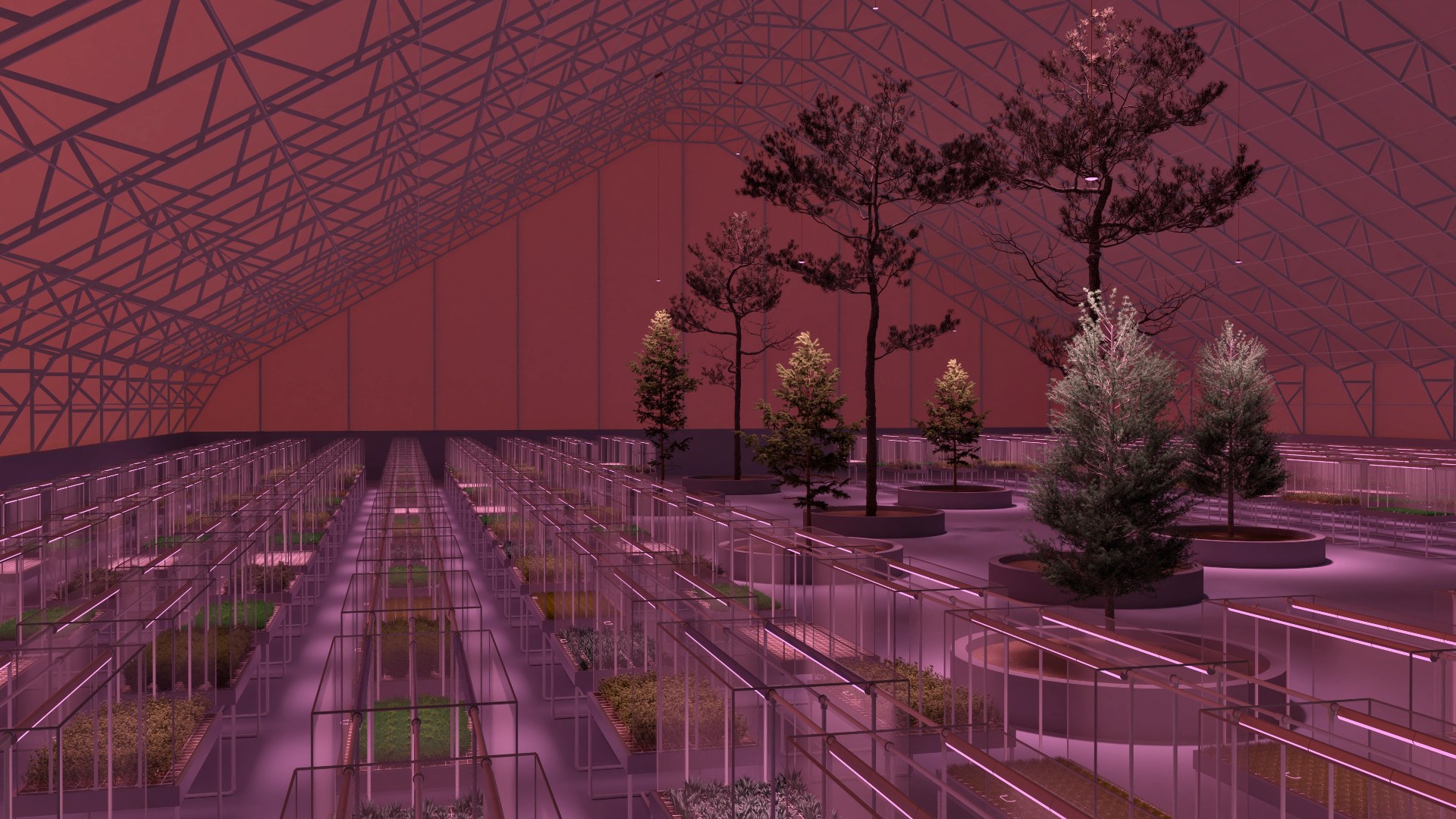
Martian regolith contains toxic perchlorate salts that must be leached out with water before farming. Inside habitat hydroponic bays, nutrient-rich water solutions and tailored LED lighting allow crops like potatoes, beans, and leafy greens to grow rapidly in fully enclosed vertical farming racks.
16. Rigorous Testing At Desert Research Stations
Before deploying hardware to Mars, researchers test habitat architectures and rover operations at remote analog stations in Utah, Devon Island, and the Atacama Desert. These prolonged missions evaluate mechanical systems, emergency protocols, and crew behavioral health under realistic mission constraints.
17. Earth-Based Operational Coordination
Because electromagnetic signals take between four and twenty-four minutes each way between Earth and Mars, real-time command control is impossible. Earth flight control relies on asynchronous communication schedules, granting Martian settlement teams immense tactical autonomy during daily operations.
18. Total Closed Loop Resource Recycling
A distant colony cannot afford single-use consumables. Advanced environmental control and life support systems must achieve near one hundred percent reclamation of greywater, sweat, urine, exhaled moisture, and human waste, cycling every organic atom back into active food and breathable atmosphere.
19. Future Horizons Of Planetary Engineering
As an urban settlement expands across generations, long-range geoengineering projects could begin. Schemes include releasing potent fluorinated greenhouse gases or deploying orbital mirrors to melt polar dry ice caps, slowly thickening the atmosphere to elevate surface temperatures and atmospheric pressure.
20. A Self-Sustaining Multiplanetary City
Transforming humanity into a multiplanetary species secures the long-term survival of human civilization against existential threats. A thriving city on Mars, fueled by science and engineering, will ultimately serve as the launching pad for exploration into the wider solar system.