Slideshow · Science
From Seed to Sip: 20 Simple Steps to Grow Your Own Coffee at Home
A complete beginner guide to cultivating fresh coffee beans indoors from seed to cup.

By Most Viral Today
28 min ago

The Complete Beginner Guide to Growing Fresh Coffee Beans at Home 
20. Can You Grow Coffee At Home? 
19. Realistic Harvest Expectations 
18. Choosing The Best Variety - AdvertisementSwipe or tap ▶ to continue countdown

17. Seeds Vs Starter Plants 
16. Pots And Drainage 
15. Soil Requirements 
14. Lighting Needs - AdvertisementSwipe or tap ▶ to continue countdown

13. Temperature And Climate 
12. Humidity Tools 
11. Germinating Coffee Seeds 
10. Watering Routine - AdvertisementSwipe or tap ▶ to continue countdown

9. Feeding Your Coffee Tree 
8. Pruning And Shaping 
7. Repotting As It Grows 
6. Waiting For Blooms - AdvertisementSwipe or tap ▶ to continue countdown

5. Ripening Coffee Cherries 
4. Harvesting And Pulping 
3. Fermenting And Drying 
2. Roasting And Brewing - AdvertisementSwipe or tap ▶ to continue countdown

1. Savoring The Homegrown Cup - Advertisement🔥 UP NEXT IN THIS SERIES◫ 21 Slides

Earth Has a New Moon: NASA's New Discovery
Earth's gravity has temporarily captured a tiny near-Earth asteroid designated 2026 QQ8, giving our planet a fleeting second moon. From its detection in Hungary and verification by major observatories to its looping orbital path and upcoming departure in early 2027, here is the full story of Earth's new moon.
Cultivating your own coffee indoors is an immensely rewarding horticultural journey. From germinating green seeds to nurturing glossy leaves and harvesting vibrant red cherries, this step by step guide reveals exactly how to produce homegrown beans right on your windowsill.
Swipe or tap ▶ to begin the countdown
©Pixabay / jolucasru & Wikimedia / Petar Milošević
20. Can You Grow Coffee At Home?
Coffee plants thrive indoors as glossy houseplants and will eventually produce real cherries. With proper warmth and bright filtered sunlight, your indoor shrub becomes an attractive decorative piece while slowly developing beautiful foliage.
©Wikimedia / Coffea
19. Realistic Harvest Expectations
While coffee plants can produce viable beans in a living room, indoor yields remain modest. A healthy indoor shrub yields between one and three cups worth of beans annually, serving as a fun horticultural achievement rather than a pantry replacement.
©Pixabay / Pexels
18. Choosing The Best Variety
Coffea arabica Nana is the premier choice for home growers because it naturally remains dwarf sized and self pollinates without needing outdoor insects. It produces dense glossy dark green foliage and clusters of cherries within household spaces.
©Pixabay / FranciscoJavierCoradoR
Advertisement
Swipe or tap ▶ to resume the countdown.
17. Seeds Vs Starter Plants
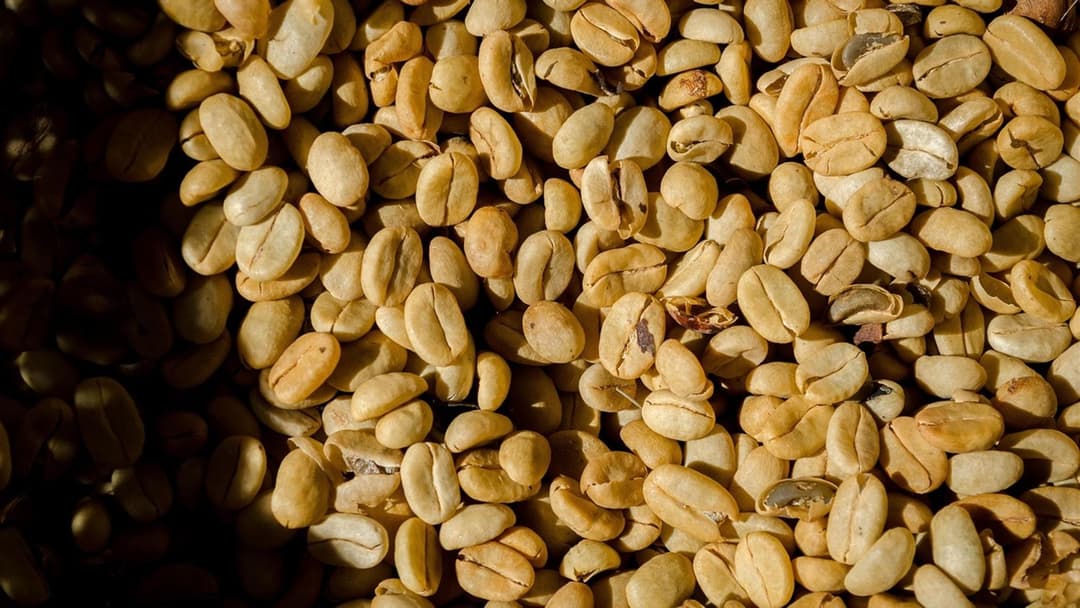
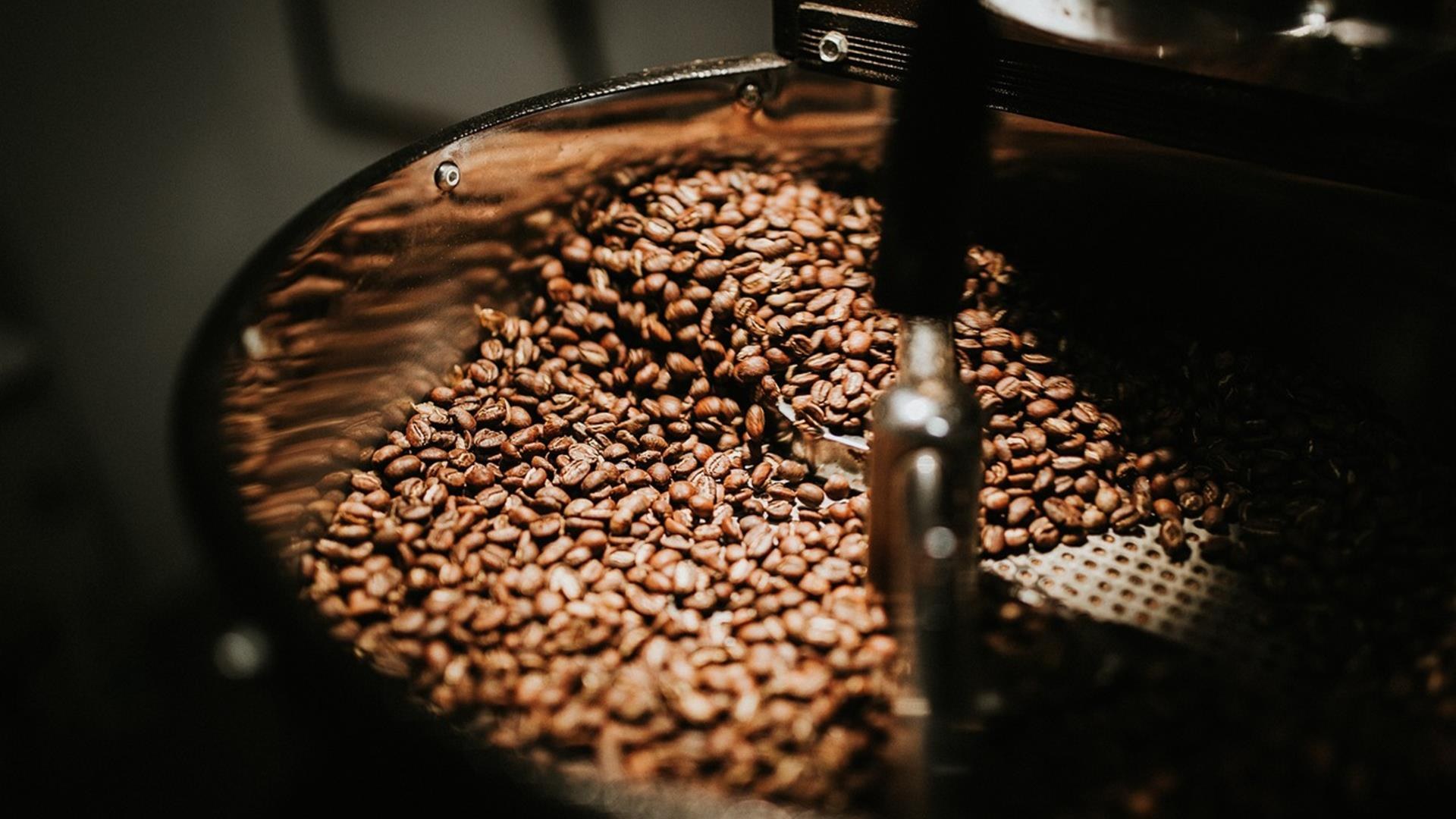
Starting coffee from seed requires raw unroasted green beans, as standard commercial roasted coffee has lost all biological viability. Alternatively, purchasing a rooted starter plant from a nursery saves several months of initial germination effort.
©Pixabay / zhxj560
16. Pots And Drainage
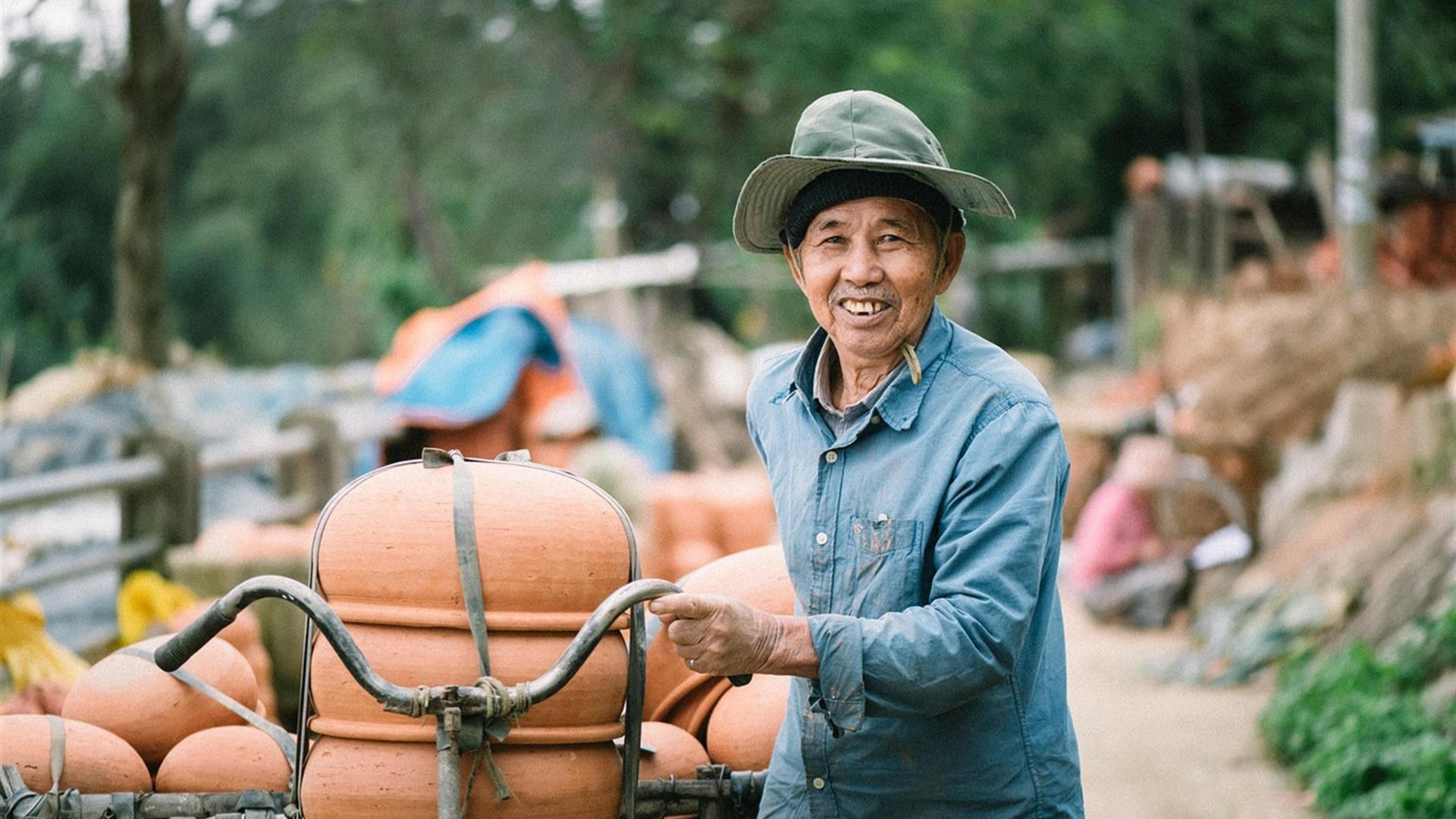
Coffee trees establish an extensive vertical taproot system that demands deep containers rather than shallow bowls. Ensure the planter features generous drainage openings at the base to prevent waterlogged roots and fatal subterranean rot.
©Pixabay / trilemedia
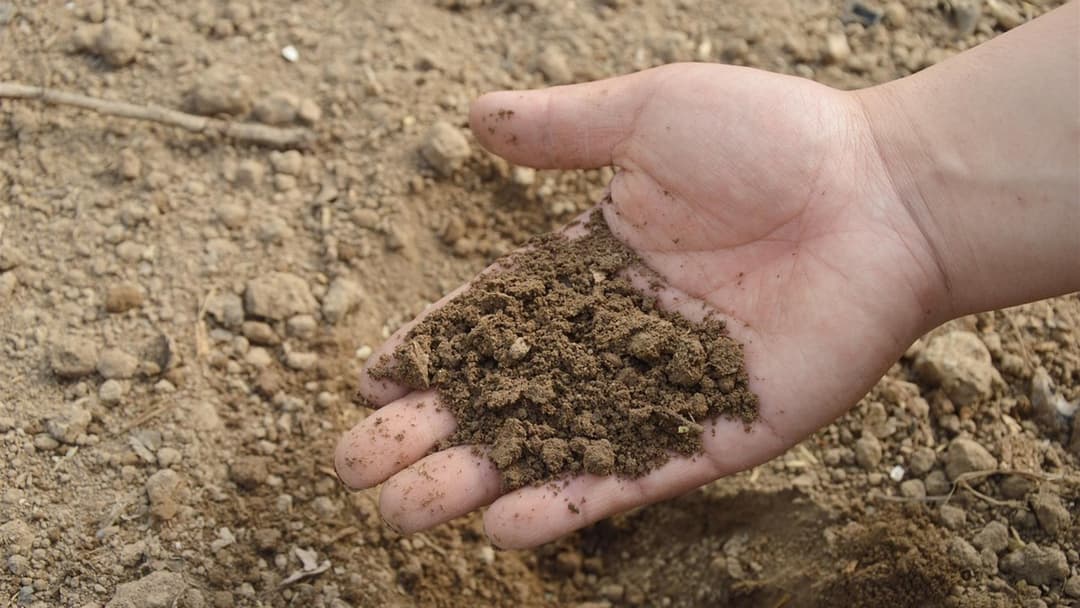
15. Soil Requirements
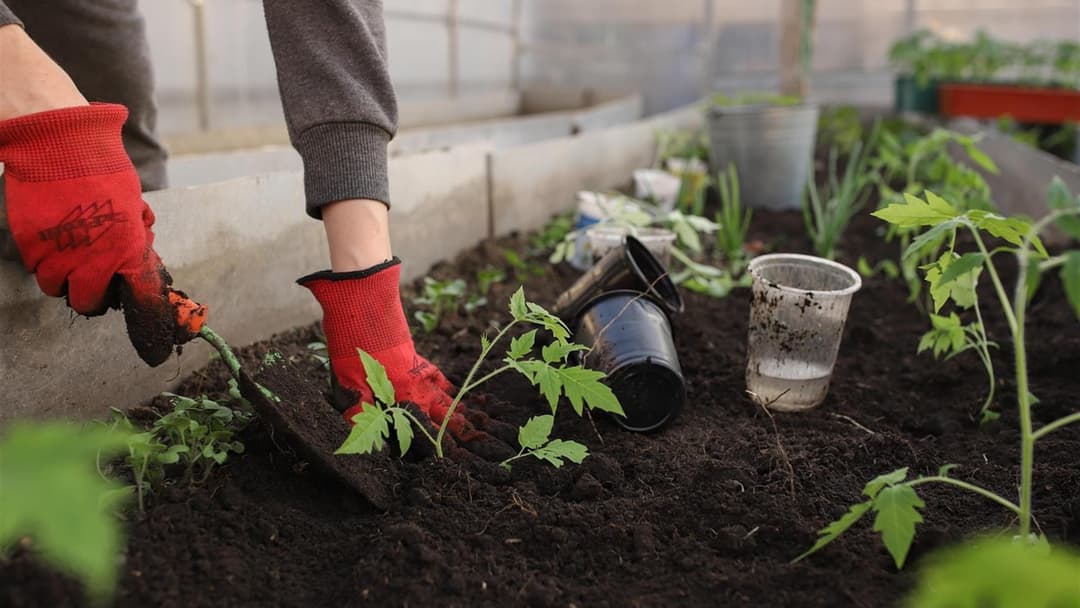
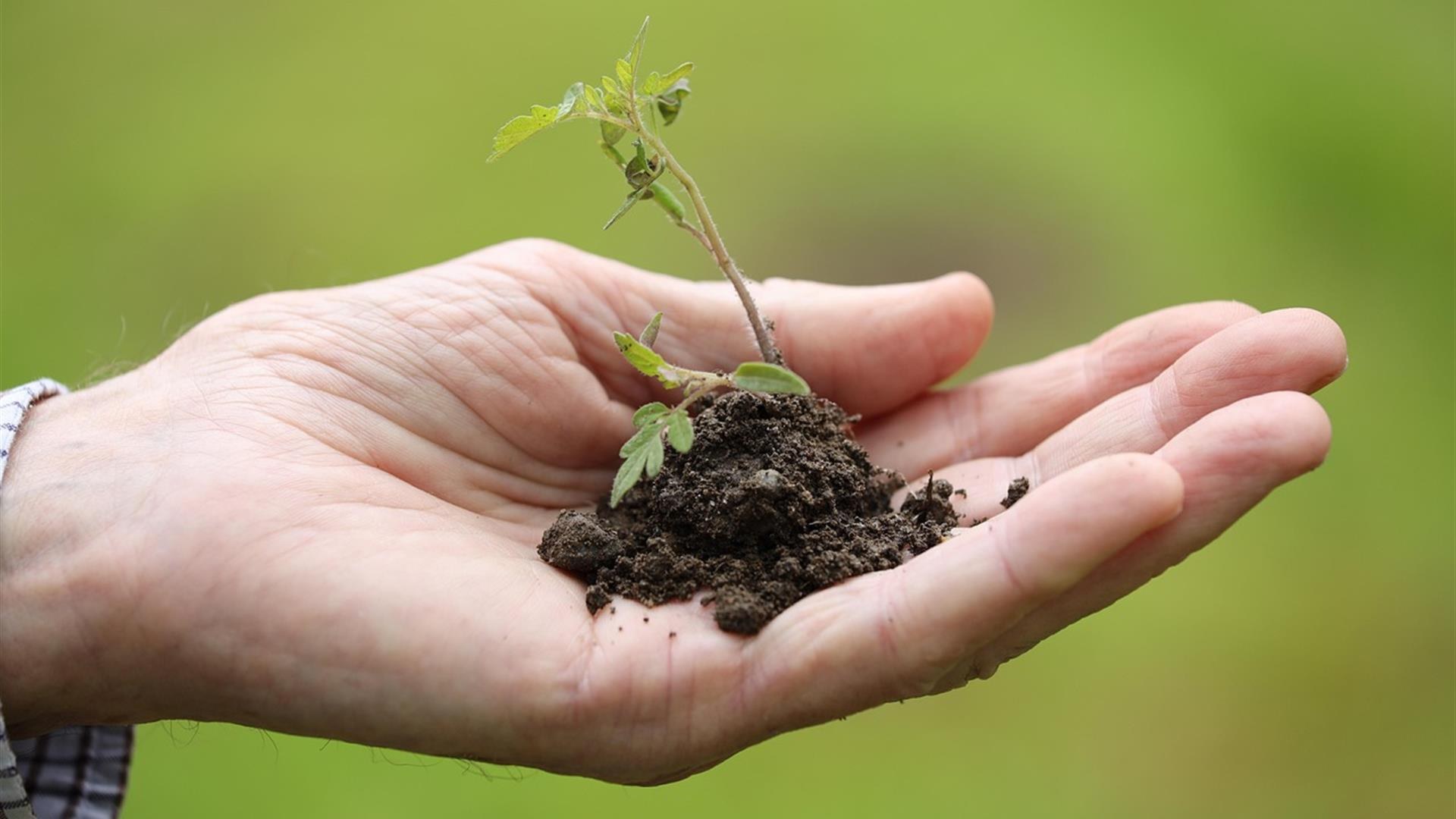
Coffee shrubs demand a rich, loose potting mixture with a slightly acidic pH range between 6.0 and 6.5. Incorporating coarse perlite, orchid bark, and peat moss ensures excellent drainage while keeping essential root moisture accessible.
©Pixabay / GoranH
14. Lighting Needs
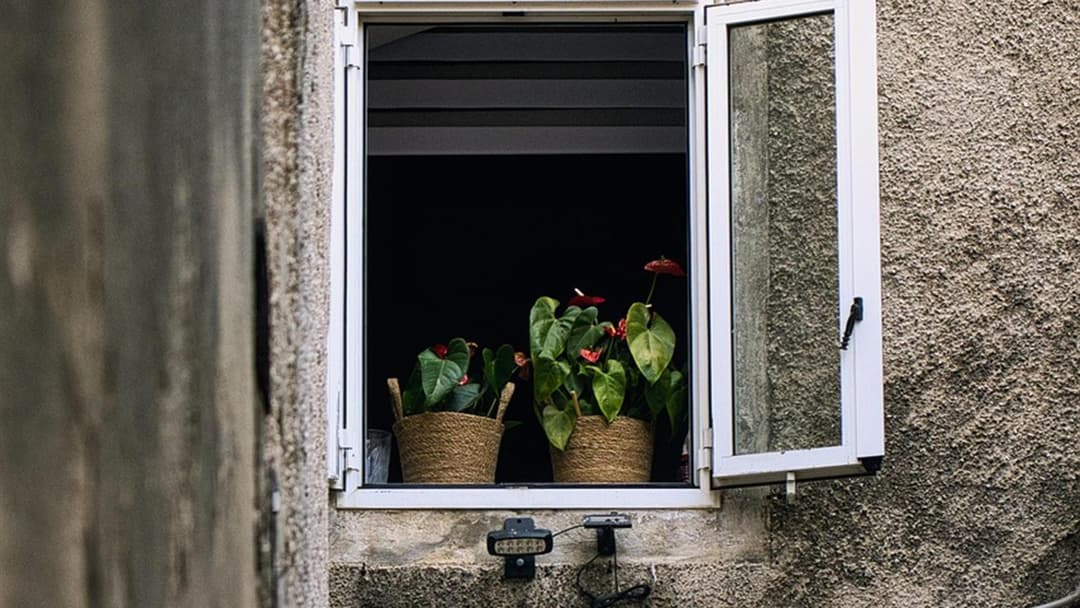
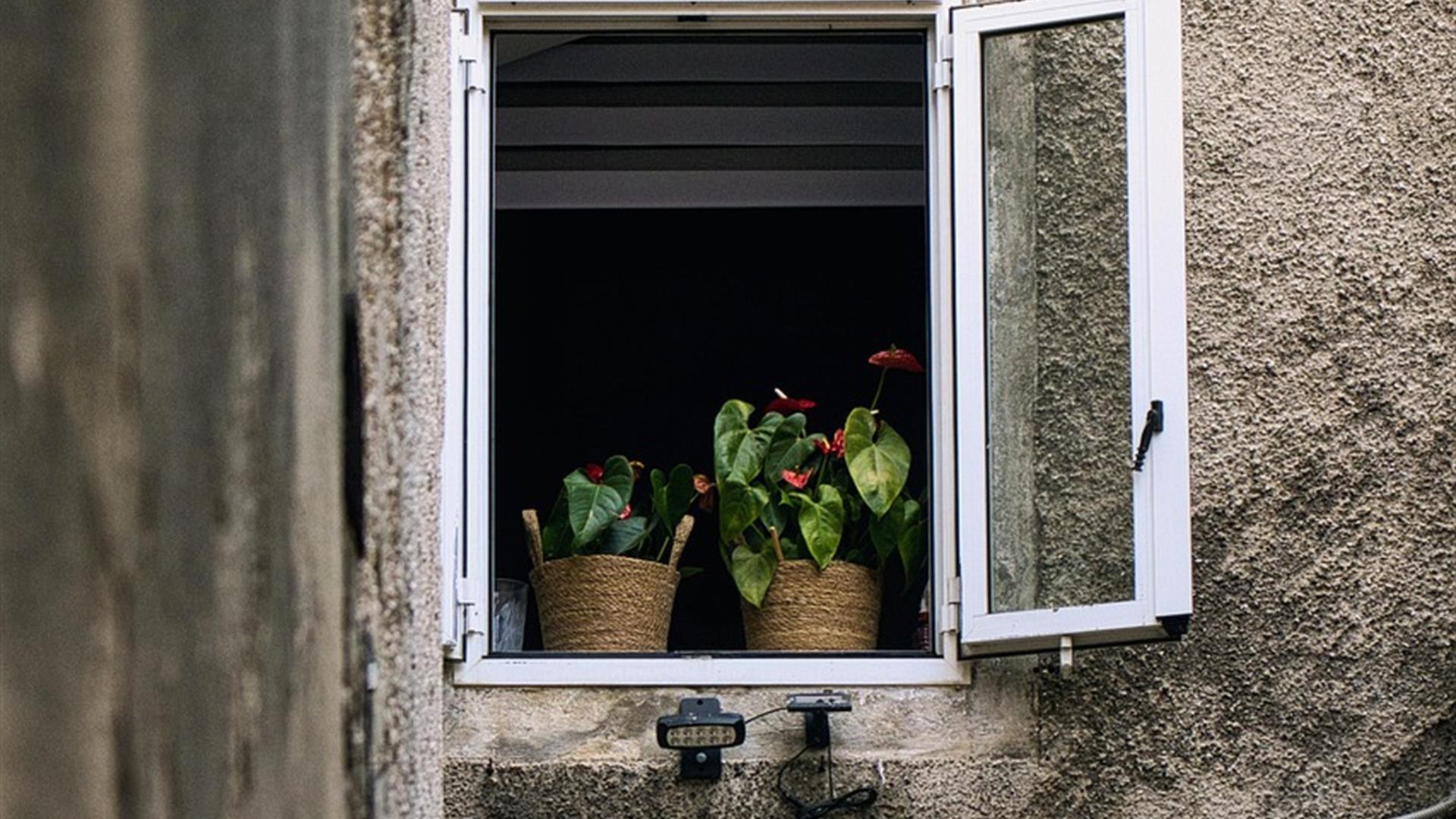
In their native highland habitats, coffee bushes grow beneath canopy shade. Indoors, position them in bright, indirect light near east or south facing windows, shielding delicate glossy leaves from scorching direct midday sun.
©Pixabay / hasogr
Advertisement
Swipe or tap ▶ to resume the countdown.
13. Temperature And Climate
Coffee plants thrive best in consistent warmth between 18C and 24C (65F to 75F). Shield your plant from sudden temperature fluctuations, cold winter window panes, air conditioning vents, and exterior doorways.
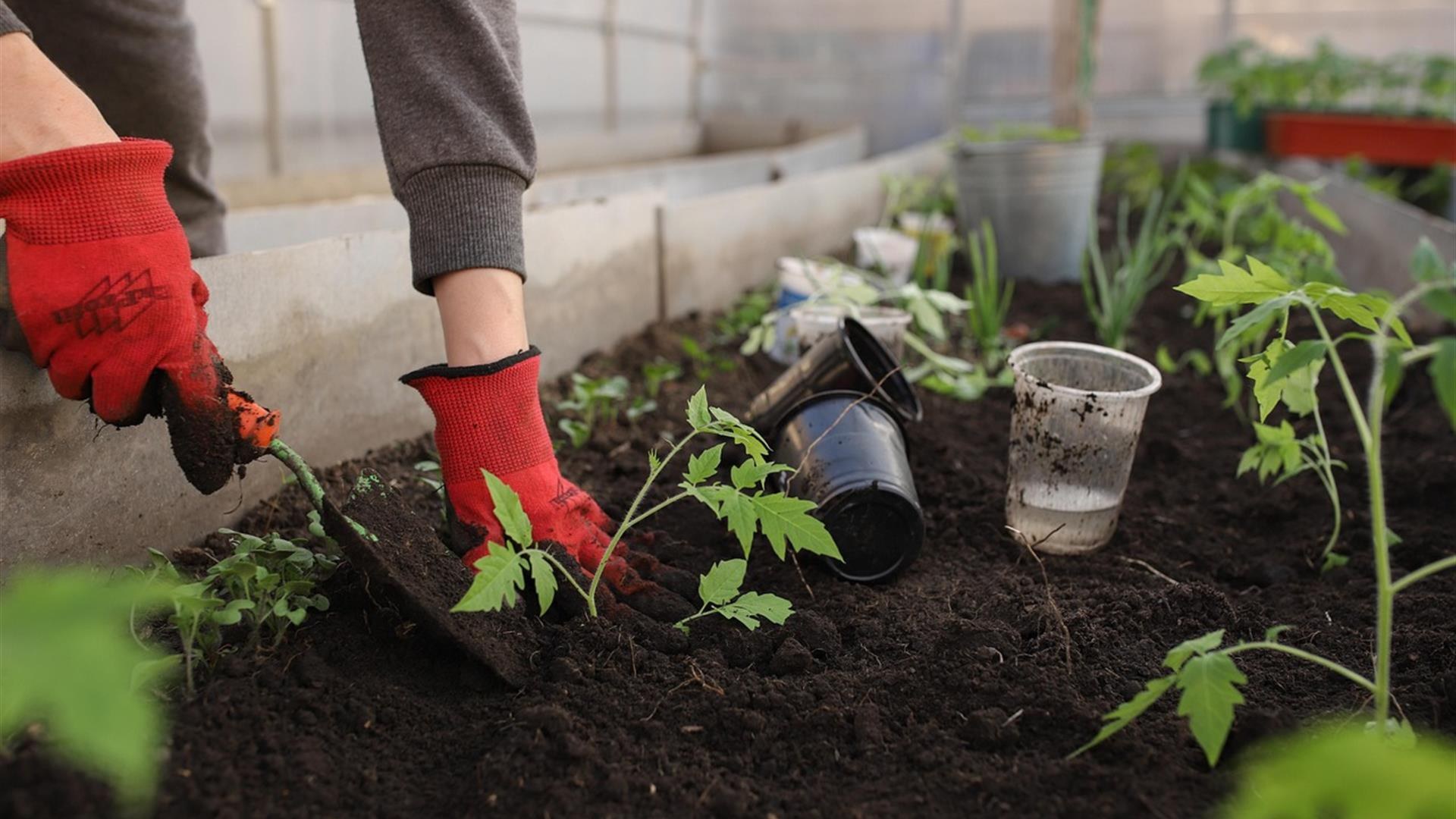
©Pixabay / Katya_Ershova
12. Humidity Tools
Originating in misty cloud forests, coffee shrubs crave elevated ambient humidity of 50 percent or higher. Set up an ultrasonic room humidifier, place the container over a water filled pebble tray, or regularly mist the foliage.
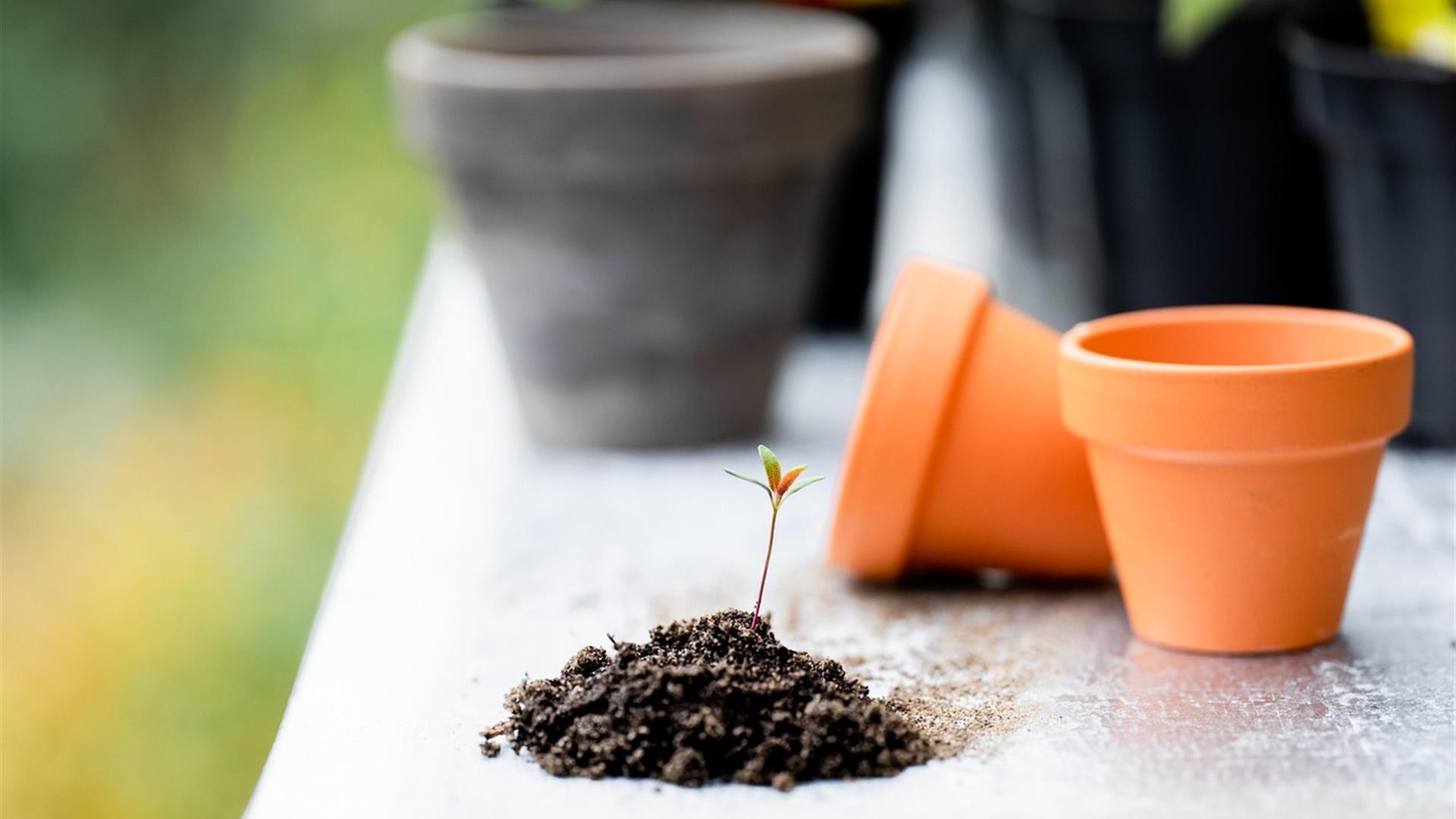
©Pixabay / Ylanite
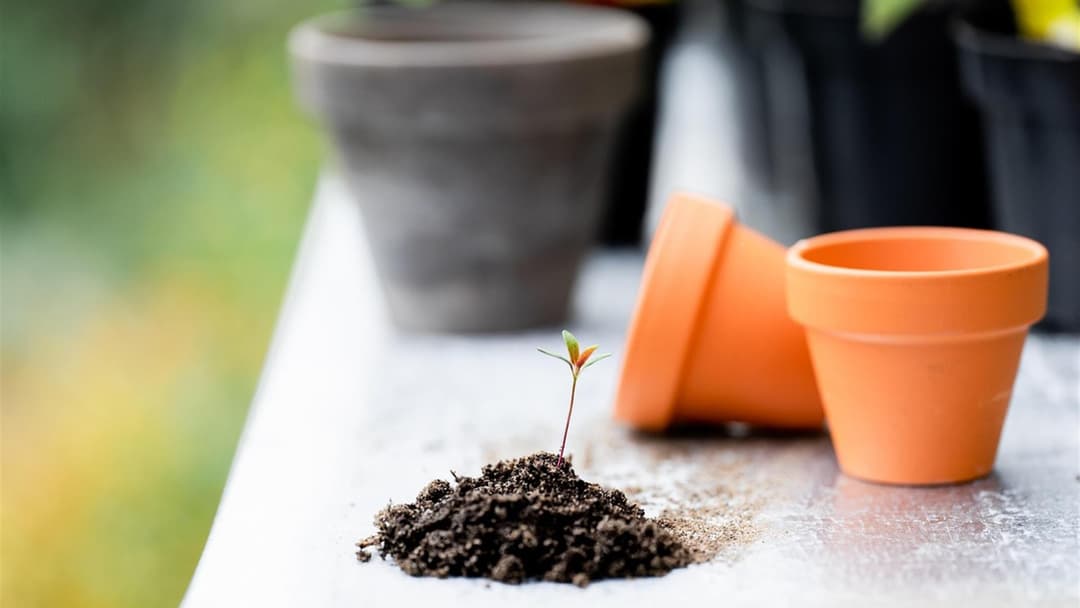
11. Germinating Coffee Seeds
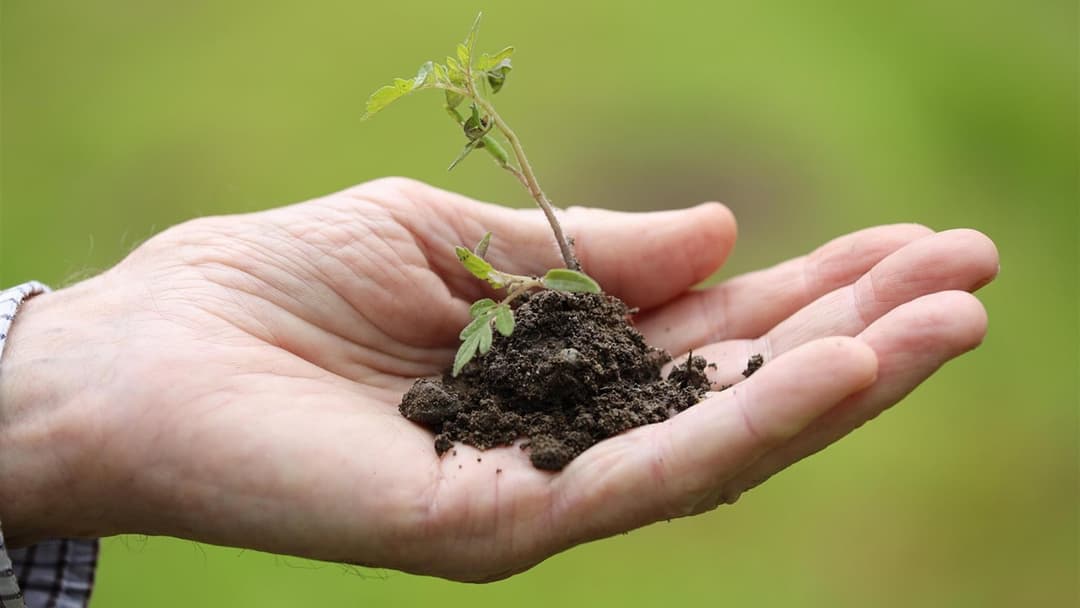
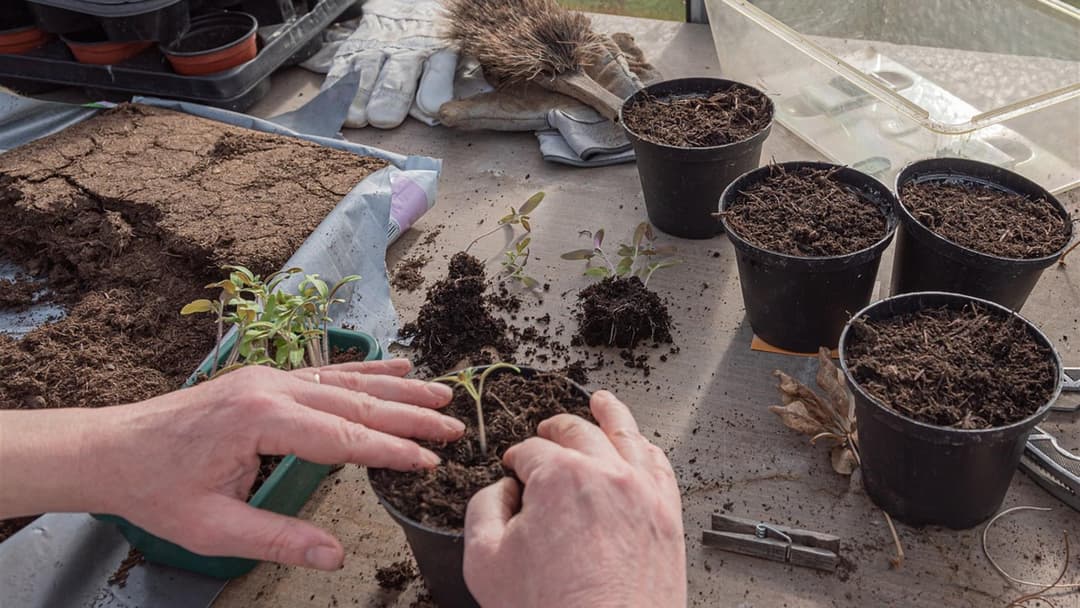
Soak fresh green coffee seeds in tepid water for 24 hours to soften the parchment coat. Plant them half an inch deep in damp seedling mix, keep them warm, and expect sprouts to emerge within two months.
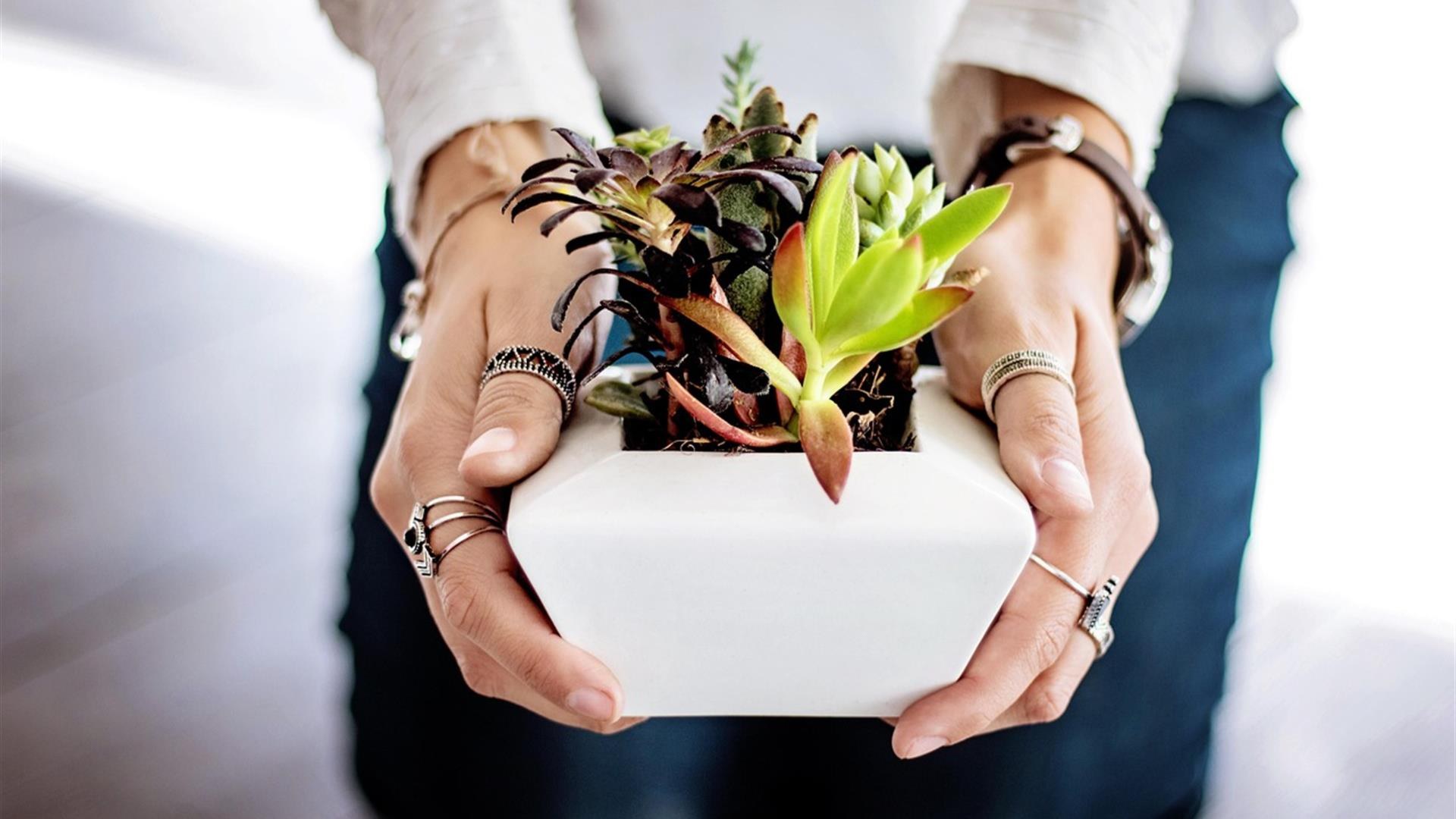
©Pixabay / DomPixabay
10. Watering Routine
Maintain steady moisture without saturating the roots. Allow the top inch of soil to dry before watering thoroughly with filtered water or collected rainwater, and always empty drainage trays after each session.
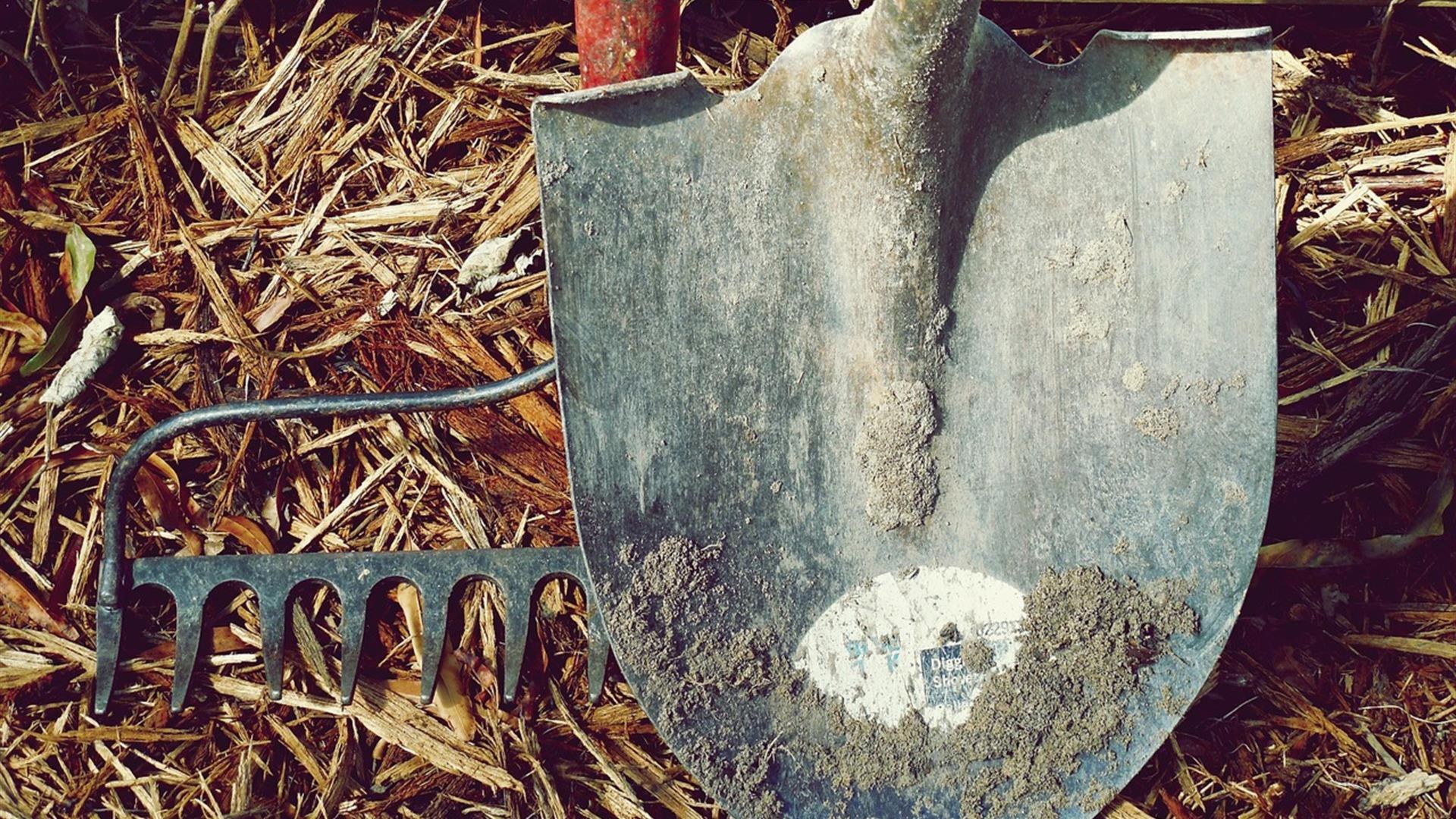
©Pixabay / Pexels
Advertisement
Swipe or tap ▶ to resume the countdown.
9. Feeding Your Coffee Tree
During active spring and summer growth, nourish your coffee plant every three weeks with a balanced citrus or houseplant fertilizer diluted to half strength. Reduce feedings significantly in late autumn and winter.
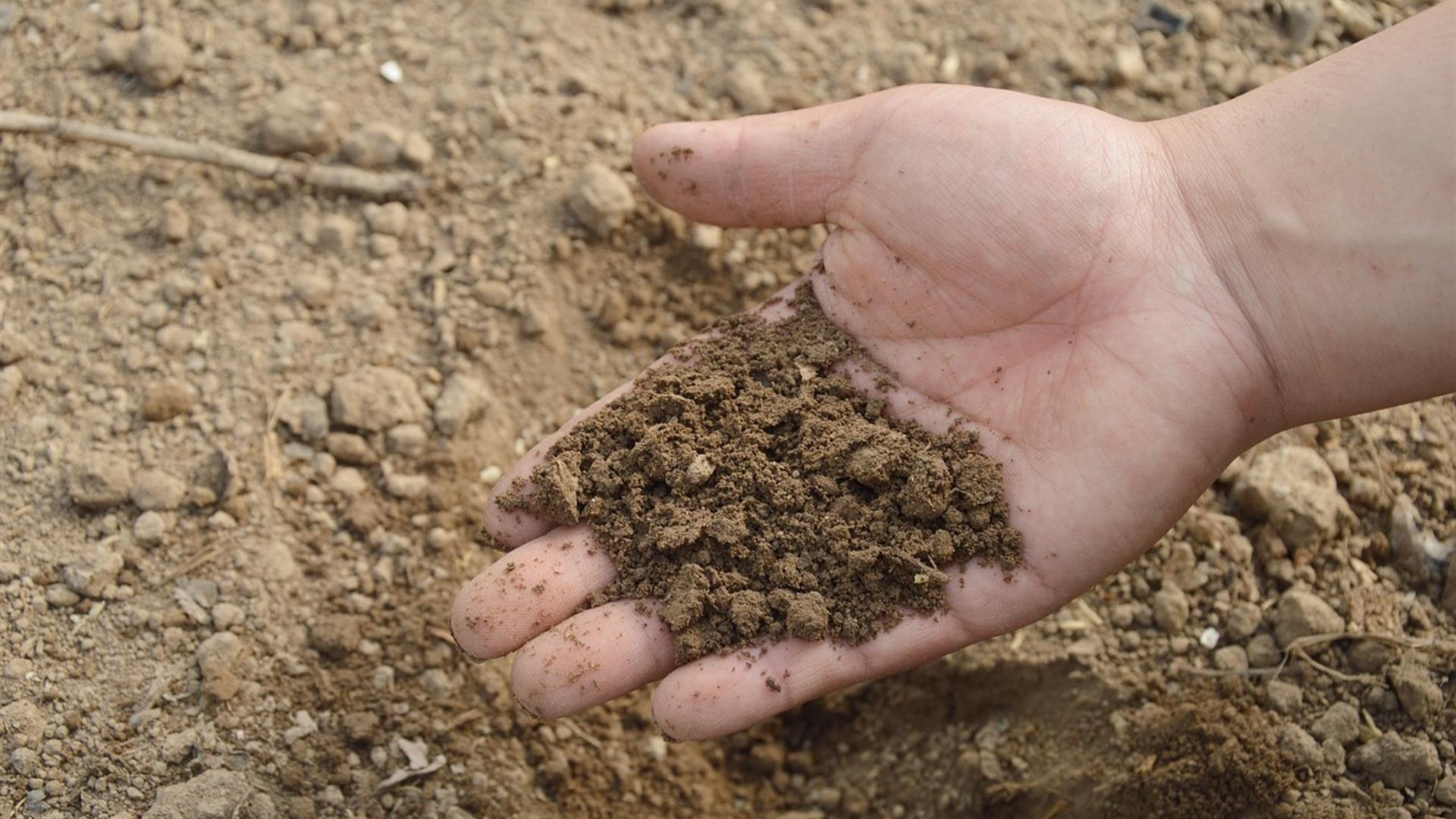
©Pixabay / Jing
8. Pruning And Shaping
Pruning maintains a compact silhouette and encourages lush branching indoors. In early spring, pinch back upper stems and prune leggy side branches just above leaf nodes to direct energy into dense canopy growth.
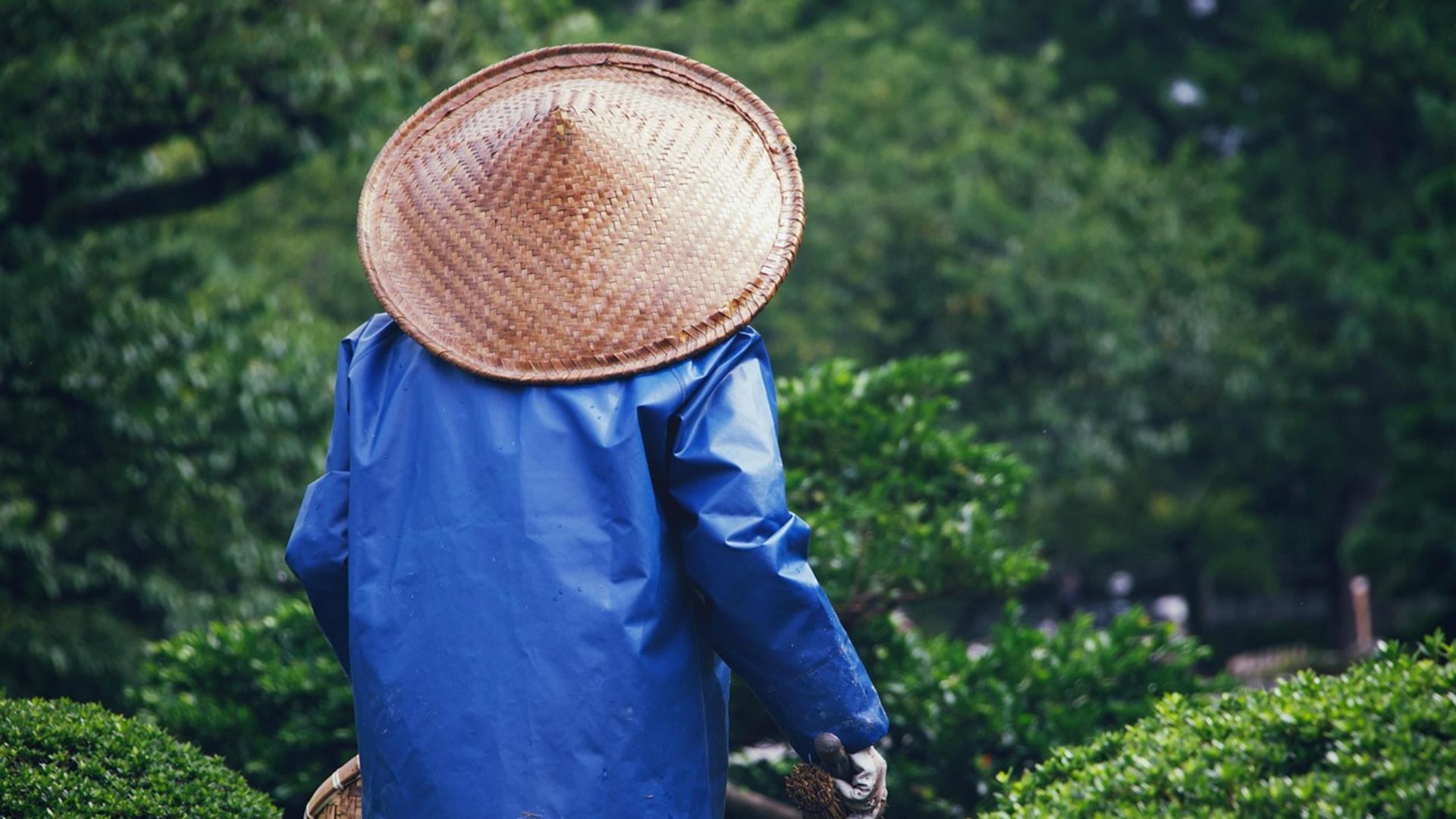
©Pixabay / qgadrian
7. Repotting As It Grows
As your coffee shrub expands, check the base for circling root systems. Repot every one to two years into a planter two inches wider, refreshing the surrounding soil with fresh peat and compost mixture.
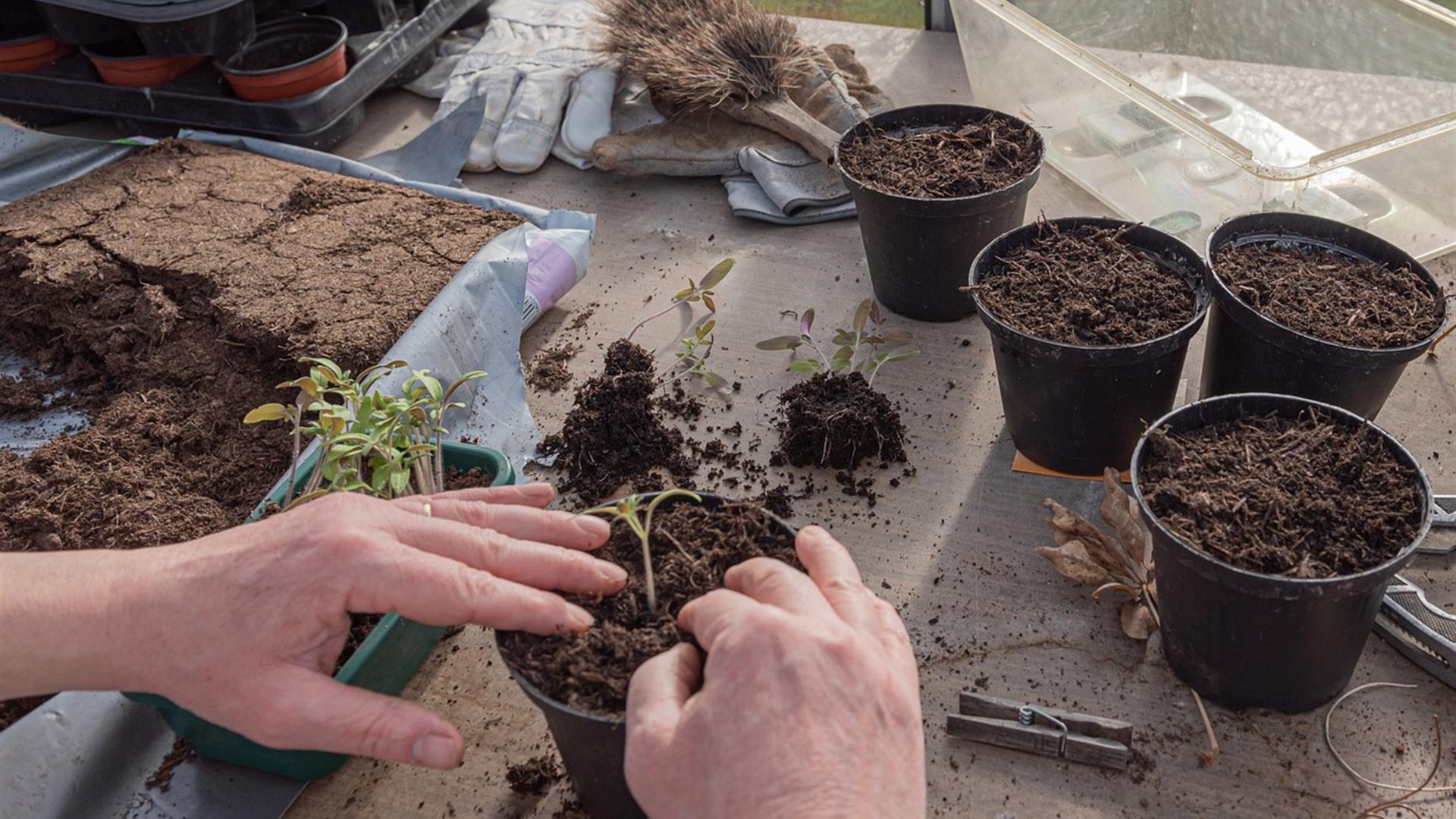
©Pixabay / AndreasGoellner
6. Waiting For Blooms
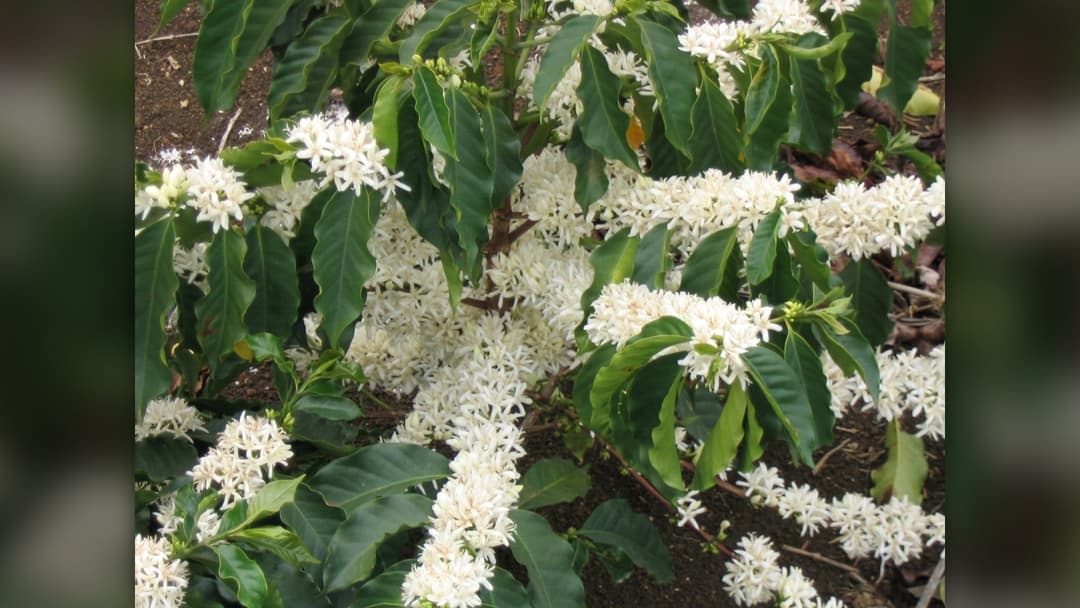
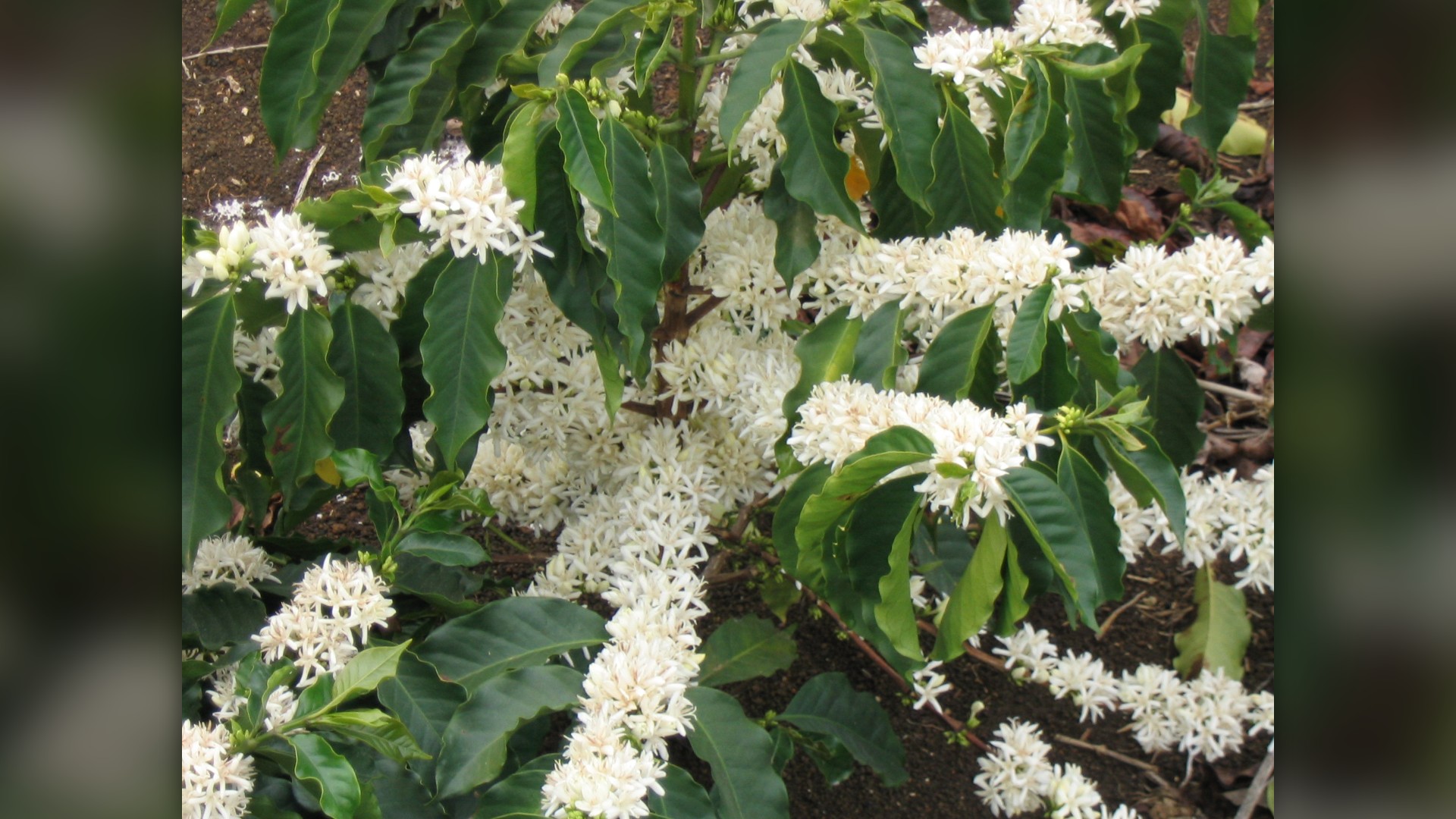
Patience is key for indoor growers, as coffee plants usually require three to five years of mature development before blossoming. When ready, clusters of delicate white star flowers appear, filling rooms with jasmine fragrance.

©Pixabay / Sophkins
Advertisement
Swipe or tap ▶ to resume the countdown.
5. Ripening Coffee Cherries
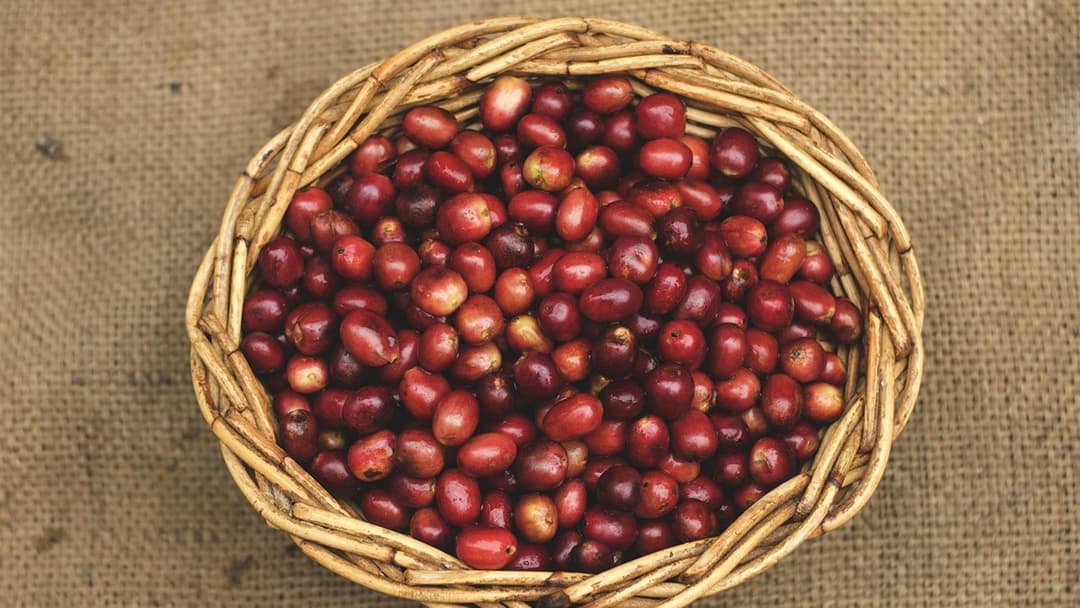
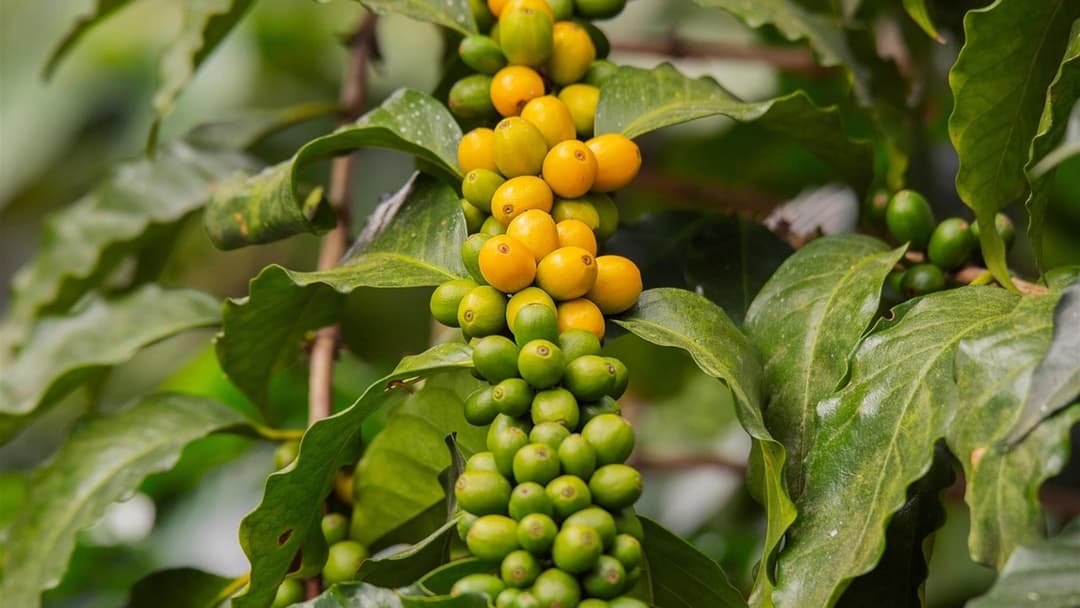
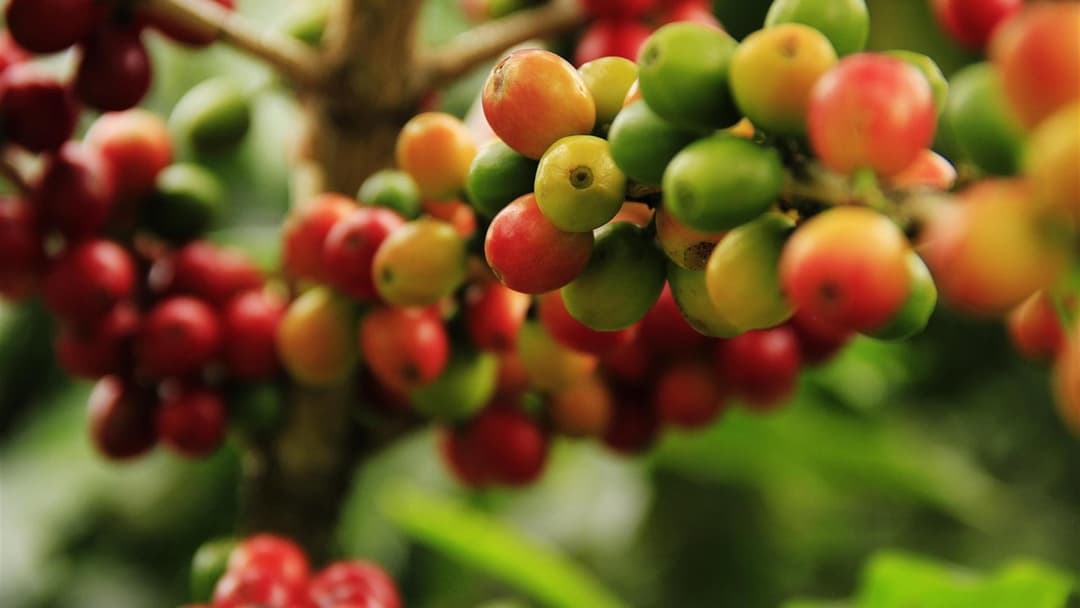
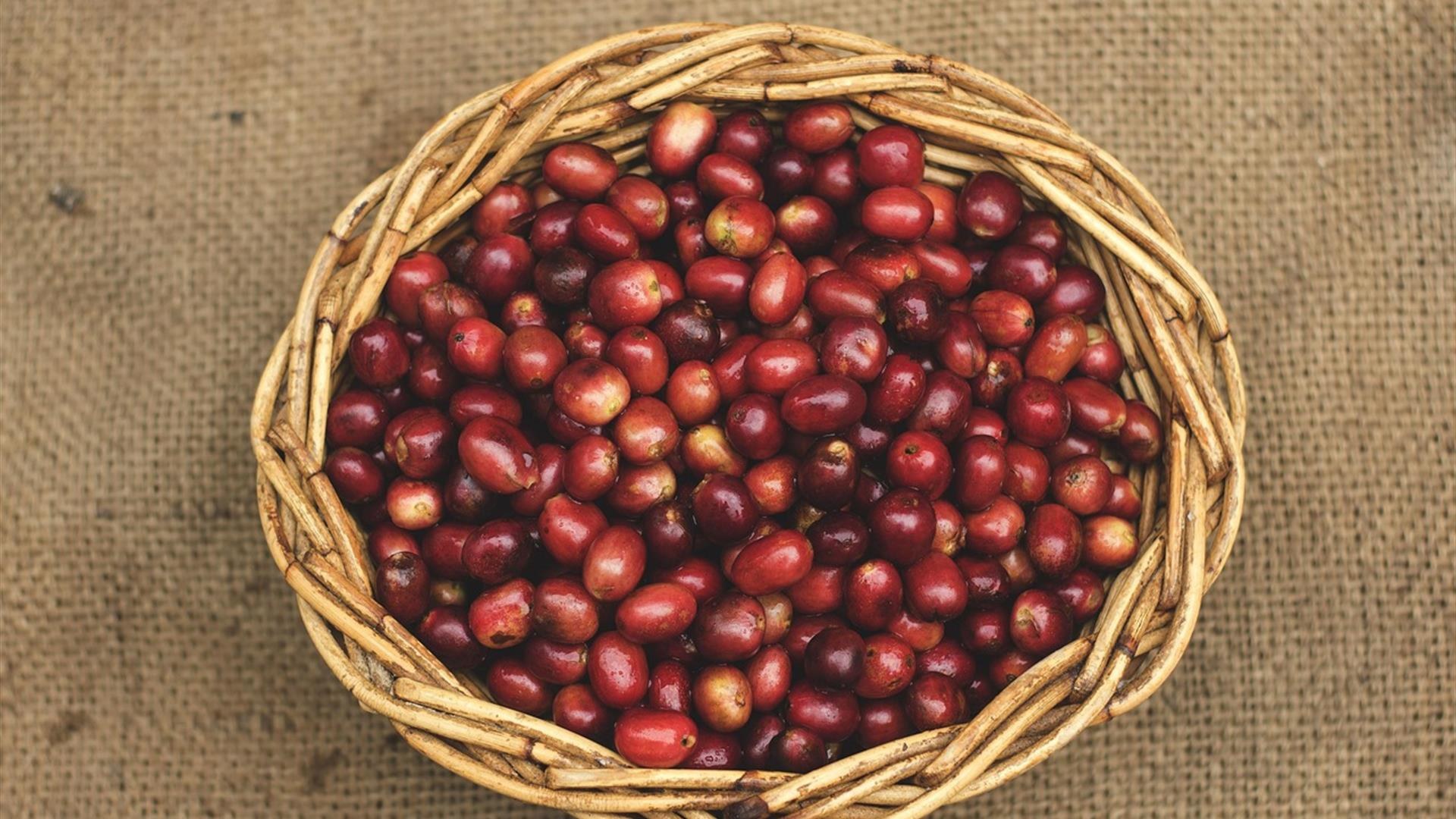
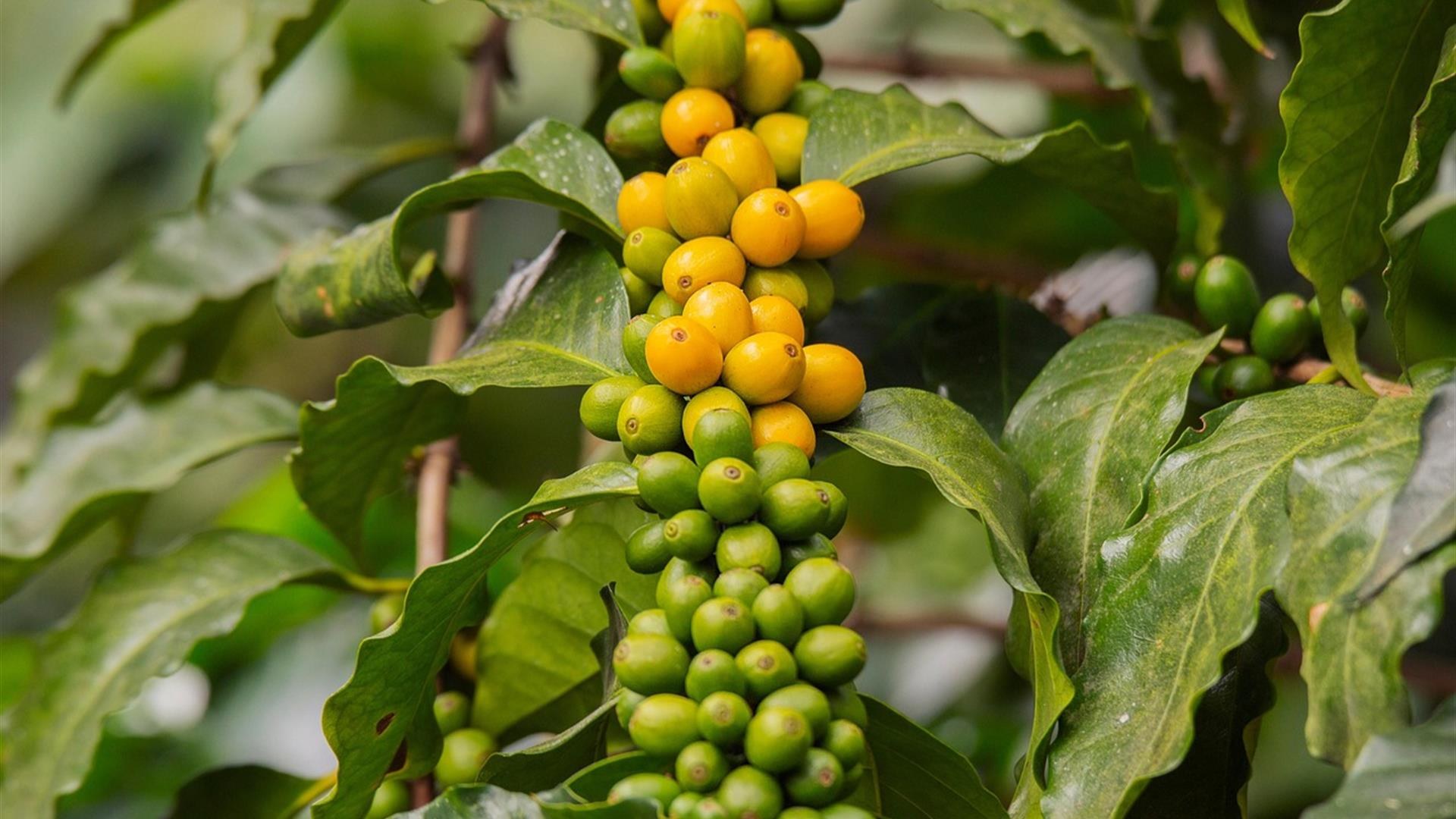
Following successful pollination, petite green clusters swell along the branch nodes. Over seven to nine months, the cherries slowly transform from lime green to pale yellow, and finally into a deep ruby red.
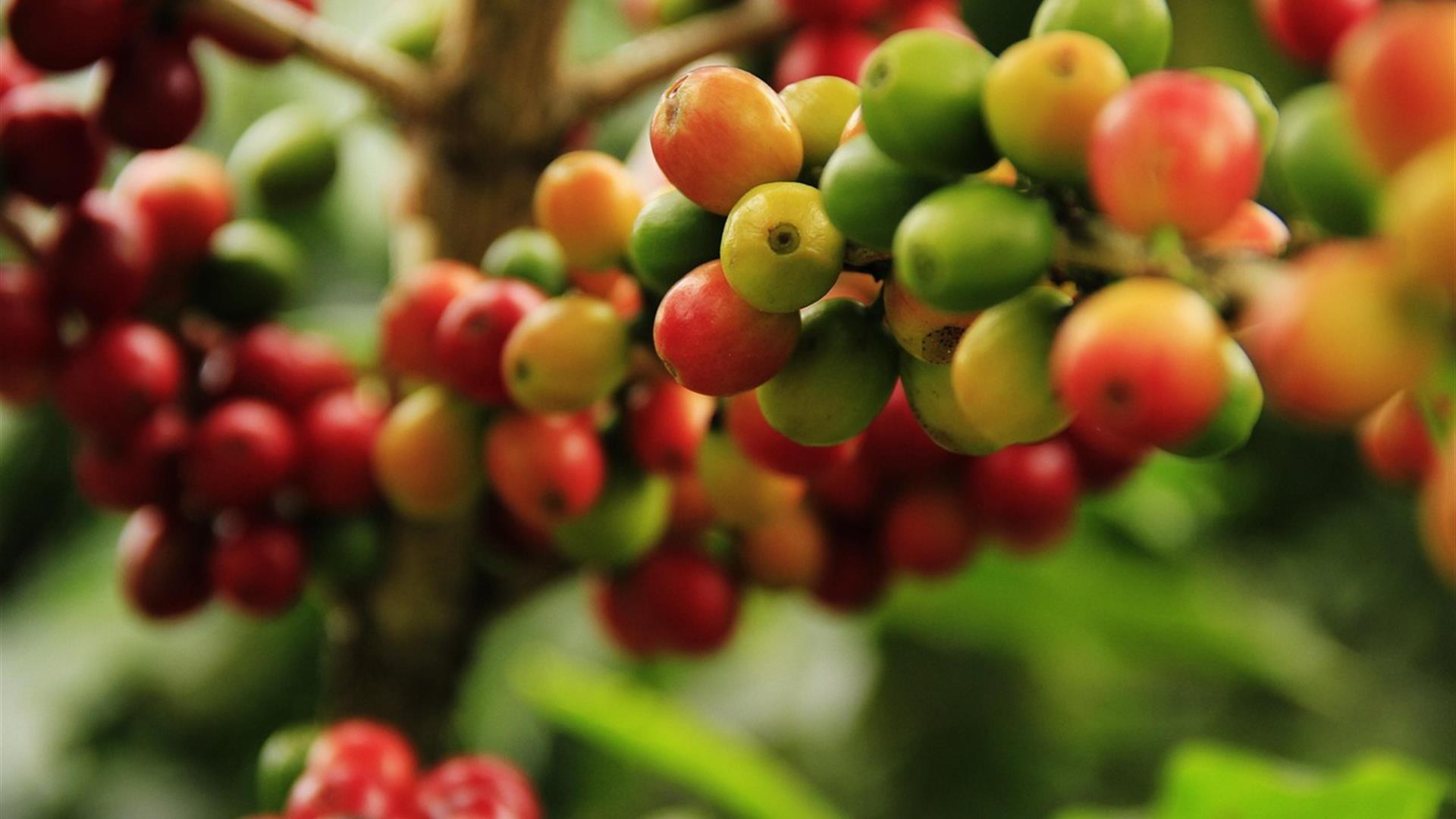
©Pixabay / danramirez
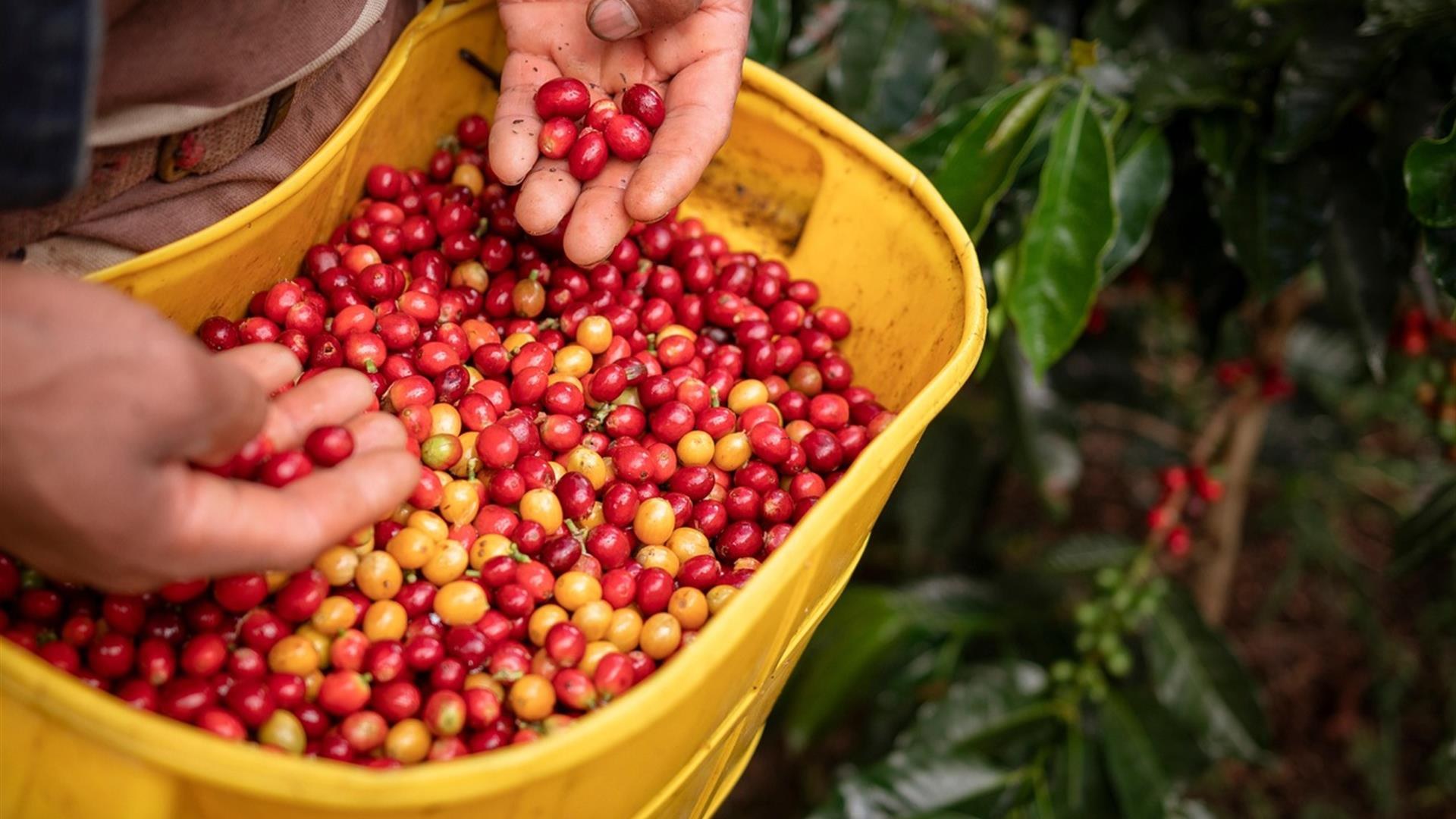
4. Harvesting And Pulping
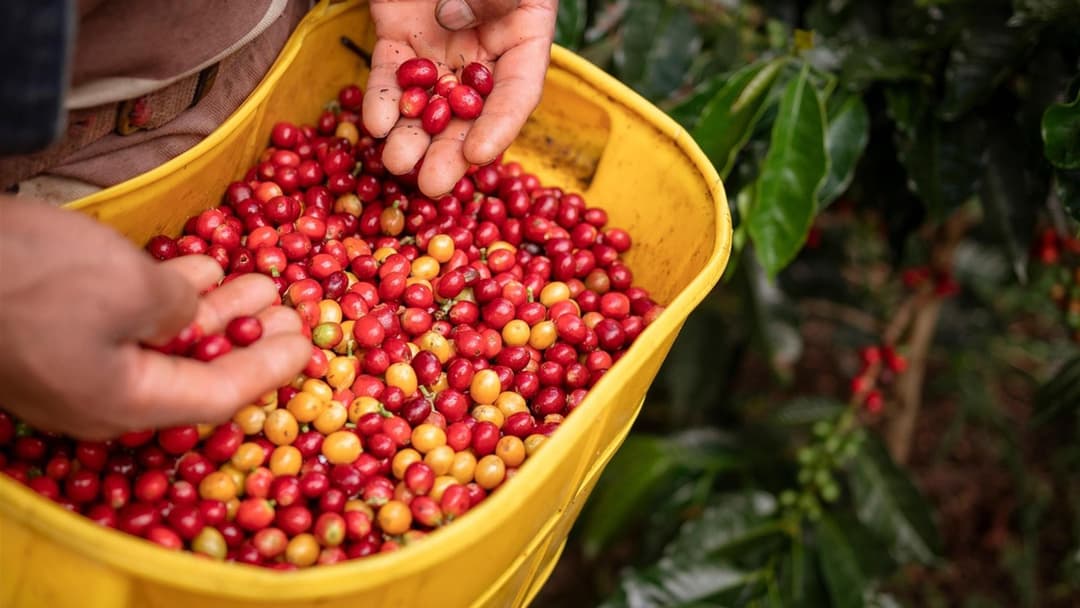
Harvest only deeply colored red cherries that yield slightly to gentle thumb pressure. Squeeze each fruit between your fingers to pop out the pair of dense green seeds coated in sweet mucilage.
©Pixabay / HunterProducciones
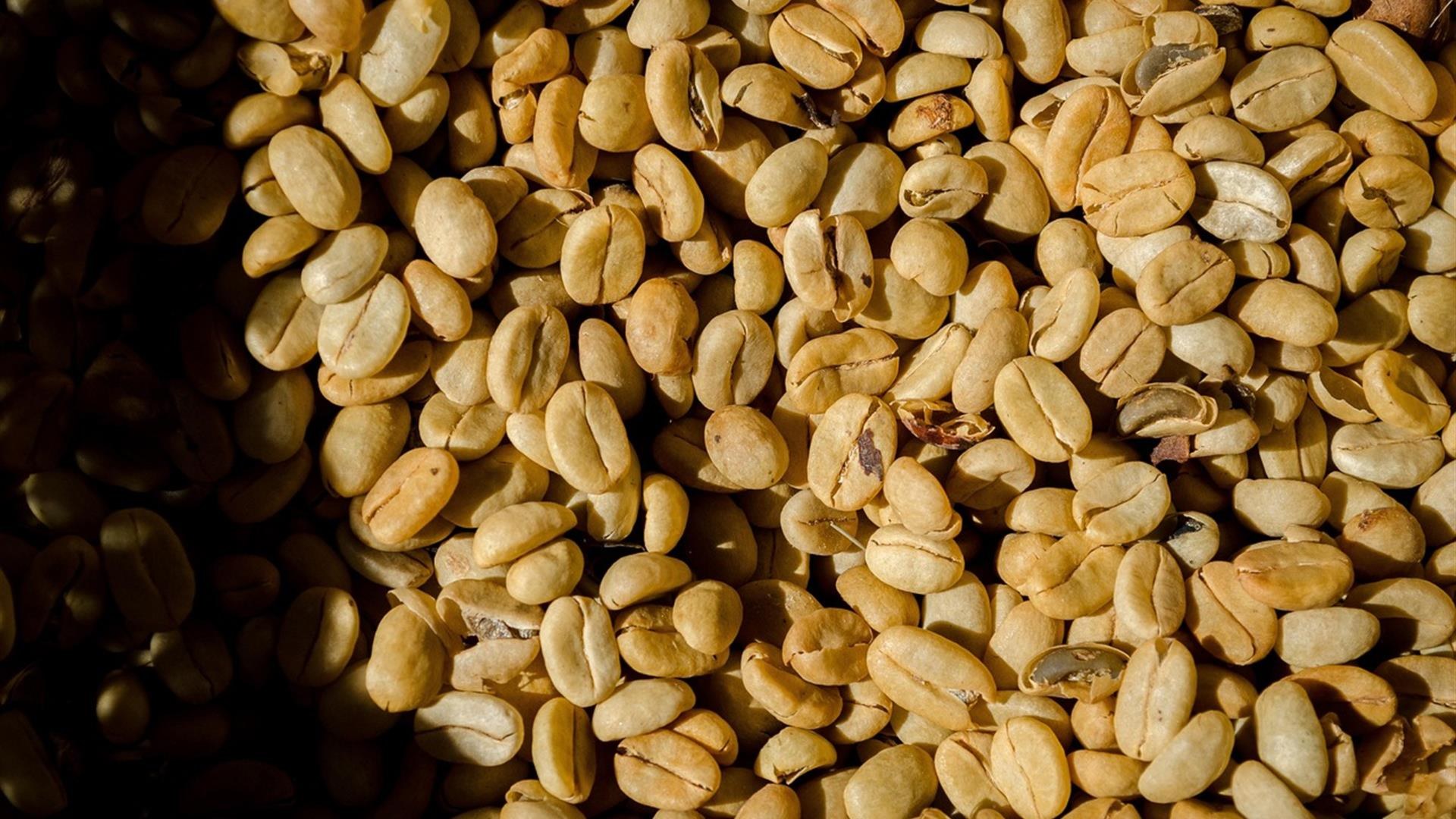
3. Fermenting And Drying
Submerge pulped beans in a water bowl for 24 to 48 hours to ferment and loosen sticky fruit residue. Rinse thoroughly in fresh water, then lay the beans across a drying screen in direct sun for one week.
©Pixabay / jolucasru
2. Roasting And Brewing
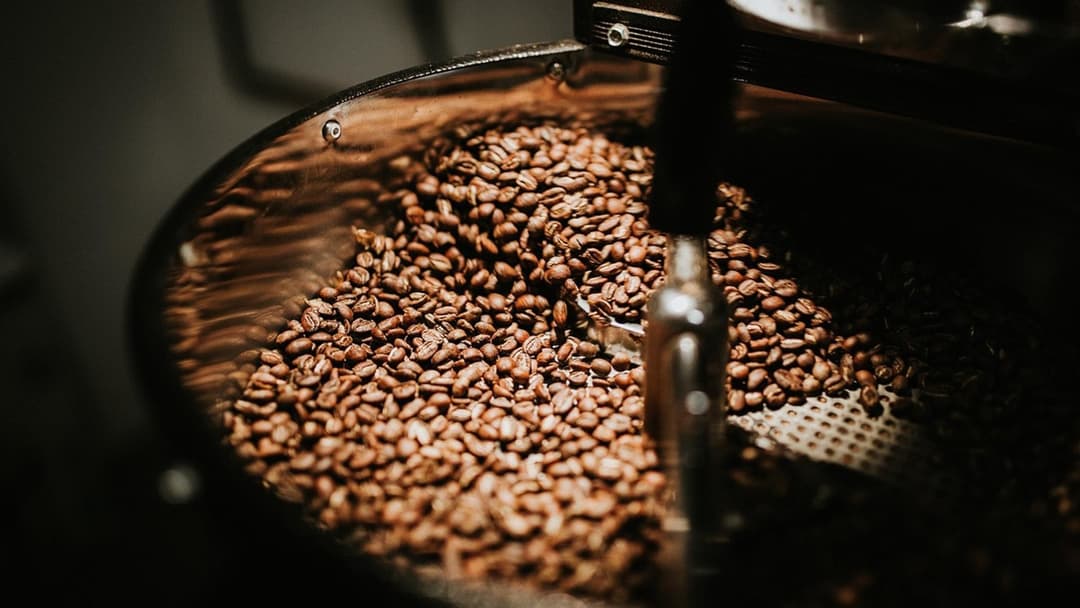
Heat dried green beans in a cast iron pan or home roaster, stirring constantly until first crack occurs and a rich golden brown hue develops. Let beans degas for 24 hours before grinding and brewing.

©Pixabay / Alexas_Fotos
Advertisement
Swipe or tap ▶ to resume the countdown.
1. Savoring The Homegrown Cup
After months of patient care, grind your beans fresh and prepare a pour over or French press extraction. Every sip represents the culmination of a unique windowsill journey from single seed to steaming mug.

©Pixabay / cocoparisienne
Advertisement
You've reached the end of the story. Thanks for reading!

Earth Has a New Moon: NASA's New Discovery
Earth's gravity has temporarily captured a tiny near-Earth asteroid designated 2026 QQ8, giving our planet a fleeting second moon. From its detection in Hungary and verification by major observatories to its looping orbital path and upcoming departure in early 2027, here is the full story of Earth's new moon.
All 20 Entries in this Story
1. Can You Grow Coffee At Home?
Coffee plants thrive indoors as glossy houseplants and will eventually produce real cherries. With proper warmth and bright filtered sunlight, your indoor shrub becomes an attractive decorative piece while slowly developing beautiful foliage.

2. Realistic Harvest Expectations
While coffee plants can produce viable beans in a living room, indoor yields remain modest. A healthy indoor shrub yields between one and three cups worth of beans annually, serving as a fun horticultural achievement rather than a pantry replacement.

3. Choosing The Best Variety
Coffea arabica Nana is the premier choice for home growers because it naturally remains dwarf sized and self pollinates without needing outdoor insects. It produces dense glossy dark green foliage and clusters of cherries within household spaces.

4. Seeds Vs Starter Plants
Starting coffee from seed requires raw unroasted green beans, as standard commercial roasted coffee has lost all biological viability. Alternatively, purchasing a rooted starter plant from a nursery saves several months of initial germination effort.

5. Pots And Drainage
Coffee trees establish an extensive vertical taproot system that demands deep containers rather than shallow bowls. Ensure the planter features generous drainage openings at the base to prevent waterlogged roots and fatal subterranean rot.

6. Soil Requirements
Coffee shrubs demand a rich, loose potting mixture with a slightly acidic pH range between 6.0 and 6.5. Incorporating coarse perlite, orchid bark, and peat moss ensures excellent drainage while keeping essential root moisture accessible.

7. Lighting Needs
In their native highland habitats, coffee bushes grow beneath canopy shade. Indoors, position them in bright, indirect light near east or south facing windows, shielding delicate glossy leaves from scorching direct midday sun.

8. Temperature And Climate
Coffee plants thrive best in consistent warmth between 18C and 24C (65F to 75F). Shield your plant from sudden temperature fluctuations, cold winter window panes, air conditioning vents, and exterior doorways.

9. Humidity Tools
Originating in misty cloud forests, coffee shrubs crave elevated ambient humidity of 50 percent or higher. Set up an ultrasonic room humidifier, place the container over a water filled pebble tray, or regularly mist the foliage.

10. Germinating Coffee Seeds
Soak fresh green coffee seeds in tepid water for 24 hours to soften the parchment coat. Plant them half an inch deep in damp seedling mix, keep them warm, and expect sprouts to emerge within two months.

11. Watering Routine
Maintain steady moisture without saturating the roots. Allow the top inch of soil to dry before watering thoroughly with filtered water or collected rainwater, and always empty drainage trays after each session.

12. Feeding Your Coffee Tree
During active spring and summer growth, nourish your coffee plant every three weeks with a balanced citrus or houseplant fertilizer diluted to half strength. Reduce feedings significantly in late autumn and winter.

13. Pruning And Shaping
Pruning maintains a compact silhouette and encourages lush branching indoors. In early spring, pinch back upper stems and prune leggy side branches just above leaf nodes to direct energy into dense canopy growth.

14. Repotting As It Grows
As your coffee shrub expands, check the base for circling root systems. Repot every one to two years into a planter two inches wider, refreshing the surrounding soil with fresh peat and compost mixture.

15. Waiting For Blooms
Patience is key for indoor growers, as coffee plants usually require three to five years of mature development before blossoming. When ready, clusters of delicate white star flowers appear, filling rooms with jasmine fragrance.

16. Ripening Coffee Cherries
Following successful pollination, petite green clusters swell along the branch nodes. Over seven to nine months, the cherries slowly transform from lime green to pale yellow, and finally into a deep ruby red.

17. Harvesting And Pulping
Harvest only deeply colored red cherries that yield slightly to gentle thumb pressure. Squeeze each fruit between your fingers to pop out the pair of dense green seeds coated in sweet mucilage.

18. Fermenting And Drying
Submerge pulped beans in a water bowl for 24 to 48 hours to ferment and loosen sticky fruit residue. Rinse thoroughly in fresh water, then lay the beans across a drying screen in direct sun for one week.

19. Roasting And Brewing
Heat dried green beans in a cast iron pan or home roaster, stirring constantly until first crack occurs and a rich golden brown hue develops. Let beans degas for 24 hours before grinding and brewing.

20. Savoring The Homegrown Cup
After months of patient care, grind your beans fresh and prepare a pour over or French press extraction. Every sip represents the culmination of a unique windowsill journey from single seed to steaming mug.