Slideshow · Science
If You're American, You Probably Hate One of These Foods
Science and culinary history reveal why certain everyday foods trigger intense psychological and genetic revulsion for millions of American eaters.
By Most Viral Today
14 Oct 2026

If You're American, You Probably Hate One of These Foods 
10. Beets: The Earthy Root 
9. Brussels Sprouts: The Bitter Brassica 
8. Mayonnaise: The Polarizing Condiment - AdvertisementSwipe or tap ▶ to continue countdown

7. Okra: The Mucilage Dilemma 
6. Blue Cheese: The Funky Mold 
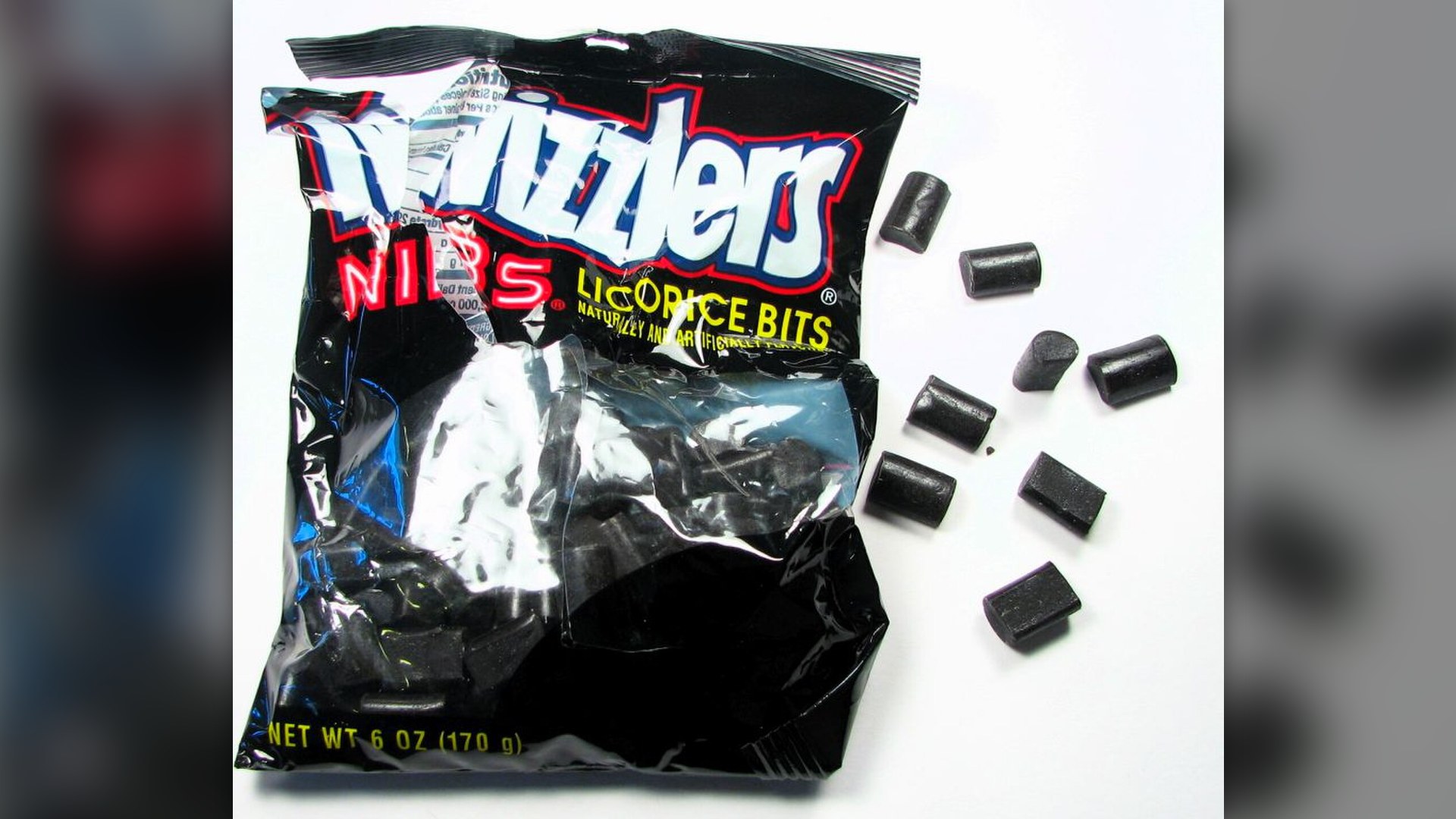
5. Black Licorice: The Anethole Divide 
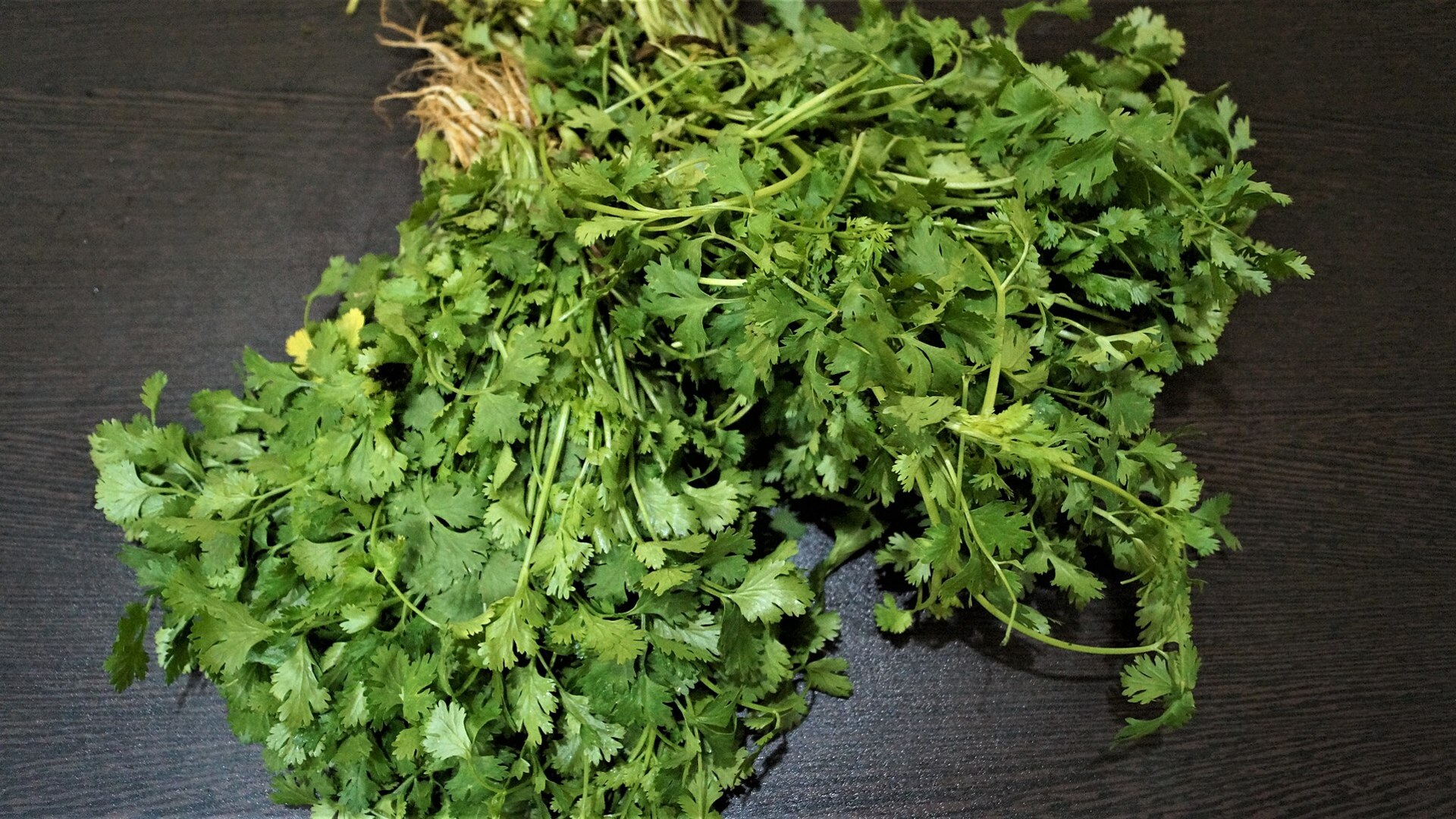
4. Cilantro: The Soap Gene Curse - AdvertisementSwipe or tap ▶ to continue countdown

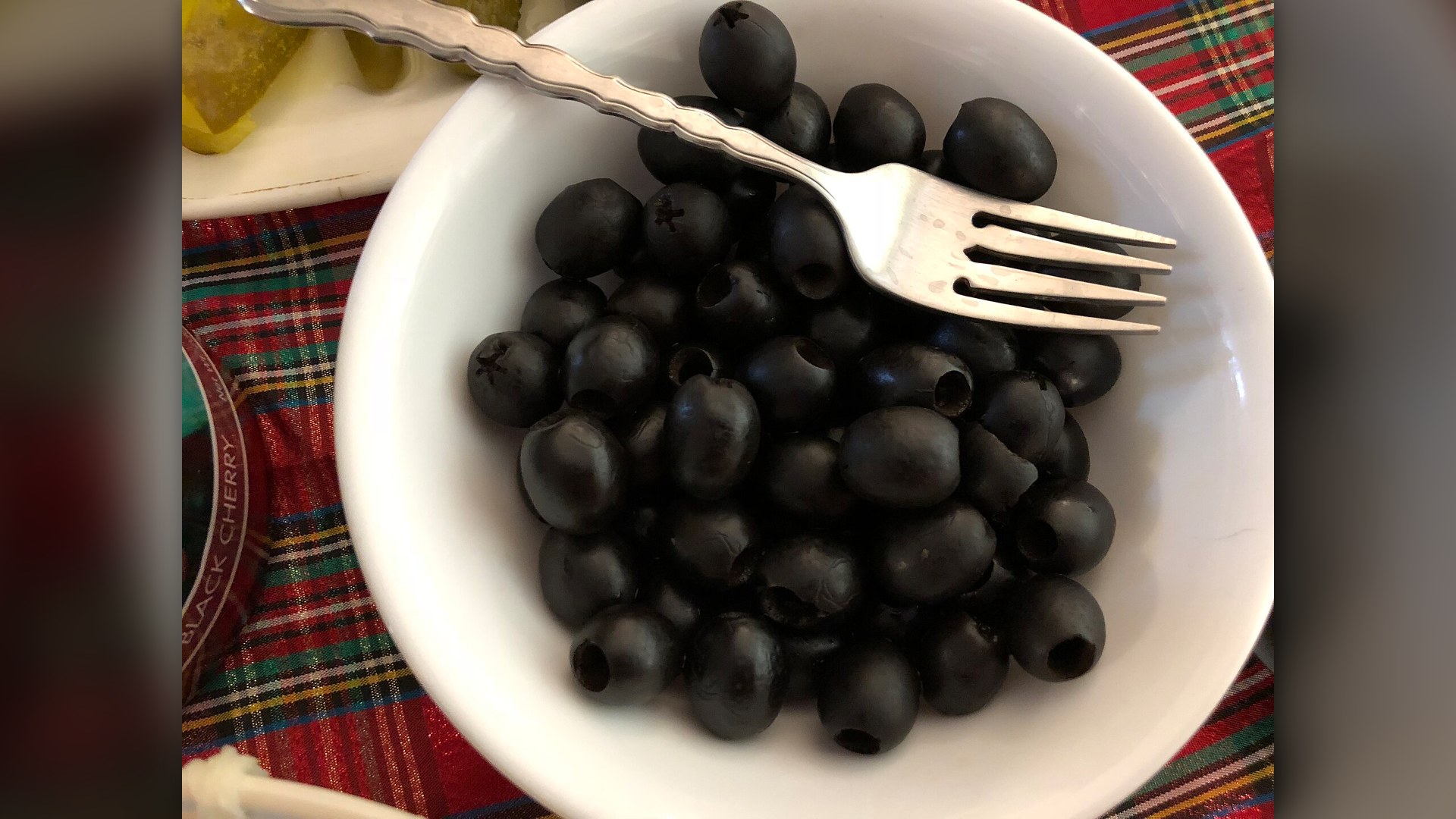
3. Olives: The Briny Bitterness 
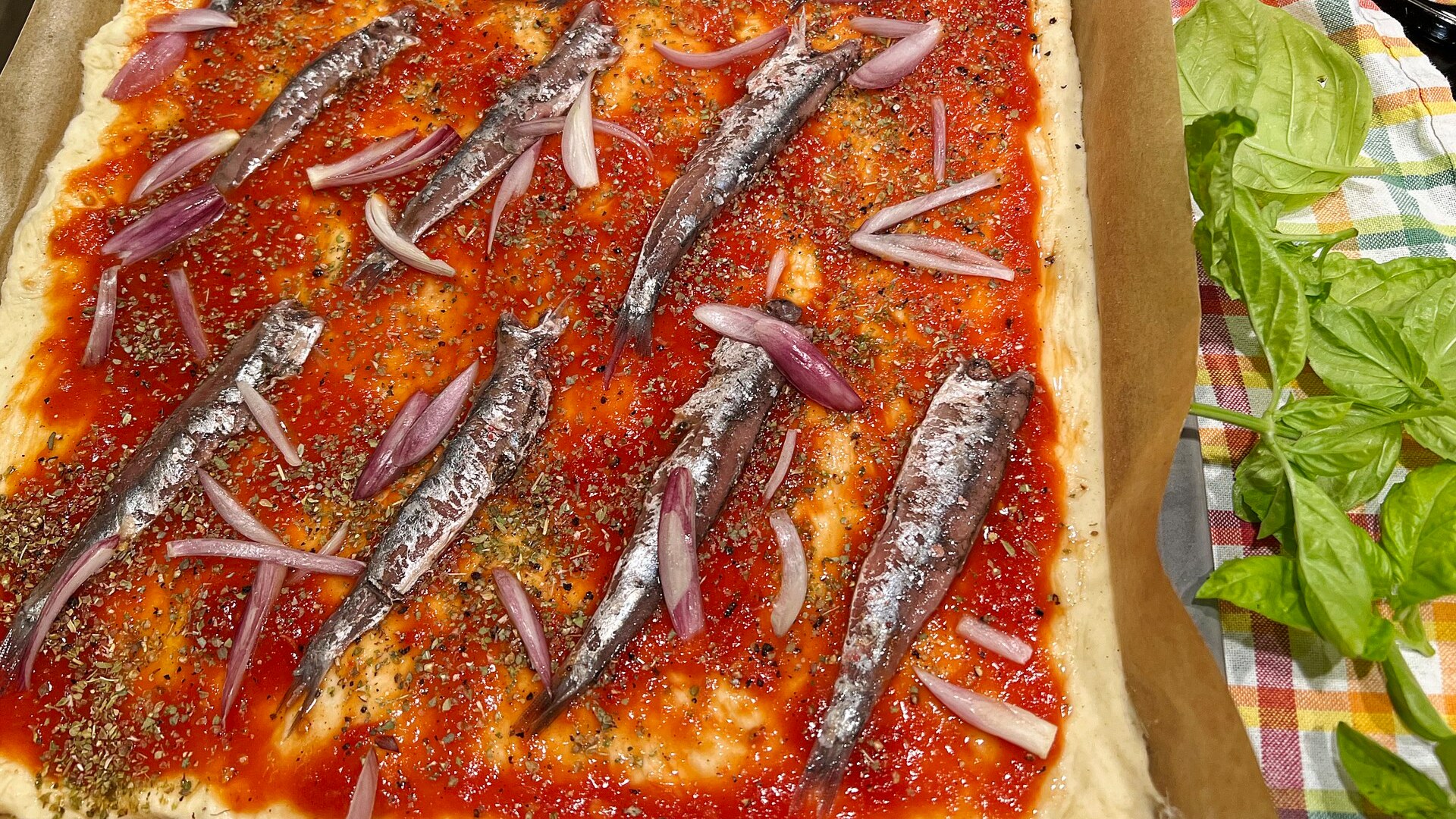
2. Anchovies: The Saline Seafood Nightmare 
1. Liver & Onions: The Metallic Iron Bite - Advertisement🔥 UP NEXT IN THIS SERIES◫ 26 Slides

25 Groundbreaking American Inventions and Achievements Ranked
From Kitty Hawk and the Apollo 11 lunar landing to the transistor and the internet, American inventors and scientists have transformed global civilization. Sourced from the Smithsonian Institution, NASA archives, and the Library of Congress, here are twenty-five groundbreaking American milestones ranked.
Science and culinary history reveal why certain everyday foods trigger intense psychological and genetic revulsion for millions of American eaters.
Swipe or tap ▶ to begin the countdown
©Wikimedia / Kpsudeep & Burkhard Mücke
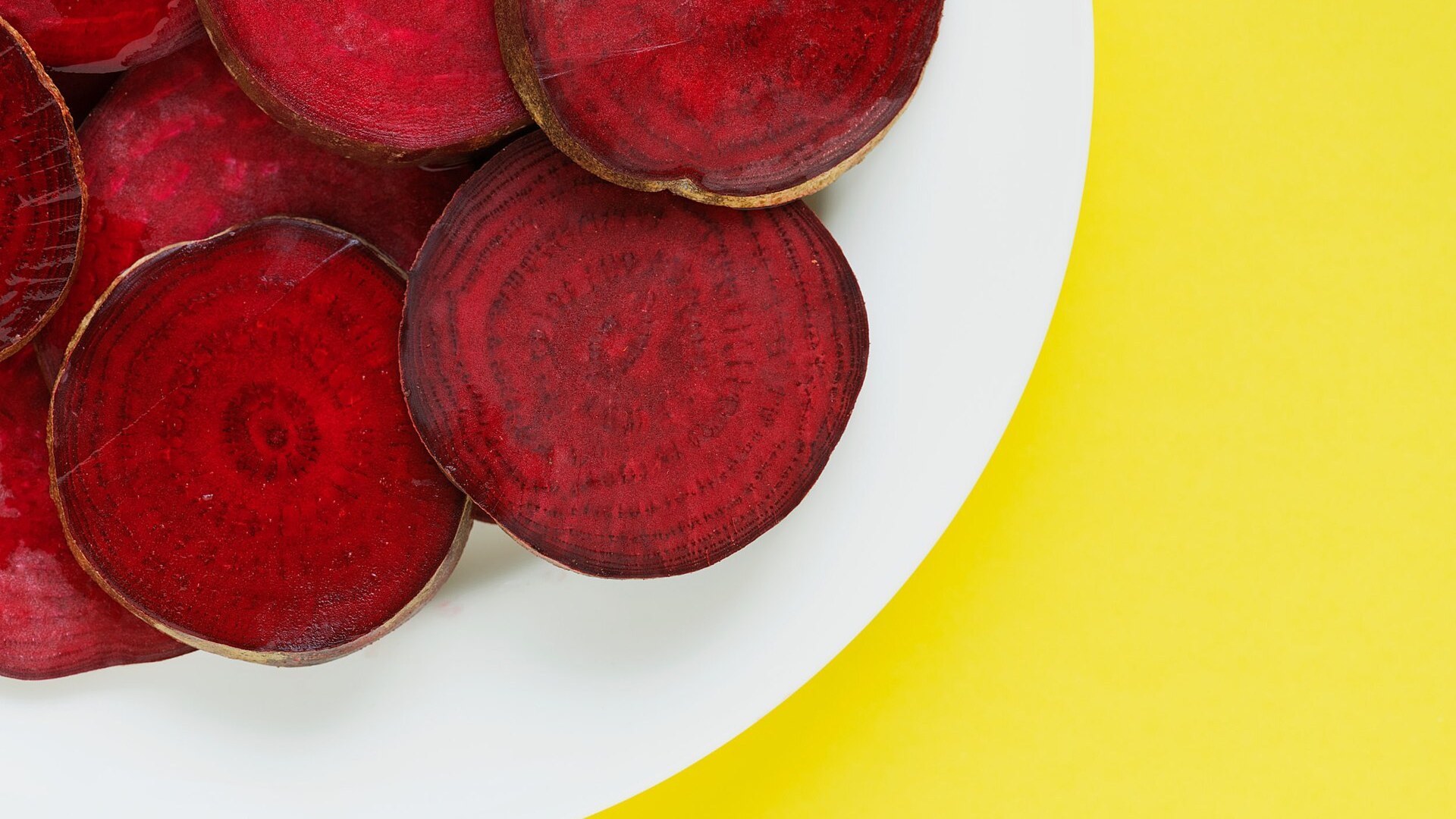
10. Beets: The Earthy Root
Beets contain geosmin, an organic compound produced by soil microbes that human palates detect in tiny quantities. While beet fans enjoy their sweet mineral punch, detractors feel like they are biting directly into potting soil.
©Wikimedia / Rawpixel Ltd
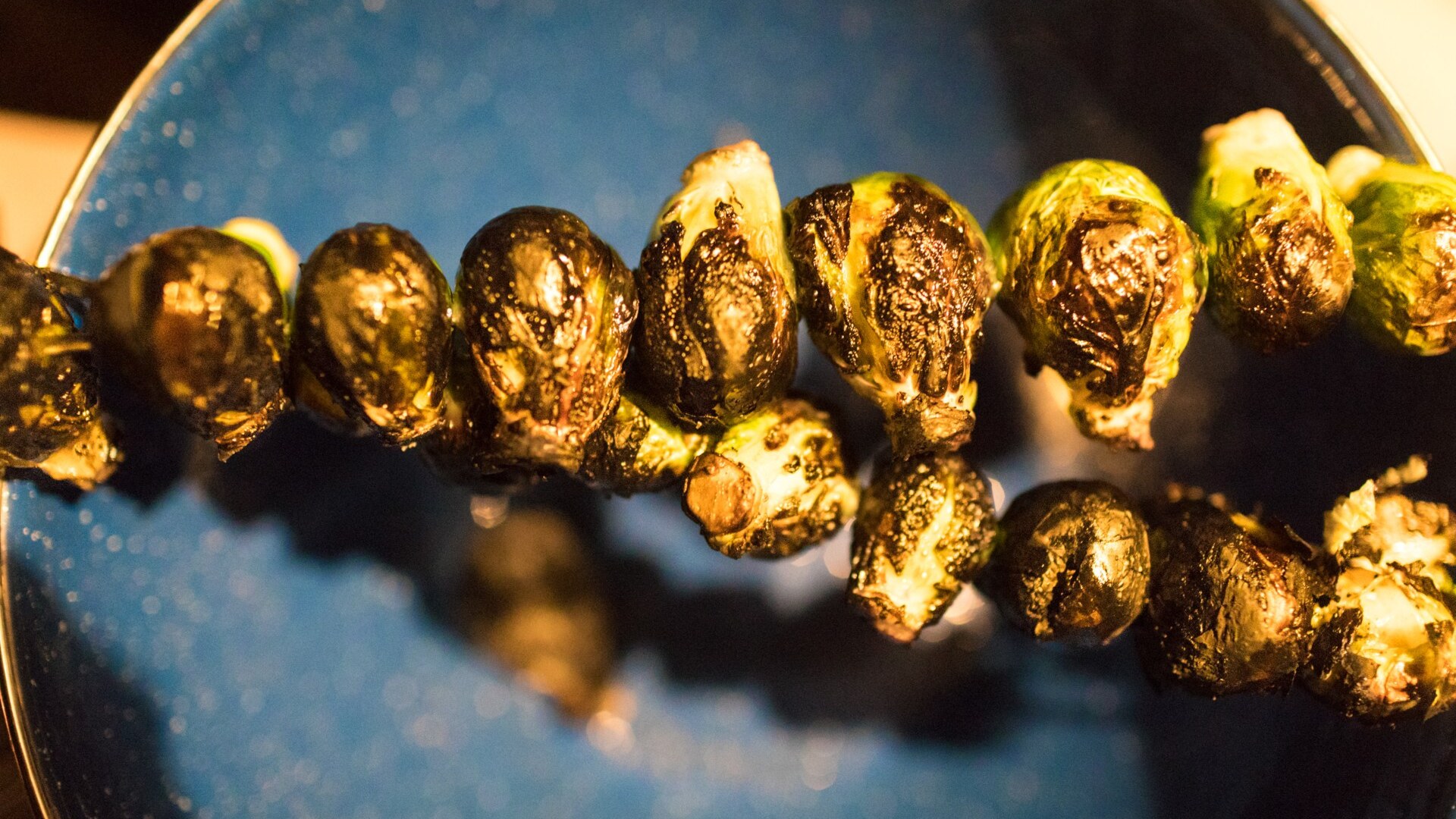
9. Brussels Sprouts: The Bitter Brassica
Brussels sprouts are packed with sulfurous glucosinolates designed by nature to repel pests. When boiled into mush, these compounds unleash intense sulfur aromas that have traumatized American dinner plates for generations.
©Wikimedia / spurekar
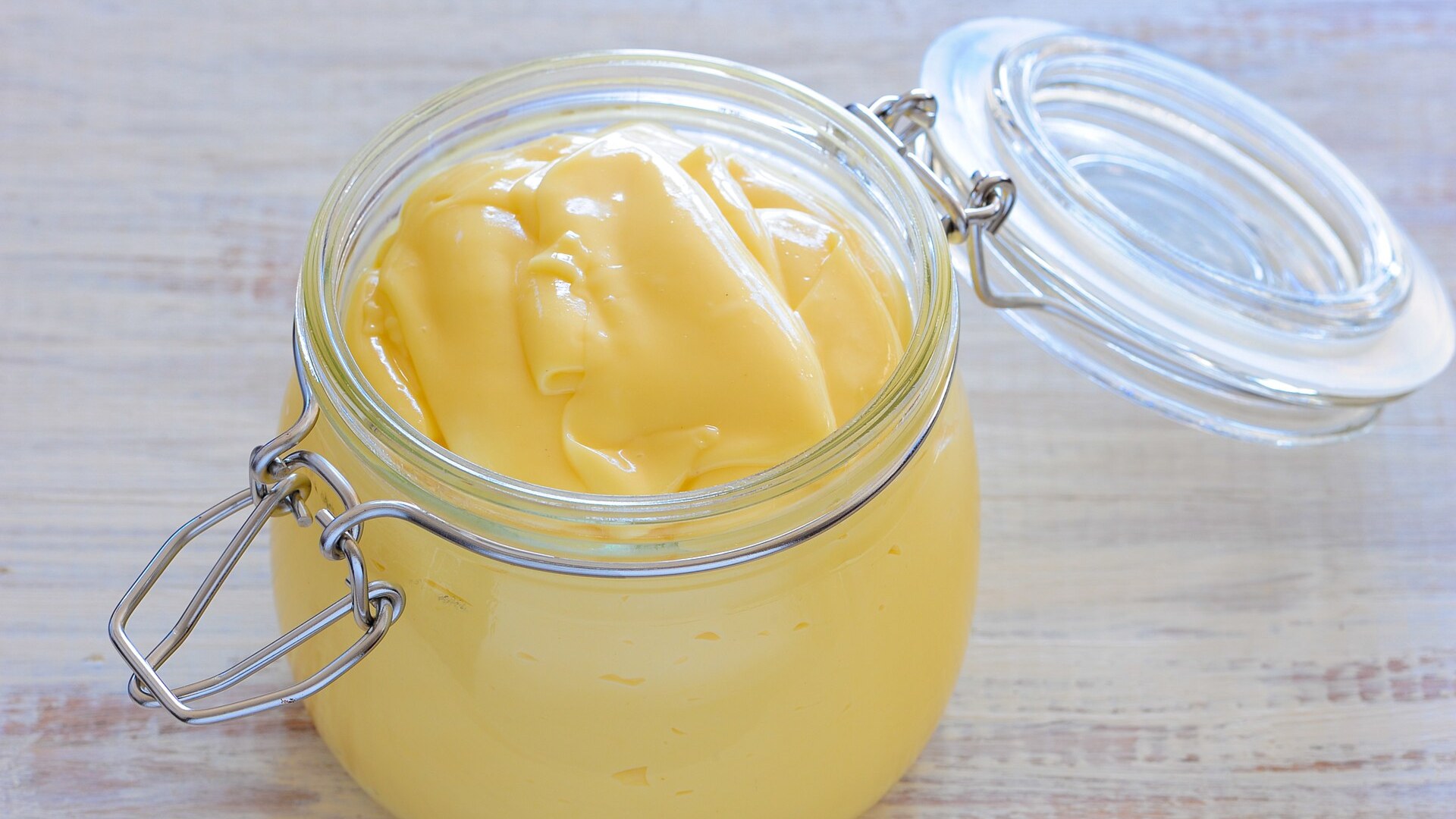
8. Mayonnaise: The Polarizing Condiment
Mayonnaise aversion is rooted in psychological food neophobia and textural sensitivity. Even a trace smear on sandwich bread can ruin an entire meal for the estimated twenty percent of Americans who passionately detest the creamy condiment.
©Wikimedia / jules
Advertisement
Swipe or tap ▶ to resume the countdown.
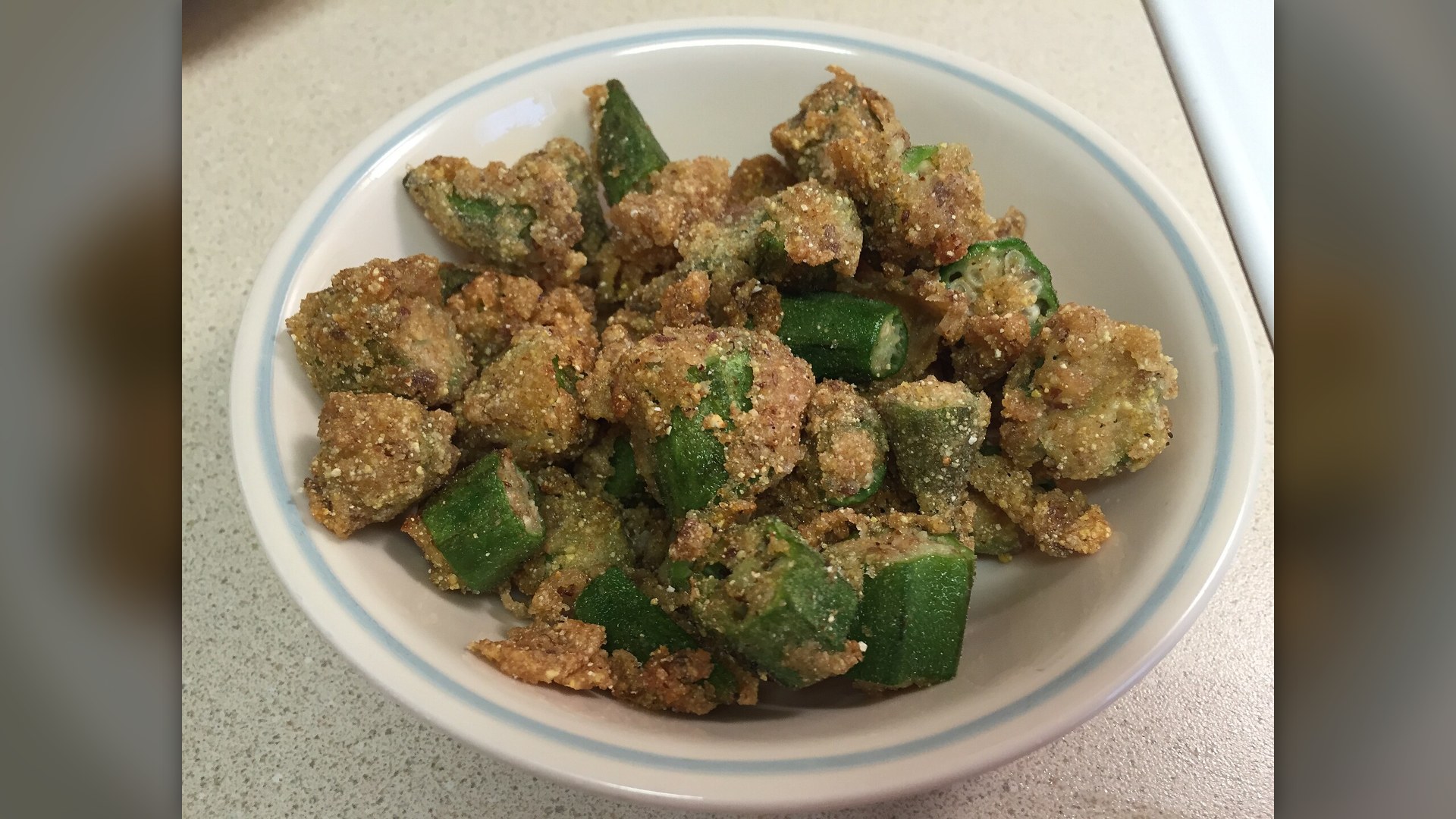
7. Okra: The Mucilage Dilemma
Okra pods contain mucilage, a natural soluble fiber that acts as an exceptional stew thickener but develops a famously gelatinous, slippery mouthfeel when sautéed. Unless cornmeal-crusted and fried crispy, many refuse to touch it.
©Wikimedia / Lahti213
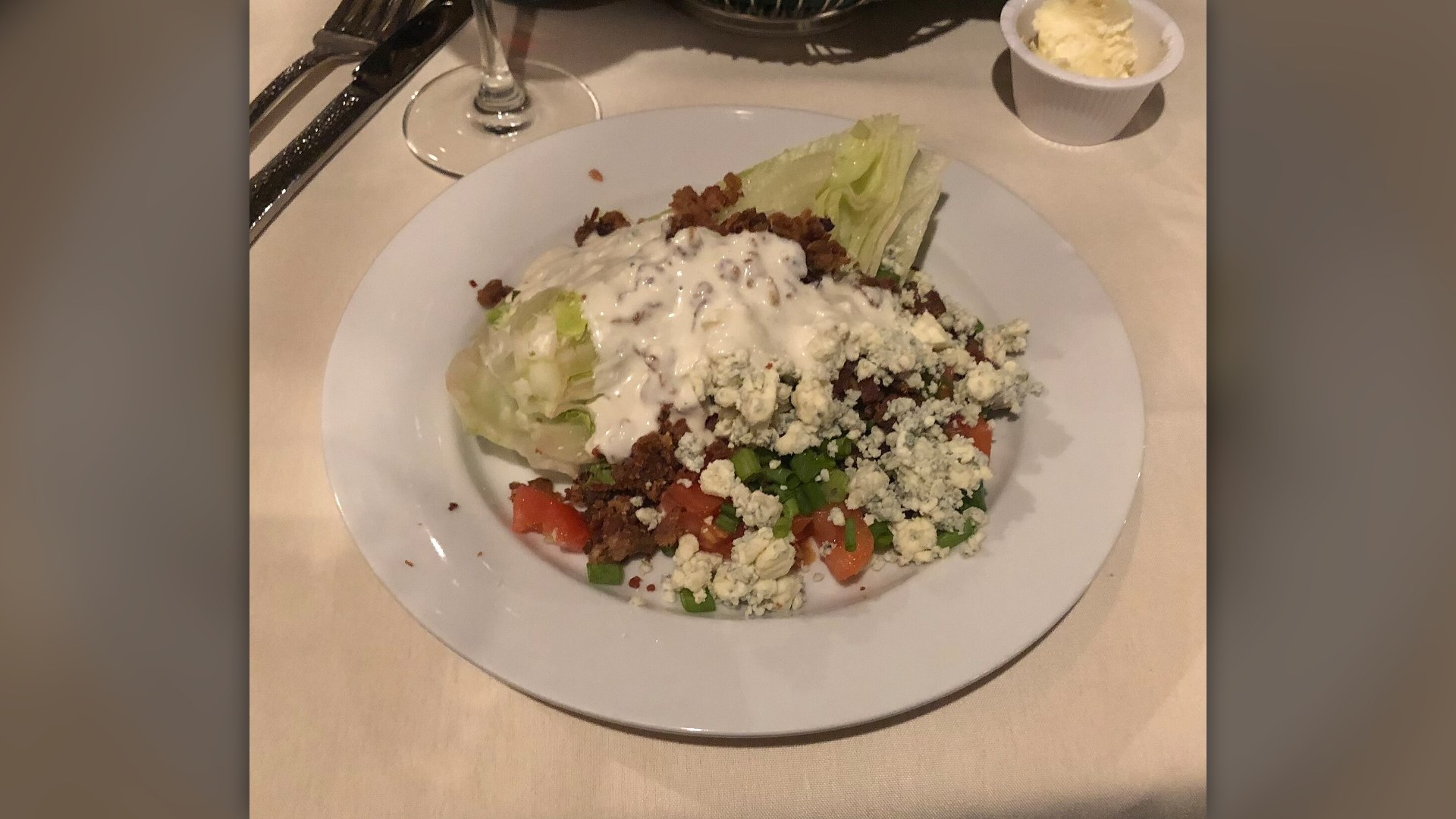
6. Blue Cheese: The Funky Mold
Pierced with stainless steel needles to cultivate veins of Penicillium mold, blue cheese produces intense methyl ketones and butyric acid. The result is an aggressive, funky bite that lovers call gourmet and haters call spoiled milk.
©Wikimedia / Missvain
5. Black Licorice: The Anethole Divide
Derived from glycyrrhizin and anise oil, black licorice delivers an intensely bittersweet, herbaceous profile reminiscent of old-world cough tonics. In survey after survey, it consistently ranks among America's least favorite confections.
©Wikimedia / Windell Oskay
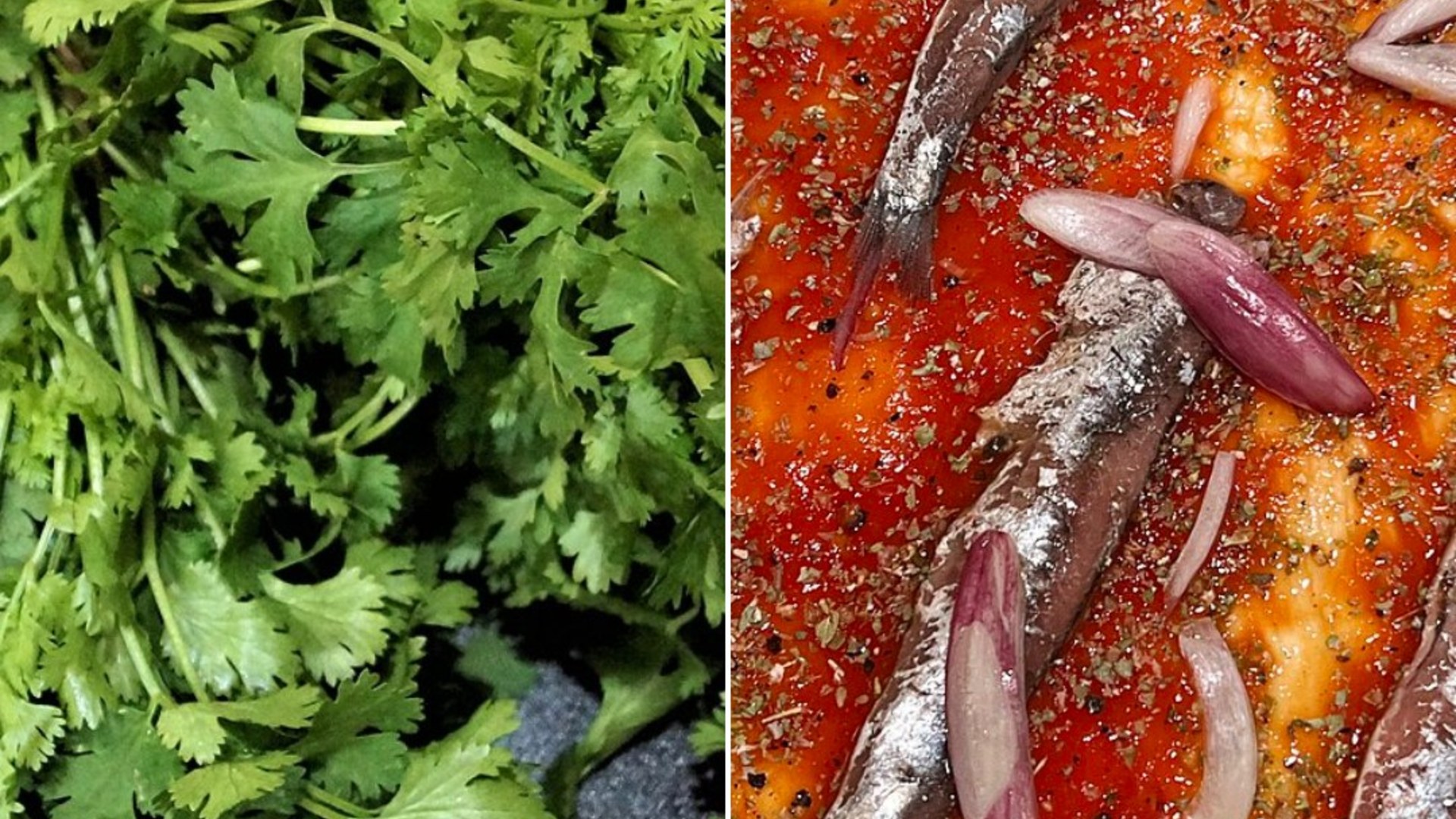
4. Cilantro: The Soap Gene Curse
Up to fourteen percent of people carry a specific variation on olfactory receptor gene OR6A2, leaving them hyper-sensitive to aldehydes shared between cilantro and commercial bath soap. To them, a taco sprinkle tastes like dish detergent.
©Wikimedia / Kpsudeep
Advertisement
Swipe or tap ▶ to resume the countdown.
3. Olives: The Briny Bitterness
Raw olives off the tree are completely inedible due to intensely bitter oleuropein. Even after months of lye-curing or saltwater brine, their squishy texture and concentrated salinity make them an instant pass for millions of eaters.
©Wikimedia / Famartin
2. Anchovies: The Saline Seafood Nightmare
Despite providing savory umami backbone in Worcestershire sauce and Caesar dressing, whole anchovy fillets laid across pizza or pasta provoke visceral revulsion with their oily bones, pungent fishiness, and extreme salt bomb punch.
©Wikimedia / Burkhard Mücke
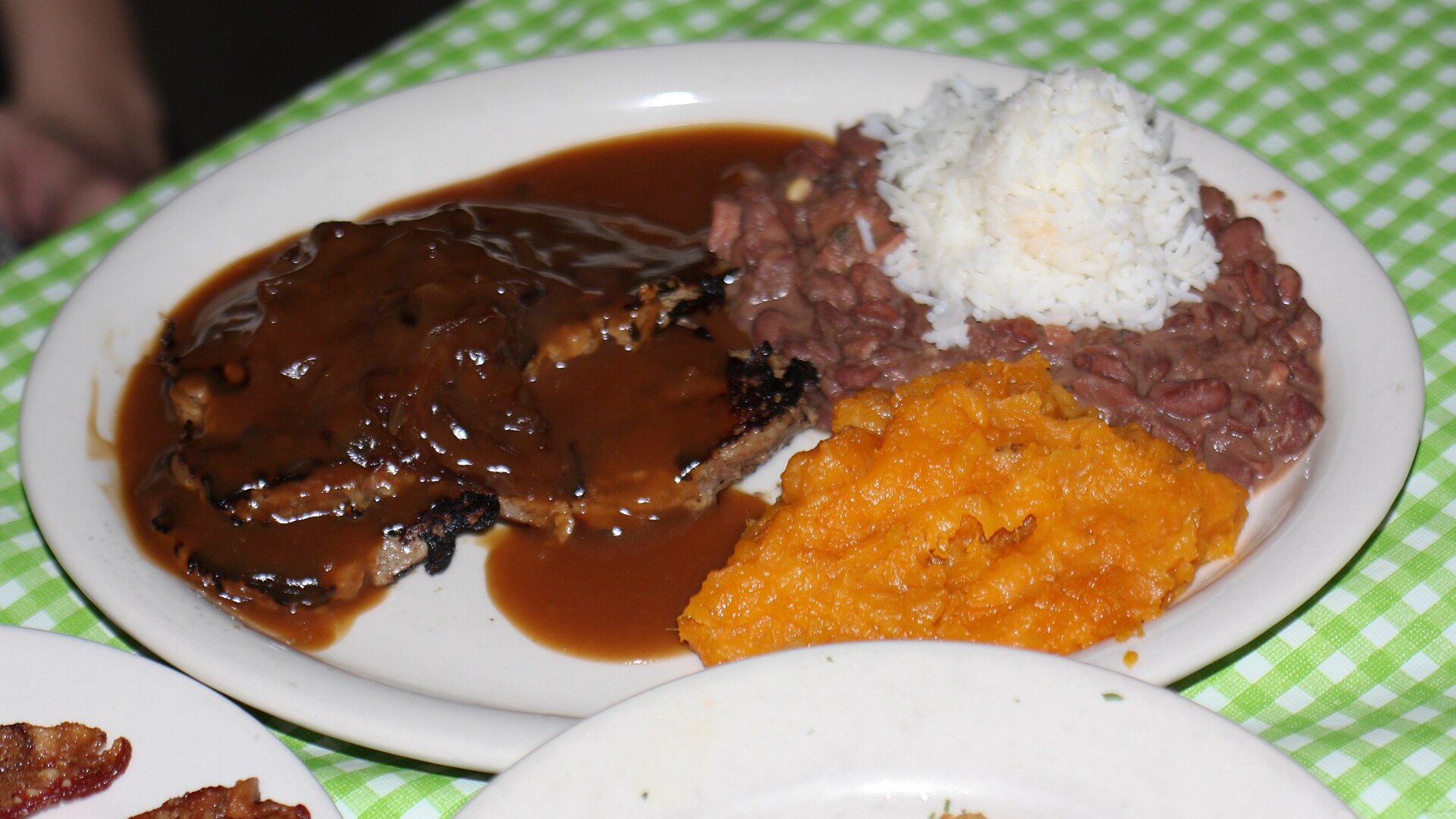
1. Liver & Onions: The Metallic Iron Bite
Despite being a nutrient powerhouse loaded with vitamins, beef and calf liver consistently rank as the single most rejected food in America. Its dense mineral iron flavor and grainy, pasty mouthfeel are insurmountable for most modern eaters.

©Wikimedia / Kent Wang
Advertisement
You've reached the end of the story. Thanks for reading!

25 Groundbreaking American Inventions and Achievements Ranked
From Kitty Hawk and the Apollo 11 lunar landing to the transistor and the internet, American inventors and scientists have transformed global civilization. Sourced from the Smithsonian Institution, NASA archives, and the Library of Congress, here are twenty-five groundbreaking American milestones ranked.
All 10 Entries in this Story
1. Beets: The Earthy Root
Beets contain geosmin, an organic compound produced by soil microbes that human palates detect in tiny quantities. While beet fans enjoy their sweet mineral punch, detractors feel like they are biting directly into potting soil.

2. Brussels Sprouts: The Bitter Brassica
Brussels sprouts are packed with sulfurous glucosinolates designed by nature to repel pests. When boiled into mush, these compounds unleash intense sulfur aromas that have traumatized American dinner plates for generations.

3. Mayonnaise: The Polarizing Condiment
Mayonnaise aversion is rooted in psychological food neophobia and textural sensitivity. Even a trace smear on sandwich bread can ruin an entire meal for the estimated twenty percent of Americans who passionately detest the creamy condiment.

4. Okra: The Mucilage Dilemma
Okra pods contain mucilage, a natural soluble fiber that acts as an exceptional stew thickener but develops a famously gelatinous, slippery mouthfeel when sautéed. Unless cornmeal-crusted and fried crispy, many refuse to touch it.

5. Blue Cheese: The Funky Mold
Pierced with stainless steel needles to cultivate veins of Penicillium mold, blue cheese produces intense methyl ketones and butyric acid. The result is an aggressive, funky bite that lovers call gourmet and haters call spoiled milk.

6. Black Licorice: The Anethole Divide
Derived from glycyrrhizin and anise oil, black licorice delivers an intensely bittersweet, herbaceous profile reminiscent of old-world cough tonics. In survey after survey, it consistently ranks among America's least favorite confections.

7. Cilantro: The Soap Gene Curse
Up to fourteen percent of people carry a specific variation on olfactory receptor gene OR6A2, leaving them hyper-sensitive to aldehydes shared between cilantro and commercial bath soap. To them, a taco sprinkle tastes like dish detergent.

8. Olives: The Briny Bitterness
Raw olives off the tree are completely inedible due to intensely bitter oleuropein. Even after months of lye-curing or saltwater brine, their squishy texture and concentrated salinity make them an instant pass for millions of eaters.

9. Anchovies: The Saline Seafood Nightmare
Despite providing savory umami backbone in Worcestershire sauce and Caesar dressing, whole anchovy fillets laid across pizza or pasta provoke visceral revulsion with their oily bones, pungent fishiness, and extreme salt bomb punch.

10. Liver & Onions: The Metallic Iron Bite
Despite being a nutrient powerhouse loaded with vitamins, beef and calf liver consistently rank as the single most rejected food in America. Its dense mineral iron flavor and grainy, pasty mouthfeel are insurmountable for most modern eaters.