Slideshow · Science
Largest Known Black Holes Ever Captured by NASA, Ranked
At the heart of the universe's largest galaxy clusters and brightest quasars sit ultramassive black holes that dwarf our Milky Way's central black hole by tens of thousands of times.
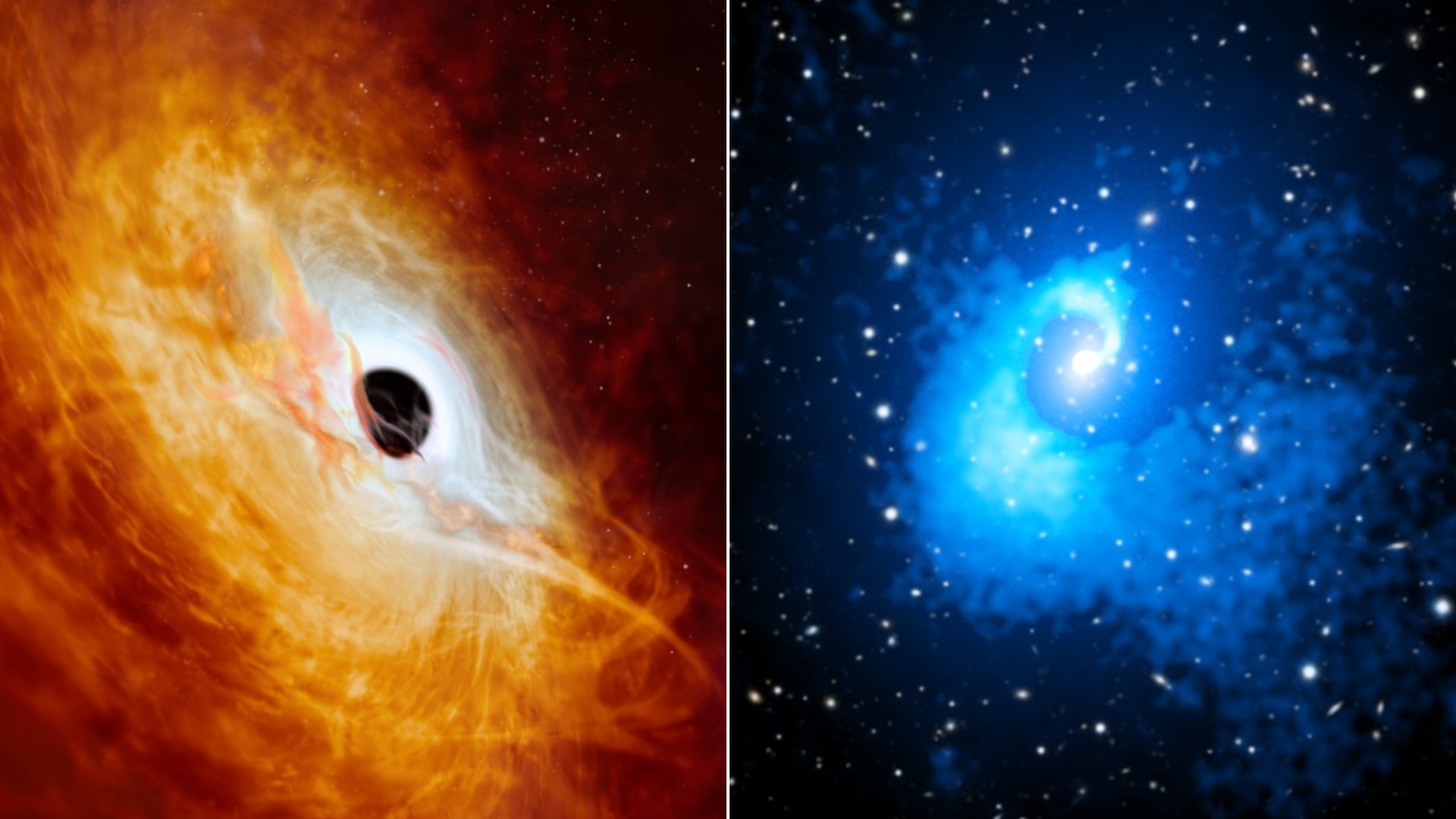

All 10 Entries in this Story
10. SMSS J215728.21-360215.1 (34.0 Billion Solar Masses)
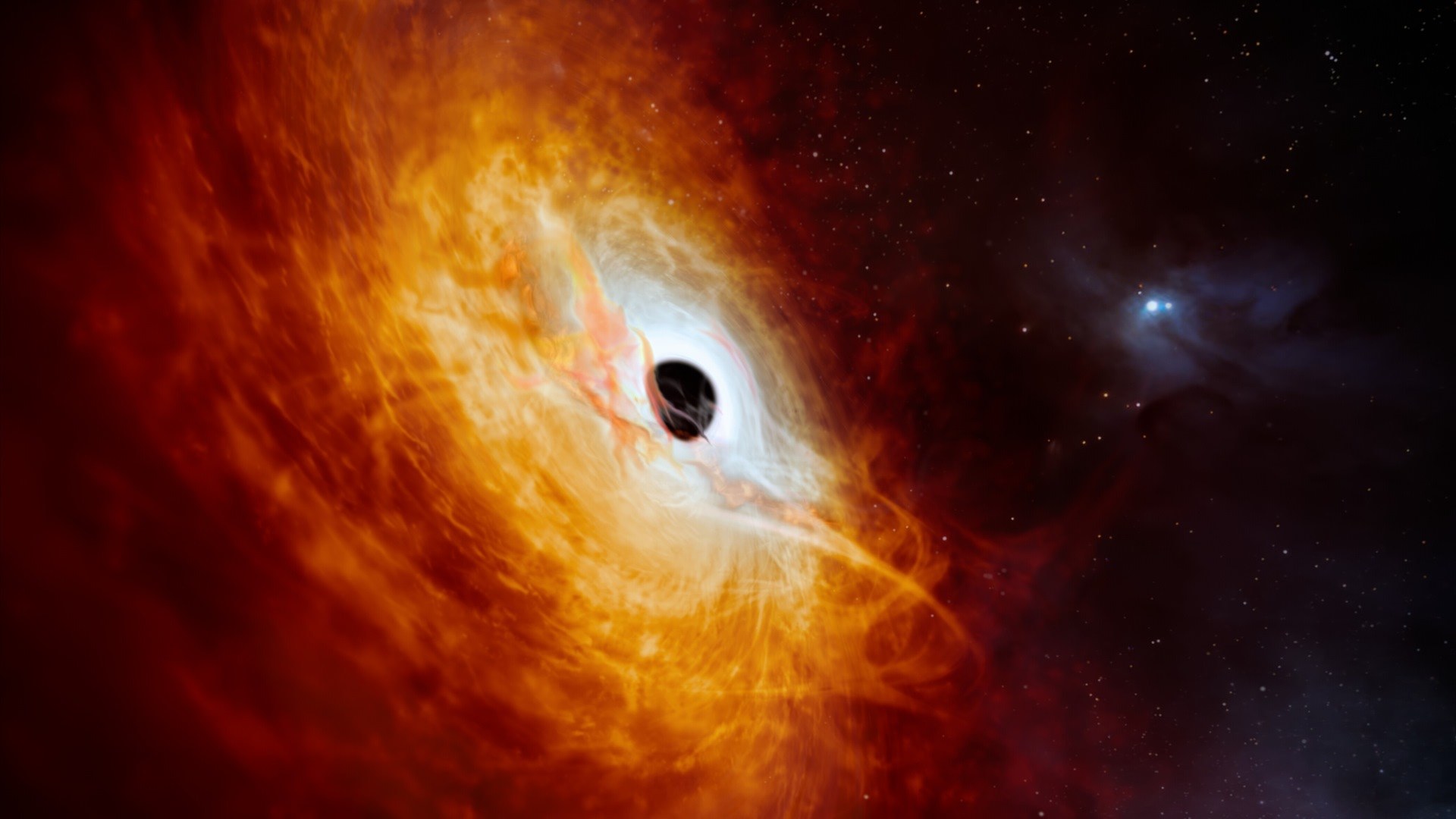
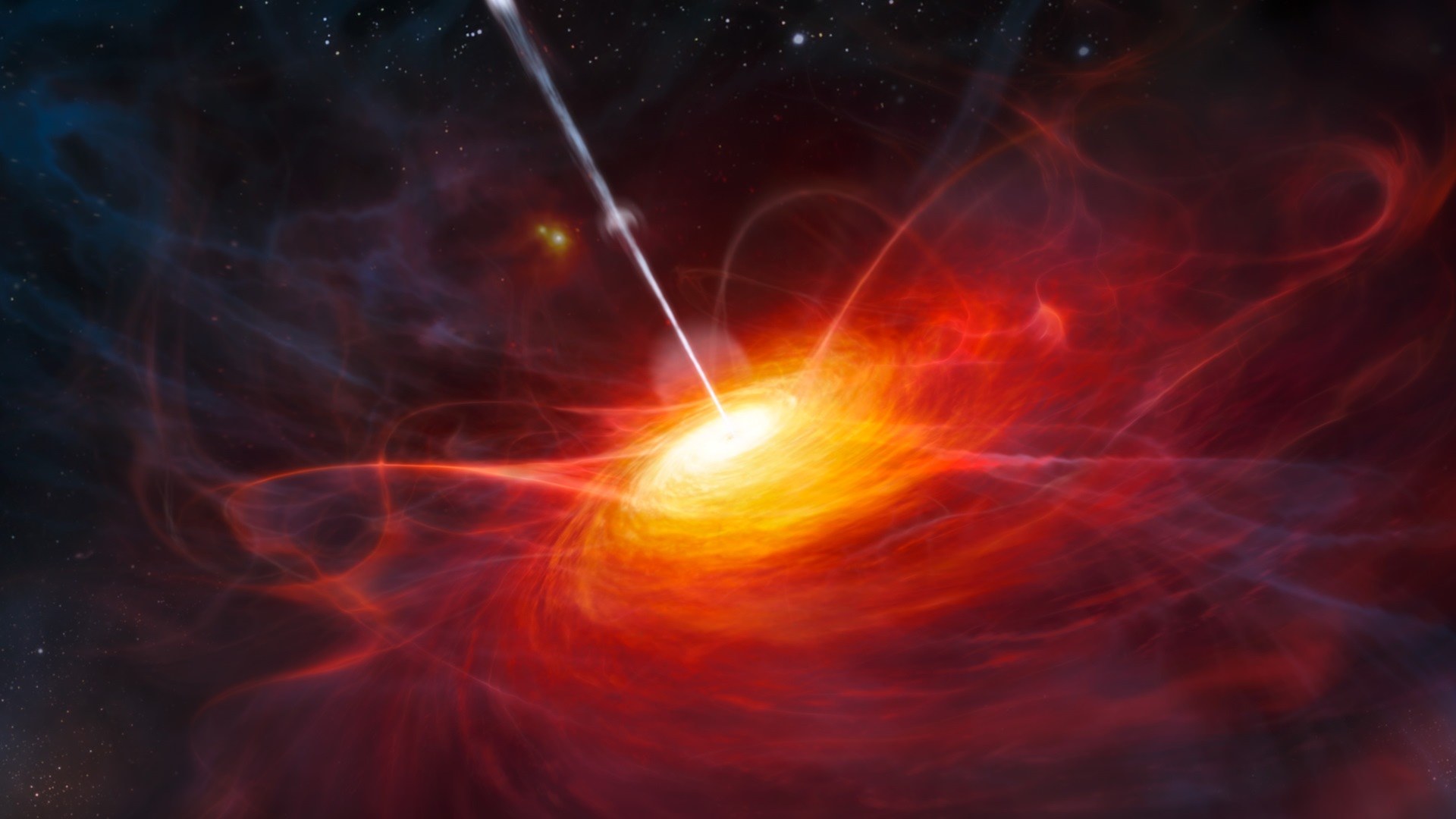
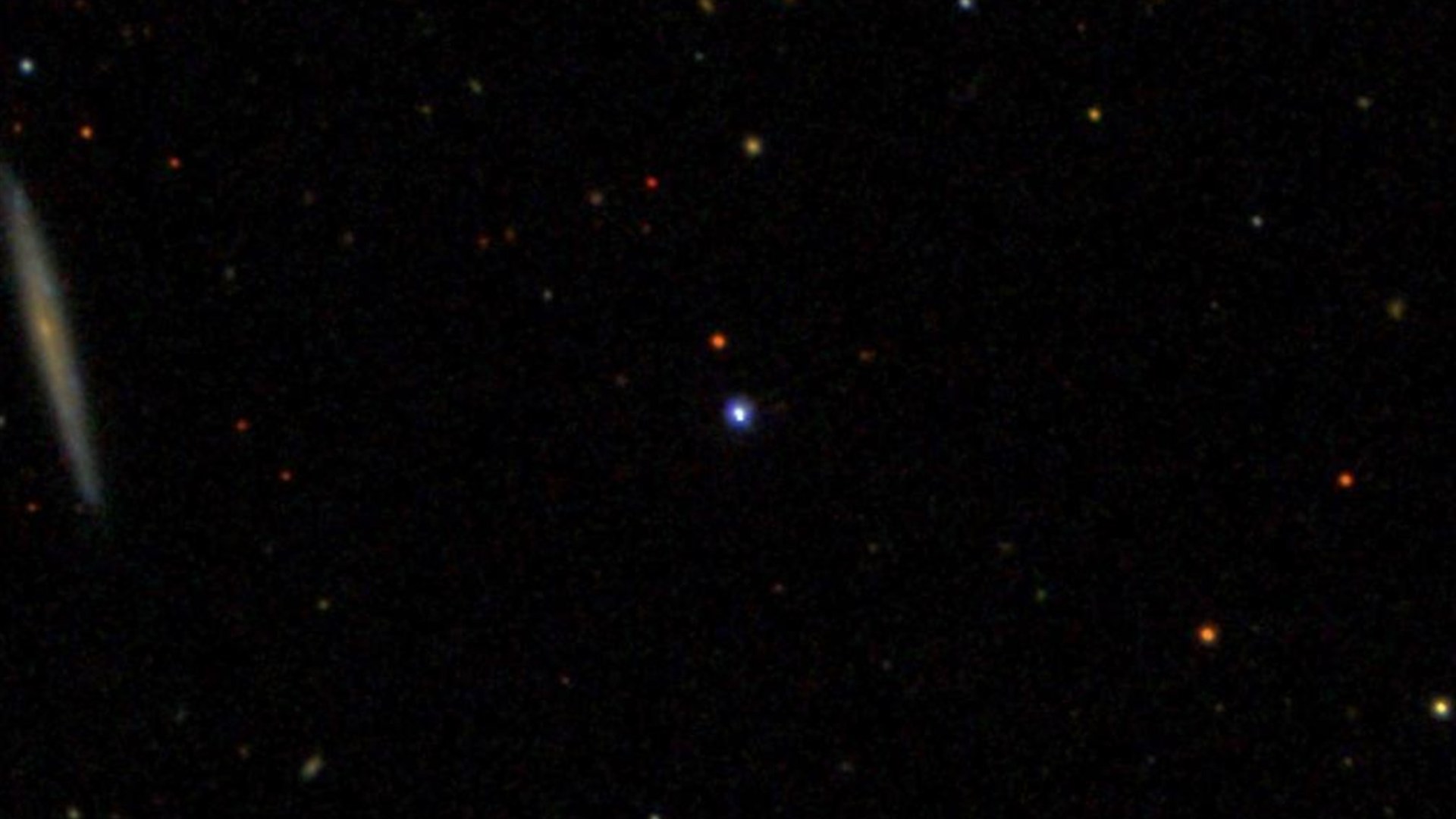
Discovered in 2018 using SkyMapper, NASA's WISE satellite, and ESO telescopes, SMSS J215728.21-360215.1 is one of the fastest-growing black holes ever recorded. Weighing 34.0 billion solar masses, this hyper-luminous quasar devours the equivalent of one full Sun every single day.
9. NGC 3842 (34.6 Billion Solar Masses)
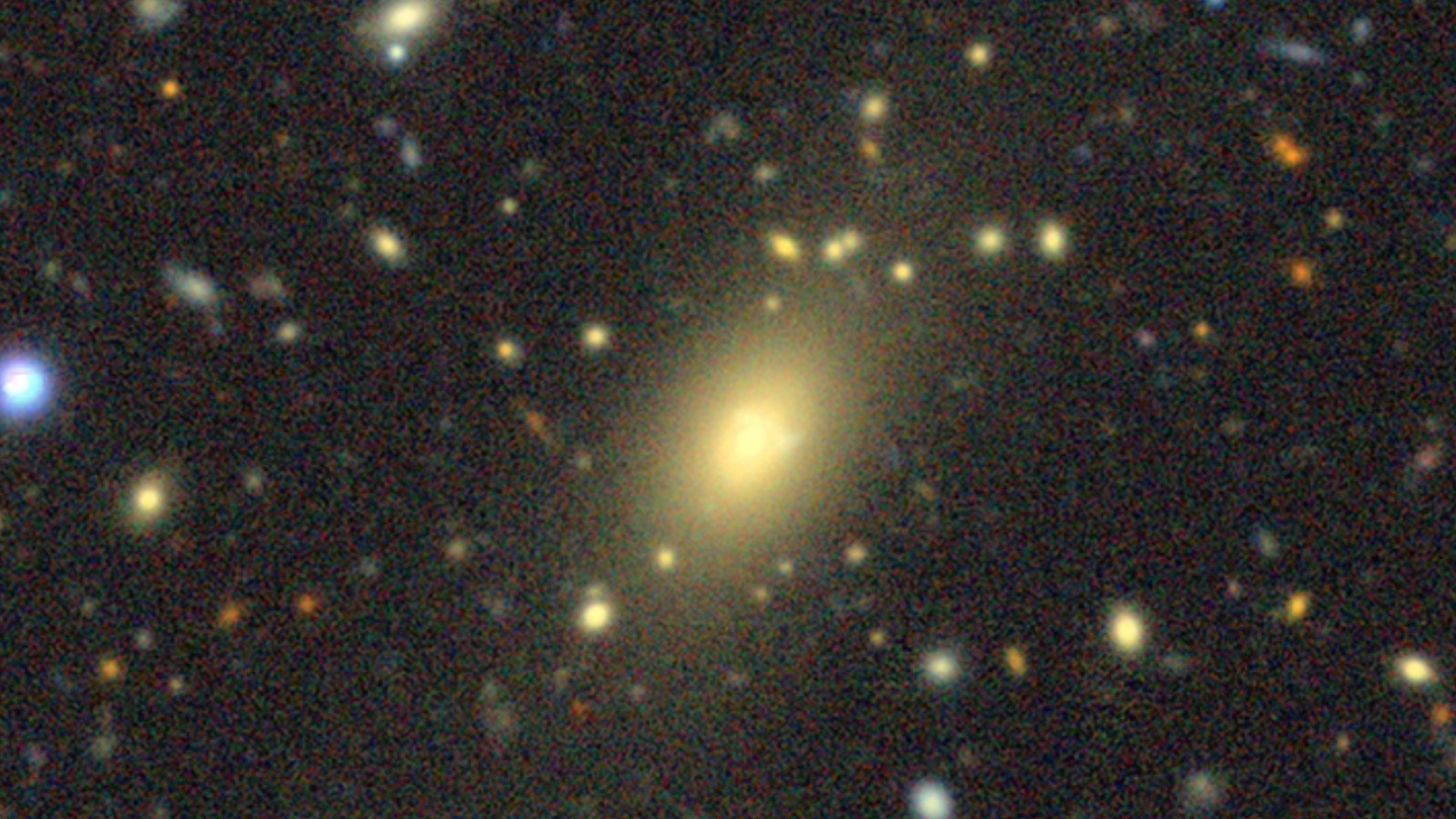
Located roughly 320 million light-years from Earth in the constellation Leo, NGC 3842 is the brightest elliptical galaxy in the Leo Cluster. Using Hubble Space Telescope and ground-based spectroscopy to track stellar orbits around its core, astronomers measured a black hole scale reaching 34.6 billion solar masses.
8. NGC 4874 (34.7 Billion Solar Masses)
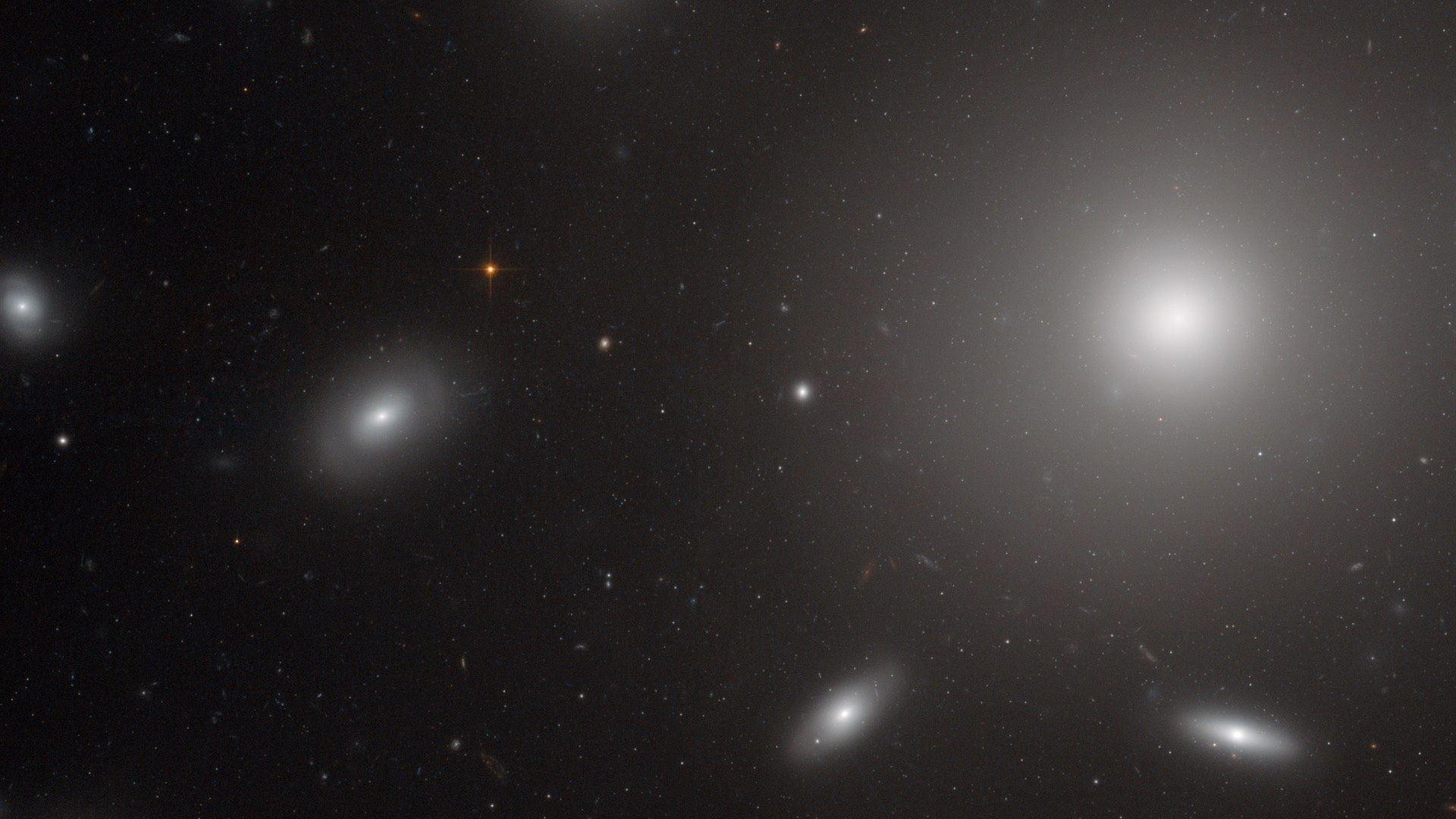
Dominating the heart of the Coma Cluster some 350 million light-years away, NGC 4874 is a giant smooth elliptical galaxy surrounded by more than 18,000 globular star clusters. Imaged by NASA's Hubble and Chandra telescopes, its core harbors an ultramassive black hole estimated at 34.7 billion solar masses.
7. Abell 1201 BCG (32.7 Billion Solar Masses)
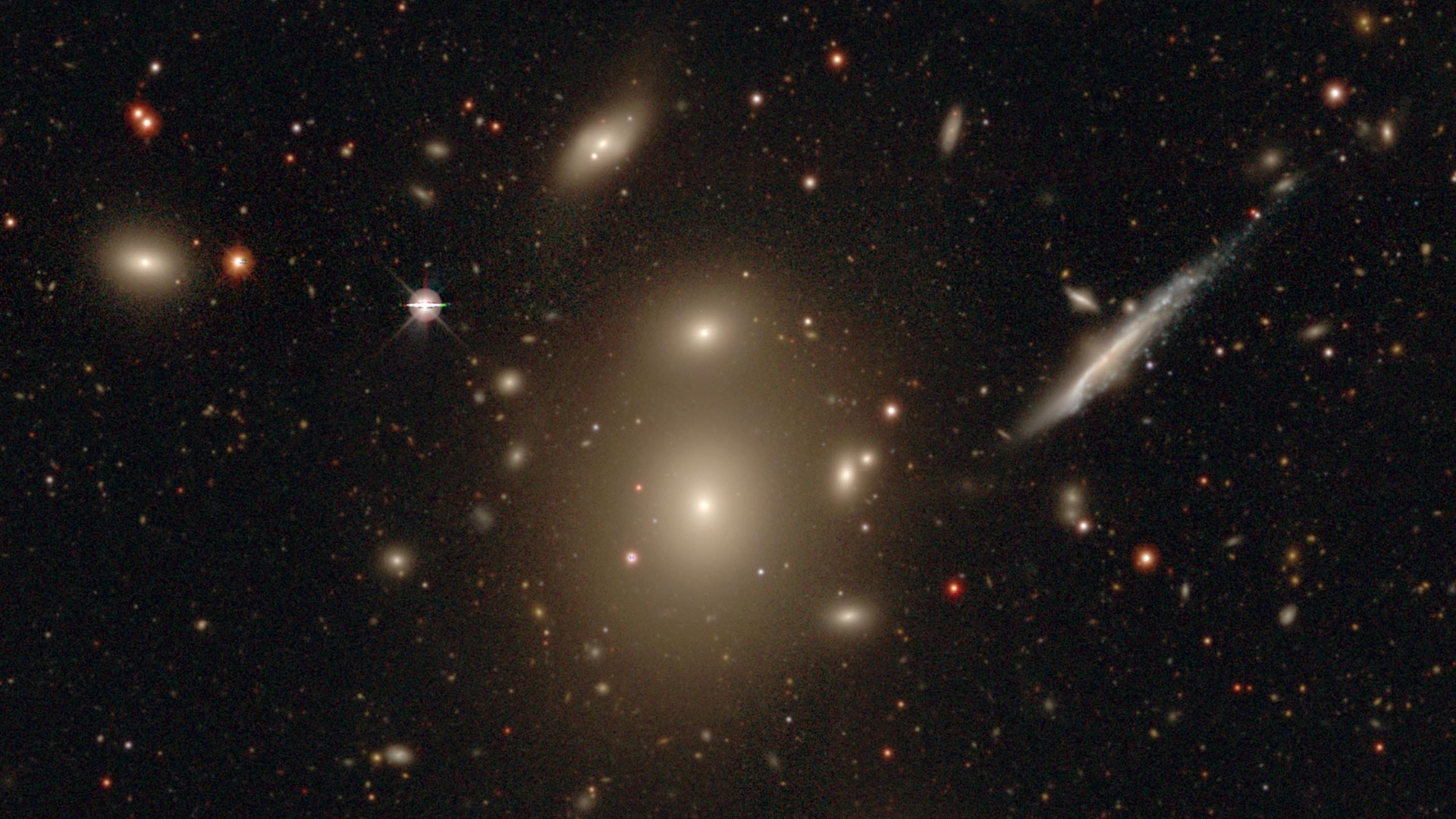
Sitting 2.7 billion light-years away in the constellation Leo, the Brightest Cluster Galaxy of Abell 1201 hosts a dormant black hole confirmed at 32.7 billion solar masses. Astronomers weighed it using Hubble gravitational lensing as its gravity bent light from a background galaxy into a giant arc.
6. SDSS J114833.14+193003.2 (36.3 Billion Solar Masses)
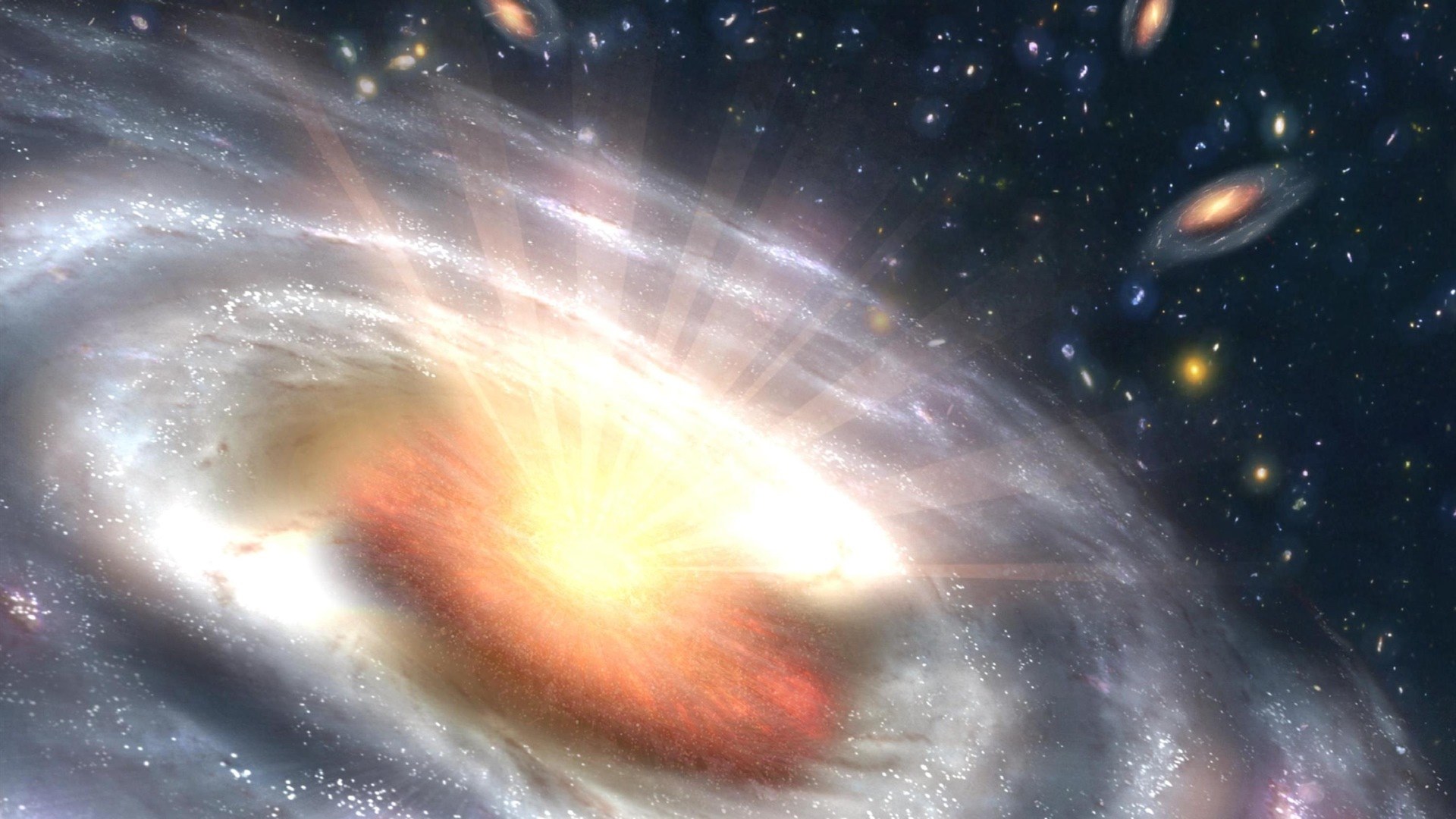
Cataloged by the Sloan Digital Sky Survey, the quasar SDSS J114833.14+193003.2 contains a central black hole estimated at 36.3 billion solar masses. Discovered at a very high redshift, it reached this immense scale remarkably early in cosmic history, challenging standard models of stellar black hole growth.
5. SDSS J143148.09+053558 (36.4 Billion Solar Masses)
Powering an active galactic nucleus in the Sloan Digital Sky Survey, SDSS J143148.09+053558 holds an ultramassive quasar core estimated at 36.4 billion solar masses. Its event horizon diameter exceeds 218 billion kilometers (about 1,460 astronomical units), taking light over eight days to cross.
4. 4C +74.13 (51.3 Billion Solar Masses)
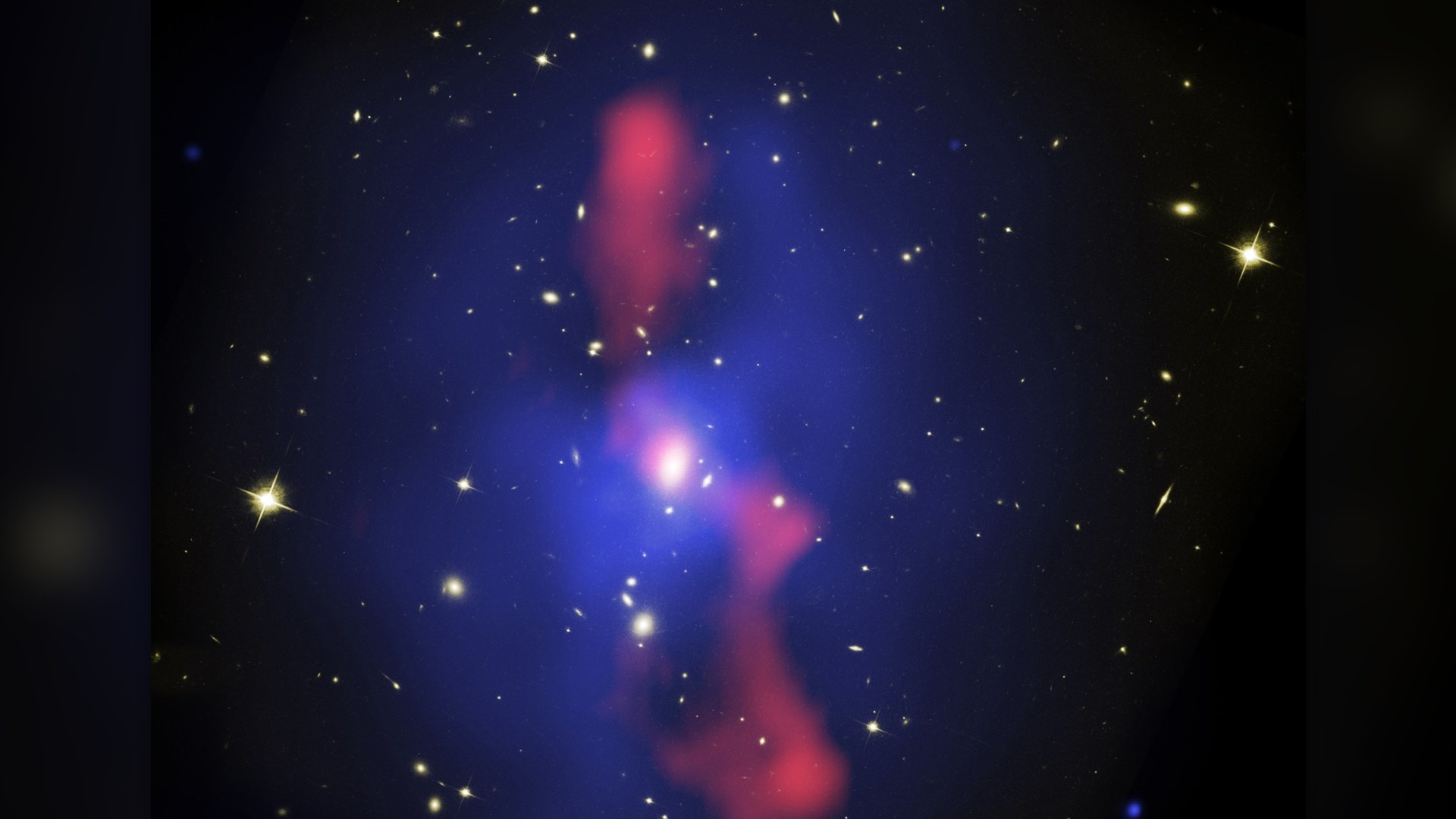
Located 2.6 billion light-years away at the center of galaxy cluster MS 0735.6+7421, the giant radio galaxy 4C +74.13 hosts a 51.3-billion-solar-mass black hole. NASA Chandra and Hubble images show its jets have blasted two cavities 600,000 light-years wide into the surrounding X-ray gas cloud.
3. TON 618 (40.7 To 66 Billion Solar Masses)
First noted in 1957 at Mexico's Tonantzintla Observatory, TON 618 is a hyper-luminous quasar located 10.8 billion light-years away. Estimated between 40.7 billion and 66 billion solar masses, its event horizon spans up to 390 billion kilometers, wide enough to fit our entire solar system multiple times over.
2. IC 1101 (97.7 Billion Solar Masses)
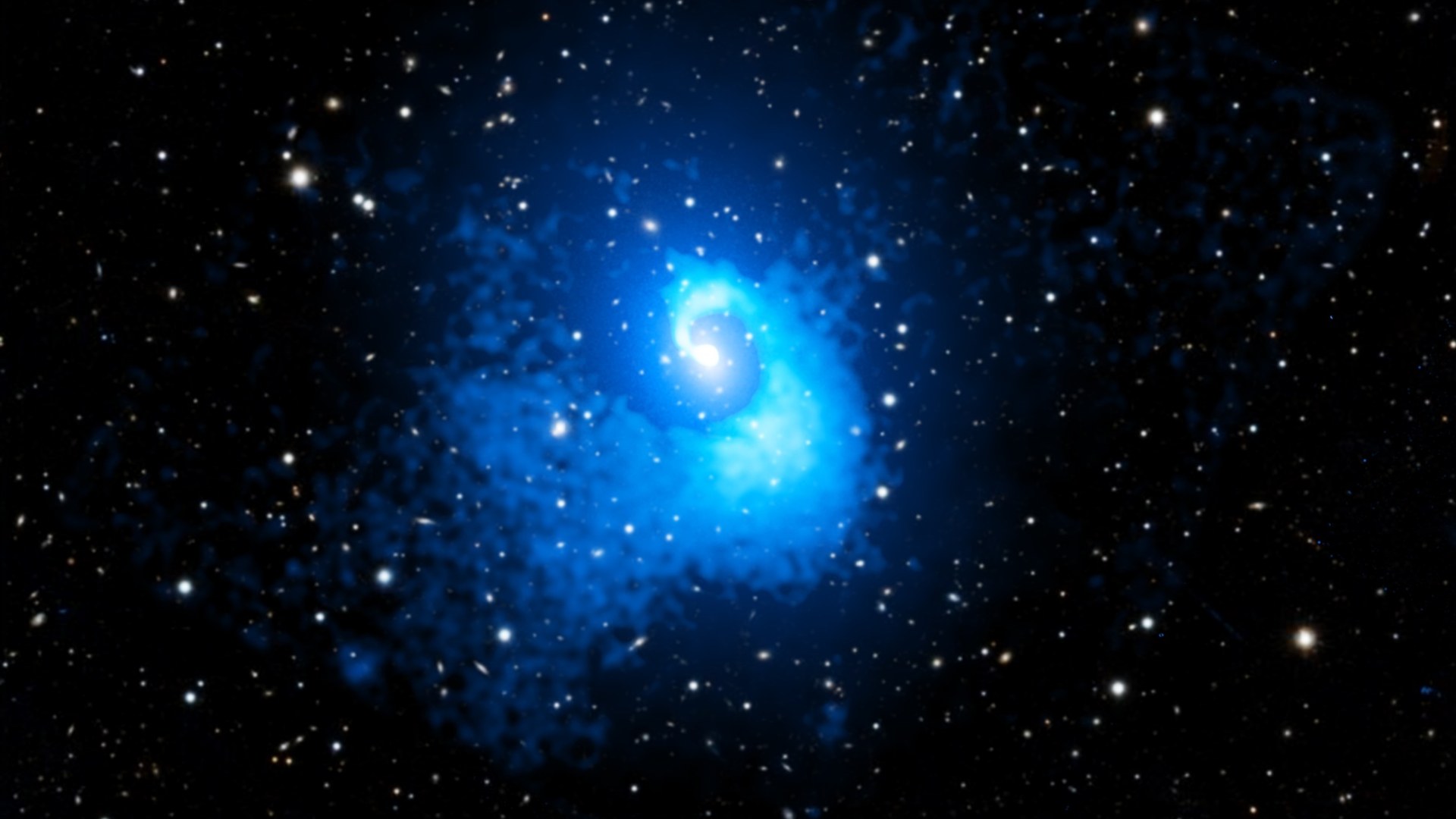
Situated 1.15 billion light-years away at the center of the Abell 2029 cluster, the supergiant galaxy IC 1101 stretches roughly 4 million light-years across. Imaged in X-rays by NASA's Chandra Observatory, its core holds an ultramassive black hole estimated at 97.7 billion solar masses.
1. Phoenix A (100 Billion Solar Masses)
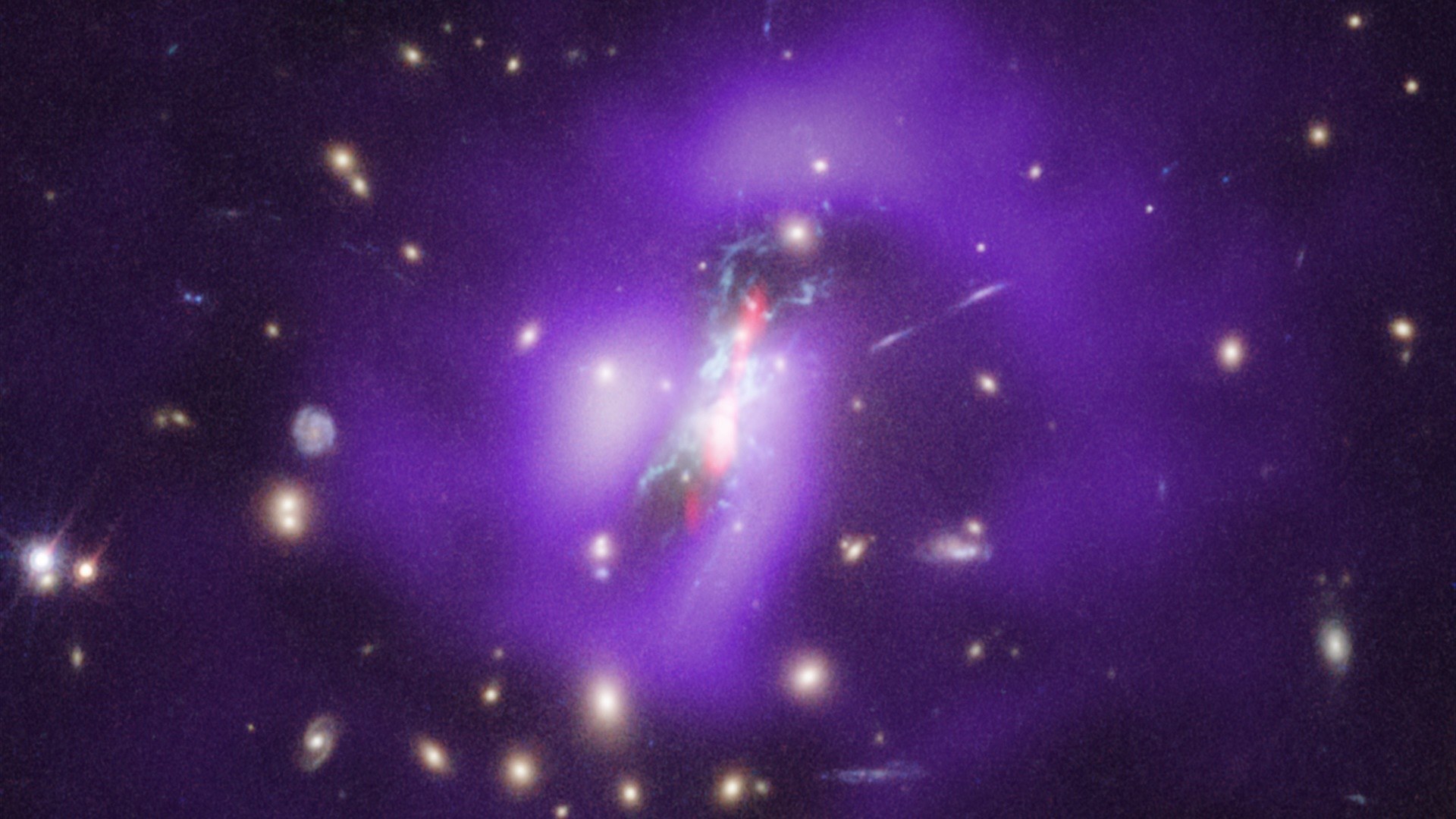
Powering the central galaxy of the Phoenix Cluster 8.57 billion light-years away, Phoenix A is the largest known black hole ever measured. At 100 billion solar masses, it is over 24,000 times more massive than the Milky Way's central black hole, with an event horizon spanning 590 billion kilometers.