Slideshow · Science
Space Rocks That Have Fallen to Earth
Fifteen Spectacular Space Rocks That Fell to Earth

All 15 Entries in this Story
15. The Ensisheim Thunderstone
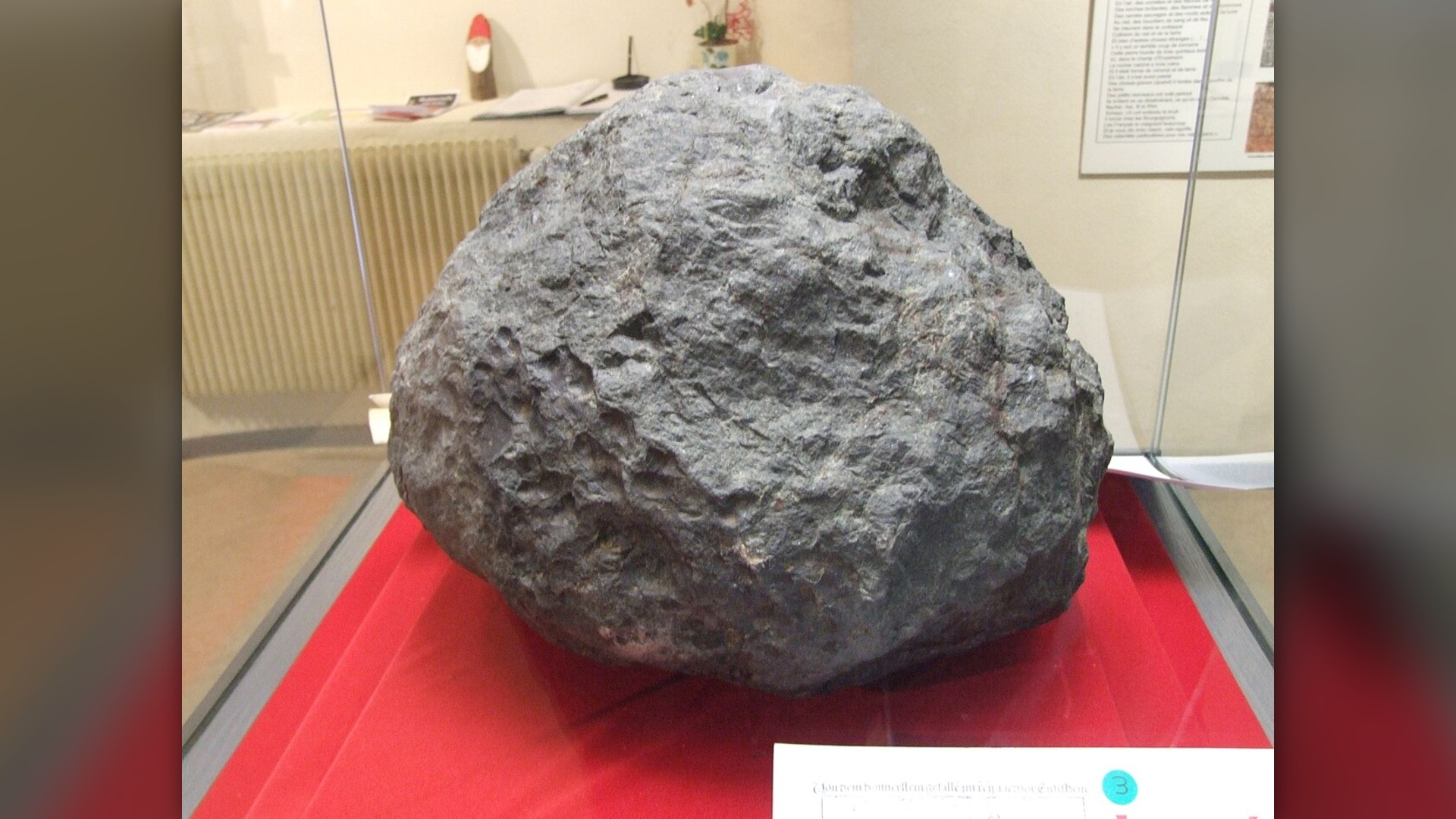
On November 7, 1492, a blazing fireball crashed into a wheat field outside Ensisheim in Alsace. Townsfolk viewed the 127-kilogram stone as a divine omen. King Maximilian ordered it chained inside the local parish church to secure good fortune.
14. The Peekskill Car Crusher
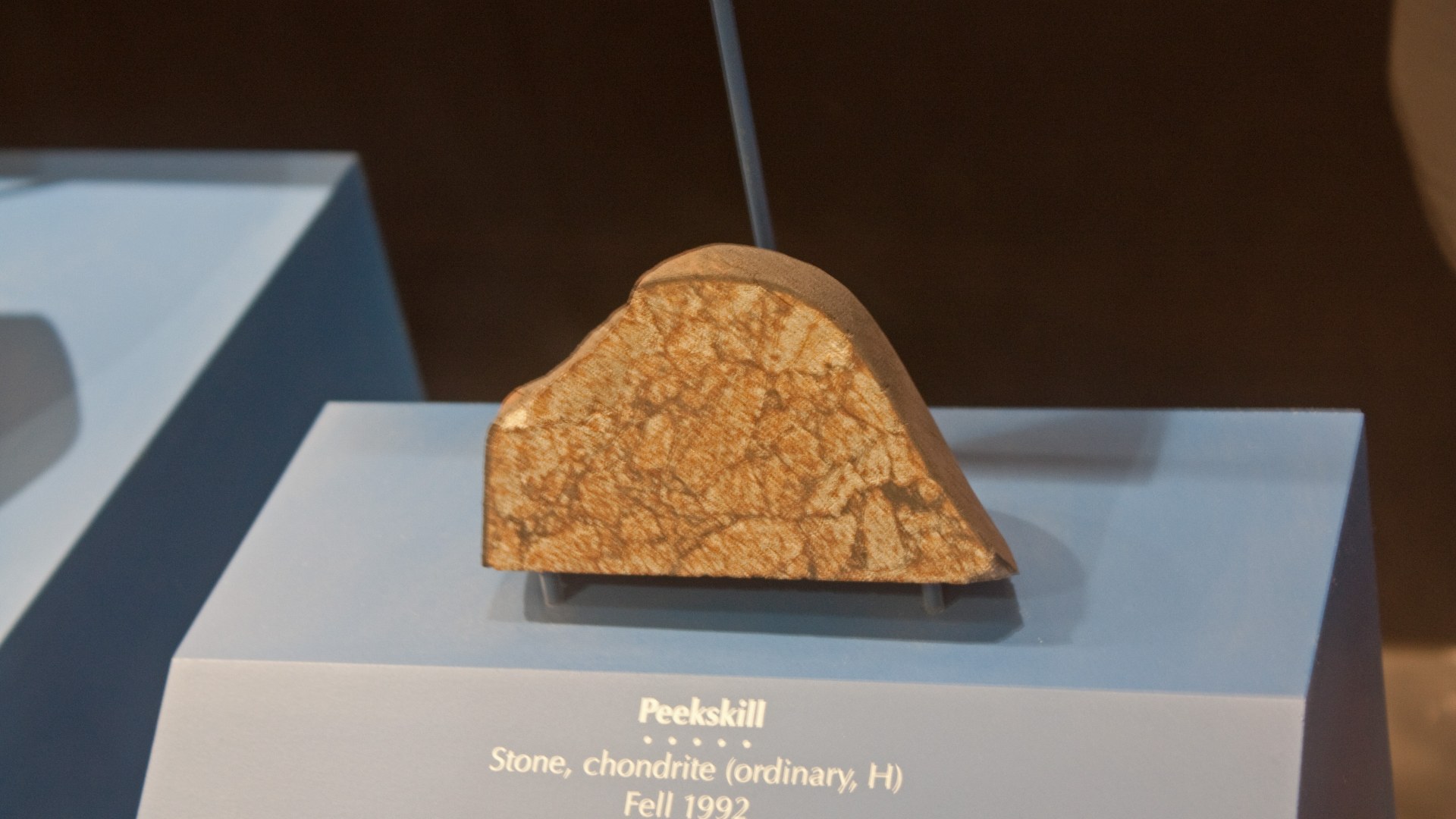
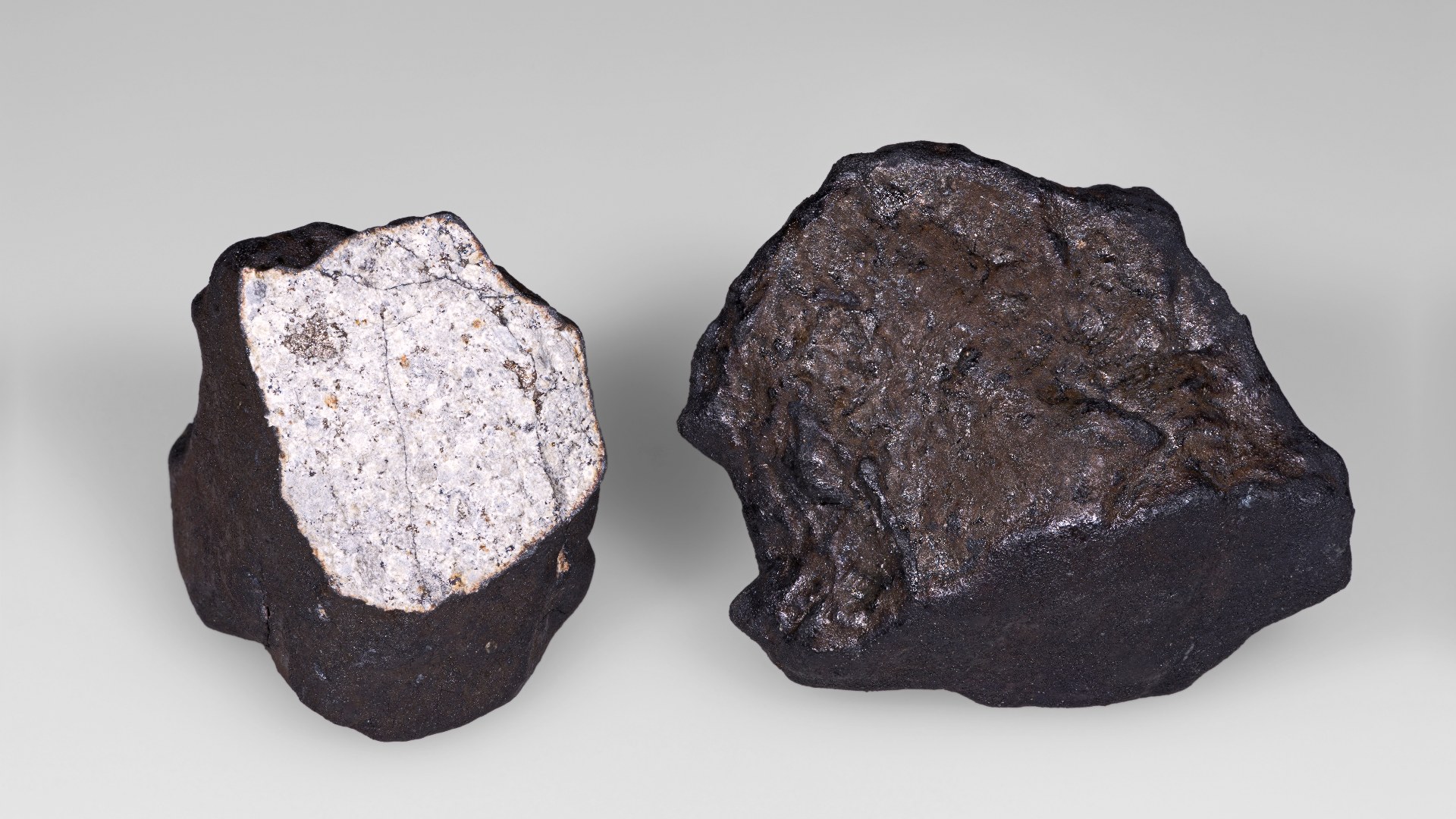
On October 9, 1992, thousands of high school football spectators across the eastern United States watched a greenish fireball cross the night sky. A 12.4-kilogram fragment struck Michelle Knapp's parked Chevrolet Malibu, denting the trunk and embedding into driveway gravel.
13. The Pristine Tagish Lake Fall
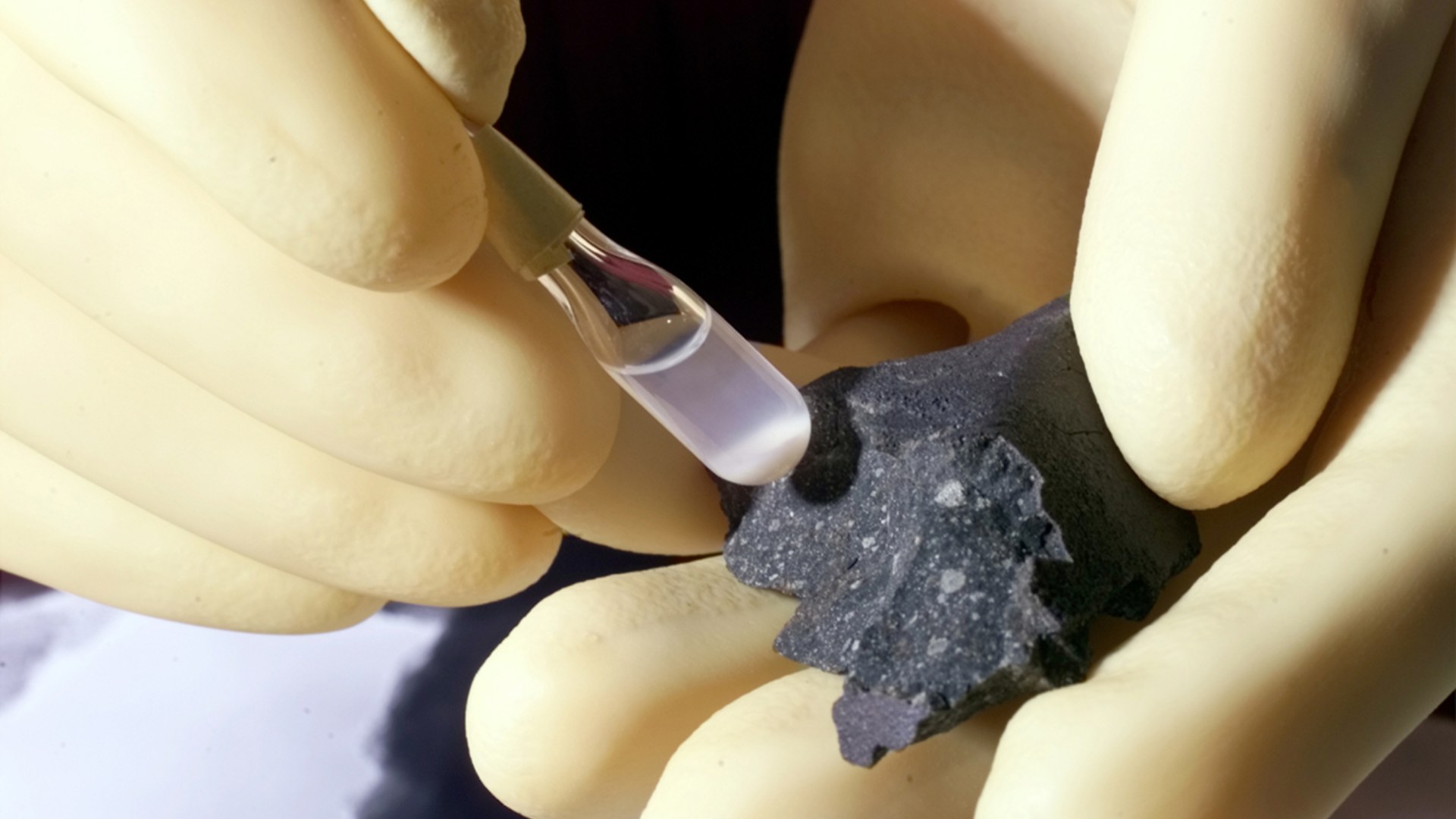
In January 2000, a carbon-rich asteroid exploded over northwestern British Columbia. Local resident Jim Brook gathered samples directly into clean plastic bags from frozen lake ice without hand contact, preserving rare organic compounds untouched by liquid water.
12. The Gibeon Iron Shower
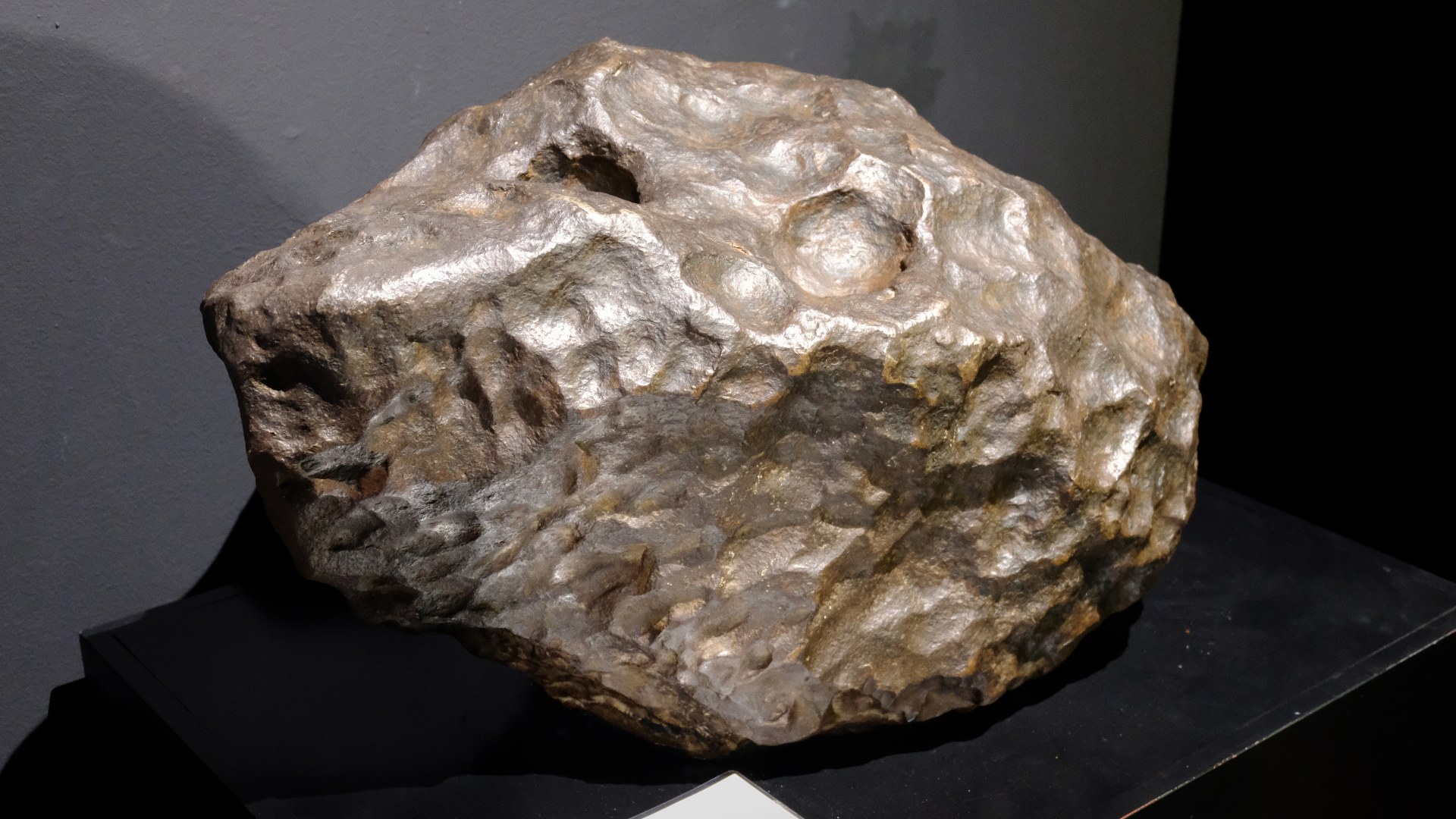
Thousands of years ago, a massive iron-nickel meteoroid fragmented over southern Africa, strewing tons of metallic debris across Great Namaqualand. Local Nama communities fashioned spear points and tools from the weathered metal long before European explorers documented the site in 1836.
11. The Canyon Diablo Impact
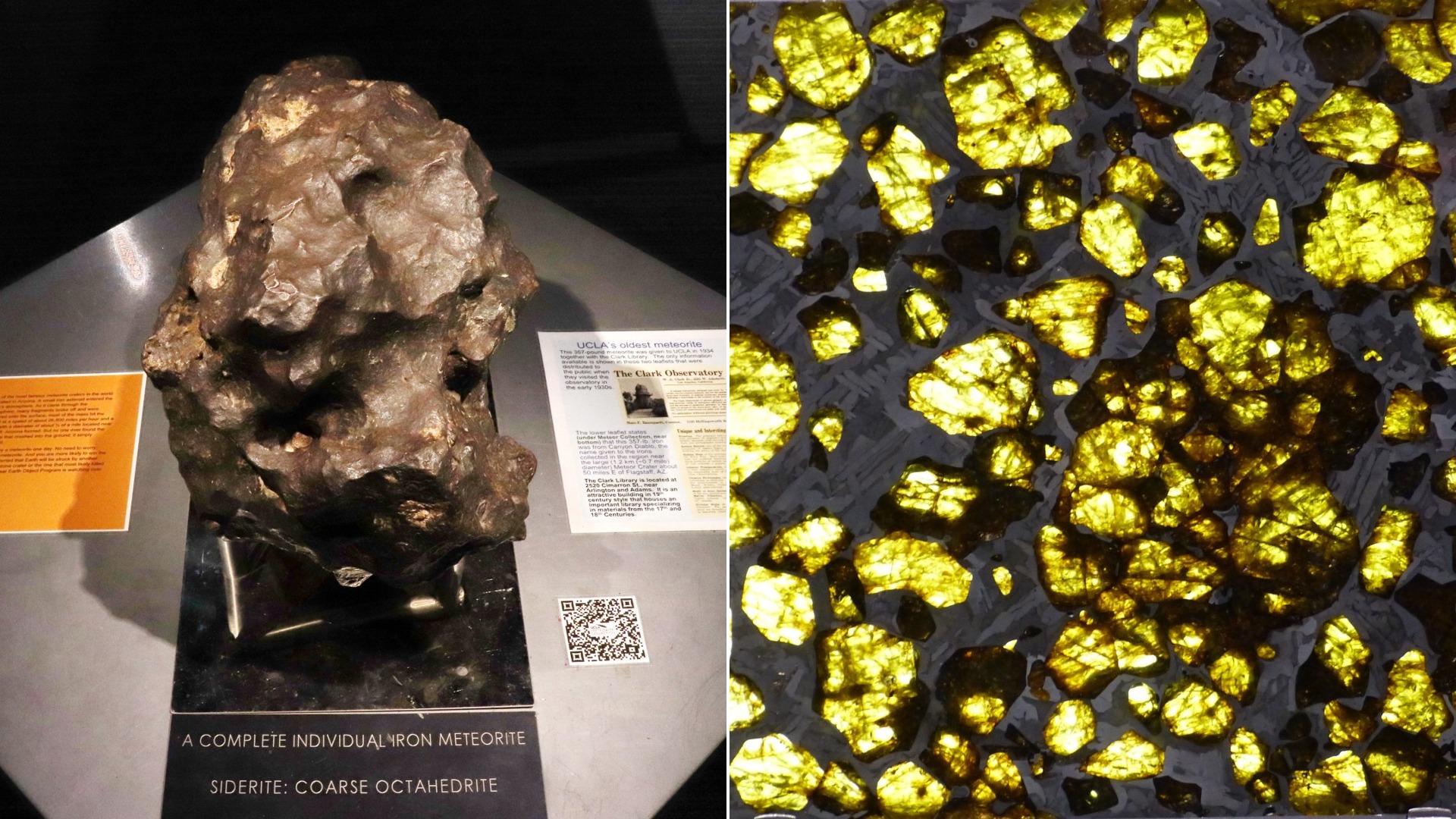
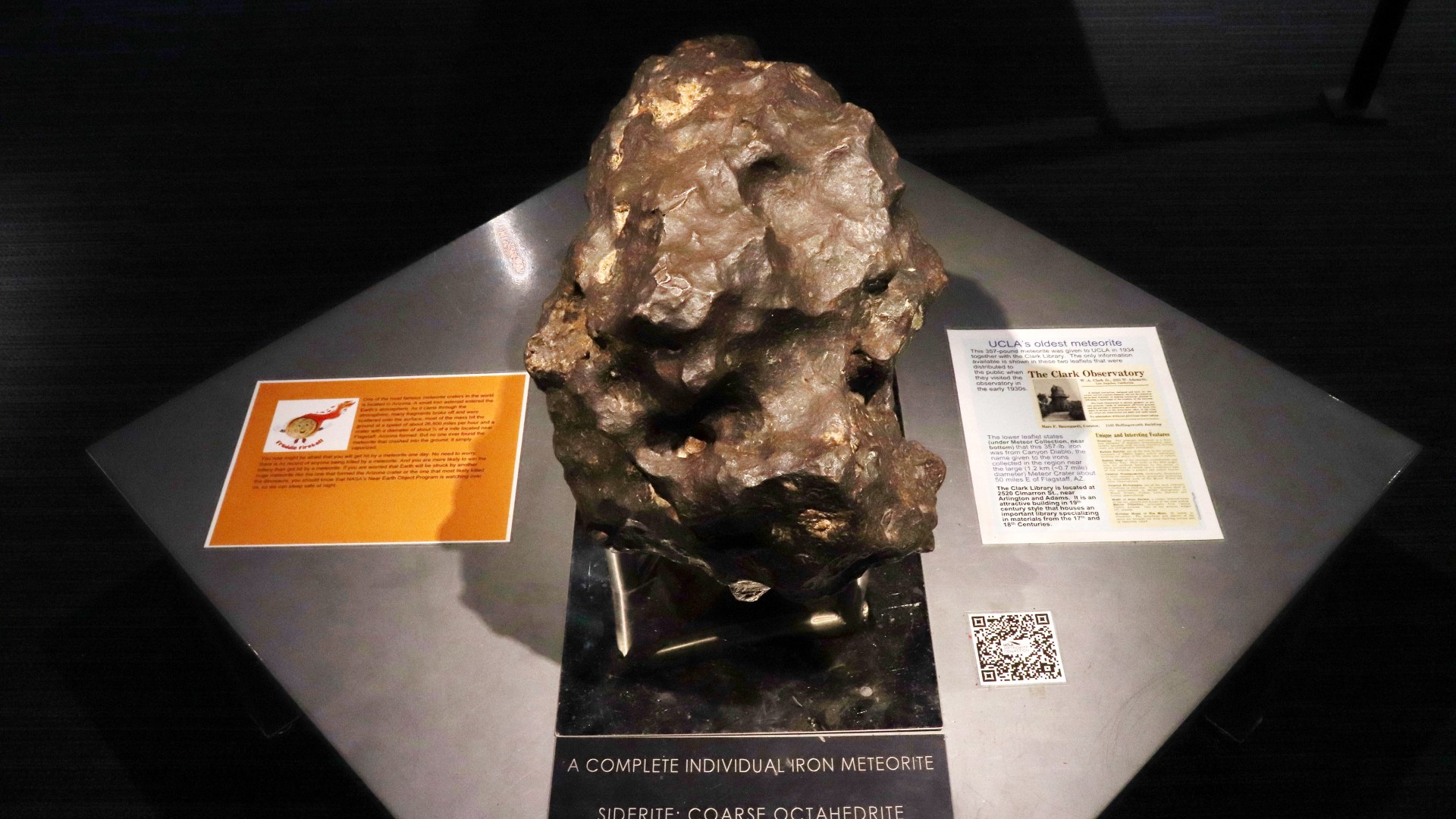
Around 50,000 years ago, a nickel-iron asteroid estimated at fifty meters across slammed into northern Arizona. The catastrophic explosion excavated Barringer Meteor Crater, leaving metallic iron fragments scattered around the rim for early mineral collectors to gather.
10. The Sikhote-Alin Daylight Shower
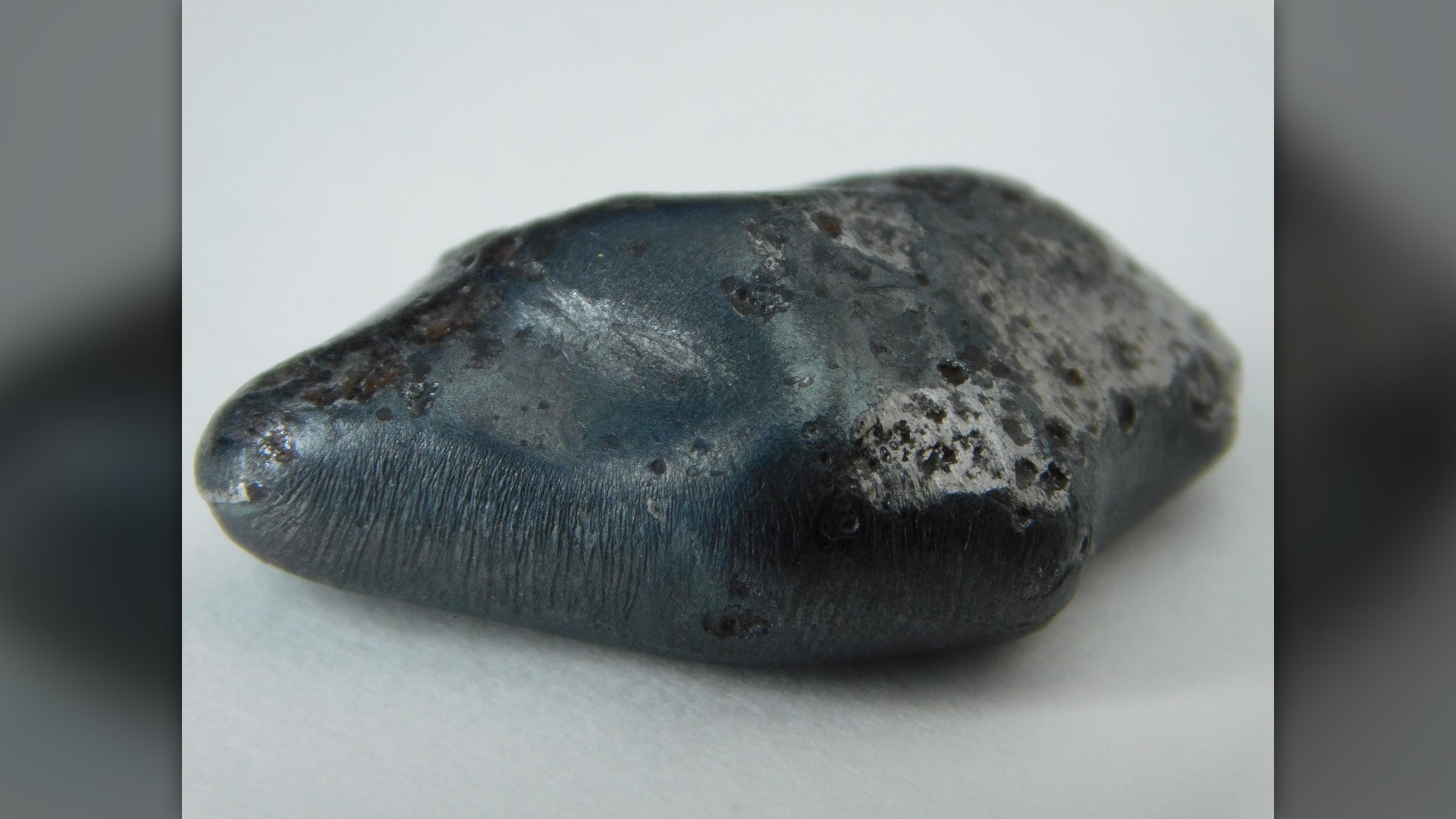
On the morning of February 12, 1947, a blinding bolide brighter than the sun exploded over the Sikhote-Alin mountains. The shockwave shattered windows across fifty kilometers, raining down thousands of torn iron shrapnel pieces and smooth oriented specimens across the forest.
9. The Muonionalusta Core Slices
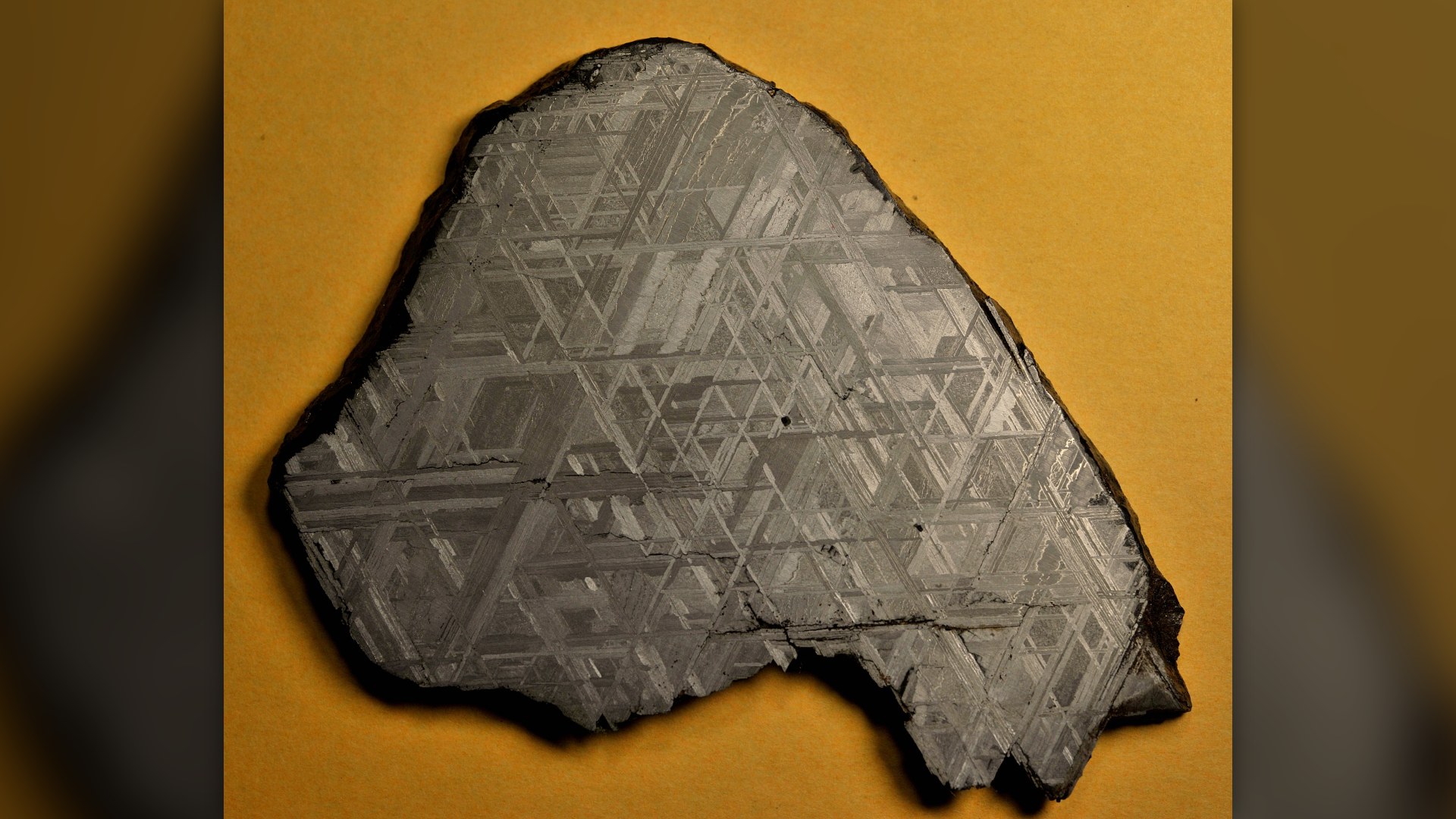
Discovered in 1906 near the Arctic border of Sweden and Finland, Muonionalusta represents one of Earth's oldest known meteorites. Etching sliced sections with mild acid reveals geometric Widmanstaetten figures, reflecting slow cooling inside a molten asteroid core over millions of years.
8. The Willamette Iron Giant
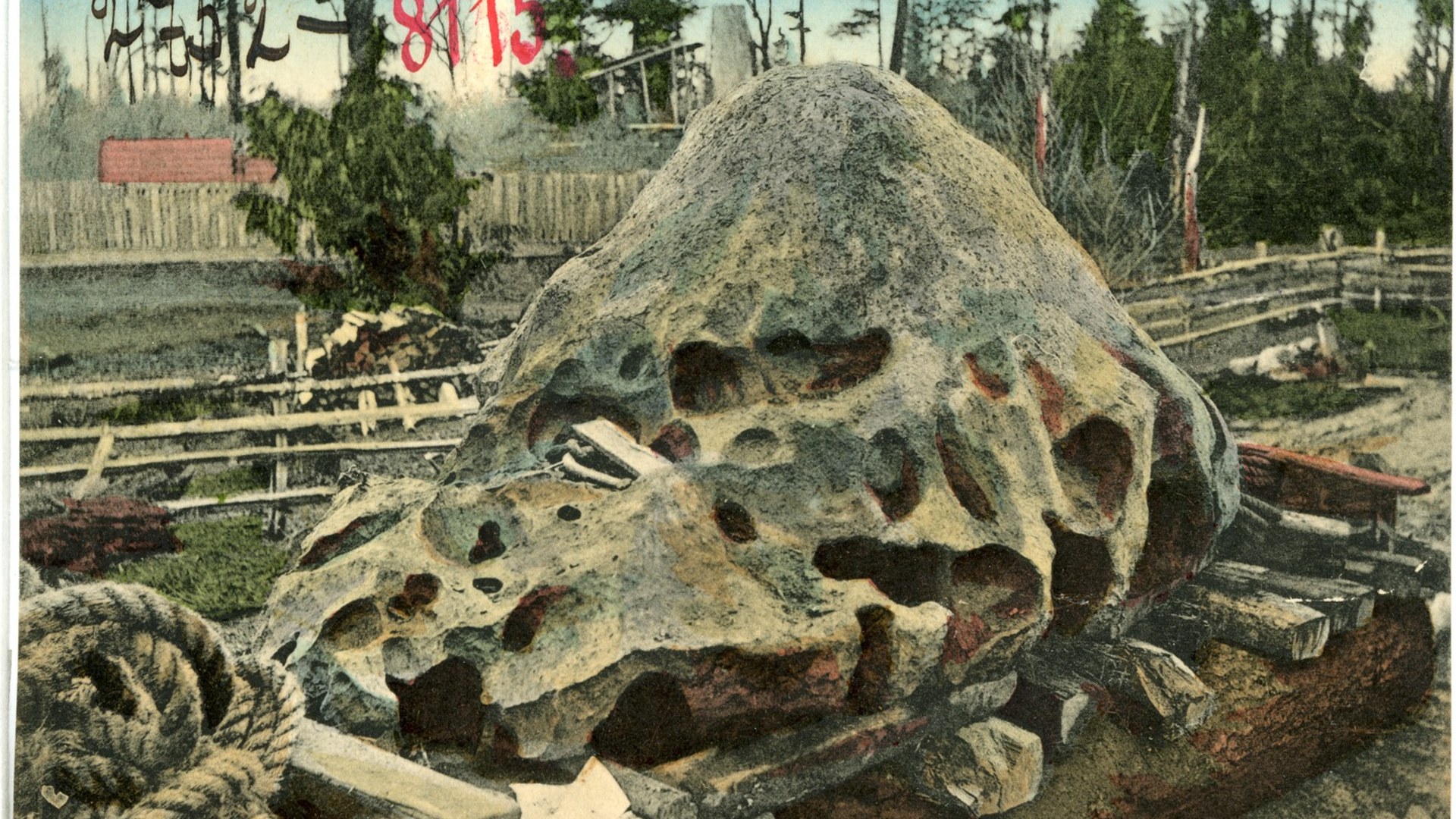
Discovered in 1902 by prospector Ellis Hughes, this 15.5-tonne iron mass sat in the hills of Willamette Valley. Deep cavities were carved by rainwater reacting with iron sulfide over thousands of years. The Clackamas people revere the sacred rock as Tomanowos.
7. The Tissint Martian Fall
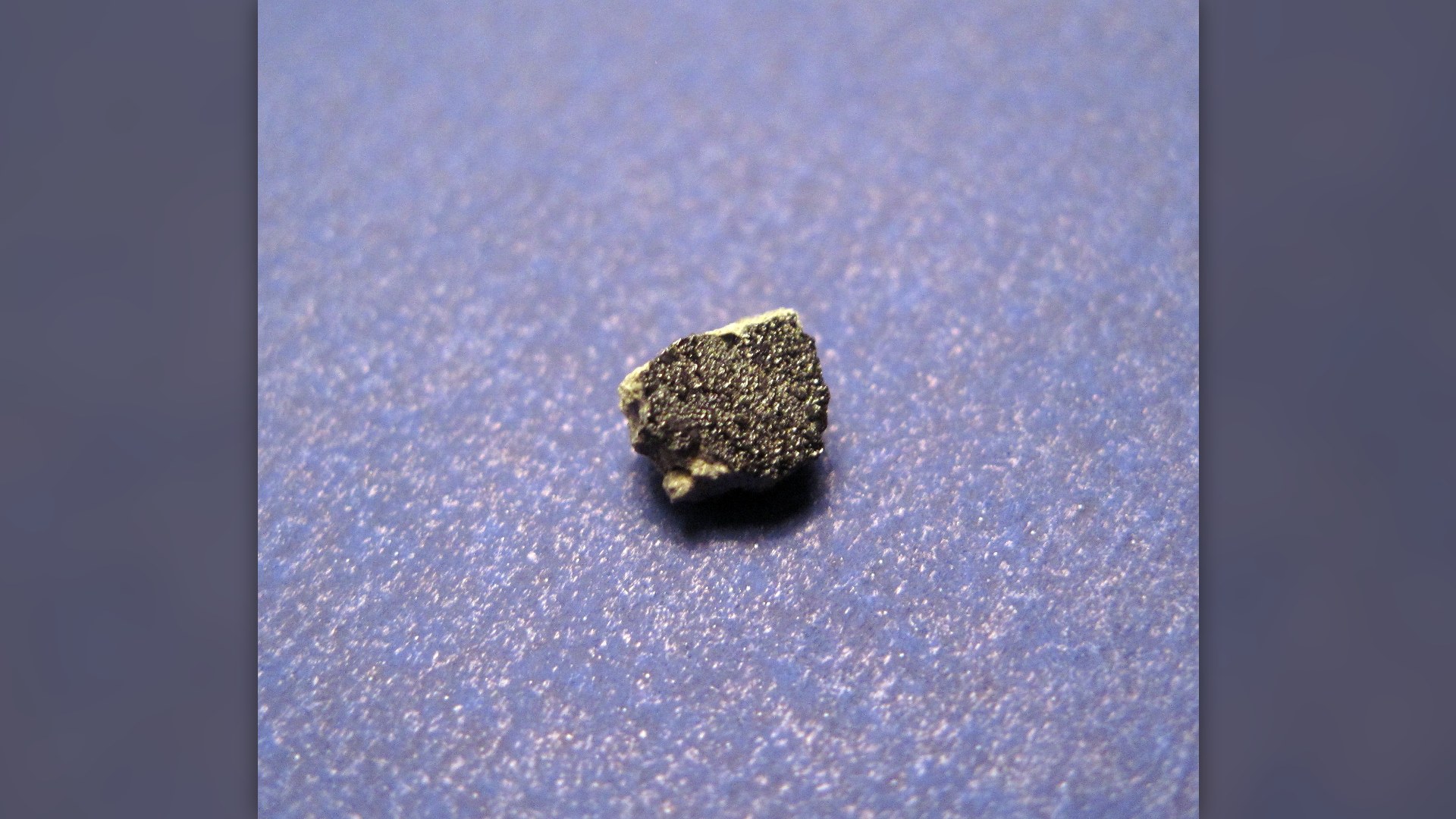
In July 2011, nomadic shepherds in southern Morocco observed a bright yellow fireball followed by two sonic booms. Fresh fusion-crusted stones were collected months later, offering planetary scientists unweathered volcanic rocks blasted from Mars several hundred thousand years ago.
6. ALH 84001 Ancient Martian Crust
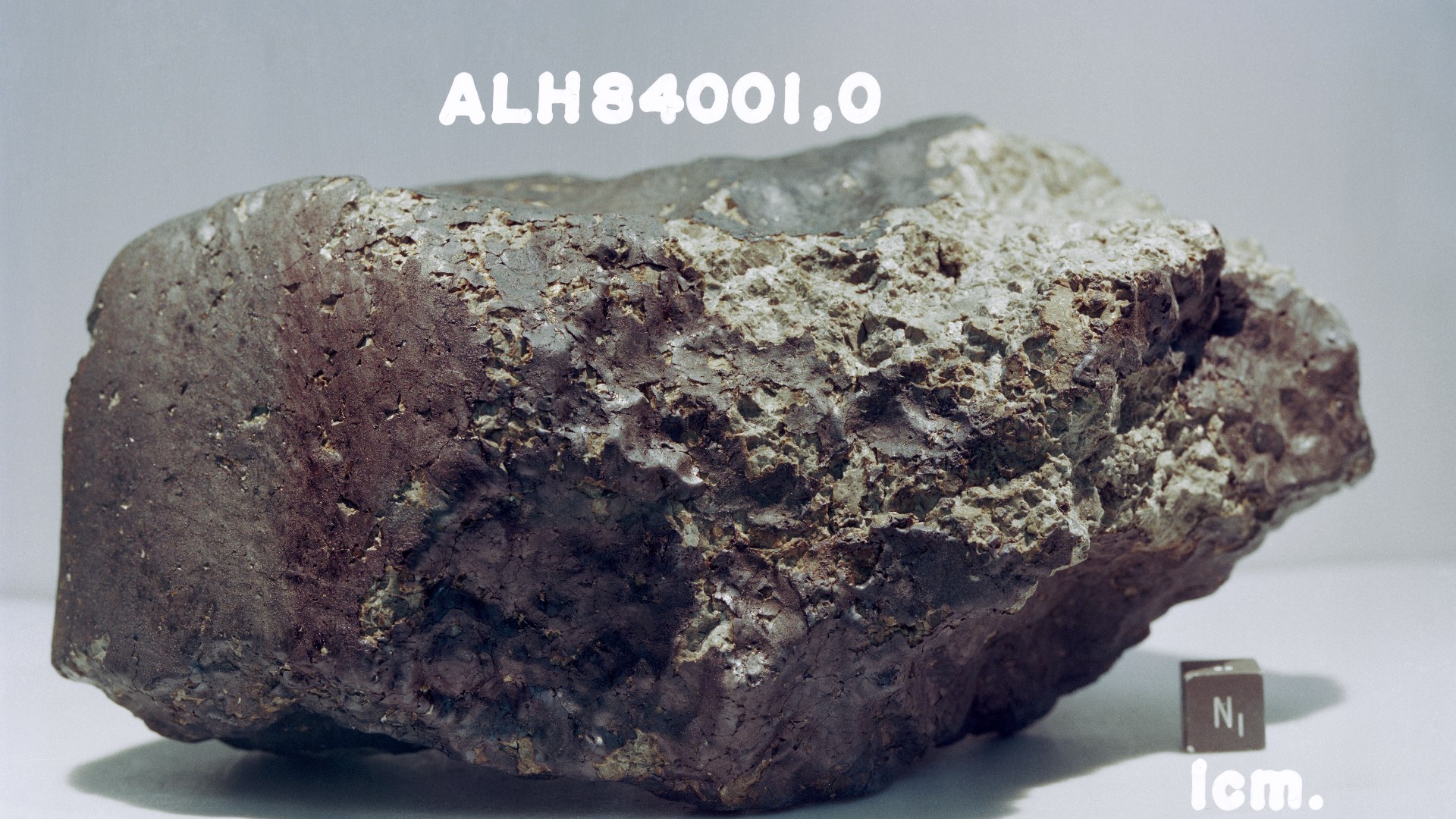
Collected in Antarctica's Allan Hills in 1984, ALH 84001 crystallized on Mars 4.09 billion years ago when liquid water flowed across the Red Planet. In 1996, NASA researchers identified microscopic carbonate globules and structures that fueled global discussions on ancient microbial life.
5. The Chelyabinsk Superbolide
On February 15, 2013, a twenty-meter asteroid entered Earth's atmosphere over the Ural Mountains at 60,000 kilometers per hour. Its airburst injured more than a thousand people and blew out windows across six cities before divers recovered a 654-kilogram main mass from Lake Chebarkul.
4. The Murchison Amino Acid Matrix
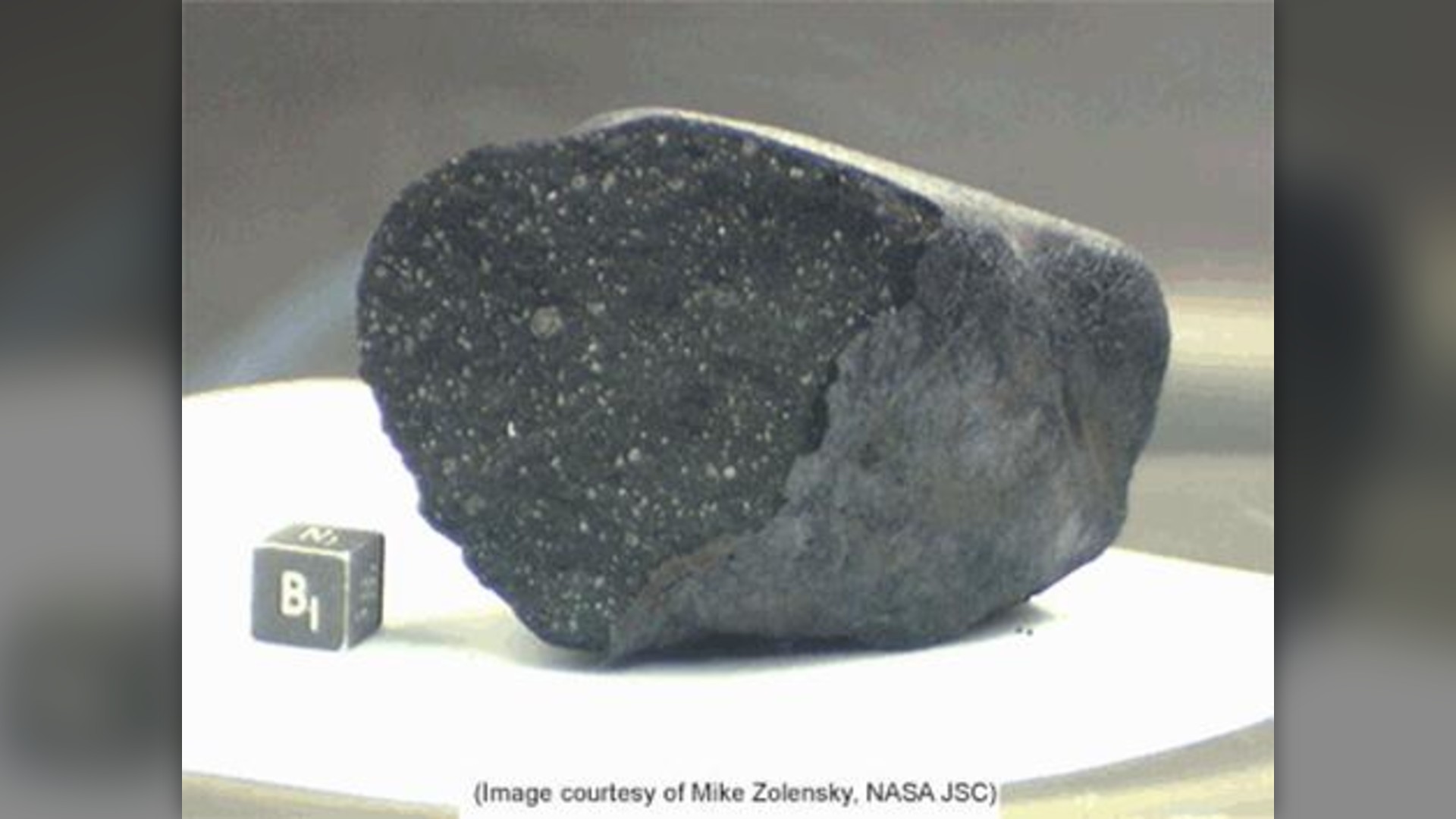
When a carbonaceous chondrite fell near Murchison, Victoria in September 1969, scientists recovered an extraordinary cosmic laboratory. Laboratory analysis revealed more than seventy distinct amino acids, demonstrating that fundamental precursors to terrestrial biology form naturally in space.
3. The Allende Supernova Capsule
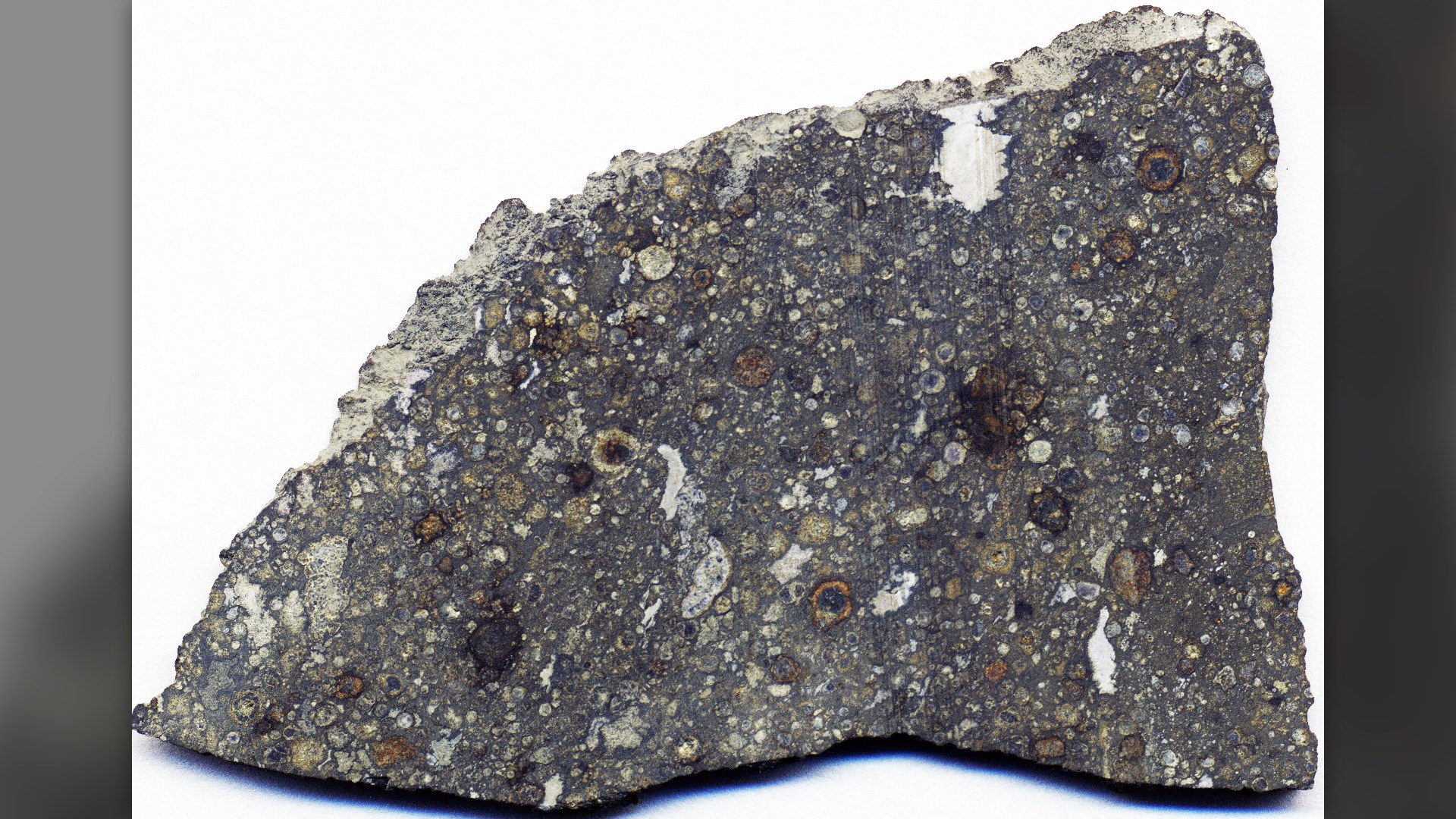
Exploding over Chihuahua, Mexico in February 1969, Allende showered two tonnes of dark stones containing white mineral patches called calcium-aluminium-rich inclusions. These condensates formed 4.567 billion years ago, providing researchers with our solar system's precise baseline age.
2. The Fukang Gemstone Pallasite
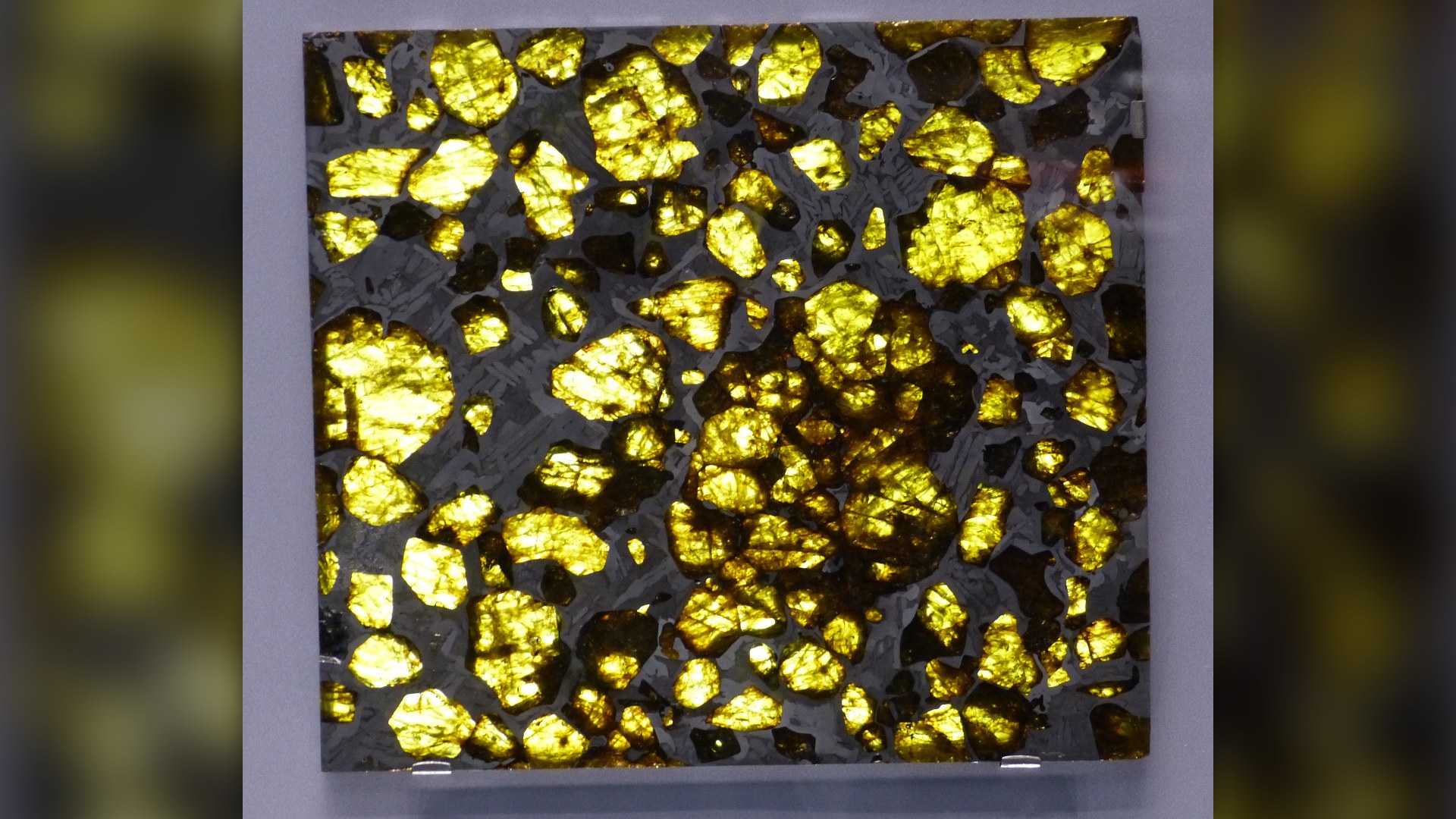
Discovered in the desert mountains near Fukang, China in 2000, this one-tonne pallasite represents an ancient planetary mantle-core boundary. When sliced and backlit, golden extraterrestrial olivine crystals glow inside a silver nickel-iron frame, creating natural geological art.
1. The Hoba Native Iron Monolith
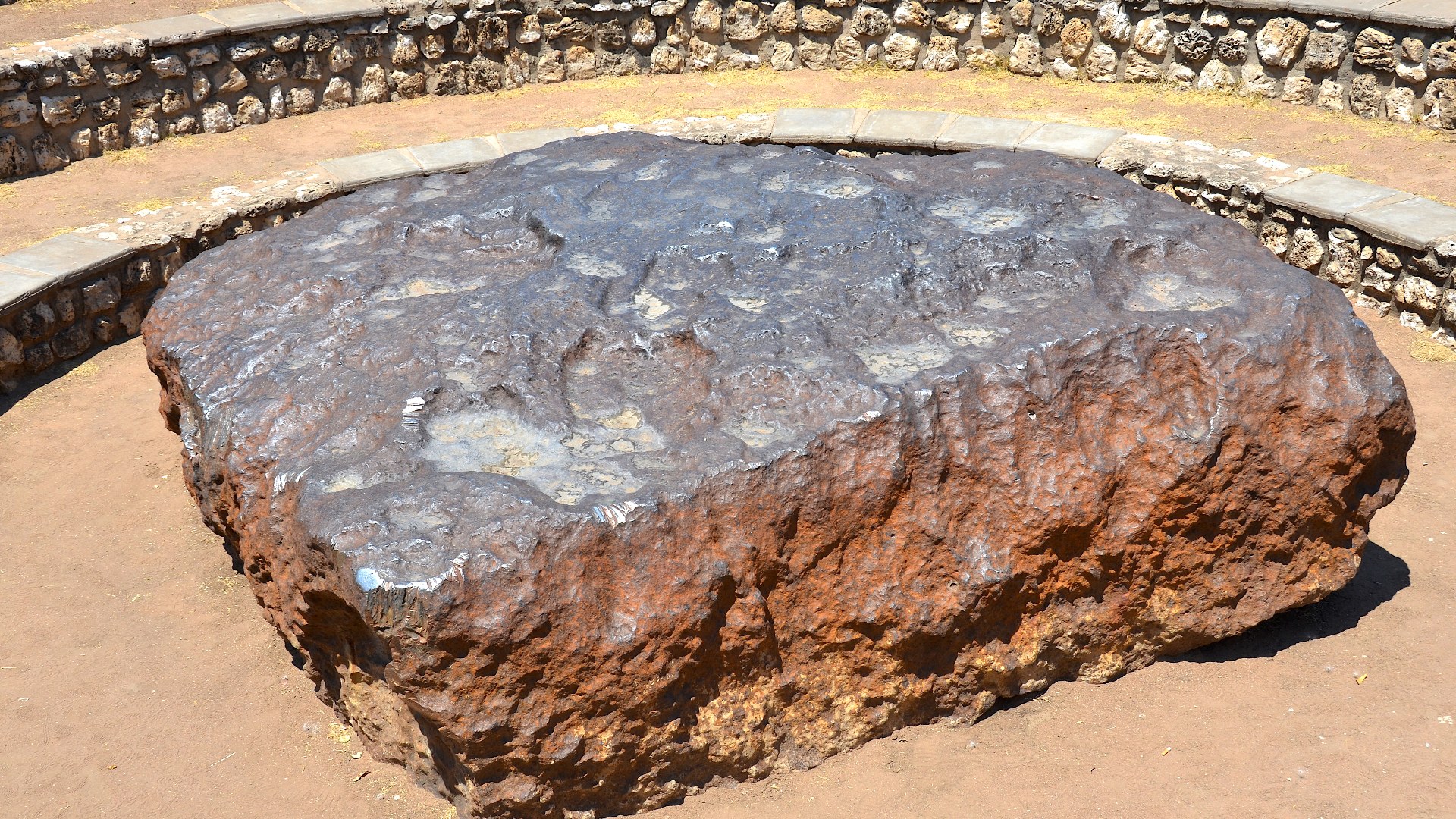
Lying undisturbed on a farm near Grootfontein, Namibia, Hoba is a sixty-tonne block of solid meteoric iron and nickel. Having struck Earth around 80,000 years ago without creating a crater, it remains the largest single natural piece of iron known on the planet surface.