Slideshow · Travel
The 15 Countries That Changed Their Names, Ranked
From Persia to Holland, see why 15 nations rebranded on the world map.
By Most Viral Today
5 Nov 2026

From Persia to Holland, see why 15 nations rebranded on the world map. 
15. The Netherlands (Formerly Holland) 
14. Turkiye (Formerly Turkey) 
13. Czechia (Formerly Czech Republic) - AdvertisementSwipe or tap ▶ to continue countdown

12. Cabo Verde (Formerly Cape Verde) 
11. North Macedonia (Formerly Macedonia) 
10. Eswatini (Formerly Swaziland) 
9. Burkina Faso (Formerly Upper Volta) - AdvertisementSwipe or tap ▶ to continue countdown

8. Belize (Formerly British Honduras) 
7. Ghana (Formerly Gold Coast) 
6. Zimbabwe (Formerly Rhodesia) 
5. Cambodia (Formerly Democratic Kampuchea) - AdvertisementSwipe or tap ▶ to continue countdown

4. DR Congo (Formerly Zaire) 
3. Myanmar (Formerly Burma) 
2. Sri Lanka (Formerly Ceylon) 
1. Iran (Formerly Persia) - Advertisement🔥 UP NEXT IN THIS SERIES◫ 21 Slides

20 Countries With the Strongest Passports, Ranked by Destinations
Global mobility rankings show how diplomatic agreements and visa pacts shape international travel. From European Union nations to dynamic Asian powerhouses, these passports grant seamless entry across continents. Based on official mobility data from the Henley Passport Index alongside statistics from the IATA database.
National names carry centuries of political history, colonial legacies, and cultural identity. Over the past century, dozens of sovereign states have petitioned the United Nations to update their official titles, whether to shed imperial borders, resolve diplomatic disputes, or modernize their global brand.
Swipe or tap ▶ to begin the countdown
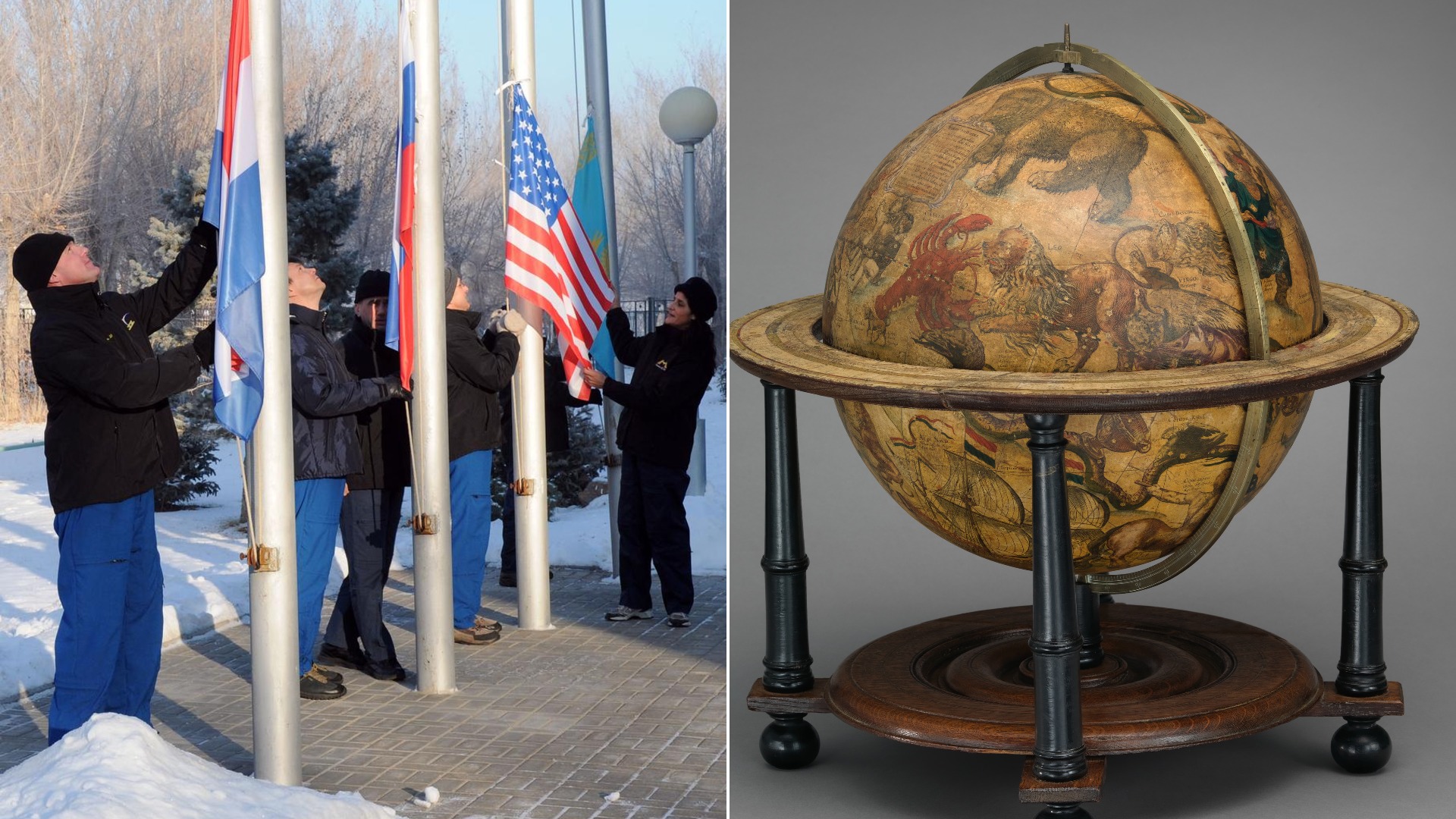
©NASA / JSC & The Met / Willem Jansz Blaeu
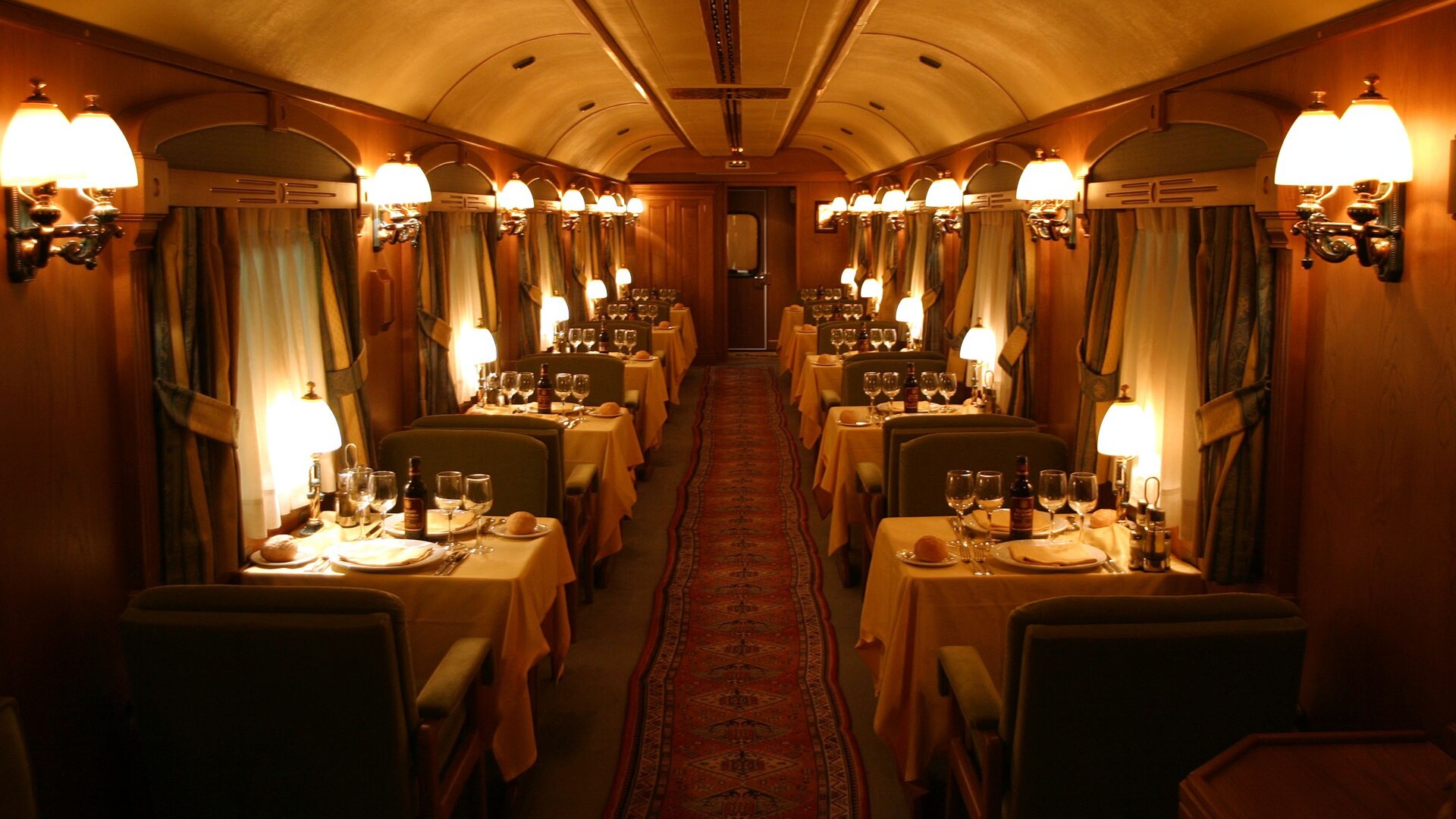
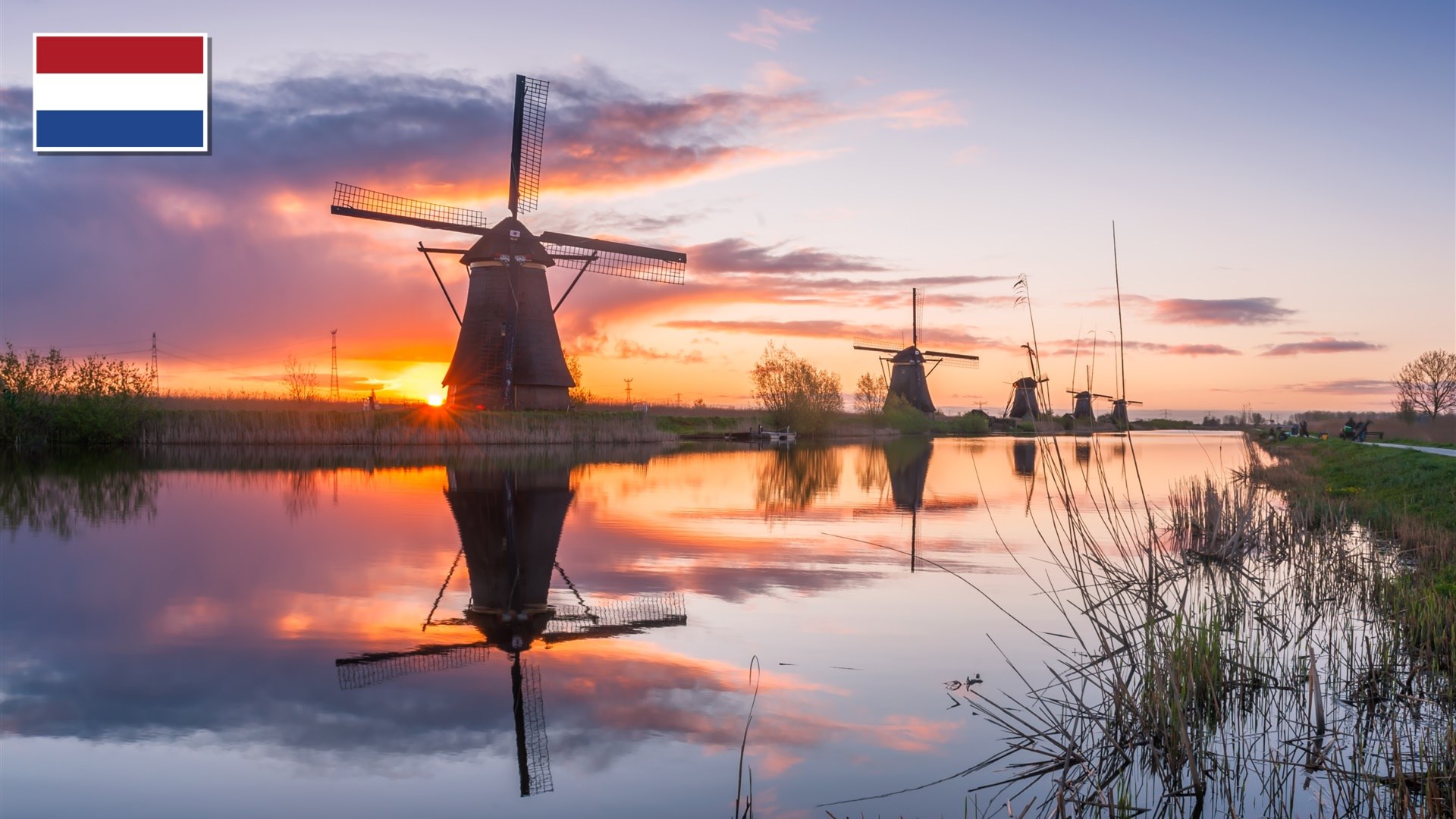
15. The Netherlands (Formerly Holland)
For decades, foreign visitors used Holland as shorthand for the entire Dutch state, even though North and South Holland are just two of its 12 provinces. In January 2020, Dutch ministries, universities, and embassies retired the nickname to promote sustainable tourism and trade across the whole country.
©Wikimedia / Dmytro Balkhovitin
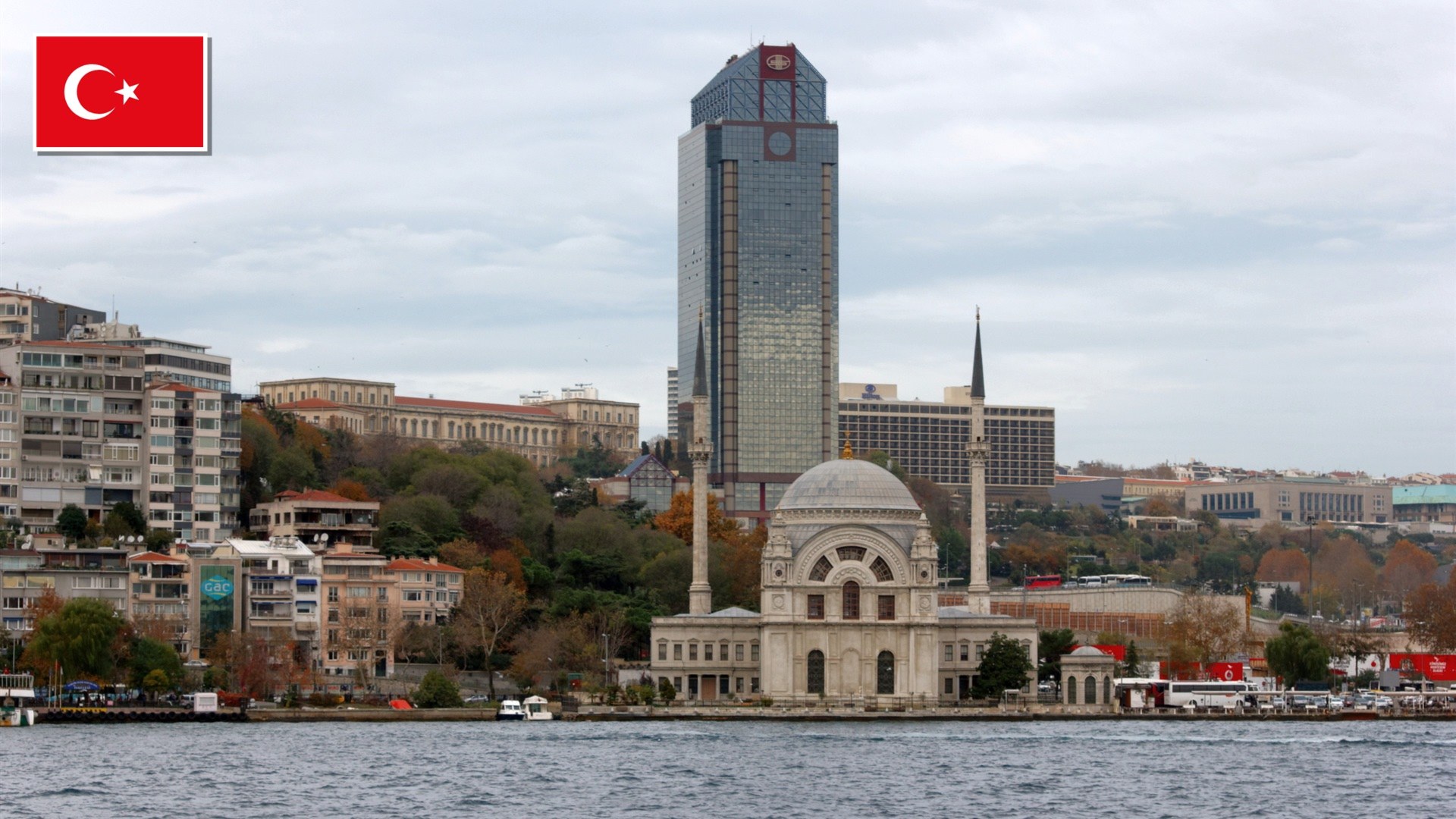
14. Turkiye (Formerly Turkey)
In June 2022, the United Nations formally approved Ankara's request to replace Turkey with Turkiye in all foreign languages. Officials stated that the native endonym, in use domestically since the republic's founding in 1923, better captures Turkish culture while avoiding dictionary definitions tied to the bird.
©Wikimedia / Alexxx1979
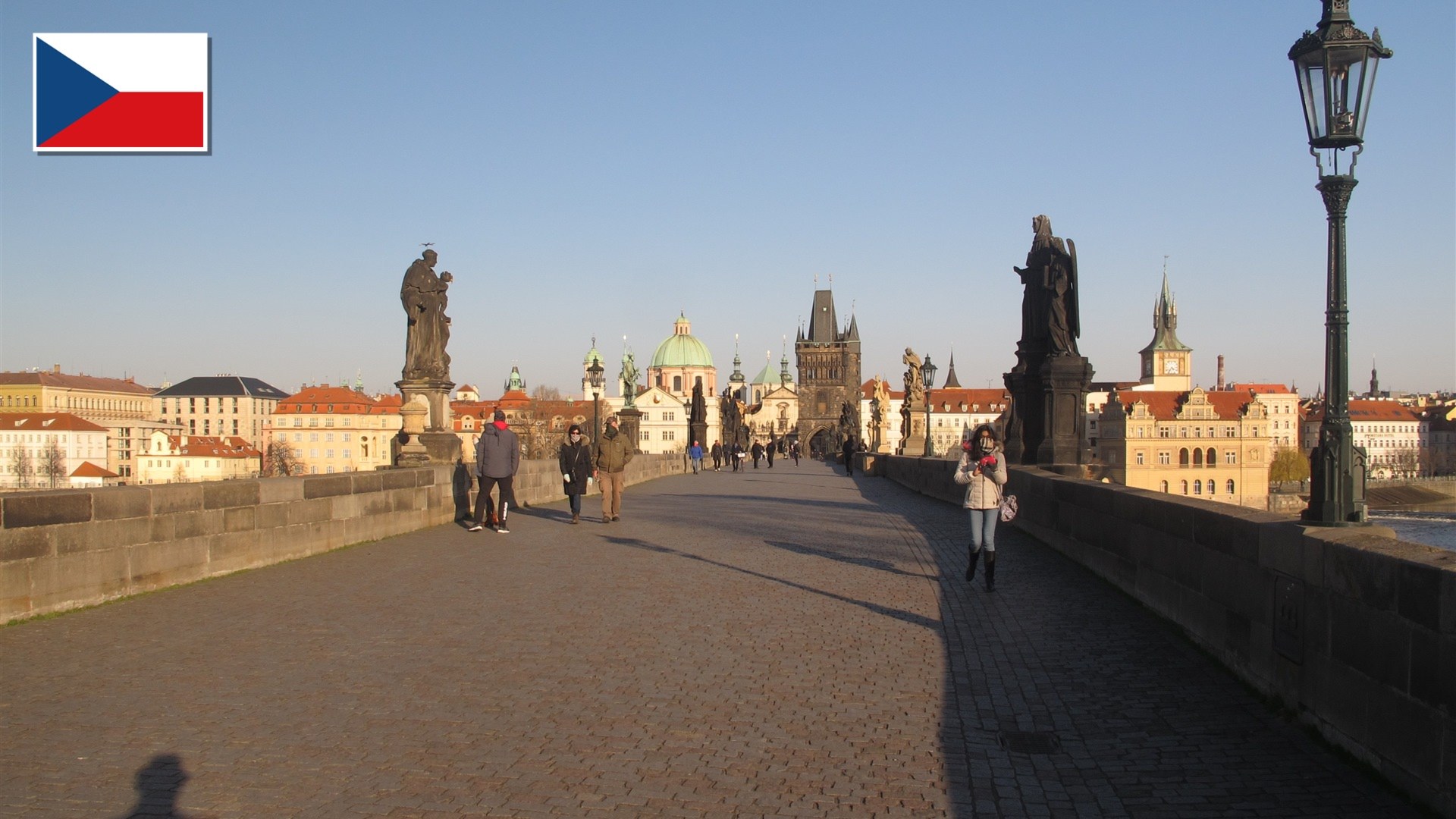
13. Czechia (Formerly Czech Republic)
Following the peaceful dissolution of Czechoslovakia in 1993, Prague lacked a single-word English name comparable to France for the French Republic. In 2016, Czech leaders registered Czechia with the United Nations database to give sports jerseys, export labels, and maps a concise geographic title.
©Wikimedia / Tadeas Gregor
Advertisement
Swipe or tap ▶ to resume the countdown.
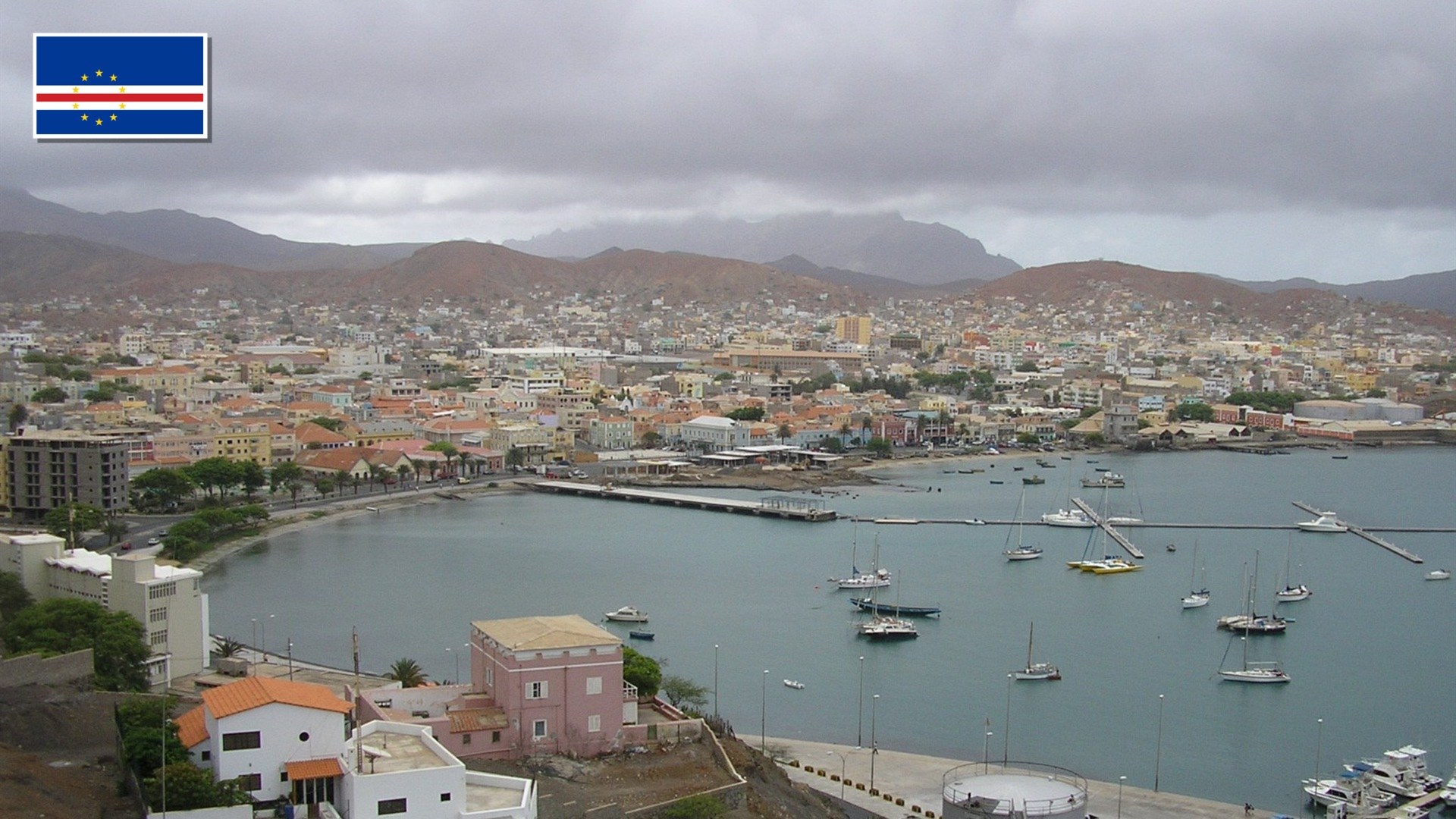
12. Cabo Verde (Formerly Cape Verde)
Named after the westernmost promontory of continental Africa by 15th-century Portuguese navigators, the Atlantic archipelago had long seen its name translated into foreign languages. The government notified the UN that the official Portuguese form Republic of Cabo Verde must be used untranslated in all languages.
©Wikimedia / Manuel de Sousa
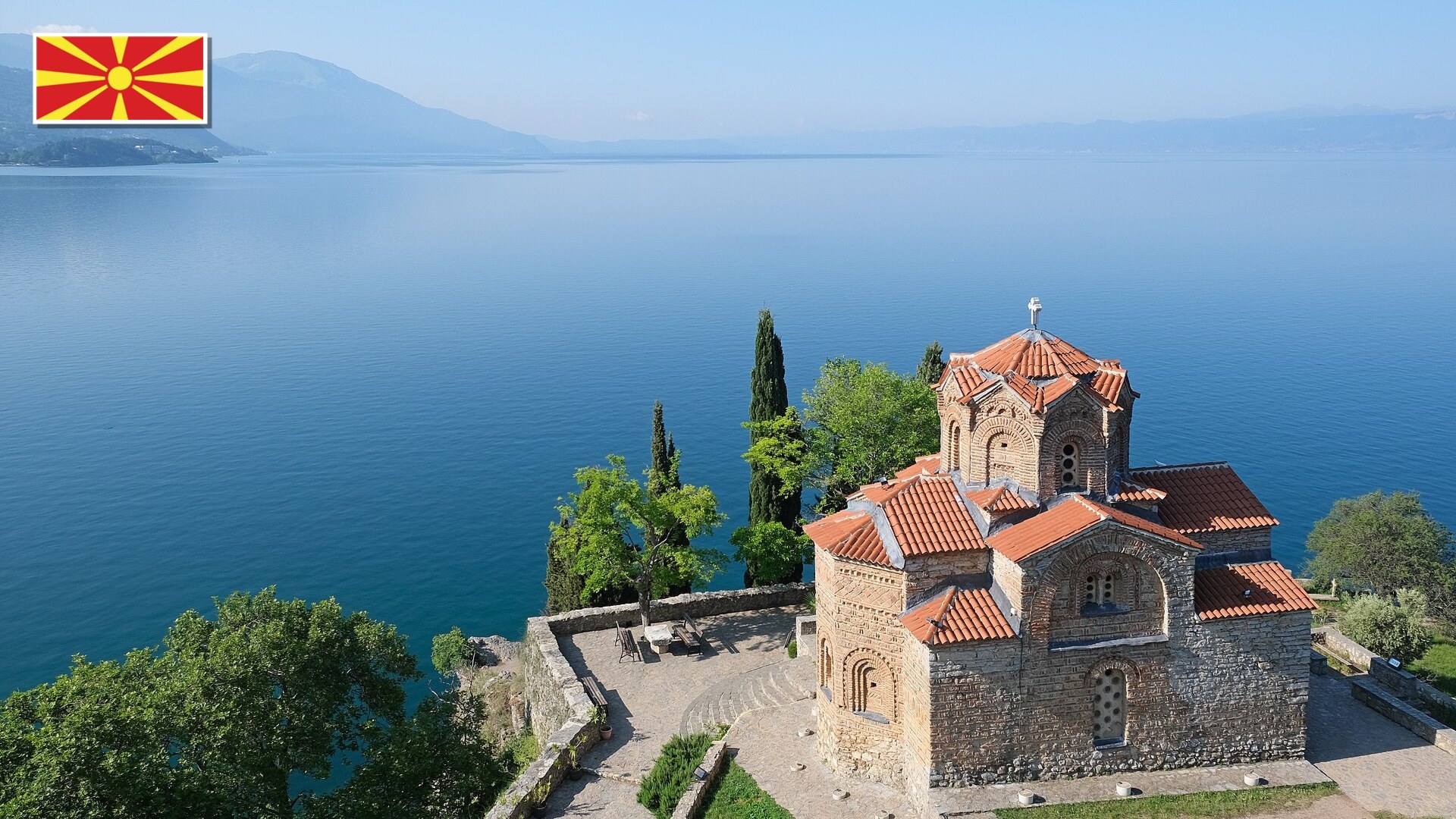
11. North Macedonia (Formerly Macedonia)
After declaring independence from Yugoslavia in 1991, the Balkan nation faced diplomatic vetoes from neighboring Greece, which has its own northern region called Macedonia. Ratifying the Prespa Agreement in February 2019 renamed the country the Republic of North Macedonia and cleared its path into NATO in 2020.
©Wikimedia / kallerna
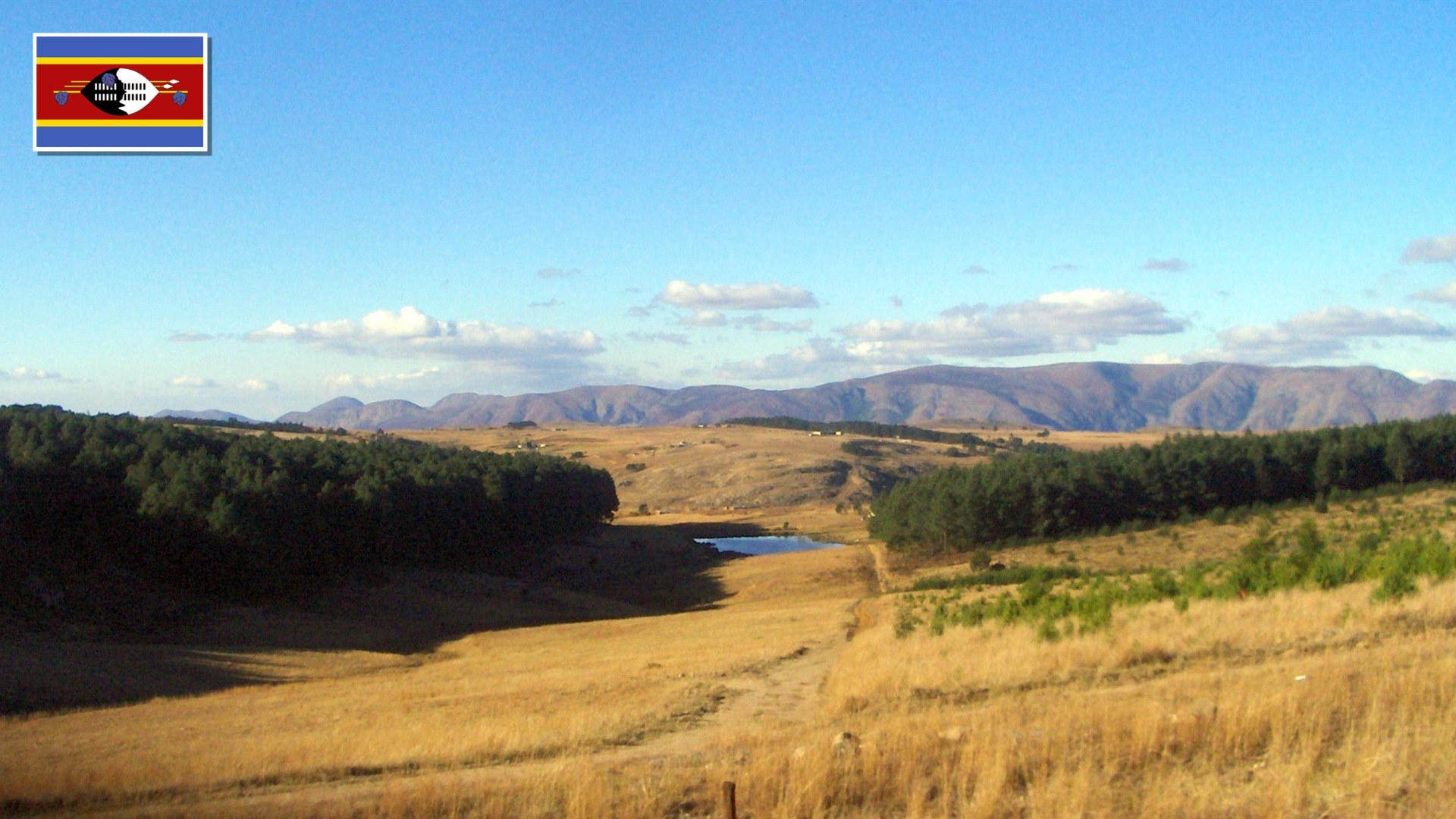
10. Eswatini (Formerly Swaziland)
Marking 50 years of independence from British rule in April 2018, King Mswati III announced that the southern African kingdom would be known as the Kingdom of Eswatini, meaning Land of the Swazis in the Swazi language. The change dropped the English-Swazi hybrid name and ended mail mix-ups with Switzerland.
©Wikimedia / Sara Atkins
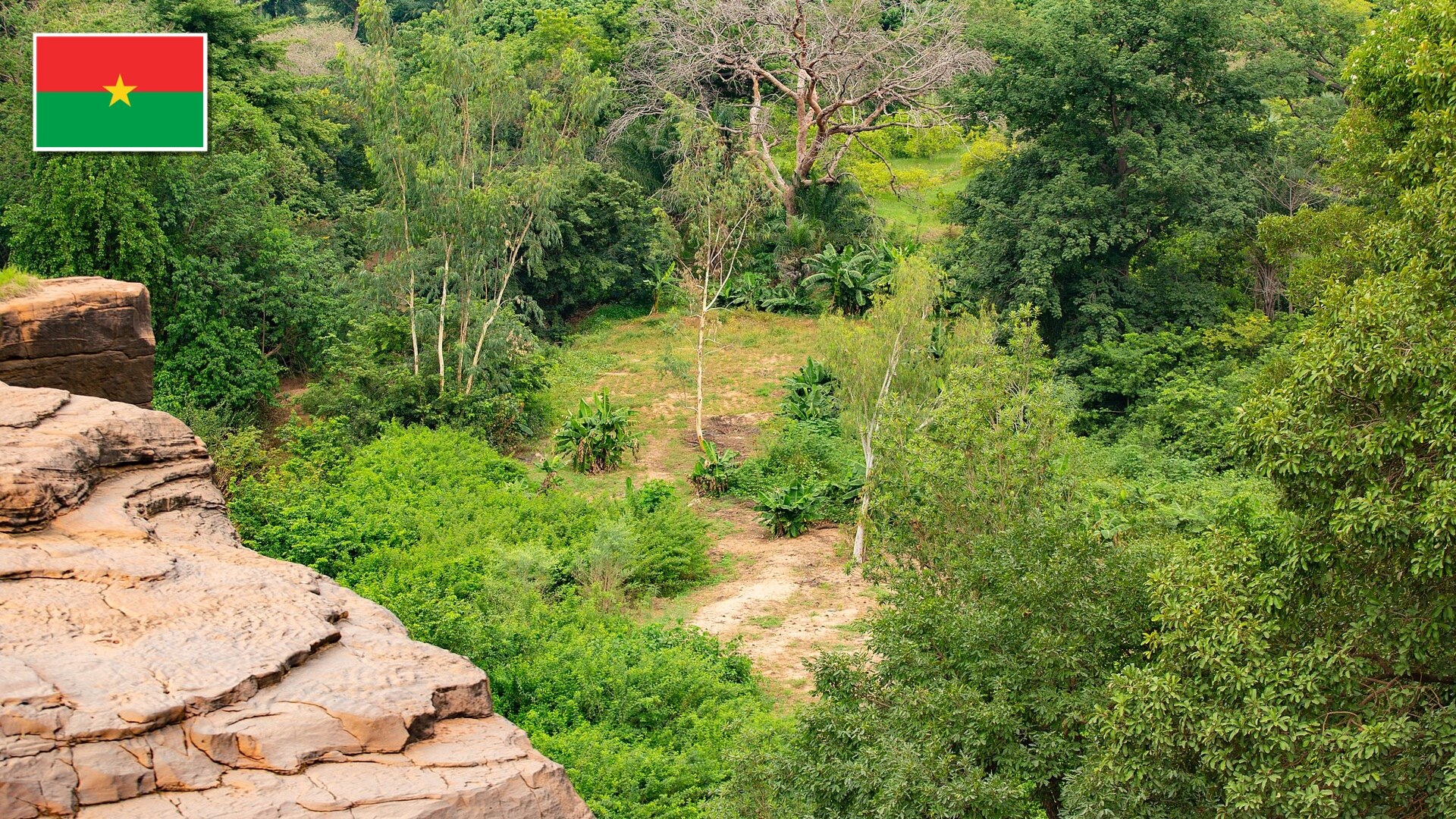
9. Burkina Faso (Formerly Upper Volta)
French colonial administrators named the territory Upper Volta in 1919 after the headwaters of the Volta River. On August 4, 1984, President Thomas Sankara renamed the West African nation Burkina Faso, blending the Mossi word Burkina (upright people) with the Dioula word Faso (father's house) to unite its citizens.
©Wikimedia / Masseni Hema
Advertisement
Swipe or tap ▶ to resume the countdown.
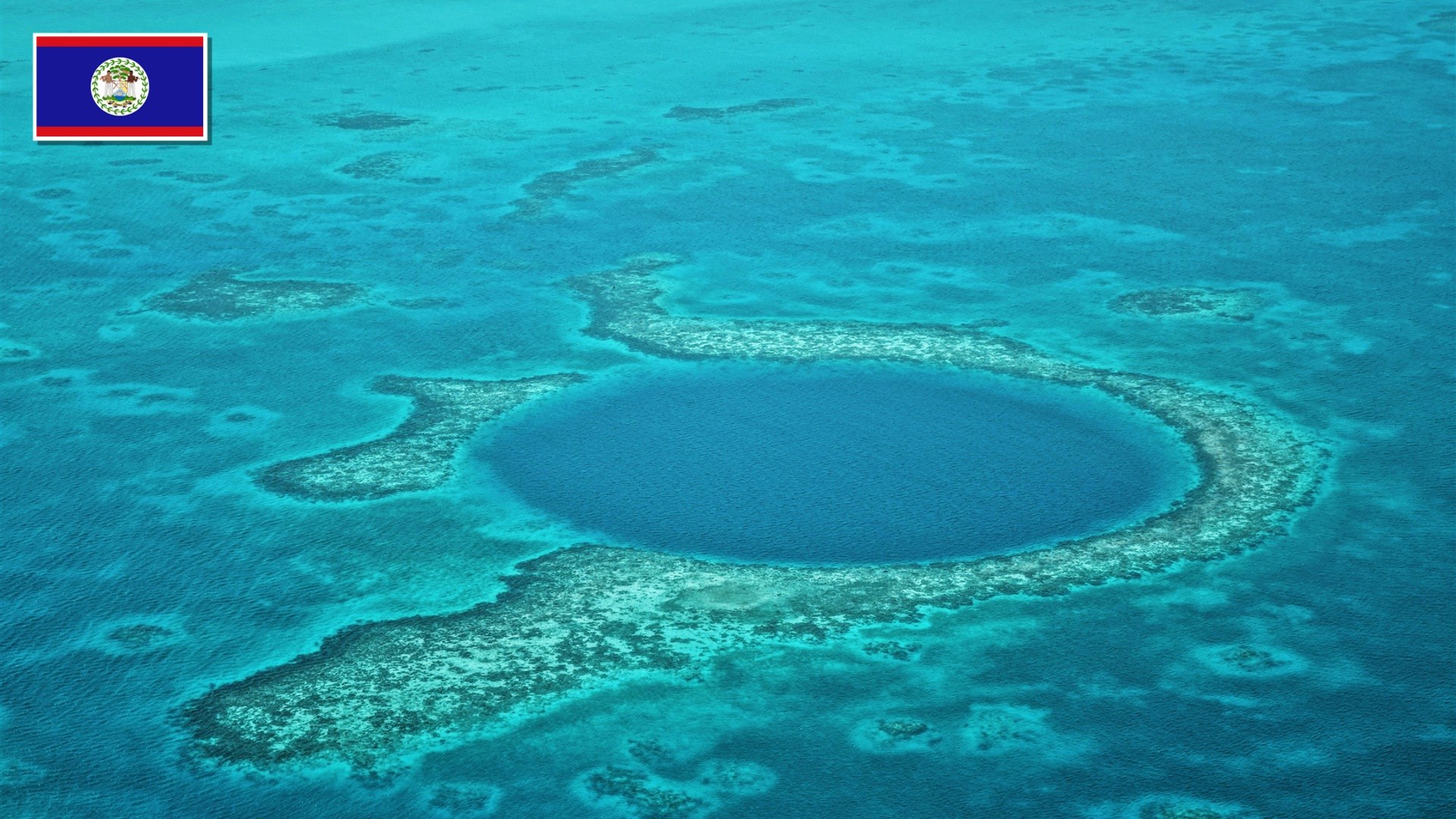
8. Belize (Formerly British Honduras)
Settled by British timber cutters along the Caribbean coast and declared the colony of British Honduras in 1862, the territory achieved internal self-government in 1964. Lawmakers voted to rename the country Belize in June 1973, taking the name of the Belize River and the Maya word Balix (muddy water).
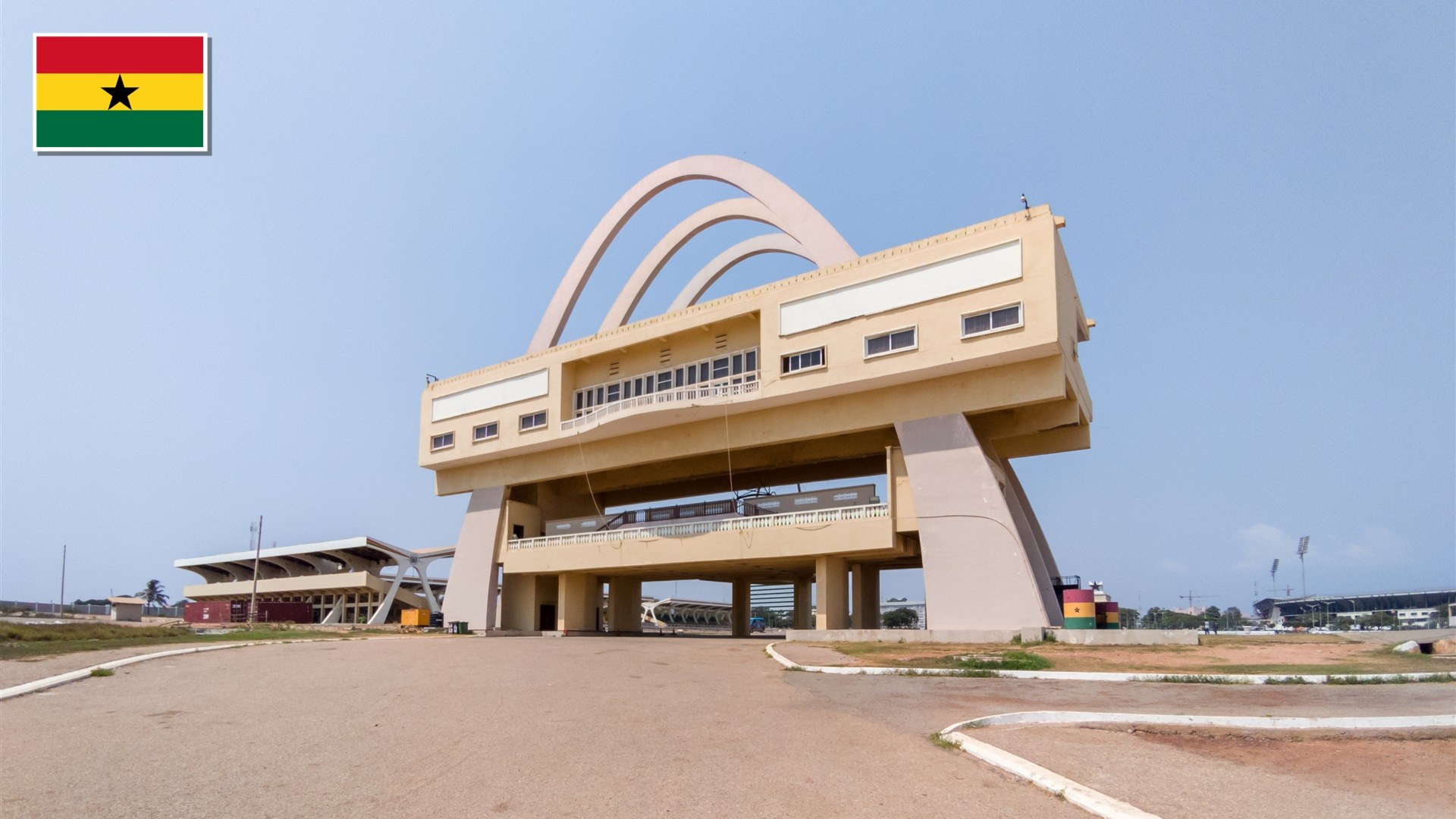
7. Ghana (Formerly Gold Coast)
European maritime powers called the region the Gold Coast for centuries because of its rich alluvial gold deposits. When Kwame Nkrumah led the colony to independence on March 6, 1957, the new nation adopted the name Ghana after the ancient Wagadou (Ghana) Empire to inspire pan-African pride across the continent.
©Wikimedia / Matti Blume
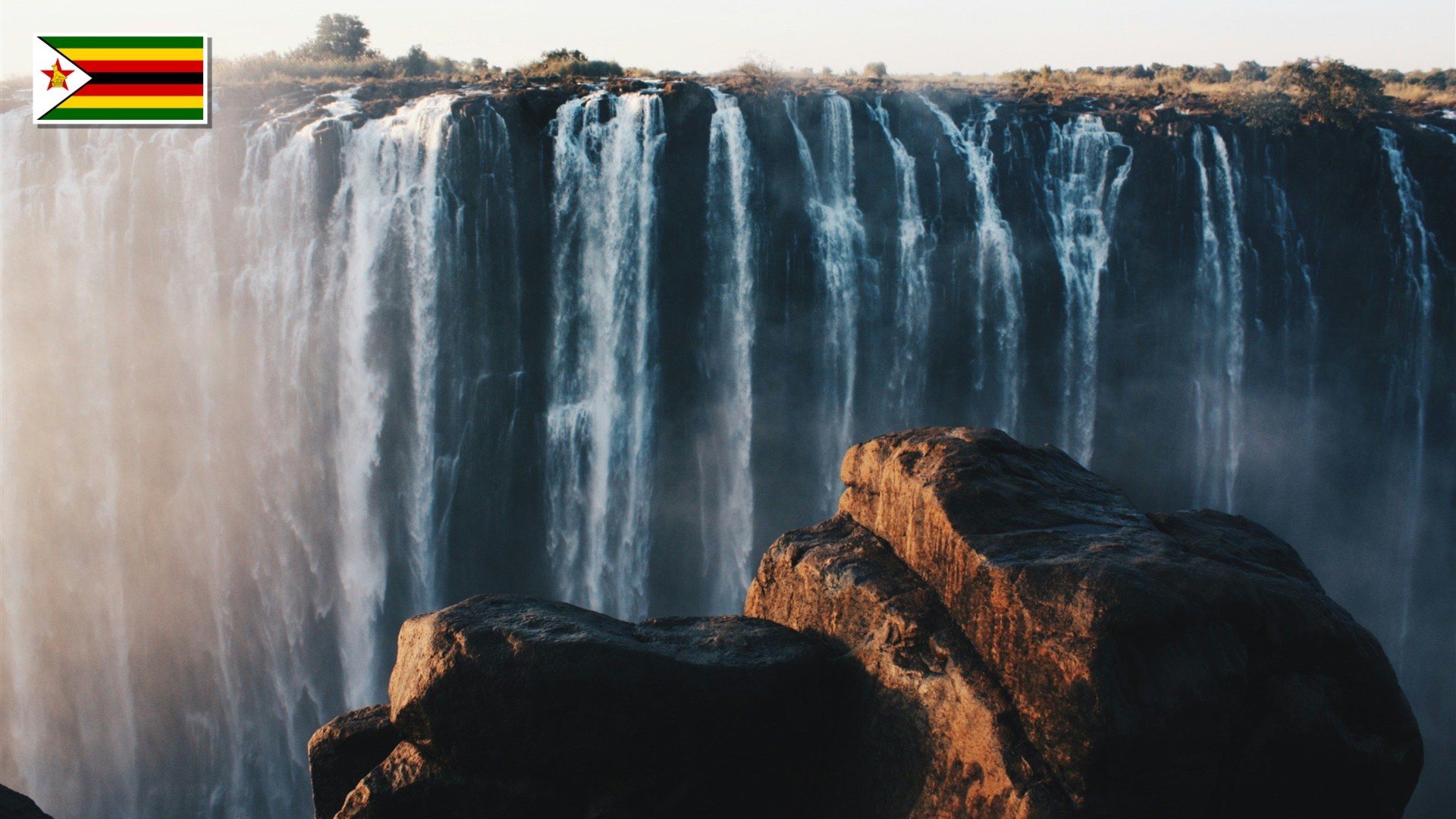
6. Zimbabwe (Formerly Rhodesia)
Administered in the 1890s by Cecil Rhodes's British South Africa Company, the territory was called Southern Rhodesia and later Rhodesia. When internationally recognized majority rule began on April 18, 1980, the country became Zimbabwe, derived from the Shona phrase dzimba dza mabwe (houses of stone).
© Photo by Tanner Marquis on Unsplash
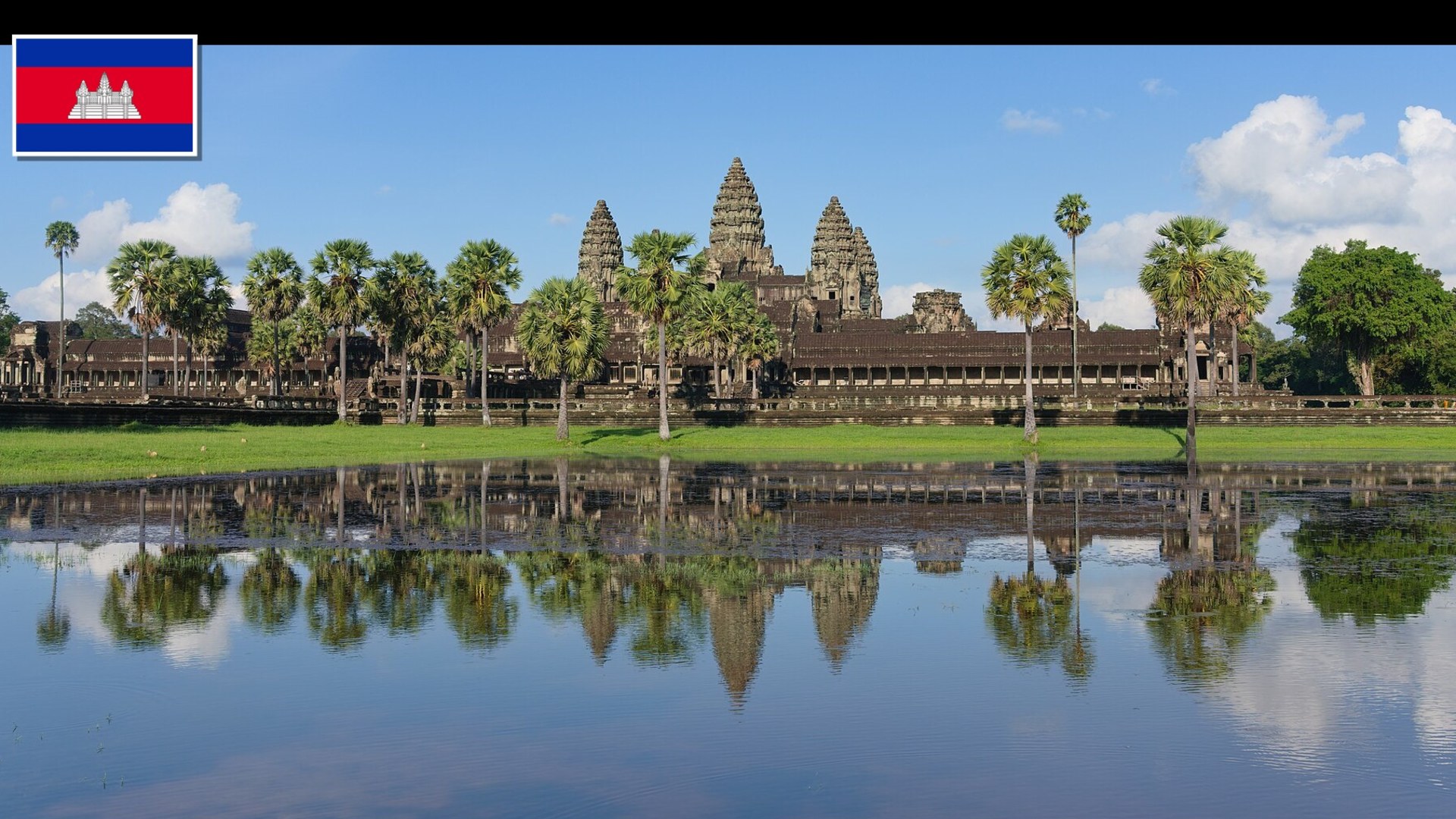
5. Cambodia (Formerly Democratic Kampuchea)
Between 1970 and 1989, regime changes shifted the country's title from the Khmer Republic to the Khmer Rouge's Democratic Kampuchea and then the People's Republic of Kampuchea. As Vietnamese troops withdrew in 1989, officials restored the English name Cambodia ahead of the 1993 restoration of the monarchy.
©Wikimedia / Satdeep Gill
Advertisement
Swipe or tap ▶ to resume the countdown.
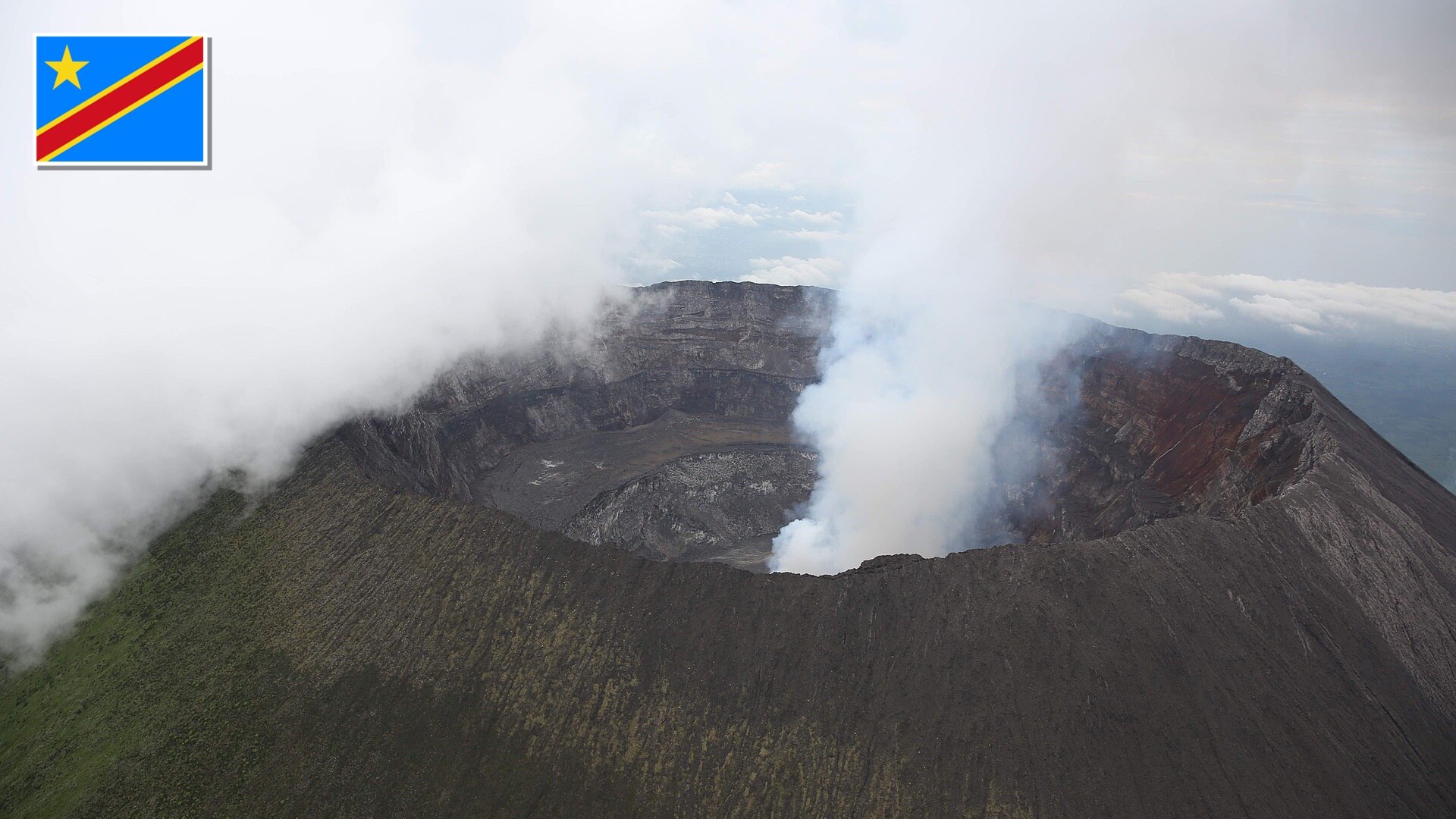
4. DR Congo (Formerly Zaire)
In 1971, ruler Mobutu Sese Seko renamed the country the Republic of Zaire as part of his Authenticite campaign, drawing from a Portuguese adaptation of the Kikongo word nzere (the river that swallows all rivers). When Laurent-Desire Kabila's forces took Kinshasa in May 1997, he immediately restored its pre-1971 name.
©Wikimedia / MONUSCO Photos
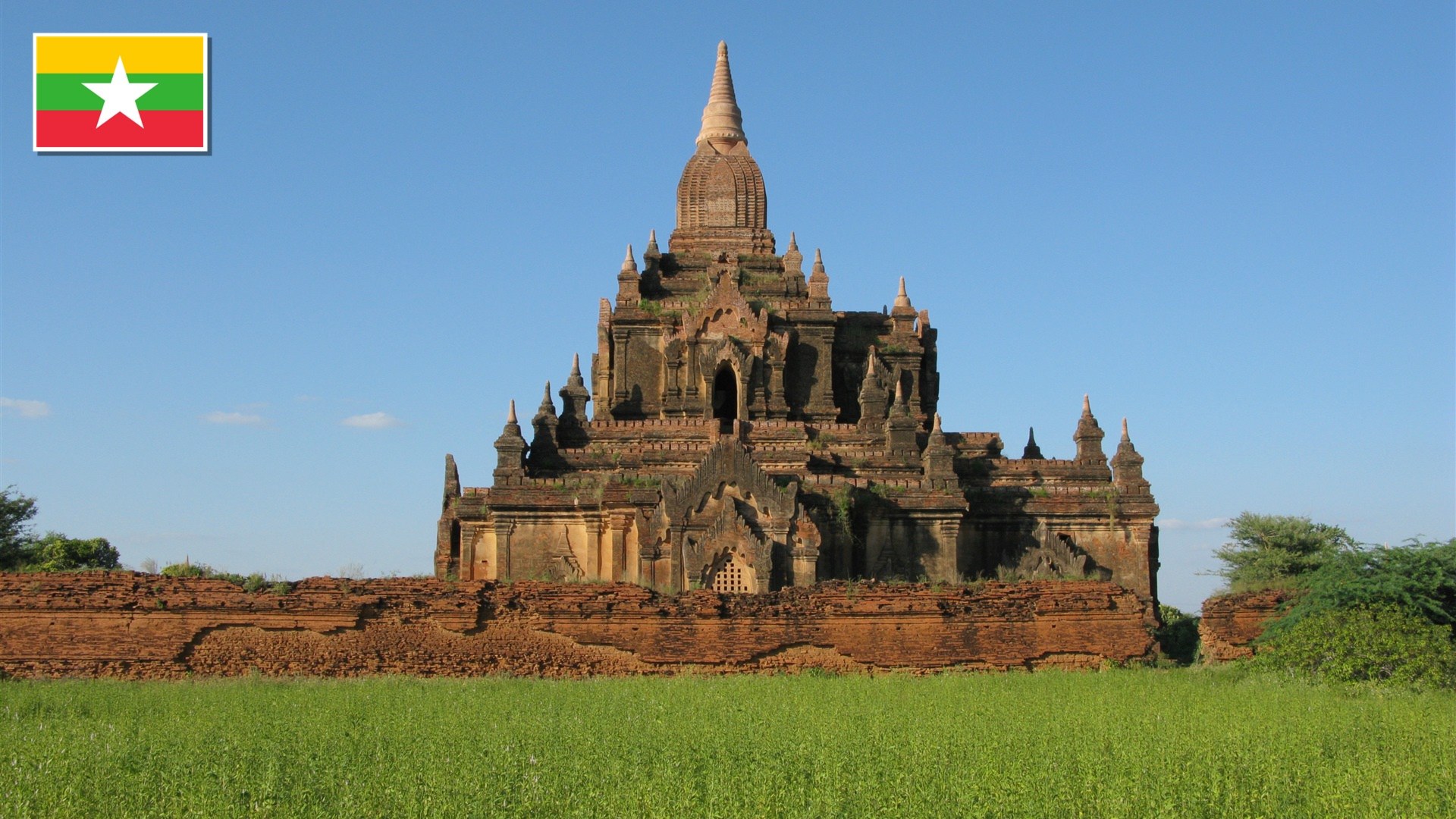
3. Myanmar (Formerly Burma)
In Burmese, Myanma is the formal literary name of the country, while Bama is the colloquial spoken form from which British colonists derived Burma. In June 1989, the military junta passed the Adaptation of Expressions Law, changing the English name to Myanmar alongside city names like Rangoon to Yangon.
©Wikimedia / Vyacheslav Argenberg
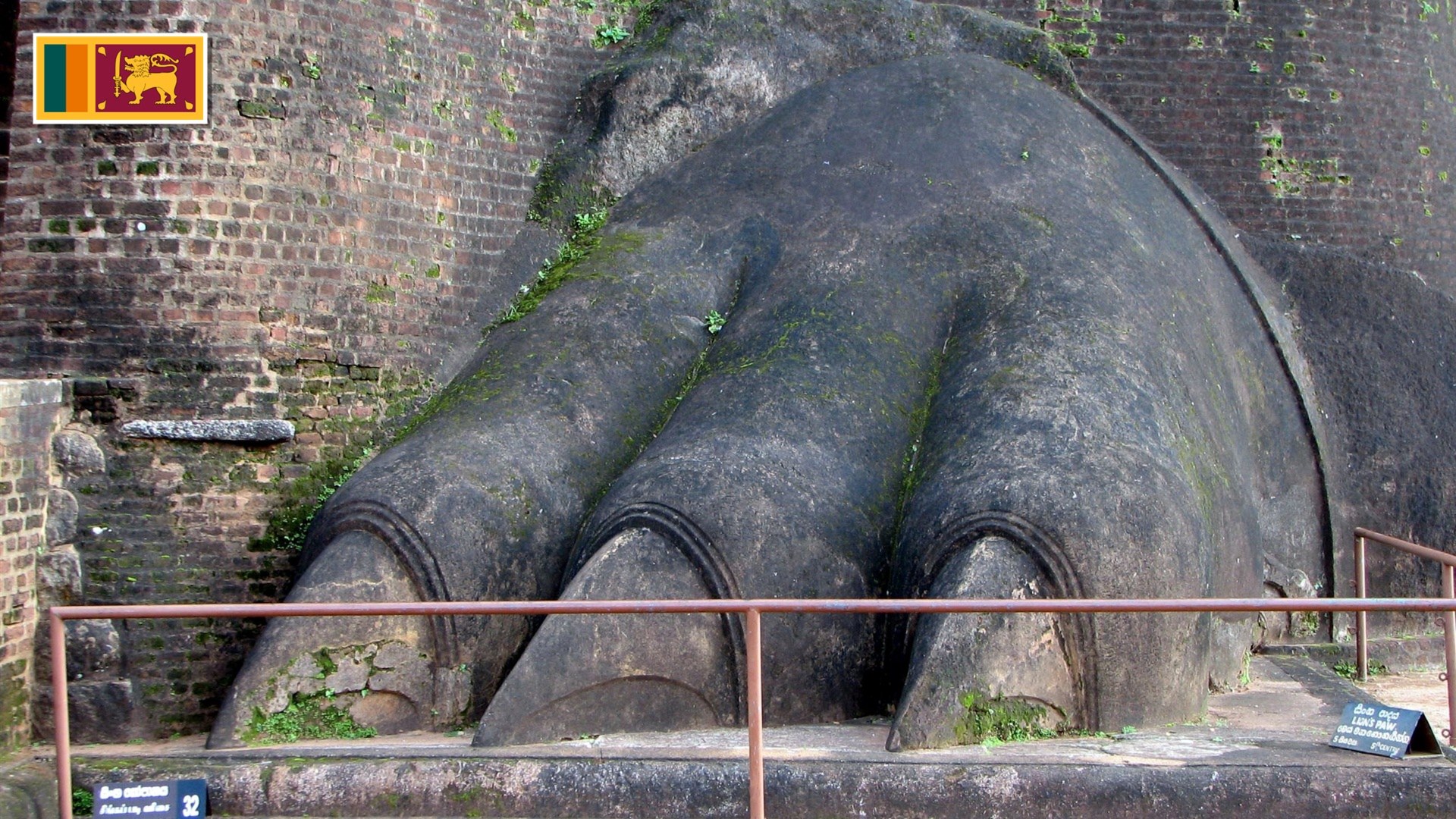
2. Sri Lanka (Formerly Ceylon)
Portuguese, Dutch, and British rulers successively called the Indian Ocean island Ceilao, Ceylan, and Ceylon. Although it gained independence in 1948, it kept the colonial name until May 22, 1972, when it became a republic and adopted the Sinhala name Sri Lanka (Resplendent Island).
©Wikimedia / Bernard Gagnon
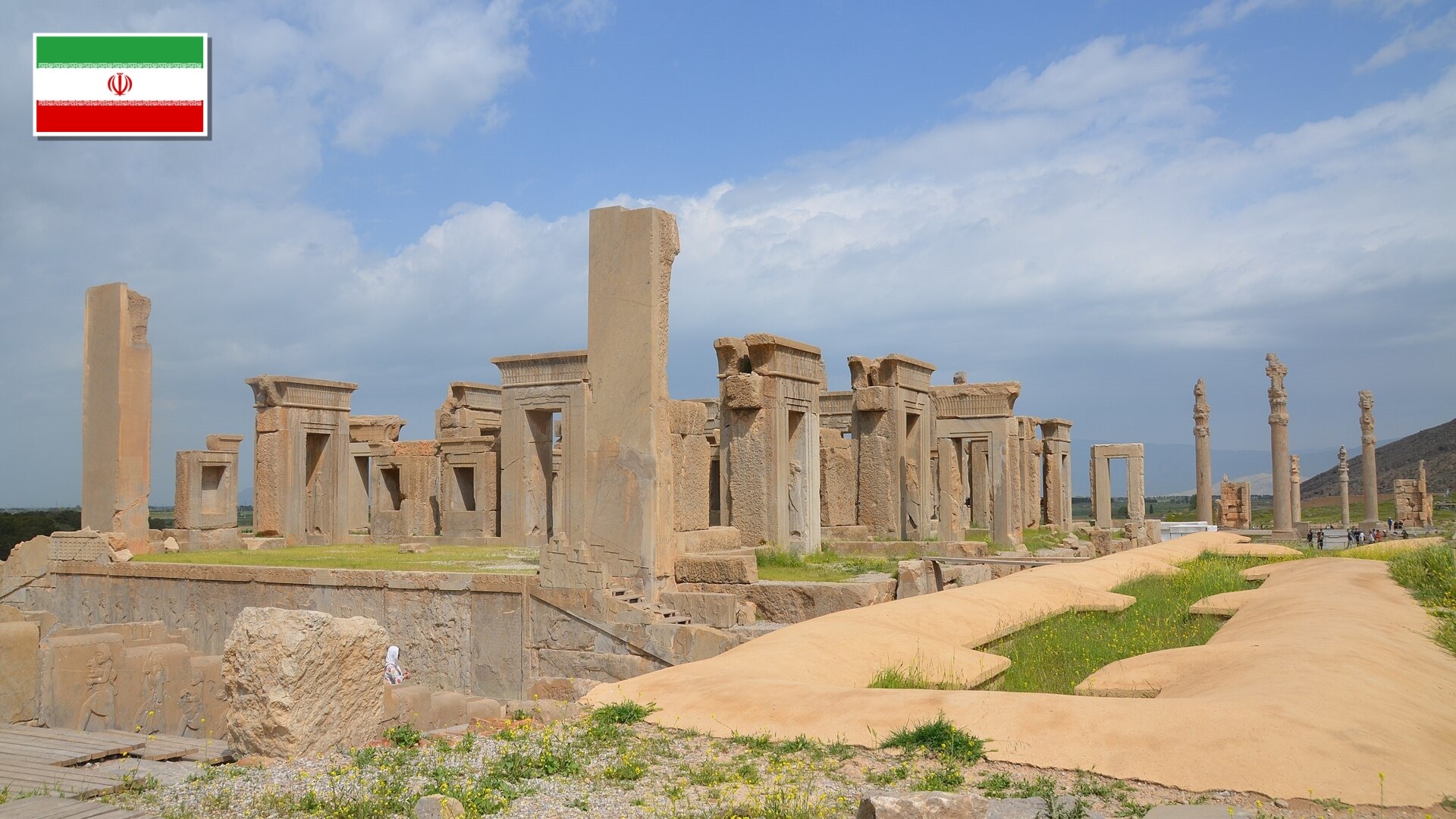
1. Iran (Formerly Persia)
Western nations had called the empire Persia since antiquity after the southwestern province of Pars (Persis), even though inhabitants had called their homeland Iran since the Sasanian era. On Nowruz in March 1935, Reza Shah Pahlavi asked foreign legations to use Iran in all official diplomatic correspondence.

©Wikimedia / Carole Raddato
Advertisement
You've reached the end of the story. Thanks for reading!

20 Countries With the Strongest Passports, Ranked by Destinations
Global mobility rankings show how diplomatic agreements and visa pacts shape international travel. From European Union nations to dynamic Asian powerhouses, these passports grant seamless entry across continents. Based on official mobility data from the Henley Passport Index alongside statistics from the IATA database.
All 15 Entries in this Story
1. The Netherlands (Formerly Holland)
For decades, foreign visitors used Holland as shorthand for the entire Dutch state, even though North and South Holland are just two of its 12 provinces. In January 2020, Dutch ministries, universities, and embassies retired the nickname to promote sustainable tourism and trade across the whole country.

2. Turkiye (Formerly Turkey)
In June 2022, the United Nations formally approved Ankara's request to replace Turkey with Turkiye in all foreign languages. Officials stated that the native endonym, in use domestically since the republic's founding in 1923, better captures Turkish culture while avoiding dictionary definitions tied to the bird.

3. Czechia (Formerly Czech Republic)
Following the peaceful dissolution of Czechoslovakia in 1993, Prague lacked a single-word English name comparable to France for the French Republic. In 2016, Czech leaders registered Czechia with the United Nations database to give sports jerseys, export labels, and maps a concise geographic title.

4. Cabo Verde (Formerly Cape Verde)
Named after the westernmost promontory of continental Africa by 15th-century Portuguese navigators, the Atlantic archipelago had long seen its name translated into foreign languages. The government notified the UN that the official Portuguese form Republic of Cabo Verde must be used untranslated in all languages.

5. North Macedonia (Formerly Macedonia)
After declaring independence from Yugoslavia in 1991, the Balkan nation faced diplomatic vetoes from neighboring Greece, which has its own northern region called Macedonia. Ratifying the Prespa Agreement in February 2019 renamed the country the Republic of North Macedonia and cleared its path into NATO in 2020.

6. Eswatini (Formerly Swaziland)
Marking 50 years of independence from British rule in April 2018, King Mswati III announced that the southern African kingdom would be known as the Kingdom of Eswatini, meaning Land of the Swazis in the Swazi language. The change dropped the English-Swazi hybrid name and ended mail mix-ups with Switzerland.

7. Burkina Faso (Formerly Upper Volta)
French colonial administrators named the territory Upper Volta in 1919 after the headwaters of the Volta River. On August 4, 1984, President Thomas Sankara renamed the West African nation Burkina Faso, blending the Mossi word Burkina (upright people) with the Dioula word Faso (father's house) to unite its citizens.

8. Belize (Formerly British Honduras)
Settled by British timber cutters along the Caribbean coast and declared the colony of British Honduras in 1862, the territory achieved internal self-government in 1964. Lawmakers voted to rename the country Belize in June 1973, taking the name of the Belize River and the Maya word Balix (muddy water).

9. Ghana (Formerly Gold Coast)
European maritime powers called the region the Gold Coast for centuries because of its rich alluvial gold deposits. When Kwame Nkrumah led the colony to independence on March 6, 1957, the new nation adopted the name Ghana after the ancient Wagadou (Ghana) Empire to inspire pan-African pride across the continent.

10. Zimbabwe (Formerly Rhodesia)
Administered in the 1890s by Cecil Rhodes's British South Africa Company, the territory was called Southern Rhodesia and later Rhodesia. When internationally recognized majority rule began on April 18, 1980, the country became Zimbabwe, derived from the Shona phrase dzimba dza mabwe (houses of stone).

11. Cambodia (Formerly Democratic Kampuchea)
Between 1970 and 1989, regime changes shifted the country's title from the Khmer Republic to the Khmer Rouge's Democratic Kampuchea and then the People's Republic of Kampuchea. As Vietnamese troops withdrew in 1989, officials restored the English name Cambodia ahead of the 1993 restoration of the monarchy.

12. DR Congo (Formerly Zaire)
In 1971, ruler Mobutu Sese Seko renamed the country the Republic of Zaire as part of his Authenticite campaign, drawing from a Portuguese adaptation of the Kikongo word nzere (the river that swallows all rivers). When Laurent-Desire Kabila's forces took Kinshasa in May 1997, he immediately restored its pre-1971 name.

13. Myanmar (Formerly Burma)
In Burmese, Myanma is the formal literary name of the country, while Bama is the colloquial spoken form from which British colonists derived Burma. In June 1989, the military junta passed the Adaptation of Expressions Law, changing the English name to Myanmar alongside city names like Rangoon to Yangon.

14. Sri Lanka (Formerly Ceylon)
Portuguese, Dutch, and British rulers successively called the Indian Ocean island Ceilao, Ceylan, and Ceylon. Although it gained independence in 1948, it kept the colonial name until May 22, 1972, when it became a republic and adopted the Sinhala name Sri Lanka (Resplendent Island).

15. Iran (Formerly Persia)
Western nations had called the empire Persia since antiquity after the southwestern province of Pars (Persis), even though inhabitants had called their homeland Iran since the Sasanian era. On Nowruz in March 1935, Reza Shah Pahlavi asked foreign legations to use Iran in all official diplomatic correspondence.