Slideshow · Science
The 15 Most Important Scientific Instruments Ever Made, Ranked
From ancient Greek bronze gearwork to giant gold space mirrors and 17-mile particle colliders, these 15 precision instruments reshaped human knowledge forever.
By Most Viral Today
5 Nov 2026

These 15 machines unlocked hidden worlds and rewrote the laws of nature 
15. The Antikythera Mechanism 
14. Foucault's Pendulum 
13. Apollo Lunar Laser Retroreflector - AdvertisementSwipe or tap ▶ to continue countdown

12. Arecibo Radio Telescope 
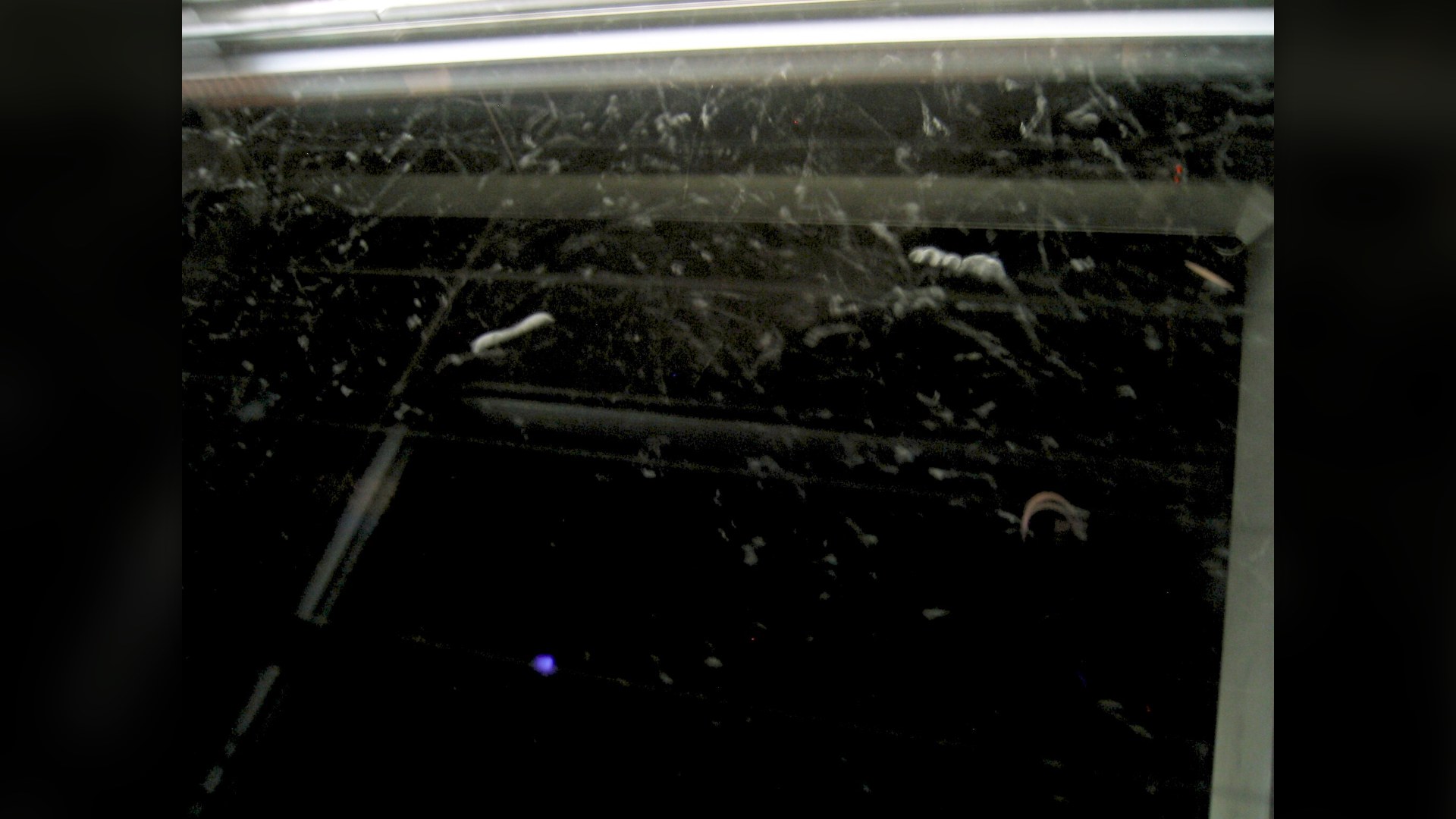
11. The Wilson Cloud Chamber 
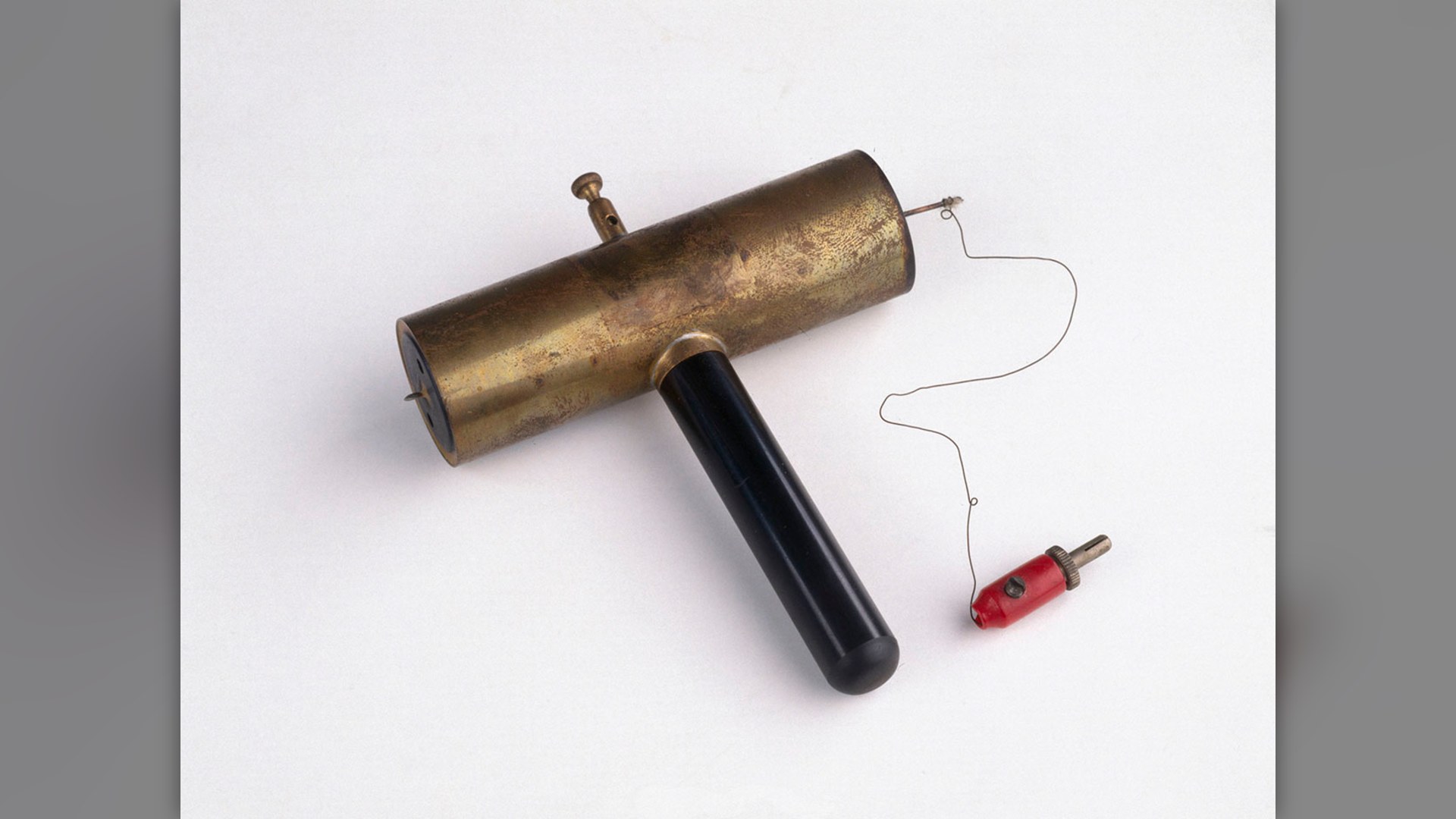
10. The Geiger-Mueller Counter 
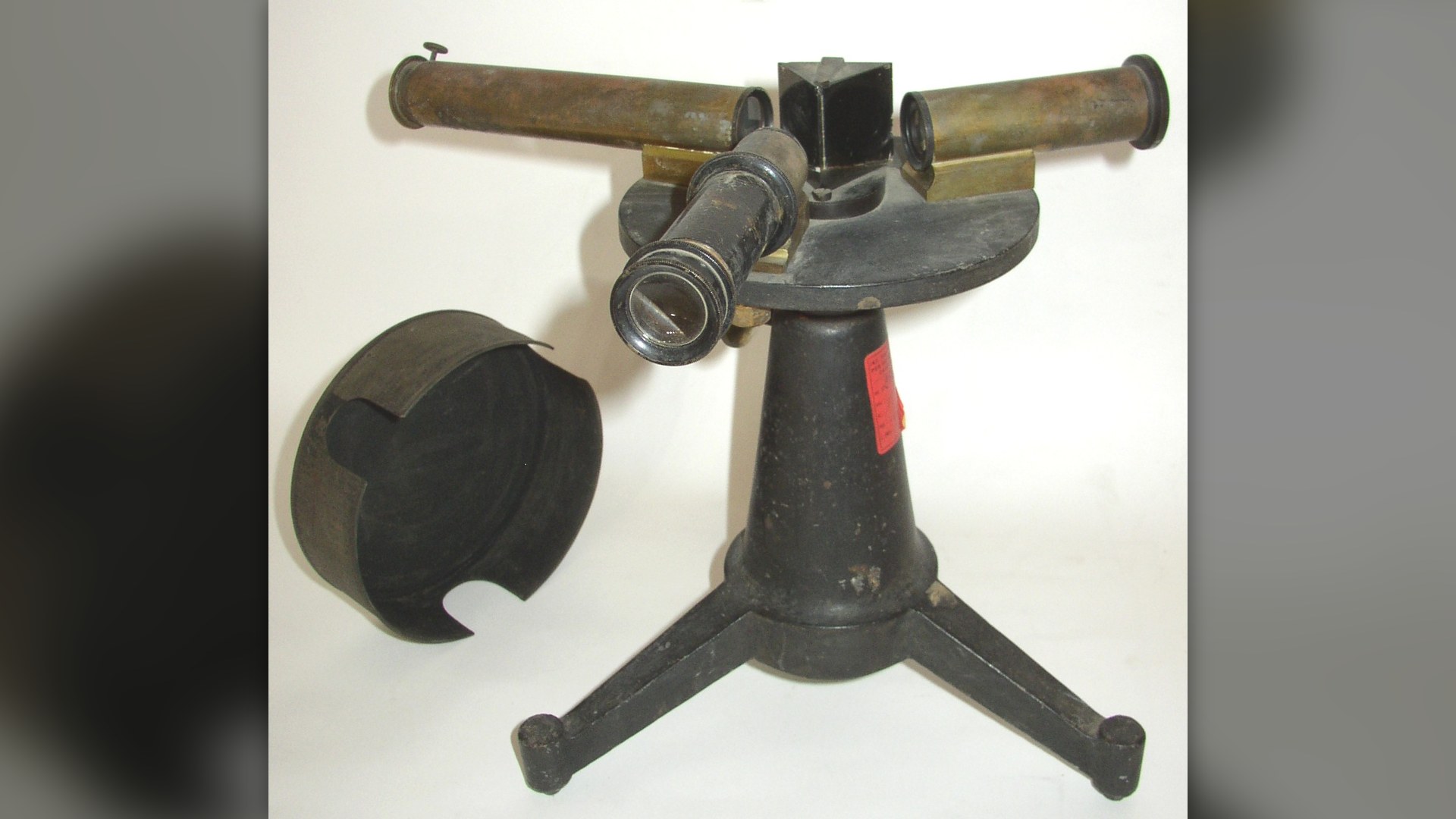
9. Kirchhoff-Bunsen Spectroscope - AdvertisementSwipe or tap ▶ to continue countdown

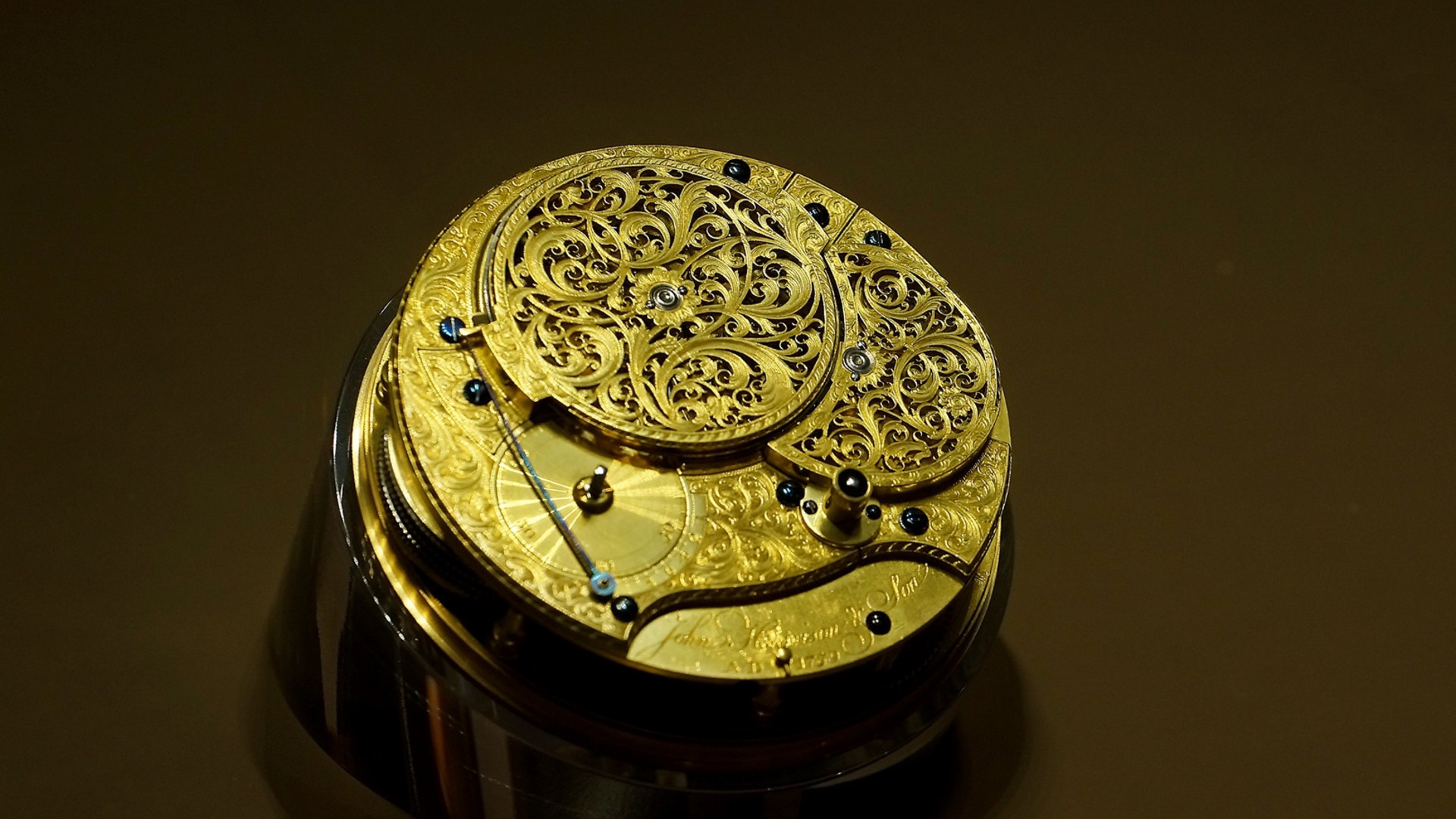
8. John Harrison's H4 Marine Chronometer 
7. Ruska's Electron Microscope 
6. LIGO Gravitational-Wave Interferometer 
5. James Webb Space Telescope - AdvertisementSwipe or tap ▶ to continue countdown

4. Crookes And Roentgen Vacuum Tube 
3. The Large Hadron Collider And ATLAS Detector 
2. The Hubble Space Telescope 
1. Galileo's Refracting Telescope - Advertisement🔥 UP NEXT IN THIS SERIES◫ 26 Slides

25 Groundbreaking American Inventions and Achievements Ranked
From Kitty Hawk and the Apollo 11 lunar landing to the transistor and the internet, American inventors and scientists have transformed global civilization. Sourced from the Smithsonian Institution, NASA archives, and the Library of Congress, here are twenty-five groundbreaking American milestones ranked.
Every leap in human knowledge started with a tool built to measure what our bare senses could not detect. From 2,000-year-old bronze gearwork to 17-mile underground particle colliders, these 15 instruments reshaped science forever.
Swipe or tap ▶ to begin the countdown
©Wikimedia / David Higginbotham
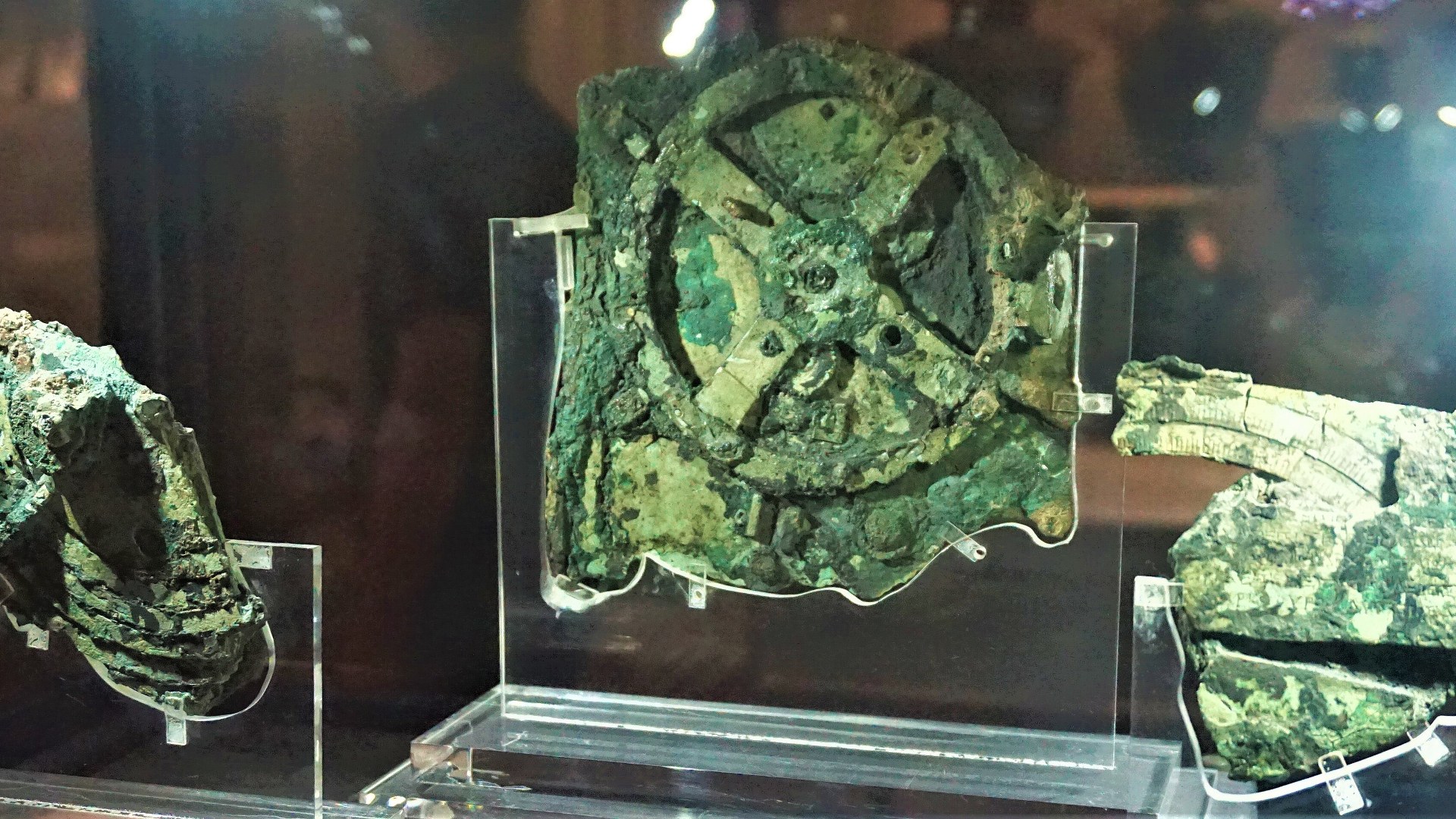
15. The Antikythera Mechanism
Built around 150 to 100 BCE in ancient Greece, this shoebox-sized bronze device used at least 30 interlocking gear wheels to predict solar and lunar eclipses decades in advance. Modern X-ray tomography revealed tiny Greek inscriptions and planetary dials unmatched in Europe for another 1,400 years.
©Wikimedia / Joyofmuseums
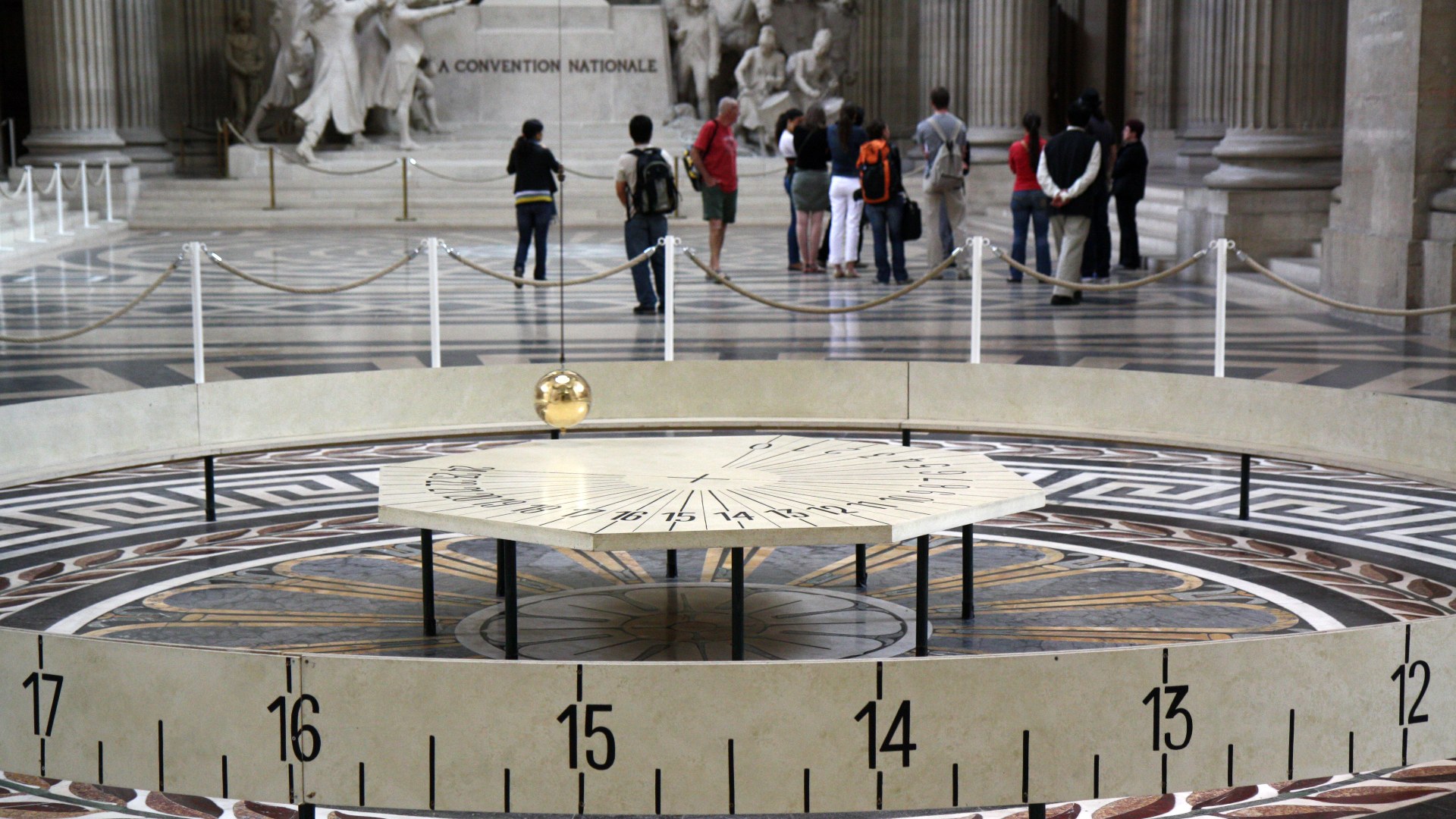
14. Foucault's Pendulum
In February 1851, French physicist Leon Foucault hung a 28-kilogram brass-coated lead bob from the dome of the Pantheon in Paris. As the pendulum swung along a fixed plane while the floor rotated 11 degrees clockwise every hour, onlookers saw direct mechanical proof that Earth rotates on its axis.
©Wikimedia / Olga Khomitsevich
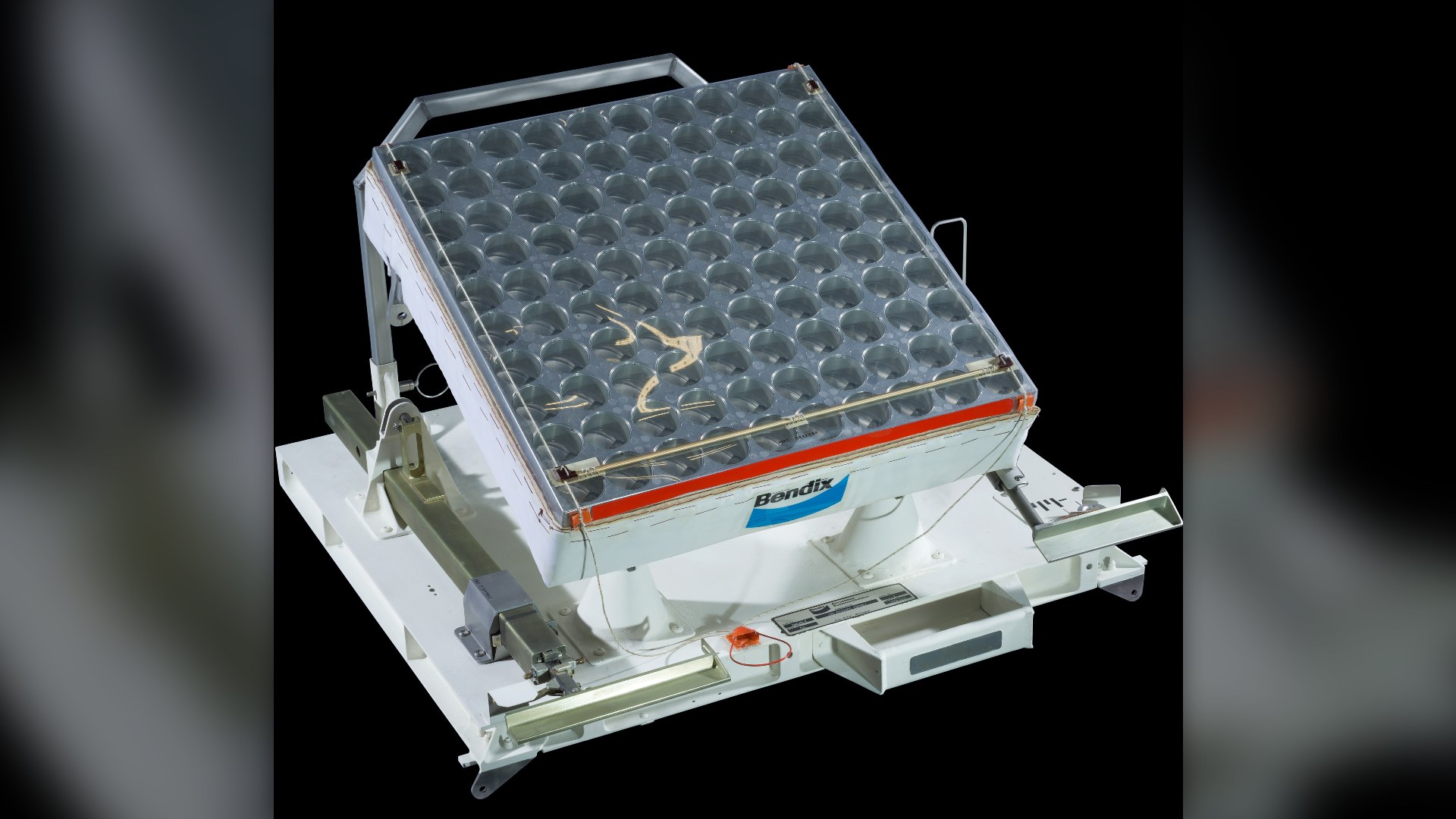
13. Apollo Lunar Laser Retroreflector
Deployed in the Sea of Tranquility on July 21, 1969, this passive array of 100 fused-silica corner-cube prisms requires zero battery power. By timing laser pulses bounced off the panel from Earth observatories, physicists proved the Moon drifts away from Earth by 3.8 centimeters every year.
©Smithsonian / Mark Avino
Advertisement
Swipe or tap ▶ to resume the countdown.
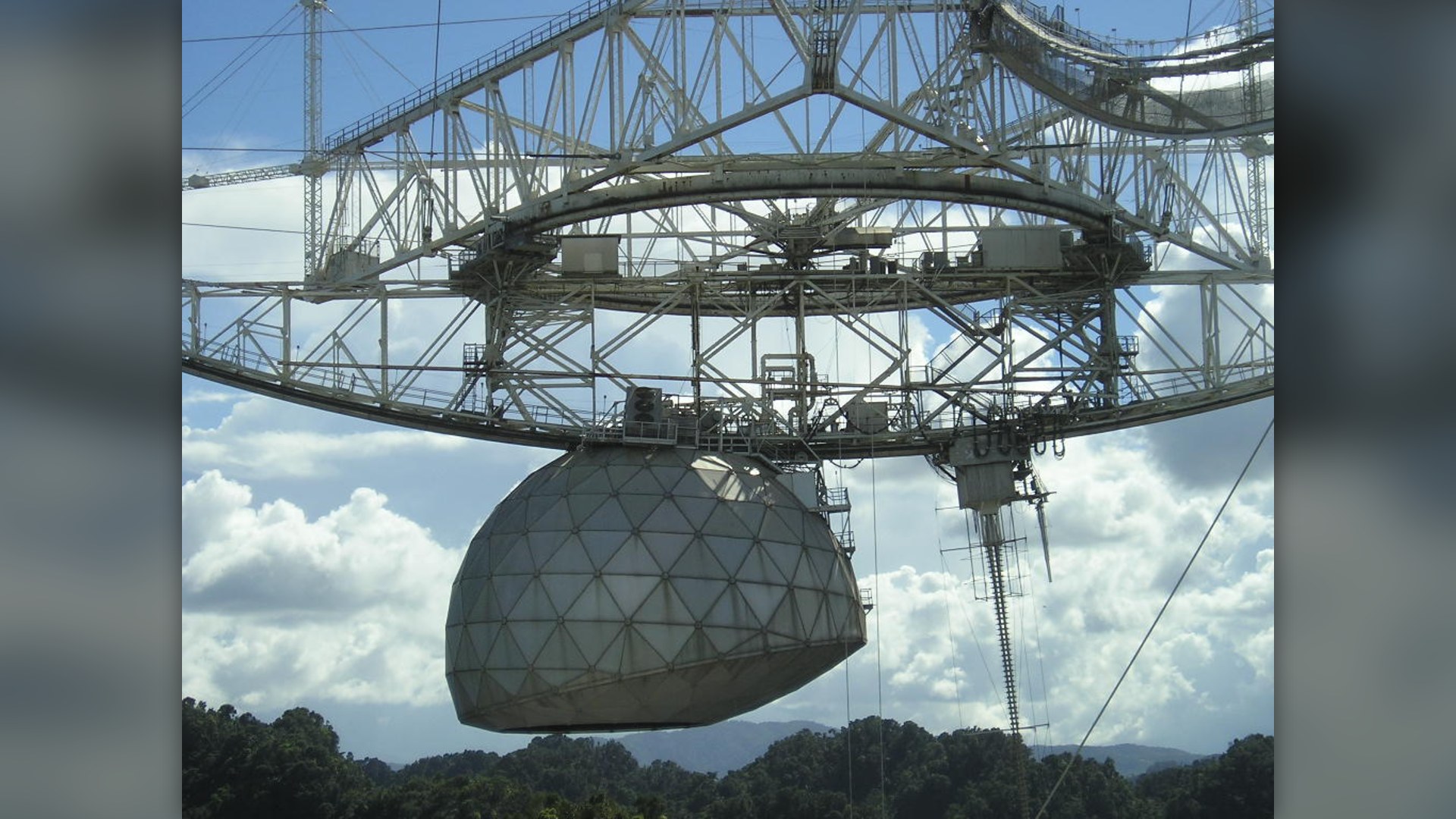
12. Arecibo Radio Telescope
From 1963 until its structural collapse in December 2020, Arecibo's 305-meter spherical dish mapped near-Earth asteroids and tracked binary pulsars that confirmed Einstein's gravitational radiation equations. In 1992, astronomers Aleksander Wolszczan and Dale Frail used it to find the first confirmed exoplanets.
©Wikimedia / Alessandro Cai
11. The Wilson Cloud Chamber
Perfected by Scottish physicist Charles T. R. Wilson in 1911, this sealed vessel filled with supersaturated water or alcohol vapor condenses tiny droplet trails whenever charged subatomic particles zip through. Carl Anderson used a cloud chamber in 1932 to photograph the positron, proving antimatter is real.
©Wikimedia / Bionerd
10. The Geiger-Mueller Counter
First conceived by Hans Geiger at Manchester in 1908 and upgraded with Walther Mueller in 1928, the Geiger-Mueller tube uses low-pressure inert gas and high voltage to detect alpha, beta, and gamma rays. Each ionizing particle triggers an electrical avalanche that produces the famous warning click.
©Wikimedia / Science Museum London
9. Kirchhoff-Bunsen Spectroscope
In 1859, chemist Robert Bunsen and physicist Gustav Kirchhoff combined a clean-burning gas burner with a prism telescope in Heidelberg. Discovering that every heated chemical element emits a unique barcode of spectral lines, they identified cesium and rubidium and decoded the chemical composition of the Sun.
©Wikimedia / MuMiCaserta
Advertisement
Swipe or tap ▶ to resume the countdown.
8. John Harrison's H4 Marine Chronometer
For centuries, sailors could not measure longitude at sea because pendulum clocks failed on pitching ships. Completed in 1759, John Harrison's H4 sea watch used diamond-and-ruby pallets and a high-beat balance wheel to lose just 5.1 seconds across an 81-day Atlantic voyage to Jamaica, revolutionizing global navigation.
©Wikimedia / Tatters
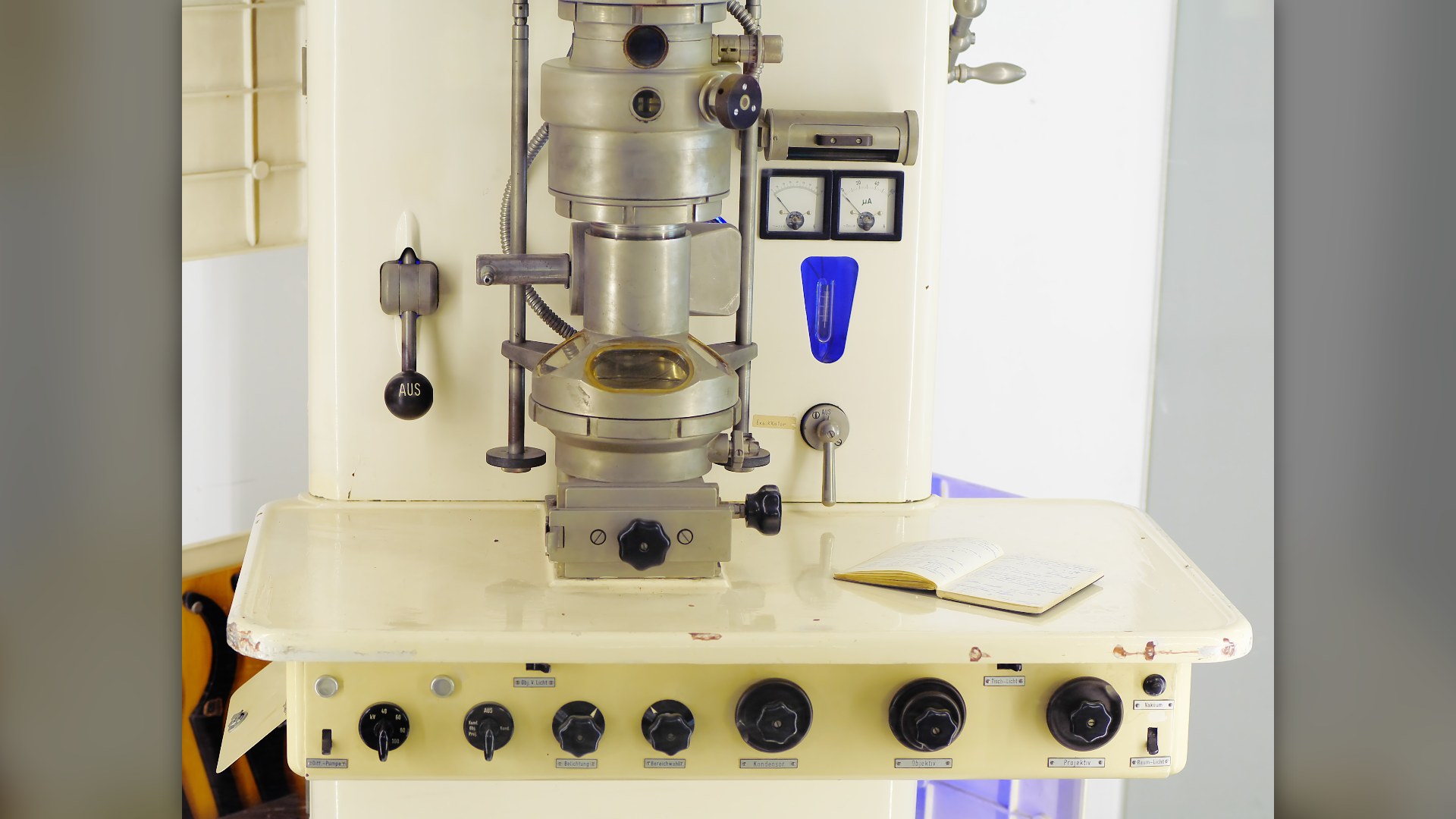
7. Ruska's Electron Microscope
Standard optical microscopes hit a physical wall when objects are smaller than the wavelength of visible light. In 1931, German engineer Ernst Ruska and Max Knoll built magnetic lenses to focus accelerated electron beams, achieving magnifications over 100,000x and unlocking modern virology and nanotechnology.
©Wikimedia / Membeth
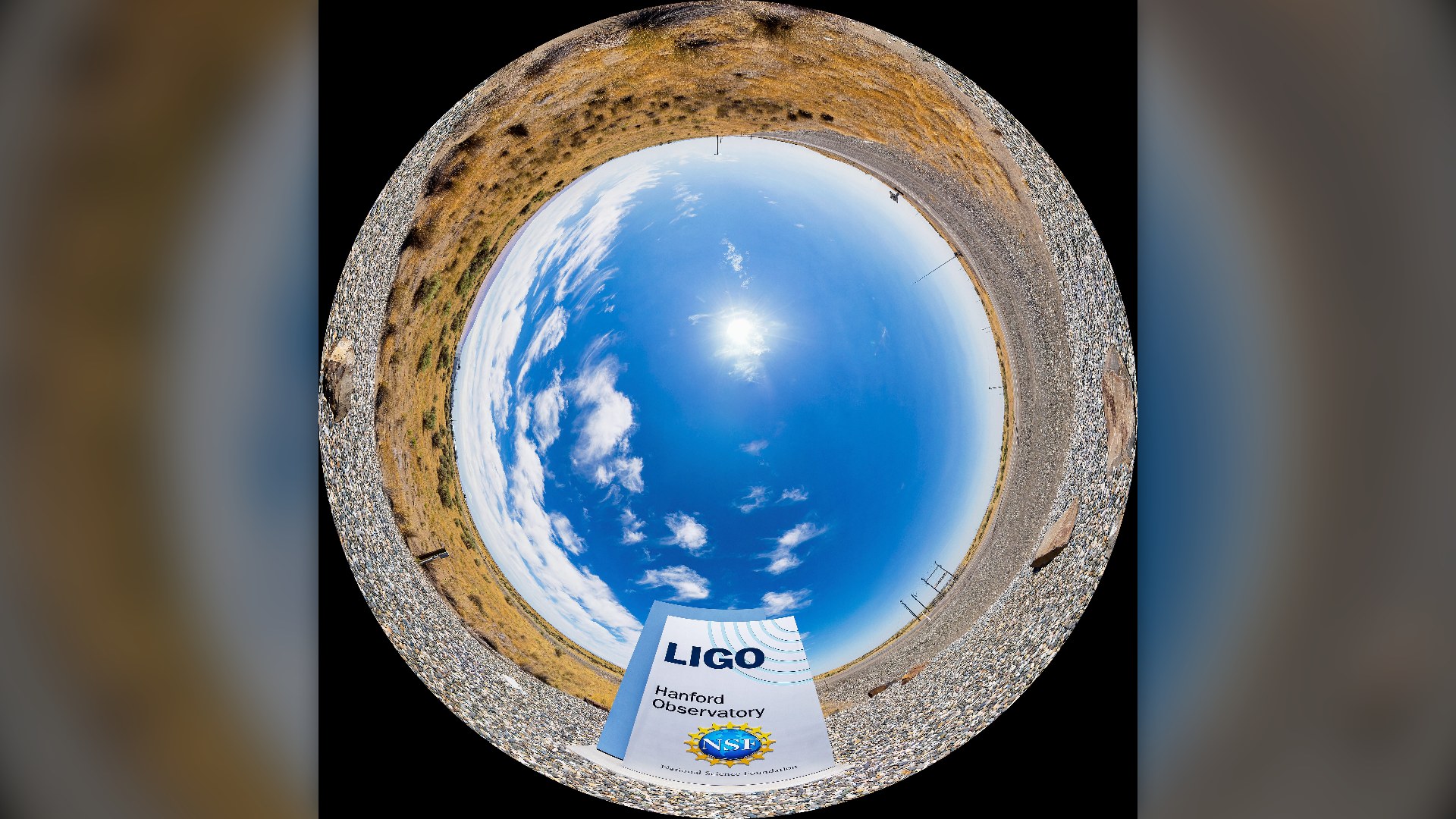
6. LIGO Gravitational-Wave Interferometer
On September 14, 2015, the Laser Interferometer Gravitational-Wave Observatory recorded a spacetime distortion measuring 1/10,000th the width of a proton. Triggered by two black holes colliding 1.3 billion light-years away, the signal confirmed Albert Einstein's 1916 prediction and earned the 2017 Nobel Prize.
©Wikimedia / T. Matsopoulos
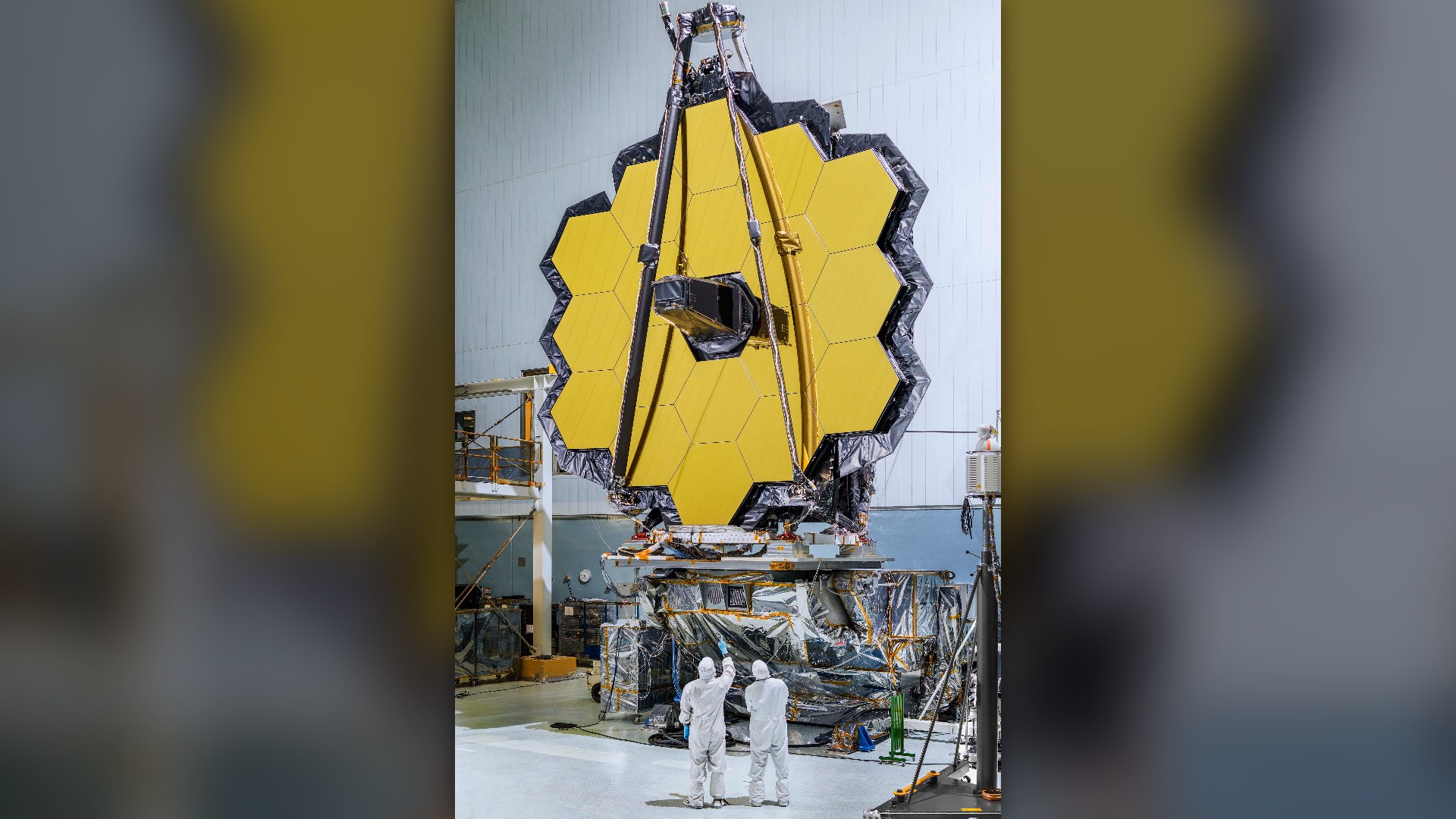
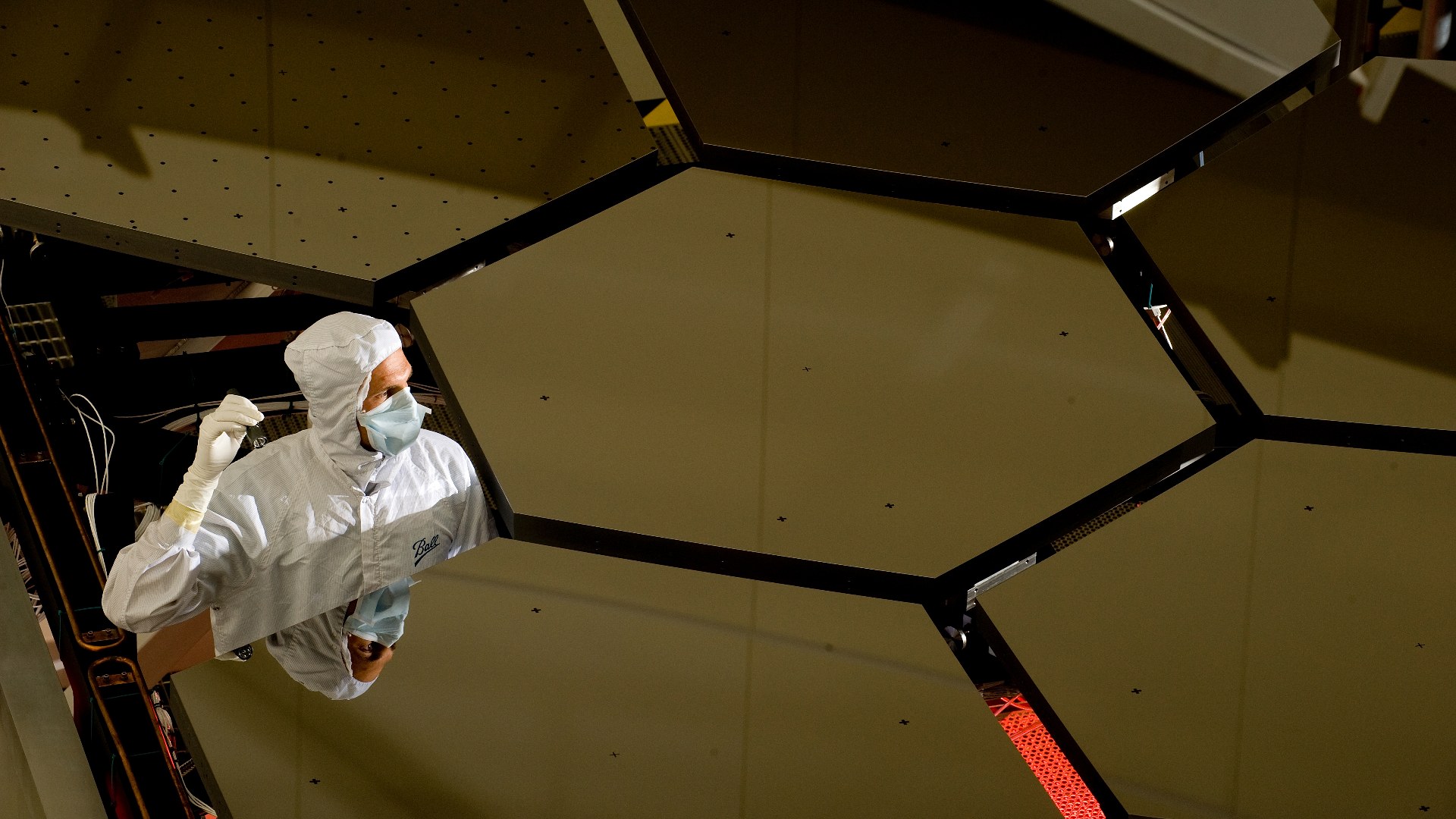
5. James Webb Space Telescope
Launched on December 25, 2021, the James Webb Space Telescope unfolds a 6.5-meter primary mirror and a five-layer tennis-court-sized sunshield at the second Lagrange point. Chilled below 50 Kelvin, its infrared detectors peer through cosmic dust to capture galaxies formed less than 300 million years after the Big Bang.
©Wikimedia / Chris Gunn
Advertisement
Swipe or tap ▶ to resume the countdown.
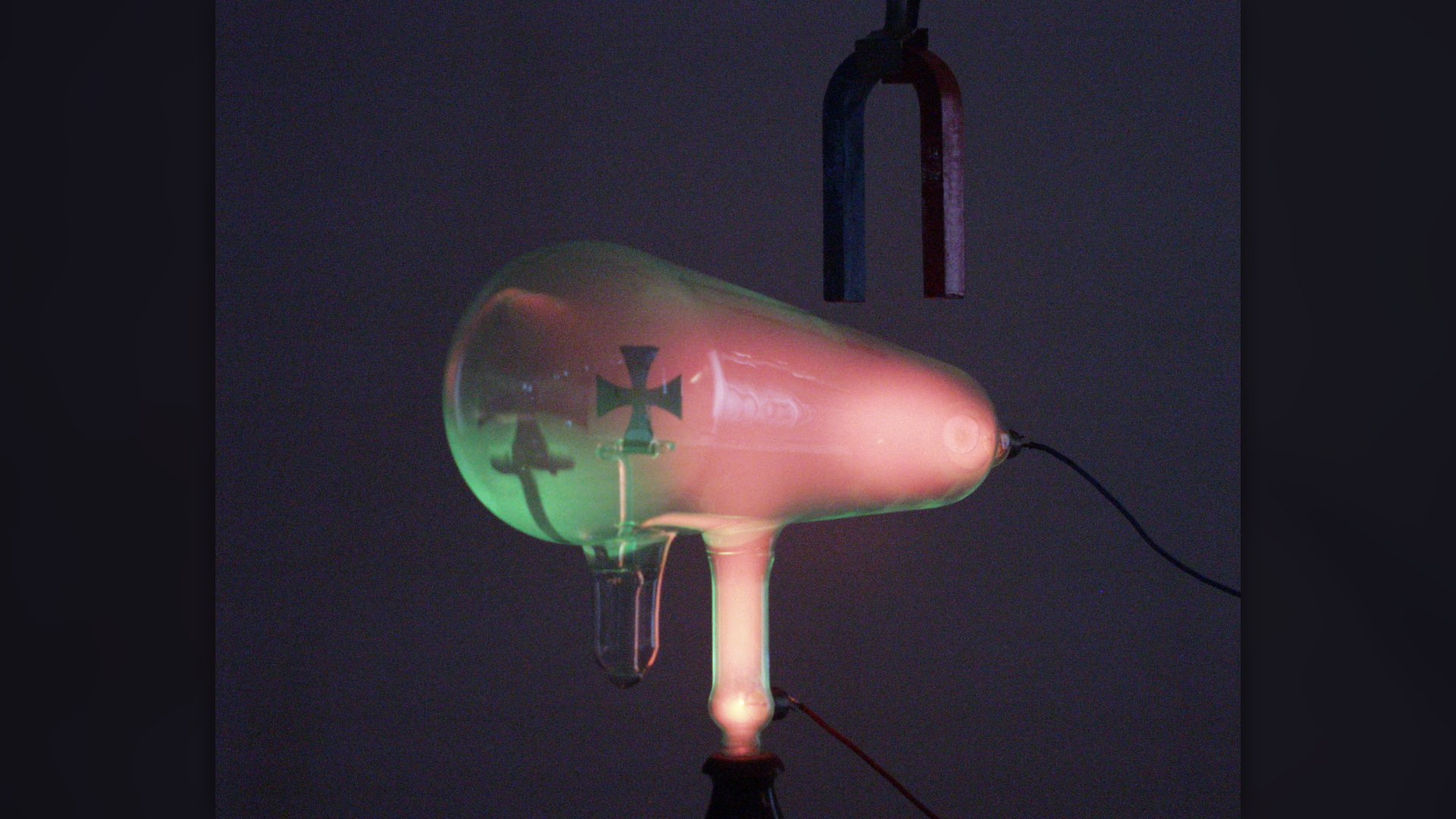
4. Crookes And Roentgen Vacuum Tube
Invented by English physicist William Crookes around 1875, this partially evacuated glass discharge tube transformed physics twice in two years. In November 1895, Wilhelm Roentgen noticed rays escaping a covered tube that imaged human bones, and in 1897 J. J. Thomson deflected its beam to discover the electron.
©Wikimedia / Zatonyi Sandor
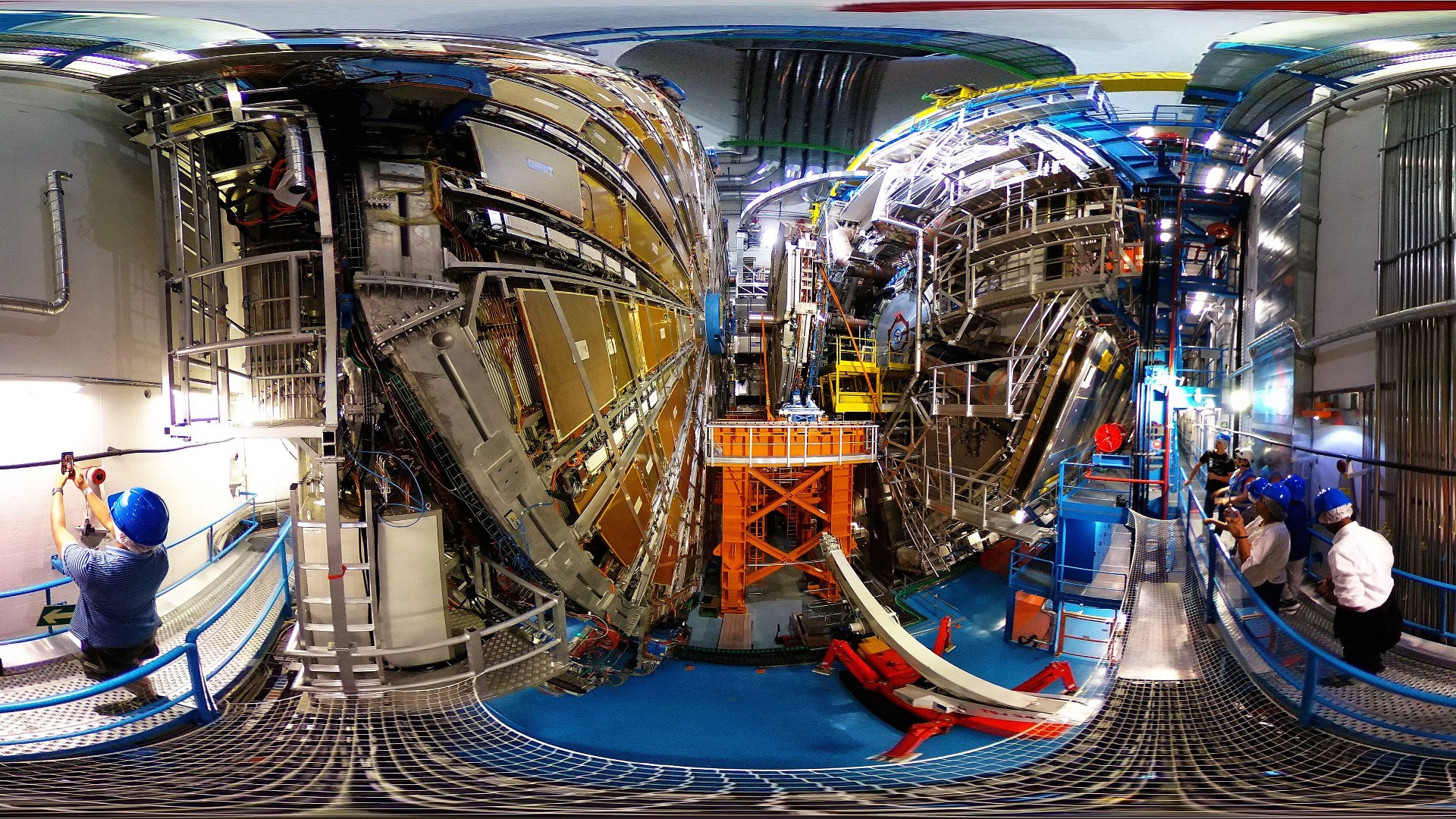
3. The Large Hadron Collider And ATLAS Detector
Operated by CERN near Geneva, the 27-kilometer Large Hadron Collider accelerates twin proton beams to 99.9999991% the speed of light inside magnets colder than deep space. On July 4, 2012, its giant ATLAS and CMS detectors confirmed the Higgs boson, explaining how elementary particles acquire mass.
©Wikimedia / SimonWaldherr
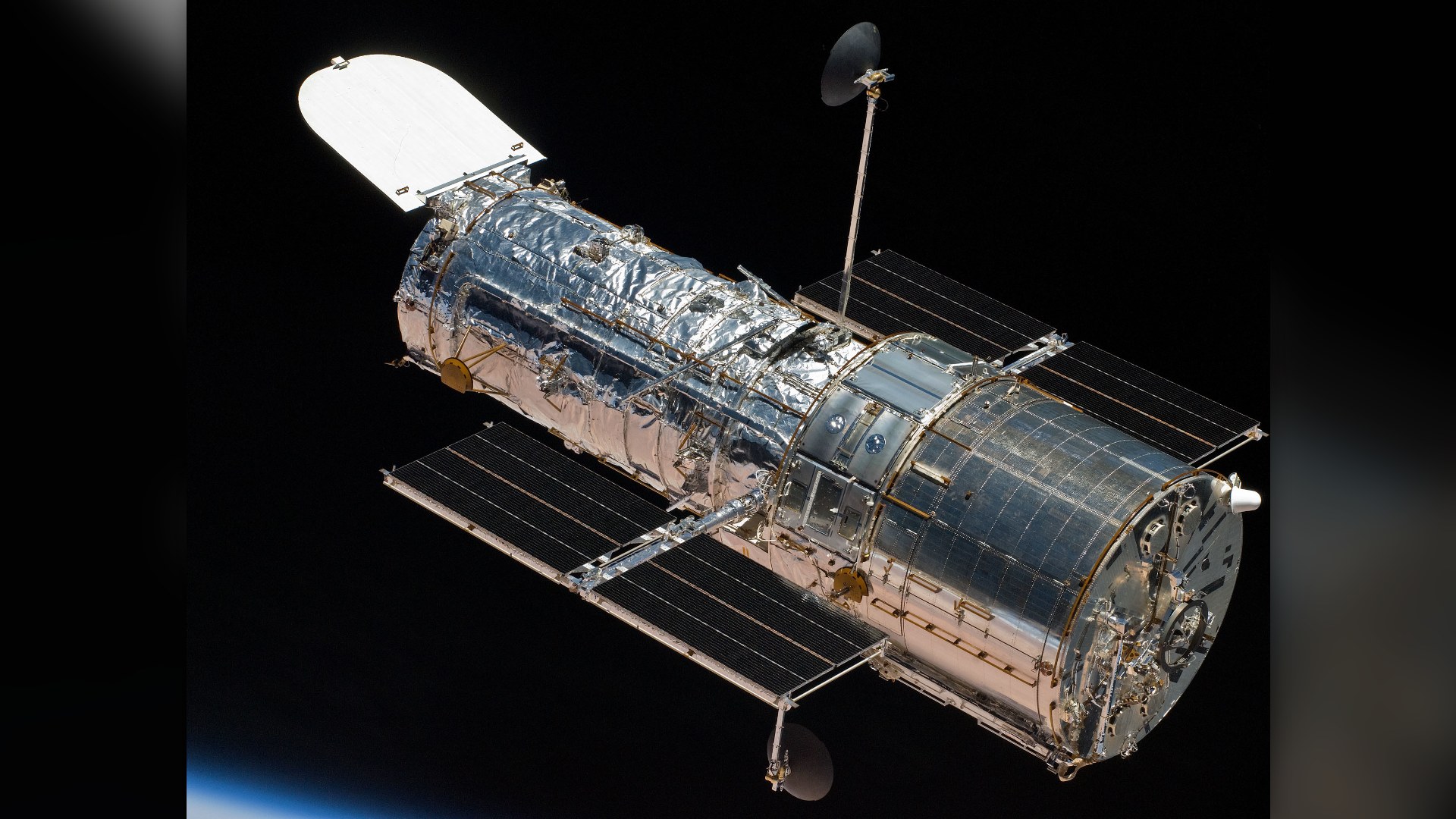
2. The Hubble Space Telescope
After spacewalking astronauts installed corrective optics in December 1993, the 2.4-meter Hubble Space Telescope delivered the sharpest visible-light views in history. Its Deep Field exposures revealed thousands of infant galaxies in an empty patch of sky and narrowed the universe's age to 13.8 billion years.
©Wikimedia / NASA Hubble Space Telescope
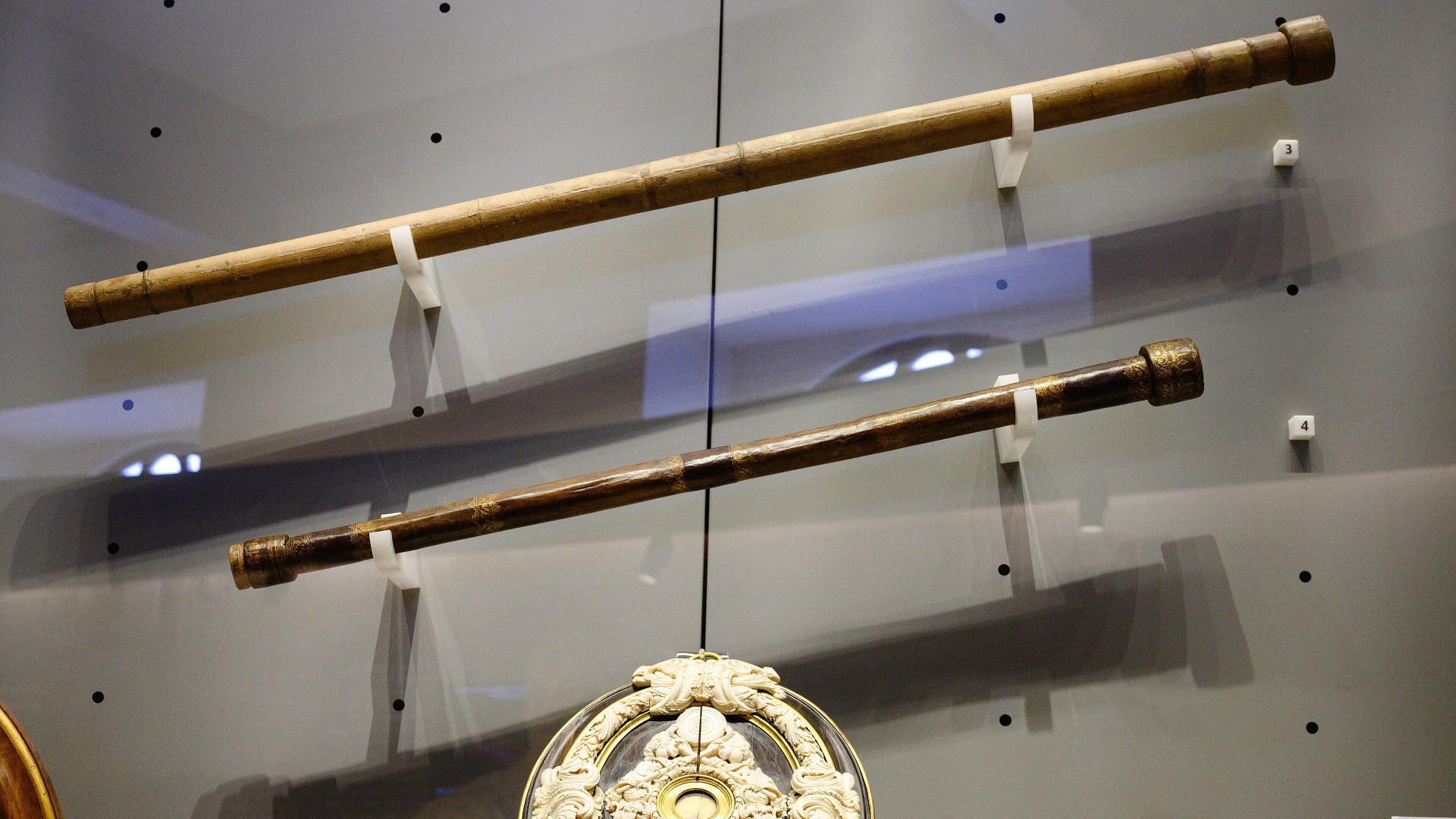
1. Galileo's Refracting Telescope
Grinding his own convex objective and concave eyepiece lenses in Padua in 1609, Galileo Galilei boosted magnification from 3x to 20x. Within months he mapped lunar craters, spotted four moons orbiting Jupiter, and observed the phases of Venus, proving Nicolaus Copernicus was right that Earth orbits the Sun.

©Wikimedia / Zde
Advertisement
You've reached the end of the story. Thanks for reading!

25 Groundbreaking American Inventions and Achievements Ranked
From Kitty Hawk and the Apollo 11 lunar landing to the transistor and the internet, American inventors and scientists have transformed global civilization. Sourced from the Smithsonian Institution, NASA archives, and the Library of Congress, here are twenty-five groundbreaking American milestones ranked.
All 15 Entries in this Story
15. The Antikythera Mechanism
Built around 150 to 100 BCE in ancient Greece, this shoebox-sized bronze device used at least 30 interlocking gear wheels to predict solar and lunar eclipses decades in advance. Modern X-ray tomography revealed tiny Greek inscriptions and planetary dials unmatched in Europe for another 1,400 years.

14. Foucault's Pendulum
In February 1851, French physicist Leon Foucault hung a 28-kilogram brass-coated lead bob from the dome of the Pantheon in Paris. As the pendulum swung along a fixed plane while the floor rotated 11 degrees clockwise every hour, onlookers saw direct mechanical proof that Earth rotates on its axis.

13. Apollo Lunar Laser Retroreflector
Deployed in the Sea of Tranquility on July 21, 1969, this passive array of 100 fused-silica corner-cube prisms requires zero battery power. By timing laser pulses bounced off the panel from Earth observatories, physicists proved the Moon drifts away from Earth by 3.8 centimeters every year.

12. Arecibo Radio Telescope
From 1963 until its structural collapse in December 2020, Arecibo's 305-meter spherical dish mapped near-Earth asteroids and tracked binary pulsars that confirmed Einstein's gravitational radiation equations. In 1992, astronomers Aleksander Wolszczan and Dale Frail used it to find the first confirmed exoplanets.

11. The Wilson Cloud Chamber
Perfected by Scottish physicist Charles T. R. Wilson in 1911, this sealed vessel filled with supersaturated water or alcohol vapor condenses tiny droplet trails whenever charged subatomic particles zip through. Carl Anderson used a cloud chamber in 1932 to photograph the positron, proving antimatter is real.

10. The Geiger-Mueller Counter
First conceived by Hans Geiger at Manchester in 1908 and upgraded with Walther Mueller in 1928, the Geiger-Mueller tube uses low-pressure inert gas and high voltage to detect alpha, beta, and gamma rays. Each ionizing particle triggers an electrical avalanche that produces the famous warning click.

9. Kirchhoff-Bunsen Spectroscope
In 1859, chemist Robert Bunsen and physicist Gustav Kirchhoff combined a clean-burning gas burner with a prism telescope in Heidelberg. Discovering that every heated chemical element emits a unique barcode of spectral lines, they identified cesium and rubidium and decoded the chemical composition of the Sun.

8. John Harrison's H4 Marine Chronometer
For centuries, sailors could not measure longitude at sea because pendulum clocks failed on pitching ships. Completed in 1759, John Harrison's H4 sea watch used diamond-and-ruby pallets and a high-beat balance wheel to lose just 5.1 seconds across an 81-day Atlantic voyage to Jamaica, revolutionizing global navigation.

7. Ruska's Electron Microscope
Standard optical microscopes hit a physical wall when objects are smaller than the wavelength of visible light. In 1931, German engineer Ernst Ruska and Max Knoll built magnetic lenses to focus accelerated electron beams, achieving magnifications over 100,000x and unlocking modern virology and nanotechnology.

6. LIGO Gravitational-Wave Interferometer
On September 14, 2015, the Laser Interferometer Gravitational-Wave Observatory recorded a spacetime distortion measuring 1/10,000th the width of a proton. Triggered by two black holes colliding 1.3 billion light-years away, the signal confirmed Albert Einstein's 1916 prediction and earned the 2017 Nobel Prize.

5. James Webb Space Telescope
Launched on December 25, 2021, the James Webb Space Telescope unfolds a 6.5-meter primary mirror and a five-layer tennis-court-sized sunshield at the second Lagrange point. Chilled below 50 Kelvin, its infrared detectors peer through cosmic dust to capture galaxies formed less than 300 million years after the Big Bang.

4. Crookes And Roentgen Vacuum Tube
Invented by English physicist William Crookes around 1875, this partially evacuated glass discharge tube transformed physics twice in two years. In November 1895, Wilhelm Roentgen noticed rays escaping a covered tube that imaged human bones, and in 1897 J. J. Thomson deflected its beam to discover the electron.

3. The Large Hadron Collider And ATLAS Detector
Operated by CERN near Geneva, the 27-kilometer Large Hadron Collider accelerates twin proton beams to 99.9999991% the speed of light inside magnets colder than deep space. On July 4, 2012, its giant ATLAS and CMS detectors confirmed the Higgs boson, explaining how elementary particles acquire mass.

2. The Hubble Space Telescope
After spacewalking astronauts installed corrective optics in December 1993, the 2.4-meter Hubble Space Telescope delivered the sharpest visible-light views in history. Its Deep Field exposures revealed thousands of infant galaxies in an empty patch of sky and narrowed the universe's age to 13.8 billion years.

1. Galileo's Refracting Telescope
Grinding his own convex objective and concave eyepiece lenses in Padua in 1609, Galileo Galilei boosted magnification from 3x to 20x. Within months he mapped lunar craters, spotted four moons orbiting Jupiter, and observed the phases of Venus, proving Nicolaus Copernicus was right that Earth orbits the Sun.