Slideshow · Technology
The 20 Most Advanced Missile Defense Systems, Ranked
Modern air defense shields protect territory from rockets, cruise missiles, and ballistic warheads. Armies spend billions deploying multi-tier radars and kinetic interceptors that strike targets at hypersonic speeds. This ranking evaluates twenty premier operational systems by range, altitude, and verified combat record.
By Most Viral Today
1 hour ago

Shields of the Sky: The 20 Most Advanced Missile Defense Systems 
20. Sky Sabre (CAMM) 
19. SPYDER 
18. Type 03 Chū-SAM Kai - AdvertisementSwipe or tap ▶ to continue countdown

17. NASAMS III 
16. IRIS-T SLM 
15. Barak MX 
14. Iron Dome - AdvertisementSwipe or tap ▶ to continue countdown

13. HQ-9B 
12. MEADS 
11. S-350 Vityaz 
10. L-SAM - AdvertisementSwipe or tap ▶ to continue countdown

9. SAMP/T NG 
8. David's Sling 
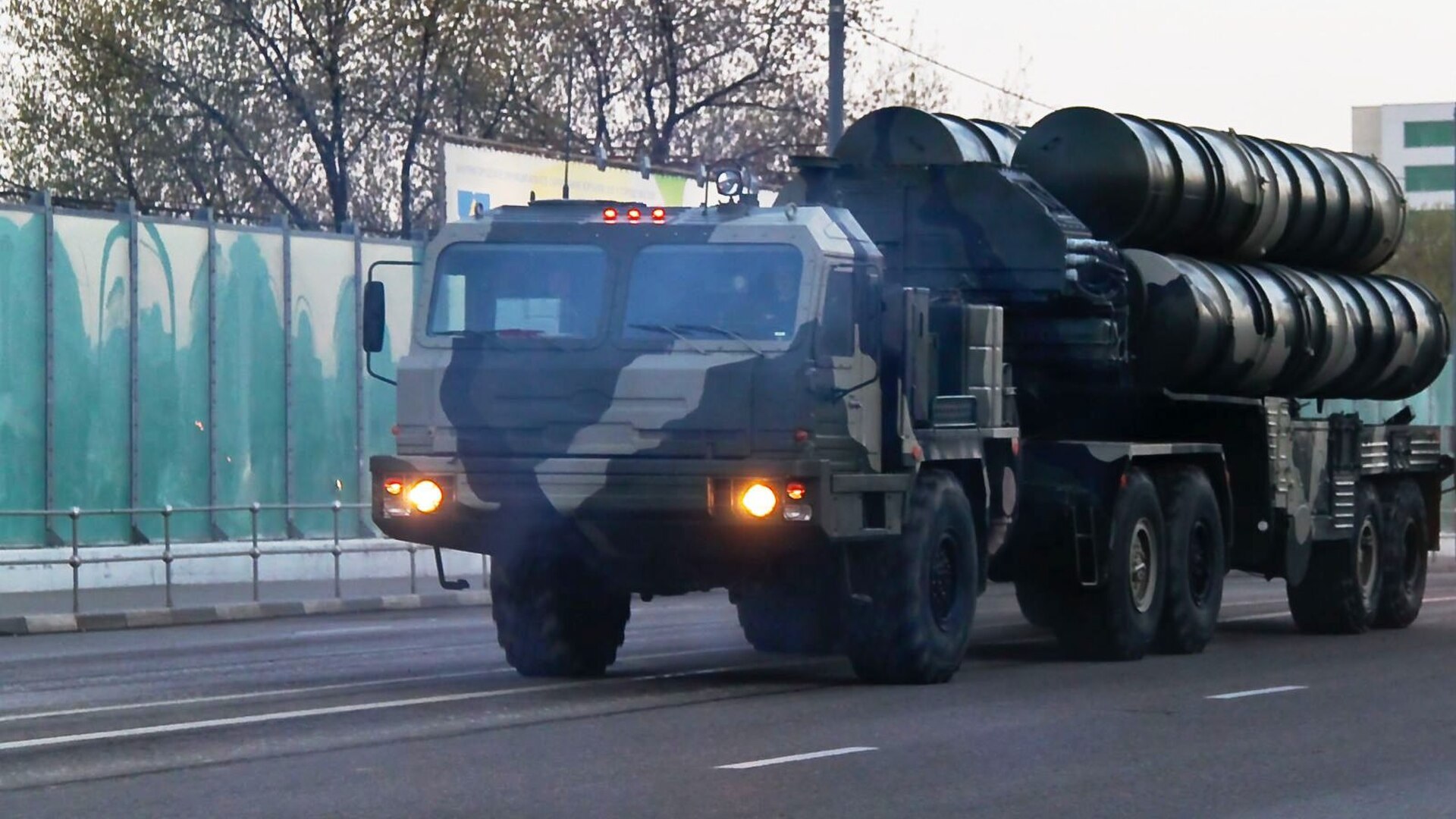
7. S-400 Triumf 
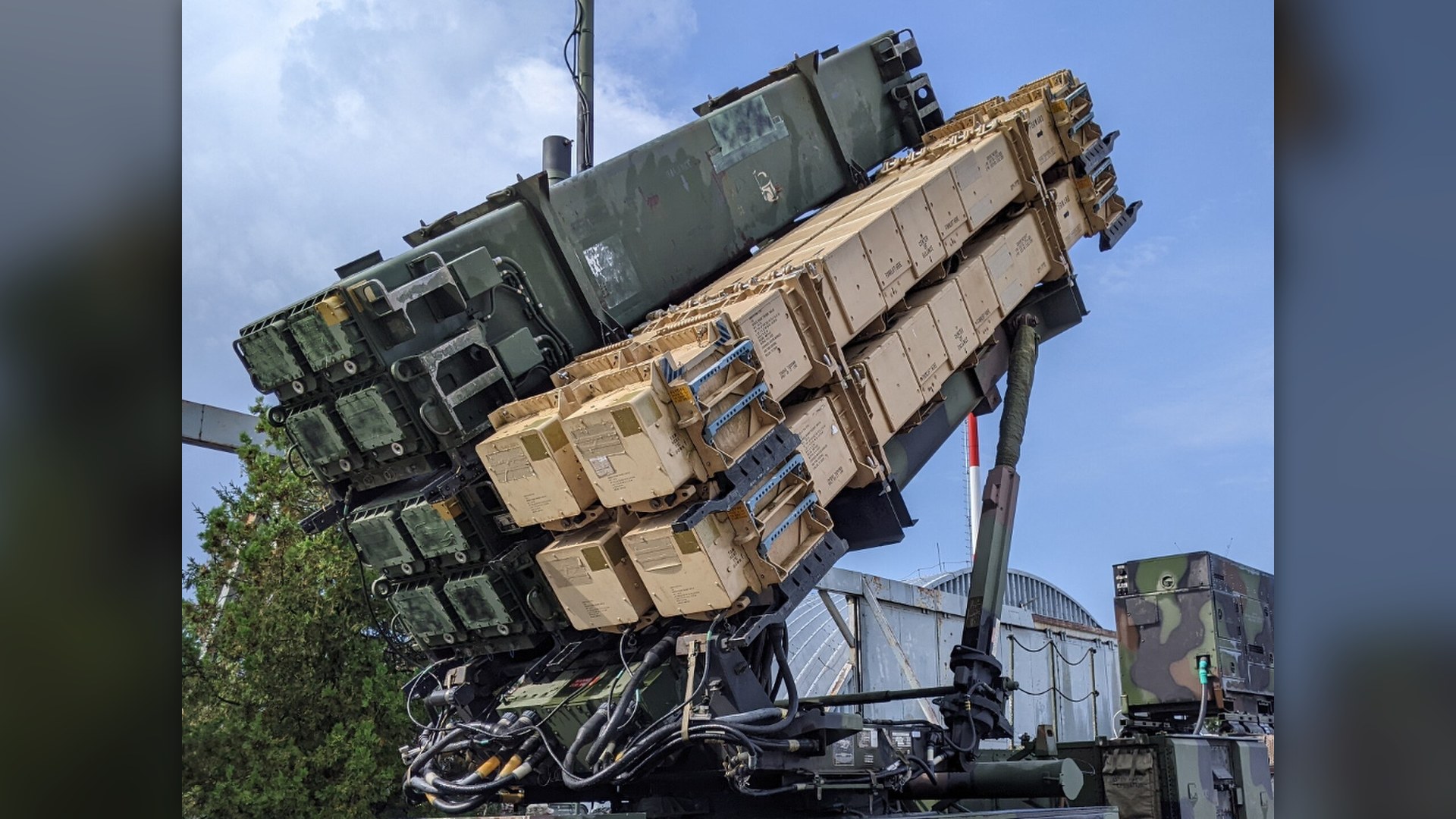
6. Patriot PAC-3 MSE - AdvertisementSwipe or tap ▶ to continue countdown

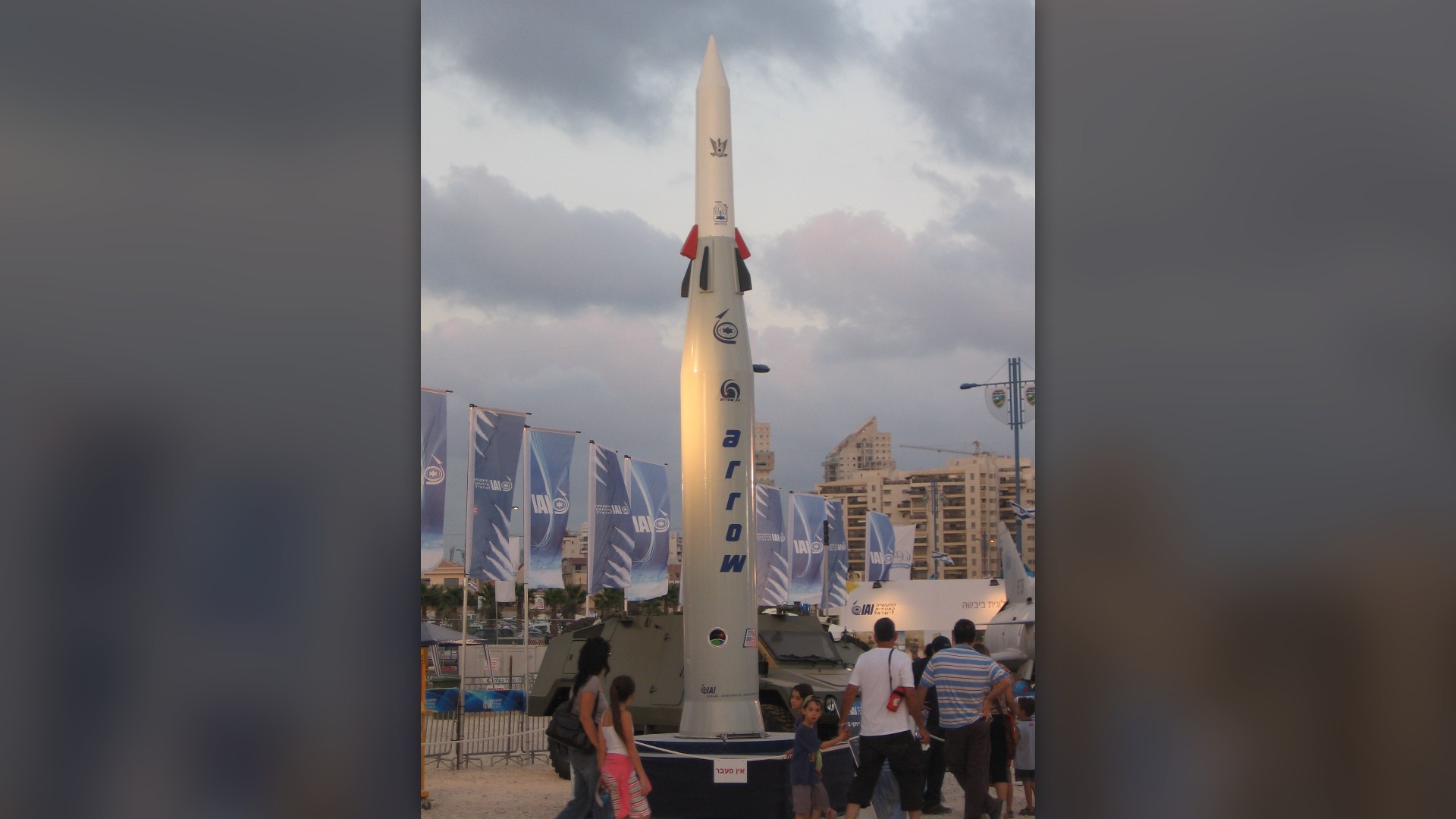
5. Arrow 2 
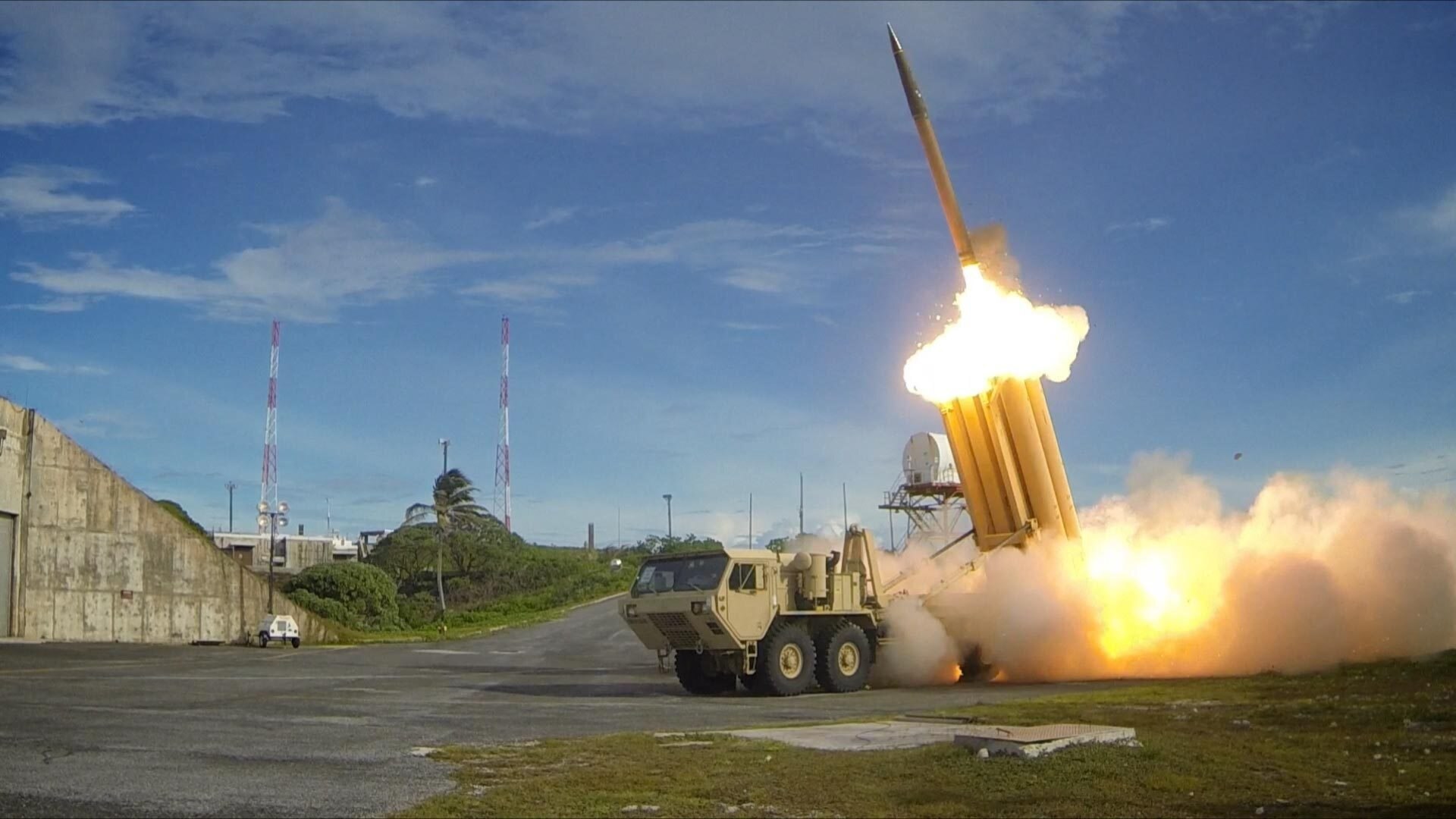
4. THAAD 
3. S-500 Prometheus 
2. Arrow 3 - AdvertisementSwipe or tap ▶ to continue countdown

1. Aegis BMD (SM-3 Block IIA) - Advertisement🔥 UP NEXT IN THIS SERIES◫ 31 Slides

When Heavy Snow Typically Hits 30 Major US Cities
Predicting winter weather requires analyzing long-term climate normals rather than speculation. Based on thirty-year NOAA records and National Weather Service data, this reference guide details when thirty major American cities typically receive their heaviest snow. Sources include NOAA NCEI and NWS regional offices.
Modern air defense systems intercept supersonic cruise missiles and ballistic warheads through layered networks. Systems are ranked by maximum intercept altitude, engagement range, radar tracking, and combat record, using data from CSIS Missile Threat, Jane’s, Defense News, and military agency briefings.
Swipe or tap ▶ to begin the countdown
©Wikimedia / Пресс-служба Минобороны РФ & U.S. Navy photo
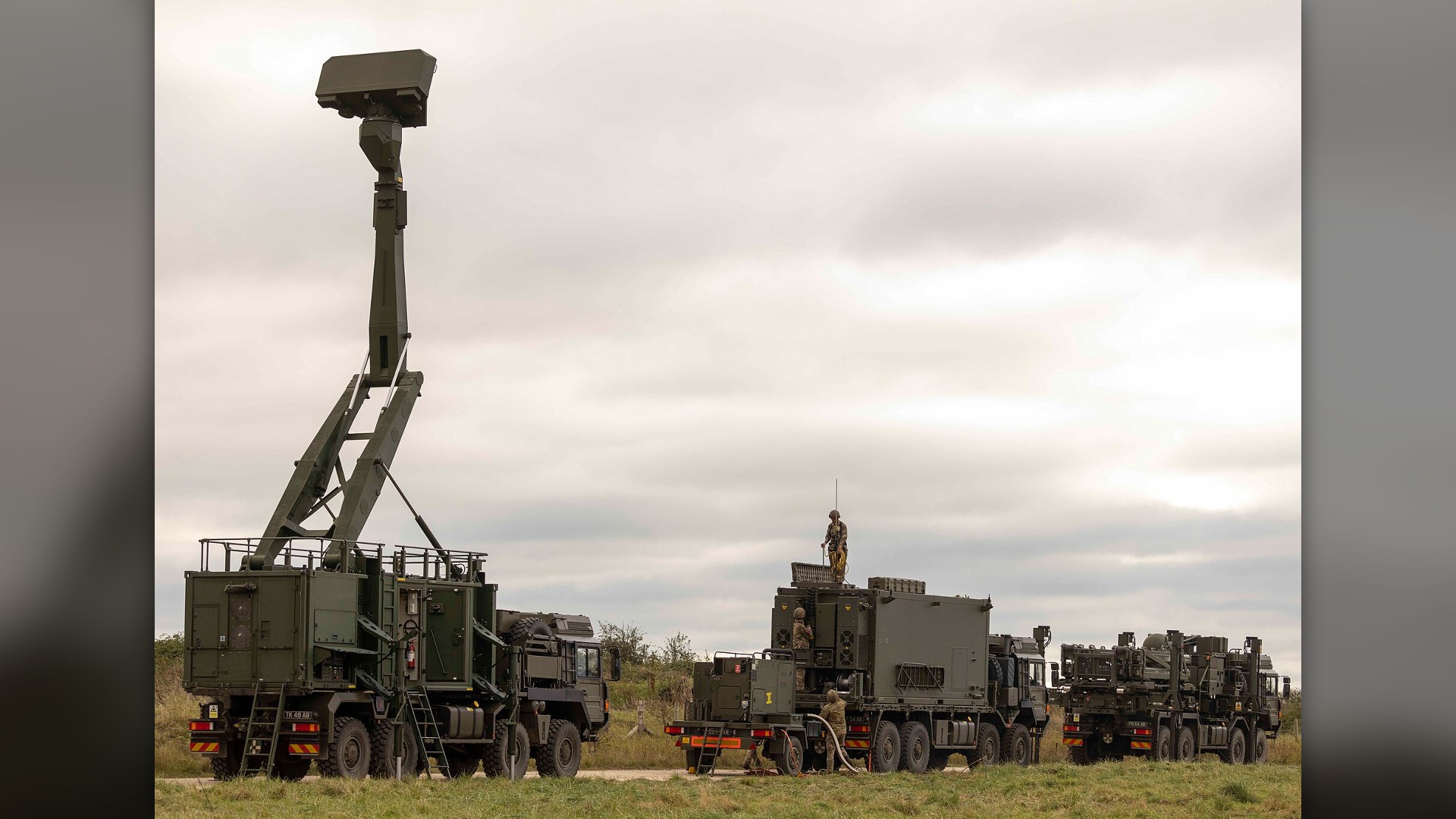
20. Sky Sabre (CAMM)
The British Army deployed Sky Sabre to Poland in 2022 to protect airspace with the CAMM missile. Built by MBDA, the interceptor travels at Mach 3 to engage fighters, drones, and precision bombs up to 25 kilometres away. Its Saab Giraffe radar tracks hundreds of aerial tracks simultaneously.
©Wikimedia / Ministry of Defence
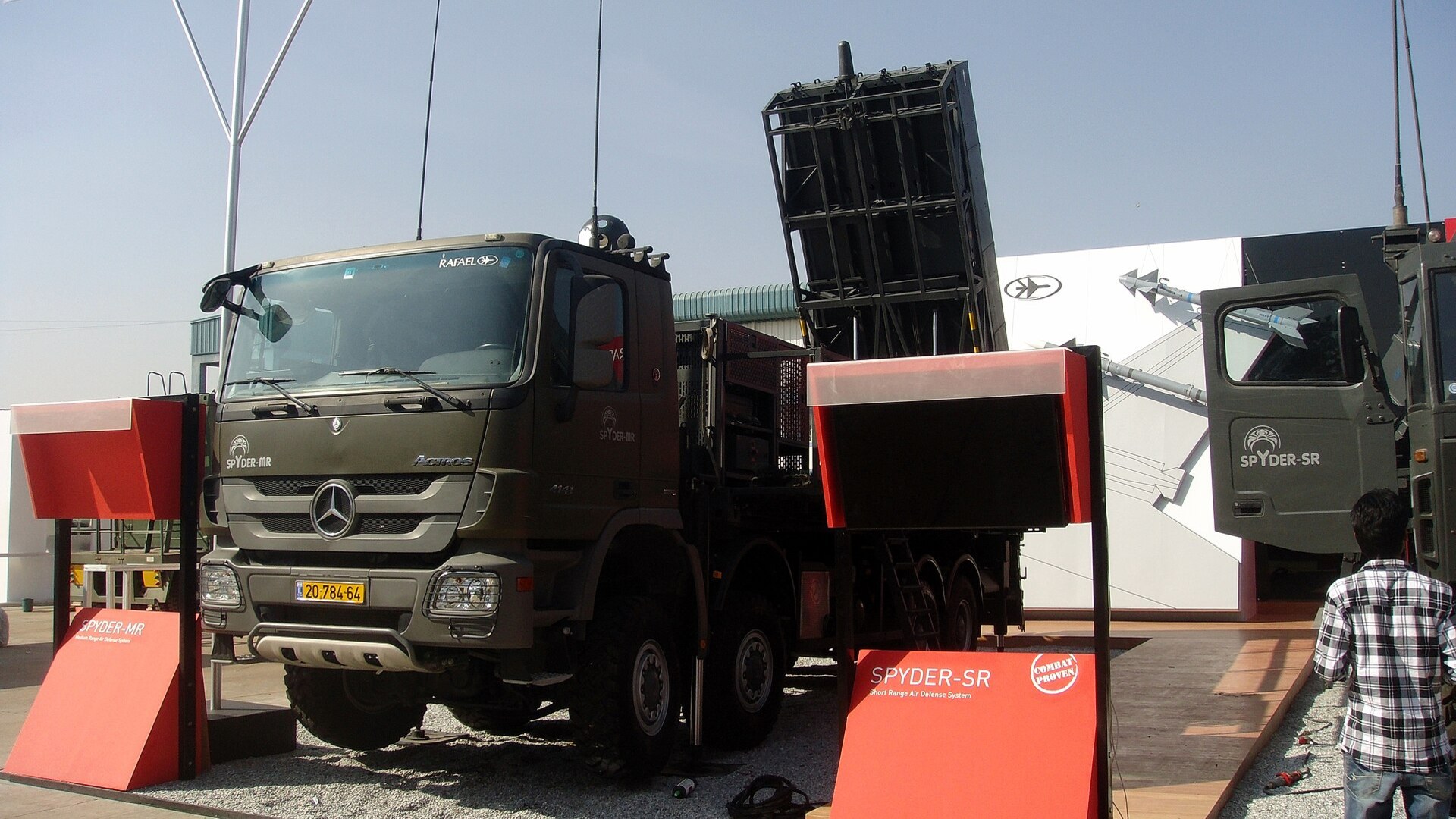
19. SPYDER
Rafael developed SPYDER for short and medium range defense against aircraft, cruise missiles, and drones. The system entered service in 2005 with export operators like India, Singapore, and the Czech Republic. Equipped with Derby radar missiles, SPYDER-MR strikes targets out to 50 kilometres.
©Wikimedia / Pritishp333
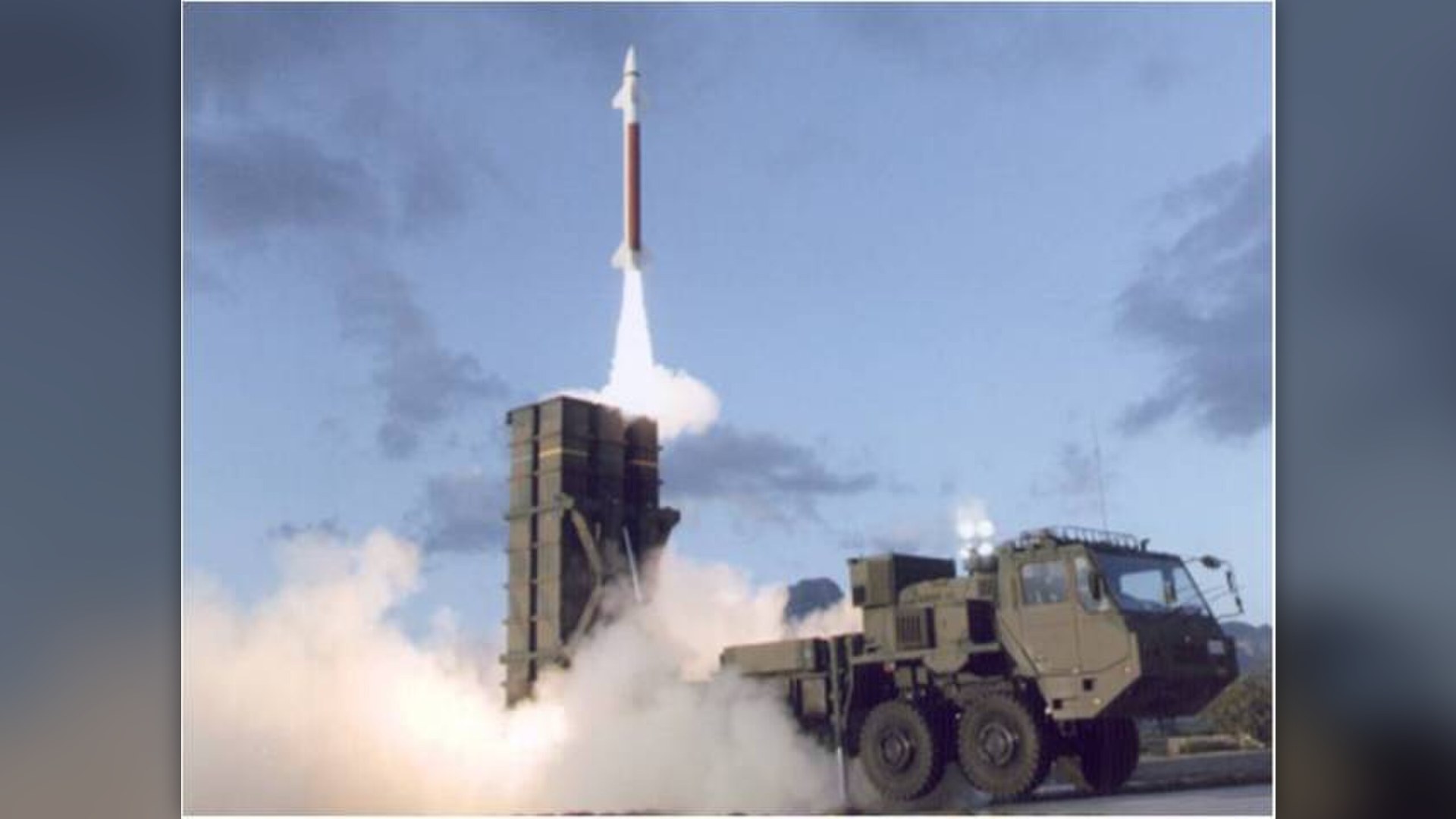
18. Type 03 Chū-SAM Kai
Japan Ground Self-Defense Force inducted the upgraded Chū-SAM Kai in 2017 to defend against cruise missiles and aircraft. Built by Mitsubishi Electric, its active radar homing missile reaches targets 50 kilometres away. The battery links directly to Japan's automated air defense network.
©Wikimedia / 防衛装備庁
Advertisement
Swipe or tap ▶ to resume the countdown.
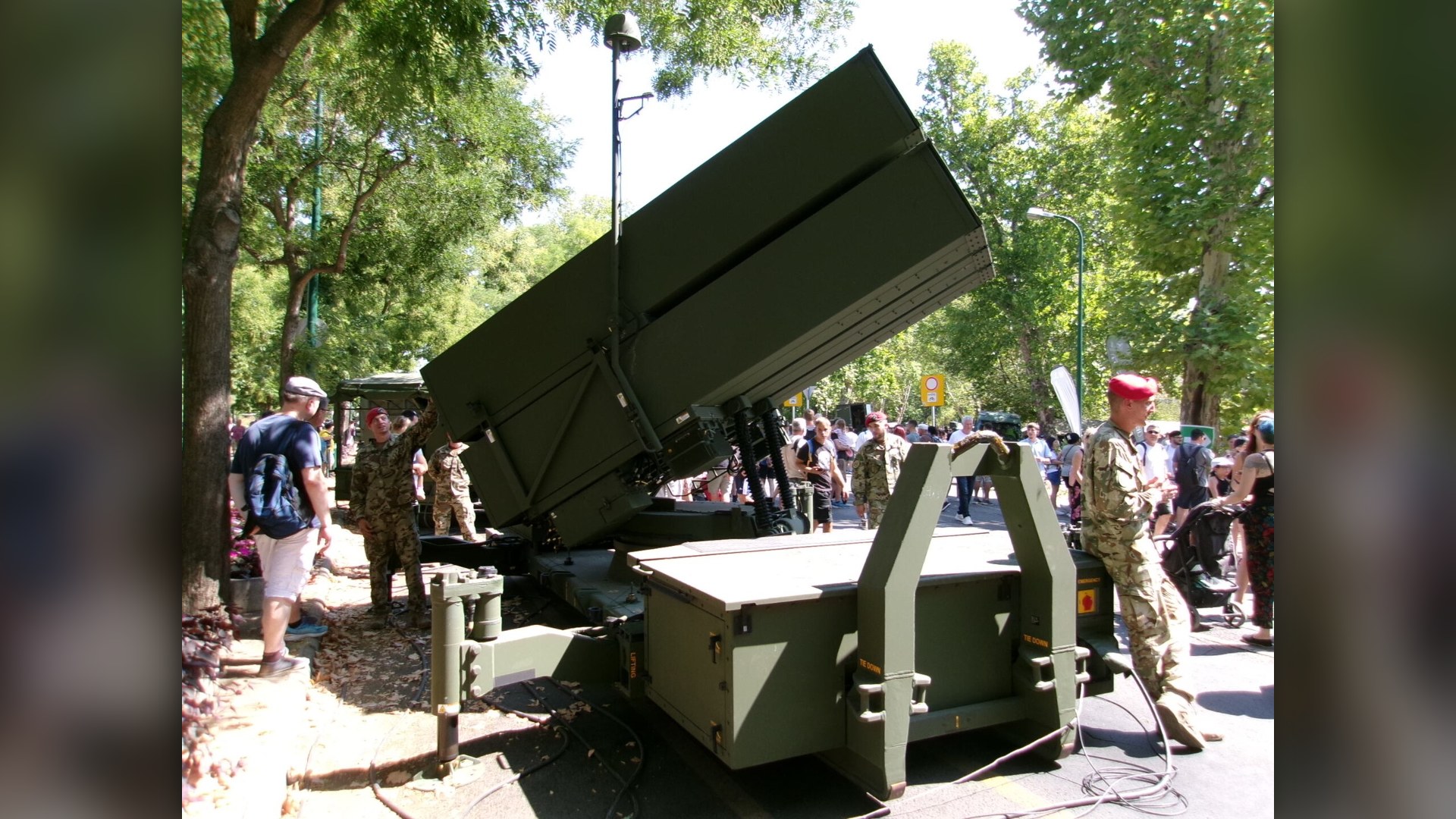
17. NASAMS III
Kongsberg and Raytheon upgraded NASAMS to its third iteration in 2019, adding AMRAAM-ER capability. The interceptor engages aircraft, helicopters, and cruise missiles up to 50 kilometres away and 36,000 feet high. Ukraine received early batteries in late 2022 to counter Russian missile salvos.
©Wikimedia / Globetrotter19
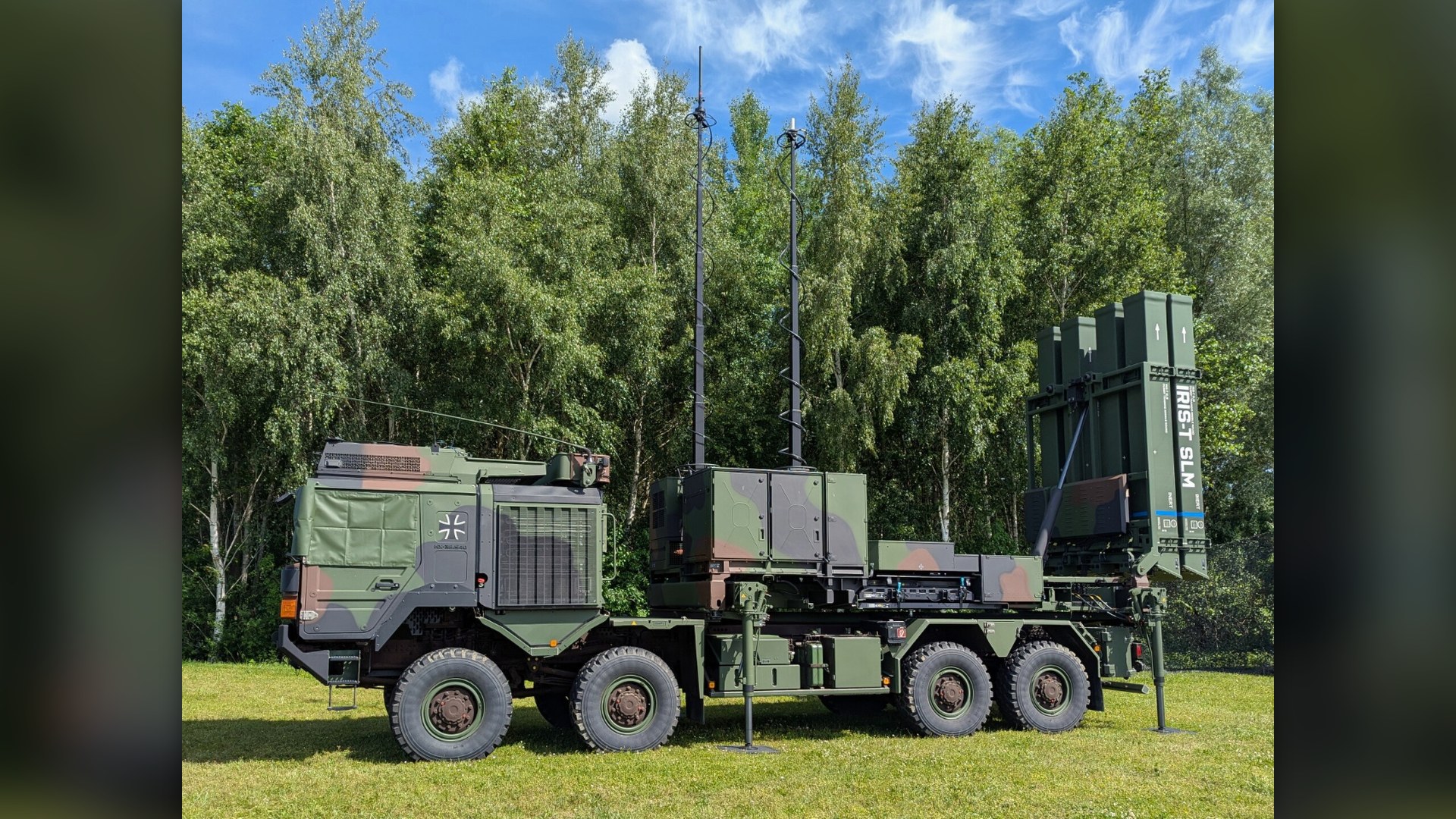
16. IRIS-T SLM
Diehl Defence delivered the IRIS-T SLM to Ukrainian defenders in October 2022, achieving confirmed intercept rates above 90 percent. The system uses a radar-guided rocket motor to defeat cruise missiles and aircraft up to 40 kilometres away. Germany ordered six batteries for its own army in 2023.
©Wikimedia / Boevaya mashina
15. Barak MX
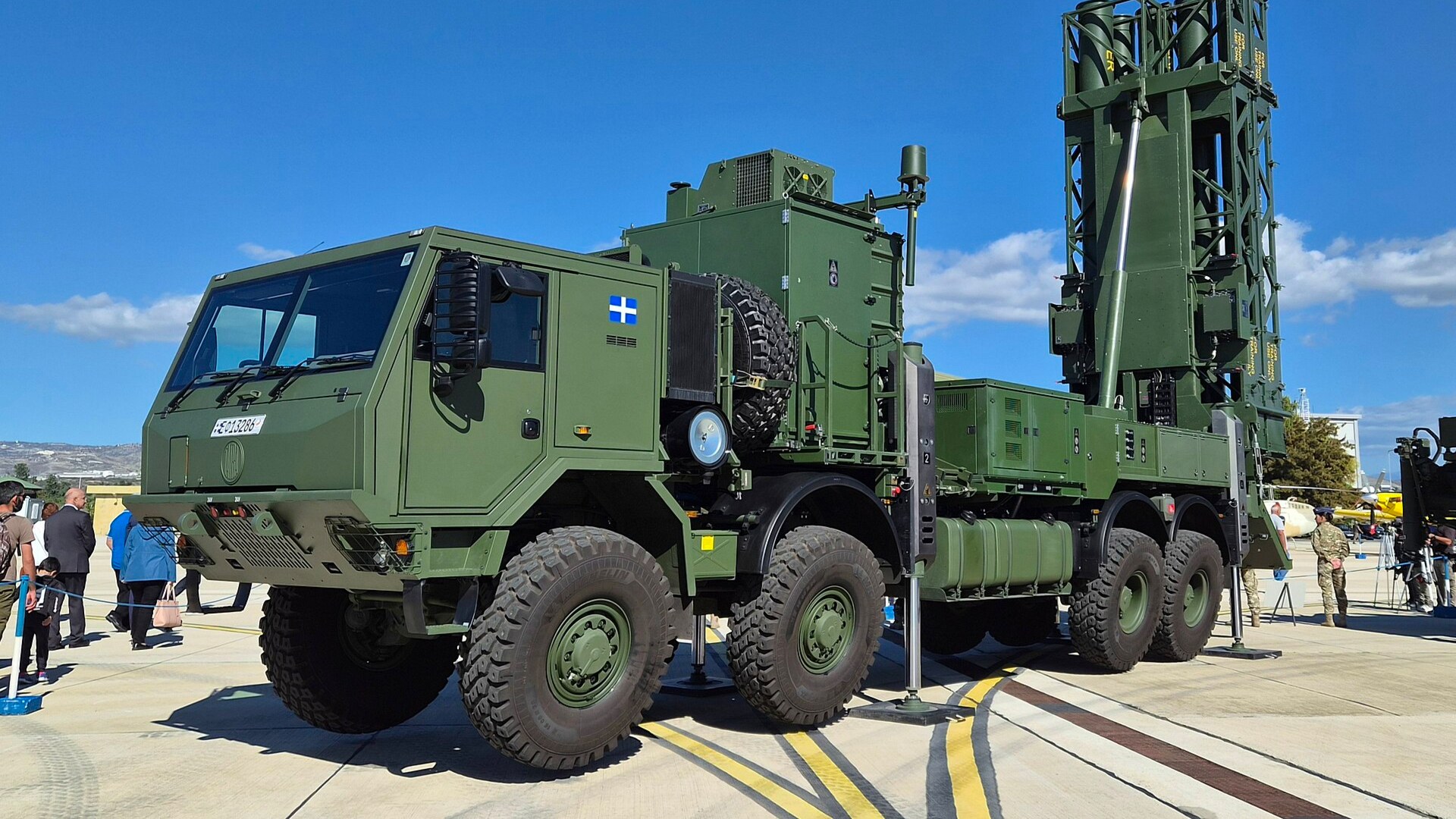
Israel Aerospace Industries and India's DRDO fielded the Barak family to protect ground sites and naval vessels. The Barak ER interceptor features an enlarged dual-pulse rocket motor that strikes threats out to 150 kilometres. It defeats tactical ballistic missiles in their final diving trajectory.
©Wikimedia / Stelios P.cy
14. Iron Dome
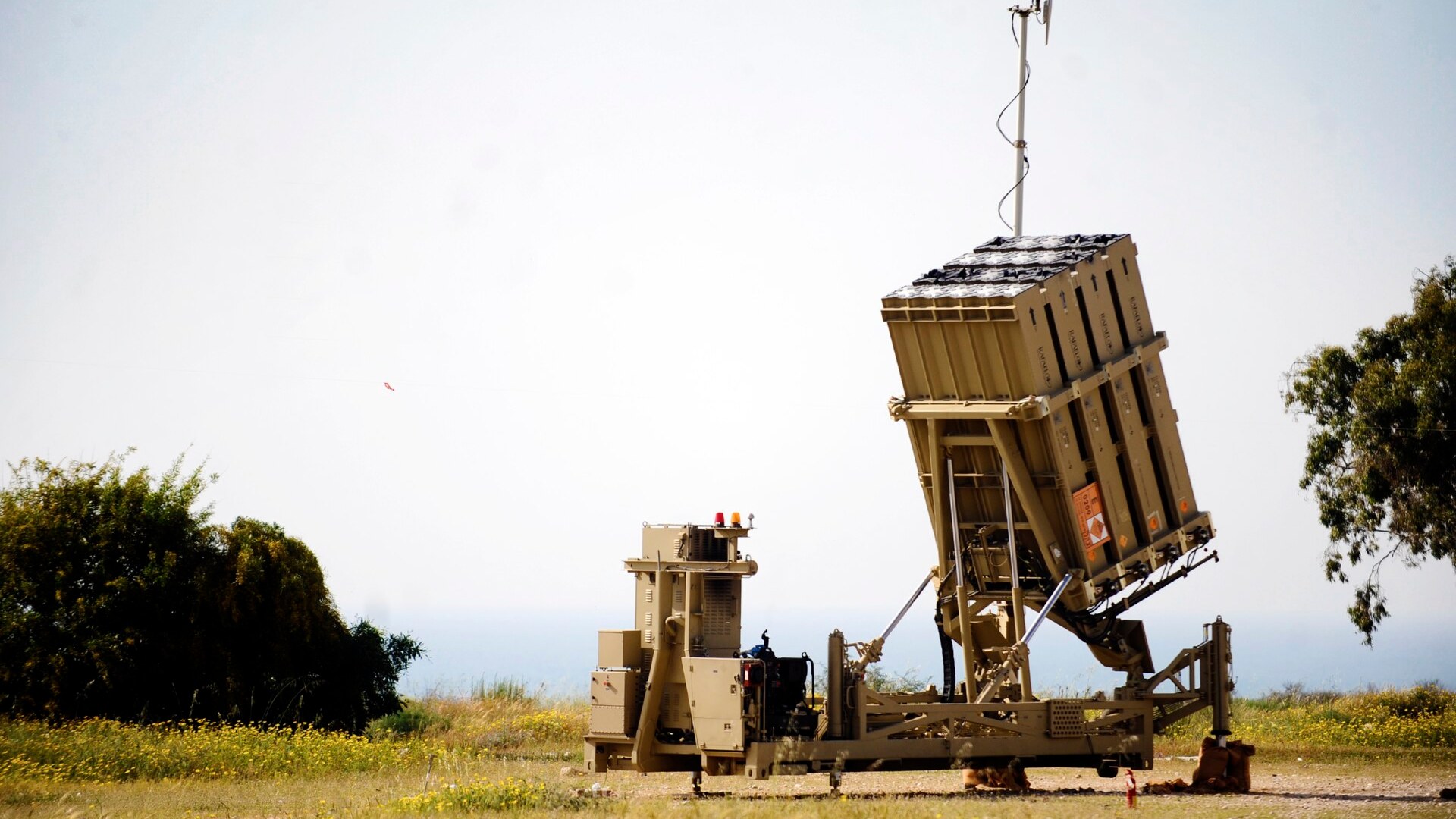
Rafael and Israel Aerospace Industries fielded Iron Dome in 2011 to stop short-range rocket barrages. The Tamir interceptor uses electro-optic steering to strike incoming projectiles at ranges up to 70 kilometres. Israeli military records confirm more than 5,000 combat interceptions across major conflicts.
©Wikimedia / Israel Defense Forces
Advertisement
Swipe or tap ▶ to resume the countdown.
13. HQ-9B
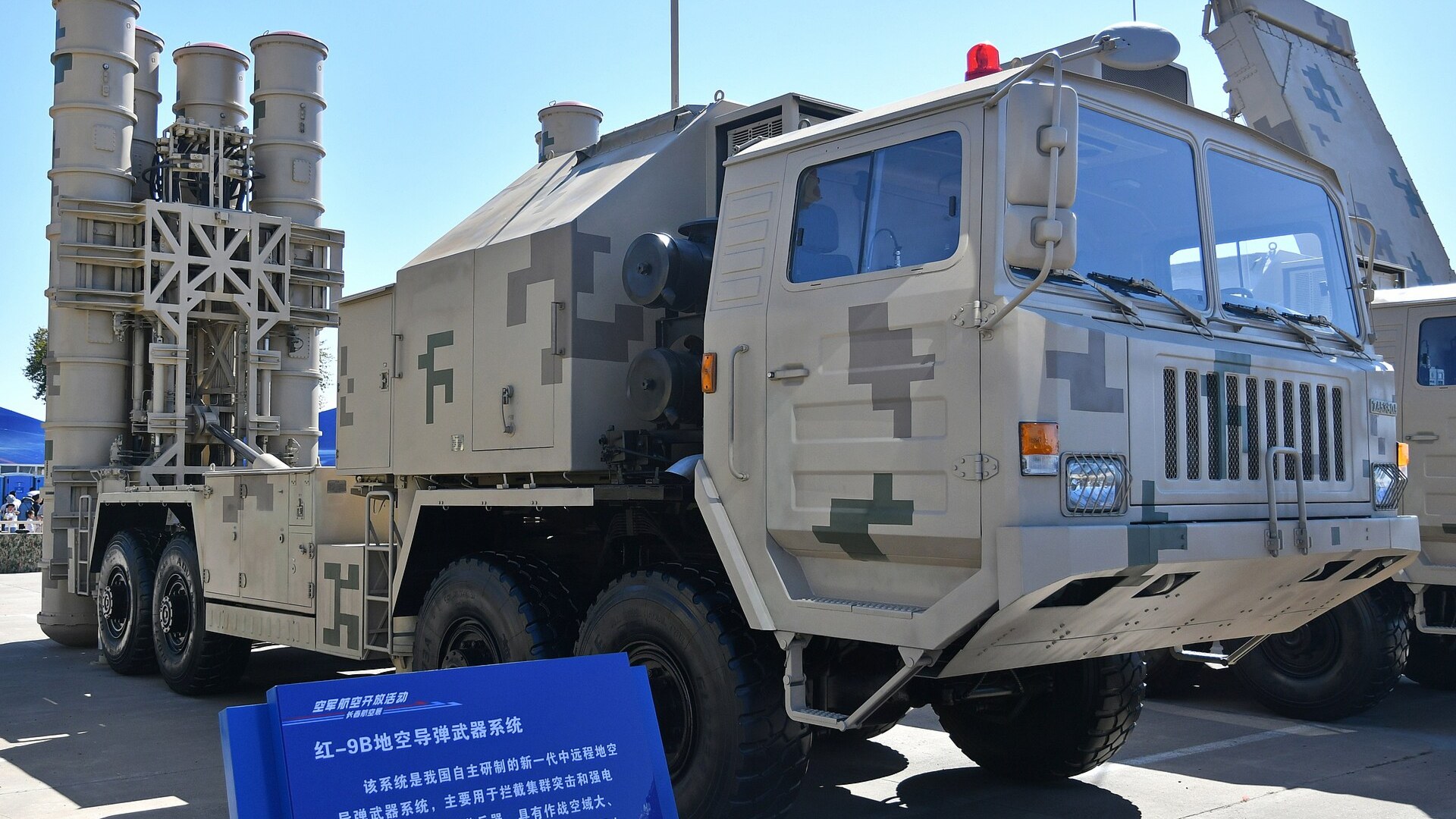
China Aerospace Science and Industry Corporation upgraded the HQ-9 to B standard around 2017 with dual-seeker guidance. The interceptor flies faster than Mach 4 to strike aircraft and tactical ballistic missiles up to 250 kilometres away. Chinese armed forces deploy it across naval task groups and islands.
©Wikimedia / 颐园居
12. MEADS
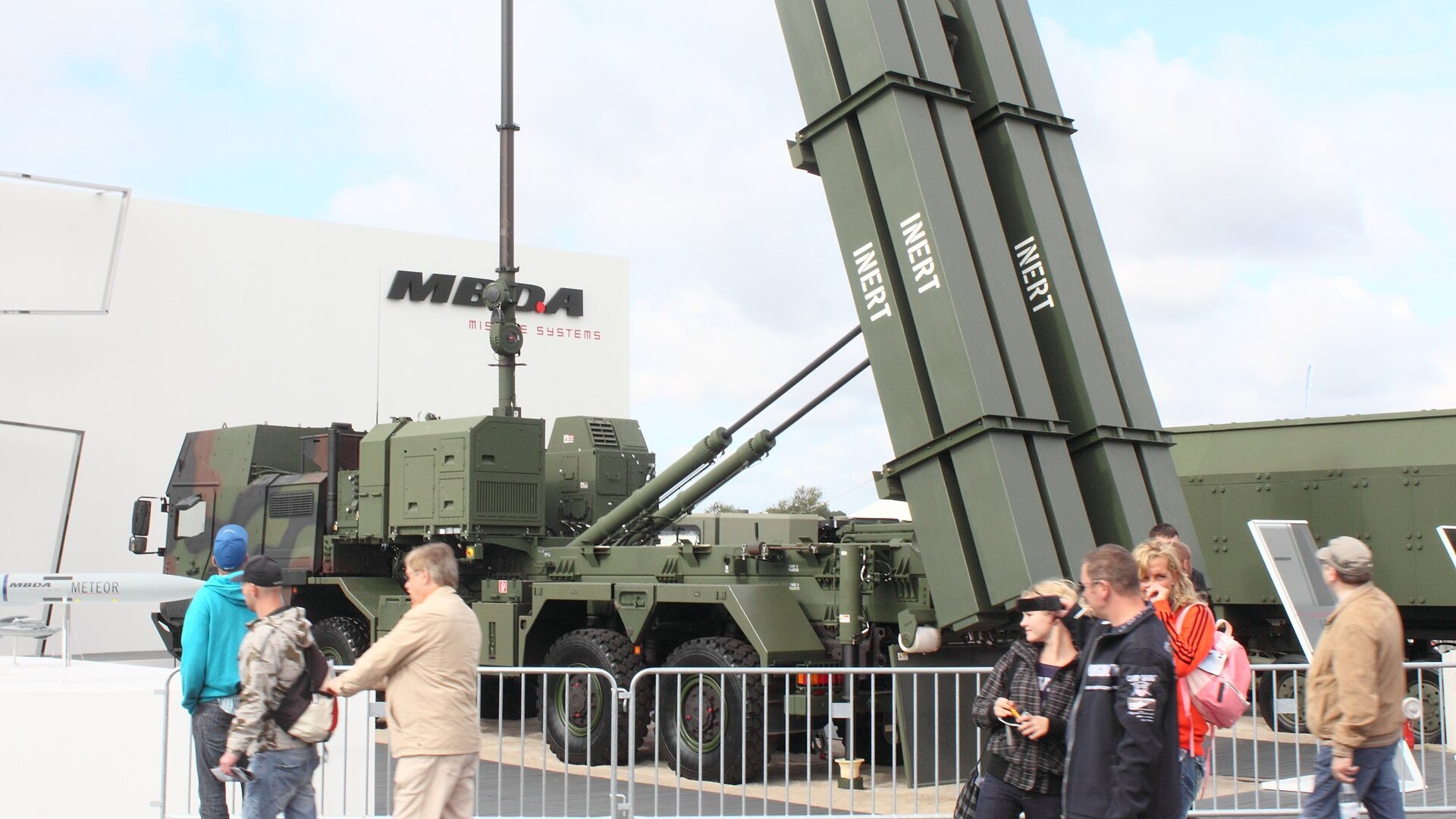
Developed jointly by the United States, Germany, and Italy, MEADS entered testing to replace legacy Hawk and Patriot hardware. It employs the PAC-3 MSE missile alongside 360-degree radar arrays to defeat tactical missiles and aircraft. The mobile architecture influenced Germany's current air defense doctrine.
©Wikimedia / Bin im Garten
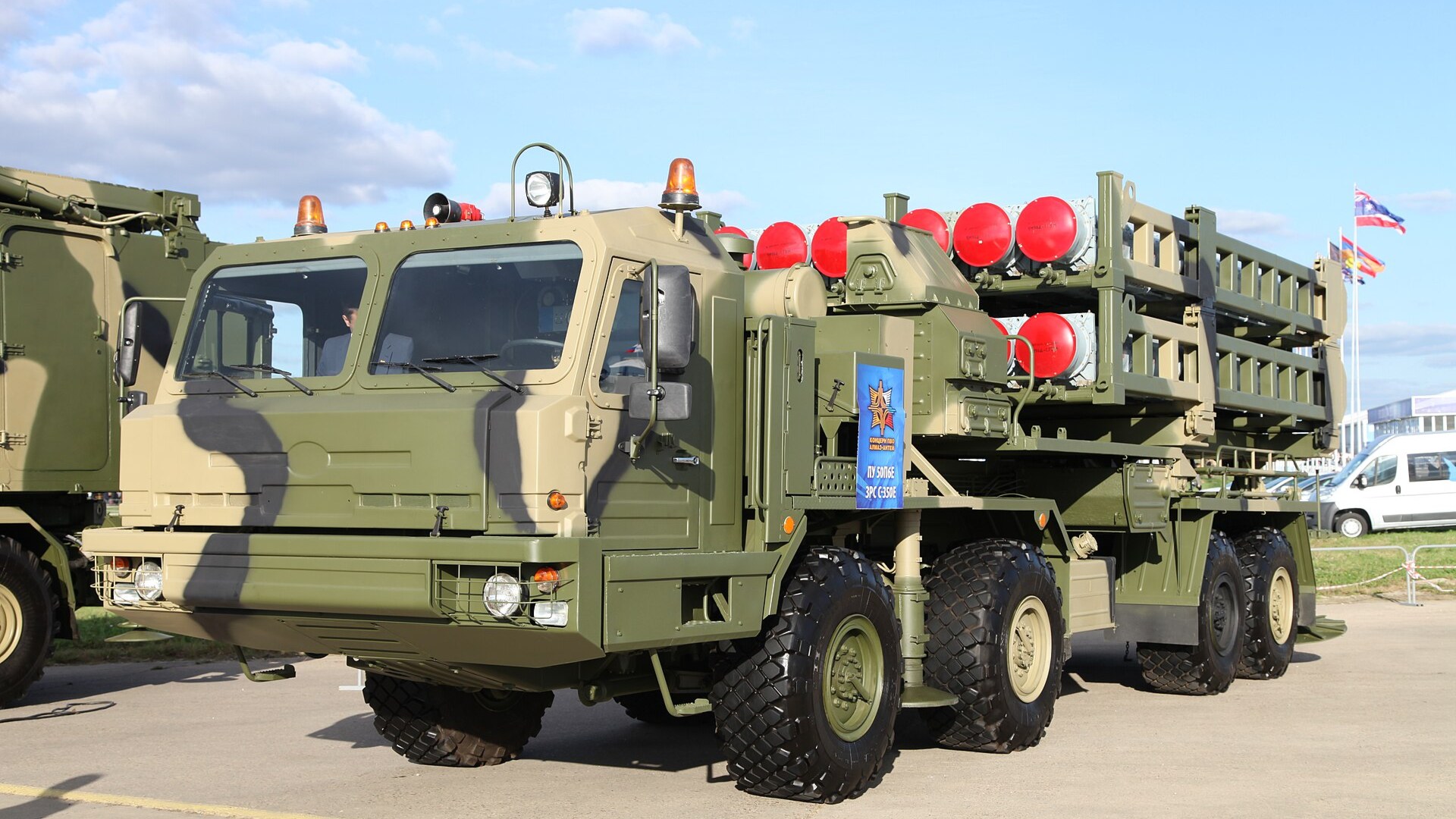
11. S-350 Vityaz
Almaz-Antey delivered the first operational S-350 Vityaz to Russian forces in 2020 to defend against saturation missile strikes. A single launcher carries twelve 9M96E2 missiles, each possessing active radar homing up to 120 kilometres. The battery handles multiple low-flying cruise missiles simultaneously.
©Wikimedia / Vitaly V. Kuzmin
10. L-SAM
South Korea's Agency for Defense Development and Hanwha completed development of L-SAM in May 2024. The indigenous interceptor targets ballistic warheads in their terminal phase at altitudes between 40 and 60 kilometres. Mass production begins to establish the upper tier of the Korea Air and Missile Defense shield.
©Wikimedia / 방위사업청 - Defense Acquisition Program Administrati
Advertisement
Swipe or tap ▶ to resume the countdown.
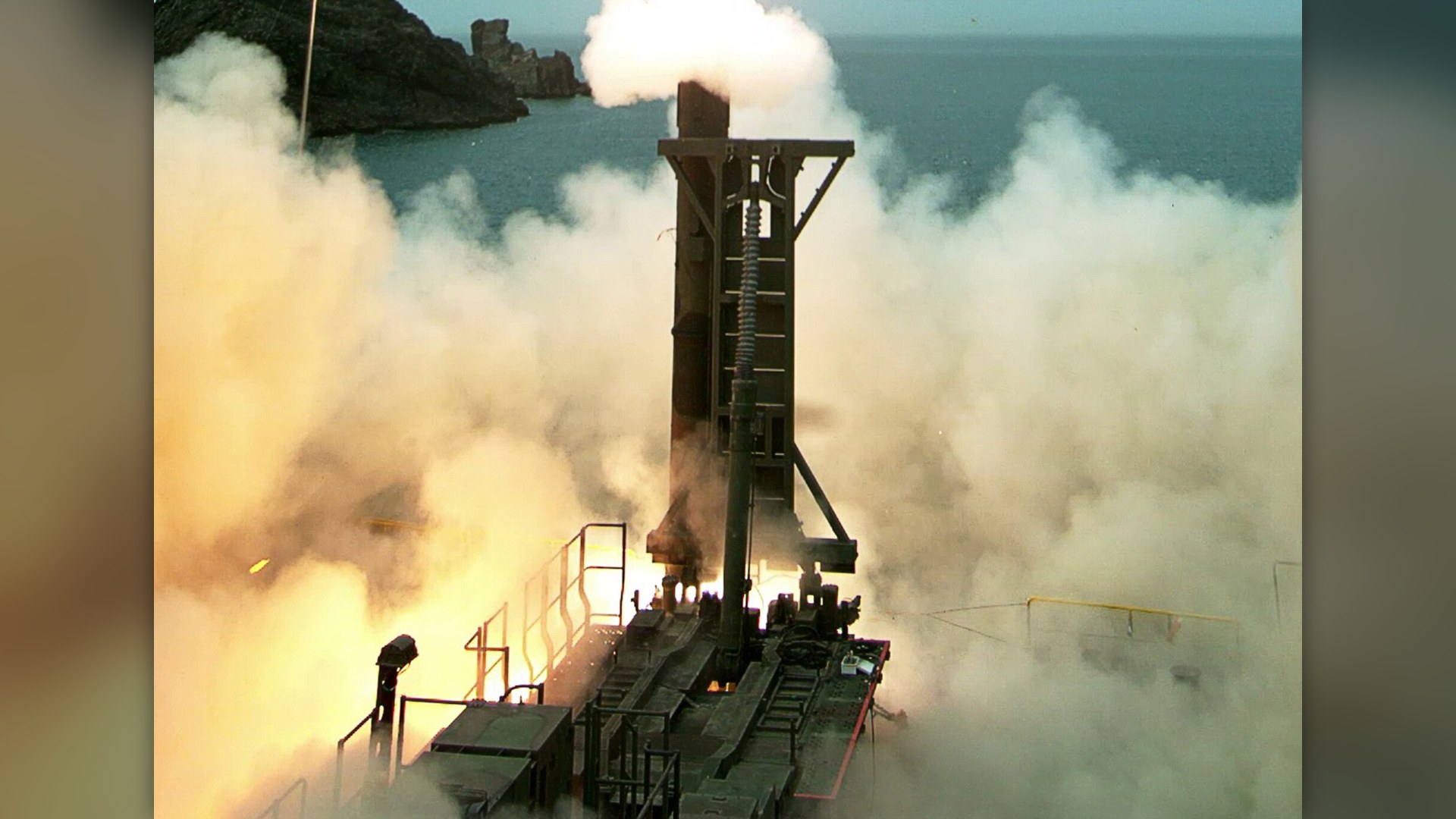
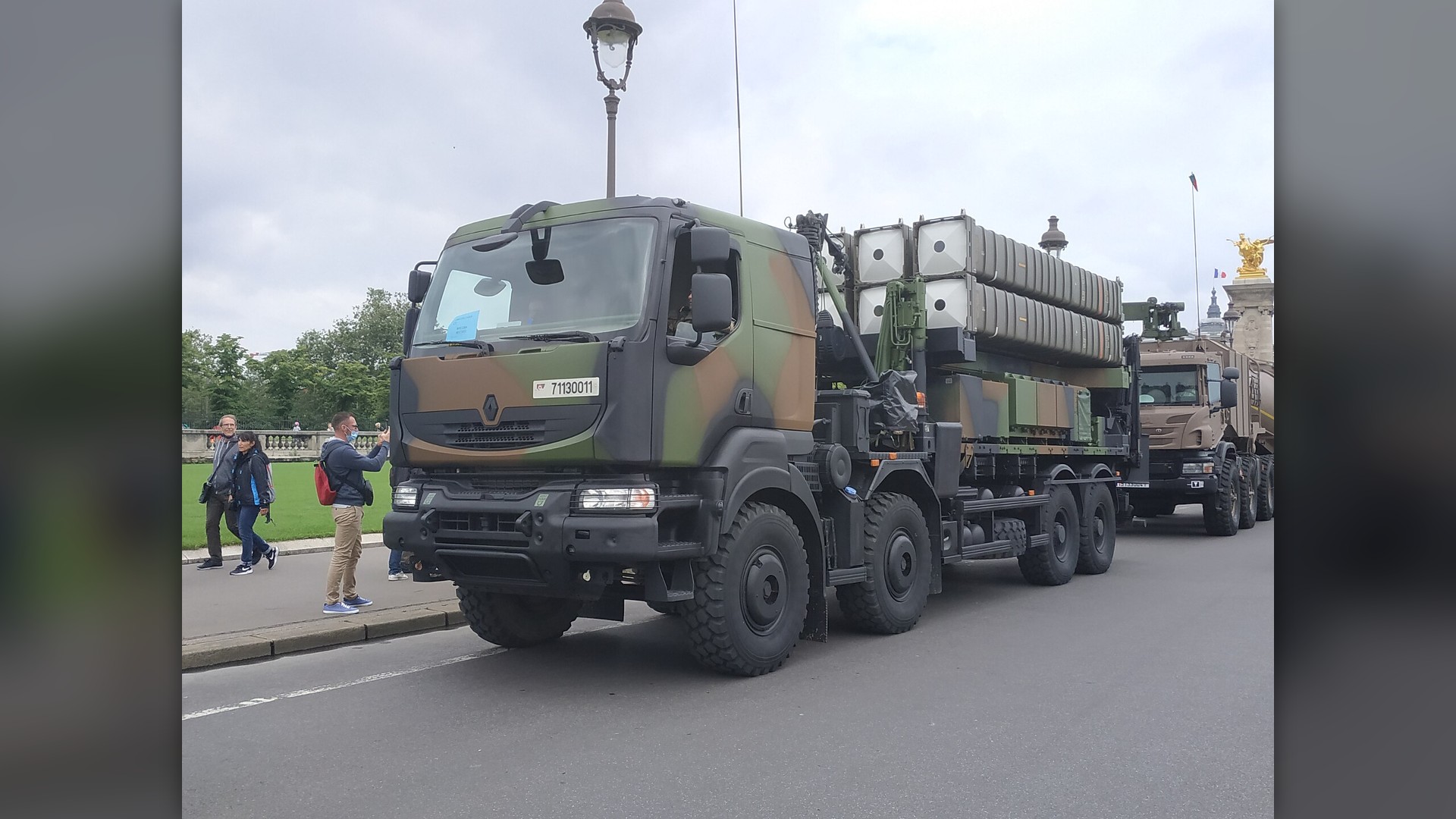
9. SAMP/T NG
Eurosam consortium members Thales and MBDA upgraded the SAMP/T Mamba system to New Generation standard in 2021. Its Aster 30 Block 1NT missile incorporates a Ka-band radar seeker capable of destroying ballistic missiles with 600-kilometre ranges. France and Italy placed series production contracts in 2023.
©Wikimedia / Kevin.B
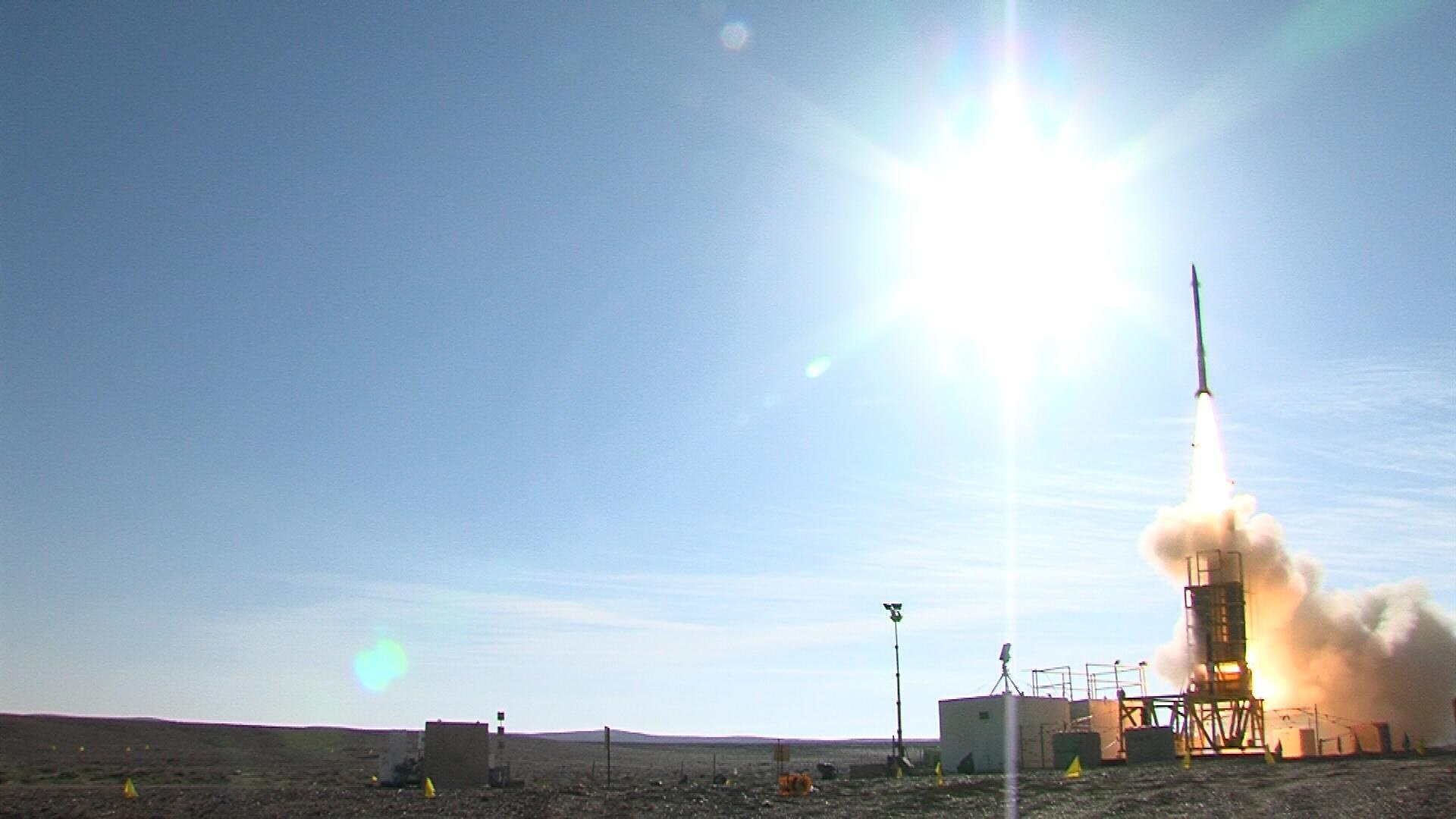
8. David's Sling
Rafael and Raytheon operationalized David's Sling in 2017 to bridge the gap between Iron Dome and Arrow. Its two-stage Stunner interceptor uses a dolphin-shaped nose with dual electro-optical and radar seekers to strike targets 300 kilometres away. Finland signed a contract in 2023 to purchase the battery.
©Wikimedia / United States Missile Defense Agency
7. S-400 Triumf
Russia fielded the S-400 Triumf in 2007 with export sales to China, Turkey, and India. The battery fires 40N6 missiles that reach altitudes of 30 kilometres and ranges of 400 kilometres against aerial targets. Its multi-missile loadout engages up to 80 targets across regional airspace sectors.
©Wikimedia / Vitaliy Ragulin
6. Patriot PAC-3 MSE
Lockheed Martin fielded the PAC-3 Missile Segment Enhancement in 2015 with a larger dual-pulse rocket motor. The interceptor uses direct kinetic collision to shatter incoming tactical ballistic missiles up to 35 kilometres high. Ukrainian batteries proved its effectiveness against aeroballistic Kinzhal missiles in 2023
©Wikimedia / Boevaya mashina
Advertisement
Swipe or tap ▶ to resume the countdown.
5. Arrow 2
Israel Aerospace Industries and Boeing delivered Arrow 2 in 2000 to counter Scud-class ballistic missiles. The two-stage missile detonates a fragmentation warhead within 50 metres of targets at altitudes up to 50 kilometres. In October 2023, Arrow 2 made combat intercepts against long-range ballistic attacks.
©Wikimedia / Gellerj
4. THAAD
Lockheed Martin delivered THAAD to the United States Army in 2008 for terminal defense. The interceptor carries no explosive warhead, relying purely on kinetic energy to destroy warheads up to 150 kilometres high. Its AN/TPY-2 radar detects ballistic launches thousands of kilometres away.
©Wikimedia / The U.S. Army Ralph Scott/Missile Defense Agency
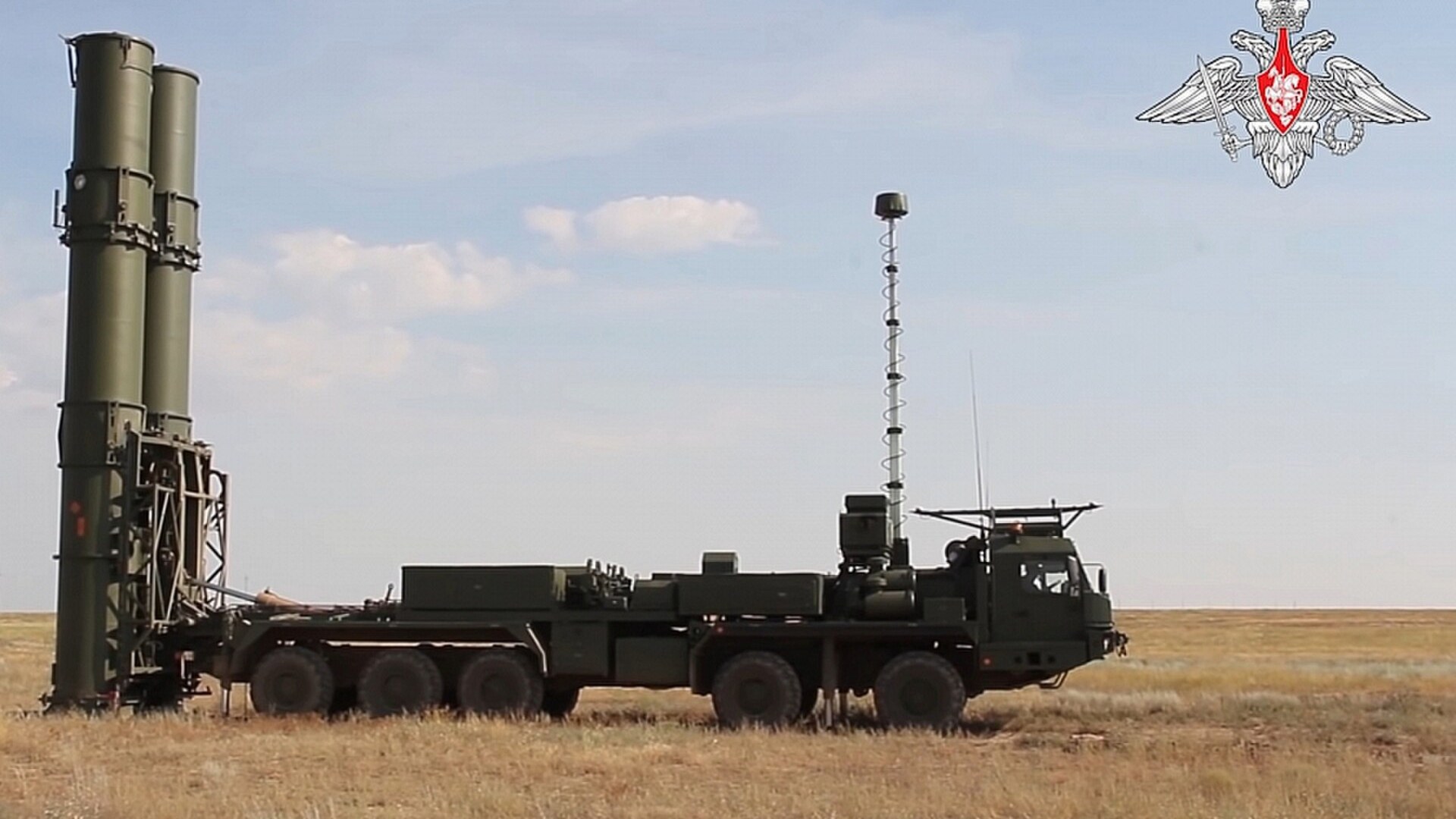
3. S-500 Prometheus
Almaz-Antey developed the S-500 Prometheus to defend key metropolitan centres against hypersonic weapons and orbital assets. The 77N6-N interceptor reaches altitudes of 200 kilometres and engagement ranges up to 600 kilometres. Russia deployed early production units around Moscow in 2021.
©Wikimedia / Пресс-служба Минобороны РФ
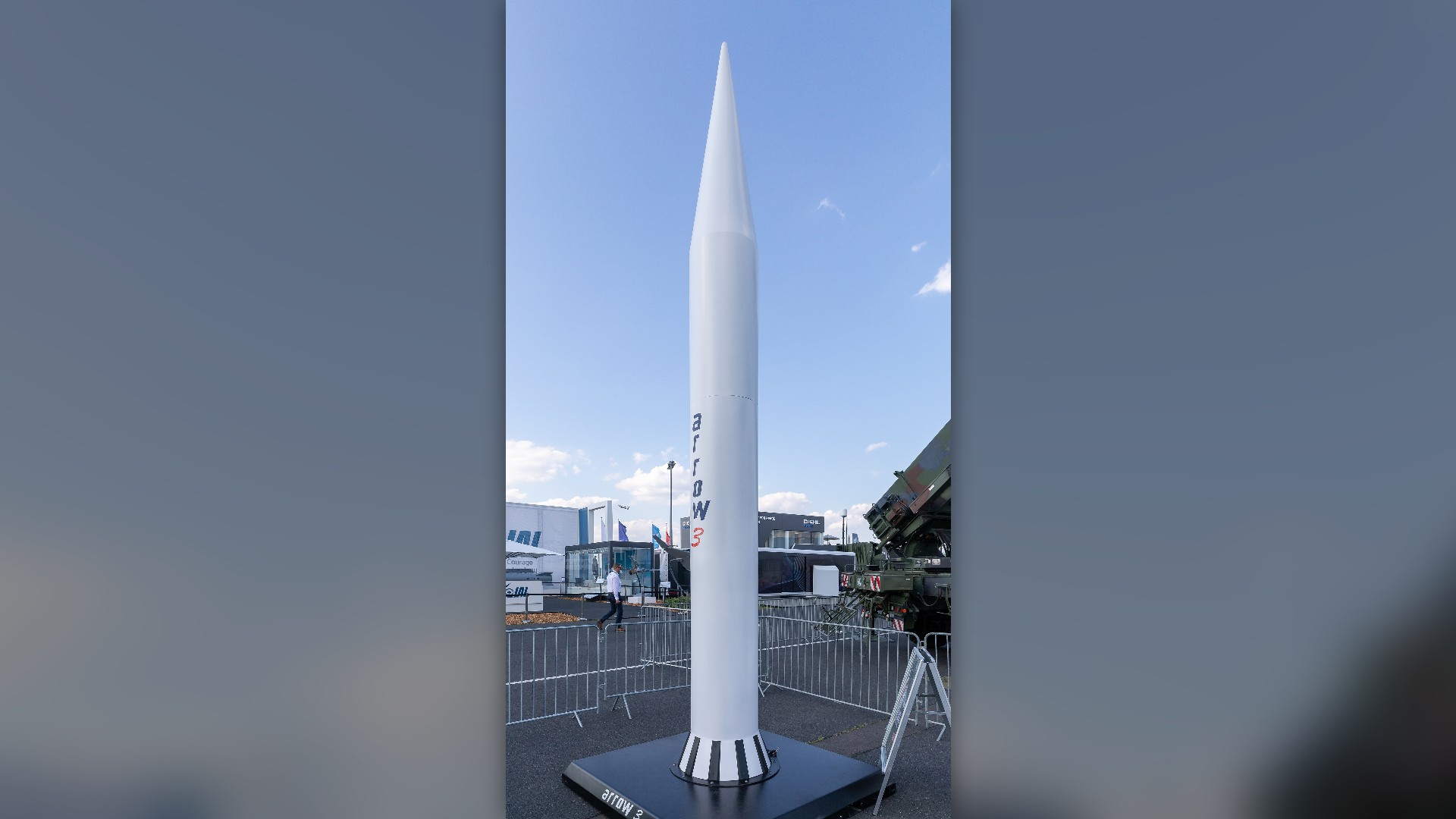
2. Arrow 3
Israel Aerospace Industries and Boeing deployed Arrow 3 in 2017 for exo-atmospheric interception. The missile uses a thrust-vectoring kill vehicle to hit ballistic warheads in space before re-entry. Israeli forces achieved history's first exo-atmospheric combat intercepts using Arrow 3 in late 2023.
©Wikimedia / Matti Blume
Advertisement
Swipe or tap ▶ to resume the countdown.
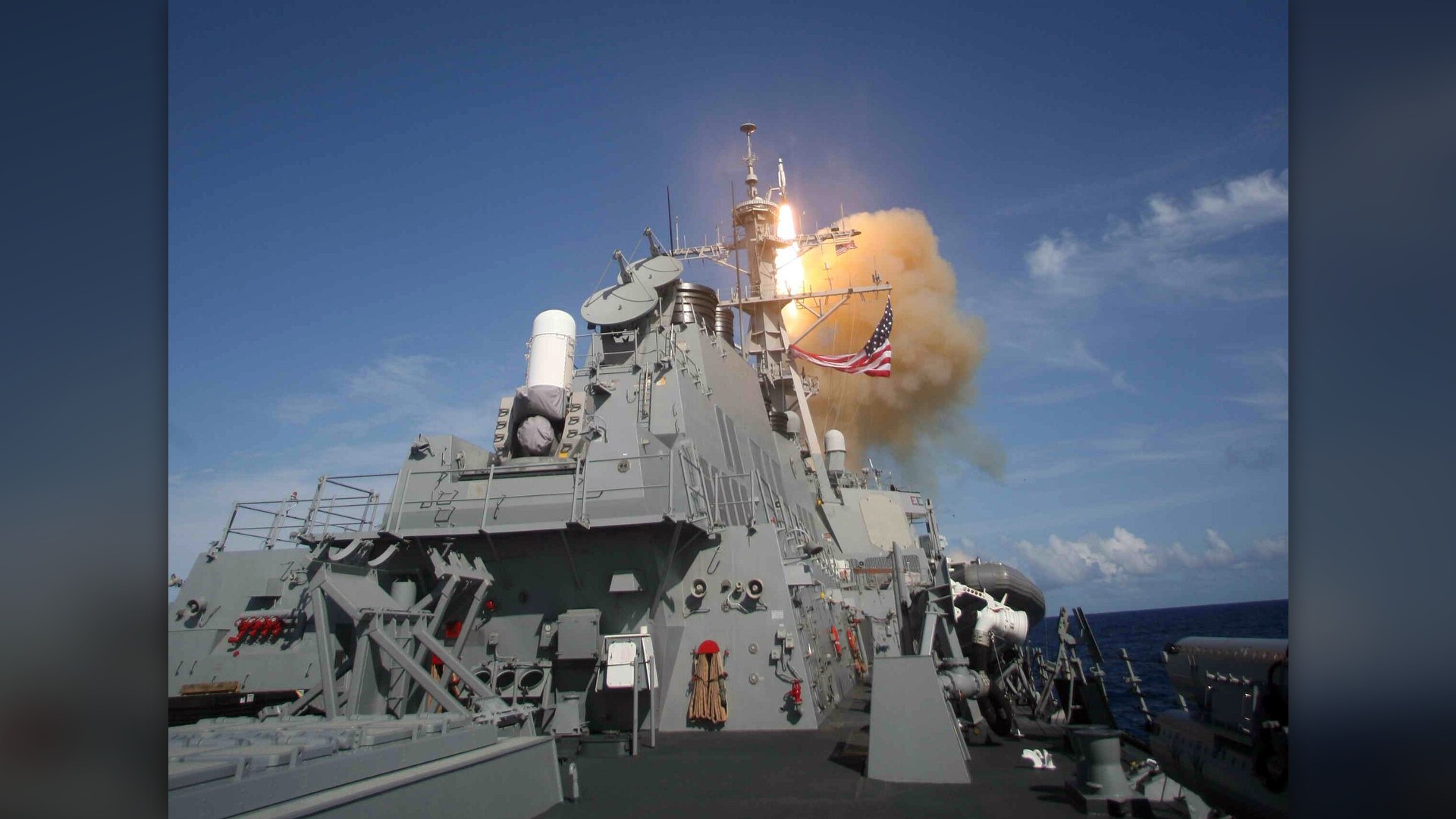
1. Aegis BMD (SM-3 Block IIA)
Raytheon and Mitsubishi engineered the SM-3 Block IIA for naval destroyers and Aegis Ashore sites. The missile reaches over 2,000 kilometres into space to shatter intermediate and intercontinental ballistic threats. In November 2020, test FTM-44 proved its ability to intercept an ICBM-class target.
©Wikimedia / U.S. Navy photo
Advertisement
You've reached the end of the story. Thanks for reading!

When Heavy Snow Typically Hits 30 Major US Cities
Predicting winter weather requires analyzing long-term climate normals rather than speculation. Based on thirty-year NOAA records and National Weather Service data, this reference guide details when thirty major American cities typically receive their heaviest snow. Sources include NOAA NCEI and NWS regional offices.
All 20 Entries in this Story
#20 Sky Sabre (CAMM)
The British Army deployed Sky Sabre to Poland in 2022 to protect airspace with the CAMM missile. Built by MBDA, the interceptor travels at Mach 3 to engage fighters, drones, and precision bombs up to 25 kilometres away. Its Saab Giraffe radar tracks hundreds of aerial tracks simultaneously.

#19 SPYDER
Rafael developed SPYDER for short and medium range defense against aircraft, cruise missiles, and drones. The system entered service in 2005 with export operators like India, Singapore, and the Czech Republic. Equipped with Derby radar missiles, SPYDER-MR strikes targets out to 50 kilometres.

#18 Type 03 Chū-SAM Kai
Japan Ground Self-Defense Force inducted the upgraded Chū-SAM Kai in 2017 to defend against cruise missiles and aircraft. Built by Mitsubishi Electric, its active radar homing missile reaches targets 50 kilometres away. The battery links directly to Japan's automated air defense network.

#17 NASAMS III
Kongsberg and Raytheon upgraded NASAMS to its third iteration in 2019, adding AMRAAM-ER capability. The interceptor engages aircraft, helicopters, and cruise missiles up to 50 kilometres away and 36,000 feet high. Ukraine received early batteries in late 2022 to counter Russian missile salvos.

#16 IRIS-T SLM
Diehl Defence delivered the IRIS-T SLM to Ukrainian defenders in October 2022, achieving confirmed intercept rates above 90 percent. The system uses a radar-guided rocket motor to defeat cruise missiles and aircraft up to 40 kilometres away. Germany ordered six batteries for its own army in 2023.

#15 Barak MX
Israel Aerospace Industries and India's DRDO fielded the Barak family to protect ground sites and naval vessels. The Barak ER interceptor features an enlarged dual-pulse rocket motor that strikes threats out to 150 kilometres. It defeats tactical ballistic missiles in their final diving trajectory.

#14 Iron Dome
Rafael and Israel Aerospace Industries fielded Iron Dome in 2011 to stop short-range rocket barrages. The Tamir interceptor uses electro-optic steering to strike incoming projectiles at ranges up to 70 kilometres. Israeli military records confirm more than 5,000 combat interceptions across major conflicts.

#13 HQ-9B
China Aerospace Science and Industry Corporation upgraded the HQ-9 to B standard around 2017 with dual-seeker guidance. The interceptor flies faster than Mach 4 to strike aircraft and tactical ballistic missiles up to 250 kilometres away. Chinese armed forces deploy it across naval task groups and islands.

#12 MEADS
Developed jointly by the United States, Germany, and Italy, MEADS entered testing to replace legacy Hawk and Patriot hardware. It employs the PAC-3 MSE missile alongside 360-degree radar arrays to defeat tactical missiles and aircraft. The mobile architecture influenced Germany's current air defense doctrine.

#11 S-350 Vityaz
Almaz-Antey delivered the first operational S-350 Vityaz to Russian forces in 2020 to defend against saturation missile strikes. A single launcher carries twelve 9M96E2 missiles, each possessing active radar homing up to 120 kilometres. The battery handles multiple low-flying cruise missiles simultaneously.

#10 L-SAM
South Korea's Agency for Defense Development and Hanwha completed development of L-SAM in May 2024. The indigenous interceptor targets ballistic warheads in their terminal phase at altitudes between 40 and 60 kilometres. Mass production begins to establish the upper tier of the Korea Air and Missile Defense shield.

#9 SAMP/T NG
Eurosam consortium members Thales and MBDA upgraded the SAMP/T Mamba system to New Generation standard in 2021. Its Aster 30 Block 1NT missile incorporates a Ka-band radar seeker capable of destroying ballistic missiles with 600-kilometre ranges. France and Italy placed series production contracts in 2023.

#8 David's Sling
Rafael and Raytheon operationalized David's Sling in 2017 to bridge the gap between Iron Dome and Arrow. Its two-stage Stunner interceptor uses a dolphin-shaped nose with dual electro-optical and radar seekers to strike targets 300 kilometres away. Finland signed a contract in 2023 to purchase the battery.

#7 S-400 Triumf
Russia fielded the S-400 Triumf in 2007 with export sales to China, Turkey, and India. The battery fires 40N6 missiles that reach altitudes of 30 kilometres and ranges of 400 kilometres against aerial targets. Its multi-missile loadout engages up to 80 targets across regional airspace sectors.

#6 Patriot PAC-3 MSE
Lockheed Martin fielded the PAC-3 Missile Segment Enhancement in 2015 with a larger dual-pulse rocket motor. The interceptor uses direct kinetic collision to shatter incoming tactical ballistic missiles up to 35 kilometres high. Ukrainian batteries proved its effectiveness against aeroballistic Kinzhal missiles in 2023

#5 Arrow 2
Israel Aerospace Industries and Boeing delivered Arrow 2 in 2000 to counter Scud-class ballistic missiles. The two-stage missile detonates a fragmentation warhead within 50 metres of targets at altitudes up to 50 kilometres. In October 2023, Arrow 2 made combat intercepts against long-range ballistic attacks.

#4 THAAD
Lockheed Martin delivered THAAD to the United States Army in 2008 for terminal defense. The interceptor carries no explosive warhead, relying purely on kinetic energy to destroy warheads up to 150 kilometres high. Its AN/TPY-2 radar detects ballistic launches thousands of kilometres away.

#3 S-500 Prometheus
Almaz-Antey developed the S-500 Prometheus to defend key metropolitan centres against hypersonic weapons and orbital assets. The 77N6-N interceptor reaches altitudes of 200 kilometres and engagement ranges up to 600 kilometres. Russia deployed early production units around Moscow in 2021.

#2 Arrow 3
Israel Aerospace Industries and Boeing deployed Arrow 3 in 2017 for exo-atmospheric interception. The missile uses a thrust-vectoring kill vehicle to hit ballistic warheads in space before re-entry. Israeli forces achieved history's first exo-atmospheric combat intercepts using Arrow 3 in late 2023.

#1 Aegis BMD (SM-3 Block IIA)
Raytheon and Mitsubishi engineered the SM-3 Block IIA for naval destroyers and Aegis Ashore sites. The missile reaches over 2,000 kilometres into space to shatter intermediate and intercontinental ballistic threats. In November 2020, test FTM-44 proved its ability to intercept an ICBM-class target.